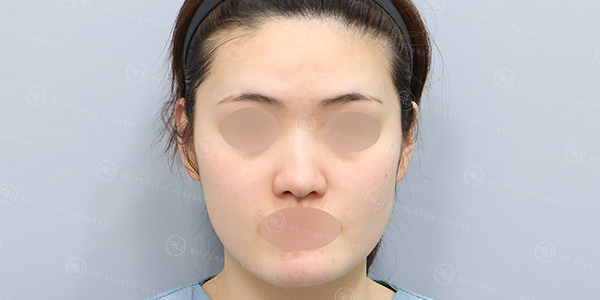
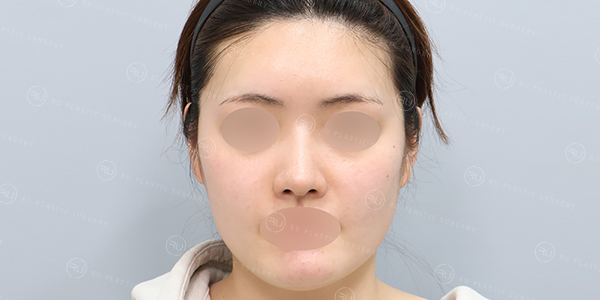
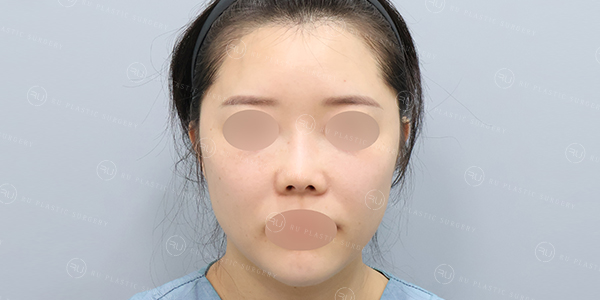
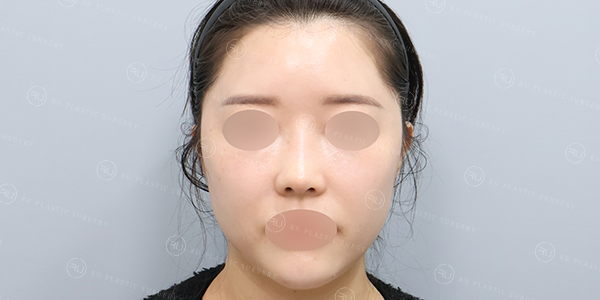
Two-Month Review After Revision Rhinoplasty for Inflammation and Nasal Contracture
본문
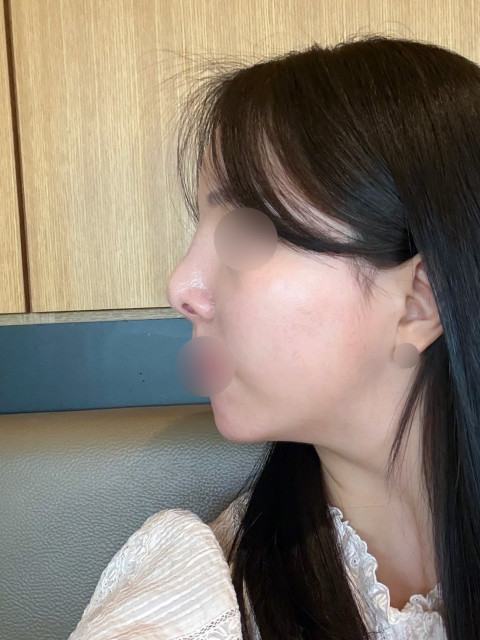
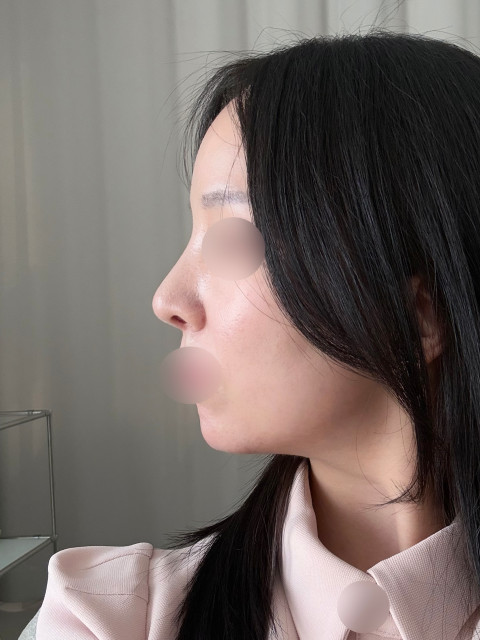
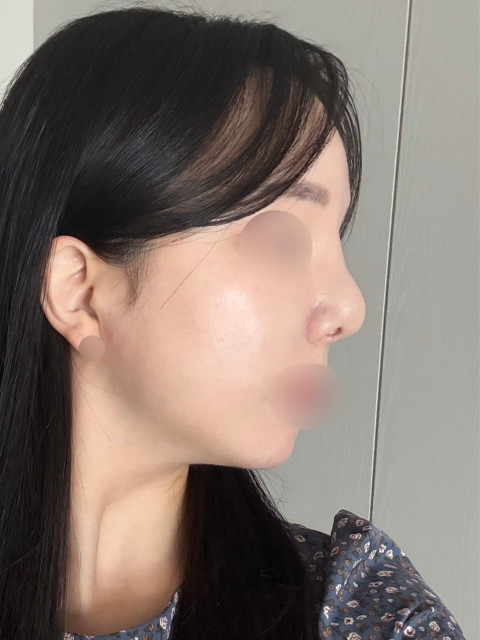
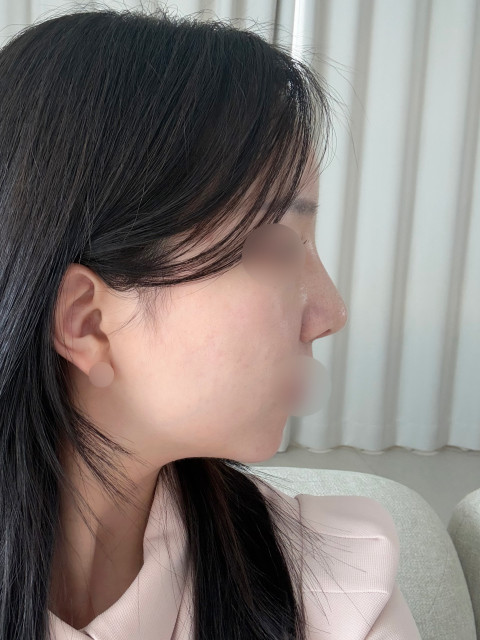
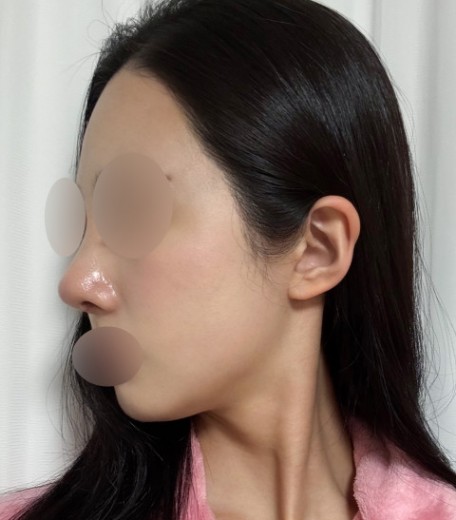
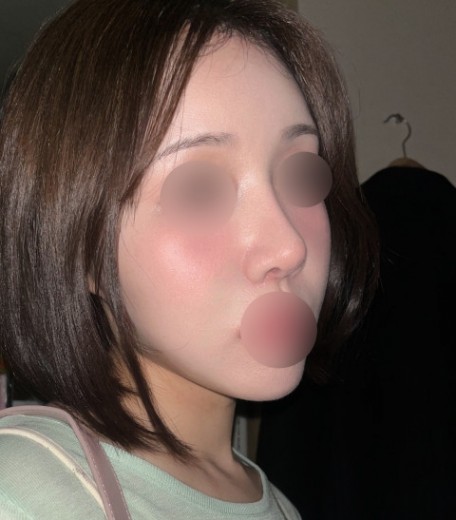
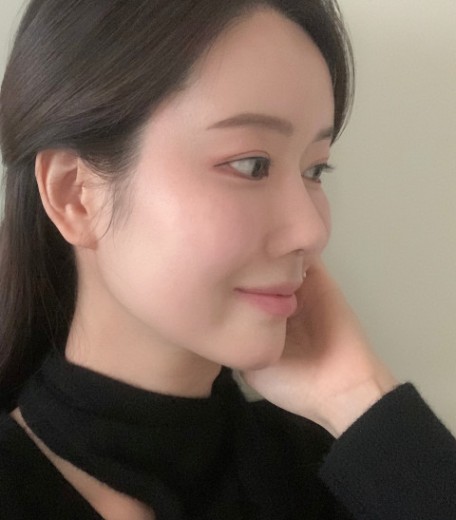
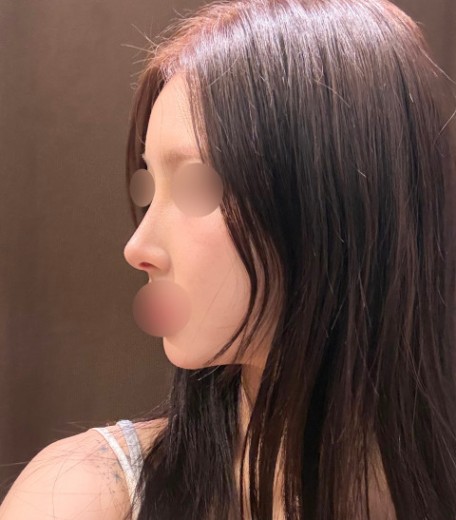
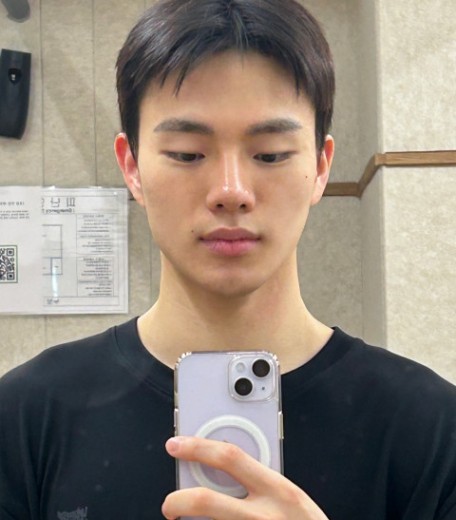
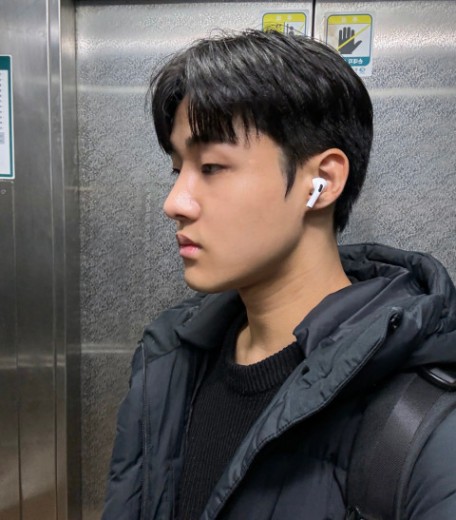
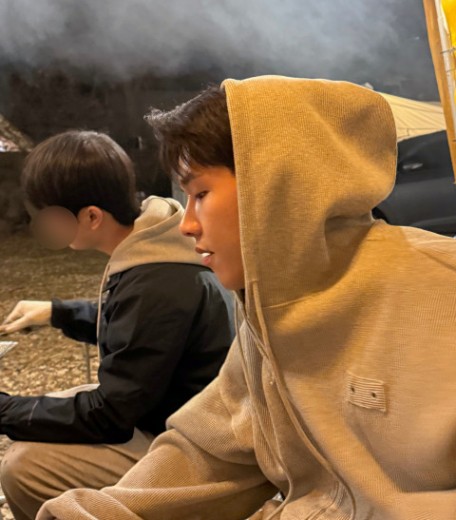
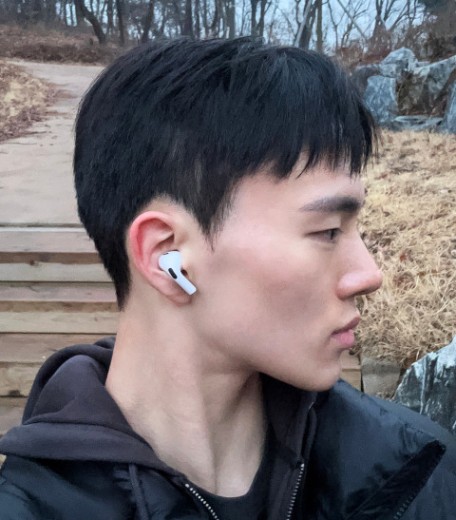
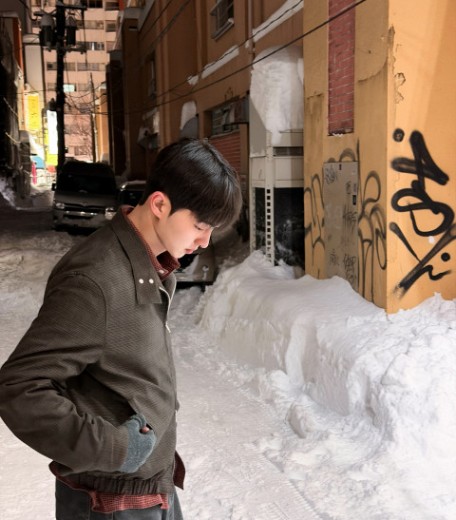
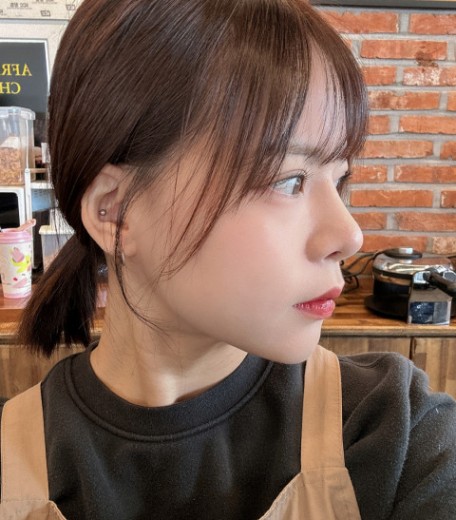
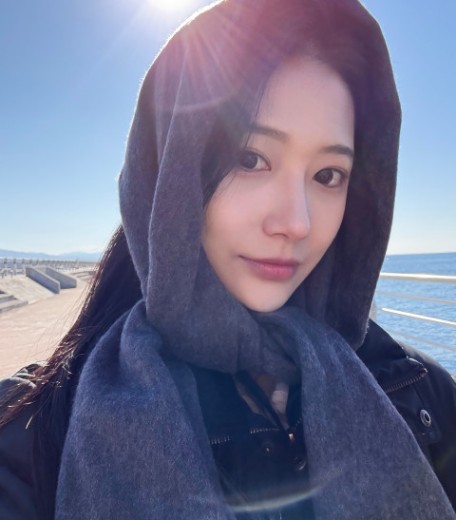
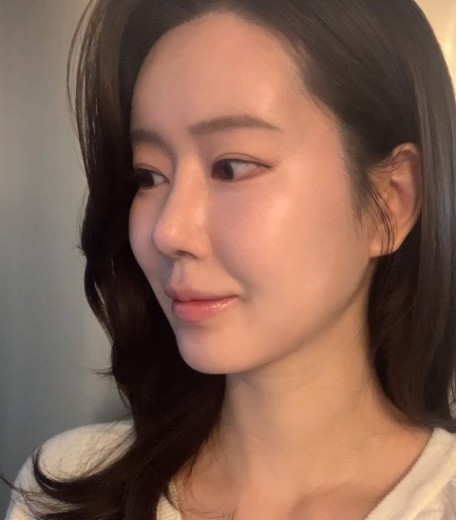
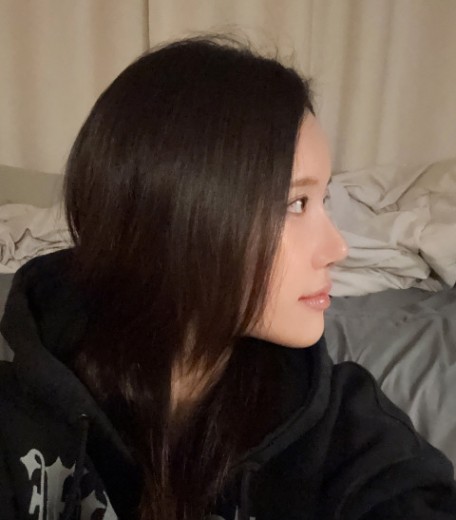
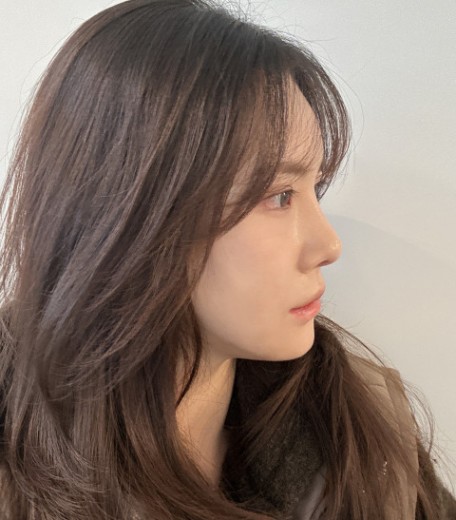
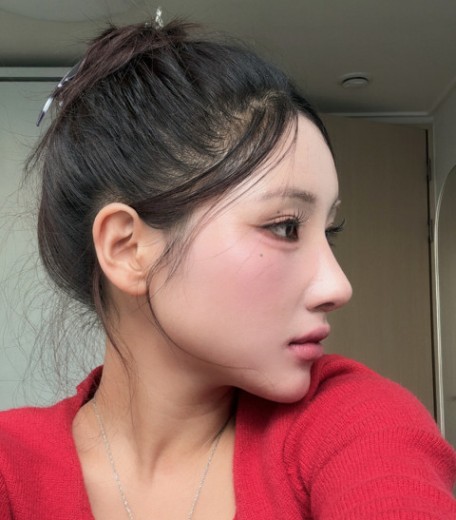
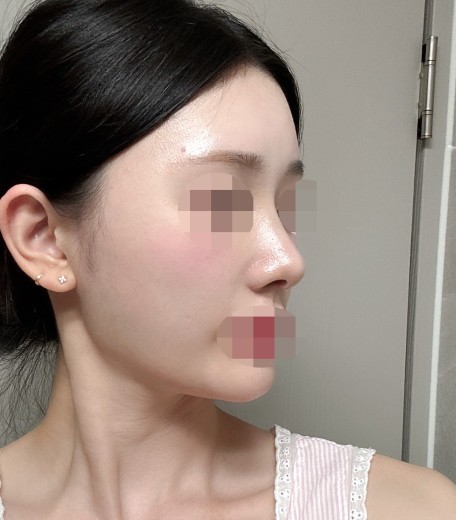
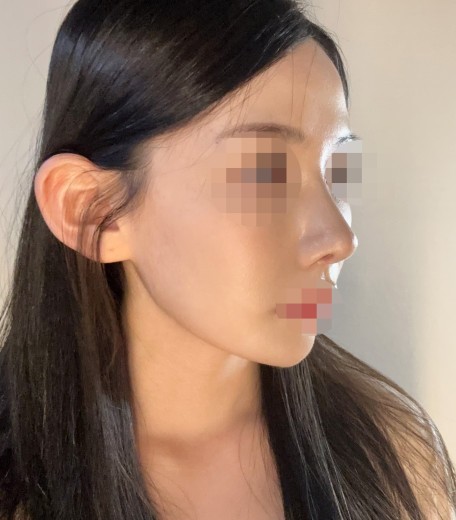
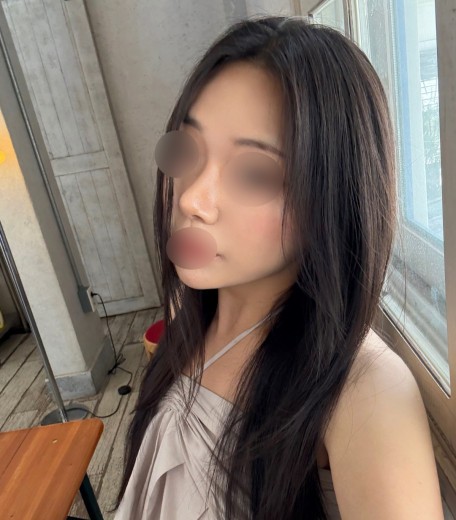
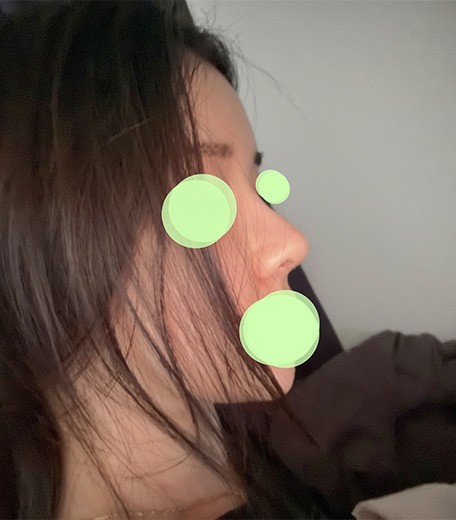
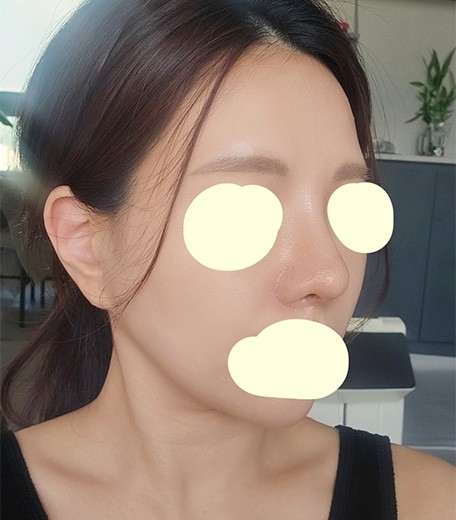
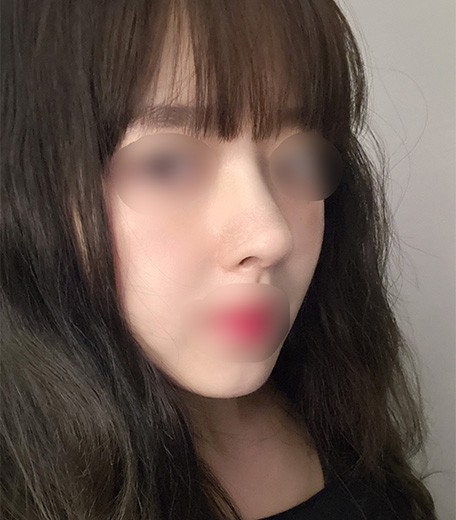
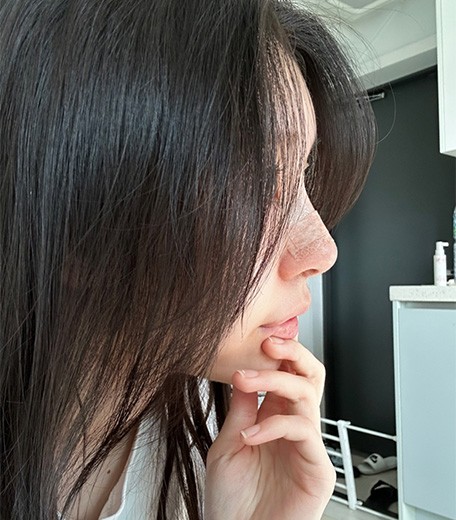
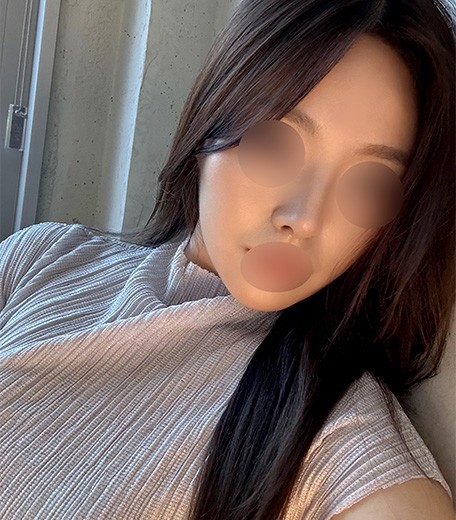
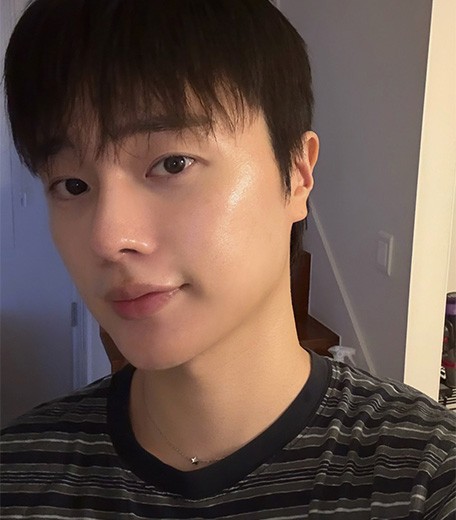
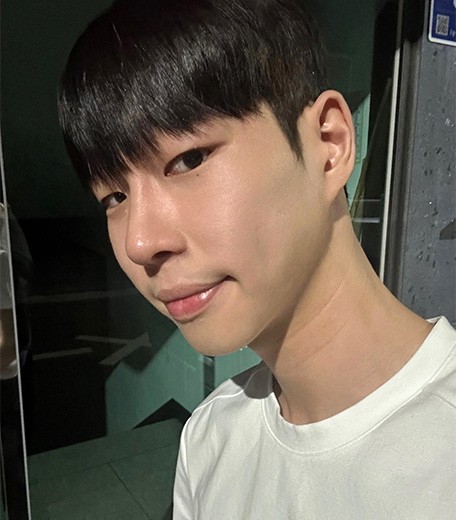
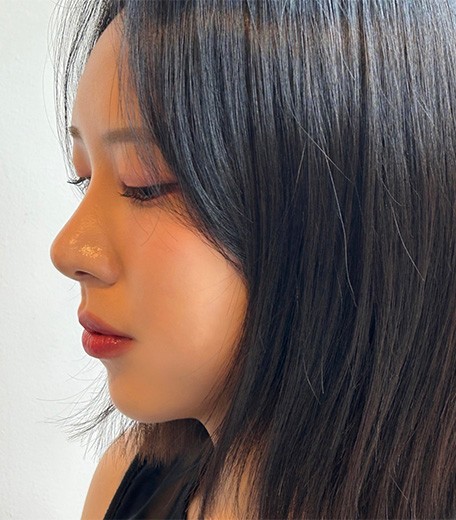
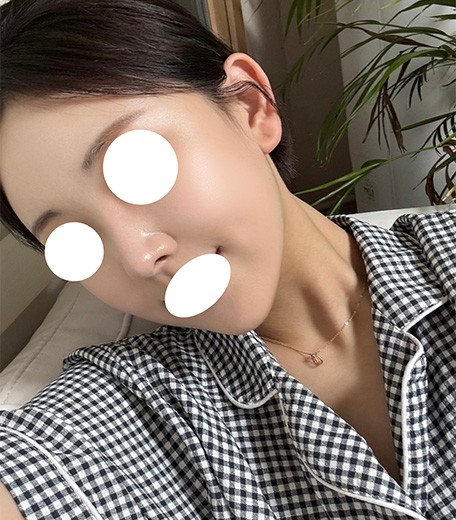
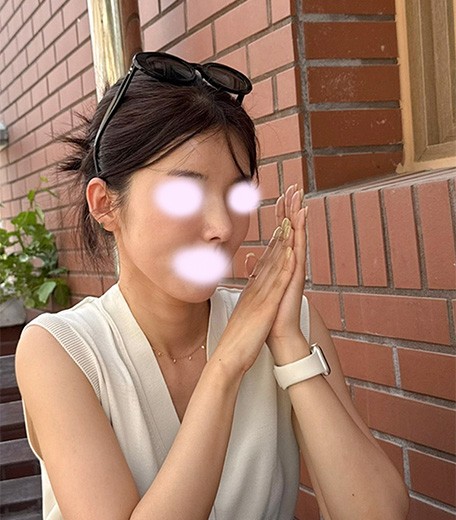
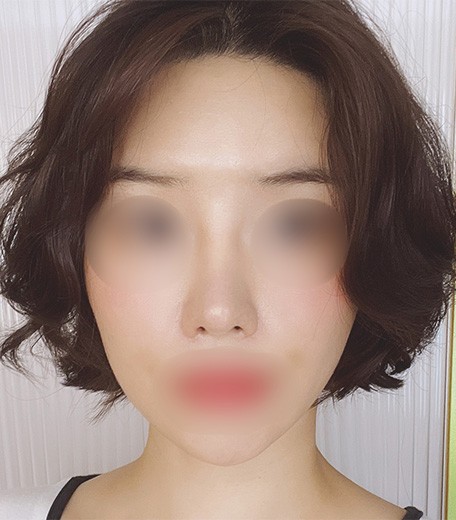
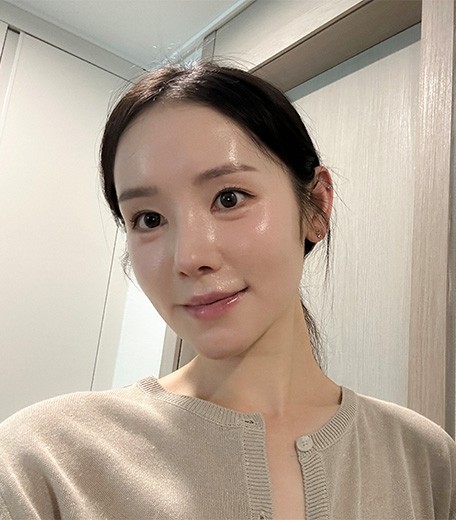
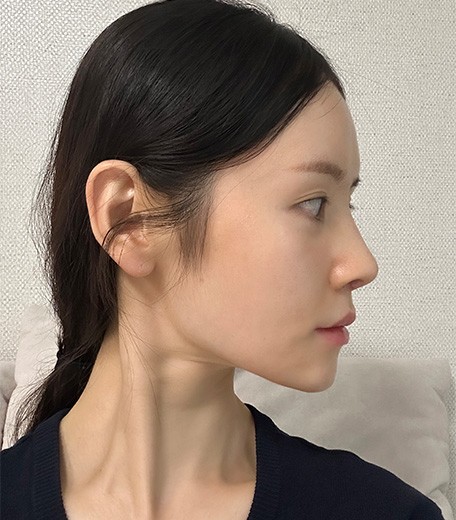
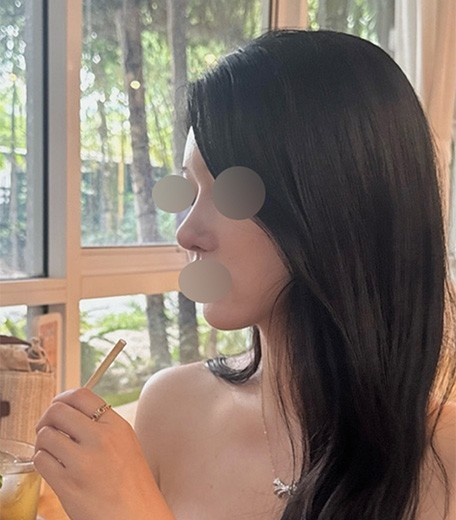
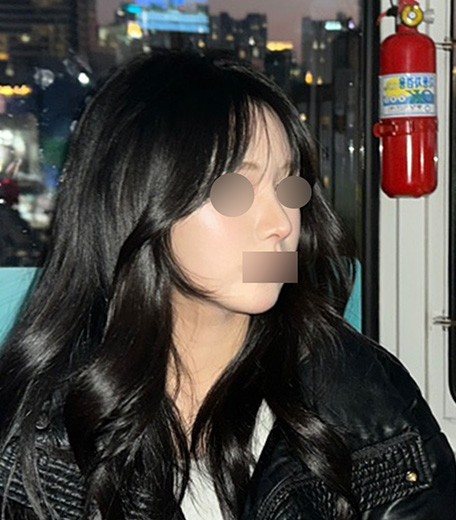
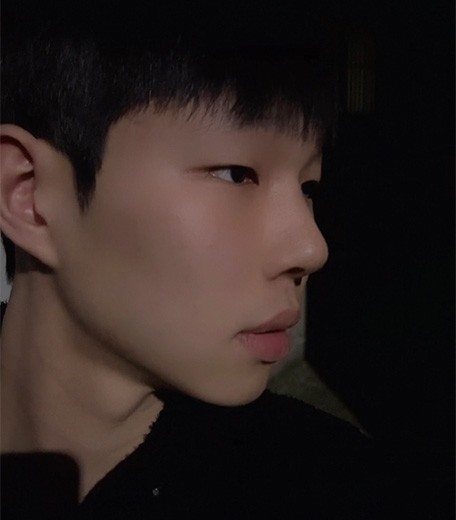
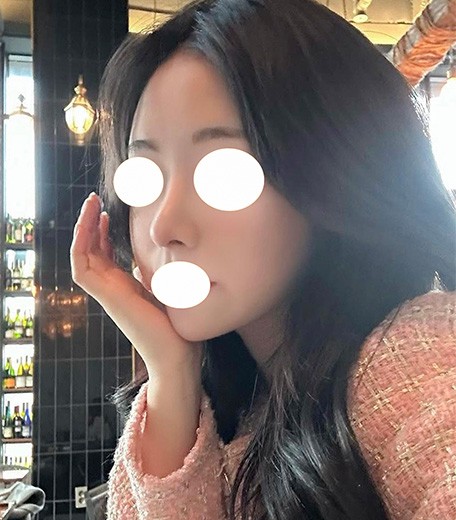
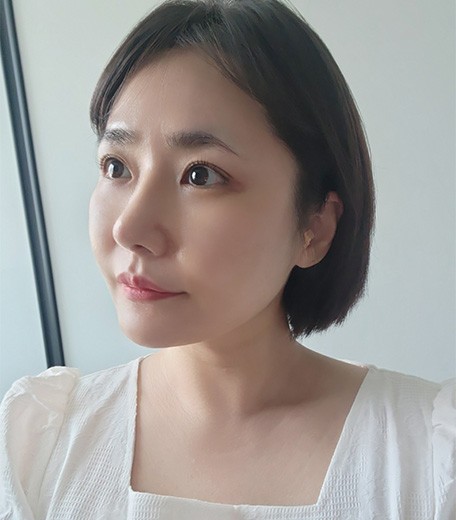
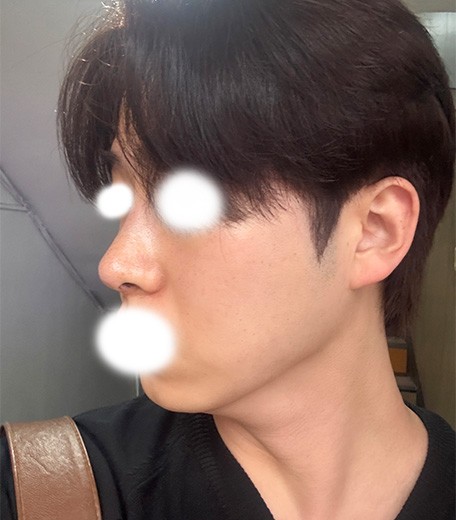
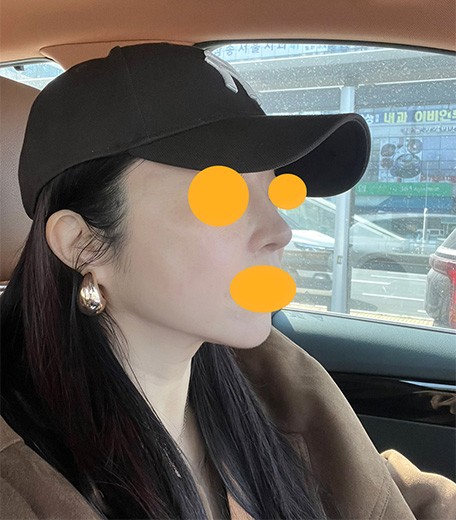
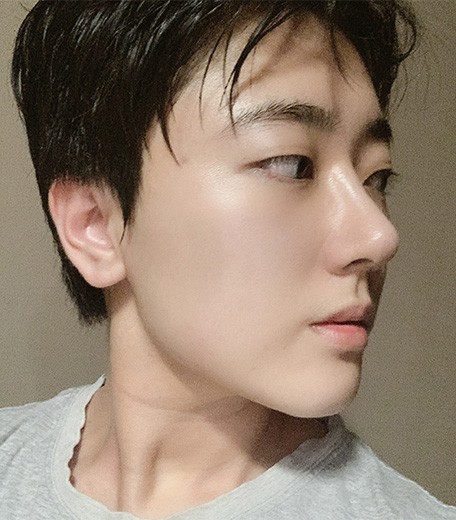
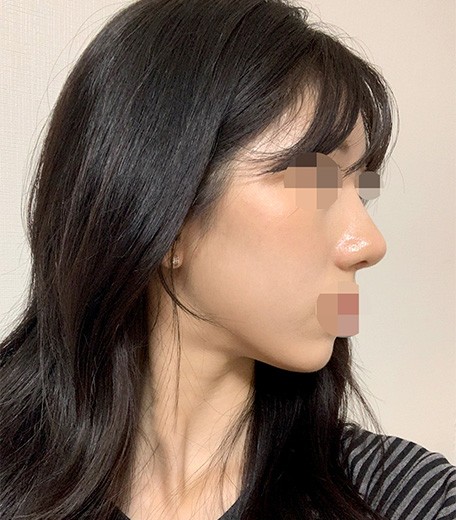
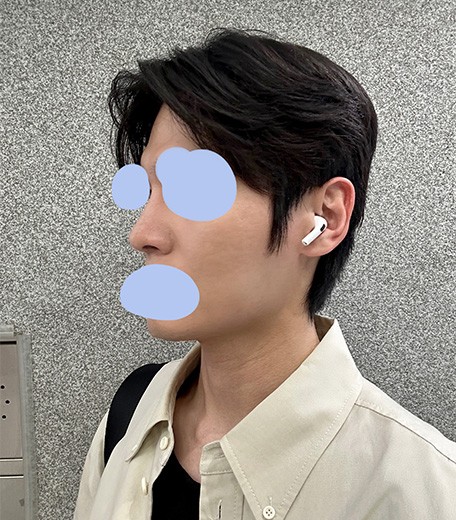
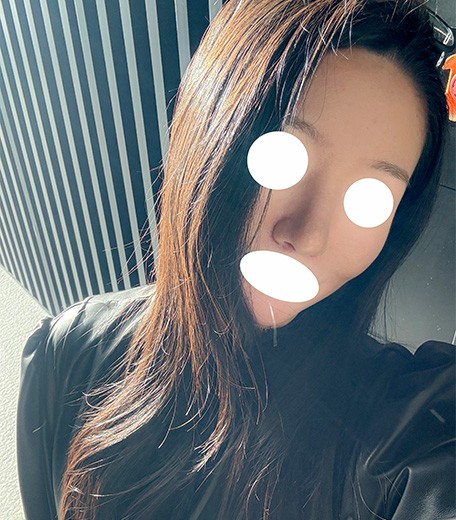
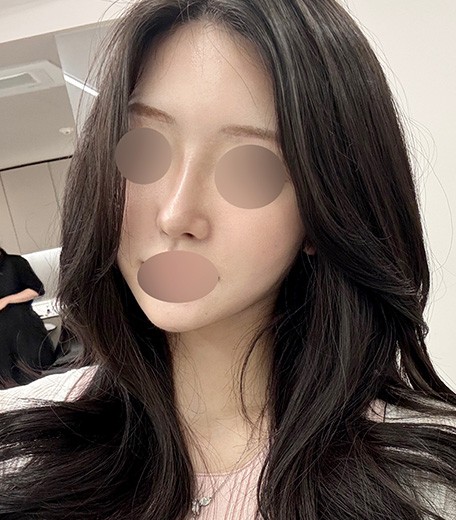
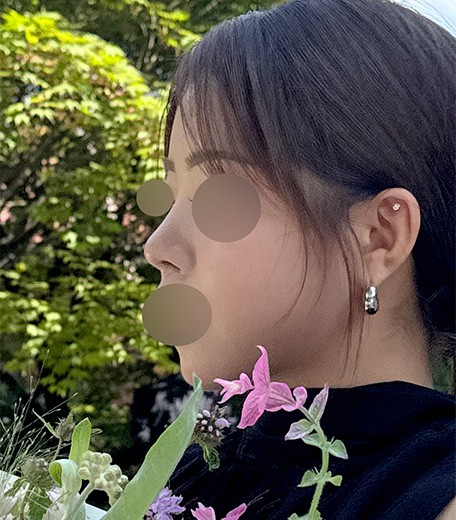
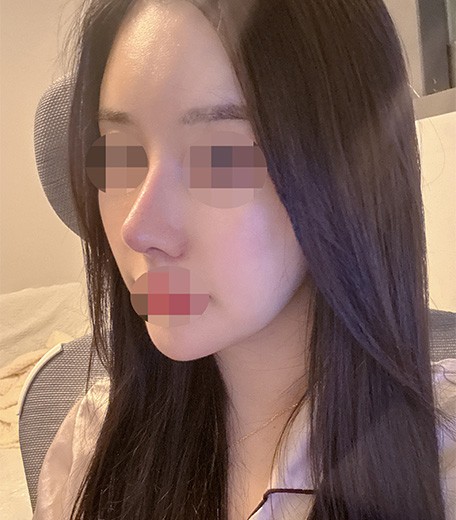
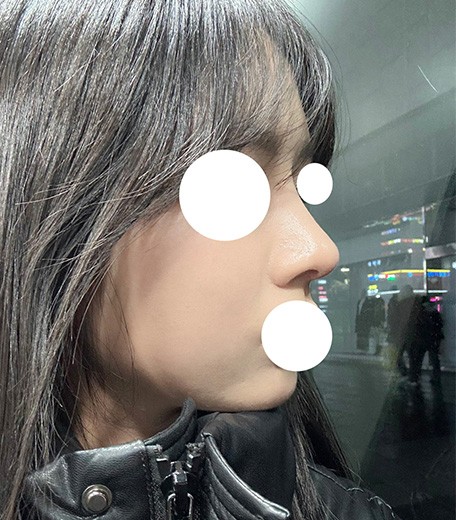
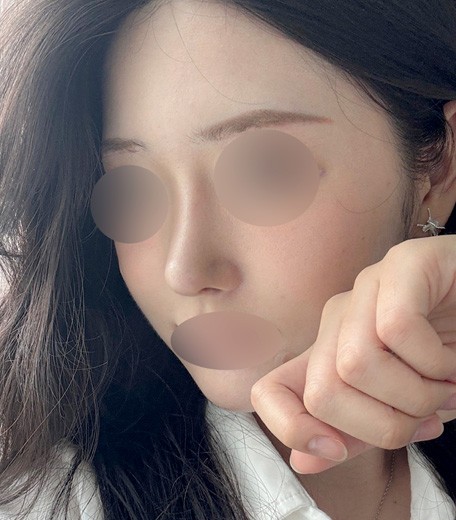
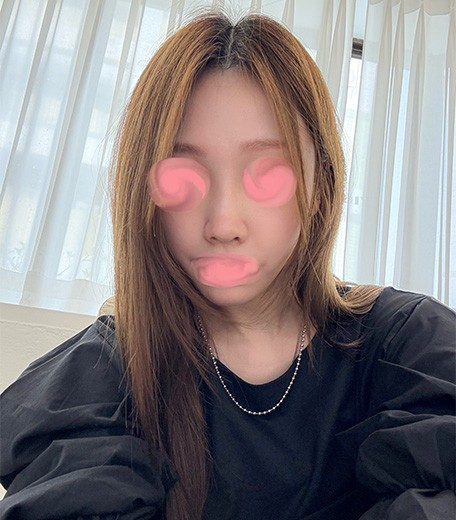
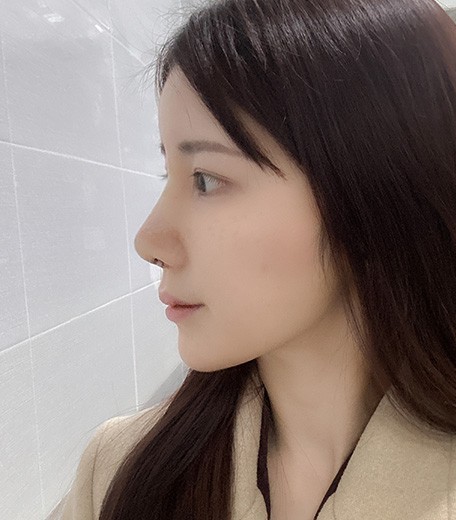
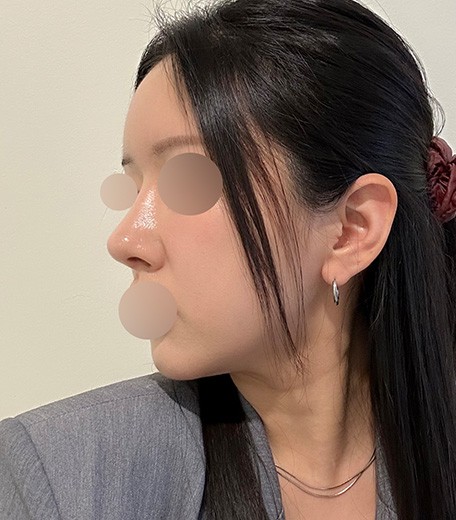
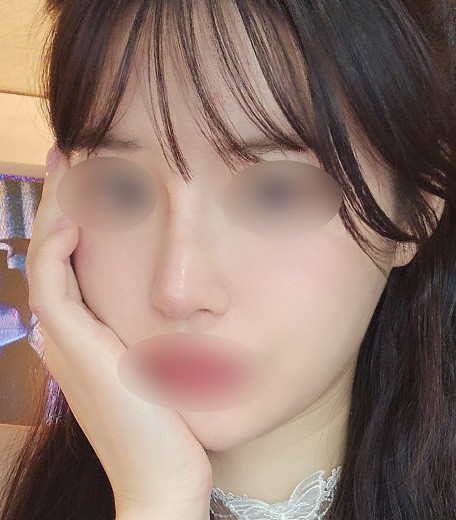
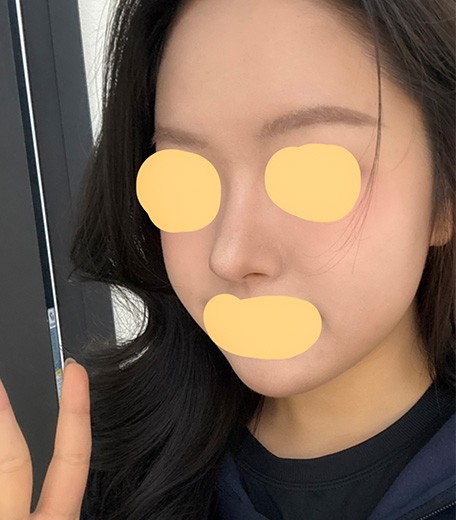
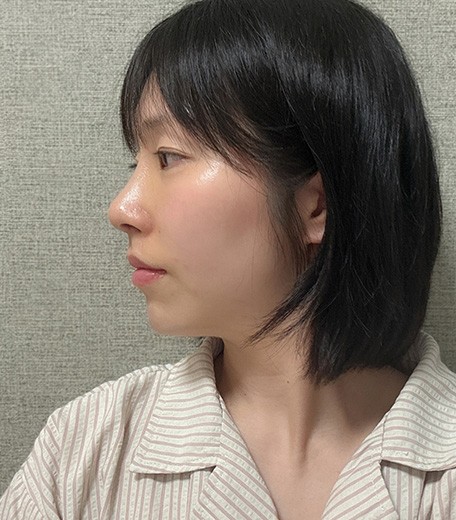
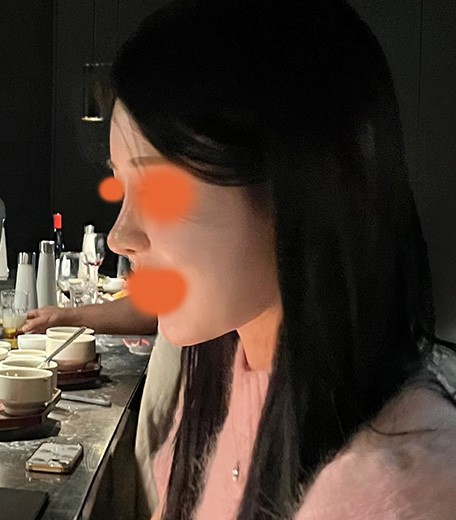
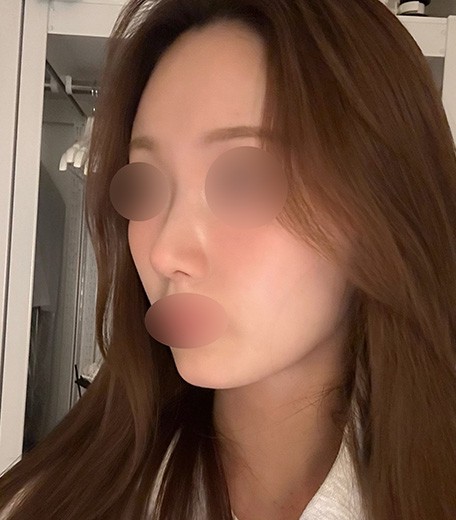
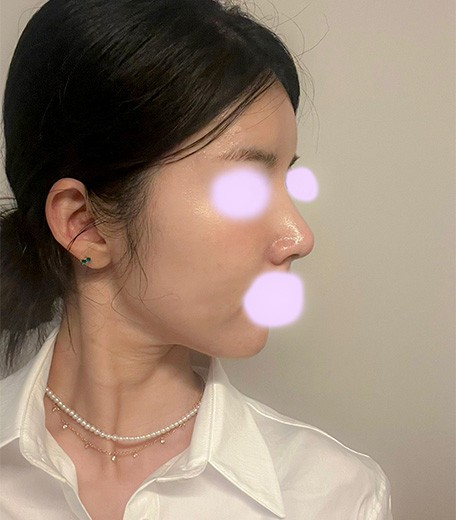
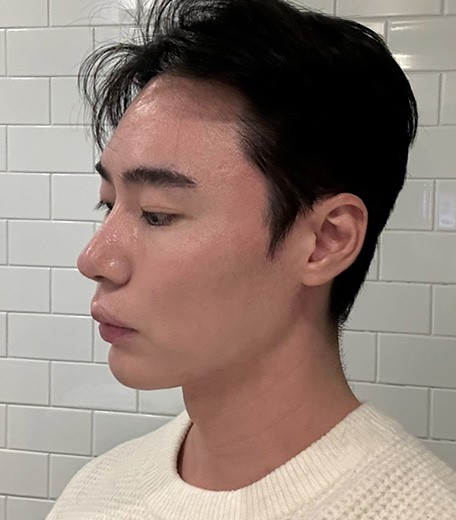
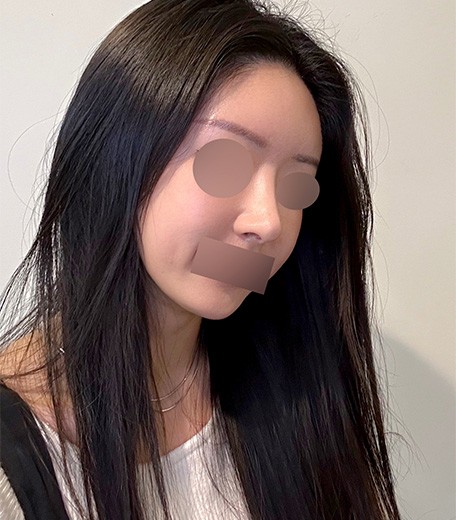
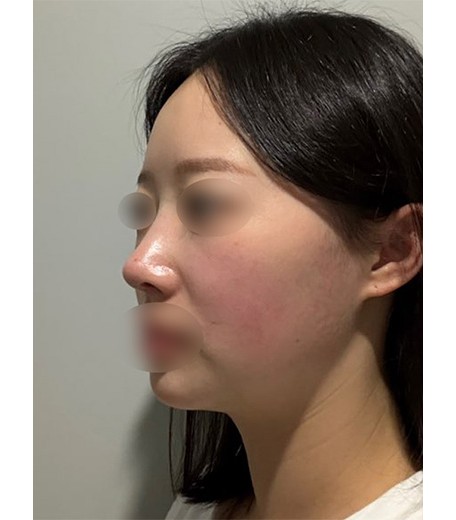
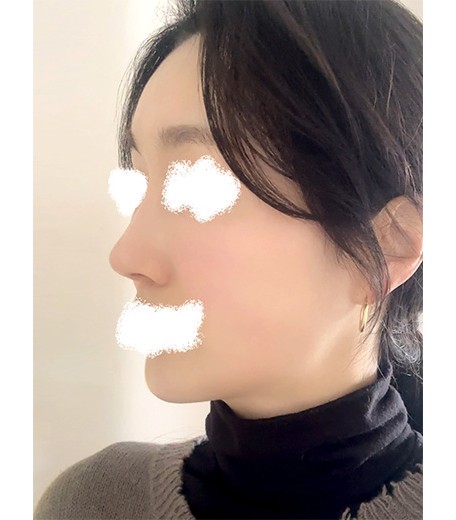
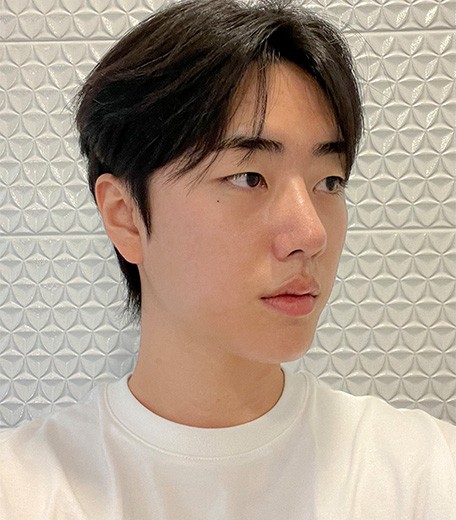
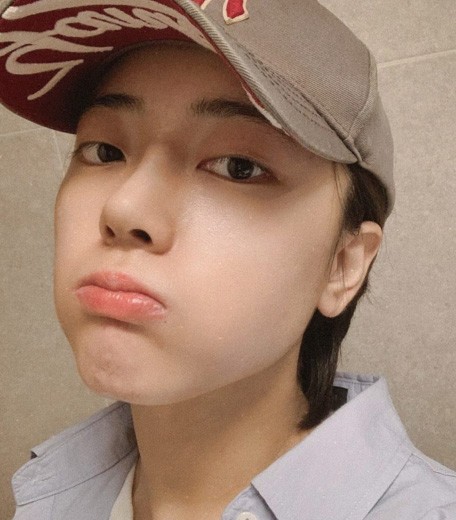
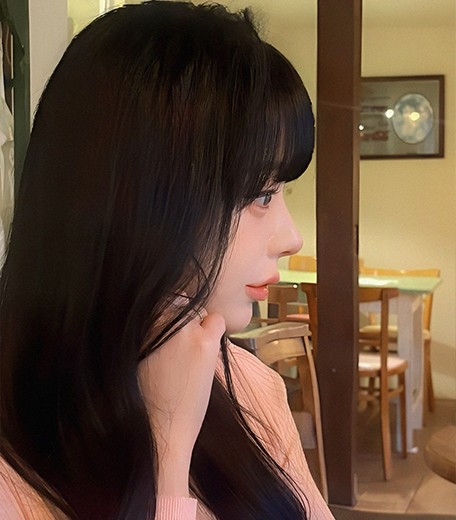
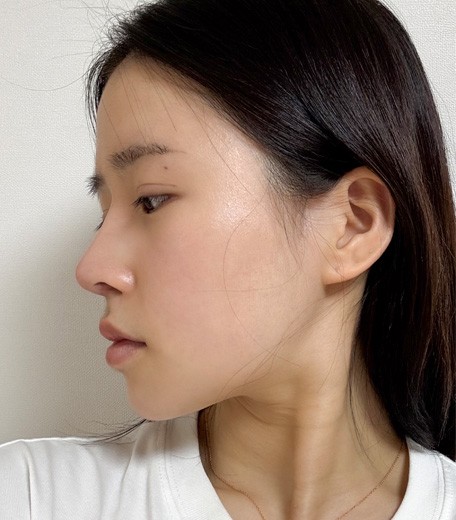
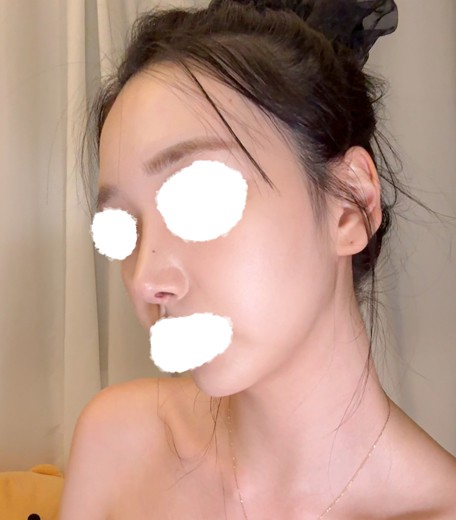
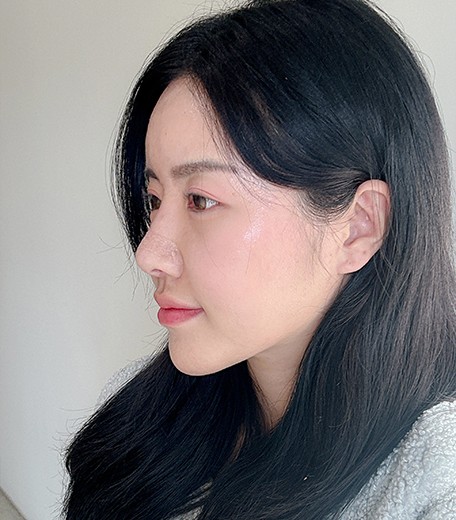
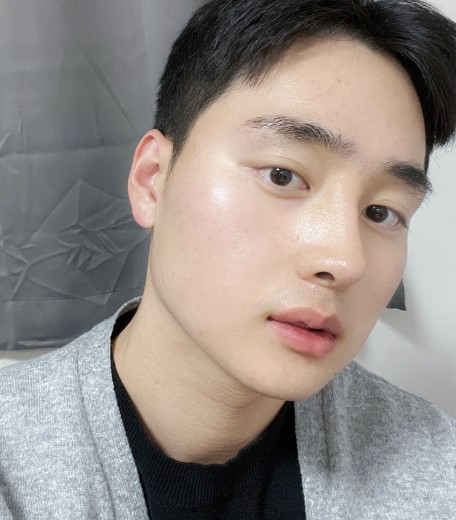
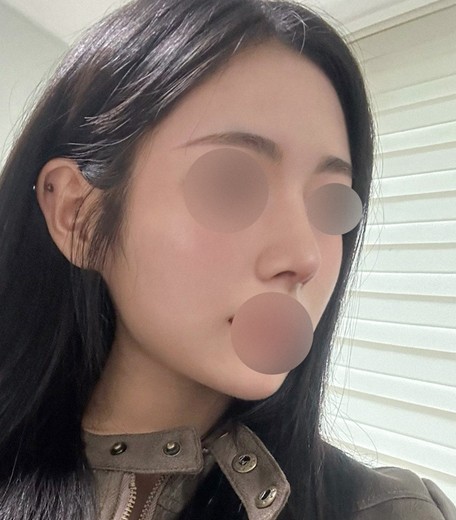
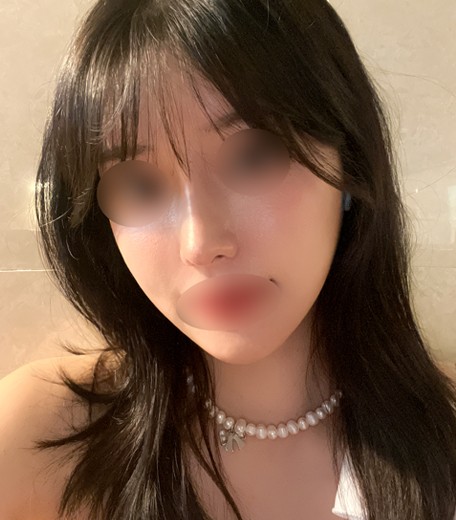
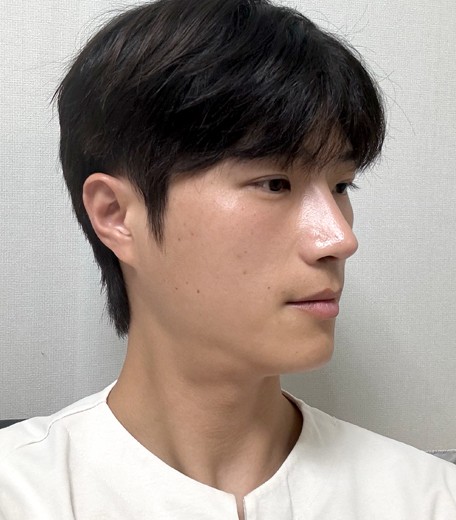
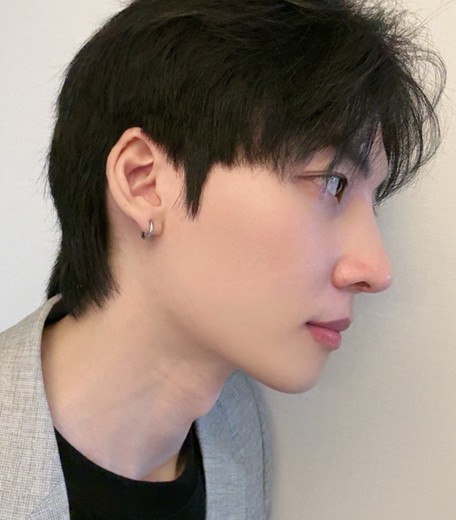
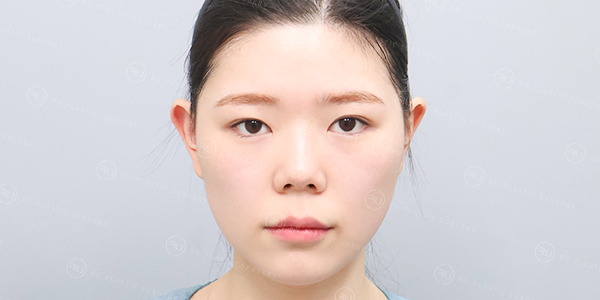
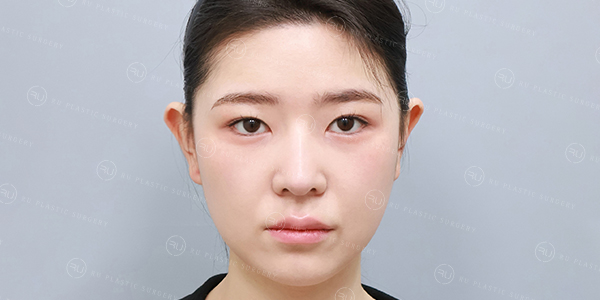
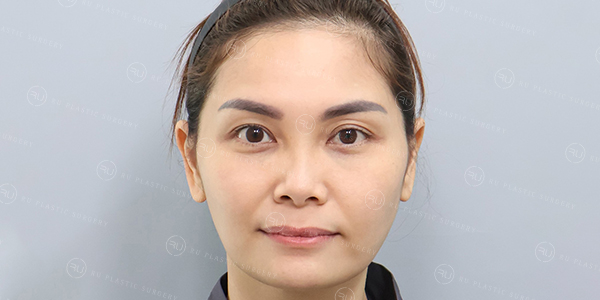
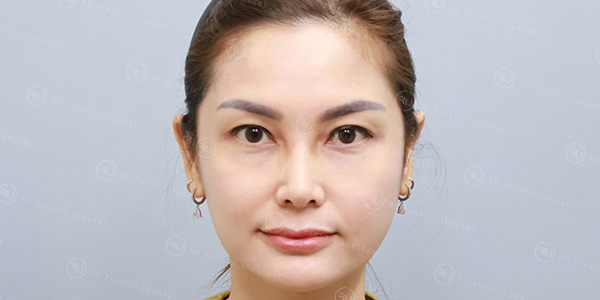
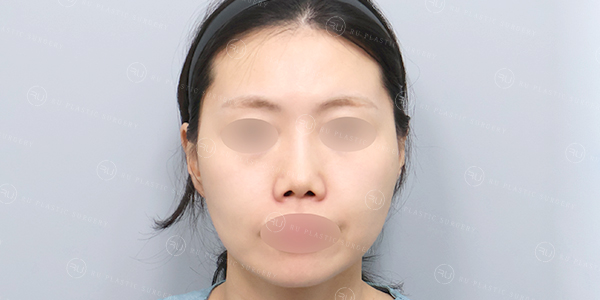
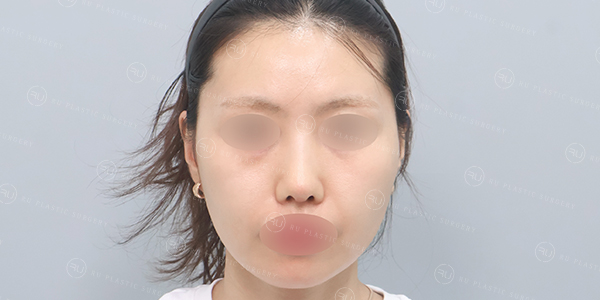
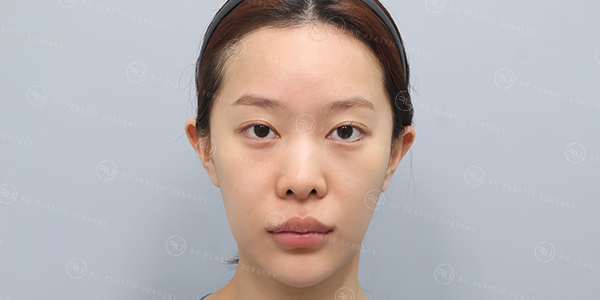
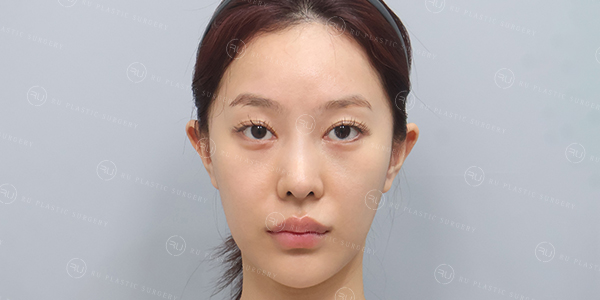
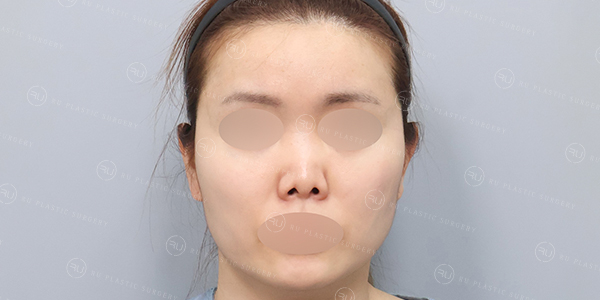
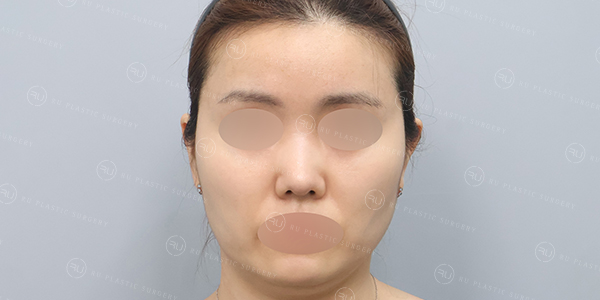
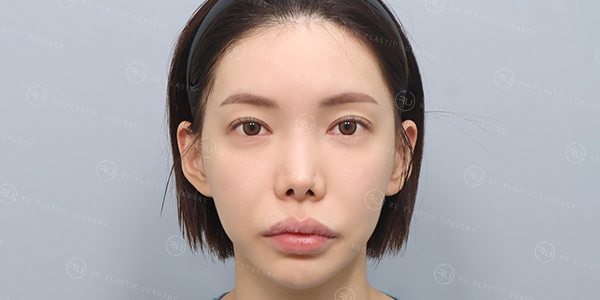
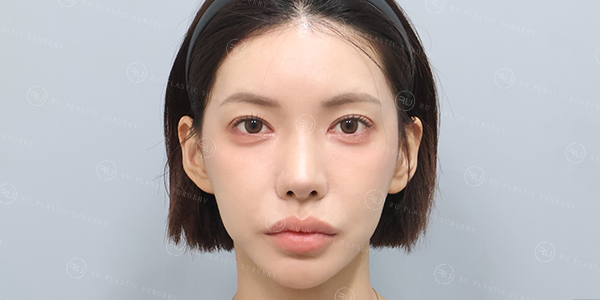
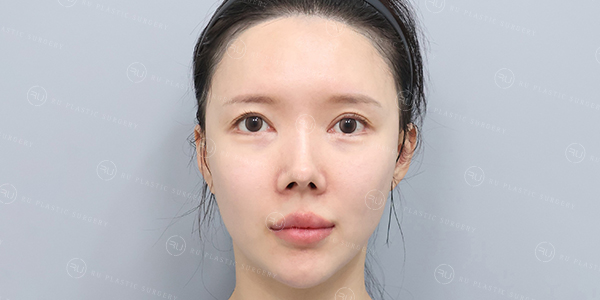
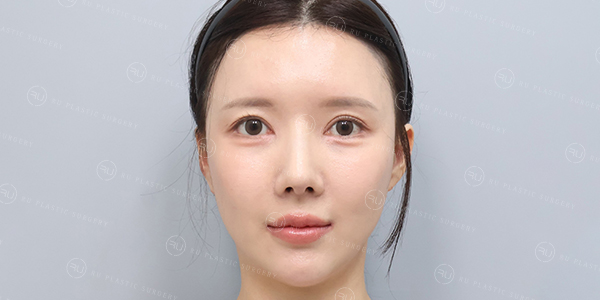
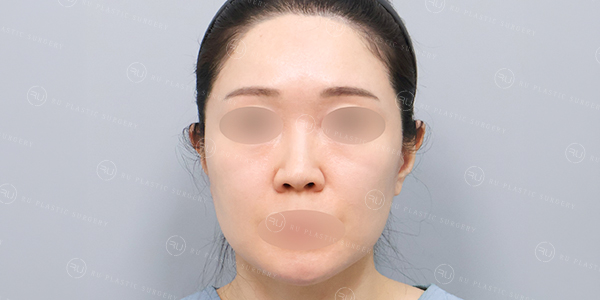
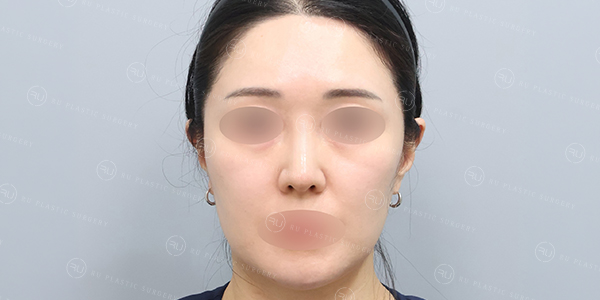
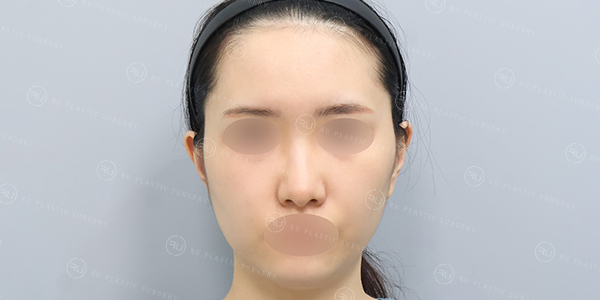
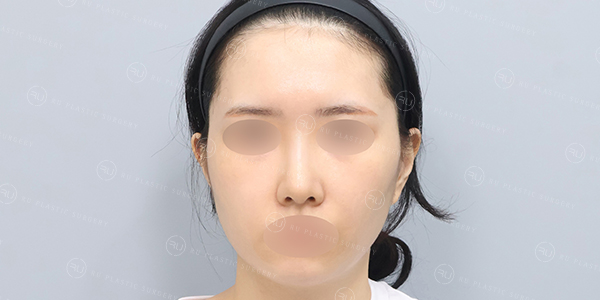
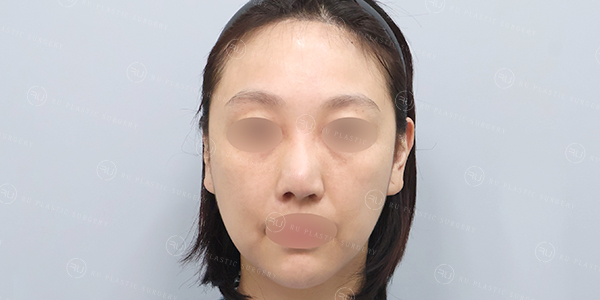
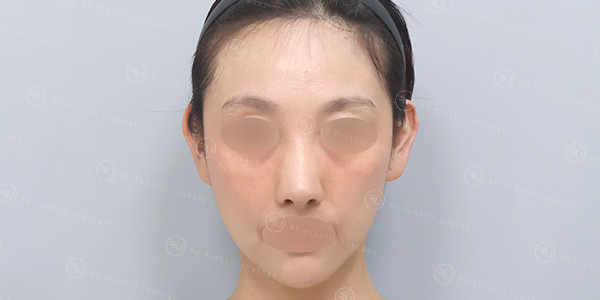
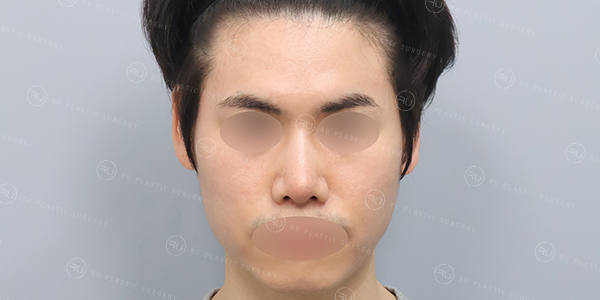
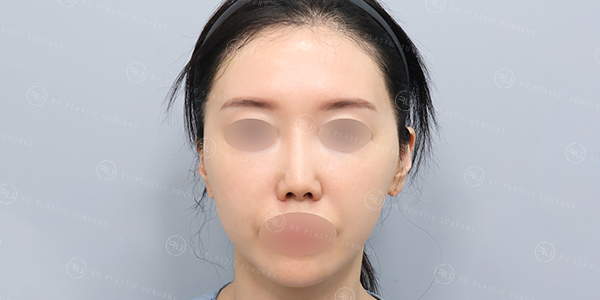
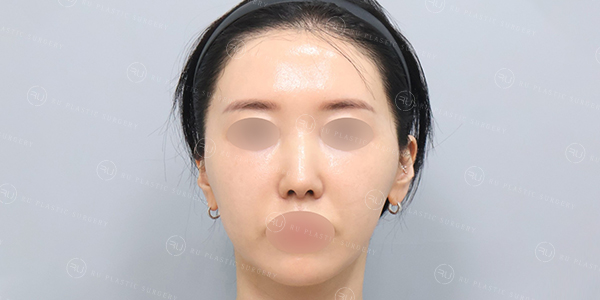
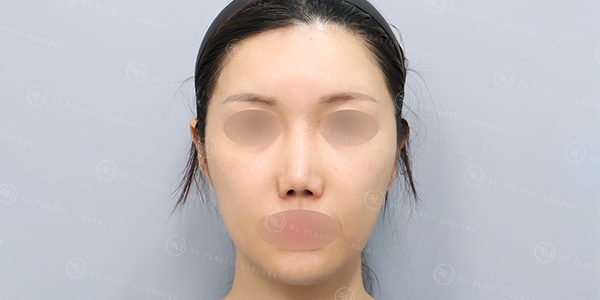
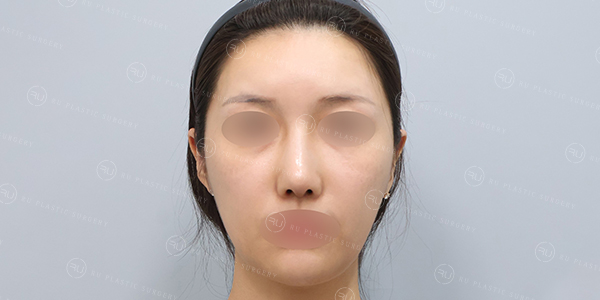
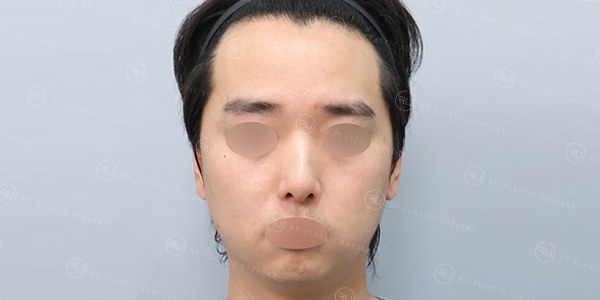
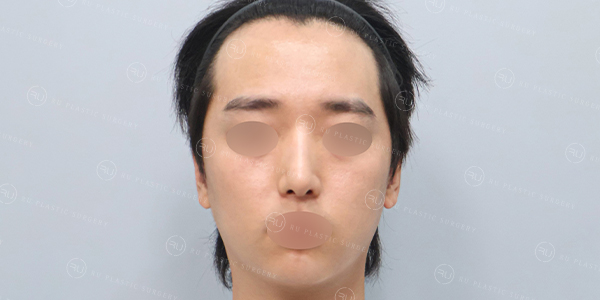
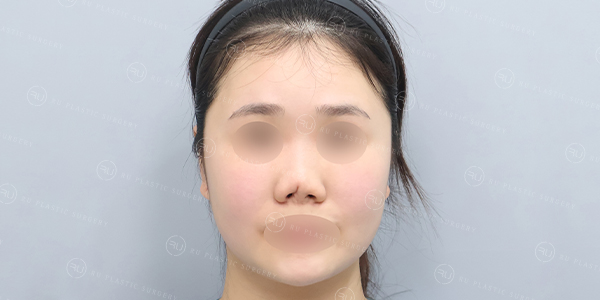
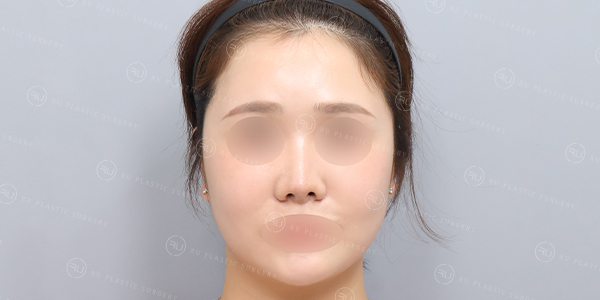
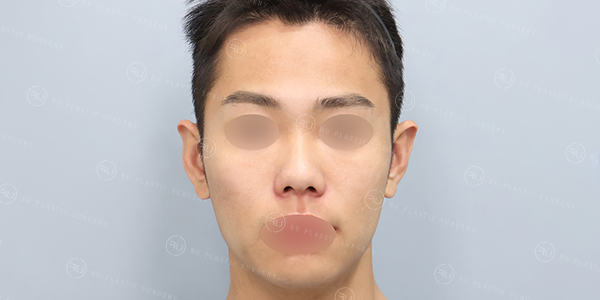
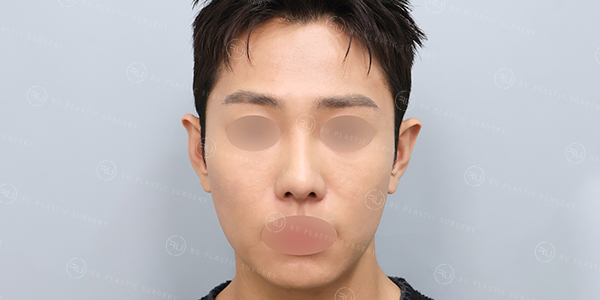
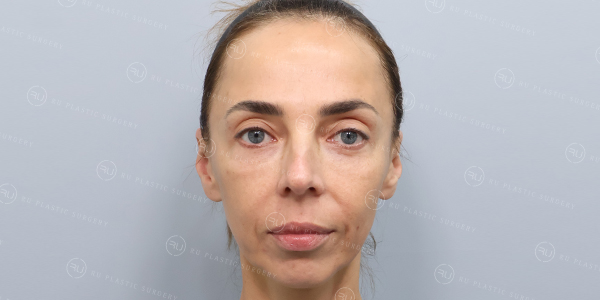
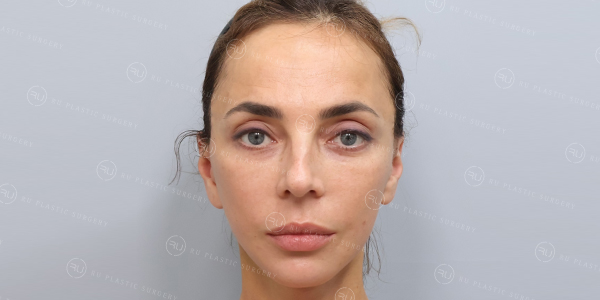
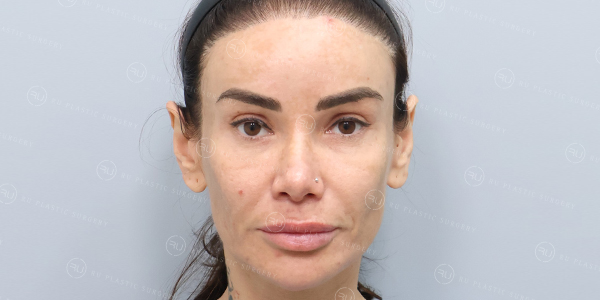
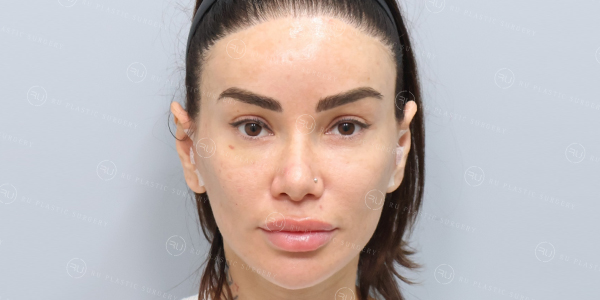
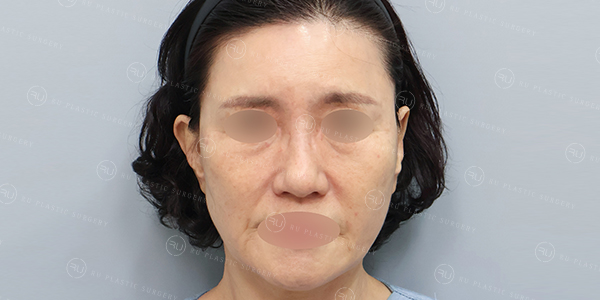
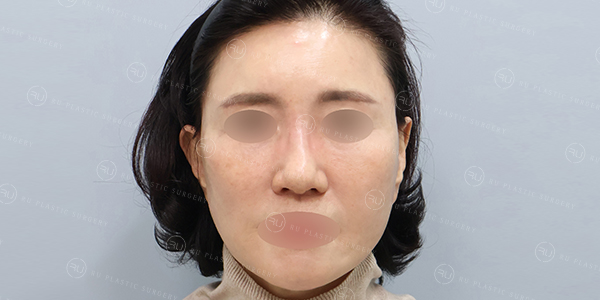
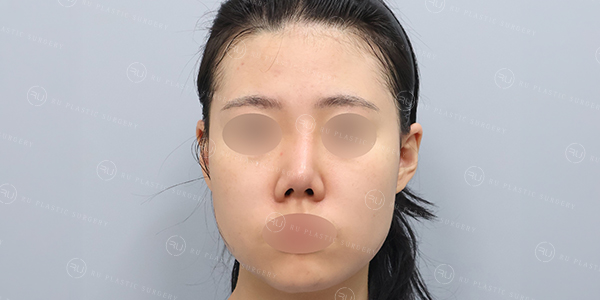
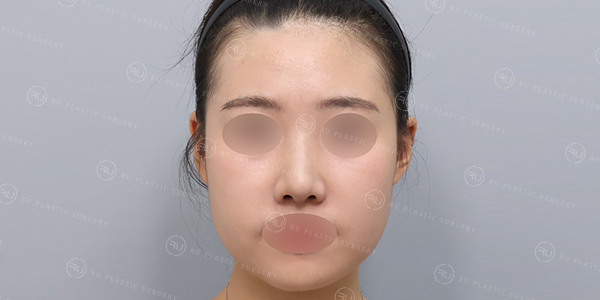
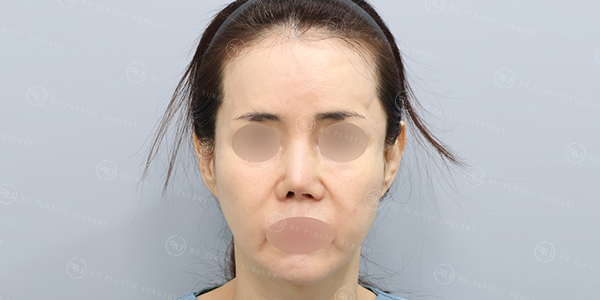
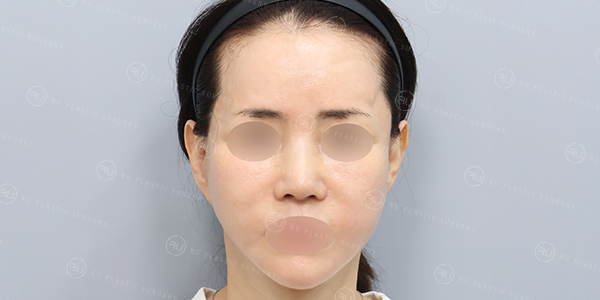
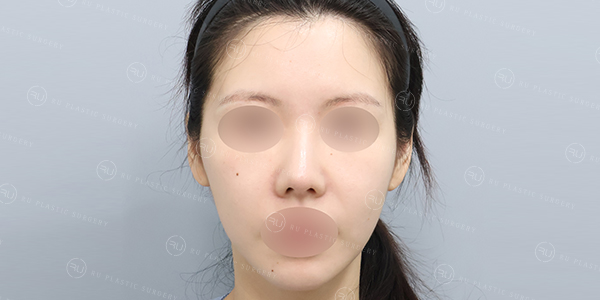
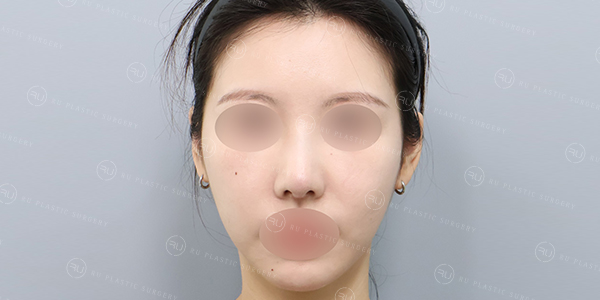
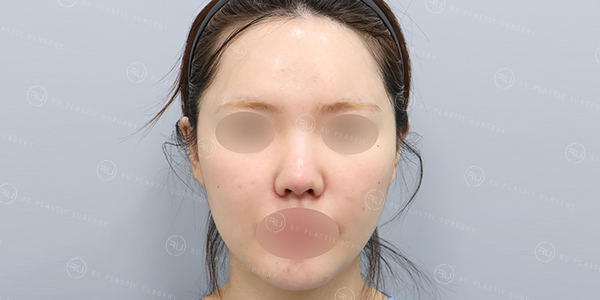
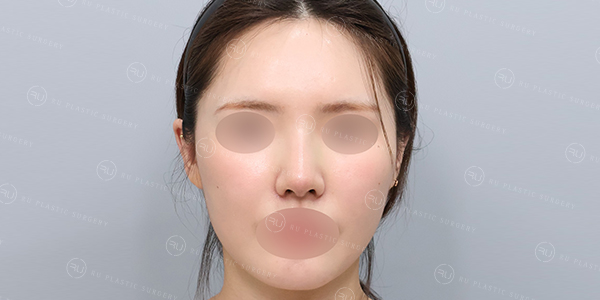
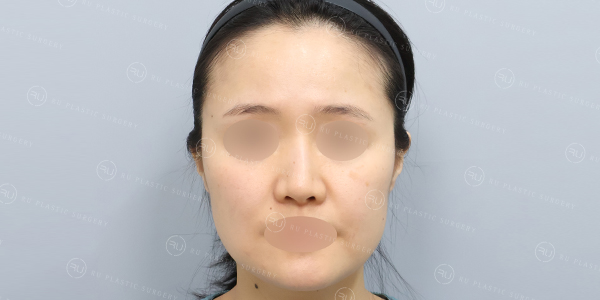
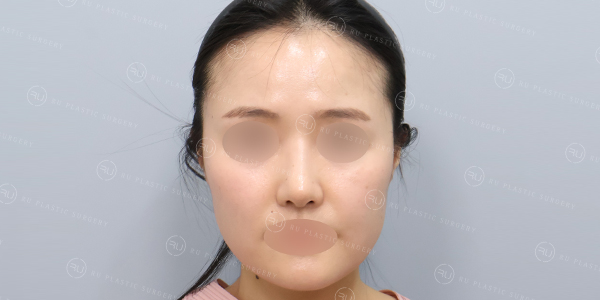
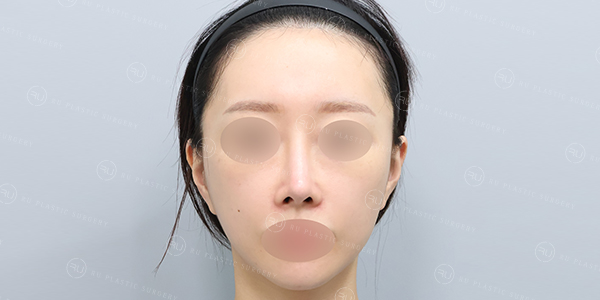
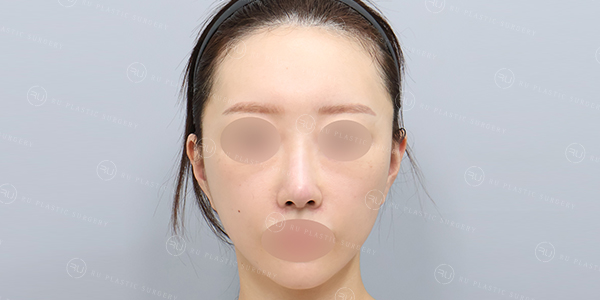
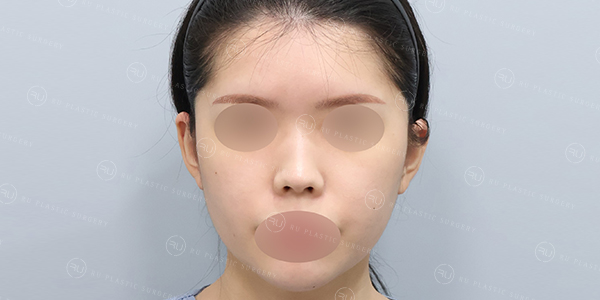
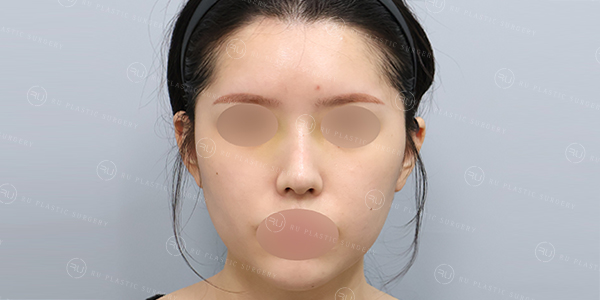
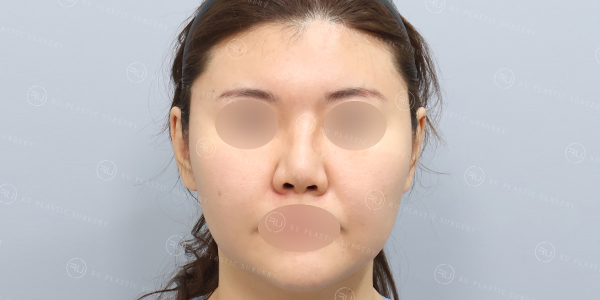
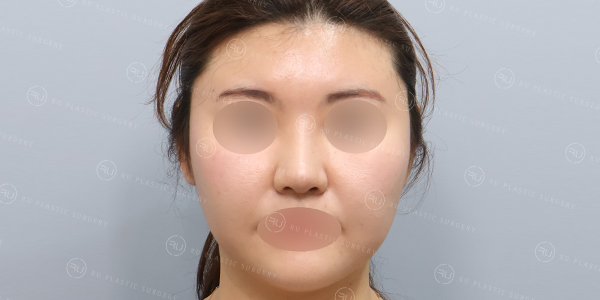
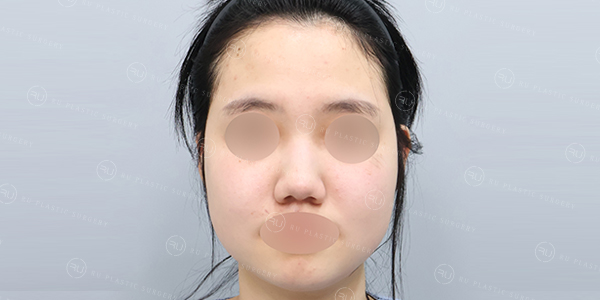
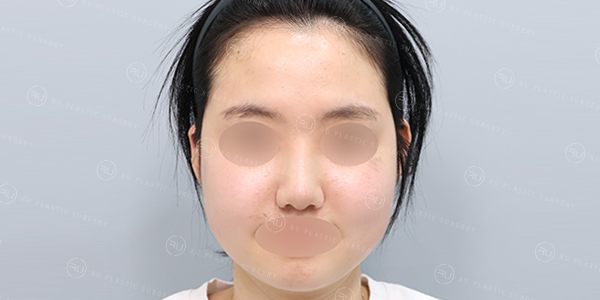
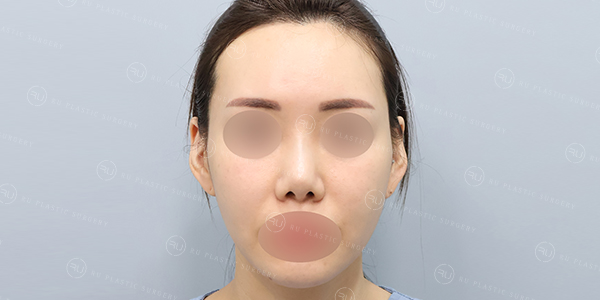
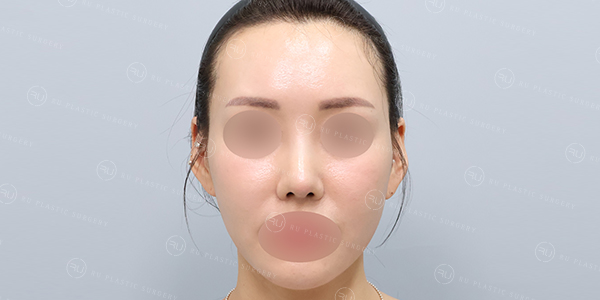
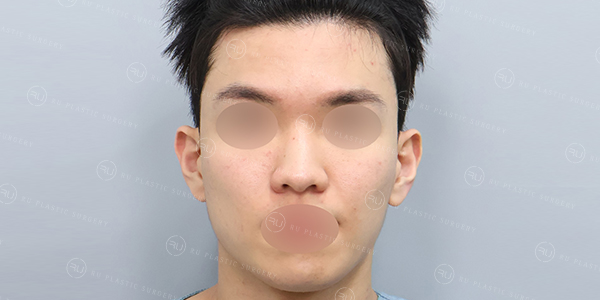
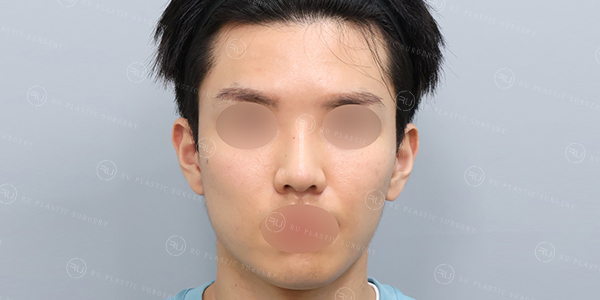
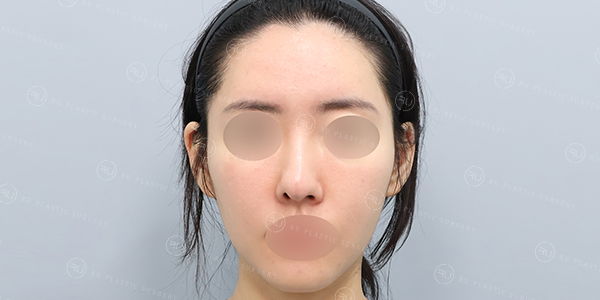
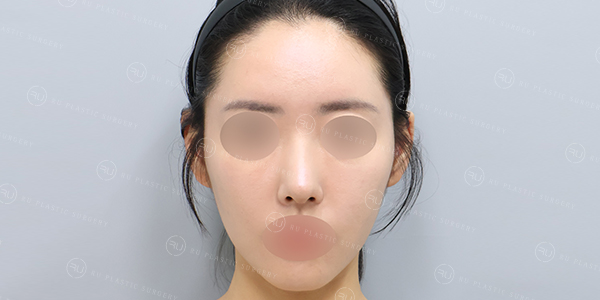
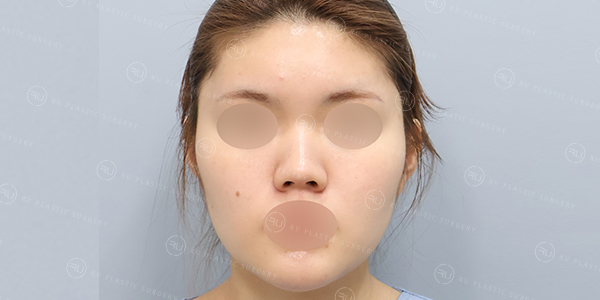
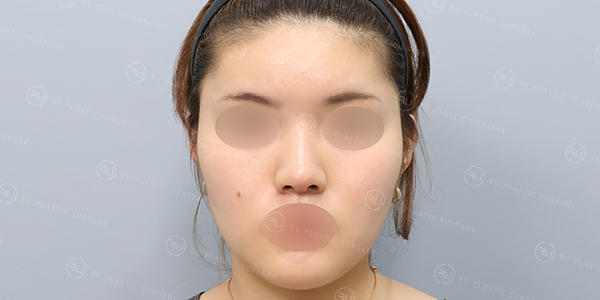
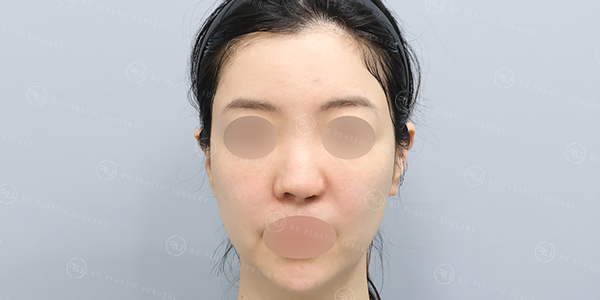
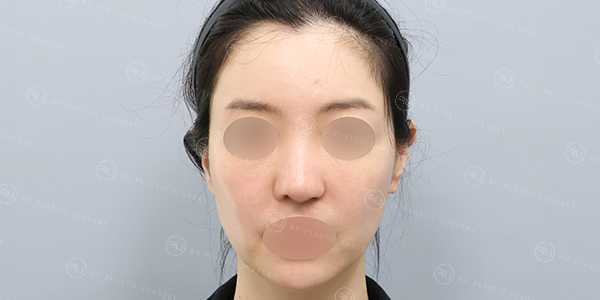
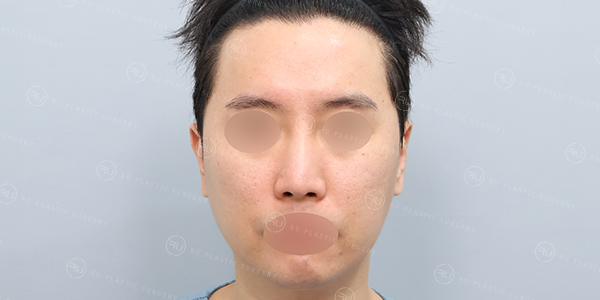
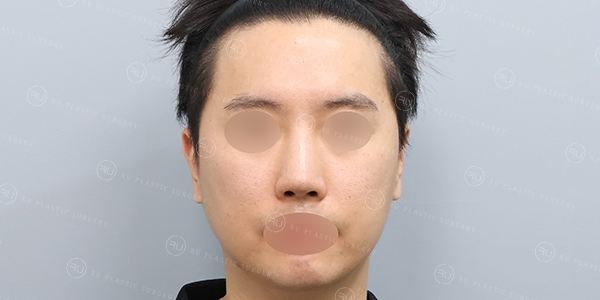
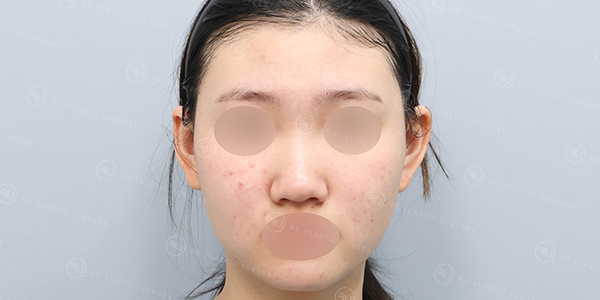
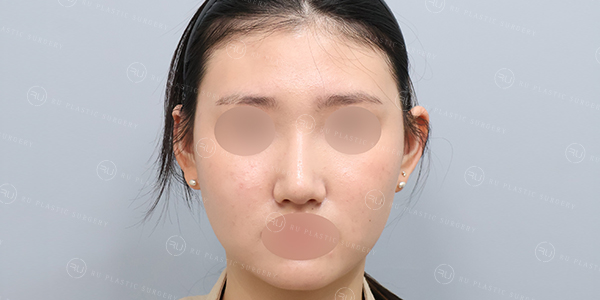
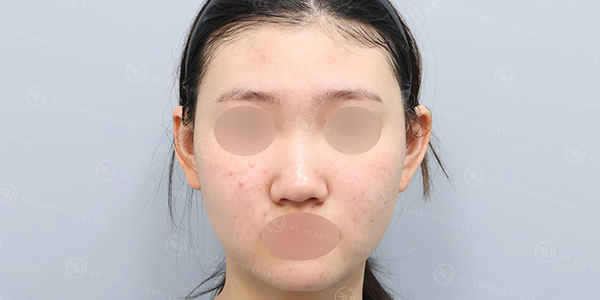
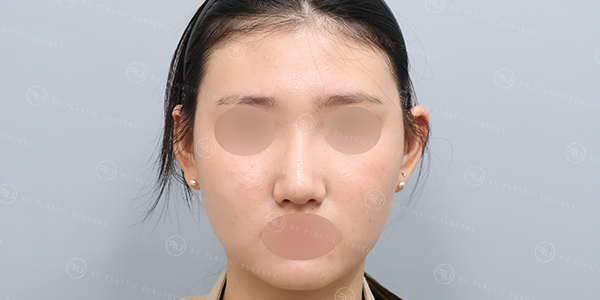
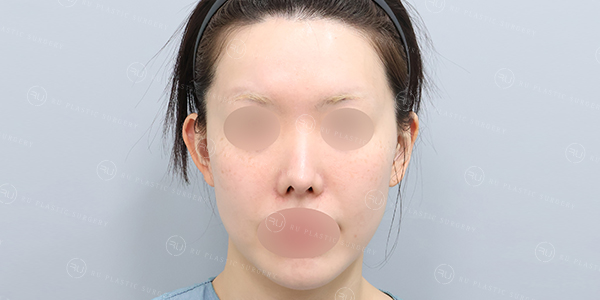
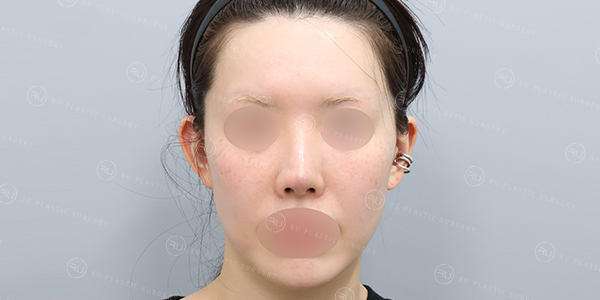
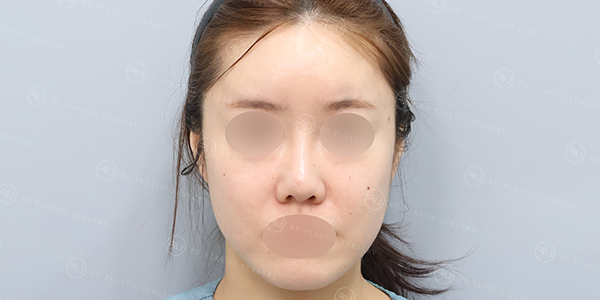
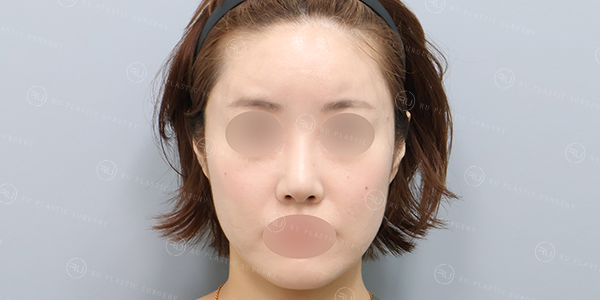
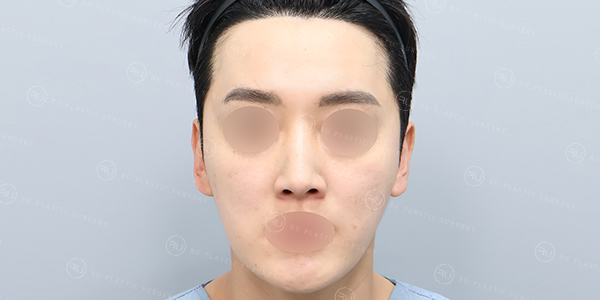
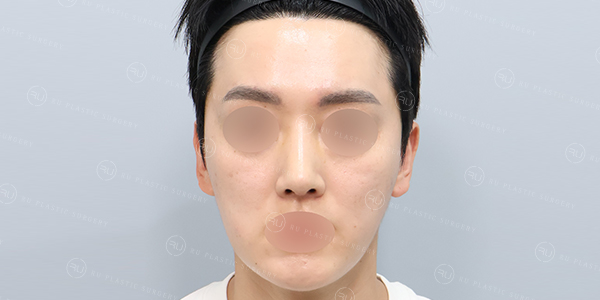
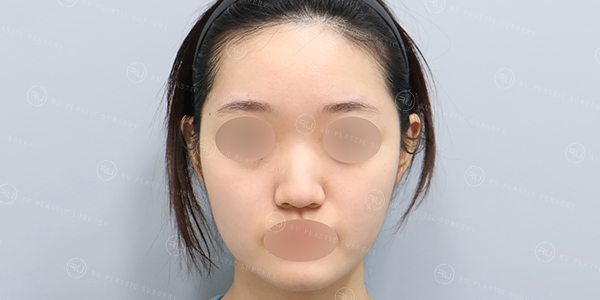
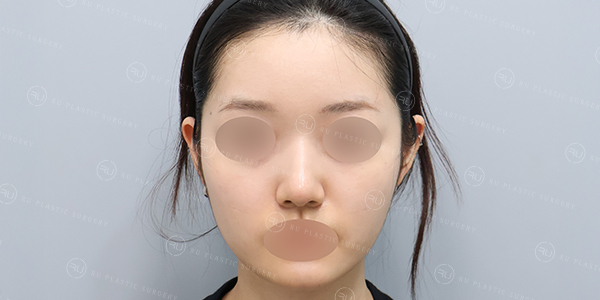
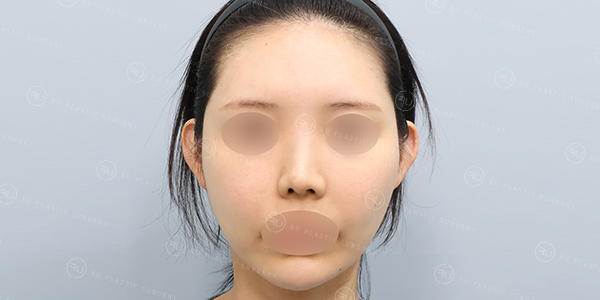
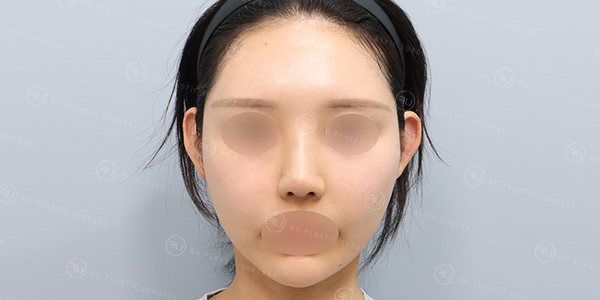
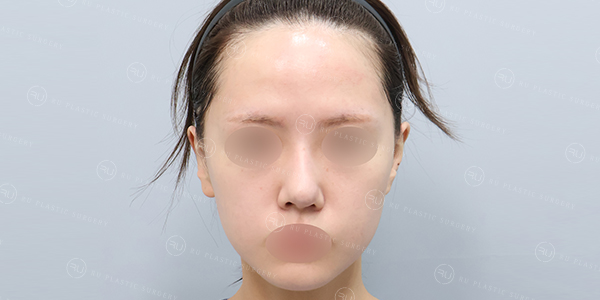
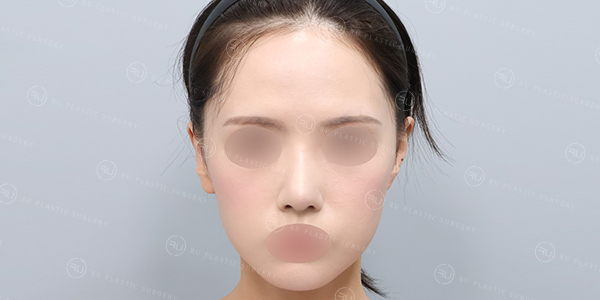
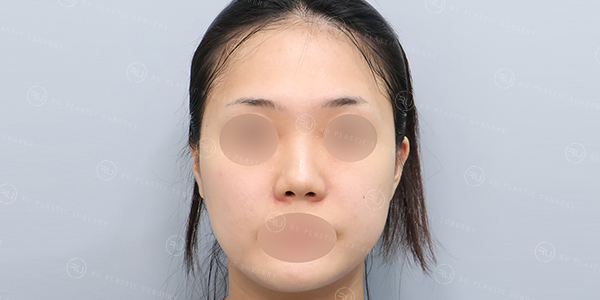
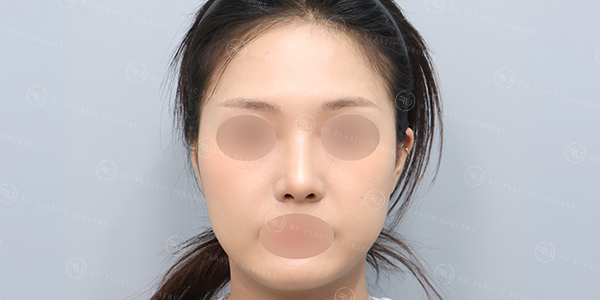
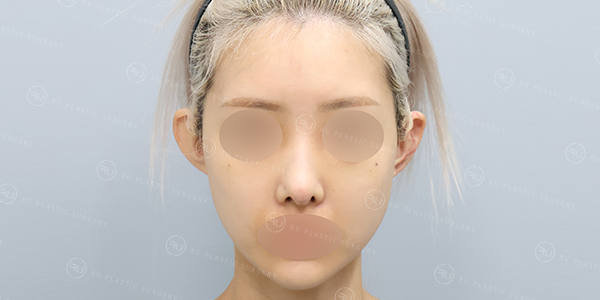
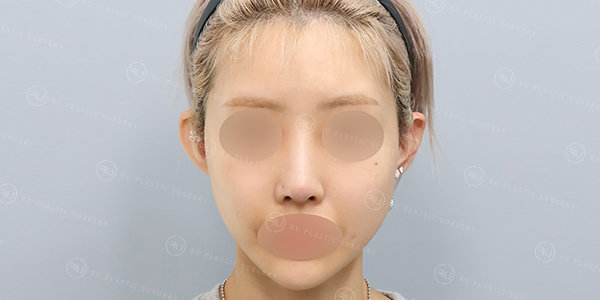
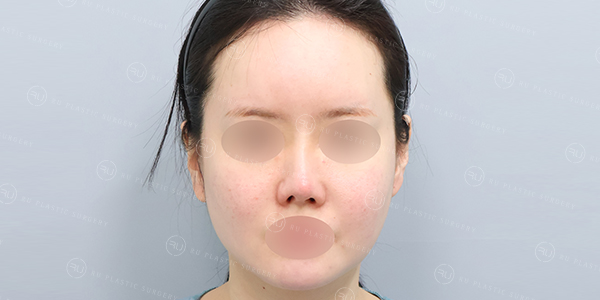
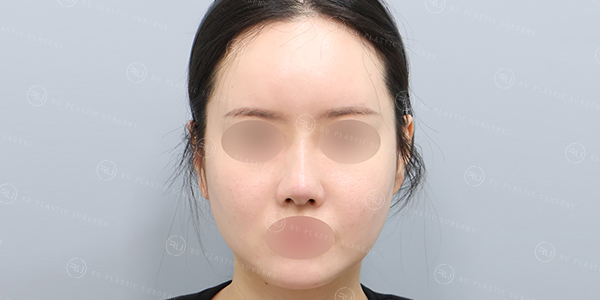
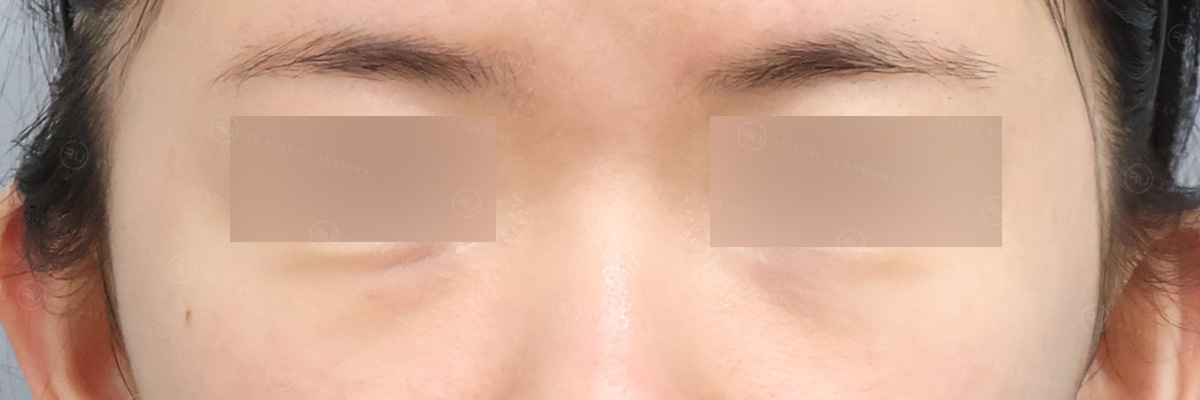
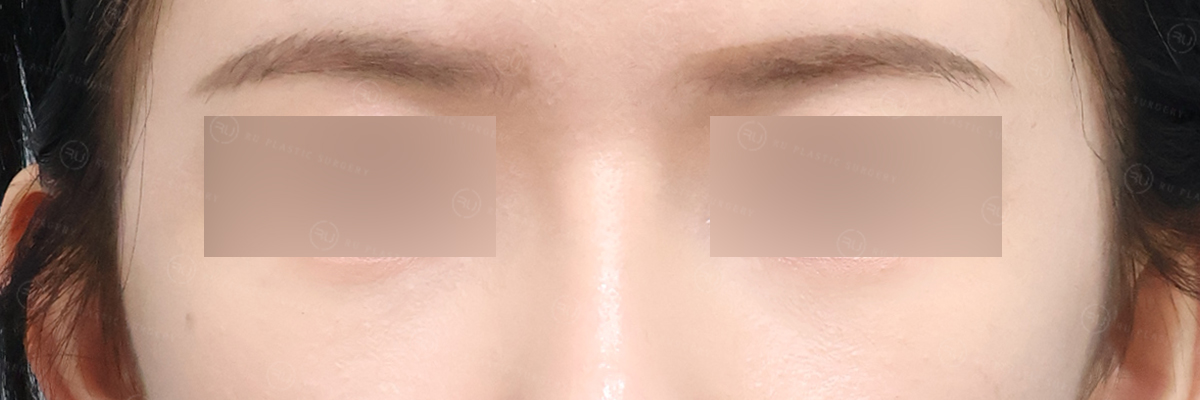
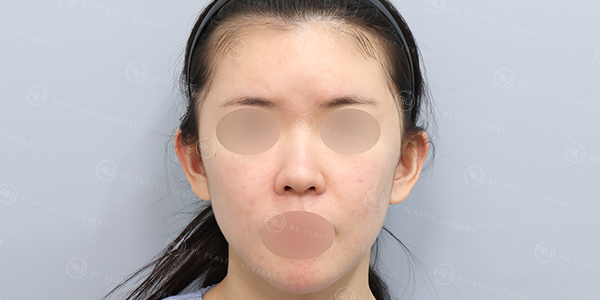
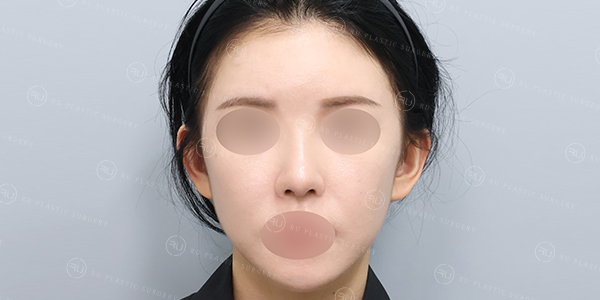
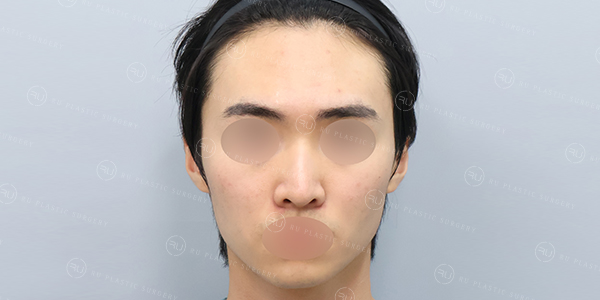
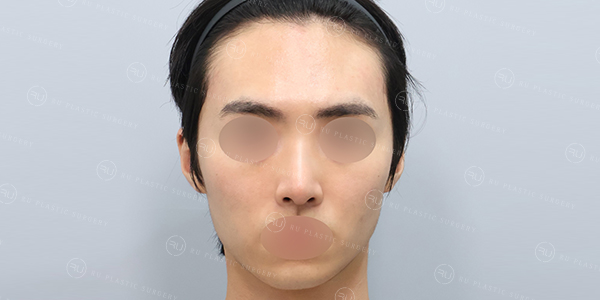
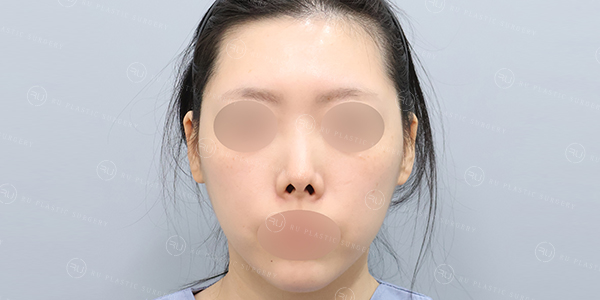
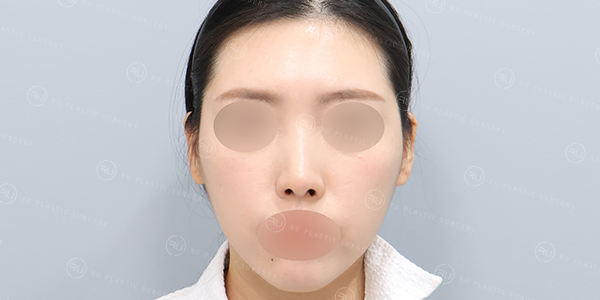
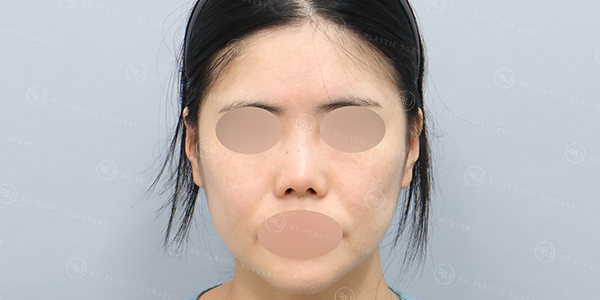
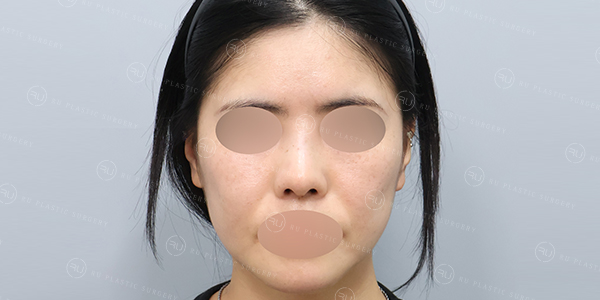
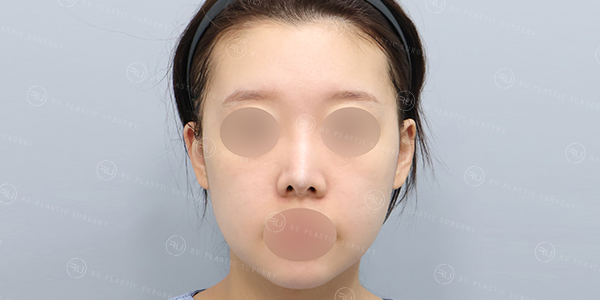
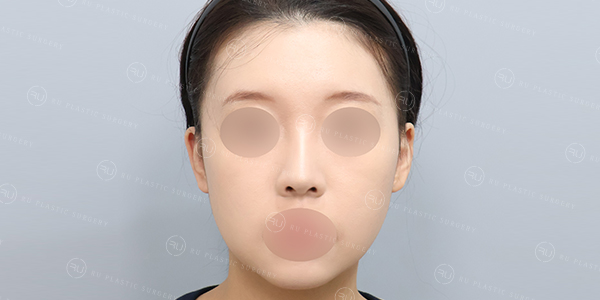
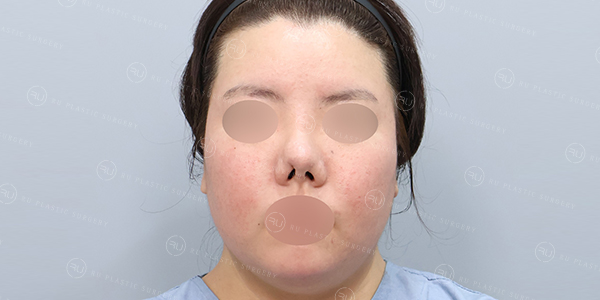
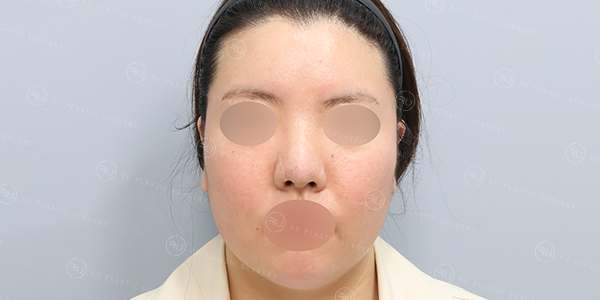
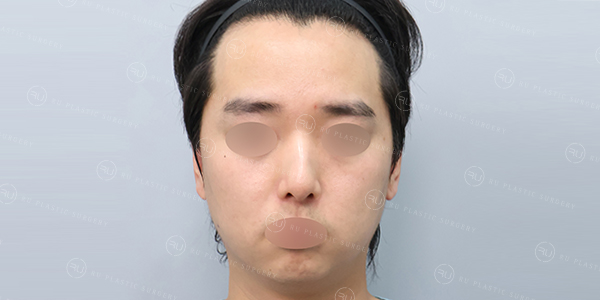
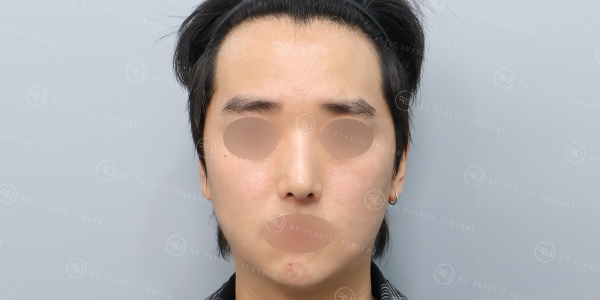
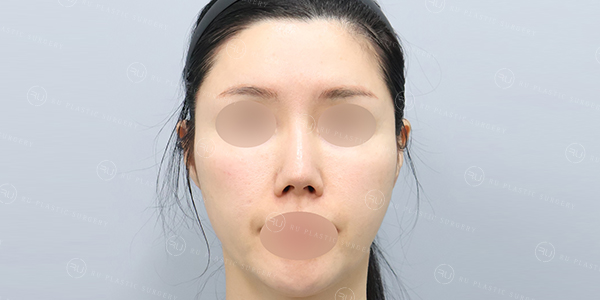
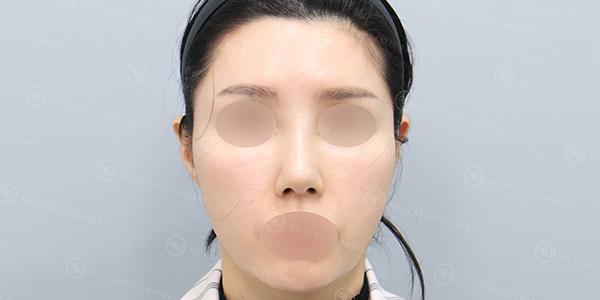
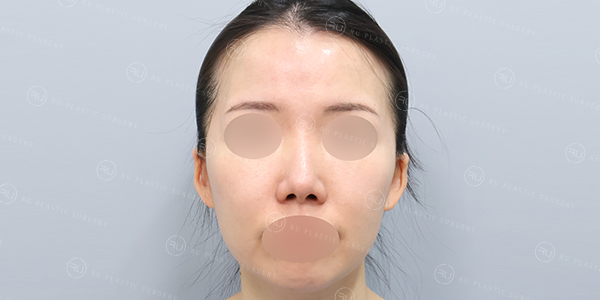
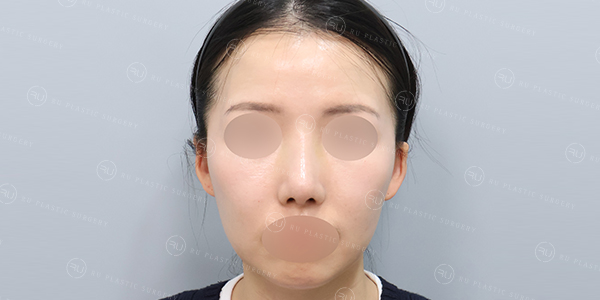
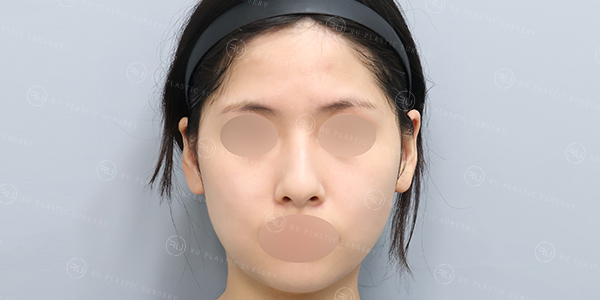
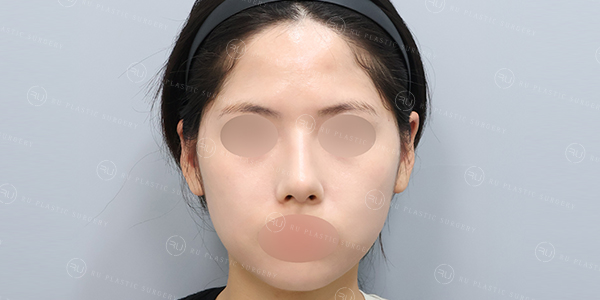
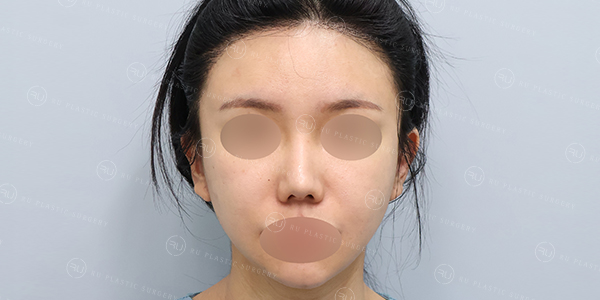
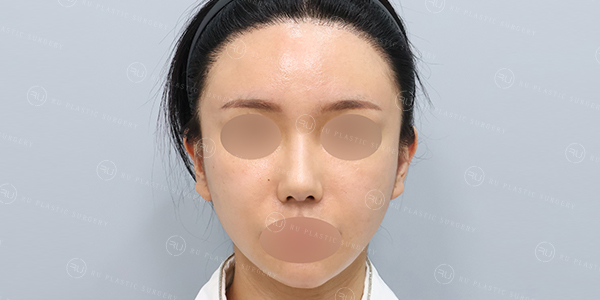
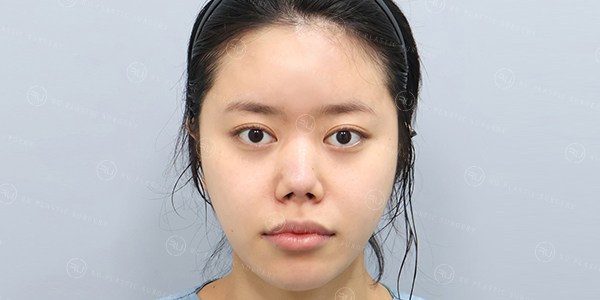
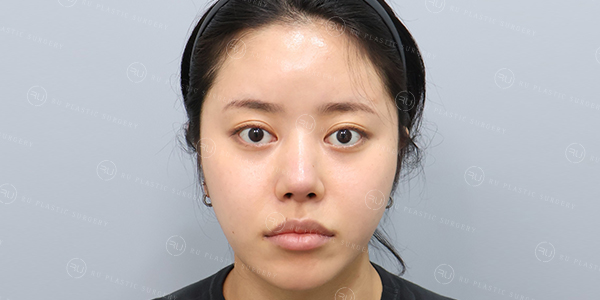
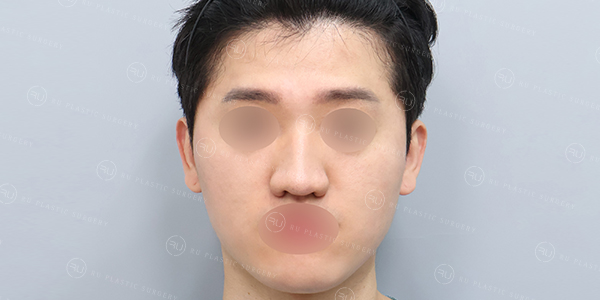
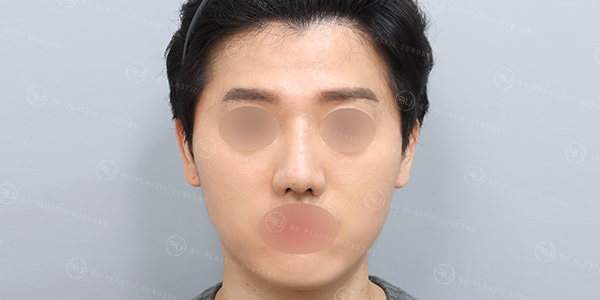
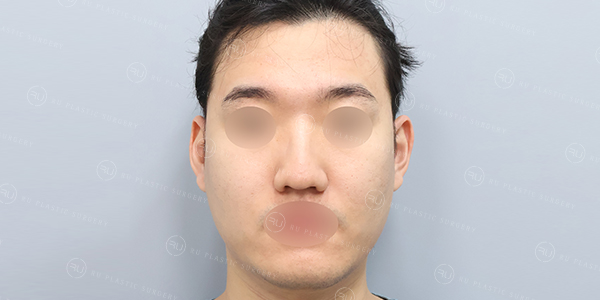
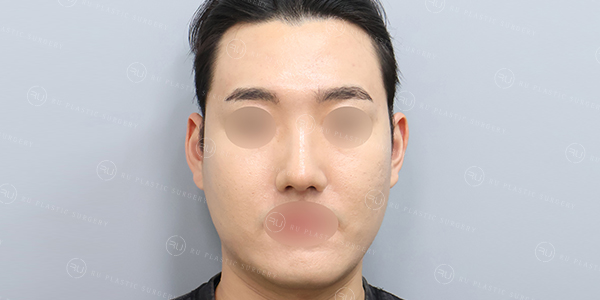
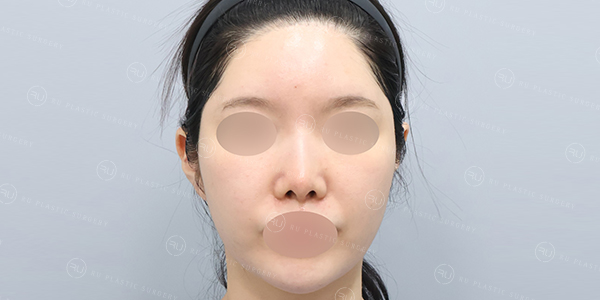
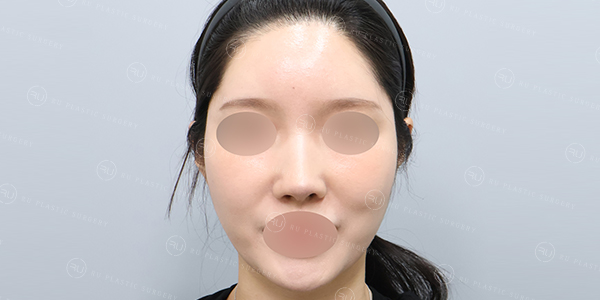
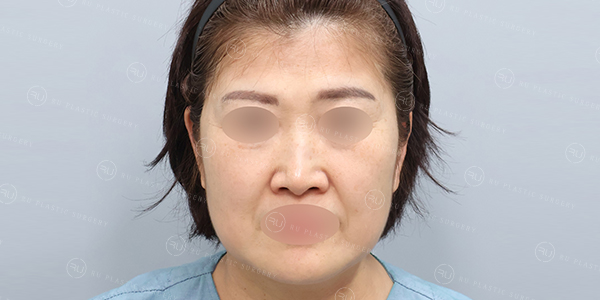
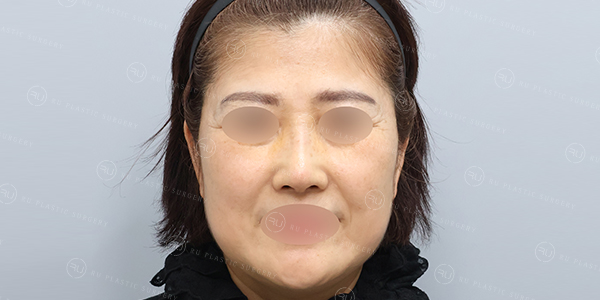
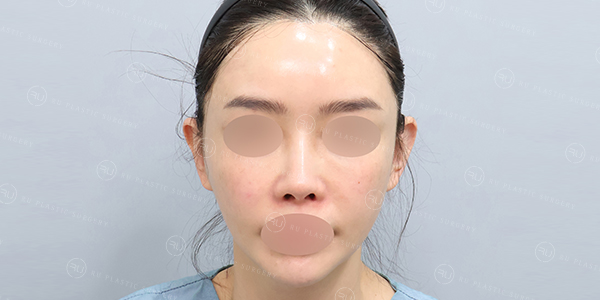
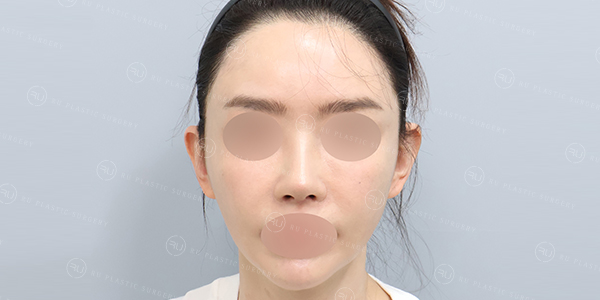
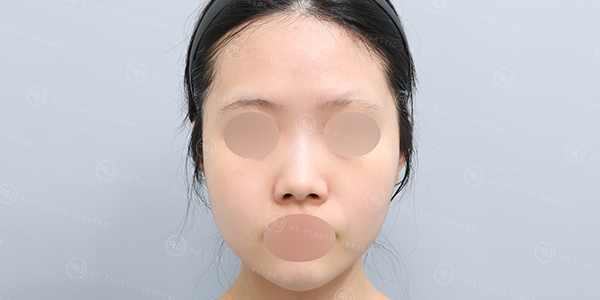
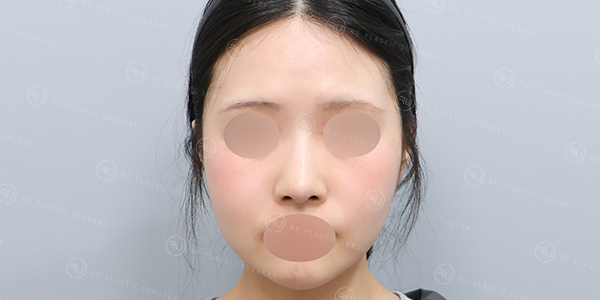
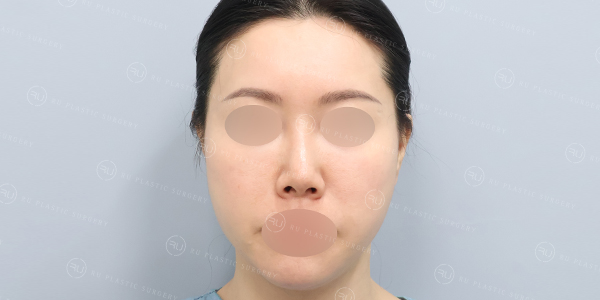
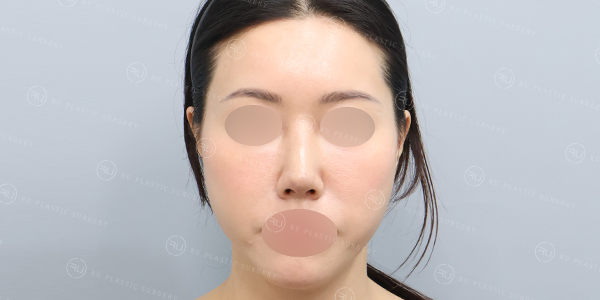
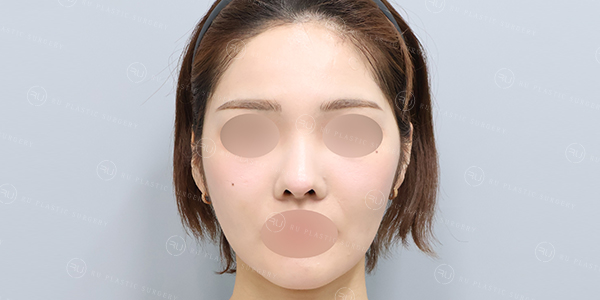
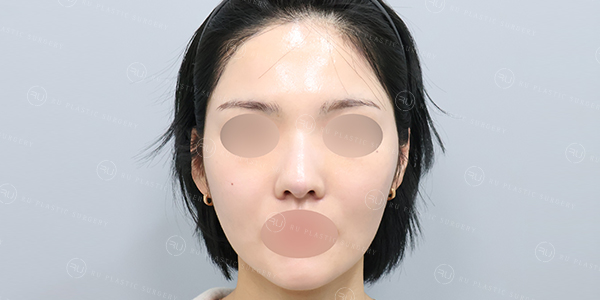
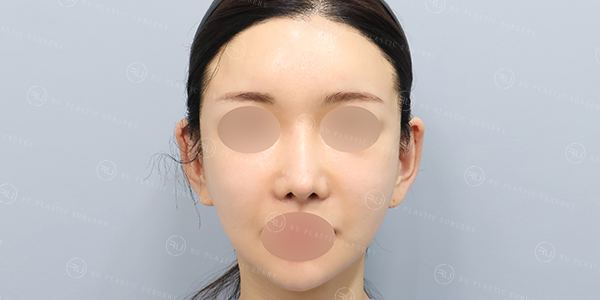
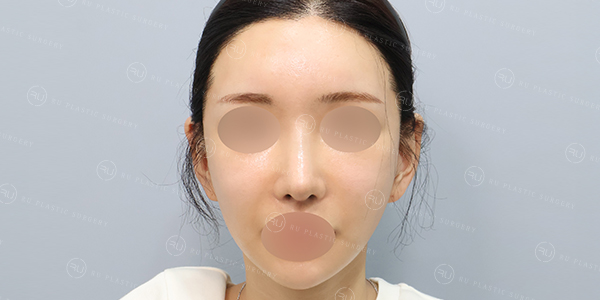
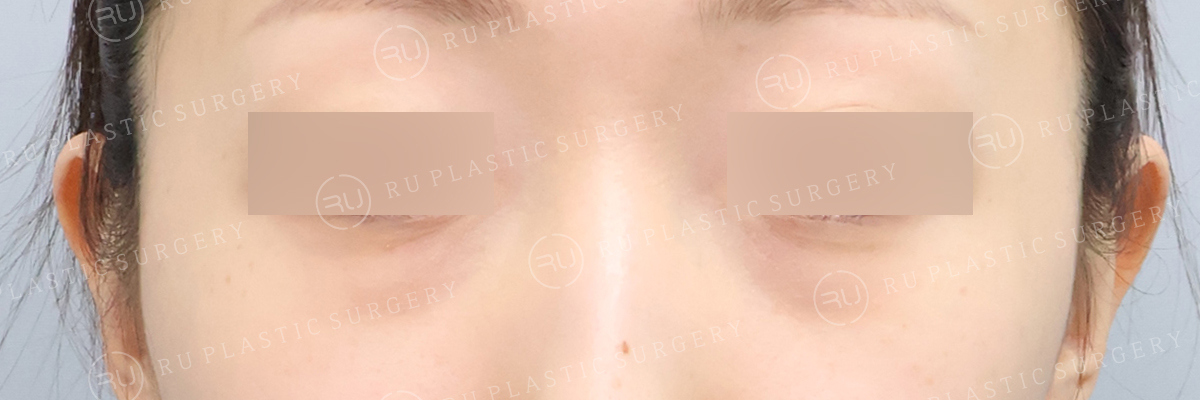
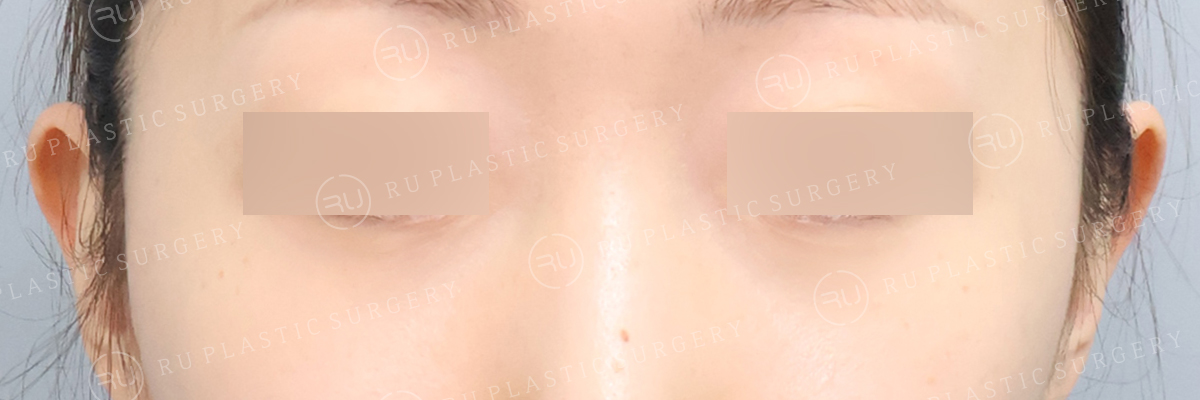
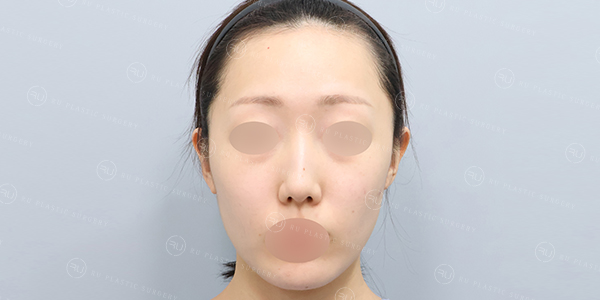
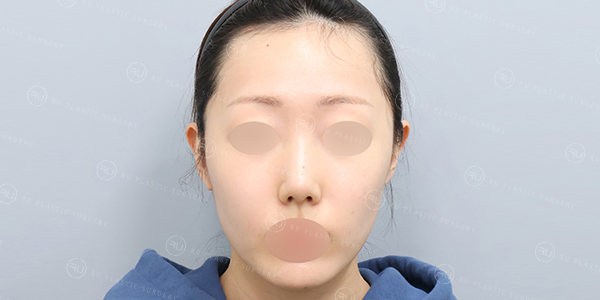
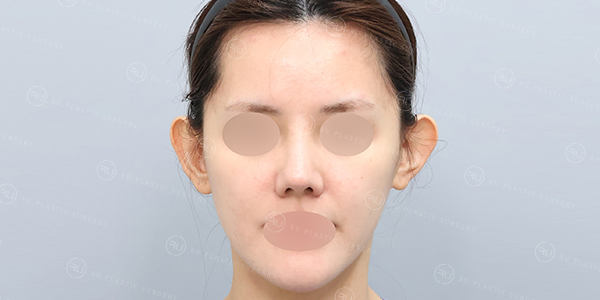
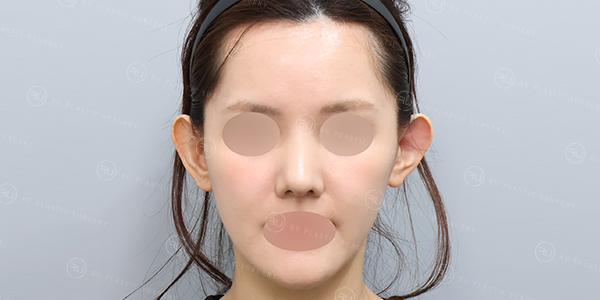
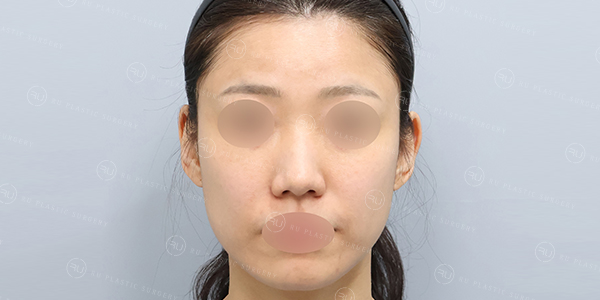
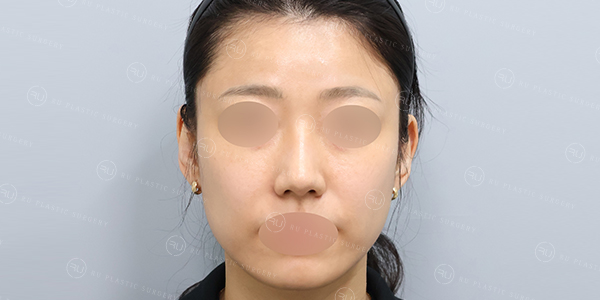
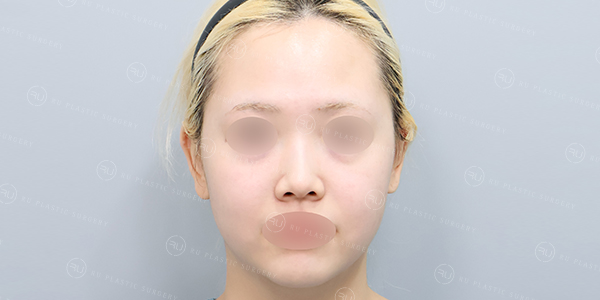
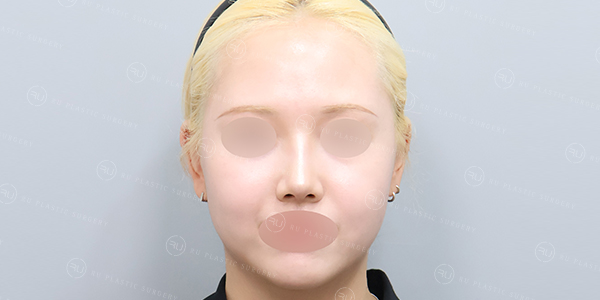
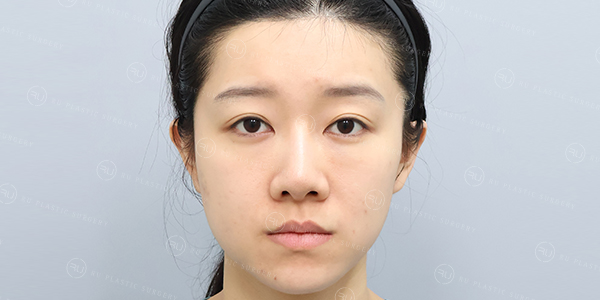
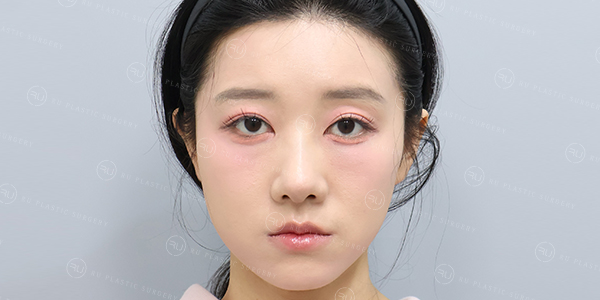
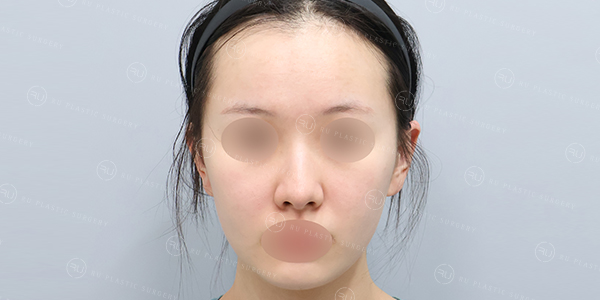
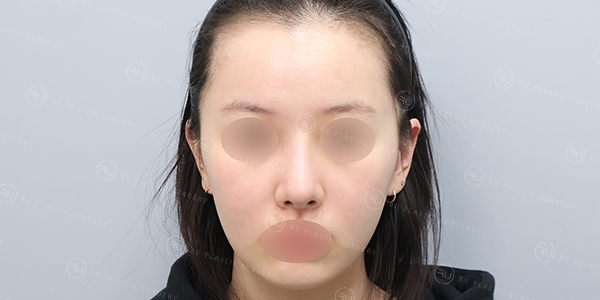
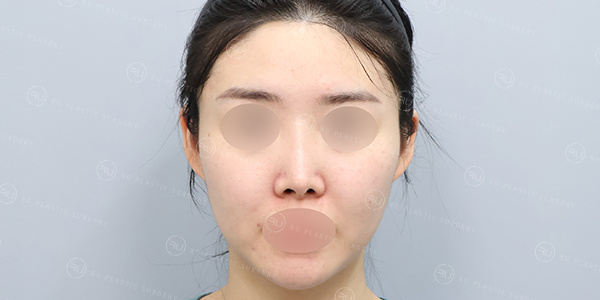
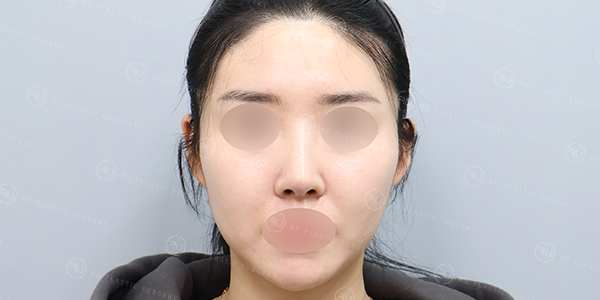
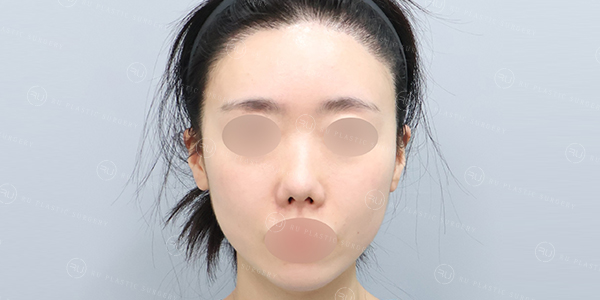
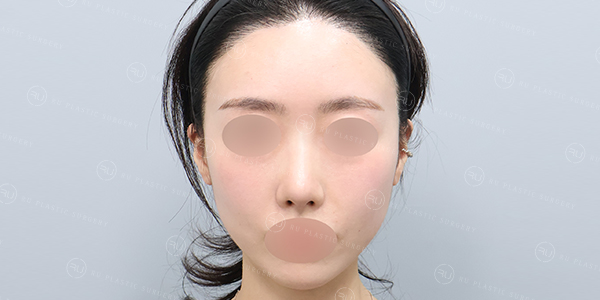
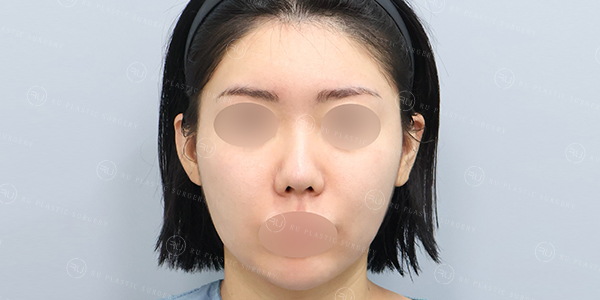
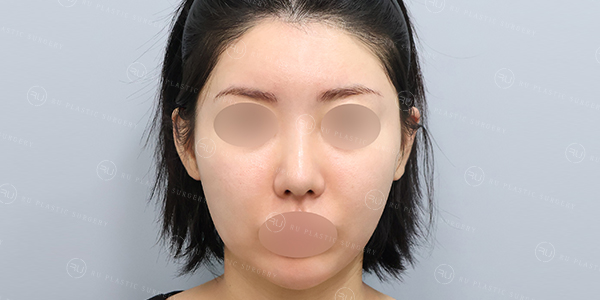
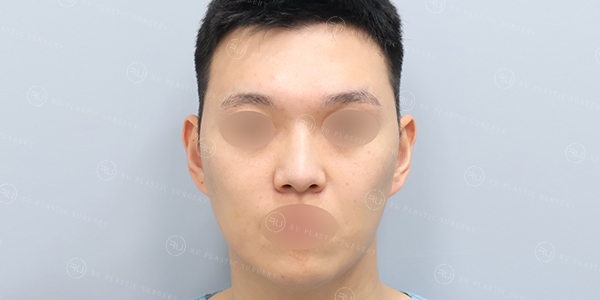
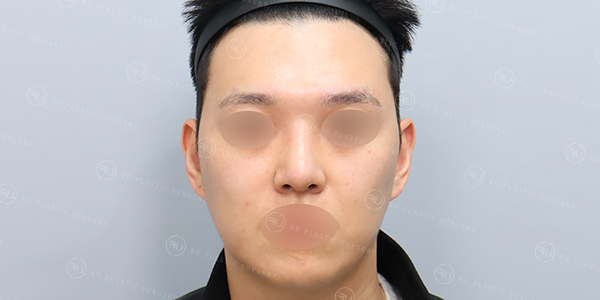
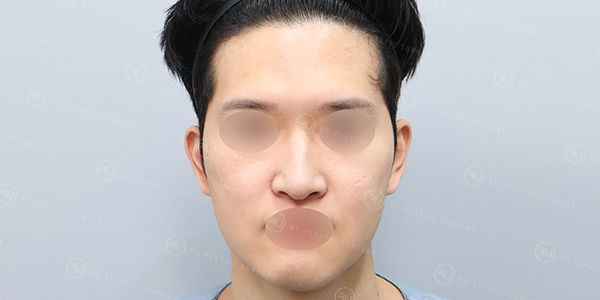
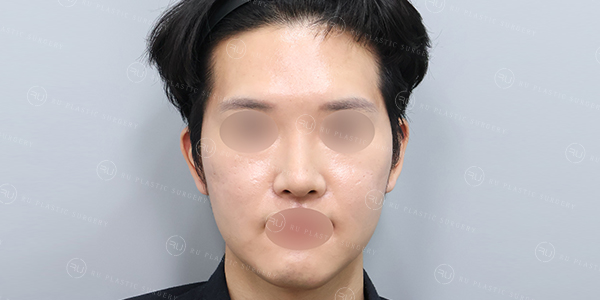
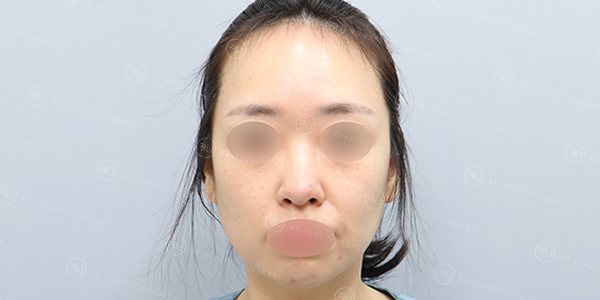
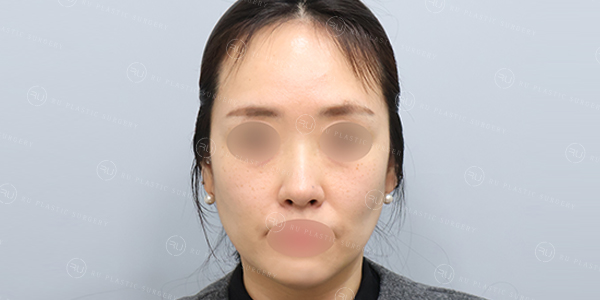
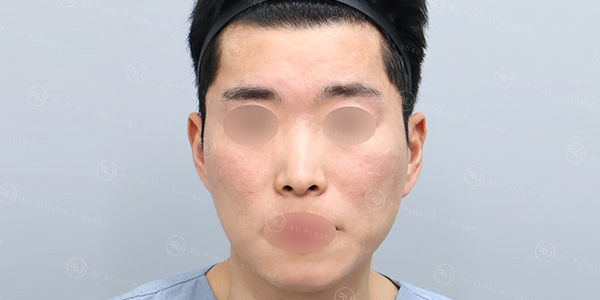
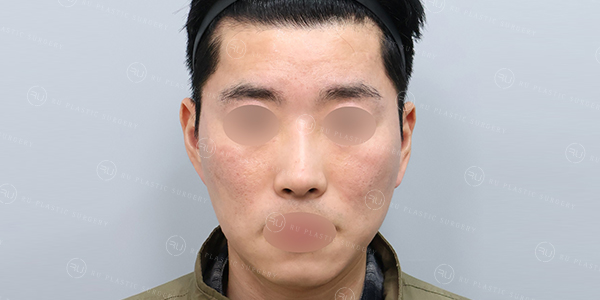
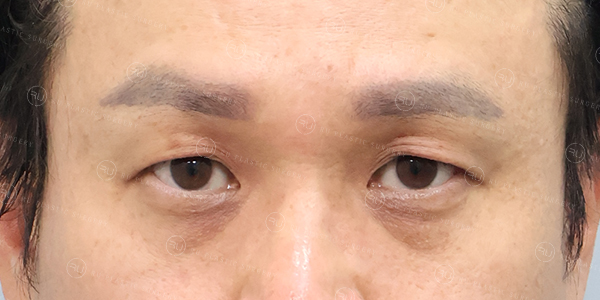
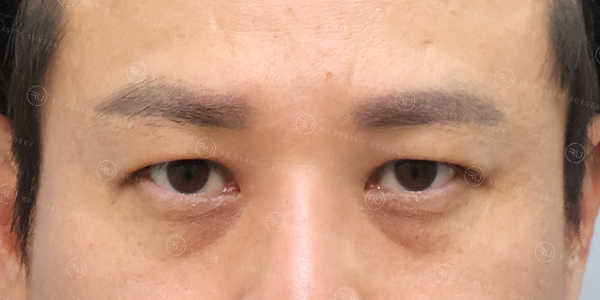
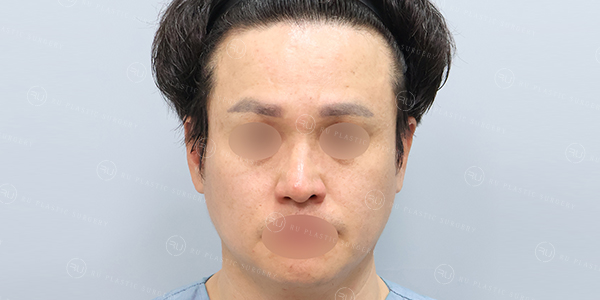
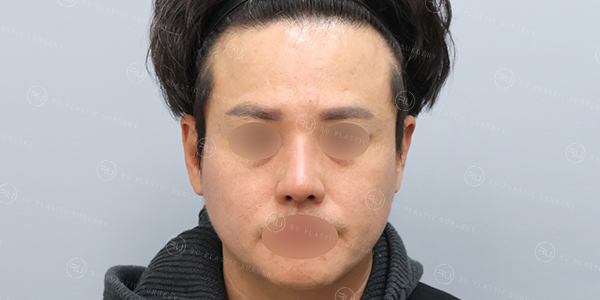
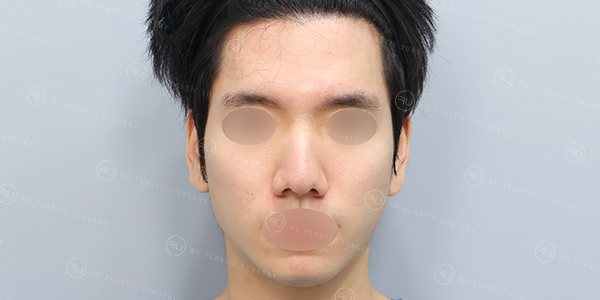
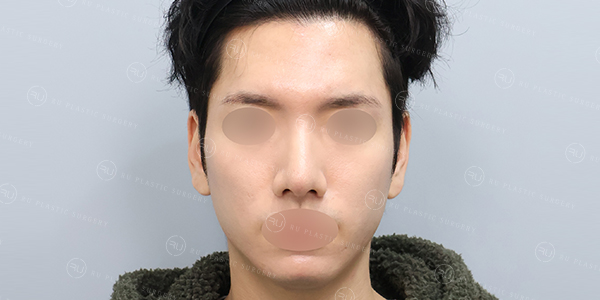
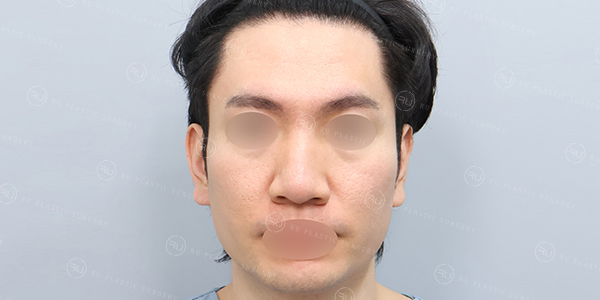
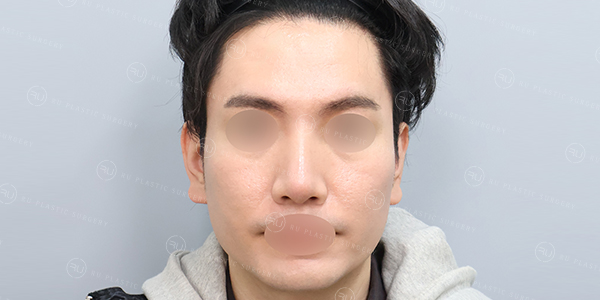
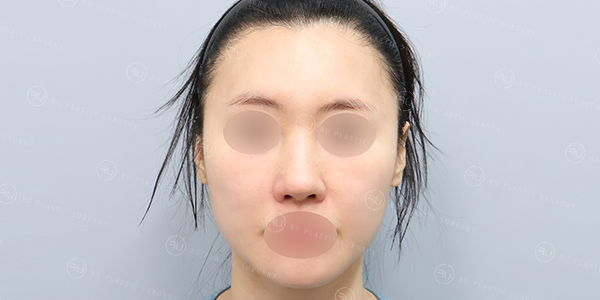
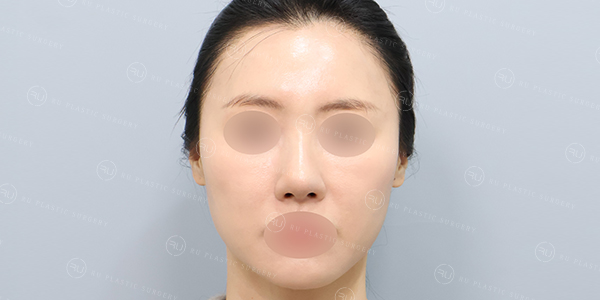
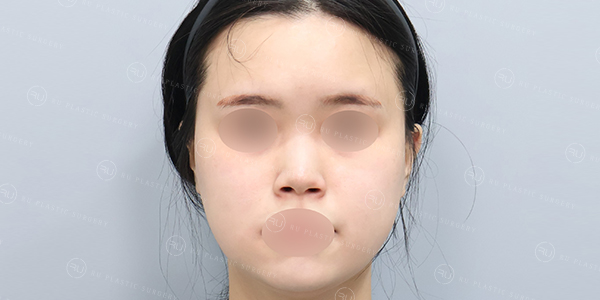
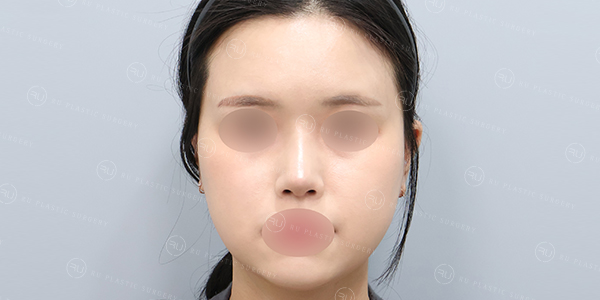
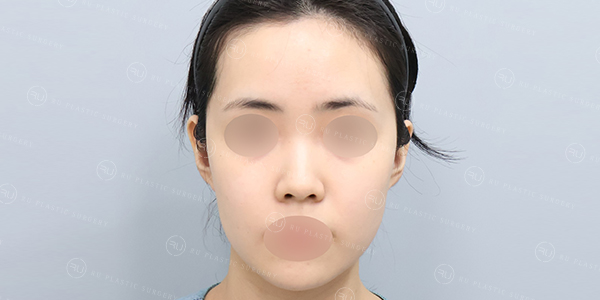
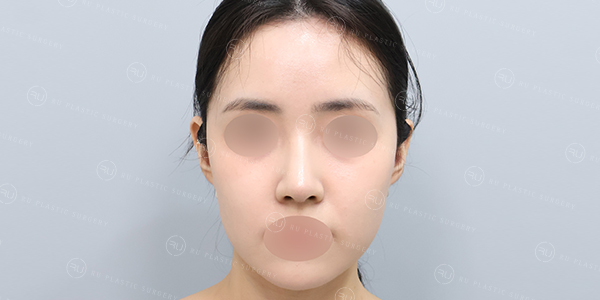
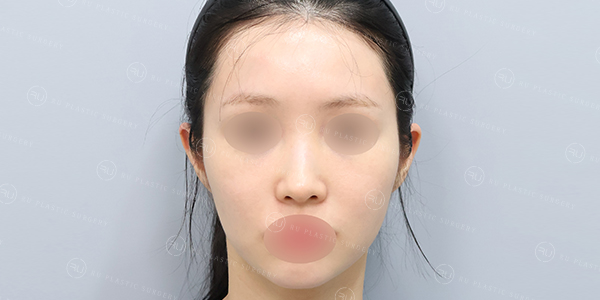
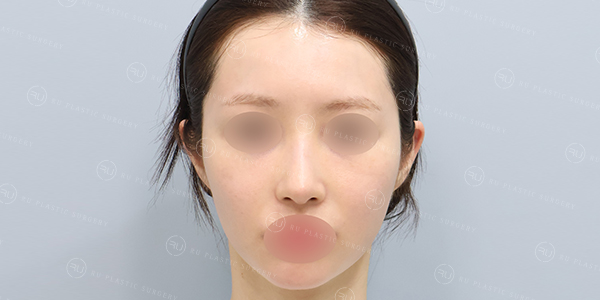
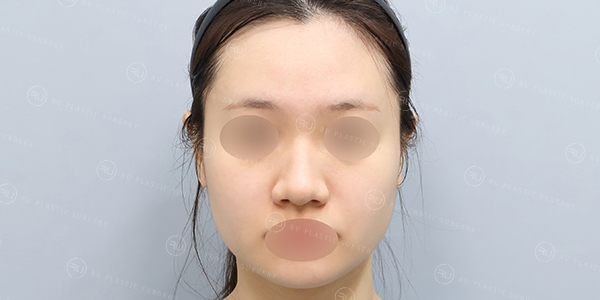
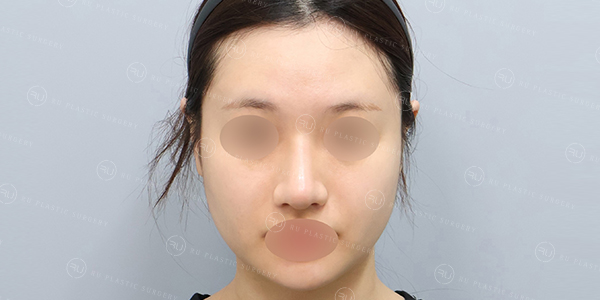
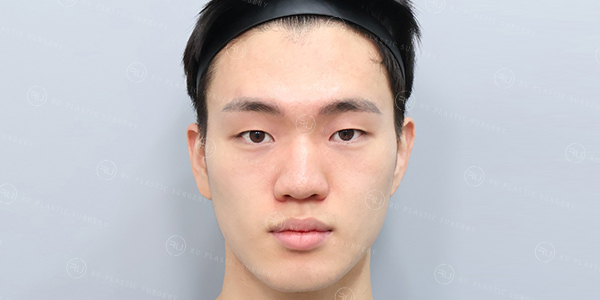
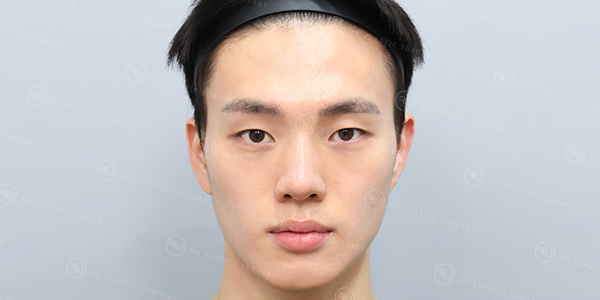
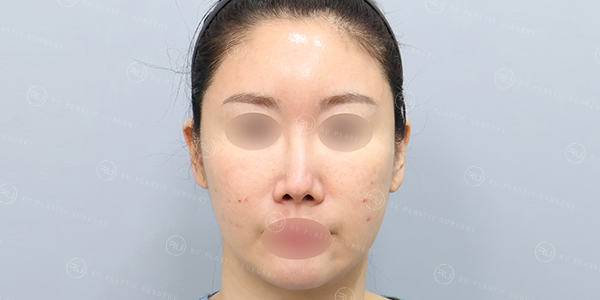
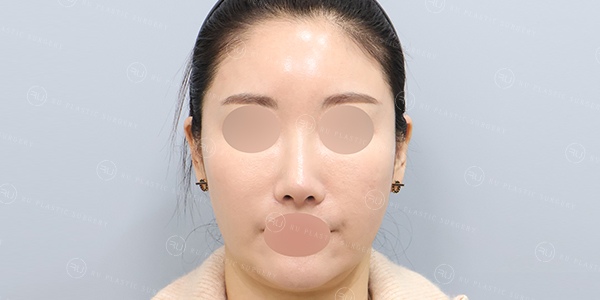
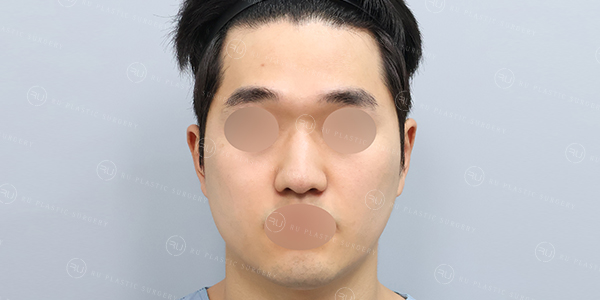
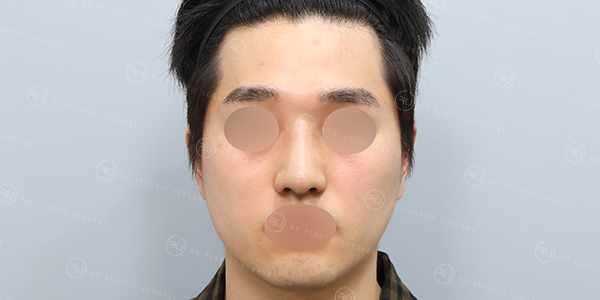
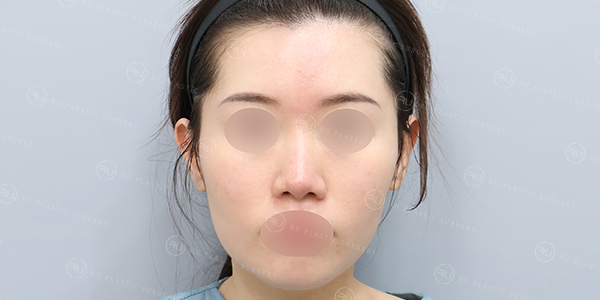
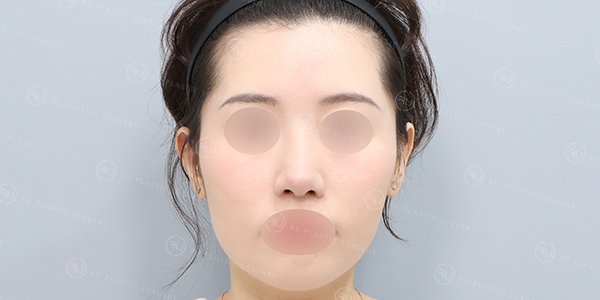
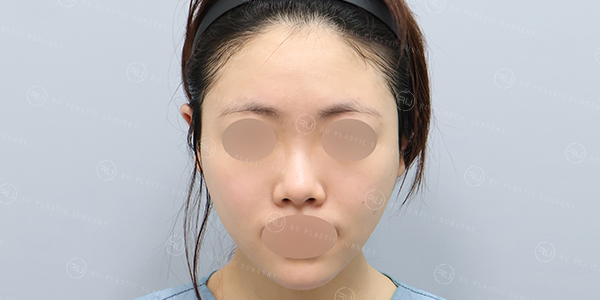
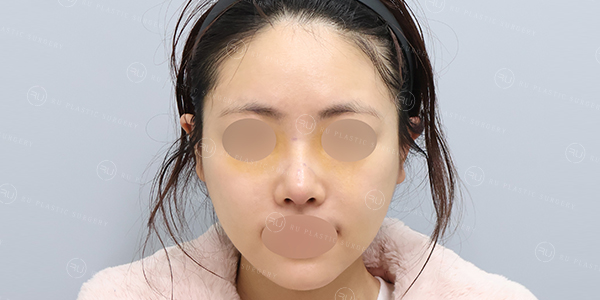
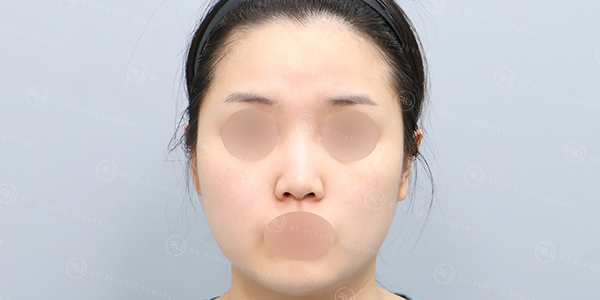
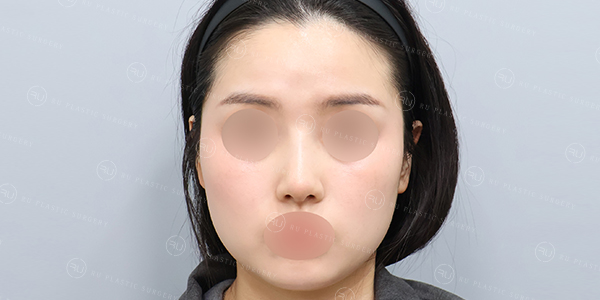
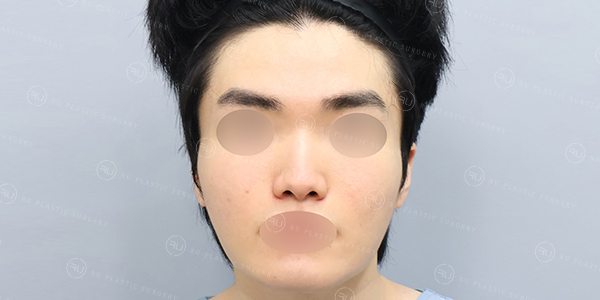
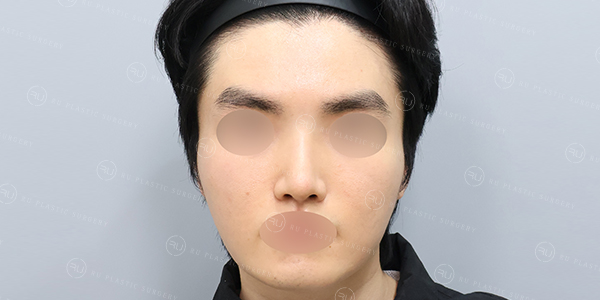
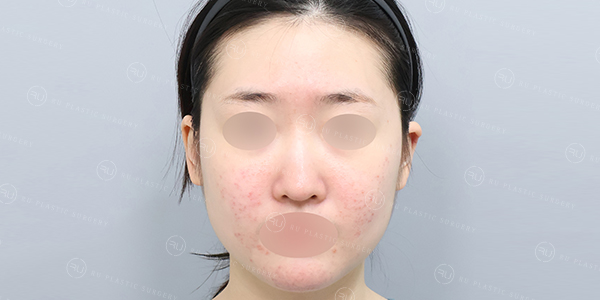
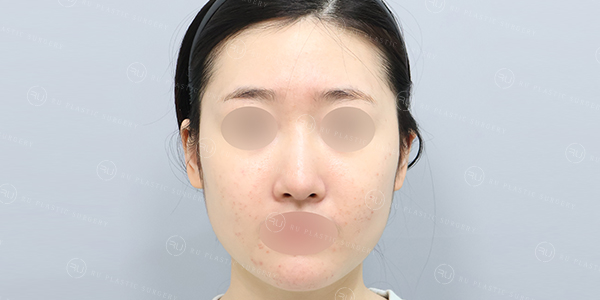
Before / 2m post-op
It had been about 14 years since my first rhinoplasty, and for many years, I had not experienced any particular problems.
However, at some point, I began to notice that my nose was gradually becoming more upturned. I also started experiencing numbness around the nasal tip and occasional pain around the glabella.
I was afraid of undergoing another surgery and initially considered simply living with it, but after a CT scan showed significant inflammatory changes, I decided to proceed with revision rhinoplasty to address the inflammation and nasal contracture.
I first became interested in RU Plastic Surgery after learning that a YouTuber I regularly followed had undergone rhinoplasty there.
Because I trusted that creator’s judgment, I started looking more closely into the clinic and watched Dr. Hyunju Kim’s YouTube videos as well as content on Instagram and blogs.
Since my case was relatively complex, surgical safety and experience were especially important to me.
During my consultation, Dr. Kim explained my condition and the surgical plan in detail, which gave me enough confidence to schedule the procedure.
Because my nose had developed inflammation and contracture, I was told that the silicone implant needed to be removed promptly.
I took antibiotics before surgery as instructed.
During the revision, the inflamed tissue and silicone implant were removed, and my nasal bridge was reconstructed using customized autologous rib cartilage.
Autologous rib cartilage was also used for the nasal tip, and scalp fascia was incorporated as part of the reconstruction.
I had seen many reviews from other patients saying that they experienced relatively little bruising and swelling after surgery.
I personally tend to swell and bruise easily, so I expected my recovery to be more difficult.
Surprisingly, however, I did not develop noticeable bruising, and although some residual swelling remains, it has been milder than I expected.
Dr. Kim had explained that because my inflammation and contracture were relatively severe, my swelling might take longer to resolve than in some other patients.
Even so, I feel that my recovery has progressed more smoothly and quickly than I had anticipated.
The amount of nostril show that had been visible from the front has also decreased significantly.
I also no longer experience the glabellar pain and other discomfort that had bothered me before surgery, which has been very reassuring.
The autologous rib cartilage donor site was also much less painful than I had feared, and in my case, the recovery there felt relatively quick as well.
At two months postoperatively, I am very satisfied with how the recovery and reconstruction are progressing so far.
Considering how worried I was before surgery, I feel very grateful that the process has been more manageable than expected and that the overall shape is continuing to improve naturally.