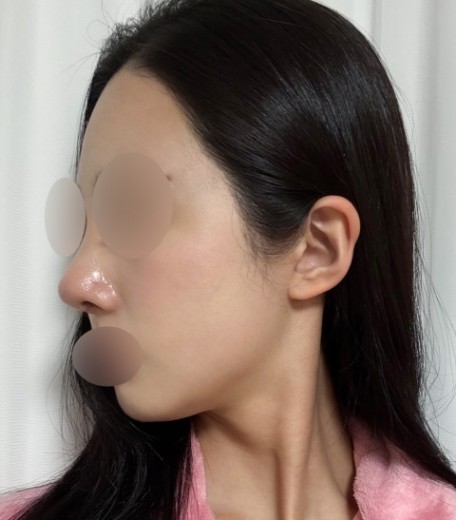
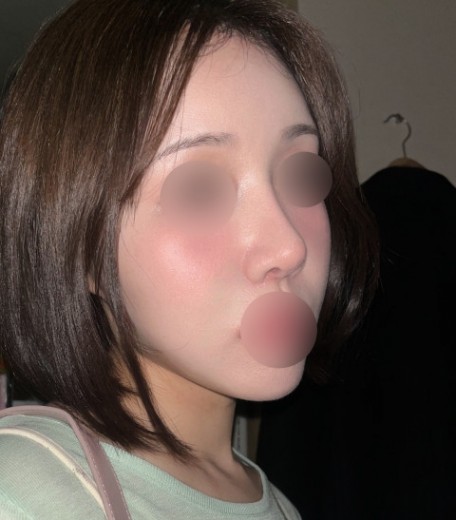
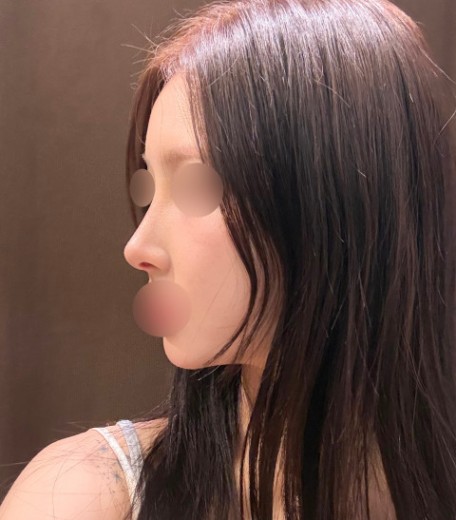
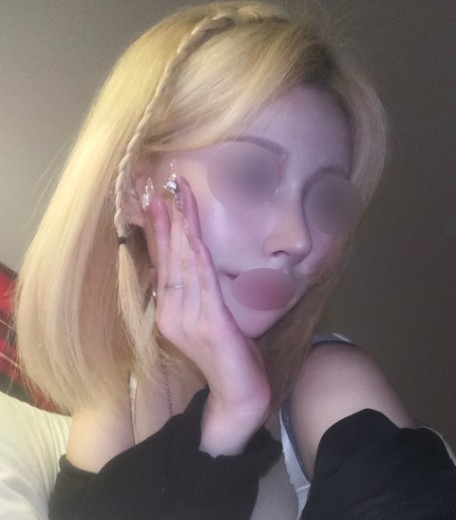
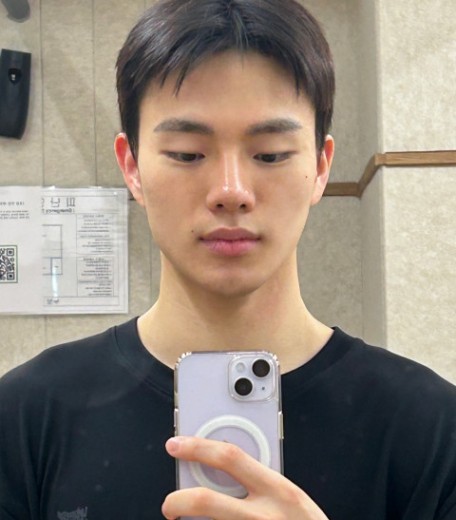
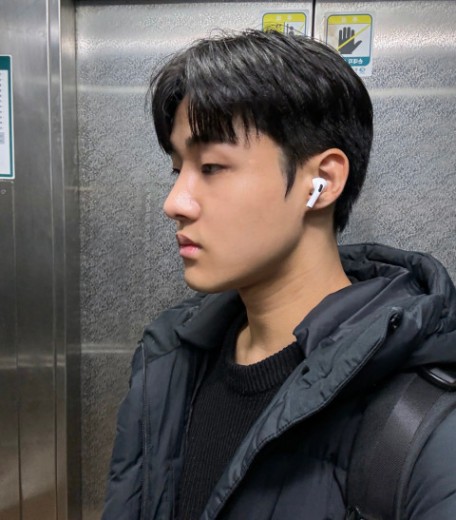
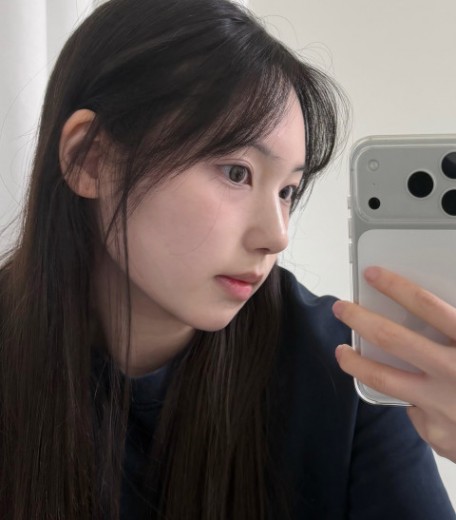
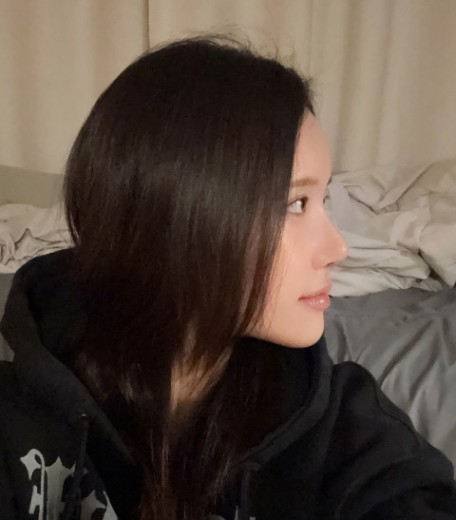
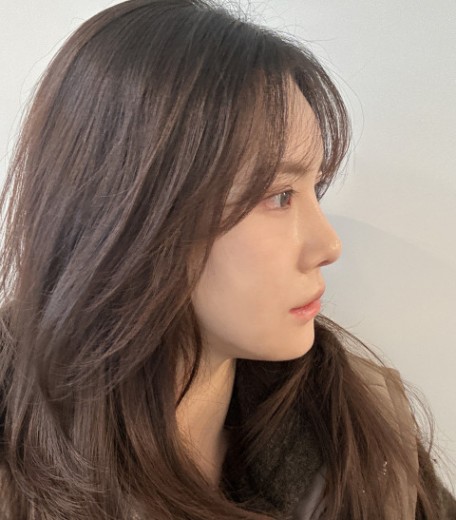
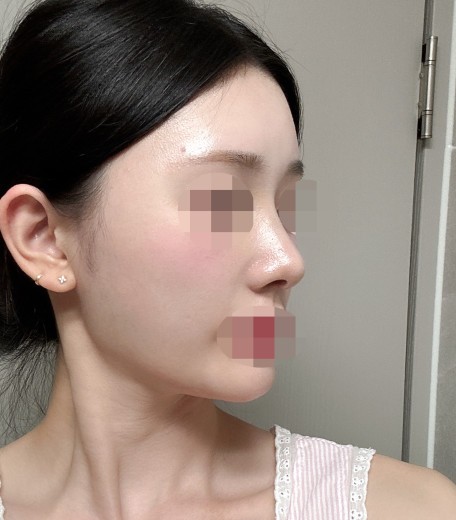
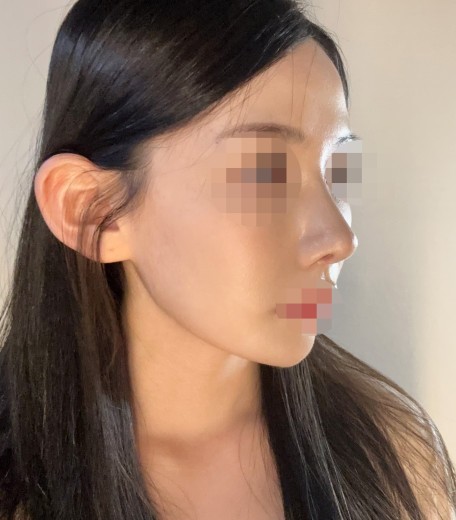
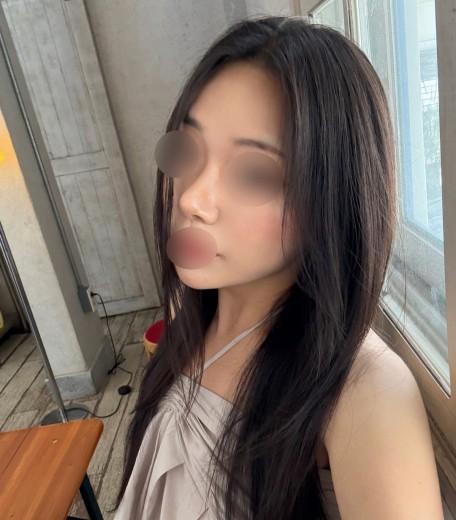
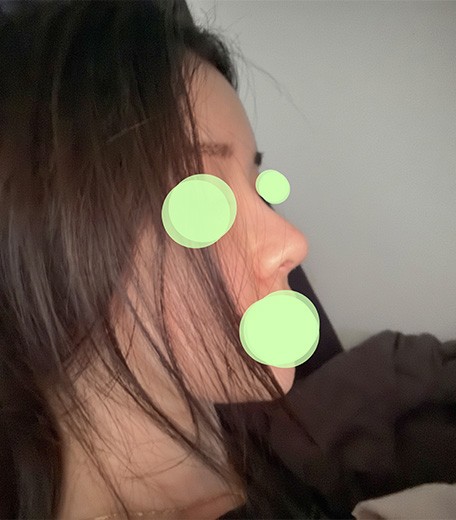
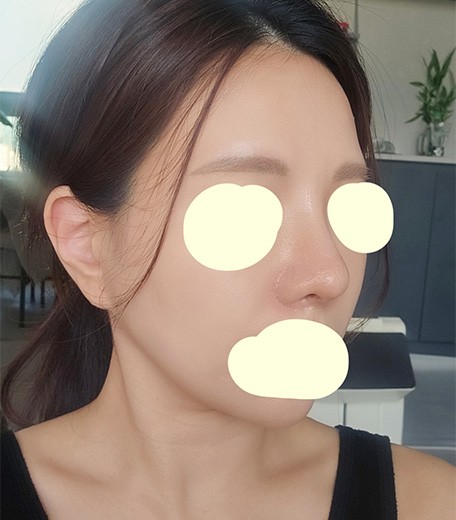
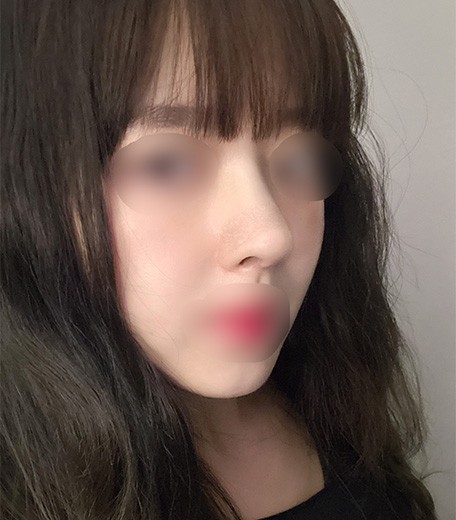
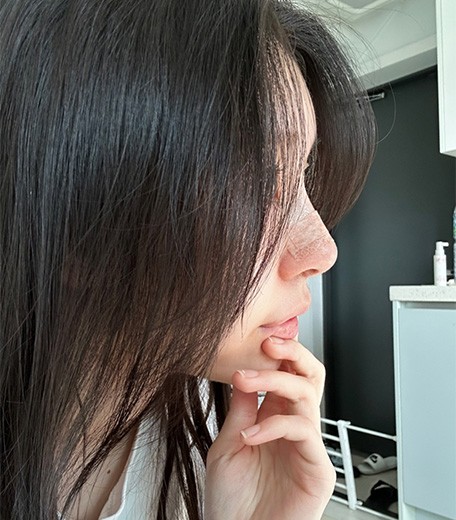
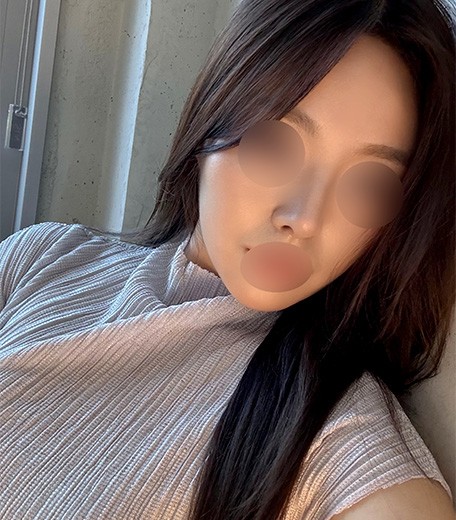
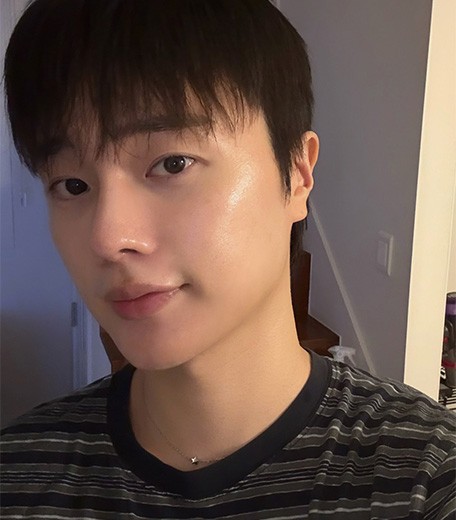
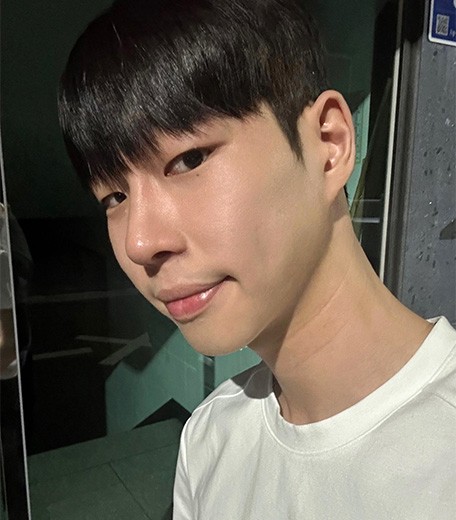
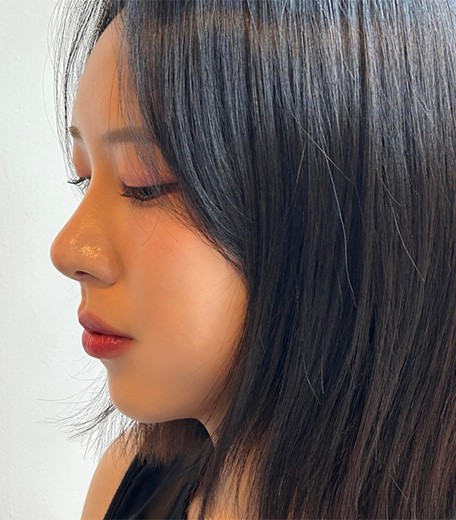
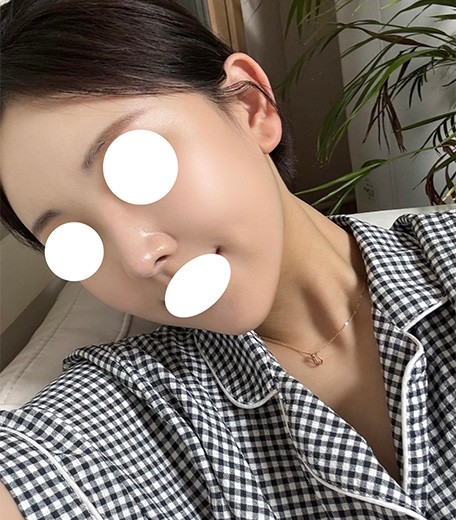
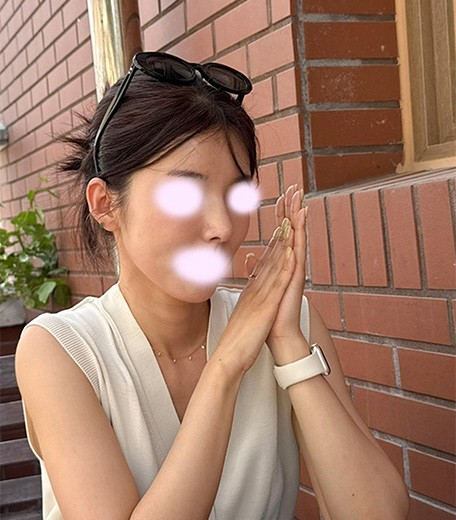
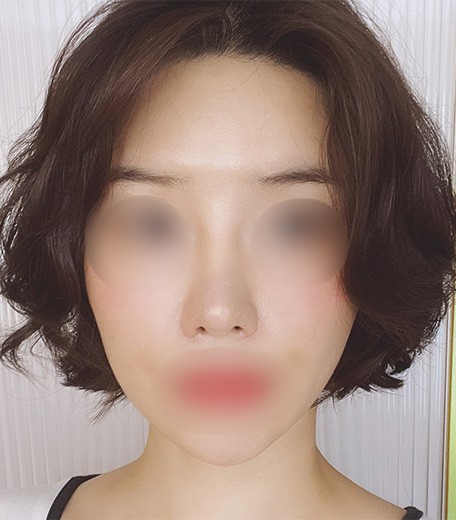
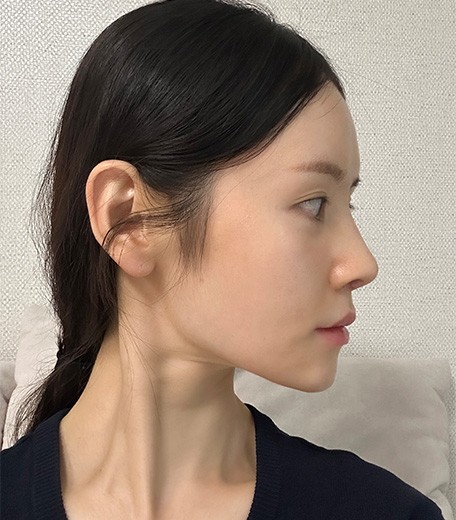
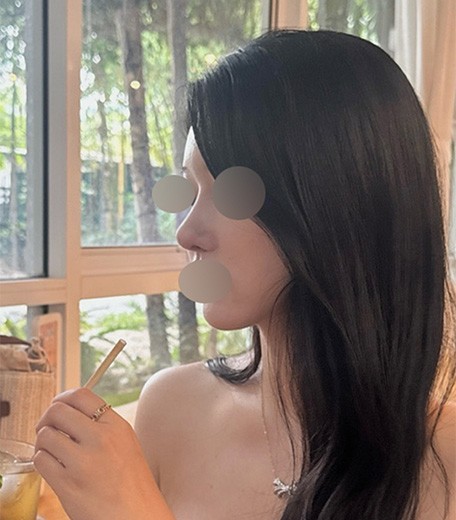
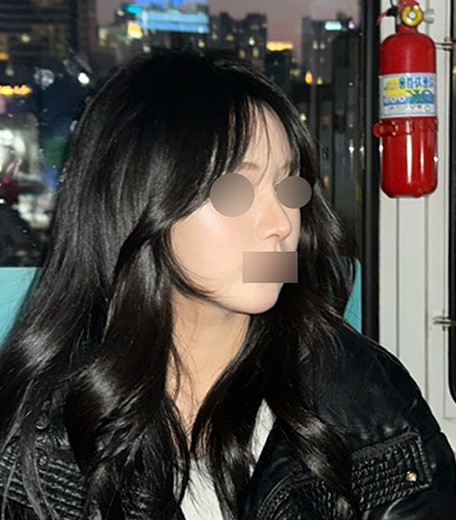
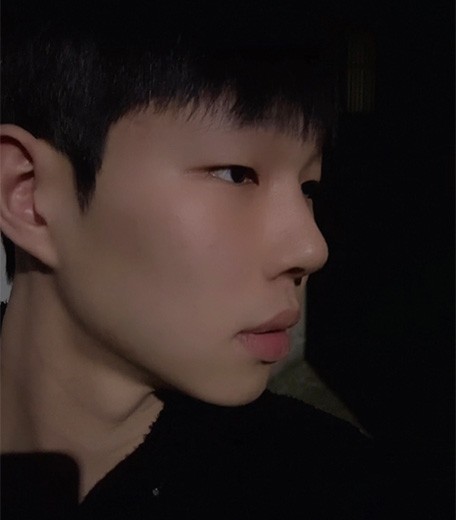
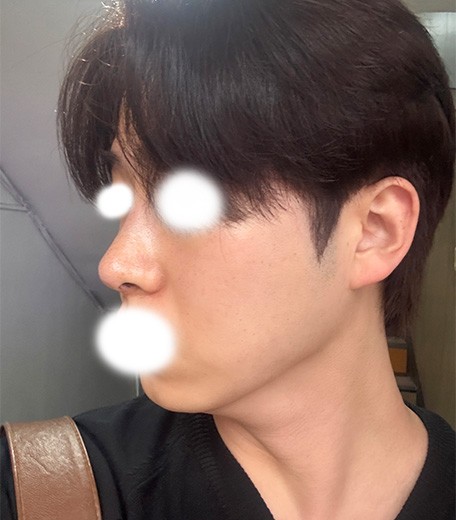
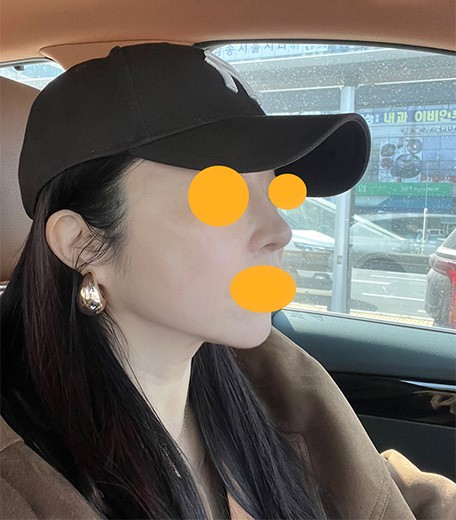
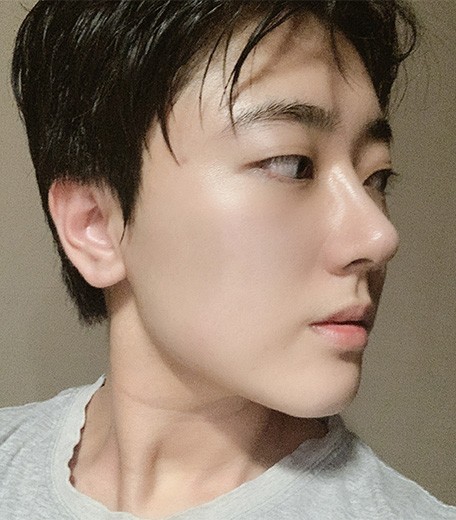
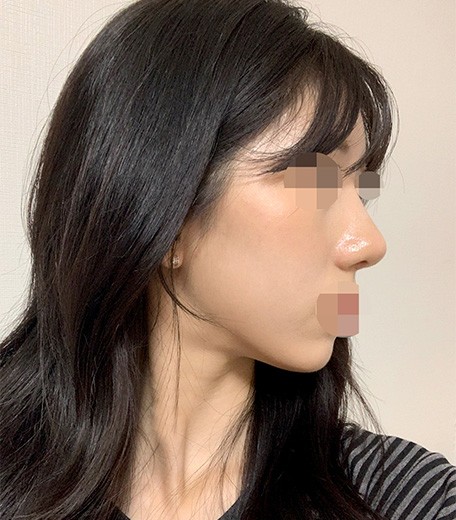
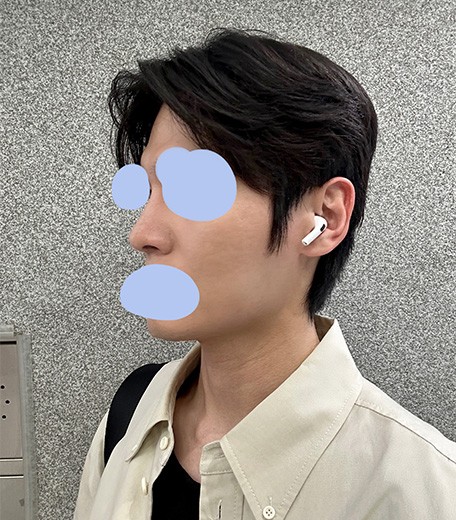
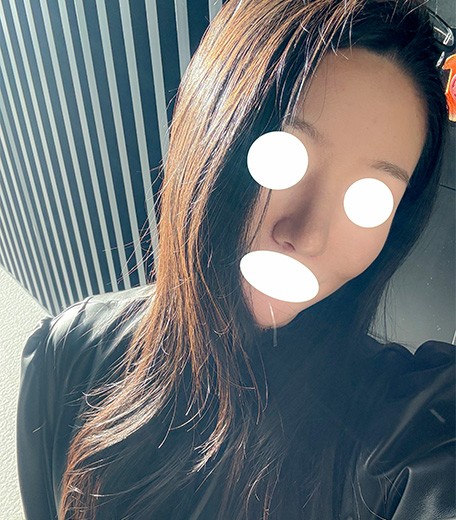
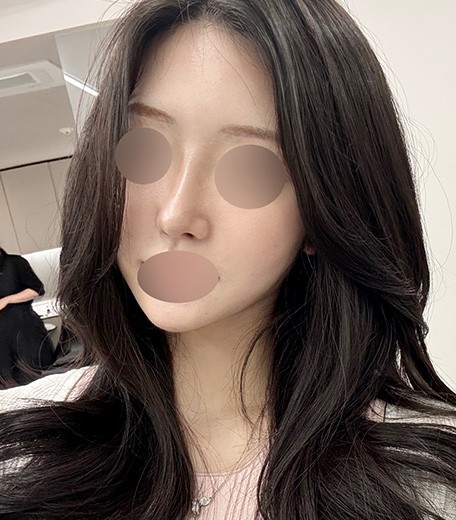
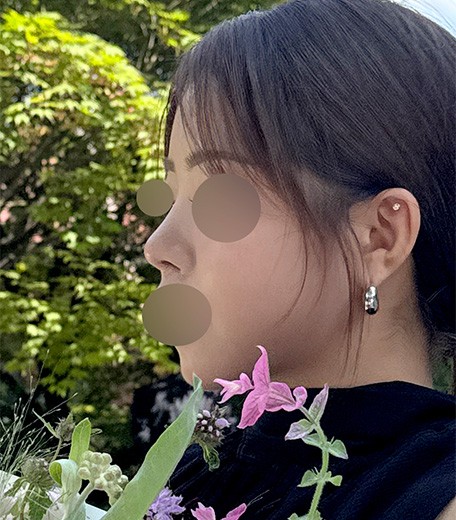
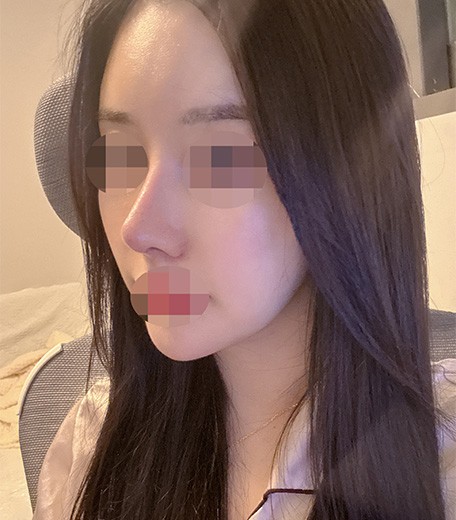
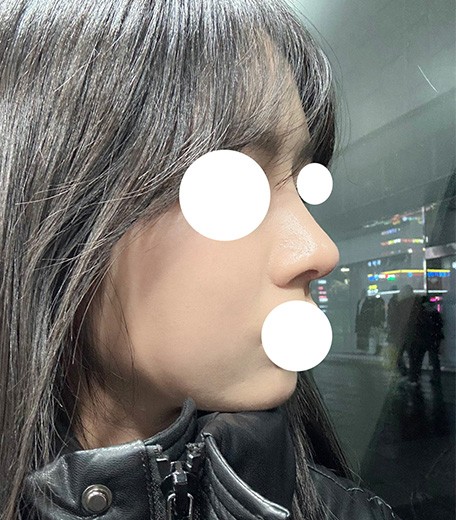
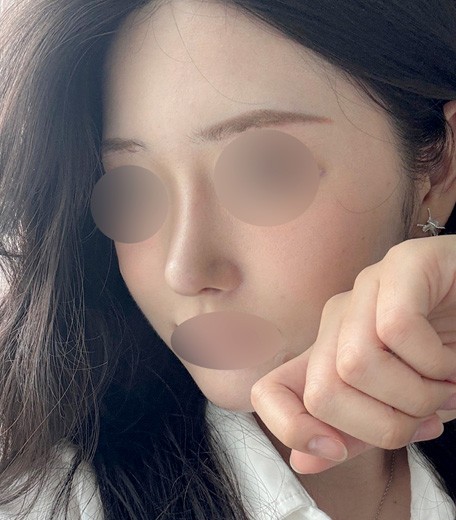
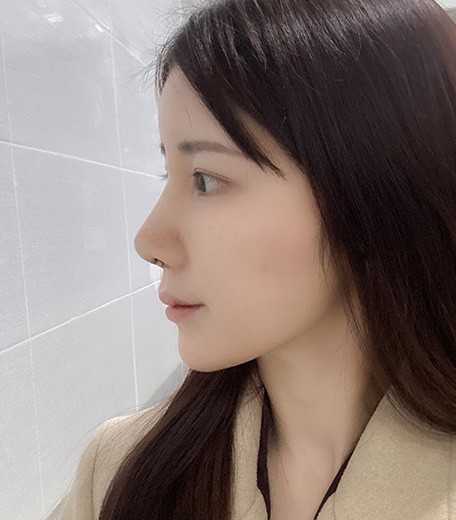
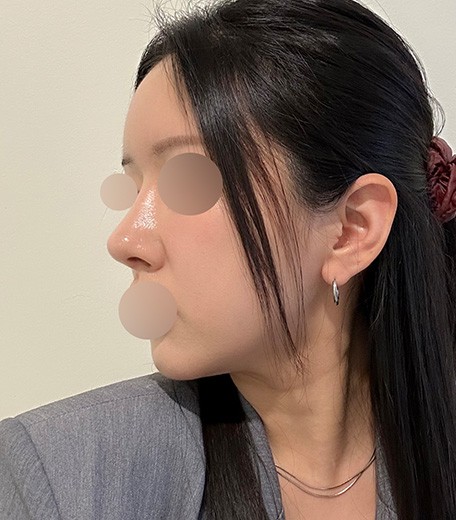
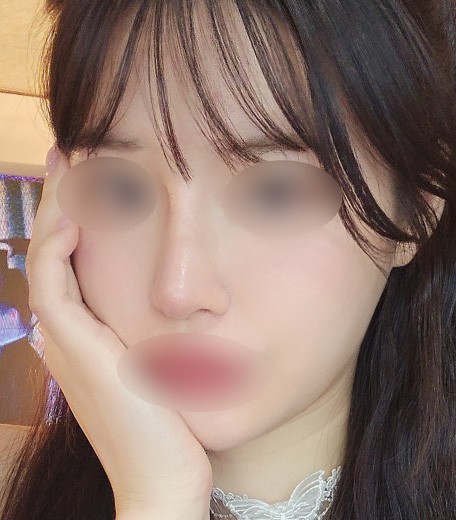
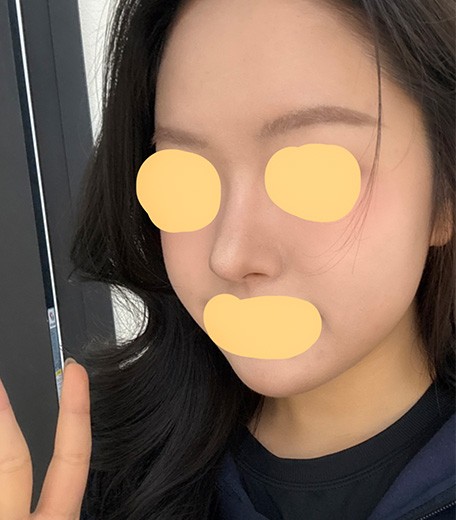
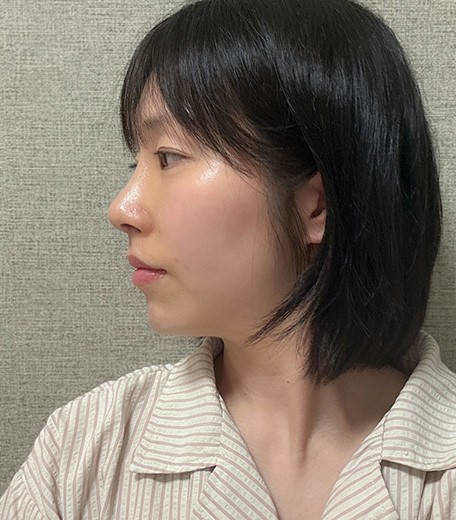
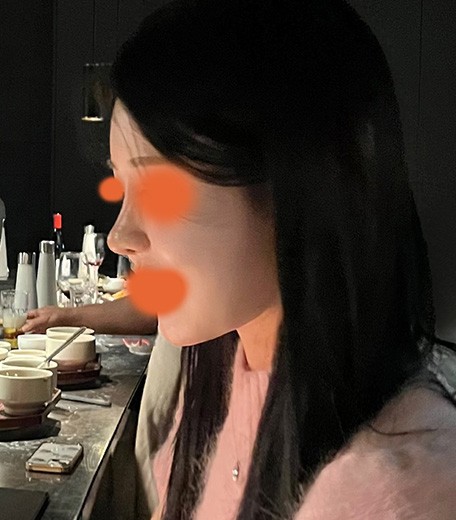
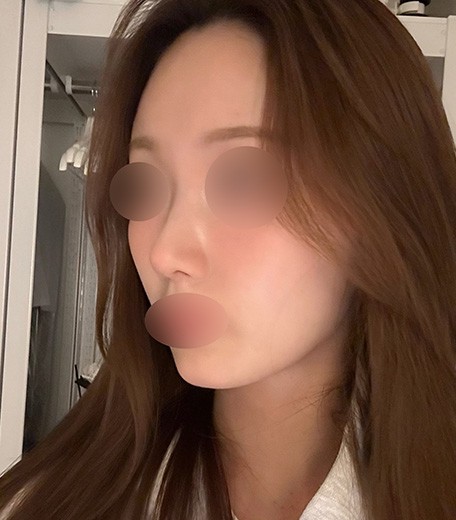
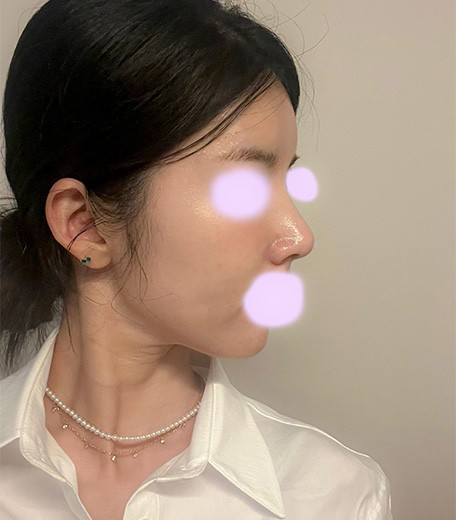
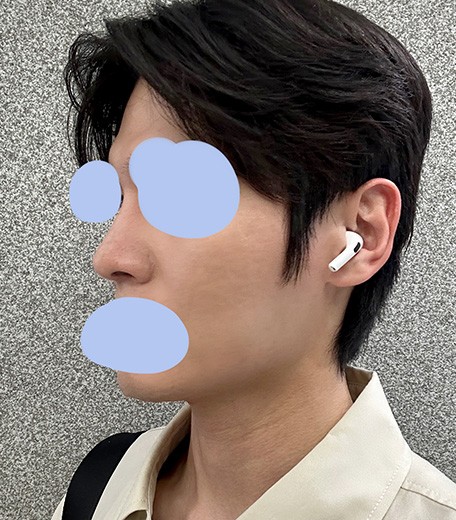
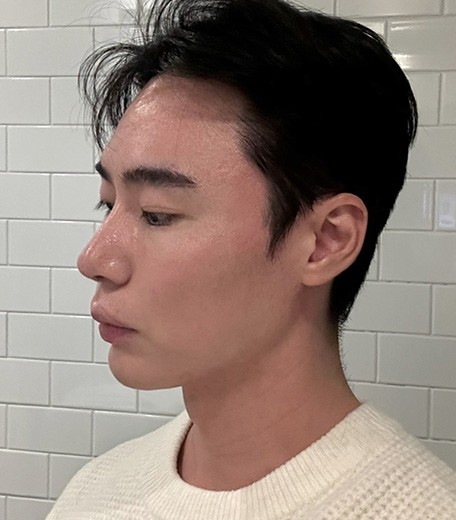
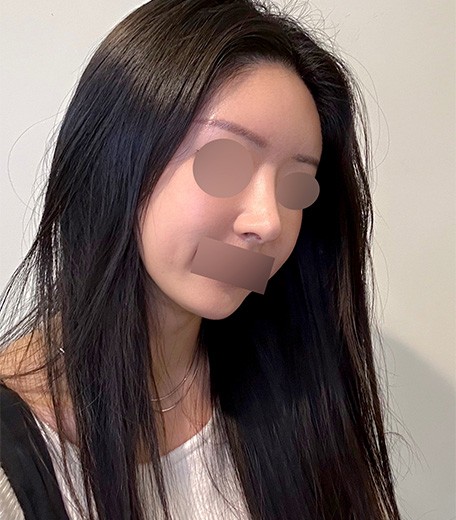
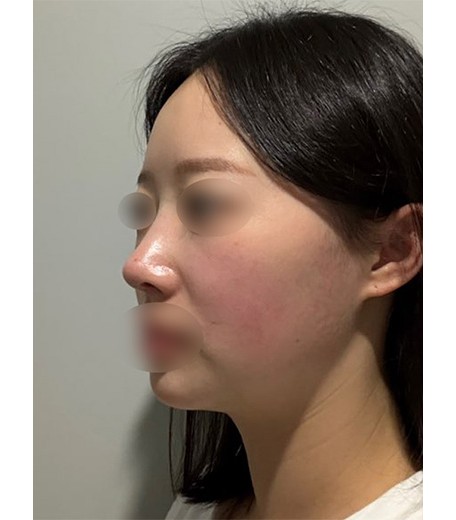
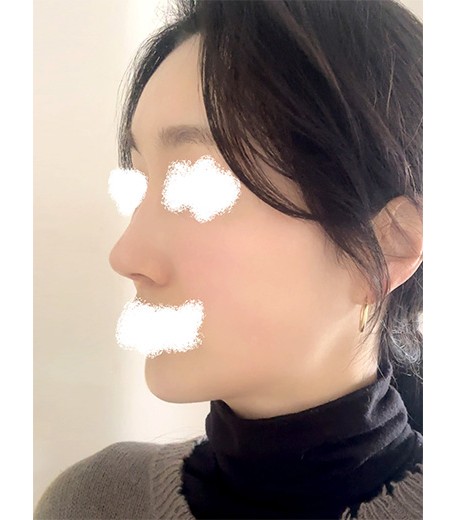
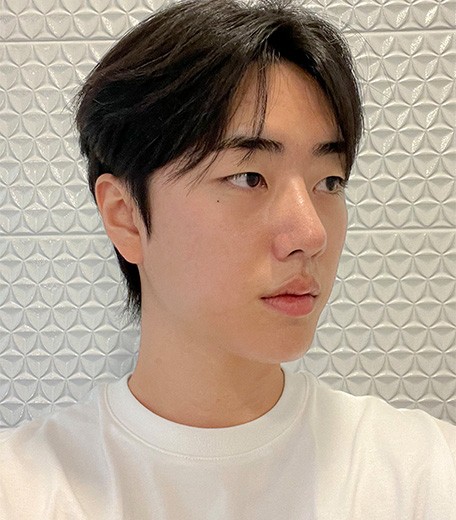
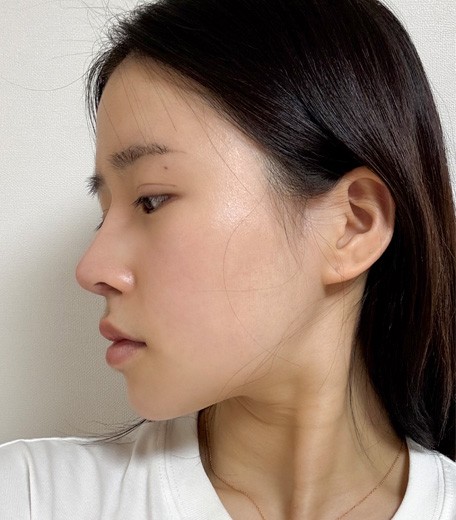
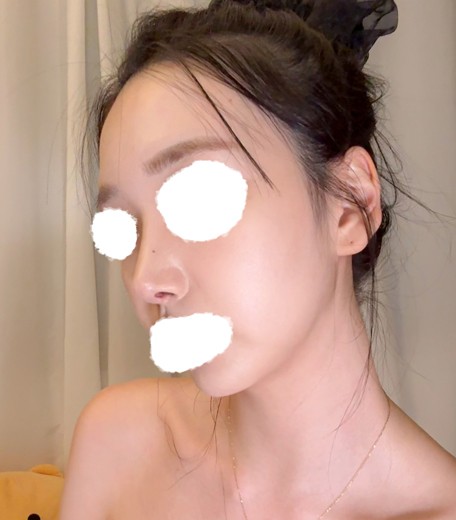
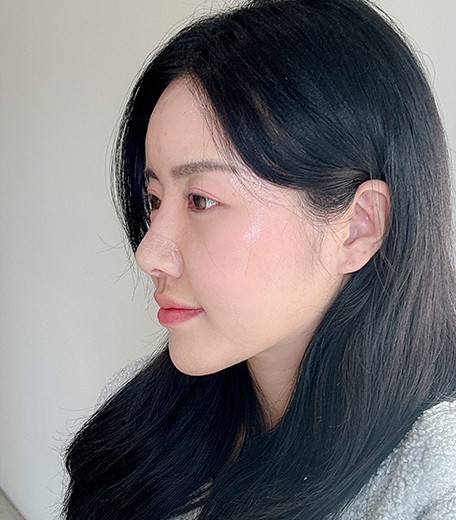
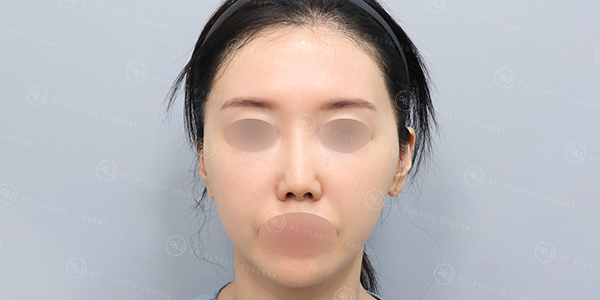
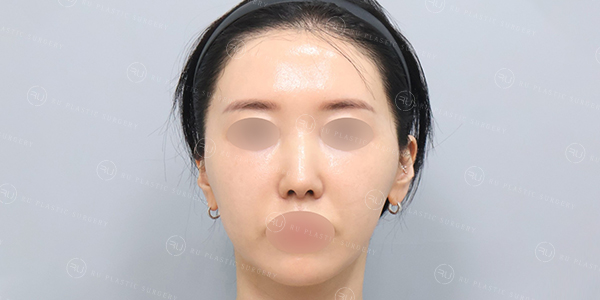
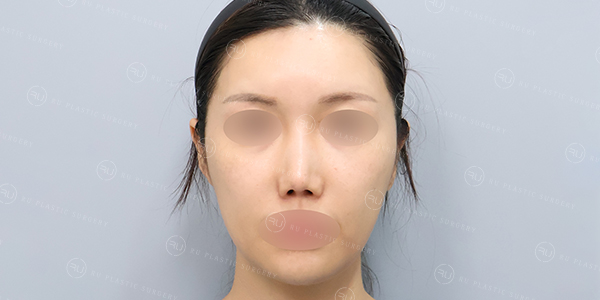
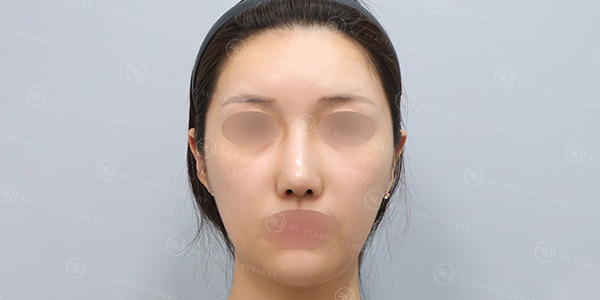
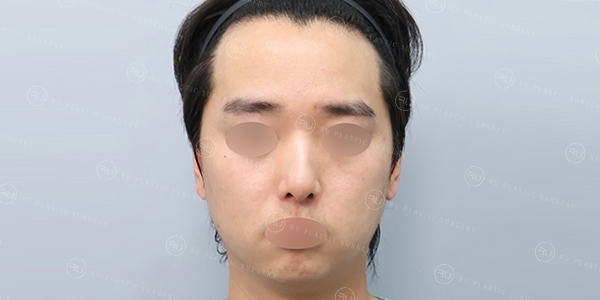
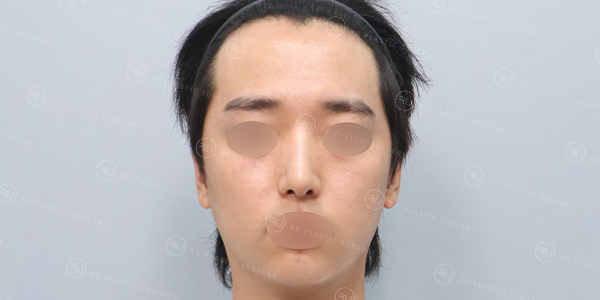
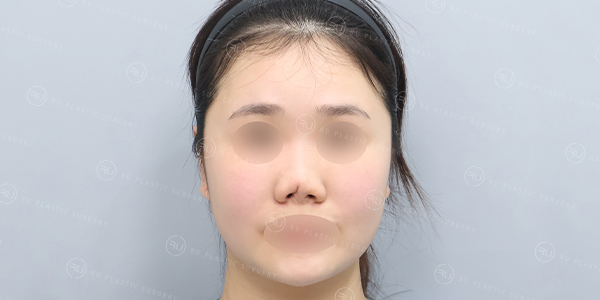
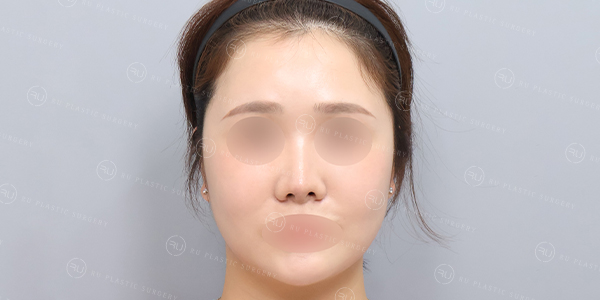
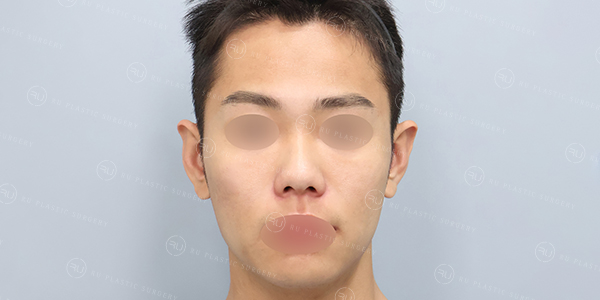
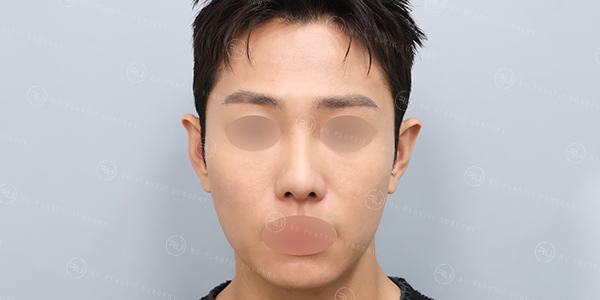
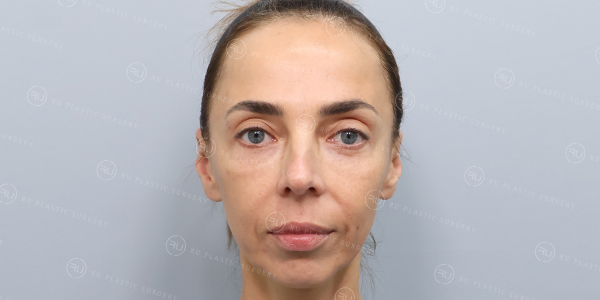
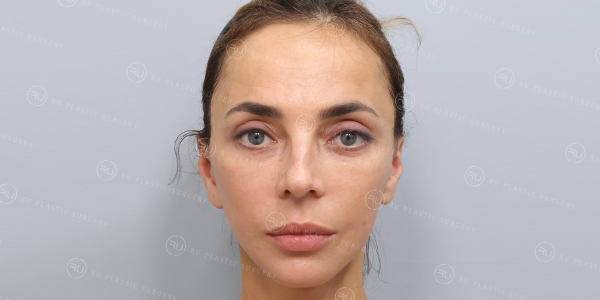
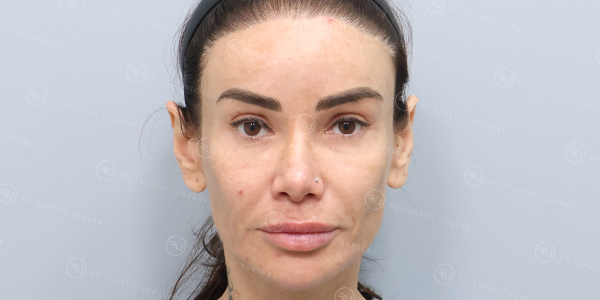
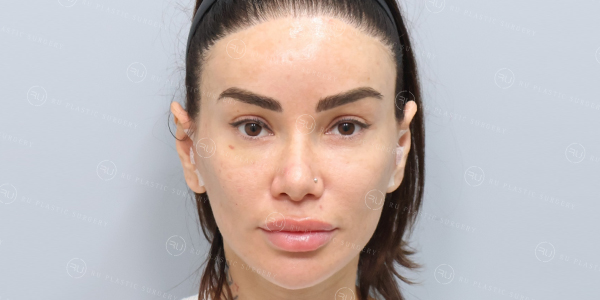
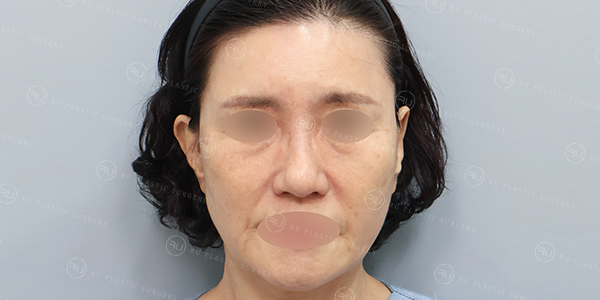
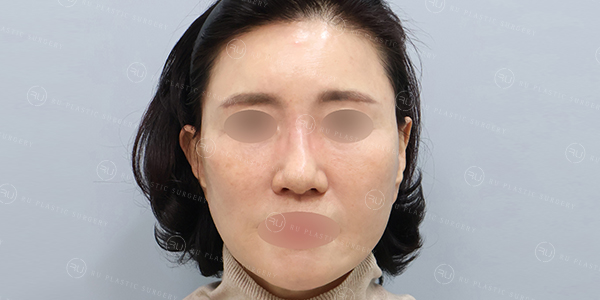
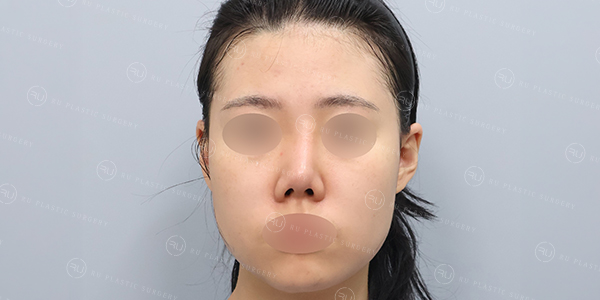
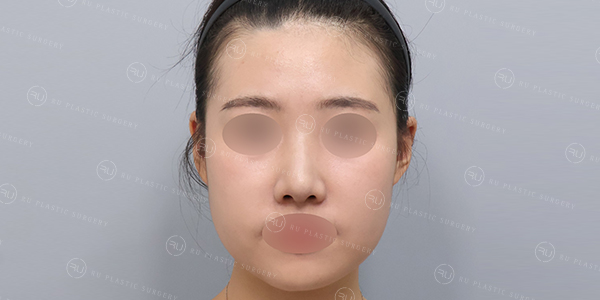
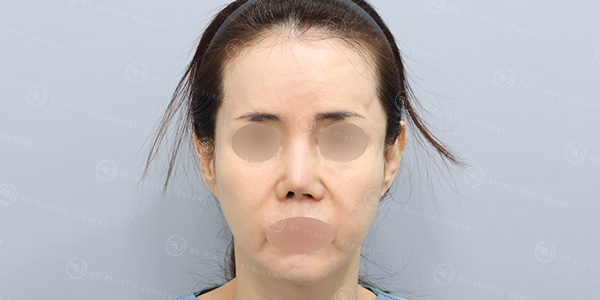
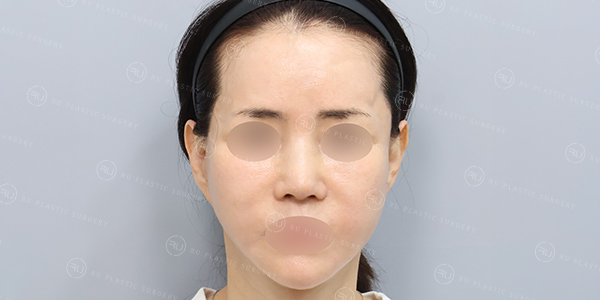
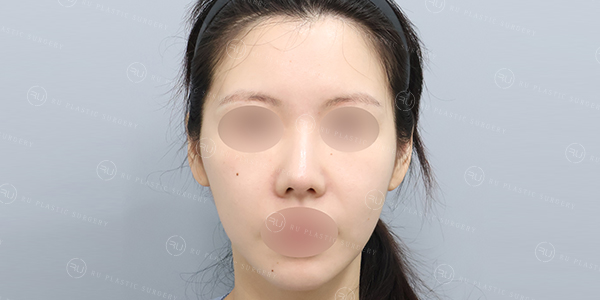
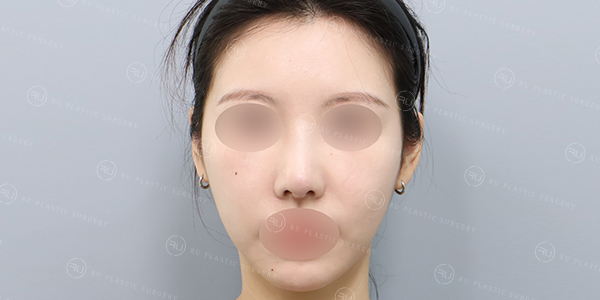
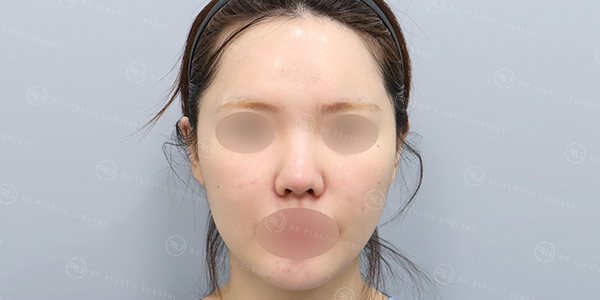
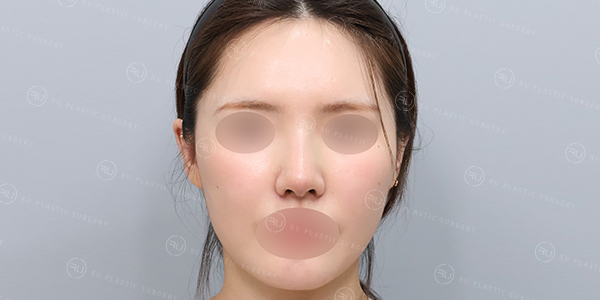
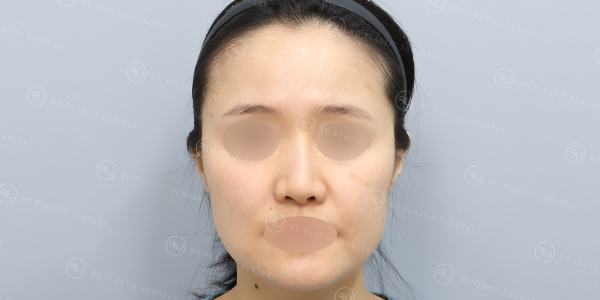
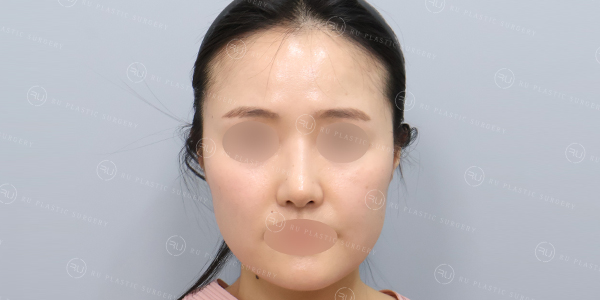
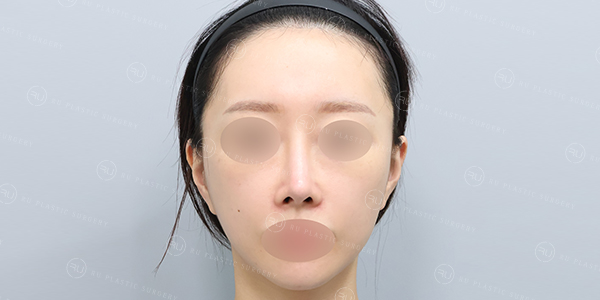
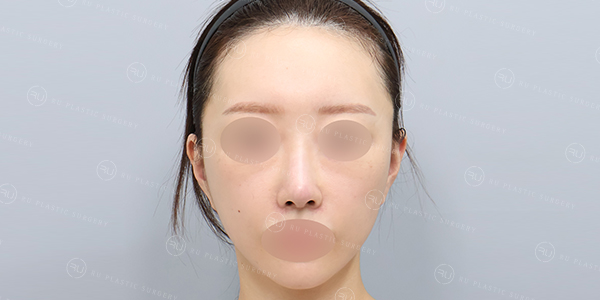
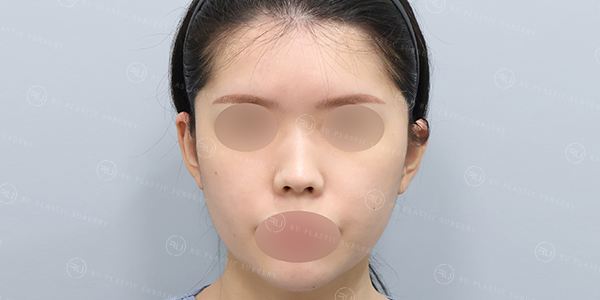
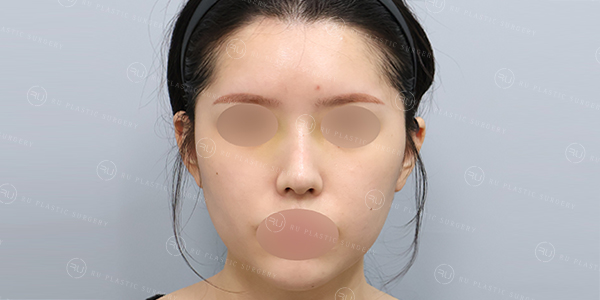
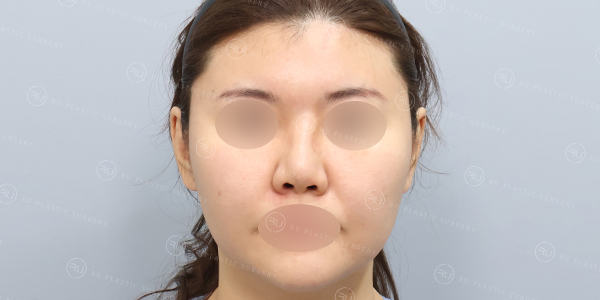
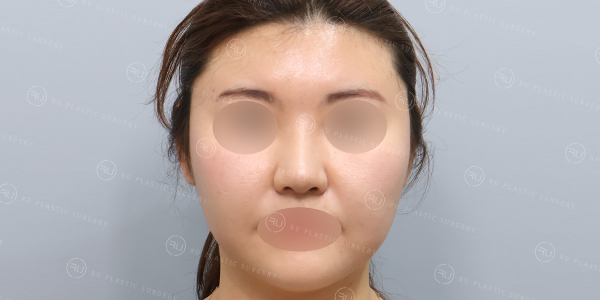
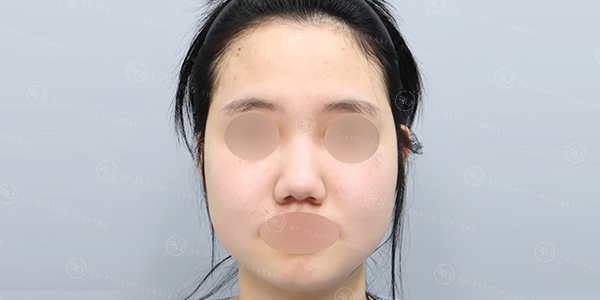
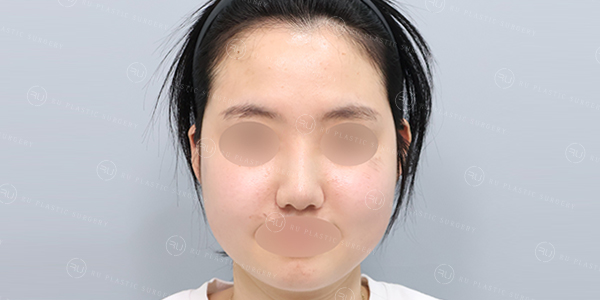
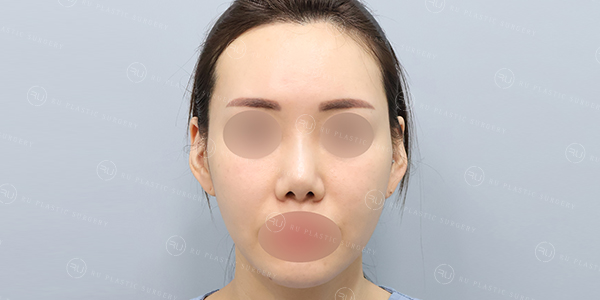
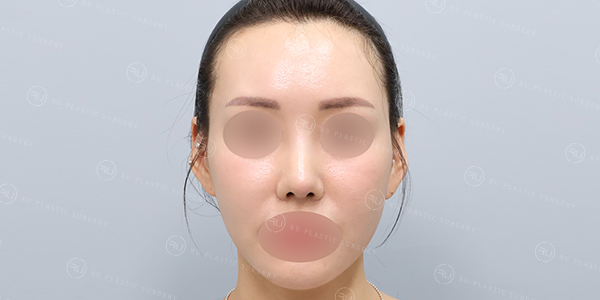
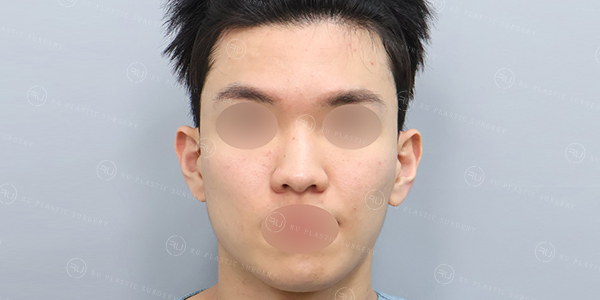
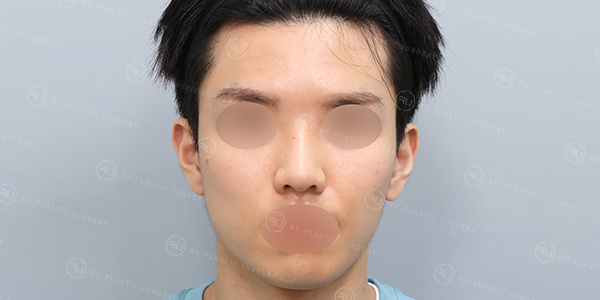
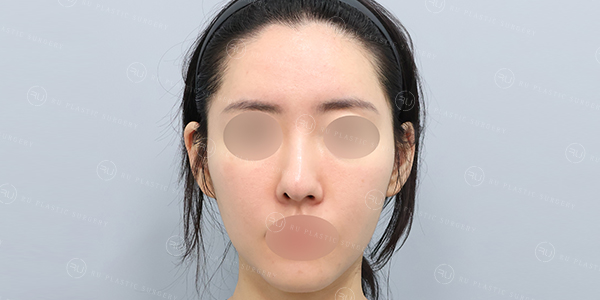
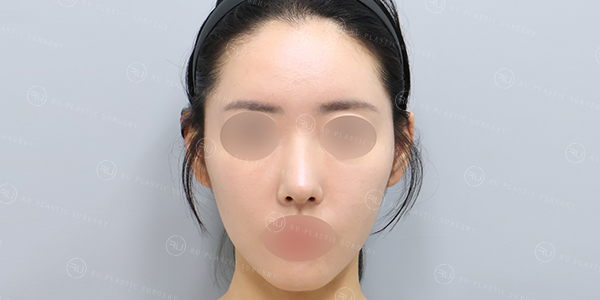
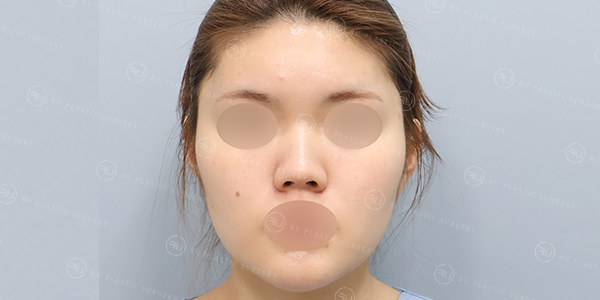
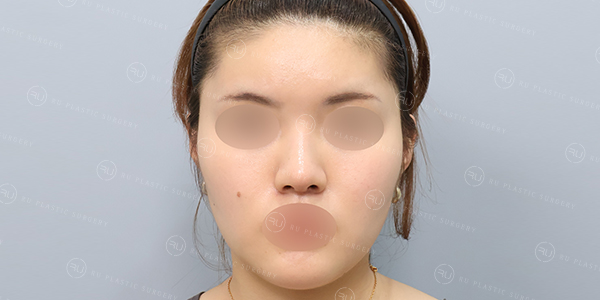
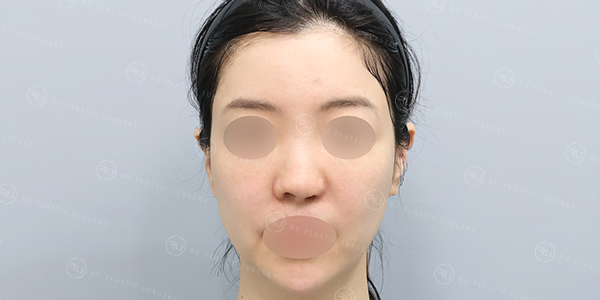
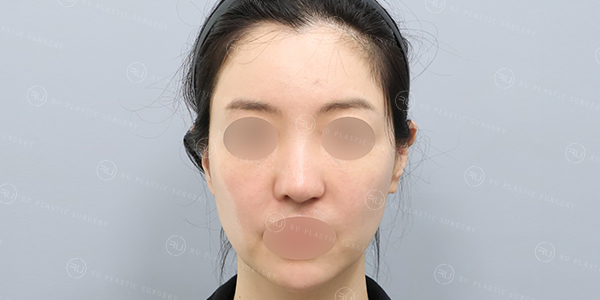
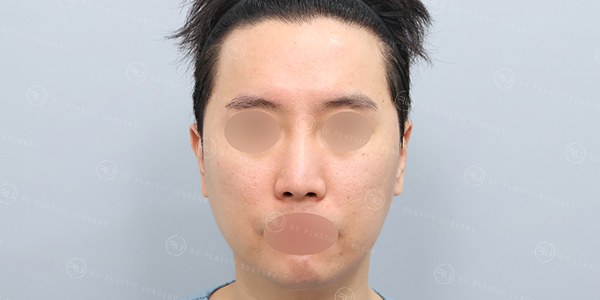
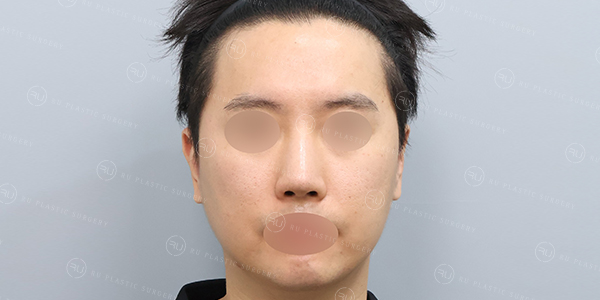
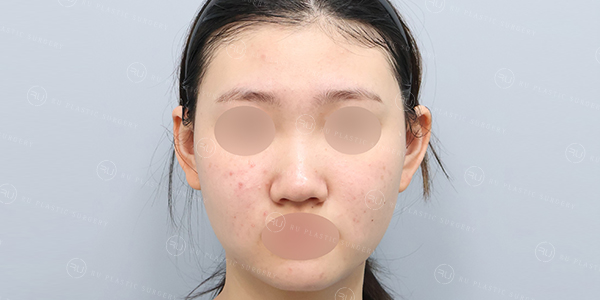
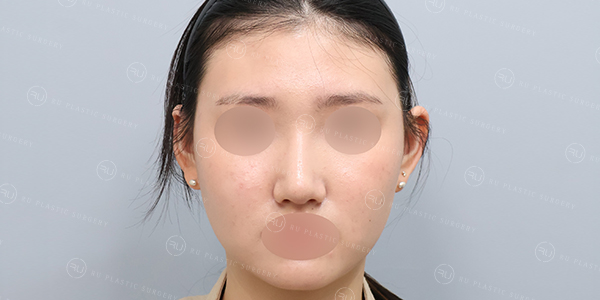
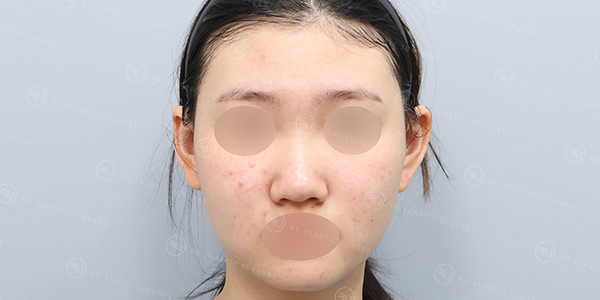
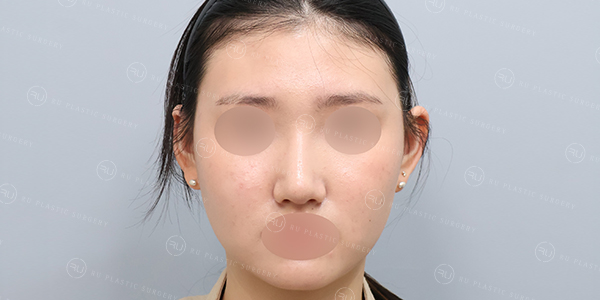
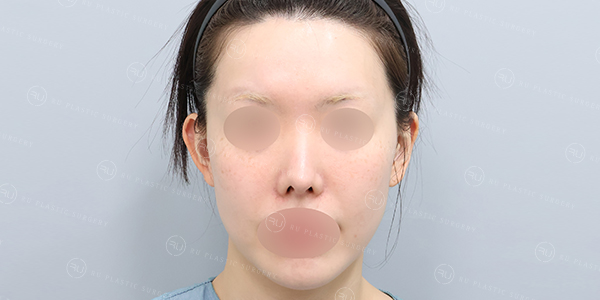
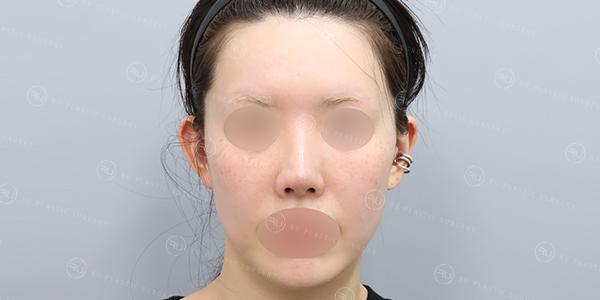
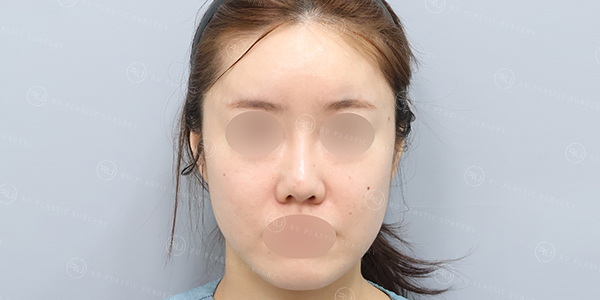
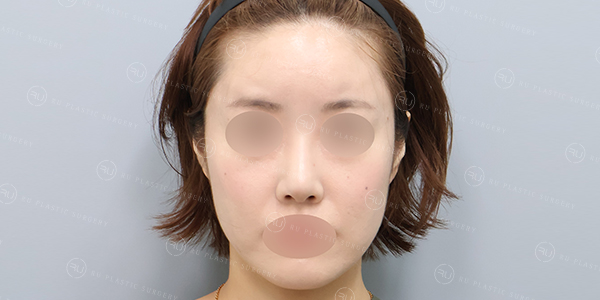
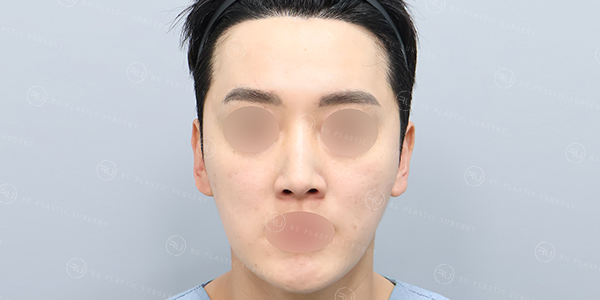
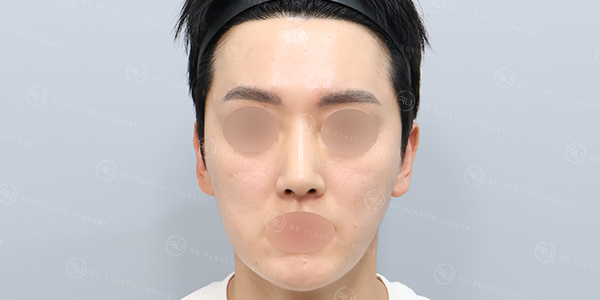
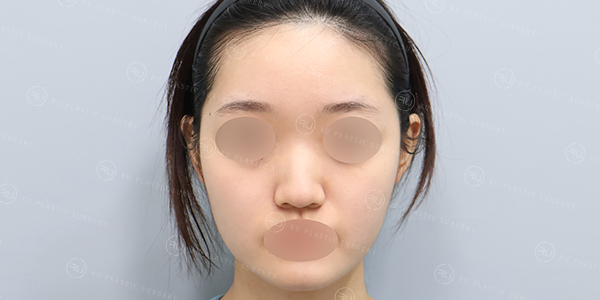
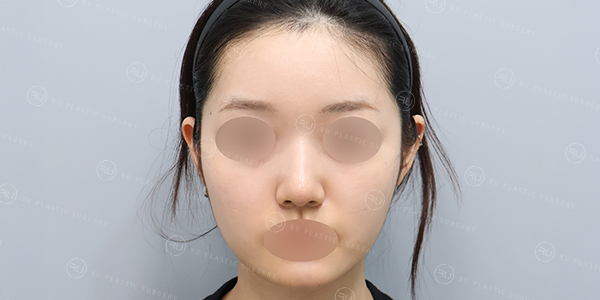
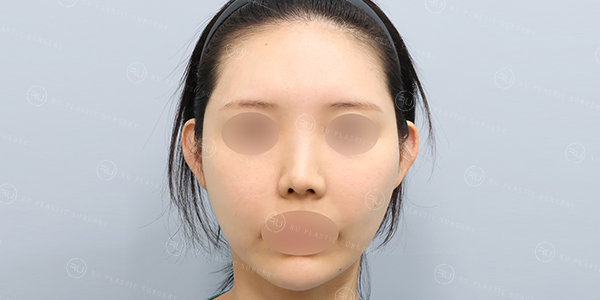
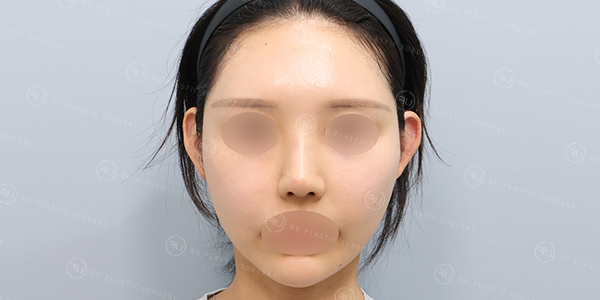
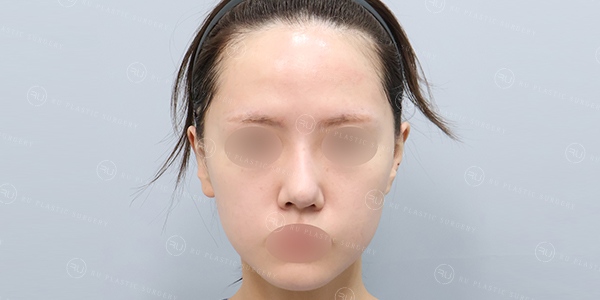
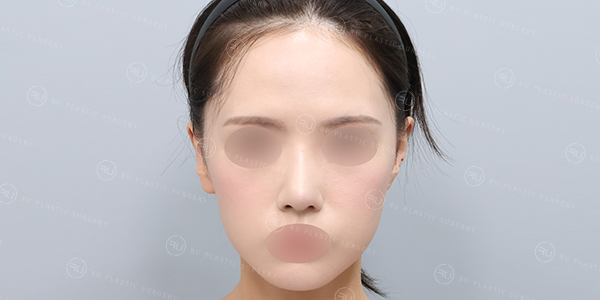
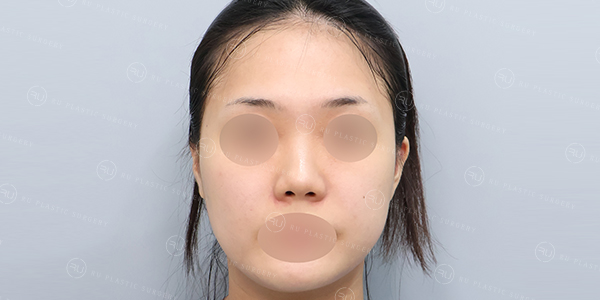
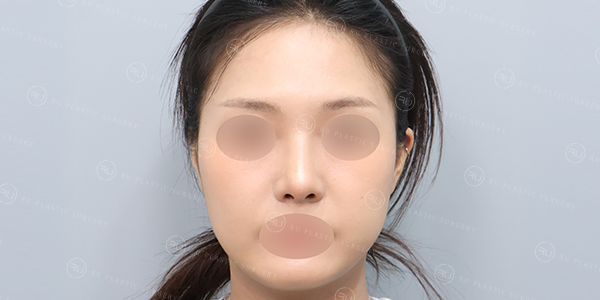
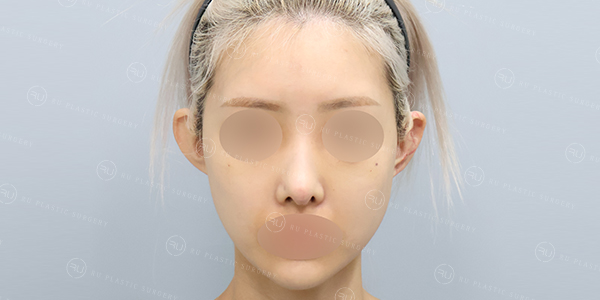
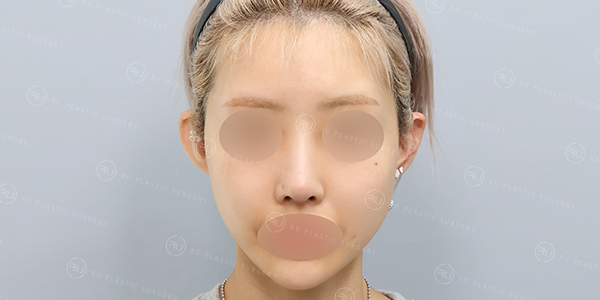
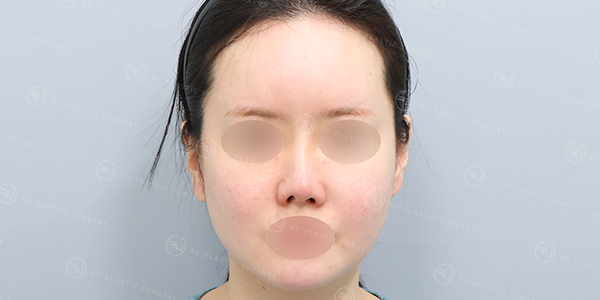
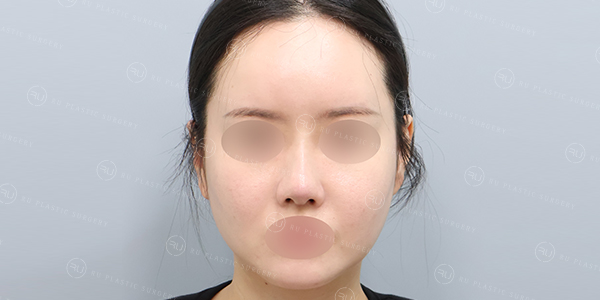
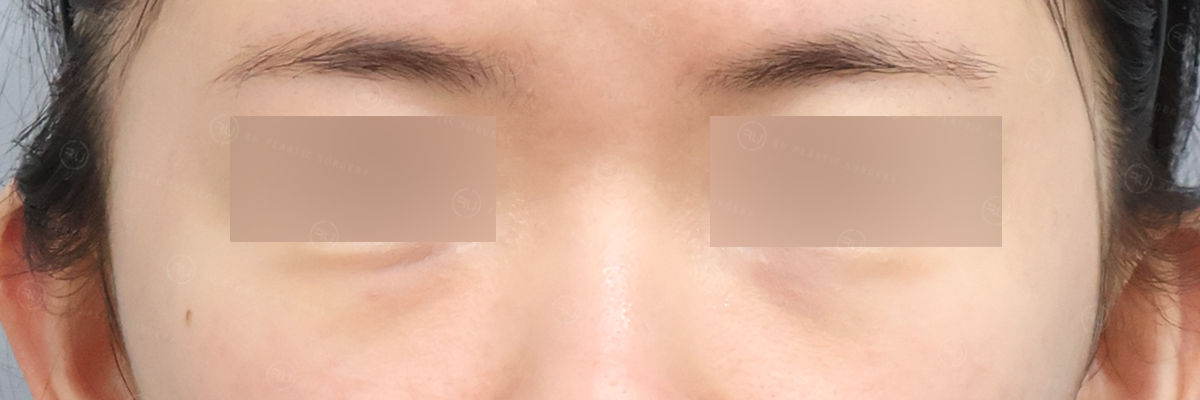
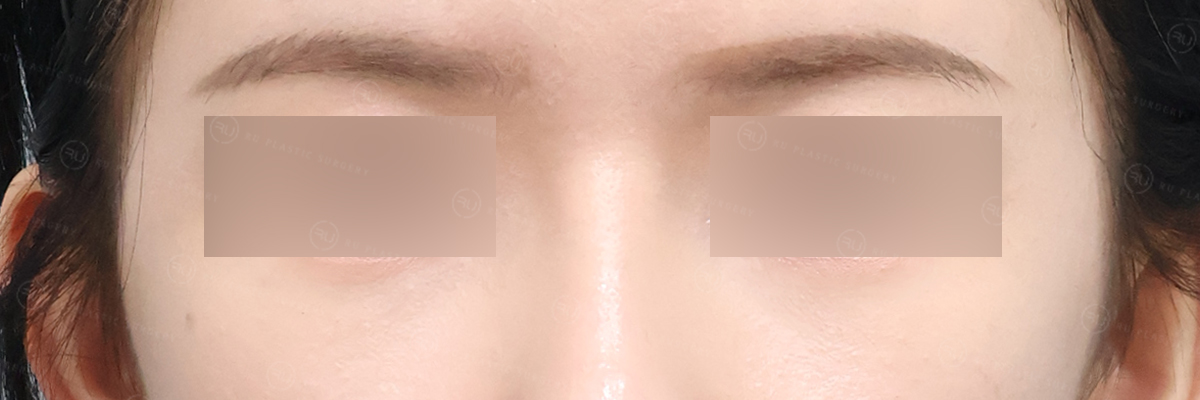
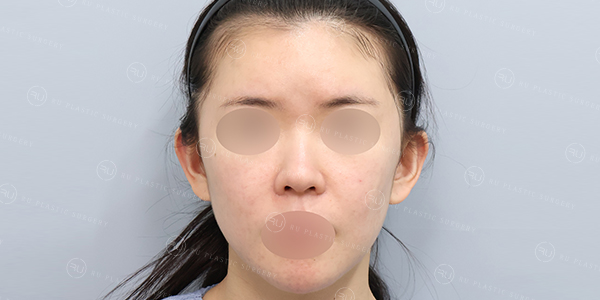
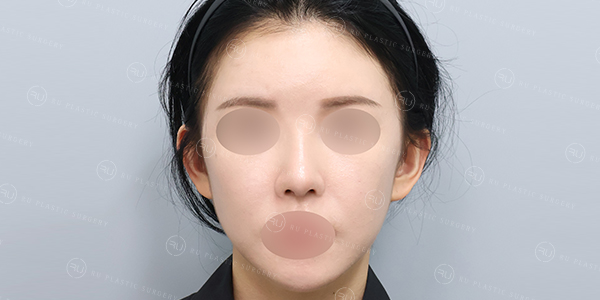
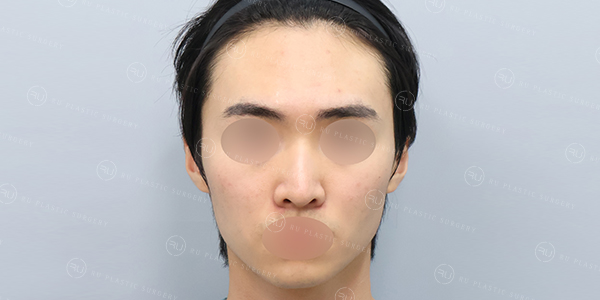
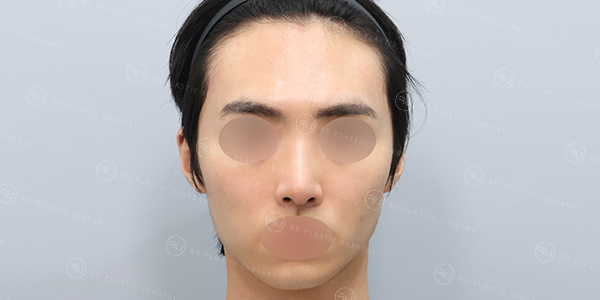
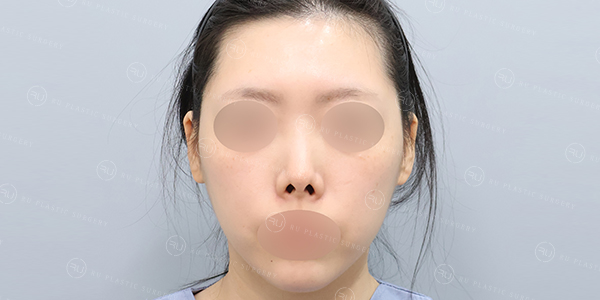
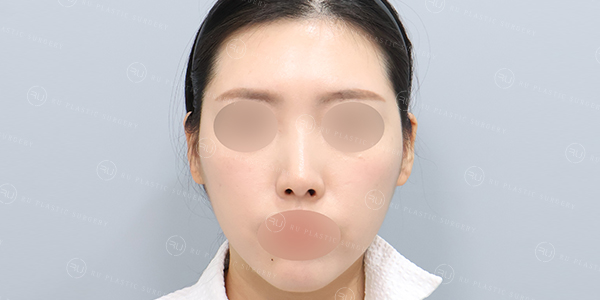
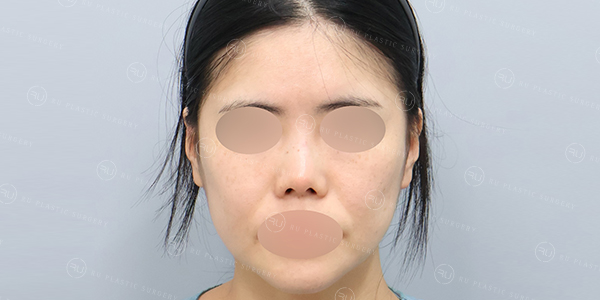
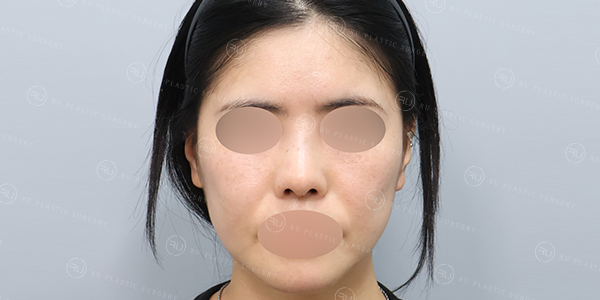
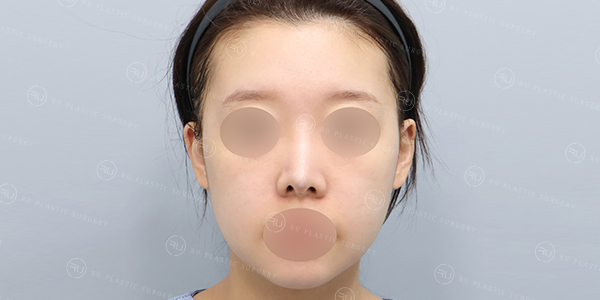
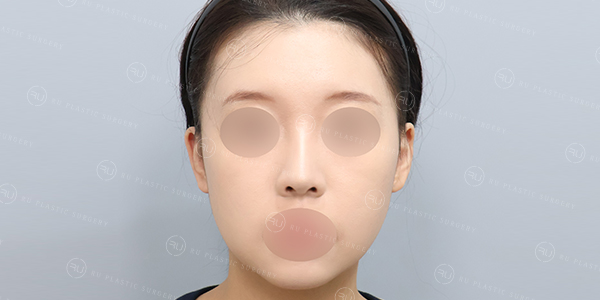
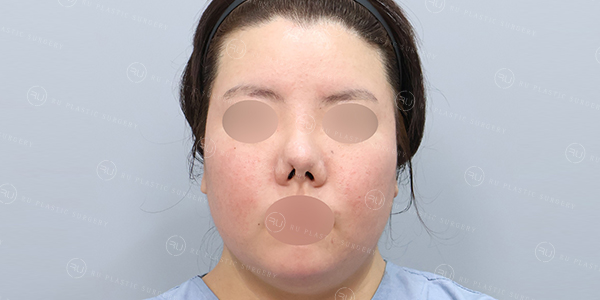
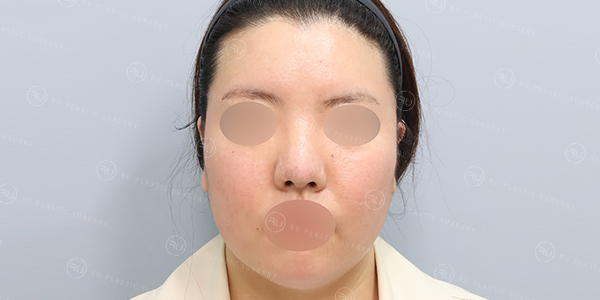
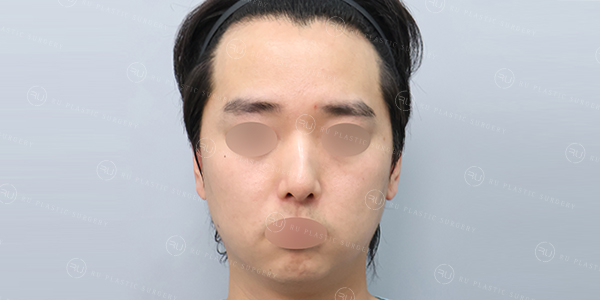
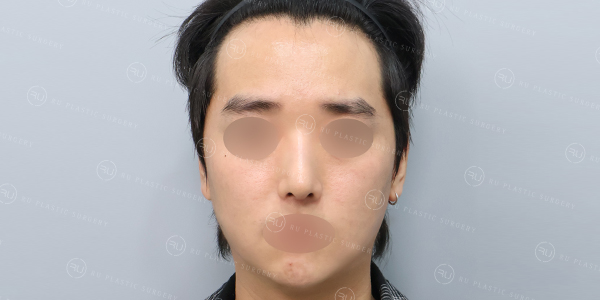
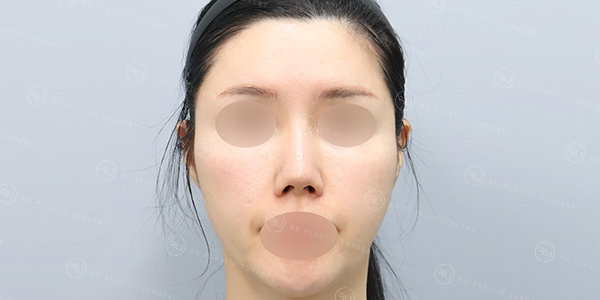
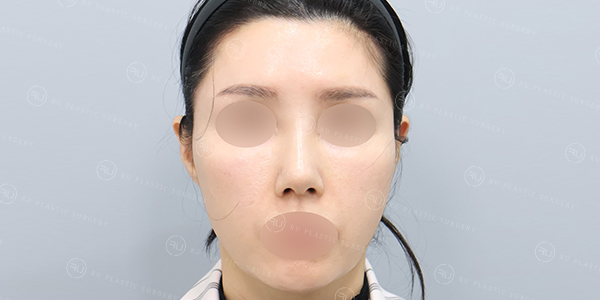
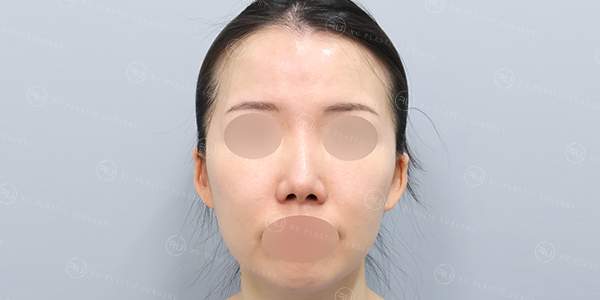
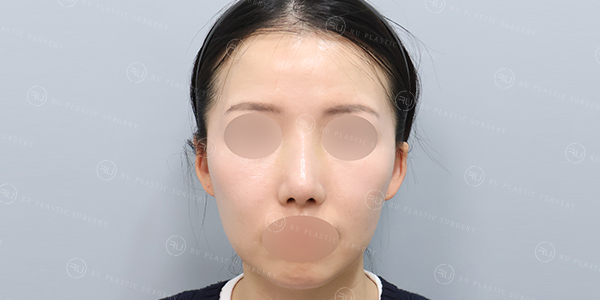
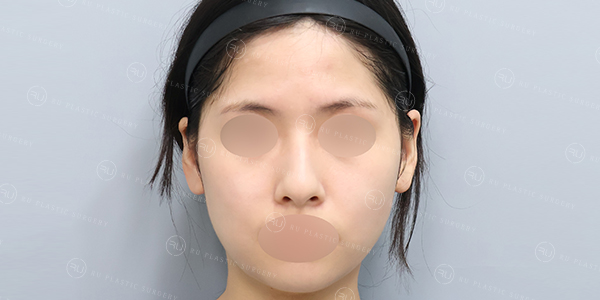
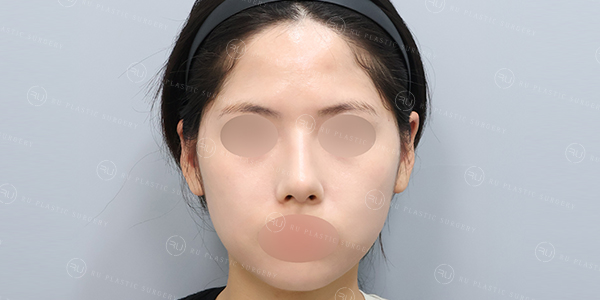
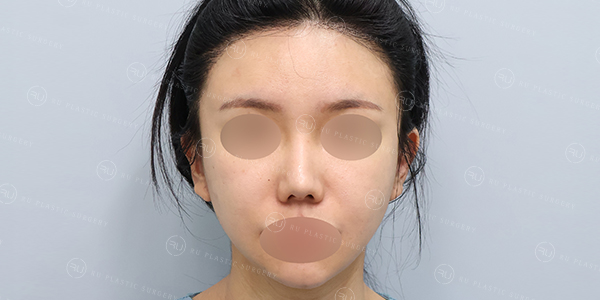
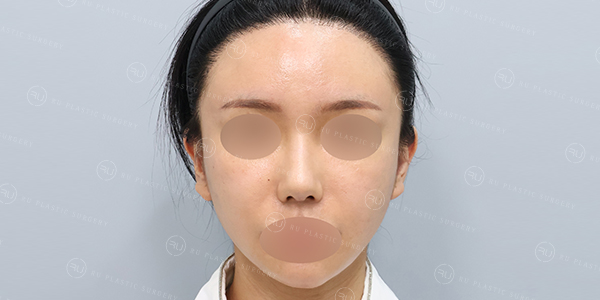
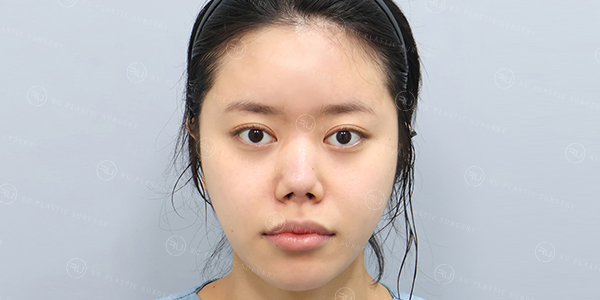
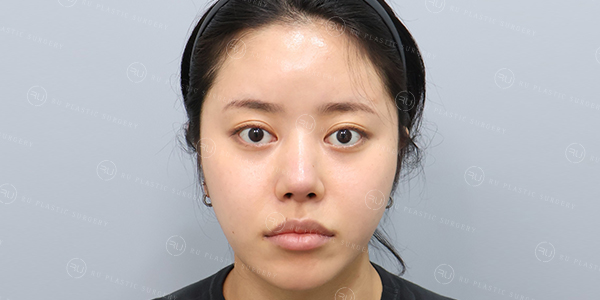
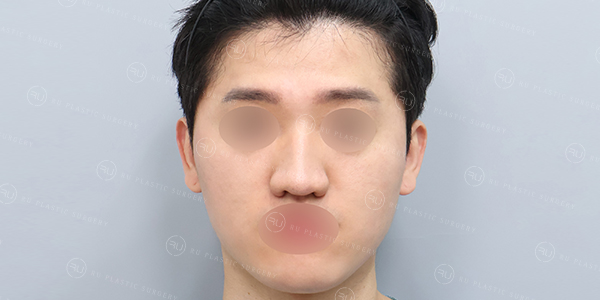
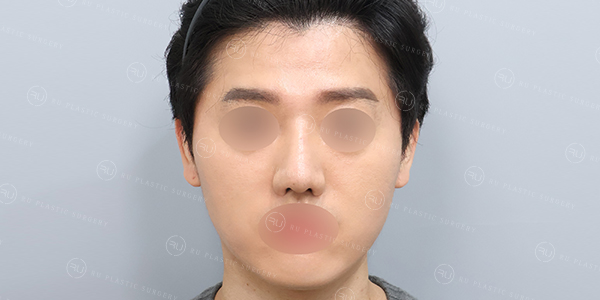
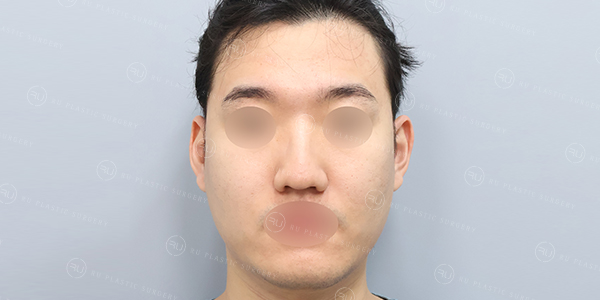
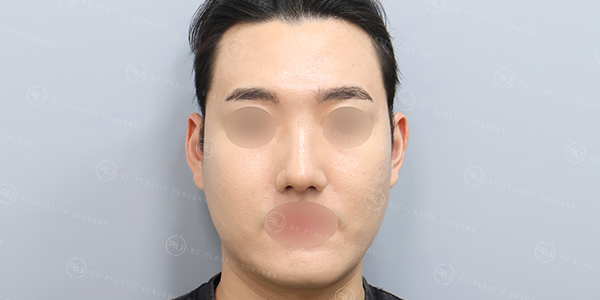
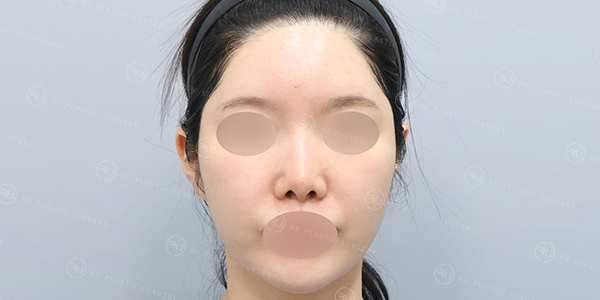
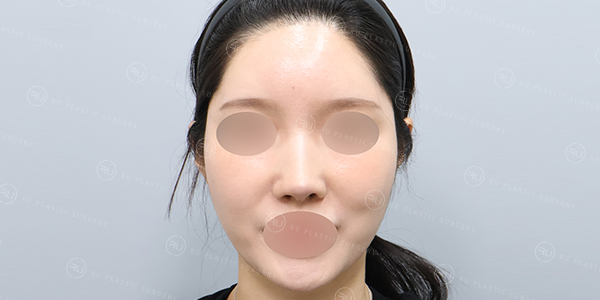
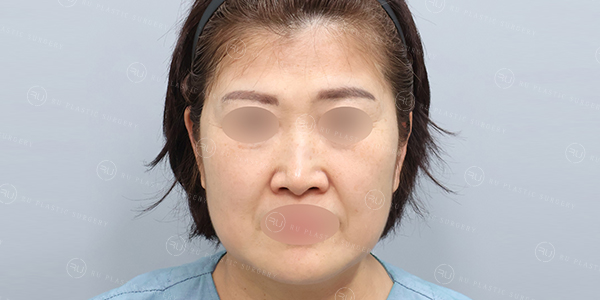
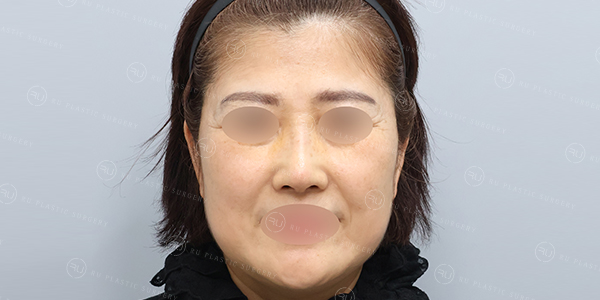
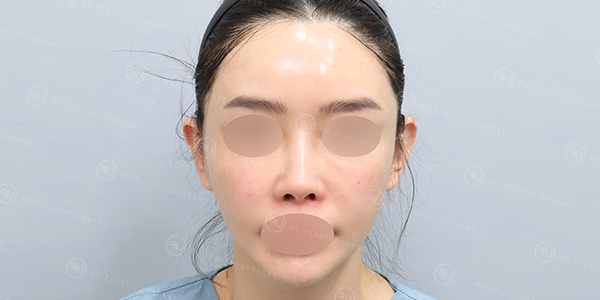
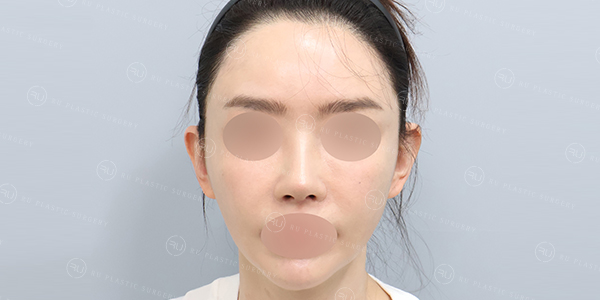
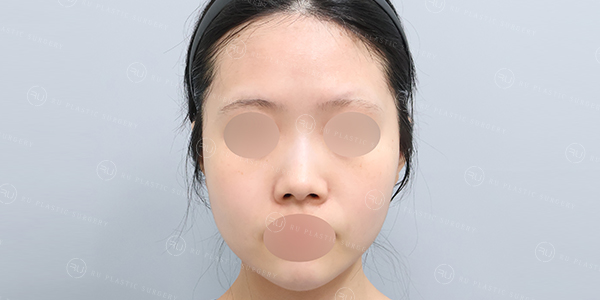
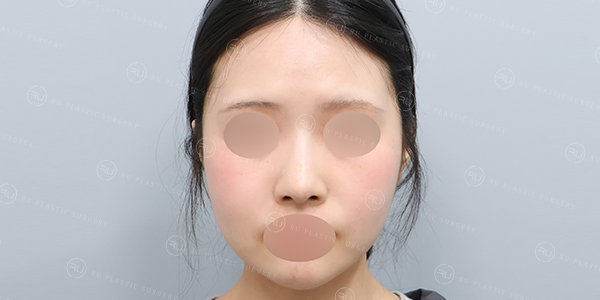
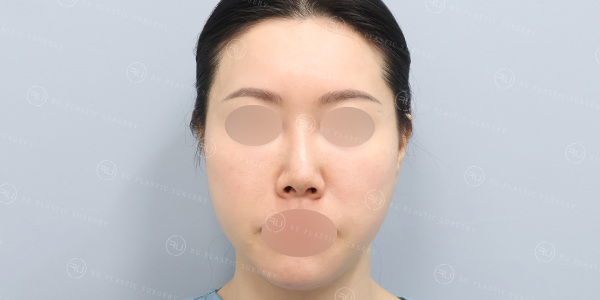
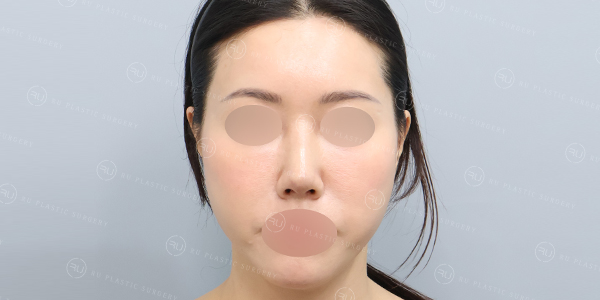
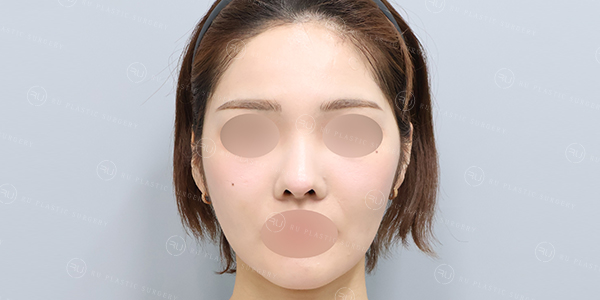
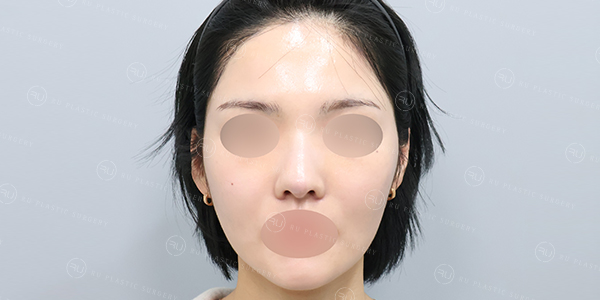
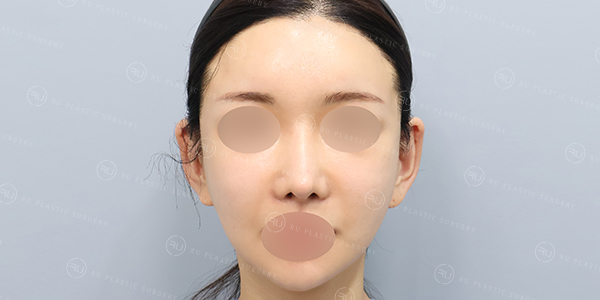
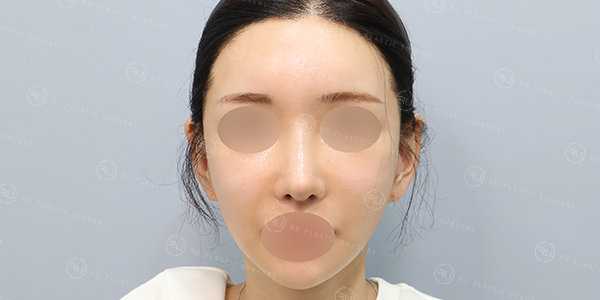
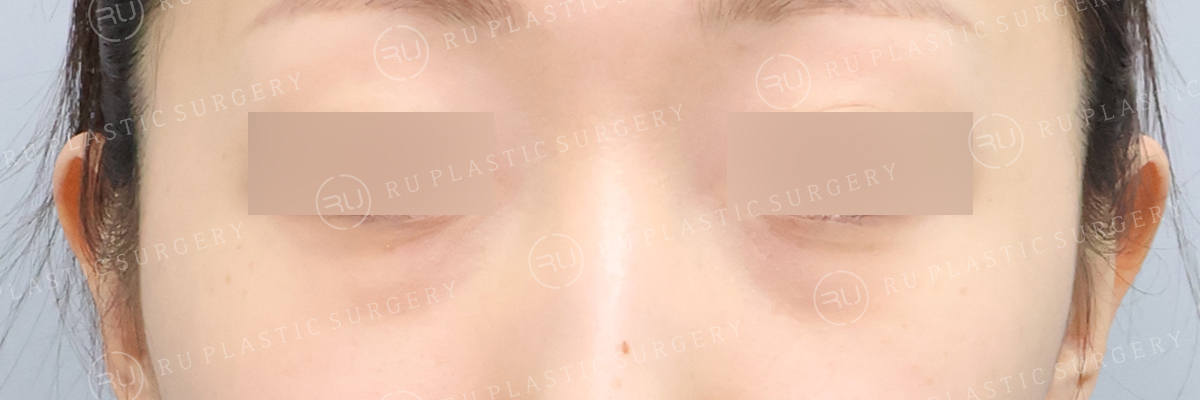
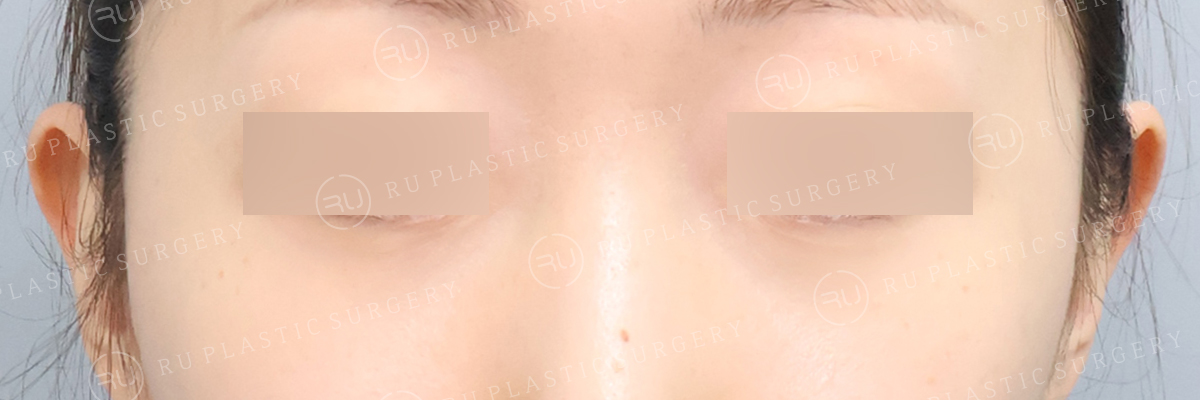
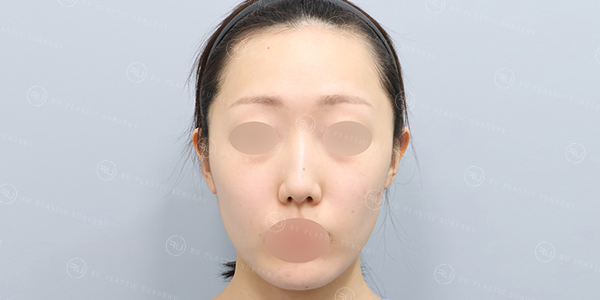
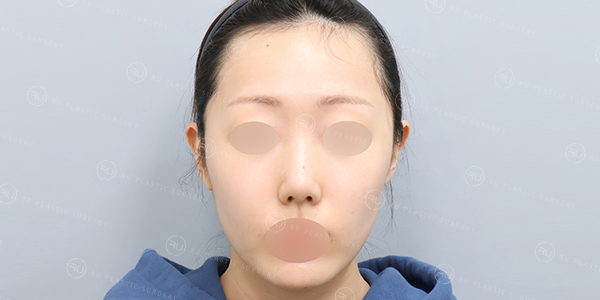
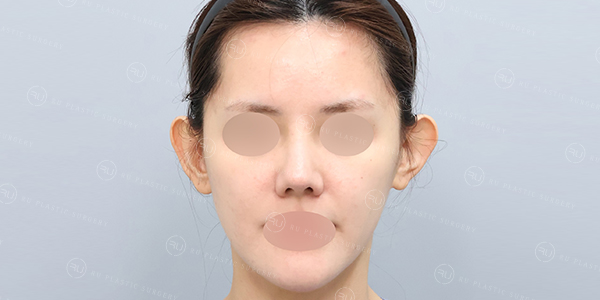
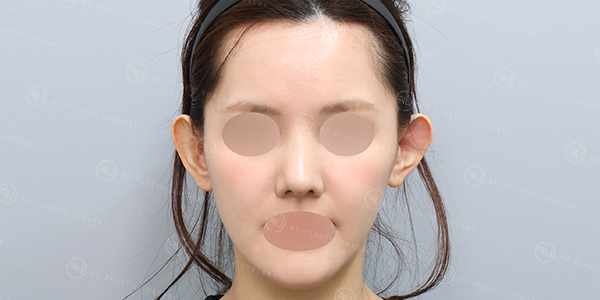
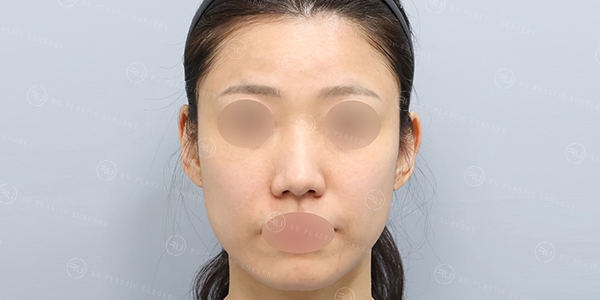
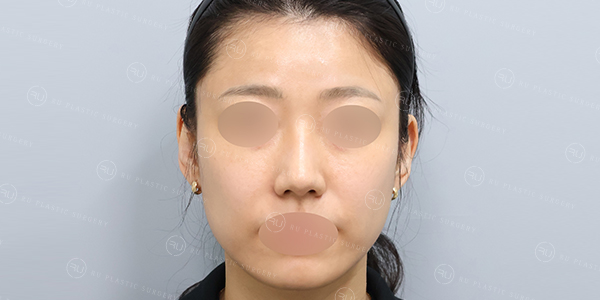
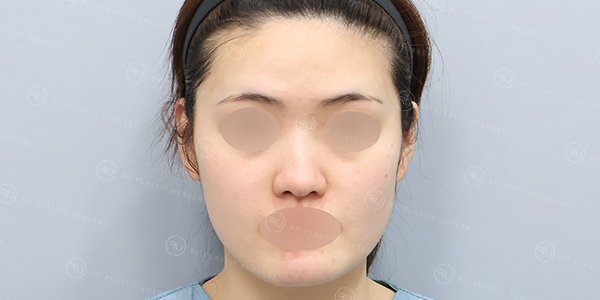
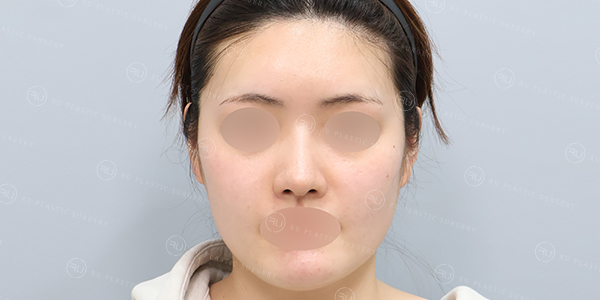
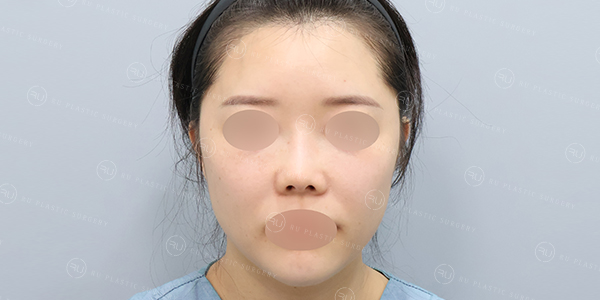
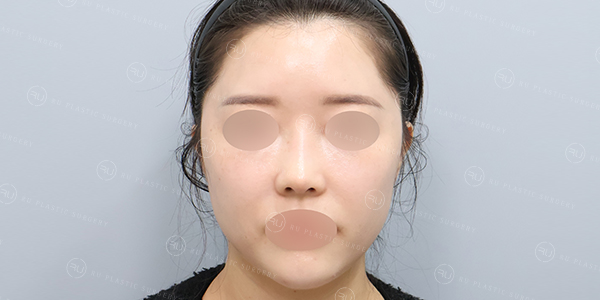
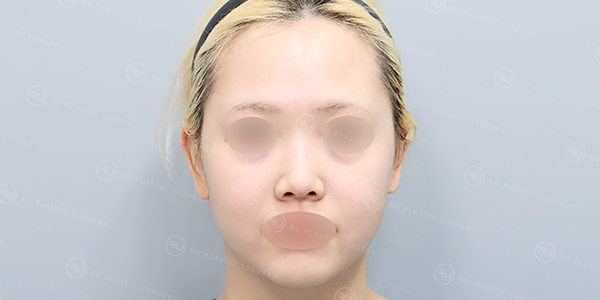
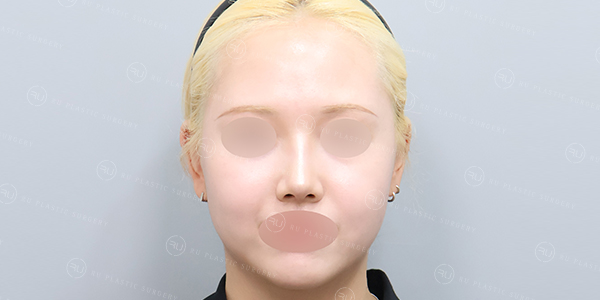
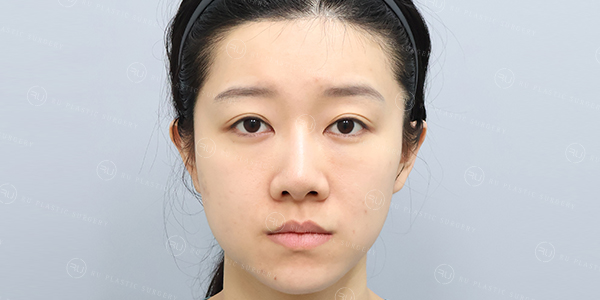
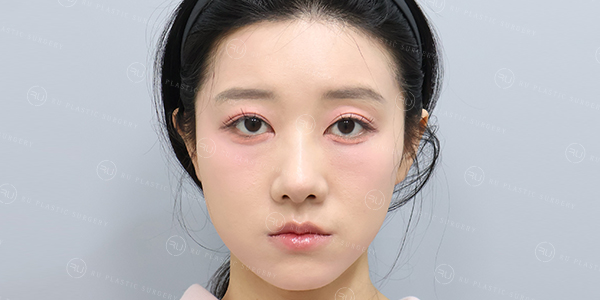
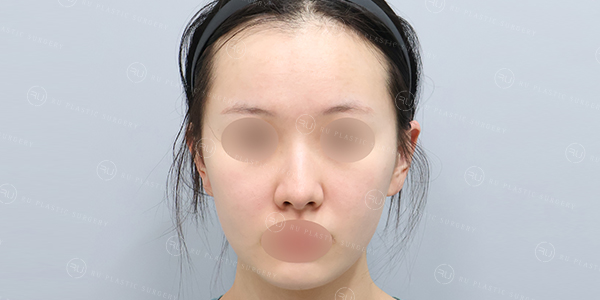
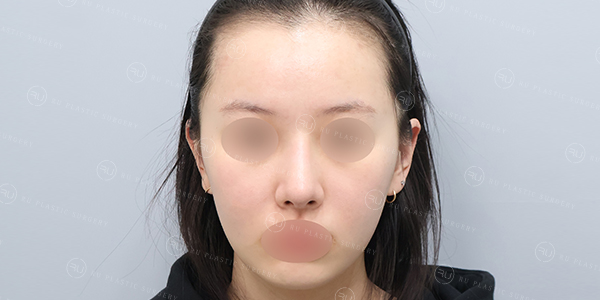
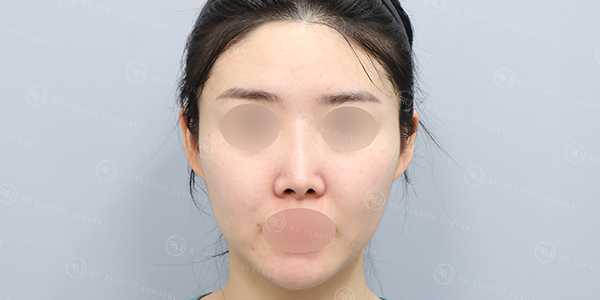
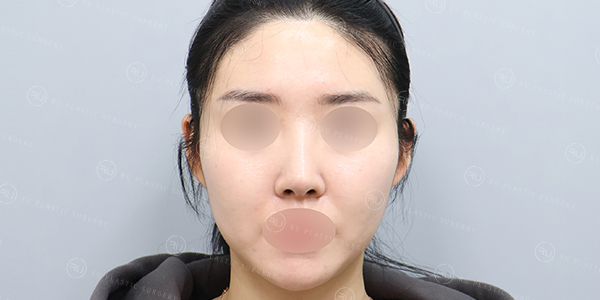
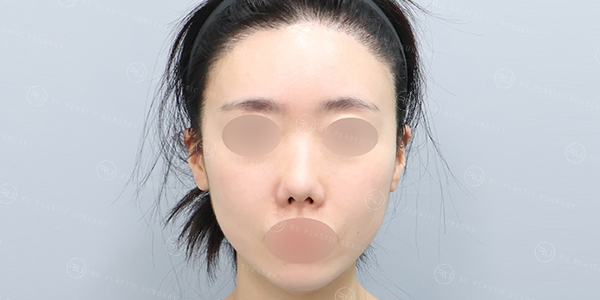
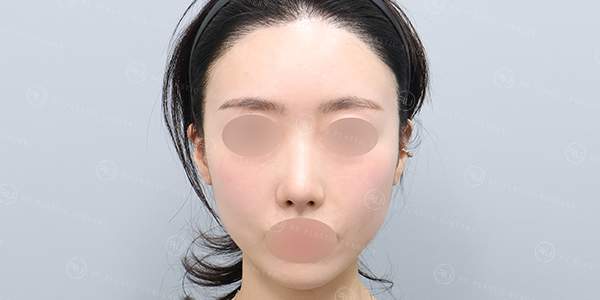
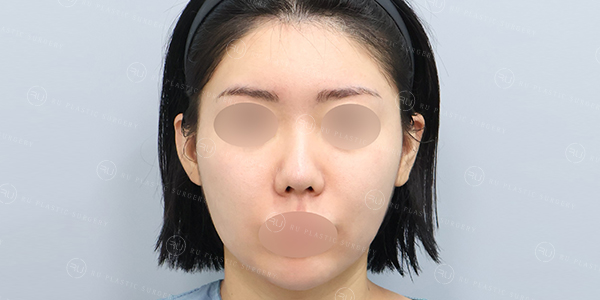
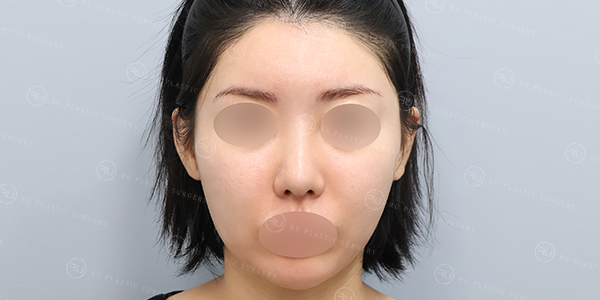
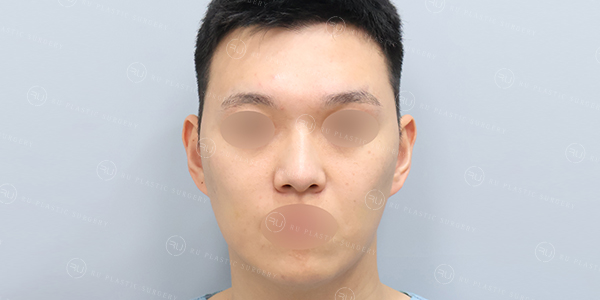
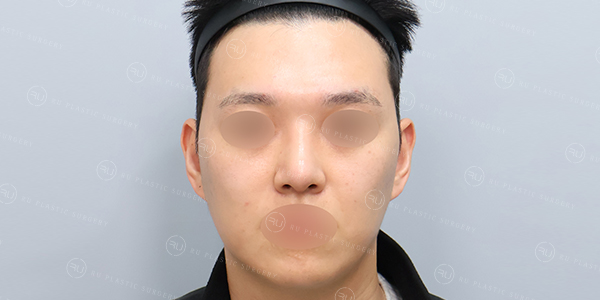
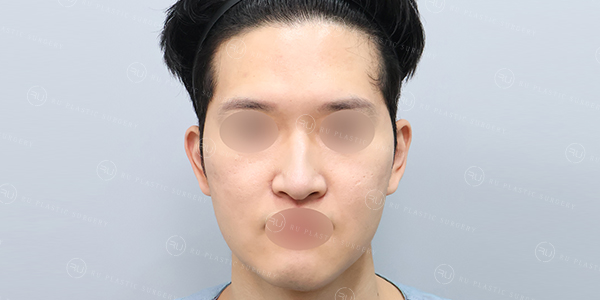
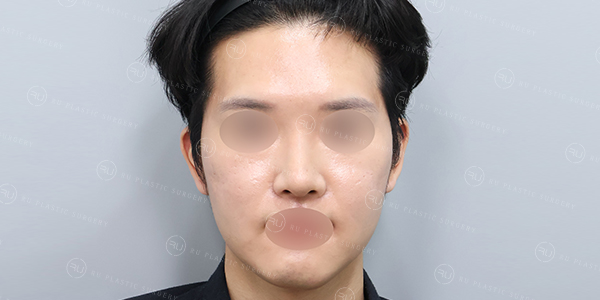
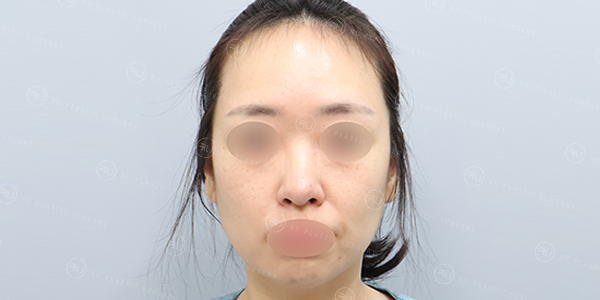
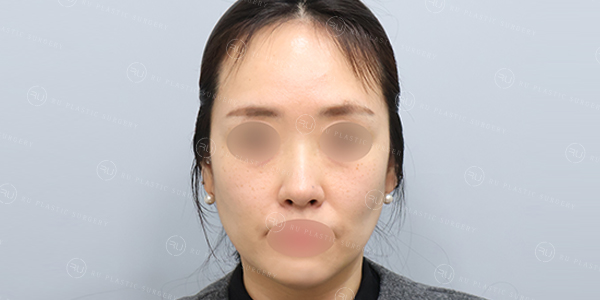
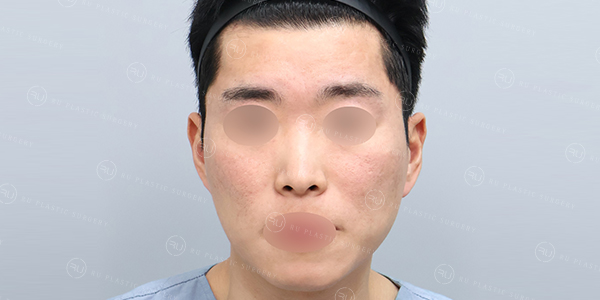
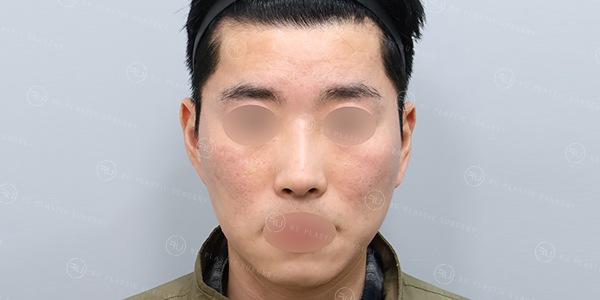
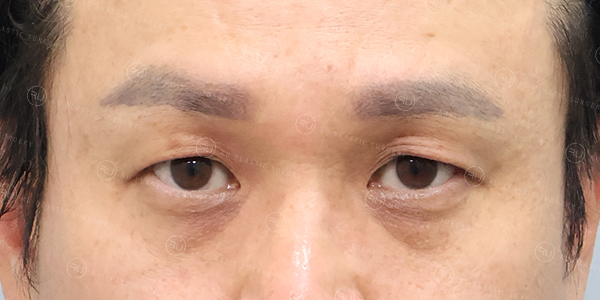
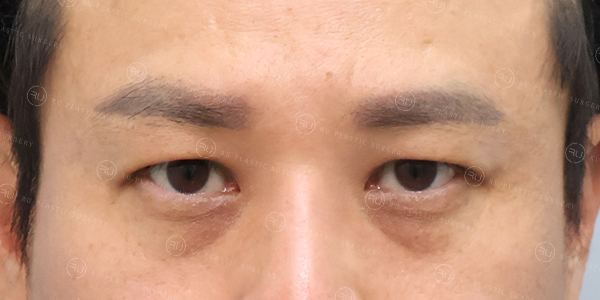
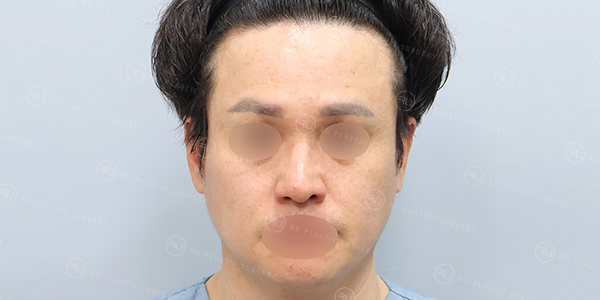
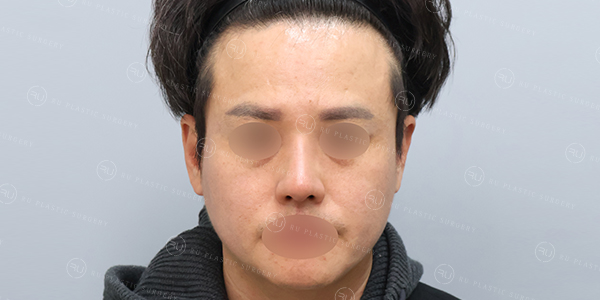
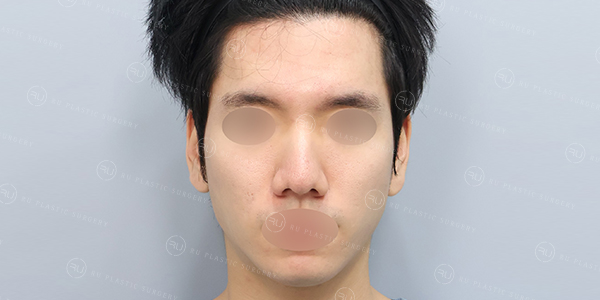
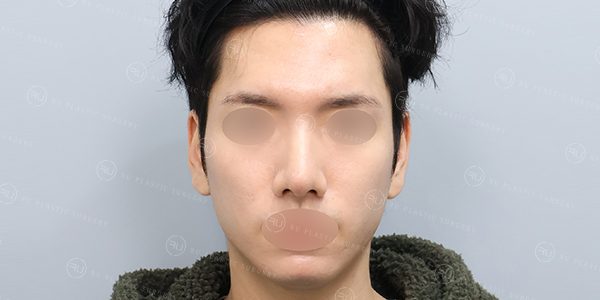
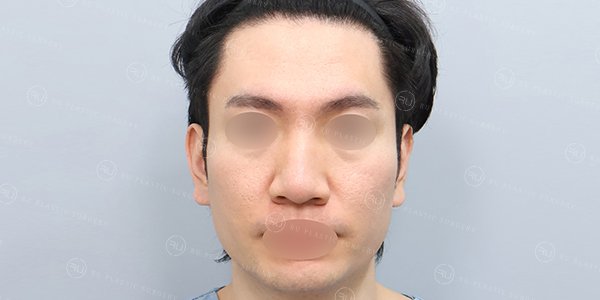
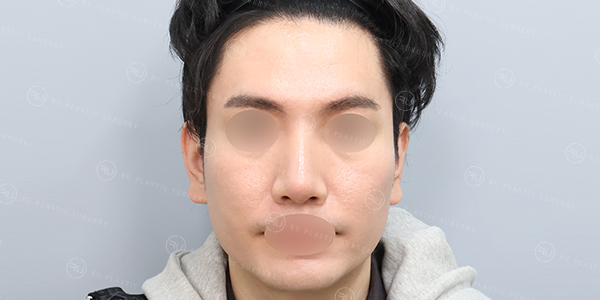
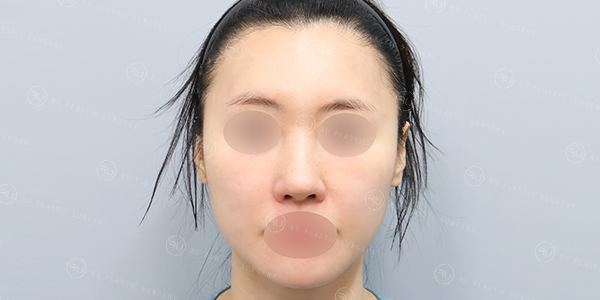
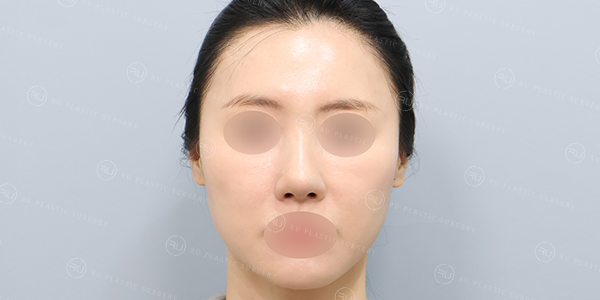
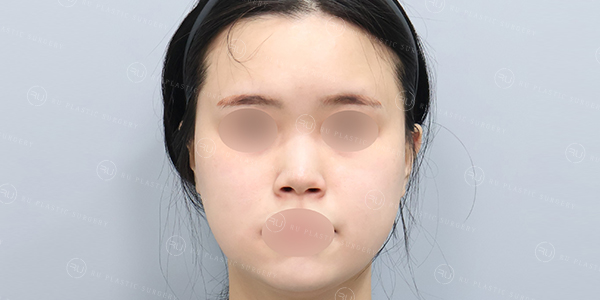
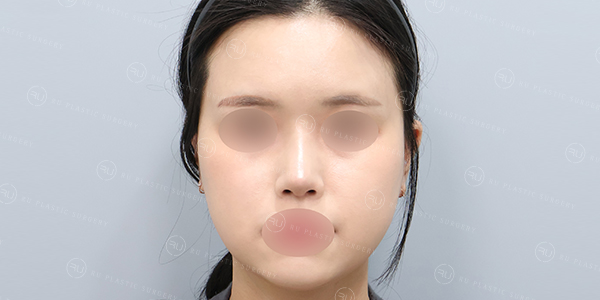
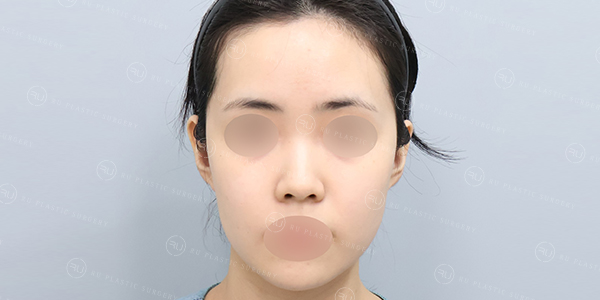
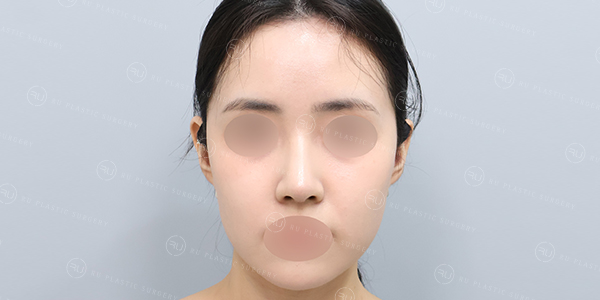
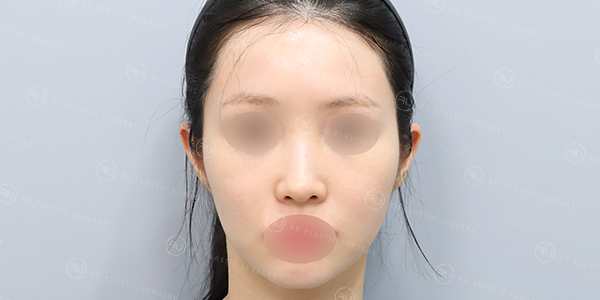
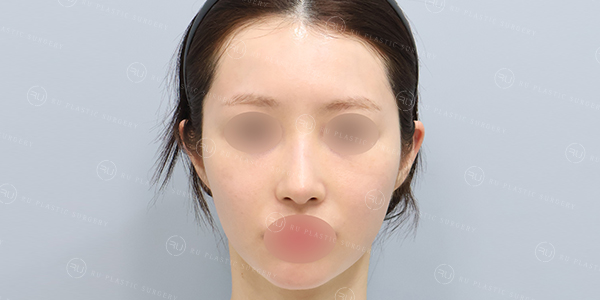
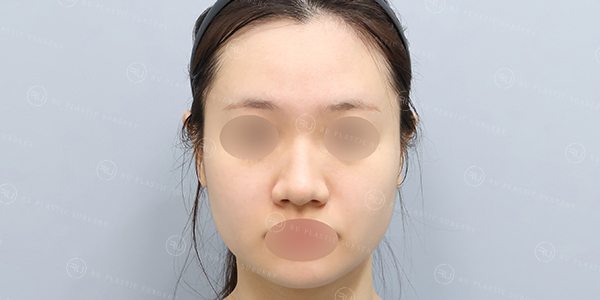
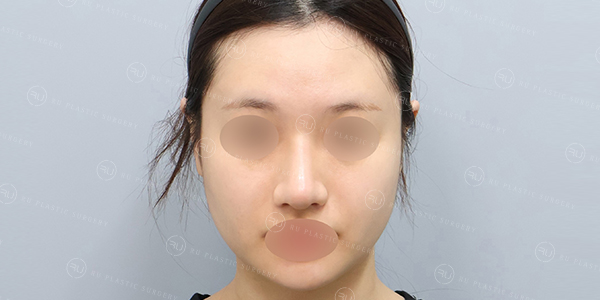
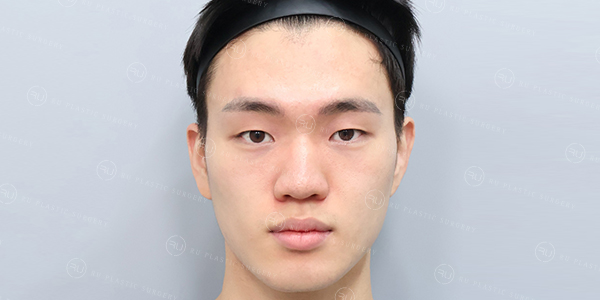
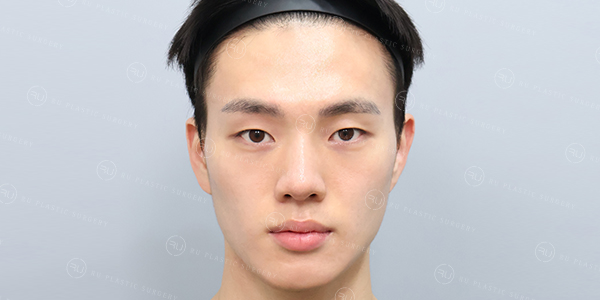
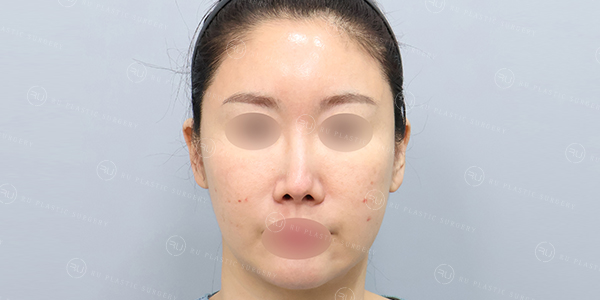
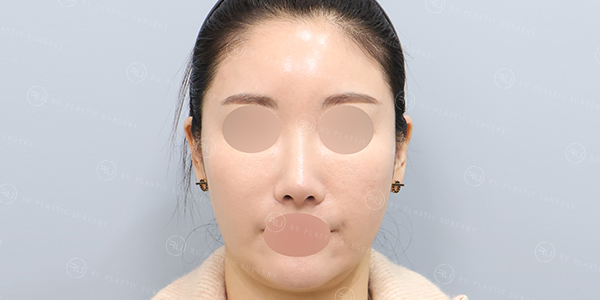
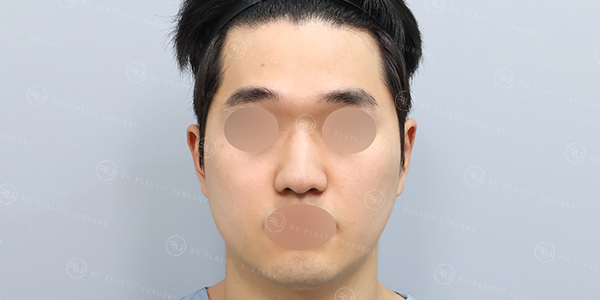
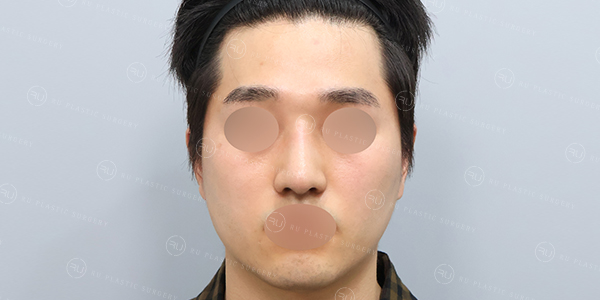
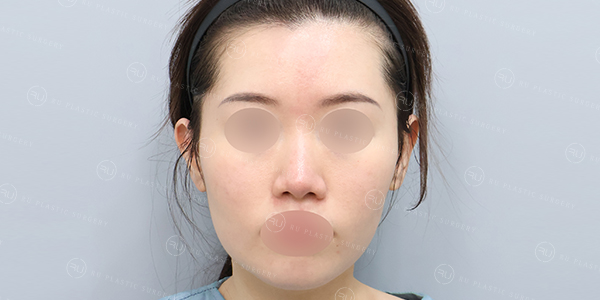
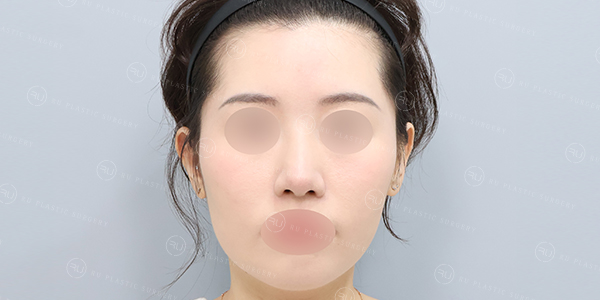
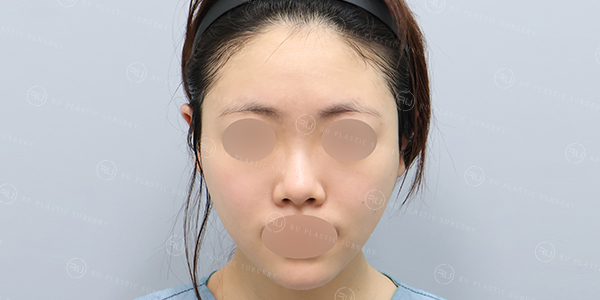
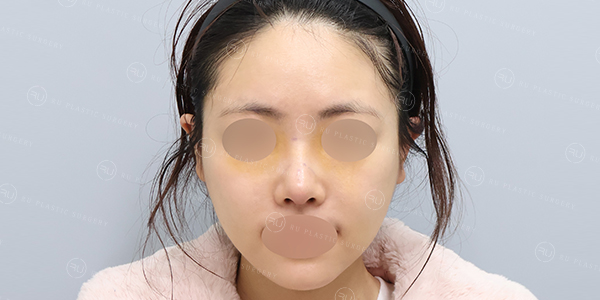
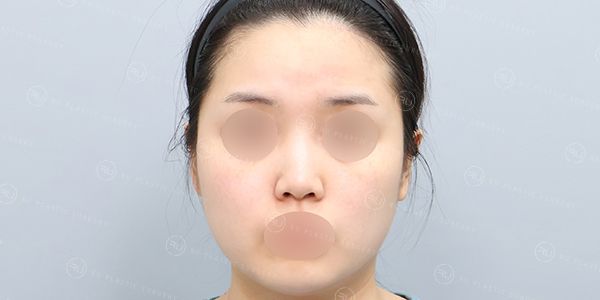
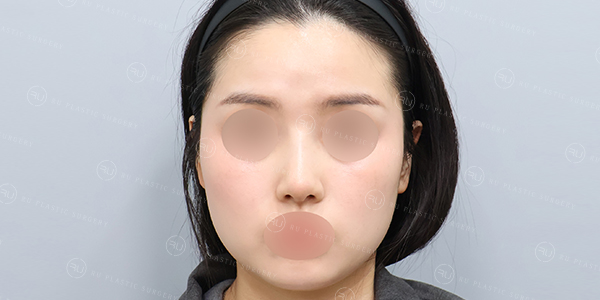
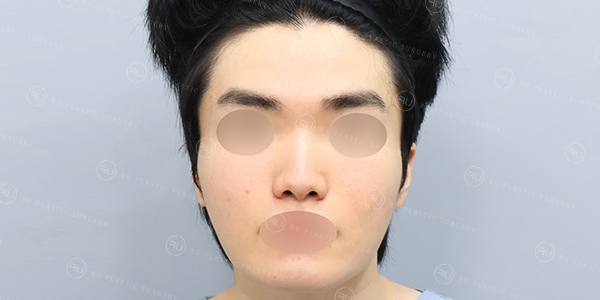
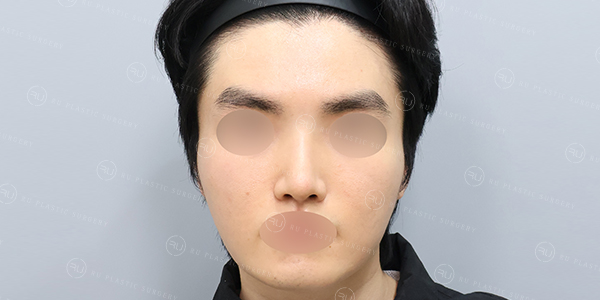
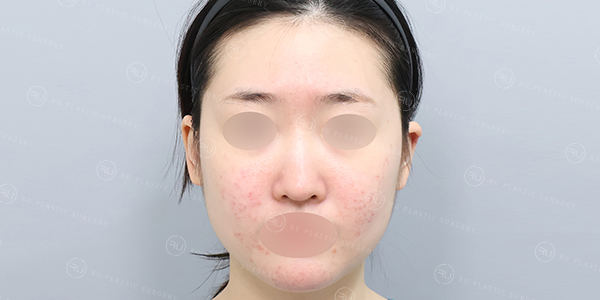
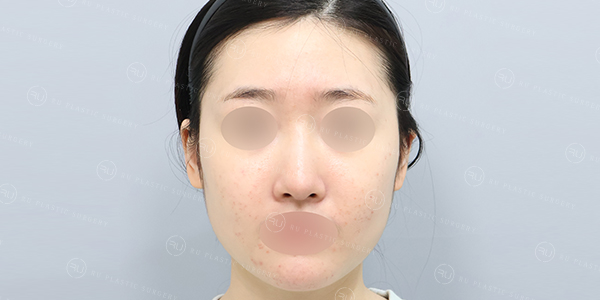
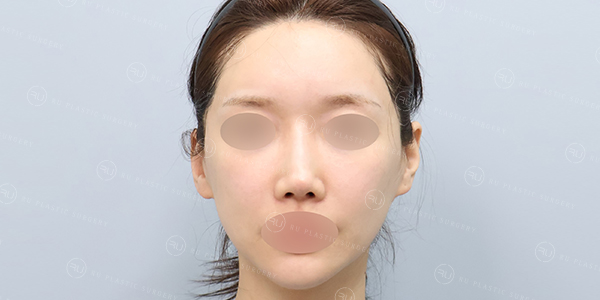
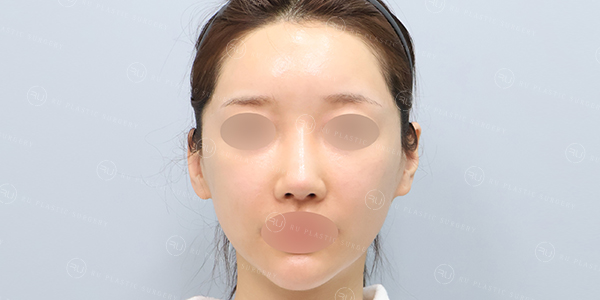
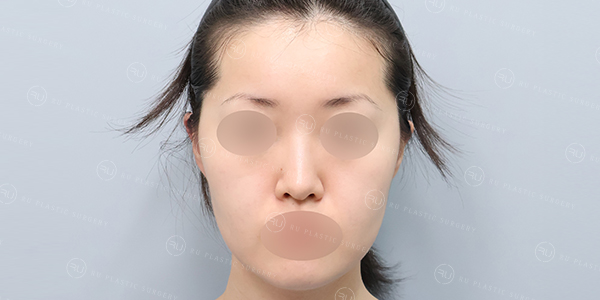
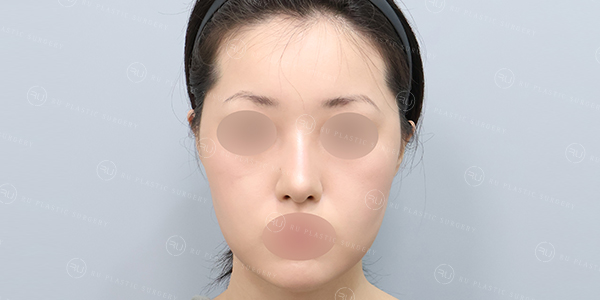
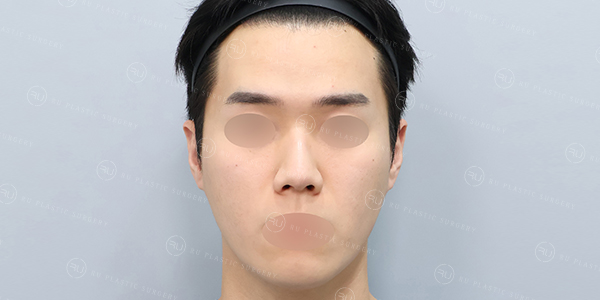
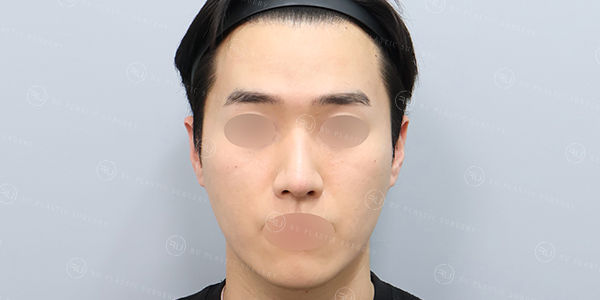
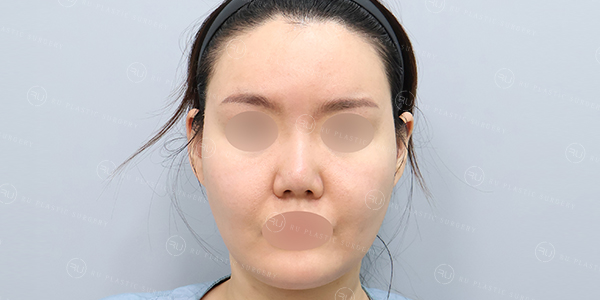
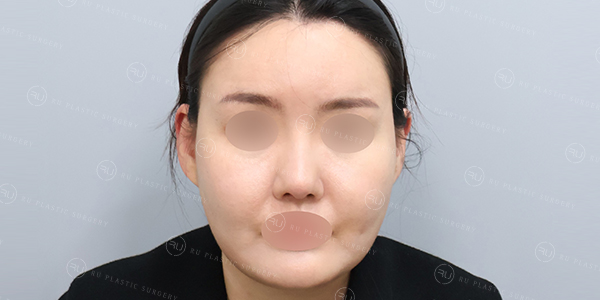
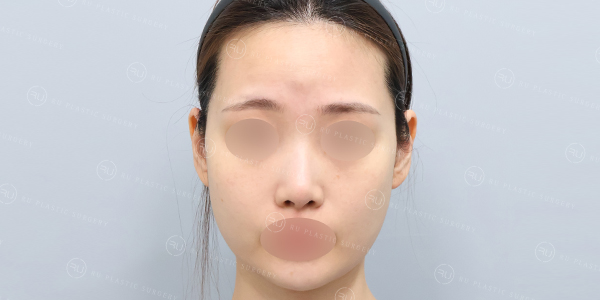
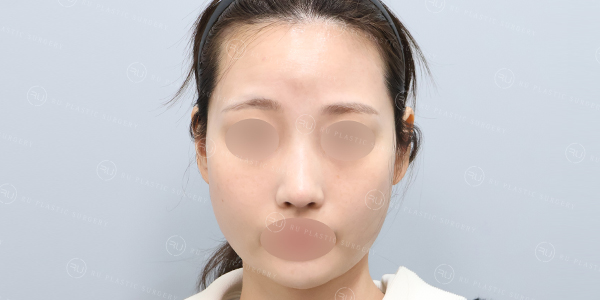
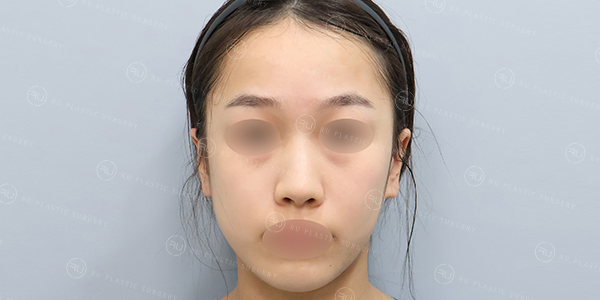
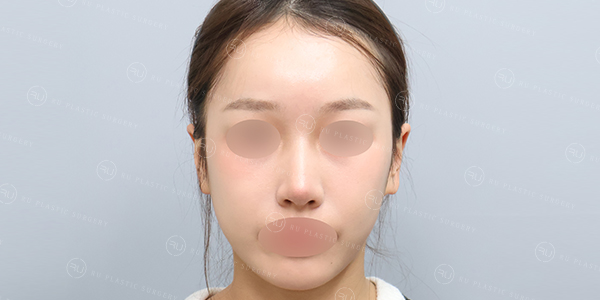
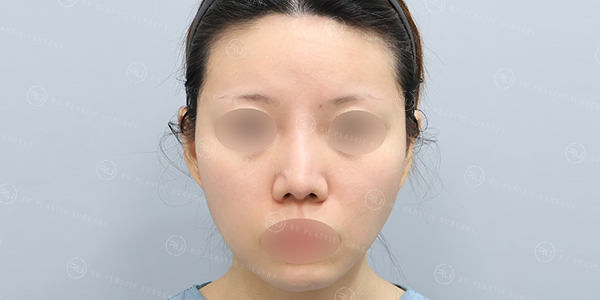
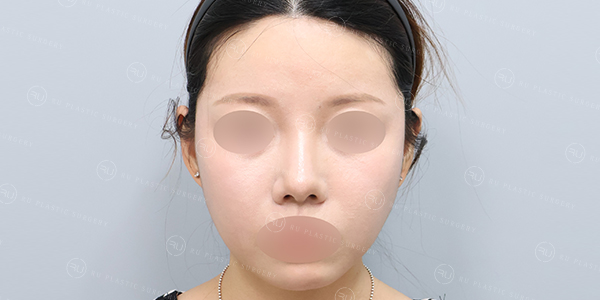
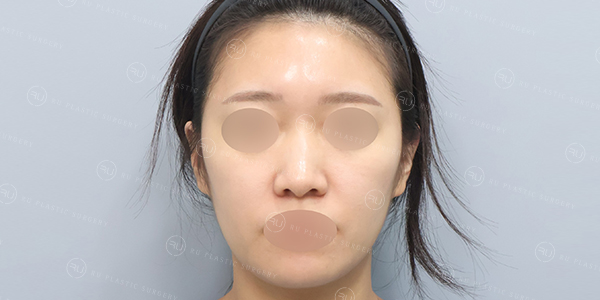
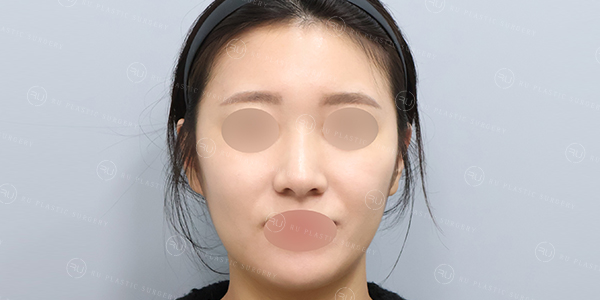
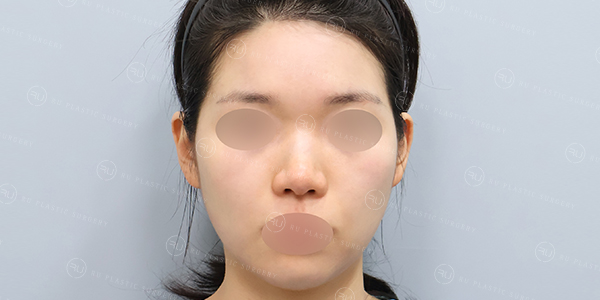
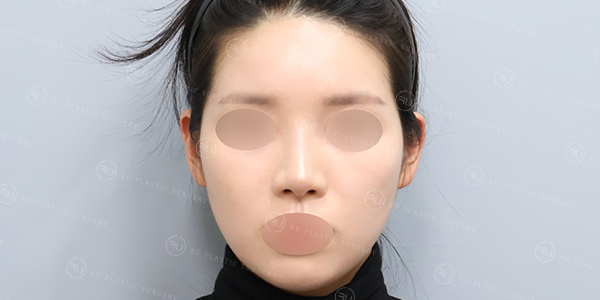
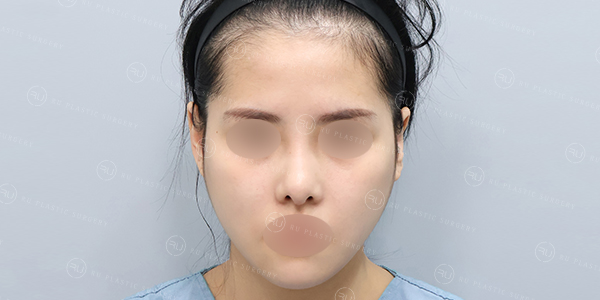
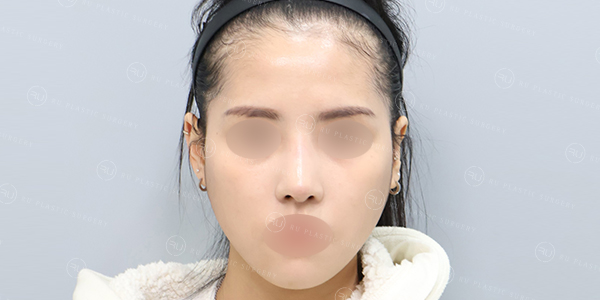
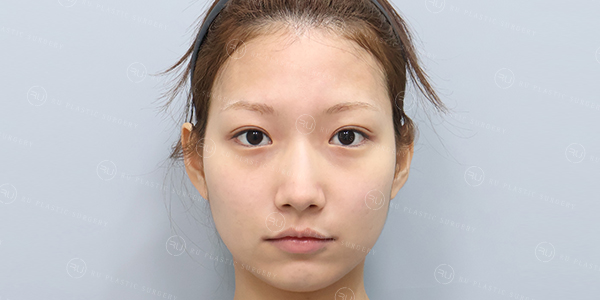
2 Weeks After Revision Rhinoplasty (Autologous Rib Cartilage & Silicone)
본문
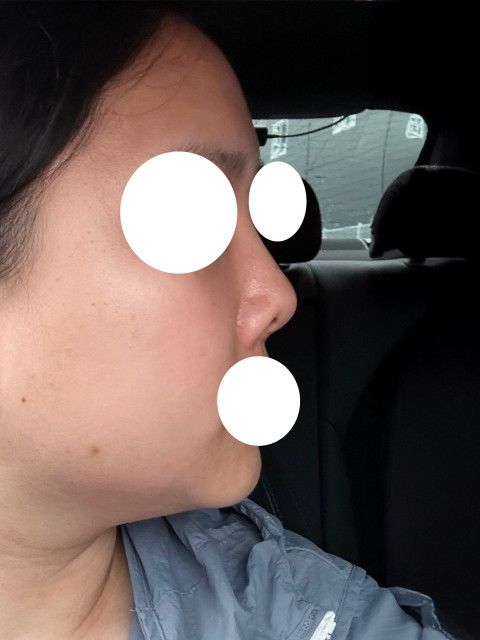
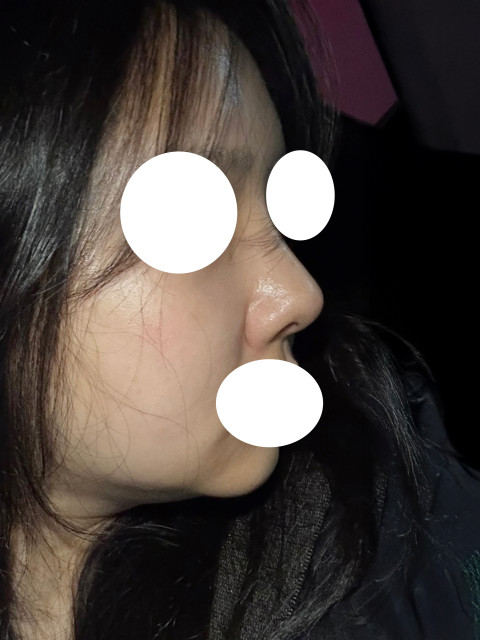
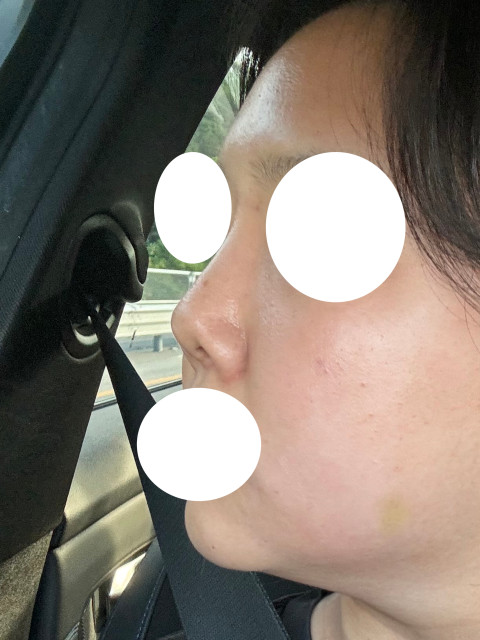
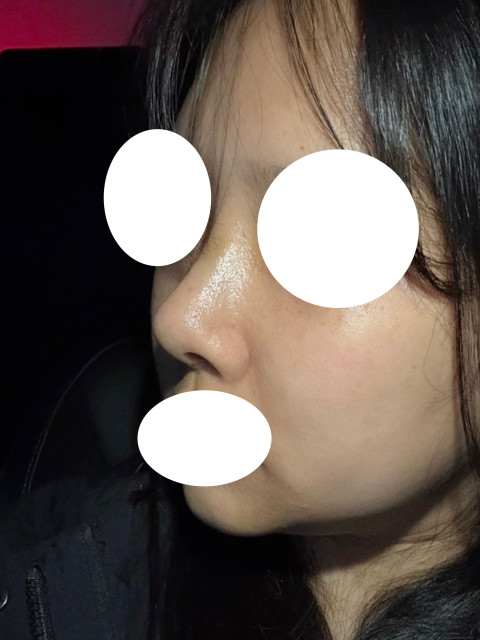
About 10 years ago,
I underwent functional nasal surgery at an ENT clinic
and decided to have cosmetic rhinoplasty at the same time.
However, an oversized silicone implant was used,
and over the years my nose gradually became more upturned,
with signs of a contracted nose developing as well.
My main concerns were
a slightly crooked bridge,
visible nostrils from the front,
and a shortened, upturned appearance from the side profile.
One day, I came across a YouTuber through the algorithm.
The clinic name wasn't mentioned,
but based on clues from the surgical footage and uniforms,
I eventually figured out that it was RU Plastic Surgery.
Afterward, I searched for additional reviews
through online plastic surgery communities,
and the feedback was consistently positive.
More importantly,
the style of results I preferred matched the aesthetic direction
that RU Plastic Surgery seemed to pursue.
When I searched for cases similar to my own condition—
especially contracted nose revisions—
many of the successful results I found
had been performed by Dr. Hyun Joo Kim.
That was when I felt this might be the right place for me.
When I visited the clinic in person,
the staff were very kind,
and Dr. Hyun Joo Kim was thorough and approachable during consultation,
which ultimately made my decision easy.
For surgery,
I used silicone for the bridge
and autologous rib cartilage for reconstruction.
Because my skin had good flexibility,
there was no need to create a customized implant.
Additional procedures included
bulbous tip correction,
columella lowering,
and nasolabial angle correction.
The most difficult part of the first day after surgery
was actually not my nose or rib donor site.
As I recovered from anesthesia,
my eyes felt extremely irritated and watery,
which was surprisingly the hardest part.
Fortunately, that improved significantly after the first night.
I was told that the nasal packing can sometimes irritate the tear ducts,
which may cause that sensation.
Once the packing was removed,
I felt much more comfortable overall.
I also experienced more bruising than expected.
Even after the splint was removed,
there was bruising along the bridge,
and the tip remained red for about two weeks,
which worried me initially.
Thankfully, the bruising faded quickly,
and I think the bruise cream provided by the clinic helped as well.
The rib donor site felt somewhat uncomfortable,
so I wore a compression binder for about two weeks.
After that period,
it improved significantly and became much easier to manage.
Many reviews mention returning to daily life fairly quickly,
and I think part of that is because the bruising tends to resolve faster than expected.
There is still some swelling remaining,
but overall my nose itself has been less swollen than I anticipated.
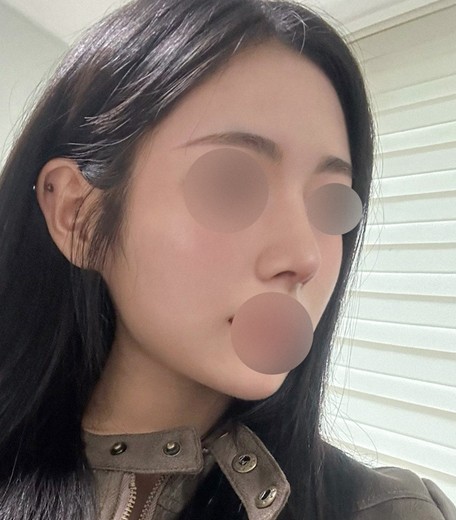
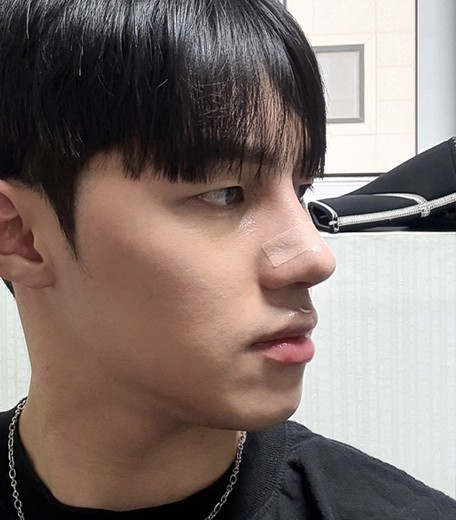
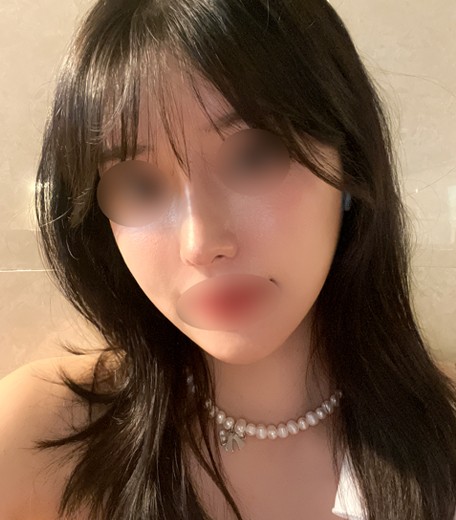
When the splint first came off,
I was honestly shocked because the tip looked very upturned.
However, I was reassured that this was largely due to swelling.
After trusting the recovery process and giving it some time,
I can already see the tip gradually settling into a more natural position.
At only two weeks post-op,
there is still a long way to go,
but so far the recovery has been smoother than I expected,
and I’m looking forward to seeing the final result continue to develop.