Two-Week Review After Implant-Free Rhinoplasty for a Dorsal Hump
본문
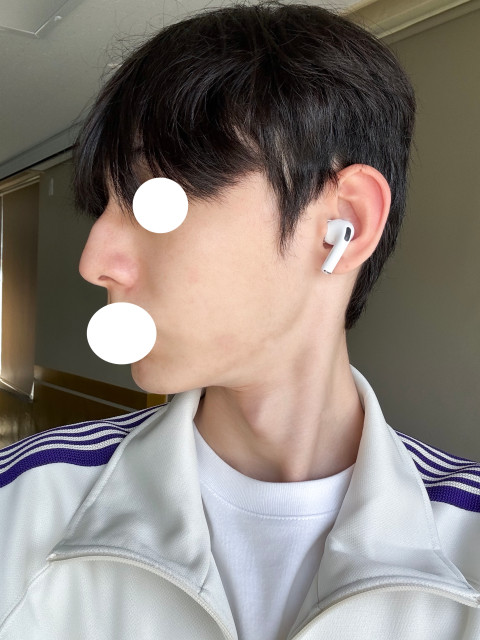
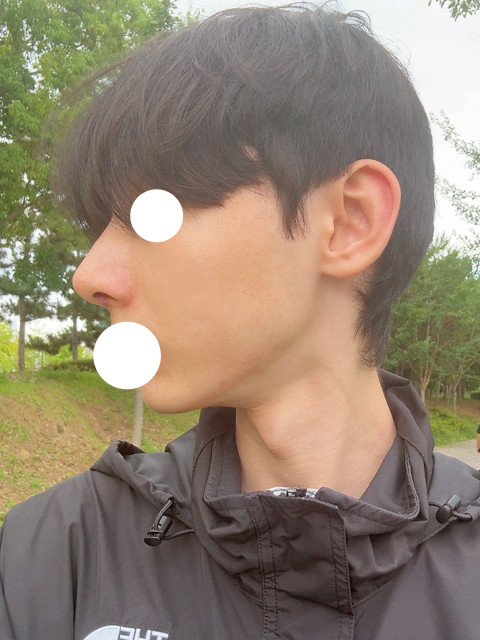
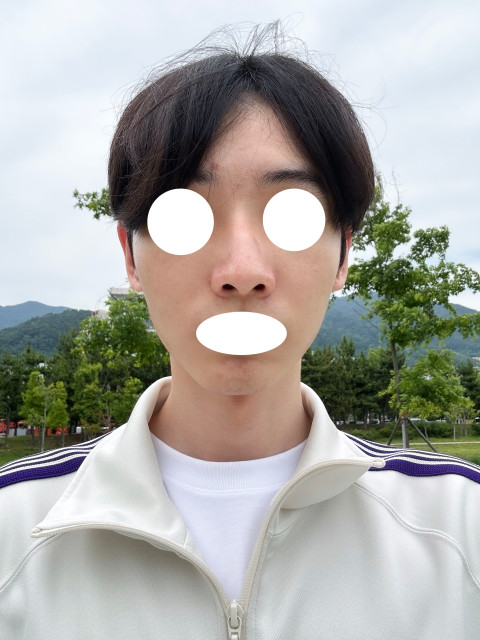

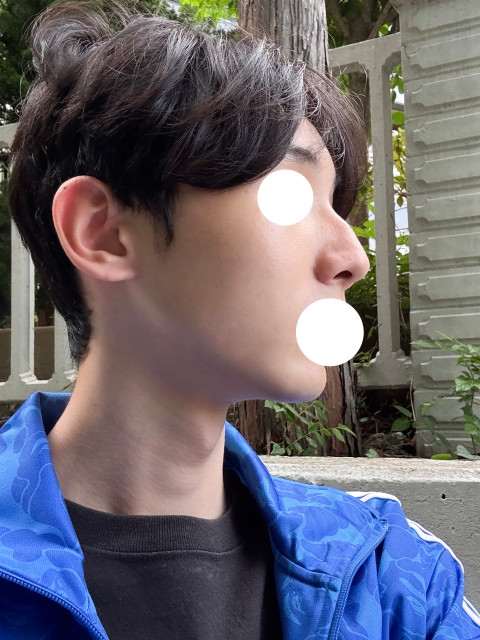

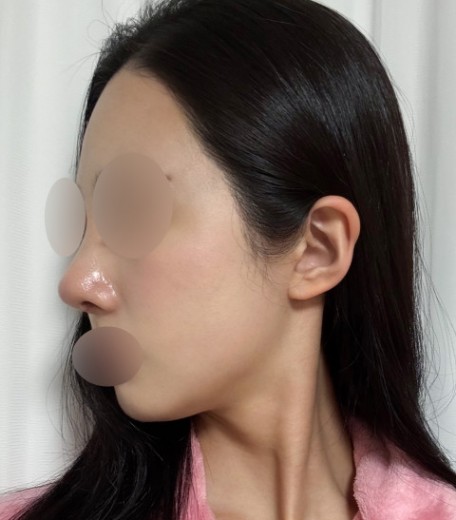
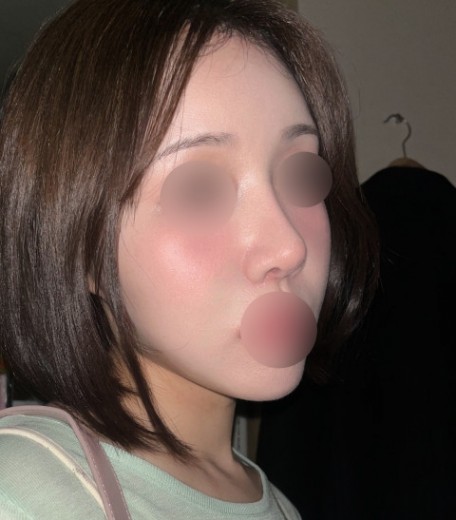
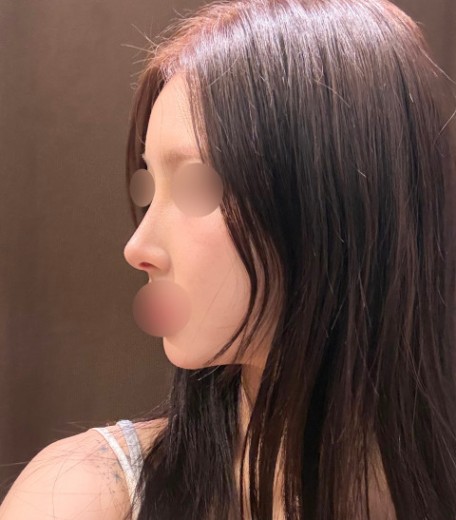
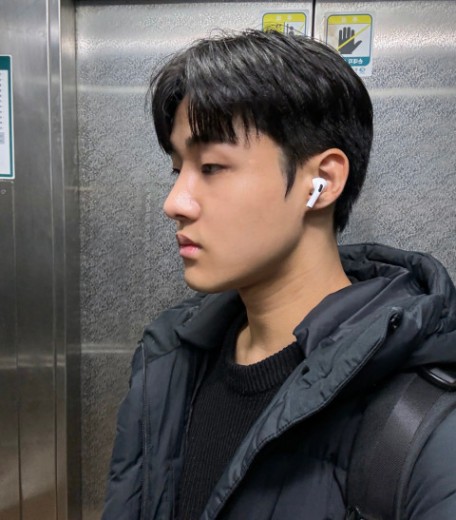
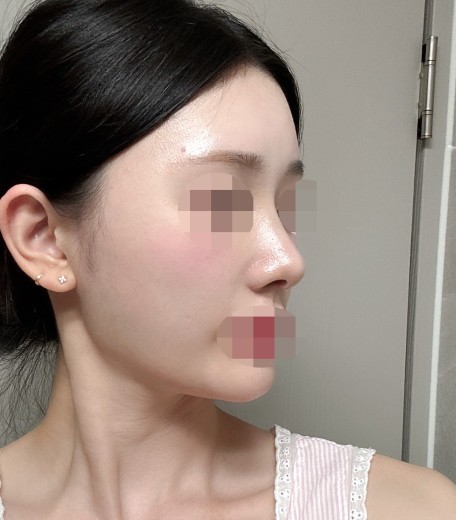
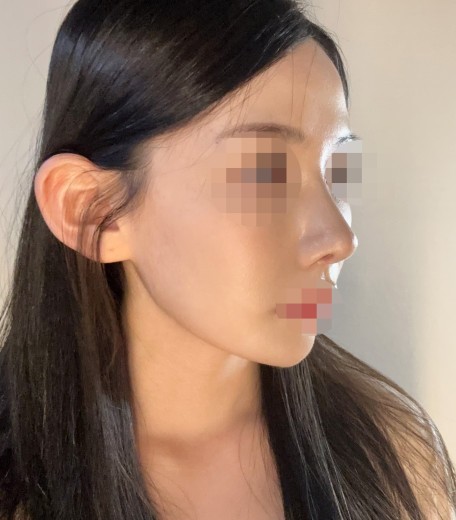
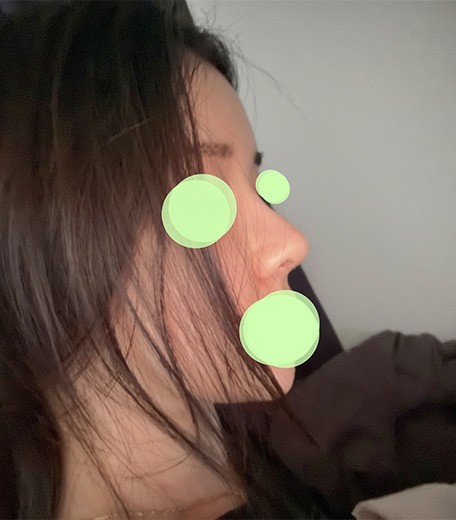
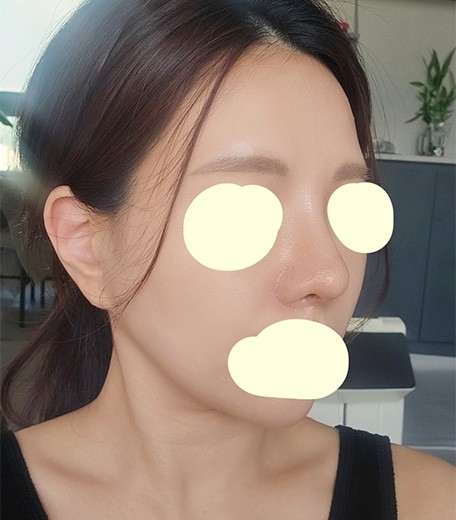
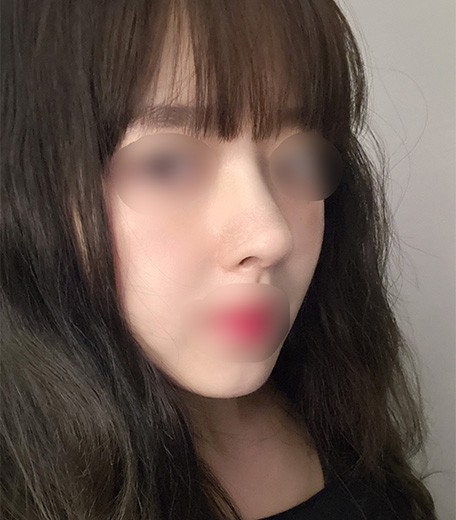
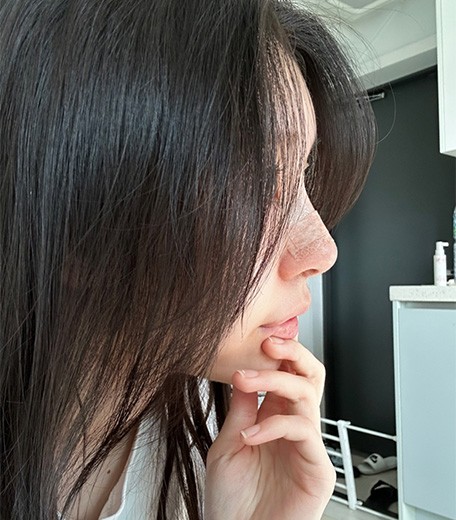
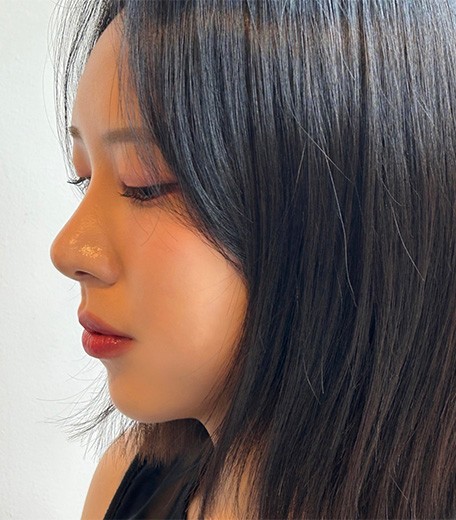
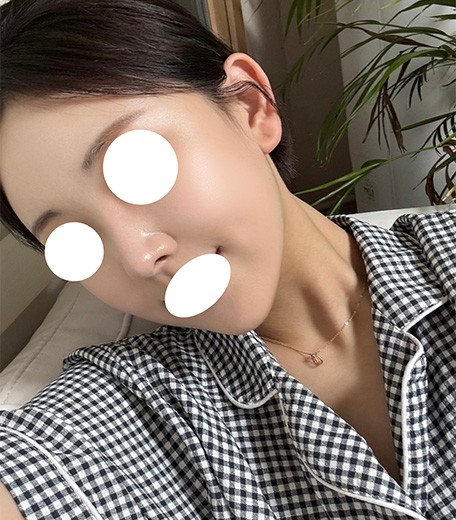
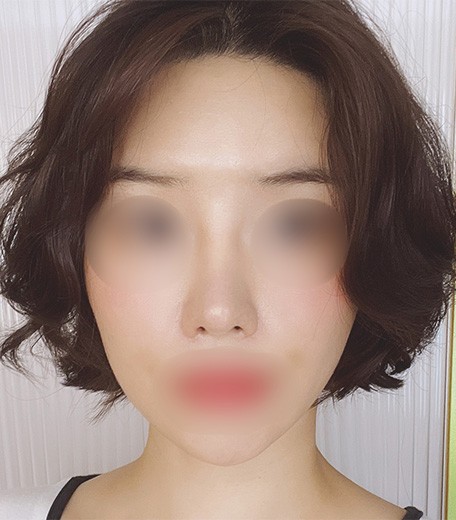
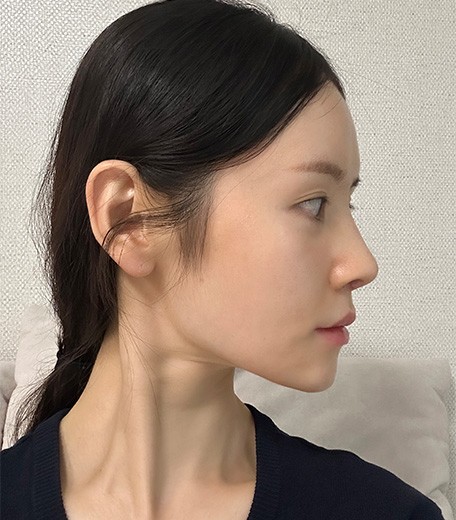
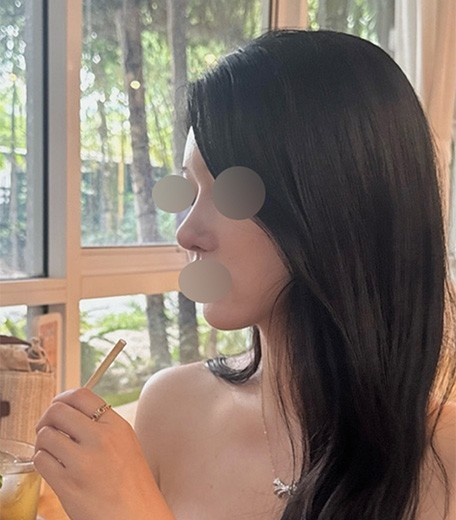
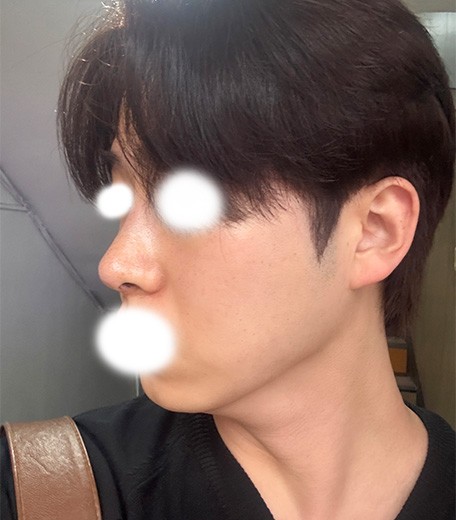
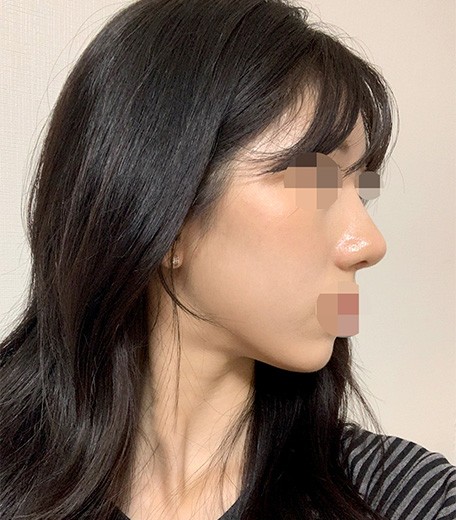
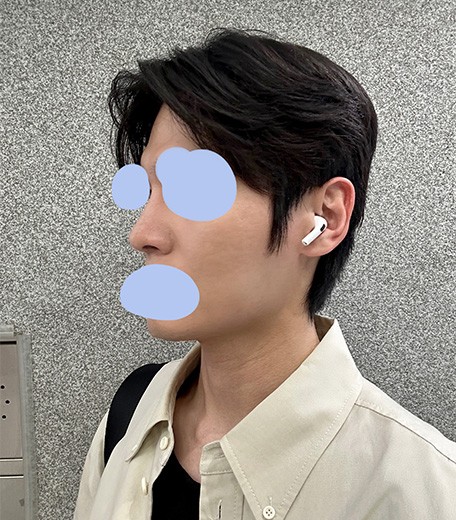
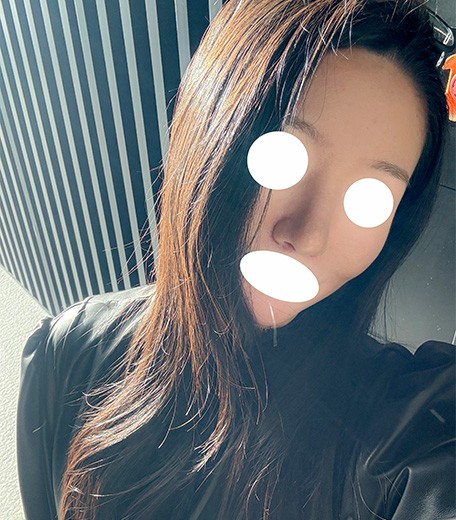
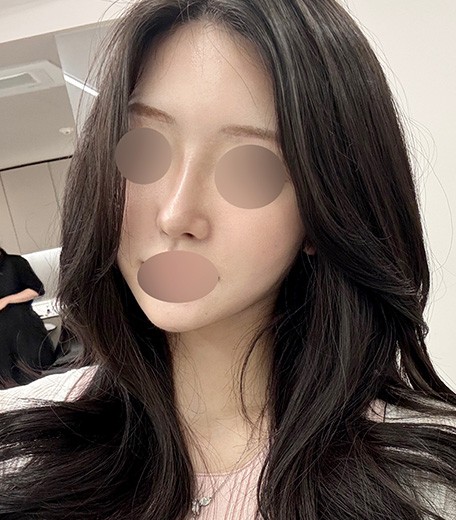
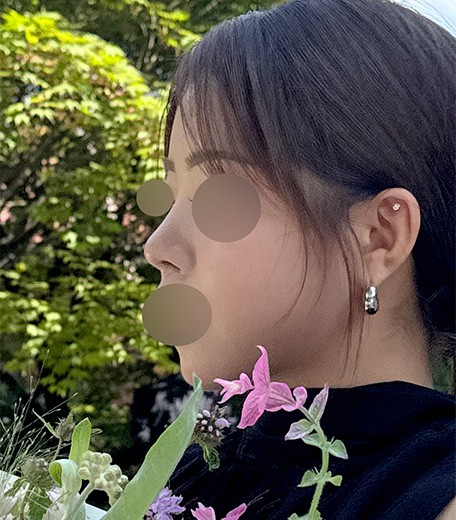
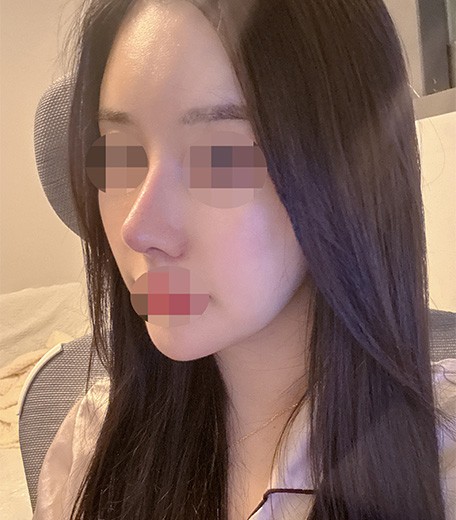
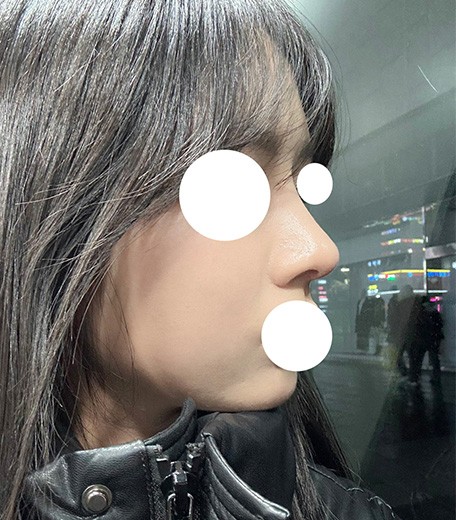
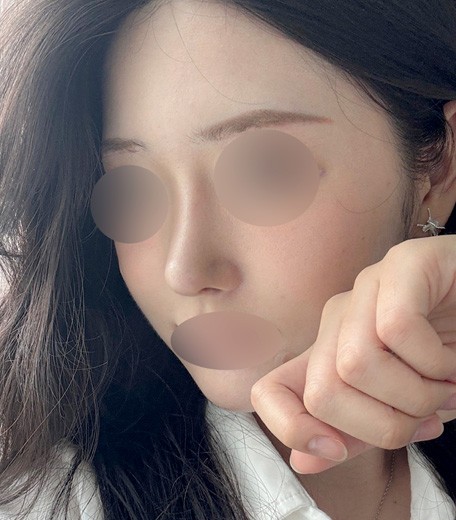
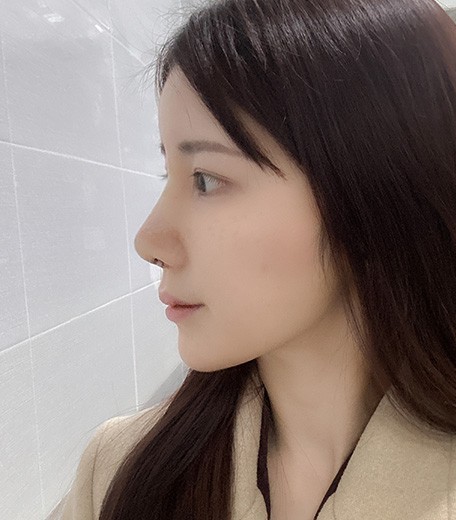
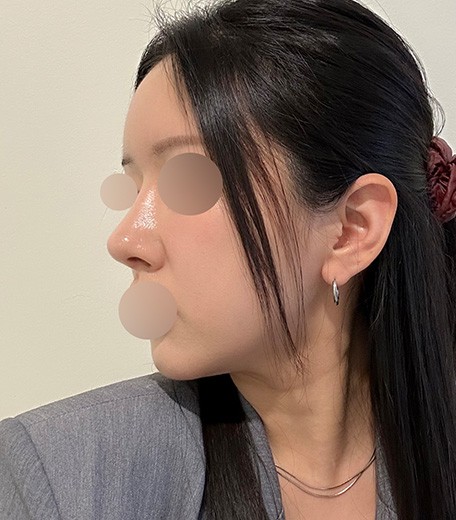
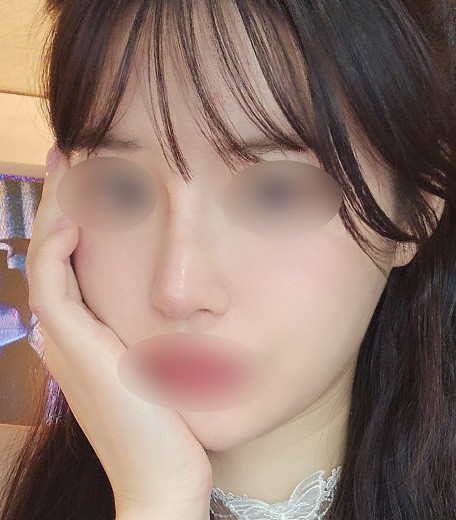
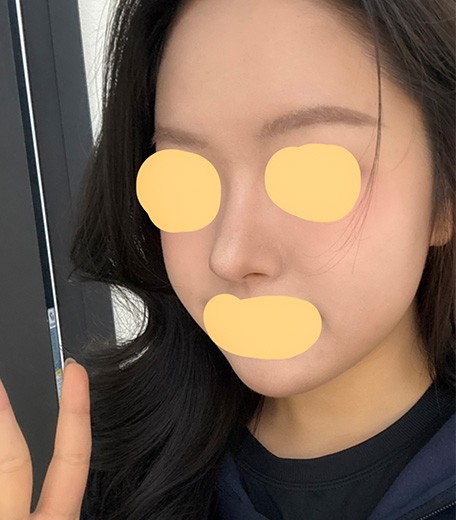
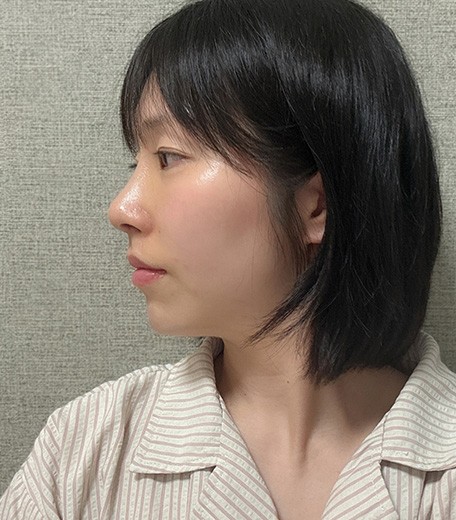
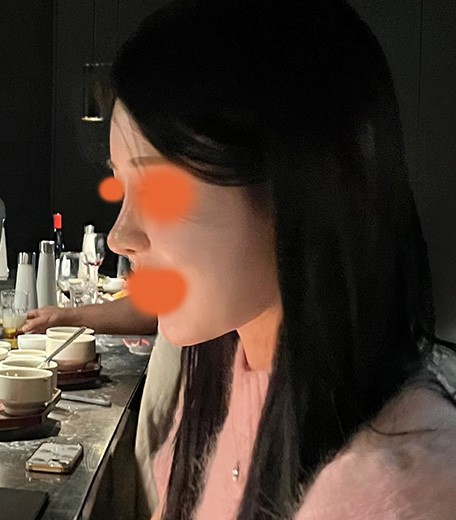
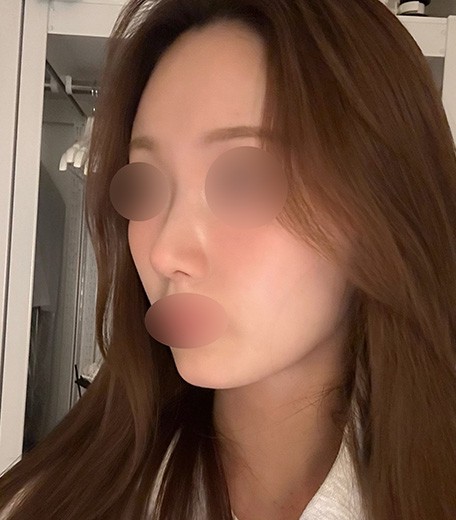
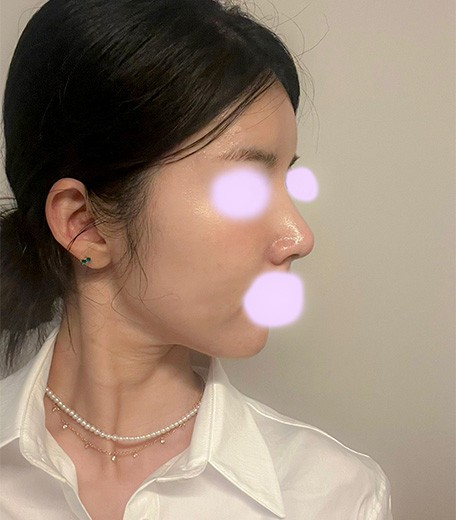
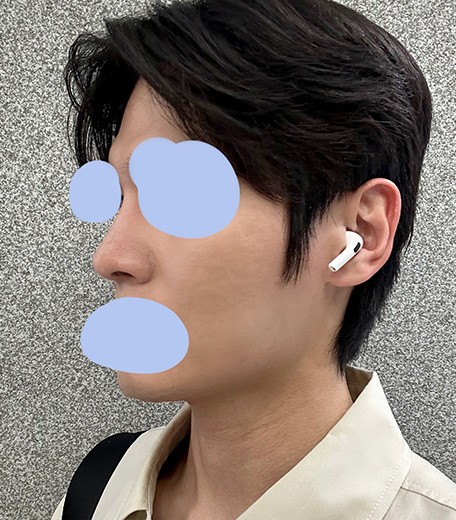
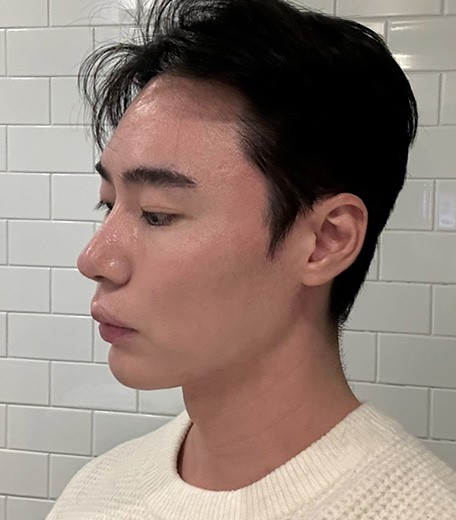
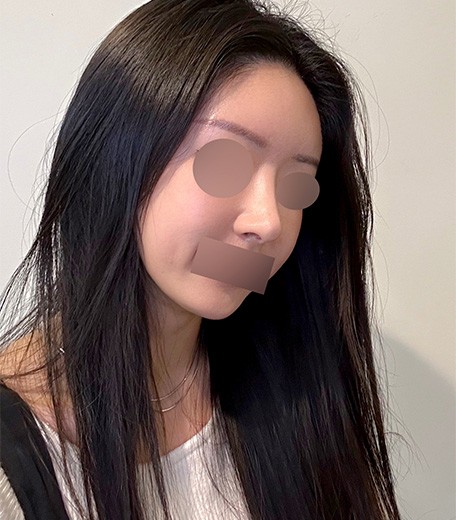
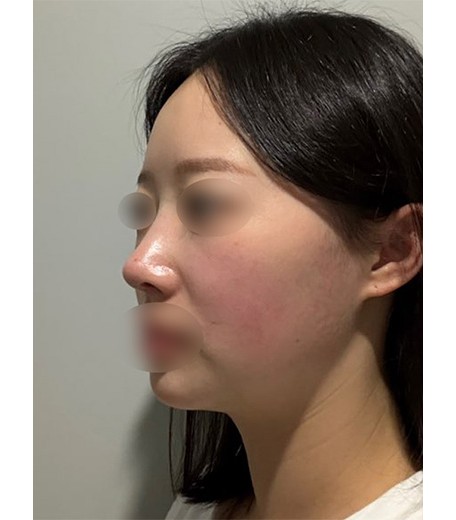
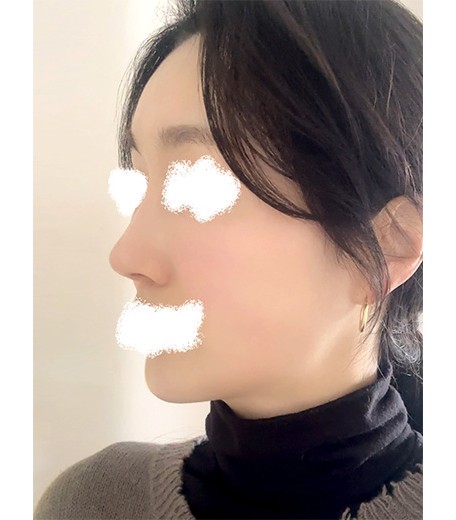
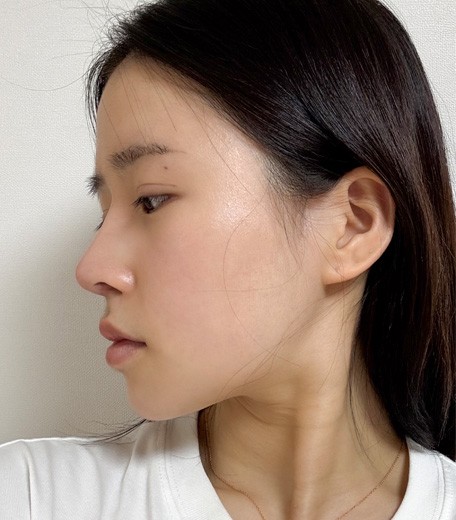
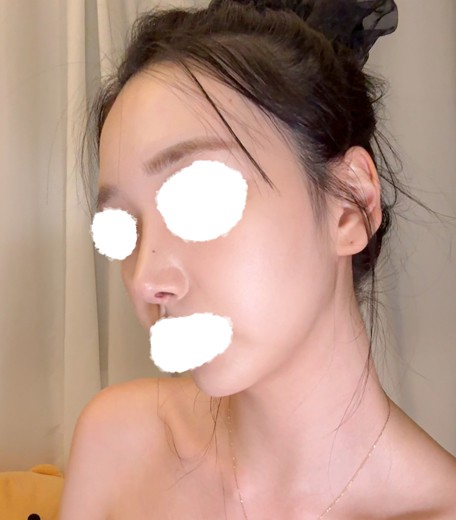
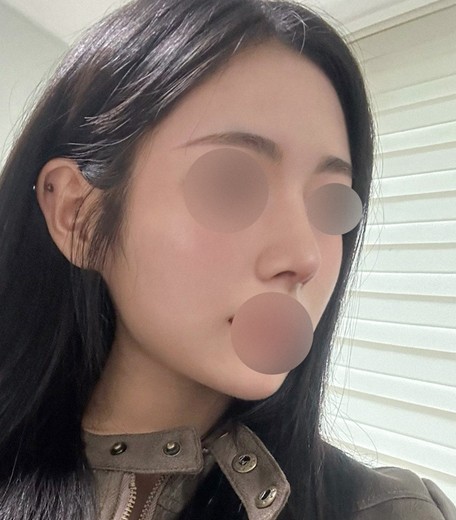
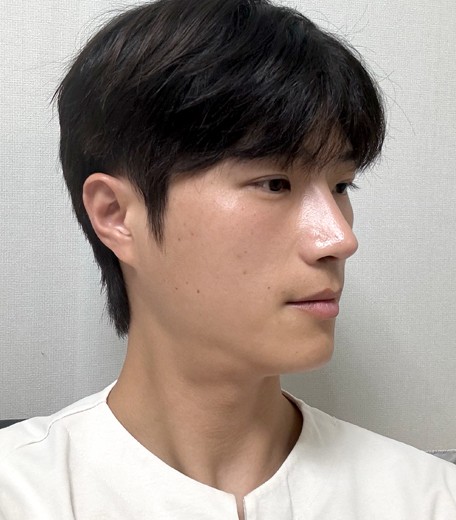
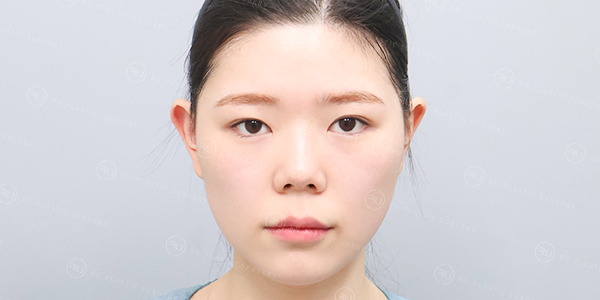
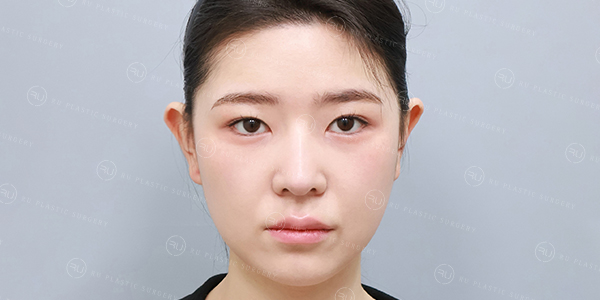
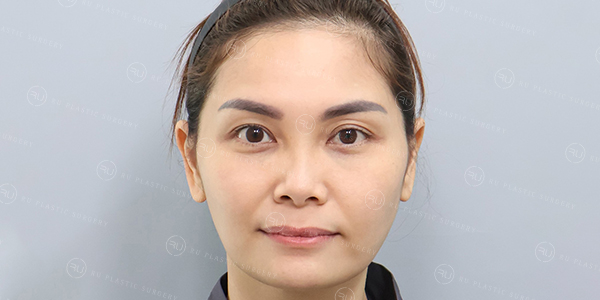
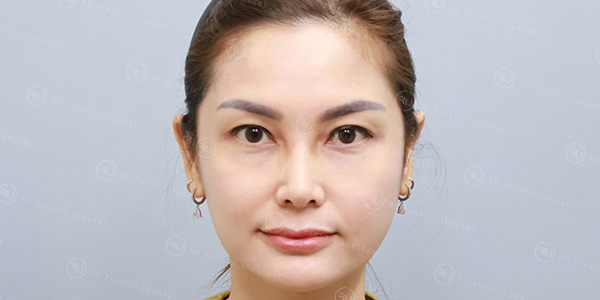
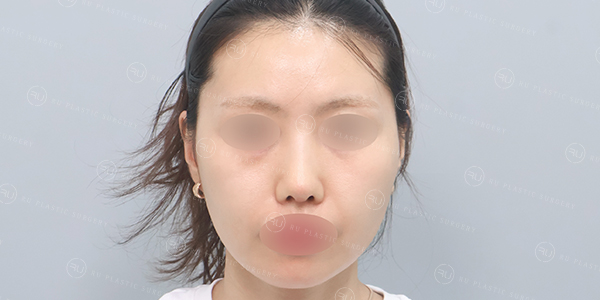
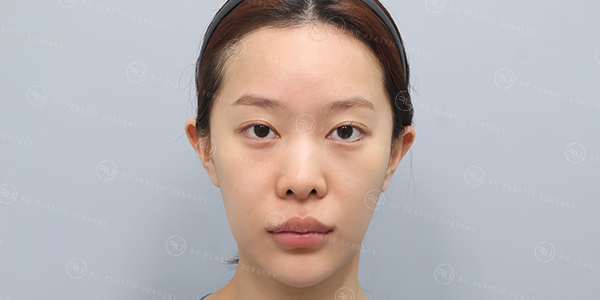
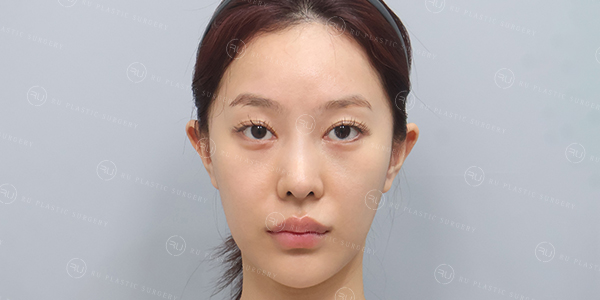
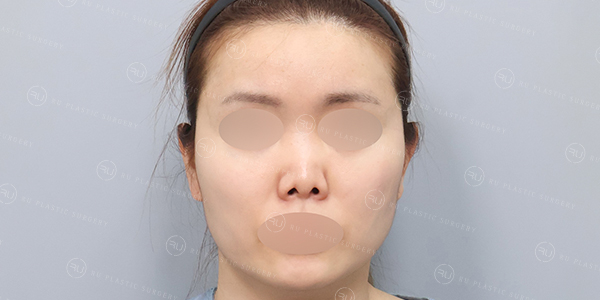
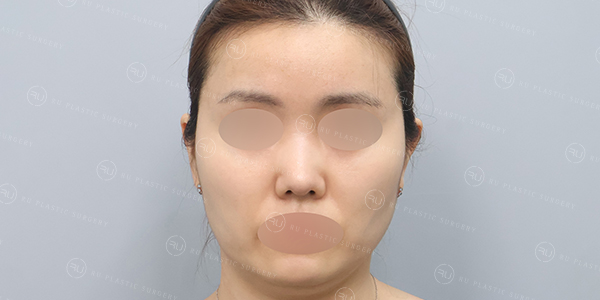
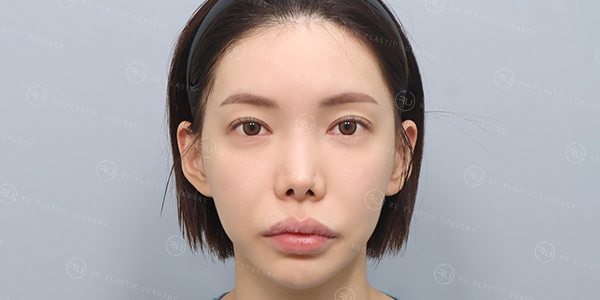
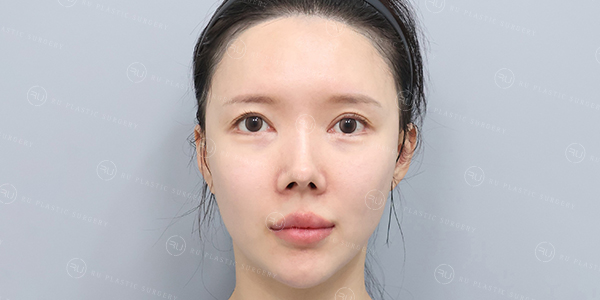
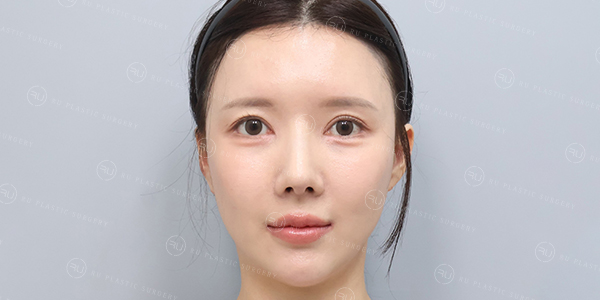
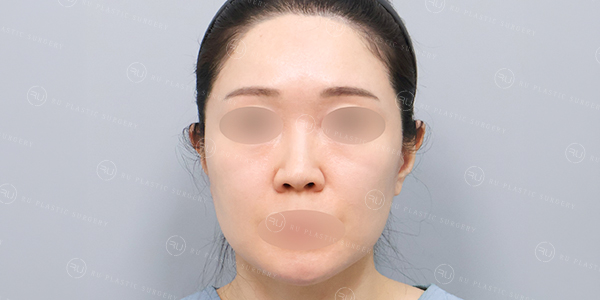
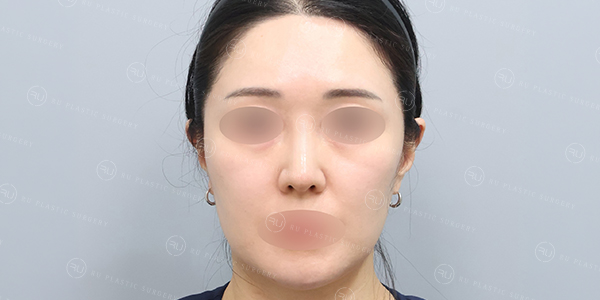
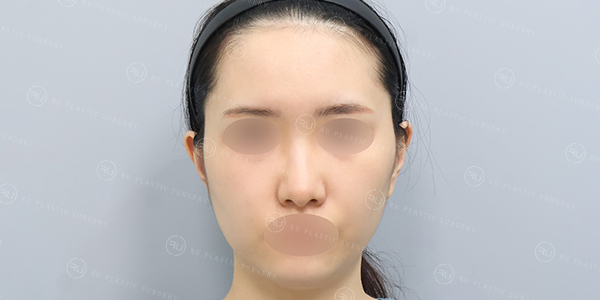
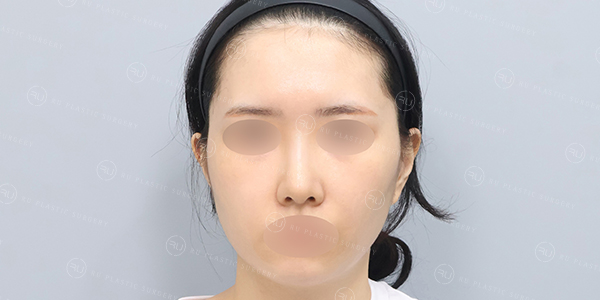
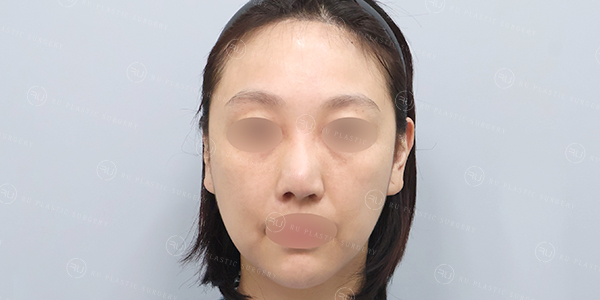
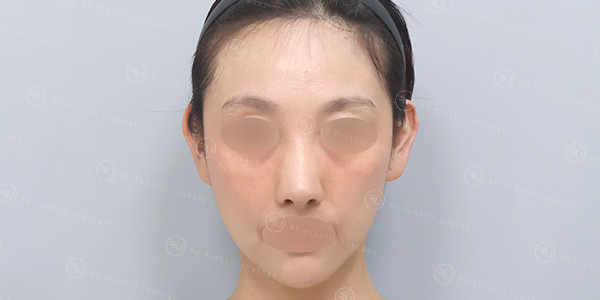
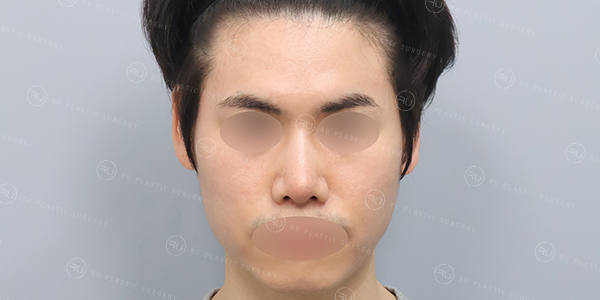
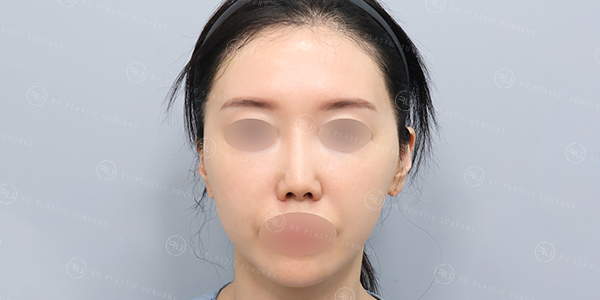
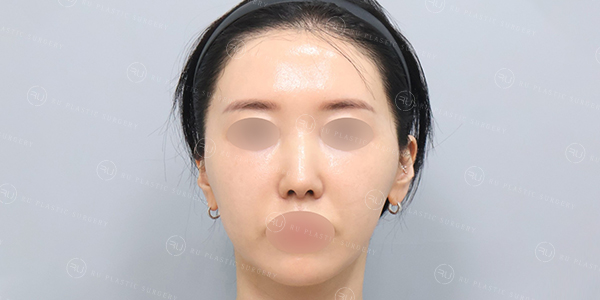
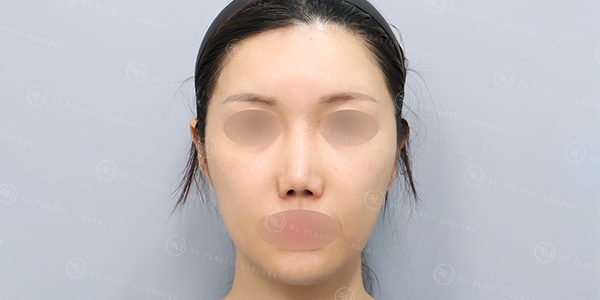
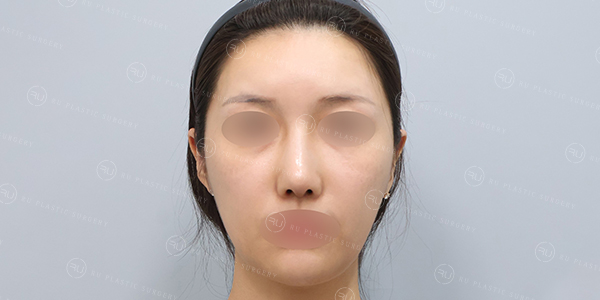
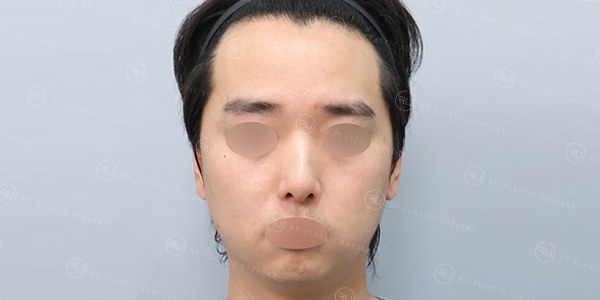
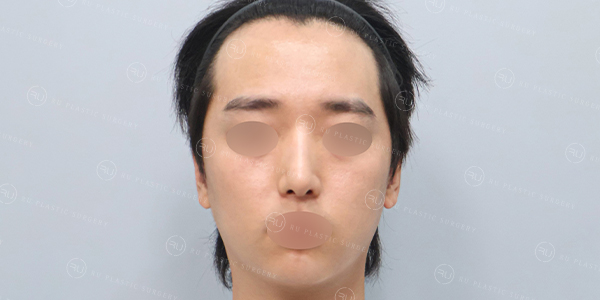
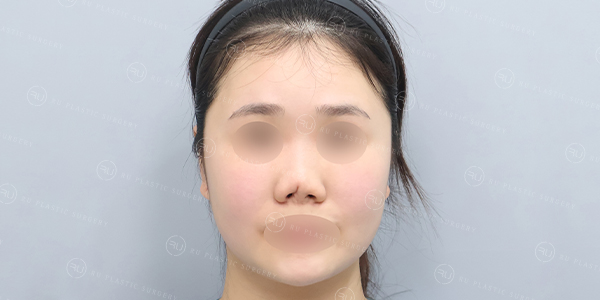
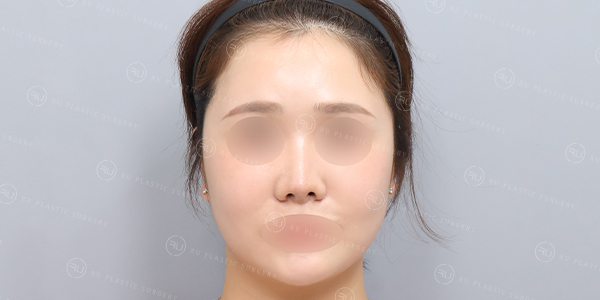
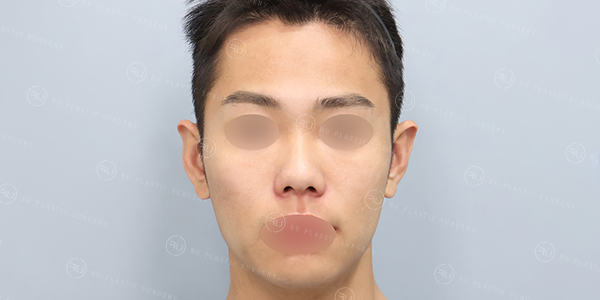
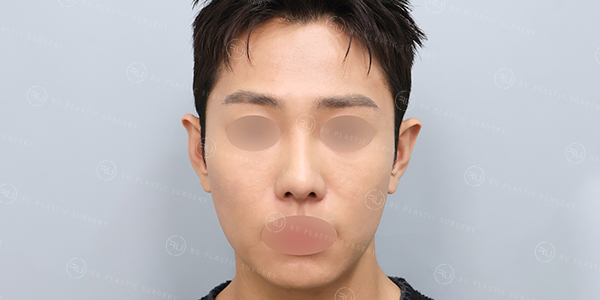
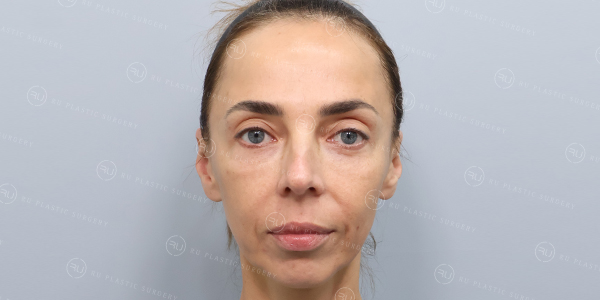
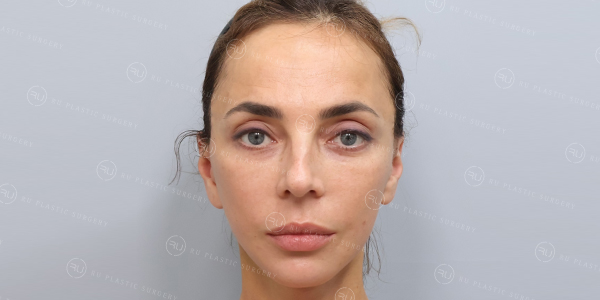
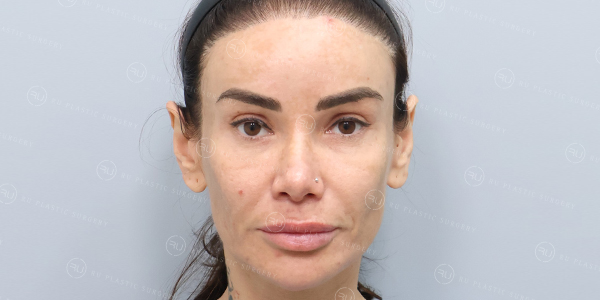
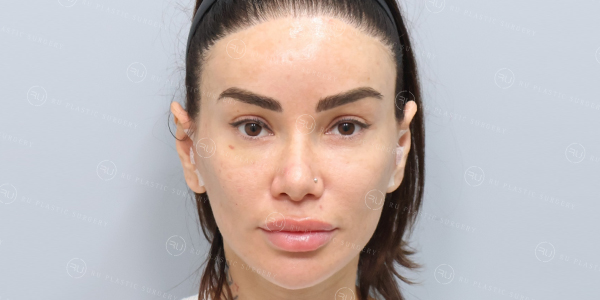
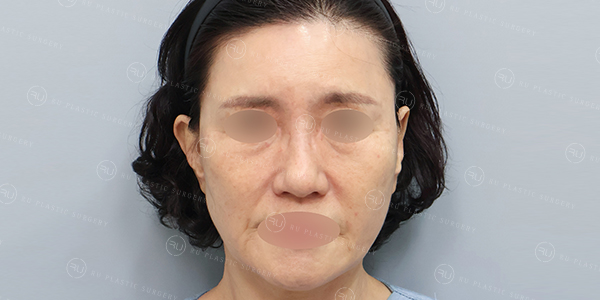
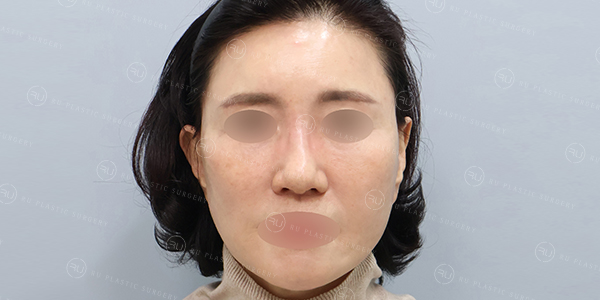
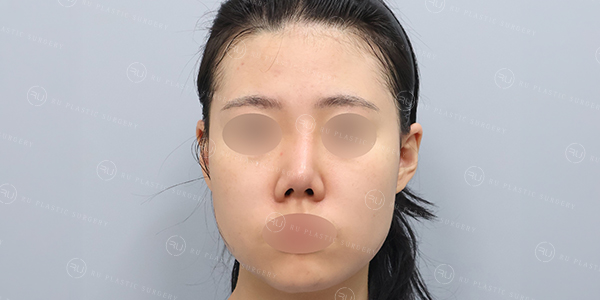
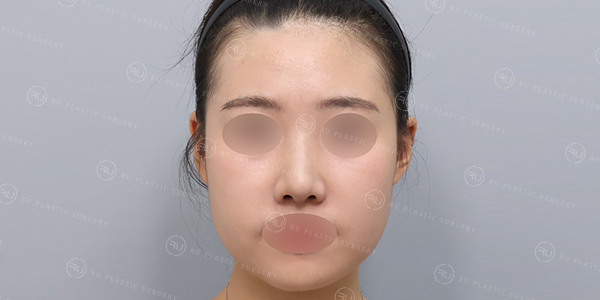
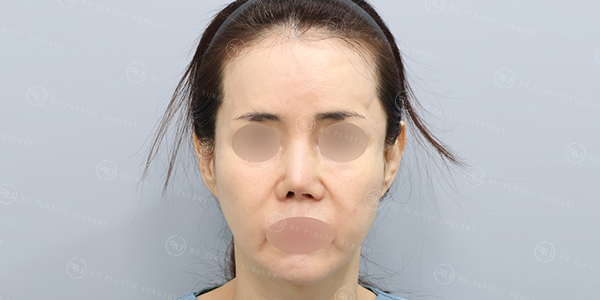
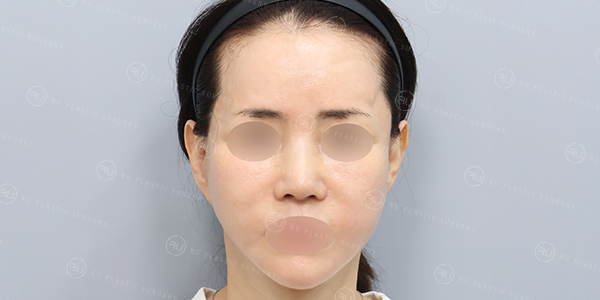
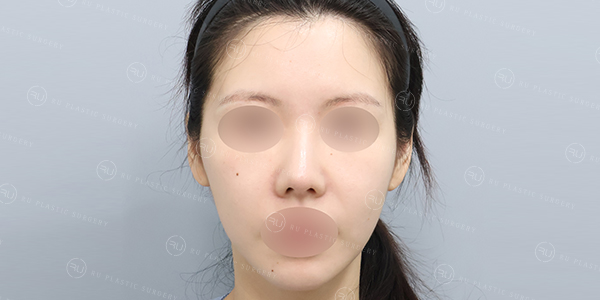
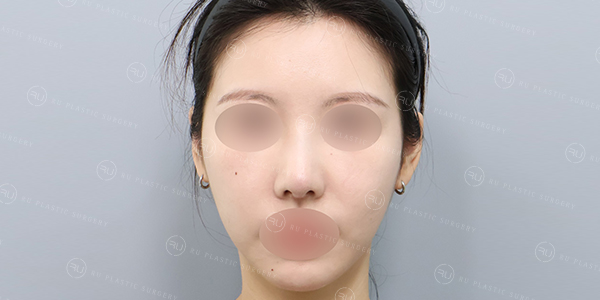
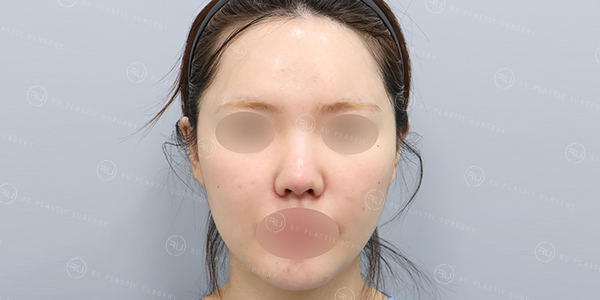
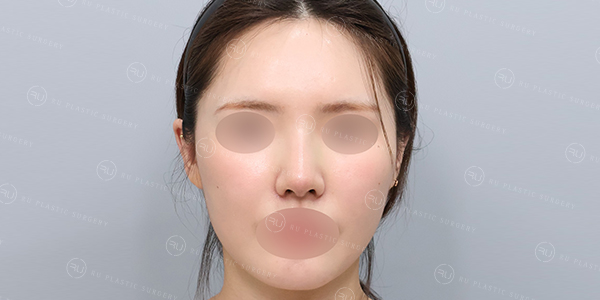
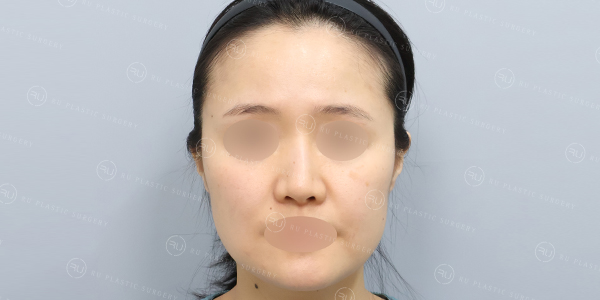
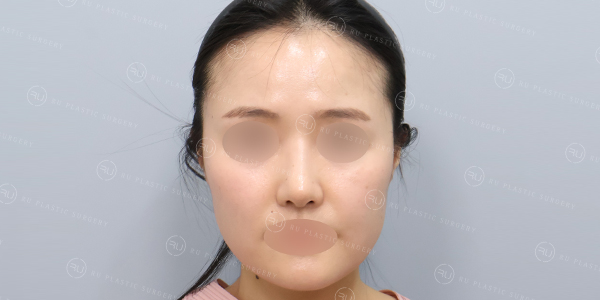
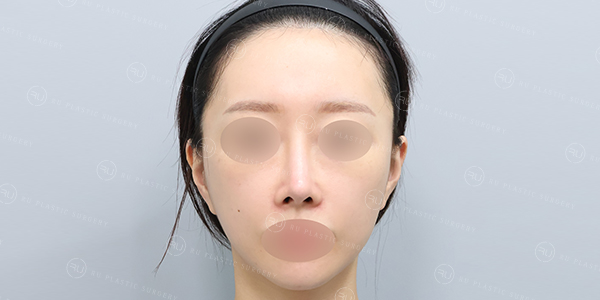
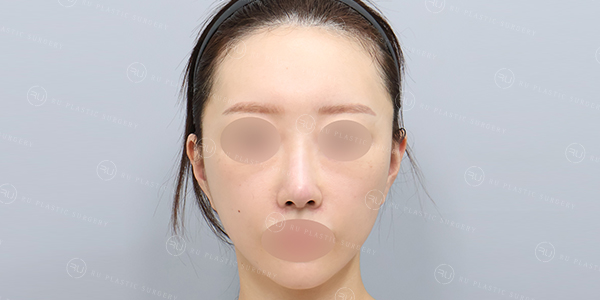
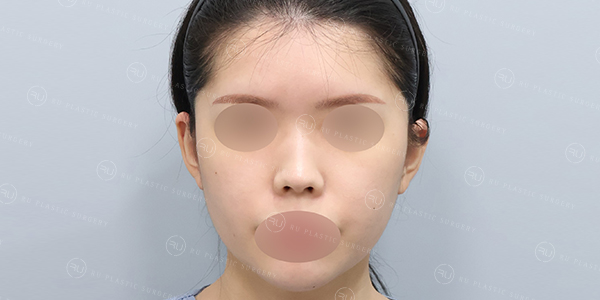
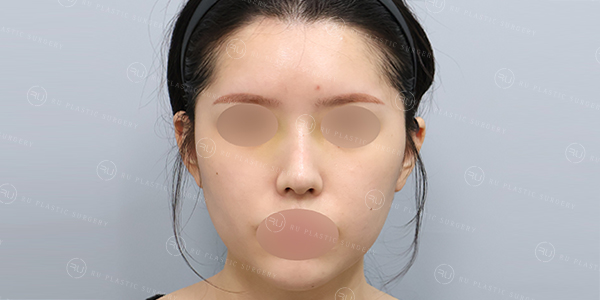
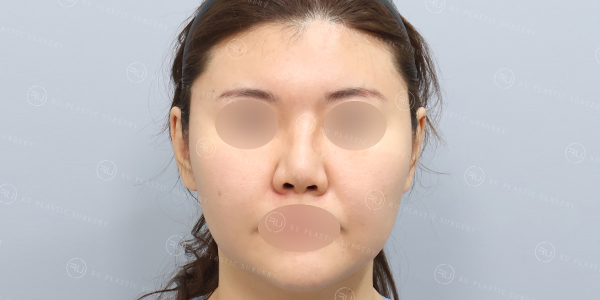
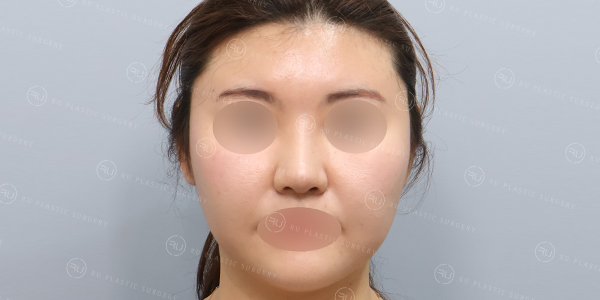
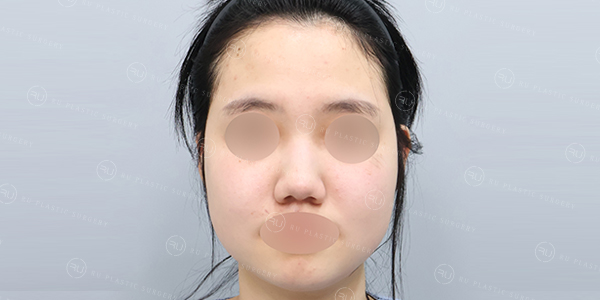
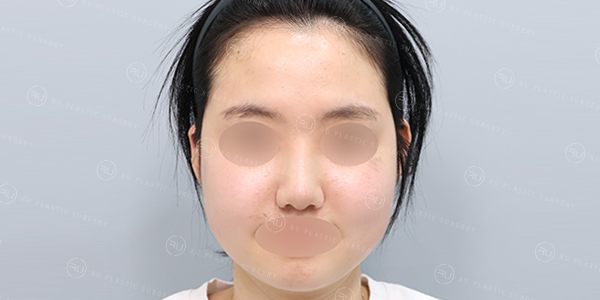
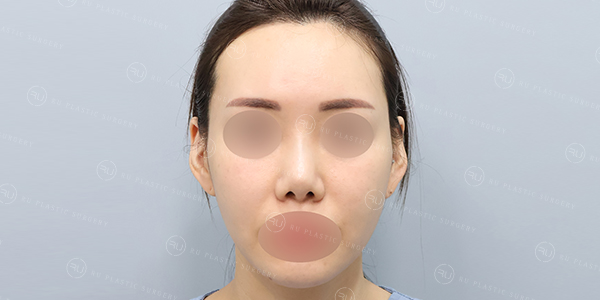
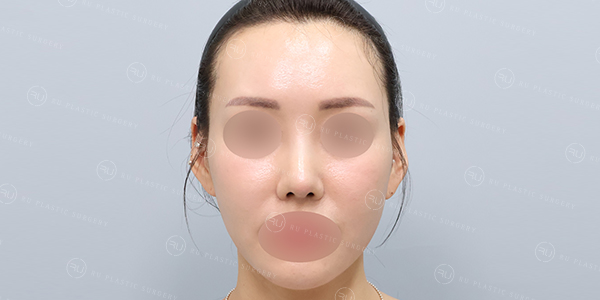
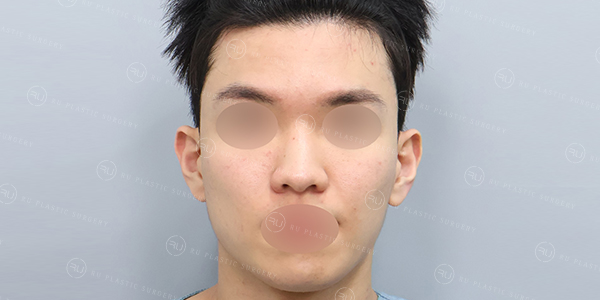
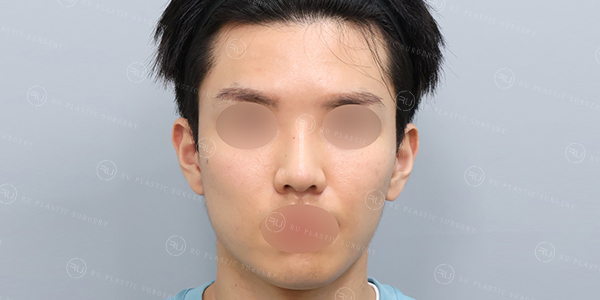
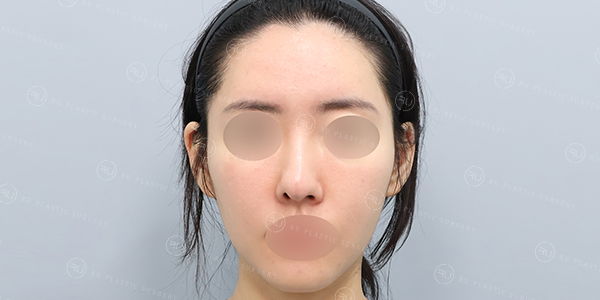
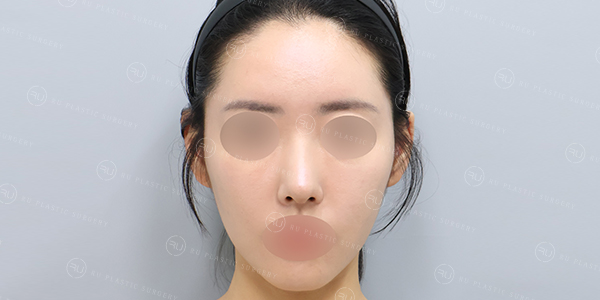
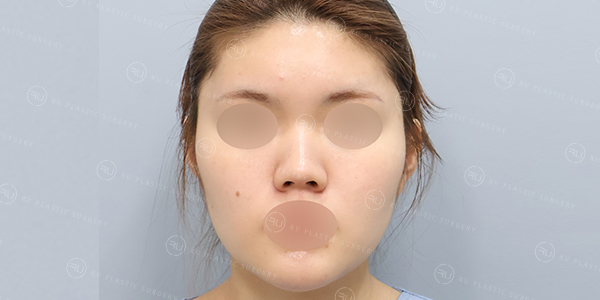
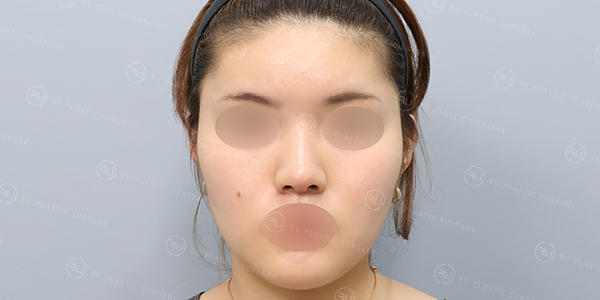
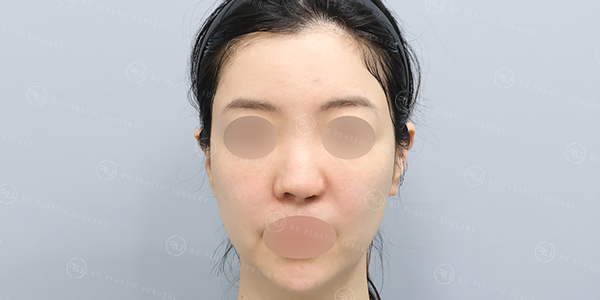
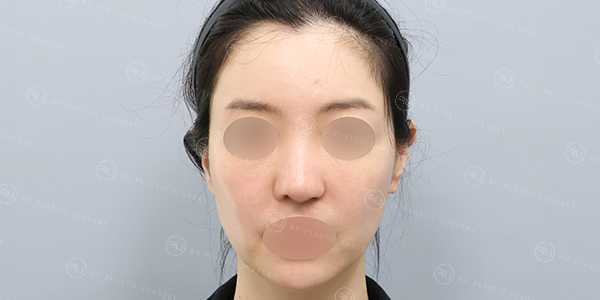
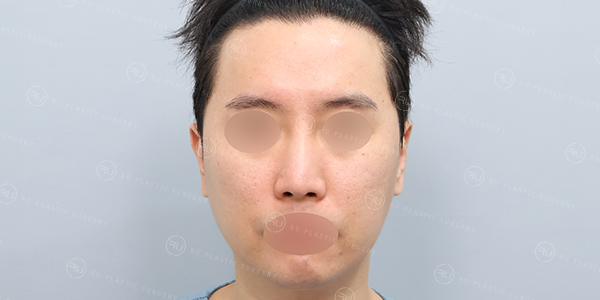
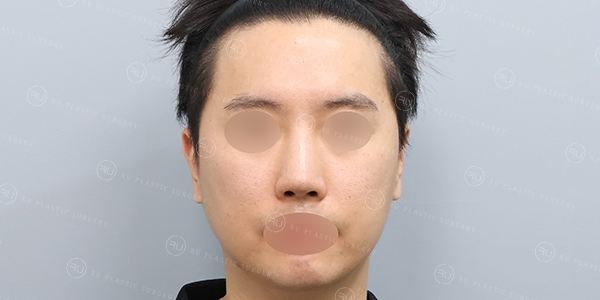
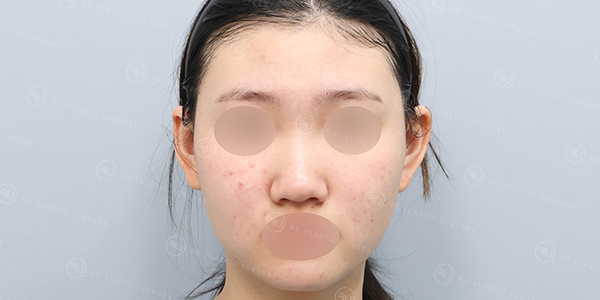
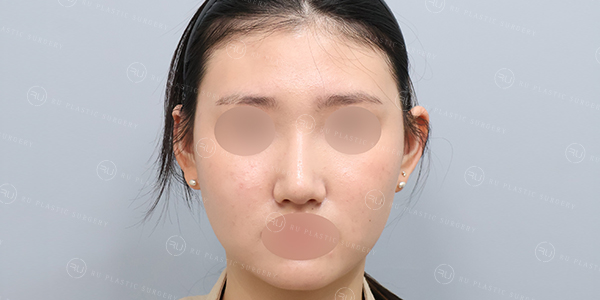
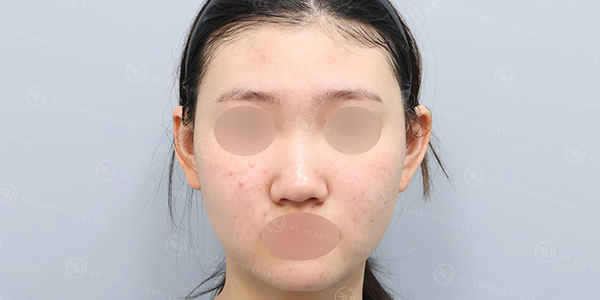
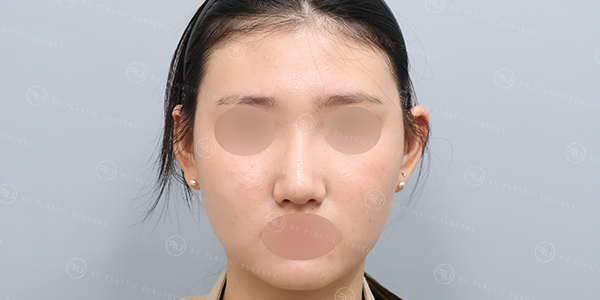
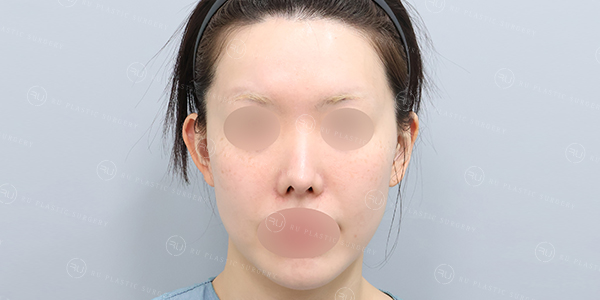
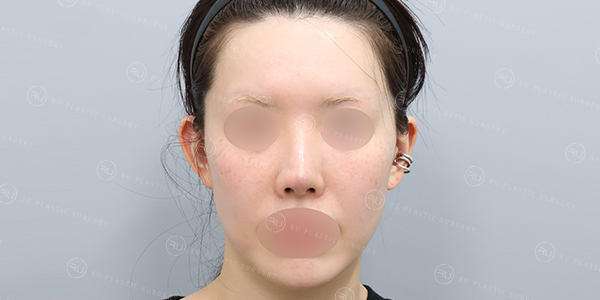
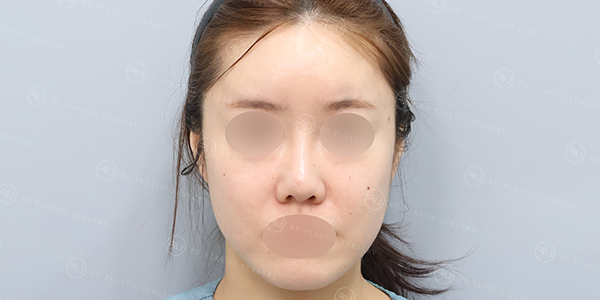
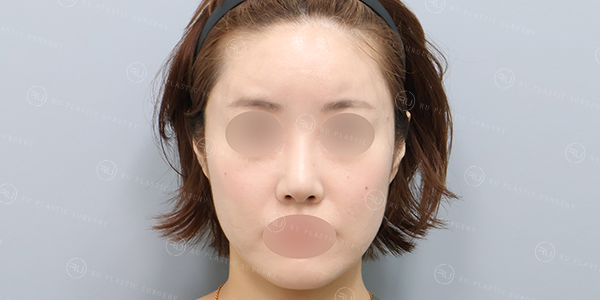
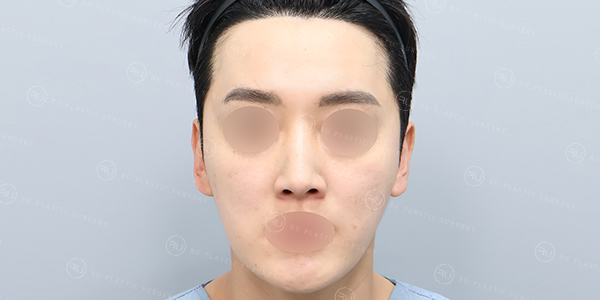
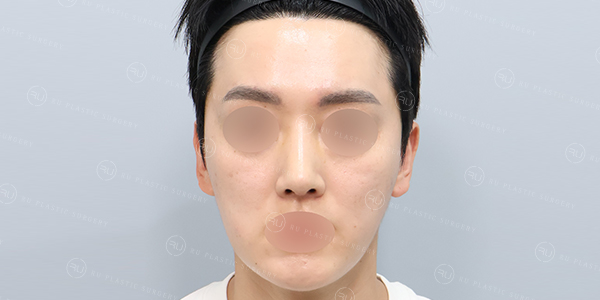
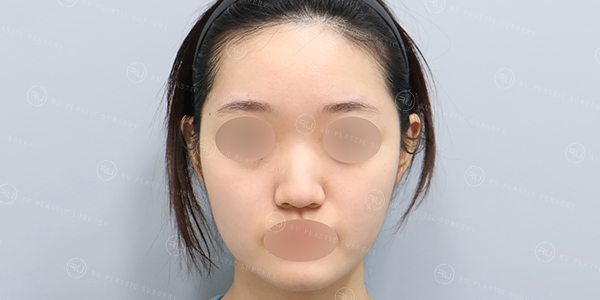
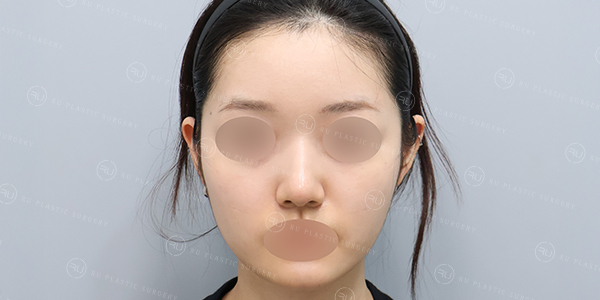
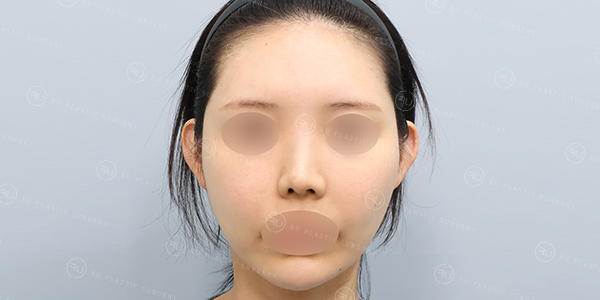
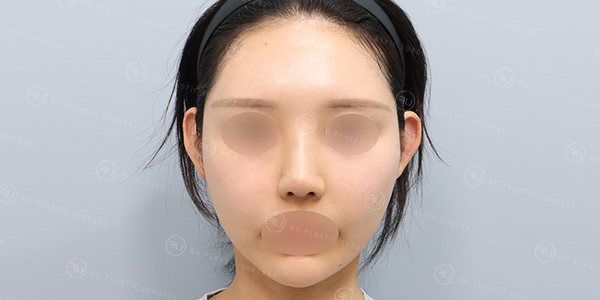
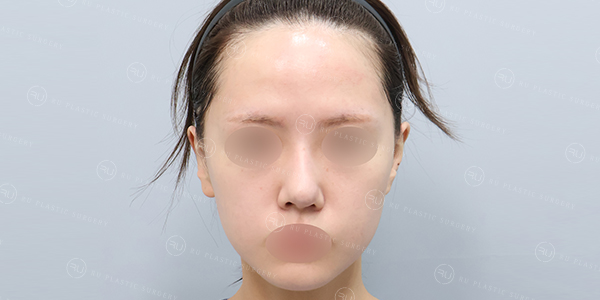
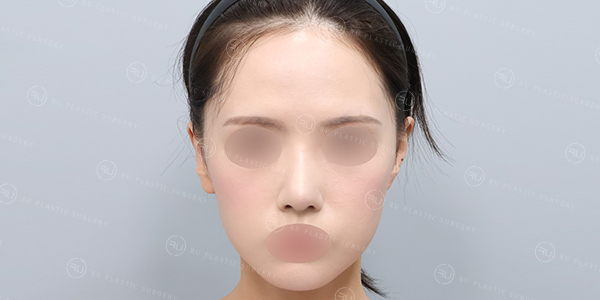
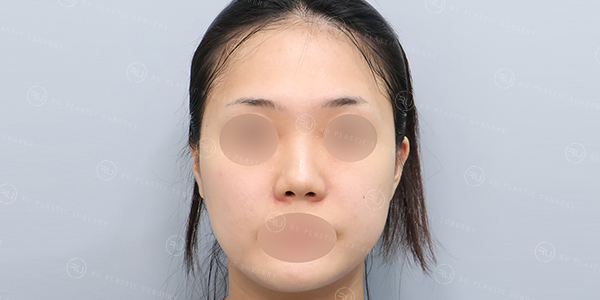
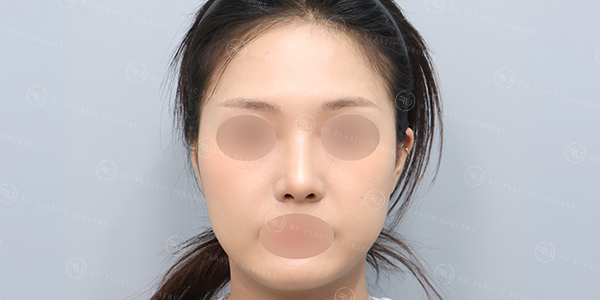
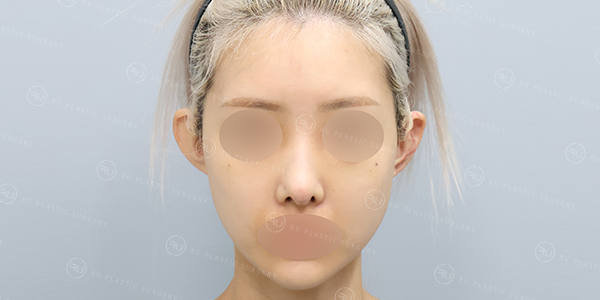
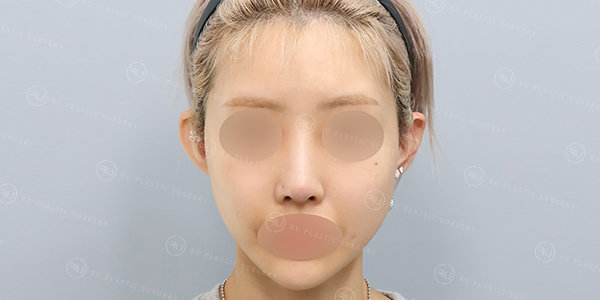
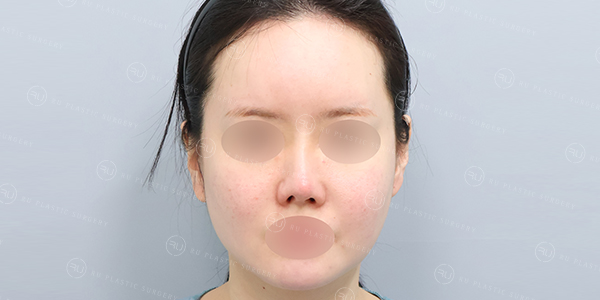
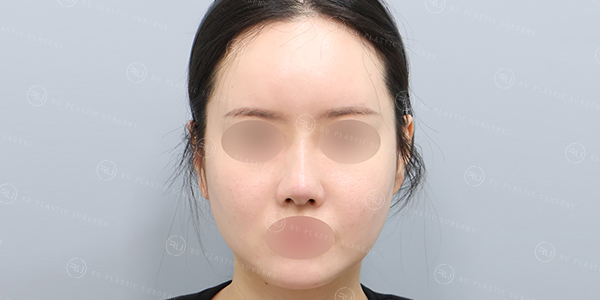
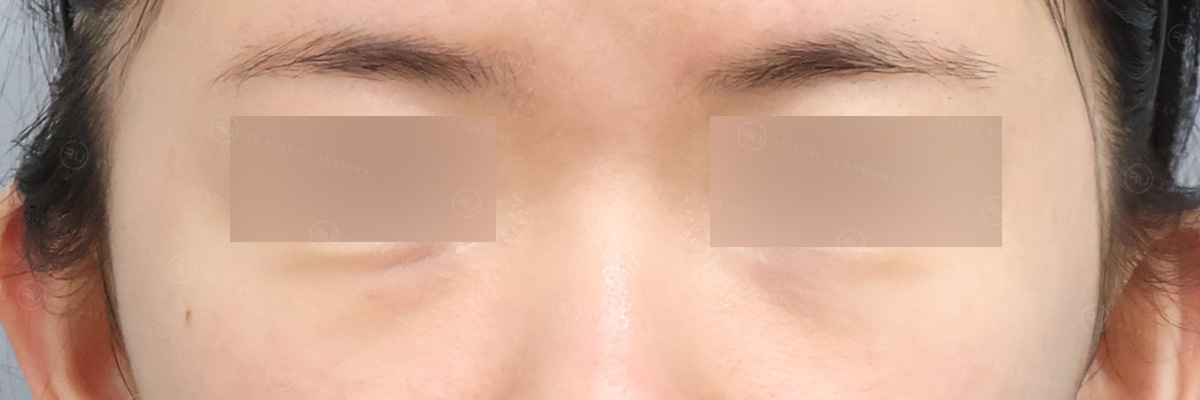
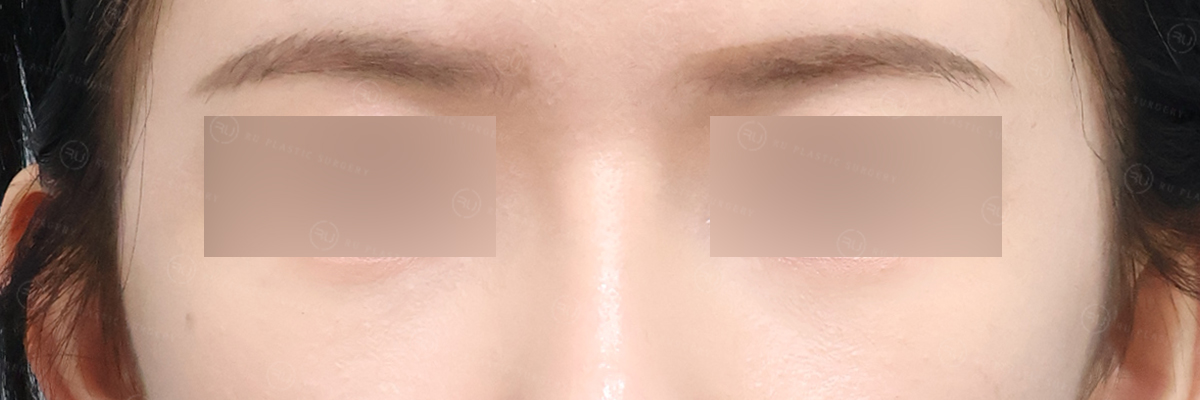
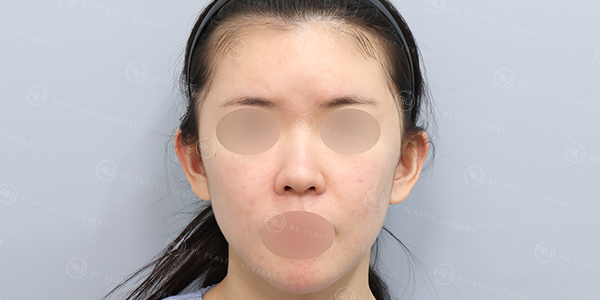
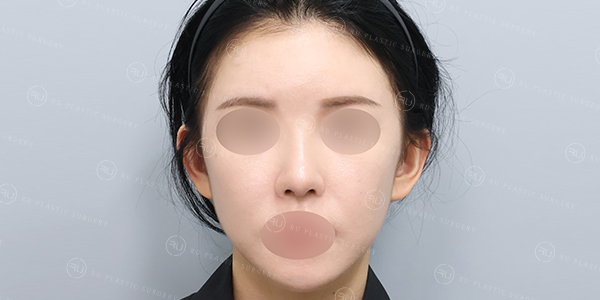
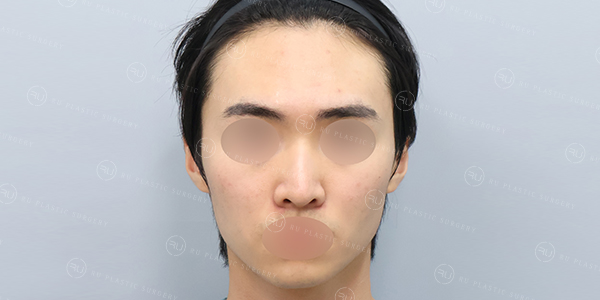
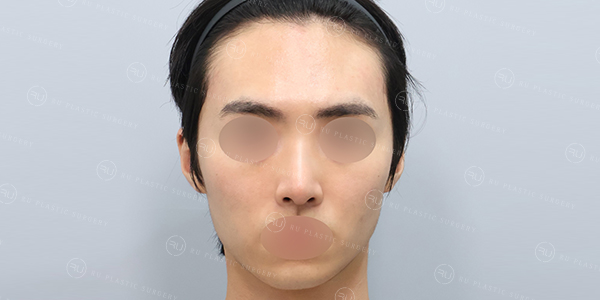
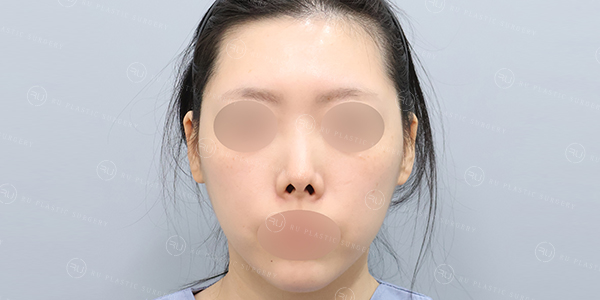
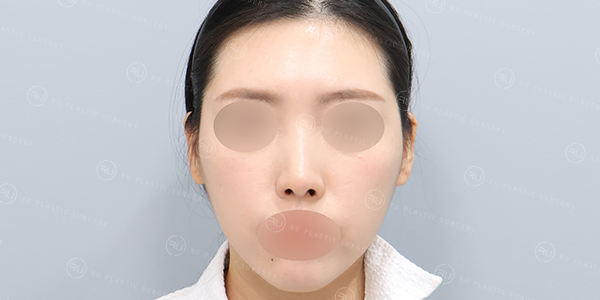
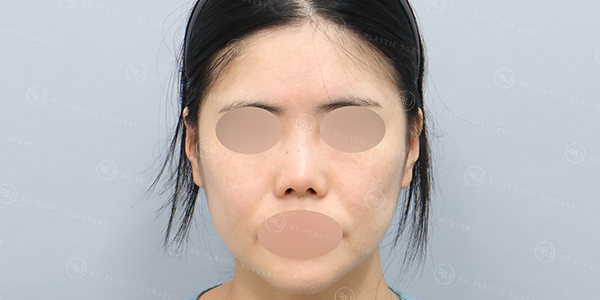
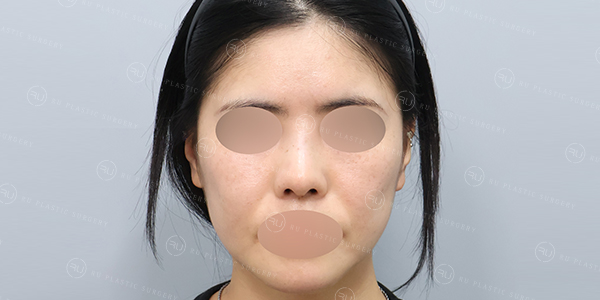
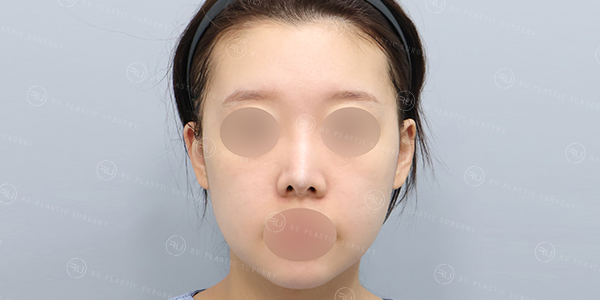
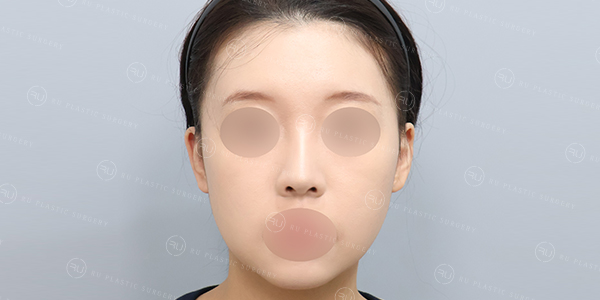
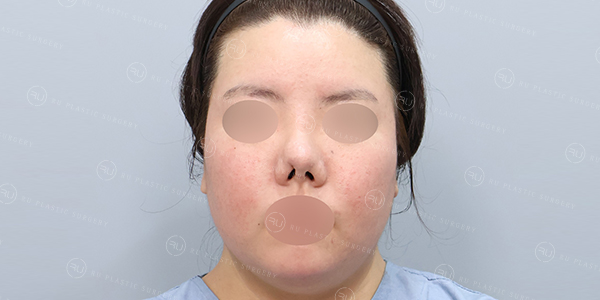
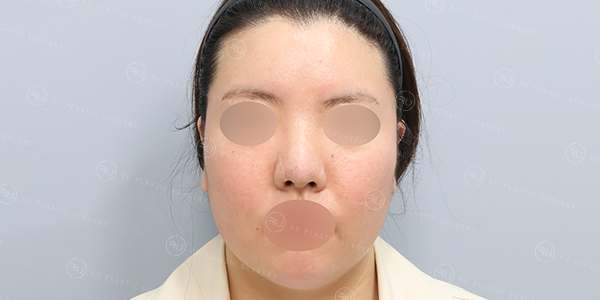
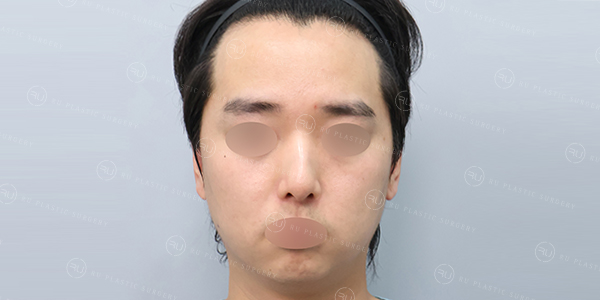
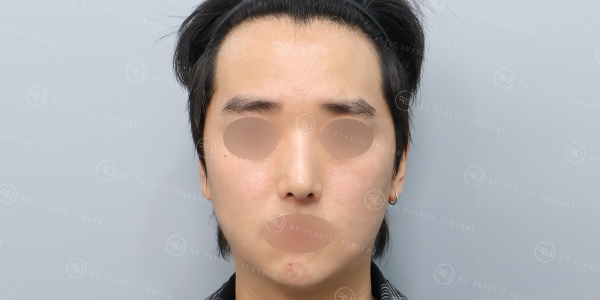
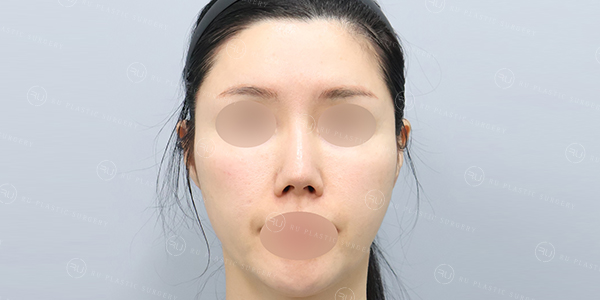
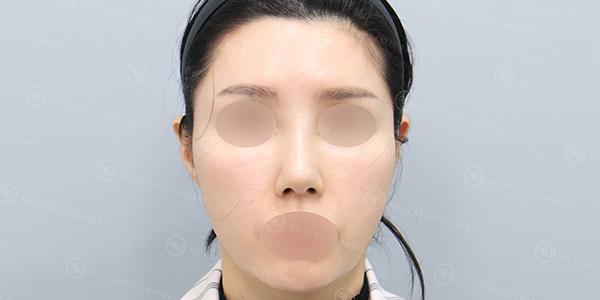
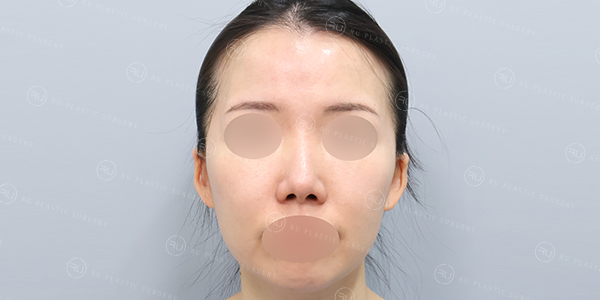
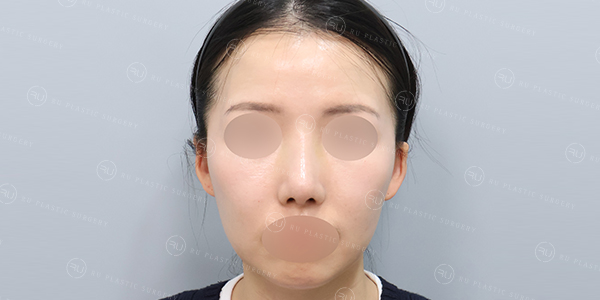
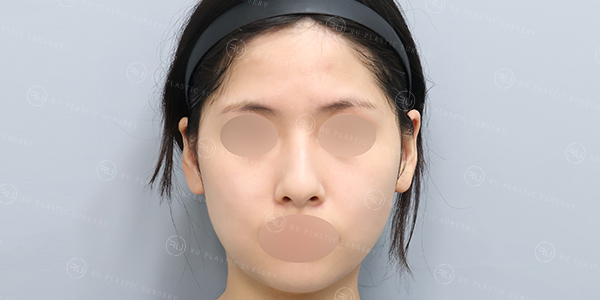
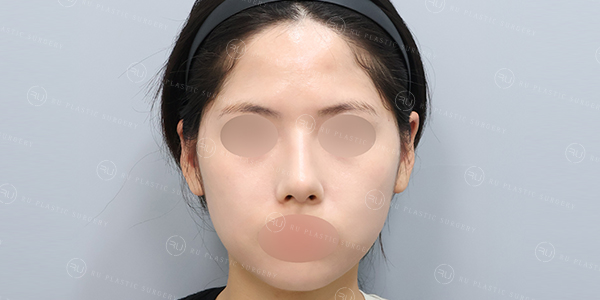
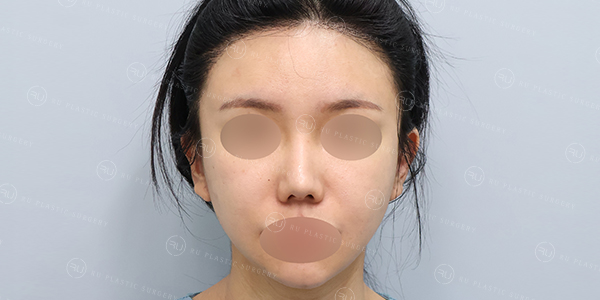
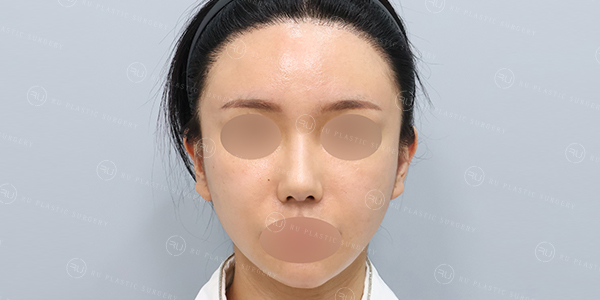
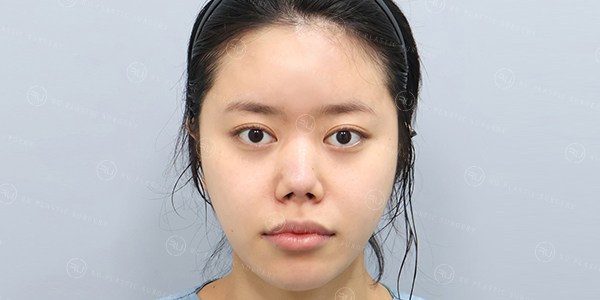
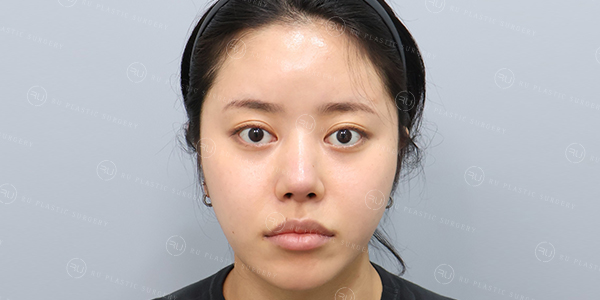
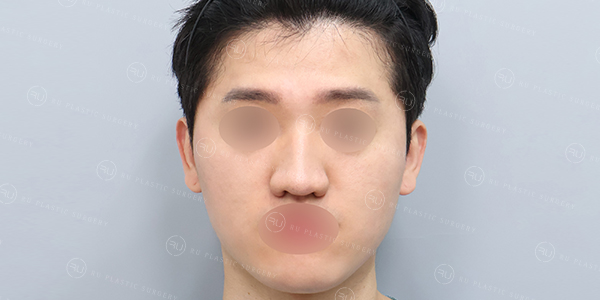
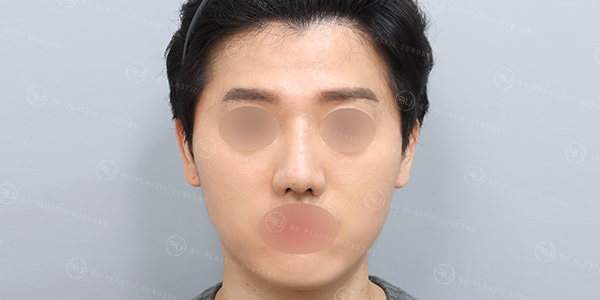
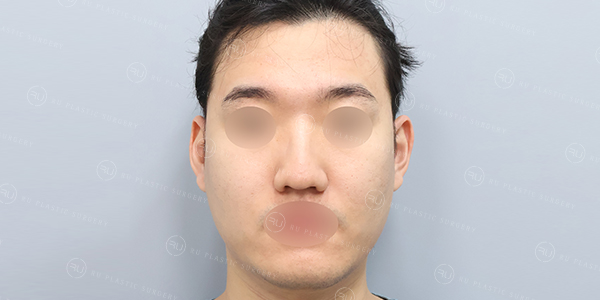
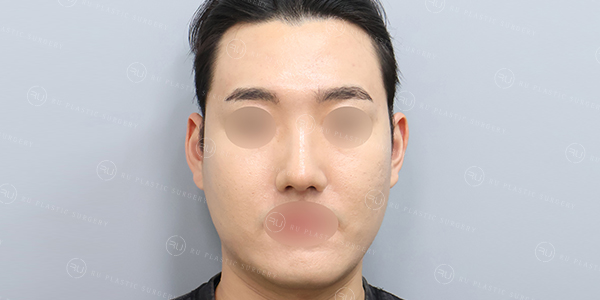
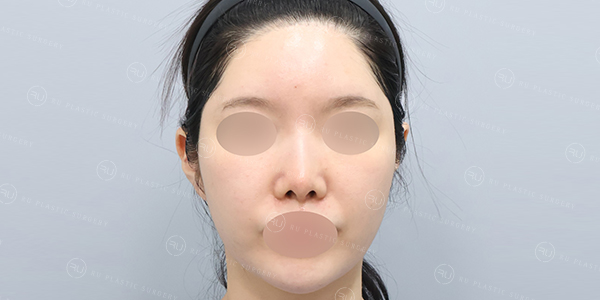
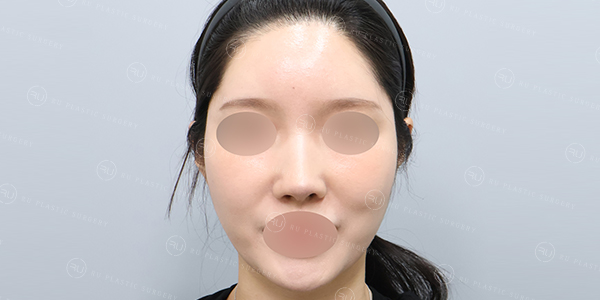
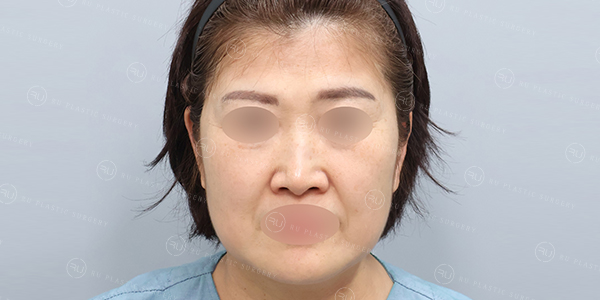
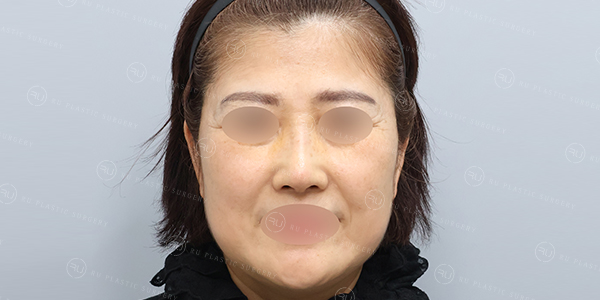
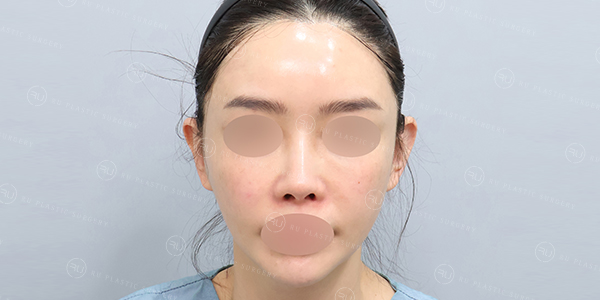
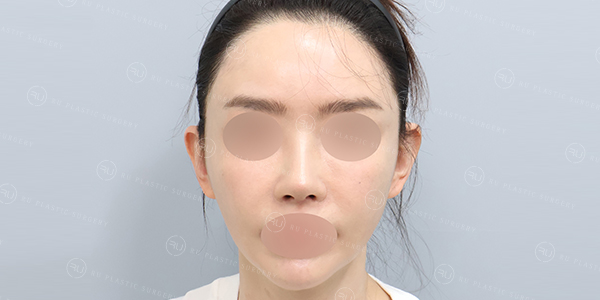
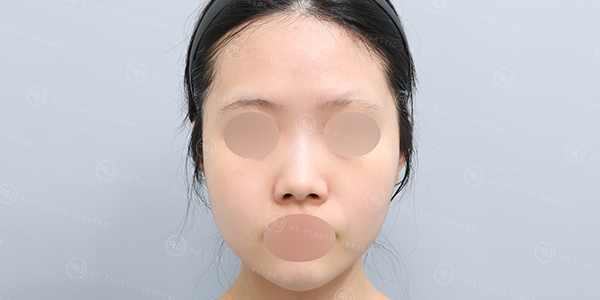
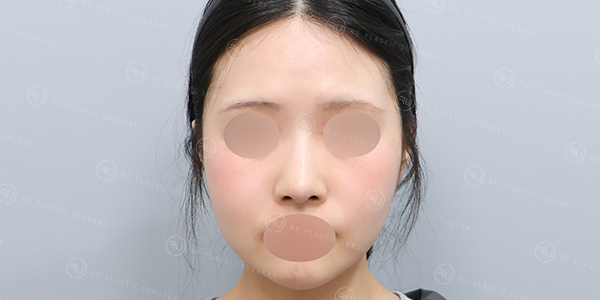
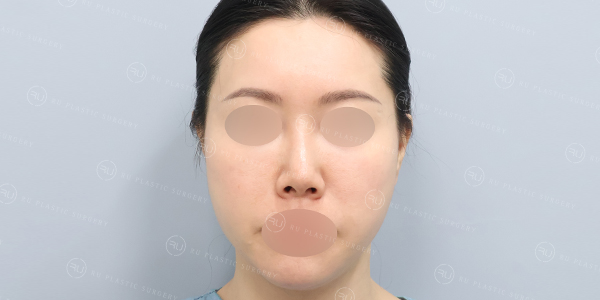
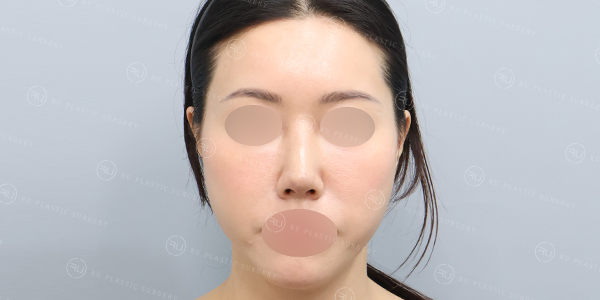
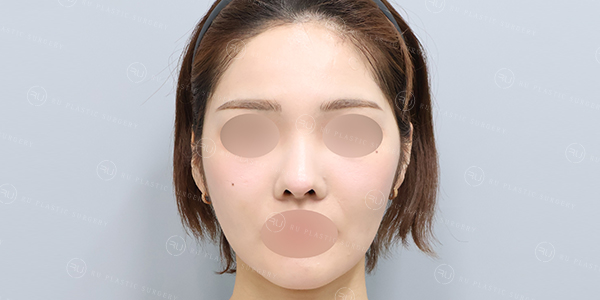
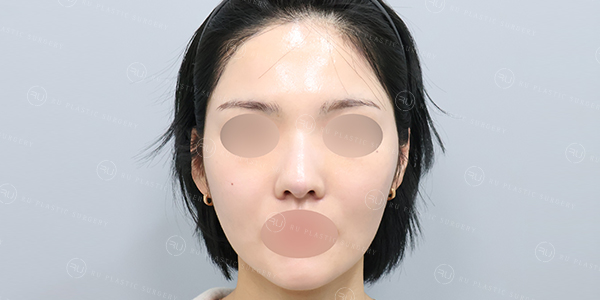
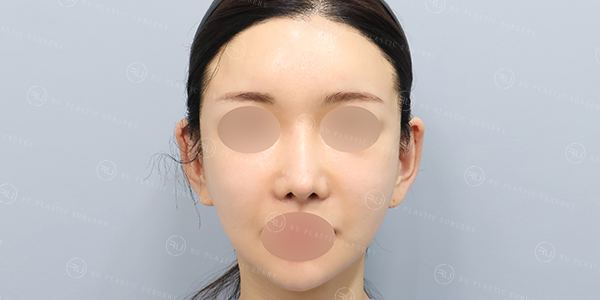
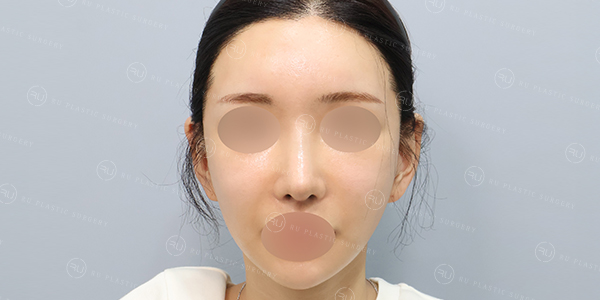
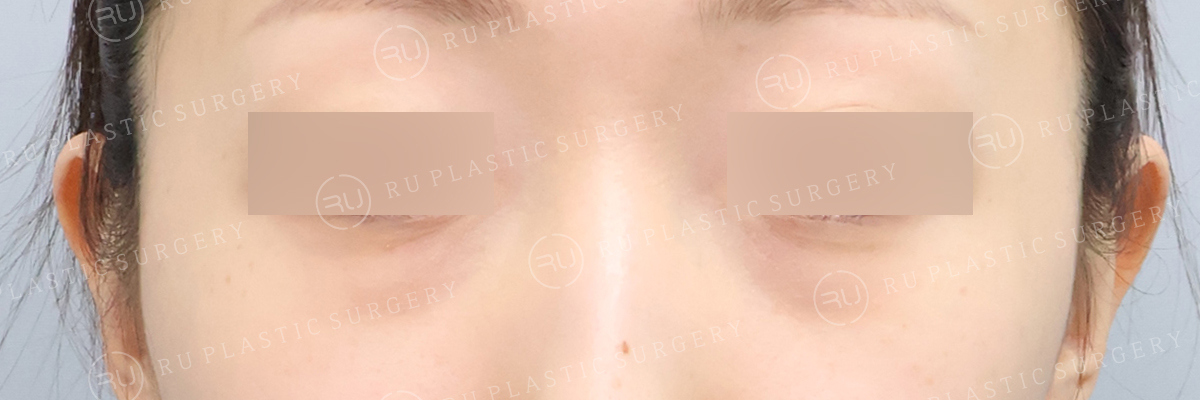
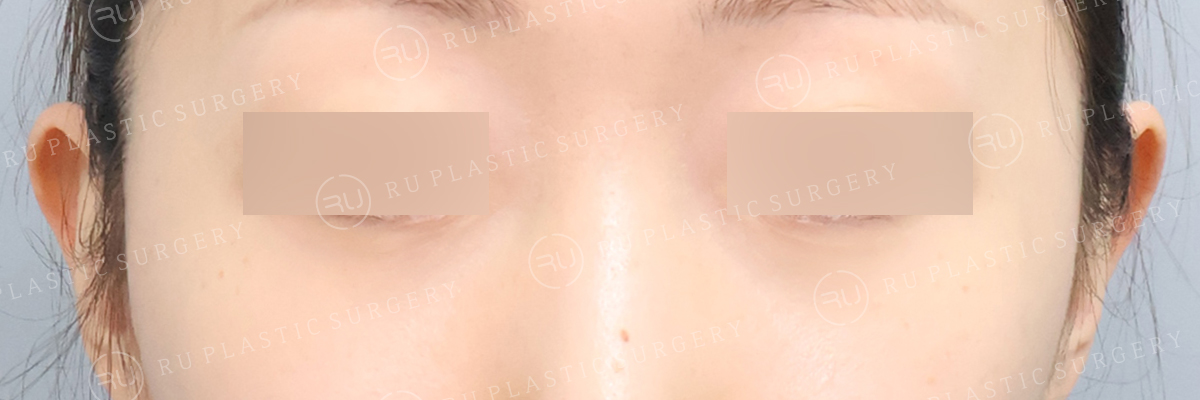
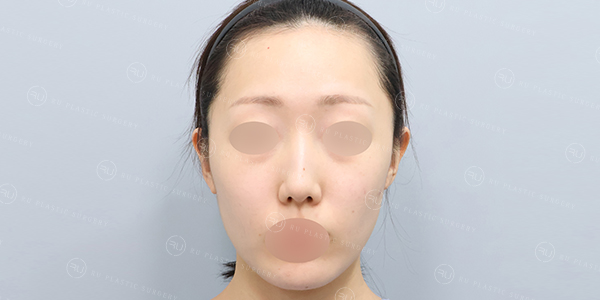
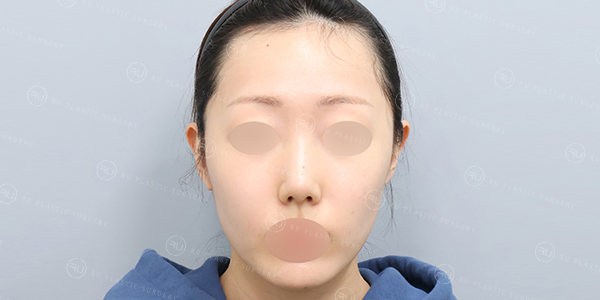
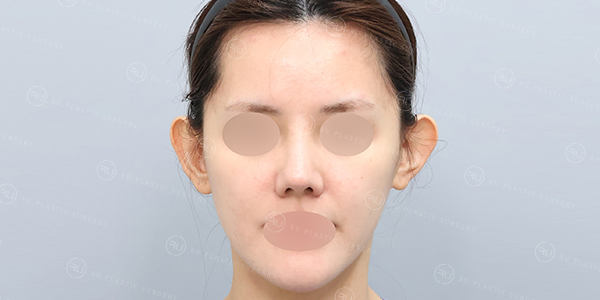
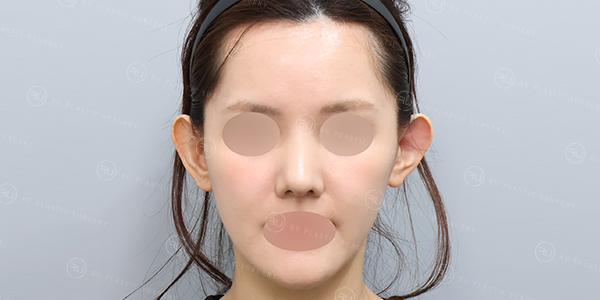
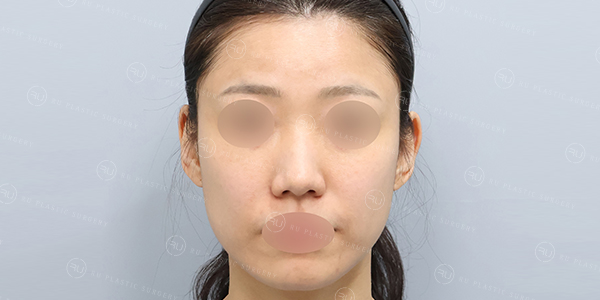
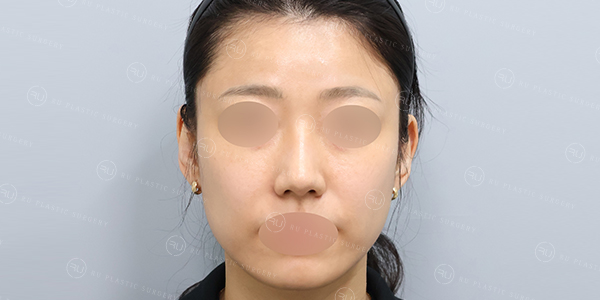
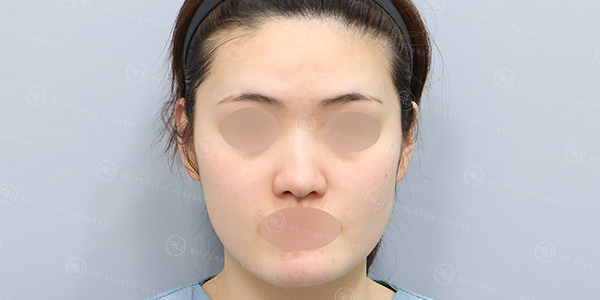
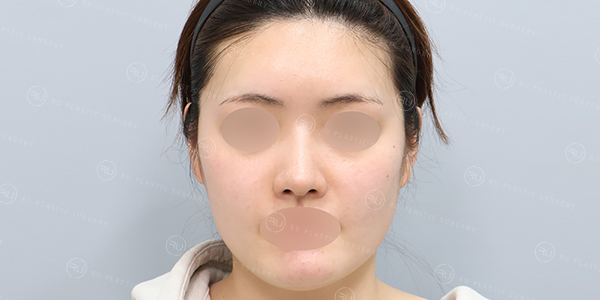
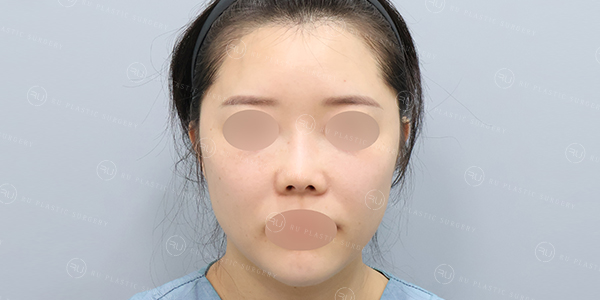
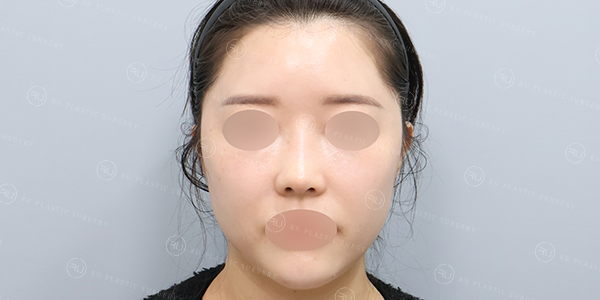
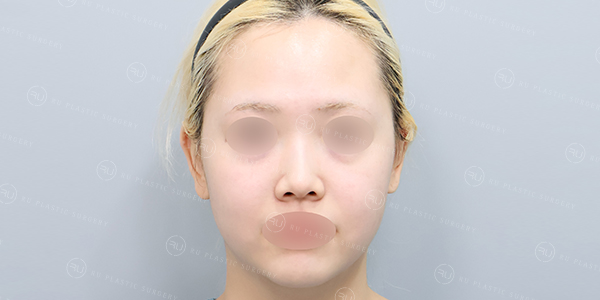
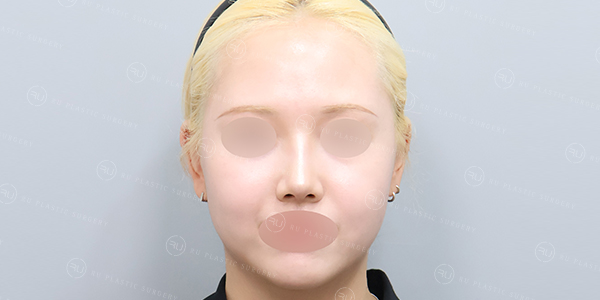
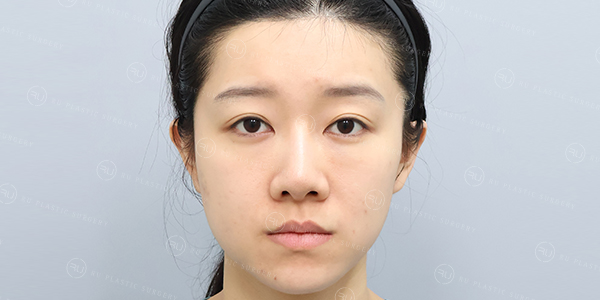
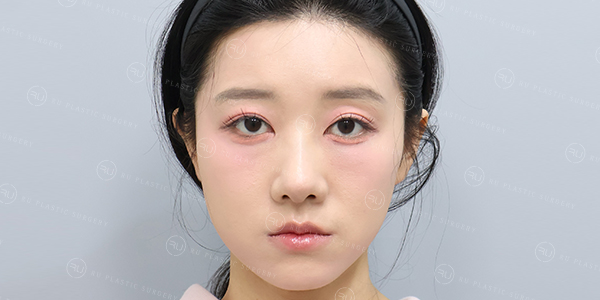
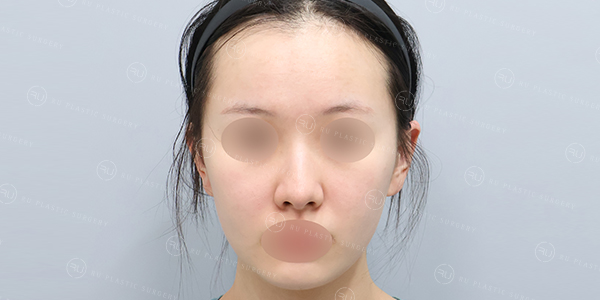
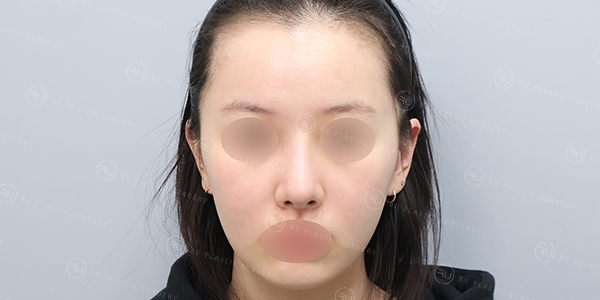
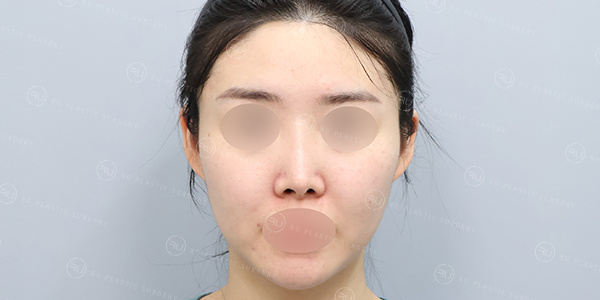
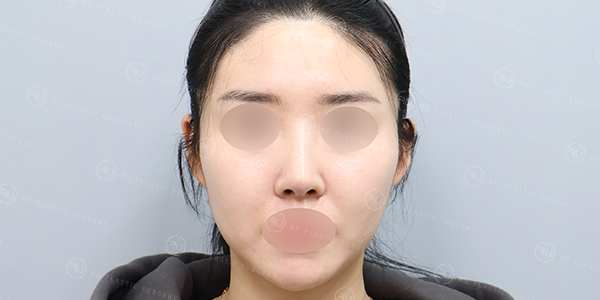
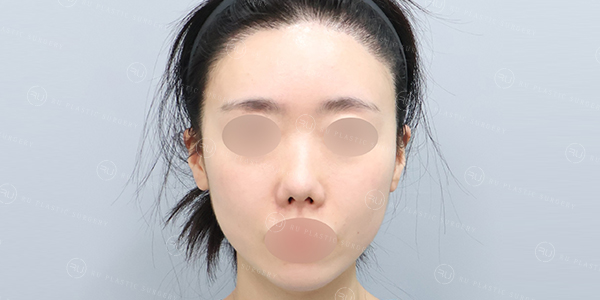
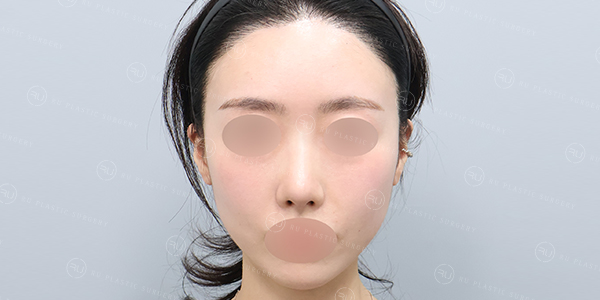
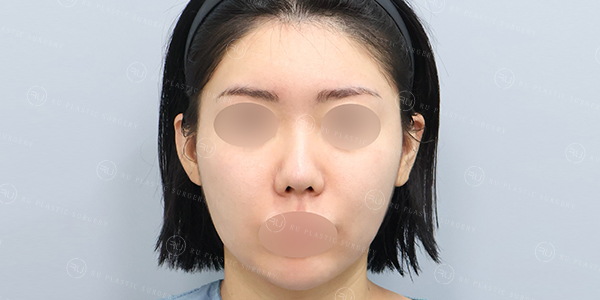
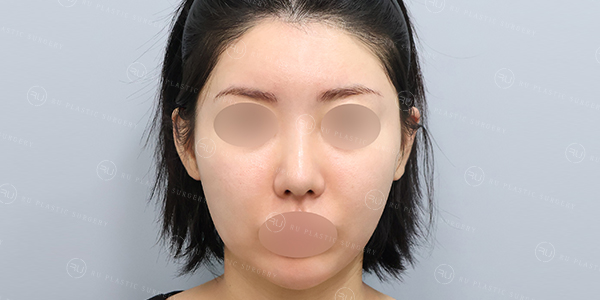
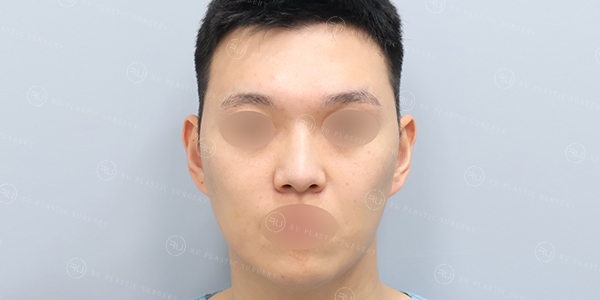
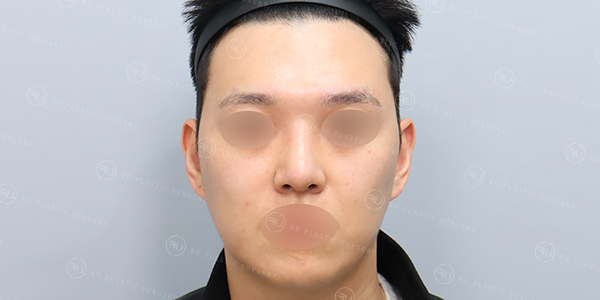
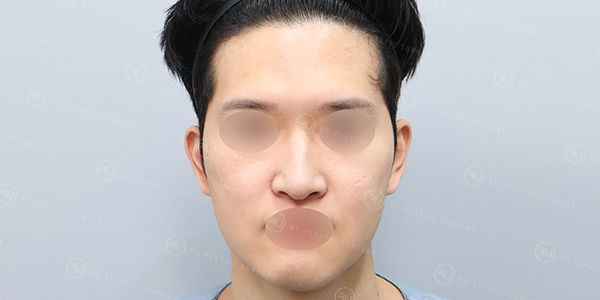
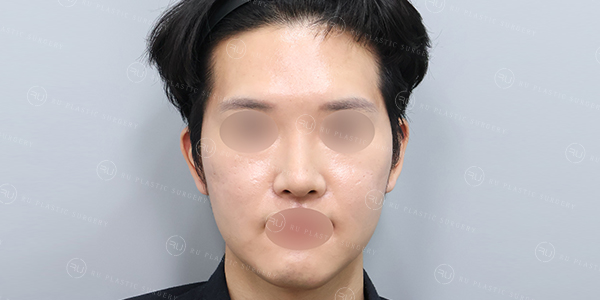
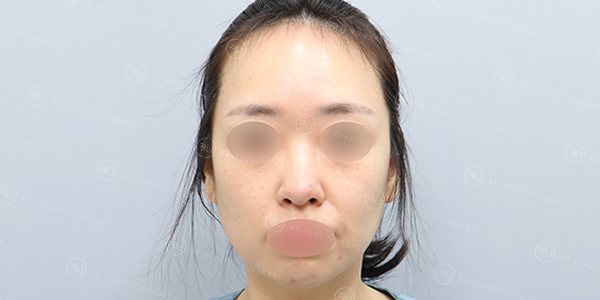
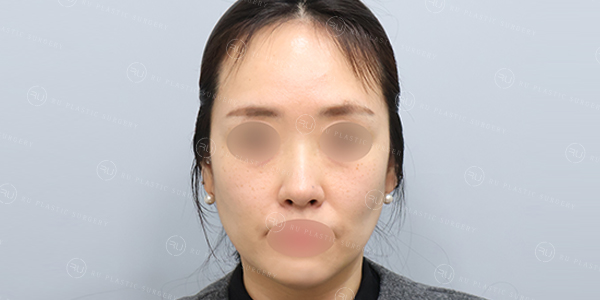
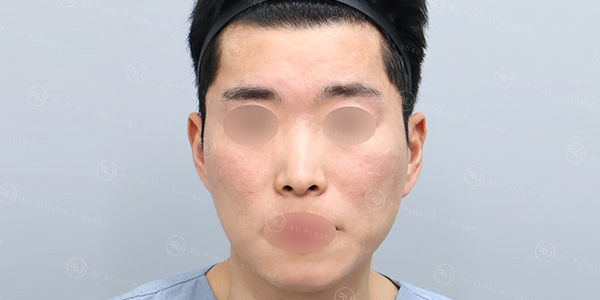
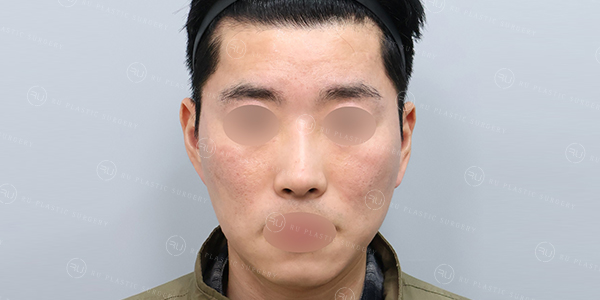
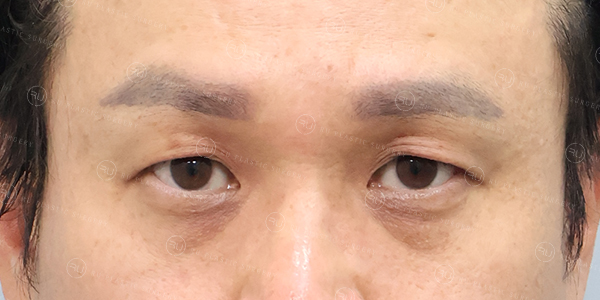
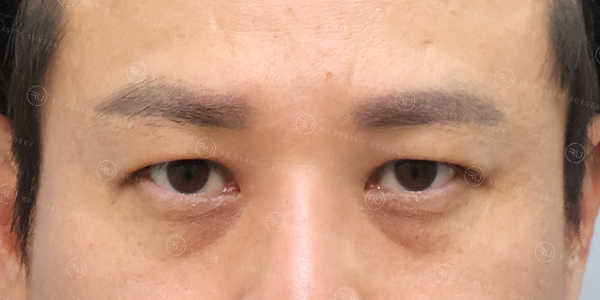
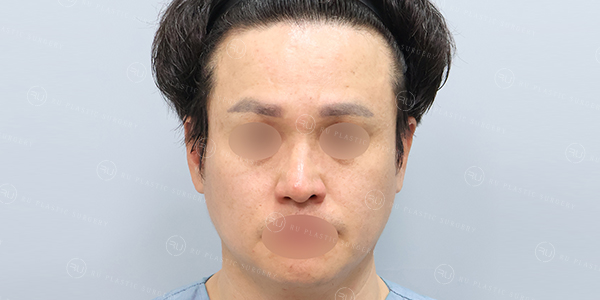
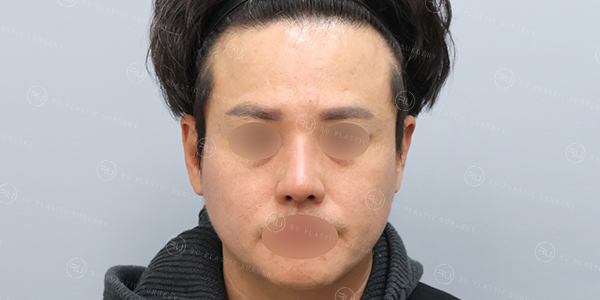
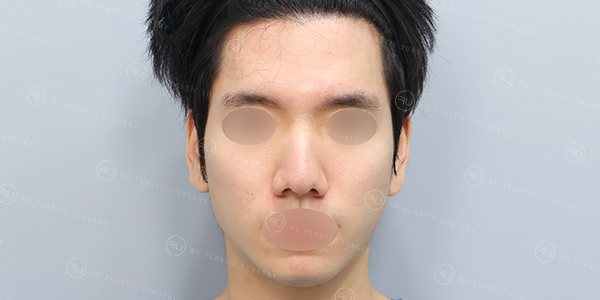
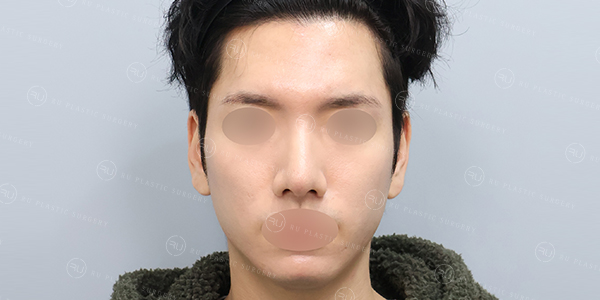
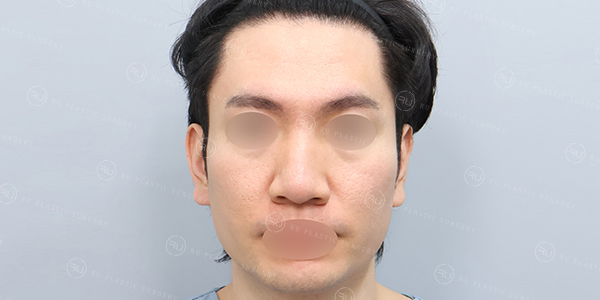
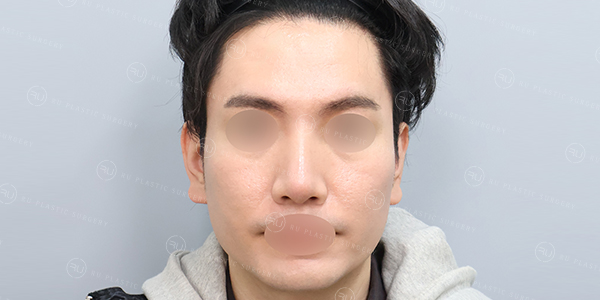
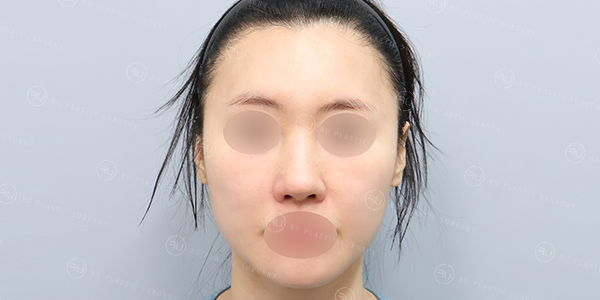
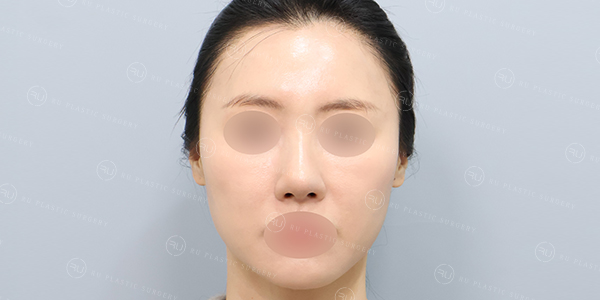
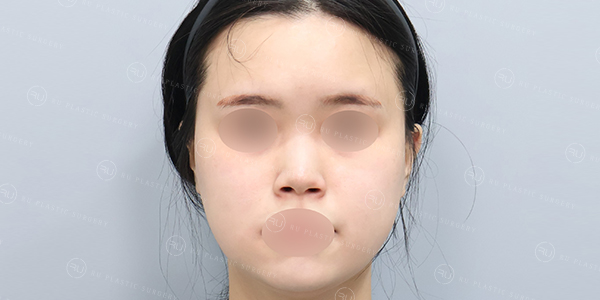
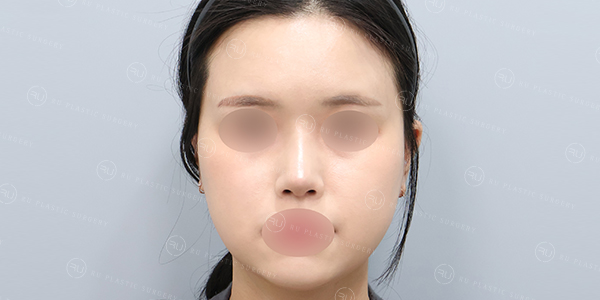
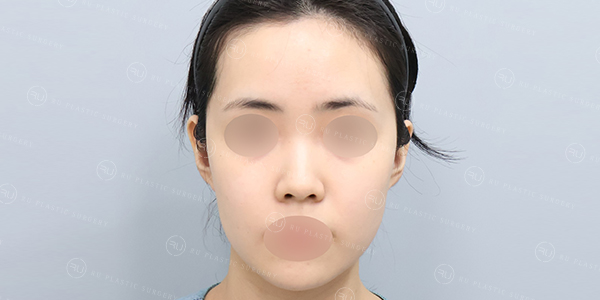
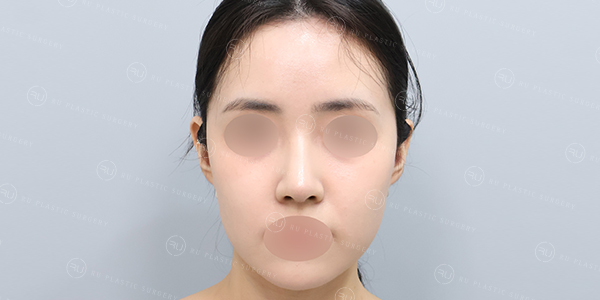
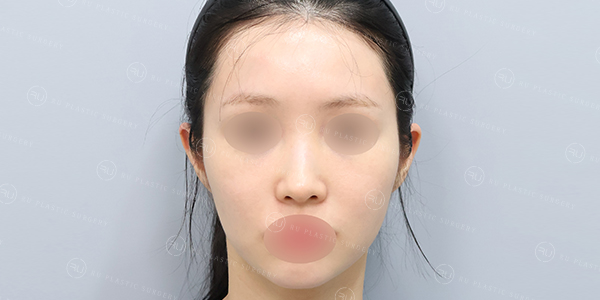
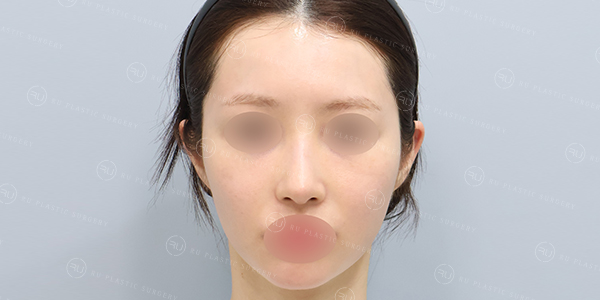
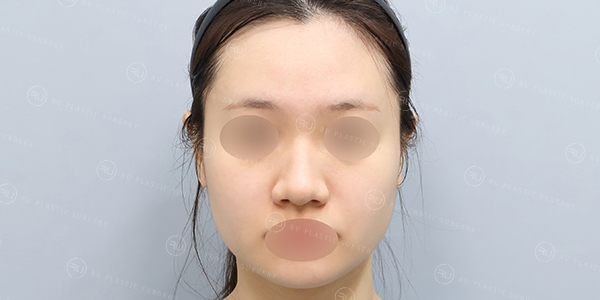
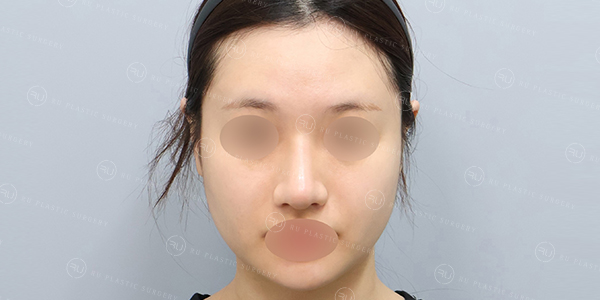
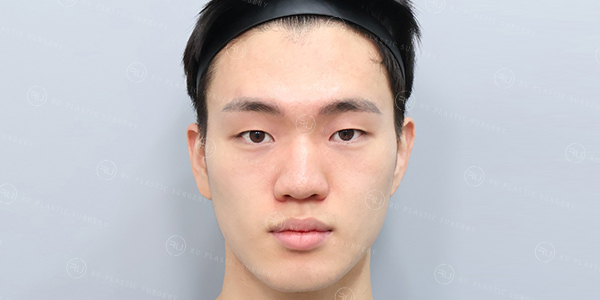
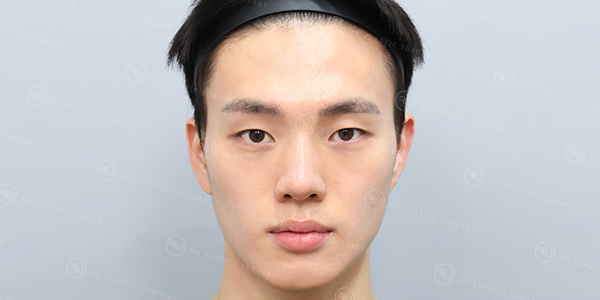
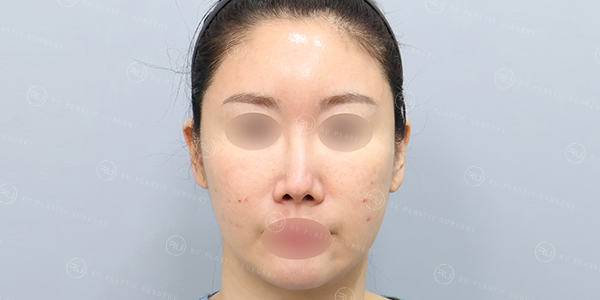
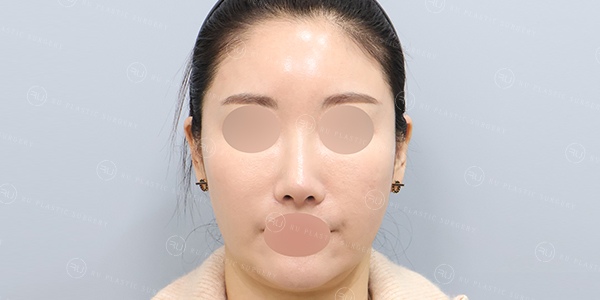
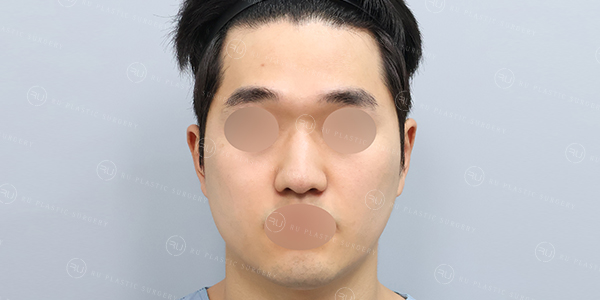
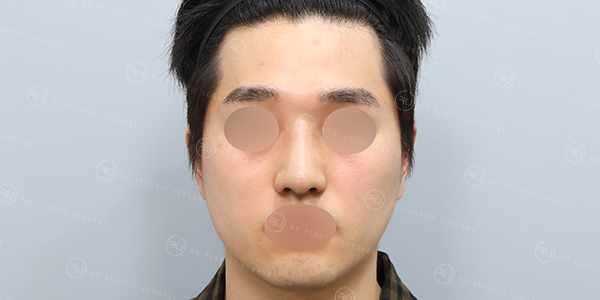
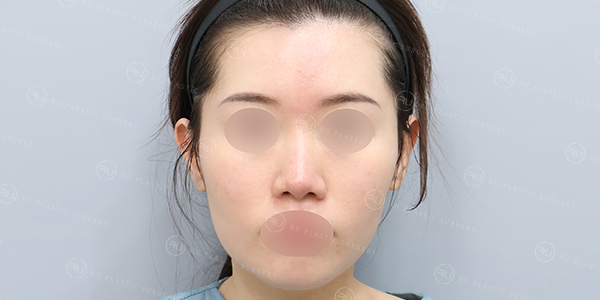
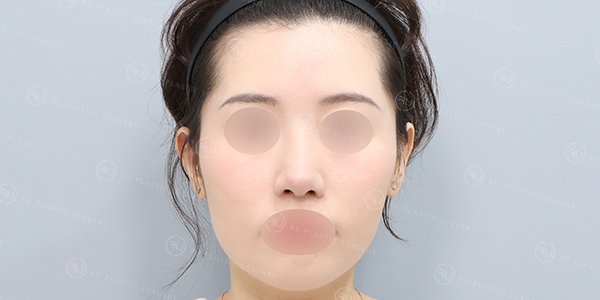
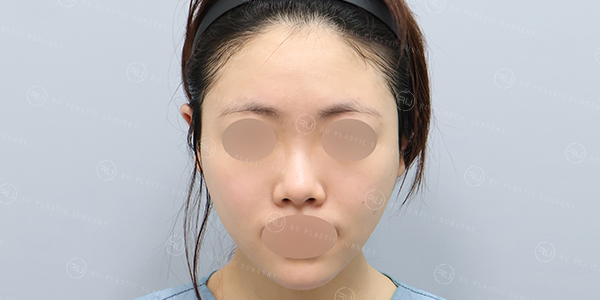
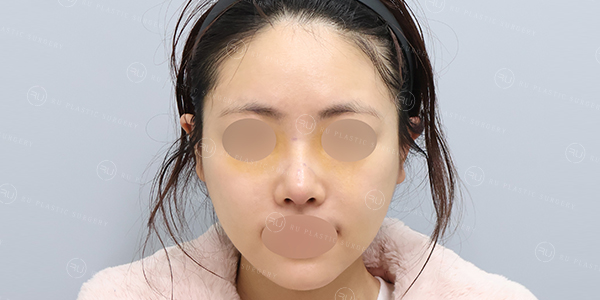
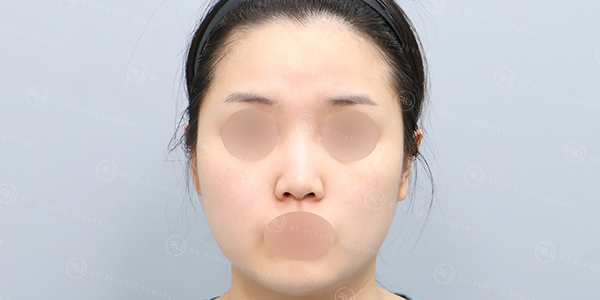
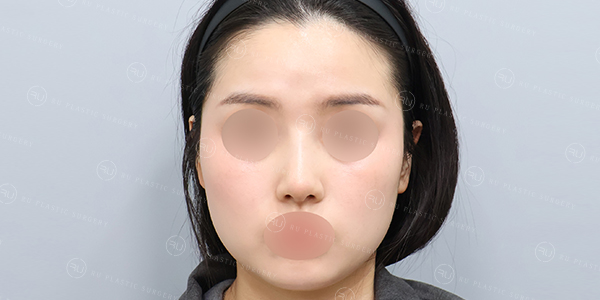
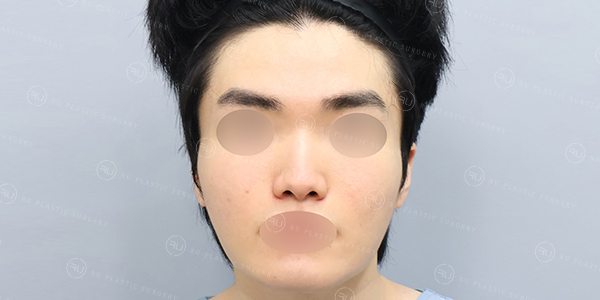
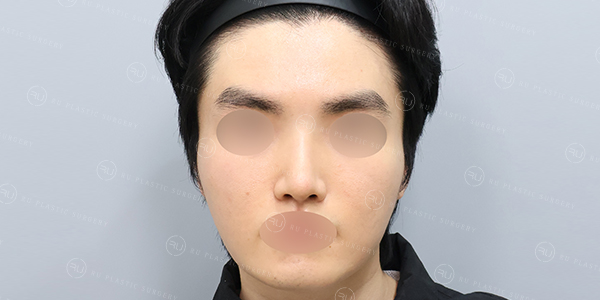
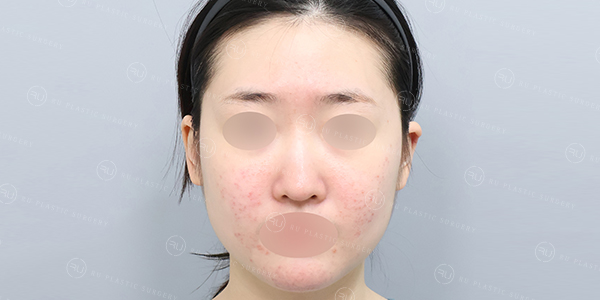
Before / 2w post-op
I decided to undergo implant-free rhinoplasty after a nasal fracture caused my nose to become deviated.
I was having difficulty breathing, and the dorsal hump had also become more noticeable, so I wanted to address both the functional and aesthetic concerns at the same time.
I initially searched for plastic surgery clinics through Google and later came across an online cosmetic surgery community, where I compared several different clinics.
I became interested in RU Plastic Surgery after reading patient reviews and learning more about Dr. Hyunju Kim’s experience focusing on rhinoplasty before opening his own practice.
That background gave me confidence in choosing the clinic for my surgery.
During the consultation, we discussed correction of the deviated nose and dorsal hump, as well as treatment for a deviated nasal septum related to my breathing concerns.
For the surgical plan, autologous rib cartilage was used for the nasal tip, along with nasal bone osteotomy, without using a conventional synthetic implant for the bridge.
Immediately after rhinoplasty, I could already see a significant improvement in the dorsal hump.
From the right side, the hump appears almost completely corrected.
From the left side, however, there is still a slightly prominent area along the bridge. At this point, I am not sure whether this is related to swelling or some remaining asymmetry, so the profile can still look slightly uneven from that angle.
As for the deviated nose, I am only two weeks postoperative, so it is still difficult to judge the final result.
One side of the nasal bridge currently looks slightly fuller than the other, and I feel that I need to wait for more of the swelling to subside before evaluating the symmetry properly.
My breathing also still needs more time to recover.
At the moment, airflow through the right side of my nose does not feel completely comfortable, possibly because there is still some internal crusting during the healing process.
For that reason, I plan to continue monitoring the functional recovery as well.
At two weeks postoperatively, I am already satisfied with the improvement in the dorsal hump.
For the nasal deviation and breathing concerns, however, I feel that it is still too early to make a final judgment, so I am giving the nose more time to heal and settle.