Detailed Review of Male Bulbous Nose Rhinoplasty Using Fully Autologous Rib Cartilage
본문
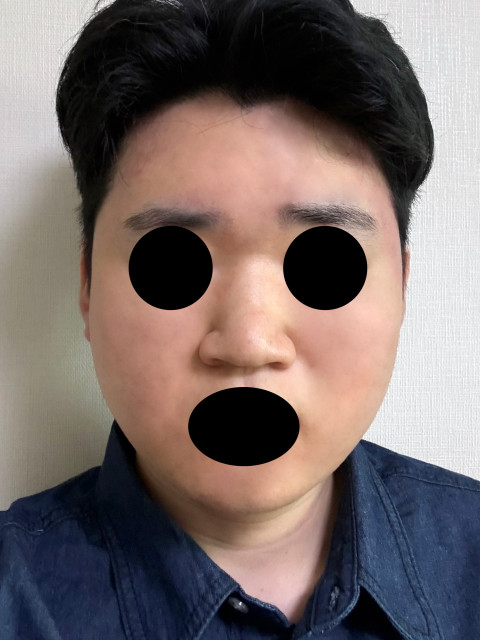
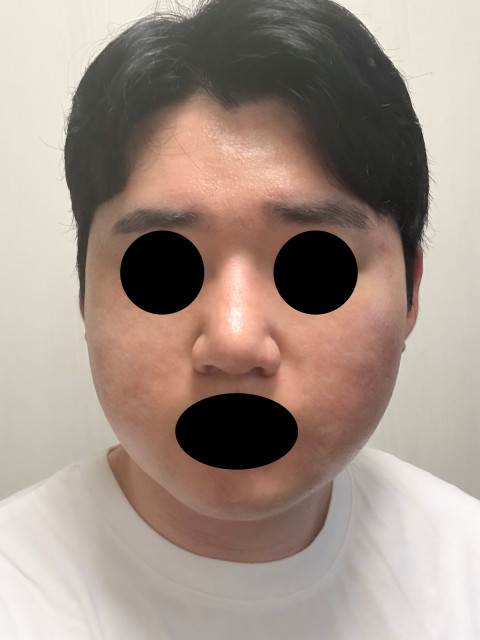
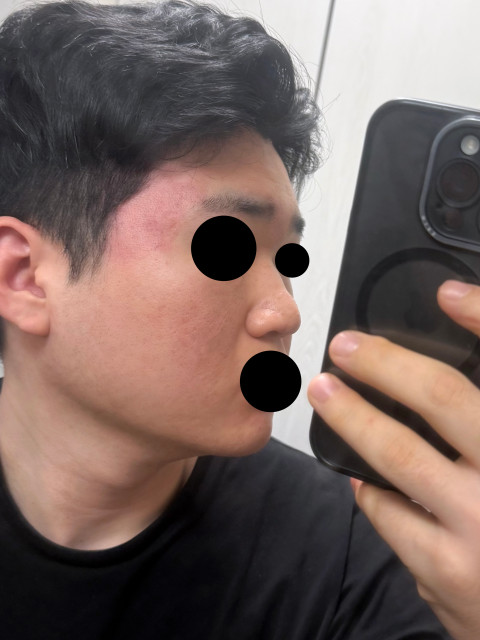
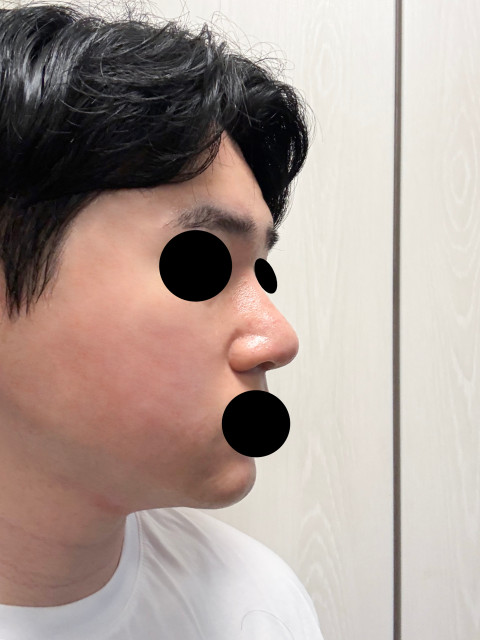
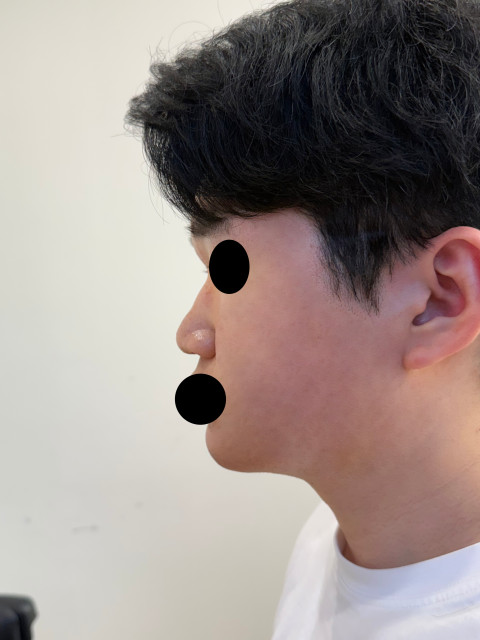
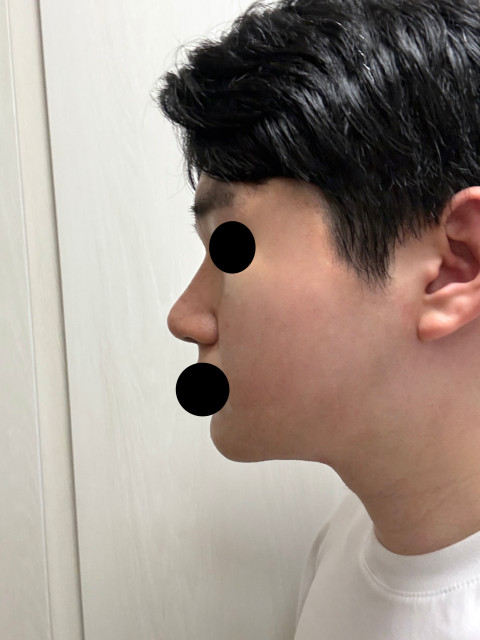
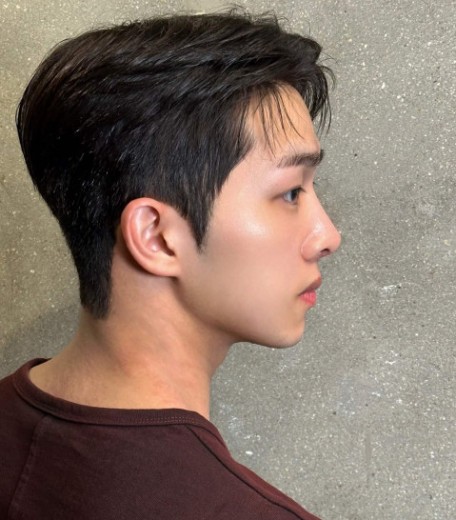
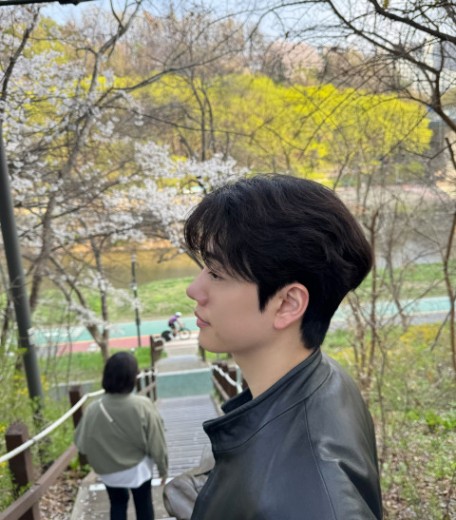
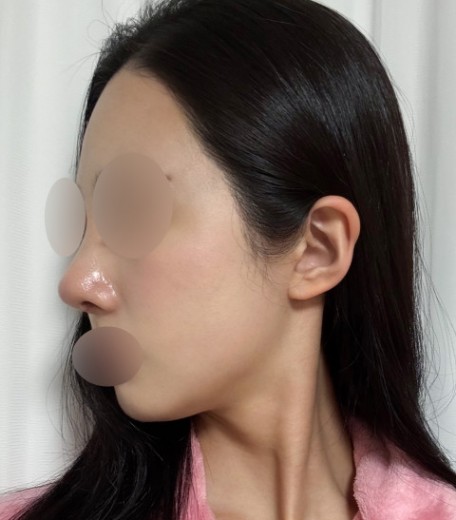
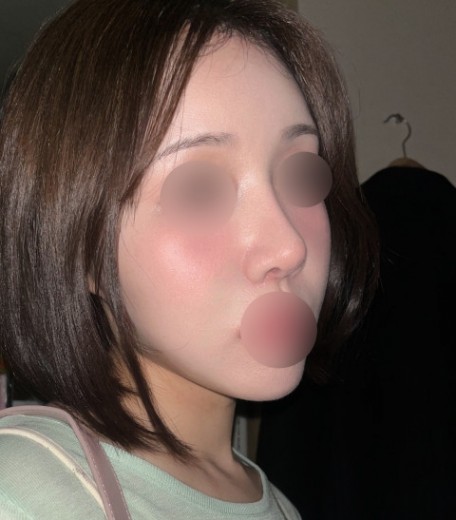
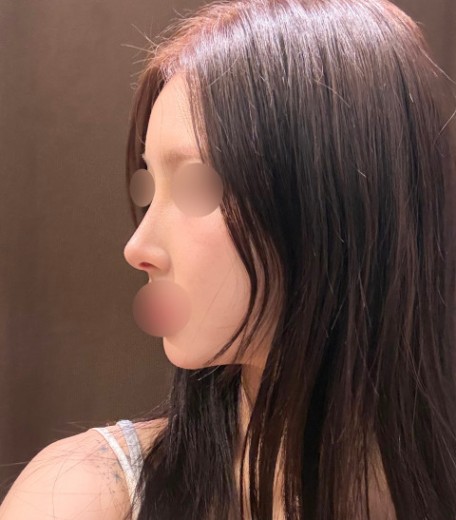
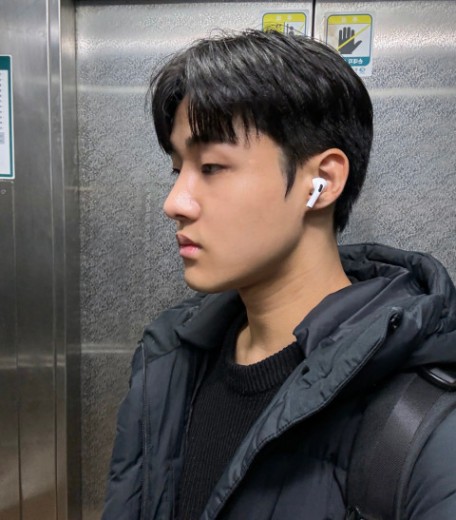
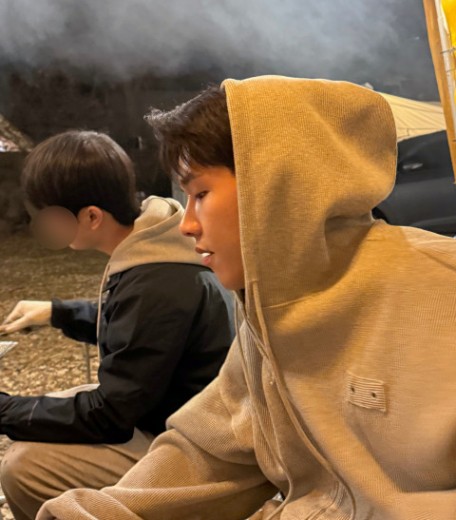
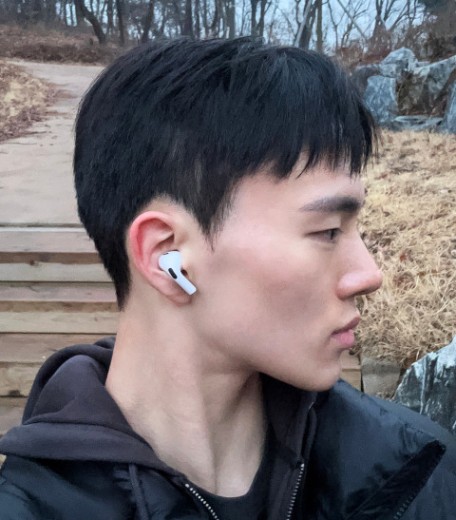
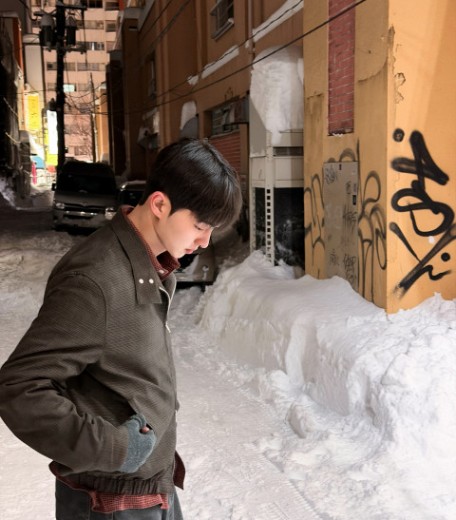
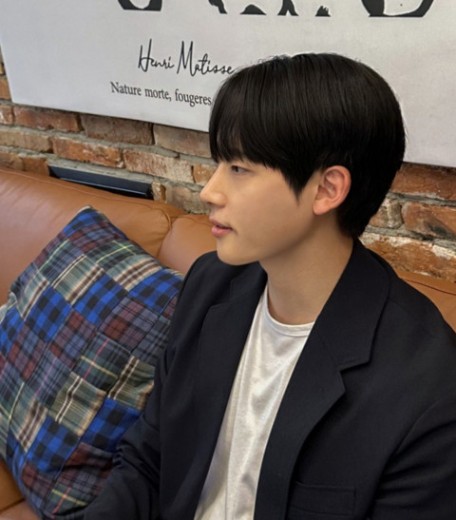
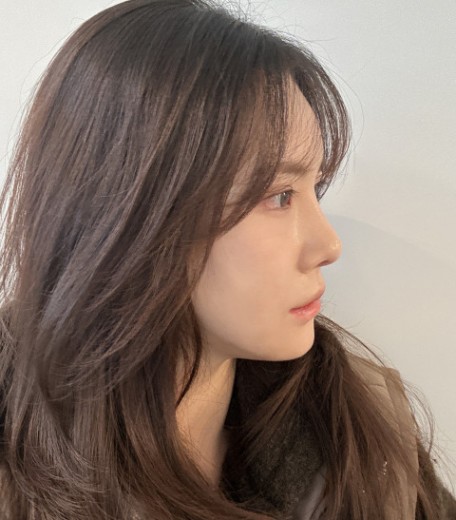
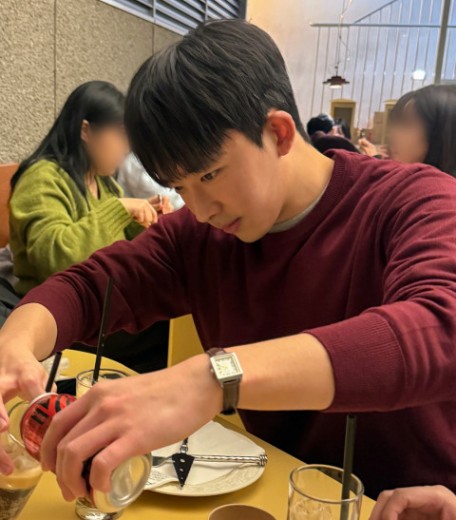
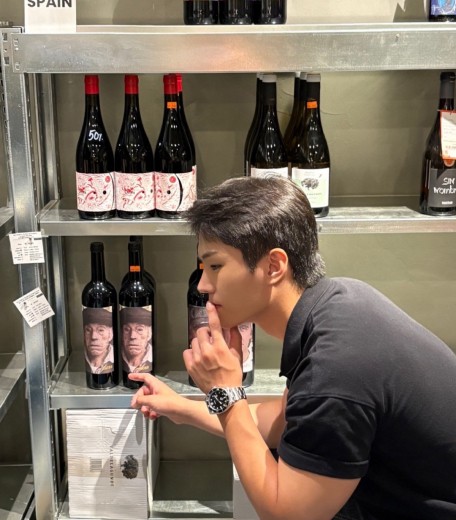
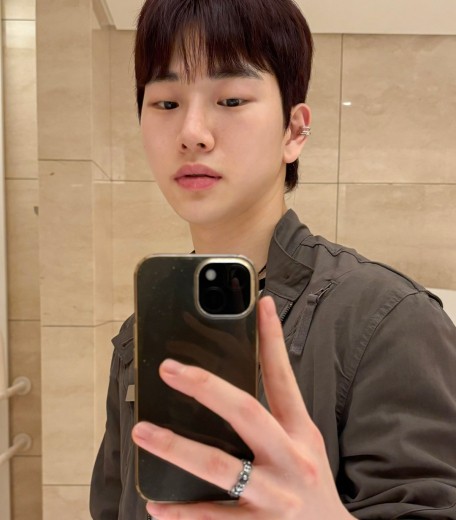
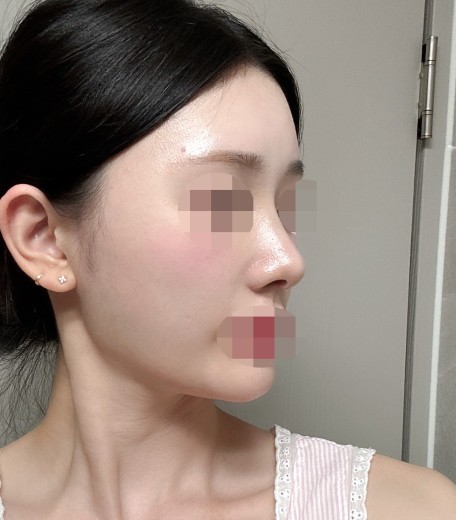
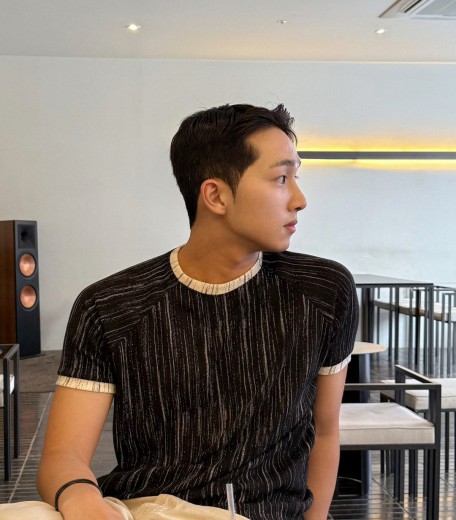
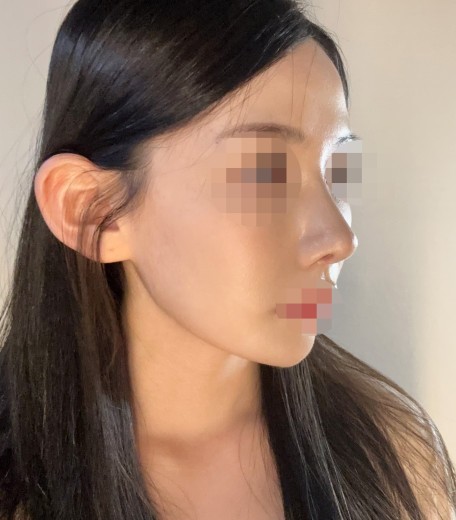
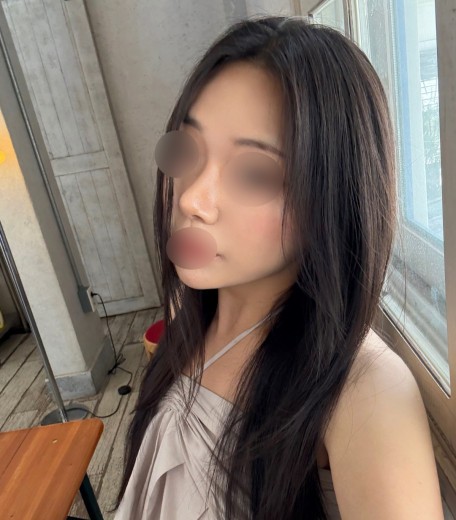
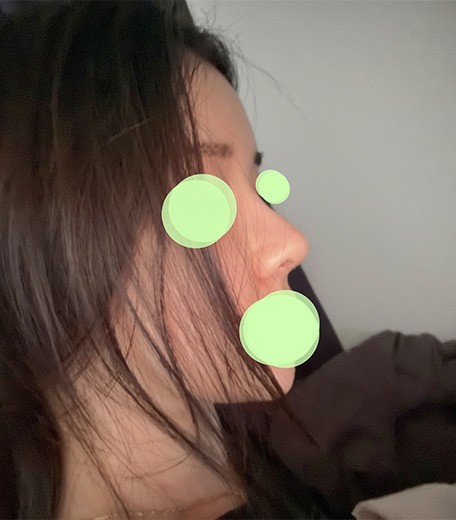
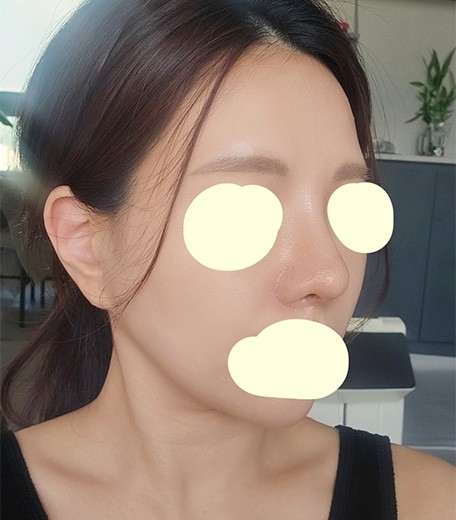
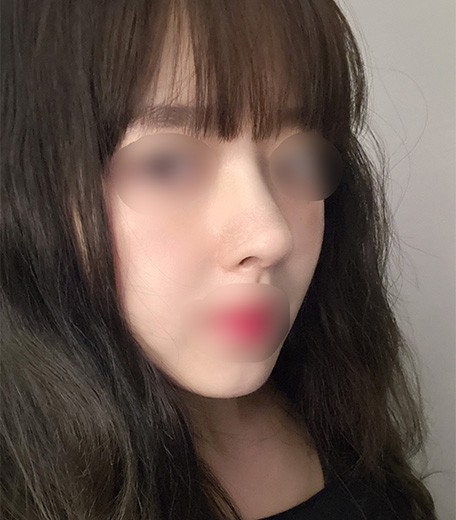
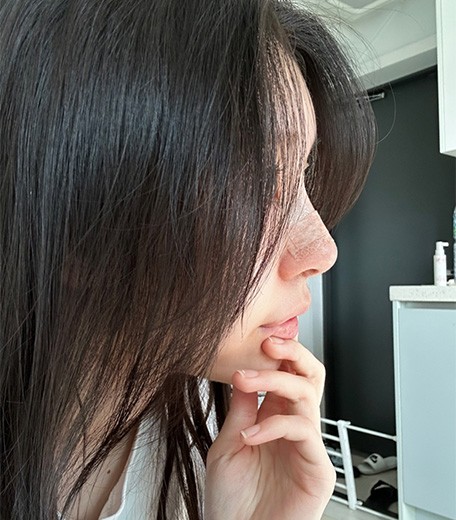
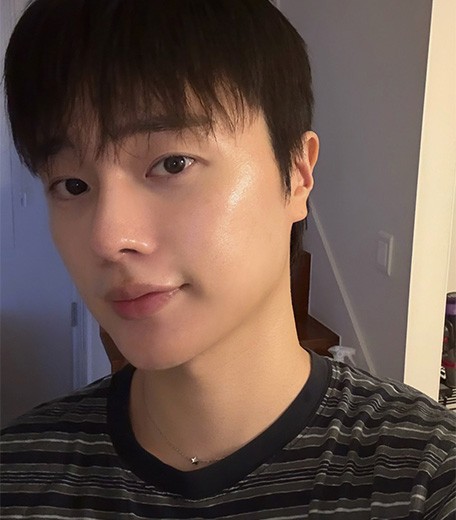
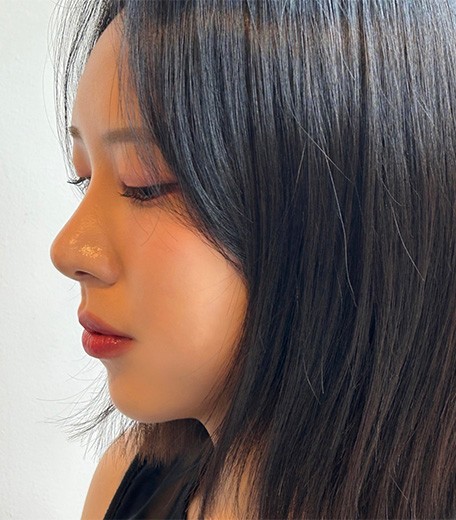
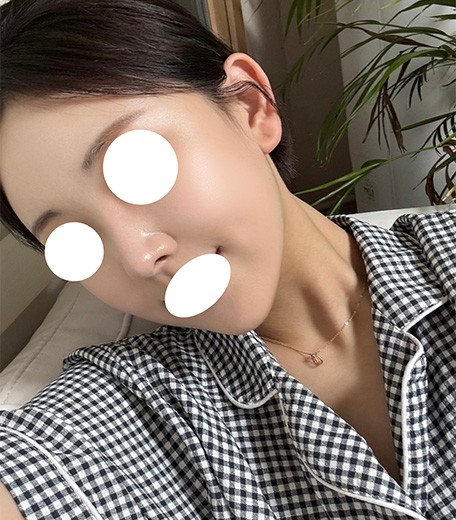
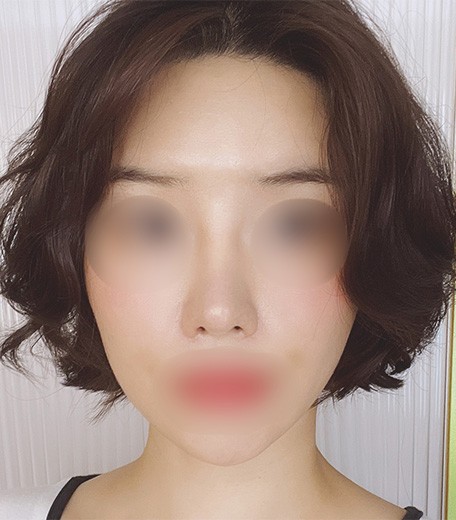
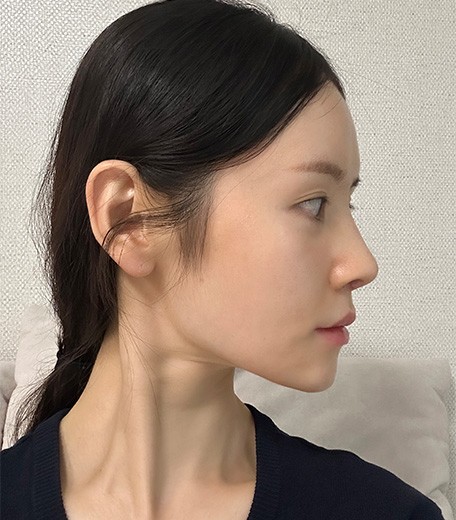
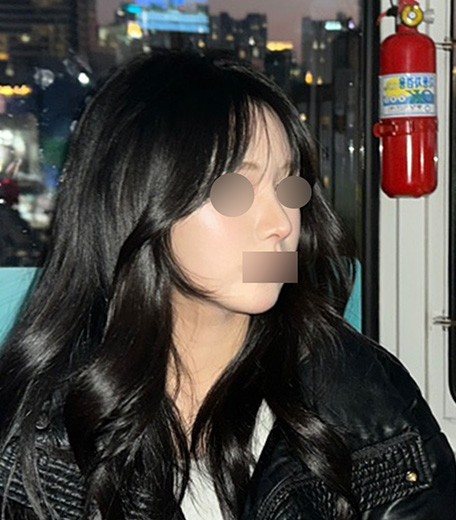
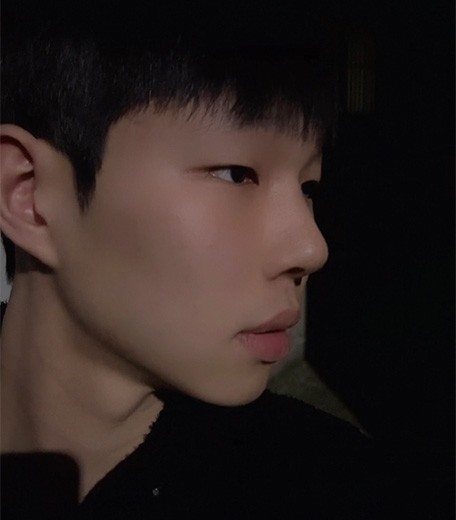
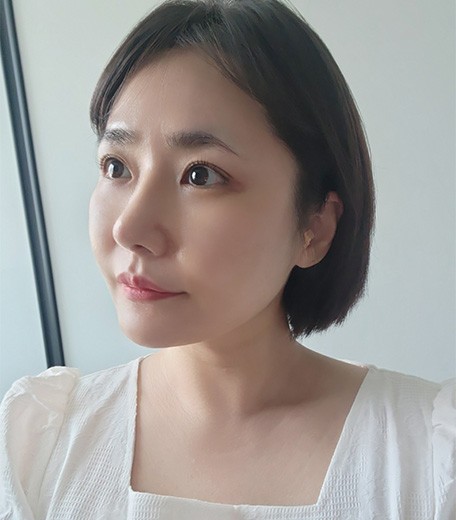
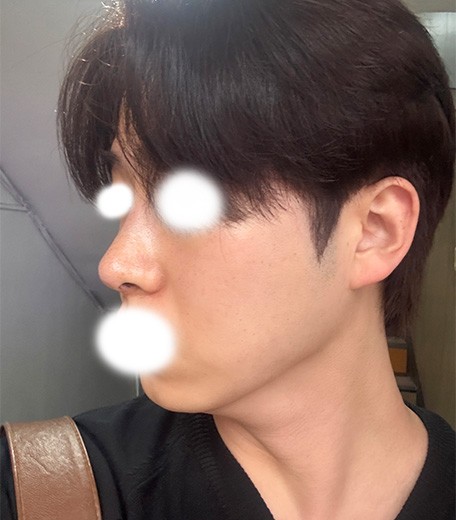
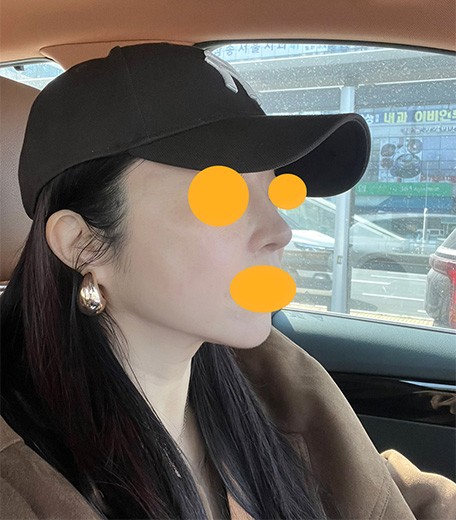
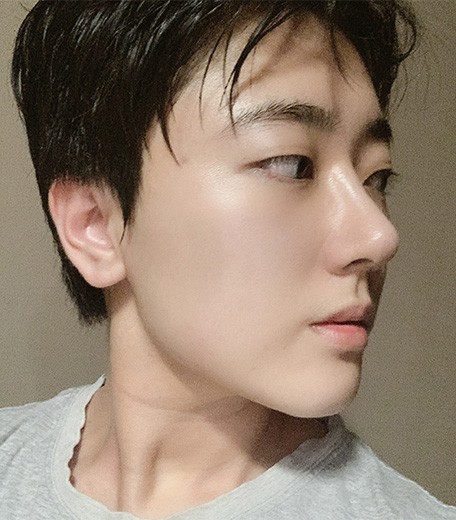
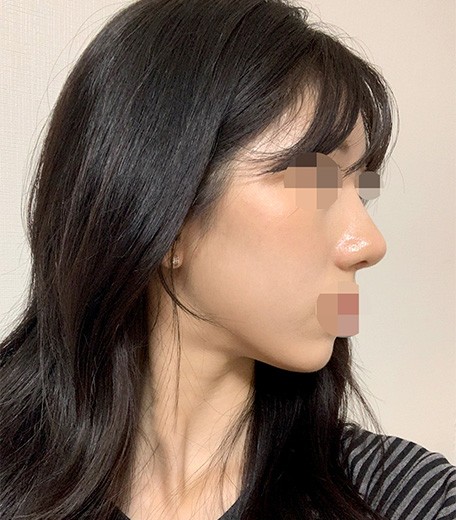
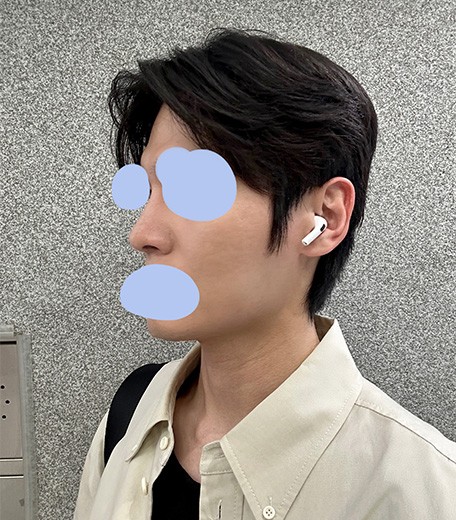
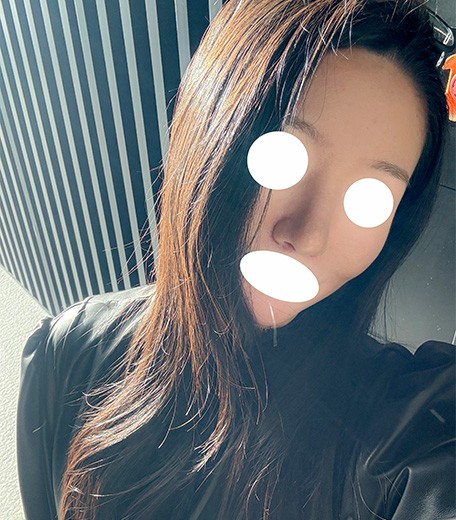
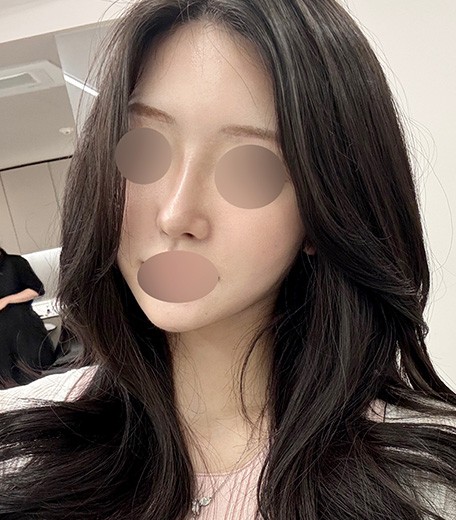
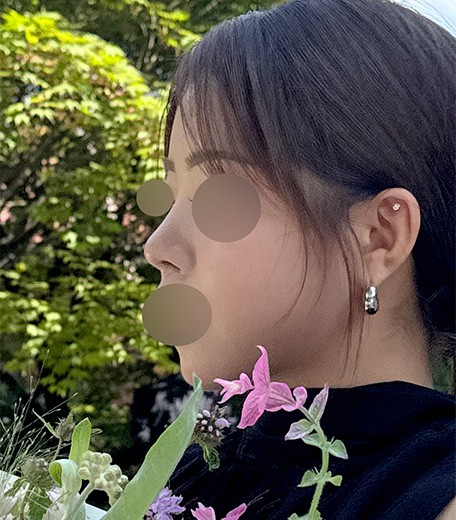
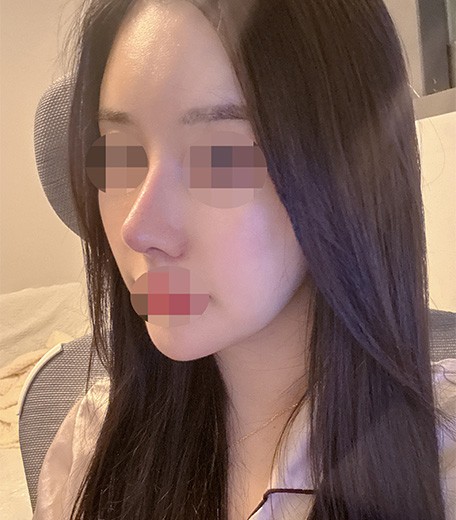
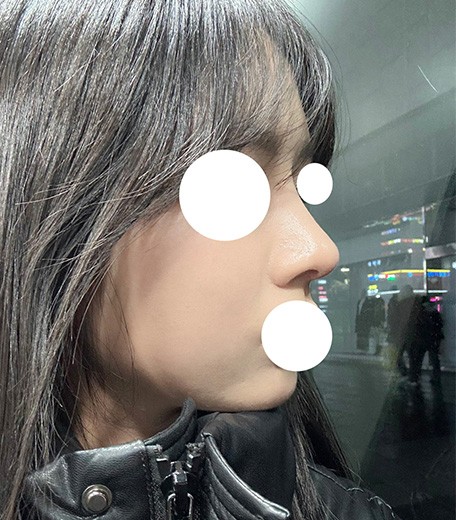
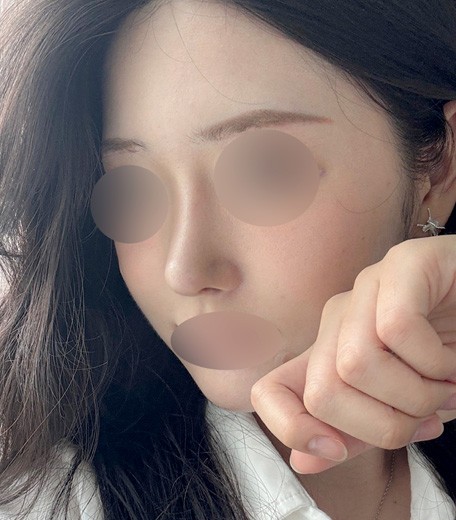
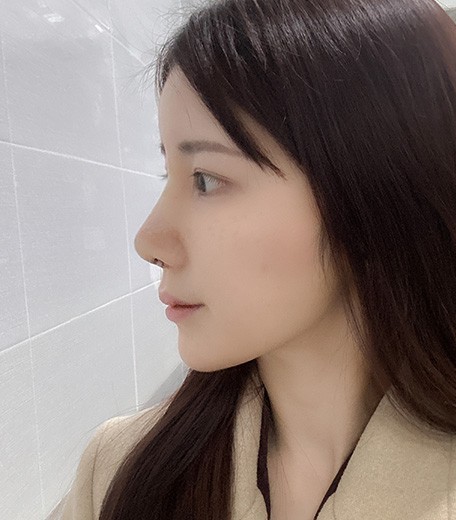
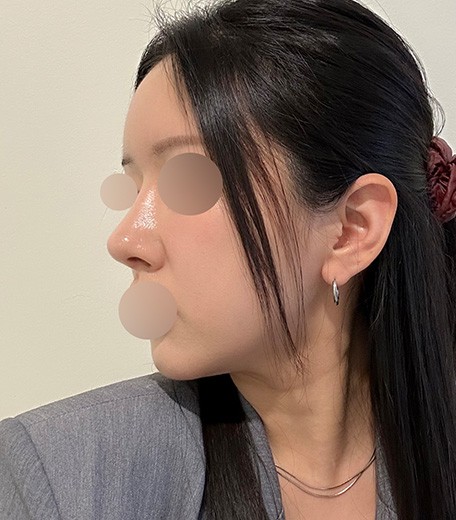
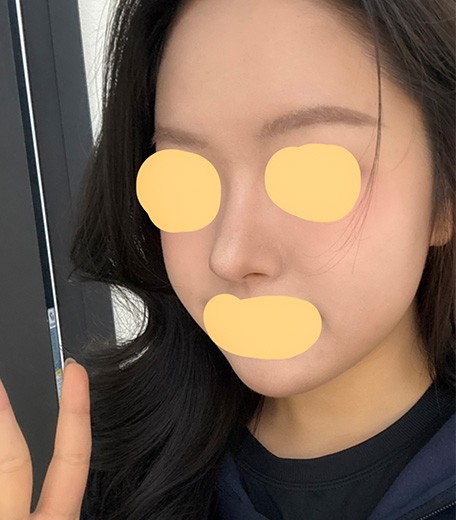
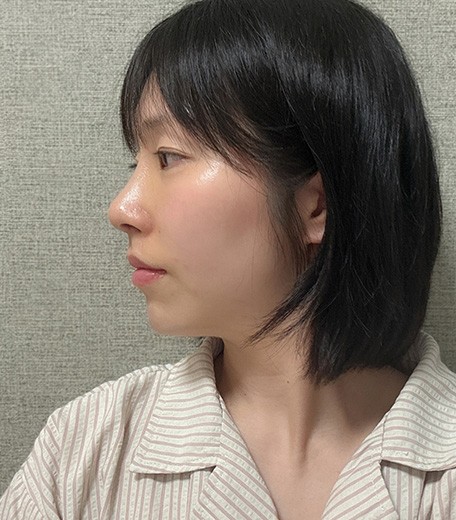
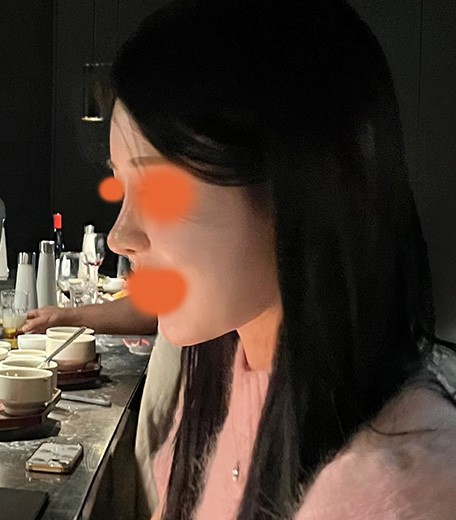
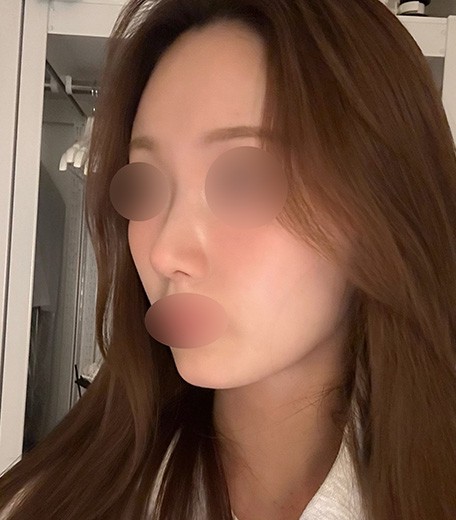
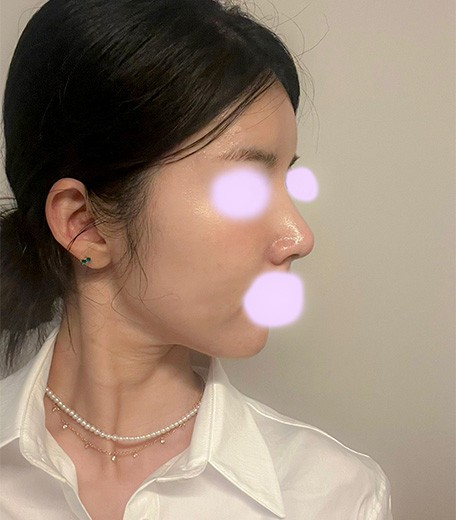
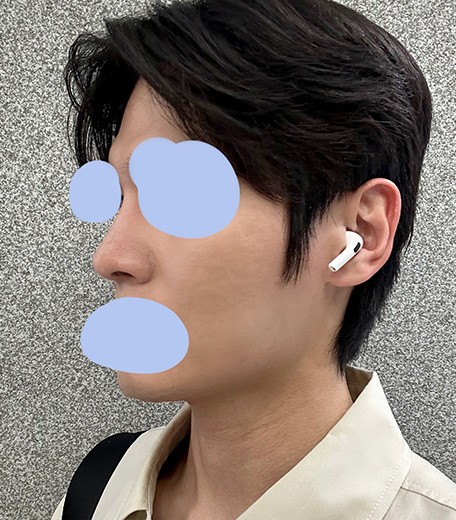
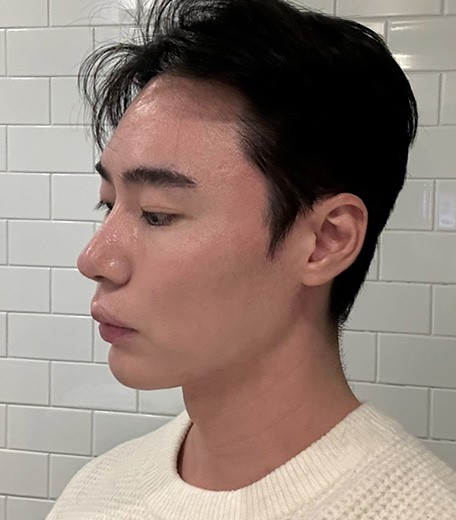
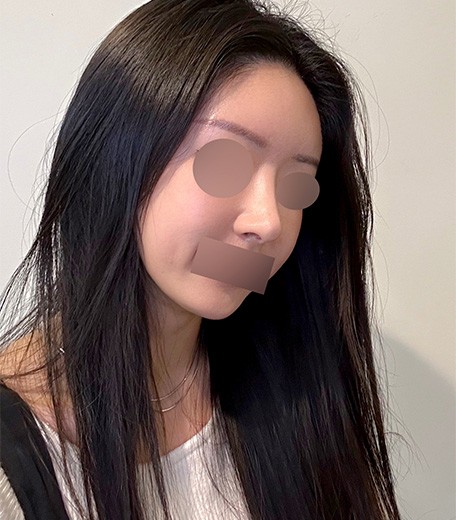
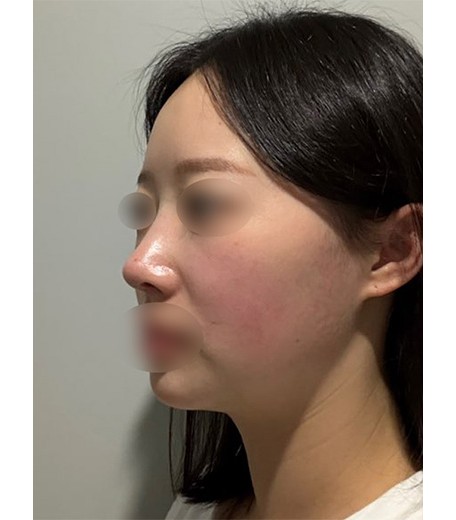
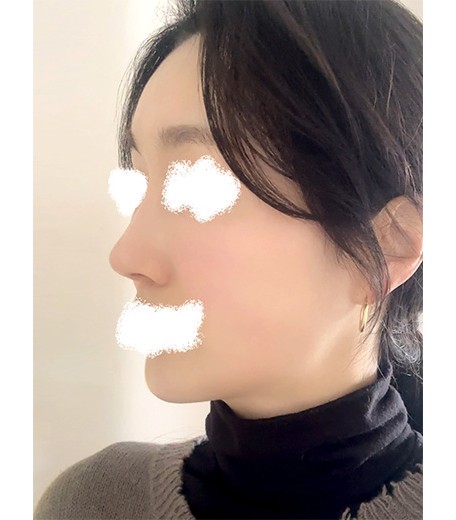
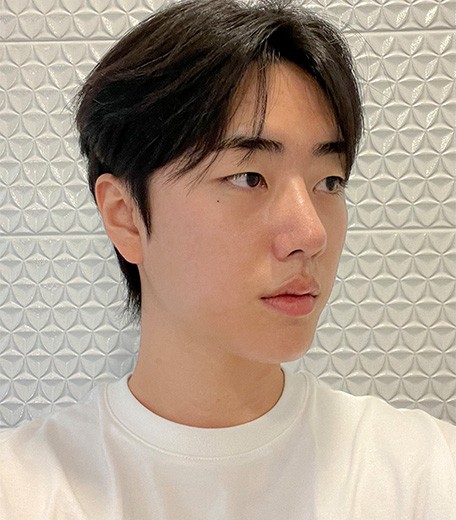
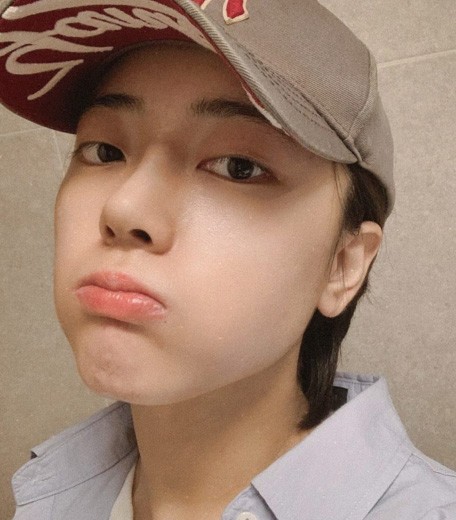
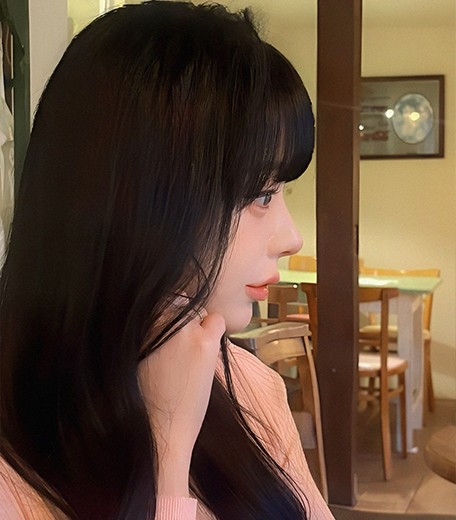
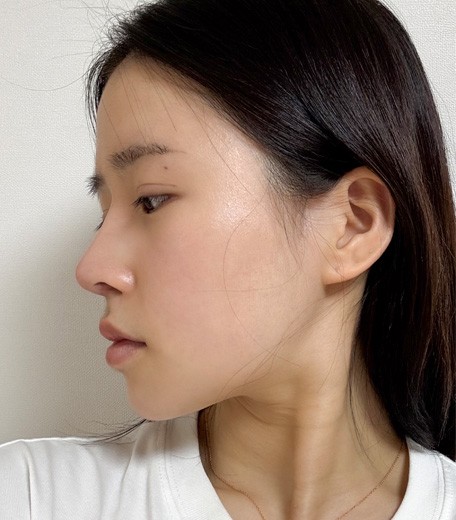
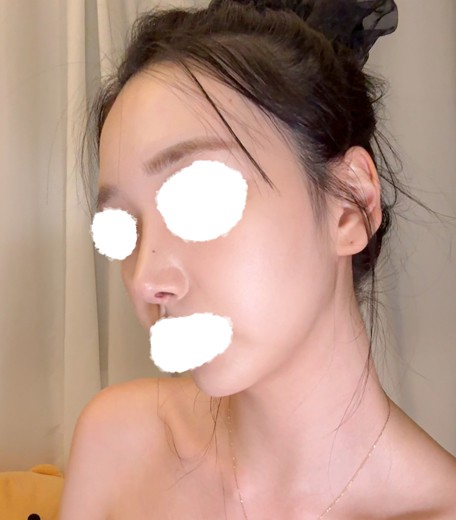
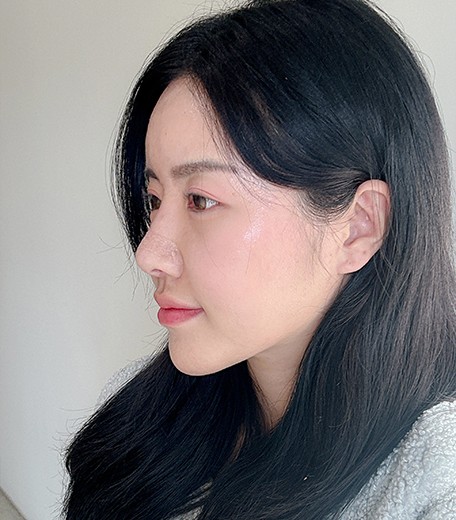
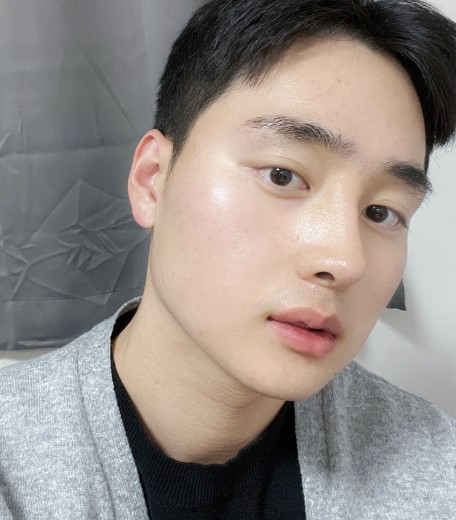
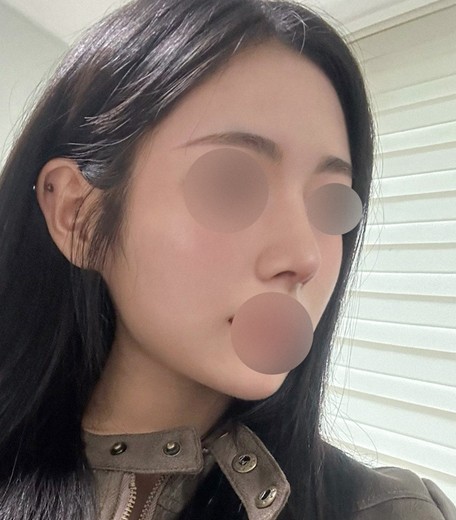
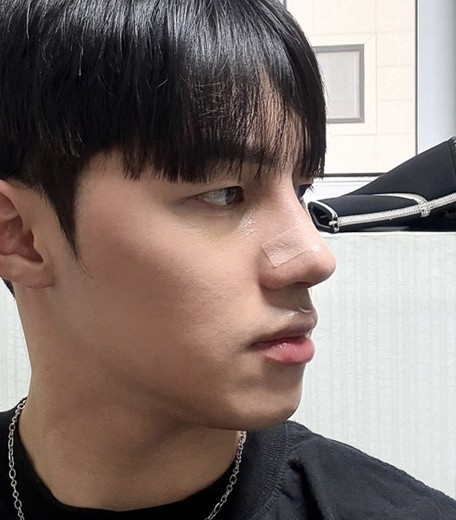
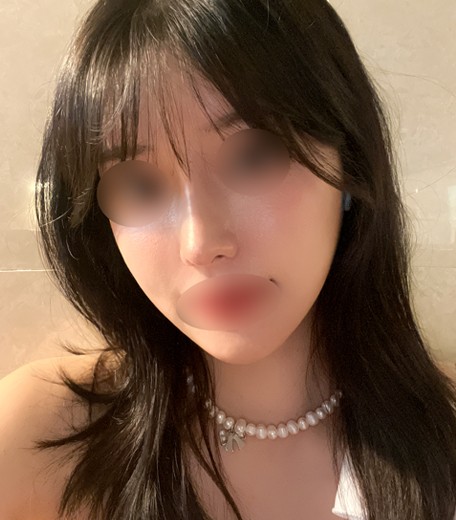
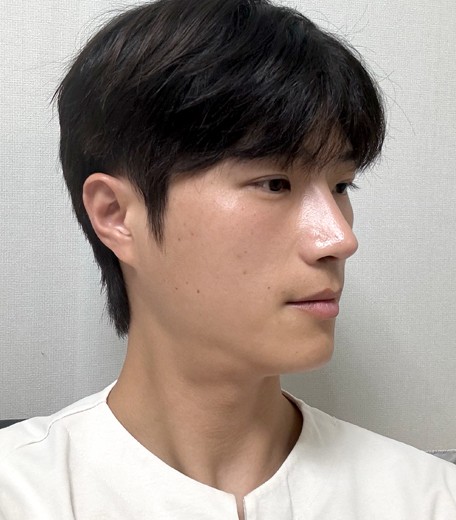
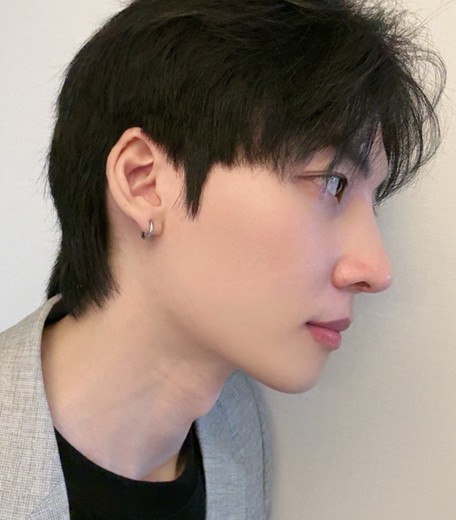
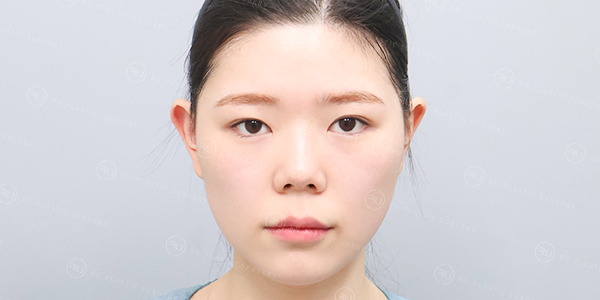
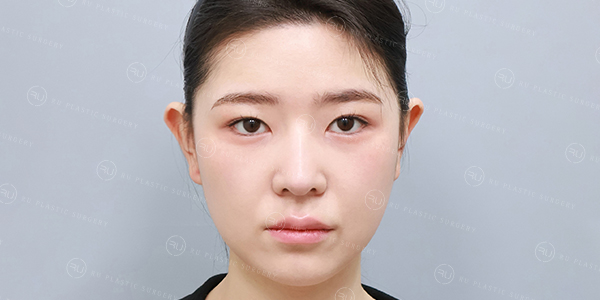
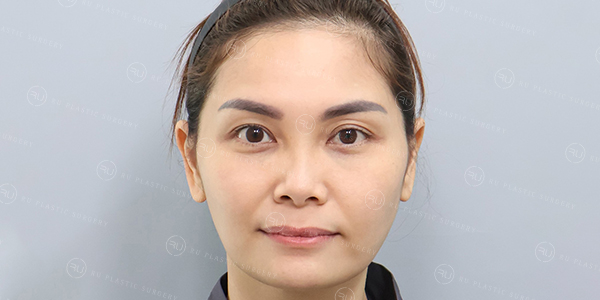
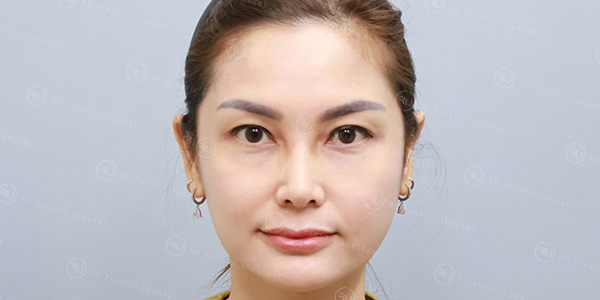
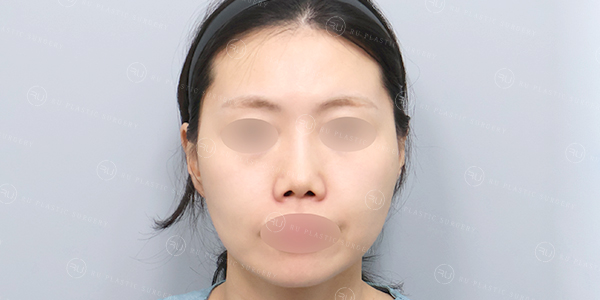
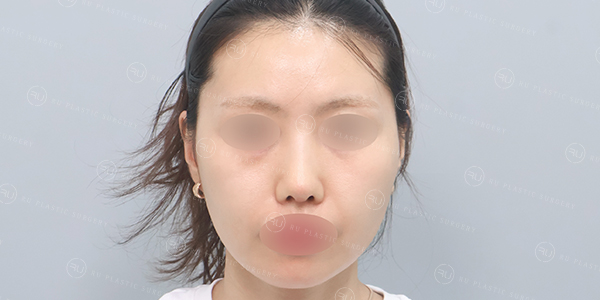
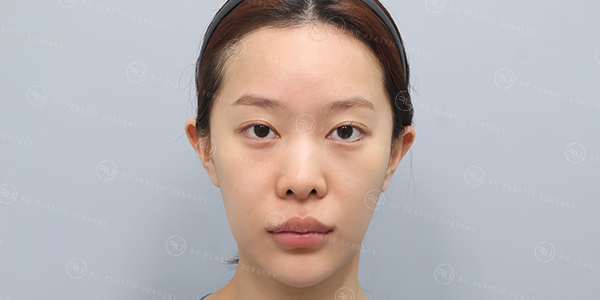
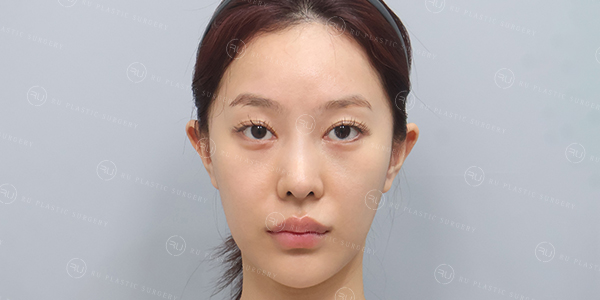
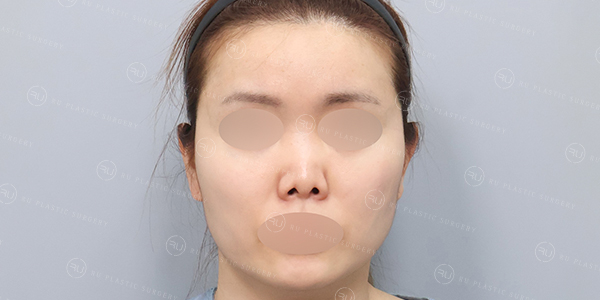
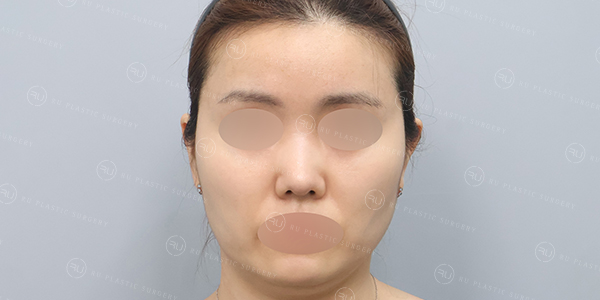
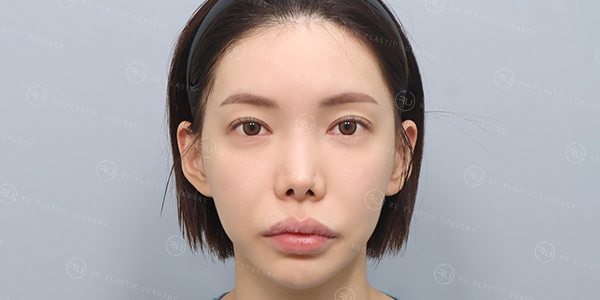
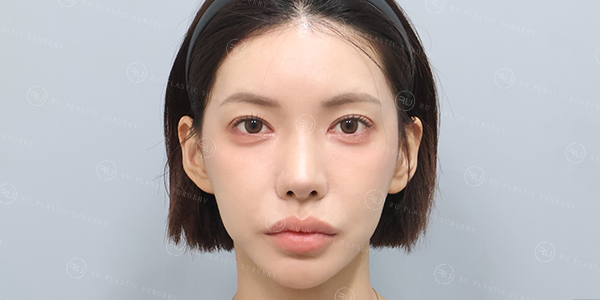
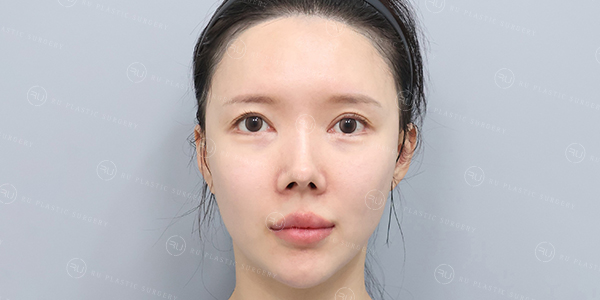
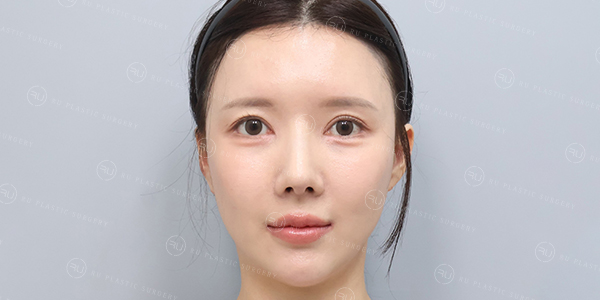
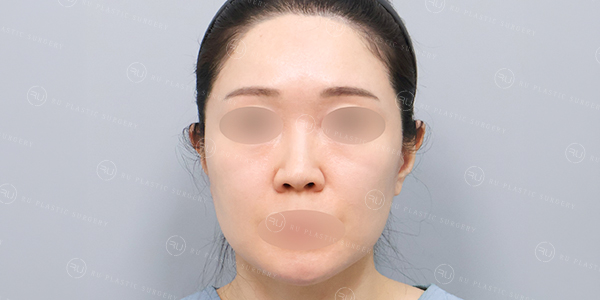
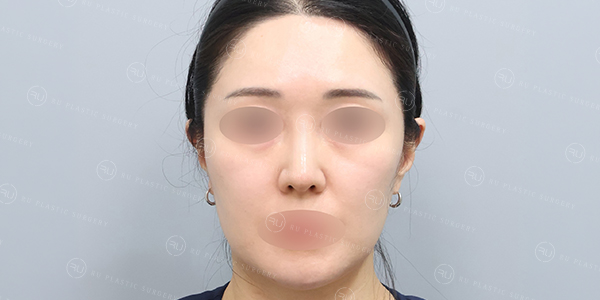
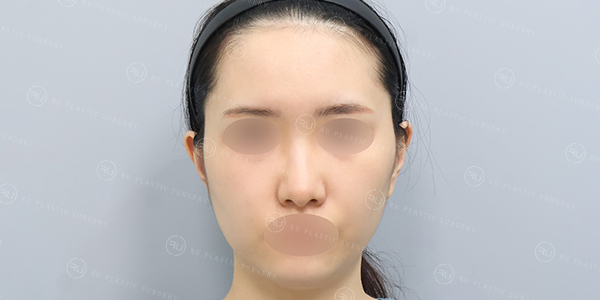
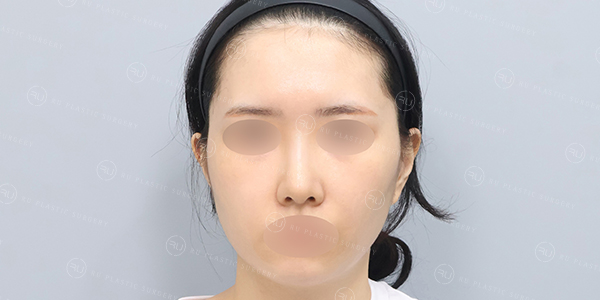
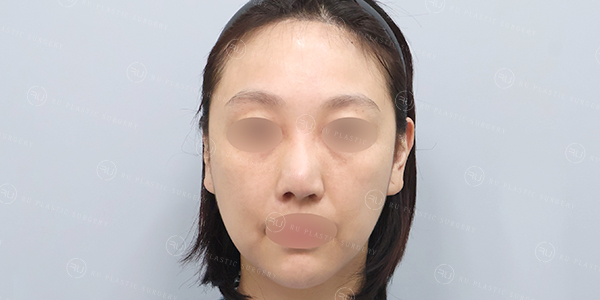
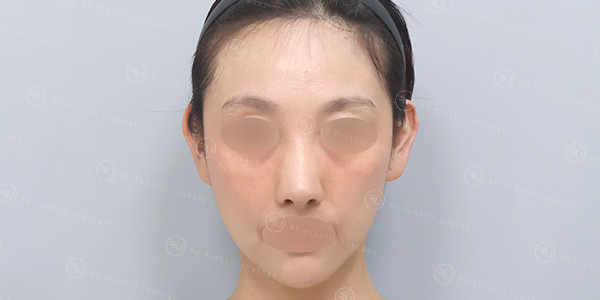
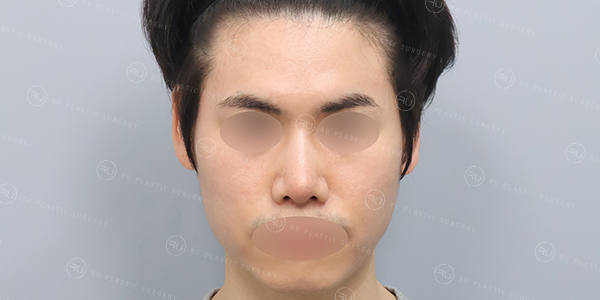
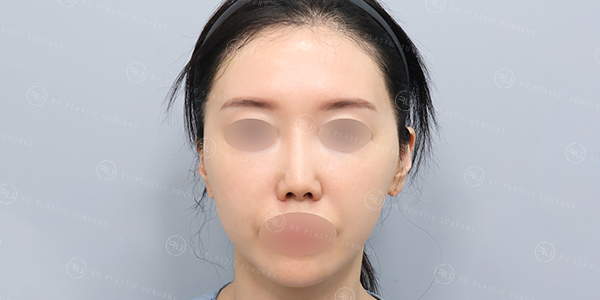
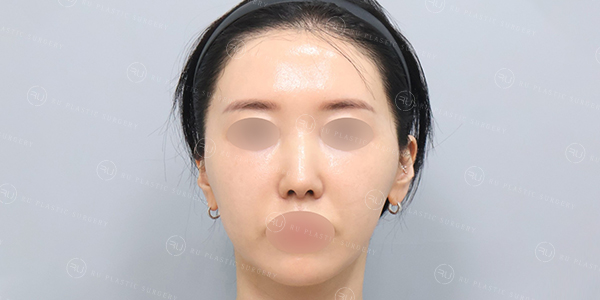
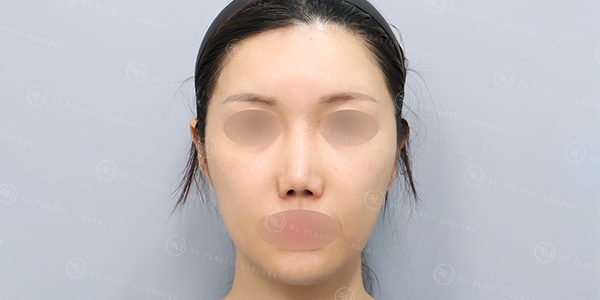
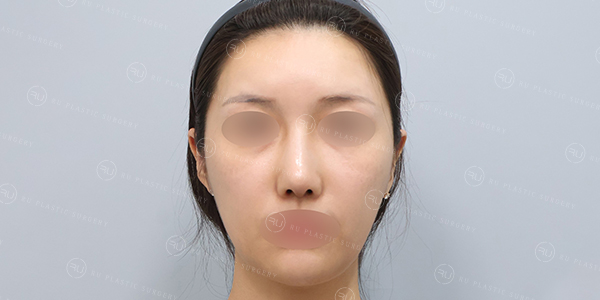
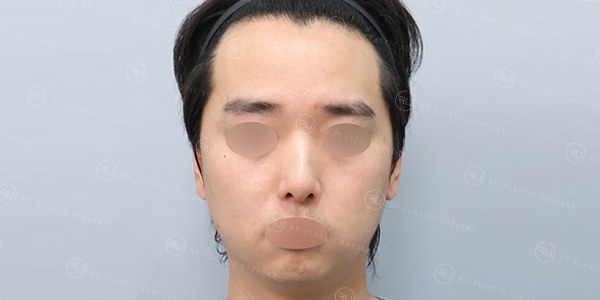
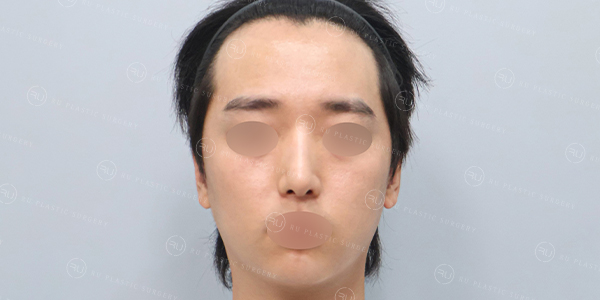
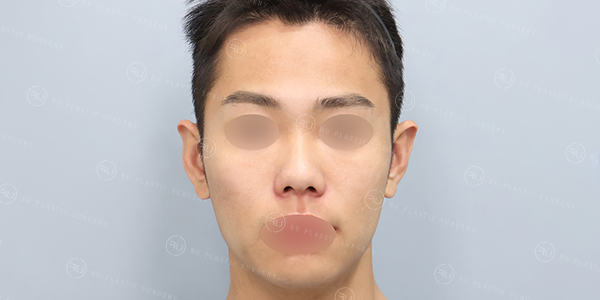
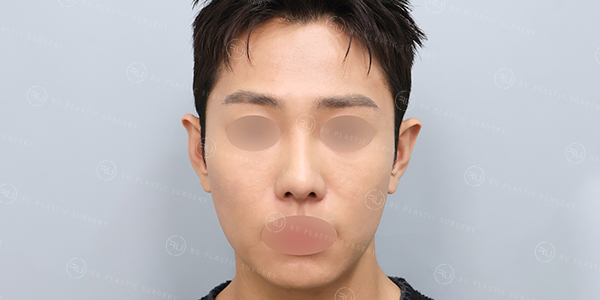
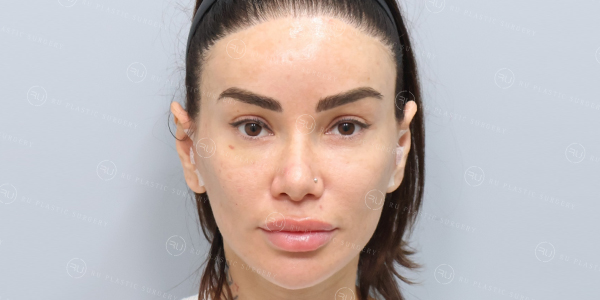
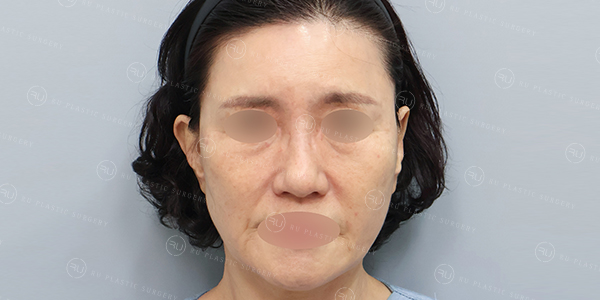
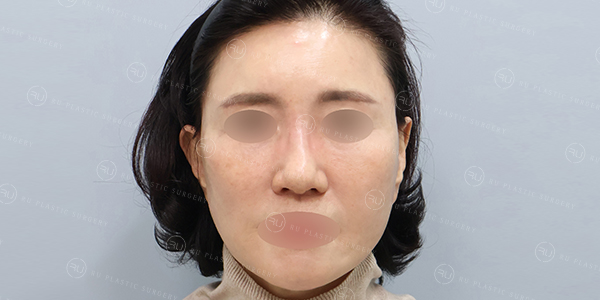
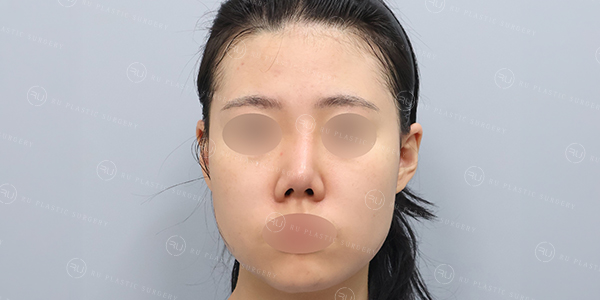
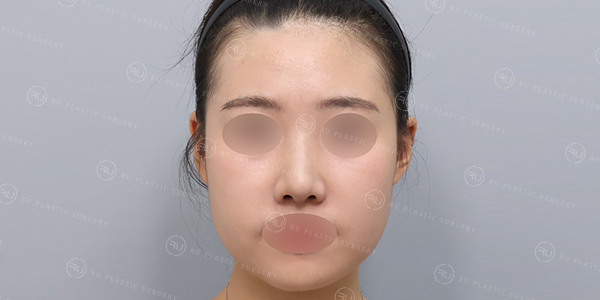
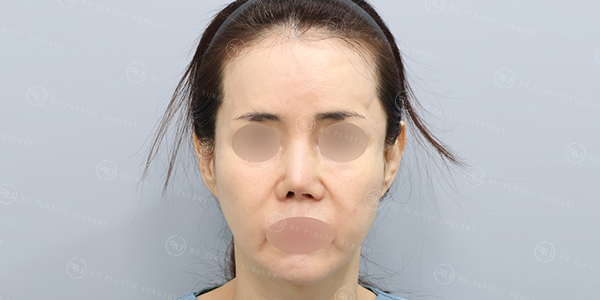
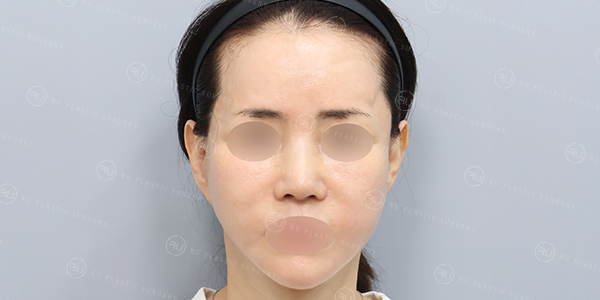
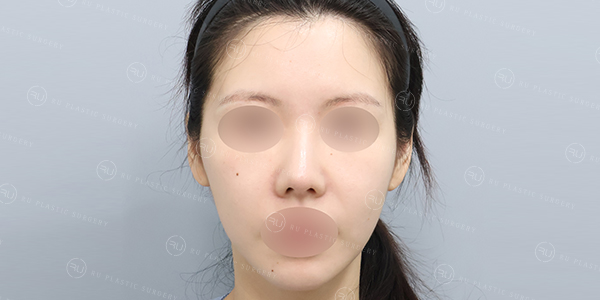
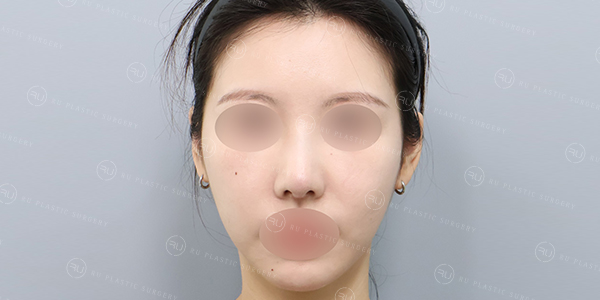
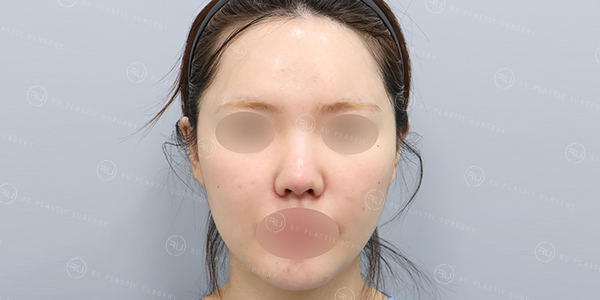
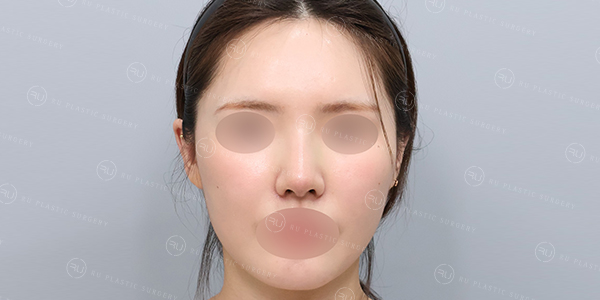
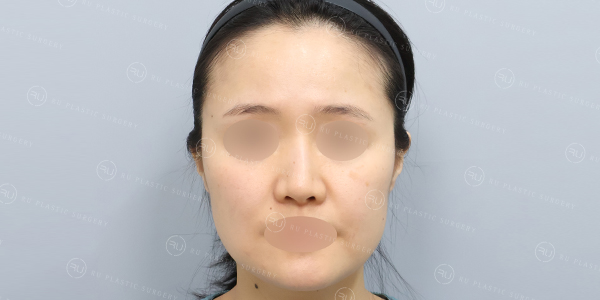
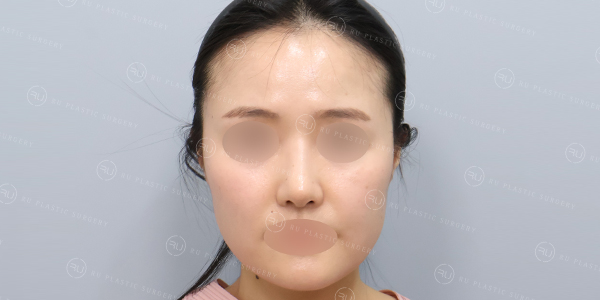
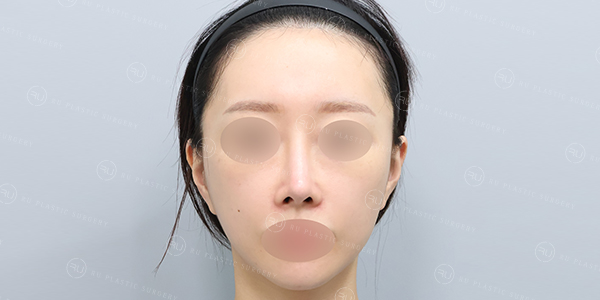
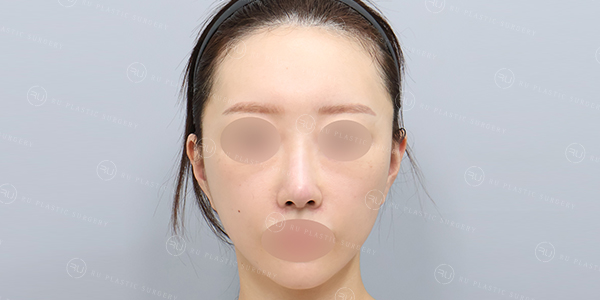
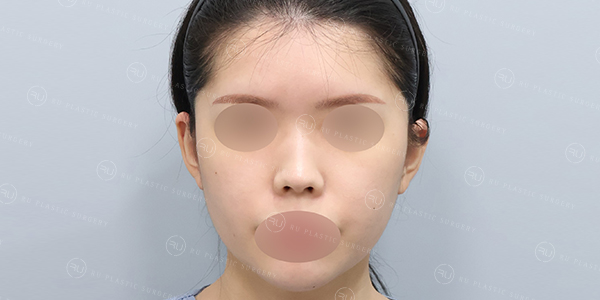
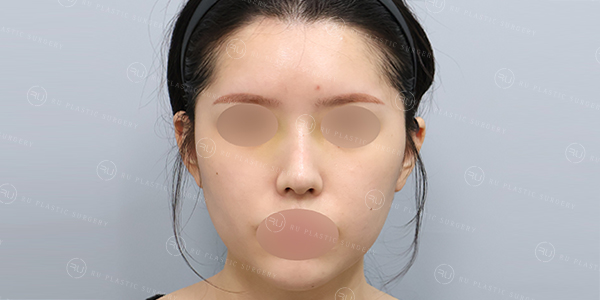
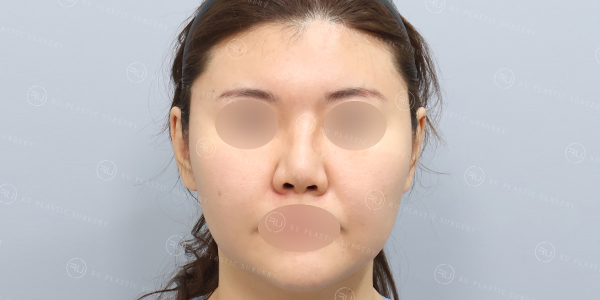
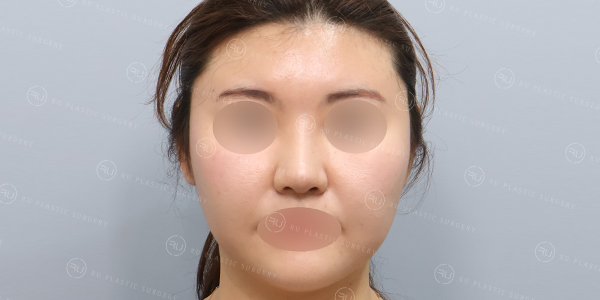
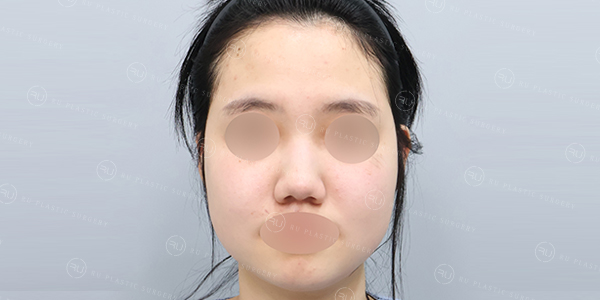
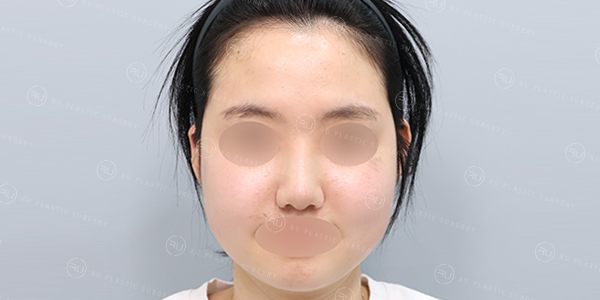
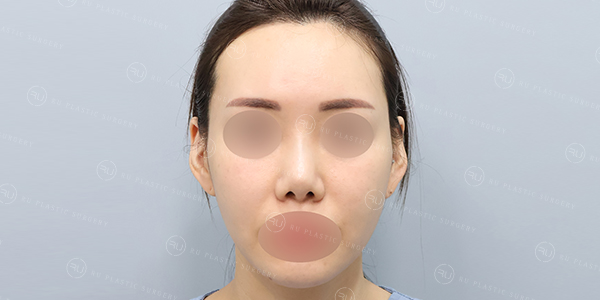
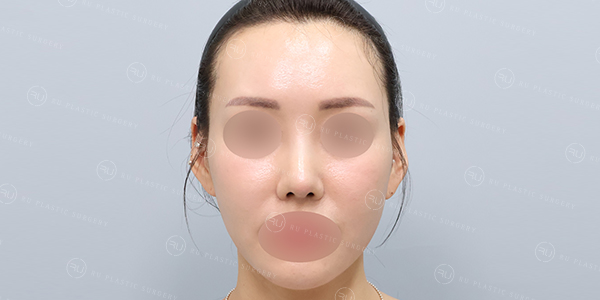
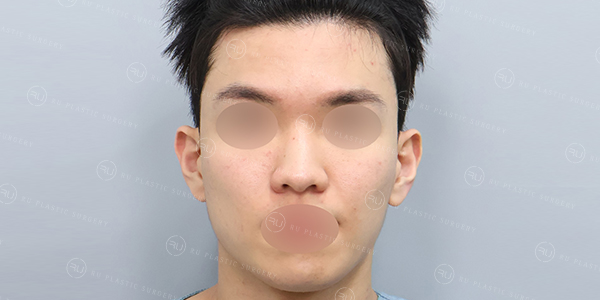
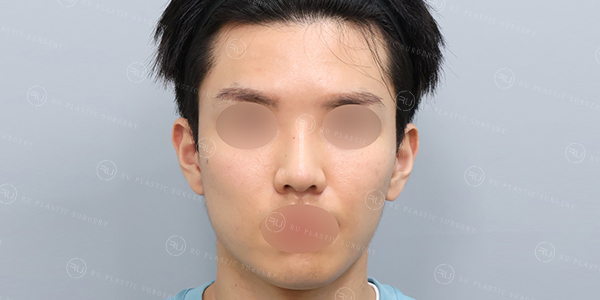
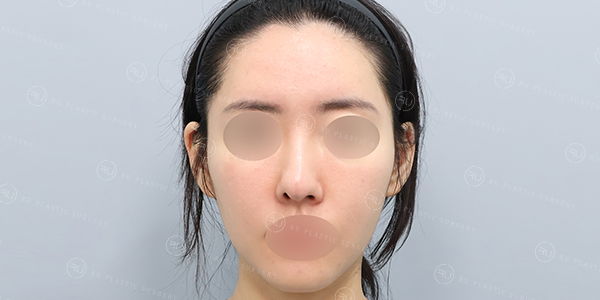
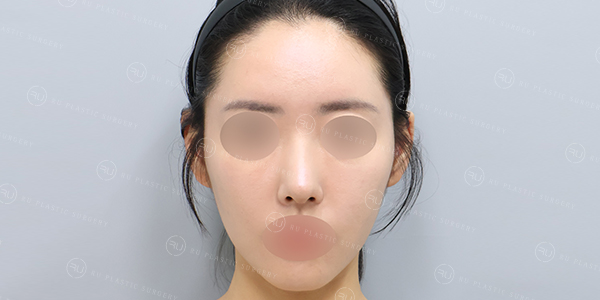
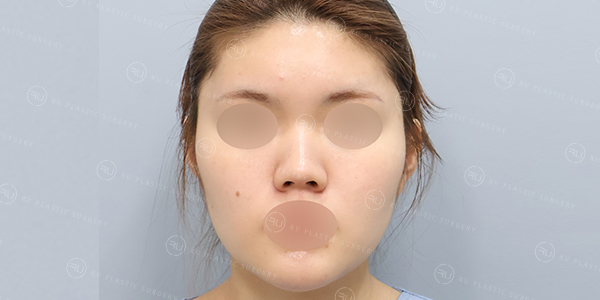
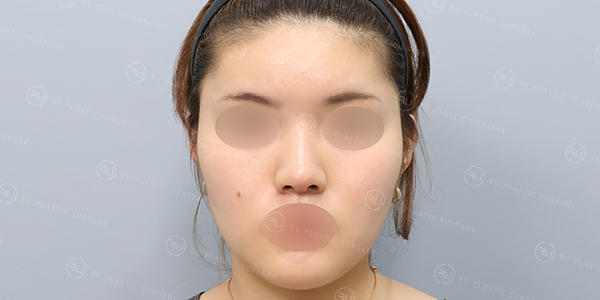
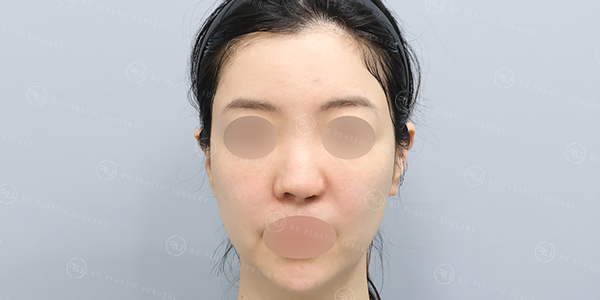
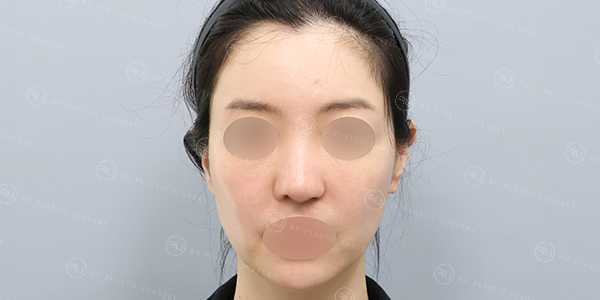
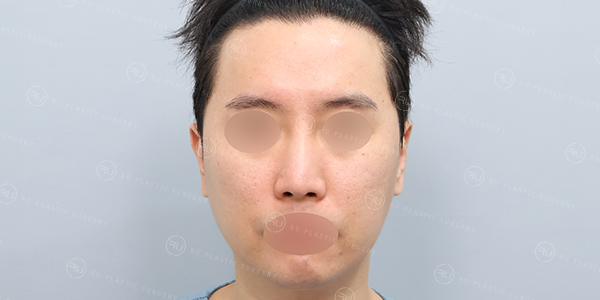
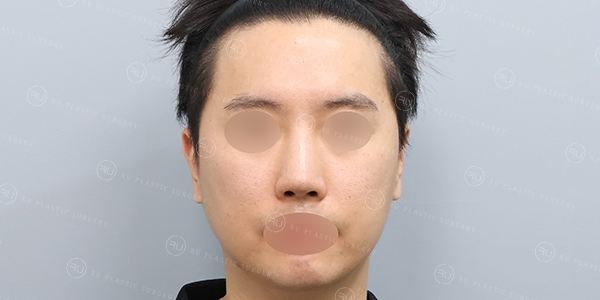
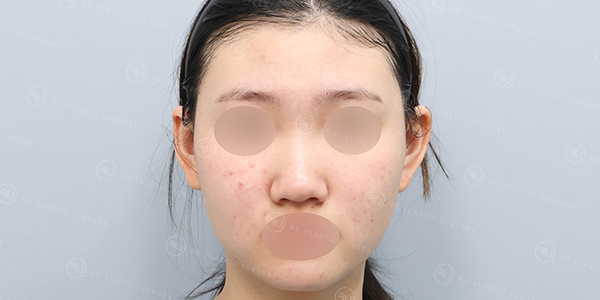
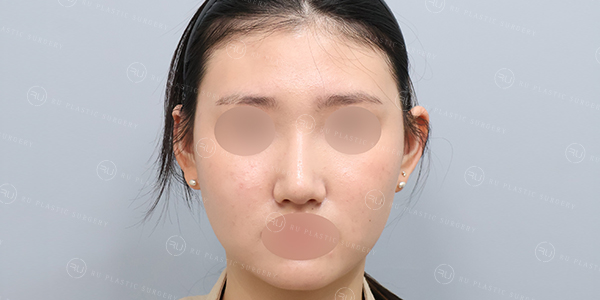
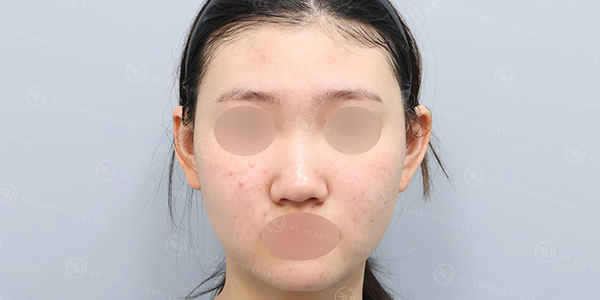
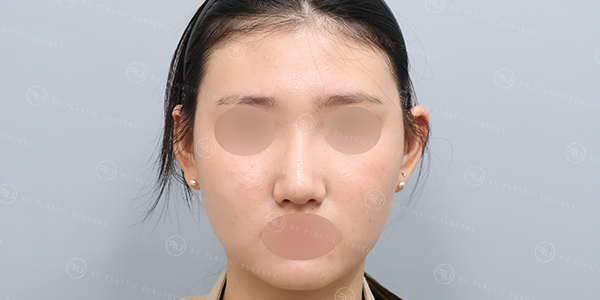
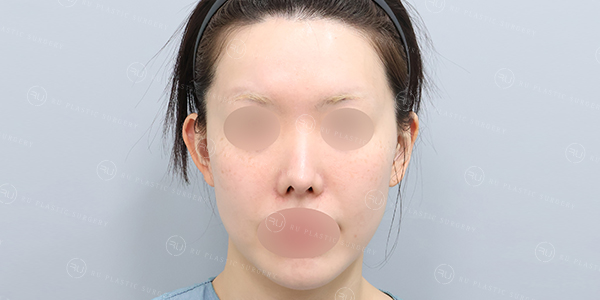
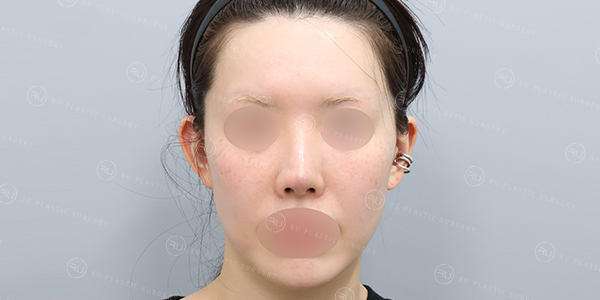
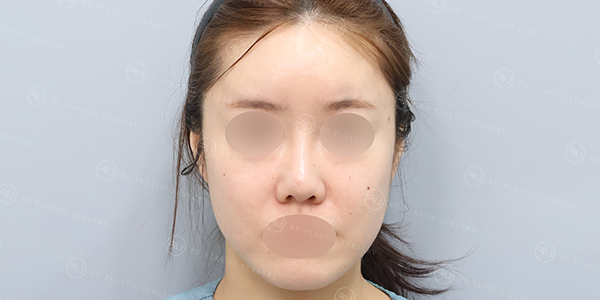
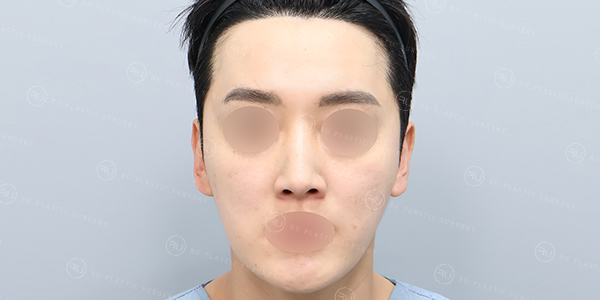
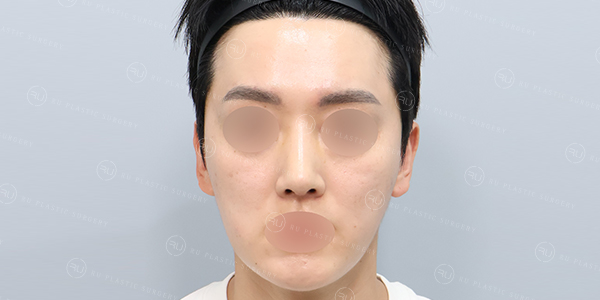
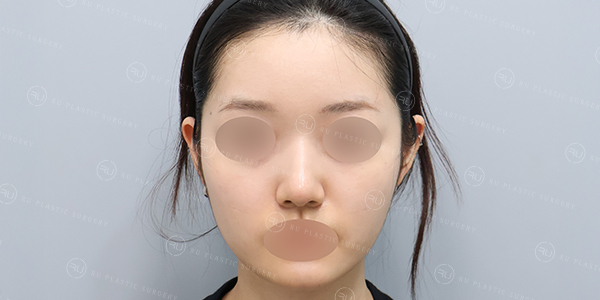
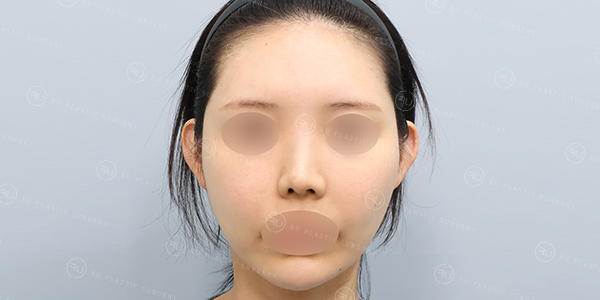
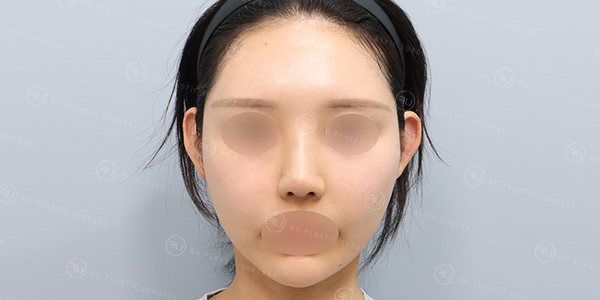
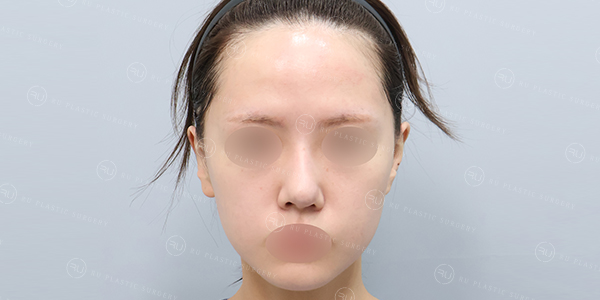
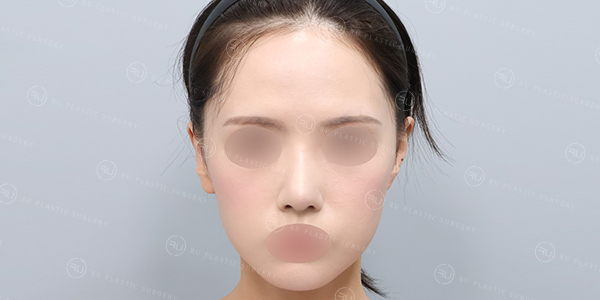
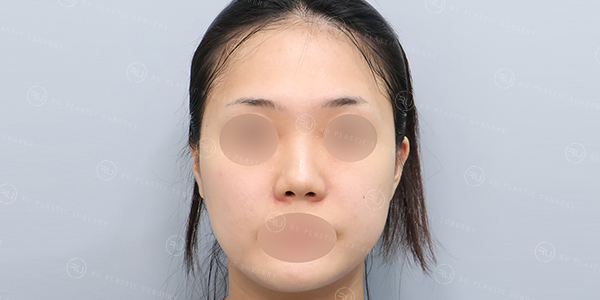
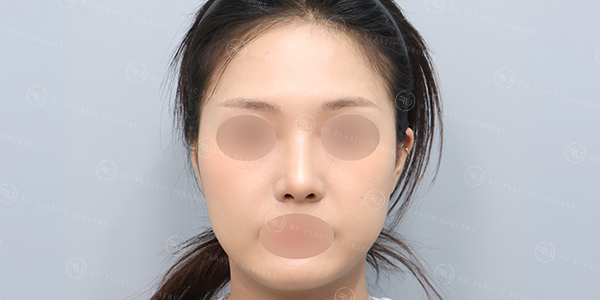
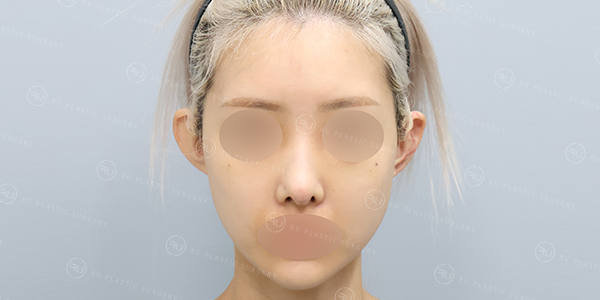
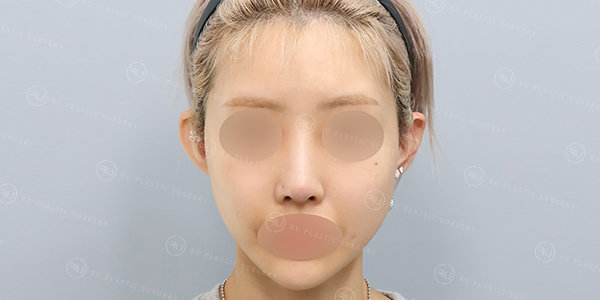
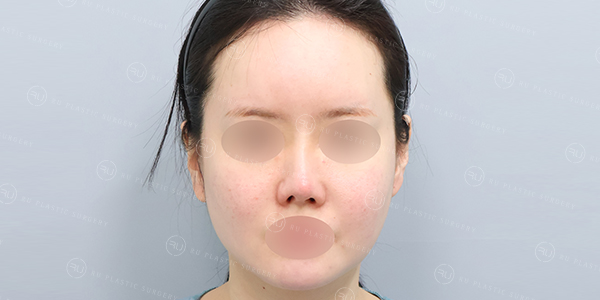
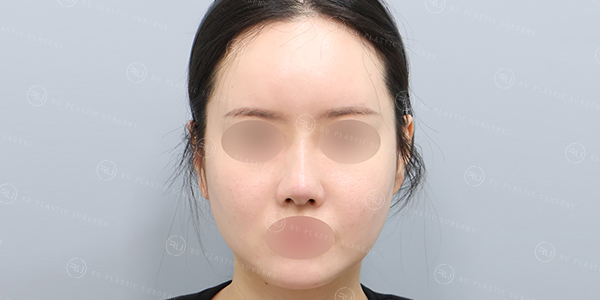
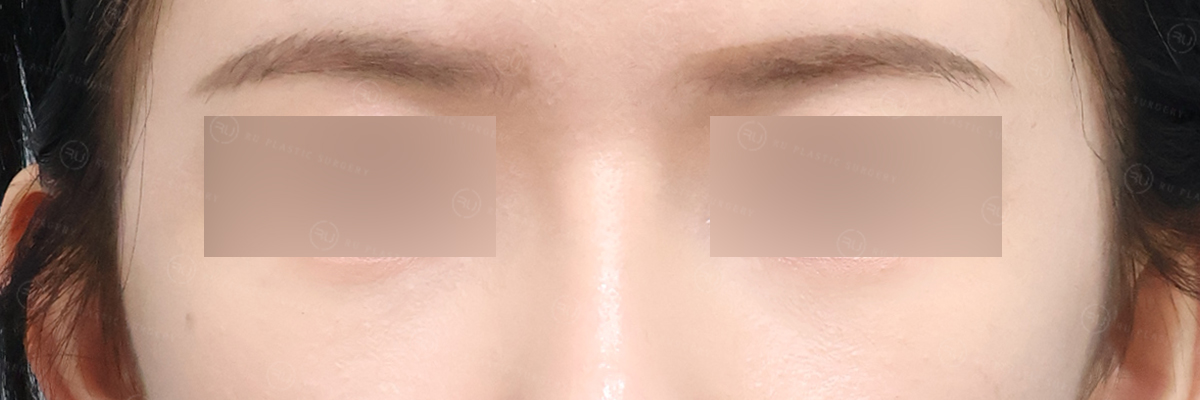
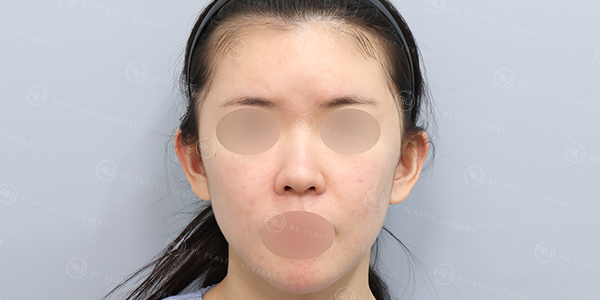
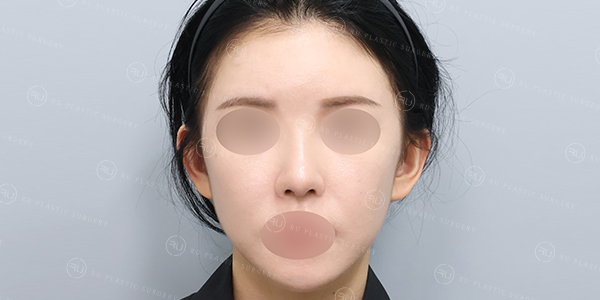
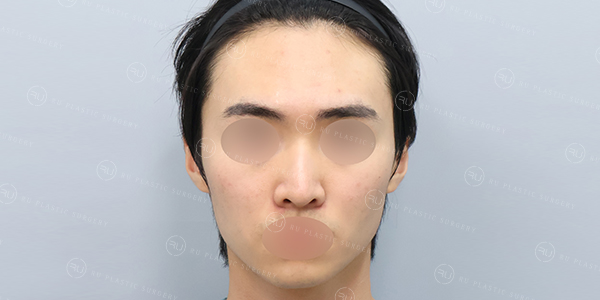
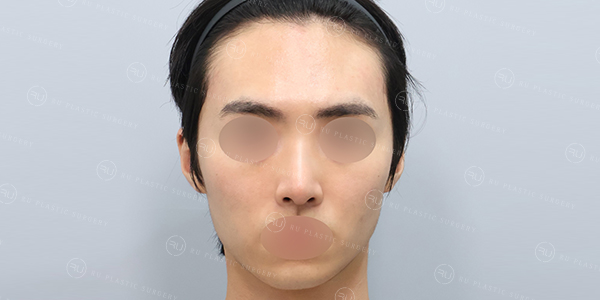
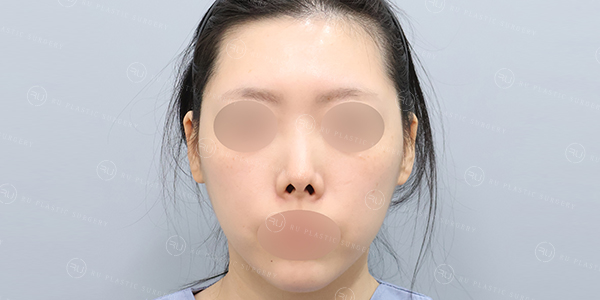
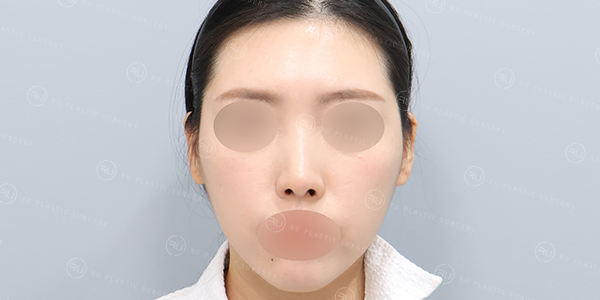
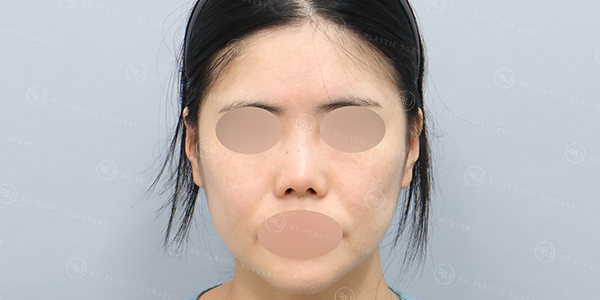
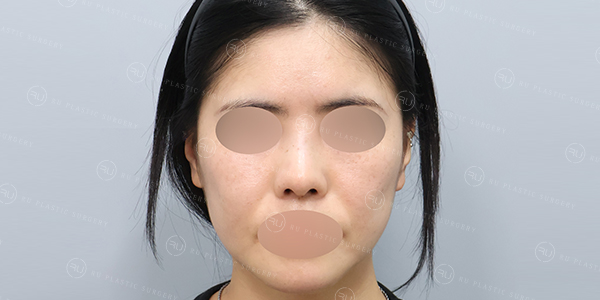
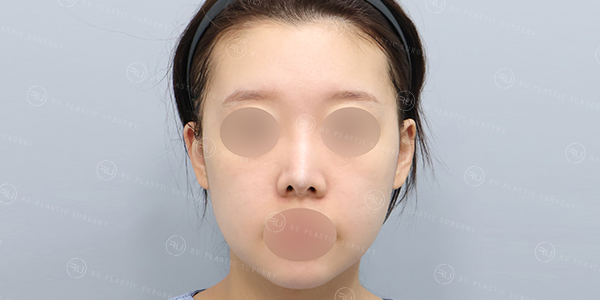
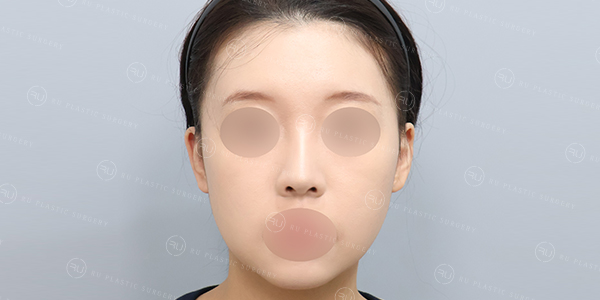
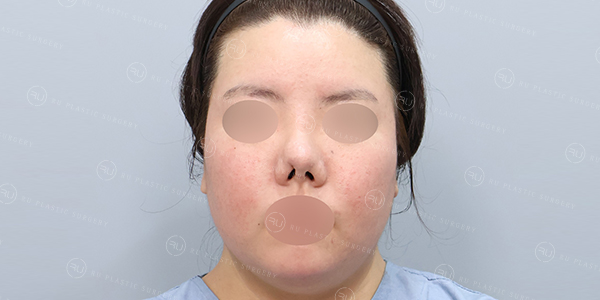
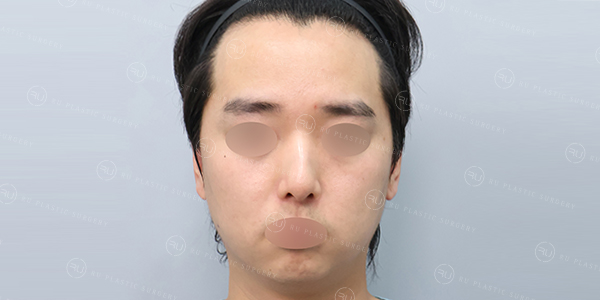
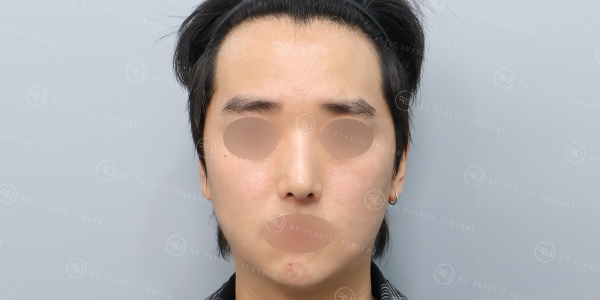
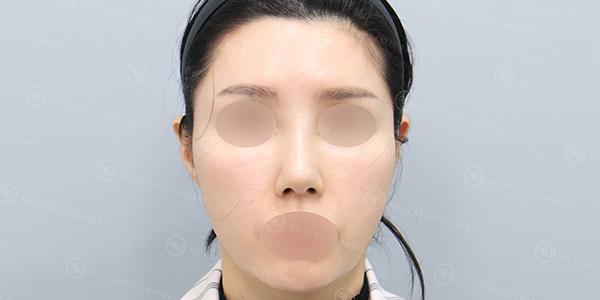
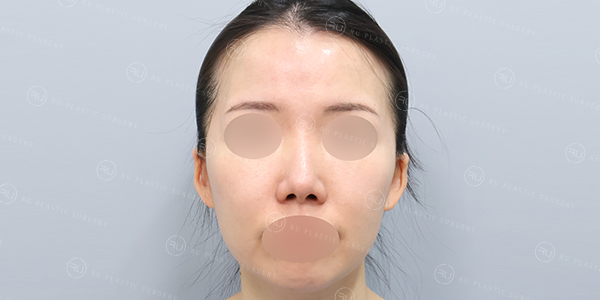
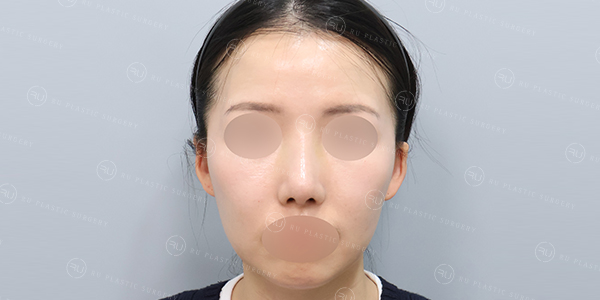
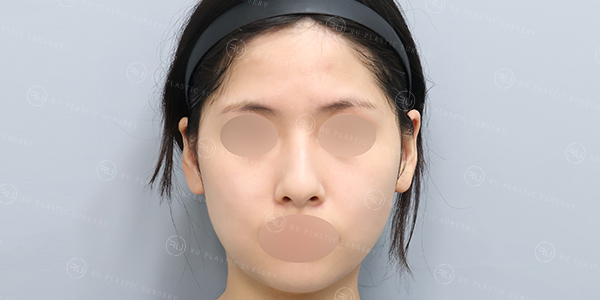
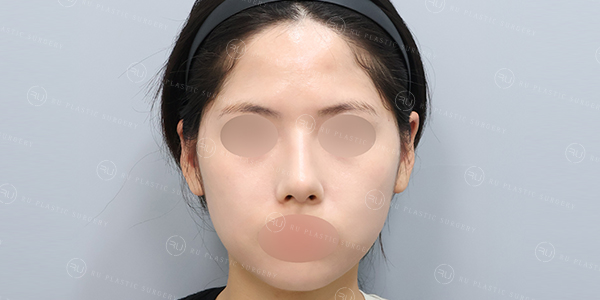
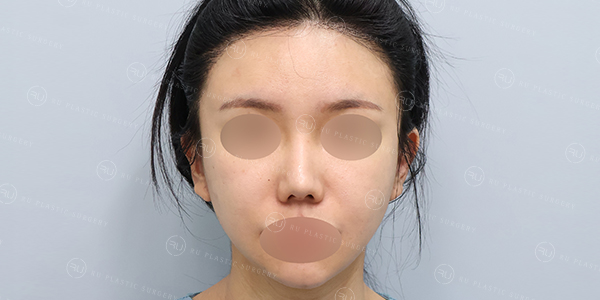
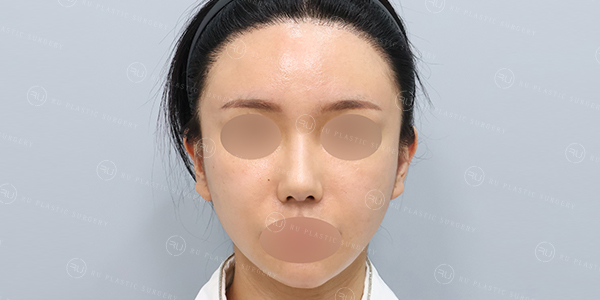
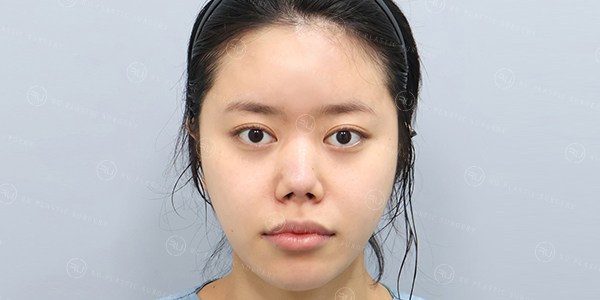
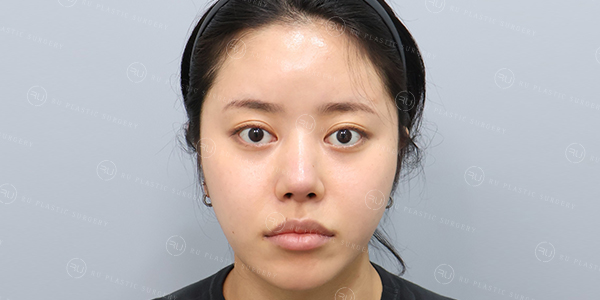
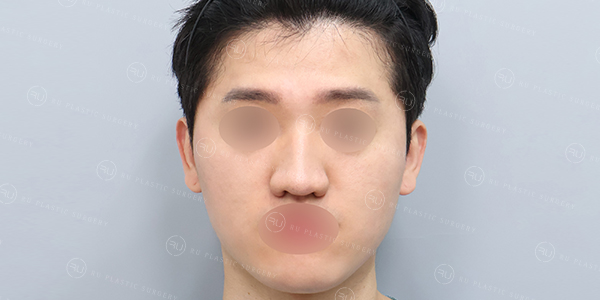
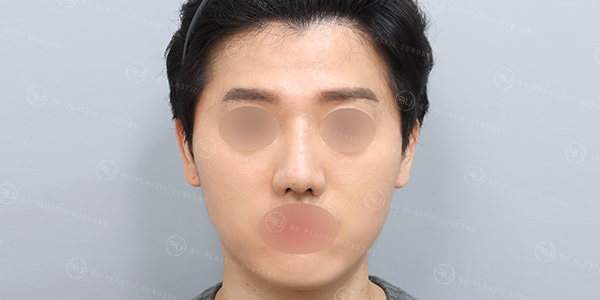
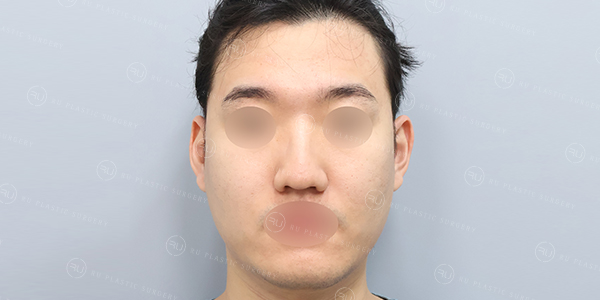
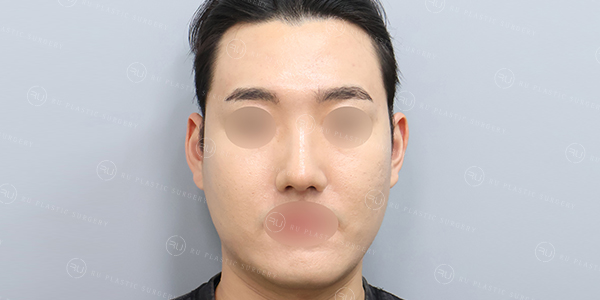
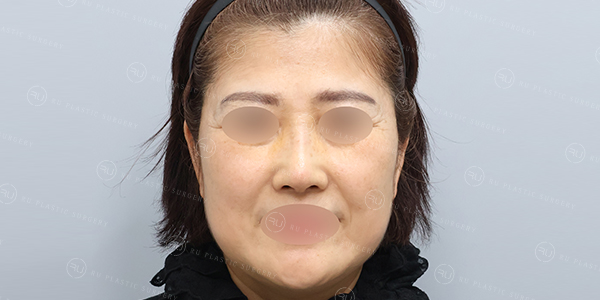
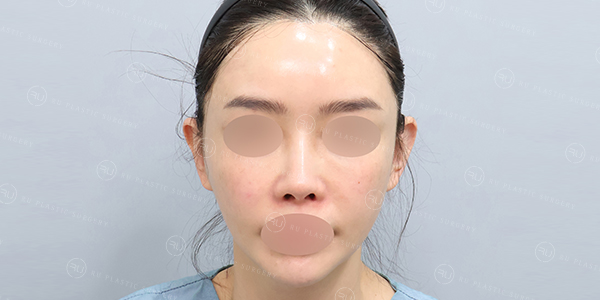
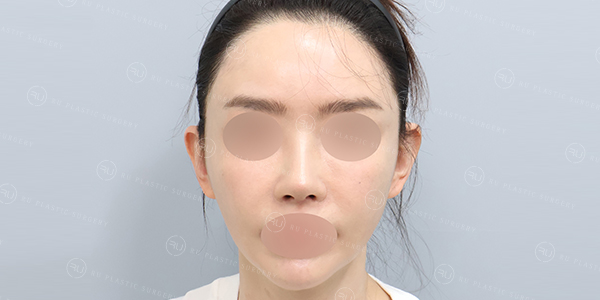
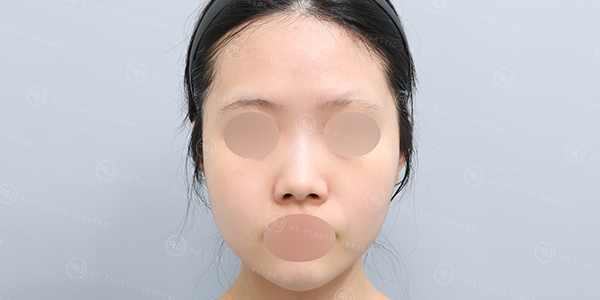
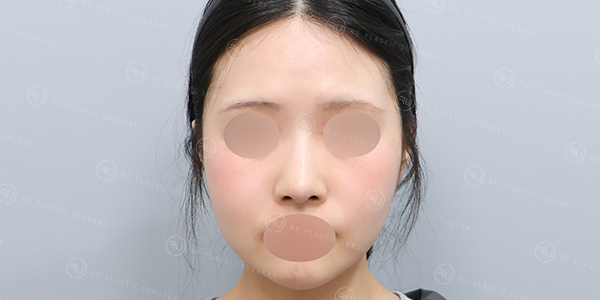
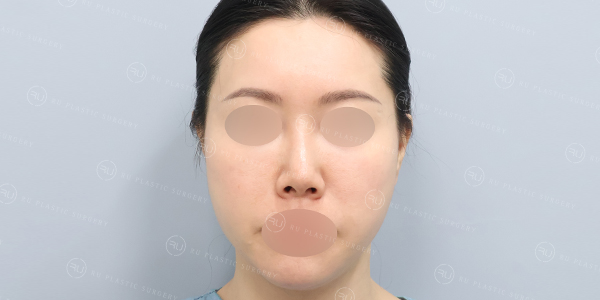
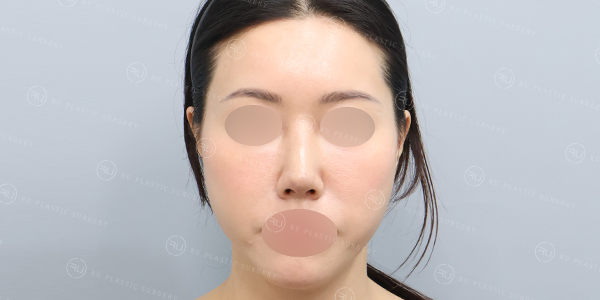
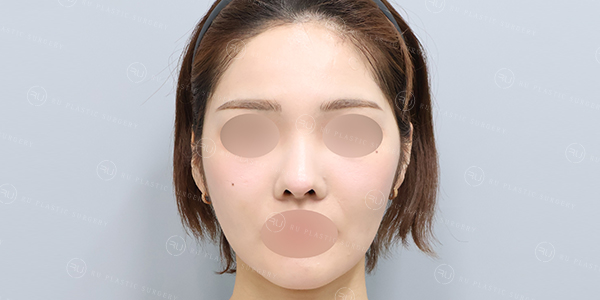
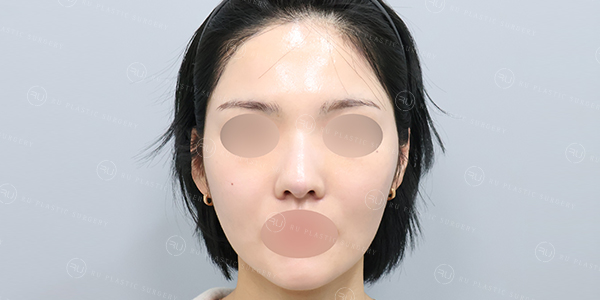
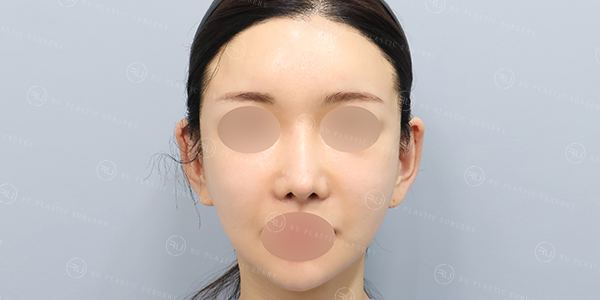
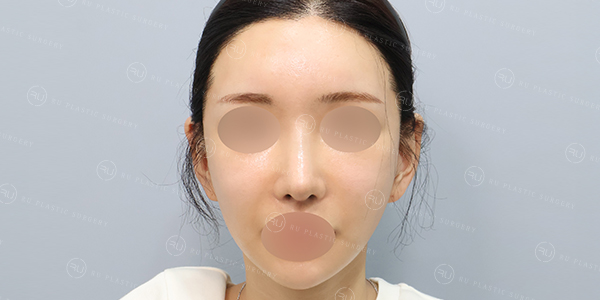
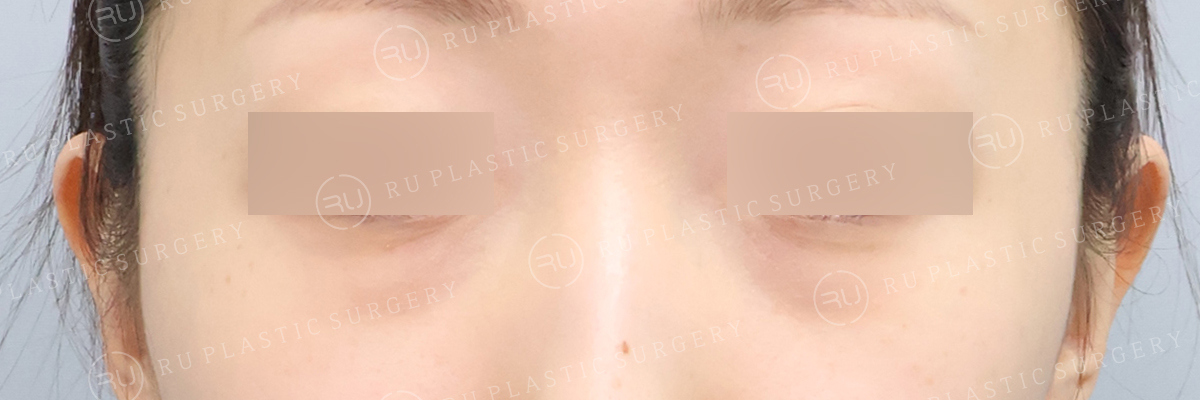
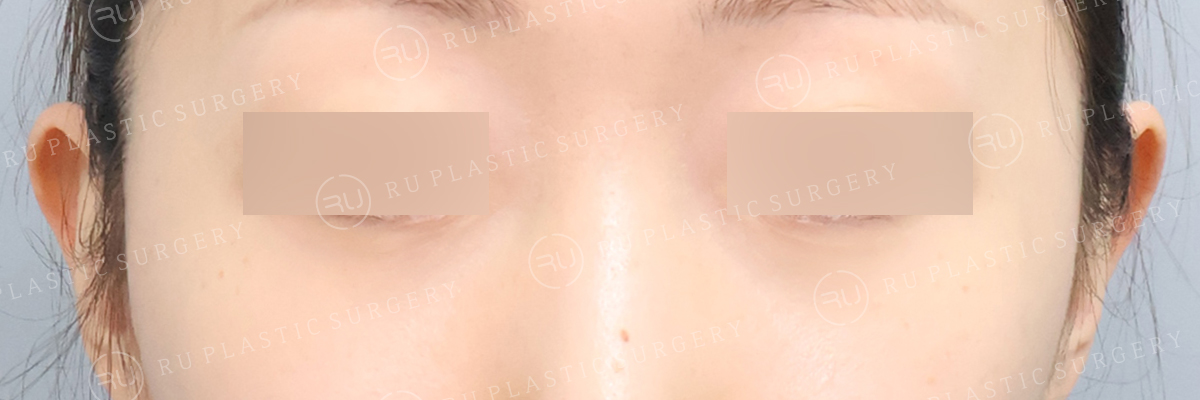
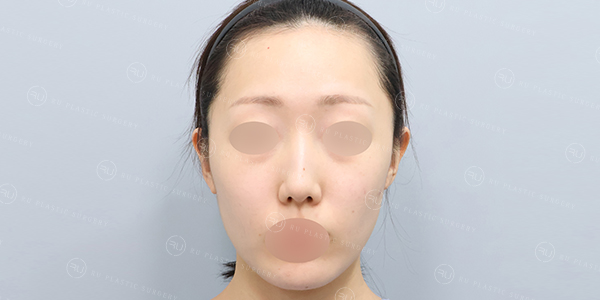
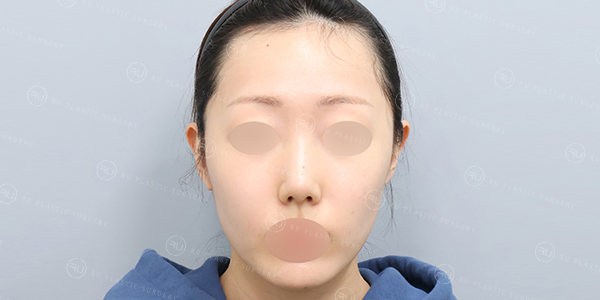
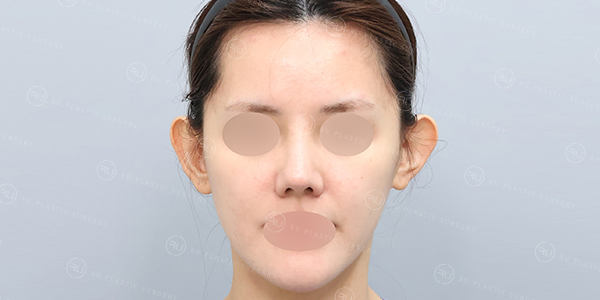
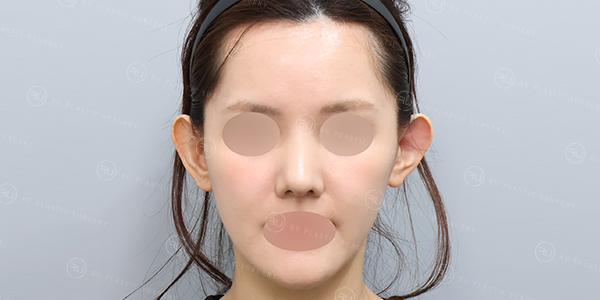
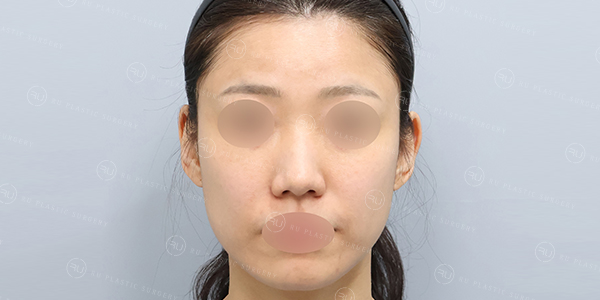
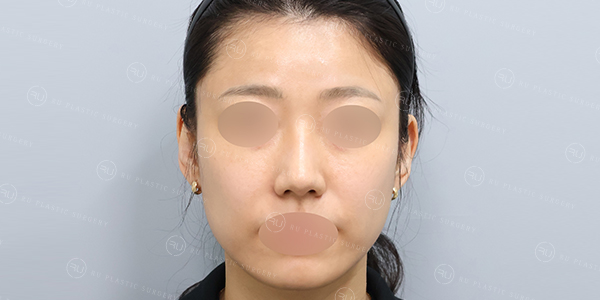
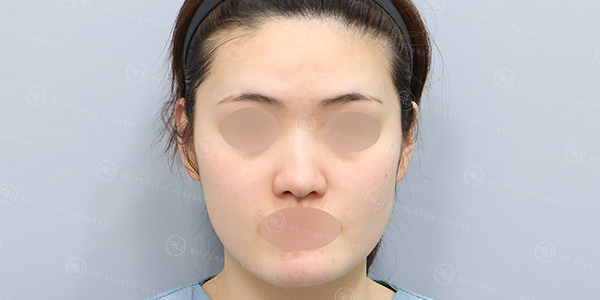
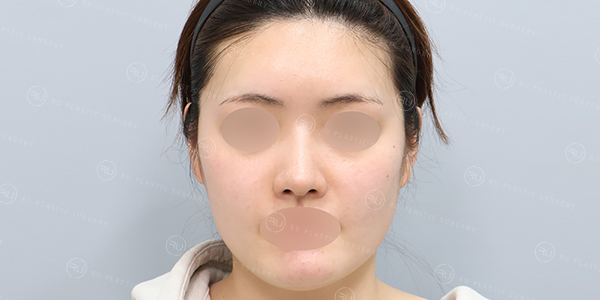
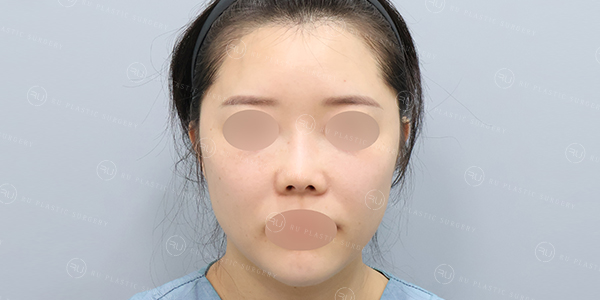
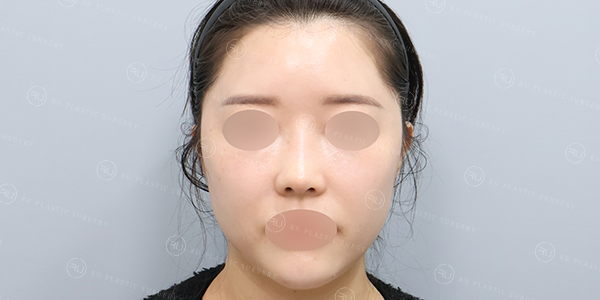
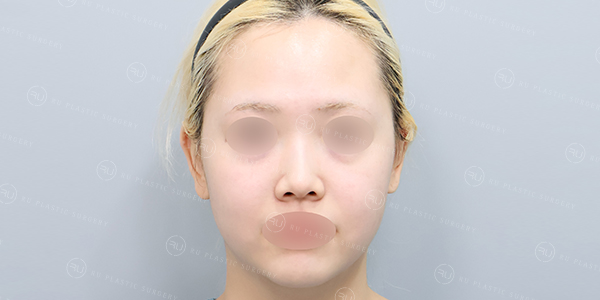
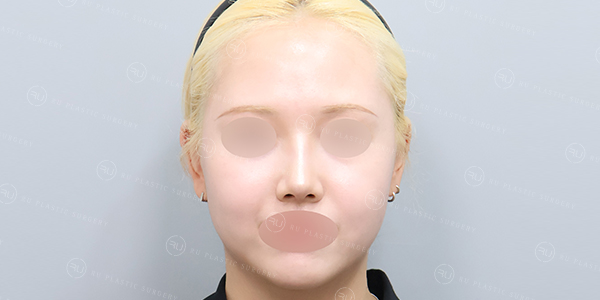
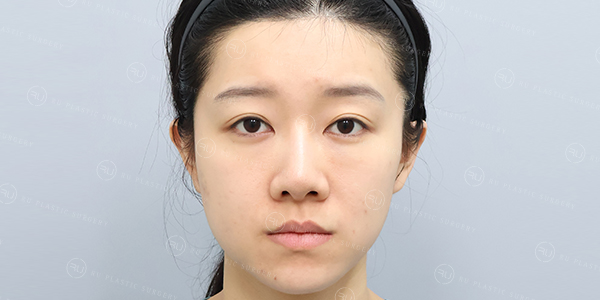
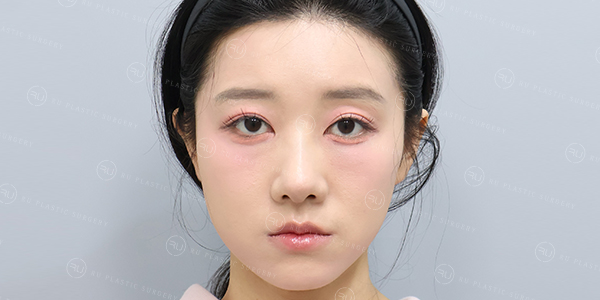
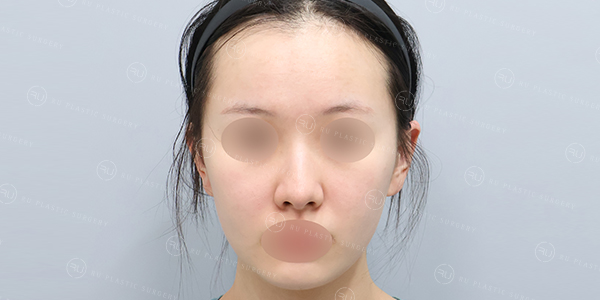
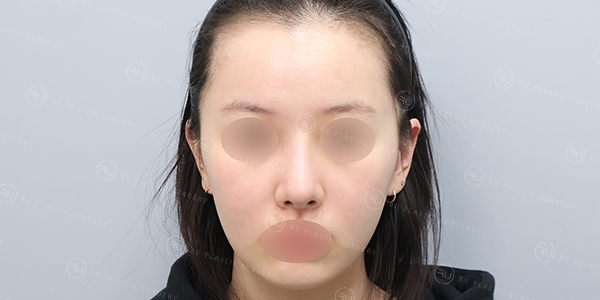
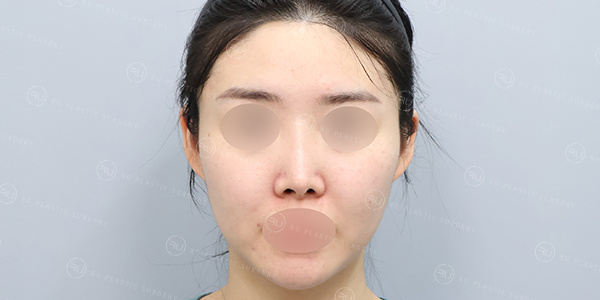
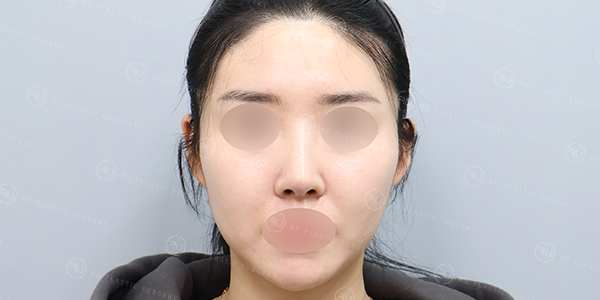
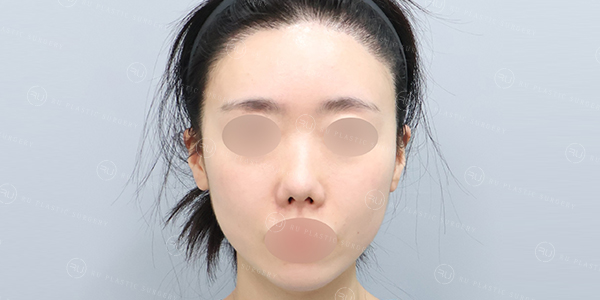
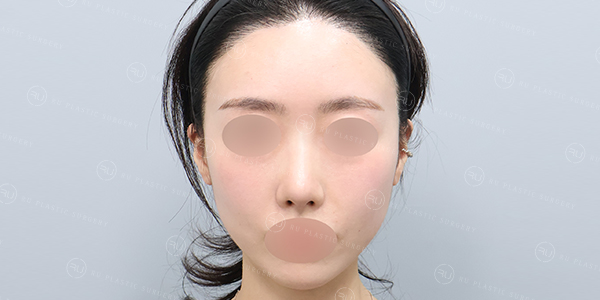
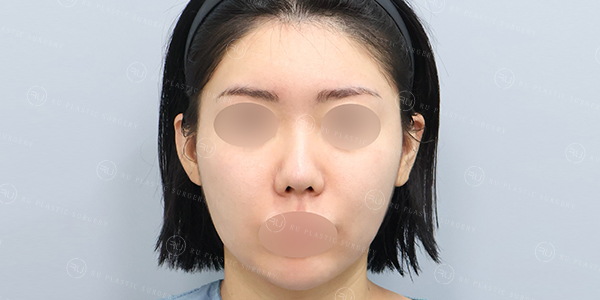
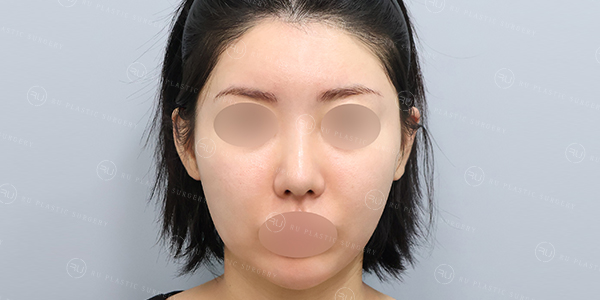
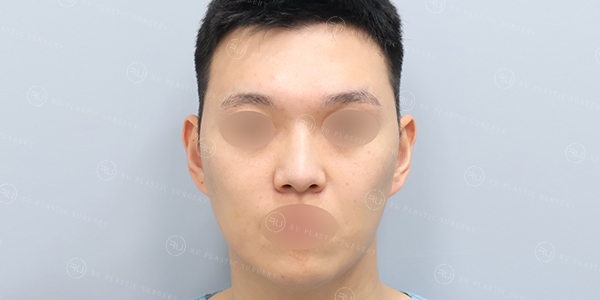
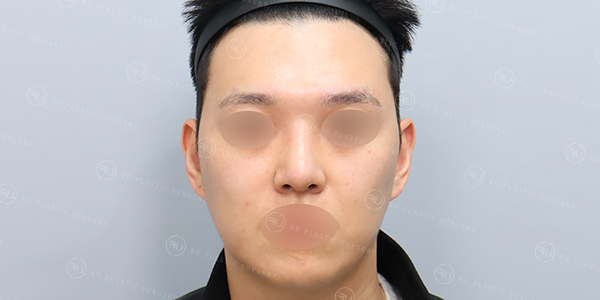
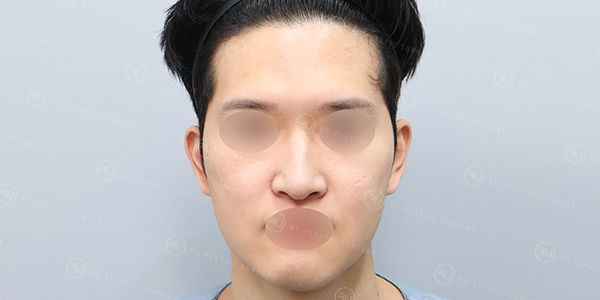
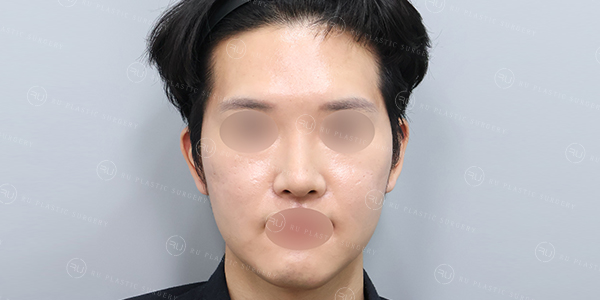
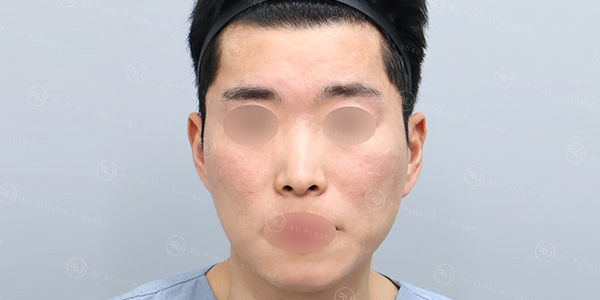
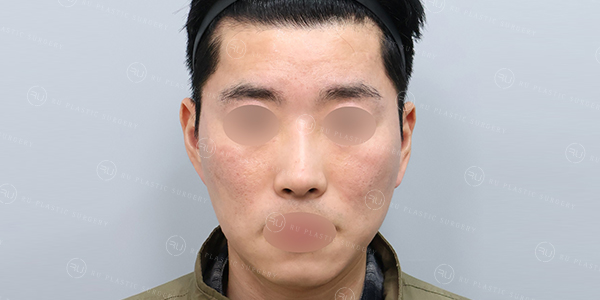
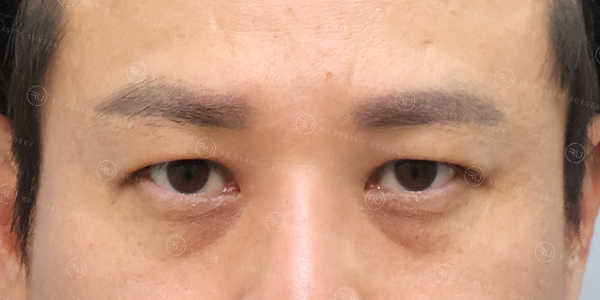
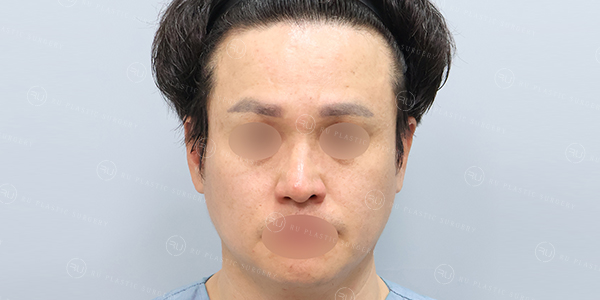
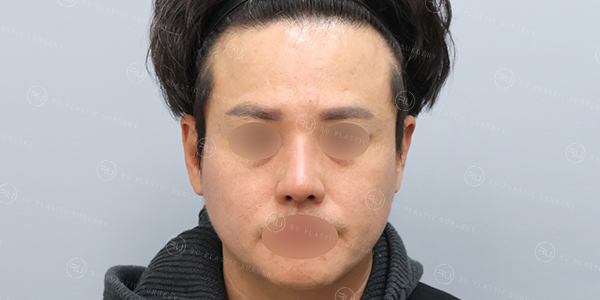
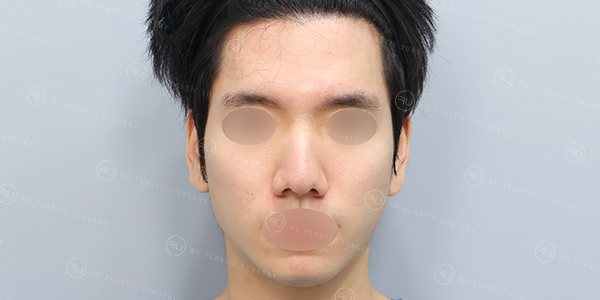
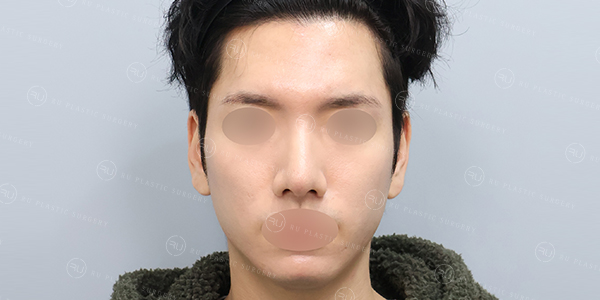
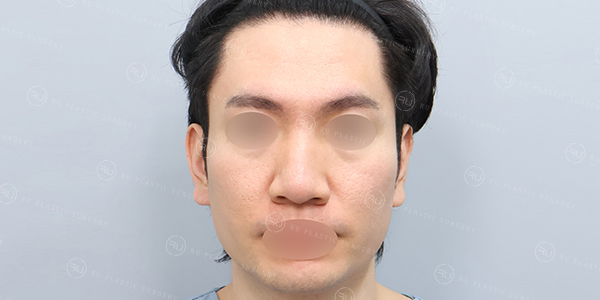
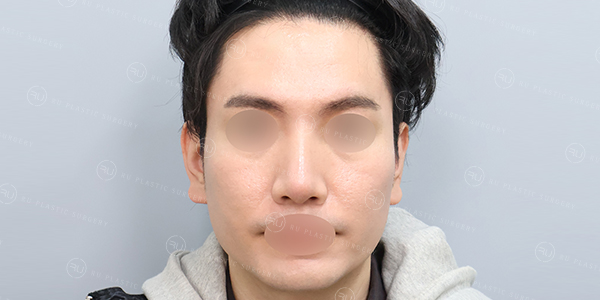
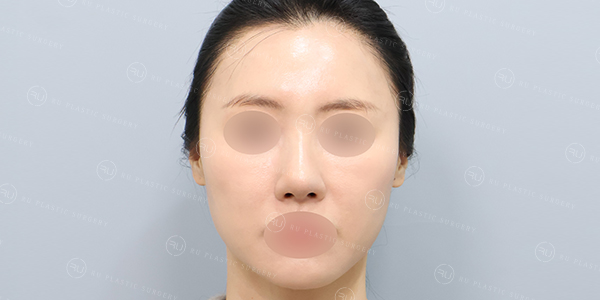
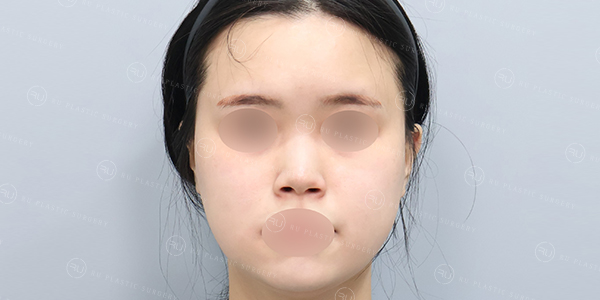
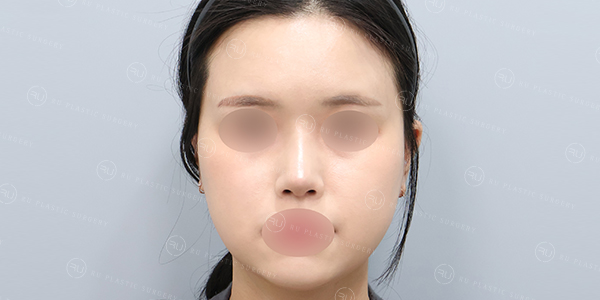
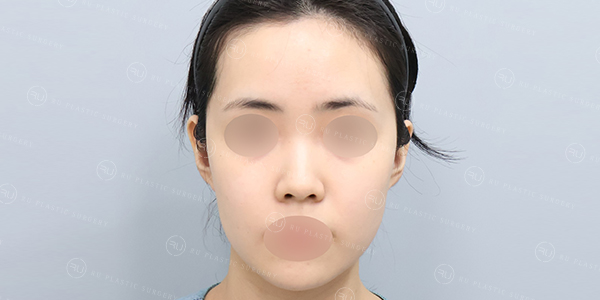
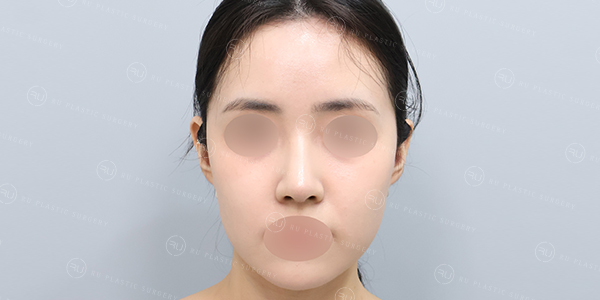
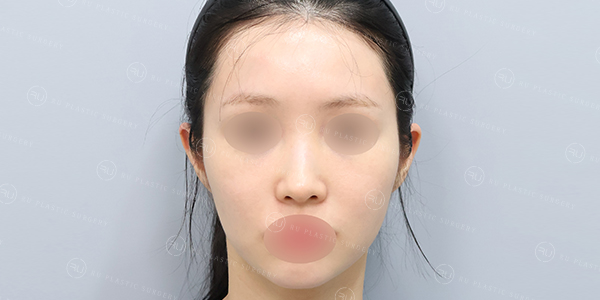
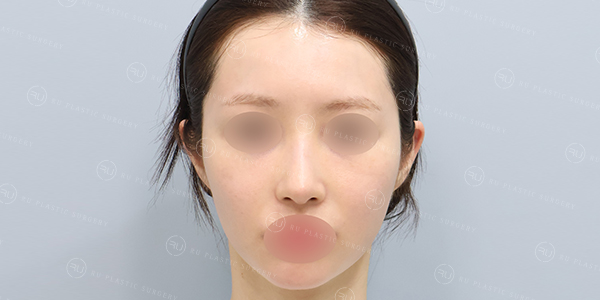
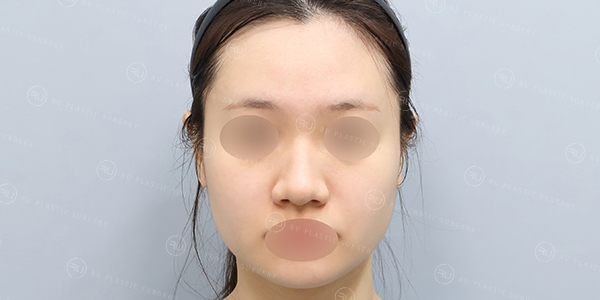
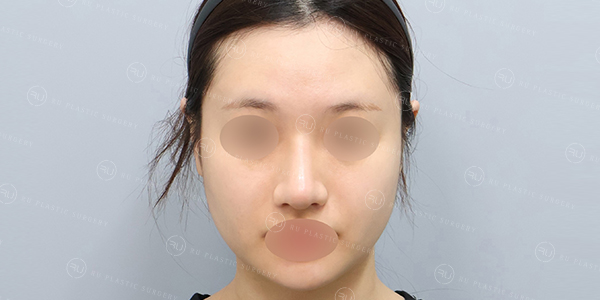
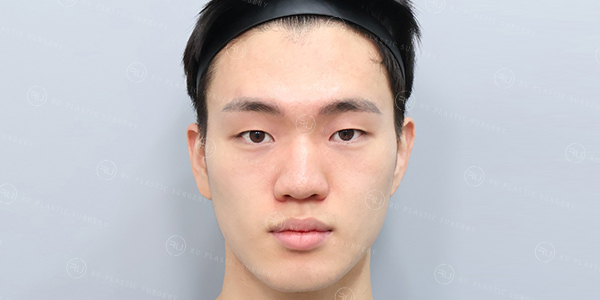
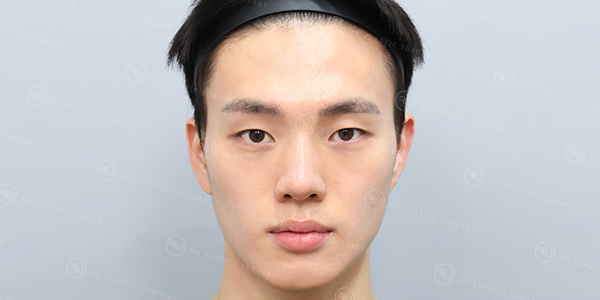
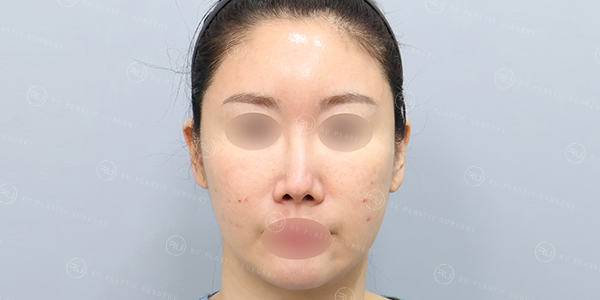
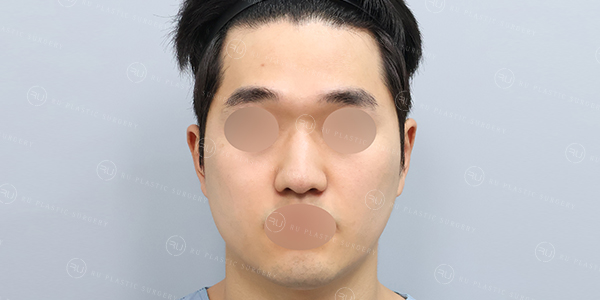
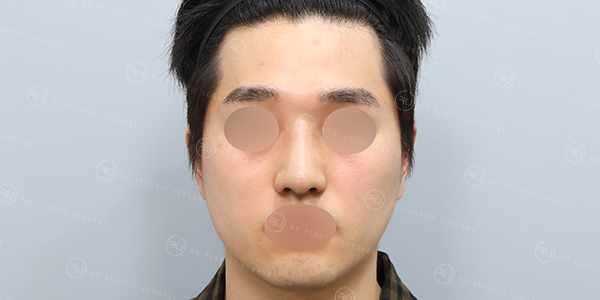
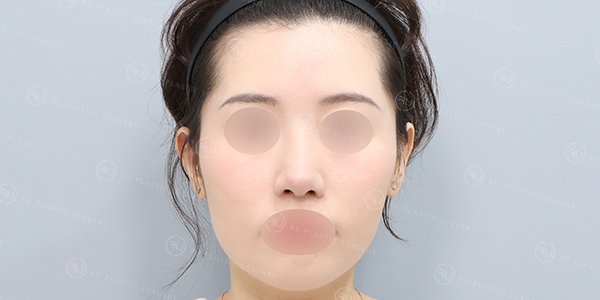
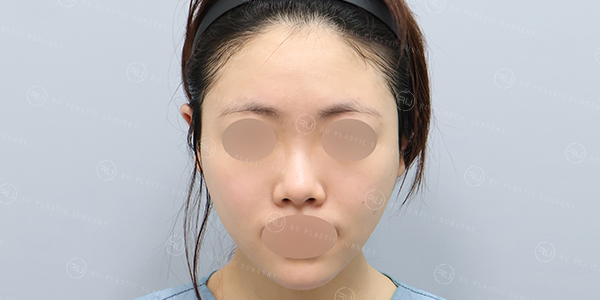
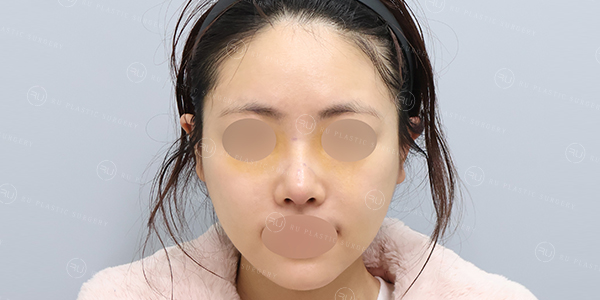
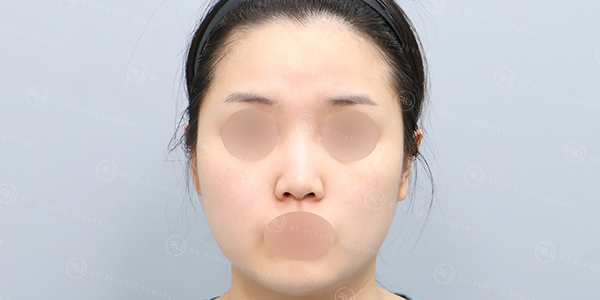
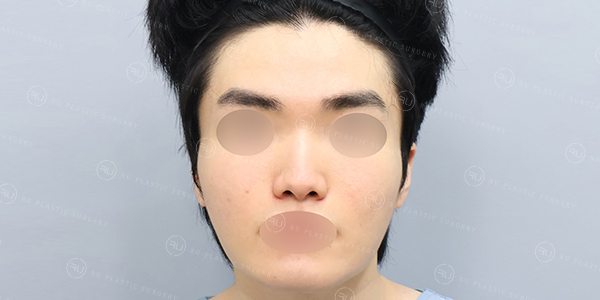
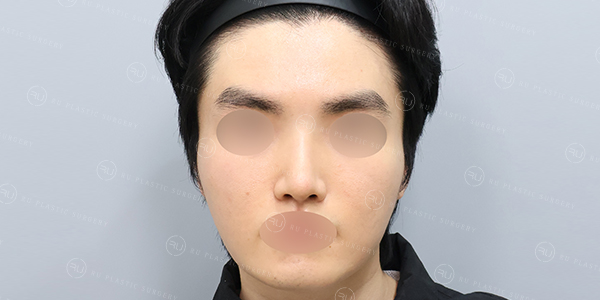
Before / 2w post-op
1. Why I Decided to Have Rhinoplasty
Before surgery, I had a very low nasal bridge, a broad nose, and a noticeably bulbous nasal tip.
From the side, my brow bone was relatively prominent, while my nasal bridge was very low, which made my face look flatter and less defined overall.
I was also very self-conscious about my small nasolabial angle, especially because it appeared even narrower whenever I smiled.
From the front, my alar area looked quite wide and the bulbous tip stood out significantly.
Even when I wore glasses, I felt that they did not rest naturally on the bridge of my nose and instead looked as though they were sitting directly against my face.
Since I was young, I had always considered my nose one of my biggest insecurities and had thought that I would eventually undergo rhinoplasty.
2. What I Looked for When Choosing a Clinic
While researching rhinoplasty, I learned about the different materials that could be used for the nasal bridge.
I personally felt uncomfortable with the idea of using silicone because I was concerned about potential implant-related complications, so I decided that I wanted to use only my own tissue.
My main criteria were finding a clinic that had extensive experience with fully autologous rhinoplasty, had a good overall reputation, and gave me confidence in how complications and postoperative care would be handled.
After researching extensively, I selected four clinics that seemed to fit those criteria and visited each one for a consultation.
Out of those four, I ultimately chose RU Plastic Surgery.
3. Why I Chose RU Plastic Surgery
One of the things that interested me most was the customized mold used for the nasal bridge.
I was told that a mold would be created based on my CT images to help construct a bridge shape suited to my own nasal structure.
The plan was to shape the autologous rib cartilage for the bridge using that customized mold and then wrap the graft with rectus fascia.
I found this approach especially appealing because it allowed the bridge to be reconstructed using my own tissue rather than a conventional synthetic implant.
I also liked that rectus fascia would be used instead of temporal fascia, since I personally preferred an approach that would avoid creating an additional donor-site scar in the scalp area.
Another important factor for me was that the procedure would be performed under general anesthesia with an anesthesiologist involved in the anesthesia care.
These were some of the main reasons I decided to choose RU Plastic Surgery.
4. My Consultation Experience
Overall, I found the clinic staff and consultation coordinators very kind and approachable.
The consultation process went from the coordinator, to Dr. Hyunju Kim, and then back to the coordinator.
After the initial questions with the coordinator, I did have to wait a little longer than expected before meeting Dr. Kim, which was one minor downside.
Once Dr. Kim came in, however, he asked several detailed questions about the type of surgical approach I wanted, the areas I hoped to improve, and whether I had reference photos of nasal shapes I liked.
He also drew directly on a tablet to explain how the nose might change after surgery.
At the end of the consultation, he used a presentation to explain the surgical process in detail.
It was the first time I had received such a structured explanation of the actual surgical steps, so I found that part especially memorable.
I had prepared many questions, including several about possible complications, and Dr. Kim answered them carefully.
What gave me additional confidence was that he did not simply focus on the advantages of fully autologous rib cartilage rhinoplasty.
He also explained honestly that this approach can still have potential complications and limitations, which made the consultation feel more realistic and trustworthy to me.
5. My Surgical Plan and Recovery Experience
To start with the conclusion, I am very satisfied with the result so far.
I underwent rhinoplasty using a fully autologous rib cartilage approach with a customized 3D molded DCF technique.
My surgical plan included reconstruction of the nasal bridge, nasolabial angle correction, alar reduction, and bulbous tip correction.
The first two days after surgery were quite difficult.
My nose was painful, and breathing through my mouth because of the nasal packing was especially uncomfortable.
Even after the packing was removed, I still had a considerable amount of nasal discharge, so I relied mostly on mouth breathing until around the fourth or fifth day.
After the first week, however, I began to feel noticeably better.
Once the internal nasal splints were removed at around two weeks, I no longer had any significant discomfort with breathing.
The rib cartilage donor site was also more manageable than I had expected.
In my case, I mainly felt discomfort when sneezing, getting out of bed, or doing something that increased pressure around my abdomen.
Otherwise, the donor site did not cause much pain during daily activities.
By around the fourth day, I personally no longer felt that I needed to wear the abdominal support garment.
I was very relieved that the rib cartilage donor-site recovery was easier than I had anticipated.
During each postoperative visit, Dr. Kim personally checked my recovery, explained how I should continue caring for the surgical areas, and answered the questions I had.
I appreciated being able to discuss the recovery process directly with him.
It has now been a little over two weeks since surgery, and I still have a noticeable amount of swelling throughout my face.
I understand that I am still very early in the recovery process, so I have been focusing on following the postoperative instructions and giving the swelling more time to settle.
Even with the remaining swelling, I can already see a significant difference.
Now that my previously low bridge has more height and definition, my side profile looks much more three-dimensional.
From the front, I also feel that the broad alar area and bulbous appearance have improved considerably, giving my face a more balanced overall appearance.
What surprised me most was how much the impression of my entire face changed even though the surgery itself was focused on my nose.
People around me have even commented that I look noticeably different despite having only undergone rhinoplasty.
At this point, I am very satisfied with the result.
Based on my own experience, if someone close to me were seriously considering rhinoplasty and had similar priorities to mine, I would feel comfortable recommending that they consider a consultation here.
One final thing I would like to share with people who have recently undergone rhinoplasty is that the first one to two weeks can be mentally difficult.
I personally worried about many things during that period—whether the nasal tip looked too high or upturned, whether the bridge was too high, whether my eyes suddenly looked closer together, and whether breathing would remain uncomfortable.
In my own case, many of those concerns became much less noticeable after the two-week postoperative treatment and as the swelling continued to change.
So based purely on my personal recovery experience, I found it helpful to focus on taking the prescribed medications properly, following the postoperative care instructions, resting well, and giving the early swelling enough time to settle rather than judging the final result too quickly.