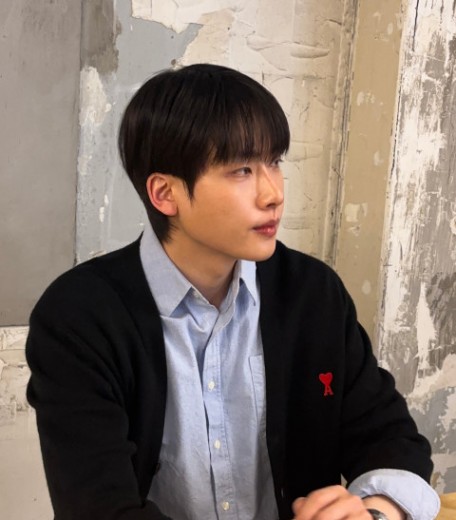
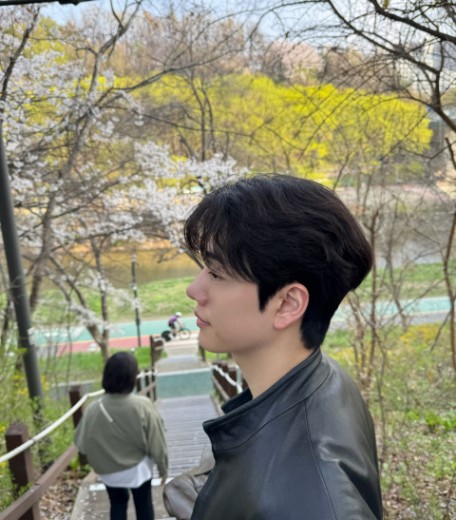
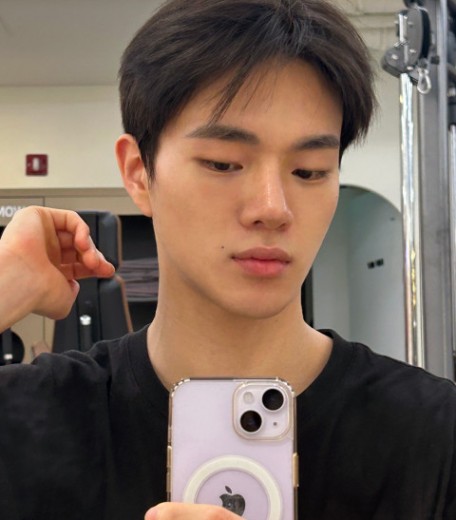
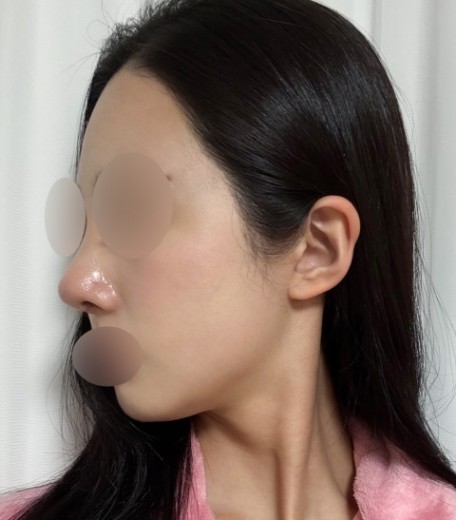
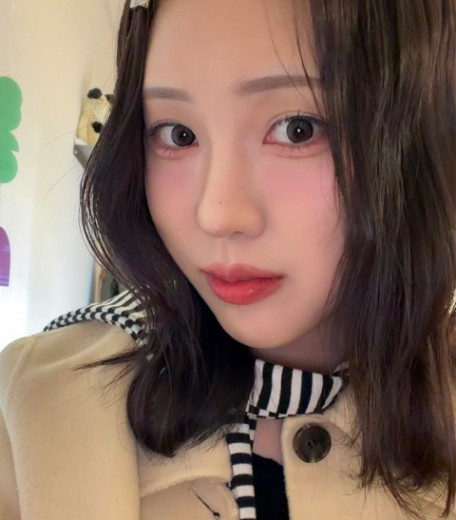
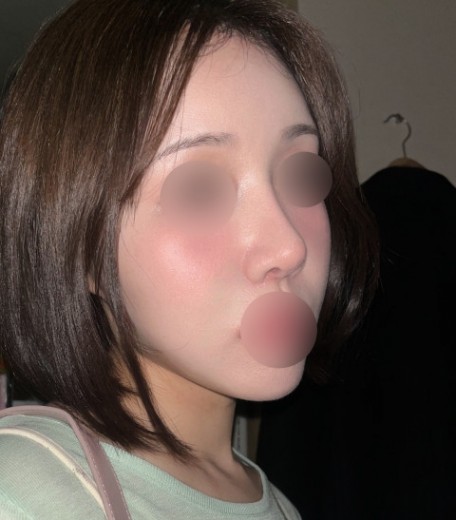
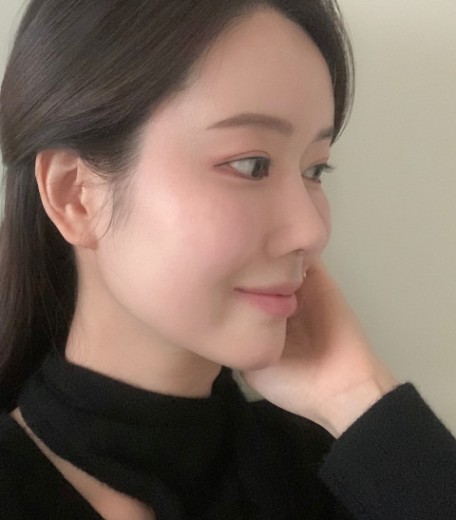
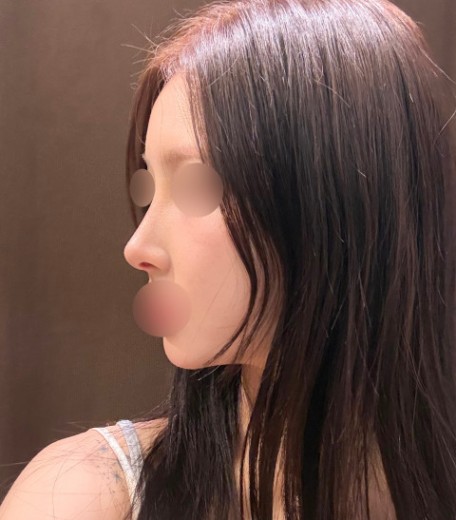
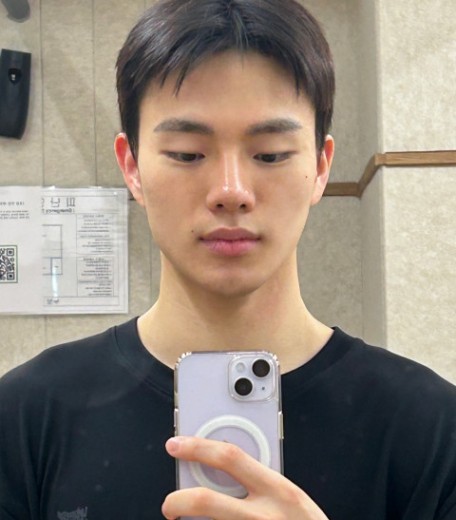
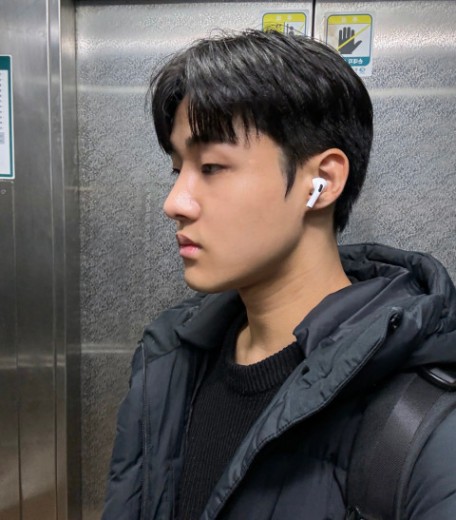
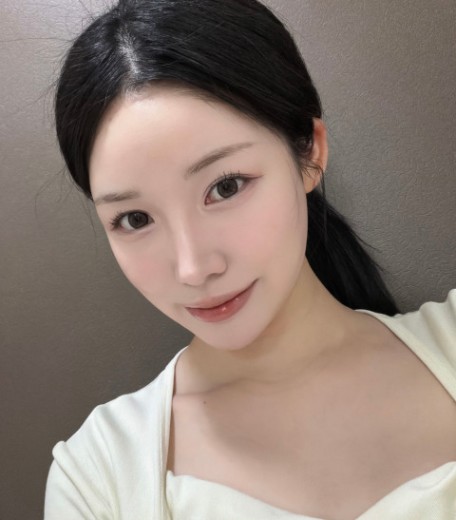
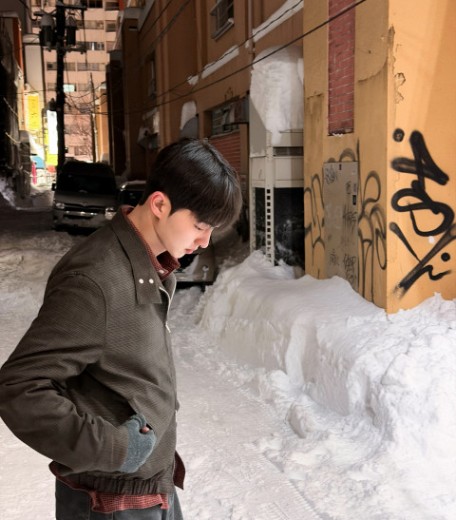
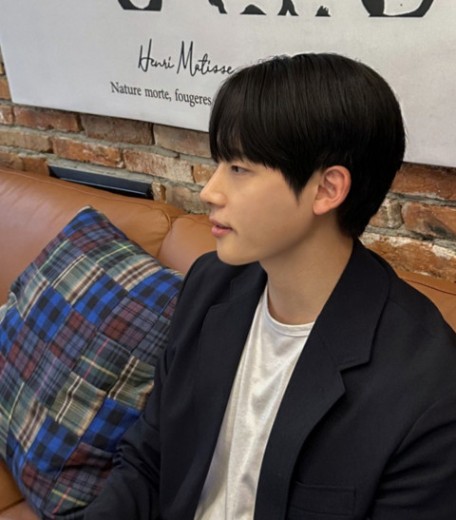
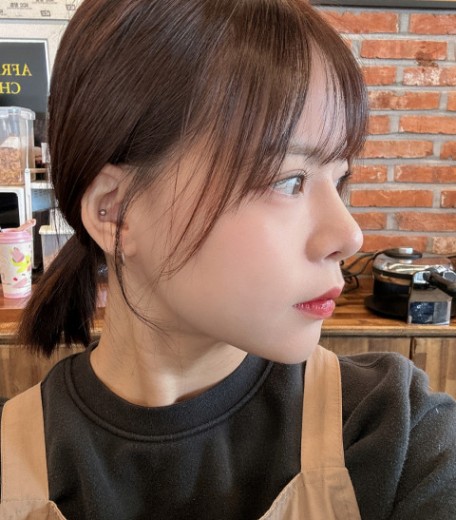
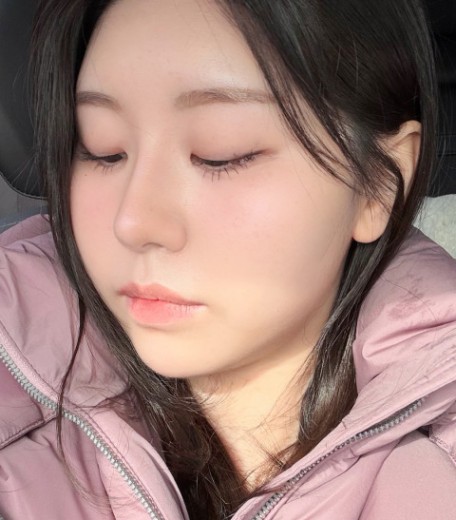
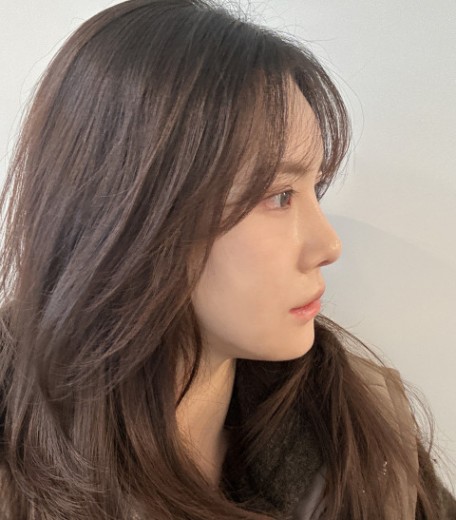
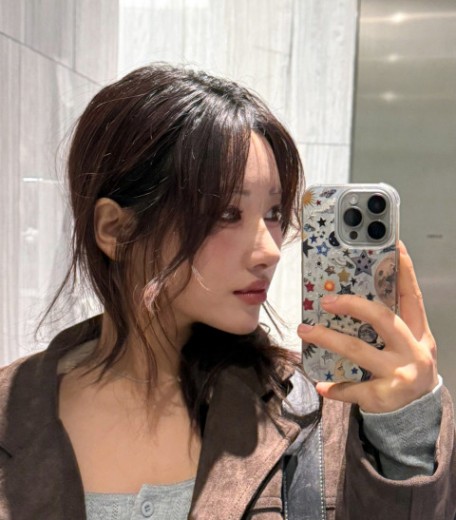
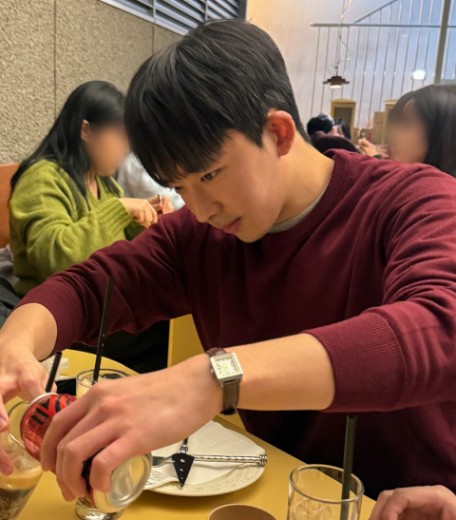
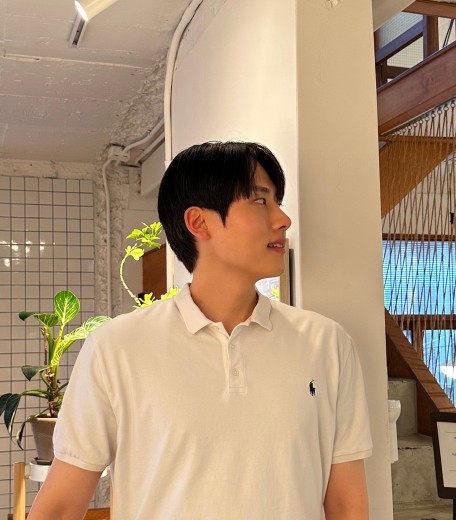
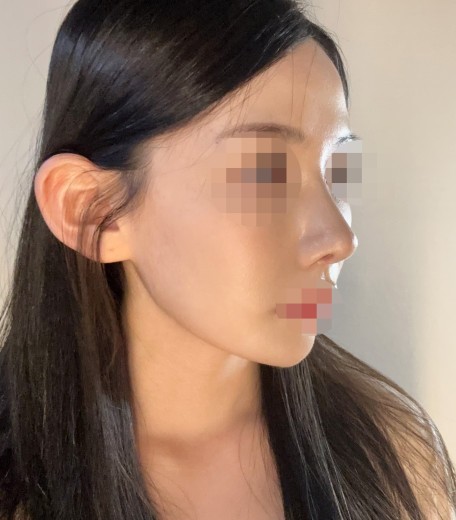
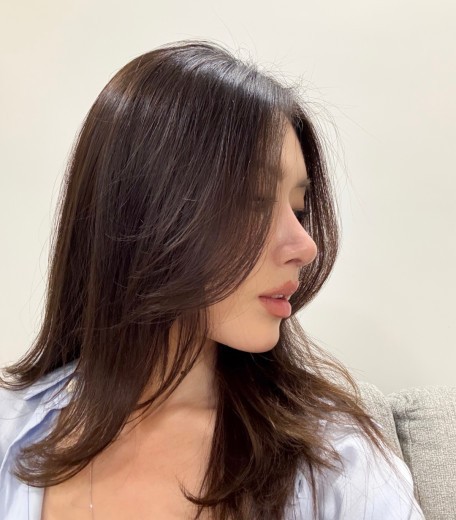
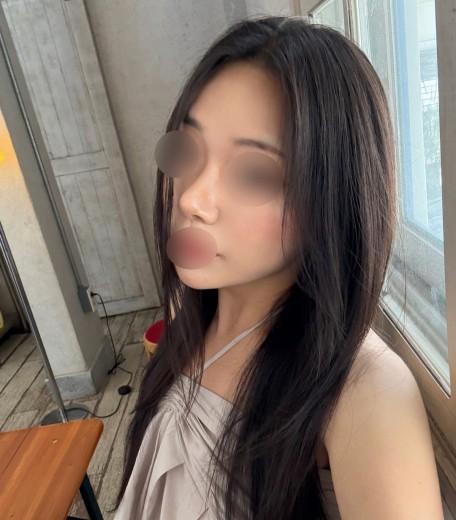
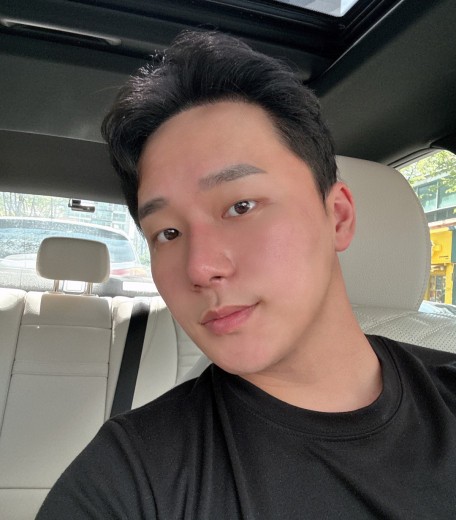
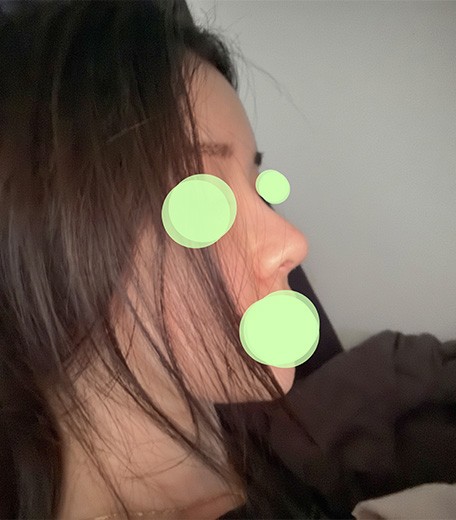
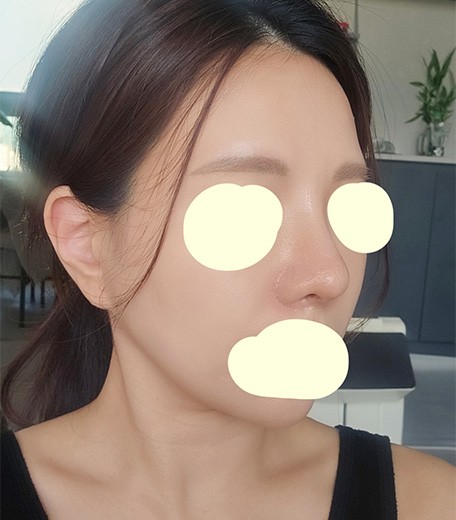
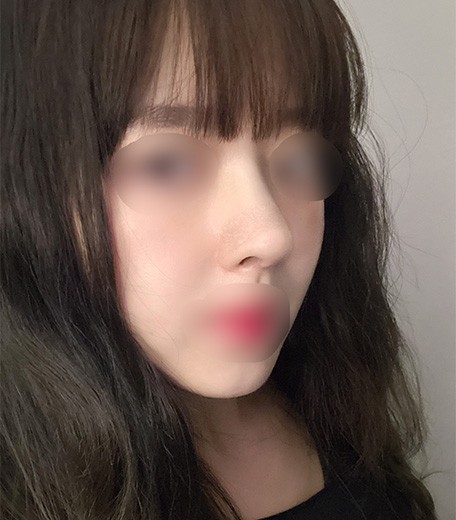
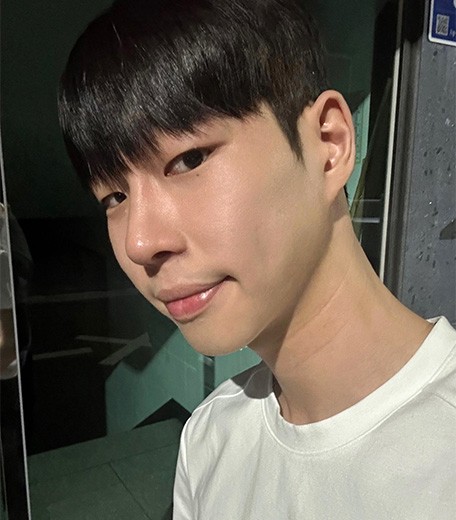
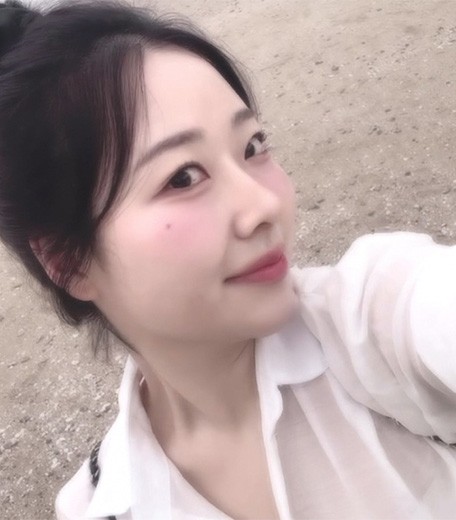
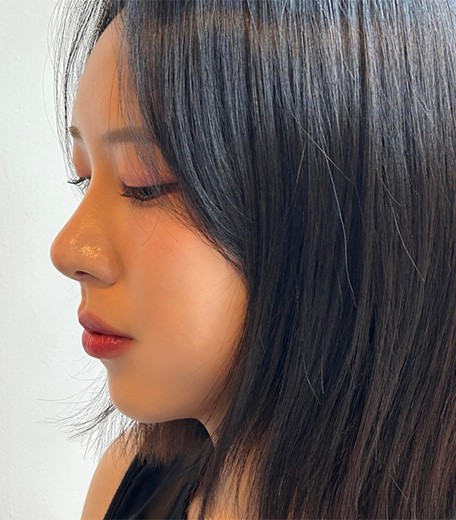
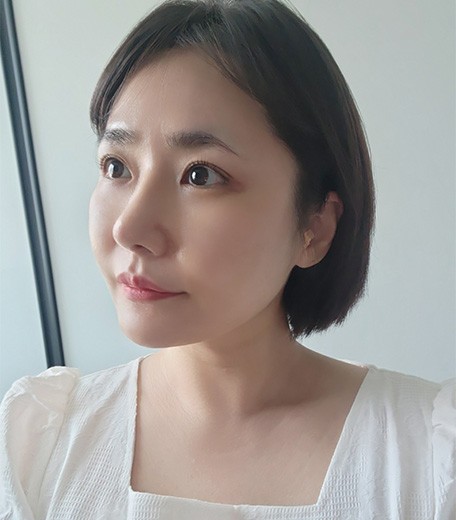
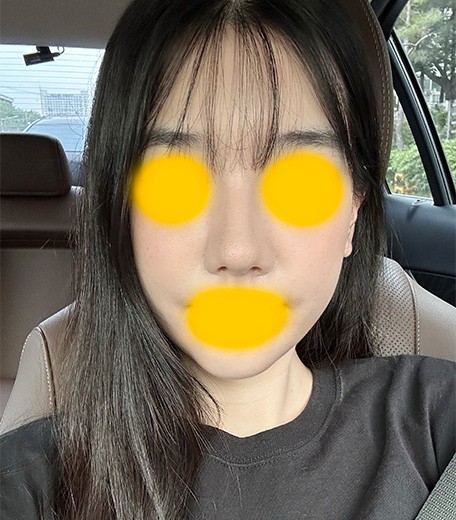
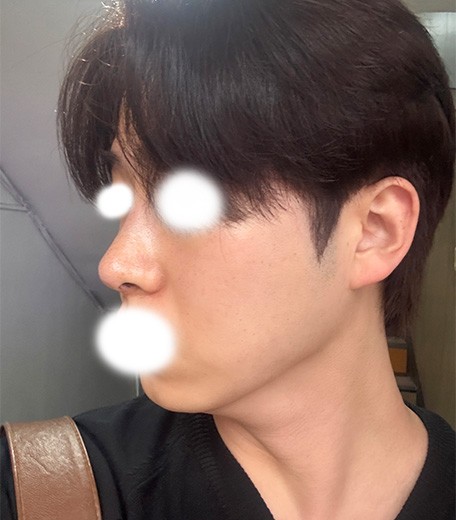
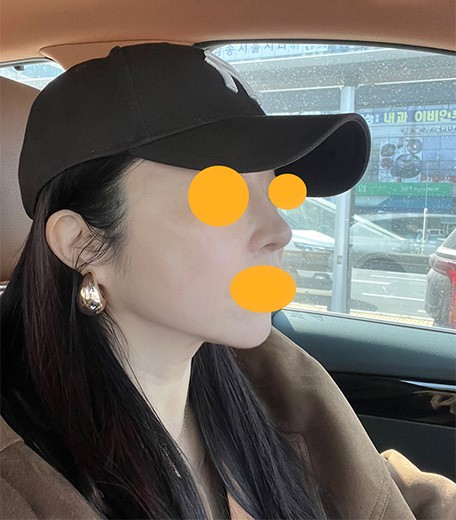
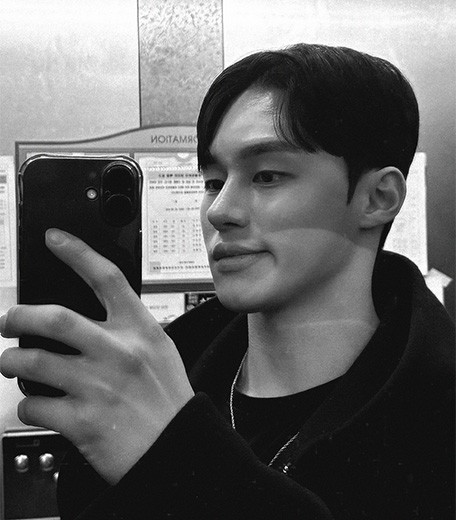
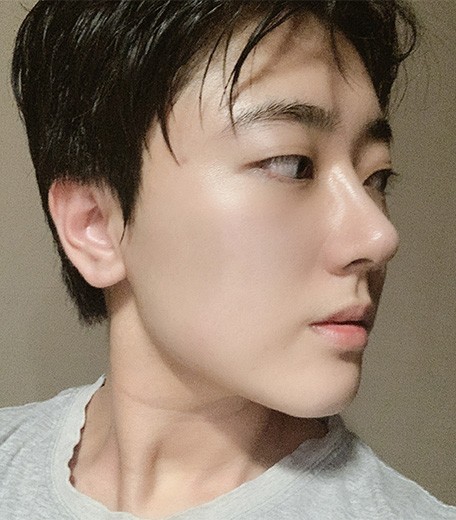
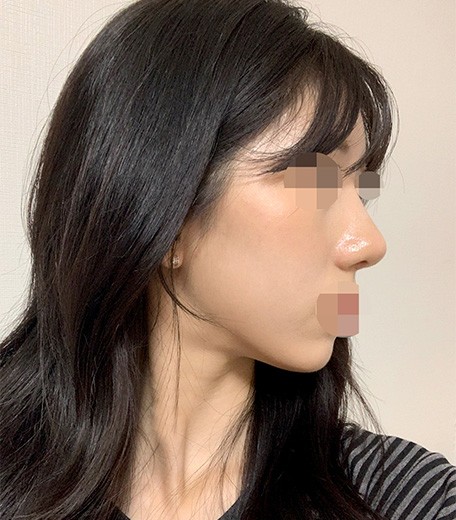
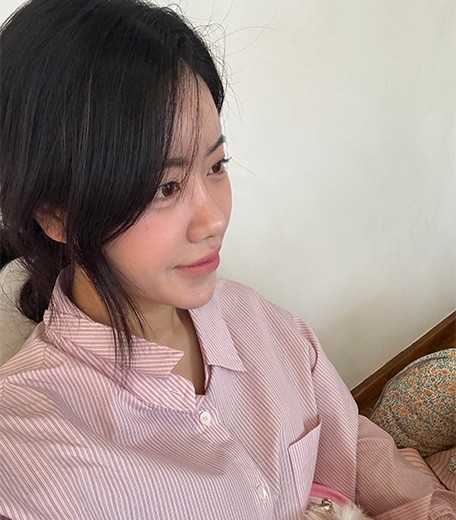
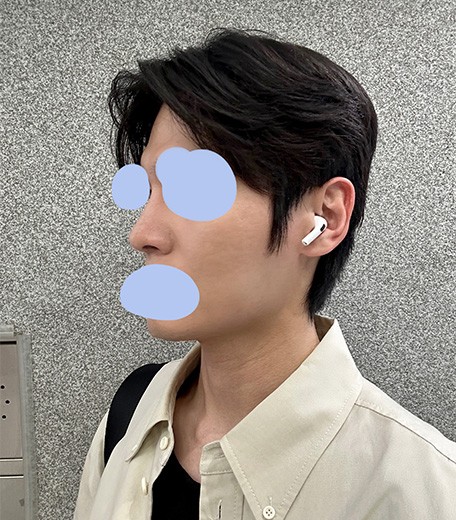
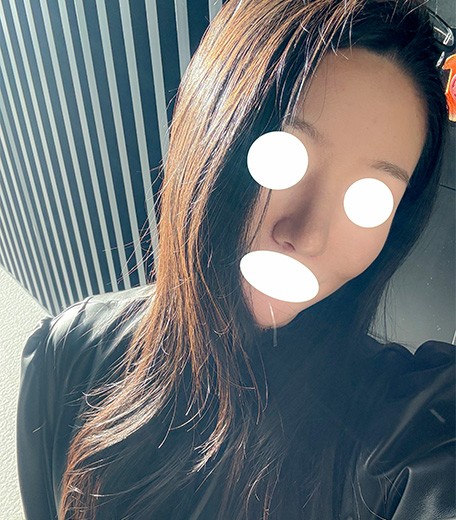
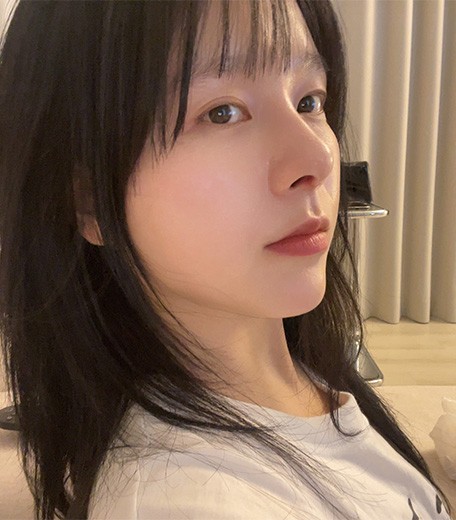
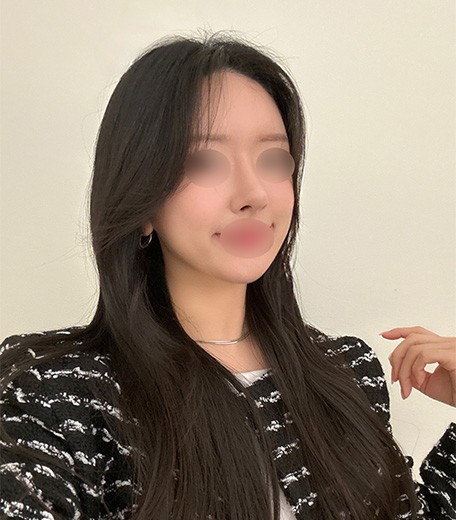
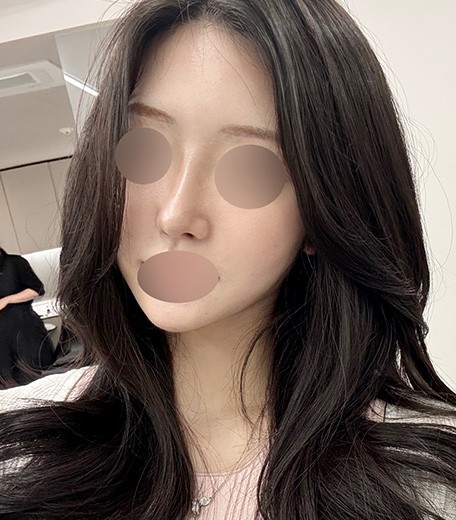
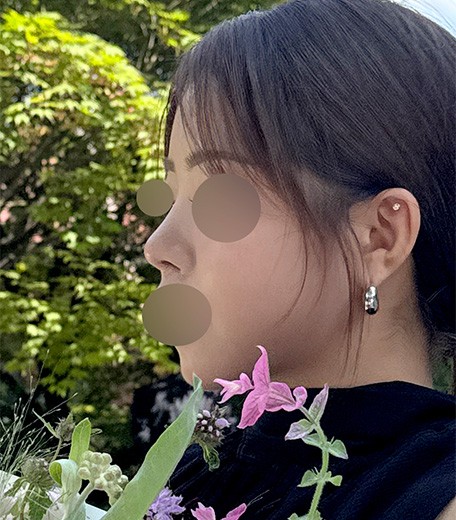
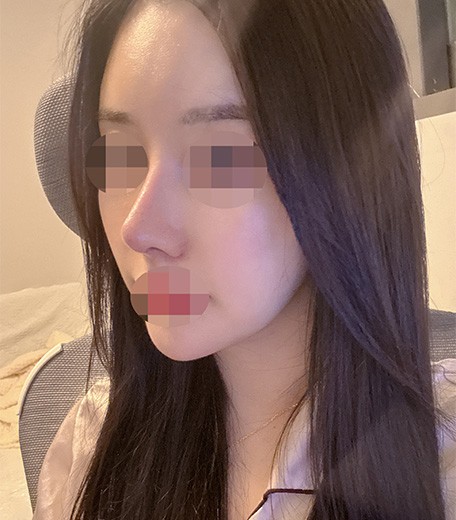
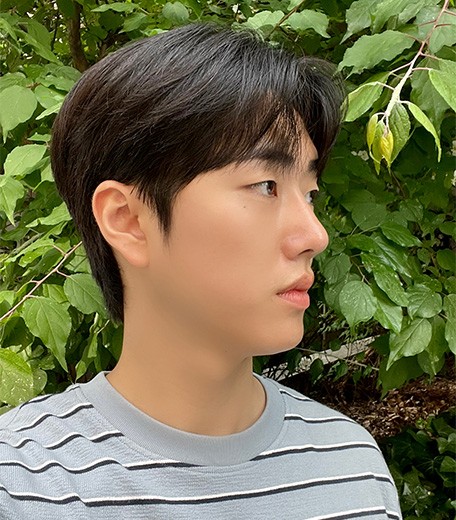
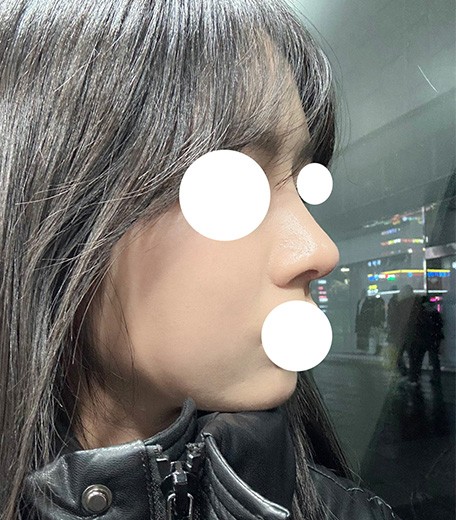
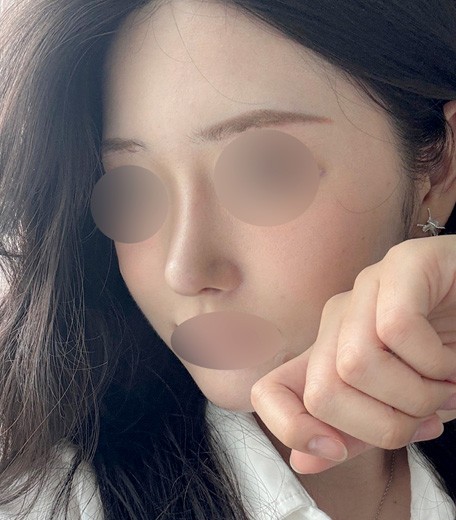
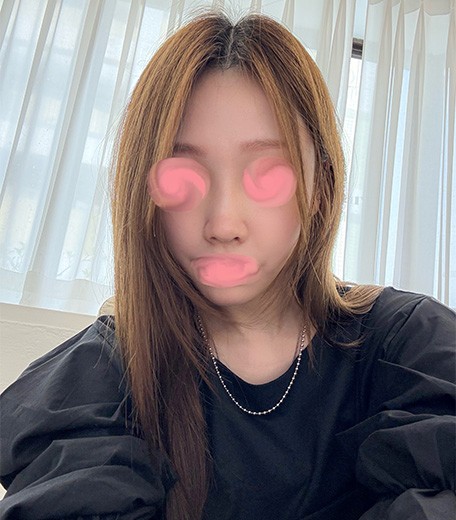
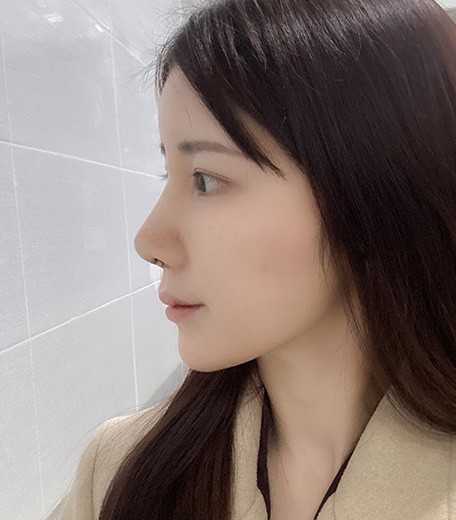
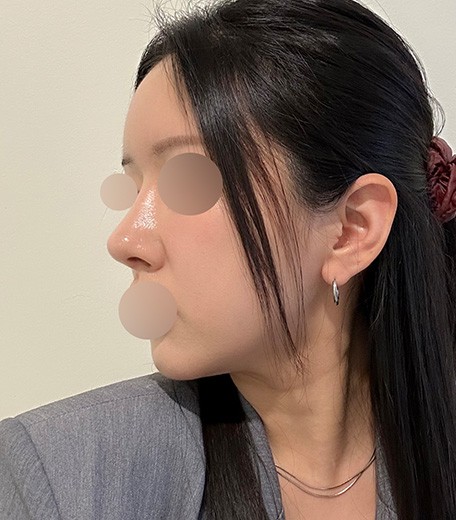
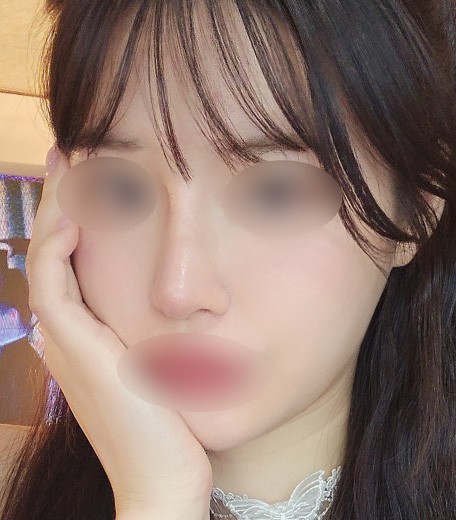
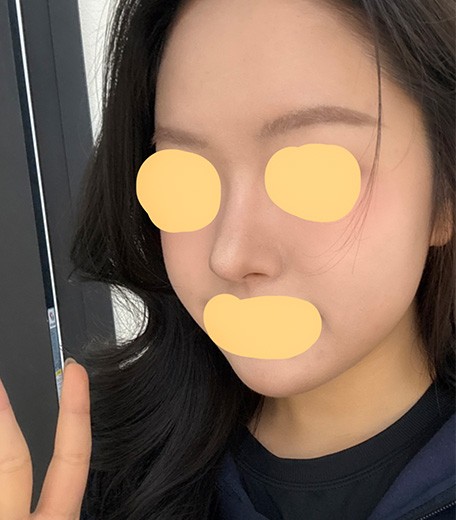
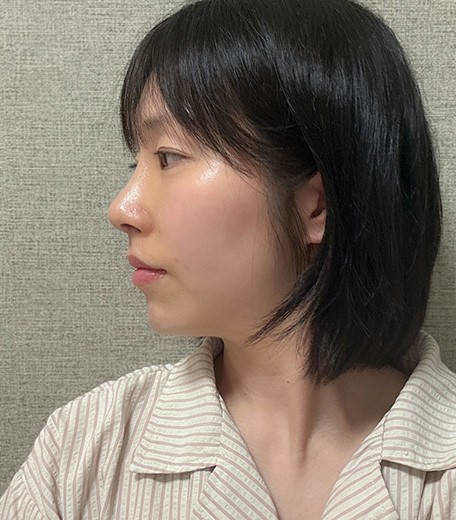
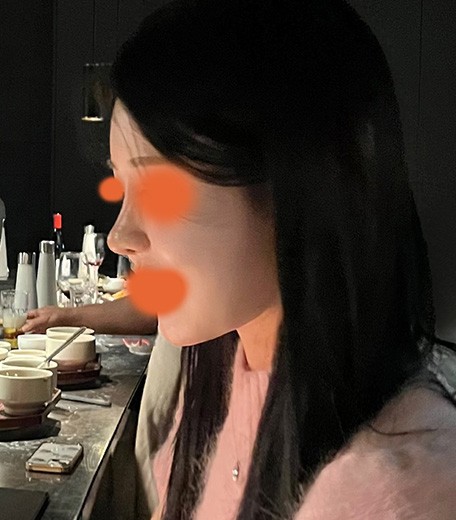
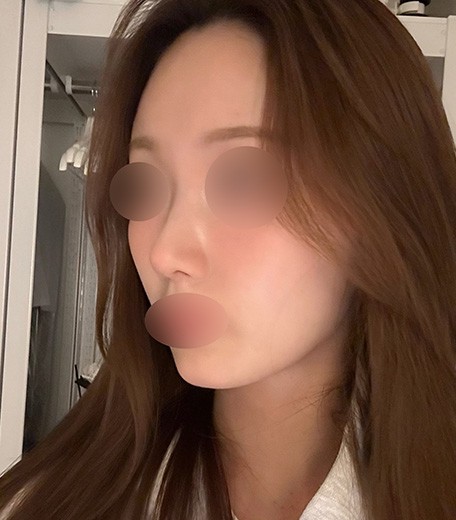
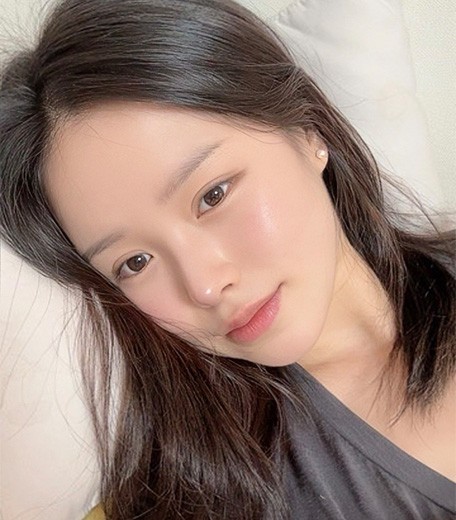
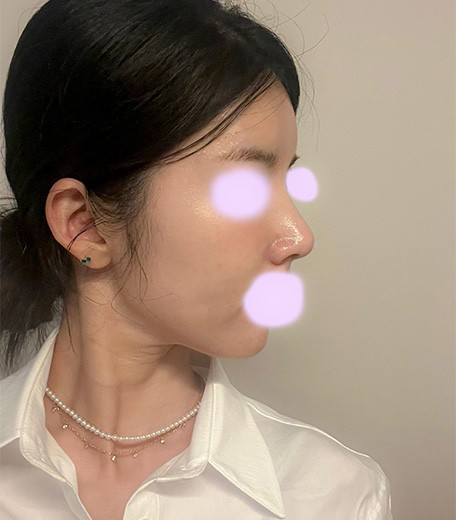
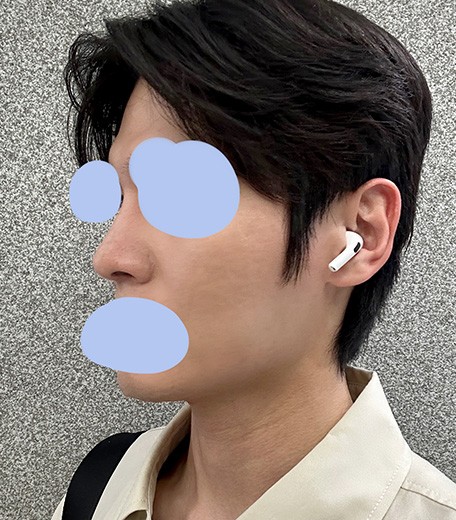
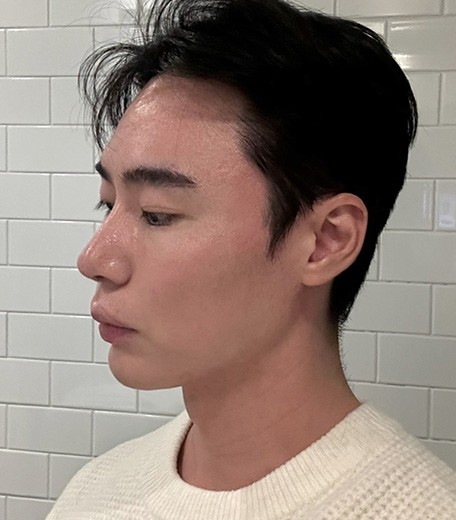
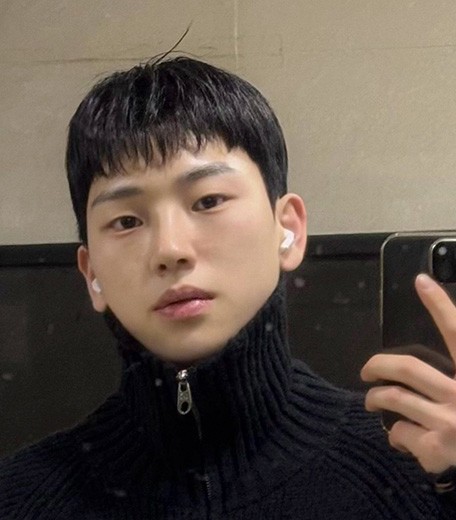
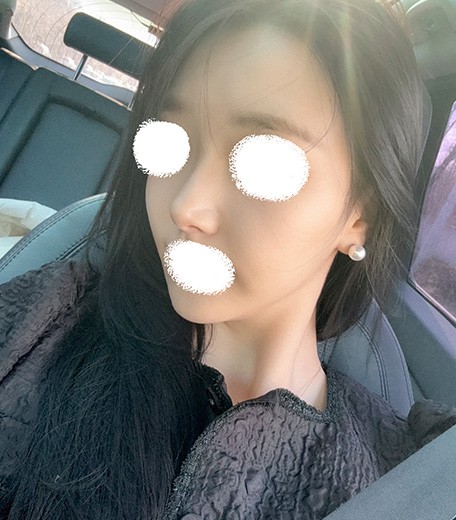
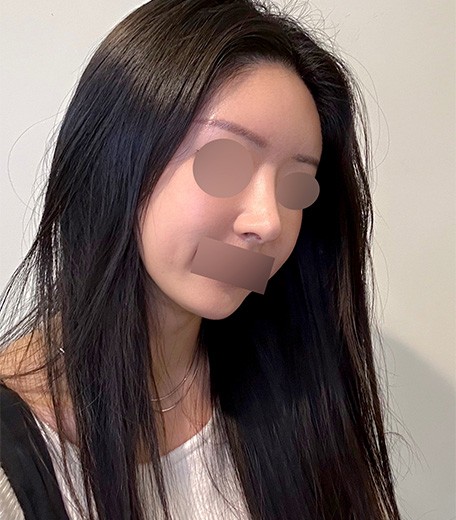
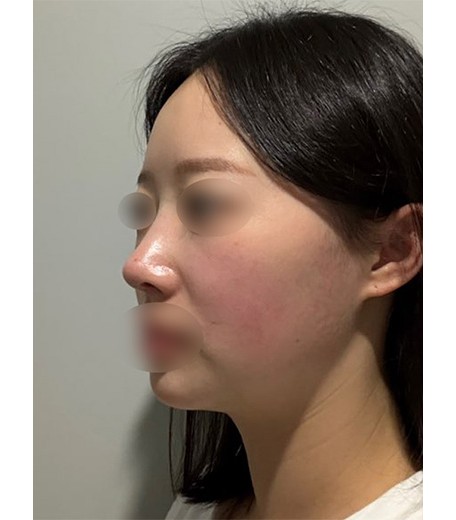
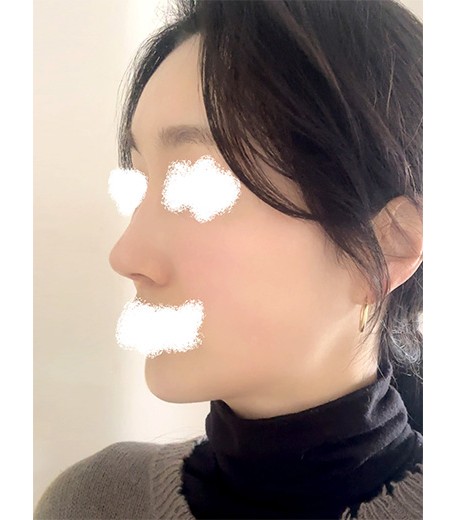
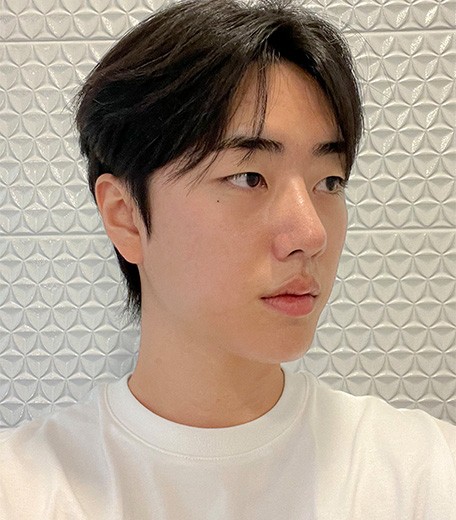
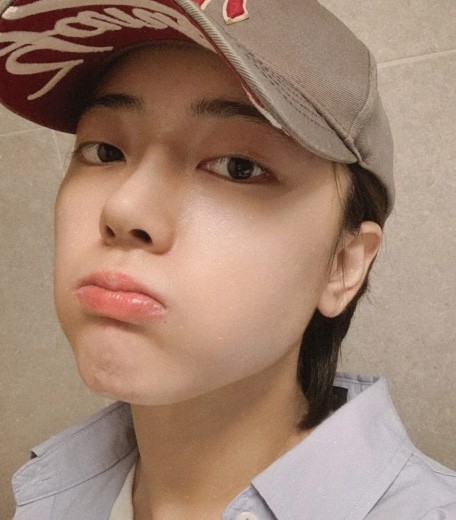
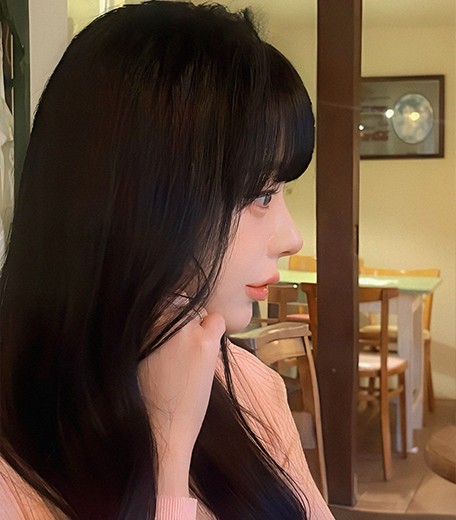
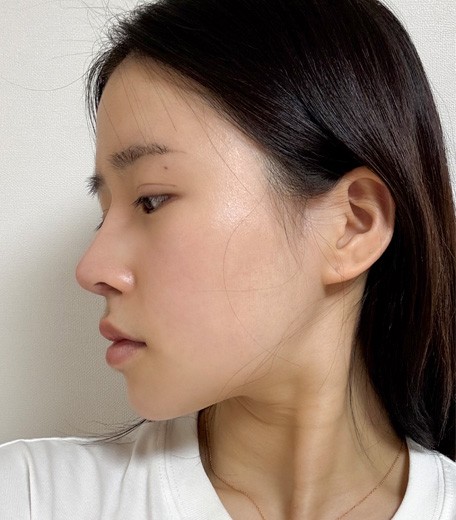
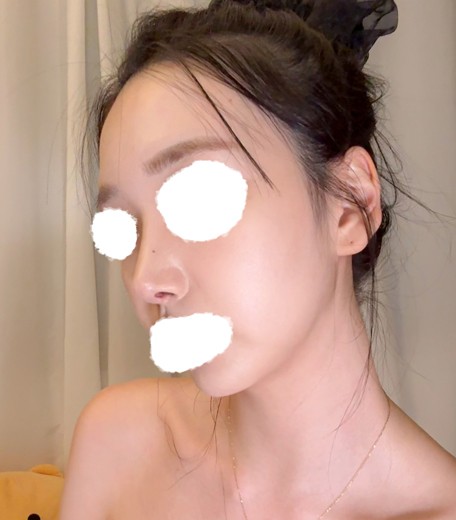
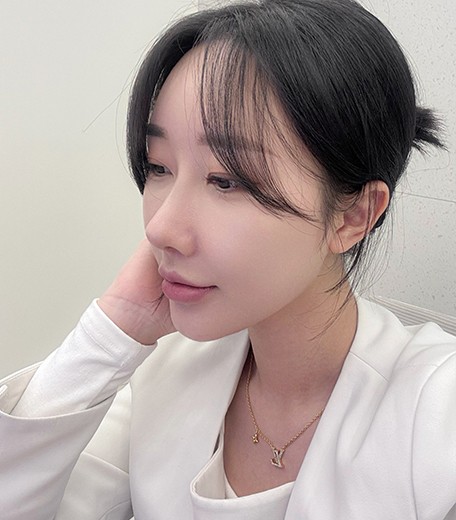
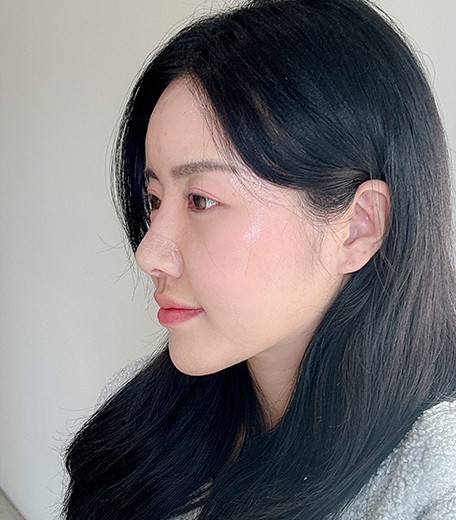
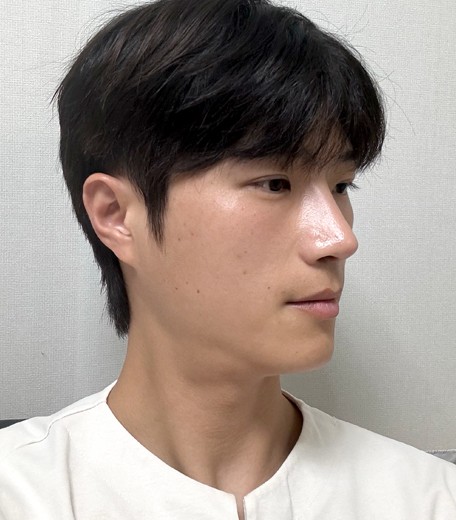
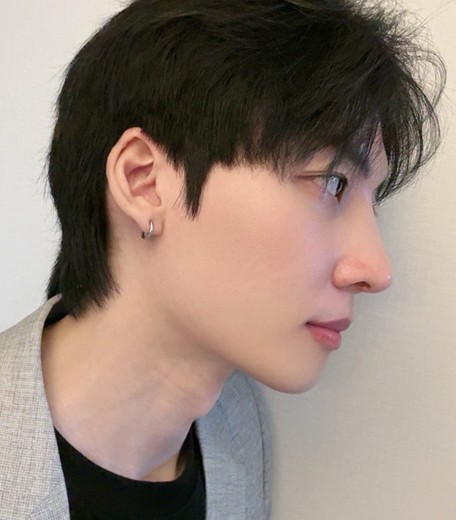
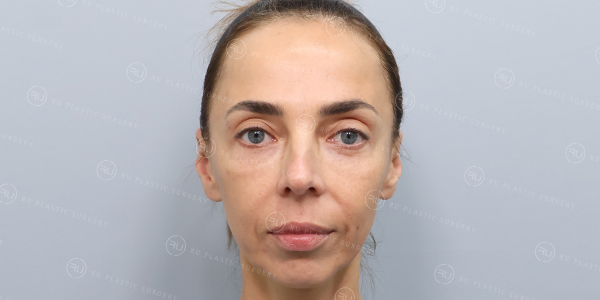
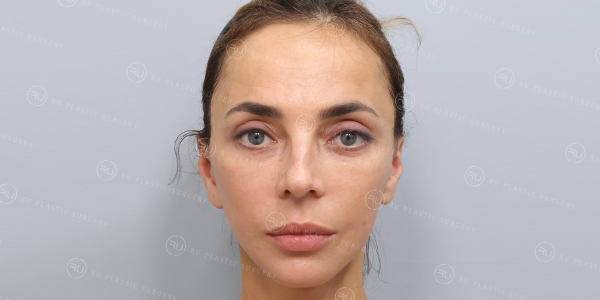
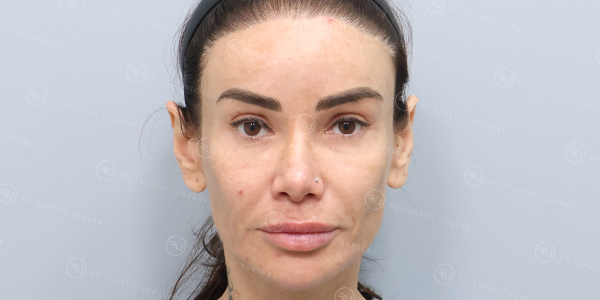
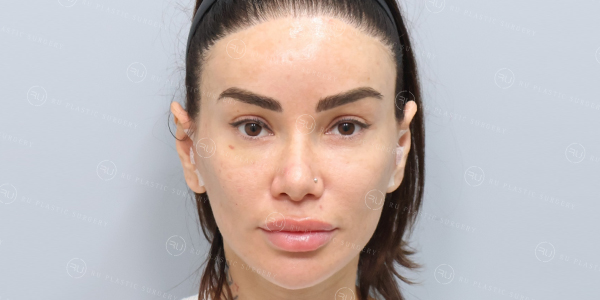
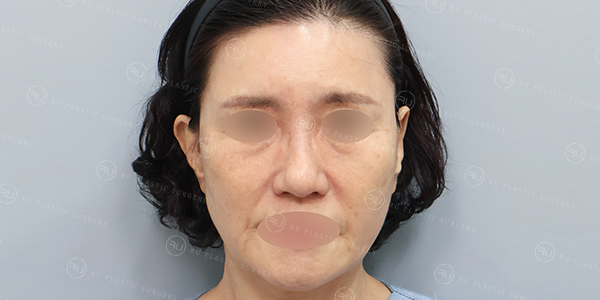
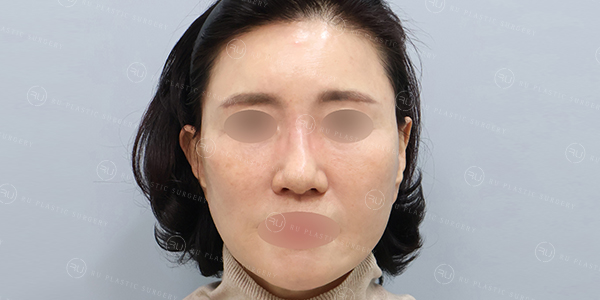
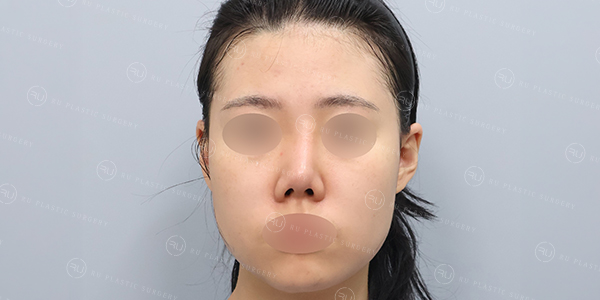
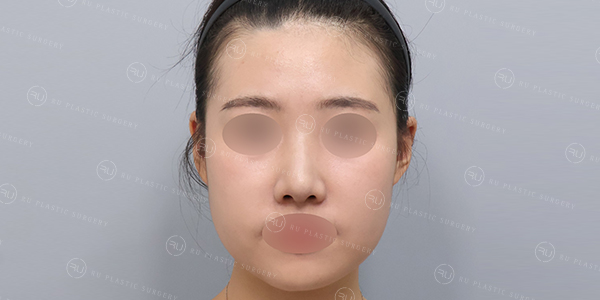
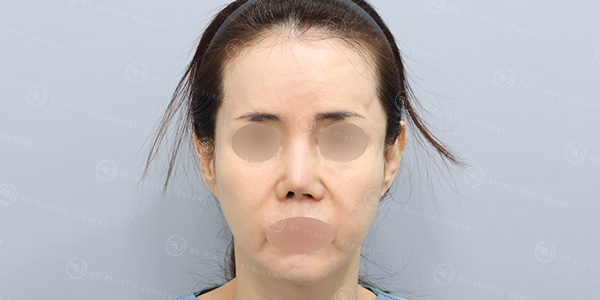
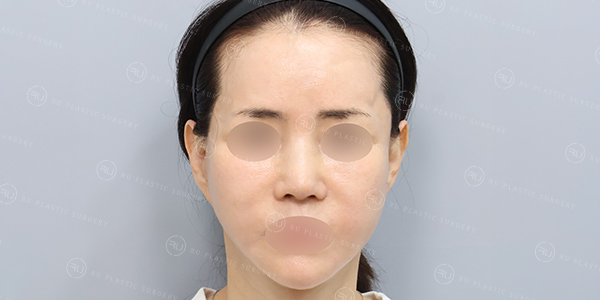
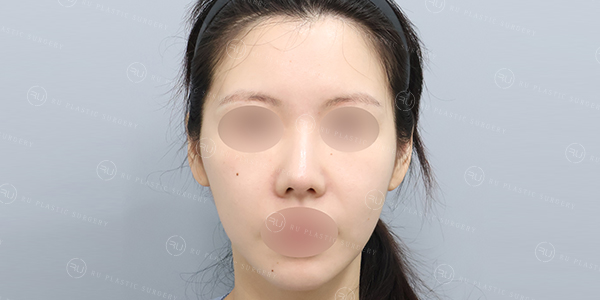
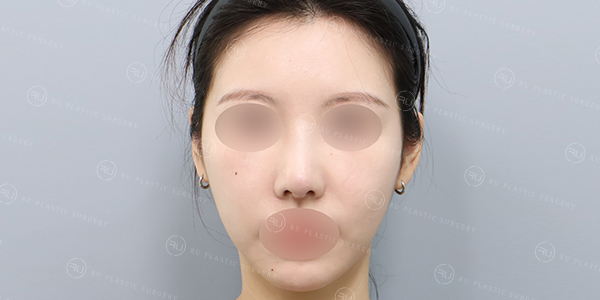
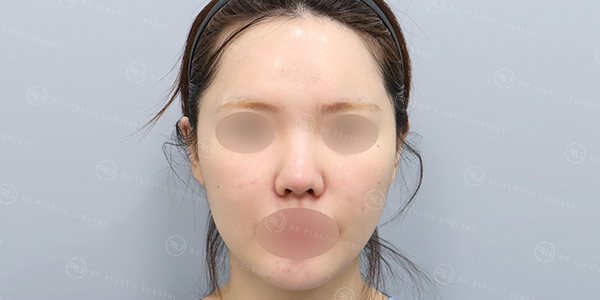
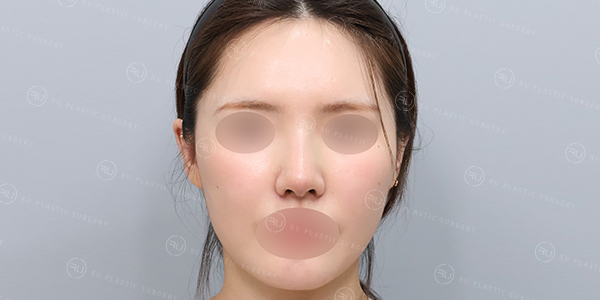
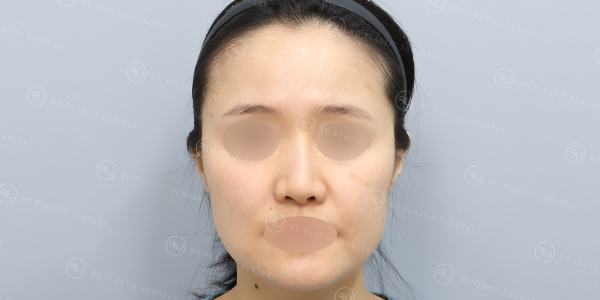
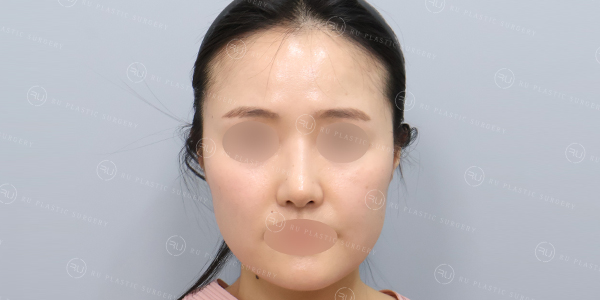
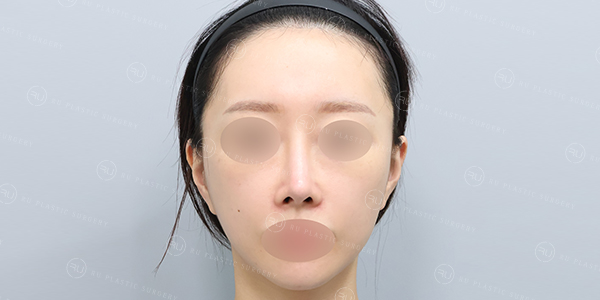
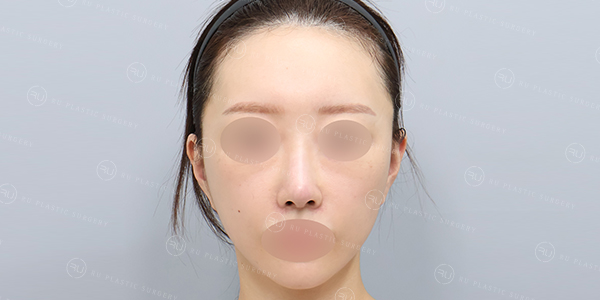
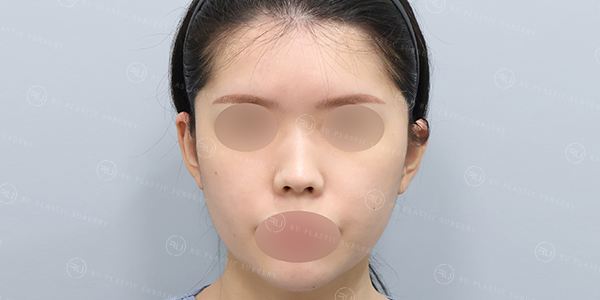
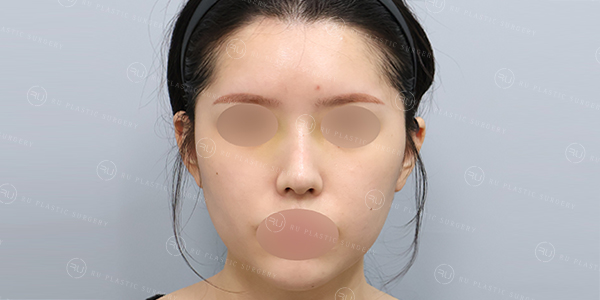
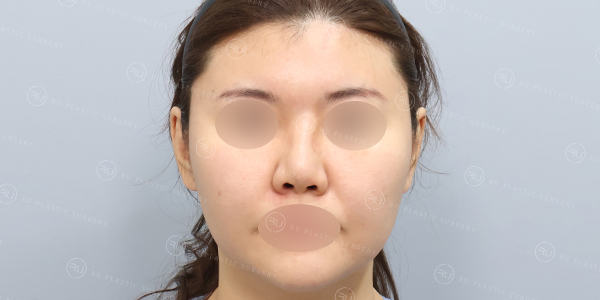
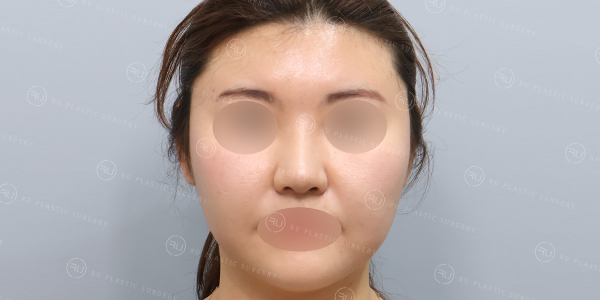
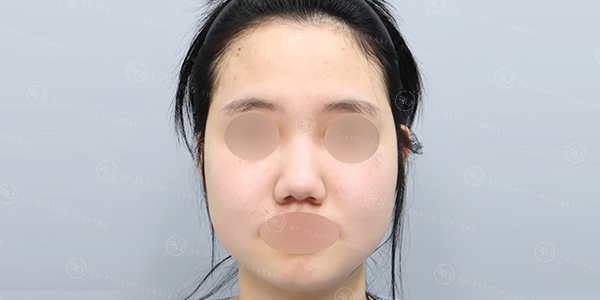
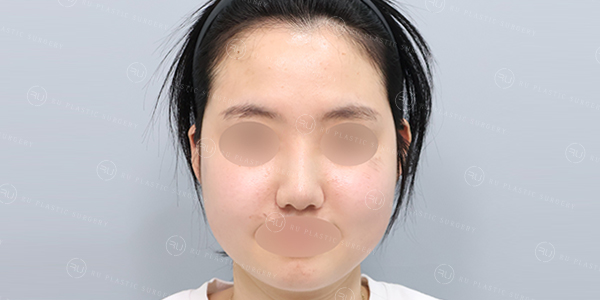
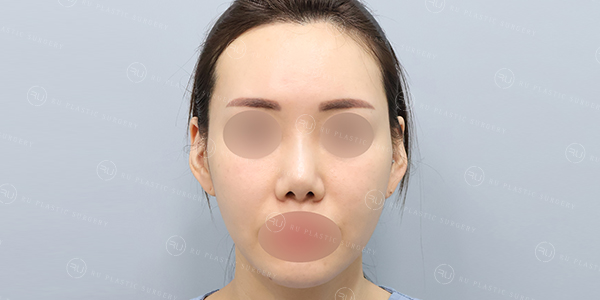
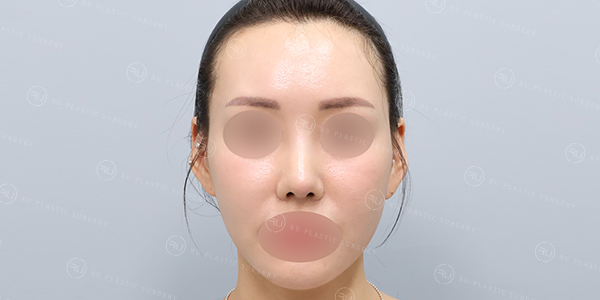
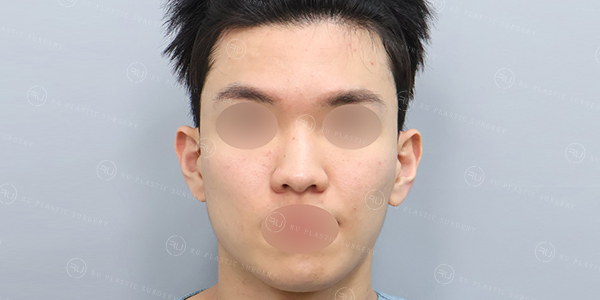
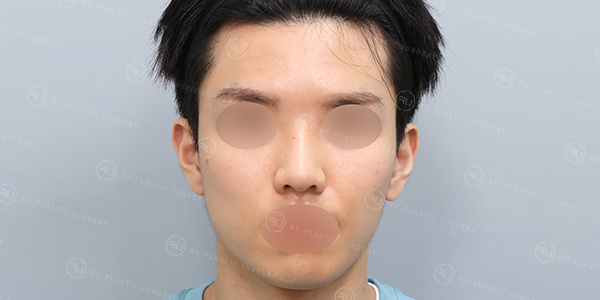
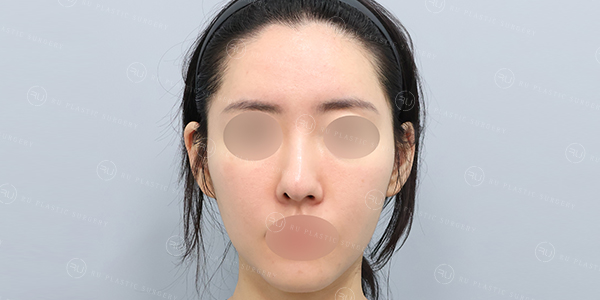
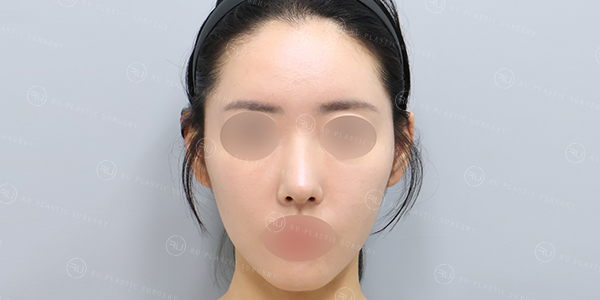
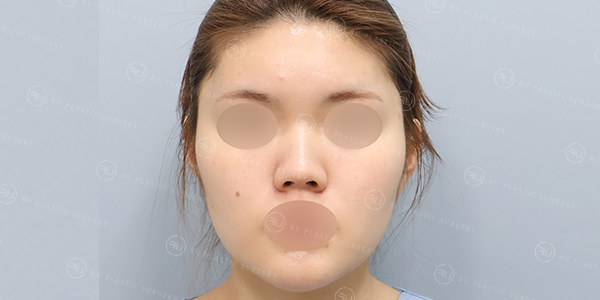
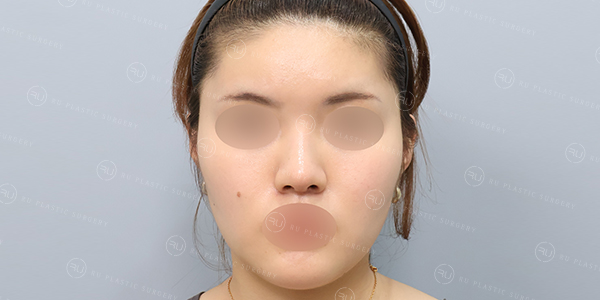
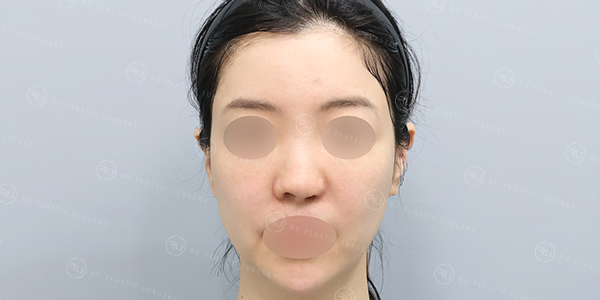
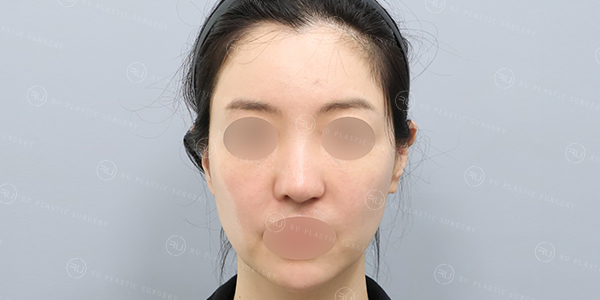
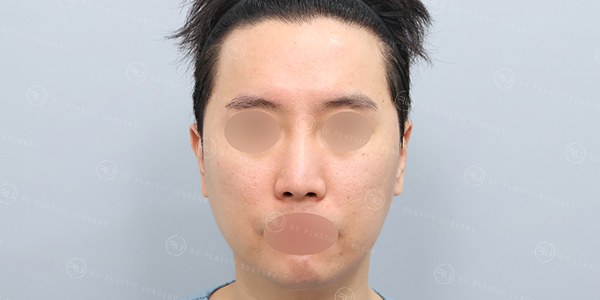
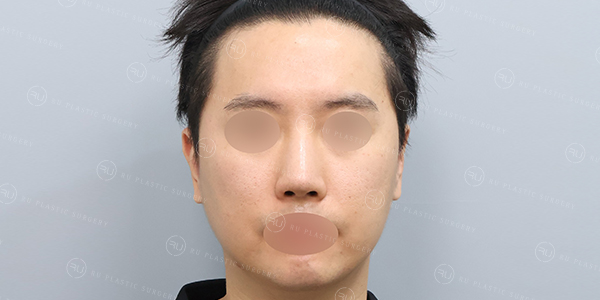
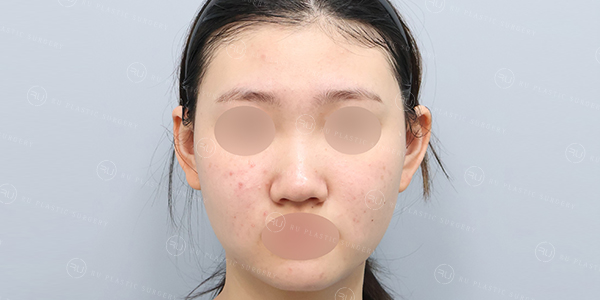
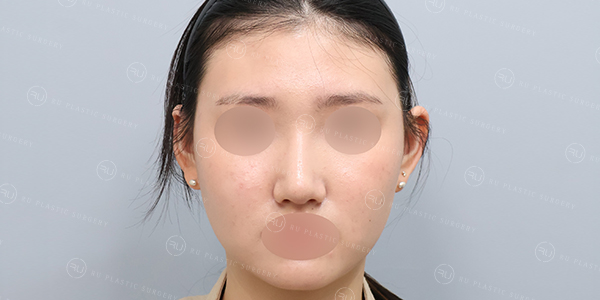
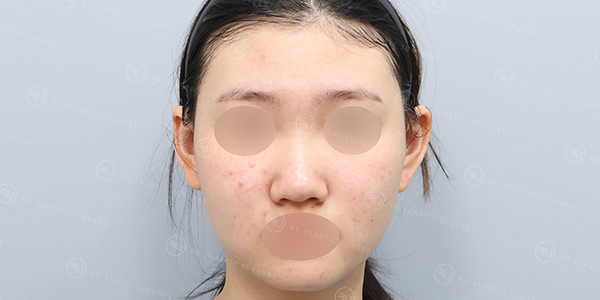
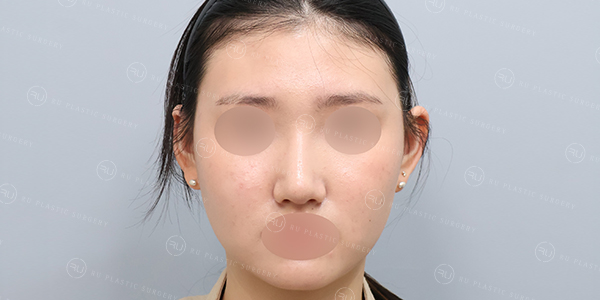
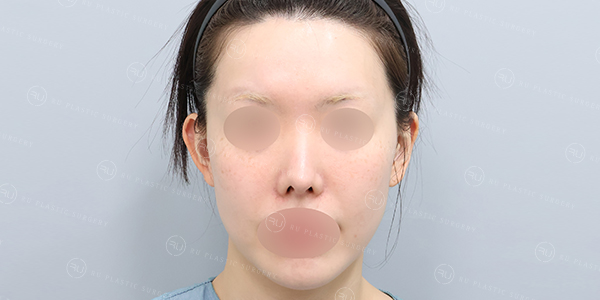
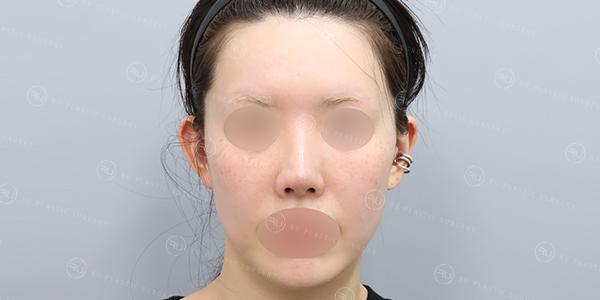
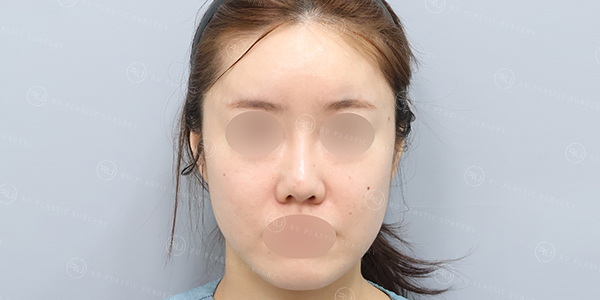
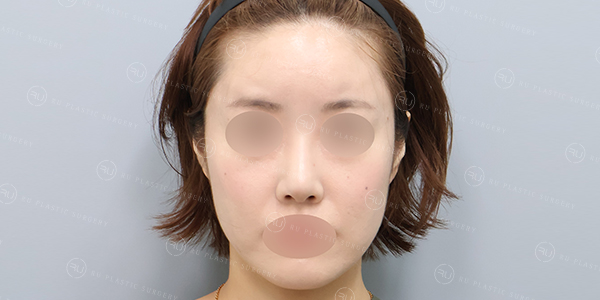
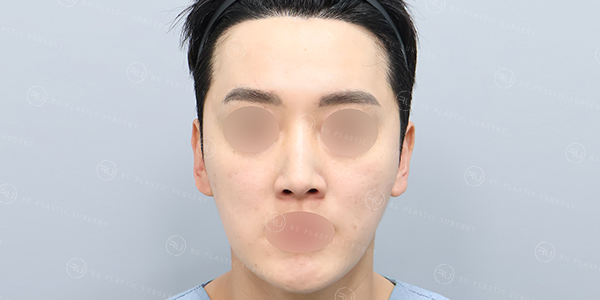
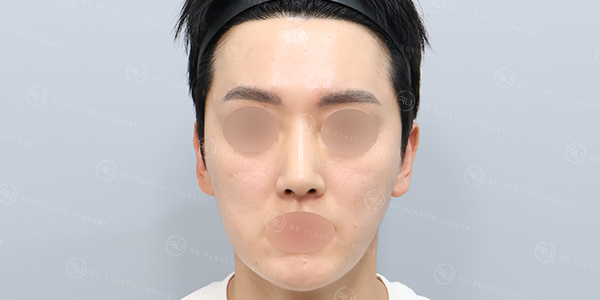
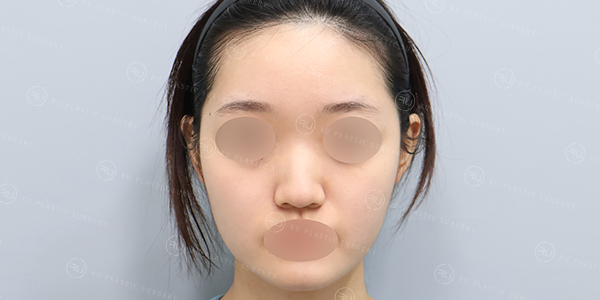
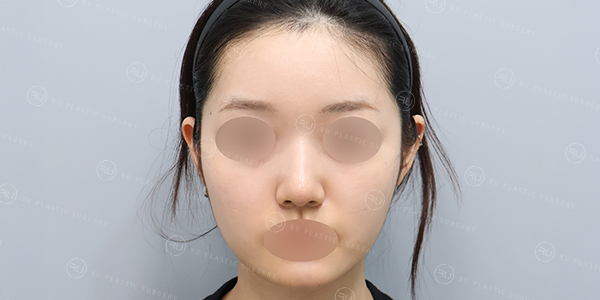
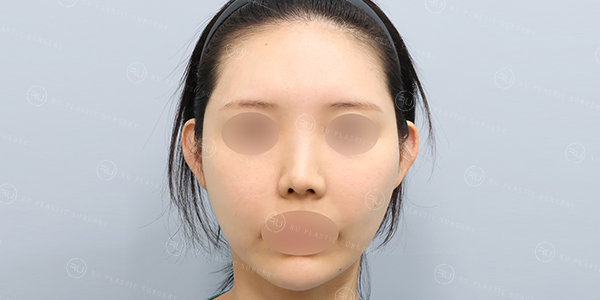
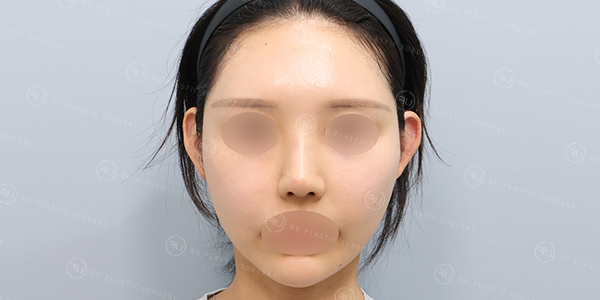
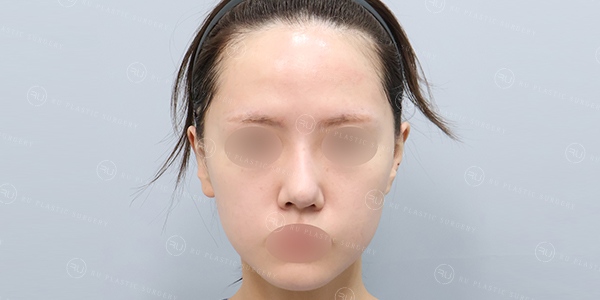
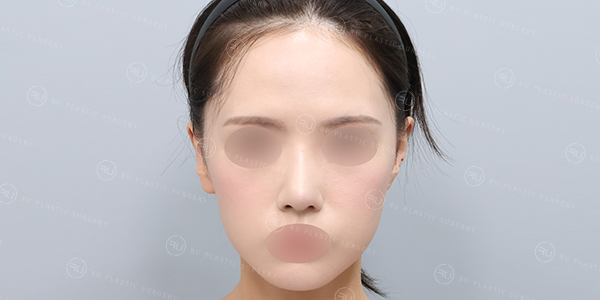
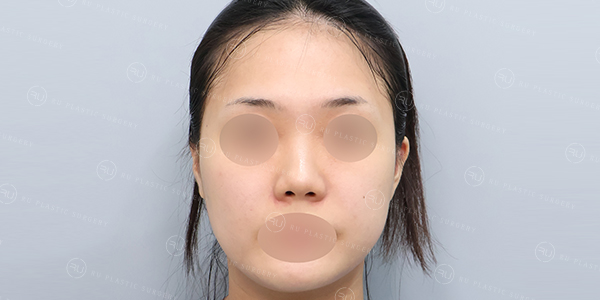
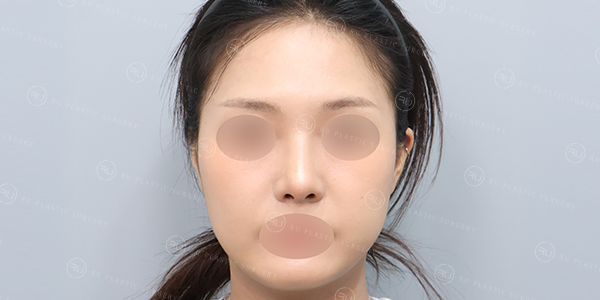
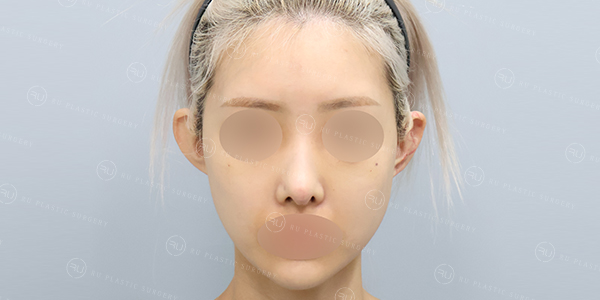
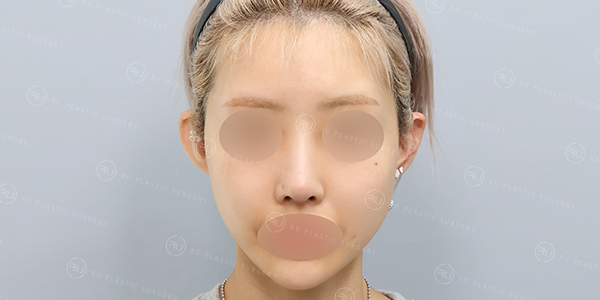
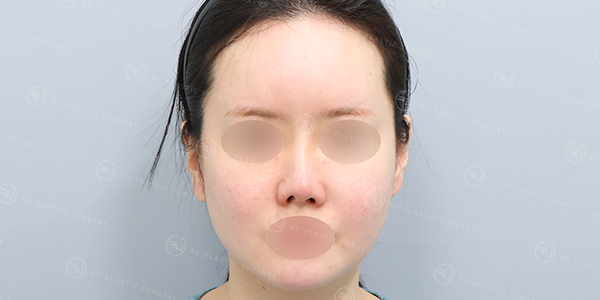
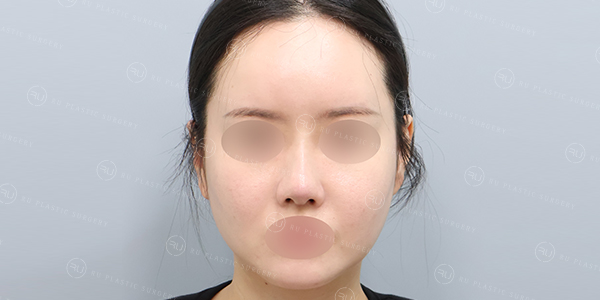
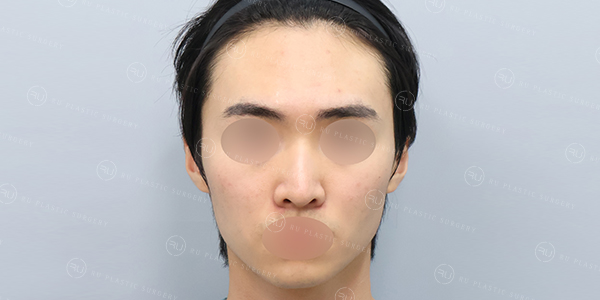
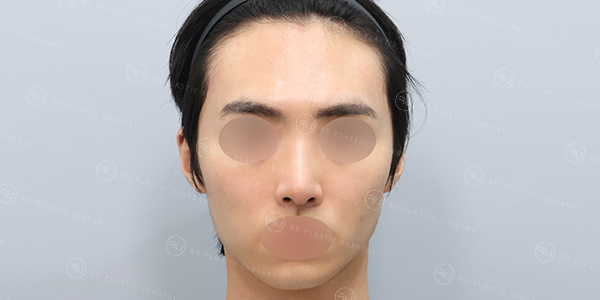
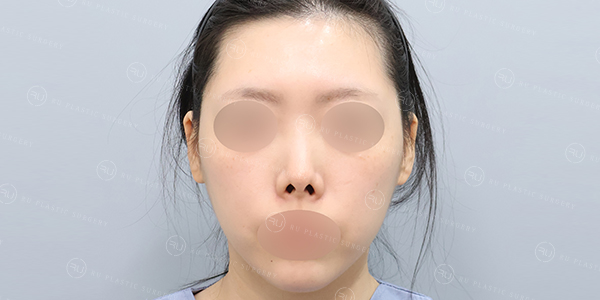
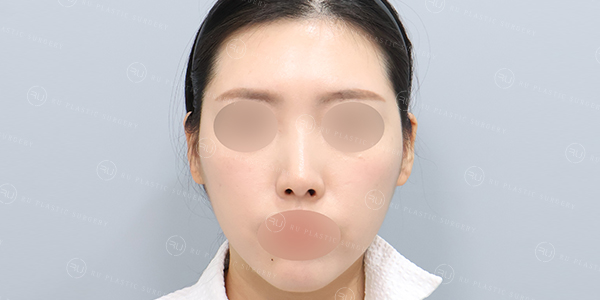
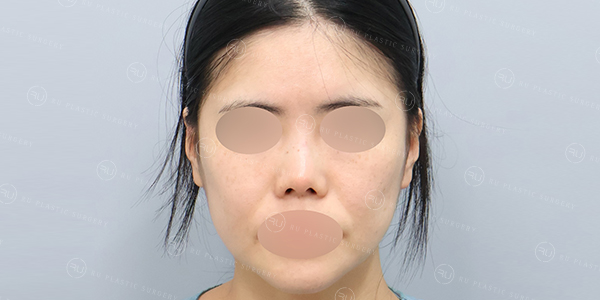
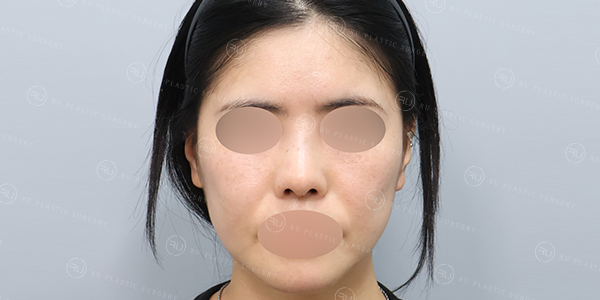
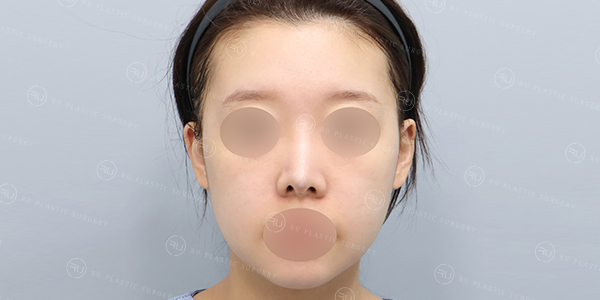
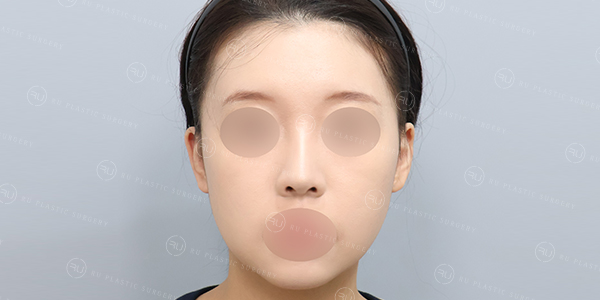
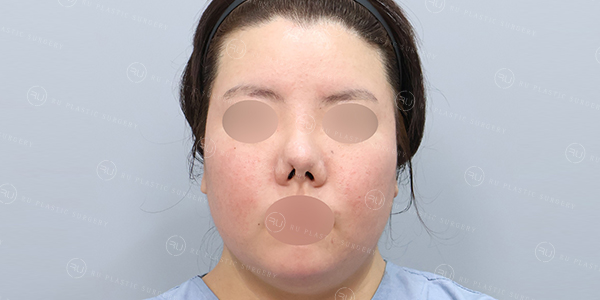
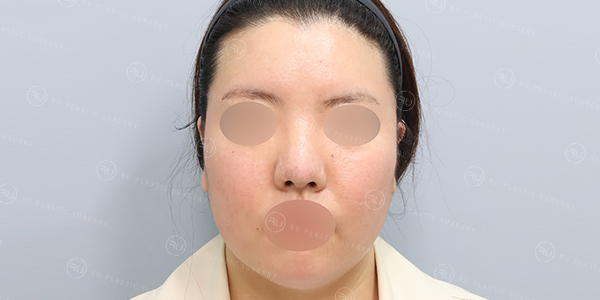
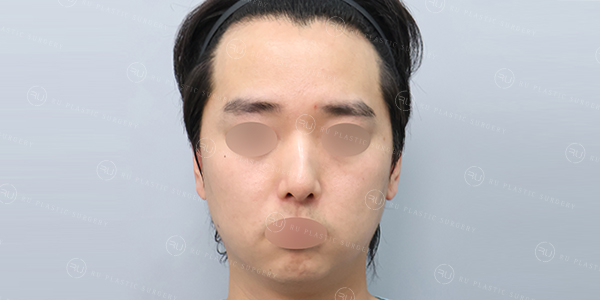
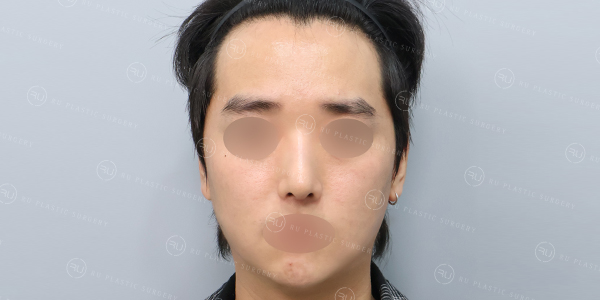
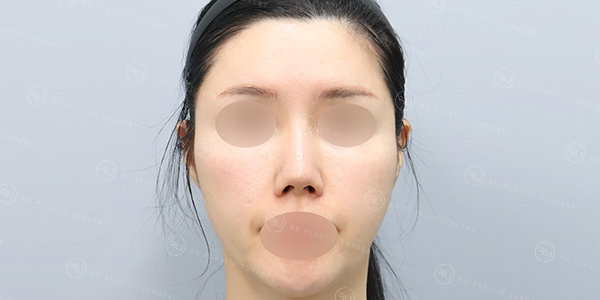
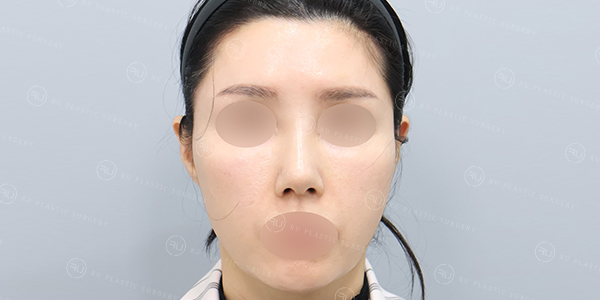
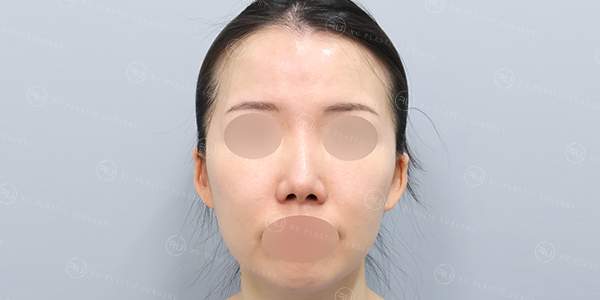
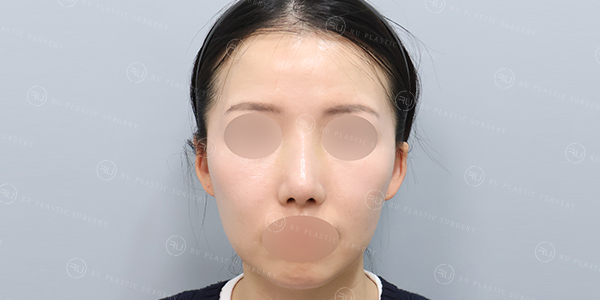
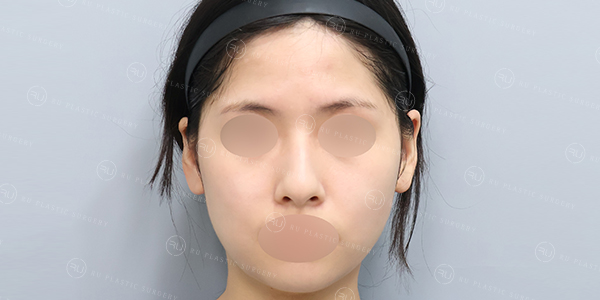
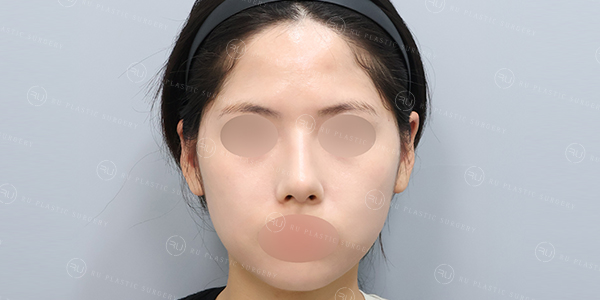
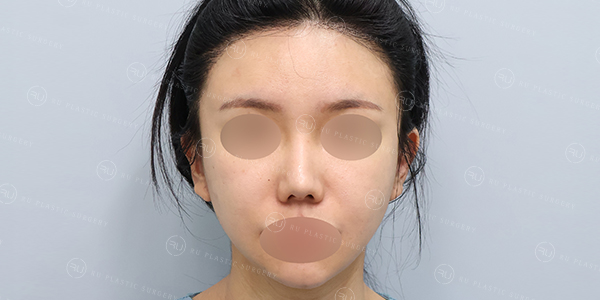
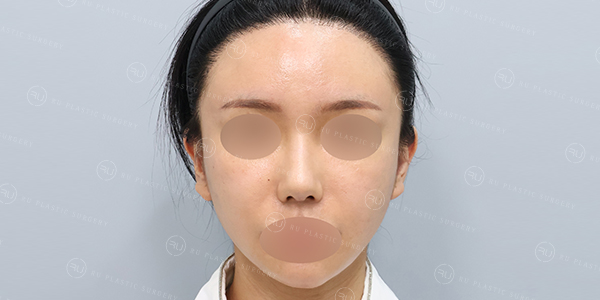
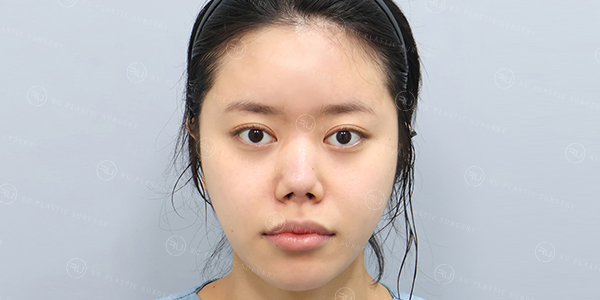
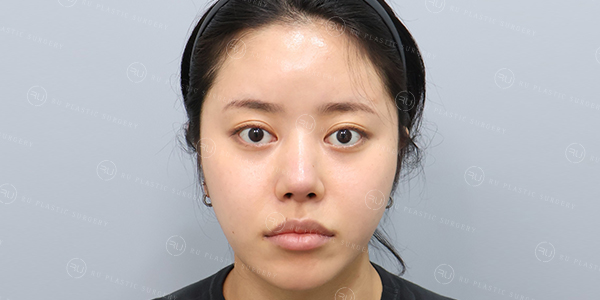
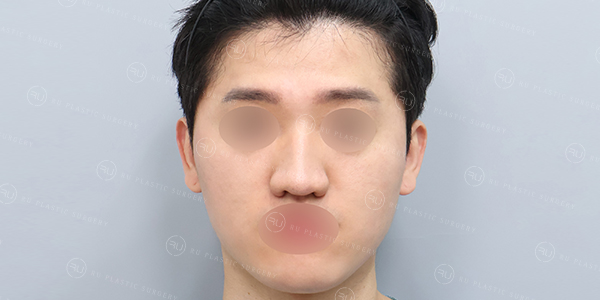
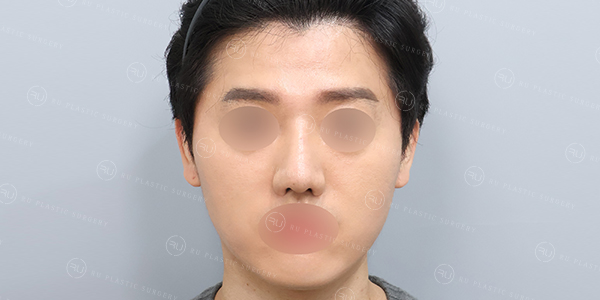
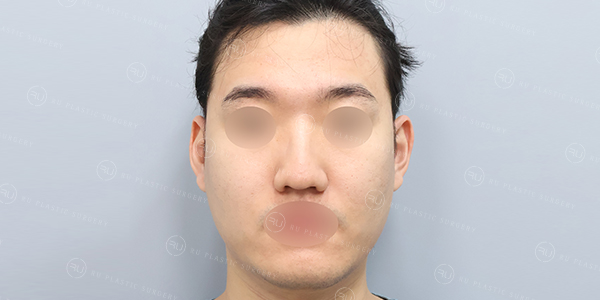
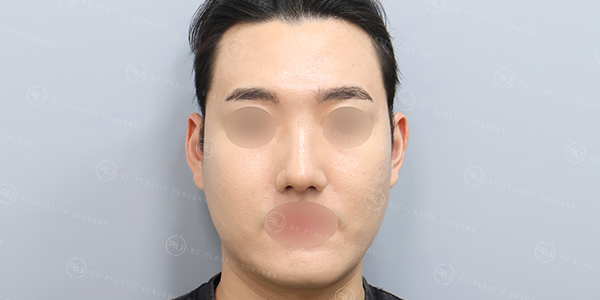
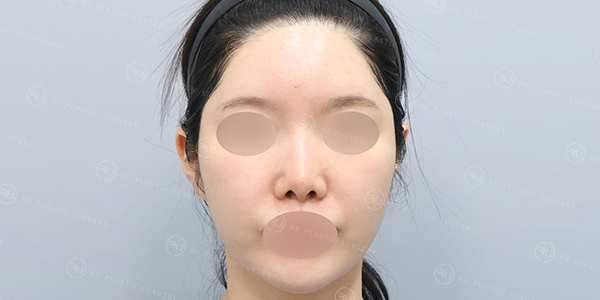
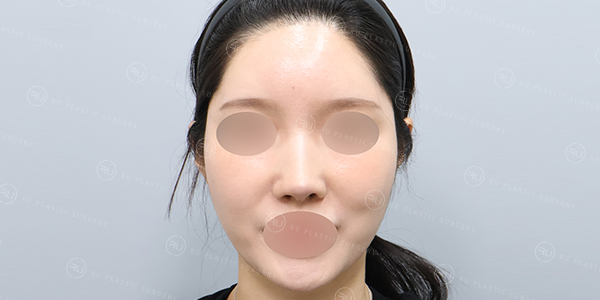
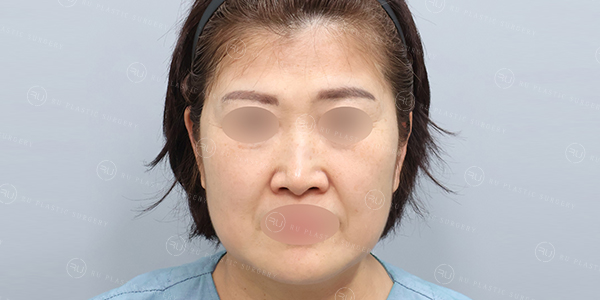
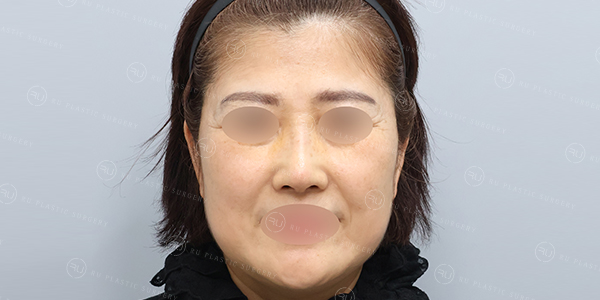
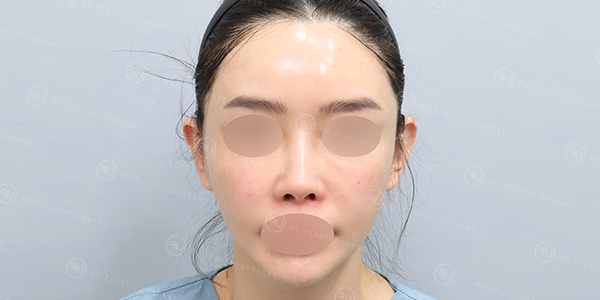
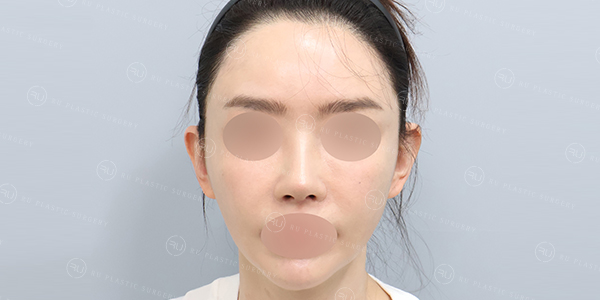
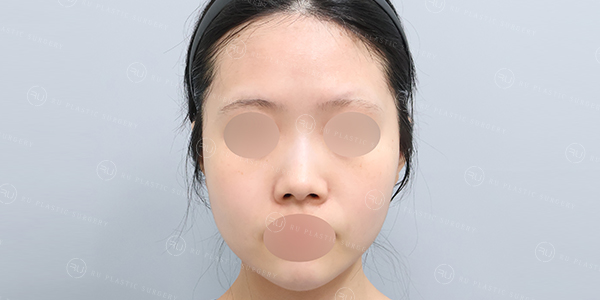
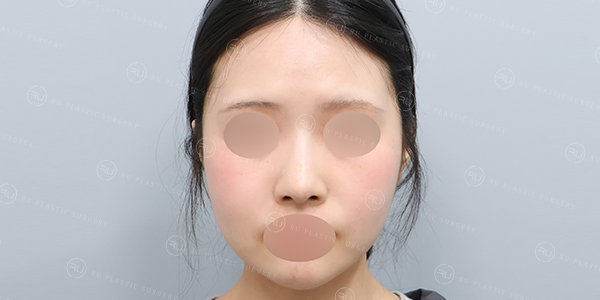
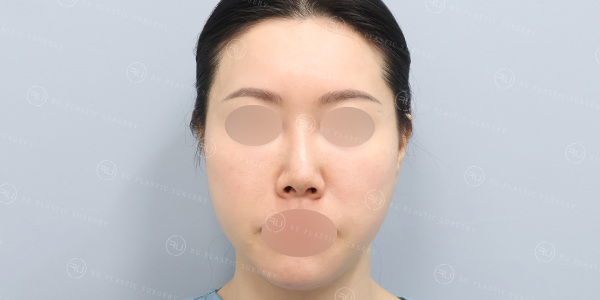
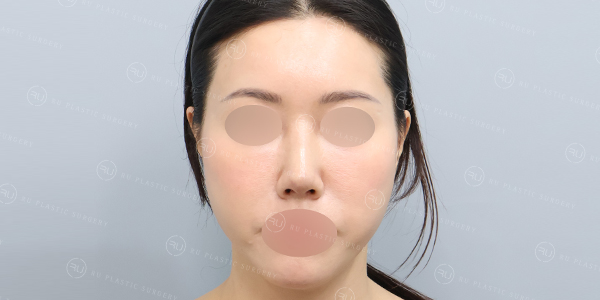
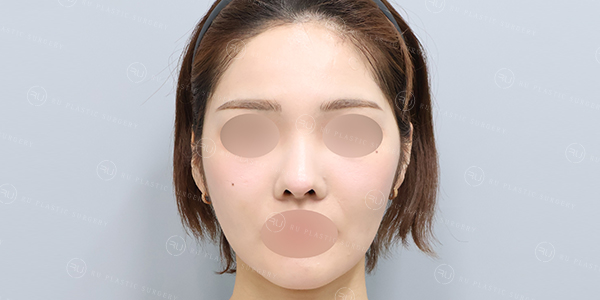
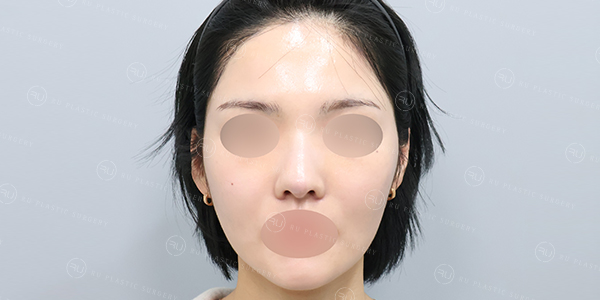
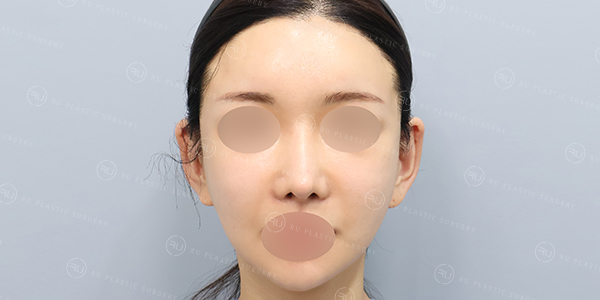
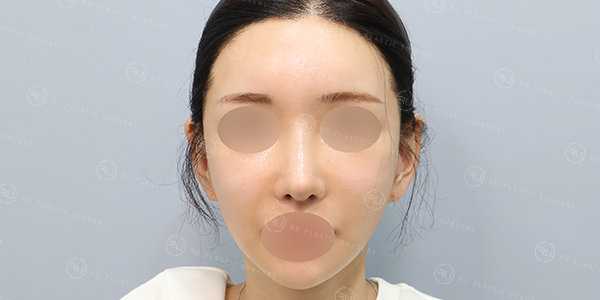
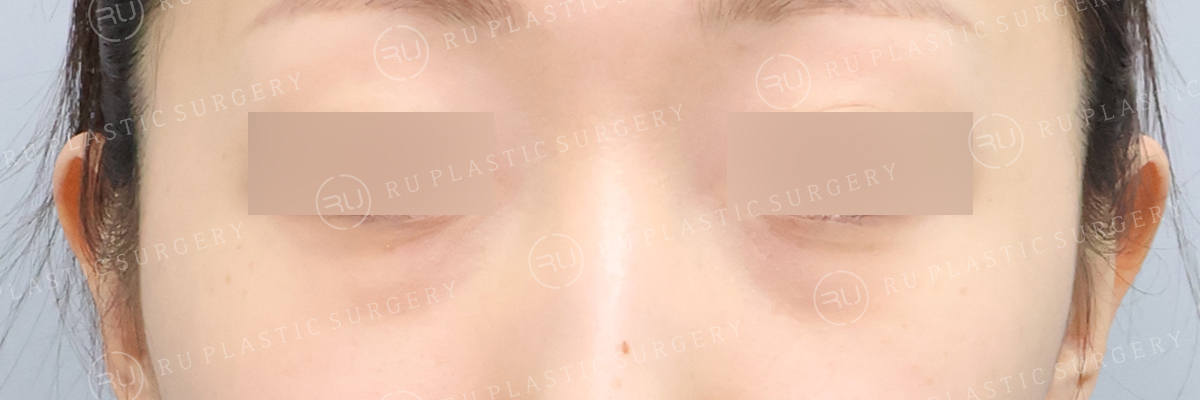
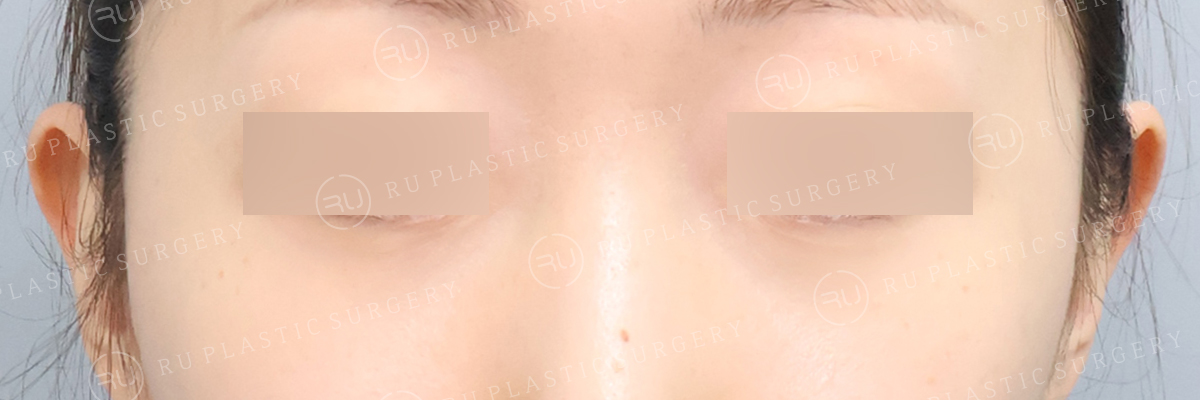
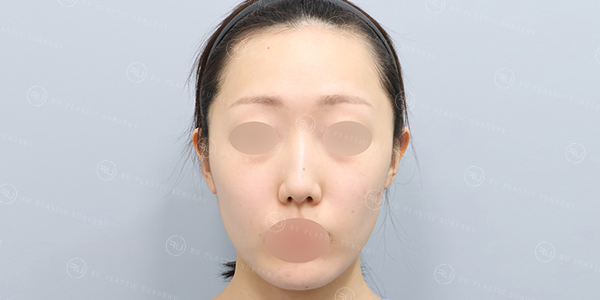
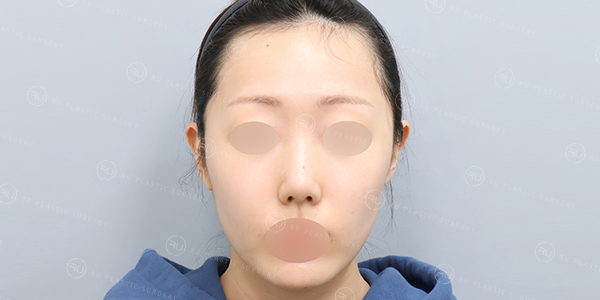
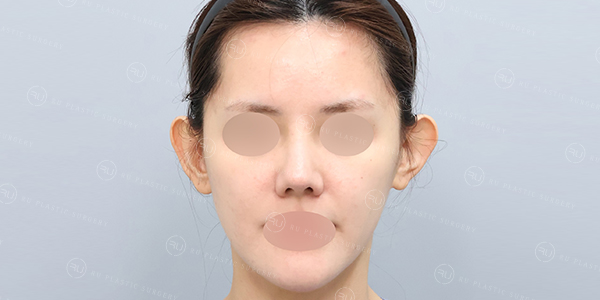
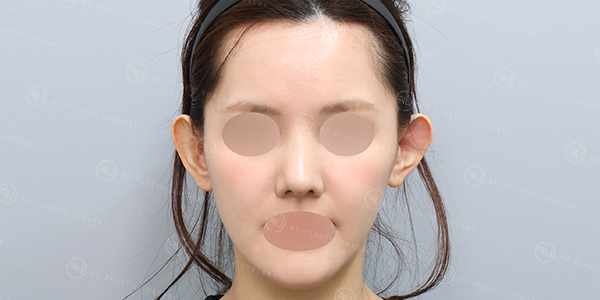
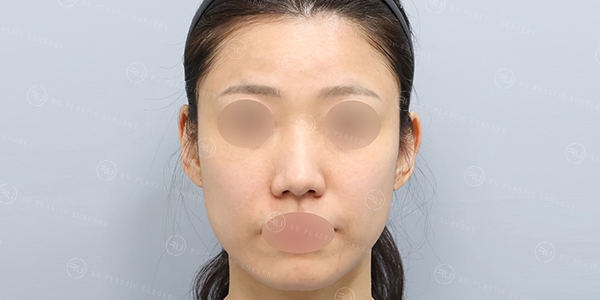
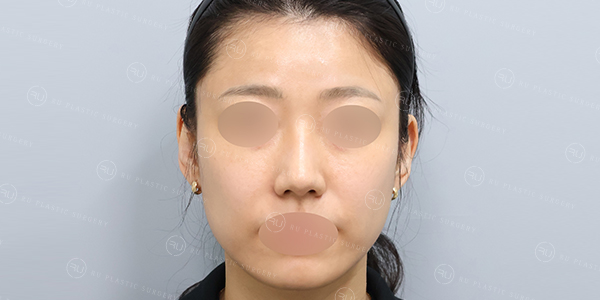
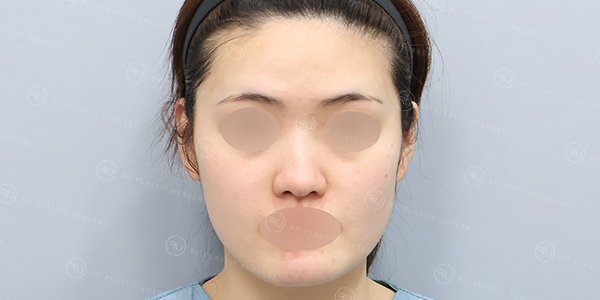
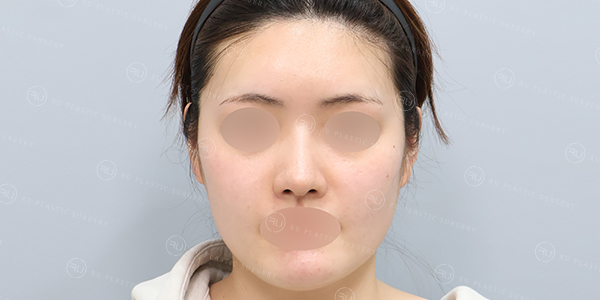
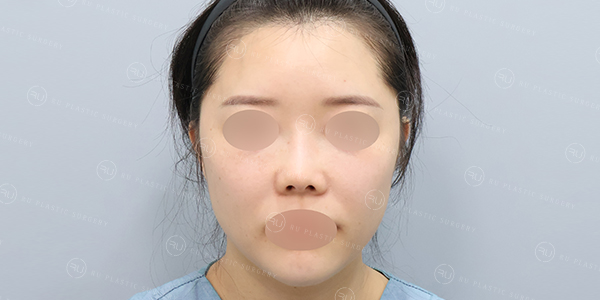
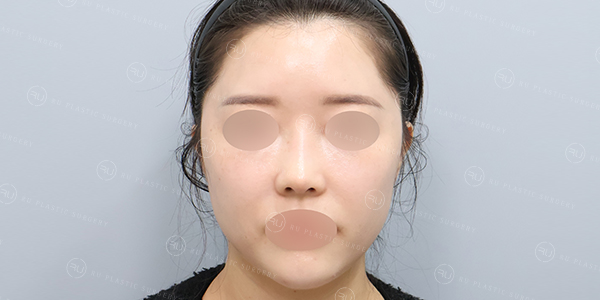
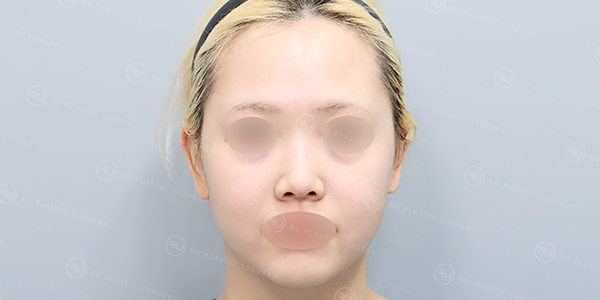
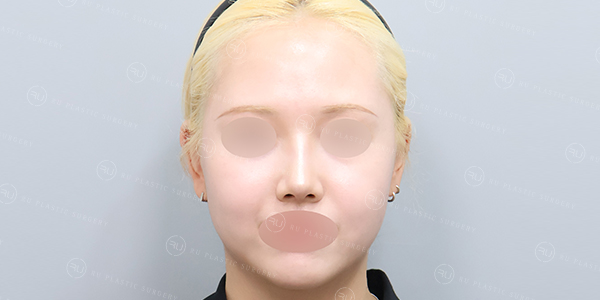
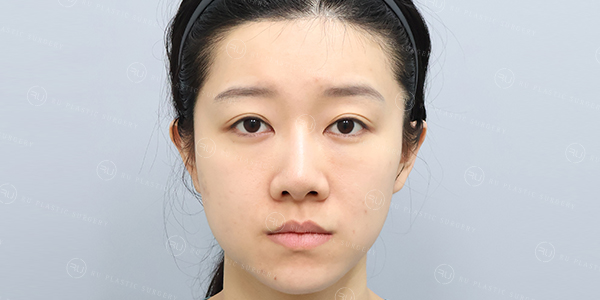
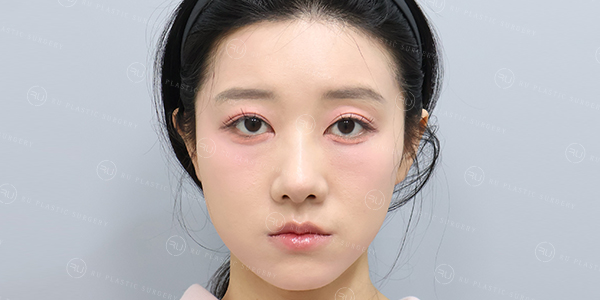
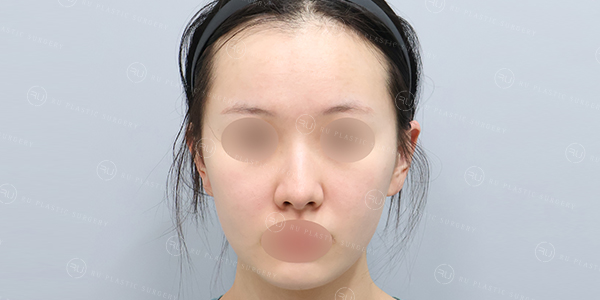
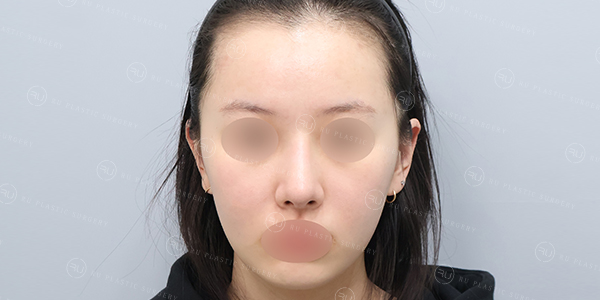
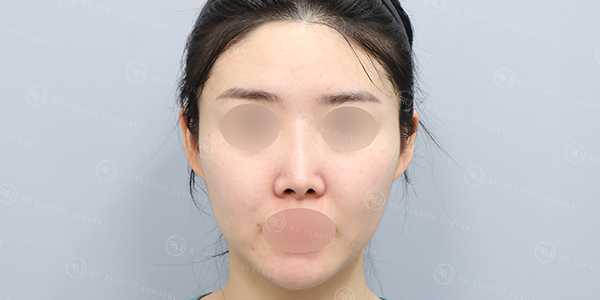
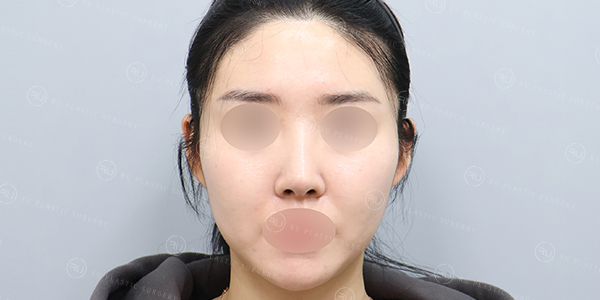
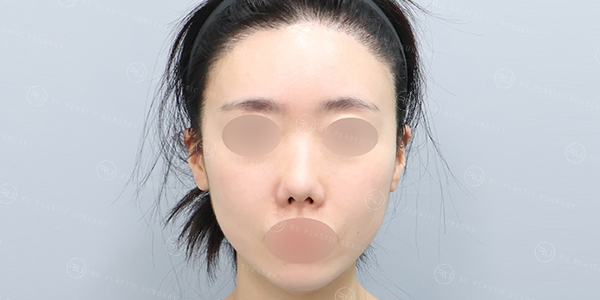
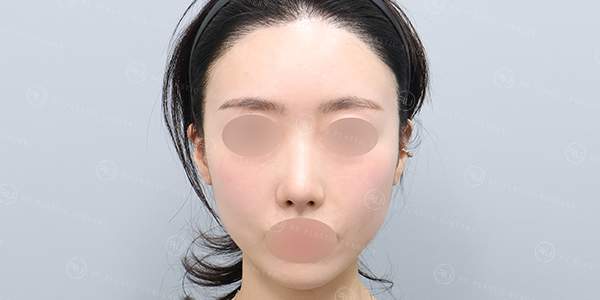
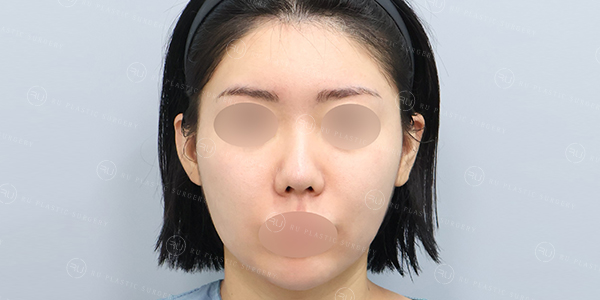
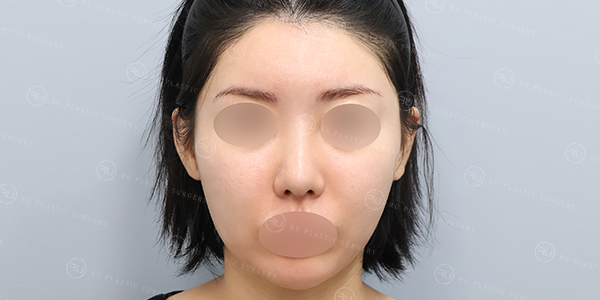
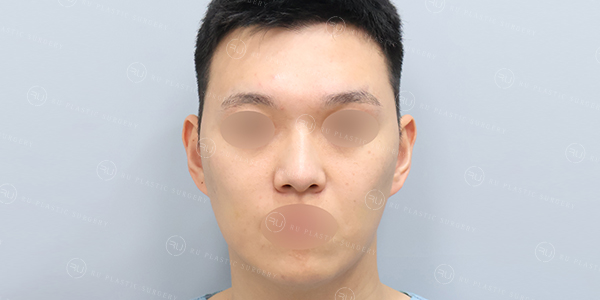
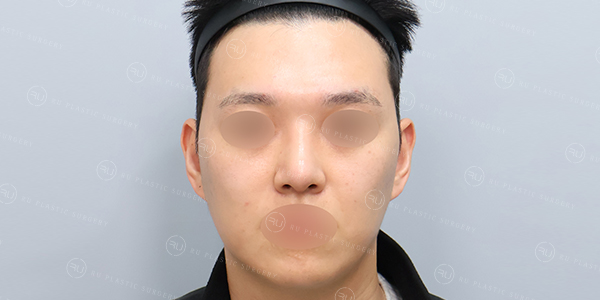
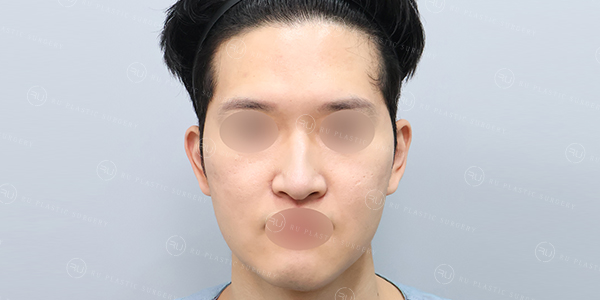
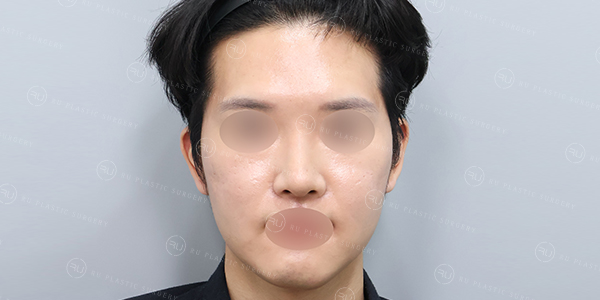
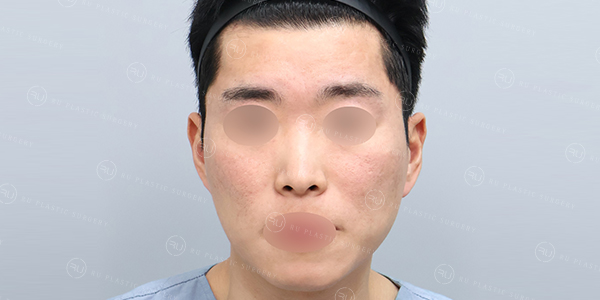
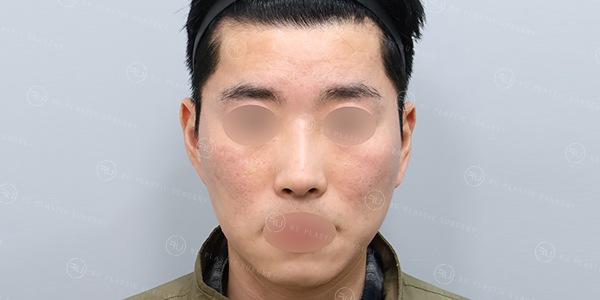
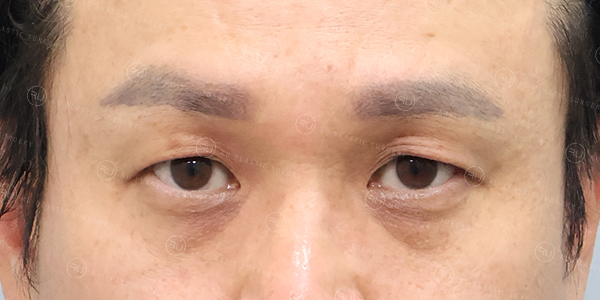
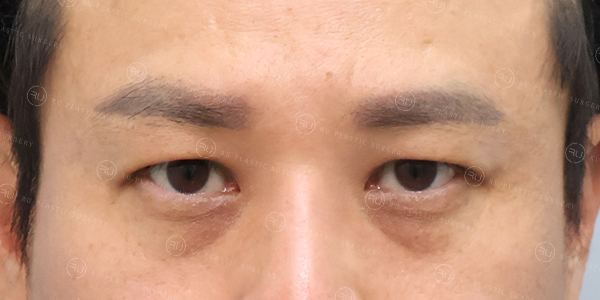
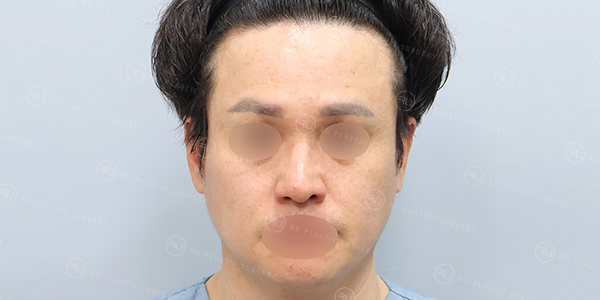
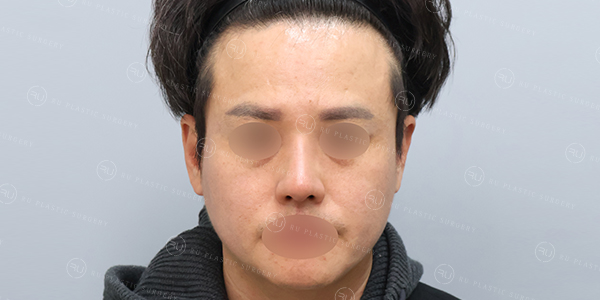
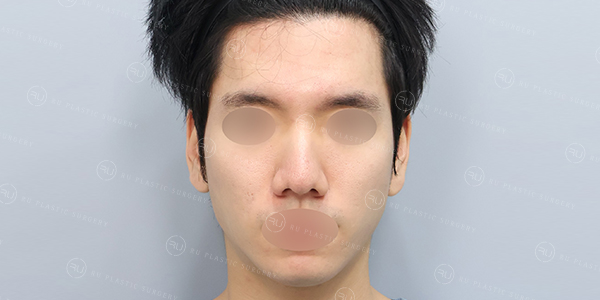
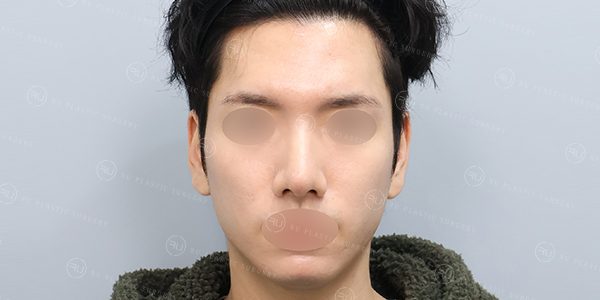
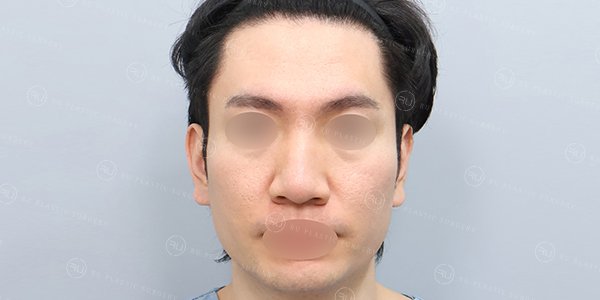
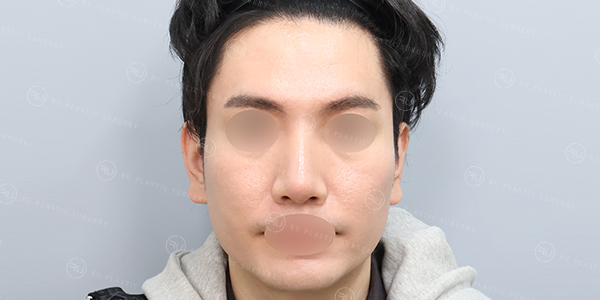
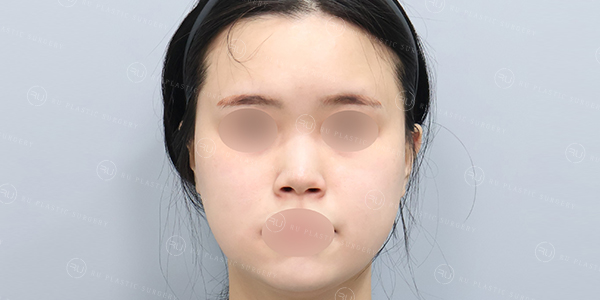
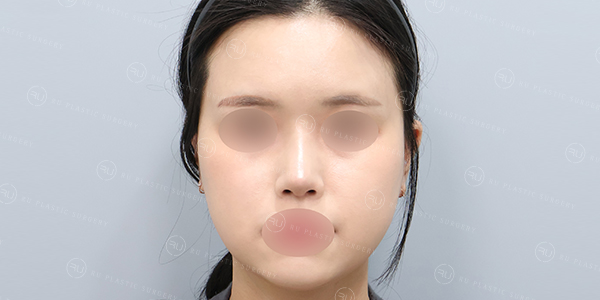
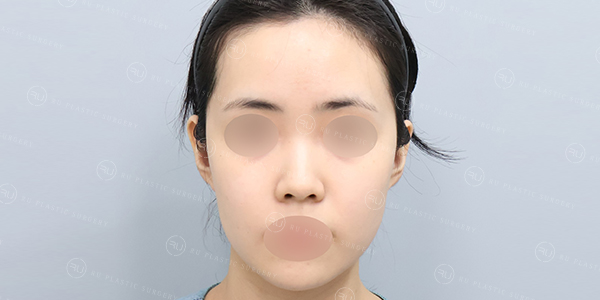
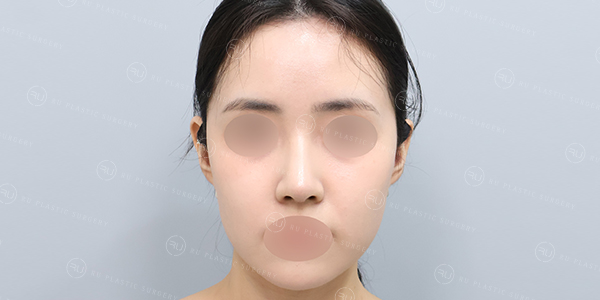
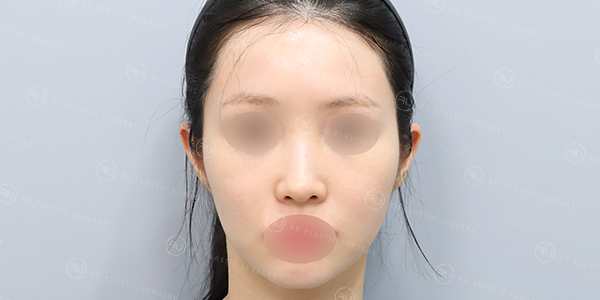
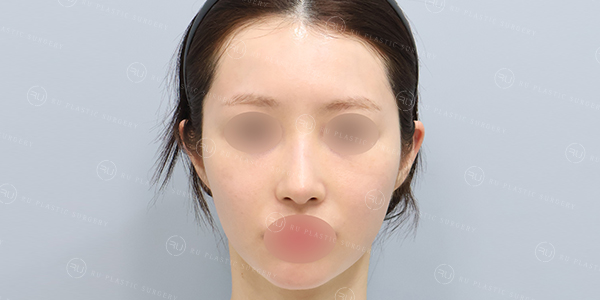
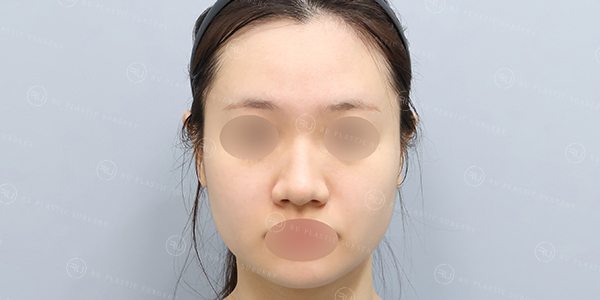
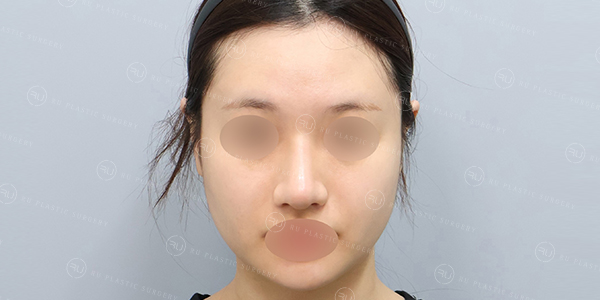
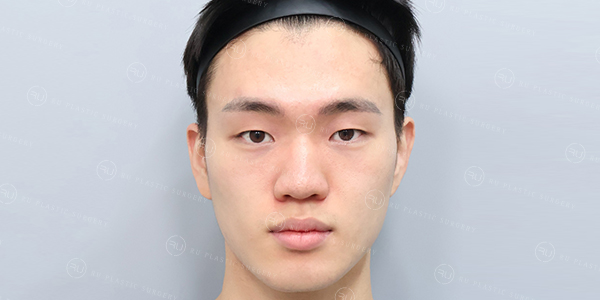
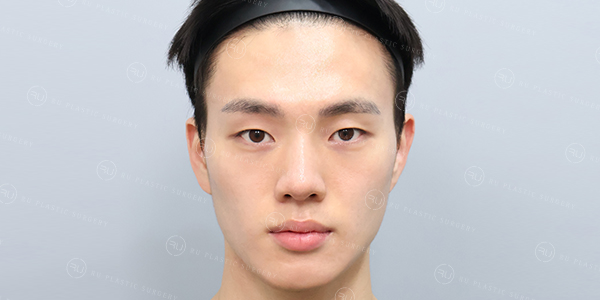
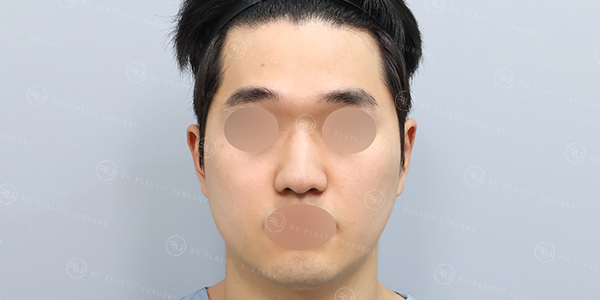
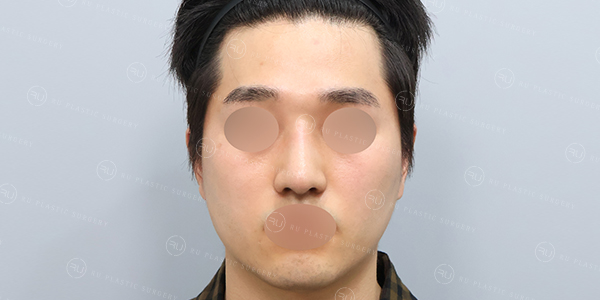
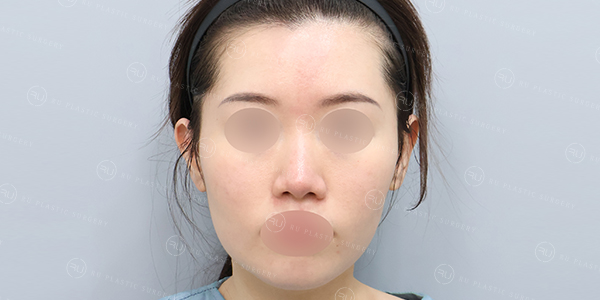
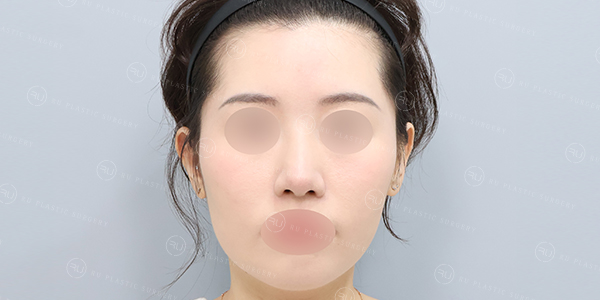
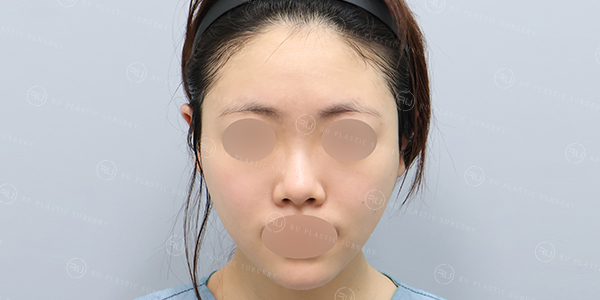
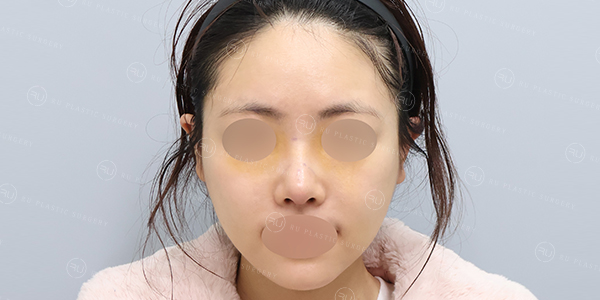
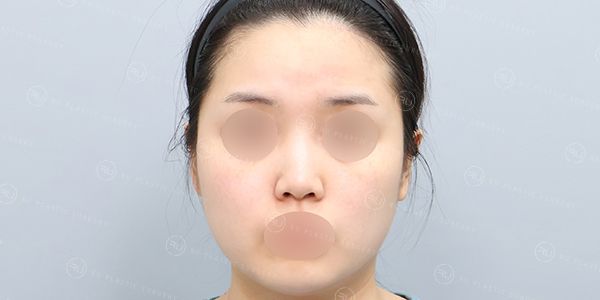
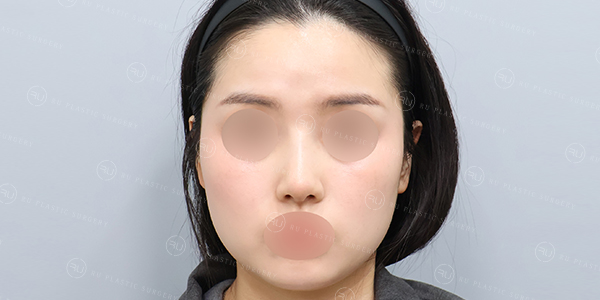
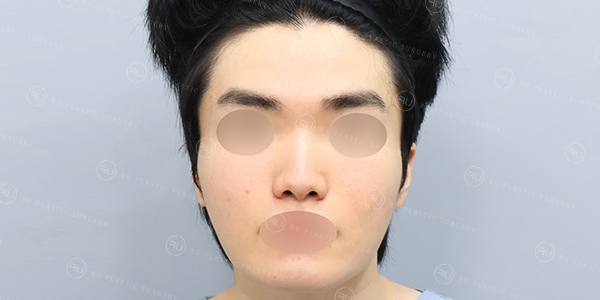
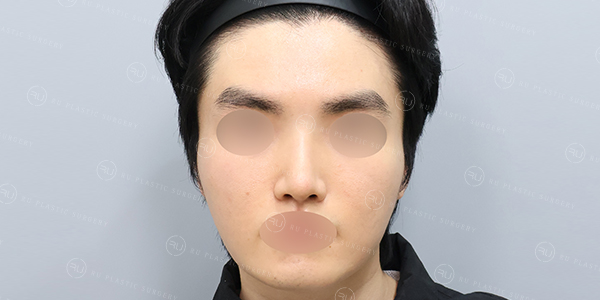
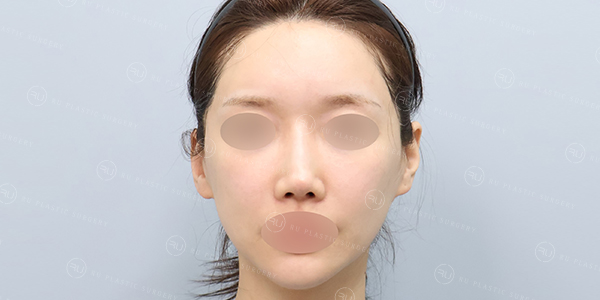
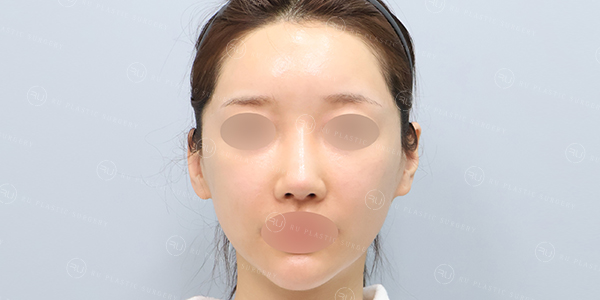
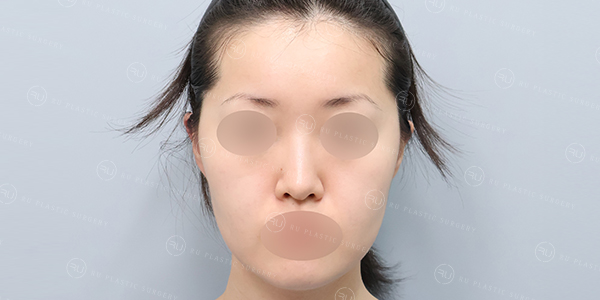
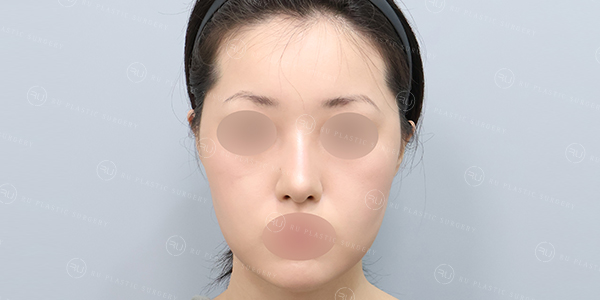
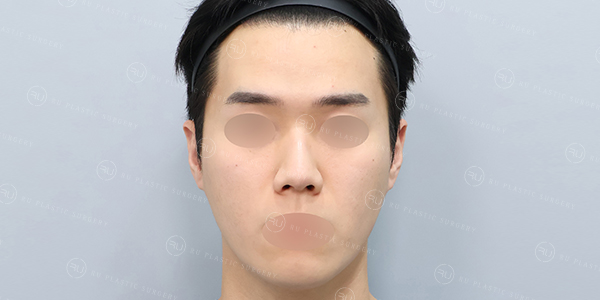
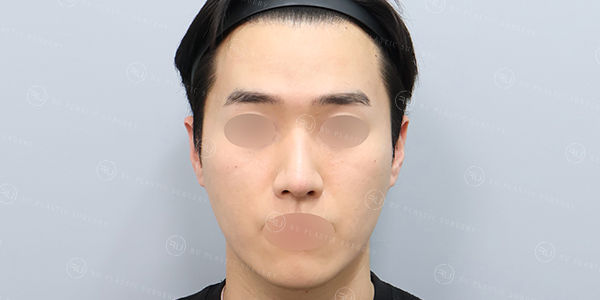
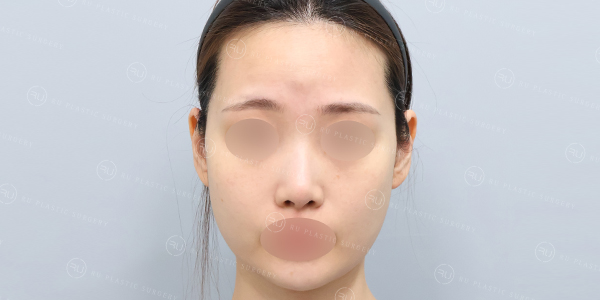
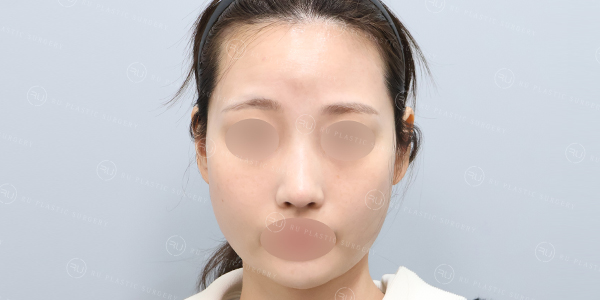
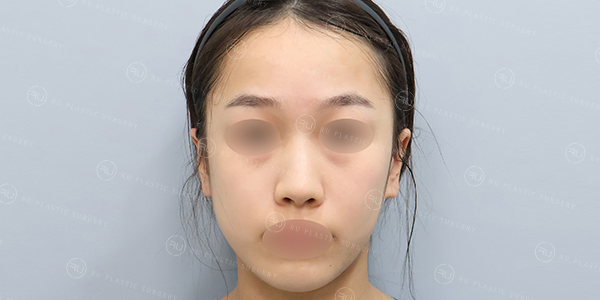
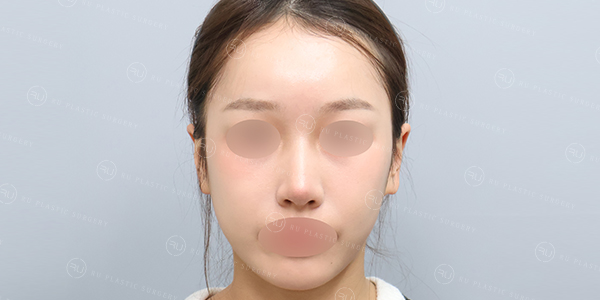
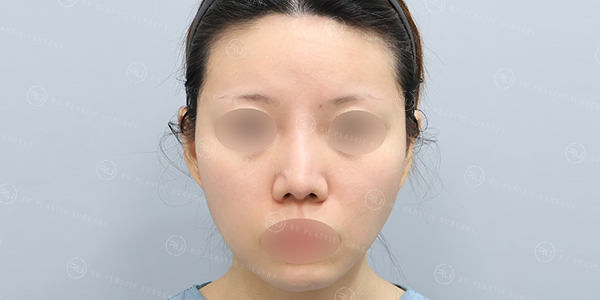
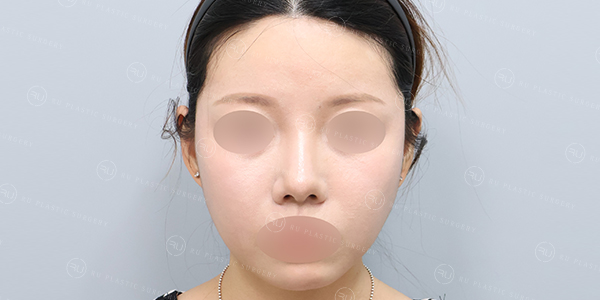
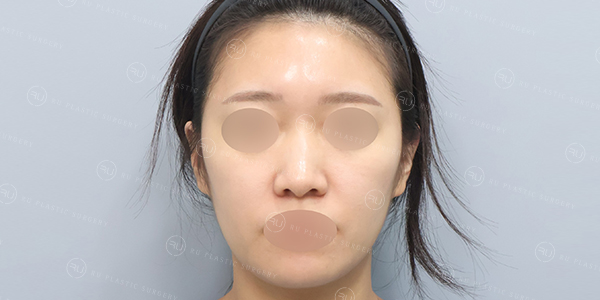
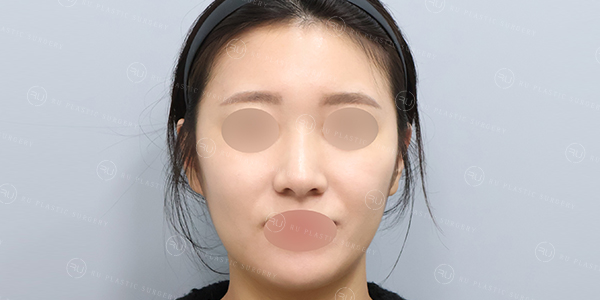
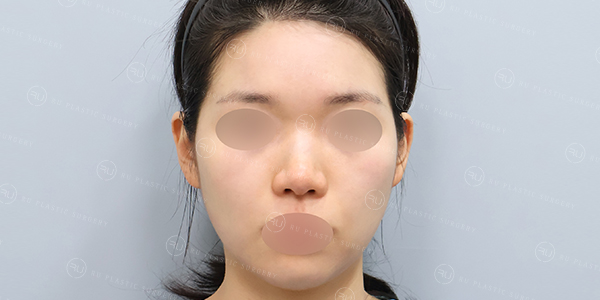
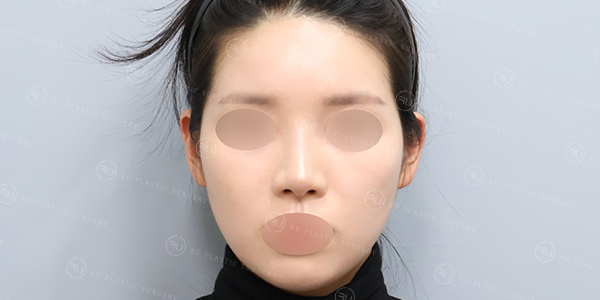
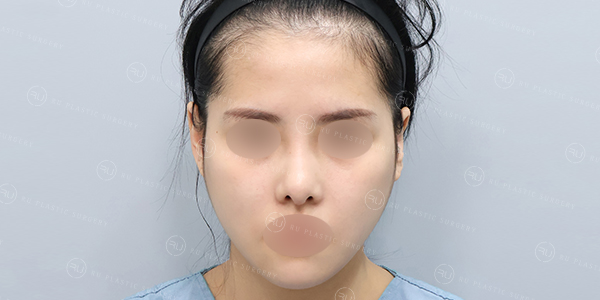
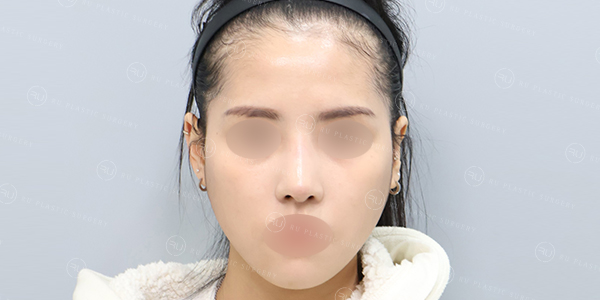
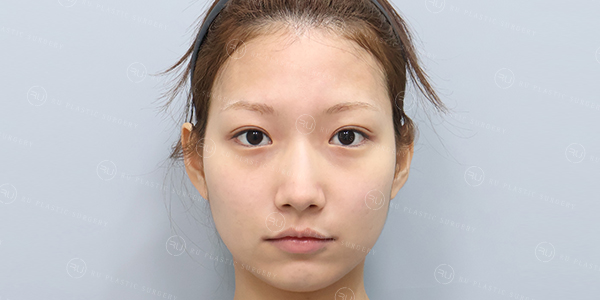
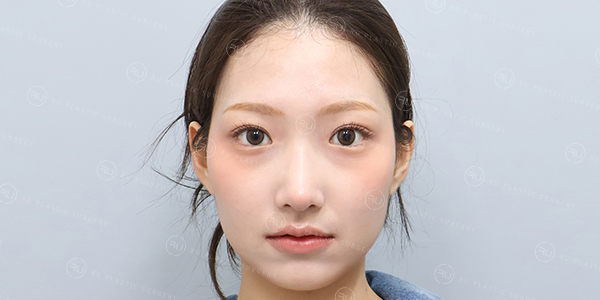
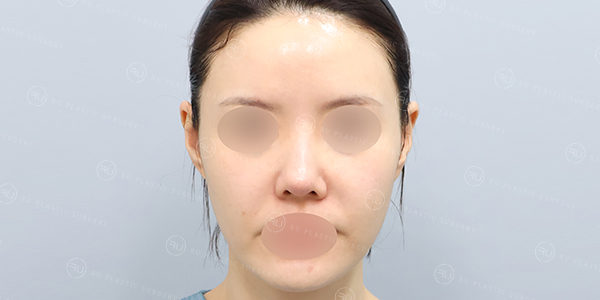
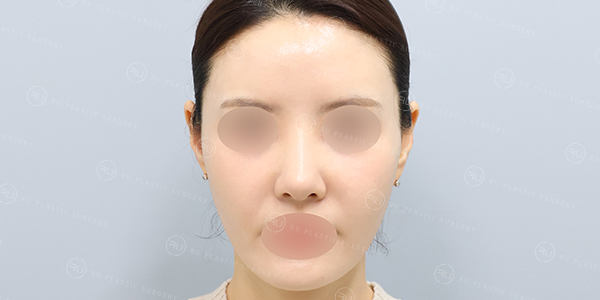
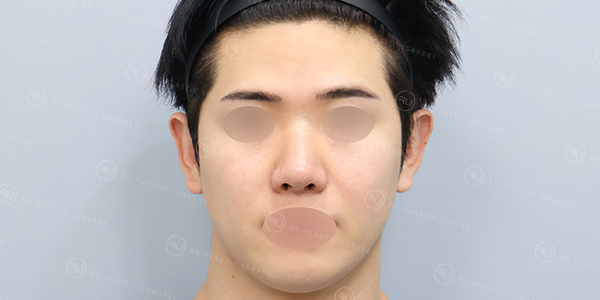
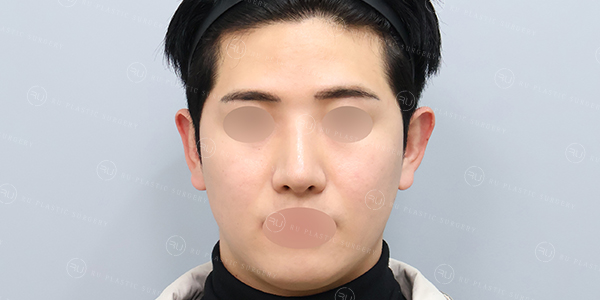
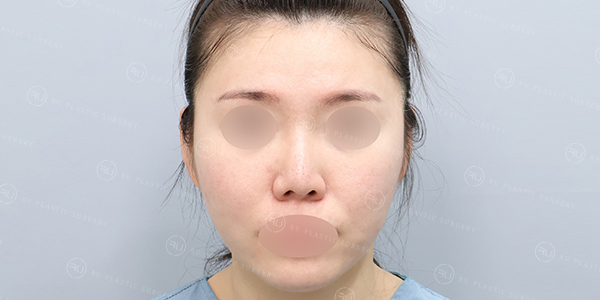
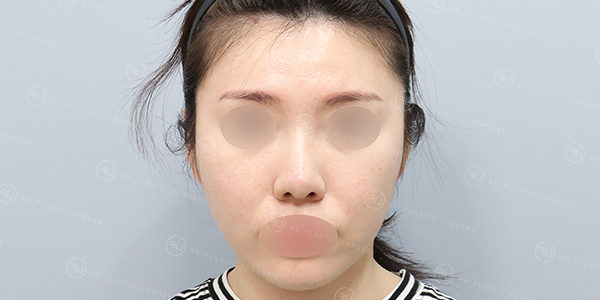
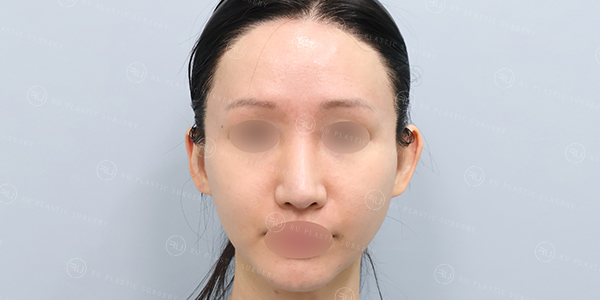
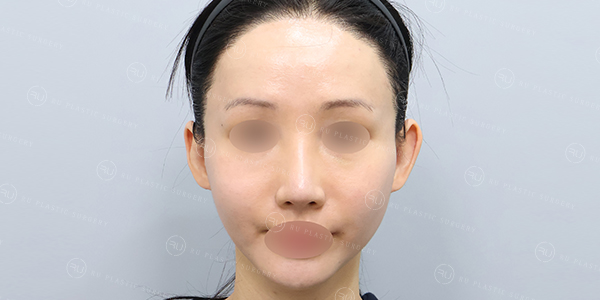
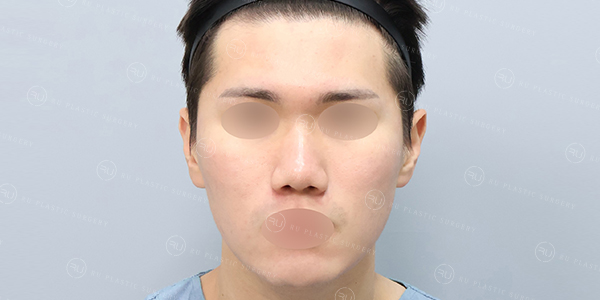
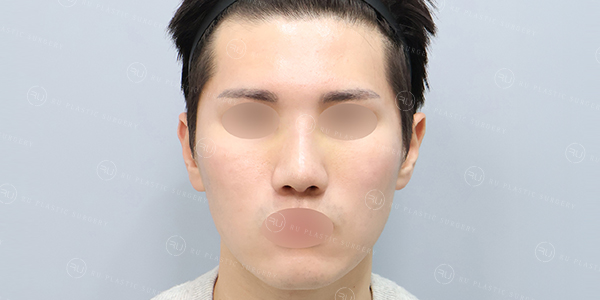
Men’s 3D-Customized DCF Rhinoplasty – 2 Months Post-Op
본문
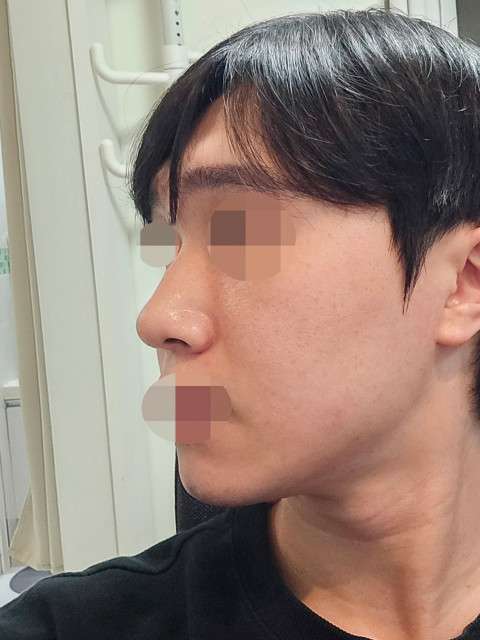
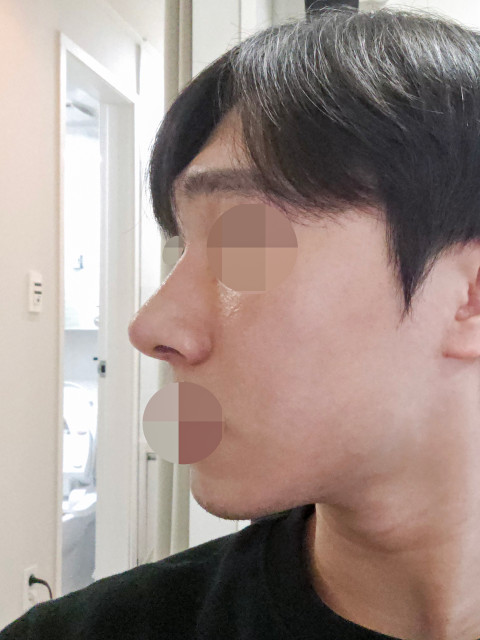
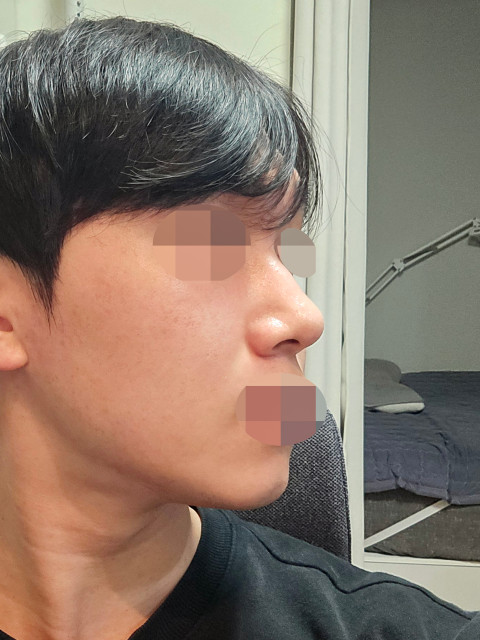
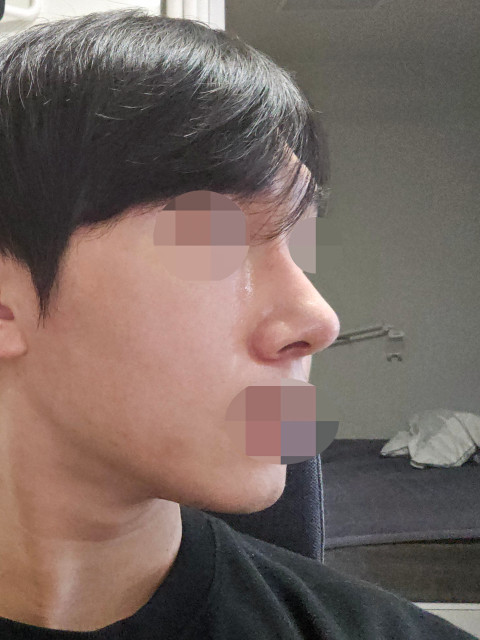
I used to get nose fillers every two to three years.
I started at 23 and continued until I was 30,
so after about seven years,
I began thinking that rhinoplasty might be a better long-term choice.
I had always thought rhinoplasty was risky,
but eventually felt that choosing an experienced surgeon
could make a significant difference.
I first discovered RU Plastic Surgery through Sungyesa.
While looking through the reviews,
I noticed that many of the results
matched the nose shape I wanted.
I had already consulted at another clinic,
but decided that I definitely wanted
to have a consultation at RU as well.
While researching the clinic,
I learned about the DCF technique,
which uses diced autologous rib cartilage
wrapped in fascia instead of a synthetic implant.
I preferred the idea of an all-autologous rhinoplasty,
so I chose Innofit 3D-Customized DCF.
My surgery included autologous rib cartilage
and rectus fascia for the nasal bridge,
autologous rib cartilage for the nasal tip,
bulbous tip correction,
nasolabial angle adjustment,
and removal of previous nasal filler and threads.
Before surgery,
it didn’t really feel real.
But after waking up from general anesthesia,
I finally realized that I had actually gone through with it.
I had been told that intubation could leave my throat sore,
and afterward I understood what they meant.
It wasn’t extremely painful,
but I could definitely feel some irritation.
Fortunately, the nasal packing was removed after one day,
so it wasn’t too uncomfortable.
I also had a lot of trust in Dr. Hyun Joo Kim,
so during the first week before my splint was removed,
I wasn’t overly worried about the normal discomfort of recovery.
I didn’t experience much swelling,
and from the moment the splint came off
through my second month,
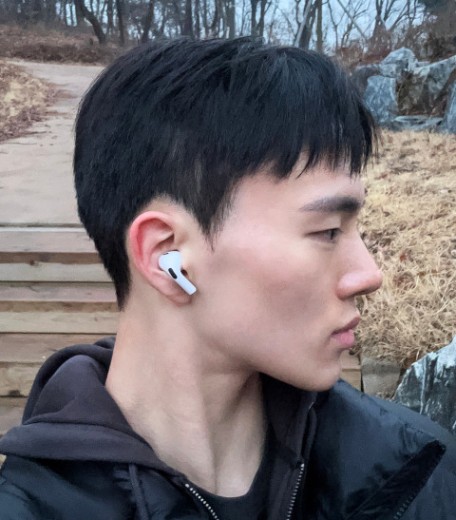
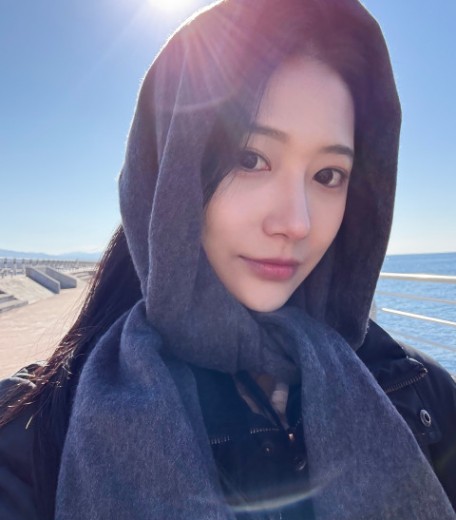
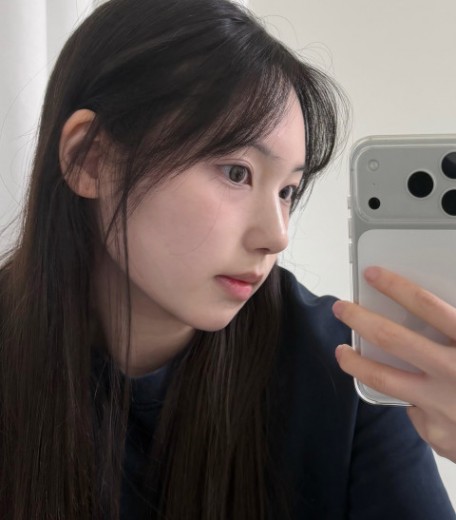
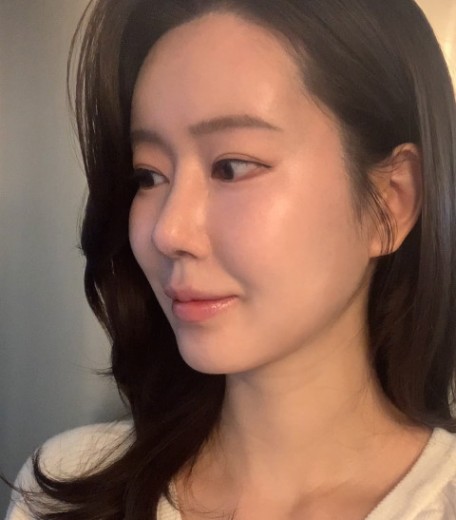
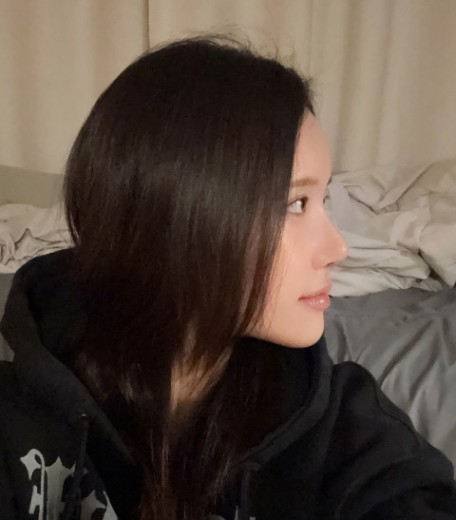
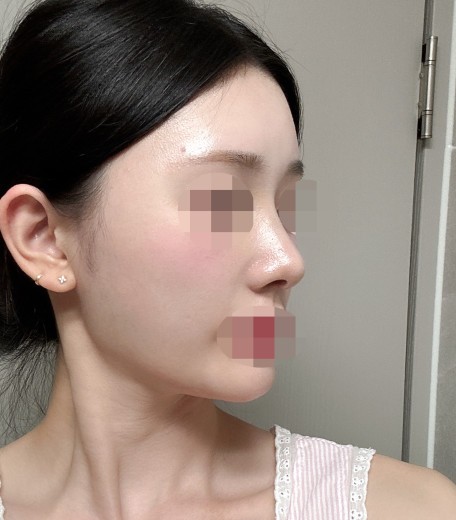
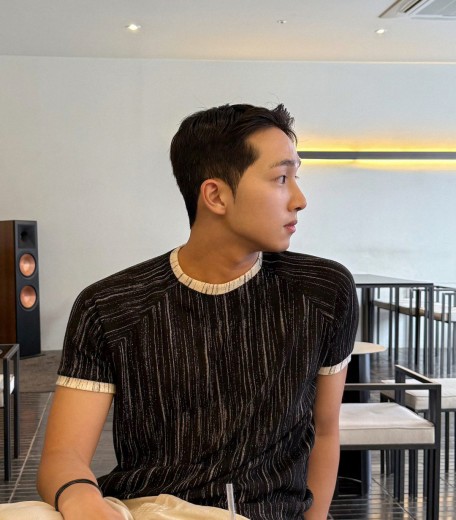
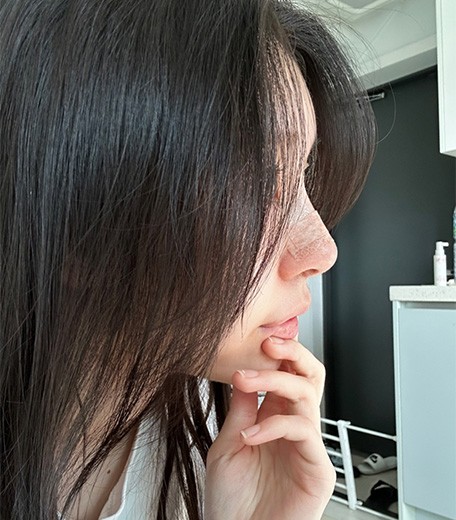
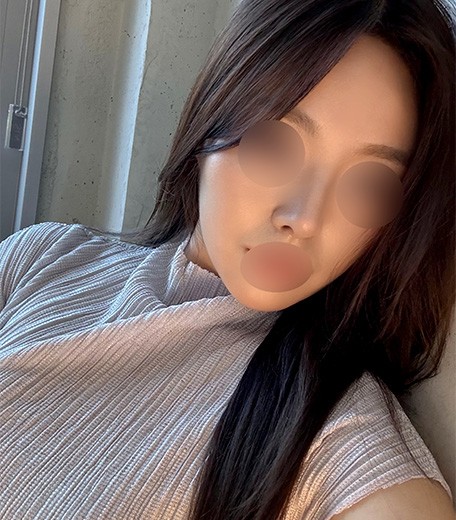
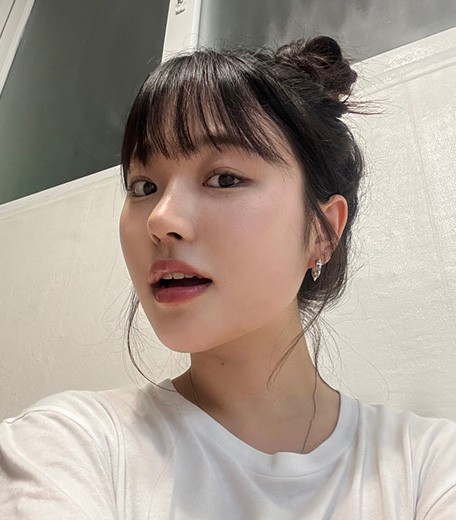
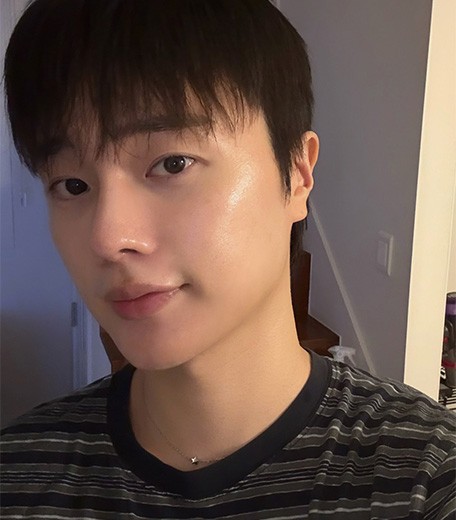
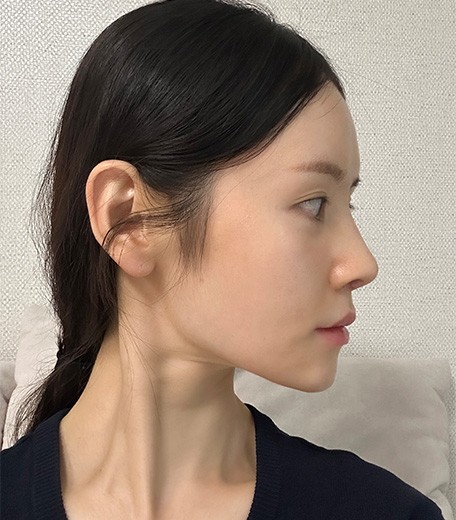
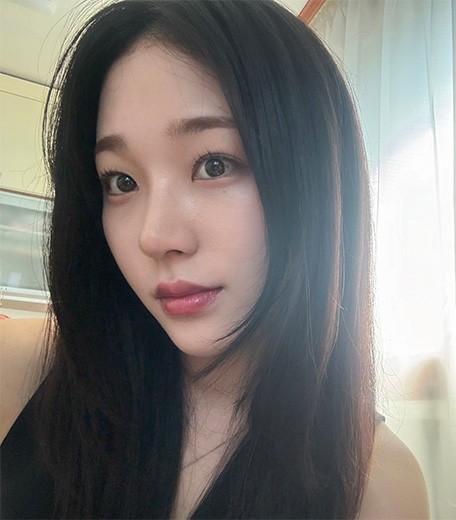
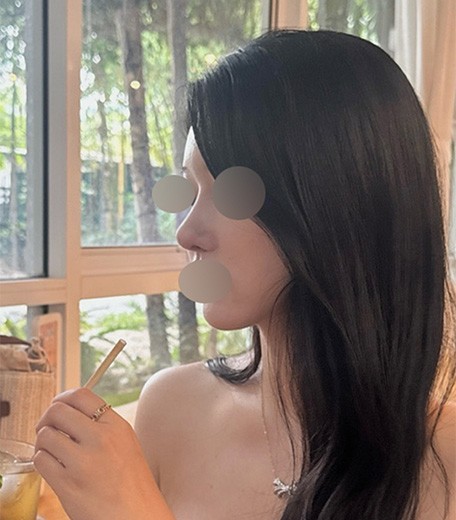
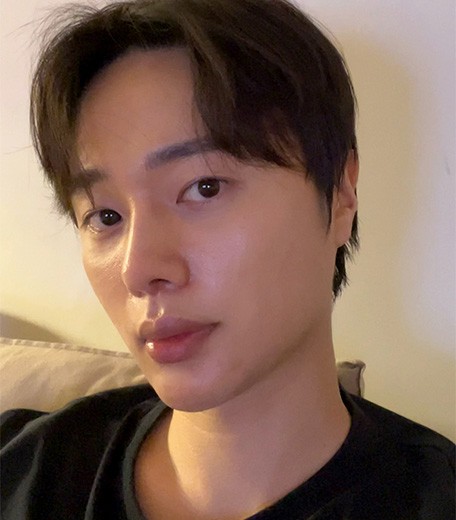
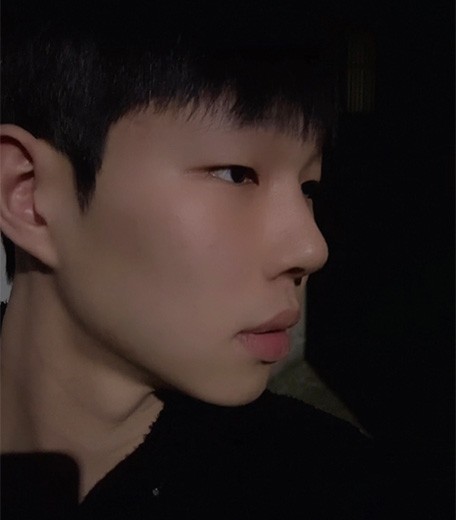
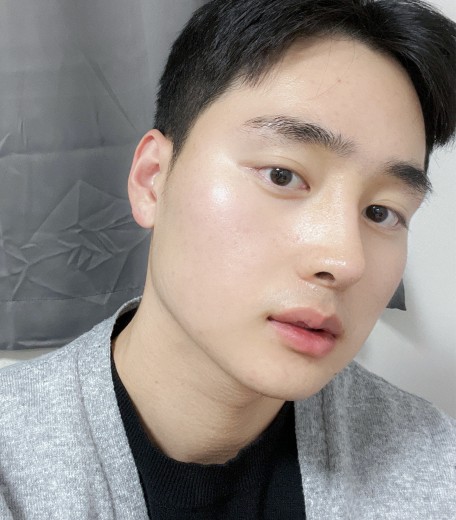
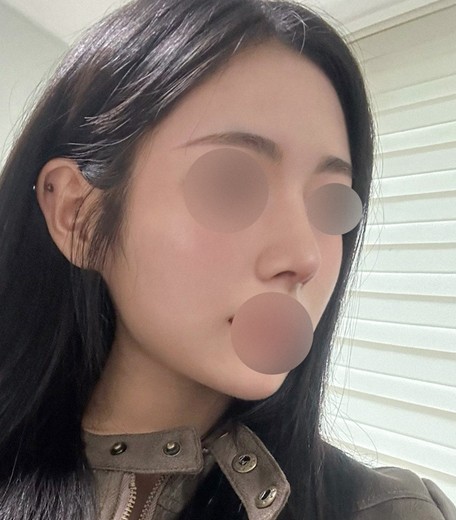
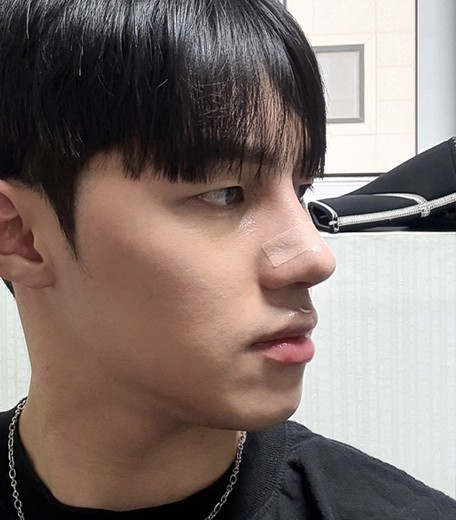
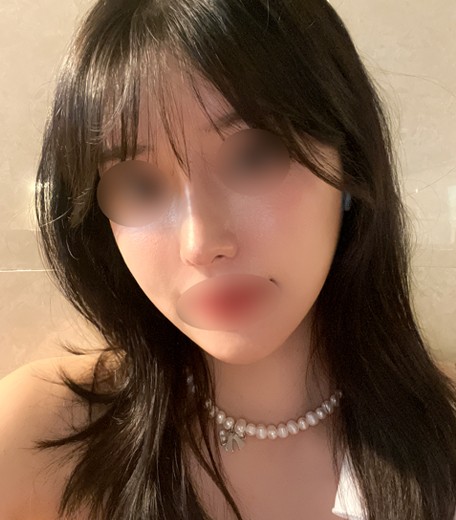
I’ve continued to like the shape of my nose.
At this point,
I honestly just hope it doesn’t become much smaller.
I’m happy with the nasal tip,
but one of the biggest improvements for me
has been the nasolabial angle.
After correcting that area,
my overall expression looks noticeably softer and more balanced,
which makes me feel that having surgery was absolutely worth it.
Since I tend to worry a lot,
I also stopped smoking at the time of surgery.
It has now been over two months without smoking,
so unexpectedly,
rhinoplasty also helped me successfully quit.
Overall,
I’m very satisfied with both my recovery
and the result so far.