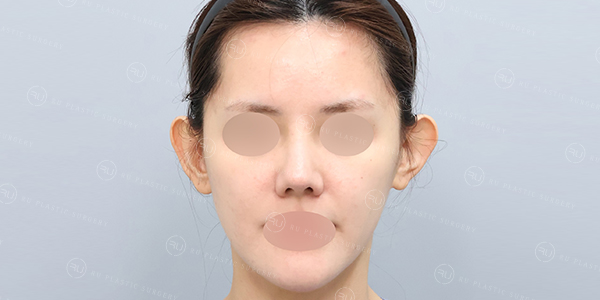
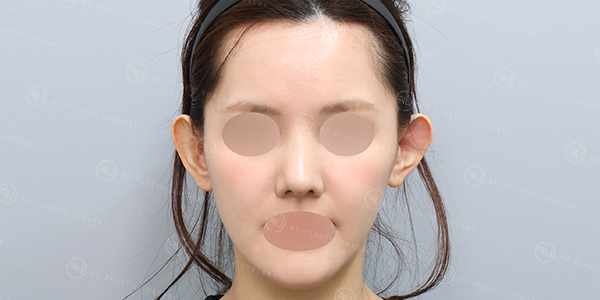
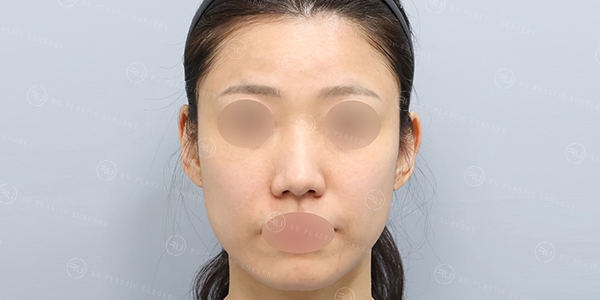
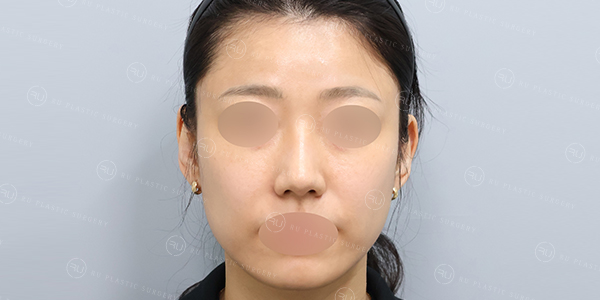
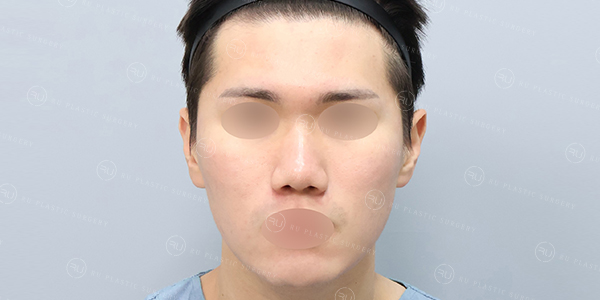
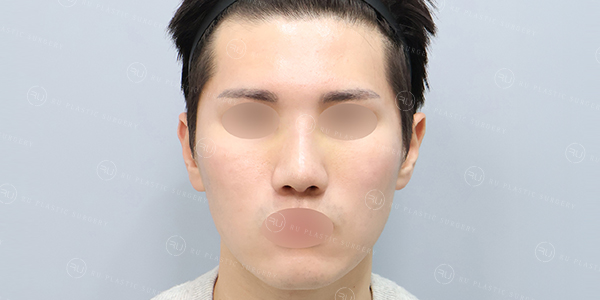
Revision Rhinoplasty After 10 Years: Postoperative Progress and Current Assessment
본문
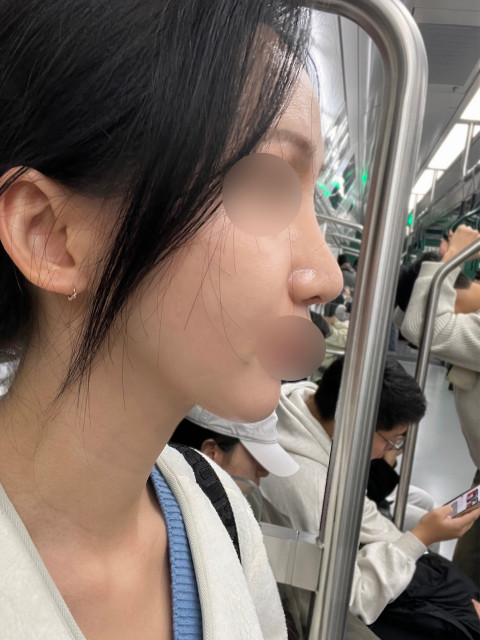
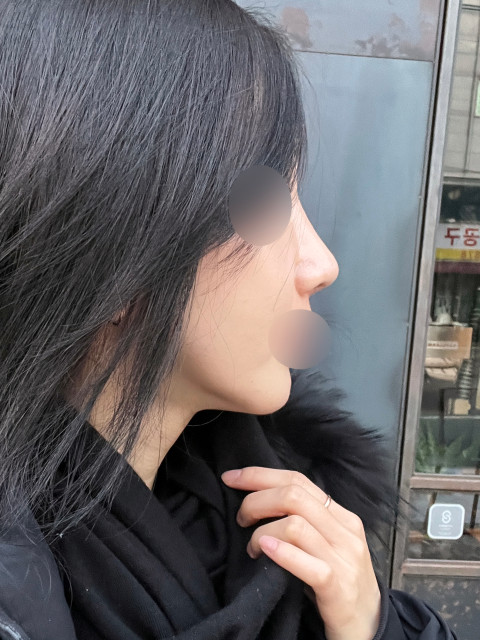
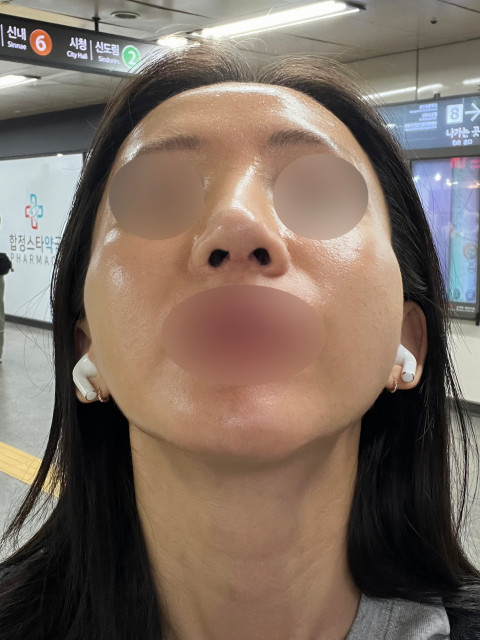
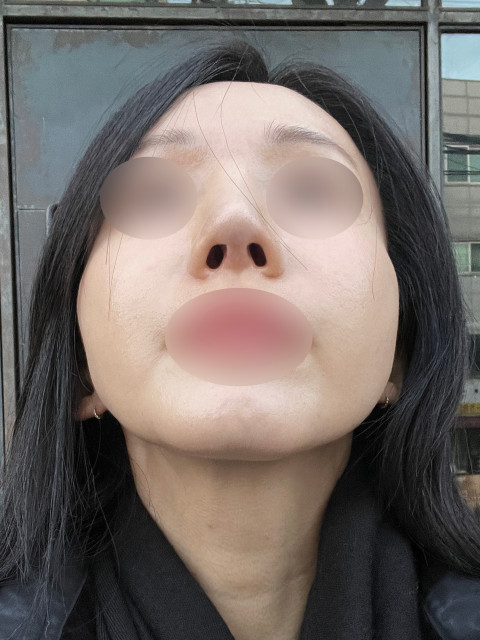
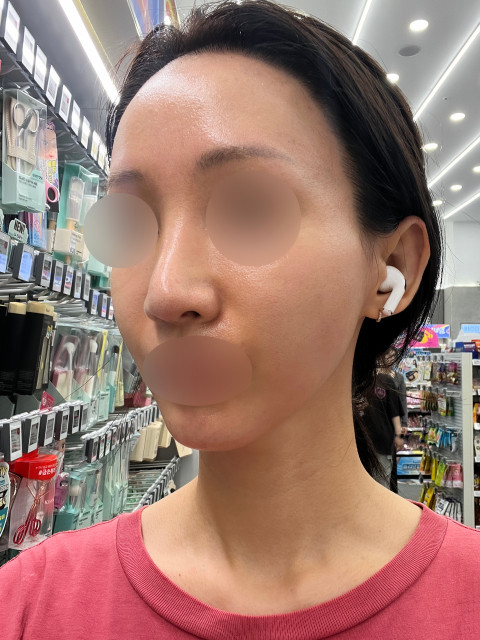
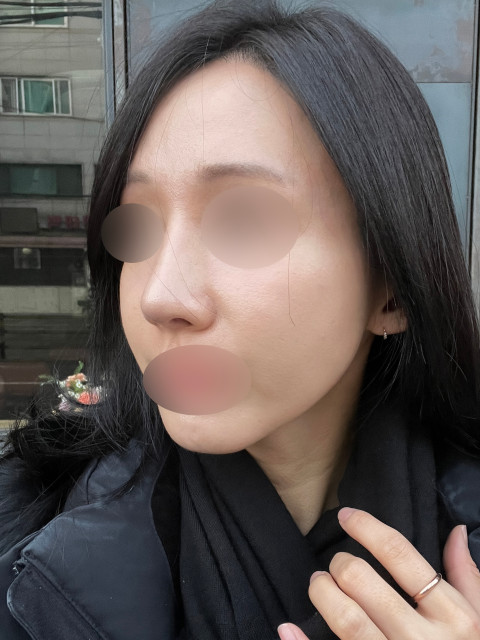
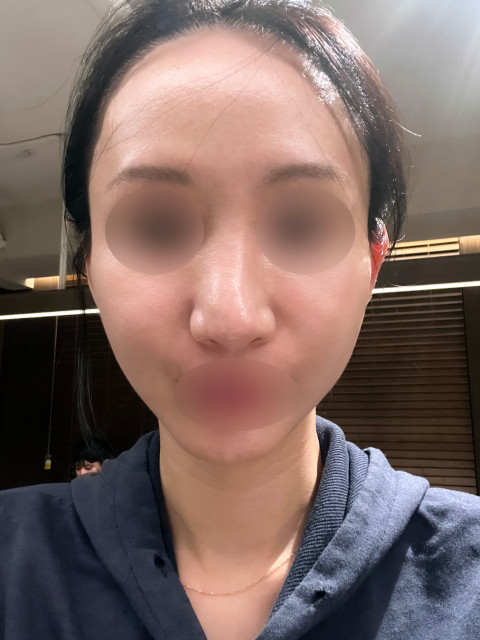
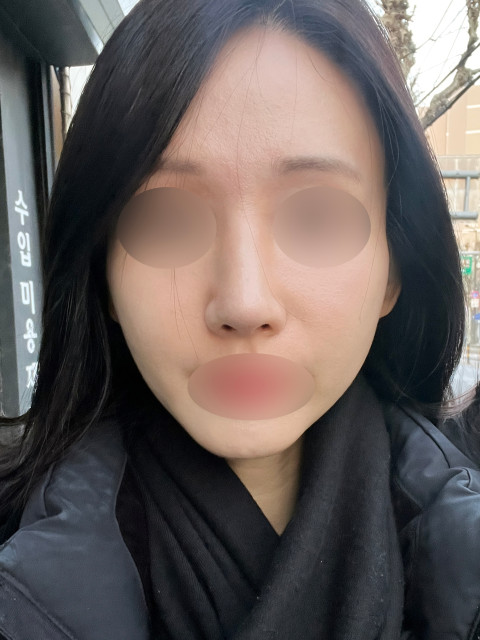
Approximately ten years after my primary rhinoplasty,
I did not have significant dissatisfaction with the overall shape.
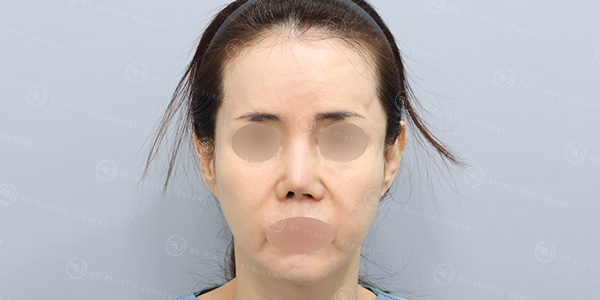
However, the nasal bridge gradually appeared deviated,
which became a persistent concern and led me to pursue revision surgery.
Unfortunately, after the revision procedure,
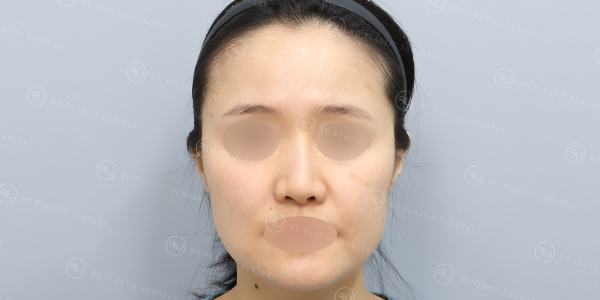
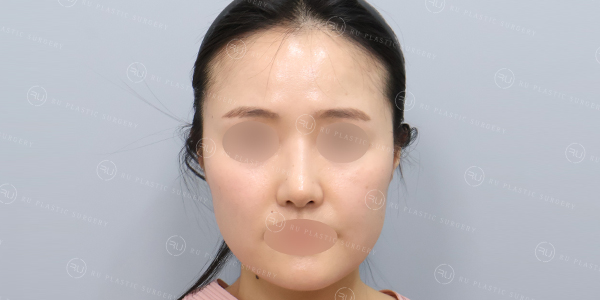
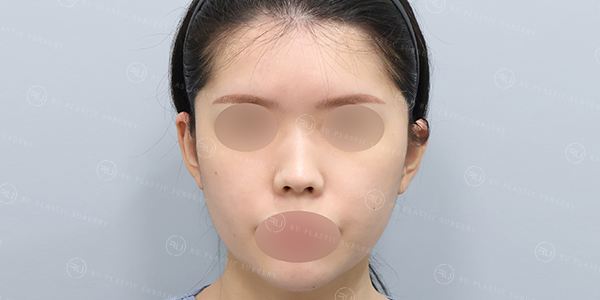
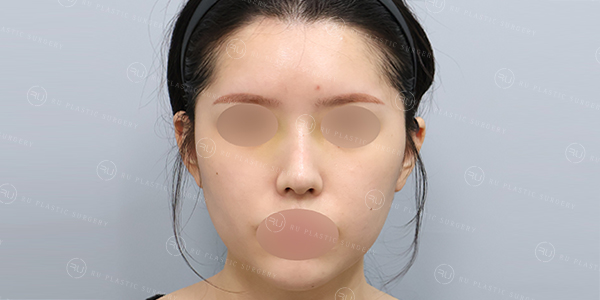
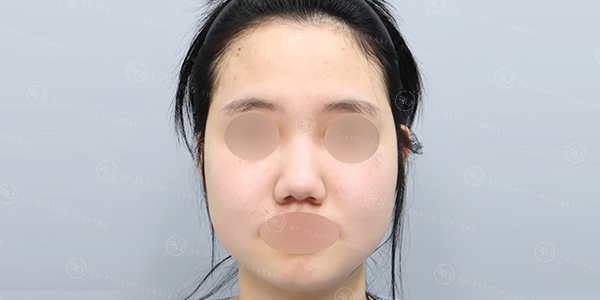
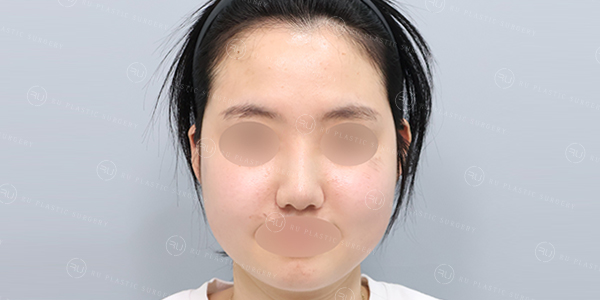
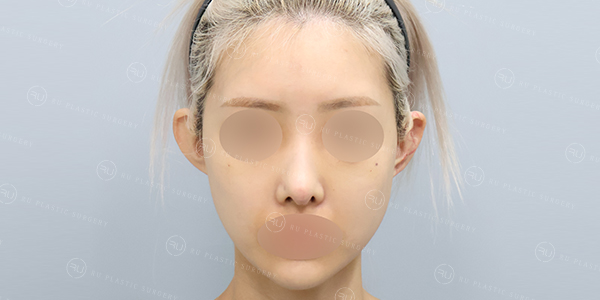
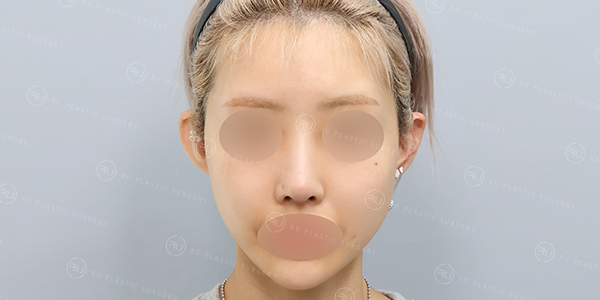
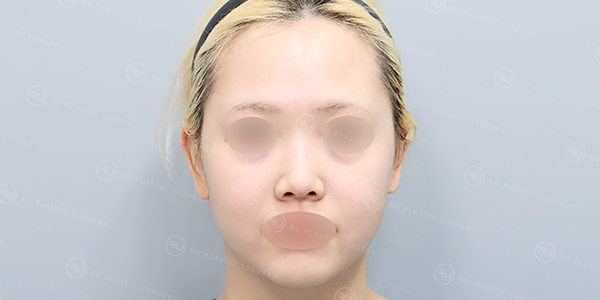
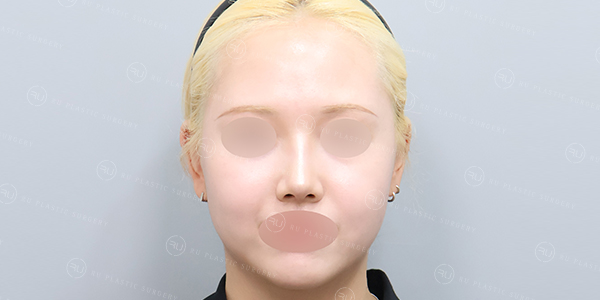
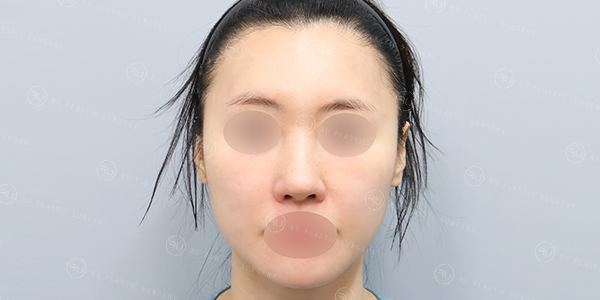
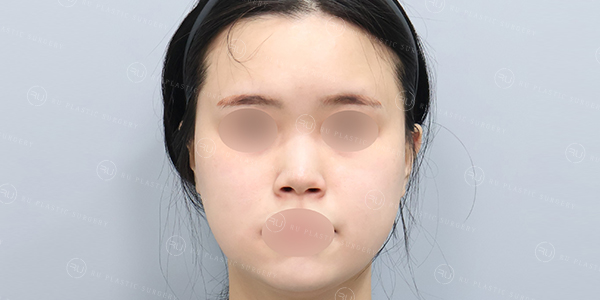
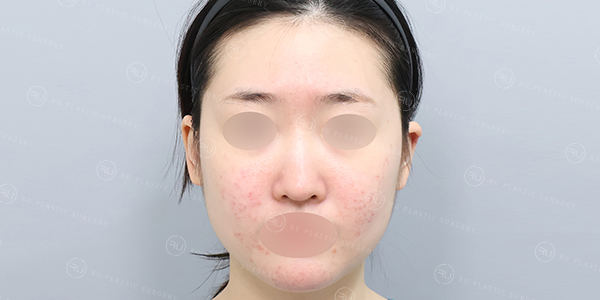
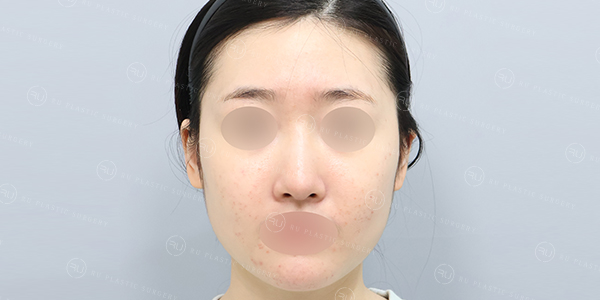
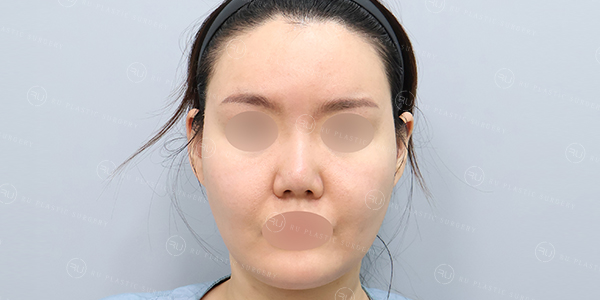
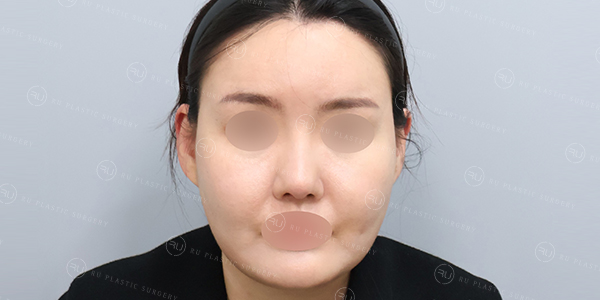
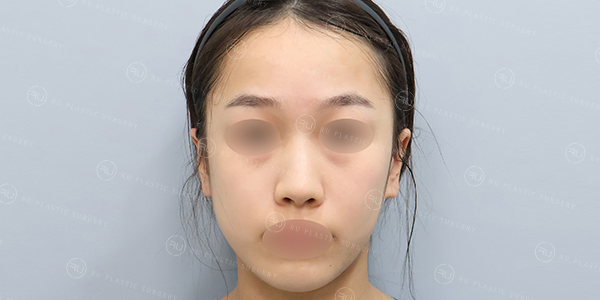
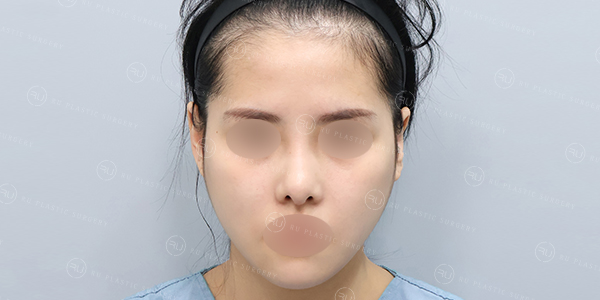
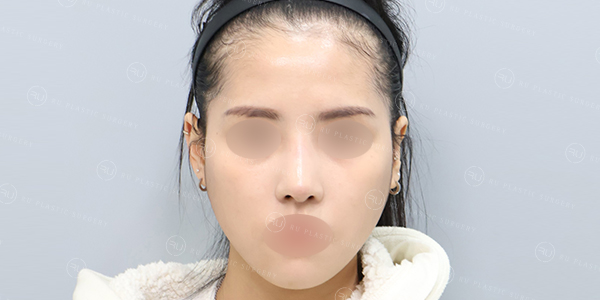
the nasal shape deteriorated rather than improved.
Although the bridge had previously been slightly wide,
it still appeared relatively refined.
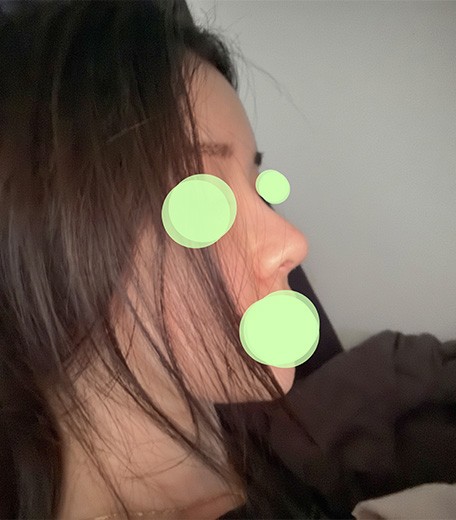
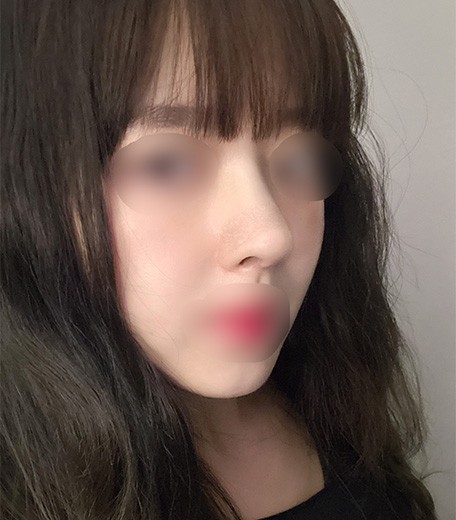
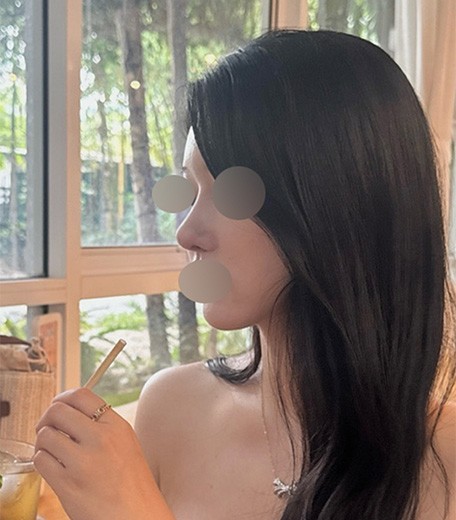
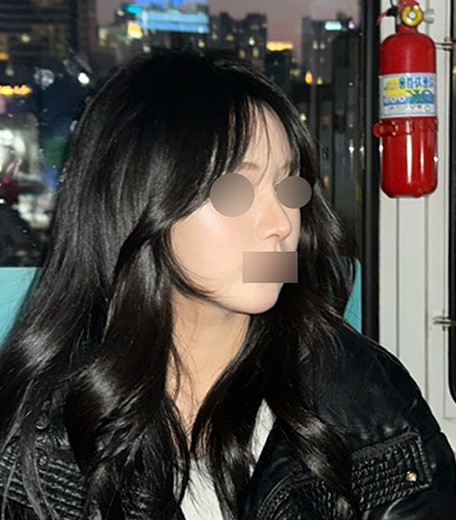
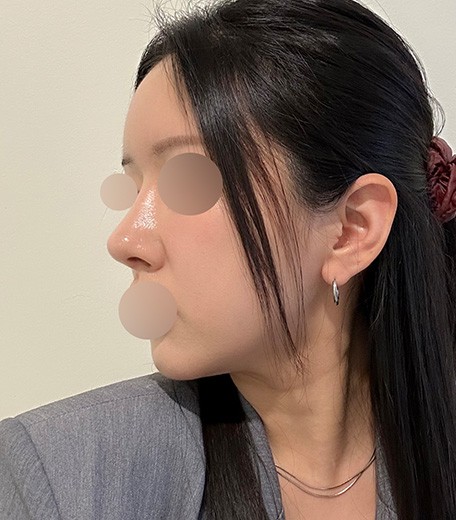
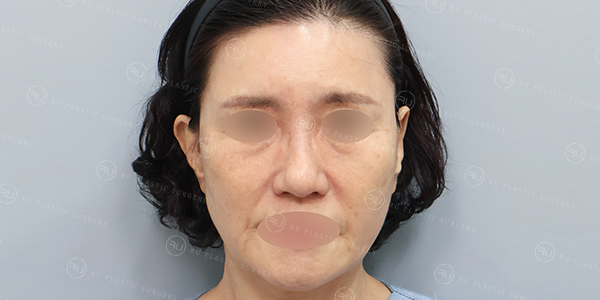
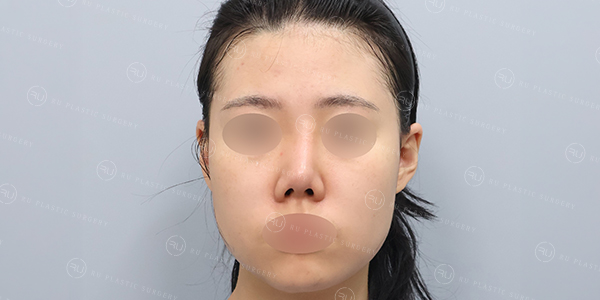
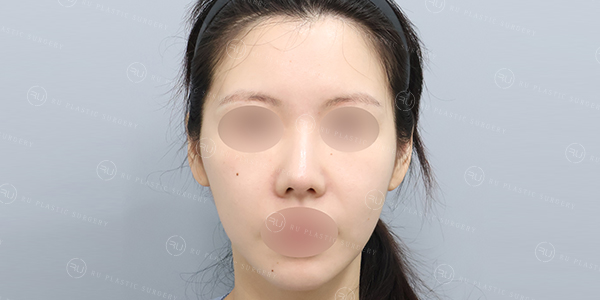
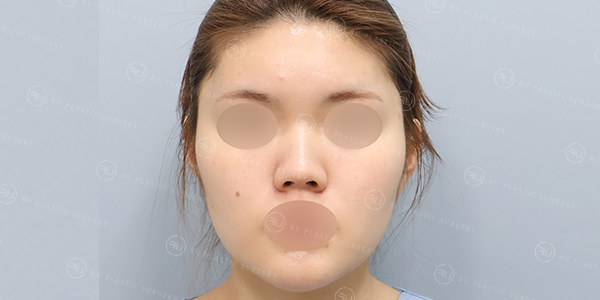
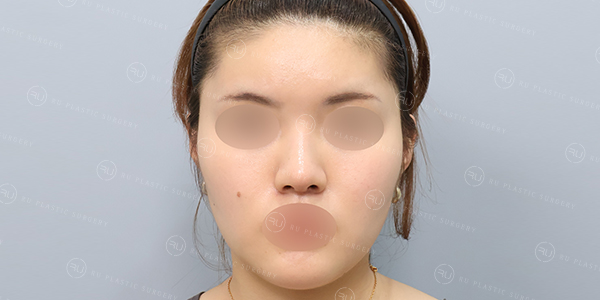
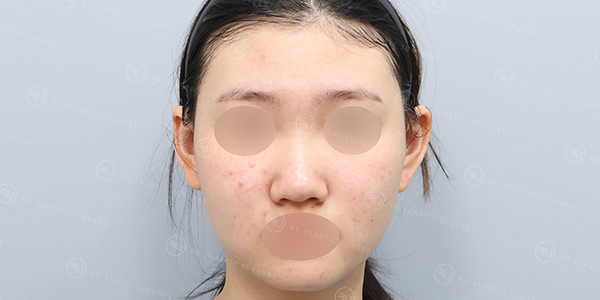
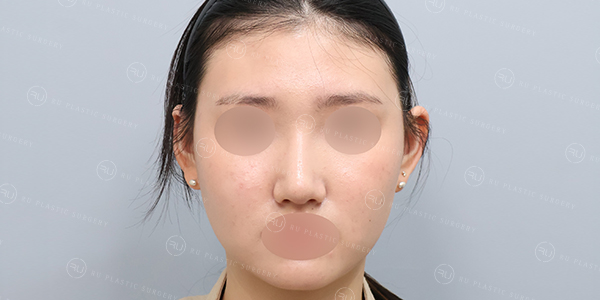
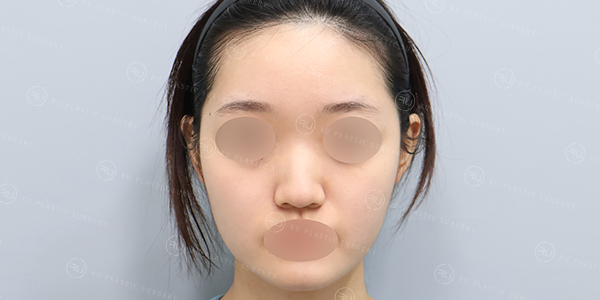
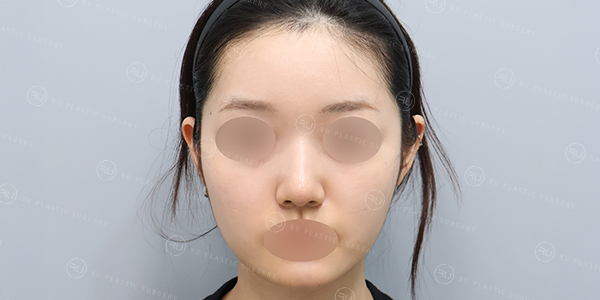
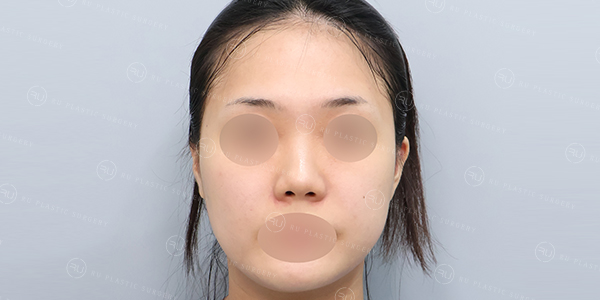
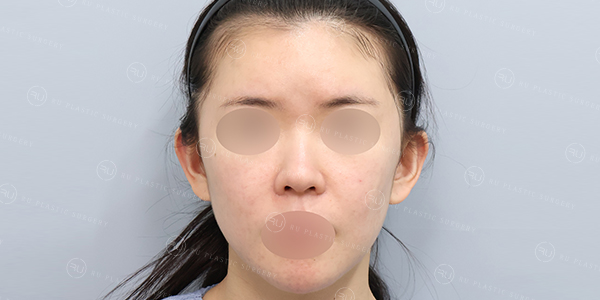
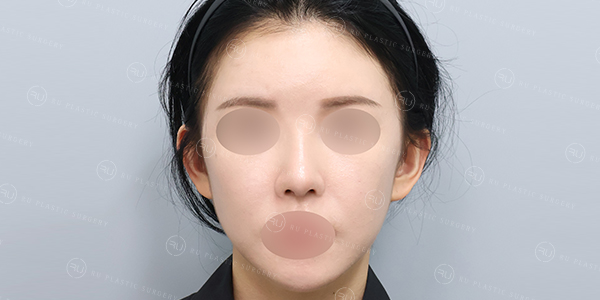
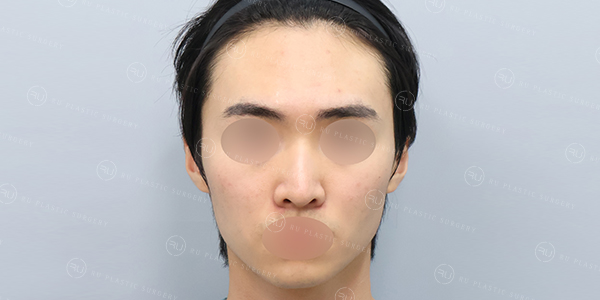
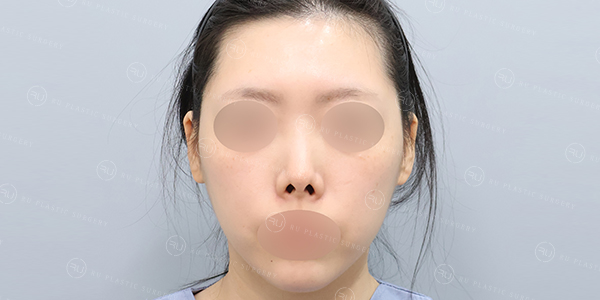
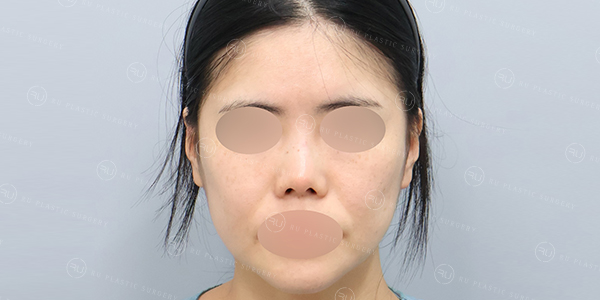
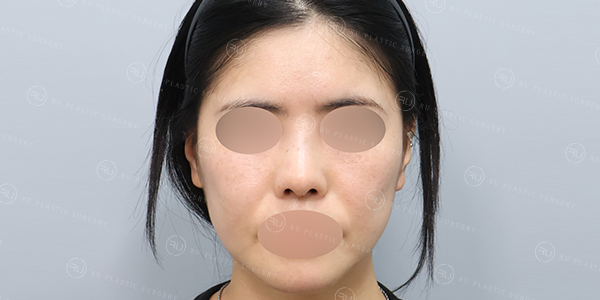
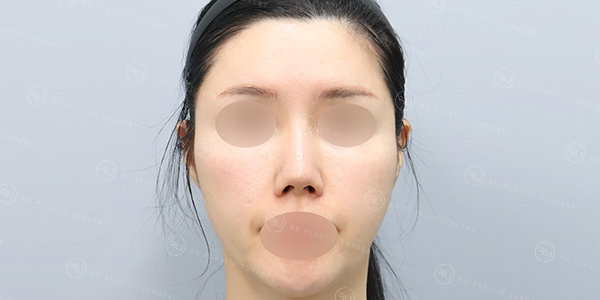
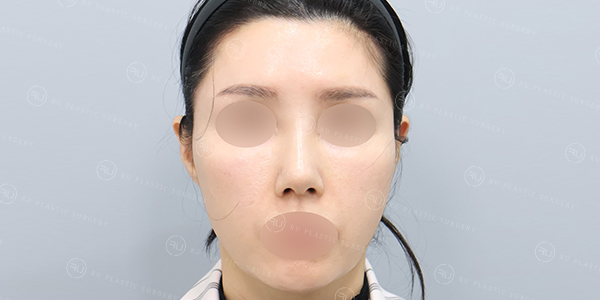
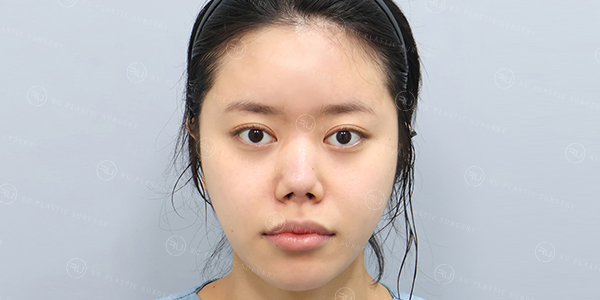
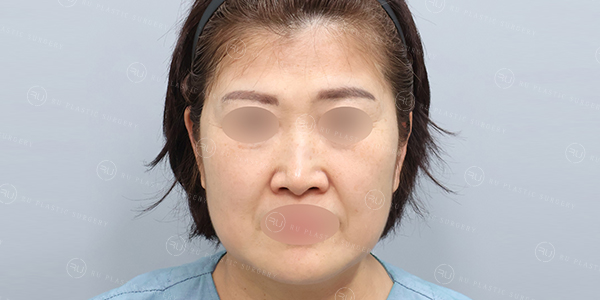
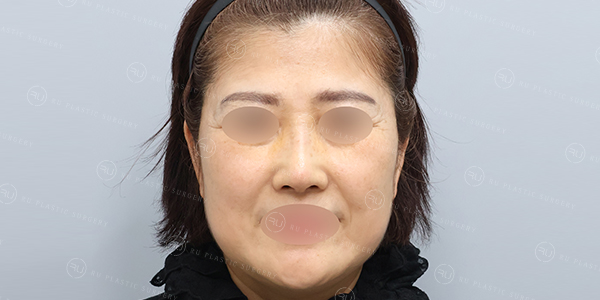
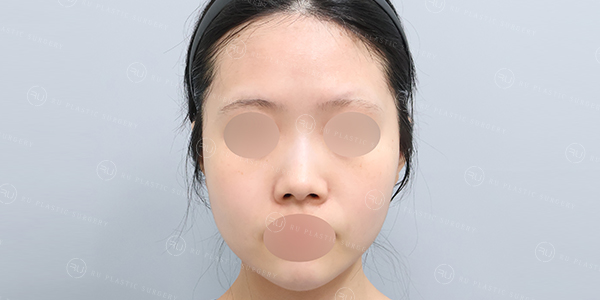
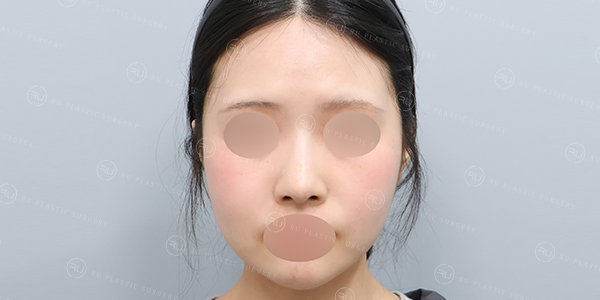
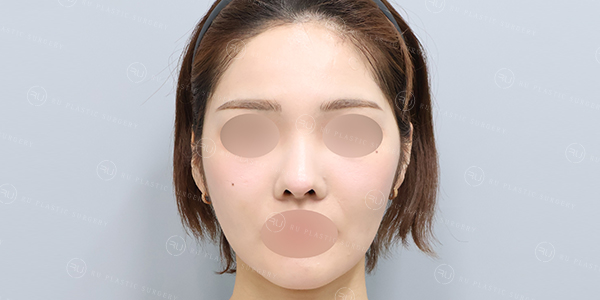
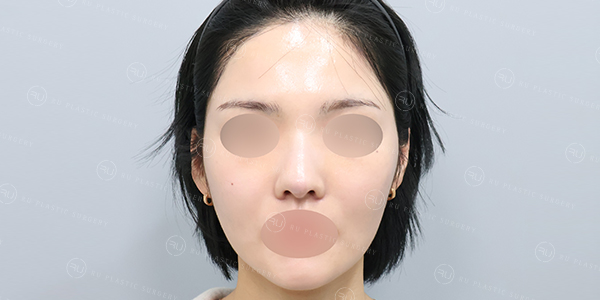
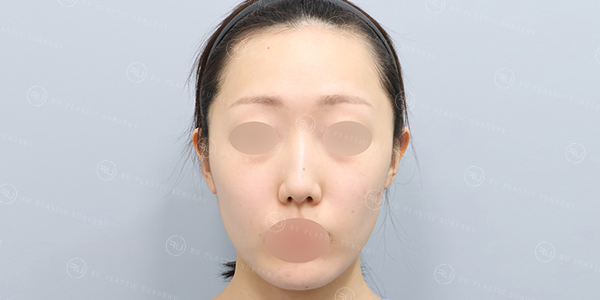
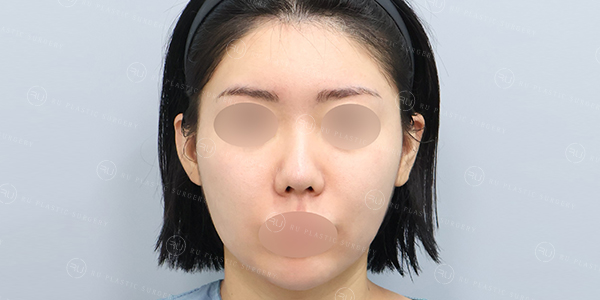
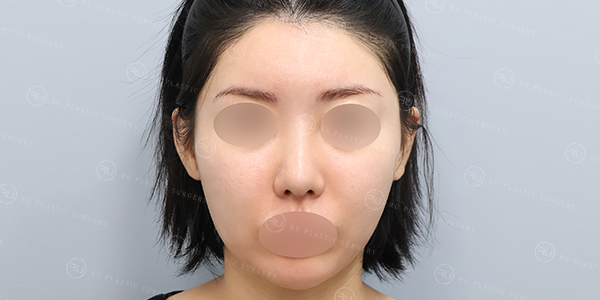
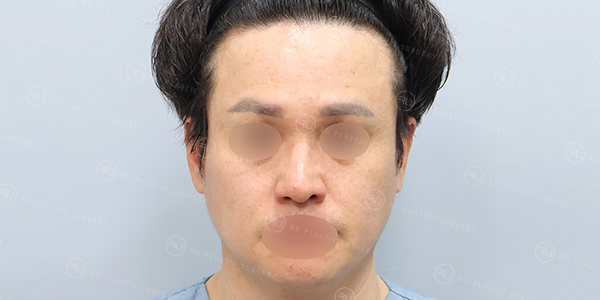
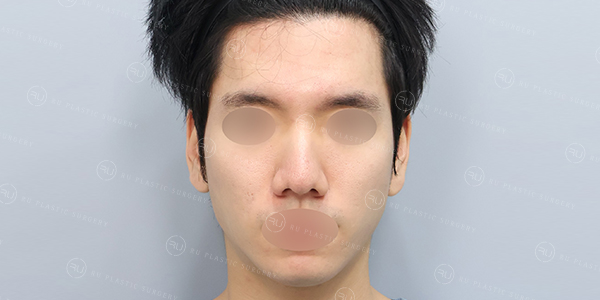
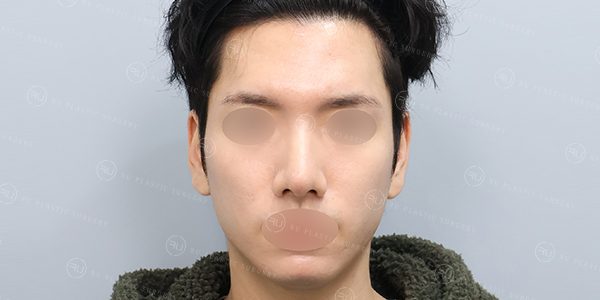
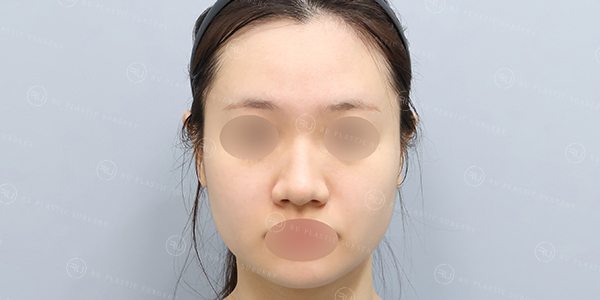
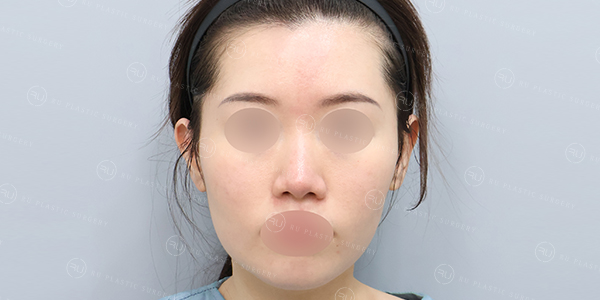
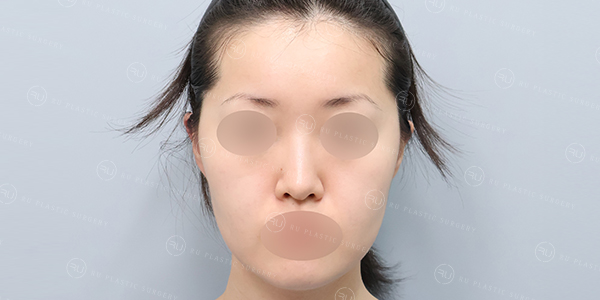
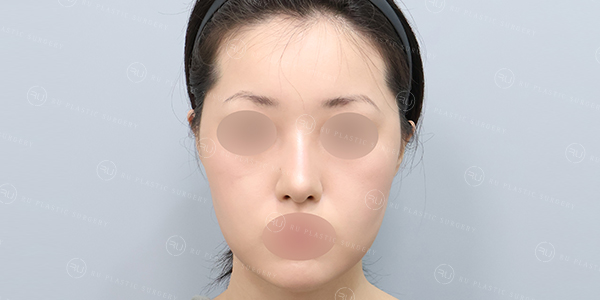
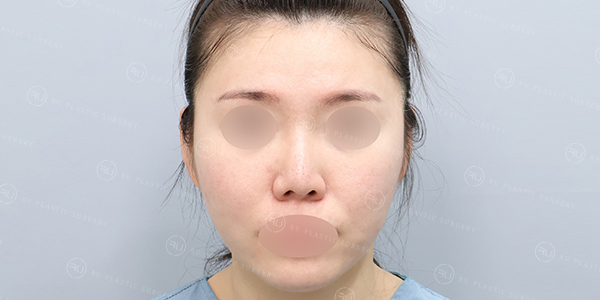
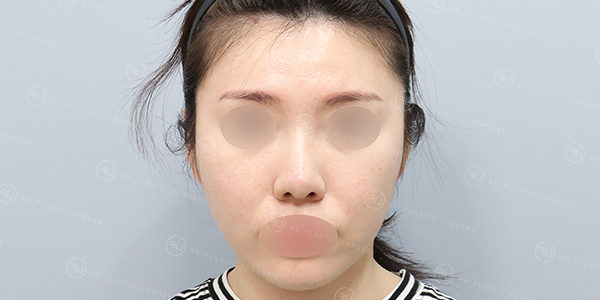
After surgery, the boundary between the nasal bridge and the tip became unclear,
resulting in a blunt overall appearance and a noticeable change in facial impression.
During consultations for revision, costal cartilage was repeatedly recommended,
but because I did not feel strongly dissatisfied with height or shape at the time,
I proceeded with auricular cartilage instead.
In retrospect, this decision may have contributed to the unfavorable outcome.
At the revision clinic, my concerns were consistently attributed to postoperative swelling,
and the lack of communication and aftercare increased my anxiety.
For my subsequent revision,
I prioritized surgical expertise and postoperative management above all else.
Although the cost was higher,
the concept of a lifelong primary surgeon at RU Plastic Surgery provided reassurance,
and in practice, the surgeon continues to personally monitor my progress.
Their extensive experience with autologous costal cartilage procedures
was also an important factor in my decision.
Compared to my previous revision,
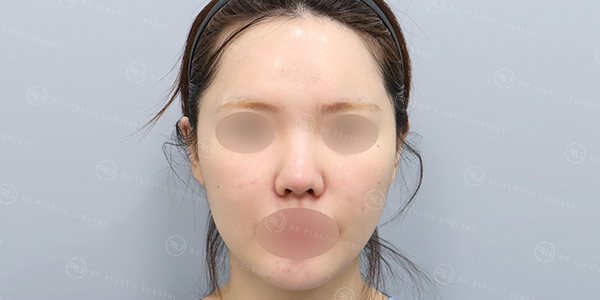
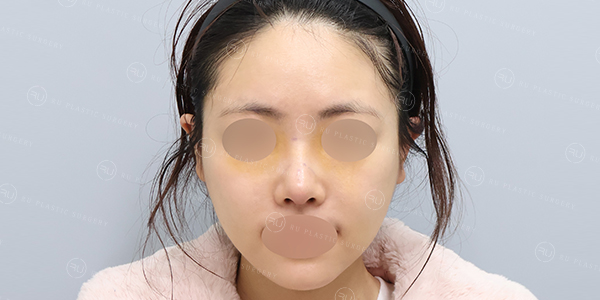
postoperative swelling and bruising were significantly reduced,
and within one to two weeks, I was able to fully resume daily activities, including work.
Because the procedure focused on refinement rather than increasing height,
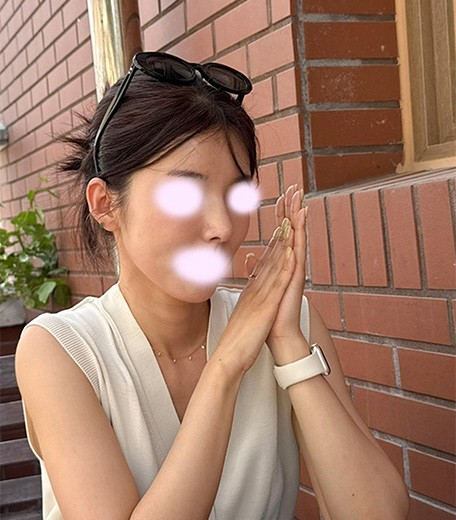
most people are unaware that I underwent surgery,
which aligns with my preference for a natural result.
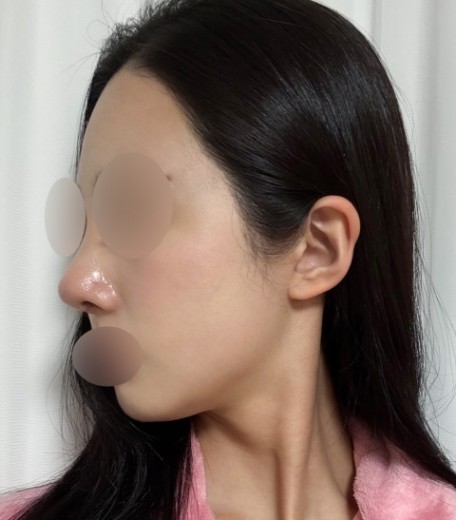
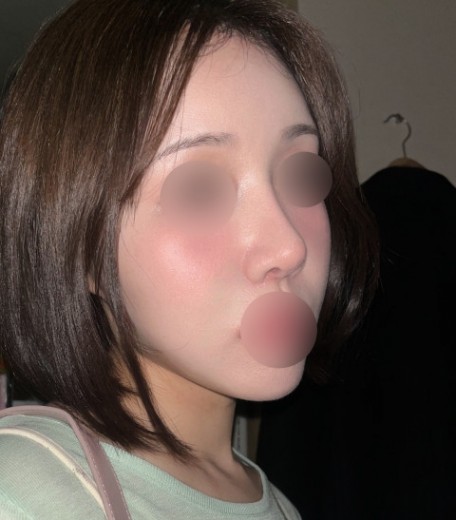
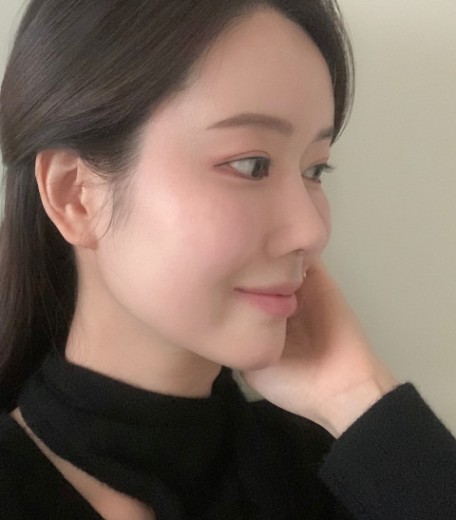
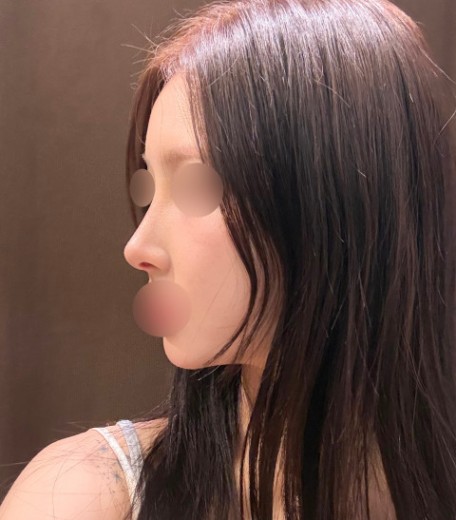
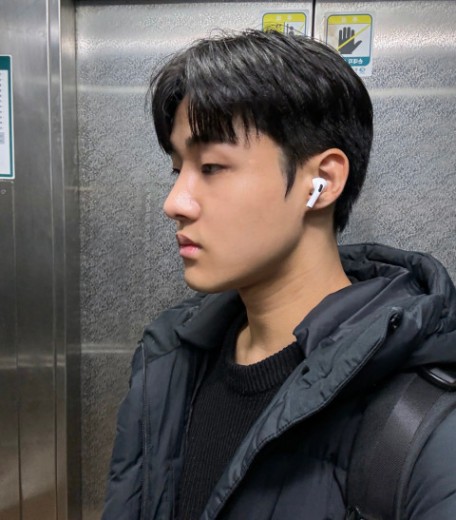
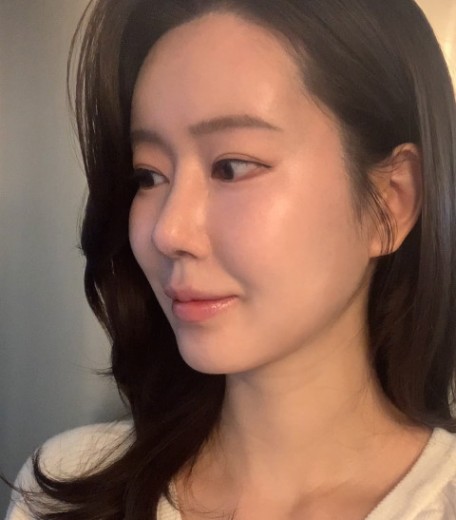
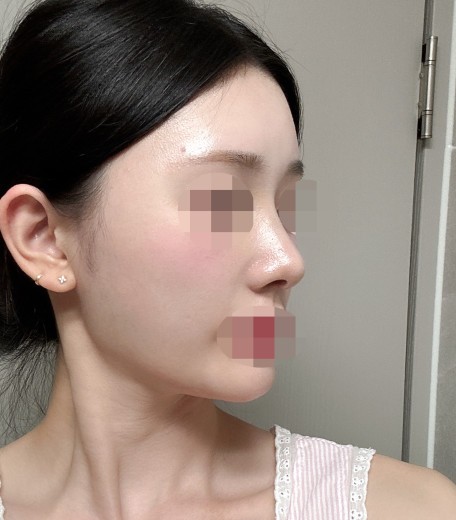
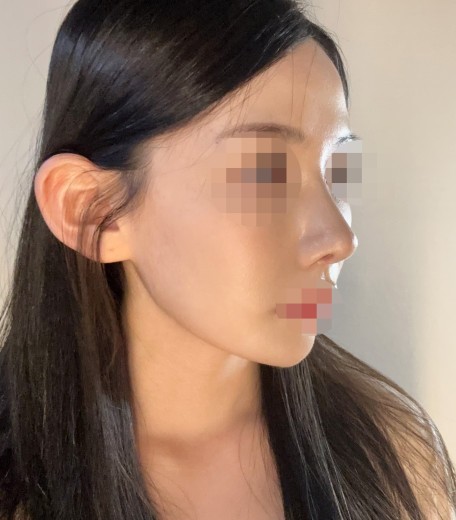
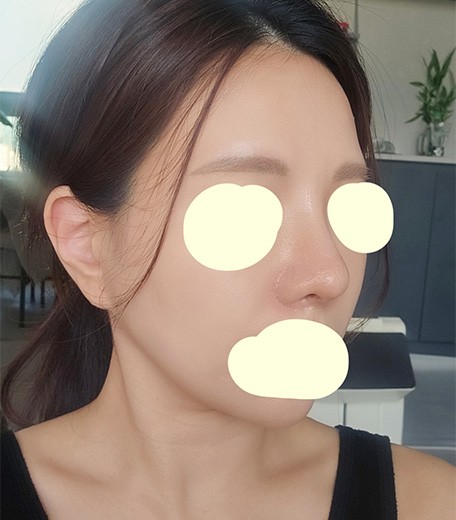
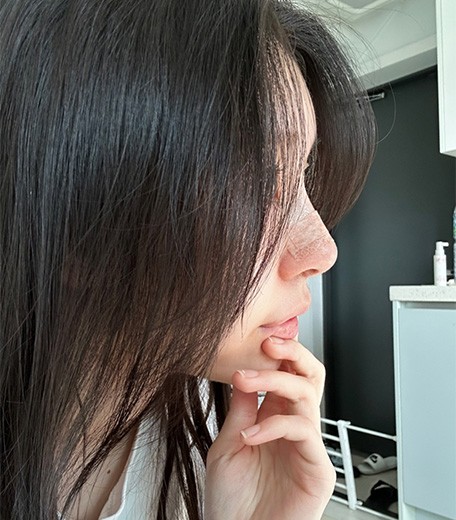
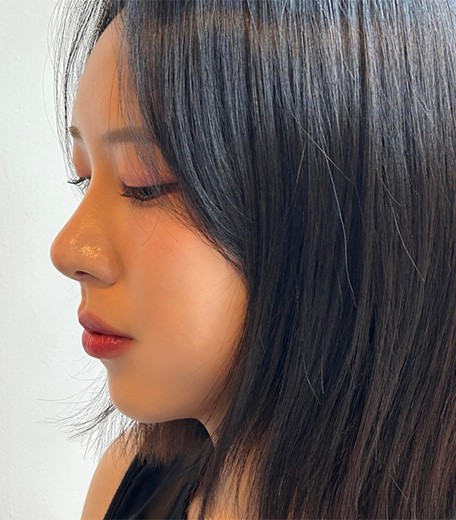
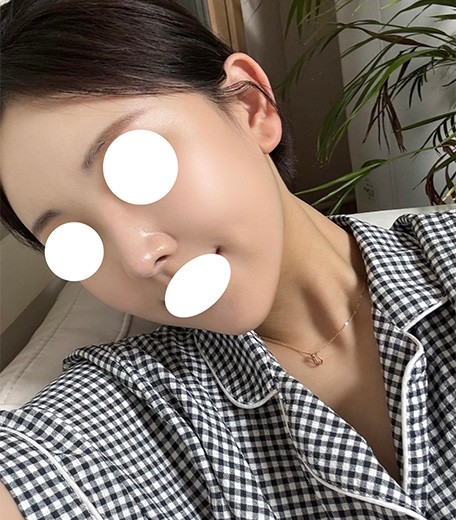
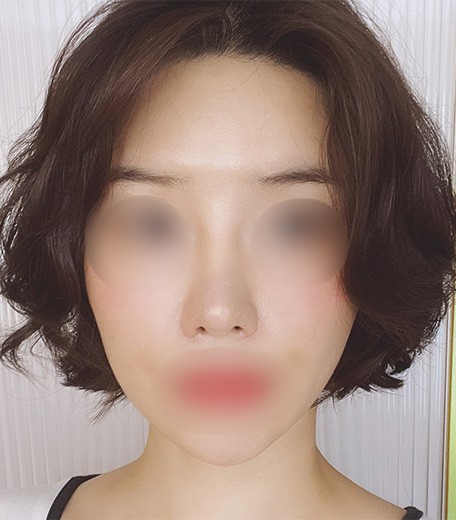
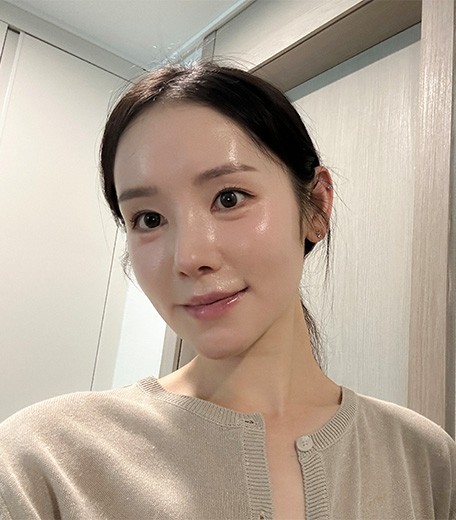
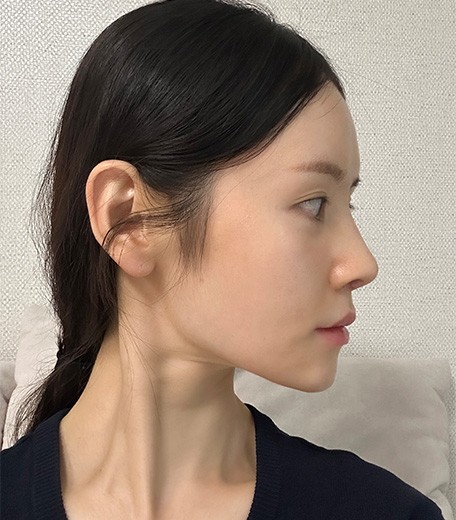
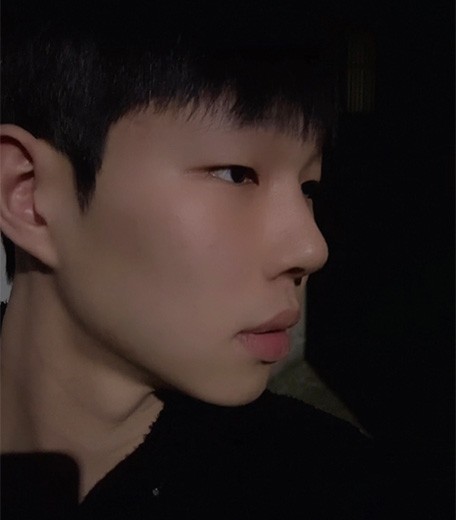
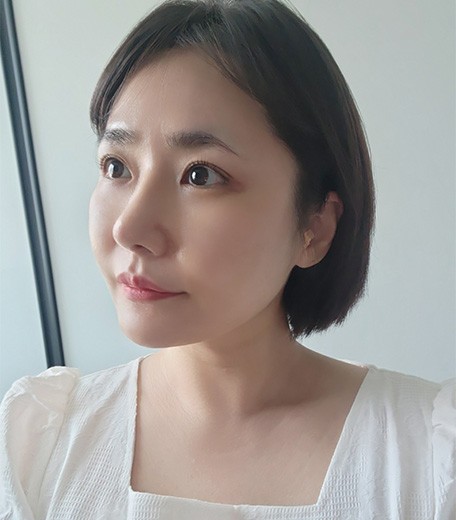
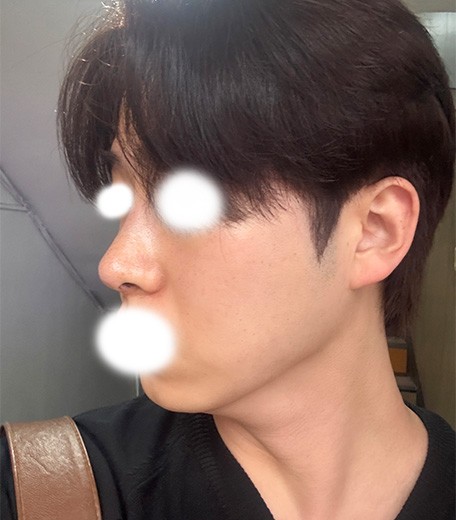
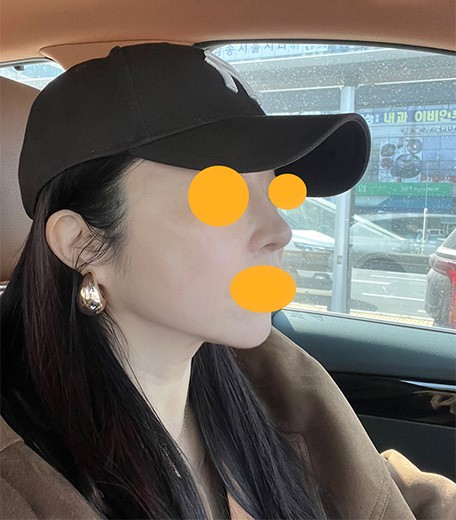
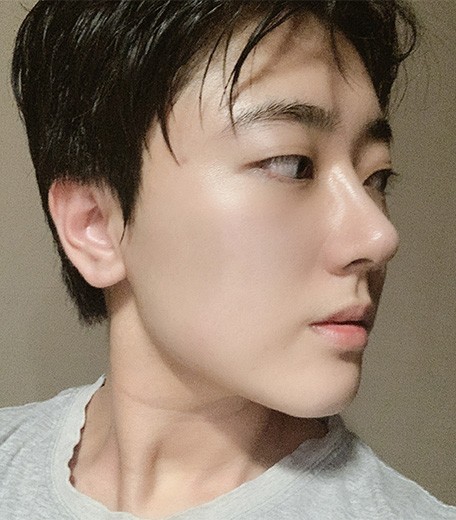
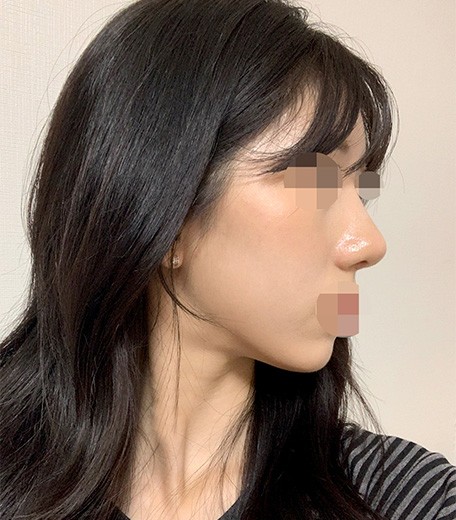
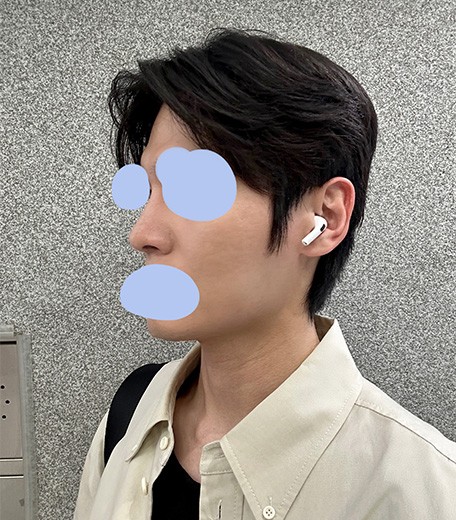
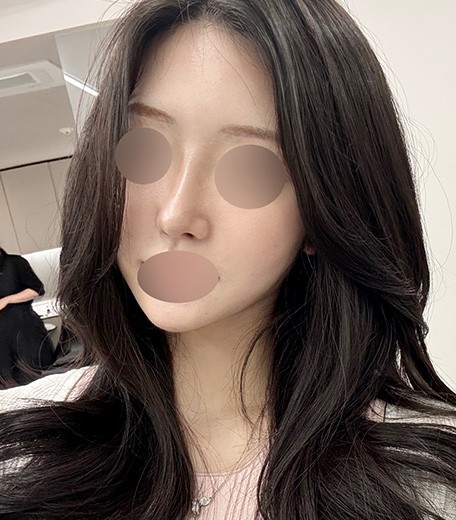
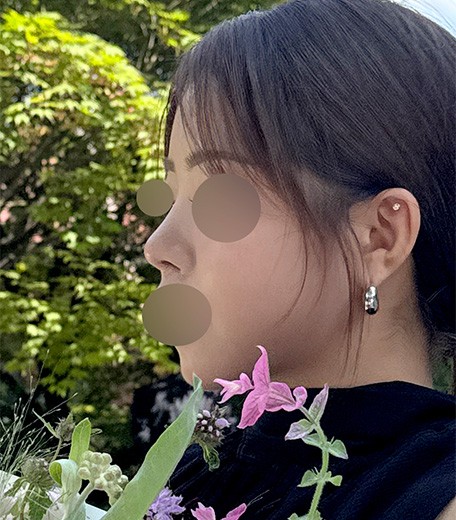
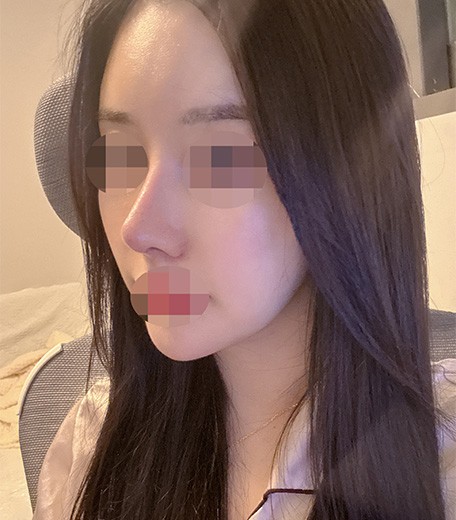
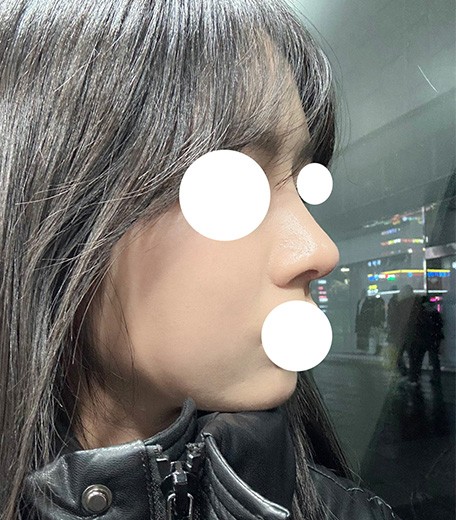
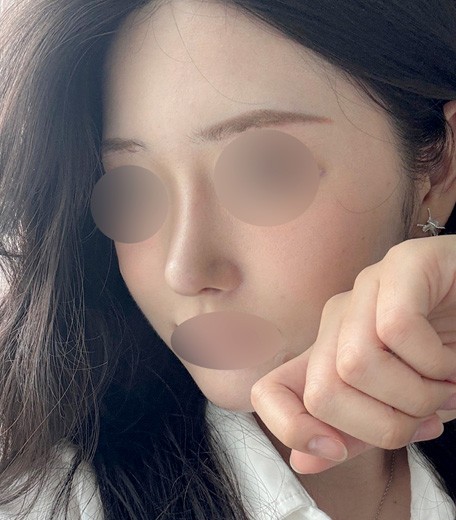
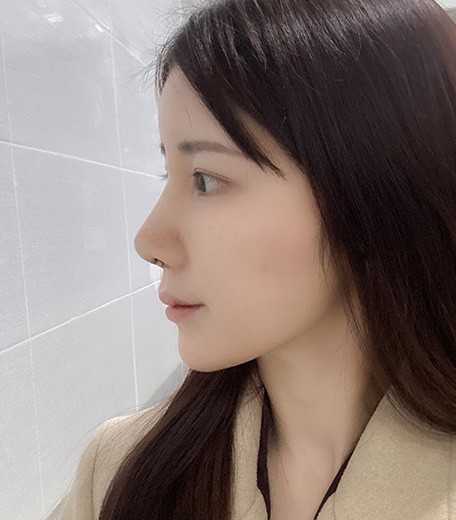
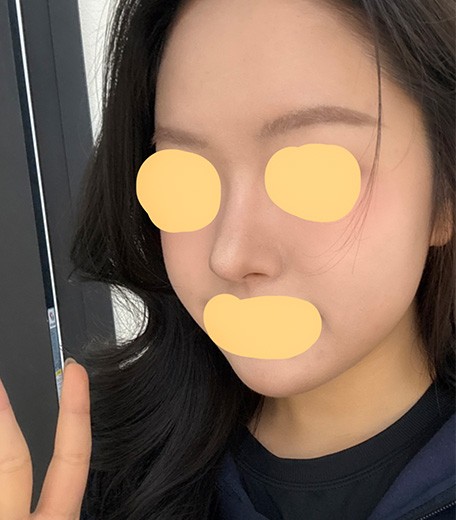
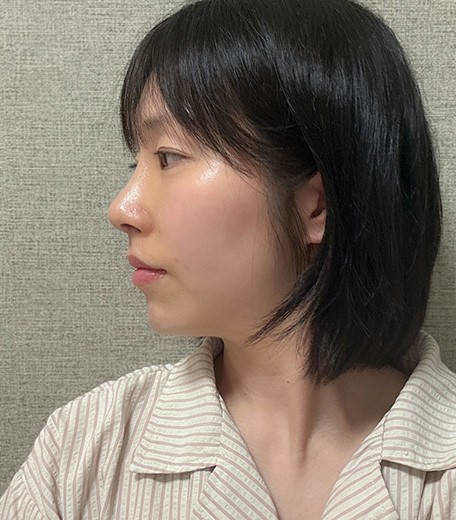
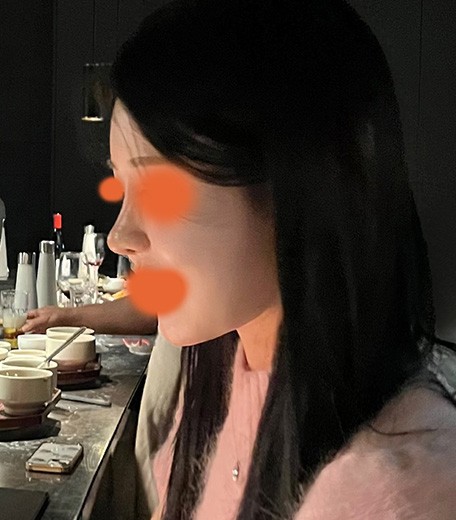
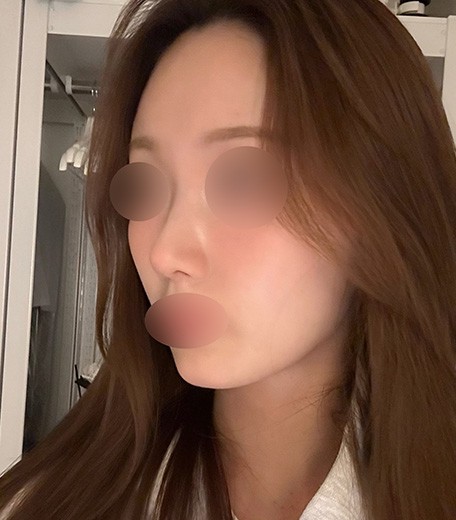
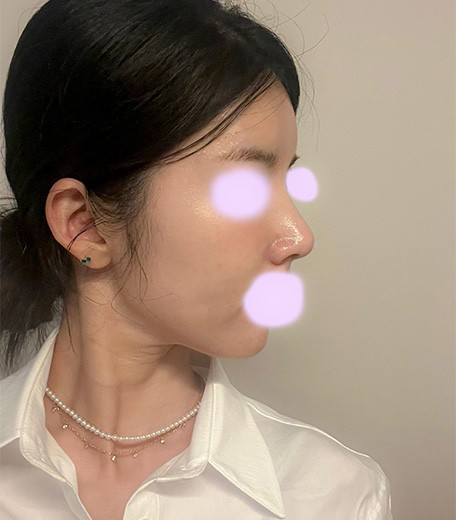
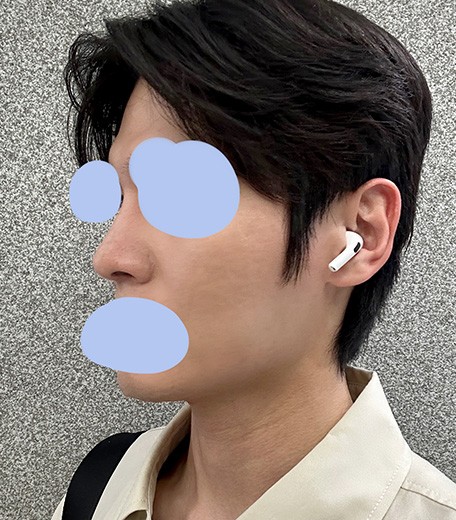
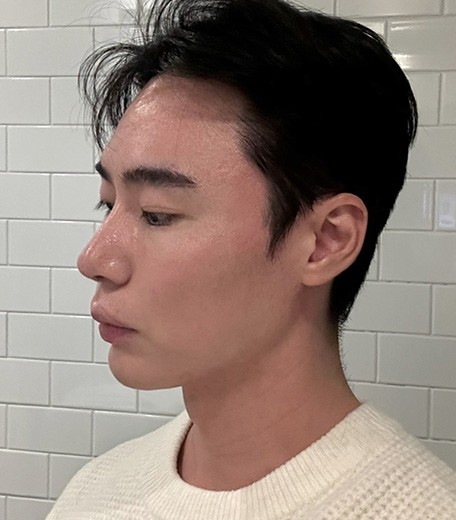
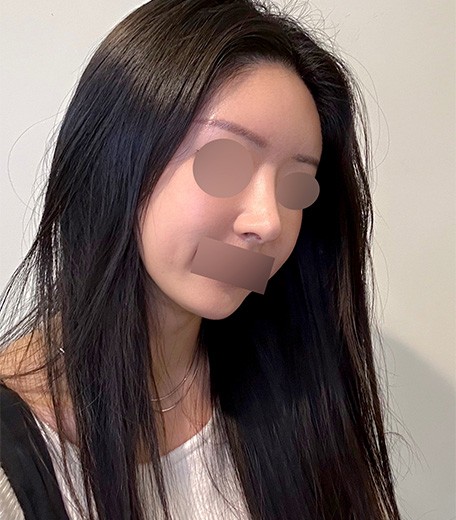
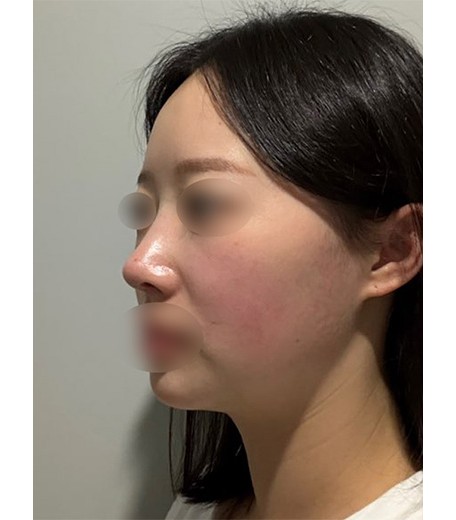
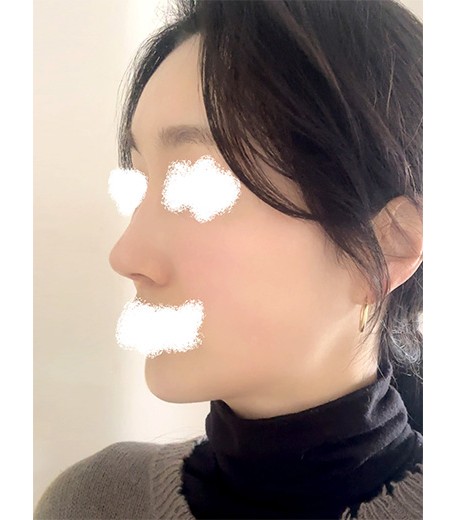
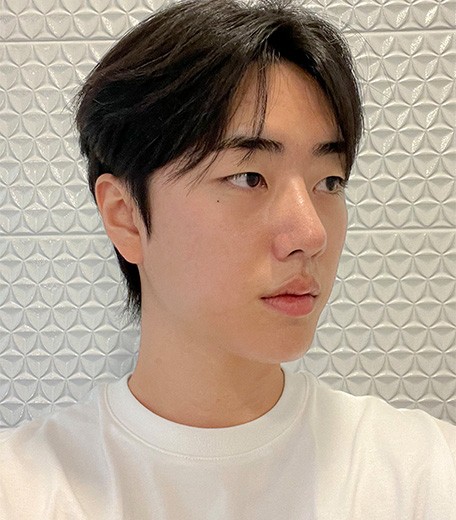
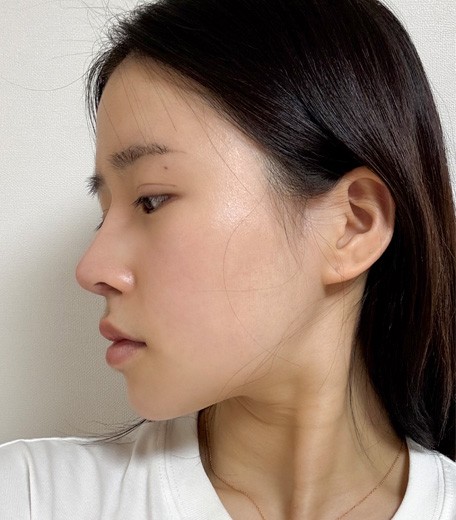
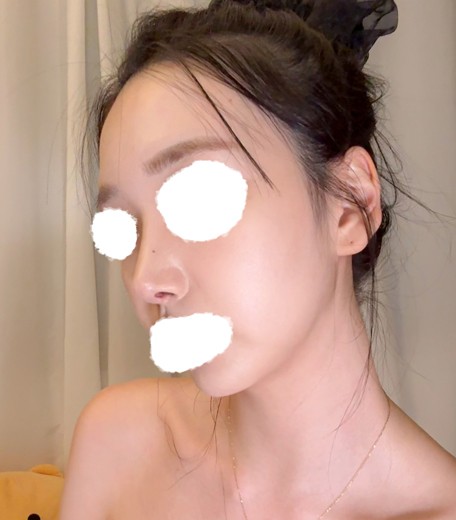
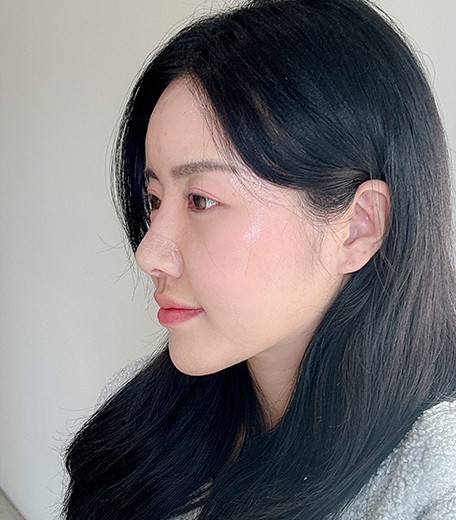
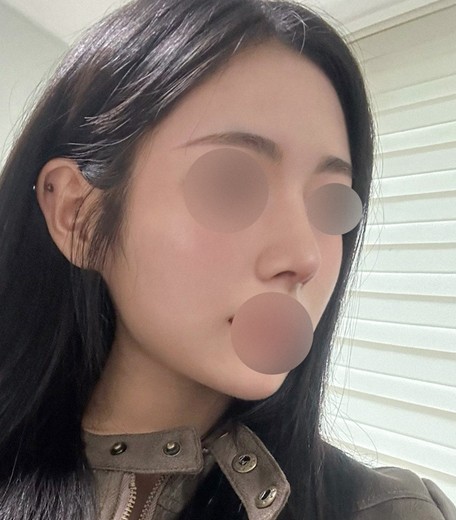
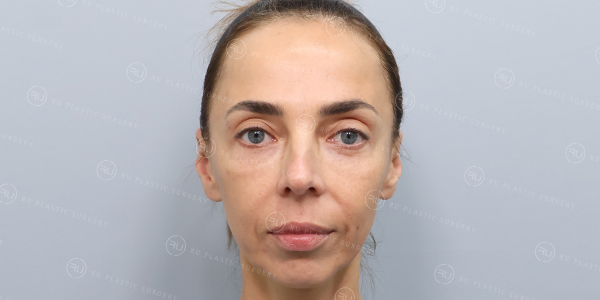
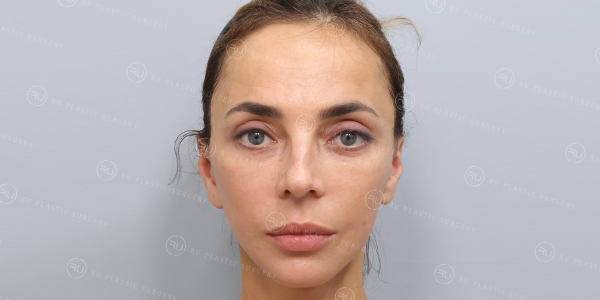
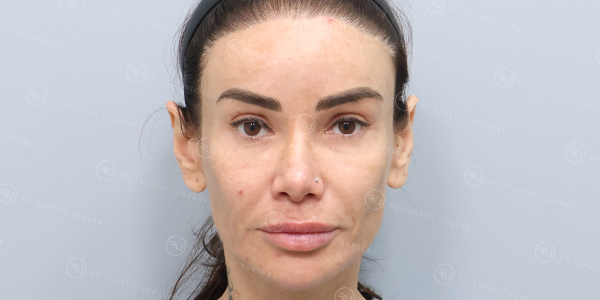
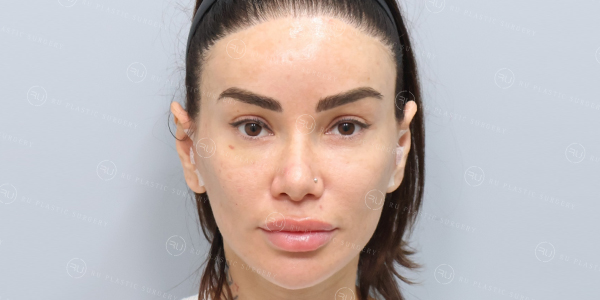
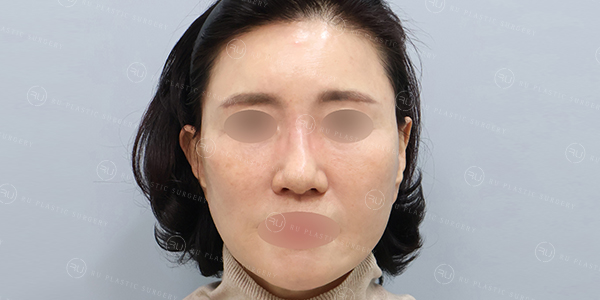
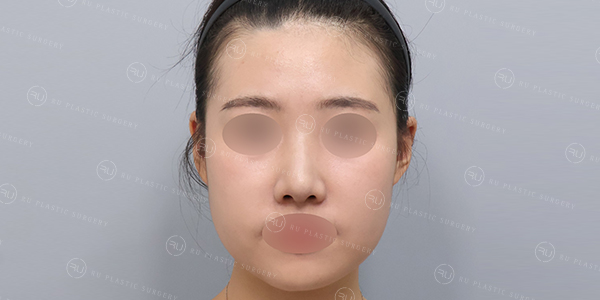
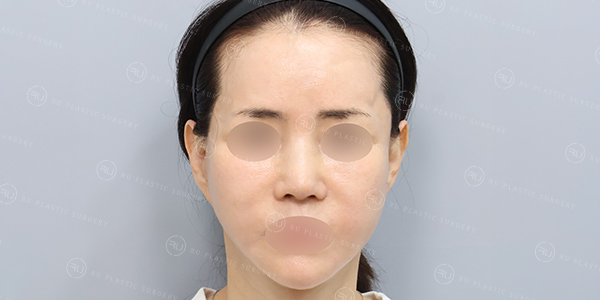
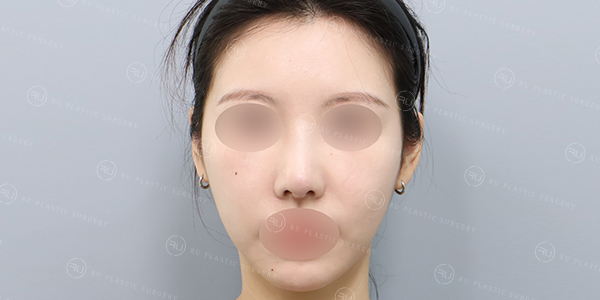
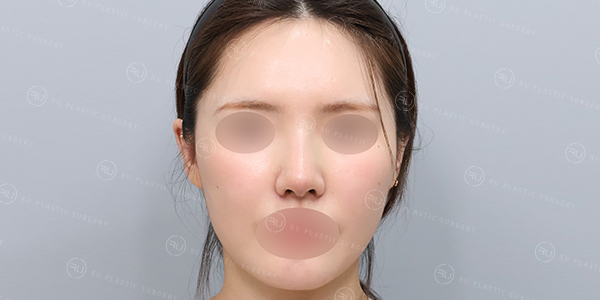
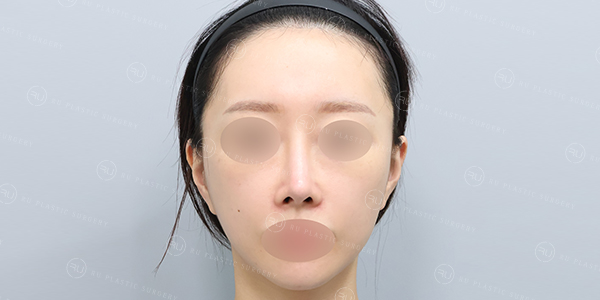
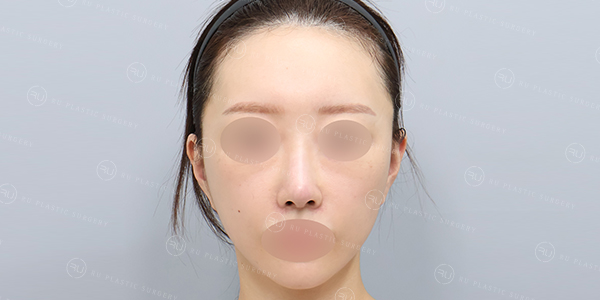
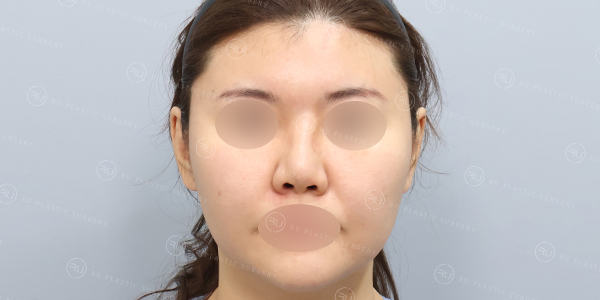
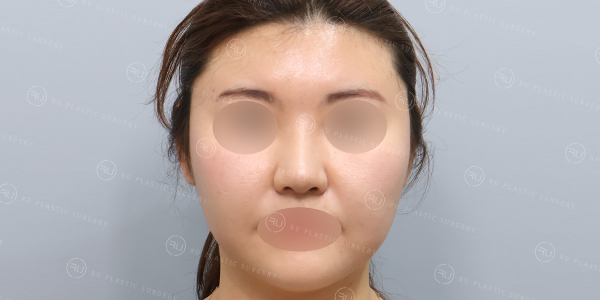
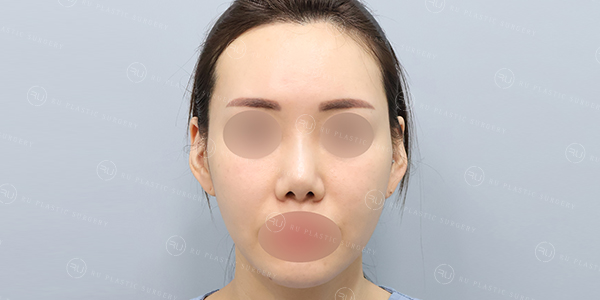
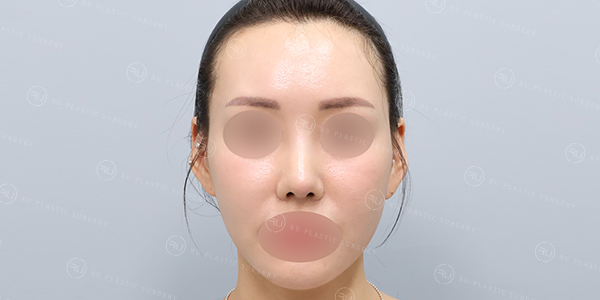
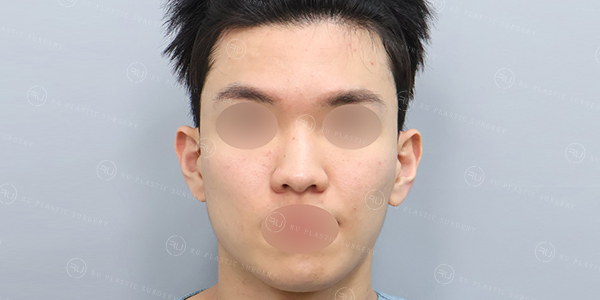
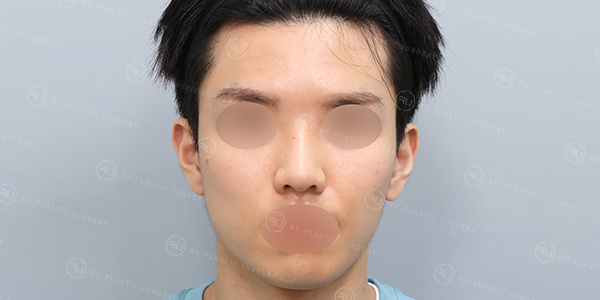
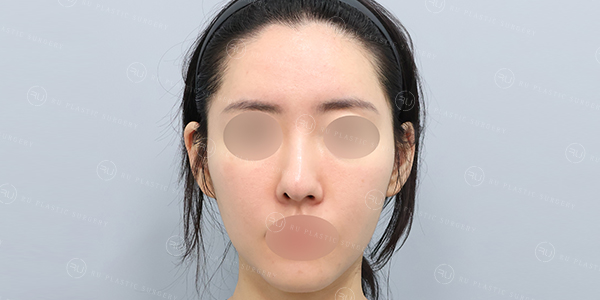
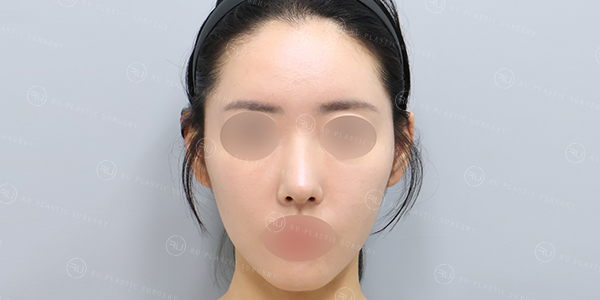
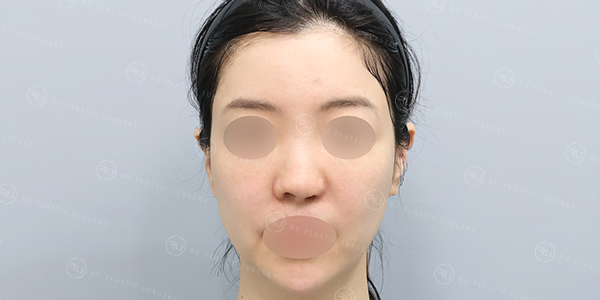
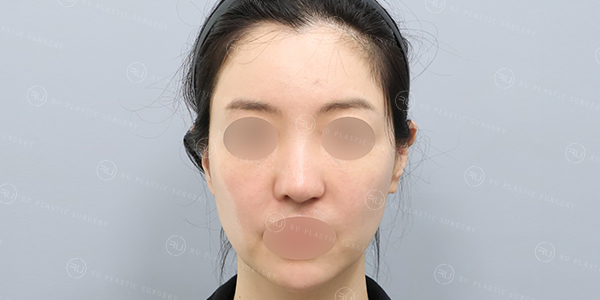
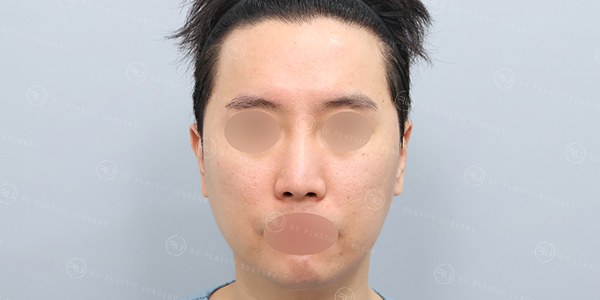
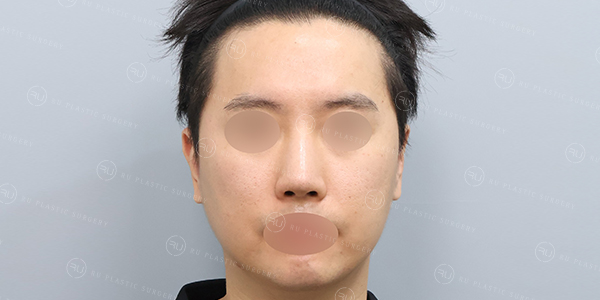
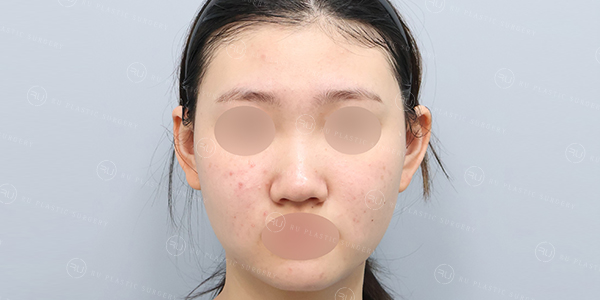
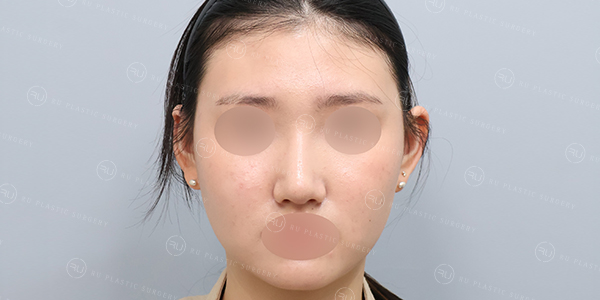
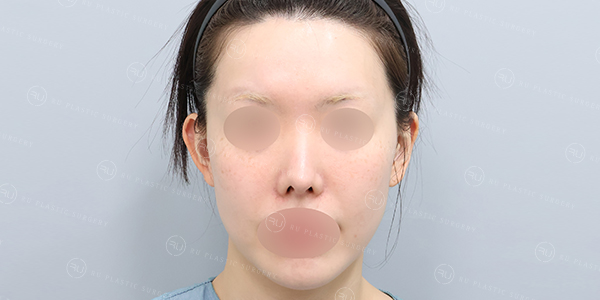
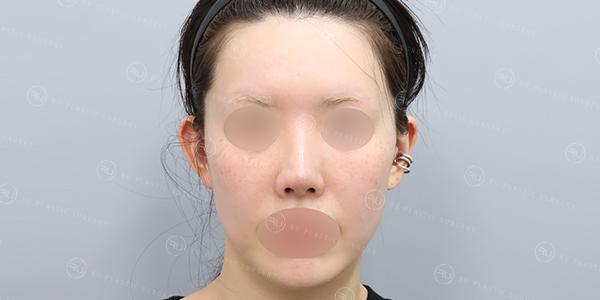
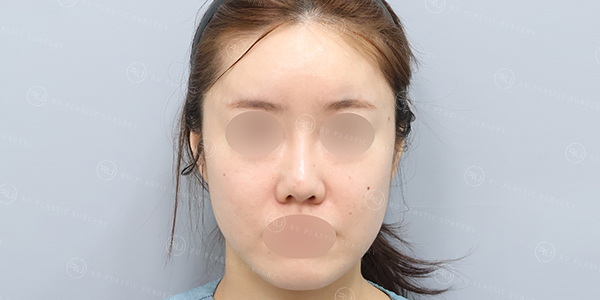
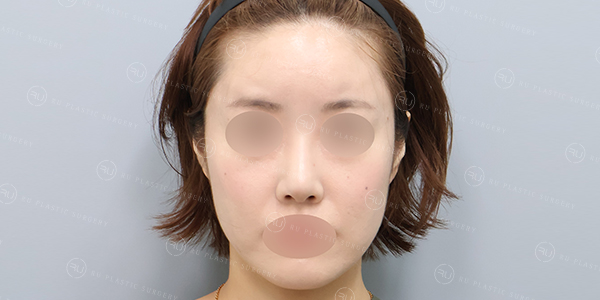
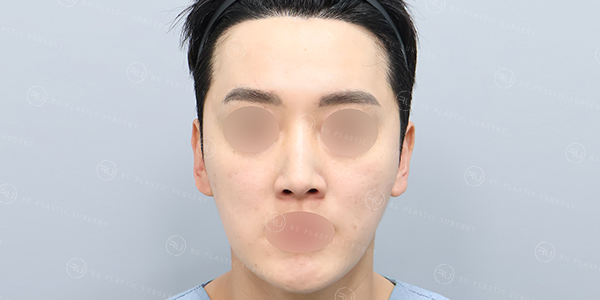
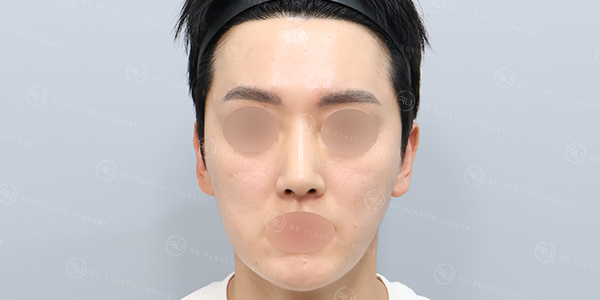
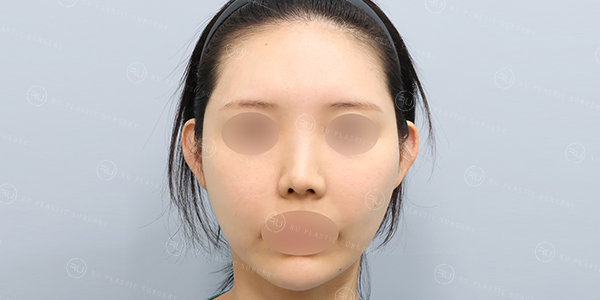
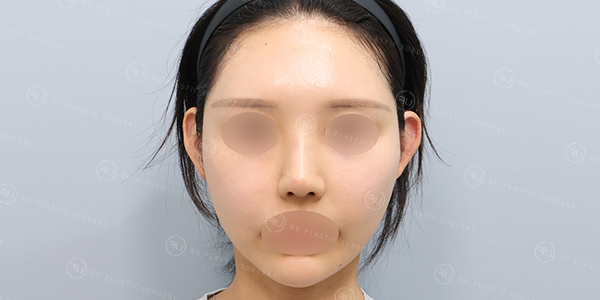
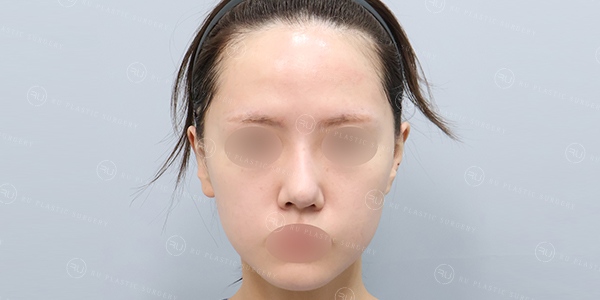
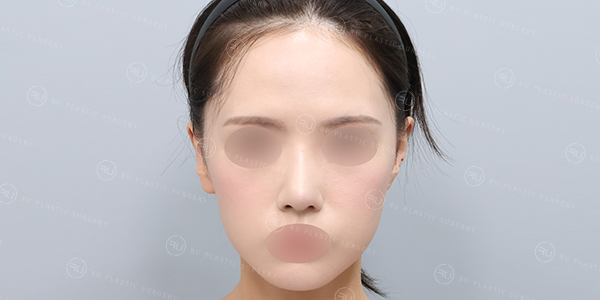
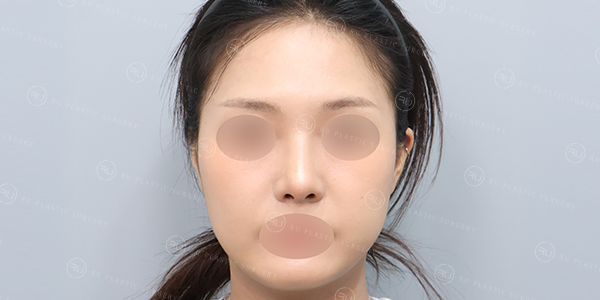
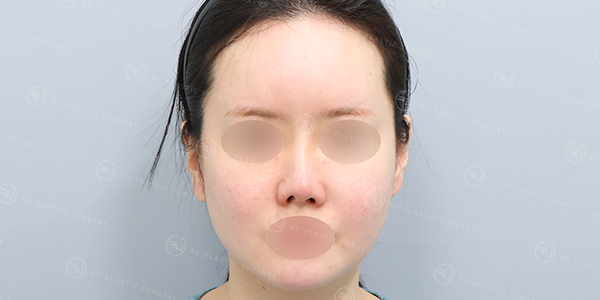
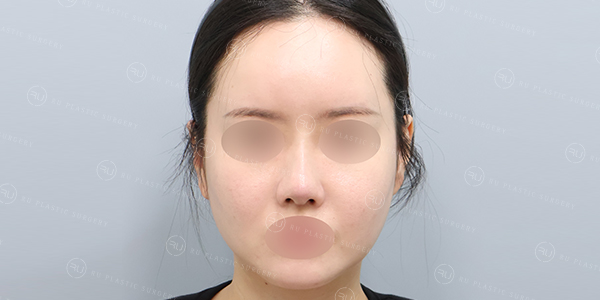
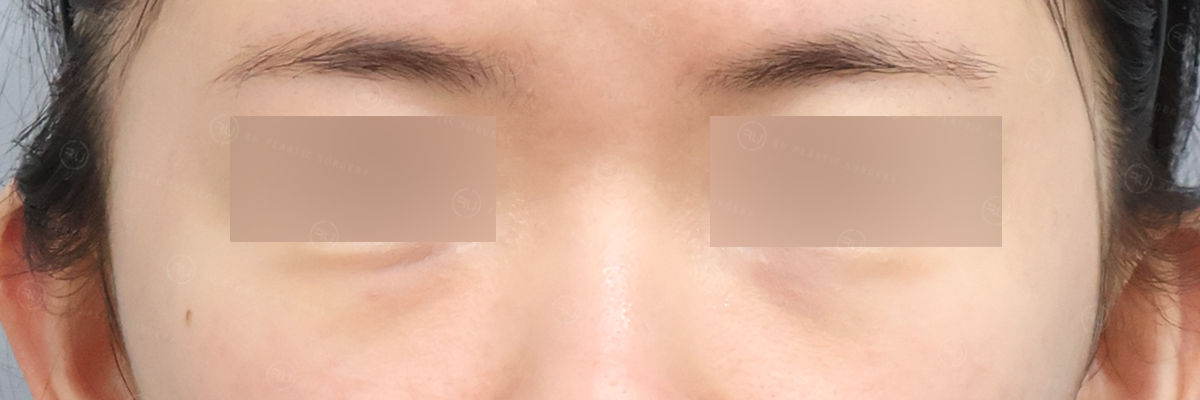
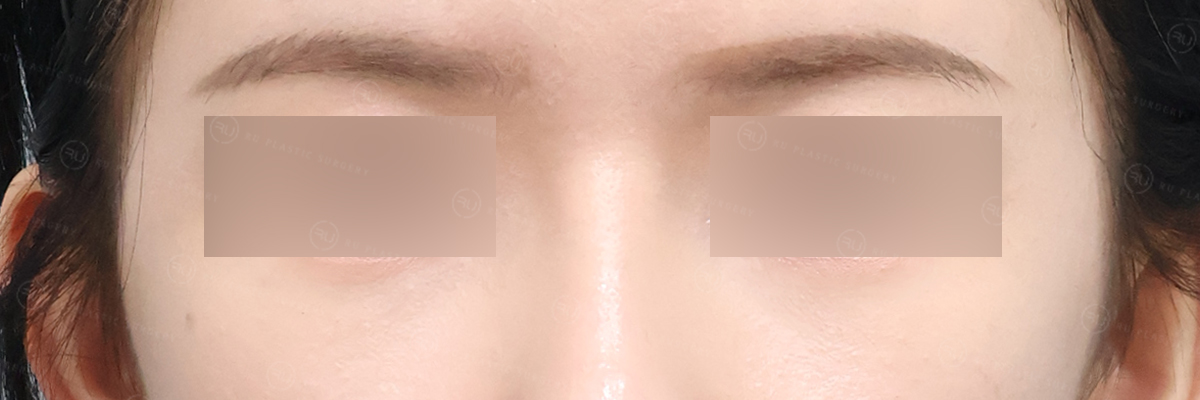
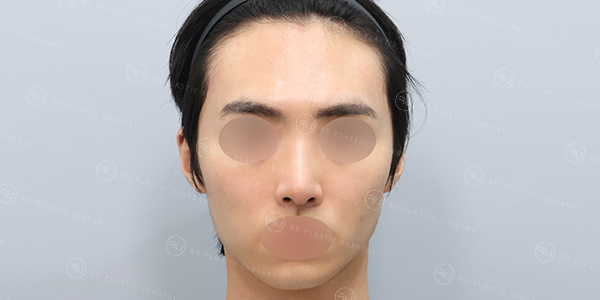
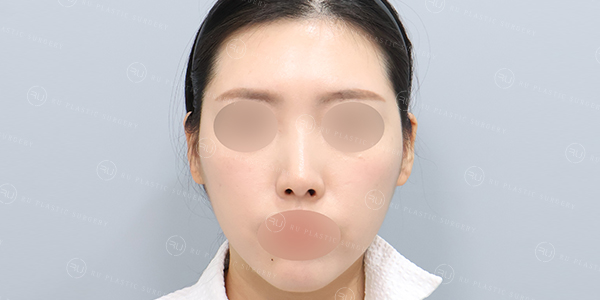
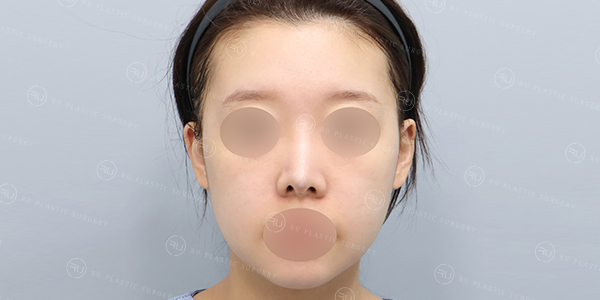
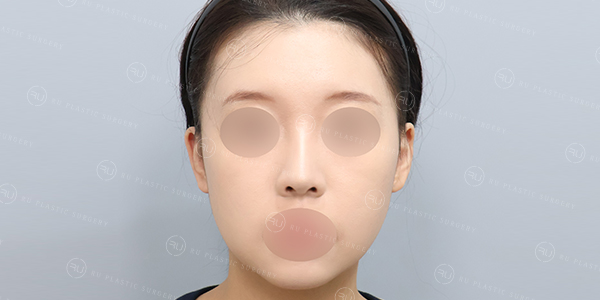
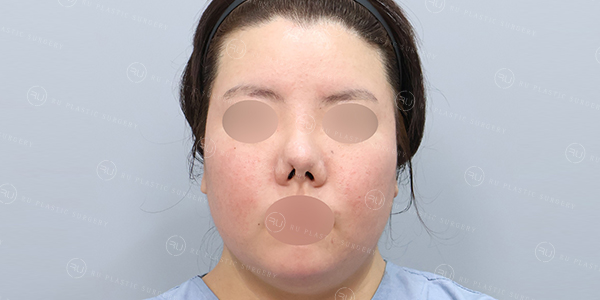
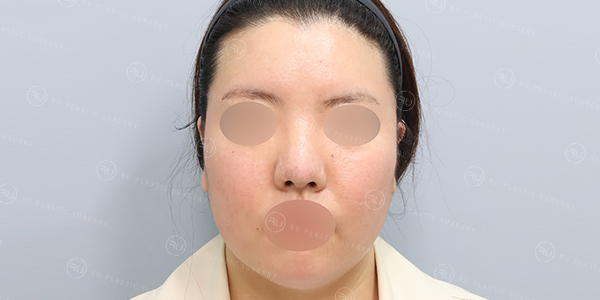
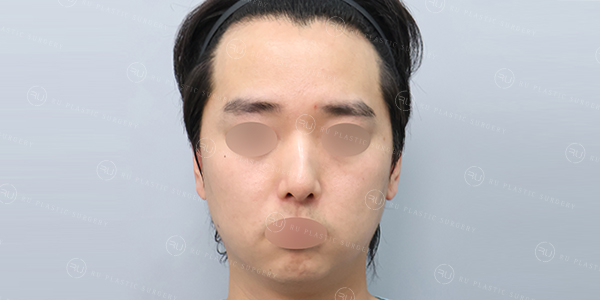
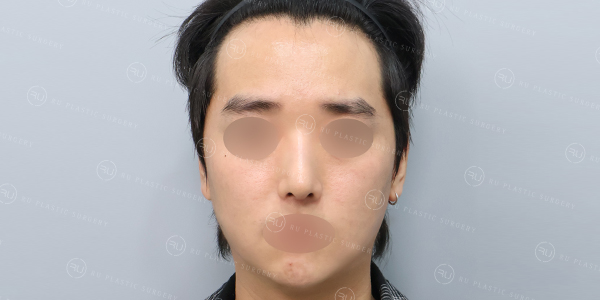
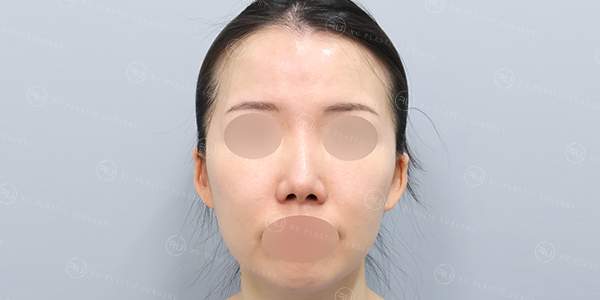
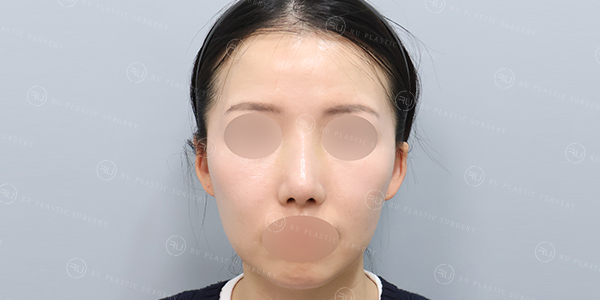
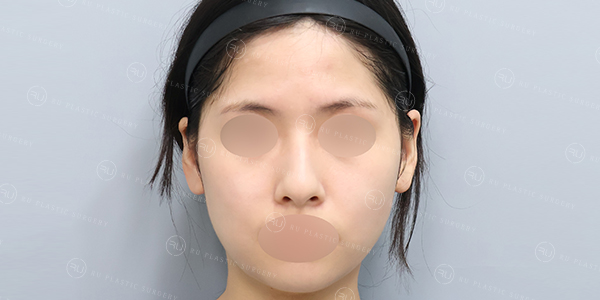
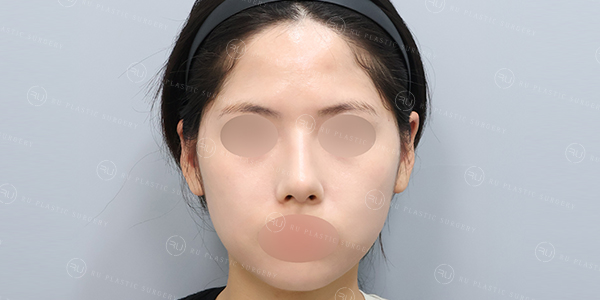
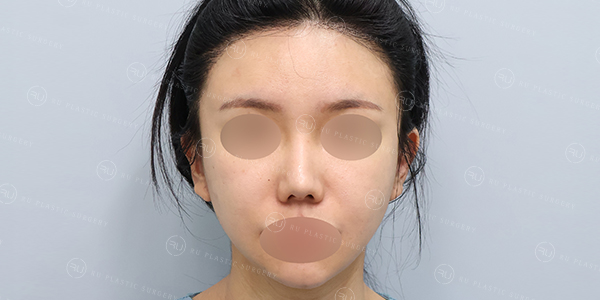
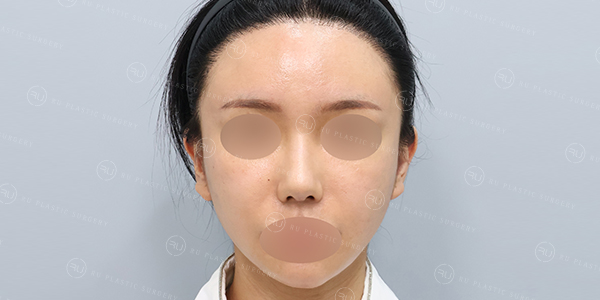
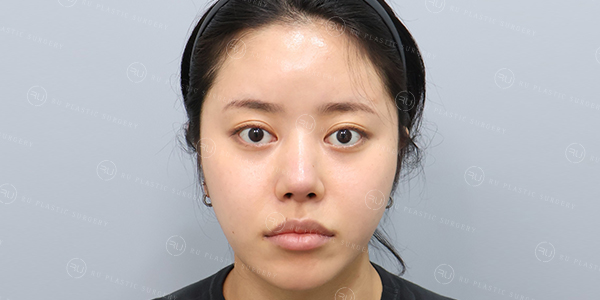
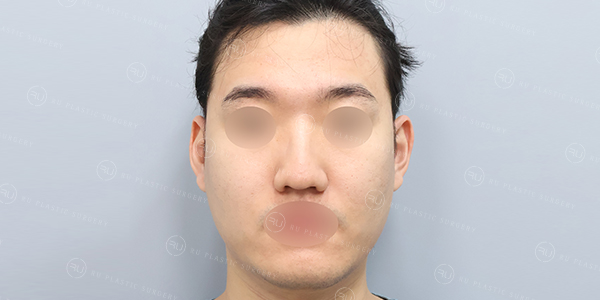
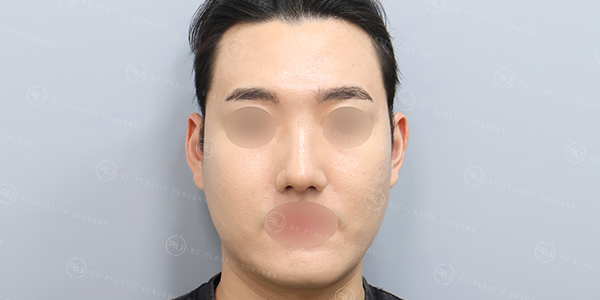
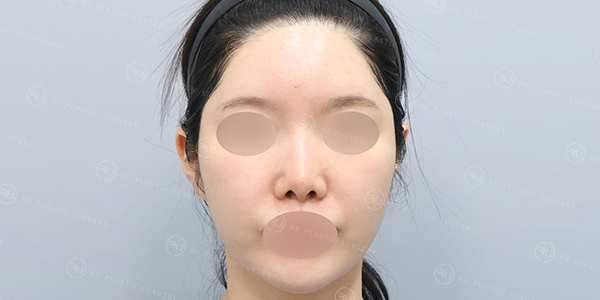
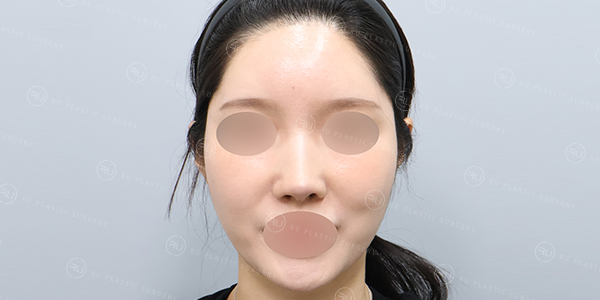
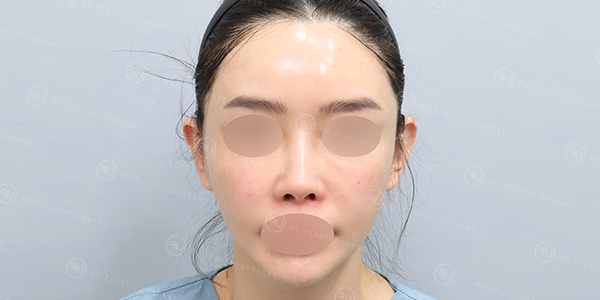
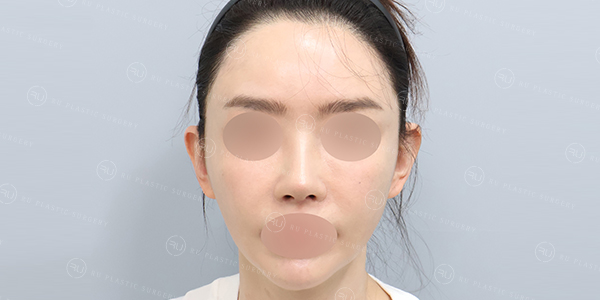
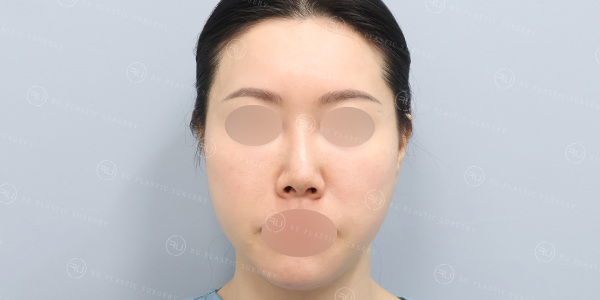
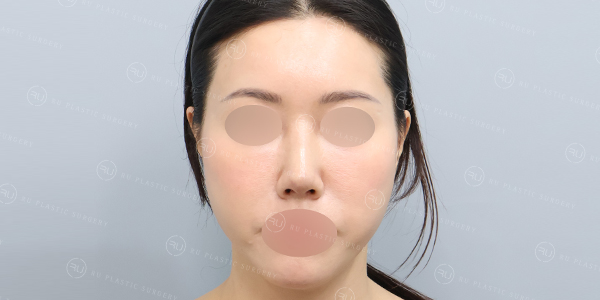
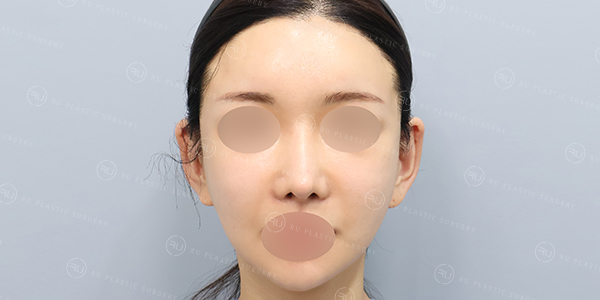
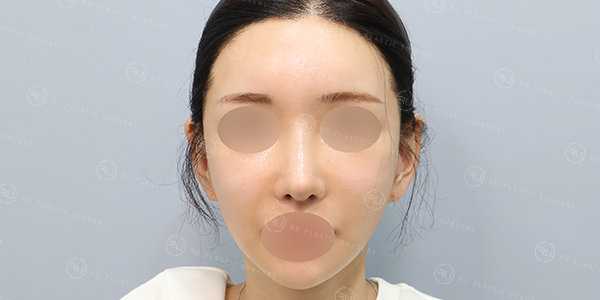
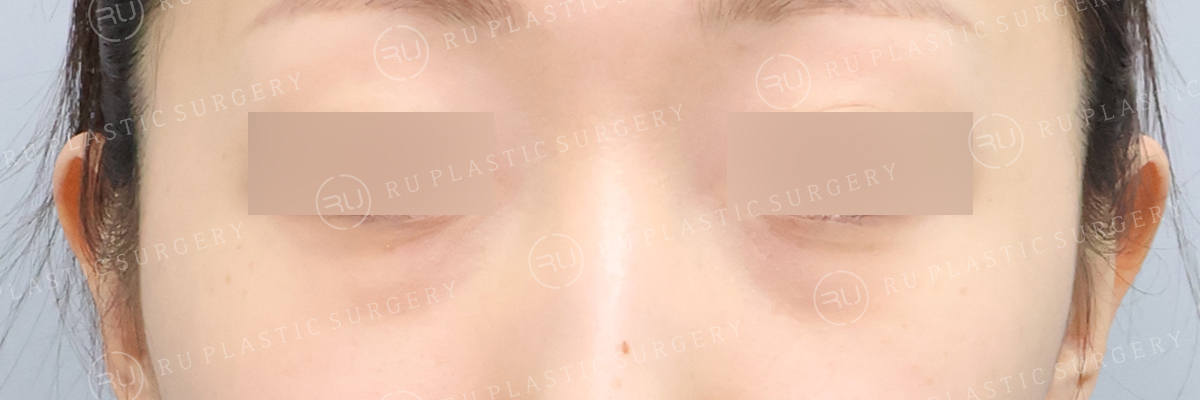
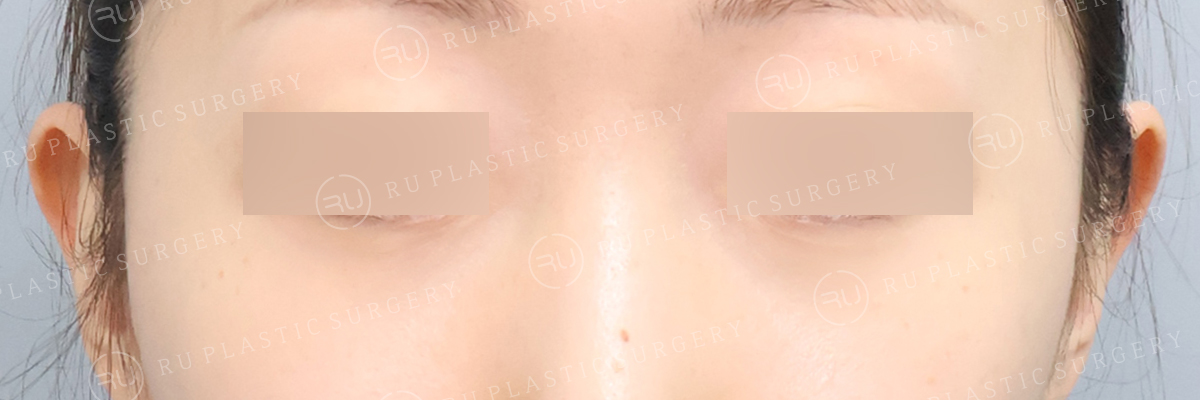
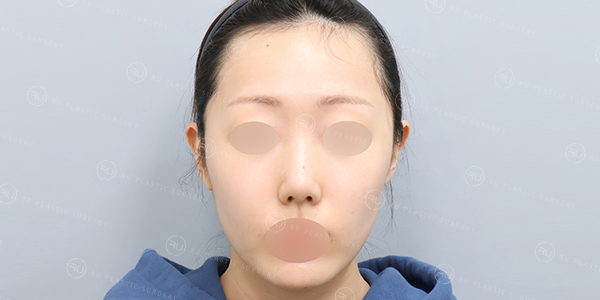
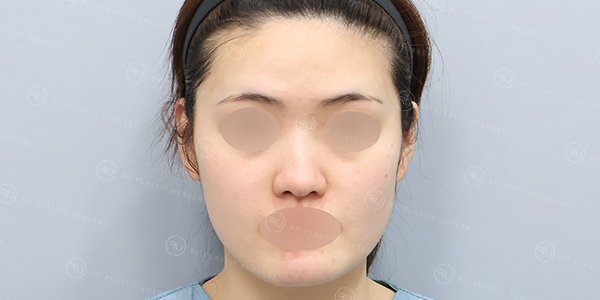
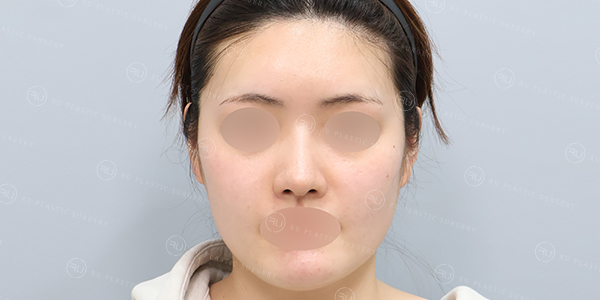
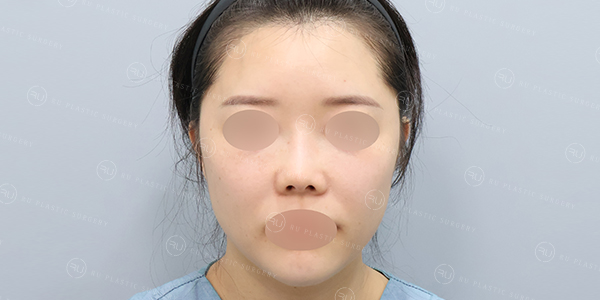
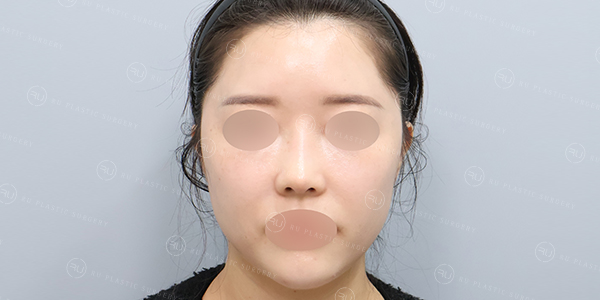
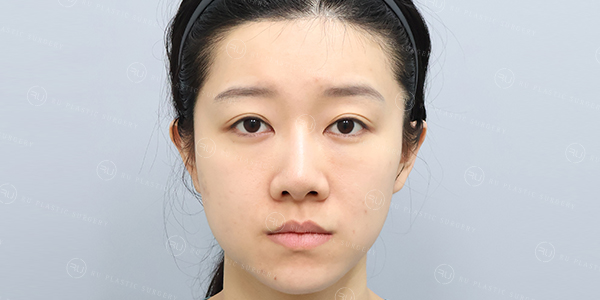
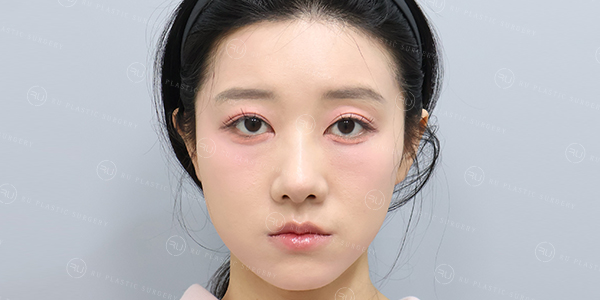
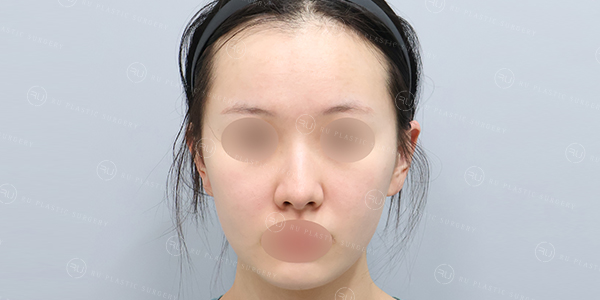
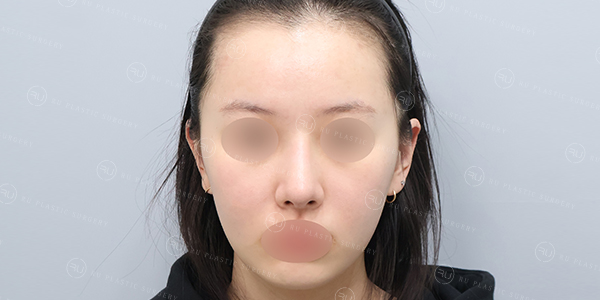
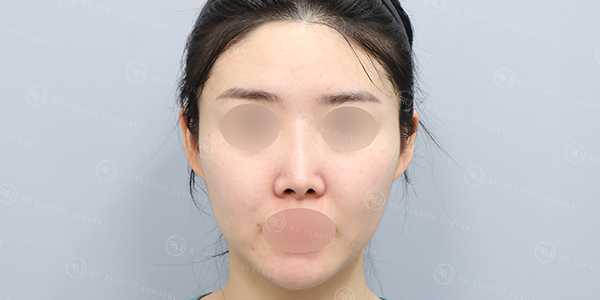
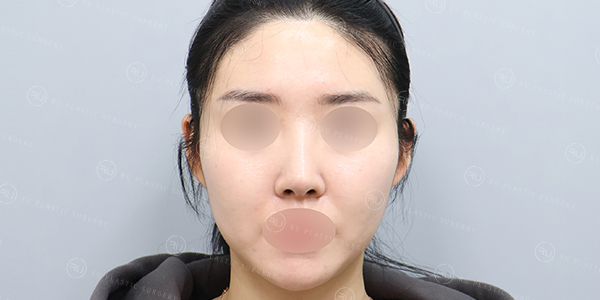
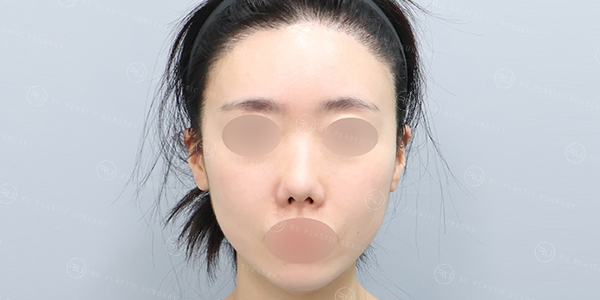
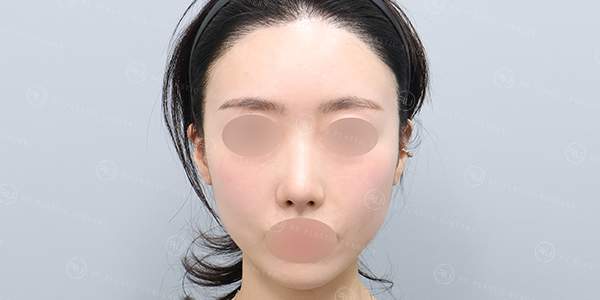
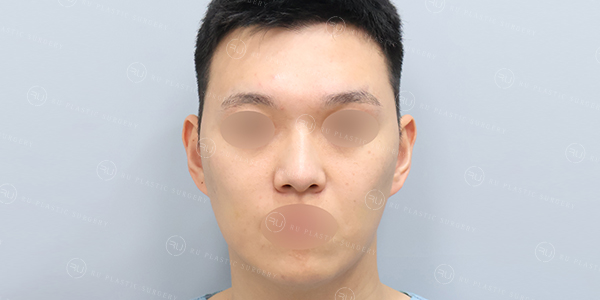
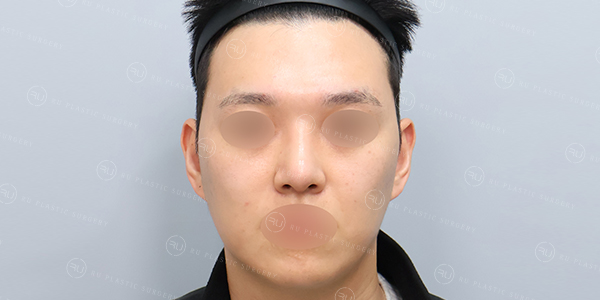
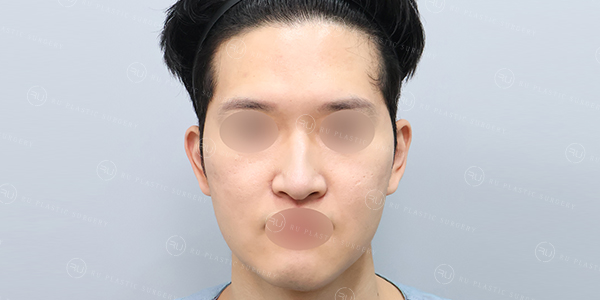
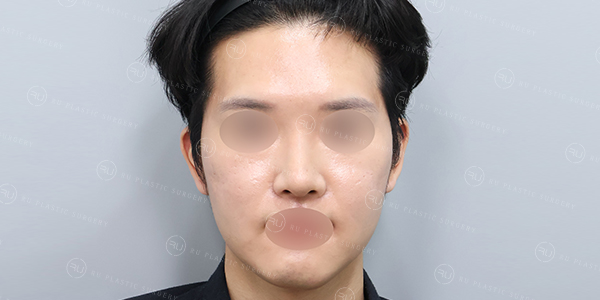
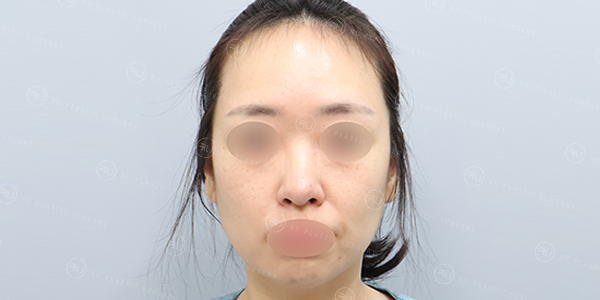
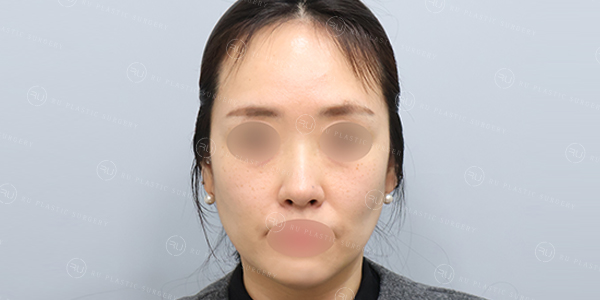
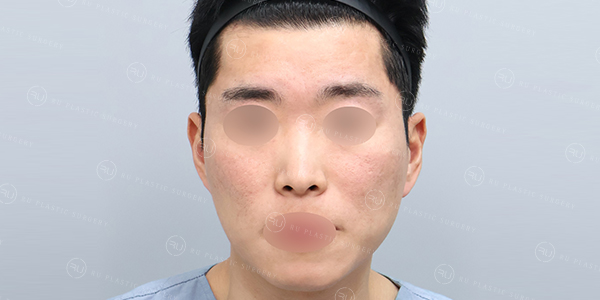
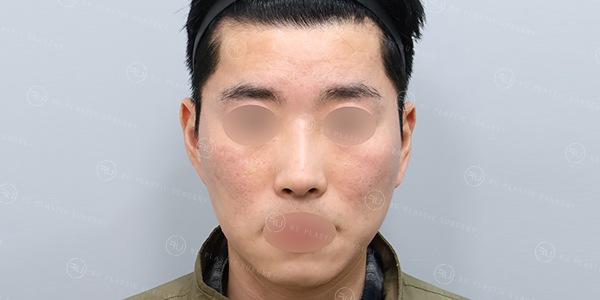
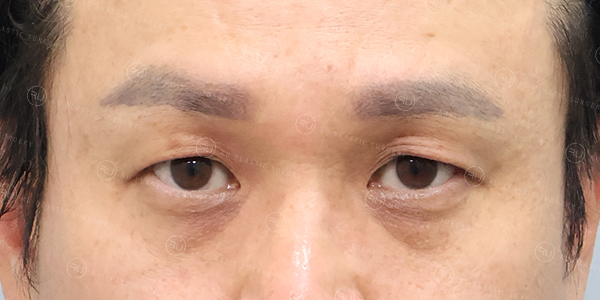
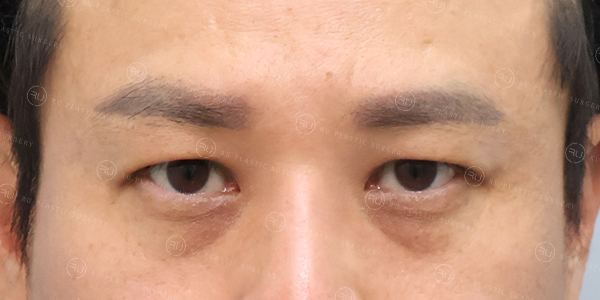
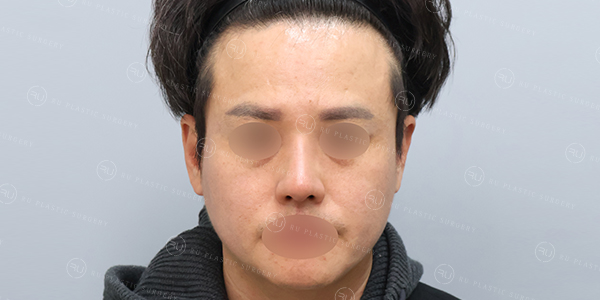
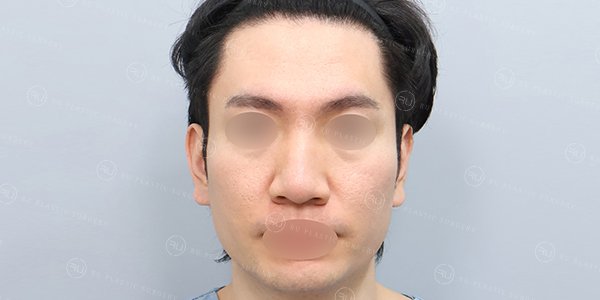
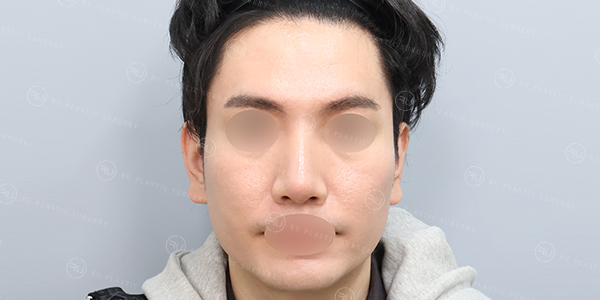
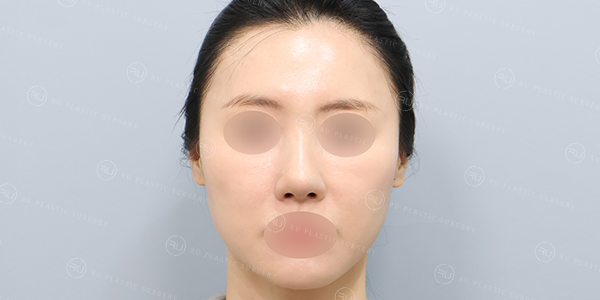
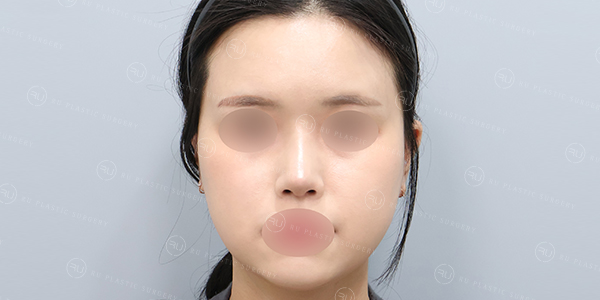
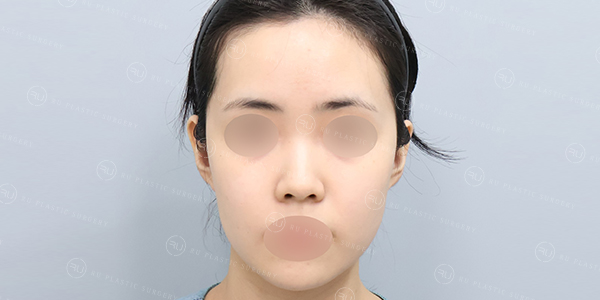
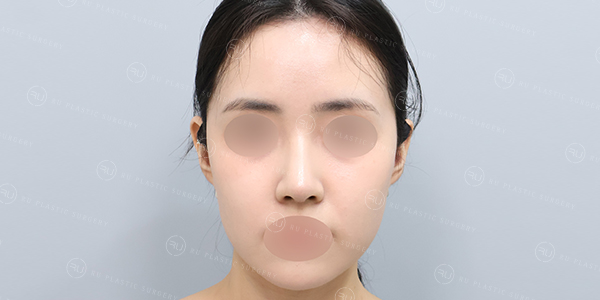
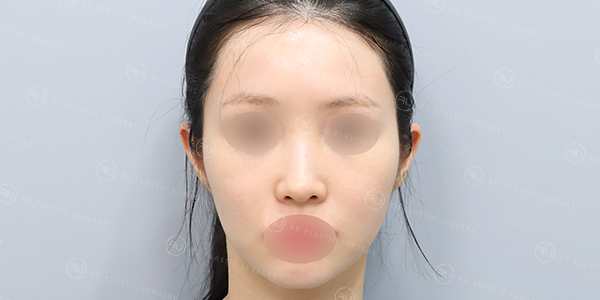
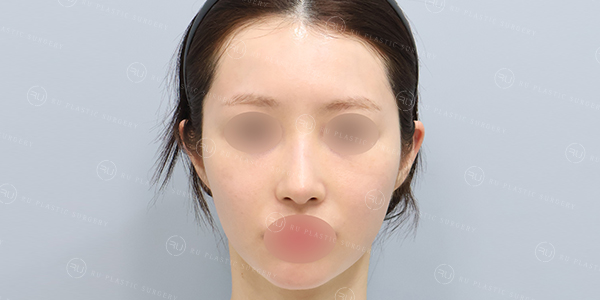
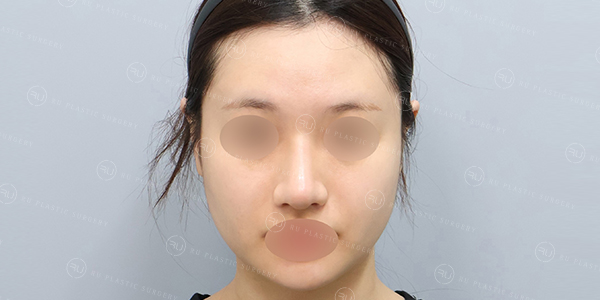
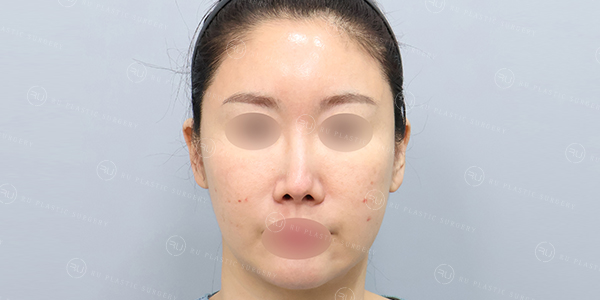
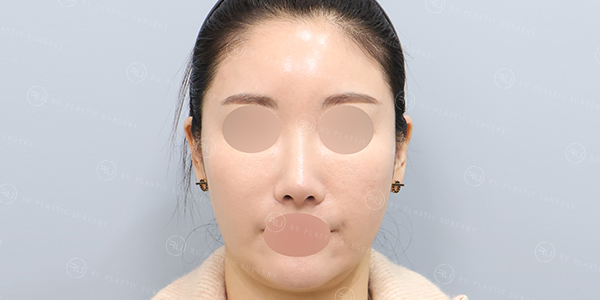
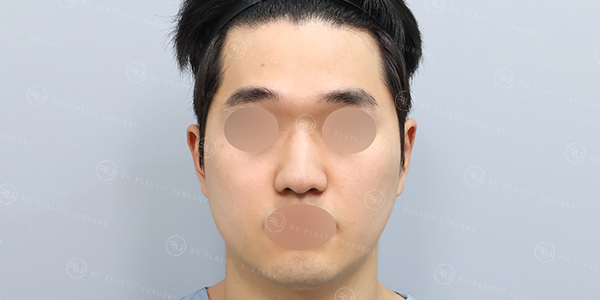
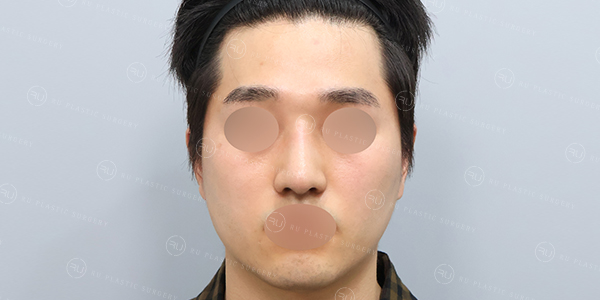
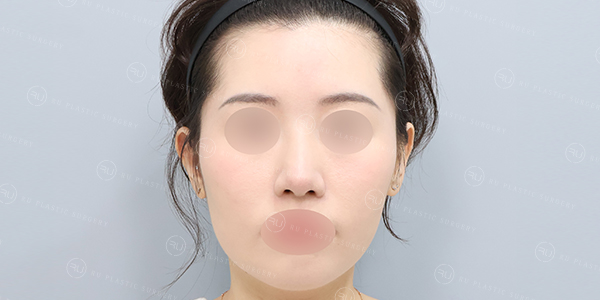
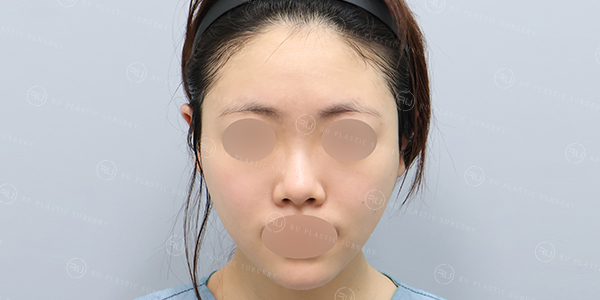
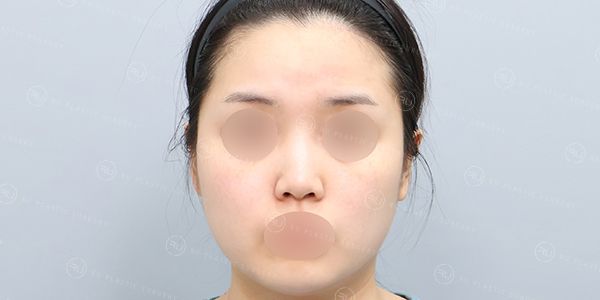
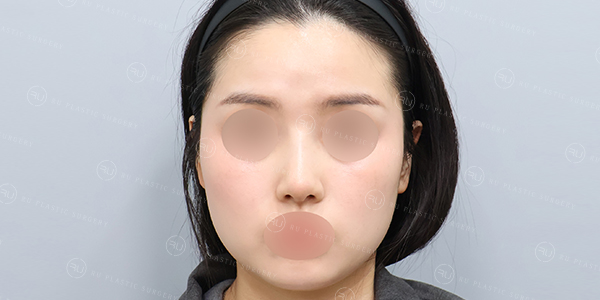
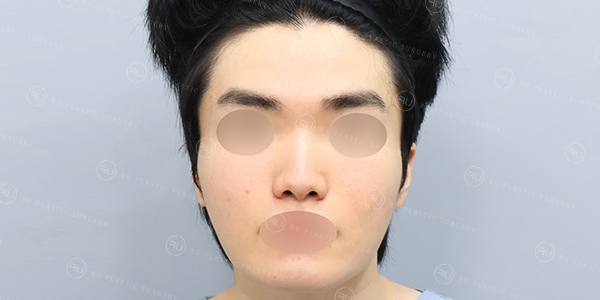
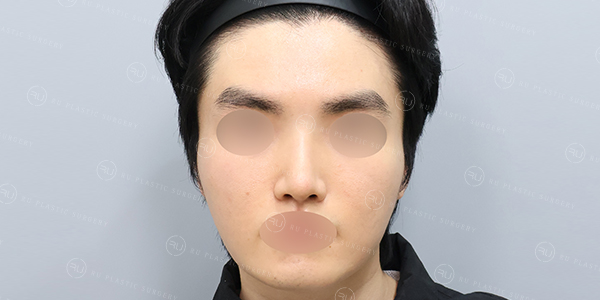
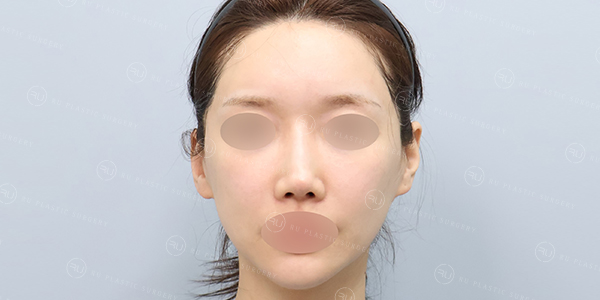
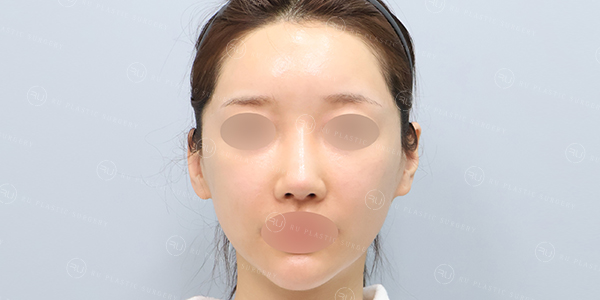
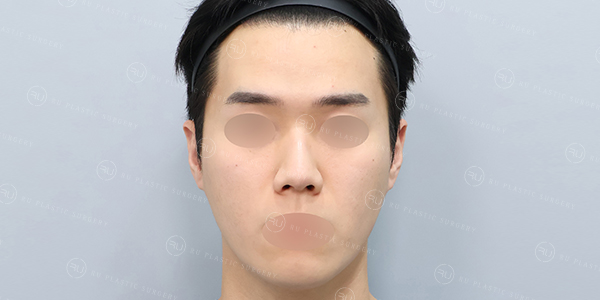
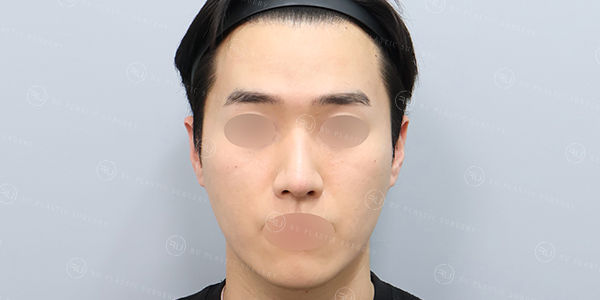
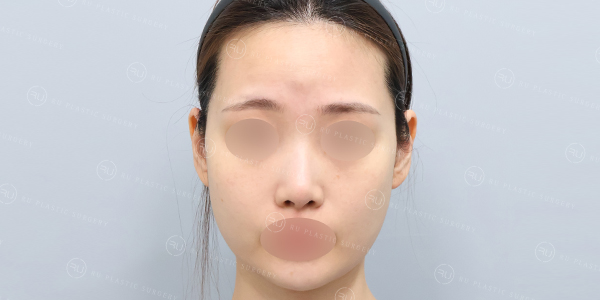
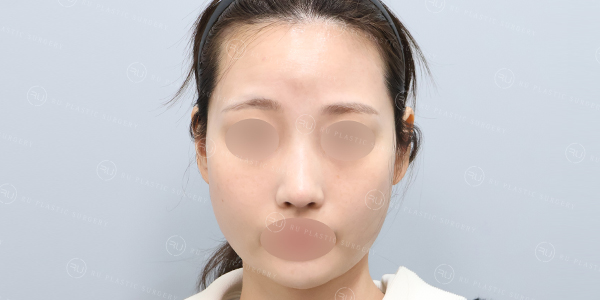
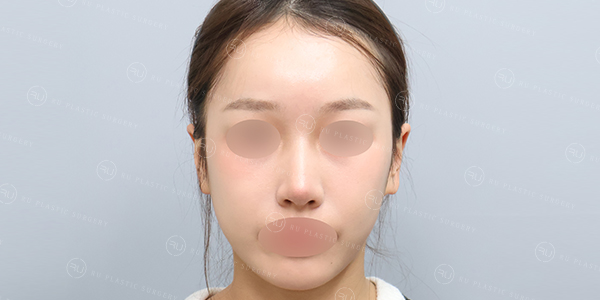
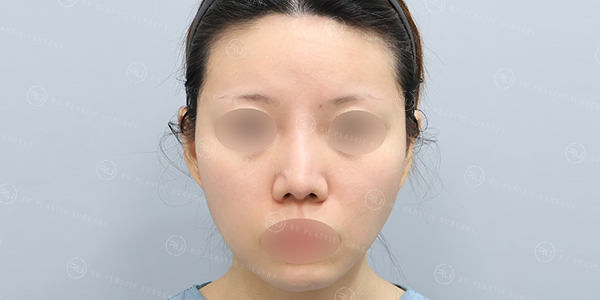
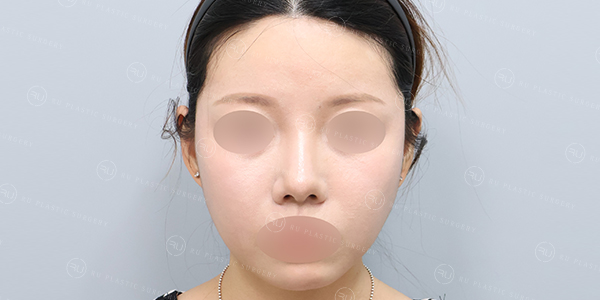
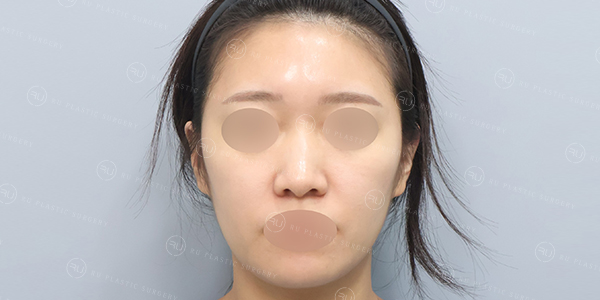
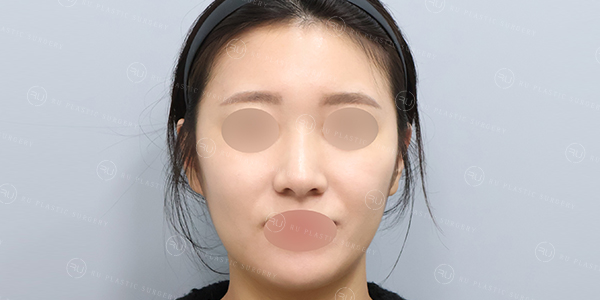
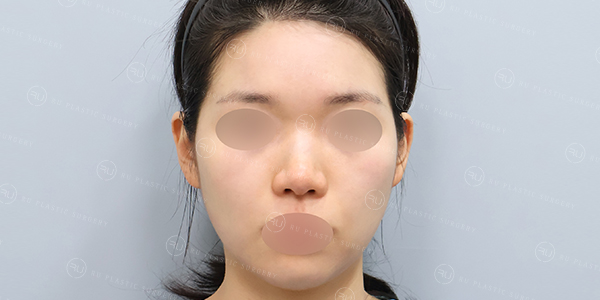
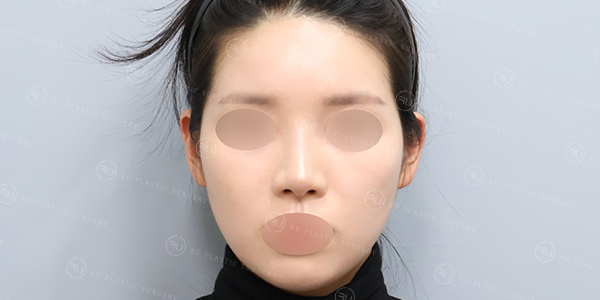
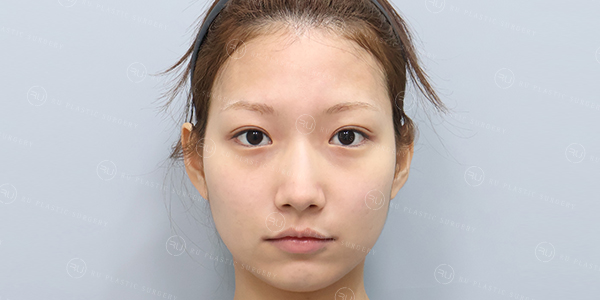
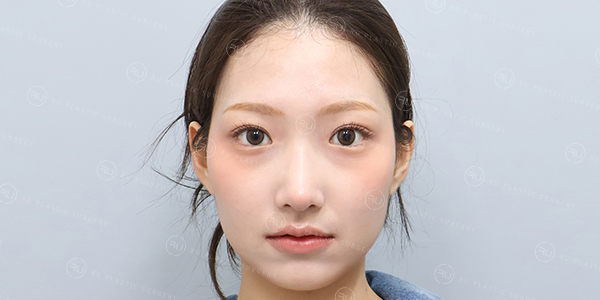
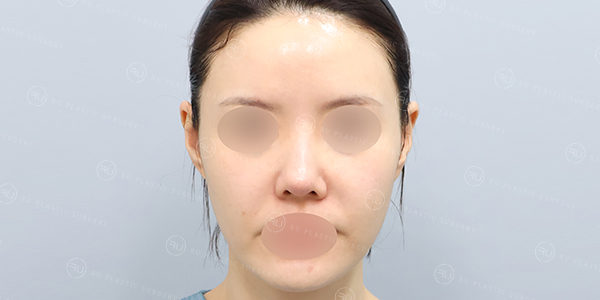
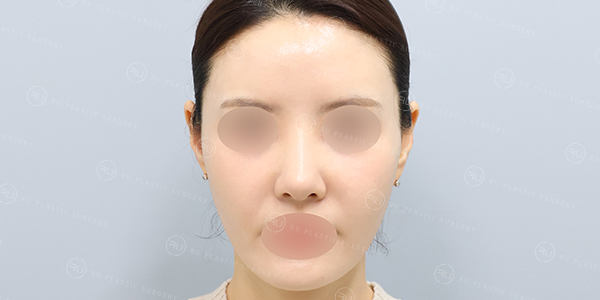
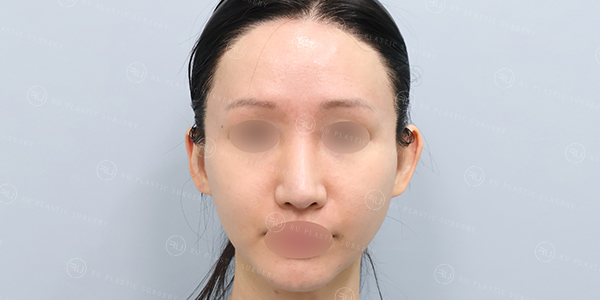
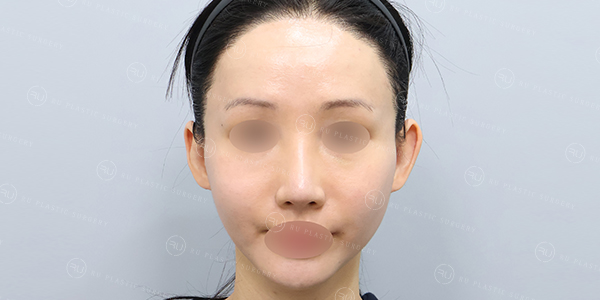
The previously bulky appearance of the nasal tip
and the deviation-like contour have both improved noticeably.
Some residual swelling and scar tissue remain,
which will require further observation over time.
I am looking forward to my next follow-up appointment
and to continued stabilization of the final outcome.