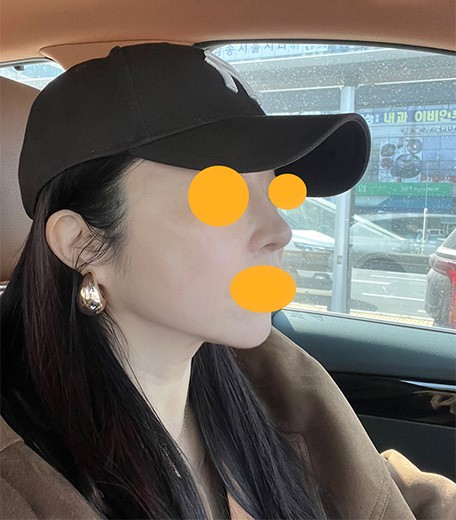
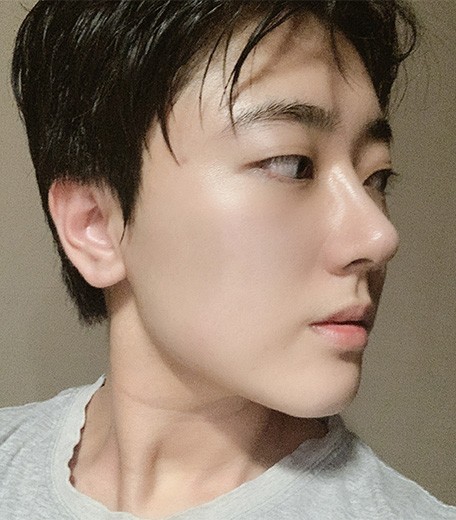
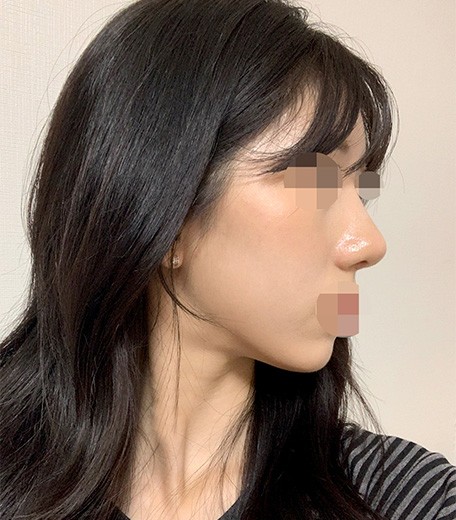
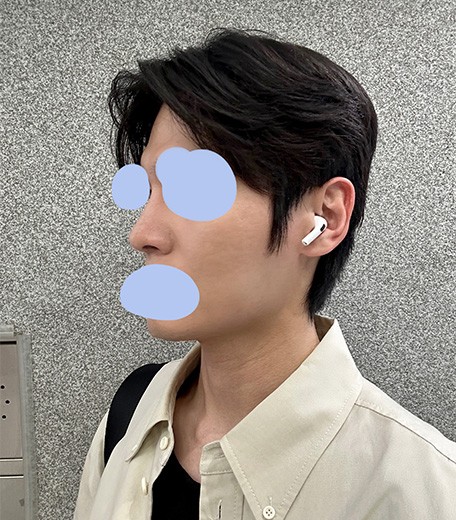
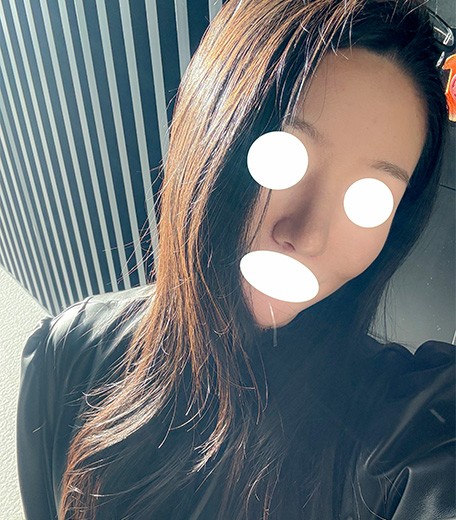
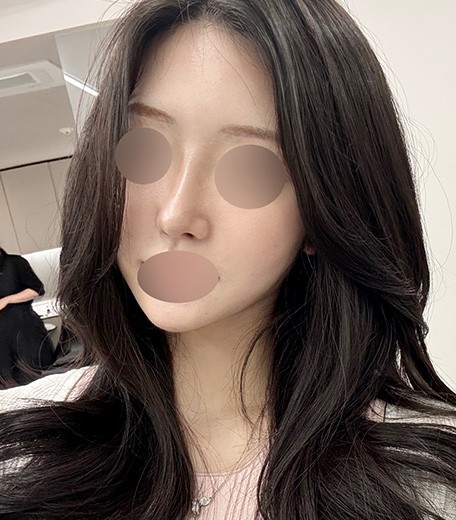
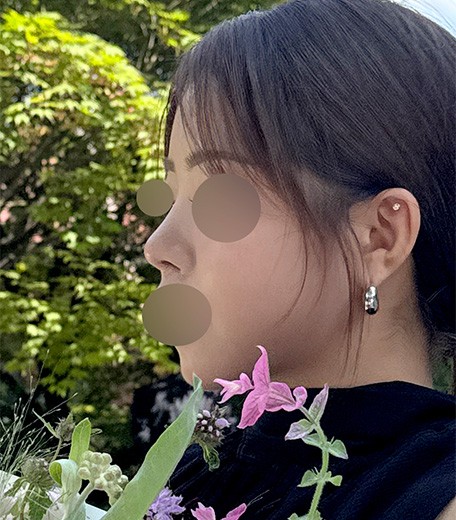
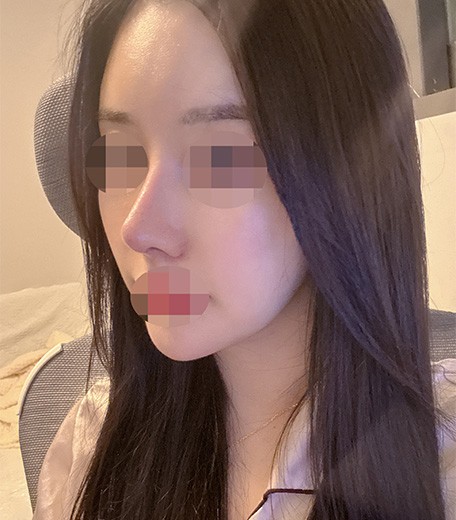
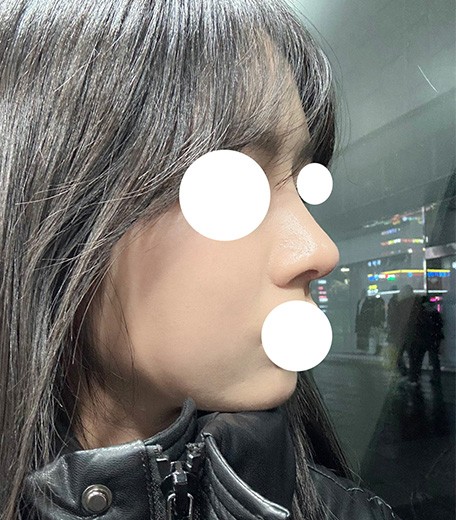
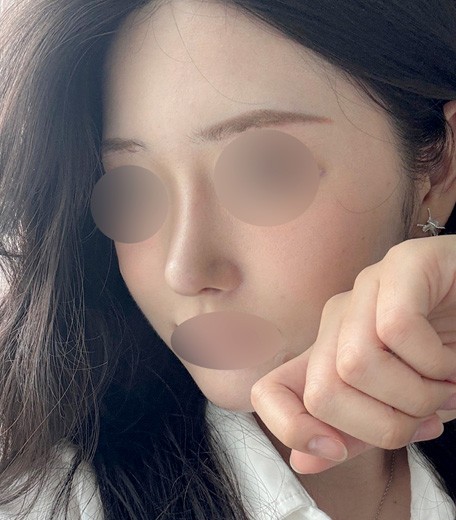
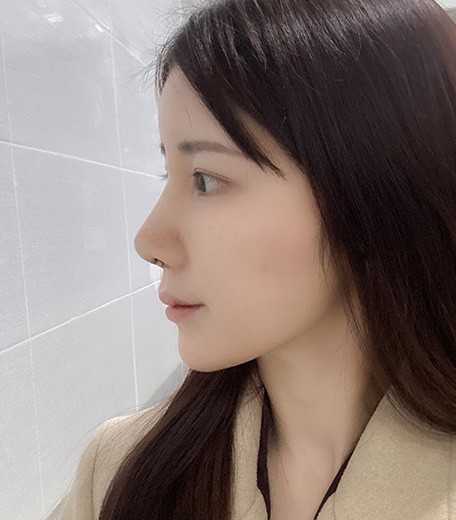
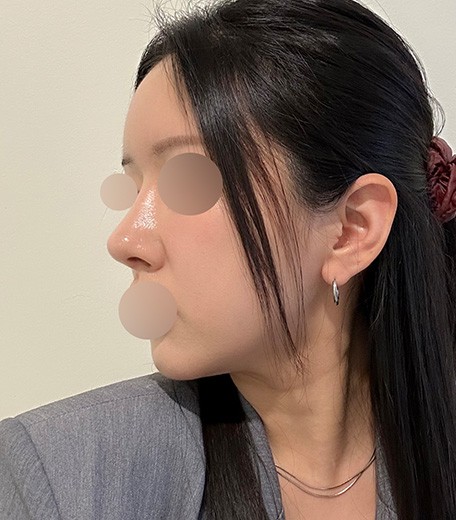
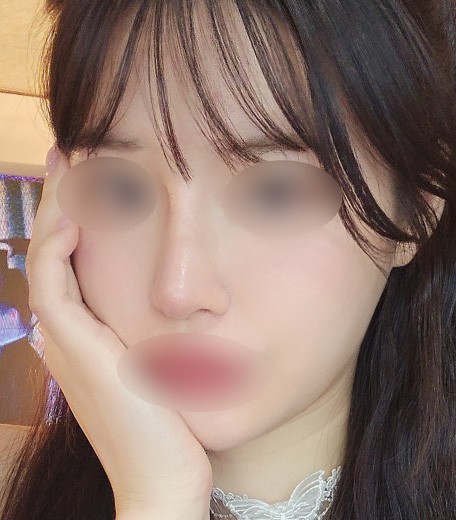
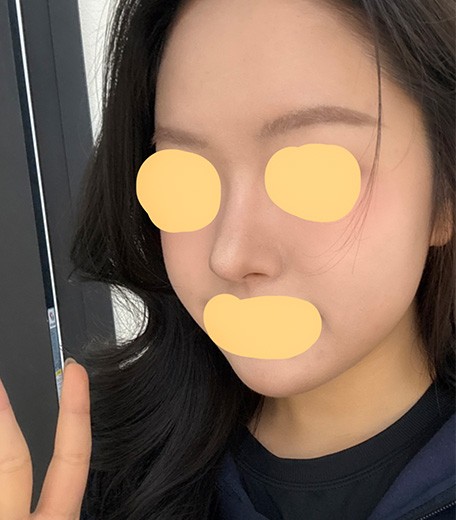
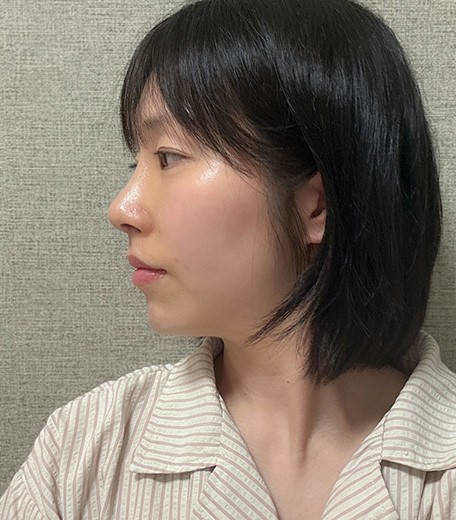
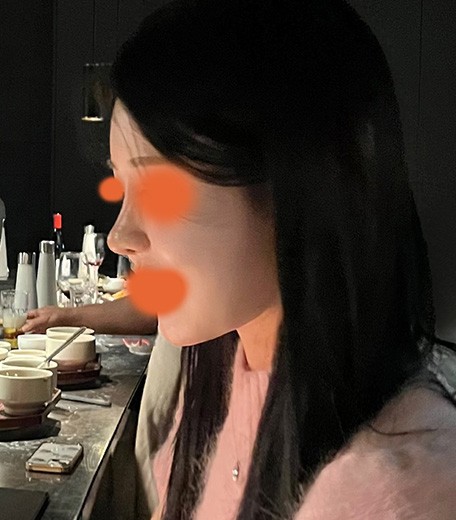
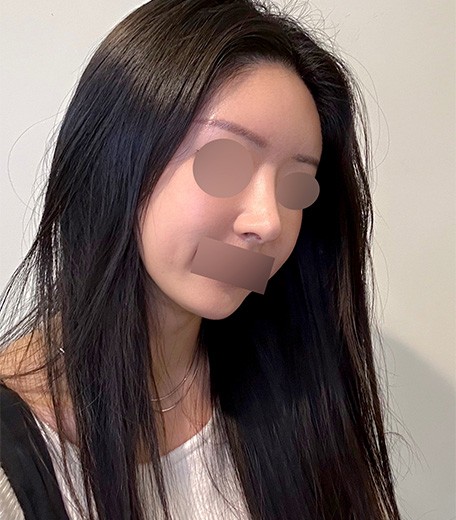
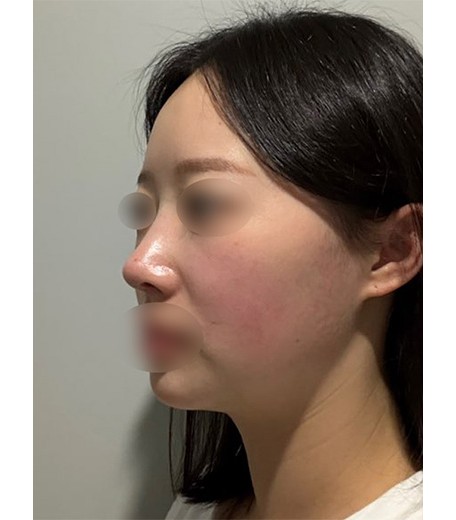
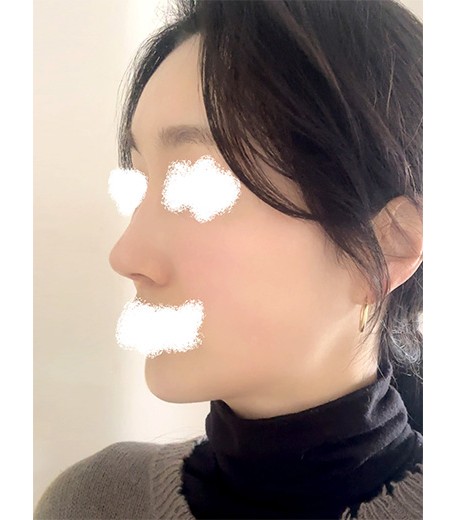
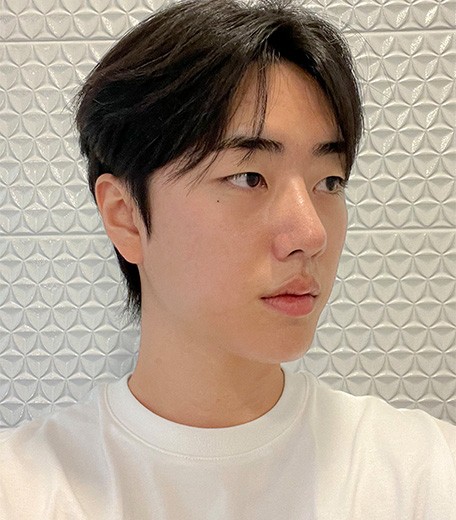
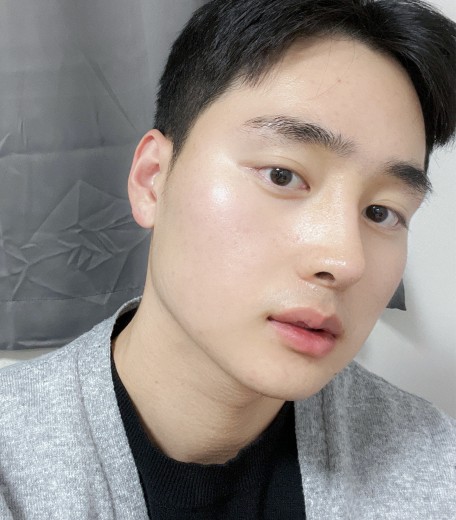
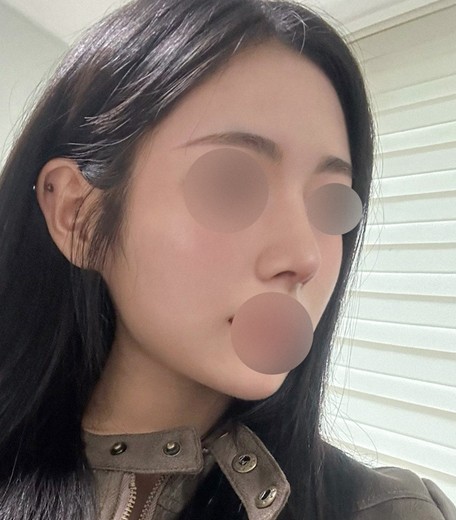
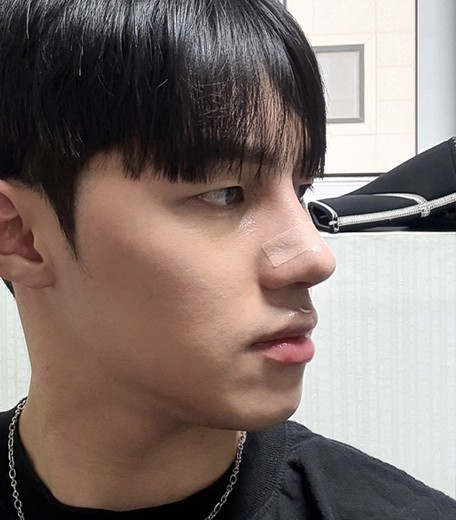
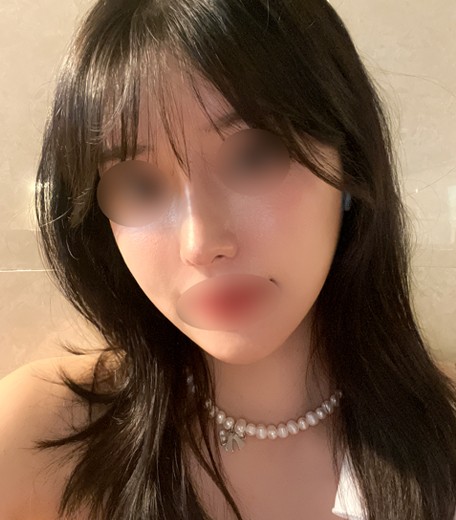
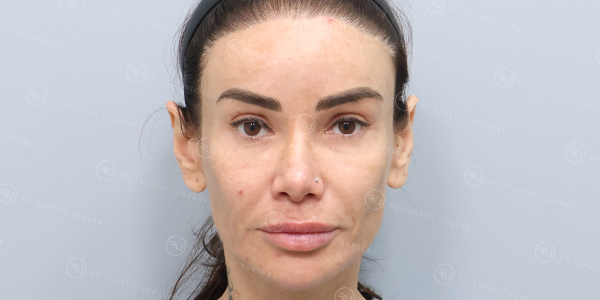
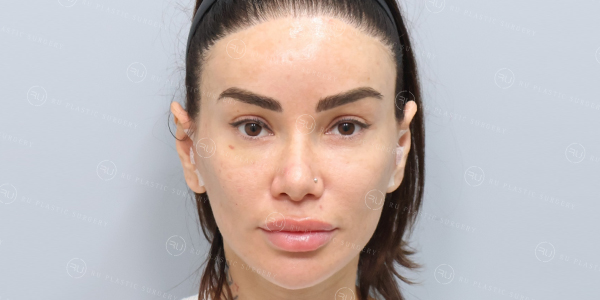
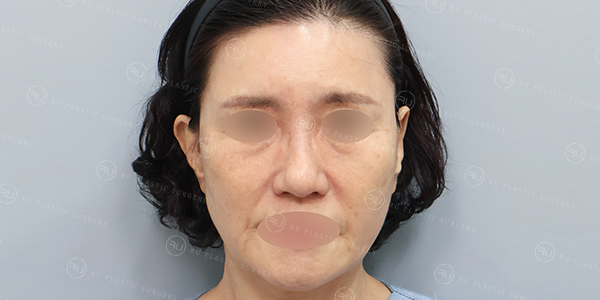
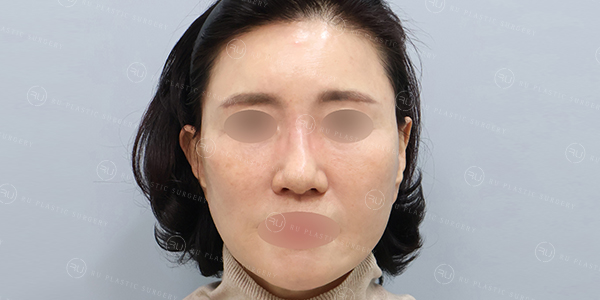
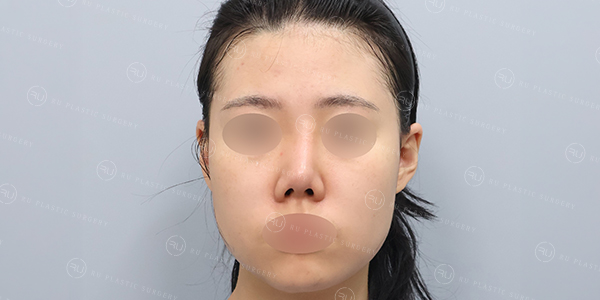
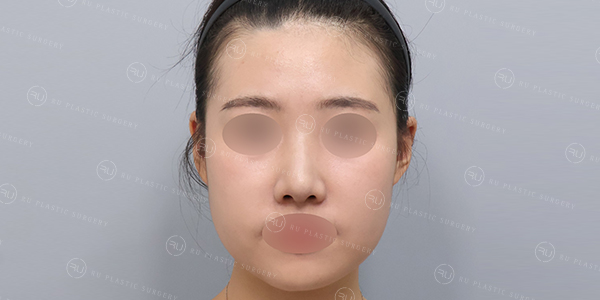
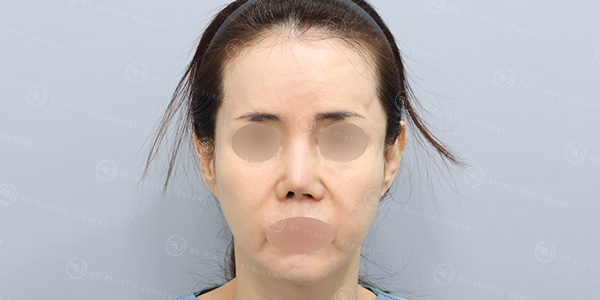
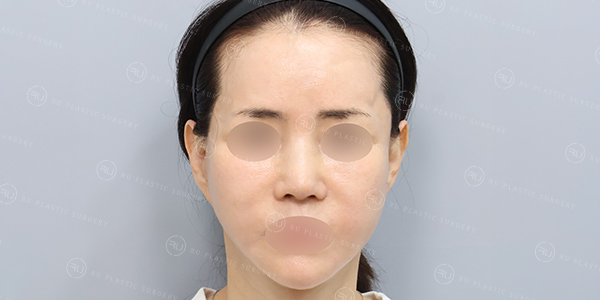
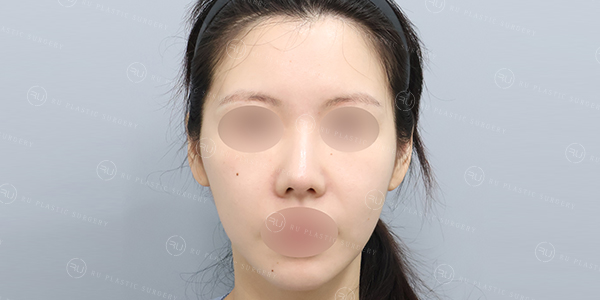
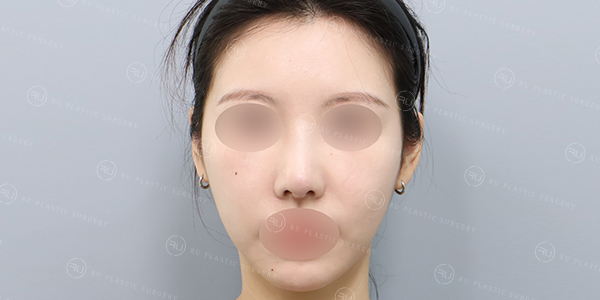
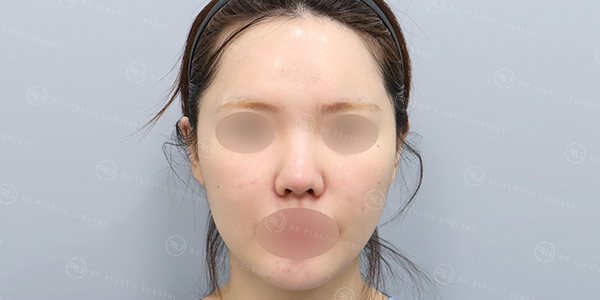
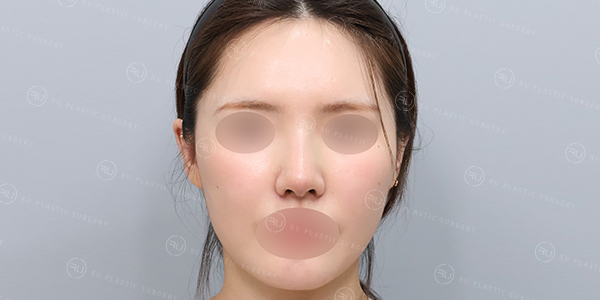
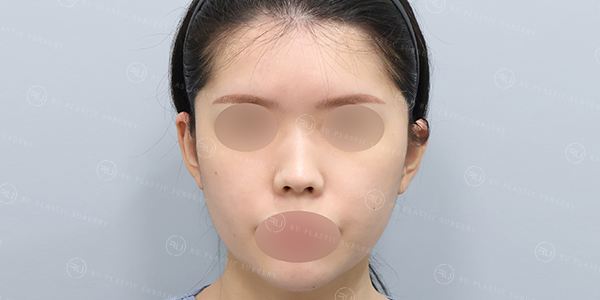
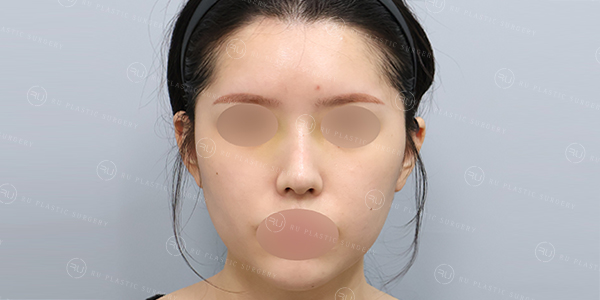
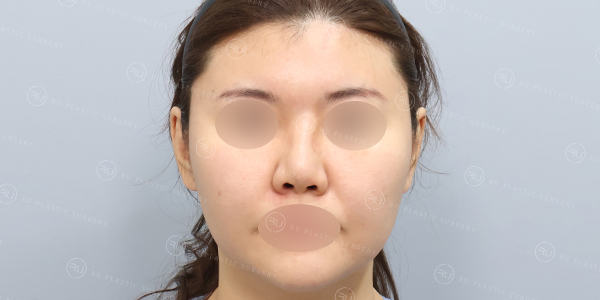
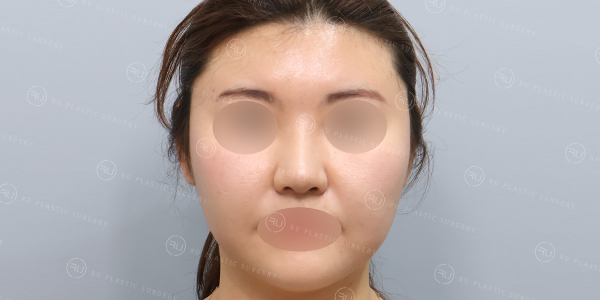
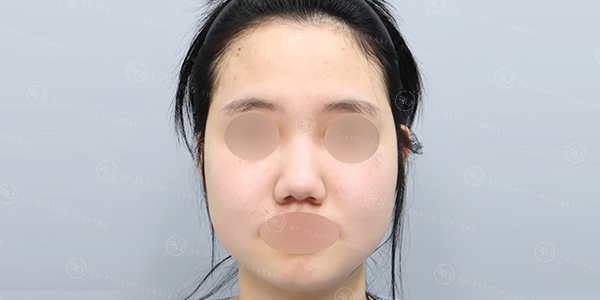
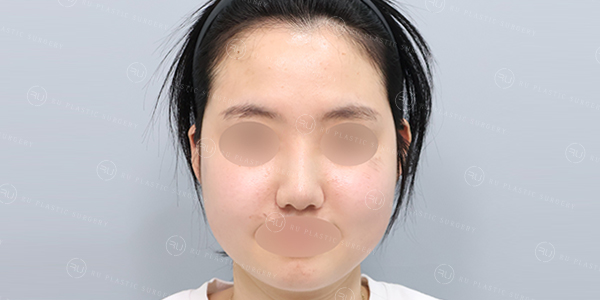
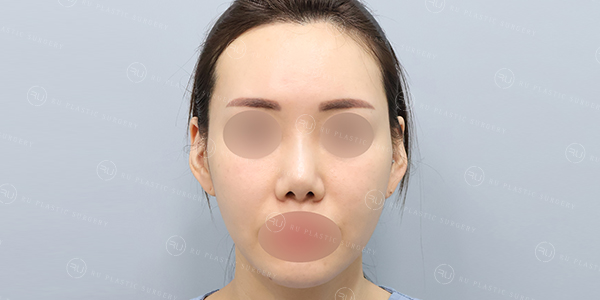
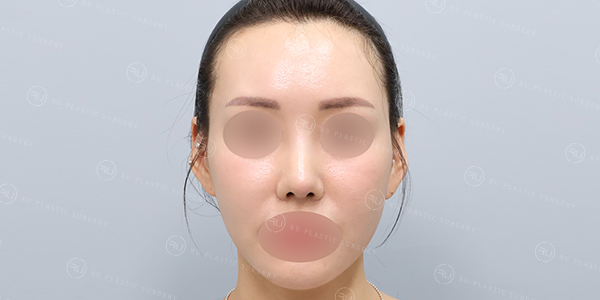
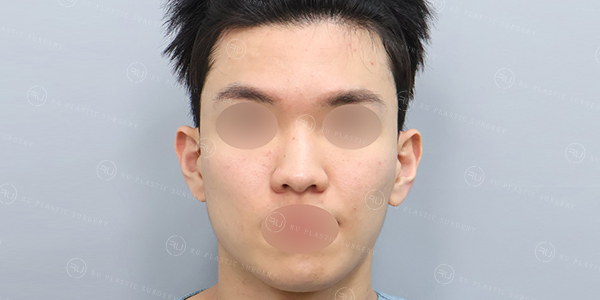
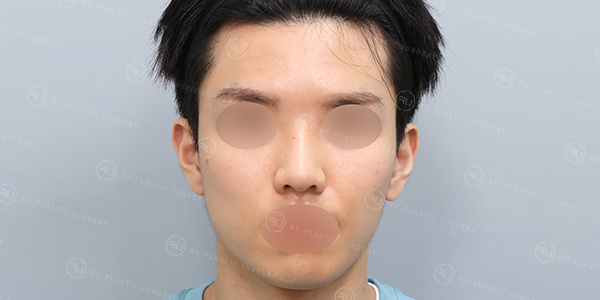
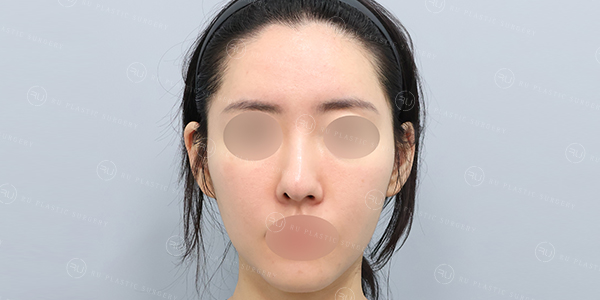
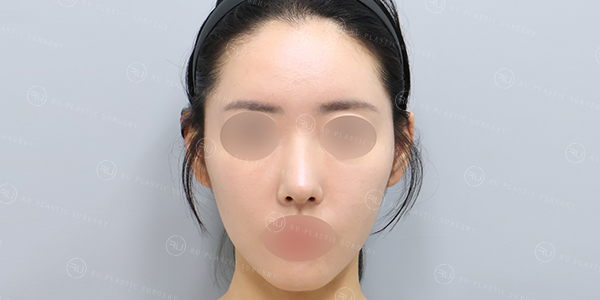
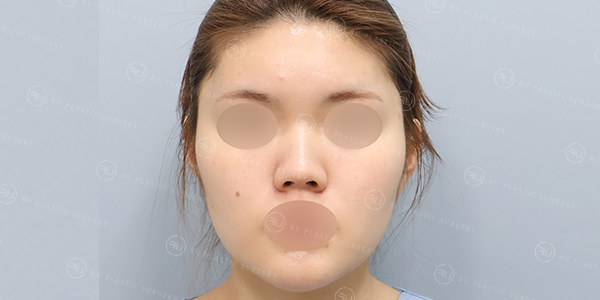
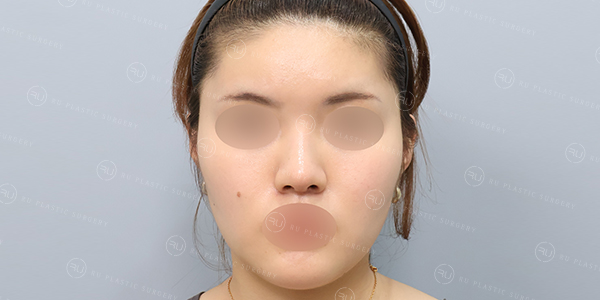
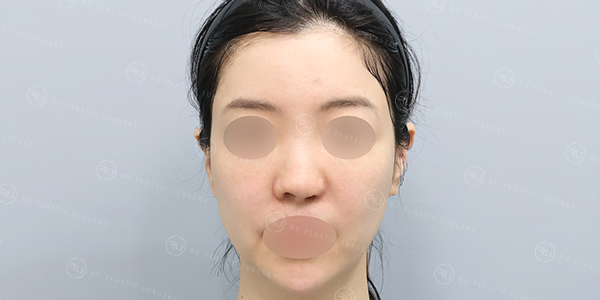
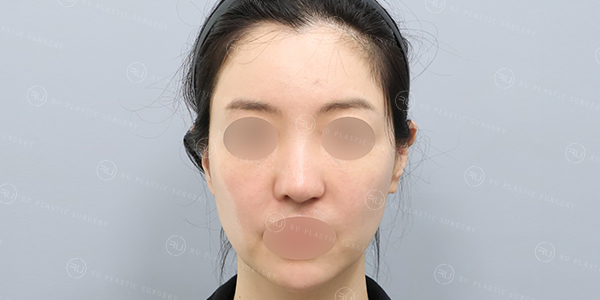
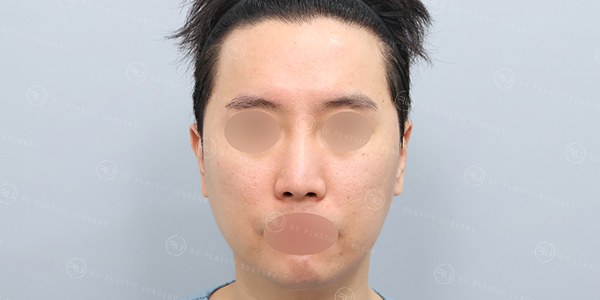
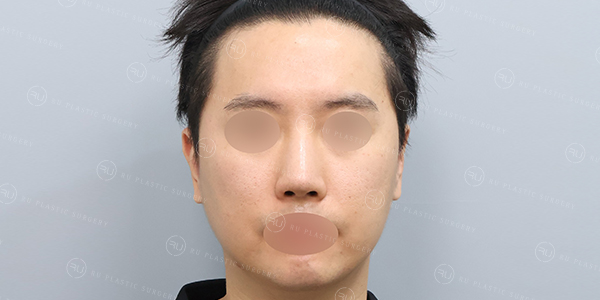
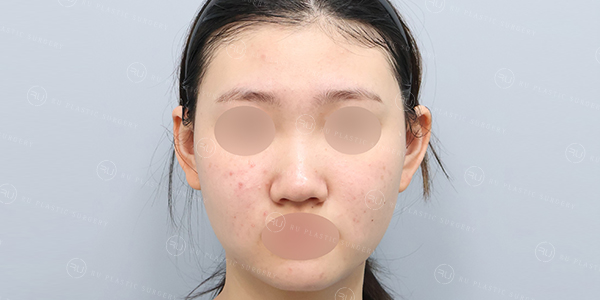
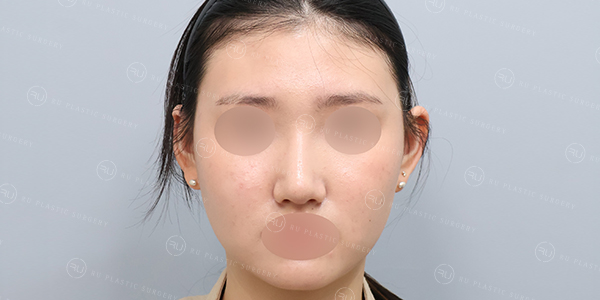
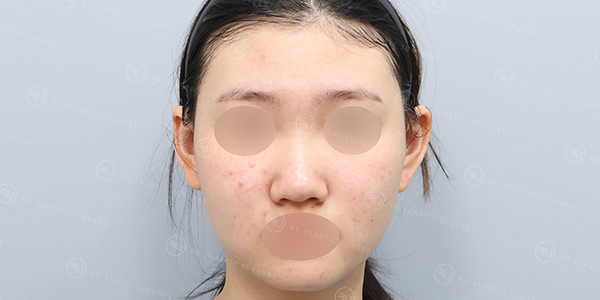
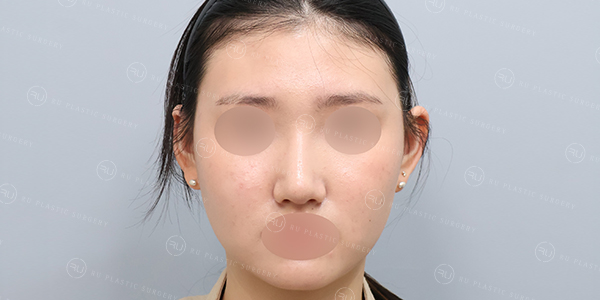
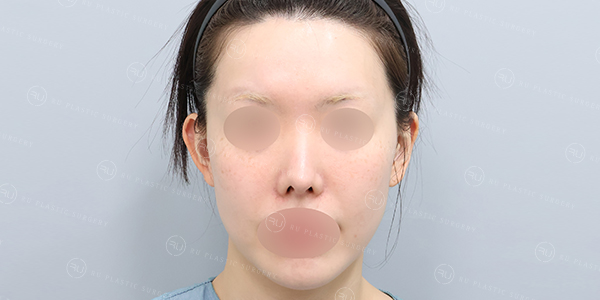
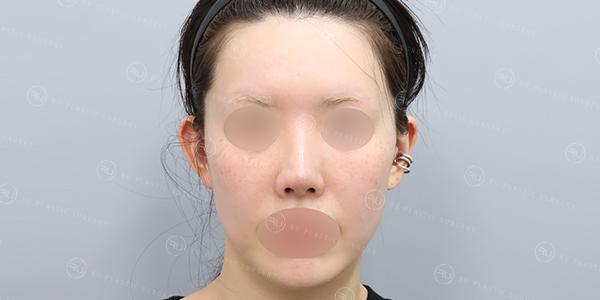
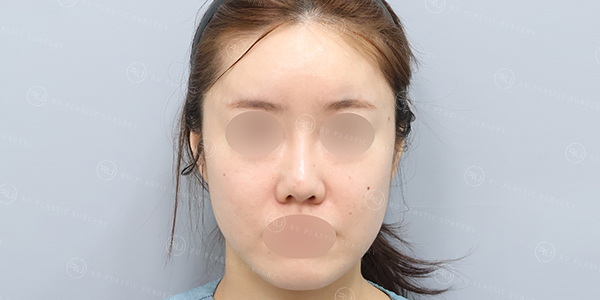
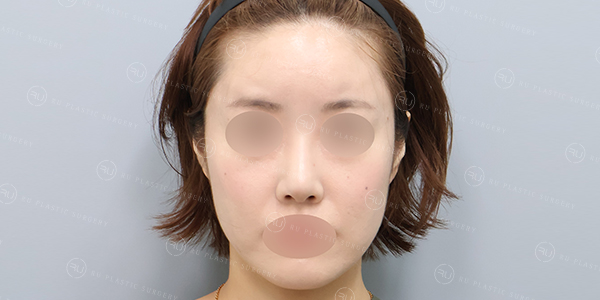
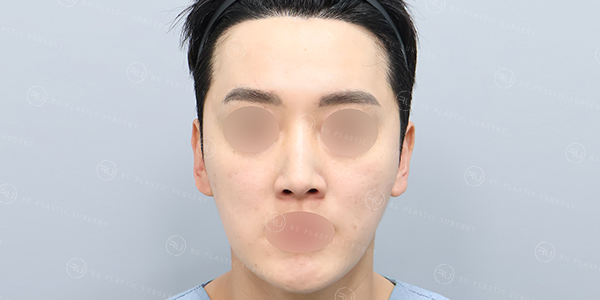
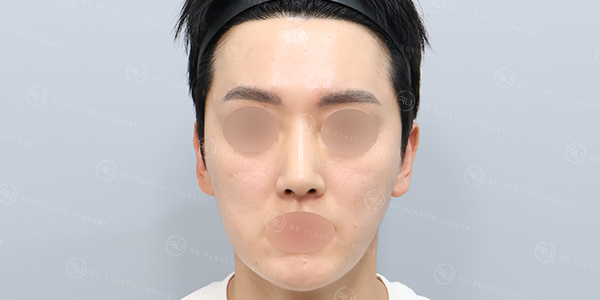
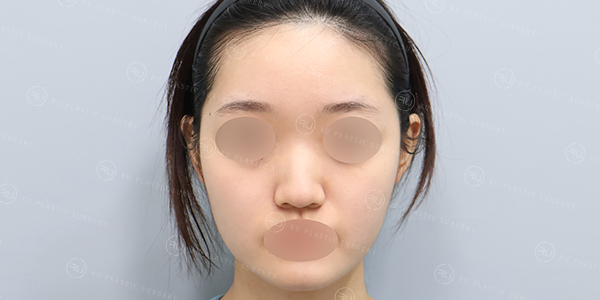
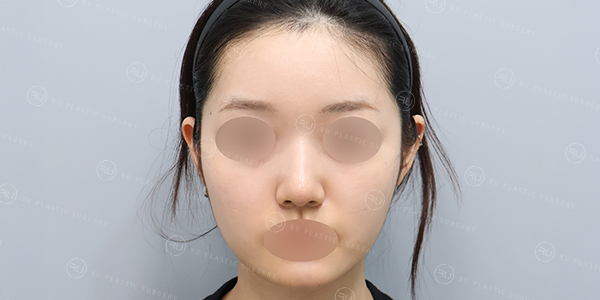
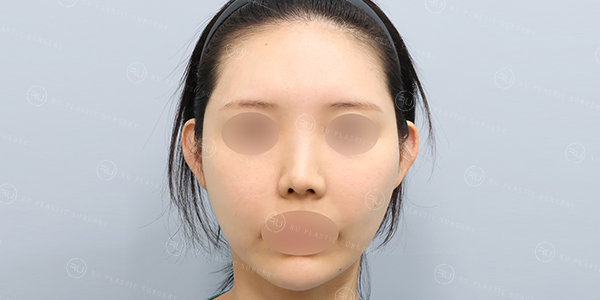
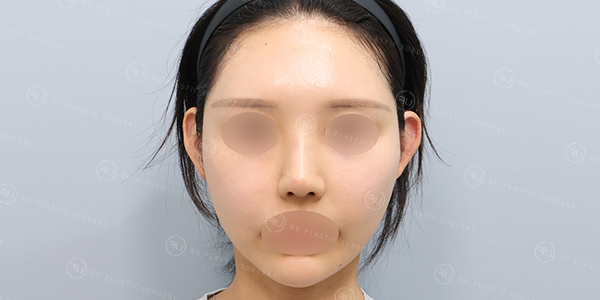
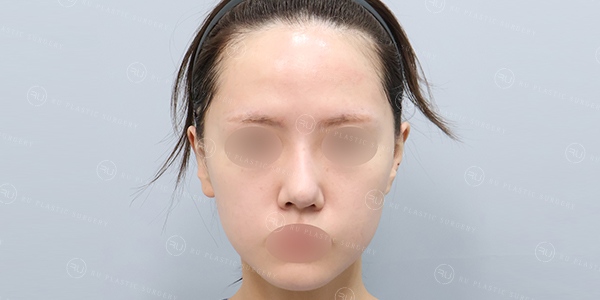
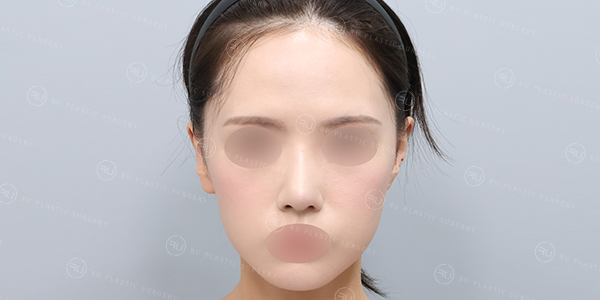
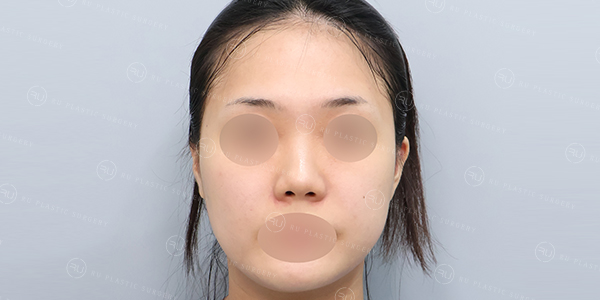
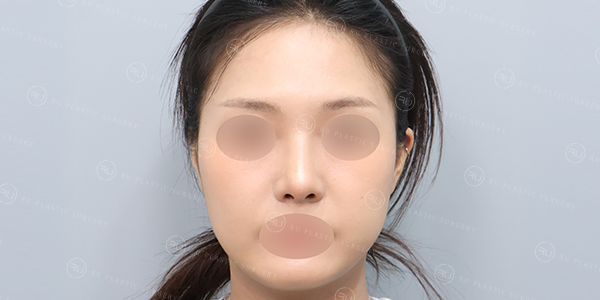
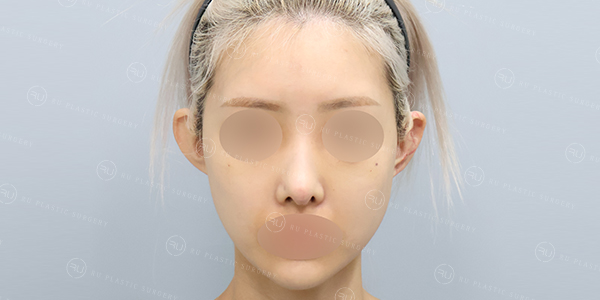
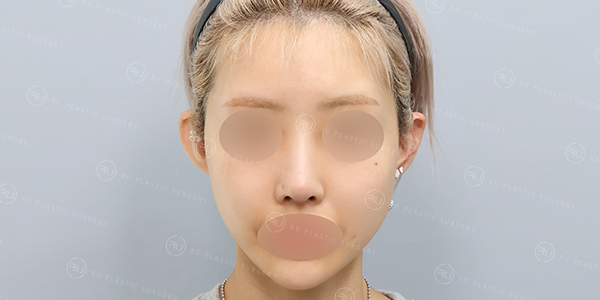
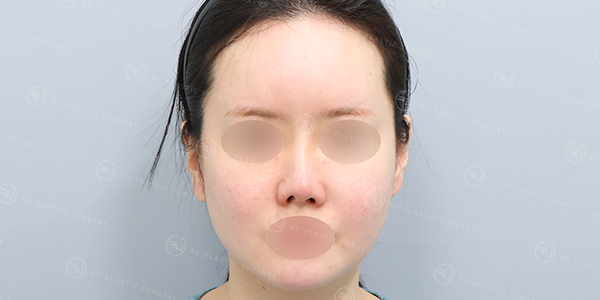
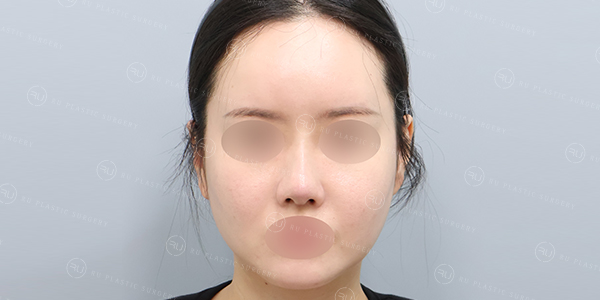
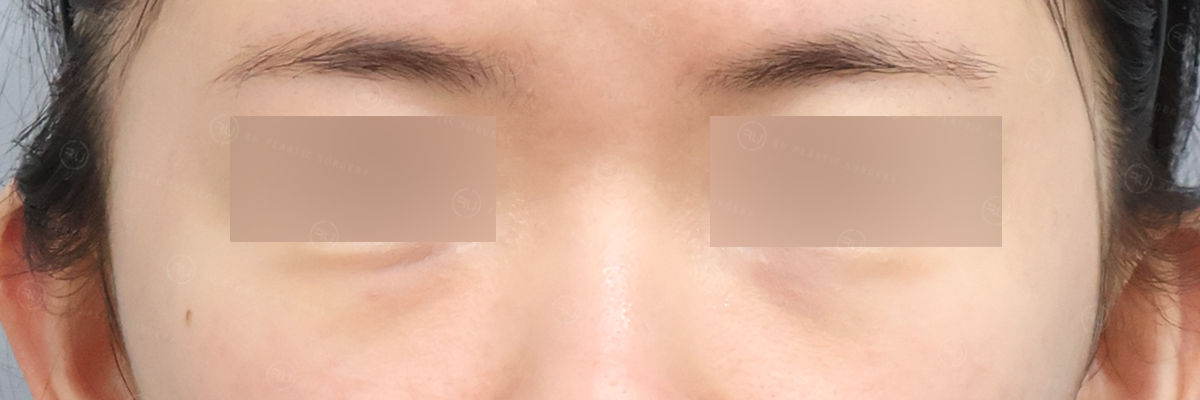
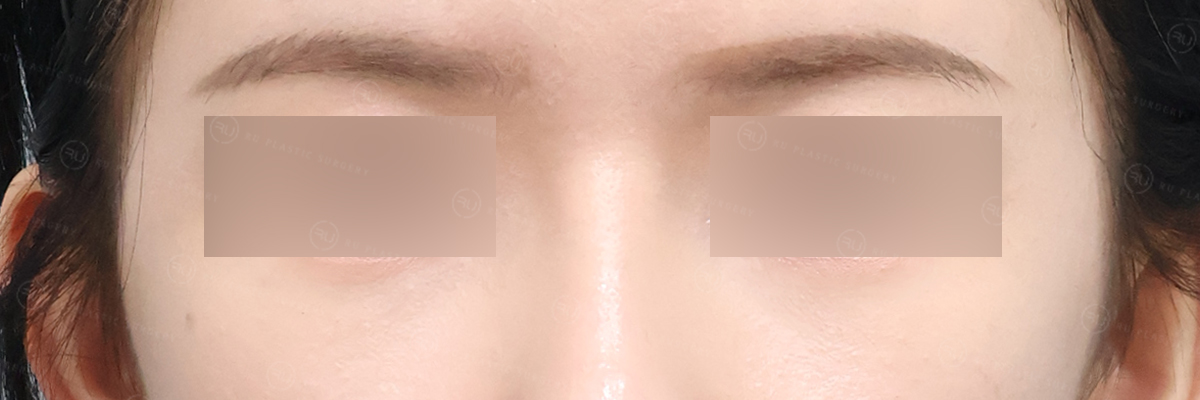
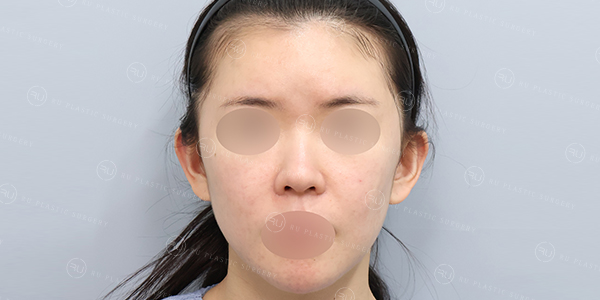
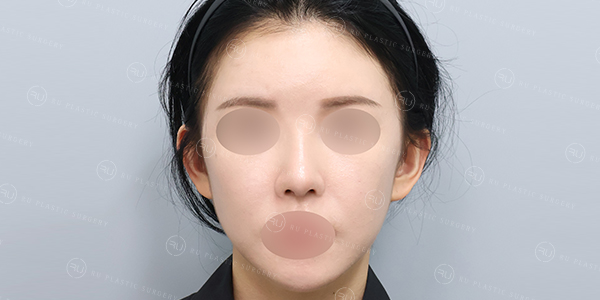
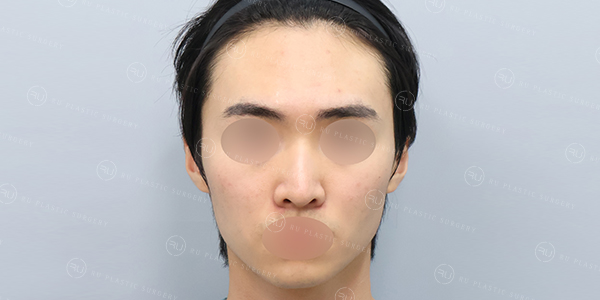
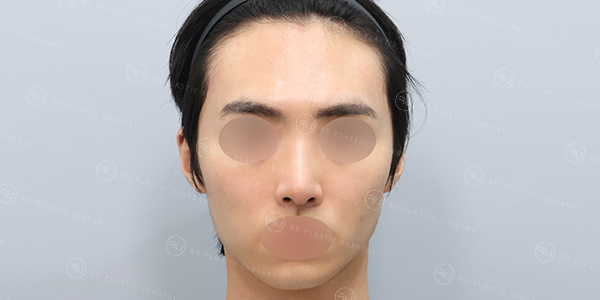
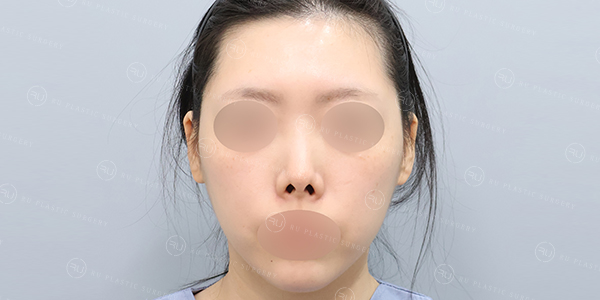
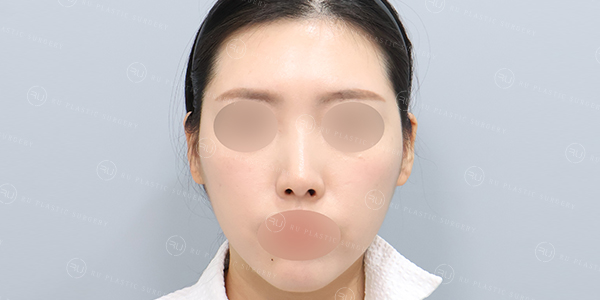
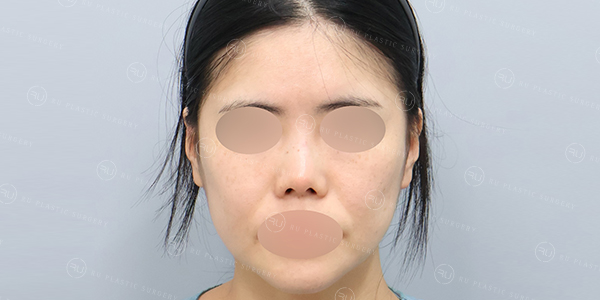
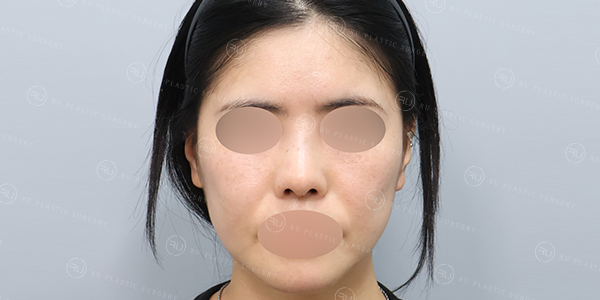
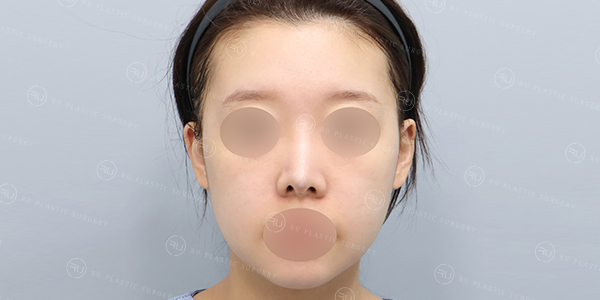
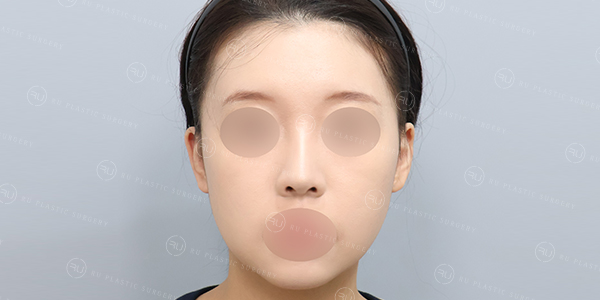
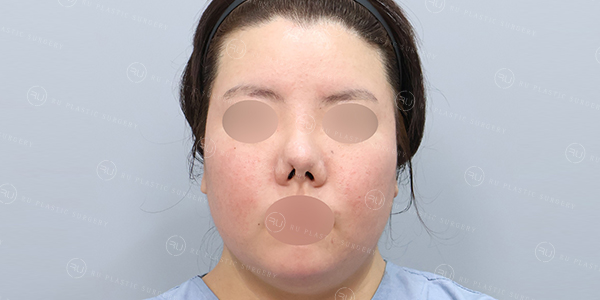
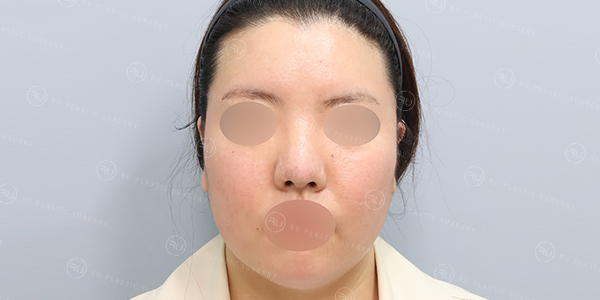
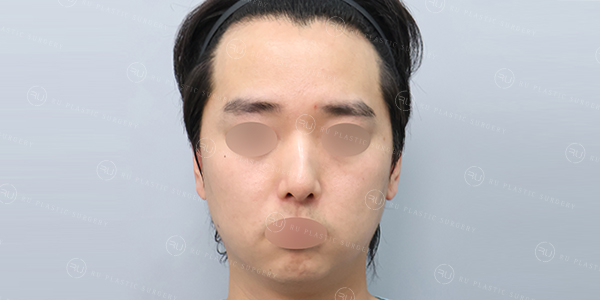
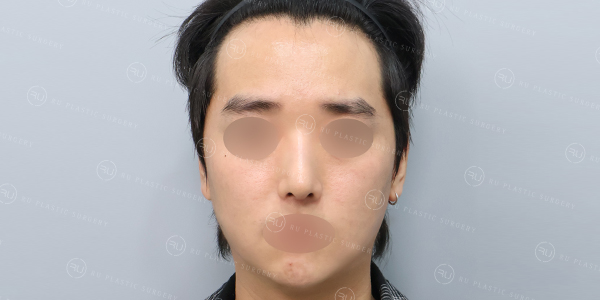
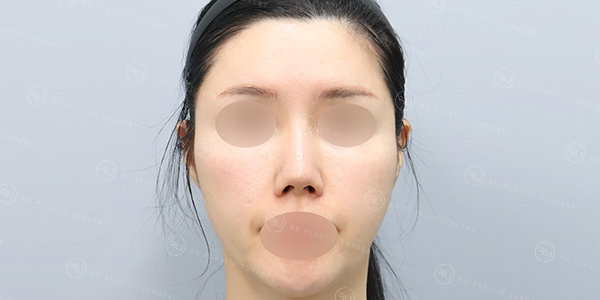
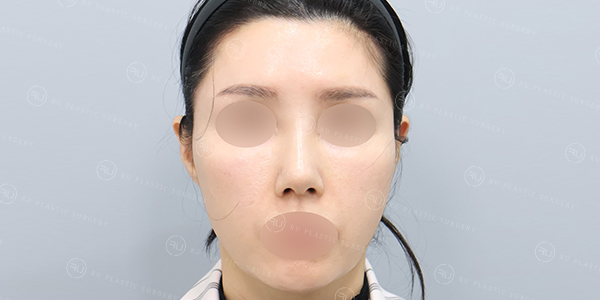
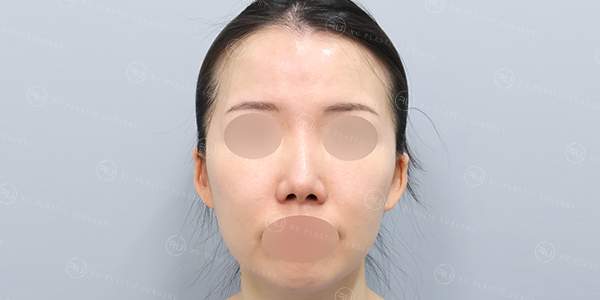
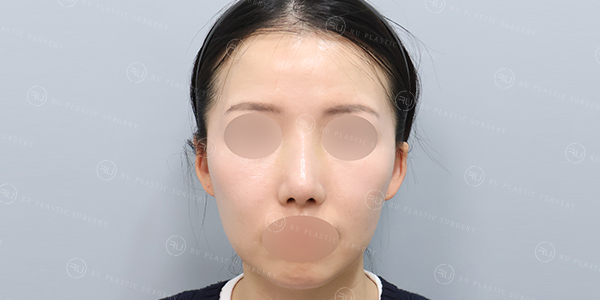
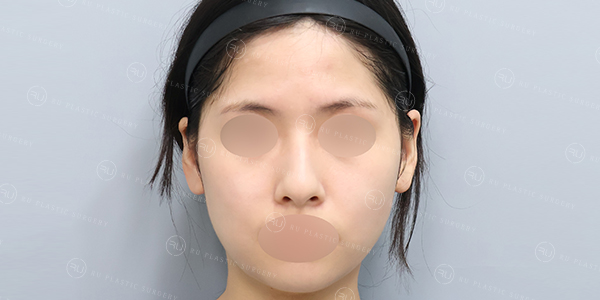
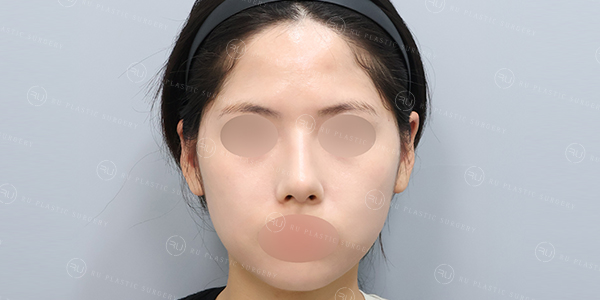
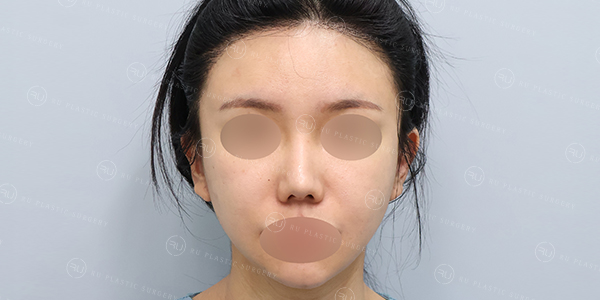
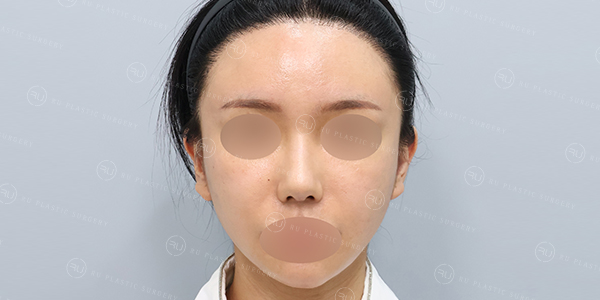
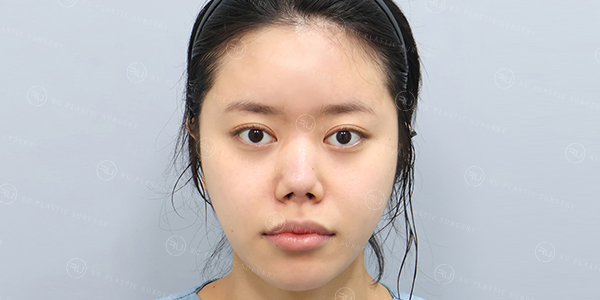
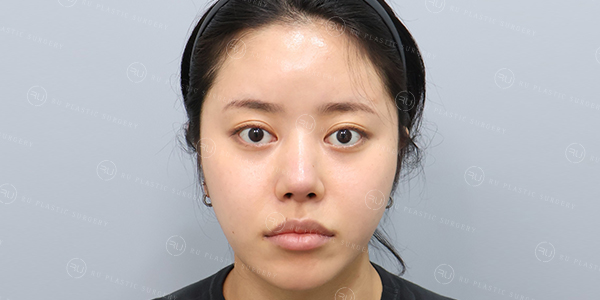
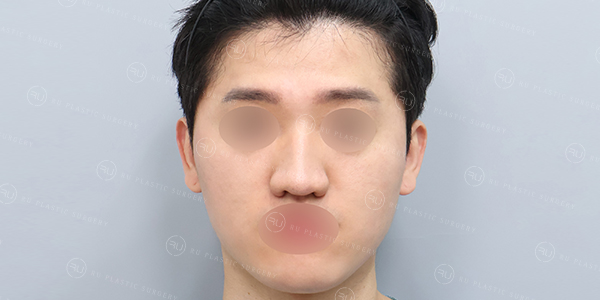
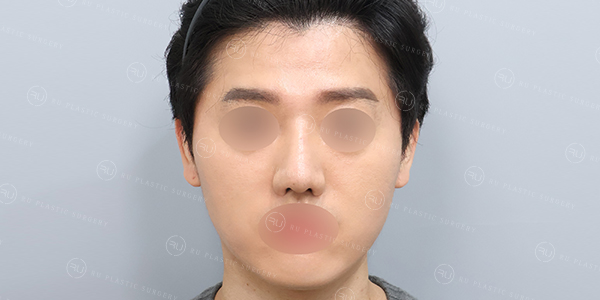
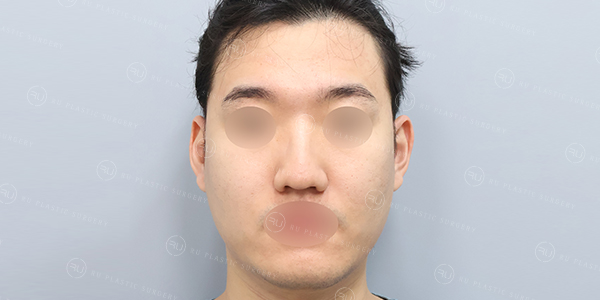
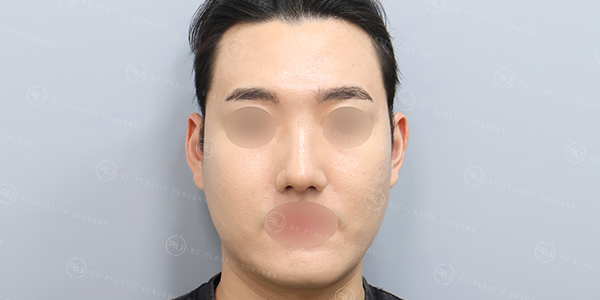
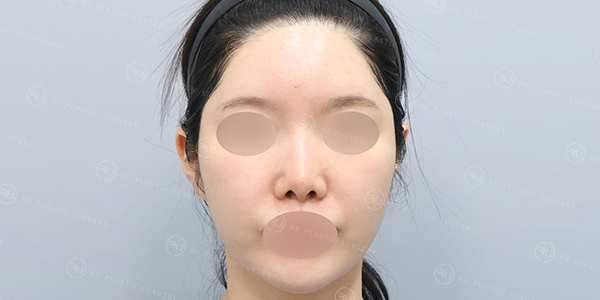
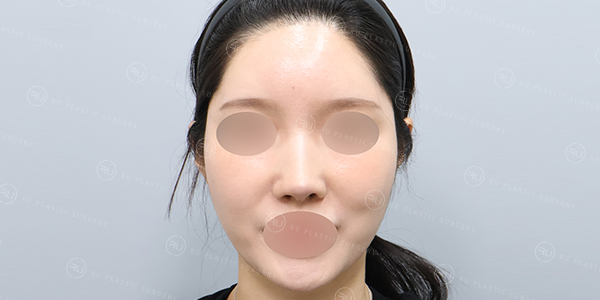
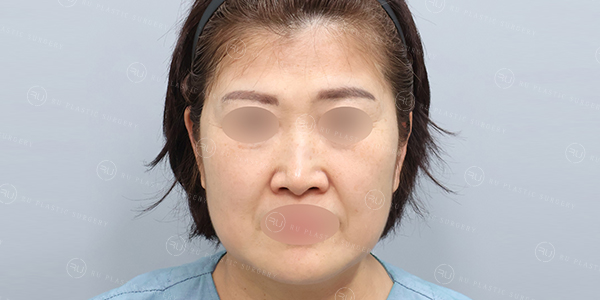
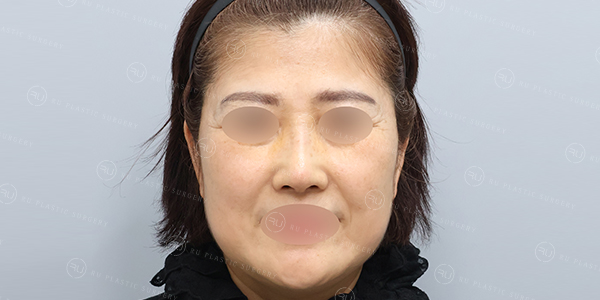
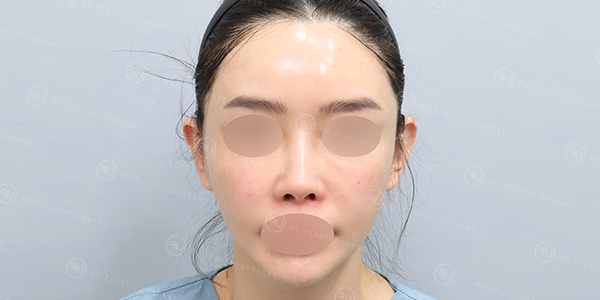
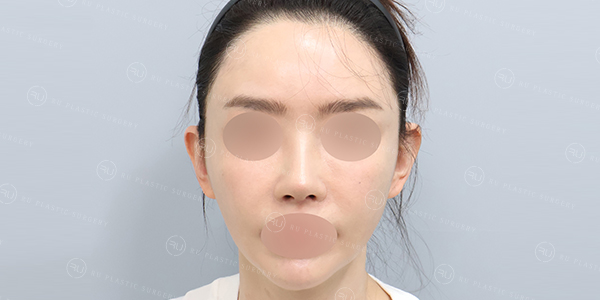
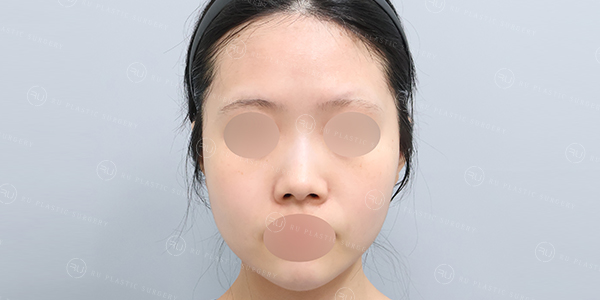
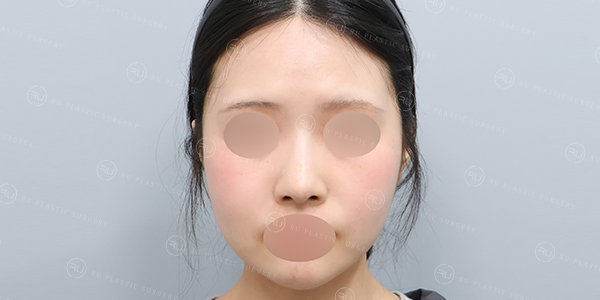
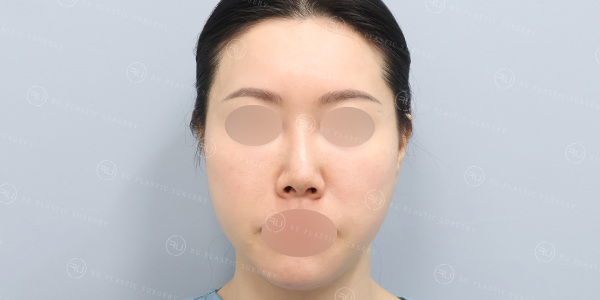
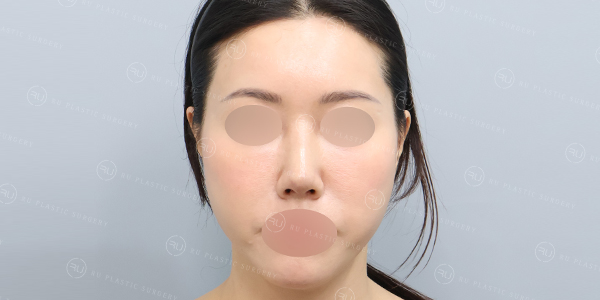
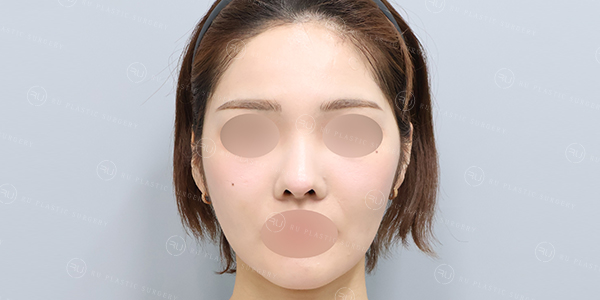
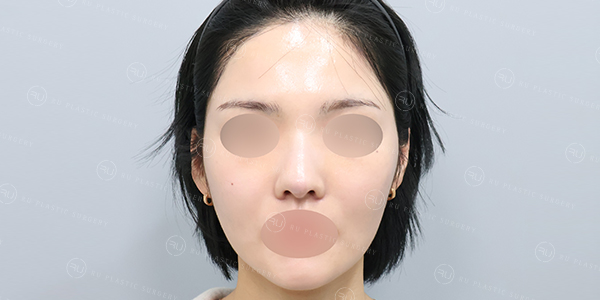
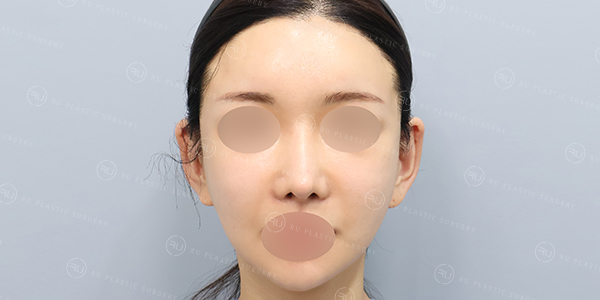
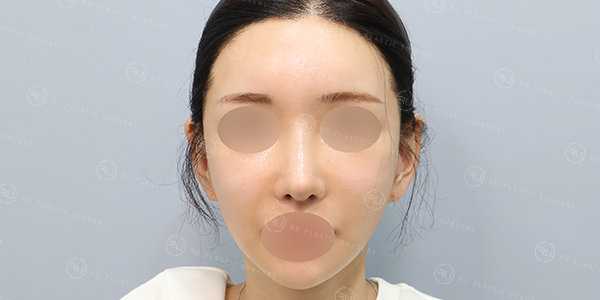
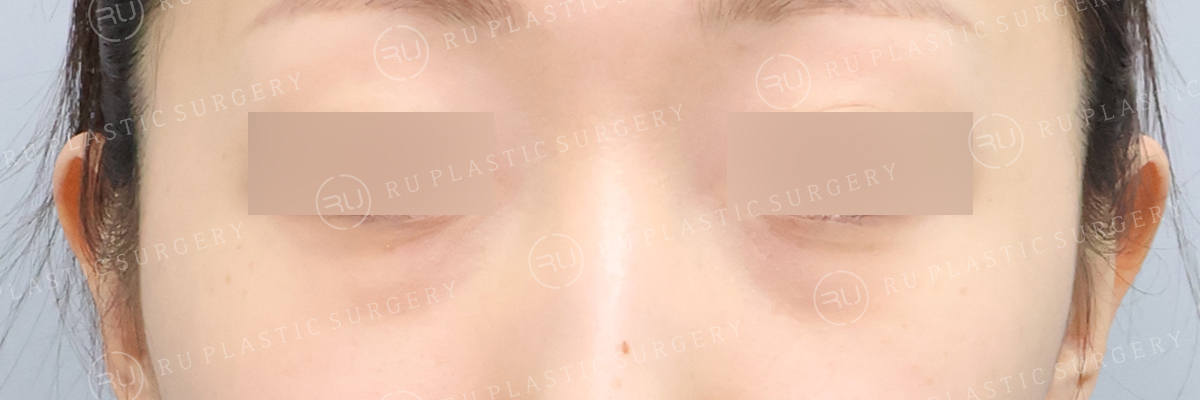
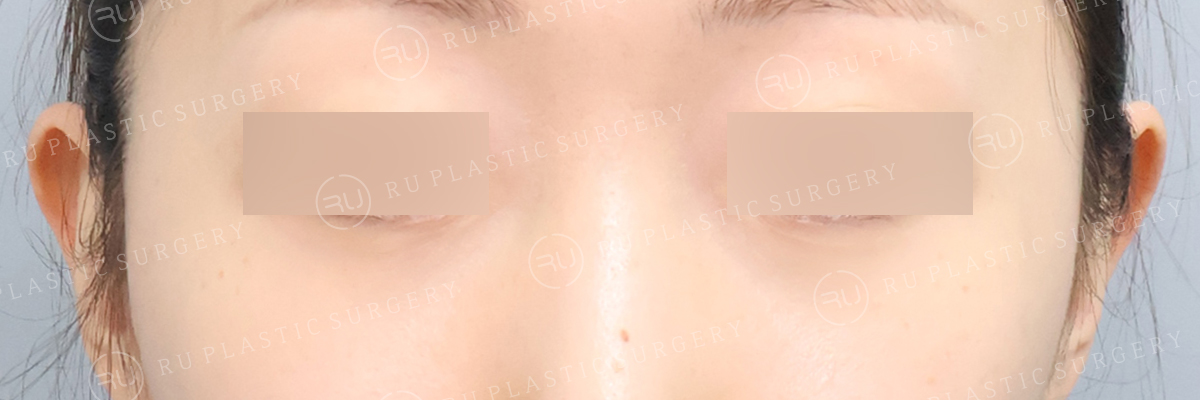
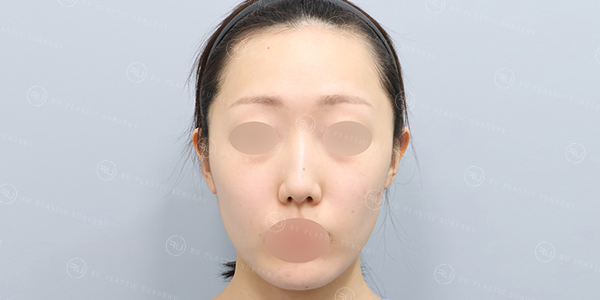
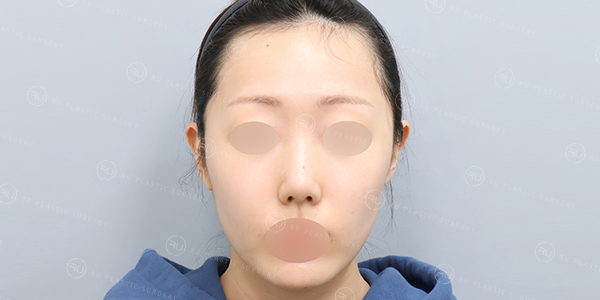
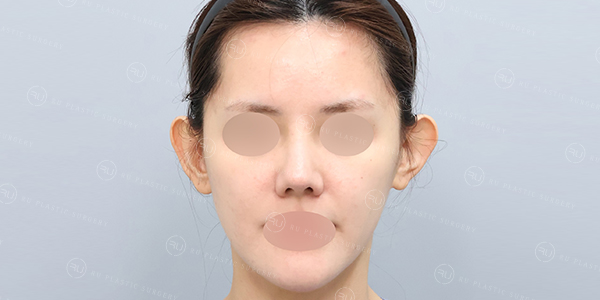
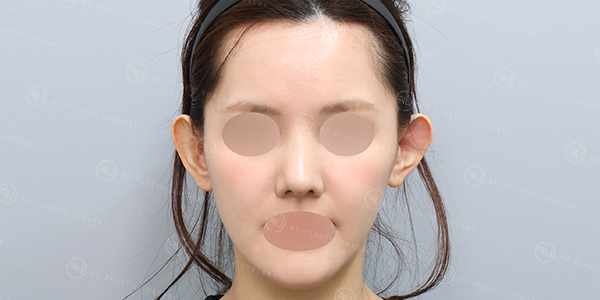
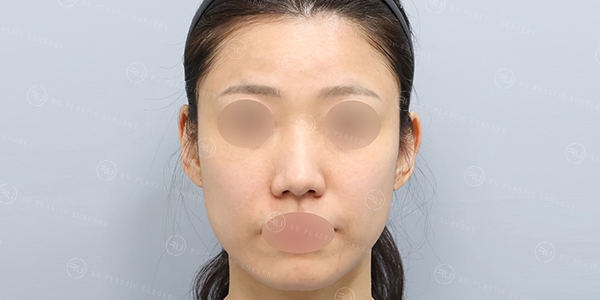
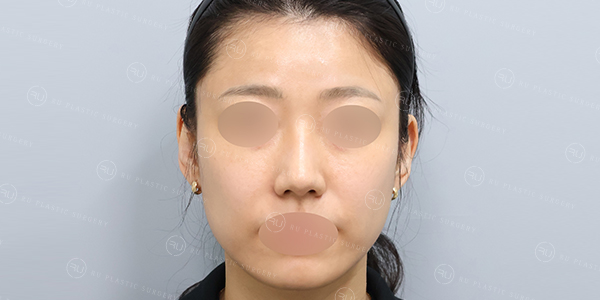
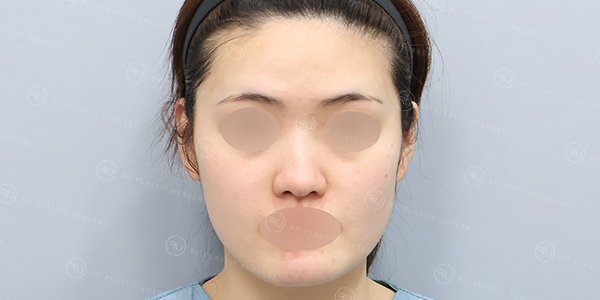
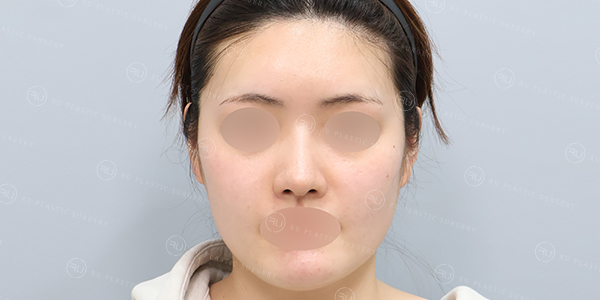
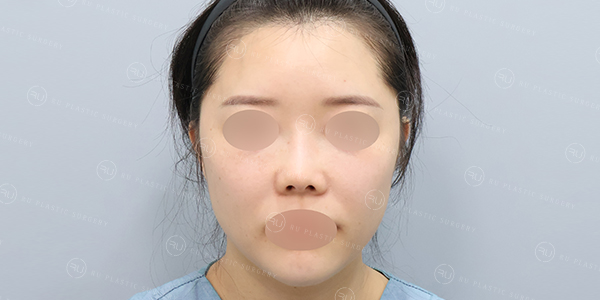
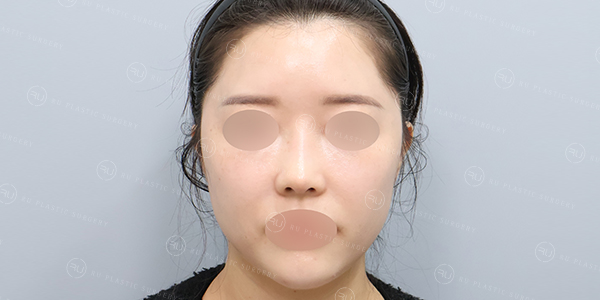
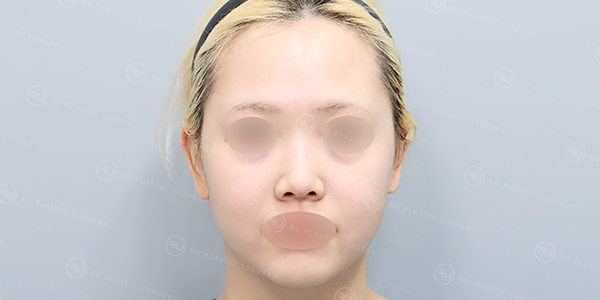
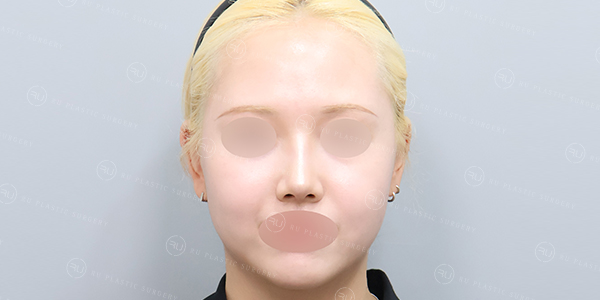
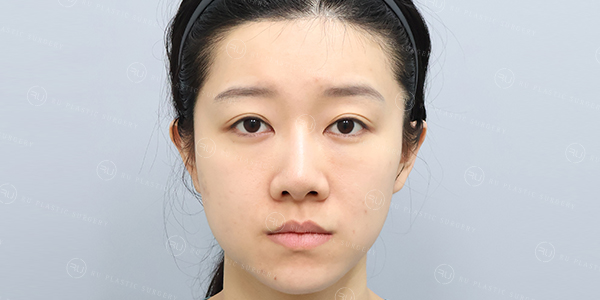
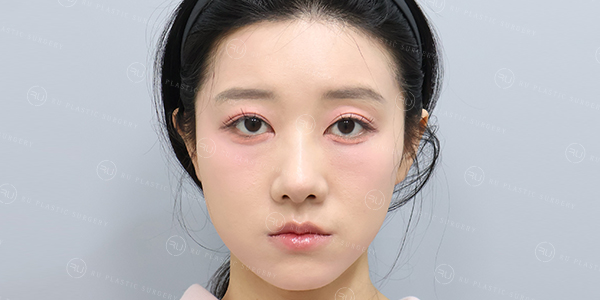
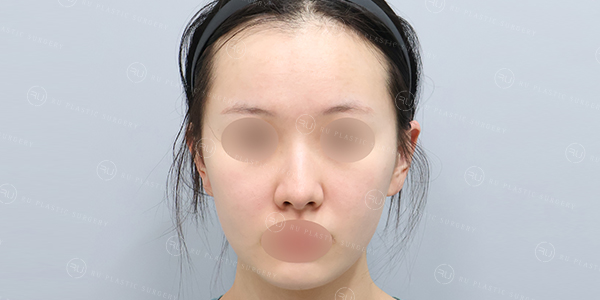
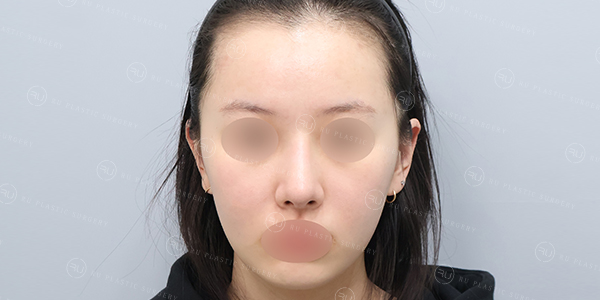
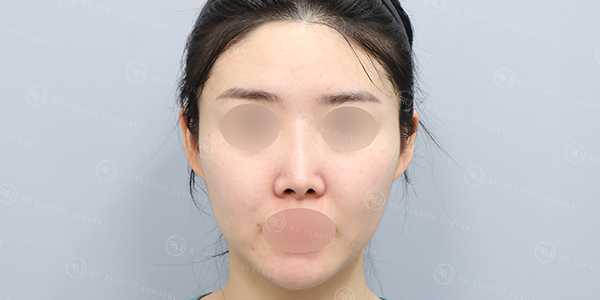
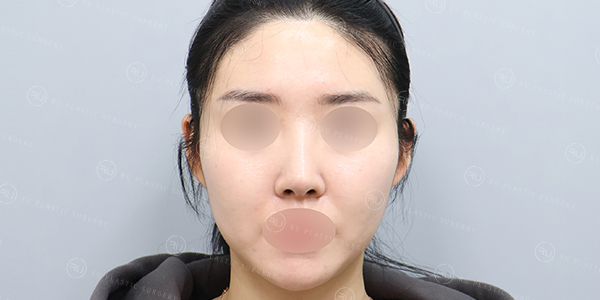
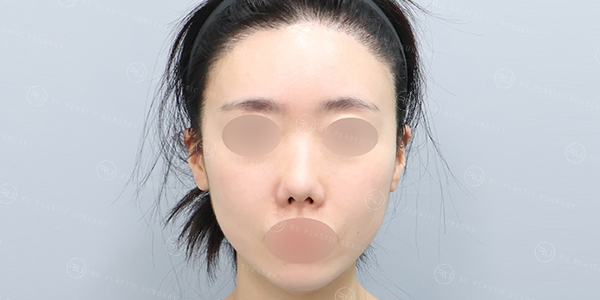
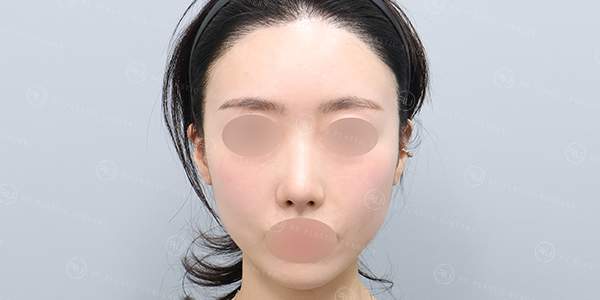
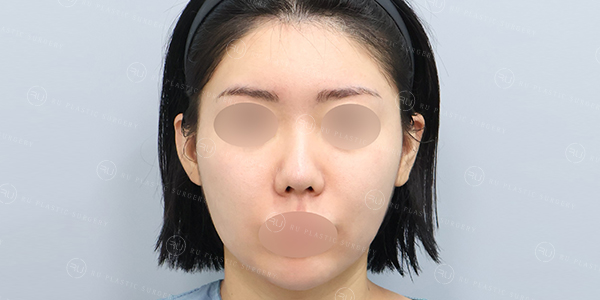
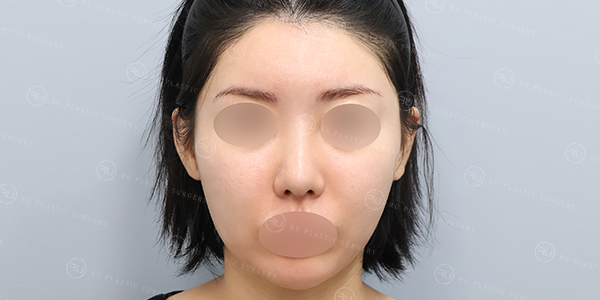
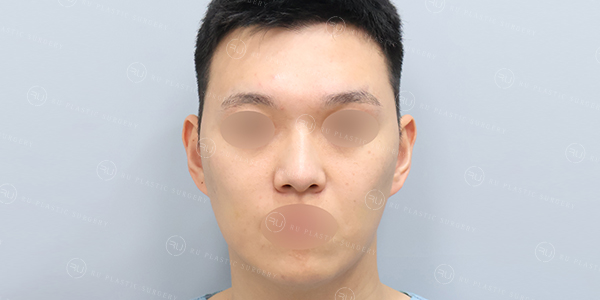
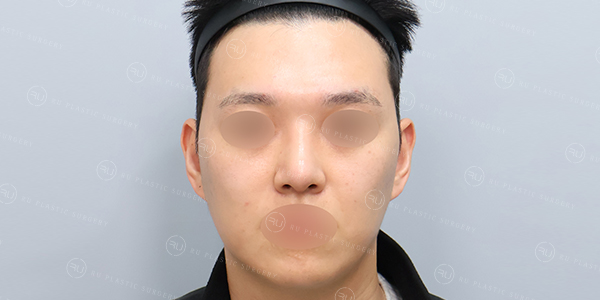
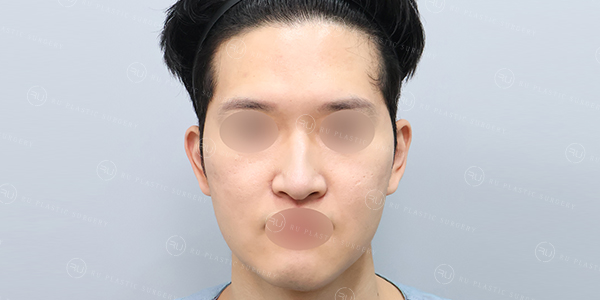
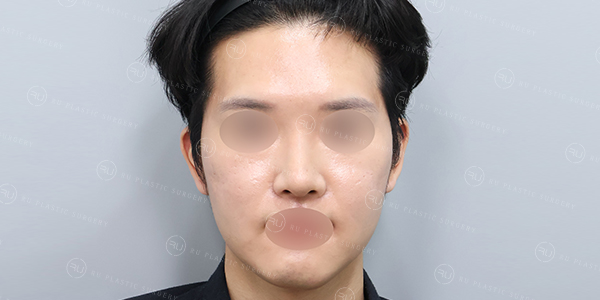
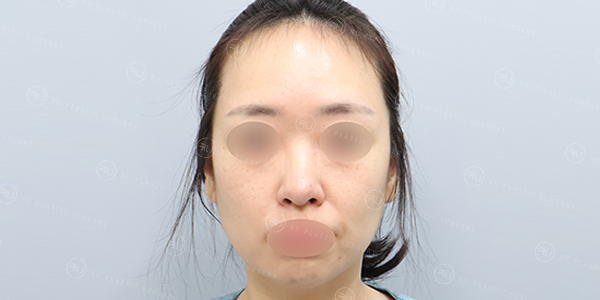
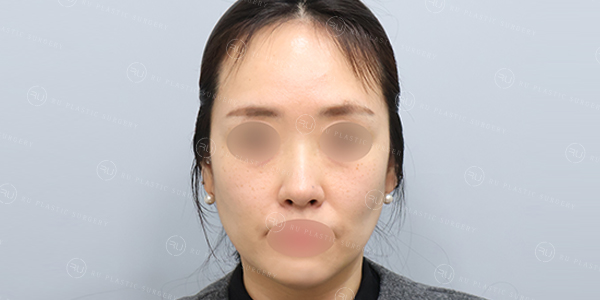
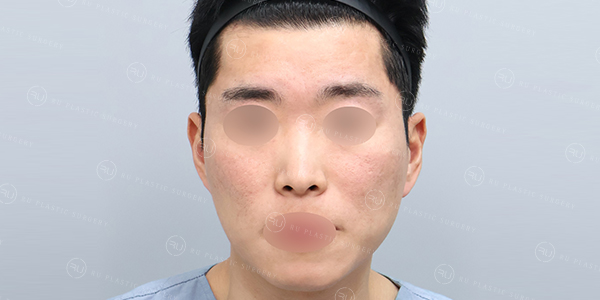
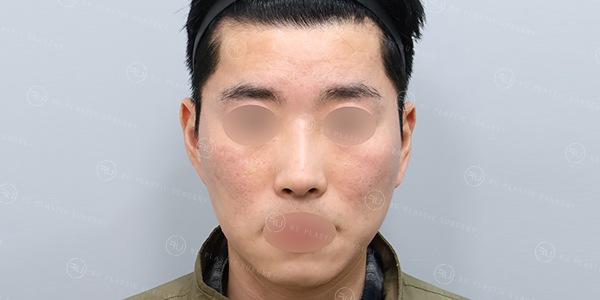
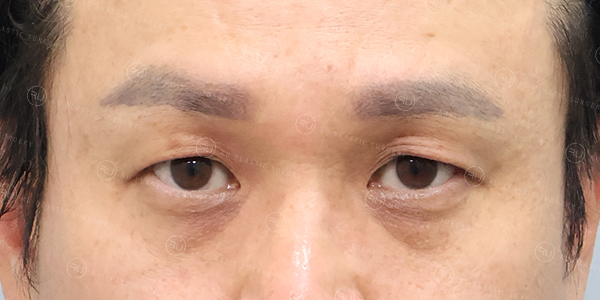
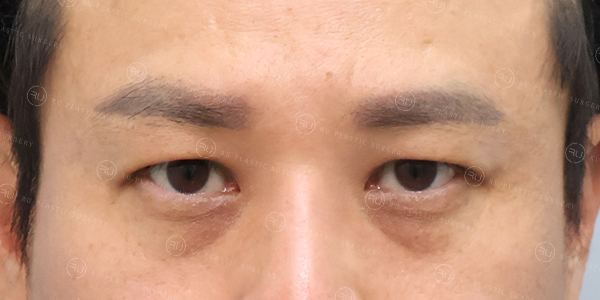
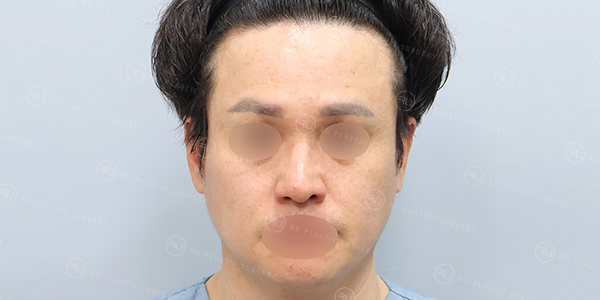
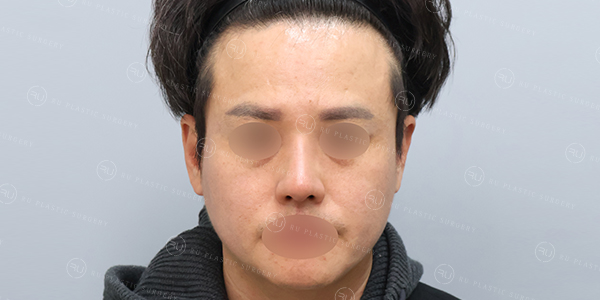
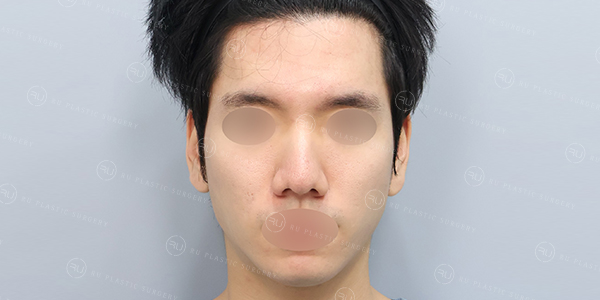
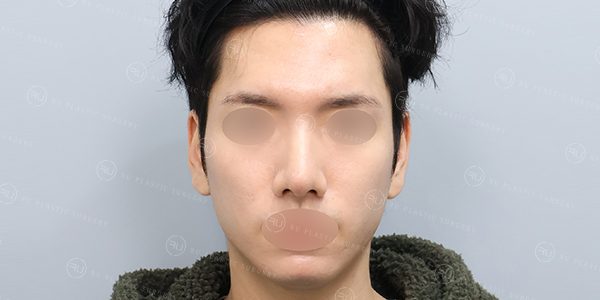
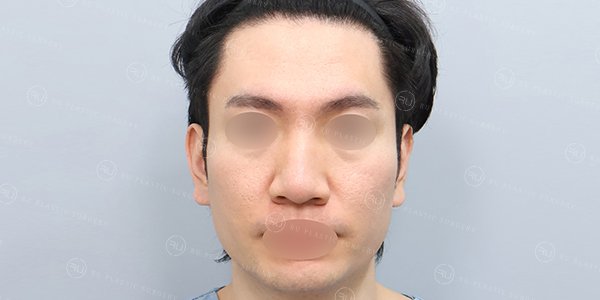
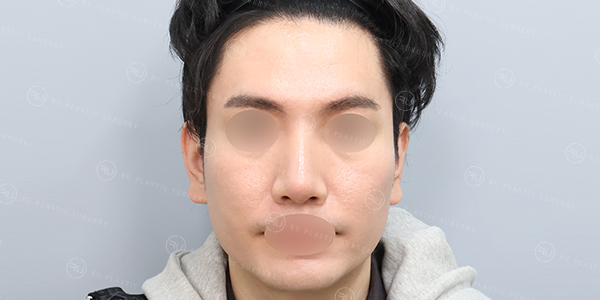
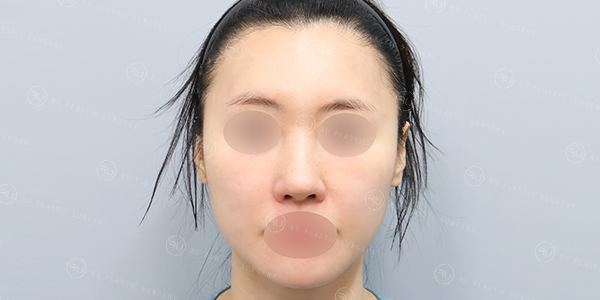
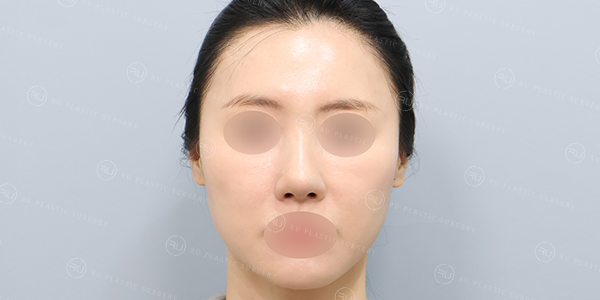
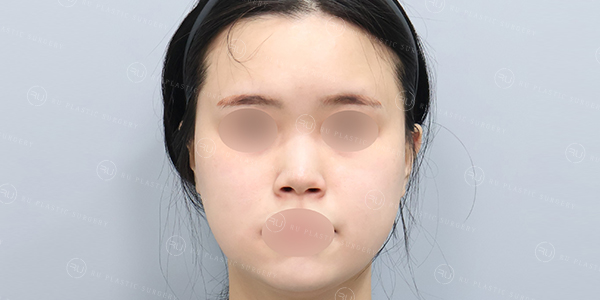
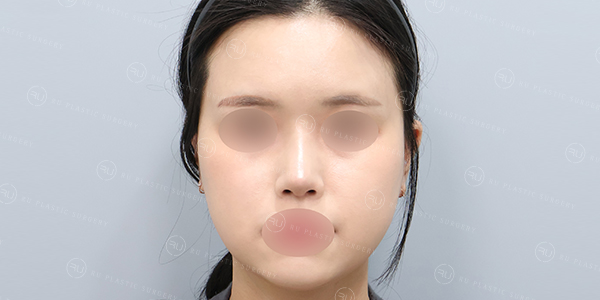
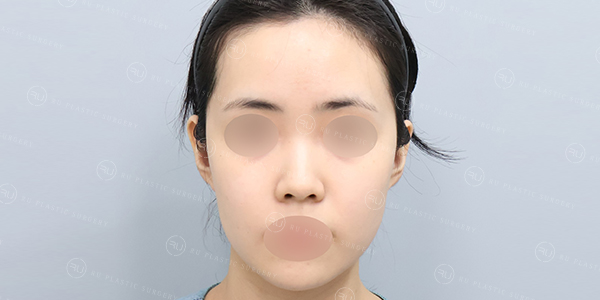
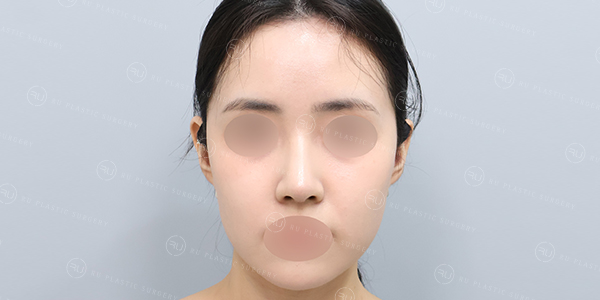
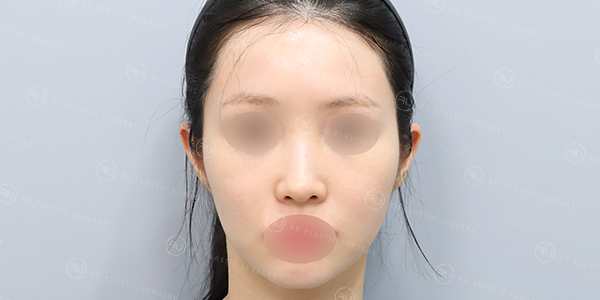
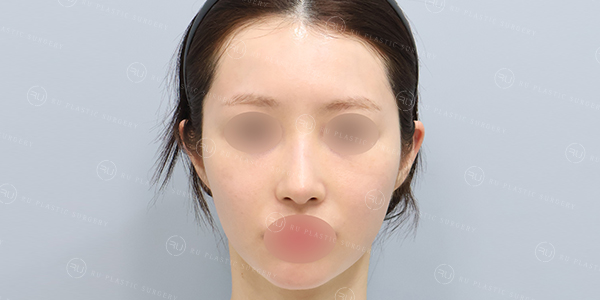
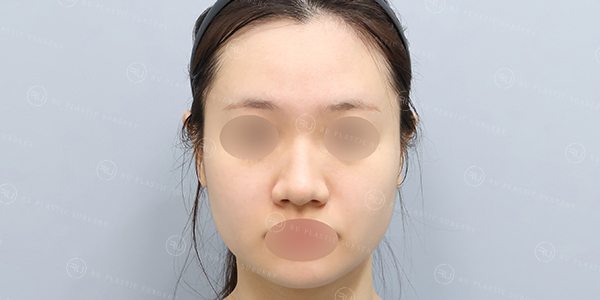
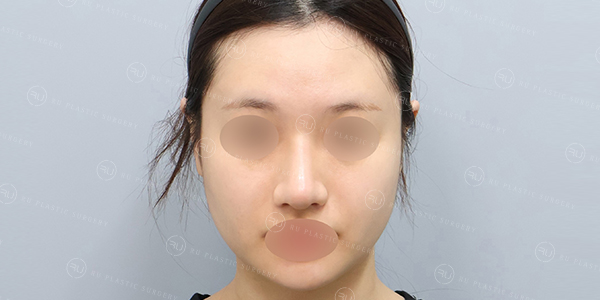
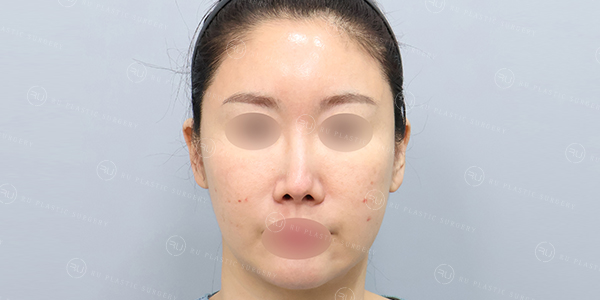
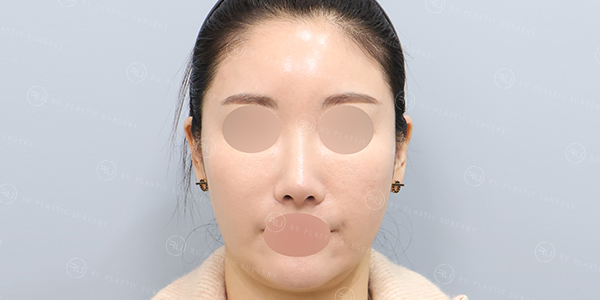
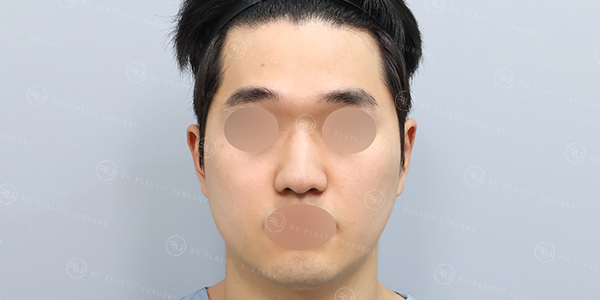
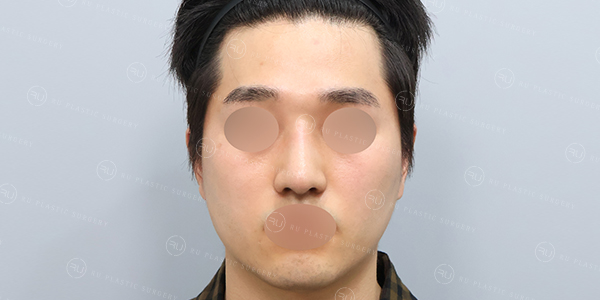
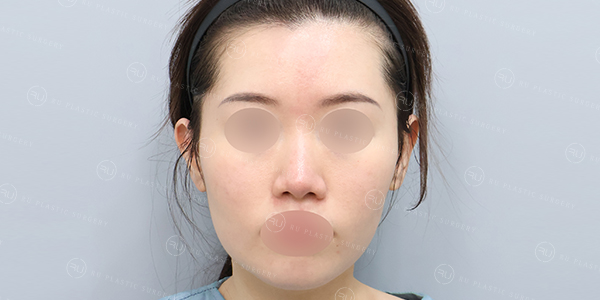
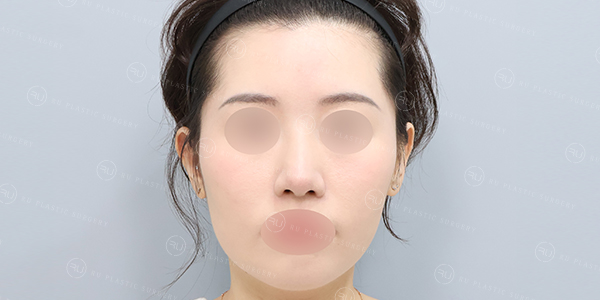
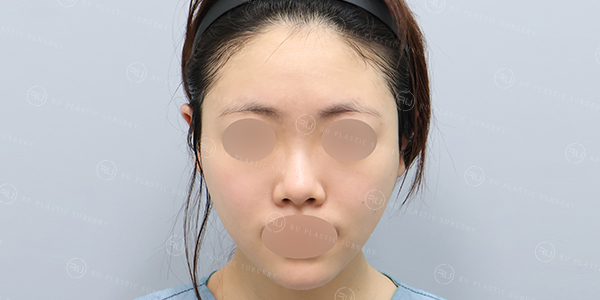
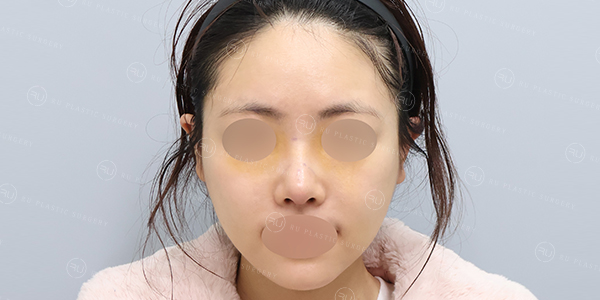
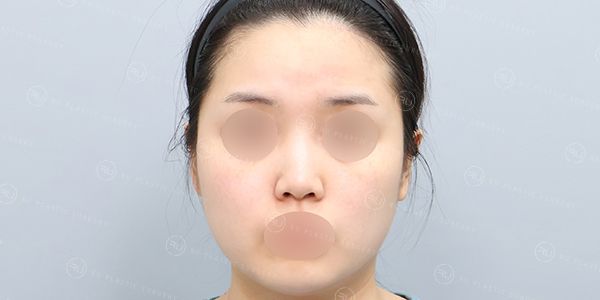
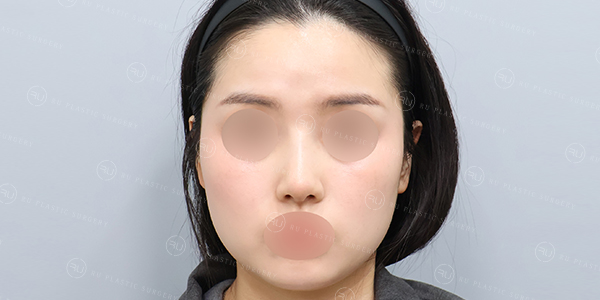
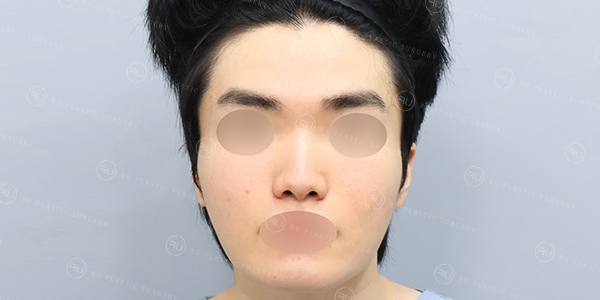
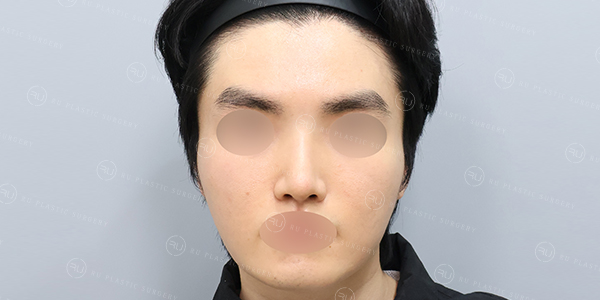
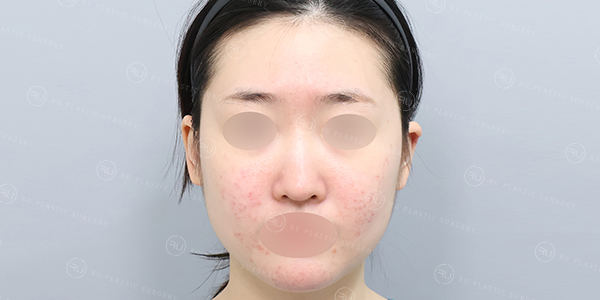
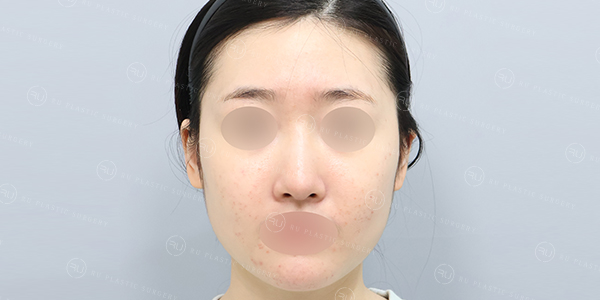
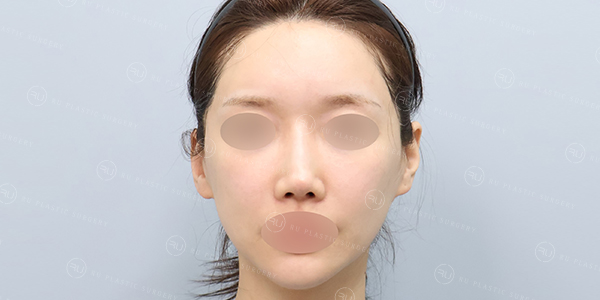
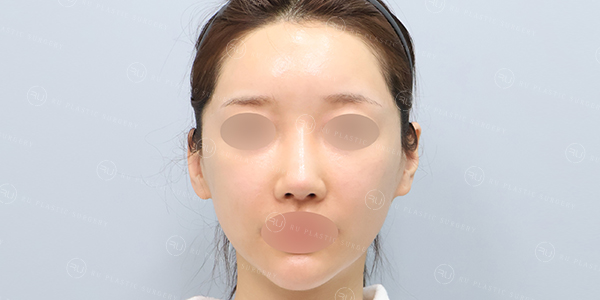
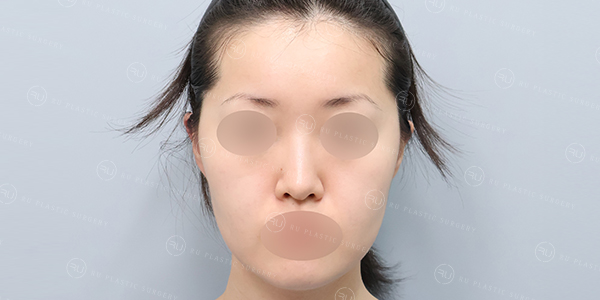
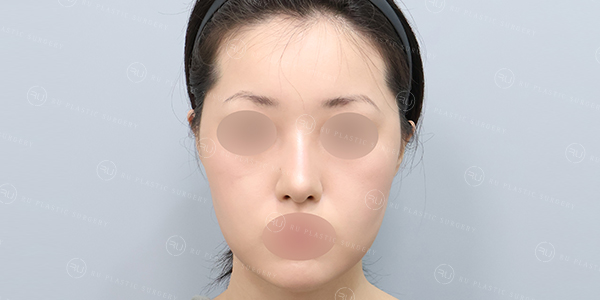
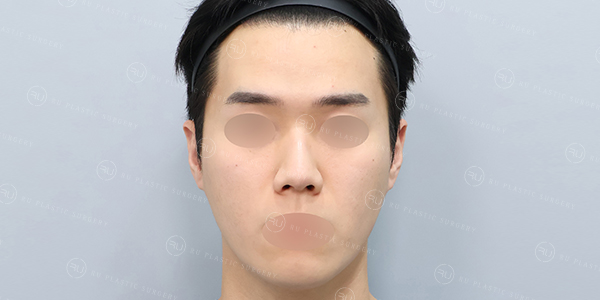
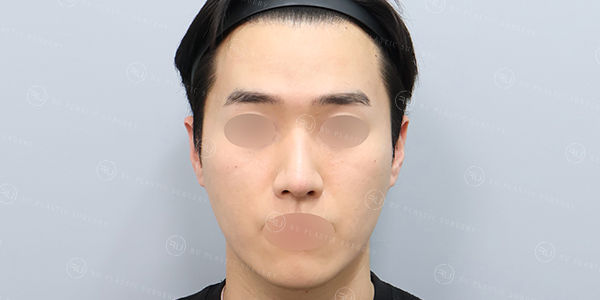
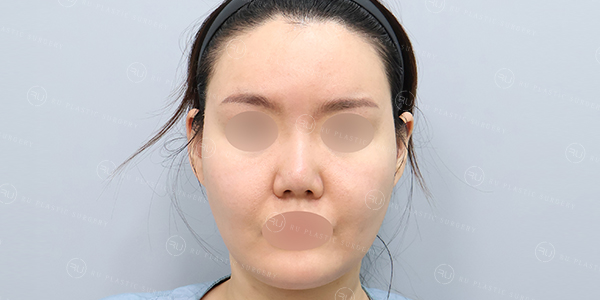
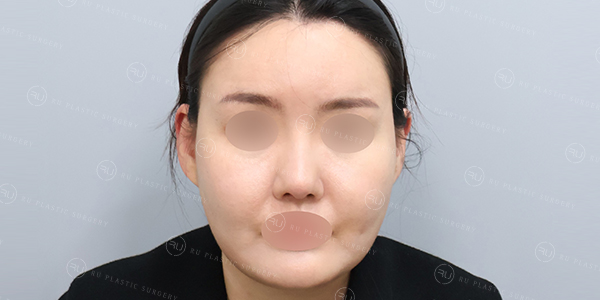
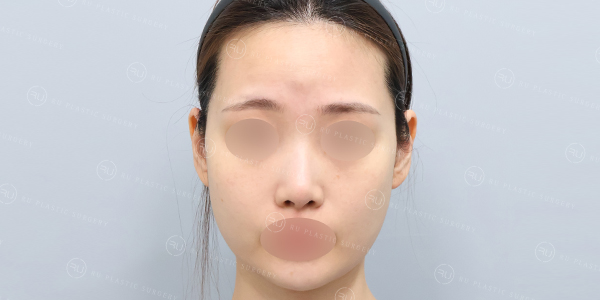
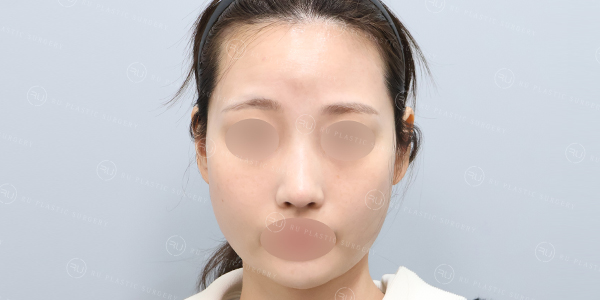
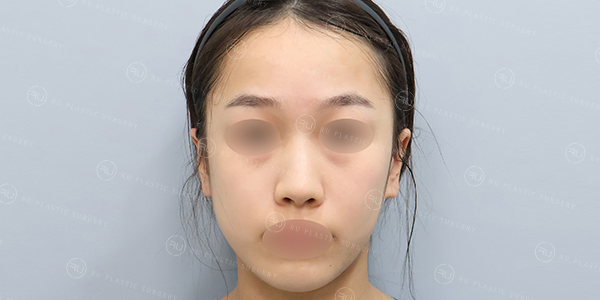
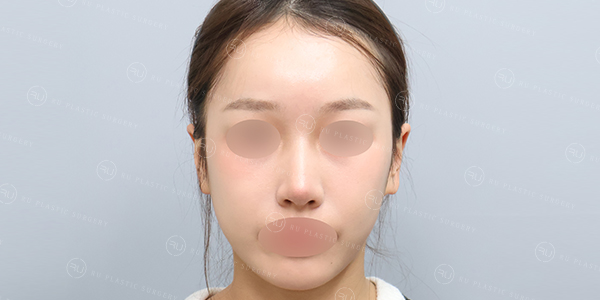
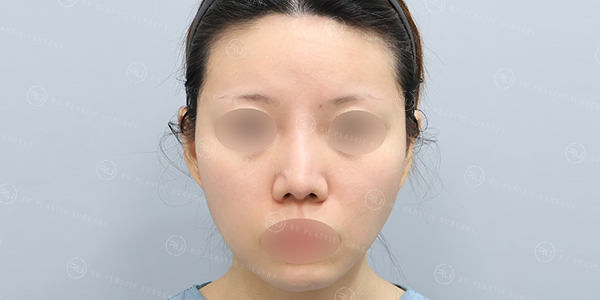
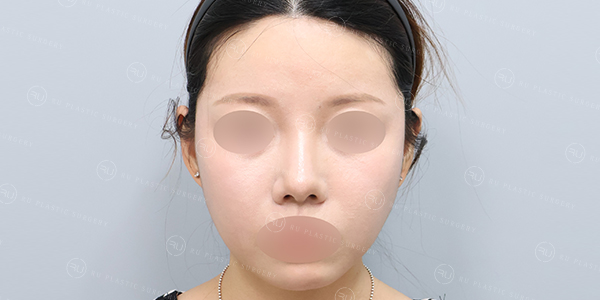
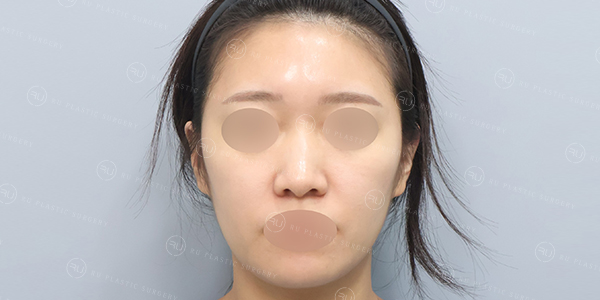
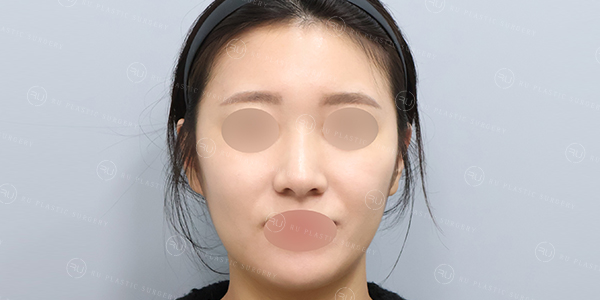
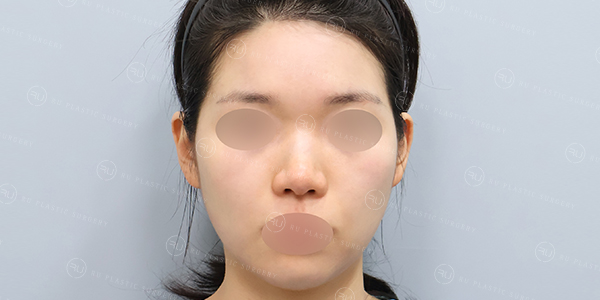
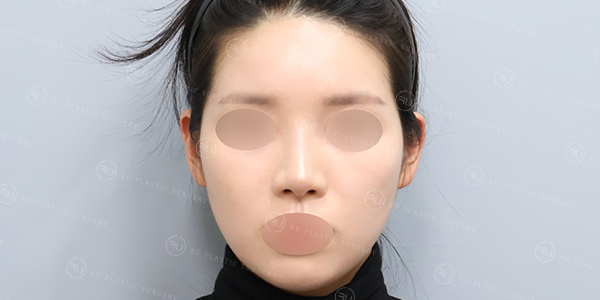
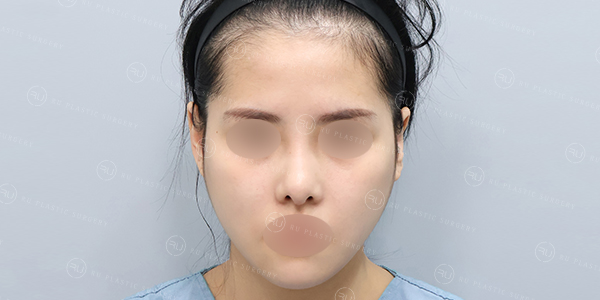
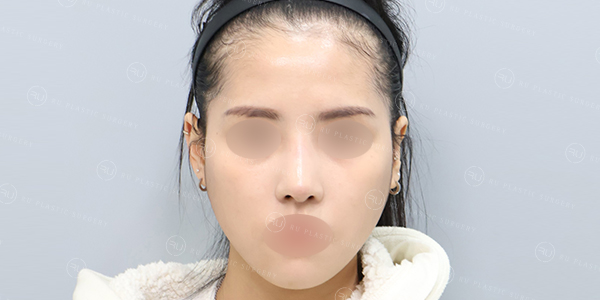
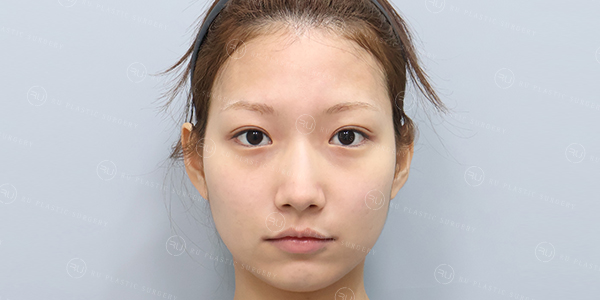
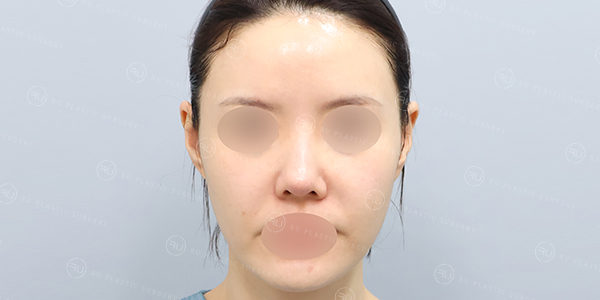
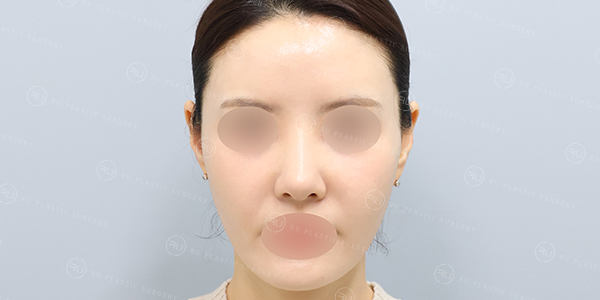
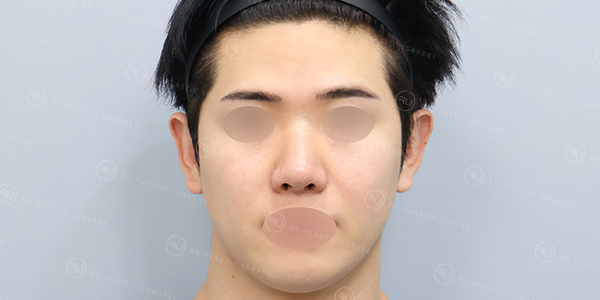
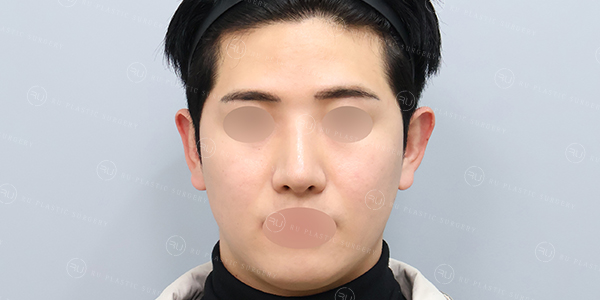
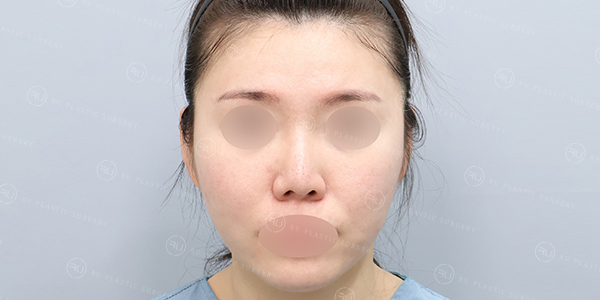
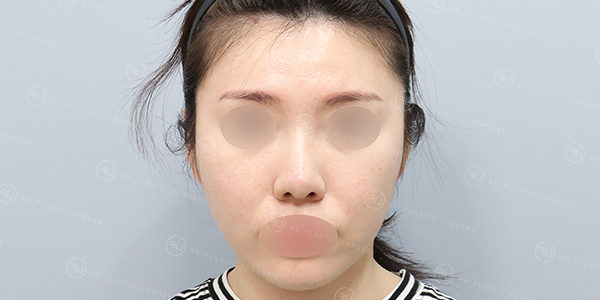
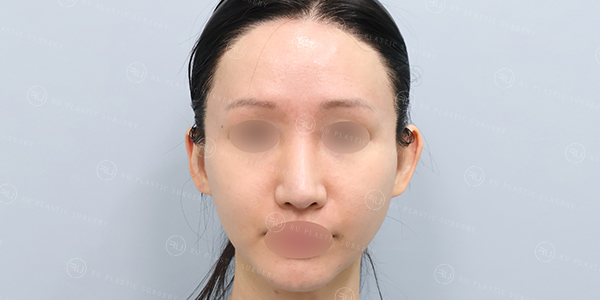
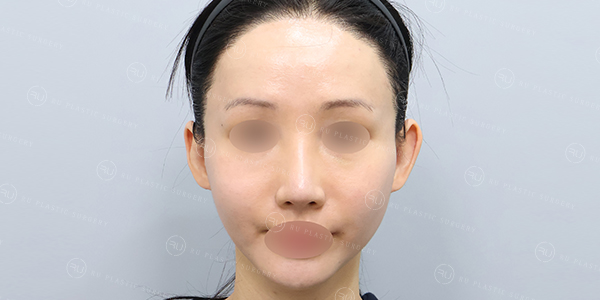
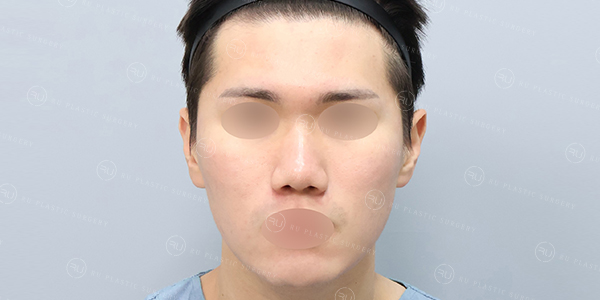
Short Nose Rhinoplasty for Excessive Nostril Show – Postoperative Experience
본문
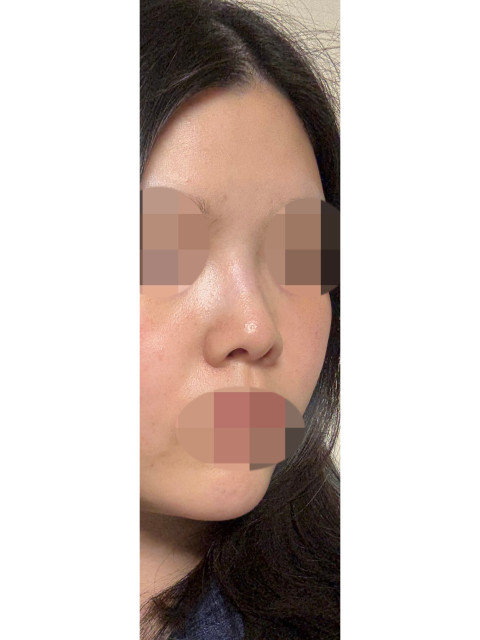
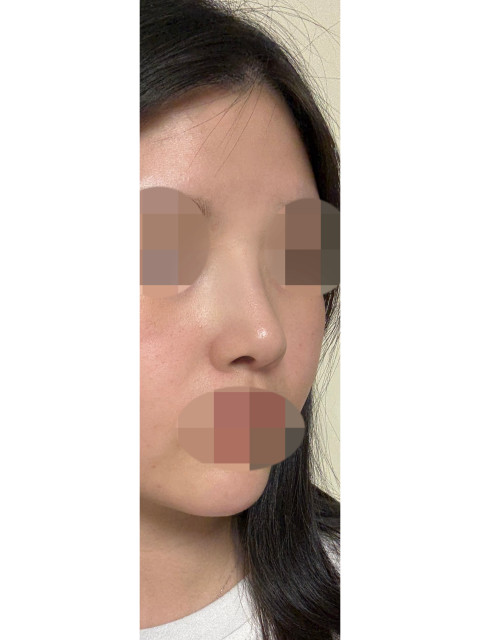
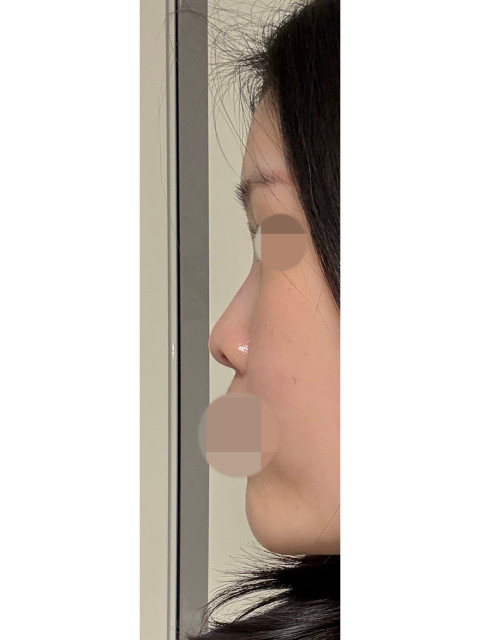
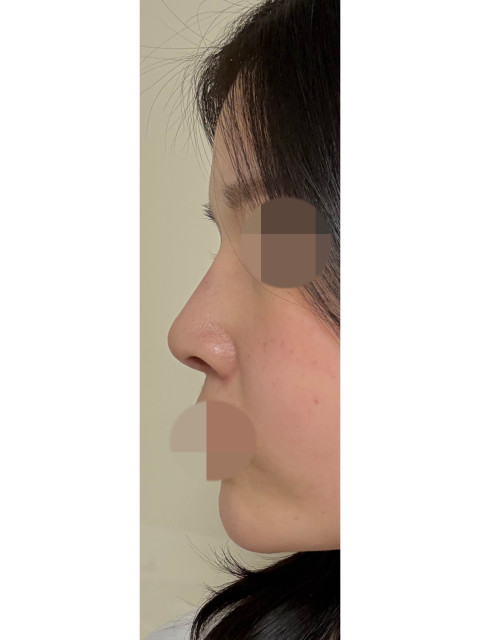
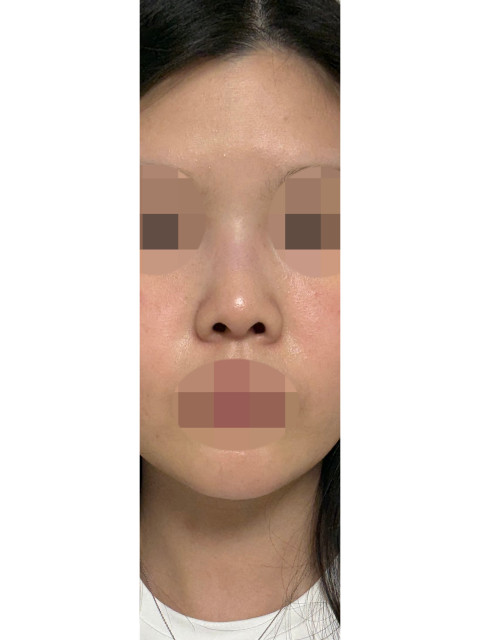
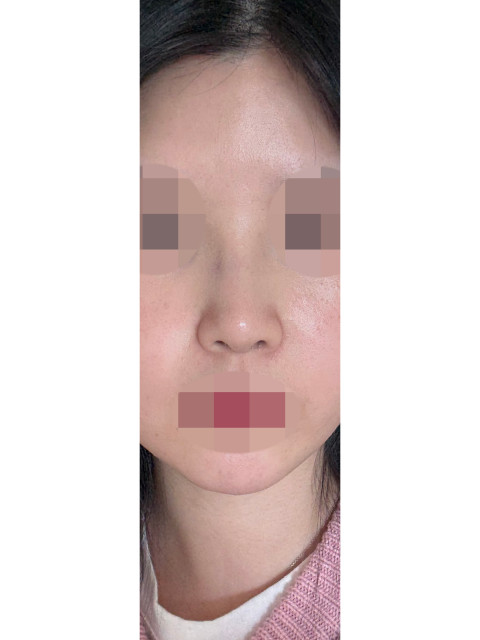
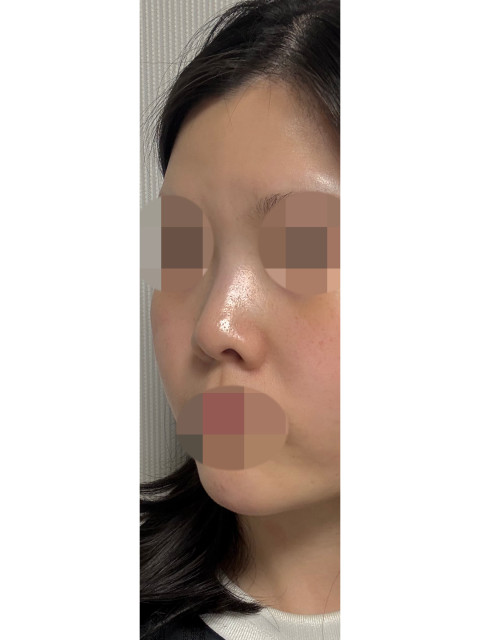
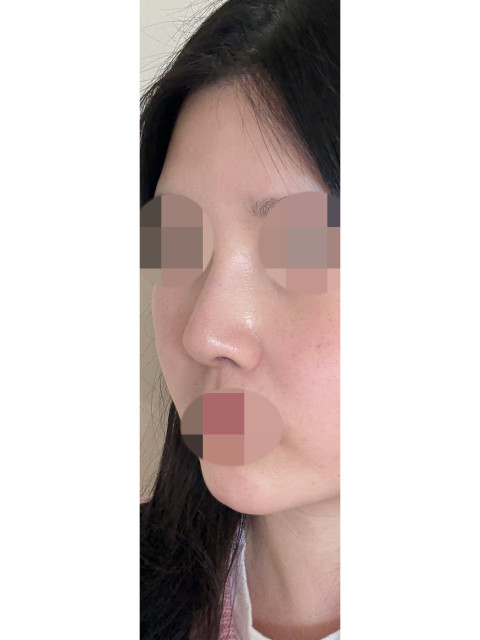
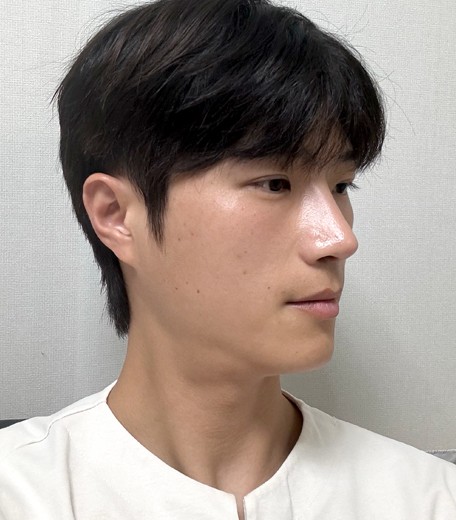
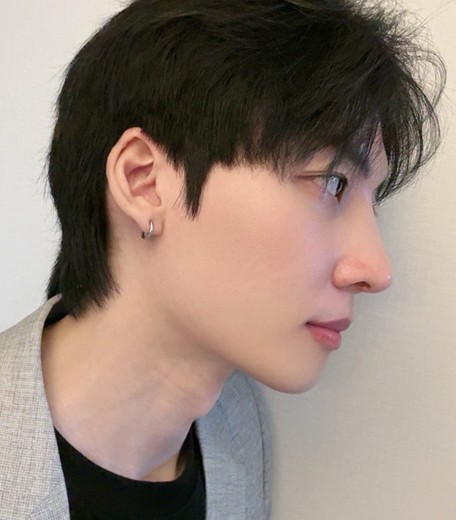
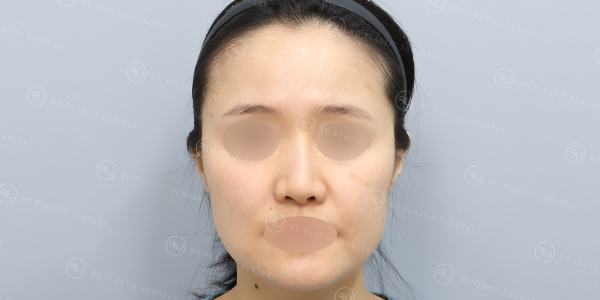
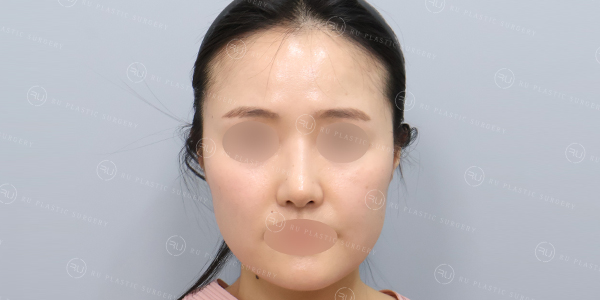
Because of my short nose,
I was constantly stressed by how visible my nostrils appeared
when looking straight ahead or in photographs.
After nearly ten years of consideration,
I finally decided to proceed with rhinoplasty.
In the past, people relied on in-person consultations,
but nowadays, extensive online research is more common.
I reviewed numerous mobile applications, plastic surgery communities,
and YouTube rhinoplasty vlogs.
After selecting several cases that matched my ideal outcome,
I noticed that many of them had been performed by
Dr. Kim Hyun Joo at RU Plastic Surgery.
After further reviewing surgical cases from the clinic,
I felt that Dr. Kim’s aesthetic sense closely aligned with my own,
which led me to schedule a consultation.
Following the consultation,
the proposed surgical plan included
autologous rib cartilage augmentation of the nasal bridge
using a customized 3D DCF mold (Innofit),
autologous rib cartilage for the nasal tip,
short nose correction,
and columella lowering.
The estimated cost was significantly higher than I had anticipated,
and I briefly considered consulting other clinics.
However, I felt that choosing a surgeon whose aesthetic matched mine
was essential to avoid regret regarding the final shape.
Considering the physical and financial burden of potential revision surgery,
I ultimately decided that it was better to proceed correctly the first time,
even at a higher cost,
and chose to undergo autologous tissue rhinoplasty at RU Plastic Surgery.
The surgery was scheduled for the earliest available date.
On the day of surgery,
aside from the expected difficulty breathing due to nasal packing,
there was surprisingly little pain, swelling, or bruising.
I had been apprehensive after reading other patients’ experiences
regarding severe pain at the rib cartilage donor site,
but in my case, there was no pain while resting.
There was some pulling discomfort when walking,
so I moved carefully and slightly bent forward.
The most uncomfortable aspect was the nasal packing,
but it was removed the following day.
Even afterward, although nasal discharge caused partial congestion,
I could still breathe adequately,
which made recovery much more manageable.
Aside from nasal discharge and mild tightness at the rib donor site when walking,
there were no major inconveniences until the second postoperative week.
After two weeks, both symptoms have continued to improve steadily.
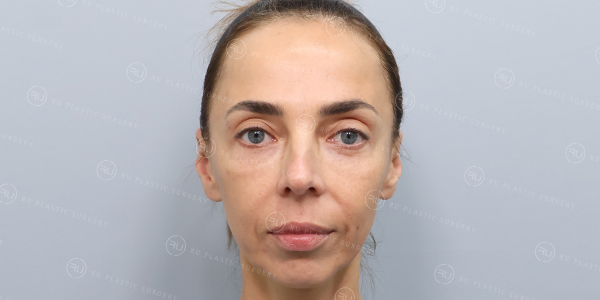
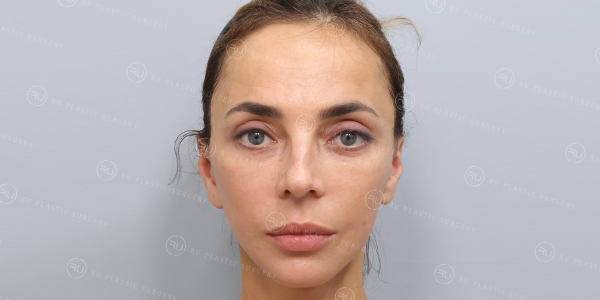
My goals for surgery were very clear:
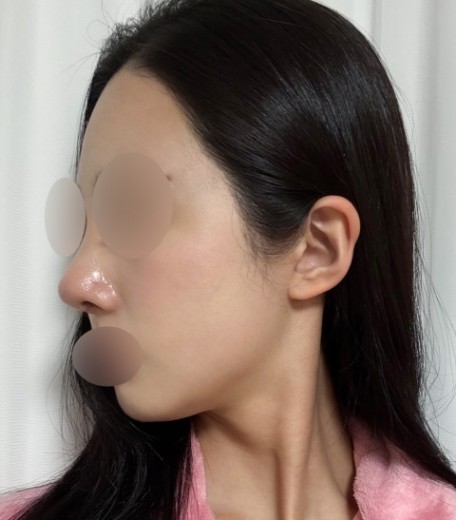
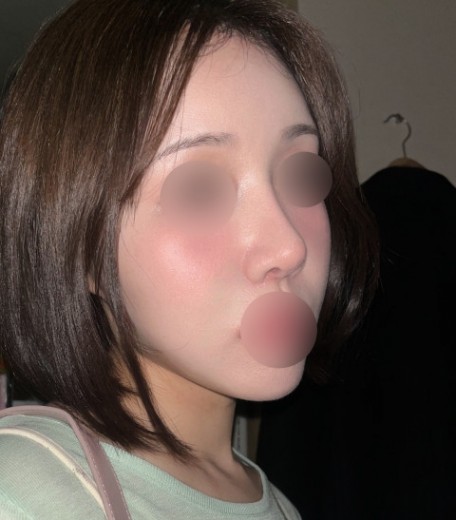
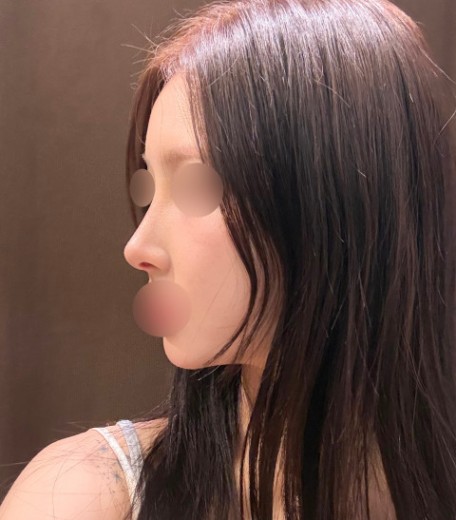
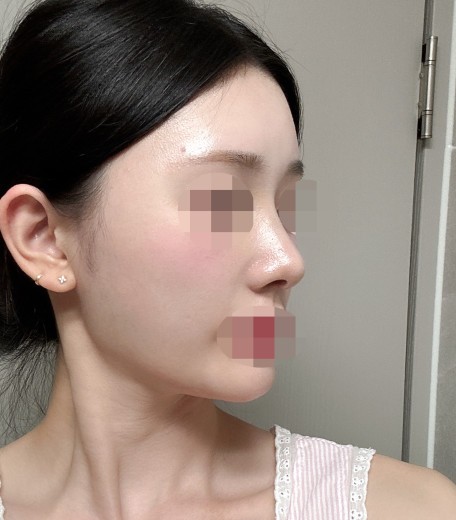
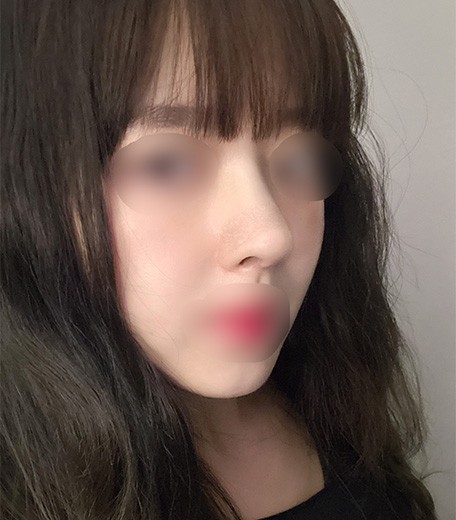
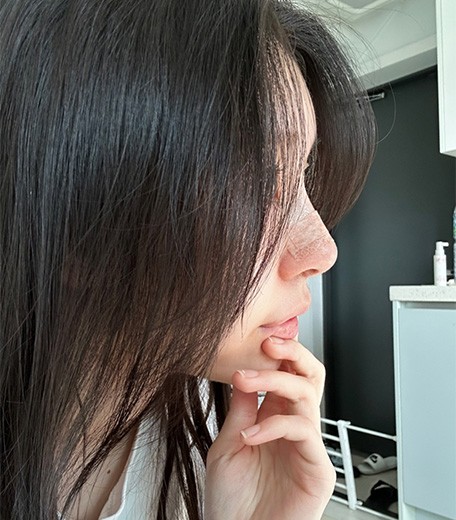
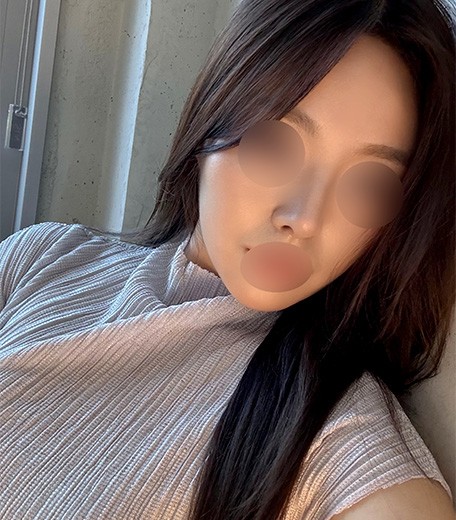
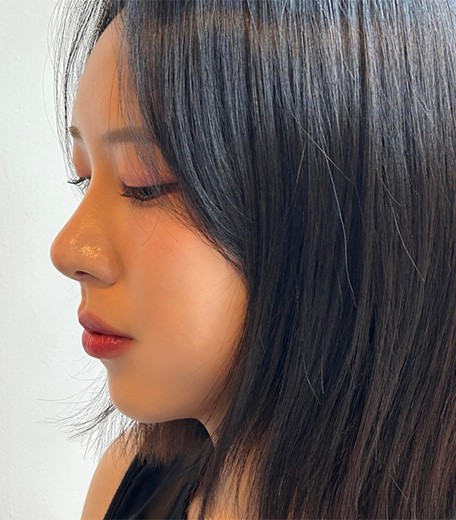
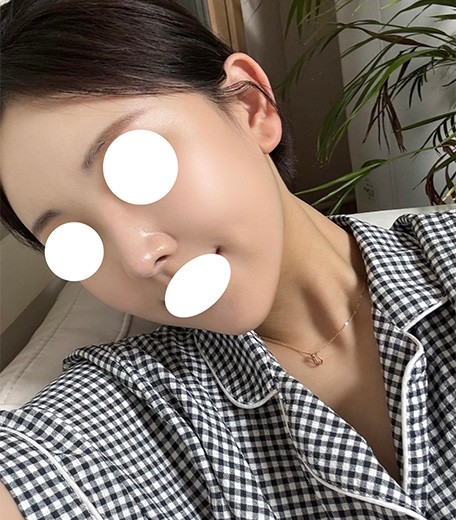
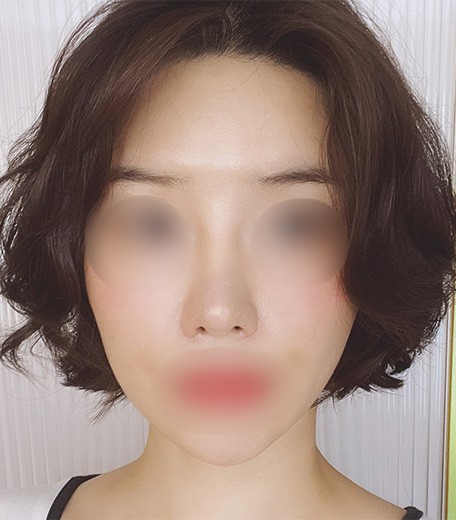
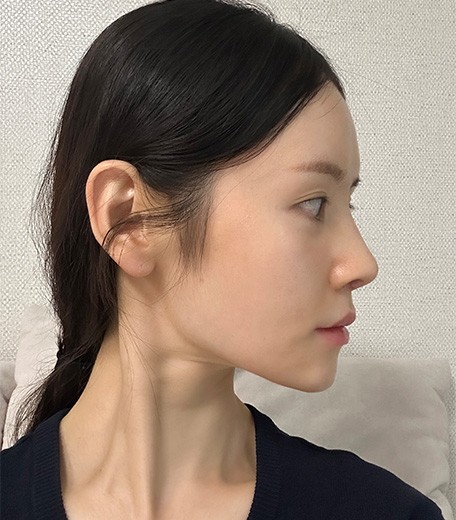
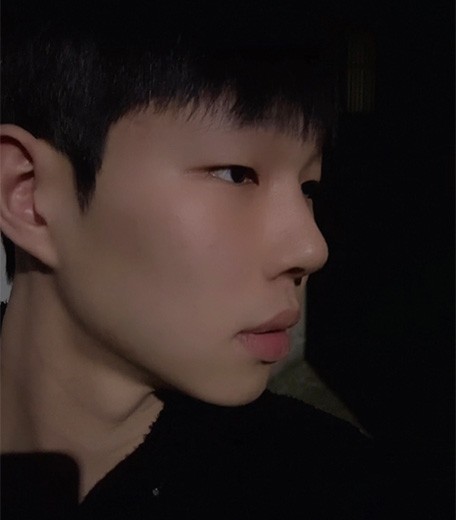
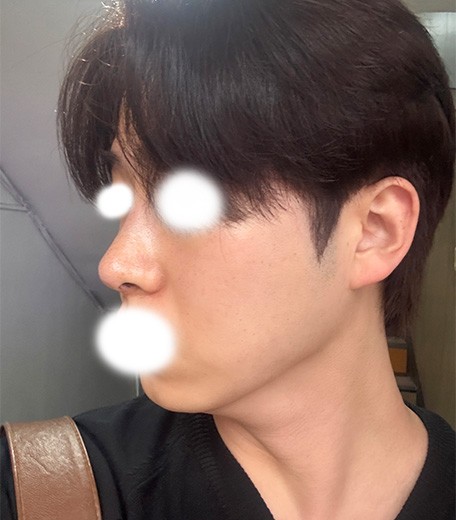
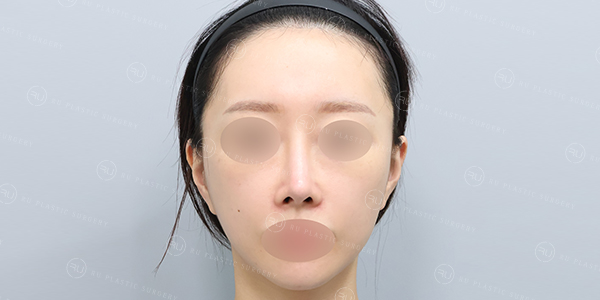
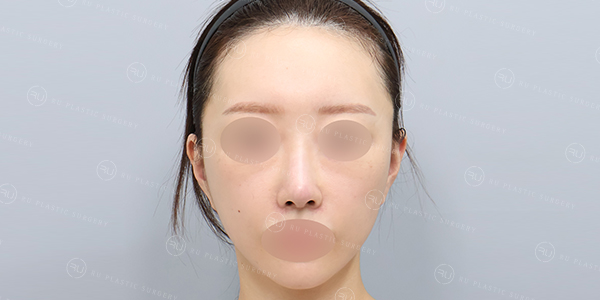
a natural appearance and reduced nostril visibility from the front.
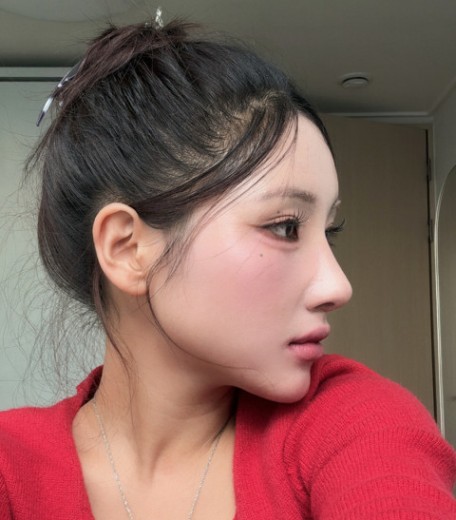
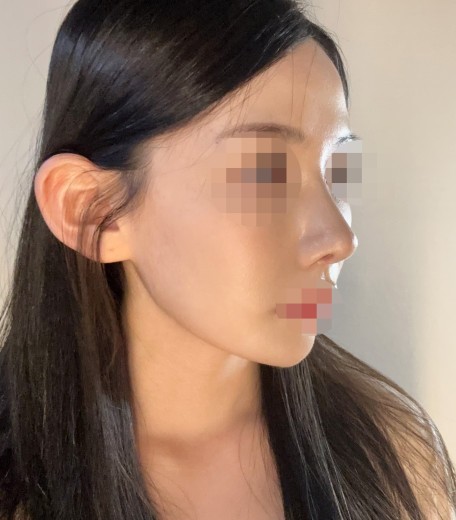
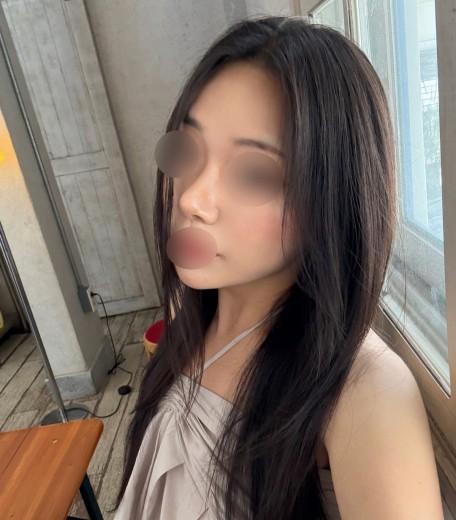
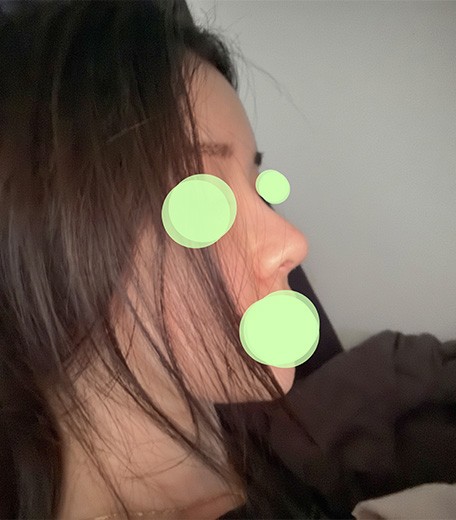
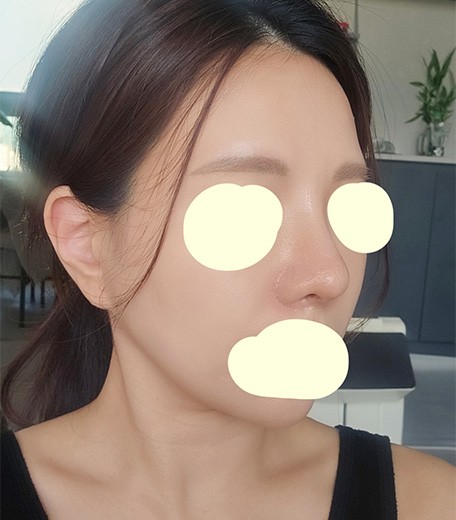
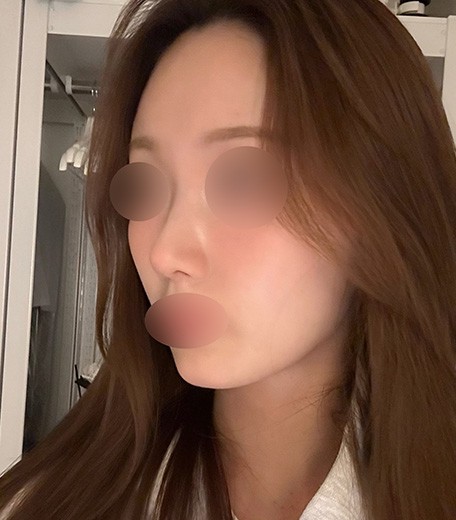
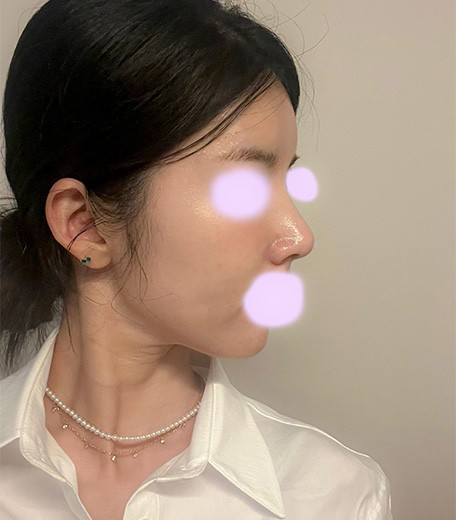
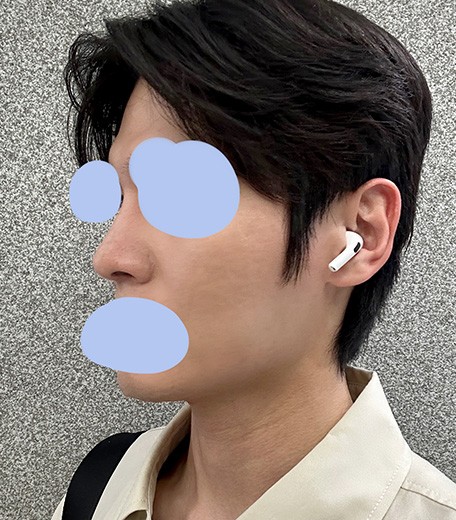
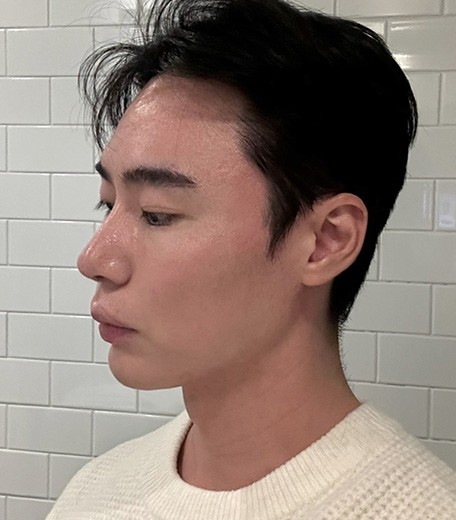
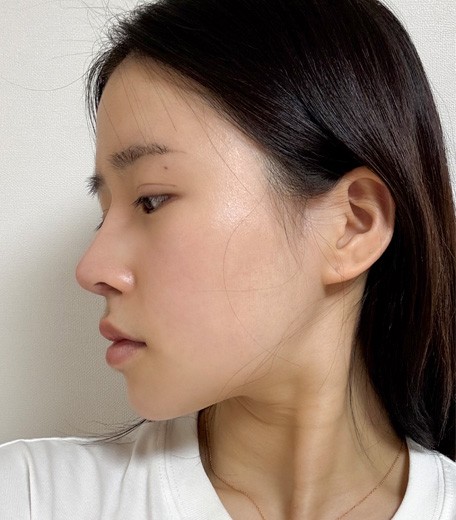
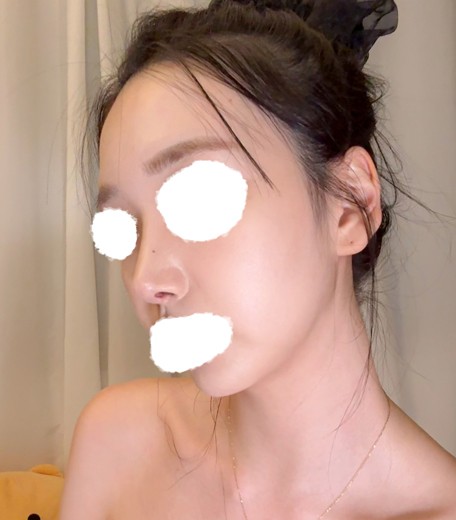
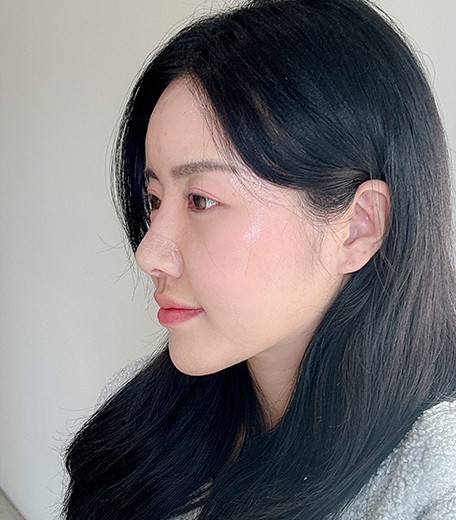
At two weeks postoperatively,
the nostrils are not completely hidden,
but visibility has clearly decreased.
I estimate approximately a 70 percent improvement,
which I find satisfactory.
A completely dramatic change might have been too noticeable to others,
and this level of correction feels appropriate and natural to me.
Although I am currently comfortable with the level of swelling,
it is still resolving,
and I plan to continue monitoring changes through the one-month mark.