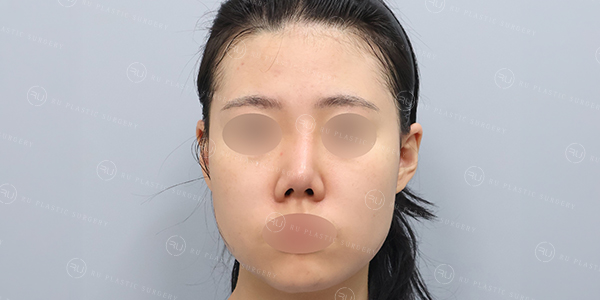
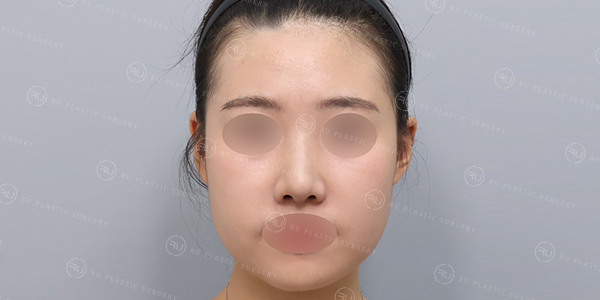
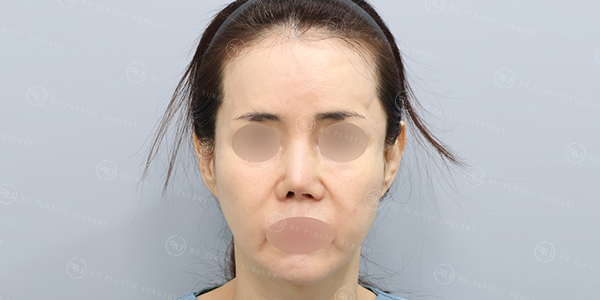
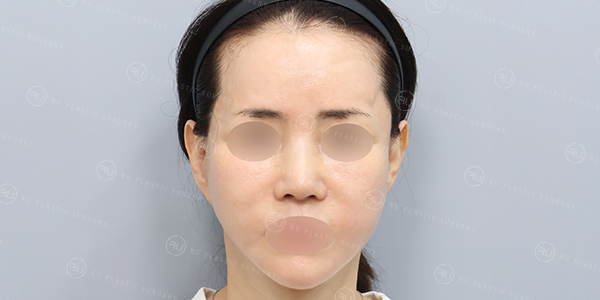
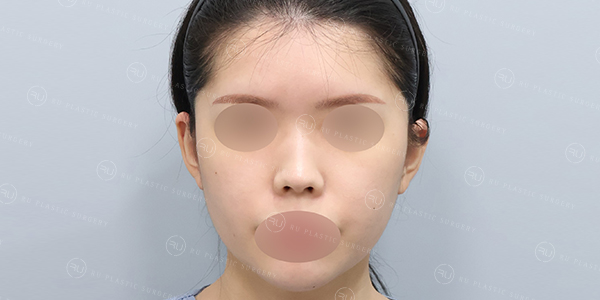
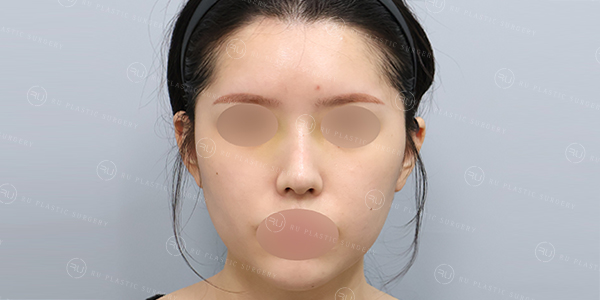
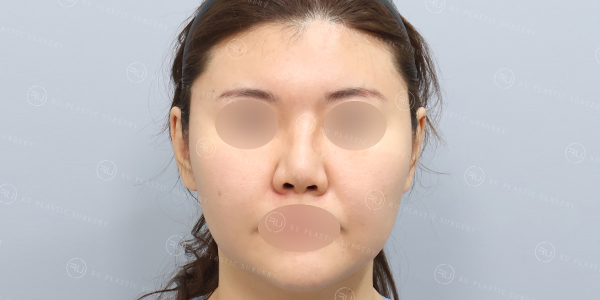
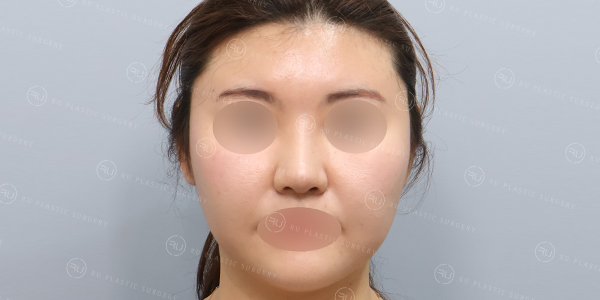
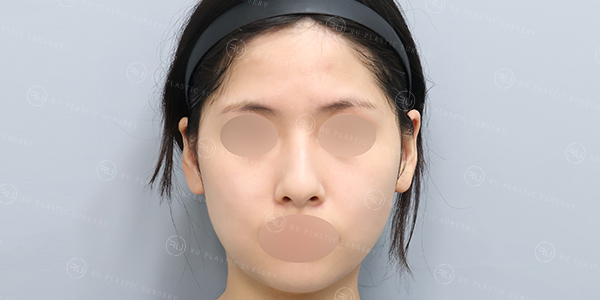
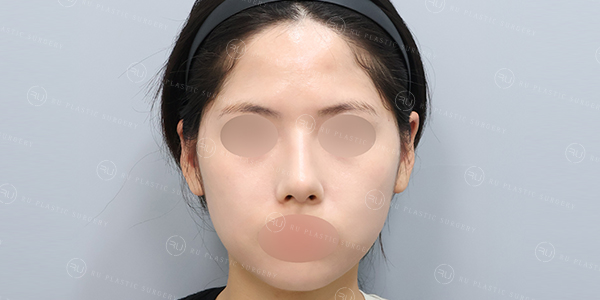
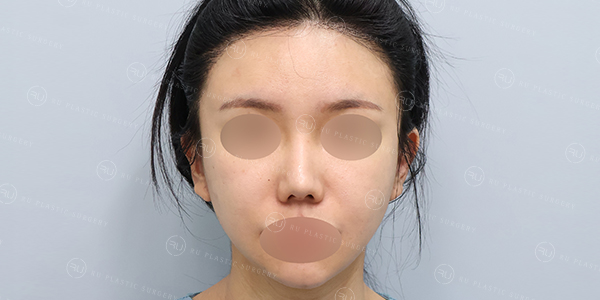
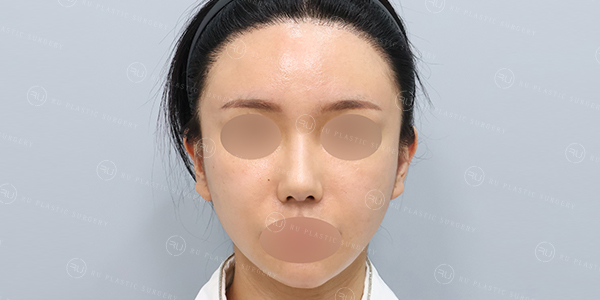
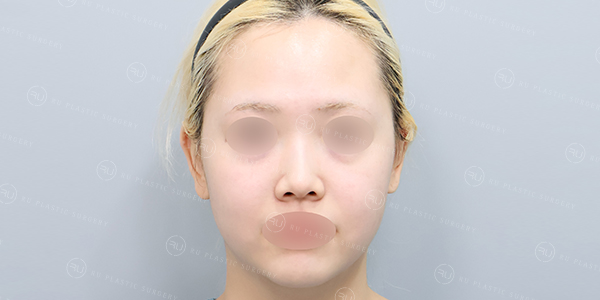
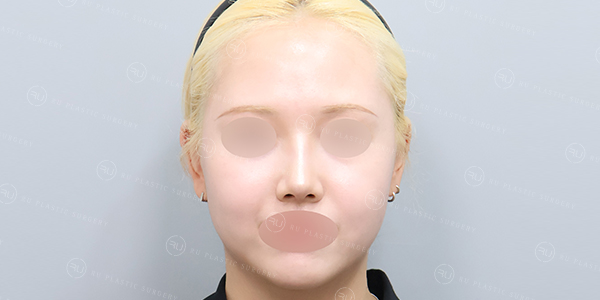
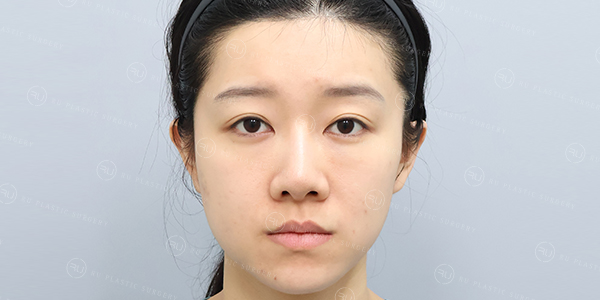
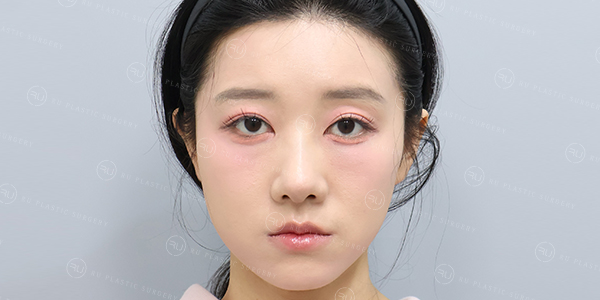
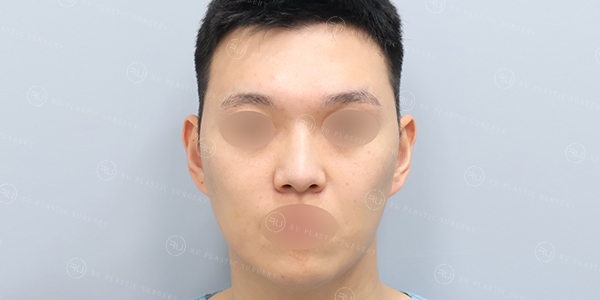
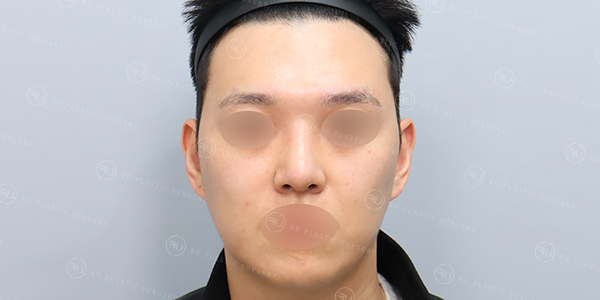
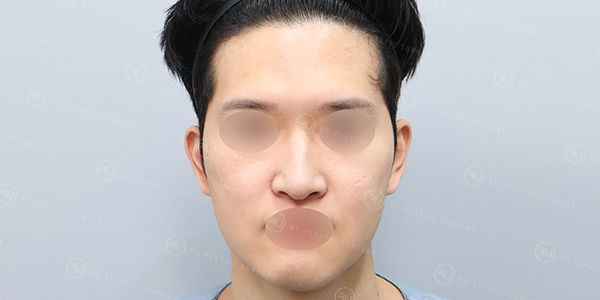
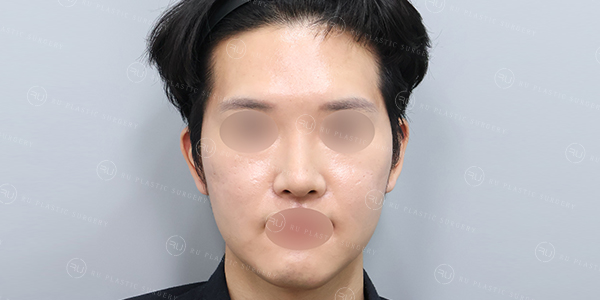
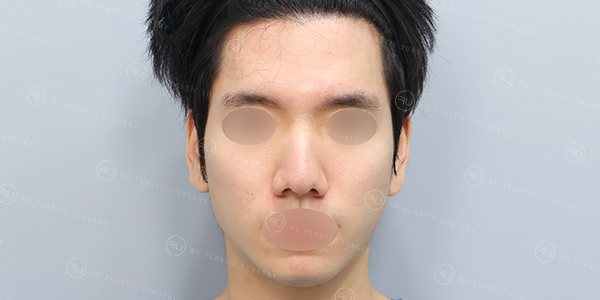
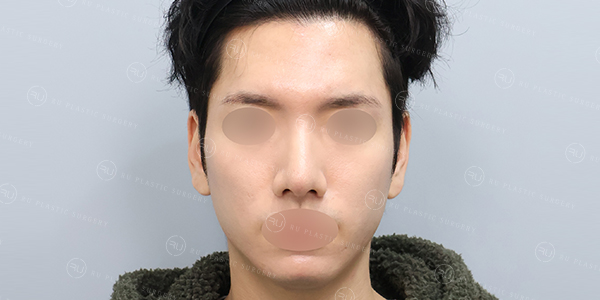
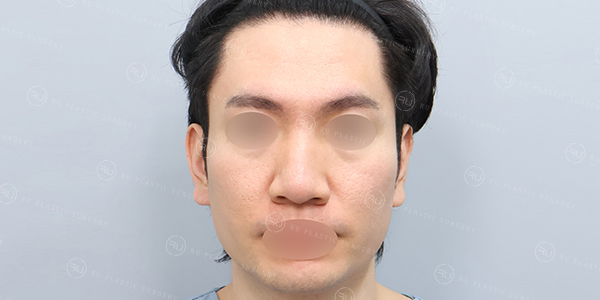
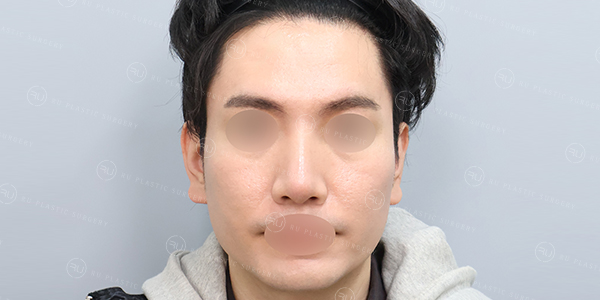
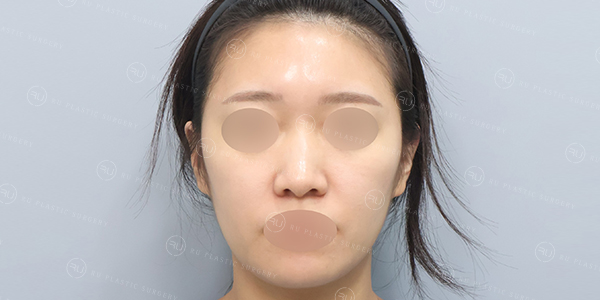
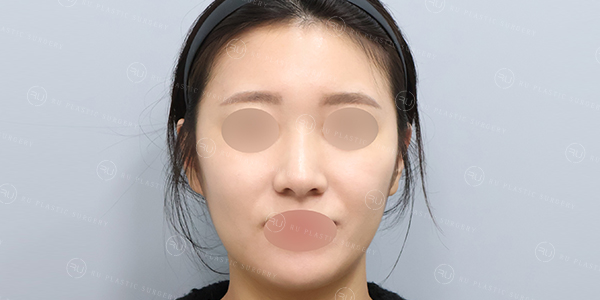
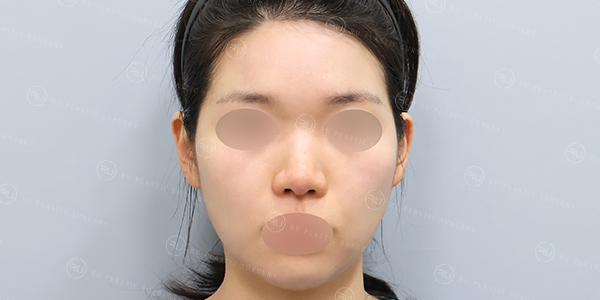
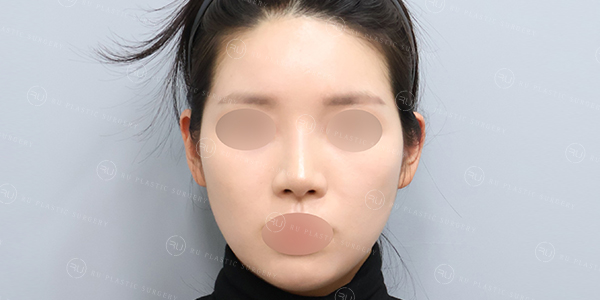
Customized 3D Revision Rhinoplasty in My Mid-40s
본문
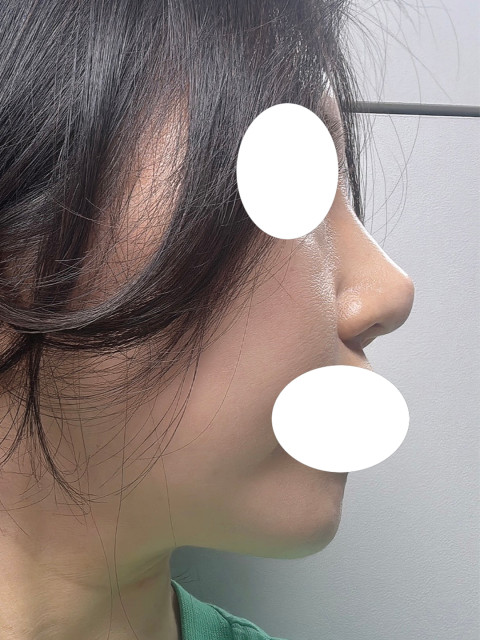
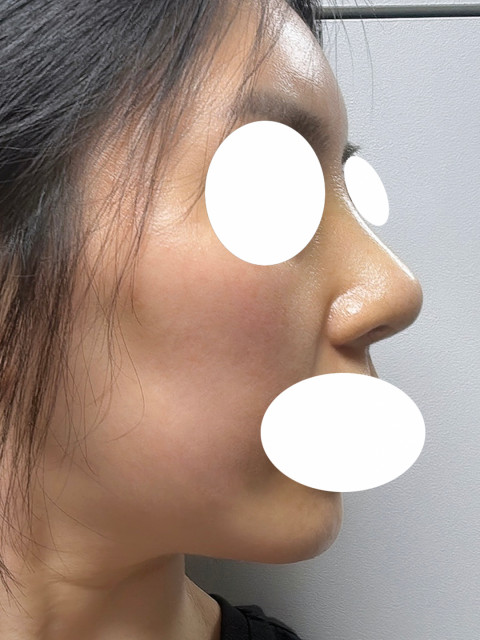
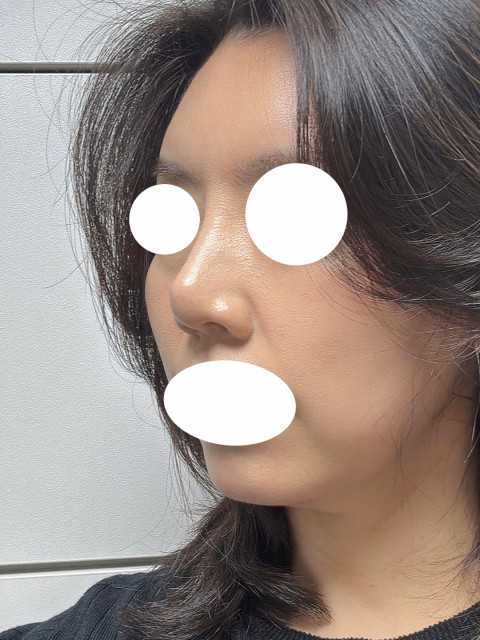
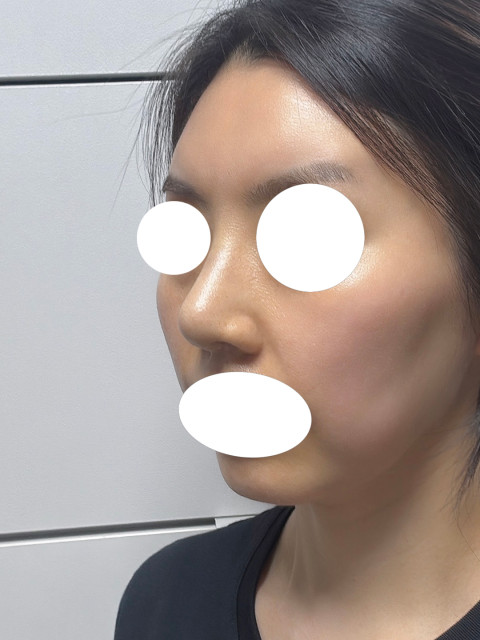
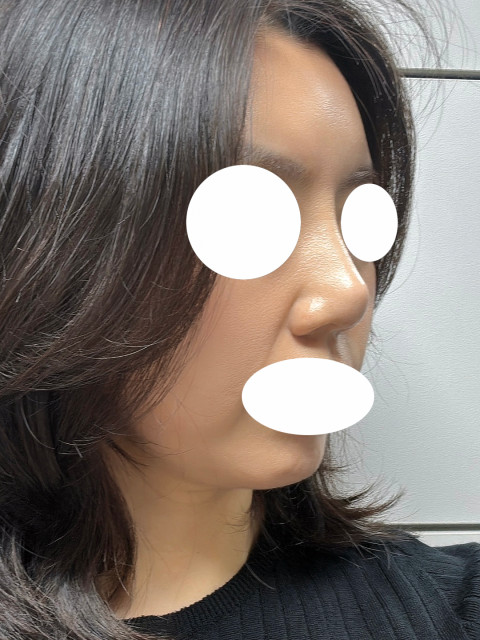
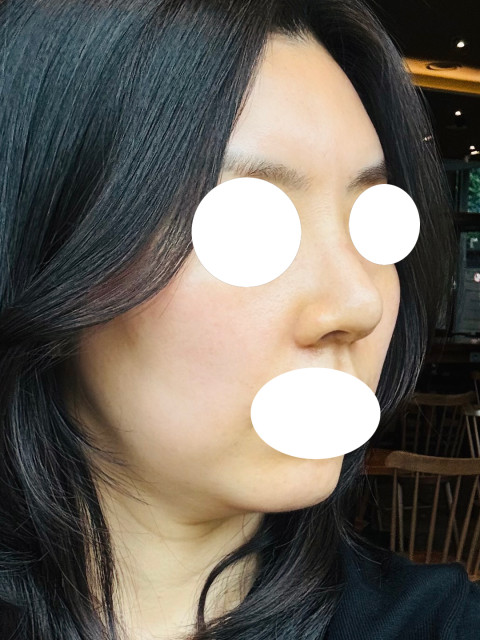
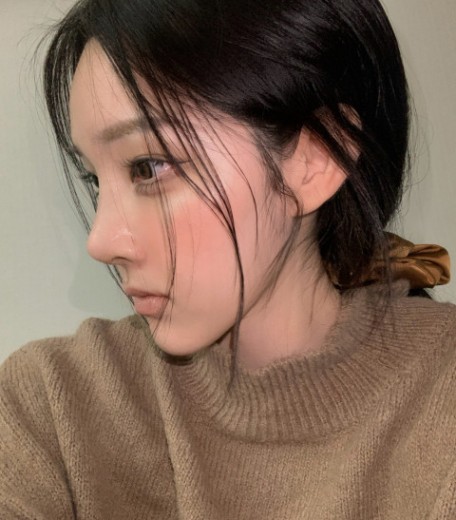
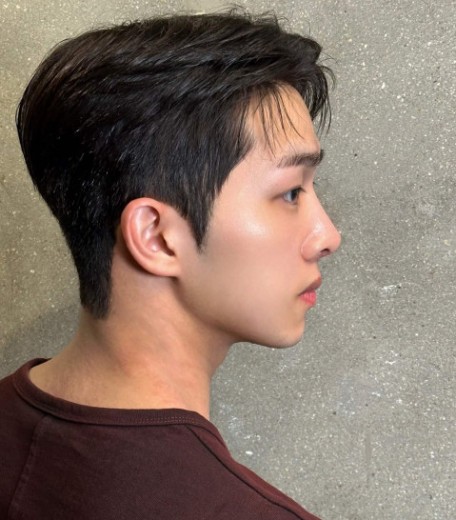
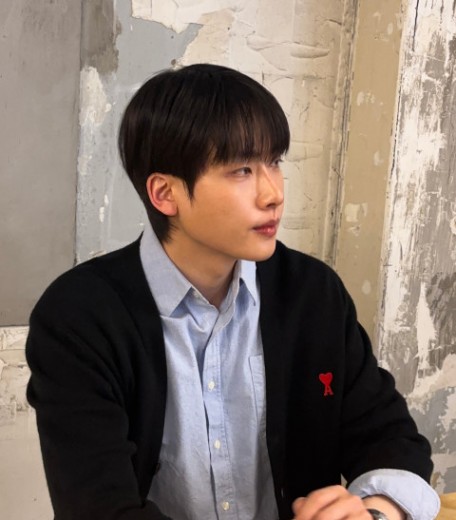
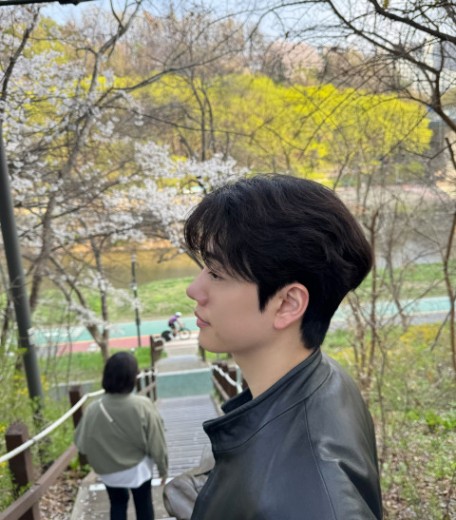
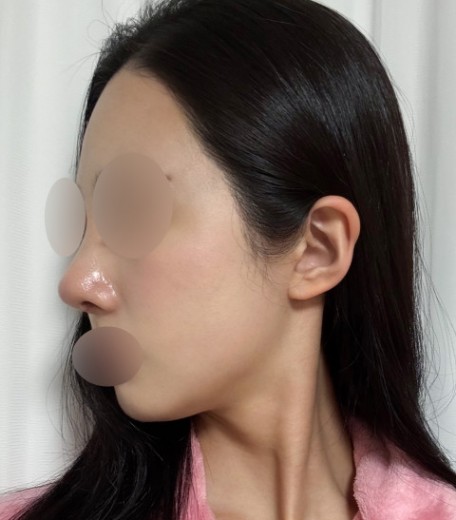
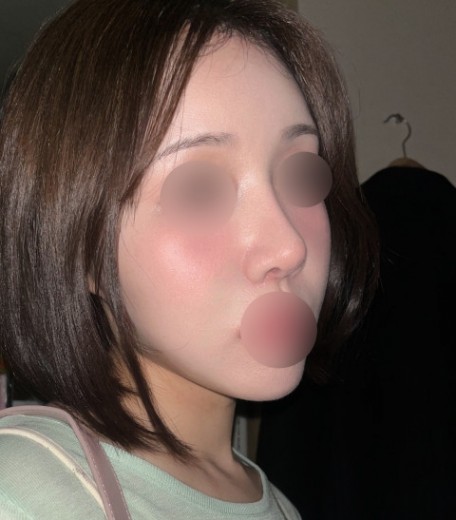
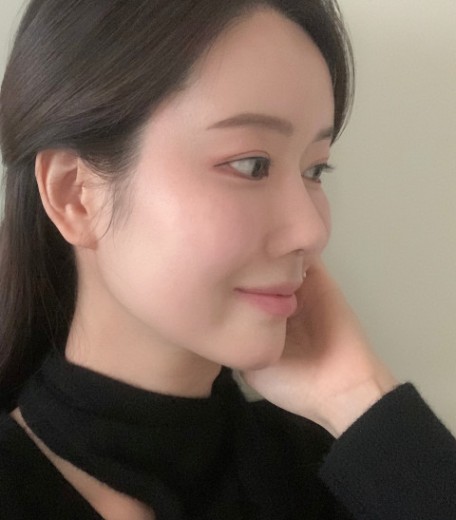
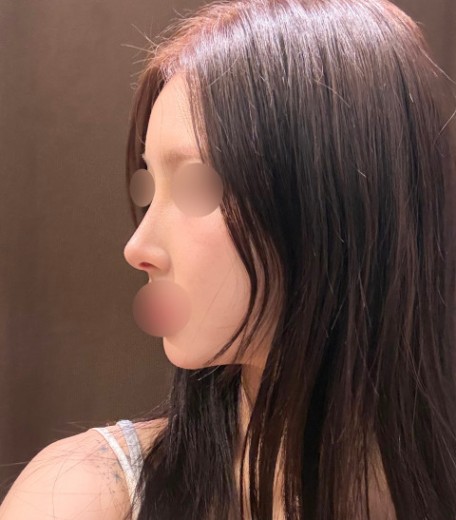
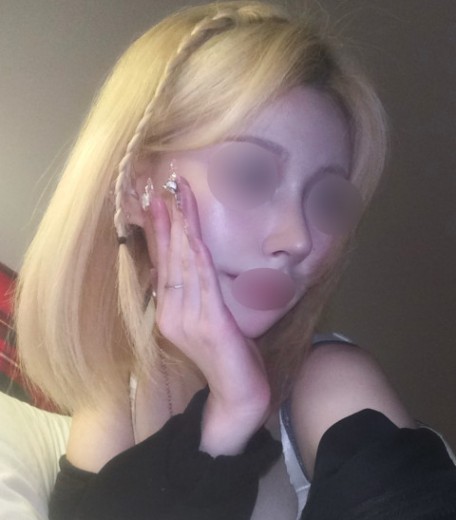
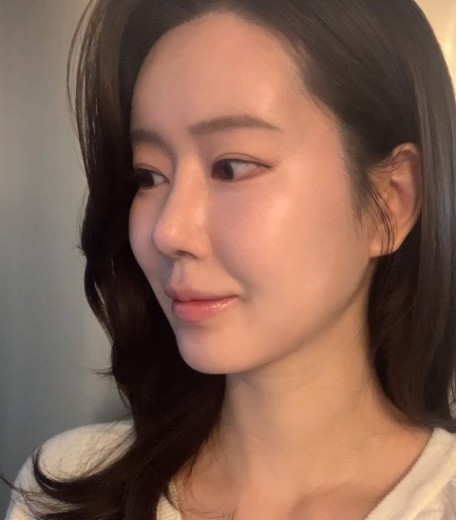
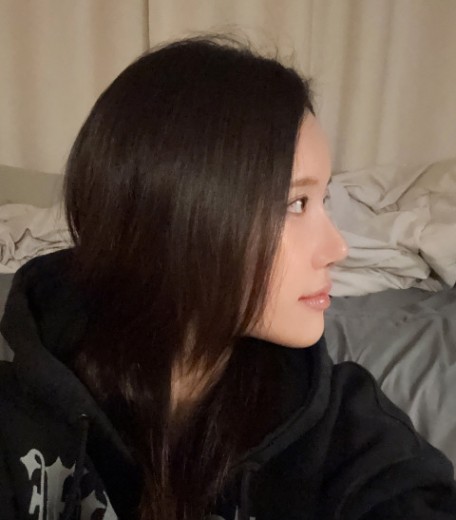
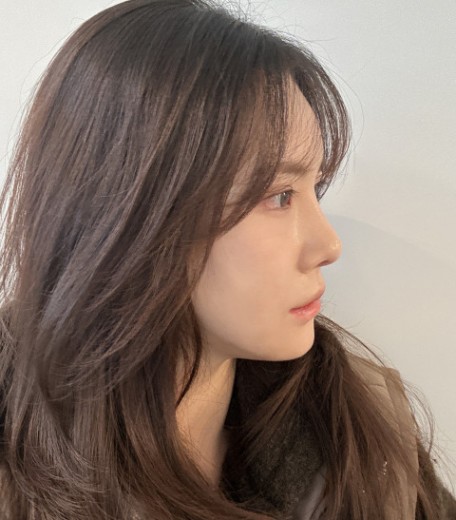
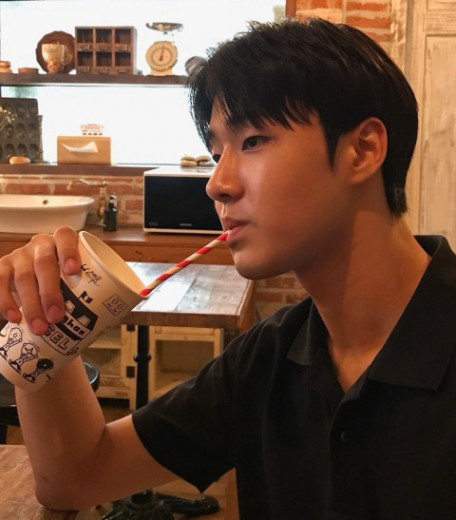
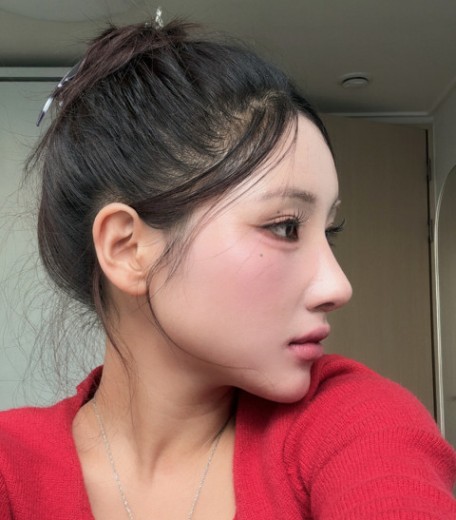
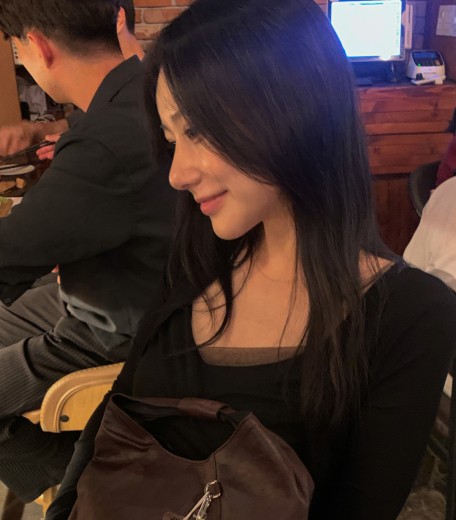
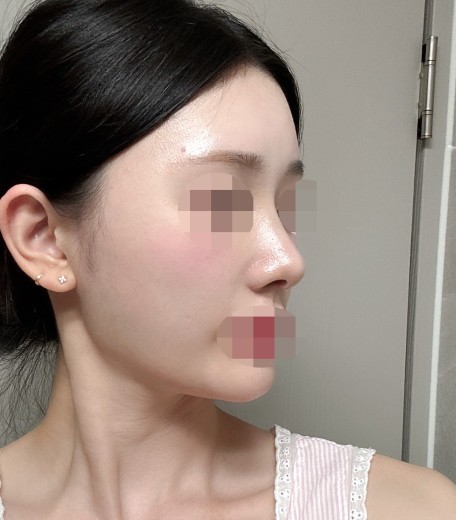
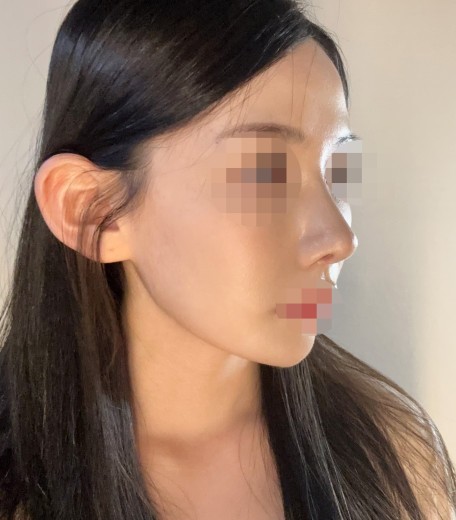
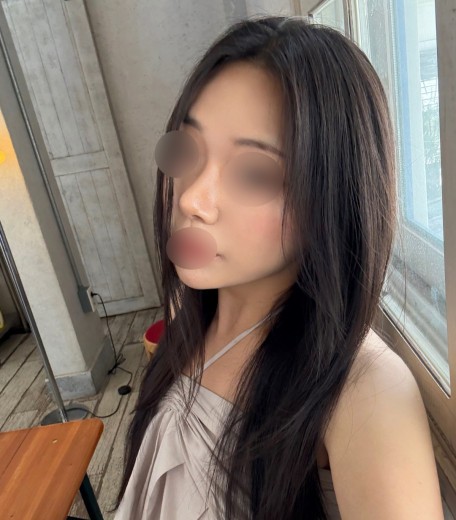
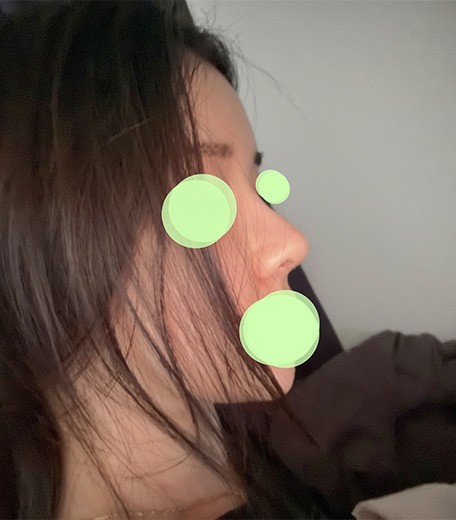
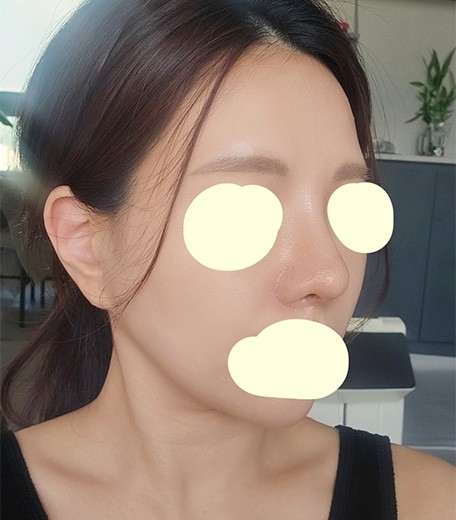
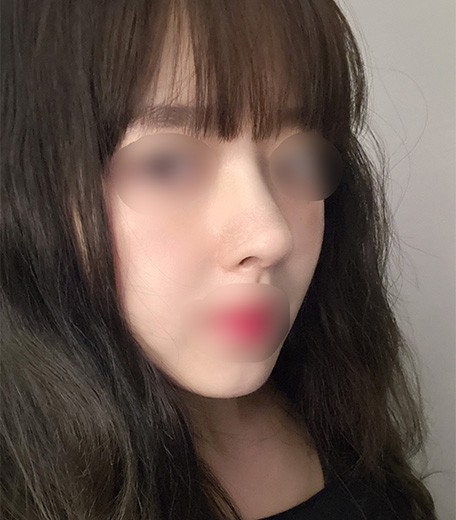
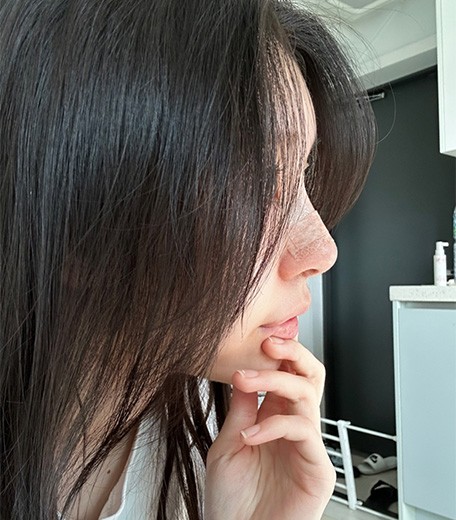
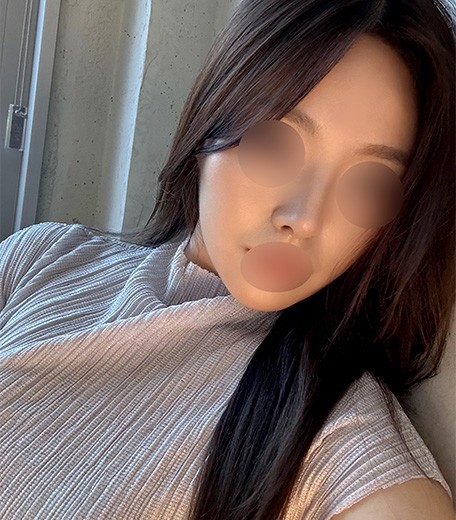
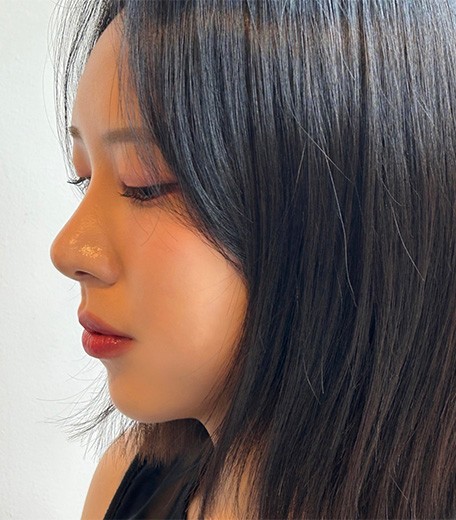
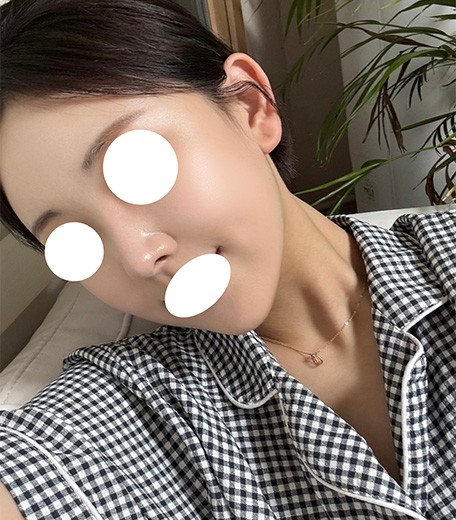
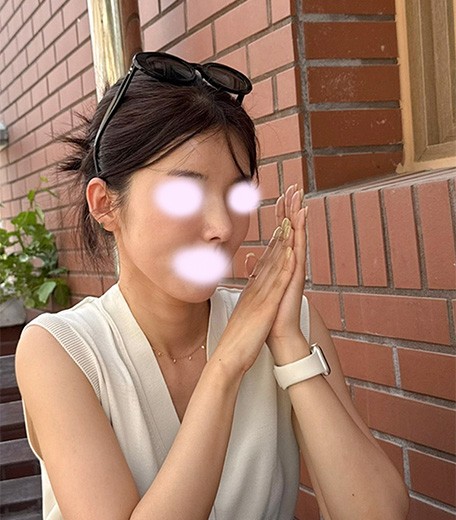
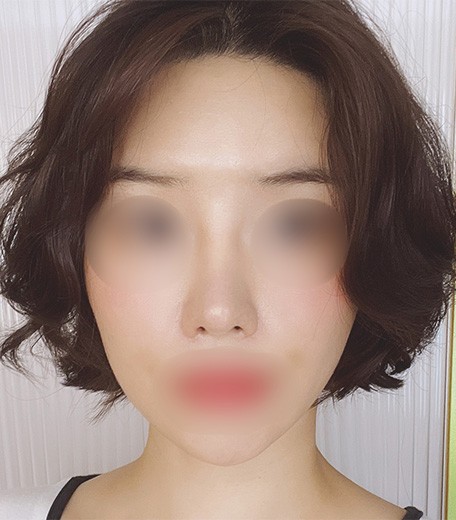
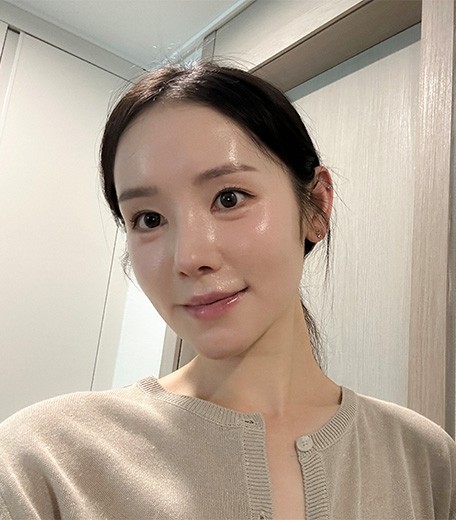
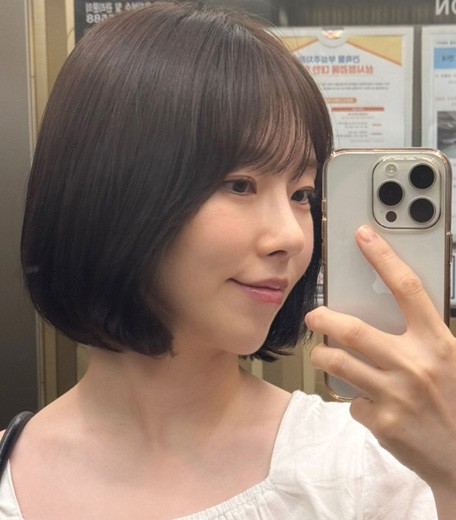
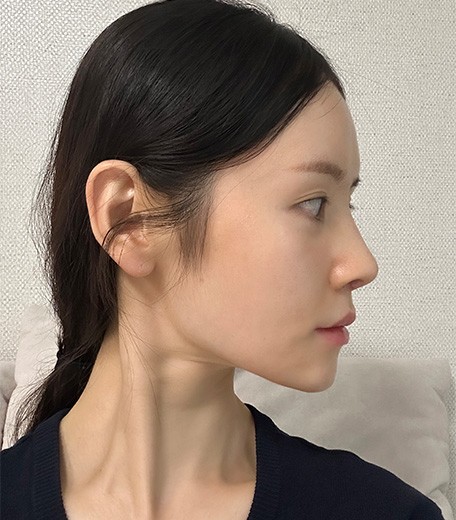
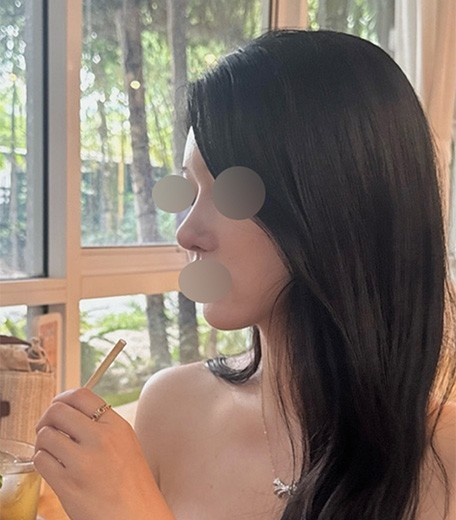
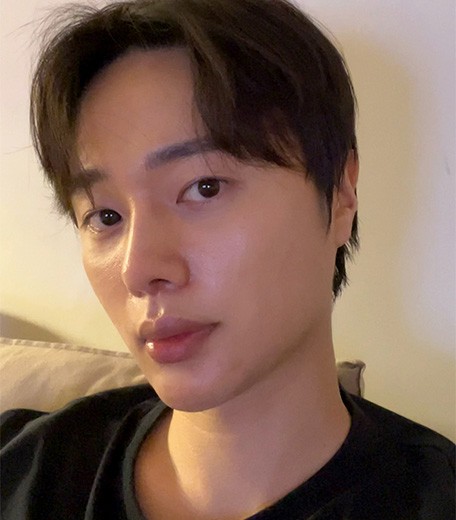
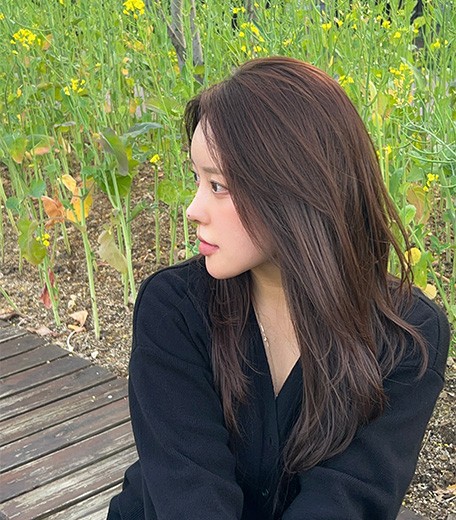
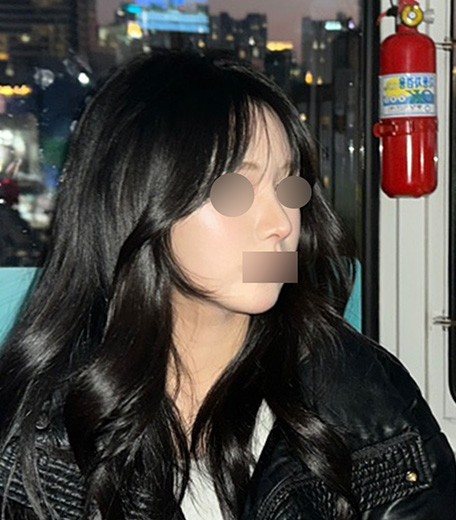
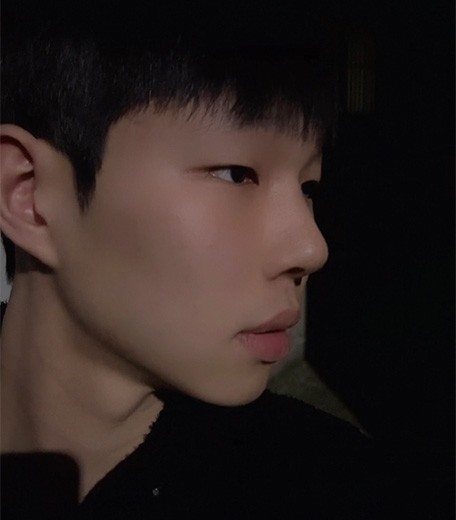
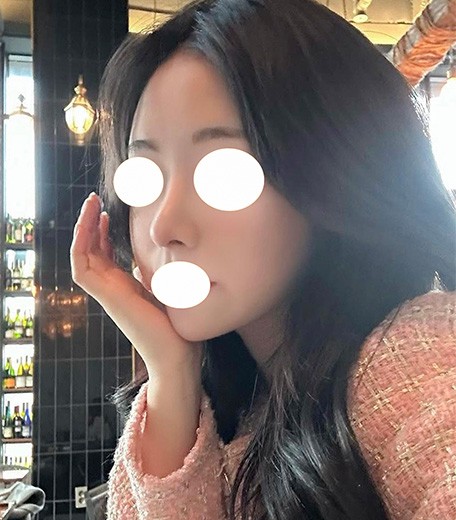
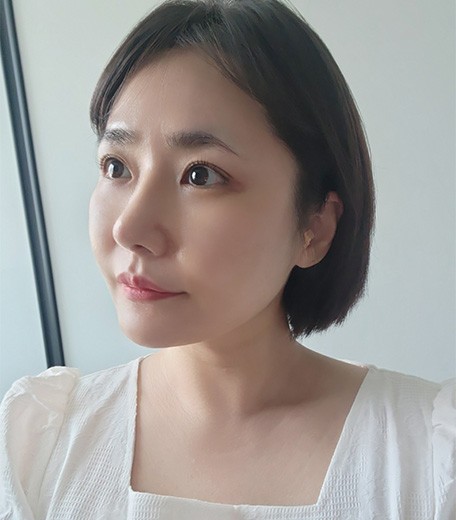
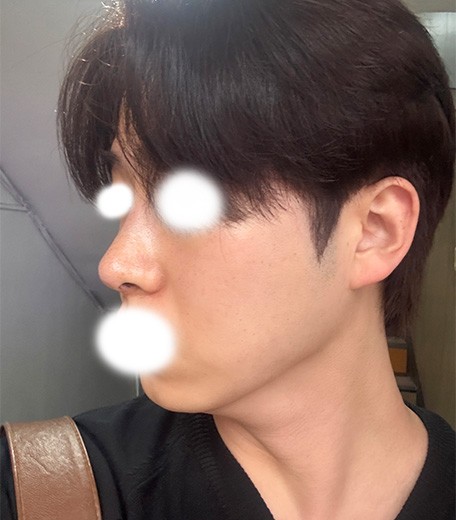
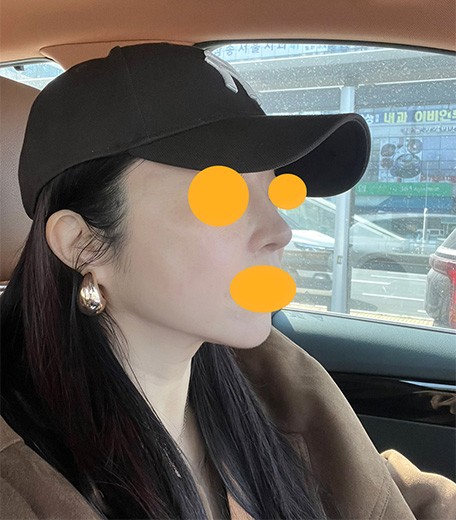
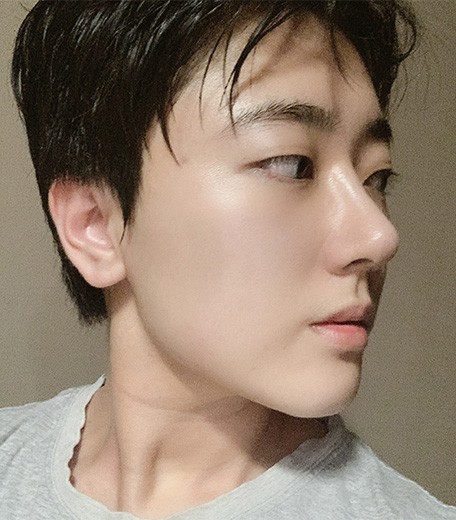
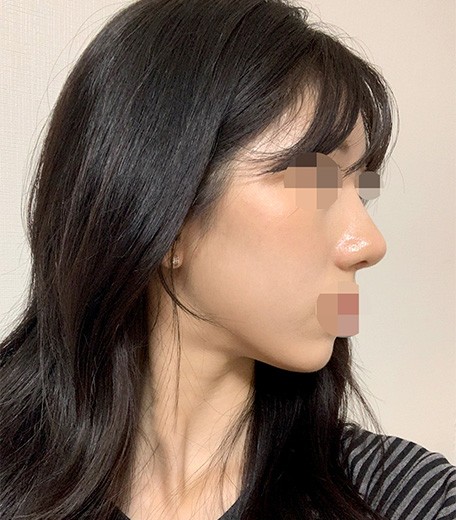
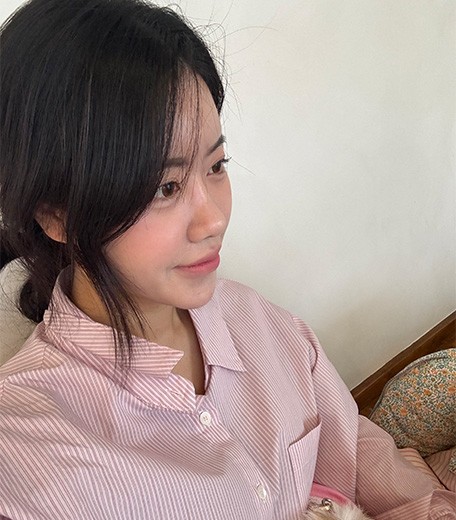
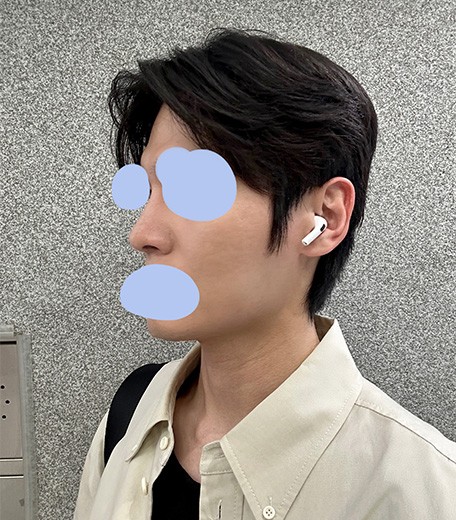
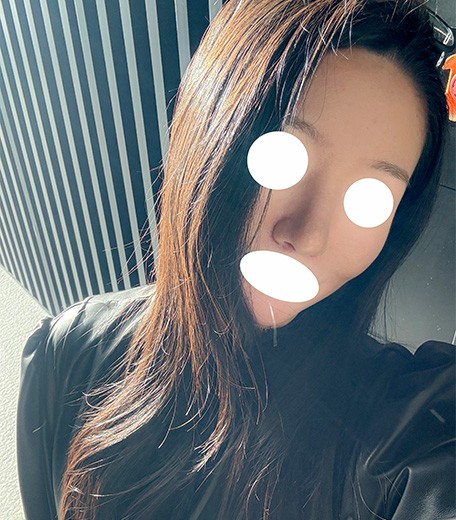
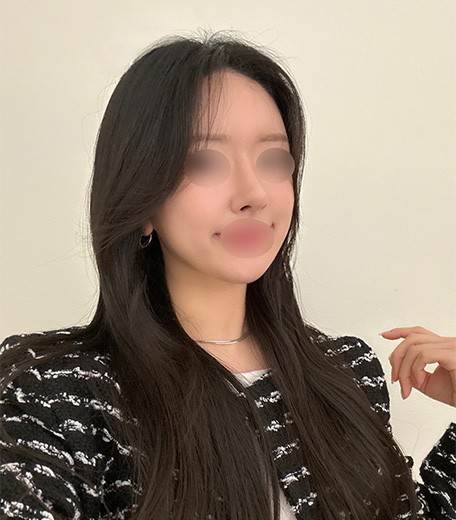
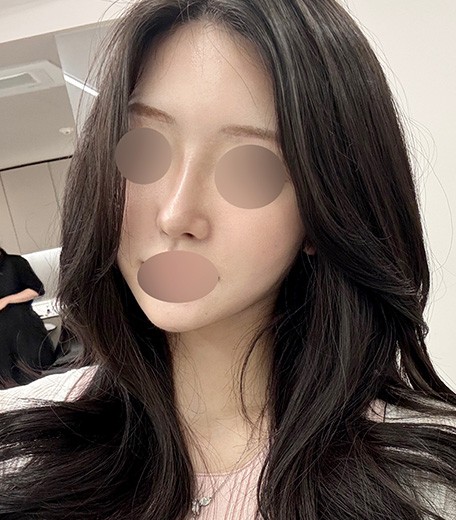
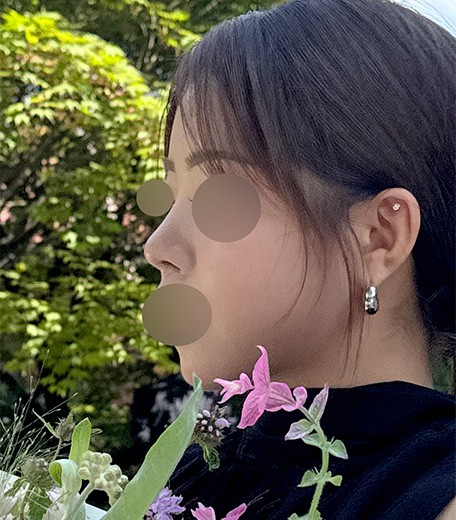
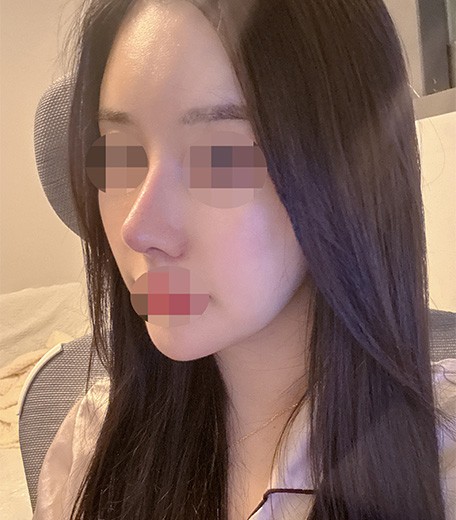
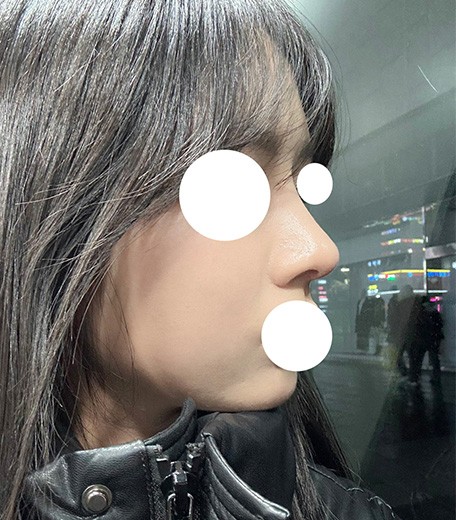
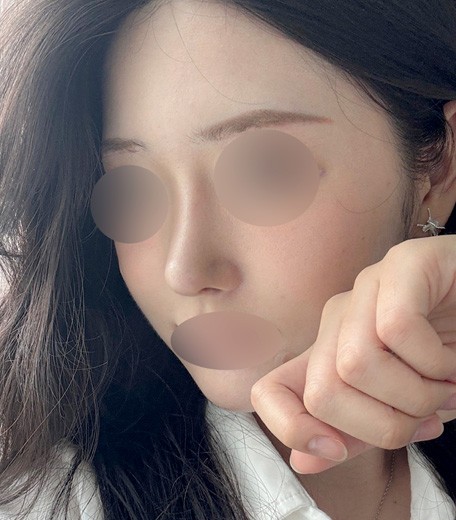
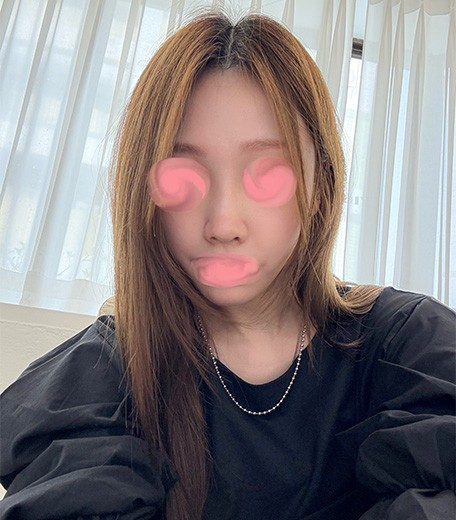
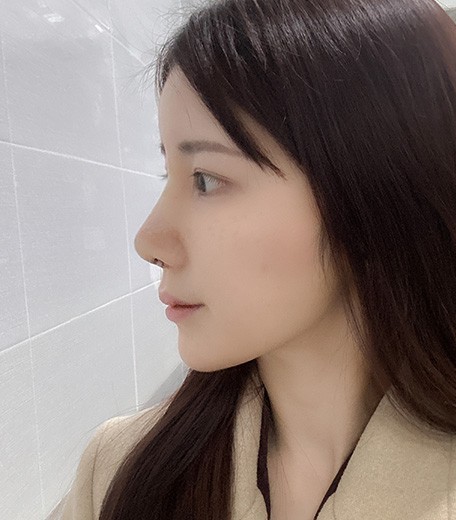
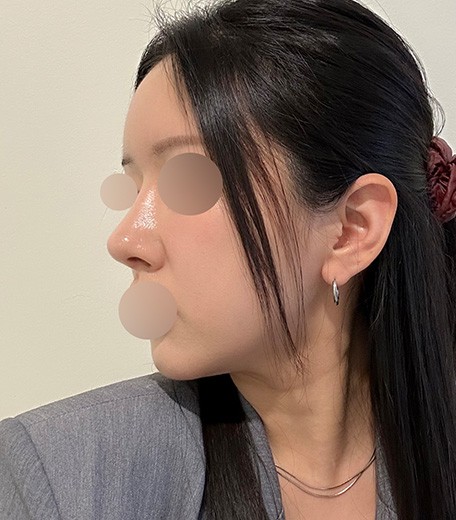
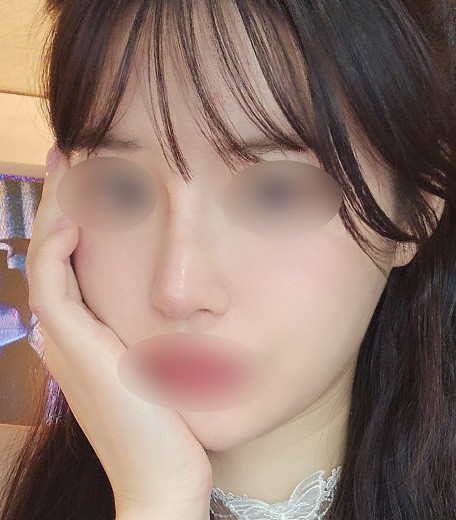
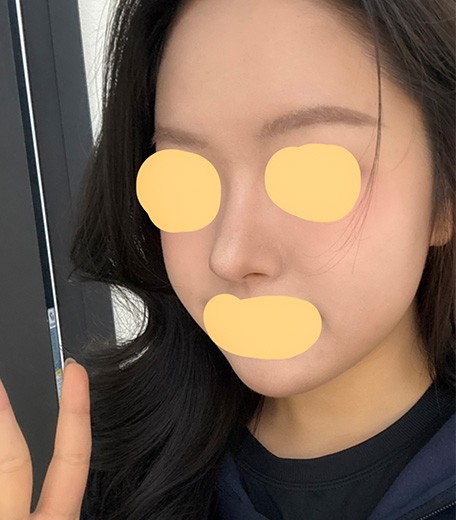
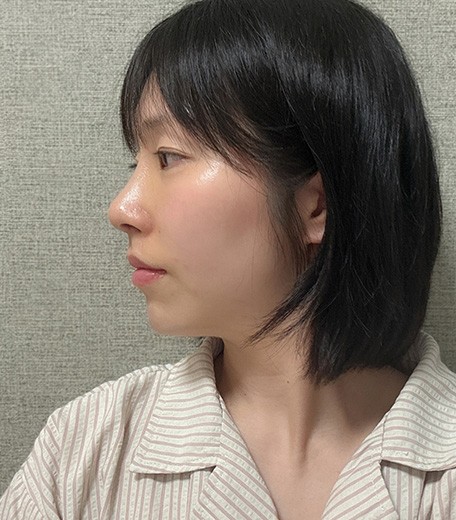
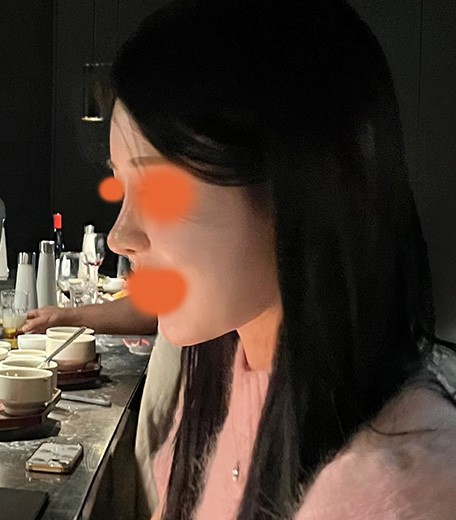
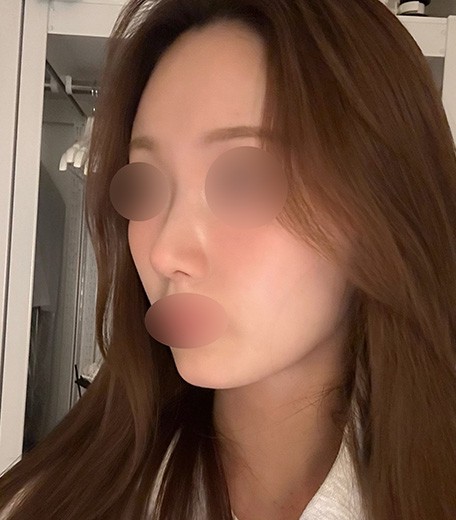
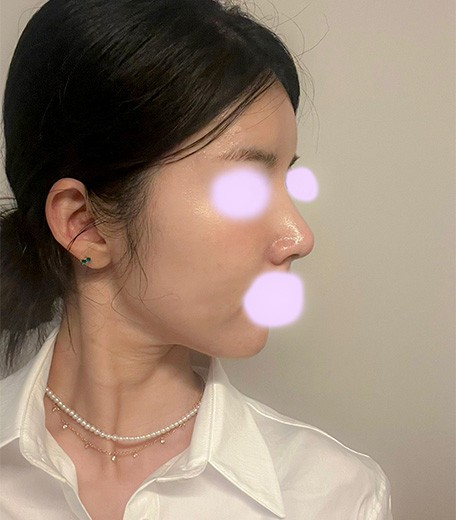
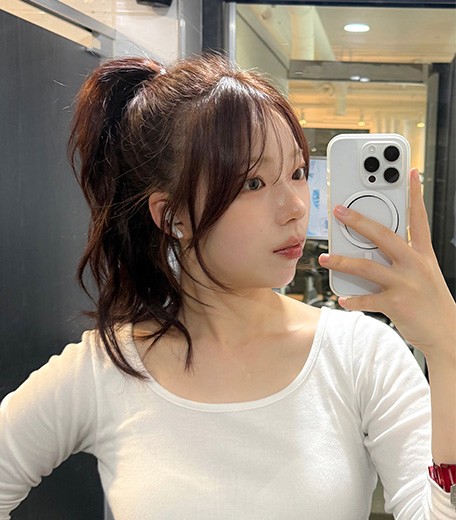
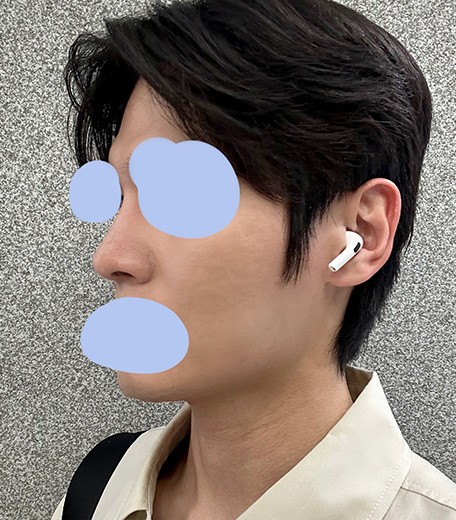
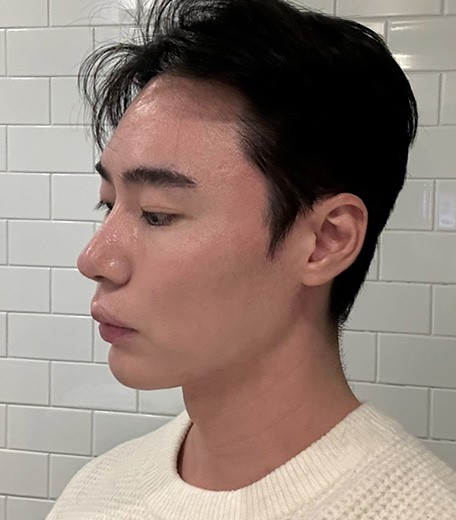
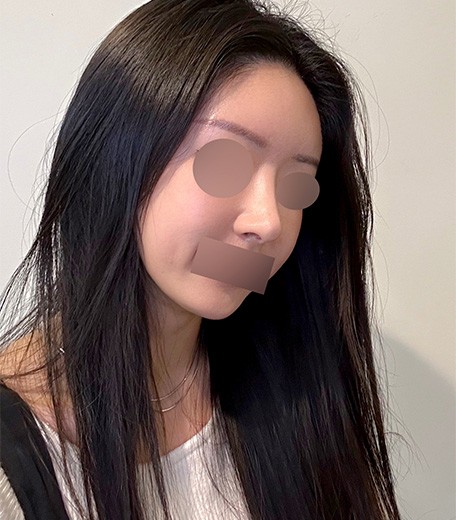
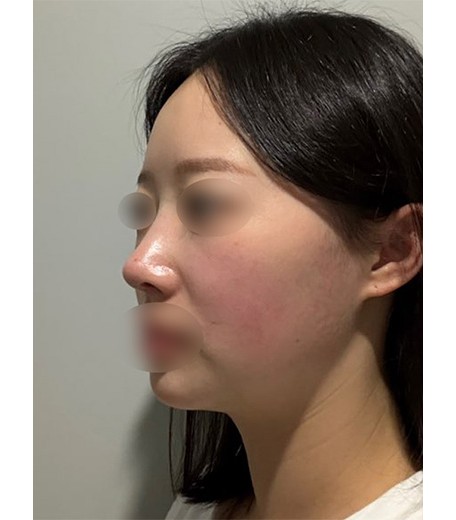
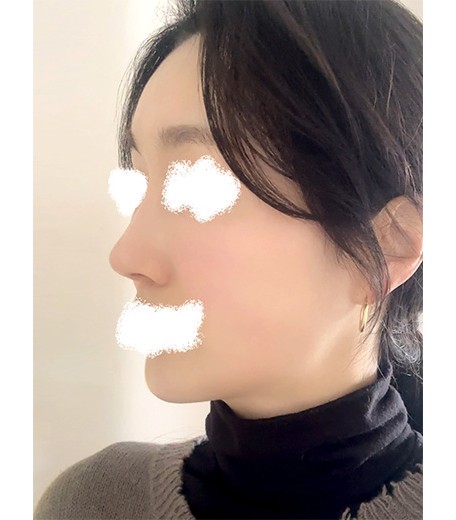
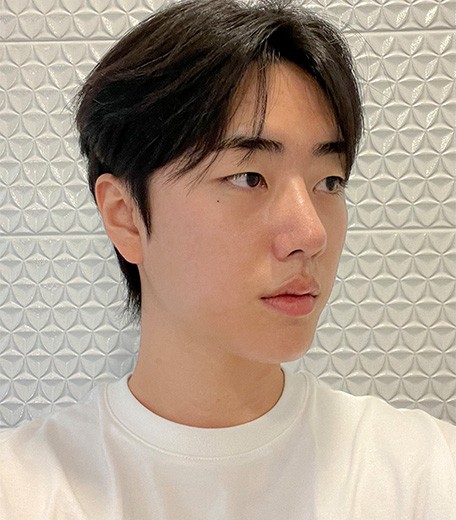
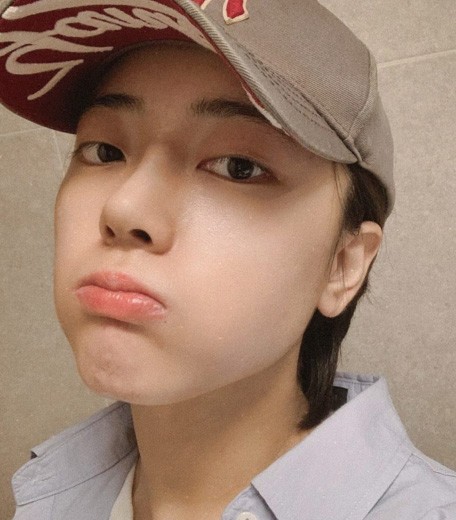
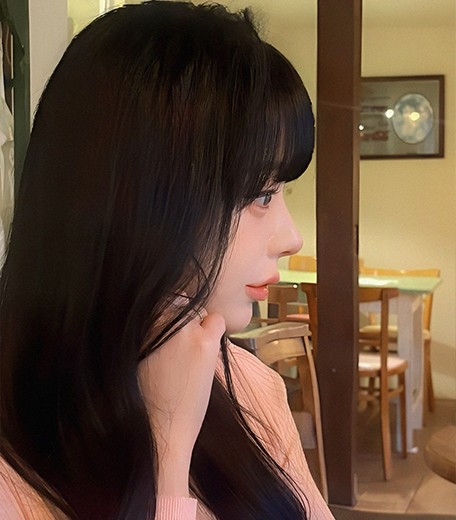
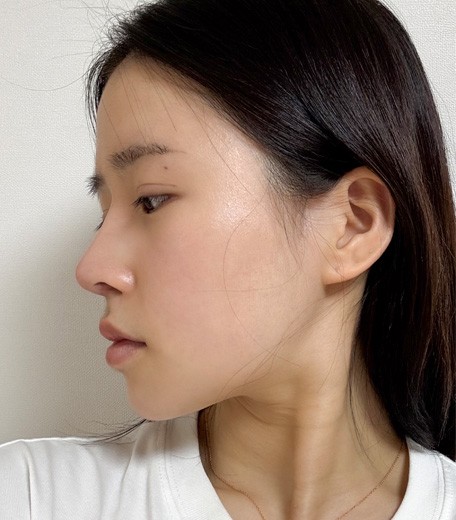
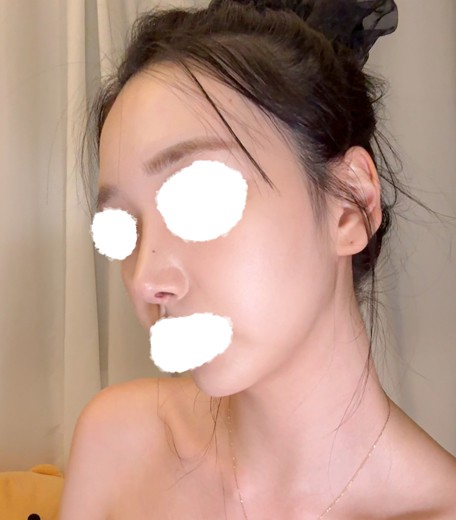
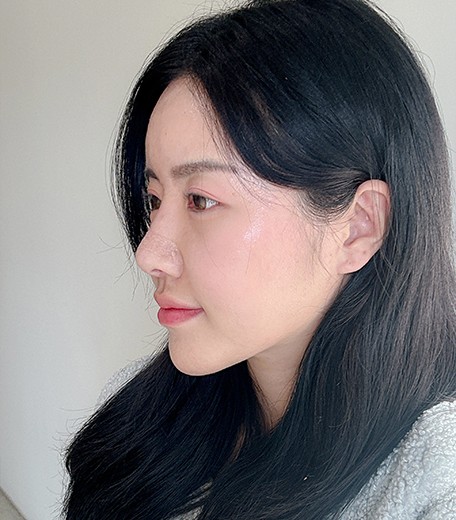
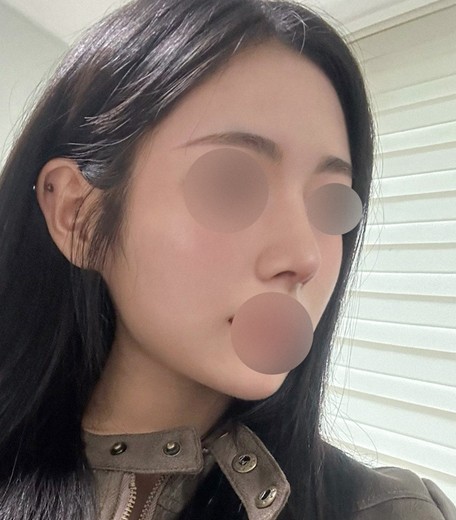
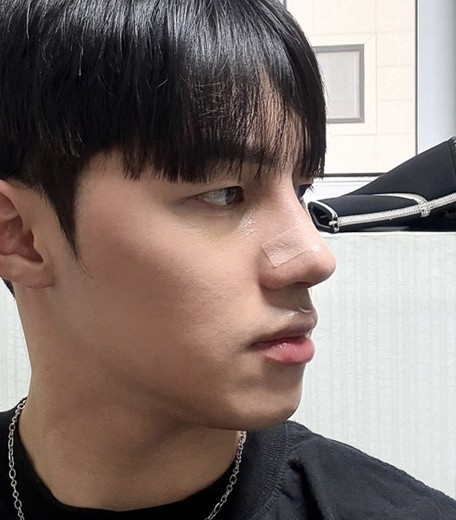
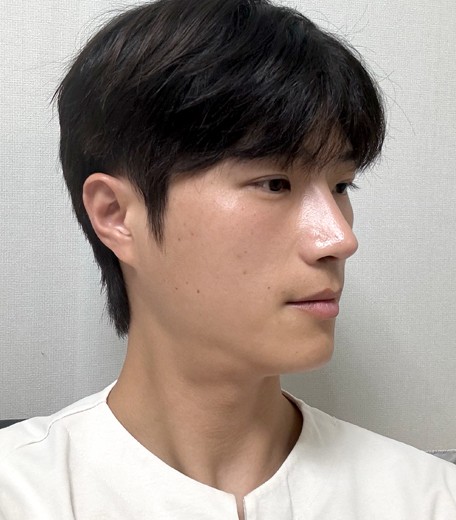
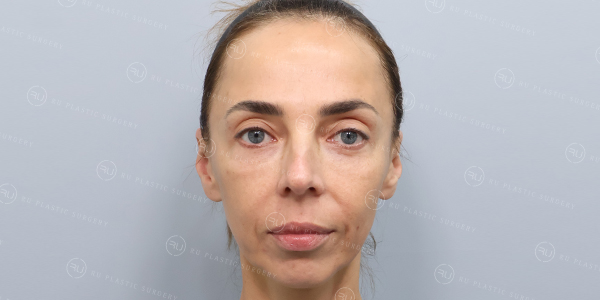
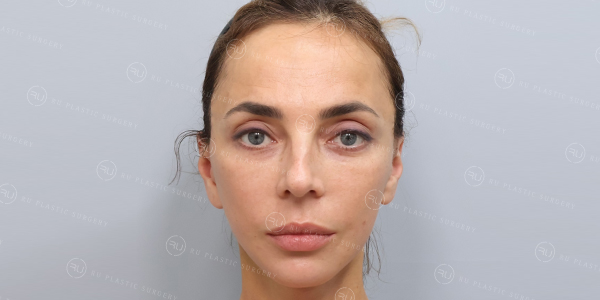
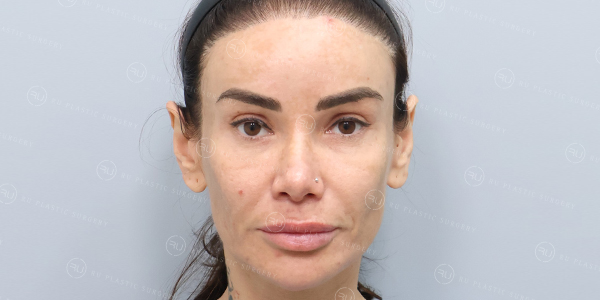
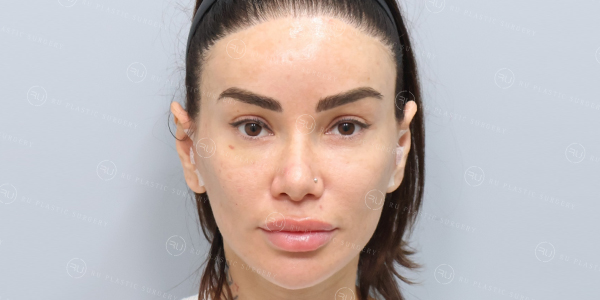
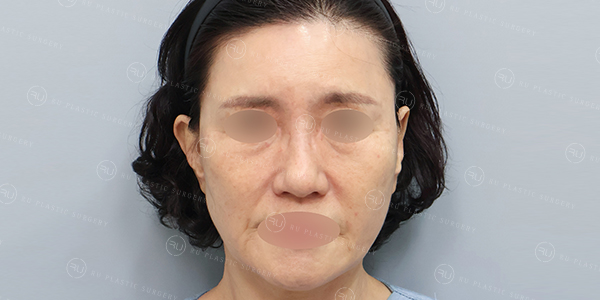
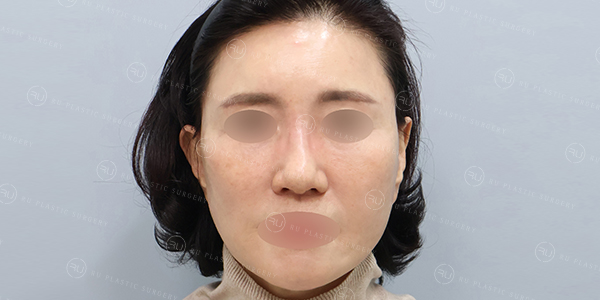
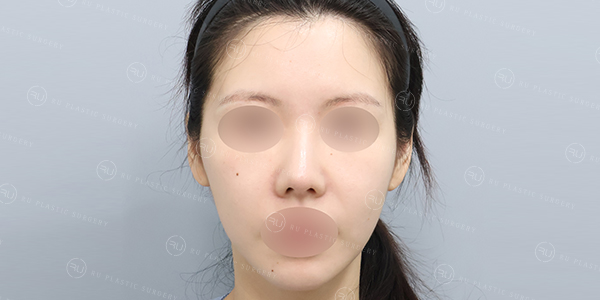
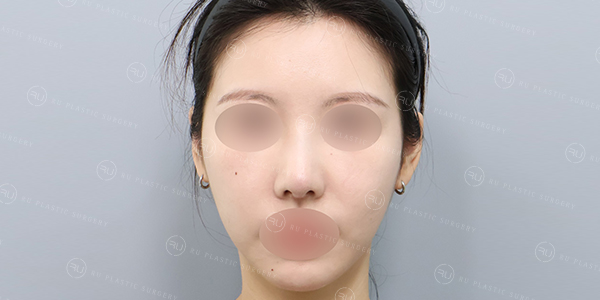
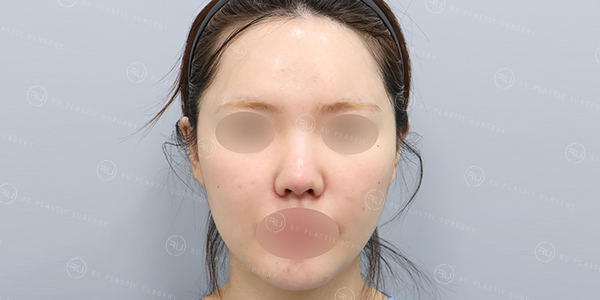
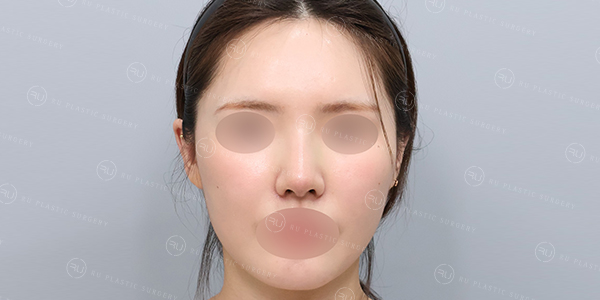
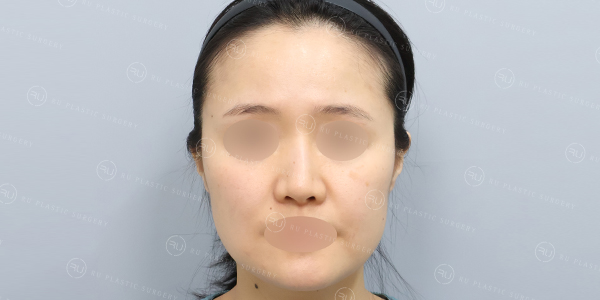
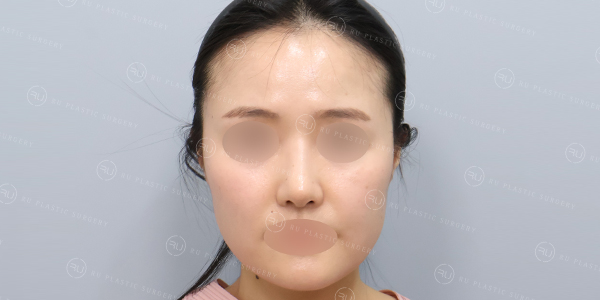
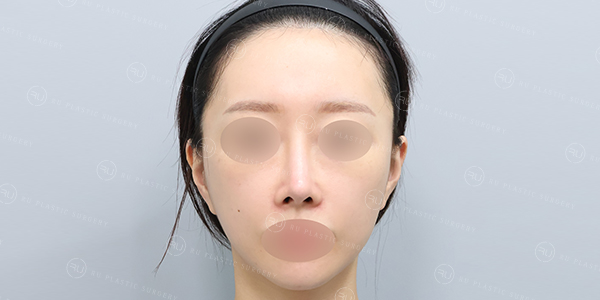
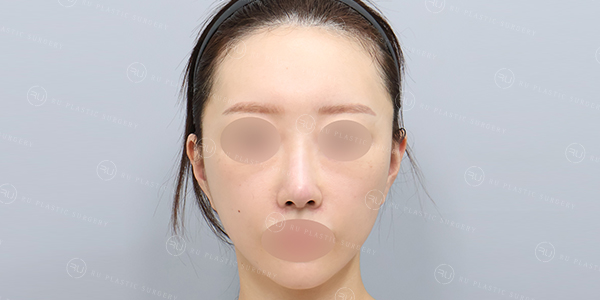
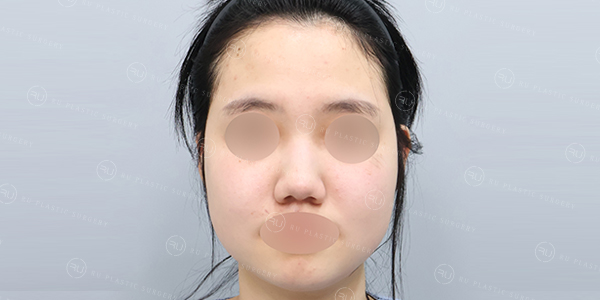
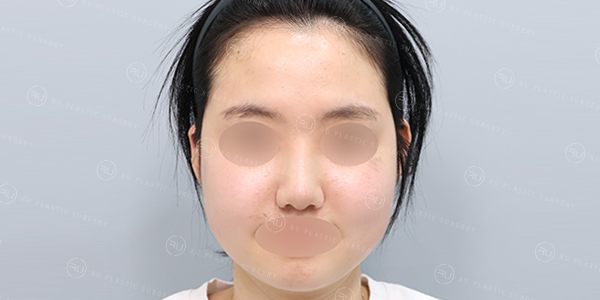
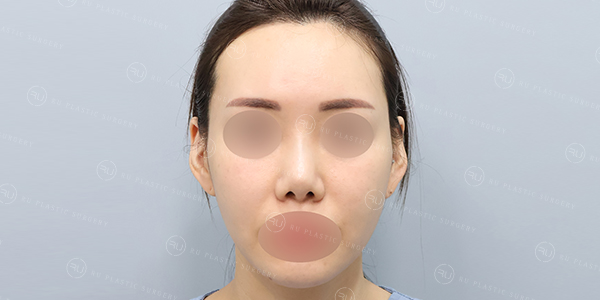
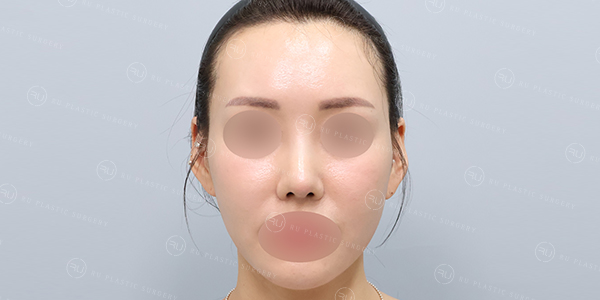
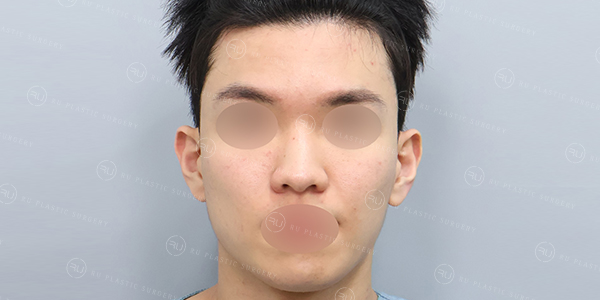
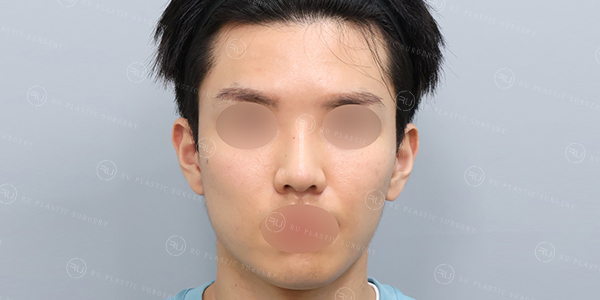
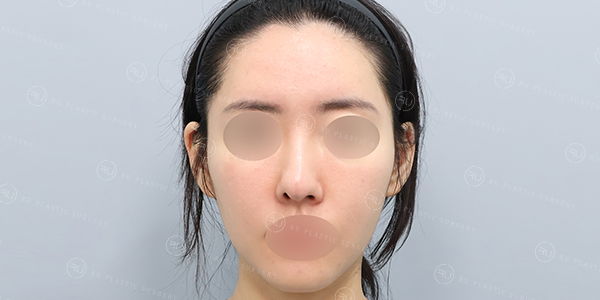
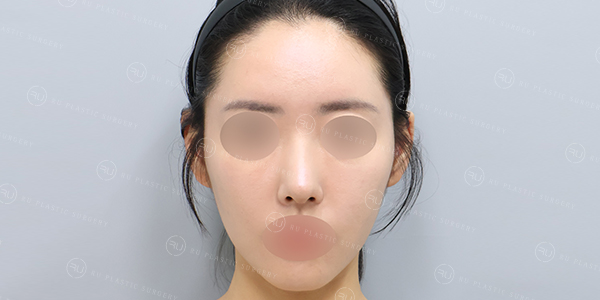
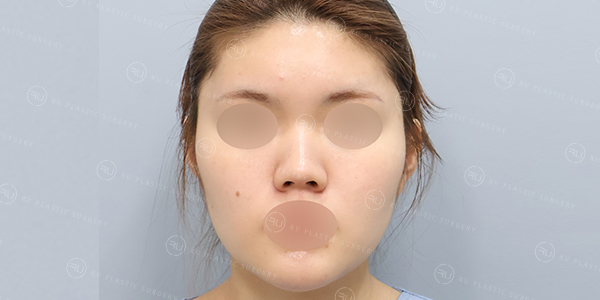
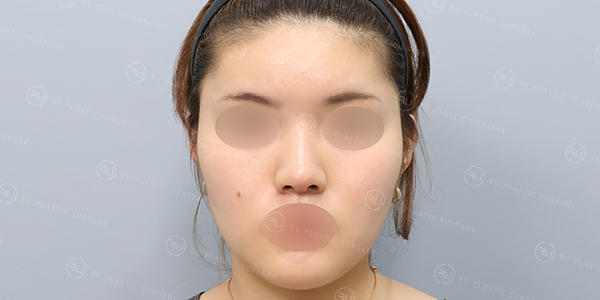
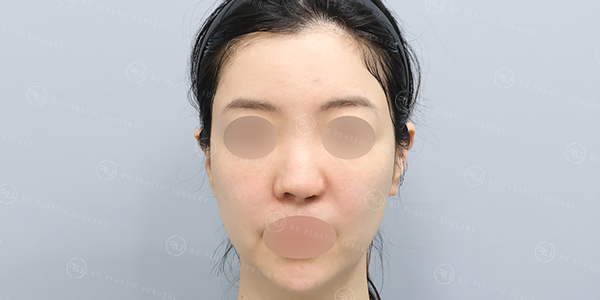
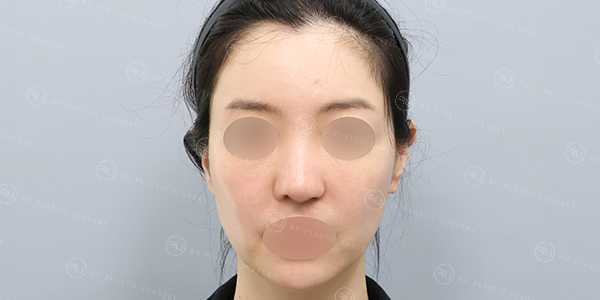
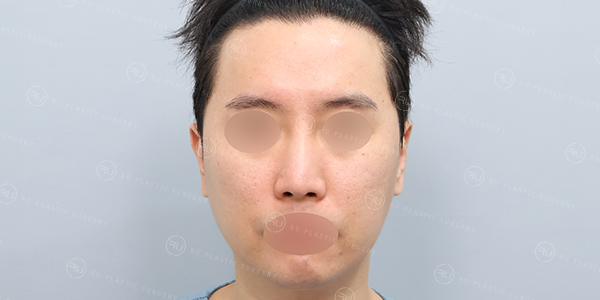
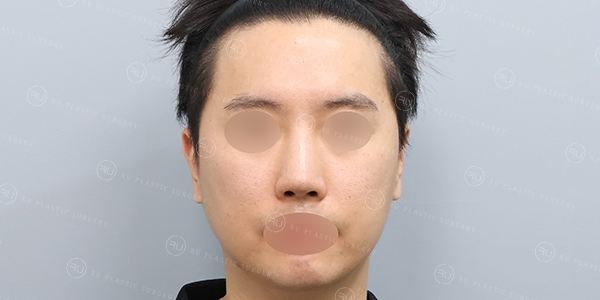
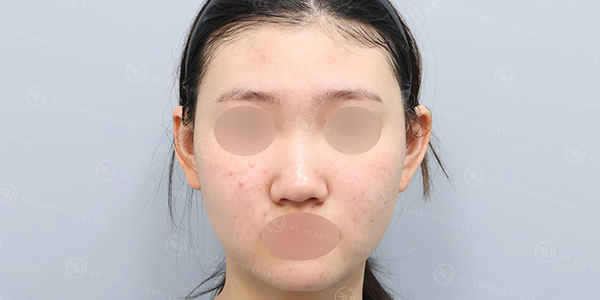
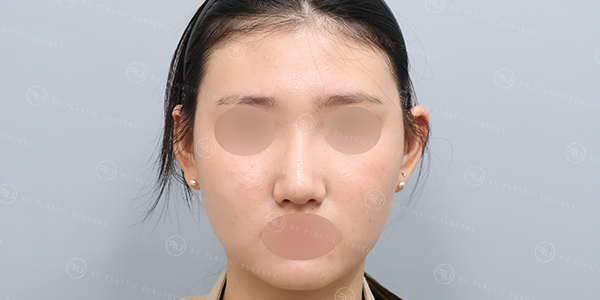
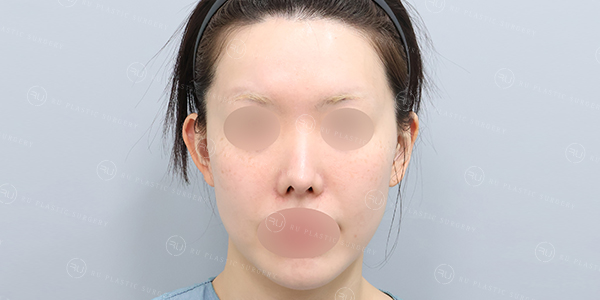
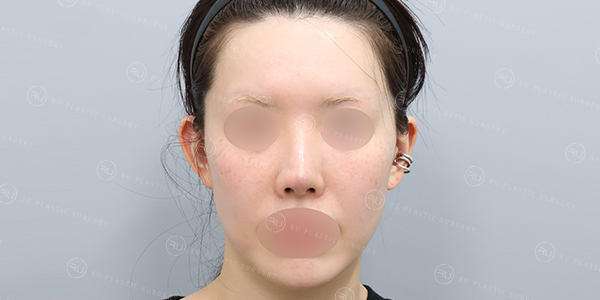
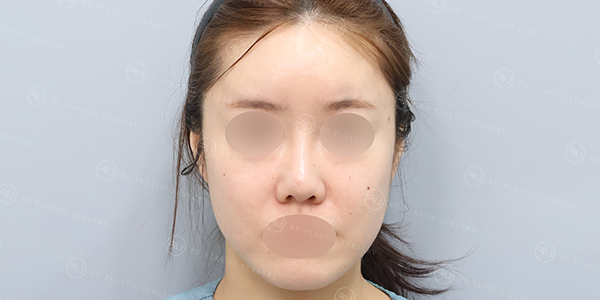
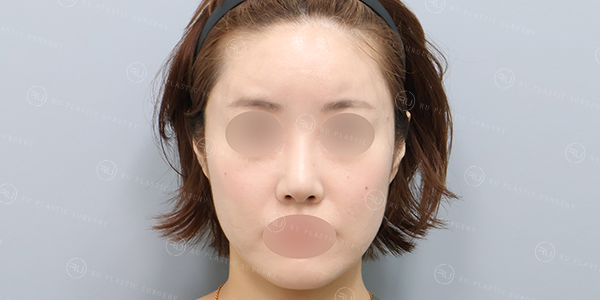
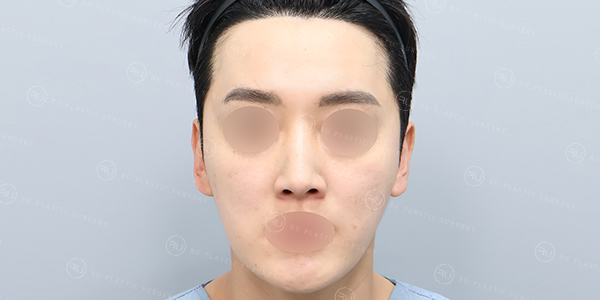
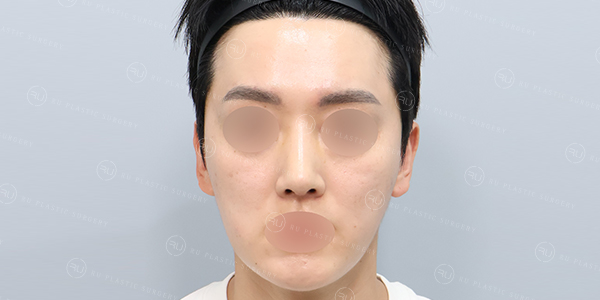
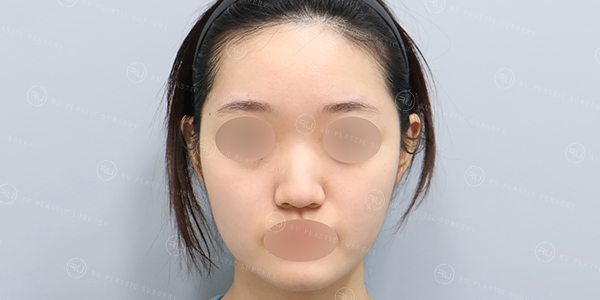
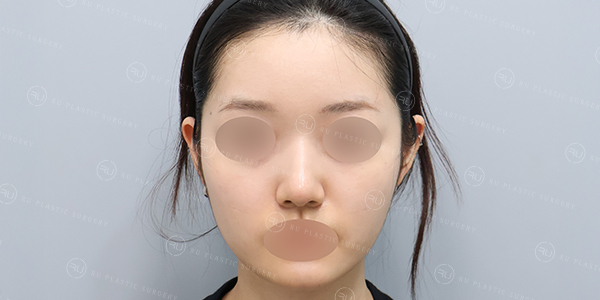
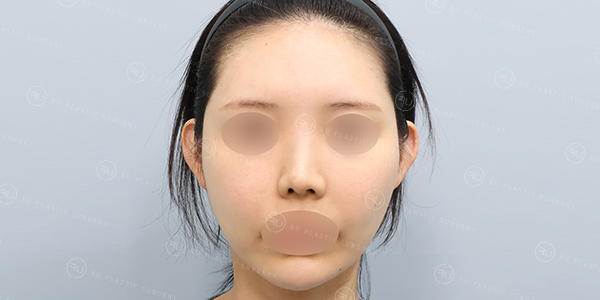
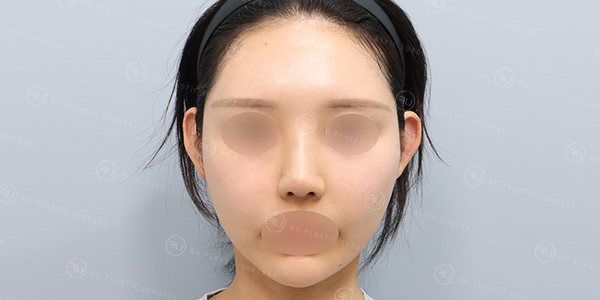
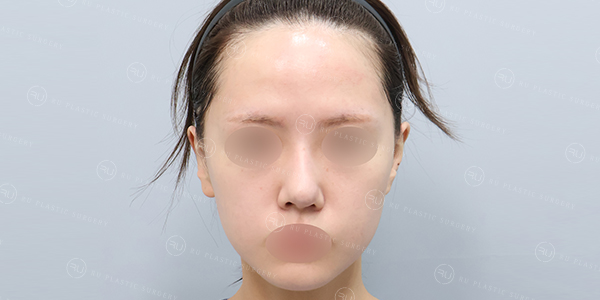
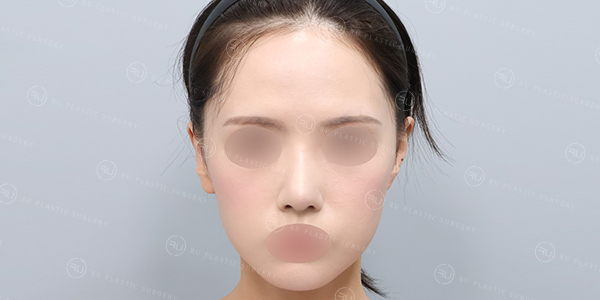
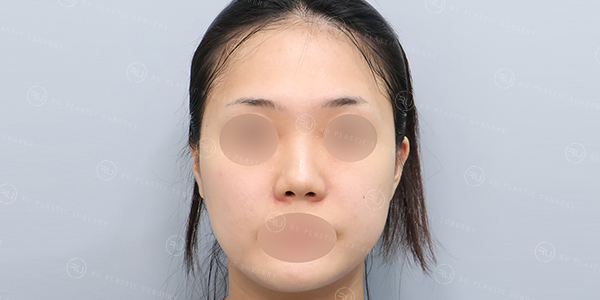
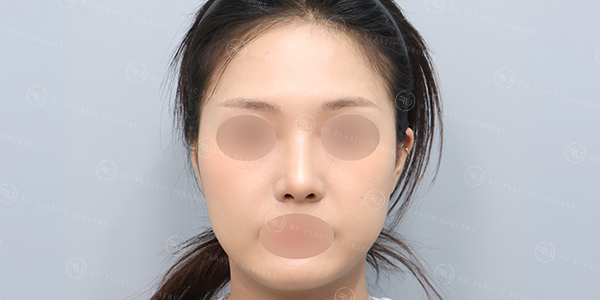
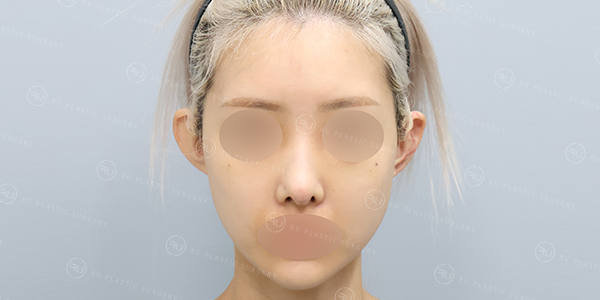
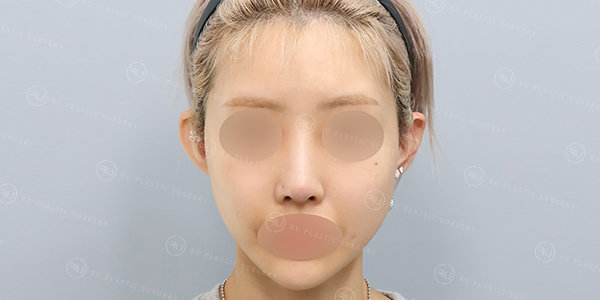
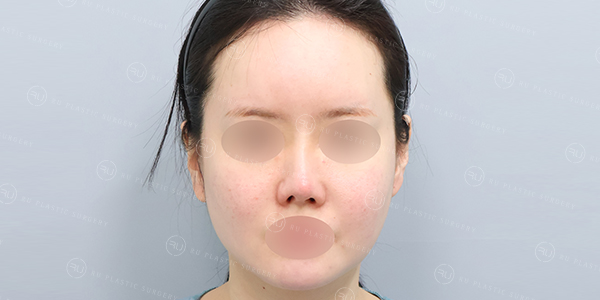
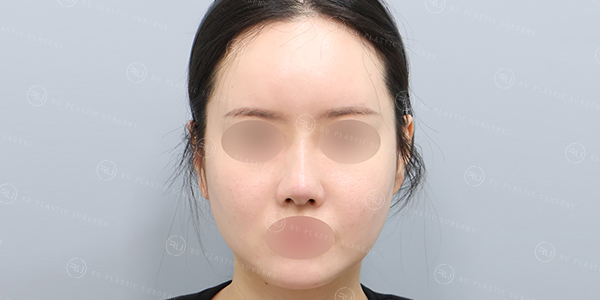
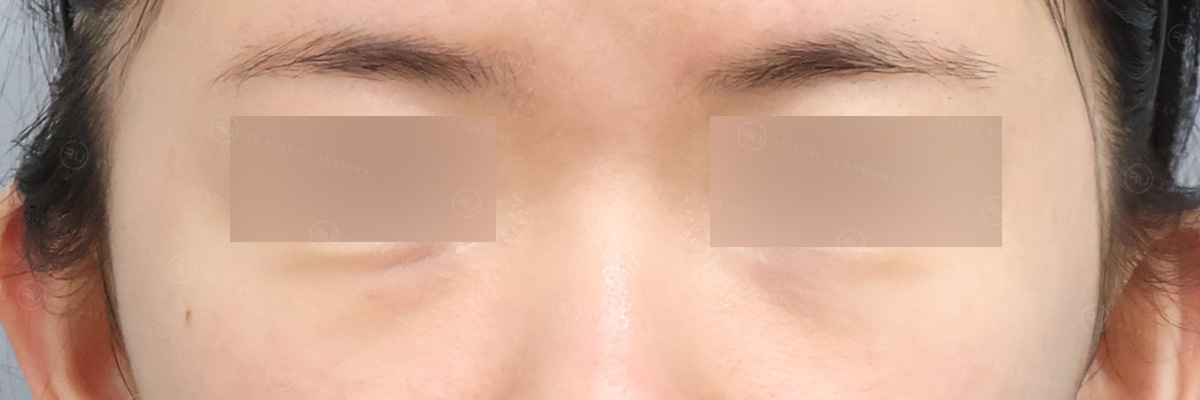
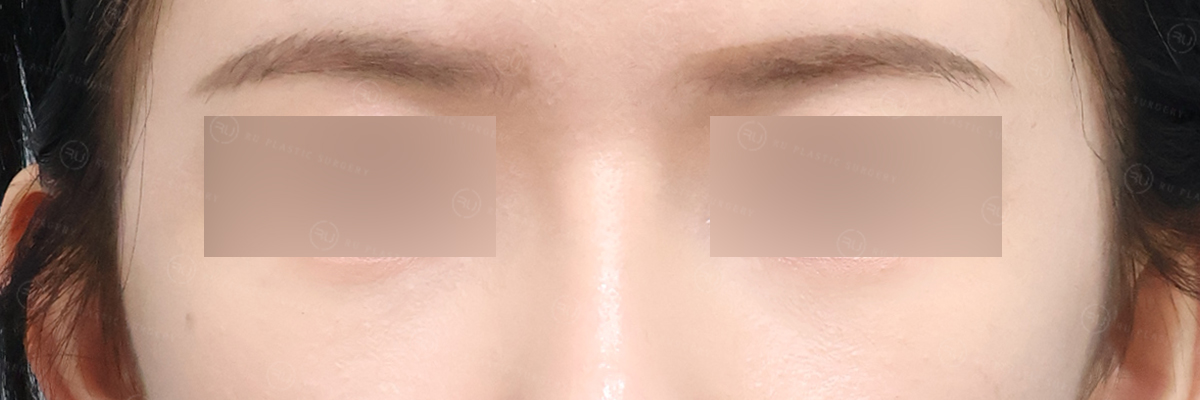
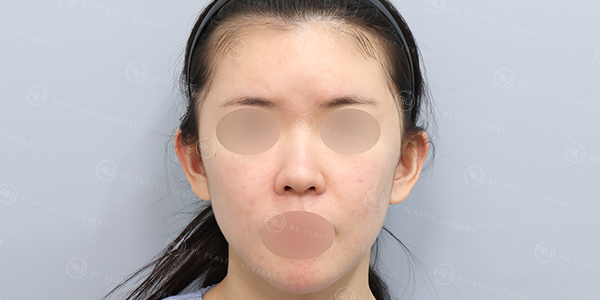
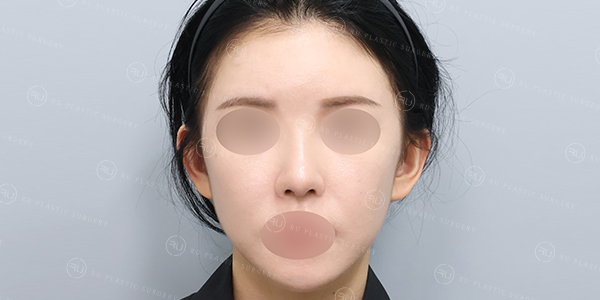
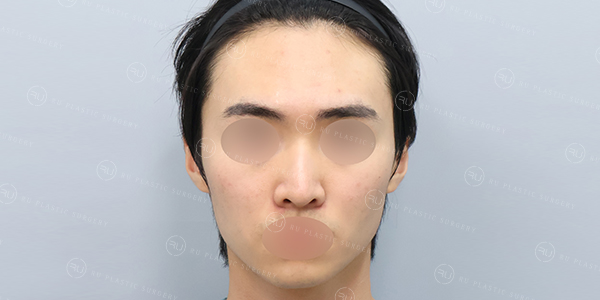
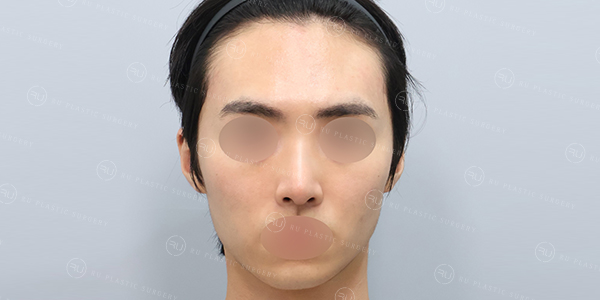
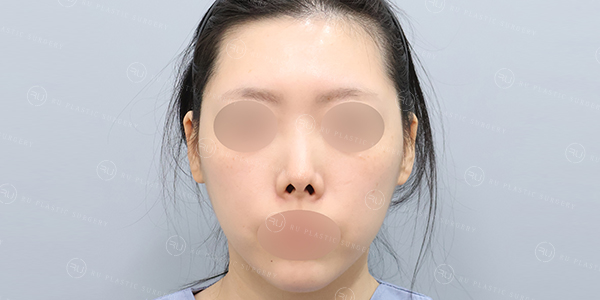
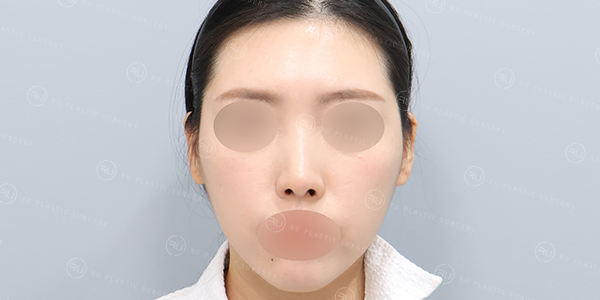
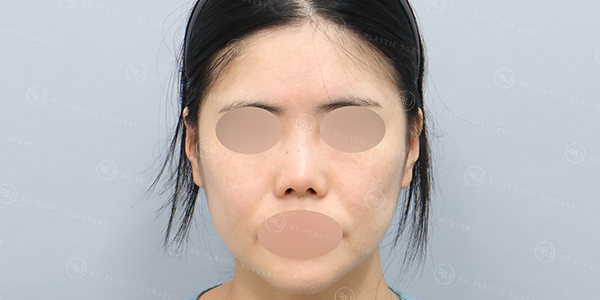
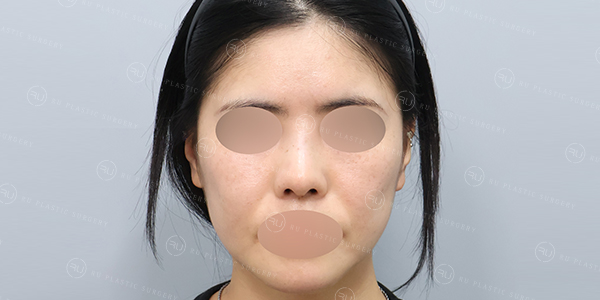
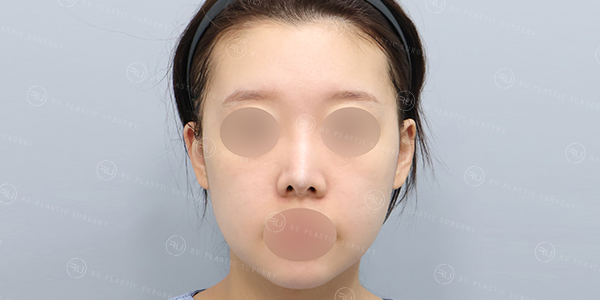
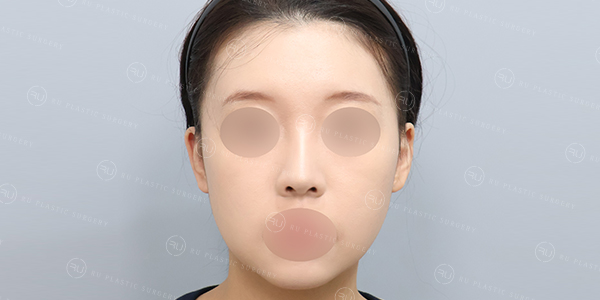
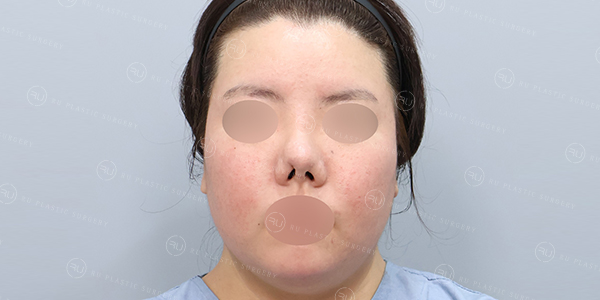
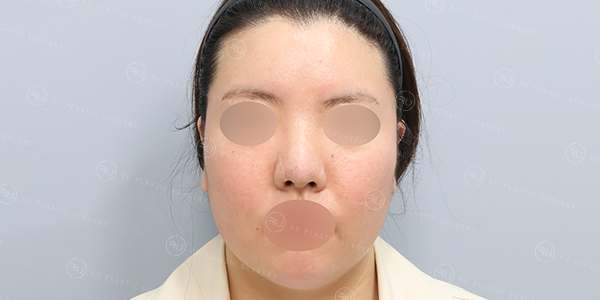
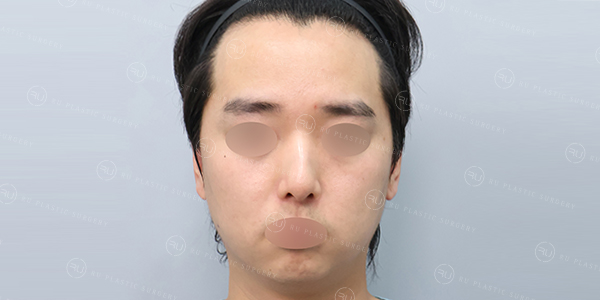
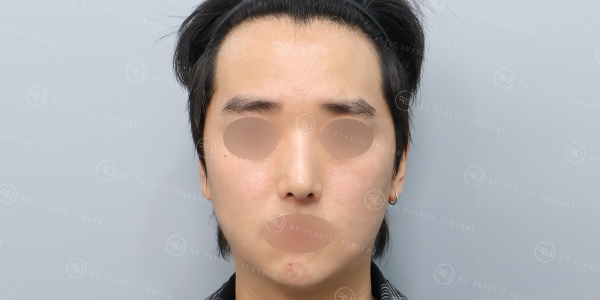
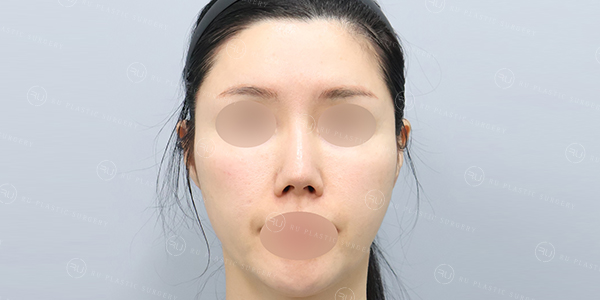
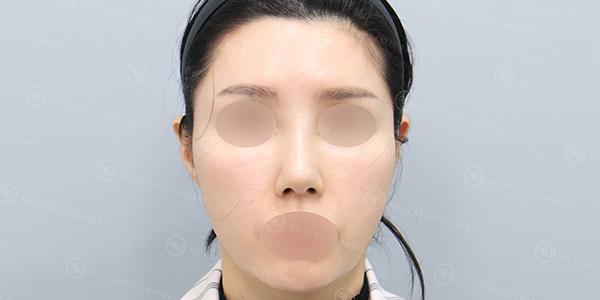
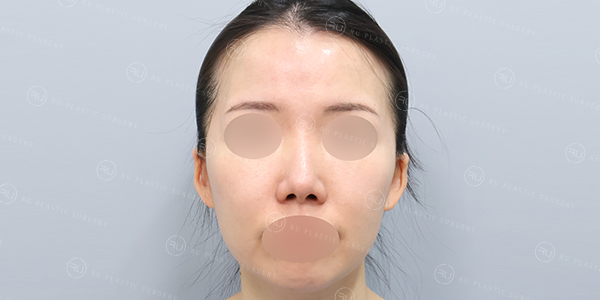
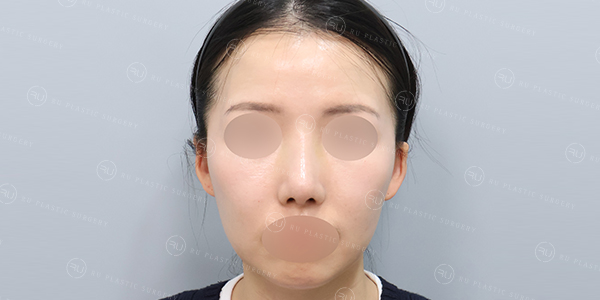
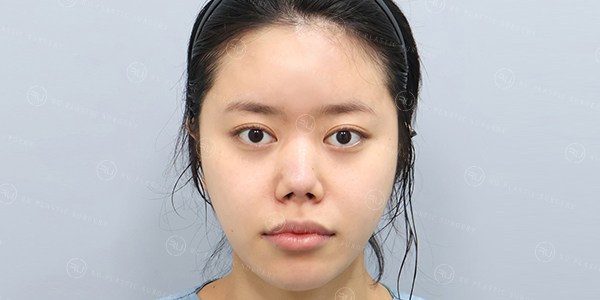
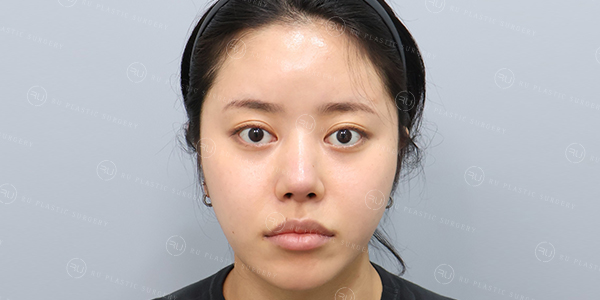
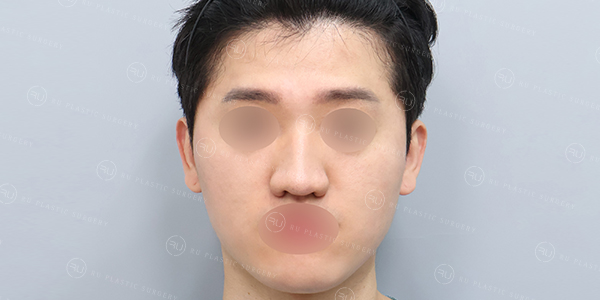
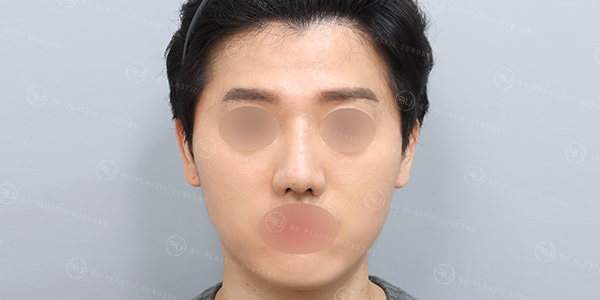
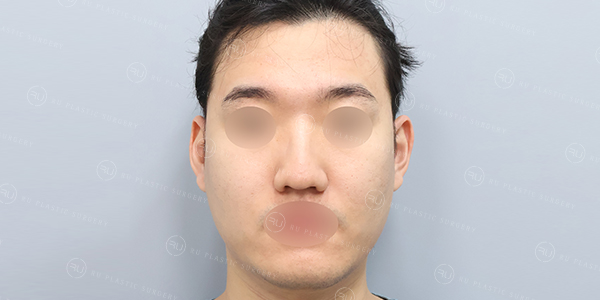
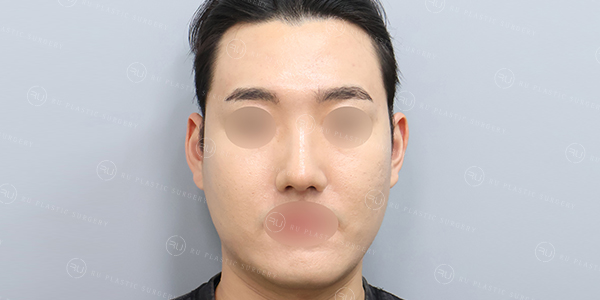
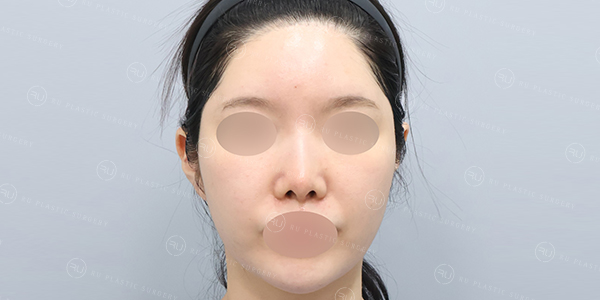
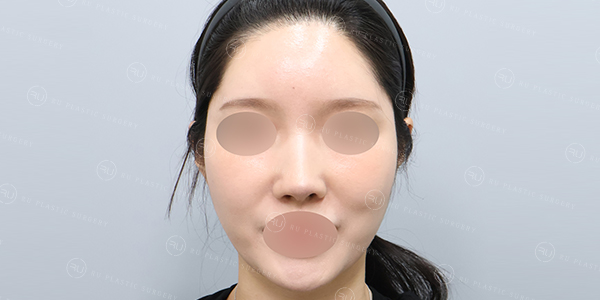
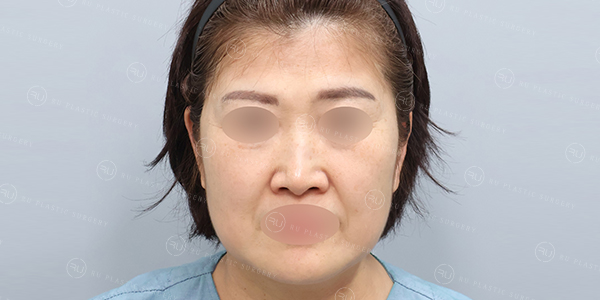
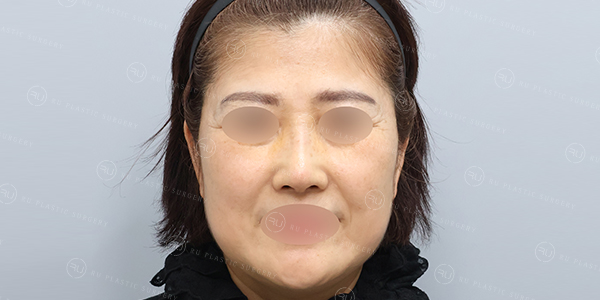
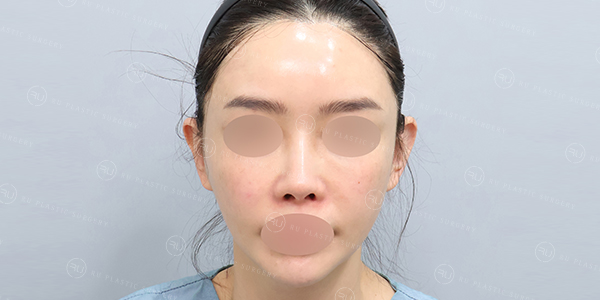
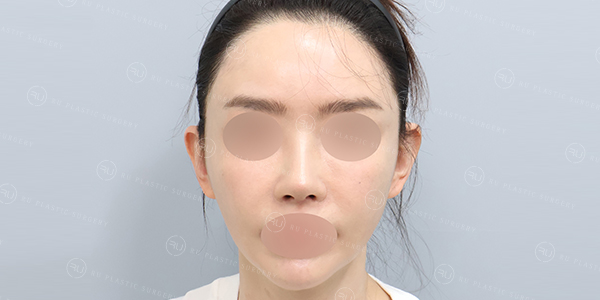
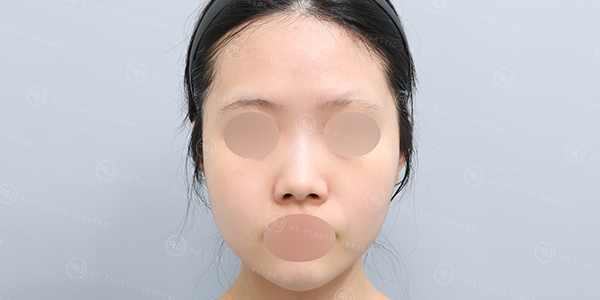
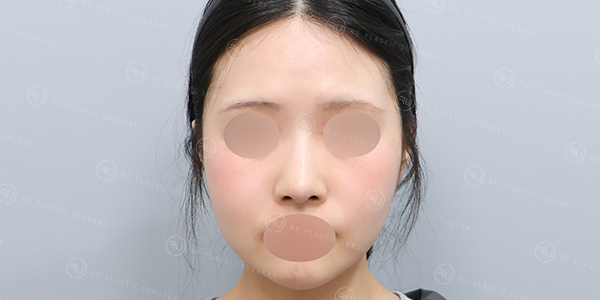
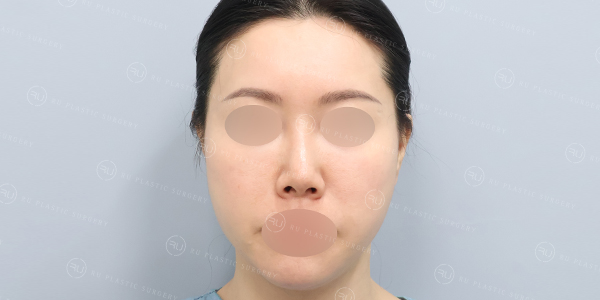
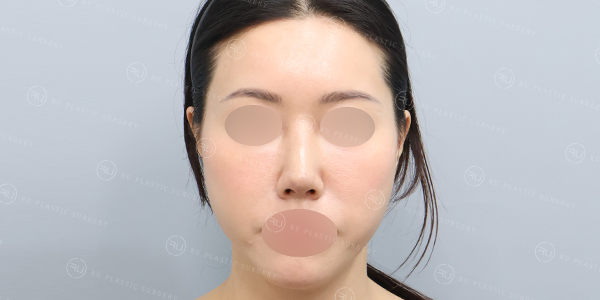
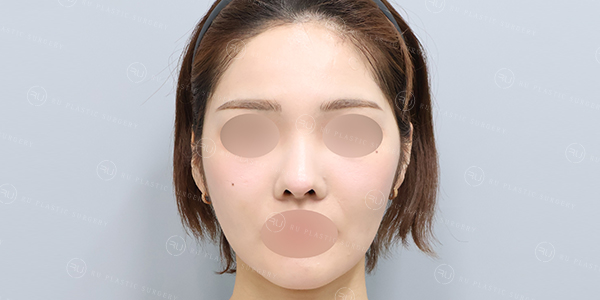
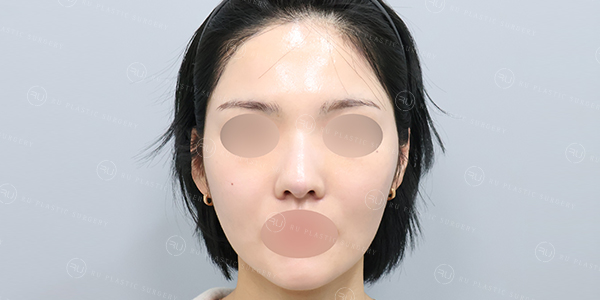
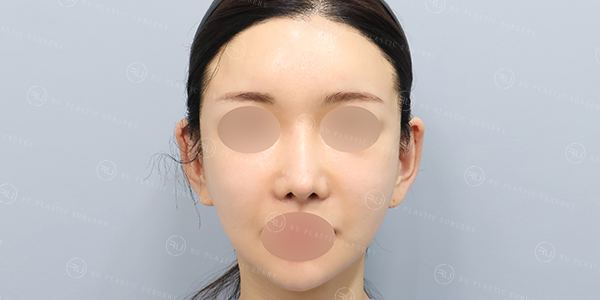
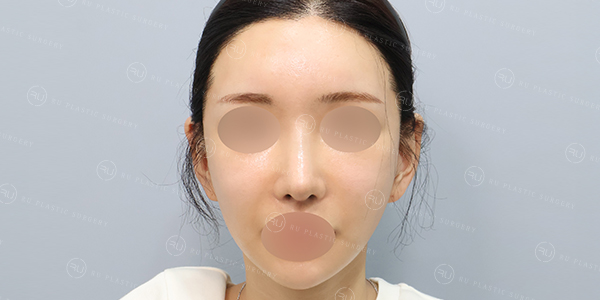
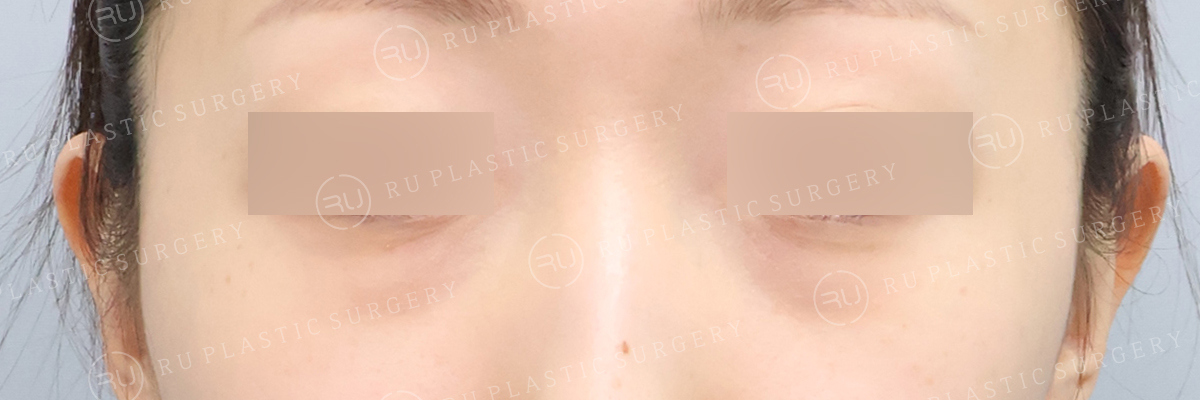
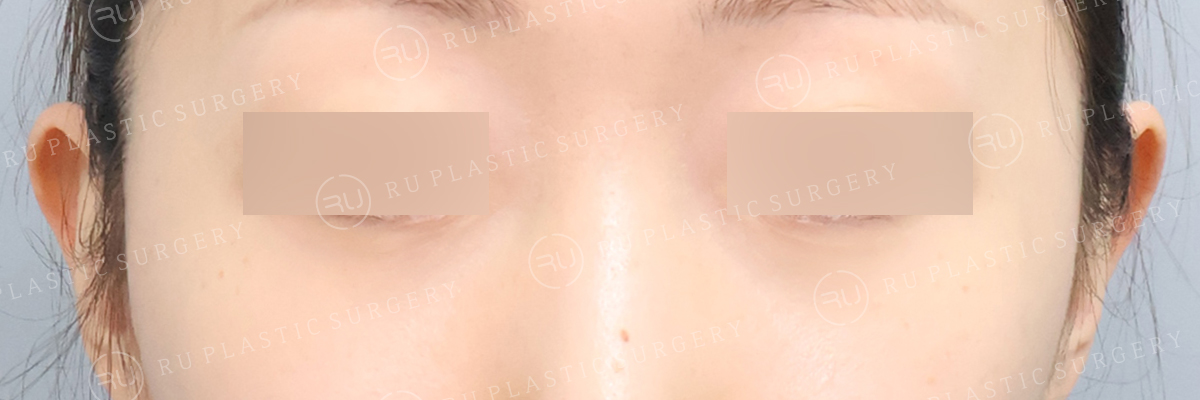
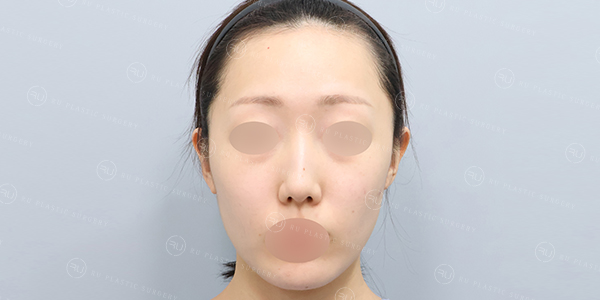
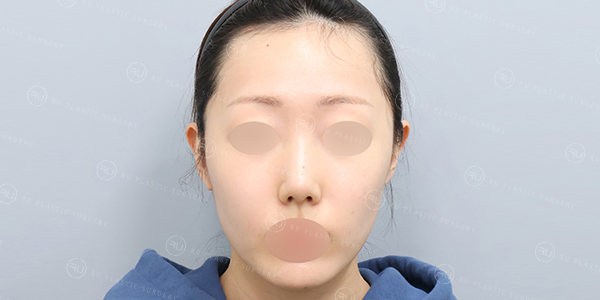
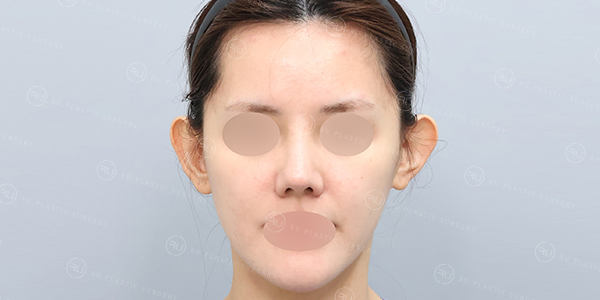
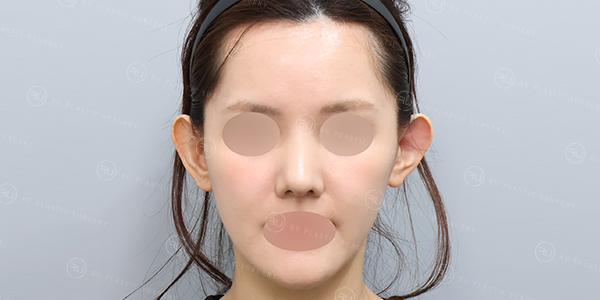
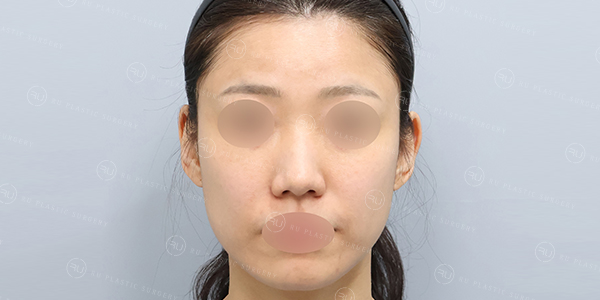
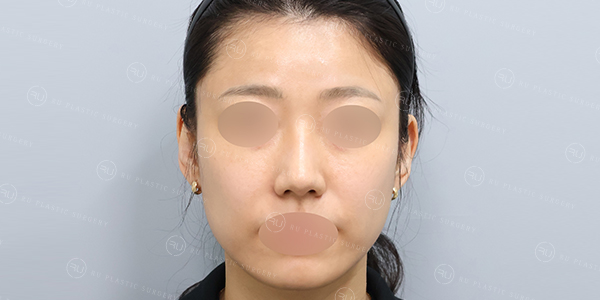
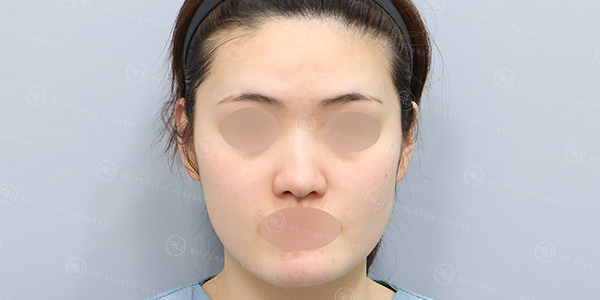
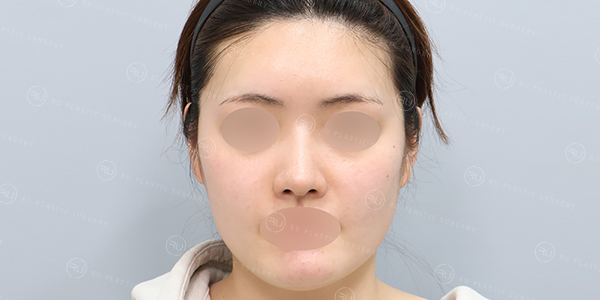
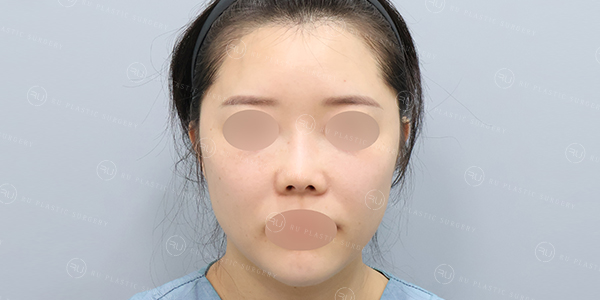
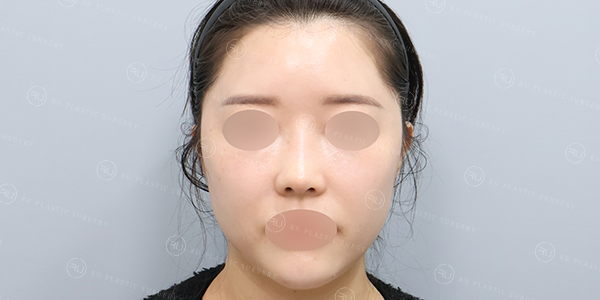
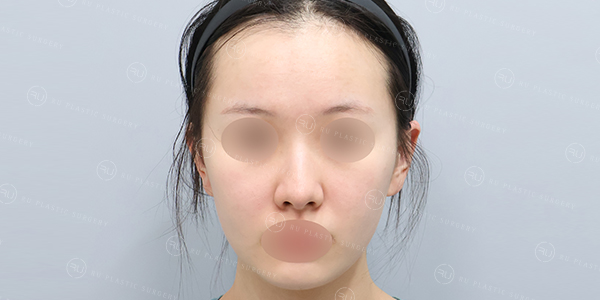
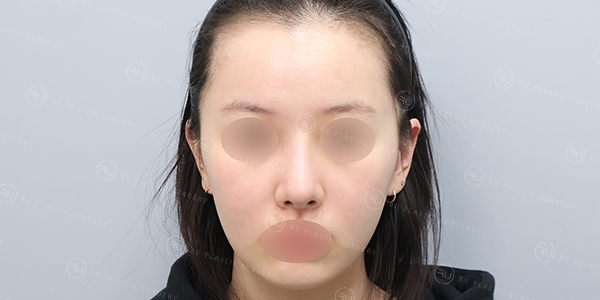
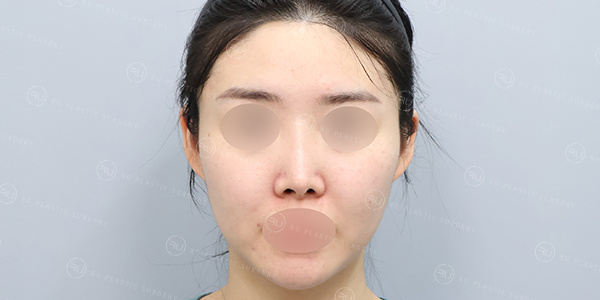
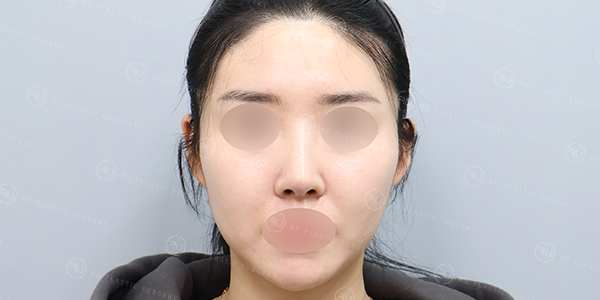
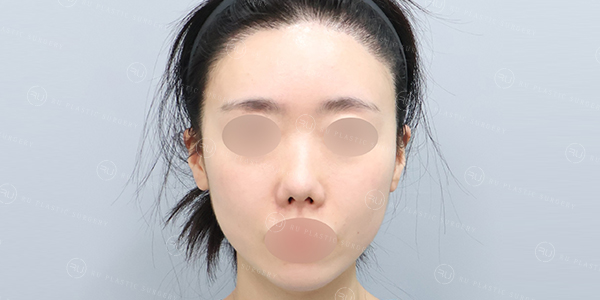
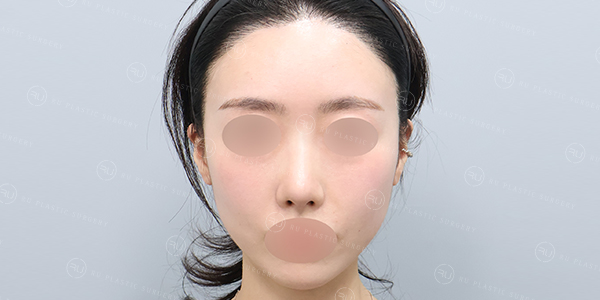
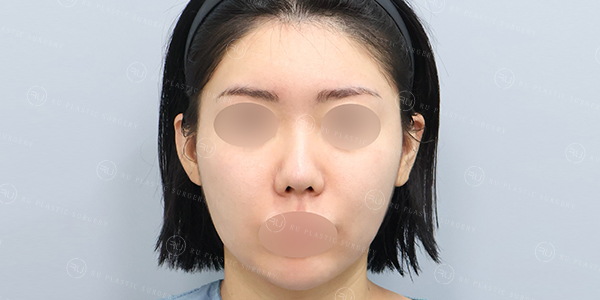
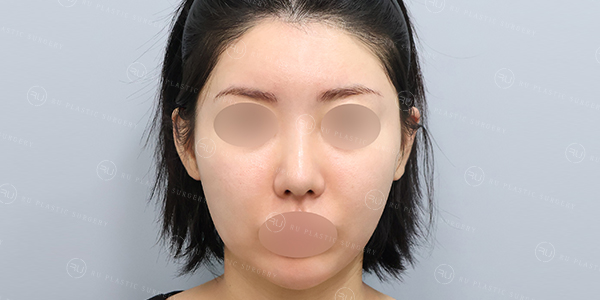
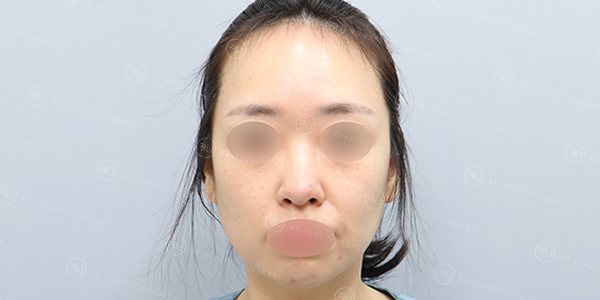
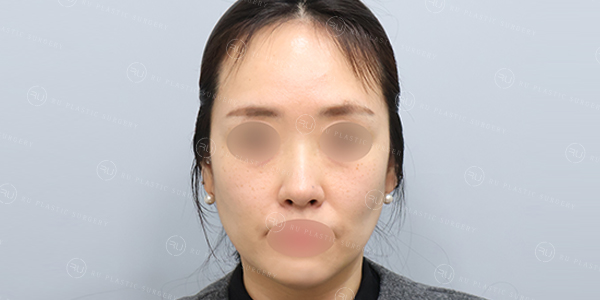
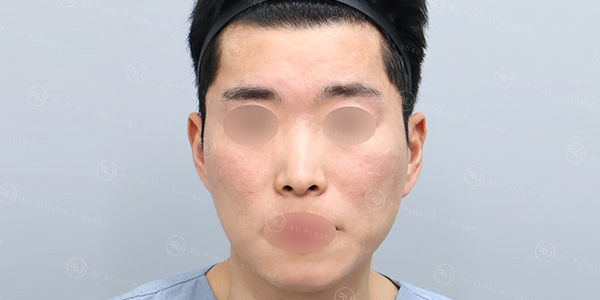
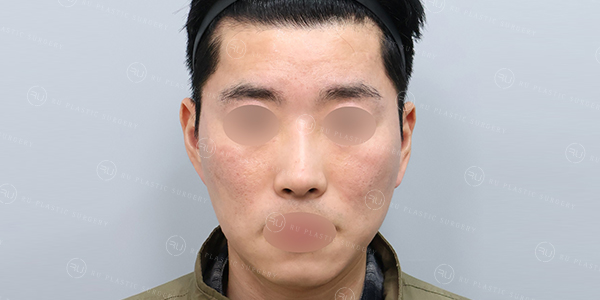
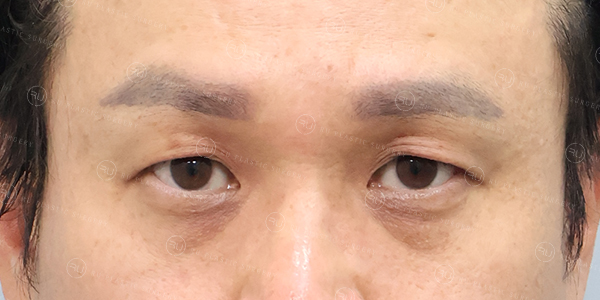
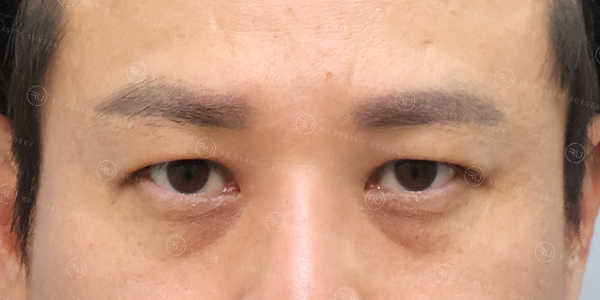
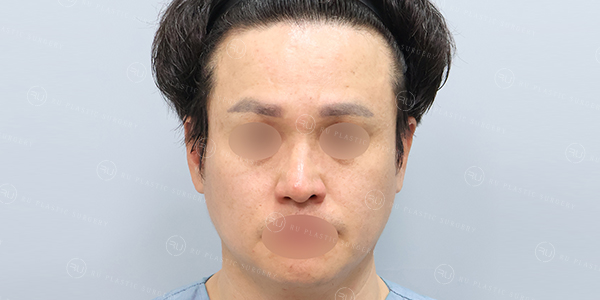
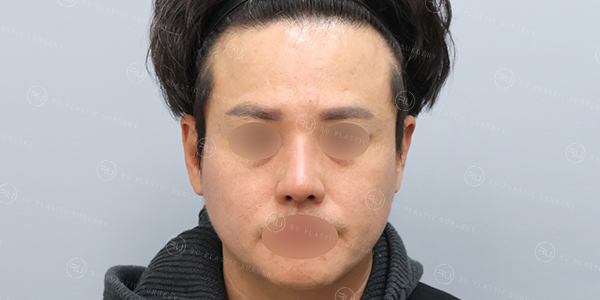
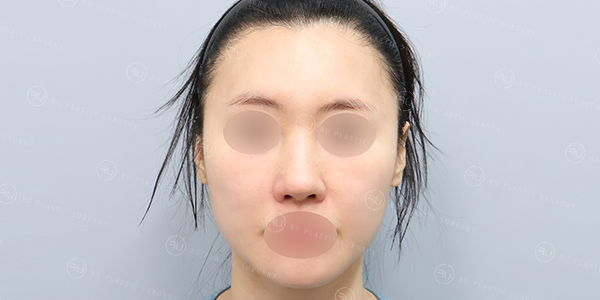
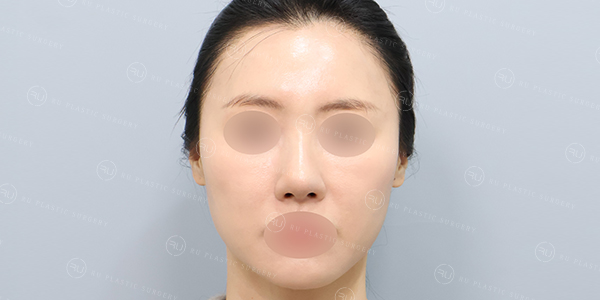
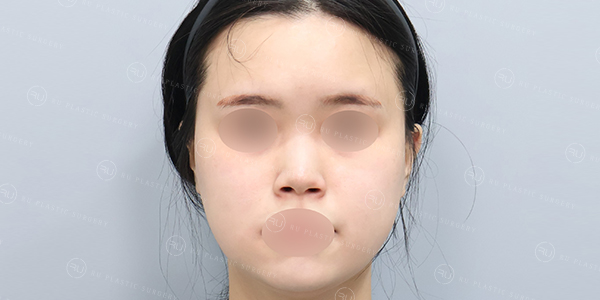
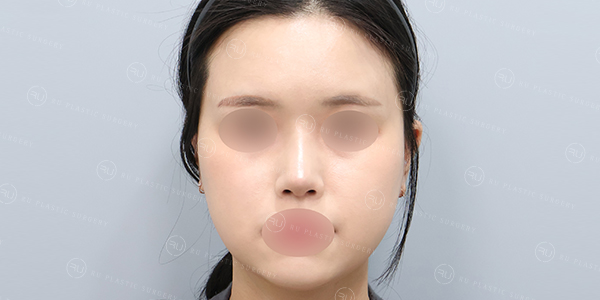
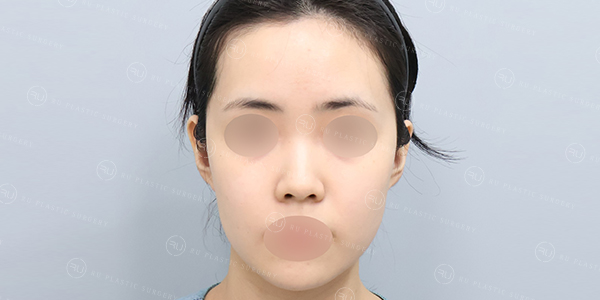
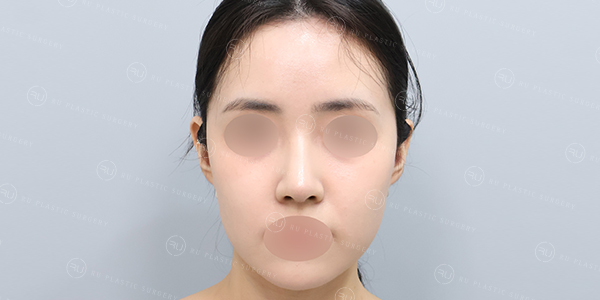
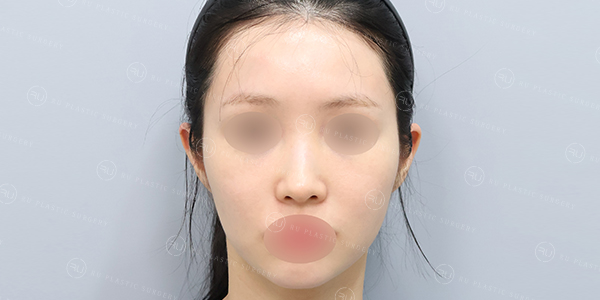
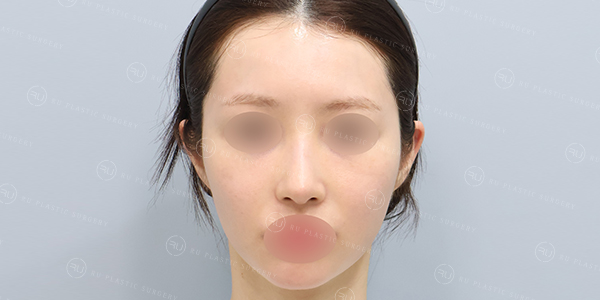
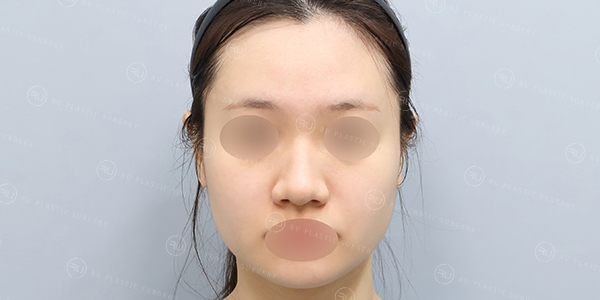
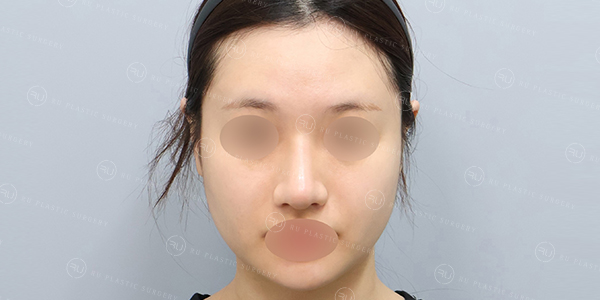
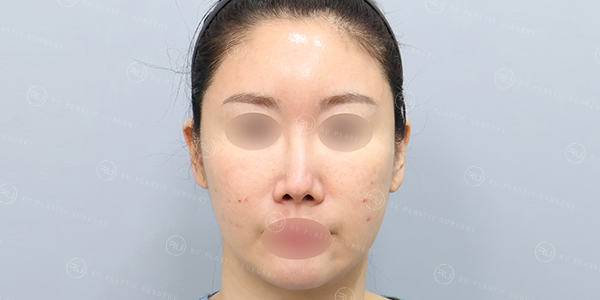
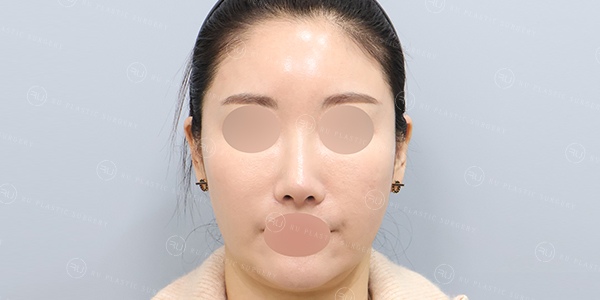
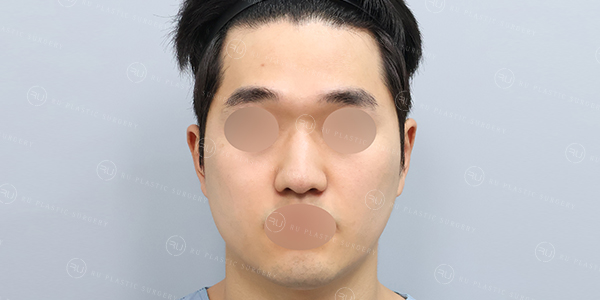
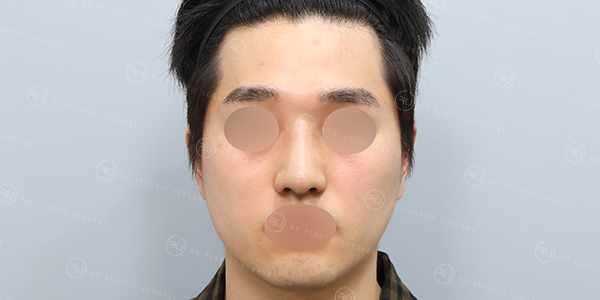
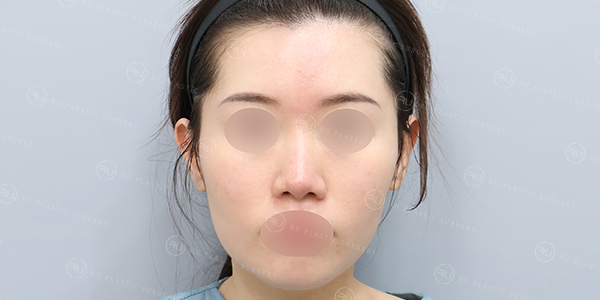
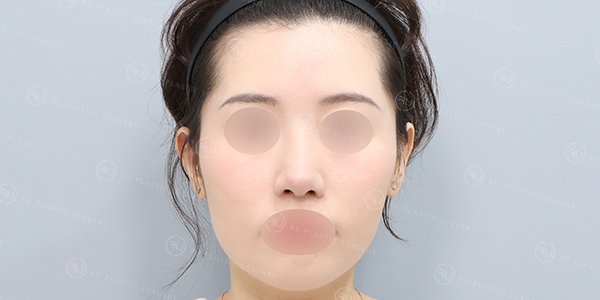
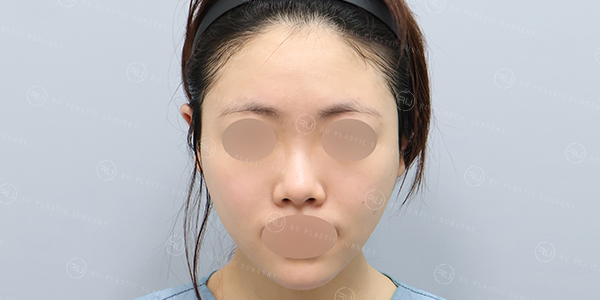
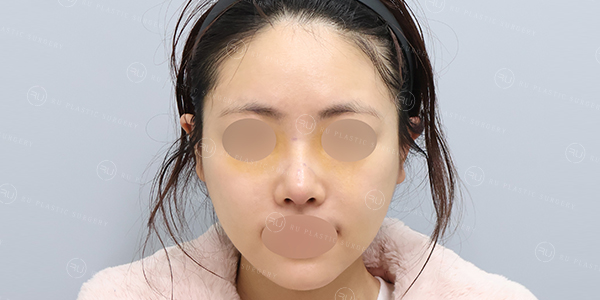
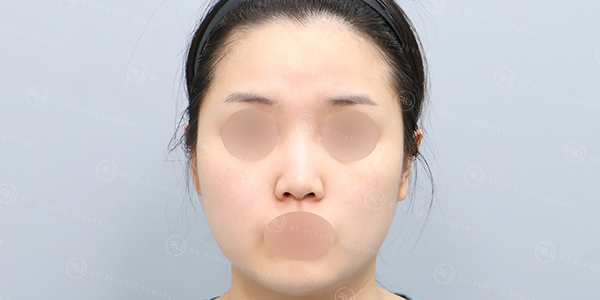
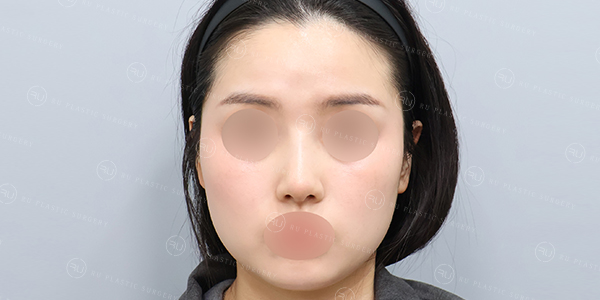
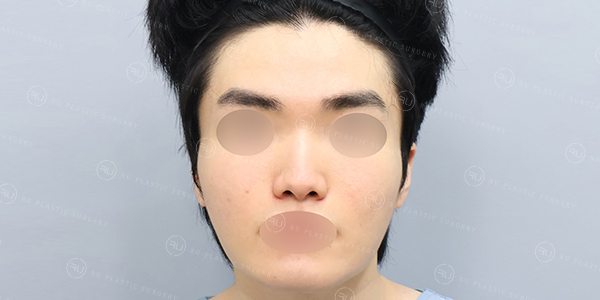
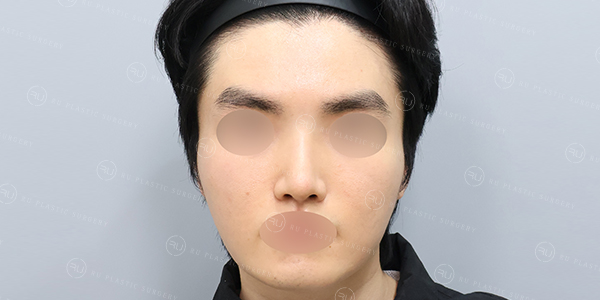
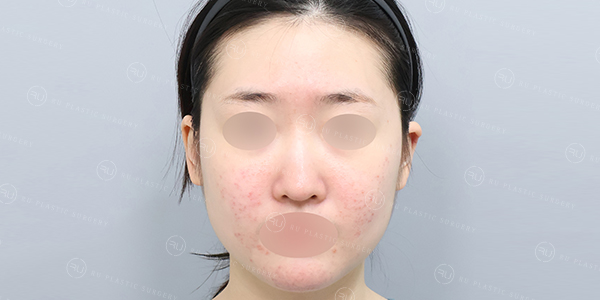
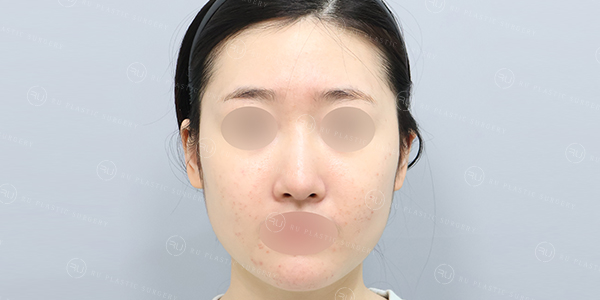
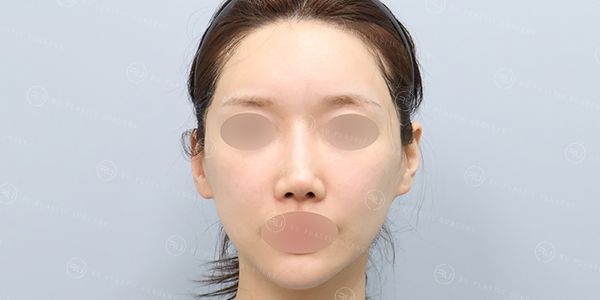
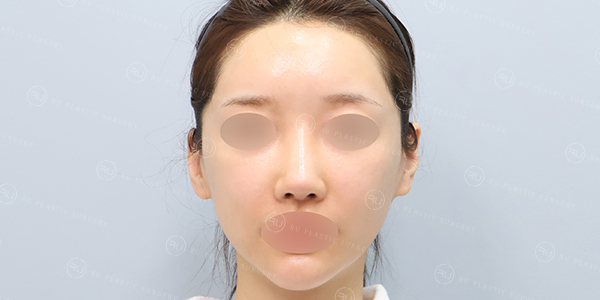
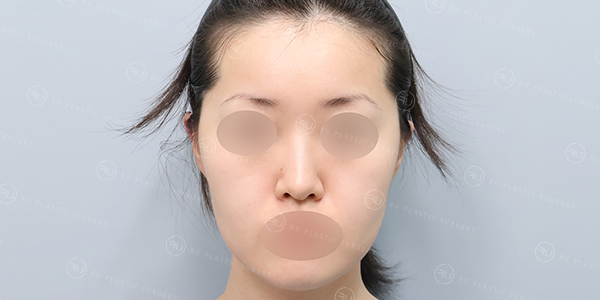
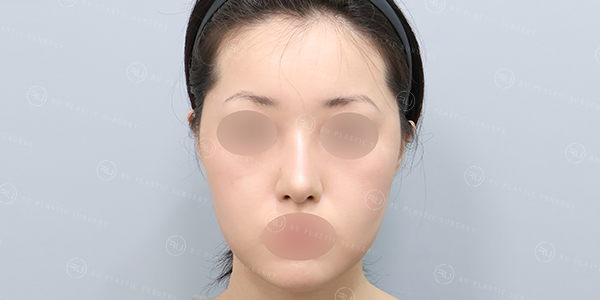
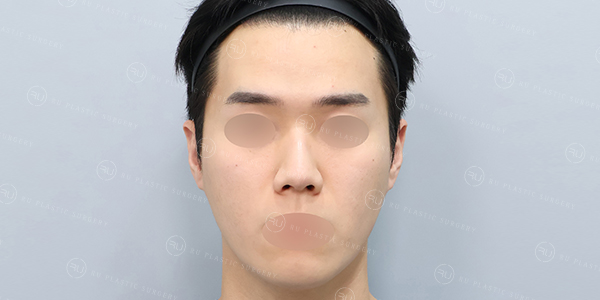
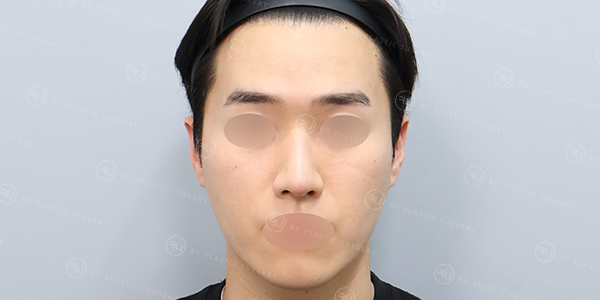
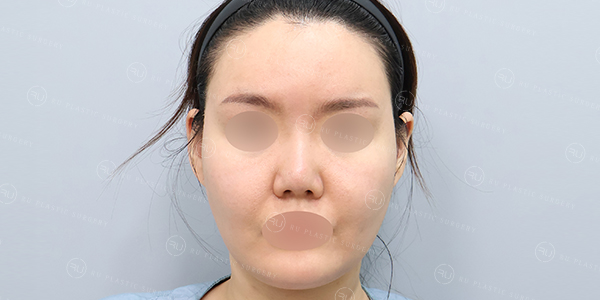
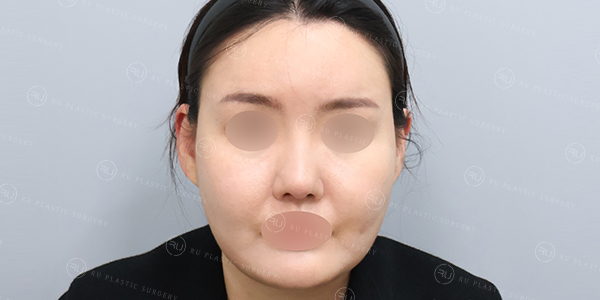
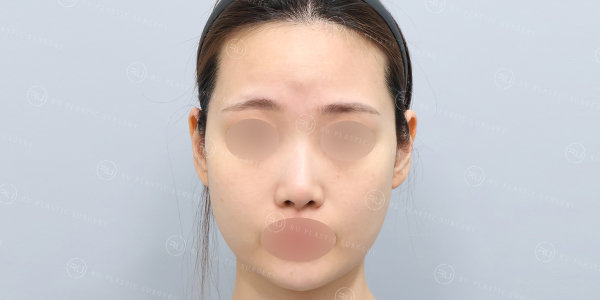
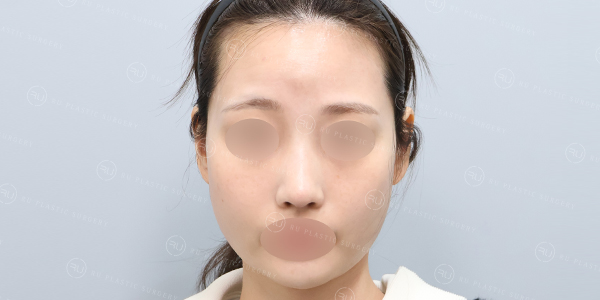
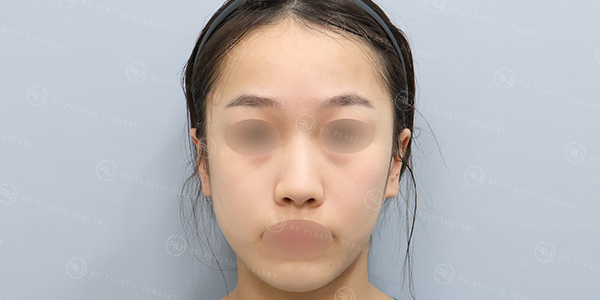
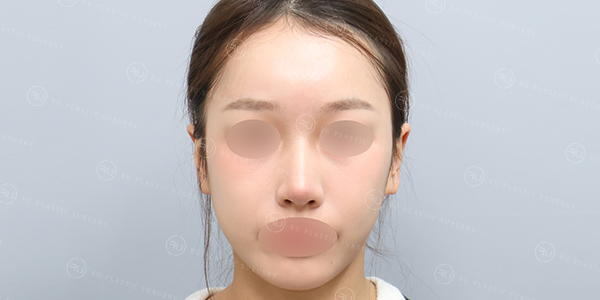
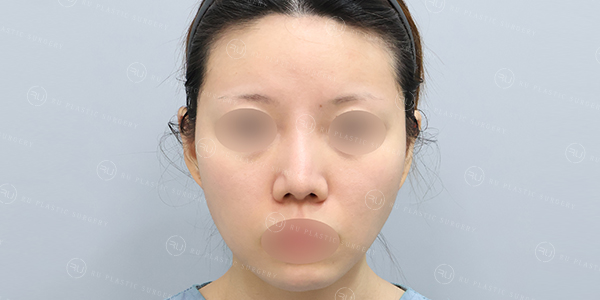
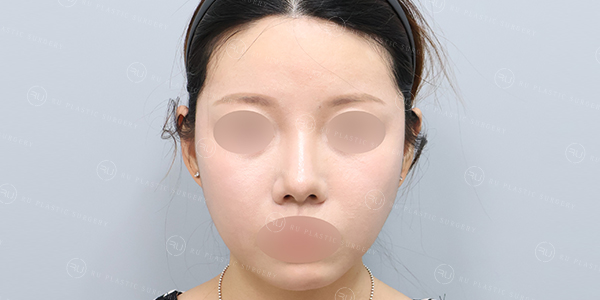
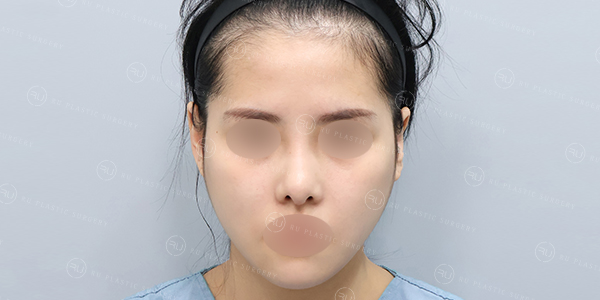
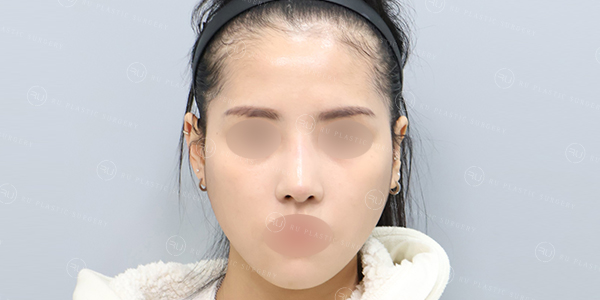
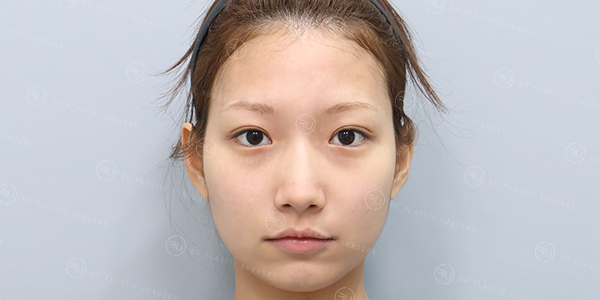
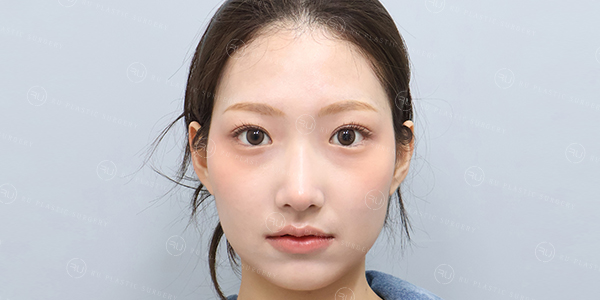
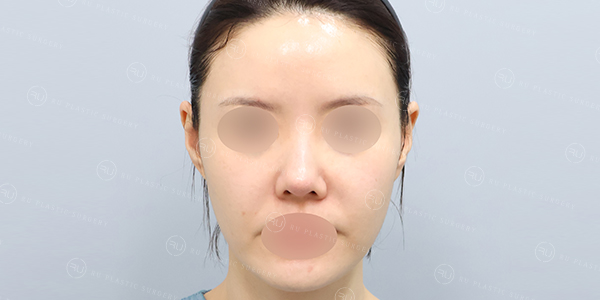
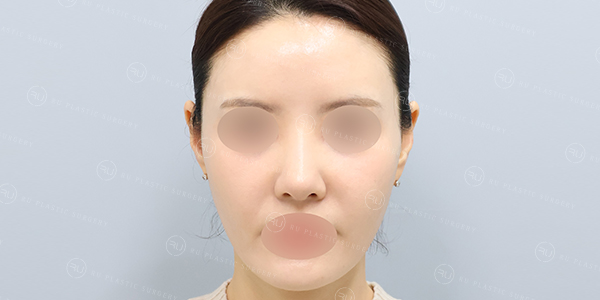
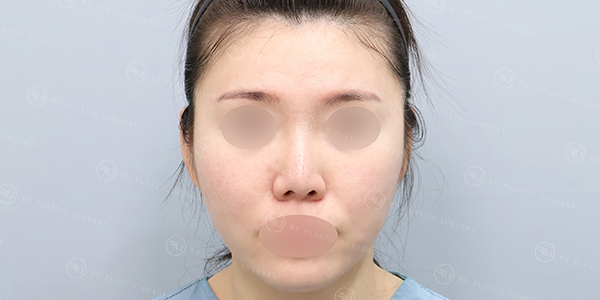
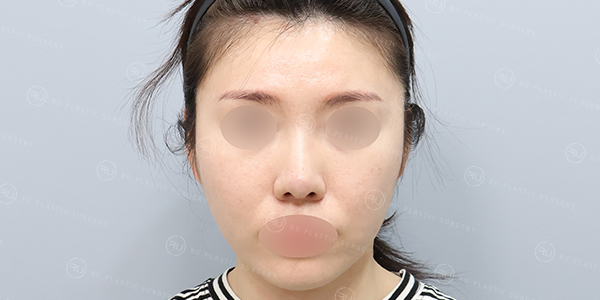
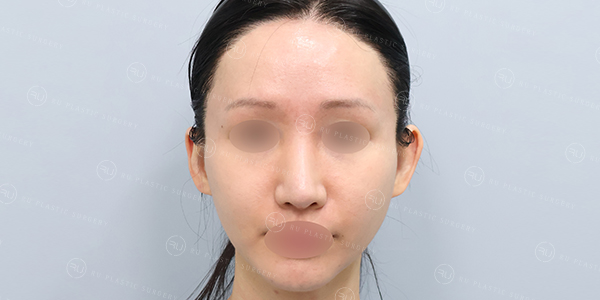
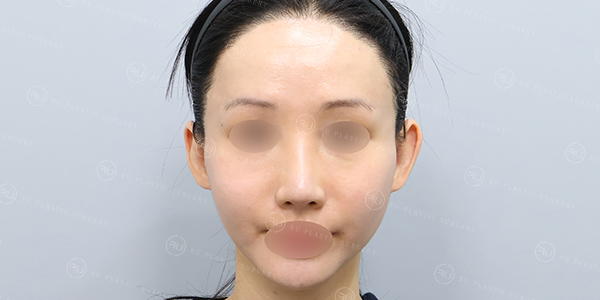
Before / 2w post-op
I am in my mid-40s, and I underwent my first rhinoplasty in 2000.
As far as I remember, Gore-Tex and auricular cartilage were used at that time.
I eventually decided to undergo revision rhinoplasty because, over the years, the skin over my nasal bridge had become thinner,
making the implant increasingly visible beneath the skin. I also began to notice an uneven contour along the bridge.
As the implant gradually shifted upward, the nasal tip appeared more elevated, and the starting point of the nasal bridge between the eyes also became higher.
Over time, these changes made the overall appearance of my nose feel increasingly unnatural and became a significant source of stress for me.
Before visiting RU Plastic Surgery, I consulted with approximately four other clinics regarding revision rhinoplasty.
One of the most important factors for me when choosing a clinic was having a single surgeon remain directly involved throughout the entire process,
from the initial consultation and surgery to postoperative follow-up care.
Another major concern was that I did not want to use another synthetic implant.
At several of the clinics I visited, I was told that maintaining my existing nasal height would likely require the use of donor rib cartilage or donor dermis.
Personally, I felt a strong psychological reluctance toward using tissue obtained from another person, so I continued looking for an alternative approach.
I spent a great deal of time reviewing cases of rhinoplasty and revision surgery for nasal contracture.
Many of the results that I found especially natural and refined were from RU Plastic Surgery.
I had initially excluded the clinic because of the higher cost,
but one of the main reasons I ultimately chose Dr. Hyunju Kim was the confidence and clarity he demonstrated during the consultation.
He explained the current condition of my nose and the areas that could be improved in a very clear and detailed manner.
Rather than giving vague explanations, he presented a specific surgical direction that felt well considered and appropriate for my individual anatomy,
which gave me confidence in proceeding with the revision surgery.
My surgical plan included an Innofit customized 3D autologous rib cartilage mold, nasolabial angle correction, columellar lowering, and correction of the bulbous nasal tip.
The goal was not simply to increase the height of the nose, but to improve the overall nasal structure, proportion, and balance in relation to my facial features.
Because I am older than many patients in their twenties or thirties, I was concerned that my recovery might be slower.
However, I am now two weeks postoperatively, and the swelling has been gradually subsiding while the nose continues to settle into a more natural shape.
Before surgery, I felt that my mouth appeared somewhat protrusive.
After correction of the nasolabial angle and adjustment of the columella, the overall relationship between my nose and mouth appears more balanced to me.
The autologous rib cartilage donor site was uncomfortable initially, but after approximately two to three days,
I experienced very little discomfort in that area. I was also surprised that I developed virtually no facial bruising after surgery.
At this early stage of recovery, I already feel that the nasal line and overall facial impression appear noticeably softer and more natural.
Most importantly, I am very pleased that the reconstruction was performed without a conventional synthetic nasal implant
while still achieving a shape that feels refined and well suited to my face.