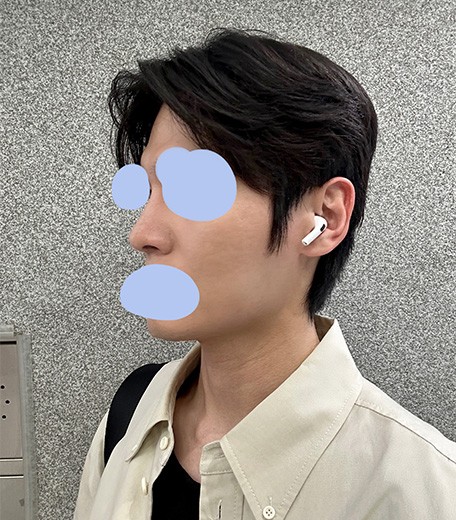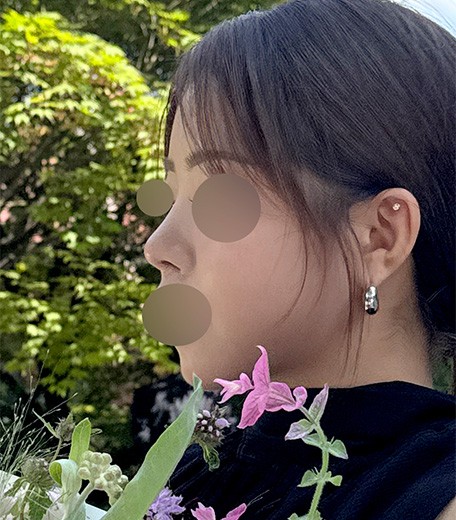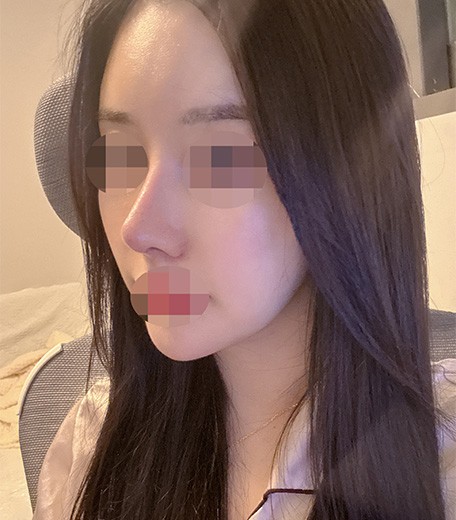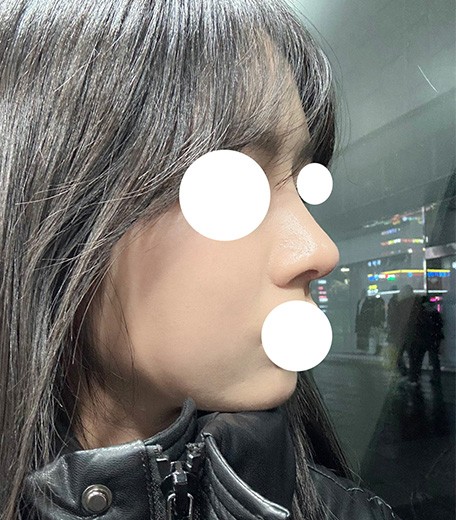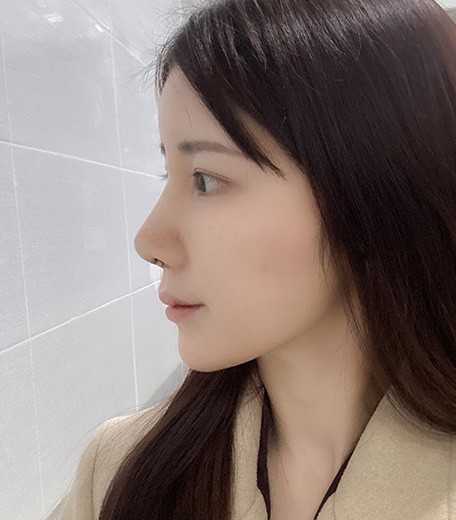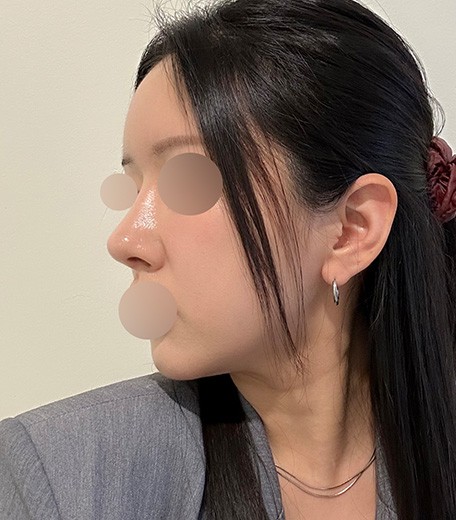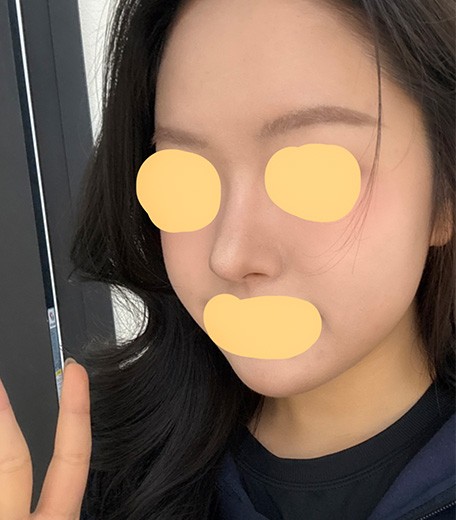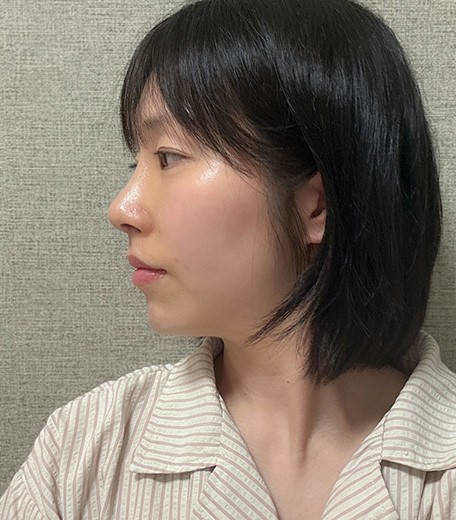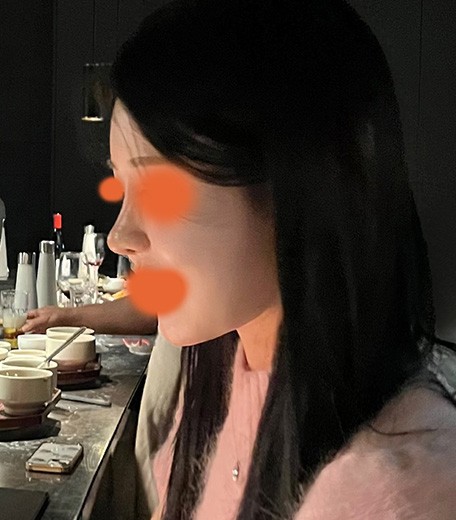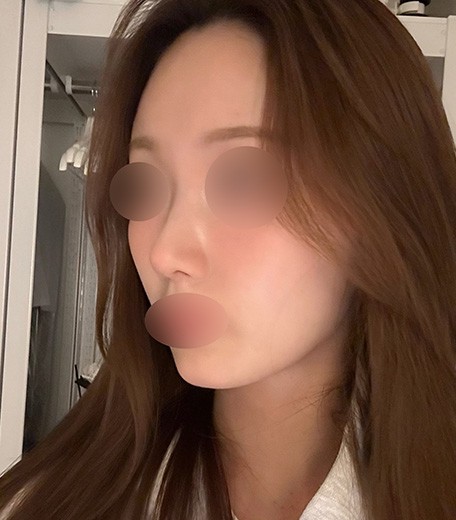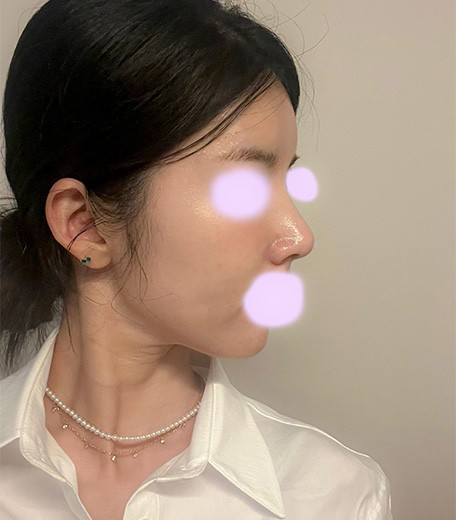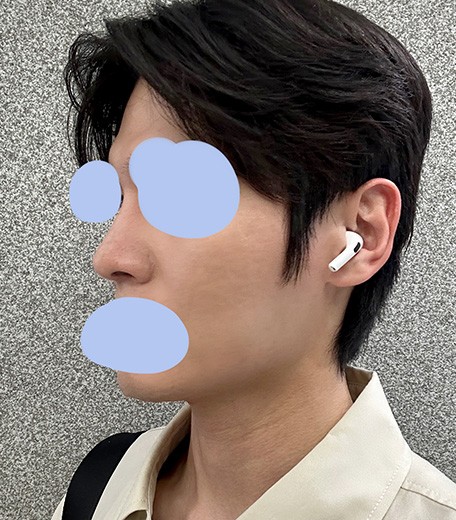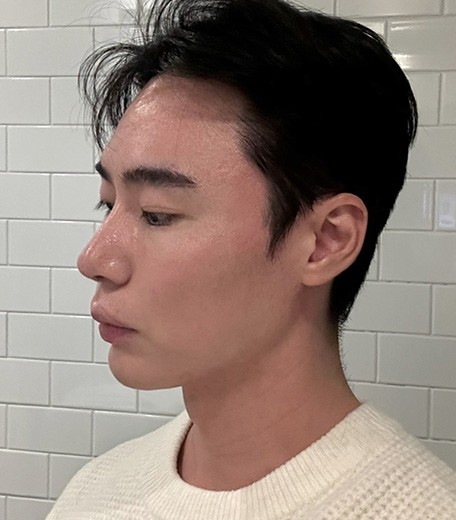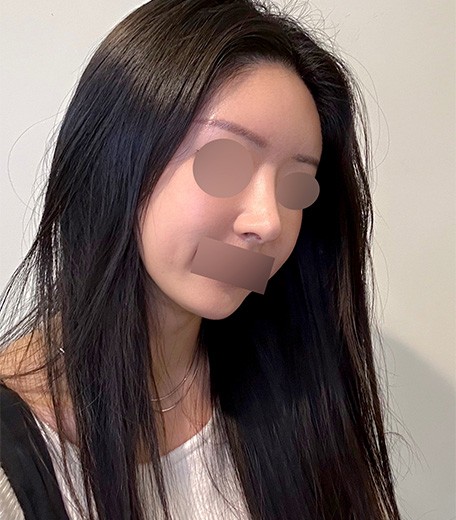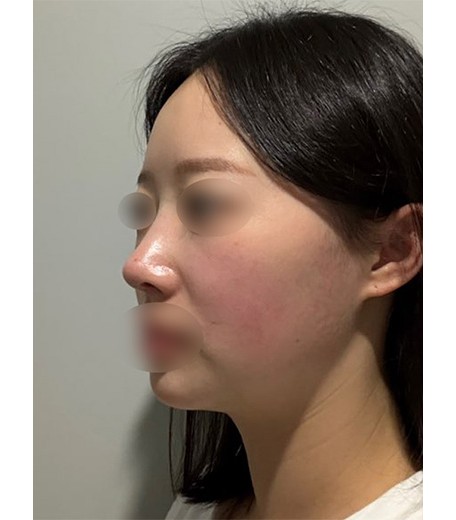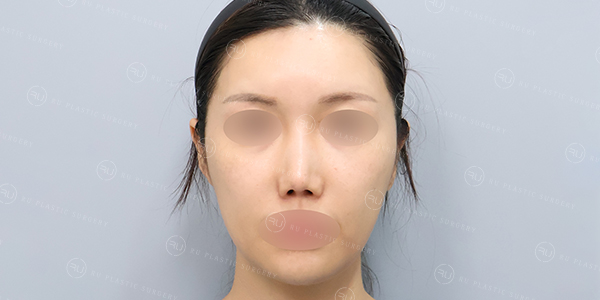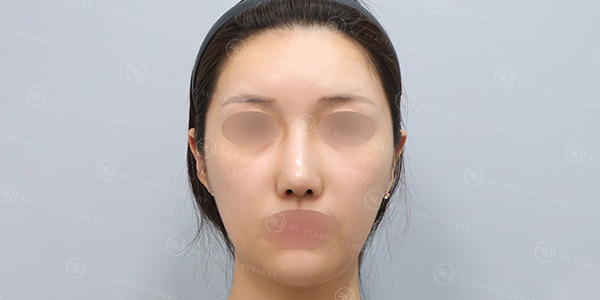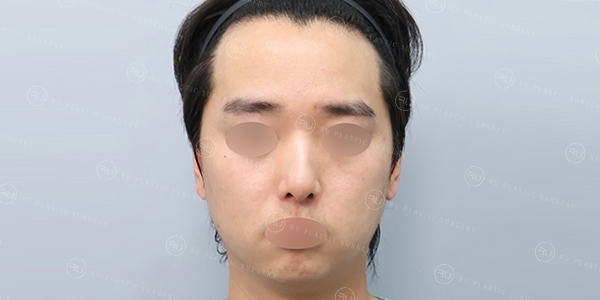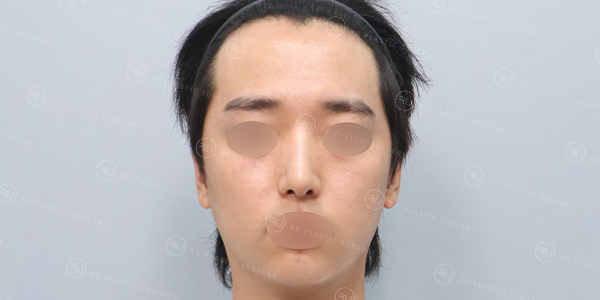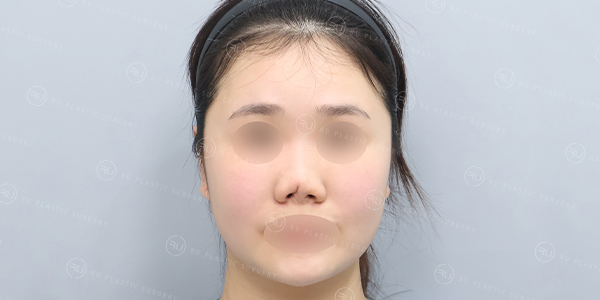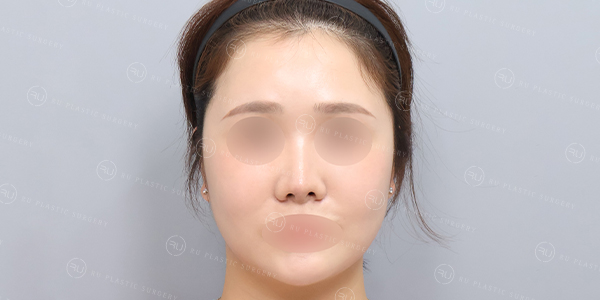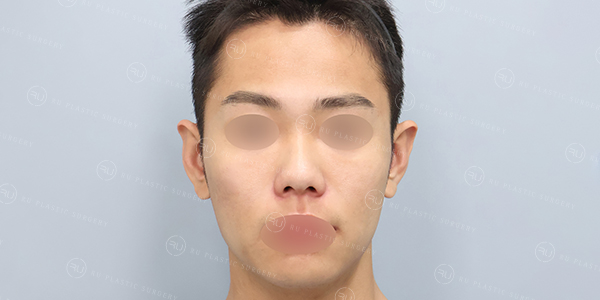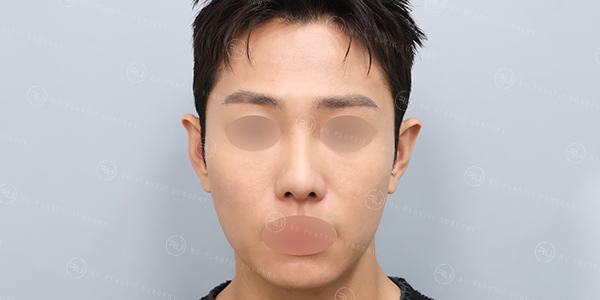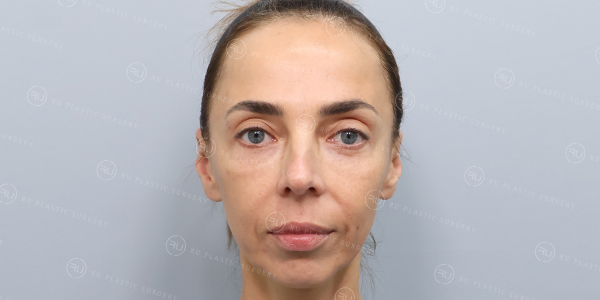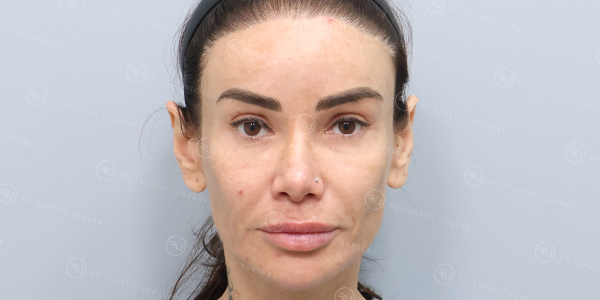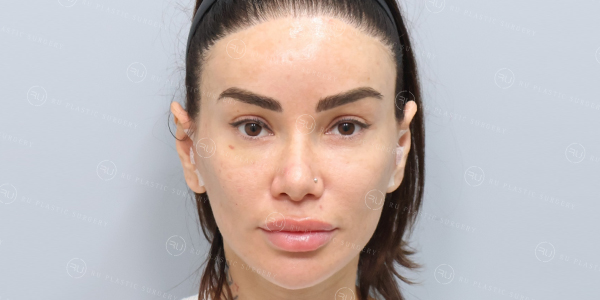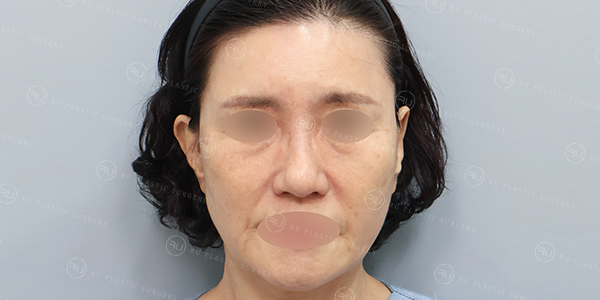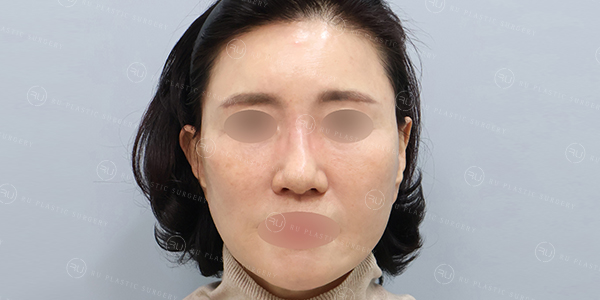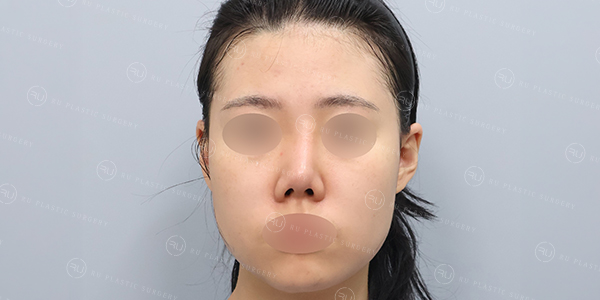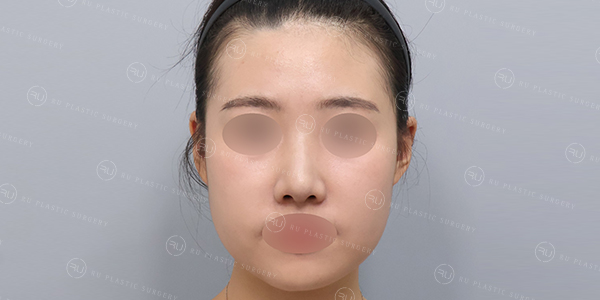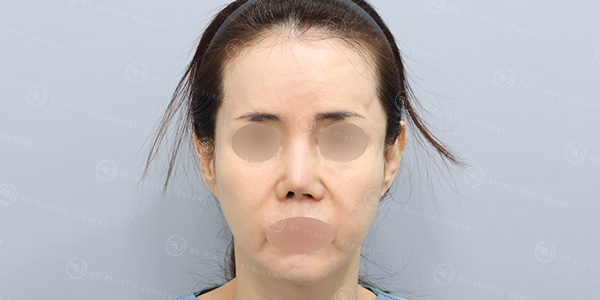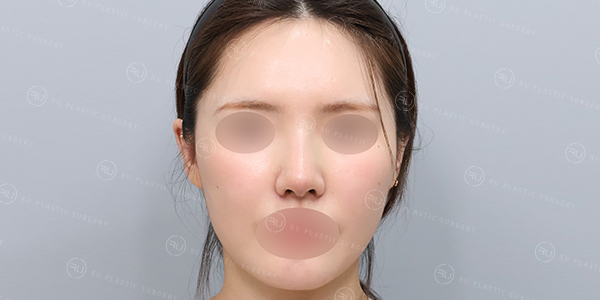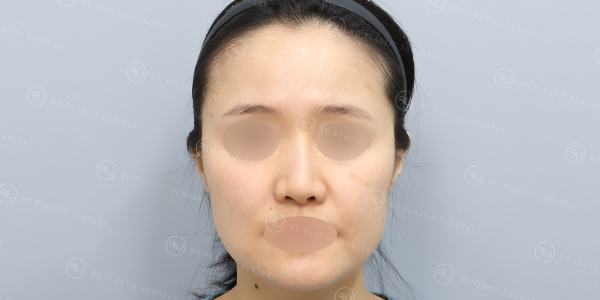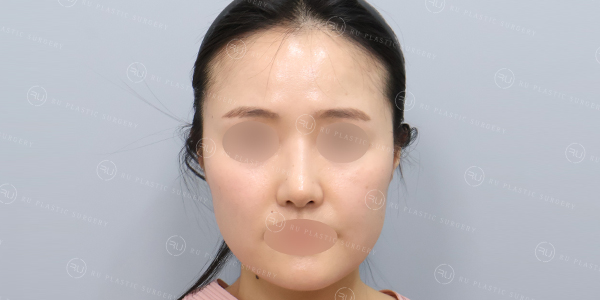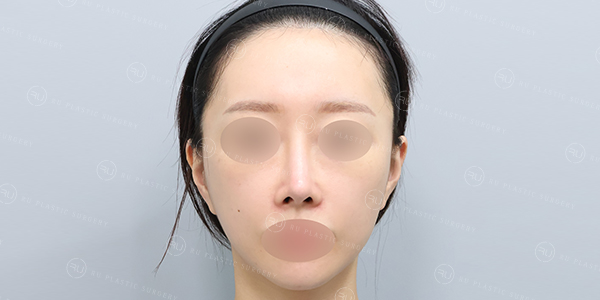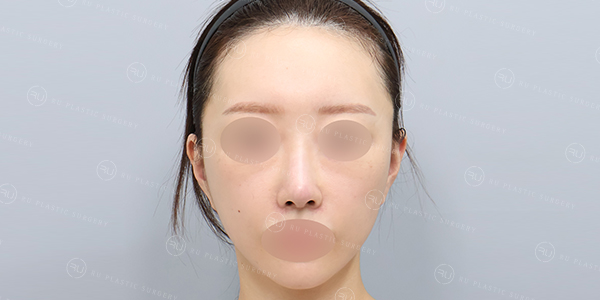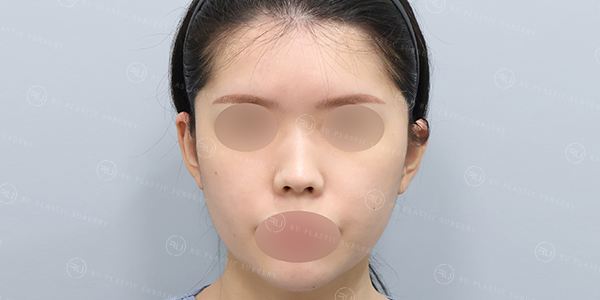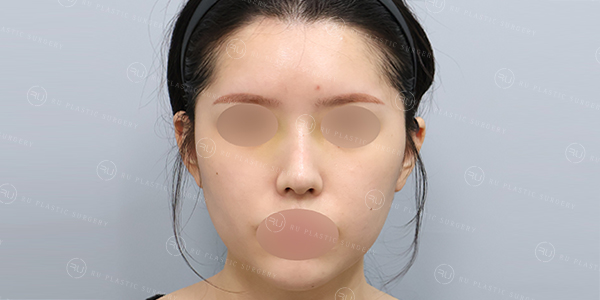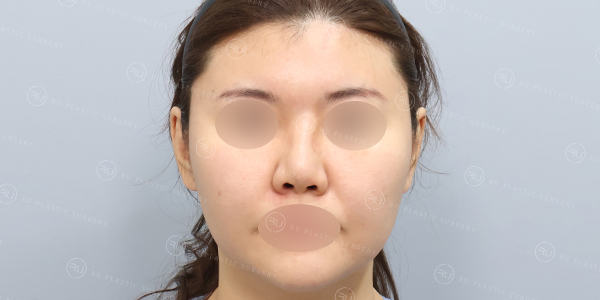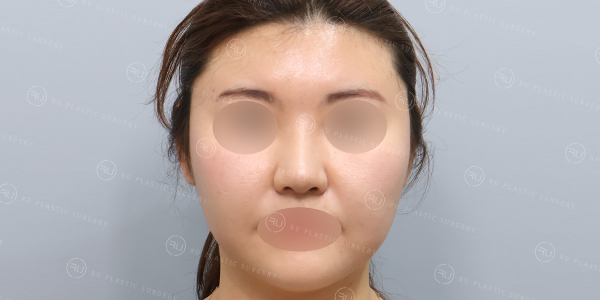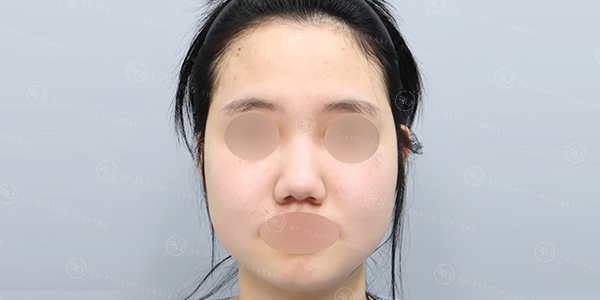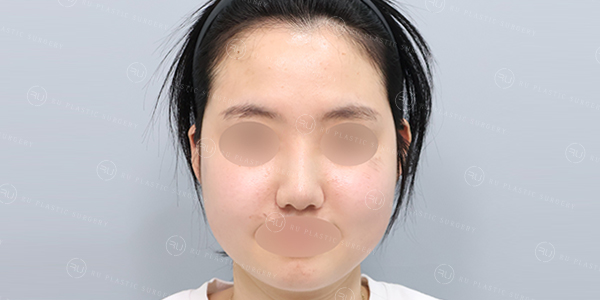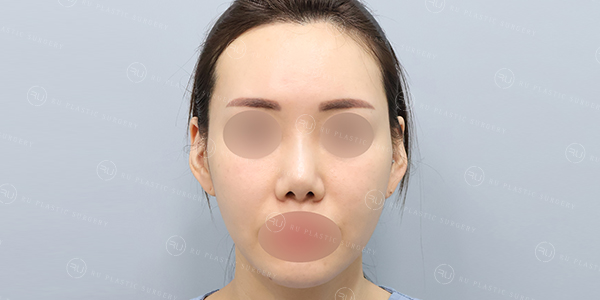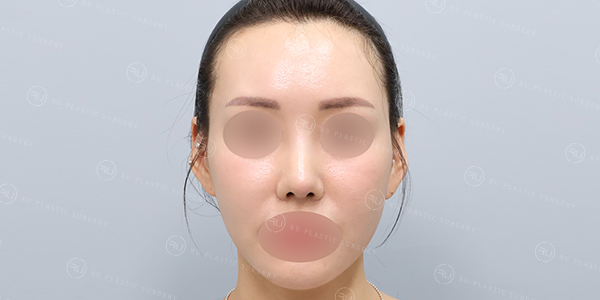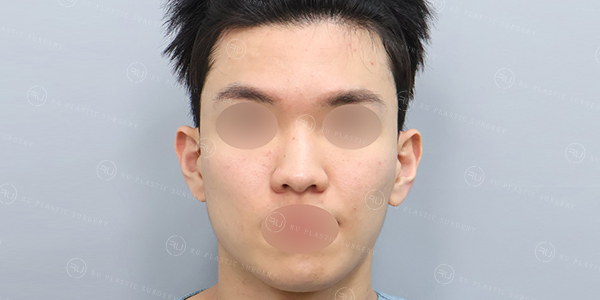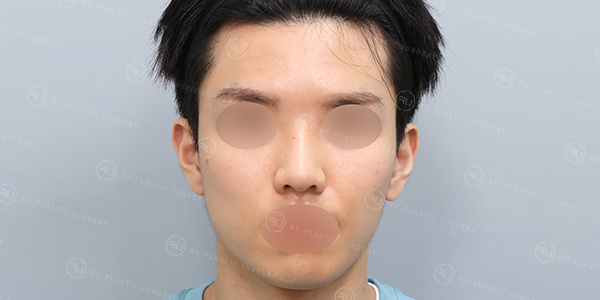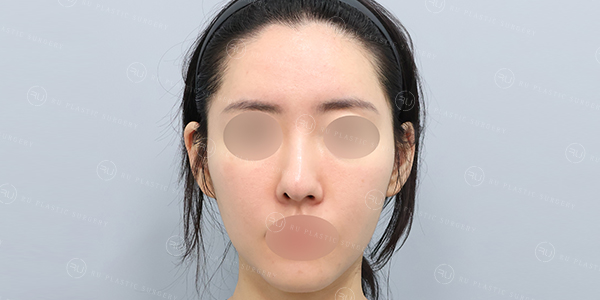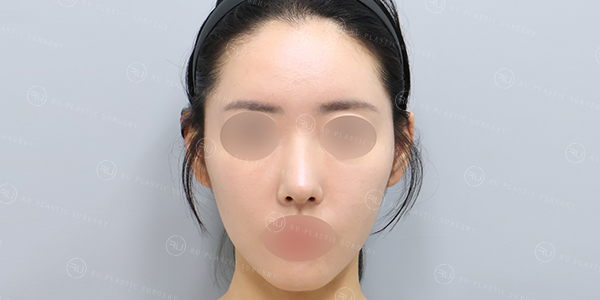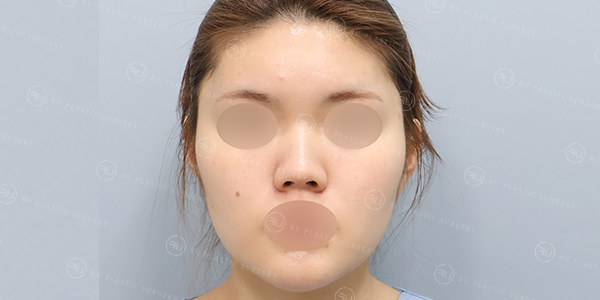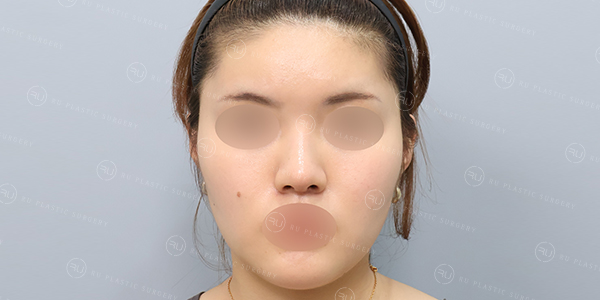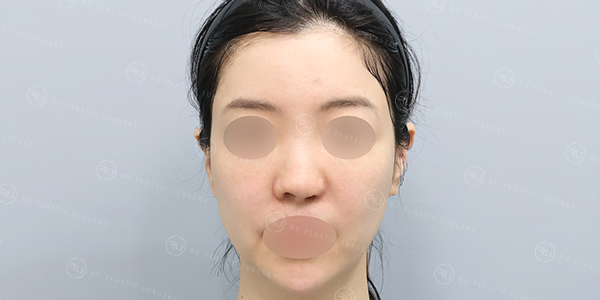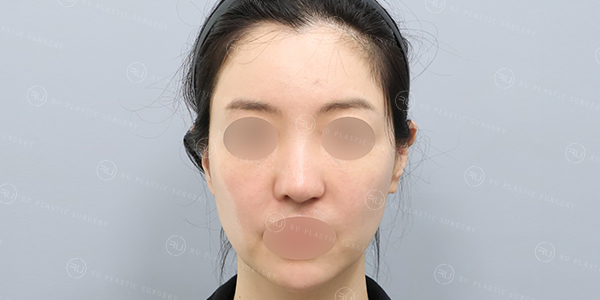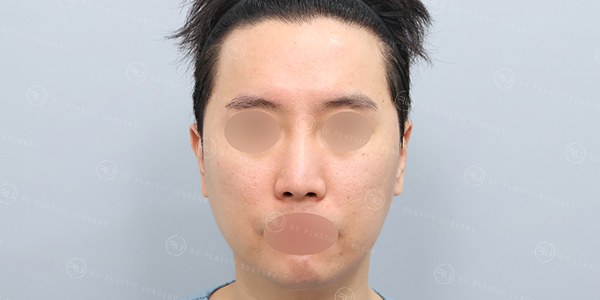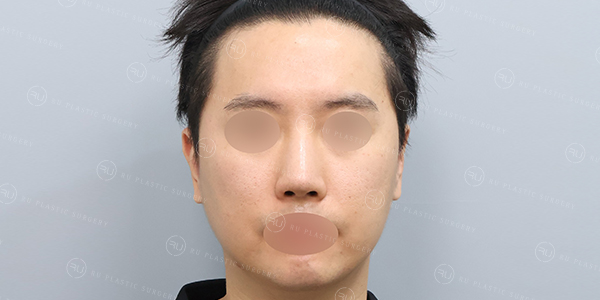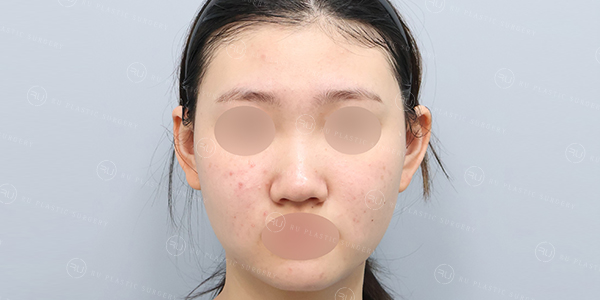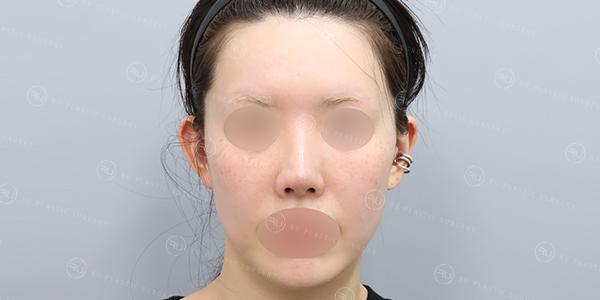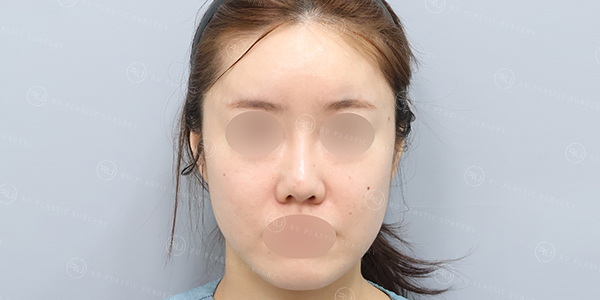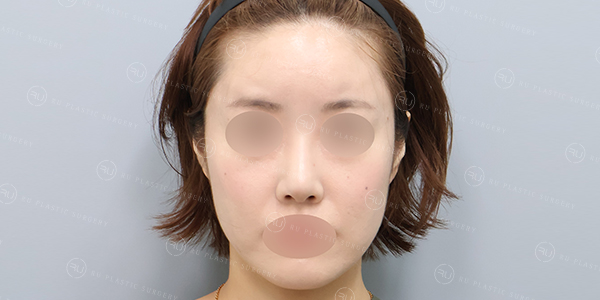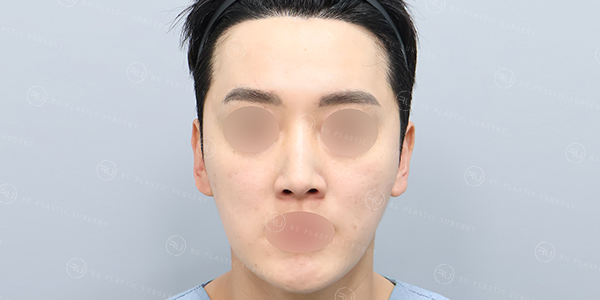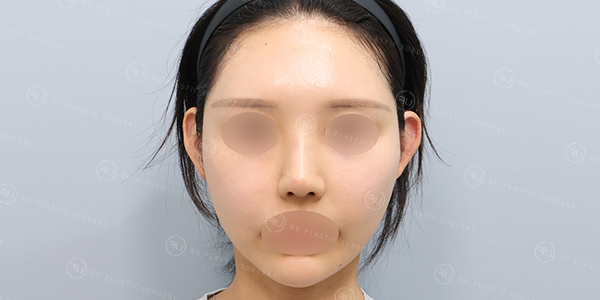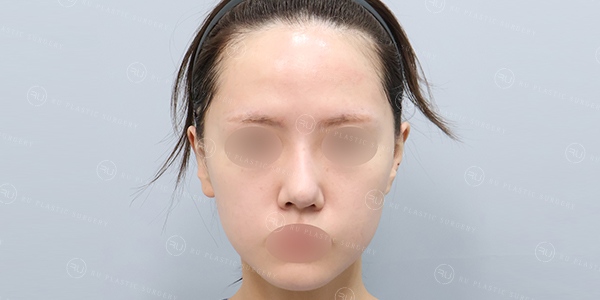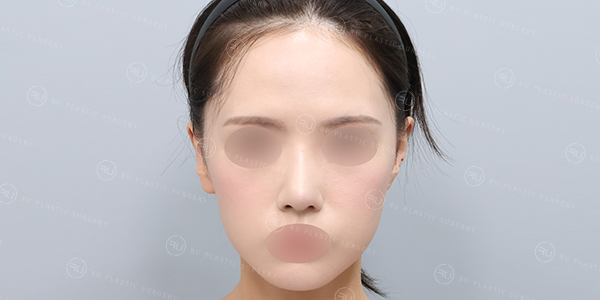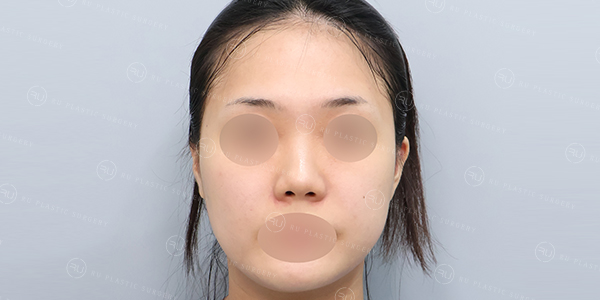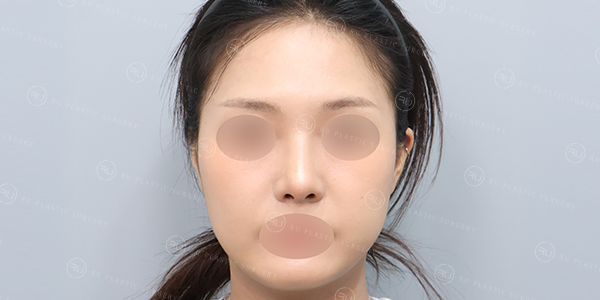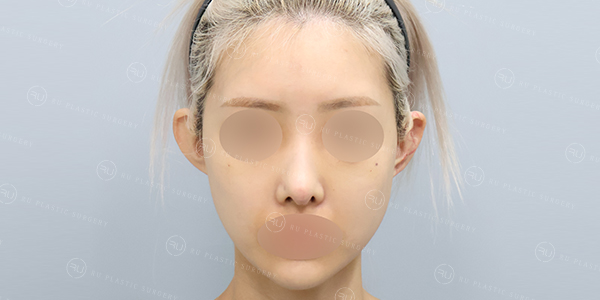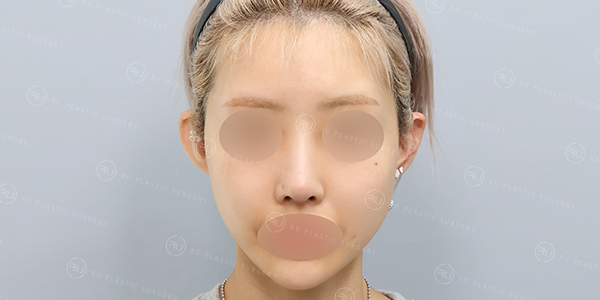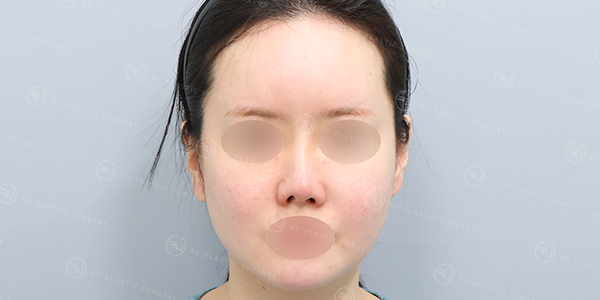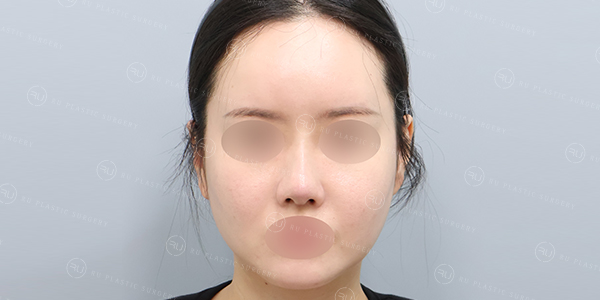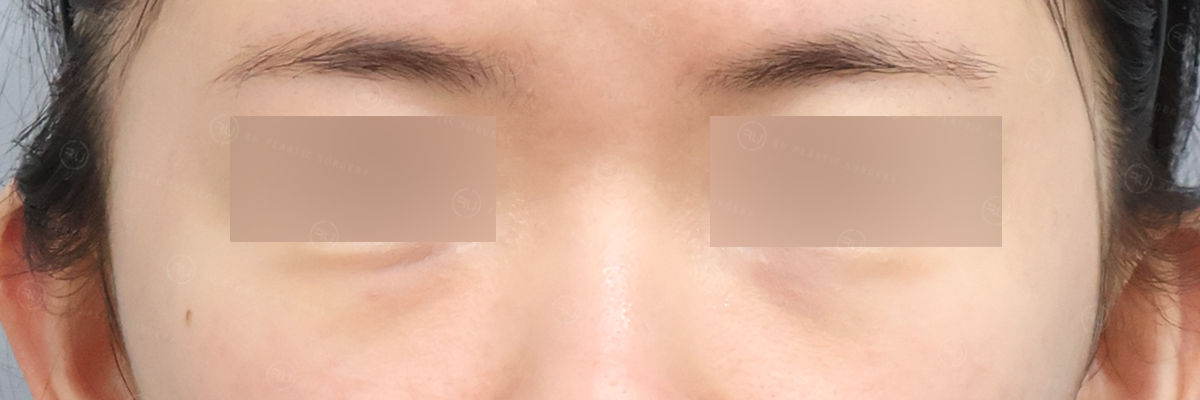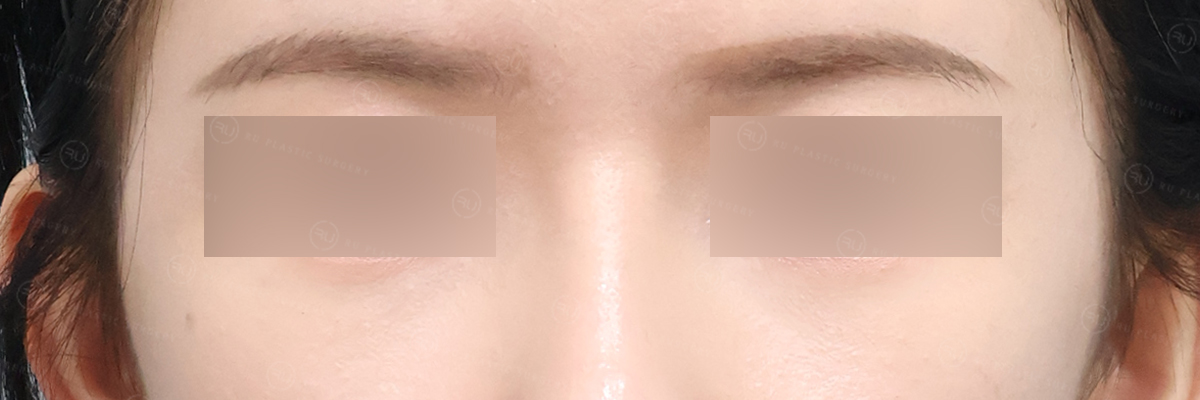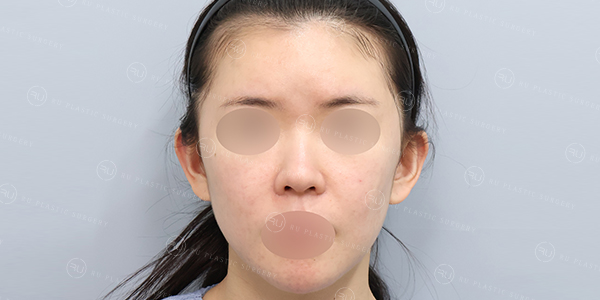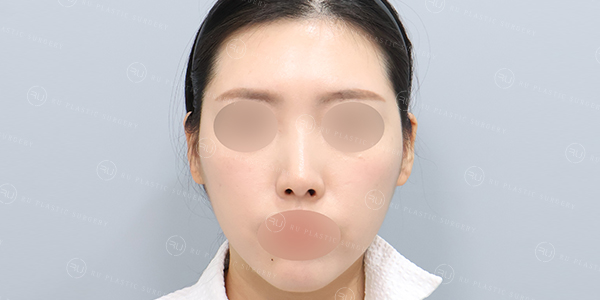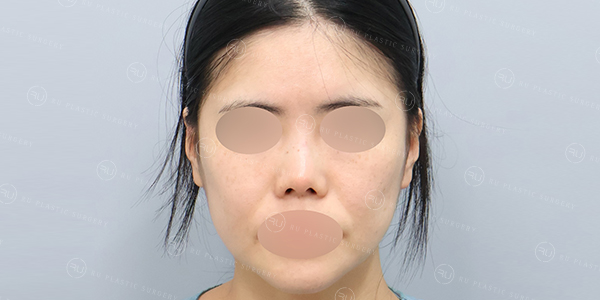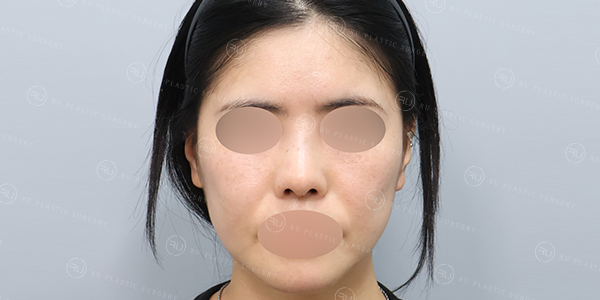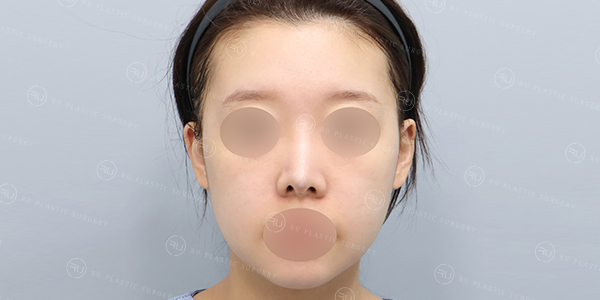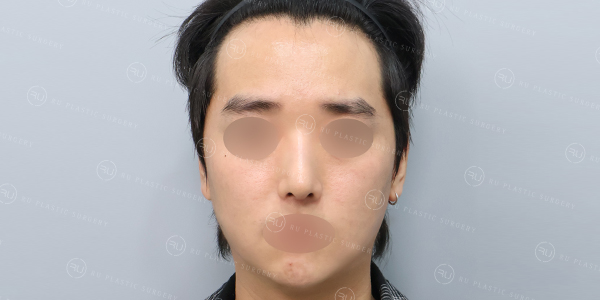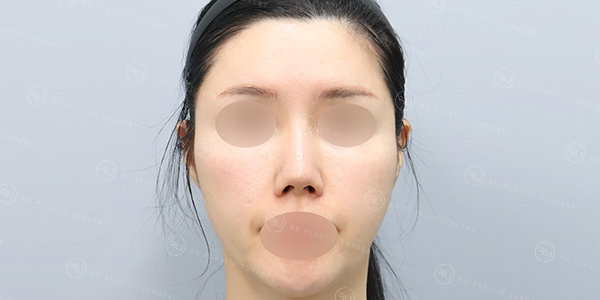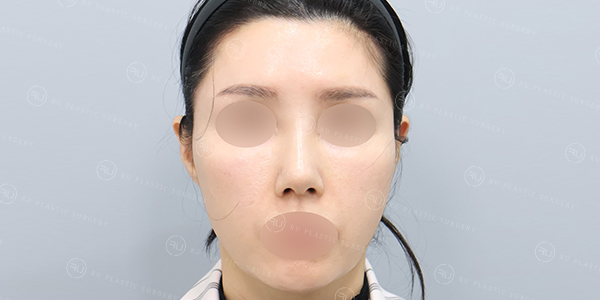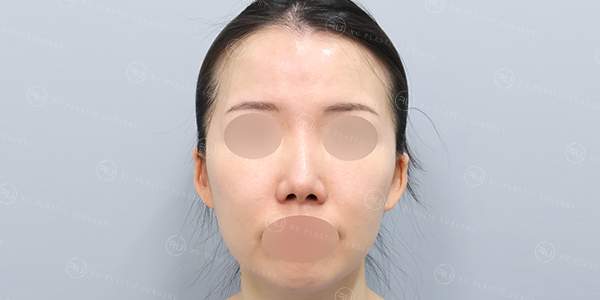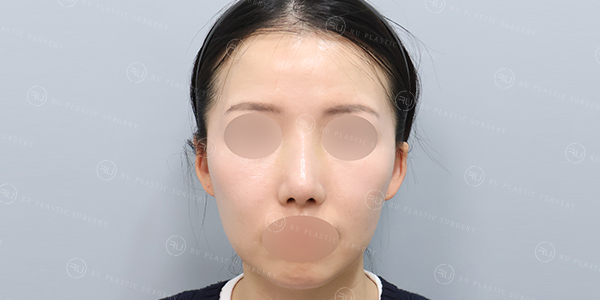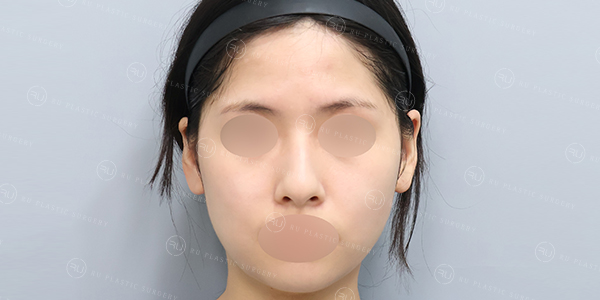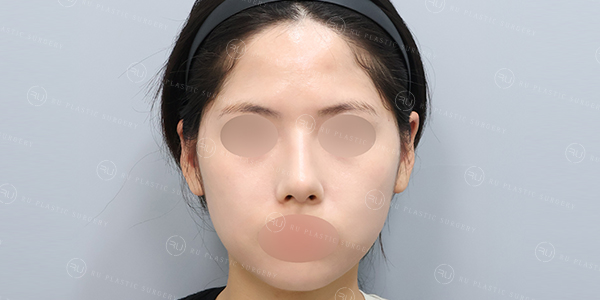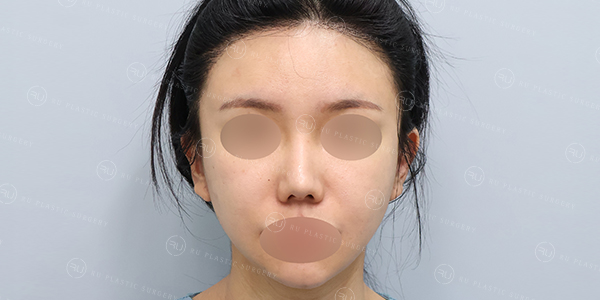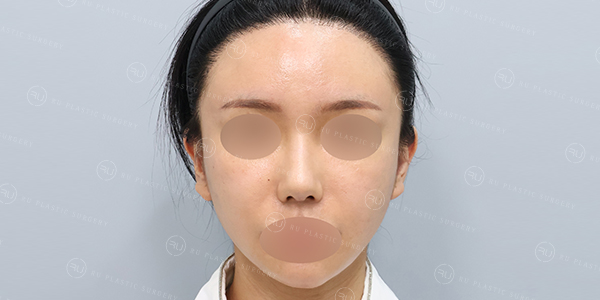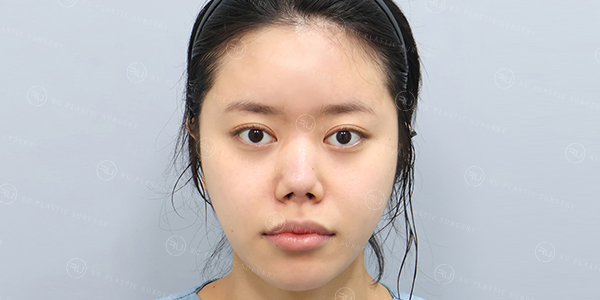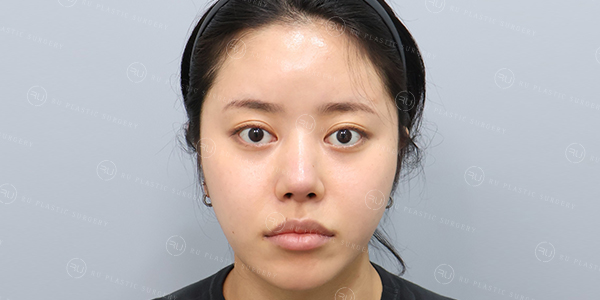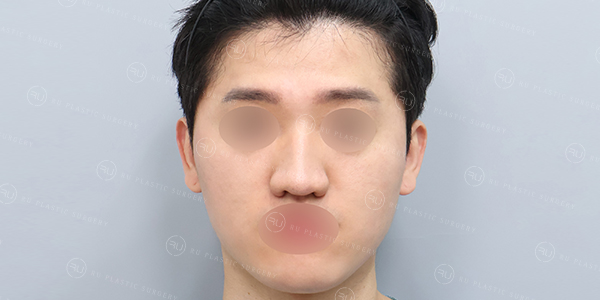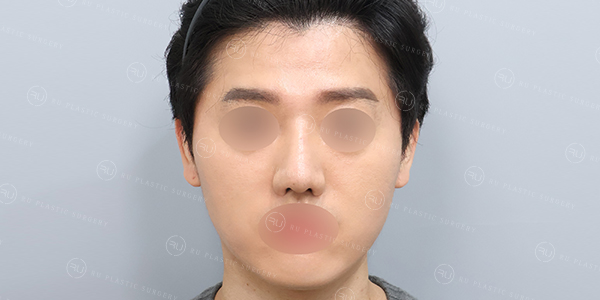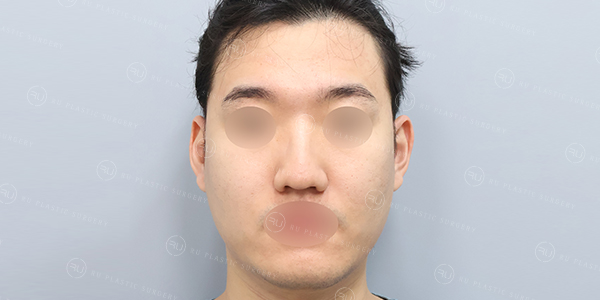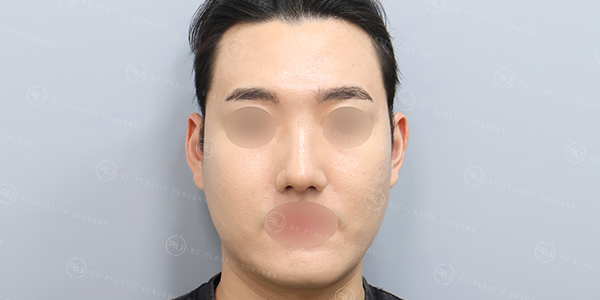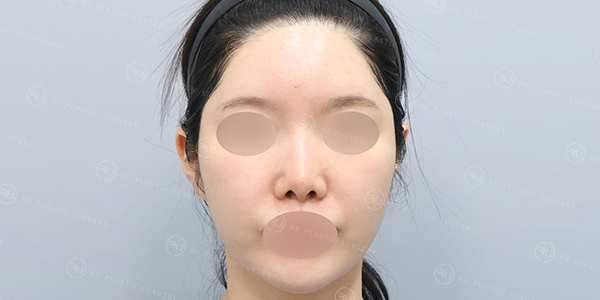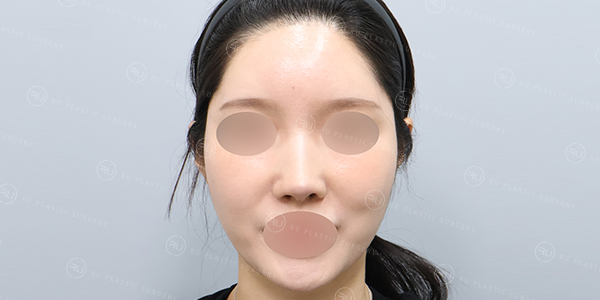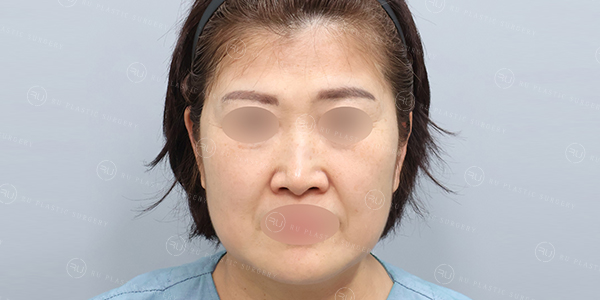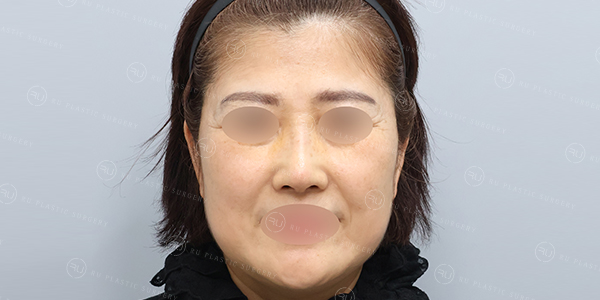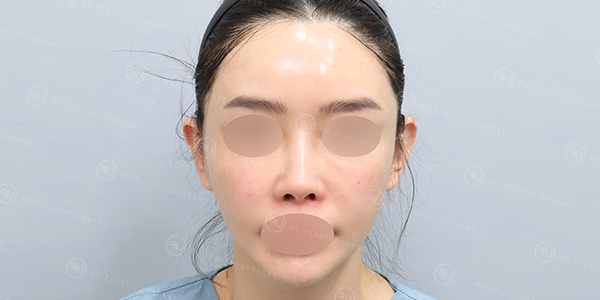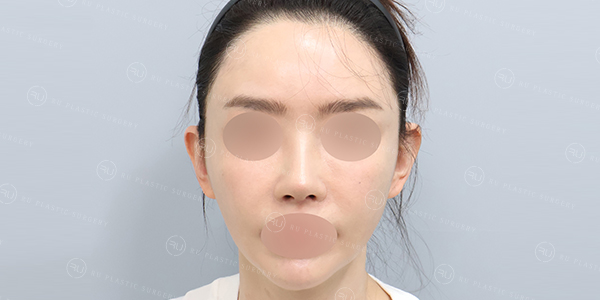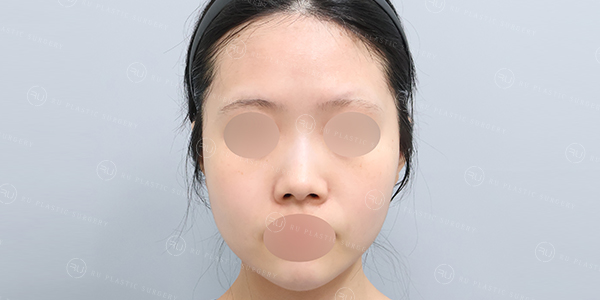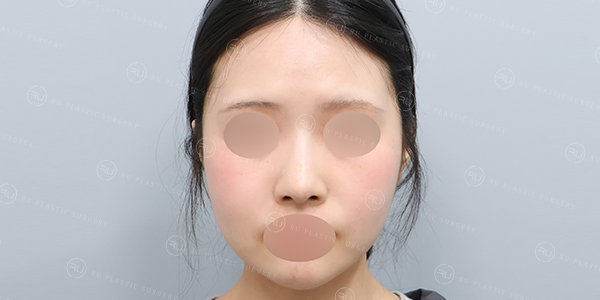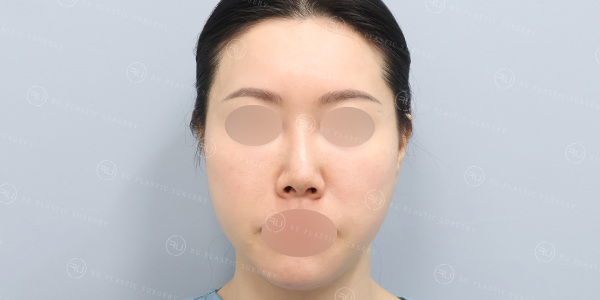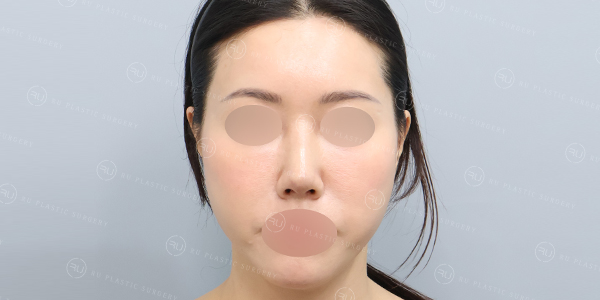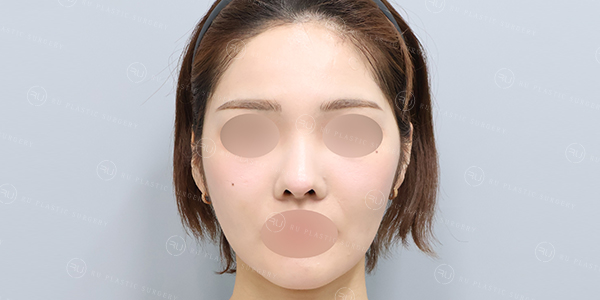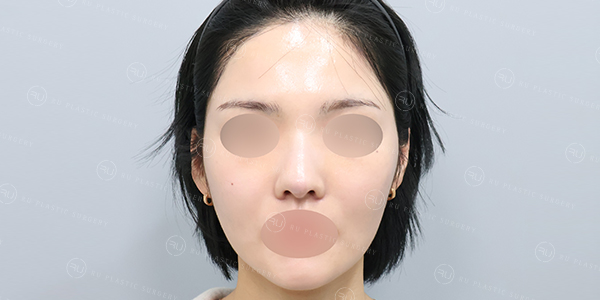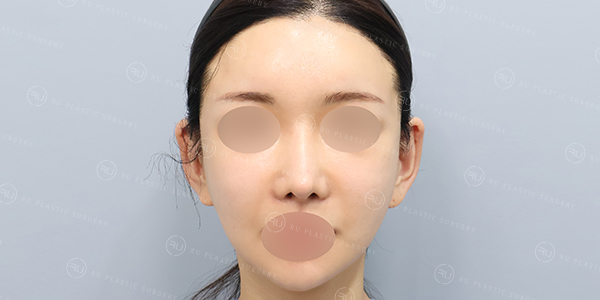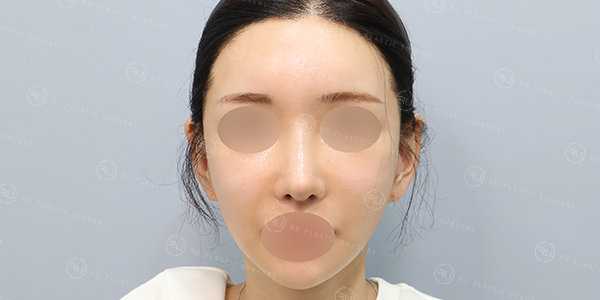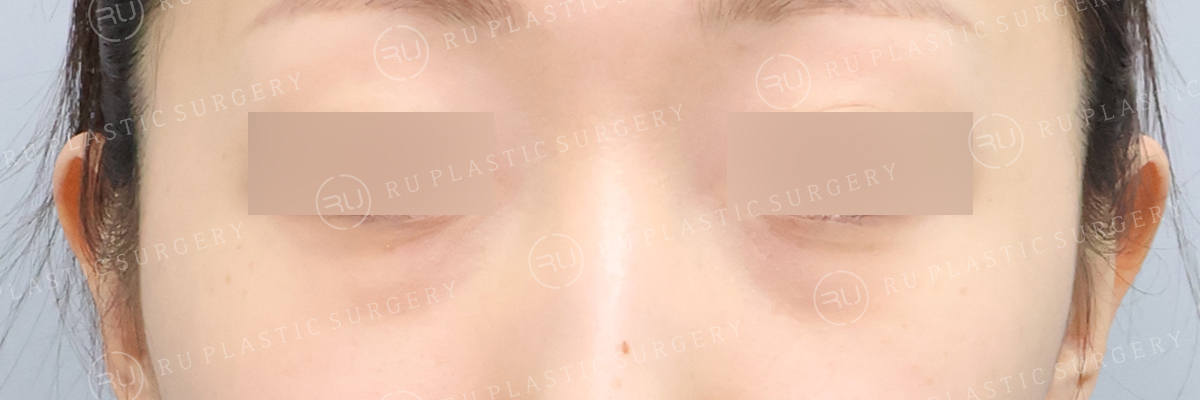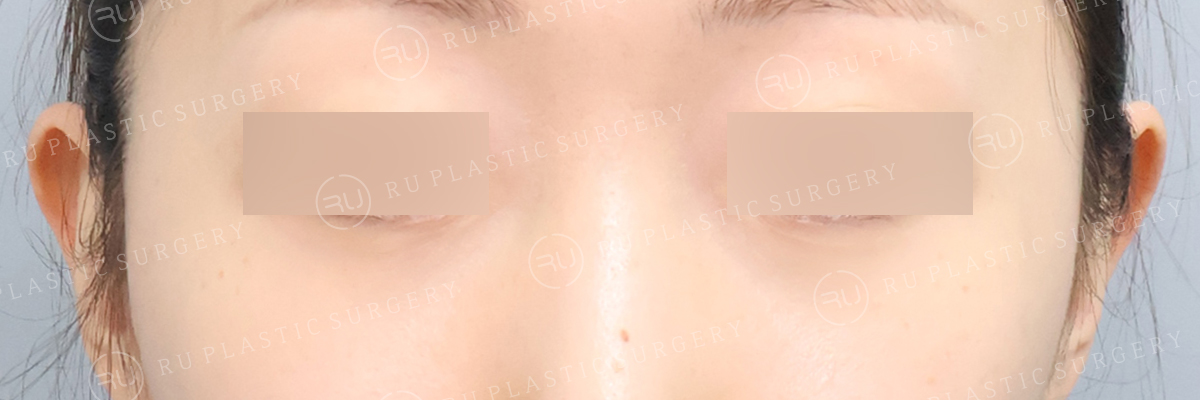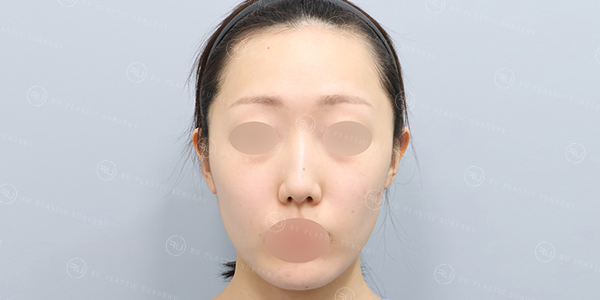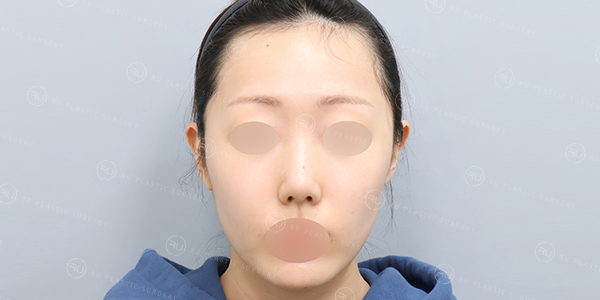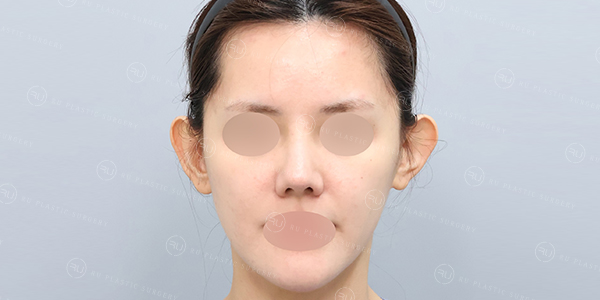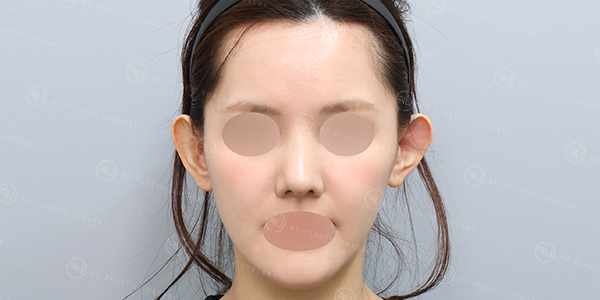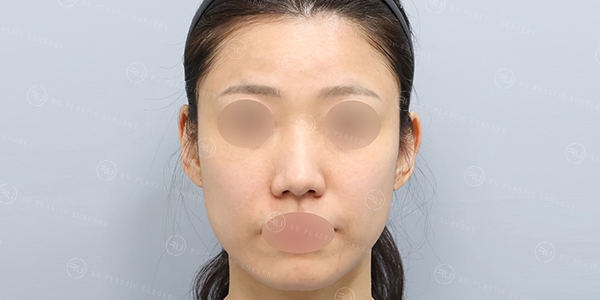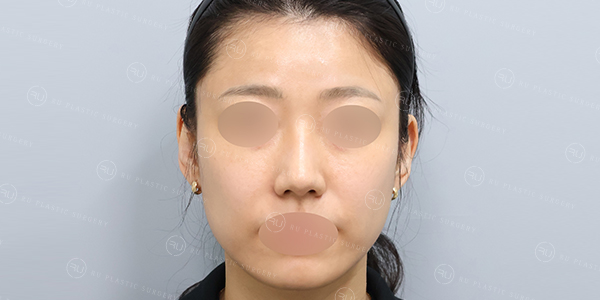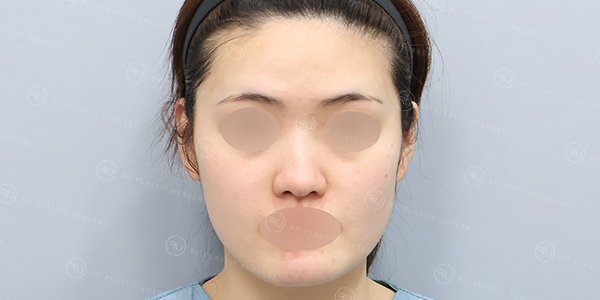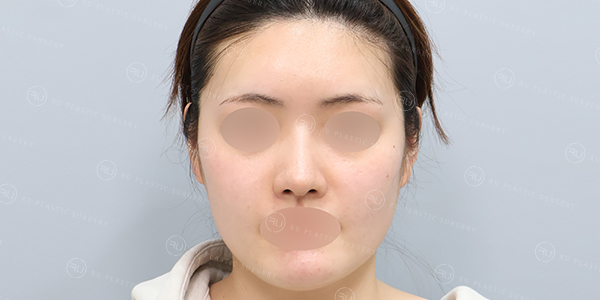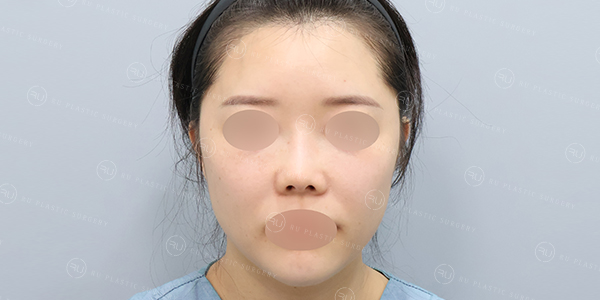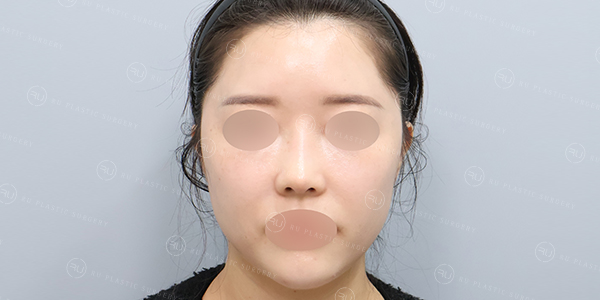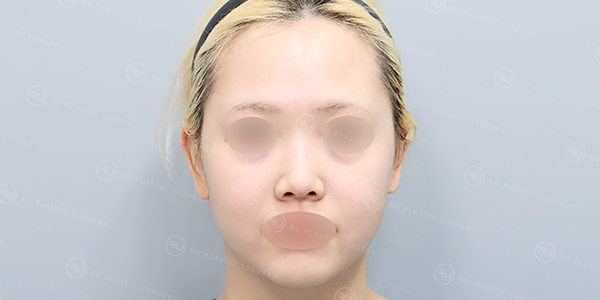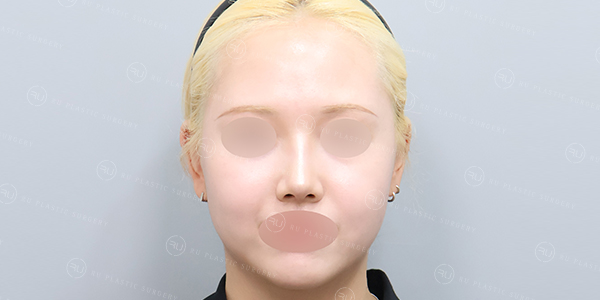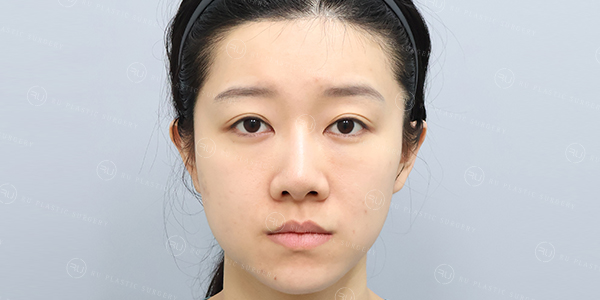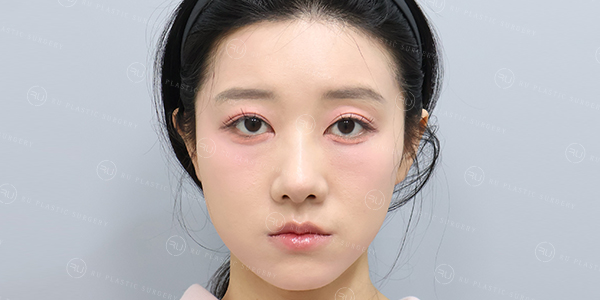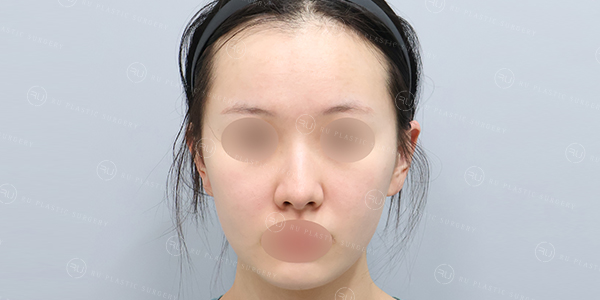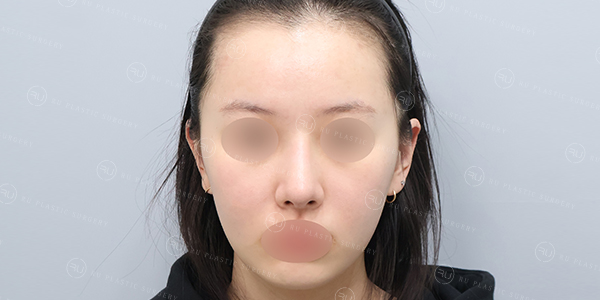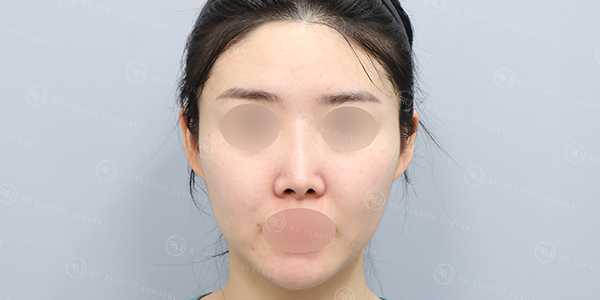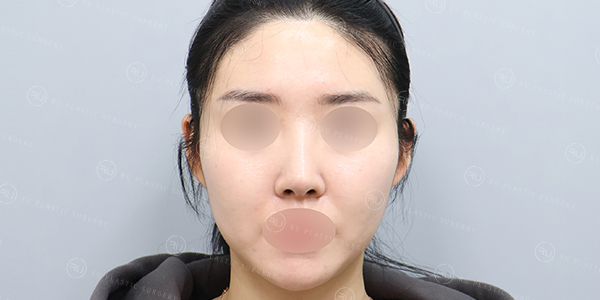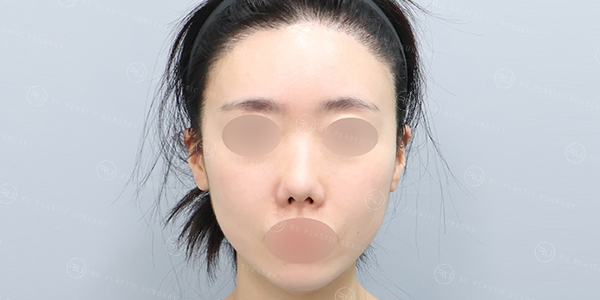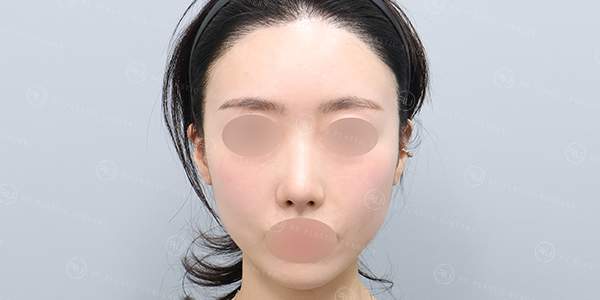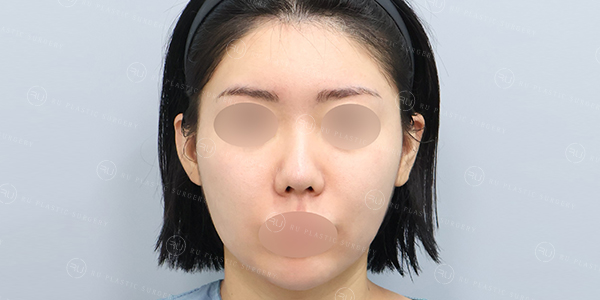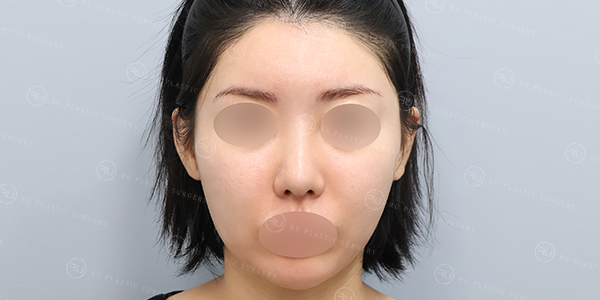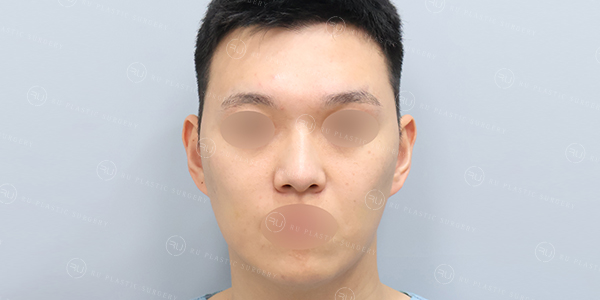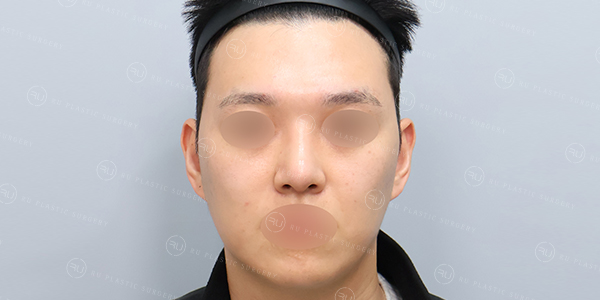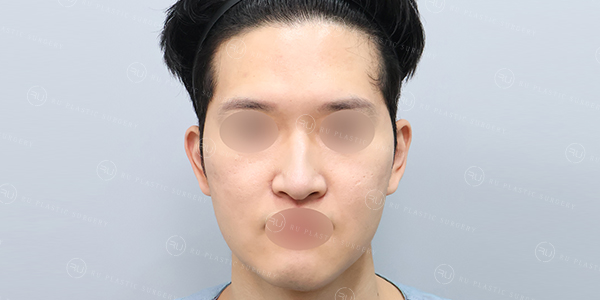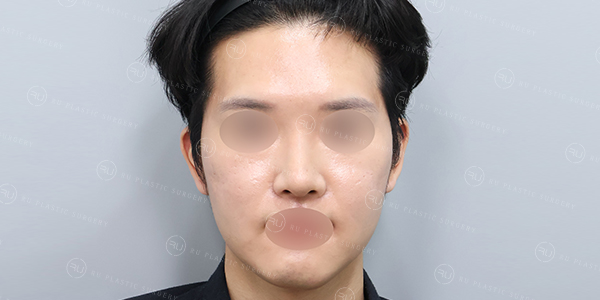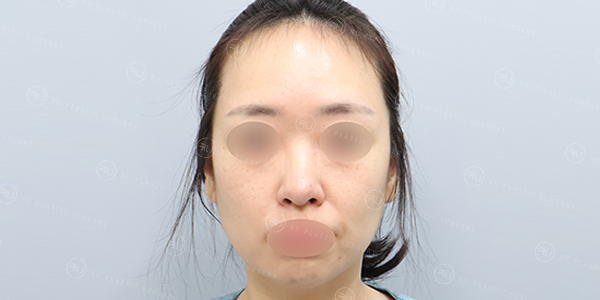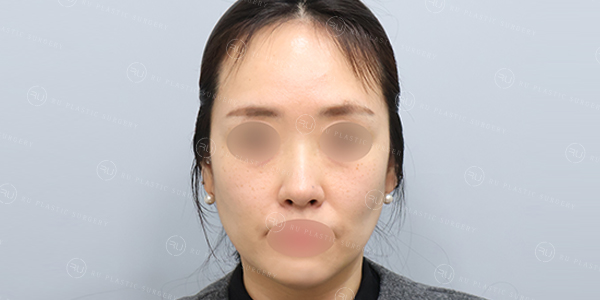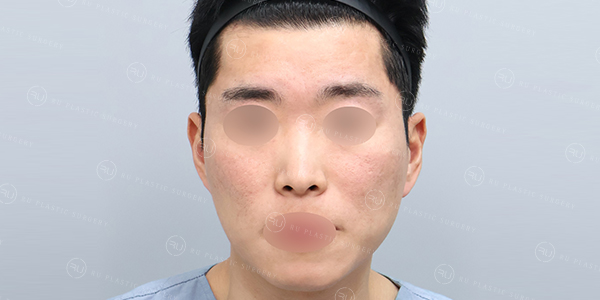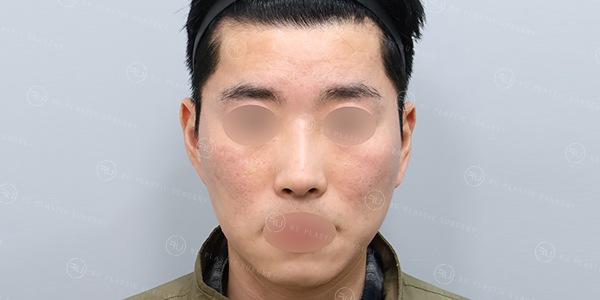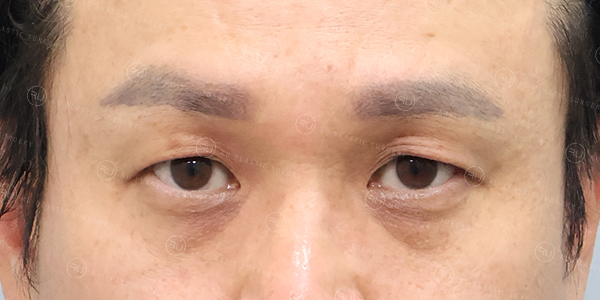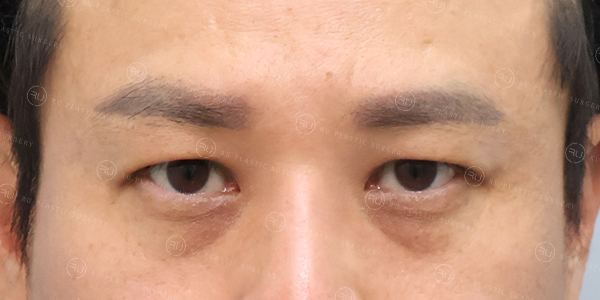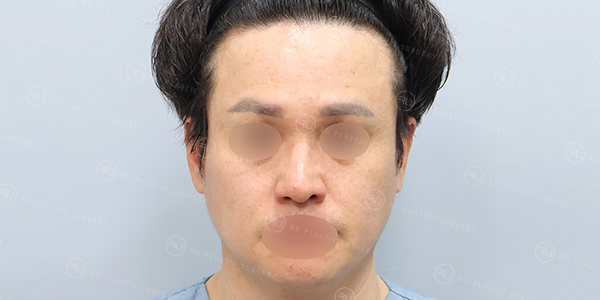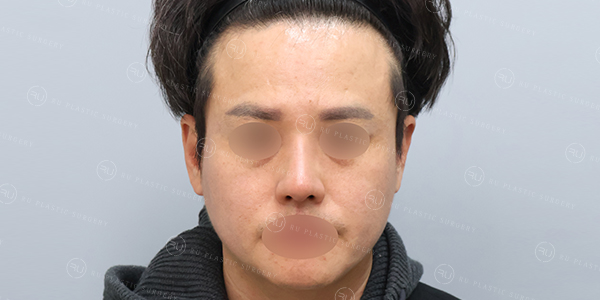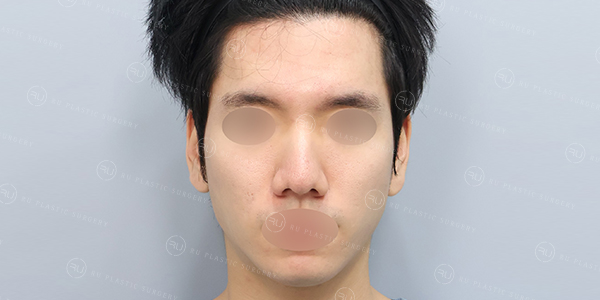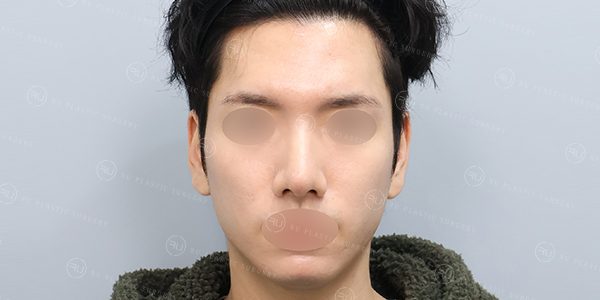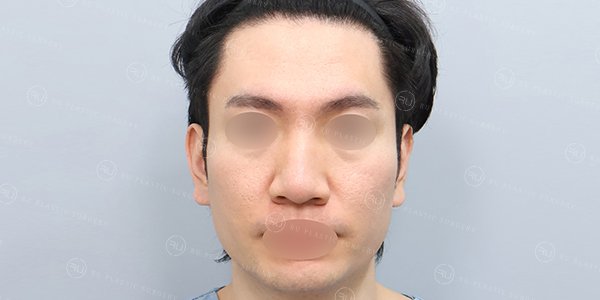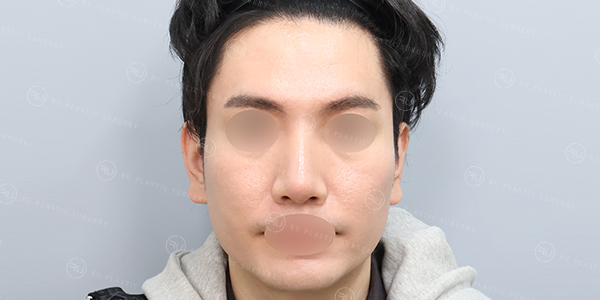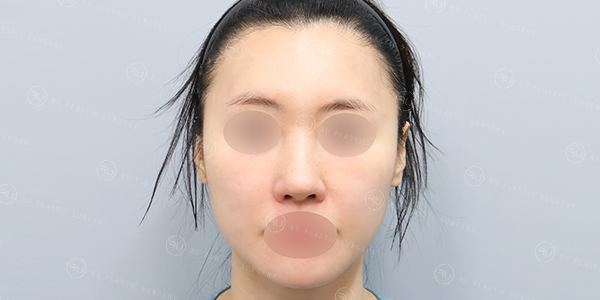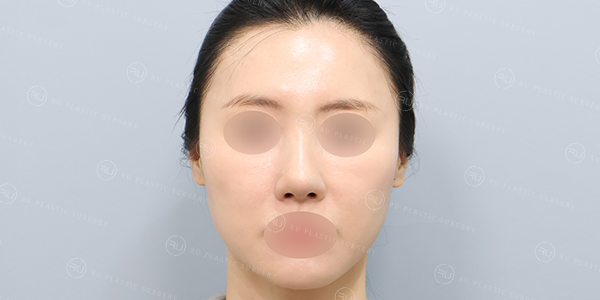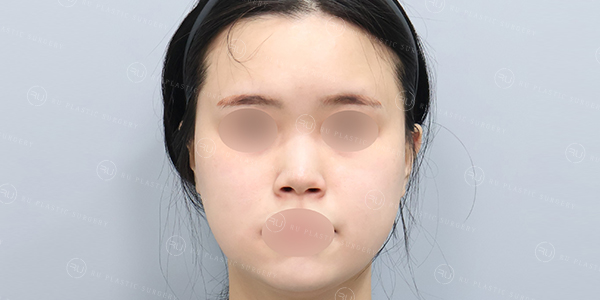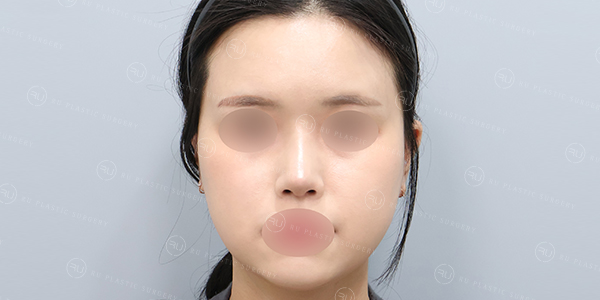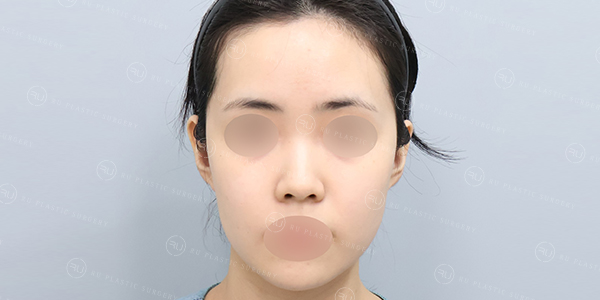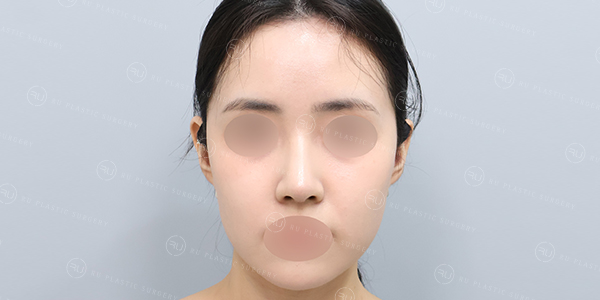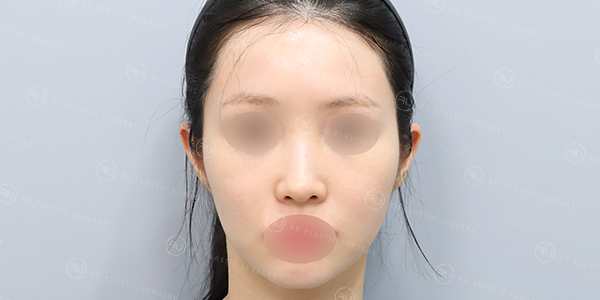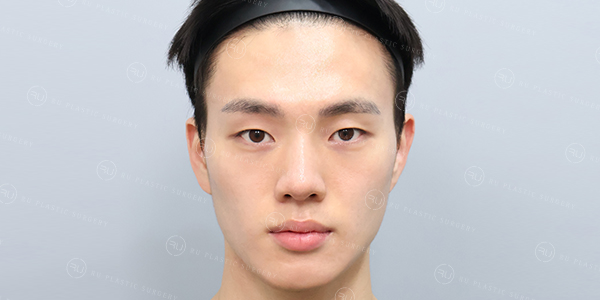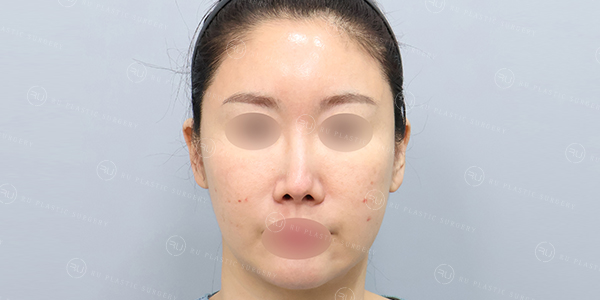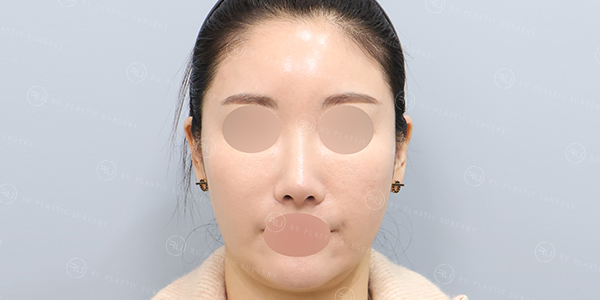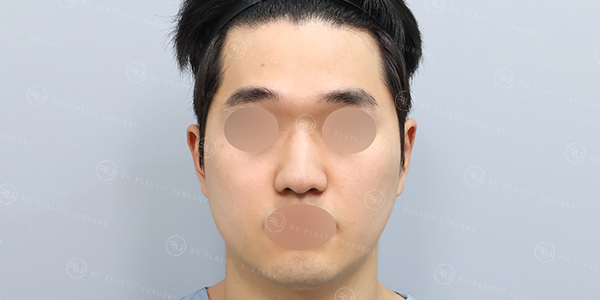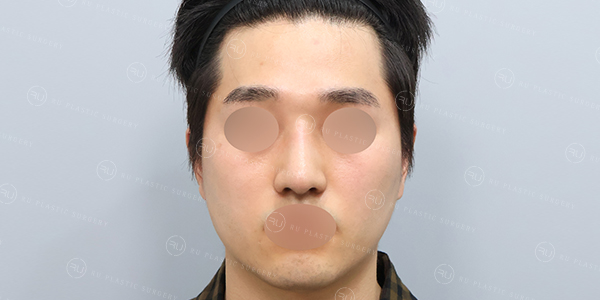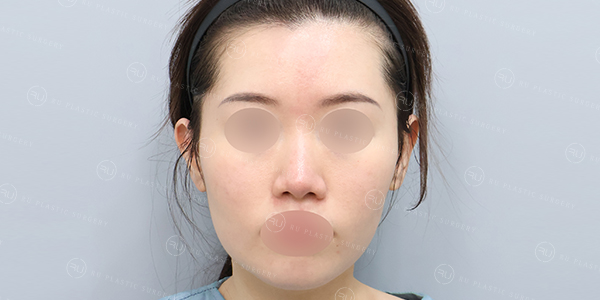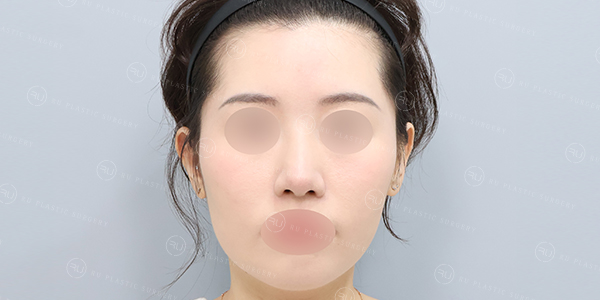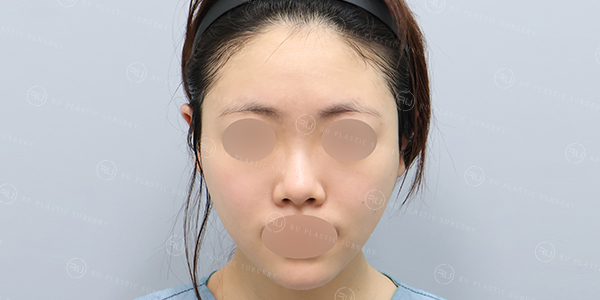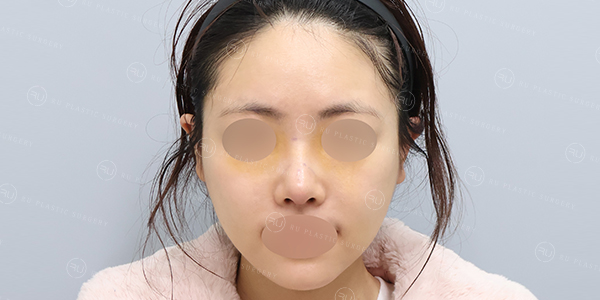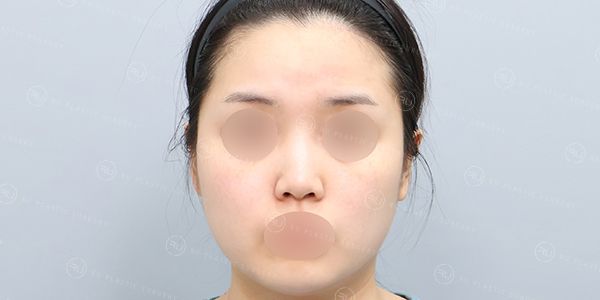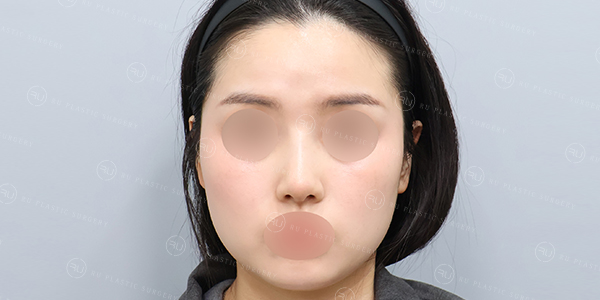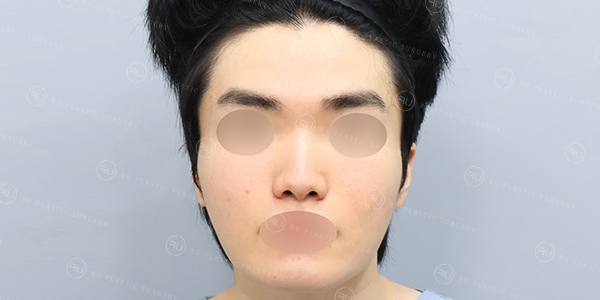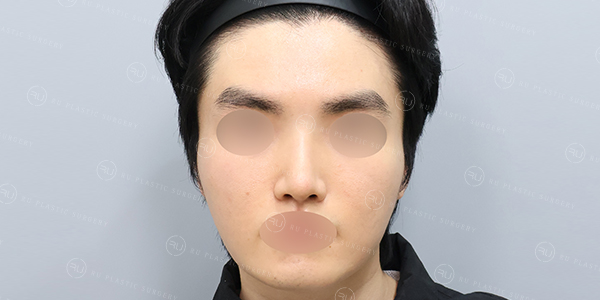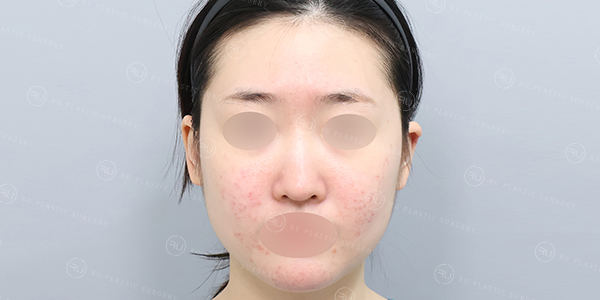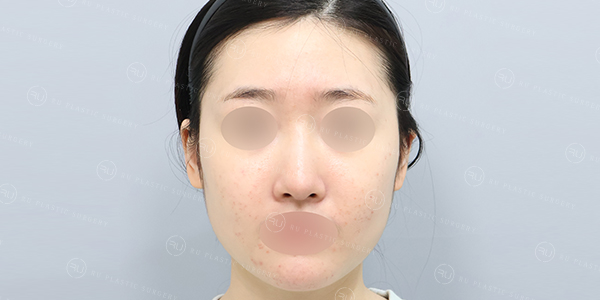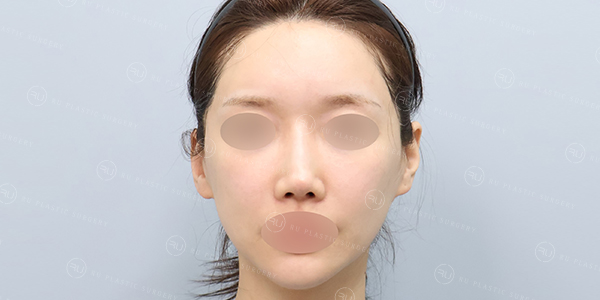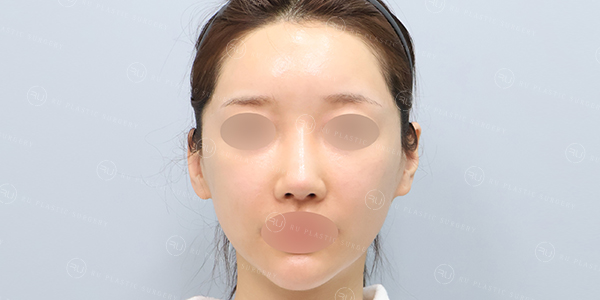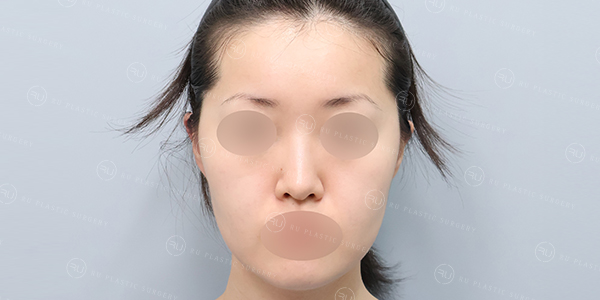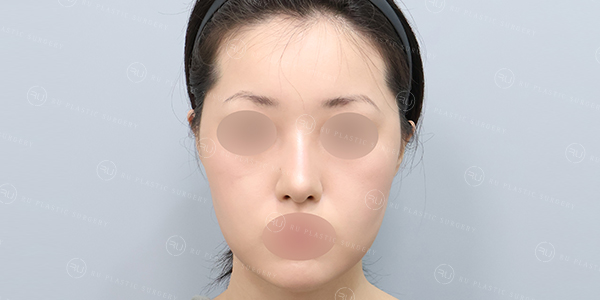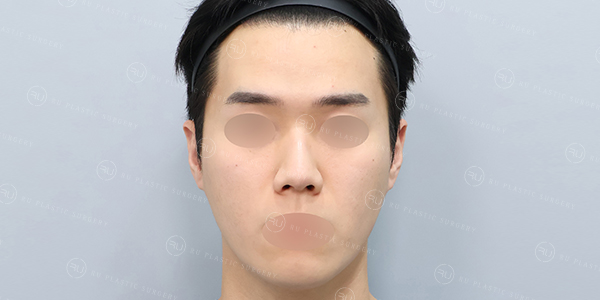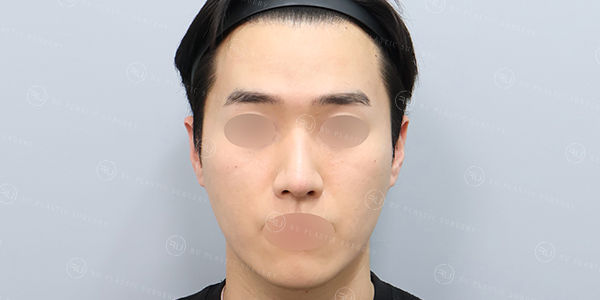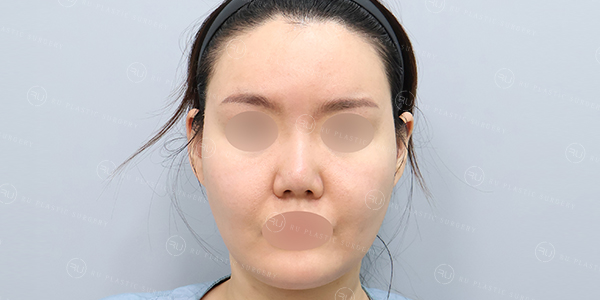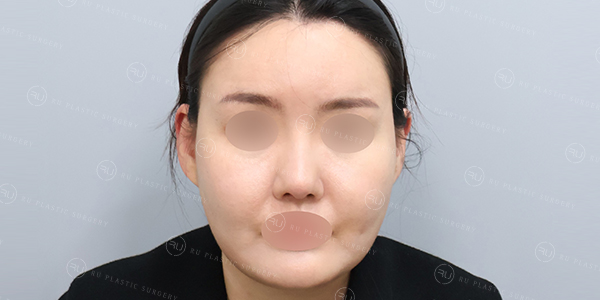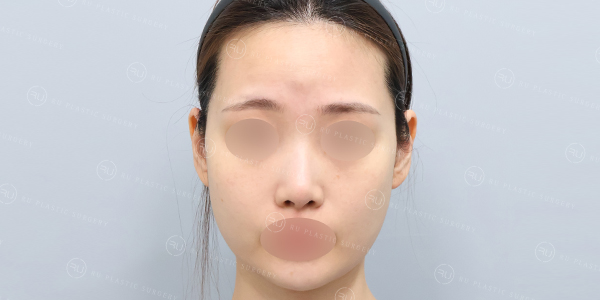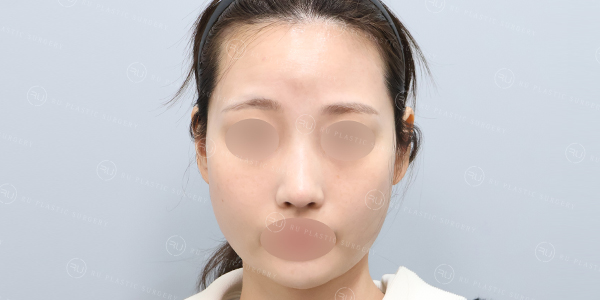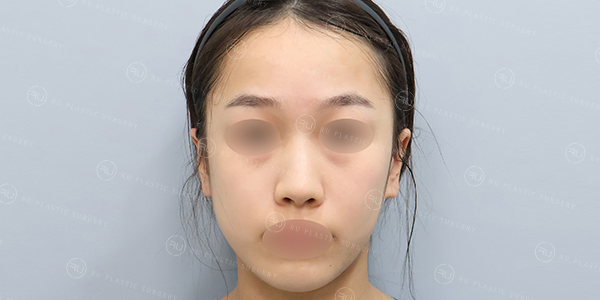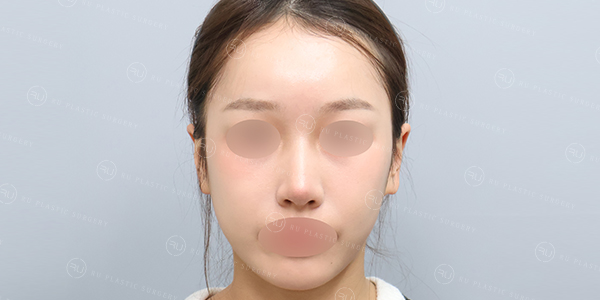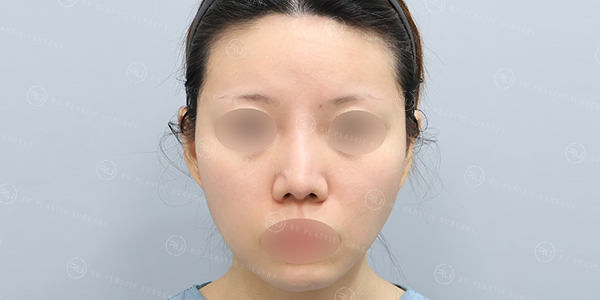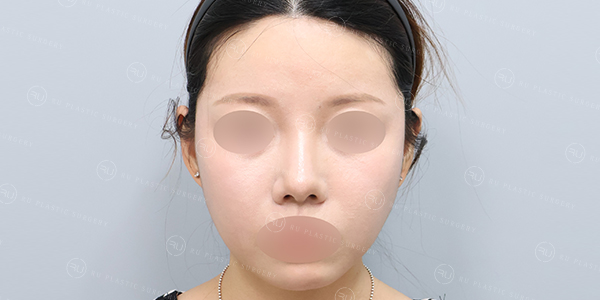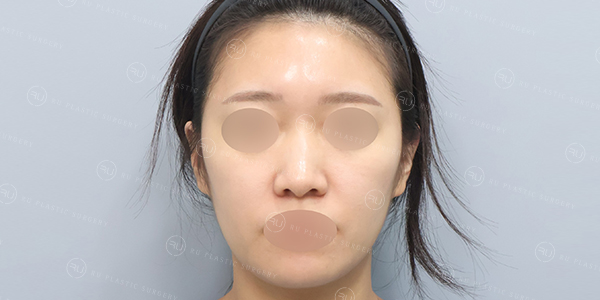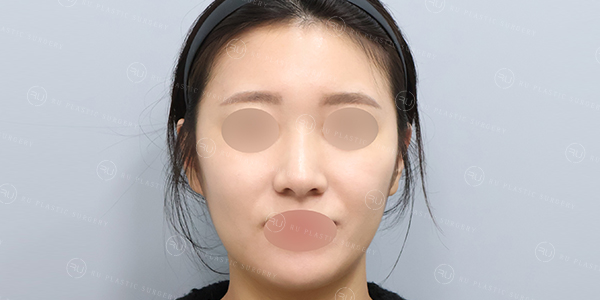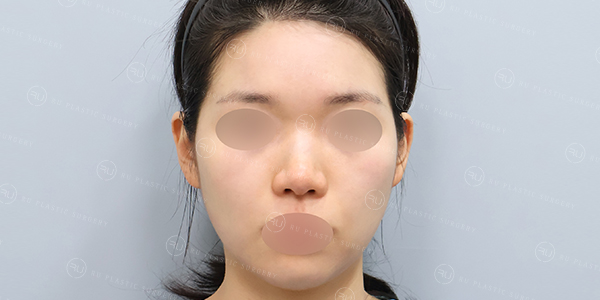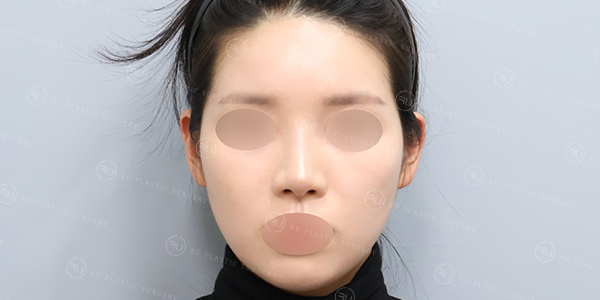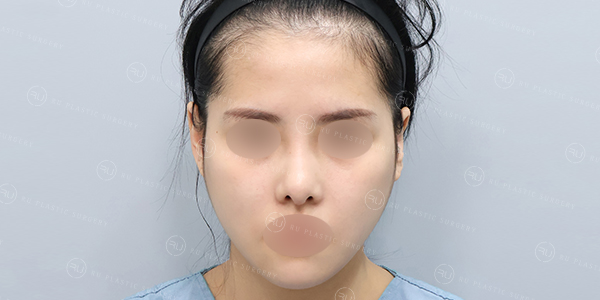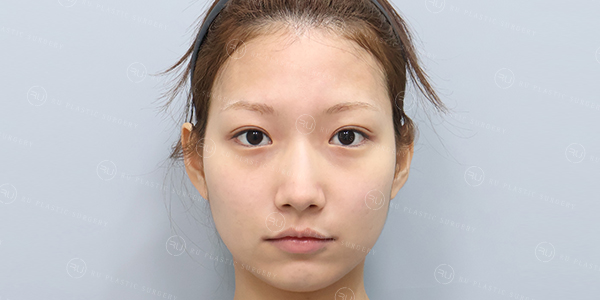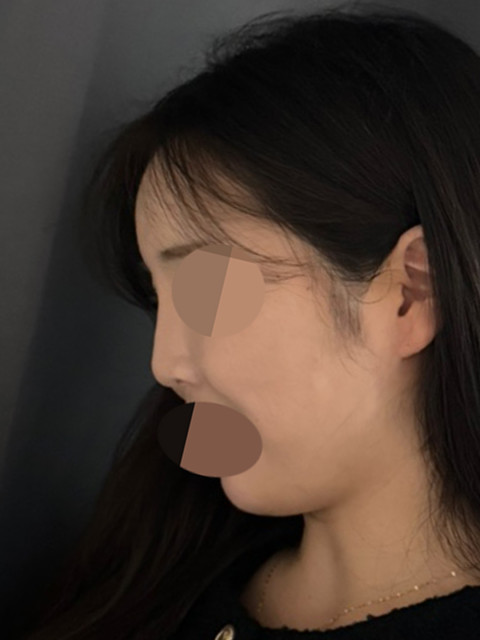
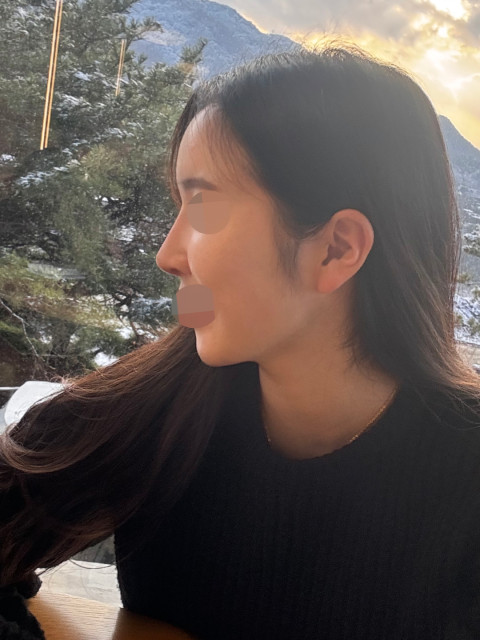
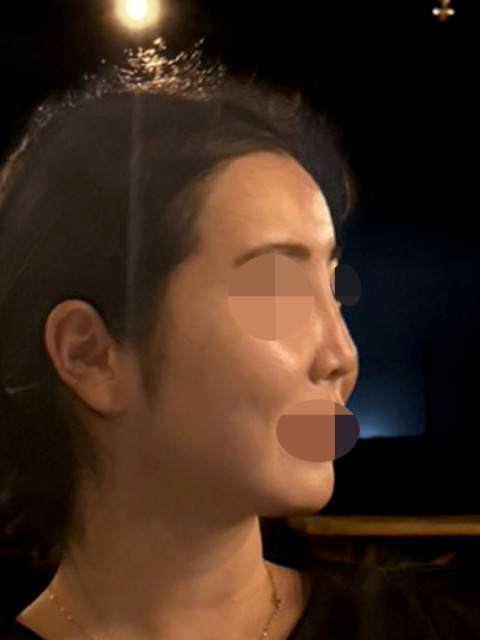

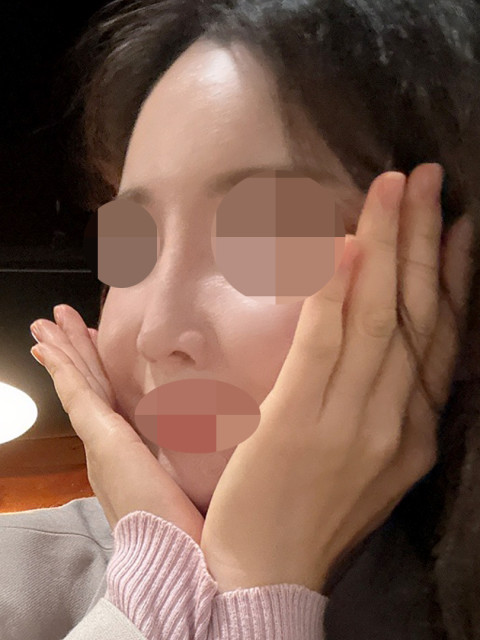



Approximately ten years ago,
I received nasal filler injections about three times.

After that, my nasal bridge began to appear deviated,
which led me to consider rhinoplasty.

At the time, functional rhinoplasty that addressed both aesthetics and nasal function
was heavily advertised,
so I underwent my first rhinoplasty at a large hospital
after dissolving the fillers, partially covered by insurance.
Although I was informed that my nose was small
and my skin was thin, limiting how much height could be achieved,
I proceeded with surgery.
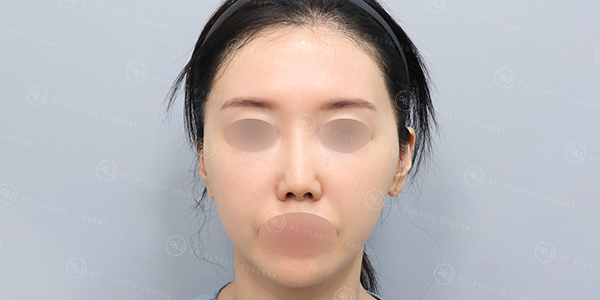
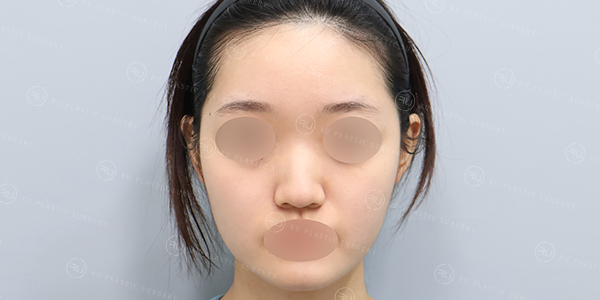
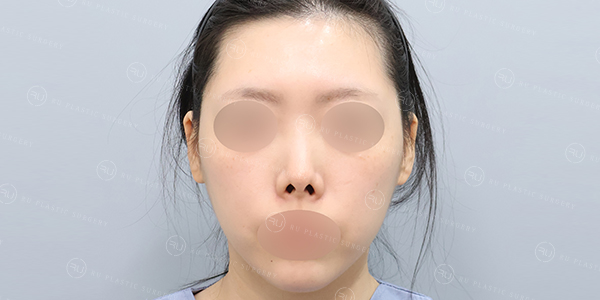
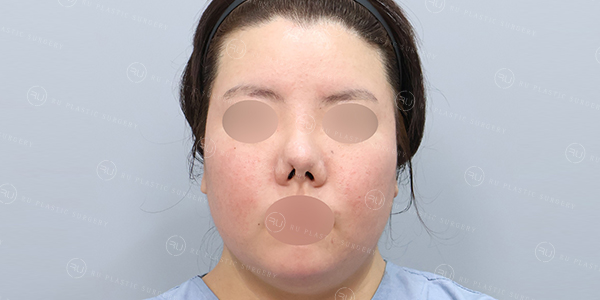
However, the nasal tip remained quite low,
and over time, I began to feel that it was gradually descending
and that the shape was changing.
After researching these symptoms,
I realized that my condition was consistent with a contracted nose.
Despite dissatisfaction with the shape,
I lived with it for about seven years.

Later, with an important life event approaching,
I decided that I wanted to address my nose properly
and began searching for revision surgery.

At the first clinic I consulted,
I was told that although there was no active infection,
my thin skin meant that revision surgery would not produce a dramatic change
and that contracture could recur.
The recommendation felt hesitant,
which left me uncertain.
The second clinic I consulted was RU Plastic Surgery.
As it is operated by a single surgeon,
there was some waiting time and the schedule was busy.
However, the consultation with Dr. Kim Hyun Joo was thorough
and never rushed.
He explained in detail that contracted nose revision
must be approached with specific techniques
to minimize future complications,
including potential inflammation.
Some of the explanations were complex,
but whenever I asked for clarification,
he patiently explained again,
which left a strong impression.
Dr. Kim explained that although my thin skin posed limitations,
reconstructing both the nasal bridge and nasal tip
using autologous costal cartilage
would result in a clear and meaningful improvement.
At that moment, I felt confident that this was the right place,
and I decided to proceed with surgery.
While I was mentally prepared for costal cartilage harvesting,
I was initially disappointed to learn
that temporoparietal fascia would also be harvested,
adding another incision site.
However, now that more than six months have passed,
the donor site for the scalp fascia is no longer noticeable at all.
Based on what I later learned,
the technique used appears to be diced costal cartilage with fascia (DCF),
which I was told may involve a longer period for swelling to resolve.
This was also explained around the time of splint removal.
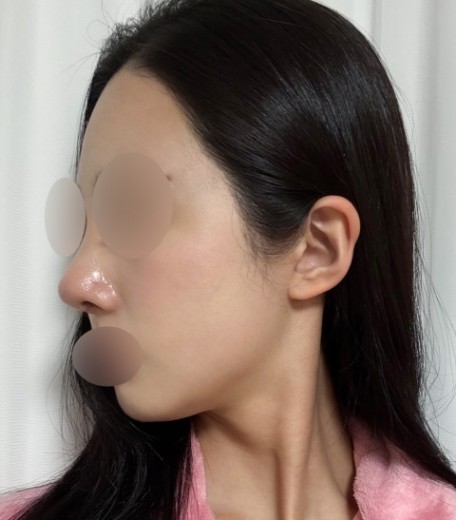
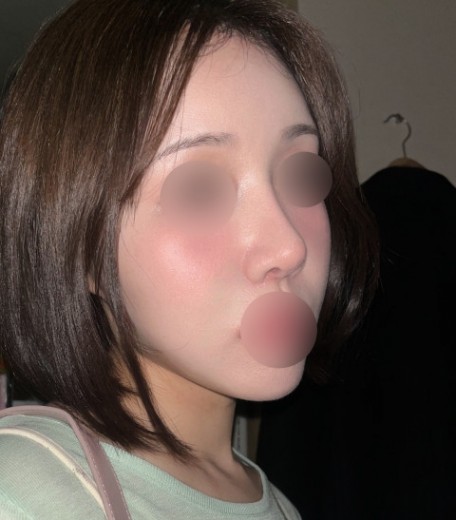
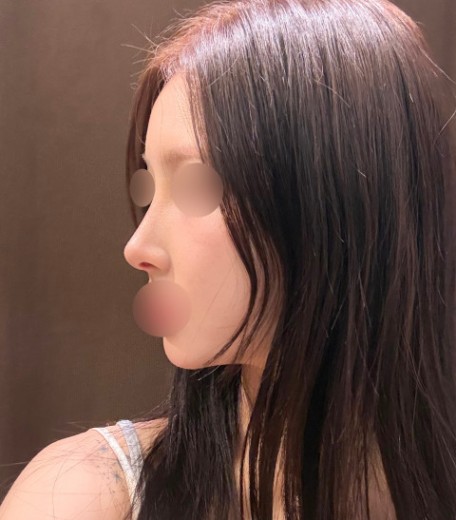
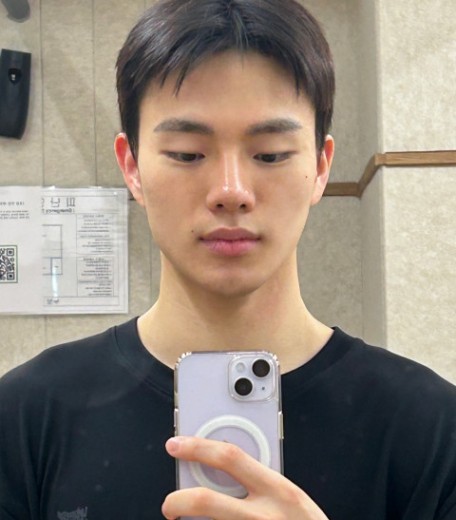
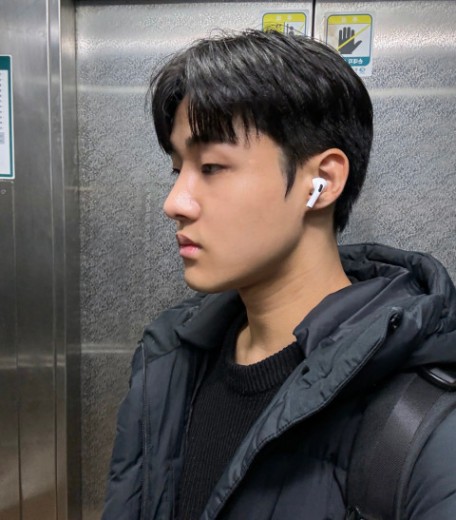
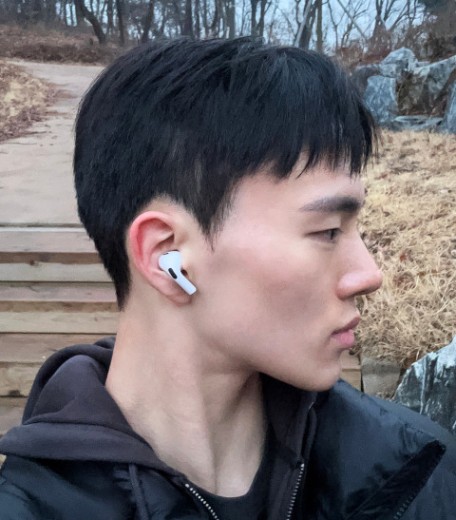
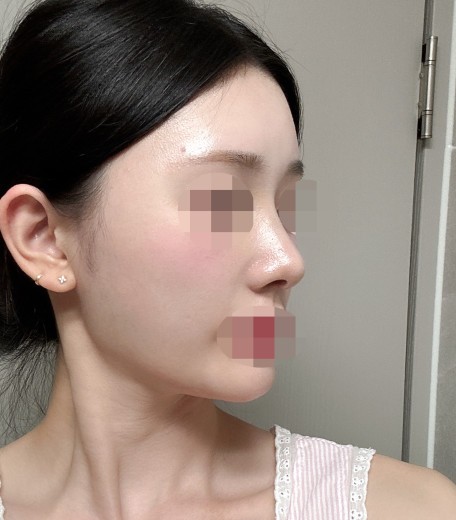
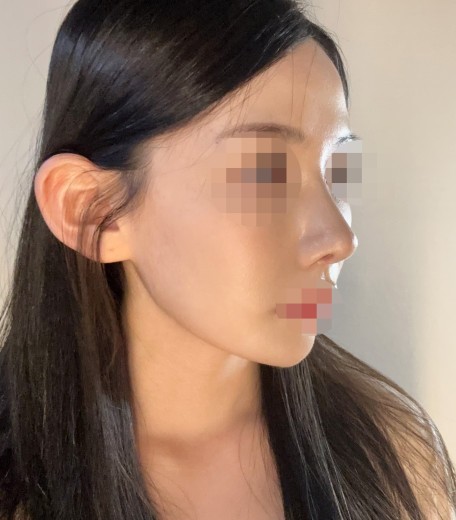
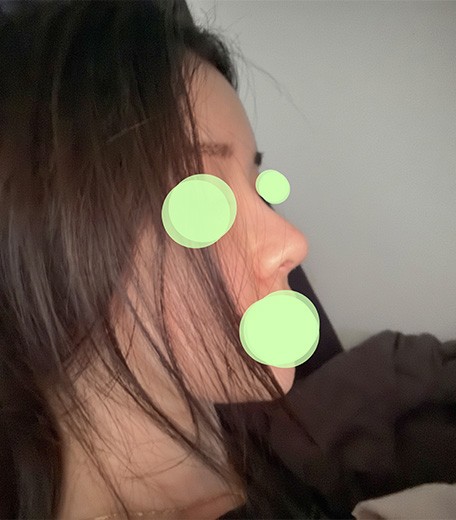
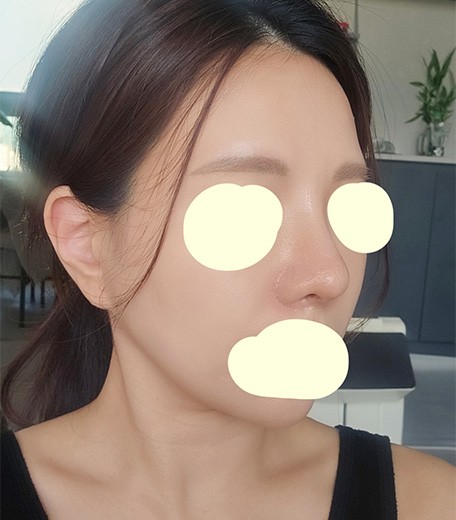
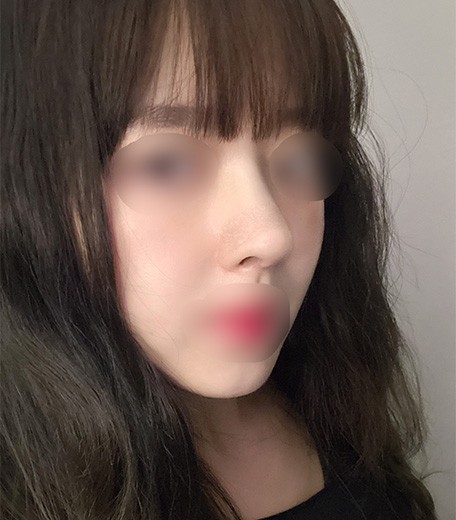
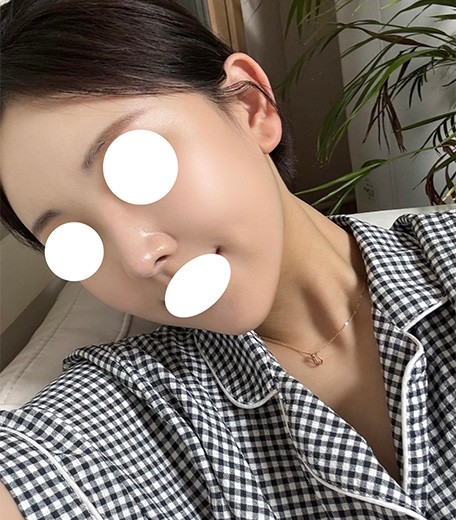
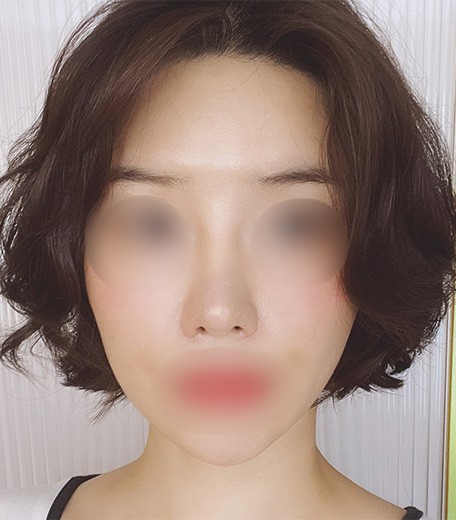
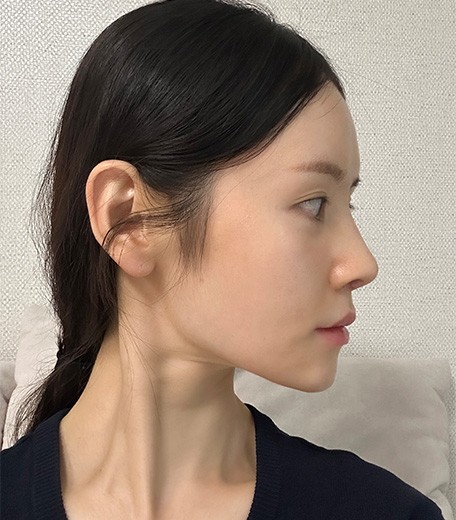
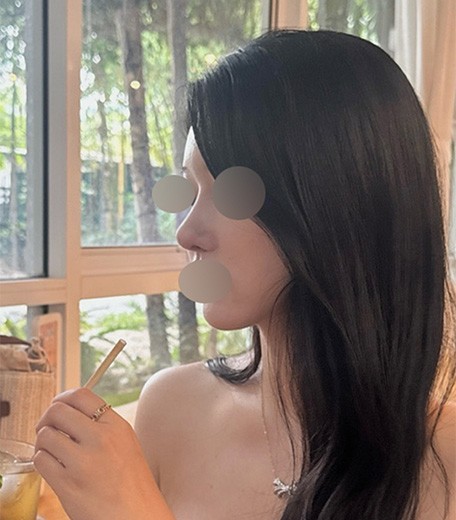
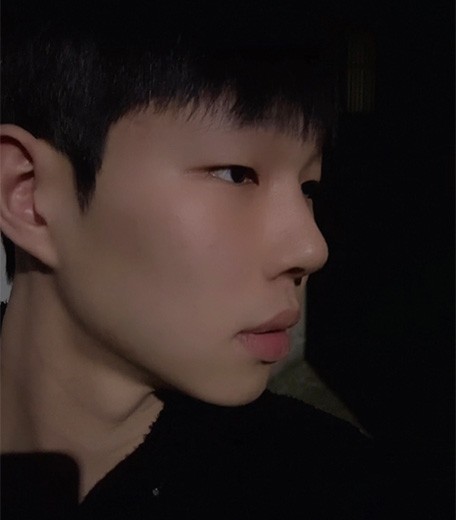
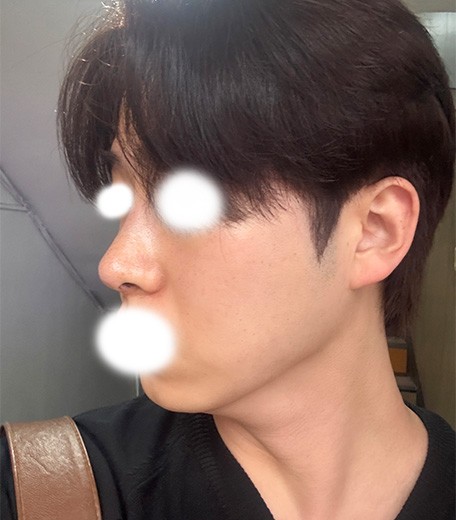
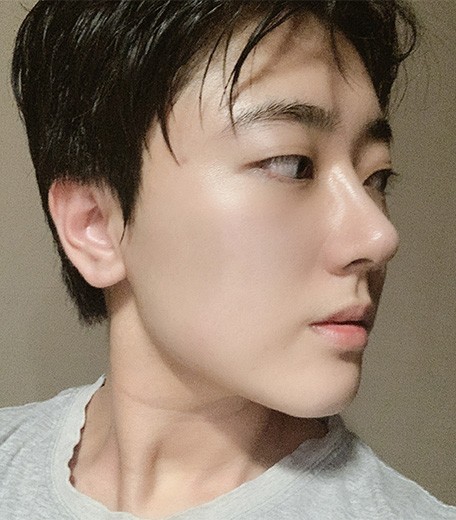
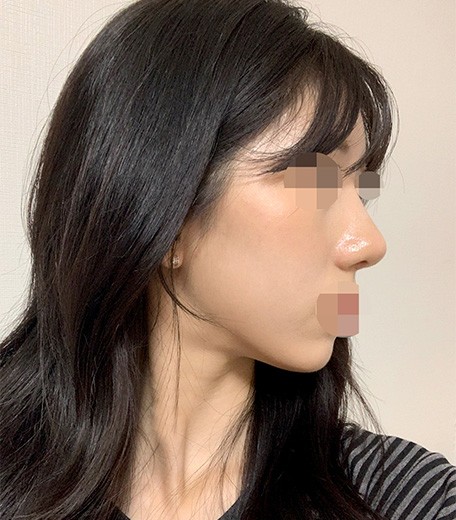
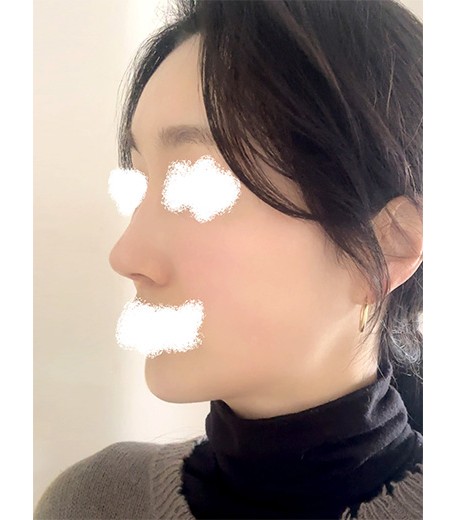
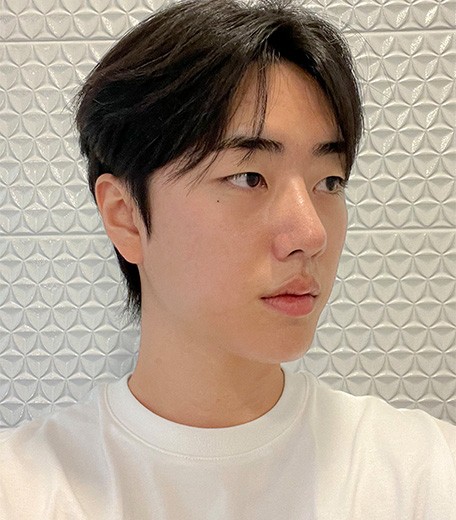
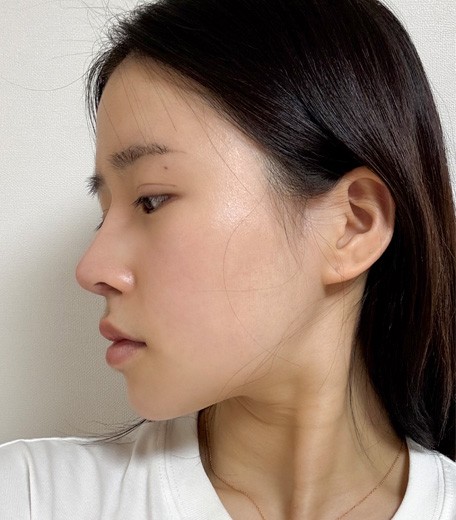
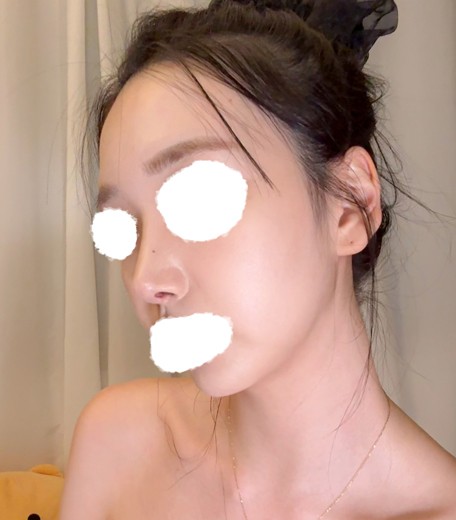
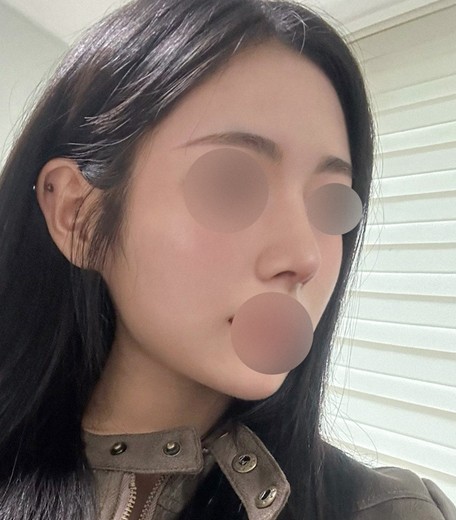
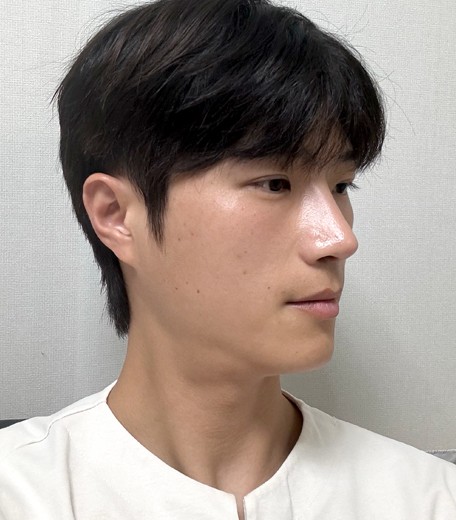
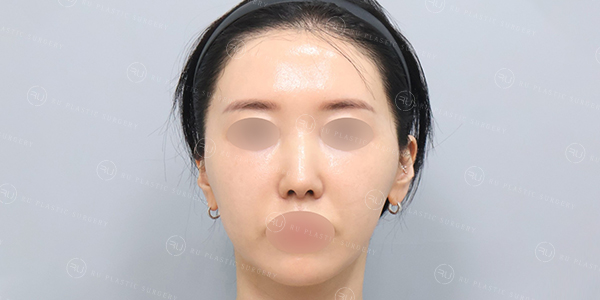
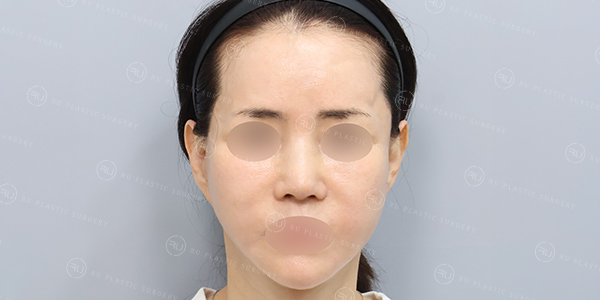
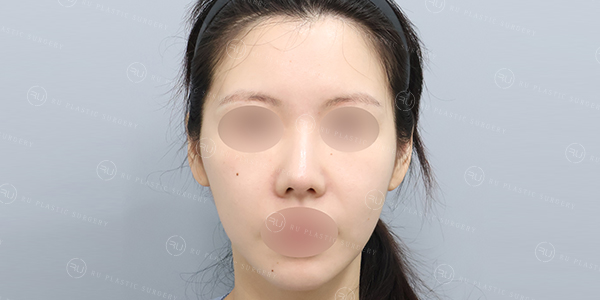
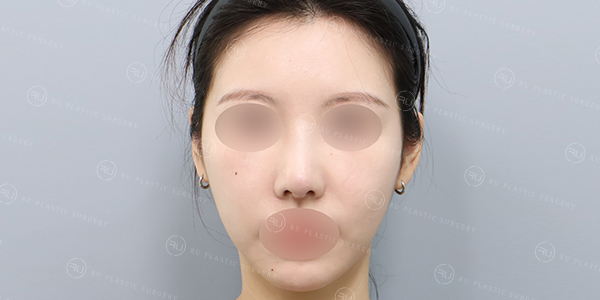
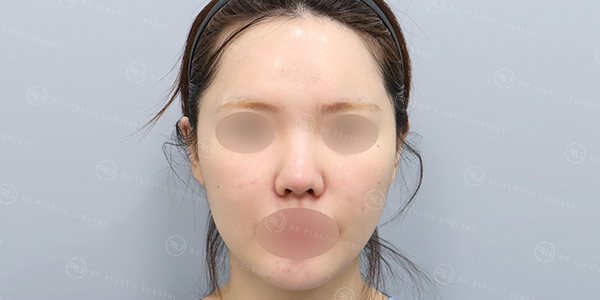
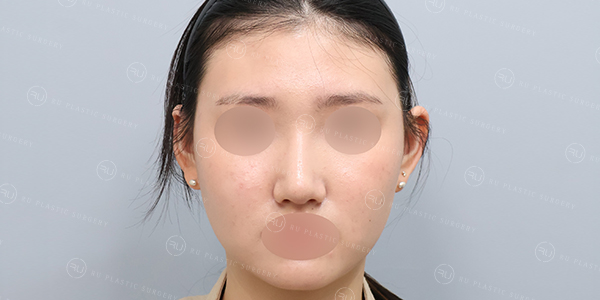
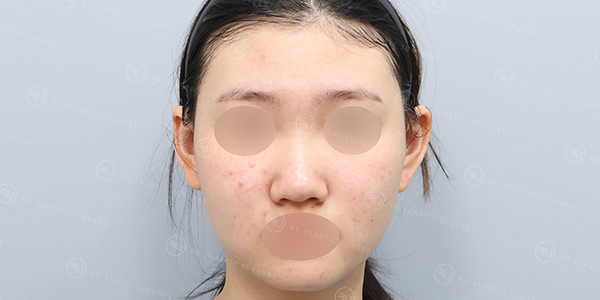
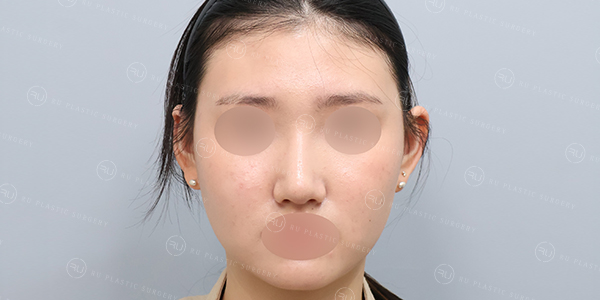
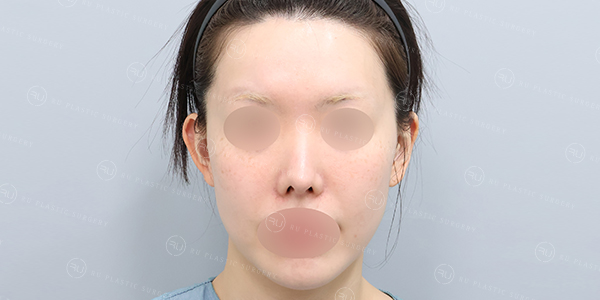
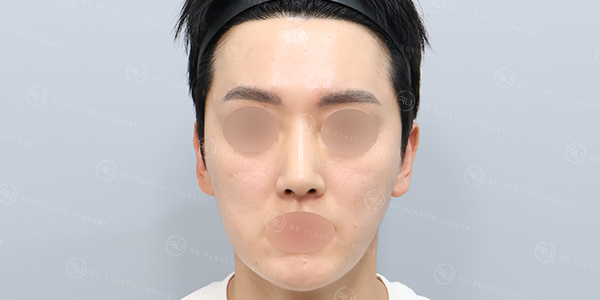
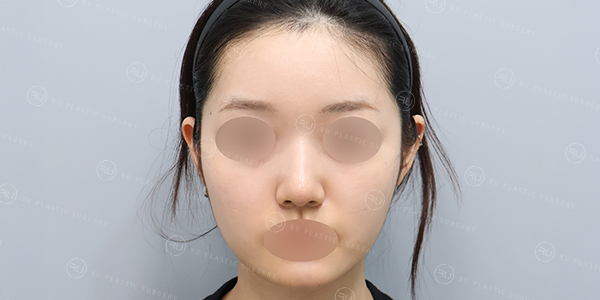
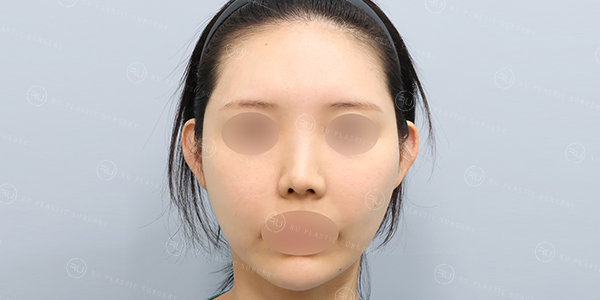
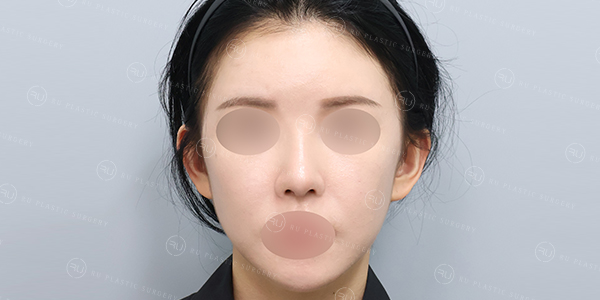
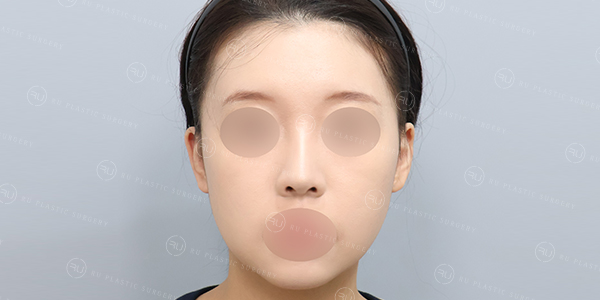
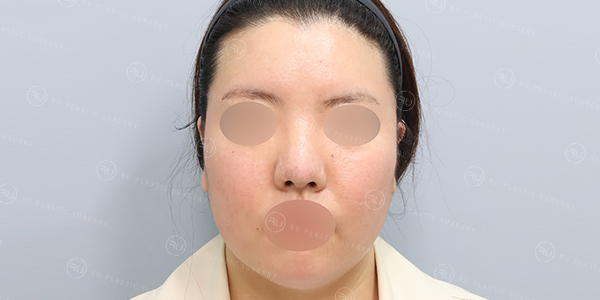
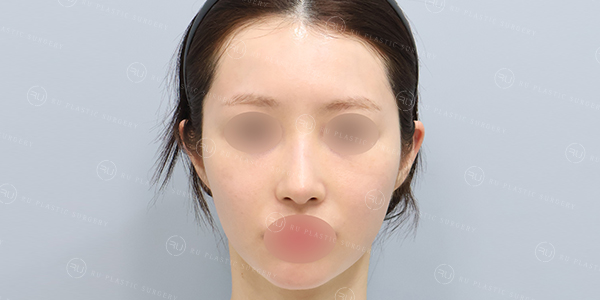
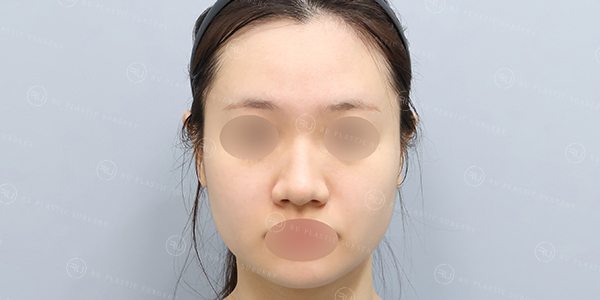
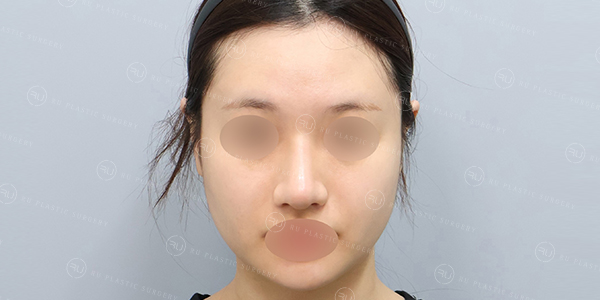
Now, at over six months postoperatively,
the nose looks very natural,
and the nasal tip has lifted beautifully and harmoniously.
I am highly satisfied with the outcome,
and people around me have also commented
that the contracted nose revision was very well done.