Long-Term Psychological Distress After Rhinoplasty and My Decision to Undergo Revision Rhinoplasty at RU Plastic Surgery
본문
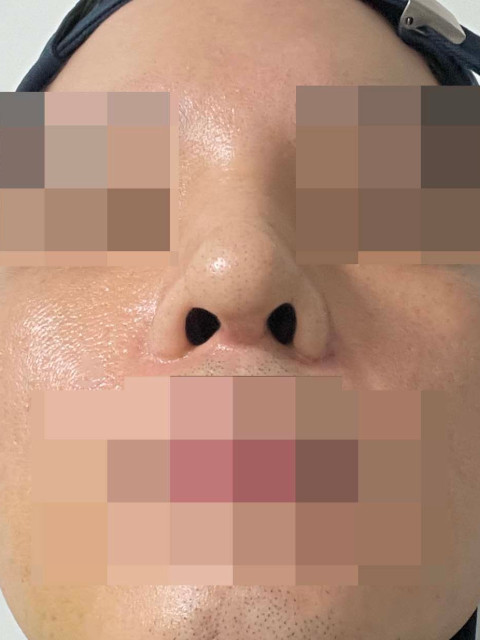
Hello. I underwent rhinoplasty more than ten years ago.
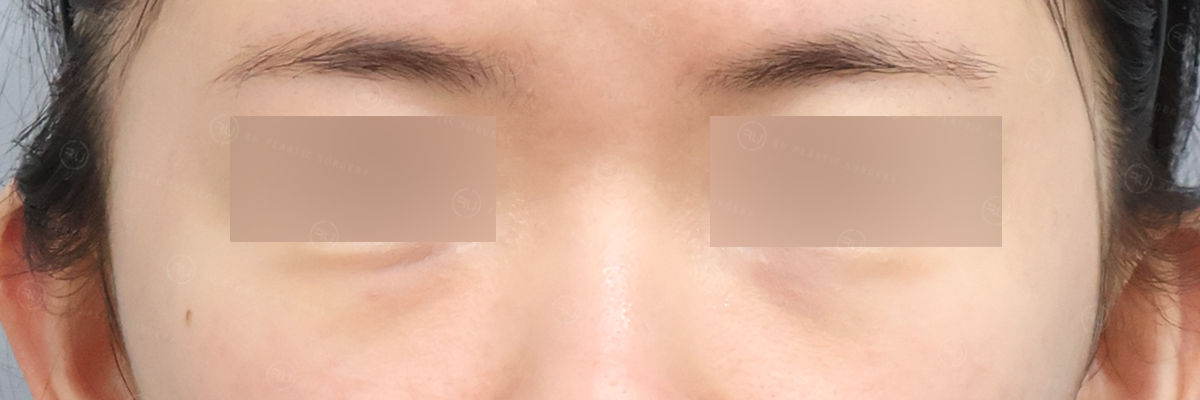
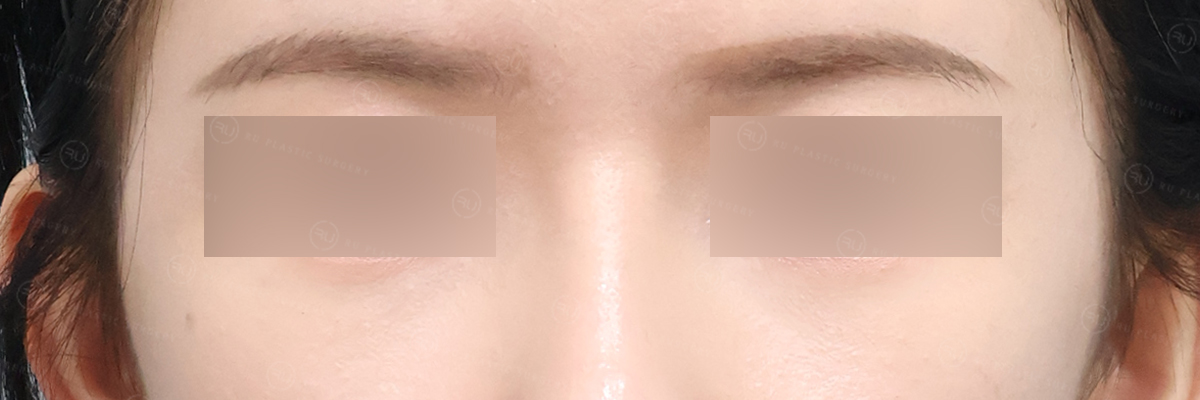
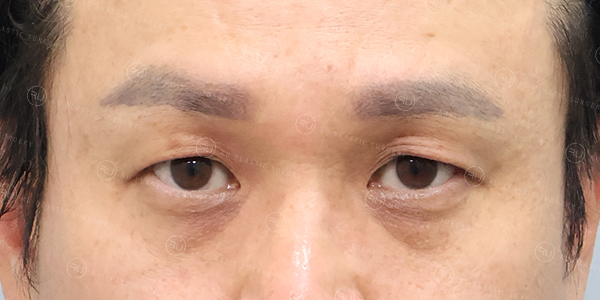
After the surgery, the area between my eyebrows gradually became swollen and uncomfortable.
My nose eventually developed what is often referred to as an “avatar nose,”
and I became increasingly self-conscious about people looking at my side profile.
Because revision surgery would involve pain and time off work,
I tried to live with it, telling myself to just endure it.
However, whenever I noticed someone glancing at my profile or whispering,
I became convinced that they found my appearance strange.
Over time, this developed into a significant psychological burden.
By chance, I discovered a cosmetic surgery app on a friend’s phone.
After returning home, I began reading revision rhinoplasty reviews on the app.
Among many clinics, RU Plastic Surgery stood out the most
(although I did shortlist one or two other hospitals as well).
What made RU Plastic Surgery particularly noticeable
was that every review photo matched what I believed
a proper masculine nose should look like.
Many common concerns were also addressed clearly,
so I created a checklist for myself:
Straight profile → Yes
Masculine appearance → Yes
Natural look → Yes
Balanced proportions of nasal tip, alar base, and bridge → Yes
No excessive nostril show → Yes
Nasal tip not overly sharp → Yes
Not upturned → Yes
No obvious signs of surgery → Yes
Custom silicone implant designed for individual bone structure → Yes
No reports of serious complications → Yes
Single-surgeon clinic → Yes
Dedicated anesthesiologist → Yes
It felt almost perfect.
Still, I knew I needed to meet the surgeon in person
before making such an important decision.
I took a day off and visited two hospitals.
Because my final decision was strongly influenced by the comparison,
I would like to briefly explain my experience at the other clinic,
which I will refer to as Clinic A.
At the hospital, a CT scan was performed.
I was found to have a septal perforation in the middle of my nose.
This was likely caused by aggressive manipulation during my previous surgery.
When the surgeon at Clinic A reviewed the CT scan,
he sighed deeply before speaking,
which immediately made my heart sink.
I began to worry that something was seriously wrong.
He explained that because of the septal perforation,
it would be difficult to significantly elevate the nasal tip,
and that a more indirect and limited approach would be required for stability
(this is my general understanding, not a precise medical explanation).
The consultation left me feeling anxious and unsettled.
After leaving Clinic A, I went to RU Plastic Surgery
and began my consultation with Dr. Kim Hyun Joo.
I explained what I had been told at Clinic A
and asked how my condition could be addressed.
Dr. Kim showed me cases of patients
who were in even more complex situations than mine
and explained their outcomes with confidence.
He did not simply say “it’s fine” or “it’s possible,”
but also discussed the design I wanted
and the postoperative care in detail.
The clinic director also shared her perspective, saying that
she had worked at many hospitals but now works with a surgeon
she truly trusts and can confidently recommend.
This statement carried significant weight for me
and further strengthened my trust.
I ultimately underwent revision rhinoplasty using
autologous rib cartilage, custom silicone (InnoFit),
deviated nose correction, and nasolabial angle correction.
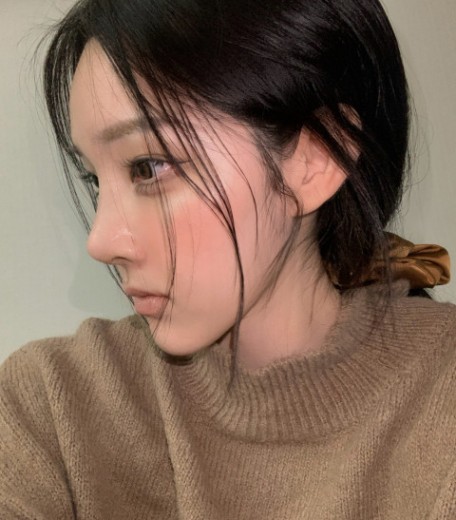
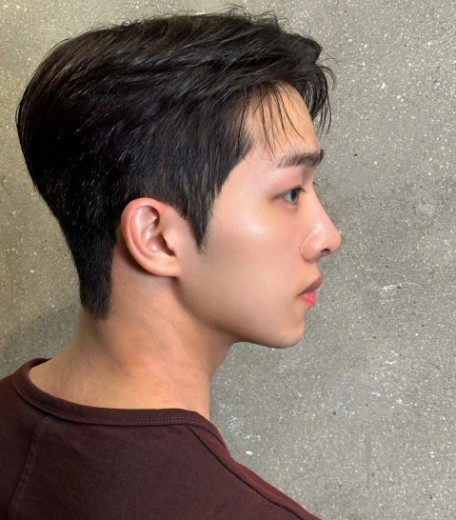
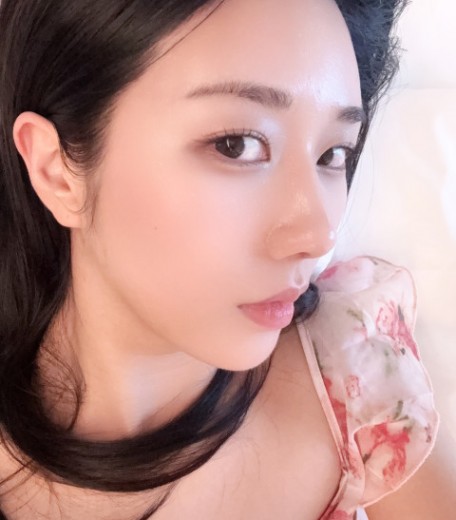
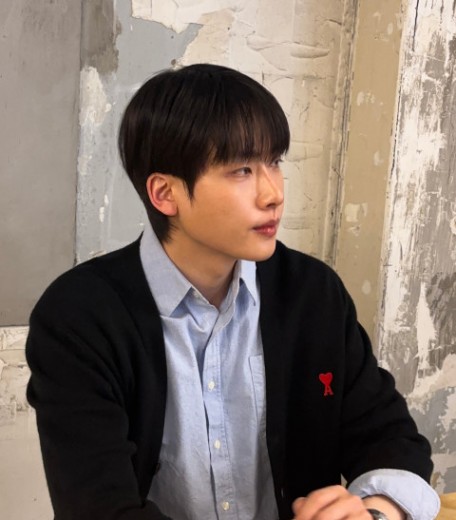
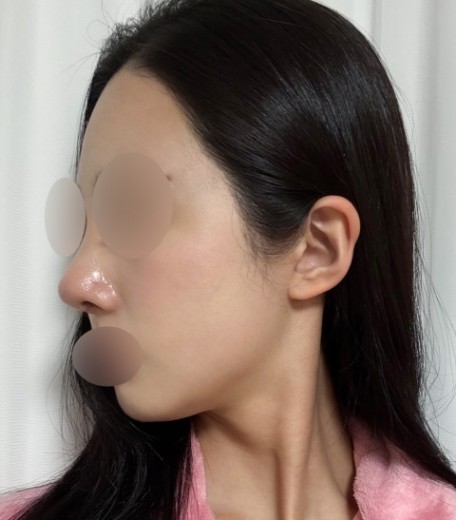
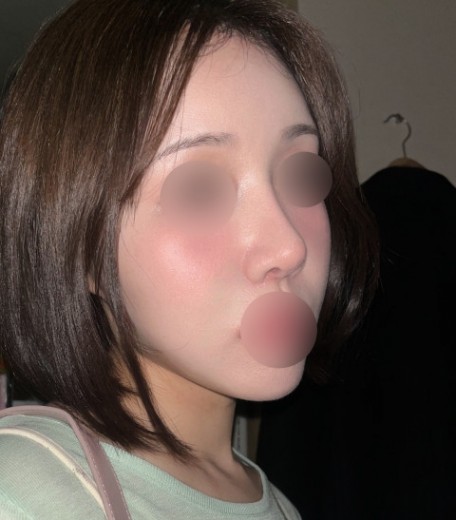
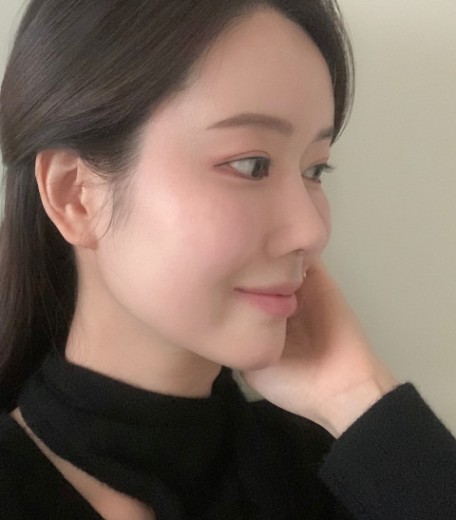
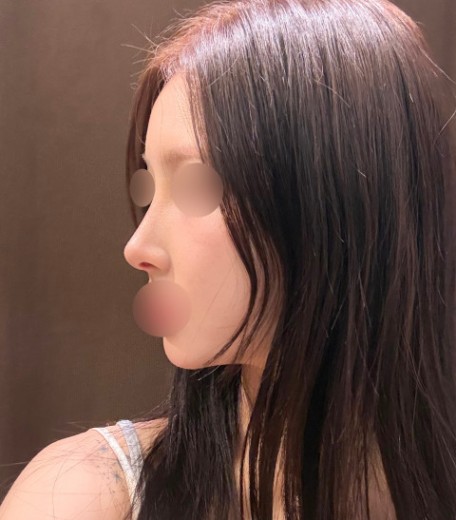
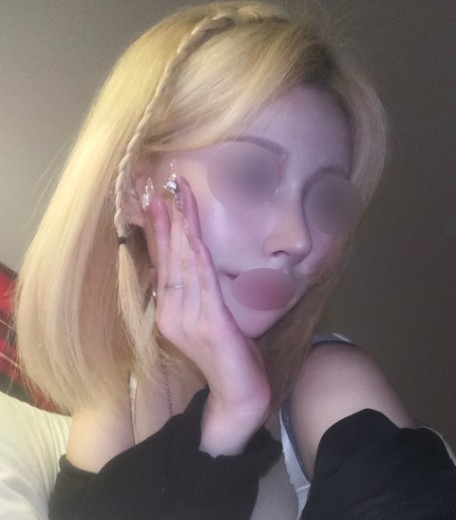
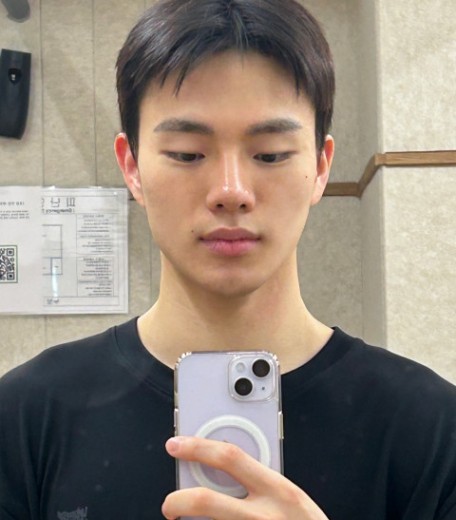
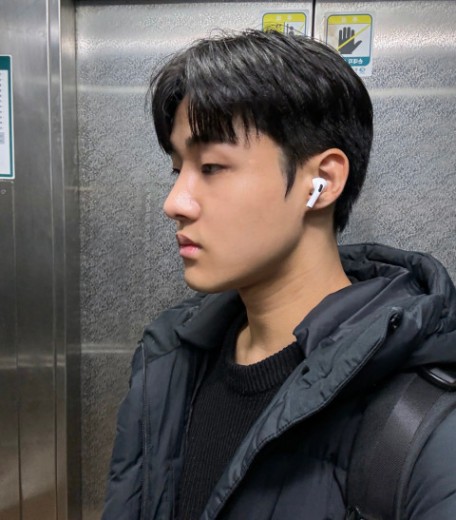
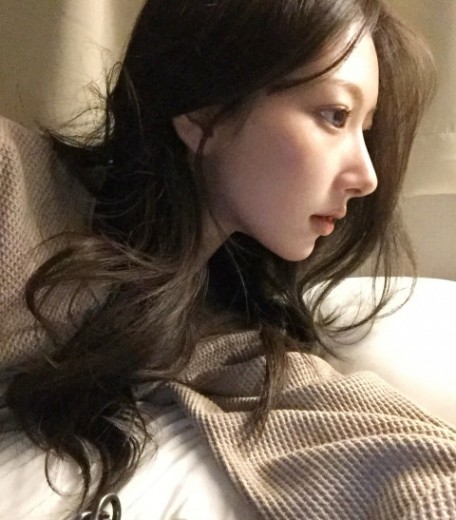
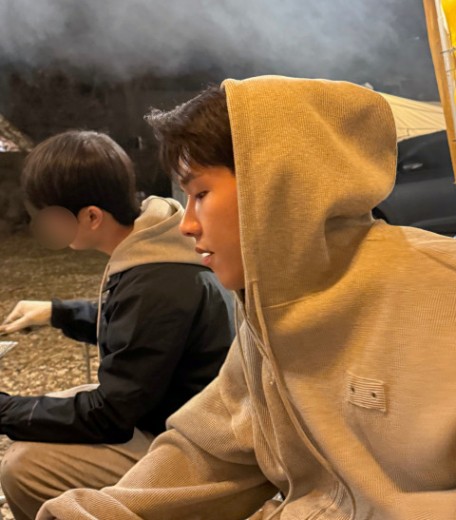
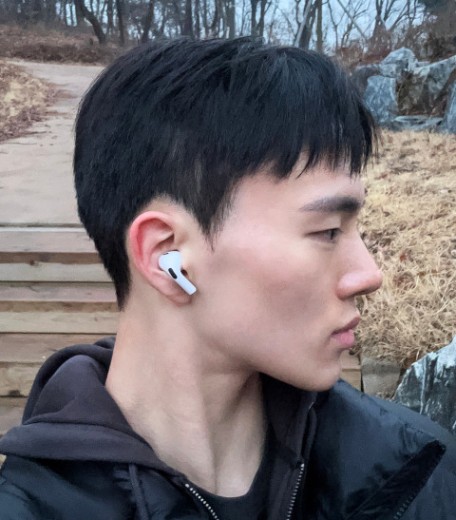
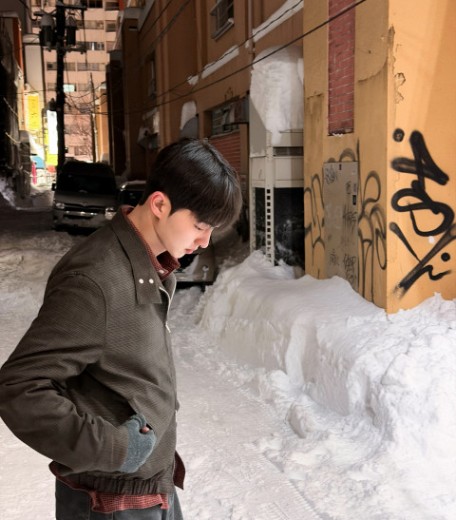
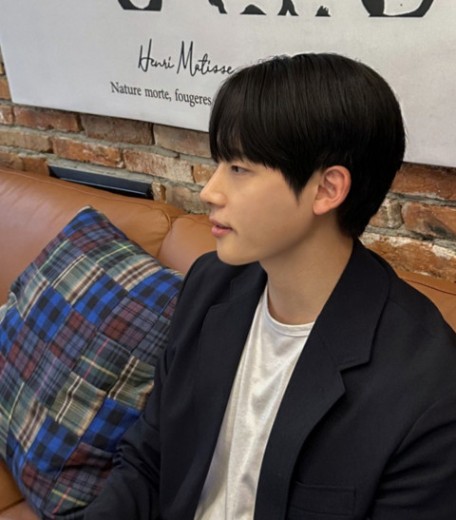
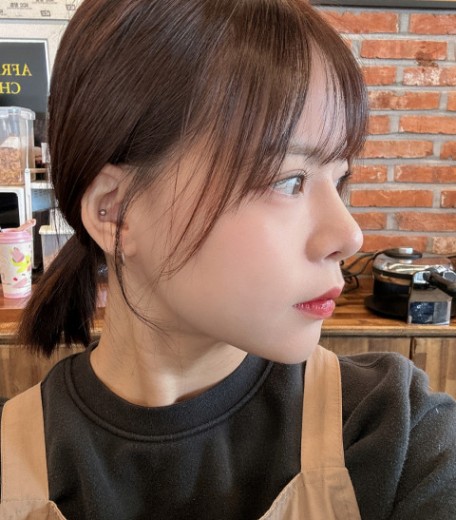
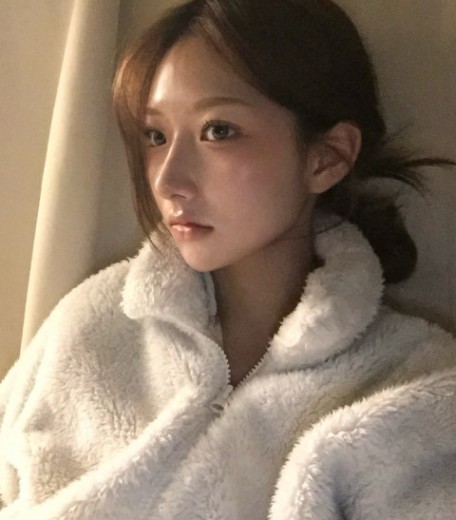
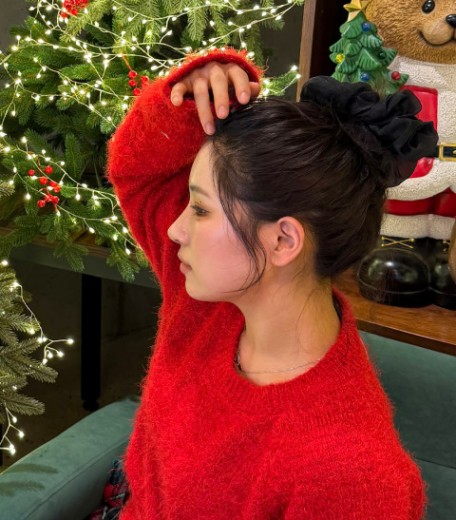
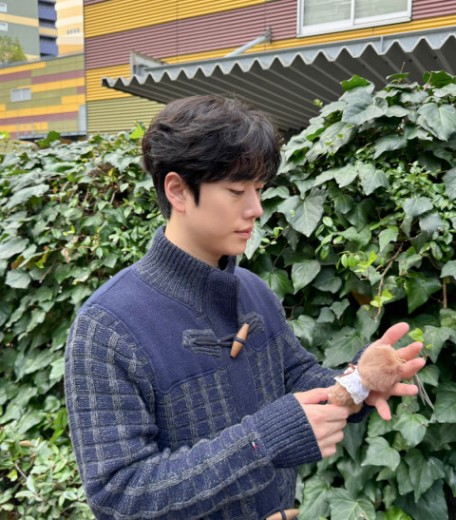
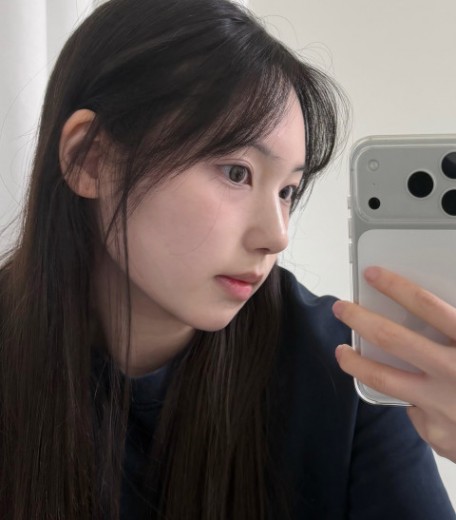
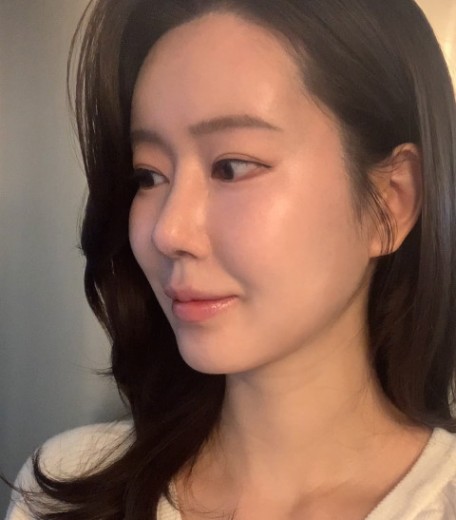
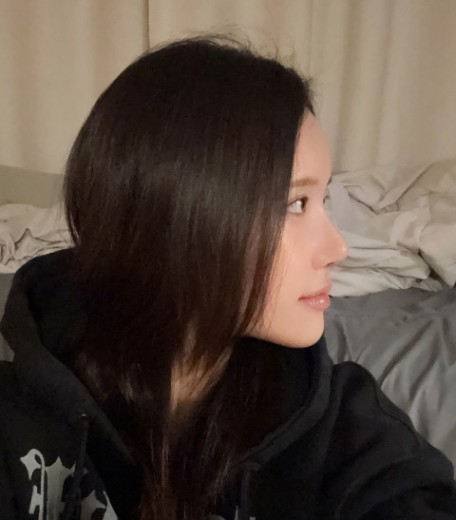
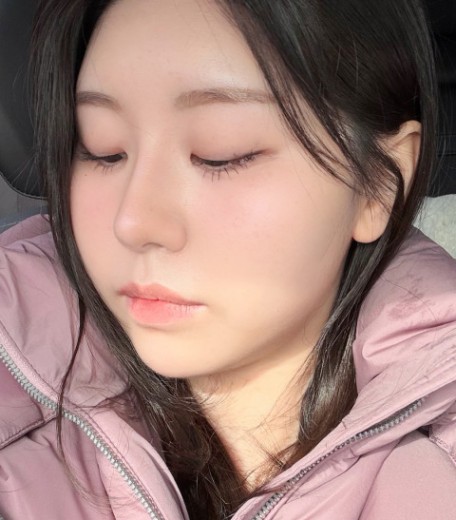
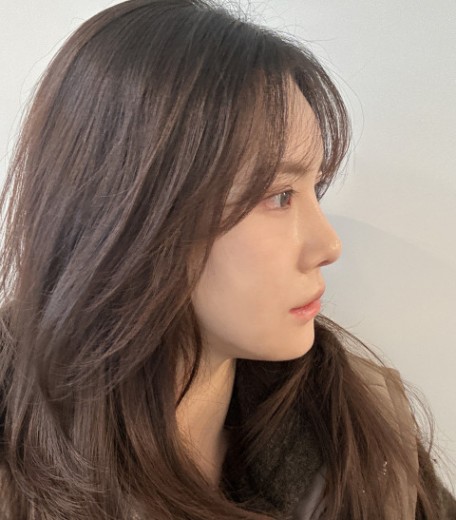
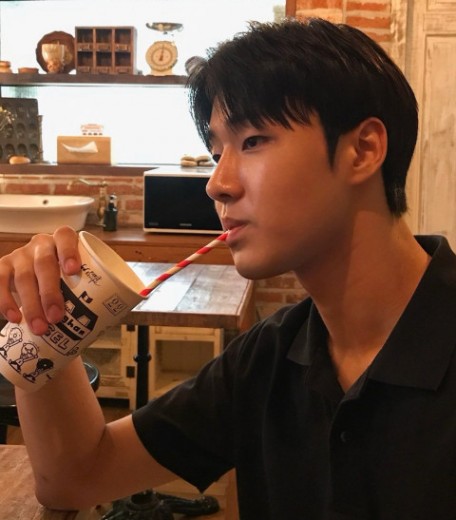
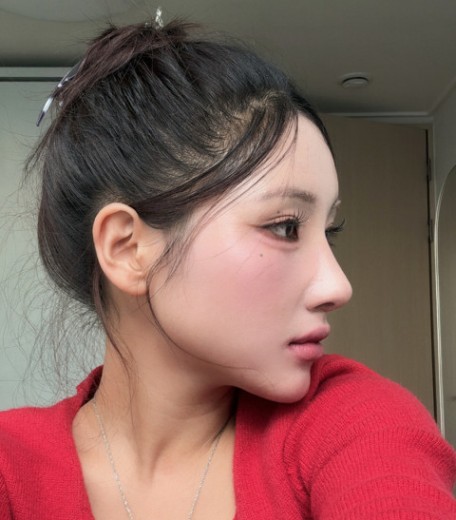
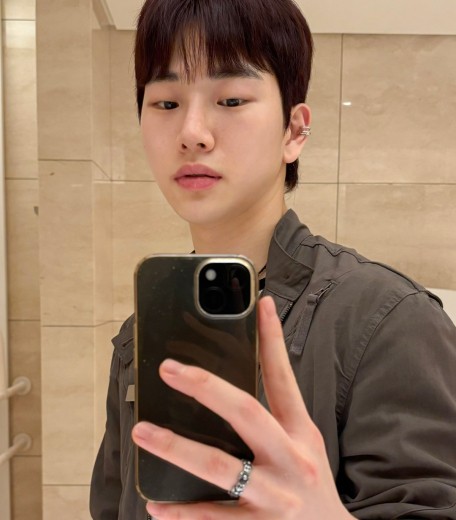
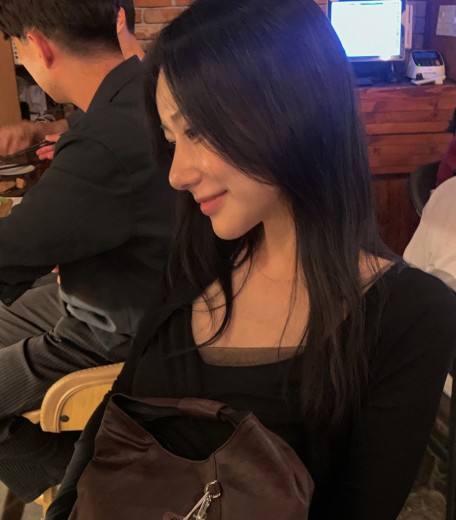
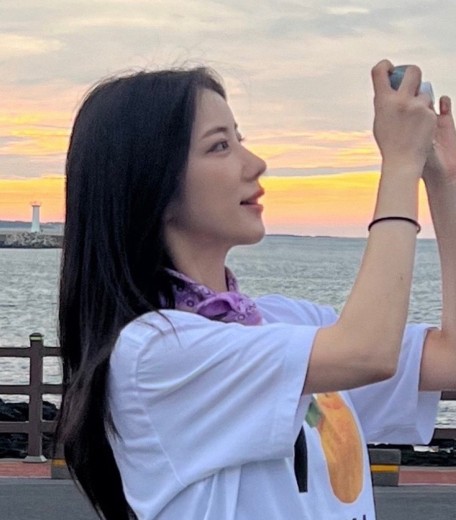
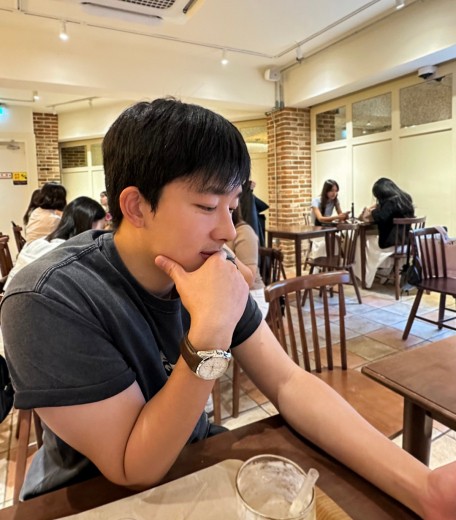
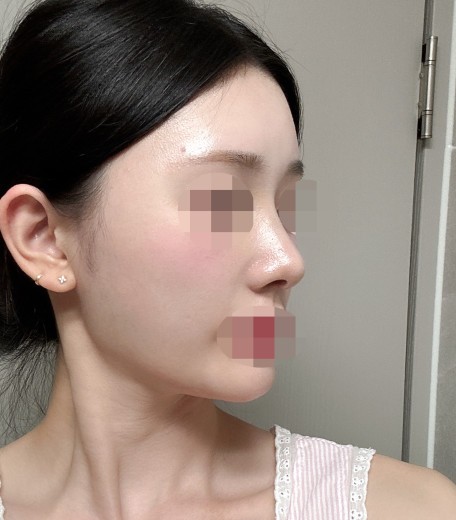
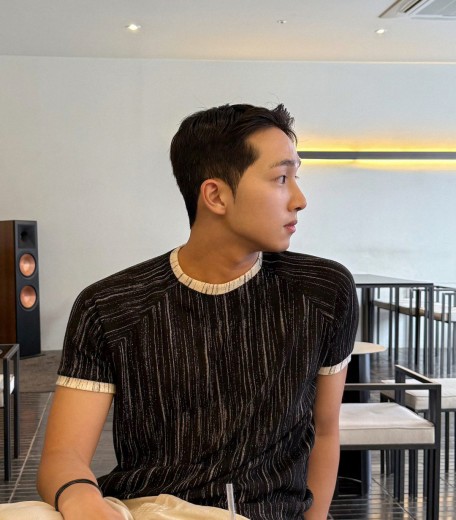
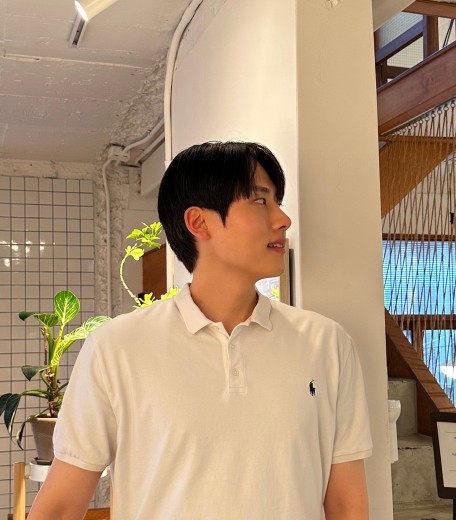
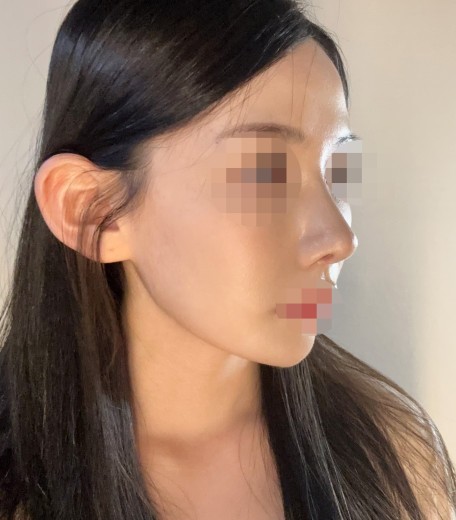
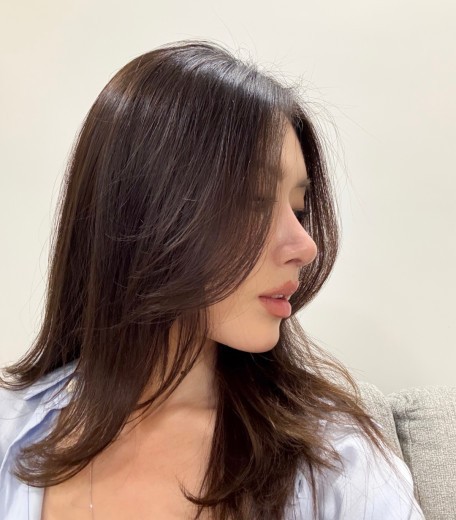
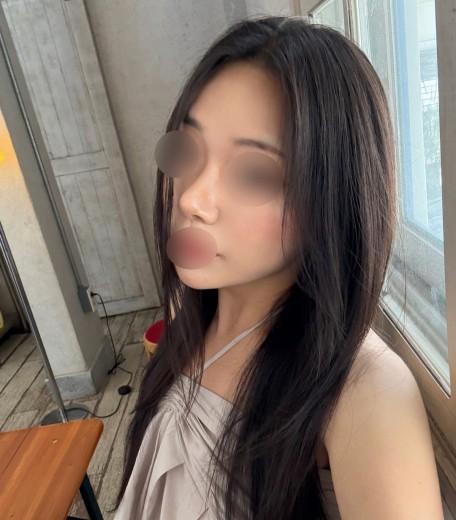
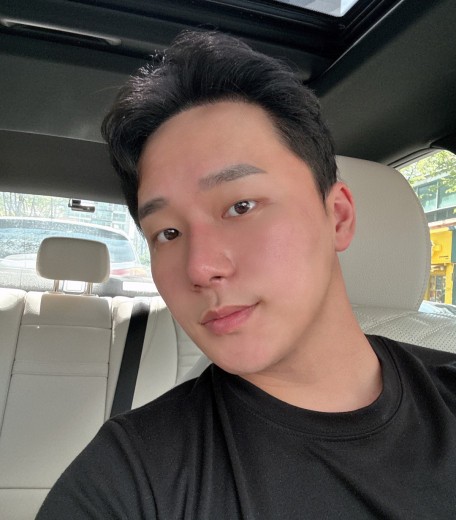
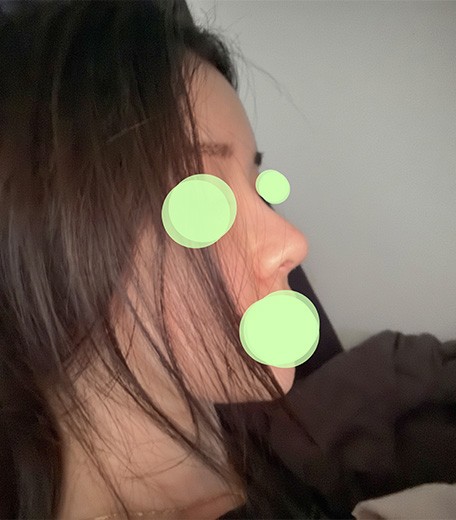
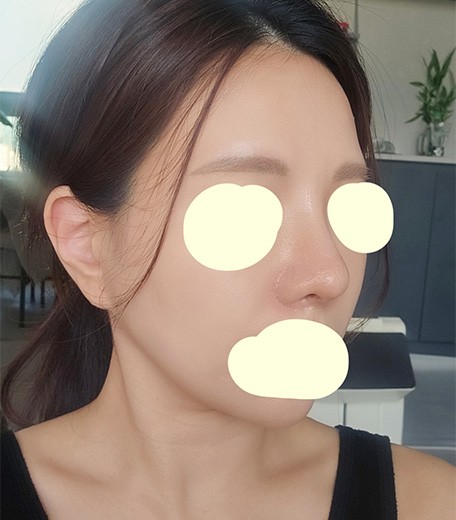
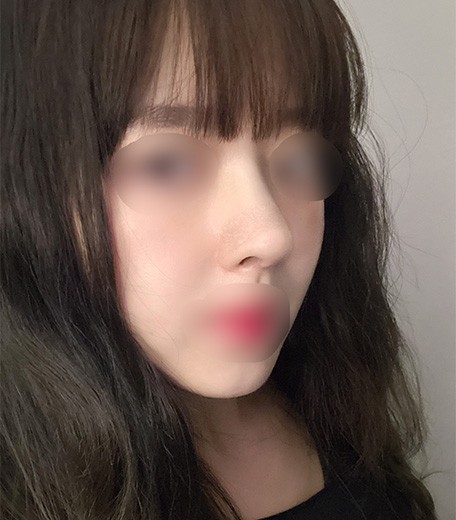
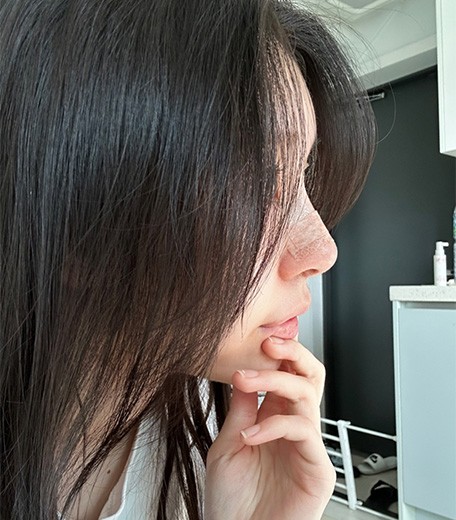
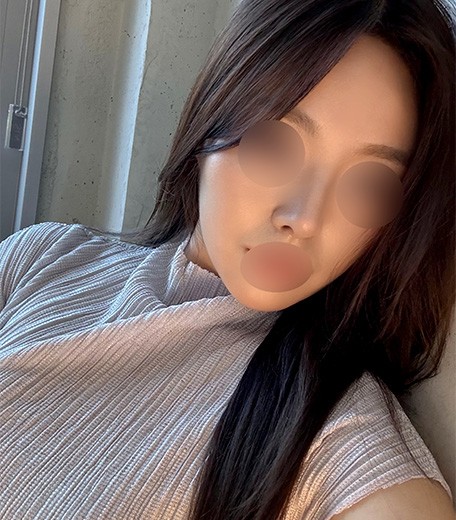
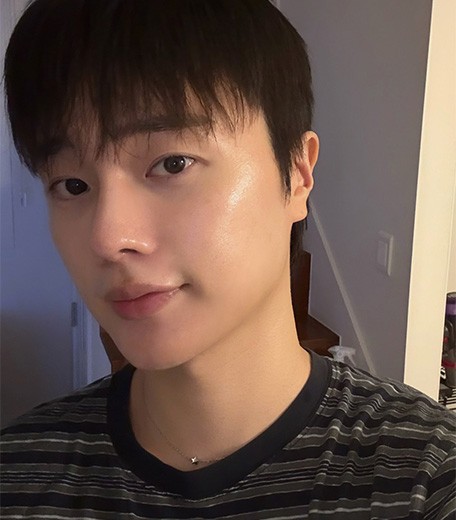
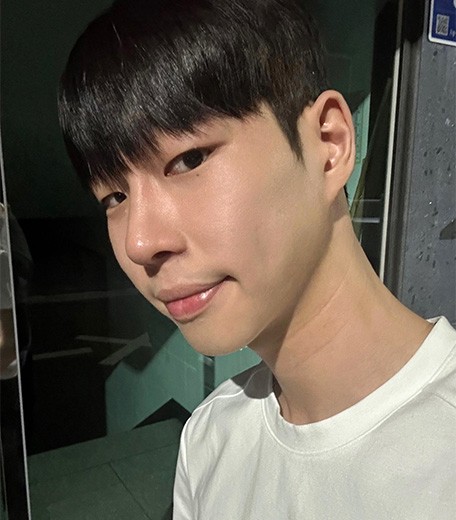
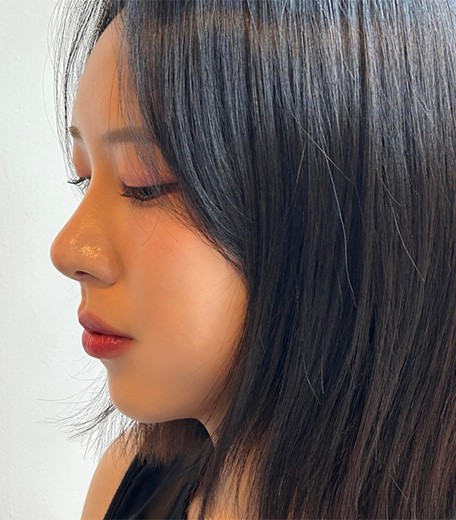
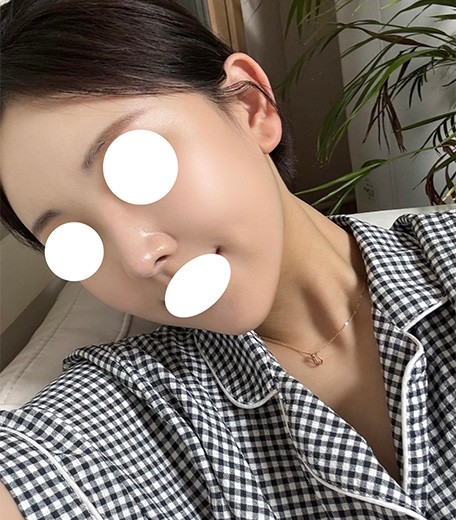
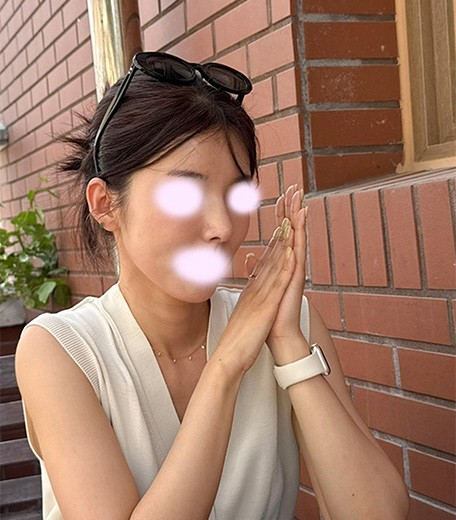
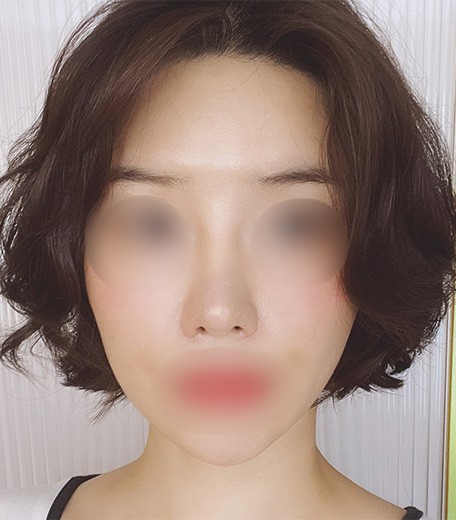
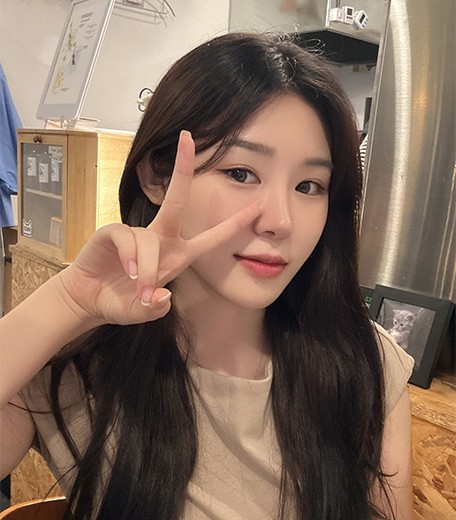
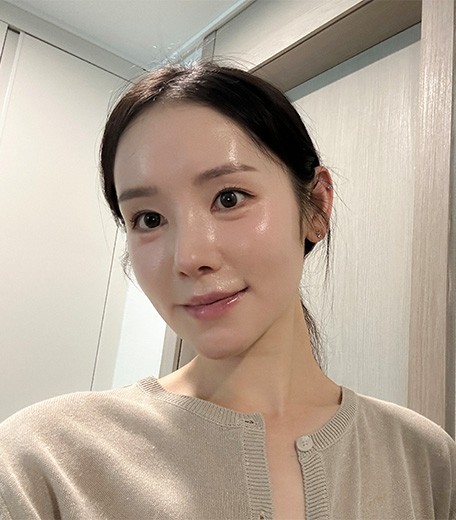
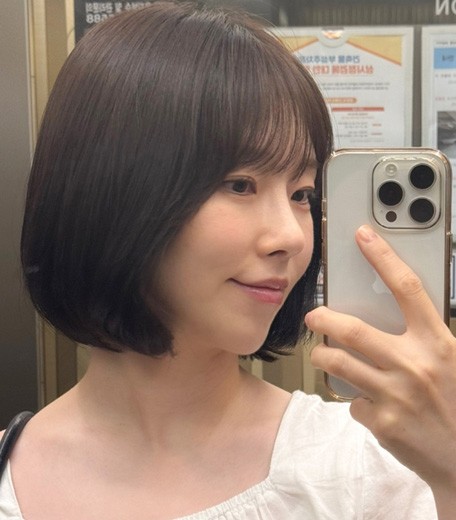
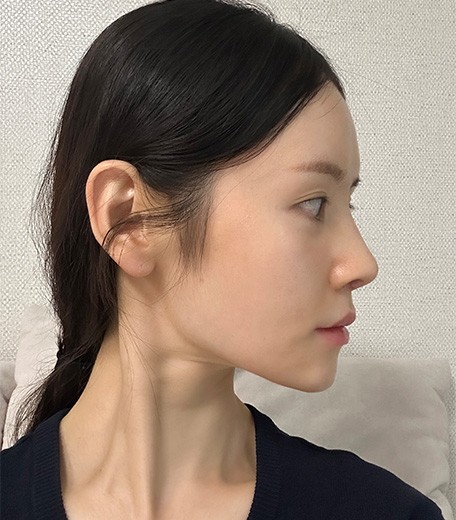
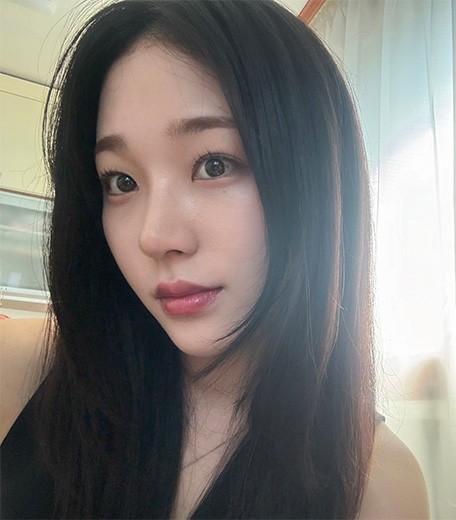
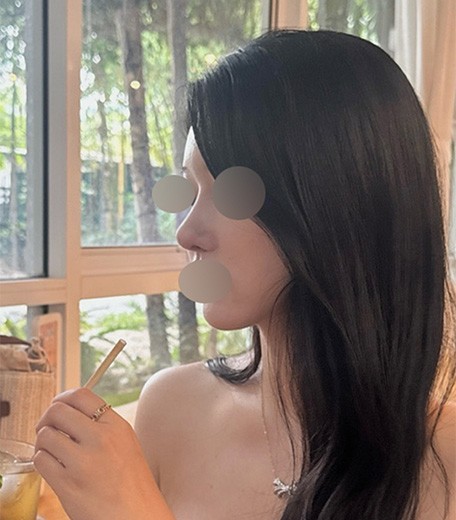
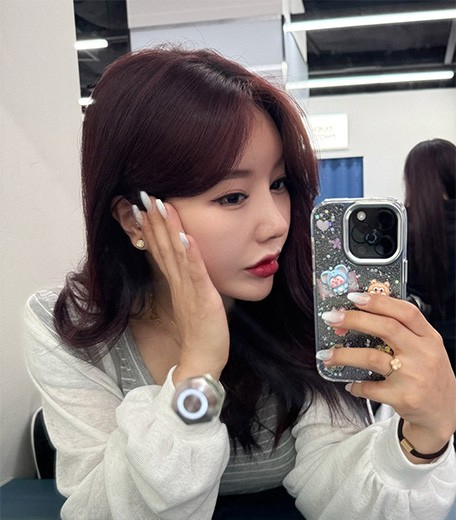
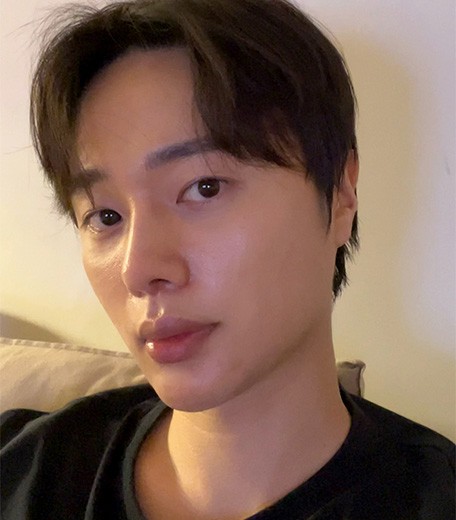
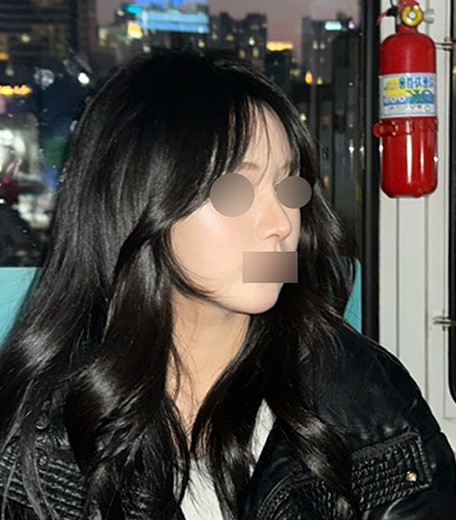
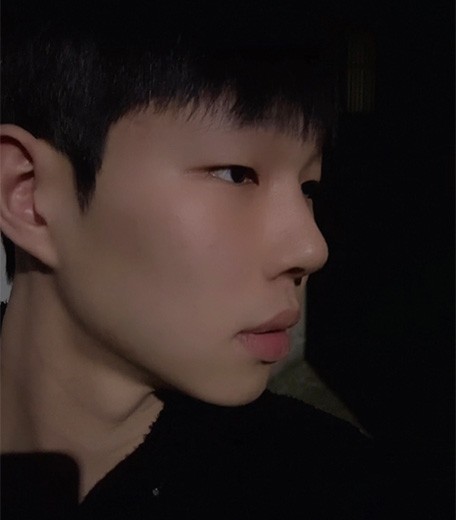
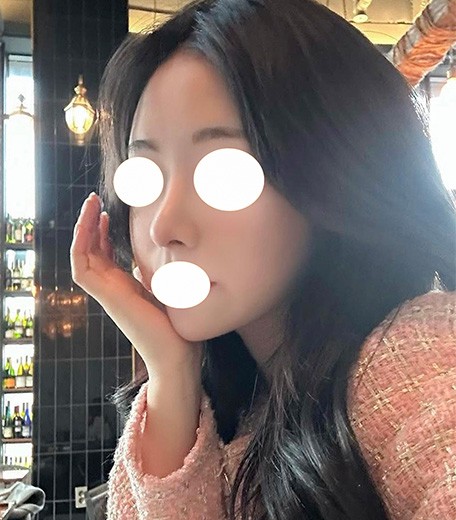
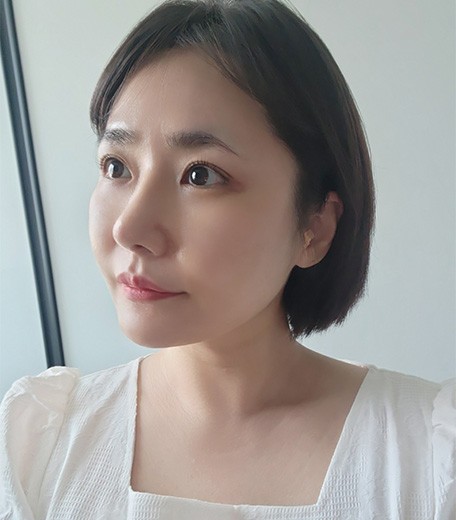
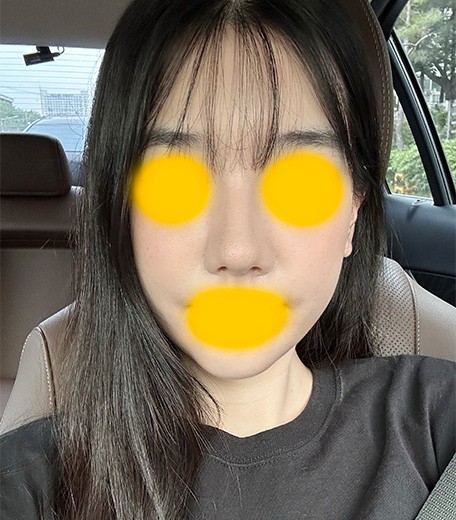
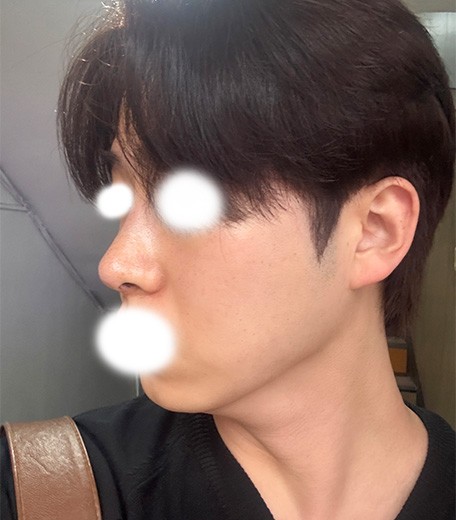
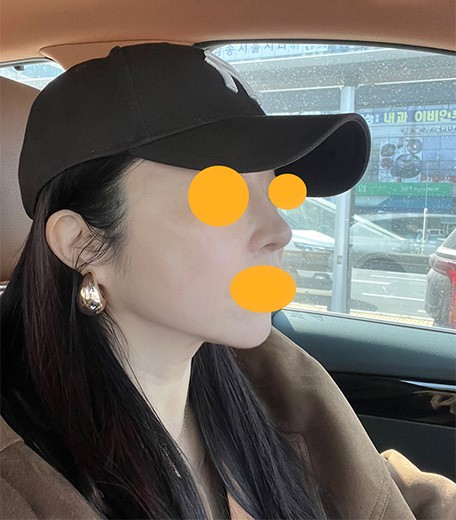
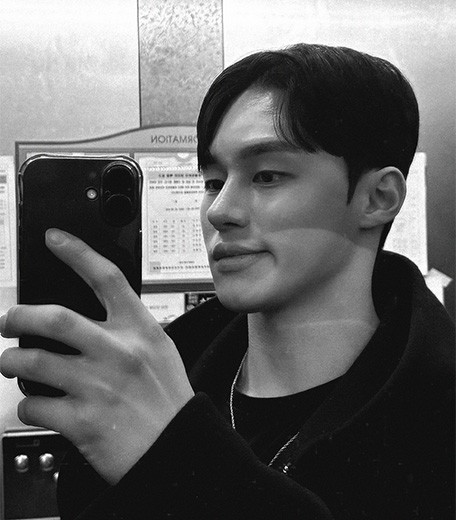
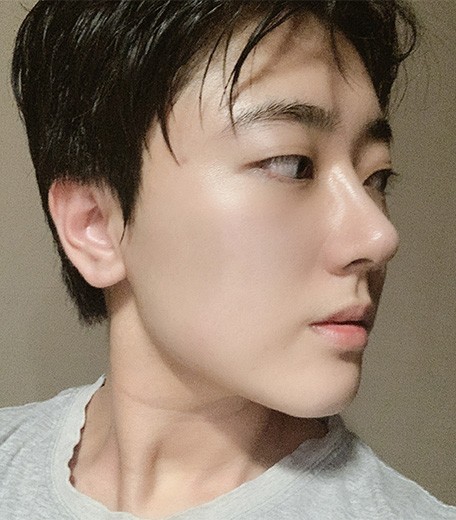
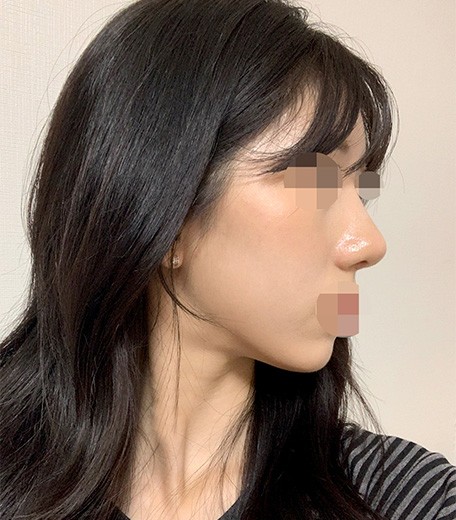
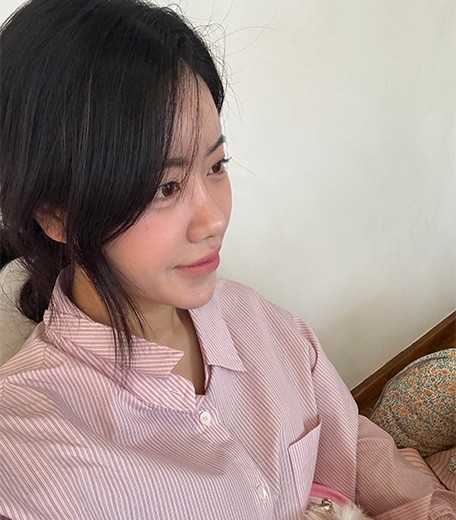
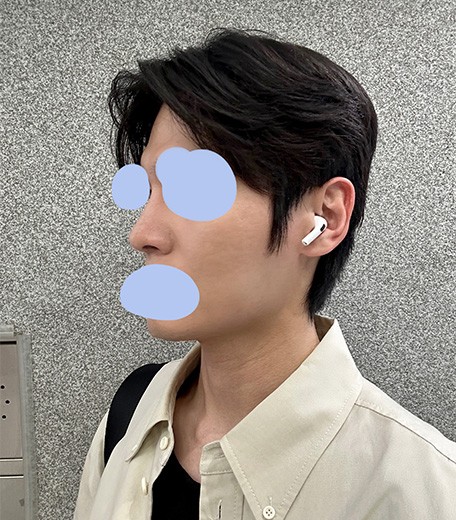
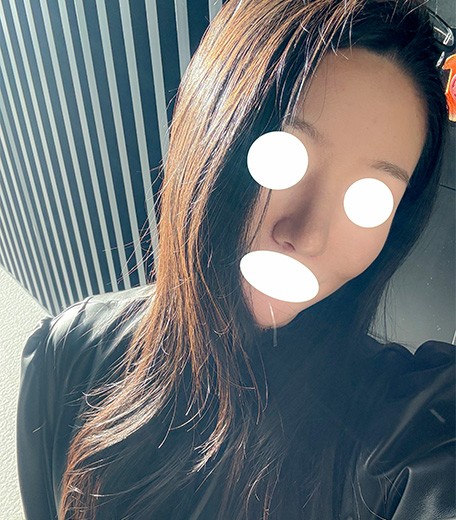
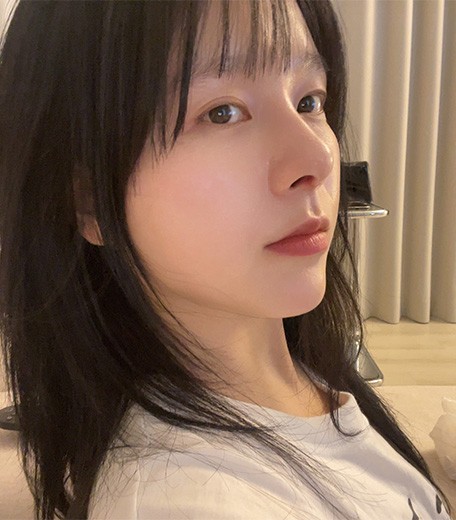
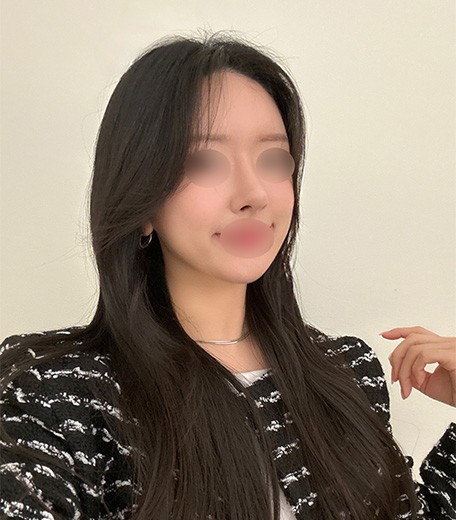
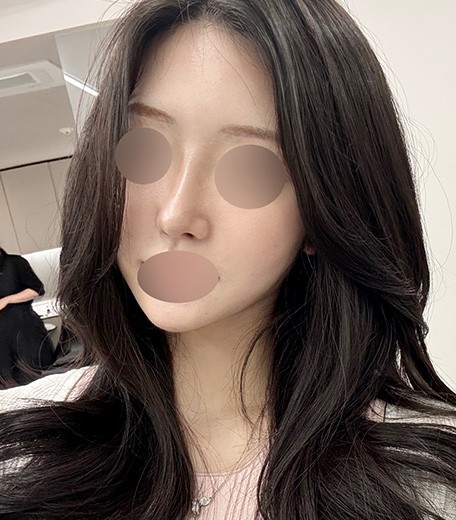
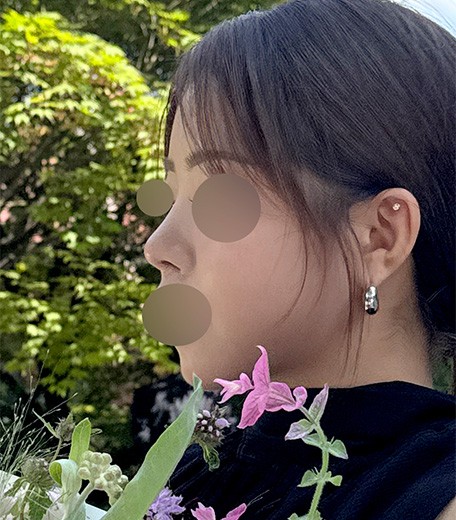
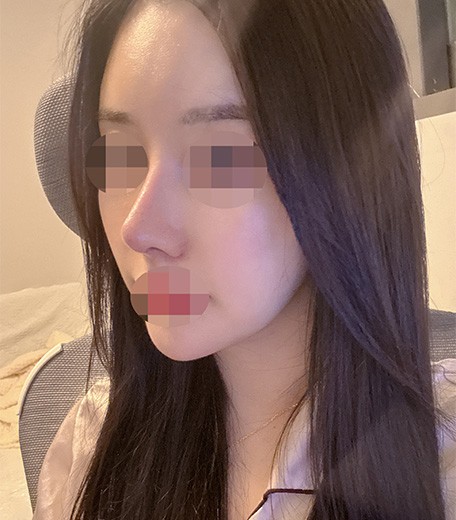
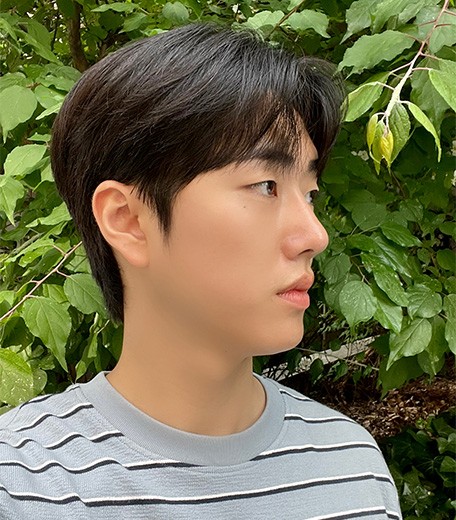
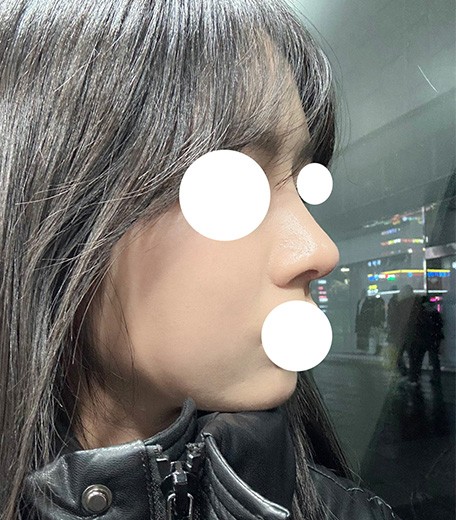
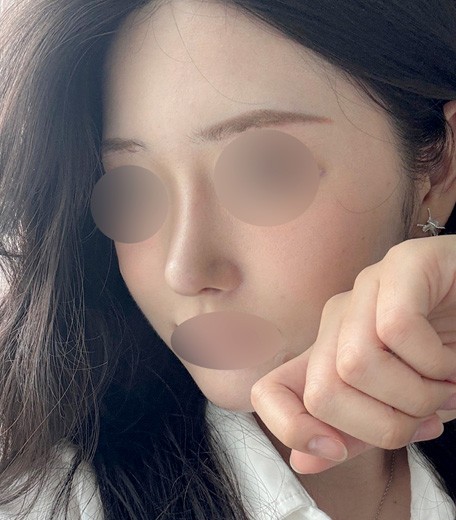
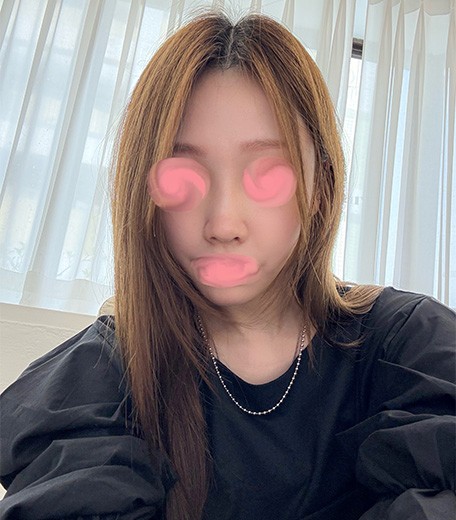
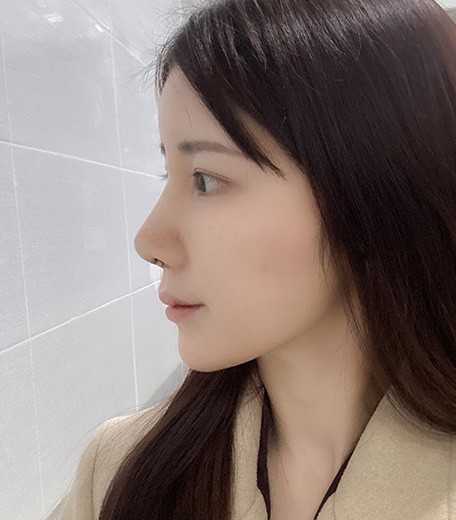
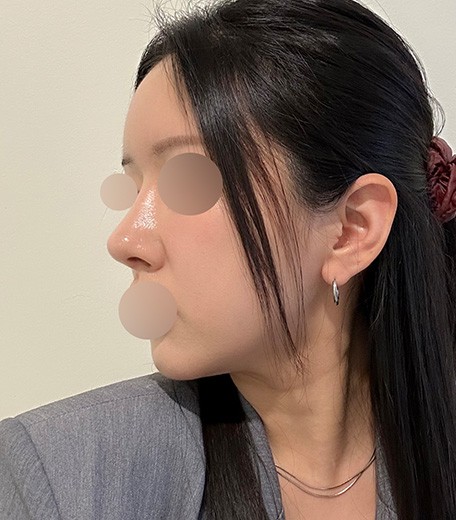
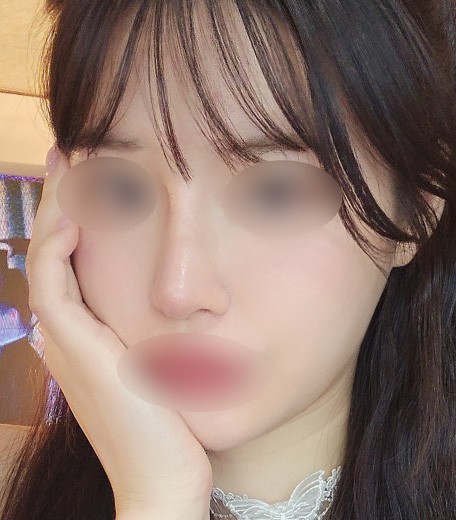
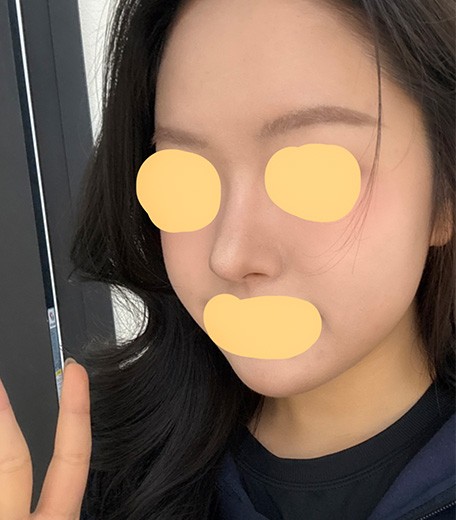
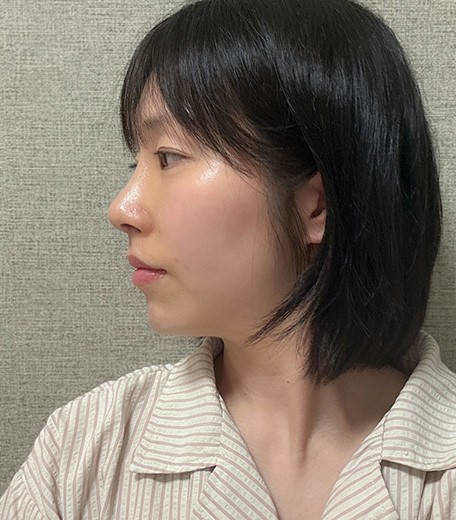
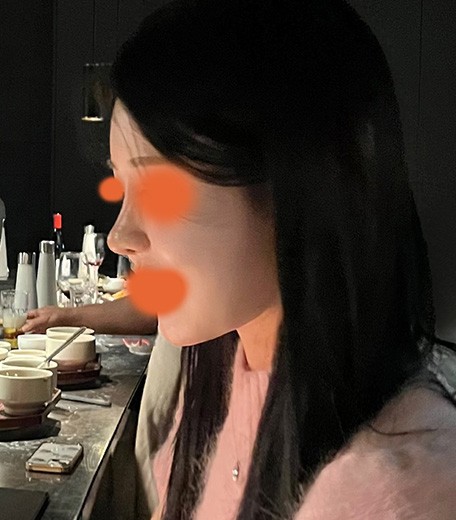
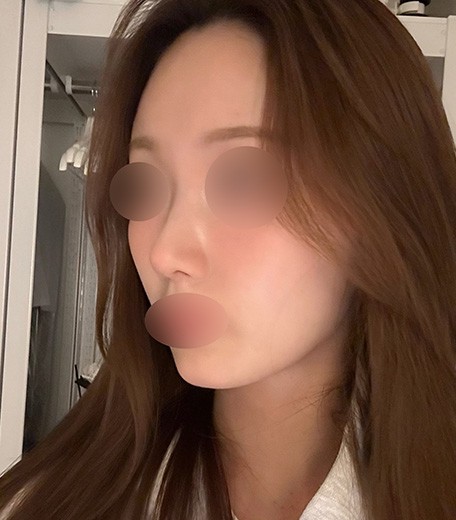
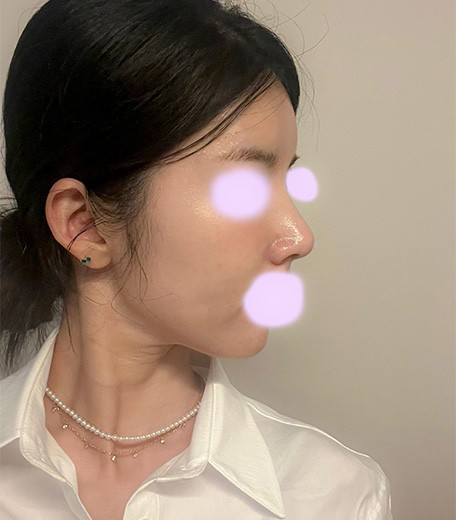
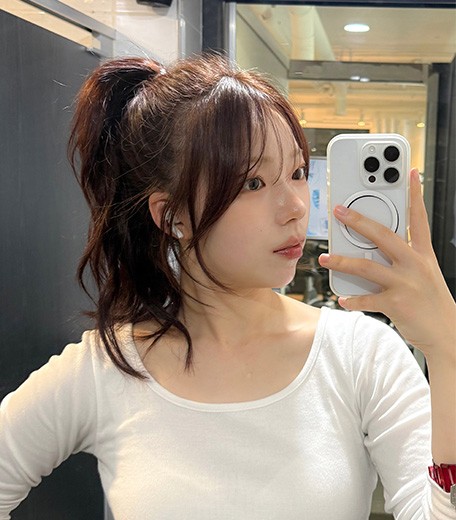
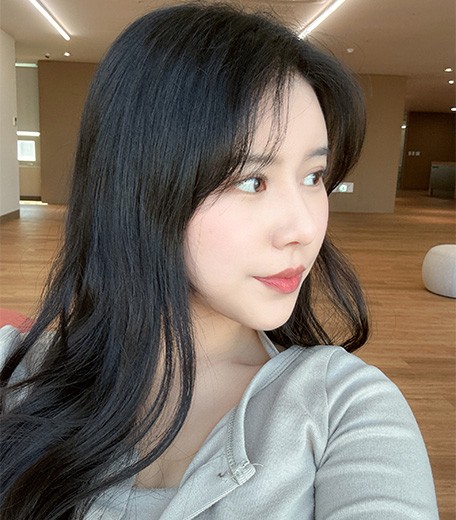
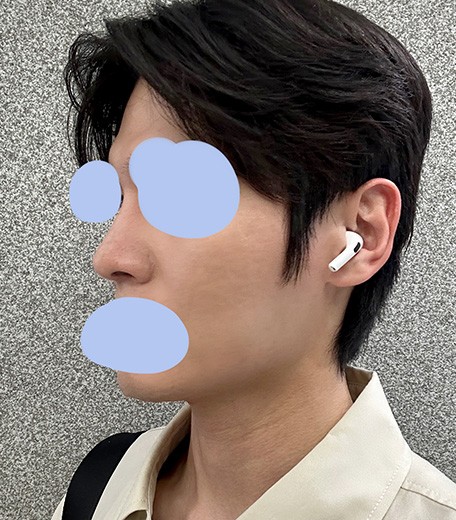
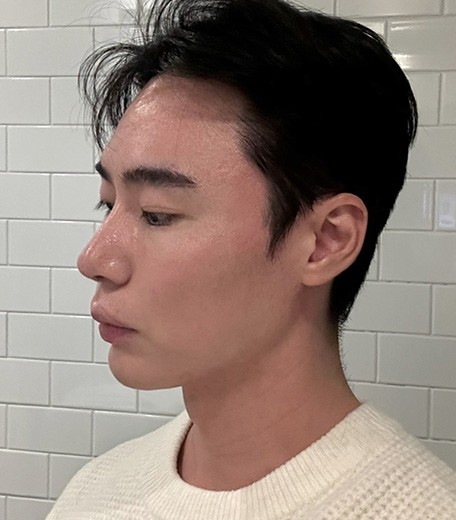
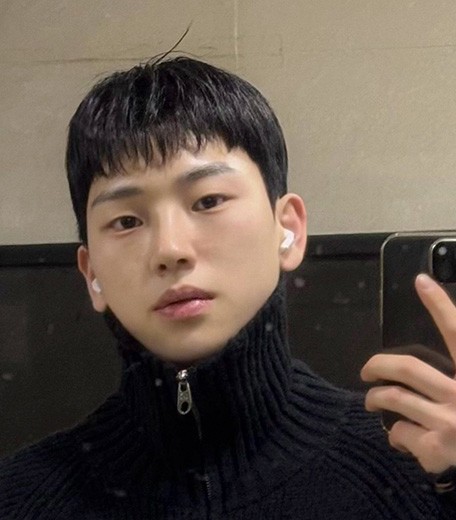
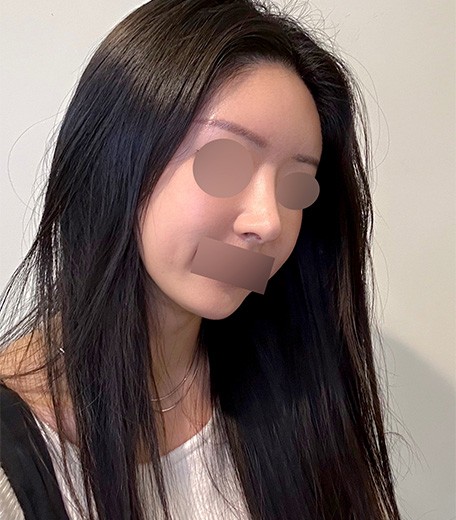
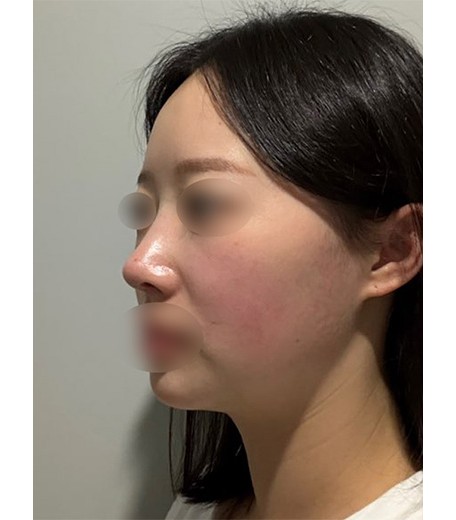
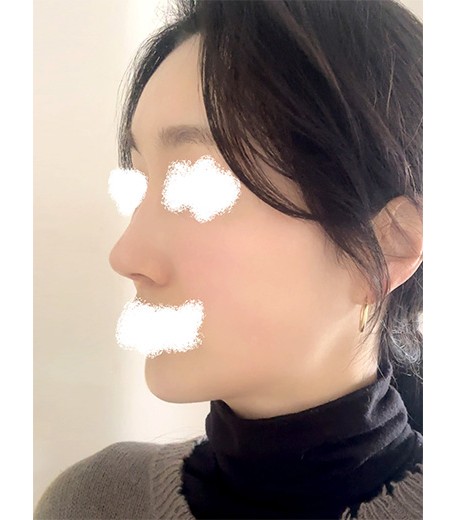
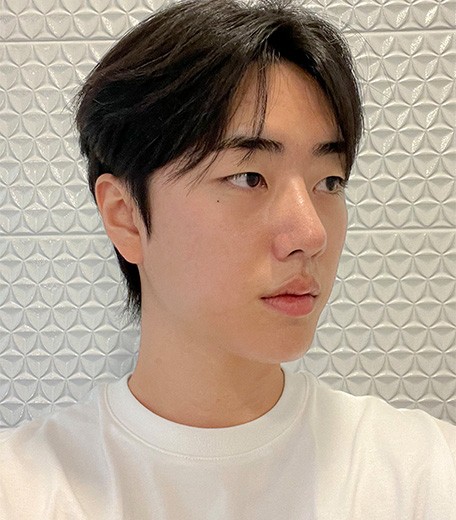
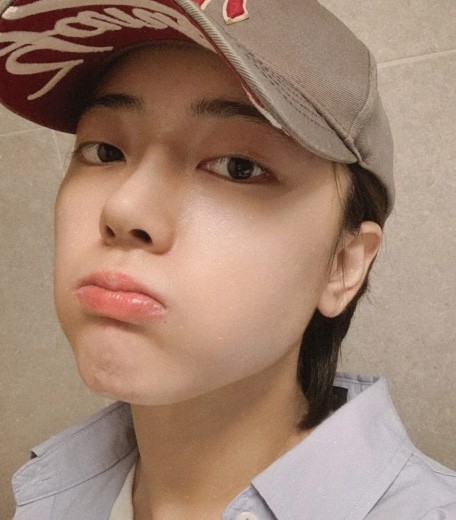
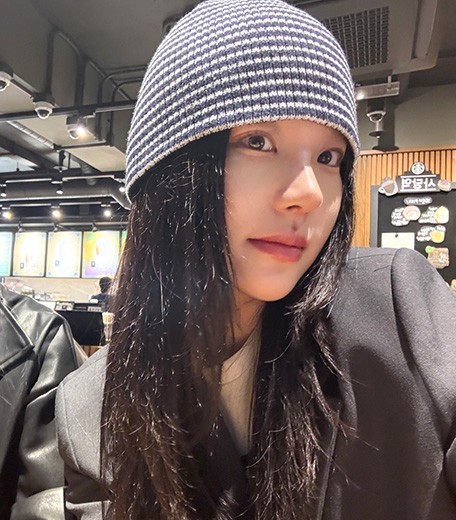
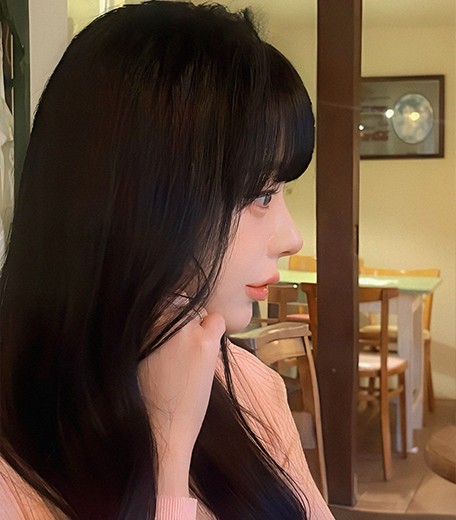
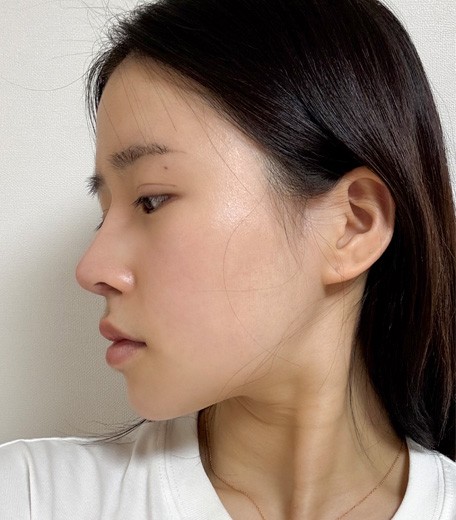
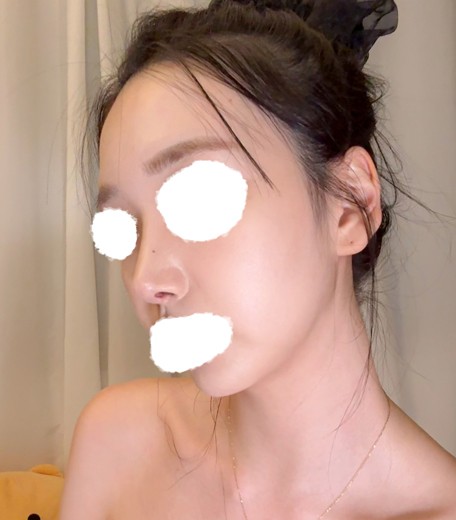
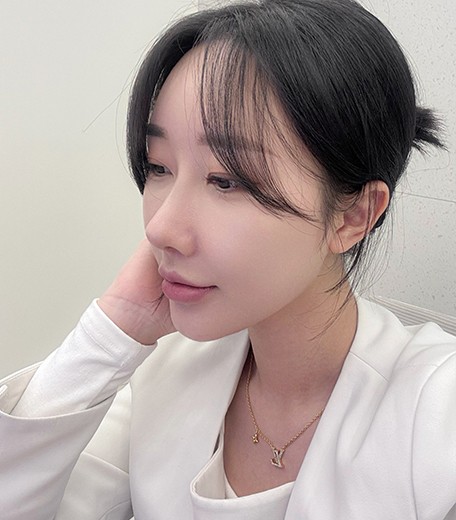
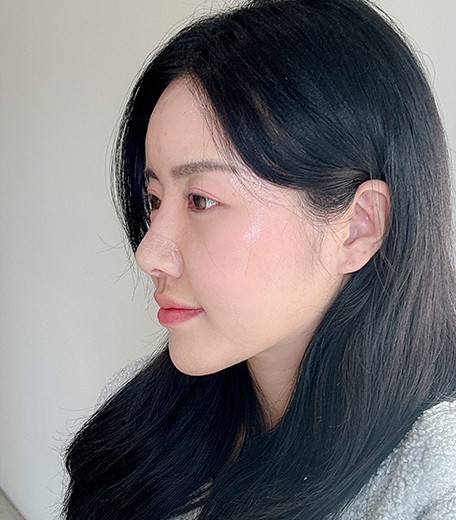
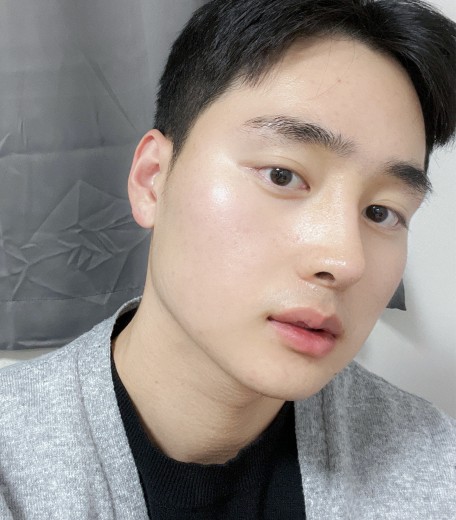
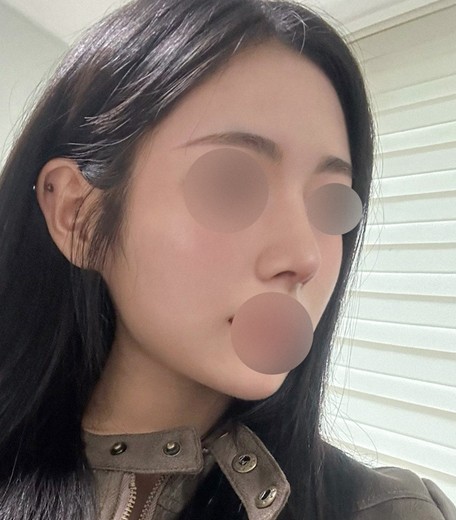
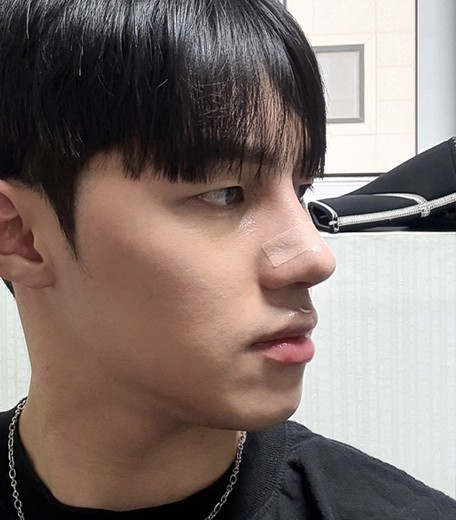
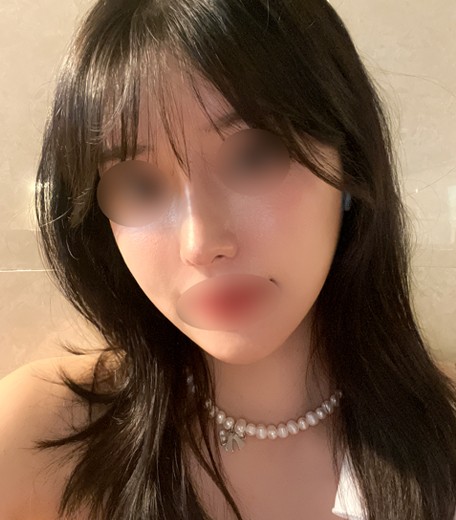
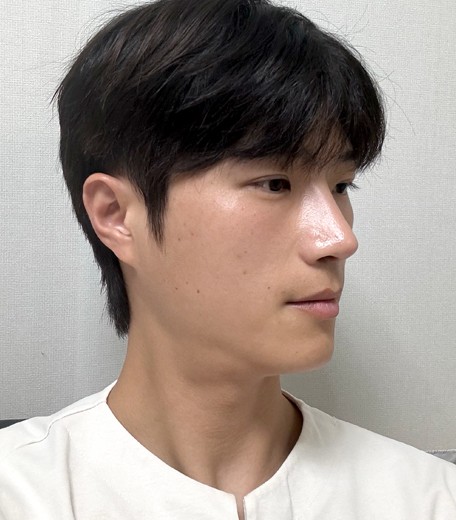
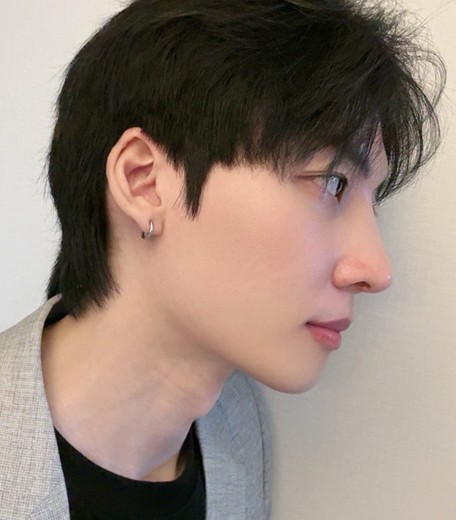
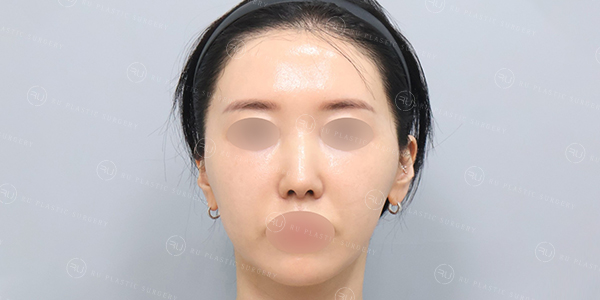
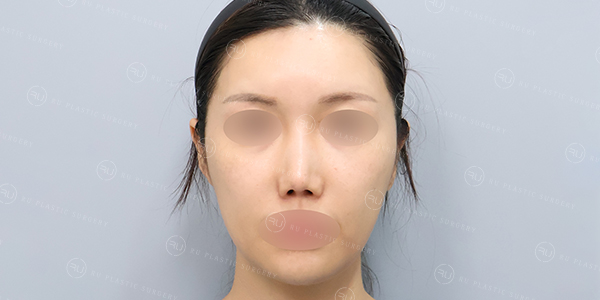
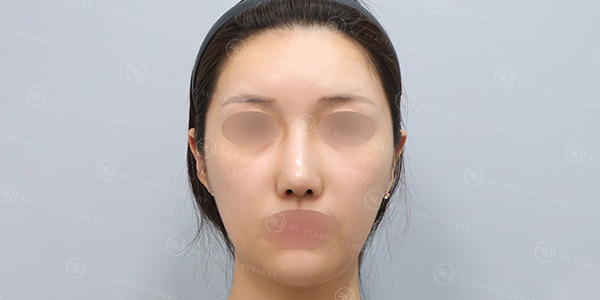
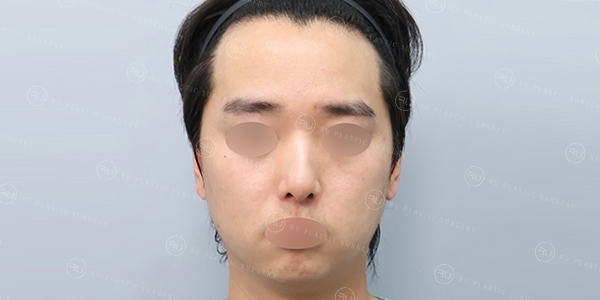
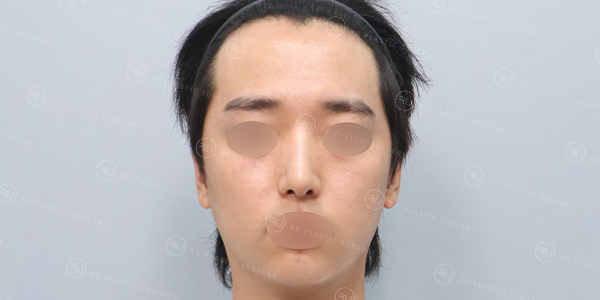
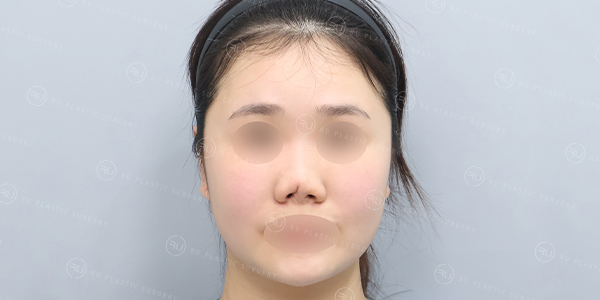
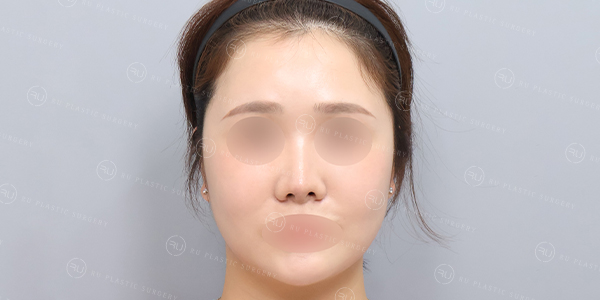
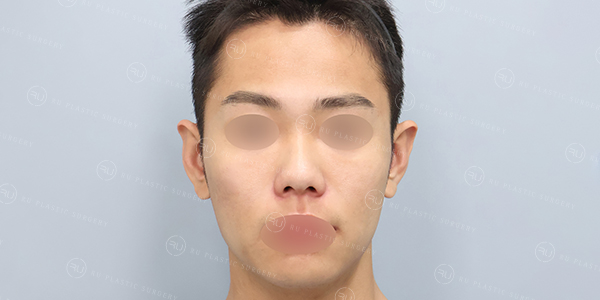
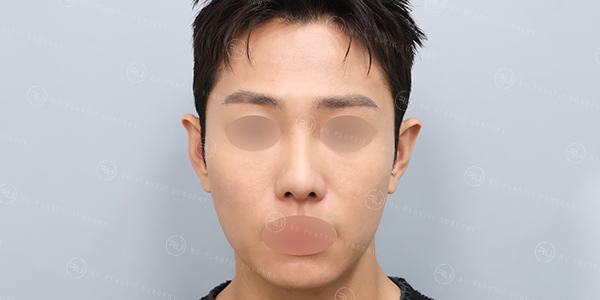
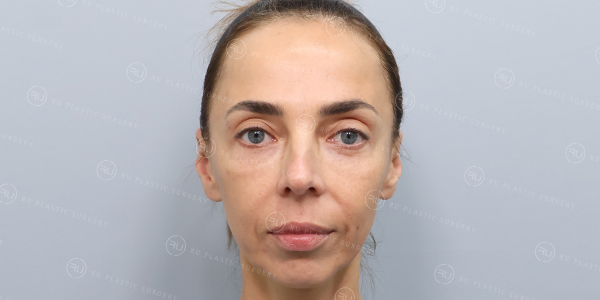
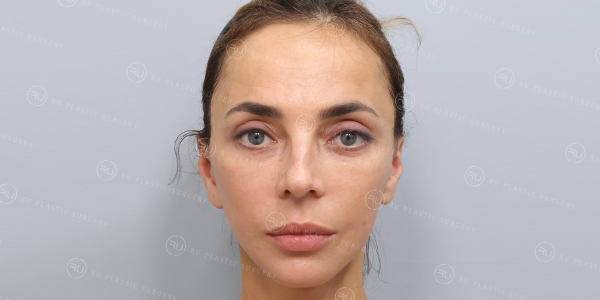
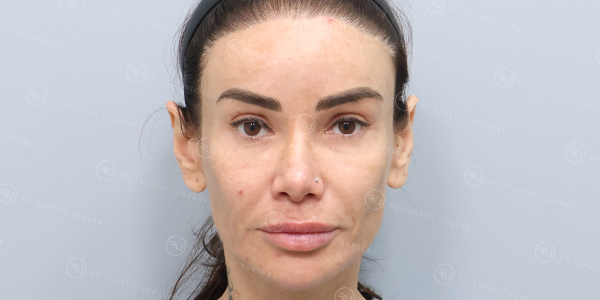
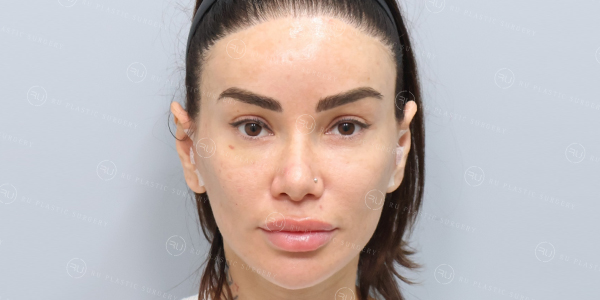
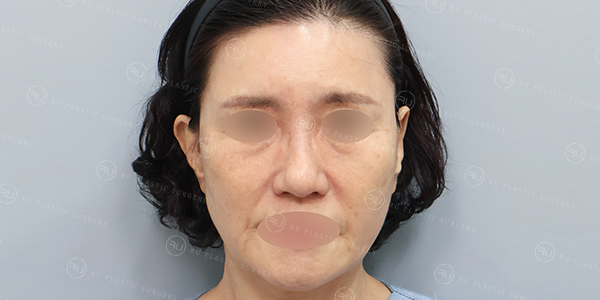
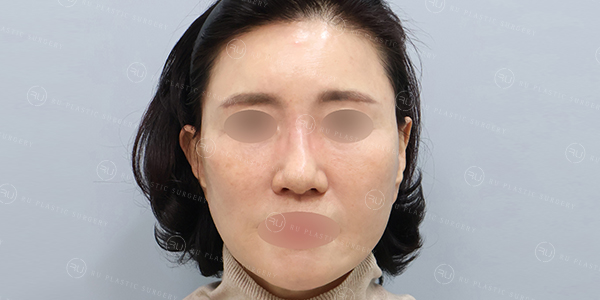
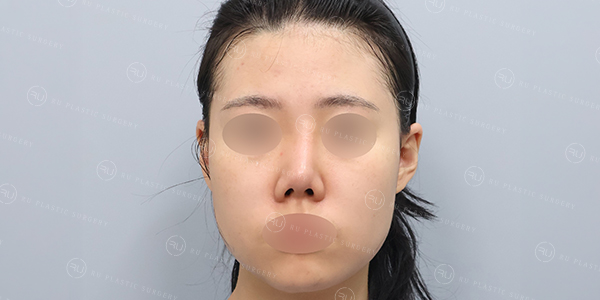
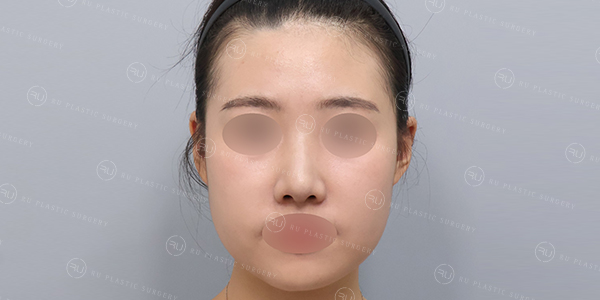
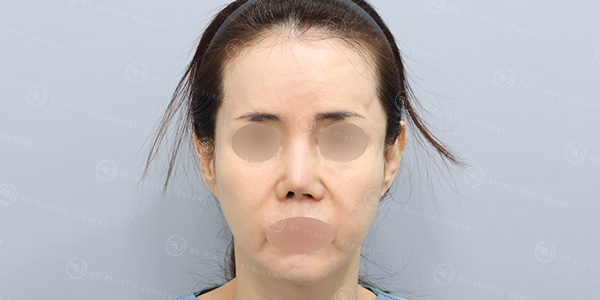
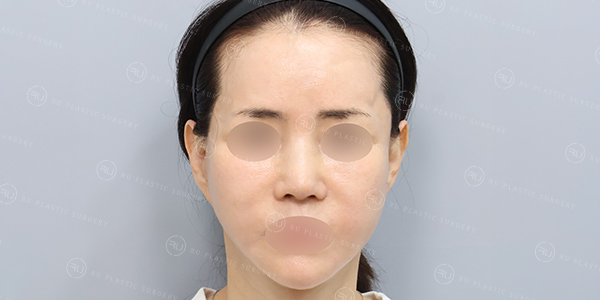
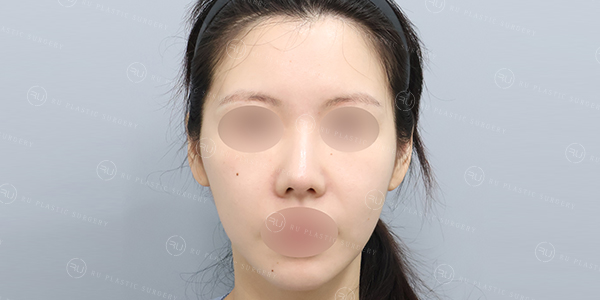
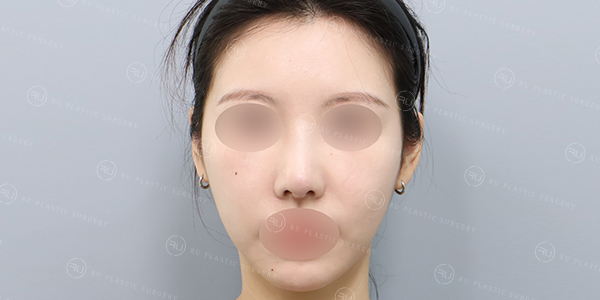
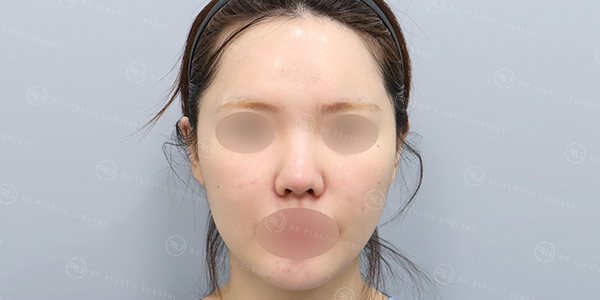
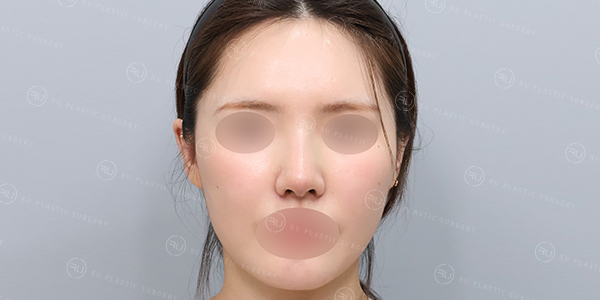
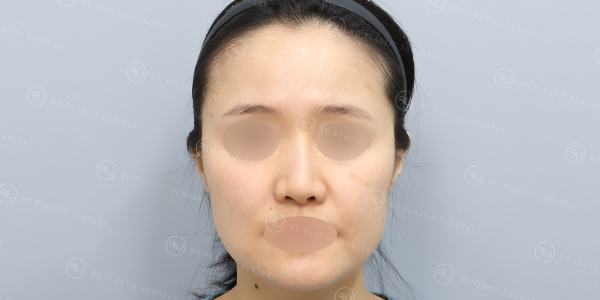
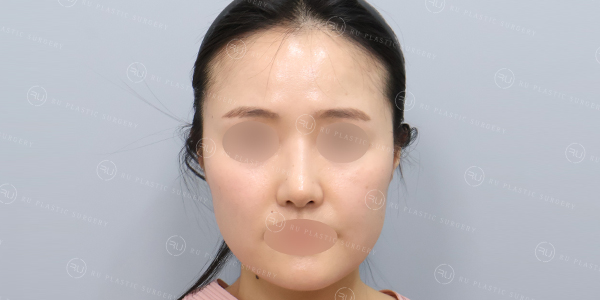
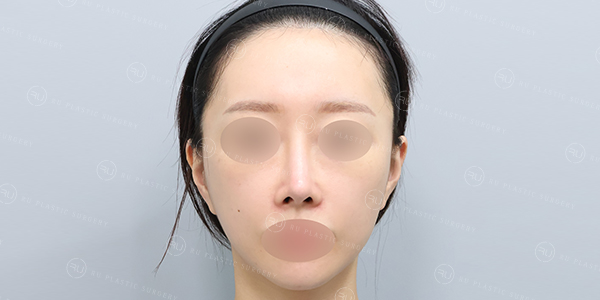
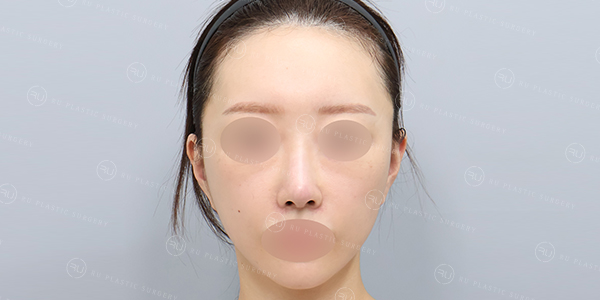
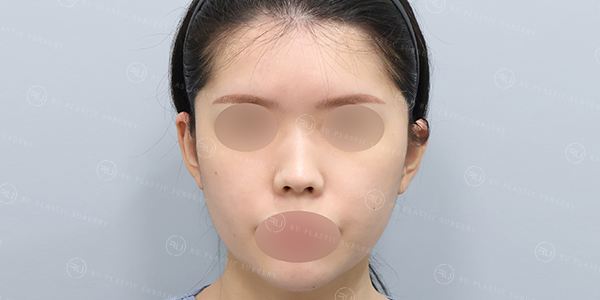
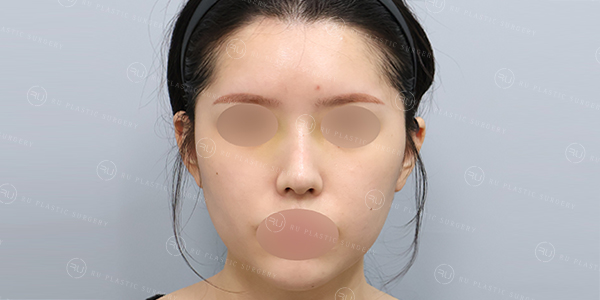
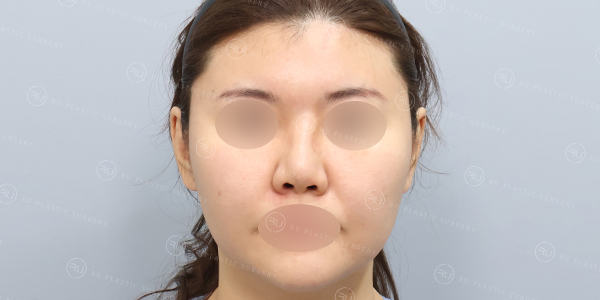
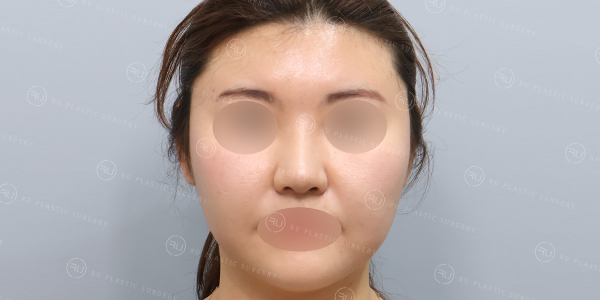
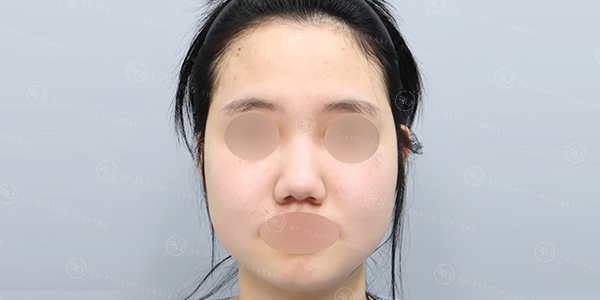
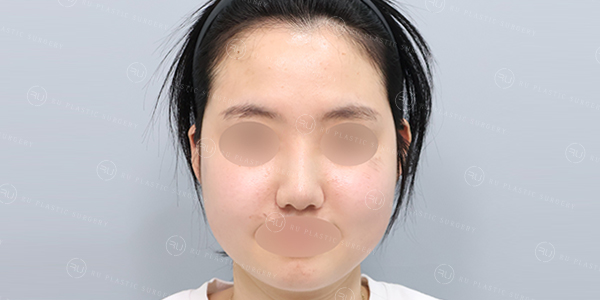
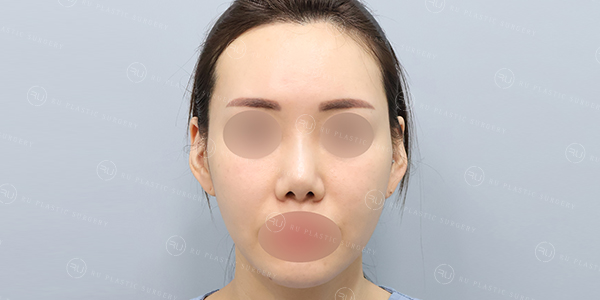
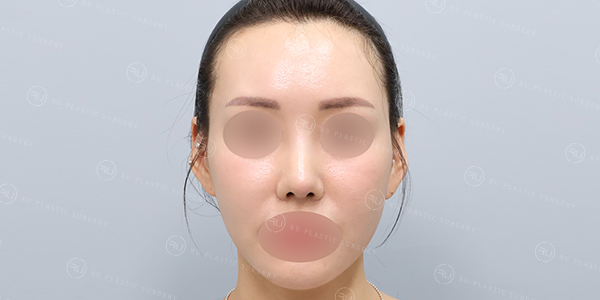
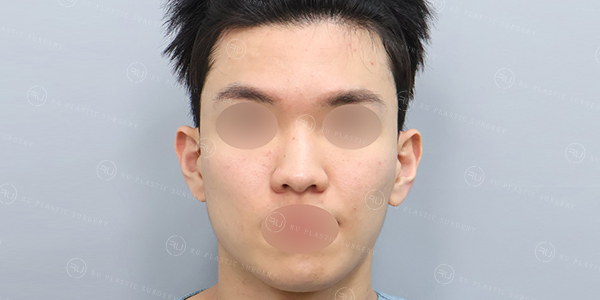
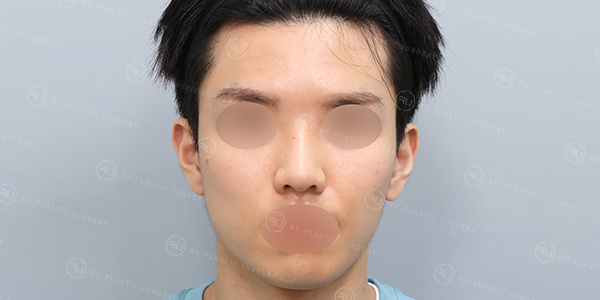
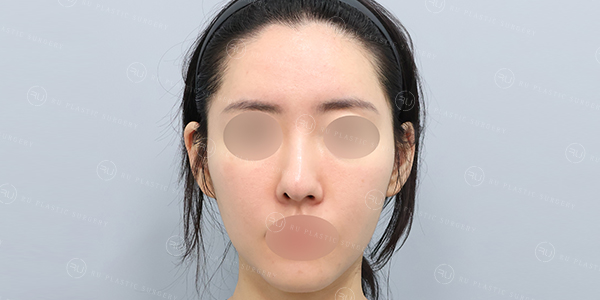
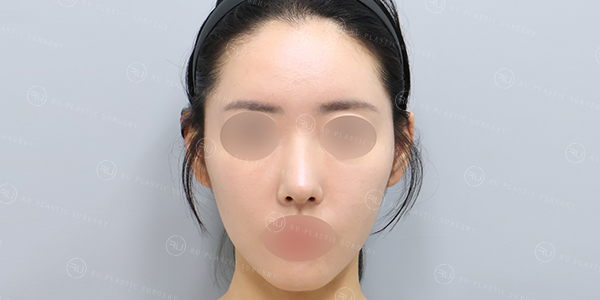
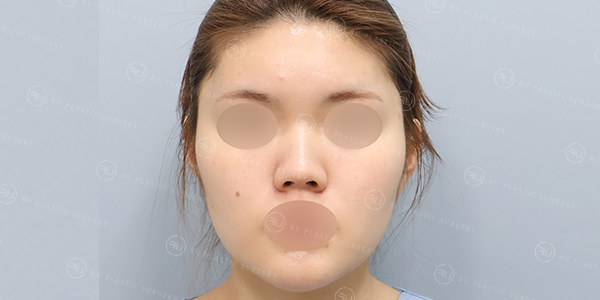
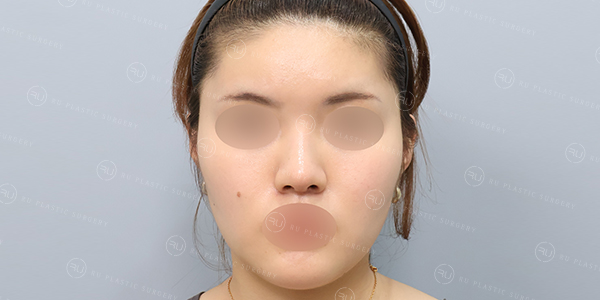
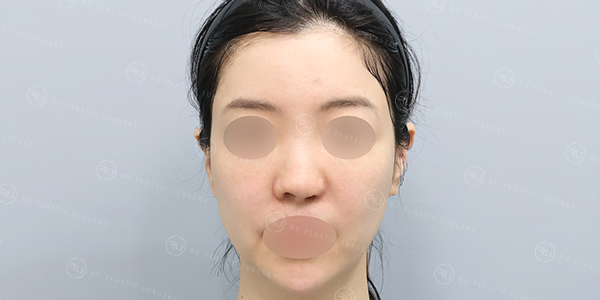
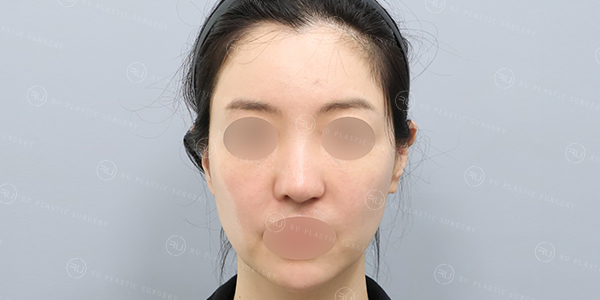
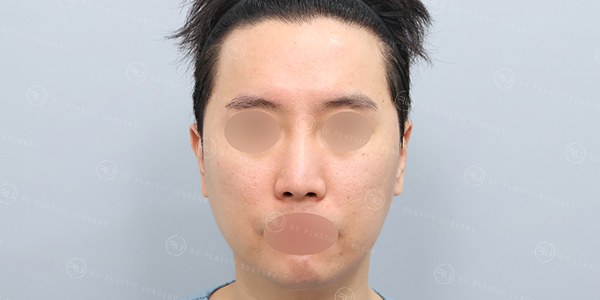
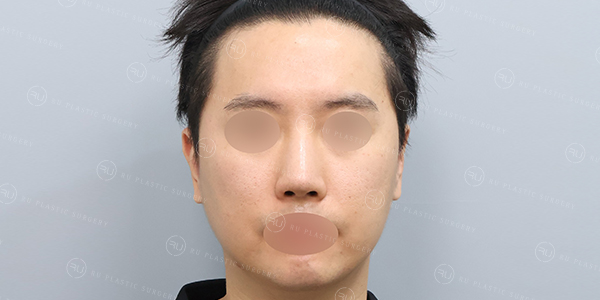
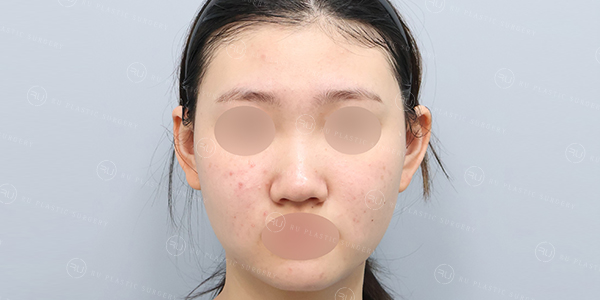
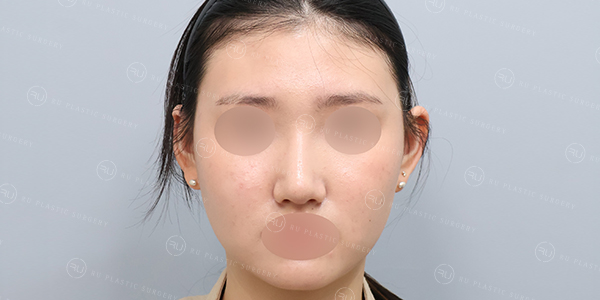
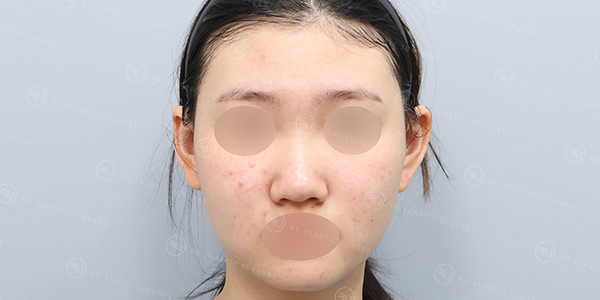
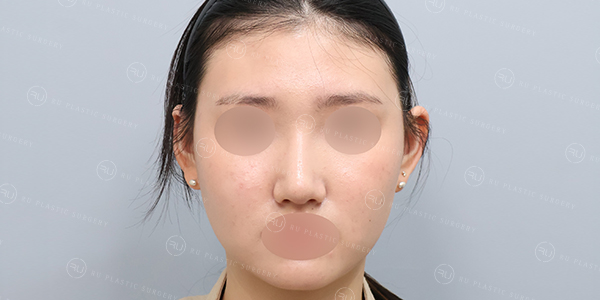
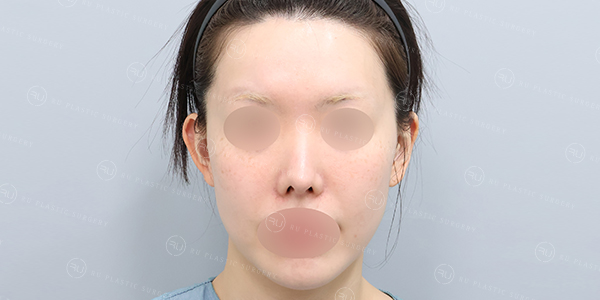
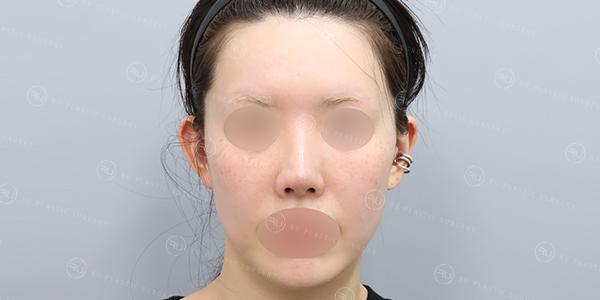
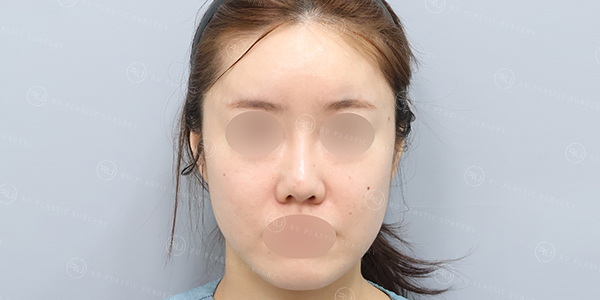
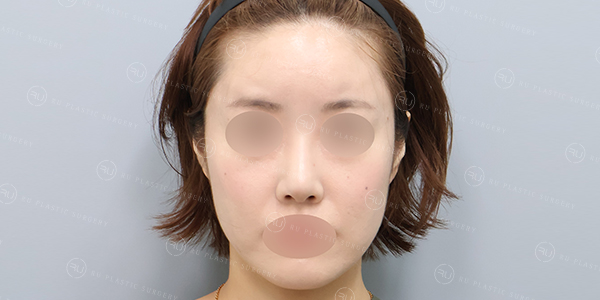
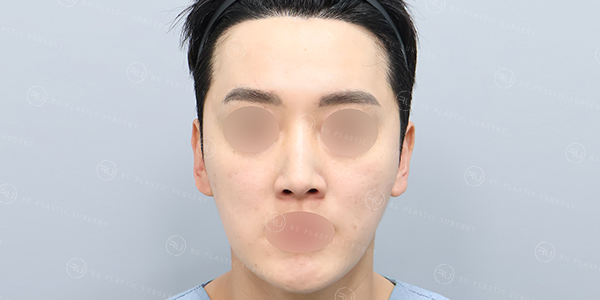
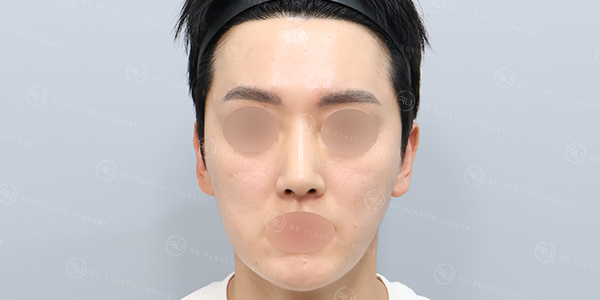
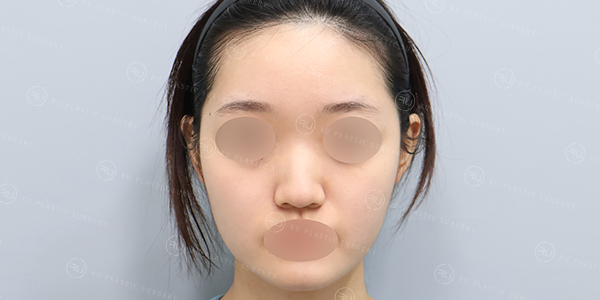
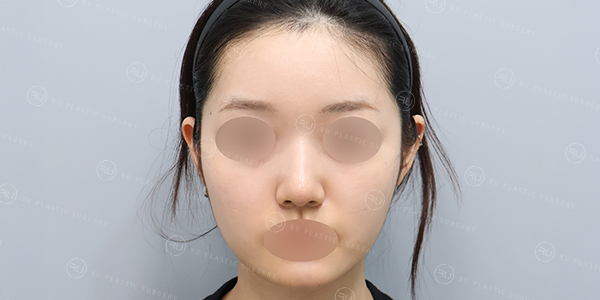
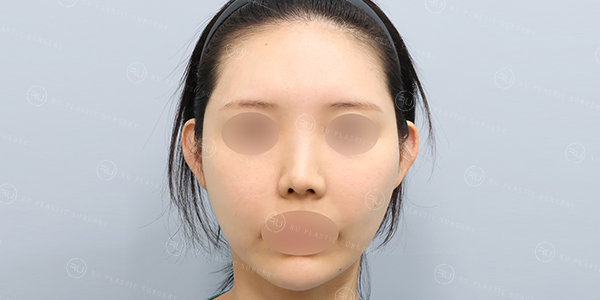
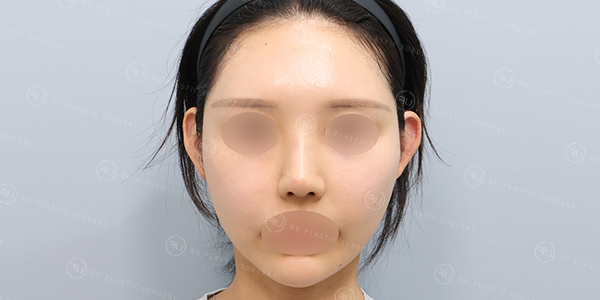
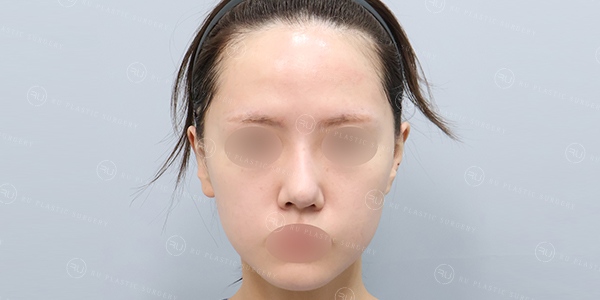
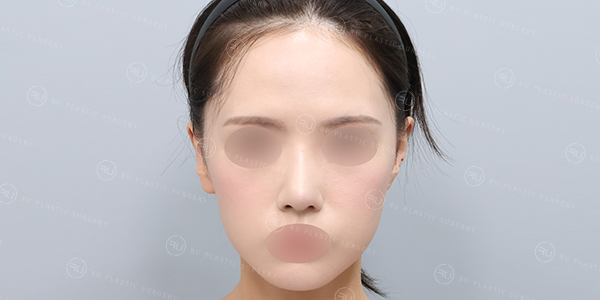
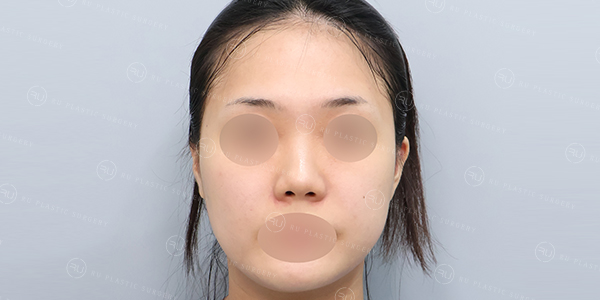
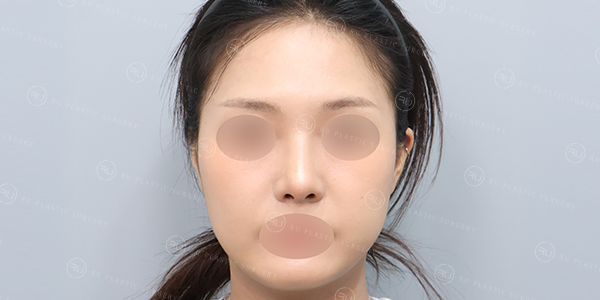
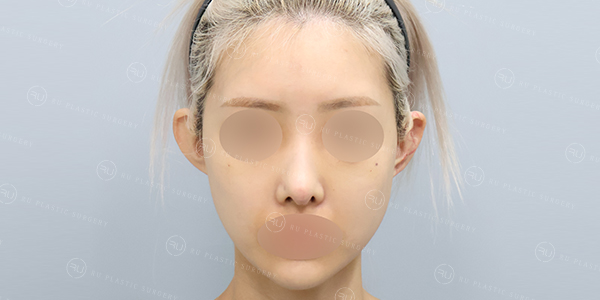
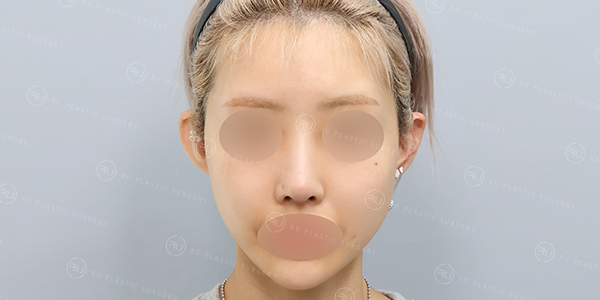
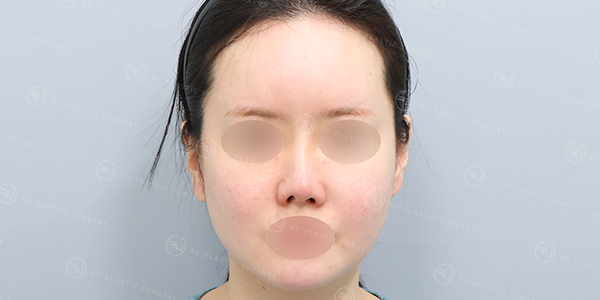
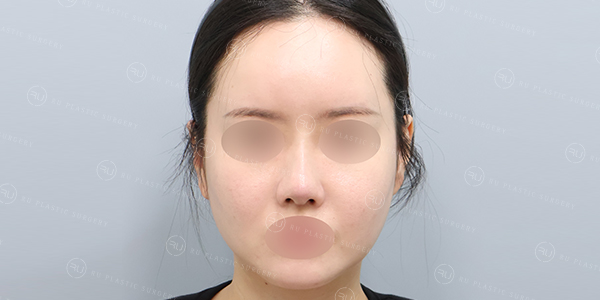
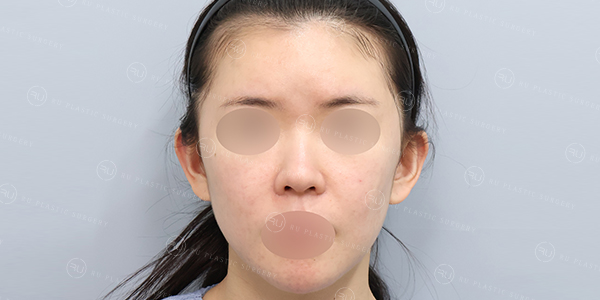
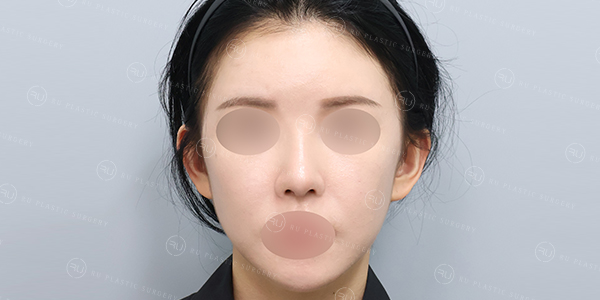
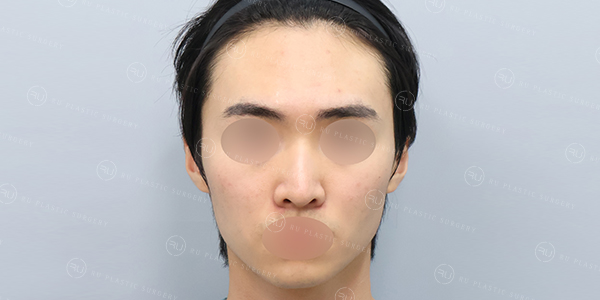
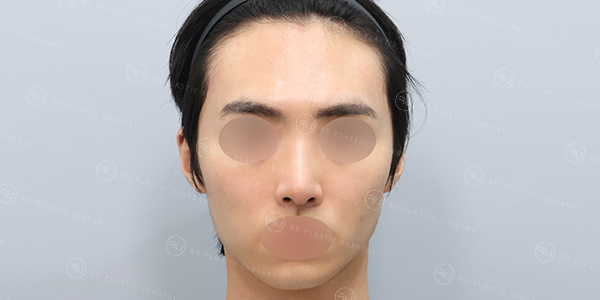
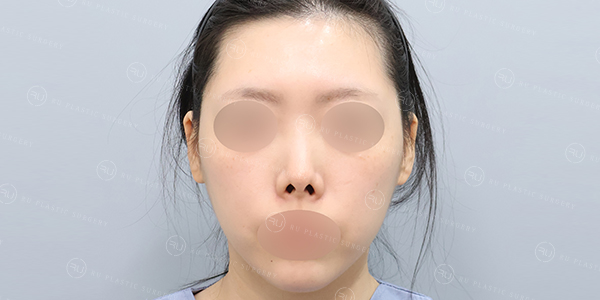
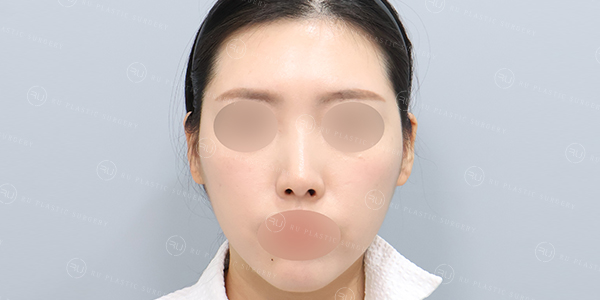
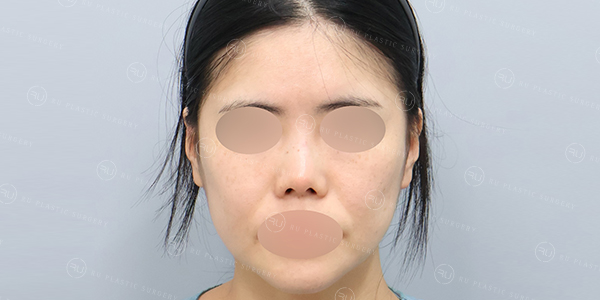
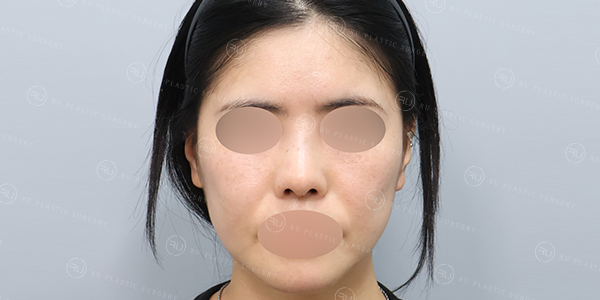
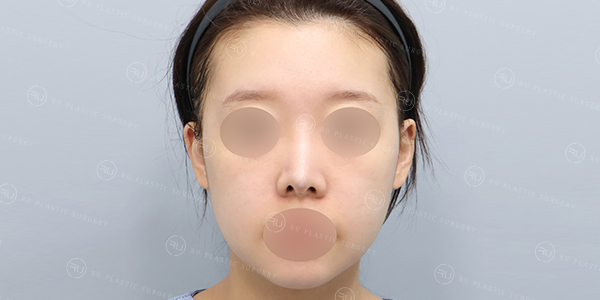
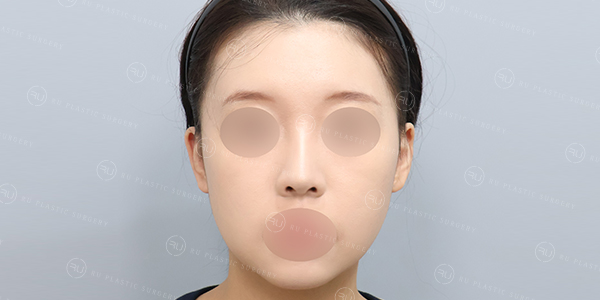
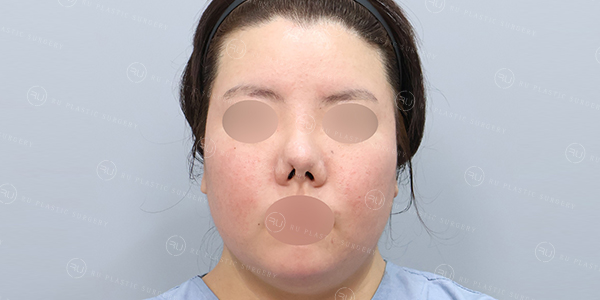
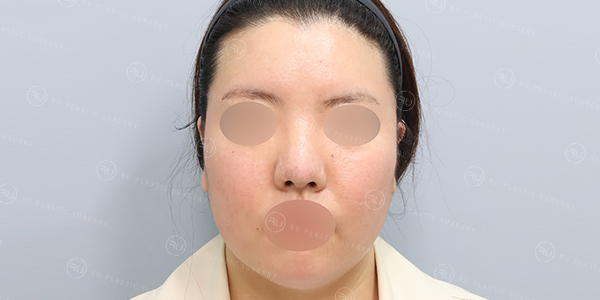
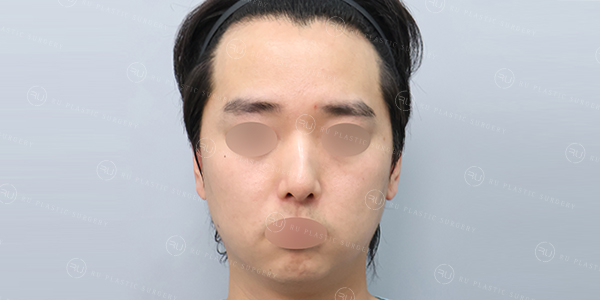
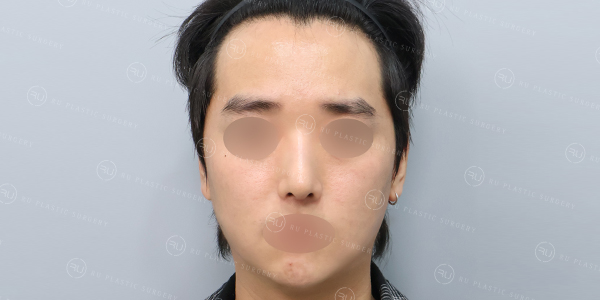
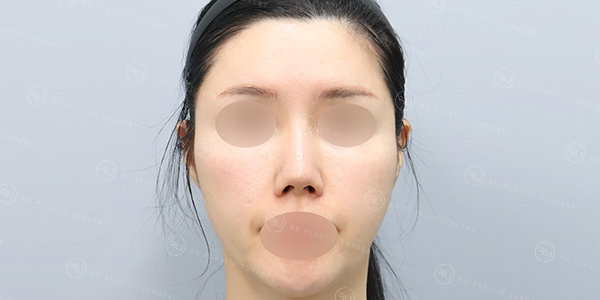
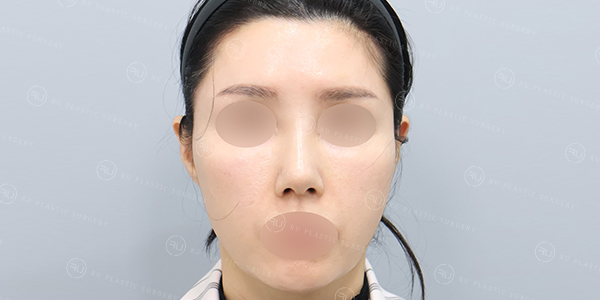
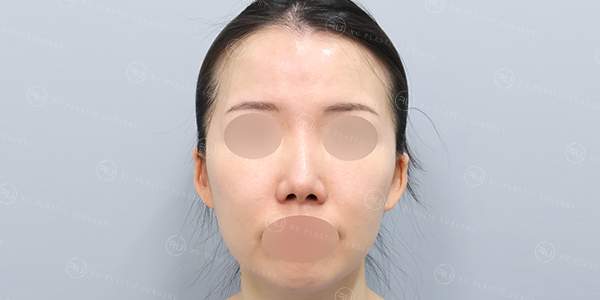
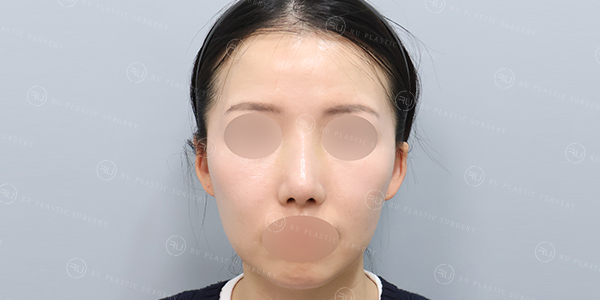
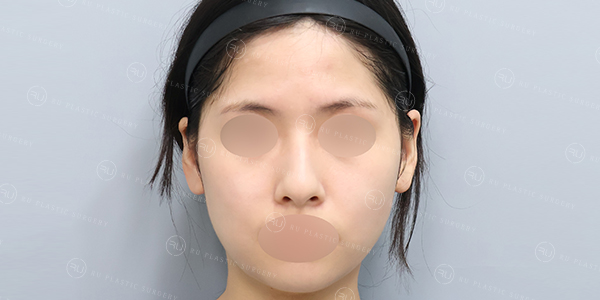
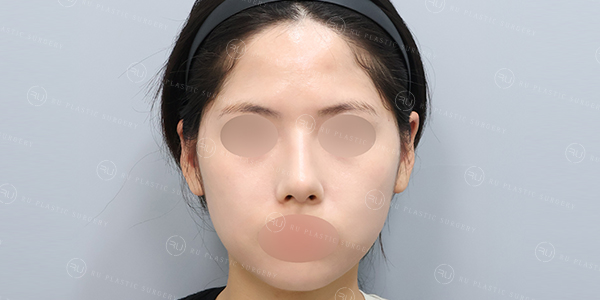
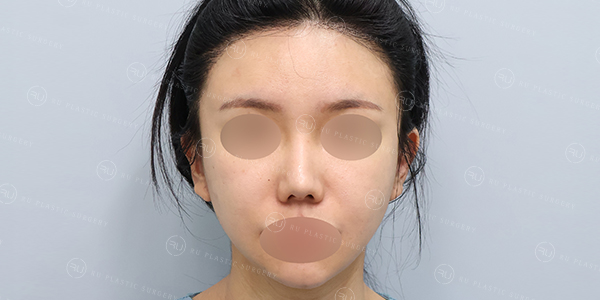
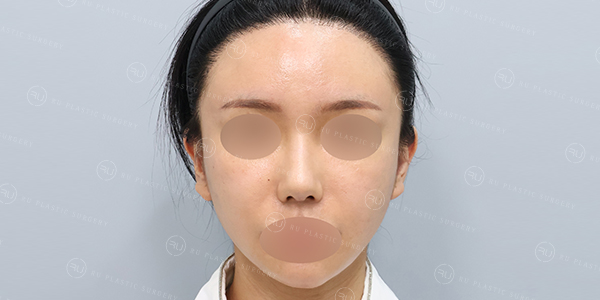
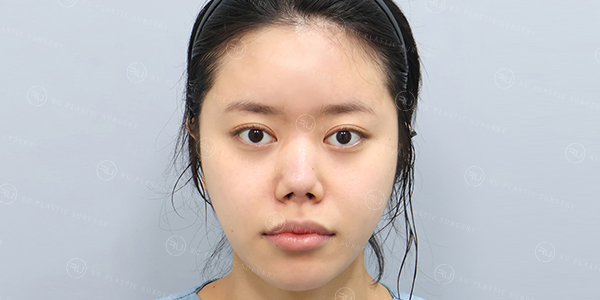
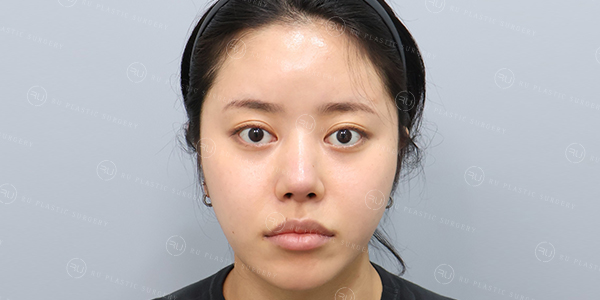
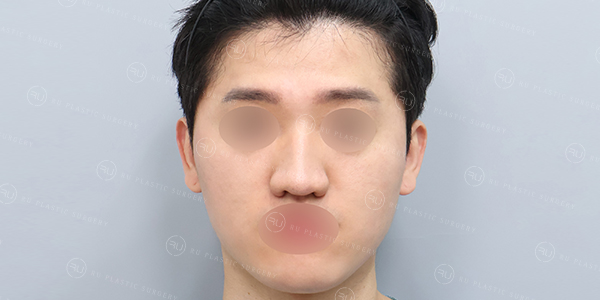
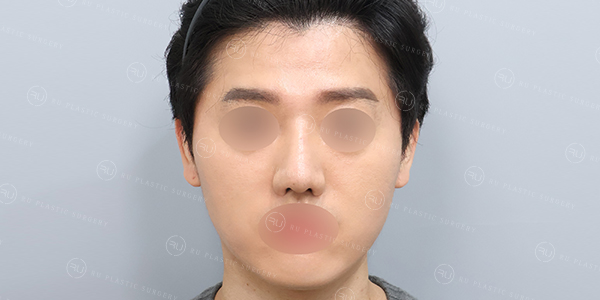
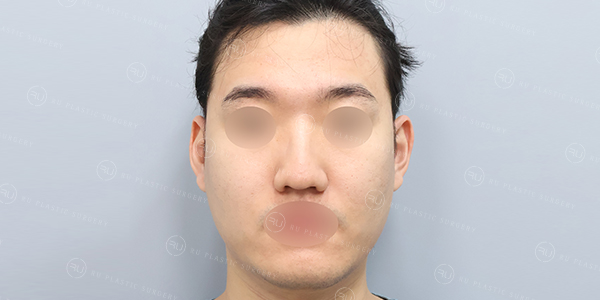
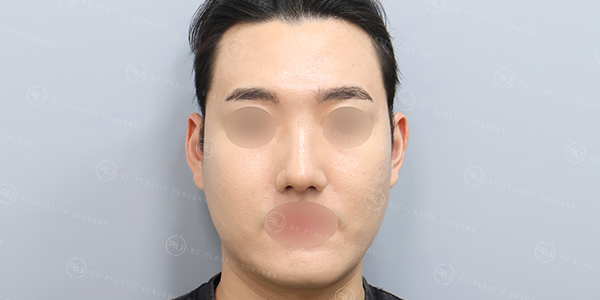
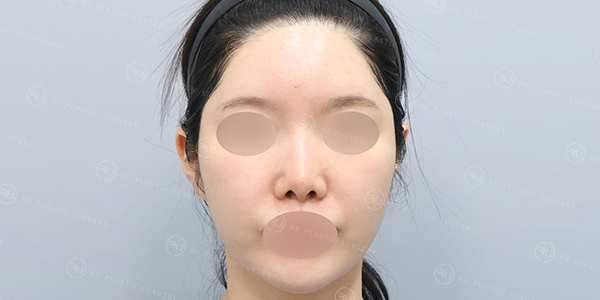
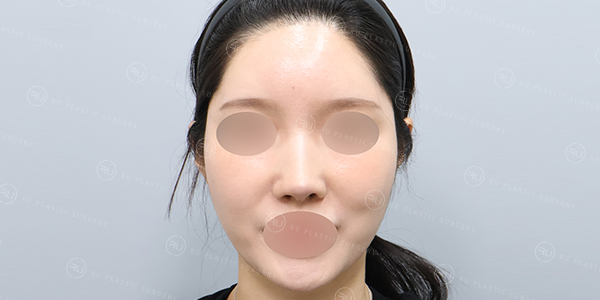
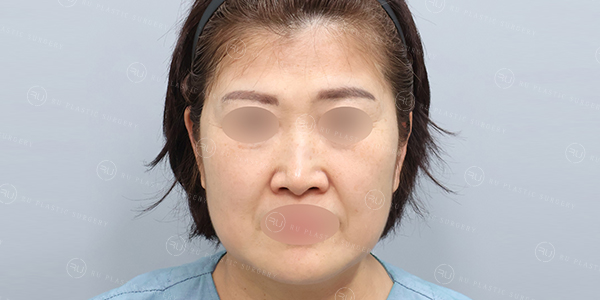
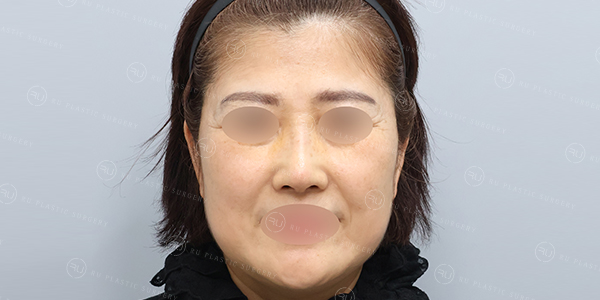
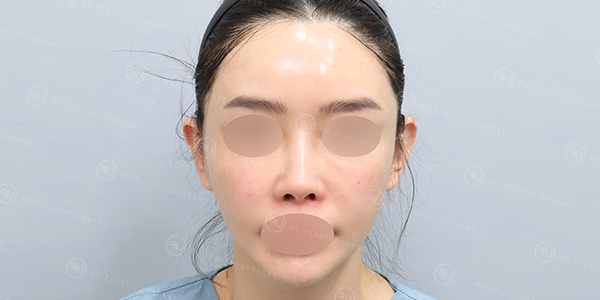
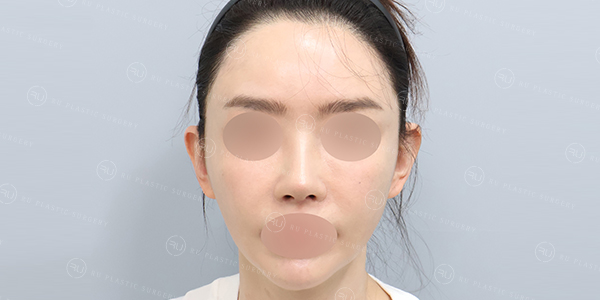
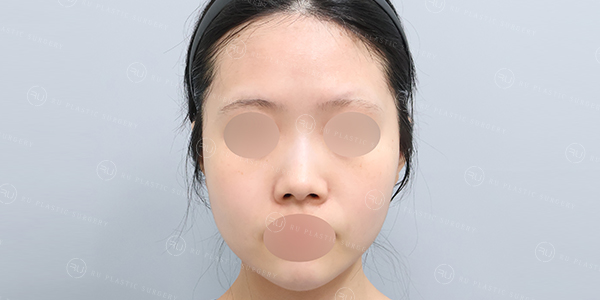
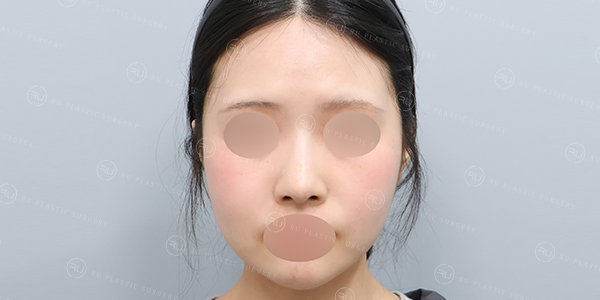
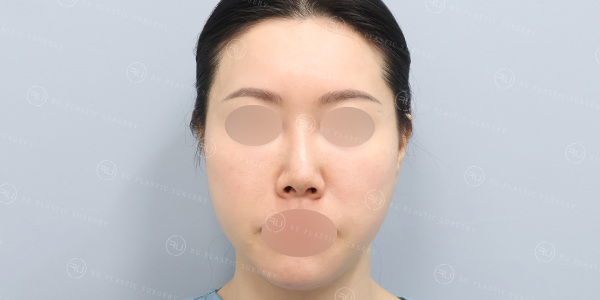
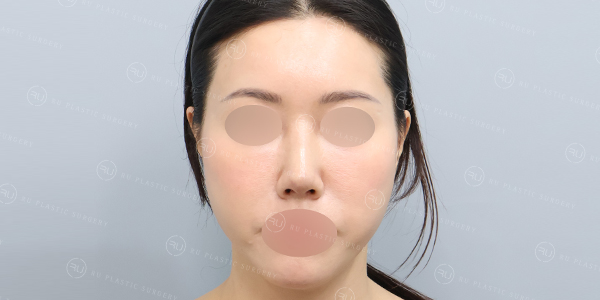
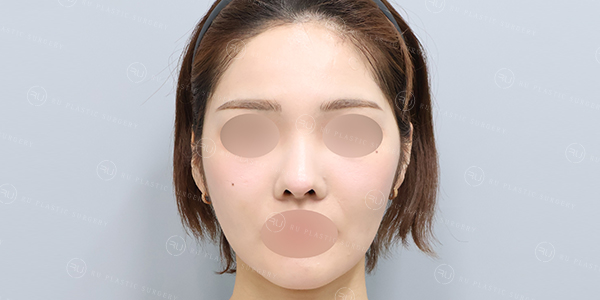
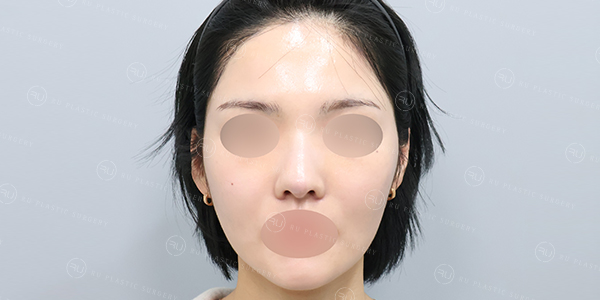
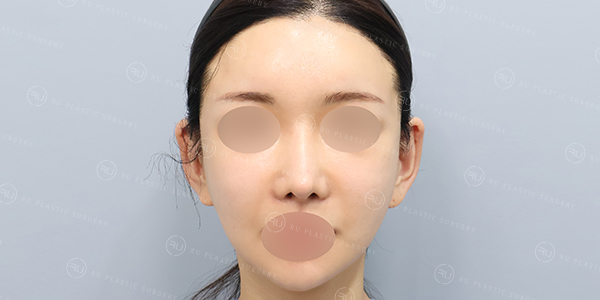
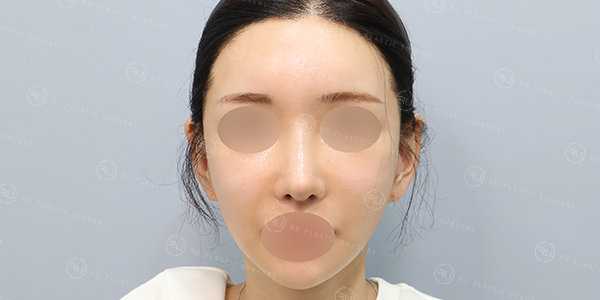
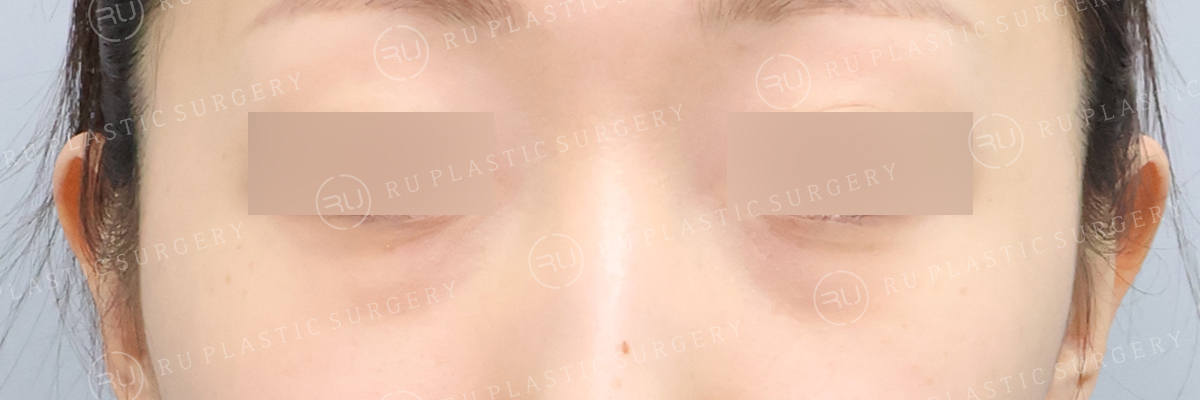
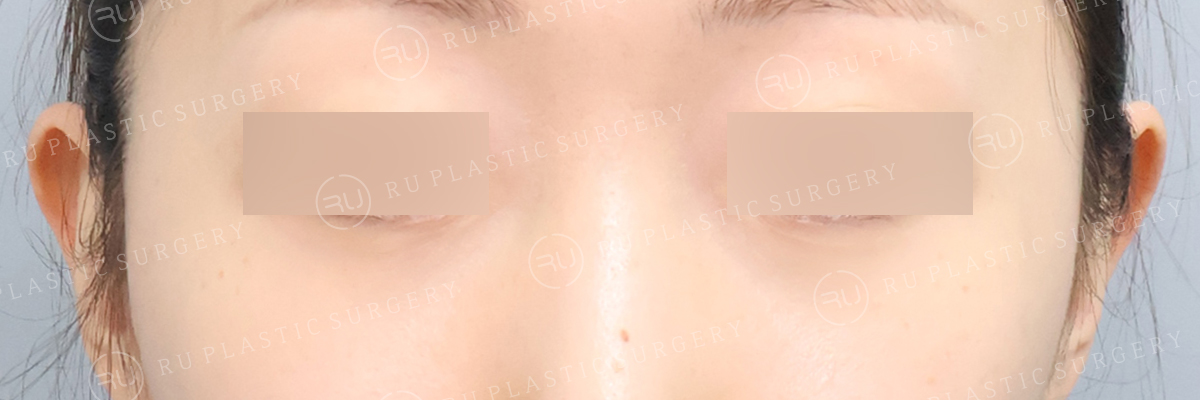
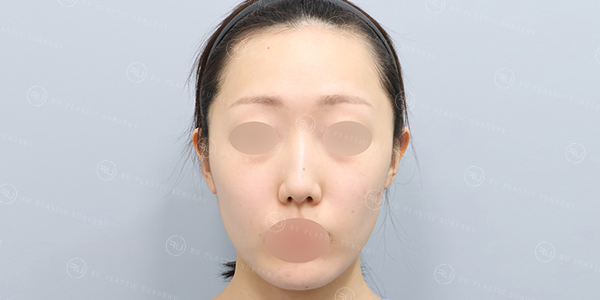
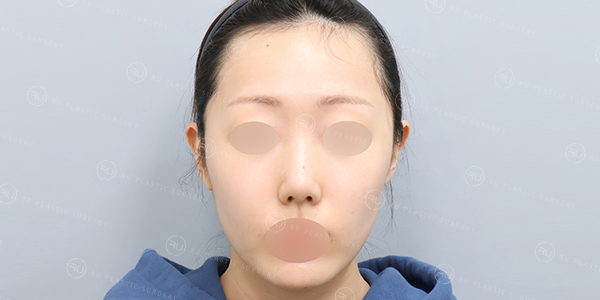
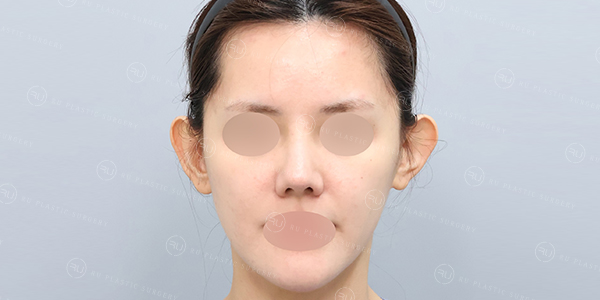
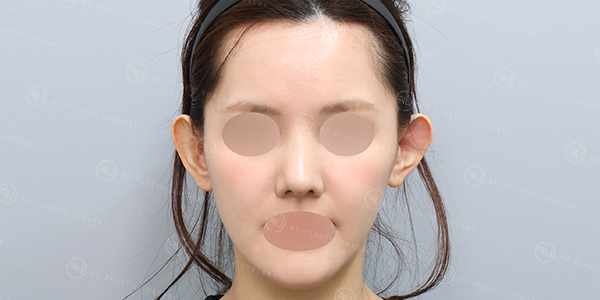
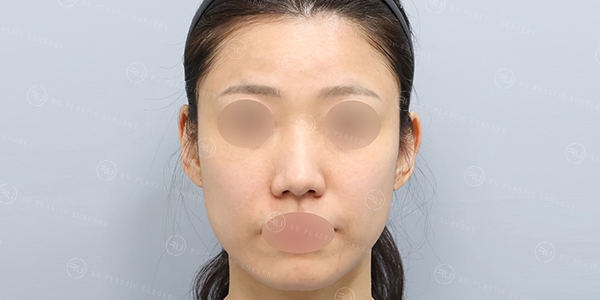
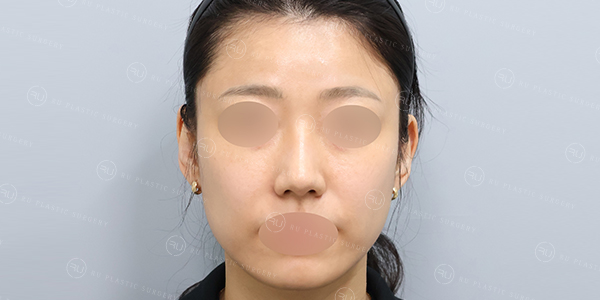
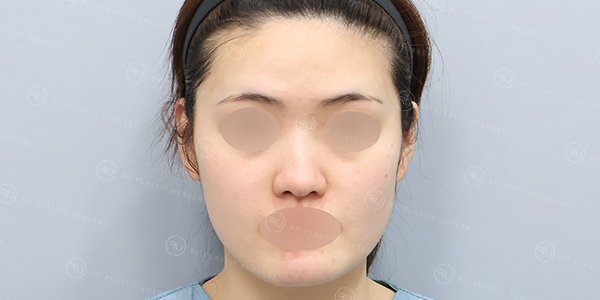
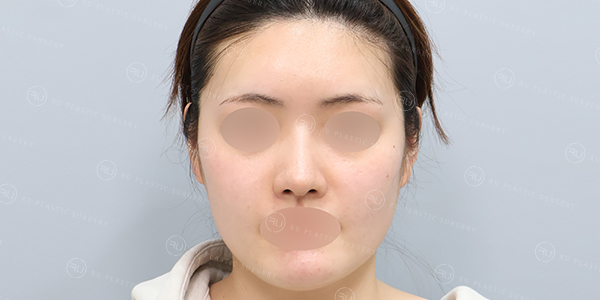
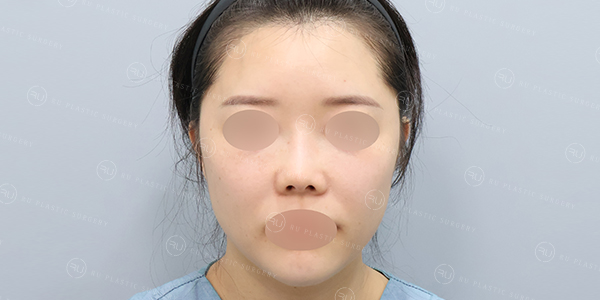
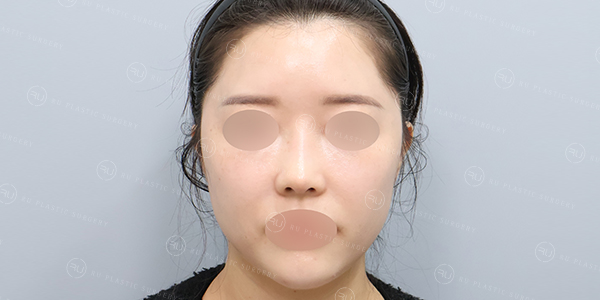
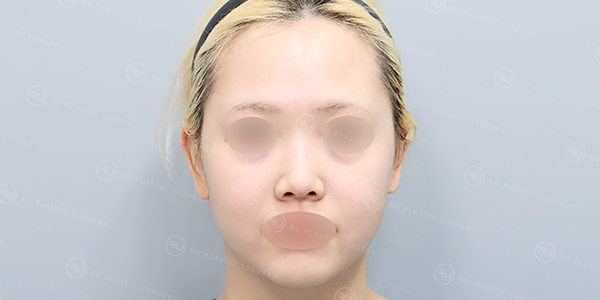
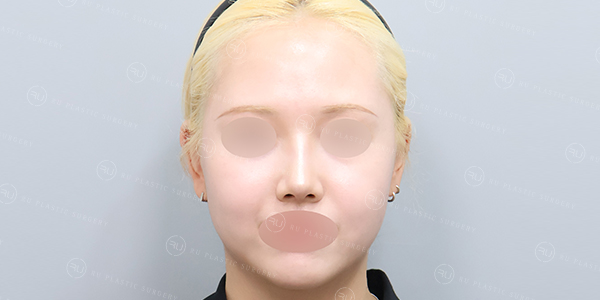
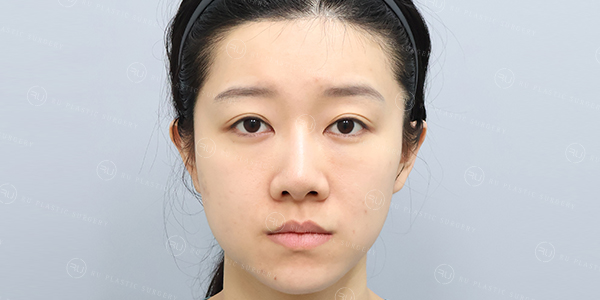
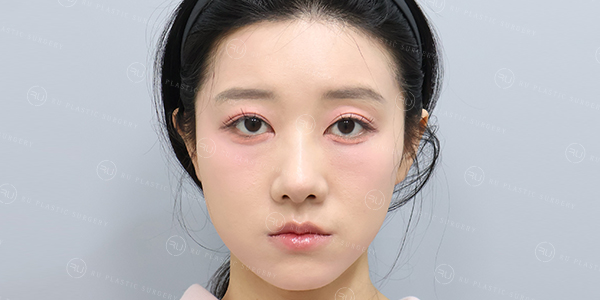
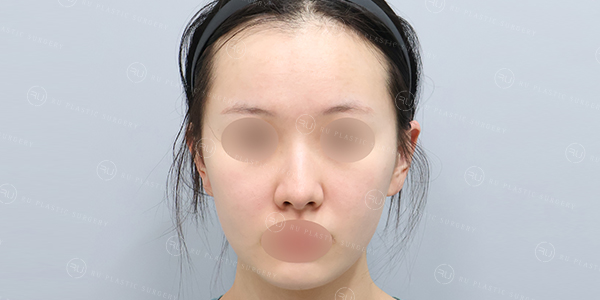
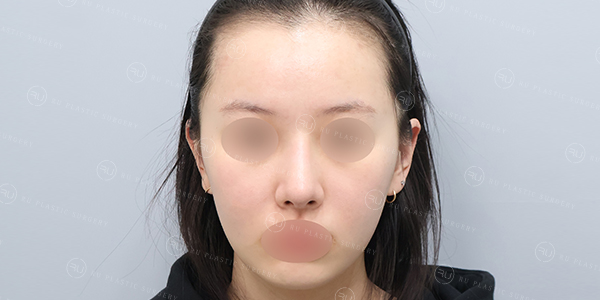
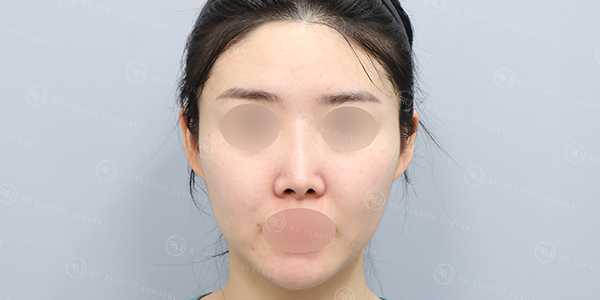
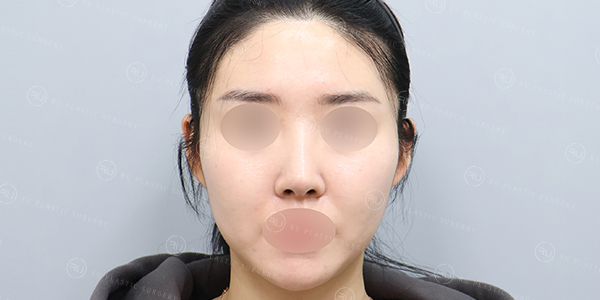
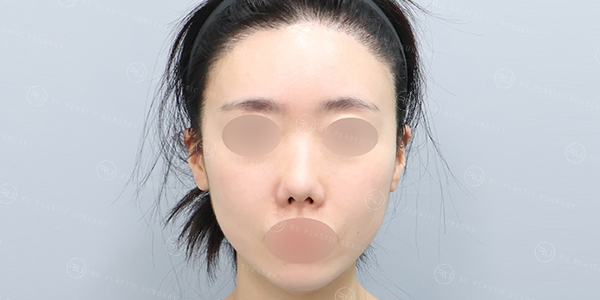
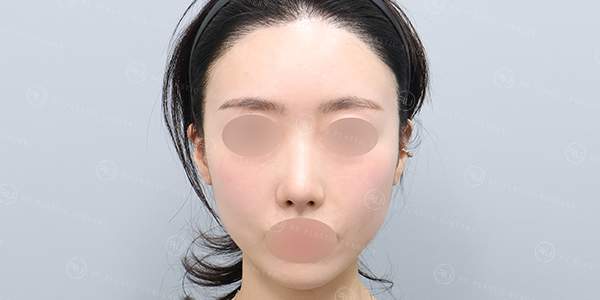
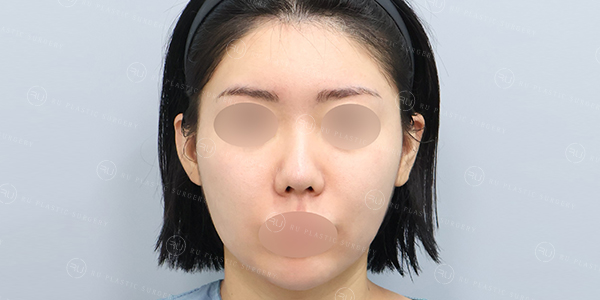
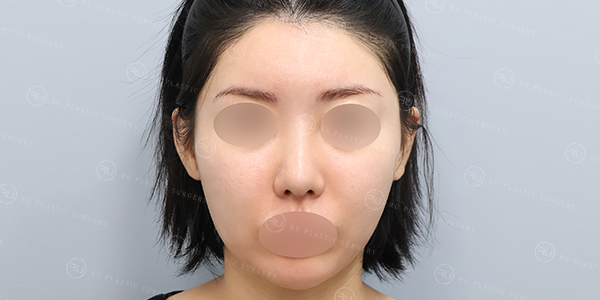
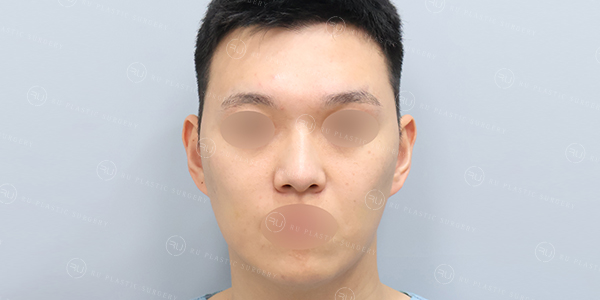
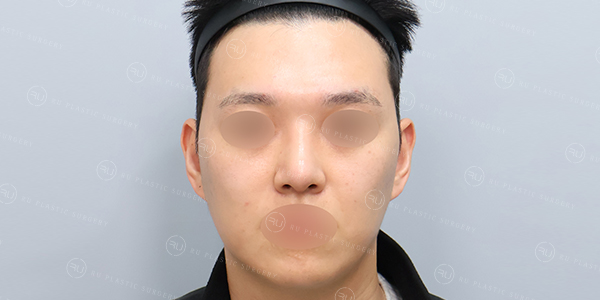
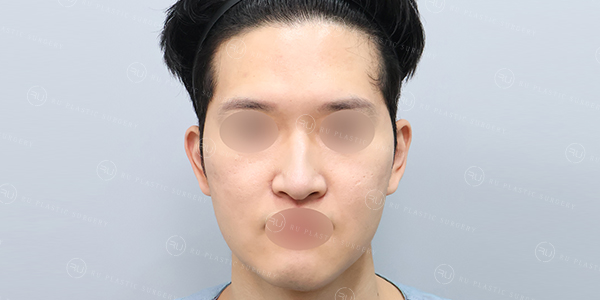
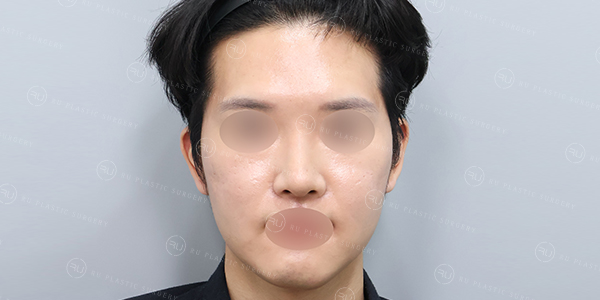
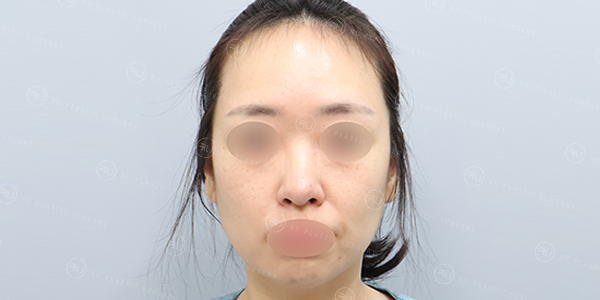
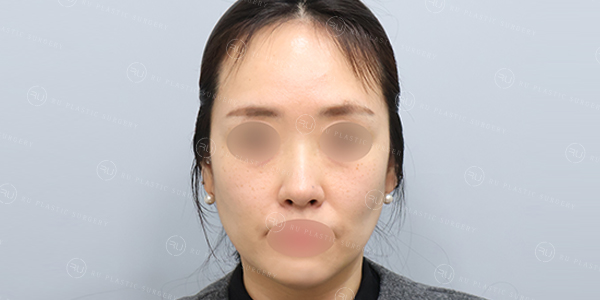
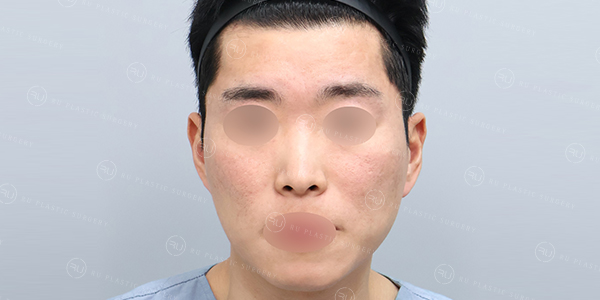
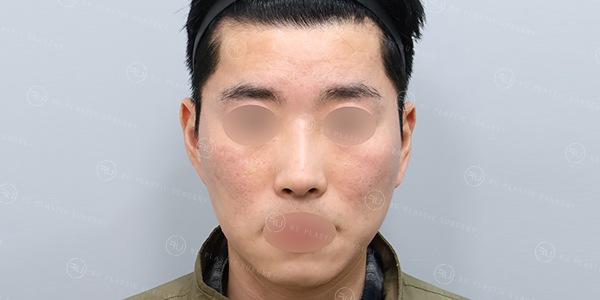
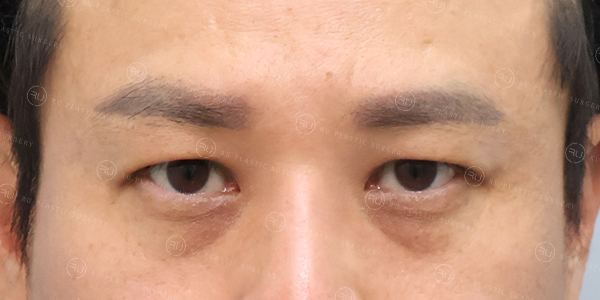
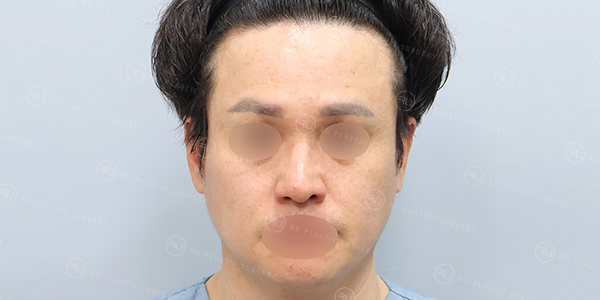
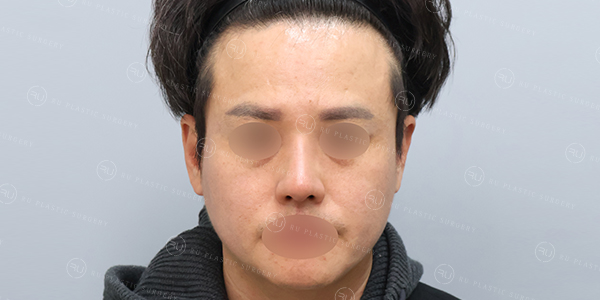
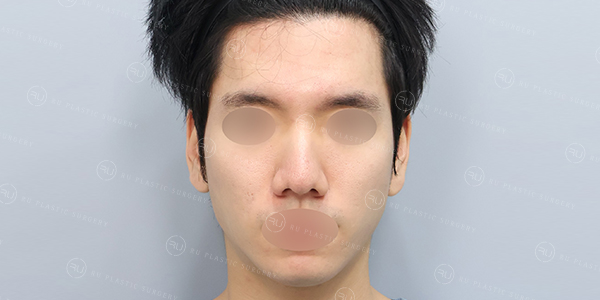
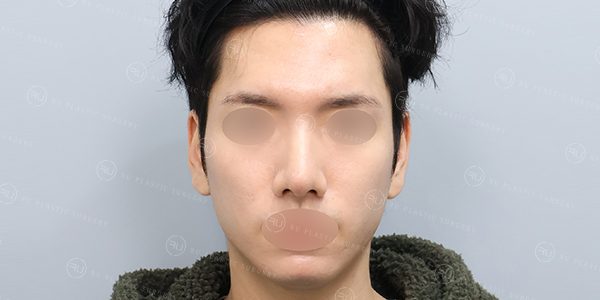
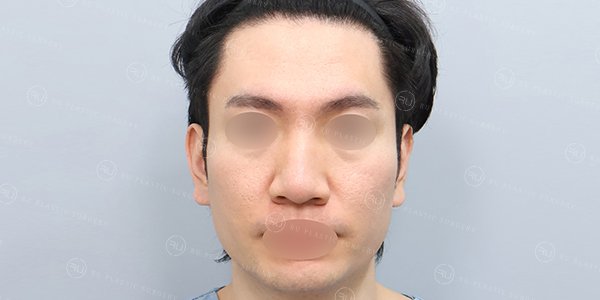
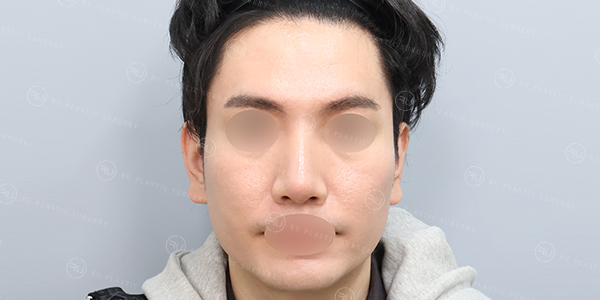
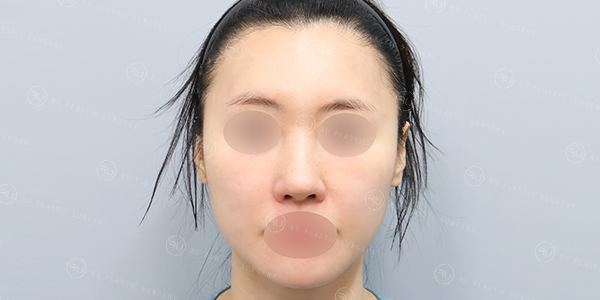
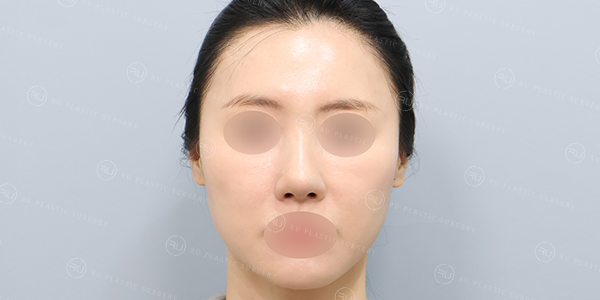
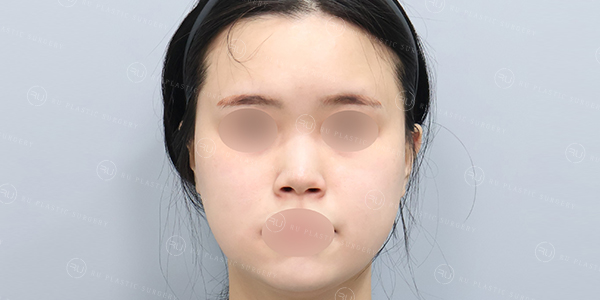
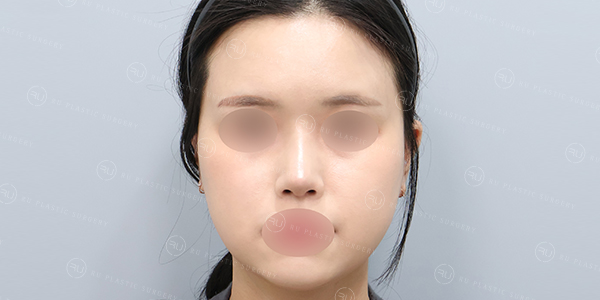
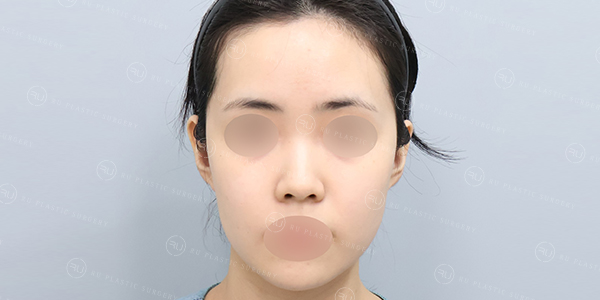
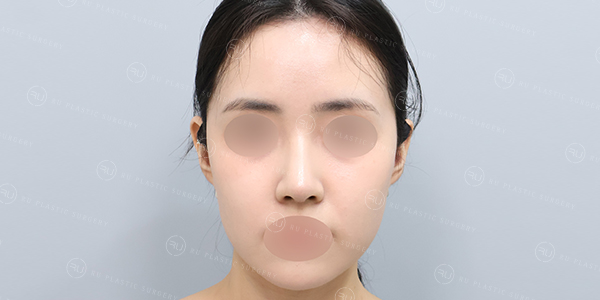
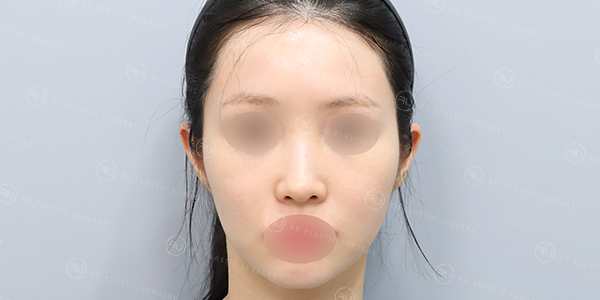
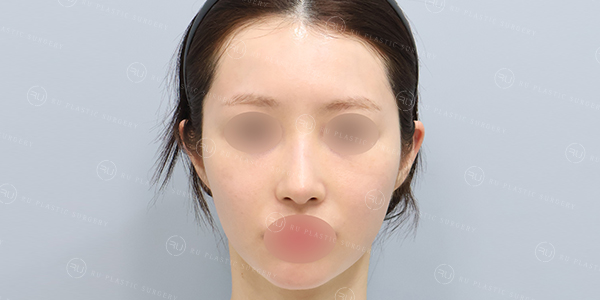
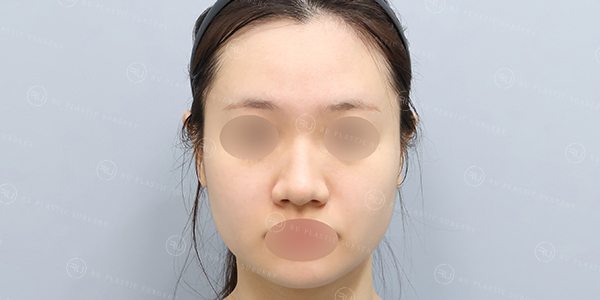
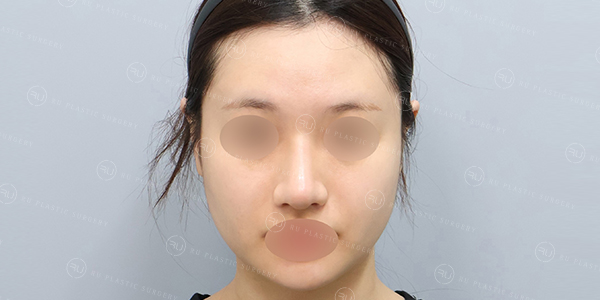
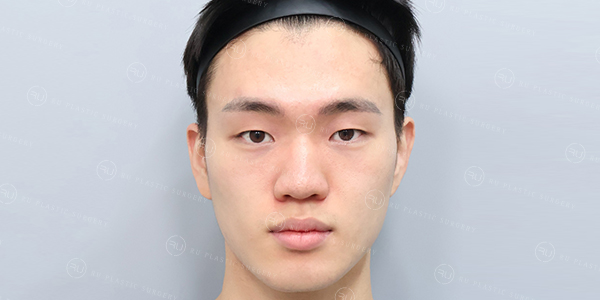
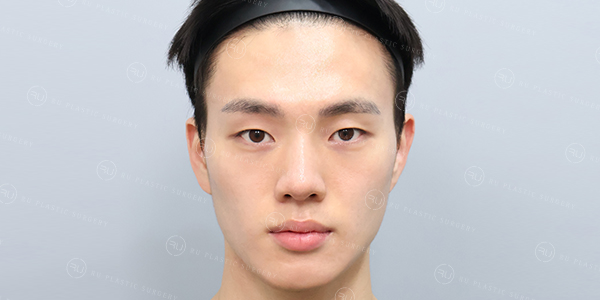
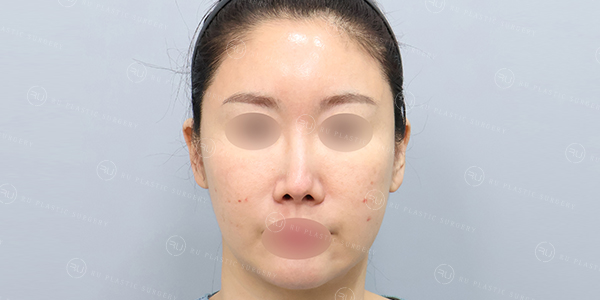
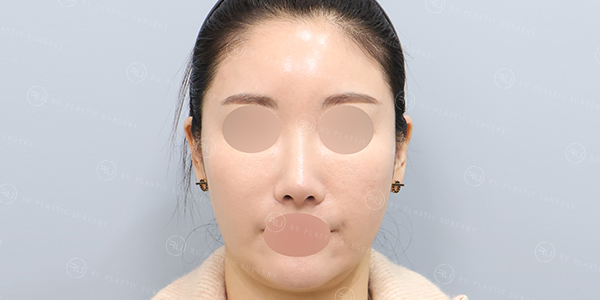
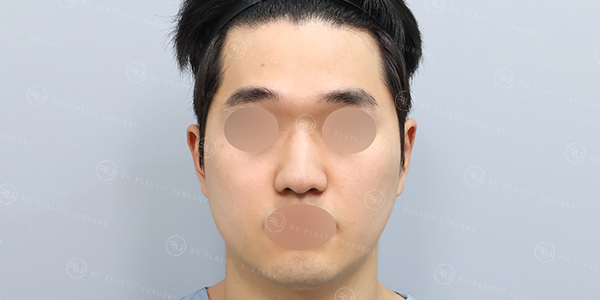
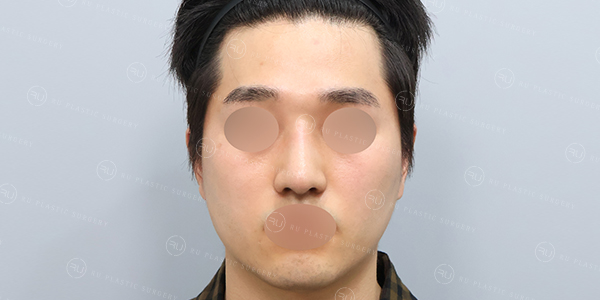
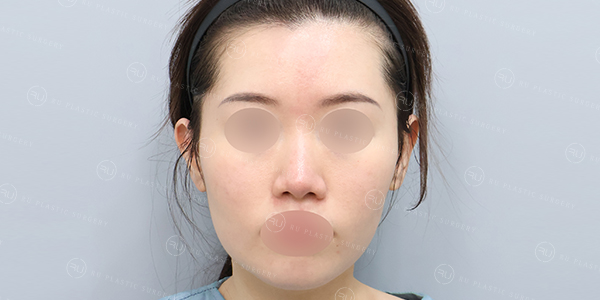
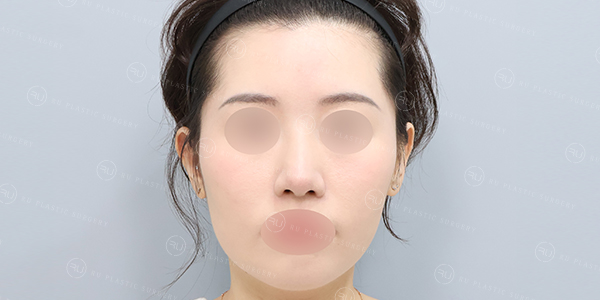
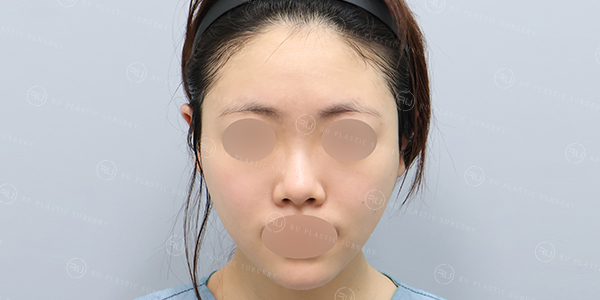
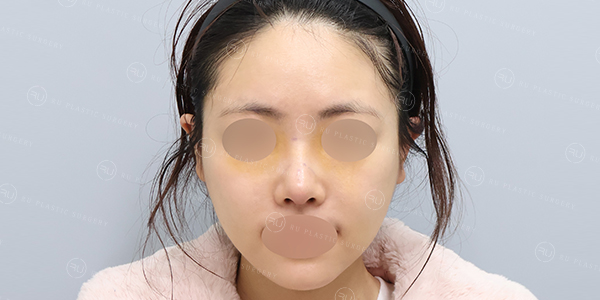
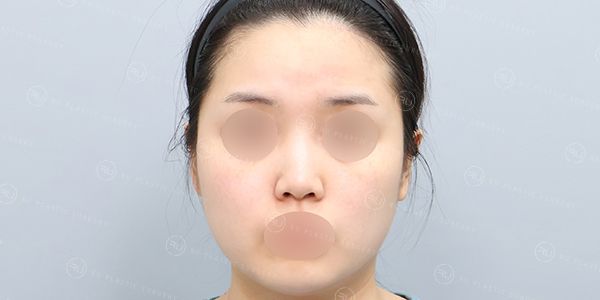
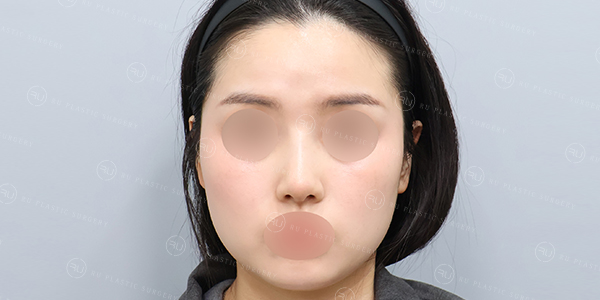
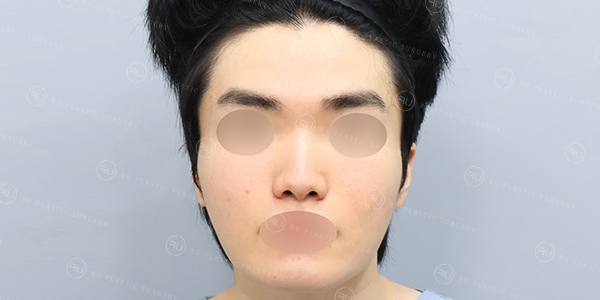
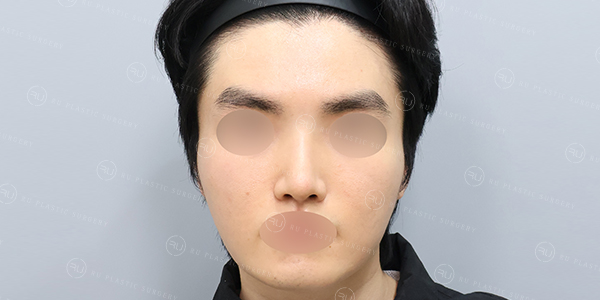
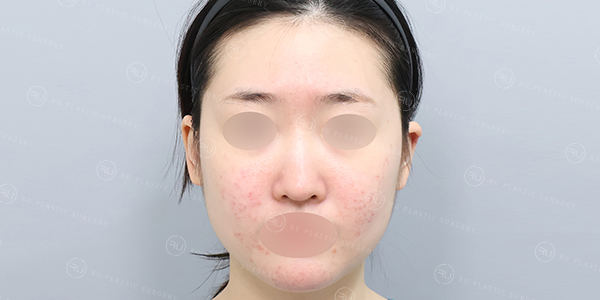
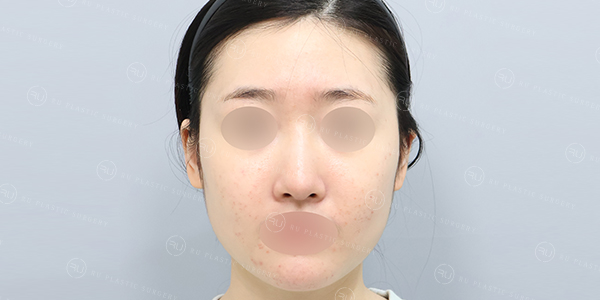
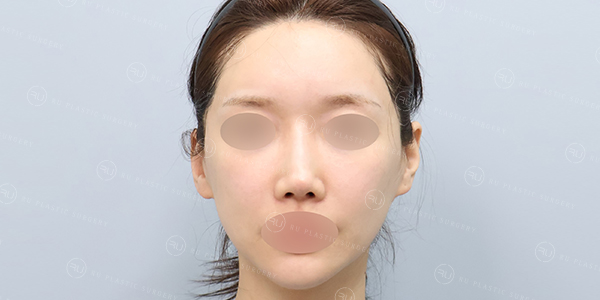
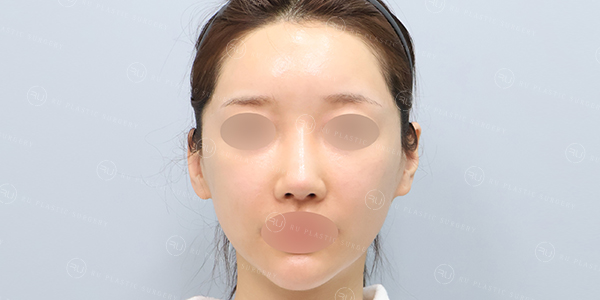
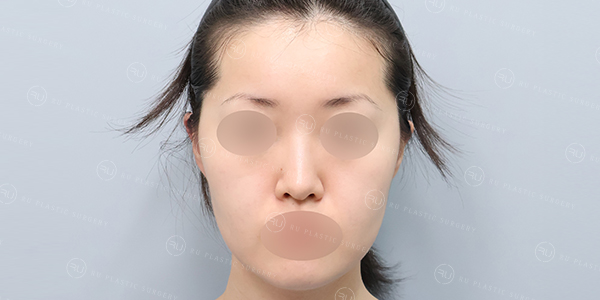
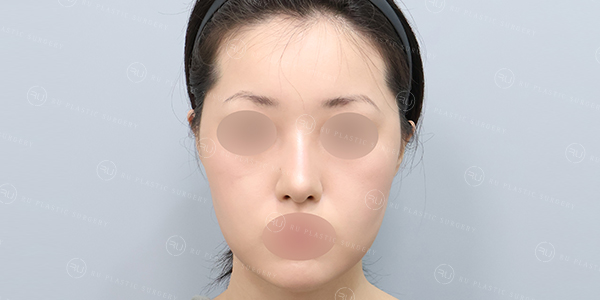
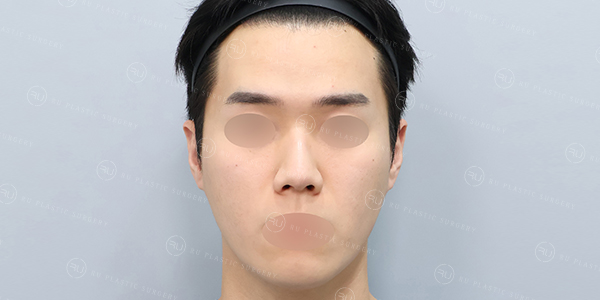
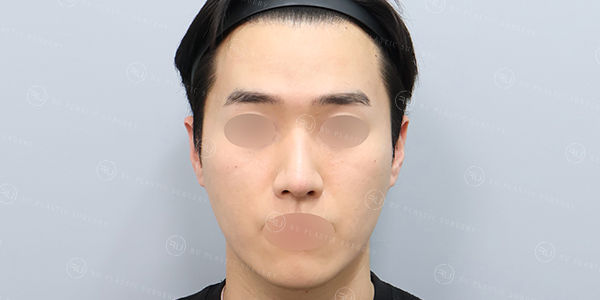
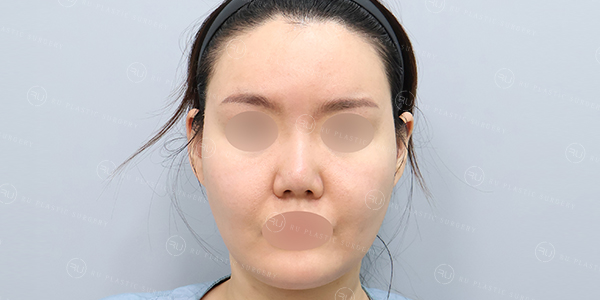
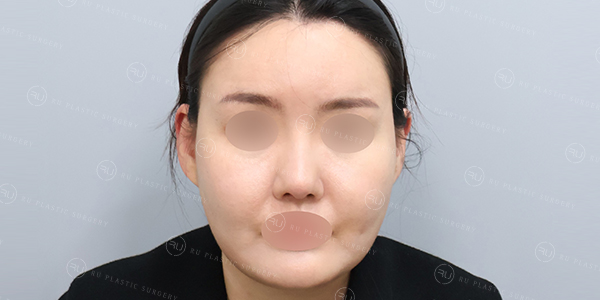
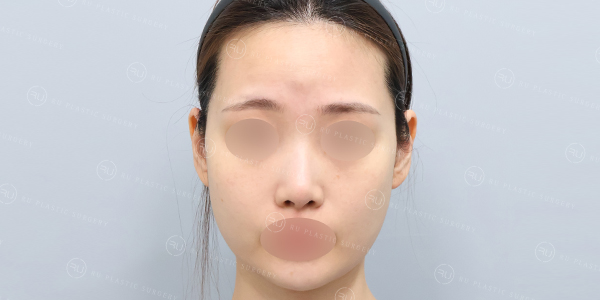
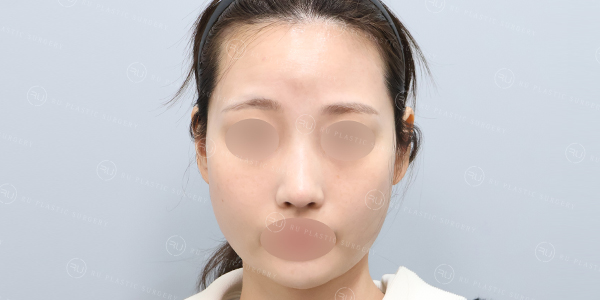
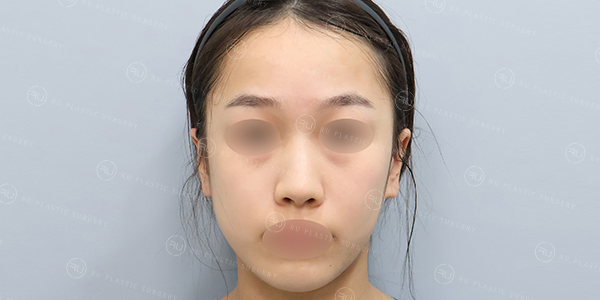
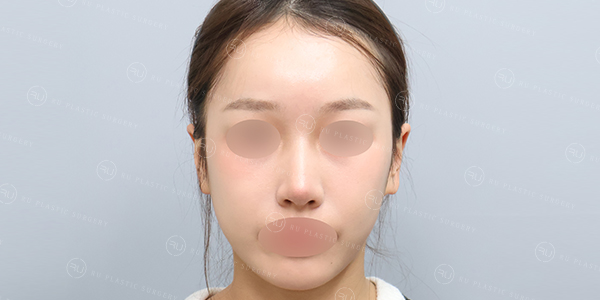
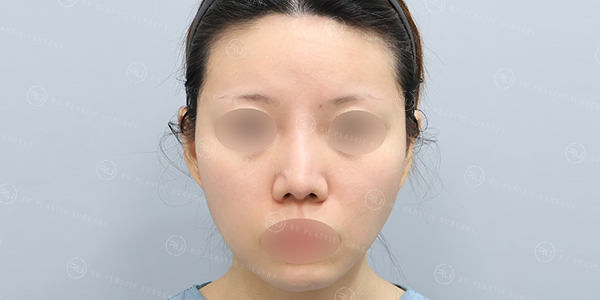
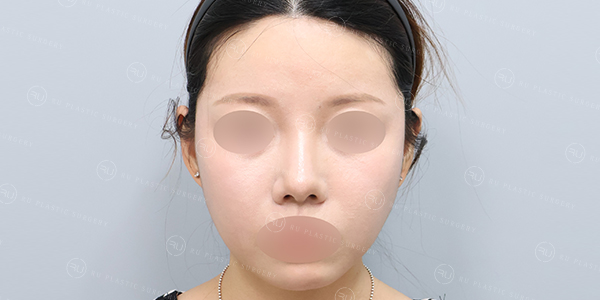
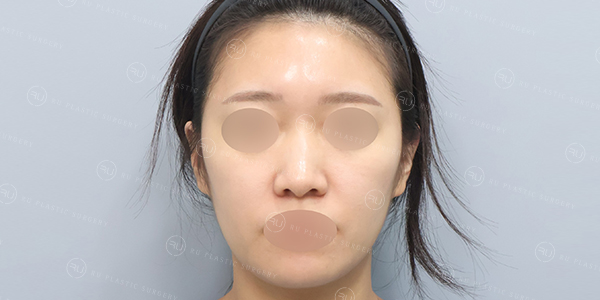
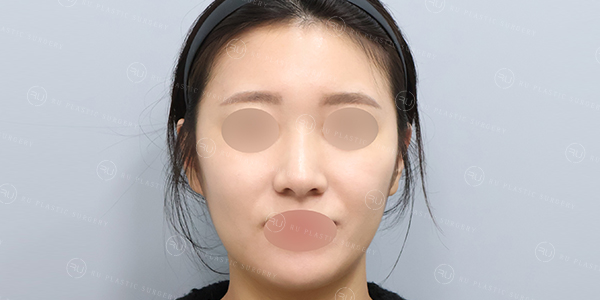
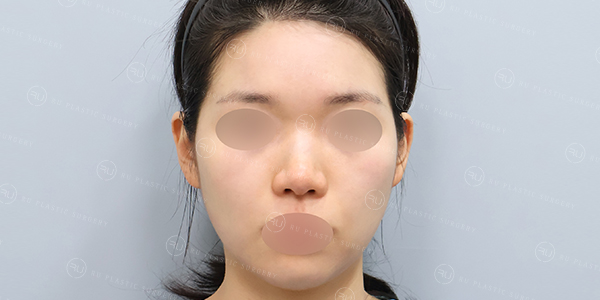
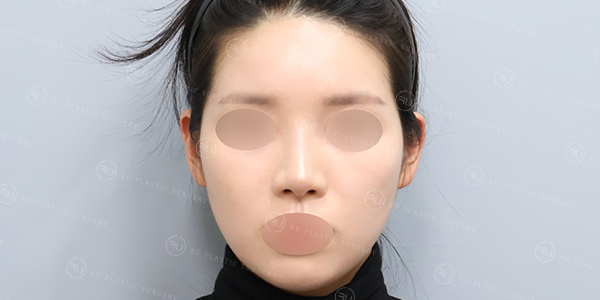
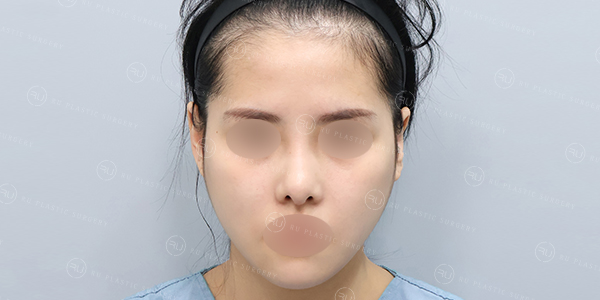
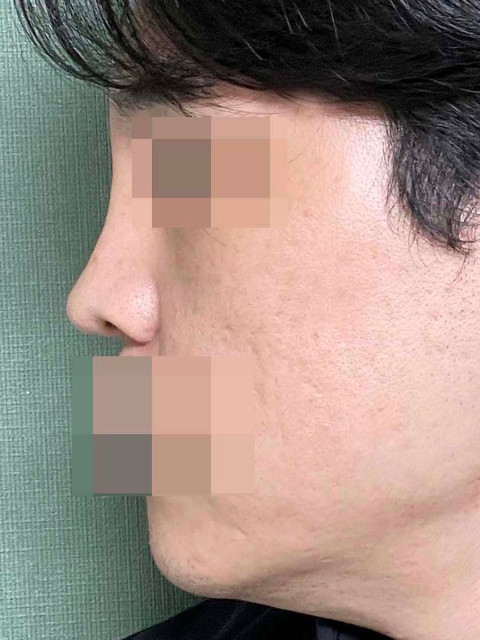
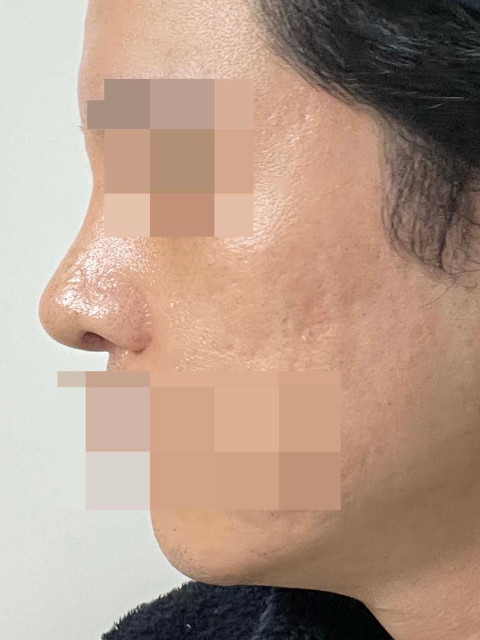
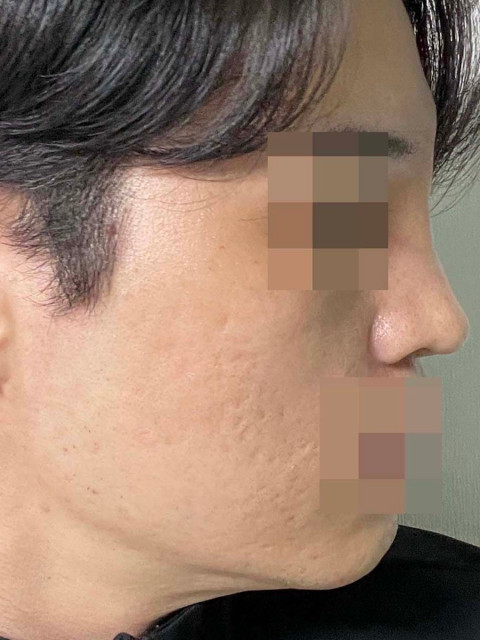
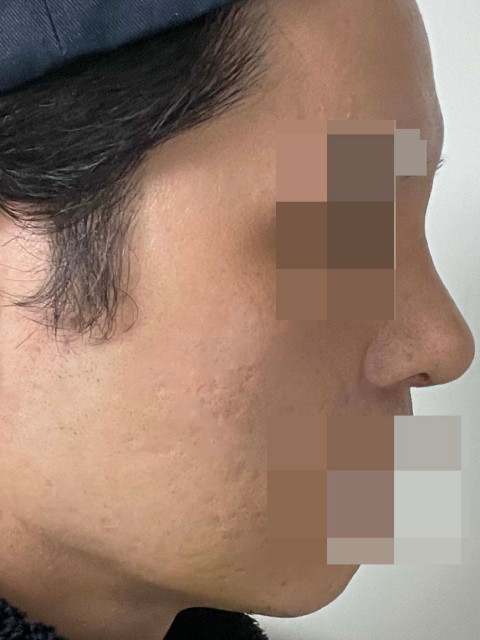
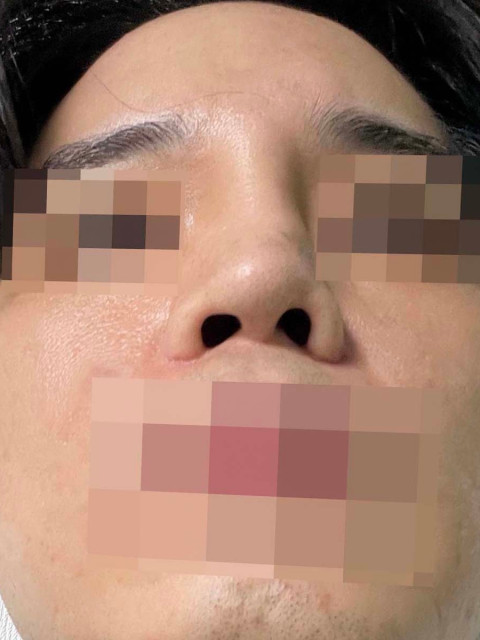
As shown in the photos, the result has been highly satisfying.
When the splint was removed at one week postoperatively,
despite significant swelling,
I looked in the mirror and told Dr. Kim,
“This is it. It’s done.”
Even now, every time I look in the mirror,
I feel a sense of gratitude.
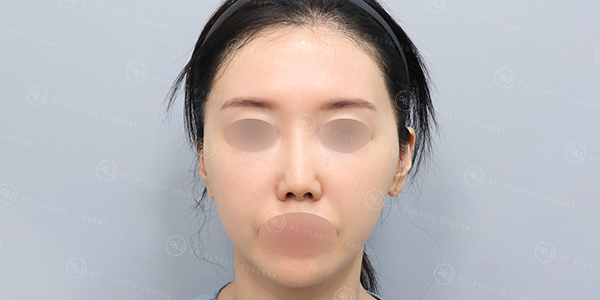
From the front, my nose is straight and well balanced.
The previously retracted philtrum is now projected,
adding dimension to my face.
From the side, the nasal line flows beautifully at an ideal angle.
At this point, swelling has continued to subside,
bruising has resolved,
and I am comfortable going out without a mask.
Typically, after internal sutures are removed around two weeks,
daily life becomes much easier.
Regarding pain, rhinoplasty is admittedly not easy.
The most difficult part for me was the nasal packing for one day.
Fortunately, it was removed the following morning.
Many people worry about pain from autologous rib cartilage harvesting.
For the first two to three days, it was manageable.
After that, the discomfort became deeper and more pulling in nature.
Even approaching the three-week mark,
my pain remains relatively strong.
Pain varies from person to person,
but men with greater muscle mass tend to experience
more intense and longer-lasting discomfort.
That said, I was told that it improves significantly by about one month,
and I am enduring it with that expectation.
If I were asked how painful it is,
I would say this:
Knowing that I will live the rest of my life
with the nose Dr. Kim Hyun Joo created for me,
the pain is absolutely tolerable.
It is uncomfortable, but bearable.
This has been a long review,
but I hope it offers even a small measure of comfort
and guidance to those who, like me,
have been carrying not only physical concerns
but also deep emotional distress.