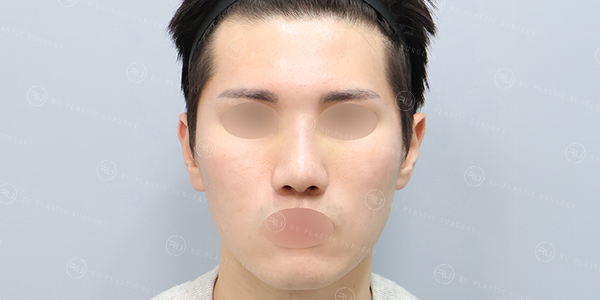
Fourth Revision Rhinoplasty with a Customized 3D Implant
본문
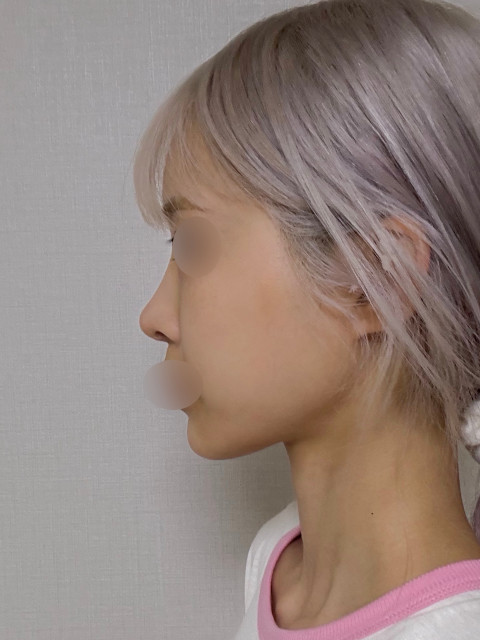
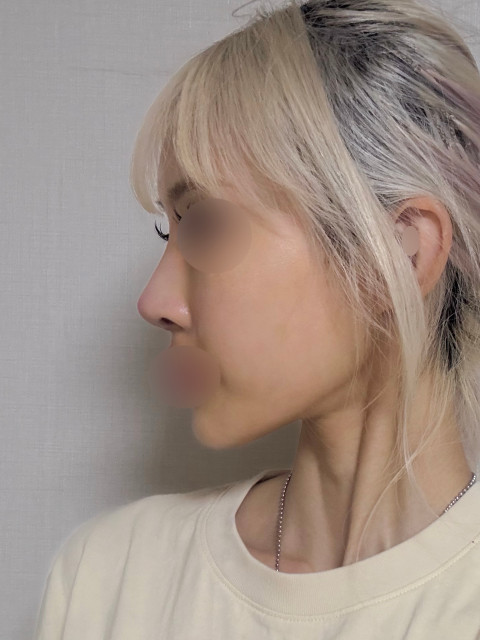
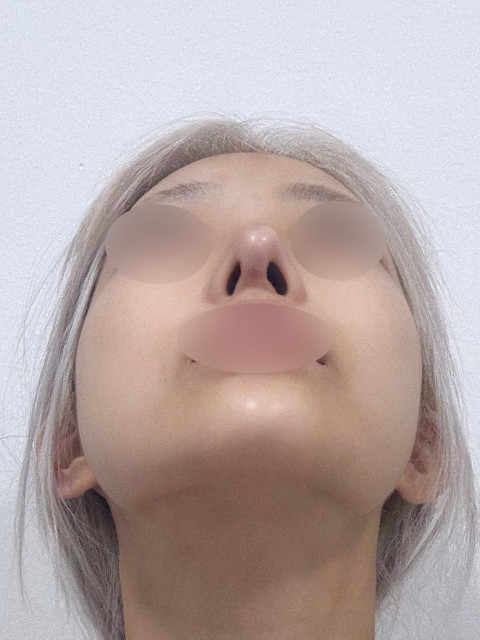
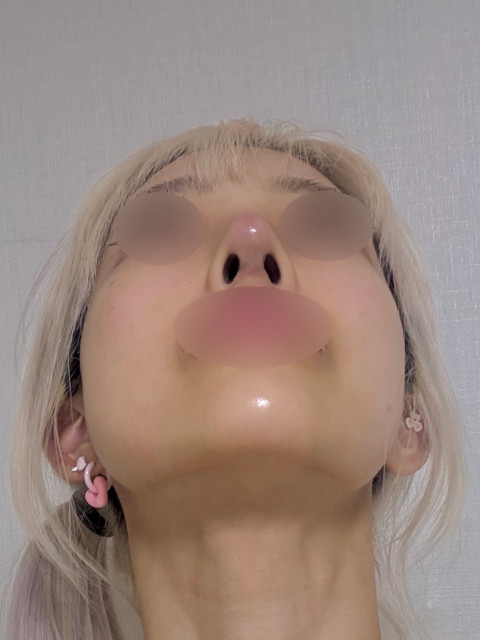
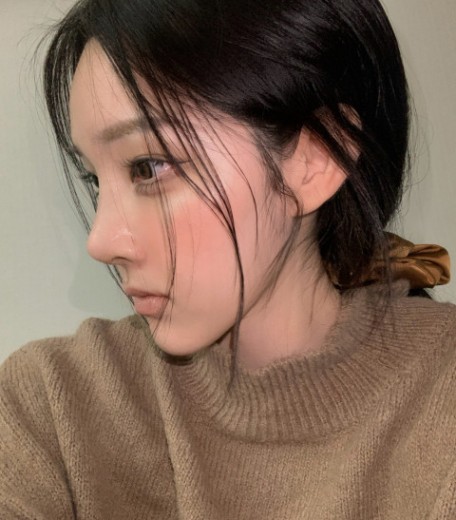
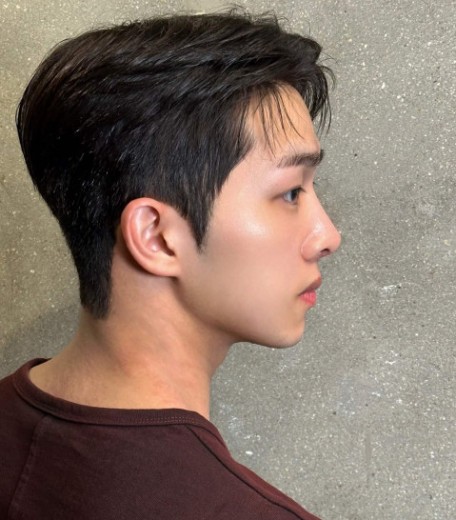
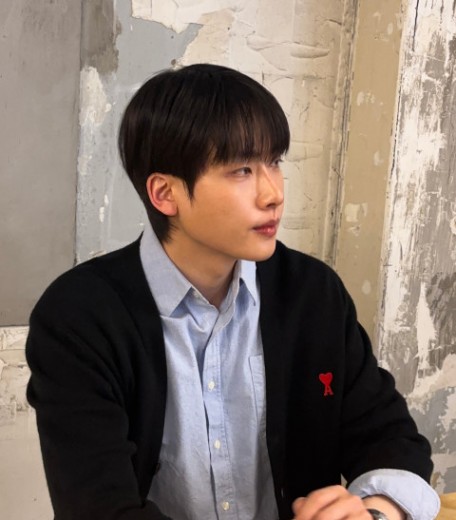
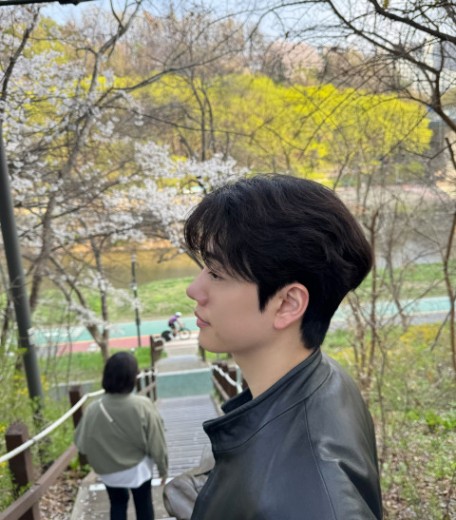
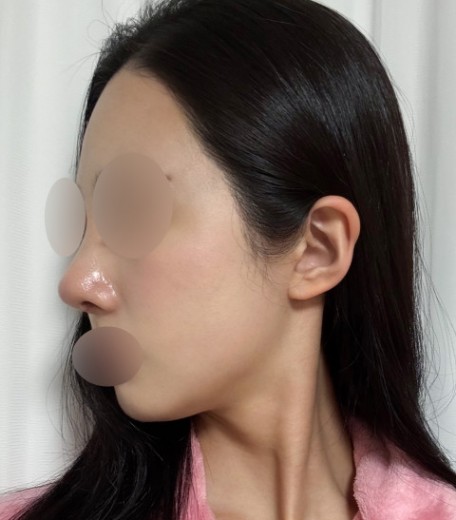
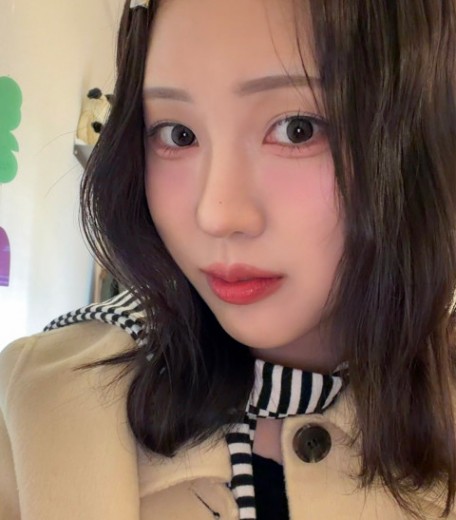
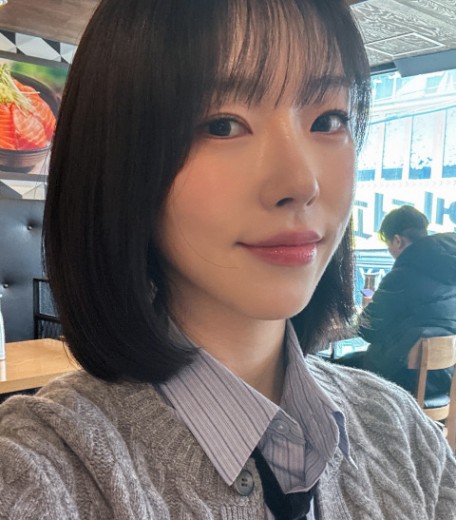
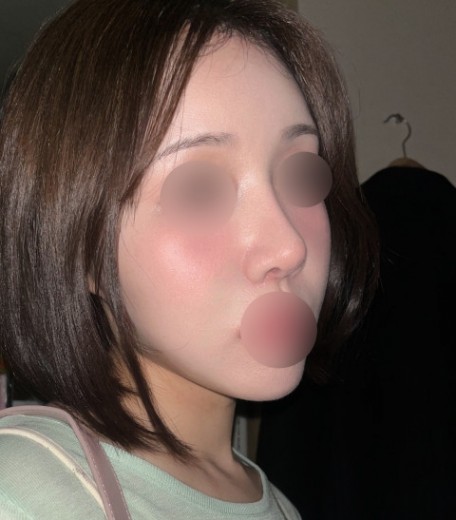
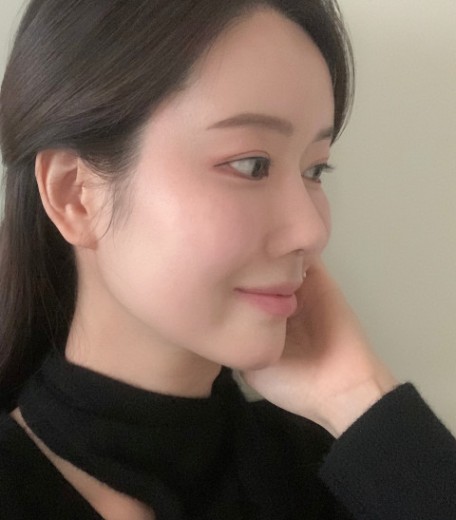
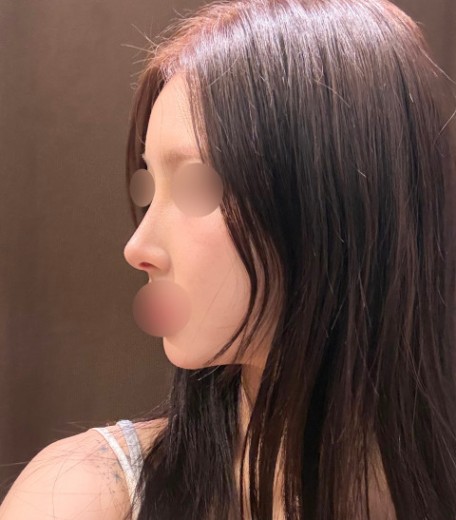
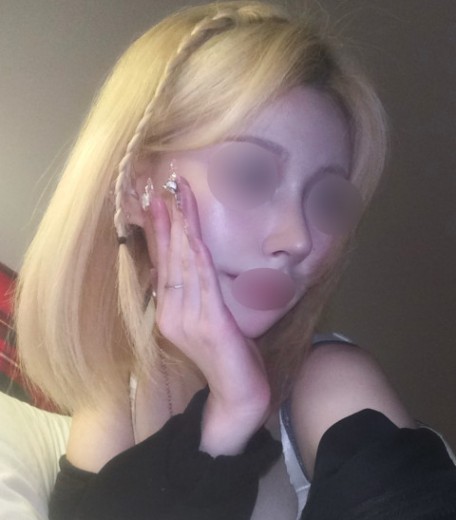
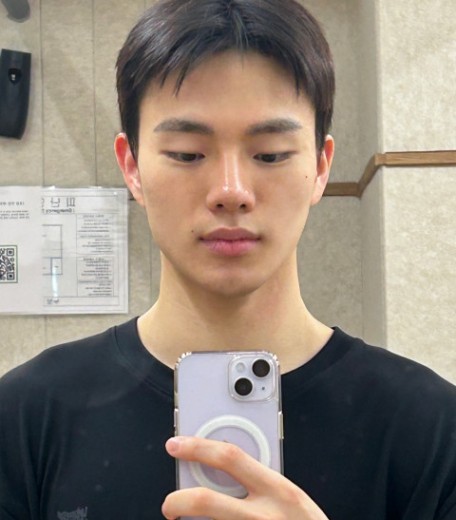
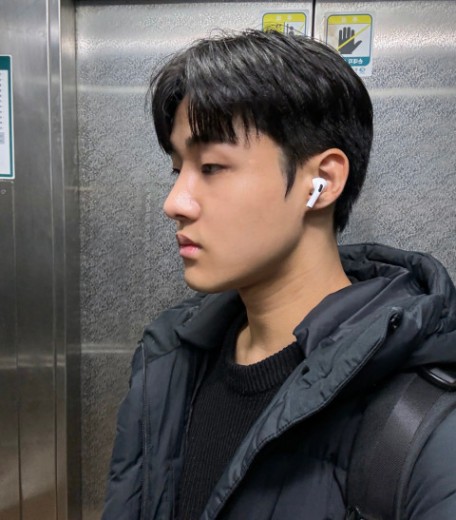
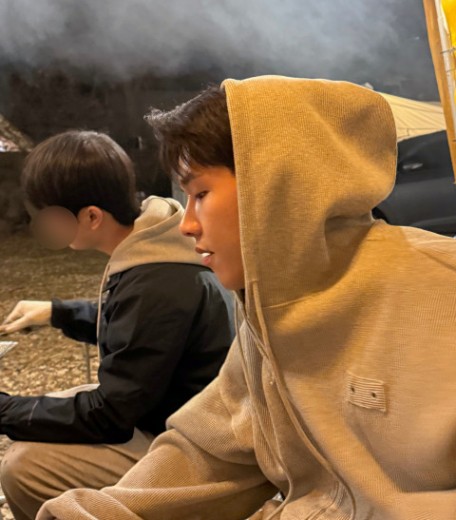
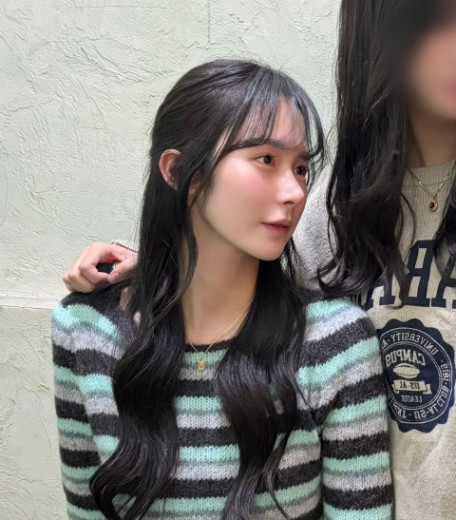
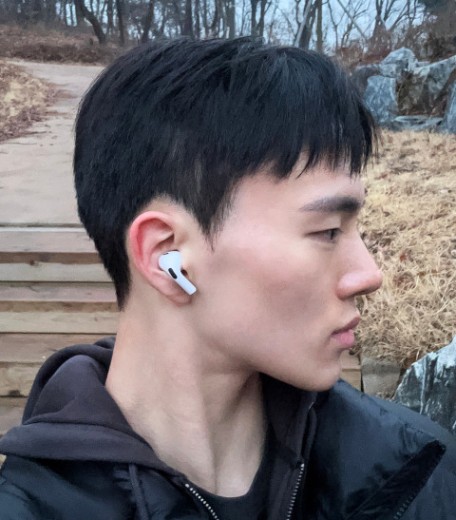
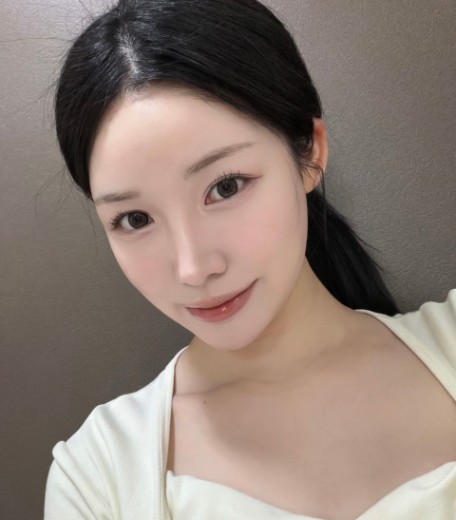
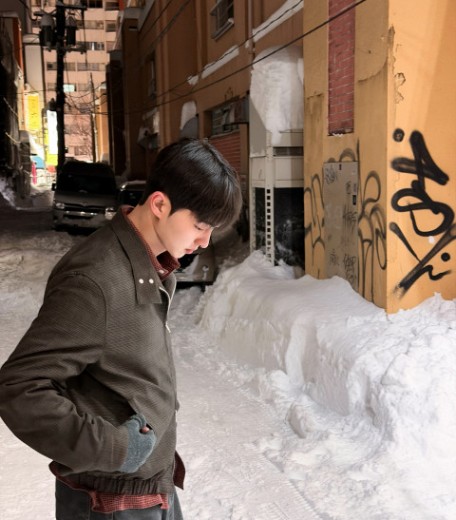
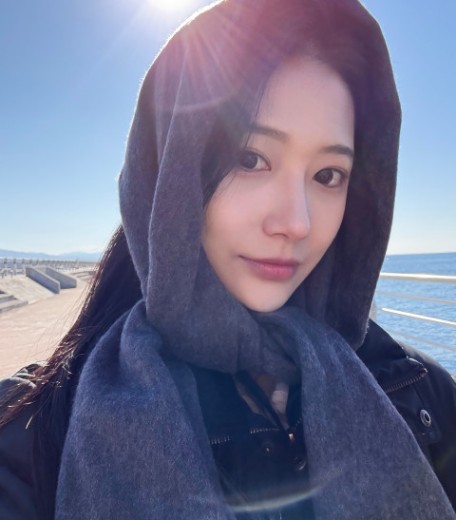
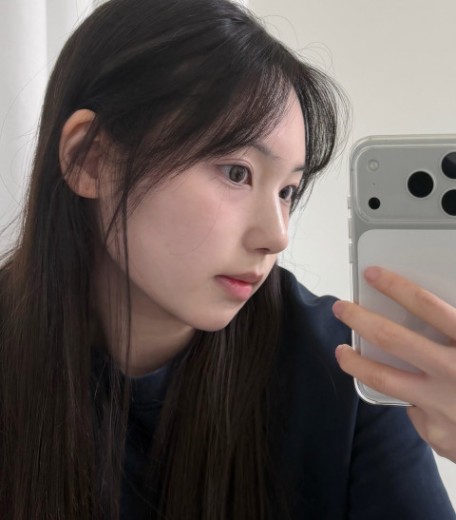
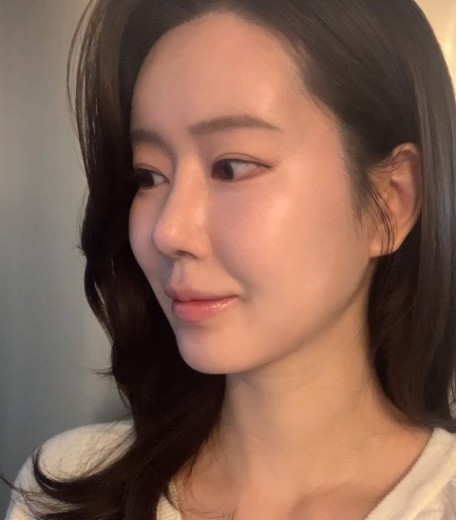
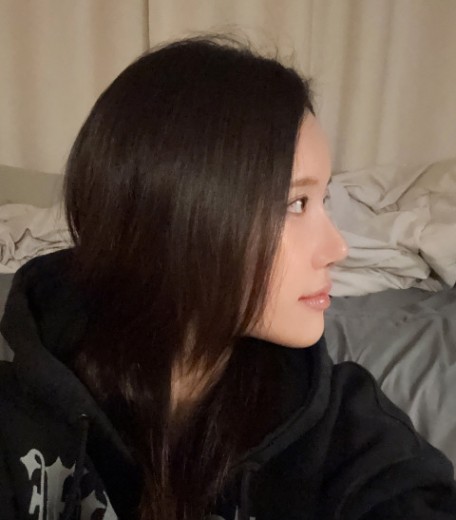
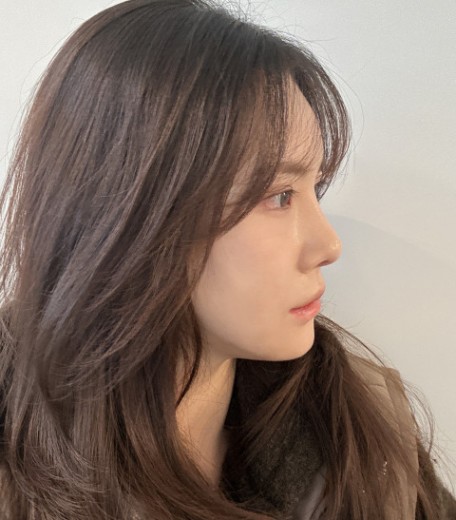
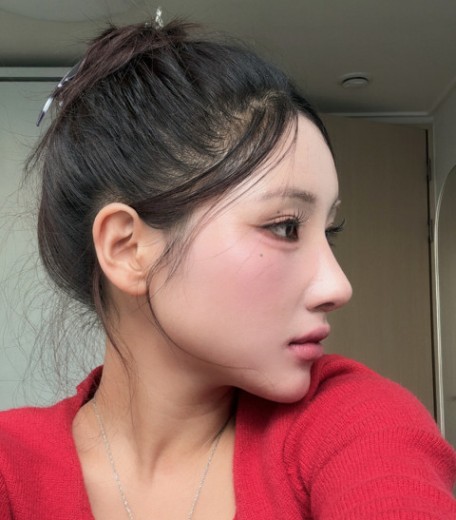
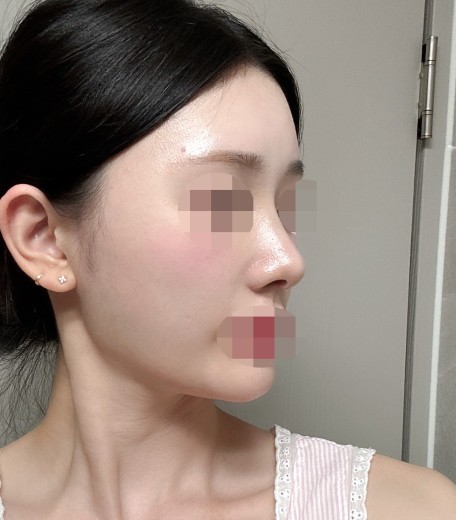
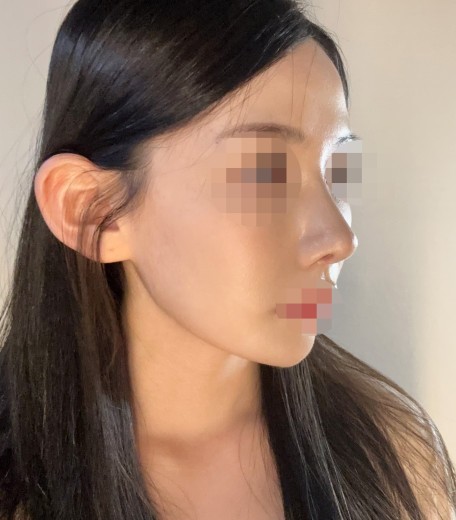
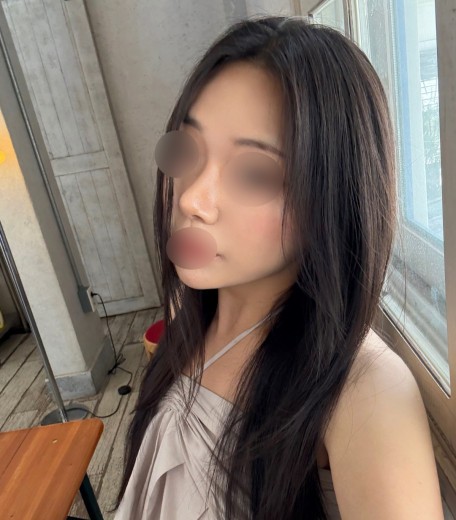
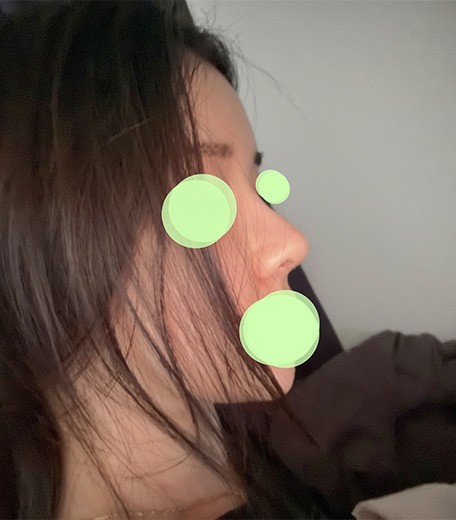
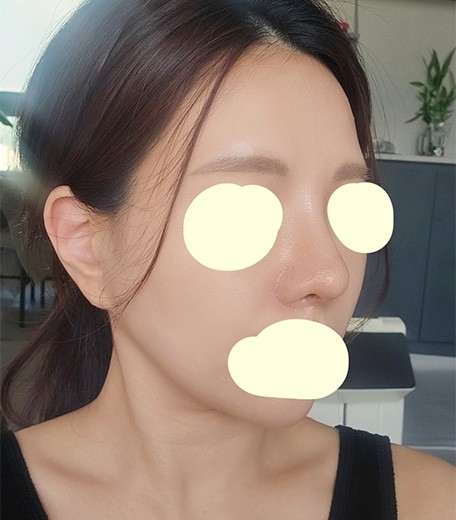
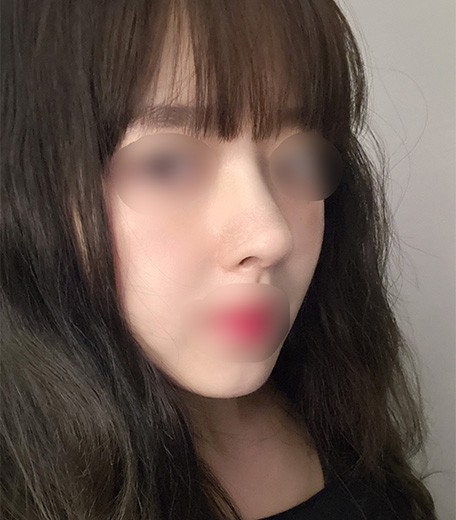
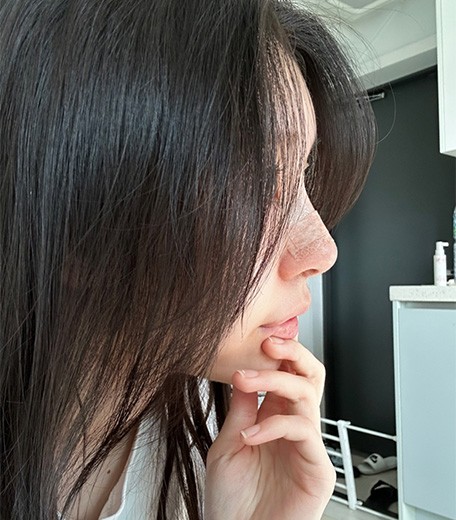
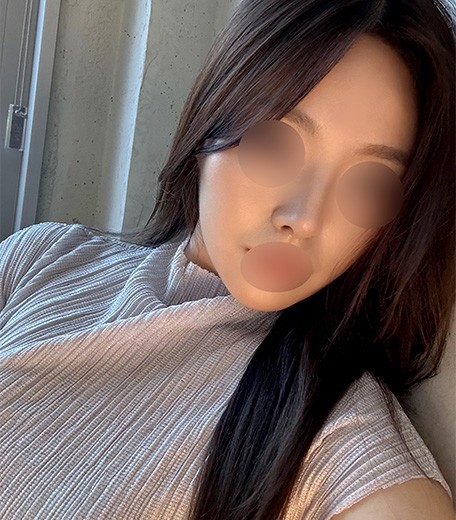
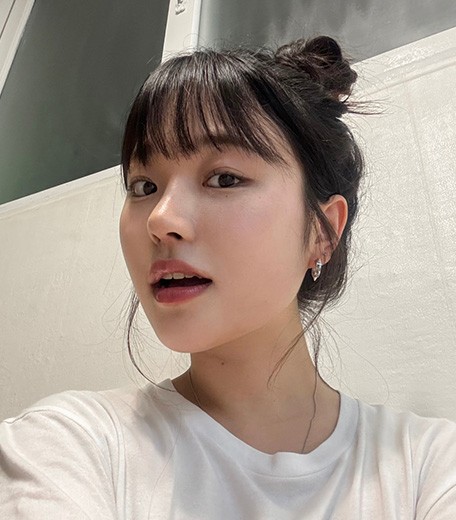
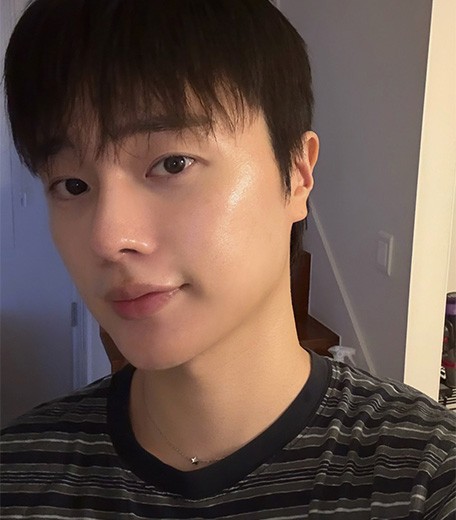
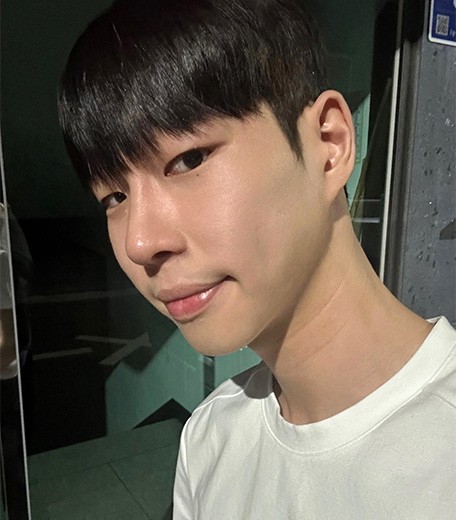
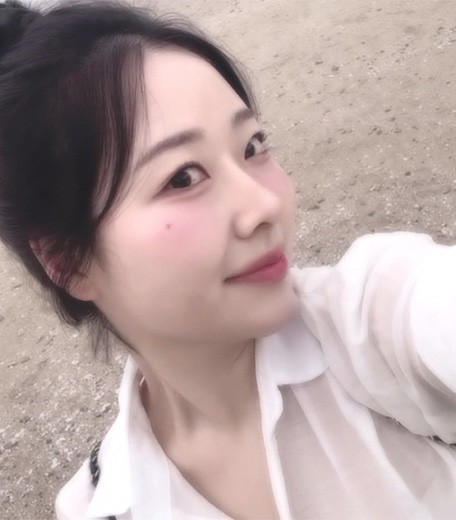
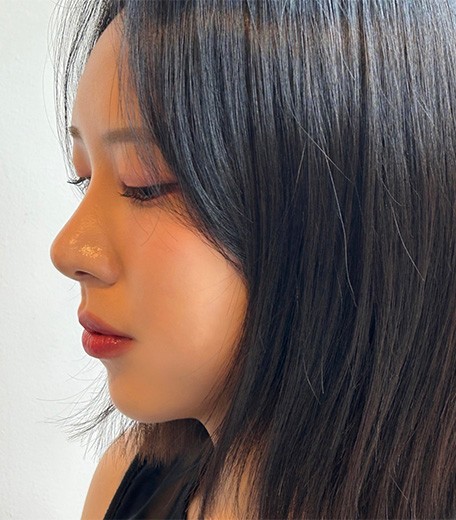
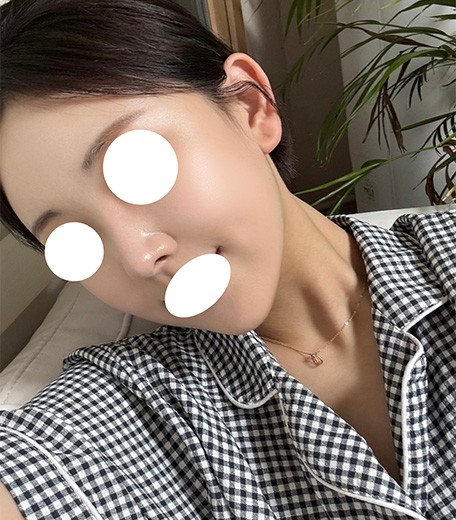
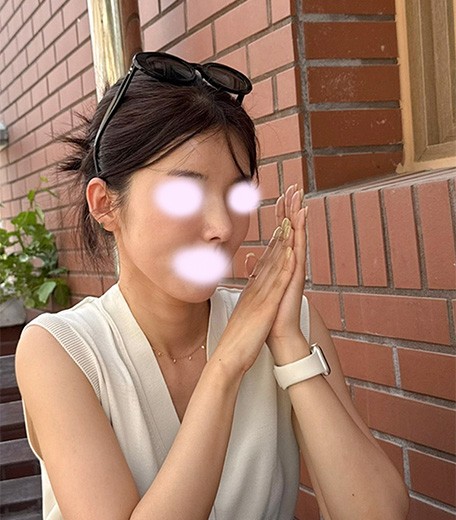
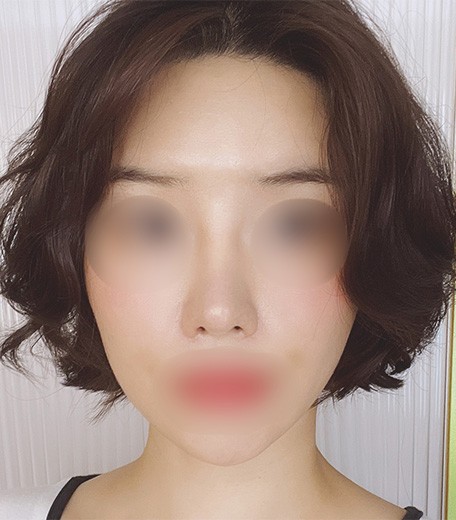
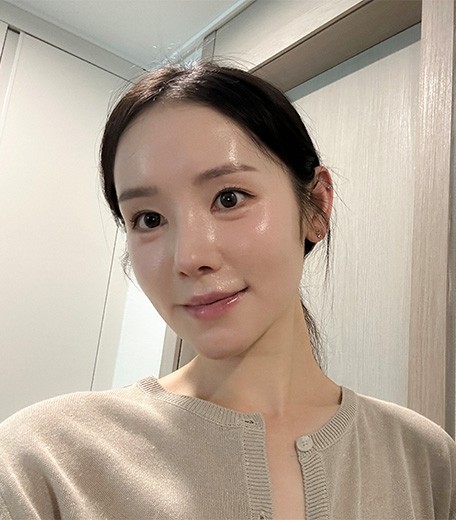
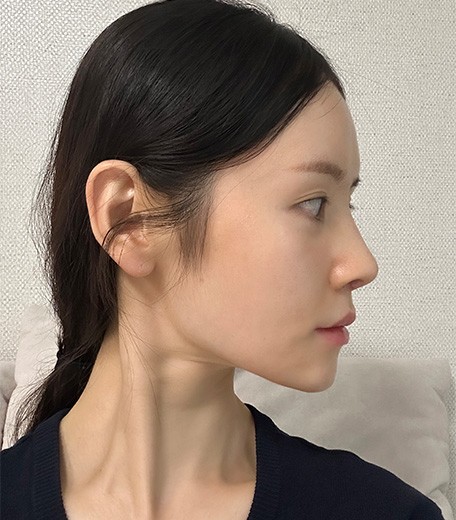
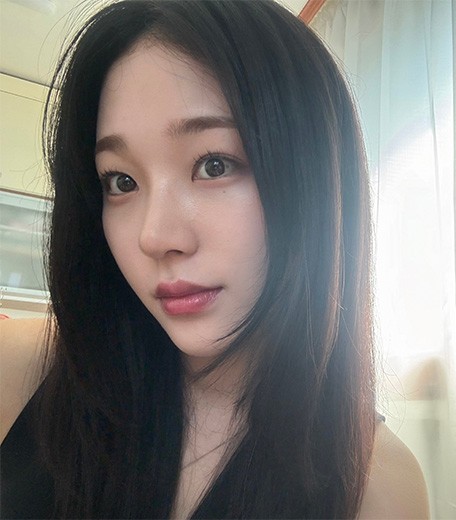
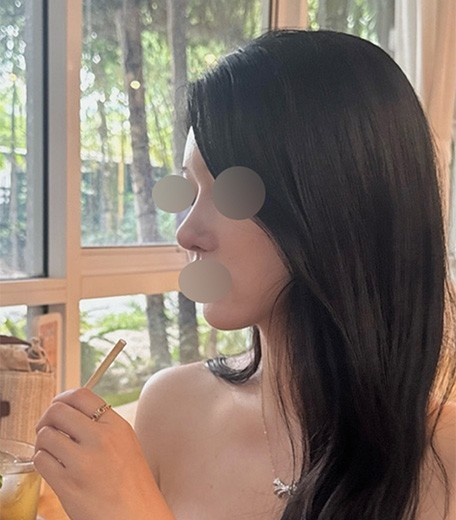
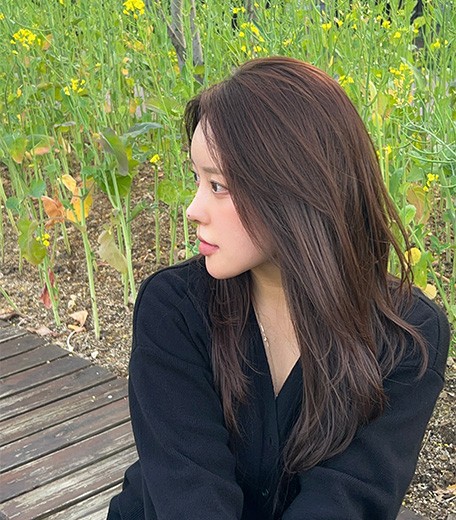
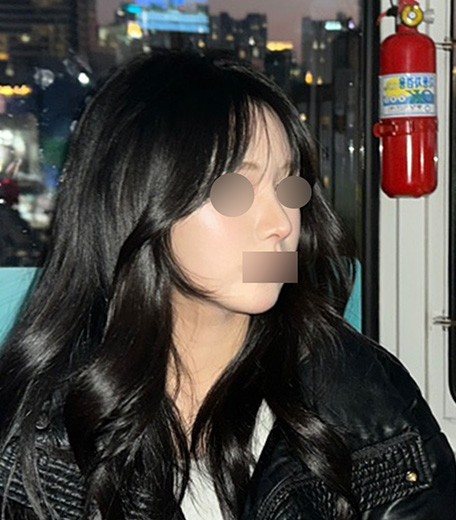
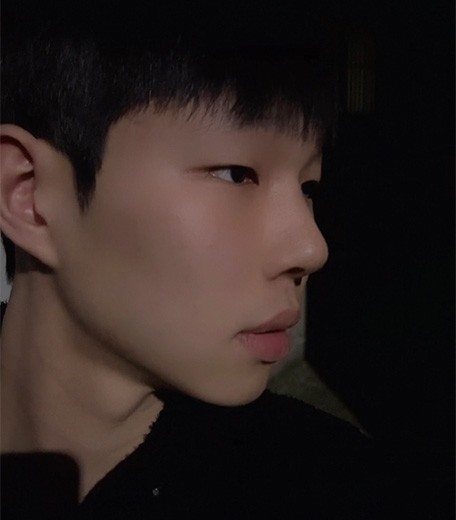
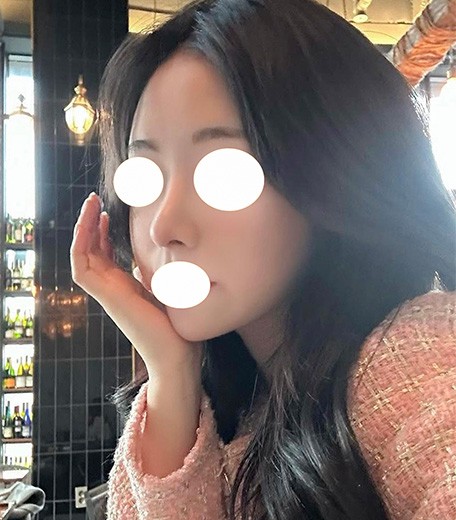
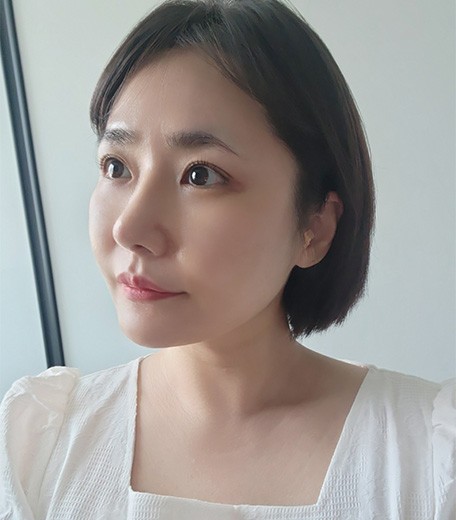
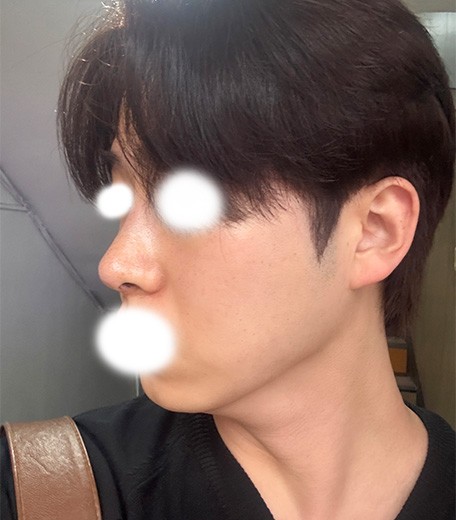
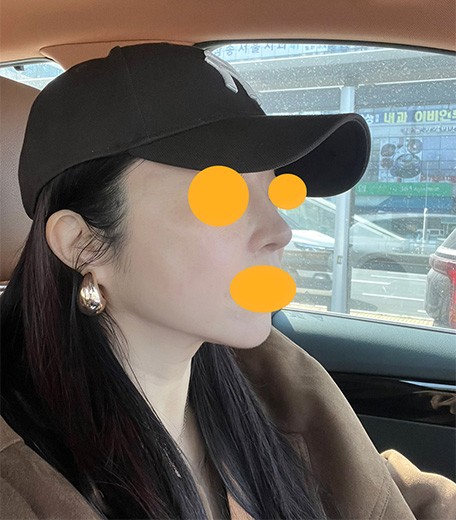
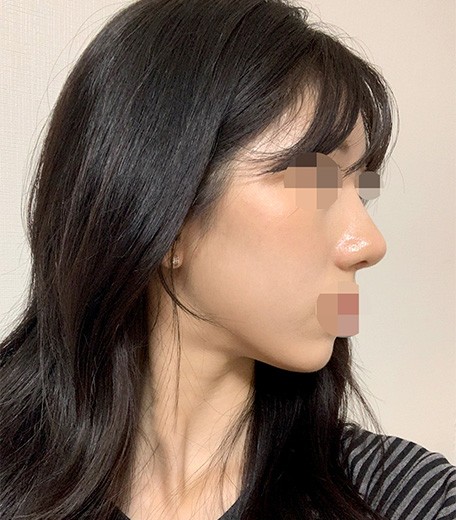
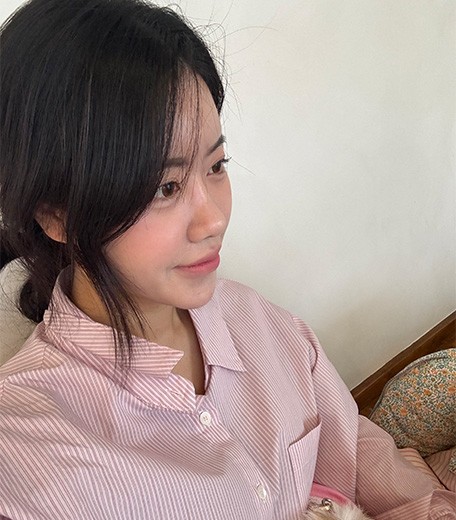
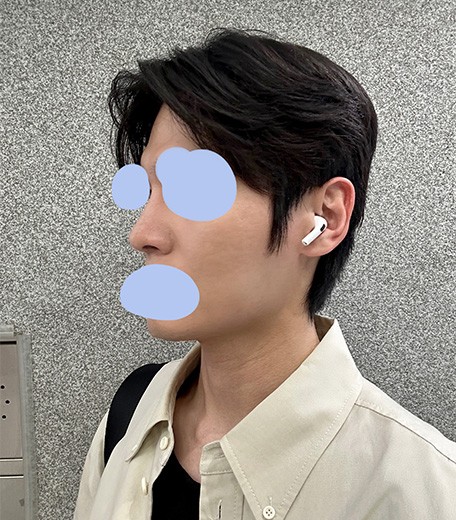
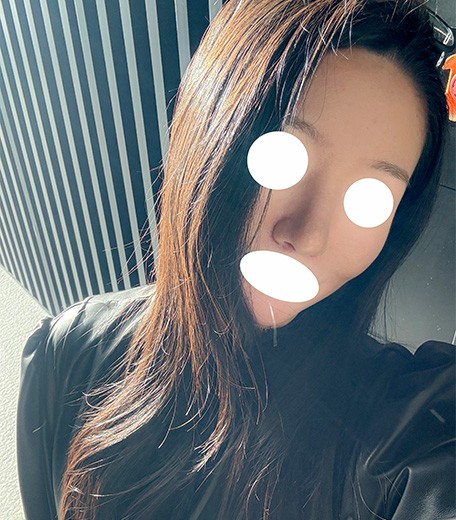
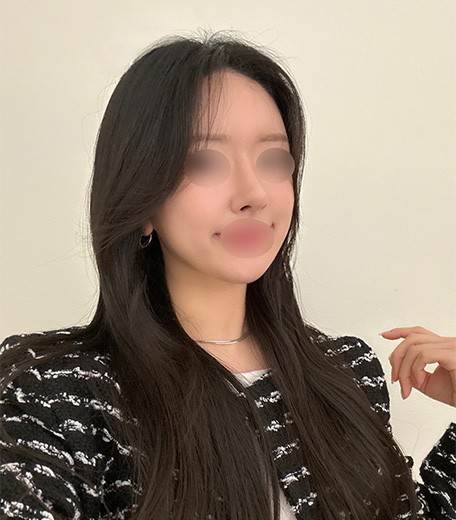
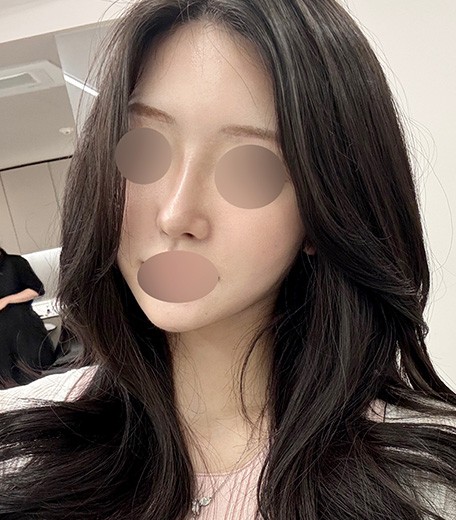
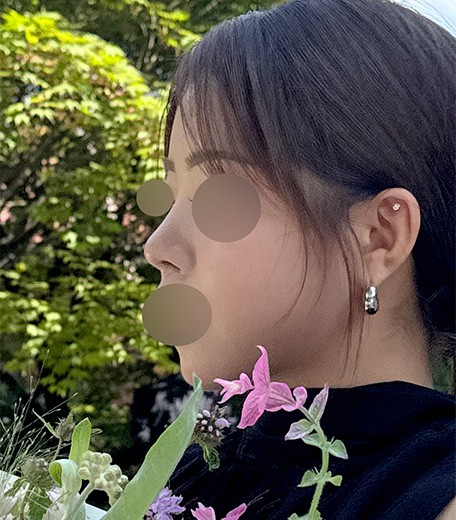
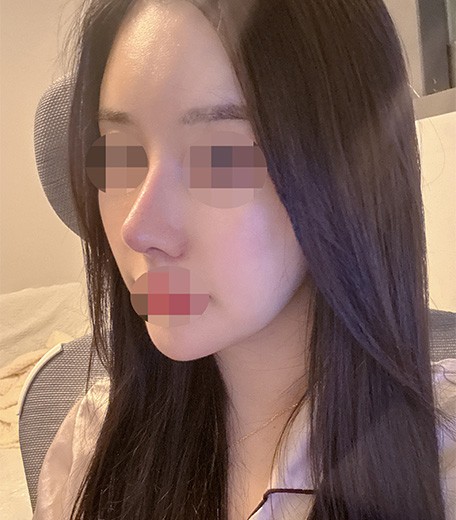
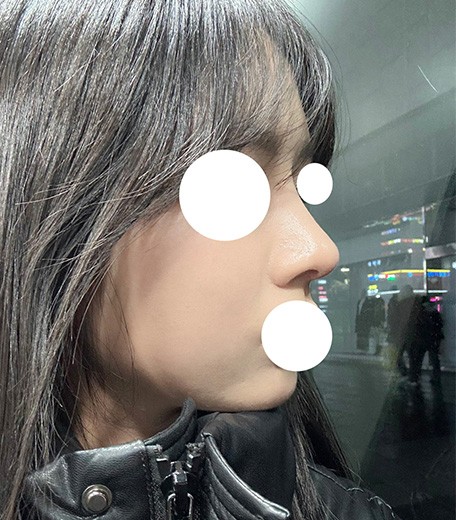
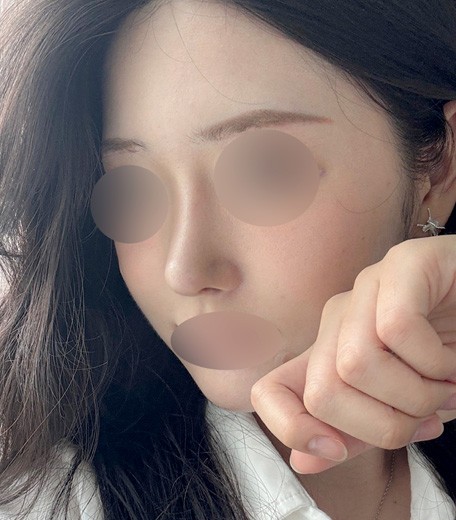
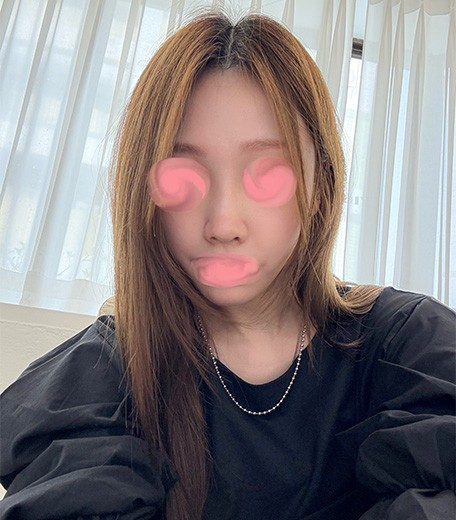
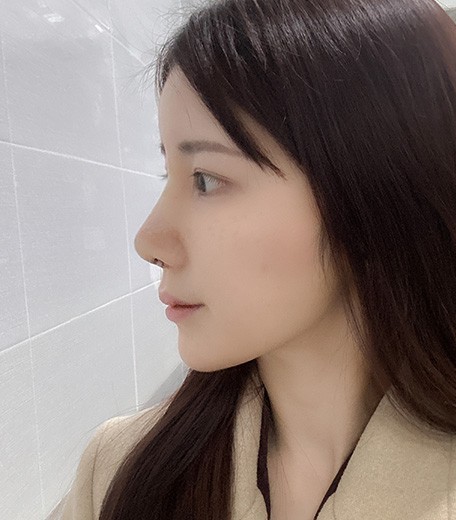
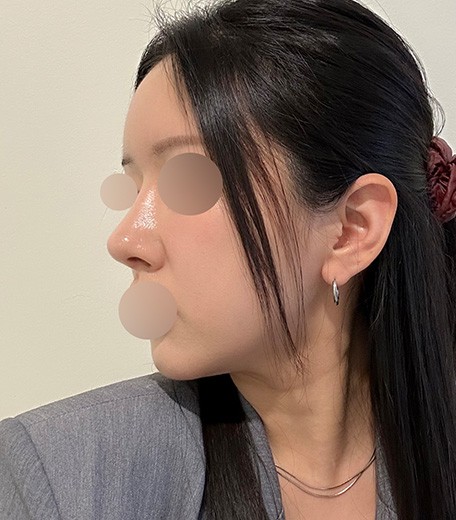
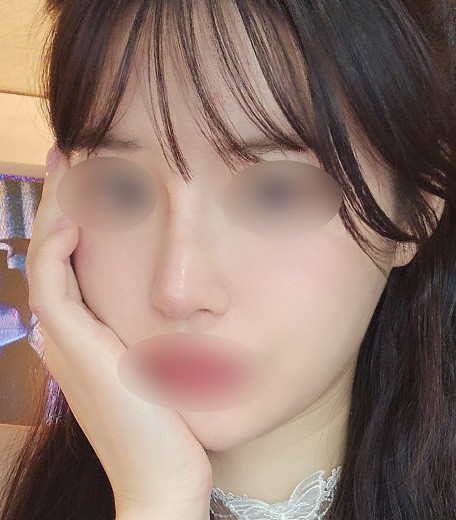
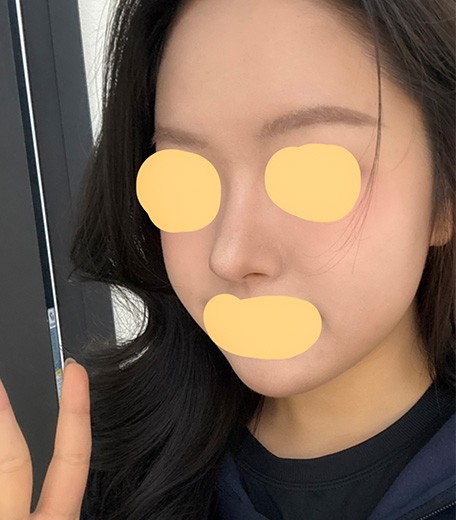
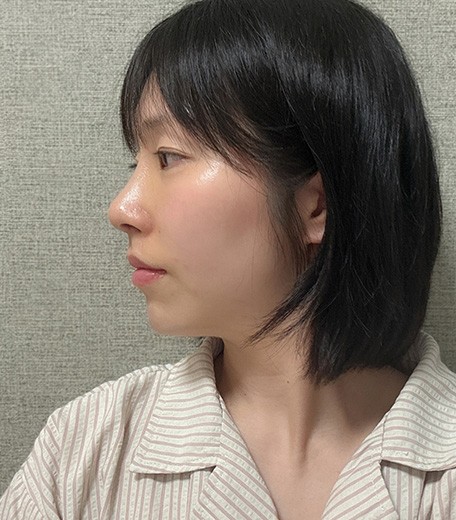
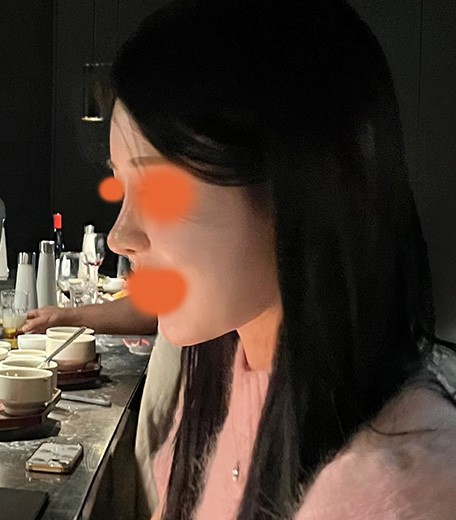
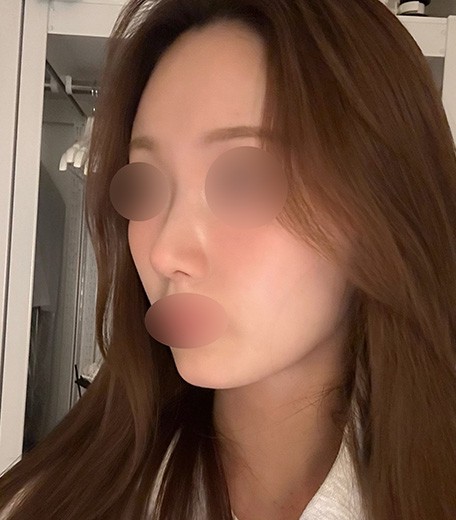
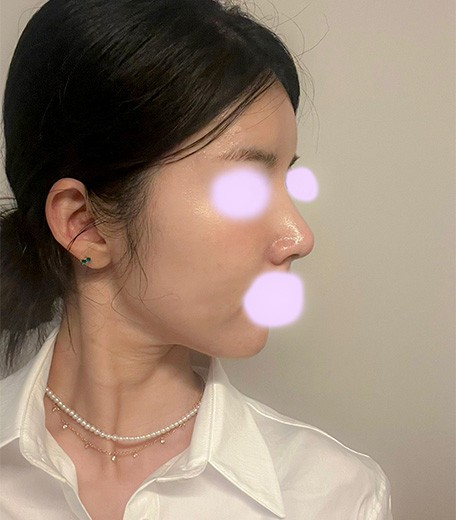
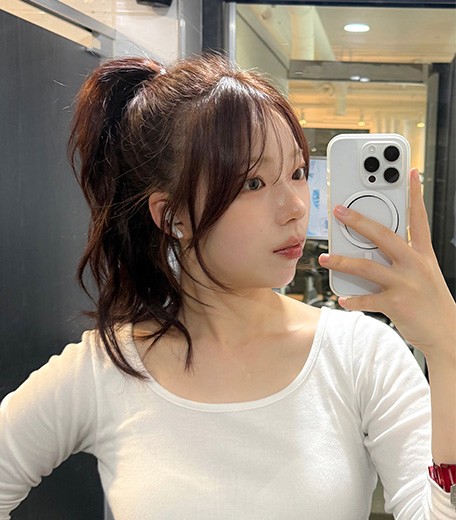
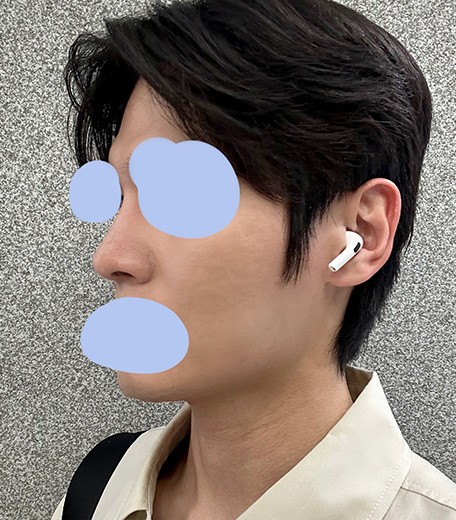
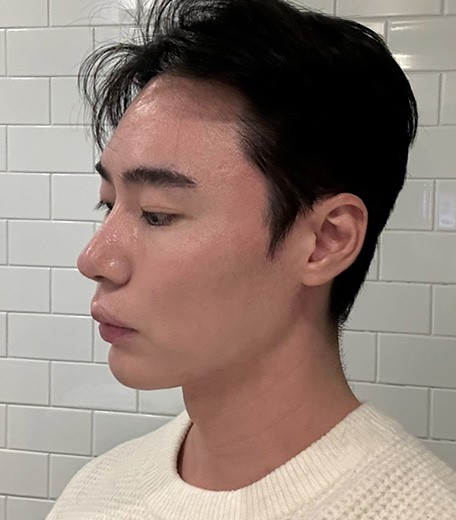
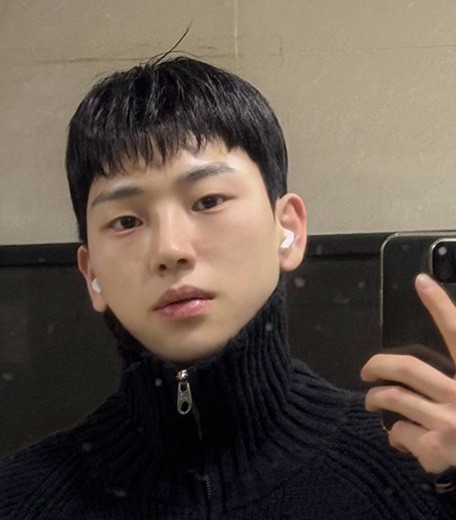
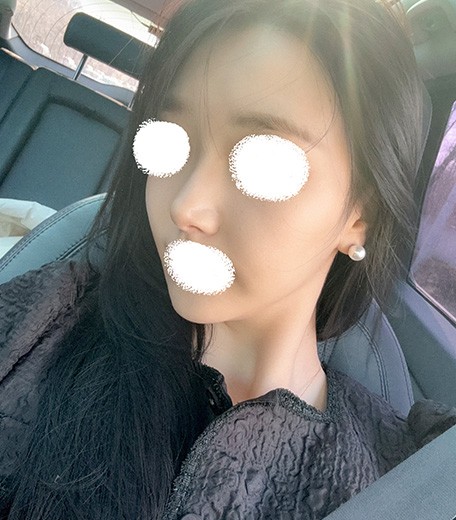
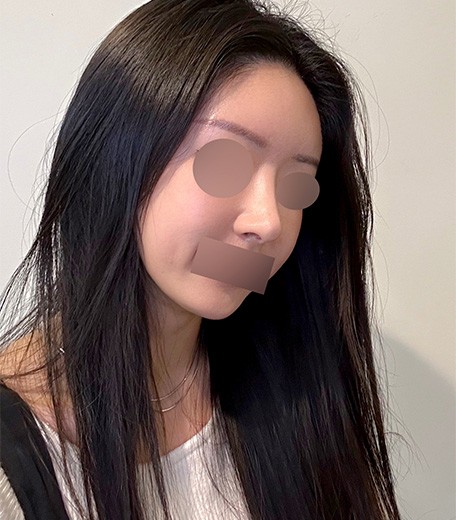
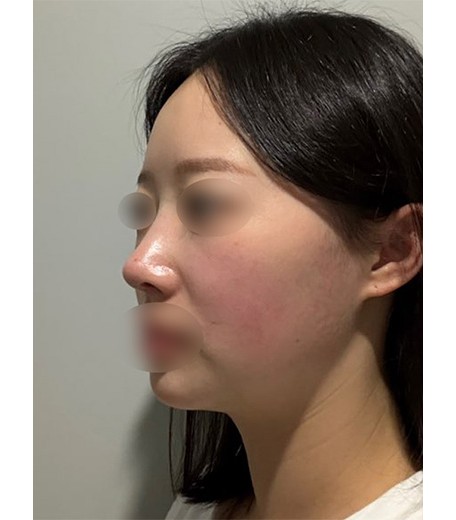
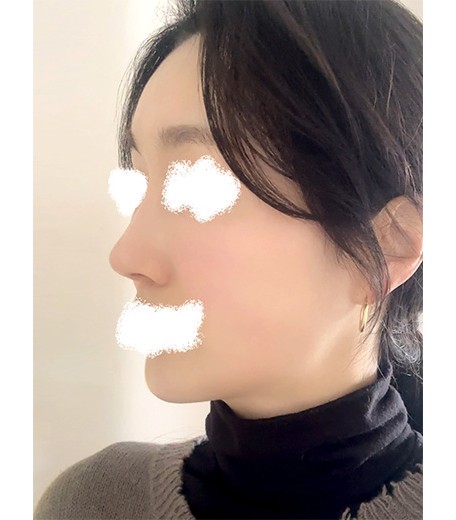
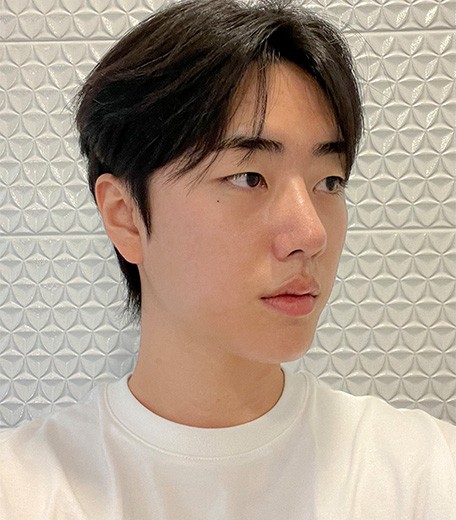
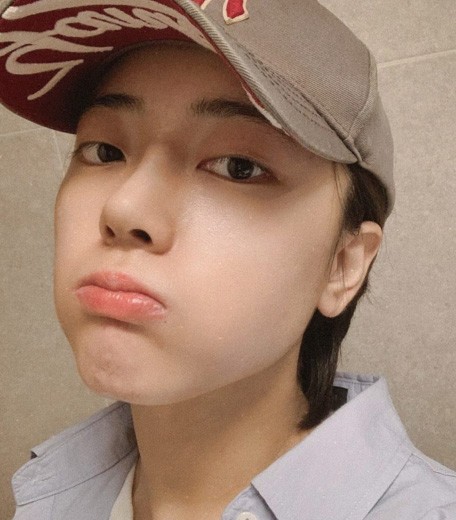
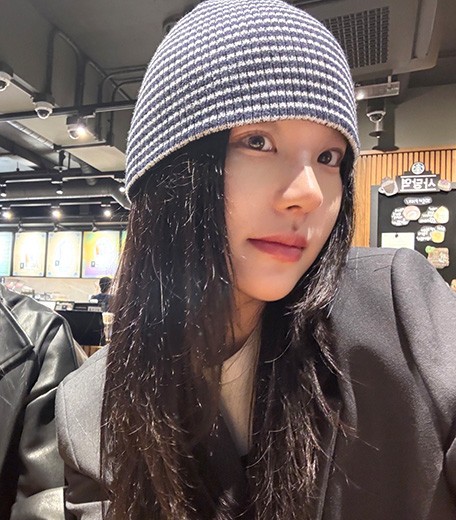
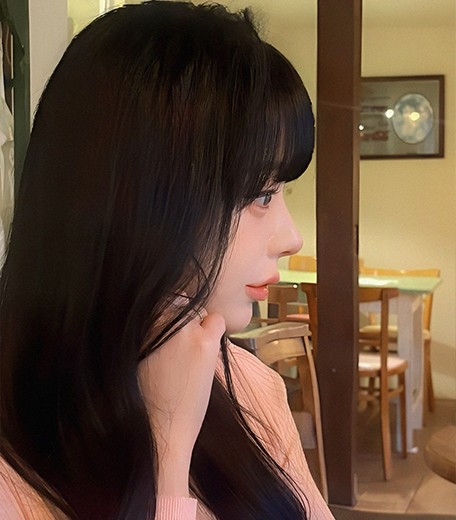
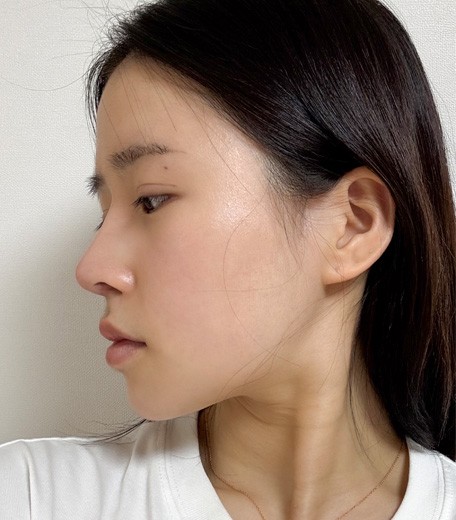
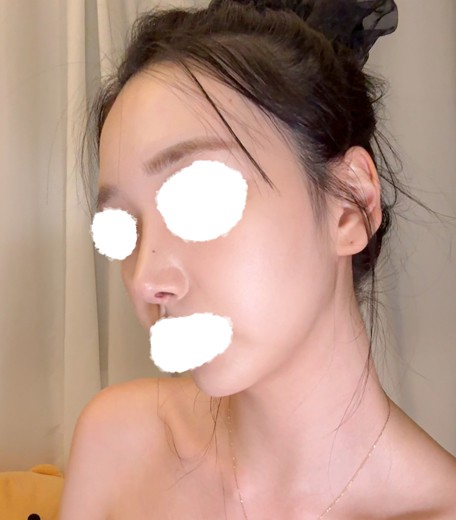
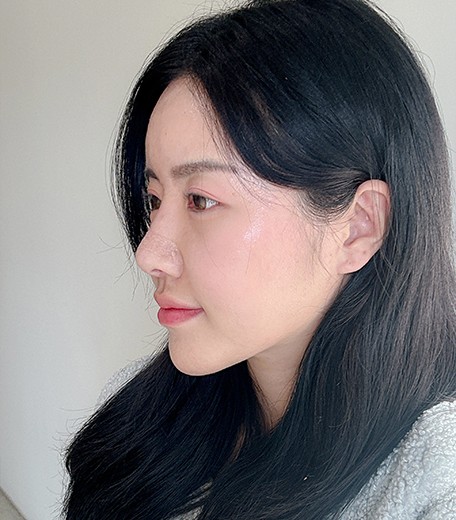
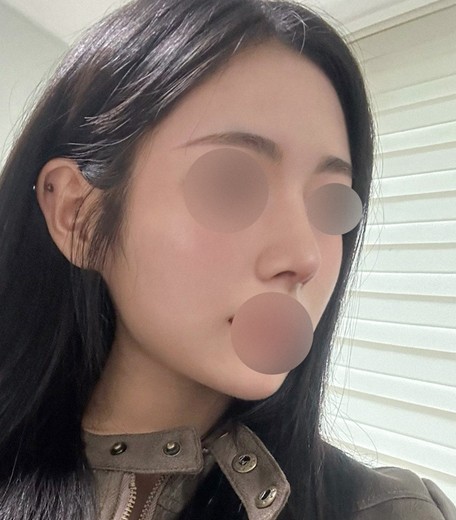
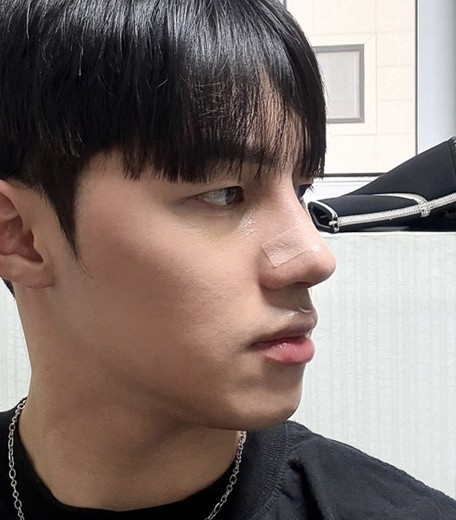
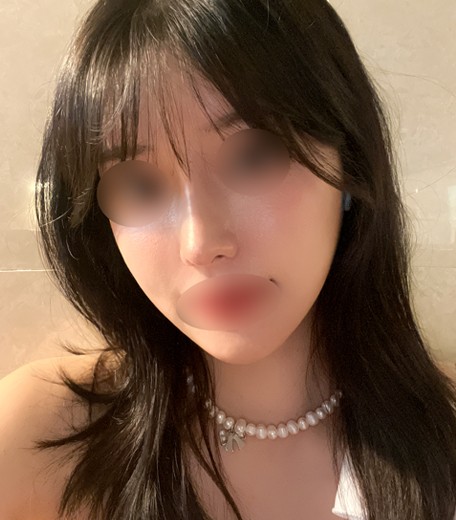
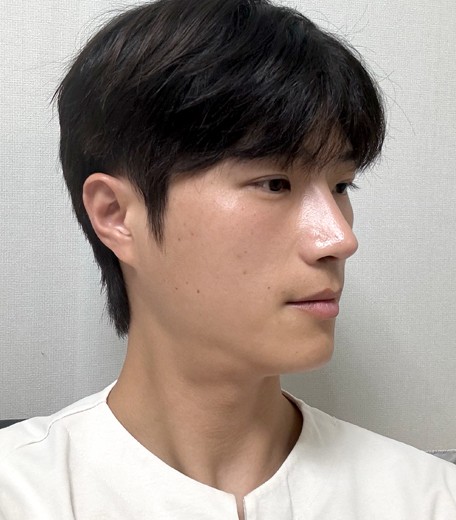
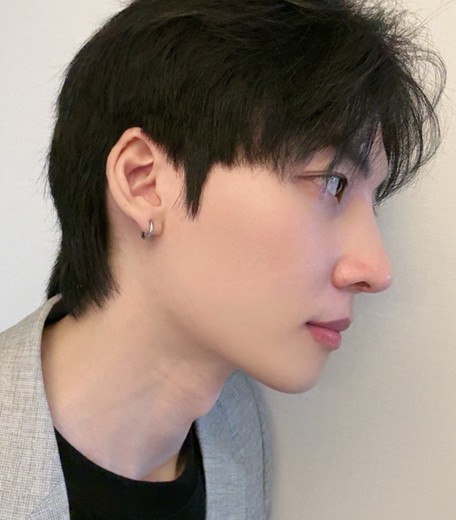
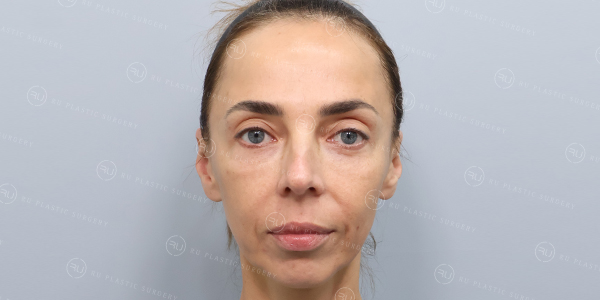
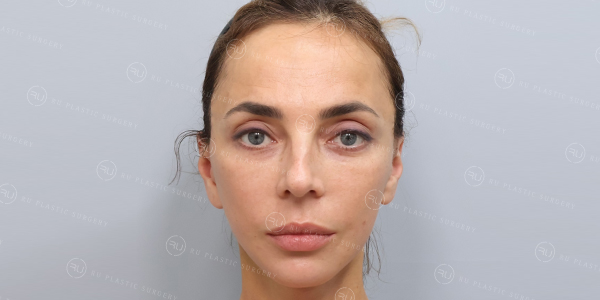
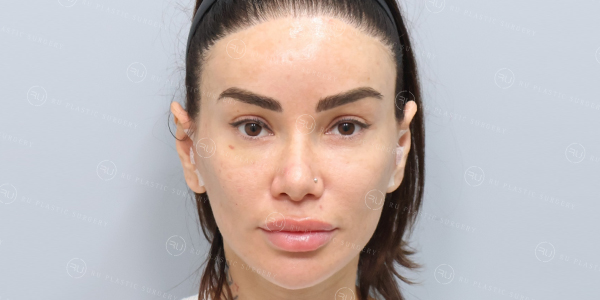
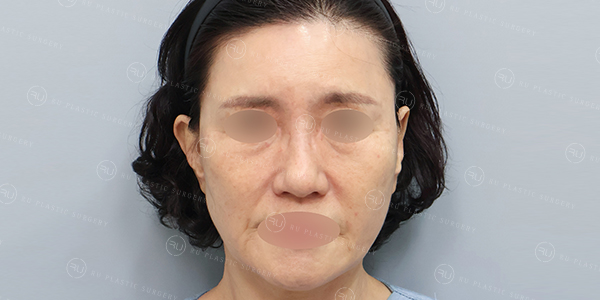
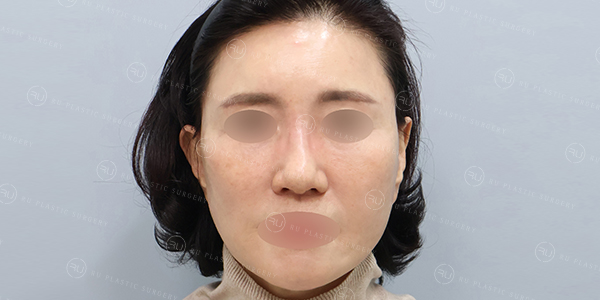
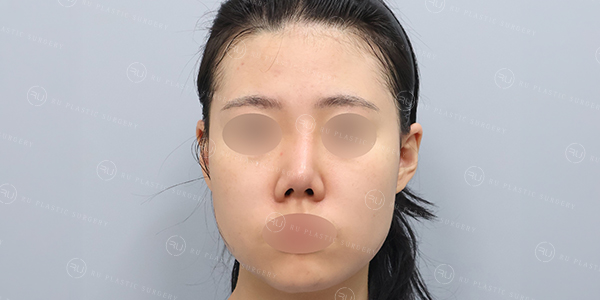
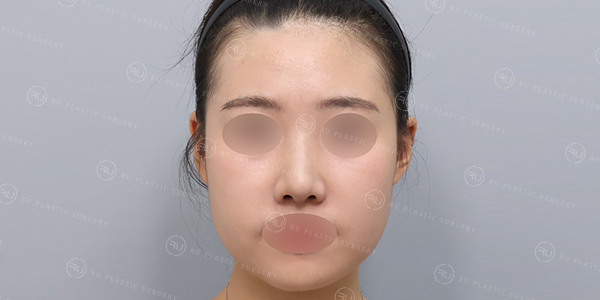
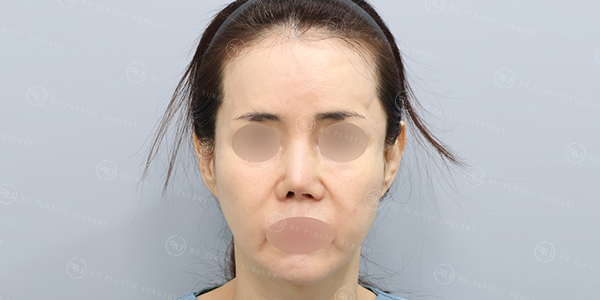
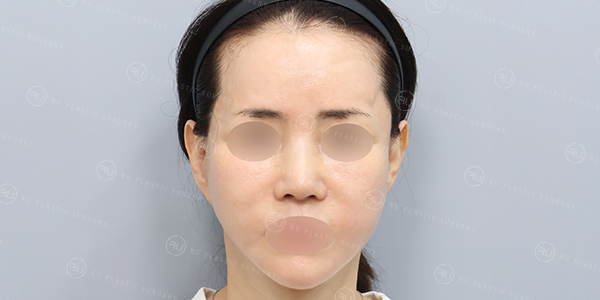
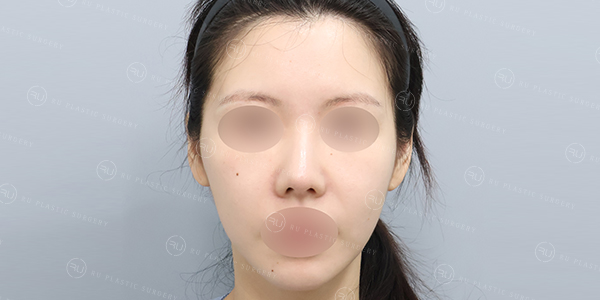
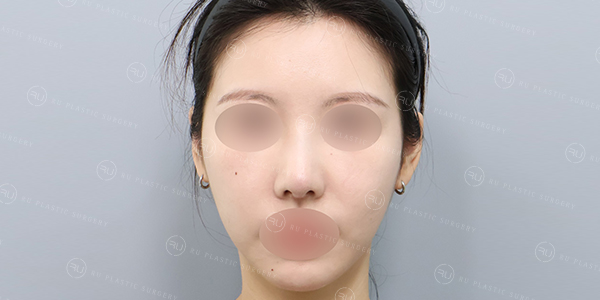
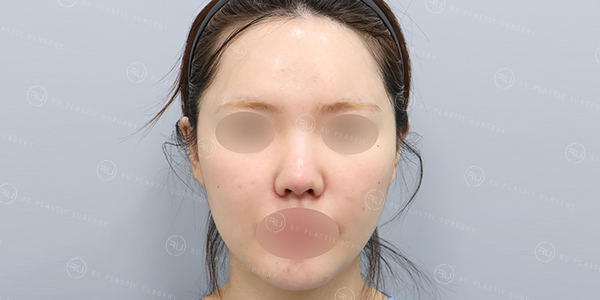
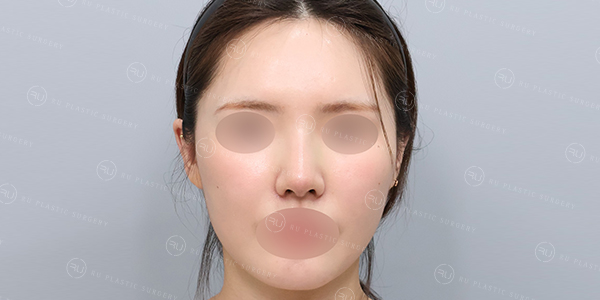
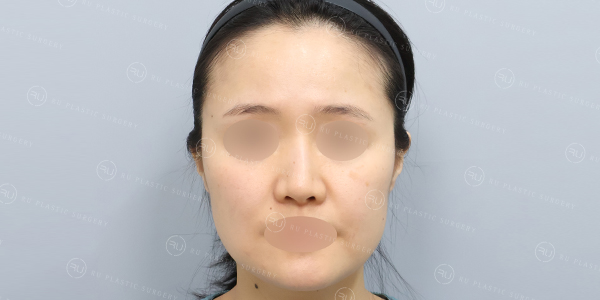
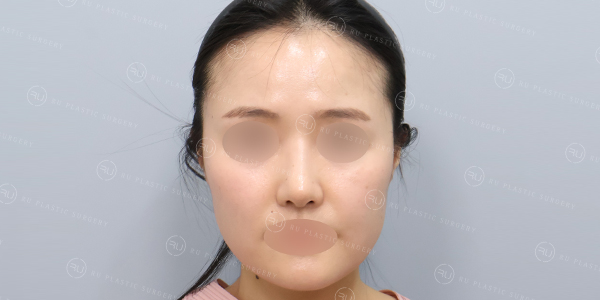
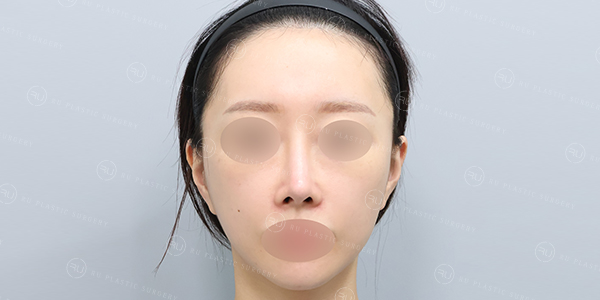
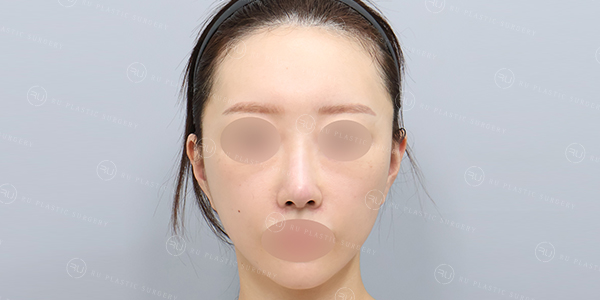
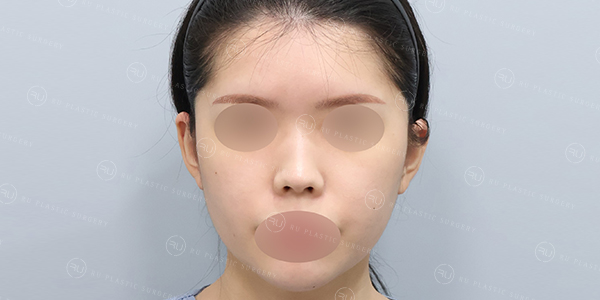
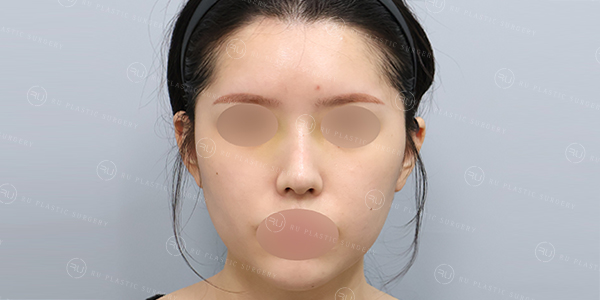
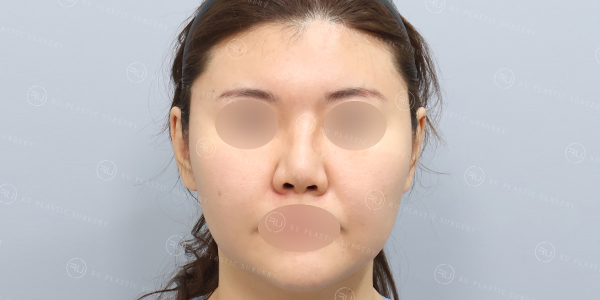
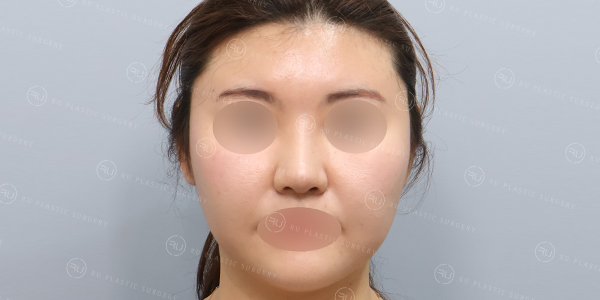
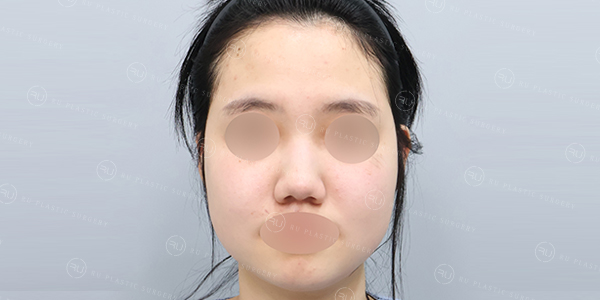
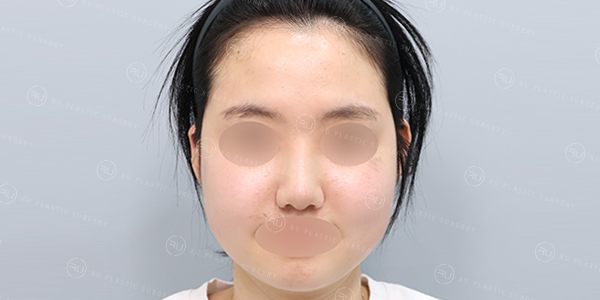
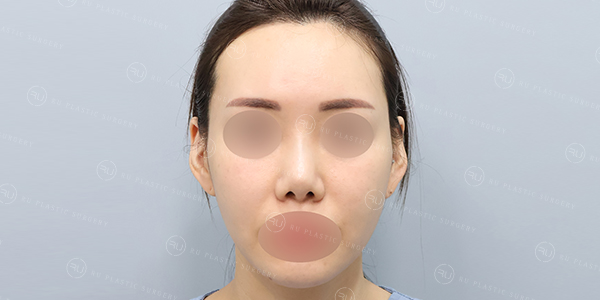
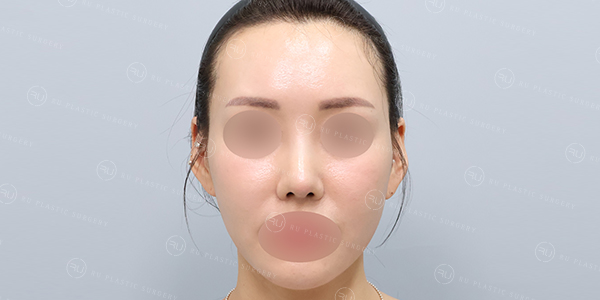
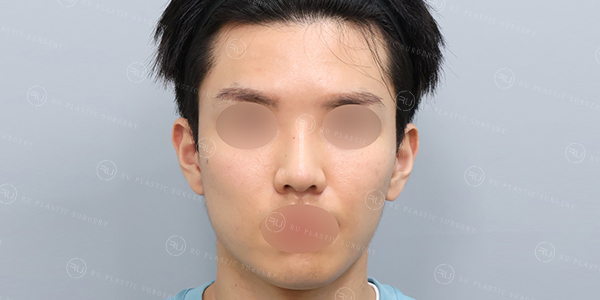
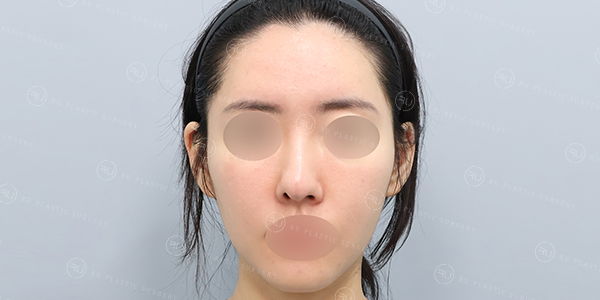
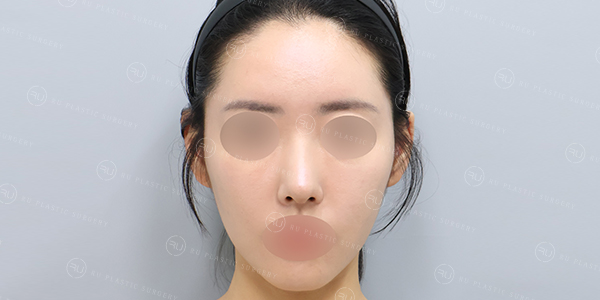
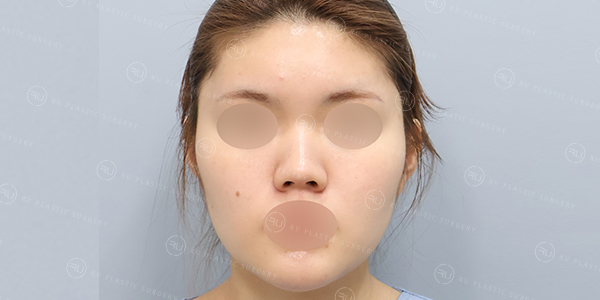
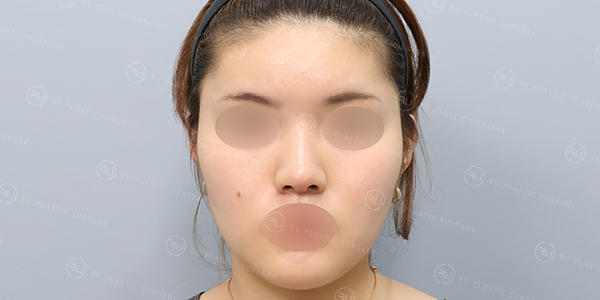
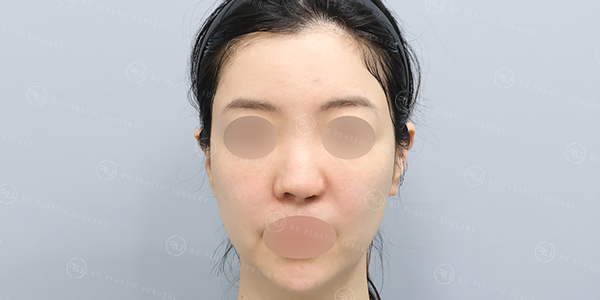
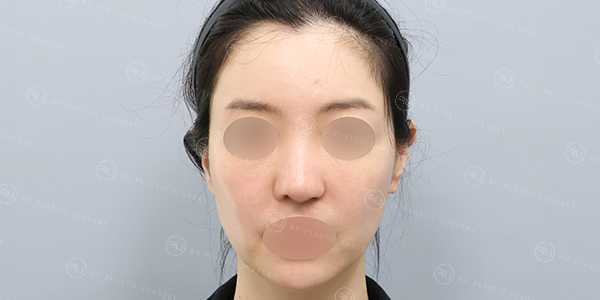
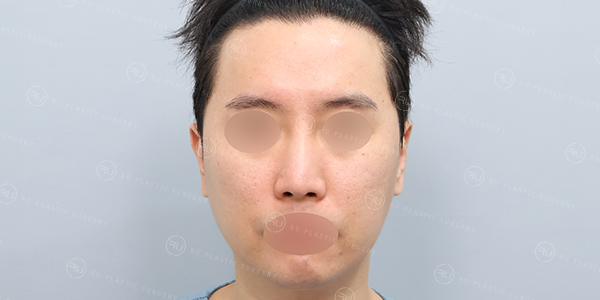
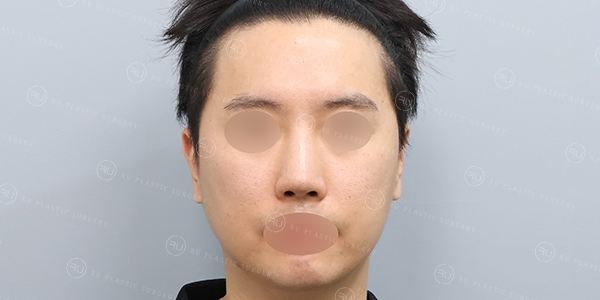
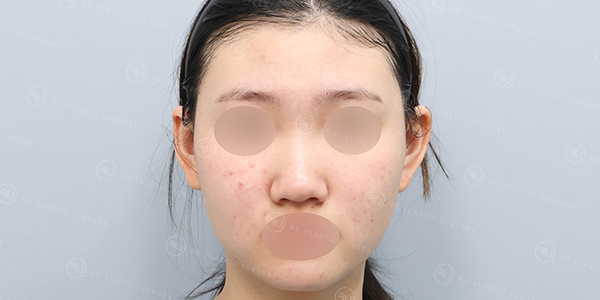
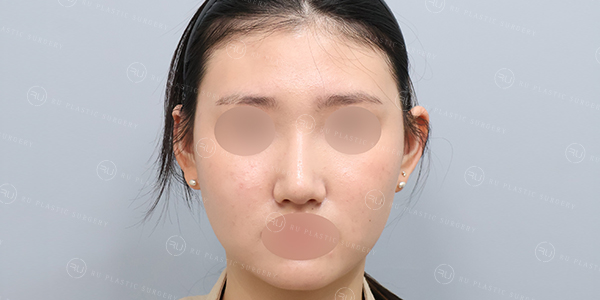
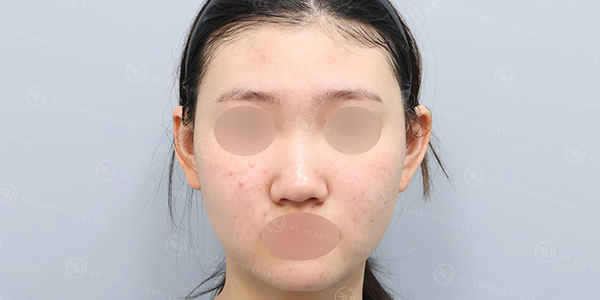
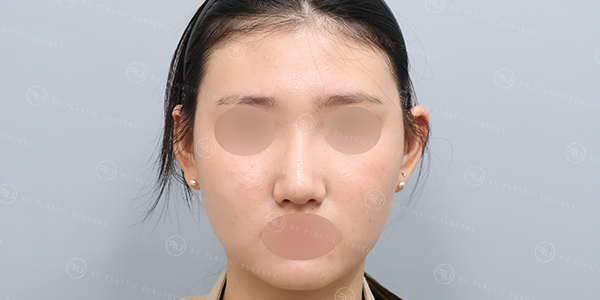
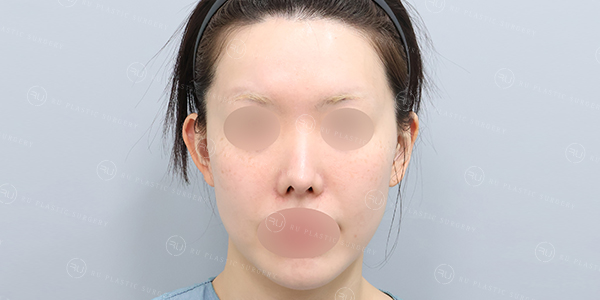
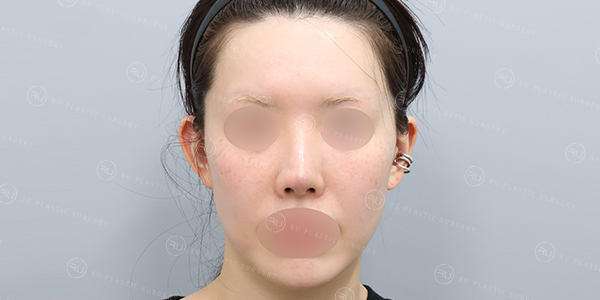
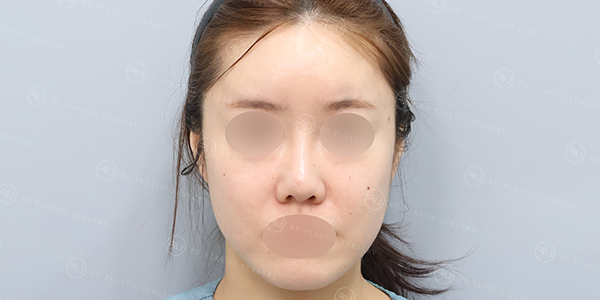
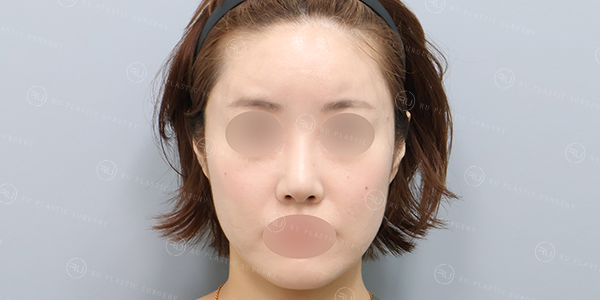
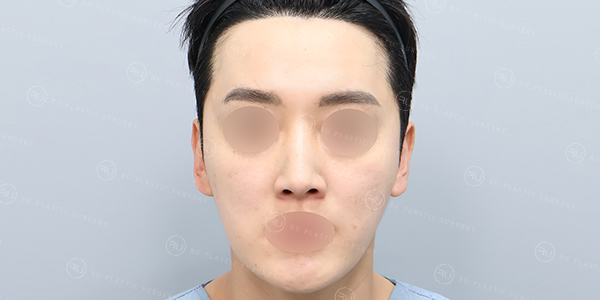
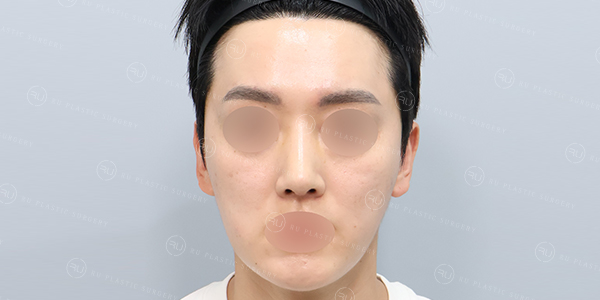
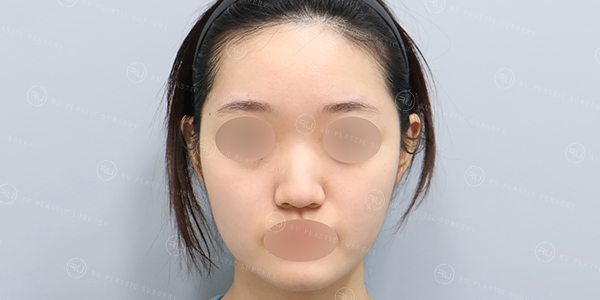
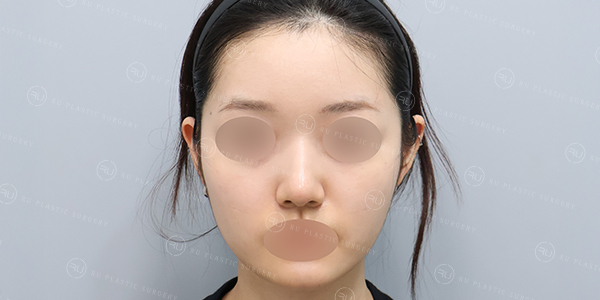
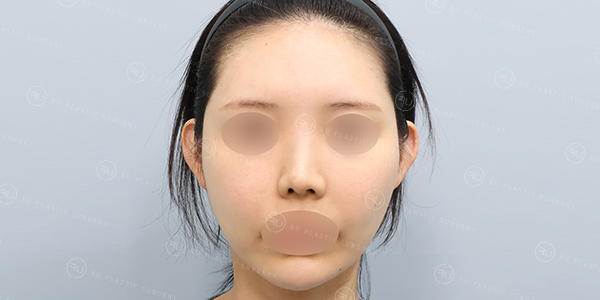
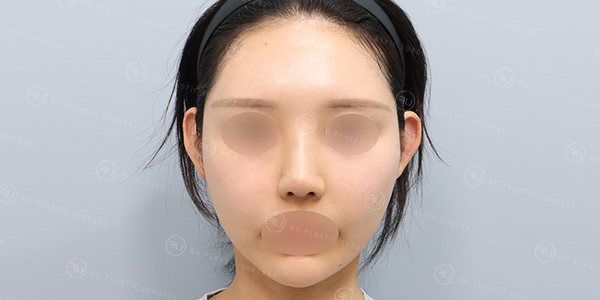
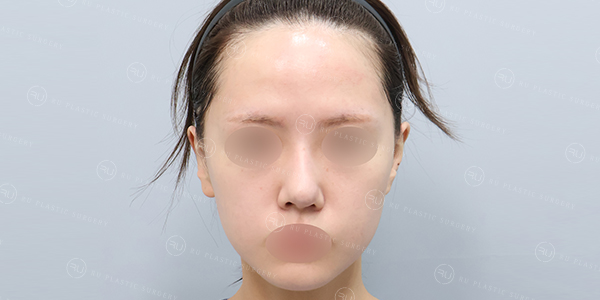
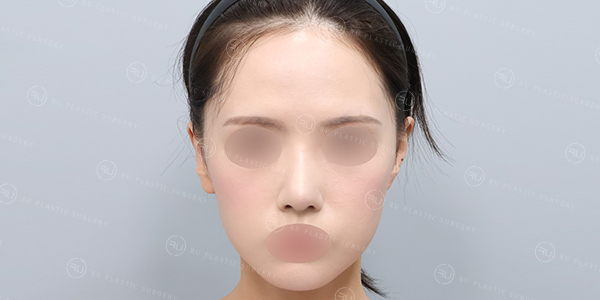
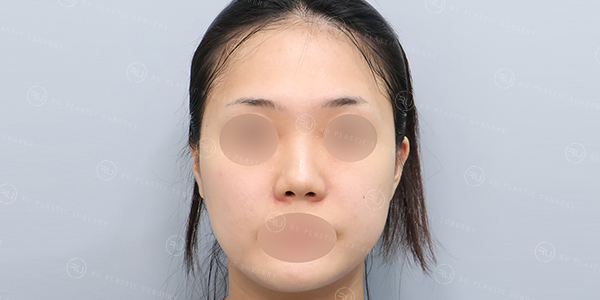
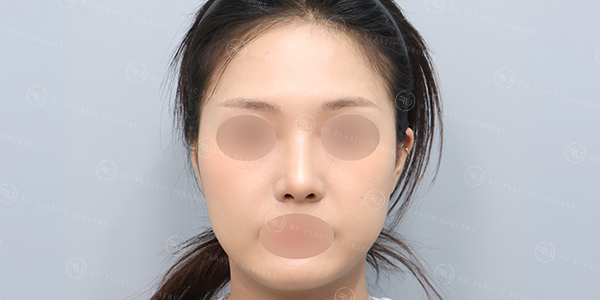
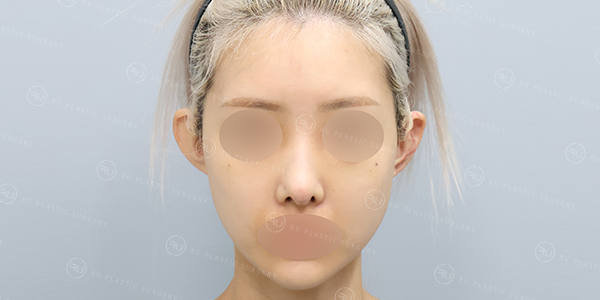
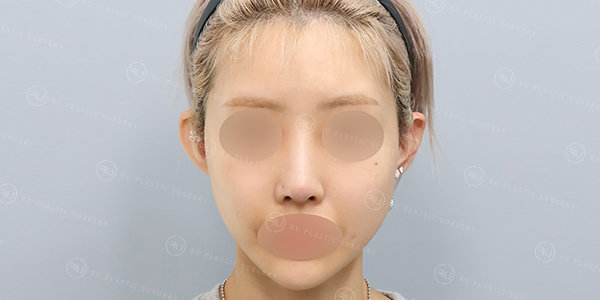
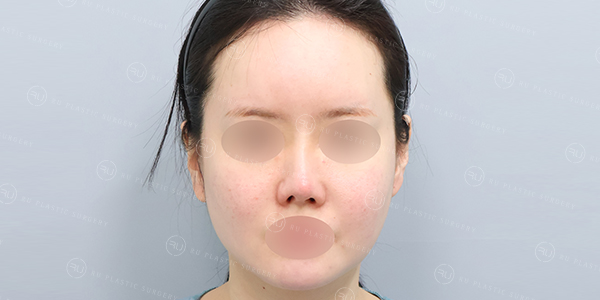
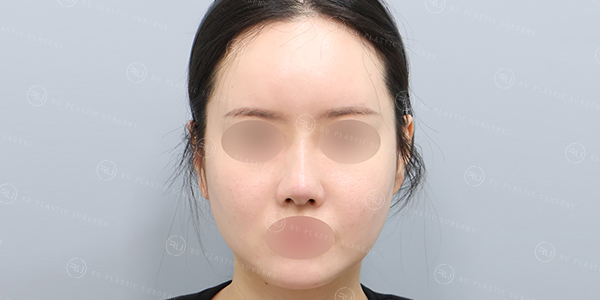
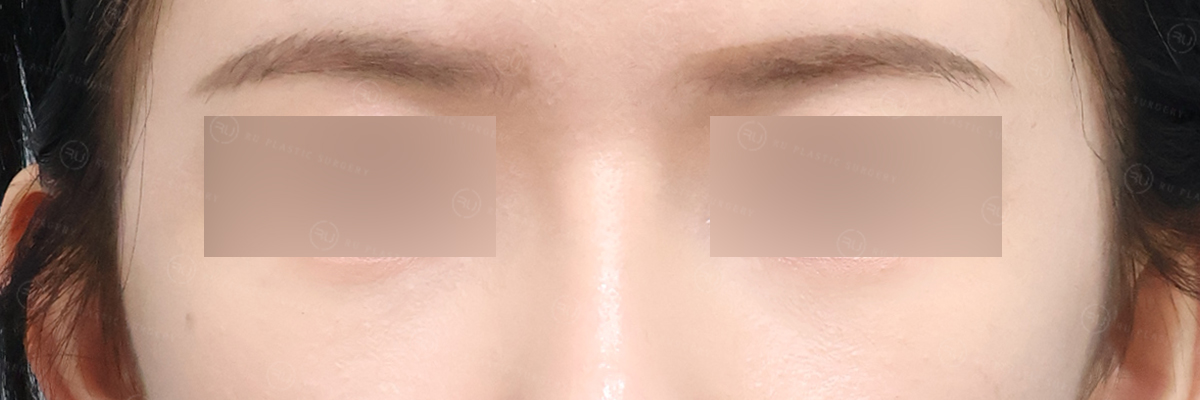
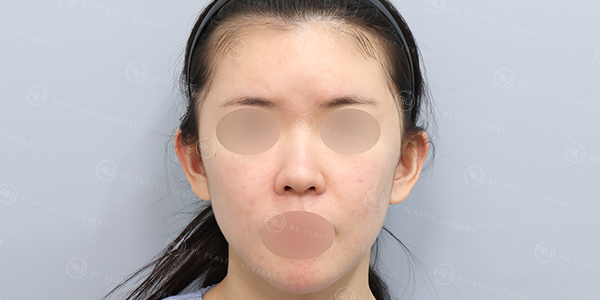
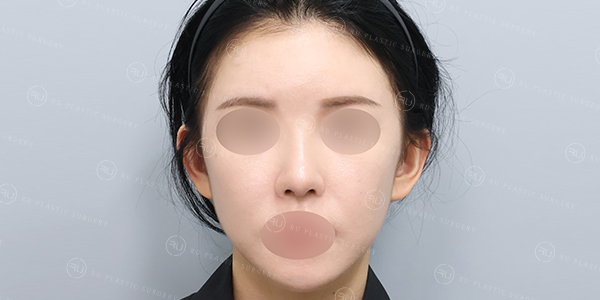
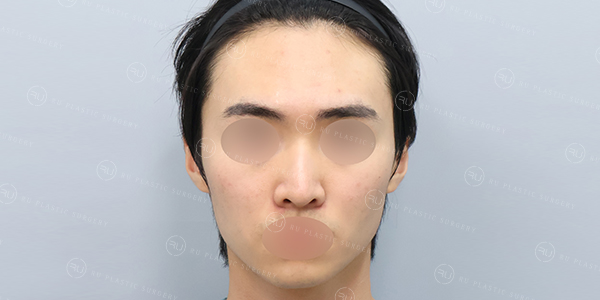
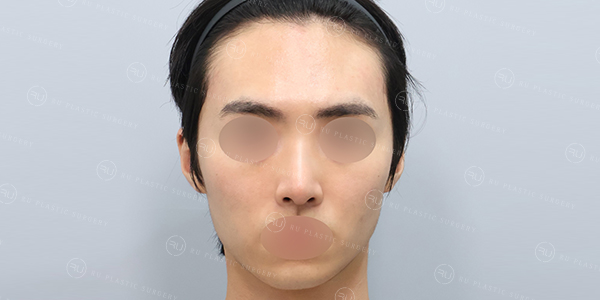
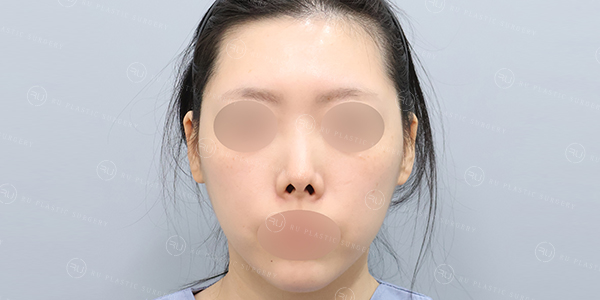
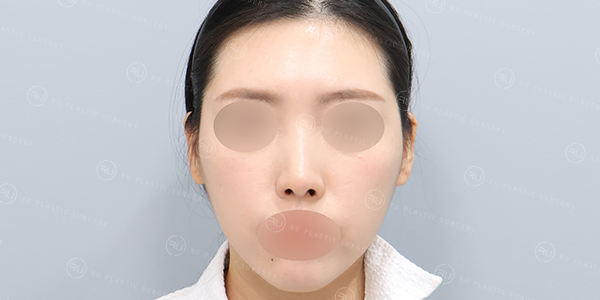
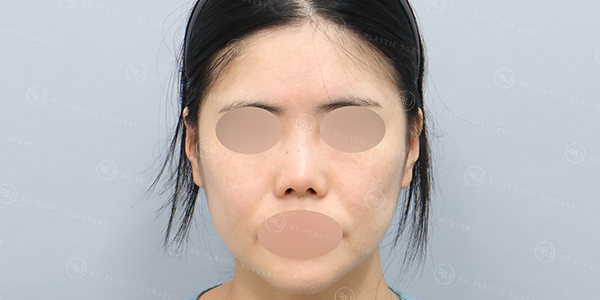
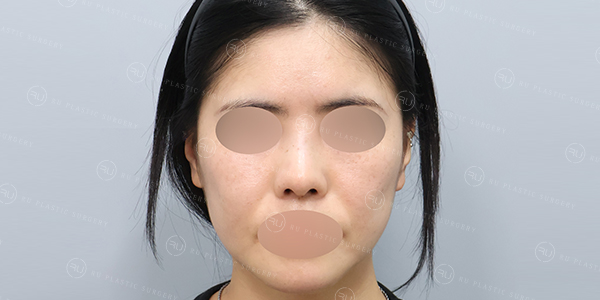
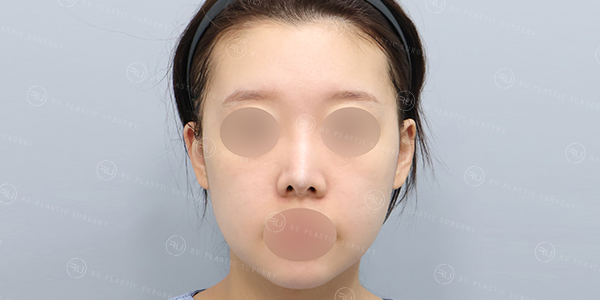
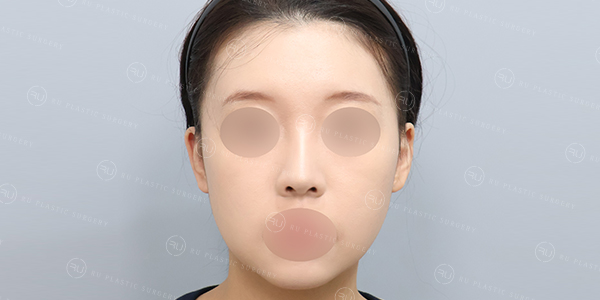
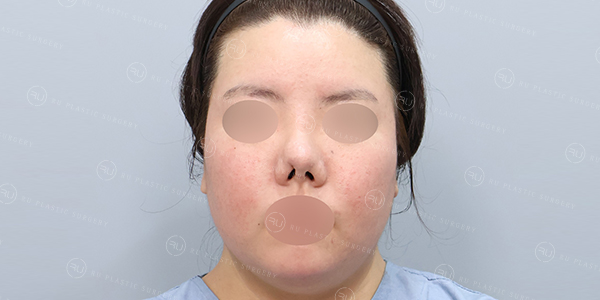
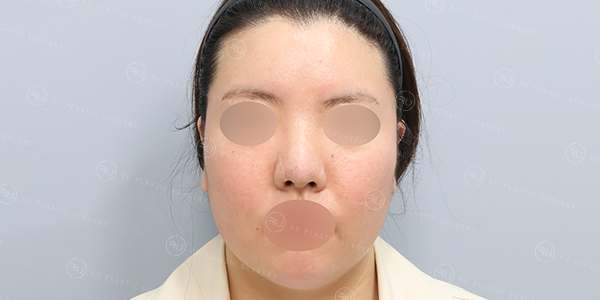
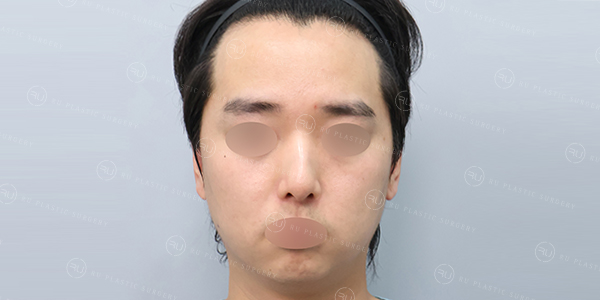
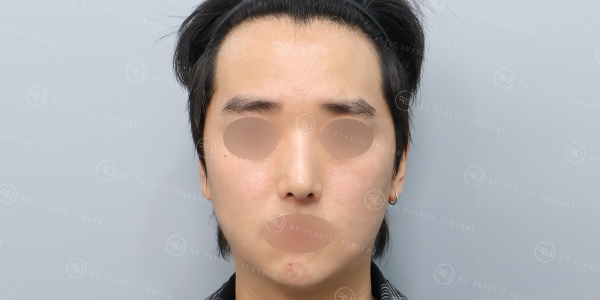
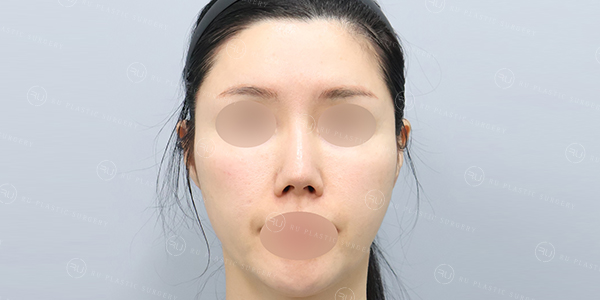
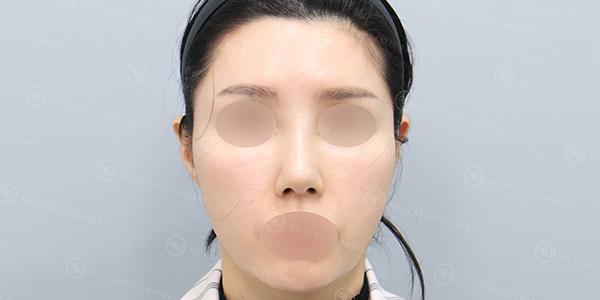
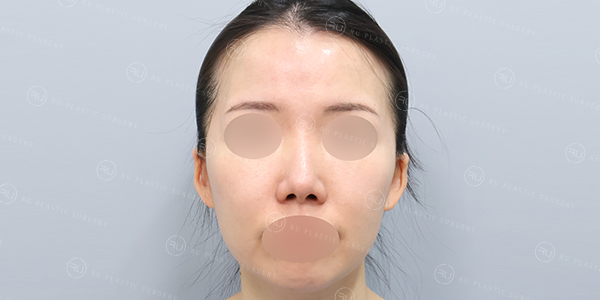
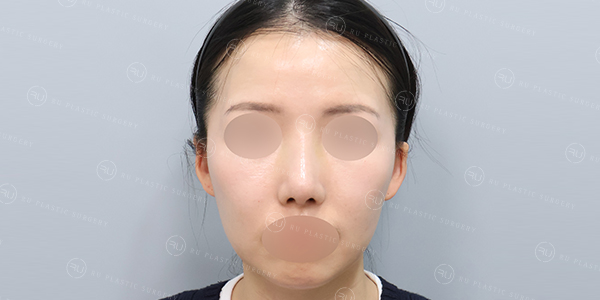
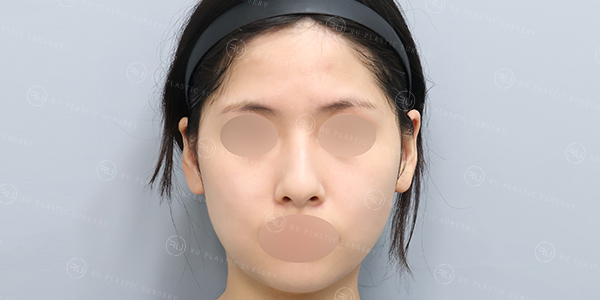
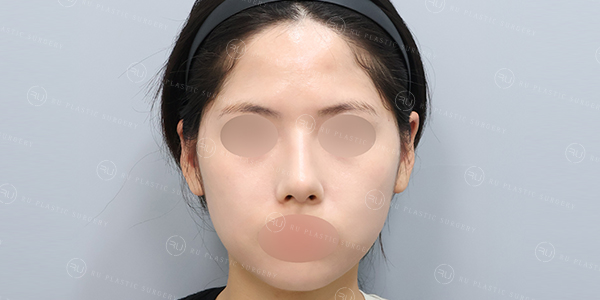
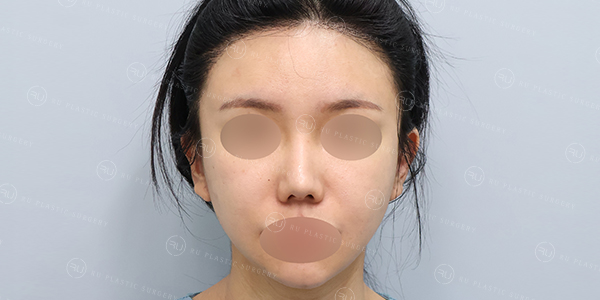
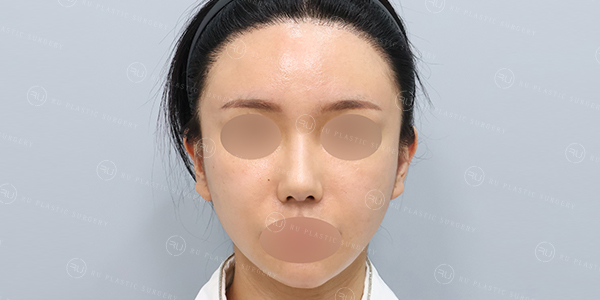
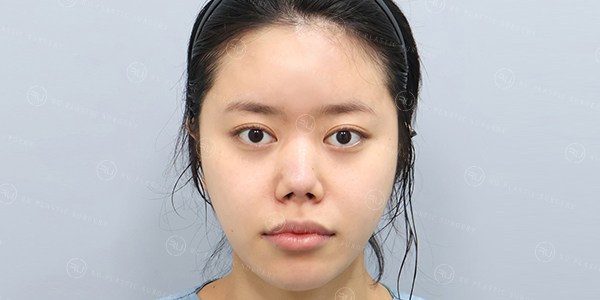
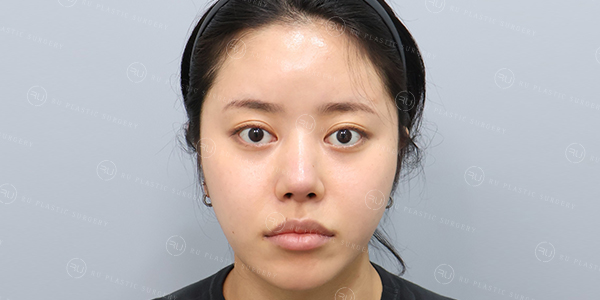
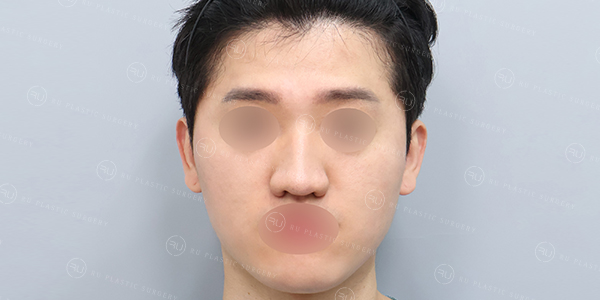
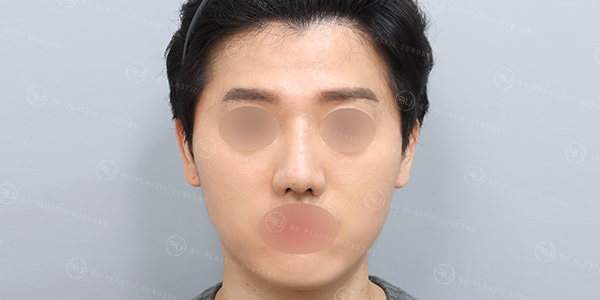
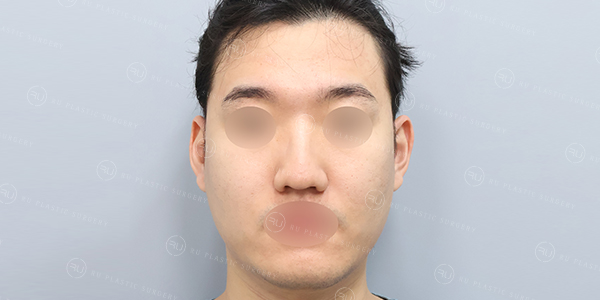
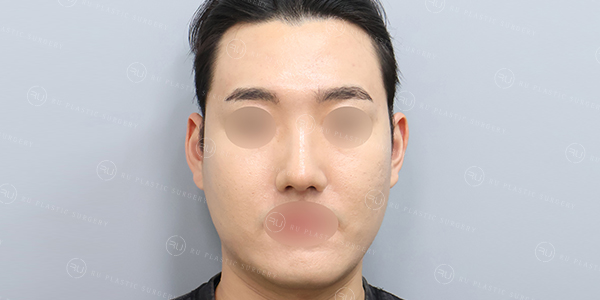
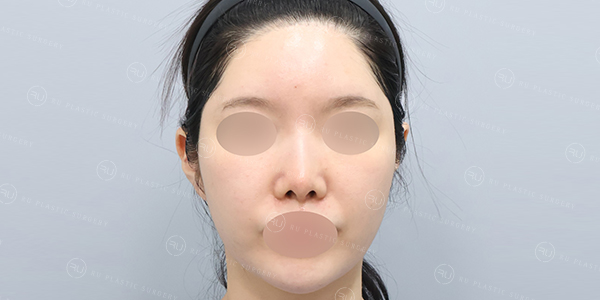
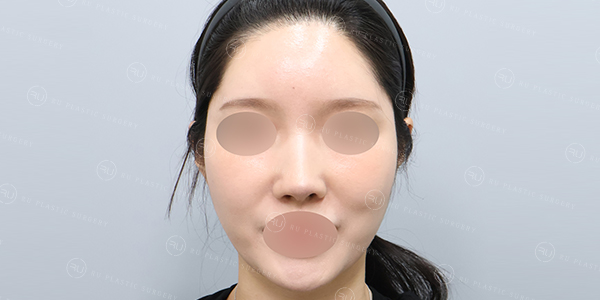
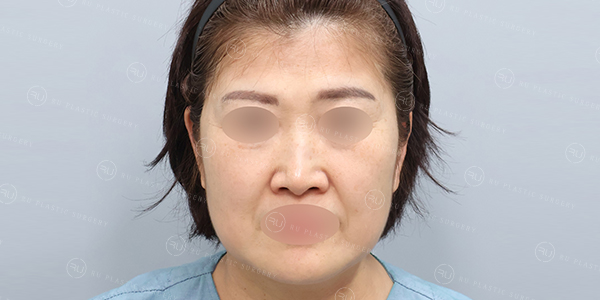
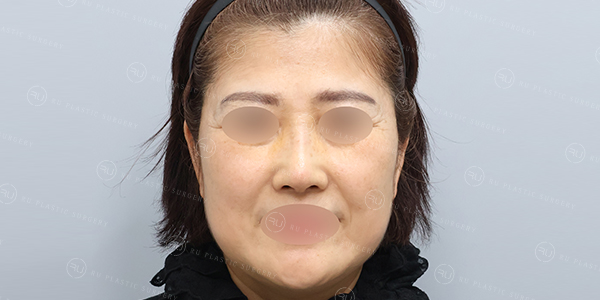
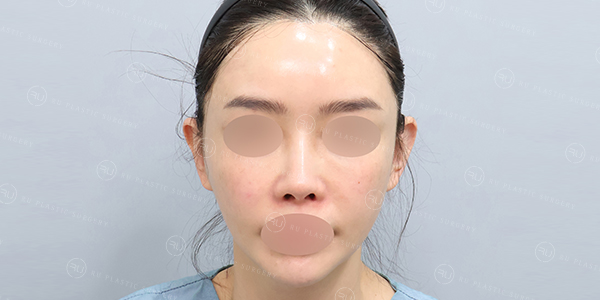
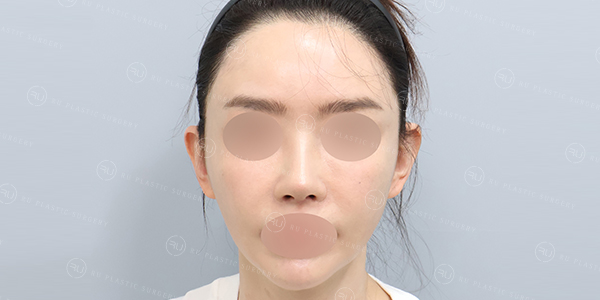
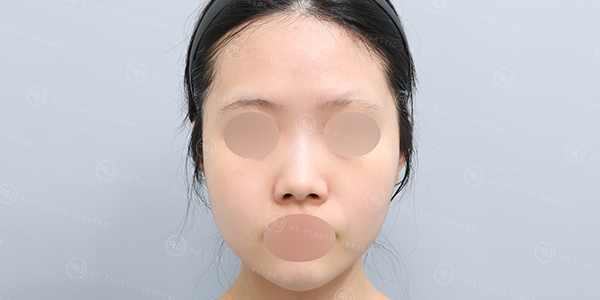
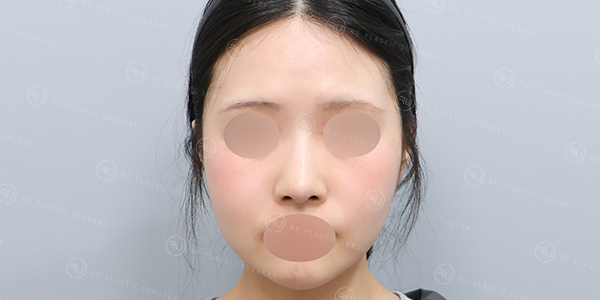
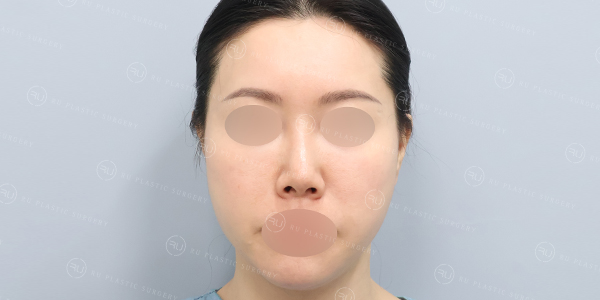
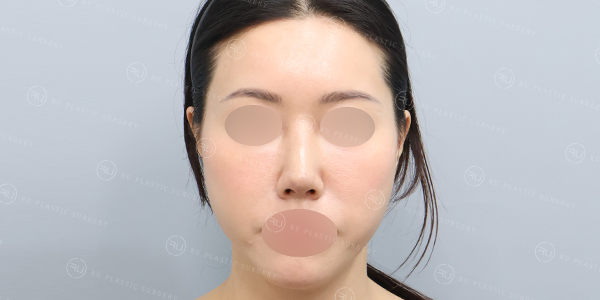
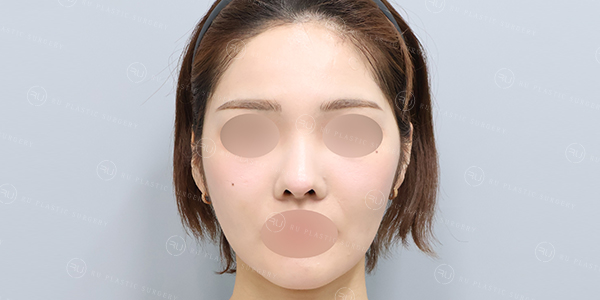
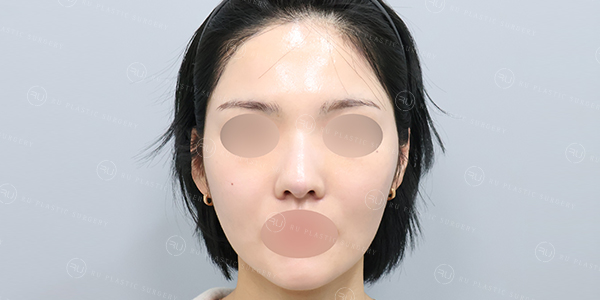
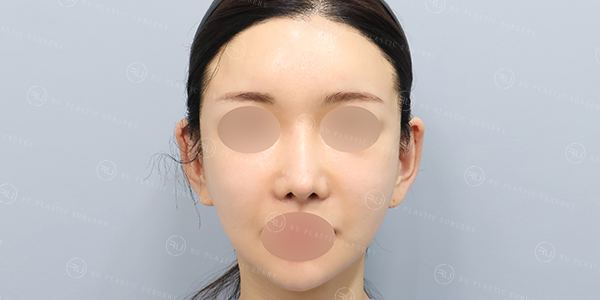
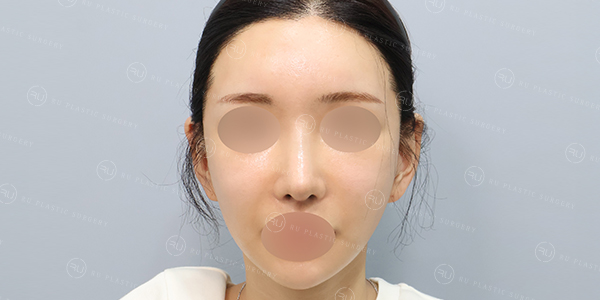
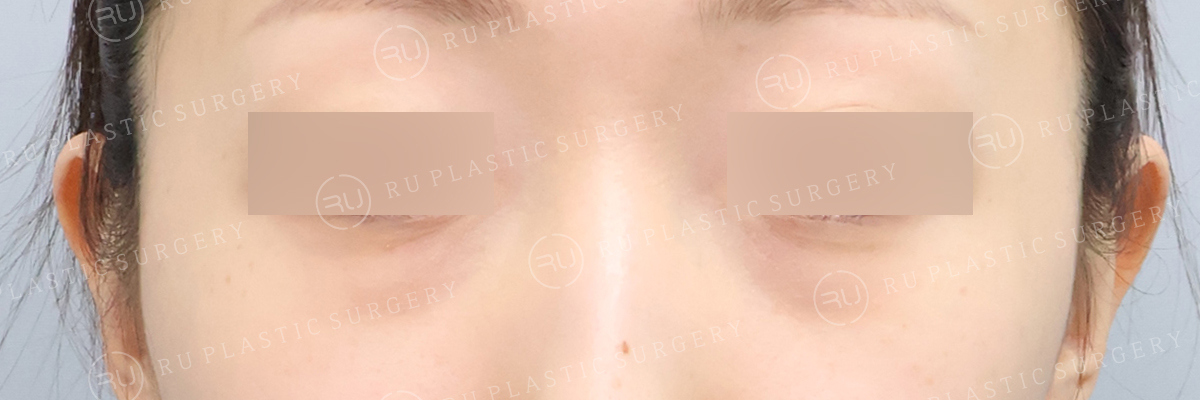
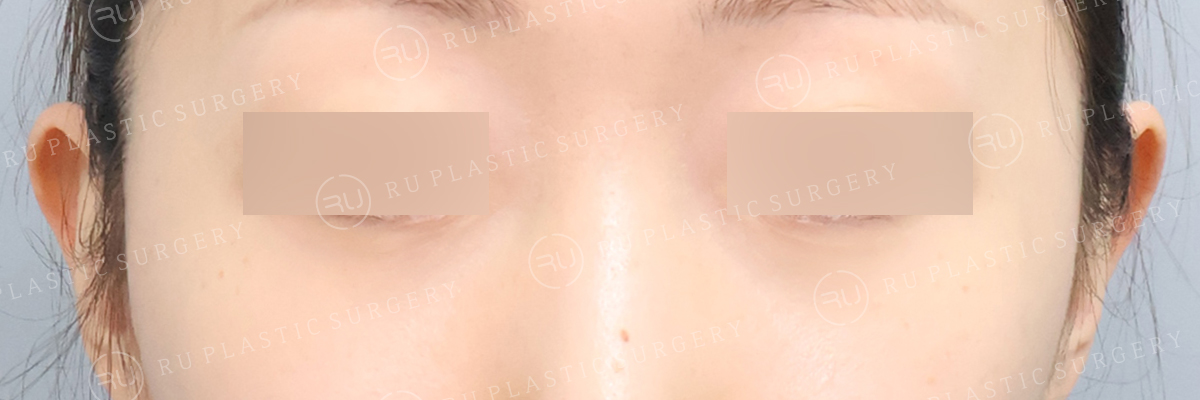
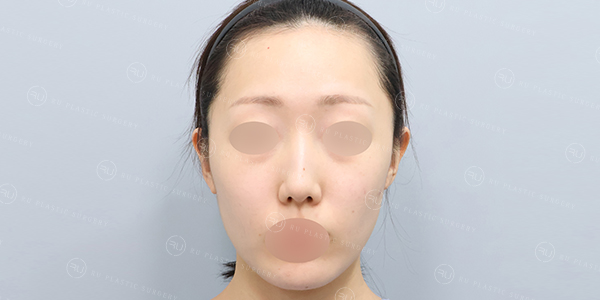
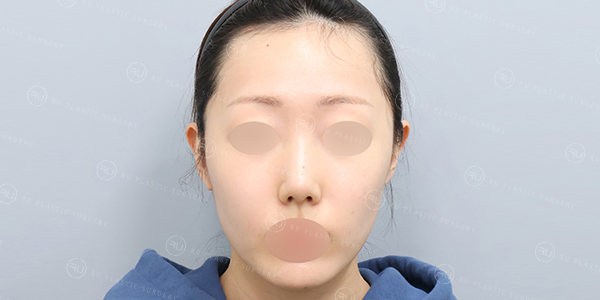
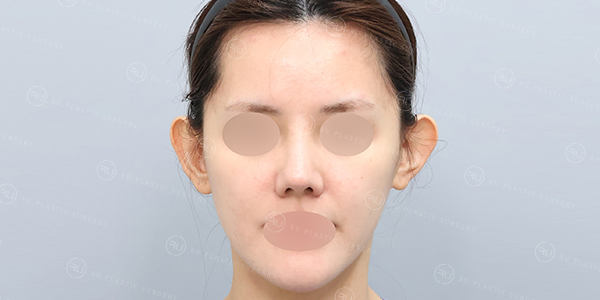
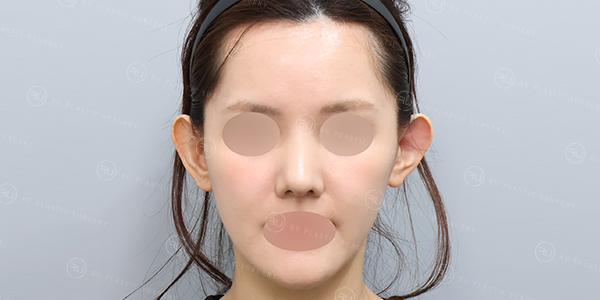
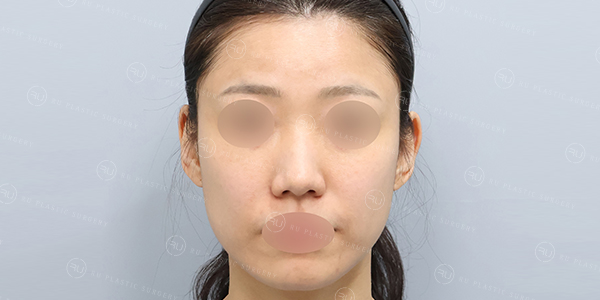
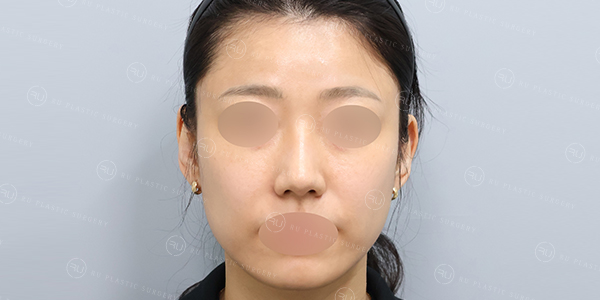
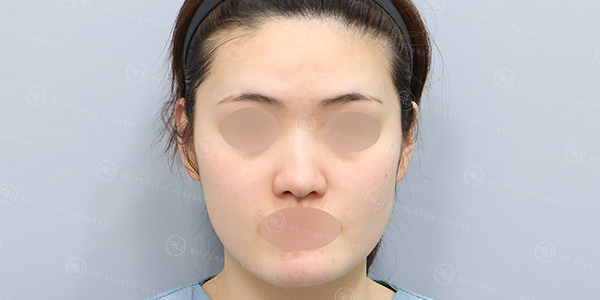
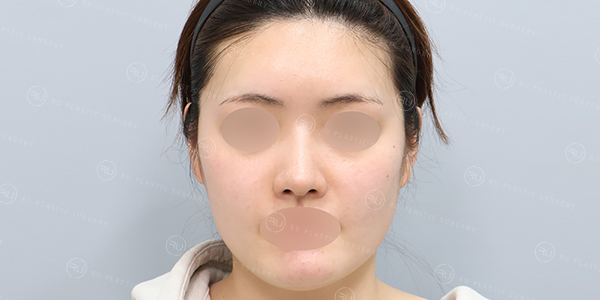
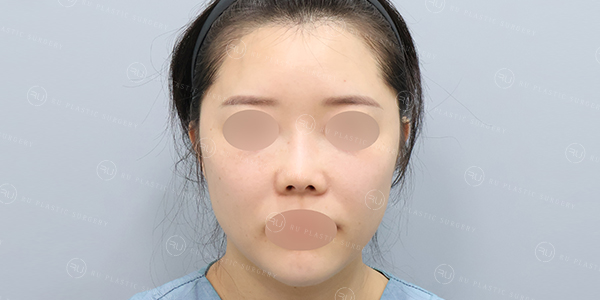
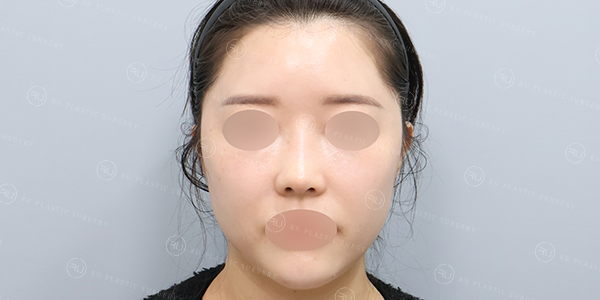
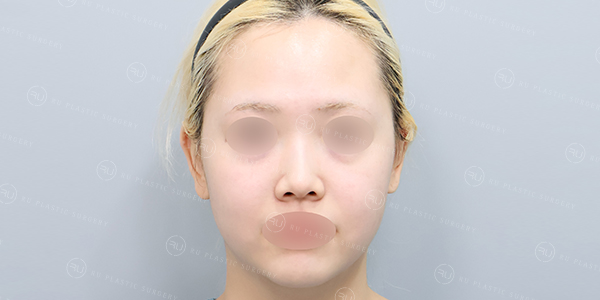
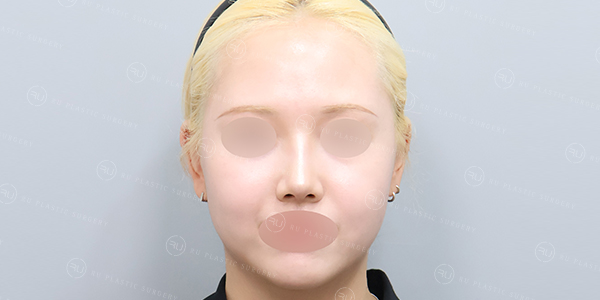
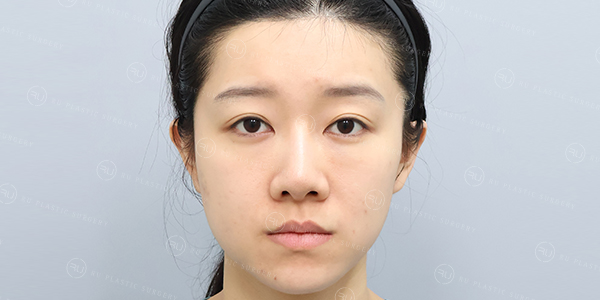
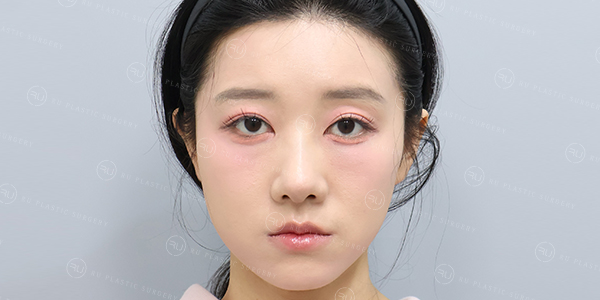
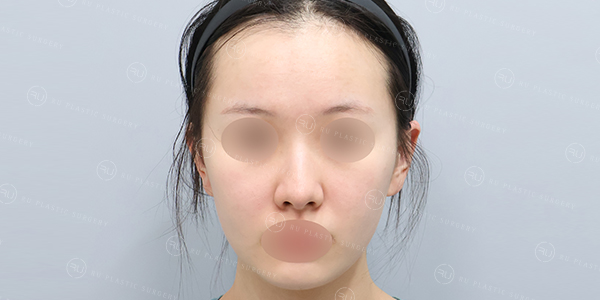
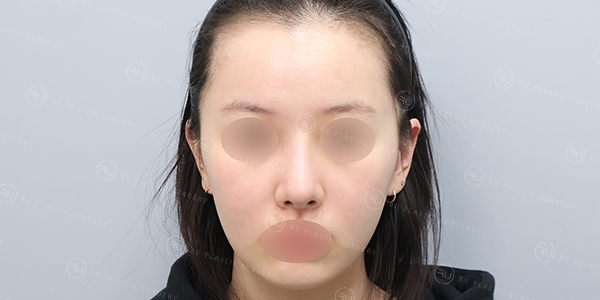
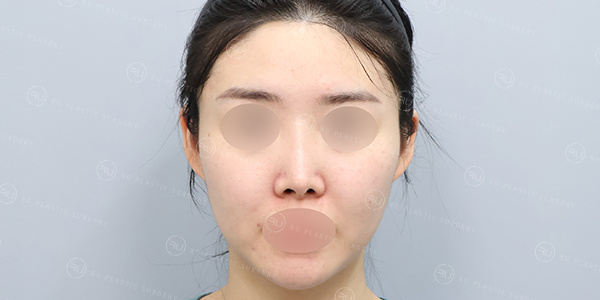
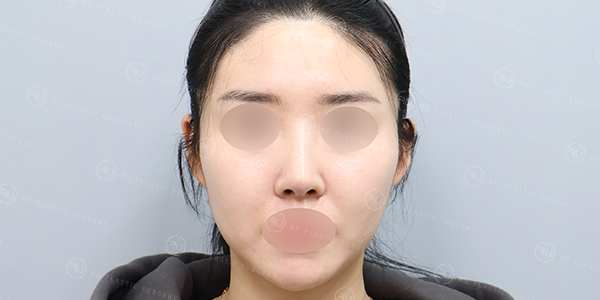
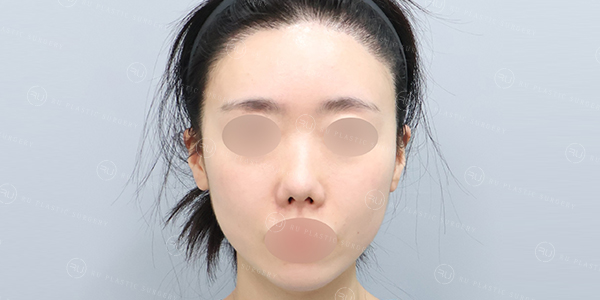
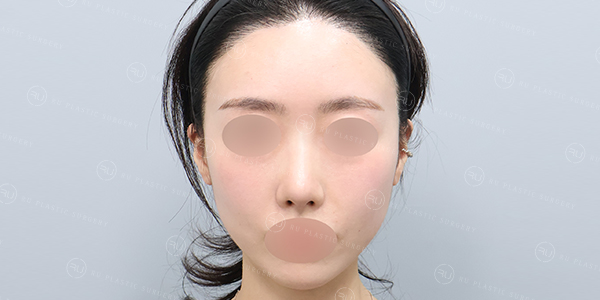
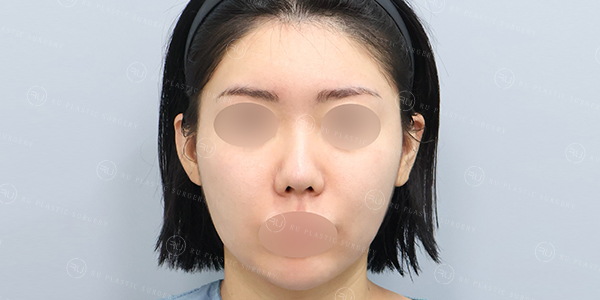
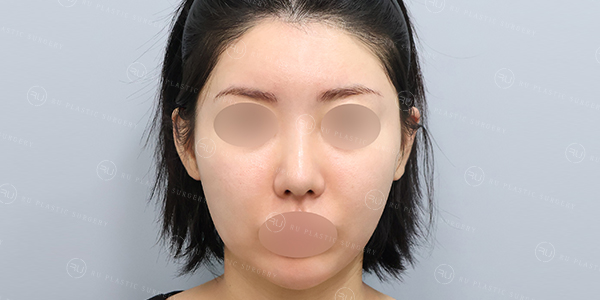
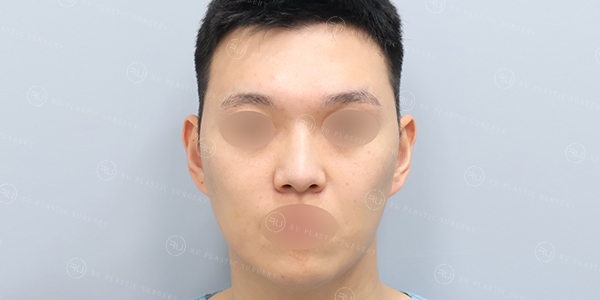
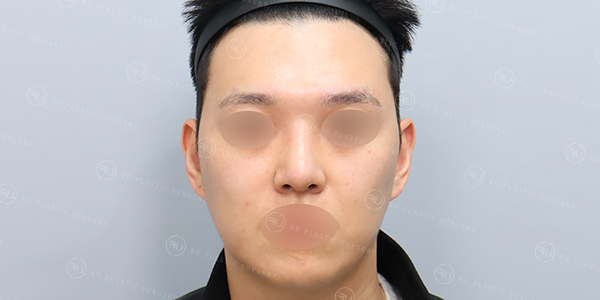
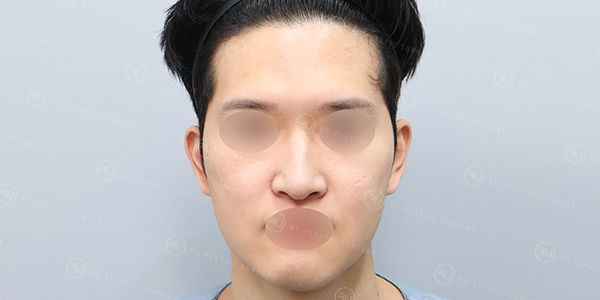
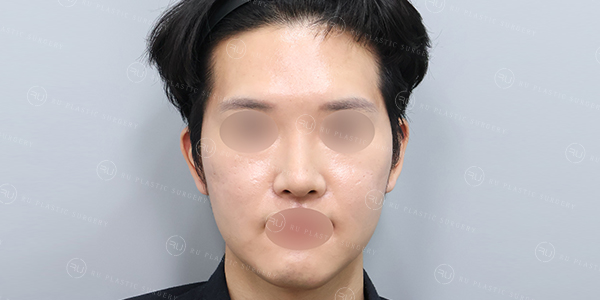
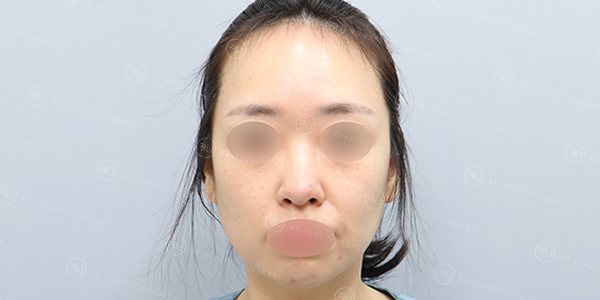
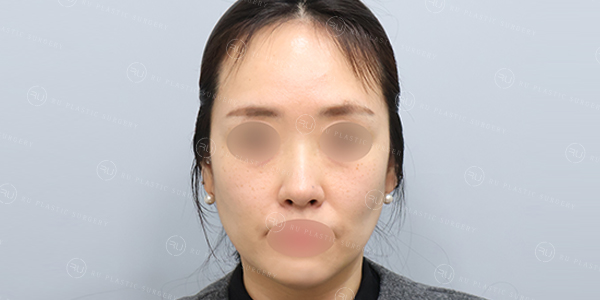
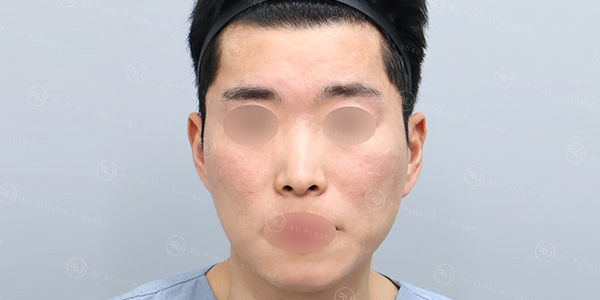
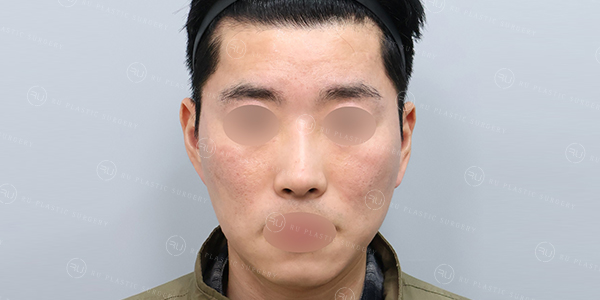
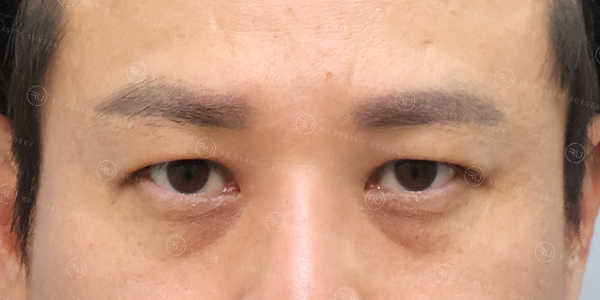
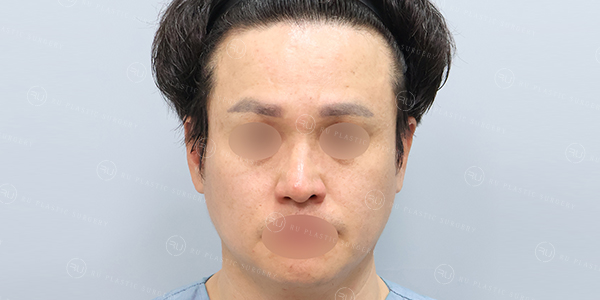
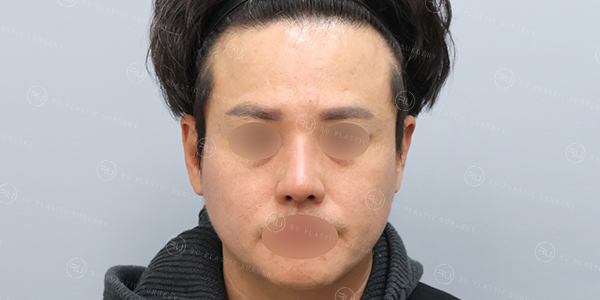
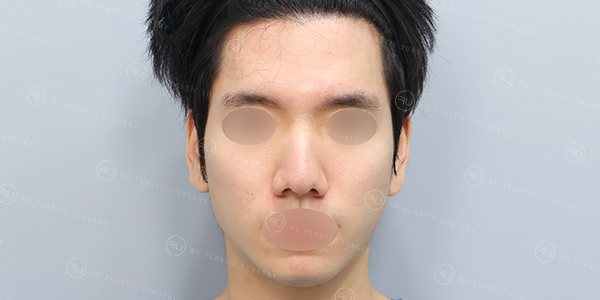
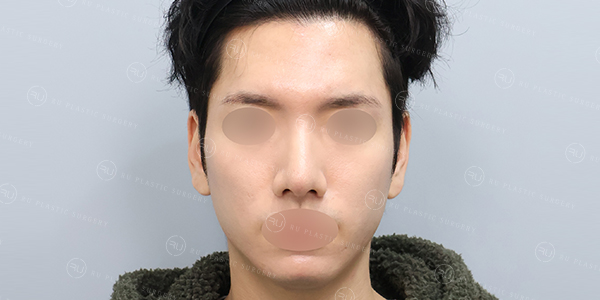
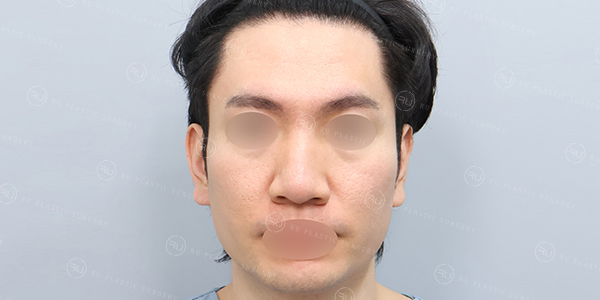
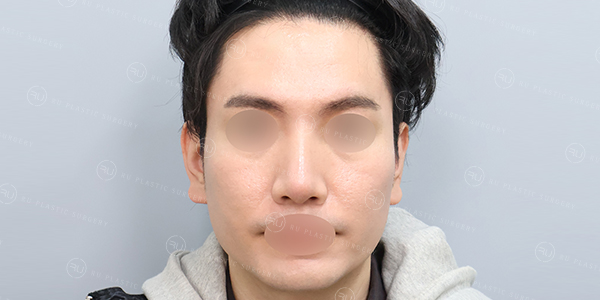
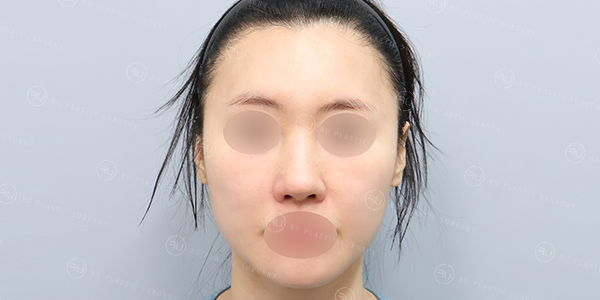
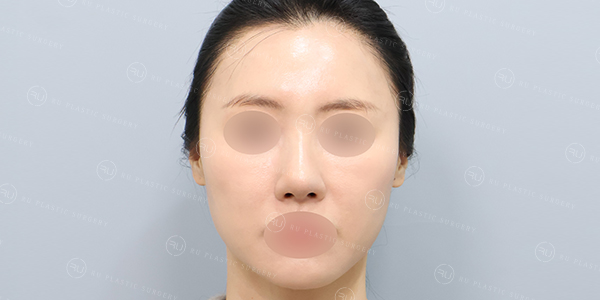
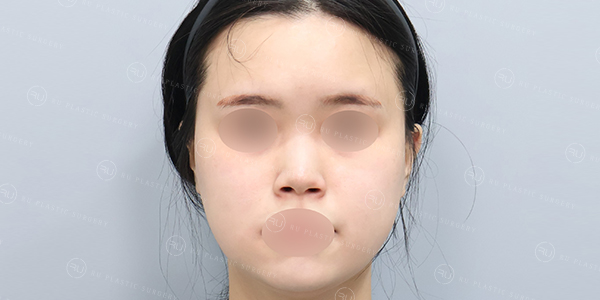
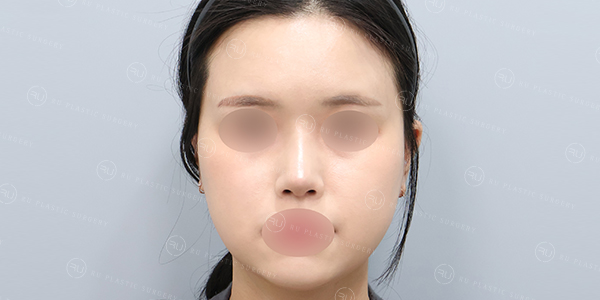
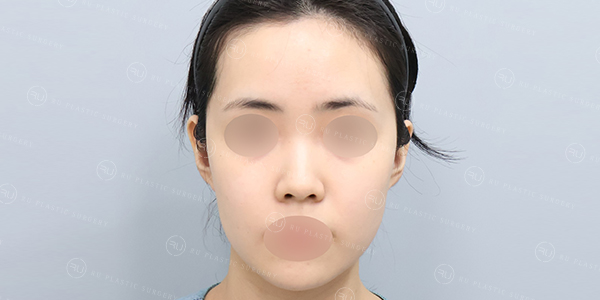
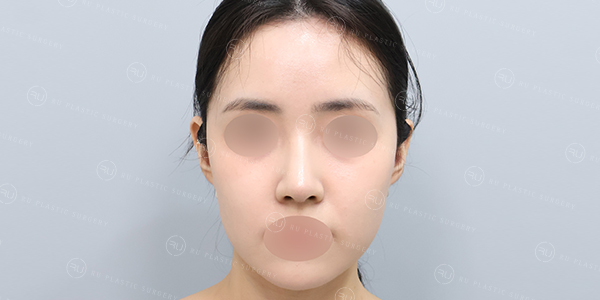
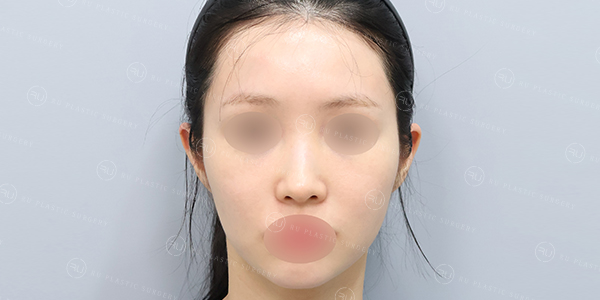
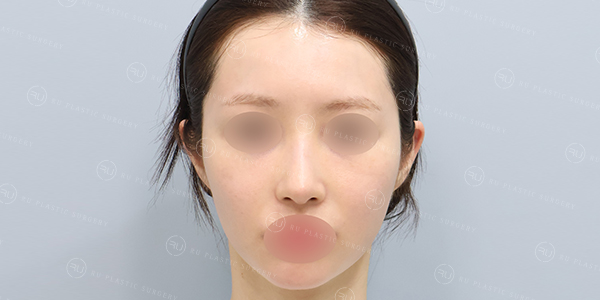
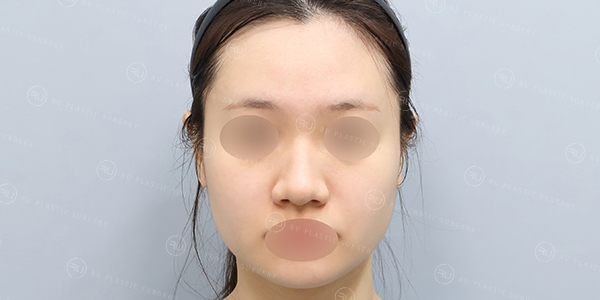
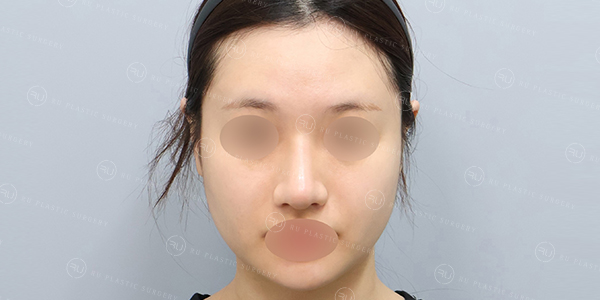
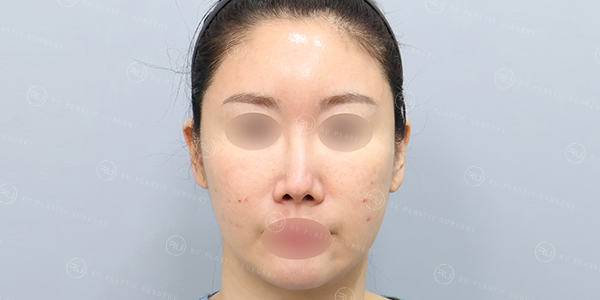
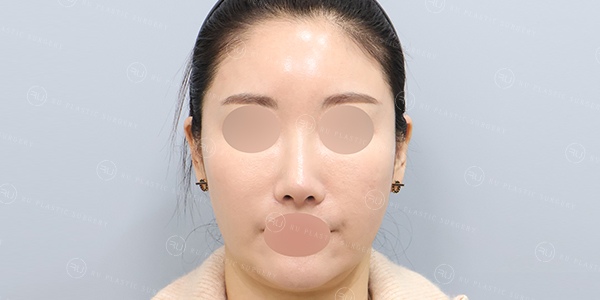
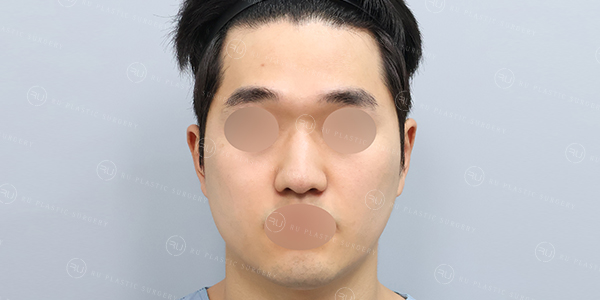
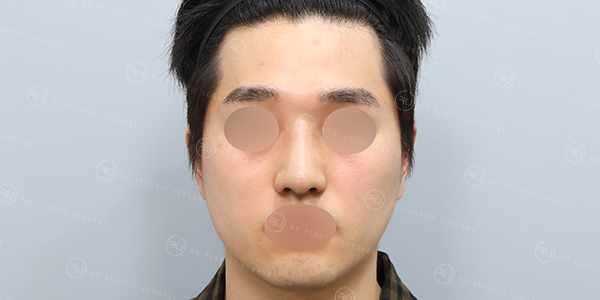
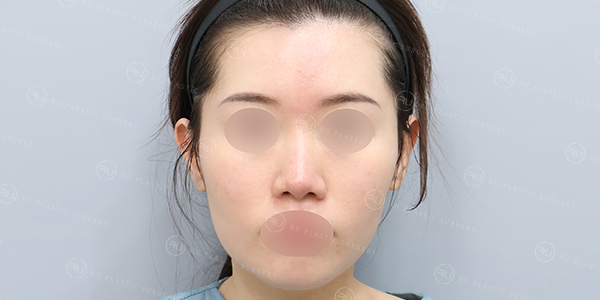
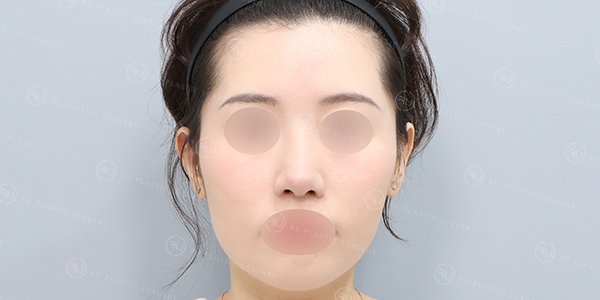
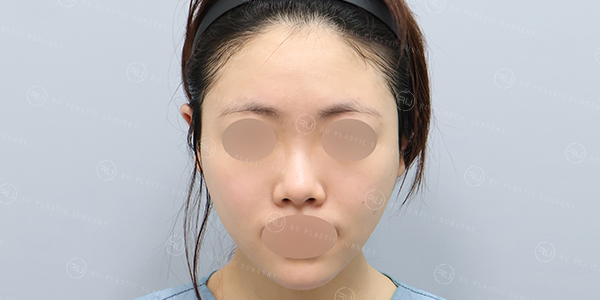
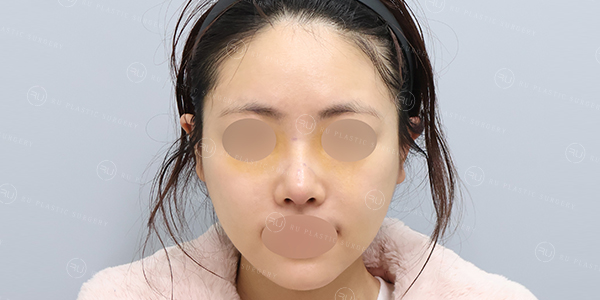
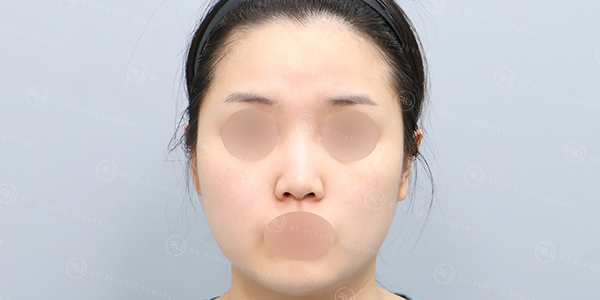
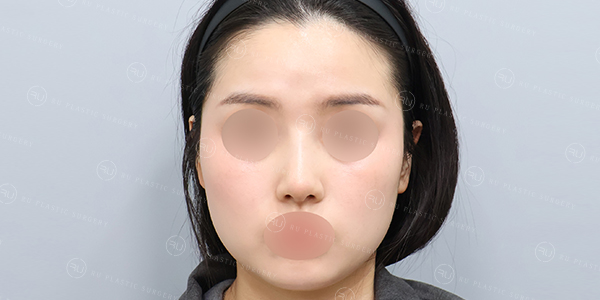
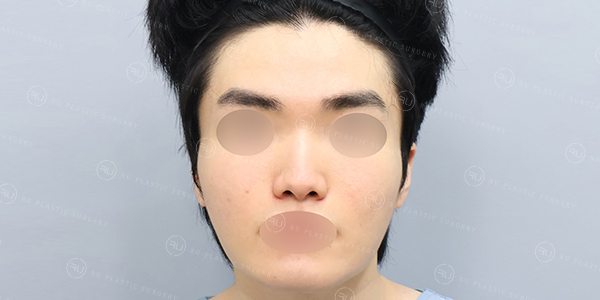
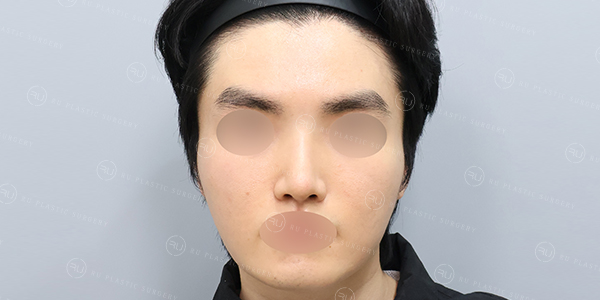
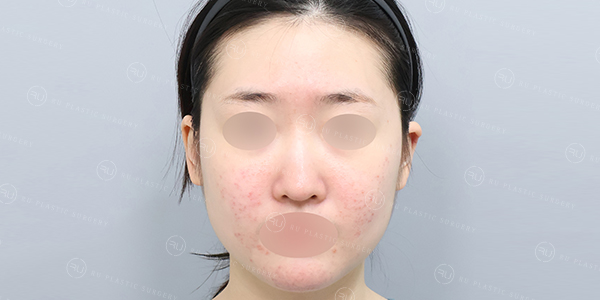
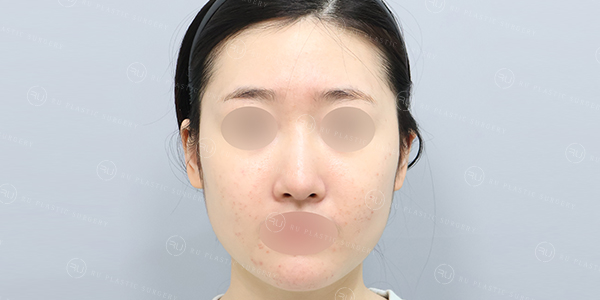
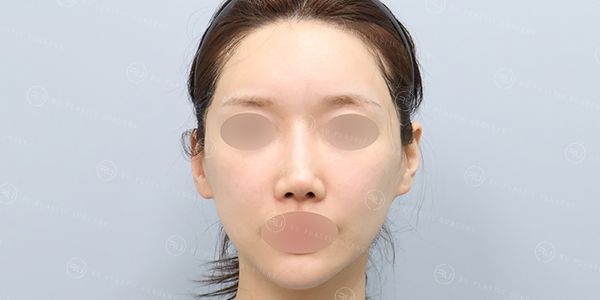
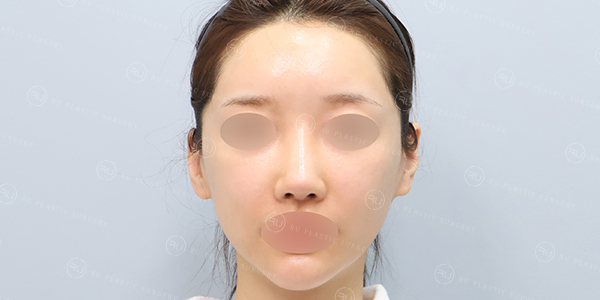
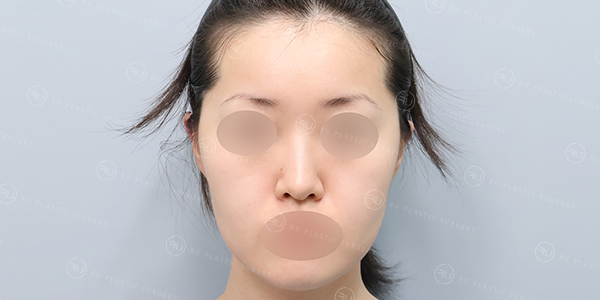
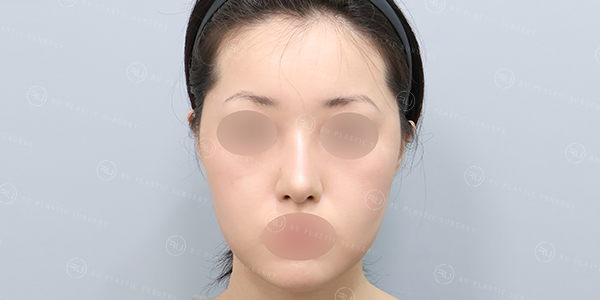
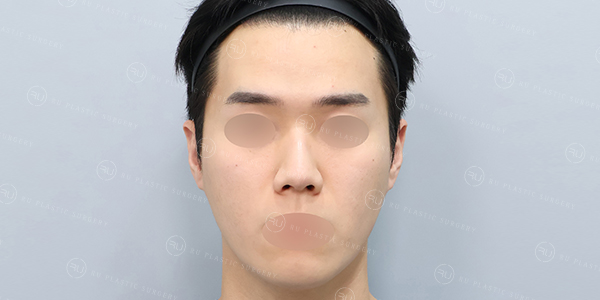
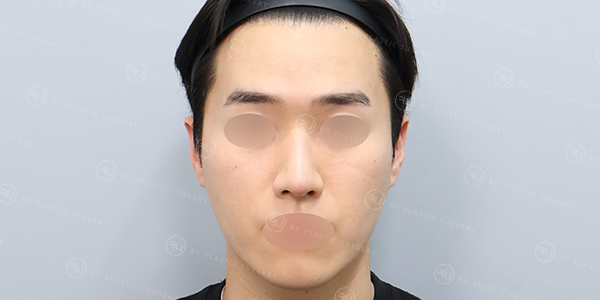
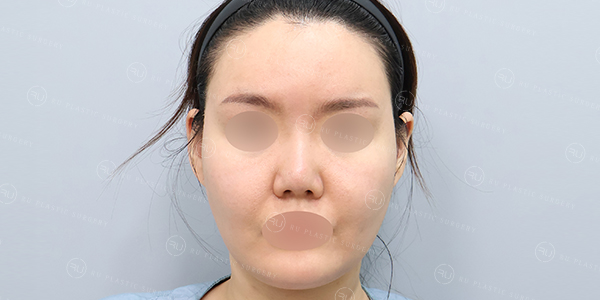
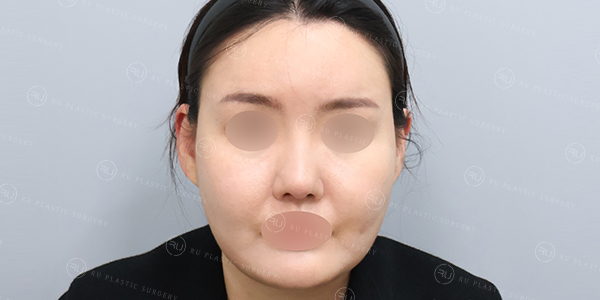
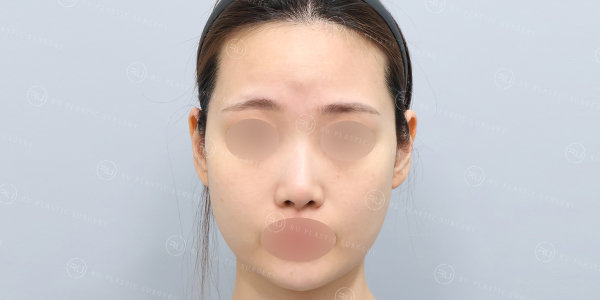
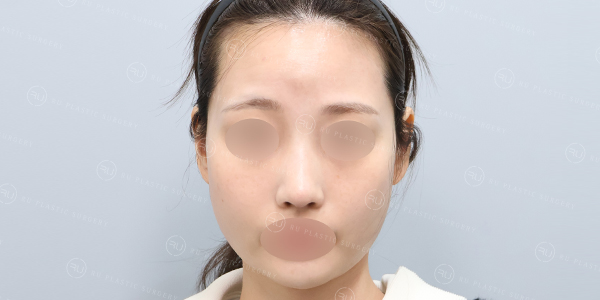
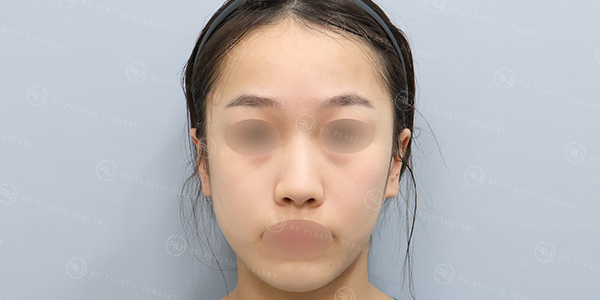
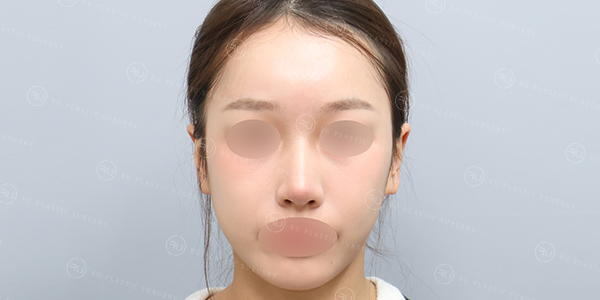
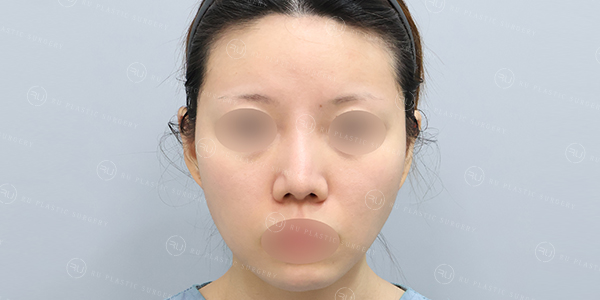
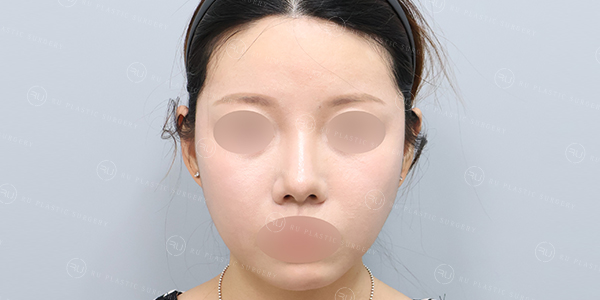
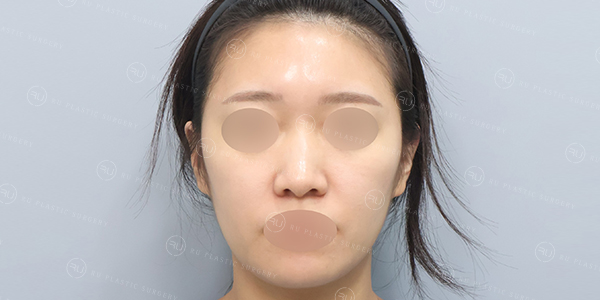
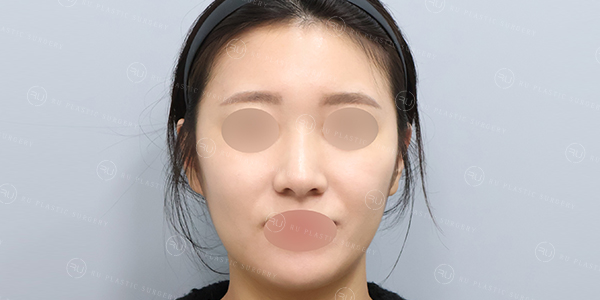
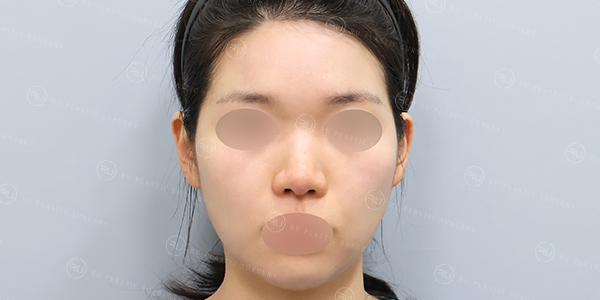
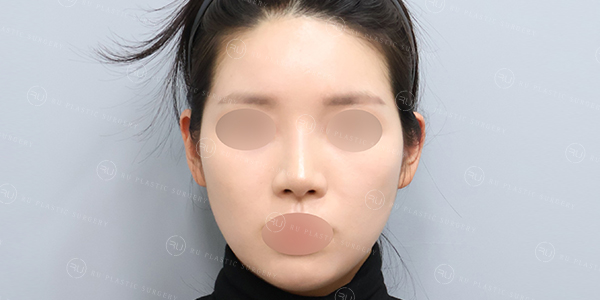
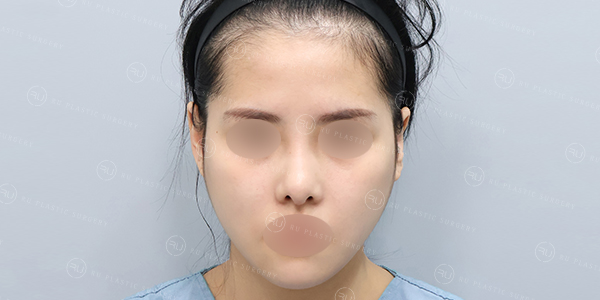
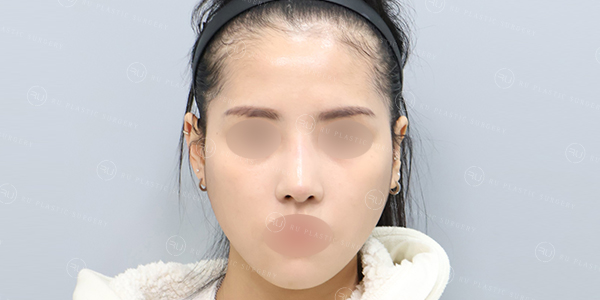
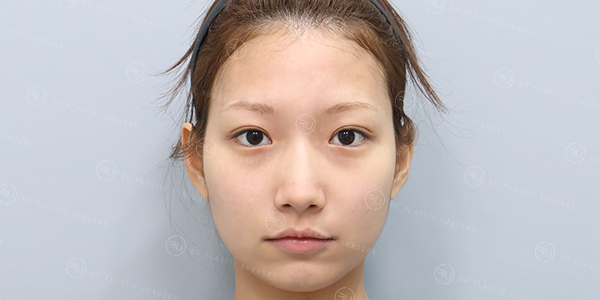
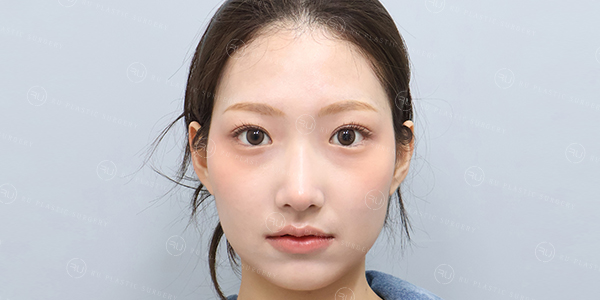
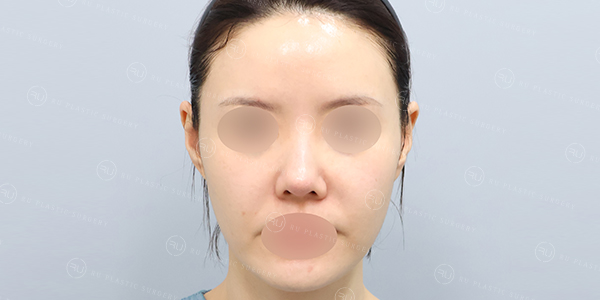
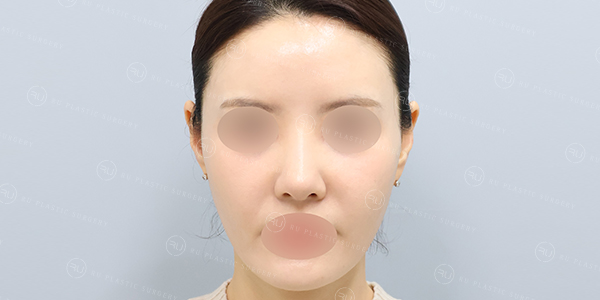
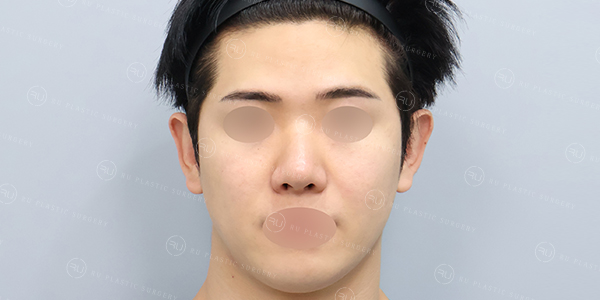
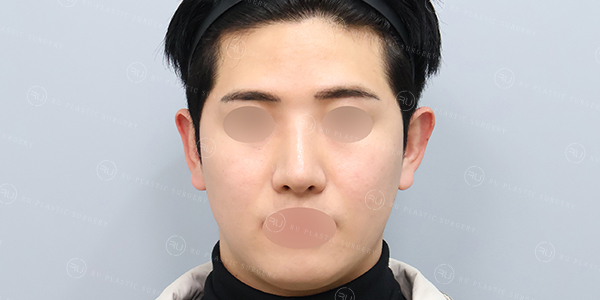
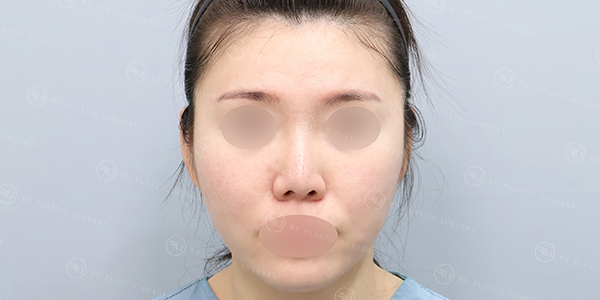
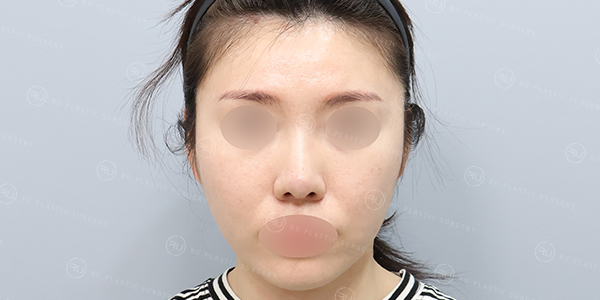
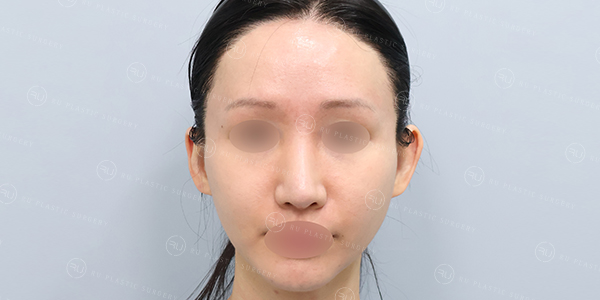
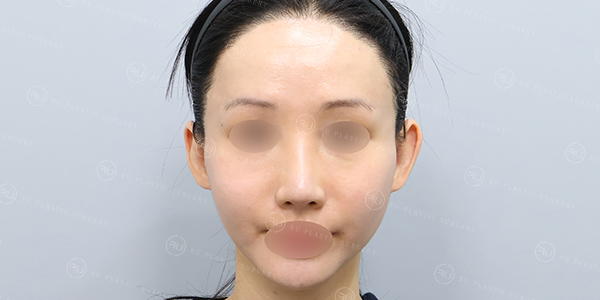
Before / 2w post-op
This was my fifth rhinoplasty overall and my fourth revision procedure.
I ultimately decided to undergo another surgery because of several persistent concerns,
including deviation of the nasal bridge, nostril asymmetry, and functional difficulties associated with the asymmetry.
Because I had already undergone multiple revision surgeries, I was extremely cautious when choosing a clinic this time.
I heard through a friend that an acquaintance had undergone a year of stem cell treatment before receiving revision surgery for nasal contracture.
I was particularly interested in the emphasis on preoperative care, which led me to schedule a consultation at RU Plastic Surgery.
During the consultation, Dr. Hyunju Kim clearly explained which procedures were necessary for my condition and which additional procedures were not needed.
I felt comfortable with the overall approach and decided to schedule my revision surgery that same day.
Before surgery, I received stem cell treatment on a weekly basis.
I have always found blood draws particularly difficult, but the nursing staff took great care of me at every visit, which made the treatment process much more manageable.
For this revision surgery, an Innofit customized silicone implant and autologous rib cartilage were used.
I also underwent correction for rhinitis and a deviated nasal septum at the same time.
This was my third time having rib cartilage harvested, but it was the first time the incision was placed in a less visible area,
which I greatly appreciated. I also experienced less discomfort at the rib cartilage donor site compared with my previous procedures.
One of my biggest concerns before surgery was the asymmetry of my nostrils, and I am very pleased that this has been noticeably corrected.
The overall length and contour of my nose have also improved in the direction I had hoped for, and the new proportions make my midface appear shorter and more balanced.
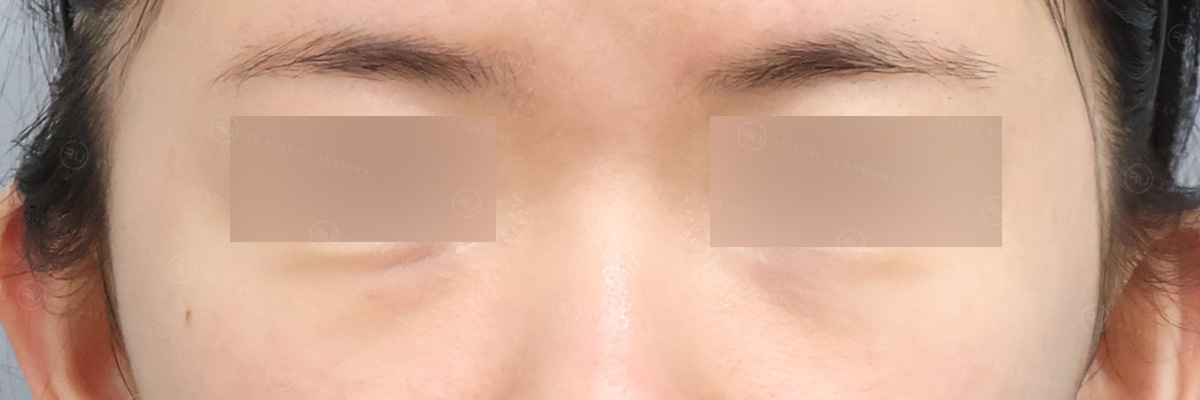
I also mentioned that I could see a small amount of scar tissue developing during the healing process.
Dr. Kim explained that laser treatment for the scar tissue could be considered once the initial recovery period is complete.
I was especially reassured when he encouraged me to mention even minor concerns during my follow-up visits.
This meant a great deal to me because, after some of my previous surgeries at other clinics, I had not experienced the same level of postoperative follow-up care.
Another thing that surprised both me and the people around me was how little swelling I experienced after surgery.
I am currently just over two weeks postoperatively and have had no significant difficulty applying makeup or returning to my usual daily routine.
Although I am still in the early stages of recovery, I am extremely satisfied with the progress so far and feel very positive about the overall result.