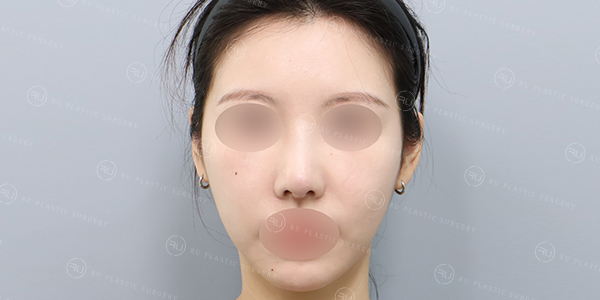
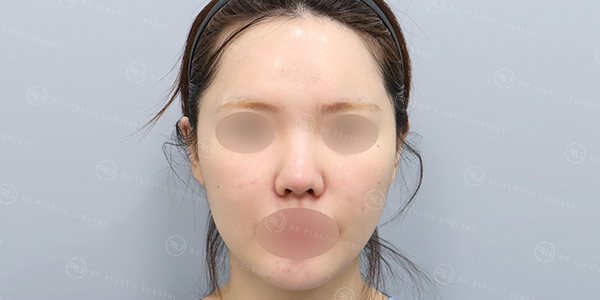
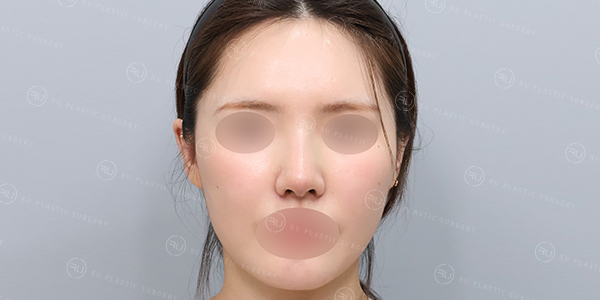
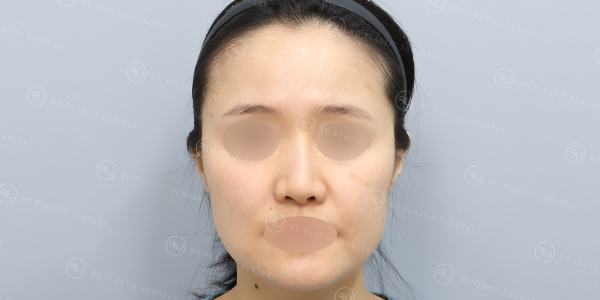
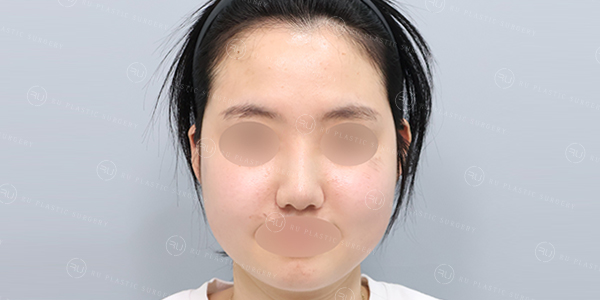
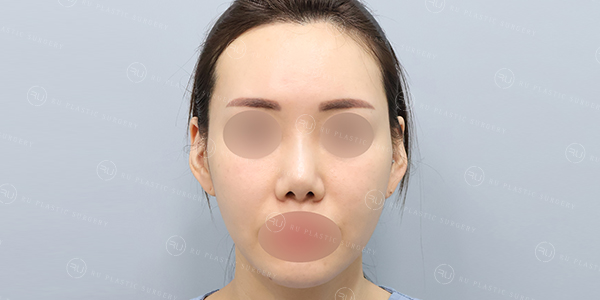
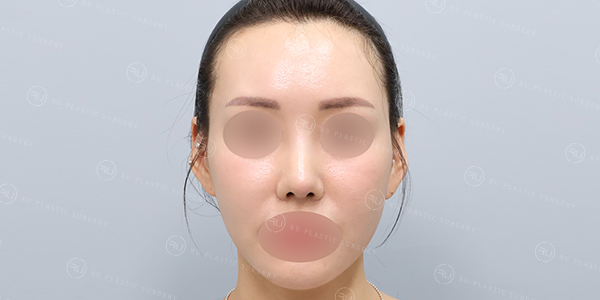
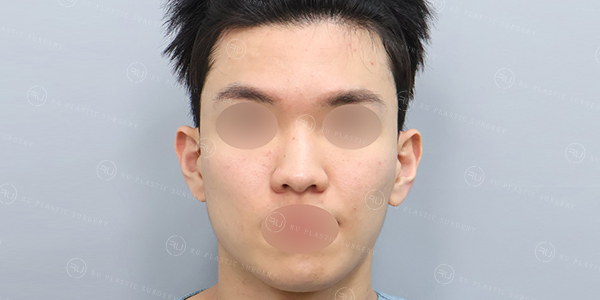
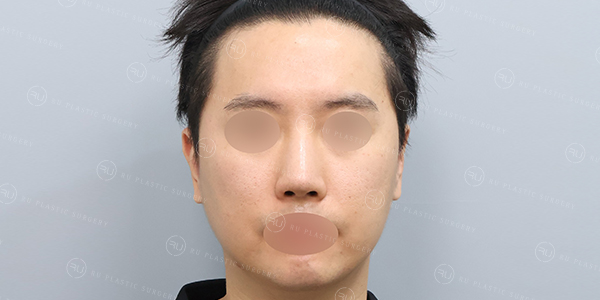
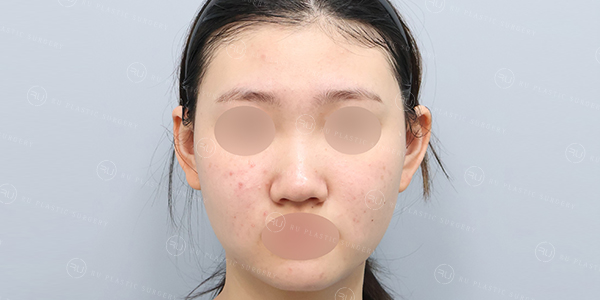
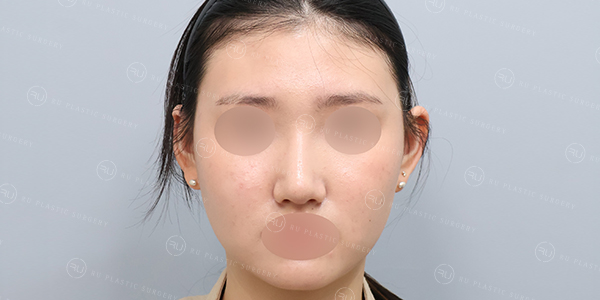
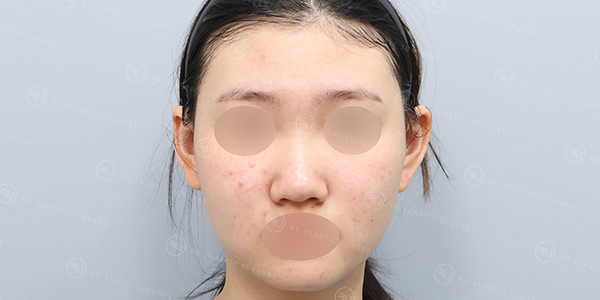
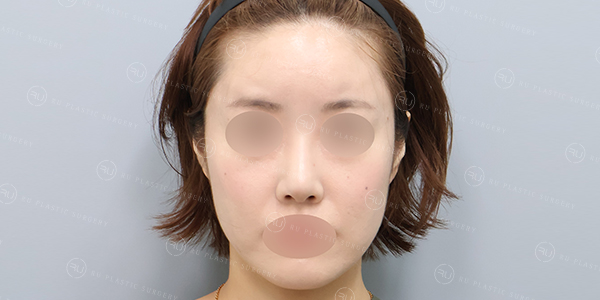
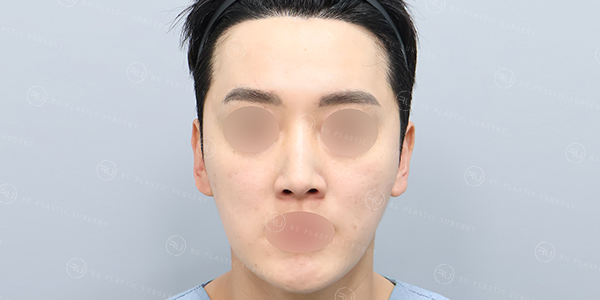
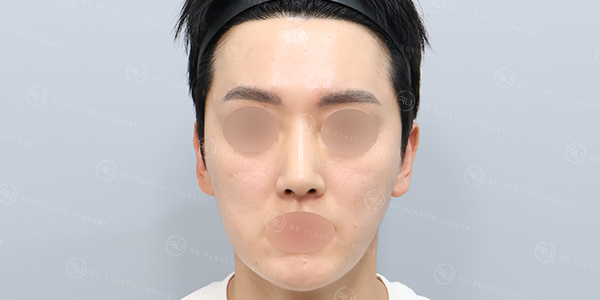
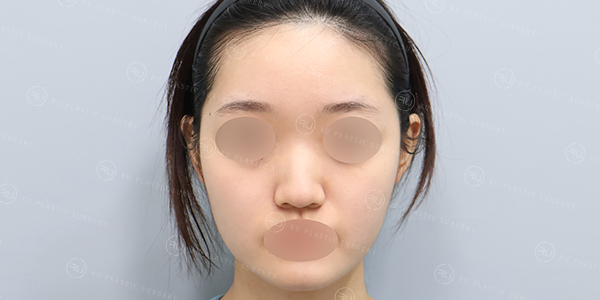
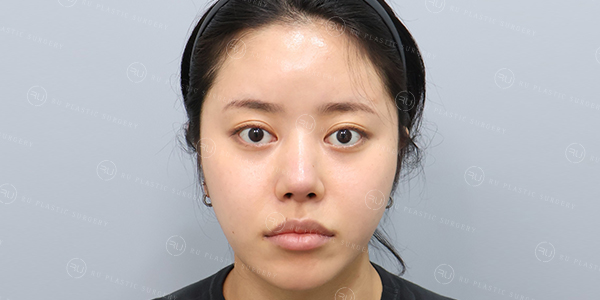
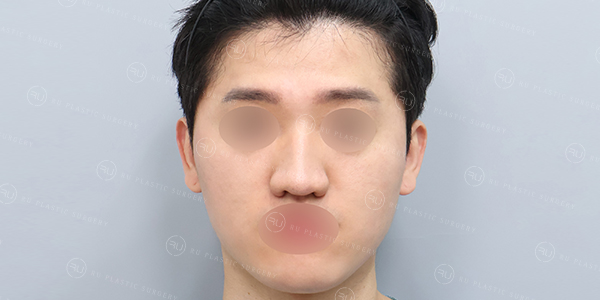
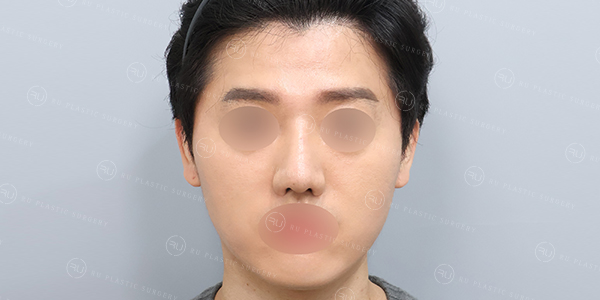
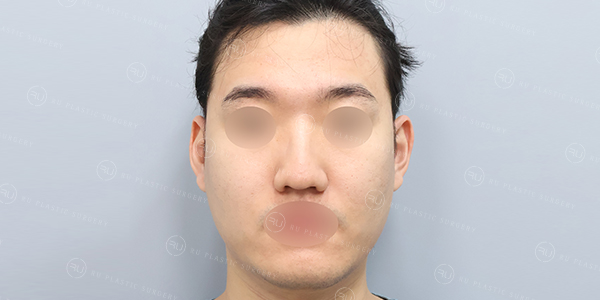
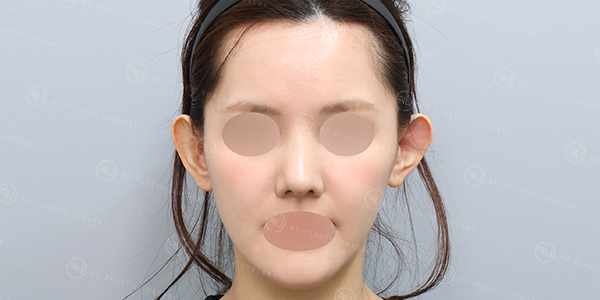
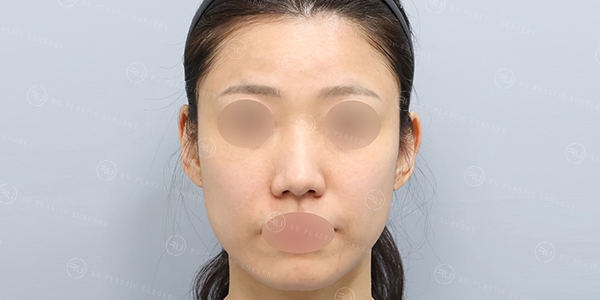
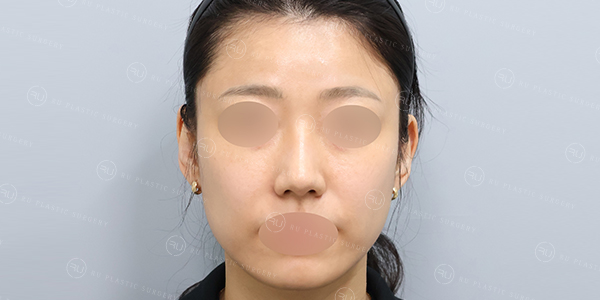
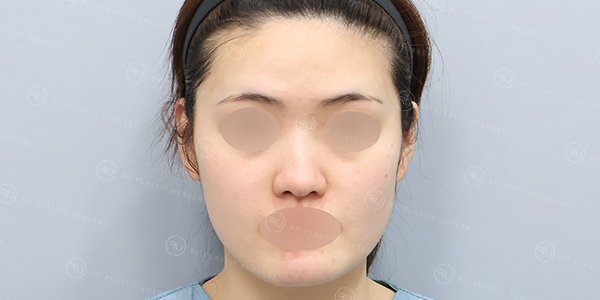
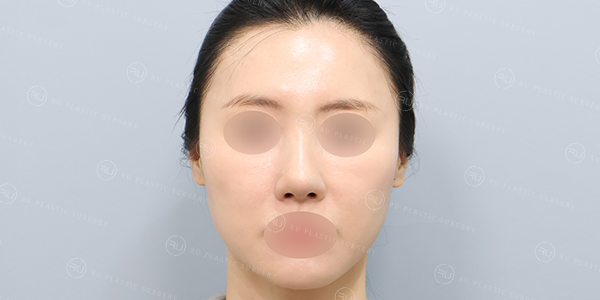
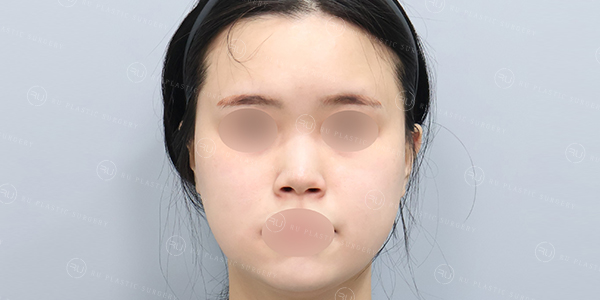
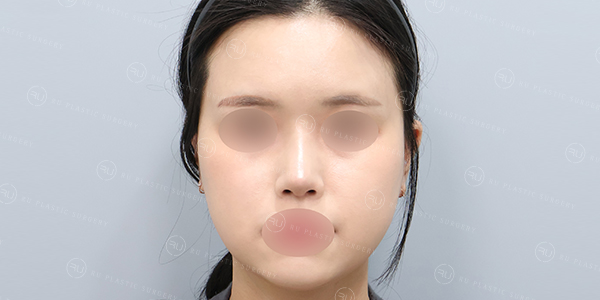
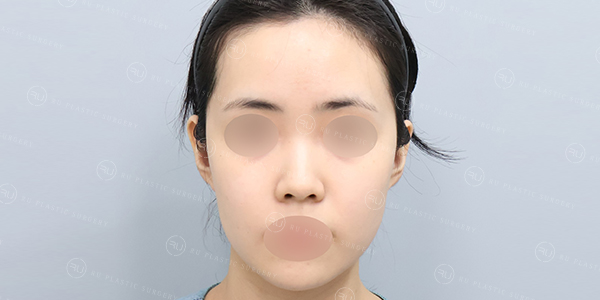
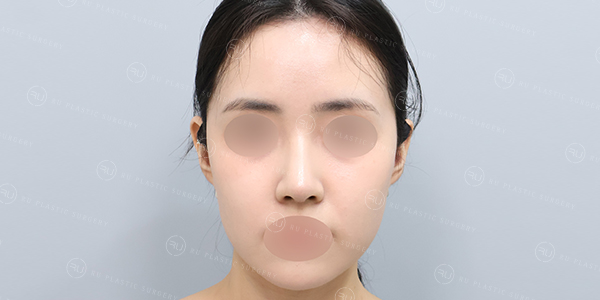
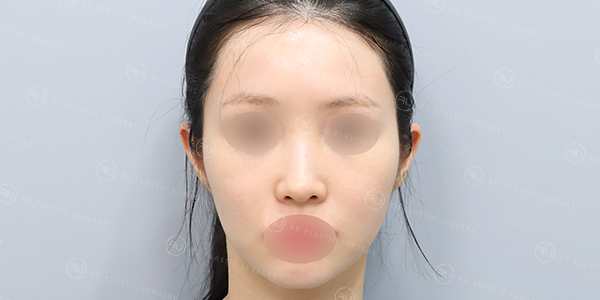
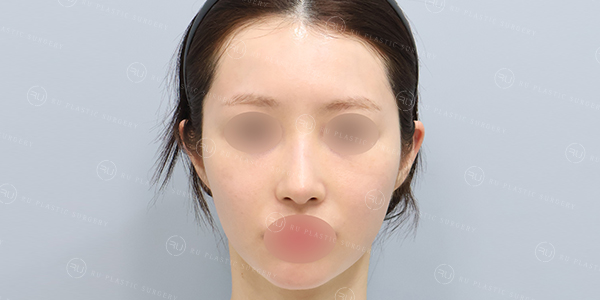
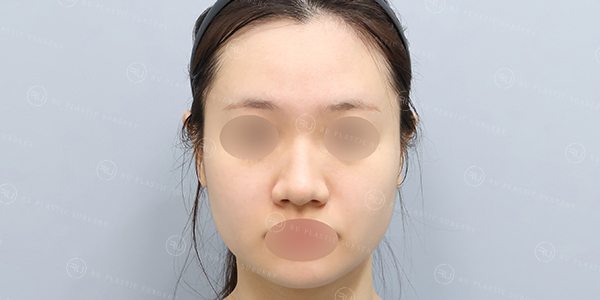
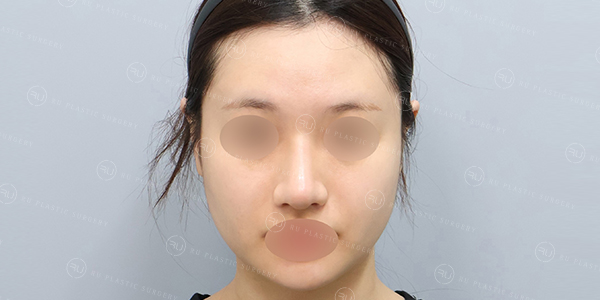
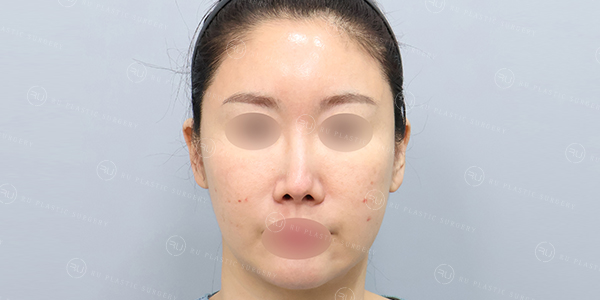
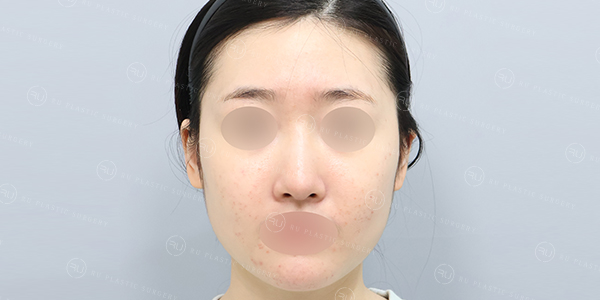
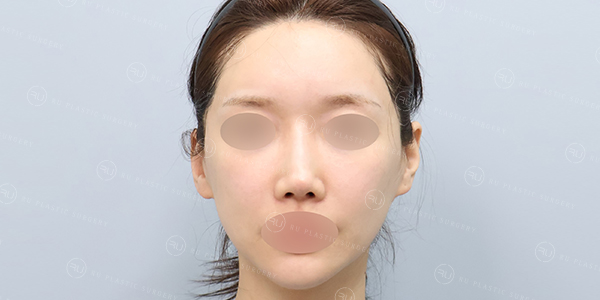
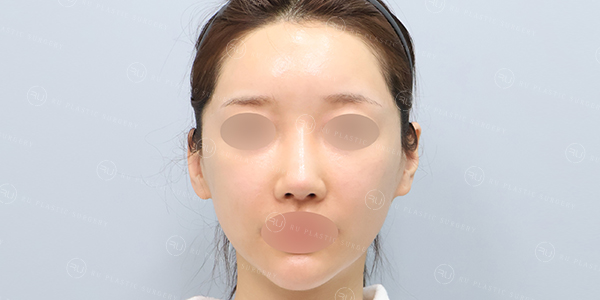
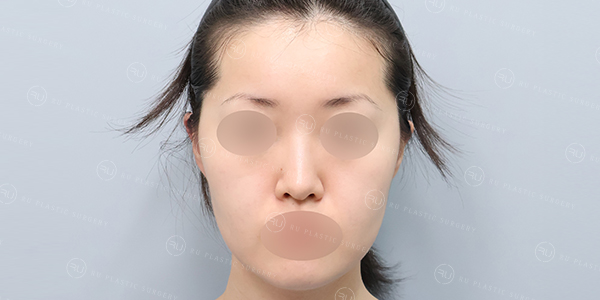
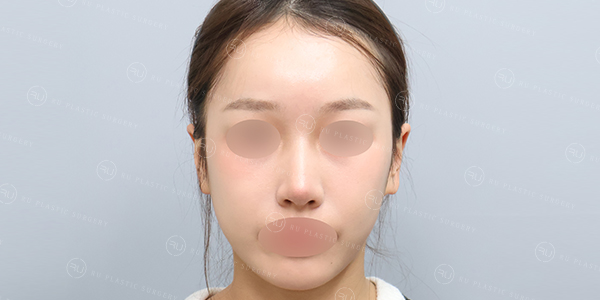
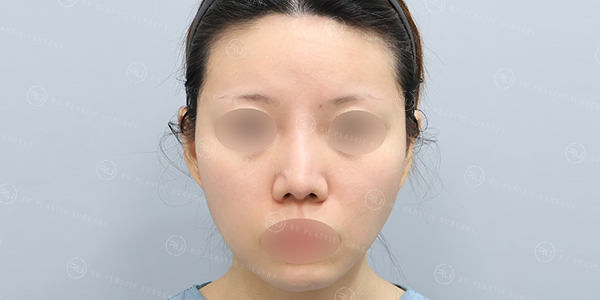
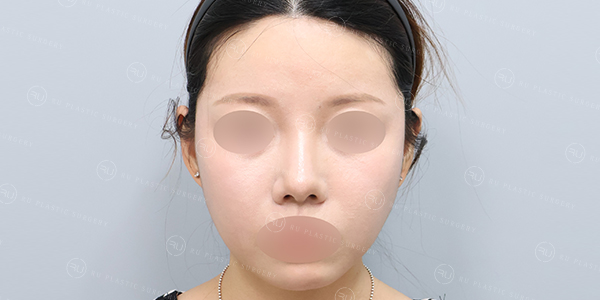
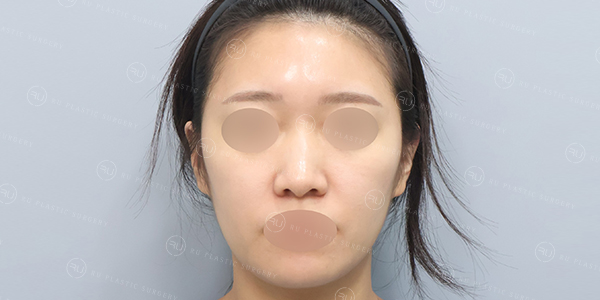
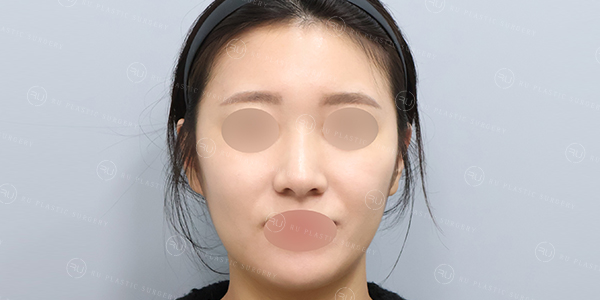
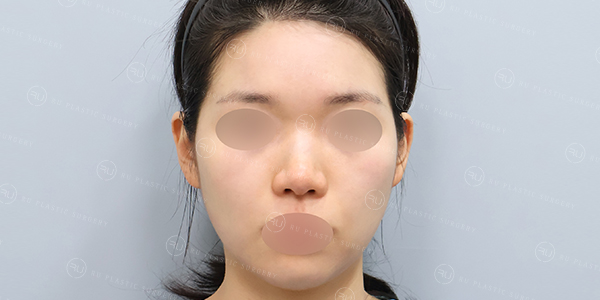
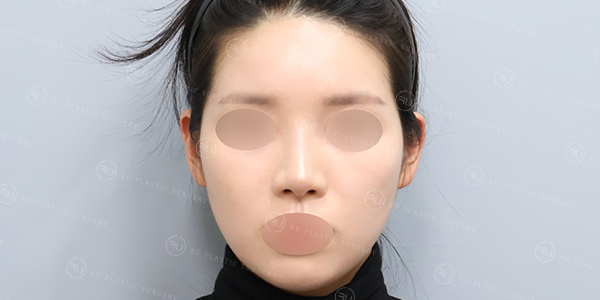
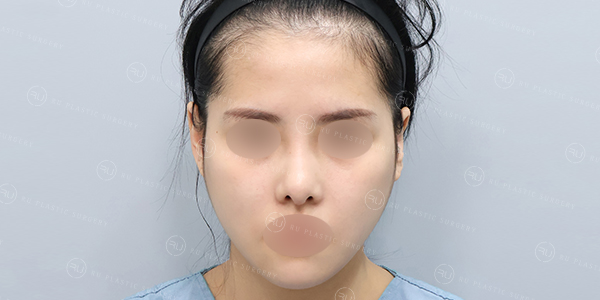
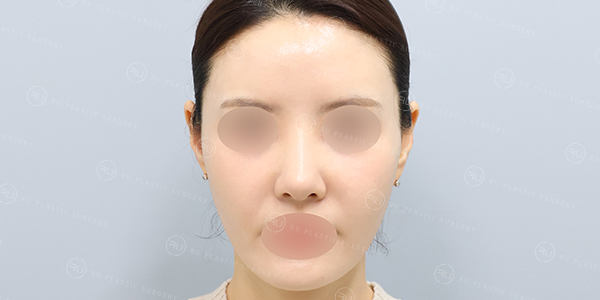
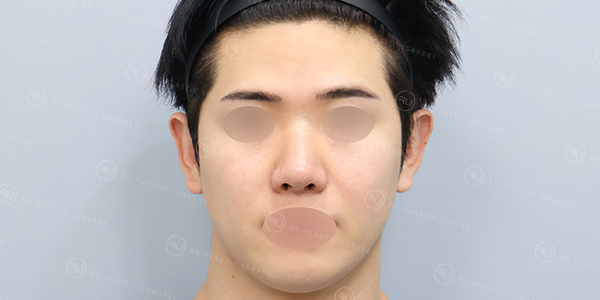
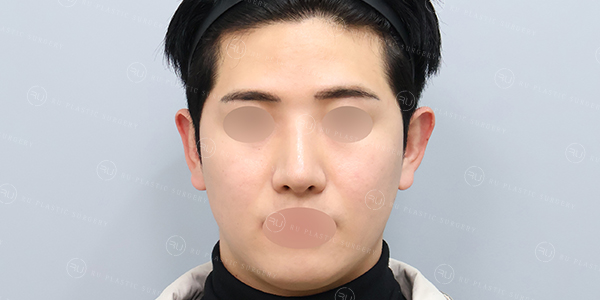
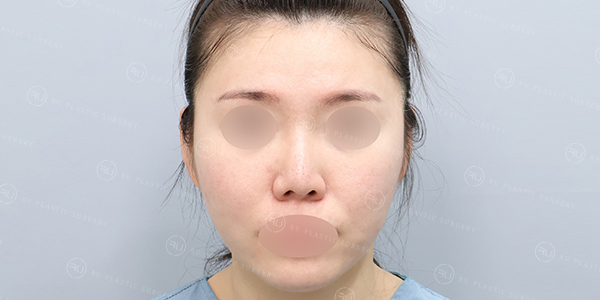
One-Month Postoperative Review of Revision Surgery for Contracture Nose
본문
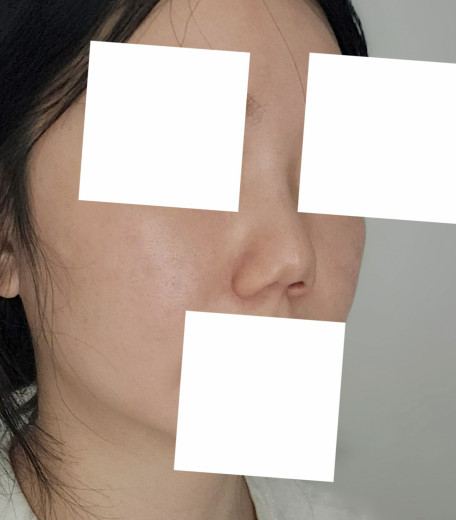
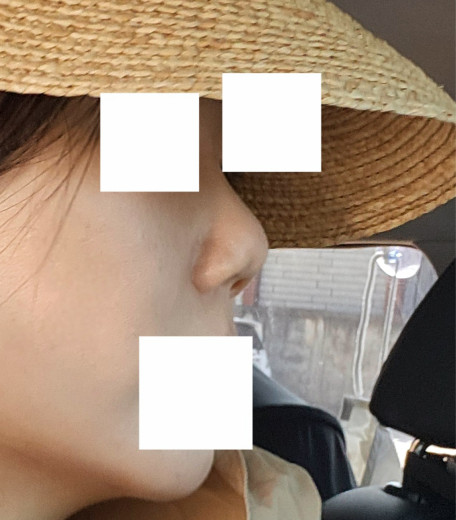
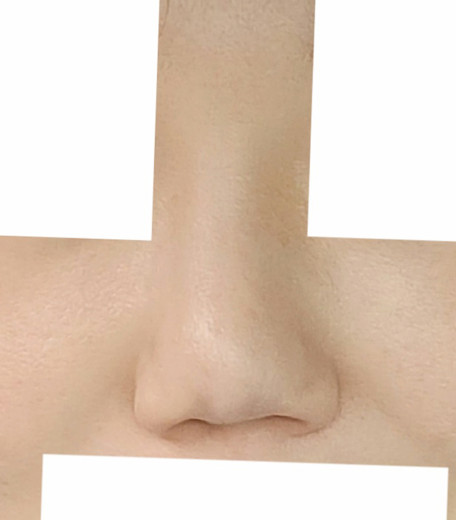
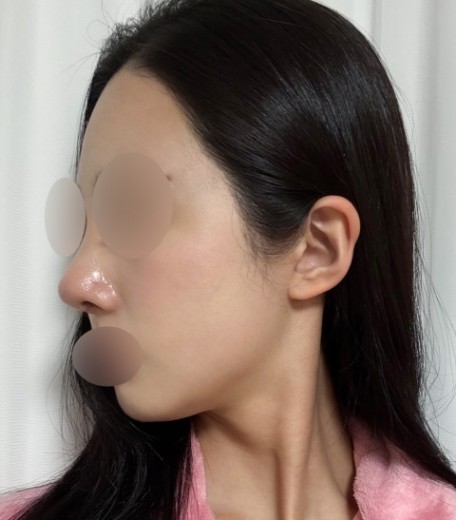
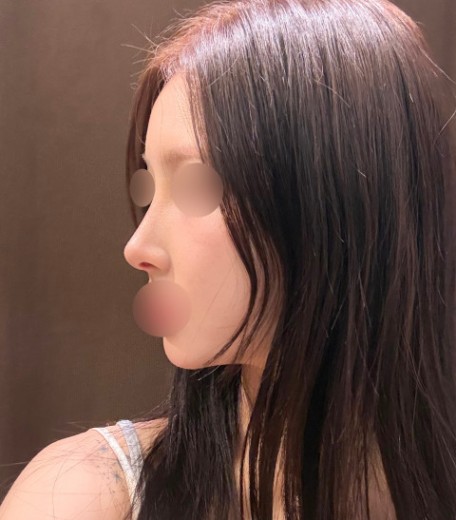
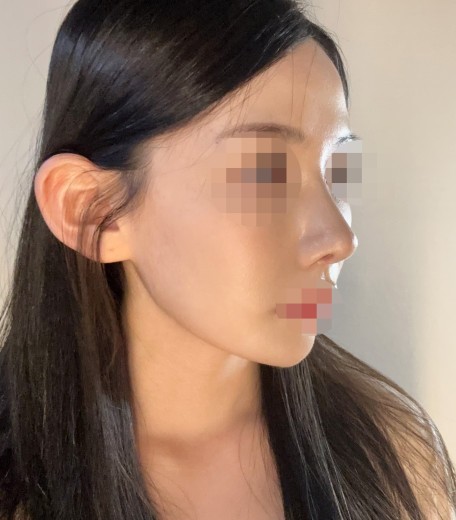
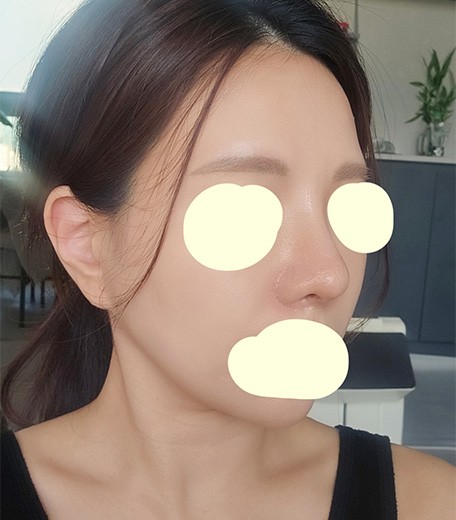
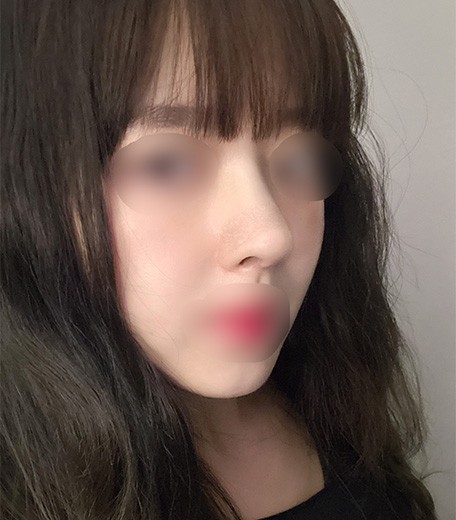
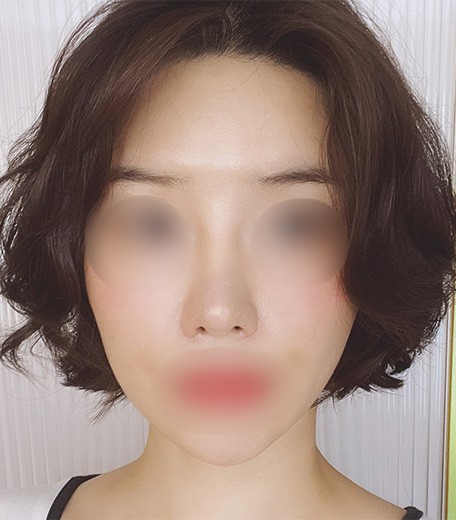
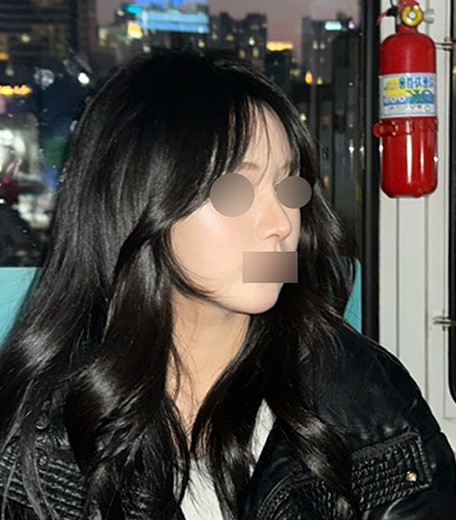
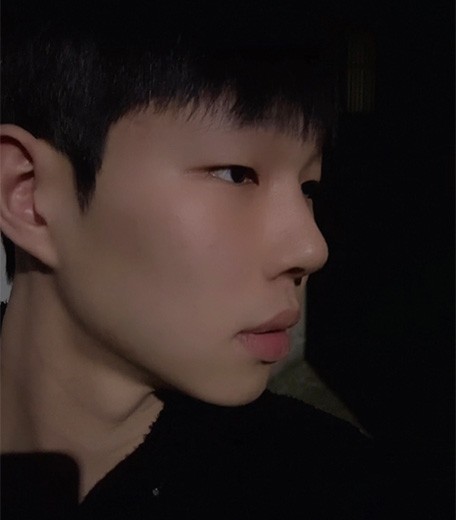
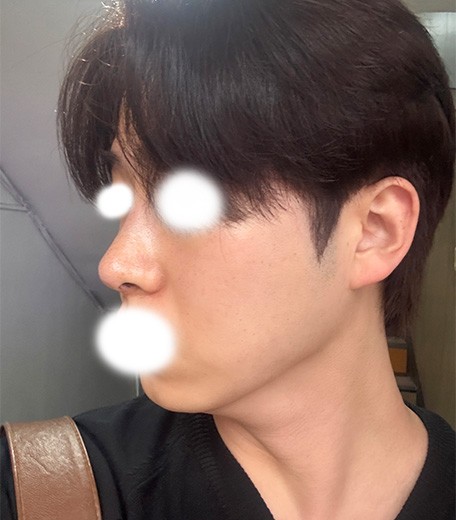
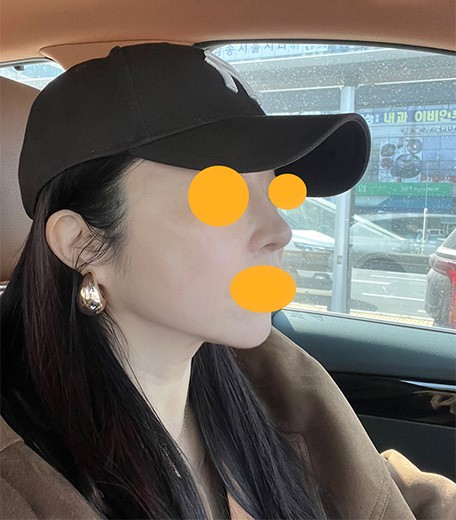
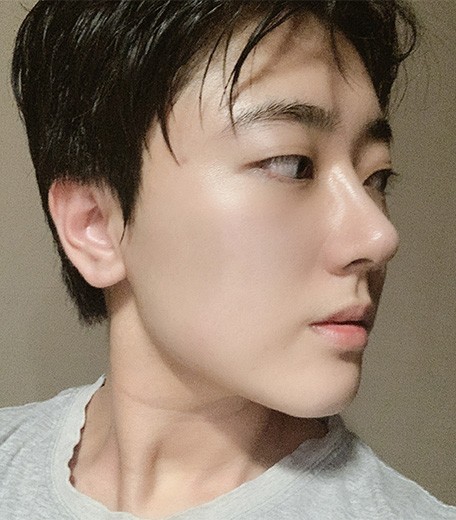
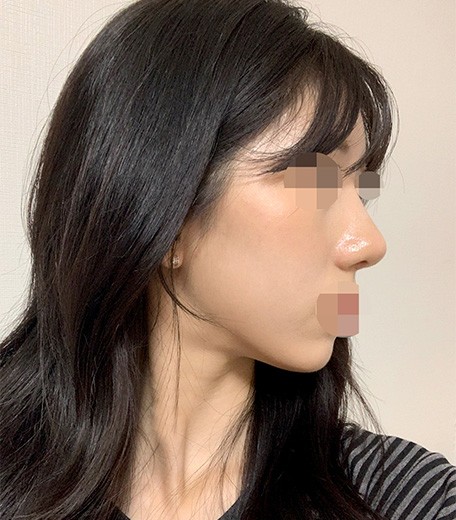
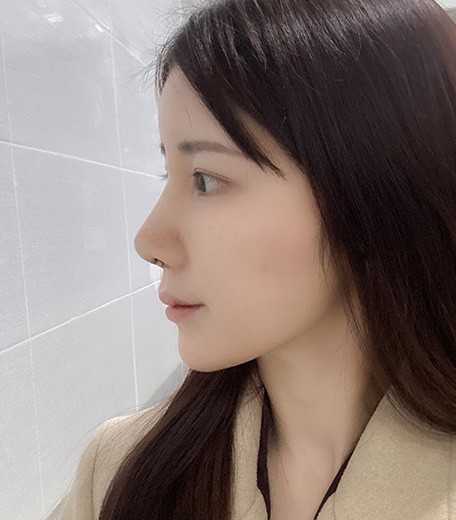
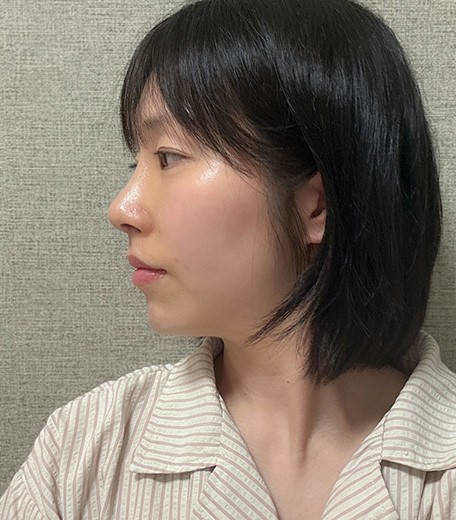
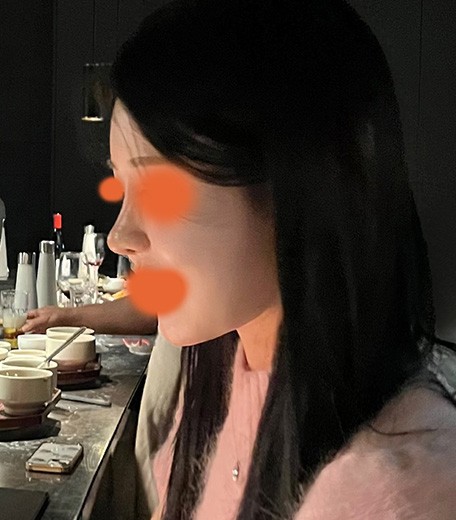
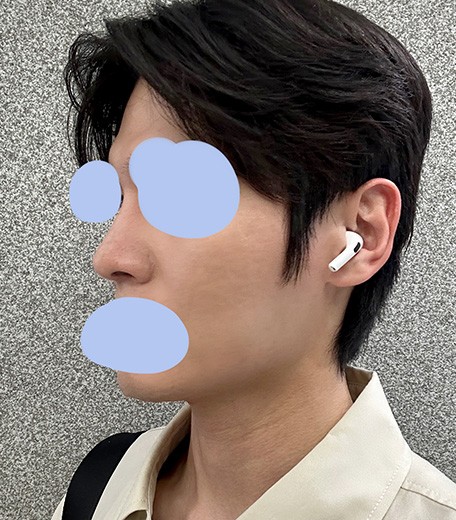
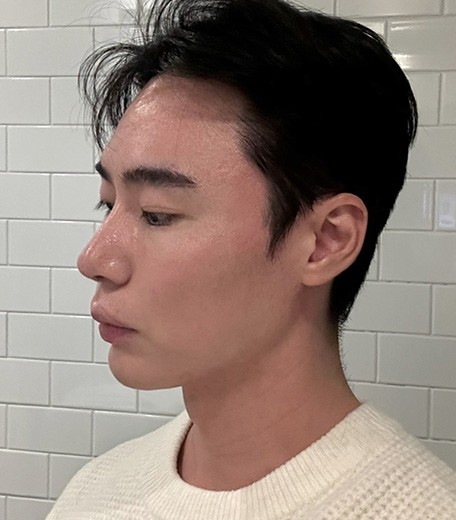
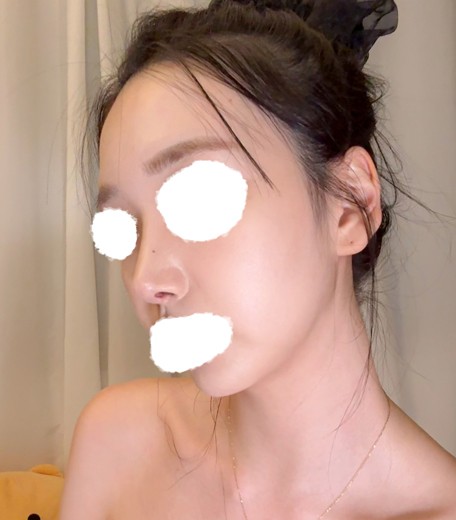
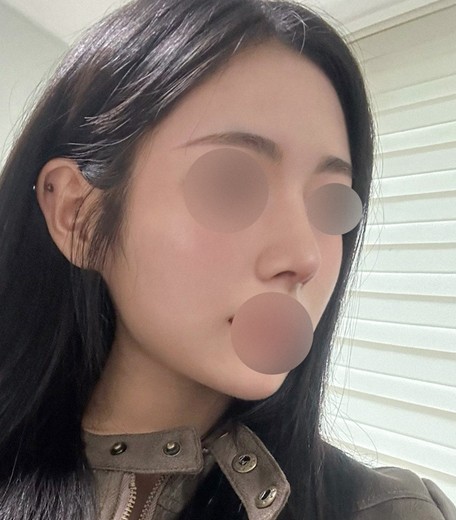
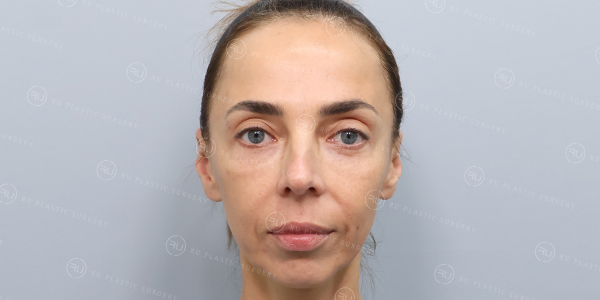
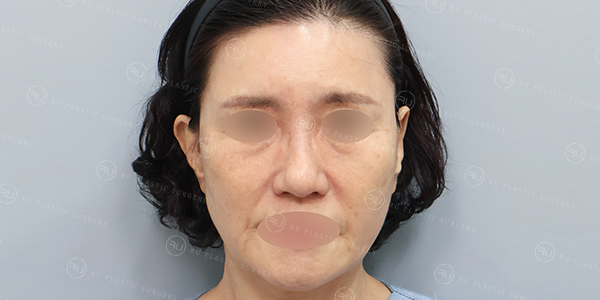
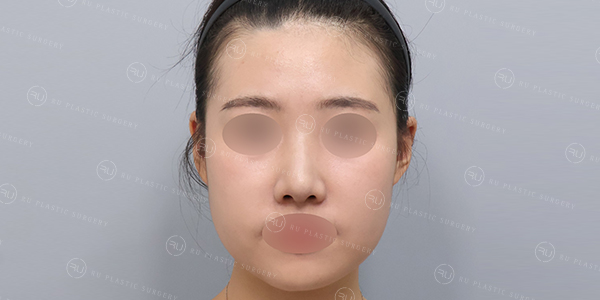
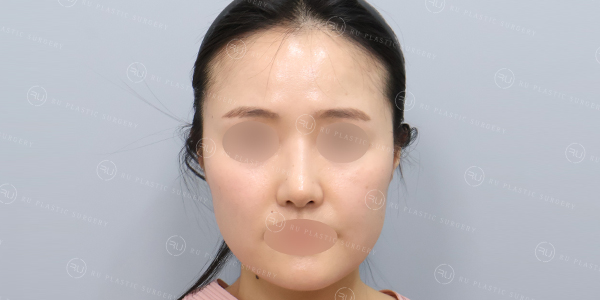
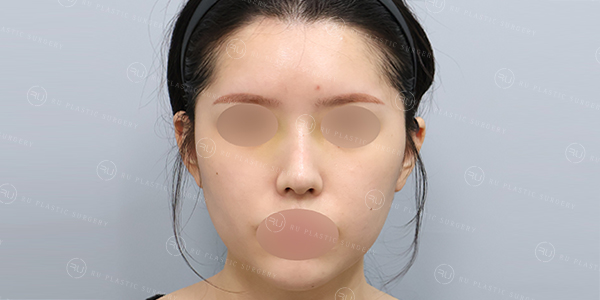
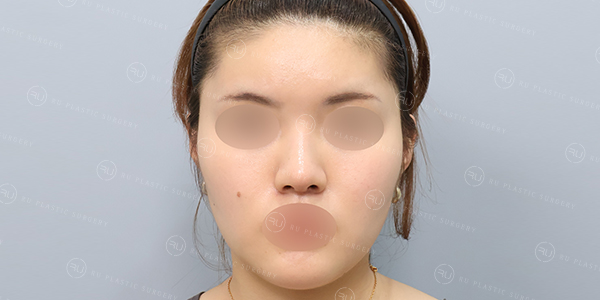
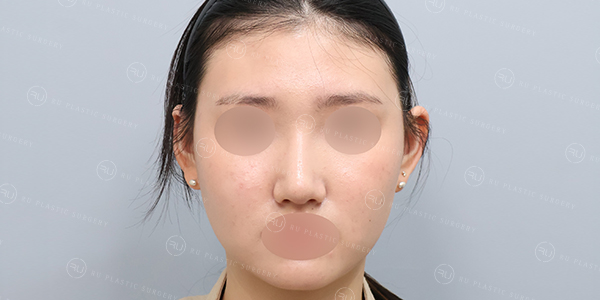
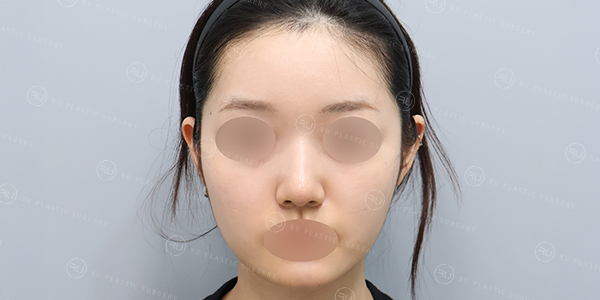
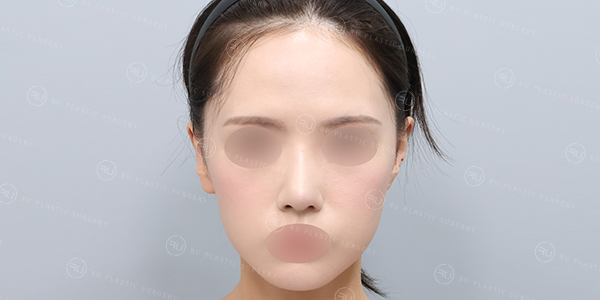
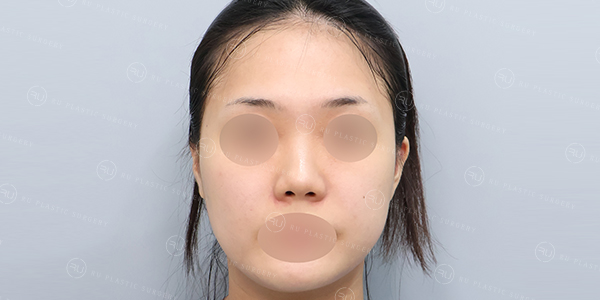
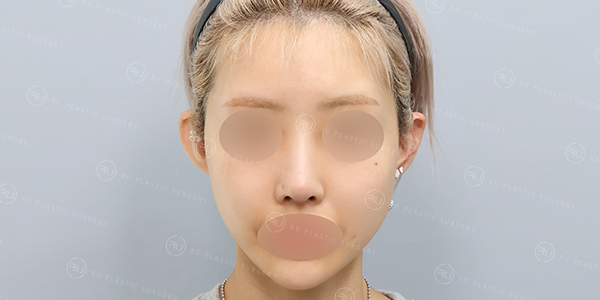
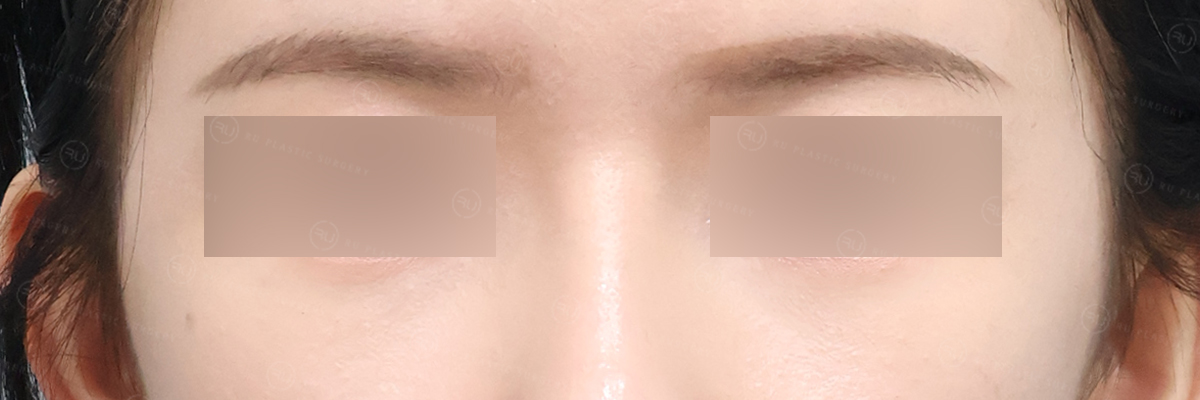
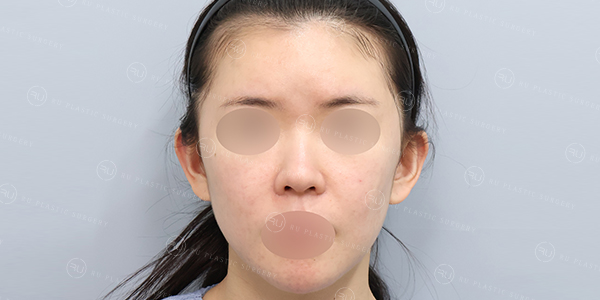
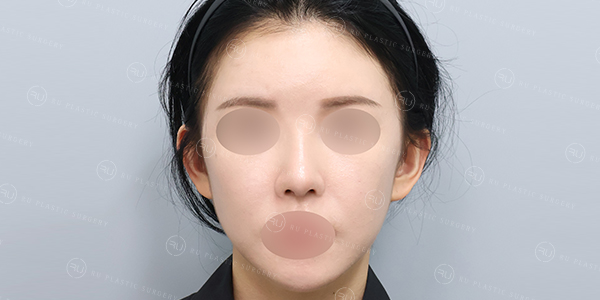
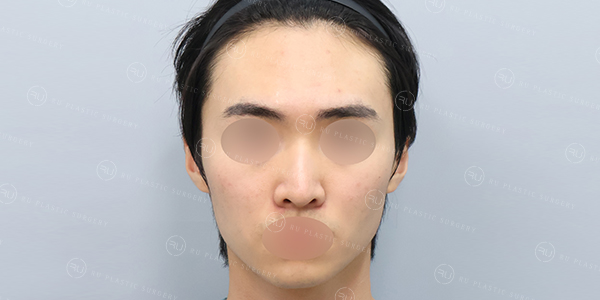
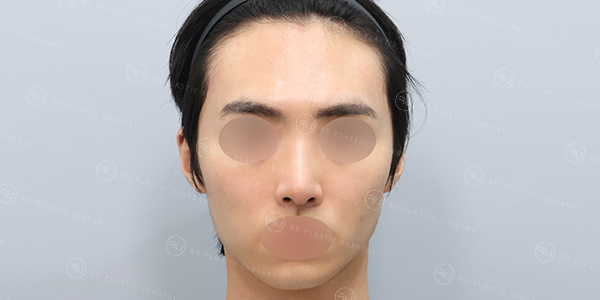
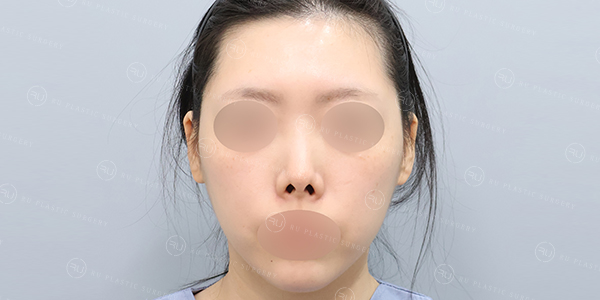
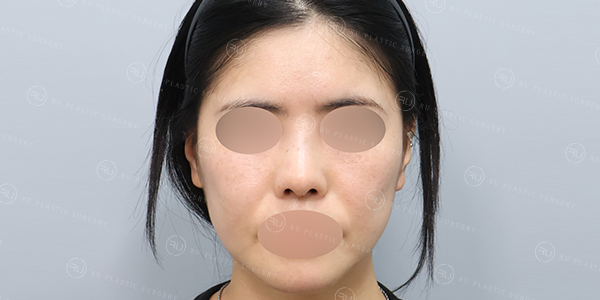
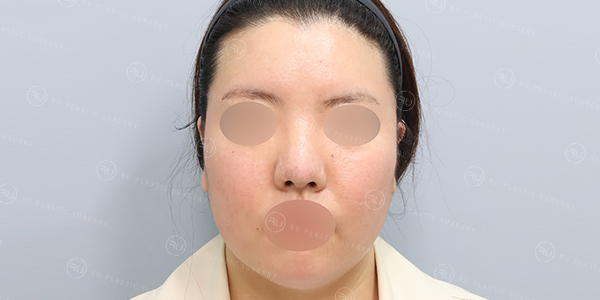
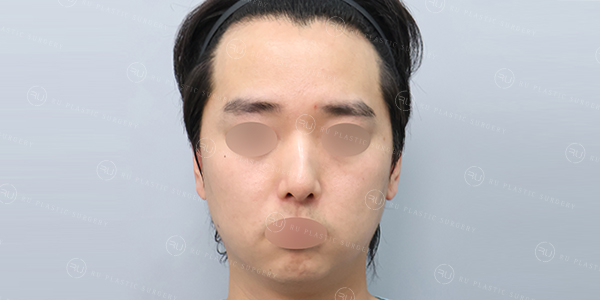
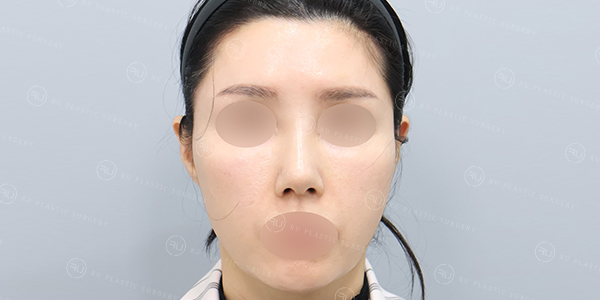
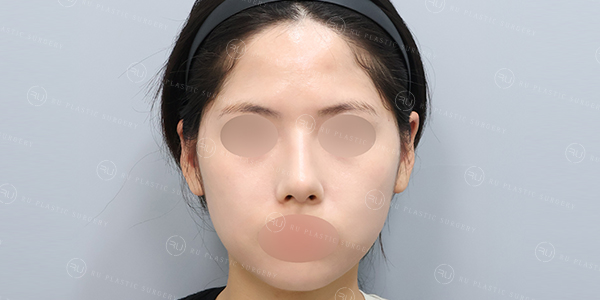
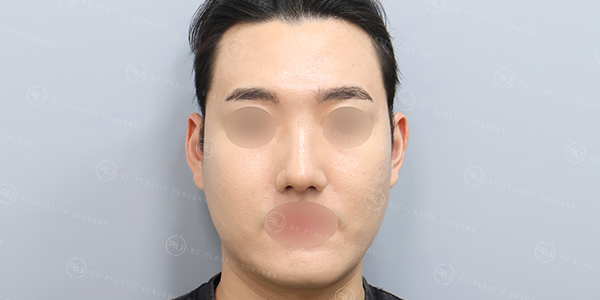
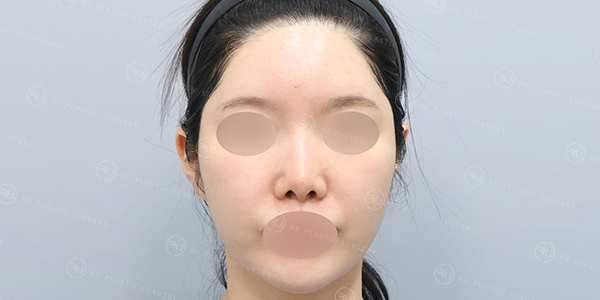
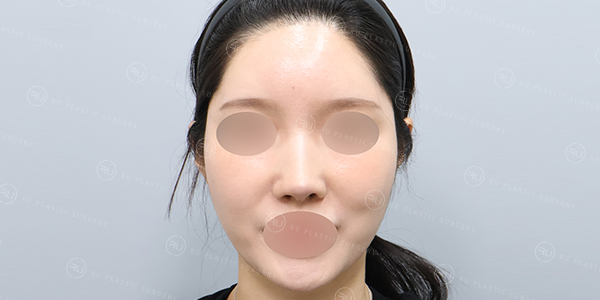
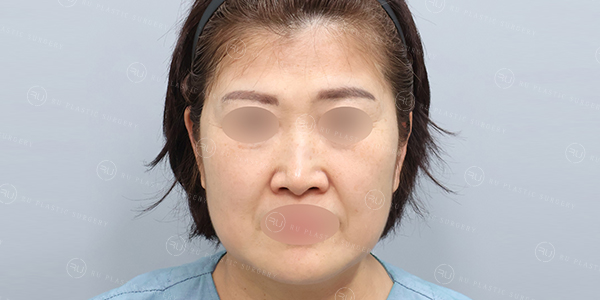
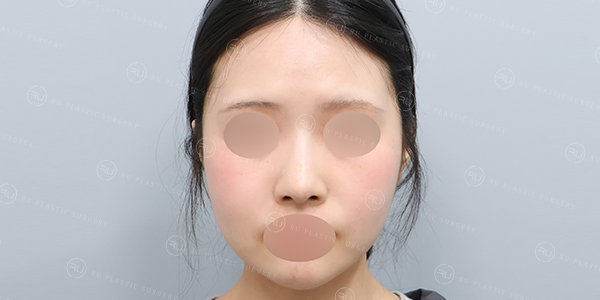
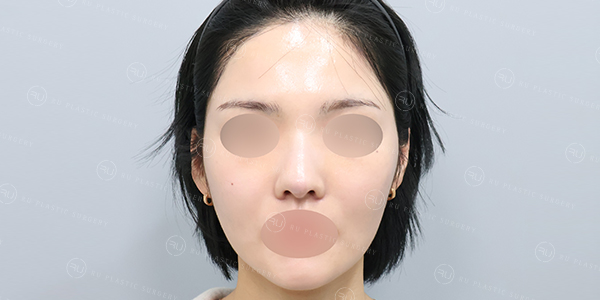
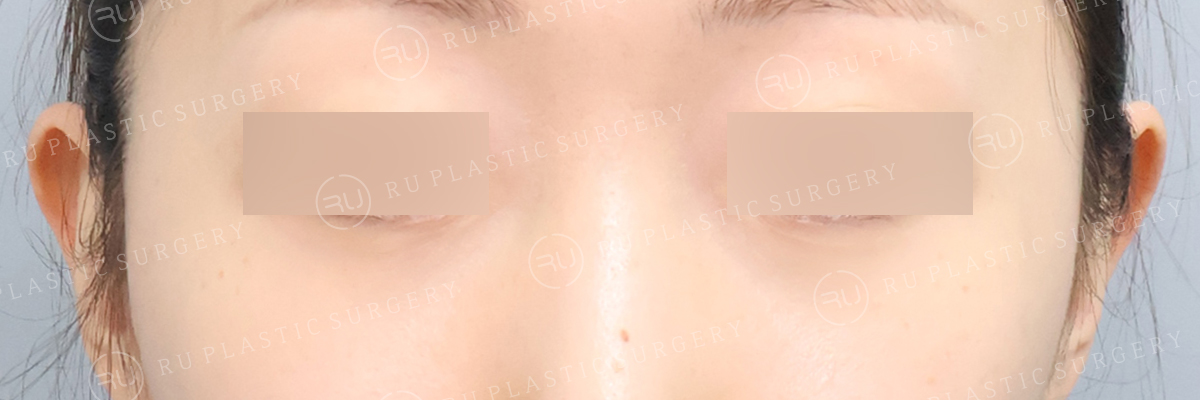
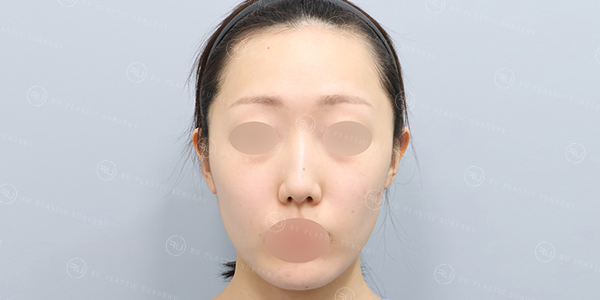
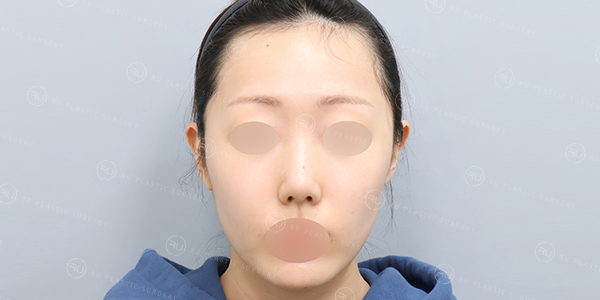
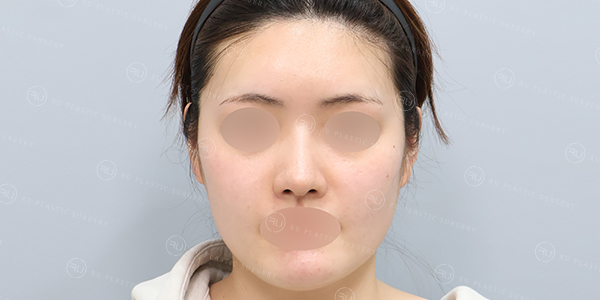
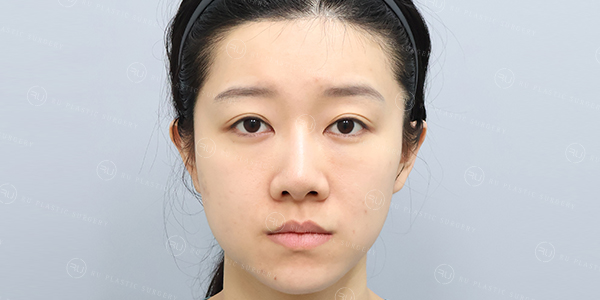
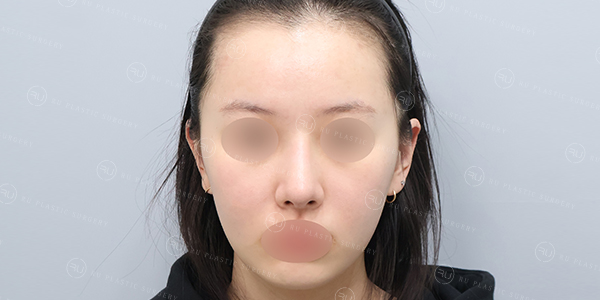
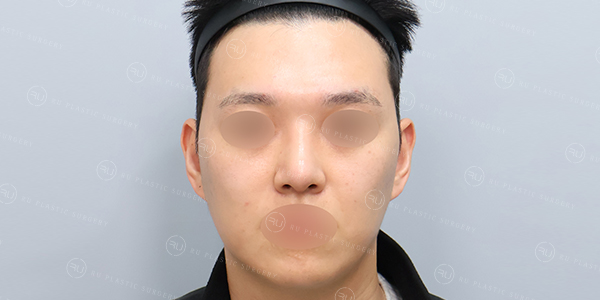
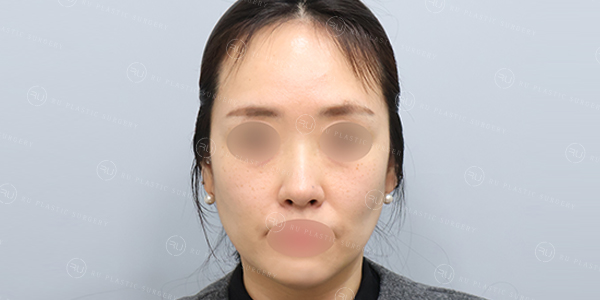
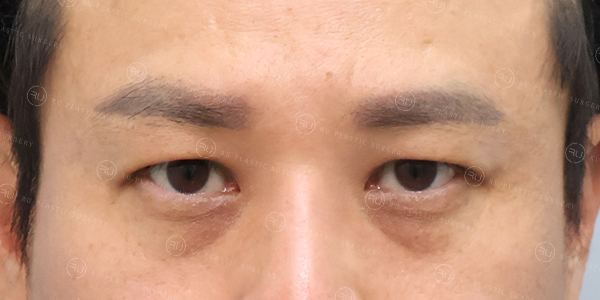
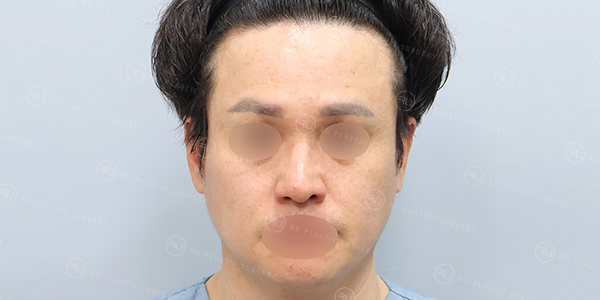
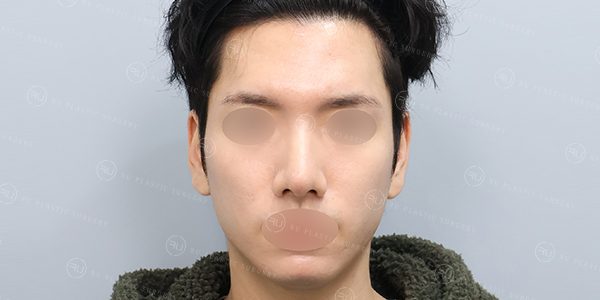
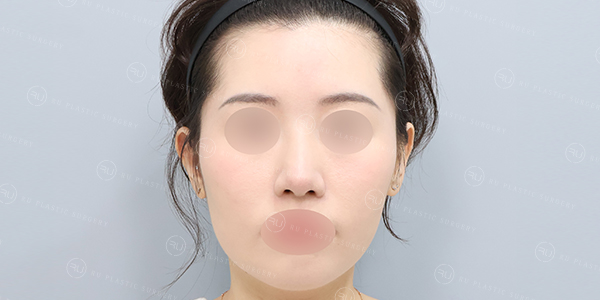
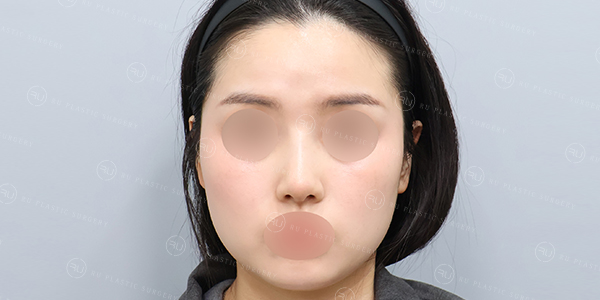
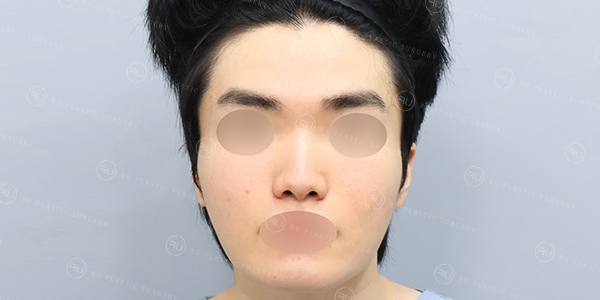
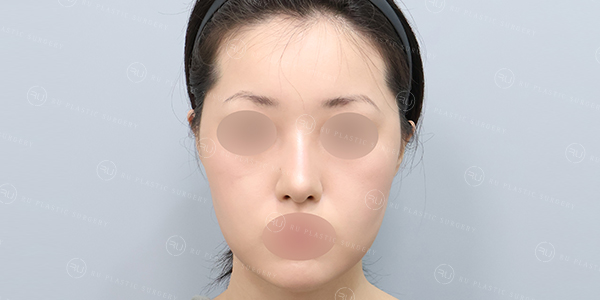
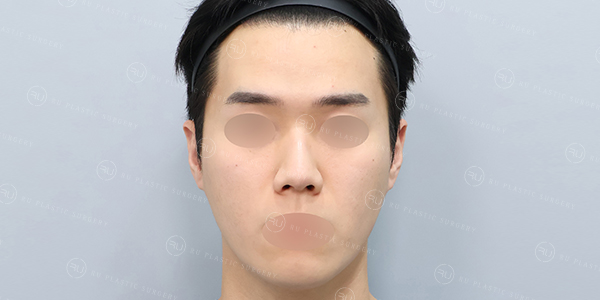
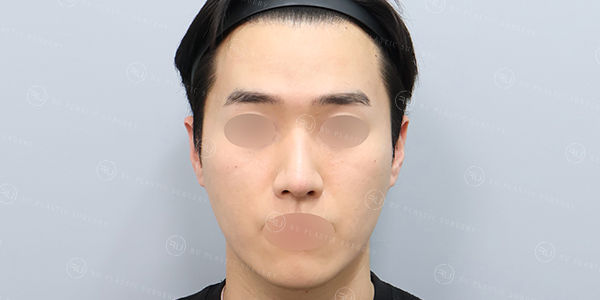
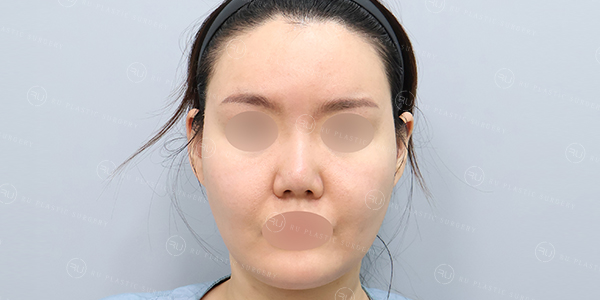
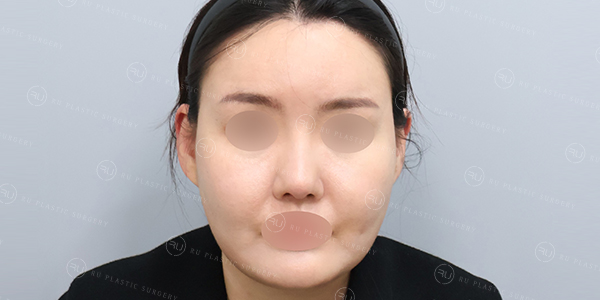
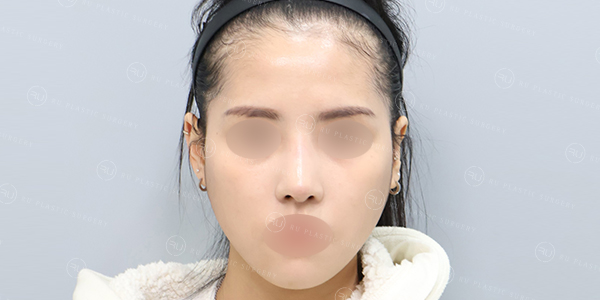
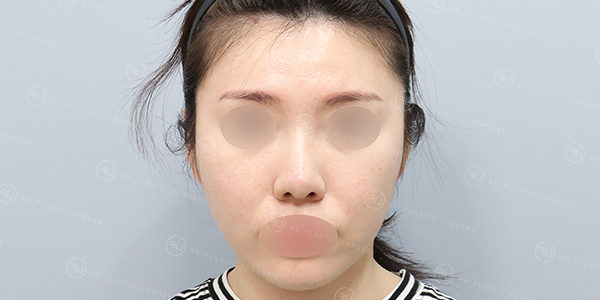
Before
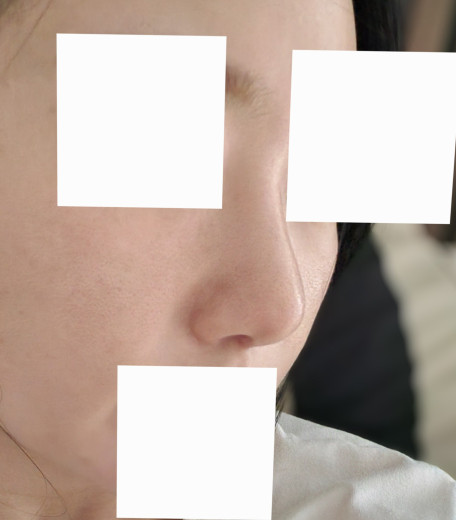
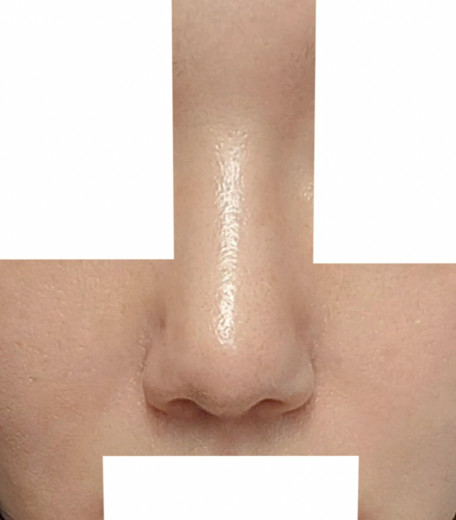
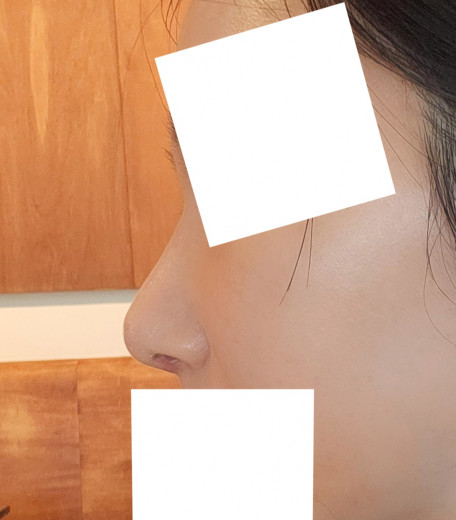
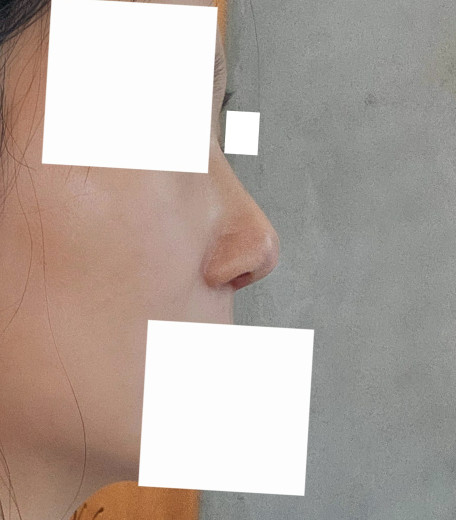
This review concerns my revision surgery performed by Dr. Kim Hyun-joo at RU Plastic Surgery.
Several years ago, I underwent rhinoplasty where a significant amount of septal cartilage was harvested.
As a result, a void developed, causing the columella to retract inward,
accompanied by pronounced scar contracture.
This led to a shortened nose and upward displacement of the cartilage,
significantly distorting my nasal shape.
I sought improvement for these deformities.
I discovered RU Plastic Surgery through online reviews
and was attracted by the natural, straight nasal lines
and softly rounded nostrils that matched my aesthetic preferences.
During the consultation, Dr. Kim explained that the nasal support was weakened,
which caused the deformity.
He planned to correct the retracted columella,
the shortened nose,
and adjust the columellar angle.
The surgery involved reconstructing the nasal dorsum, tip, and columella
using autologous costal cartilage grafts.
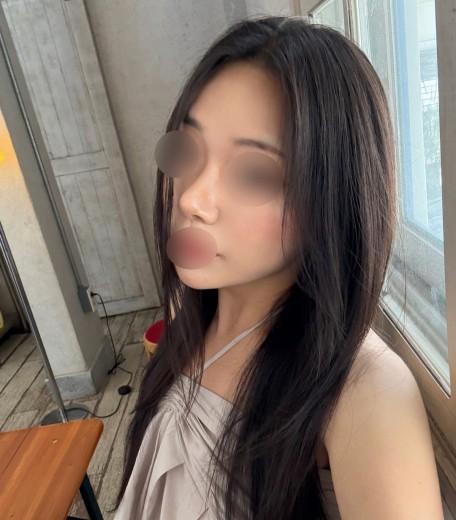
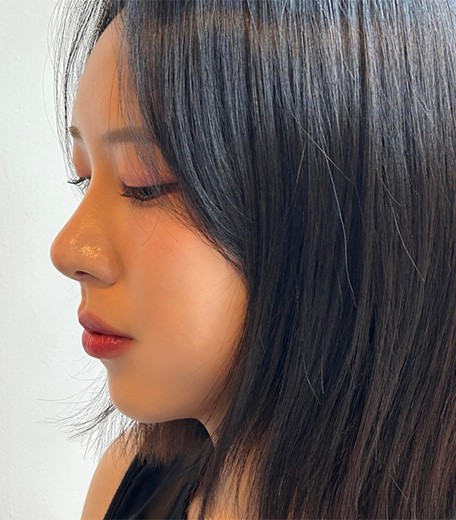
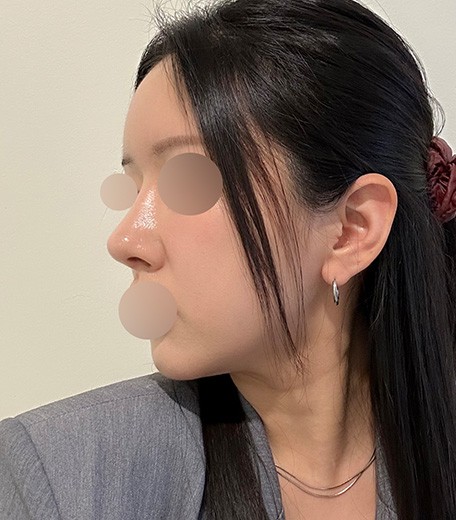
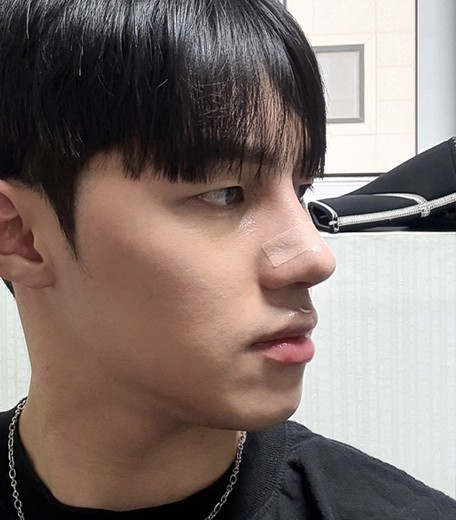
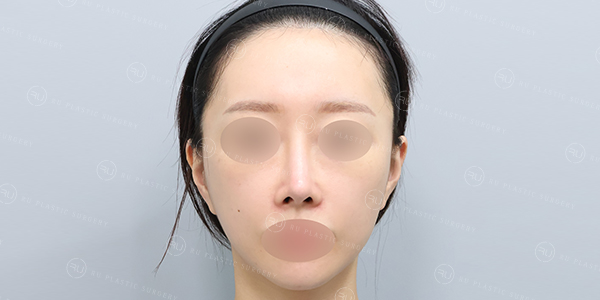
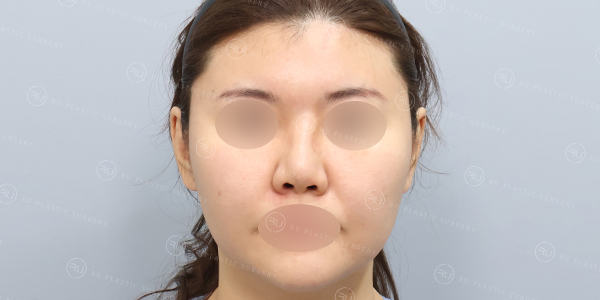
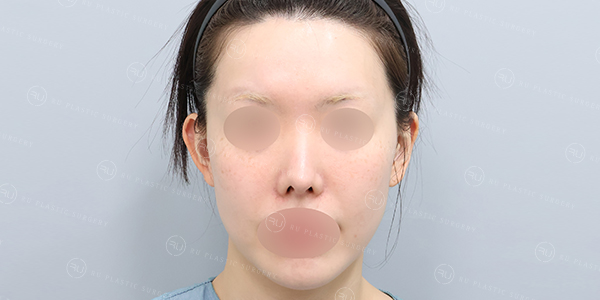
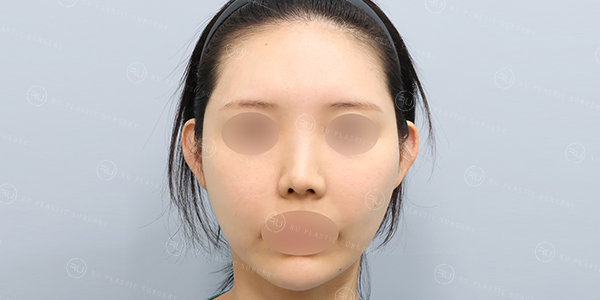
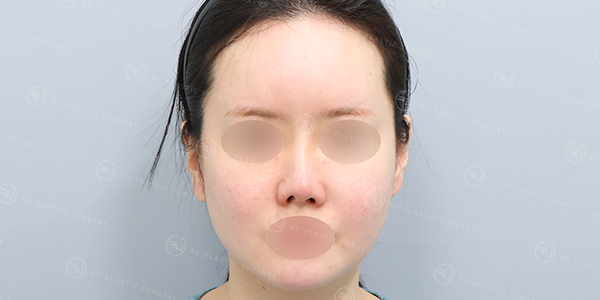
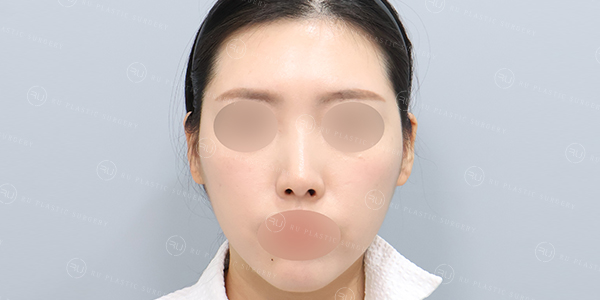
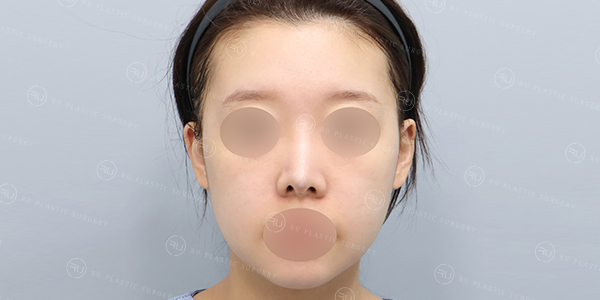
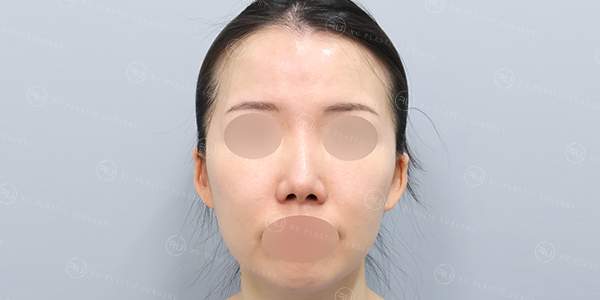
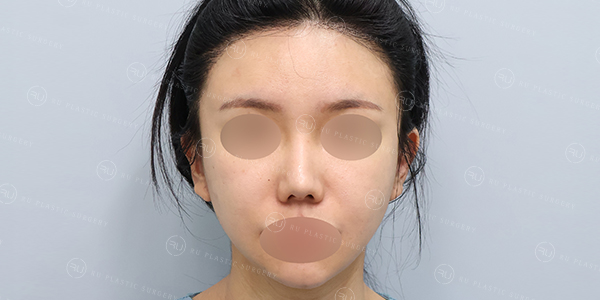
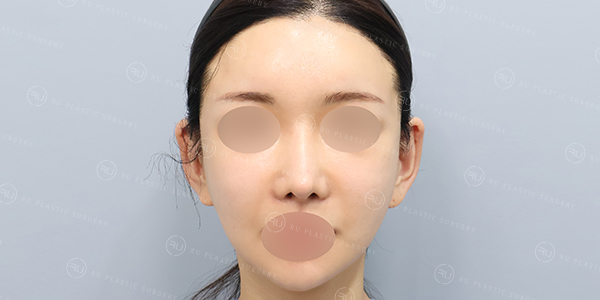
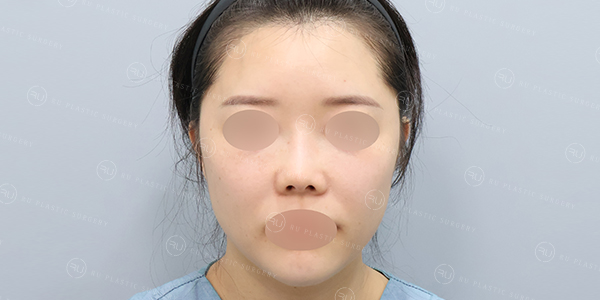
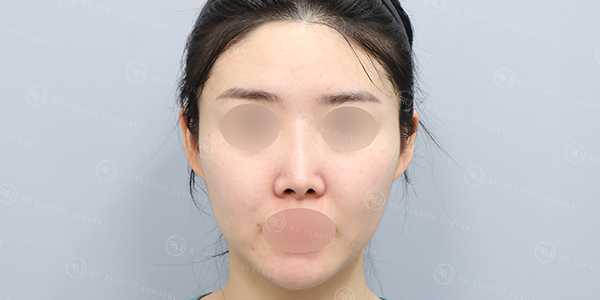
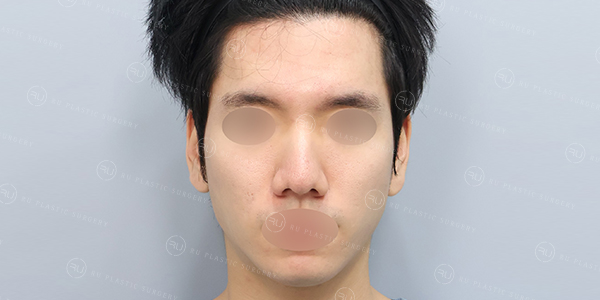
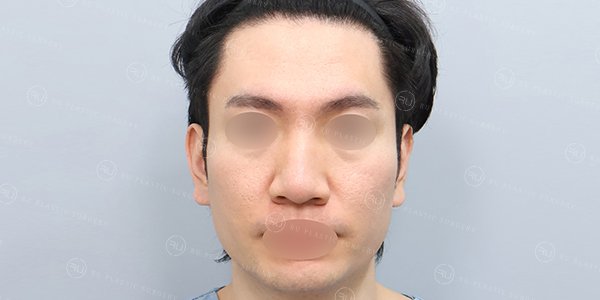
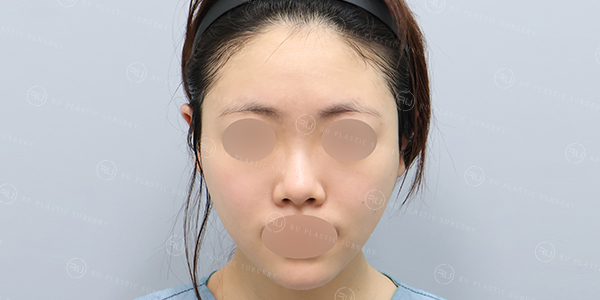
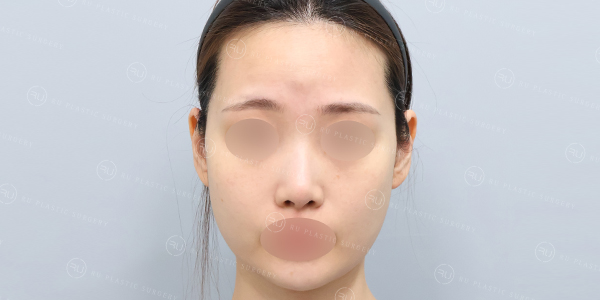
At one week post-op,
I was delighted to see the formation of the previously absent columella.
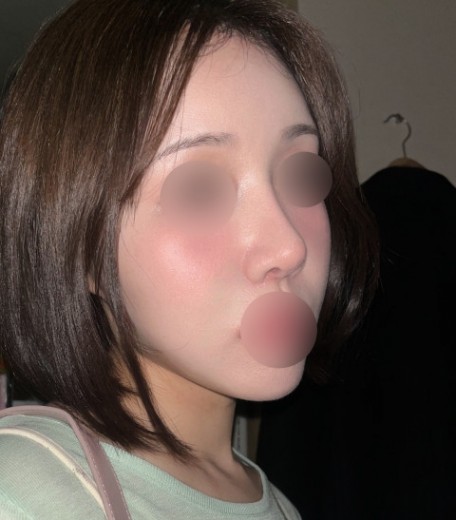
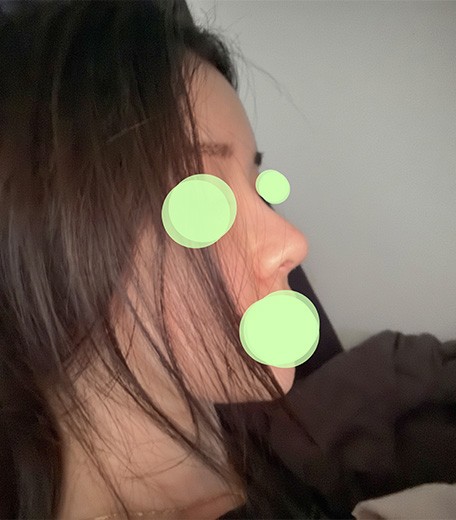
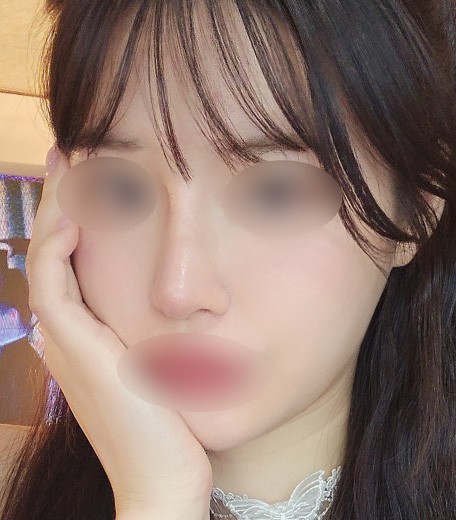
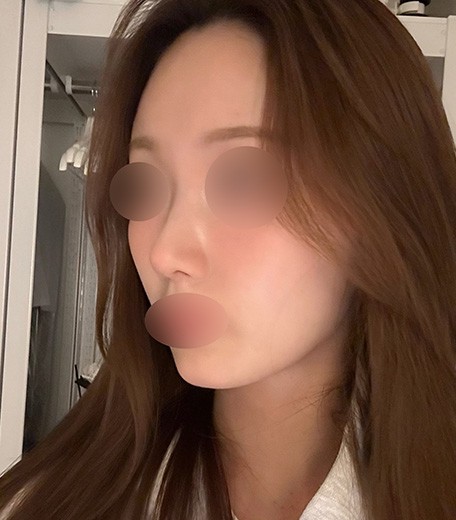
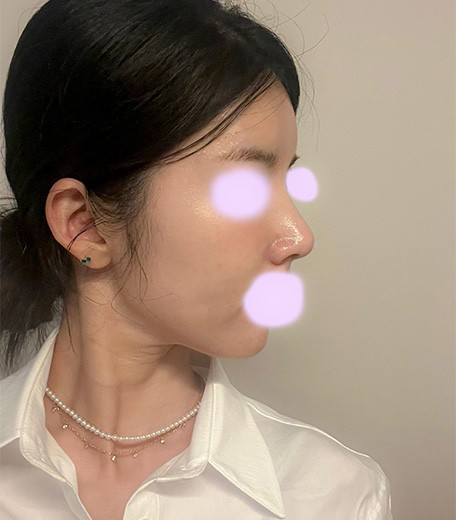
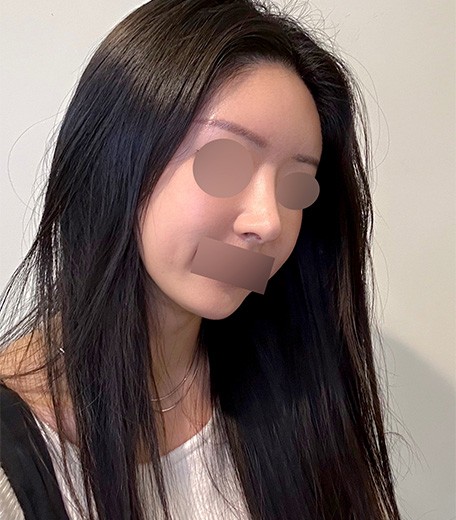
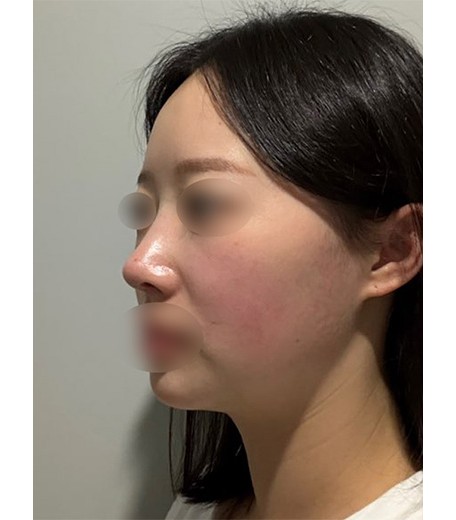
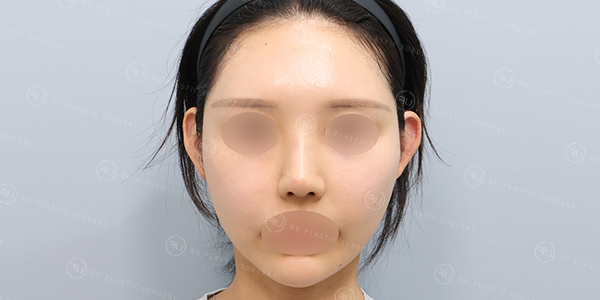
However, as swelling subsided,
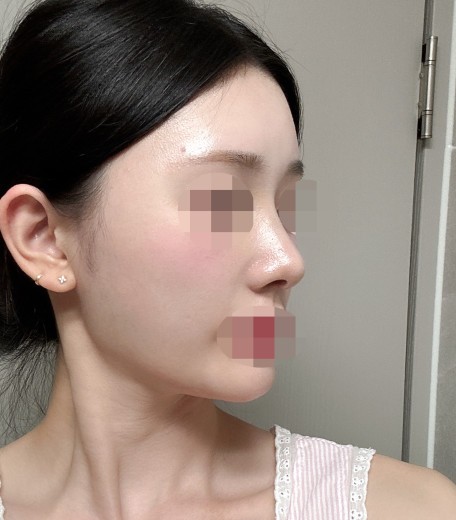
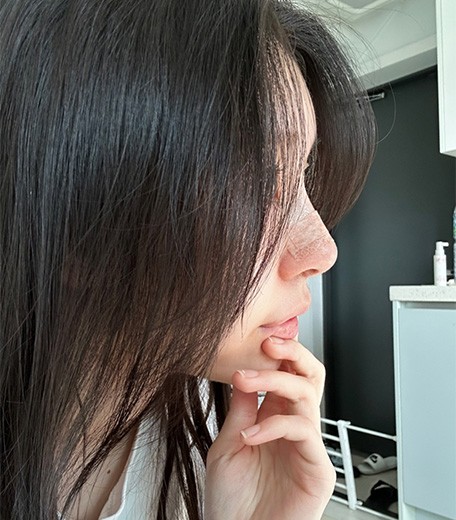
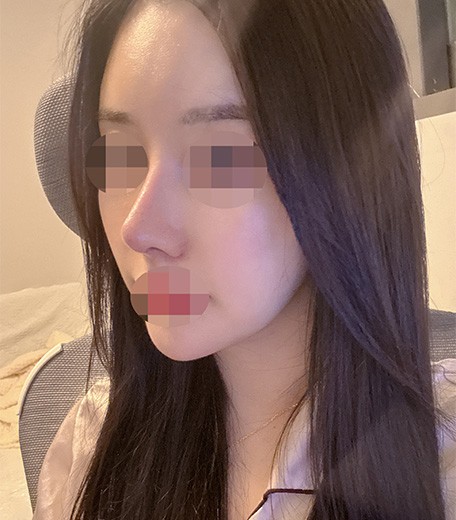
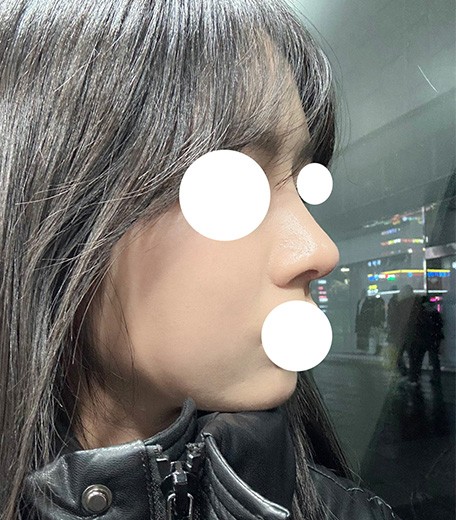
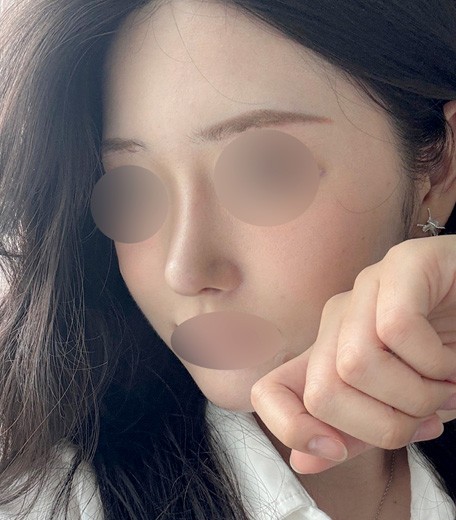
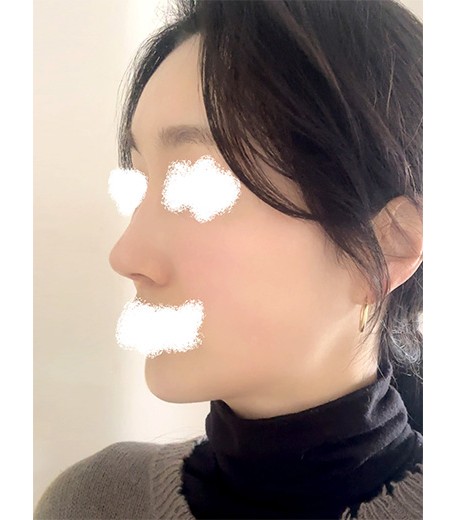
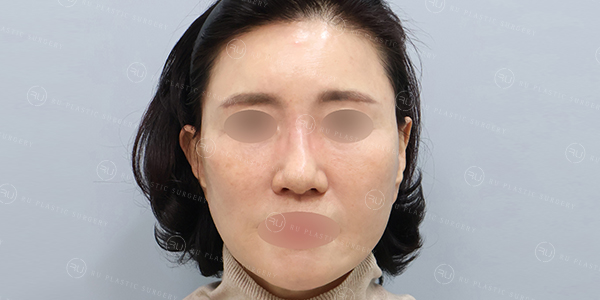
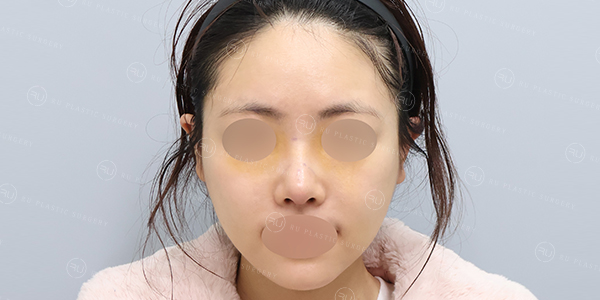
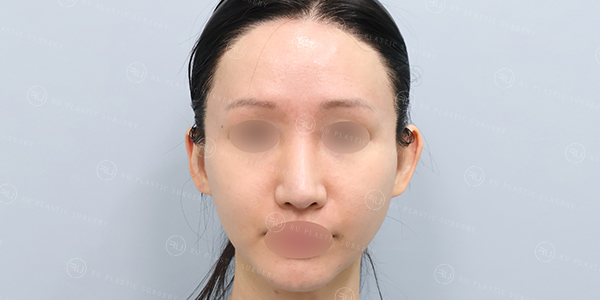
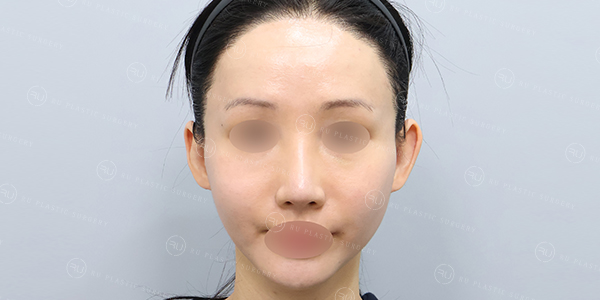
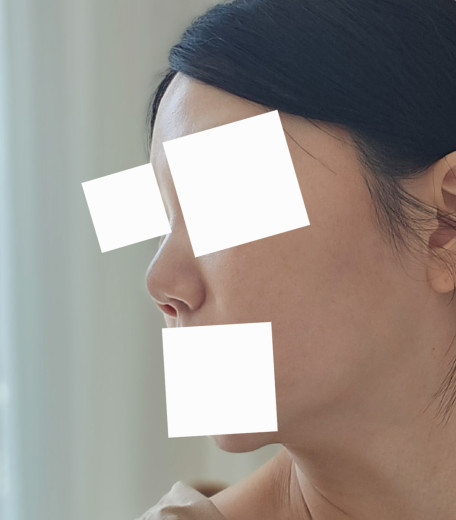
I noticed a distortion in the nasal highlight line,
which caused significant psychological distress.
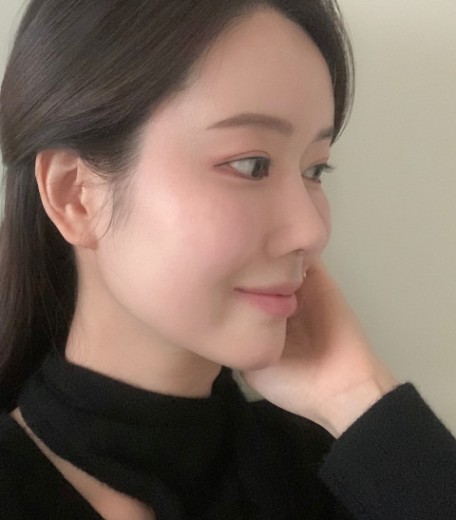
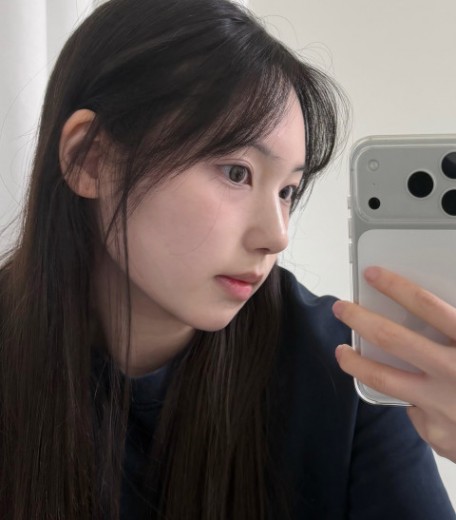
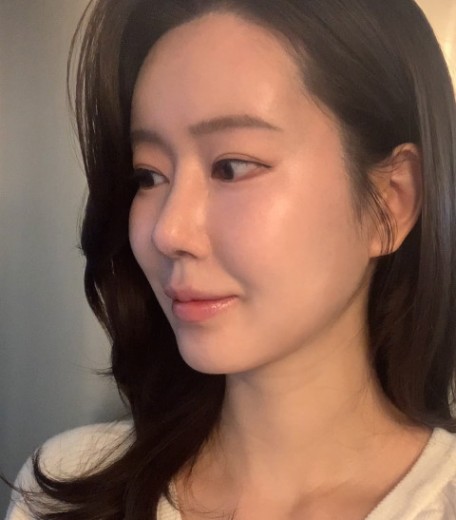
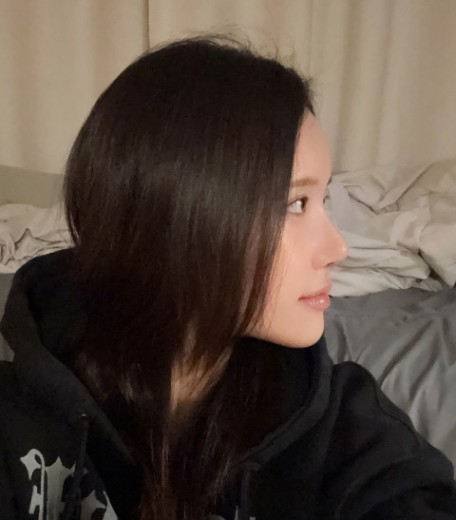
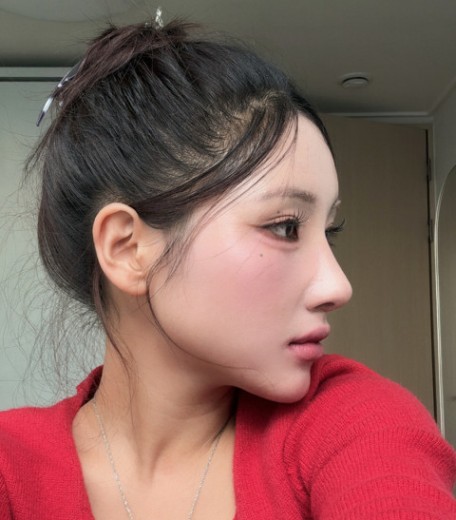
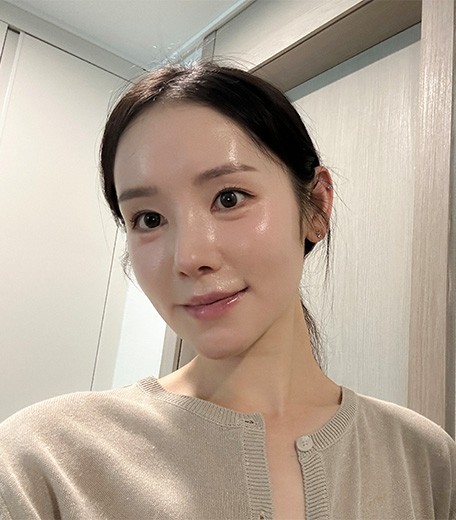
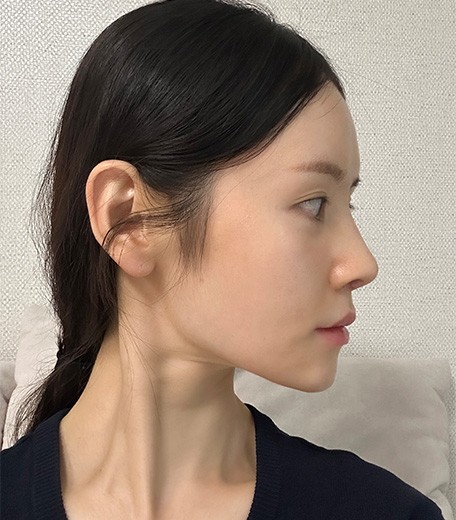
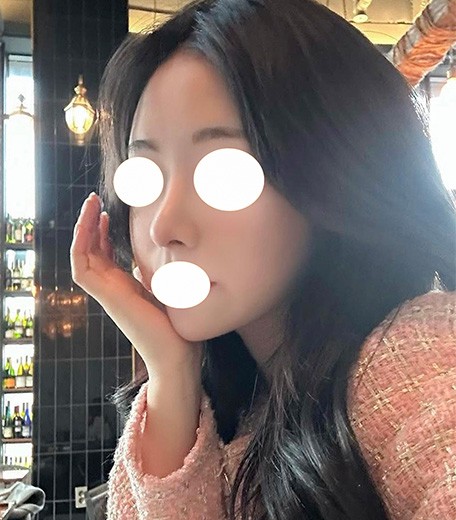
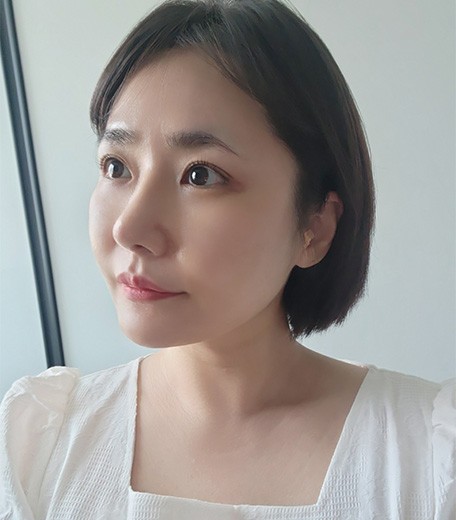
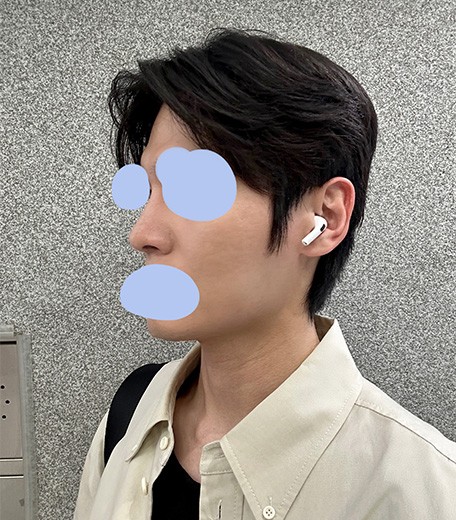
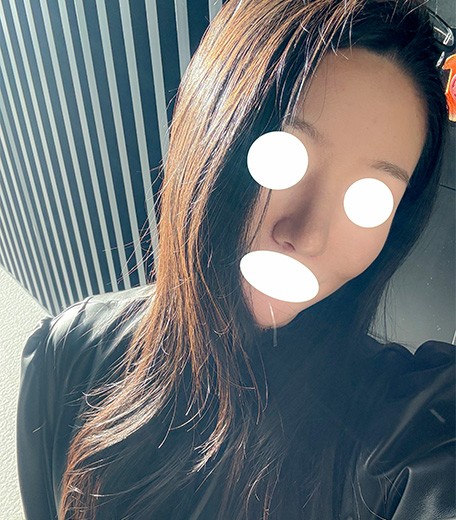
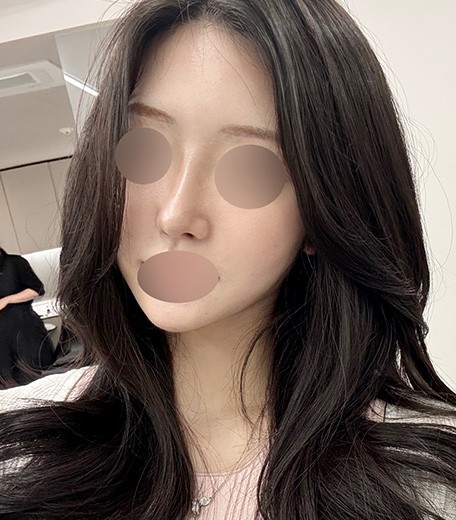
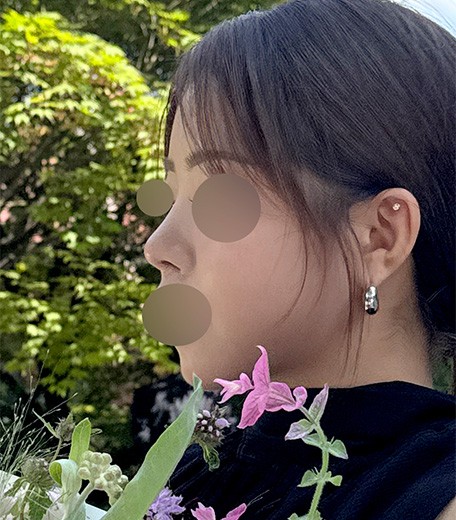
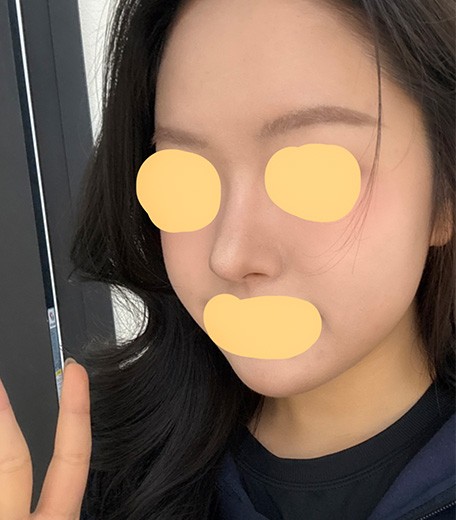
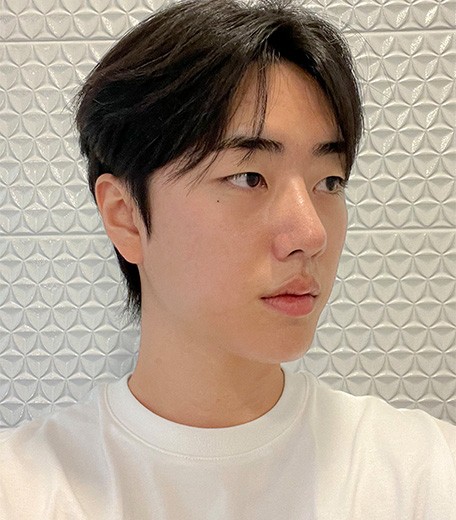
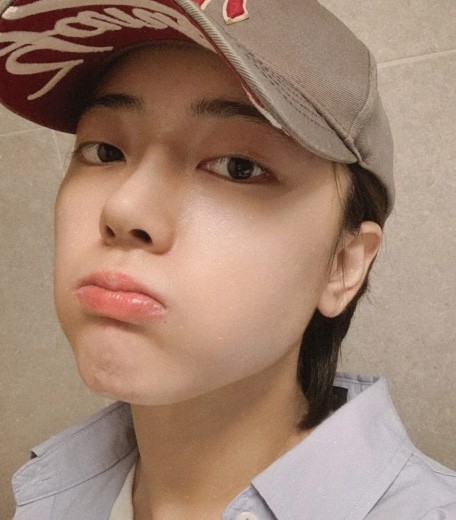
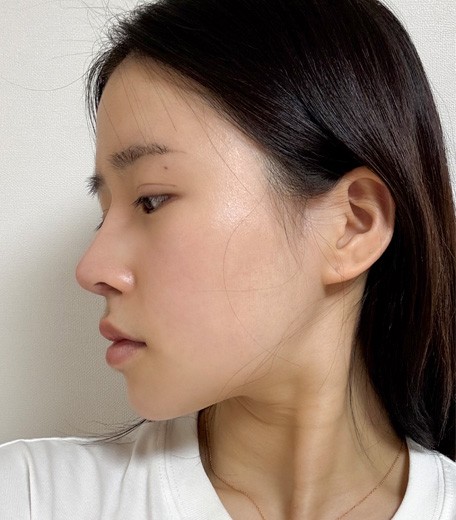
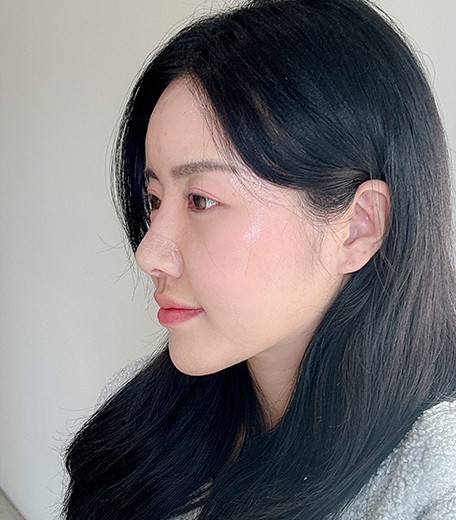
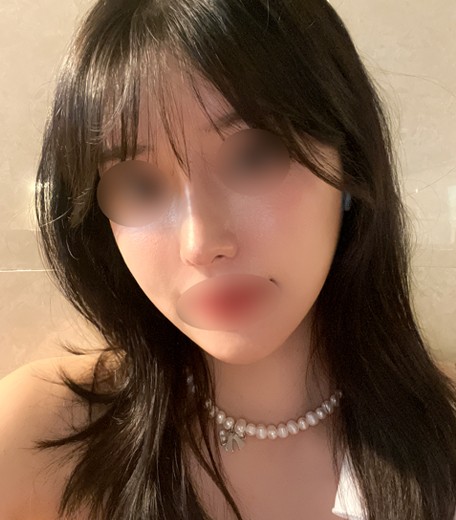
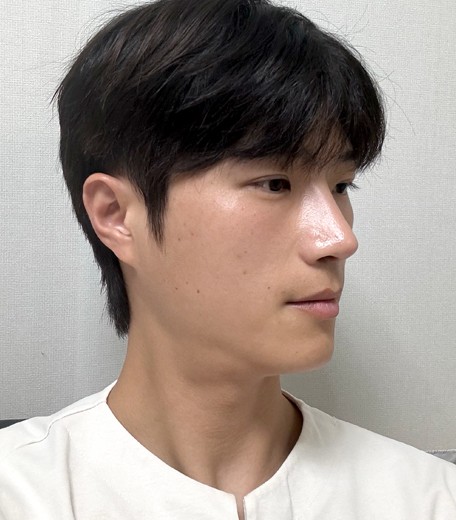
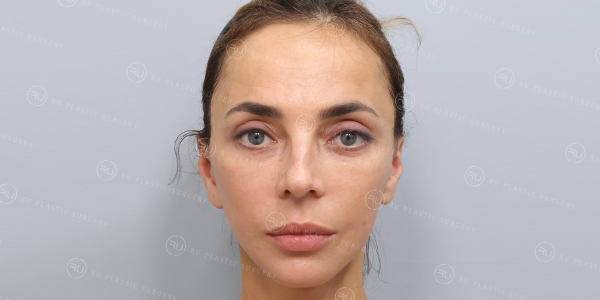
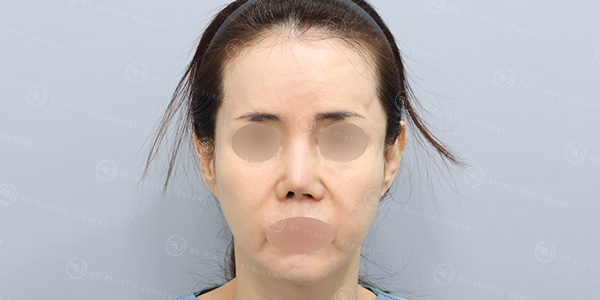
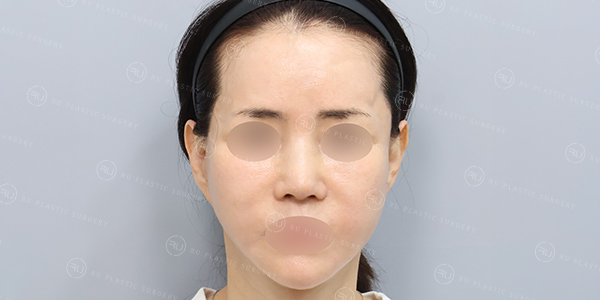
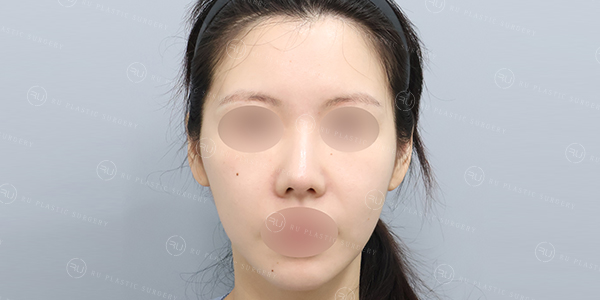
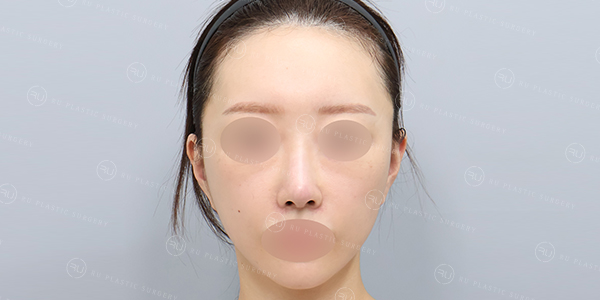
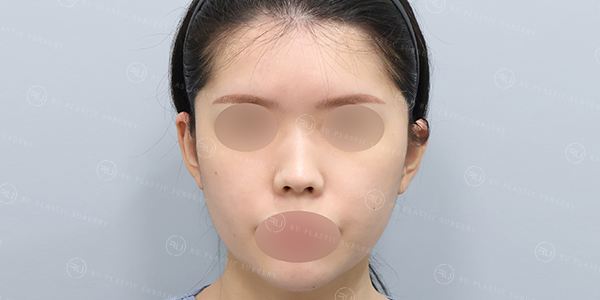
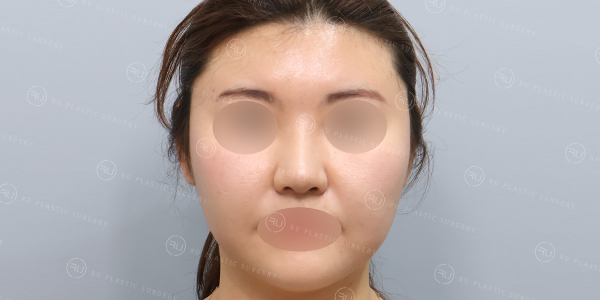
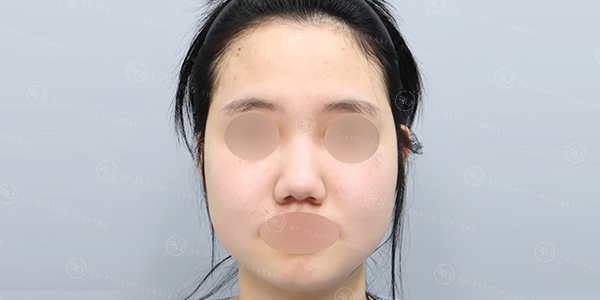
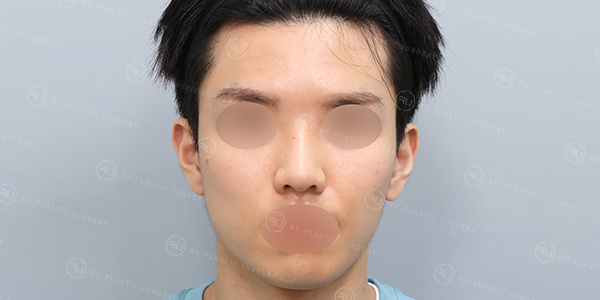
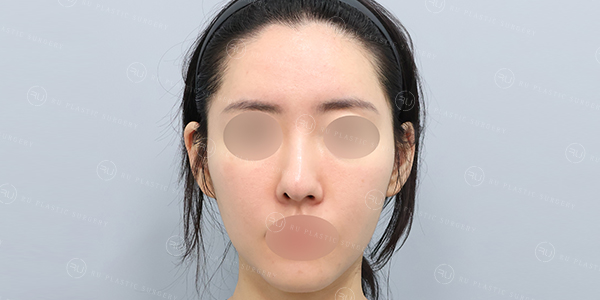
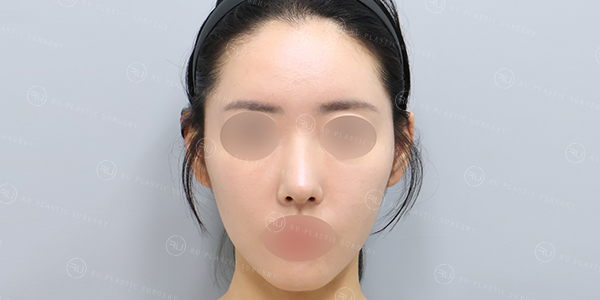
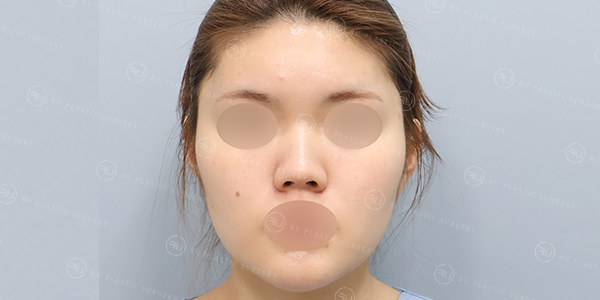
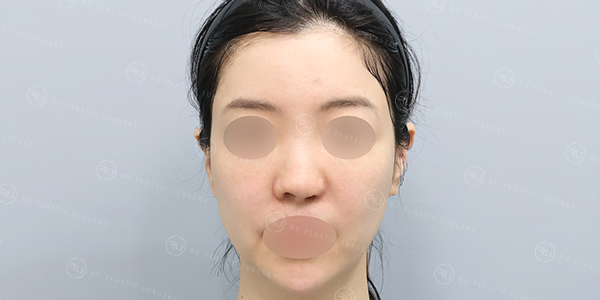
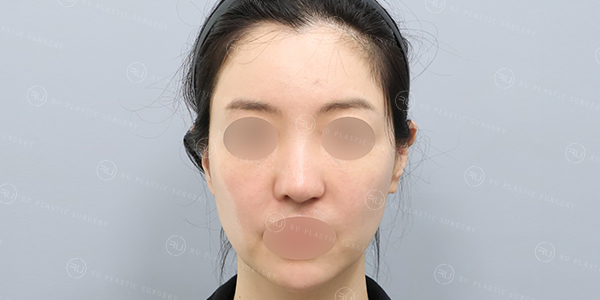
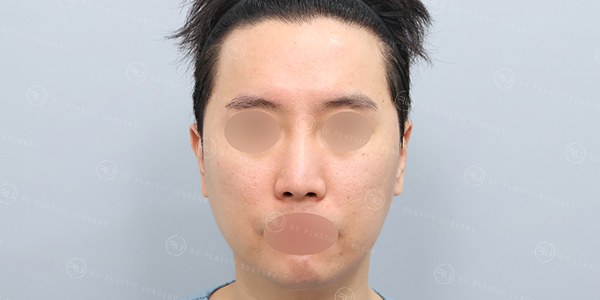
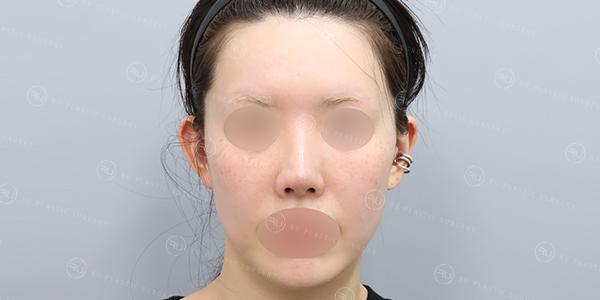
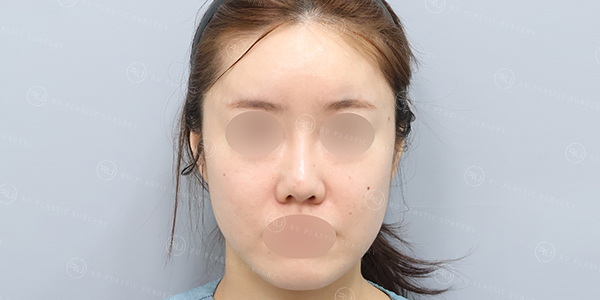
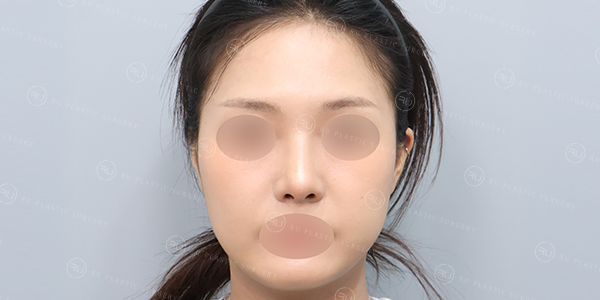
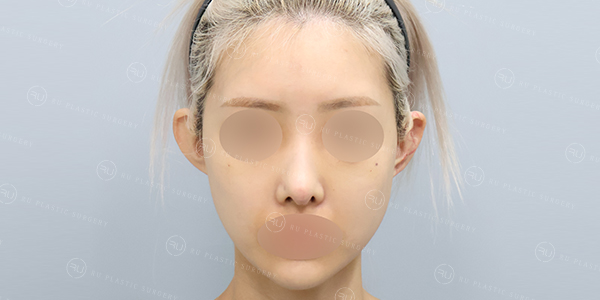
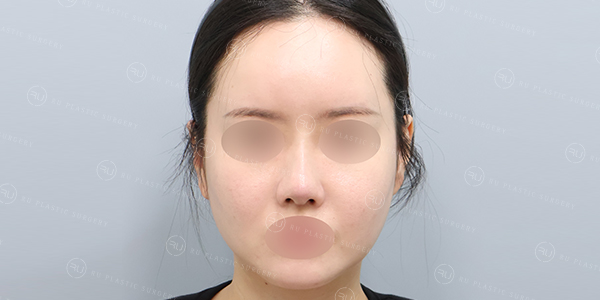
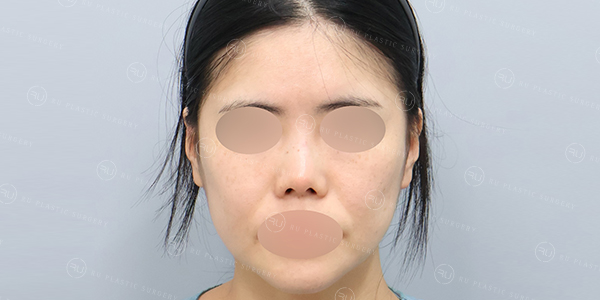
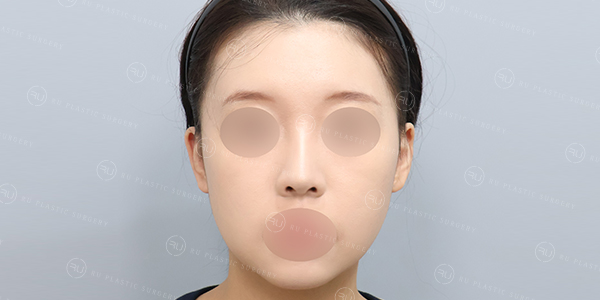
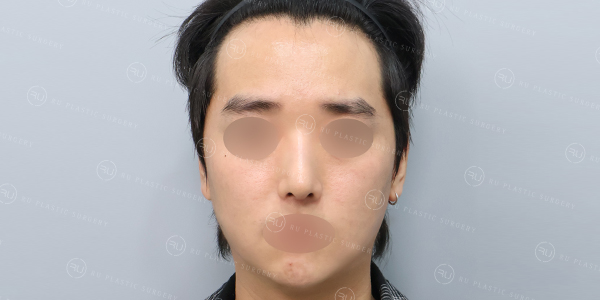
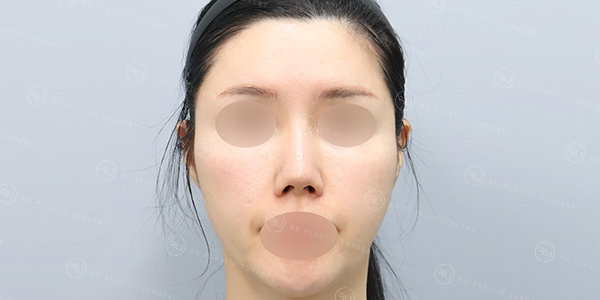
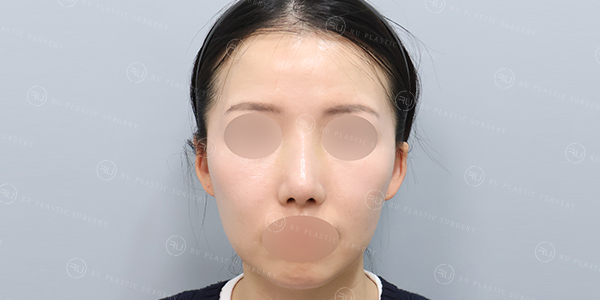
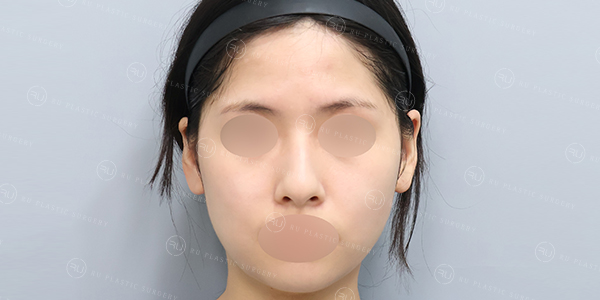
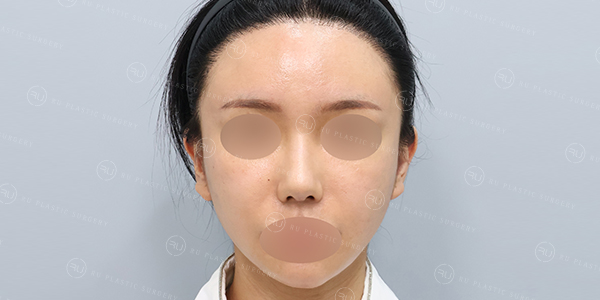
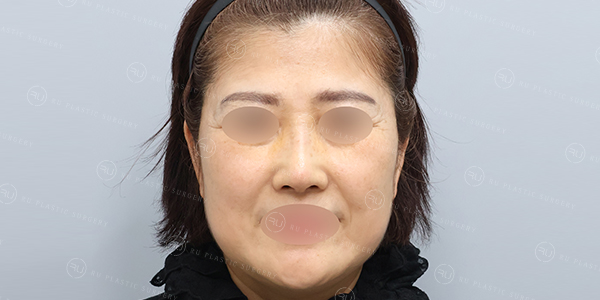
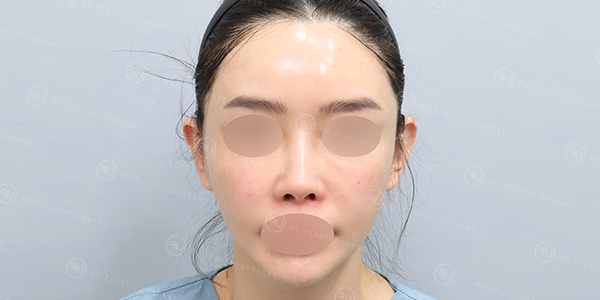
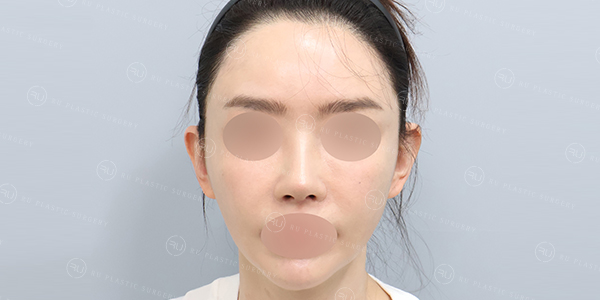
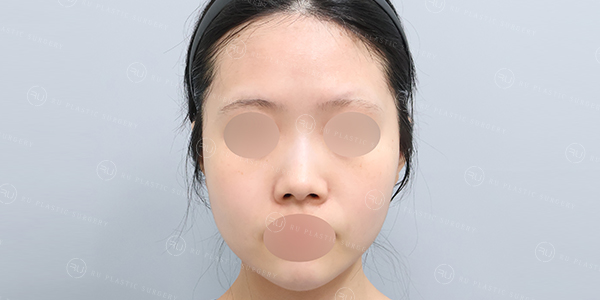
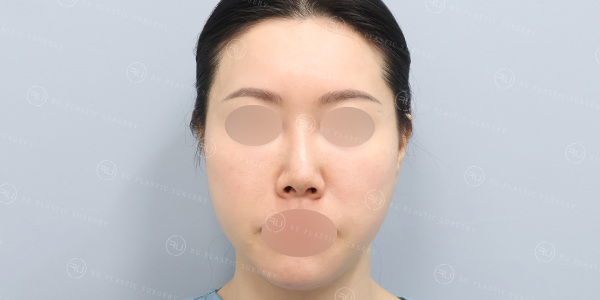
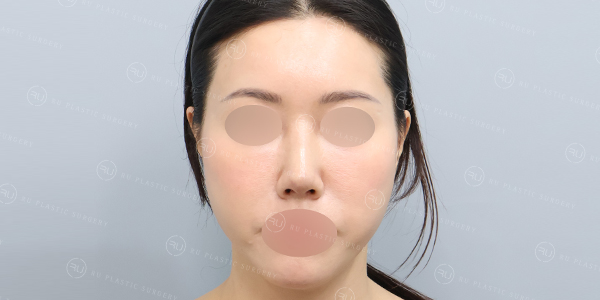
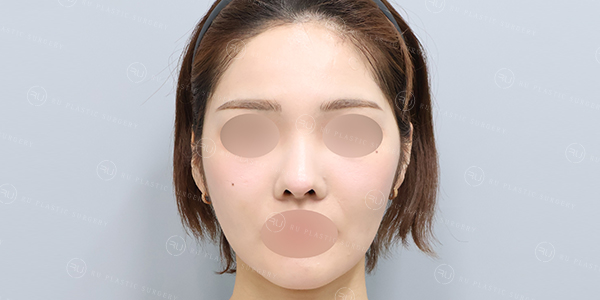
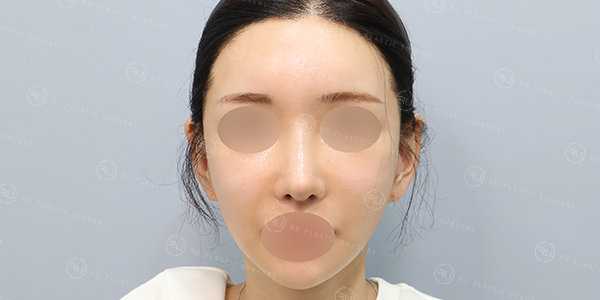
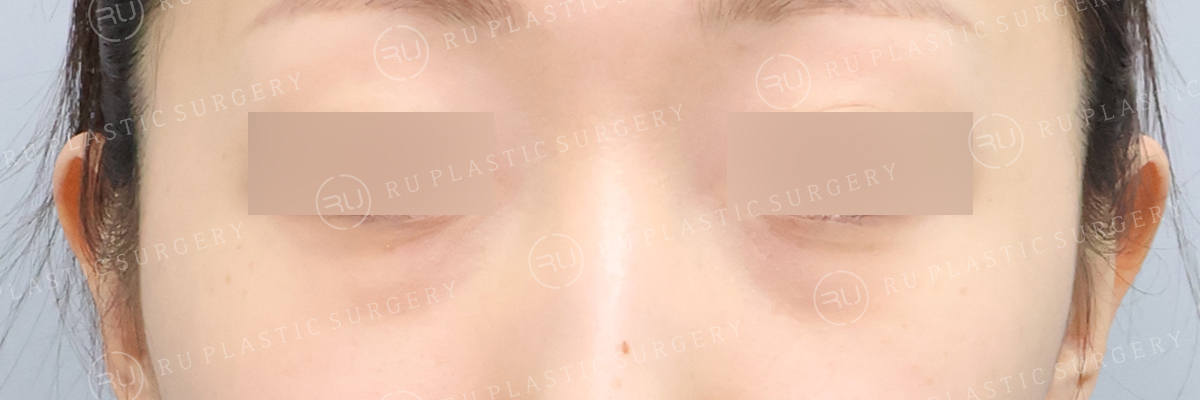
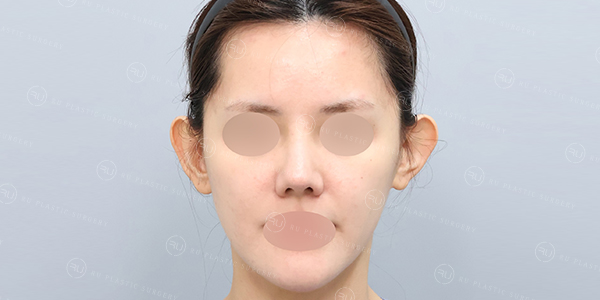
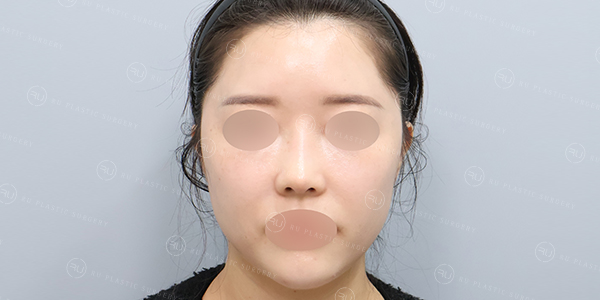
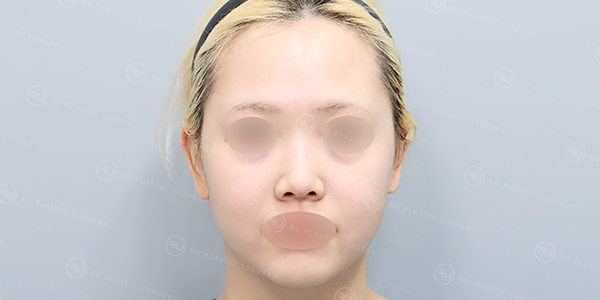
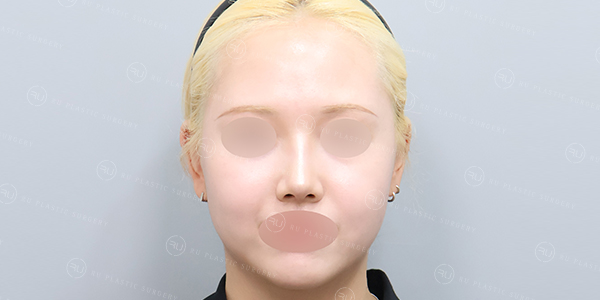
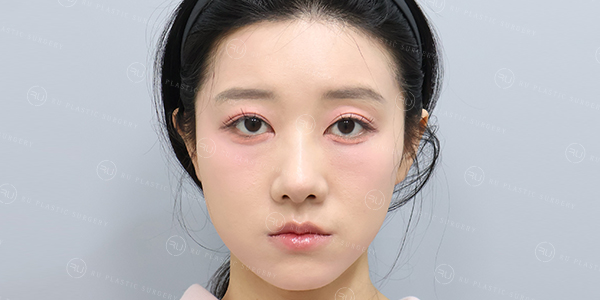
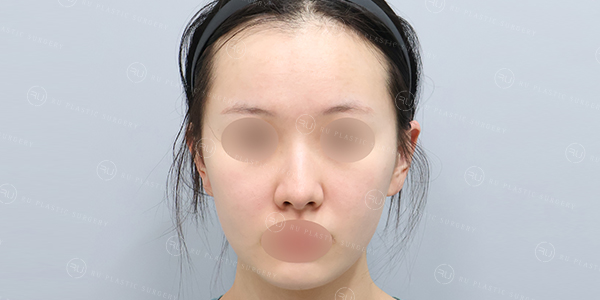
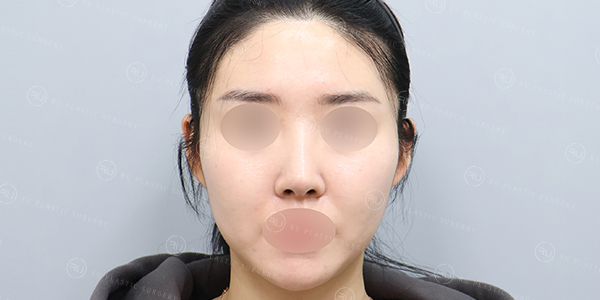
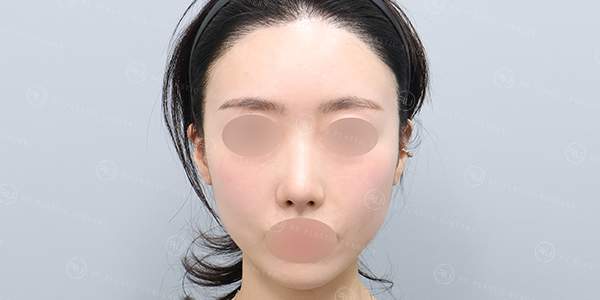
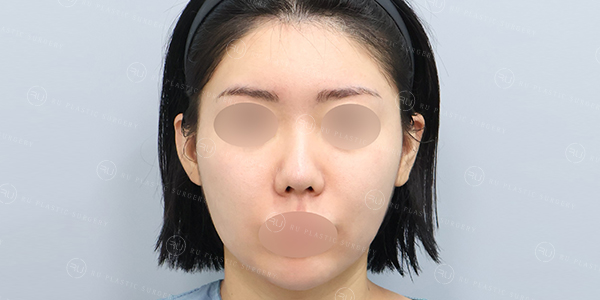
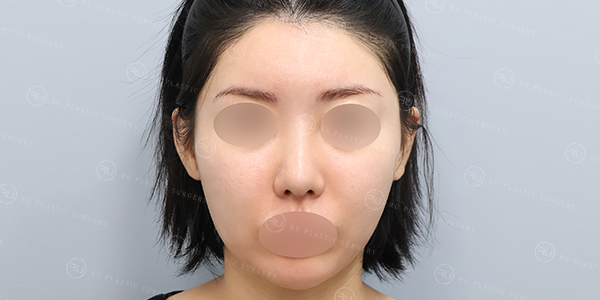
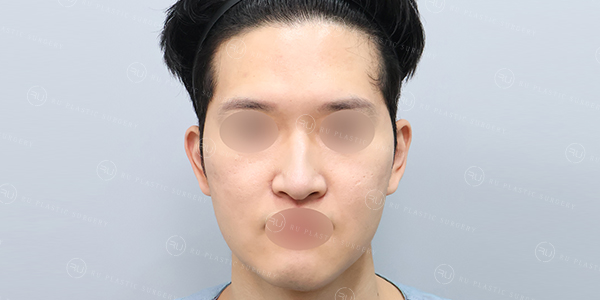
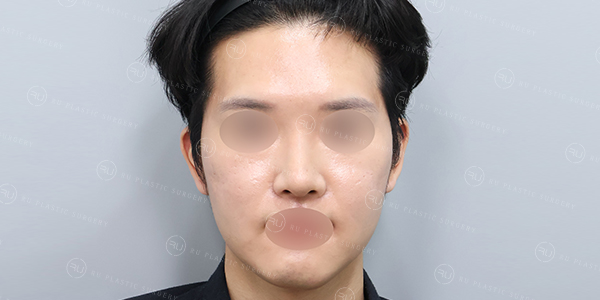
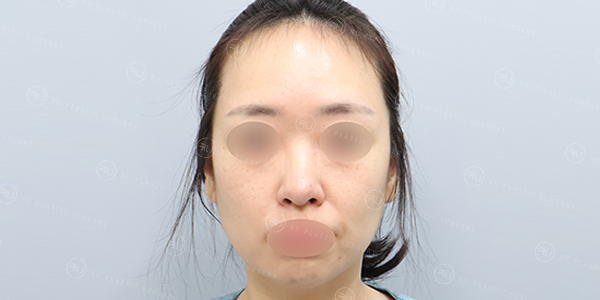
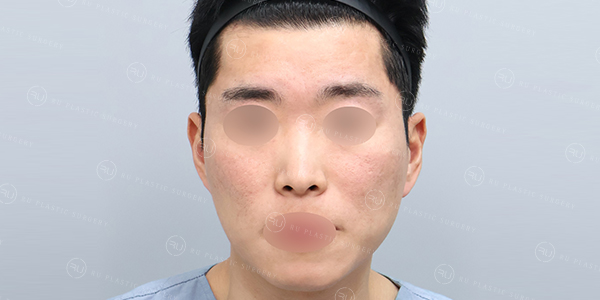
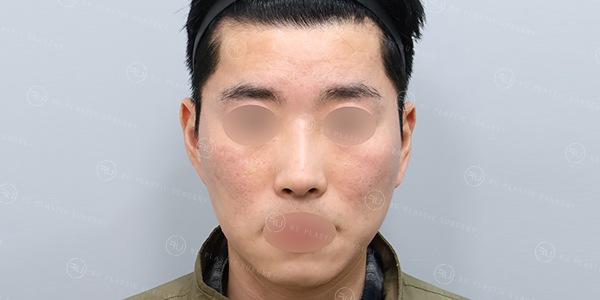
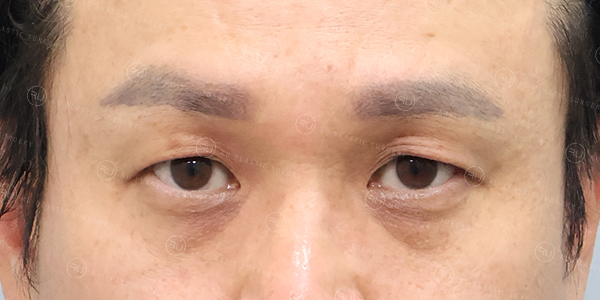
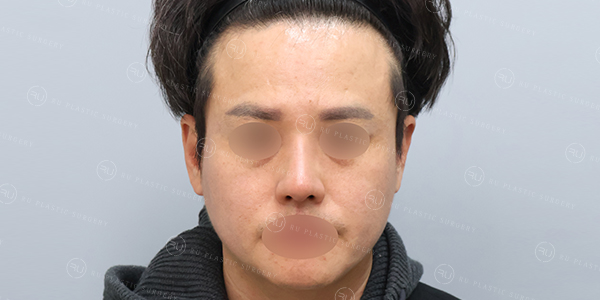
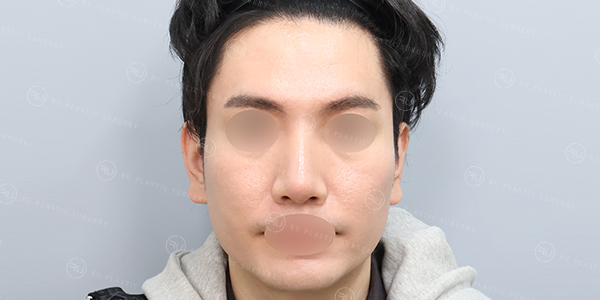
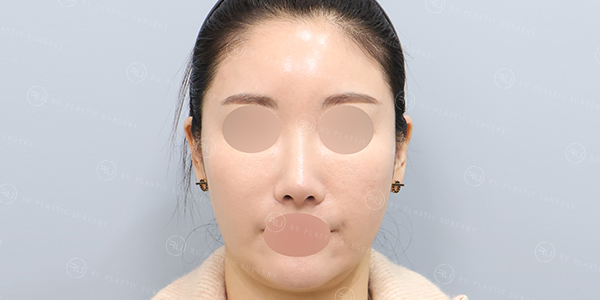
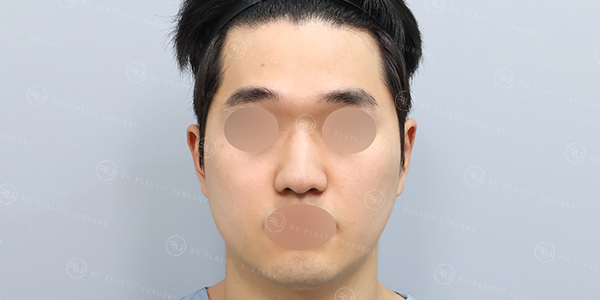
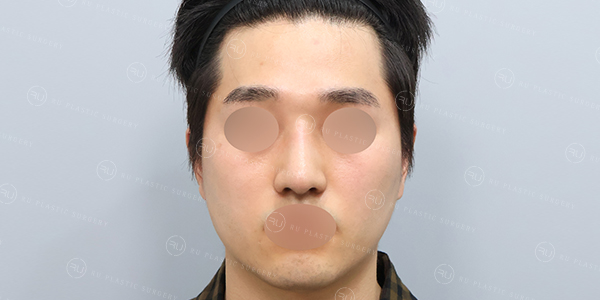
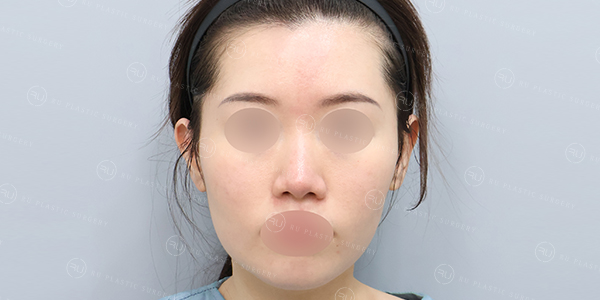
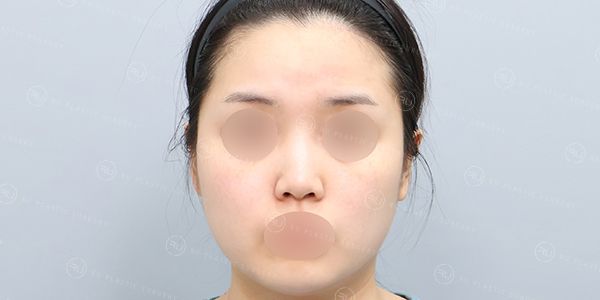
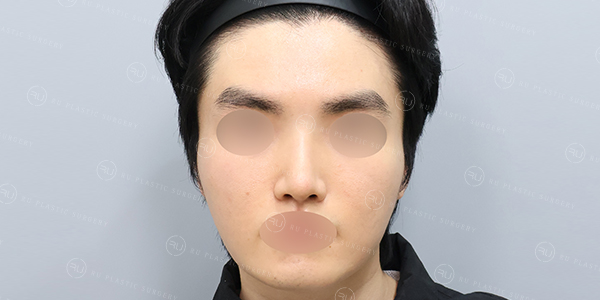
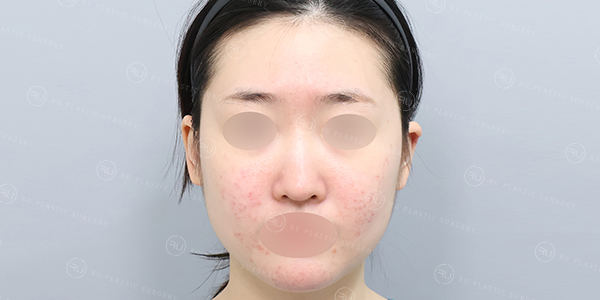
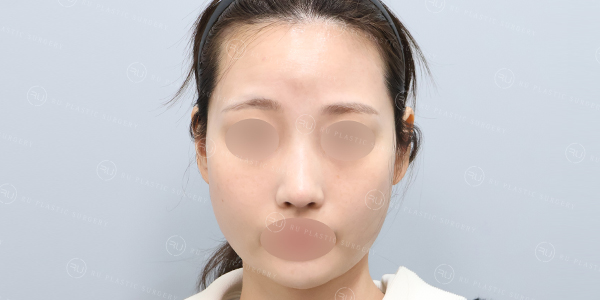
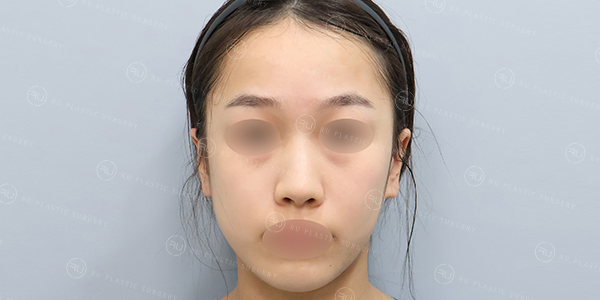
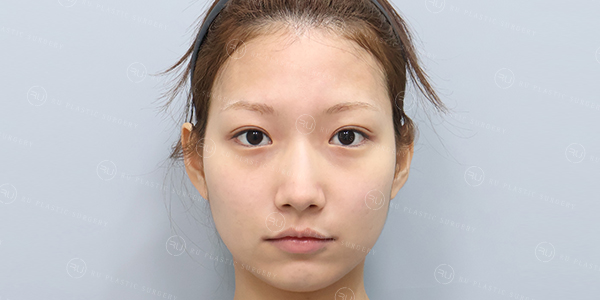
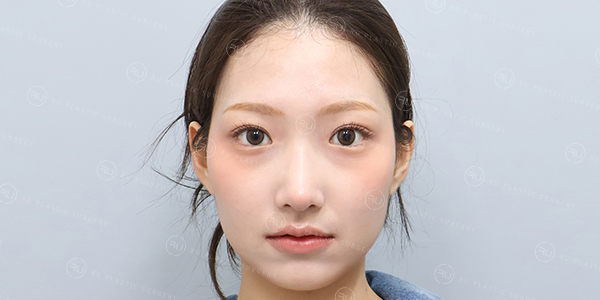
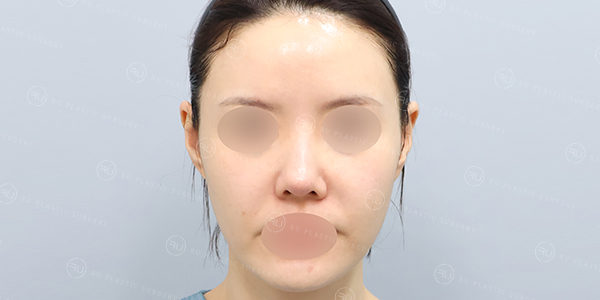
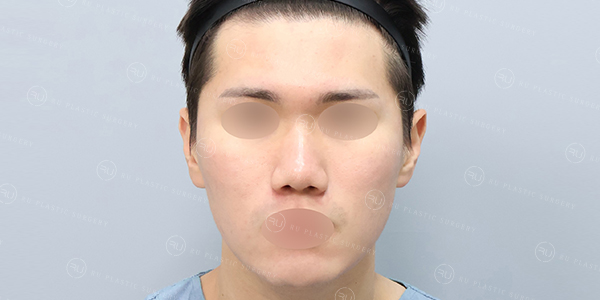
The photos were taken just before the one-month follow-up.
At the one-month check,
Dr. Kim identified excessive scar contracture on one side
as the likely cause of the distortion.
I received targeted corticosteroid injections to reduce the scar tissue,
which produced immediate improvement.
Four days after the injection,
the scar is gradually softening and the nasal contour is improving,
which has been remarkable to observe.
I now understand the critical role of postoperative management.
I have a tendency toward hypertrophic scarring,
which made me anxious,
especially since scarring inside the nose
caused visible asymmetry of the nostrils.
I am currently awaiting laser treatment to address these scars.
Postoperative care significantly influences surgical outcomes,
and receiving ongoing management at RU Plastic Surgery
provides me with peace of mind.
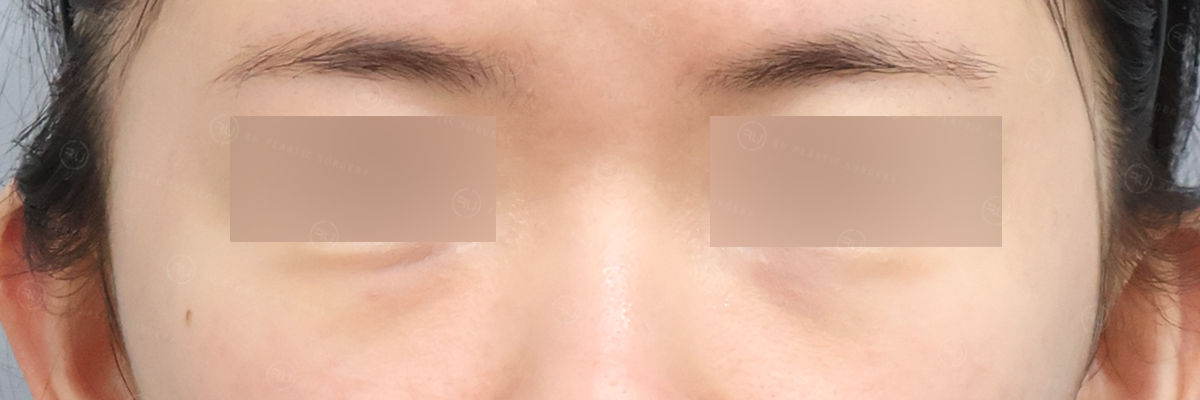
Minor residual tethering and pigmentation remain at the nasal tip,
but these are not surgical complications—
they appear related to soft tissue healing.
While a perfect shape may not be immediately achievable,
I acknowledge the excellent surgical effort by Dr. Kim
and intend to continue diligent care
while allowing adequate time for healing.
The chest donor site scar is less than 2 centimeters,
healed as a thin white line,
and the open columellar incision is also healing well,
reflecting the surgeon’s meticulous suturing technique.
I look forward to further progress.
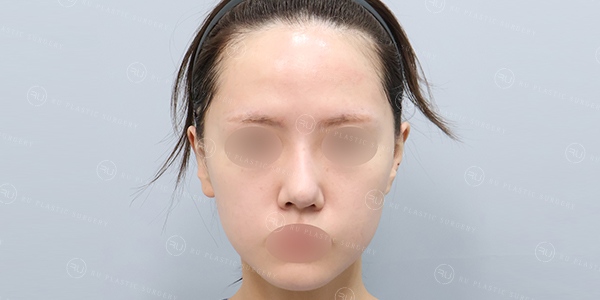
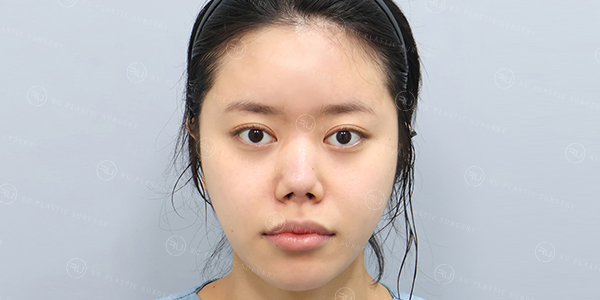
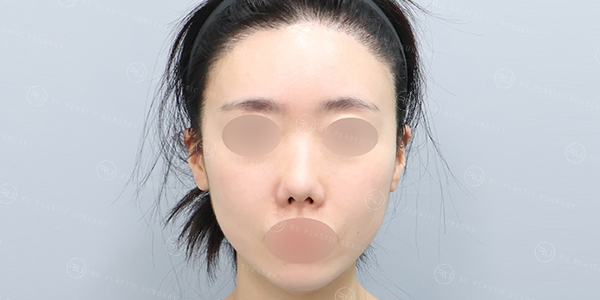
During my one-month follow-up,
Dr. Kim thoroughly compared preoperative and postoperative photos,
carefully addressing all my concerns
and explaining the changes in swelling and shape.
His detailed assessment helped ease my anxieties
and reinforced my confidence in the recovery process.