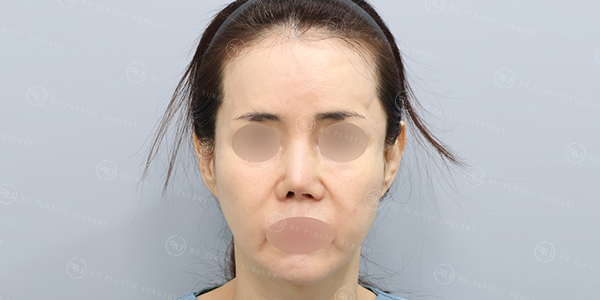
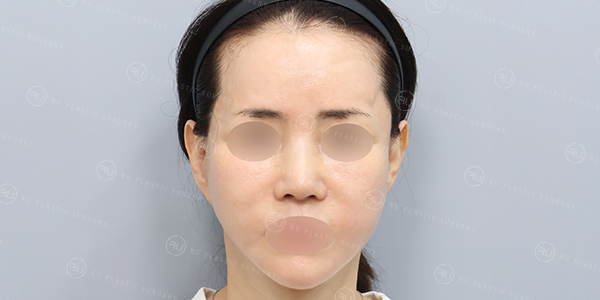
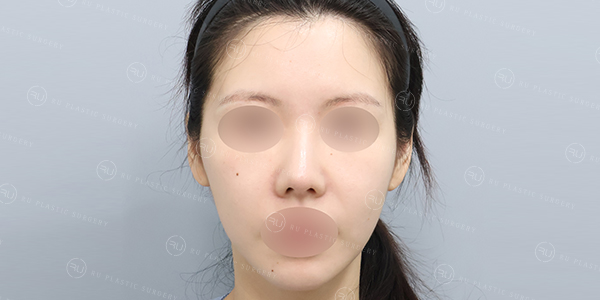
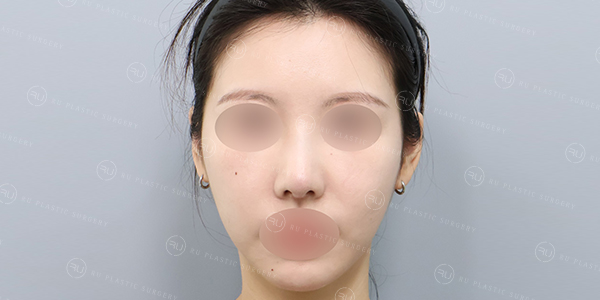
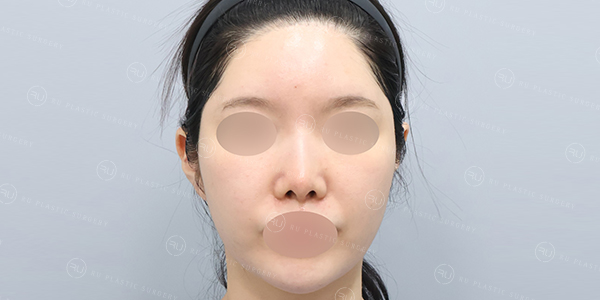
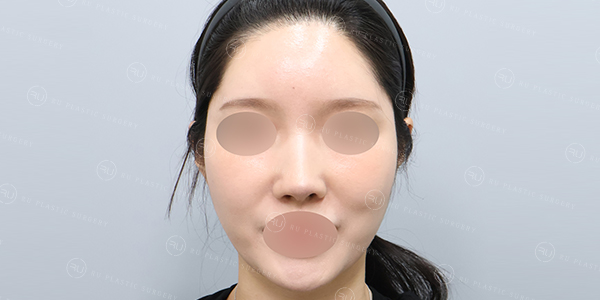
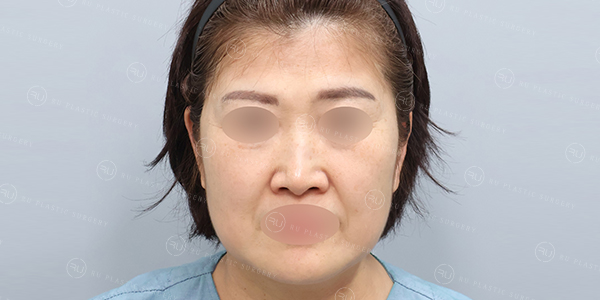
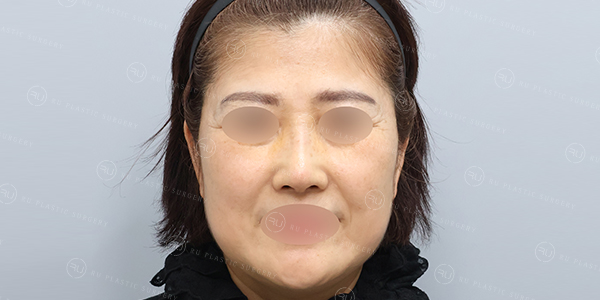
Revision Rhinoplasty with RU 3D Customized DCF
본문
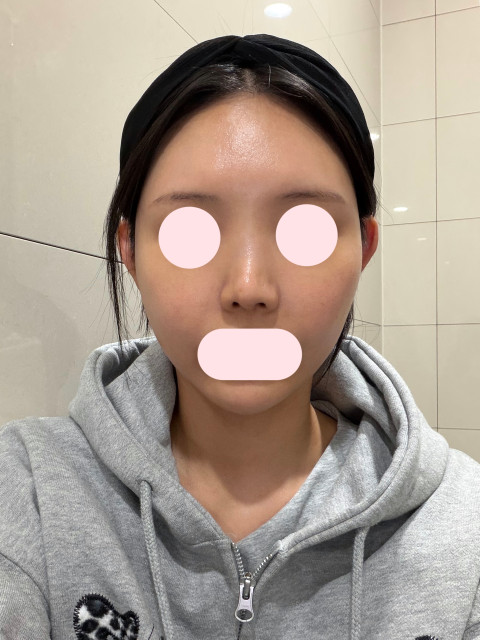
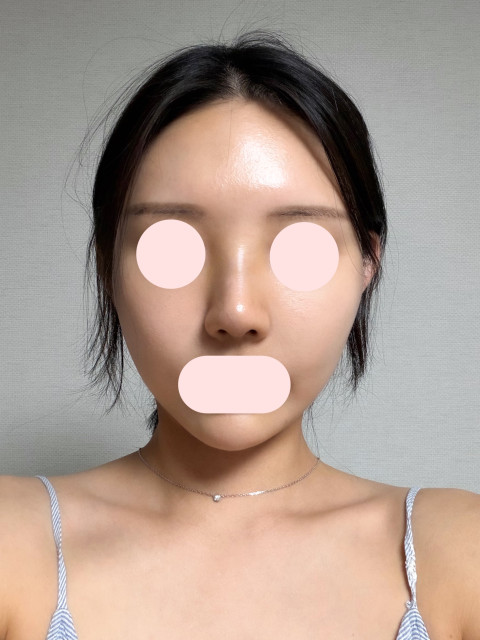
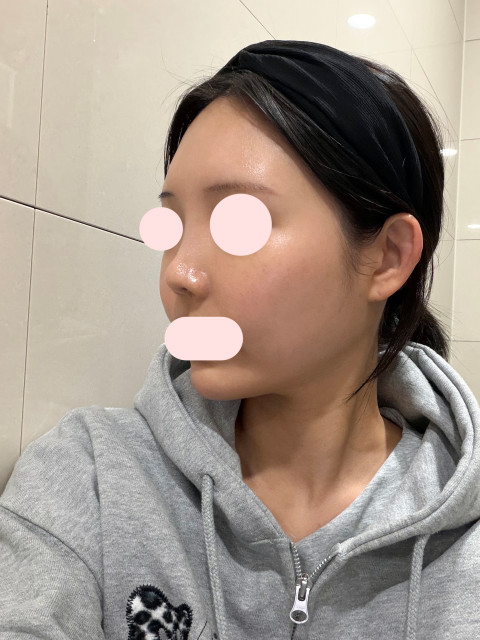
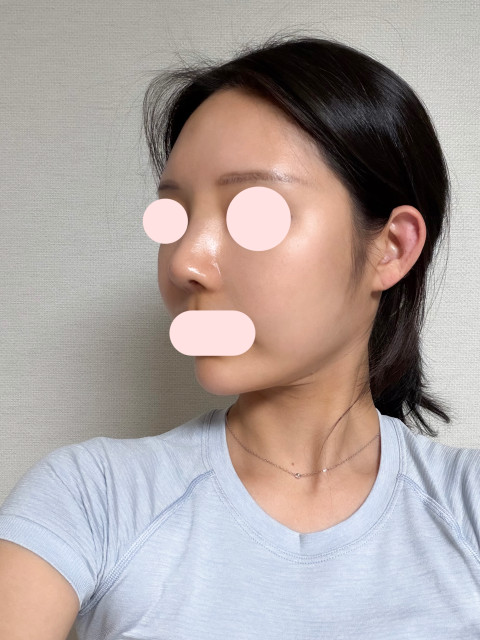
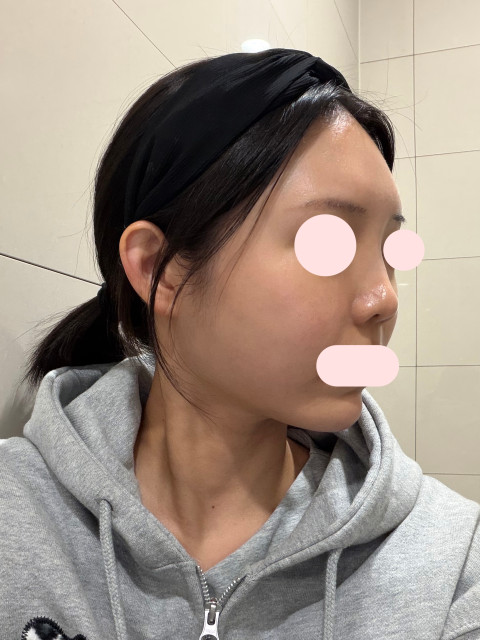
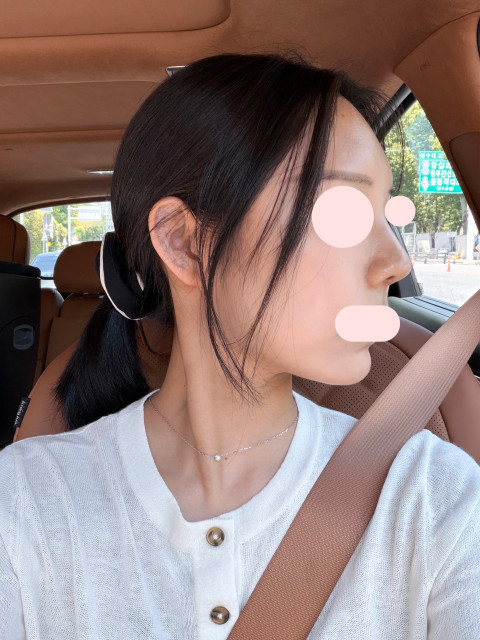
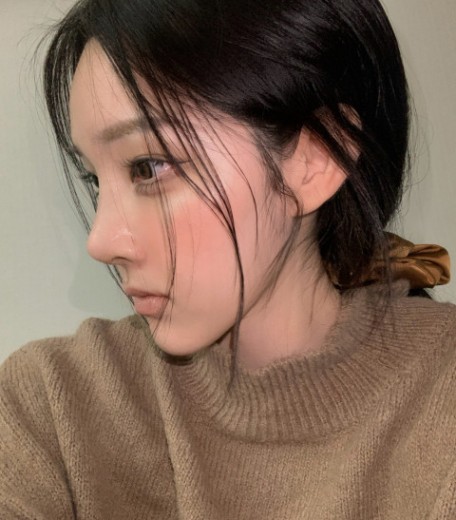
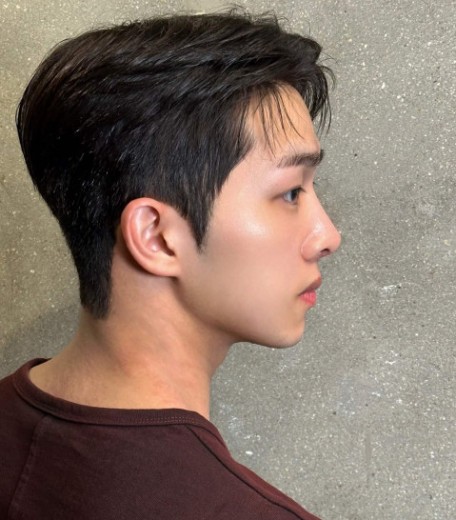
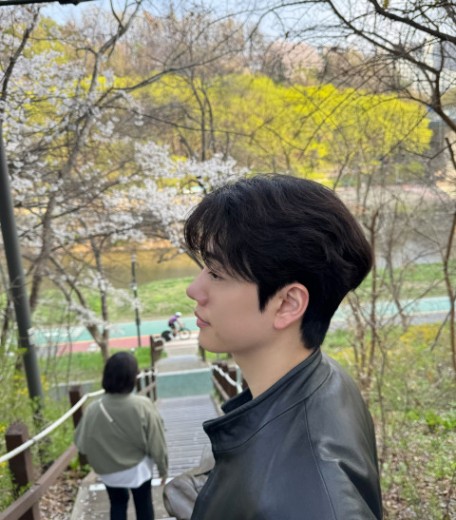
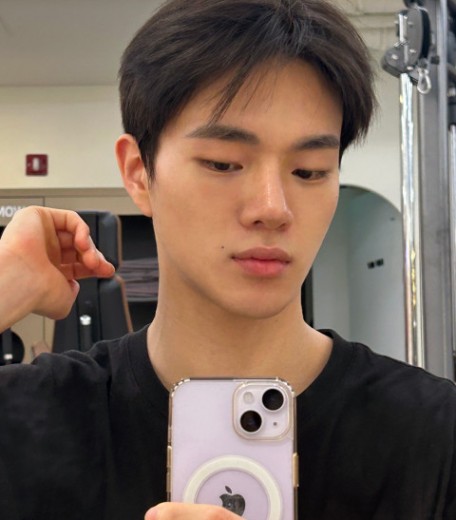
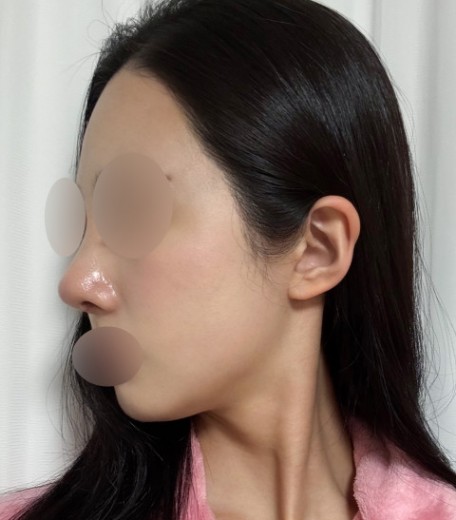
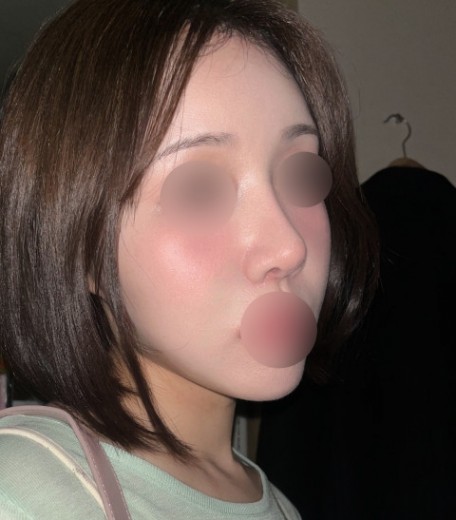
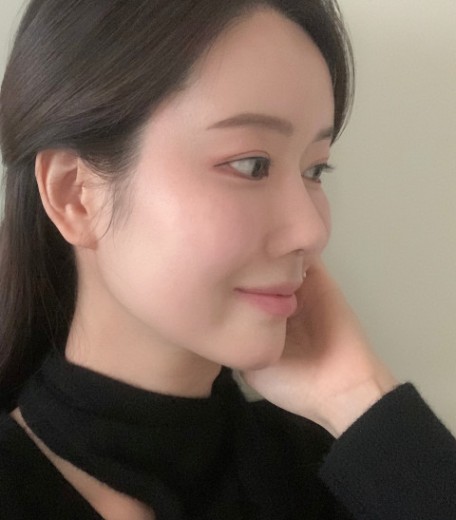
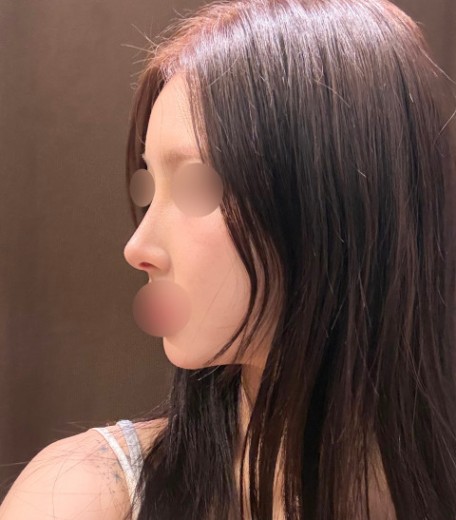
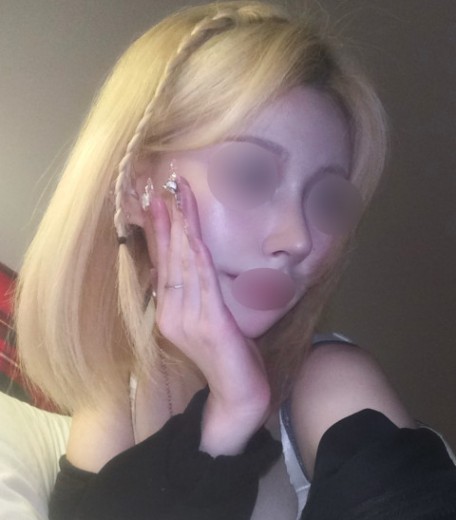
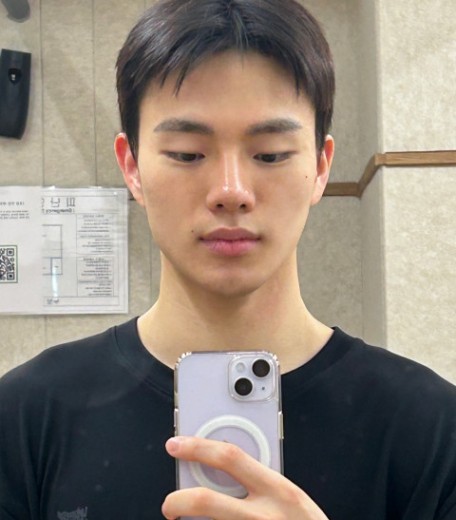
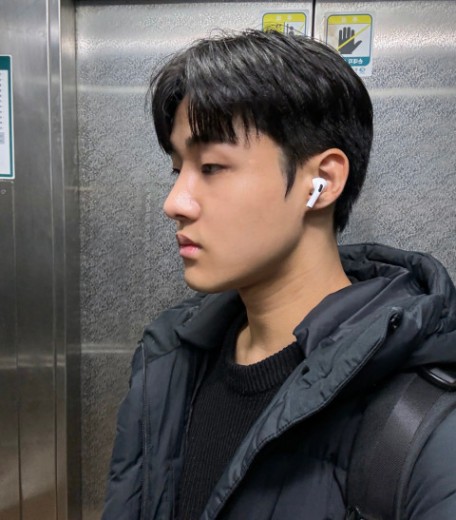
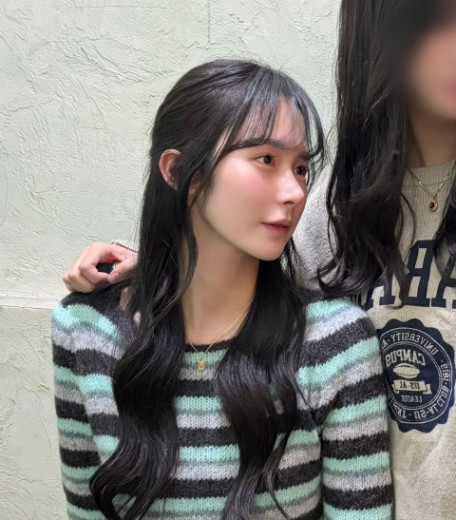
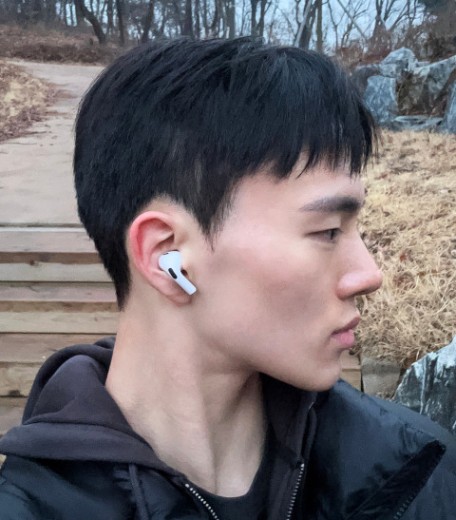
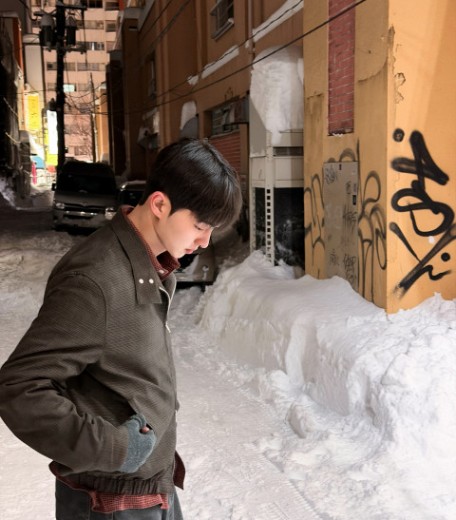
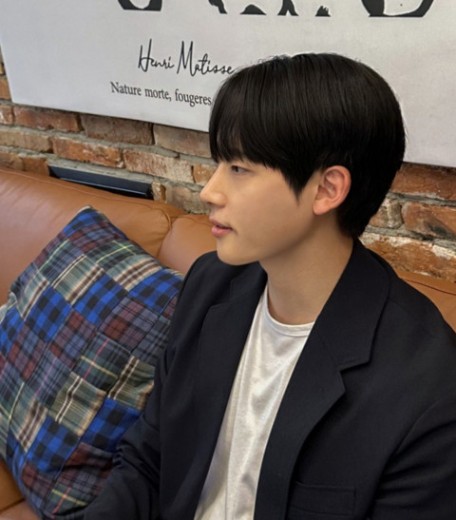
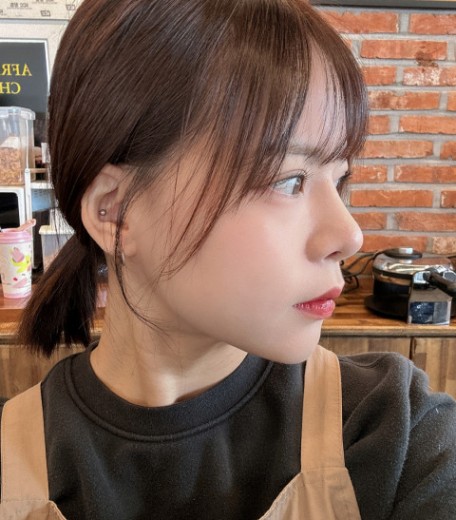
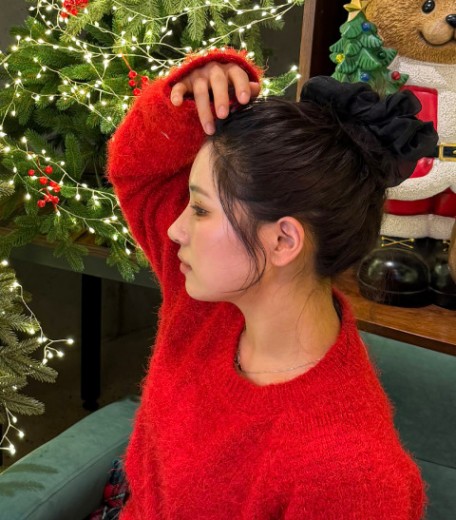
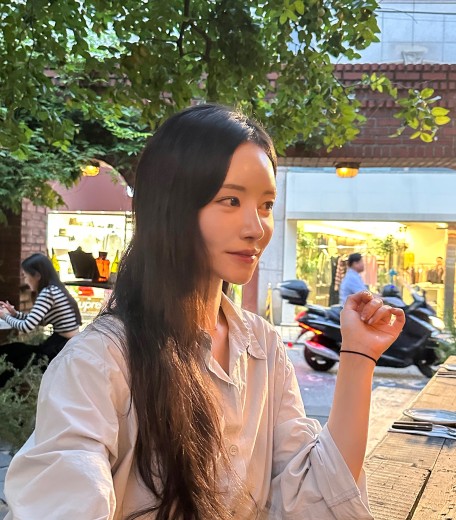
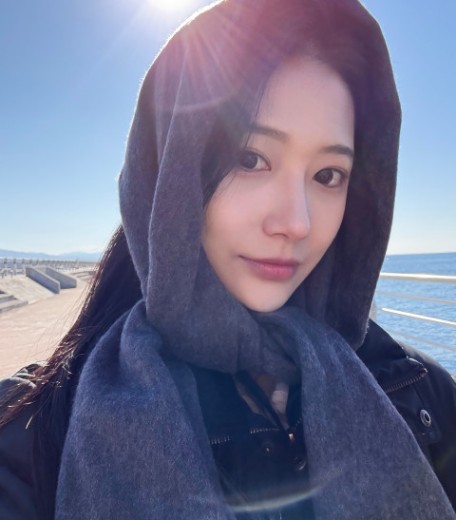
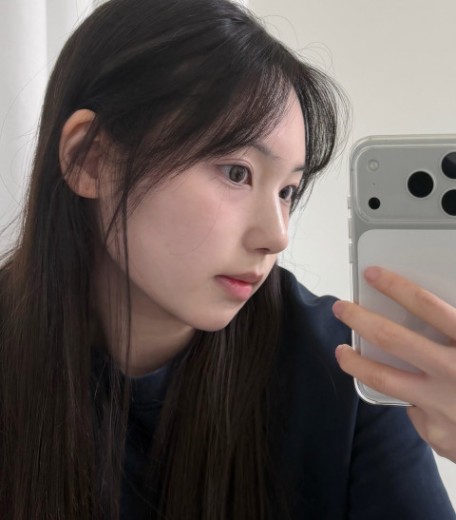
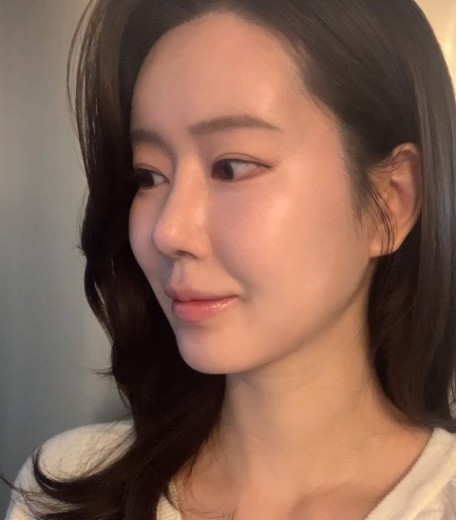
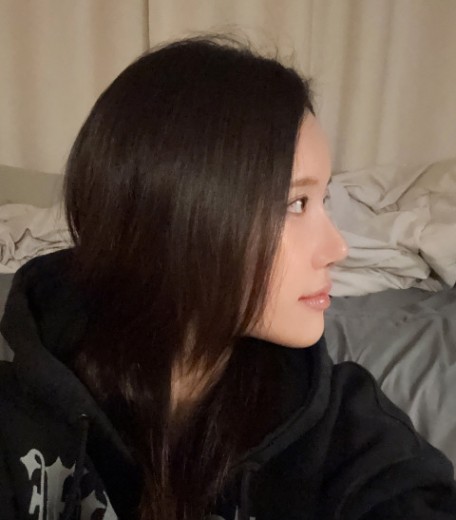
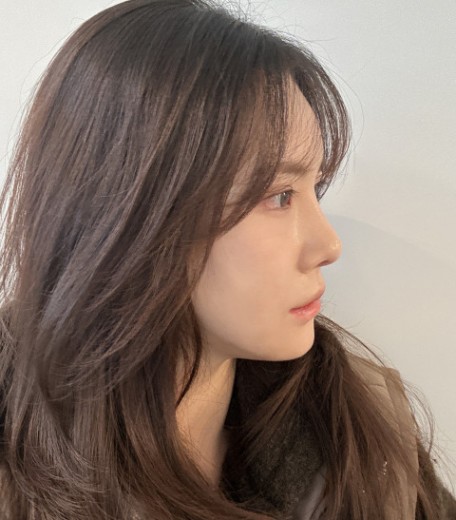
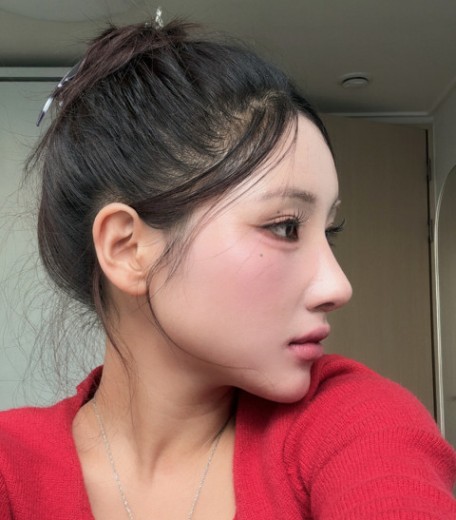
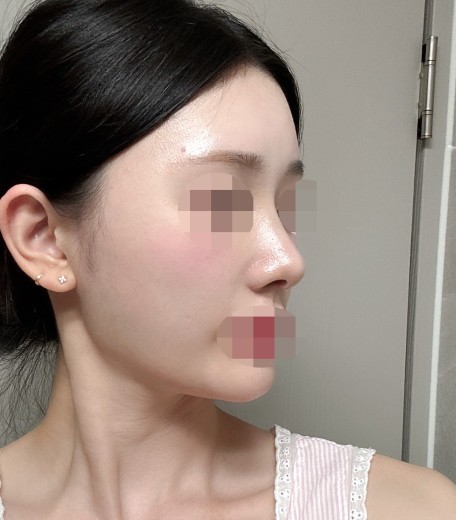
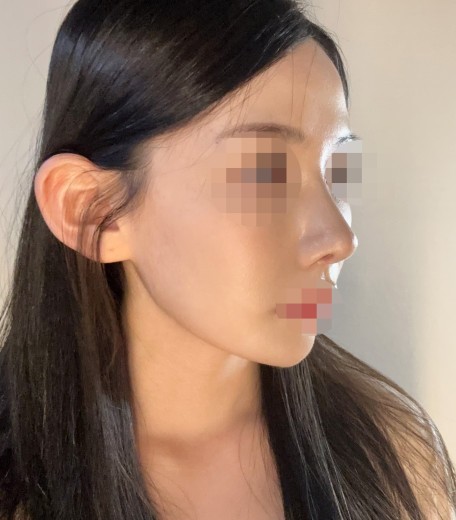
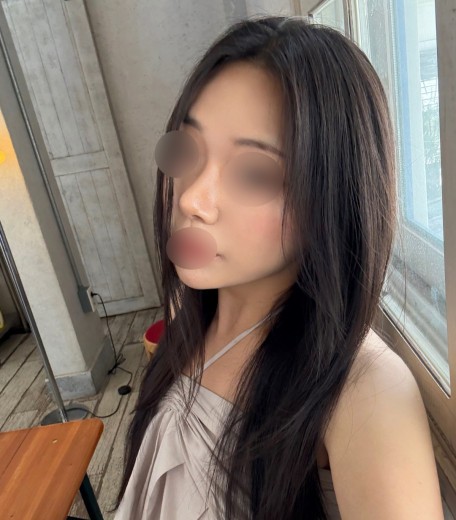
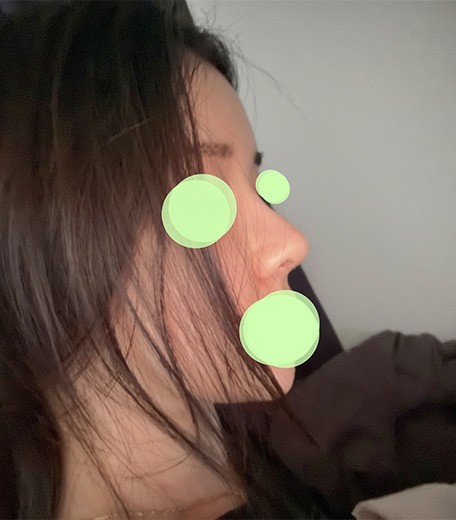
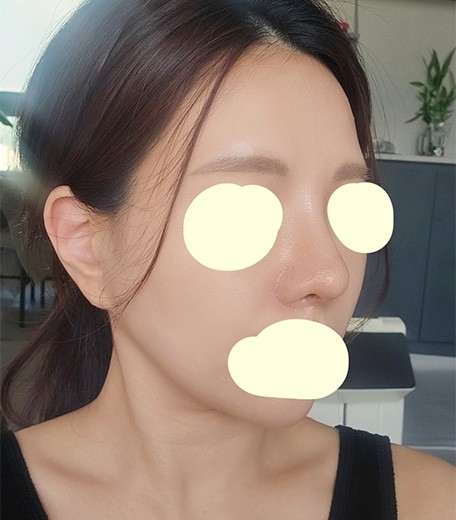
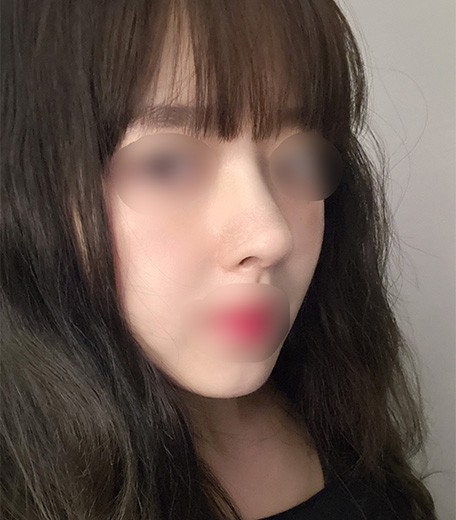
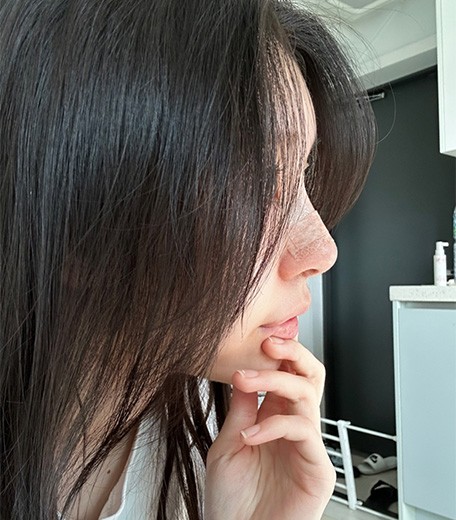
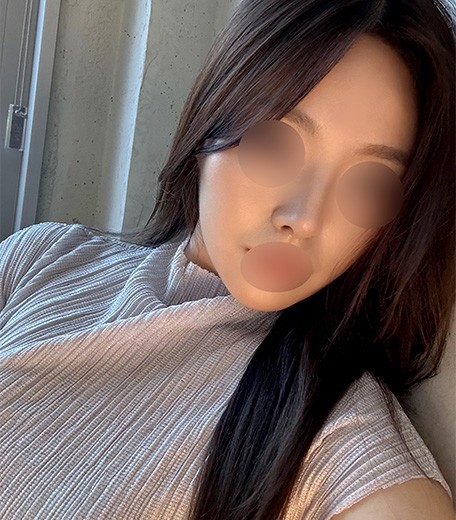
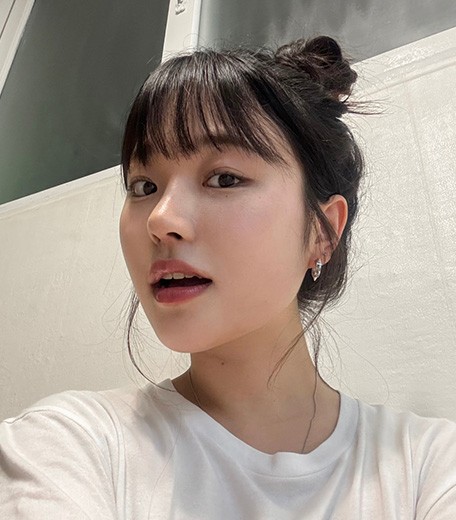
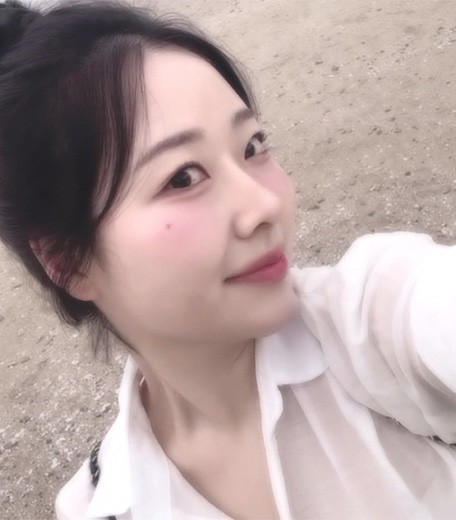
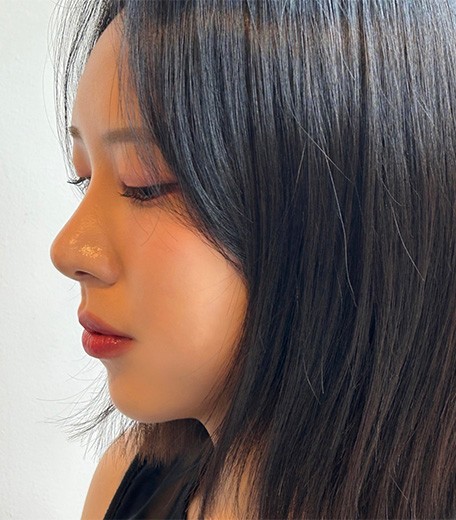
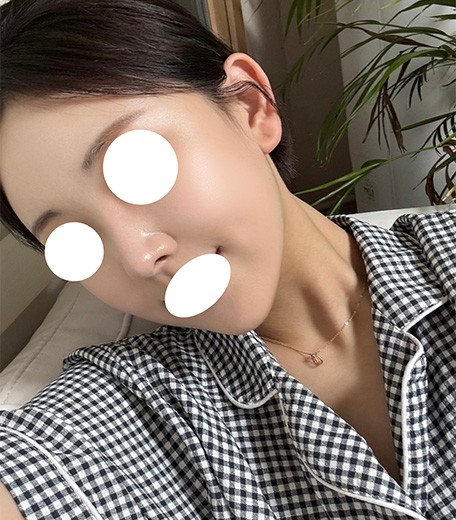
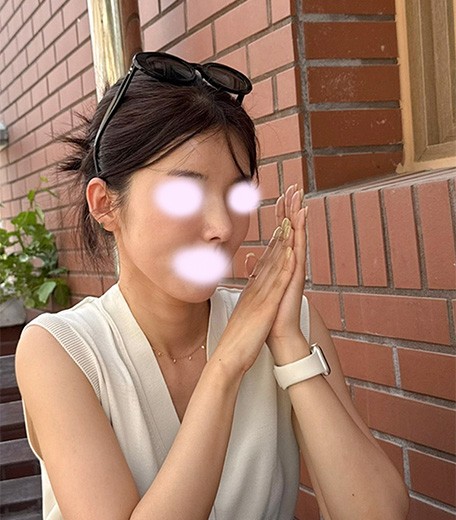
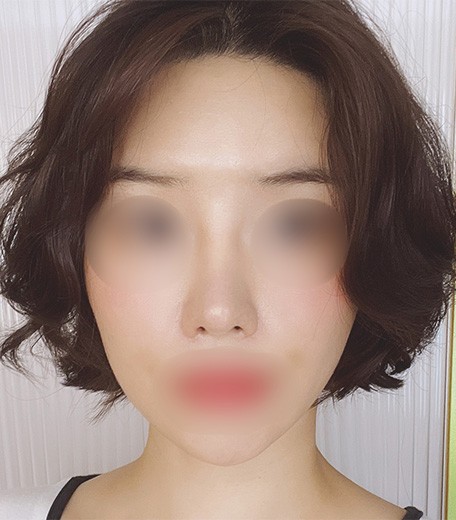
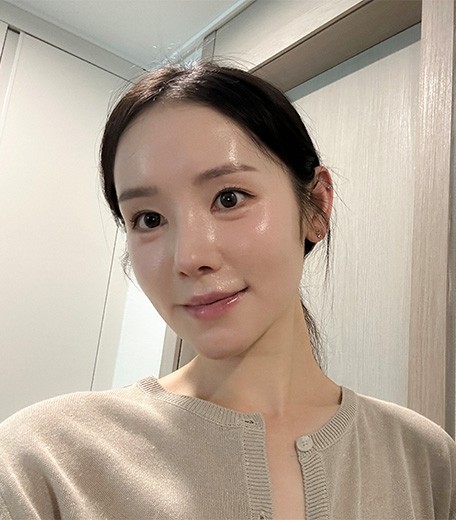
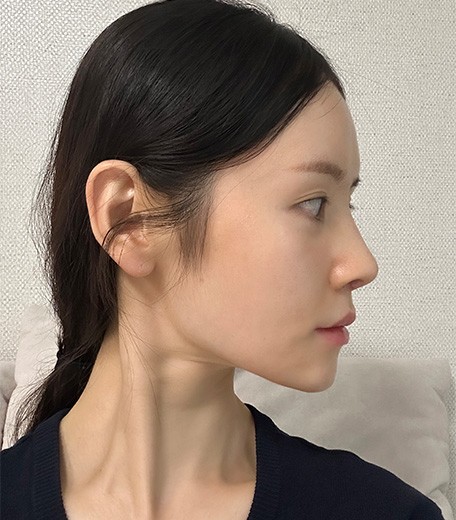
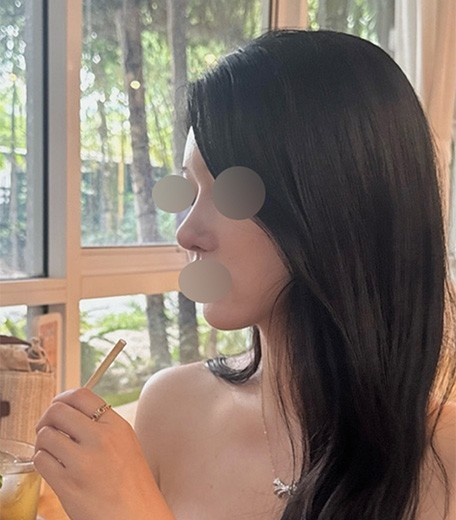
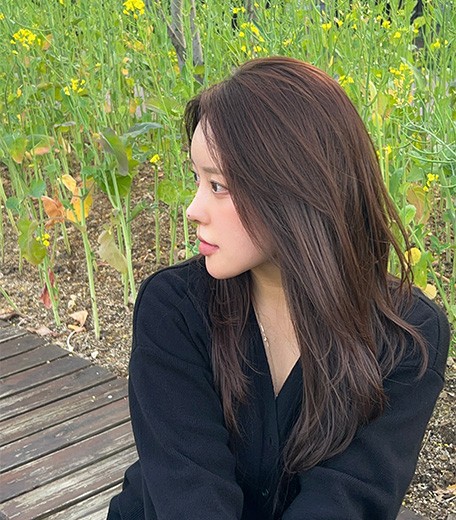
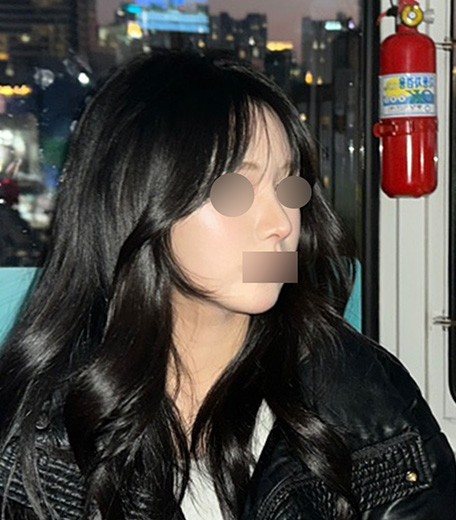
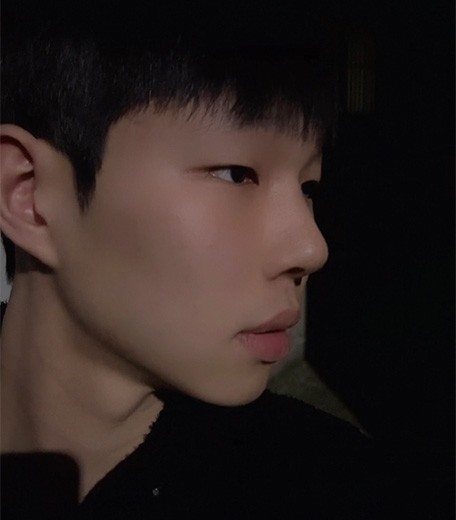
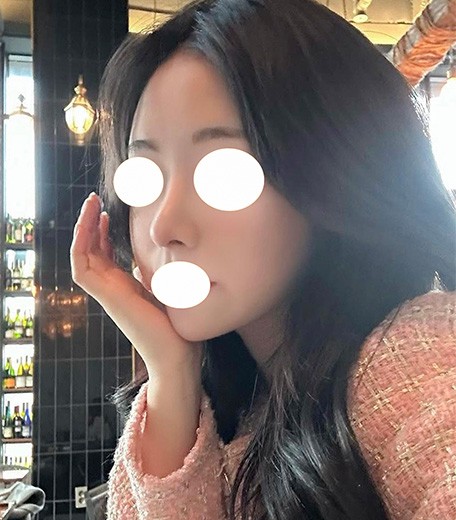
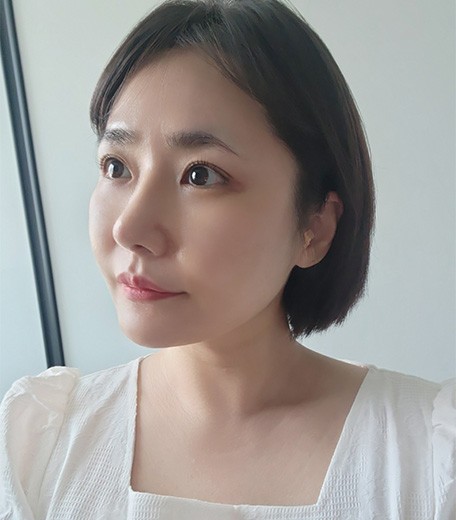
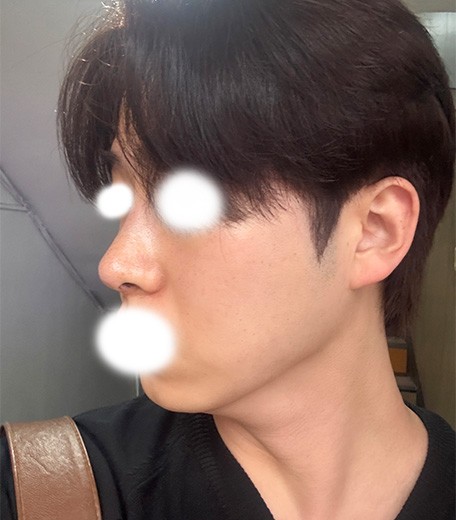
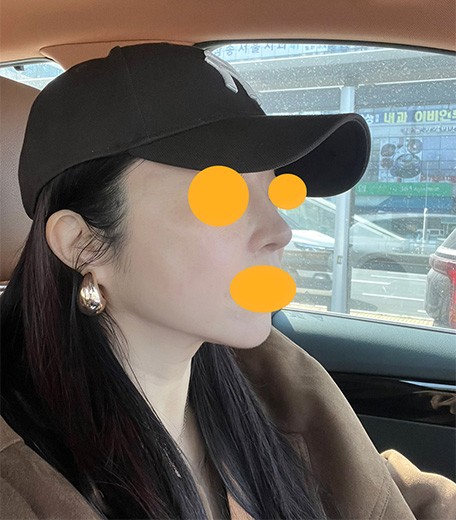
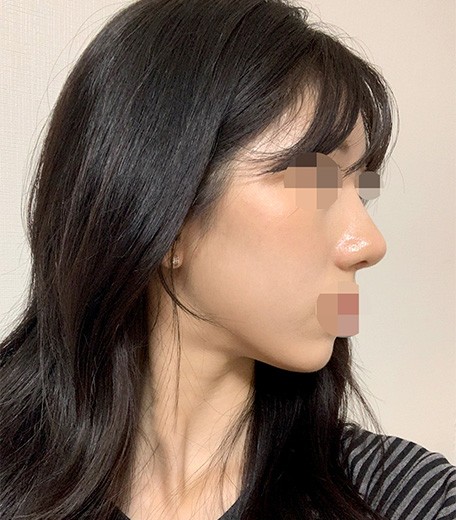
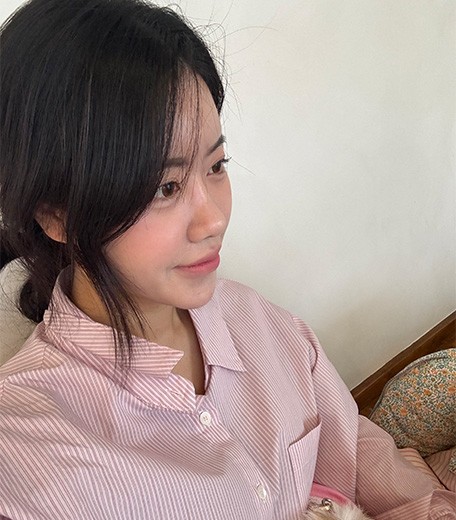
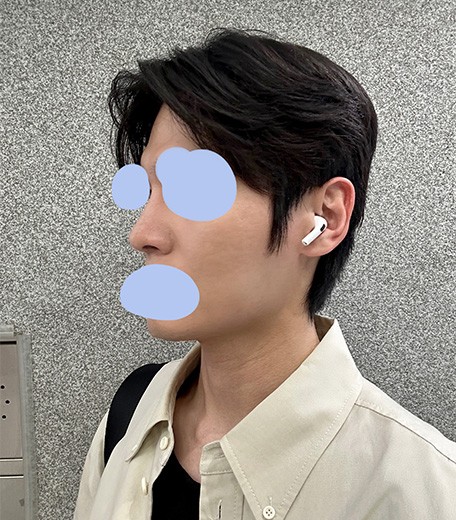
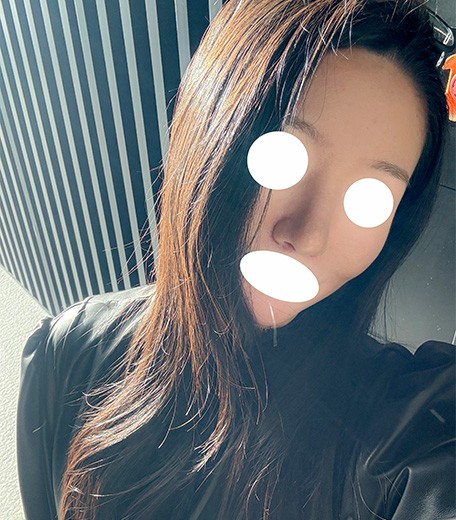
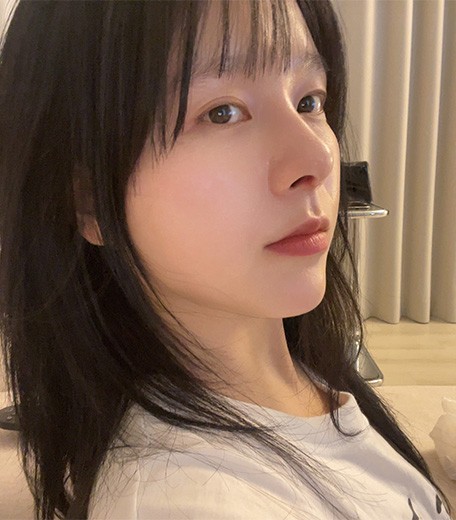
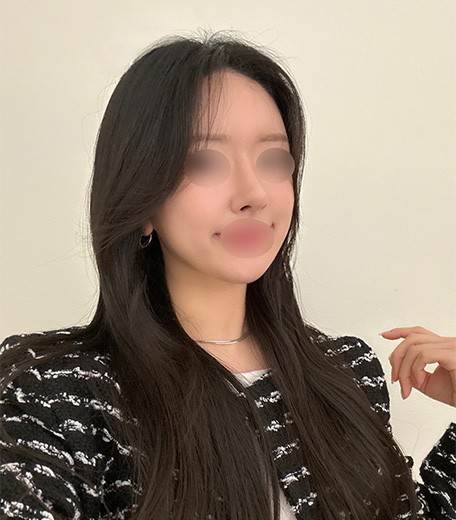
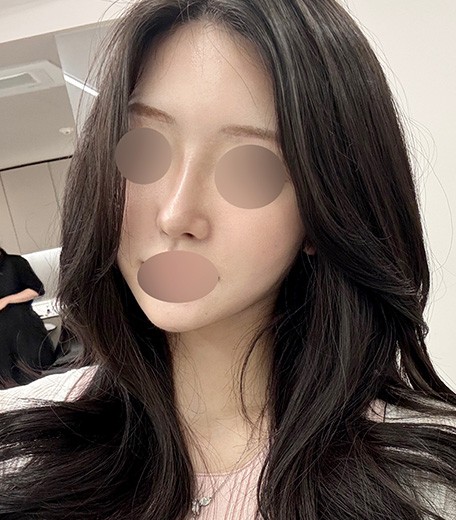
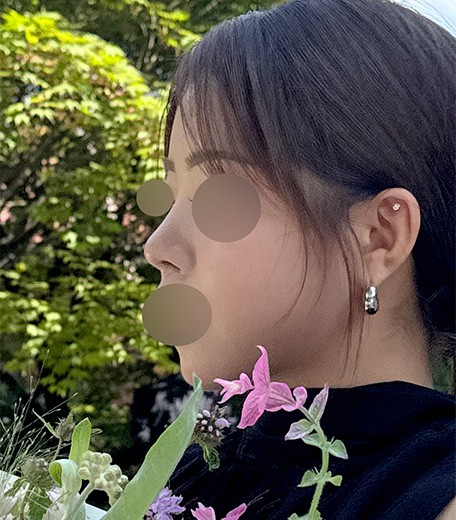
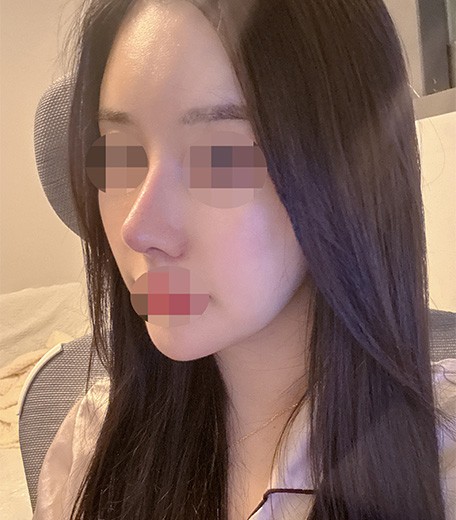
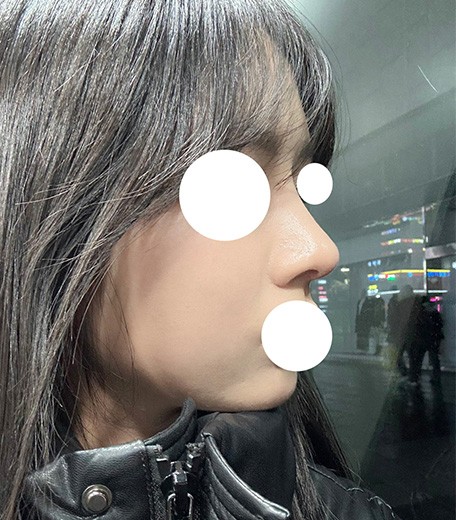
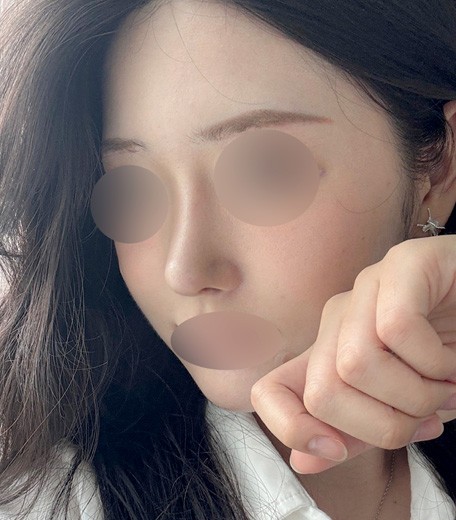
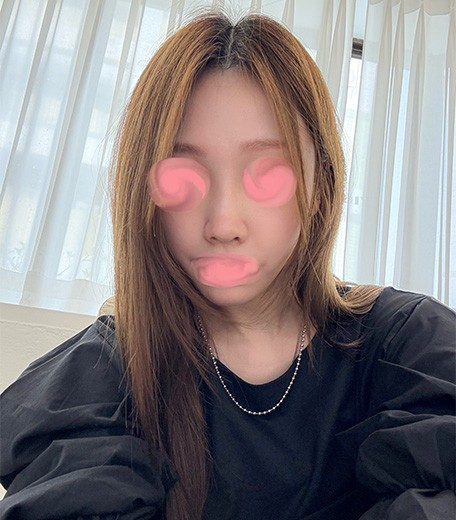
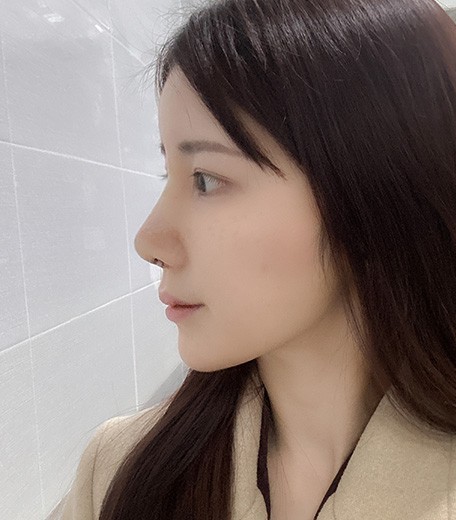
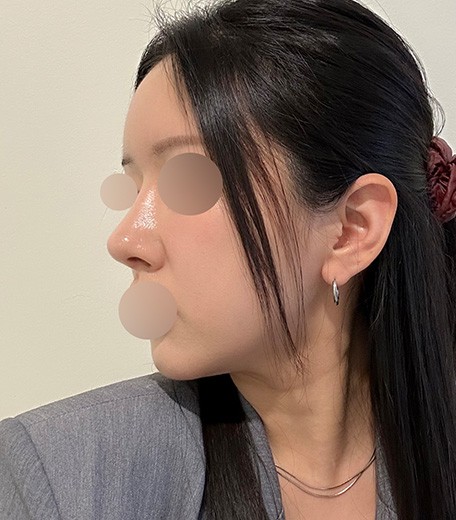
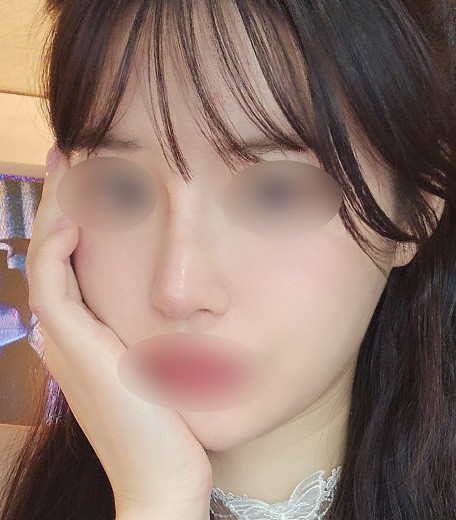
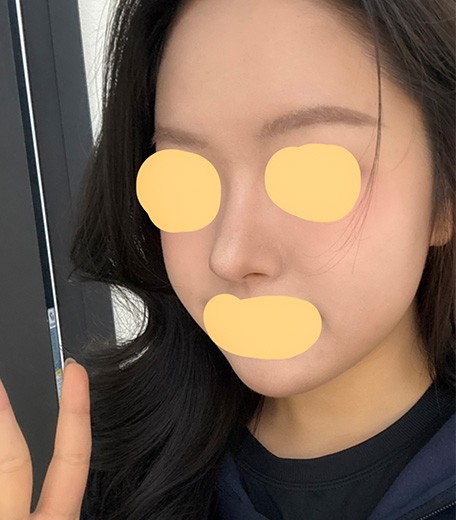
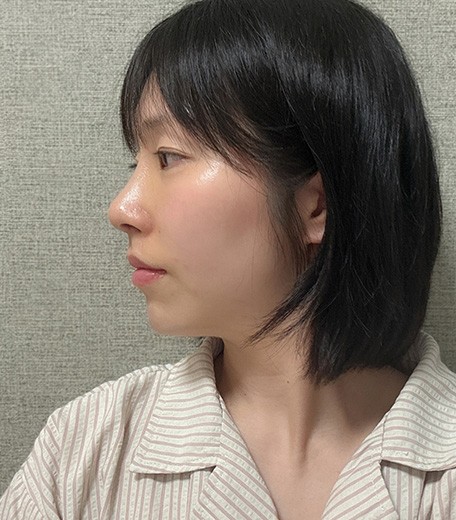
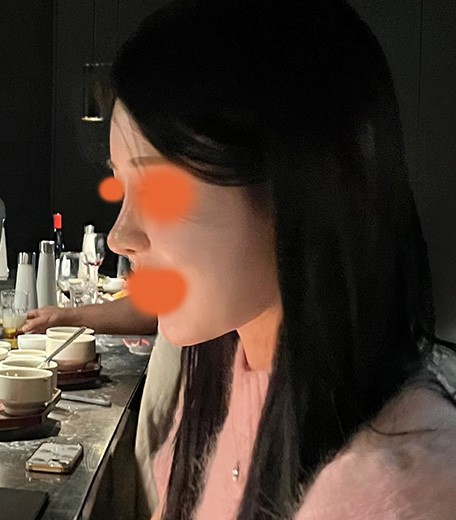
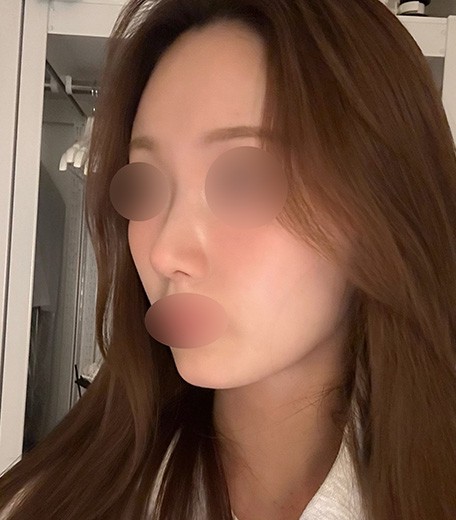
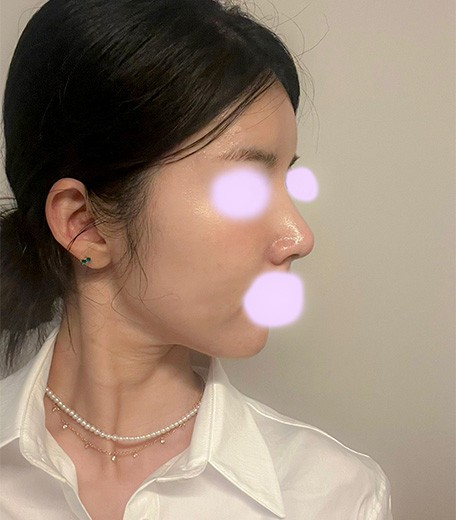
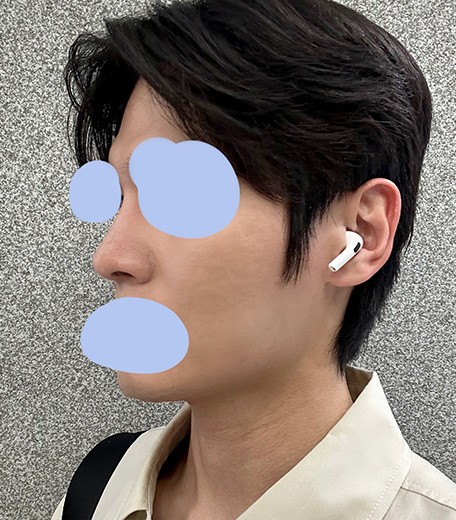
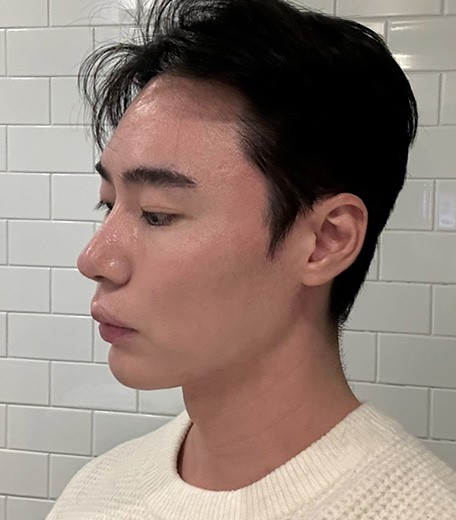
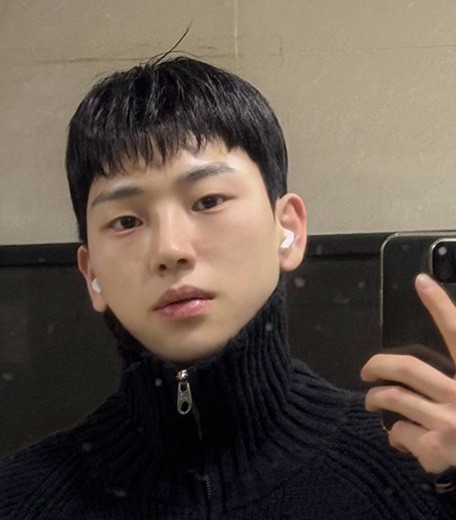
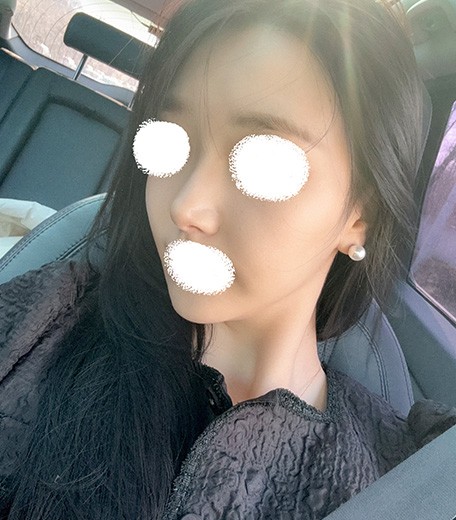
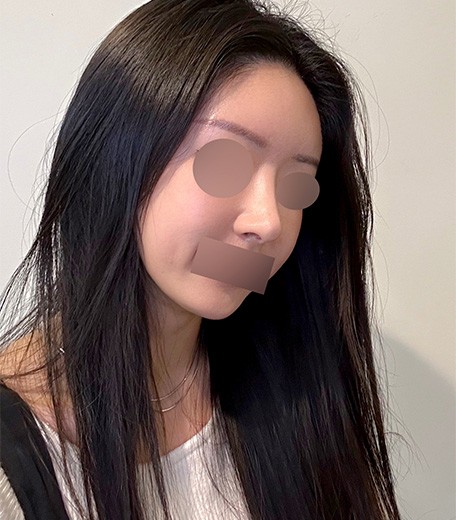
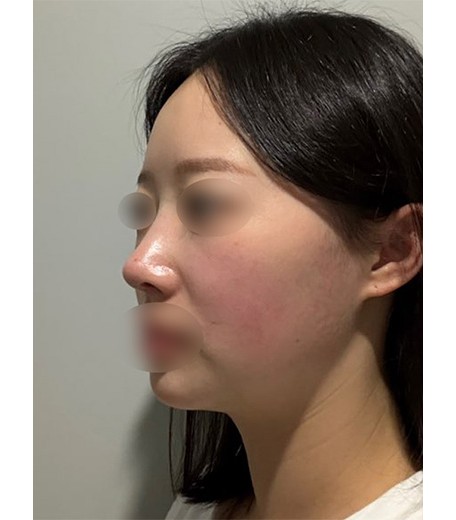
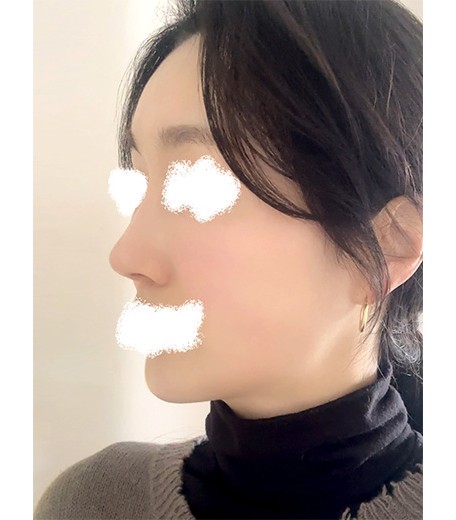
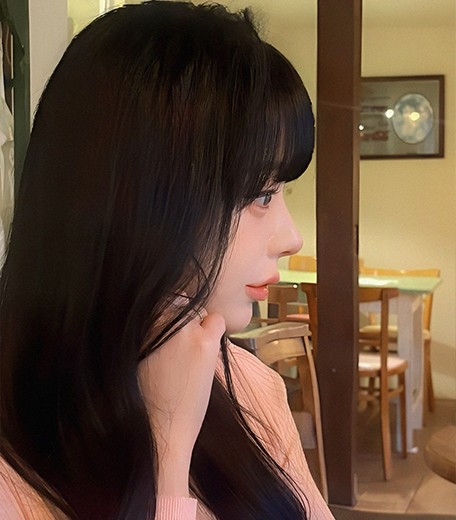
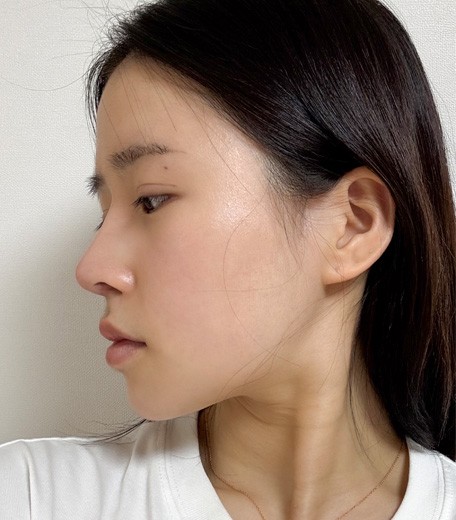
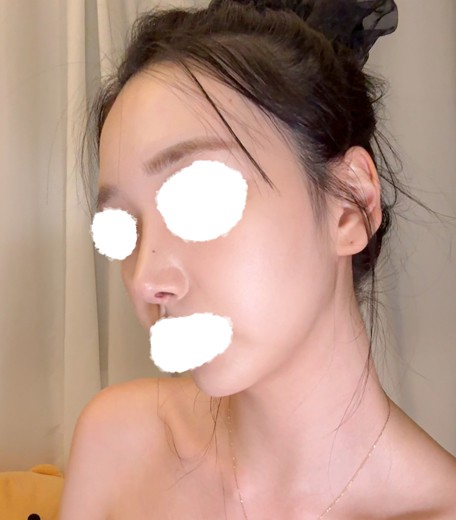
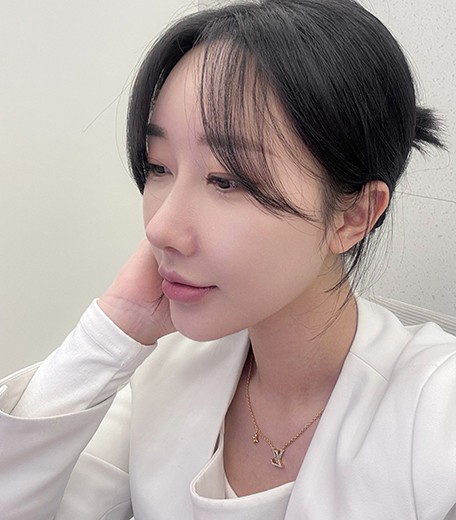
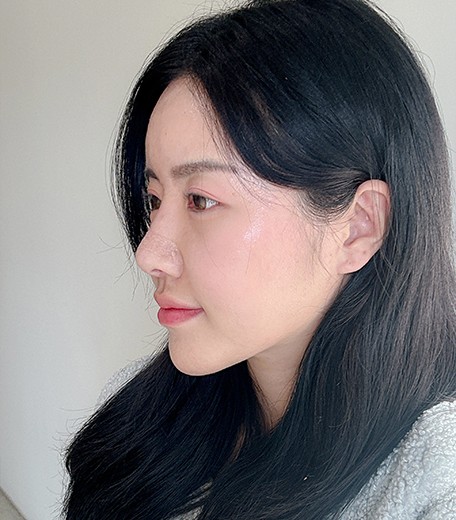
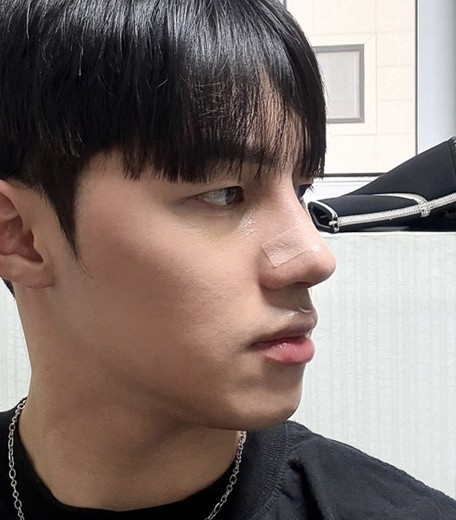
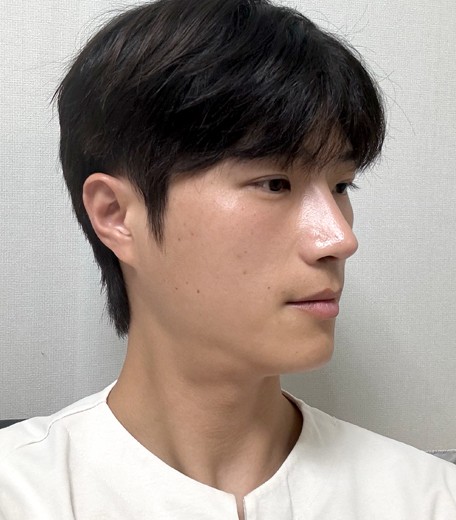
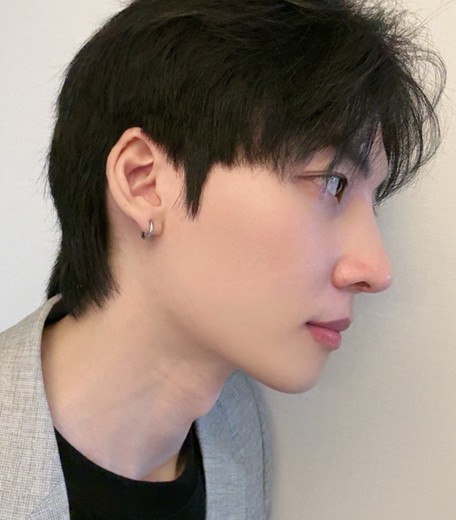
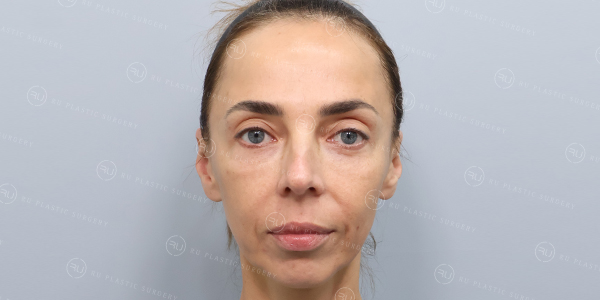
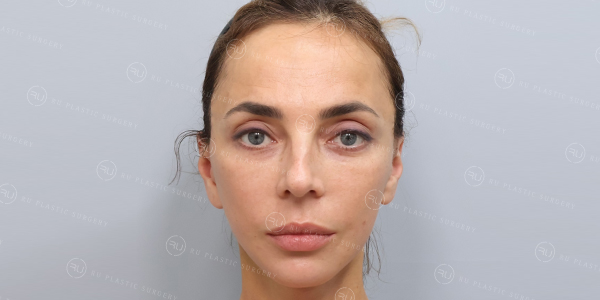
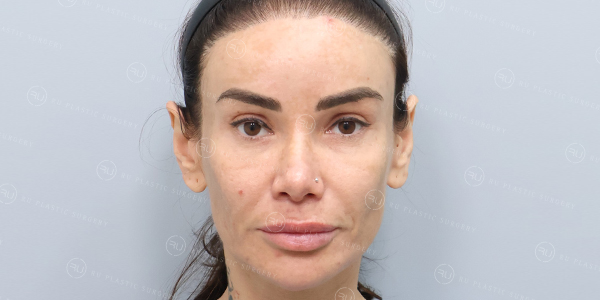
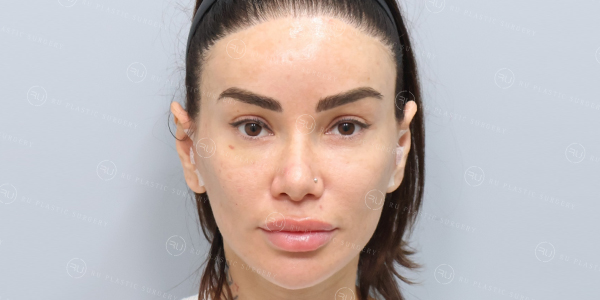
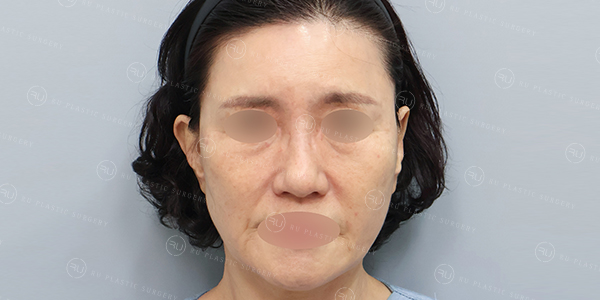
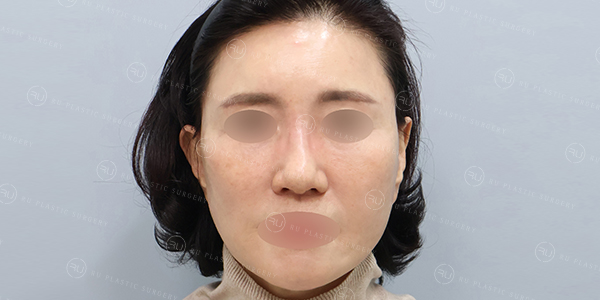
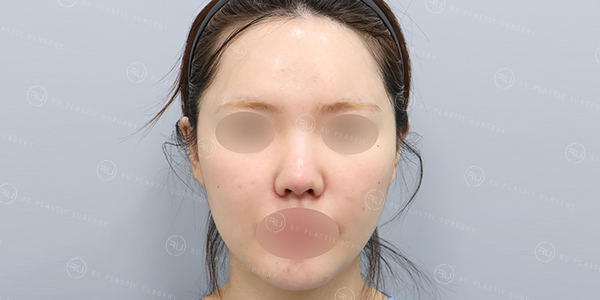
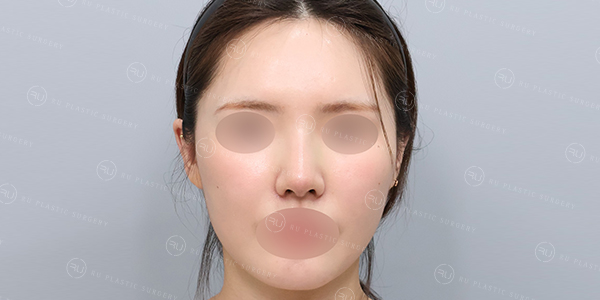
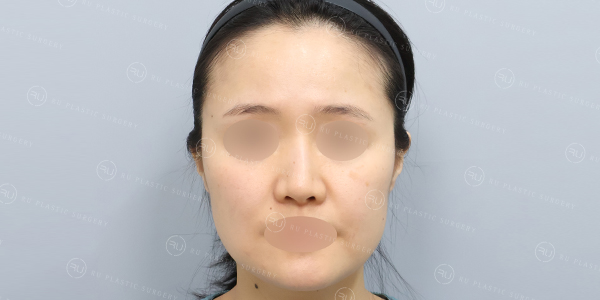
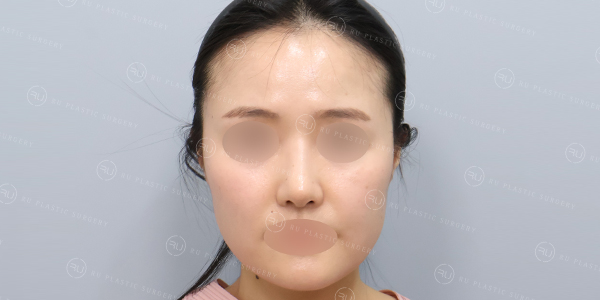
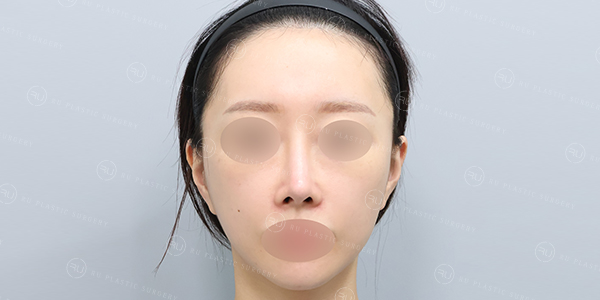
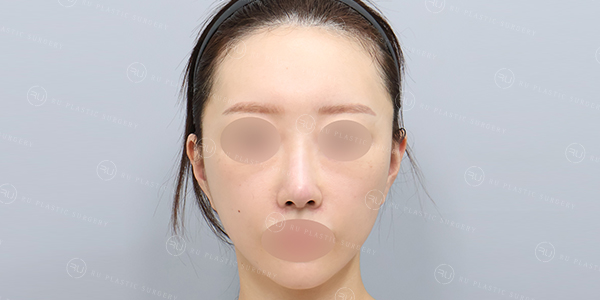
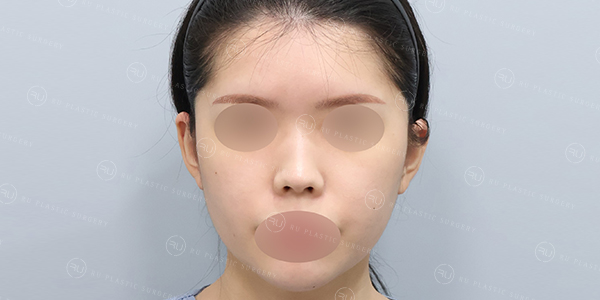
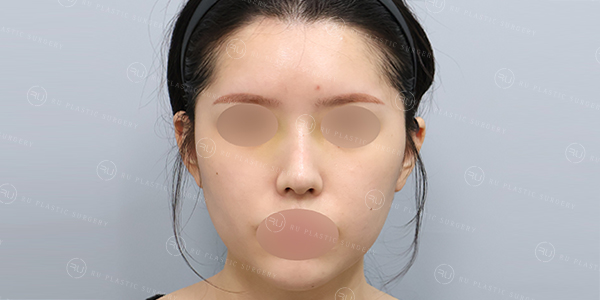
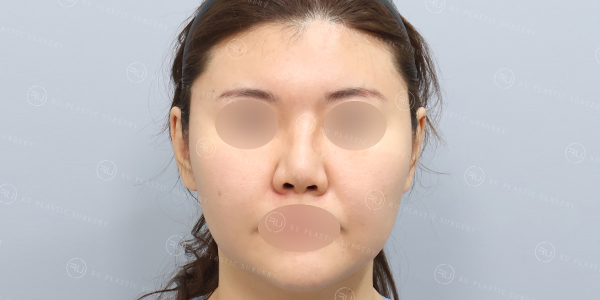
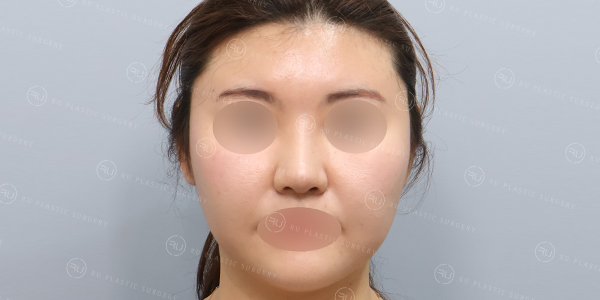
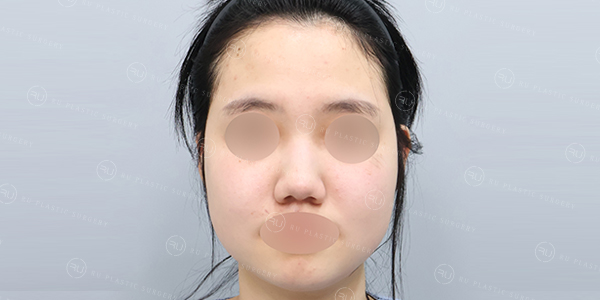
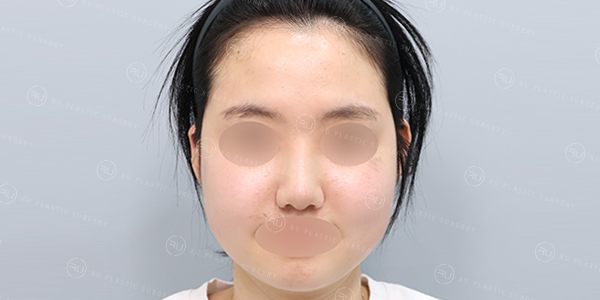
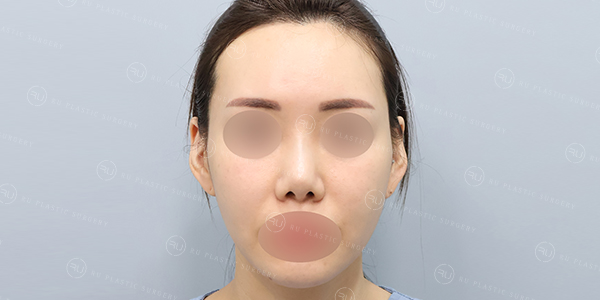
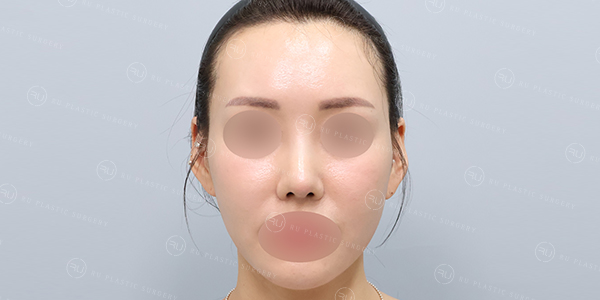
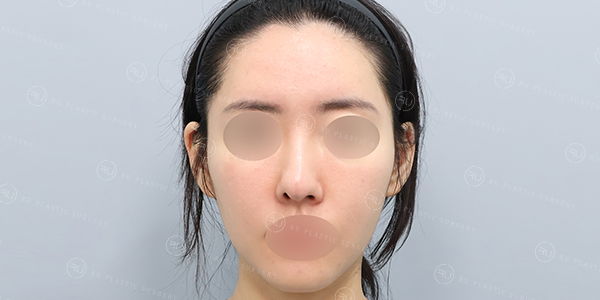
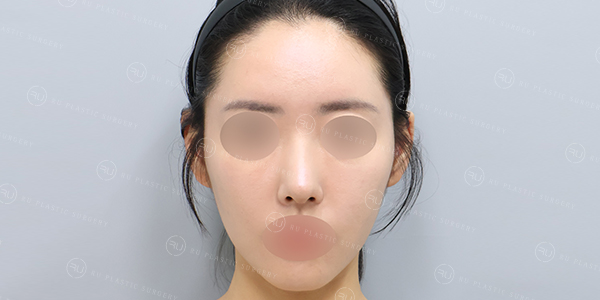
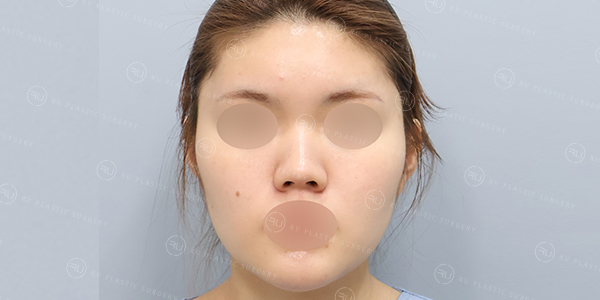
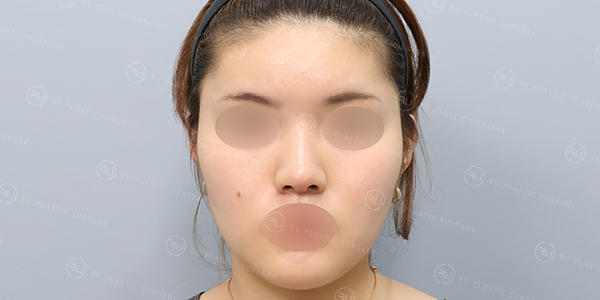
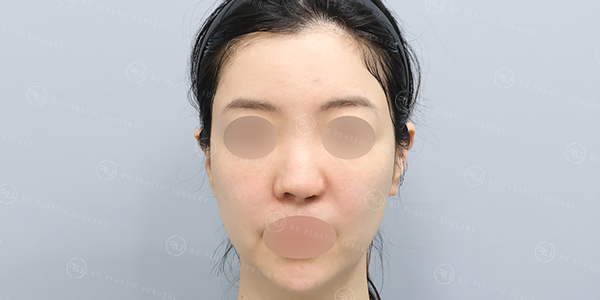
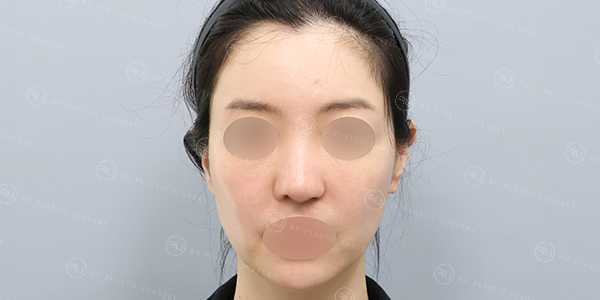
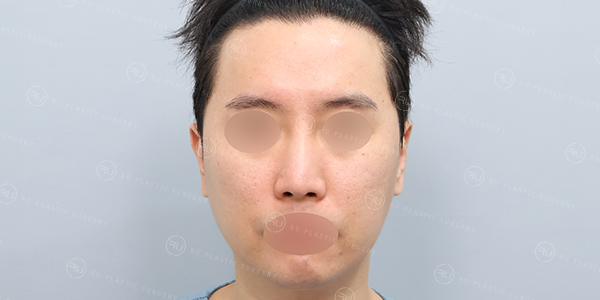
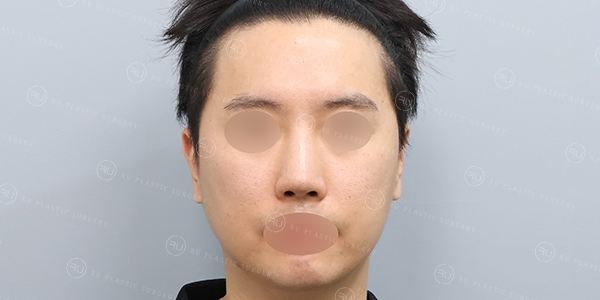
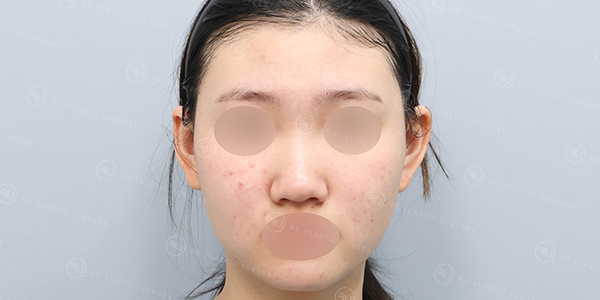
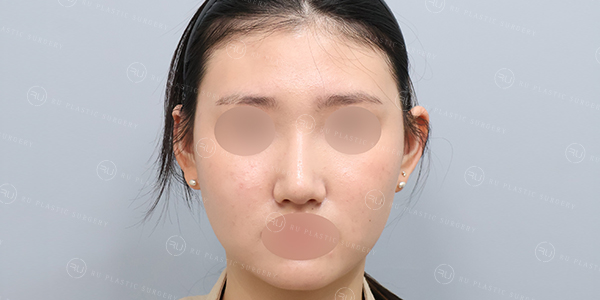
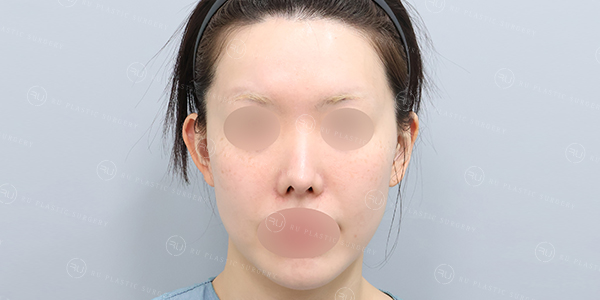
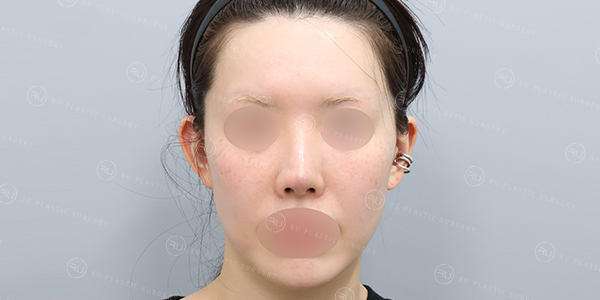
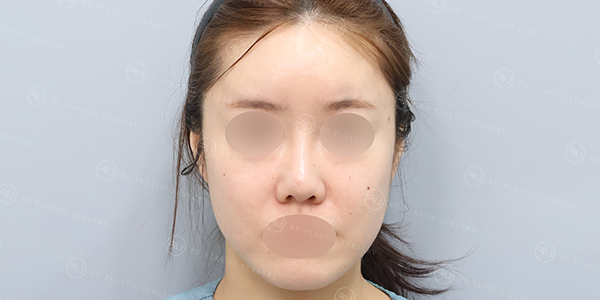
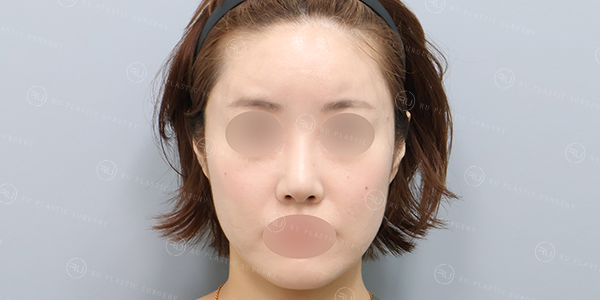
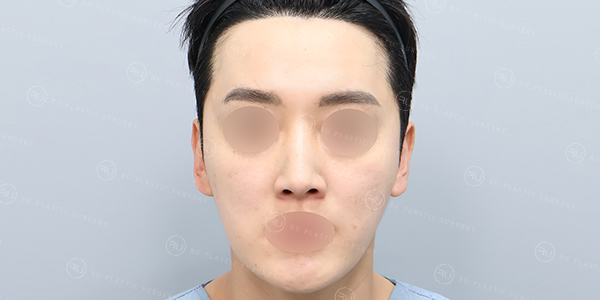
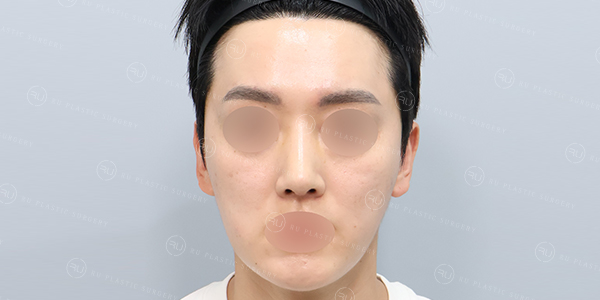
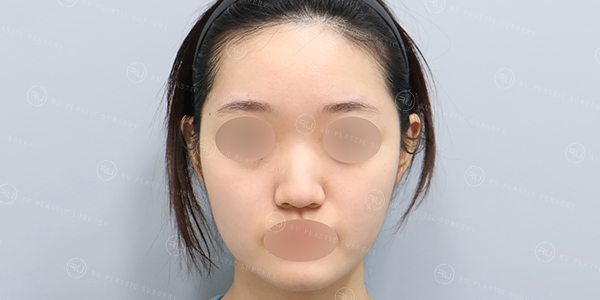
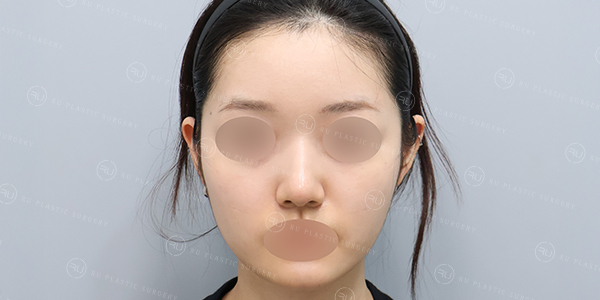
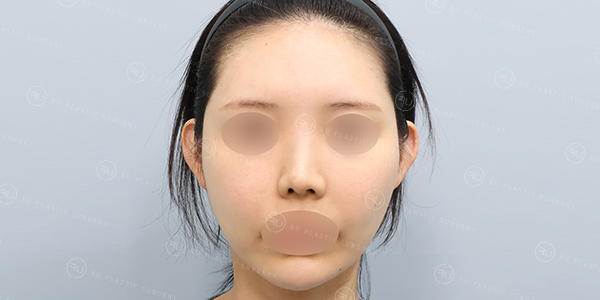
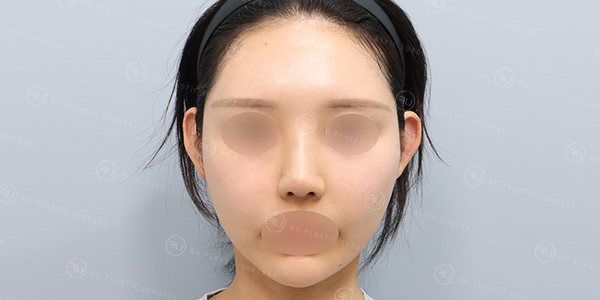
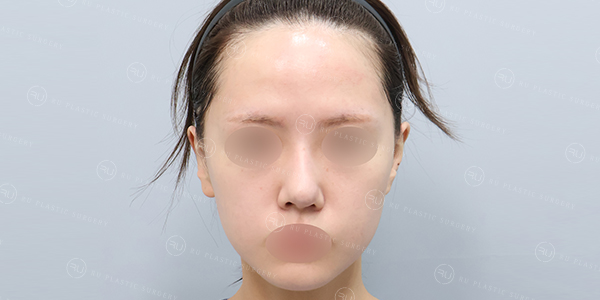
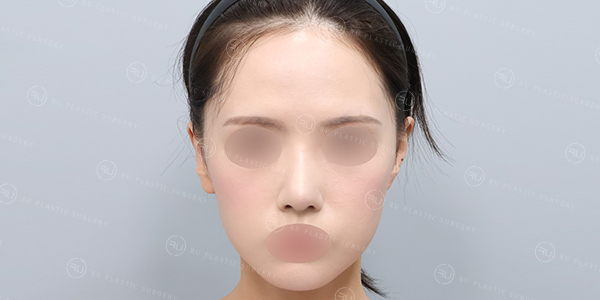
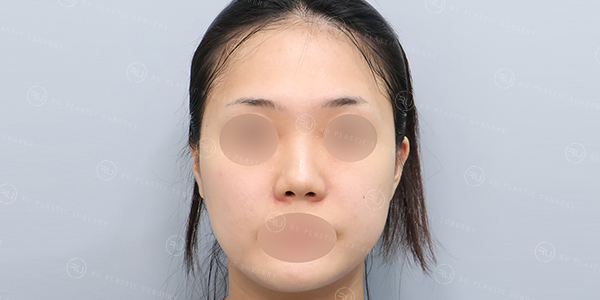
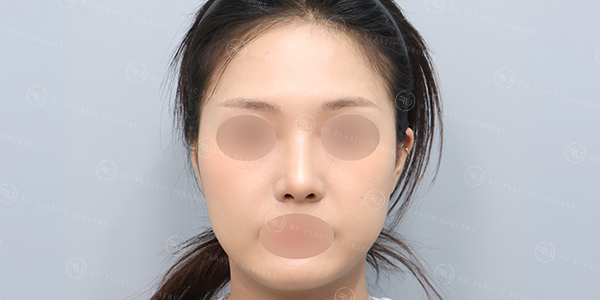
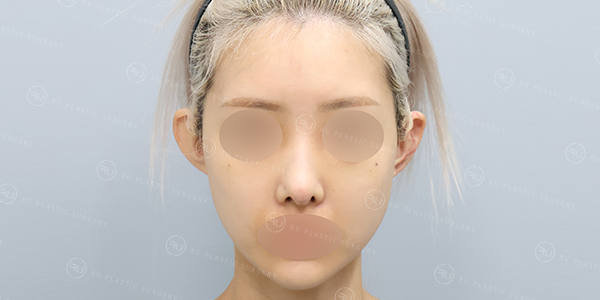
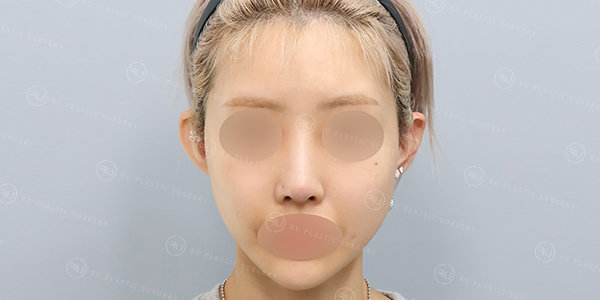
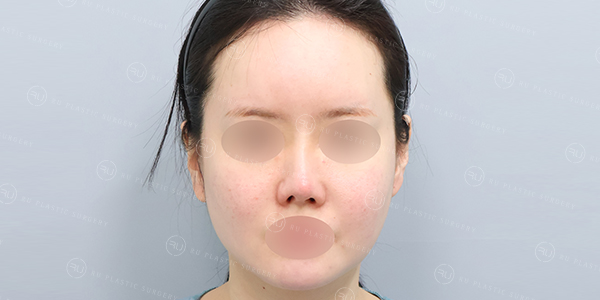
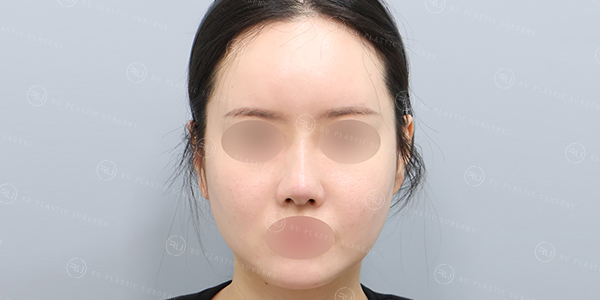
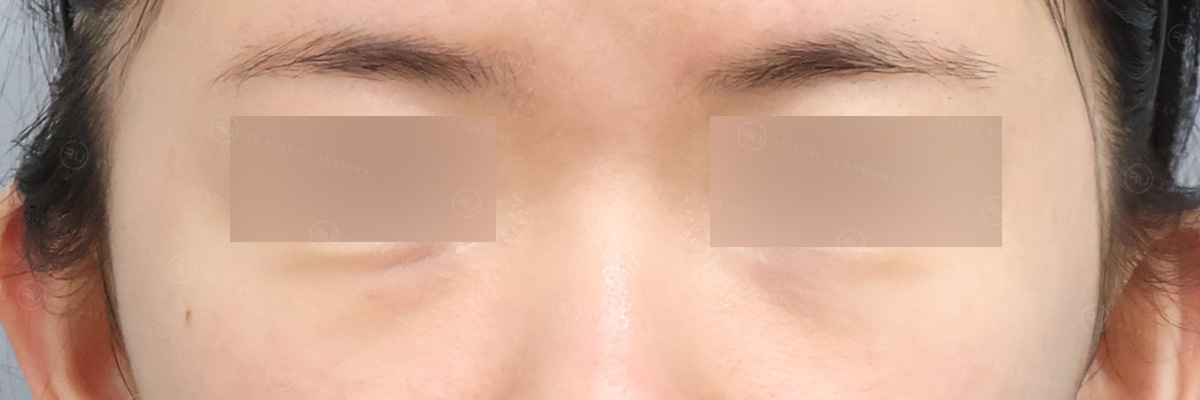
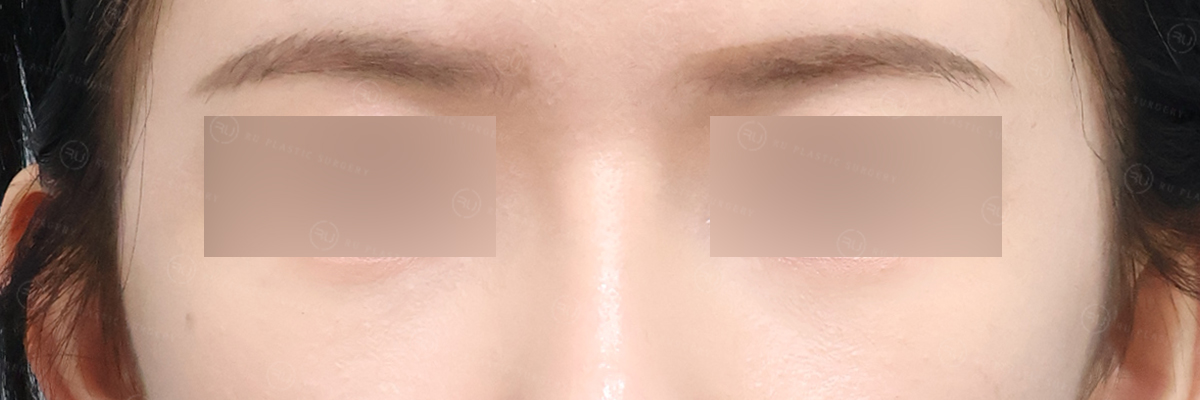
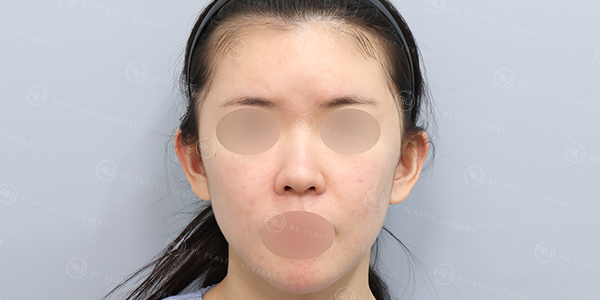
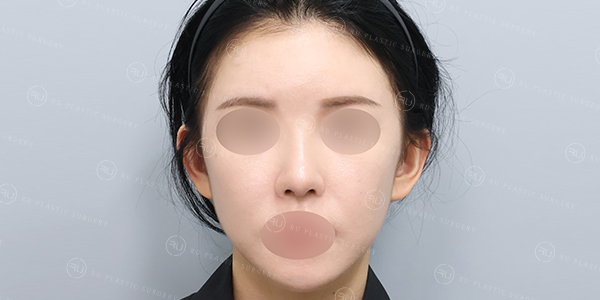
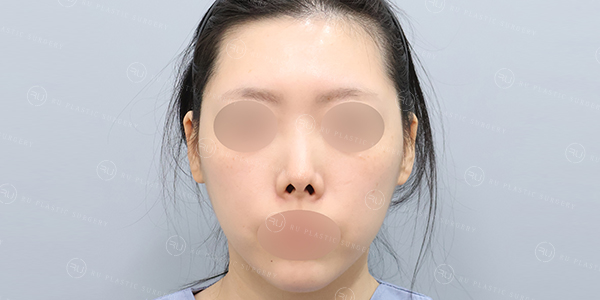
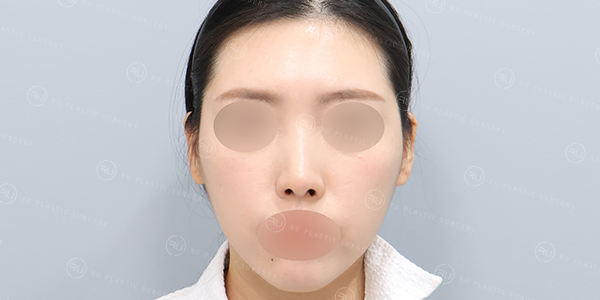
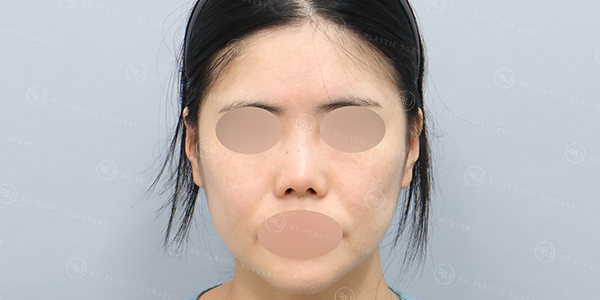
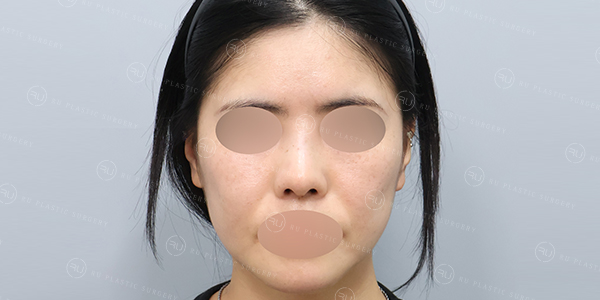
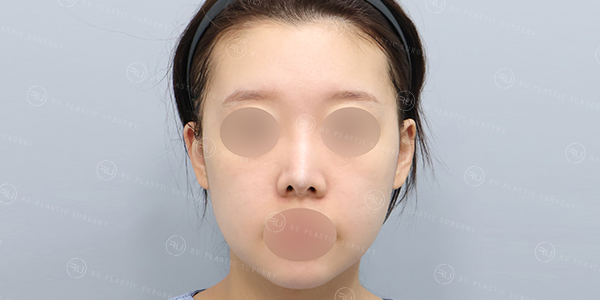
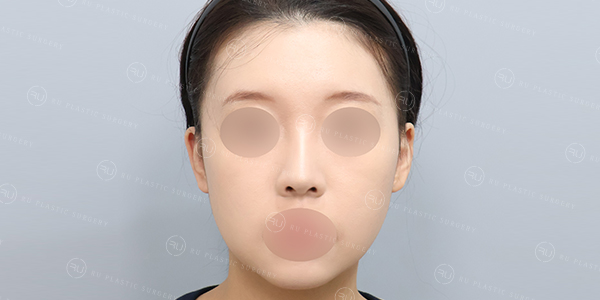
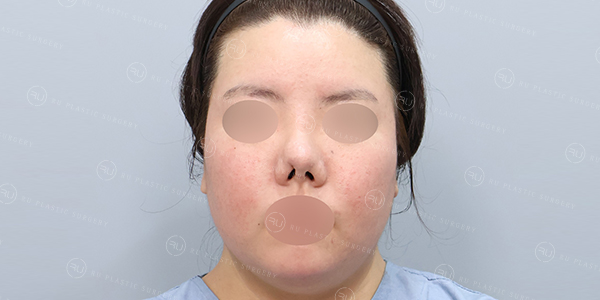
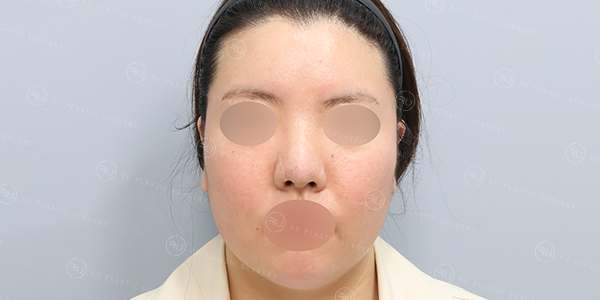
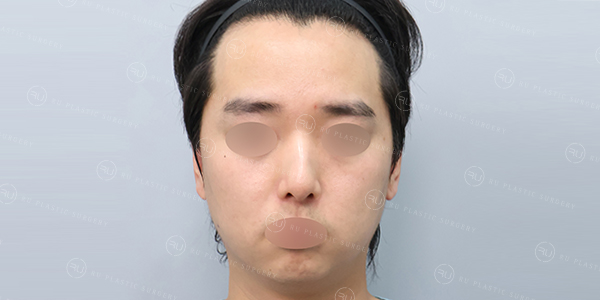
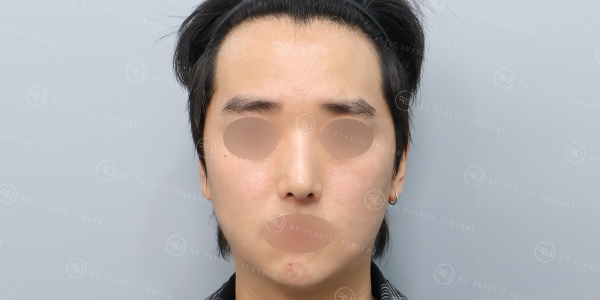
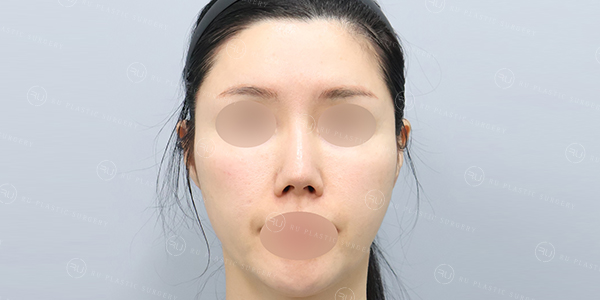
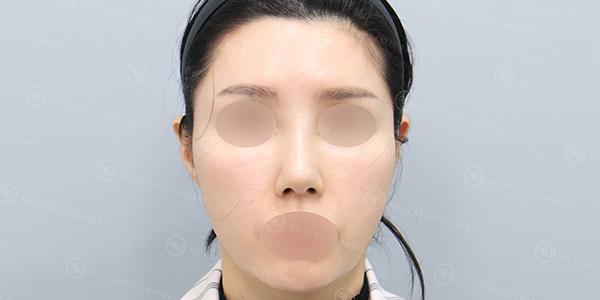
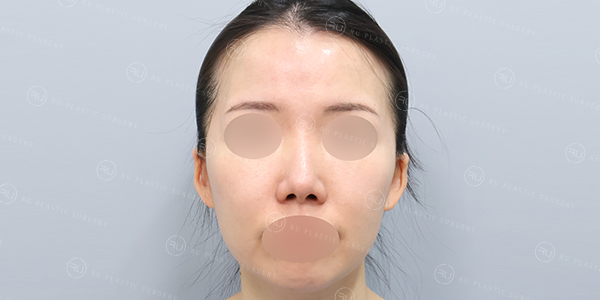
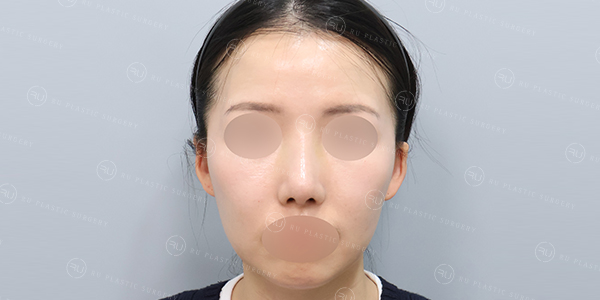
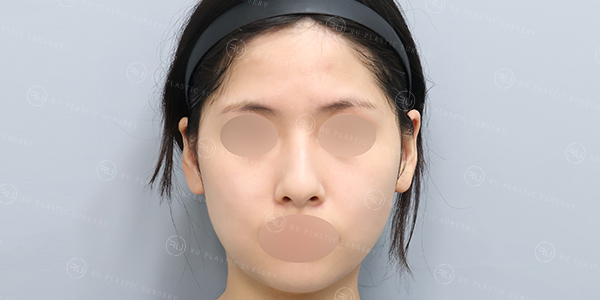
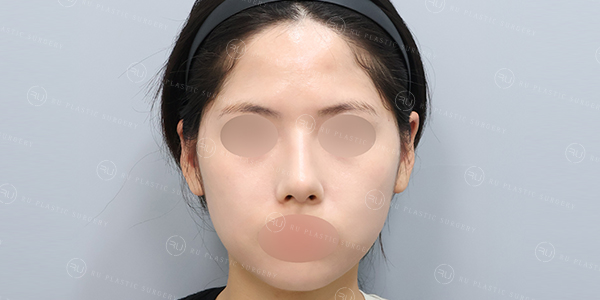
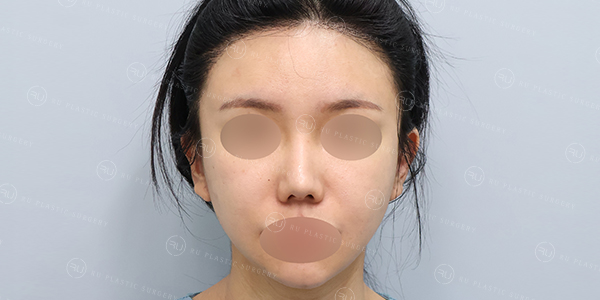
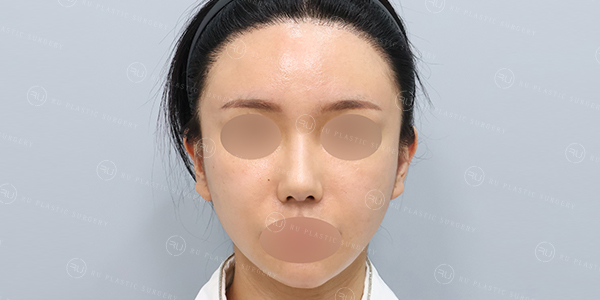
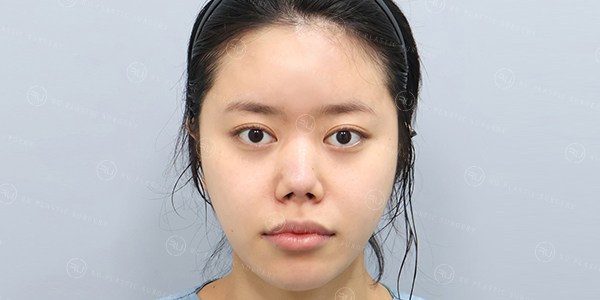
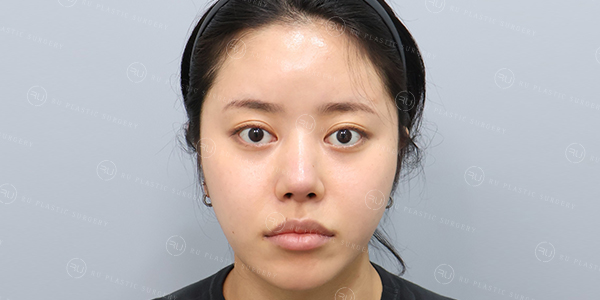
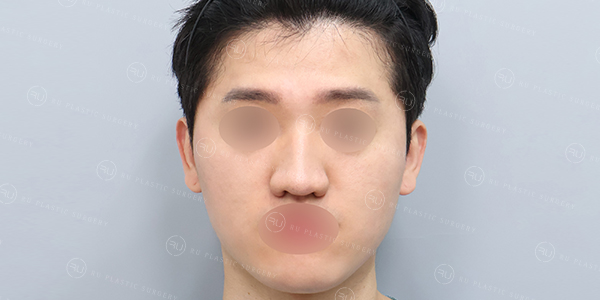
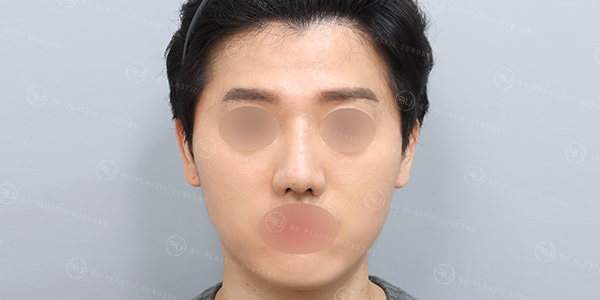
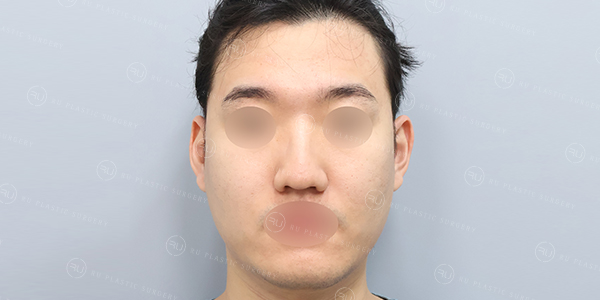
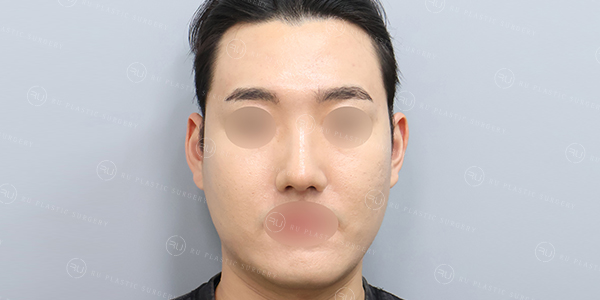
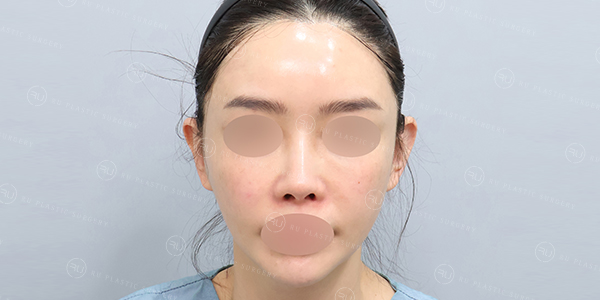
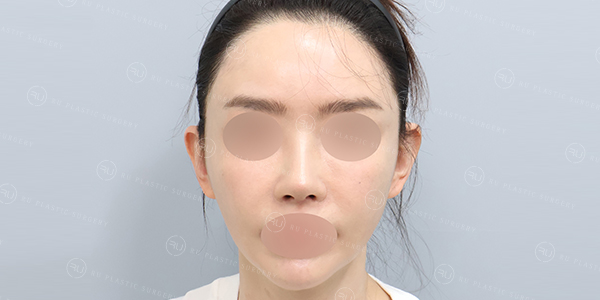
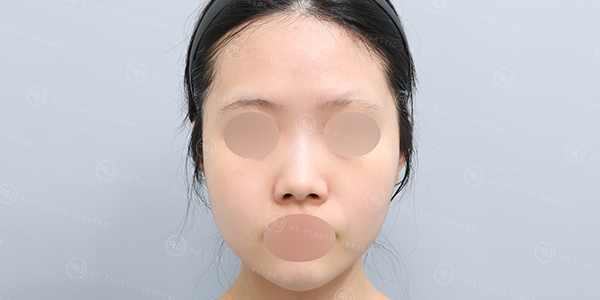
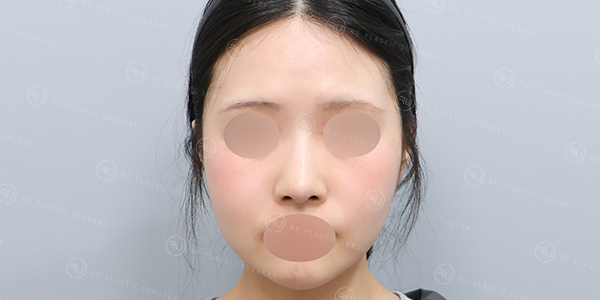
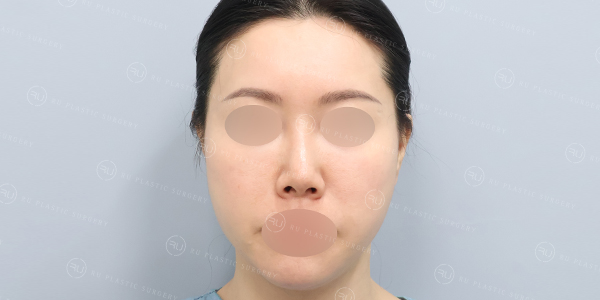
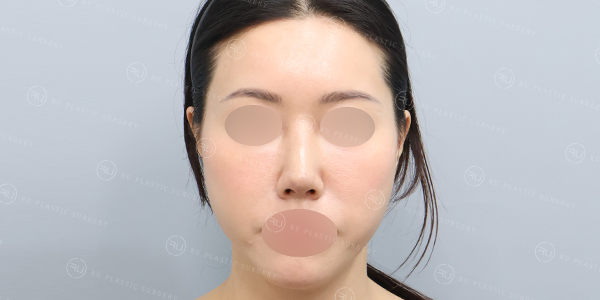
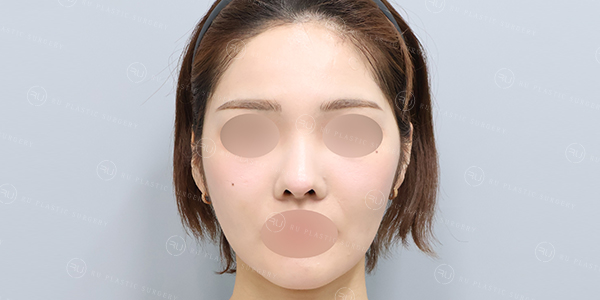
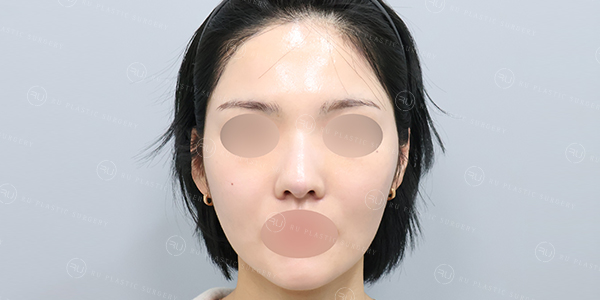
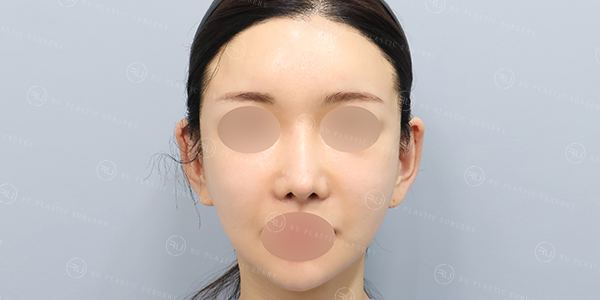
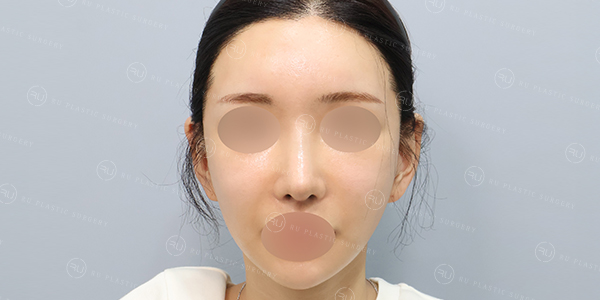
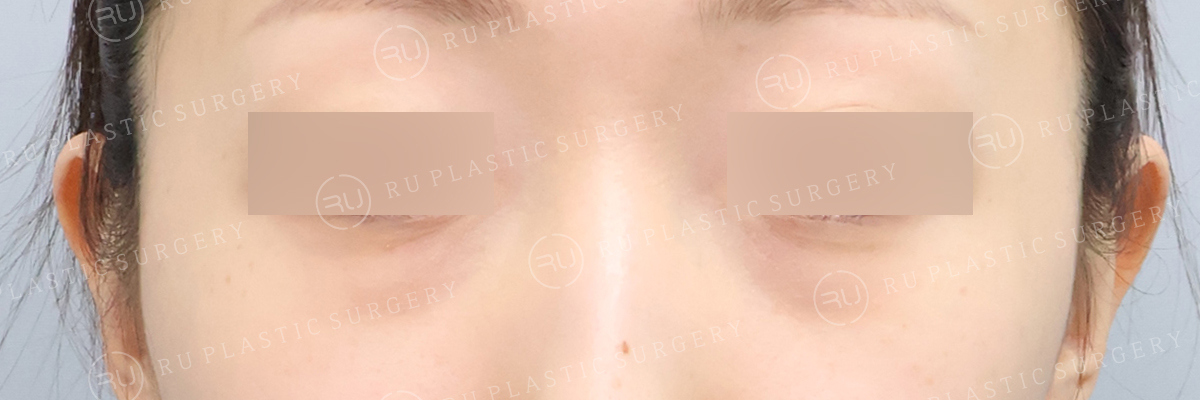
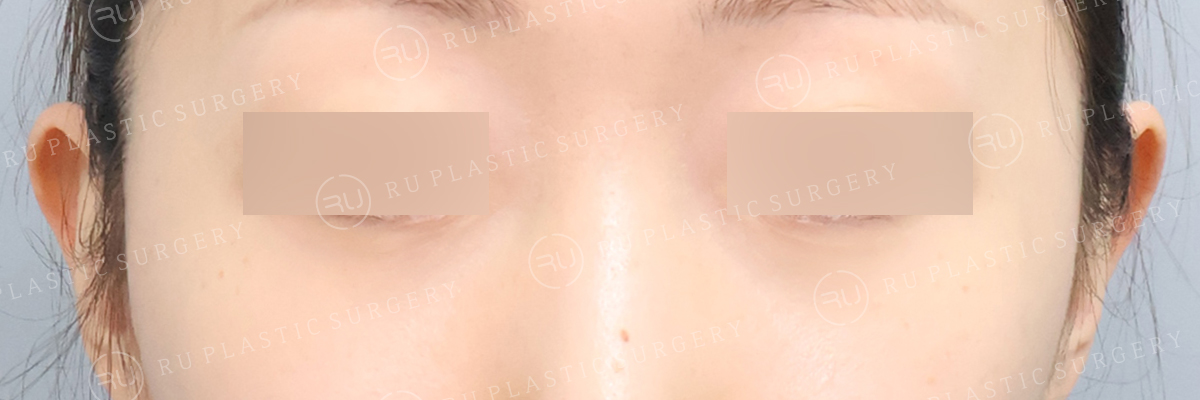
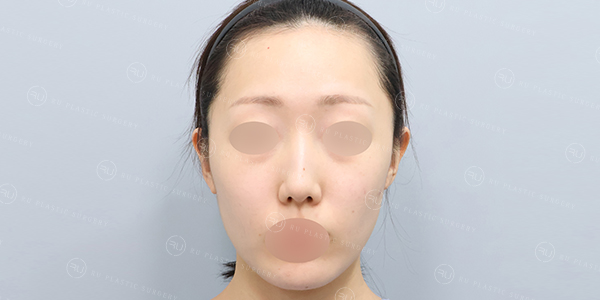
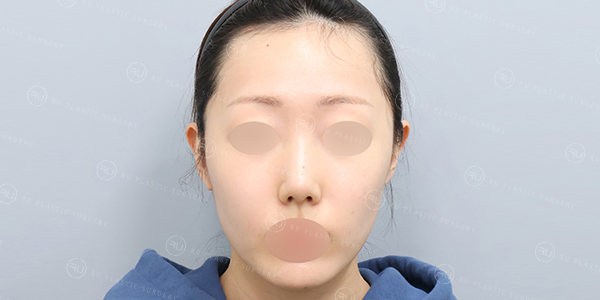
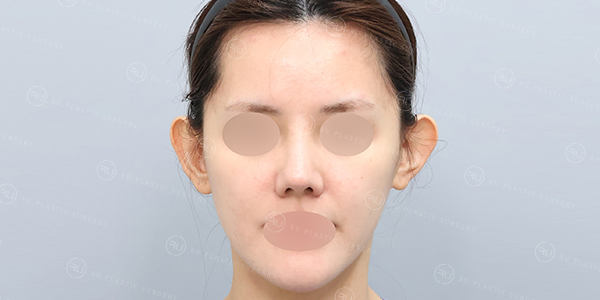
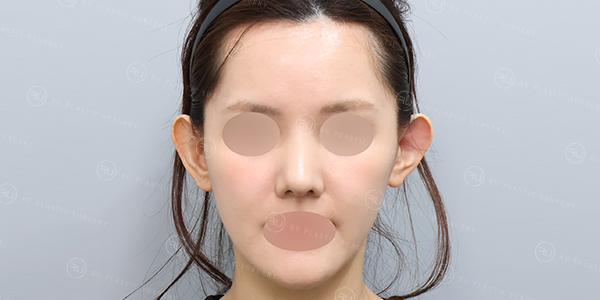
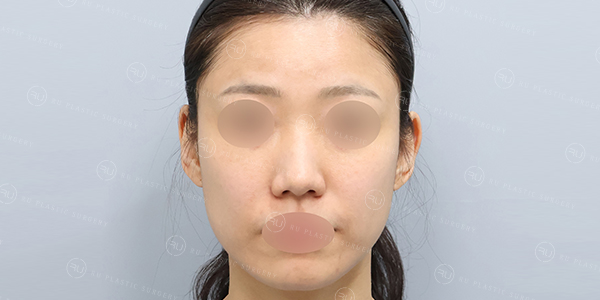
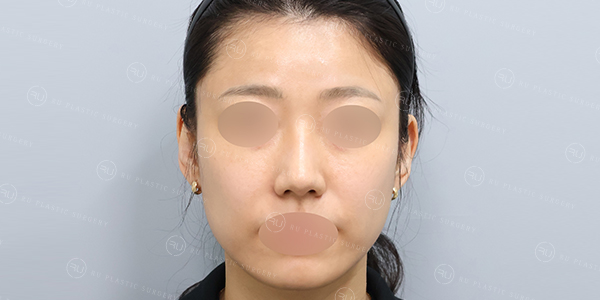
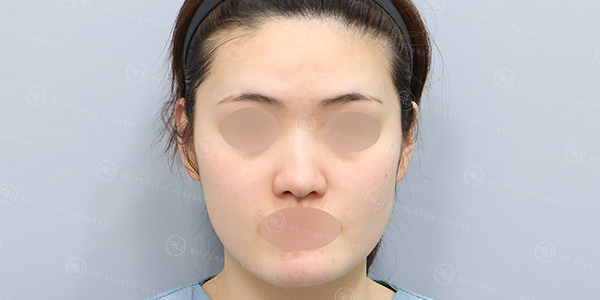
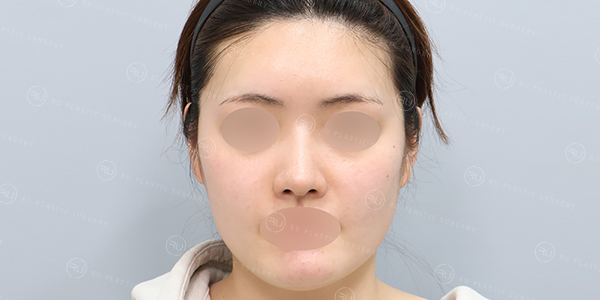
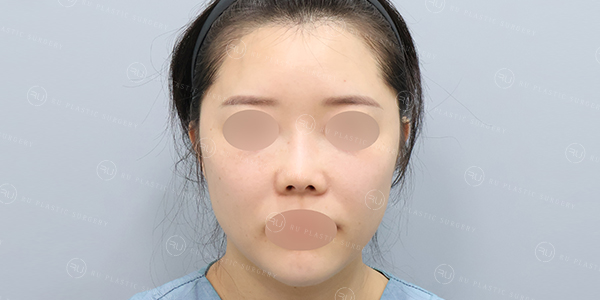
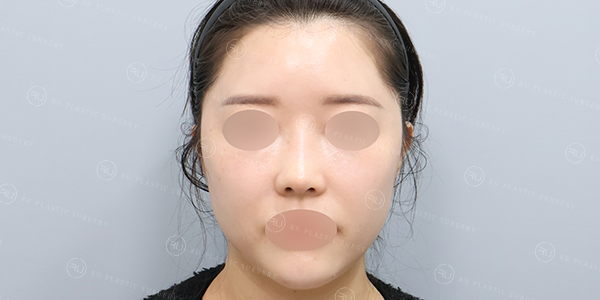
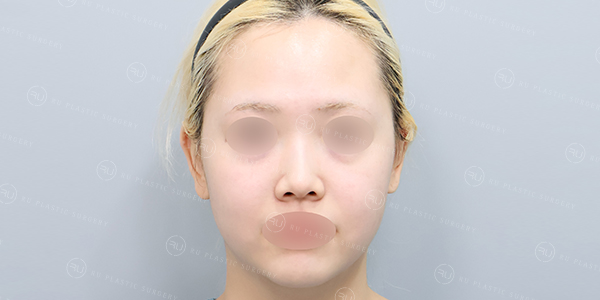
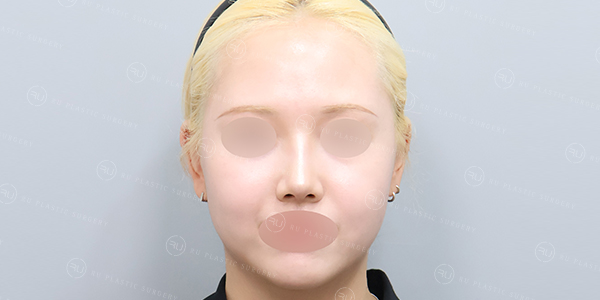
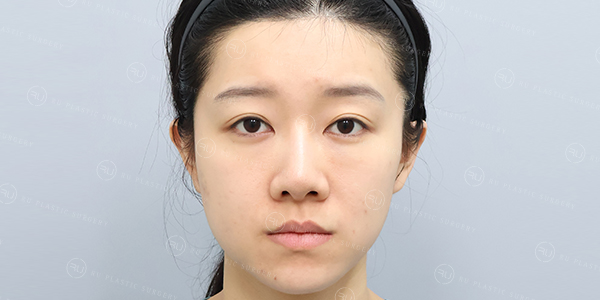
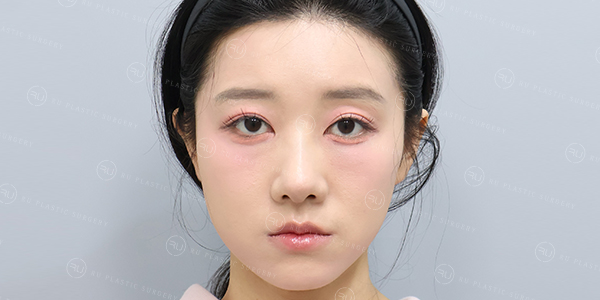
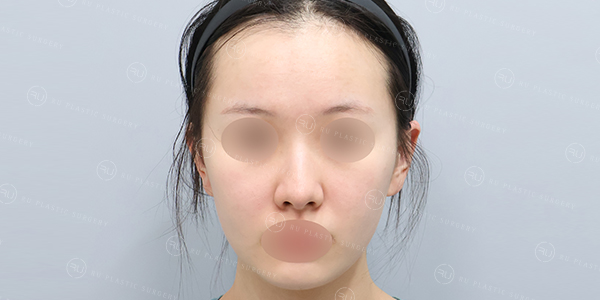
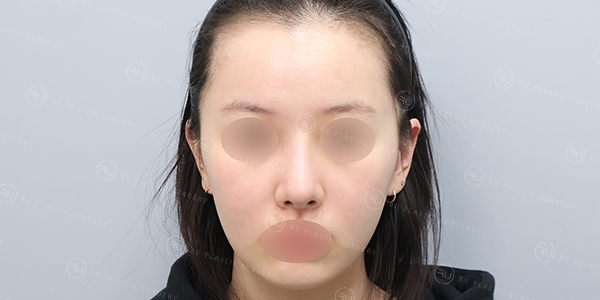
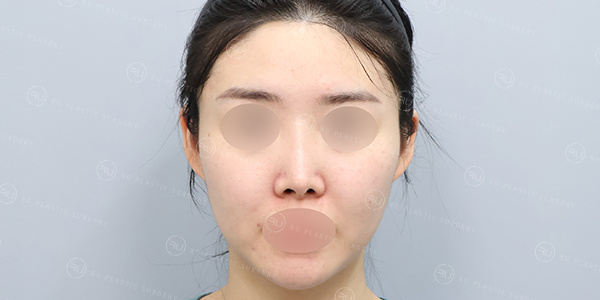
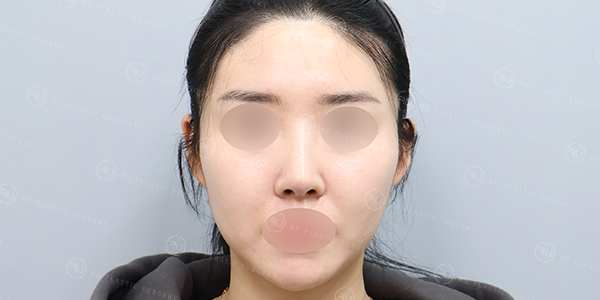
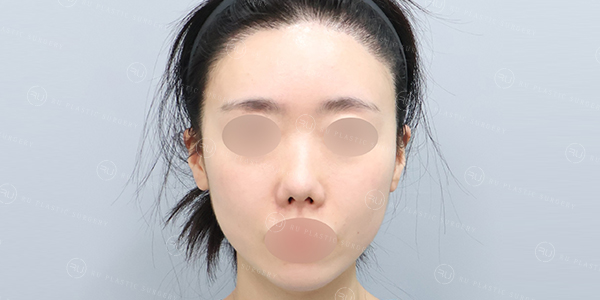
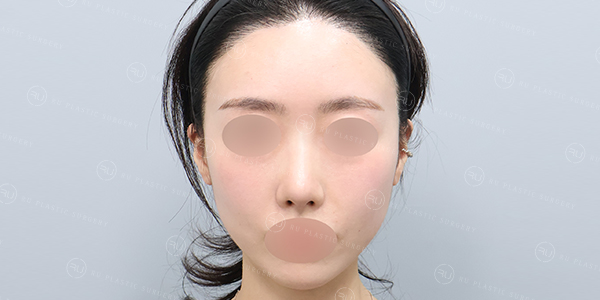
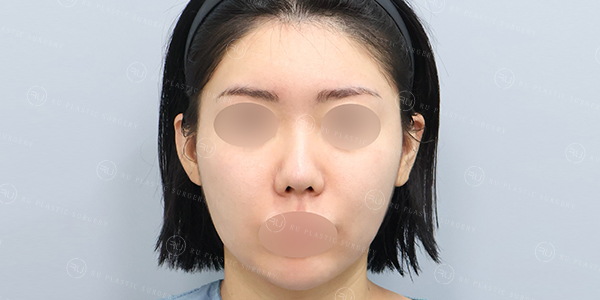
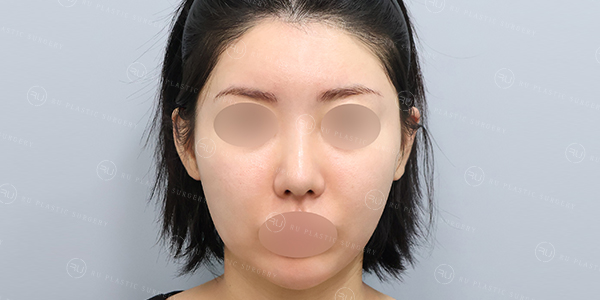
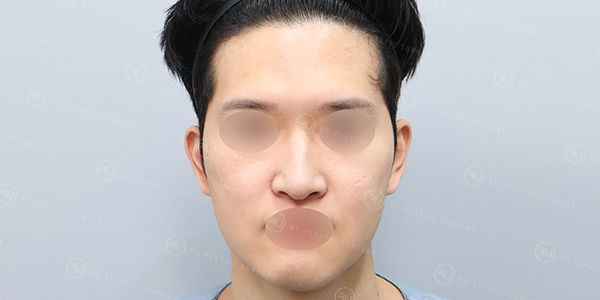
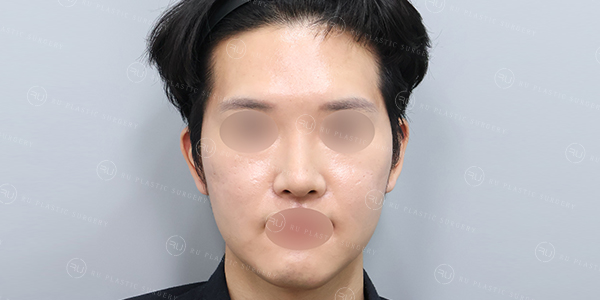
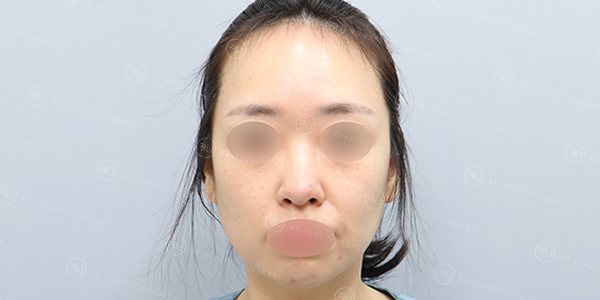
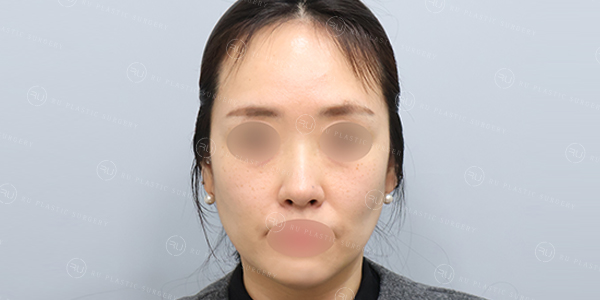
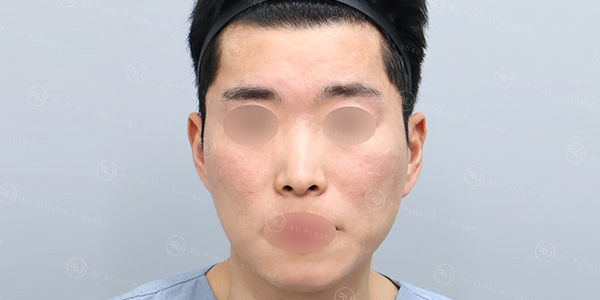
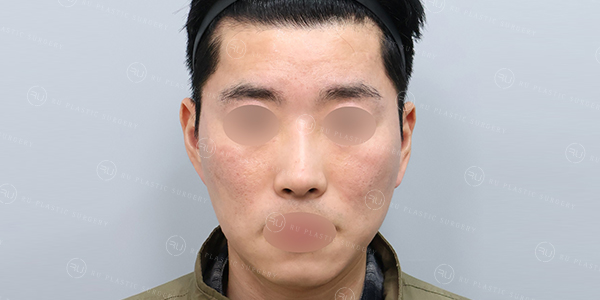
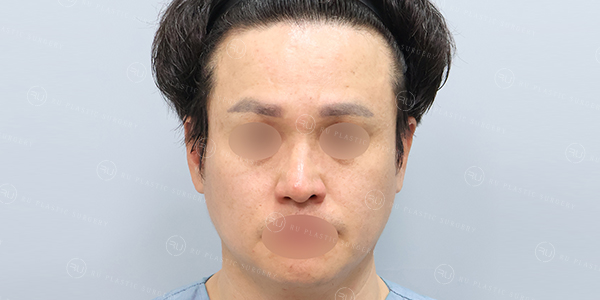
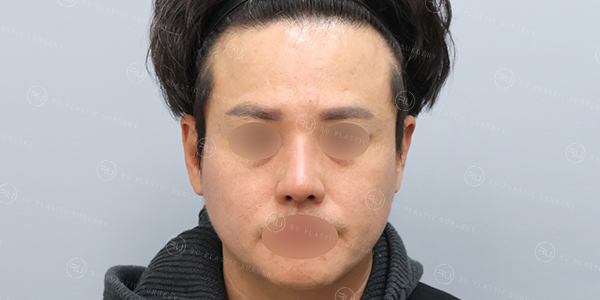
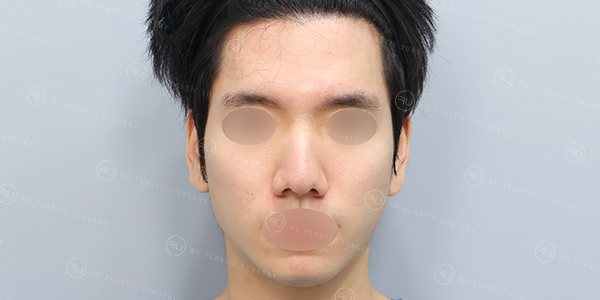
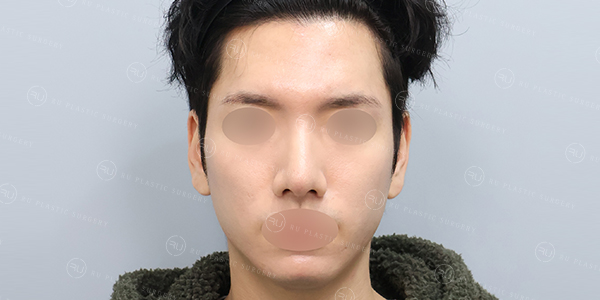
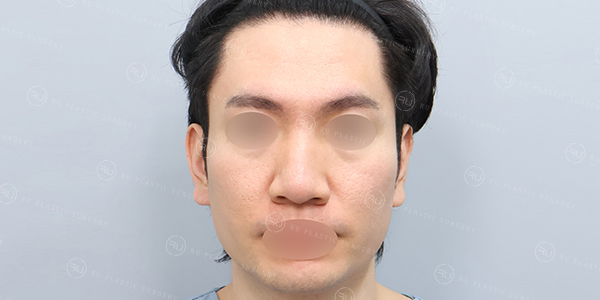
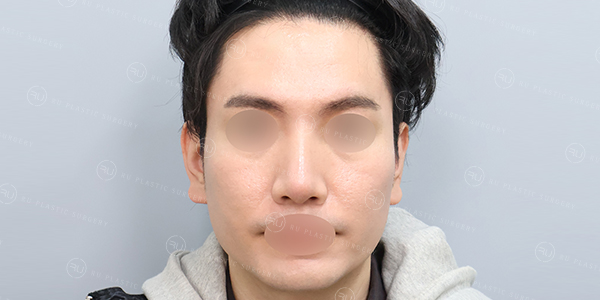
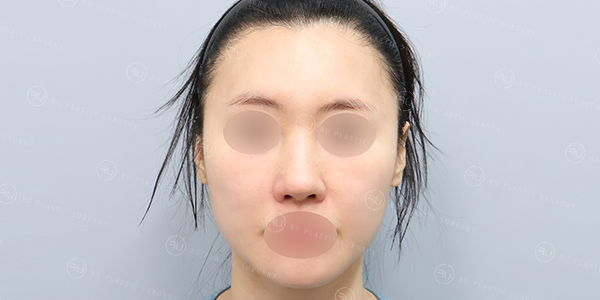
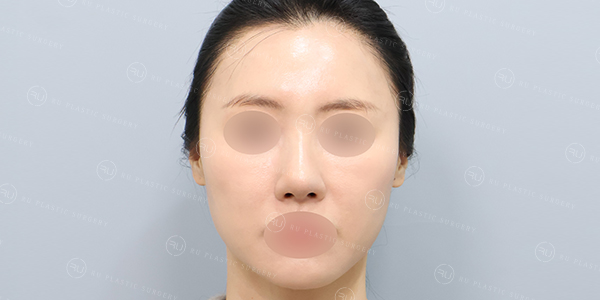
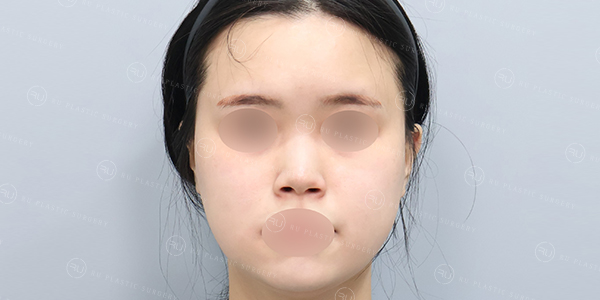
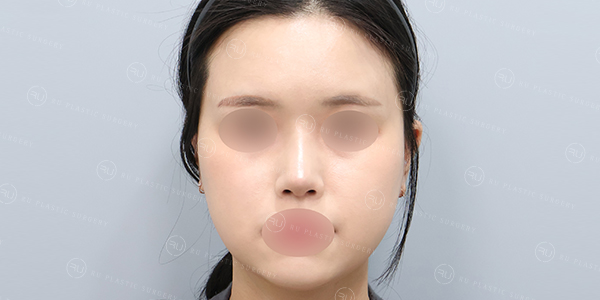
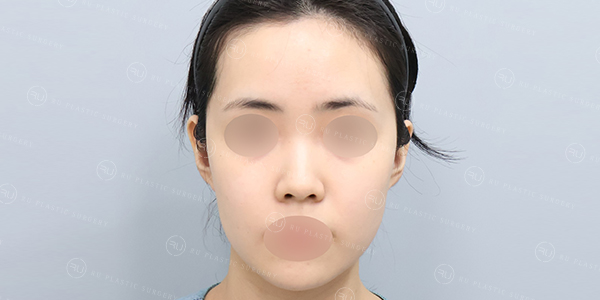
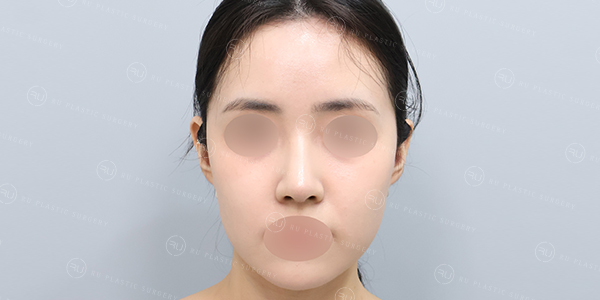
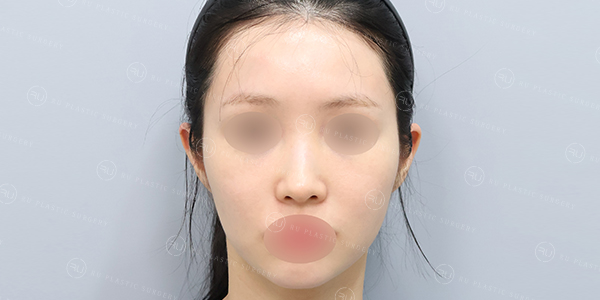
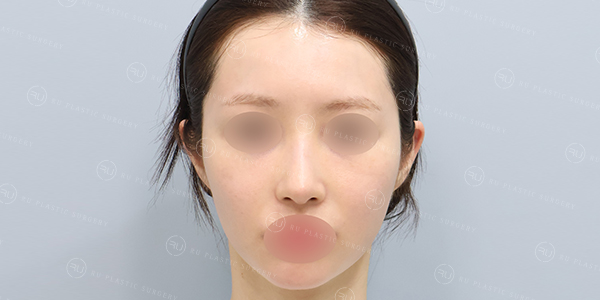
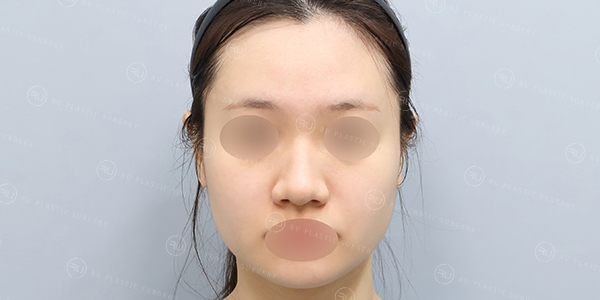
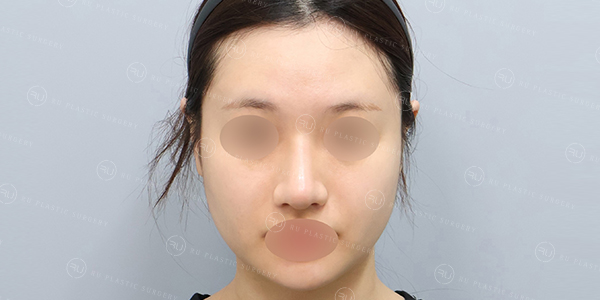
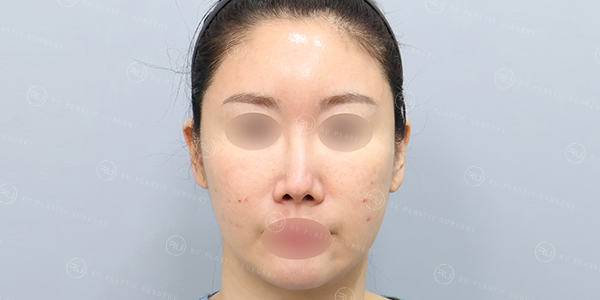
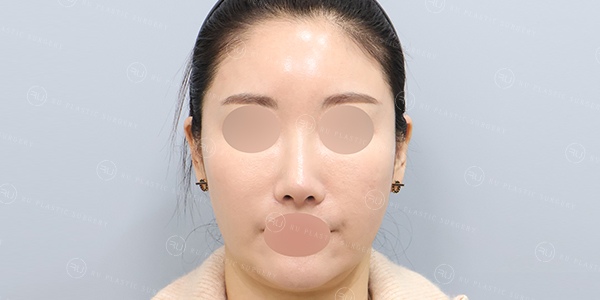
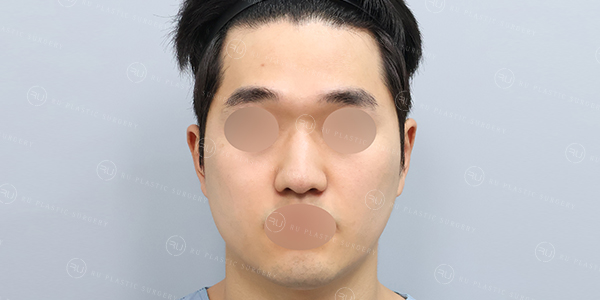
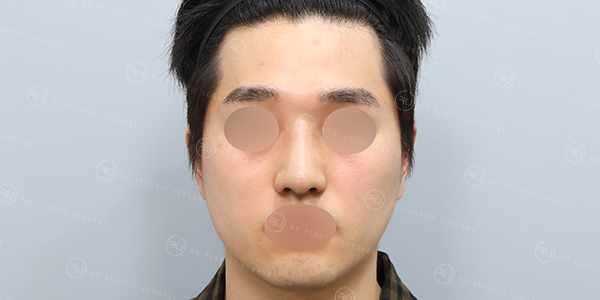
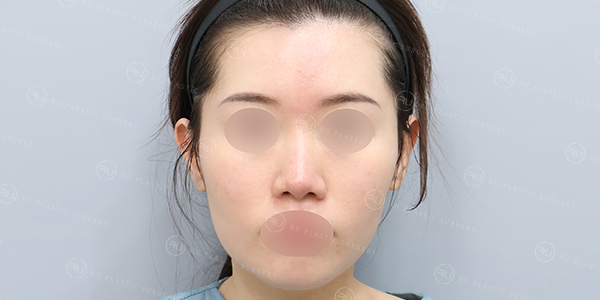
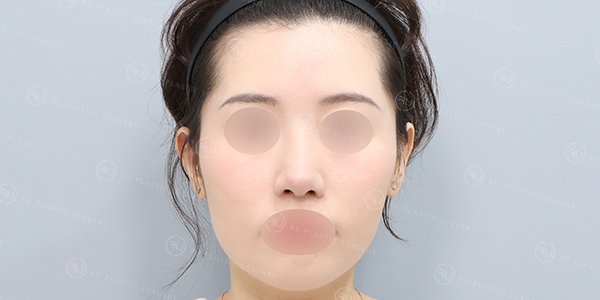
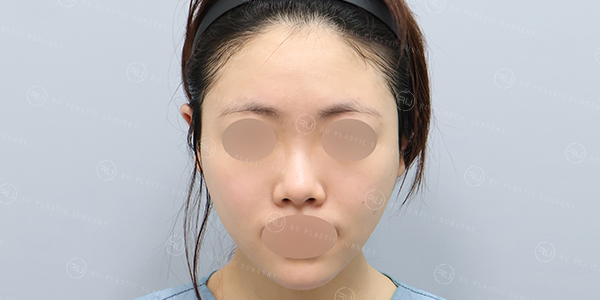
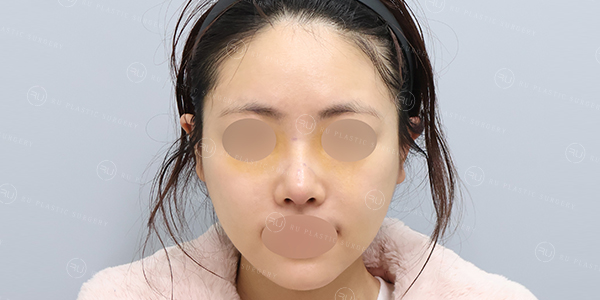
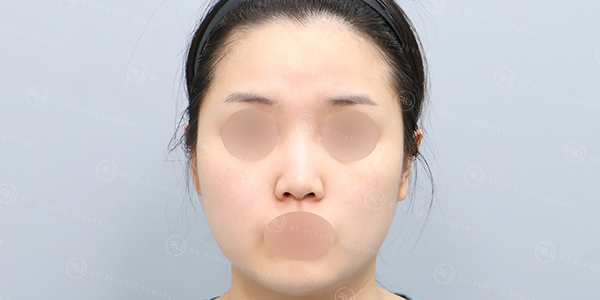
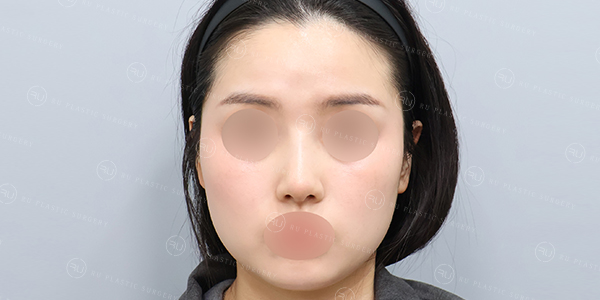
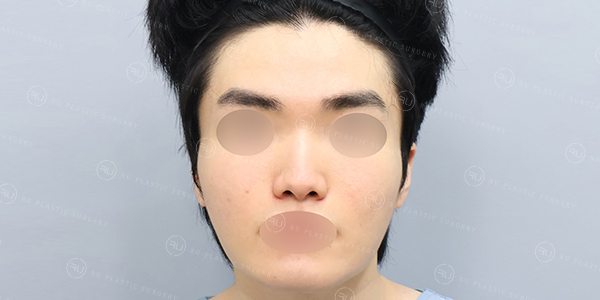
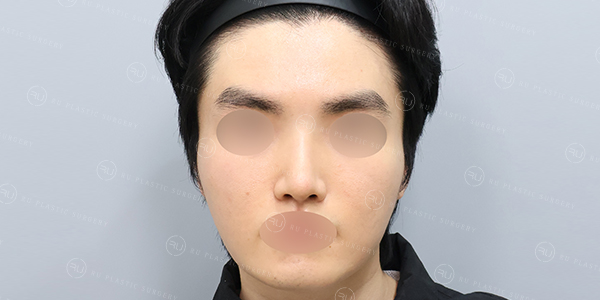
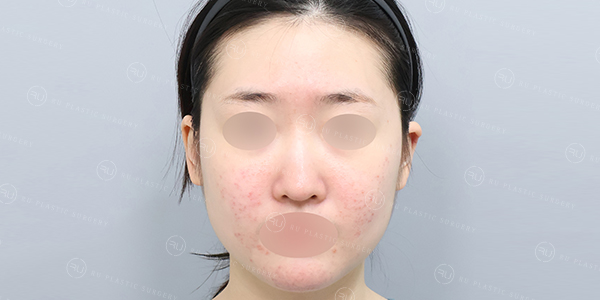
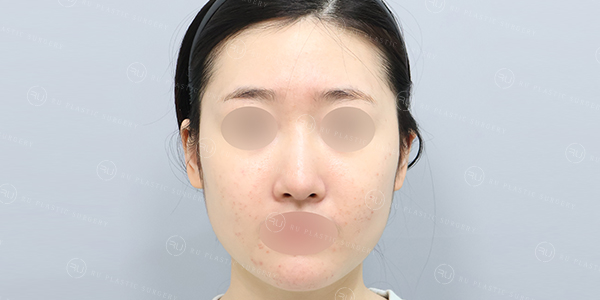
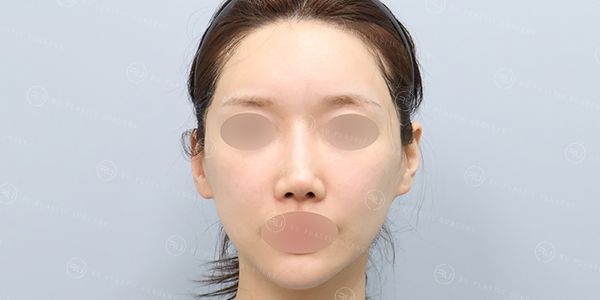
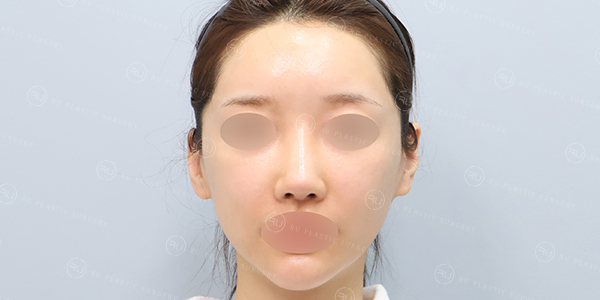
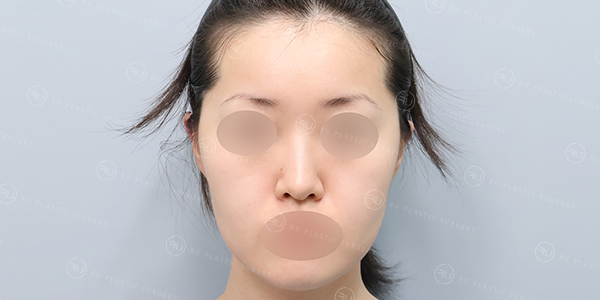
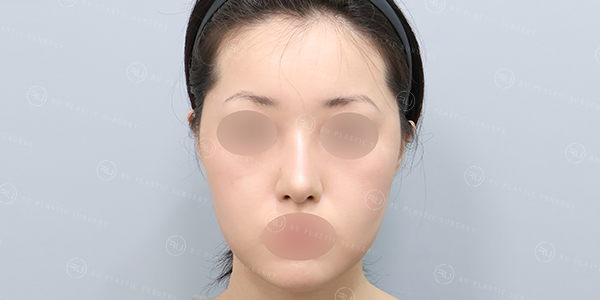
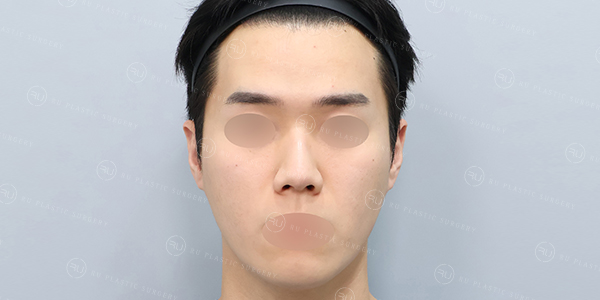
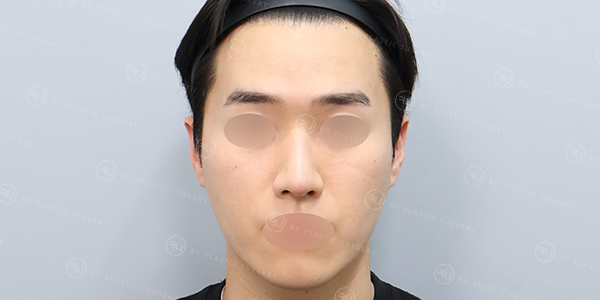
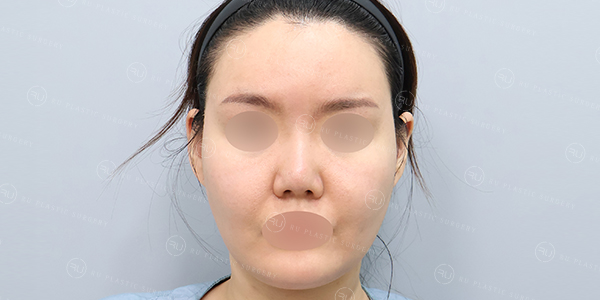
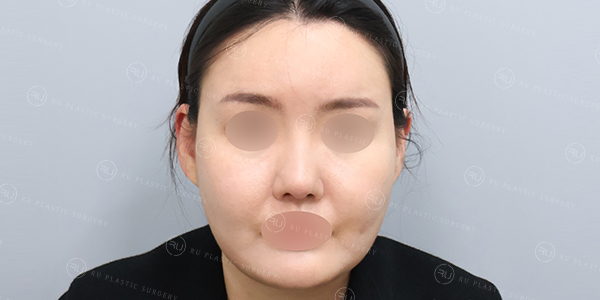
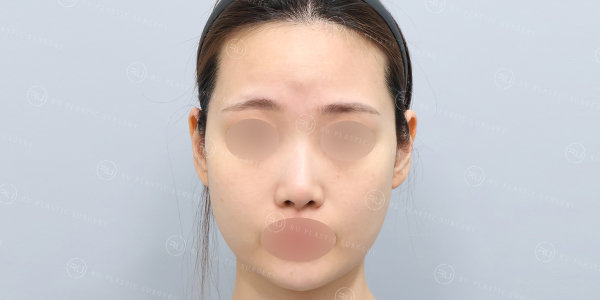
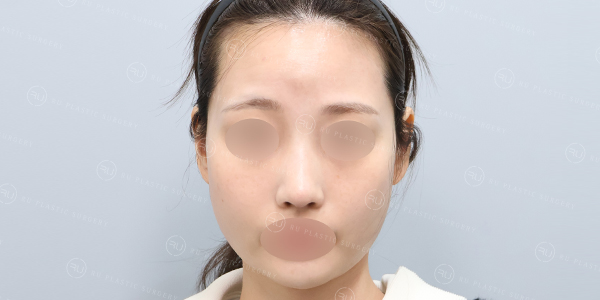
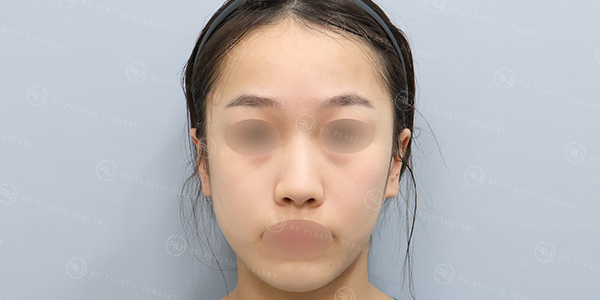
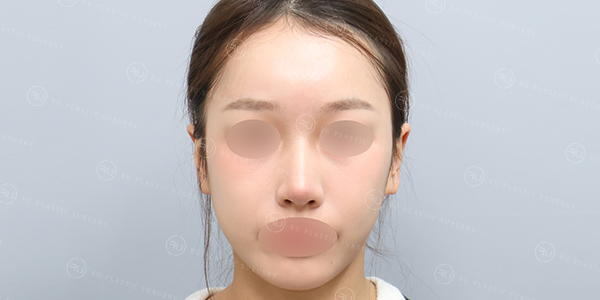
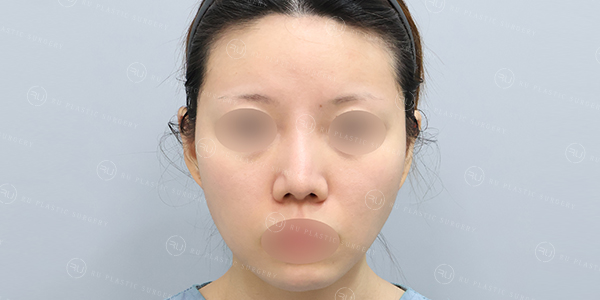
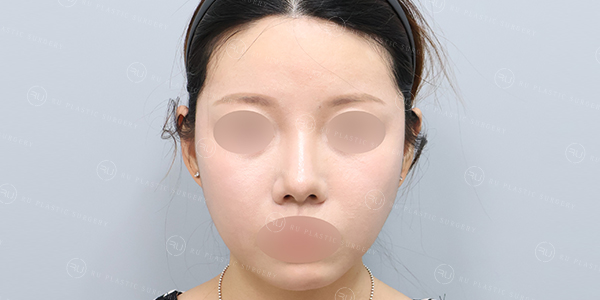
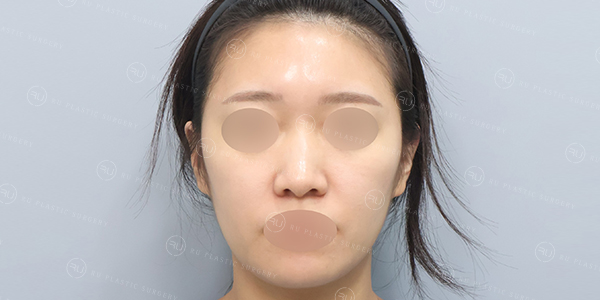
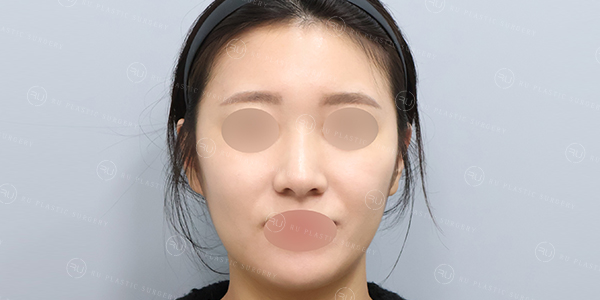
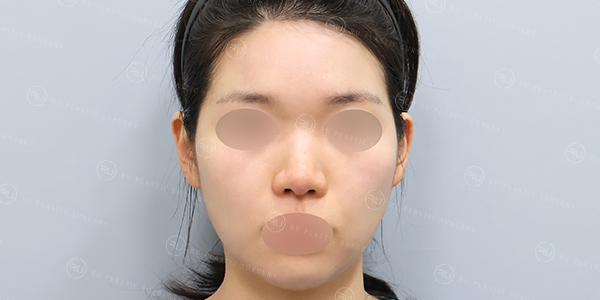
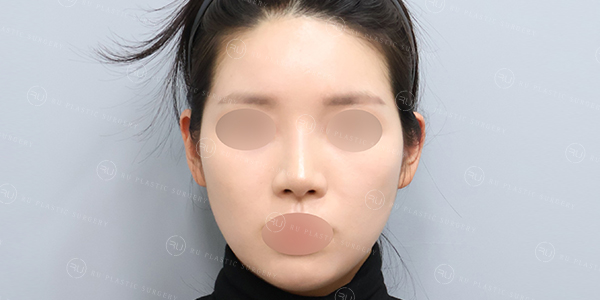
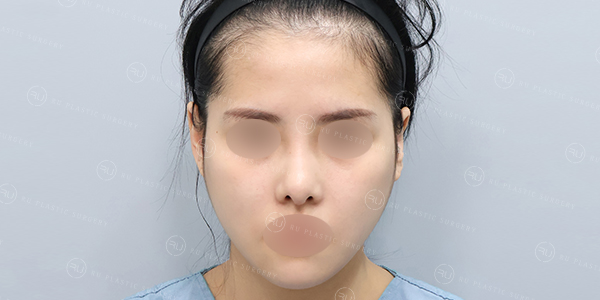
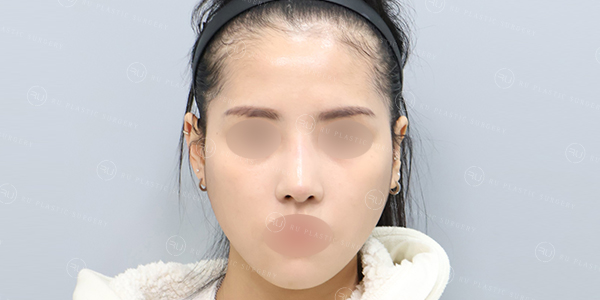
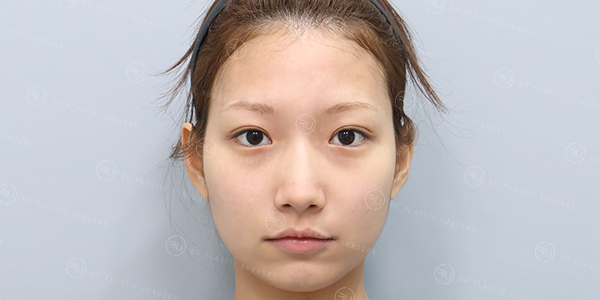
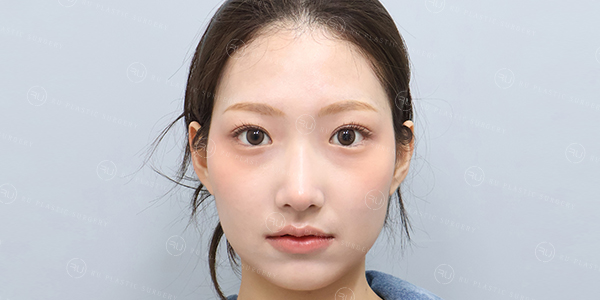
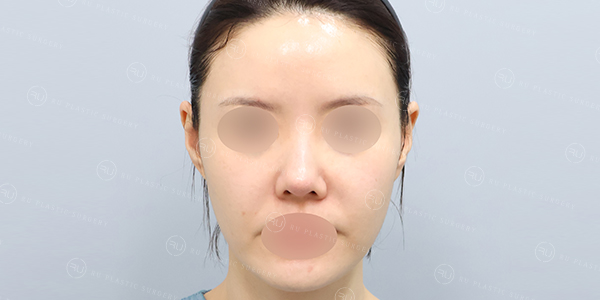
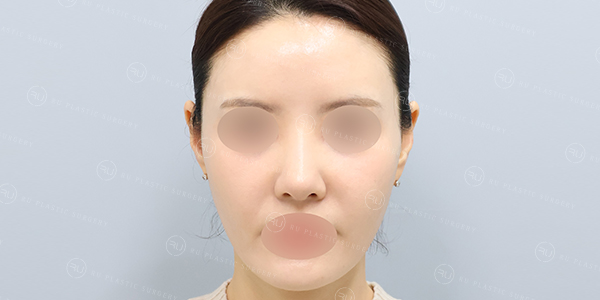
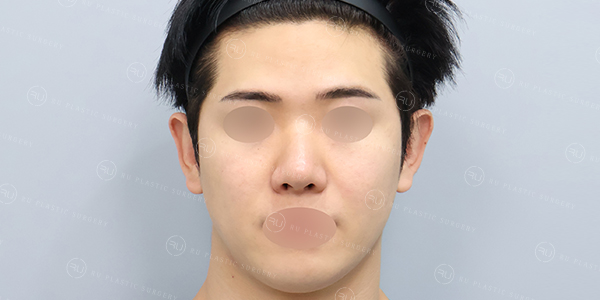
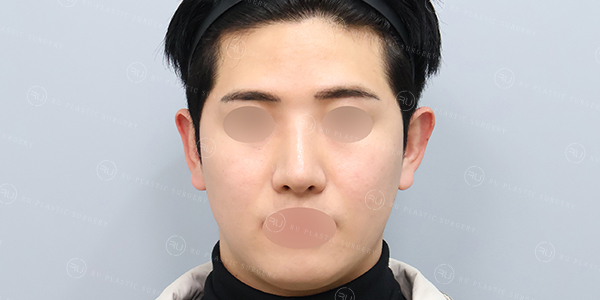
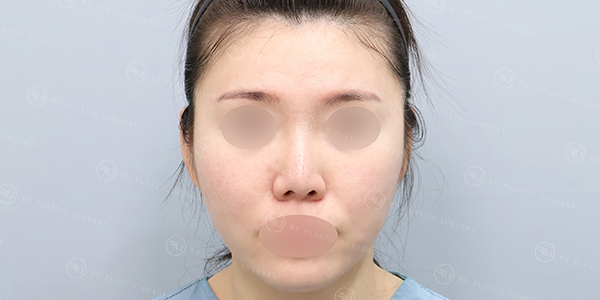
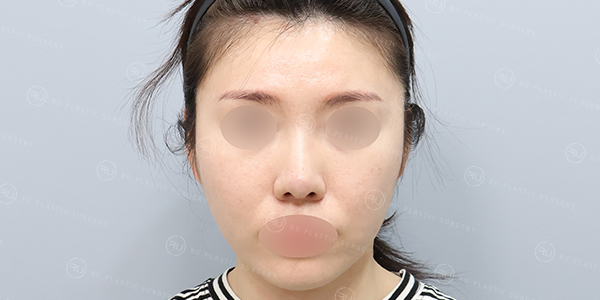
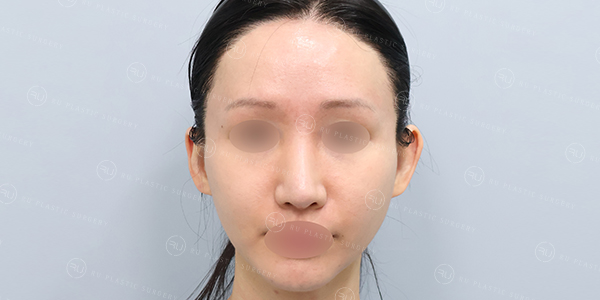
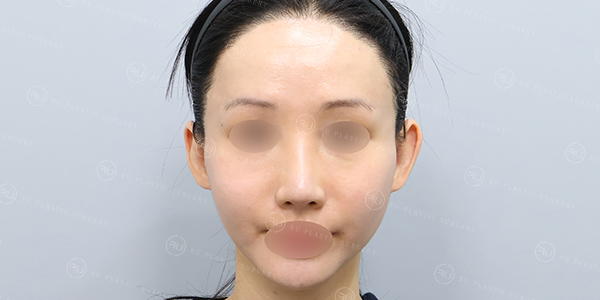
Before / 2w post-op
Approximately 15 years ago, when I was in my early twenties, I underwent a procedure to raise only the tip of my nose without doing much research beforehand.
My nasal bridge was already quite low, so elevating only the tip ended up making my nose appear somewhat upturned.
My nose also became noticeably deviated, and I spent the next 15 years feeling that the result was actually less satisfactory than my original nose.
Even though I had already undergone rhinoplasty, I remained very self-conscious about the appearance of my nose.
I always thought that I would eventually need another surgery, but I kept postponing it.
Once my child had grown a little older and I had more time and emotional space for myself,
I finally felt ready to pursue revision rhinoplasty and hoped to spend the years ahead feeling more confident about my nose.
I was not looking for an excessively high or dramatic result.
My goal was to correct the upturned appearance and nasal deviation without changing my overall image too much.
I also wanted the nasal bridge and tip to connect smoothly and naturally.
While taking care of my child, I made time to visit approximately five clinics that were known for revision rhinoplasty, usually scheduling one or two consultations each month.
I first learned about RU Plastic Surgery through a consultation review posted by another patient in an online plastic surgery community.
I saw several comments mentioning that the cost was higher than at some other clinics,
but I was also repeatedly impressed by feedback regarding Dr. Hyunju Kim’s aesthetic judgment.
I therefore reviewed the before-and-after photographs on the RU Plastic Surgery website.
What stood out to me was that the results did not appear overly dramatic.
They looked natural and refined, while the pre-existing structural concerns of each patient also seemed to have been addressed appropriately.
That was what ultimately encouraged me to visit RU Plastic Surgery for a consultation. At that point, cost was not my main priority.
I felt that if my nose could be revised safely and in a way that truly suited my face, the expense would be worthwhile.
My initial consultation with the coordinator, Heesun, was also very positive.
She listened calmly and helped organize the concerns and goals I wanted to communicate.
During my consultation with Dr. Hyunju Kim, he reviewed my CT images and explained my condition and surgical options in a detailed and considerate manner.
At the same time, he appeared very confident in his assessment, which gave me a strong sense of reassurance.
At the time, I was still uncertain about exactly which surgical method or nasal shape would suit me best,
so I appreciated having clear guidance. I tend to be indecisive, and Dr. Kim’s decisive and professional approach made me feel more comfortable.
He also pointed out certain facial characteristics that I had never considered myself and explained how the nasal design should be adjusted accordingly.
That was the moment I felt that this was the clinic I wanted to choose.
For my revision surgery, autologous rib cartilage was used for both the nasal tip and the bridge,
with an Innofit 3D customized DCF approach for the bridge.
Dr. Kim also explained his preference for using autologous rib cartilage in cases like mine. Although the overall cost was higher than I had initially expected and I did hesitate briefly,
I decided to proceed because I wanted this to be my final rhinoplasty.
Because the procedure involved a customized 3D design, I had an additional design consultation before surgery.
I had been going back and forth between a straighter nasal line and a slightly softer, more curved profile.
Once again, Dr. Kim gave me a clear recommendation based on my facial features, which made the decision much easier for me.
The surgery itself was completed successfully. When I opened my eyes, I was already in the recovery room.
Because the procedure was performed under general anesthesia, the most difficult part for me was actually recovering from the anesthesia. Rather than significant discomfort in my nose or rib area, I felt extremely drowsy and mentally foggy for most of the day. I do remember Dr. Kim coming to see me afterward and telling me that the surgery had gone well.
The nasal packing was removed the following day, although breathing through my nose was still not particularly comfortable at that stage.
I continued to experience some blood-tinged nasal discharge and congestion, so I relied mostly on mouth breathing for a while.
I wore a nasal splint for approximately one week, and during that time I became quite worried because the tip of my nose appeared much more elevated than I had expected.
However, the moment the splint was removed, I realized that most of my concern had been unnecessary.
I had not realized how much the splint itself was affecting the way the nose appeared during that first week.
As soon as the splint came off, I was genuinely surprised and very pleased with the shape.
I finally had the straight, softly refined nasal profile I had hoped for, and the deviation had been noticeably corrected.
My nose had also been quite small before surgery,
so the increased proportion and definition made my overall facial balance feel improved and even gave me the impression that my face looked smaller.
Even my mother, who is generally very conservative about cosmetic surgery, told me that the result looked beautiful.
For me, that was one of the moments when I truly felt that choosing revision rhinoplasty had been worthwhile.
It has now been approximately two weeks since surgery. There is still some swelling, but the appearance is gradually becoming more natural. People around me have also commented that the result looks very natural and suits my face well.
My nose is not excessively high or dramatic, which is exactly what I wanted.
It has enough height and definition to improve my overall profile while still blending naturally with my facial features.
I have noticed a small amount of scar tissue along the side of the nasal bridge,
although it is subtle enough that I am probably the only person who notices it.
Dr. Kim reassured me that it is not something I need to be overly concerned about at this stage,
so I am continuing to follow the recovery process and trust his postoperative guidance.
I am looking forward to seeing the nose become even more refined as the remaining swelling continues to subside and the scar tissue settles.
At this early stage, I am already very pleased with how naturally the result fits my face and how closely it reflects the appearance I originally hoped to achieve.
- 이전글 26.09.29 Revision Rhinoplasty at RU Plastic Surgery
- 다음글 26.09.29 One-Month Review After Saddle Nose Reconstruction