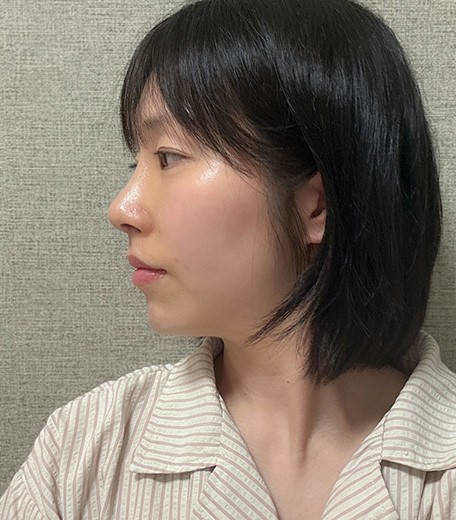
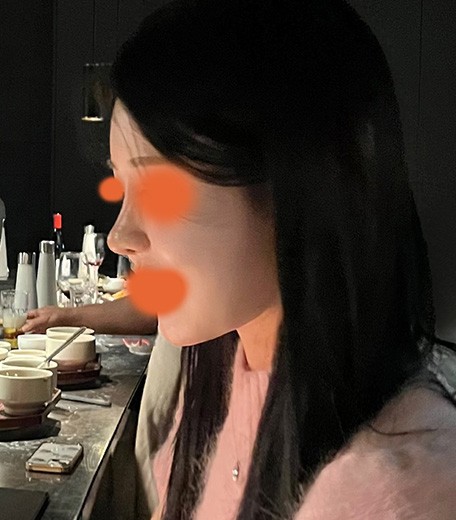
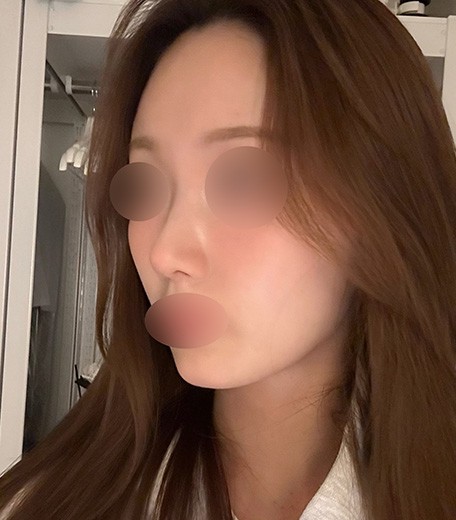
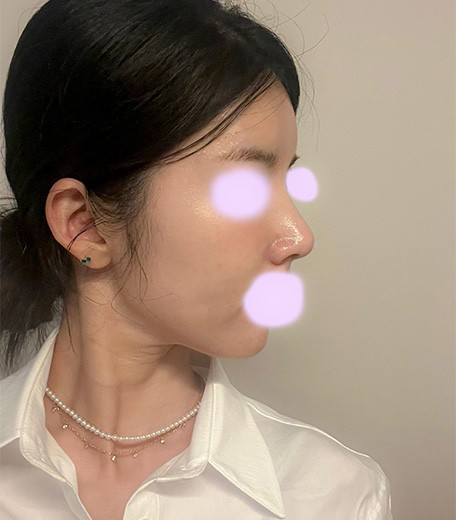
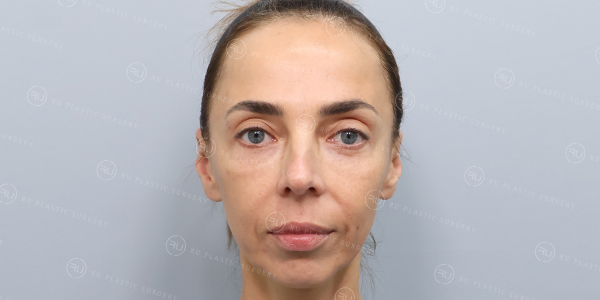
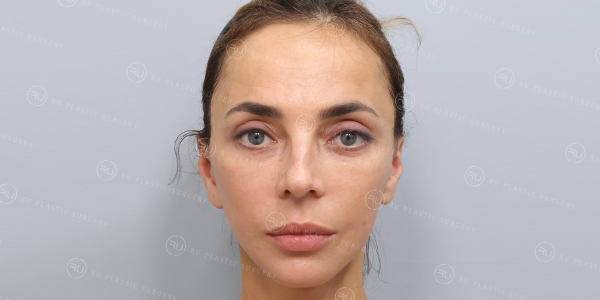
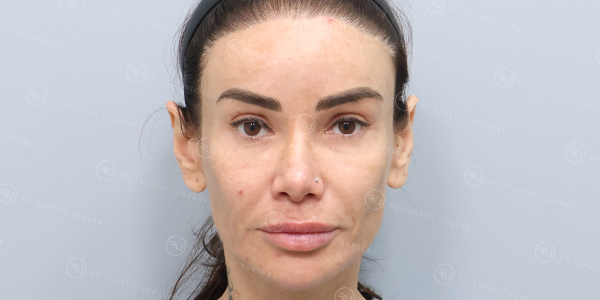
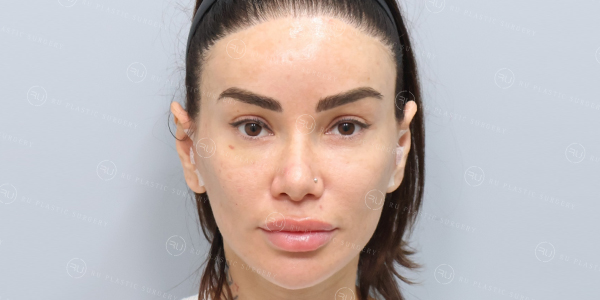
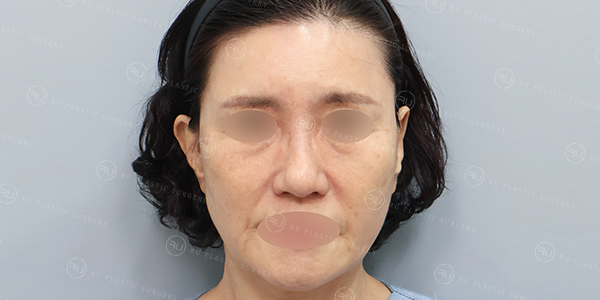
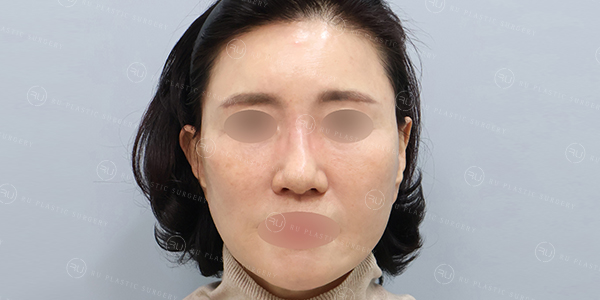
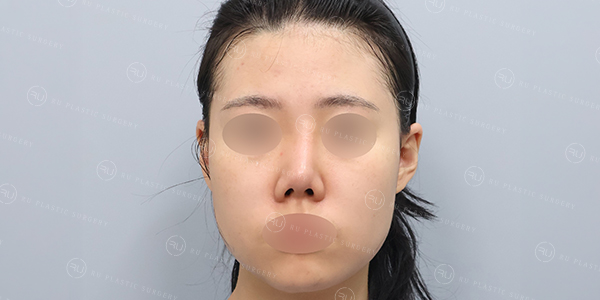
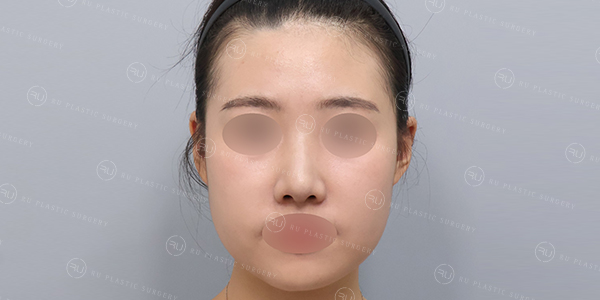
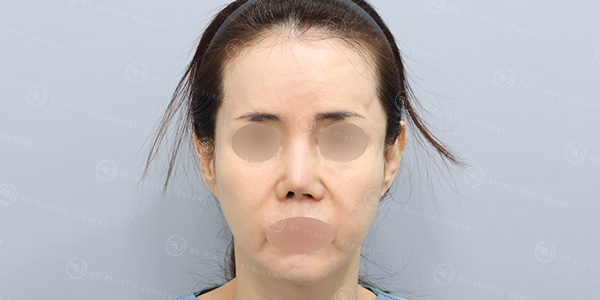
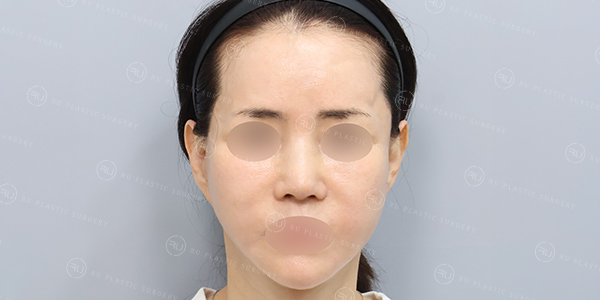
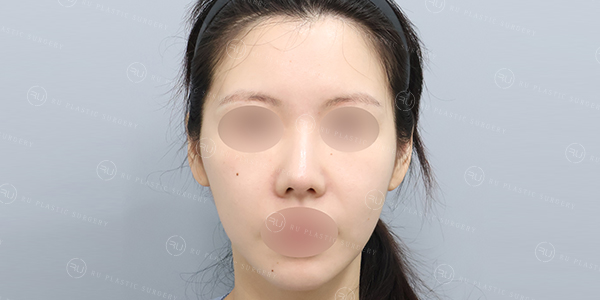
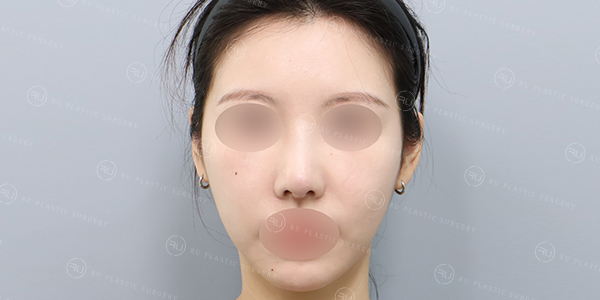
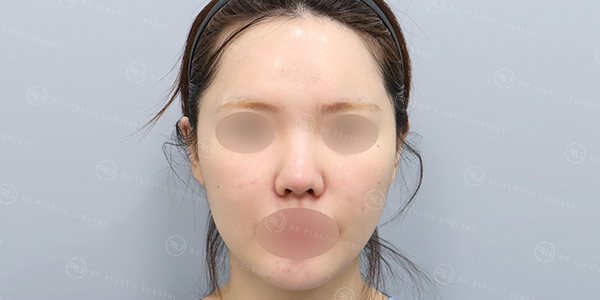
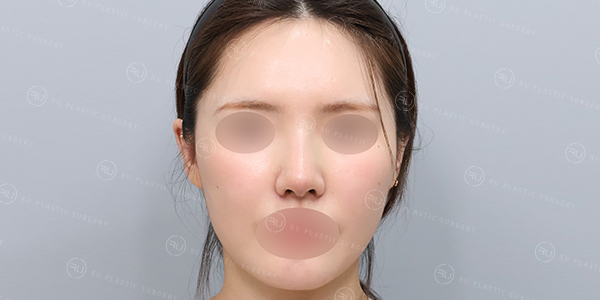
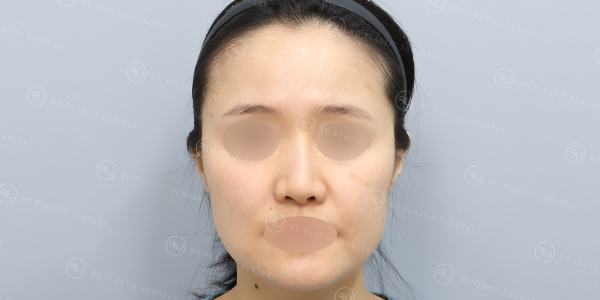
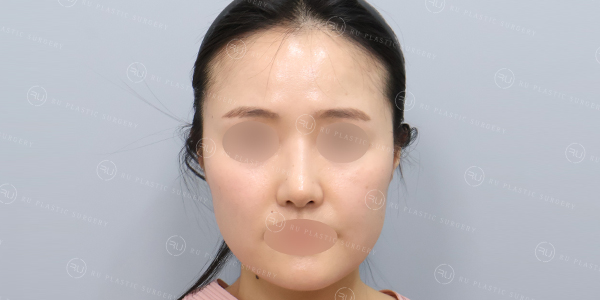
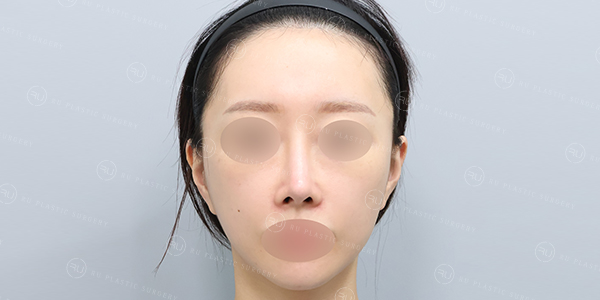
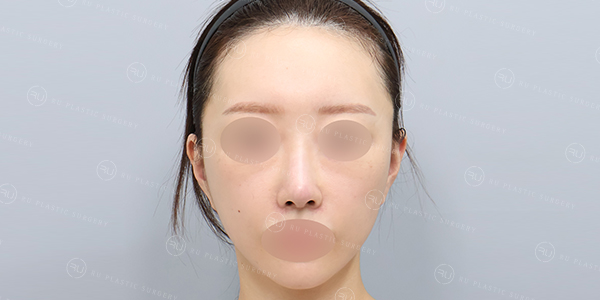
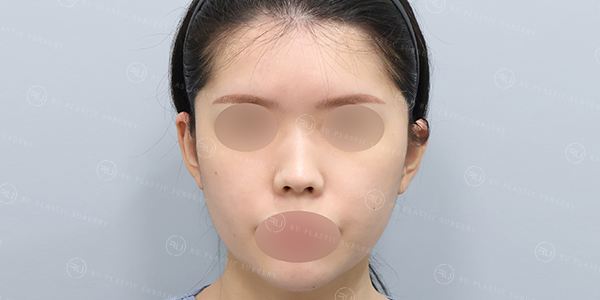
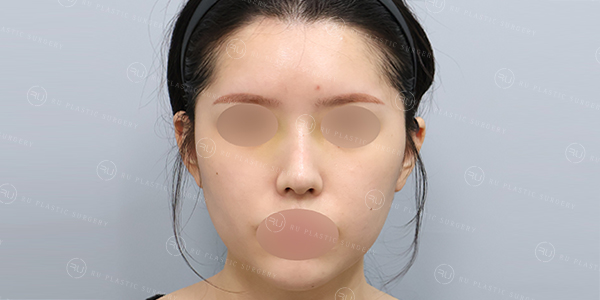
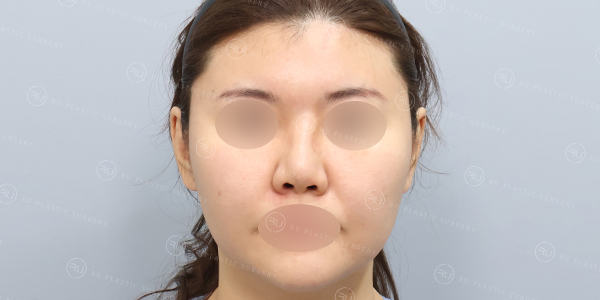
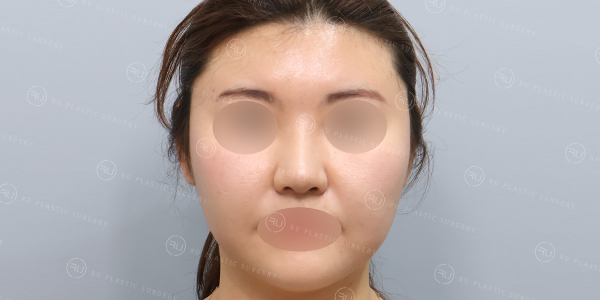
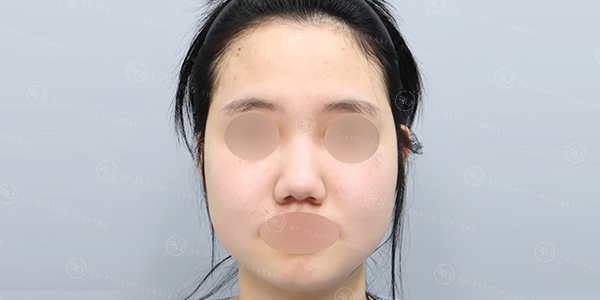
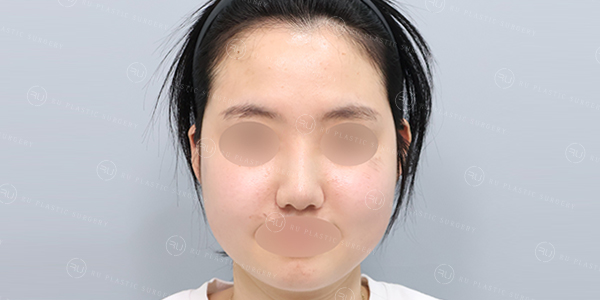
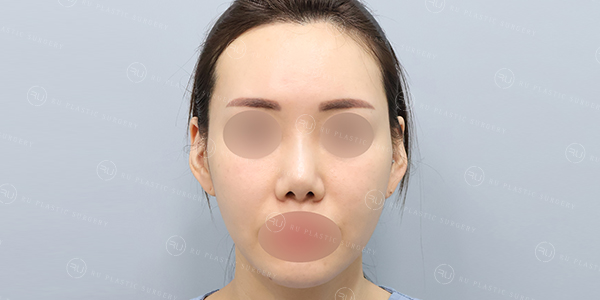
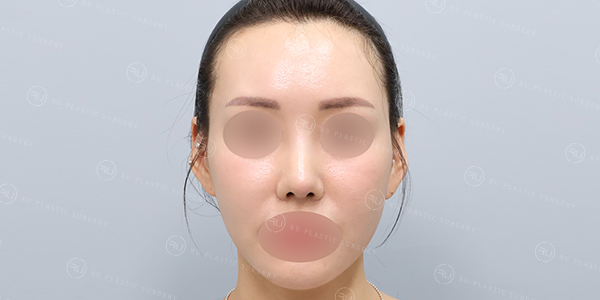
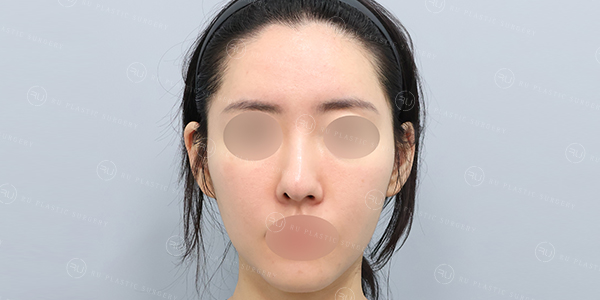
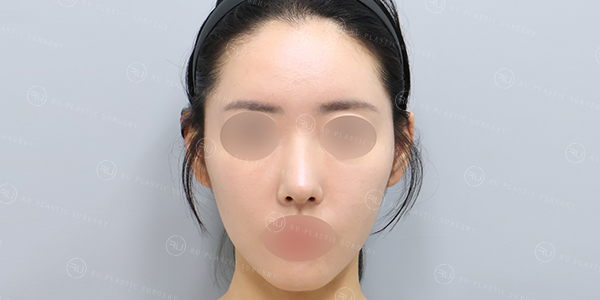
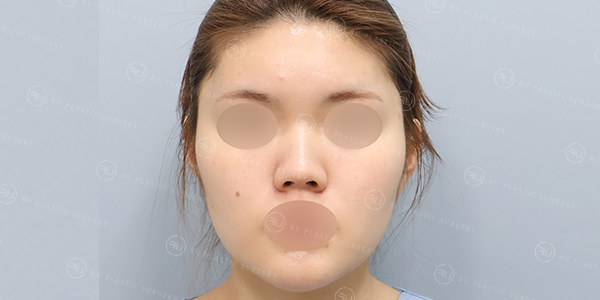
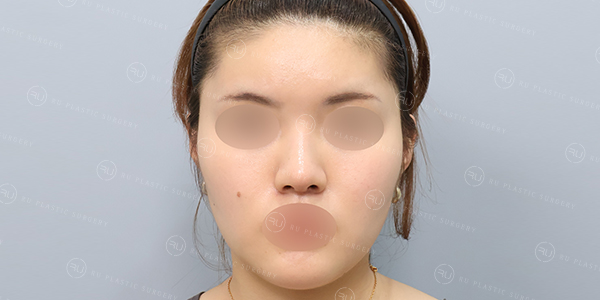
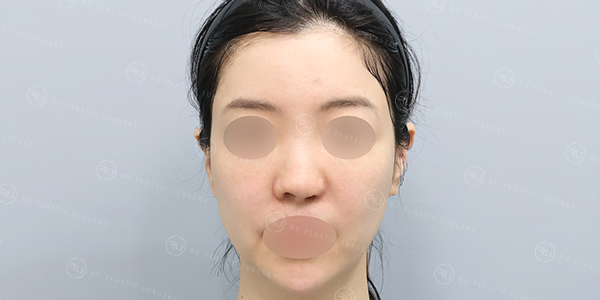
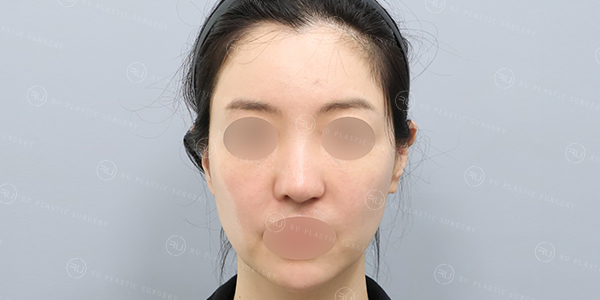
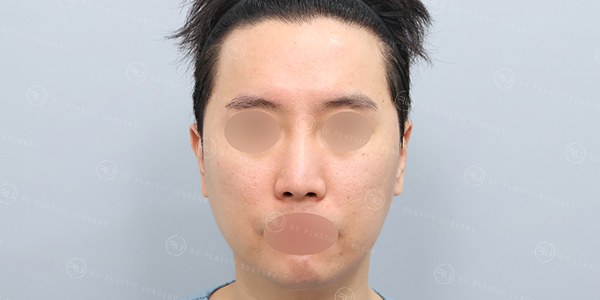
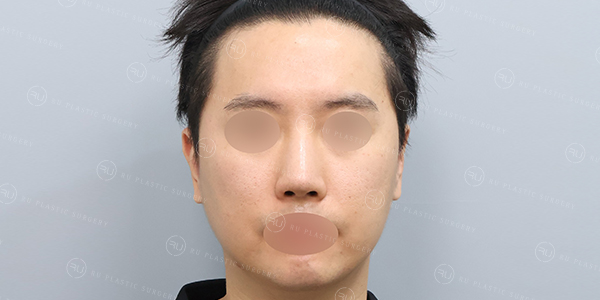
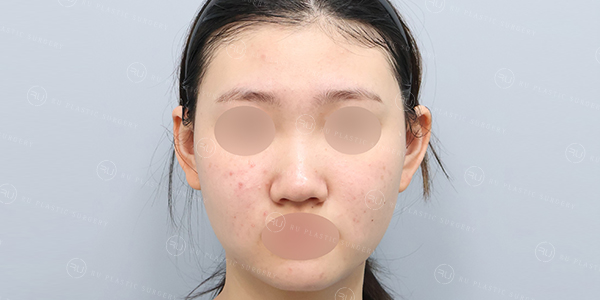
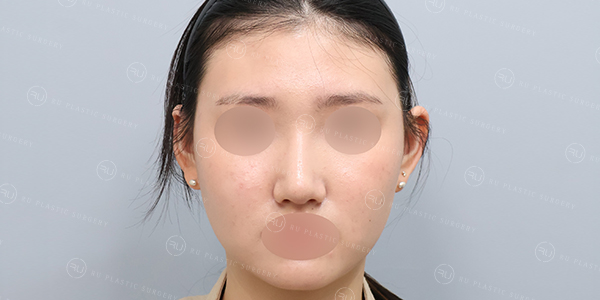
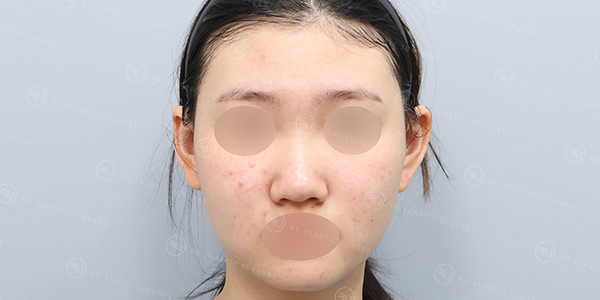
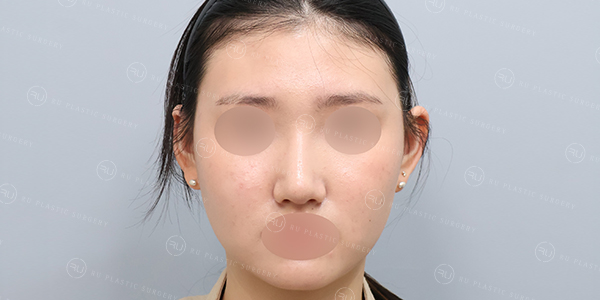
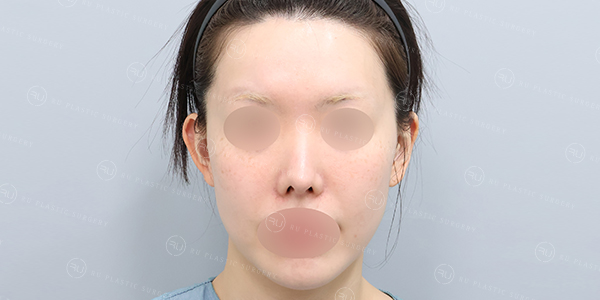
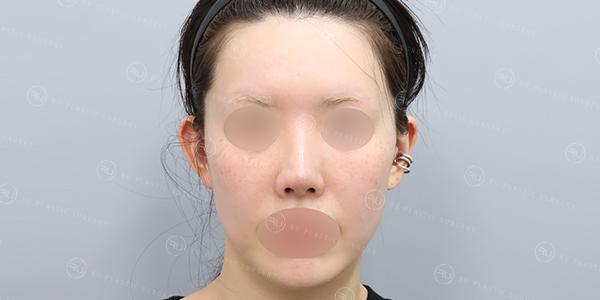
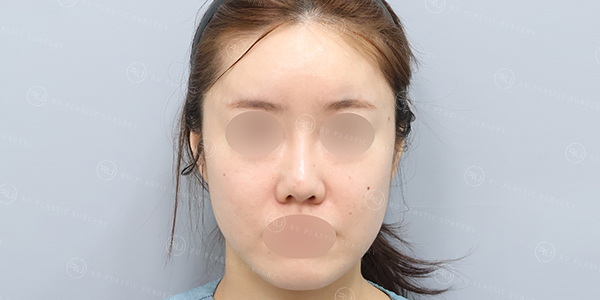
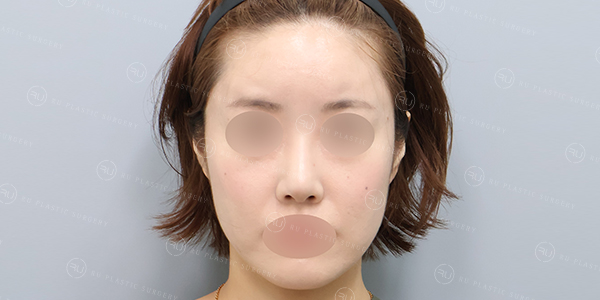
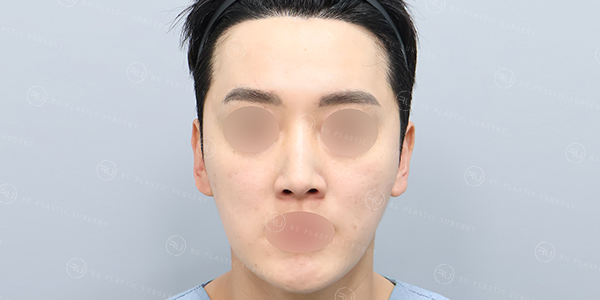
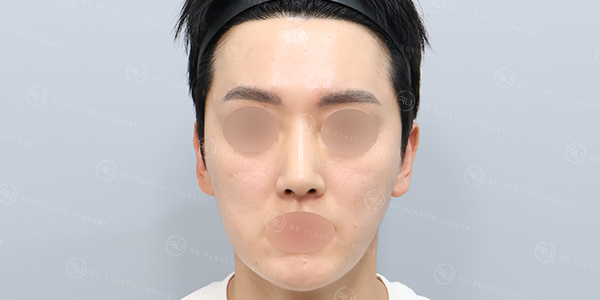
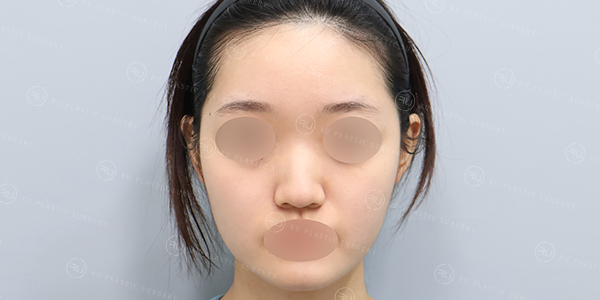
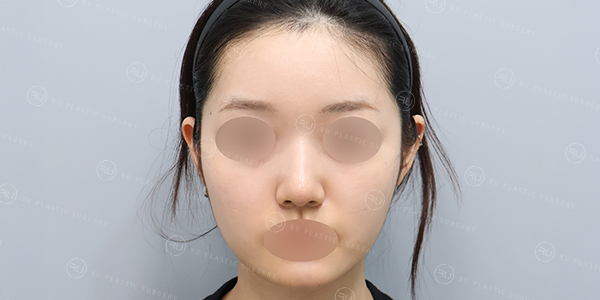
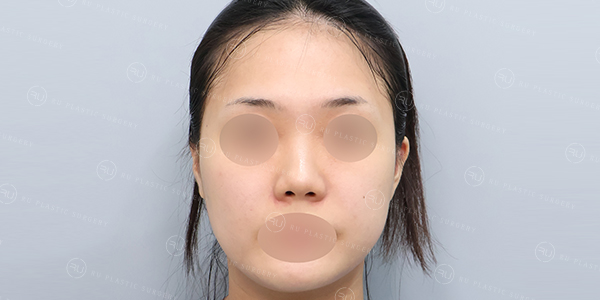
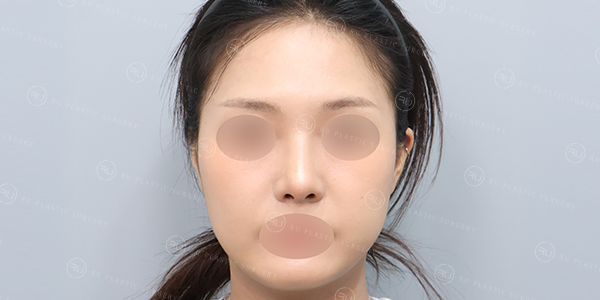
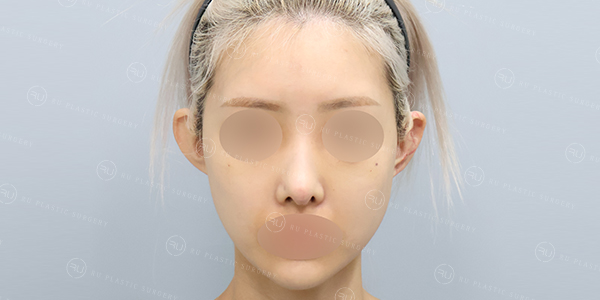
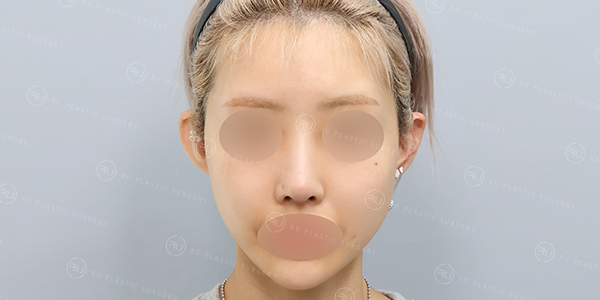
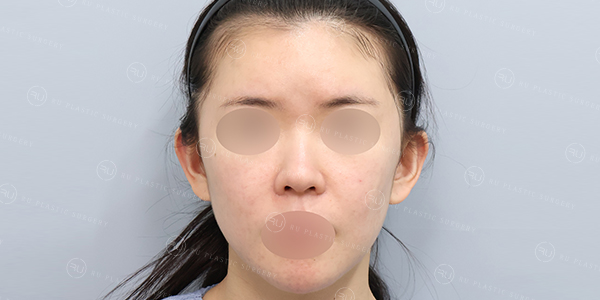
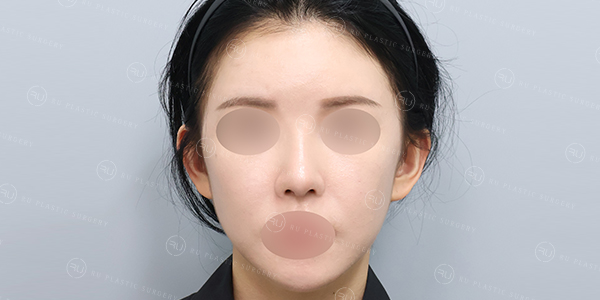
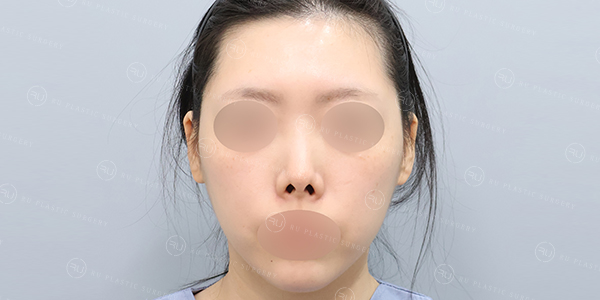
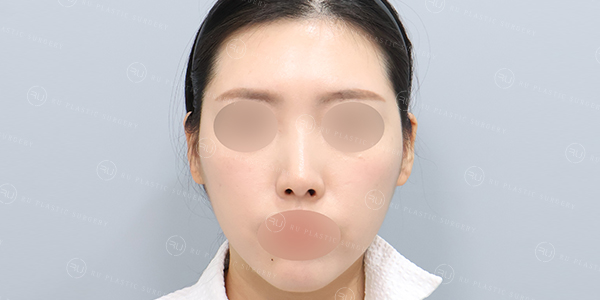
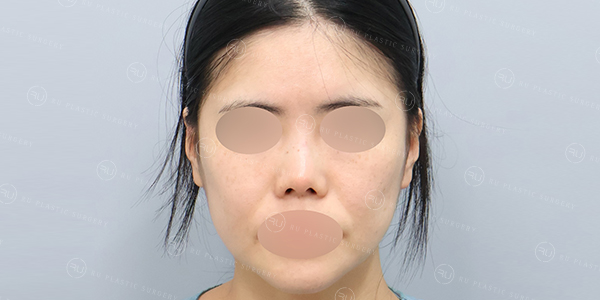
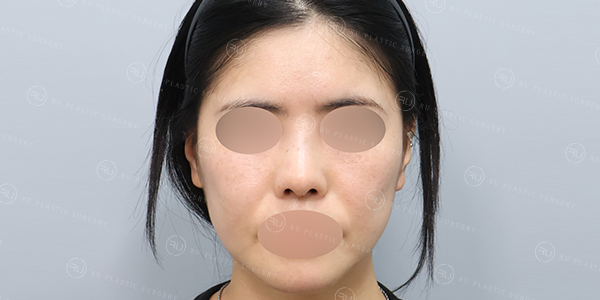
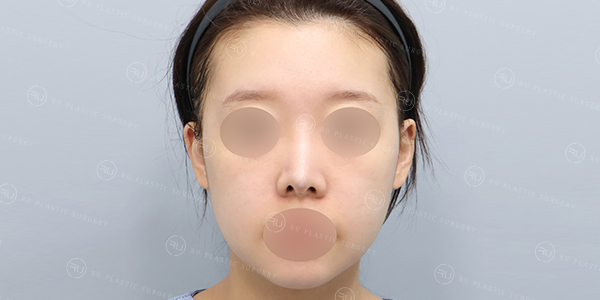
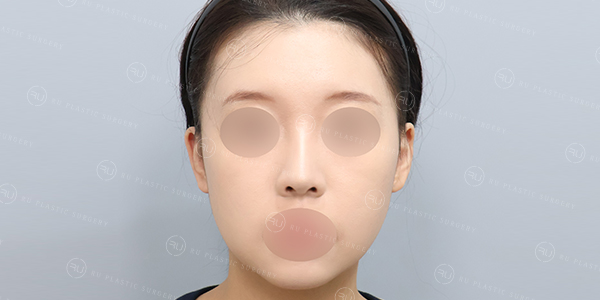
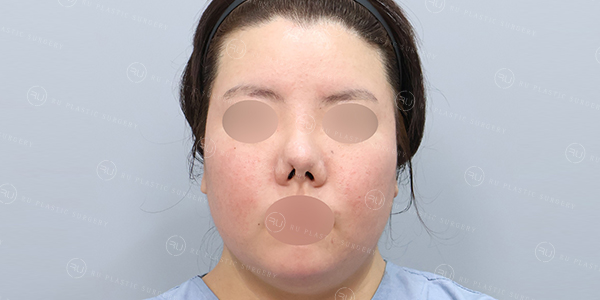
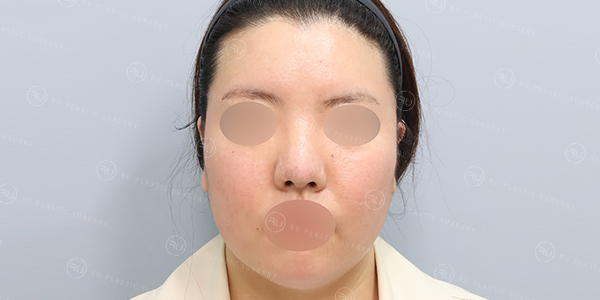
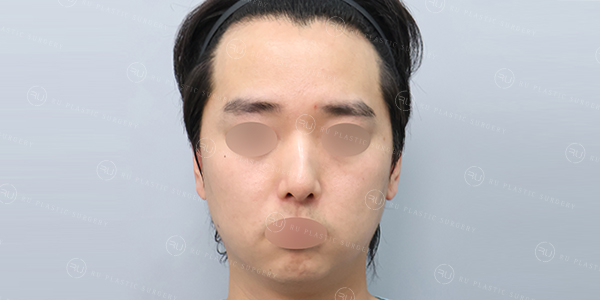
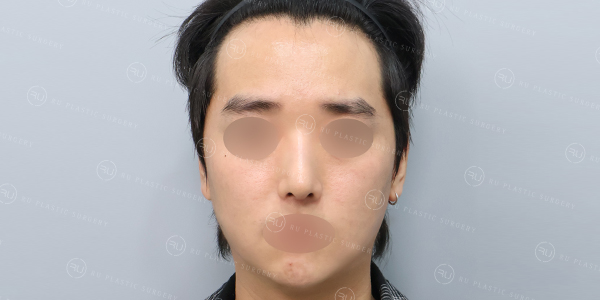
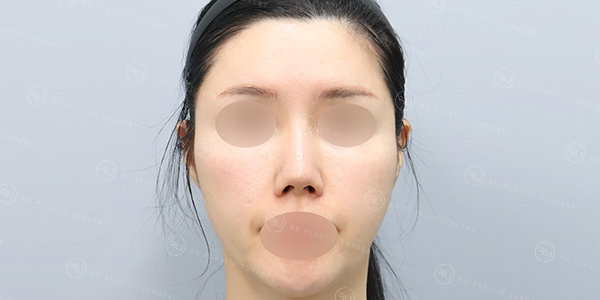
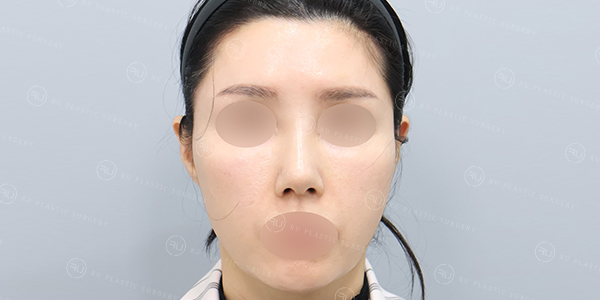
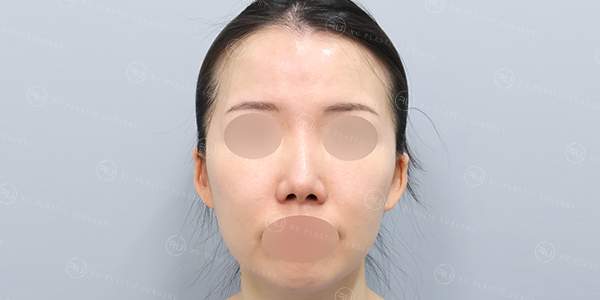
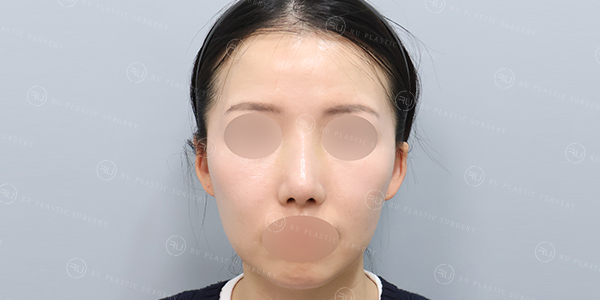
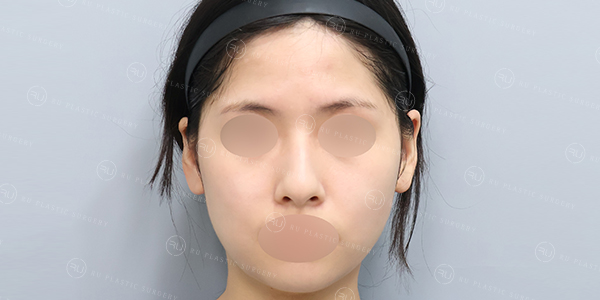
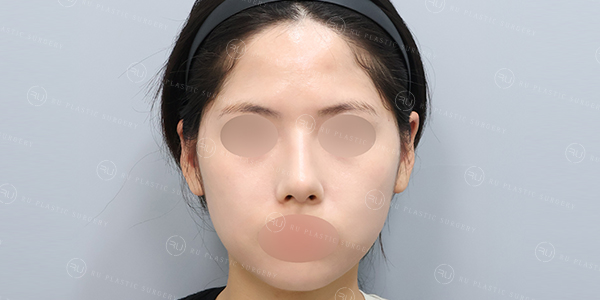
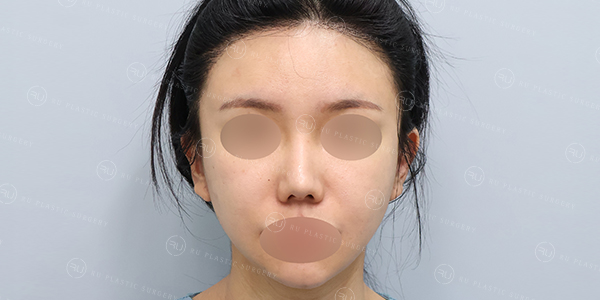
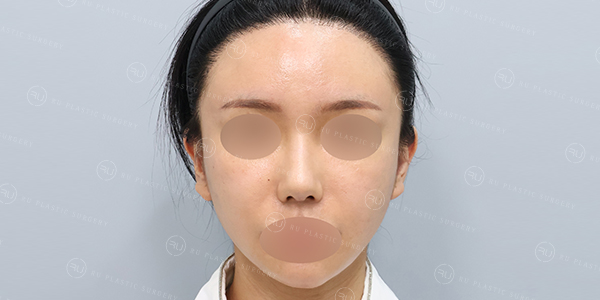
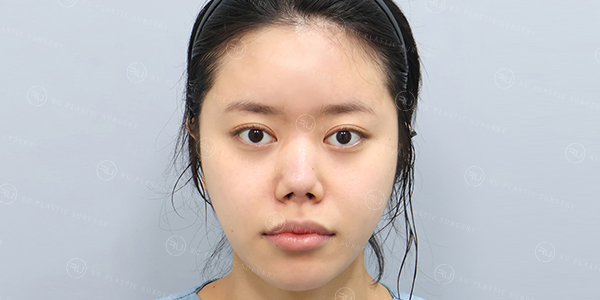
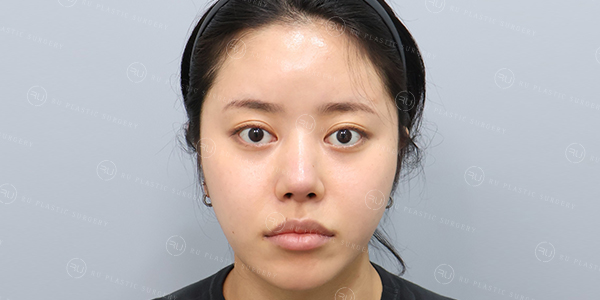
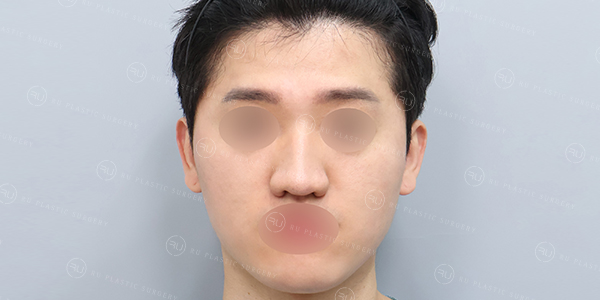
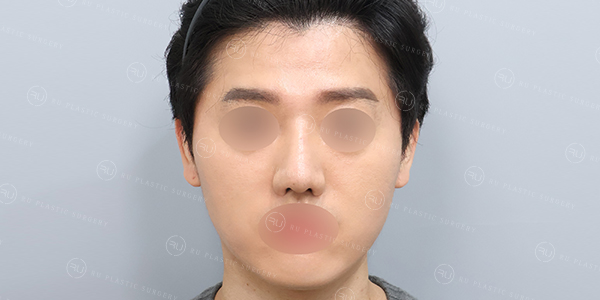
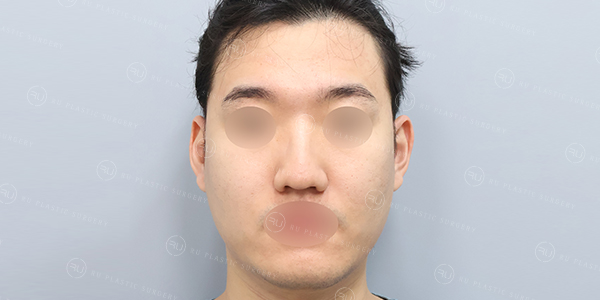
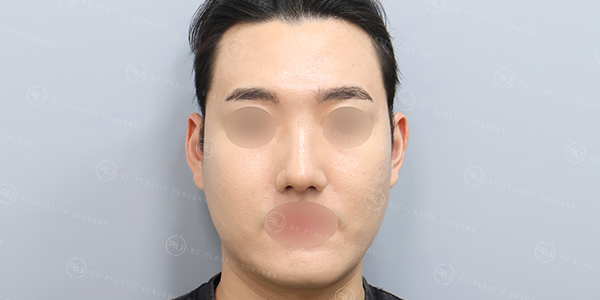
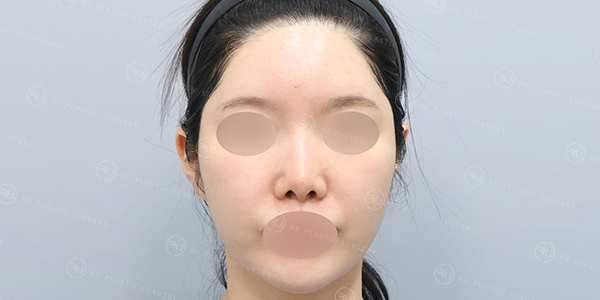
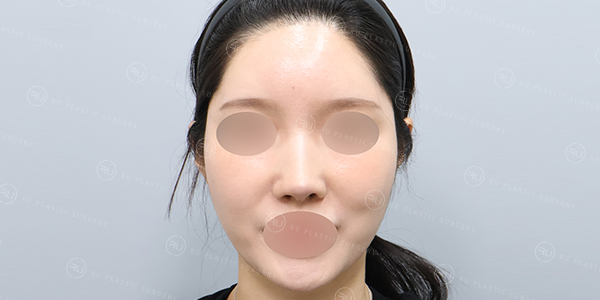
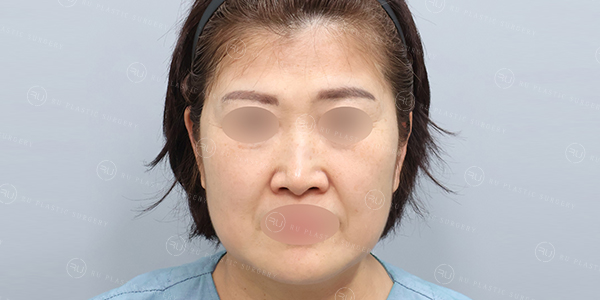
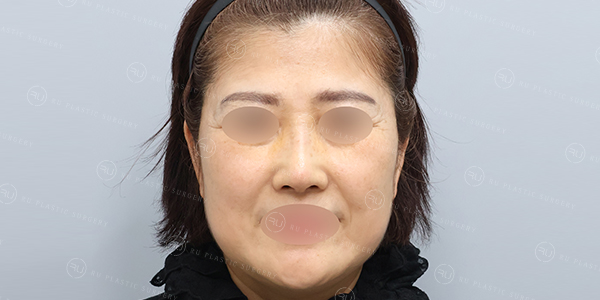
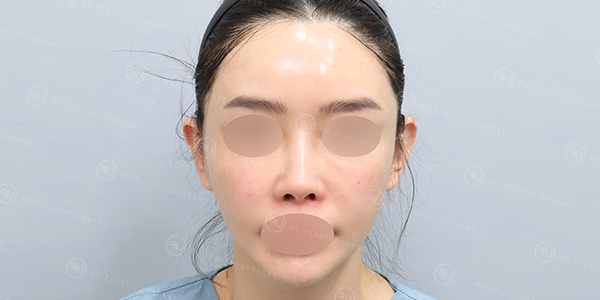
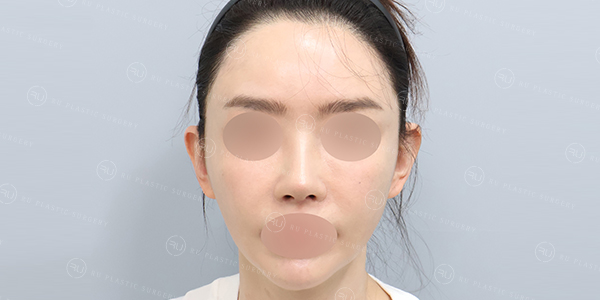
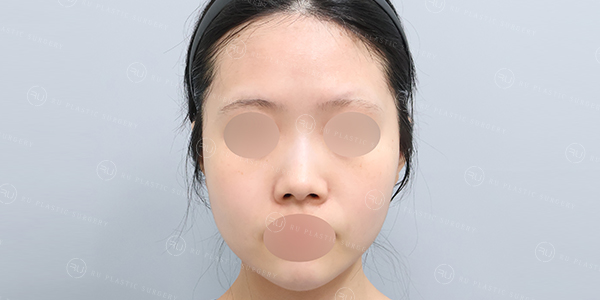
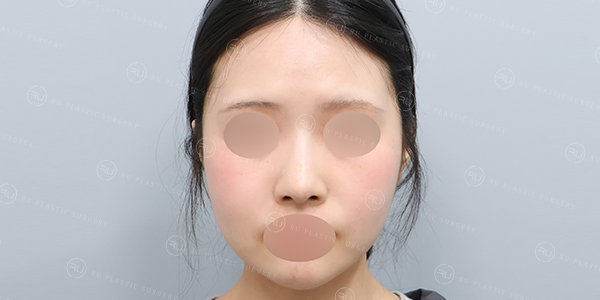
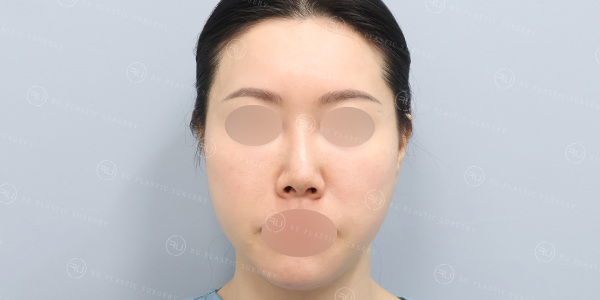
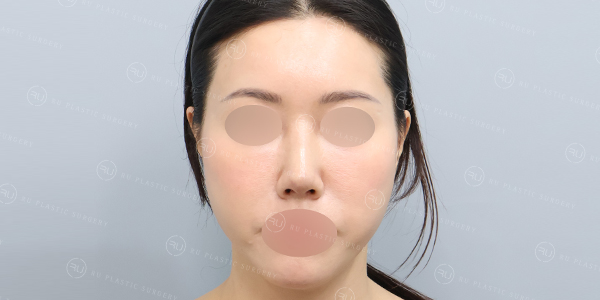
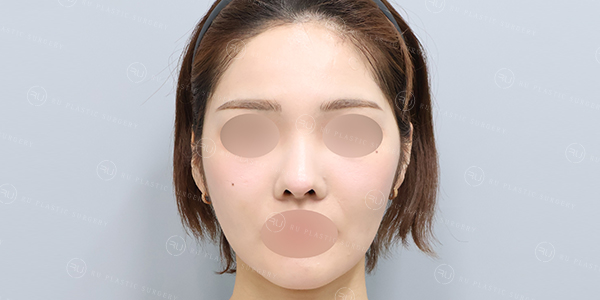
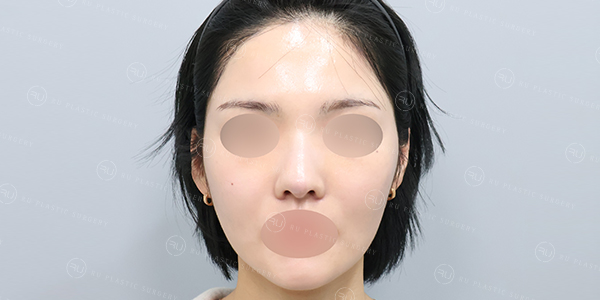
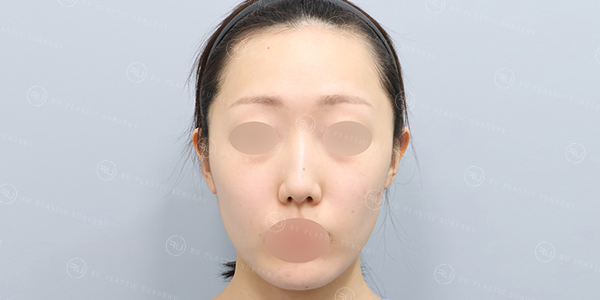
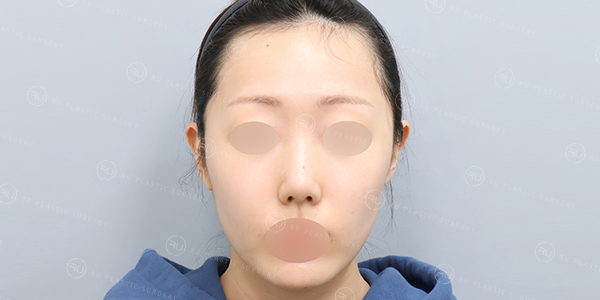
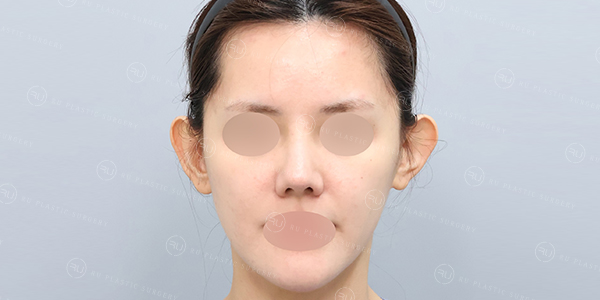
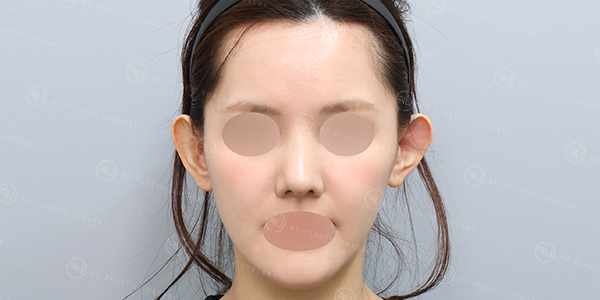
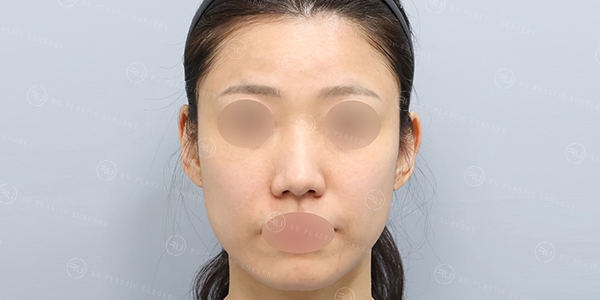
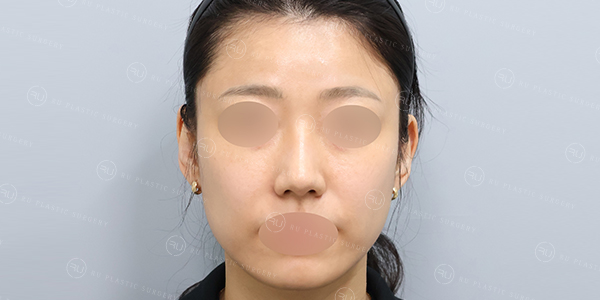
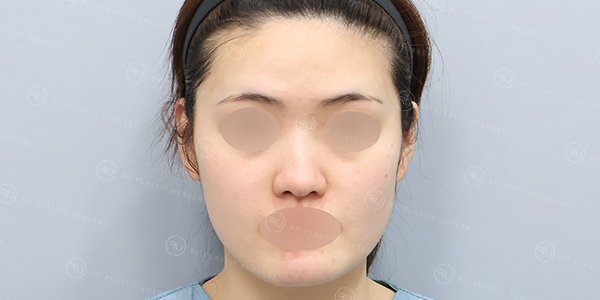
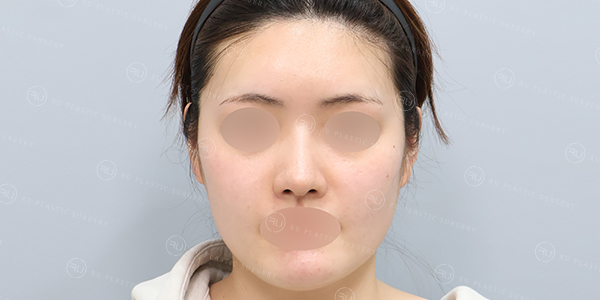
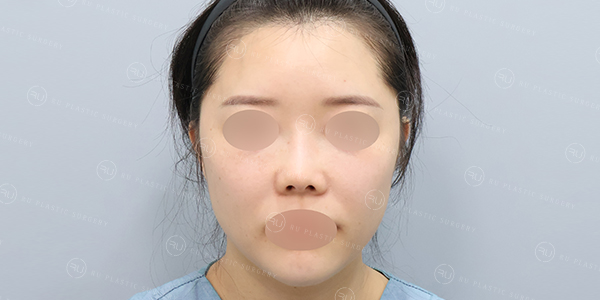
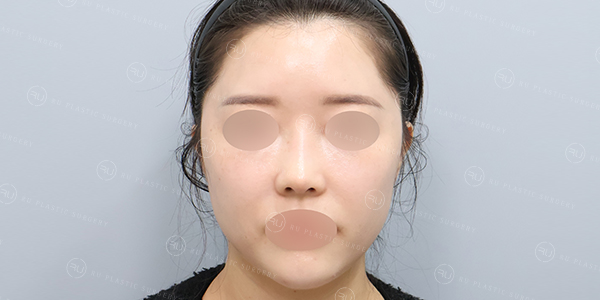
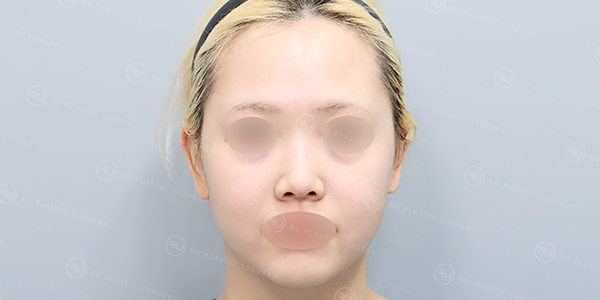
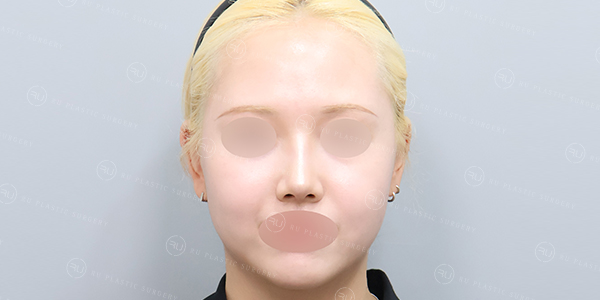
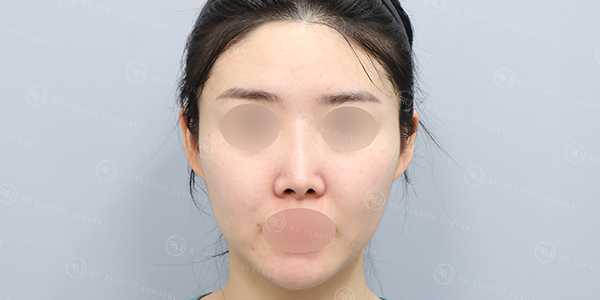
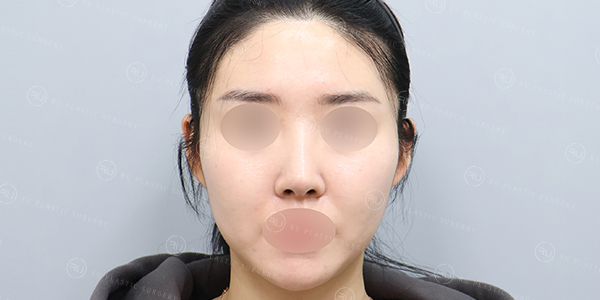
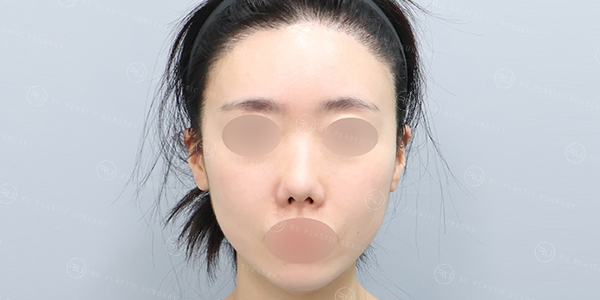
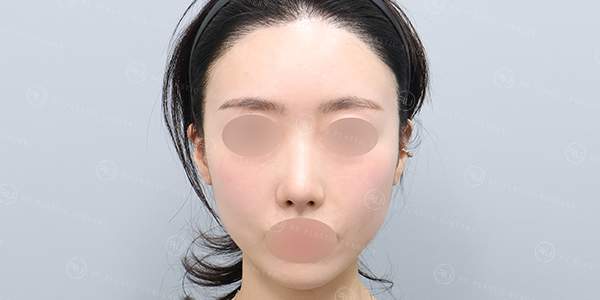
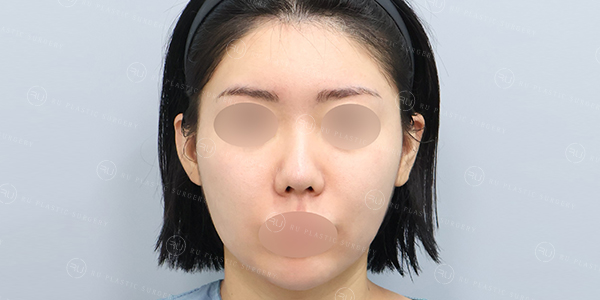
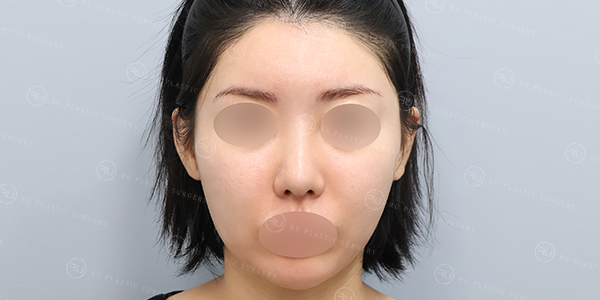
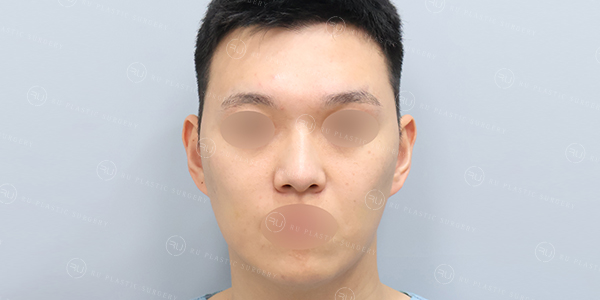
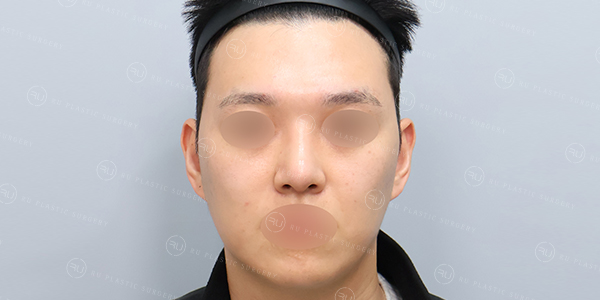
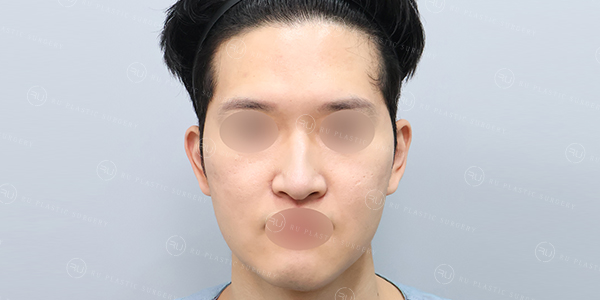
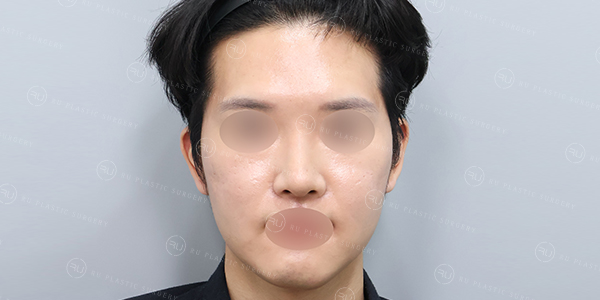
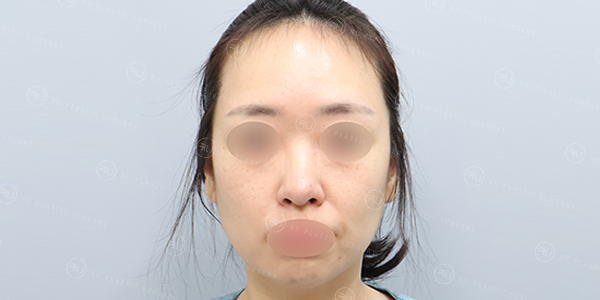
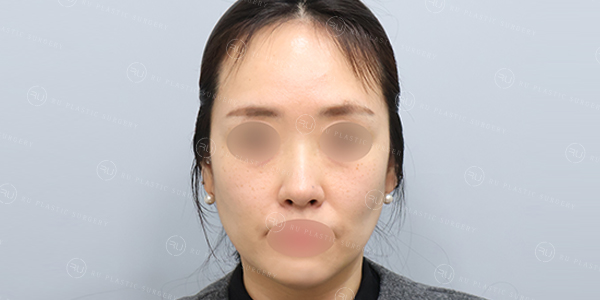
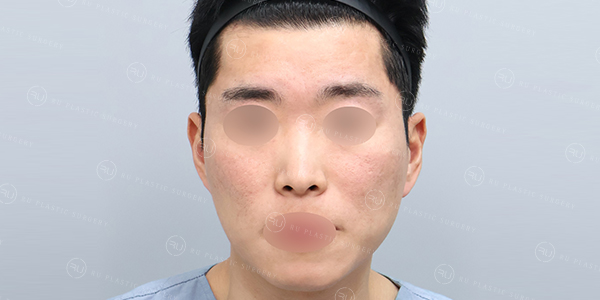
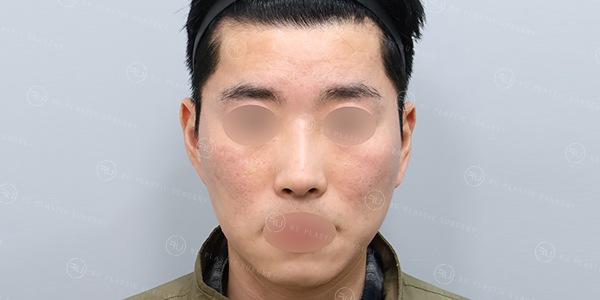
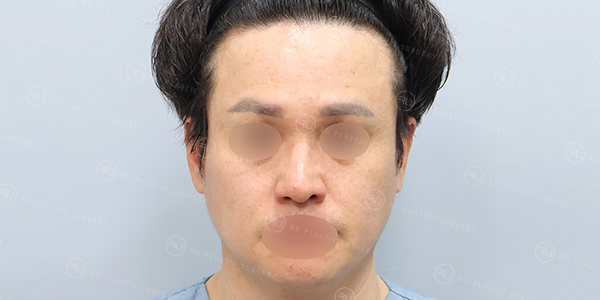
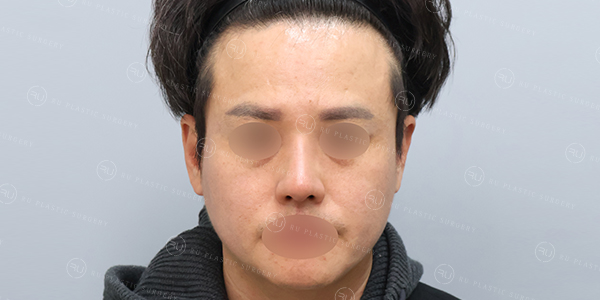
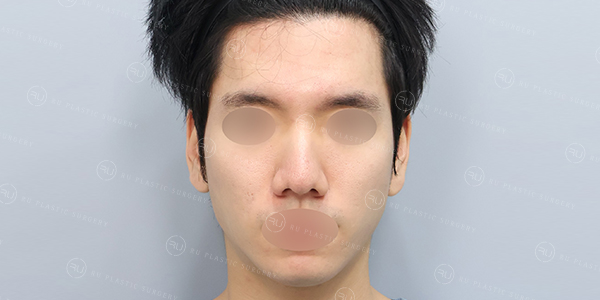
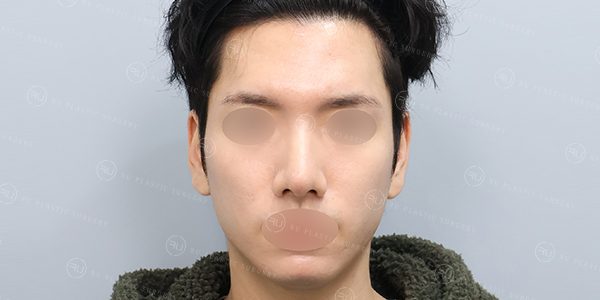
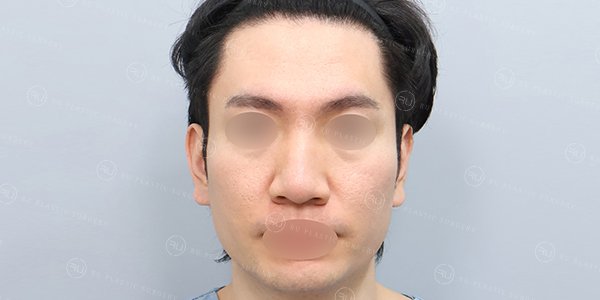
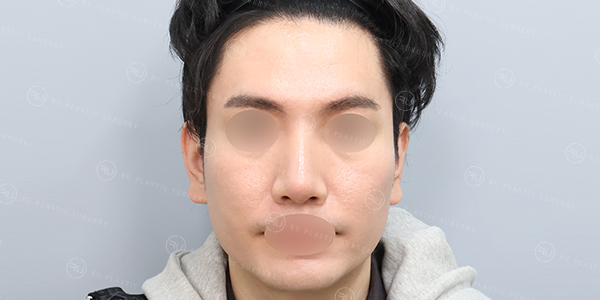
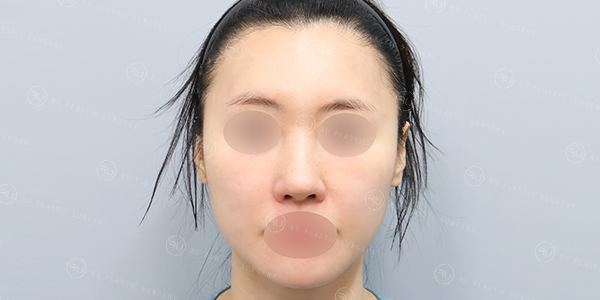
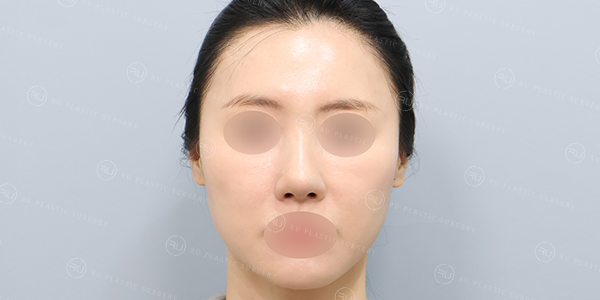
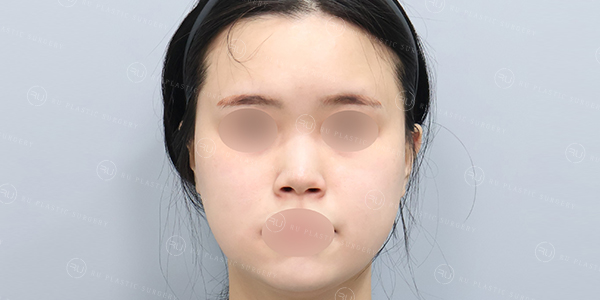
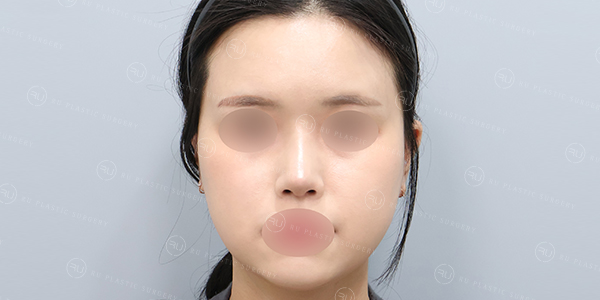
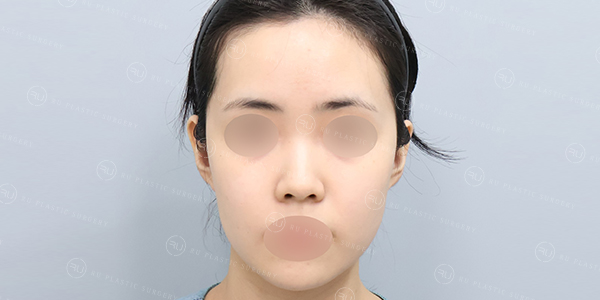
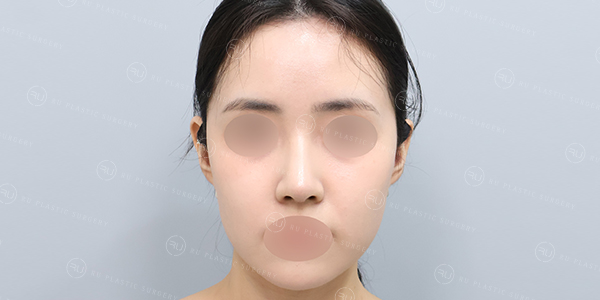
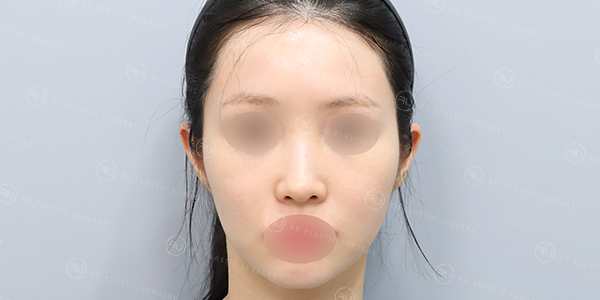
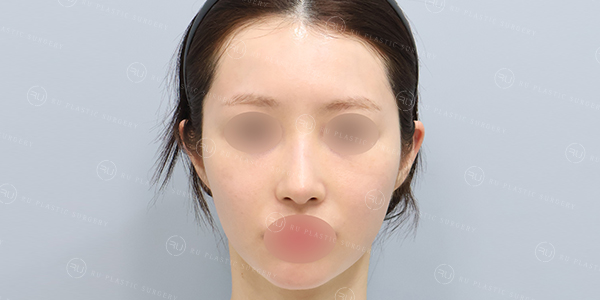
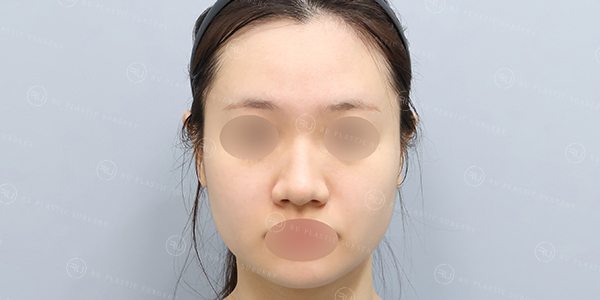
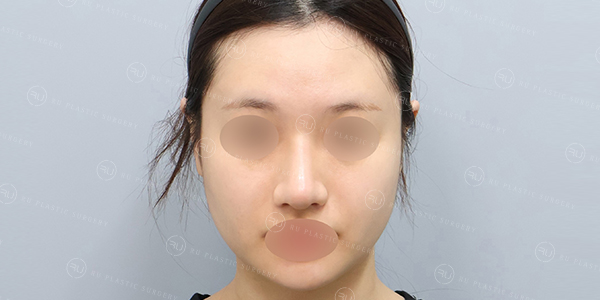
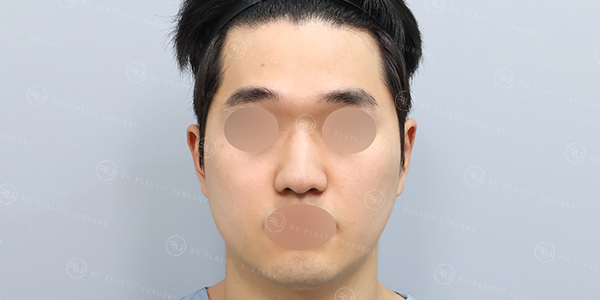
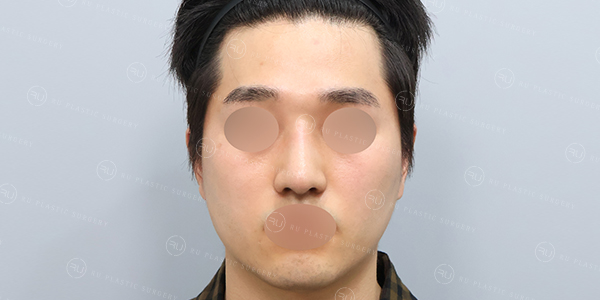
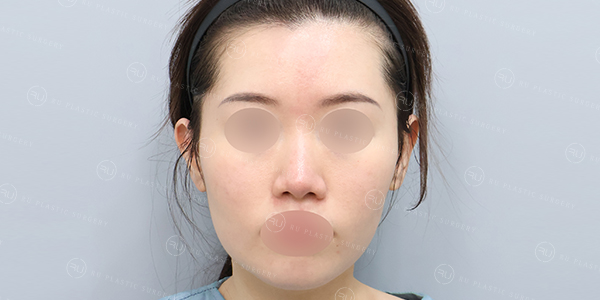
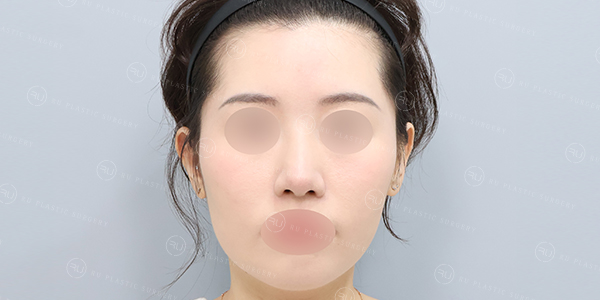
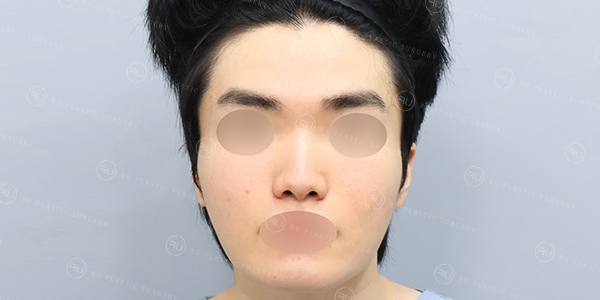
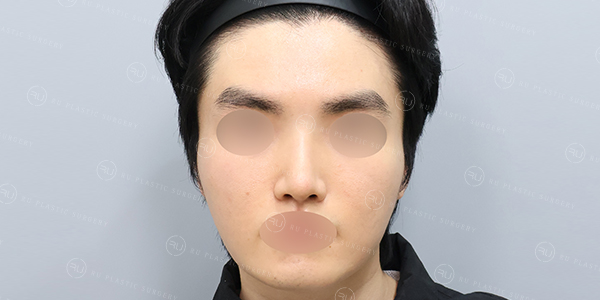
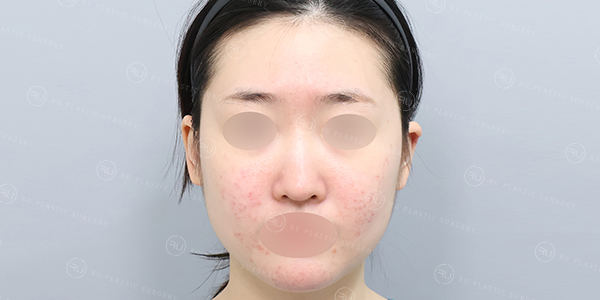
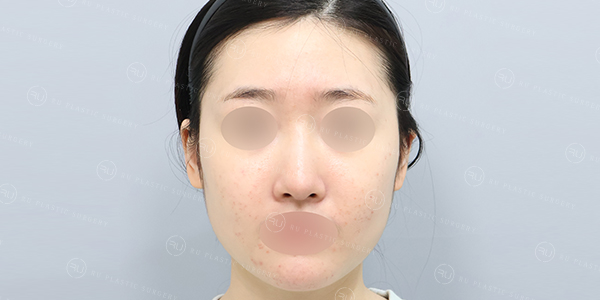
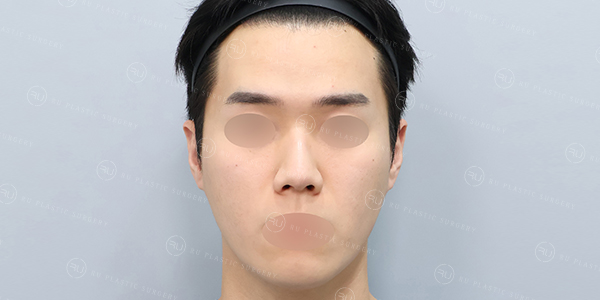
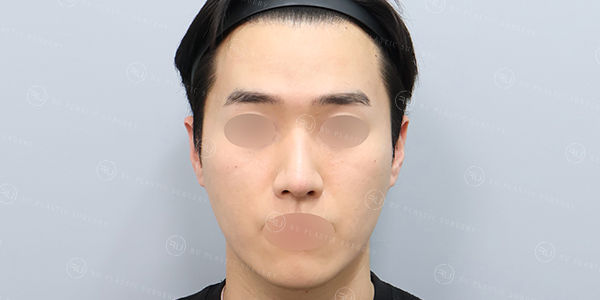
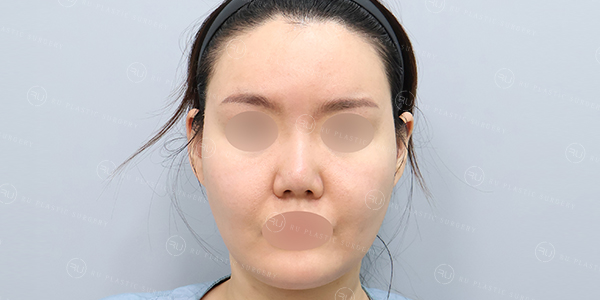
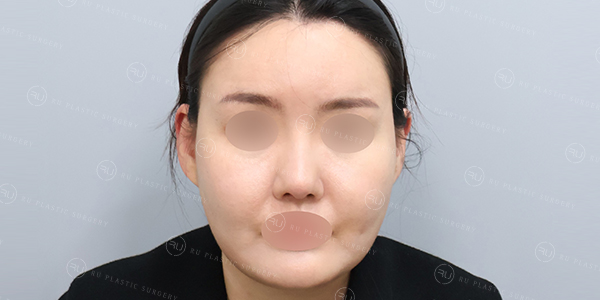
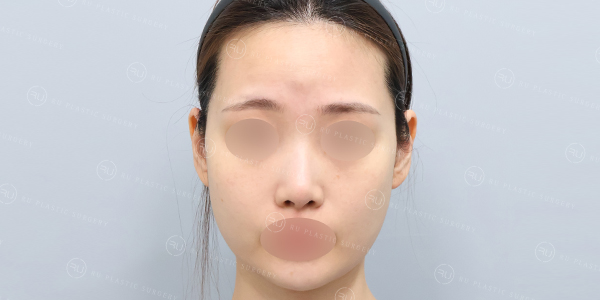
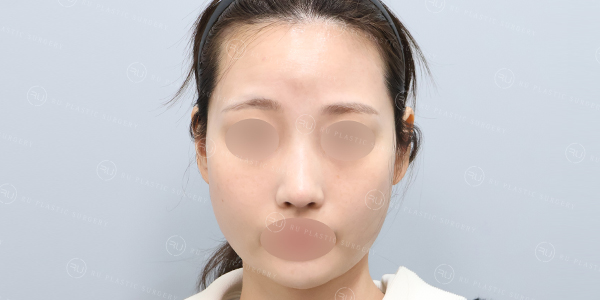
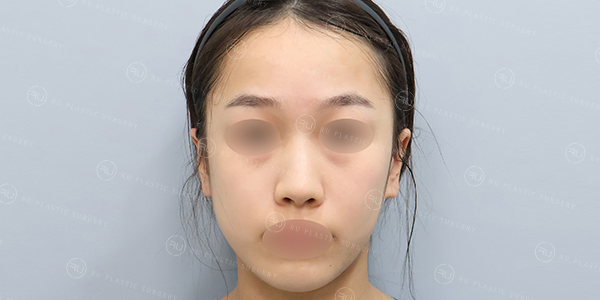
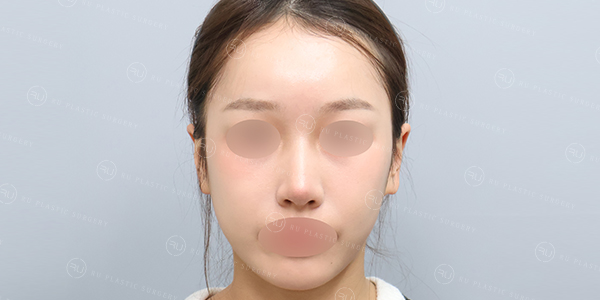
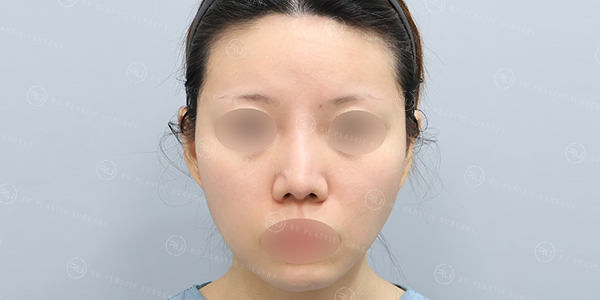
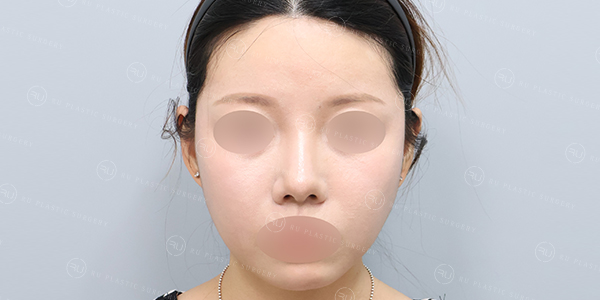
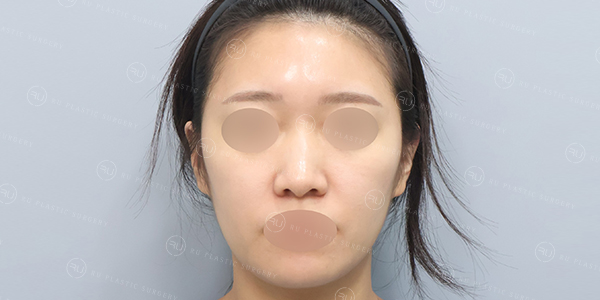
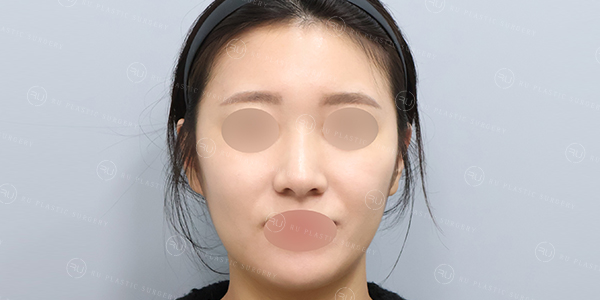
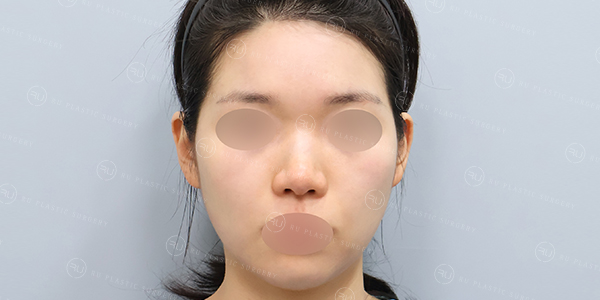
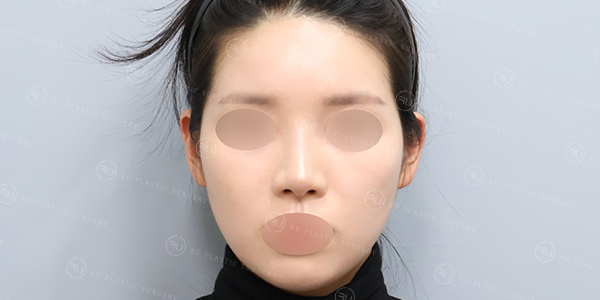
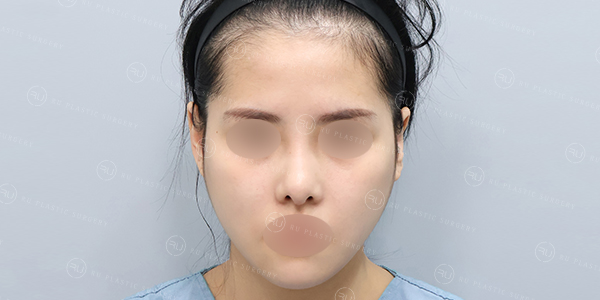
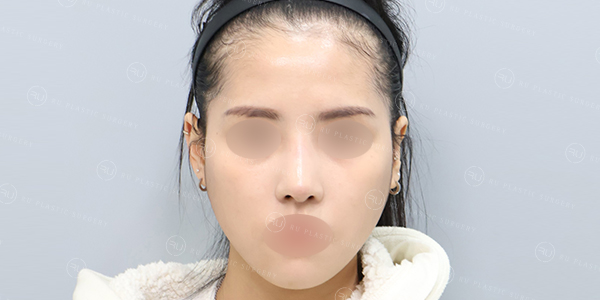
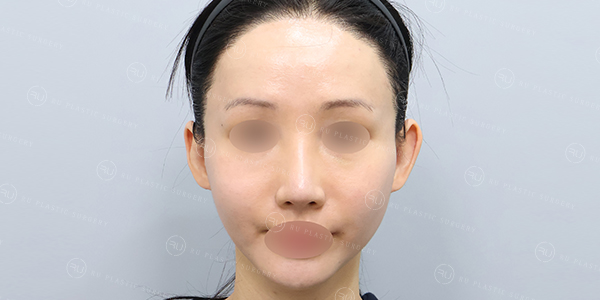
Two Months After Revision Rhinoplasty for Contracted Nose: A Bride-to-Be’s Experience
본문
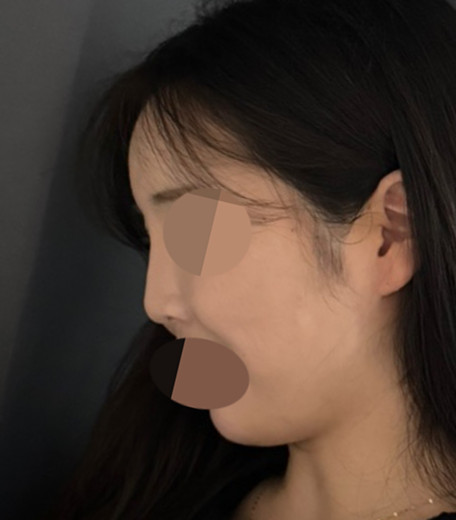
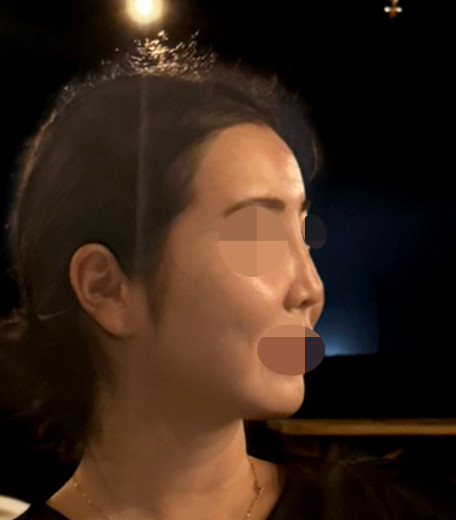
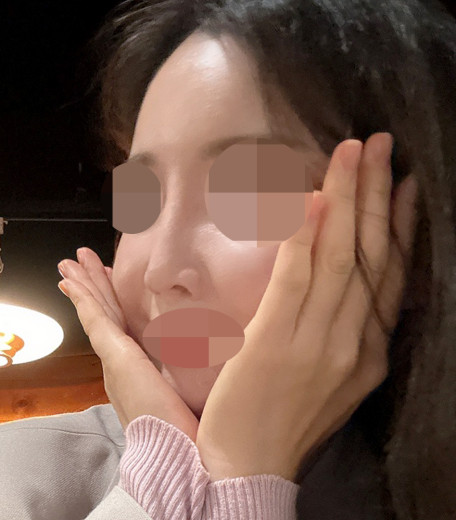
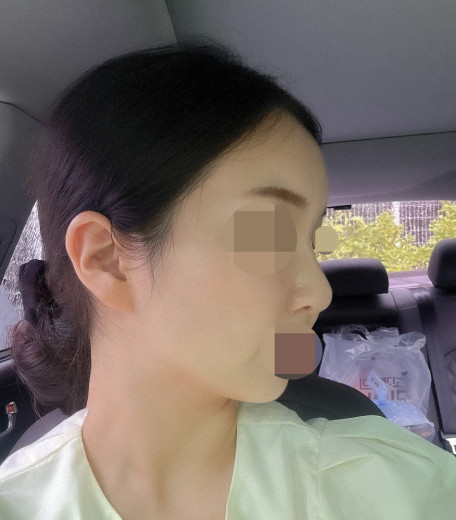
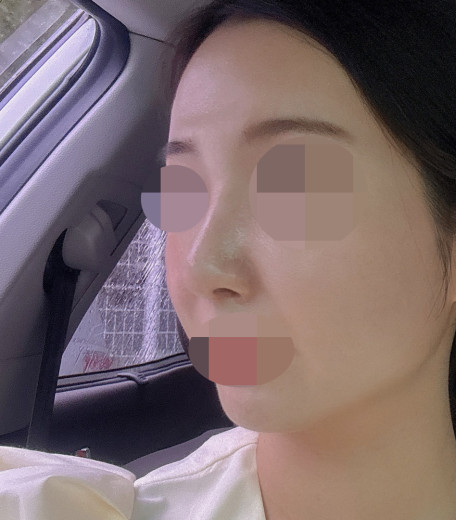
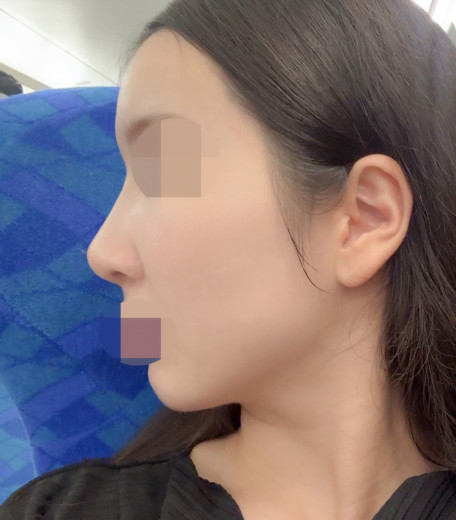
I am a bride-to-be preparing for my wedding.
About ten years ago, I received three rounds of nasal filler injections,
but over time, my nasal bridge began to appear crooked.
For both cosmetic reasons and to address underlying nasal issues,
I decided to undergo functional rhinoplasty combined with turbinate surgery.
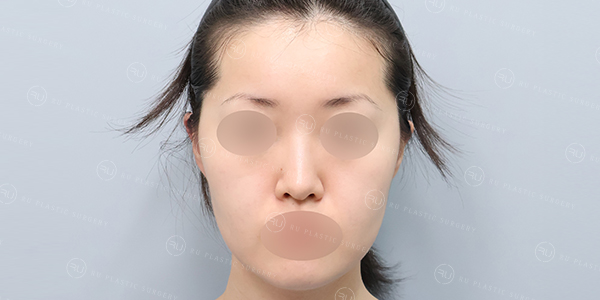
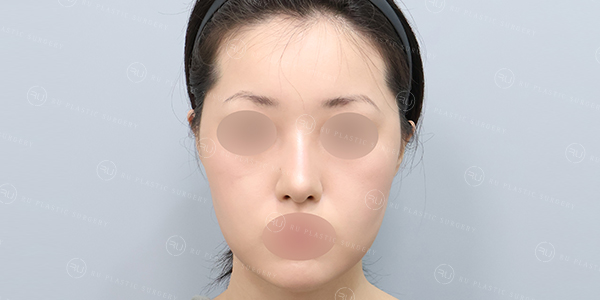
At that time, my nose was small and the skin was thin,
so rather than aiming to increase height excessively,
my surgeon used a silicone implant primarily to straighten the nasal line.
Approximately seven years later,
I noticed that my nasal tip was drooping and the overall shape was changing,
prompting me to consider revision surgery.
Since my wedding was approaching,
I didn’t want to delay any further.
I consulted at two different clinics.
The first clinic advised that due to my thin skin,
revision surgery might not produce significant changes
and warned about the risk of contracture.
Additionally, the estimated costs were higher than expected,
so I felt uncertain.
My second consultation was at RU Plastic Surgery.
Although the clinic operates with a single surgeon
and the waiting time was a bit longer,
the consultation was extremely thorough.
Dr. Hyun Joo Kim examined my nose
and pointed out that there was significant inflammation
around the silicone implant.
He strongly advised against using silicone again,
warning that similar complications could recur.
Instead, he recommended a natural reconstruction
using autologous rib cartilage and scalp fascia,
tailored to my thin skin.
This approach immediately gave me confidence in the procedure.
The most challenging part of the recovery
was the donor site on my rib.
Because a portion of my rib was harvested,
sitting and moving were uncomfortable initially.
However, after about two weeks,
I began to feel more comfortable sitting and lying down,
and by one month post-op,
I was able to resume daily activities without difficulty.
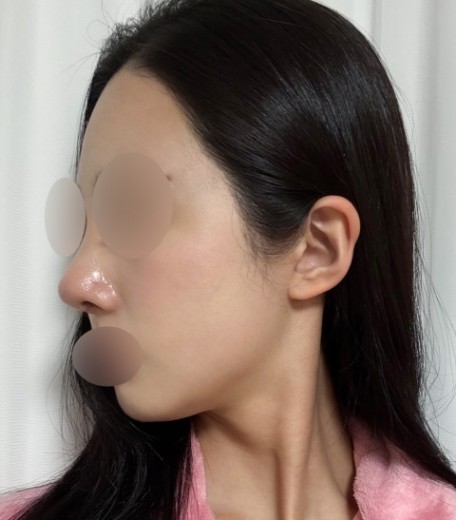
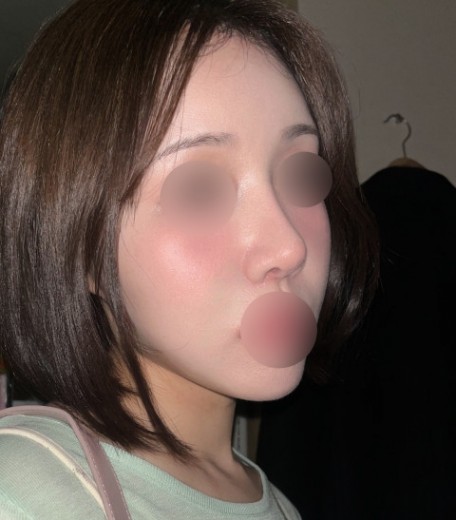
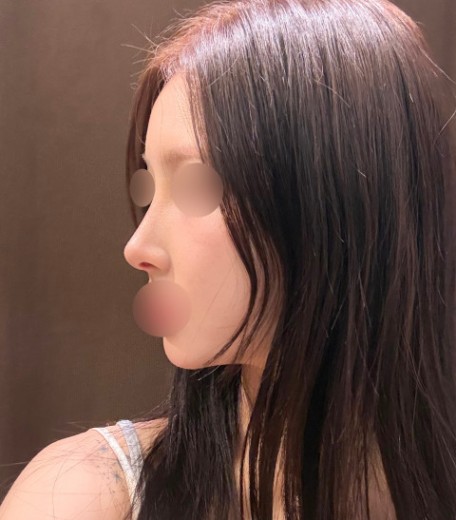
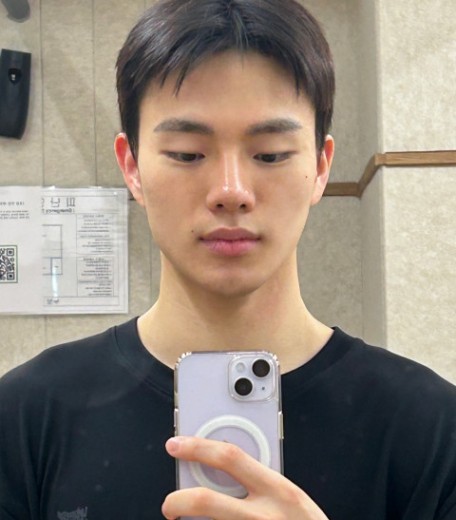
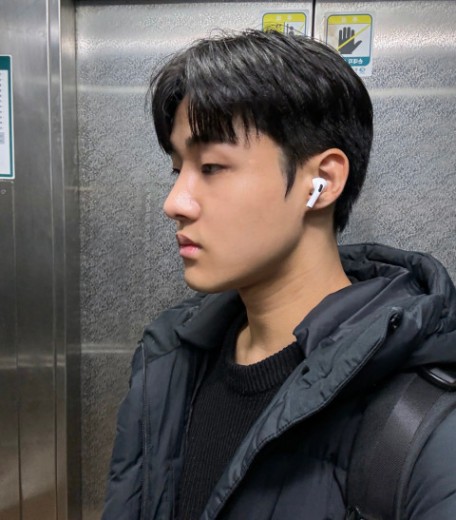
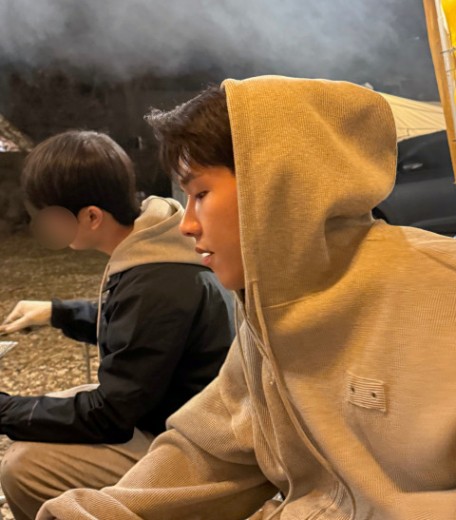
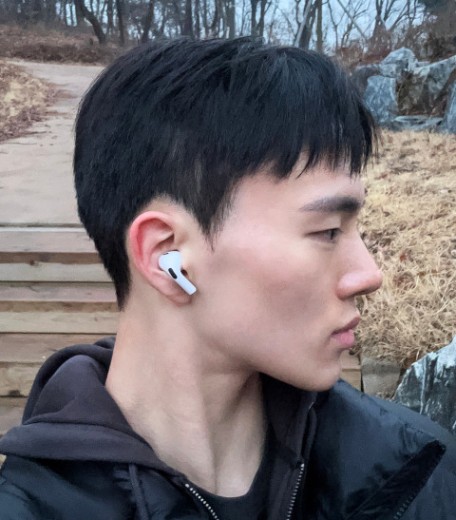
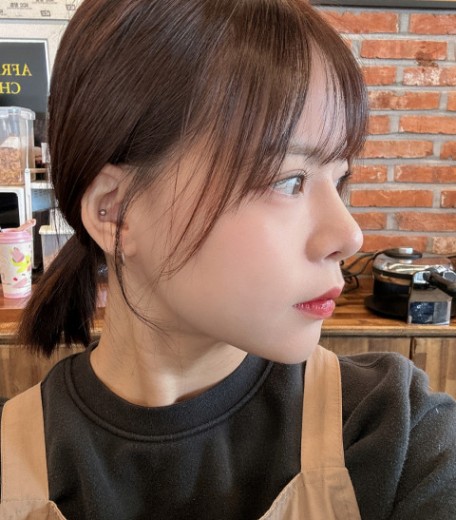
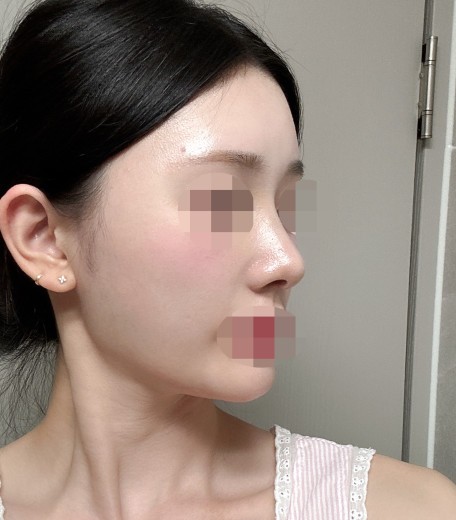
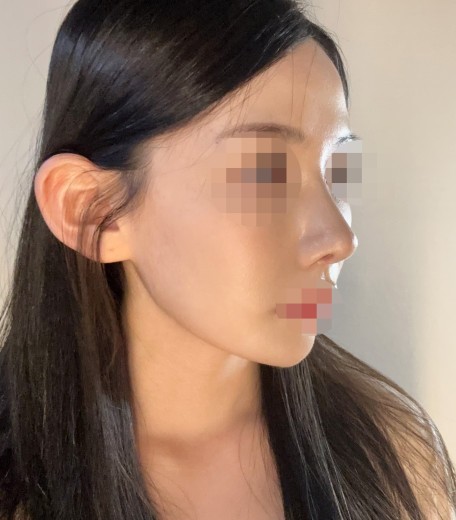
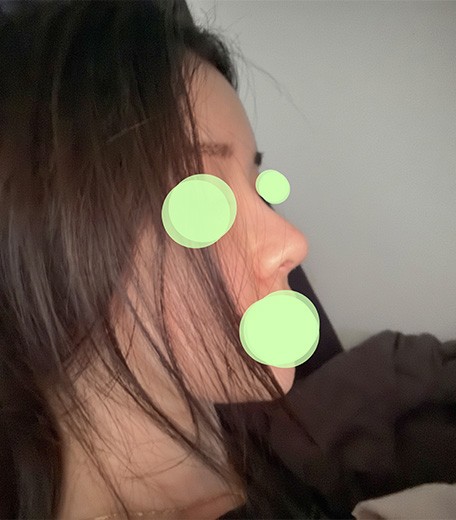
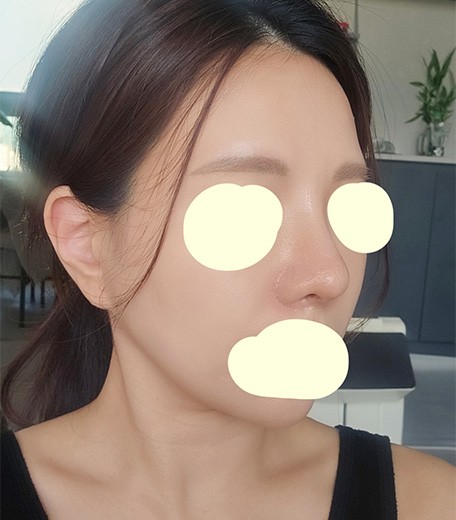
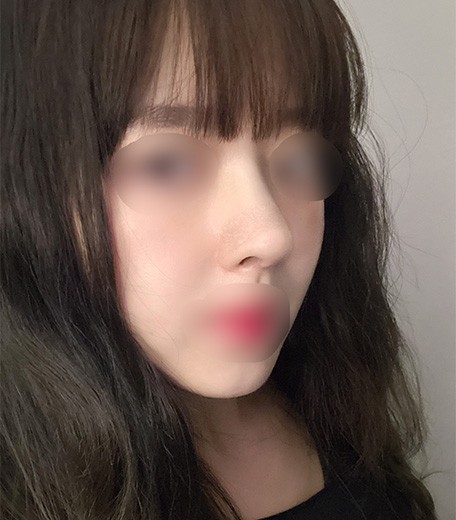
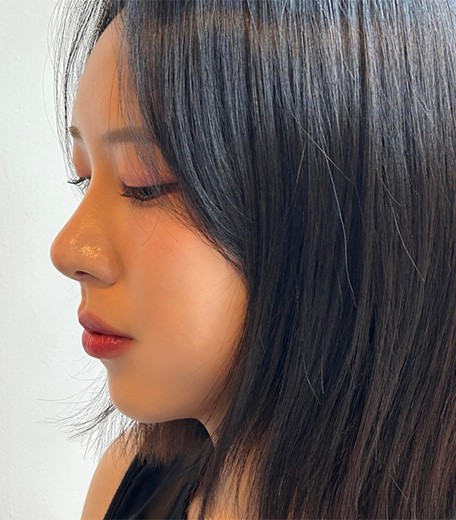
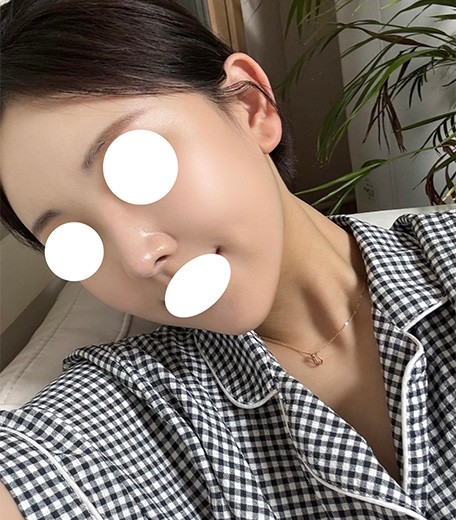
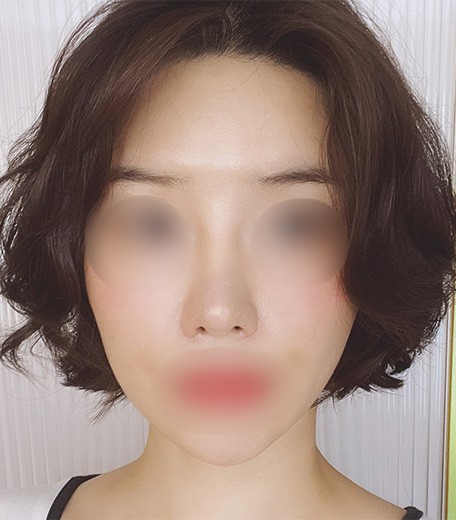
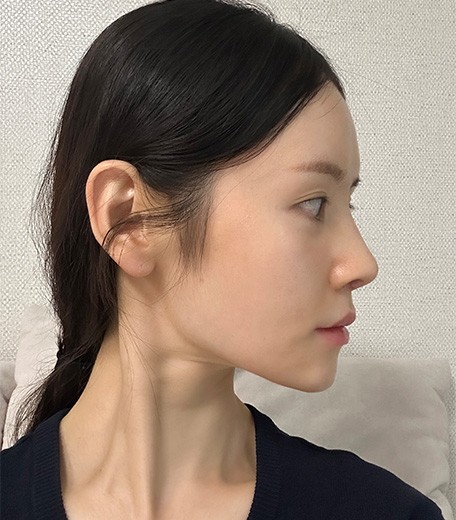
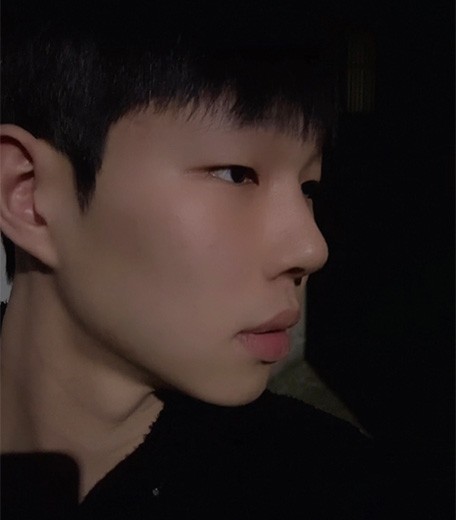
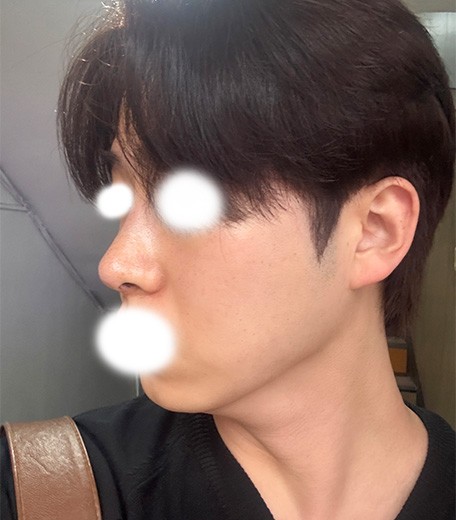
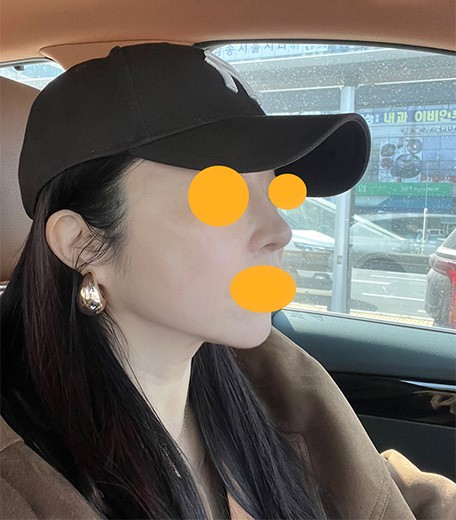
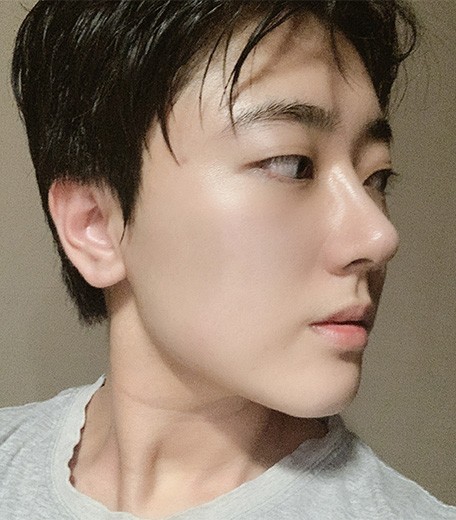
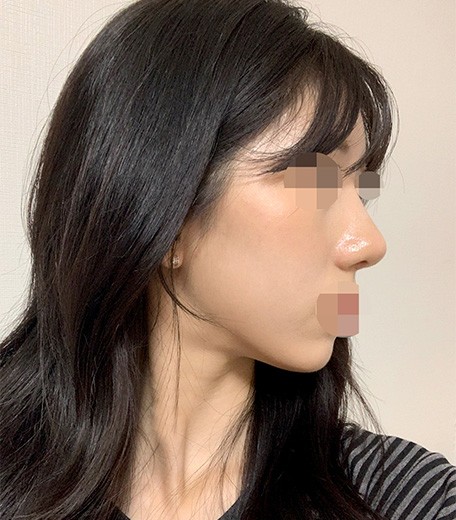
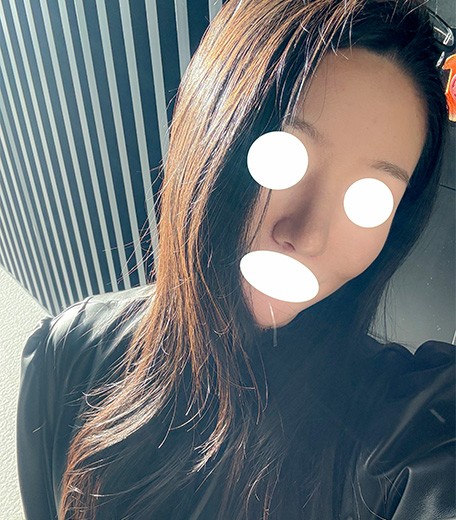
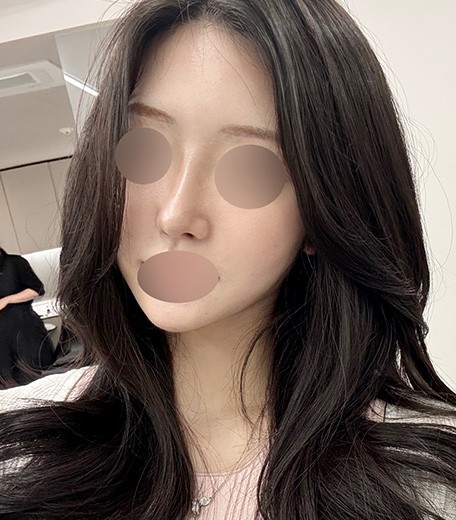
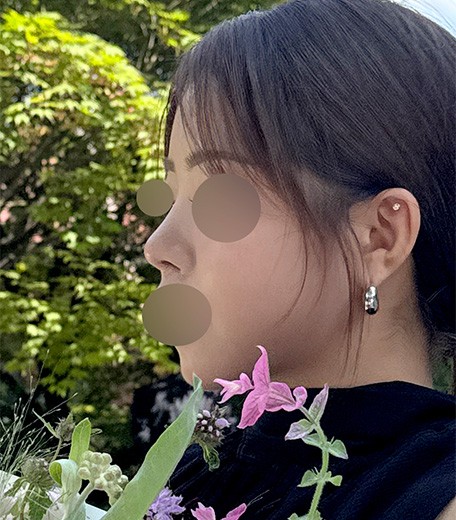
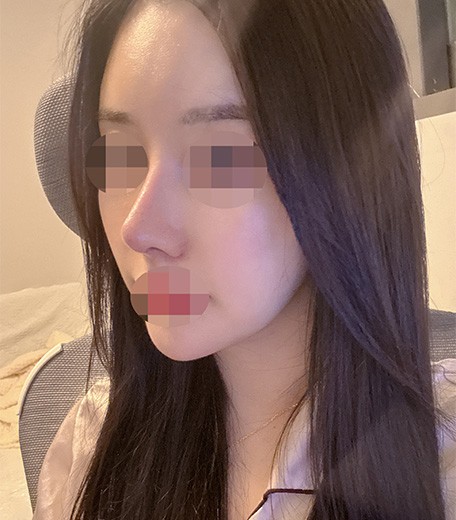
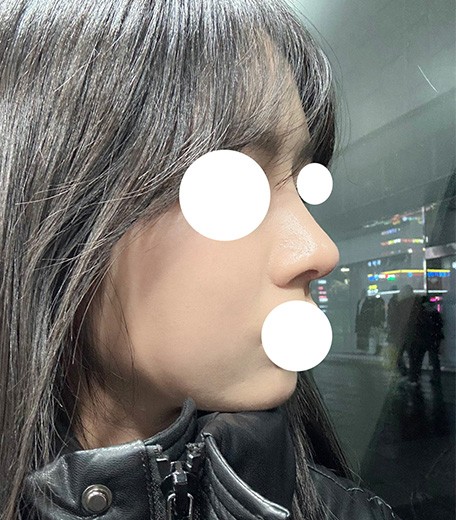
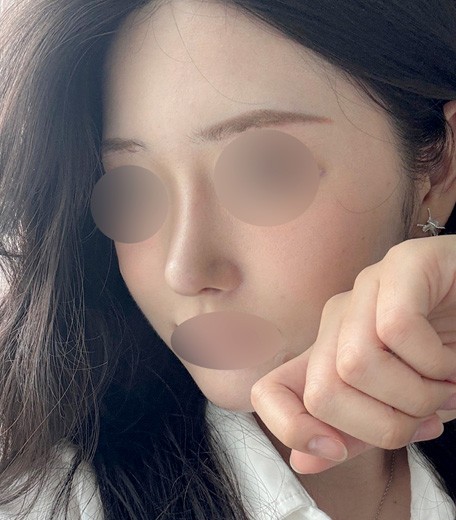
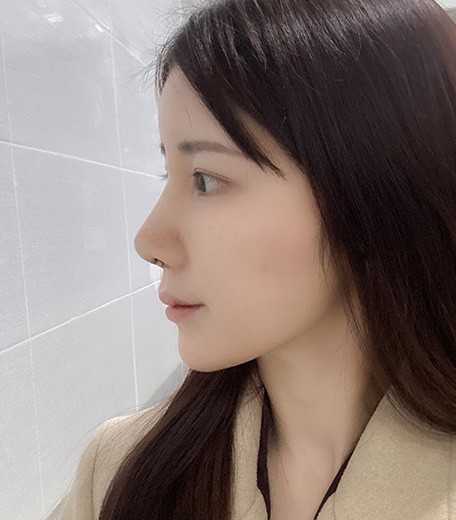
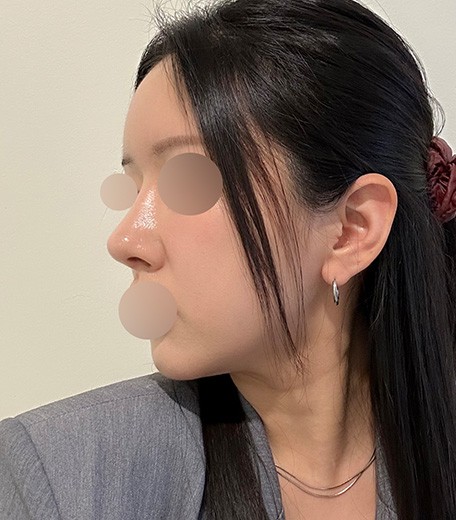
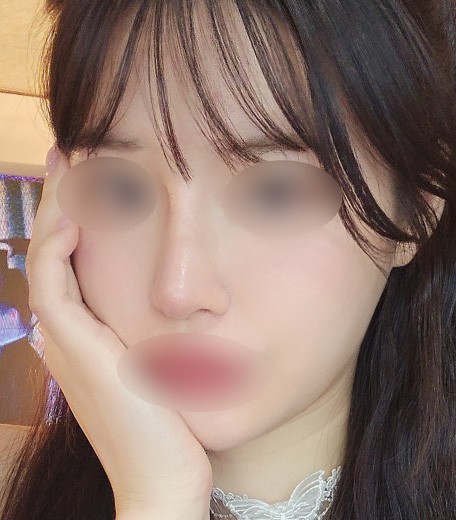
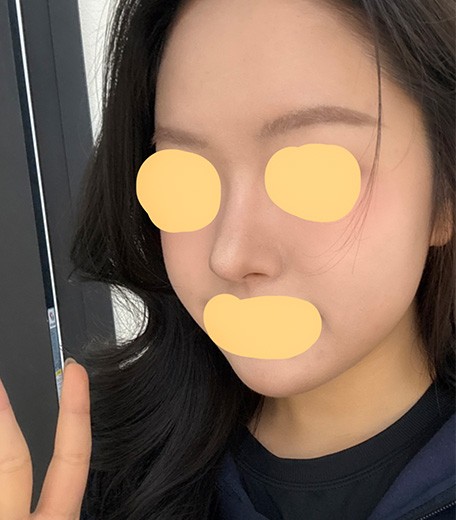
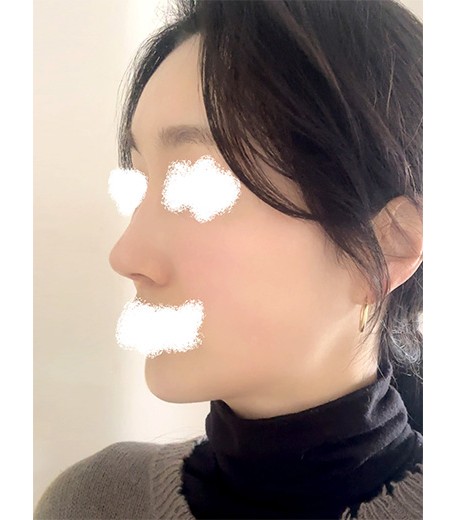
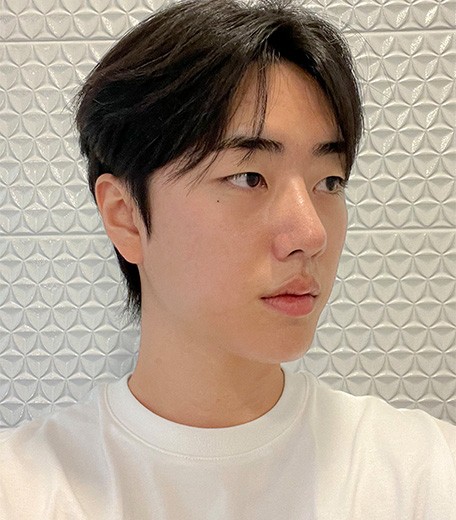
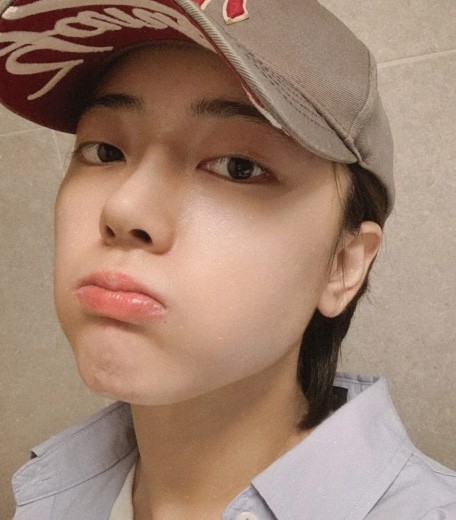
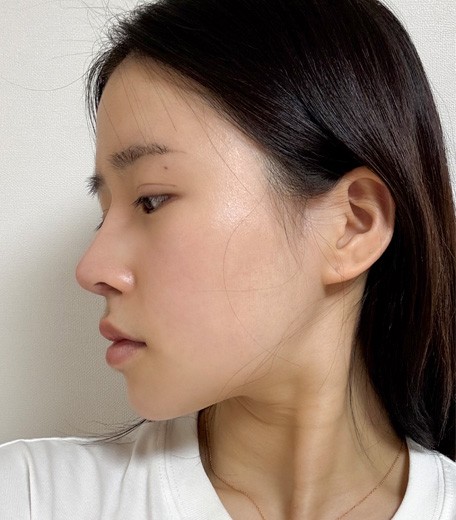
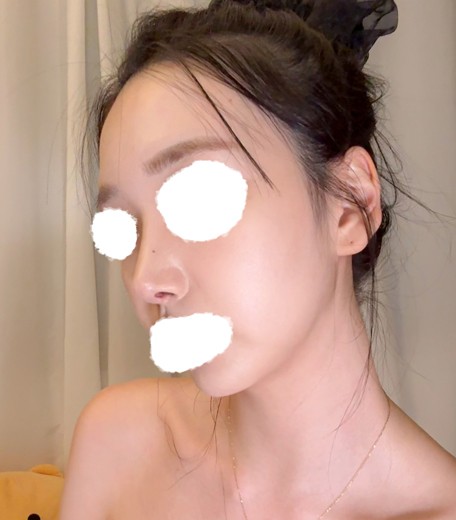
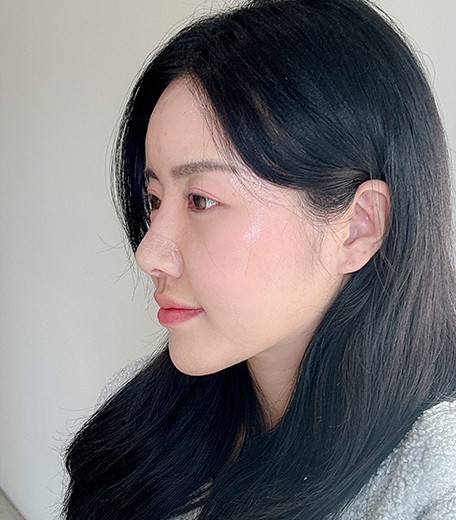
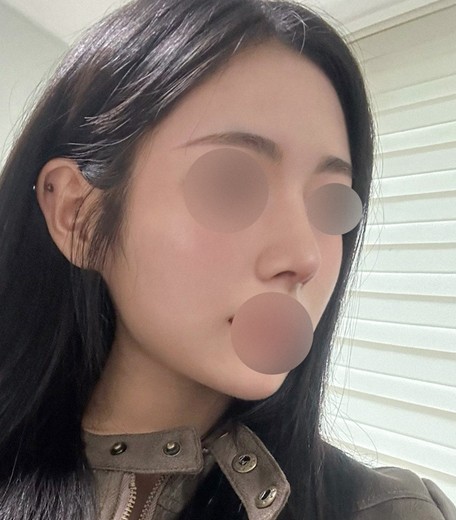
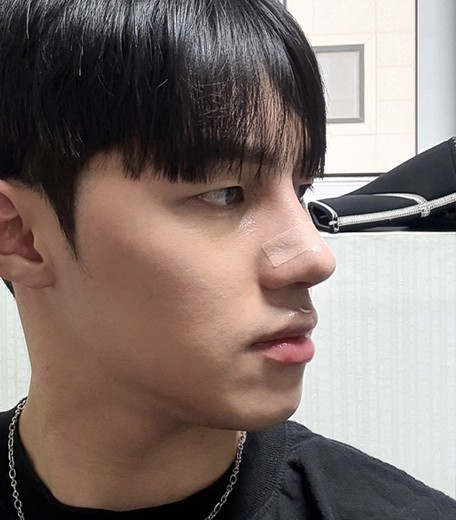
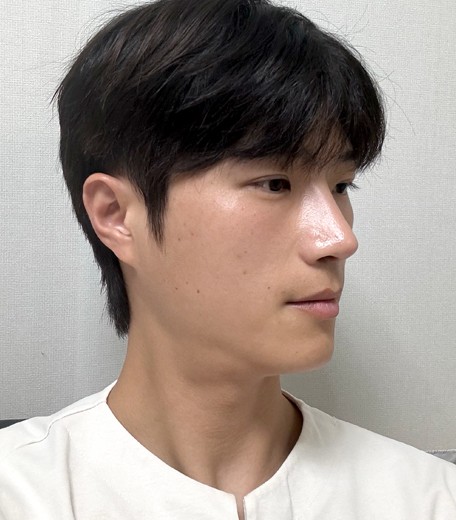
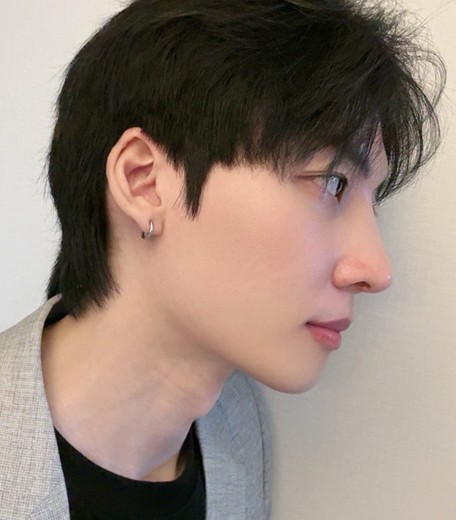
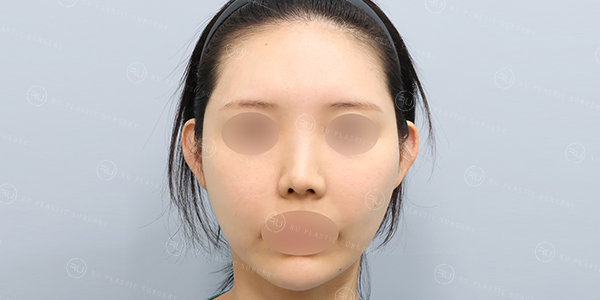
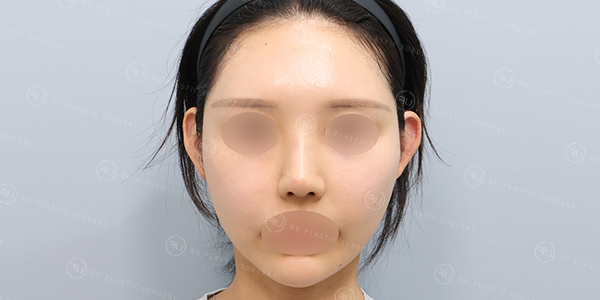
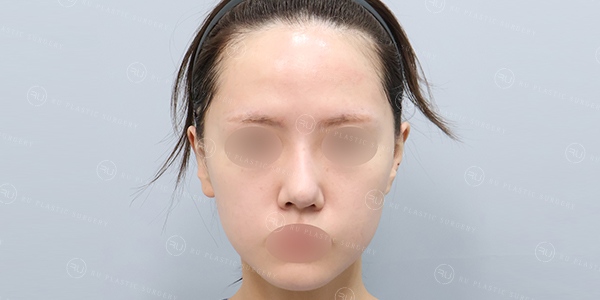
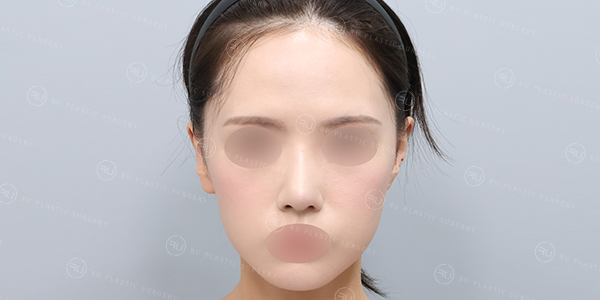
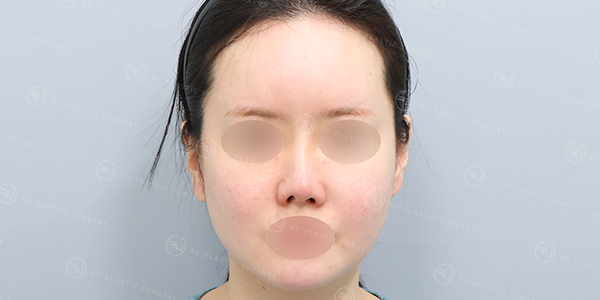
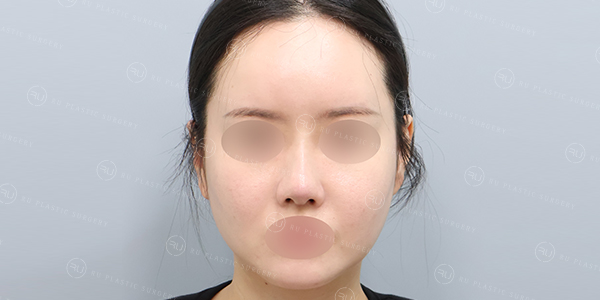
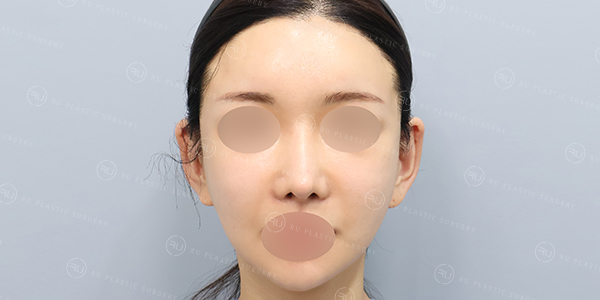
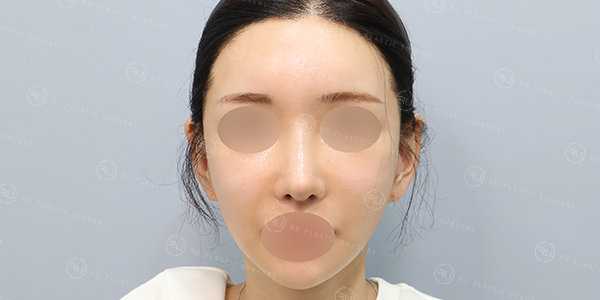
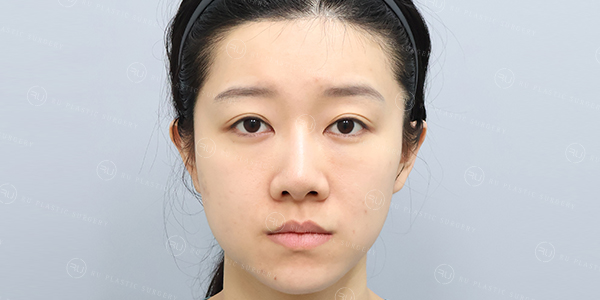
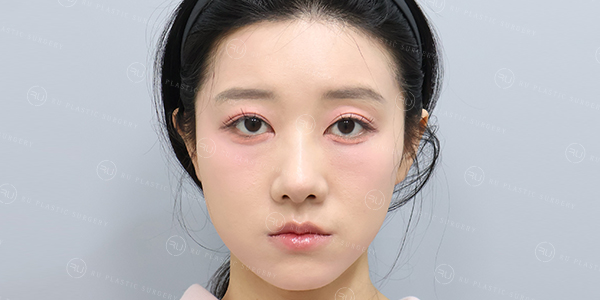
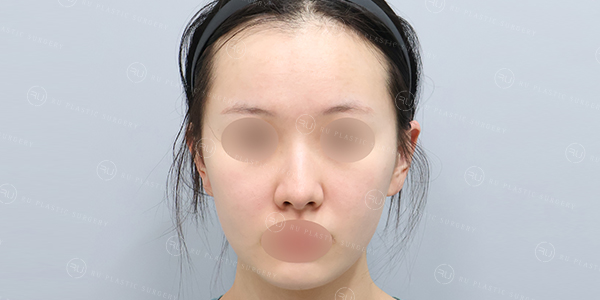
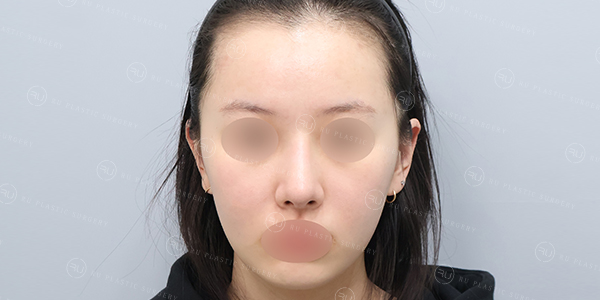
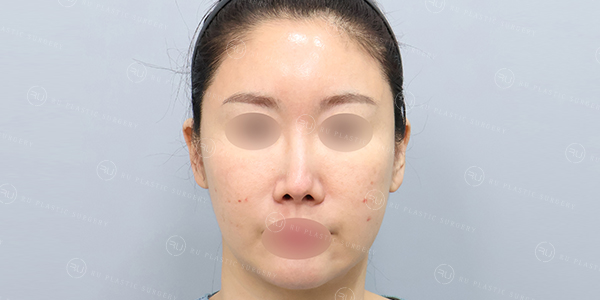
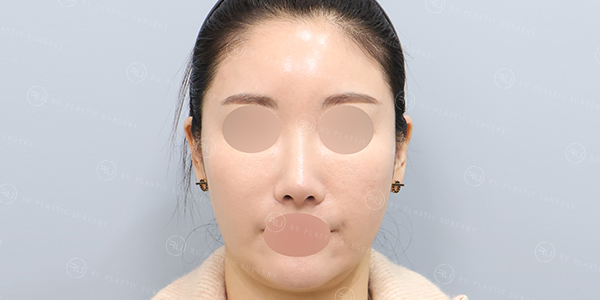
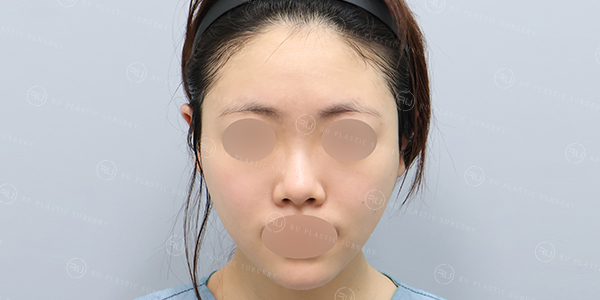
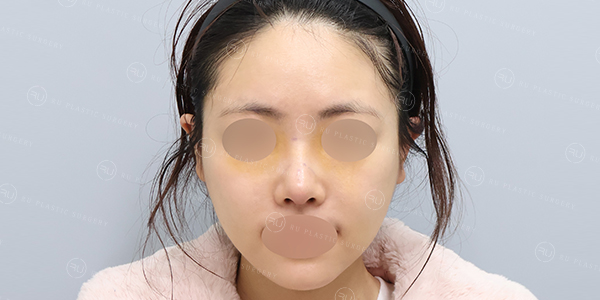
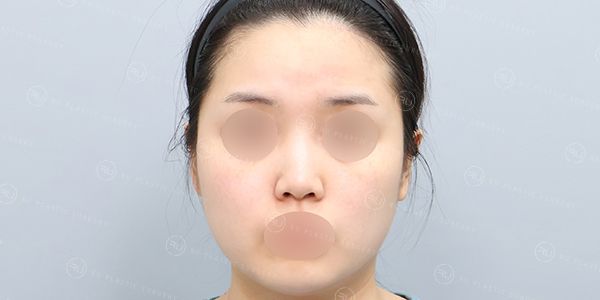
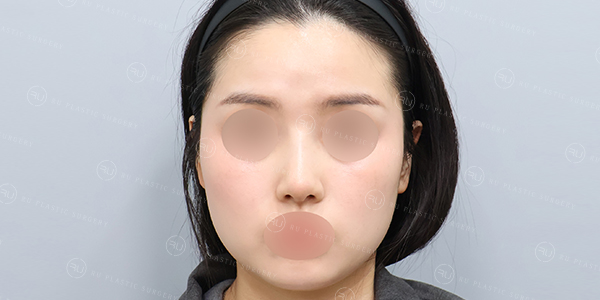
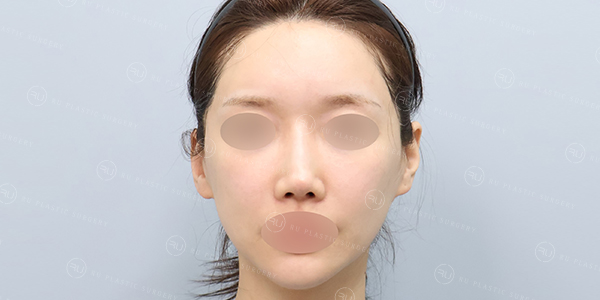
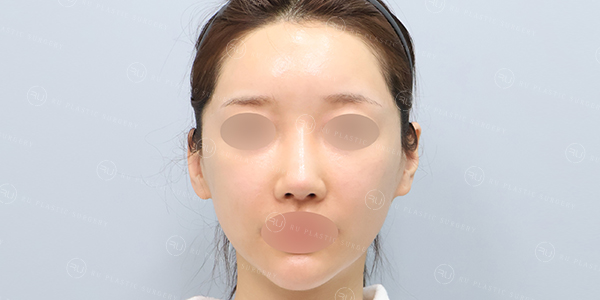
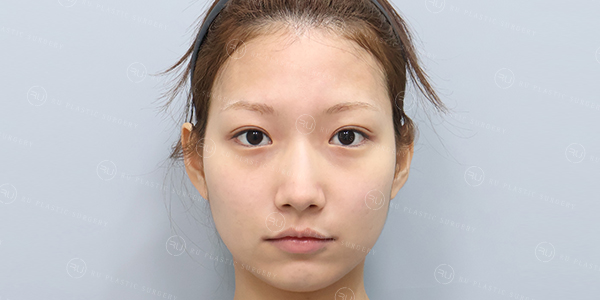
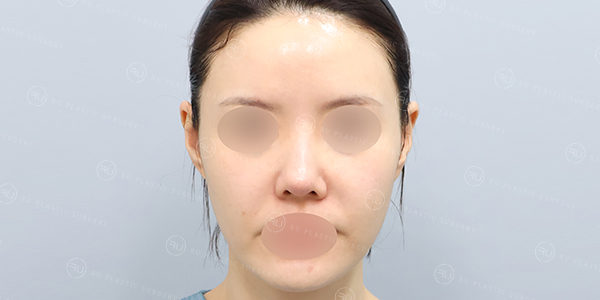
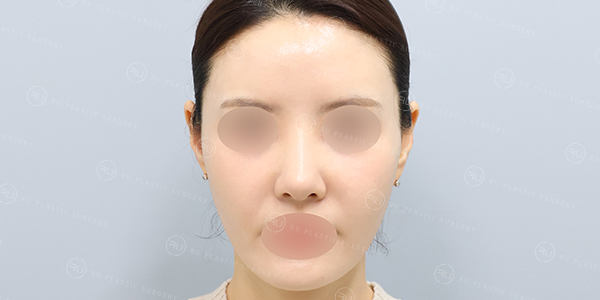
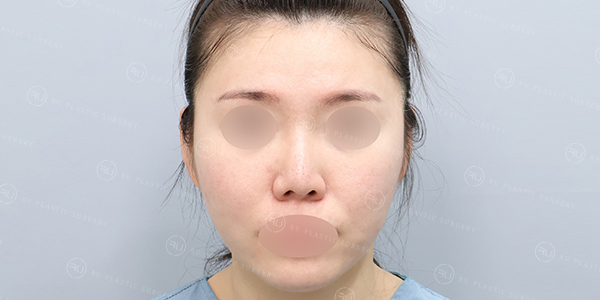
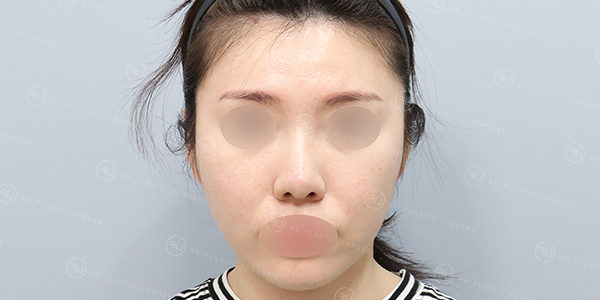
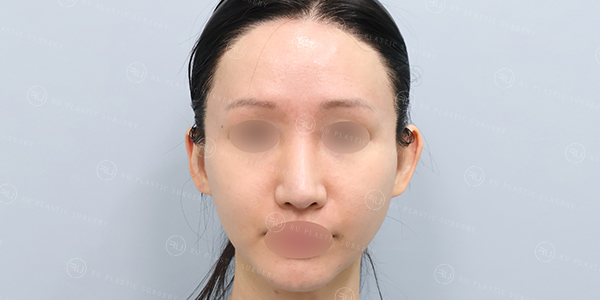
Now, at two months post-surgery,
the swelling has significantly subsided
and the nasal contour is stabilizing.
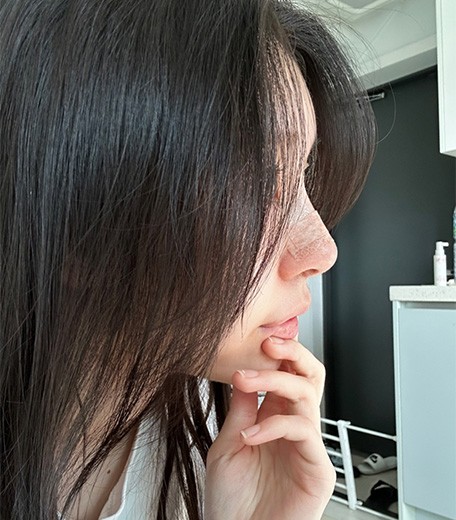
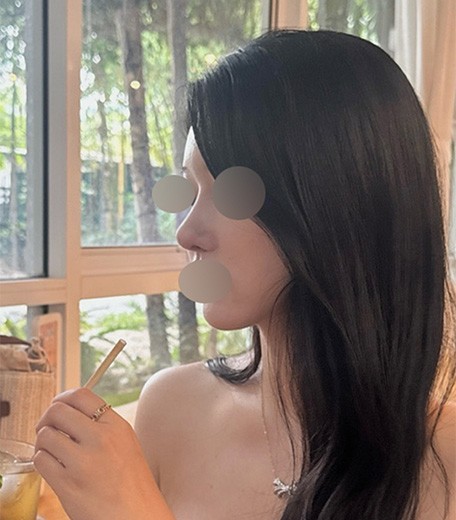
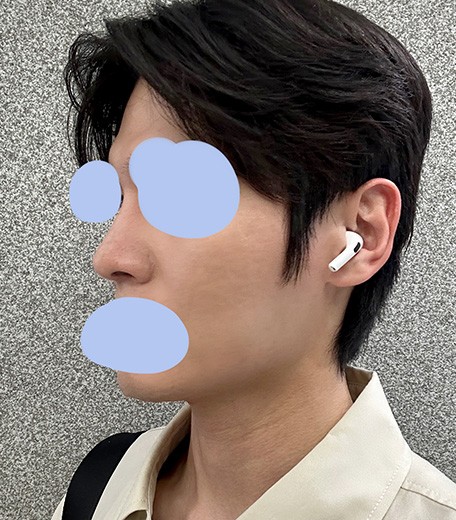
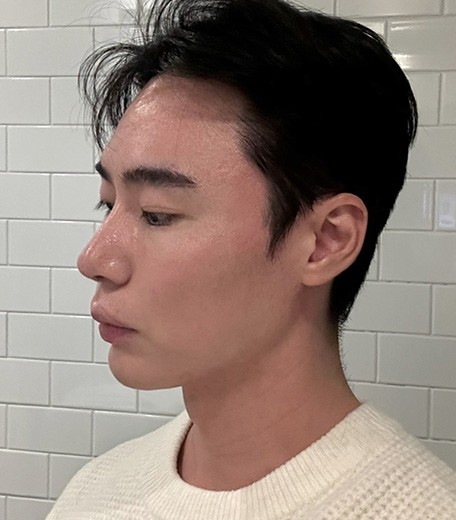
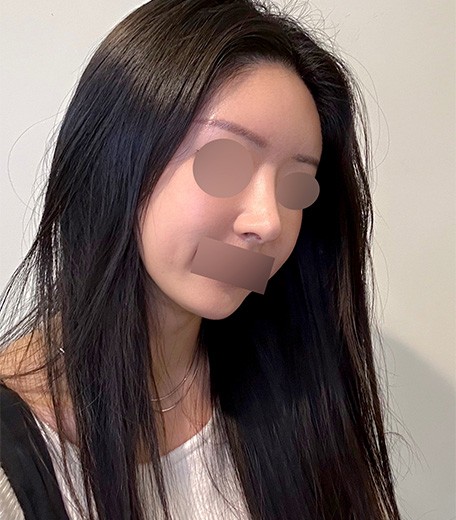
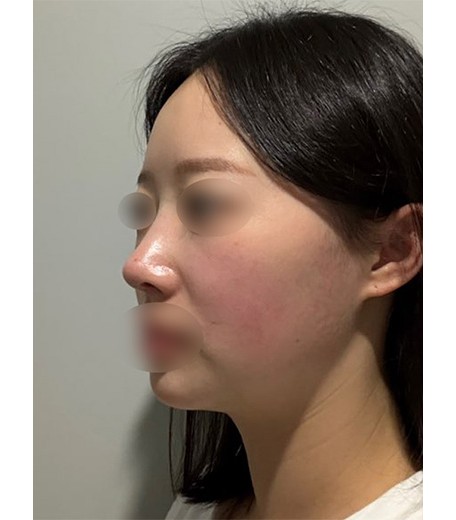
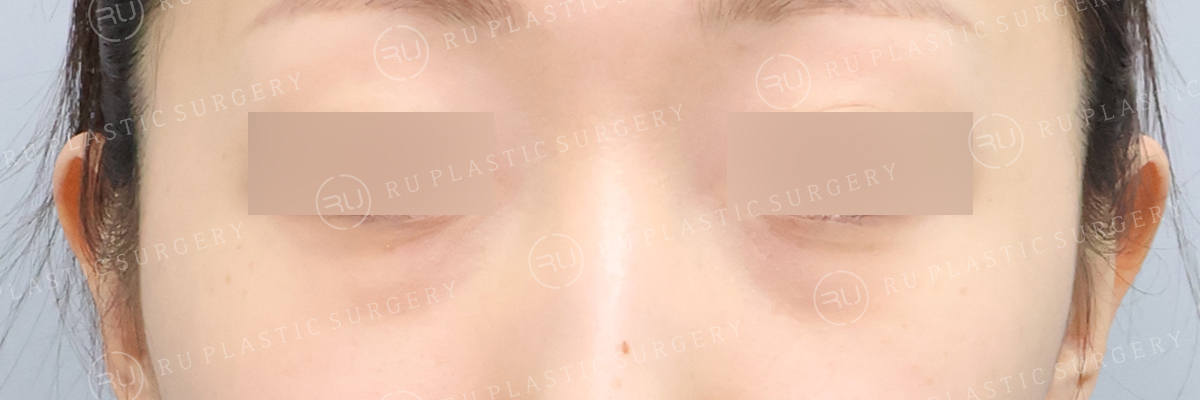
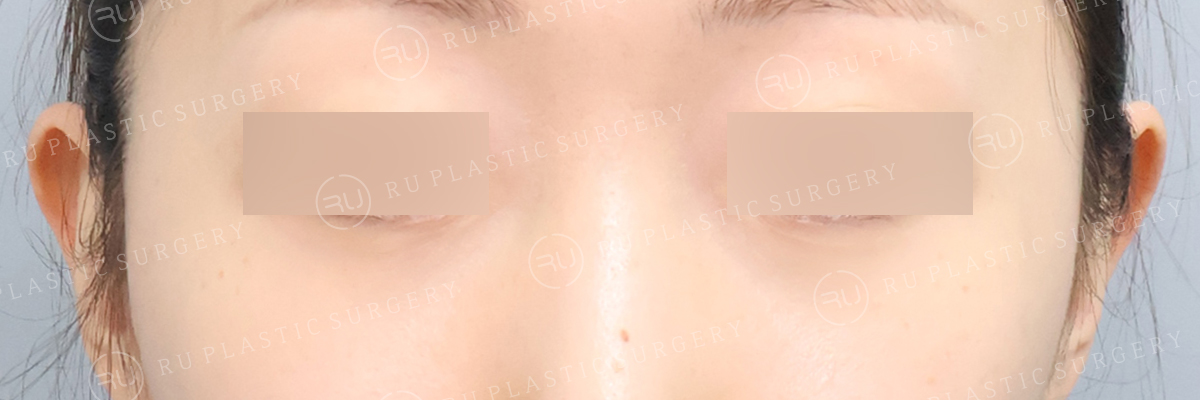
The previously compressed nasal tip has lifted gracefully,
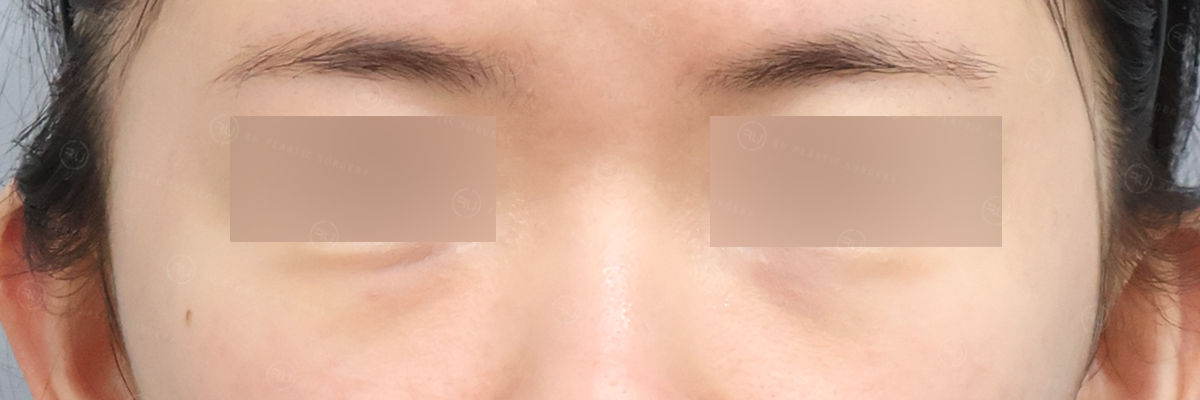
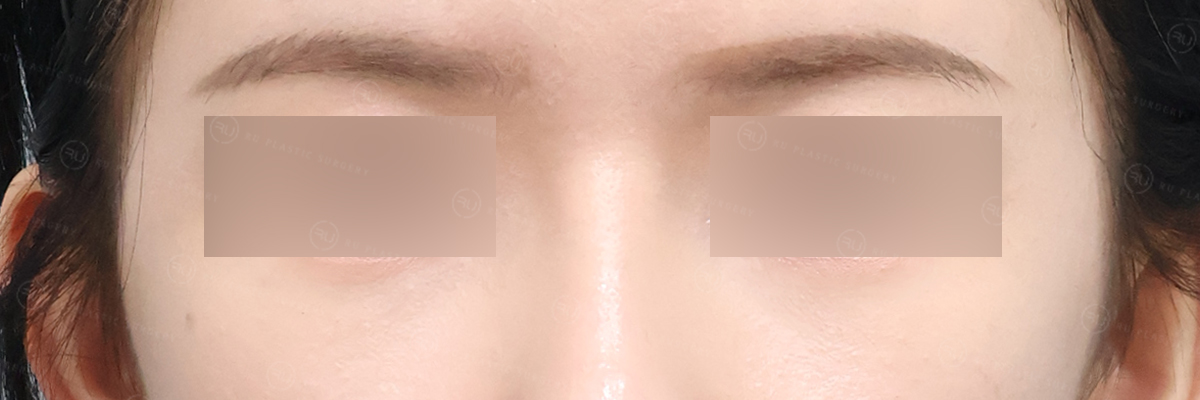
and unlike before—when the silicone implant created
a pronounced boundary between my forehead and nasal bridge—
the transition now appears natural and seamless.
One particularly memorable aspect
was that removing the sutures was completely painless,
which I attribute to Dr. Kim’s meticulous surgical technique.
I am truly satisfied with the results
and already looking forward to seeing
how my nose appears in my wedding photos.