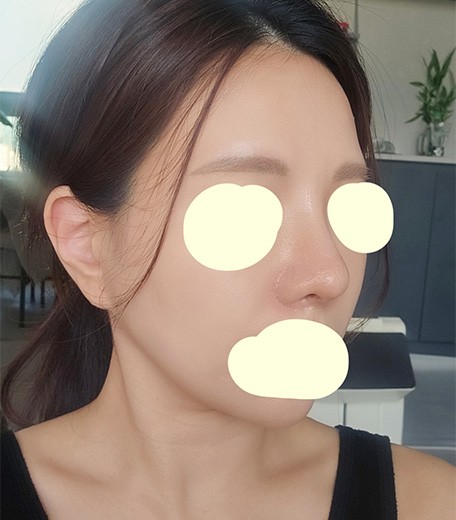
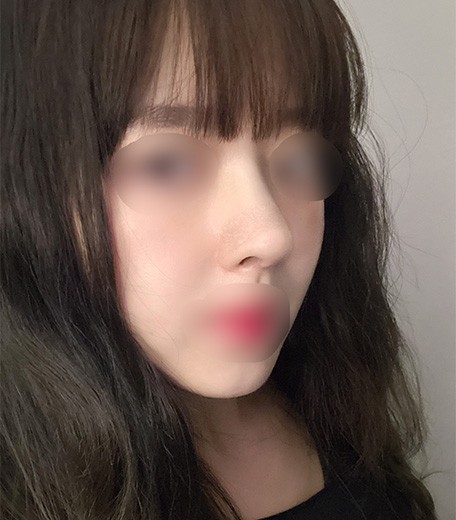
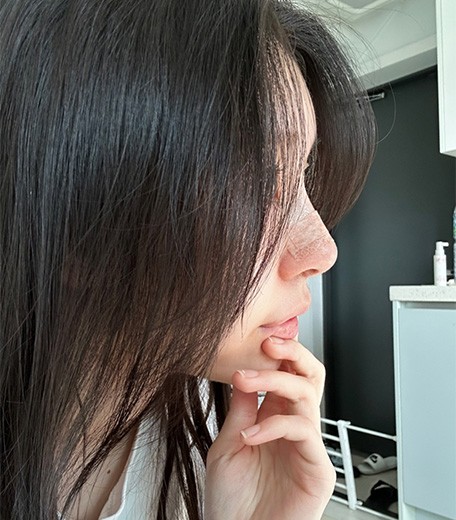
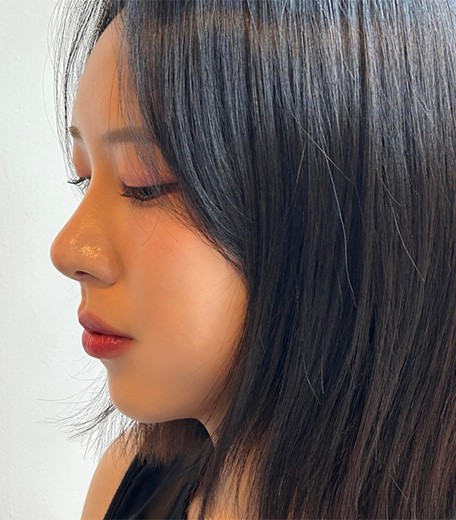
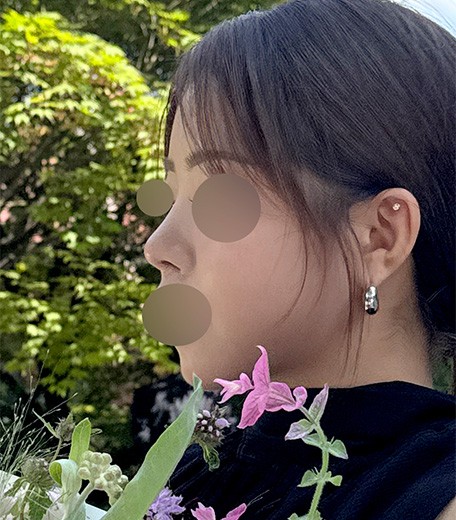
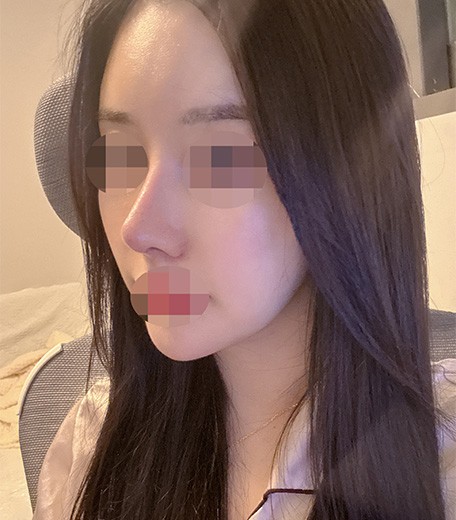
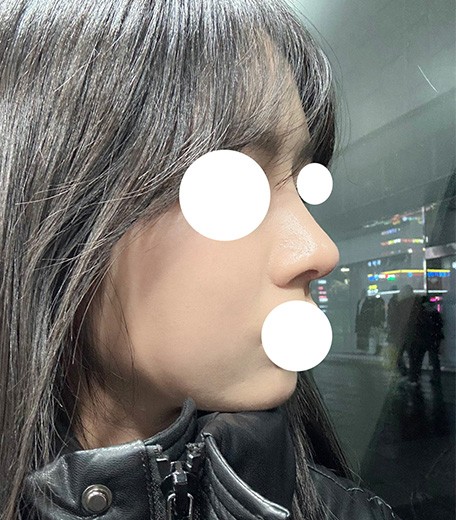
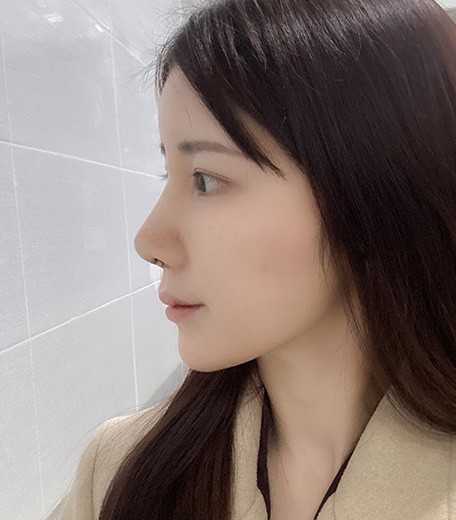
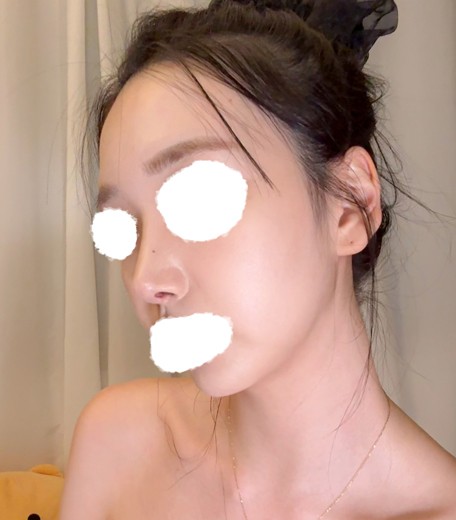
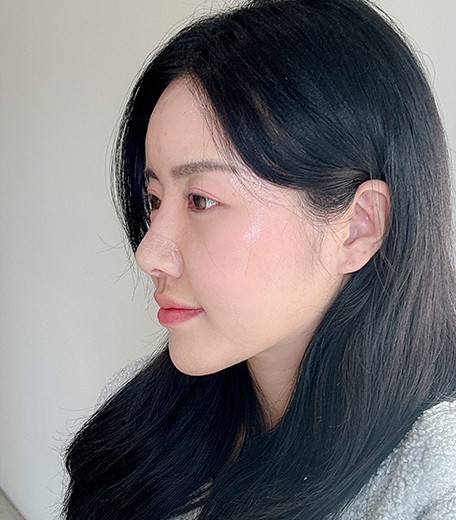
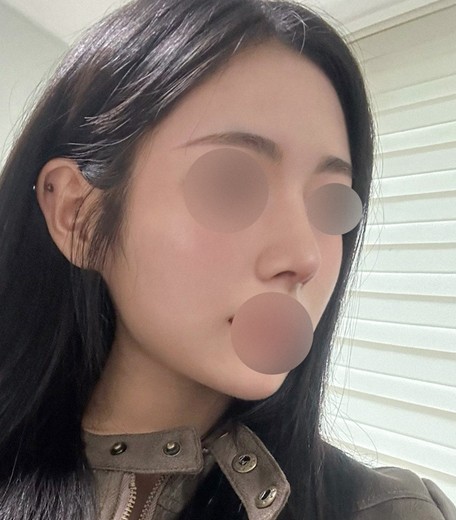
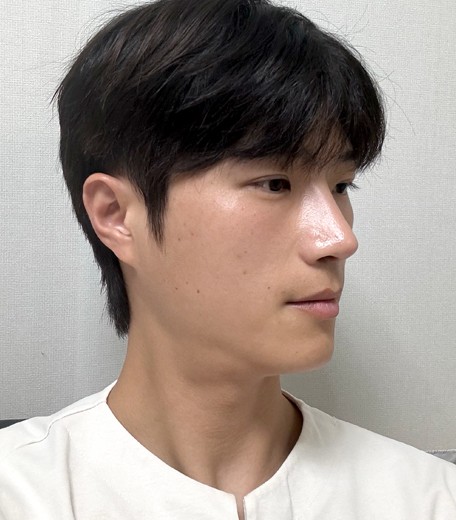
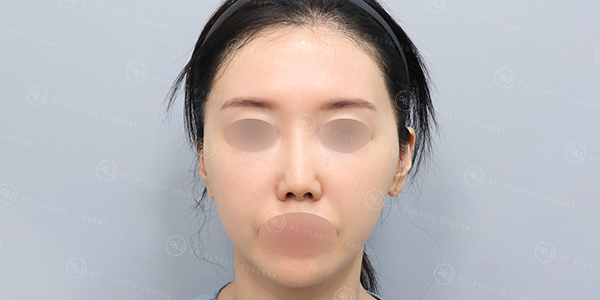
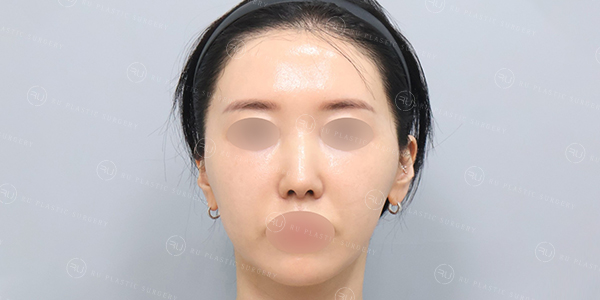
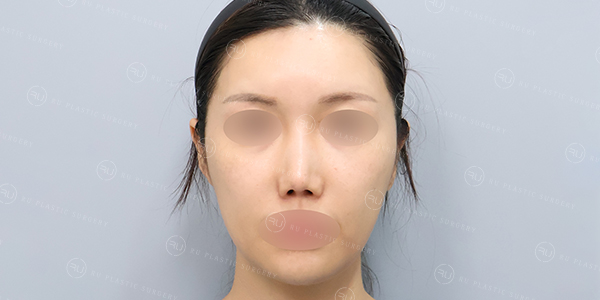
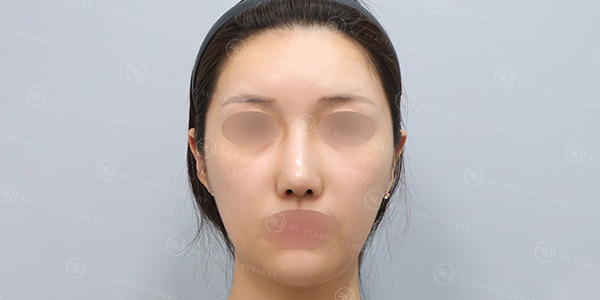
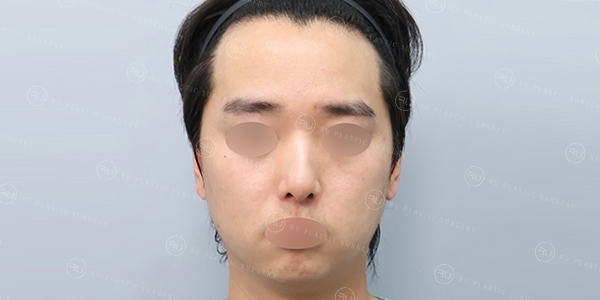
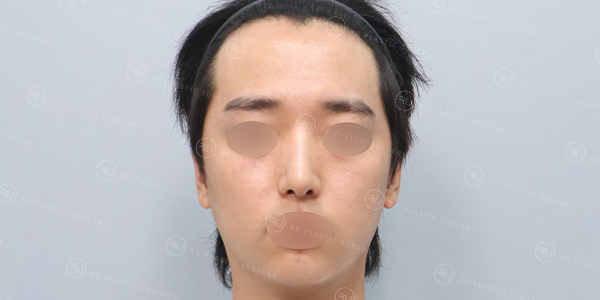
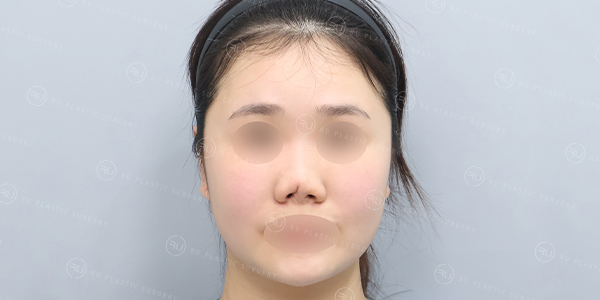
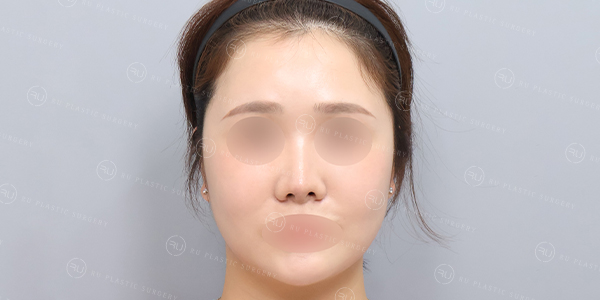
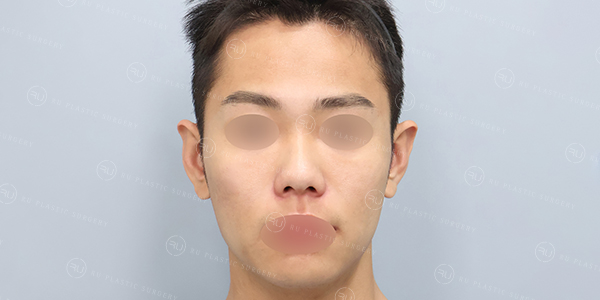
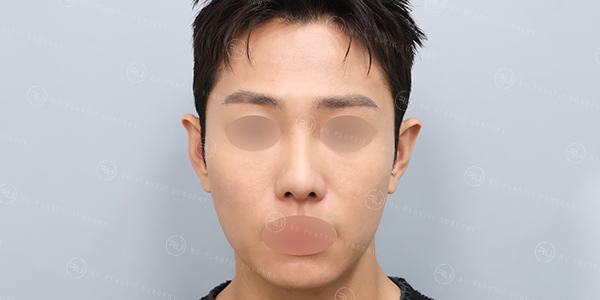
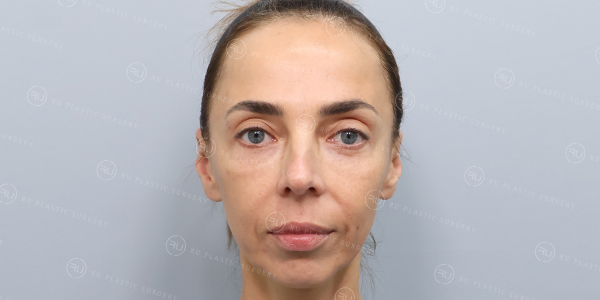
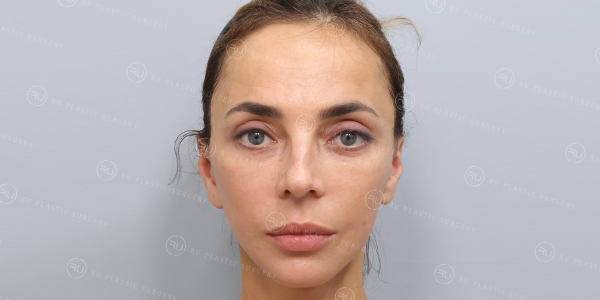
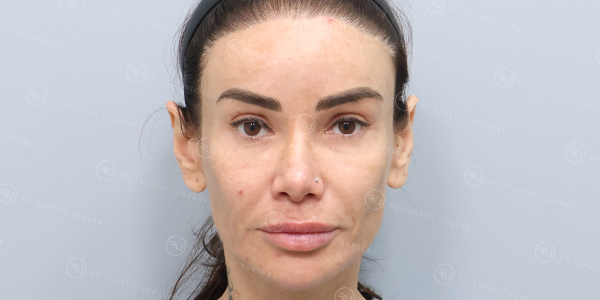
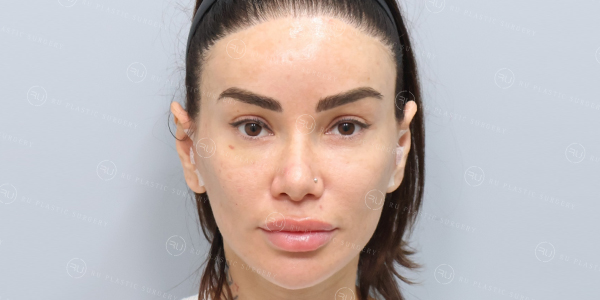
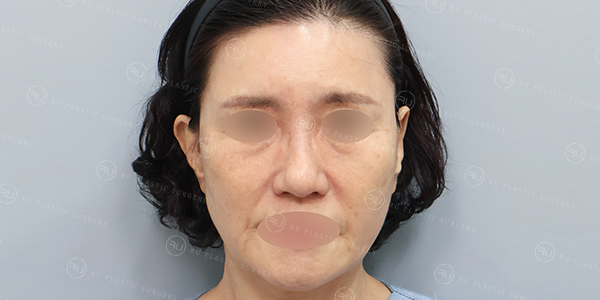
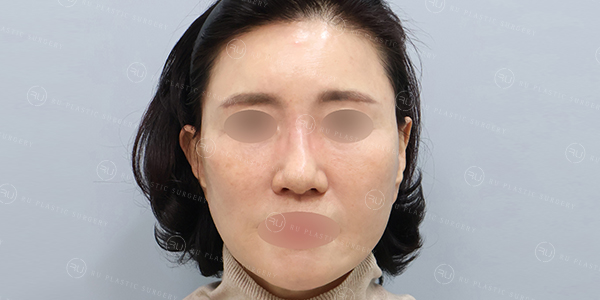
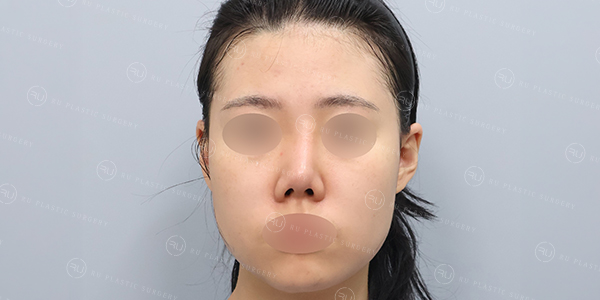
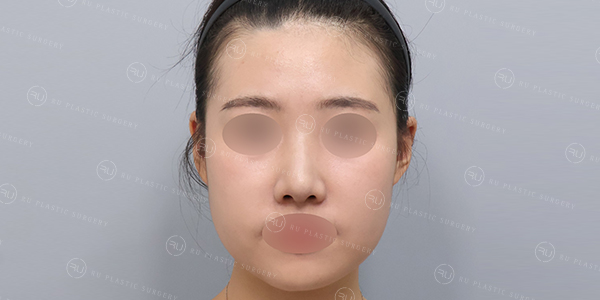
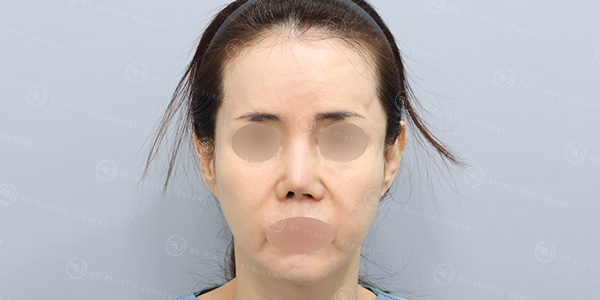
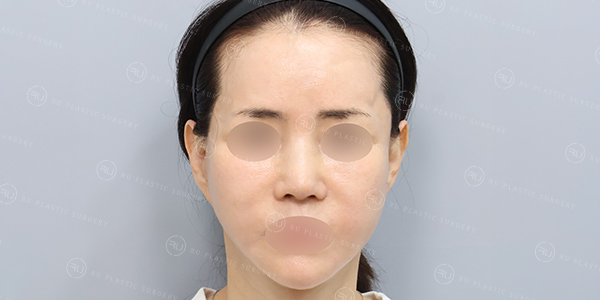
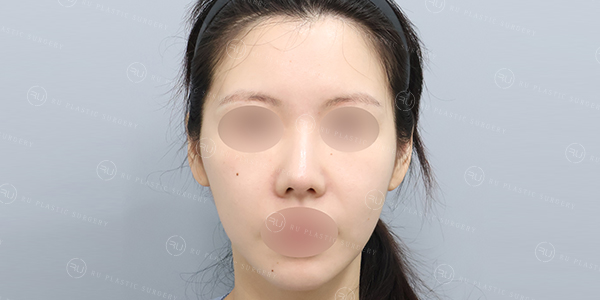
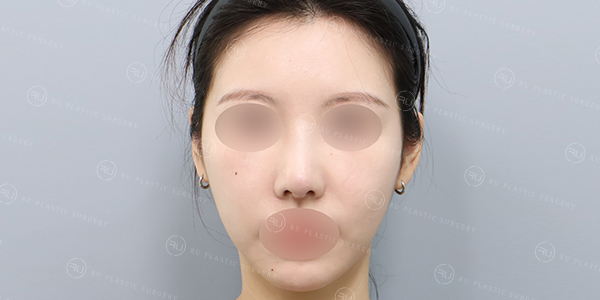
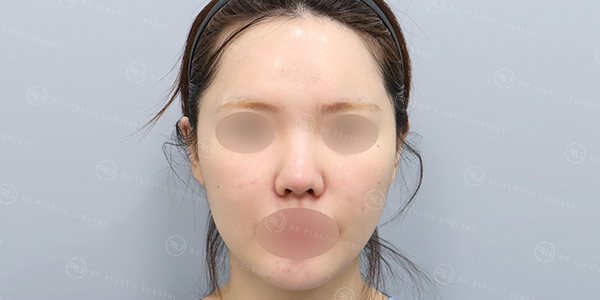
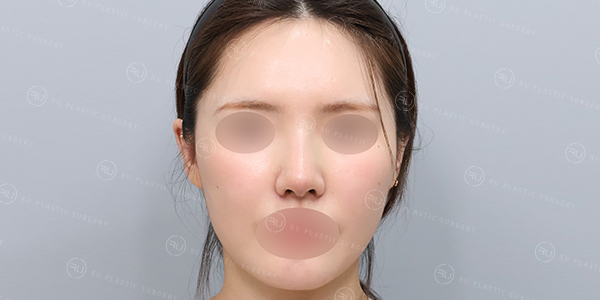
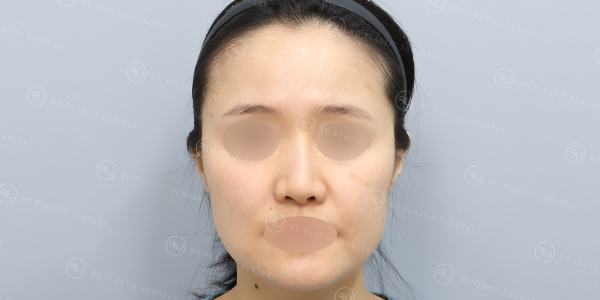
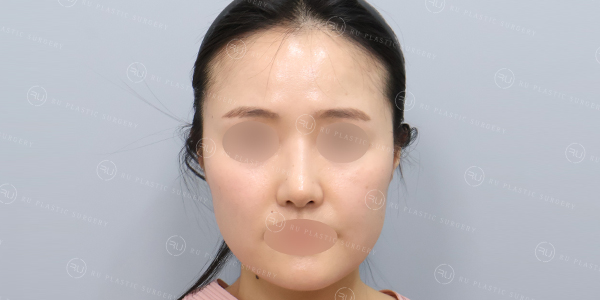
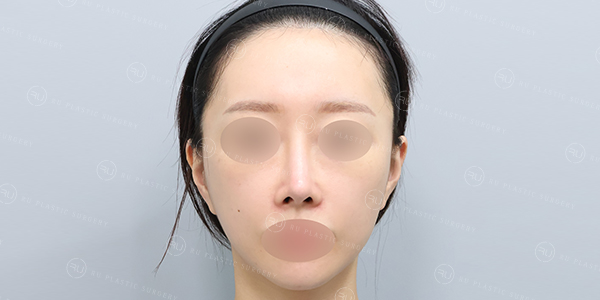
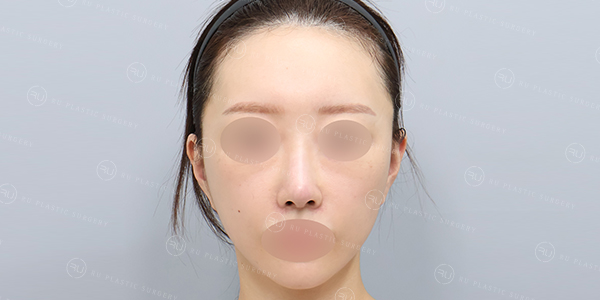
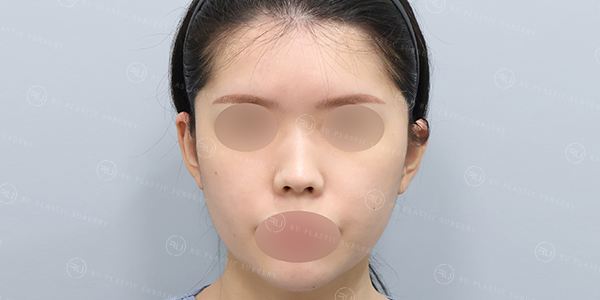
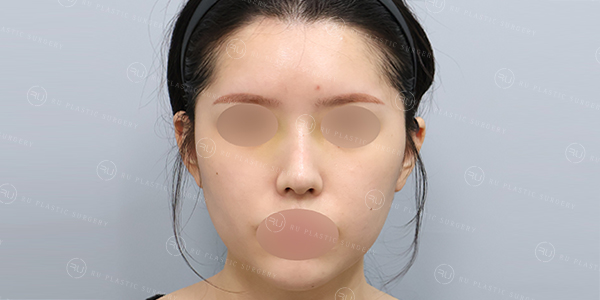
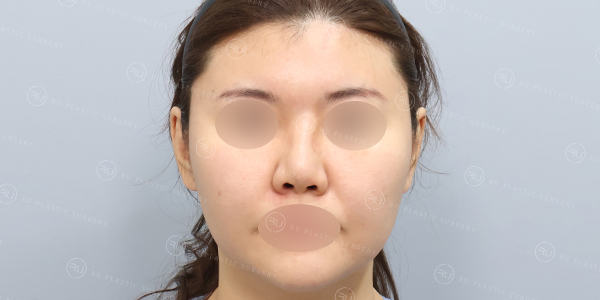
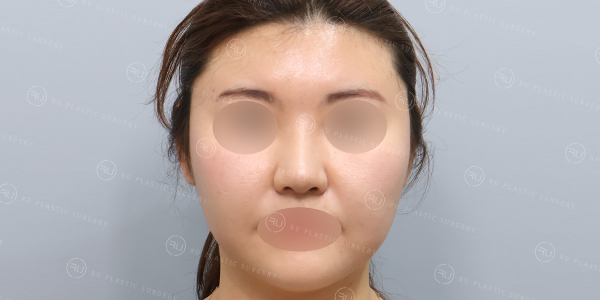
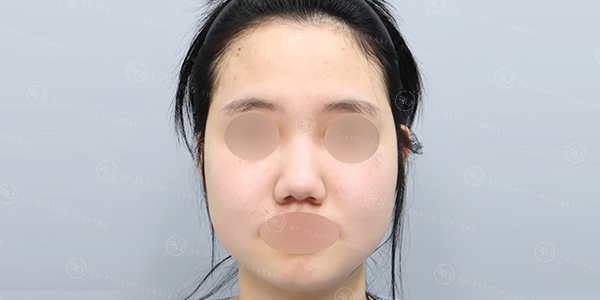
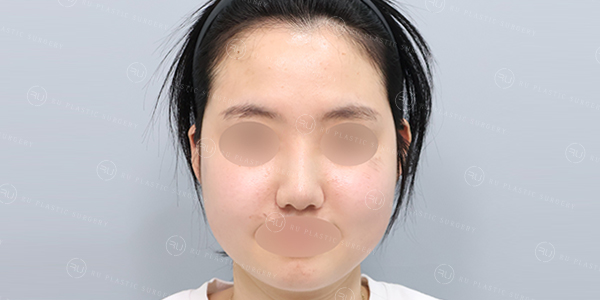
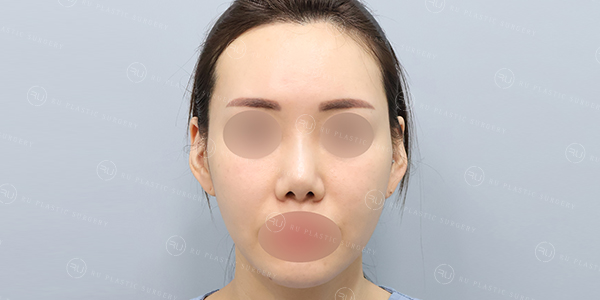
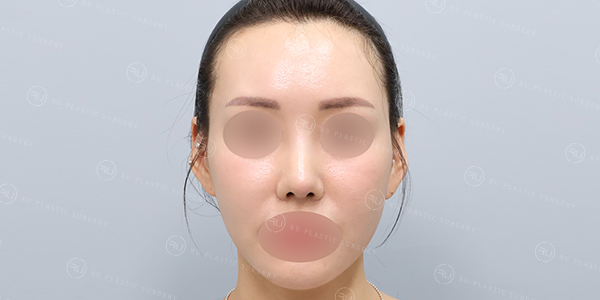
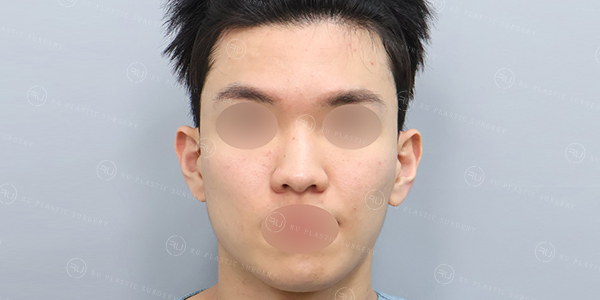
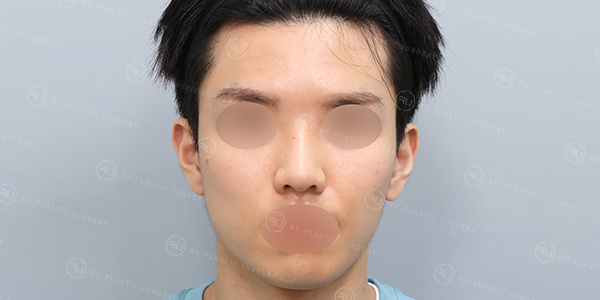
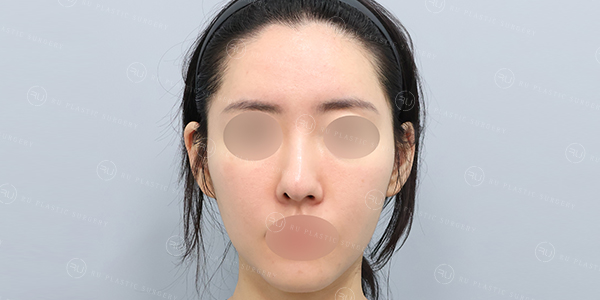
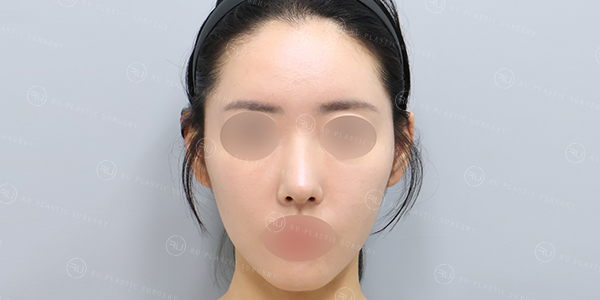
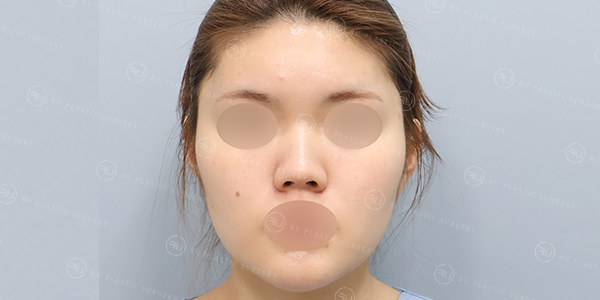
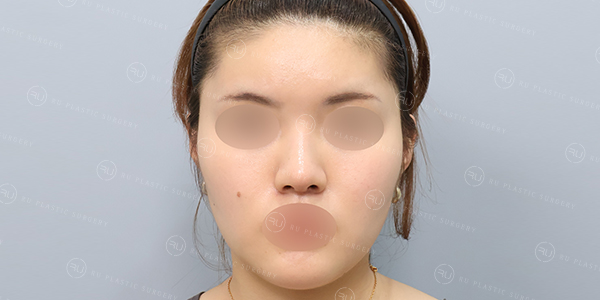
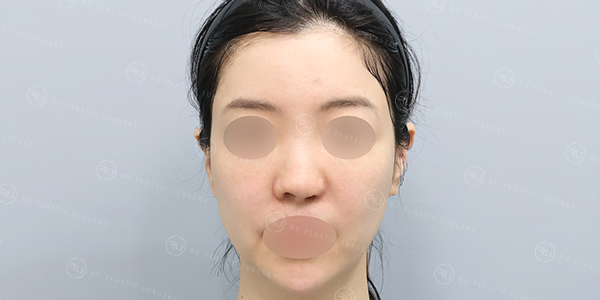
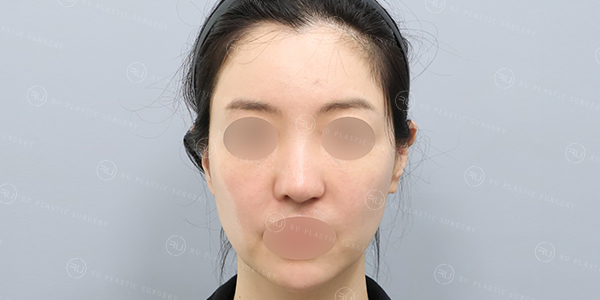
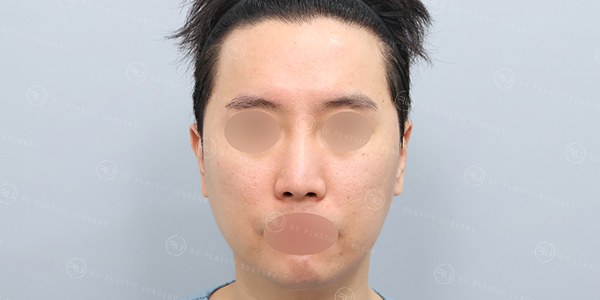
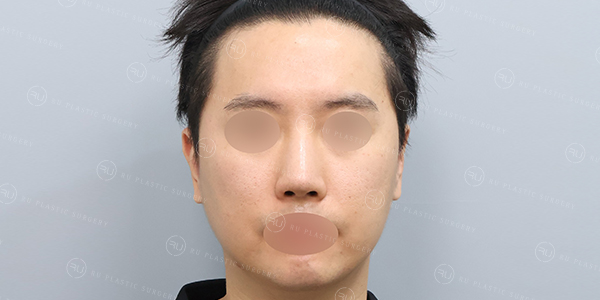
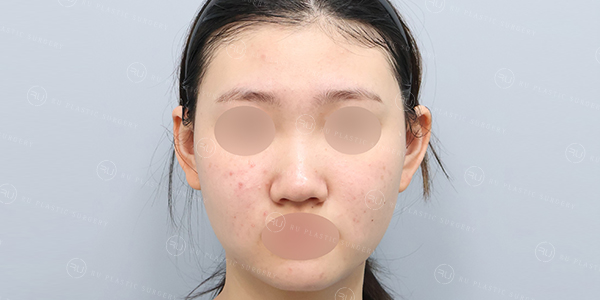
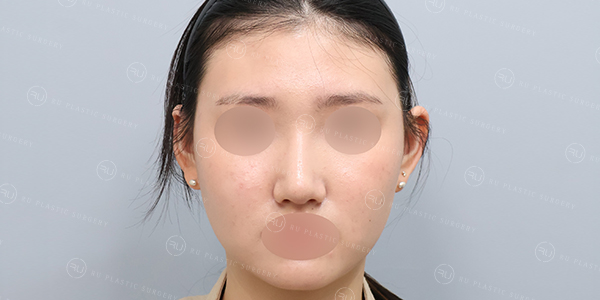
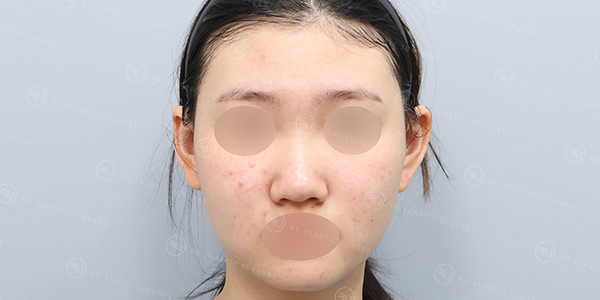
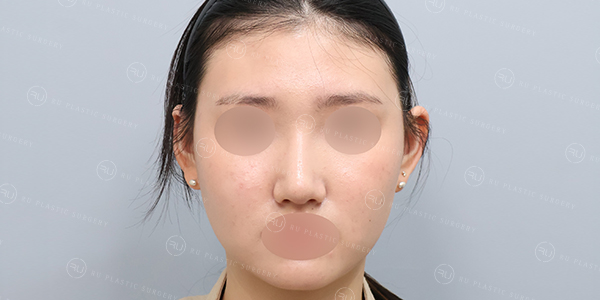
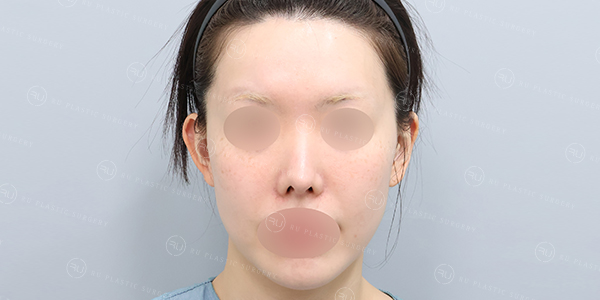
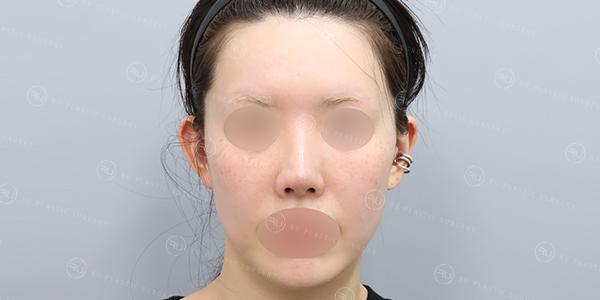
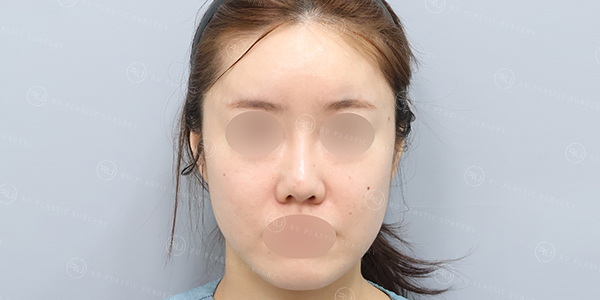
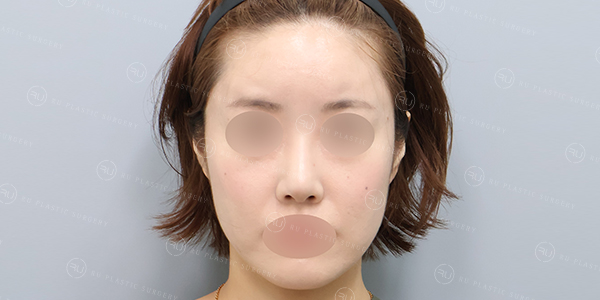
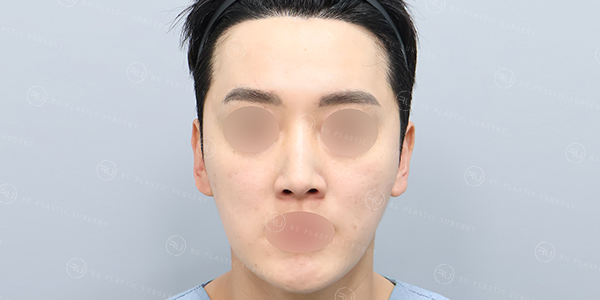
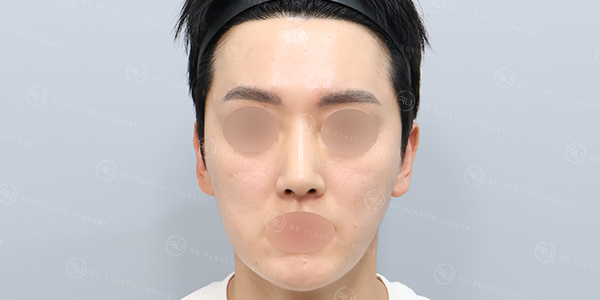
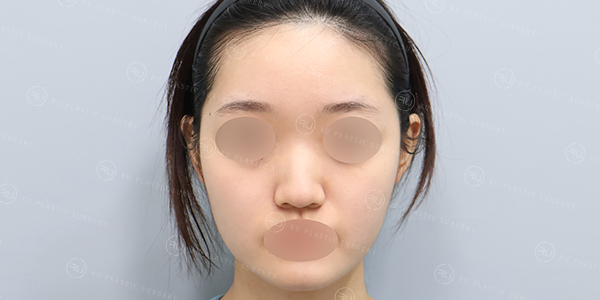
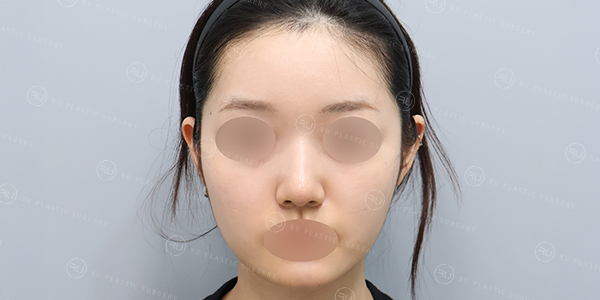
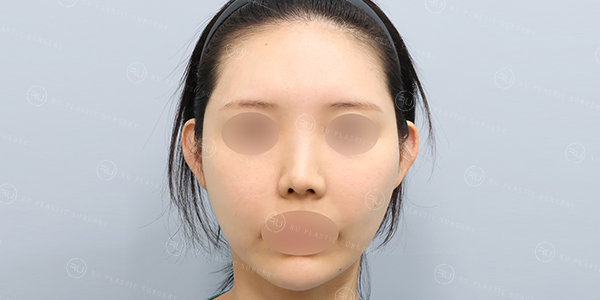
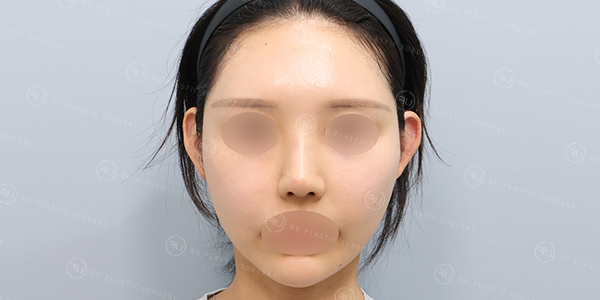
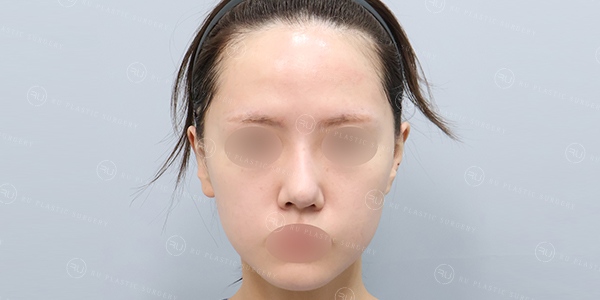
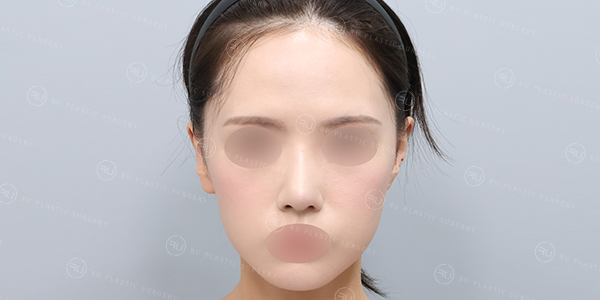
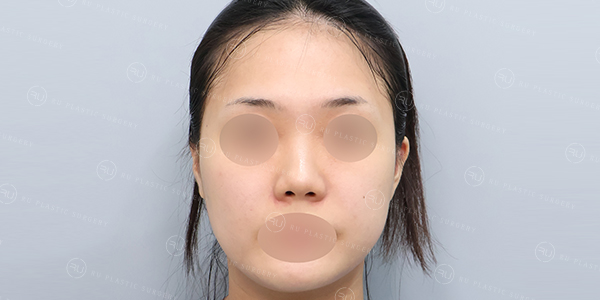
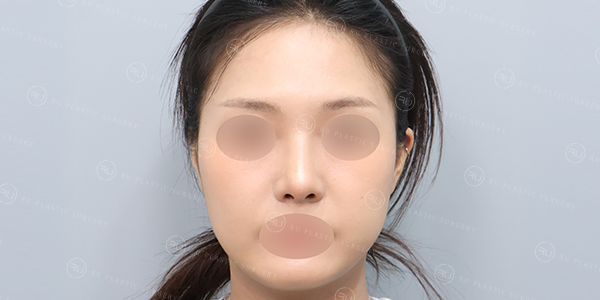
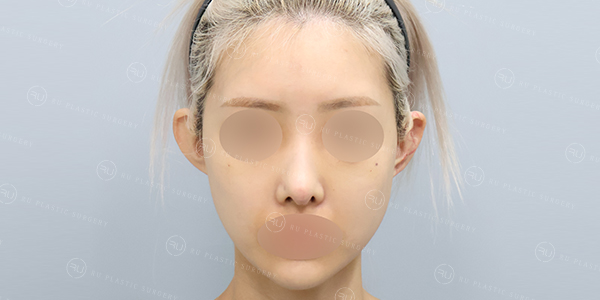
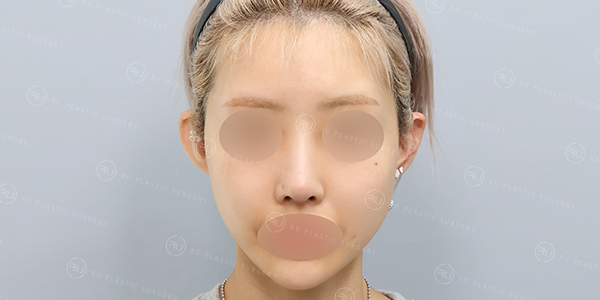
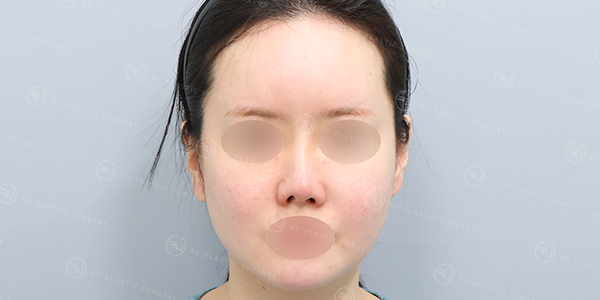
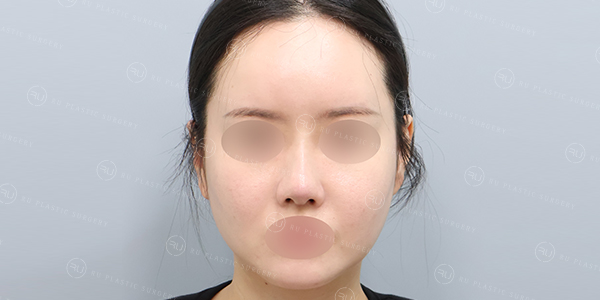
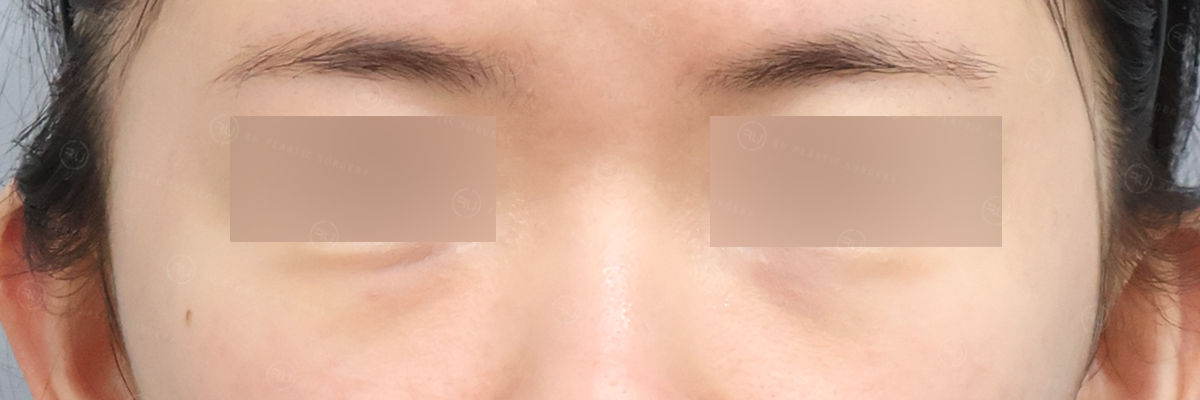
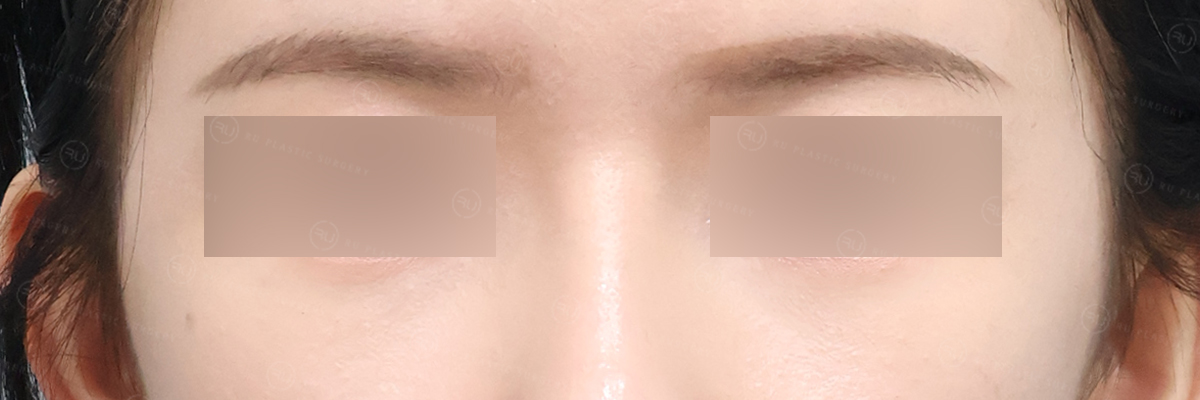
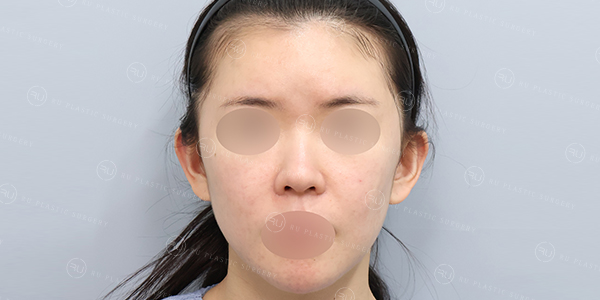
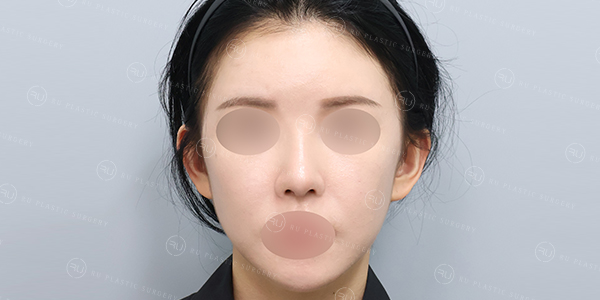
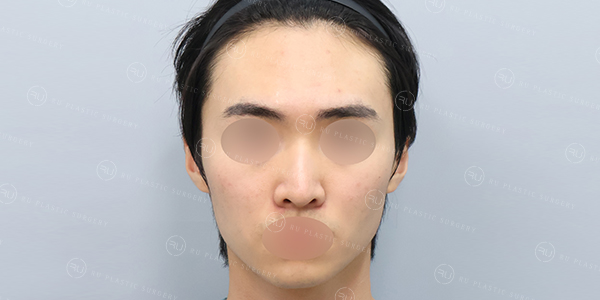
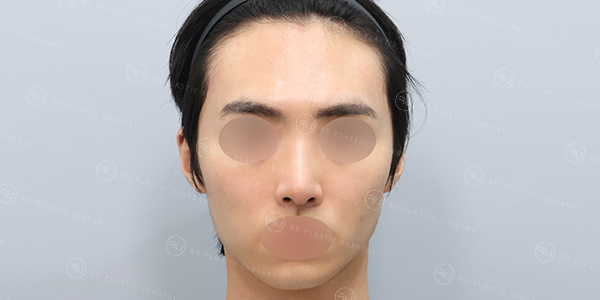
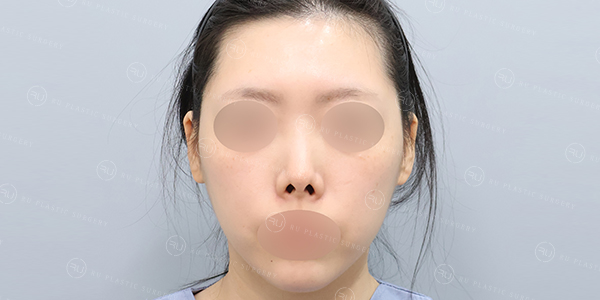
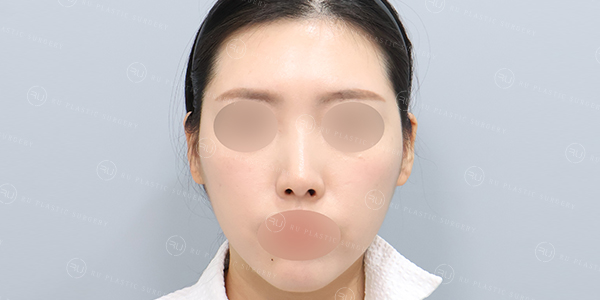
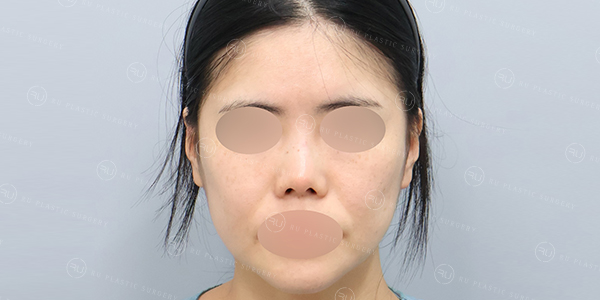
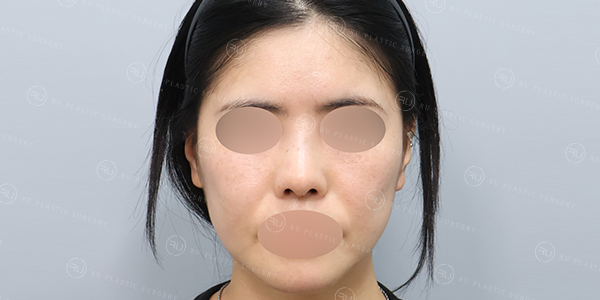
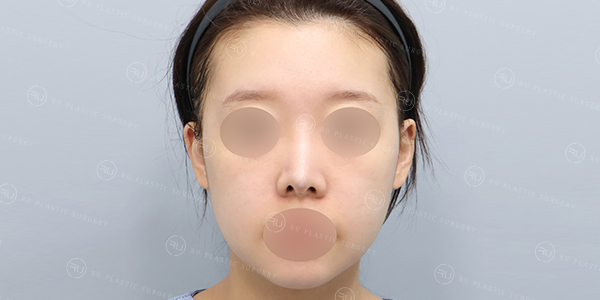
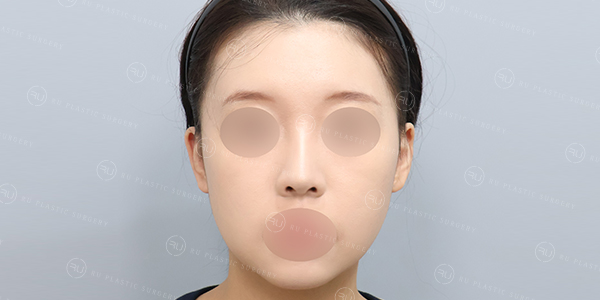
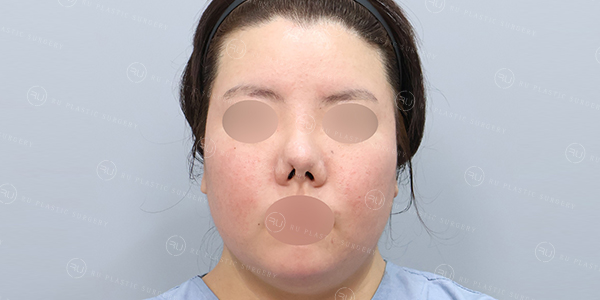
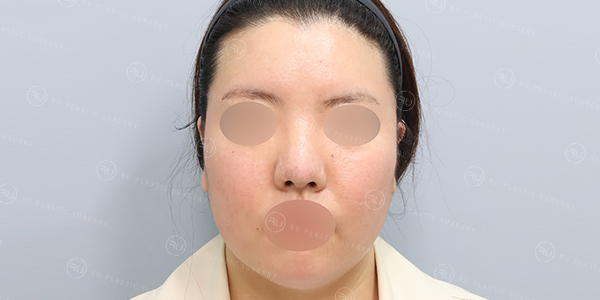
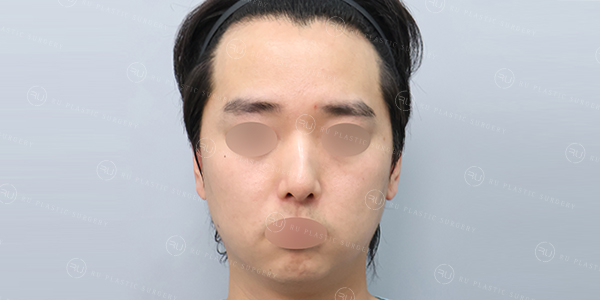
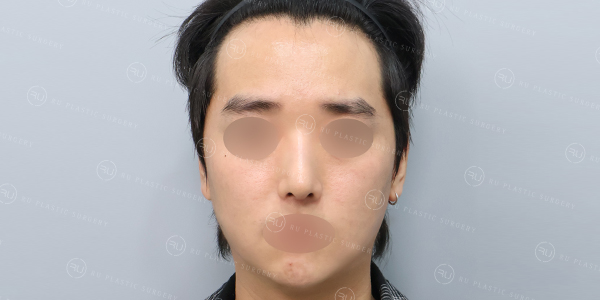
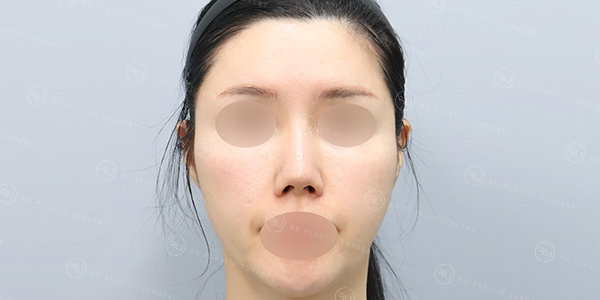
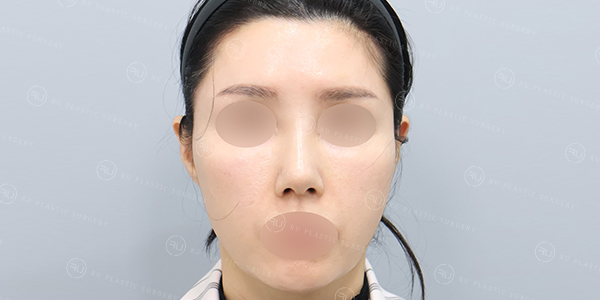
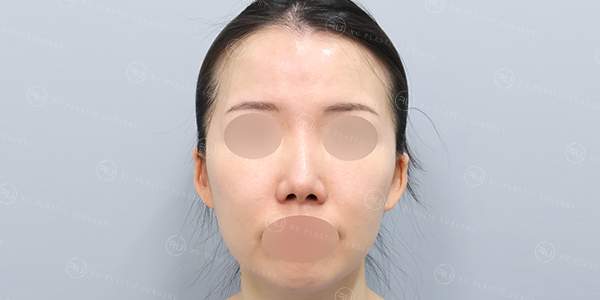
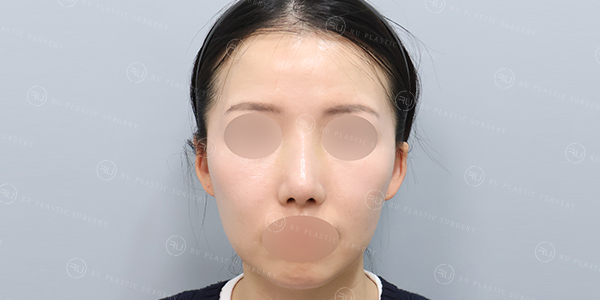
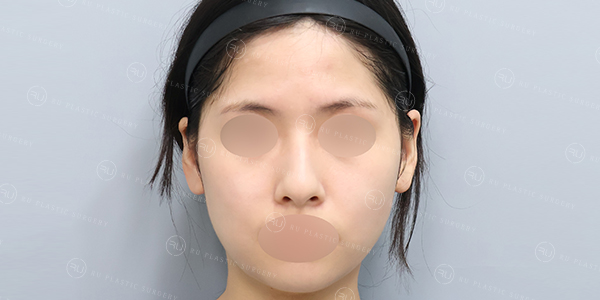
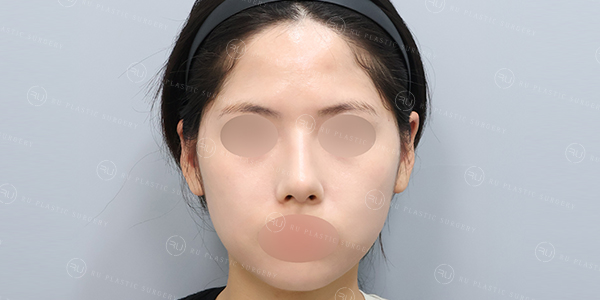
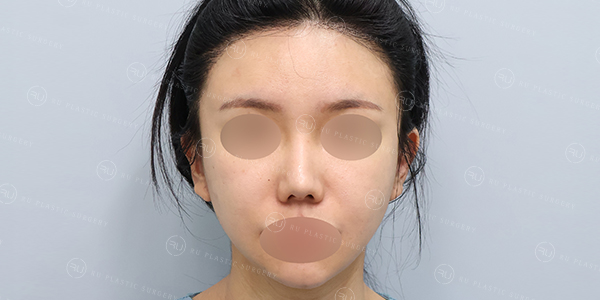
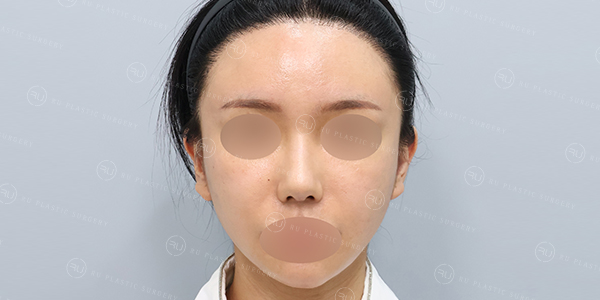
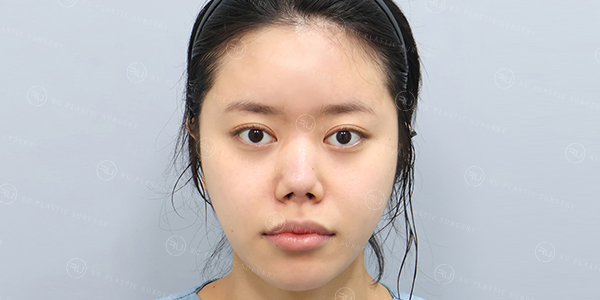
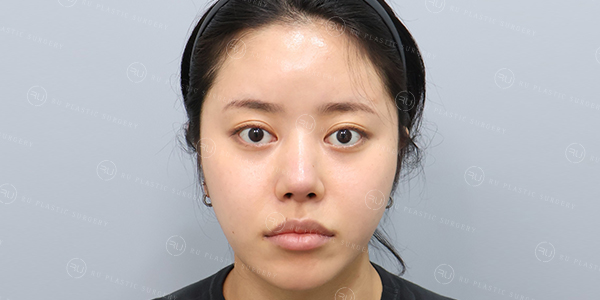
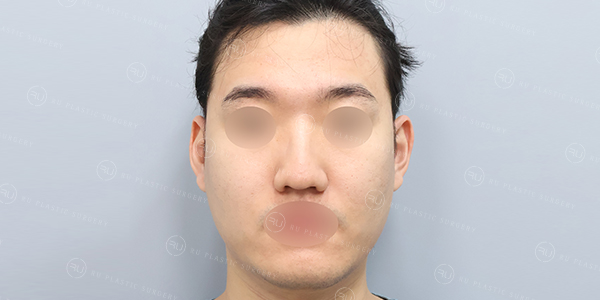
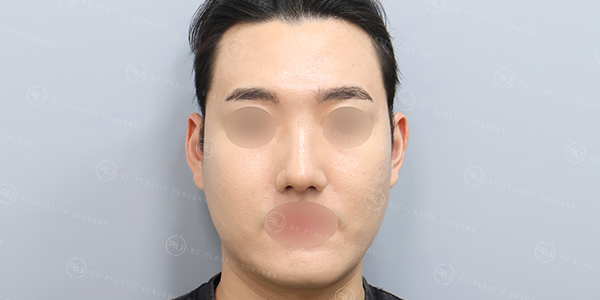
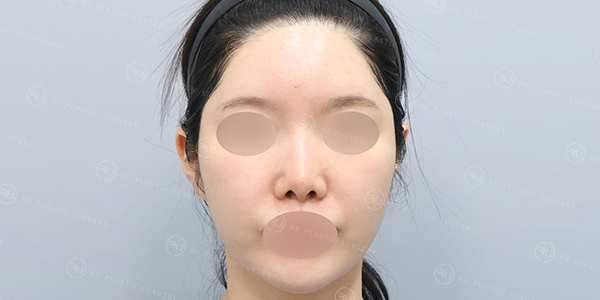
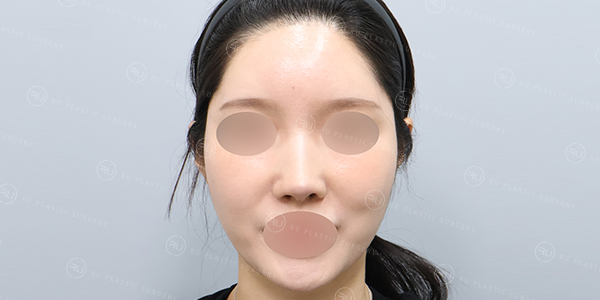
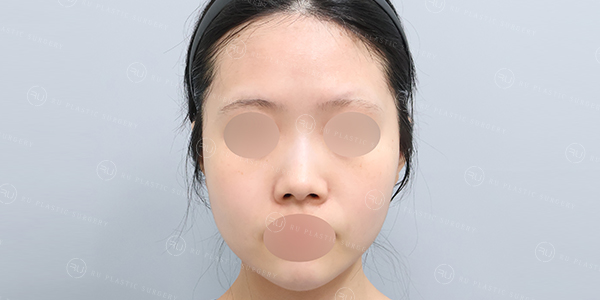
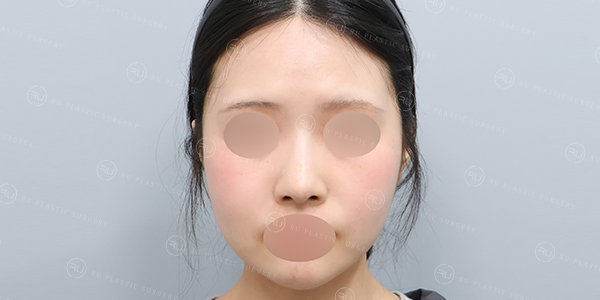
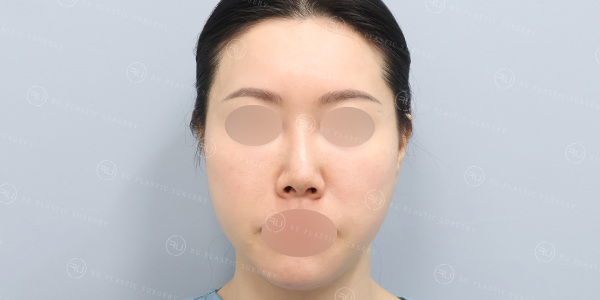
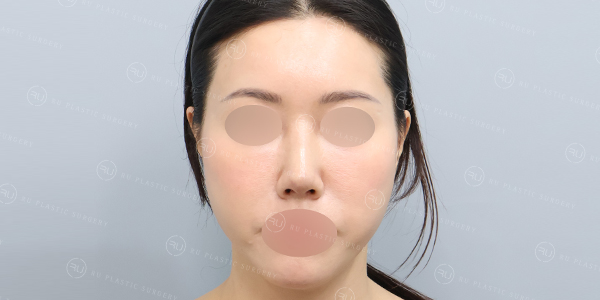
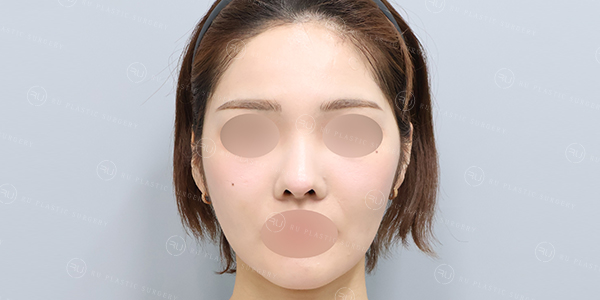
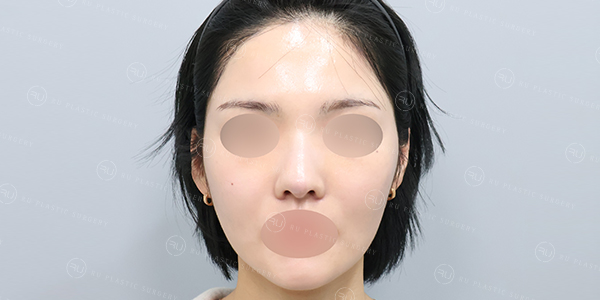
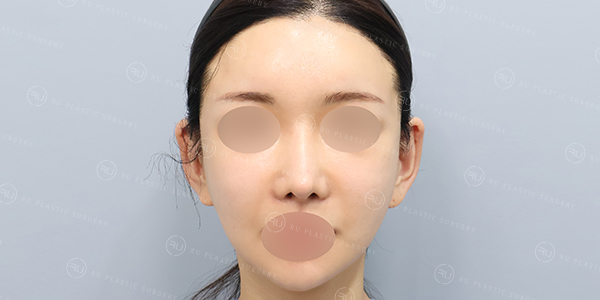
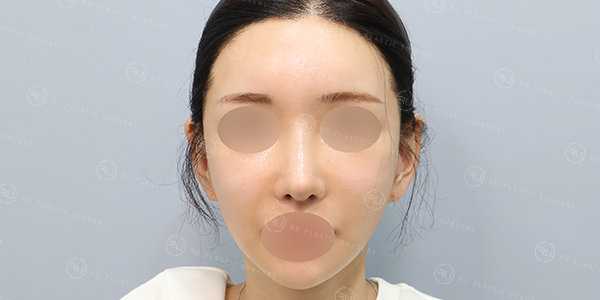
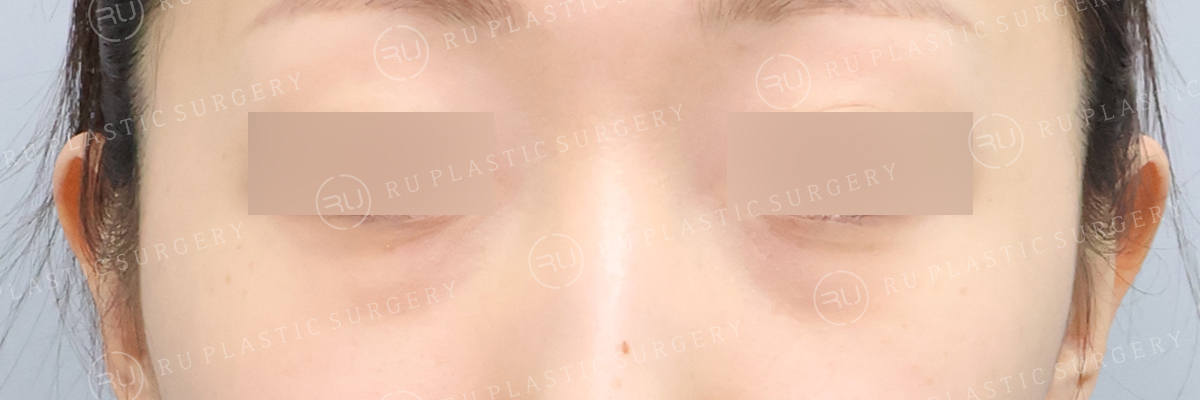
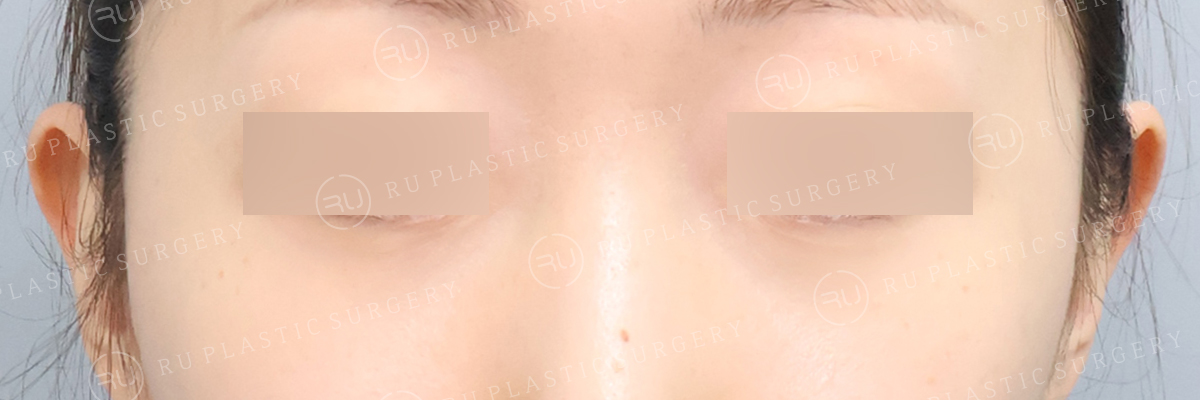
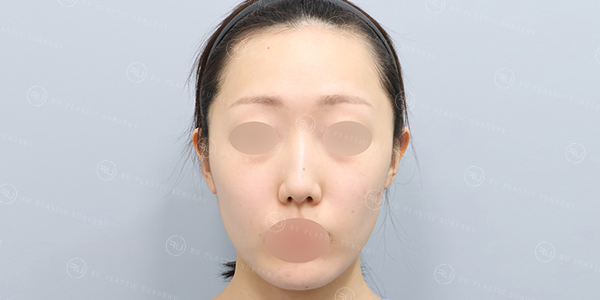
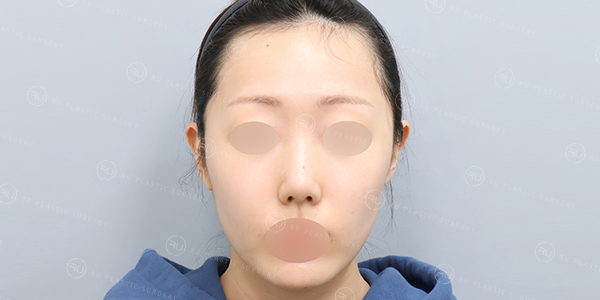
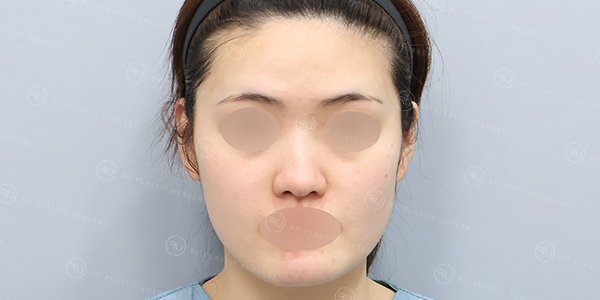
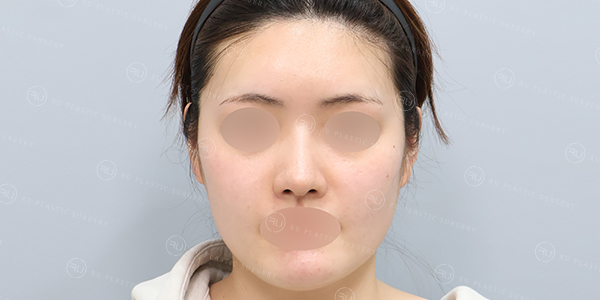
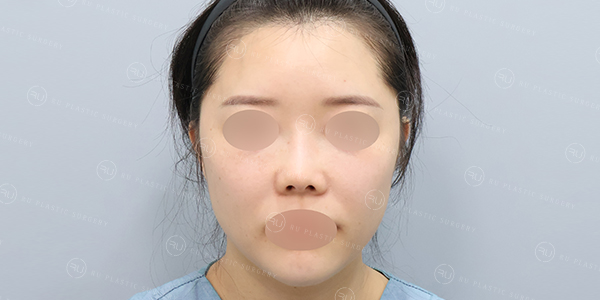
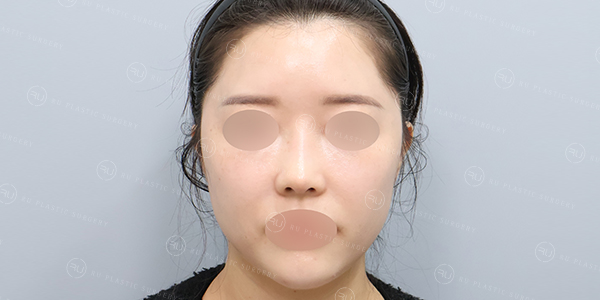
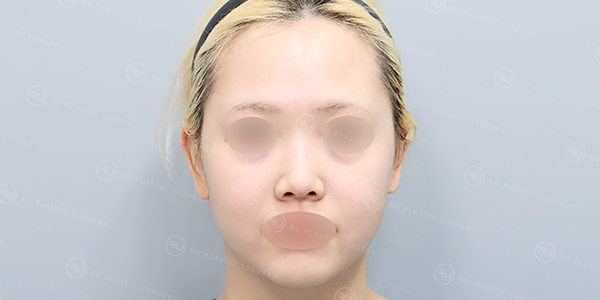
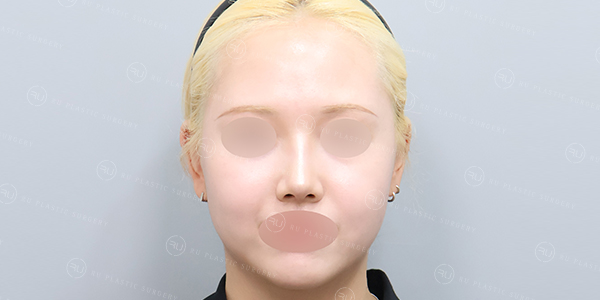
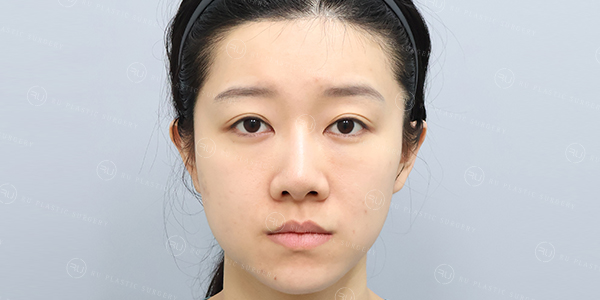
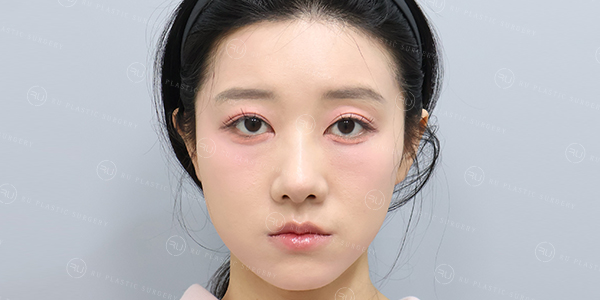
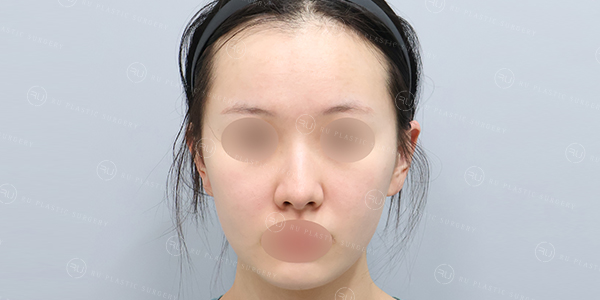
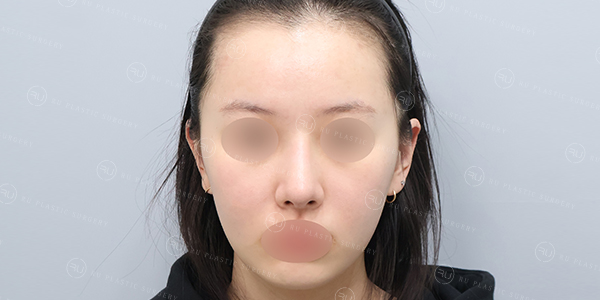
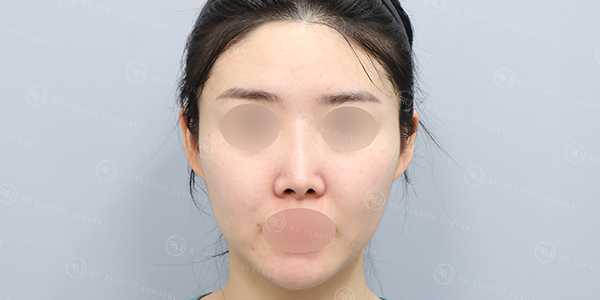
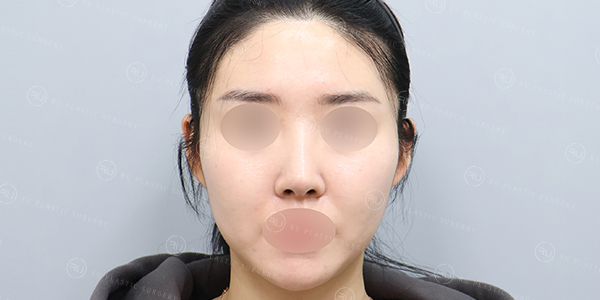
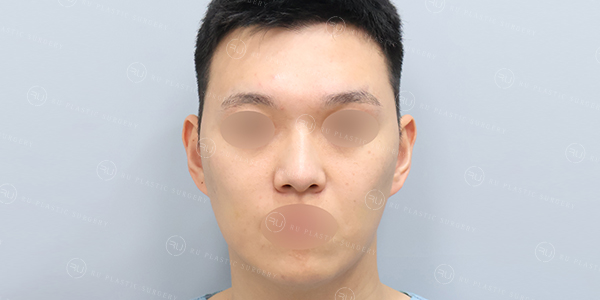
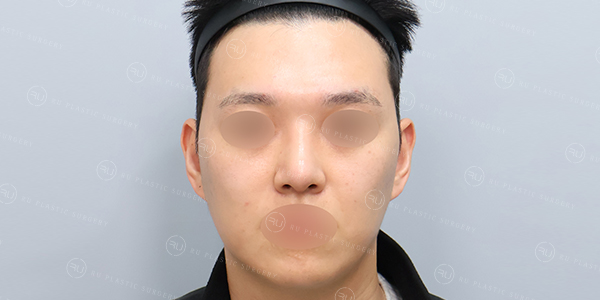
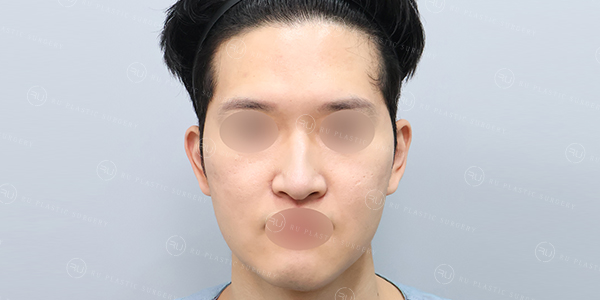
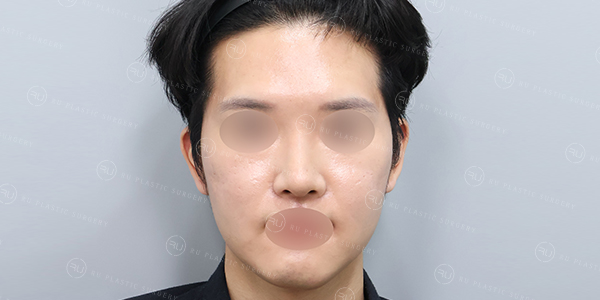
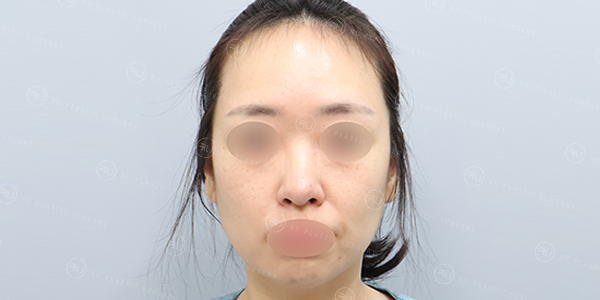
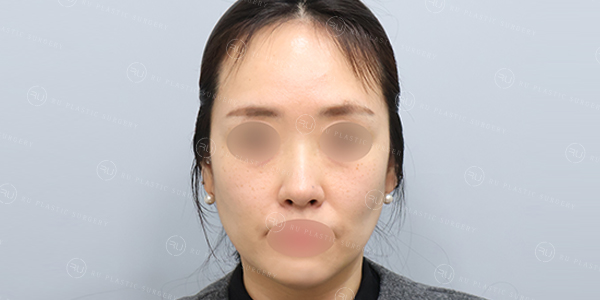
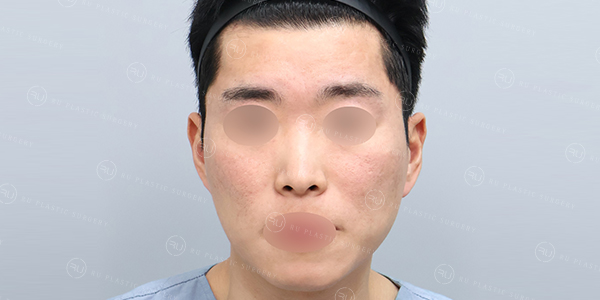
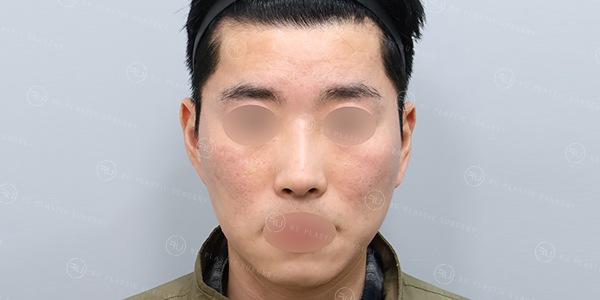
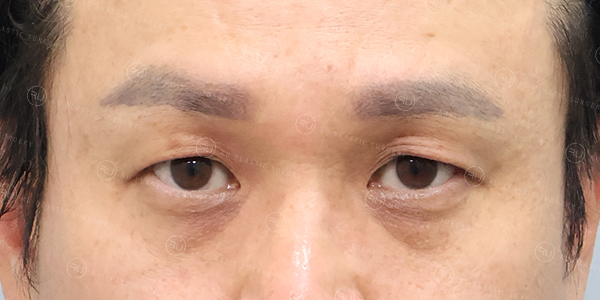
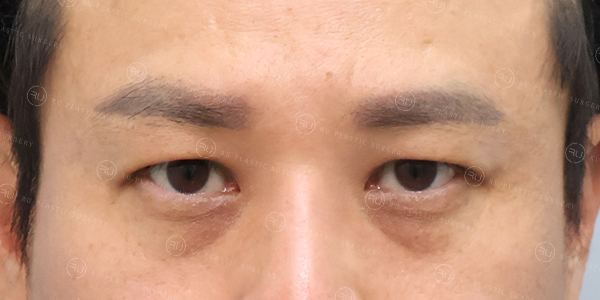
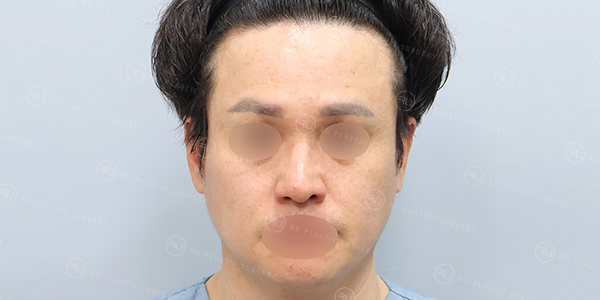
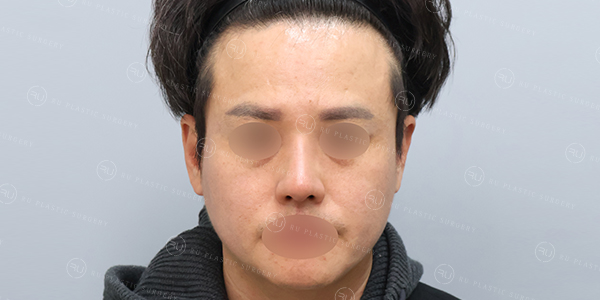
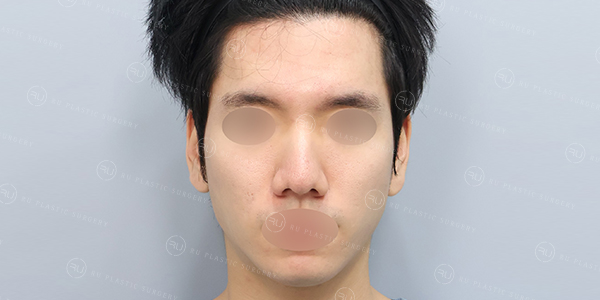
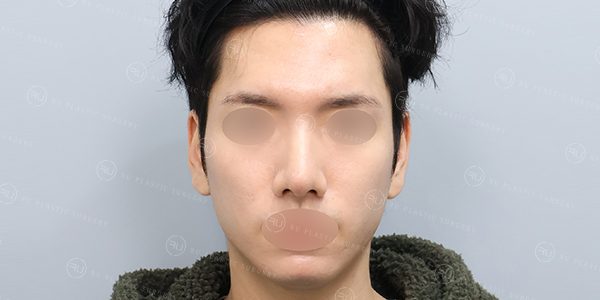
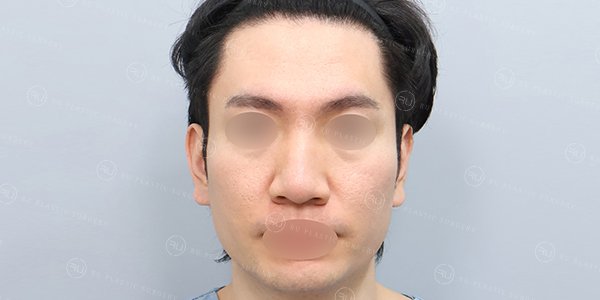
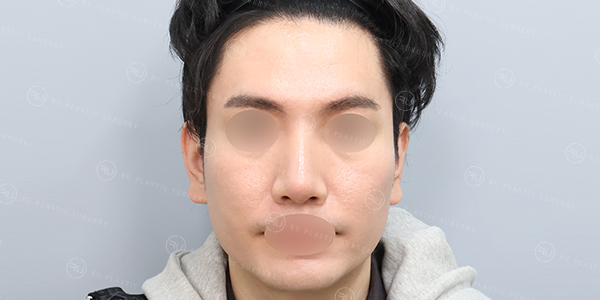
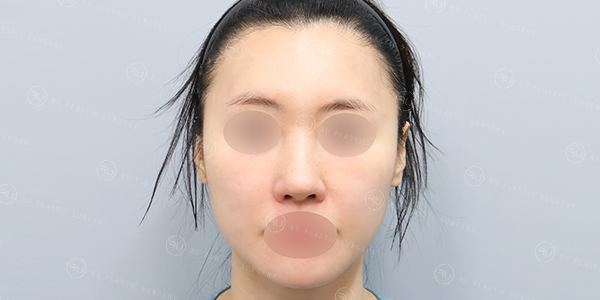
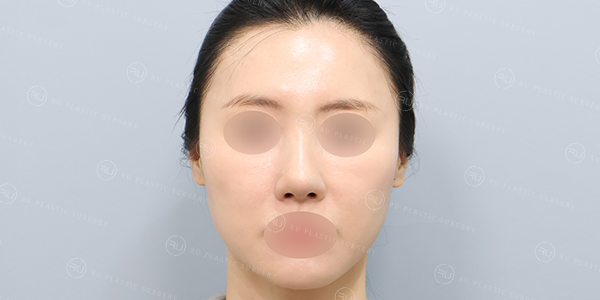
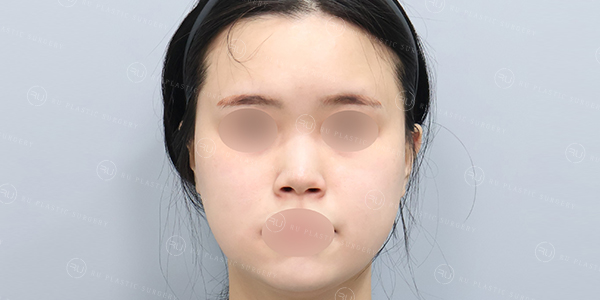
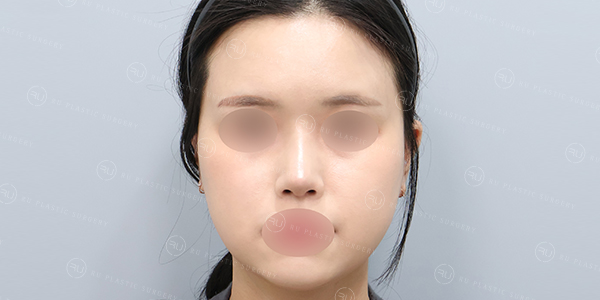
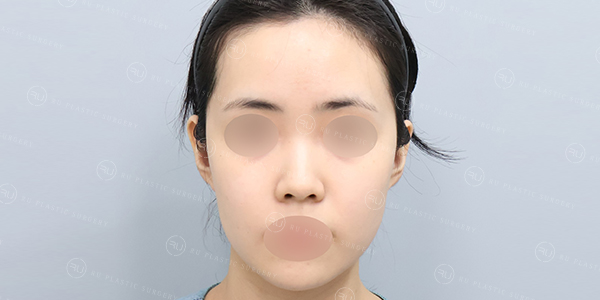
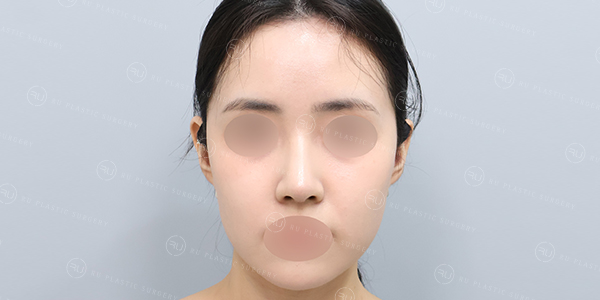
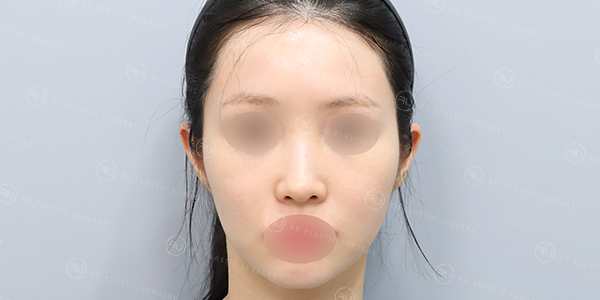
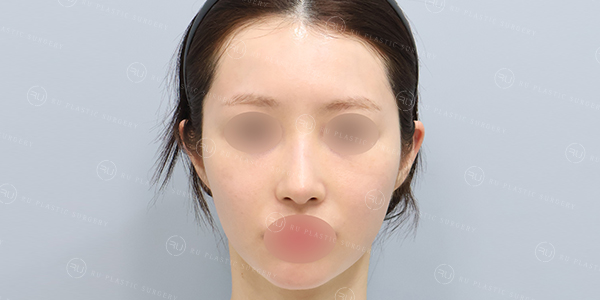
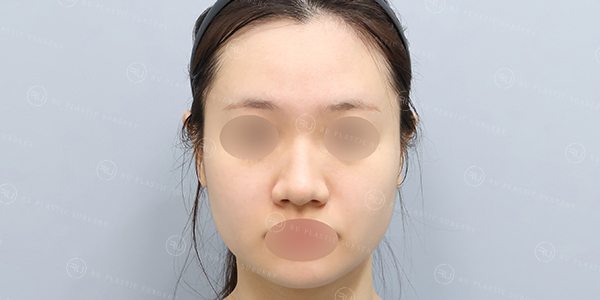
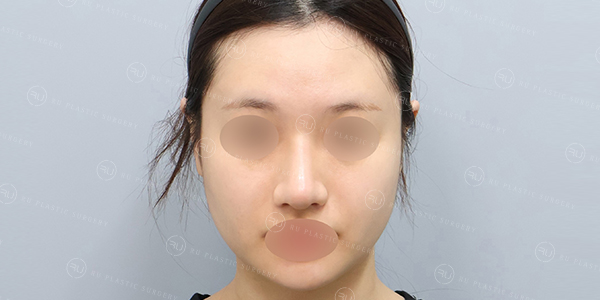
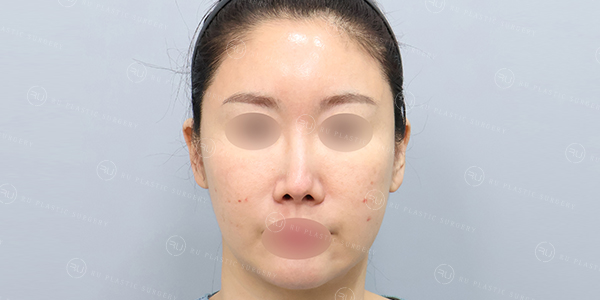
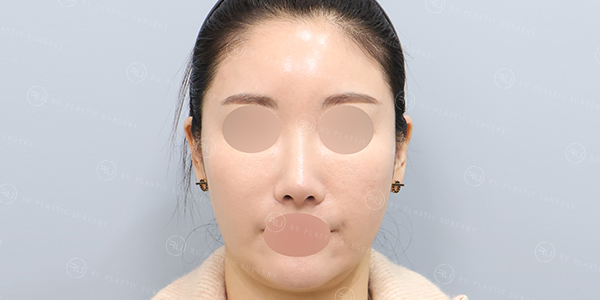
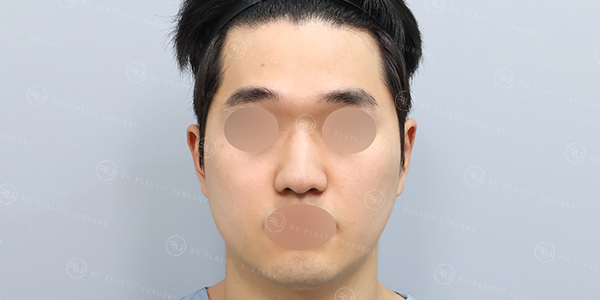
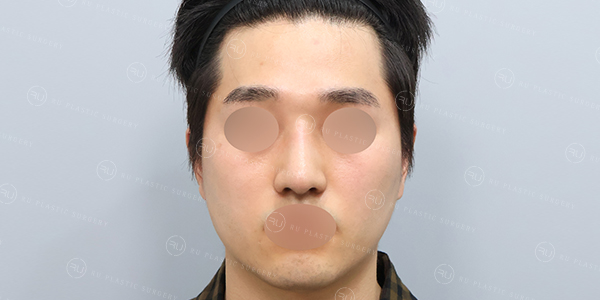
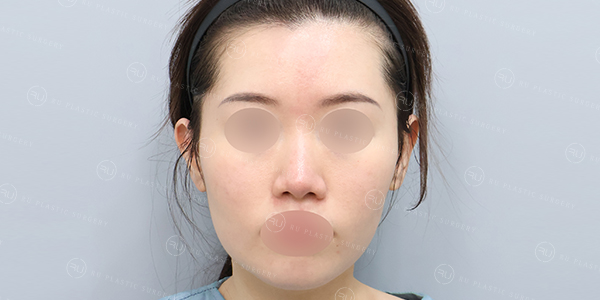
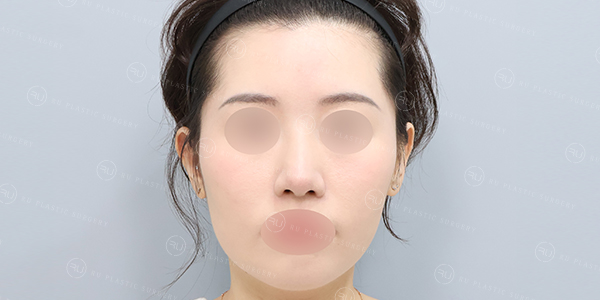
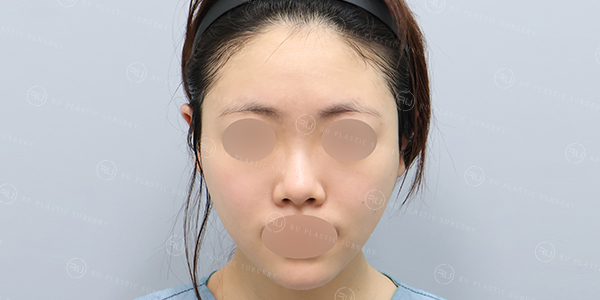
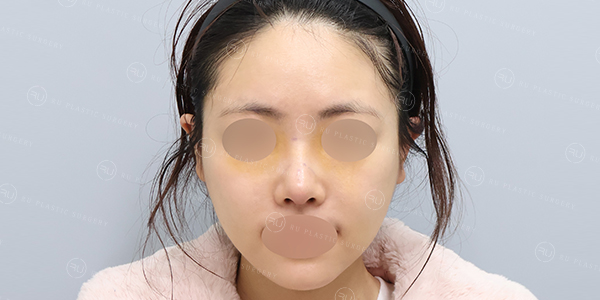
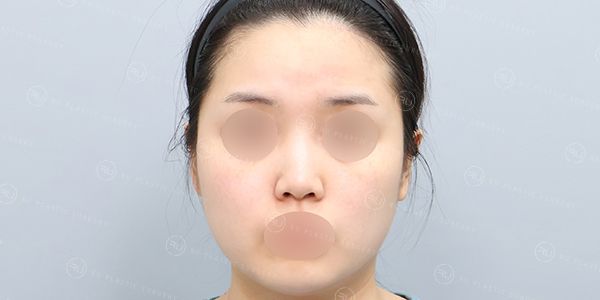
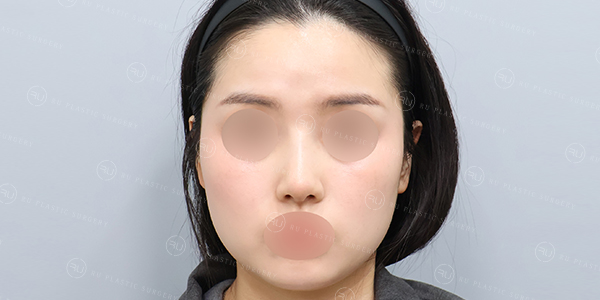
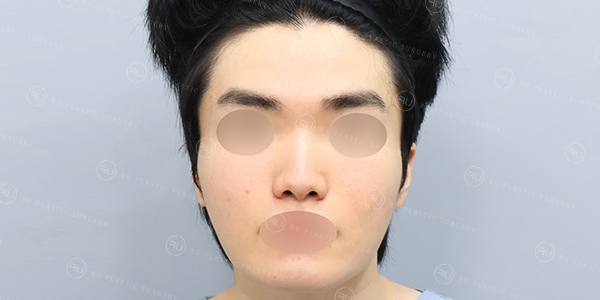
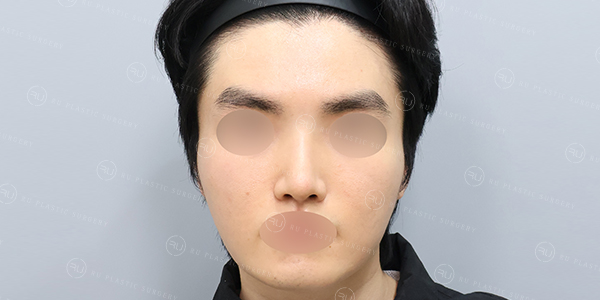
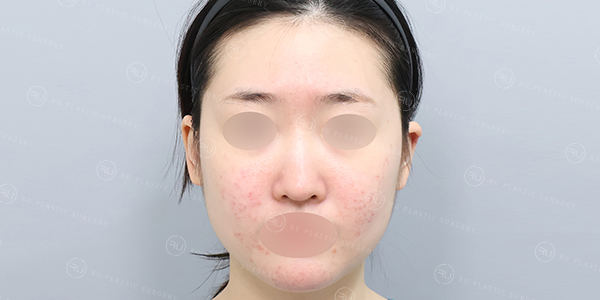
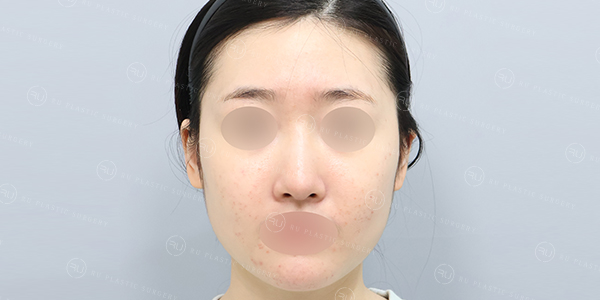
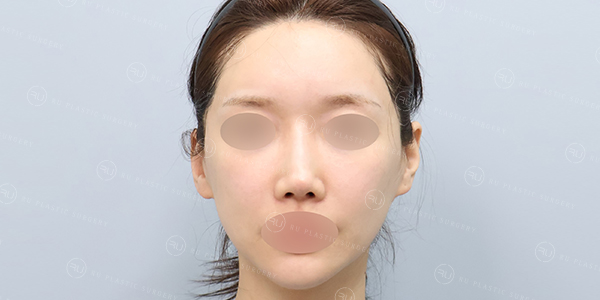
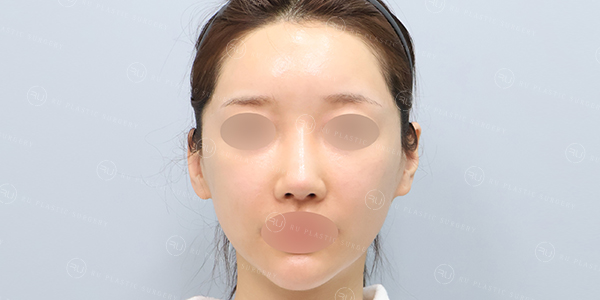
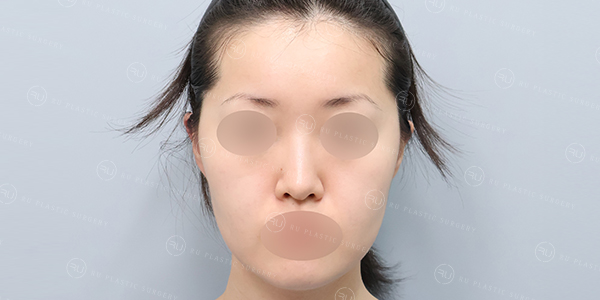
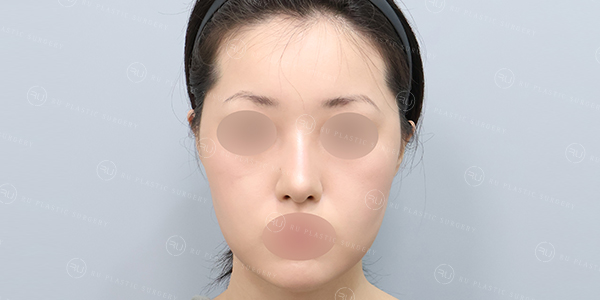
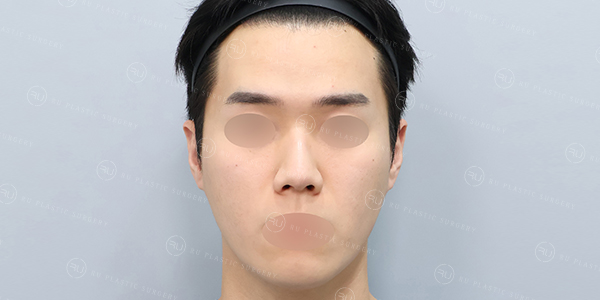
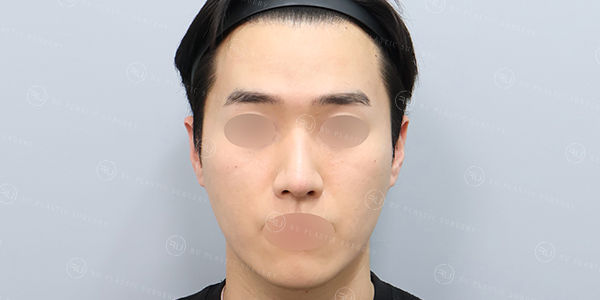
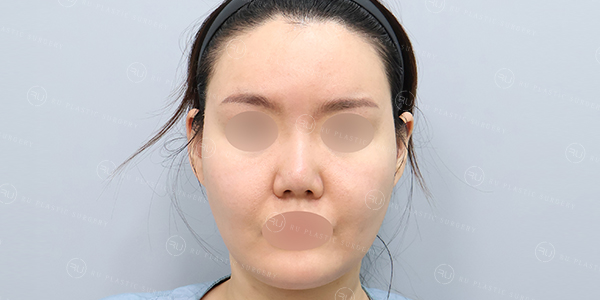
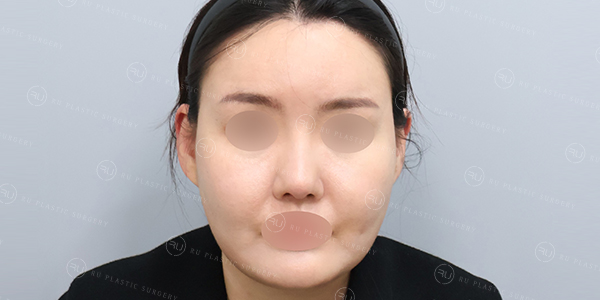
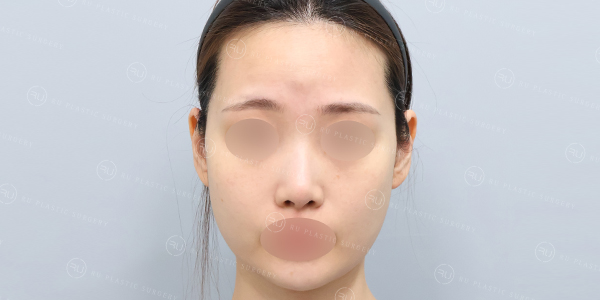
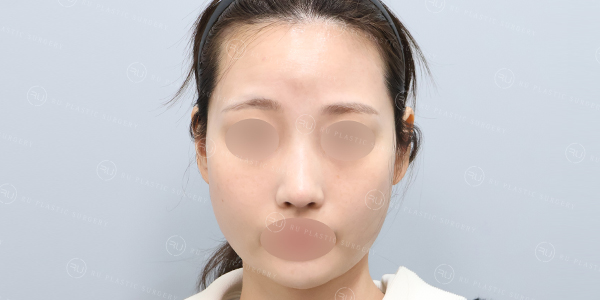
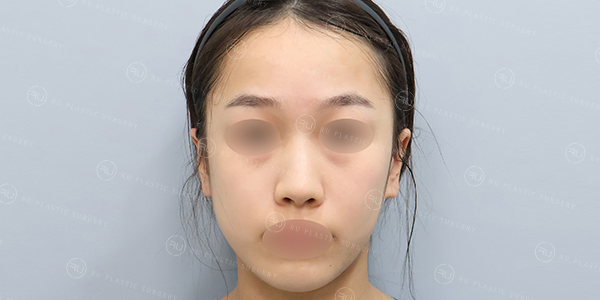
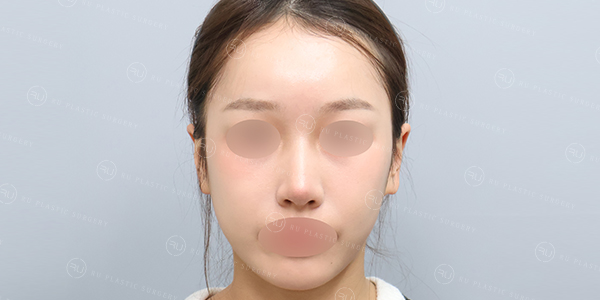
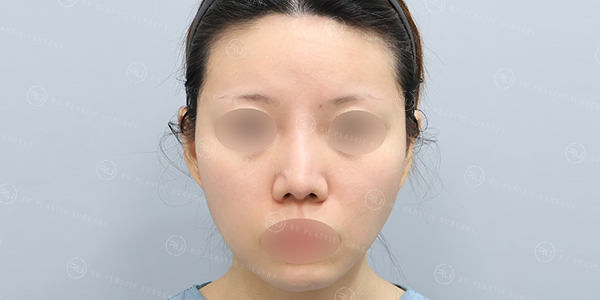
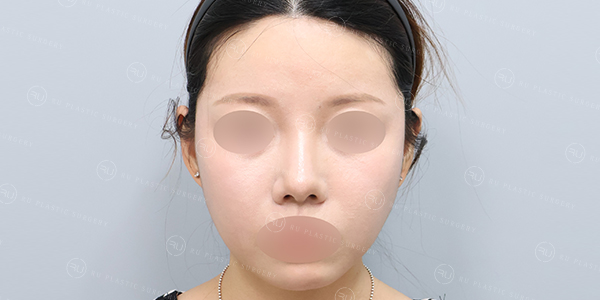
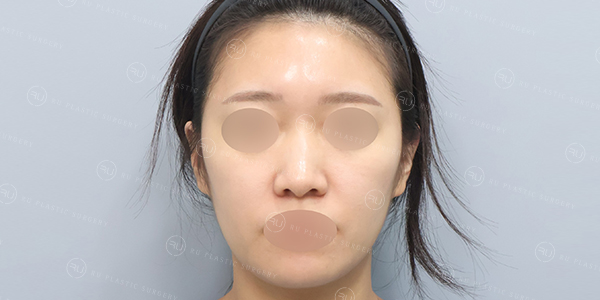
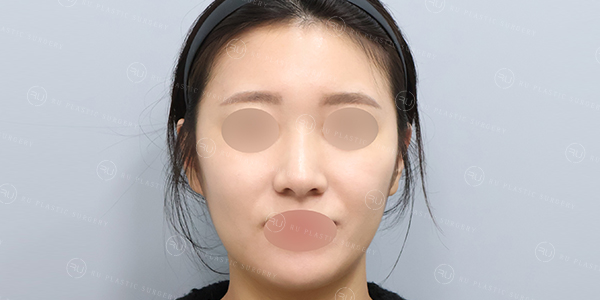
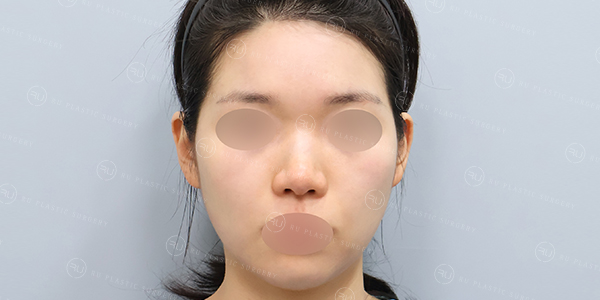
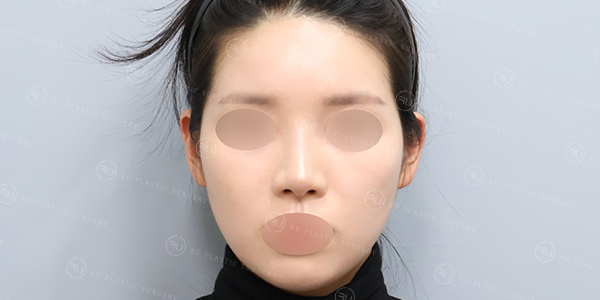
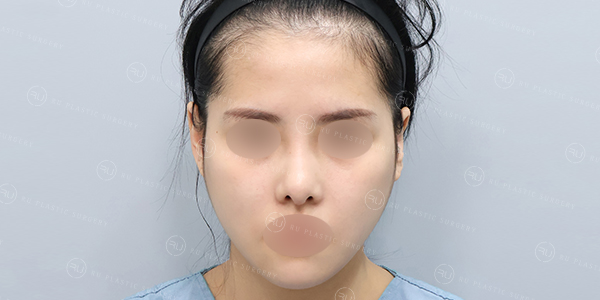
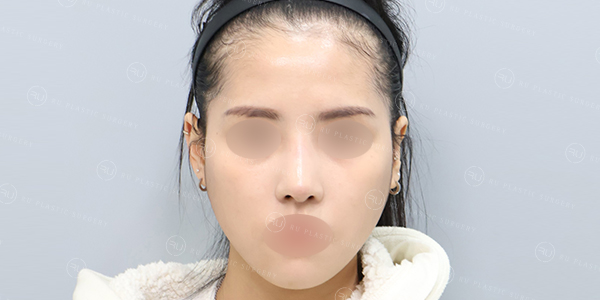
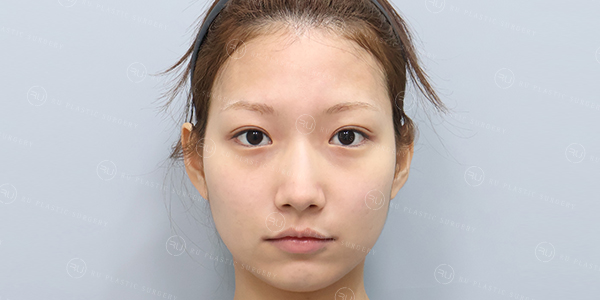
Two Months After Bulbous Nose Correction with Autologous Rib Cartilage
본문
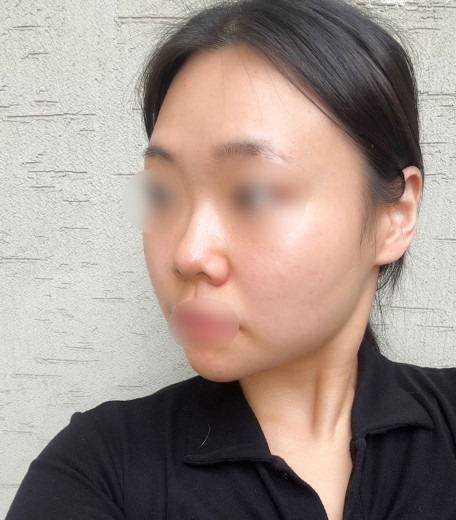
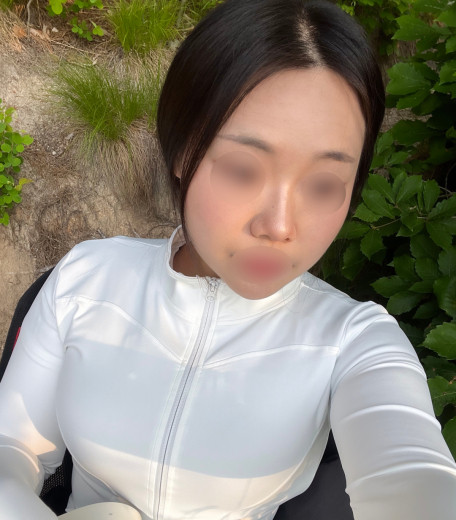




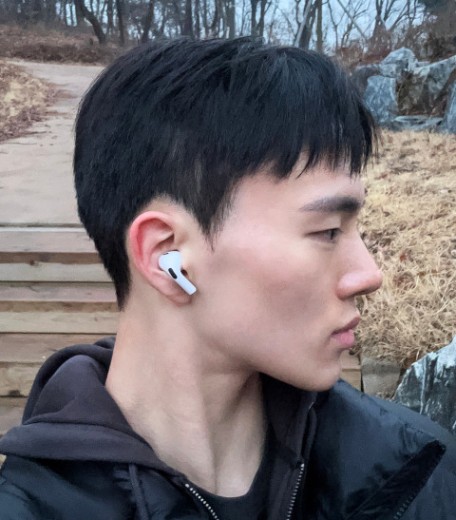
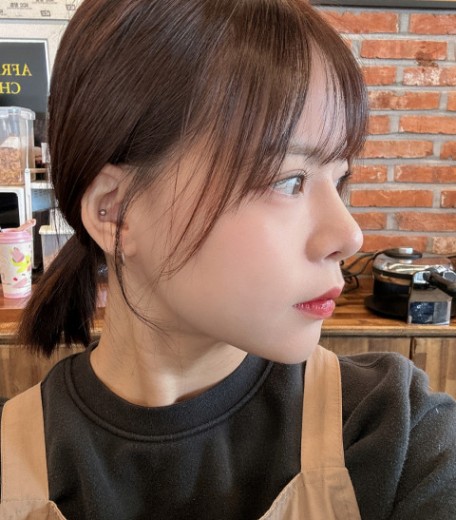
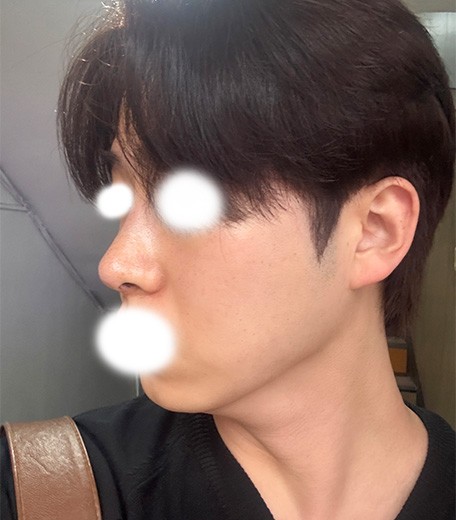
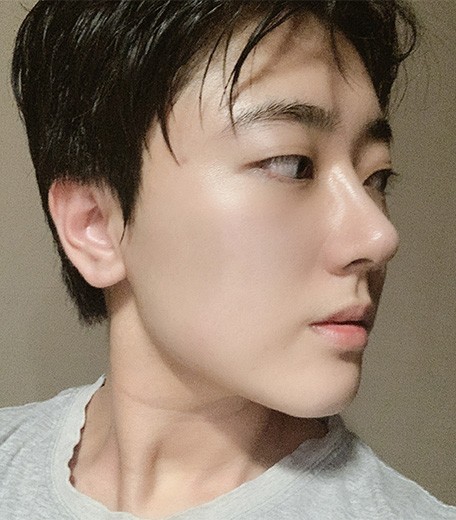
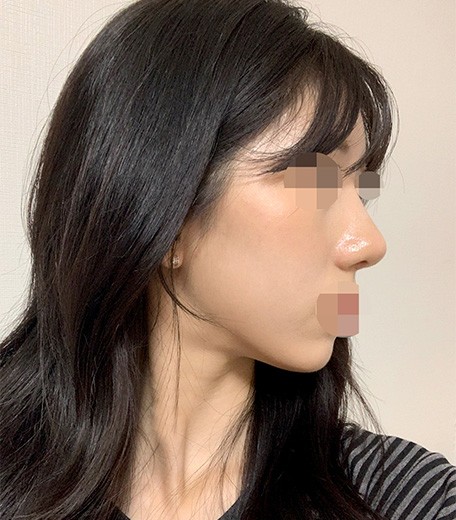
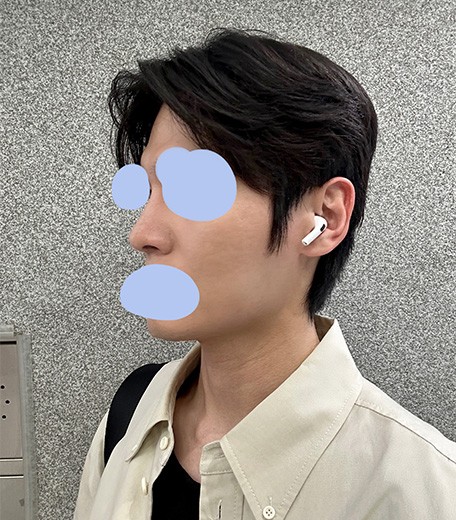
After
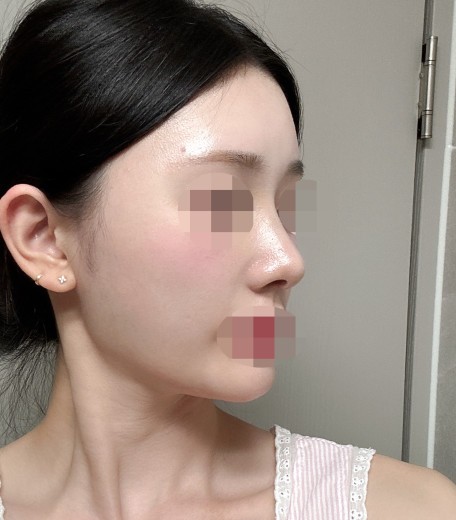
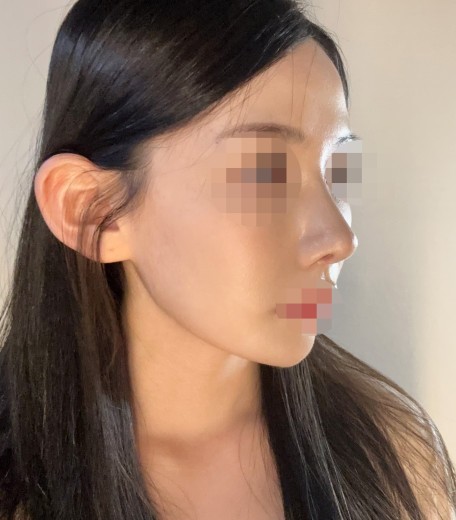
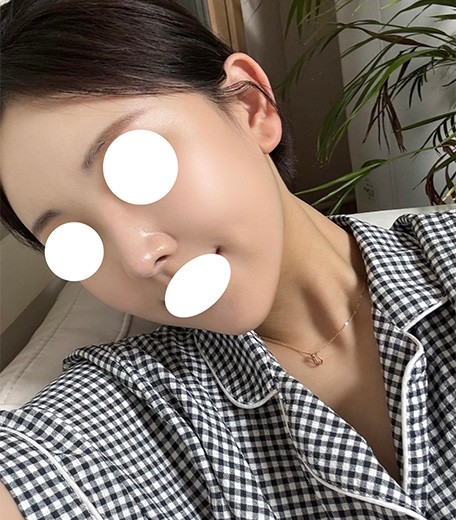
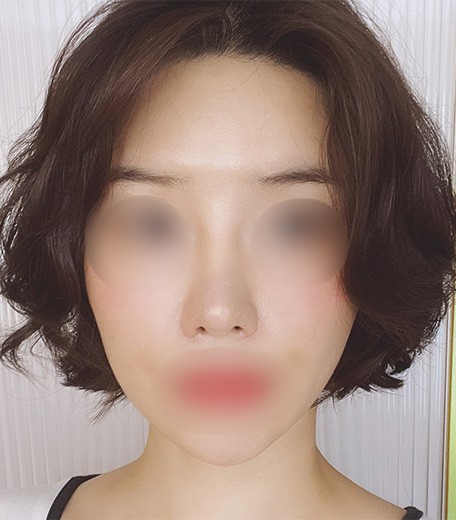
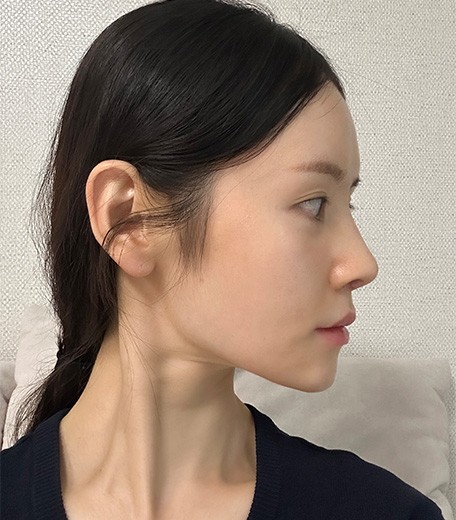
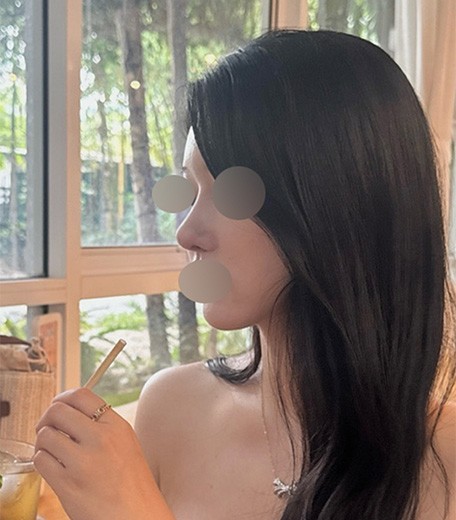
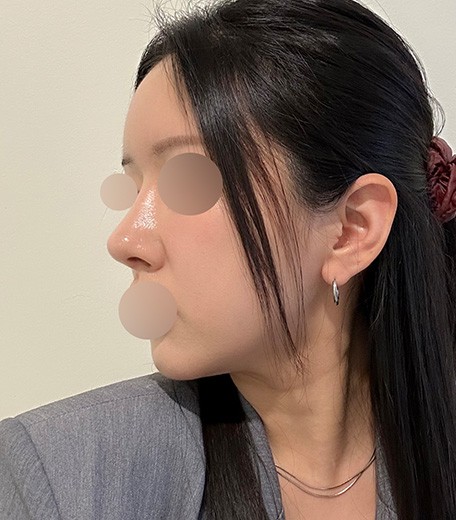
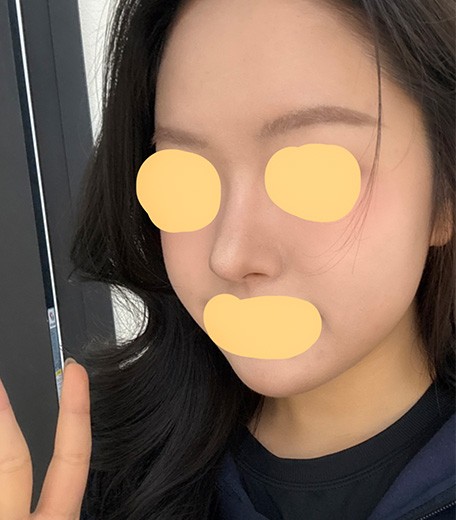
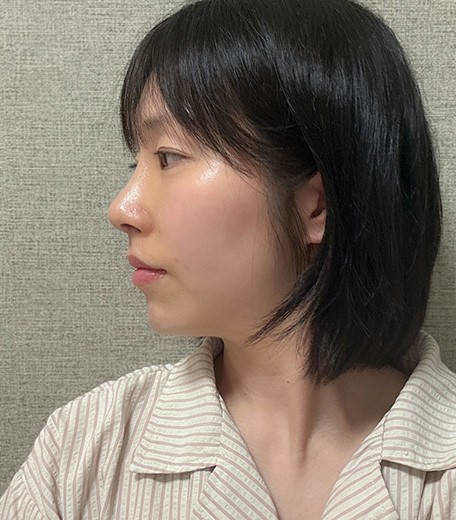
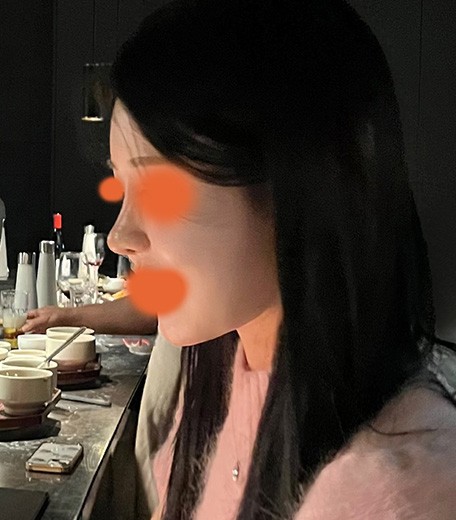
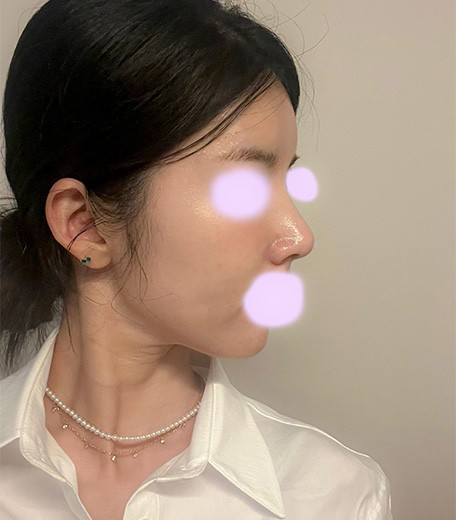
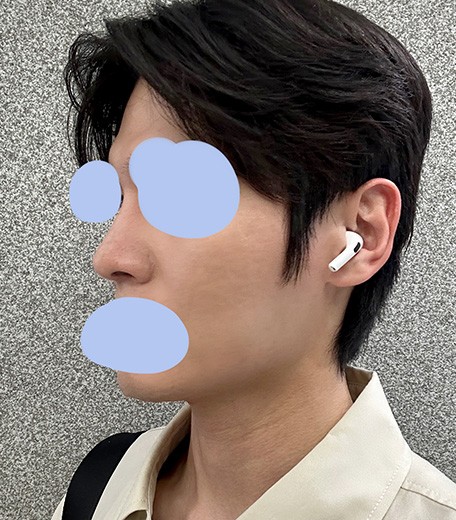
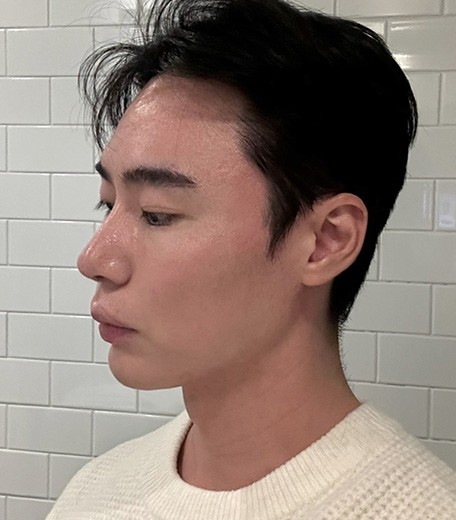
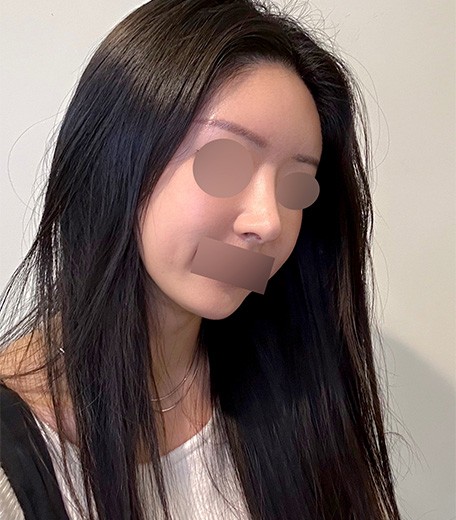
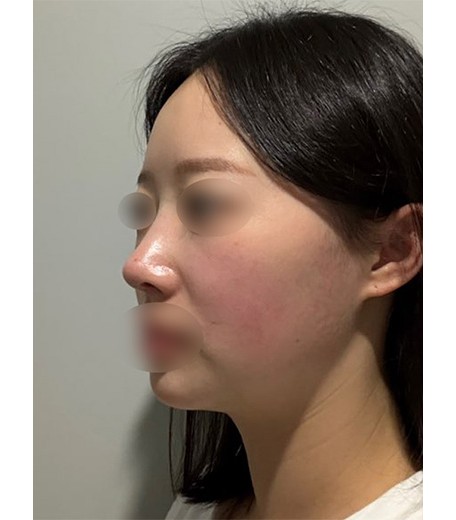
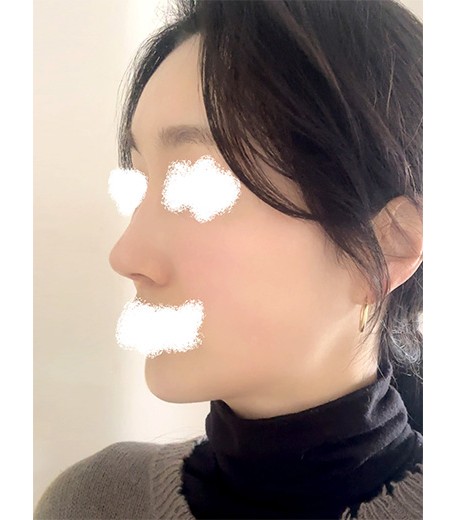
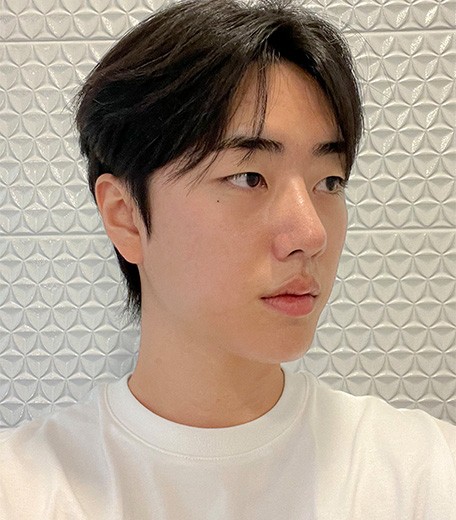
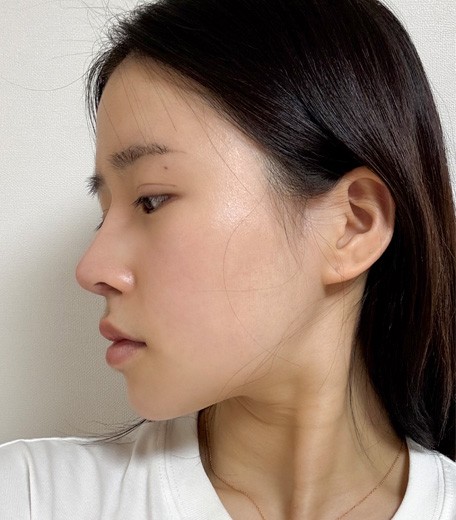
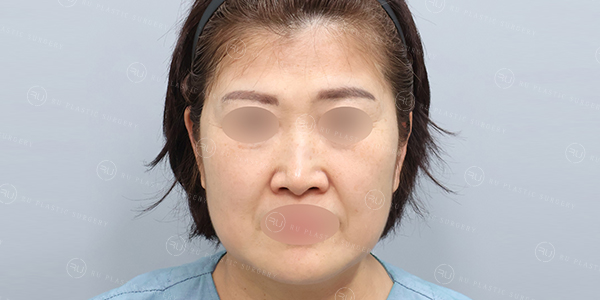
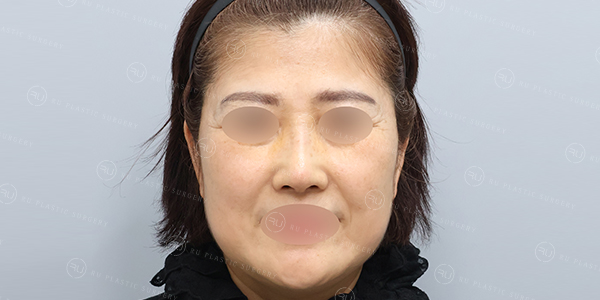
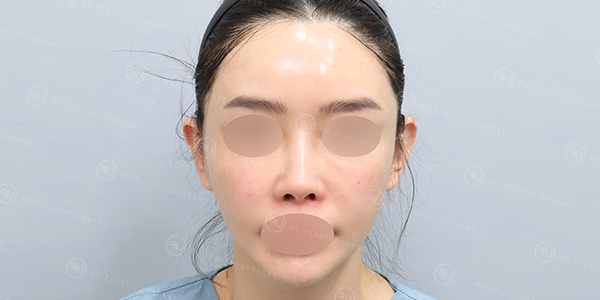
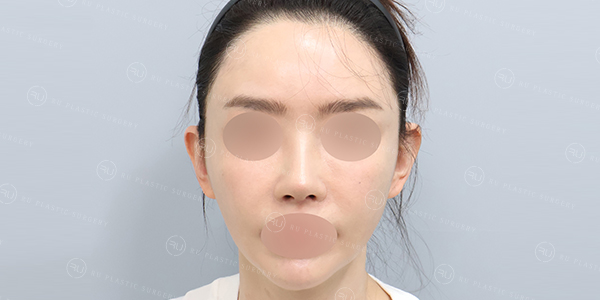
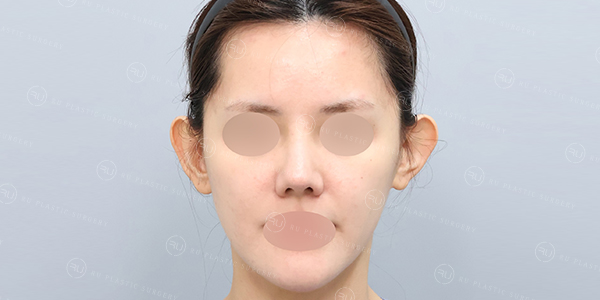
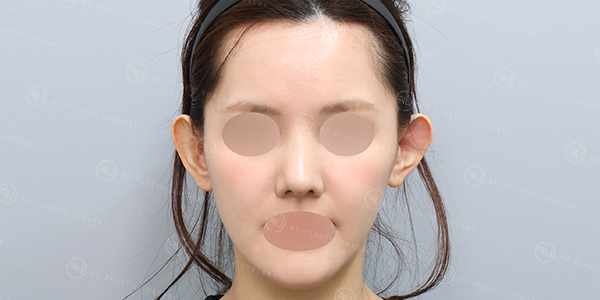
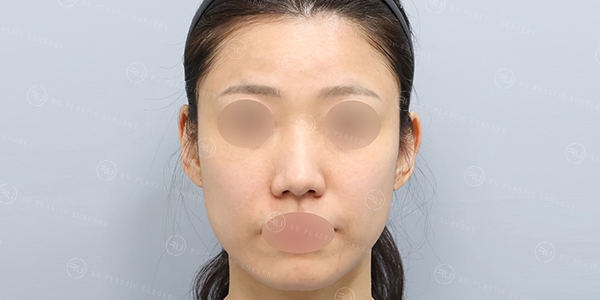
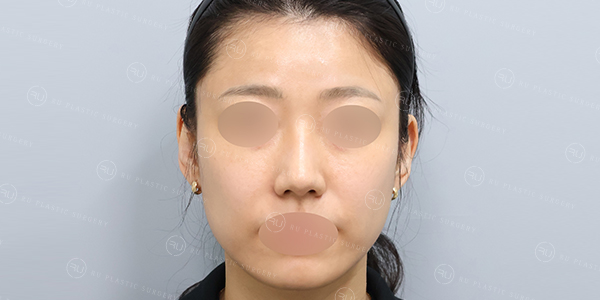
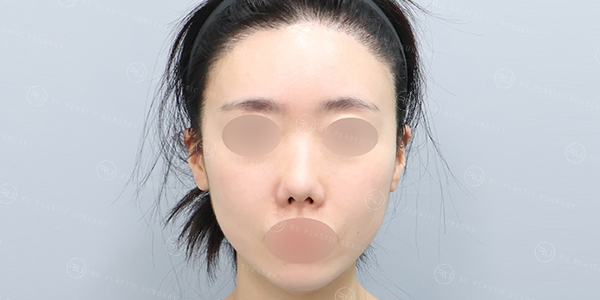
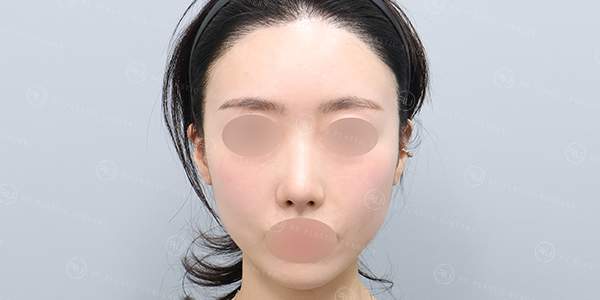
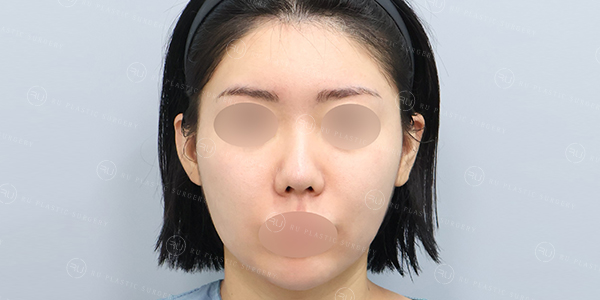
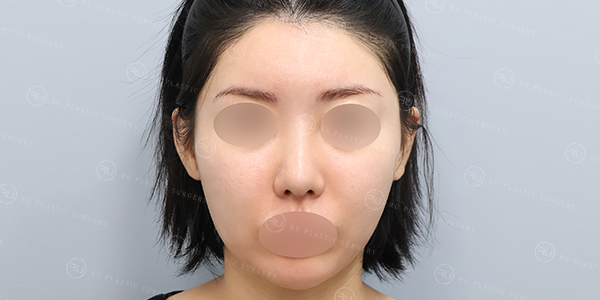
Two Months After Bulbous Nose Correction Using Autologous Rib Cartilage
It has been over two months since I underwent bulbous nose correction surgery
with Dr. Hyun Joo Kim at RU Plastic Surgery,
and I would like to take a moment to share my experience in more detail.
For a long time, the broad, rounded shape of my nose—often compared to a “button nose”—
was a significant source of stress.
A friend of mine who is quite knowledgeable about both aesthetic procedures
and surgical options once advised me that non-surgical treatments
such as fillers or high nose bridge threads (HIKO)
would not provide meaningful improvement in my case.
Based on that advice, I held off on any procedures
and decided that surgery would likely be necessary for a definitive result.
Eventually, that same friend underwent rhinoplasty,
and the outcome was so natural and refined
that I was encouraged to explore the same clinic—RU Plastic Surgery.
From my first consultation, I felt extremely comfortable.
Dr. Kim was thorough and clear in his explanations,
and the consultation manager was also exceptionally kind and attentive.
One particular aspect I appreciated
was that post-operative care was consistently handled by Dr. Kim himself,
not delegated to other staff.
For each follow-up appointment,
including wound care and progress evaluations,
he was personally involved,
which gave me great peace of mind.
It reassured me that if any complications,
such as inflammation or other adverse reactions,
were to arise,
they would be quickly and expertly addressed.
During the consultation process,
Dr. Kim explained that for bulbous nose correction—
especially in cases like mine with a wide nasal tip
and relatively small septal cartilage (confirmed via CT scan)—
strong and stable support is essential.
Therefore, he recommended using autologous rib cartilage
to provide the necessary structural integrity
and long-term support.
I also had a retracted columella,
which affected the nasolabial angle
and overall facial harmony.
To correct this,
he reinforced the columella
to achieve a more aesthetically balanced nasal base,
again using rib cartilage,
which offers excellent strength and stability.
Dr. Kim even prepared a personalized presentation
to explain the surgical approach,
the pros and cons of rib cartilage,
scar size,
and before-and-after cases
that closely resembled my own.
His explanations were incredibly detailed and easy to understand,
which helped build trust and confidence.
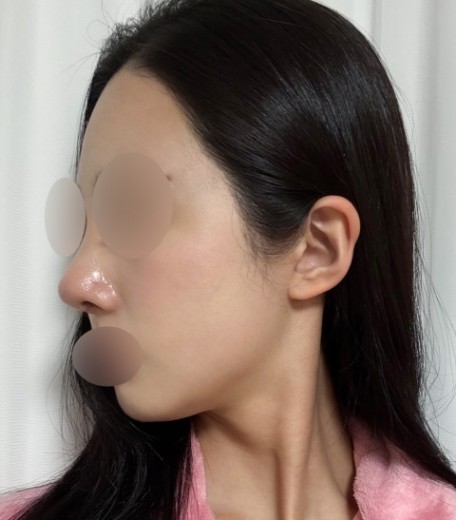
Between weeks 1 and 3 after surgery,
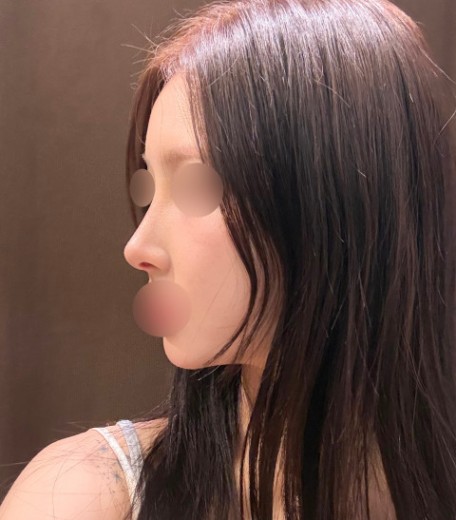
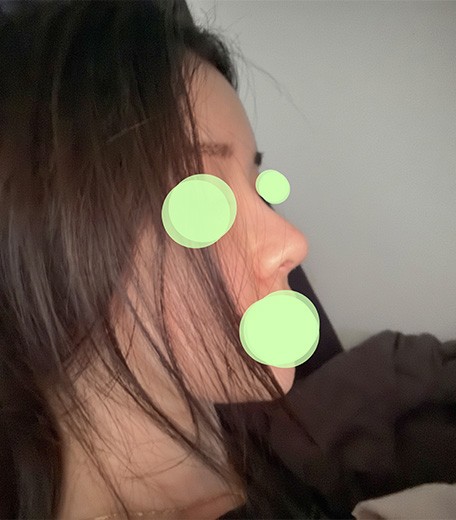
I was already quite satisfied with my side profile,
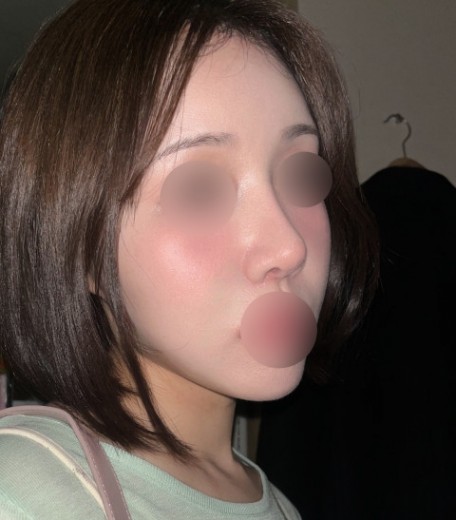
although the nasal tip still appeared slightly full from the front.
Now that more than two months have passed,
I can clearly see the refinement.
Every time I apply makeup,
especially when contouring,
I notice that the shape and width of my nasal tip
have become much more defined and sculpted.