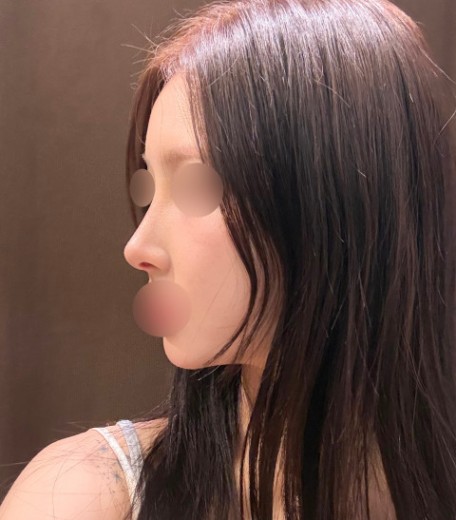
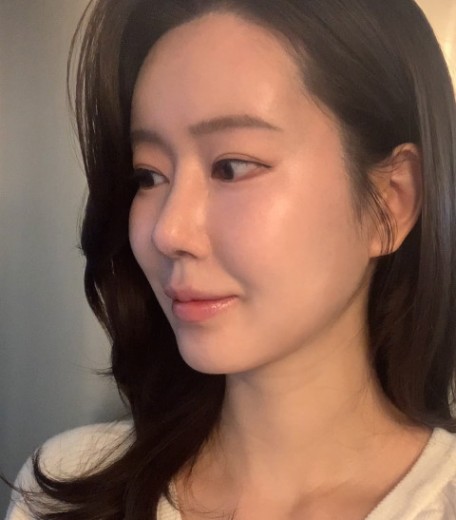
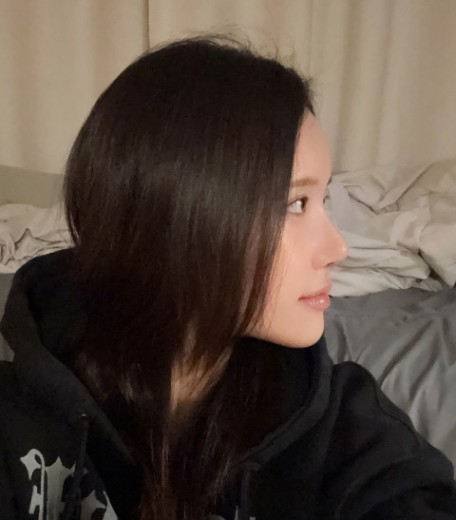
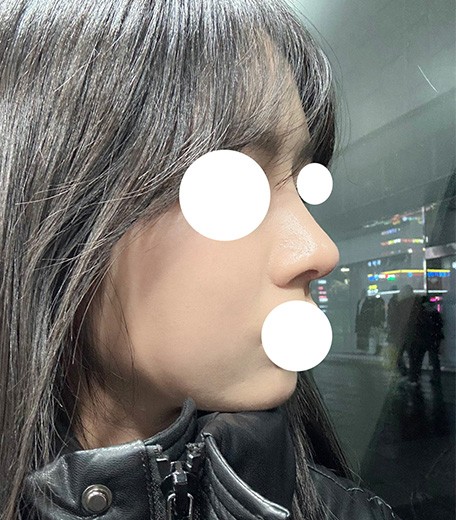
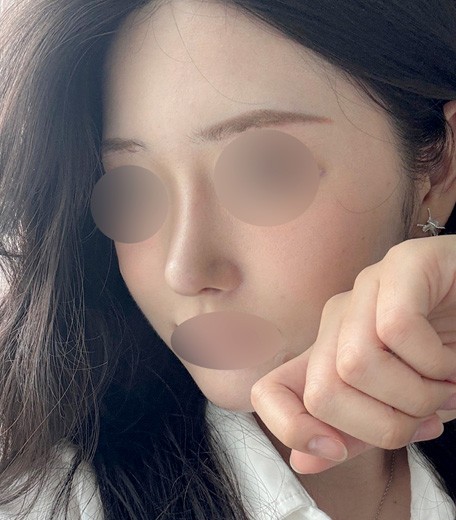
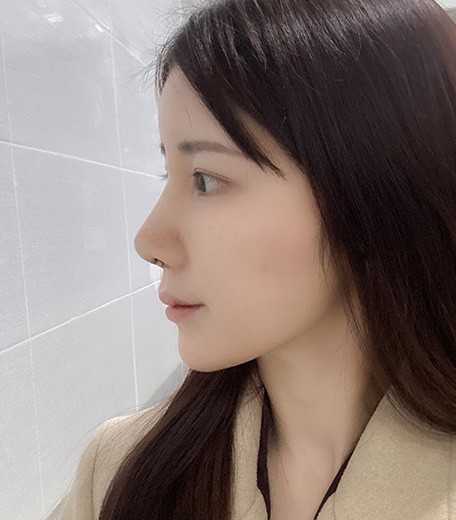
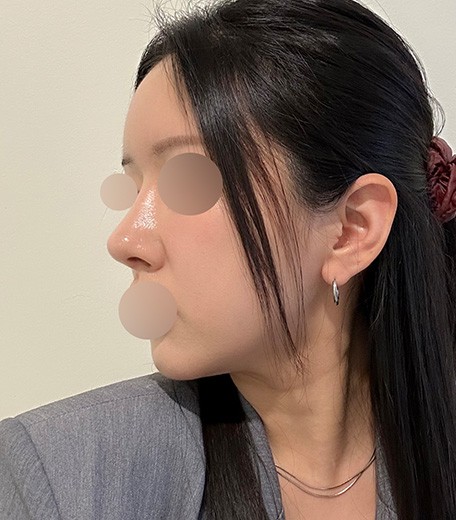
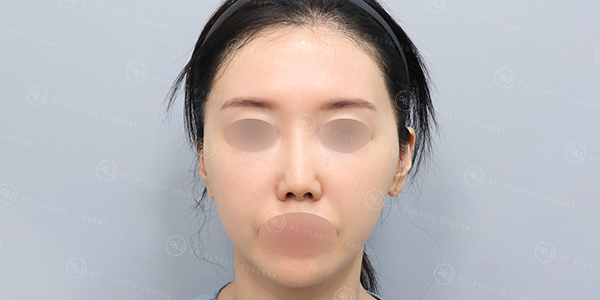
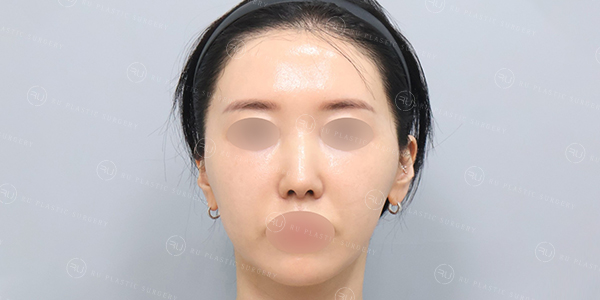
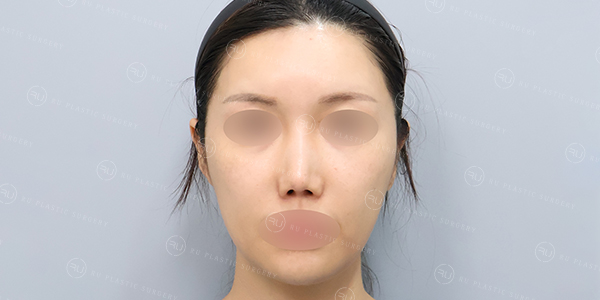
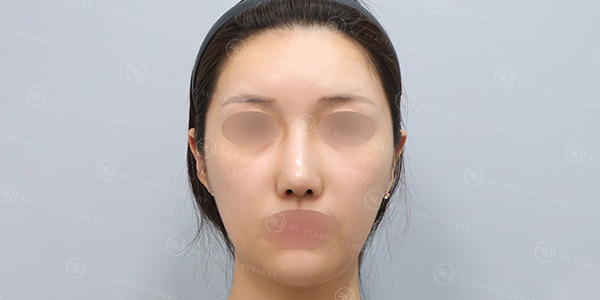
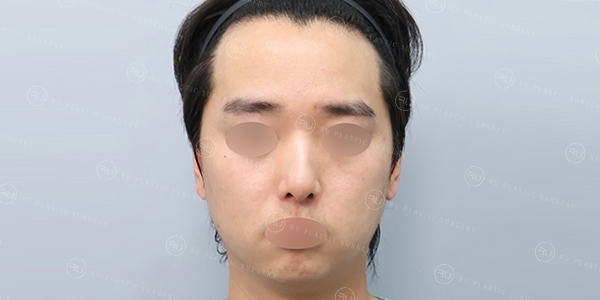
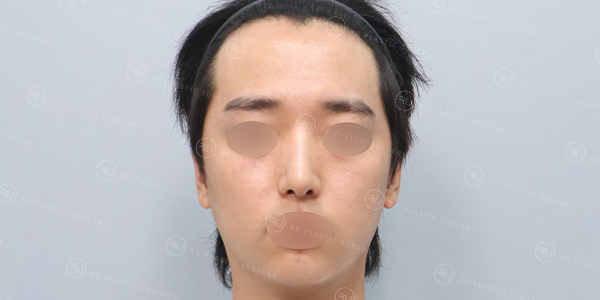
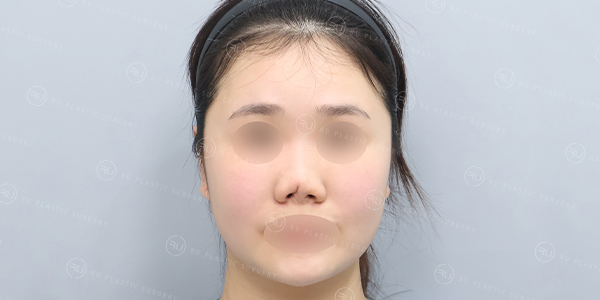
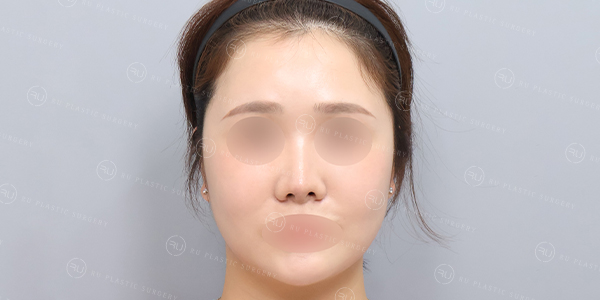
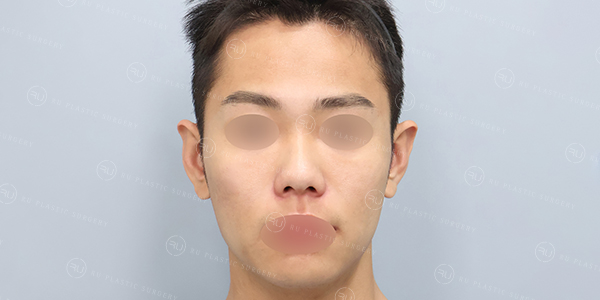
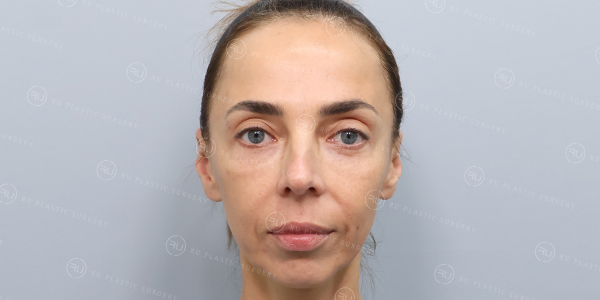
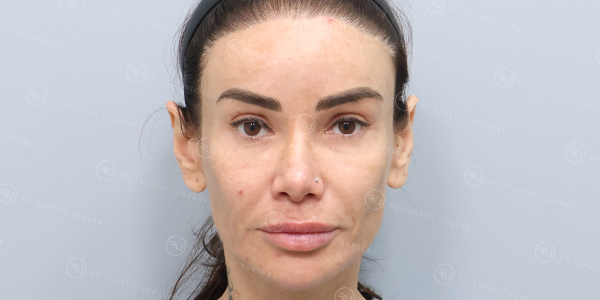
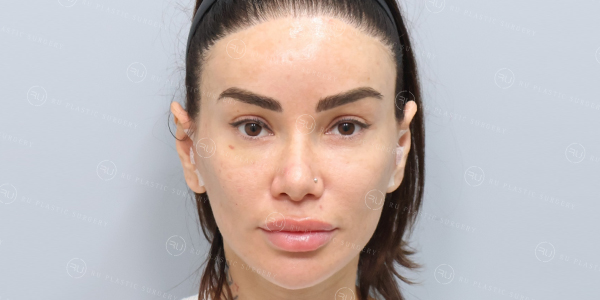
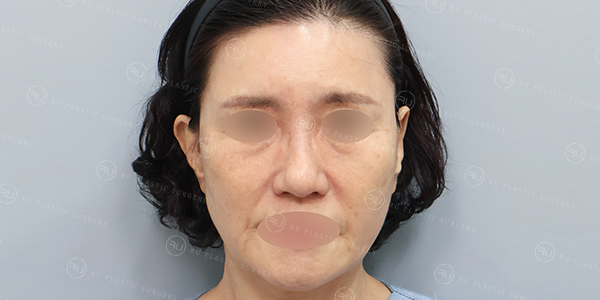
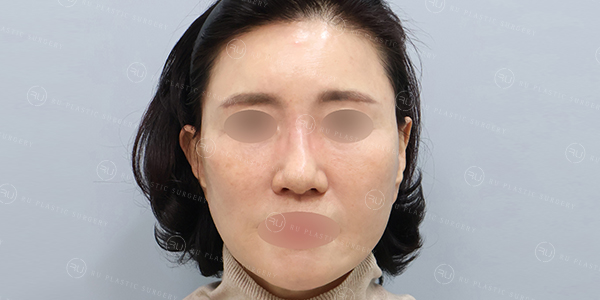
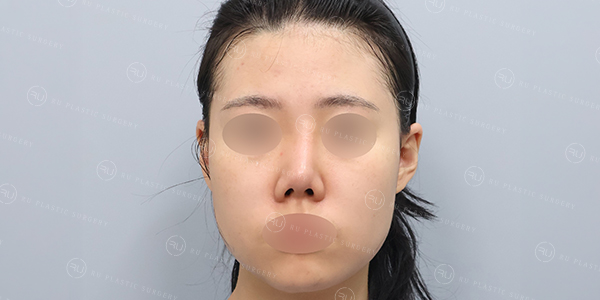
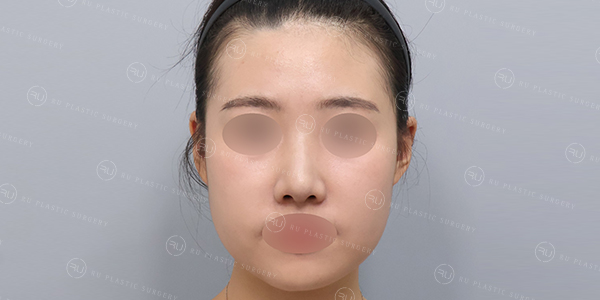
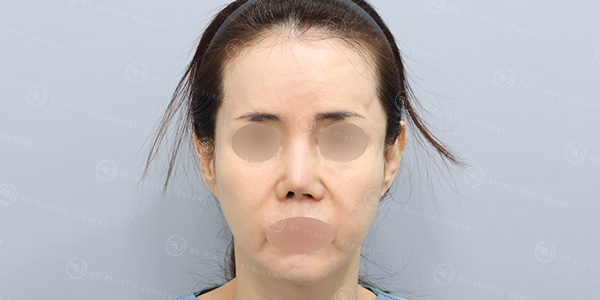
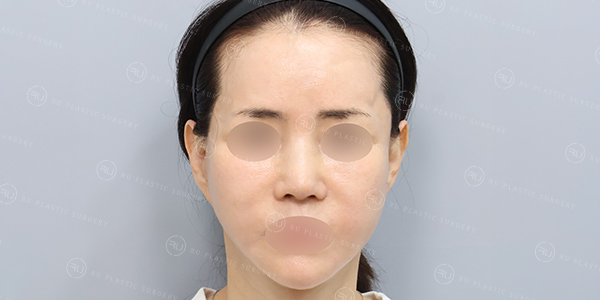
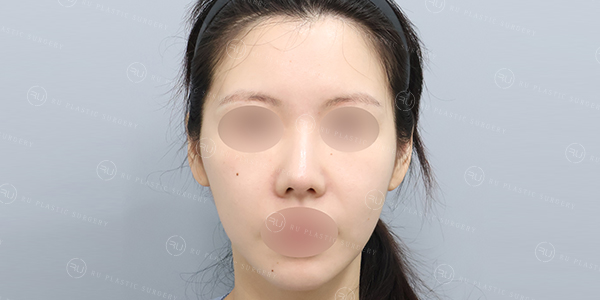
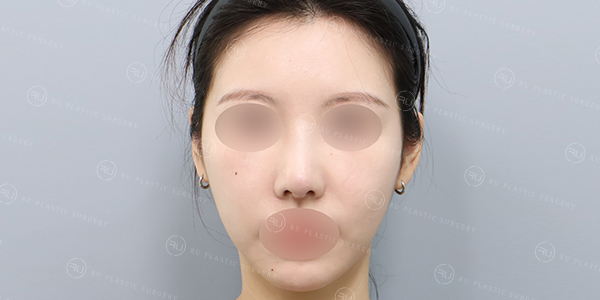
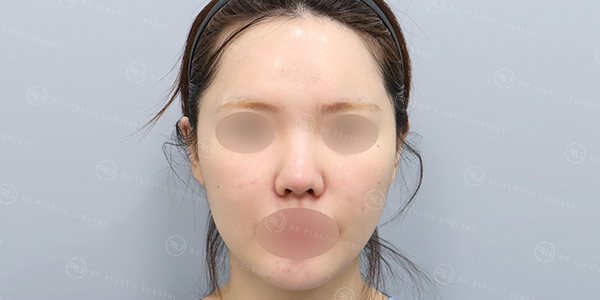
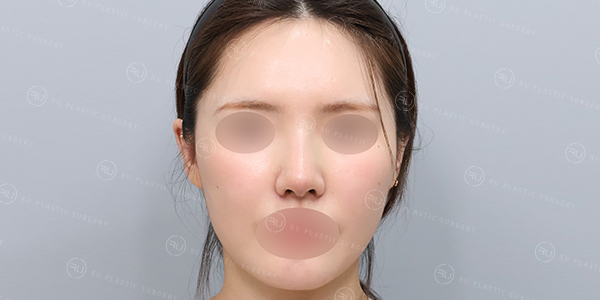
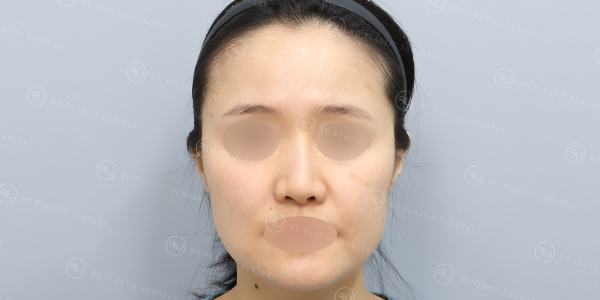
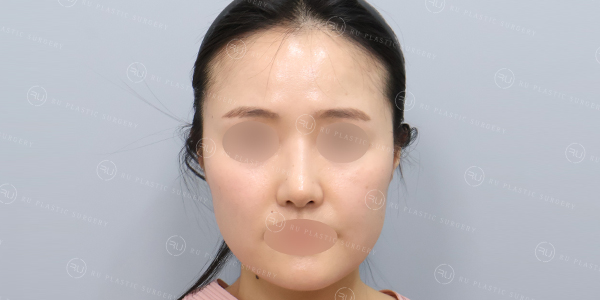
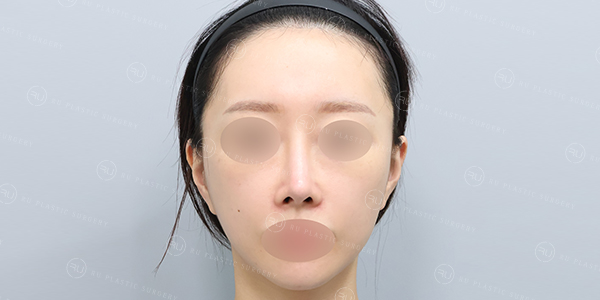
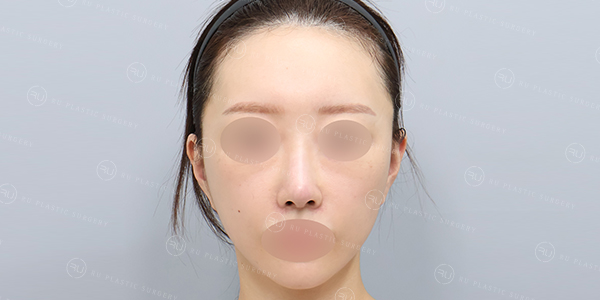
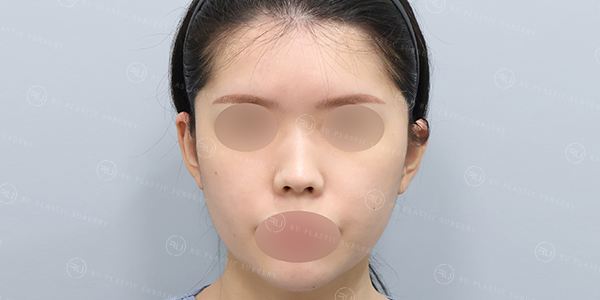
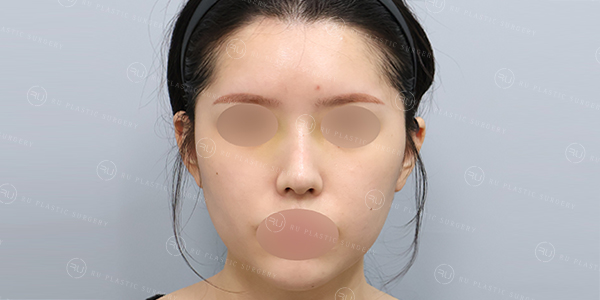
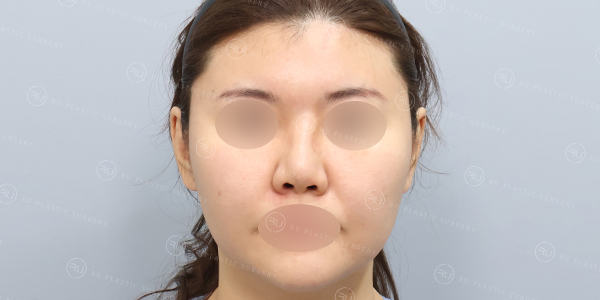
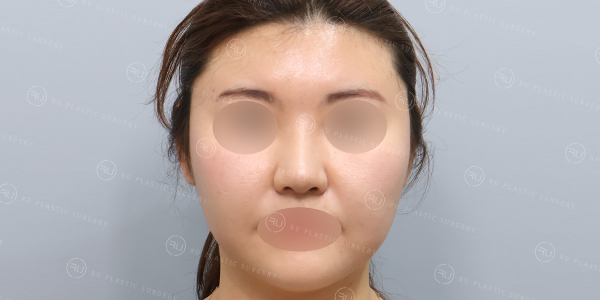
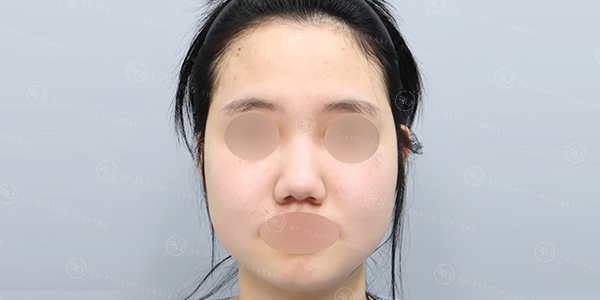
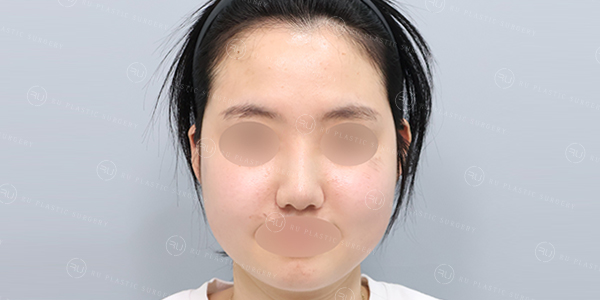
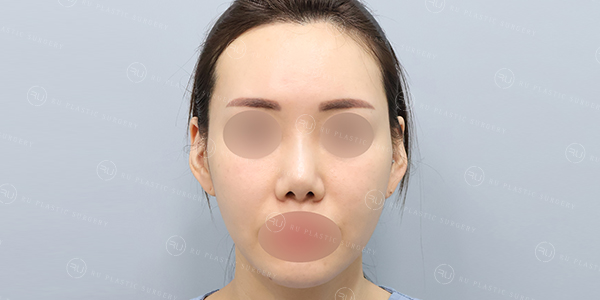
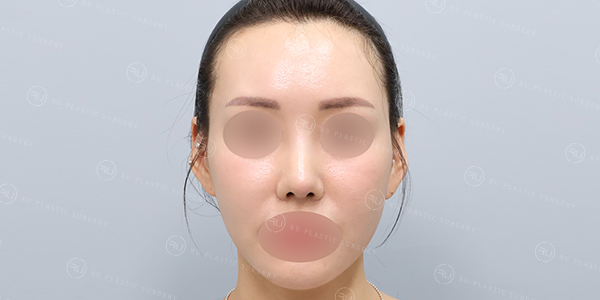
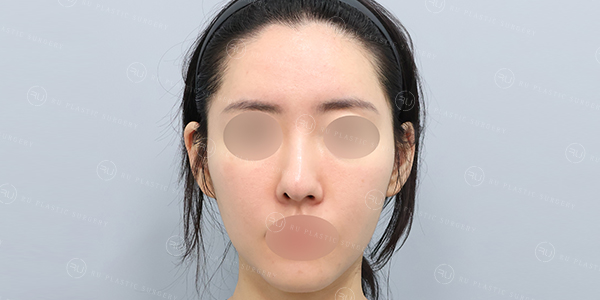
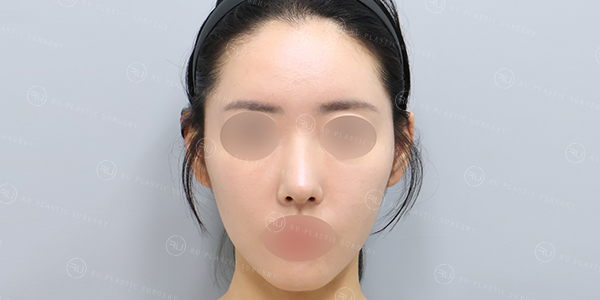
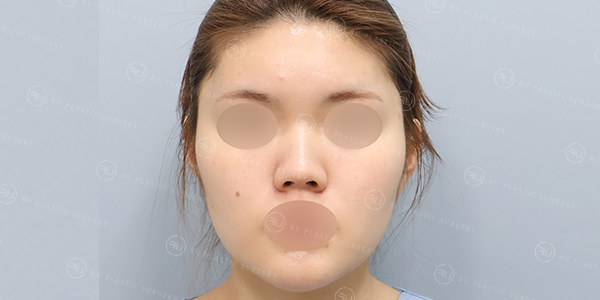
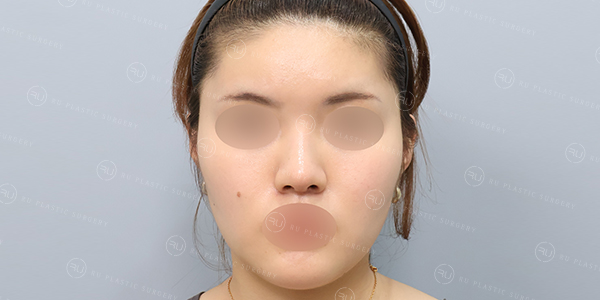
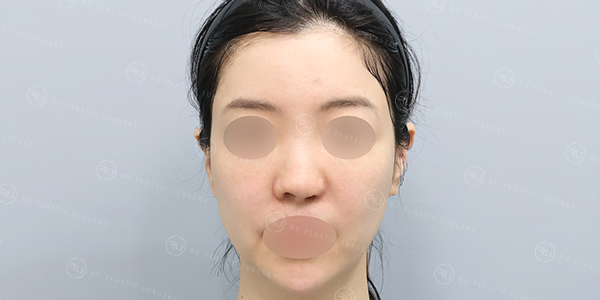
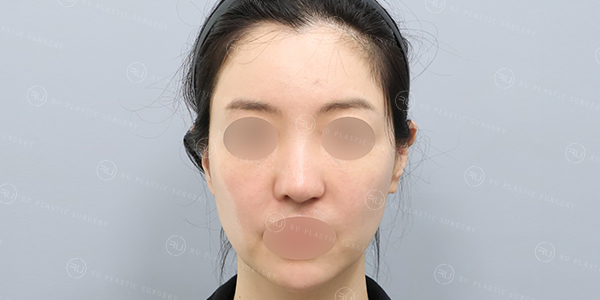
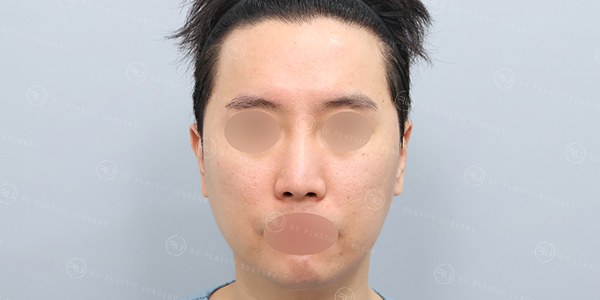
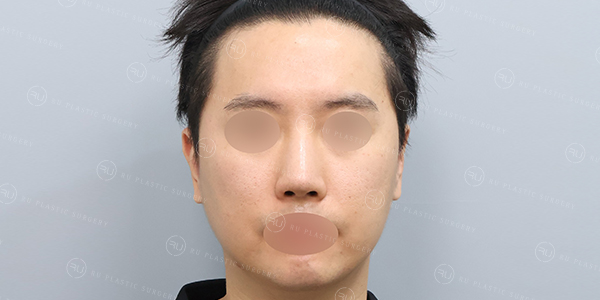
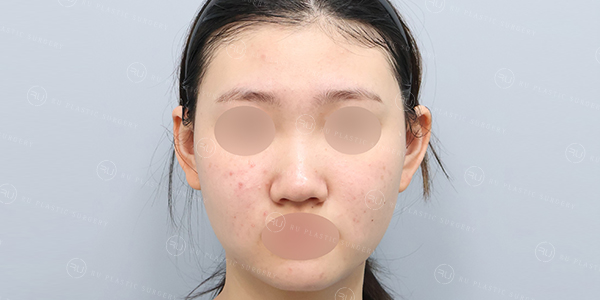
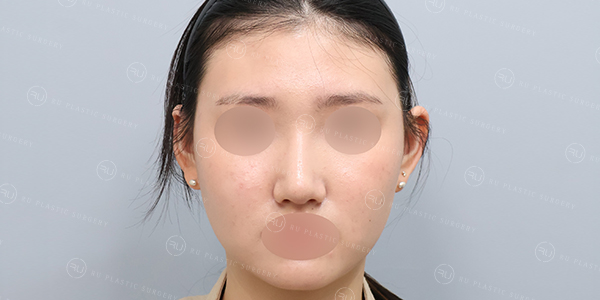
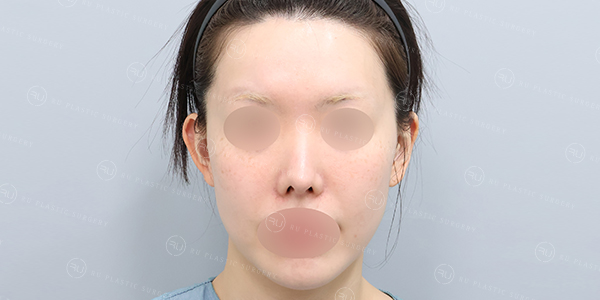
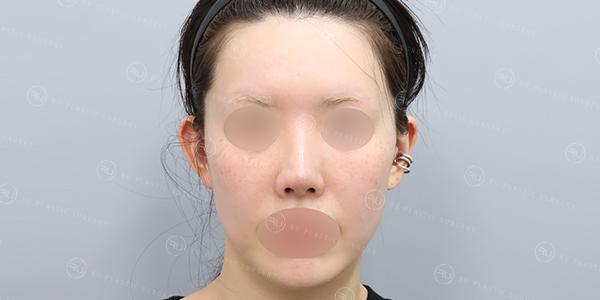
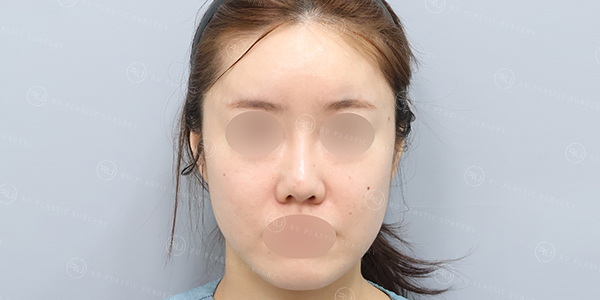
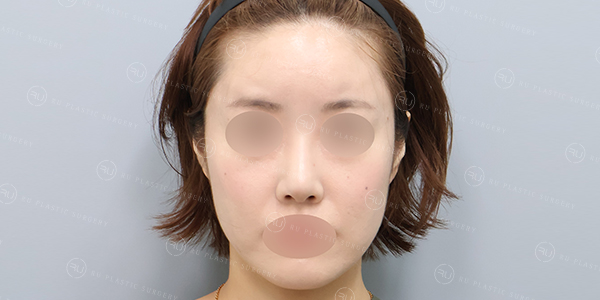
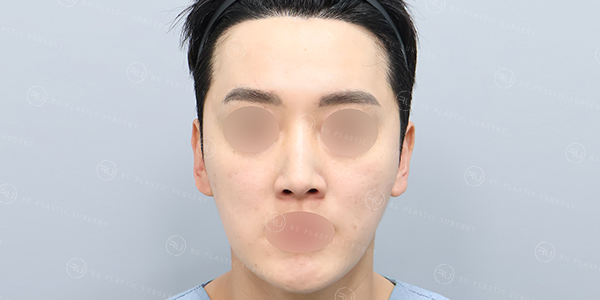
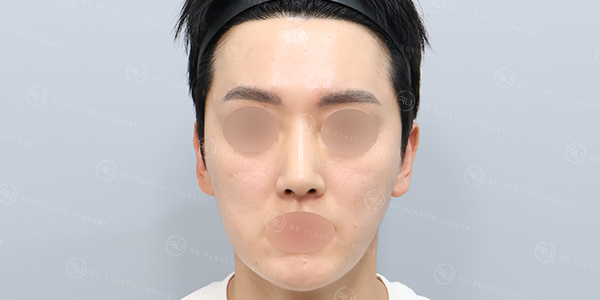
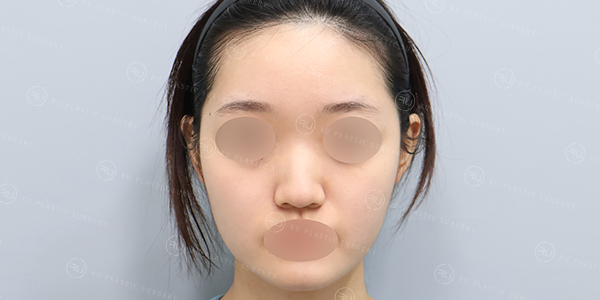
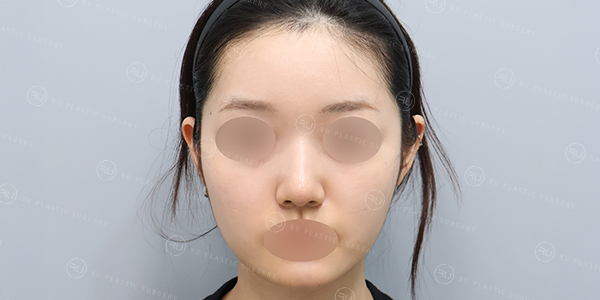
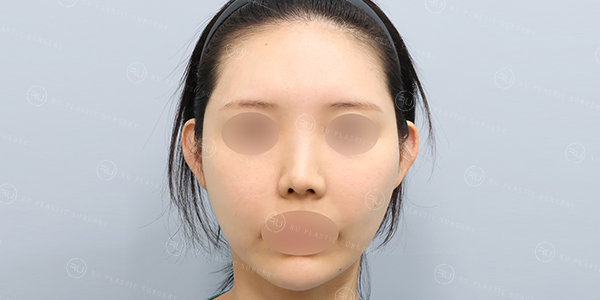
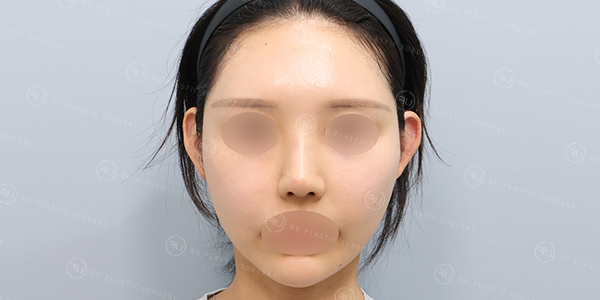
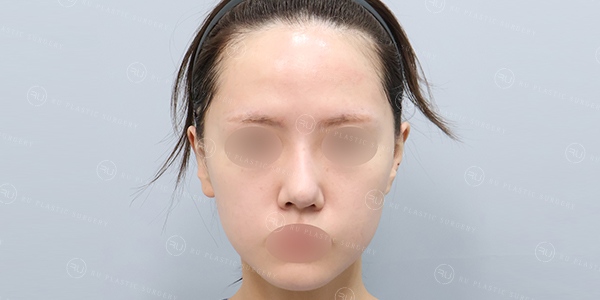
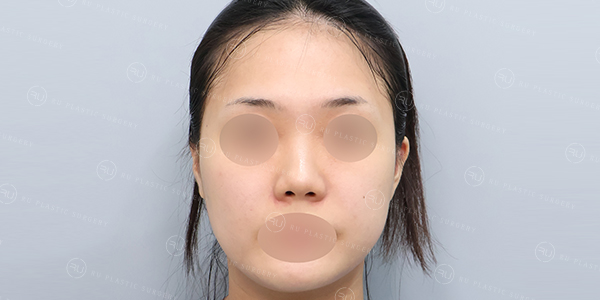
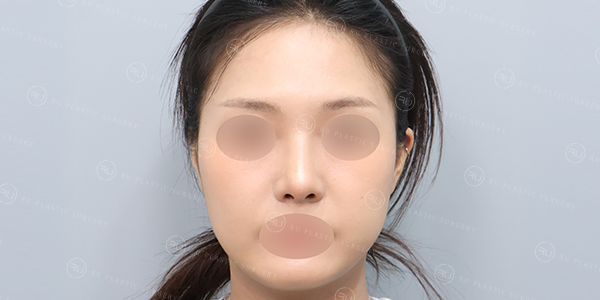
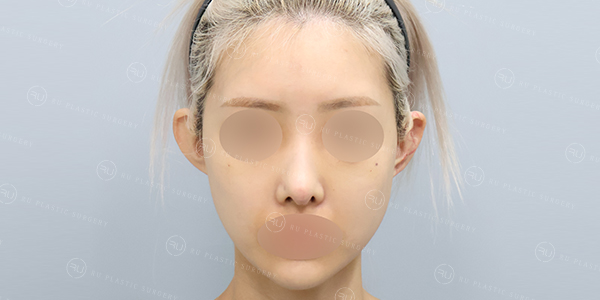
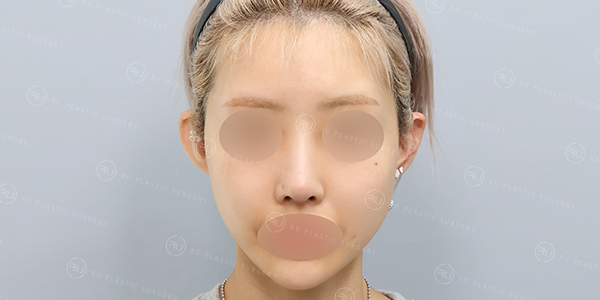
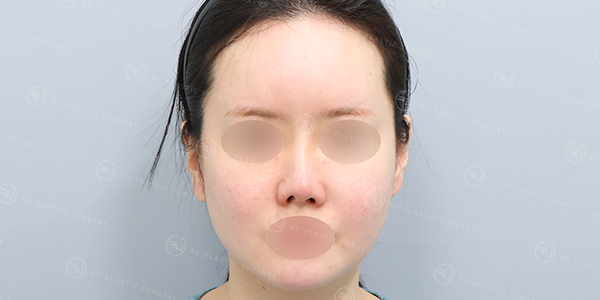
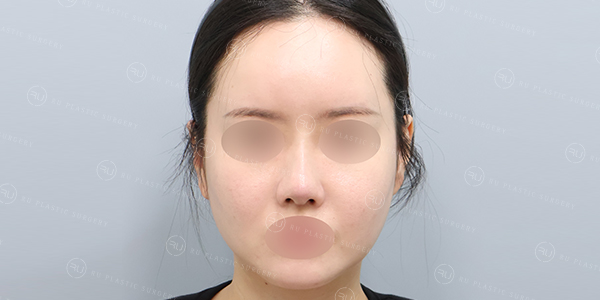
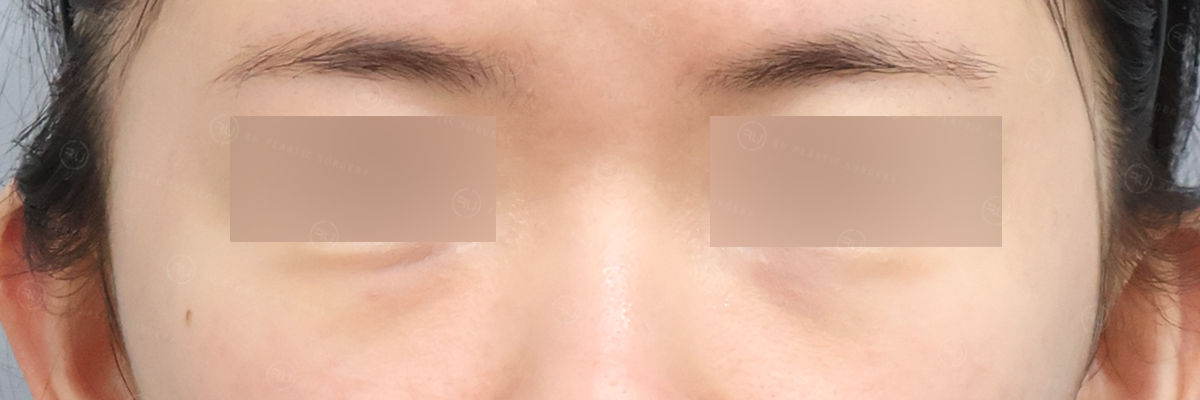
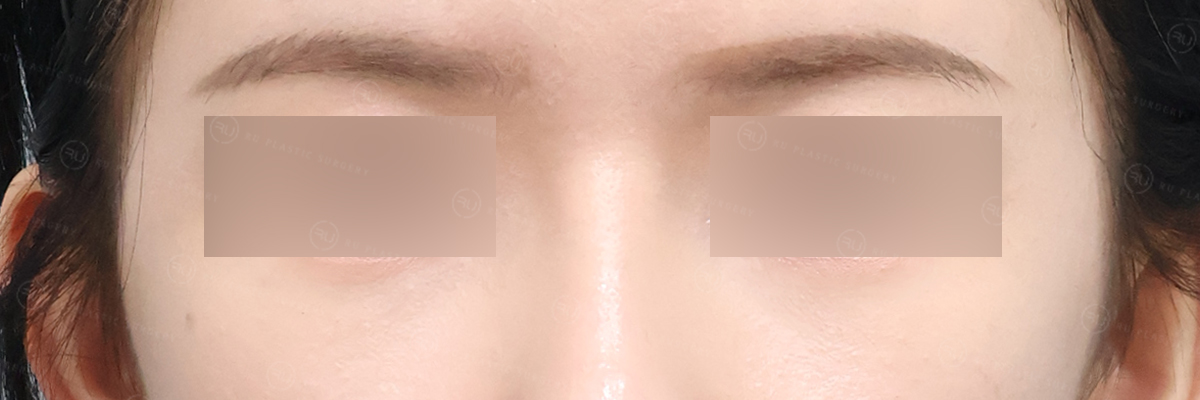
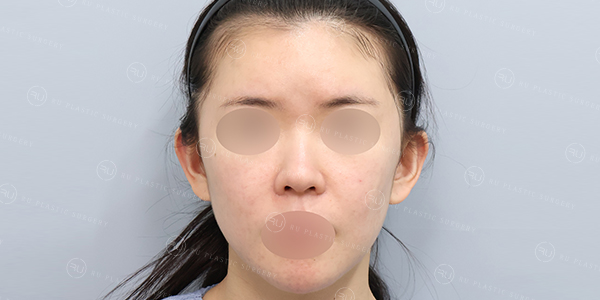
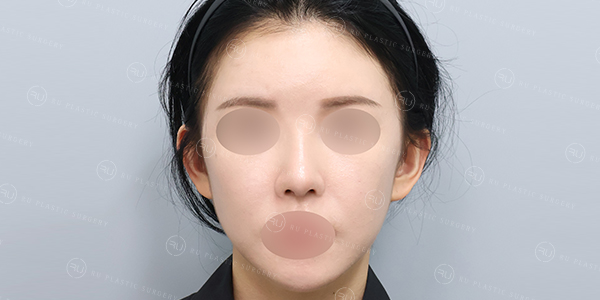
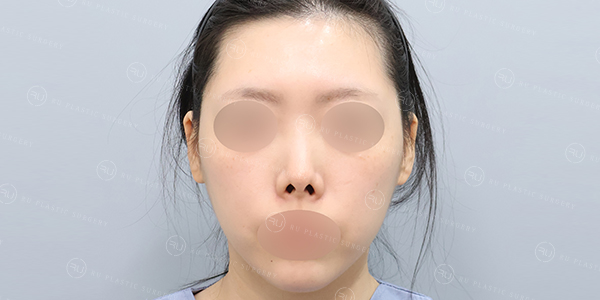
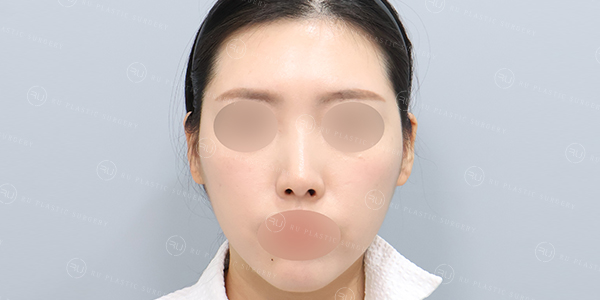
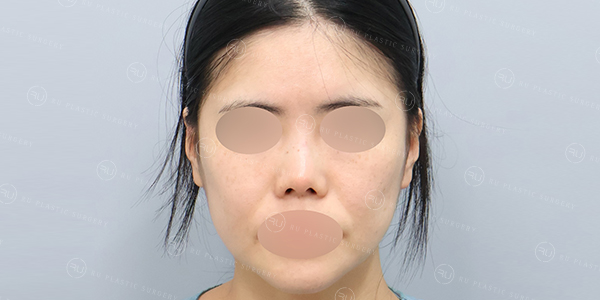
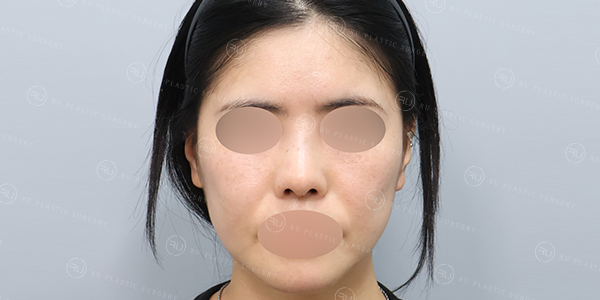
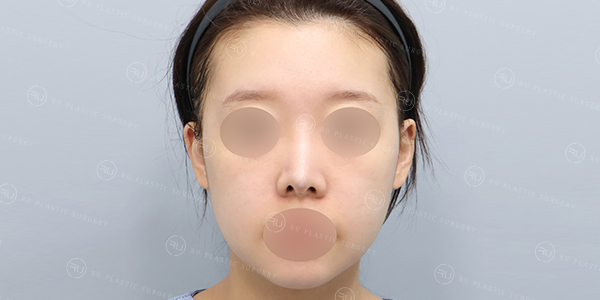
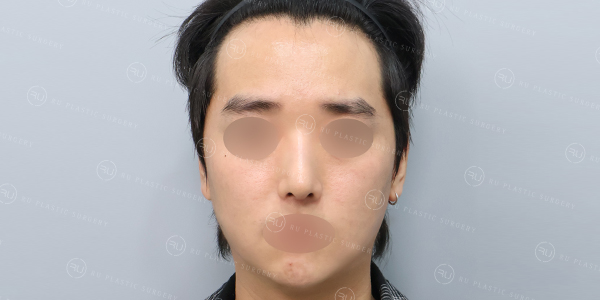
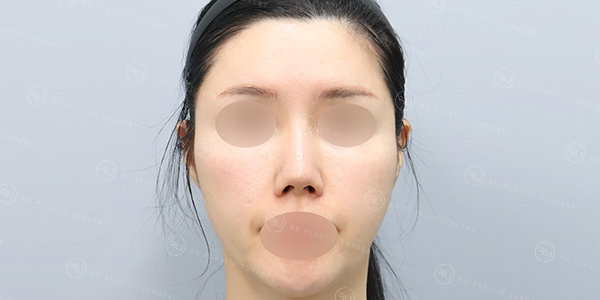
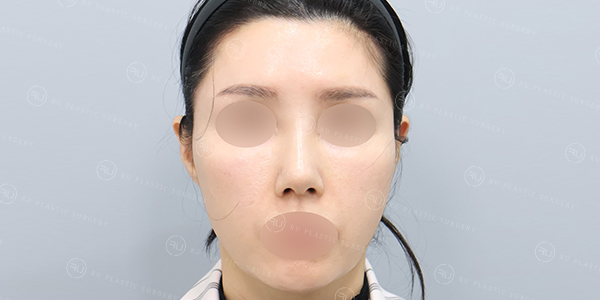
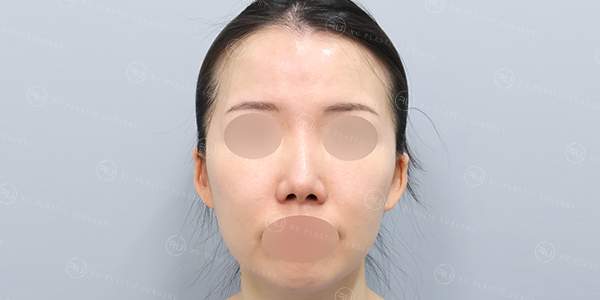
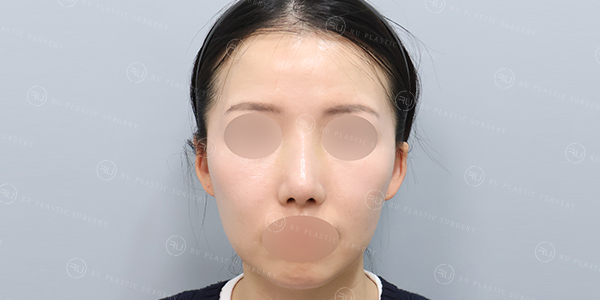
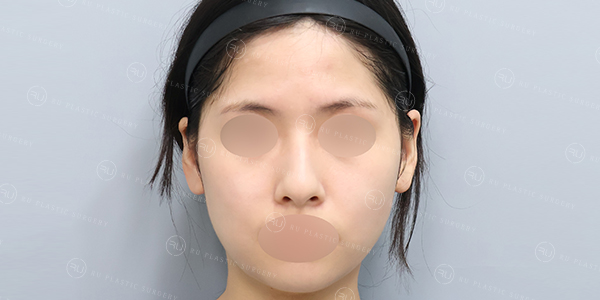
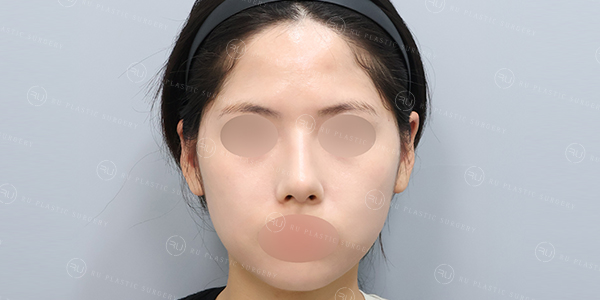
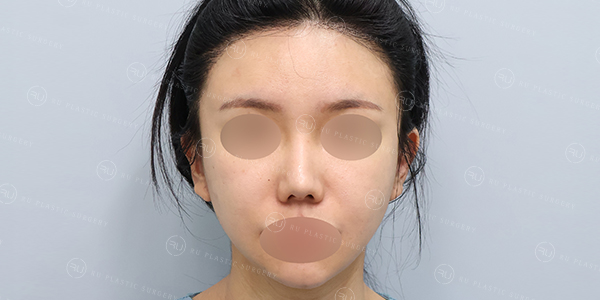
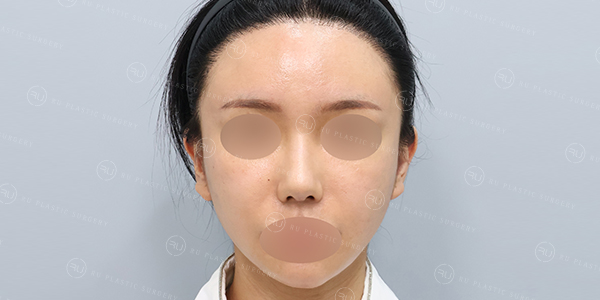
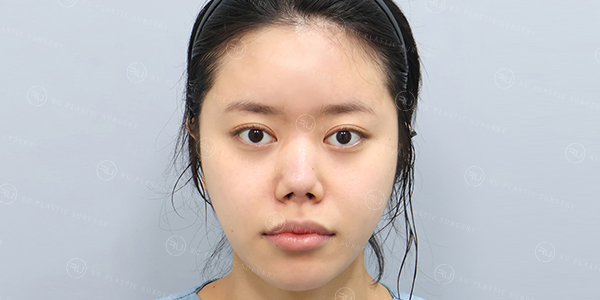
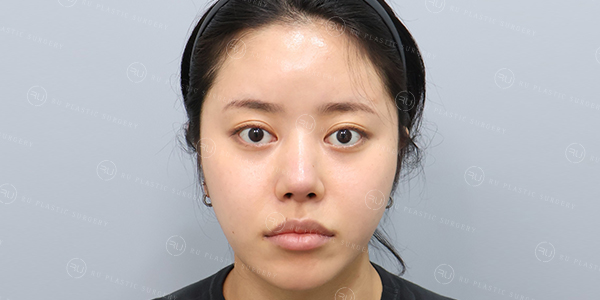
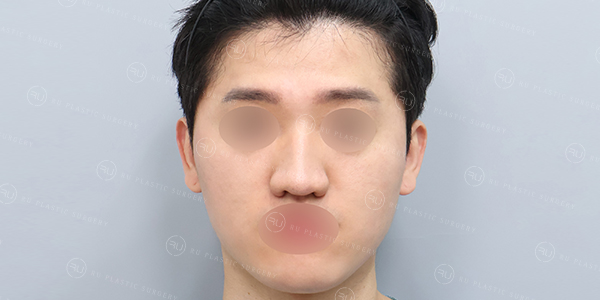
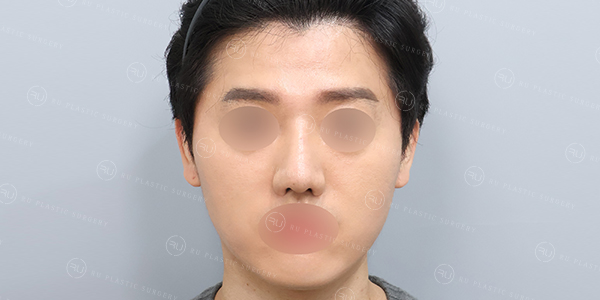
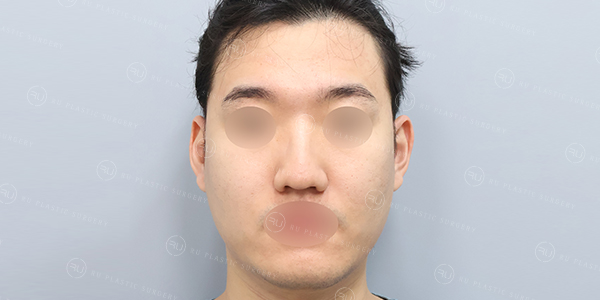
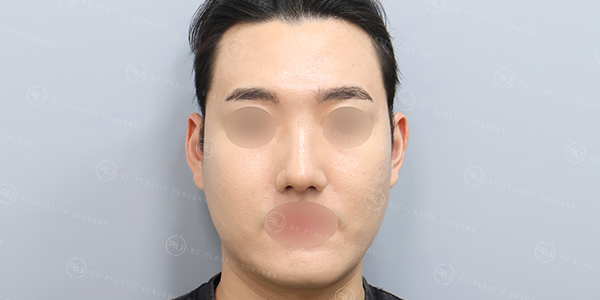
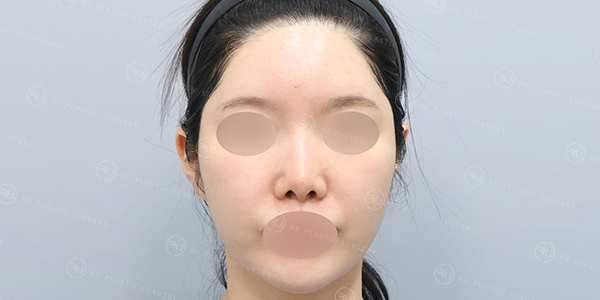
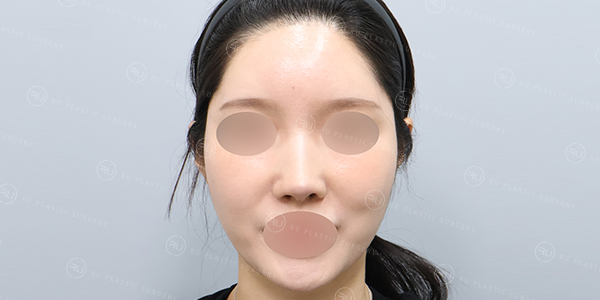
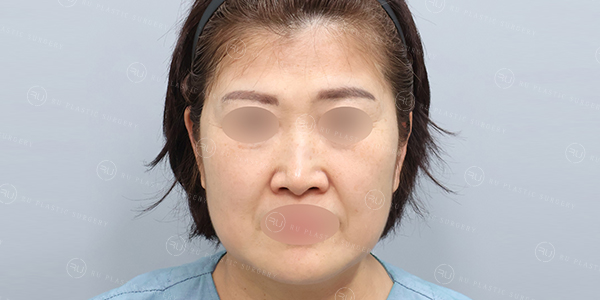
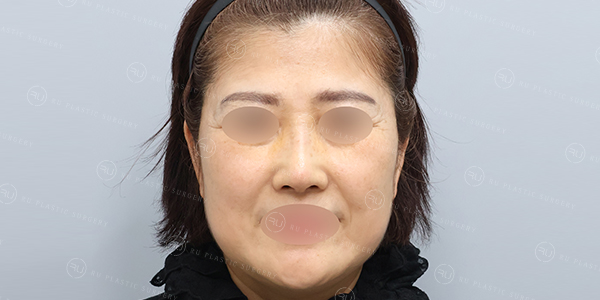
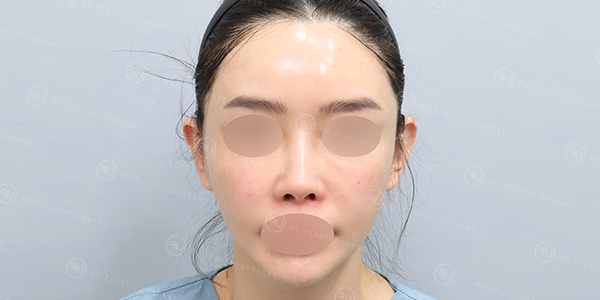
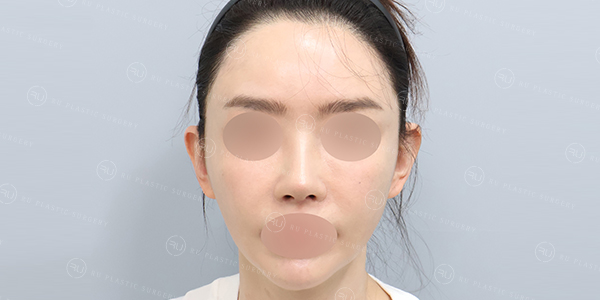
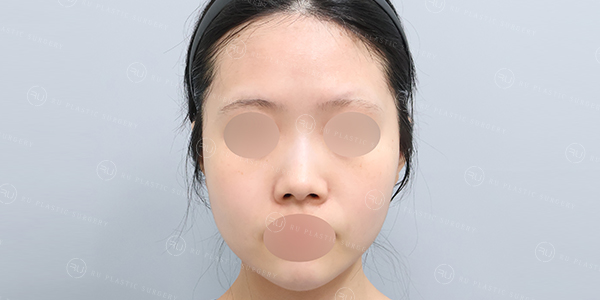
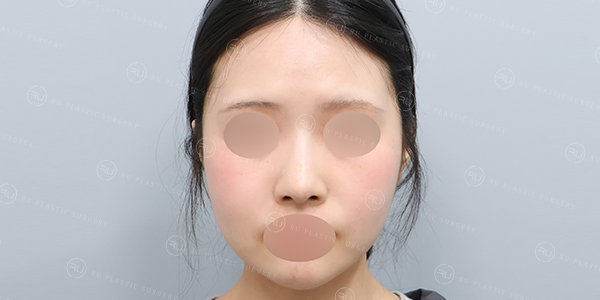
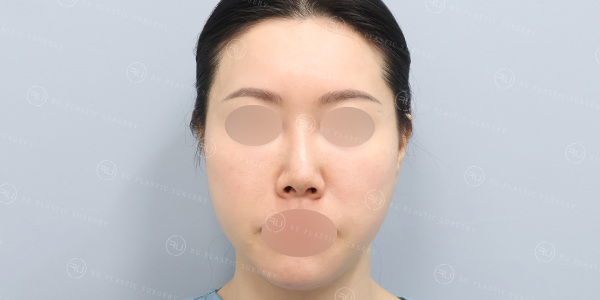
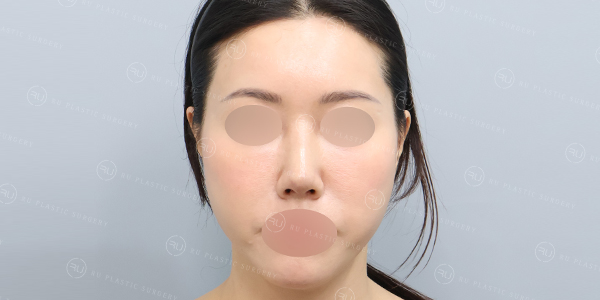
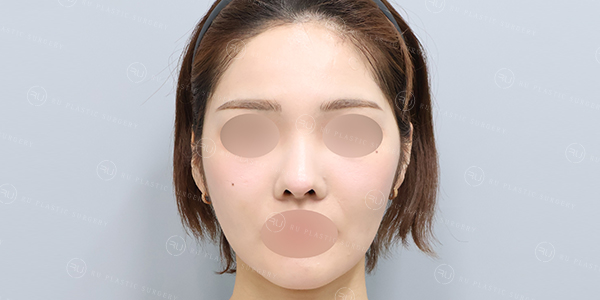
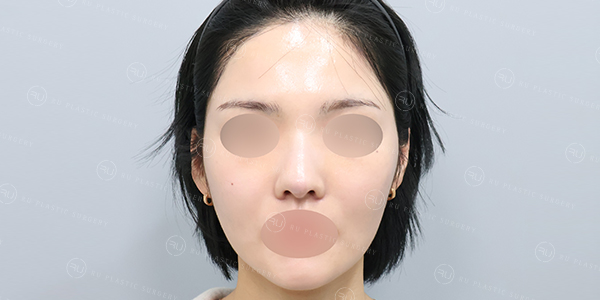
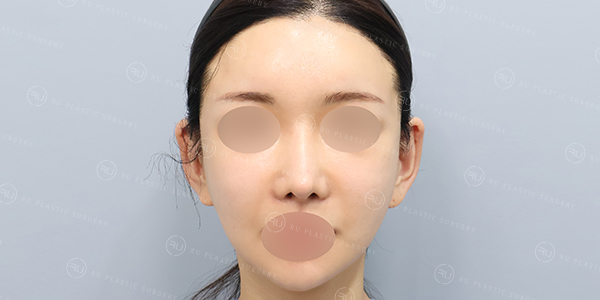
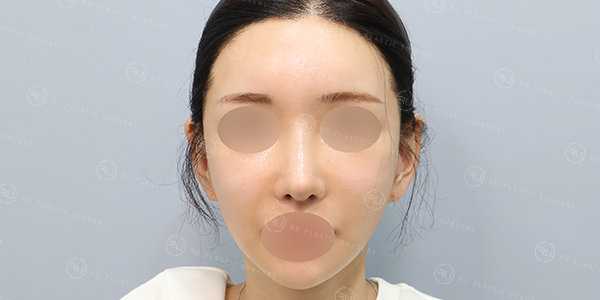
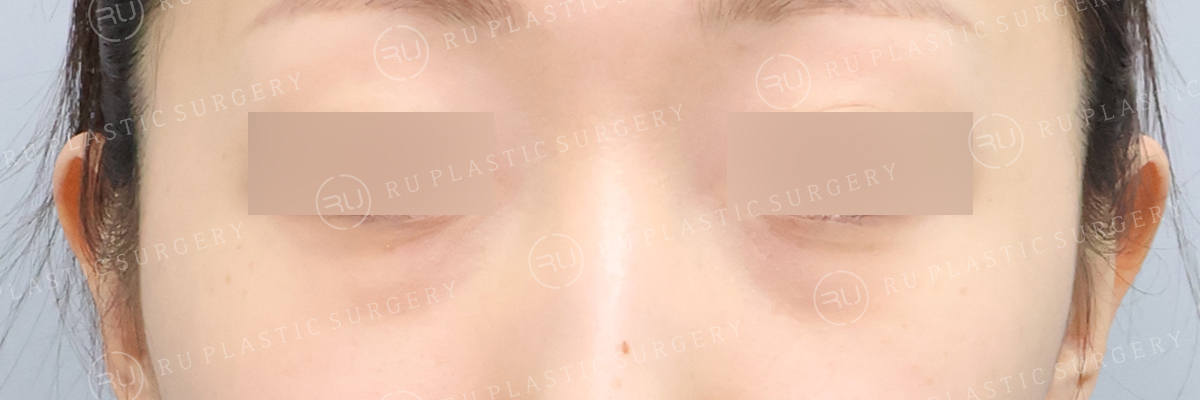
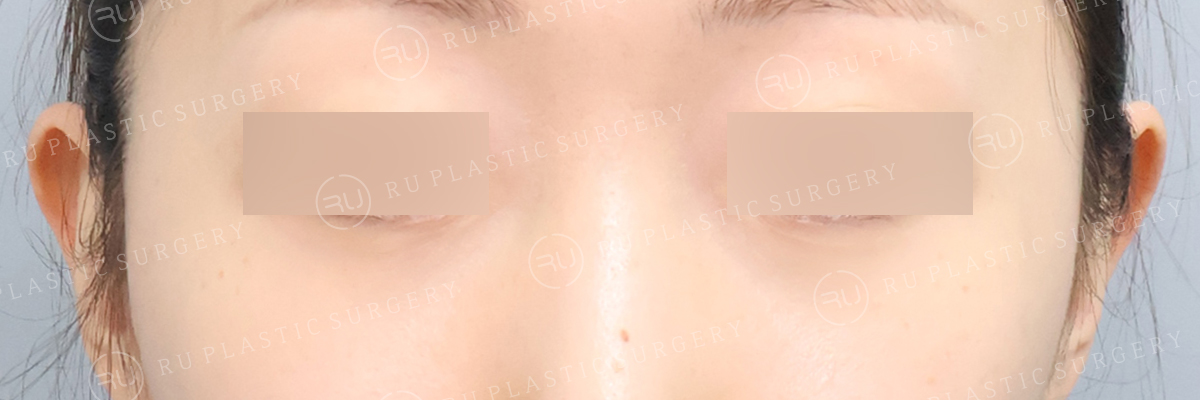
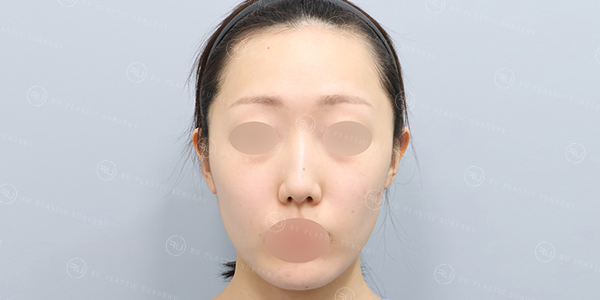
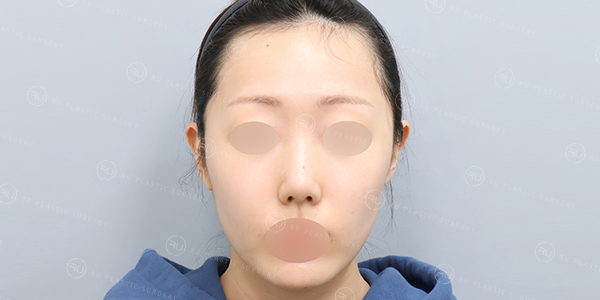
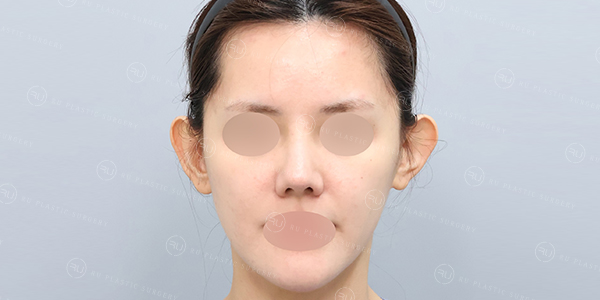
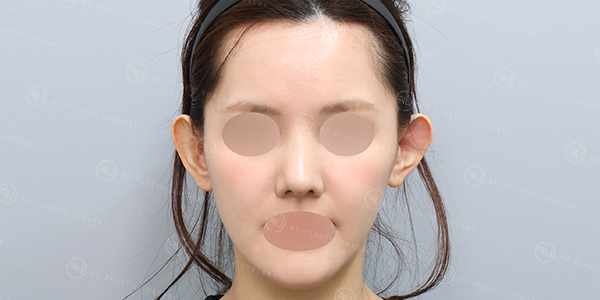
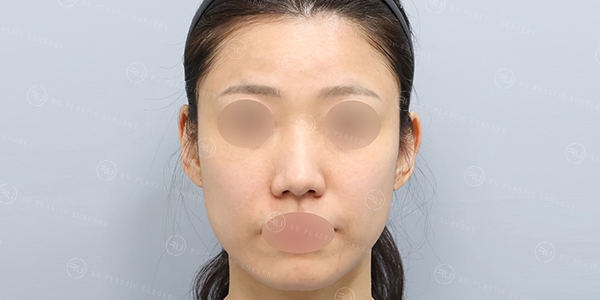
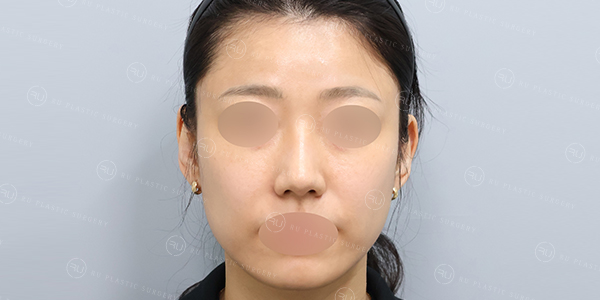
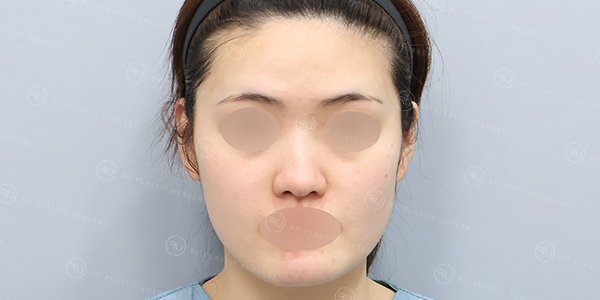
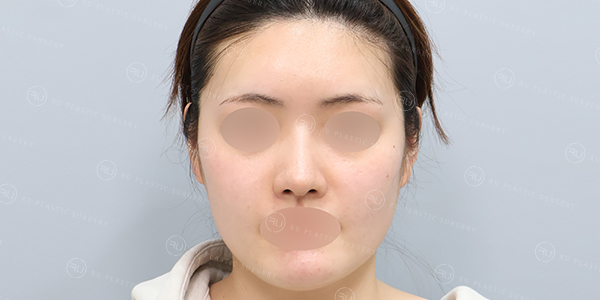
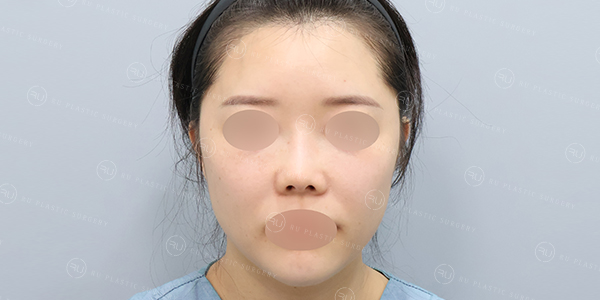
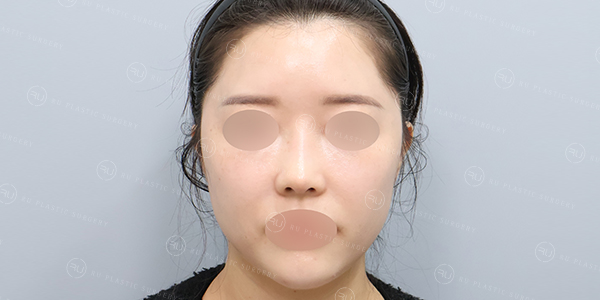
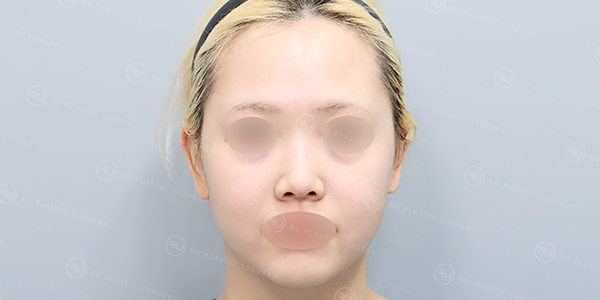
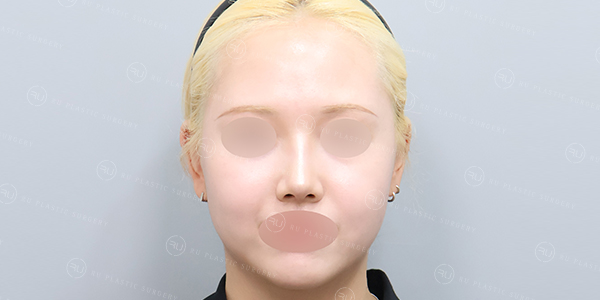
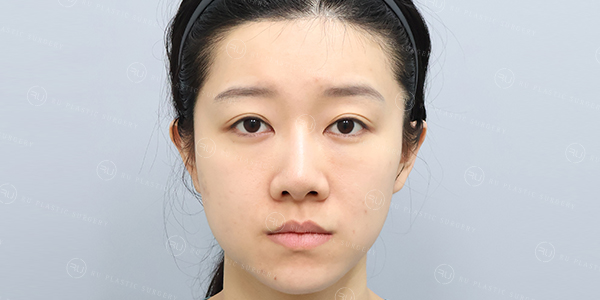
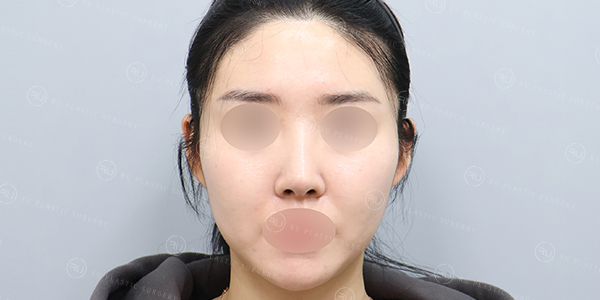
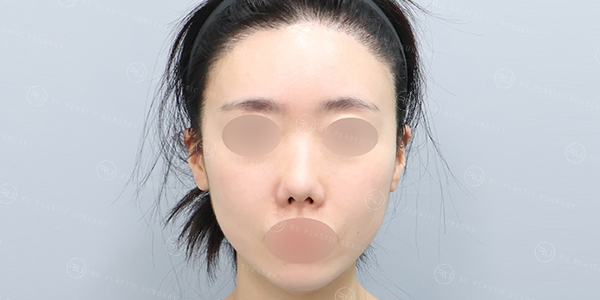
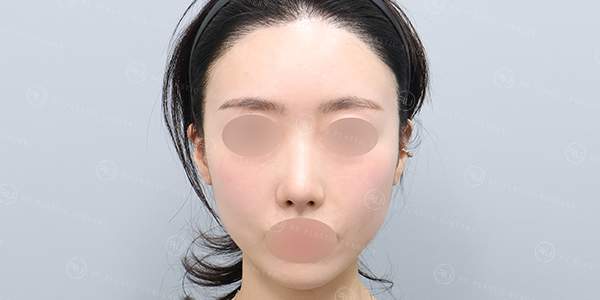
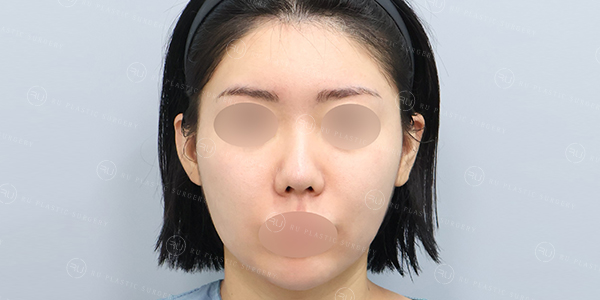
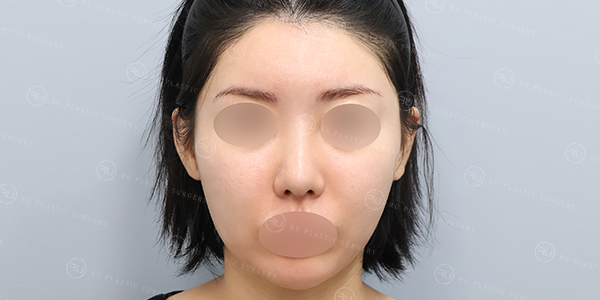
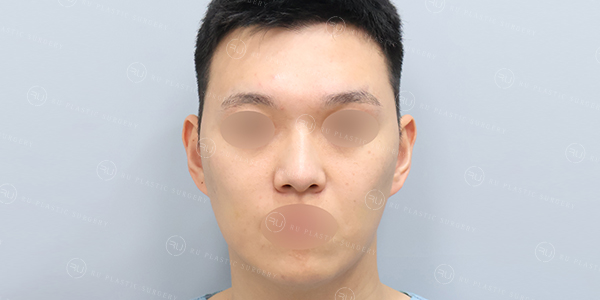
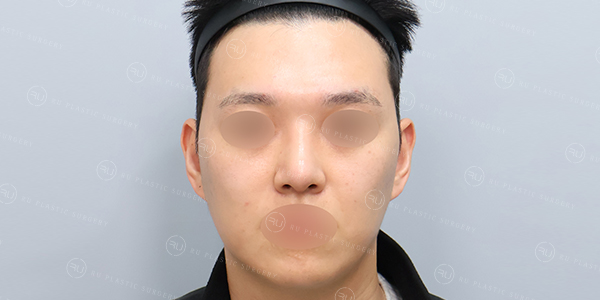
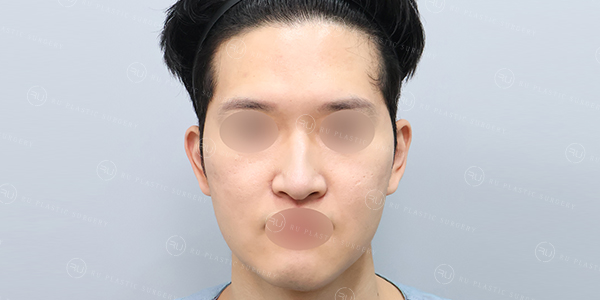
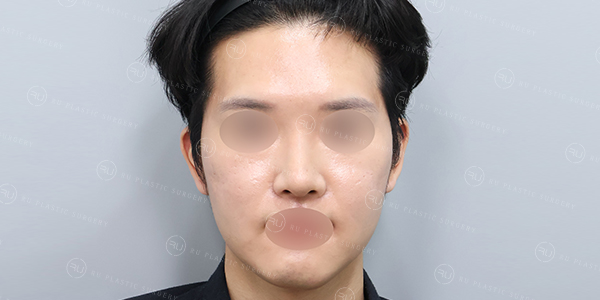
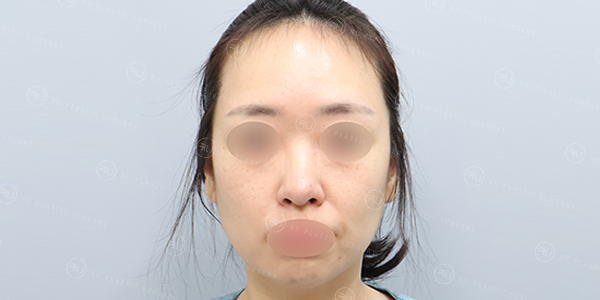
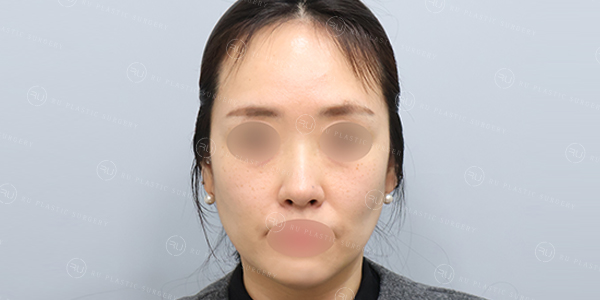
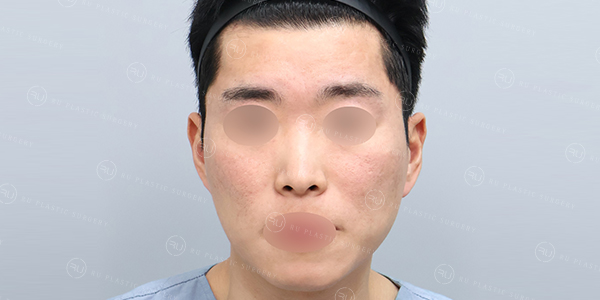
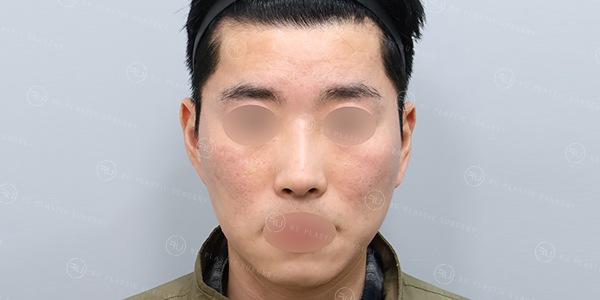
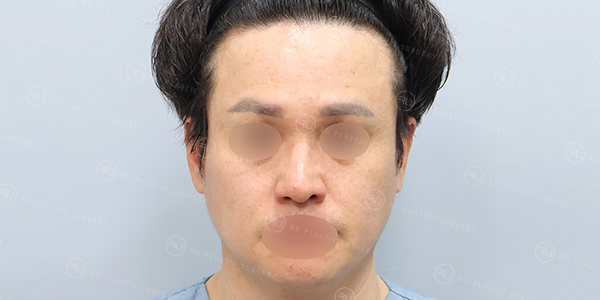
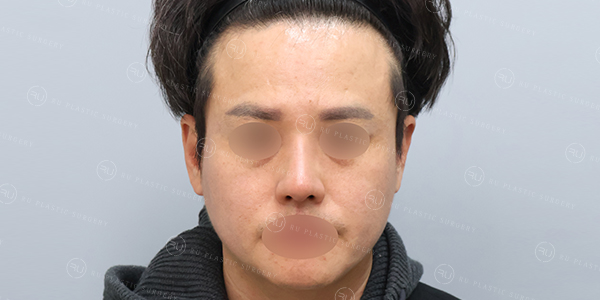
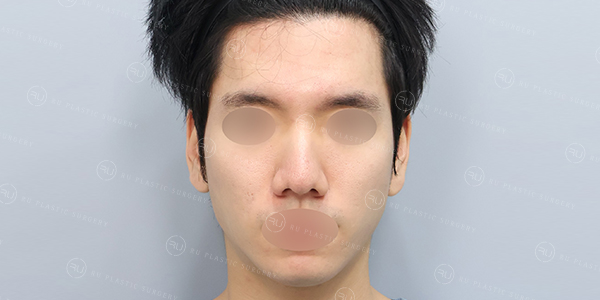
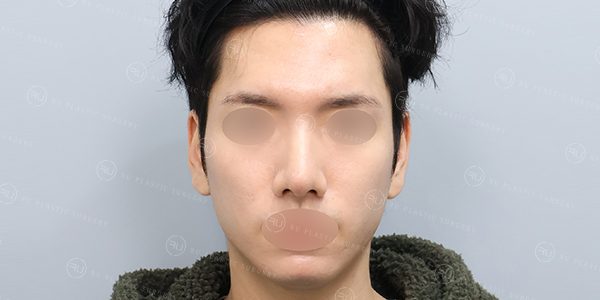
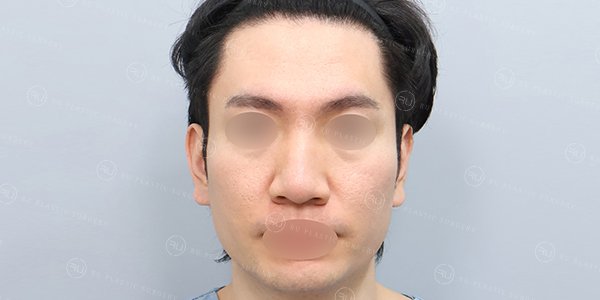
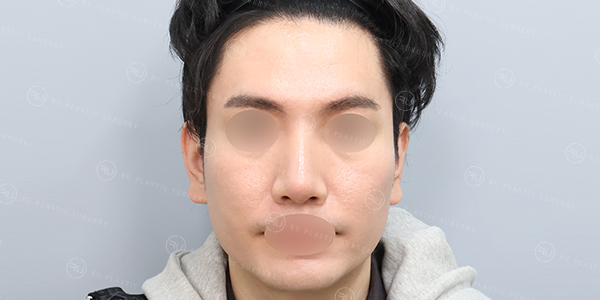
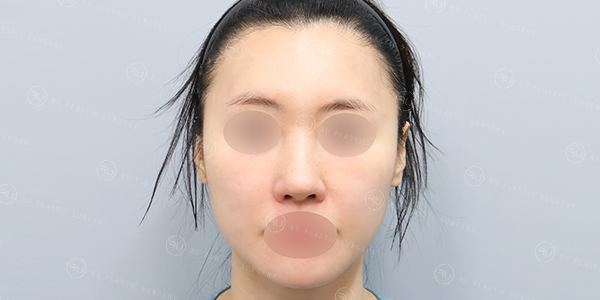
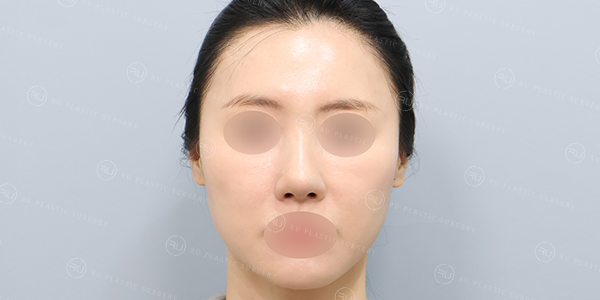
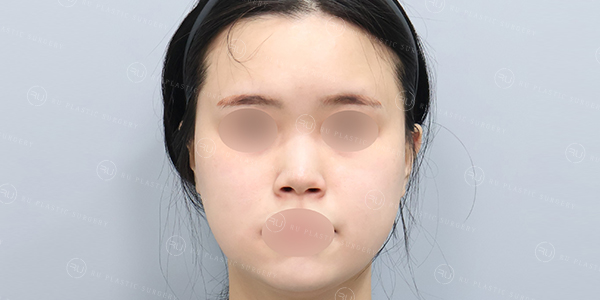
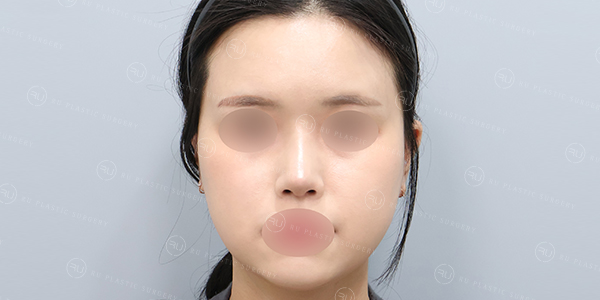
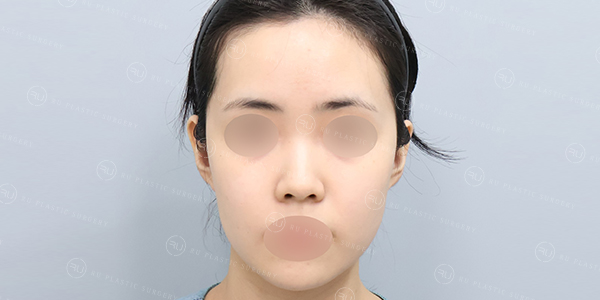
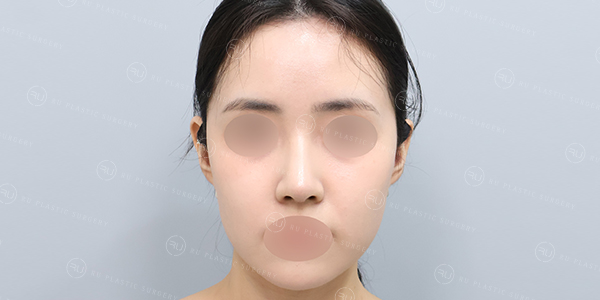
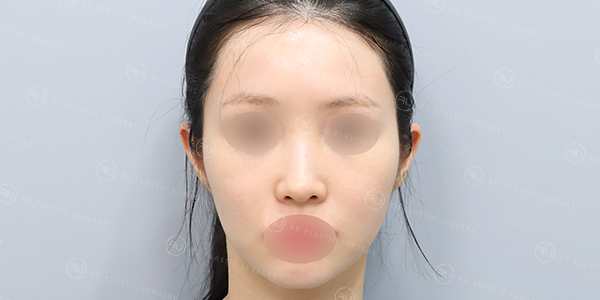
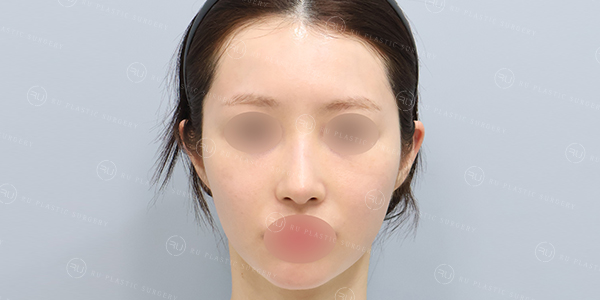
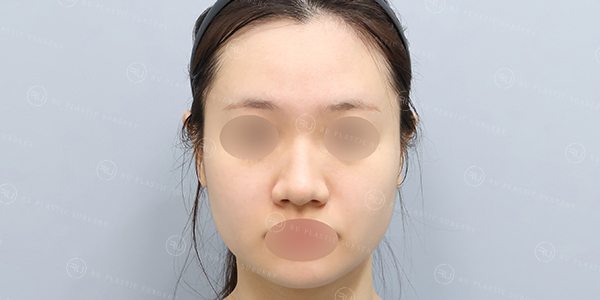
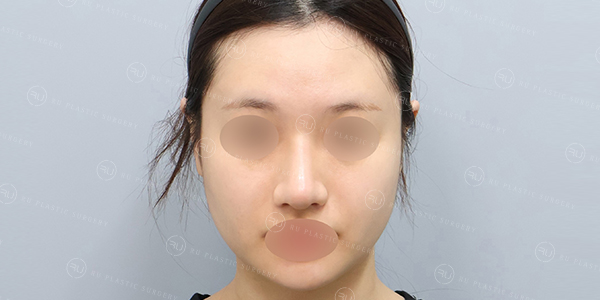
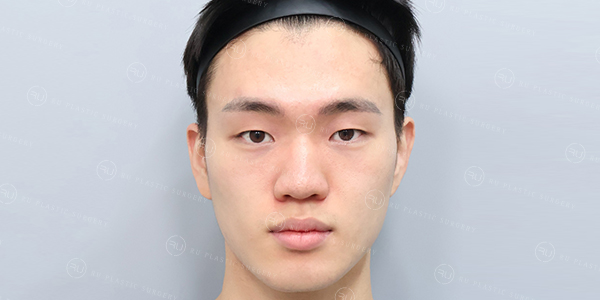
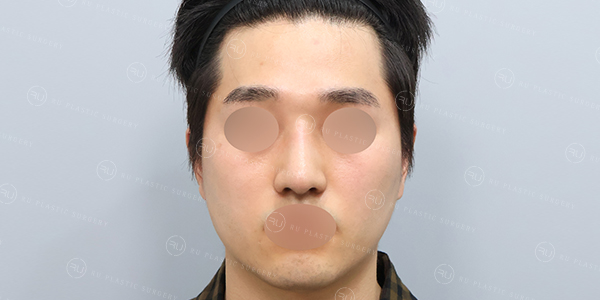
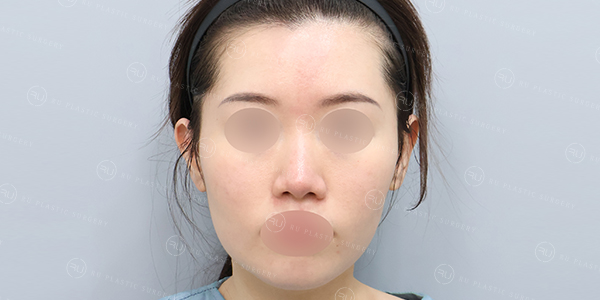
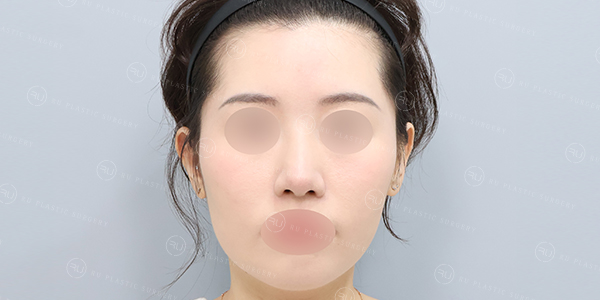
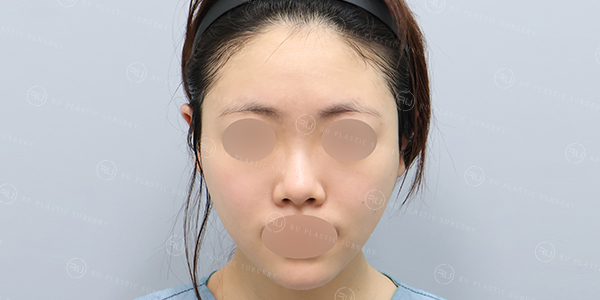
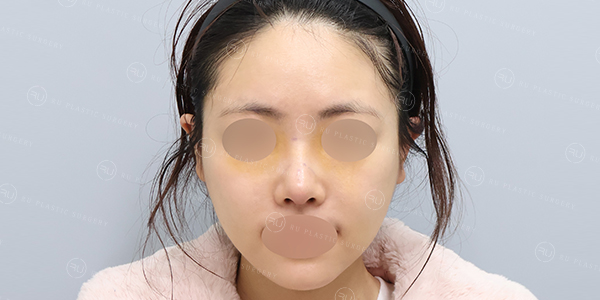
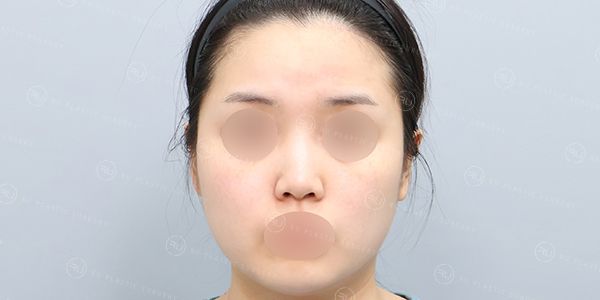
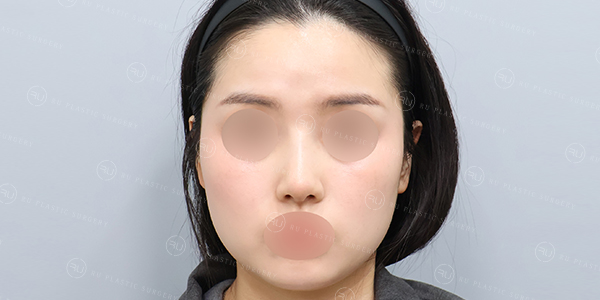
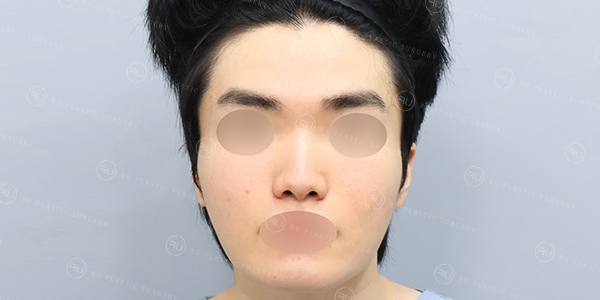
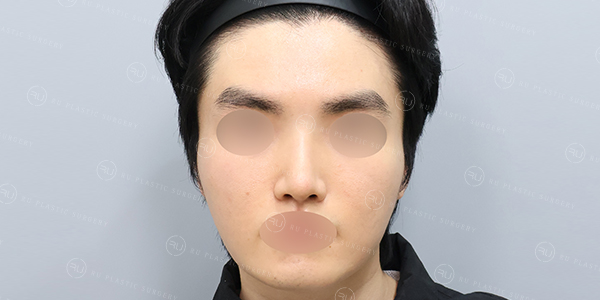
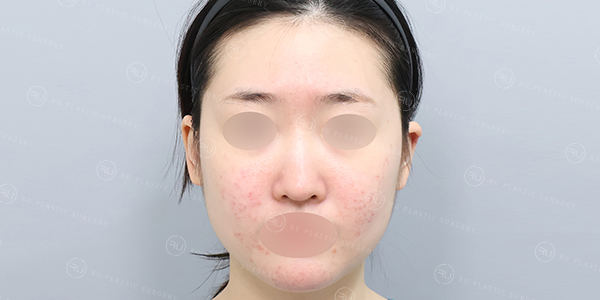
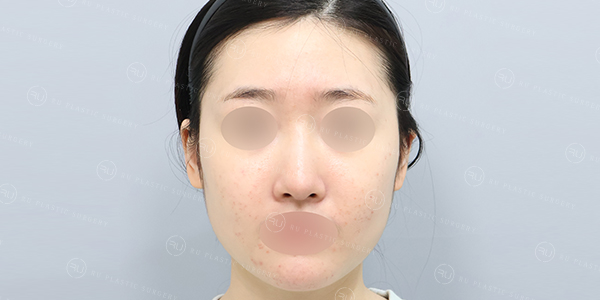
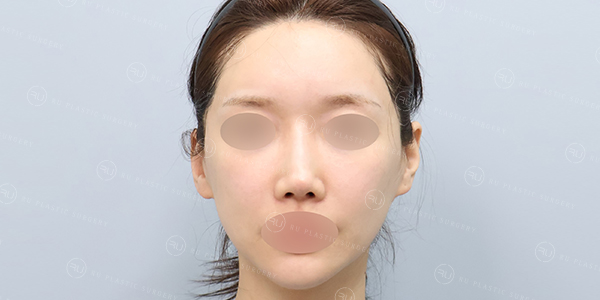
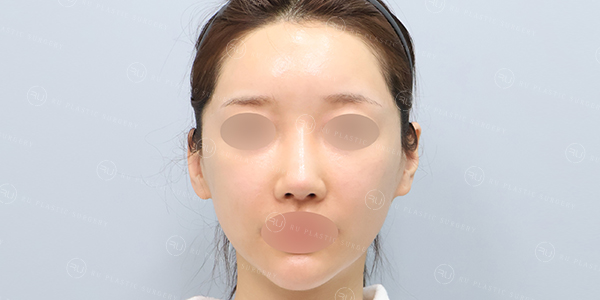
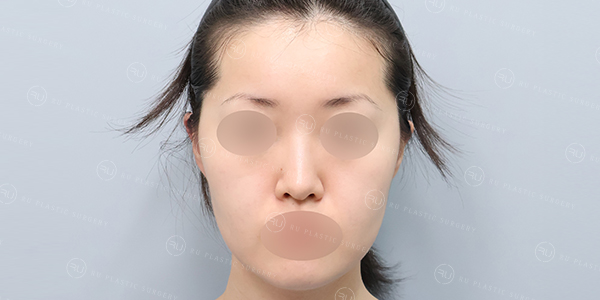
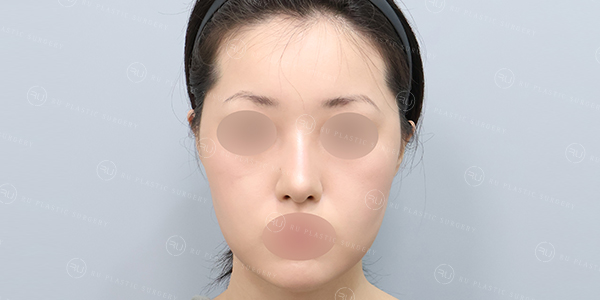
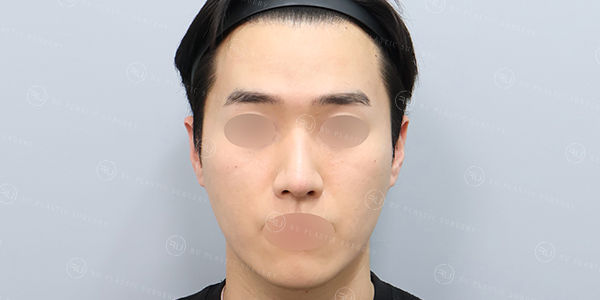
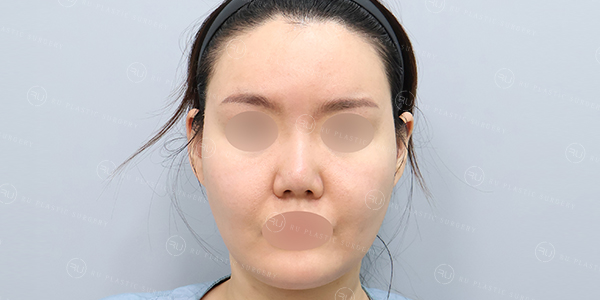
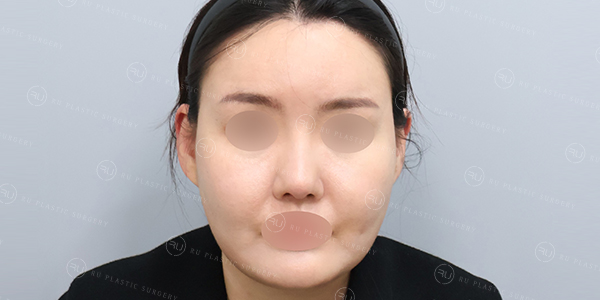
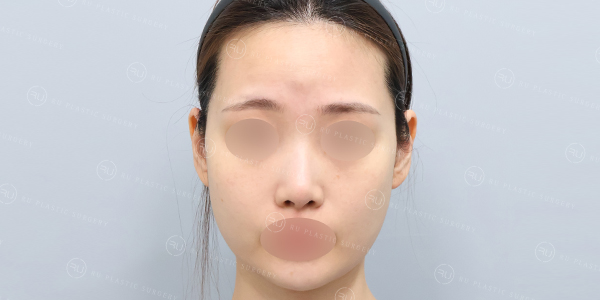
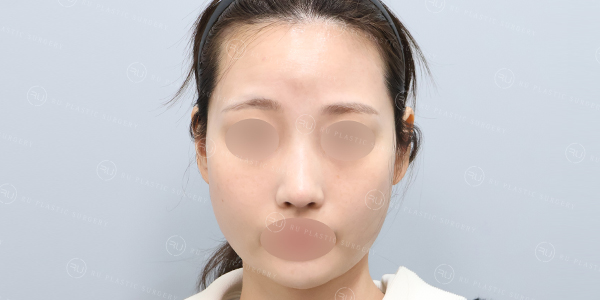
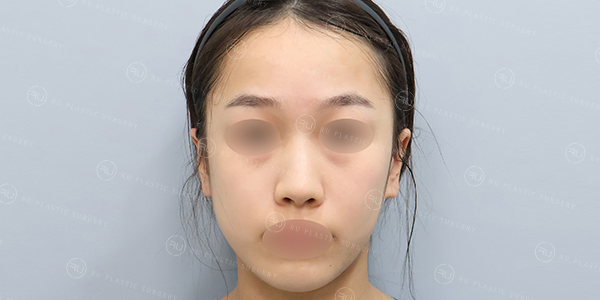
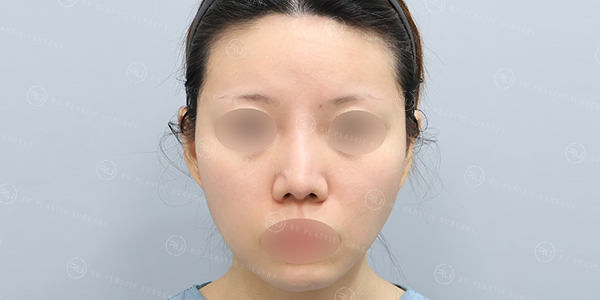
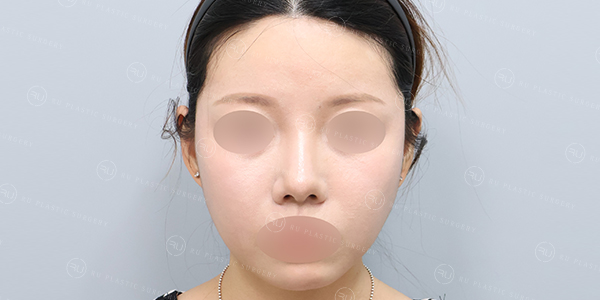
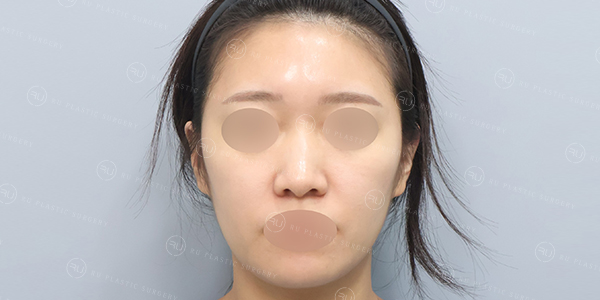
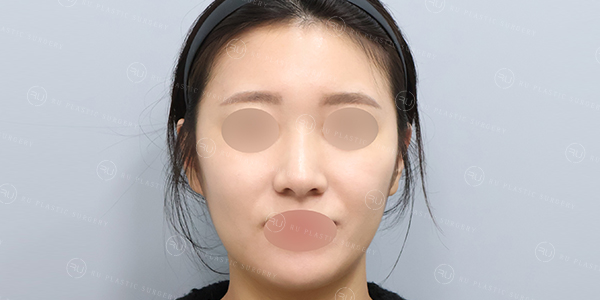
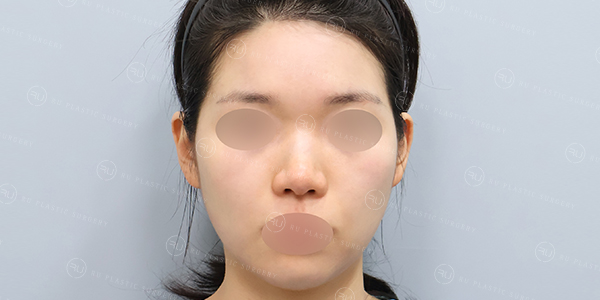
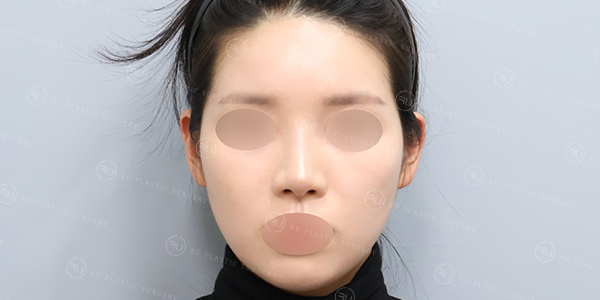
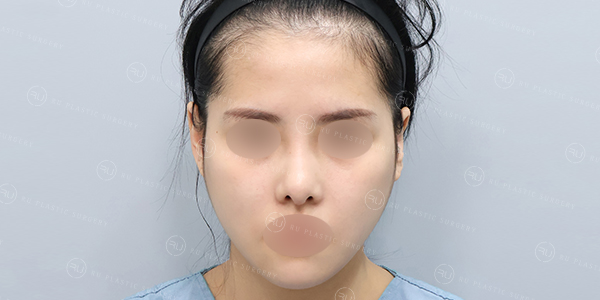
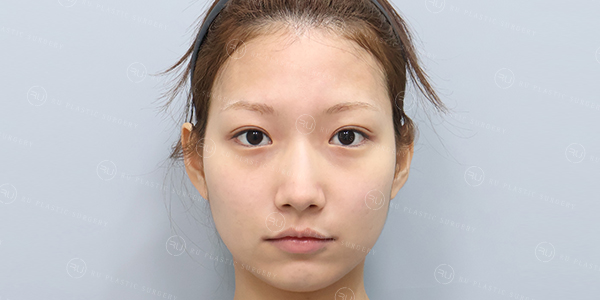
6-Month Postoperative Review Following Secondary Rhinoplasty for Contracted Nose
본문
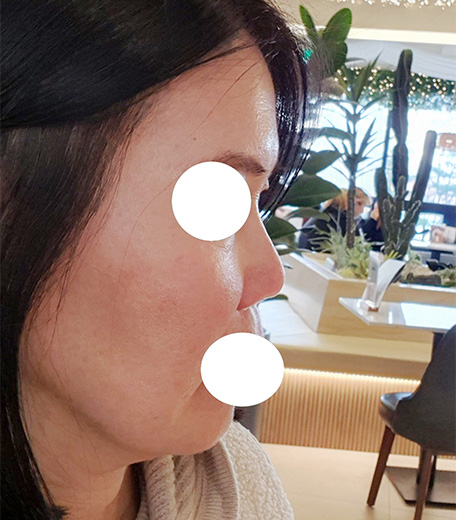
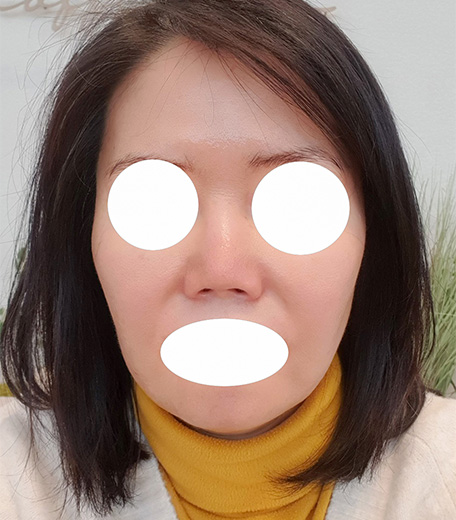
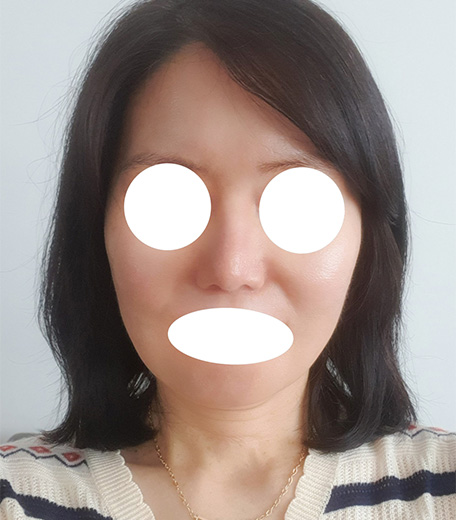
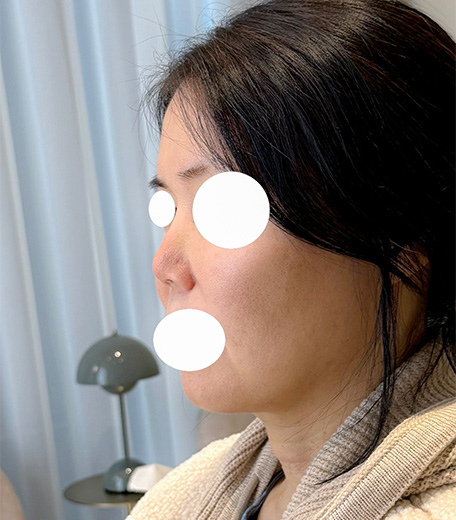
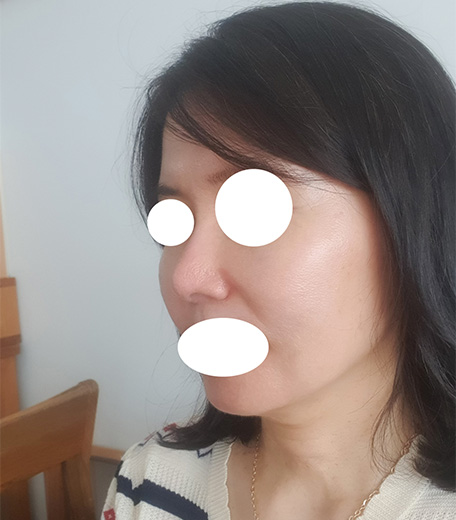
Approximately 20 years ago, I underwent my first rhinoplasty, which eventually resulted in a contracted nose.
To correct the upward rotation and shortened appearance, I had a revision surgery about a decade ago. Unfortunately,
the correction did not last and I once again developed signs of nasal contracture.
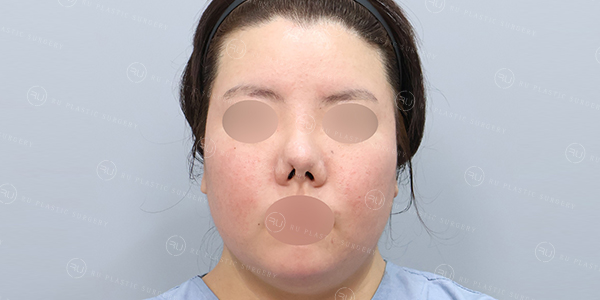
This time, the deformity was even more pronounced,
with significant columellar retraction and depression.
Back then, I relied solely on search engines and selected a “famous” clinic under the assumption
that popularity equated to surgical skill— an assumption that proved to be misguided.
The experience left me deeply disappointed and discouraged,
especially as I began researching options for another revision.
I realized I needed to focus less on marketing or cost and more on selecting a surgeon experienced with complex contracture cases,
especially those similar to mine.
This is how I came across Dr. Hyun-Joo Kim at RU Plastic Surgery.
During the consultation, Dr. Kim provided a detailed surgical plan,
clearly explaining the step-by-step approach to correction and the expected timeline.
I appreciated the transparency and accountability—particularly the reassurance that, in the event of any complications,
the clinic would take full responsibility and provide necessary follow-up care.
This gave me a sense of trust and comfort.
While the cost was not negligible—especially compared to earlier years—I believed that restoring
my nose to a functional and aesthetically acceptable state justified the investment.
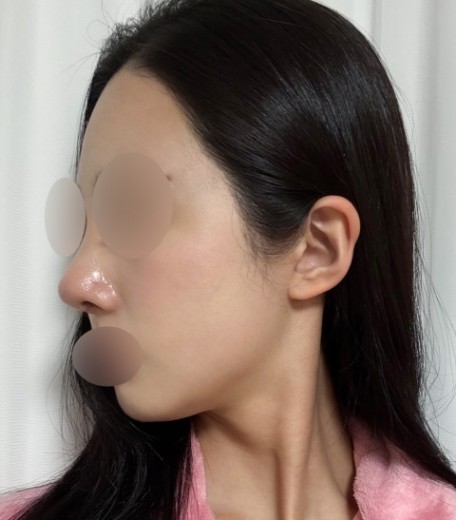
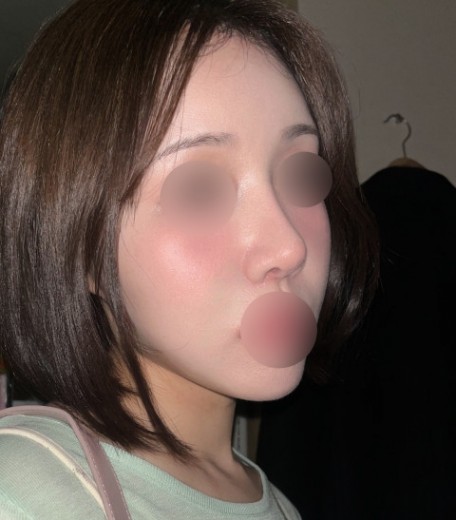
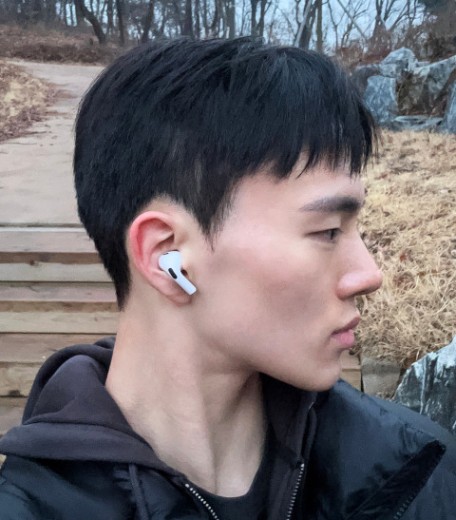
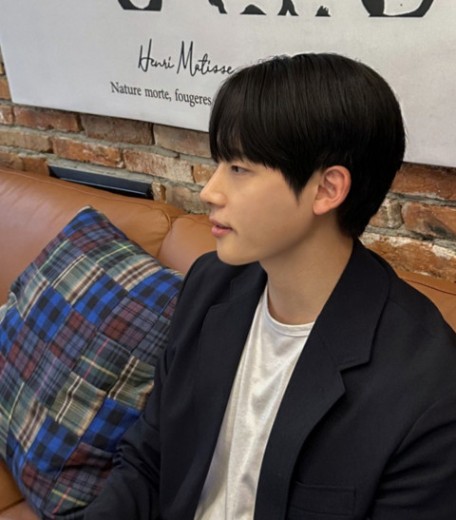
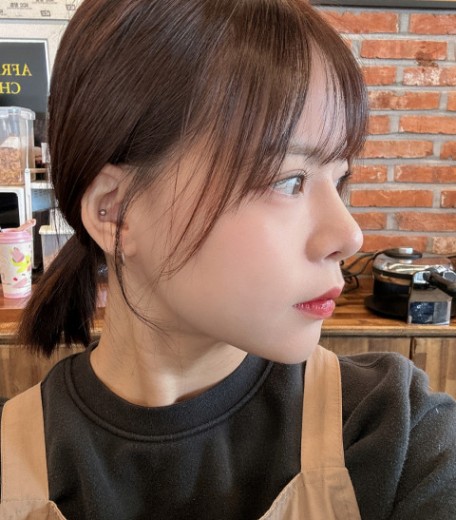
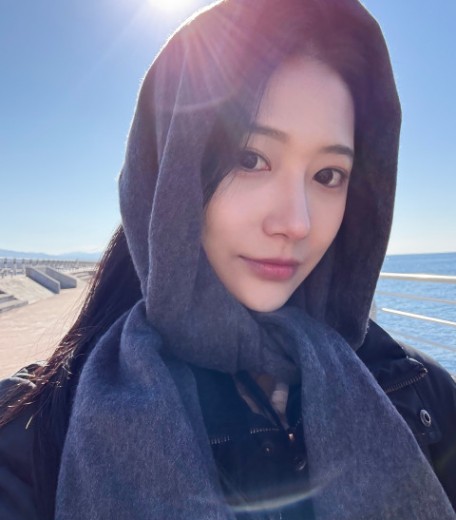
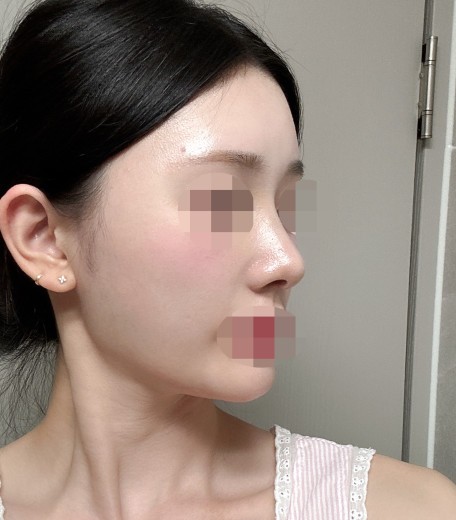
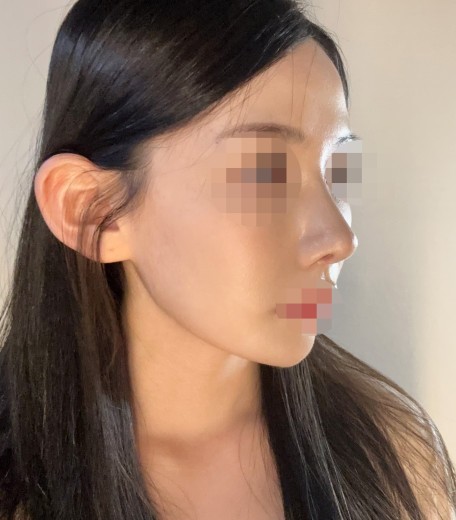
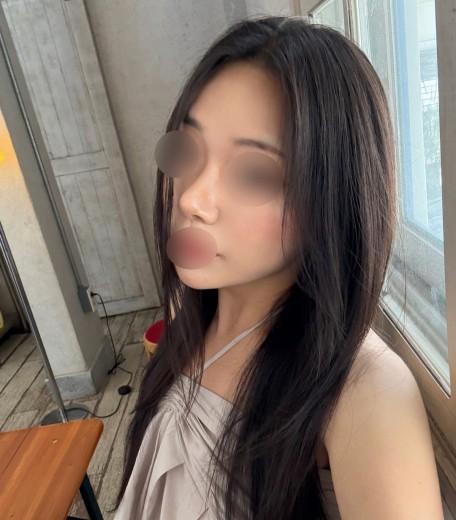
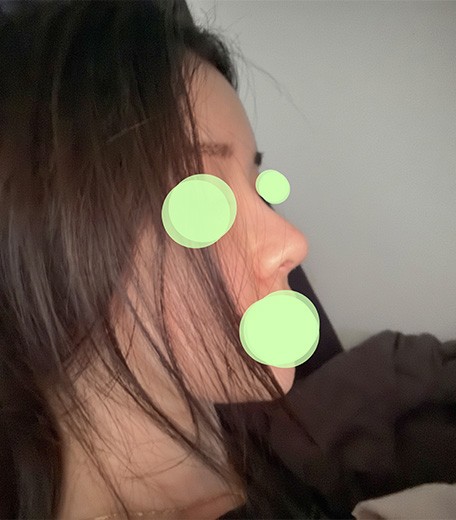
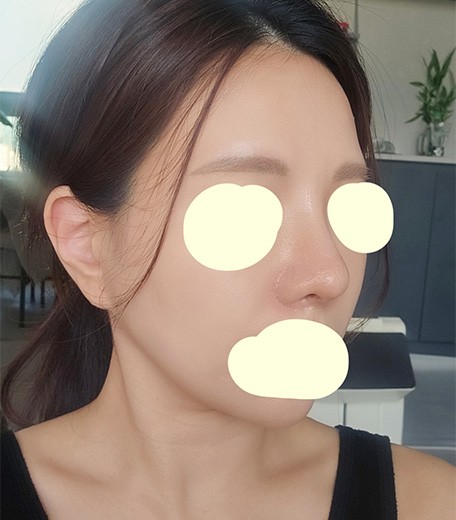
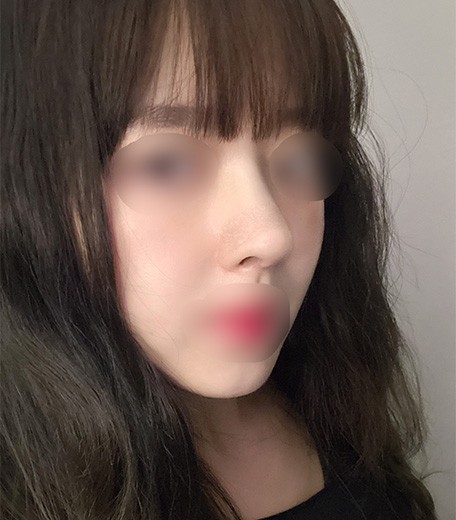
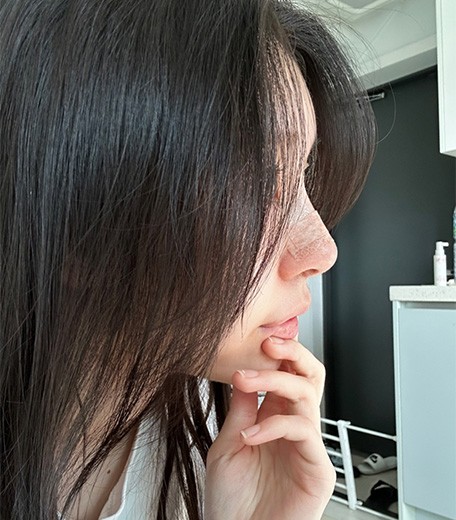
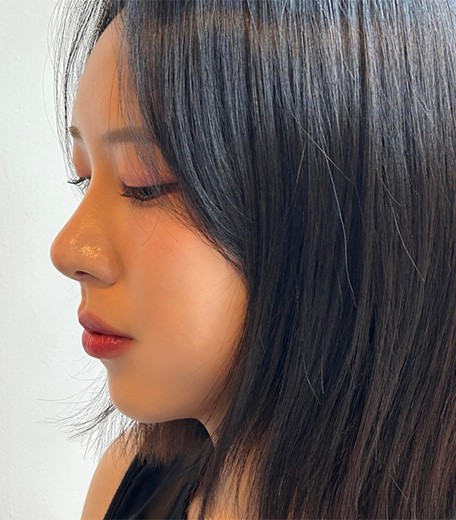
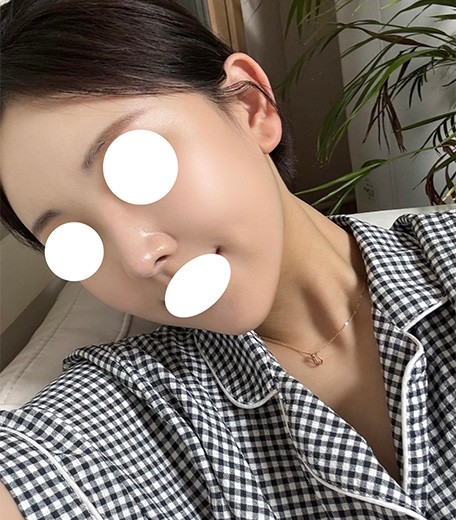
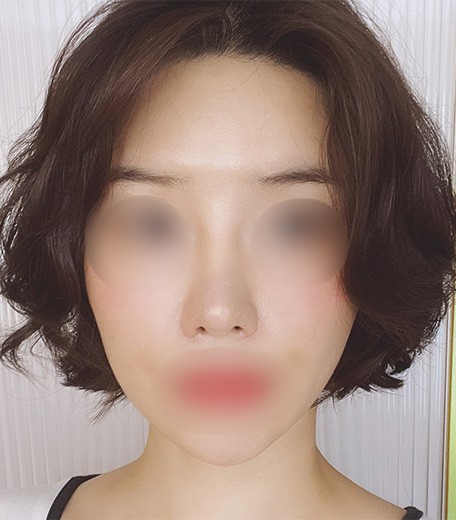
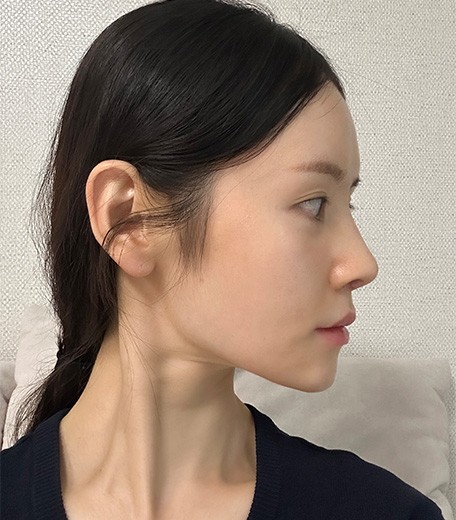
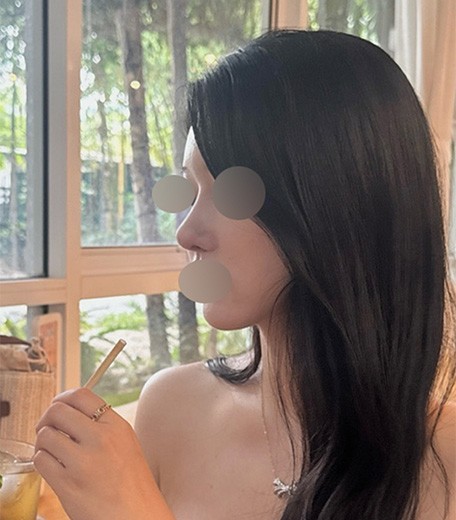
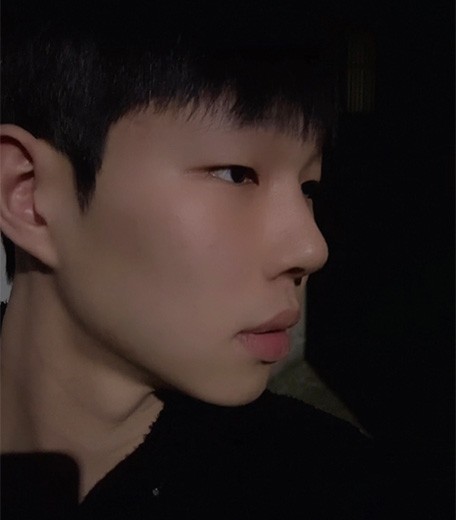
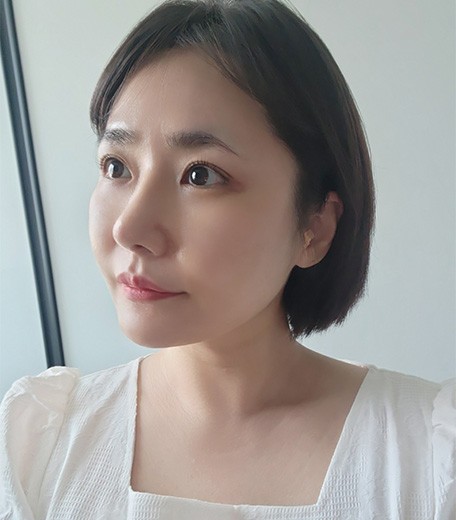
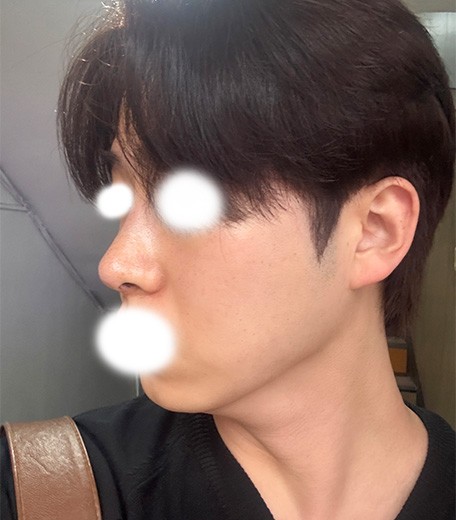
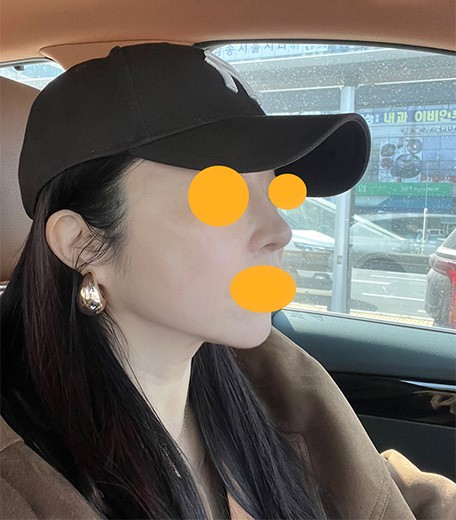
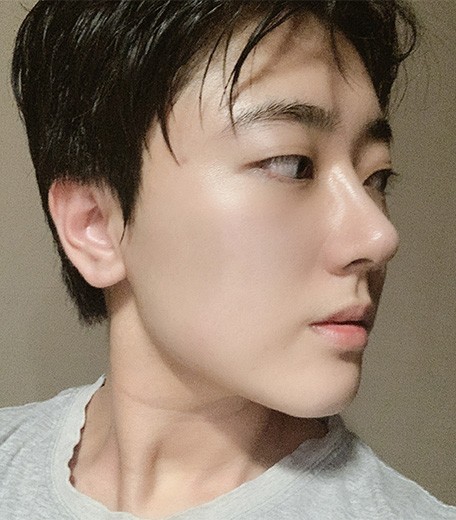
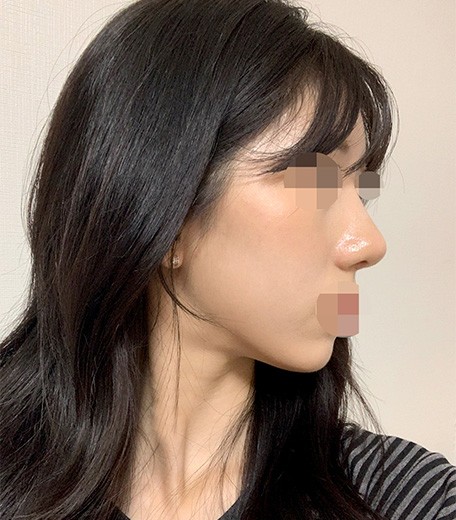
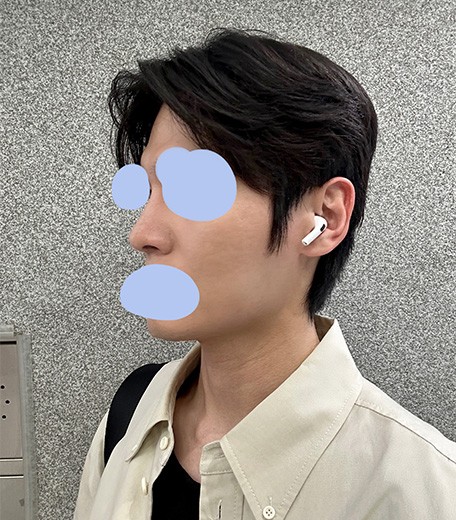
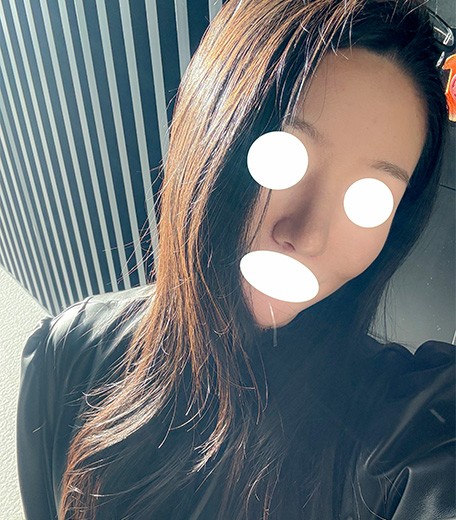
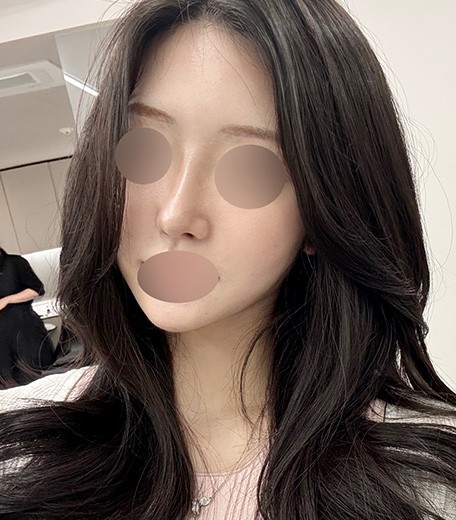
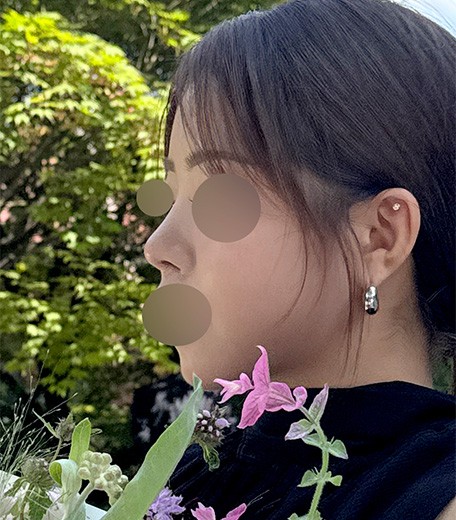
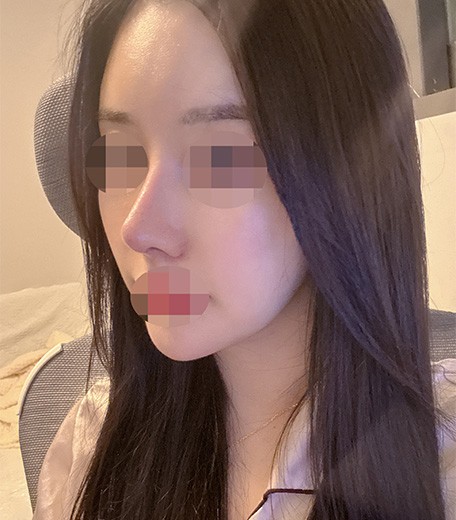
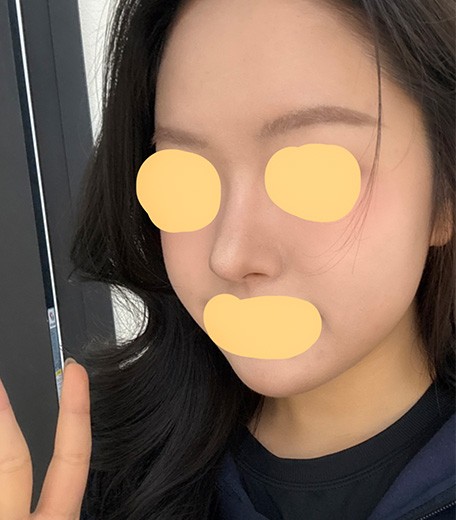
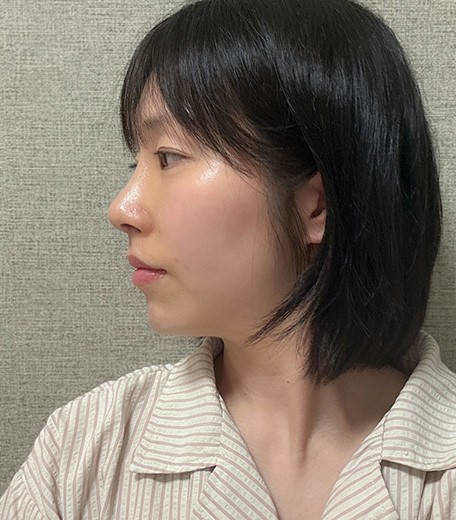
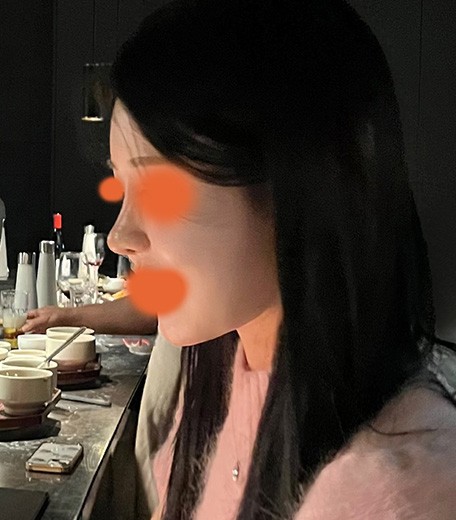
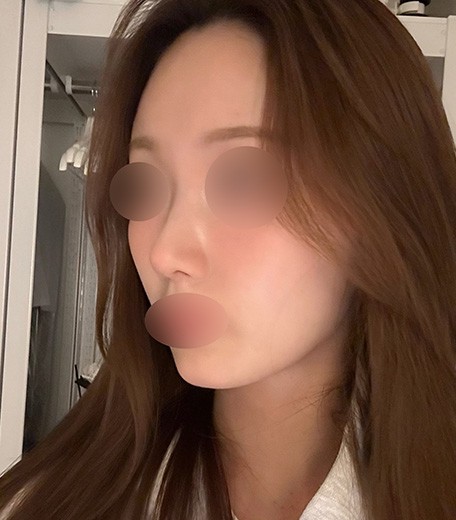
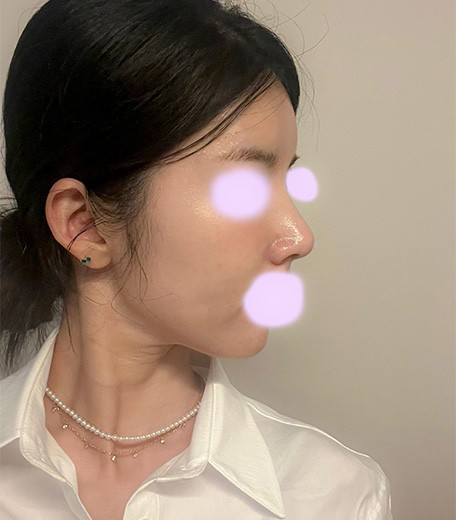
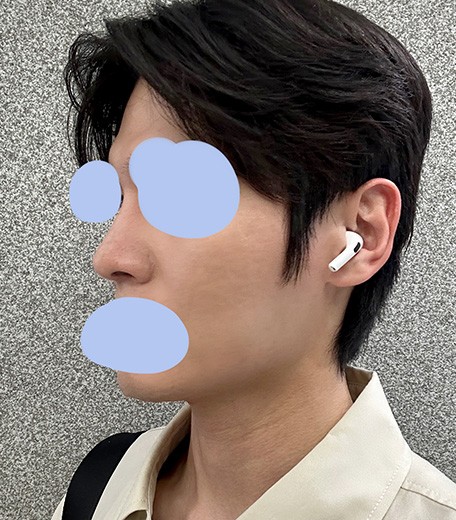
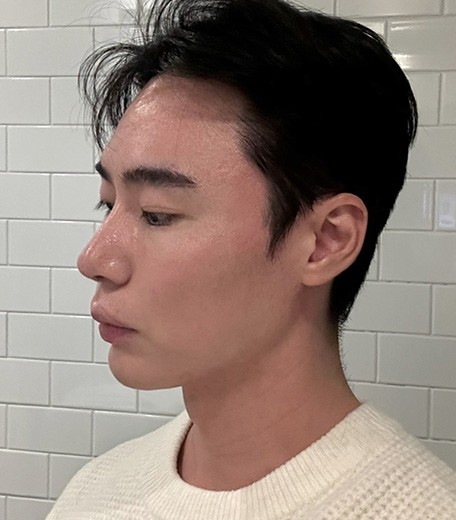
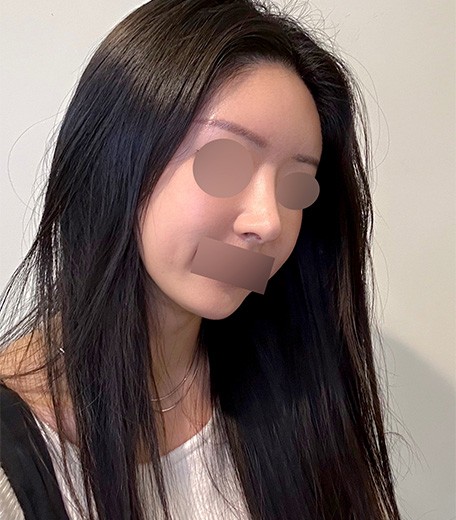
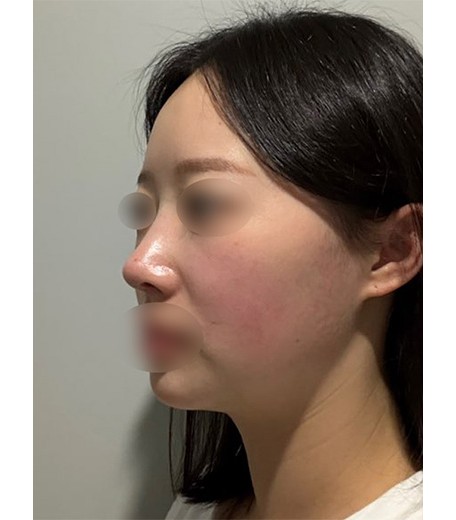
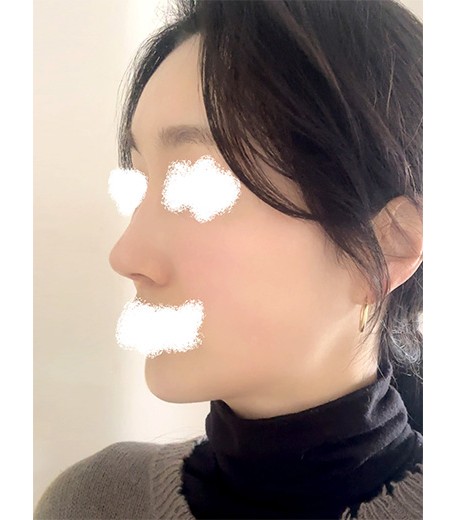
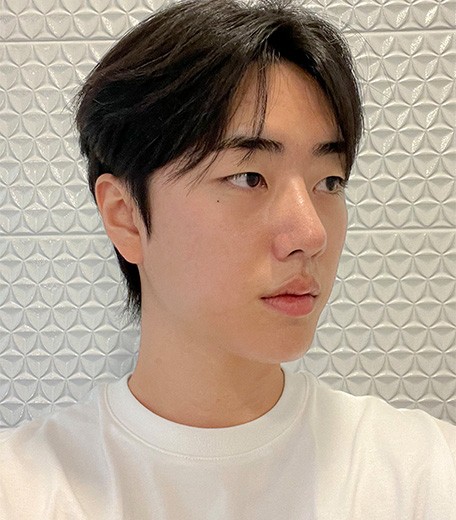
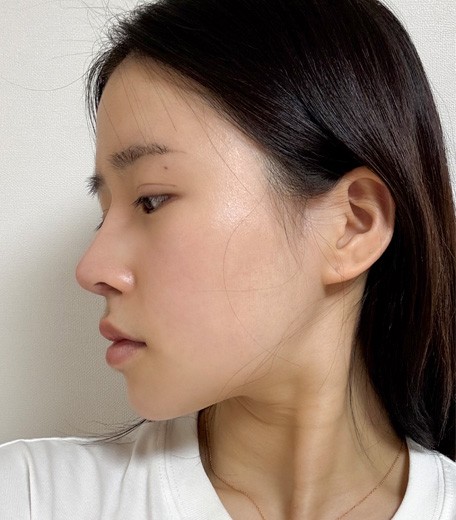
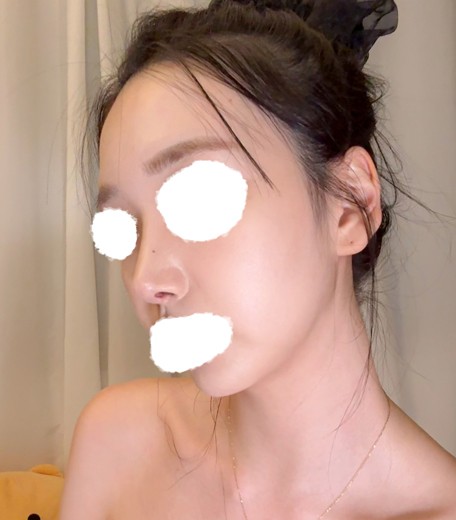
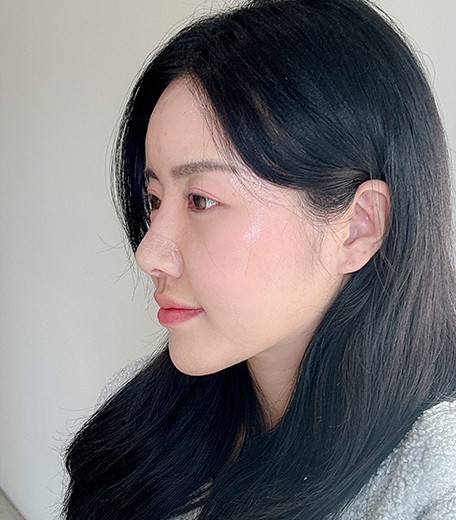
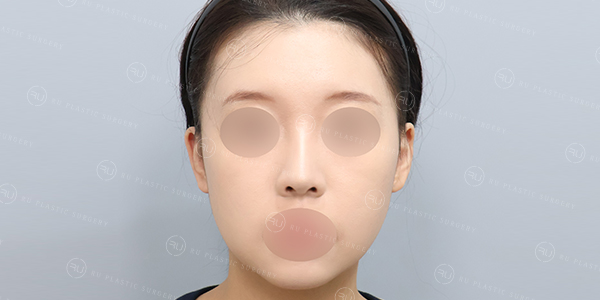
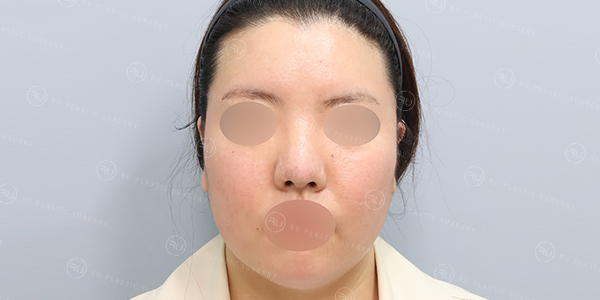
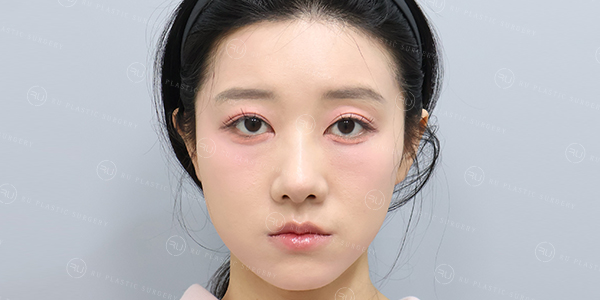
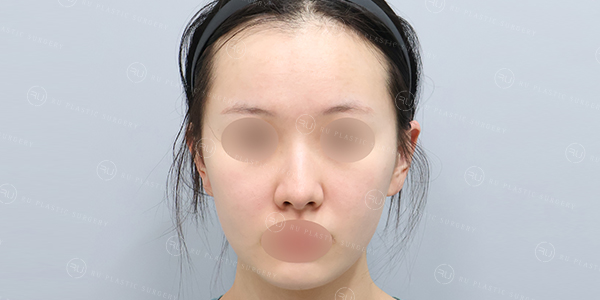
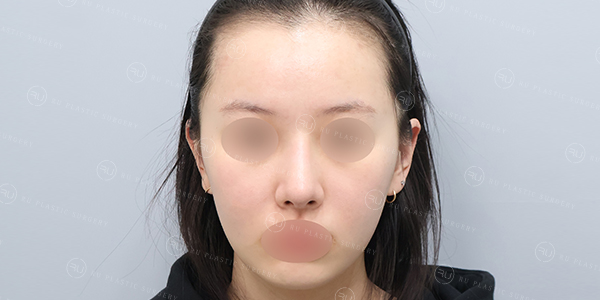
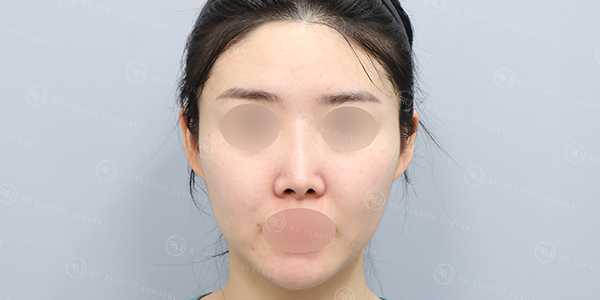
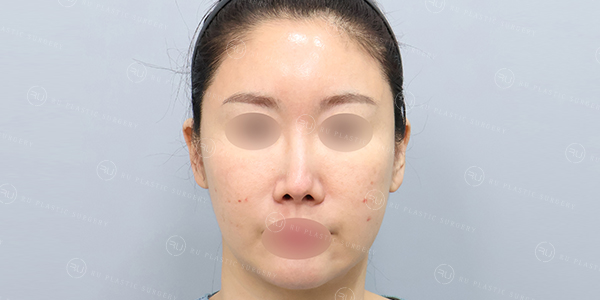
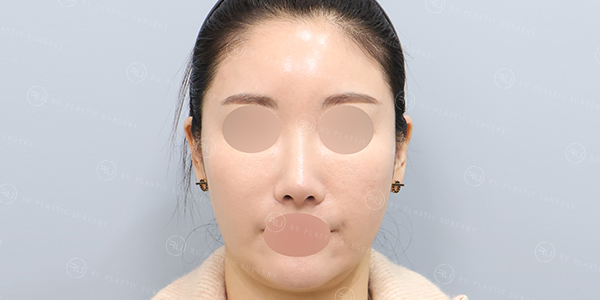
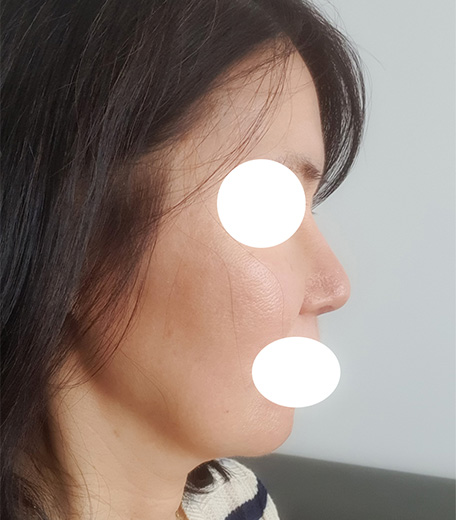
Now at 6 months post-op, I’ve completed another follow-up visit.
While the shape has significantly improved and the columella has been reconstructed to a stable and natural-looking state,
I still have minor aesthetic preferences—wishing the tip were slightly higher, for example.
Dr. Kim explained that some of these concerns may continue to improve over time and suggested
we observe the healing process further before making any adjustments.
The surgical technique involved diced autologous rib cartilage wrapped in fascia for dorsal augmentation,
with the columellar strut and tip support also reconstructed using rib cartilage.
The clinic staff are always kind and welcoming, making my visits feel less daunting.
If you are in a similar situation—especially older patients who have undergone multiple previous rhinoplasties—I strongly
recommend at least a consultation at RU Plastic Surgery.
Even the consultation itself offers valuable insight and reassurance.