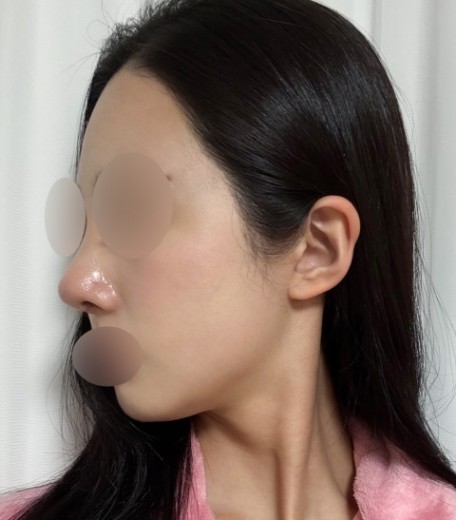
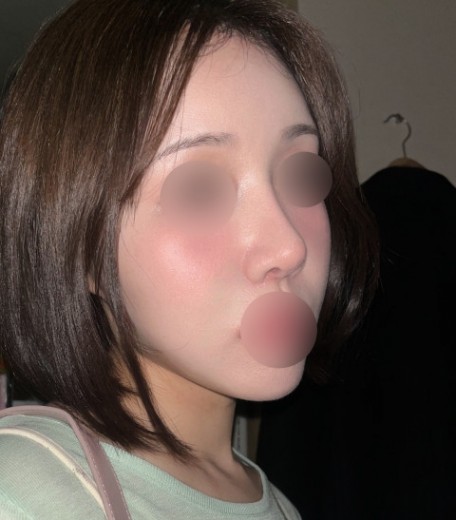
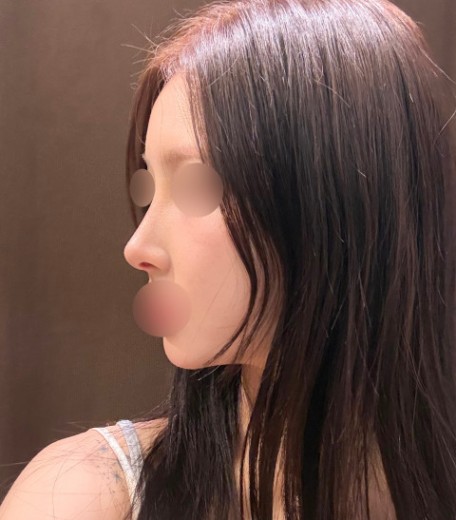
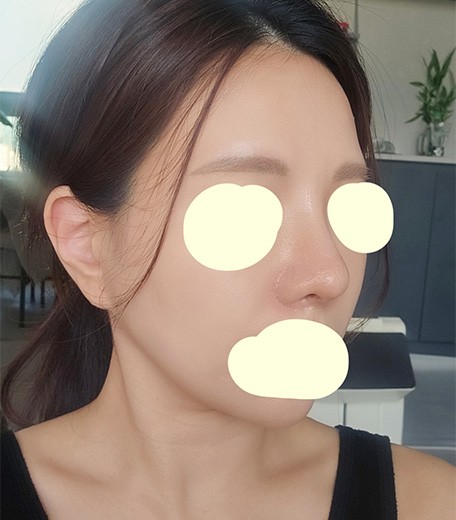
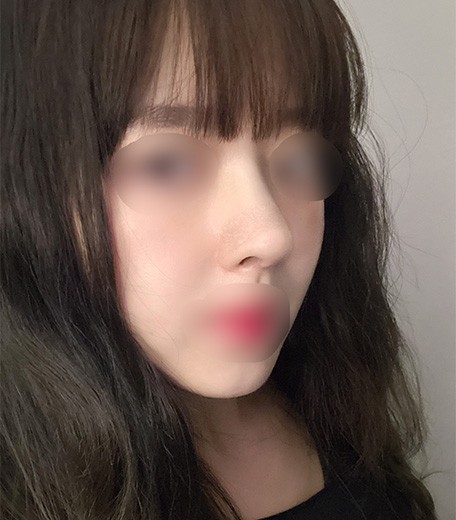
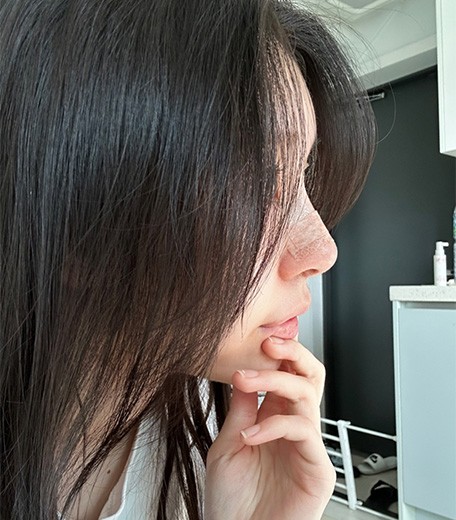
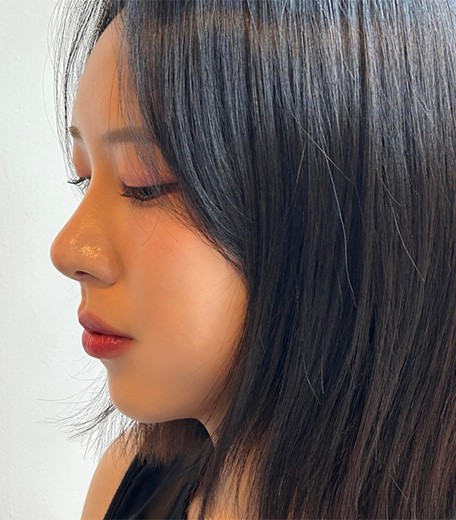
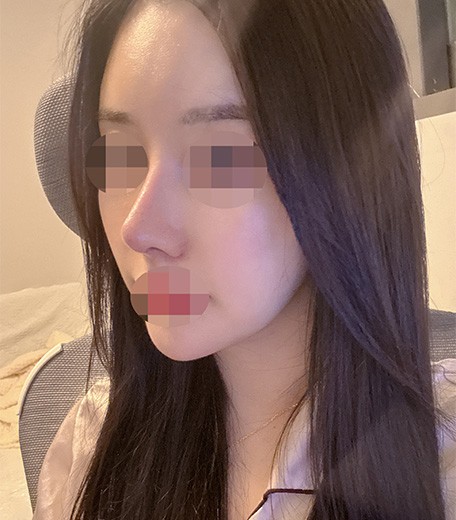
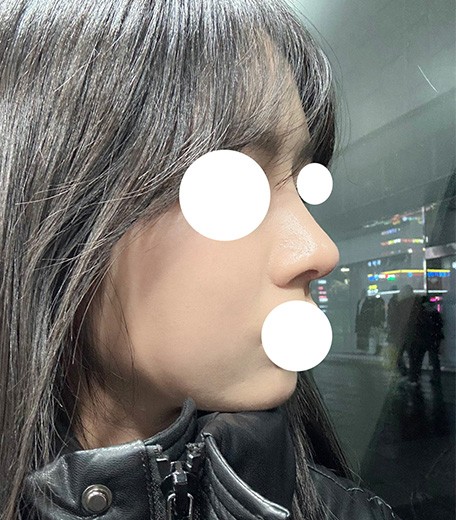
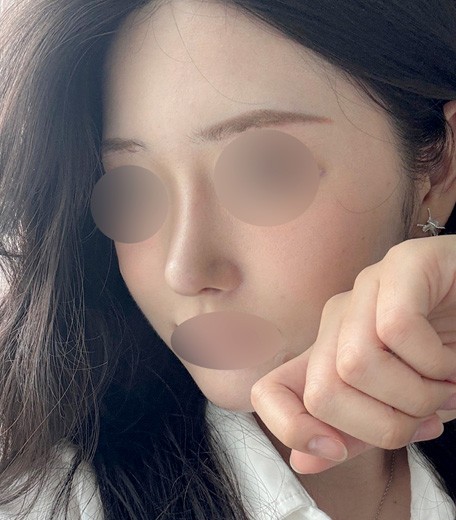
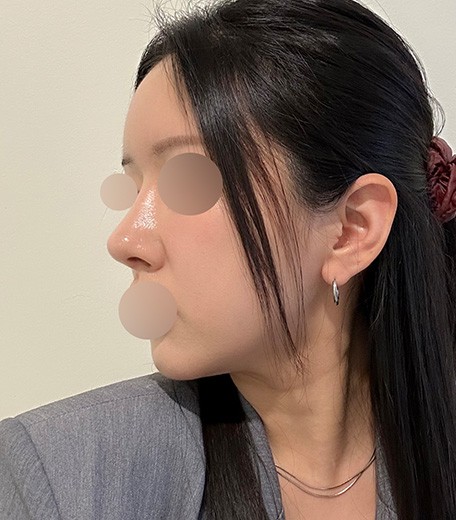
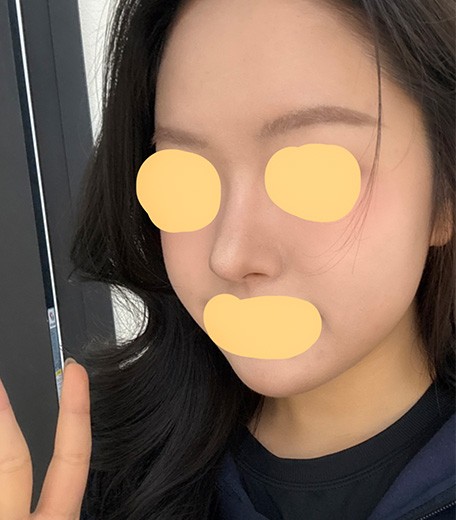
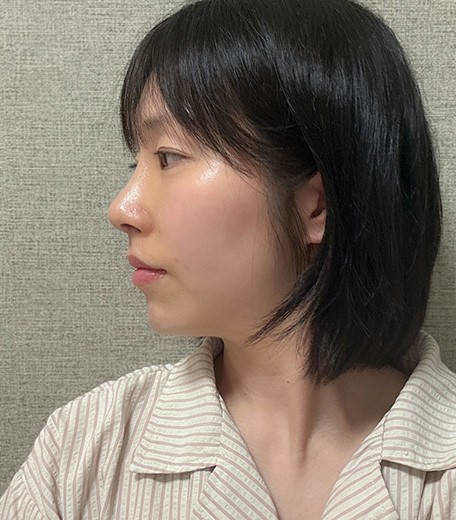
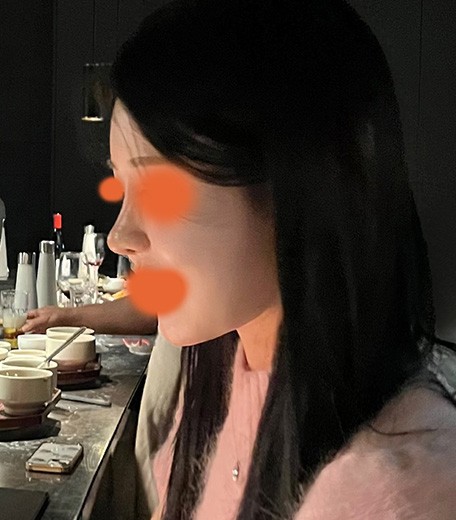
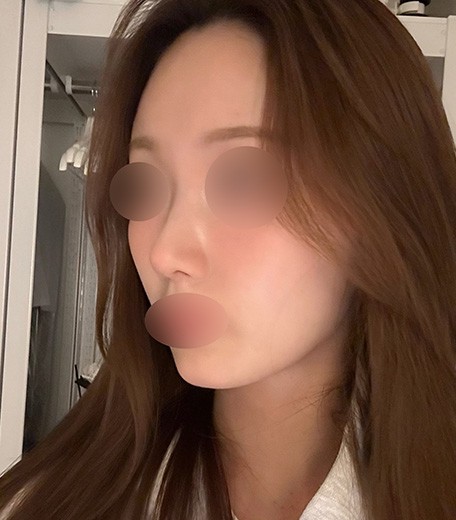
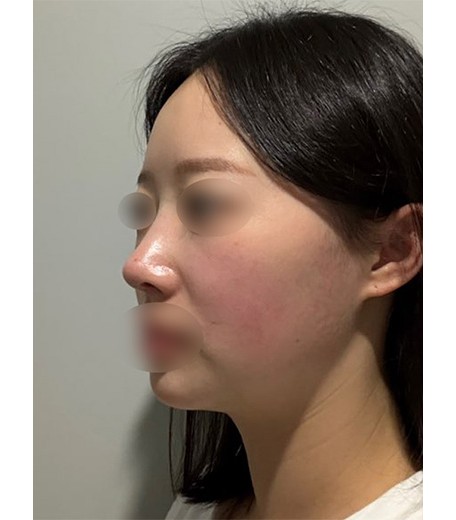
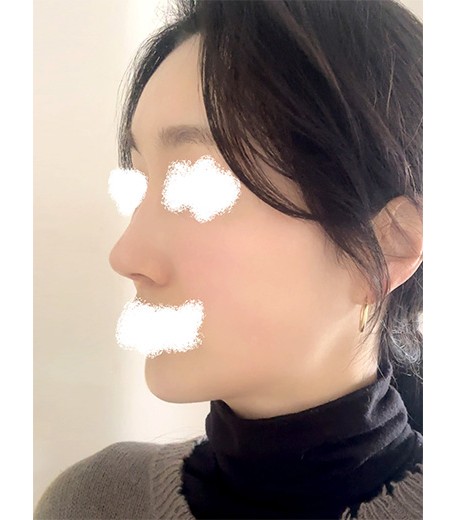
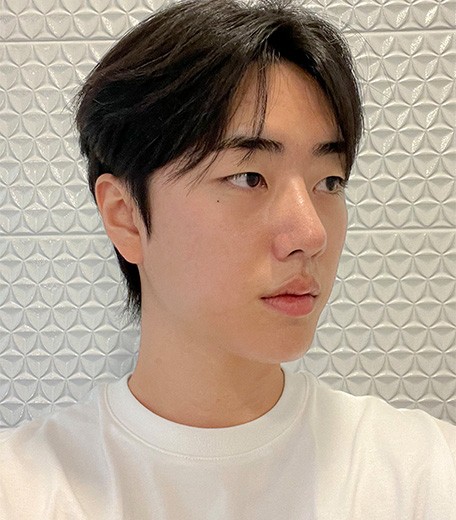
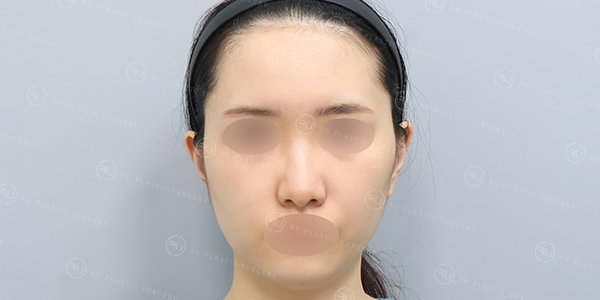
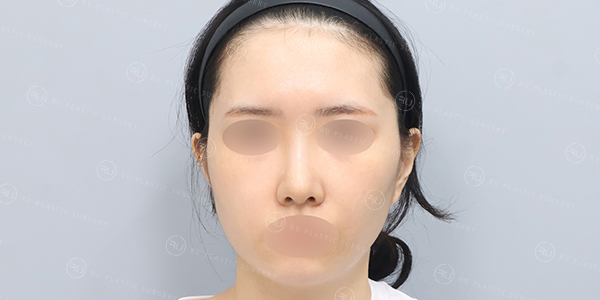
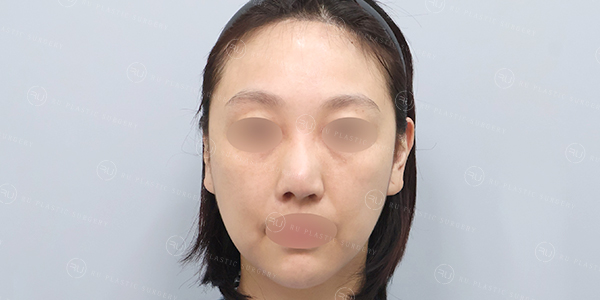
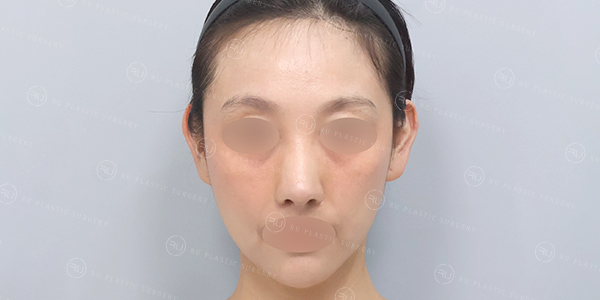
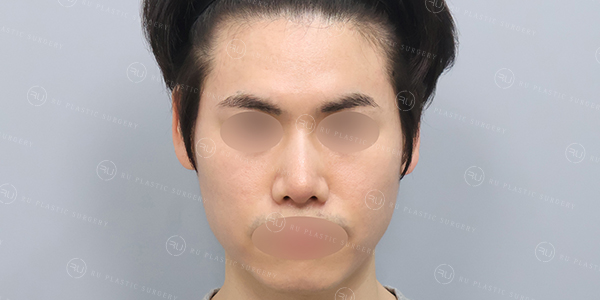
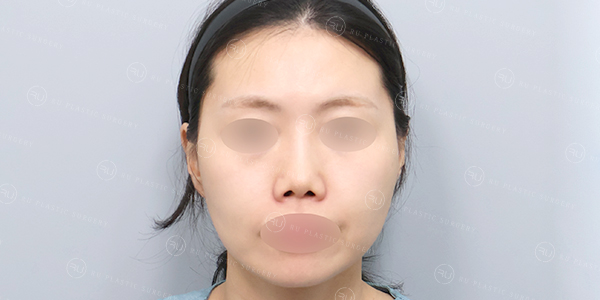
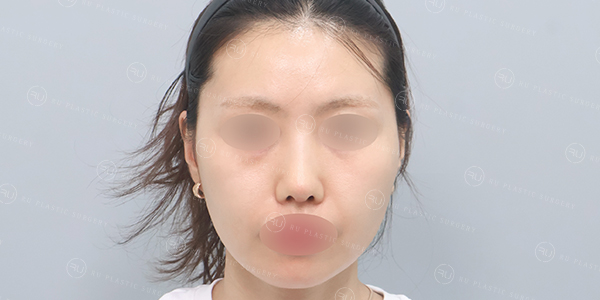
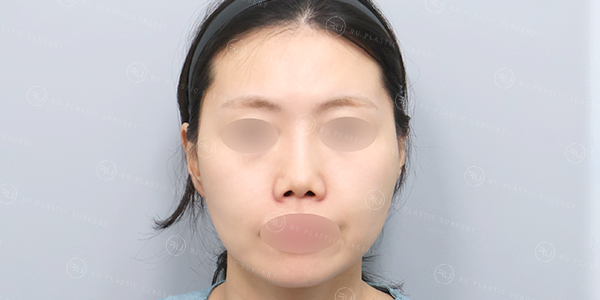
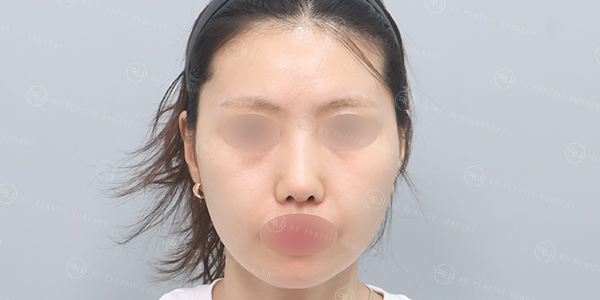
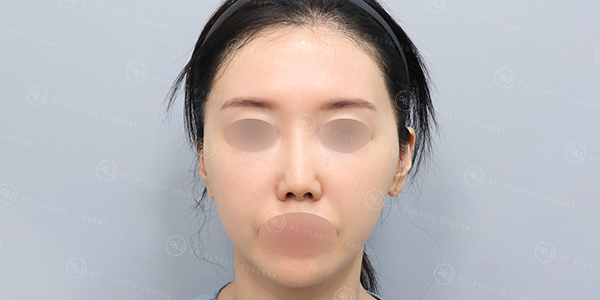
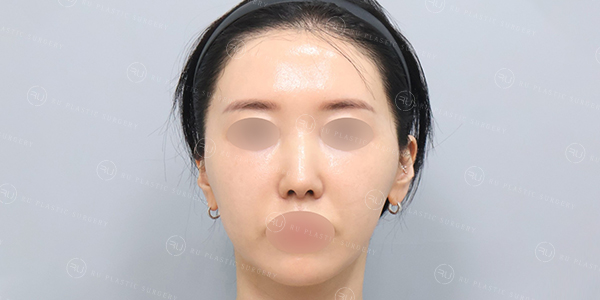
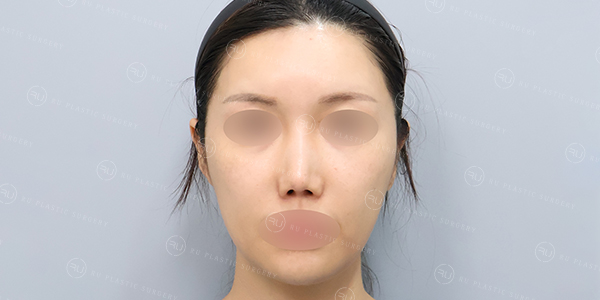
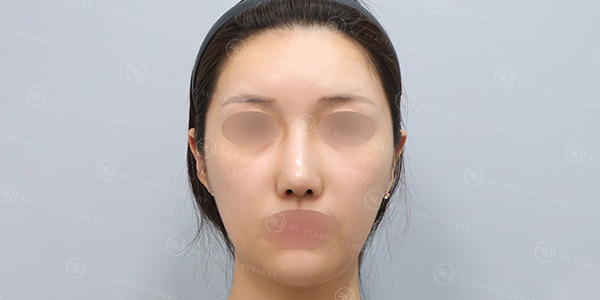
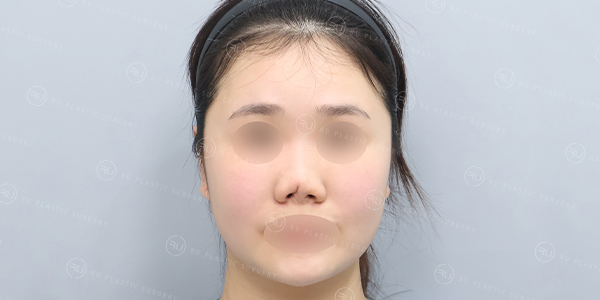
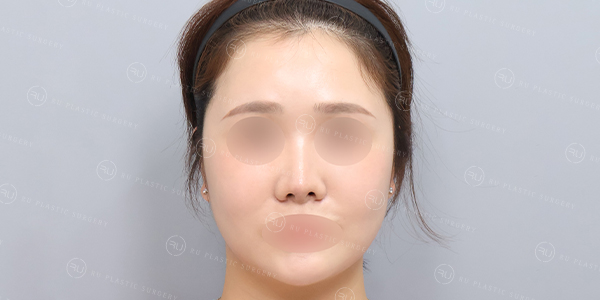
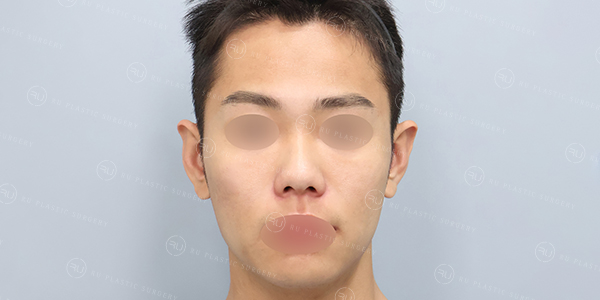
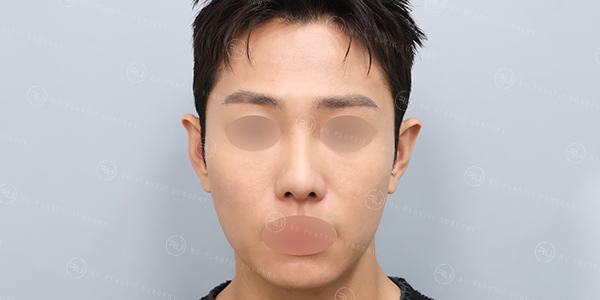
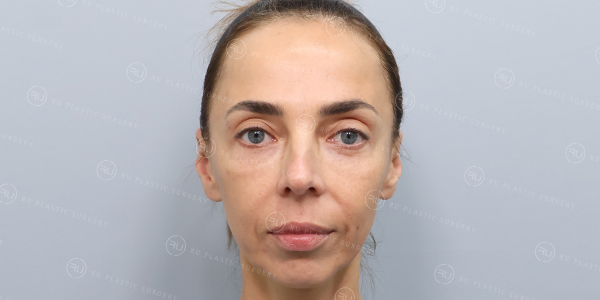
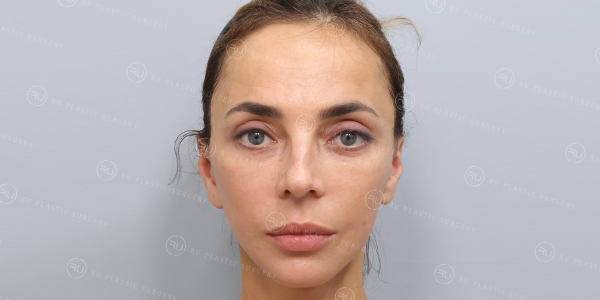
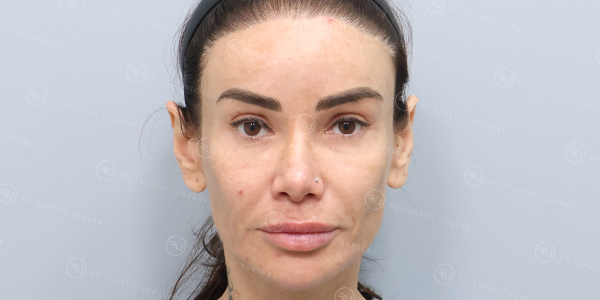
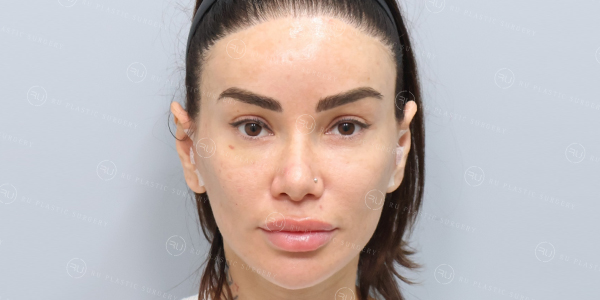
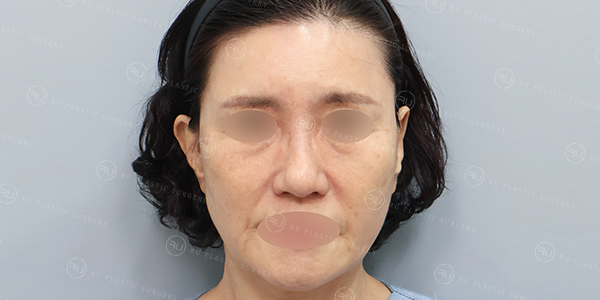
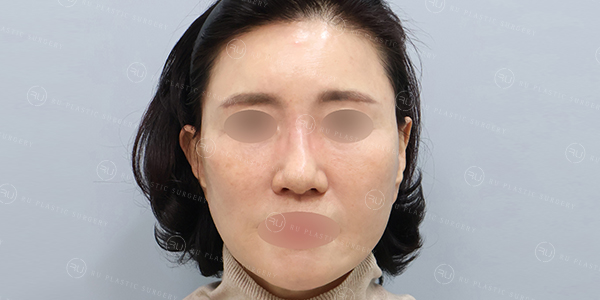
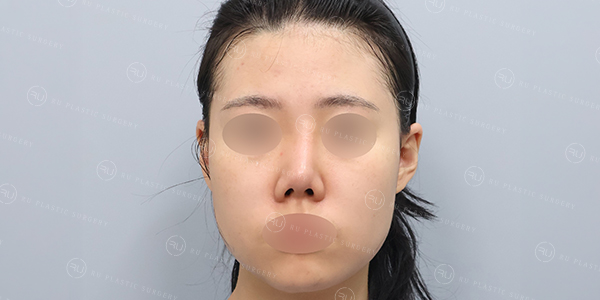
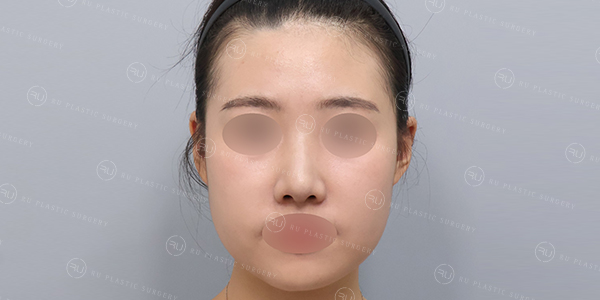
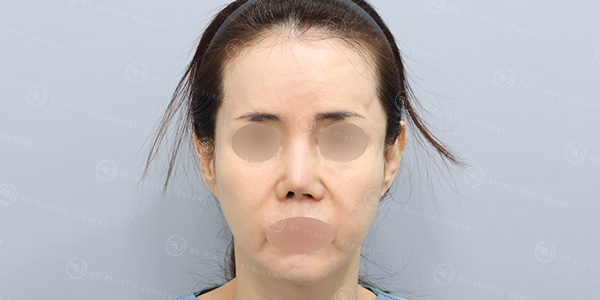
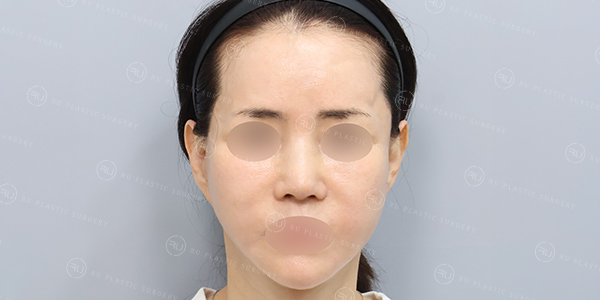
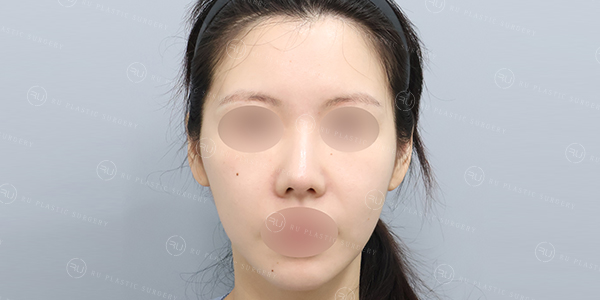
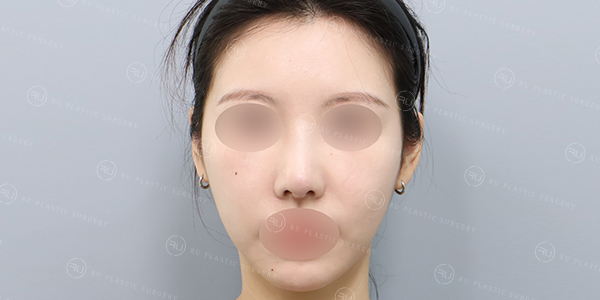
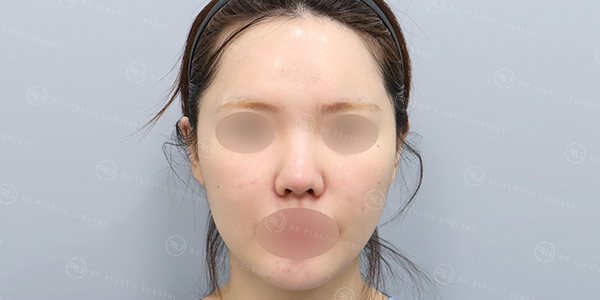
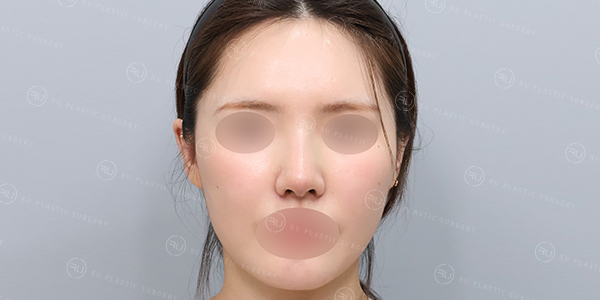
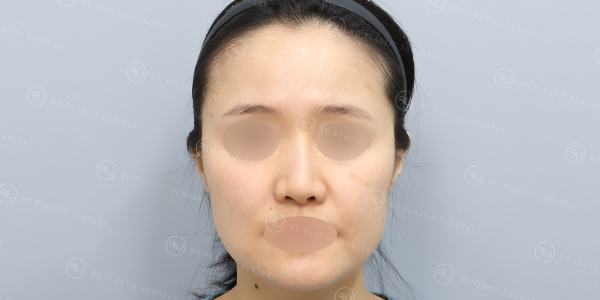
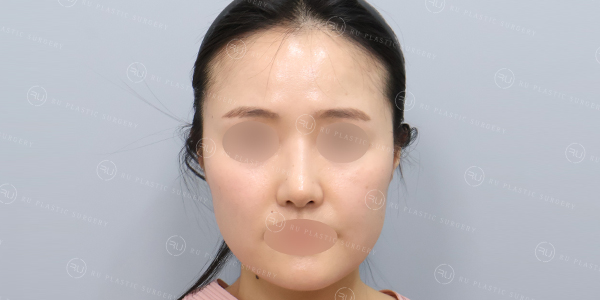
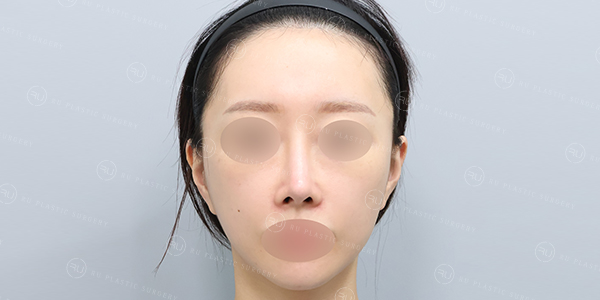
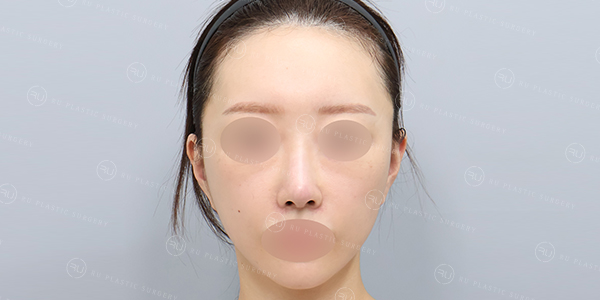
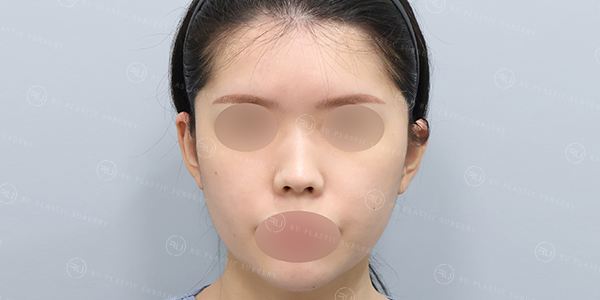
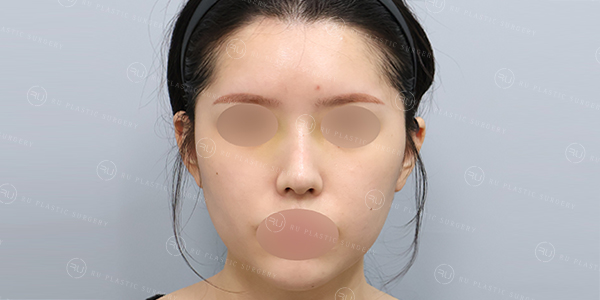
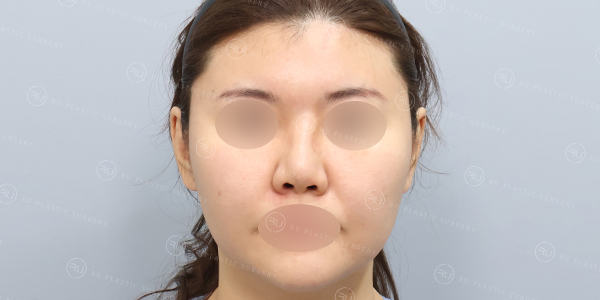
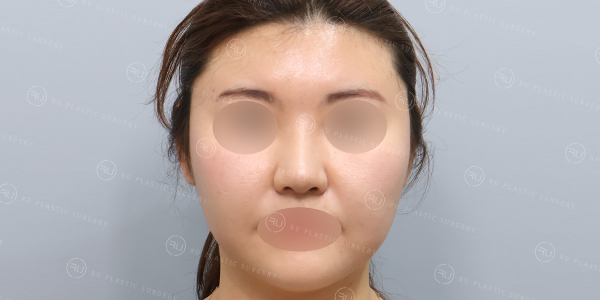
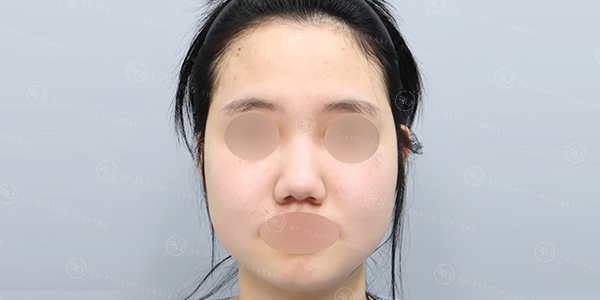
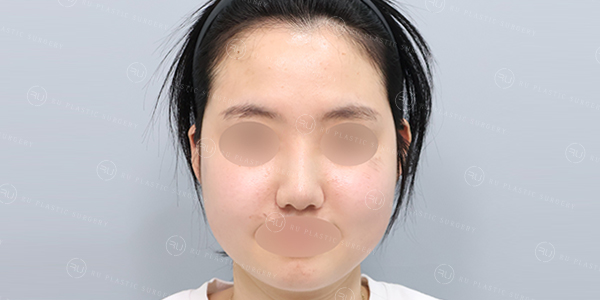
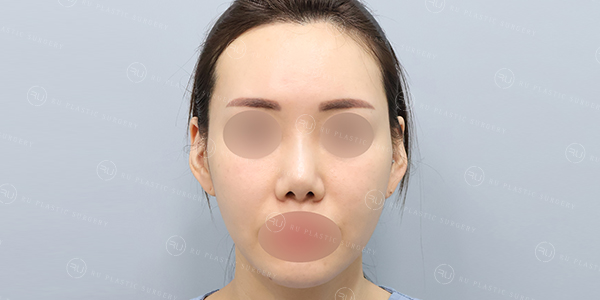
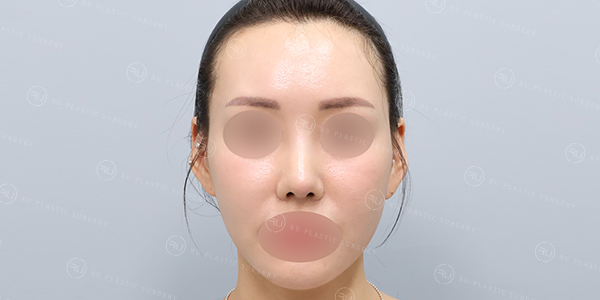
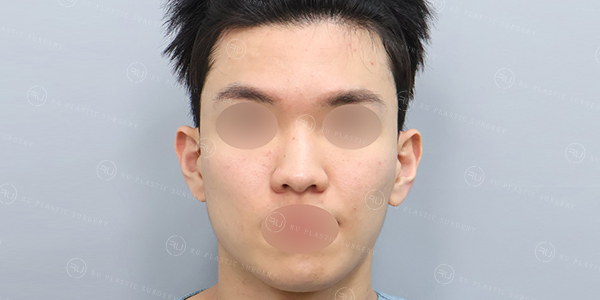
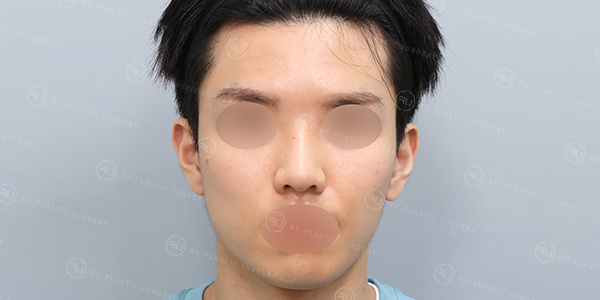
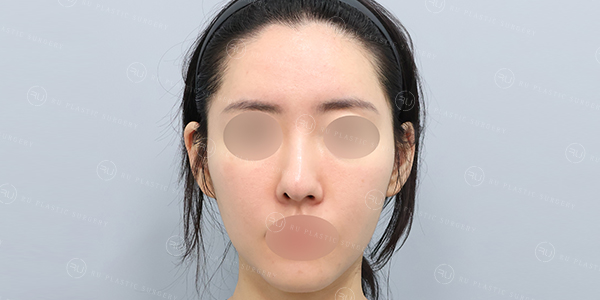
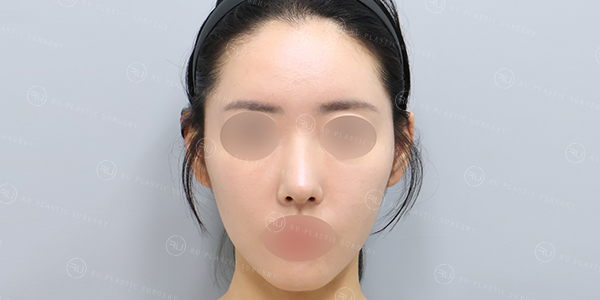
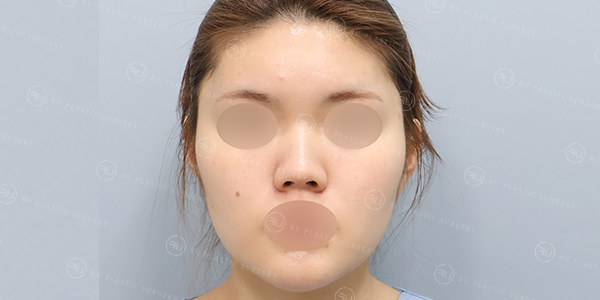
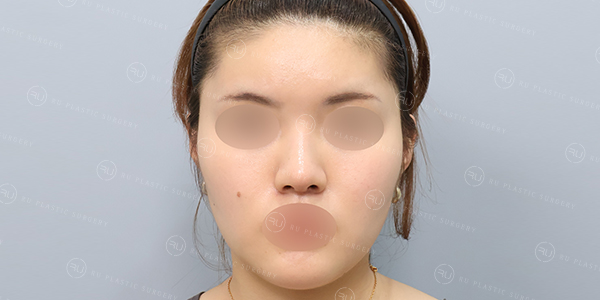
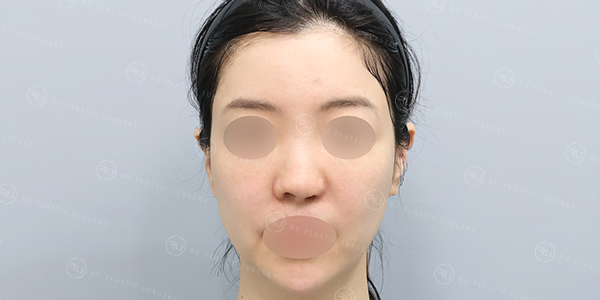
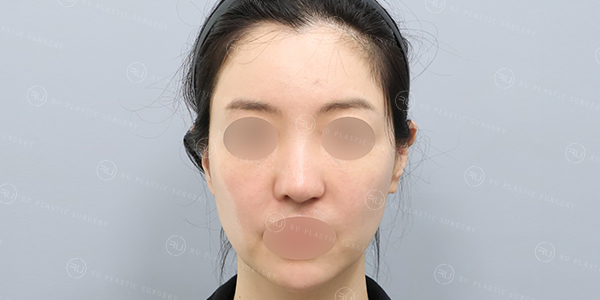
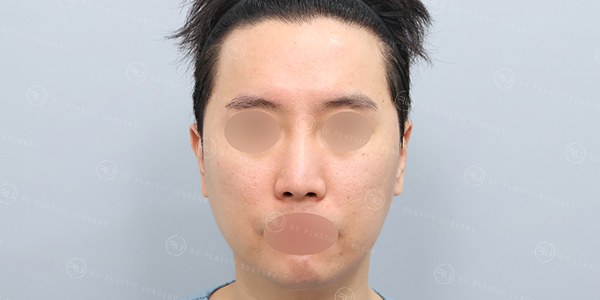
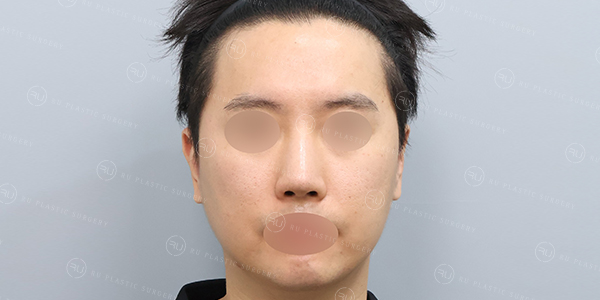
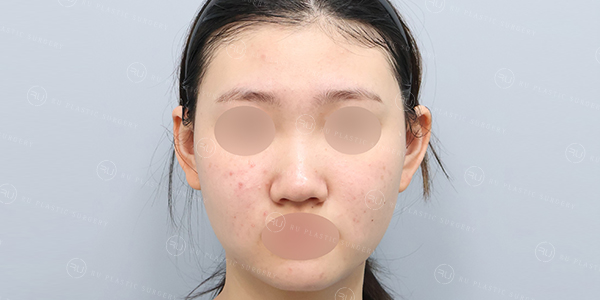
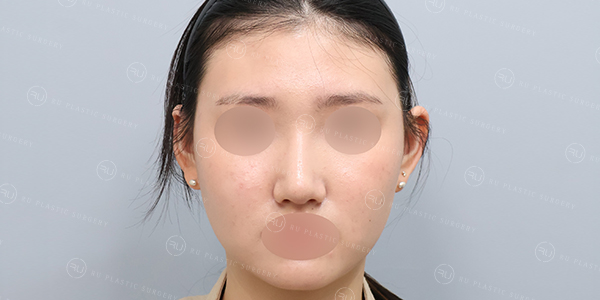
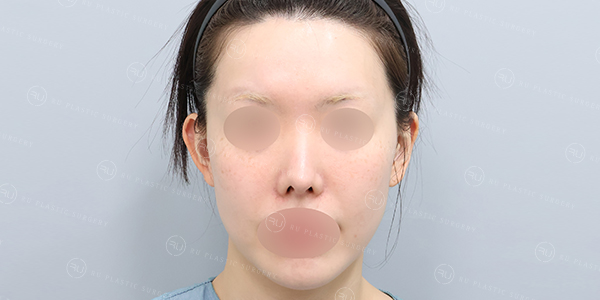
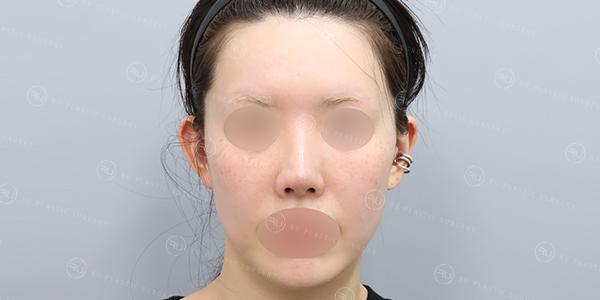
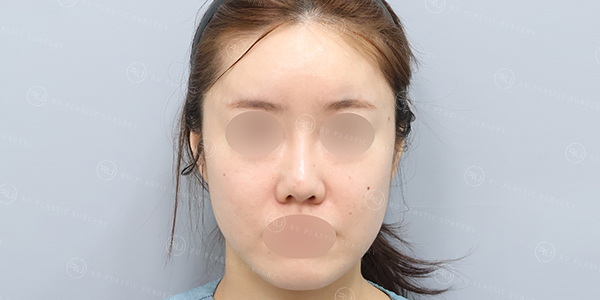
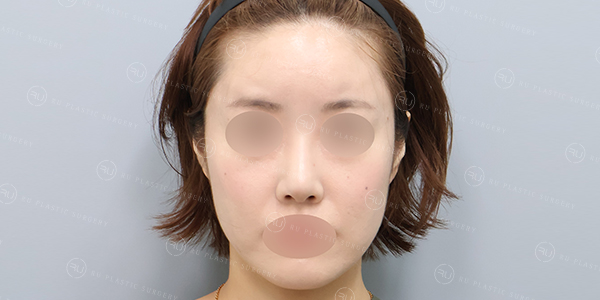
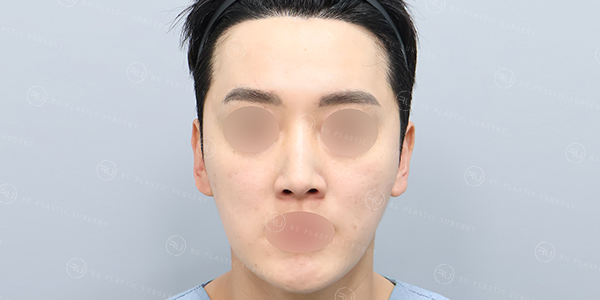
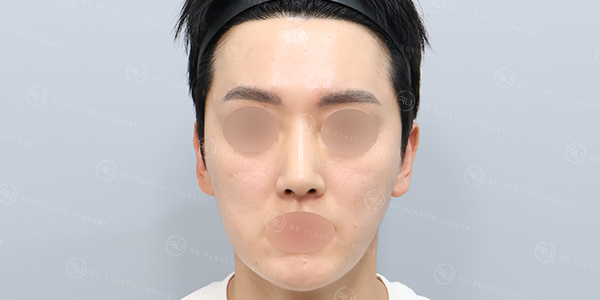
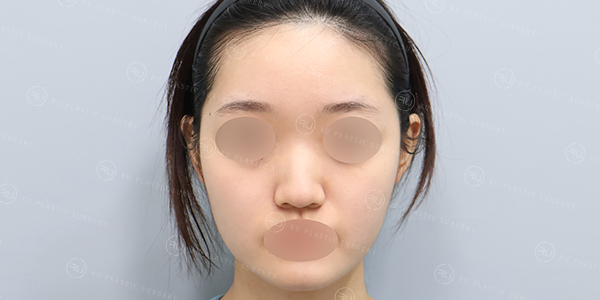
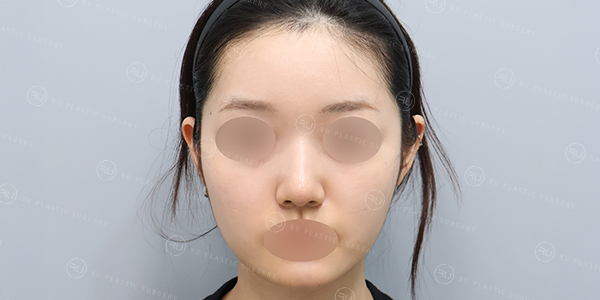
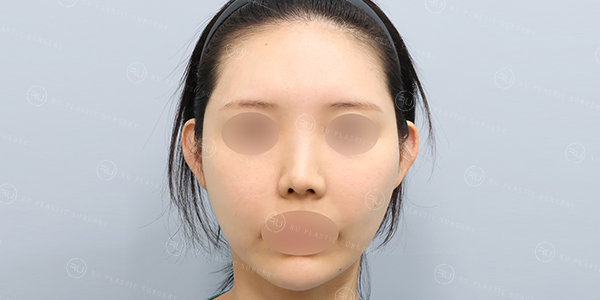
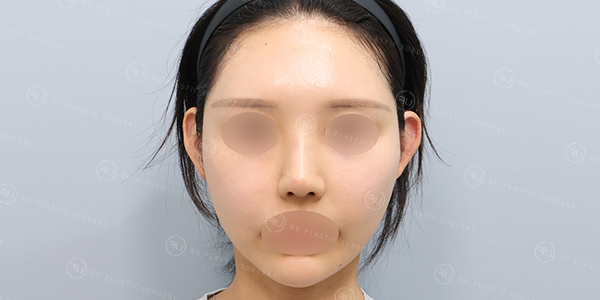
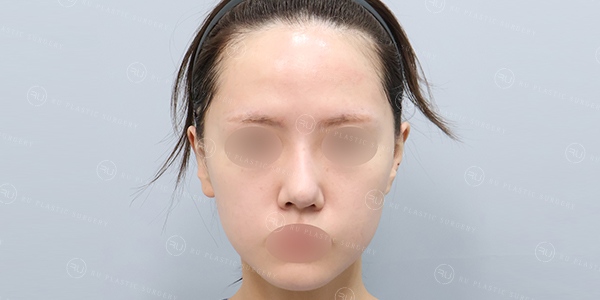
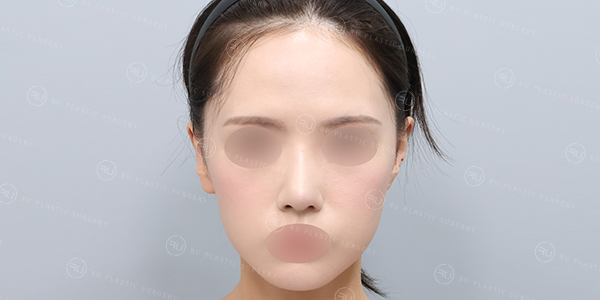
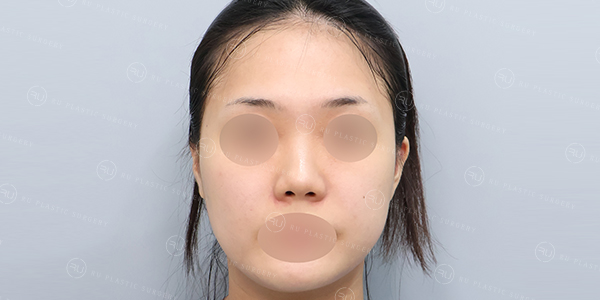
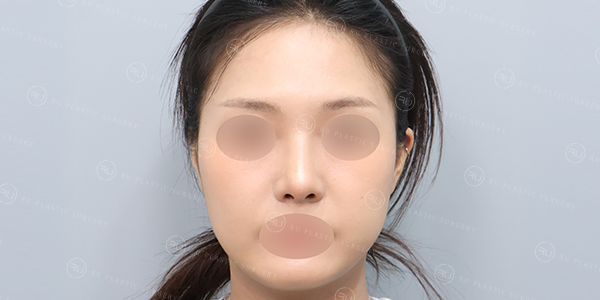
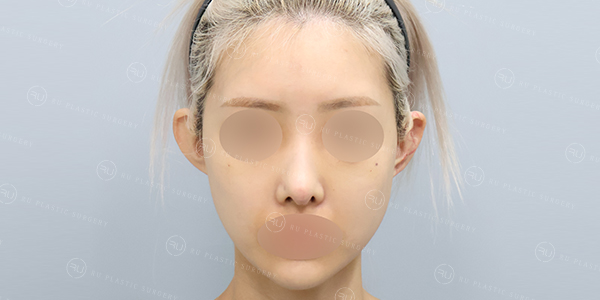
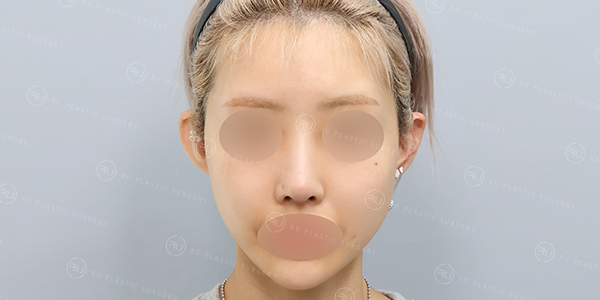
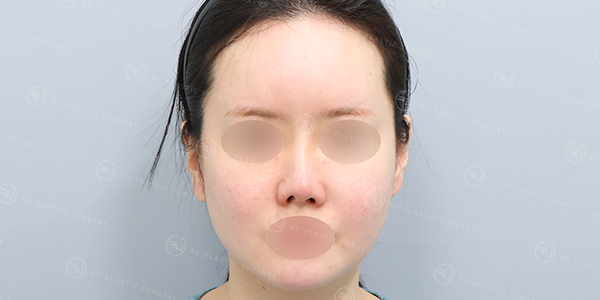
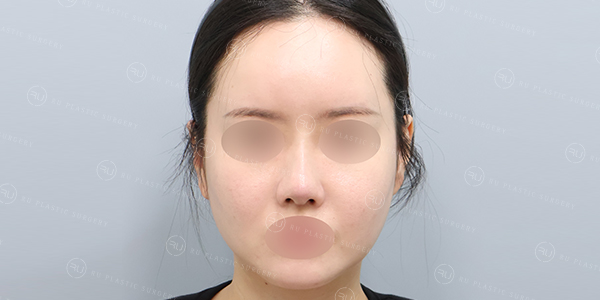
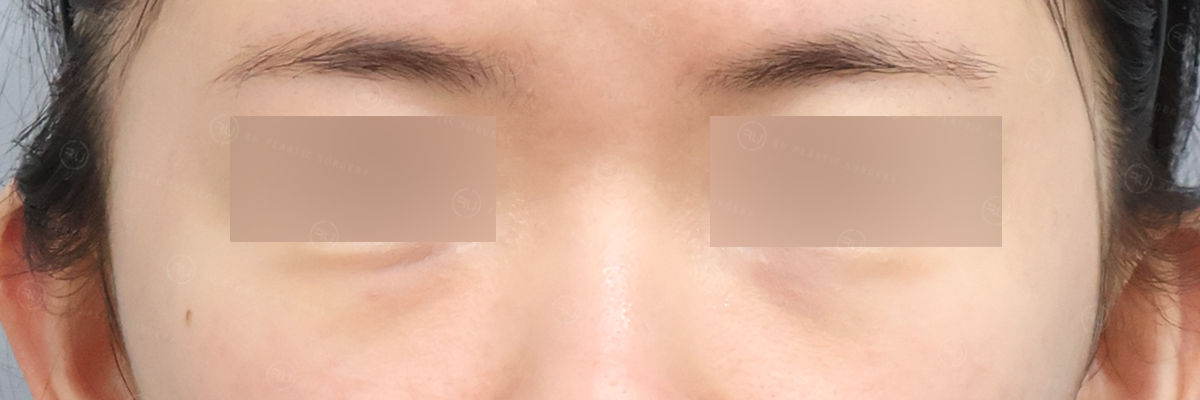
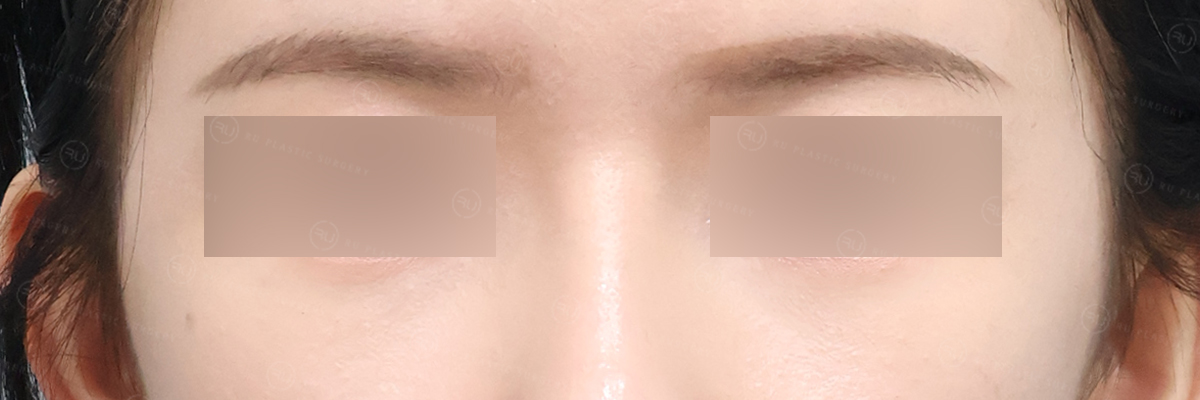
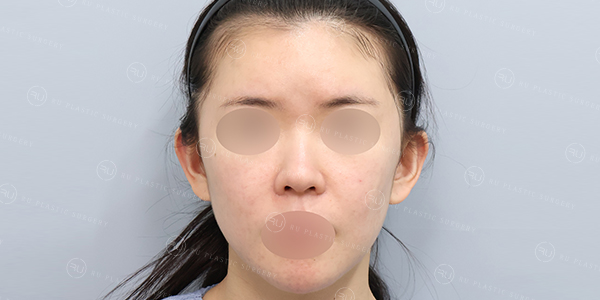
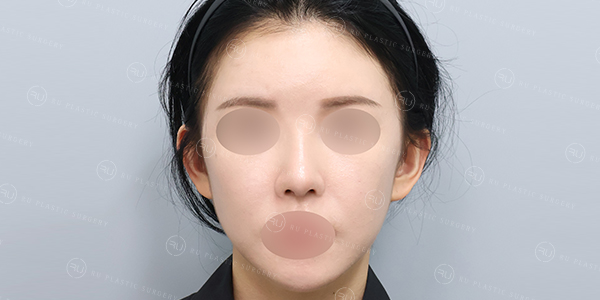
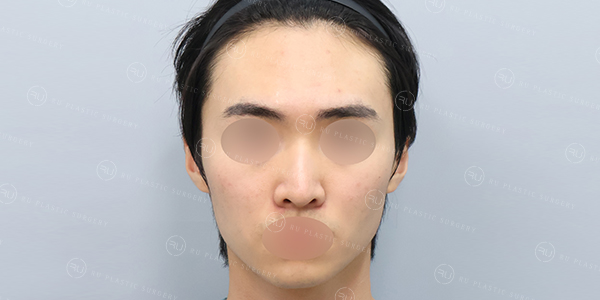
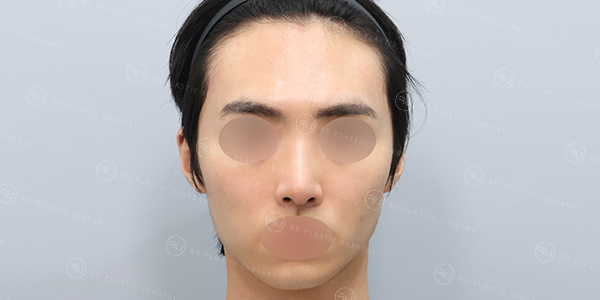
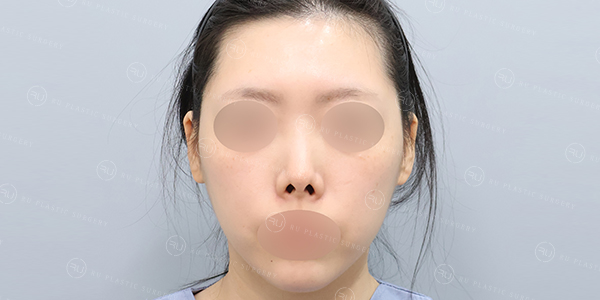
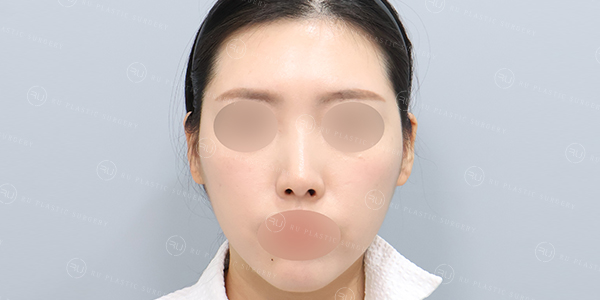
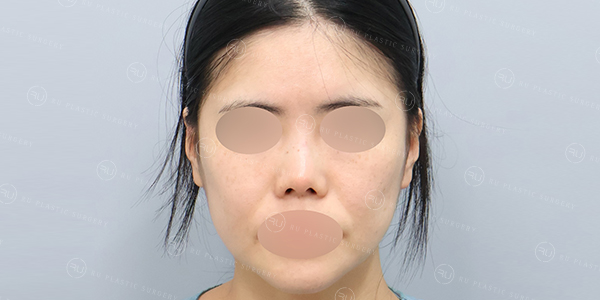
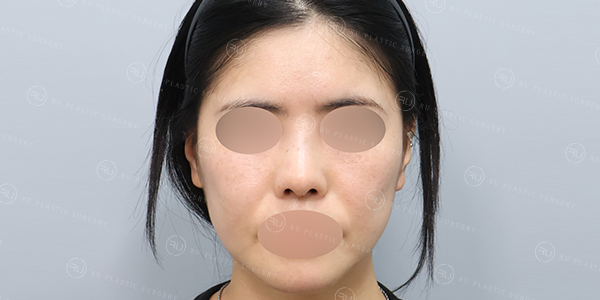
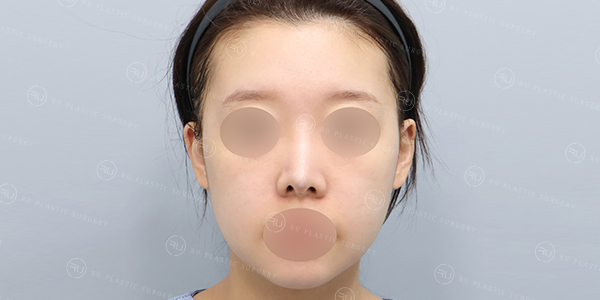
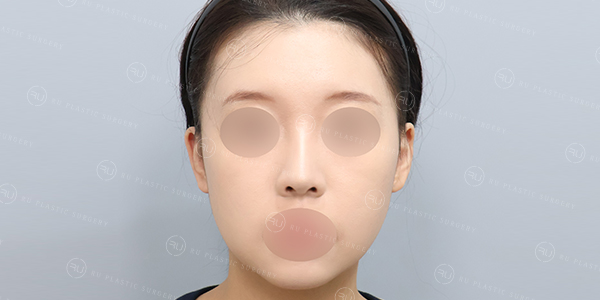
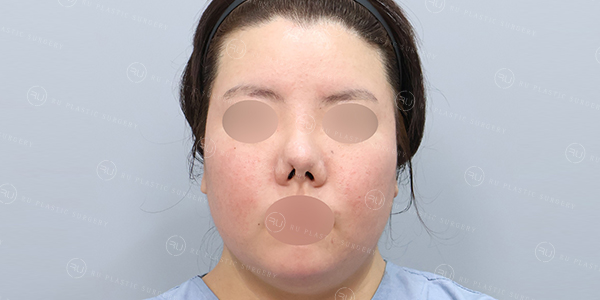
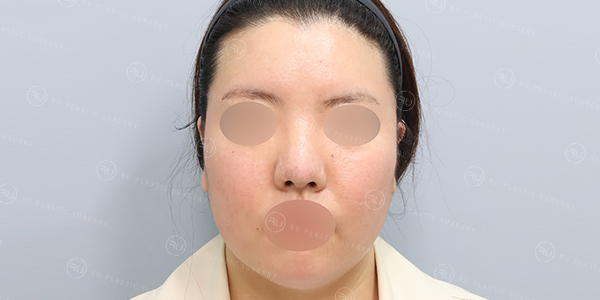
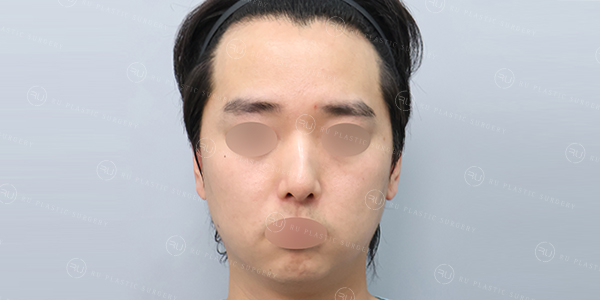
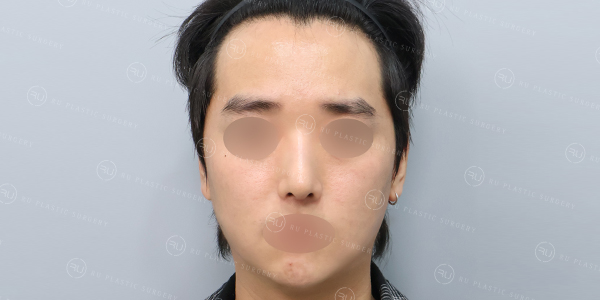
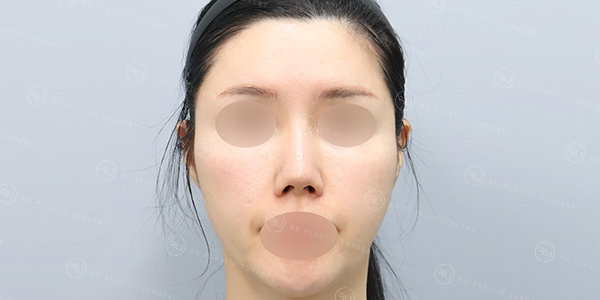
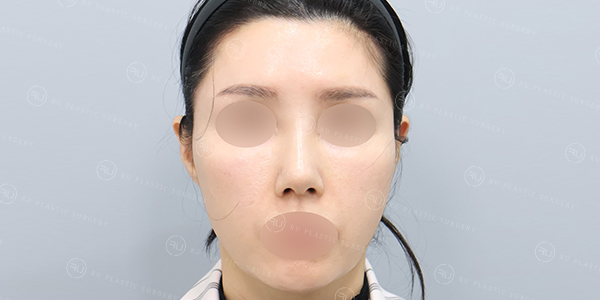
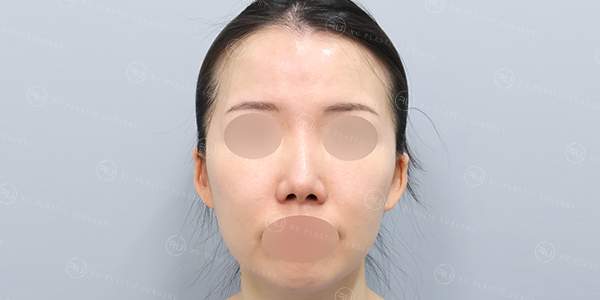
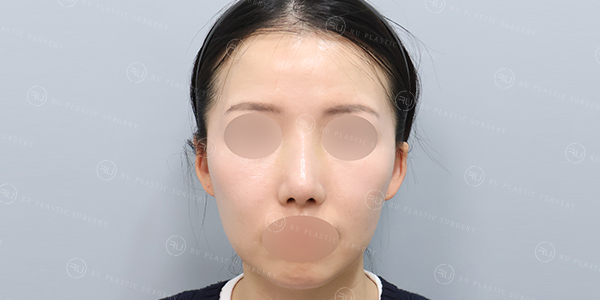
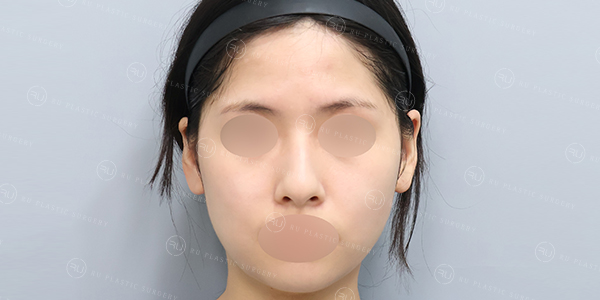
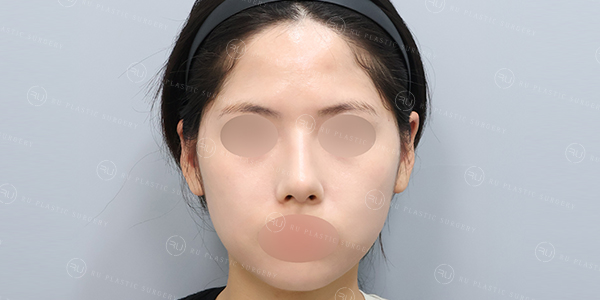
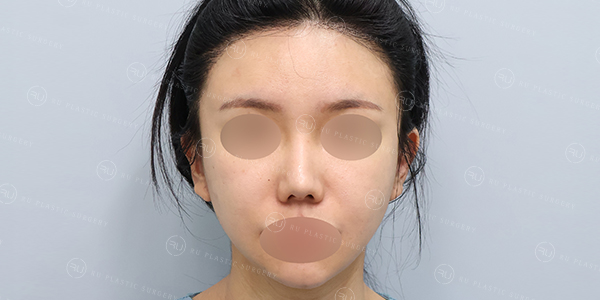
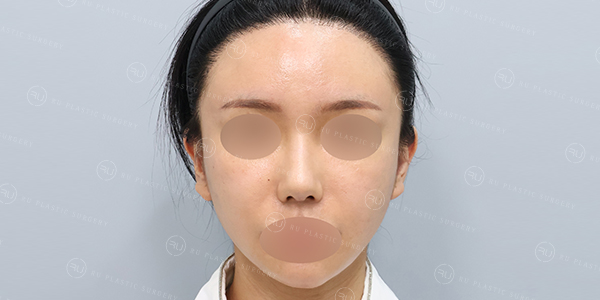
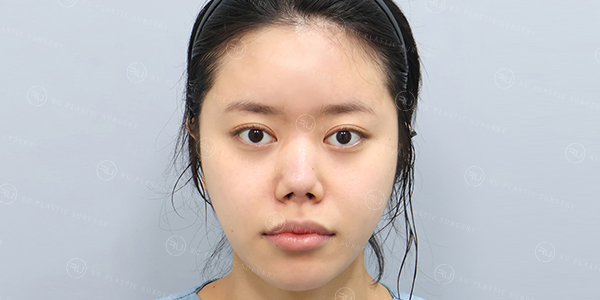
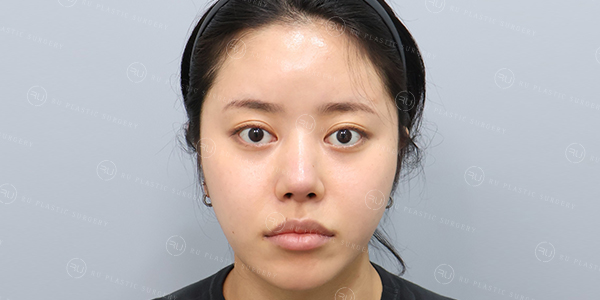
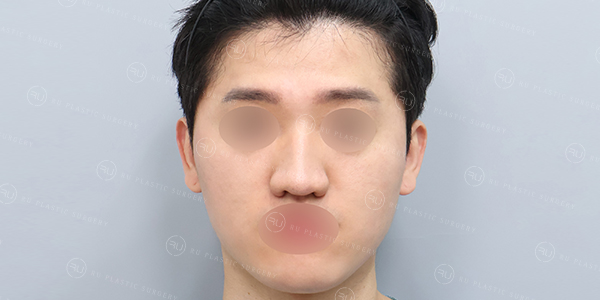
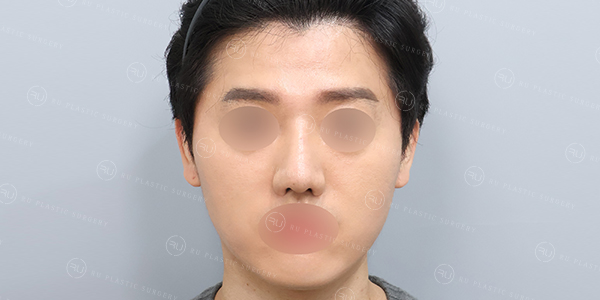
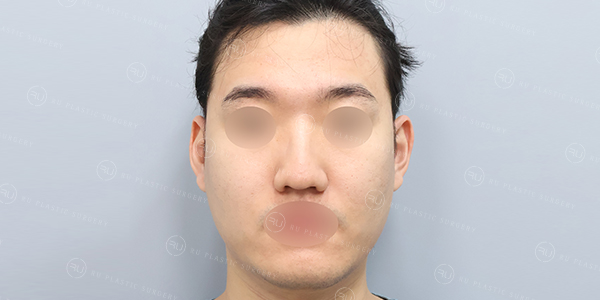
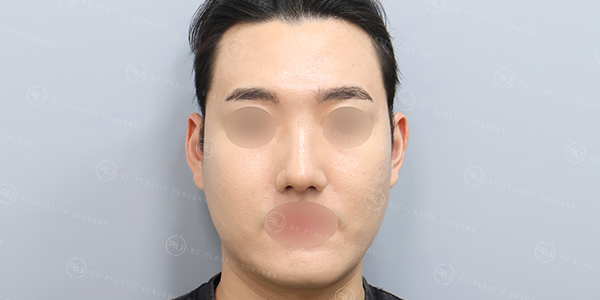
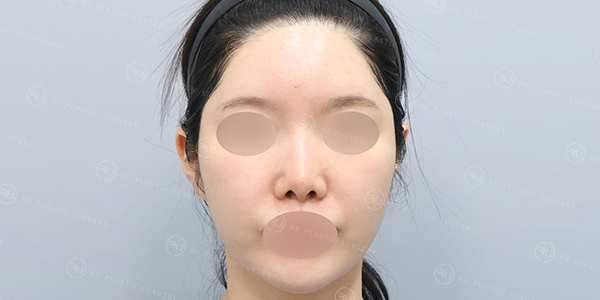
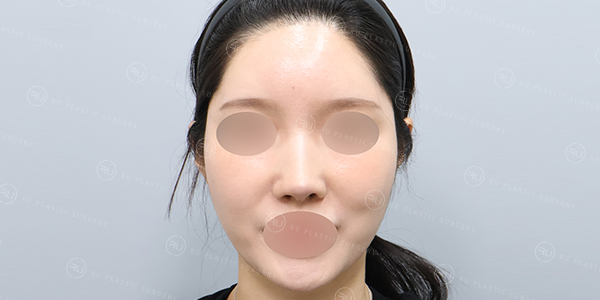
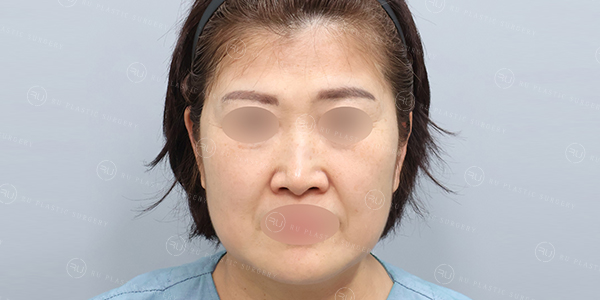
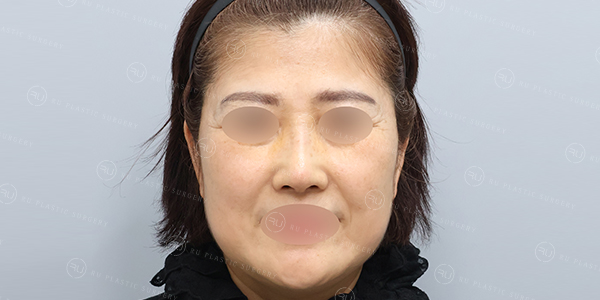
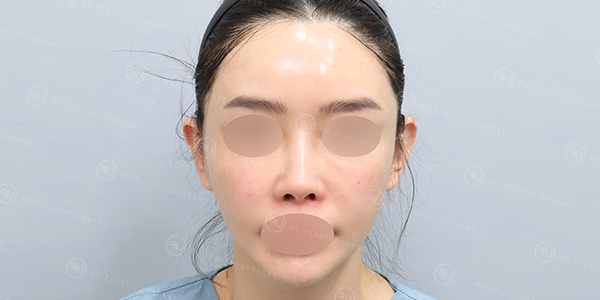
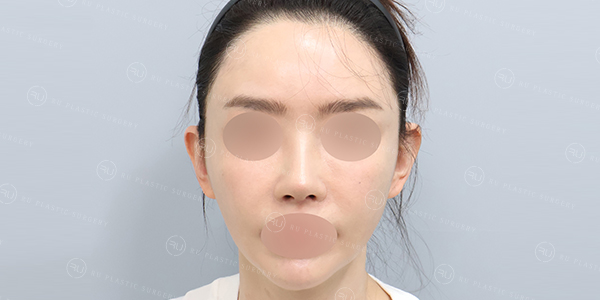
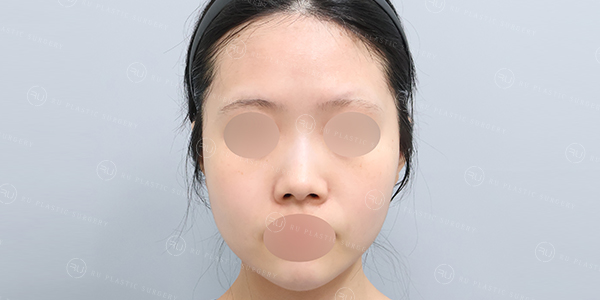
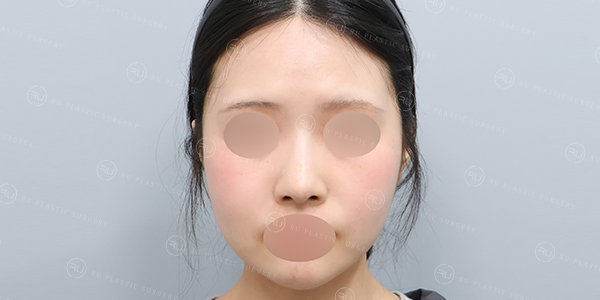
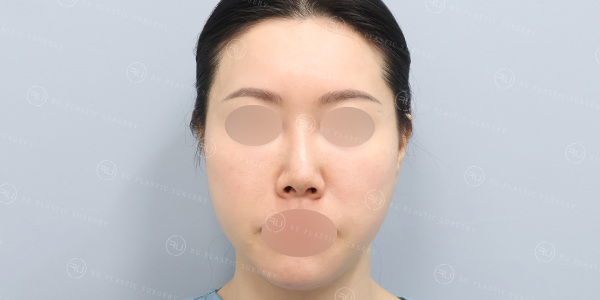
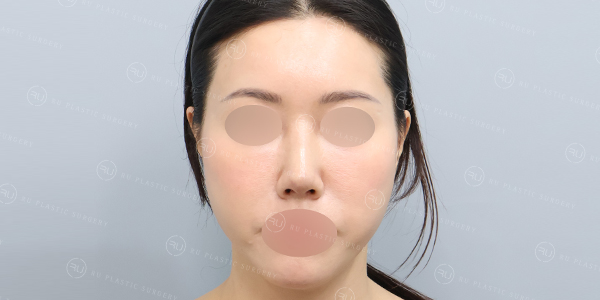
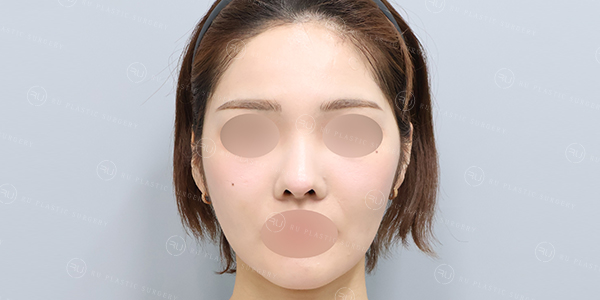
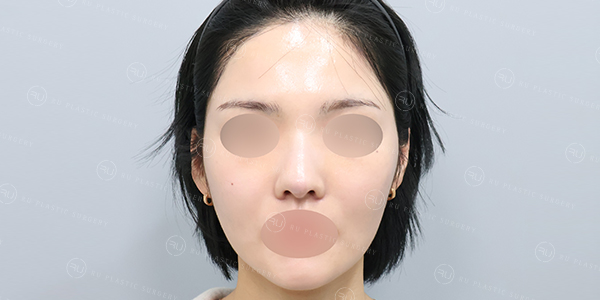
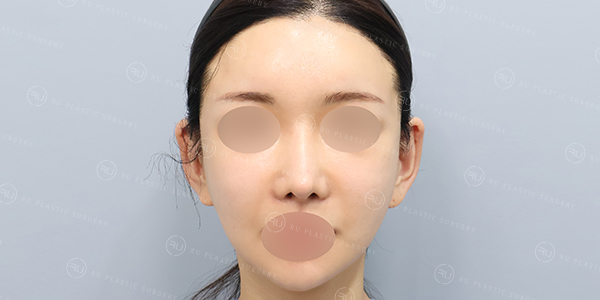
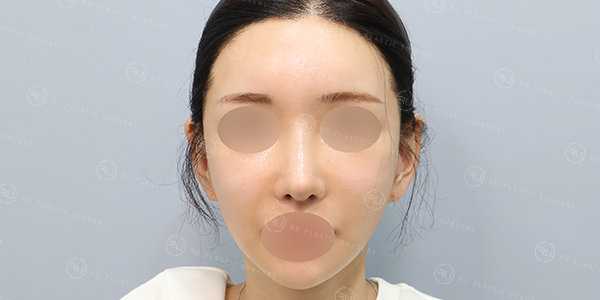
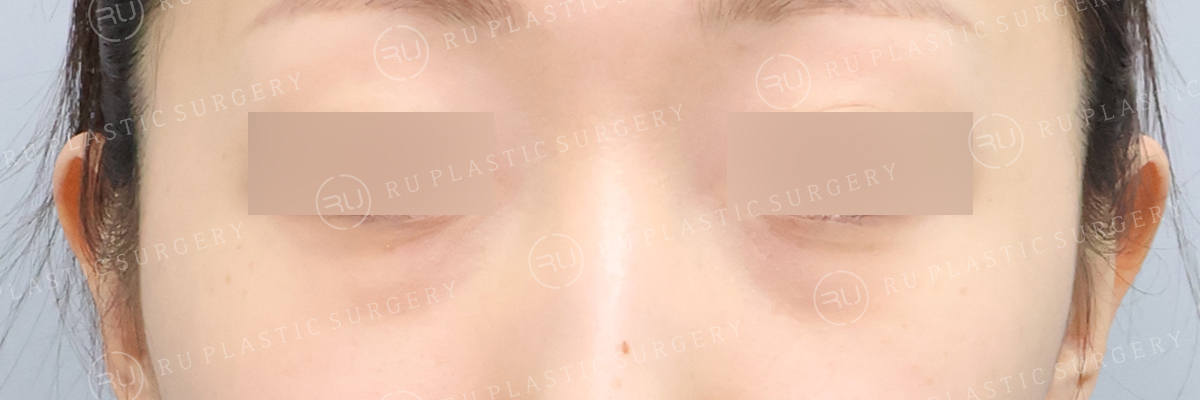
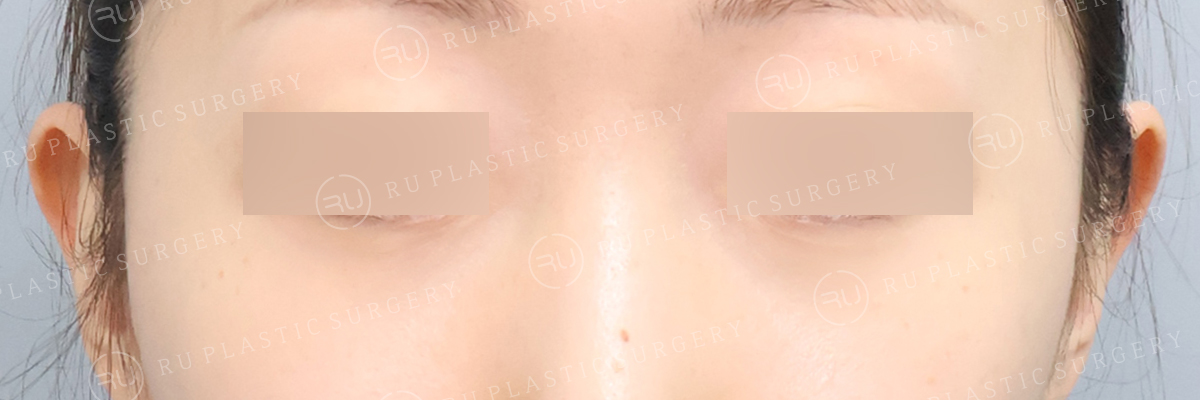
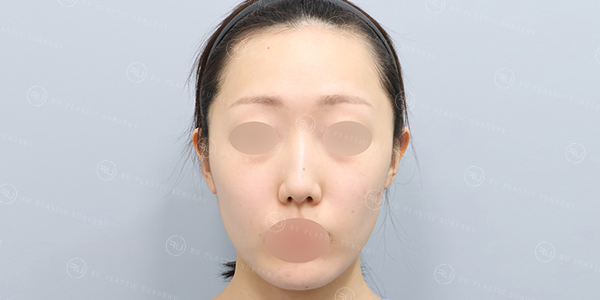
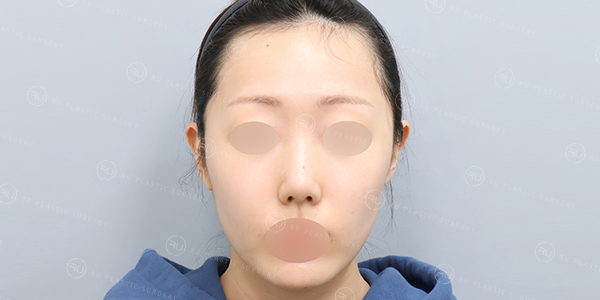
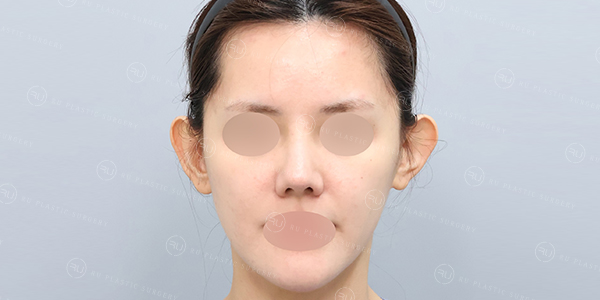
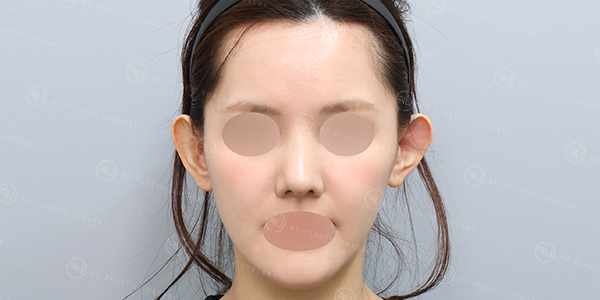
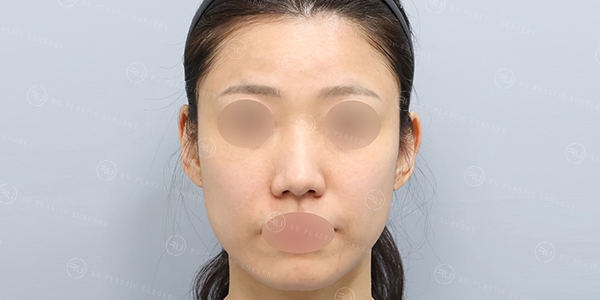
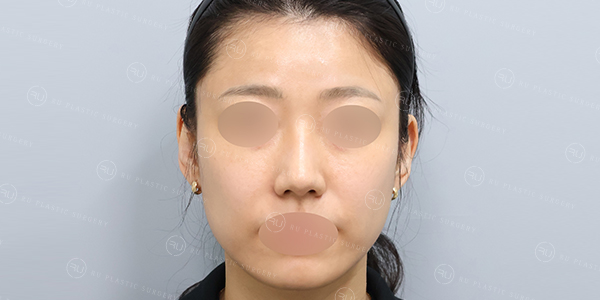
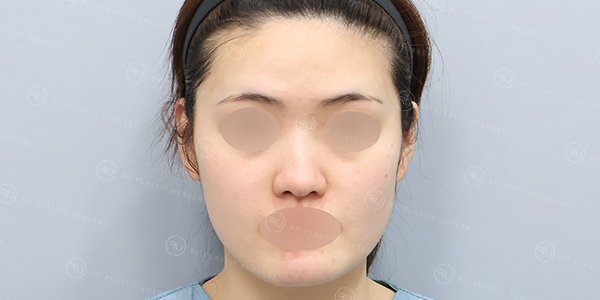
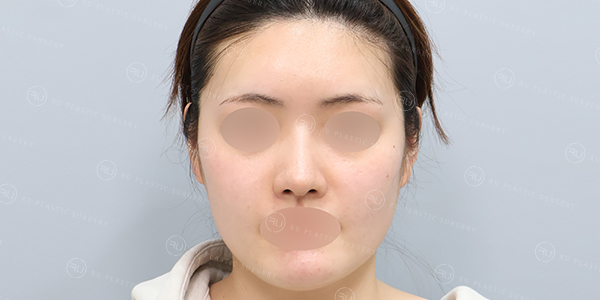
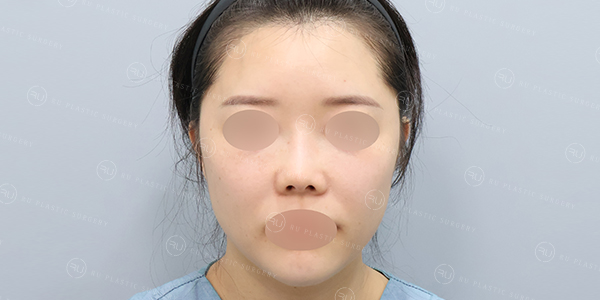
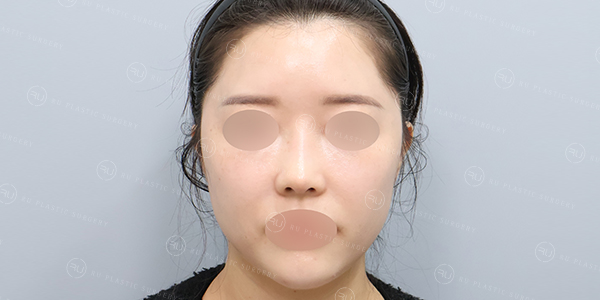
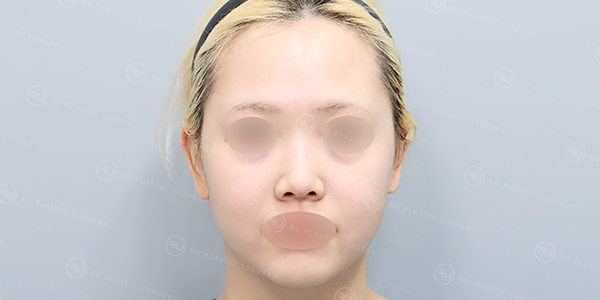
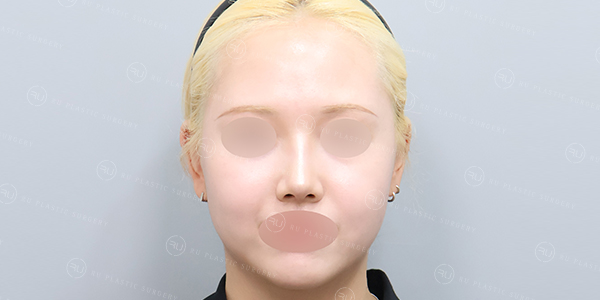
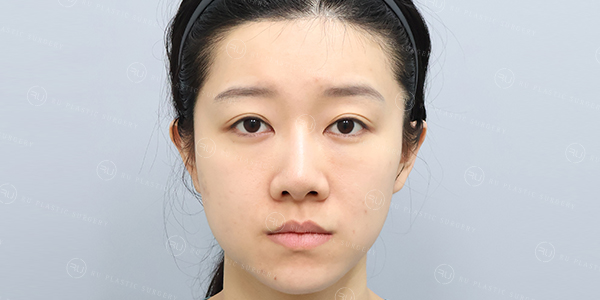
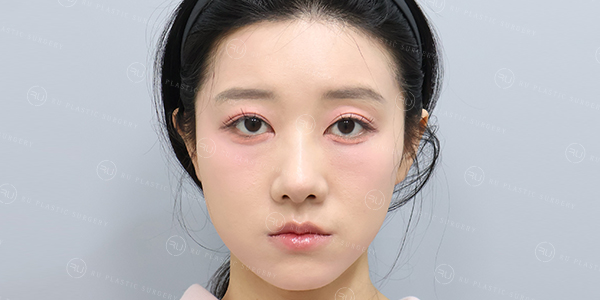
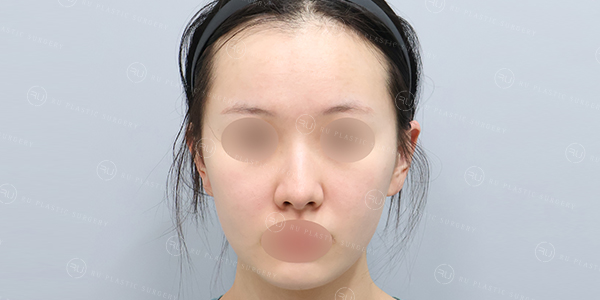
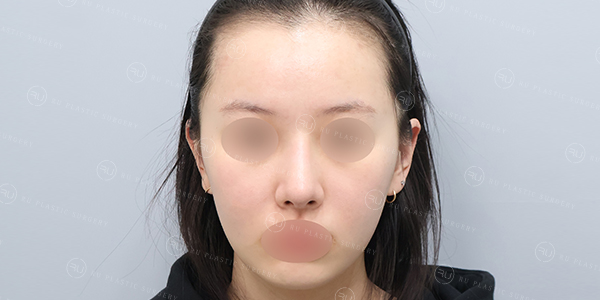
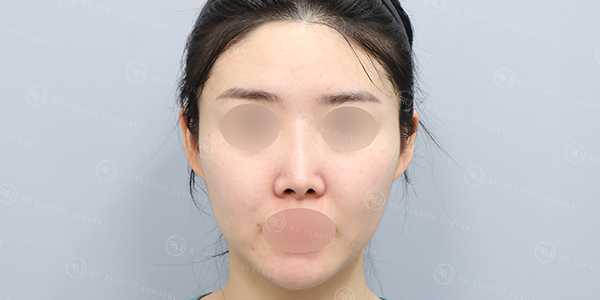
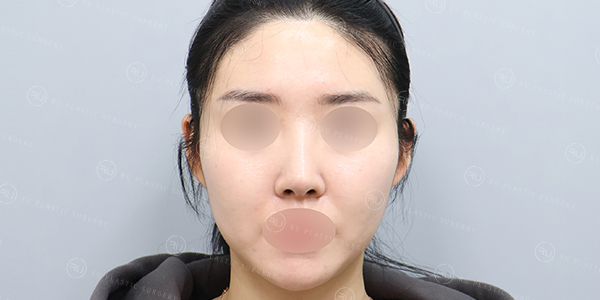
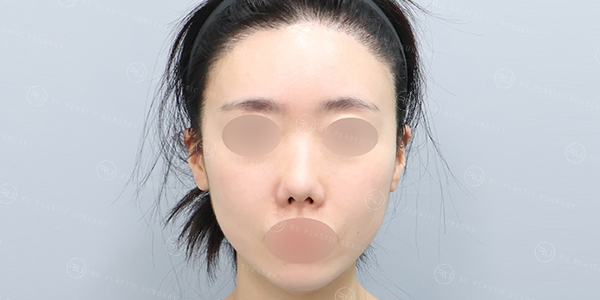
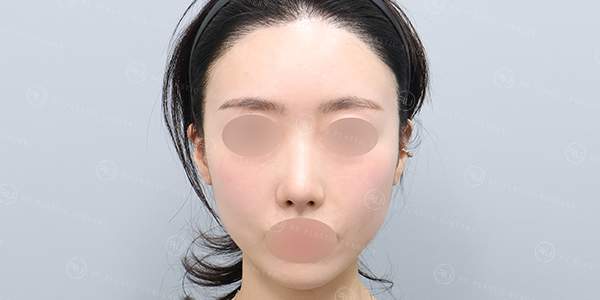
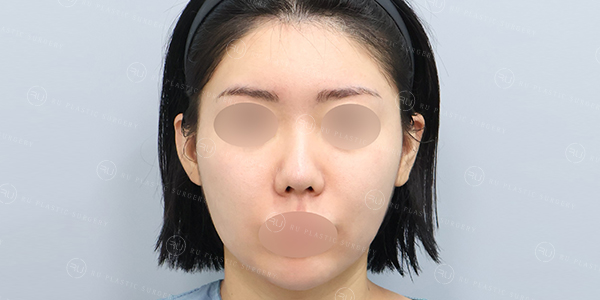
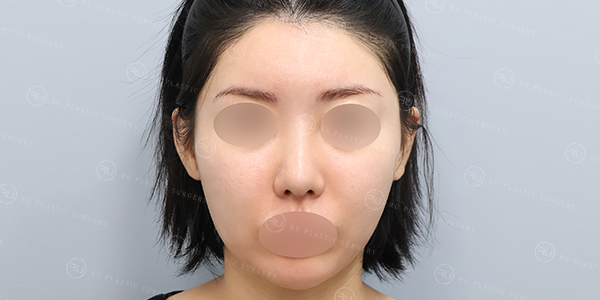
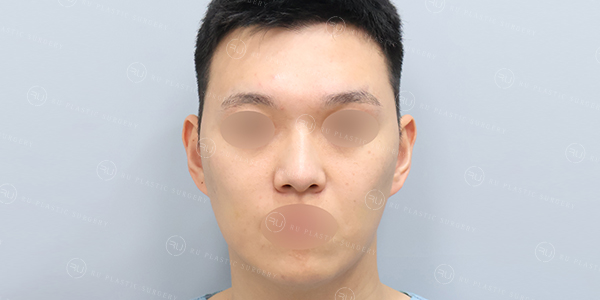
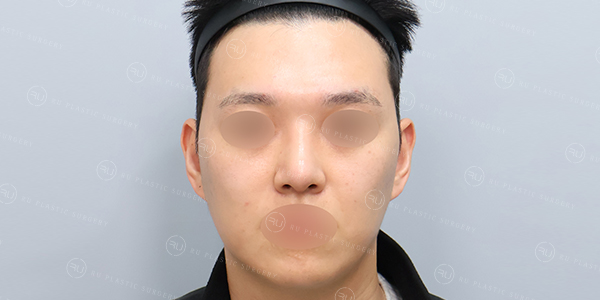
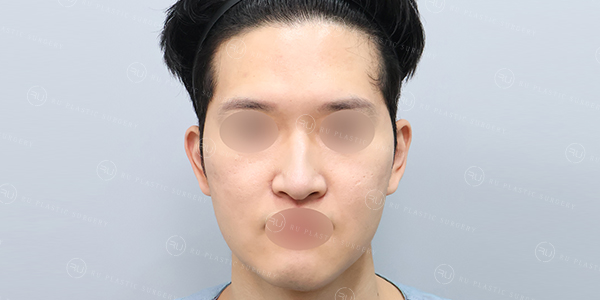
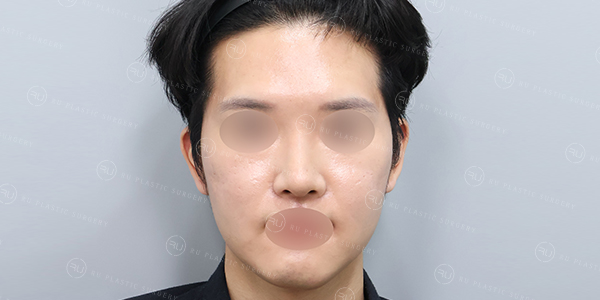
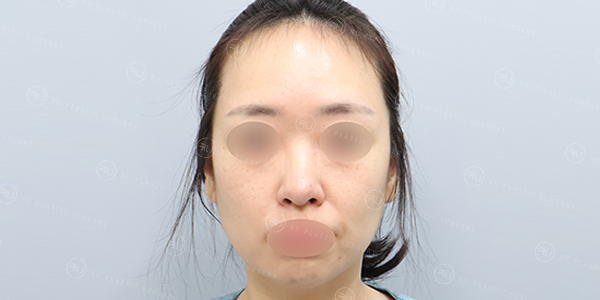
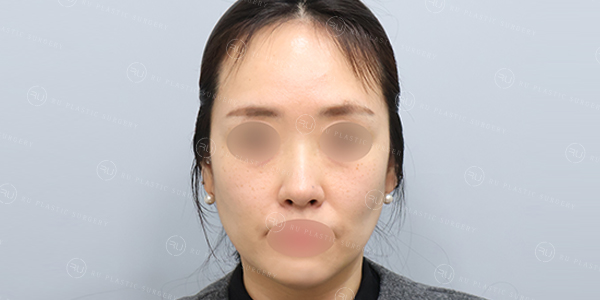
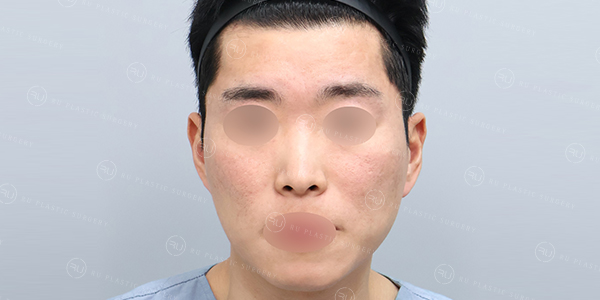
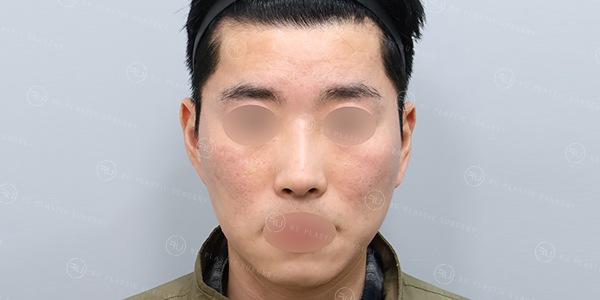
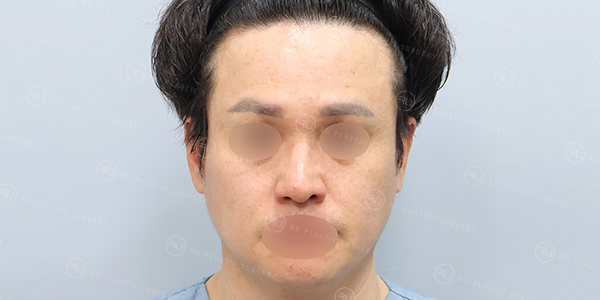
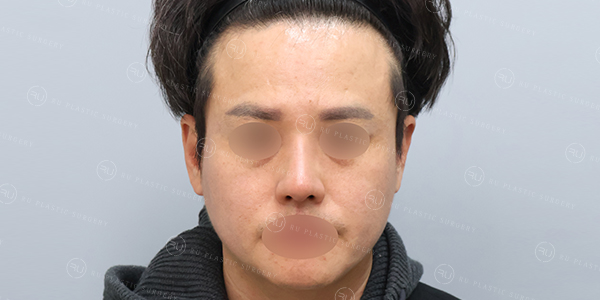
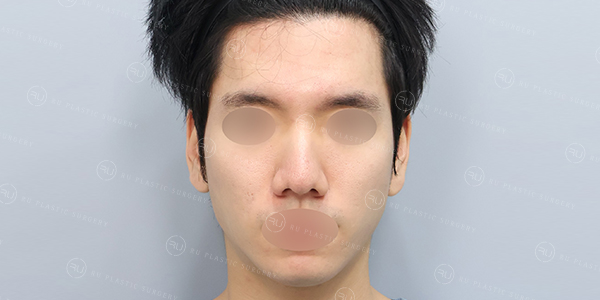
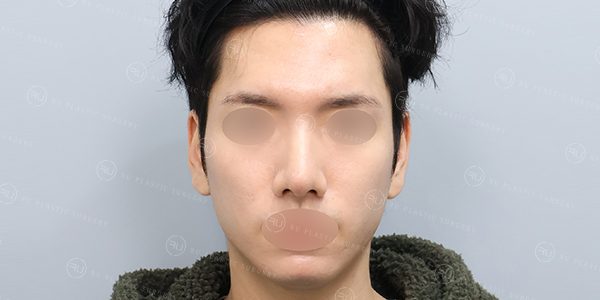
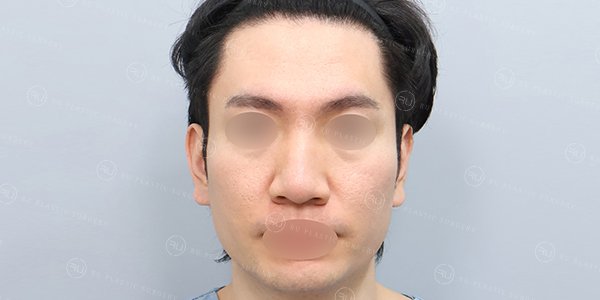
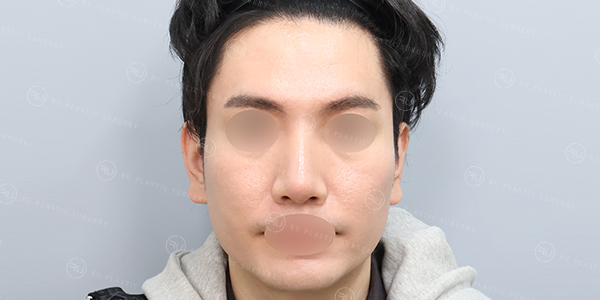
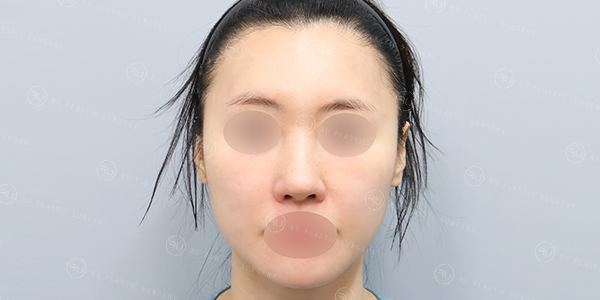
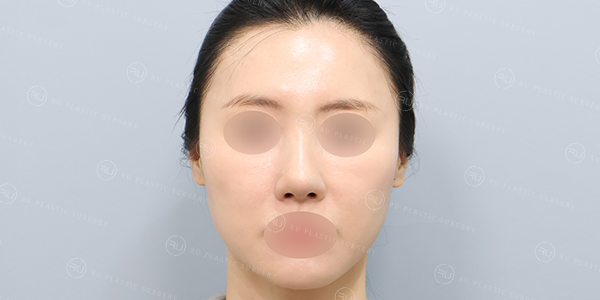
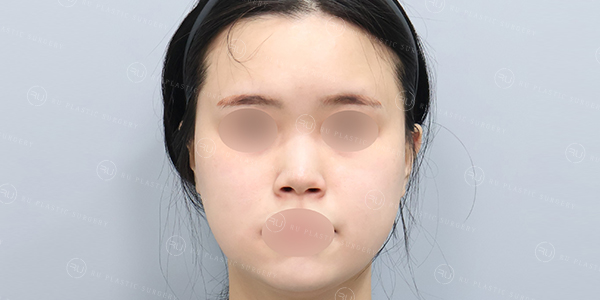
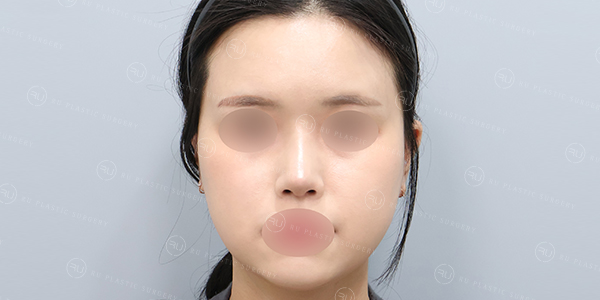
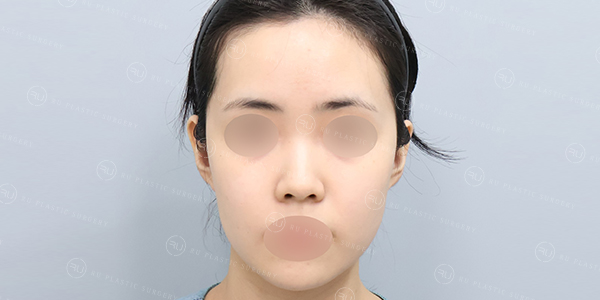
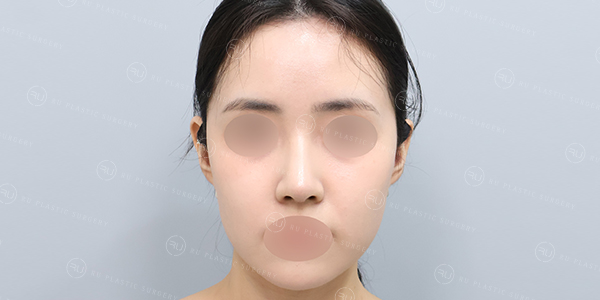
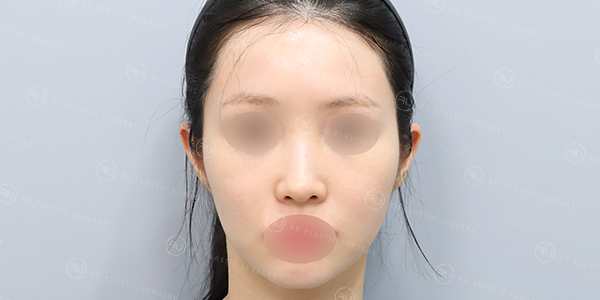
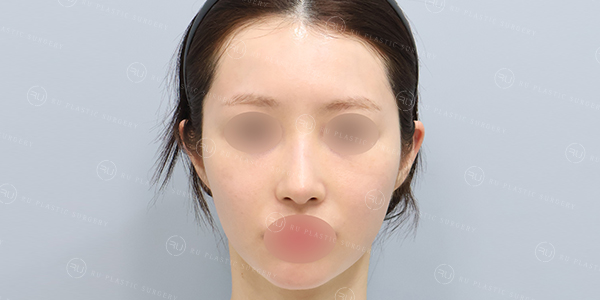
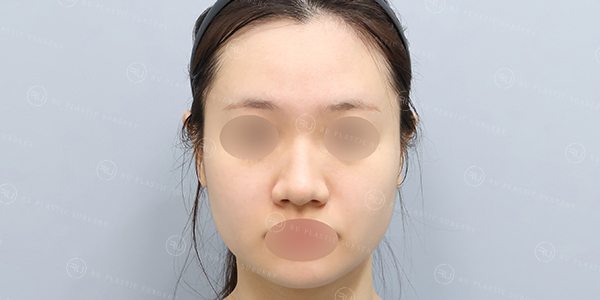
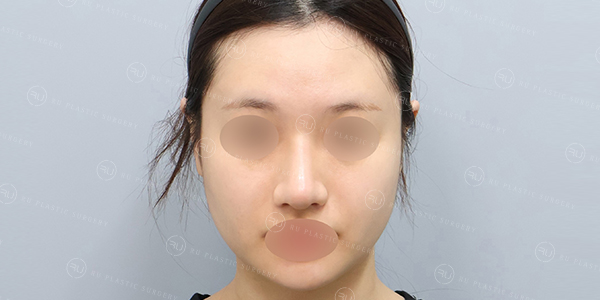
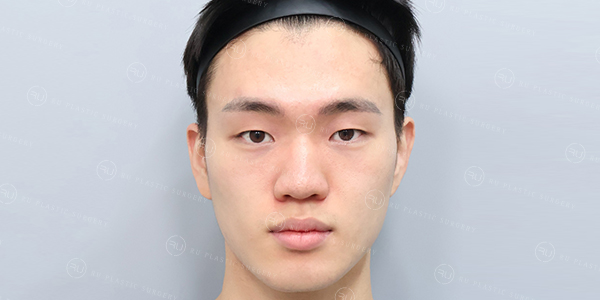
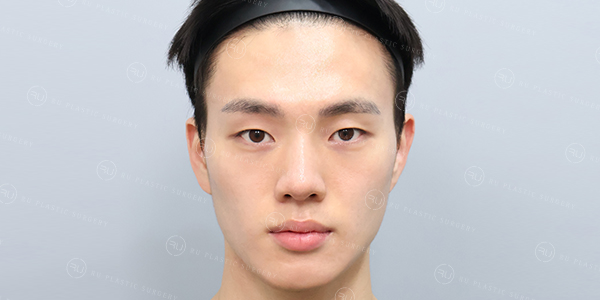
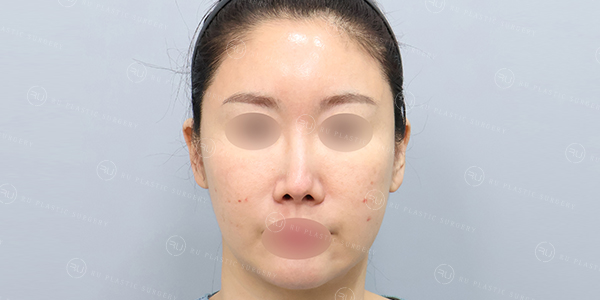
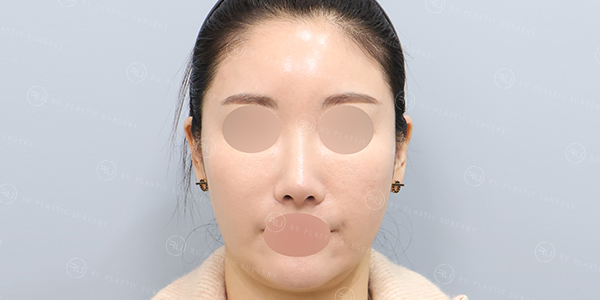
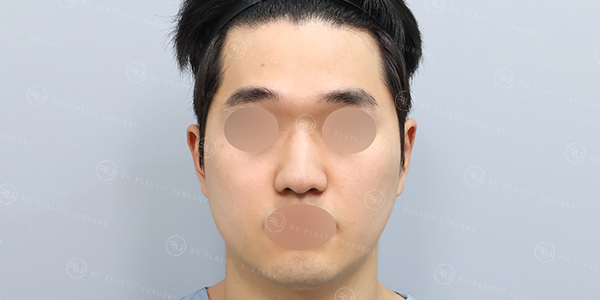
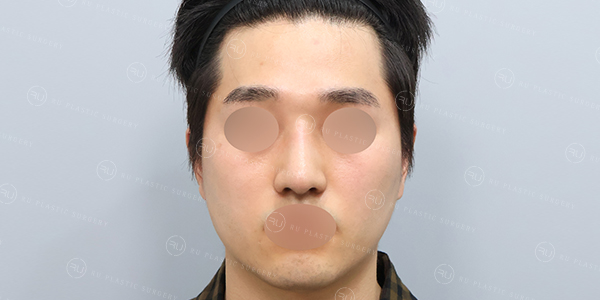
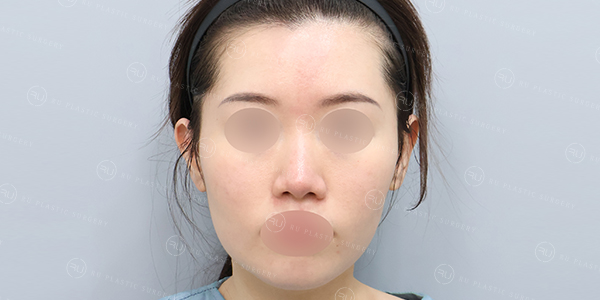
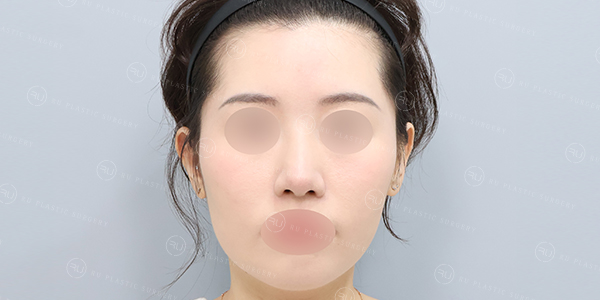
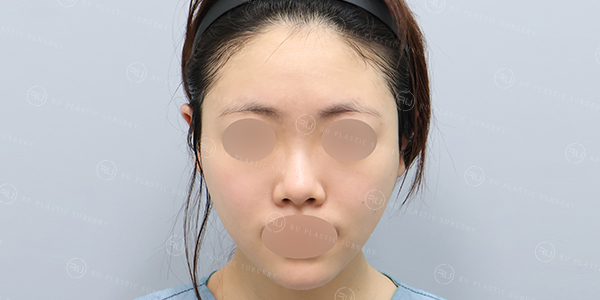
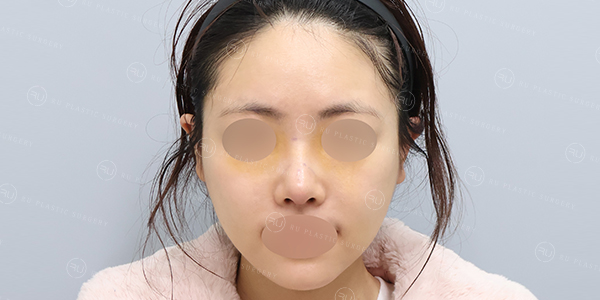
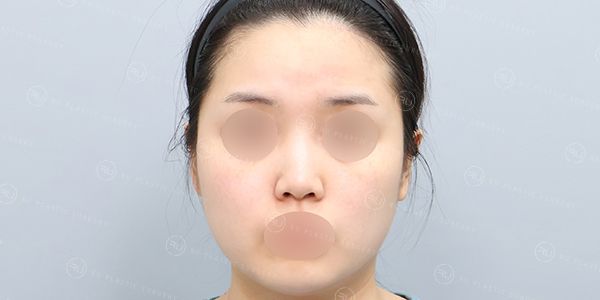
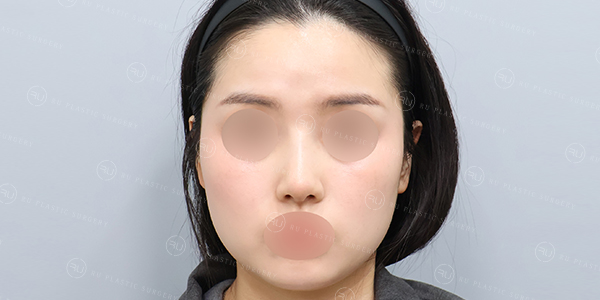
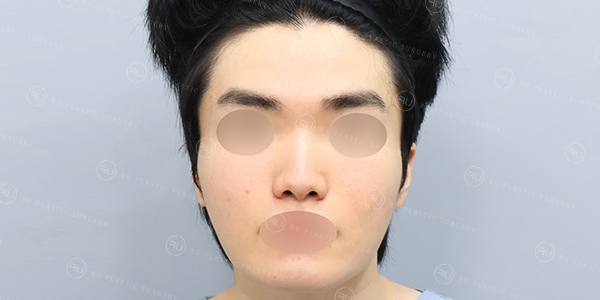
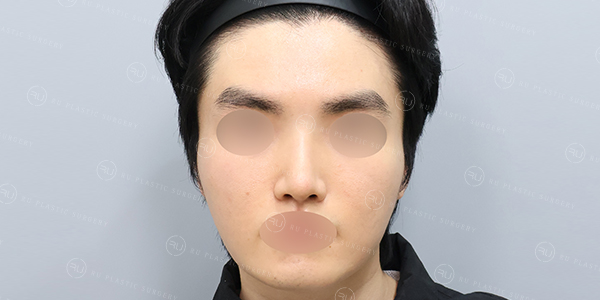
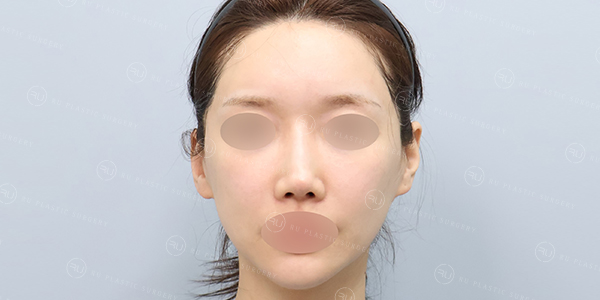
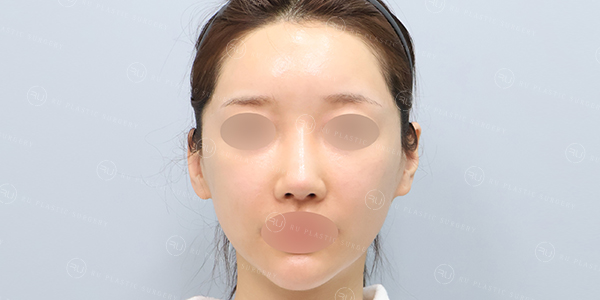
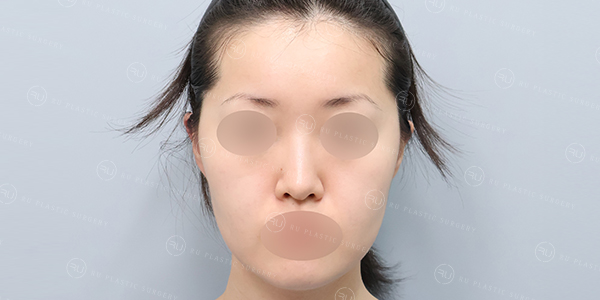
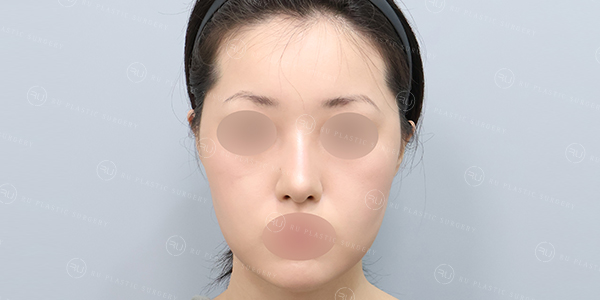
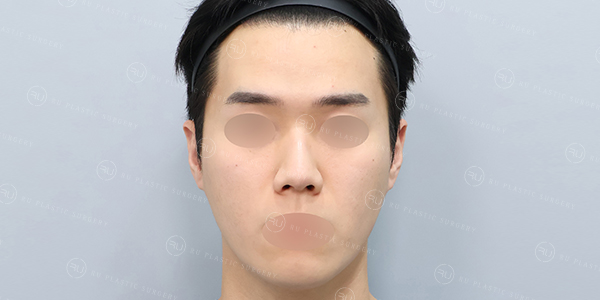
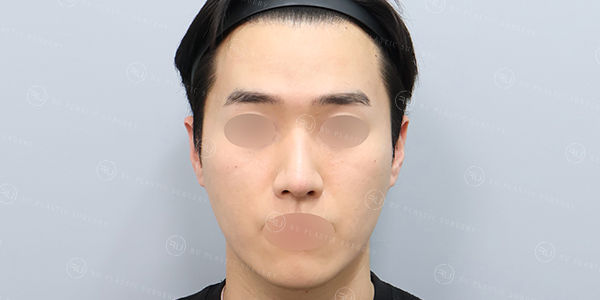
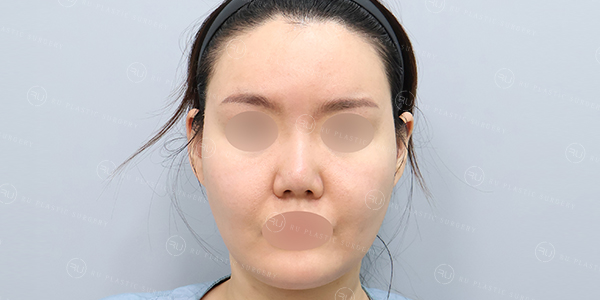
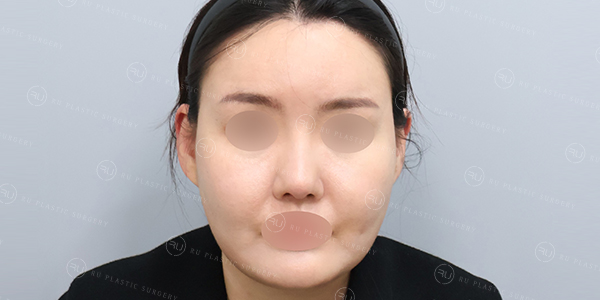
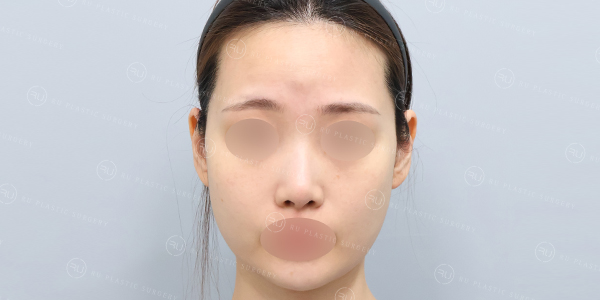
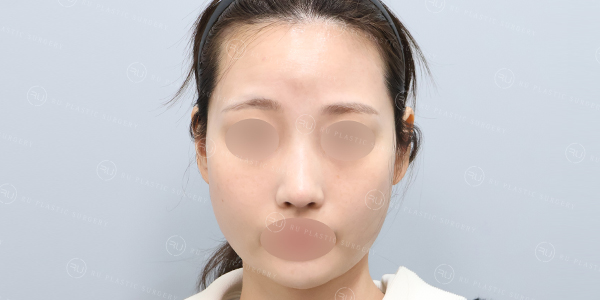
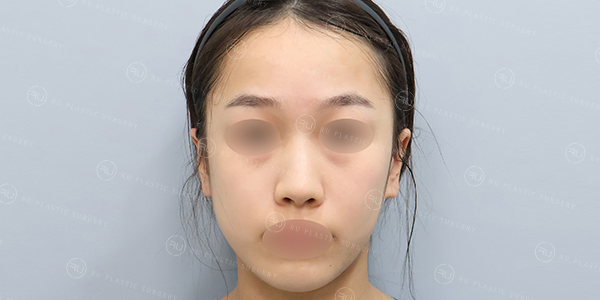
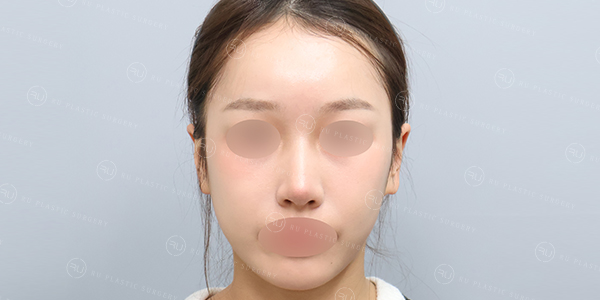
90 Days After Contracted Nose Revision (Rib Cartilage)
본문
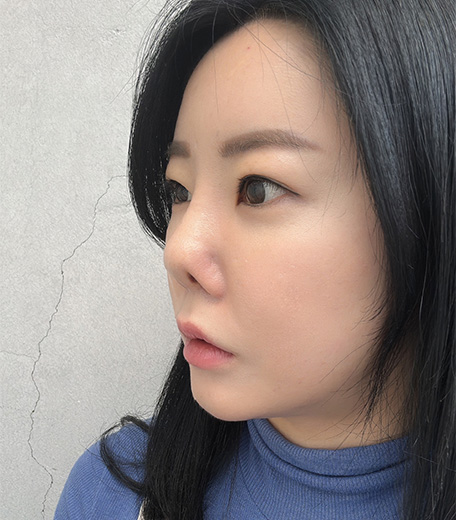



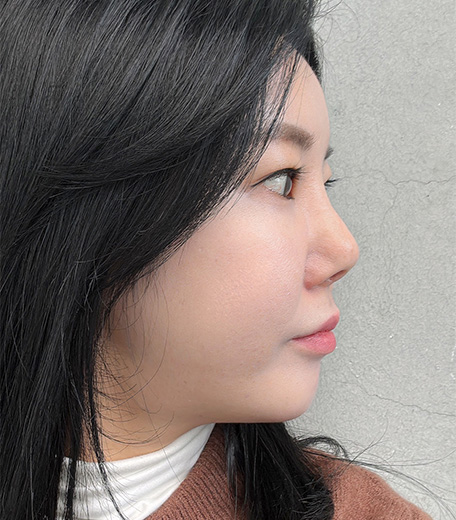
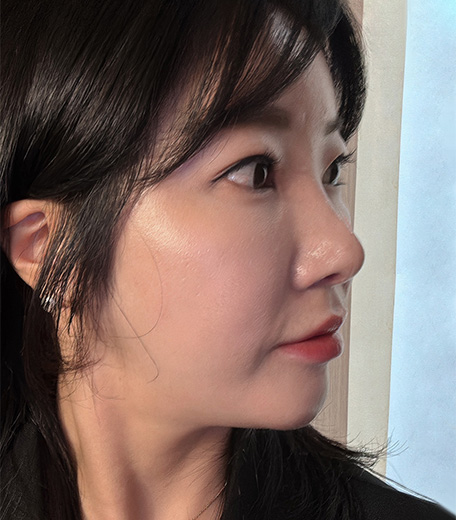
My first rhinoplasty was done with only a silicone implant, and over time I started noticing complications—likely due to a slow-developing infection. The biggest issue was that my nose gradually became shorter, which turned out to be a classic case of contracted nose.
Looking back now, I’m really glad I didn’t rush into revision surgery somewhere else. Choosing R U Plastic Surgery for my revision was definitely the right call.
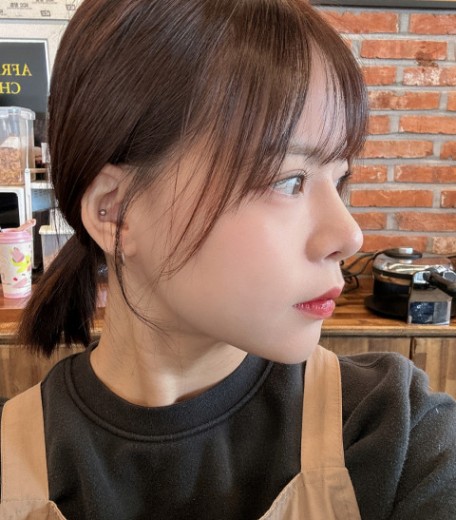
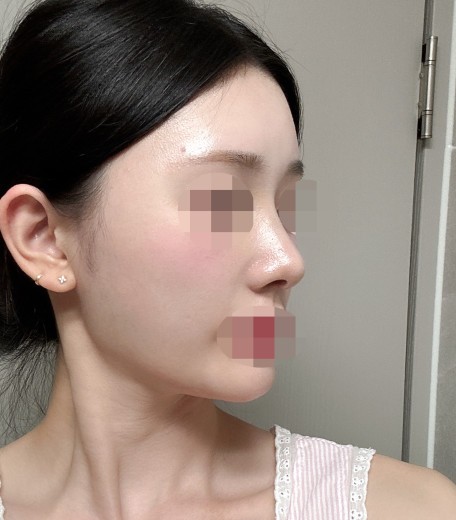
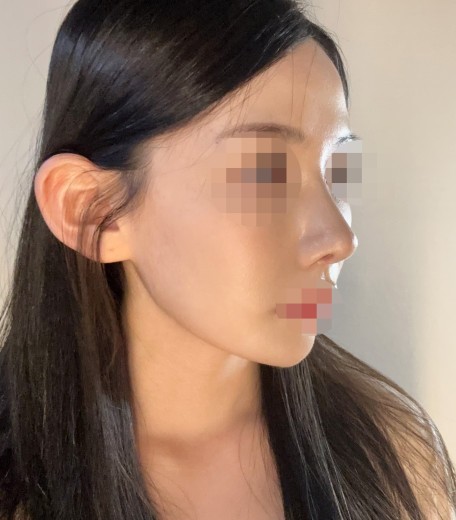
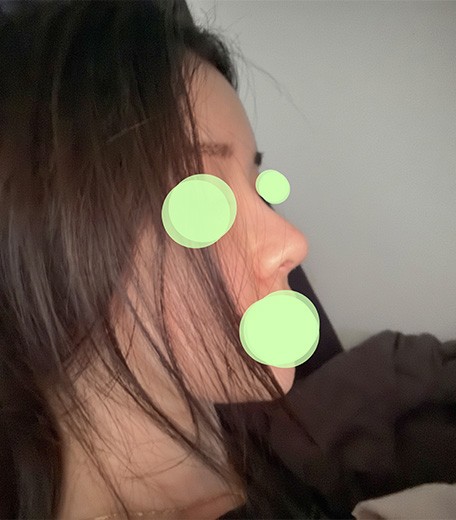
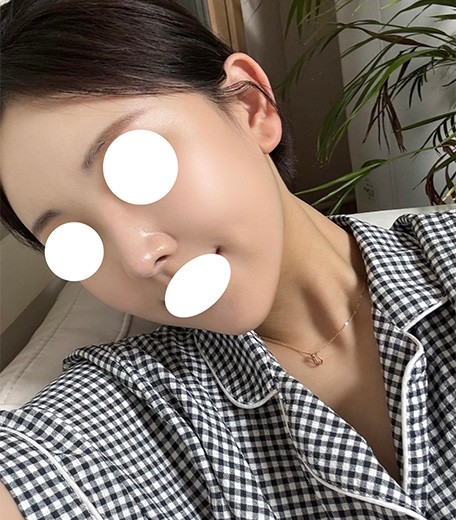
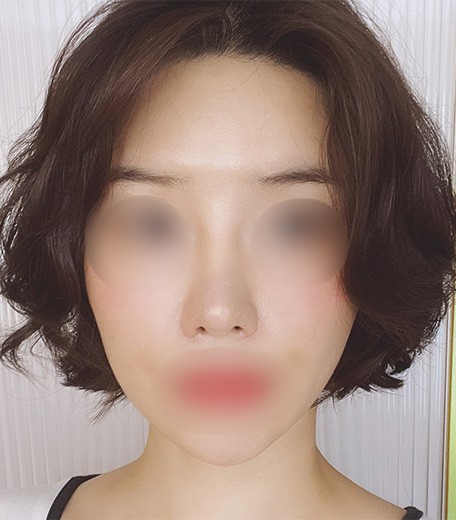
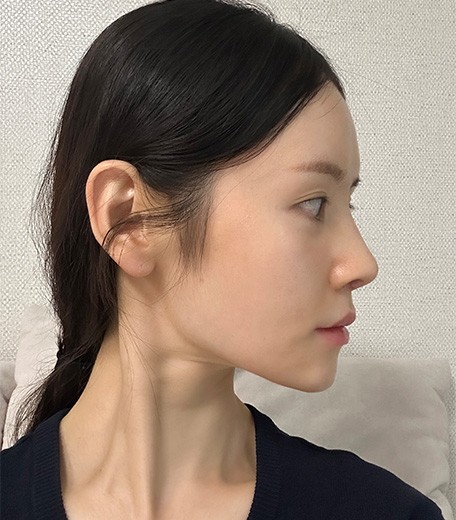
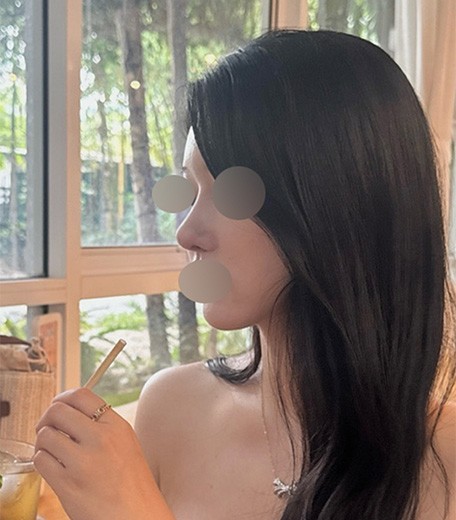
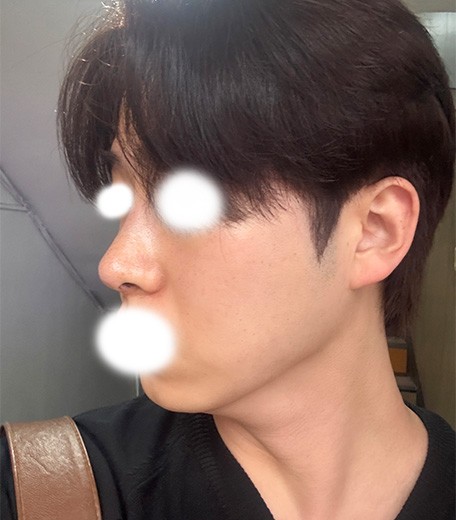
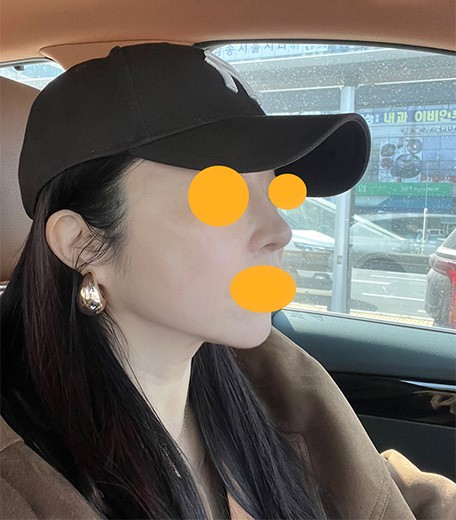
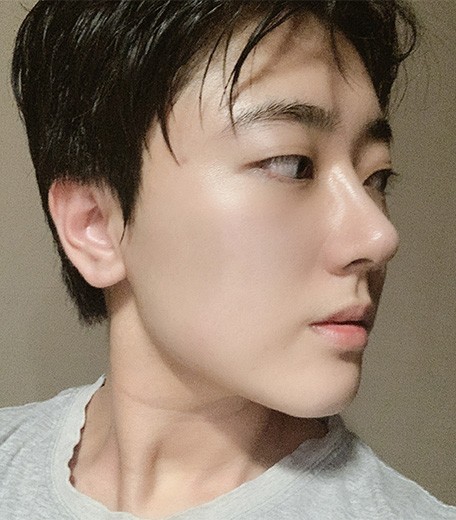
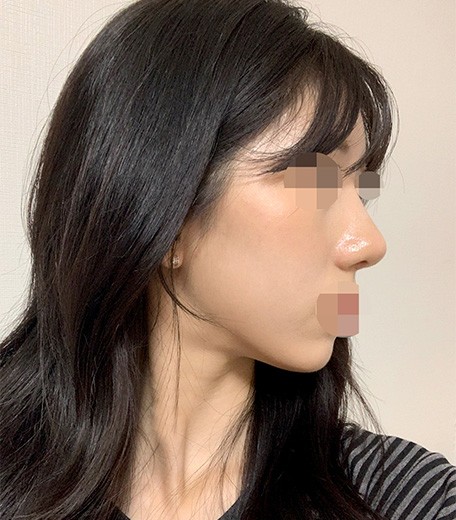
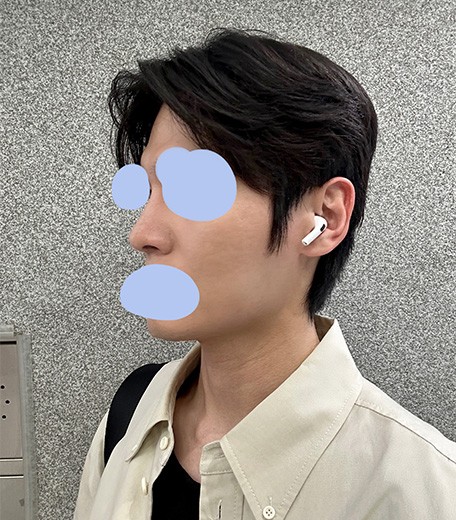
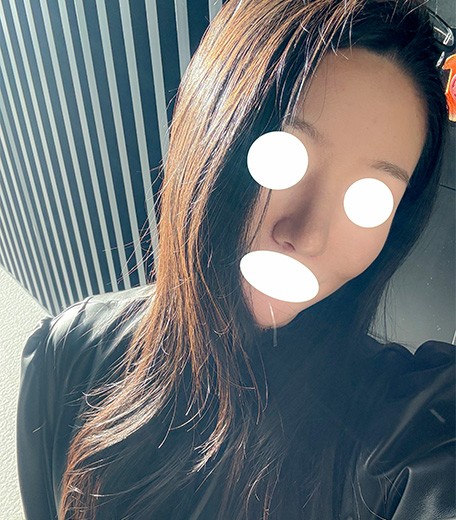
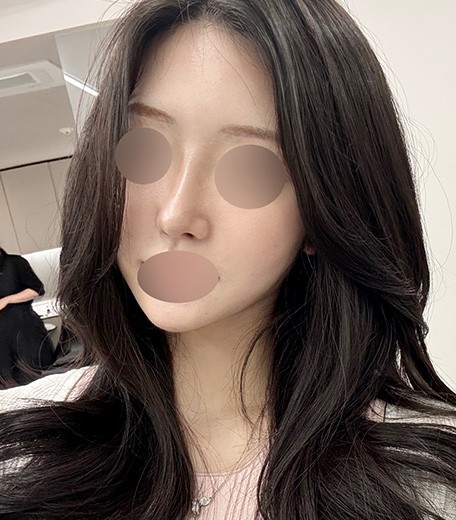
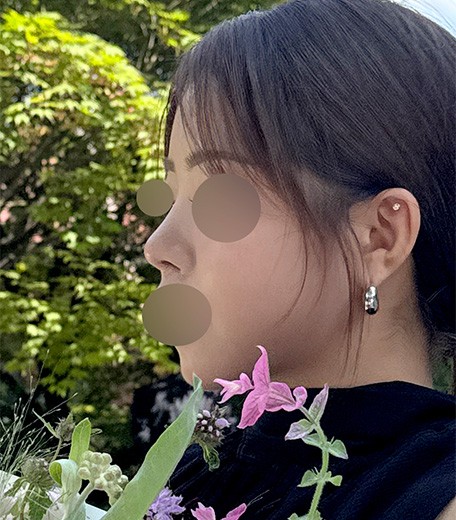
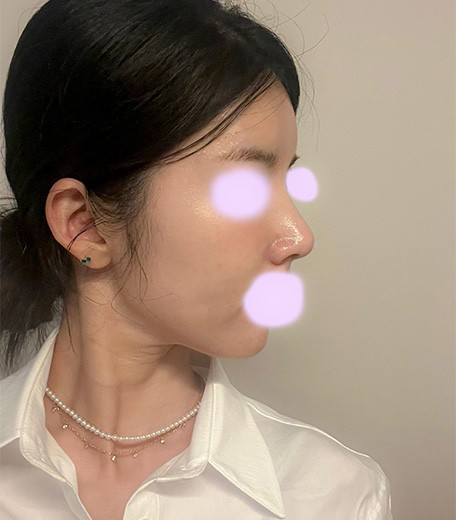
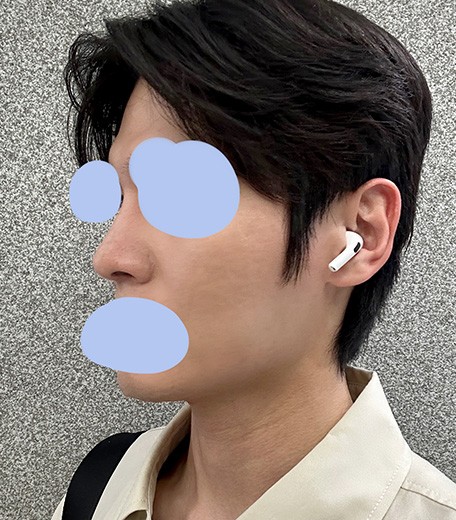
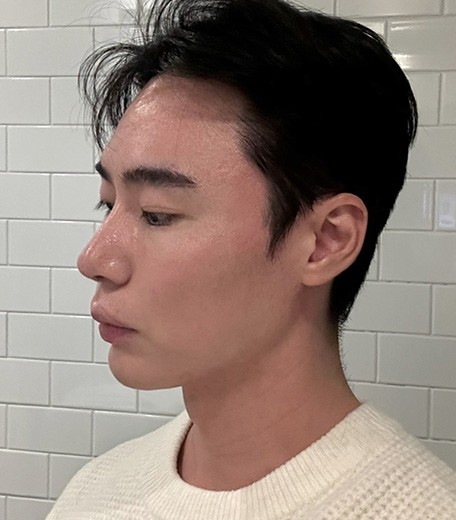
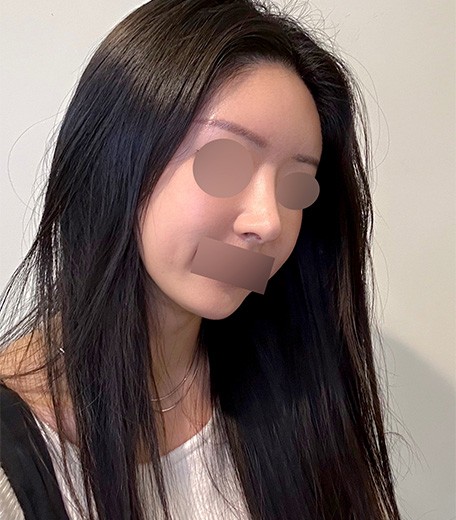
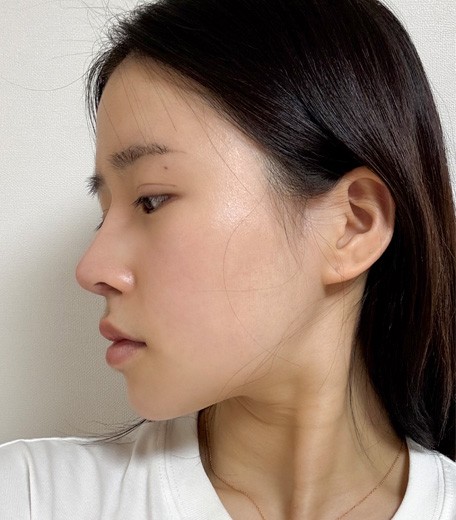
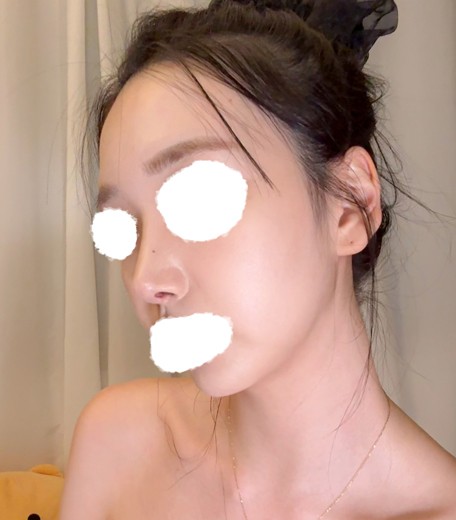
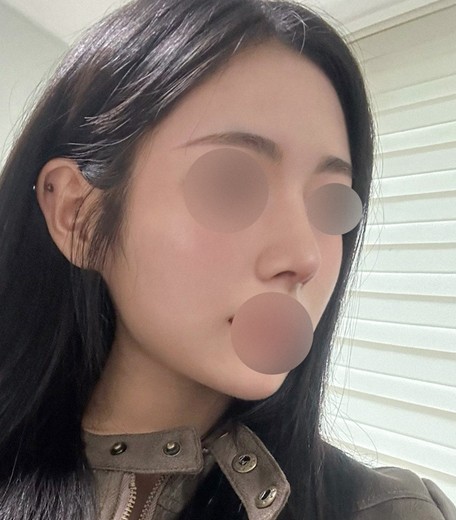
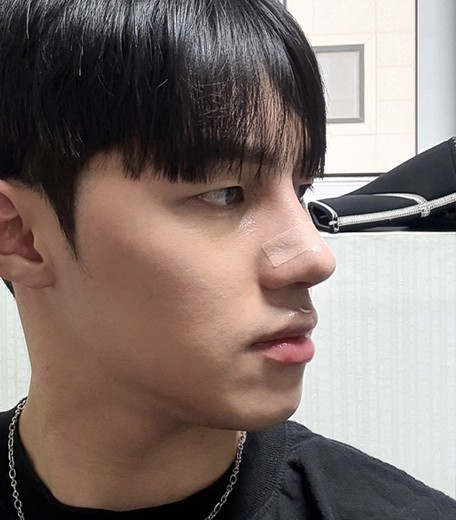
At the 3-month mark, the swelling around my bridge and tip—which initially made my nose look bulky—has gone down significantly. Now, the overall shape looks much slimmer and more natural, and I think it suits my face much better.
People around me have noticed too. They’ve commented that the deviated bridge seen from the front looks corrected and that the reconstruction looks very well done. I’ve even had quite a few people ask me where I had it done—and I proudly recommend Dr. Kim Hyun-joo.
For the revision, I used rib cartilage for both the bridge and tip, and I was told that the alar base was lowered (alar repositioning) to reduce nostril show.
In my opinion, for short or upturned noses, autologous rib cartilage is definitely the way to go.
One thing I will say: take good care of your rib harvest site!
At 2 weeks, the scar looked super clean—I even thought, “Wow, it might not leave a mark at all.” But around the 1 to 2-month mark, the area got a bit red and more noticeable. So I've been diligently using scar ointment and keeping it moisturized. They say by the 6-month point, it should fade to just a white line, so I’m being patient.