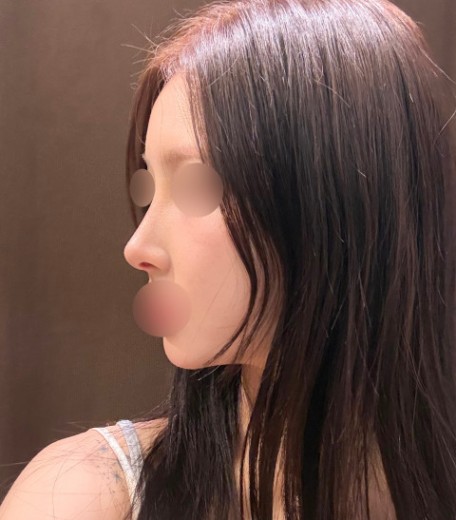
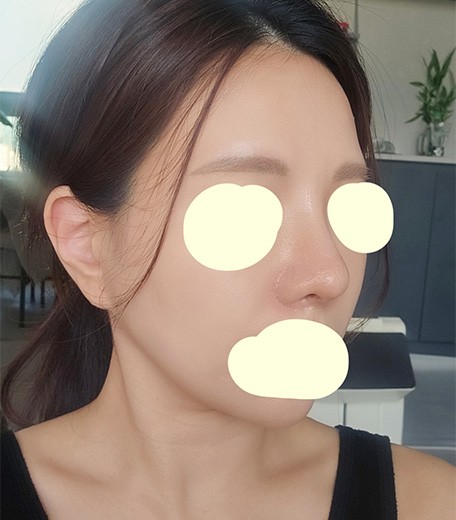
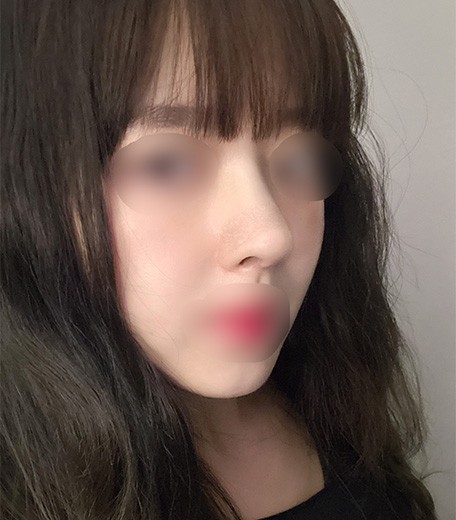
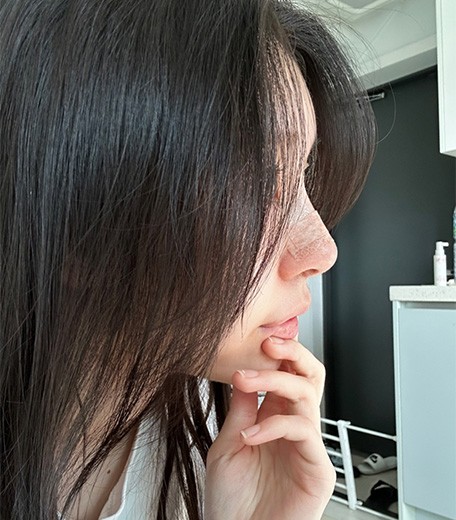
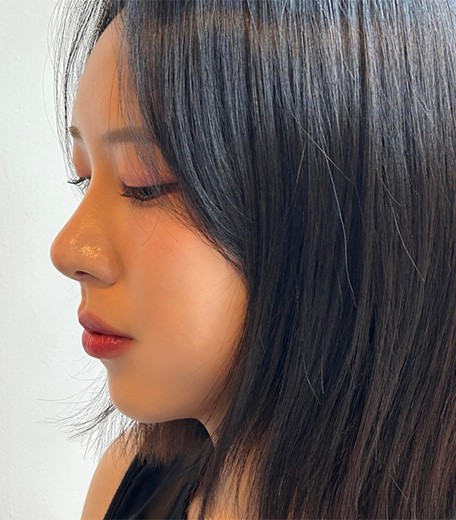
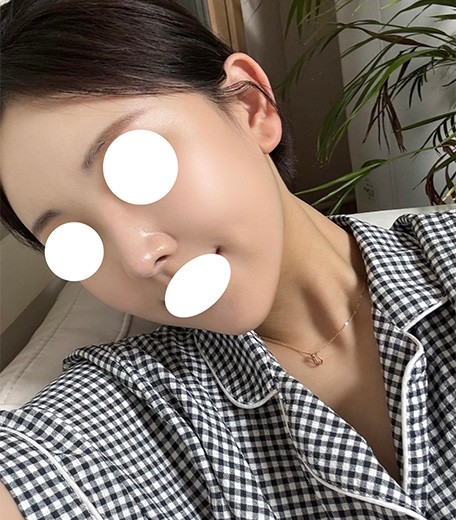
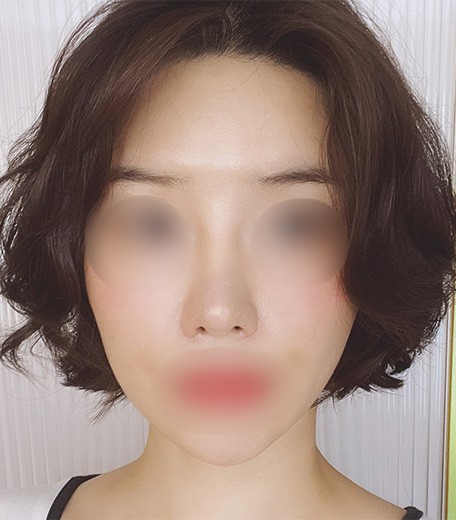
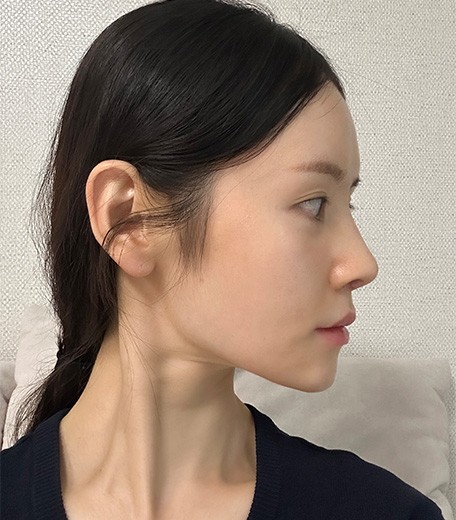
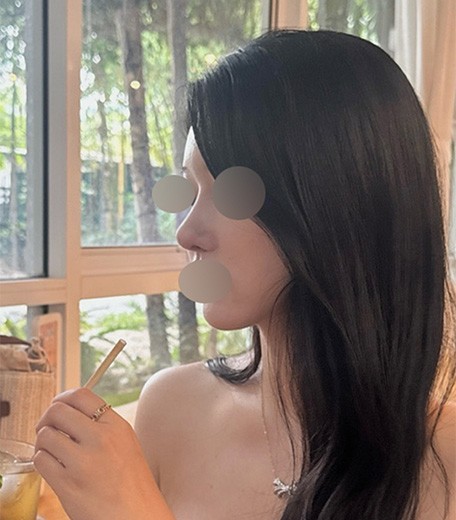
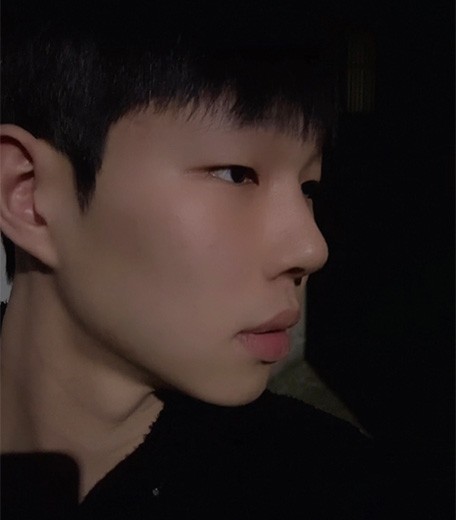
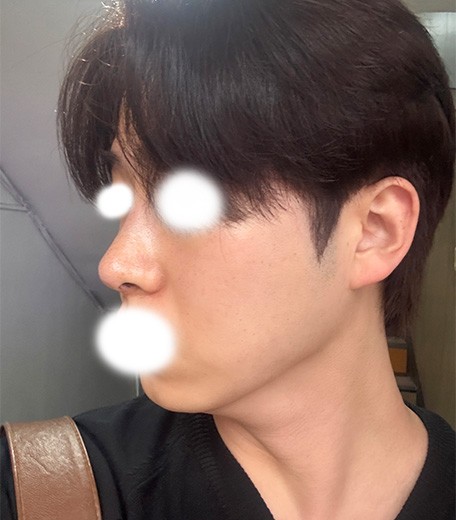
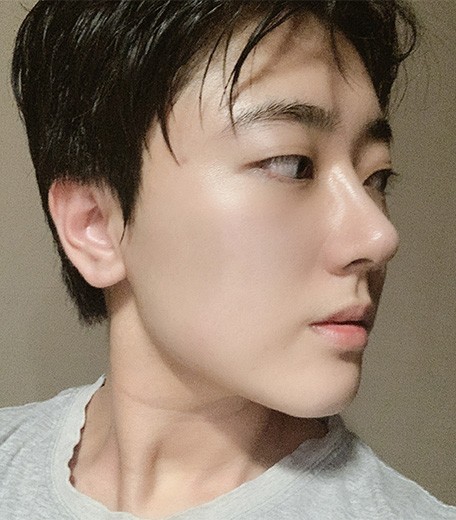
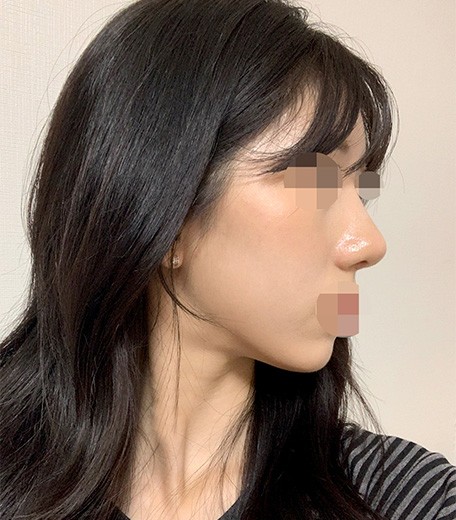
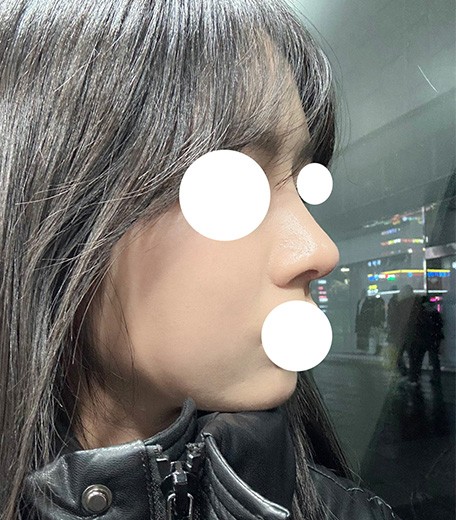
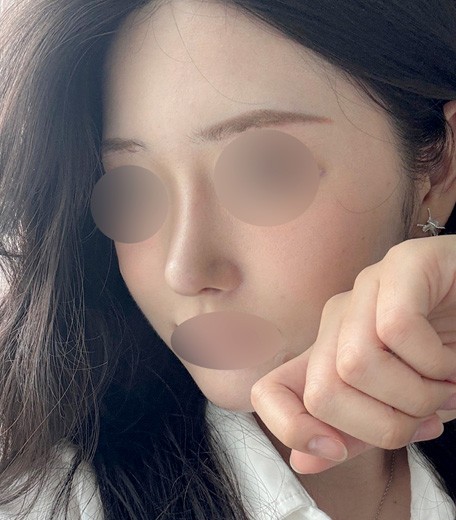
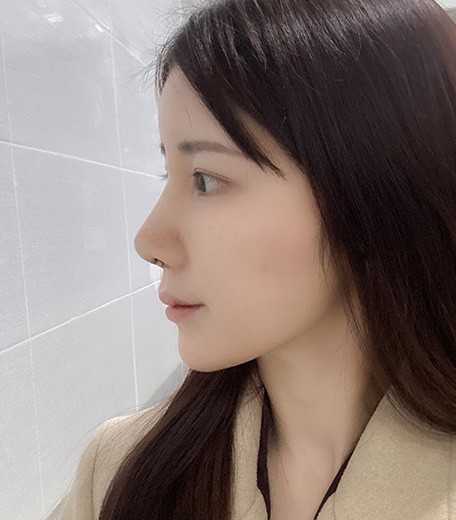
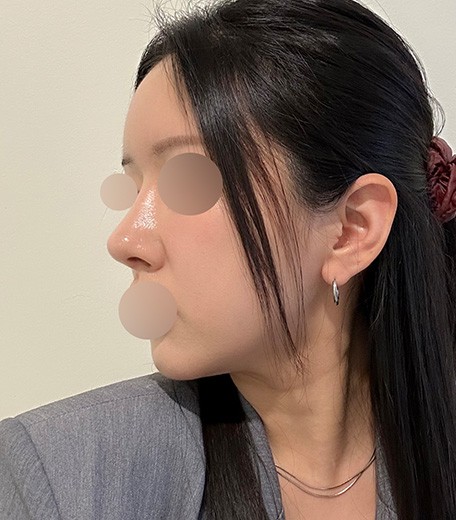
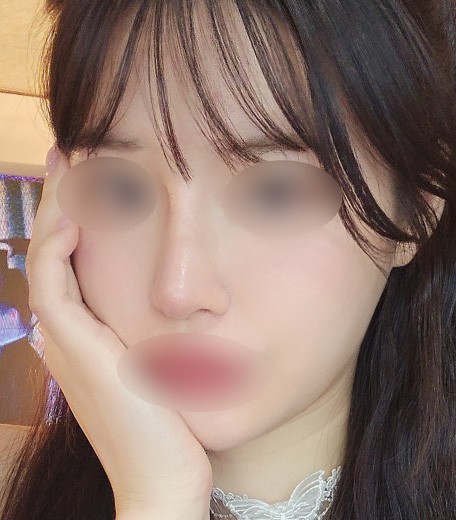
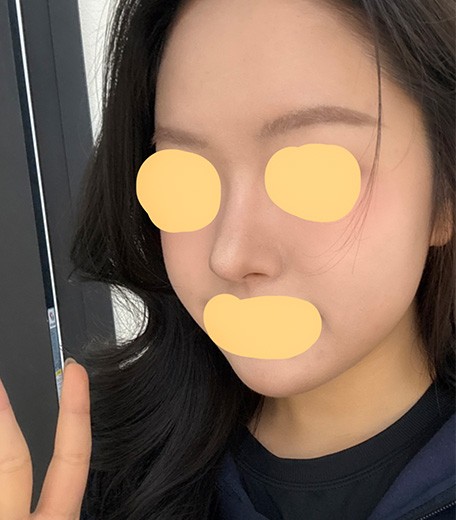
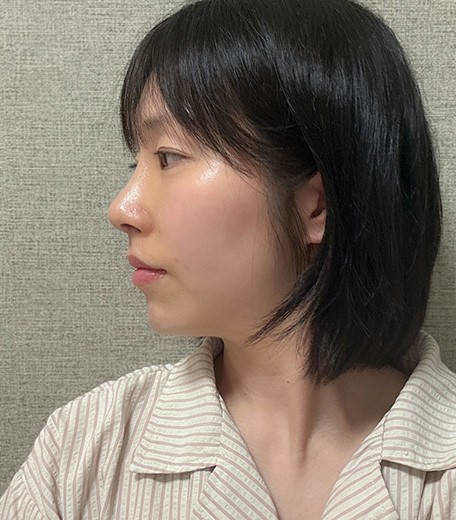
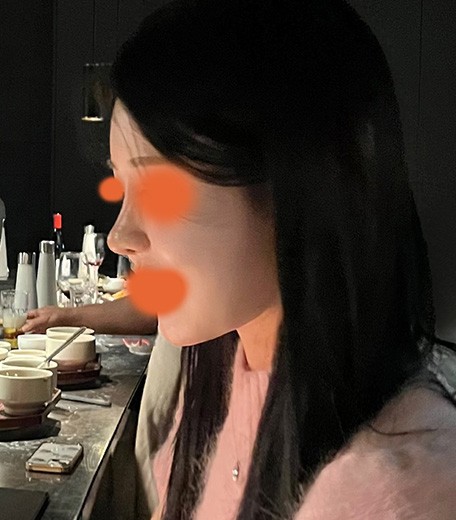
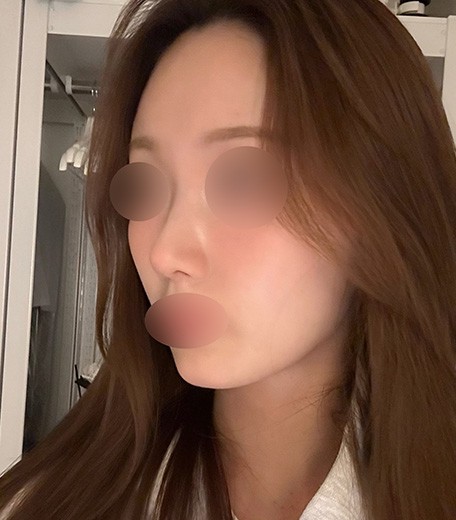
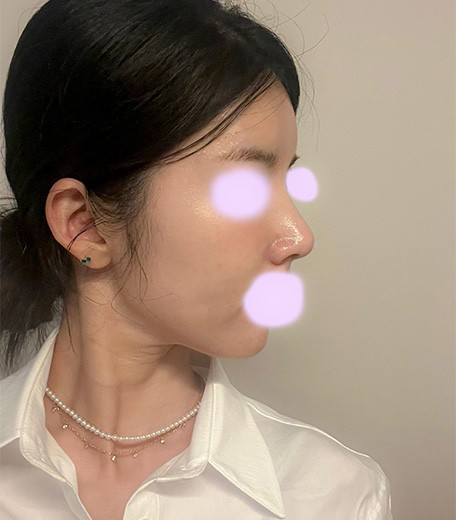
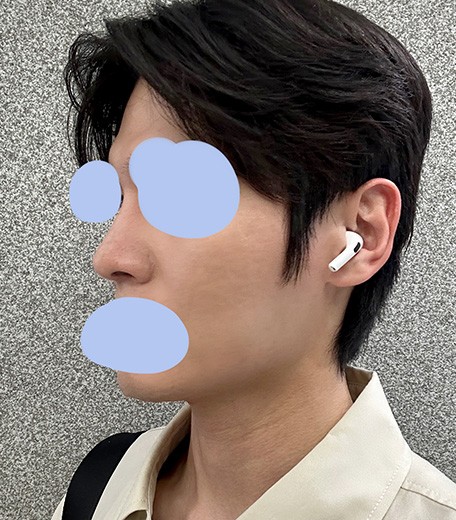
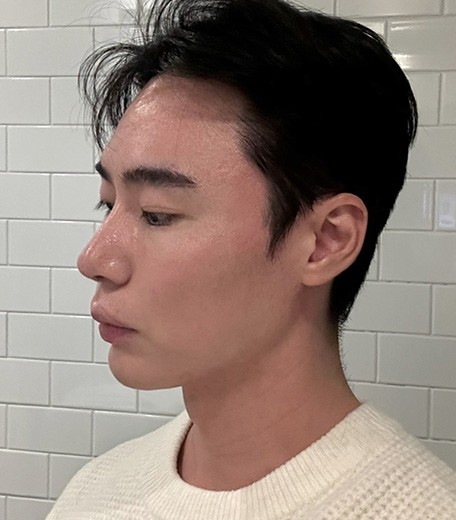
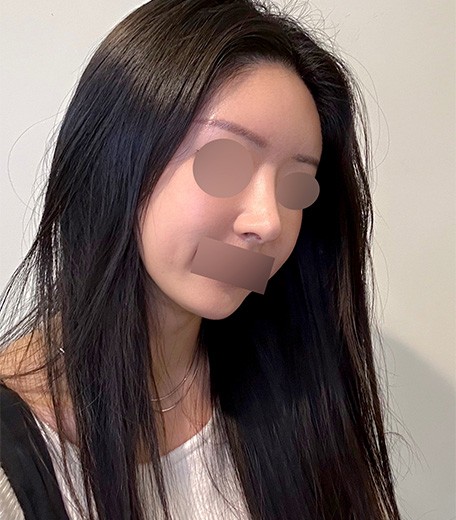
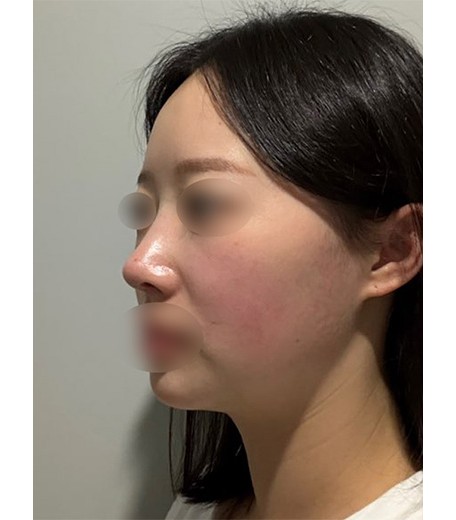
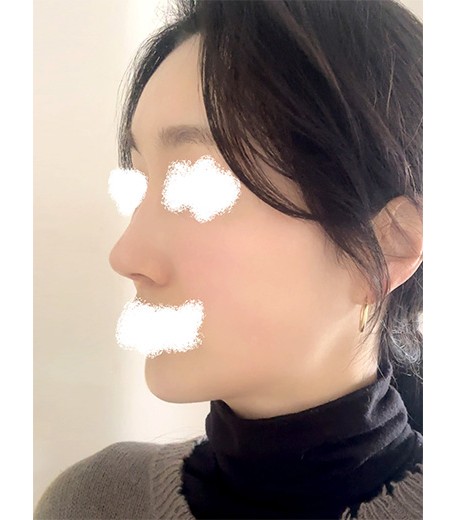
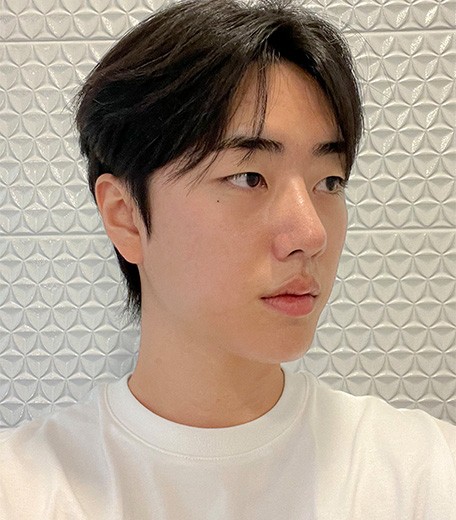
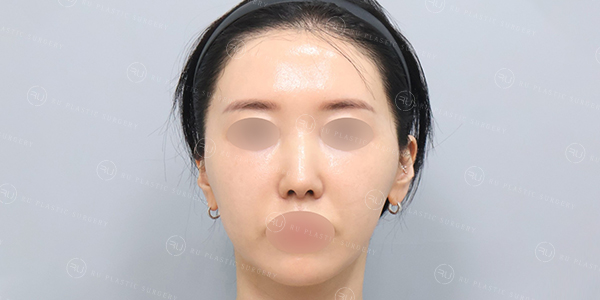
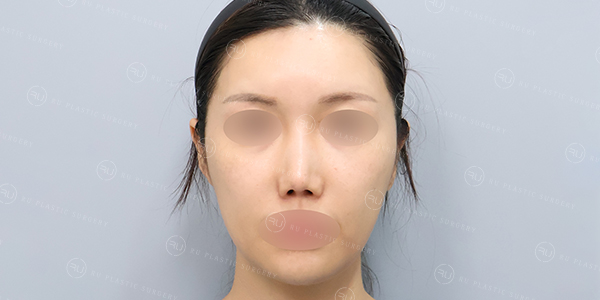
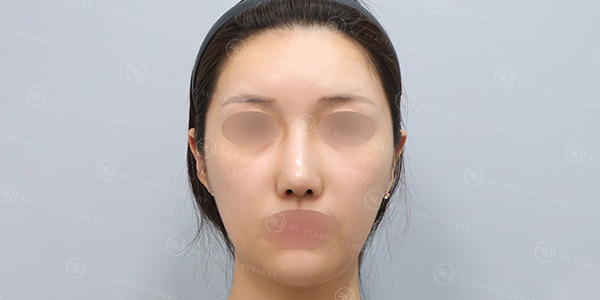
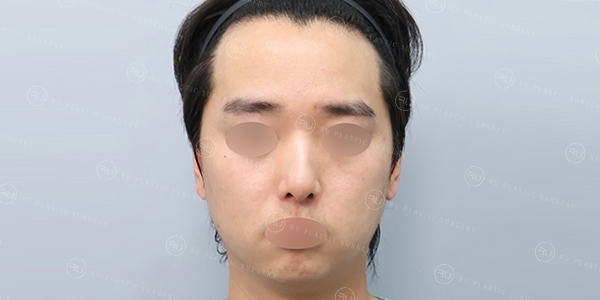
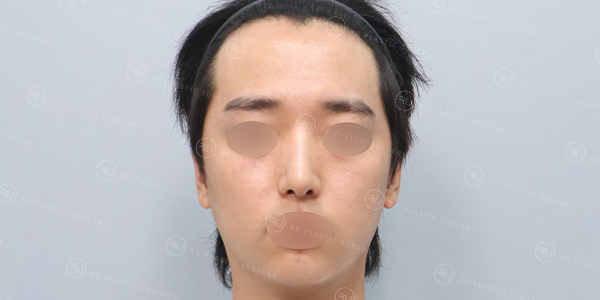
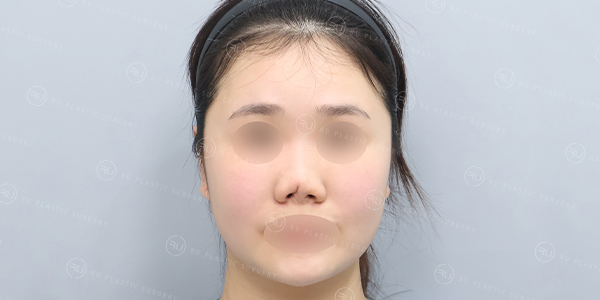
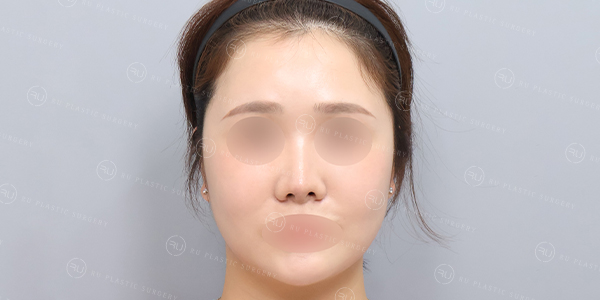
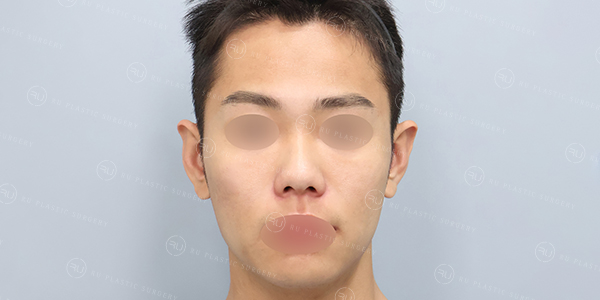
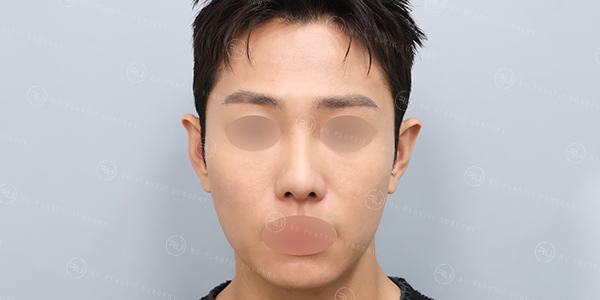
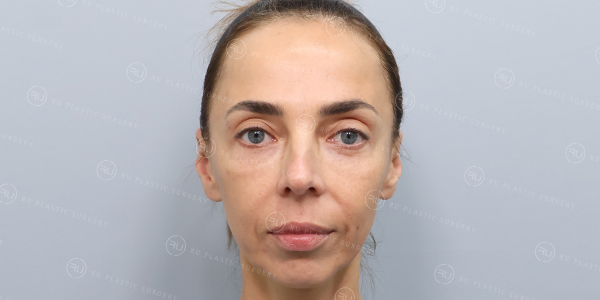
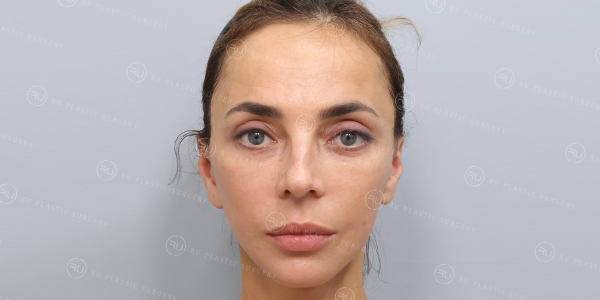
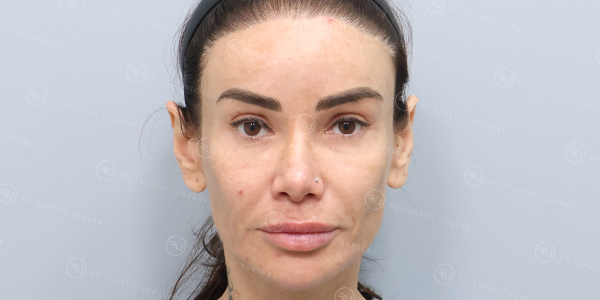
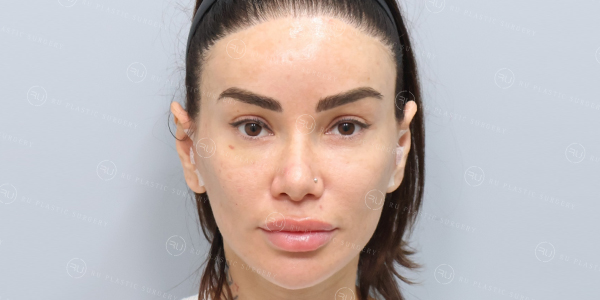
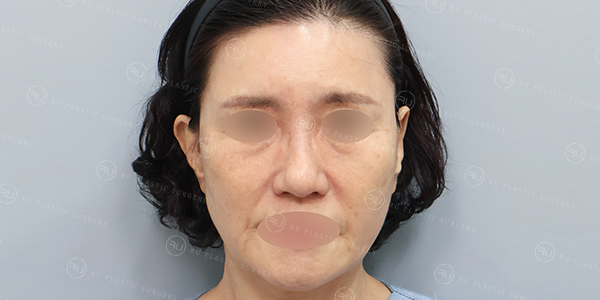
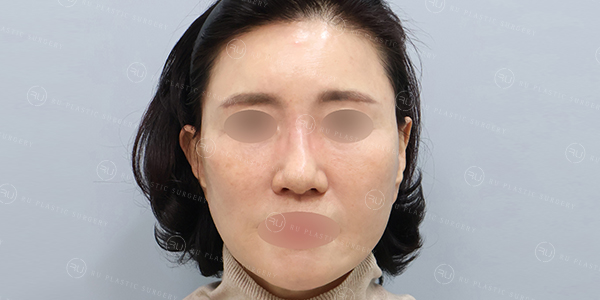
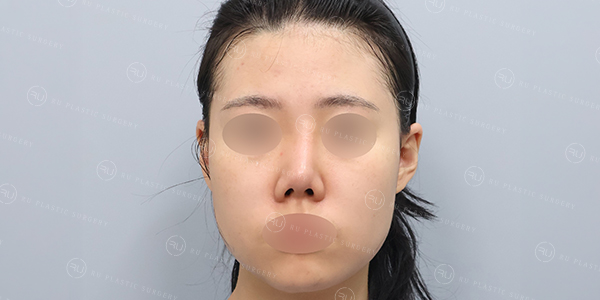
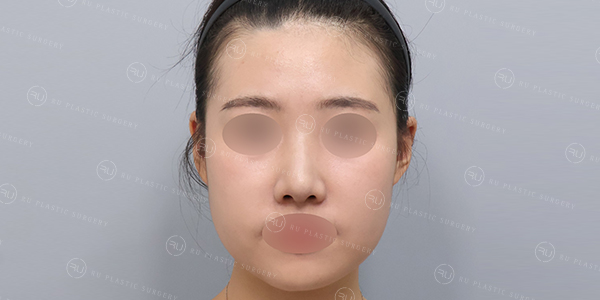
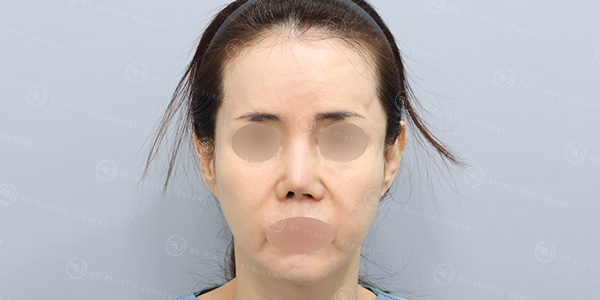
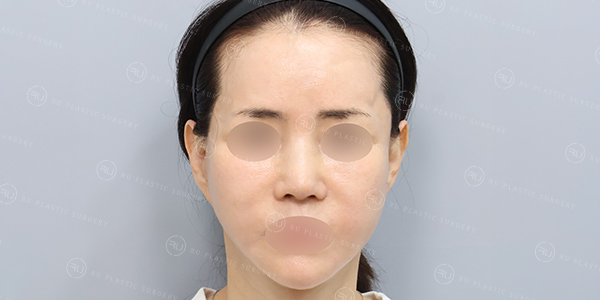
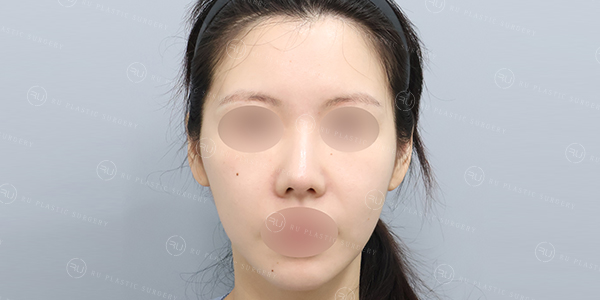
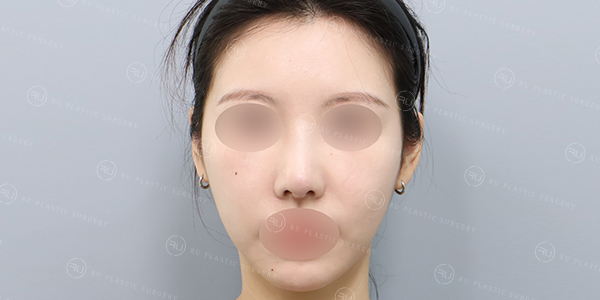
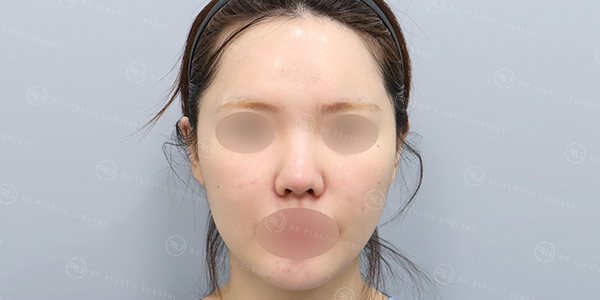
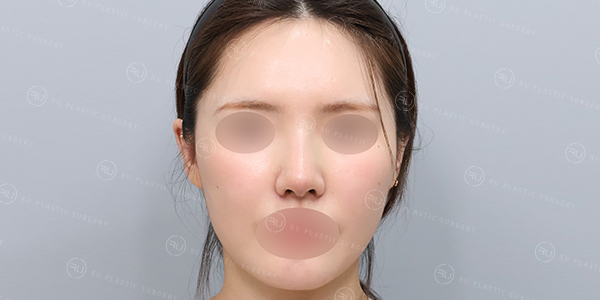
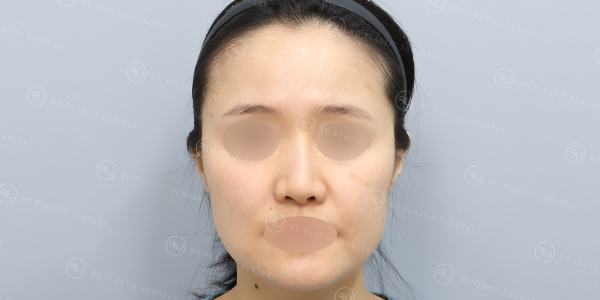
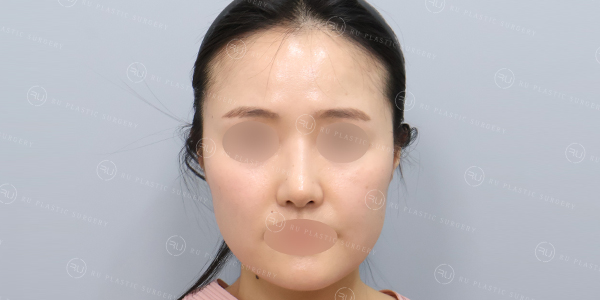
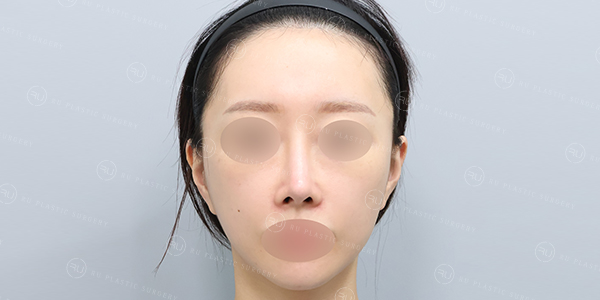
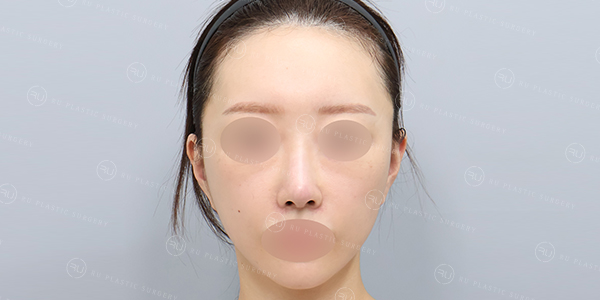
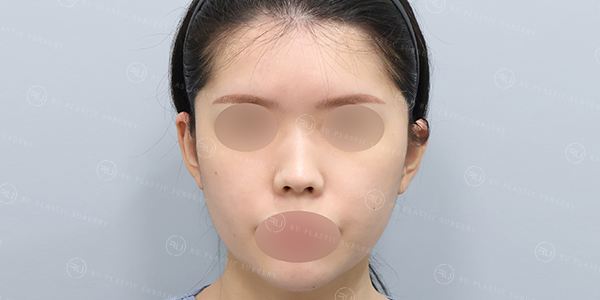
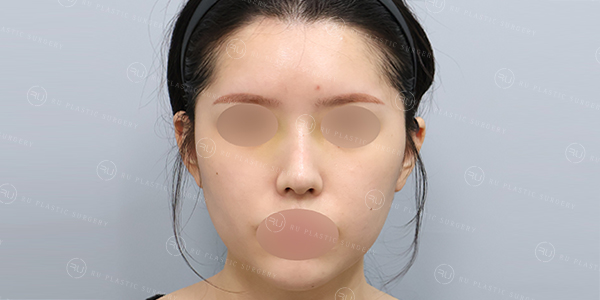
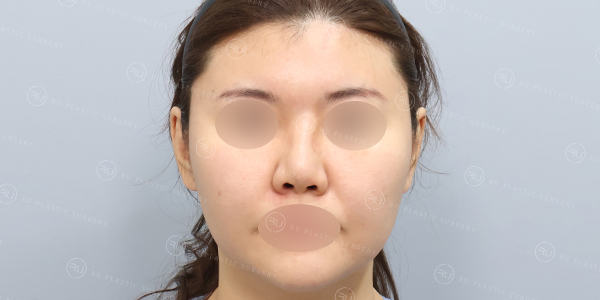
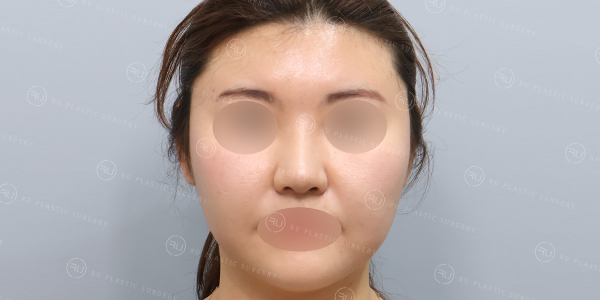
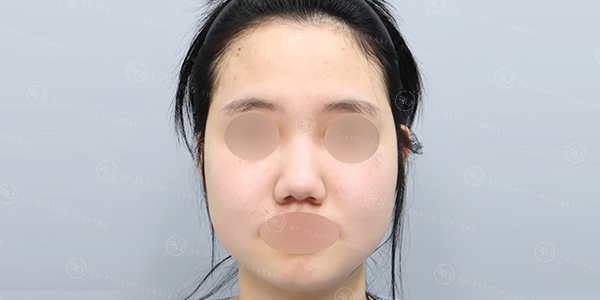
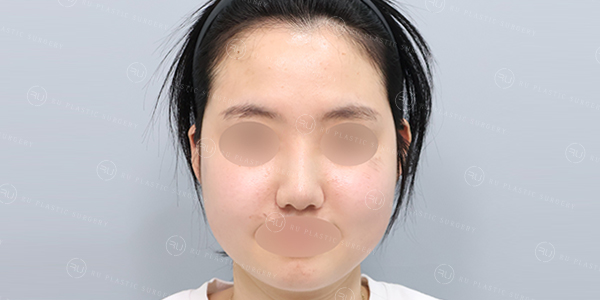
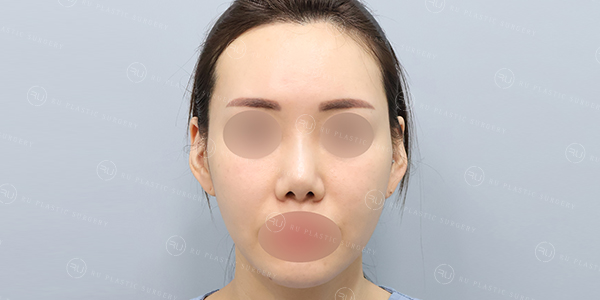
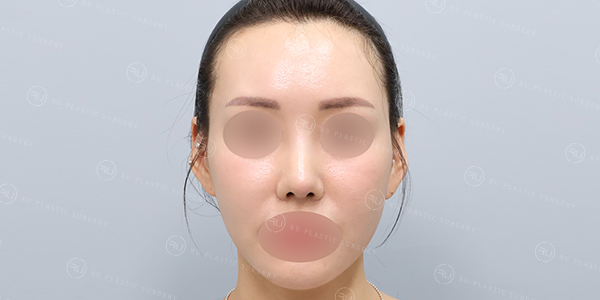
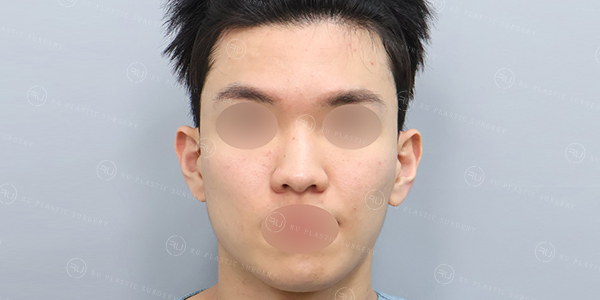
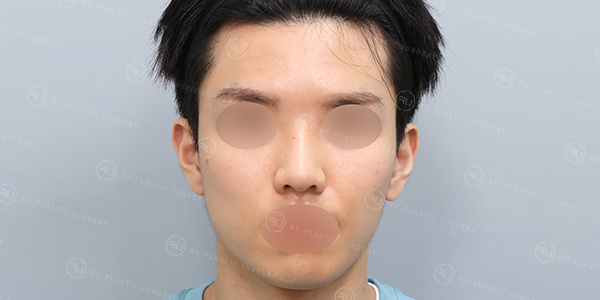
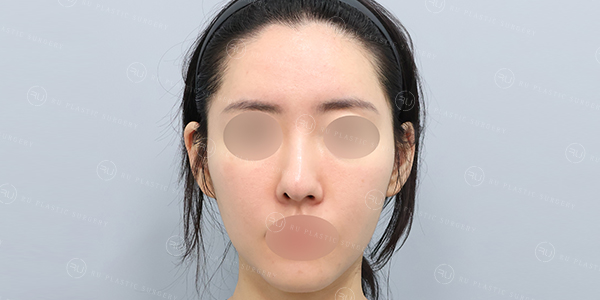
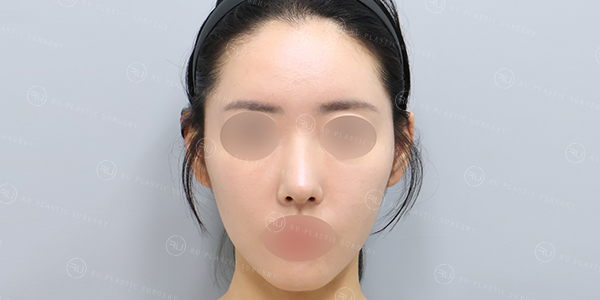
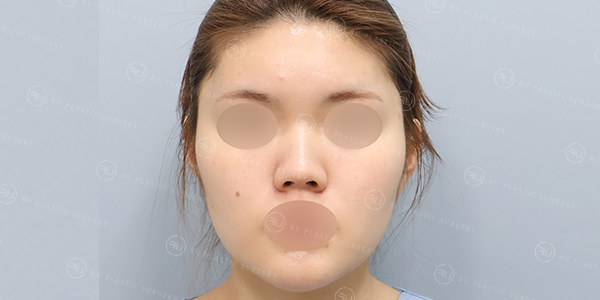
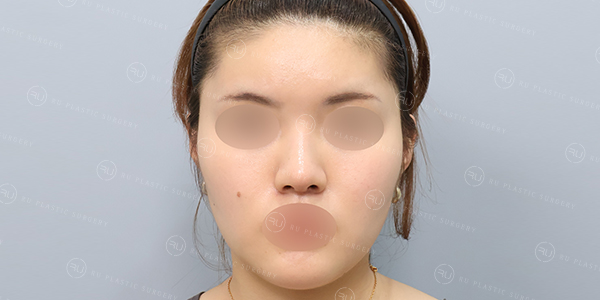
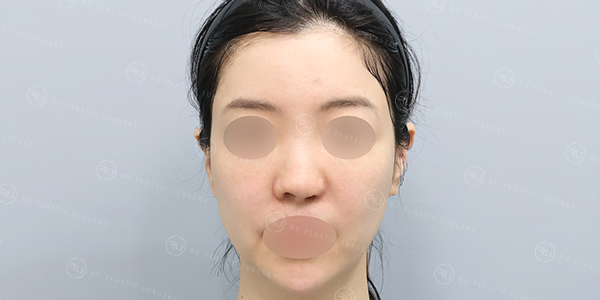
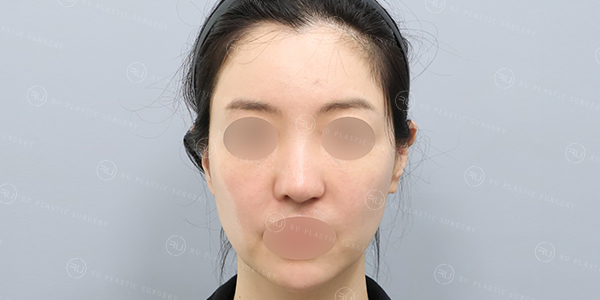
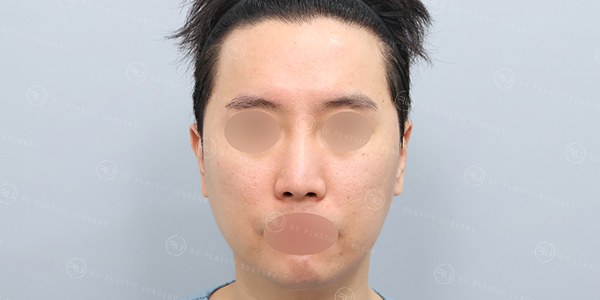
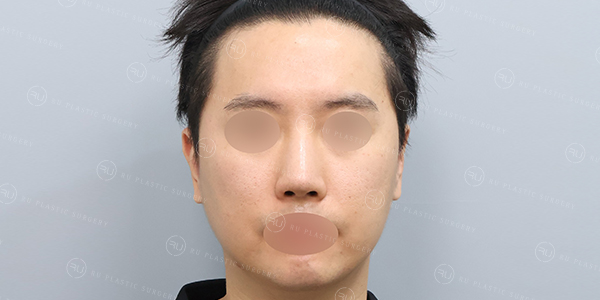
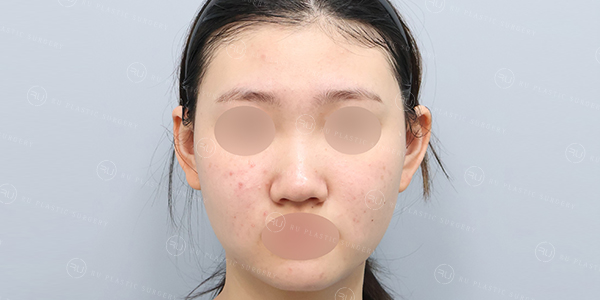
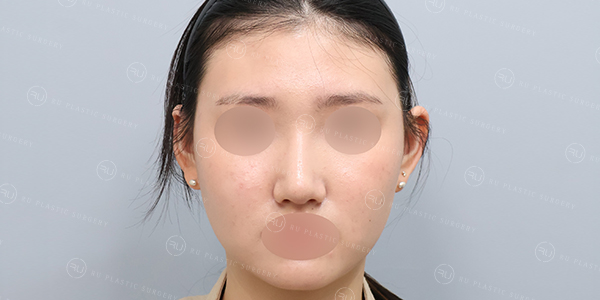
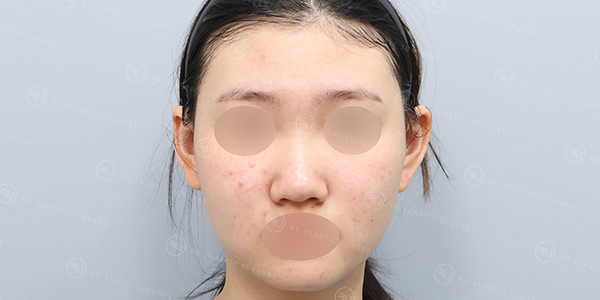
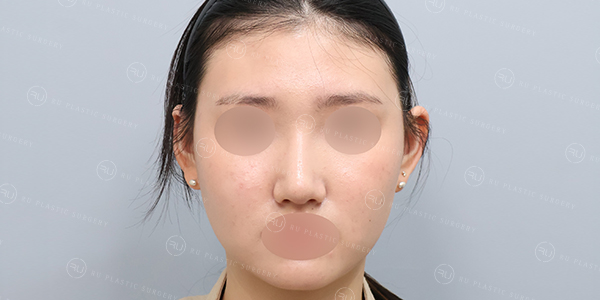
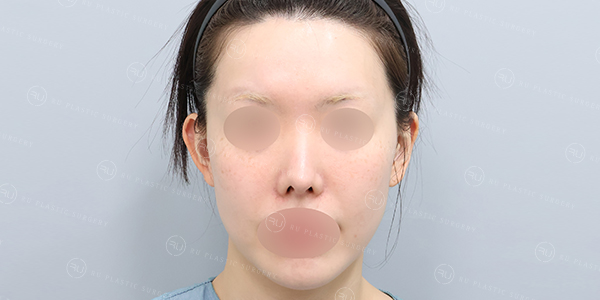
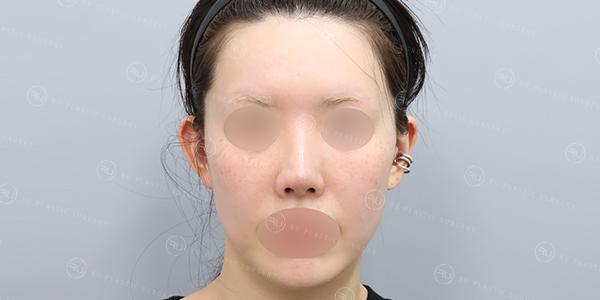
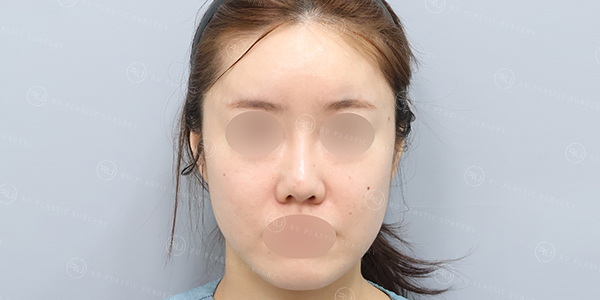
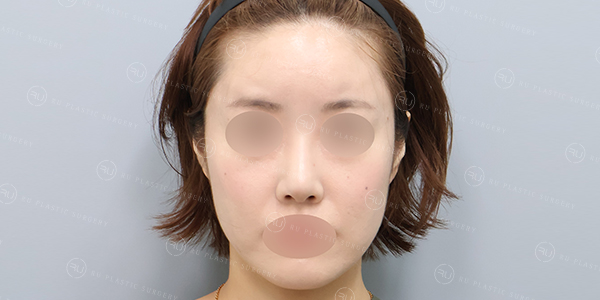
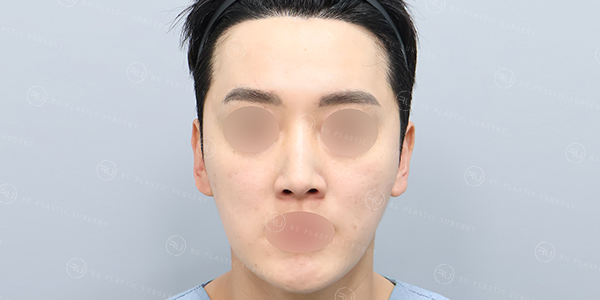
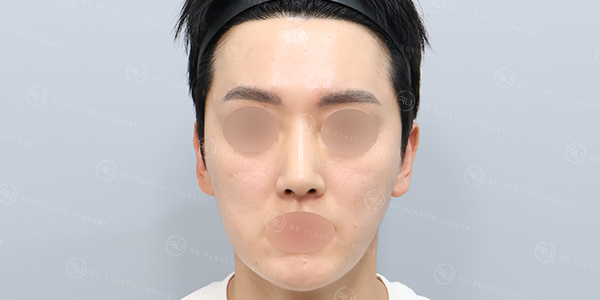
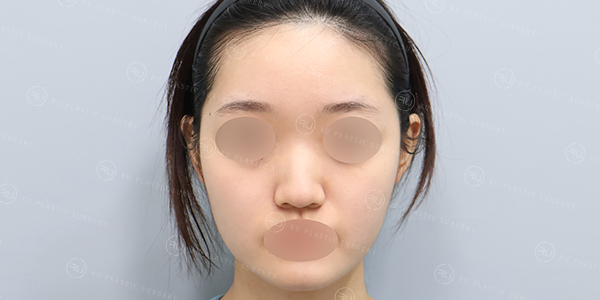
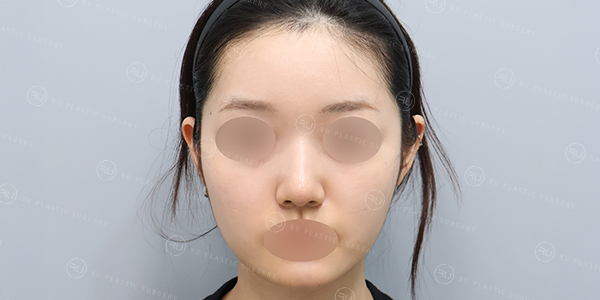
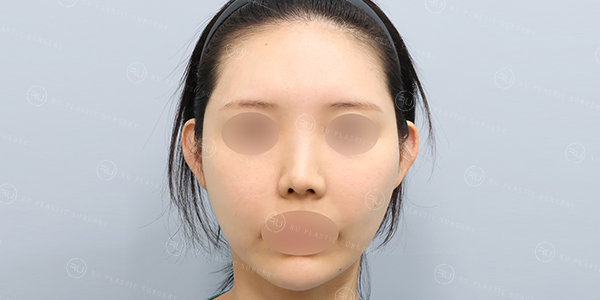
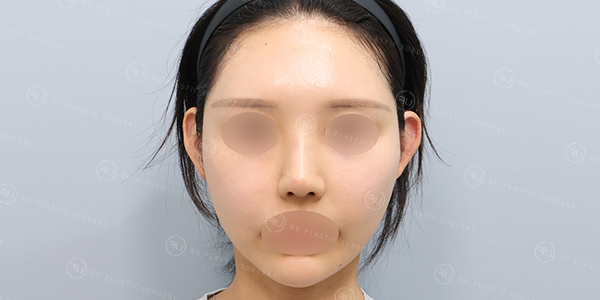
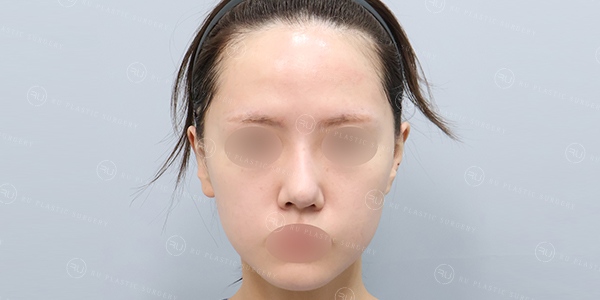
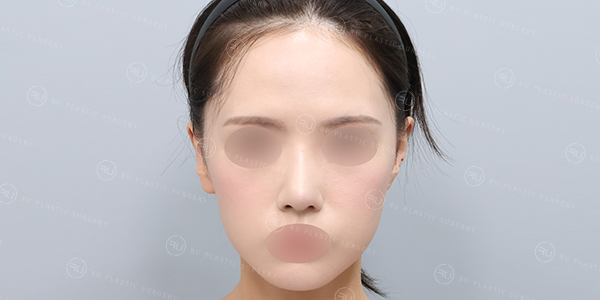
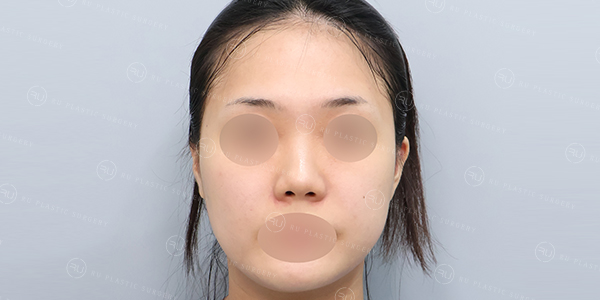
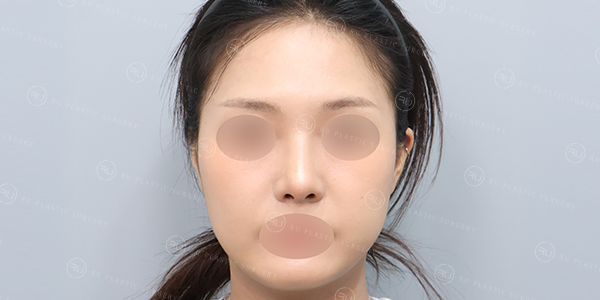
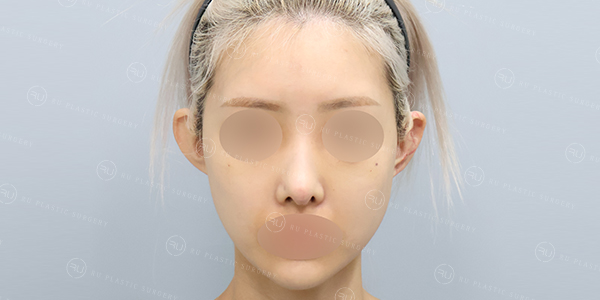
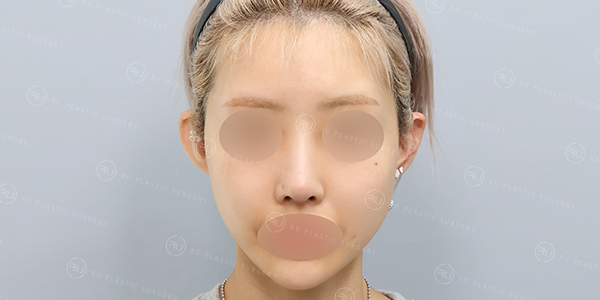
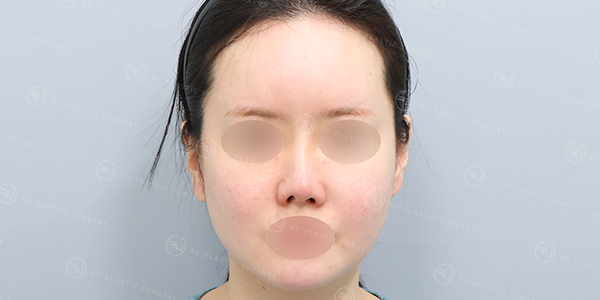
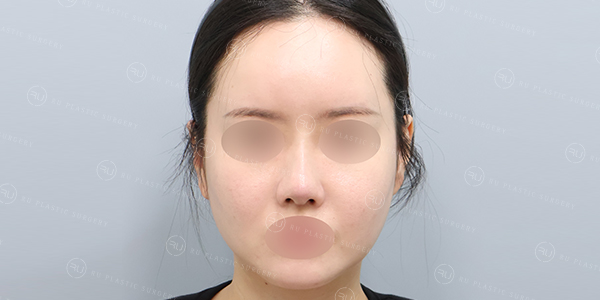
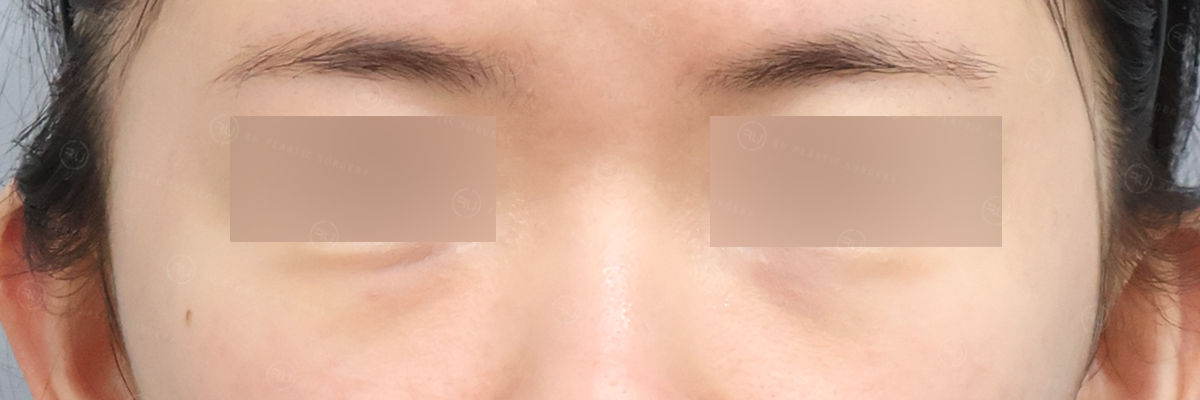
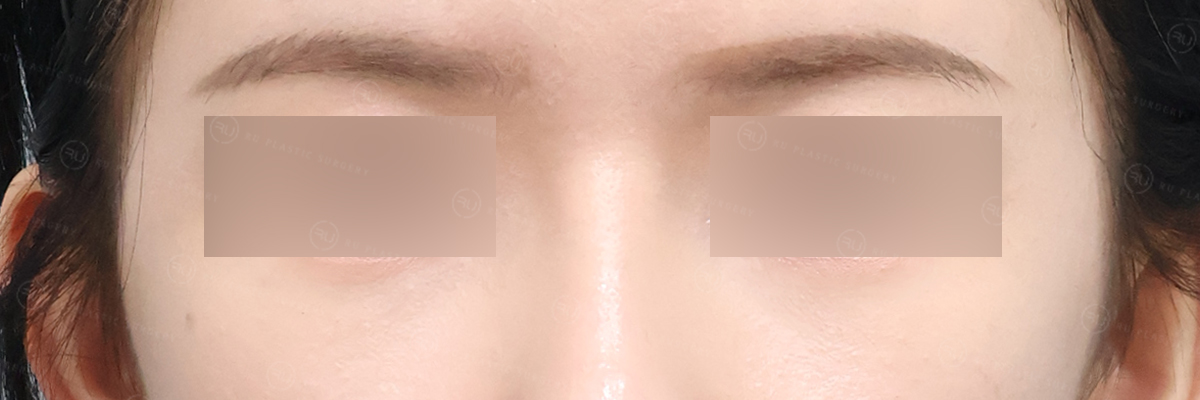
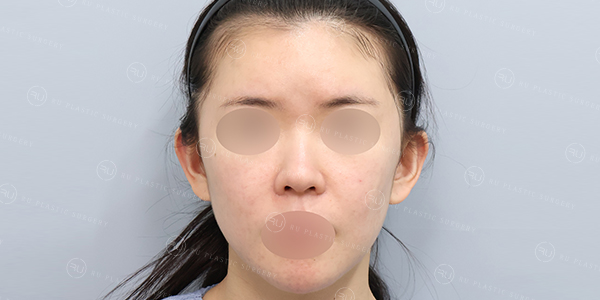
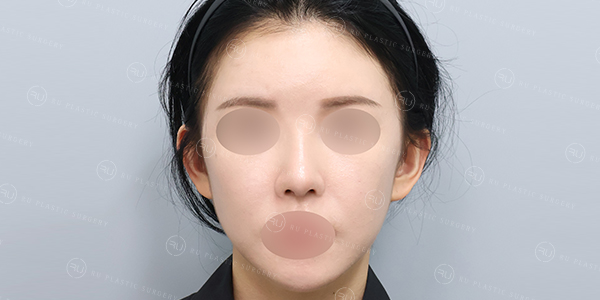
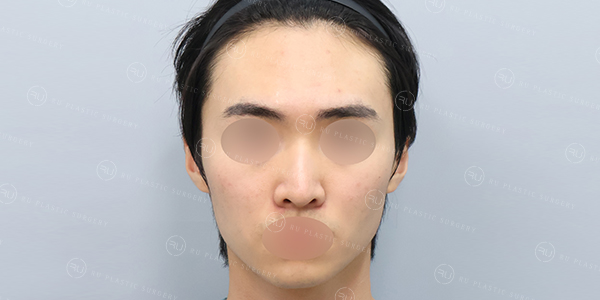
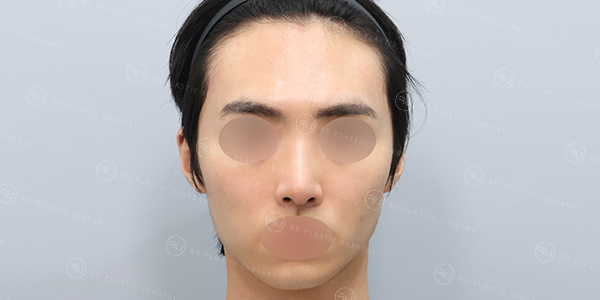
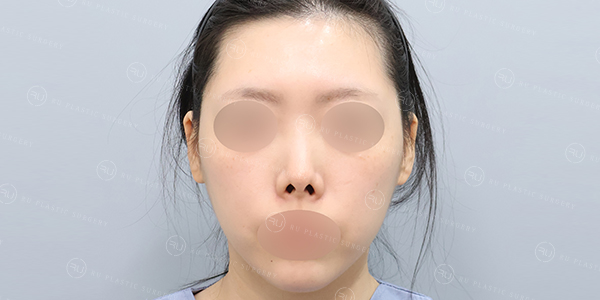
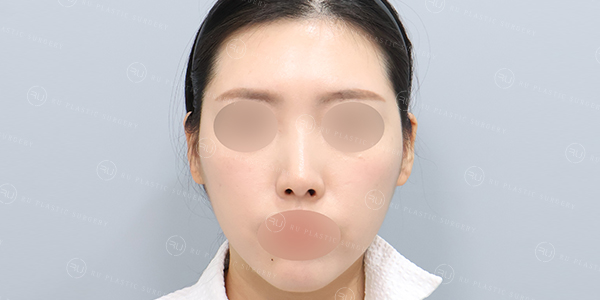
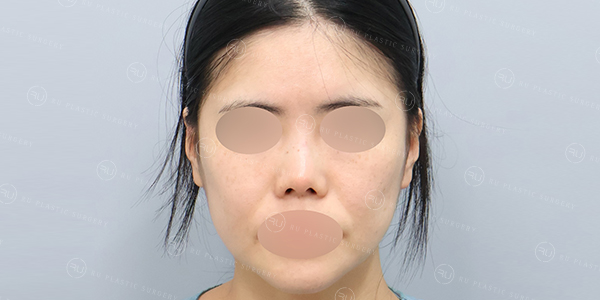
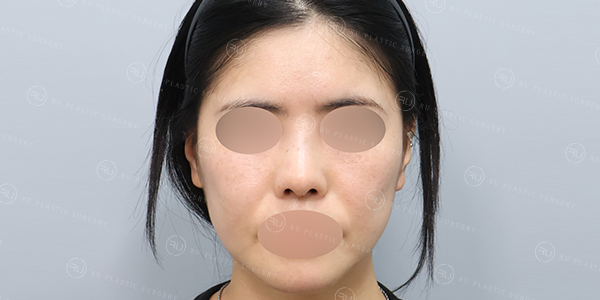
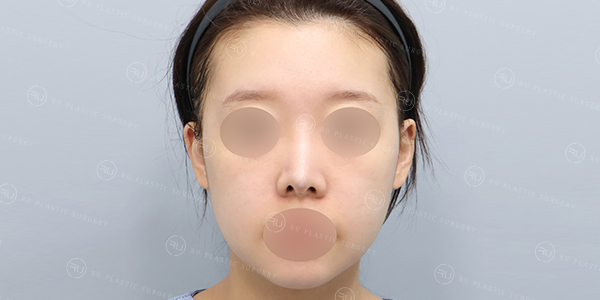
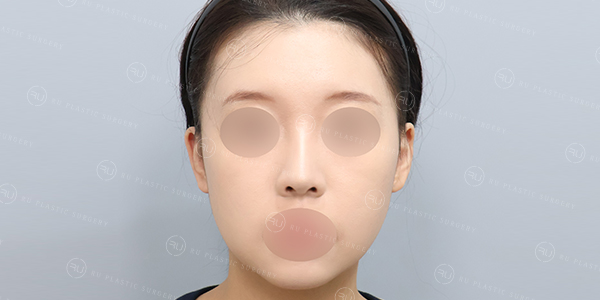
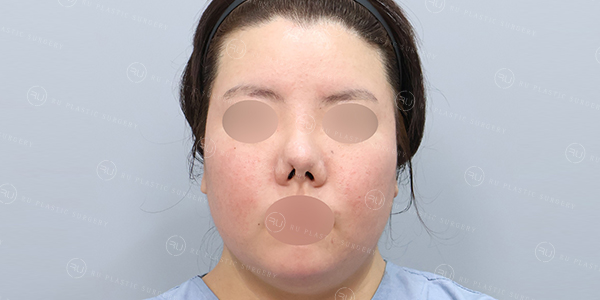
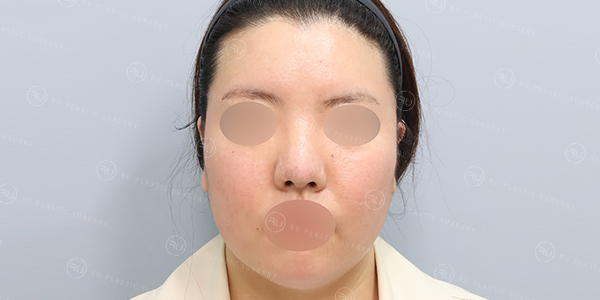
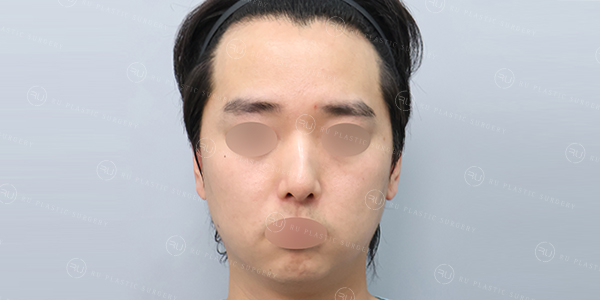
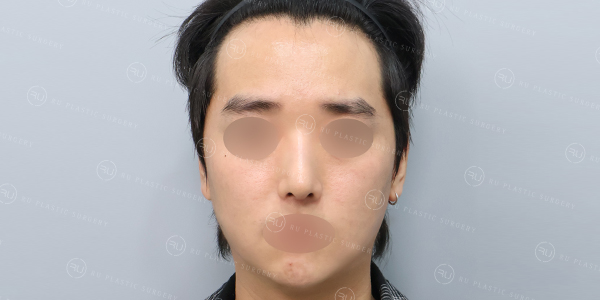
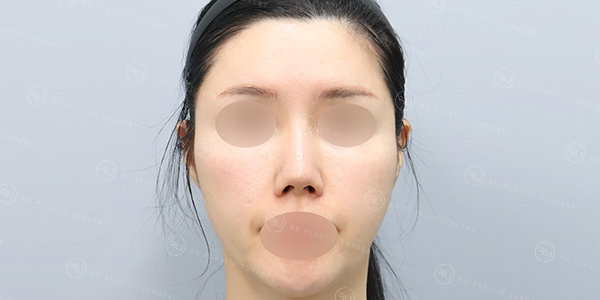
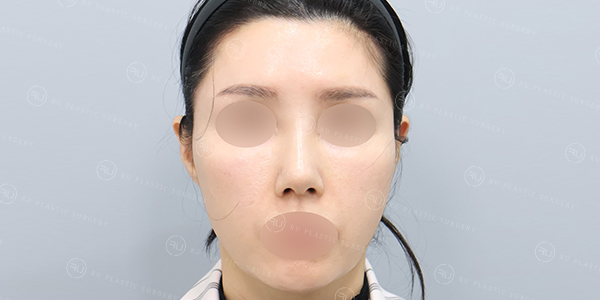
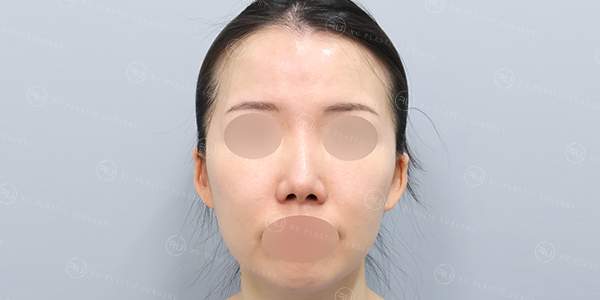
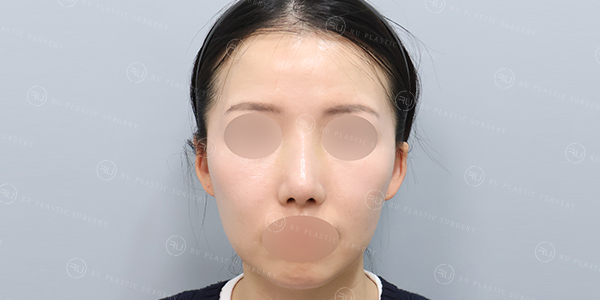
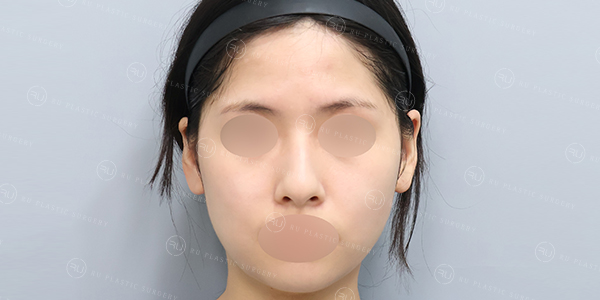
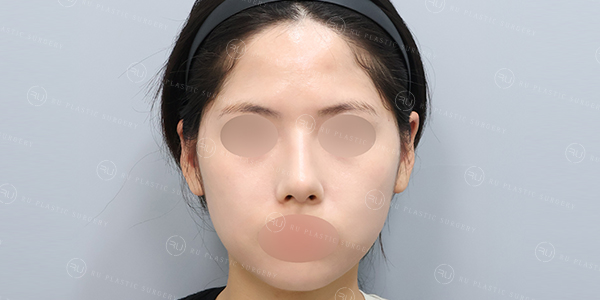
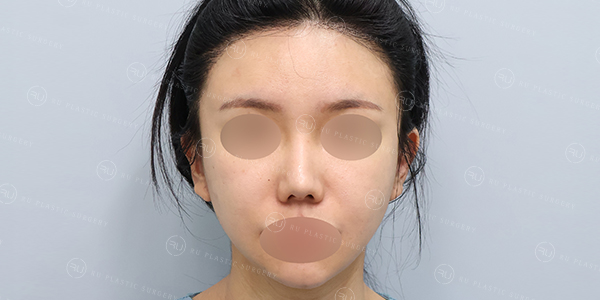
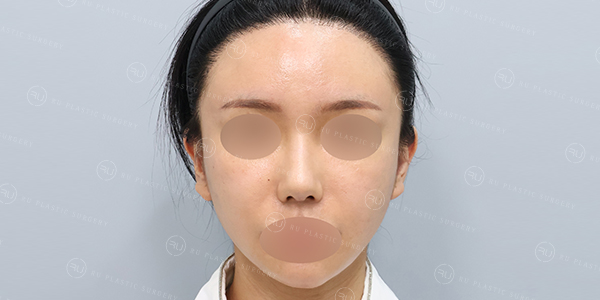
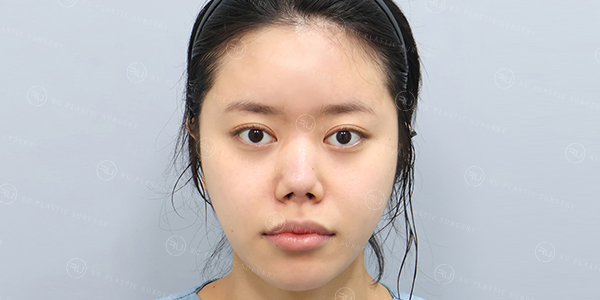
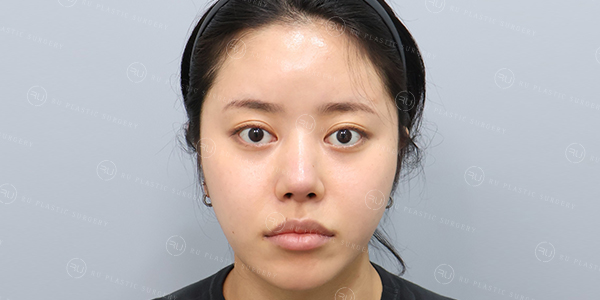
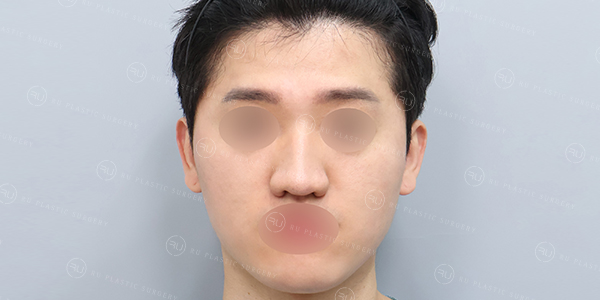
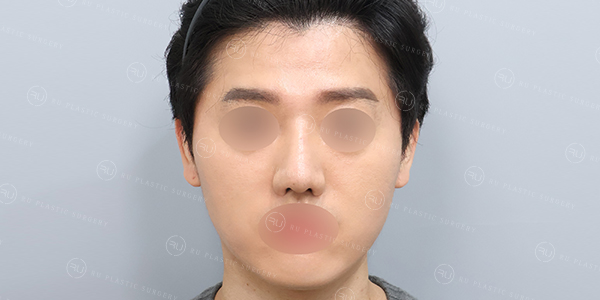
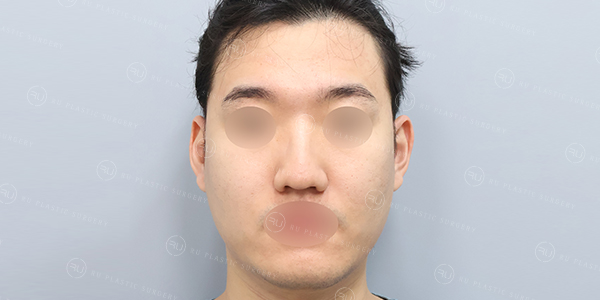
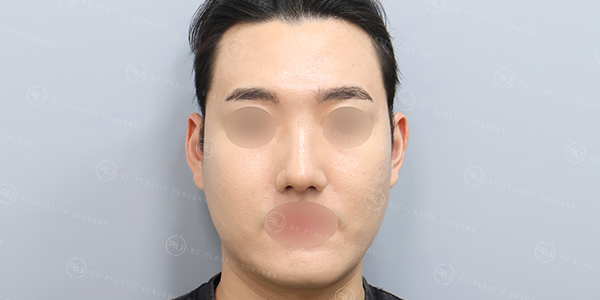
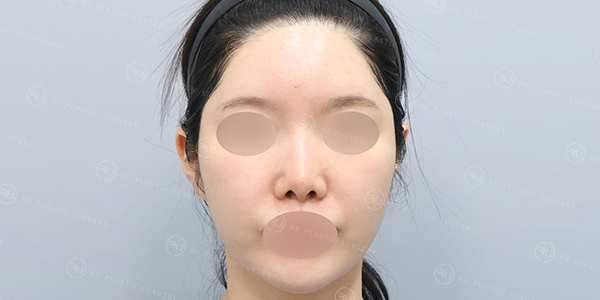
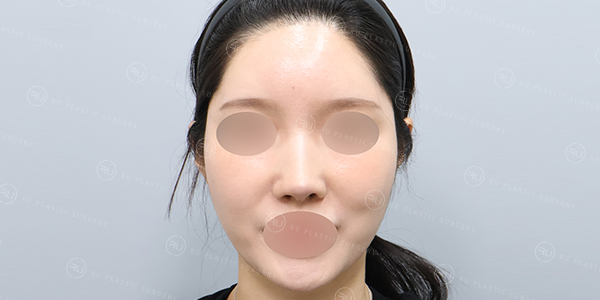
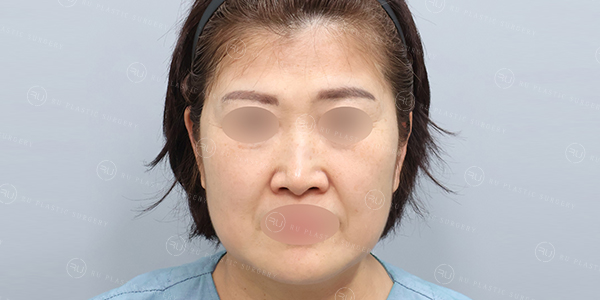
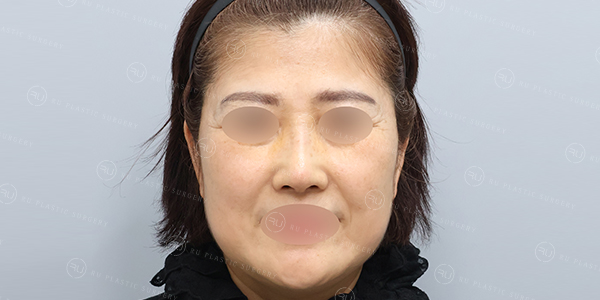
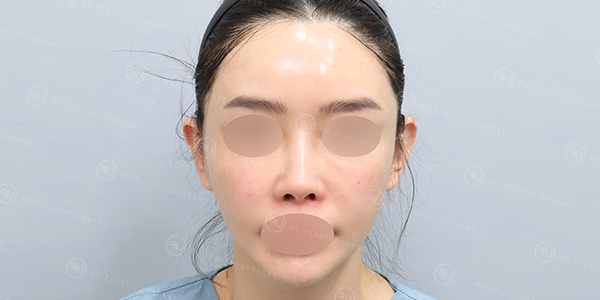
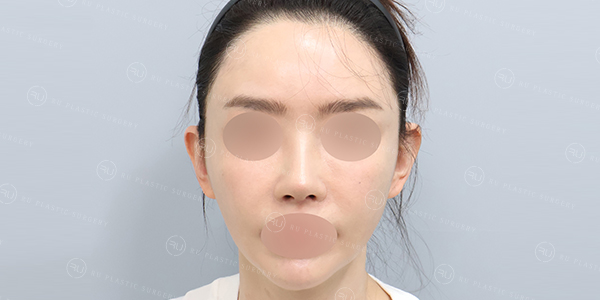
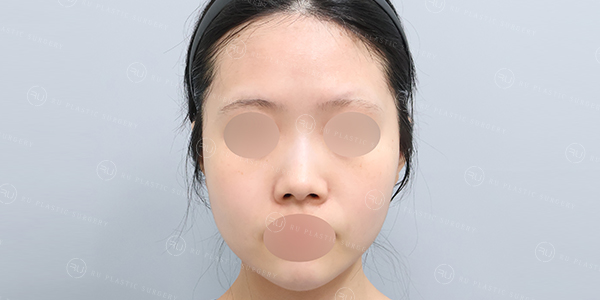
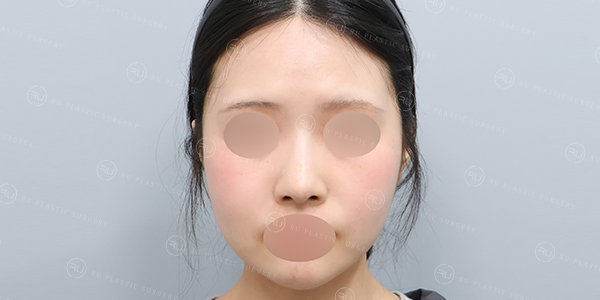
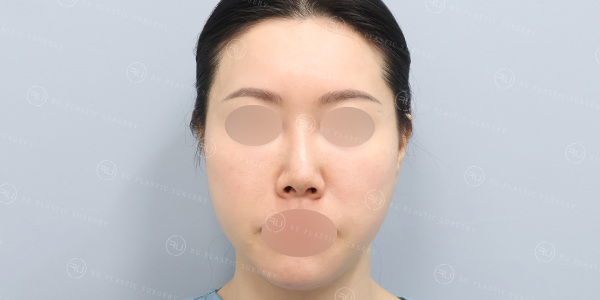
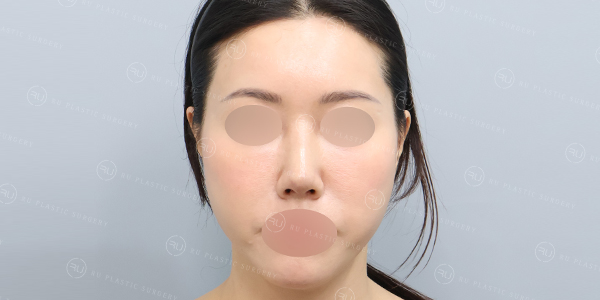
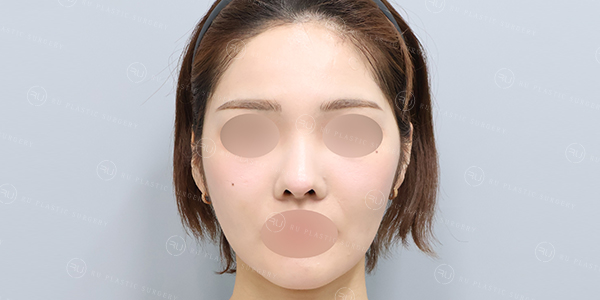
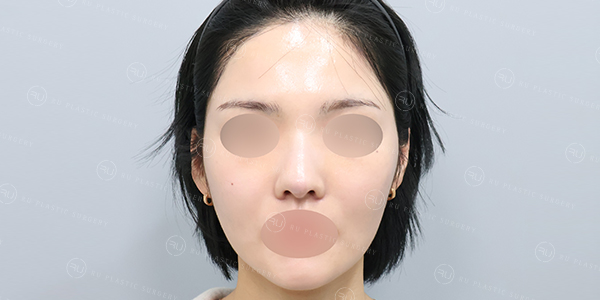
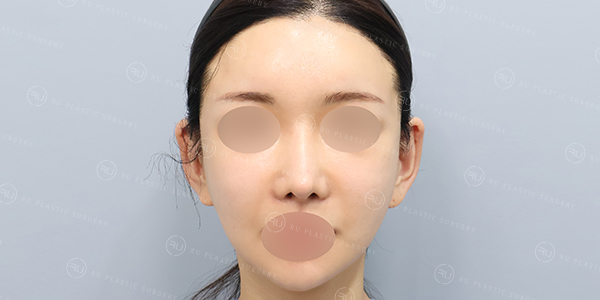
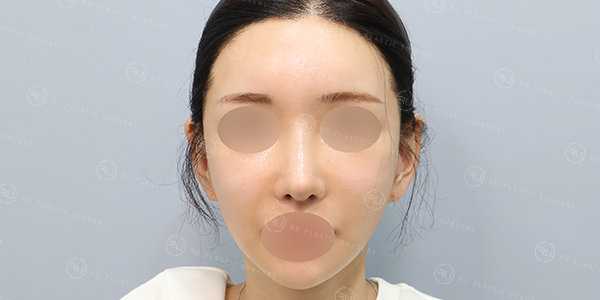
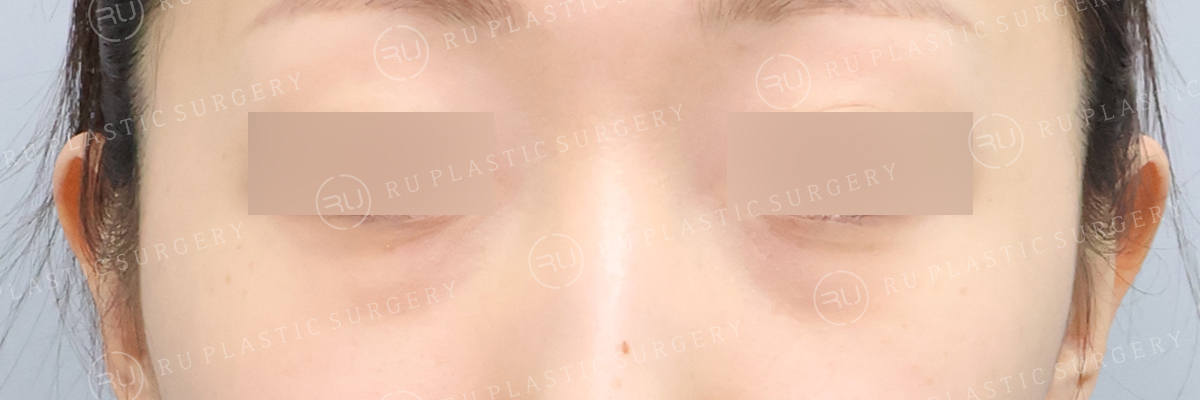
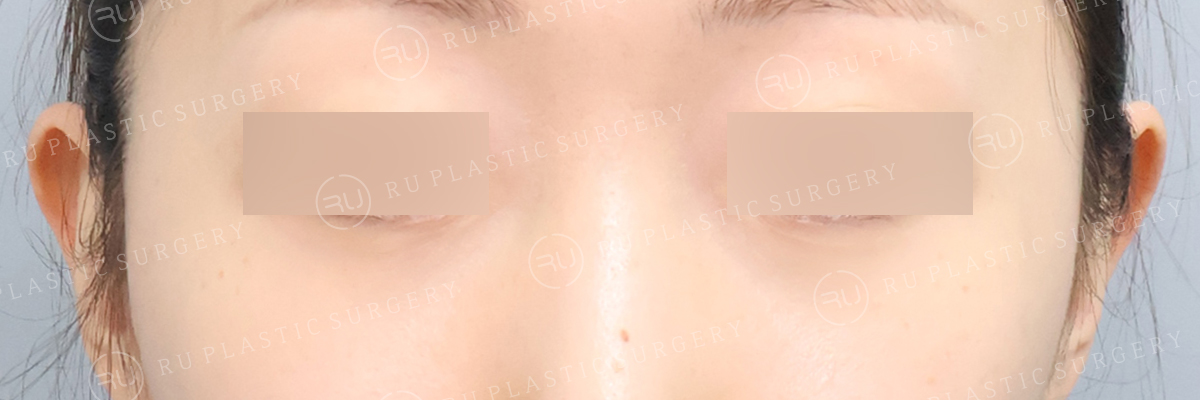
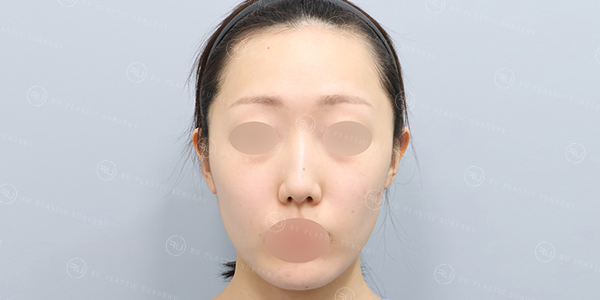
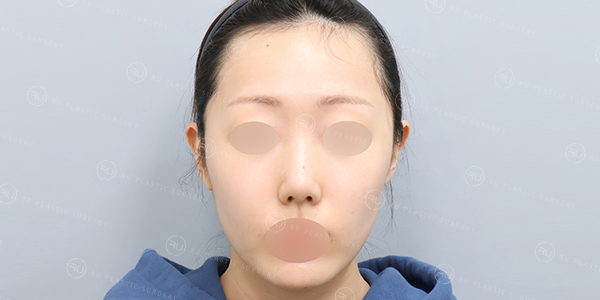
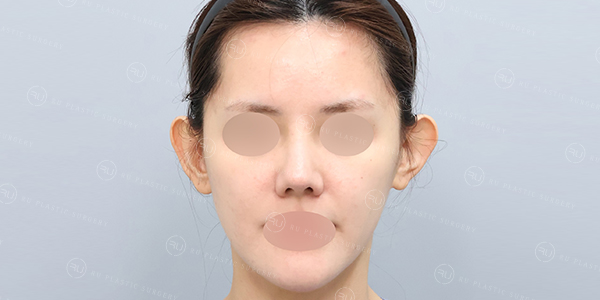
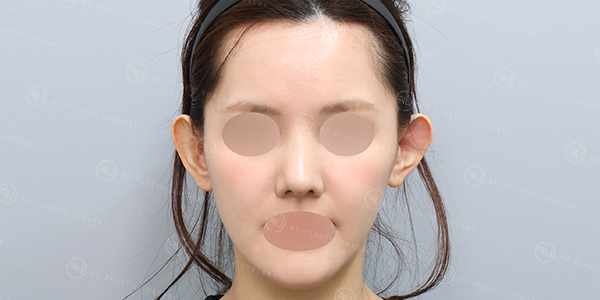
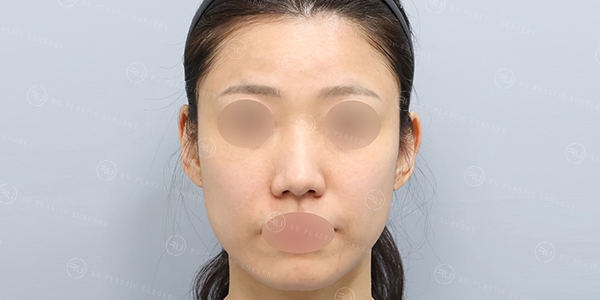
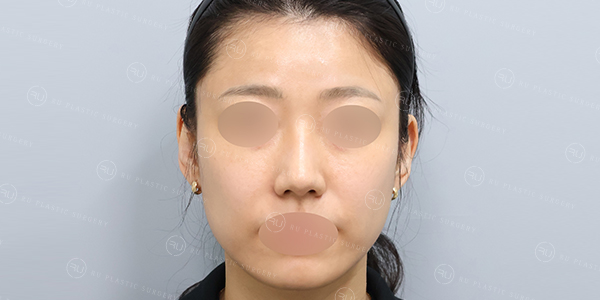
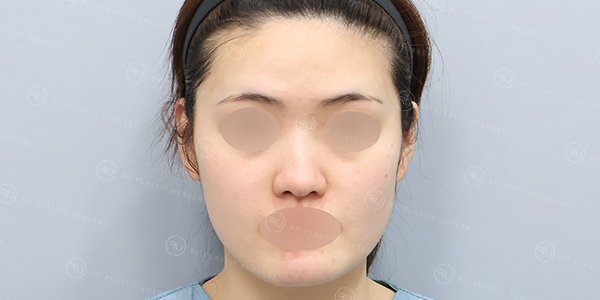
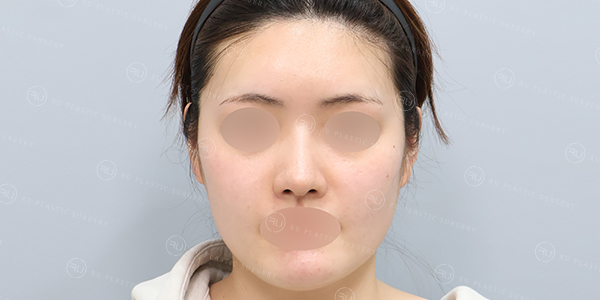
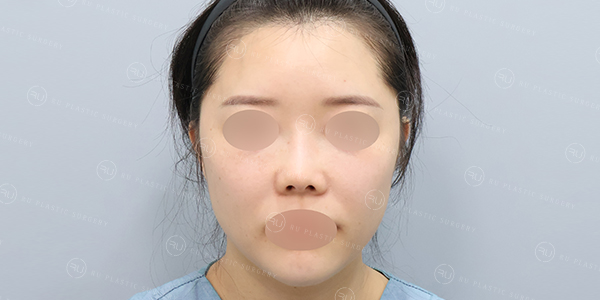
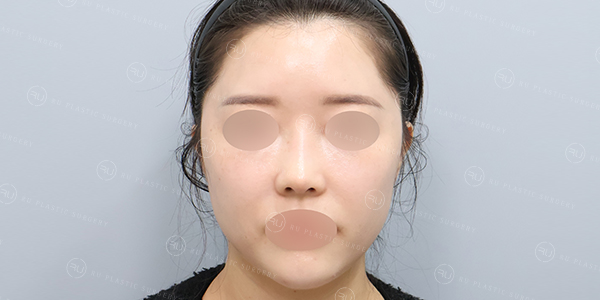
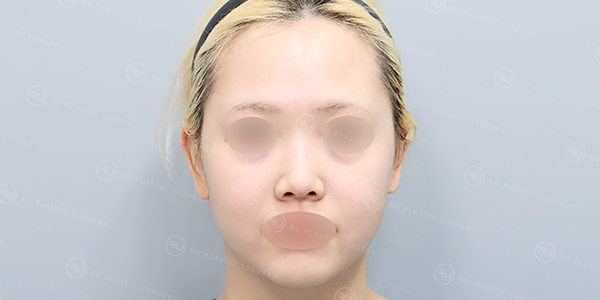
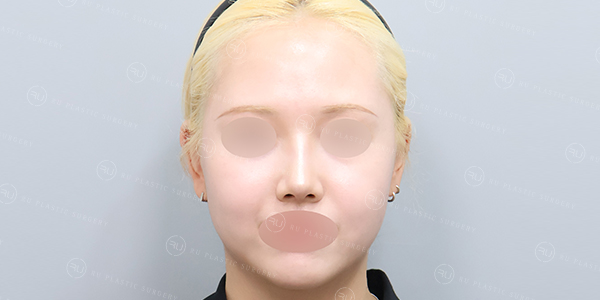
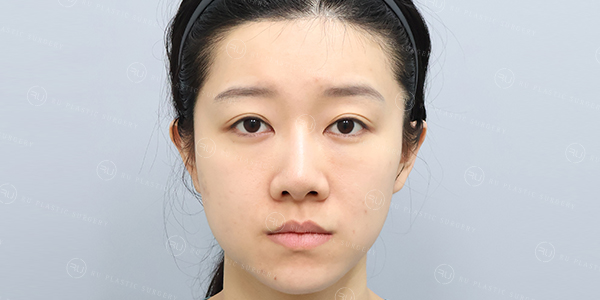
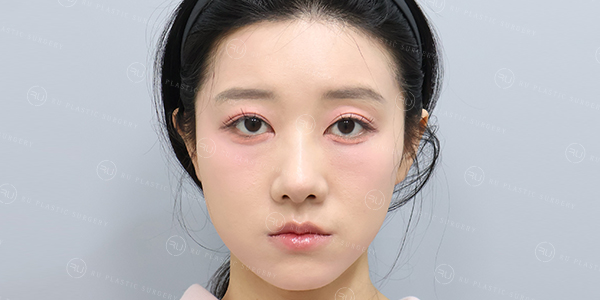
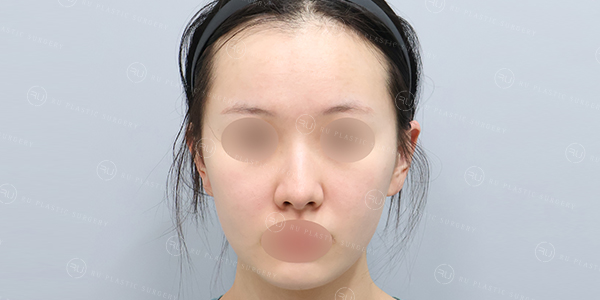
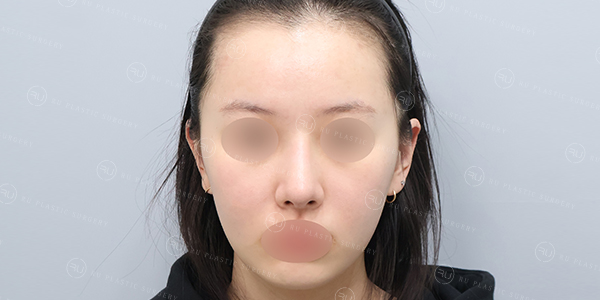
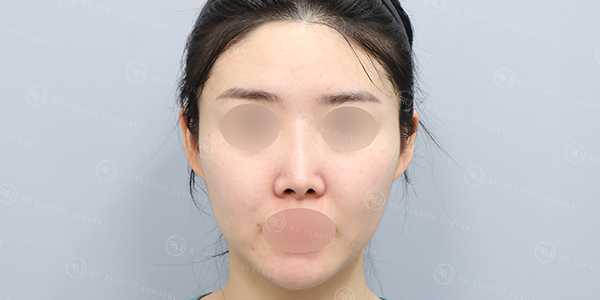
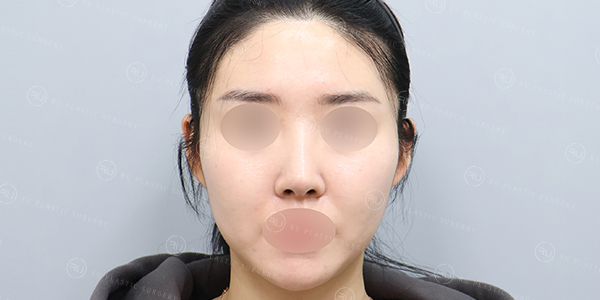
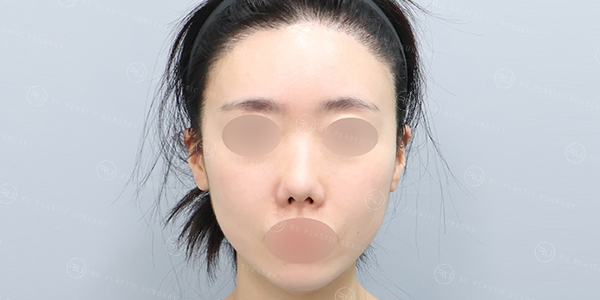
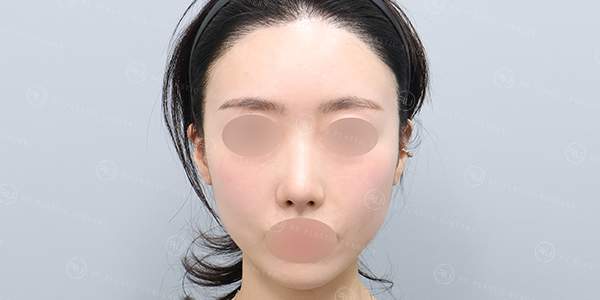
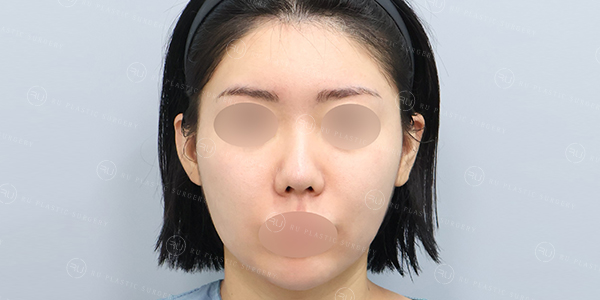
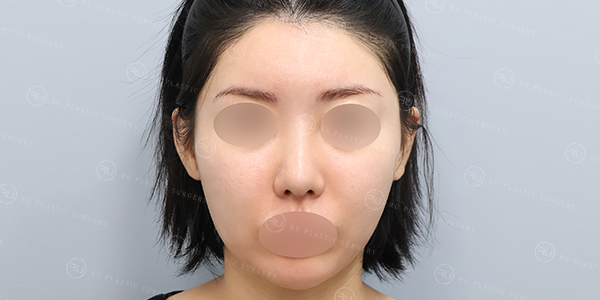
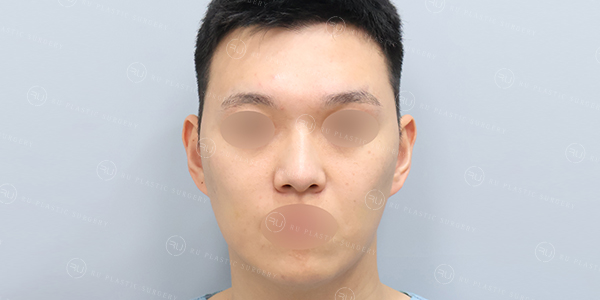
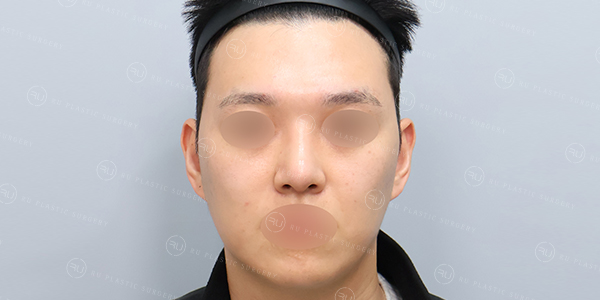
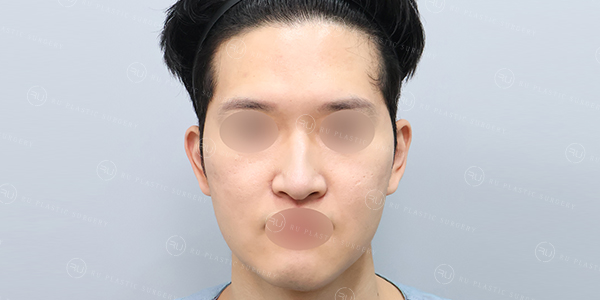
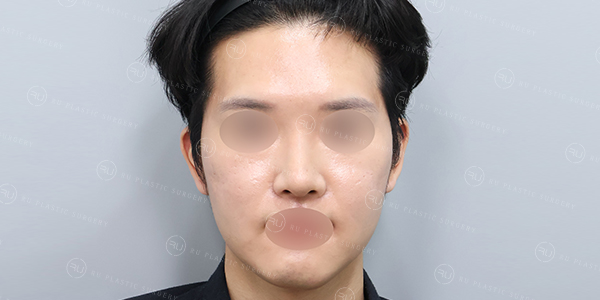
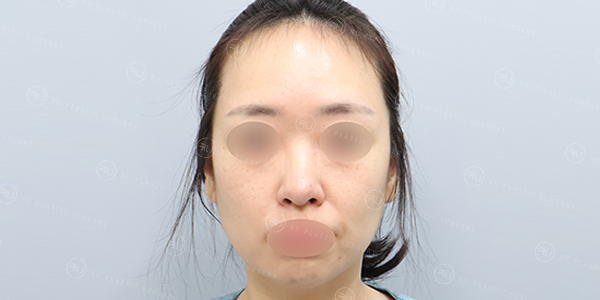
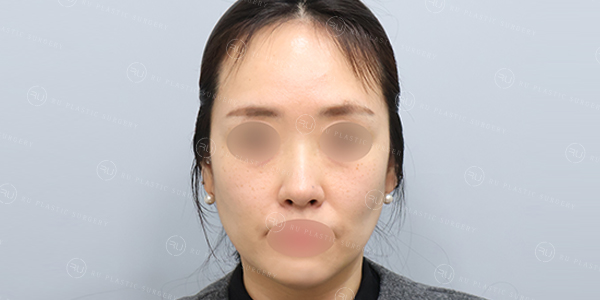
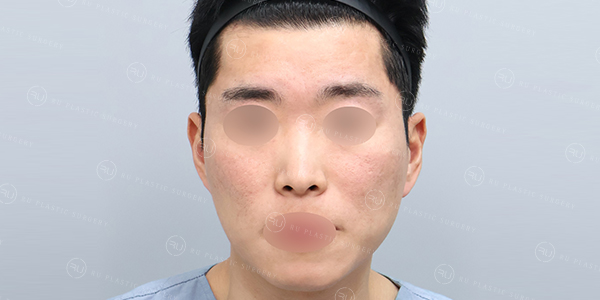
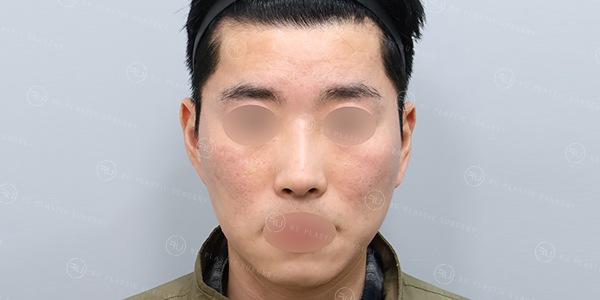
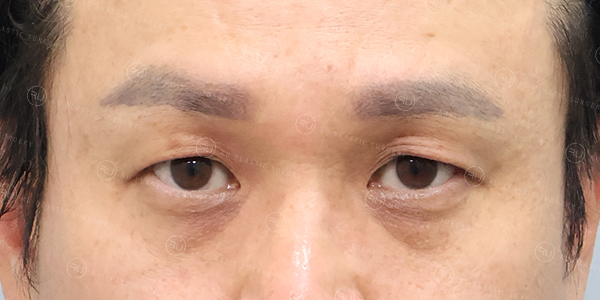
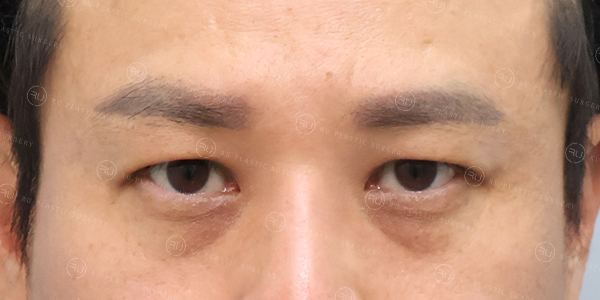
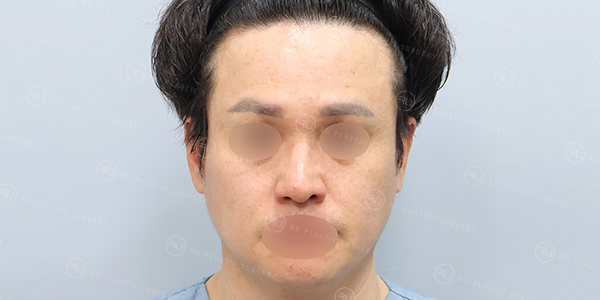
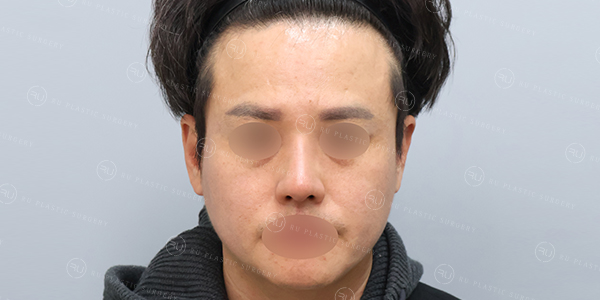
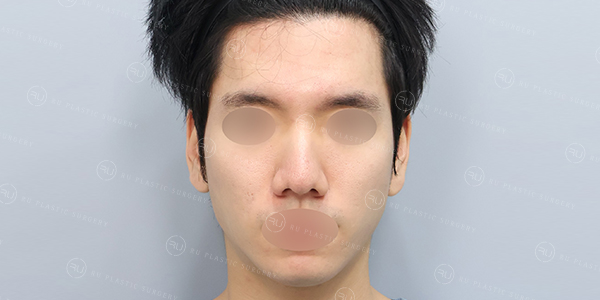
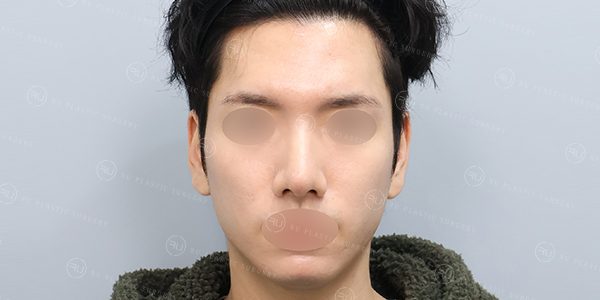
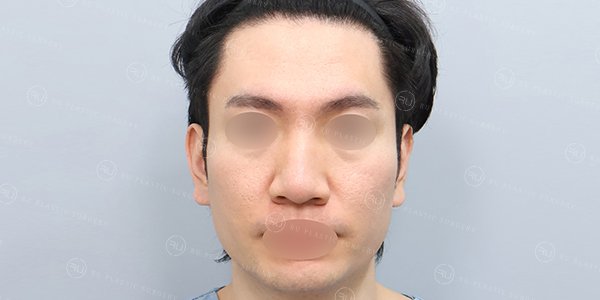
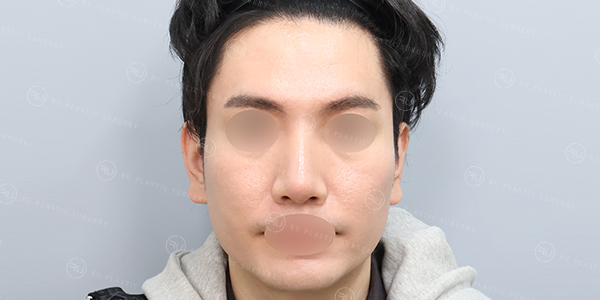
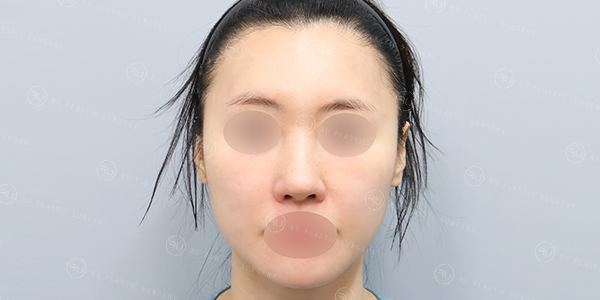
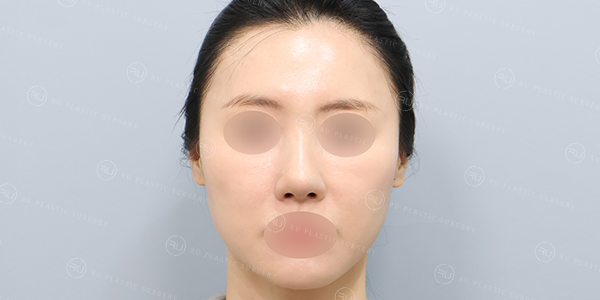
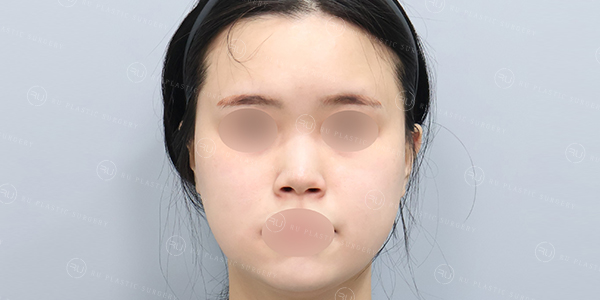
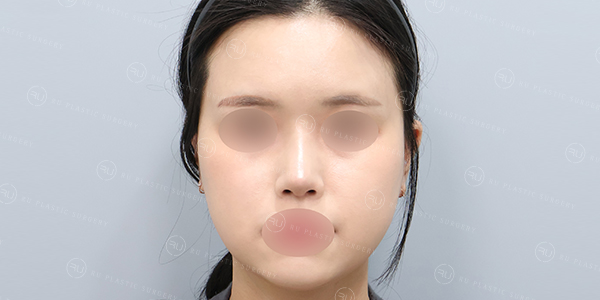
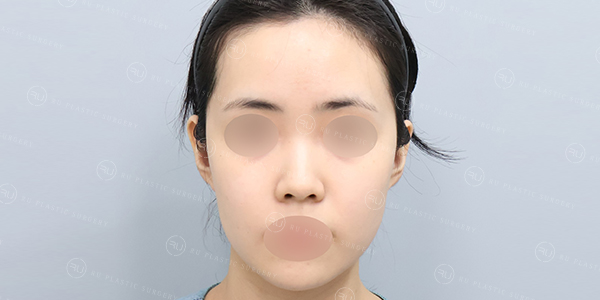
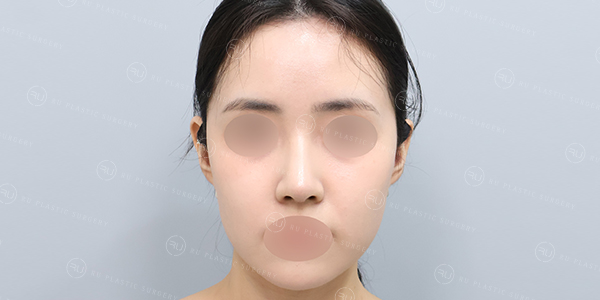
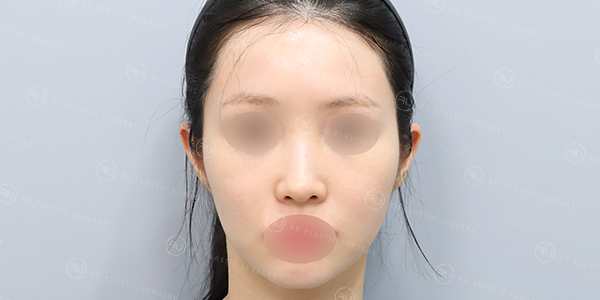
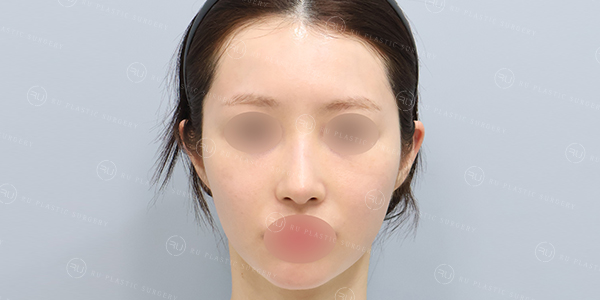
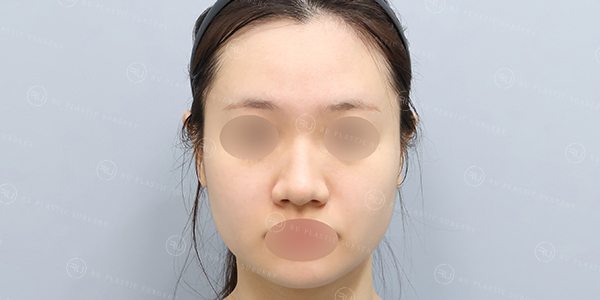
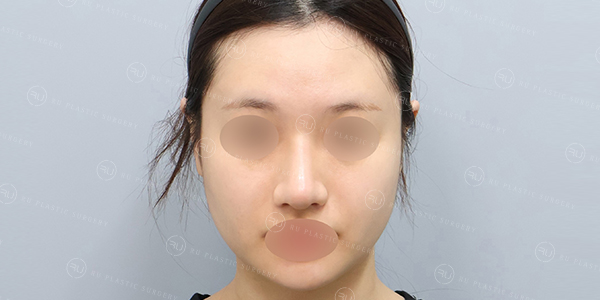
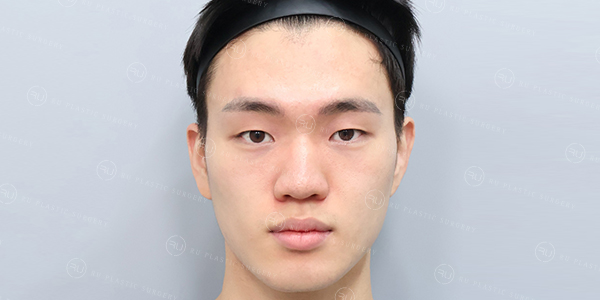
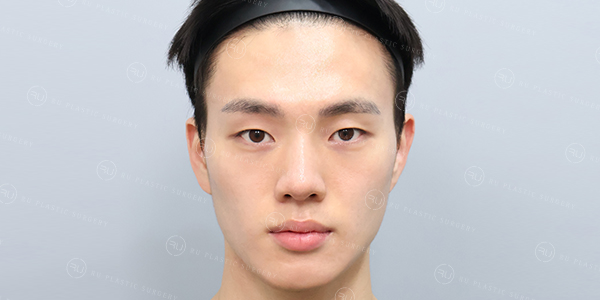
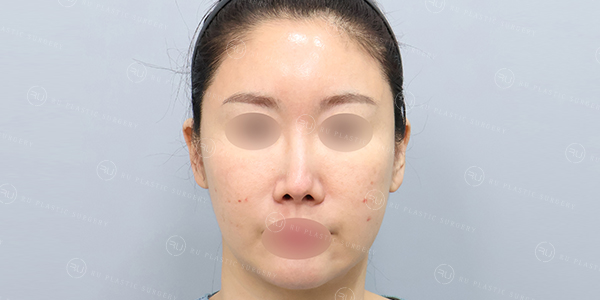
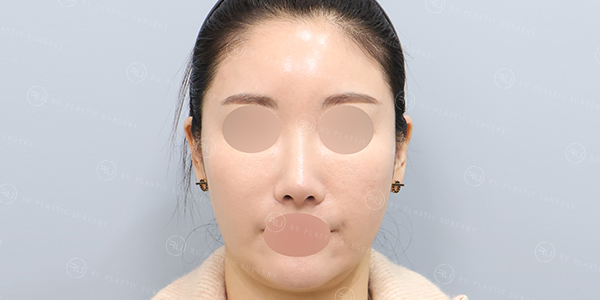
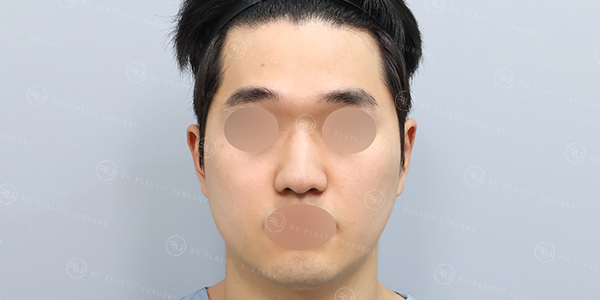
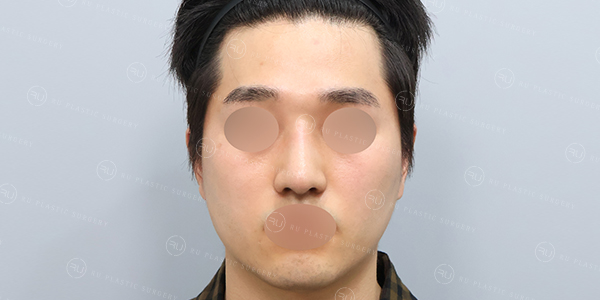
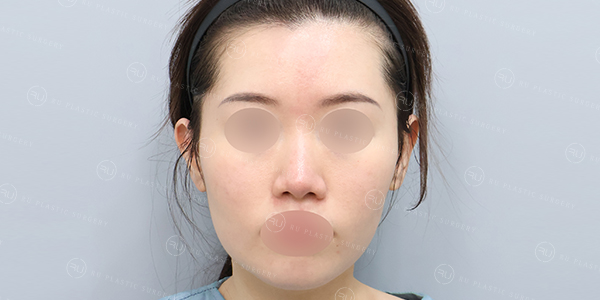
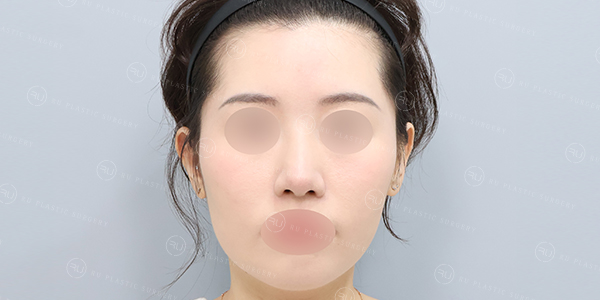
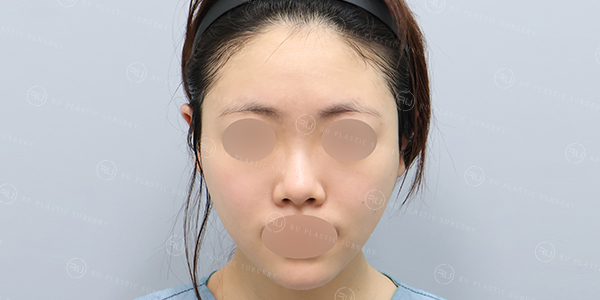
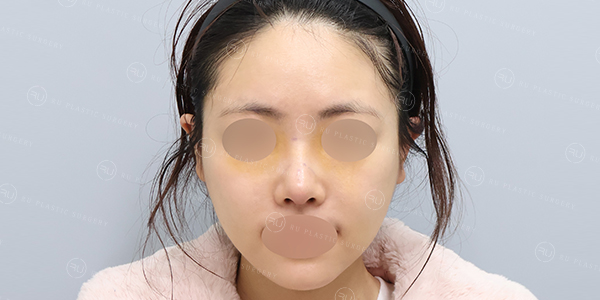
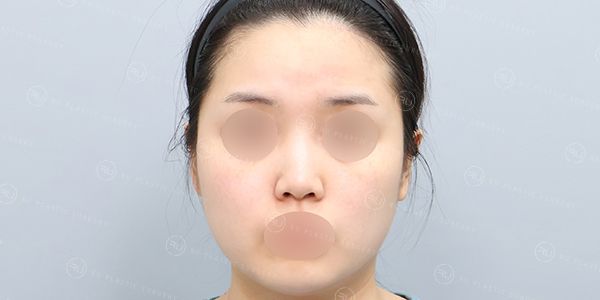
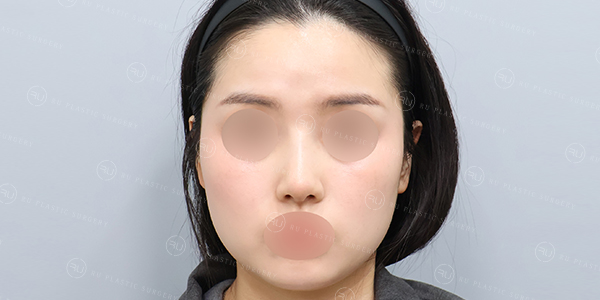
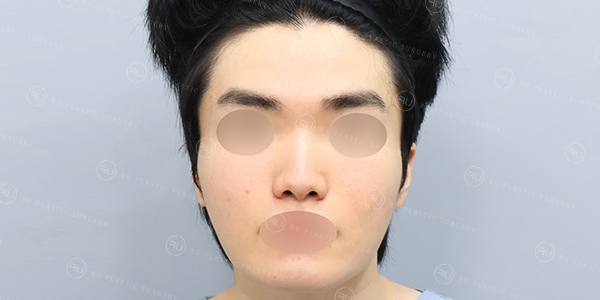
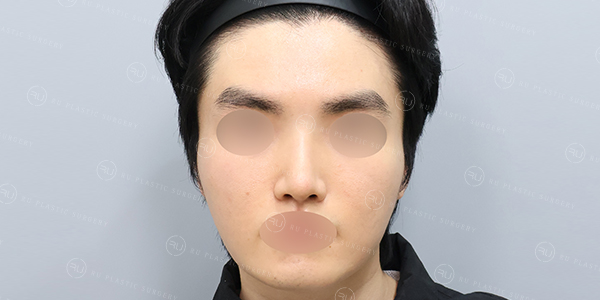
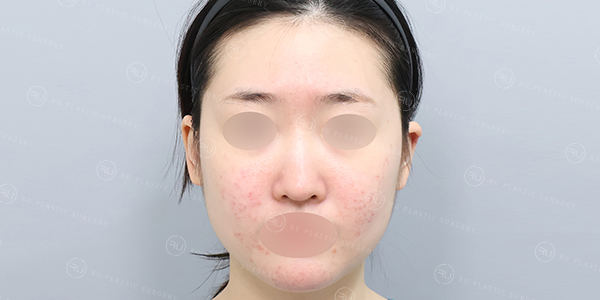
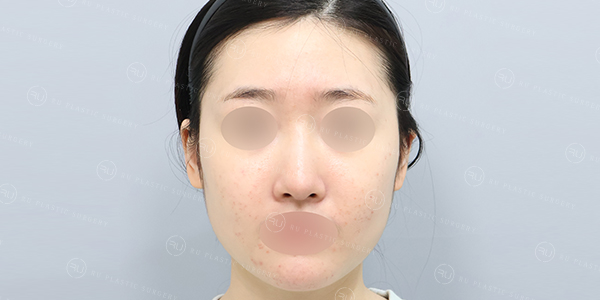
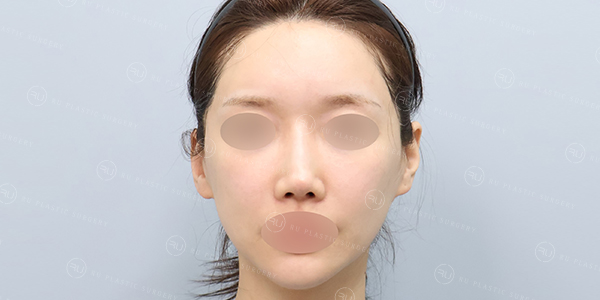
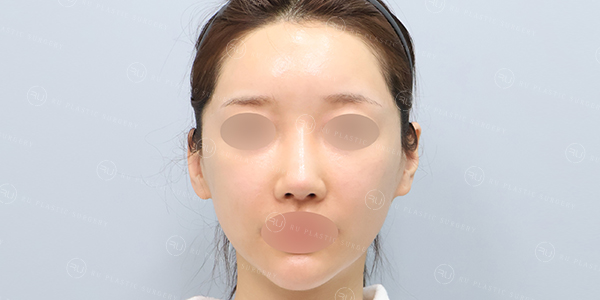
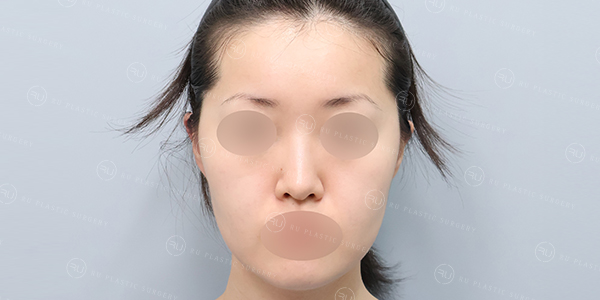
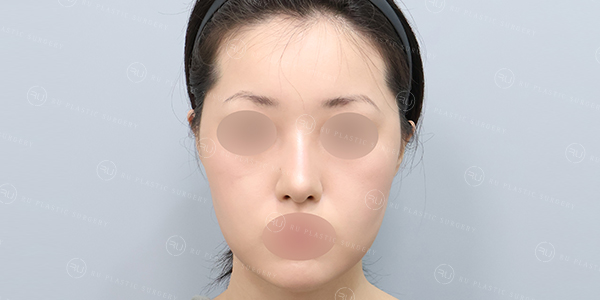
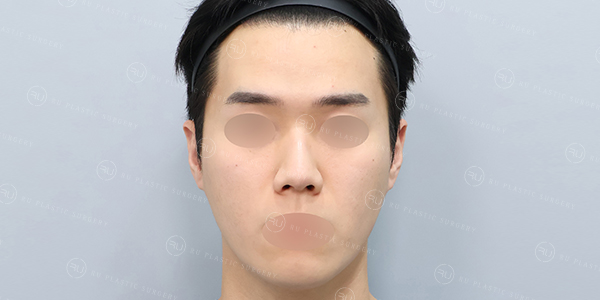
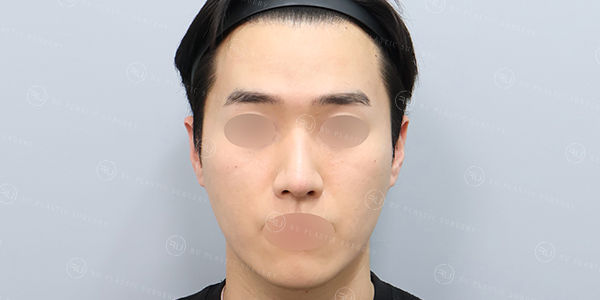
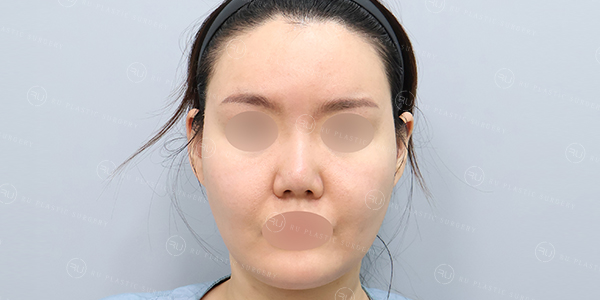
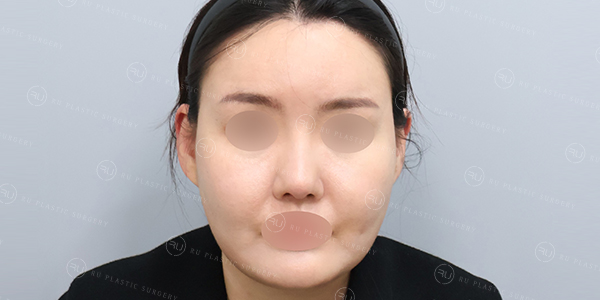
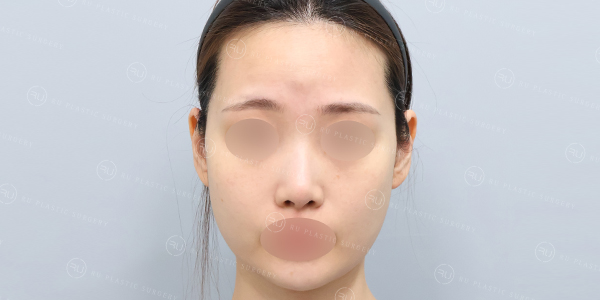
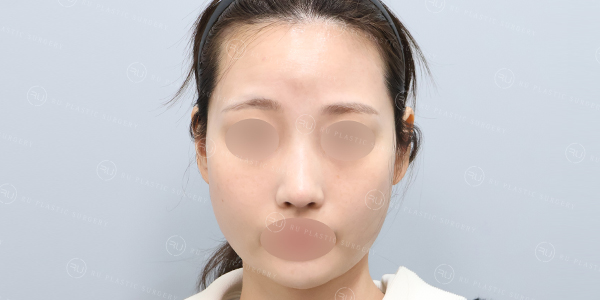
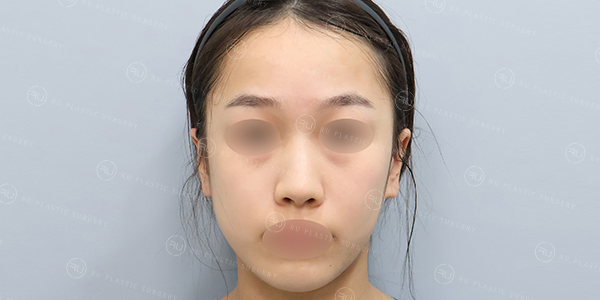
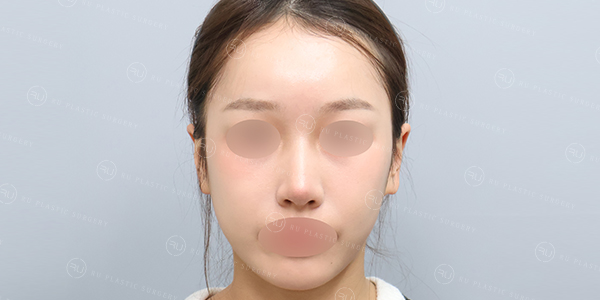
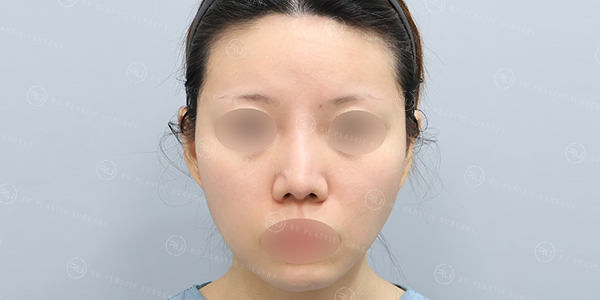
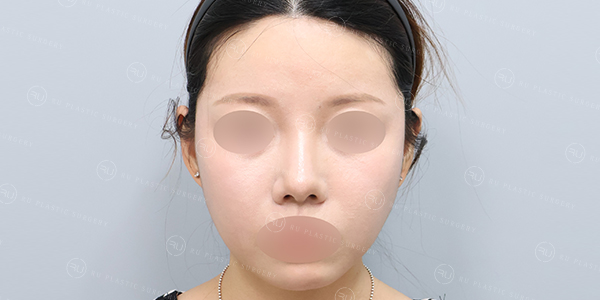
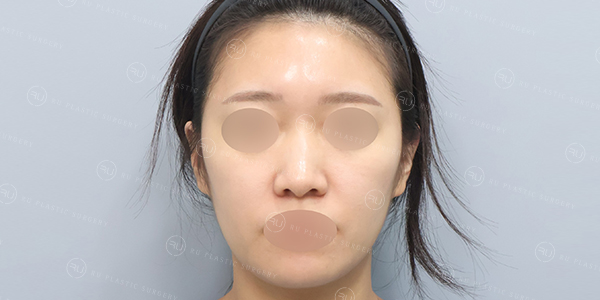
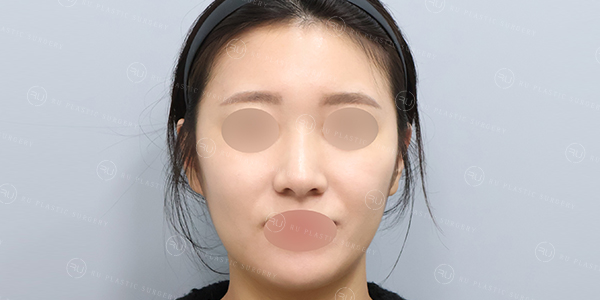
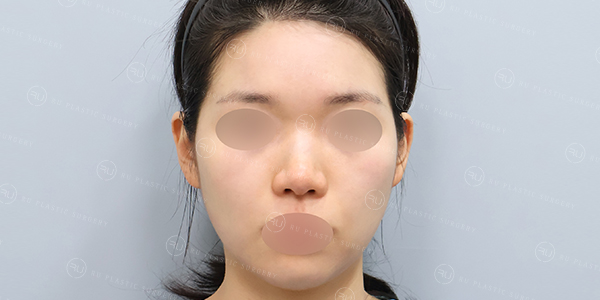
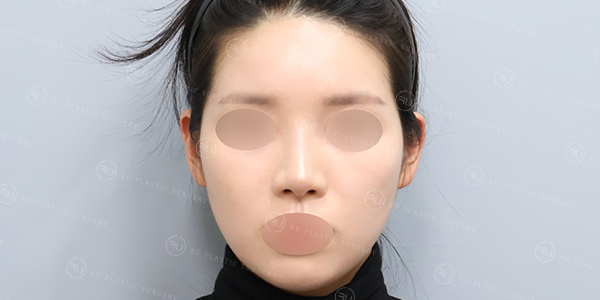
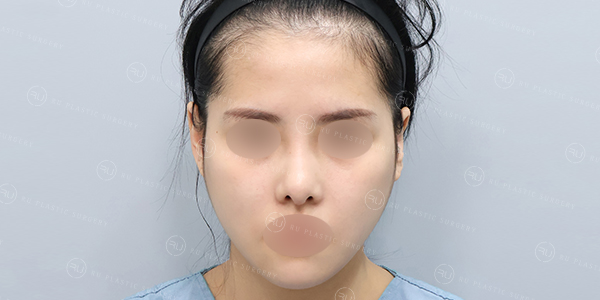
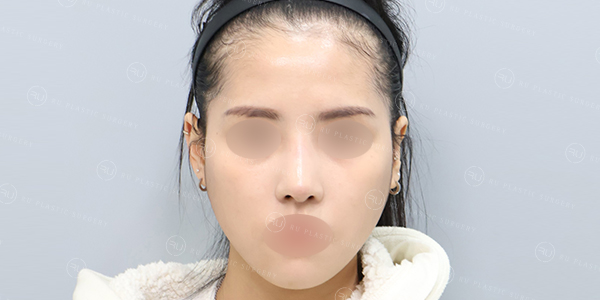
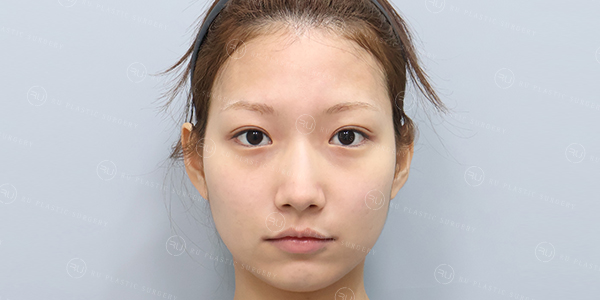
3 Months After Contracted Nose Revision Surgery
본문
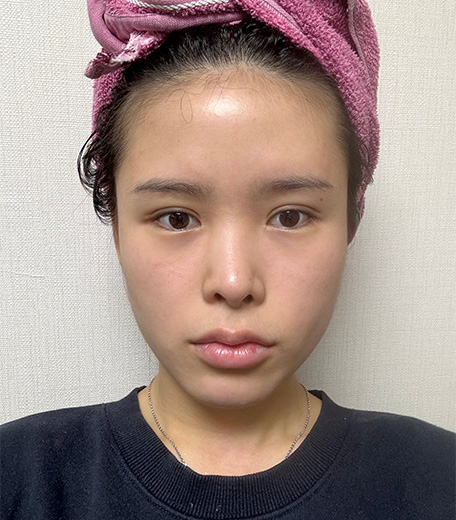

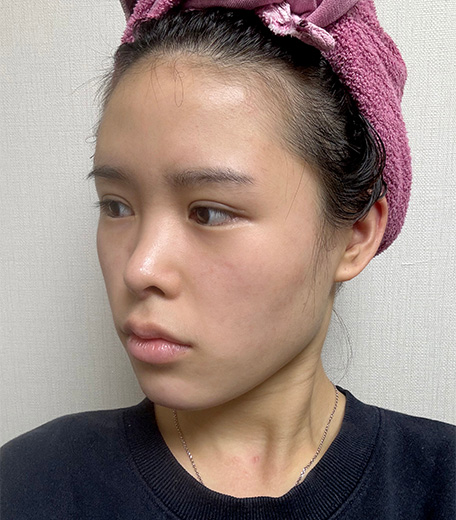

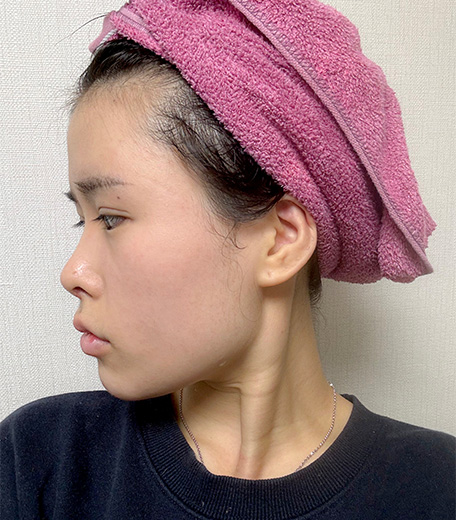

It has now been three months since I underwent revision surgery to address a contracted nose.
My initial surgery involved custom implants and autologous rib cartilage, but over time, I developed signs of infection,
which led to the removal of both the implant and cartilage. Following this,
I entered a healing phase during which I received stem cell therapy to improve tissue regeneration and support recovery.
Close monitoring of the healing process allowed for a timely secondary revision—performed approximately 4 to 5 months after the explant procedure.
I chose to have the revision performed by Dr. Hyunjoo Kim at R.U. Plastic Surgery due to her expertise in managing severe nasal contracture cases,
particularly those requiring total reconstruction using rib cartilage.
Her portfolio of complex reconstructions—many involving advanced degrees of scar contracture and collapsed structures—showed consistently natural and aesthetically refined results.
Contracted nose, often resulting from prior implant-related complications or infection, involves significant scar tissue formation and shortening of the nasal length due to fibrosis.
In my case, the tissue had become tight and the nasal tip retracted, compromising both appearance and nasal function.
Dr. Kim opted for a full autologous rib cartilage reconstruction, which provides sufficient structural support to counteract the contraction forces and restore nasal projection and length.
During consultations at other clinics, some suggested that my case was “not particularly complicated” and offered options like donor cartilage.
However, Dr. Kim emphasized that, given my history of infection and tissue loss, only autologous cartilage would provide the safest and most reliable outcome,
minimizing the risk of further complications such as immune rejection or reinfection.
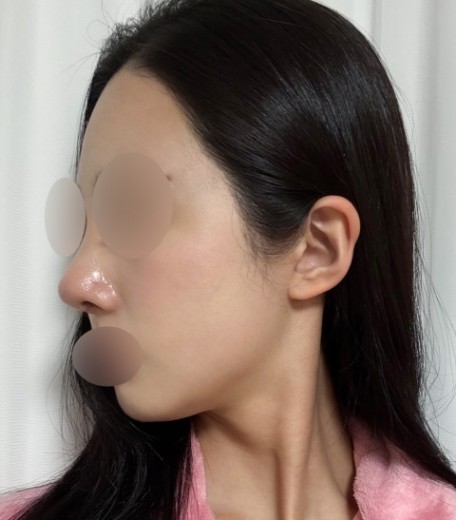
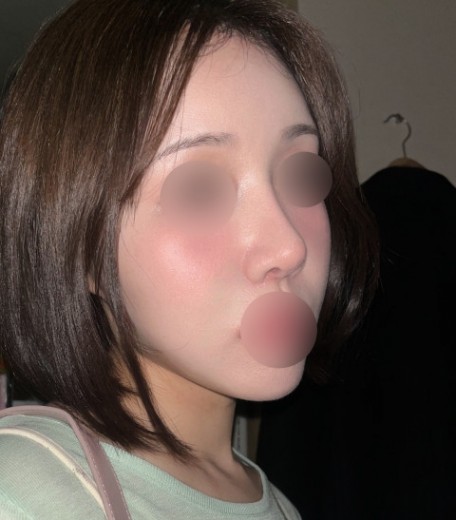
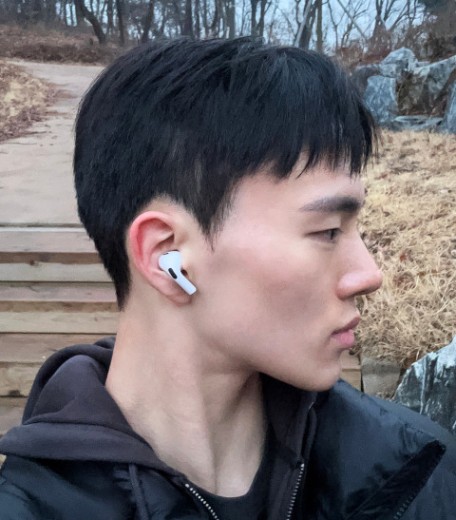
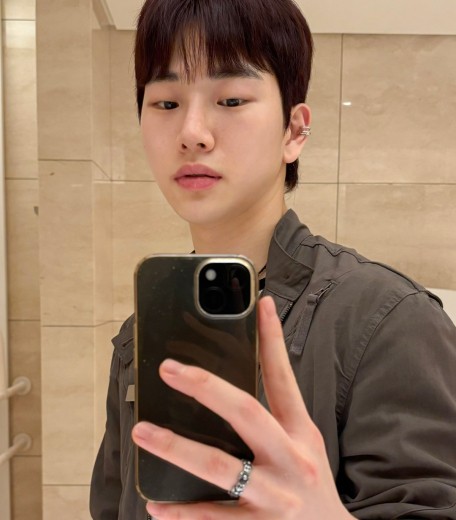
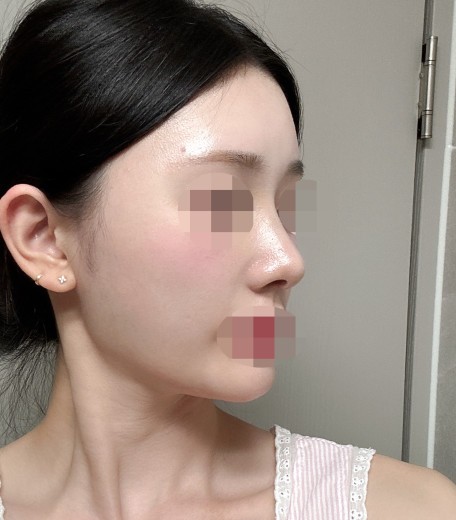
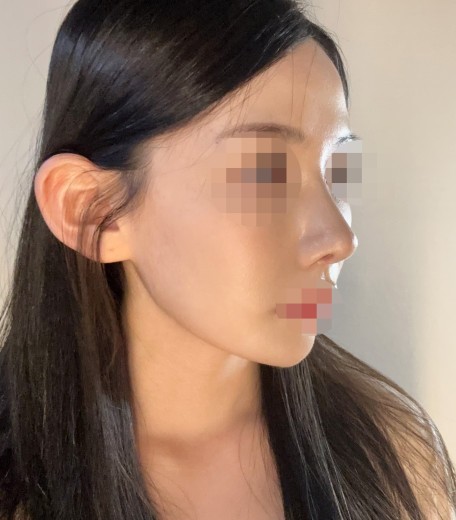
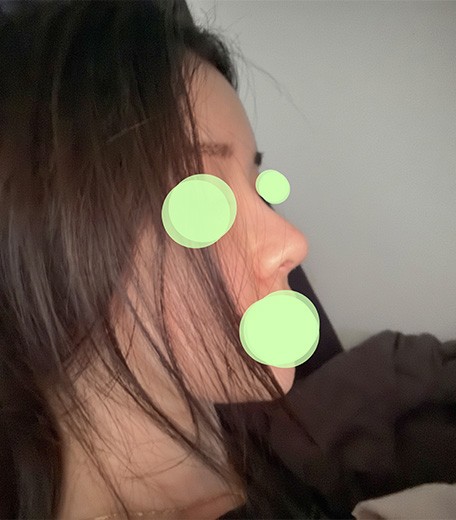
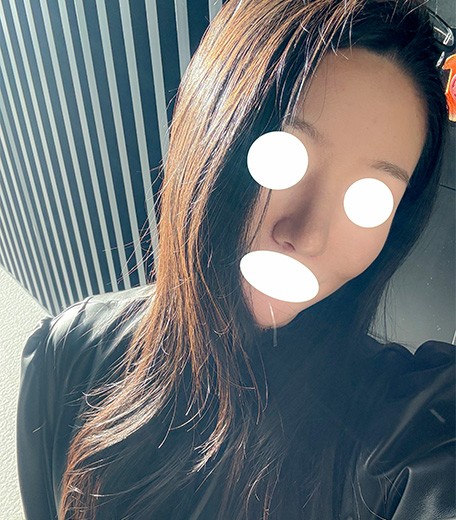
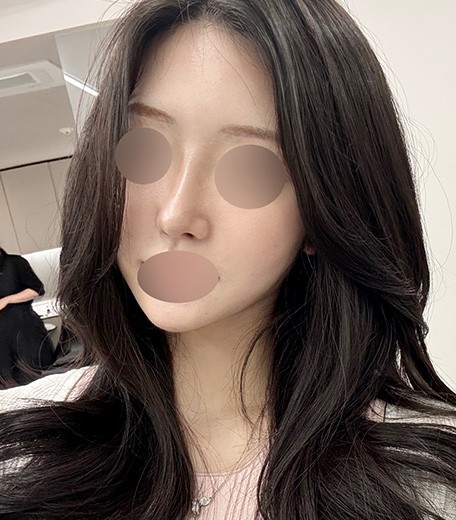
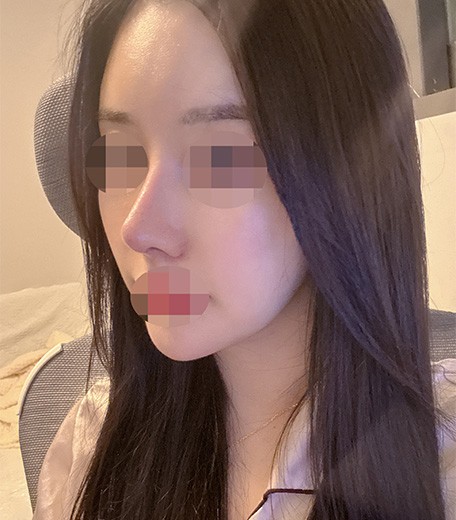
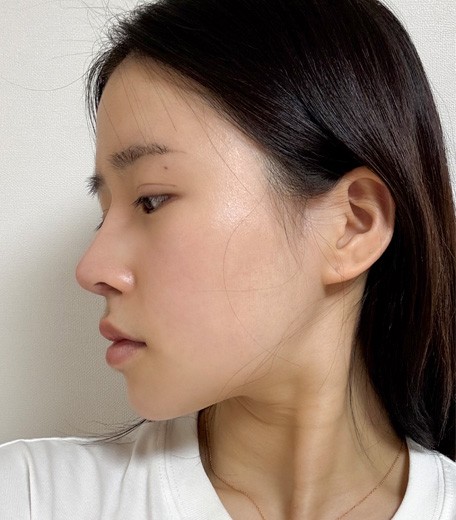
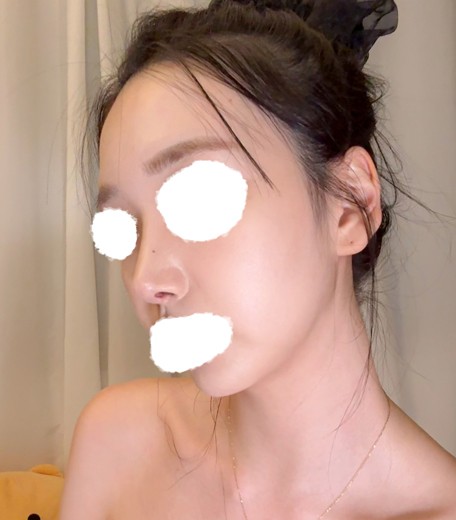
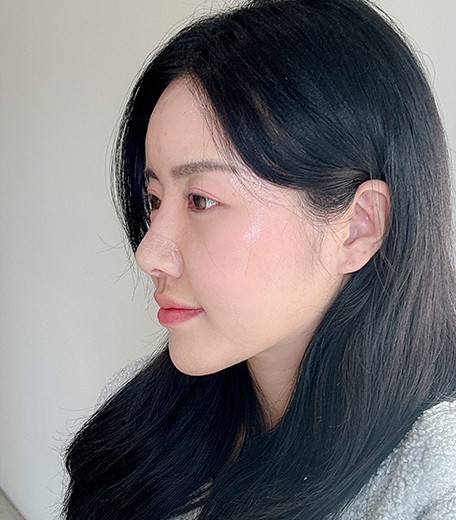
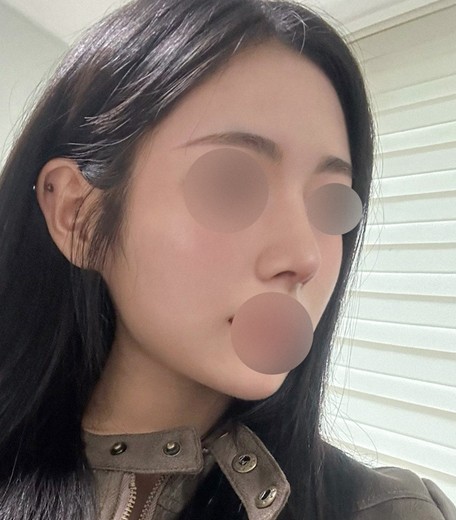
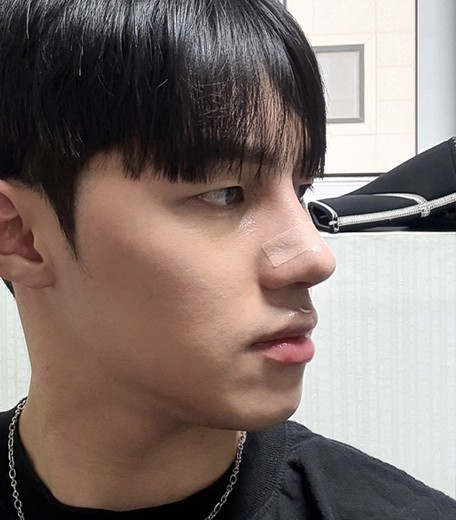
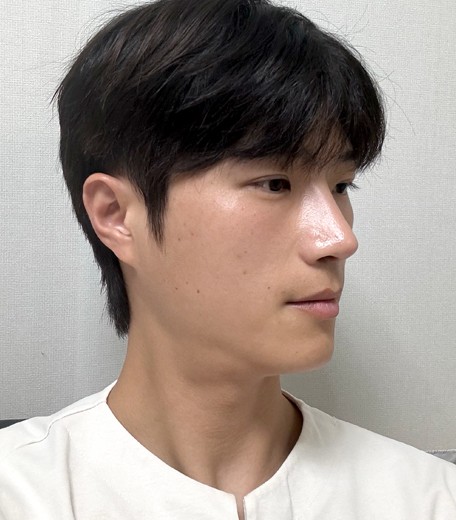
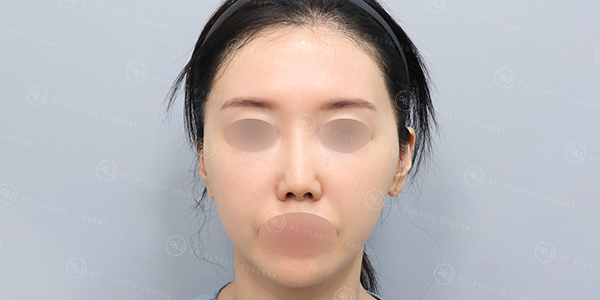
At 3 months post-op, most of the postoperative swelling has subsided, and my nose is steadily taking shape.
Dr. Kim noted that full rib cartilage reconstructions can take 6–12 months to fully settle, especially in previously damaged or scarred tissue.
Still, I already notice significant improvements in both contour and symmetry—particularly the correction of alar retraction and nasal tip definition.
Looking back, choosing a surgeon with extensive experience in revision rhinoplasty and contracted nose correction was the most critical decision in achieving this successful outcome.