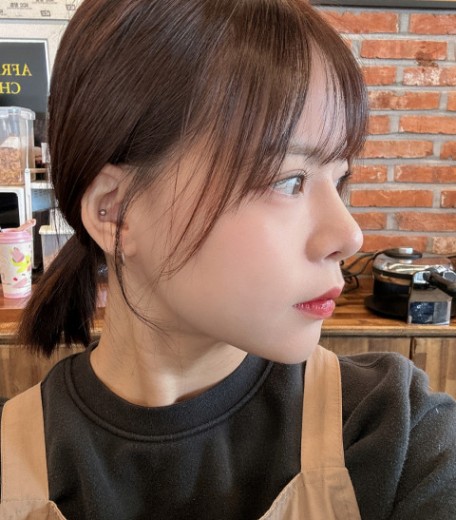
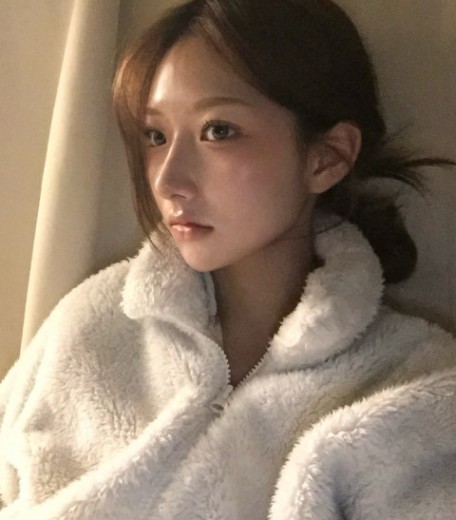
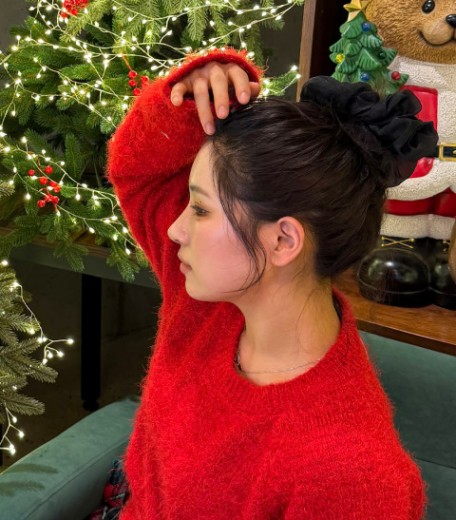
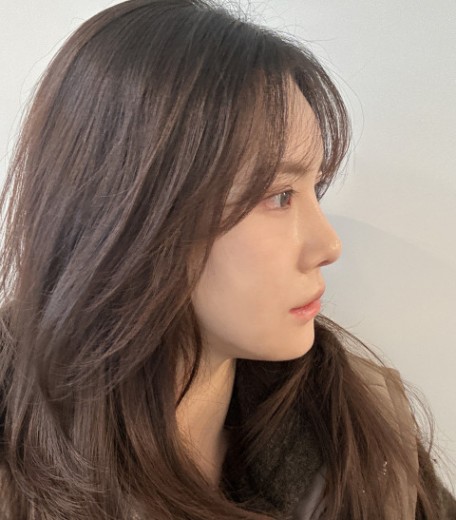
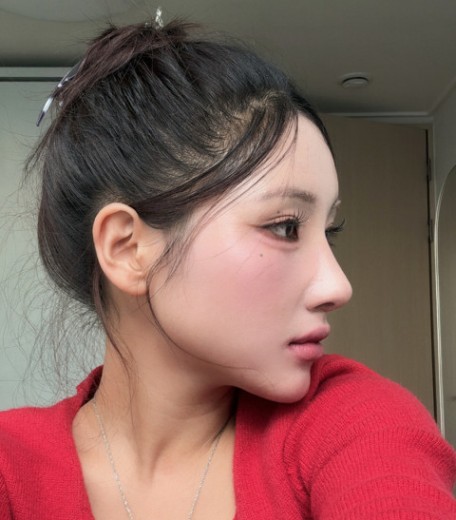
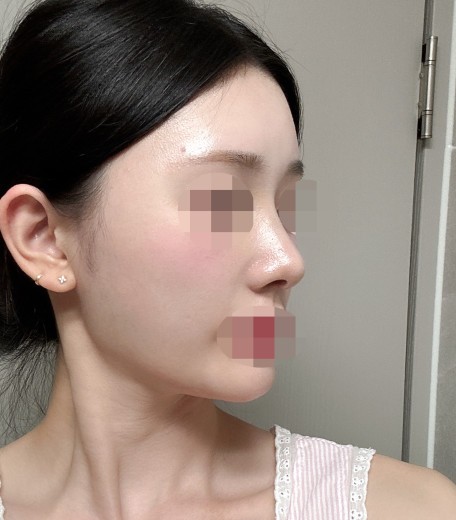
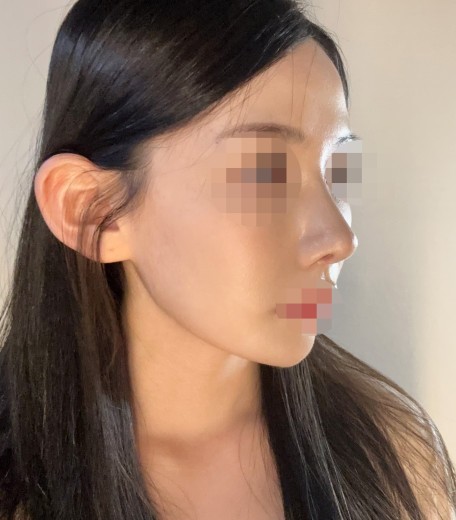
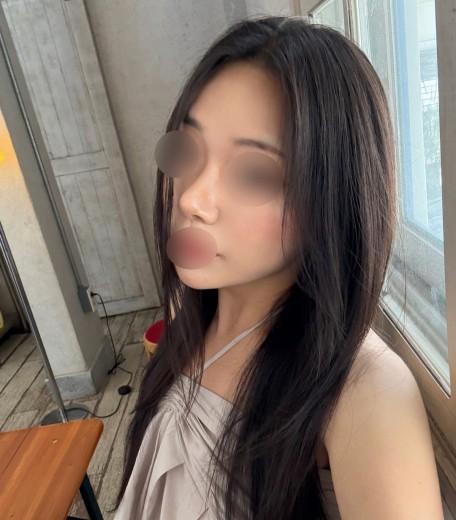
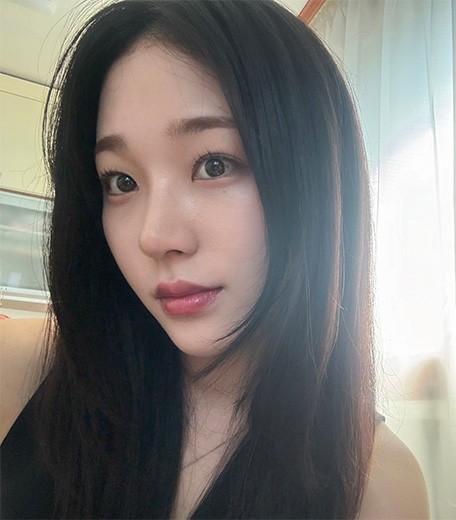
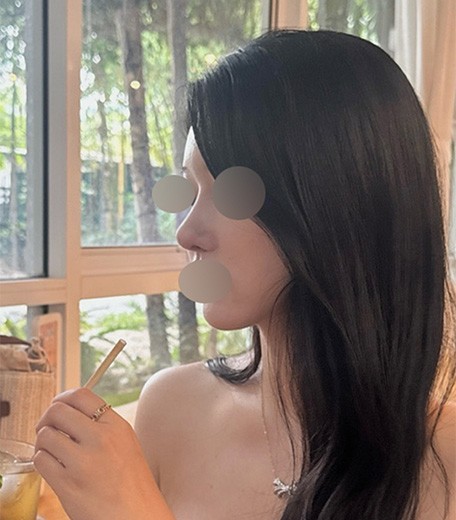
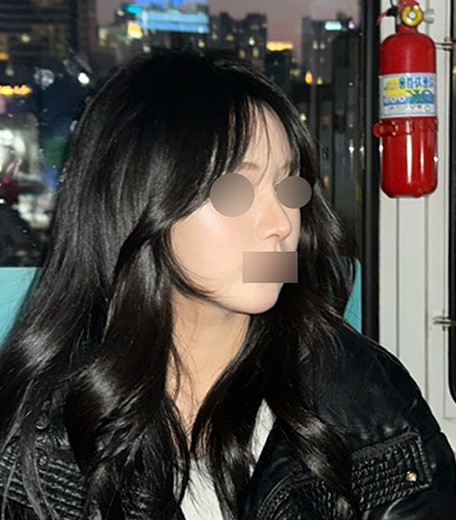
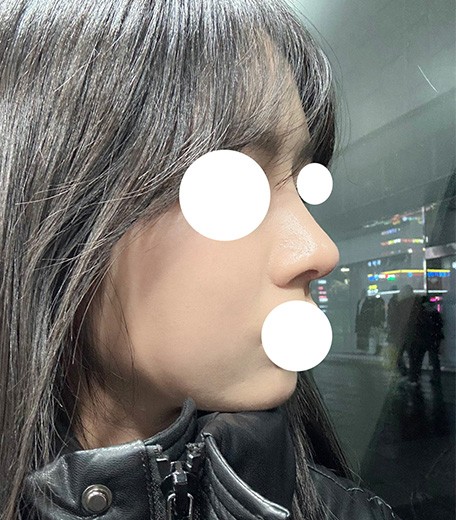
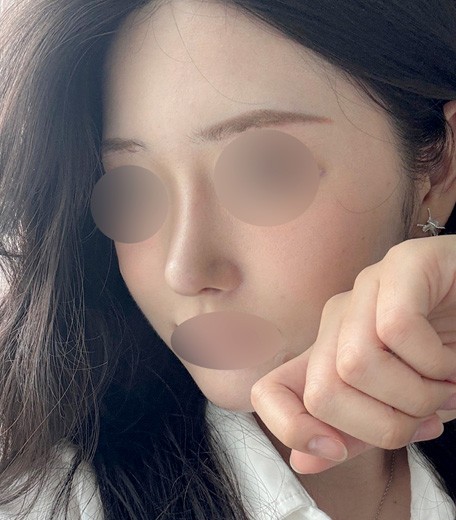
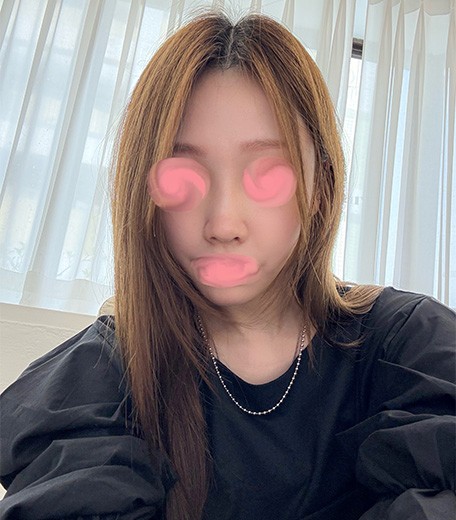
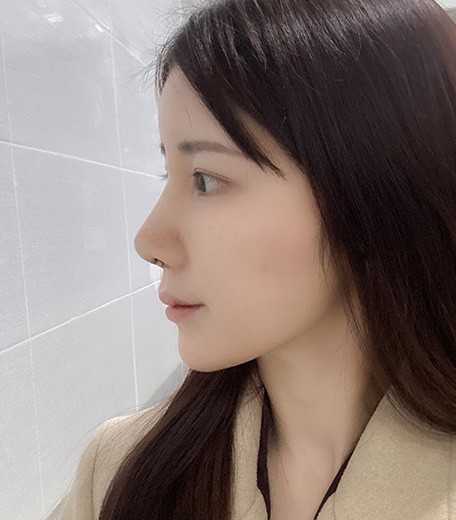
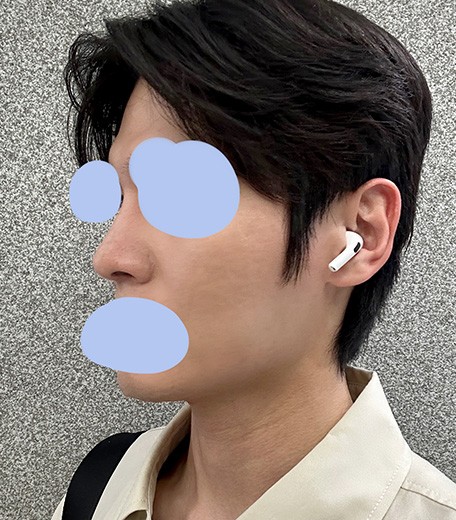
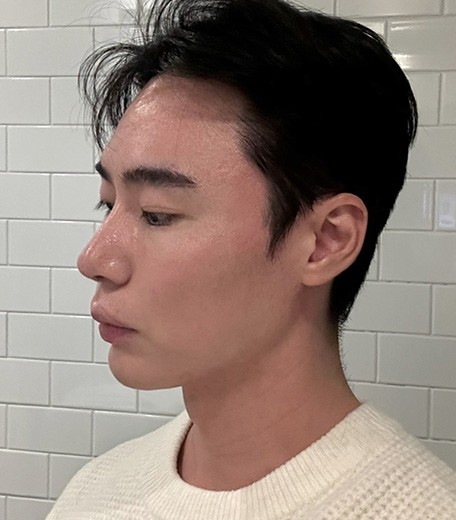
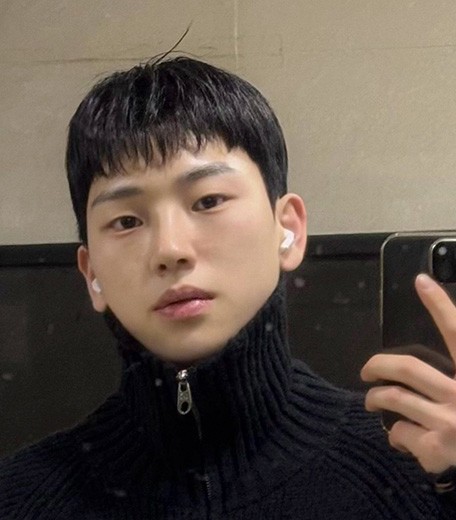
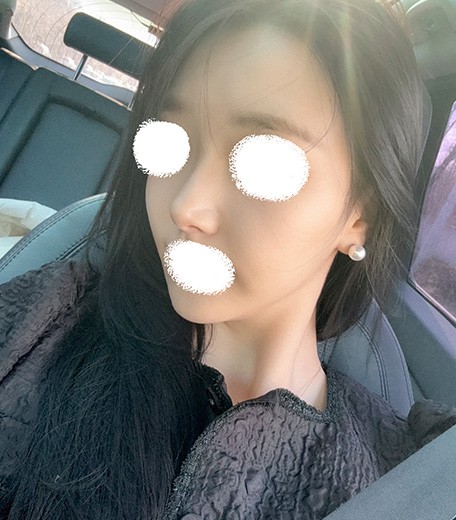
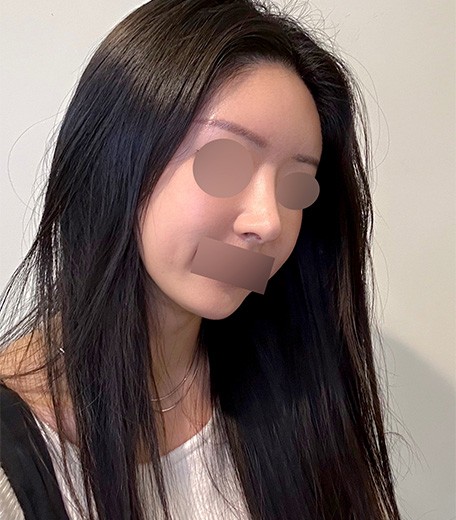
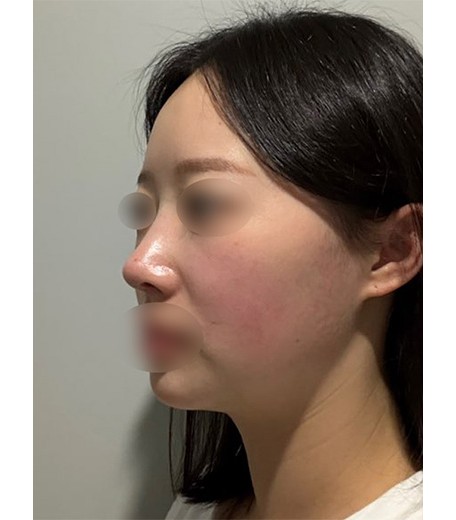
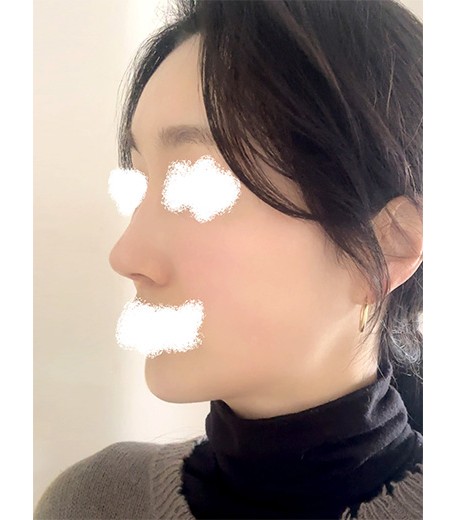
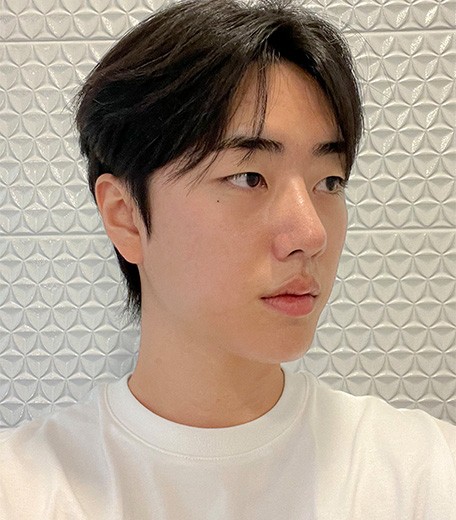
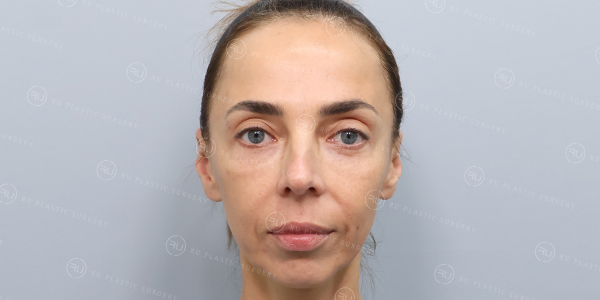
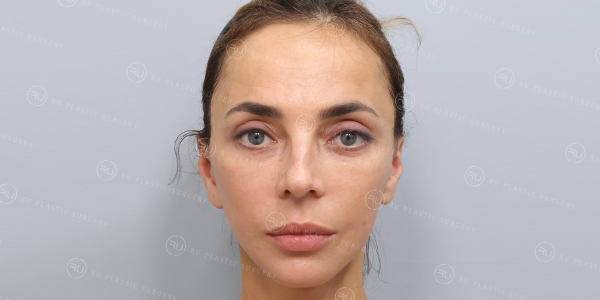
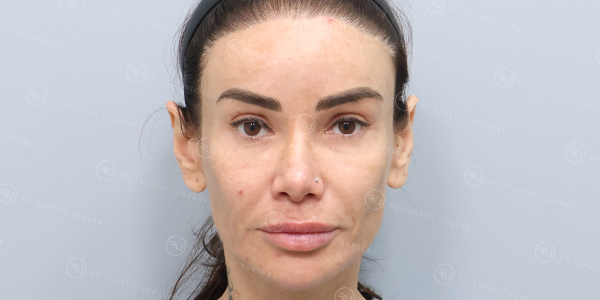
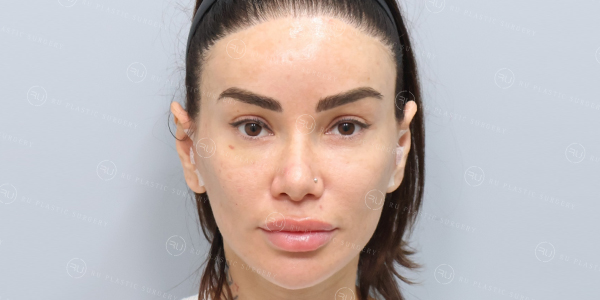
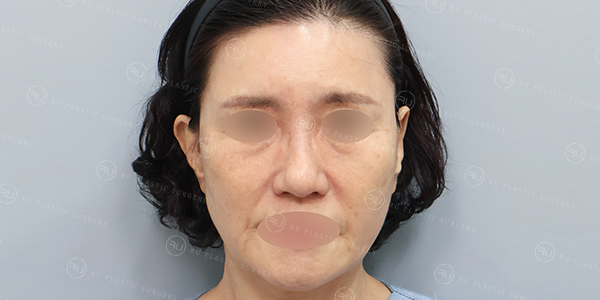
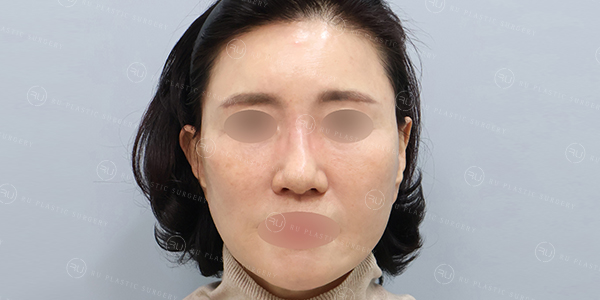
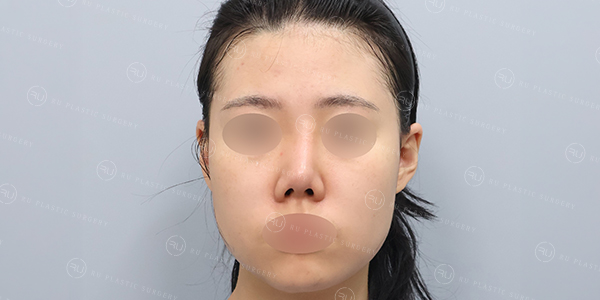
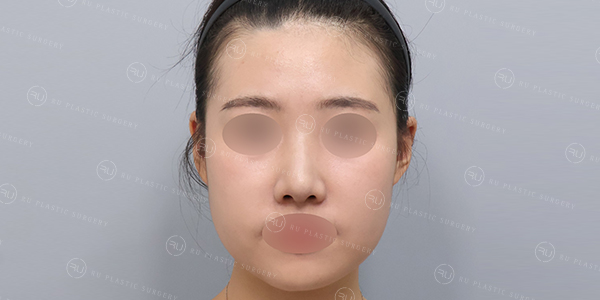
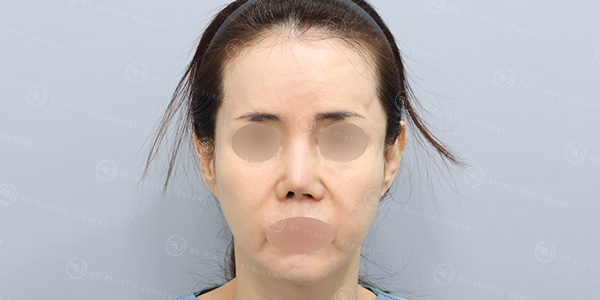
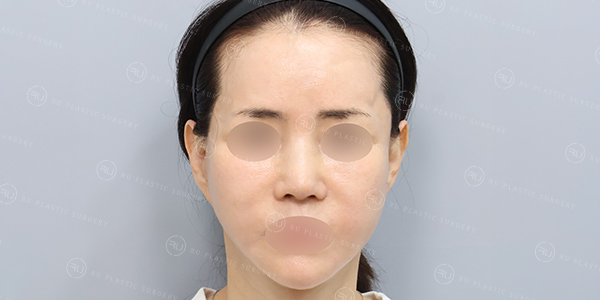
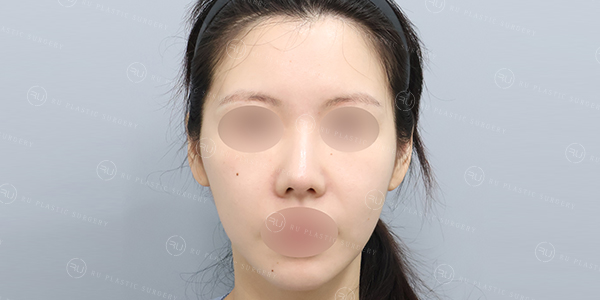
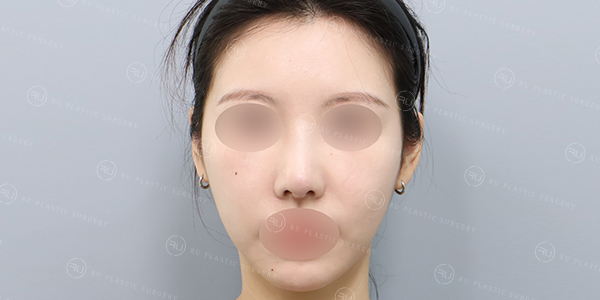
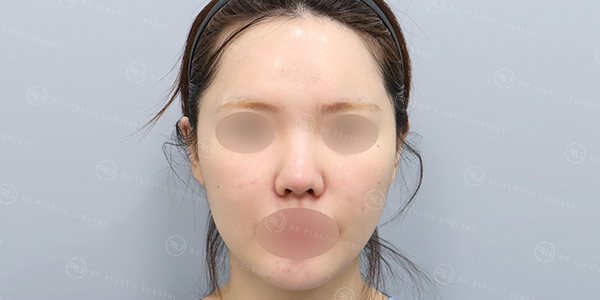
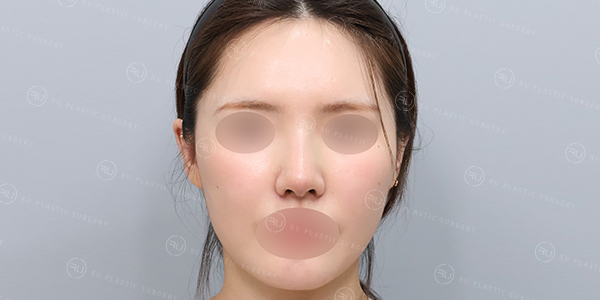
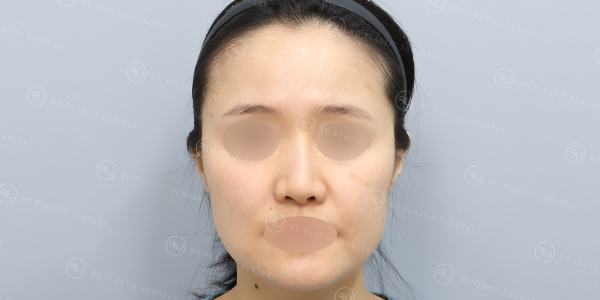
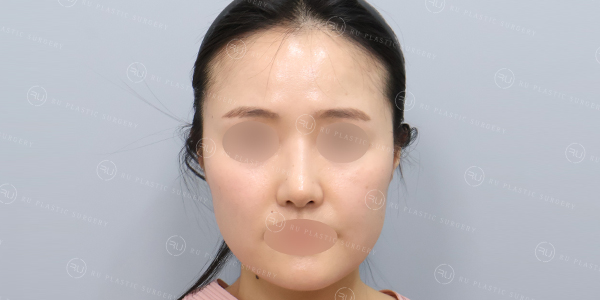
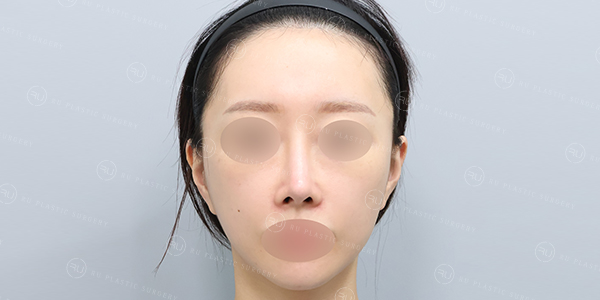
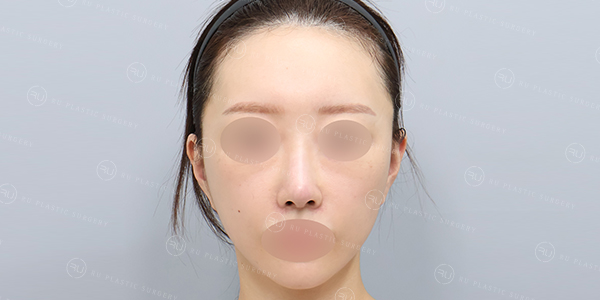
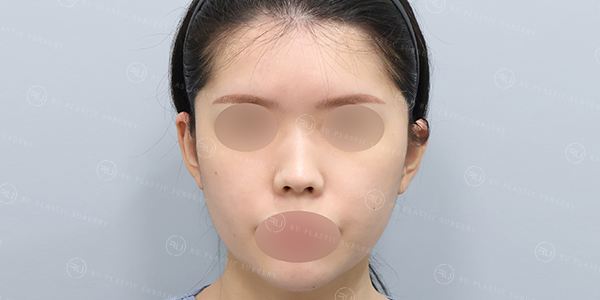
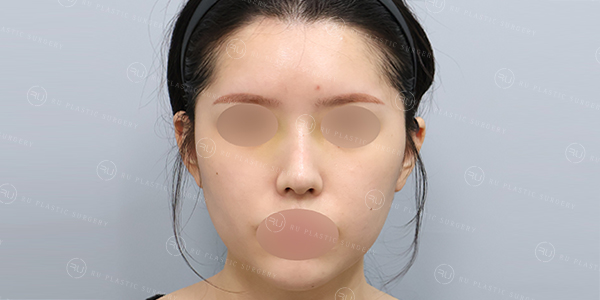
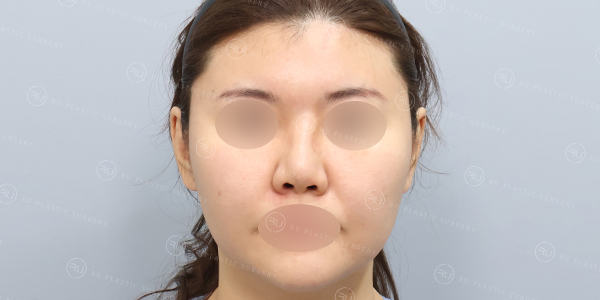
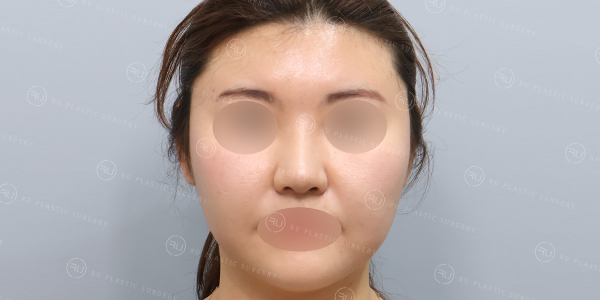
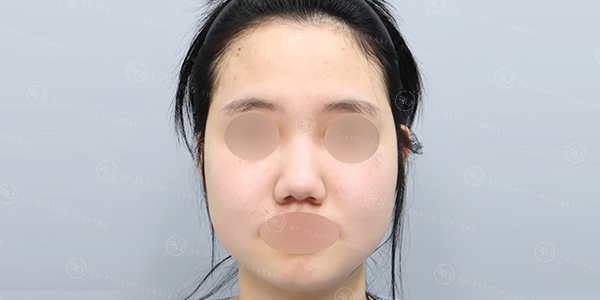
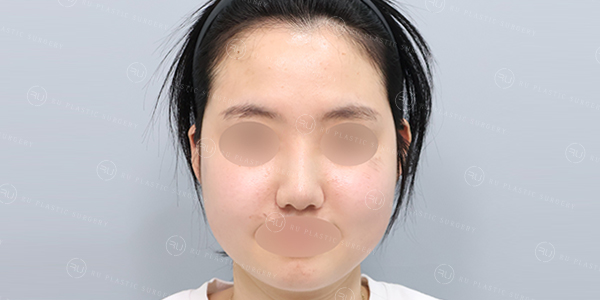
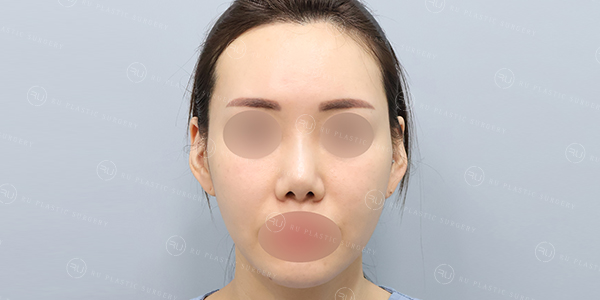
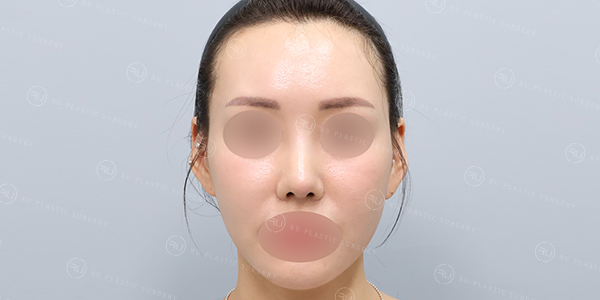
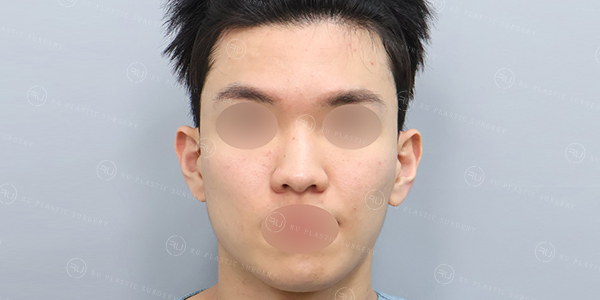
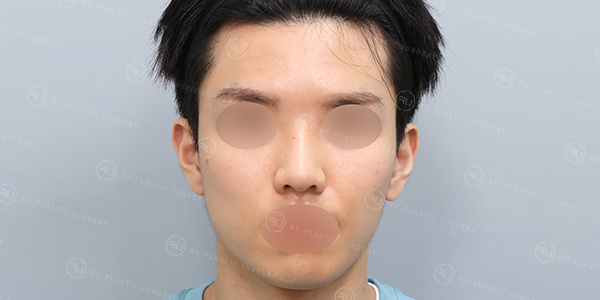
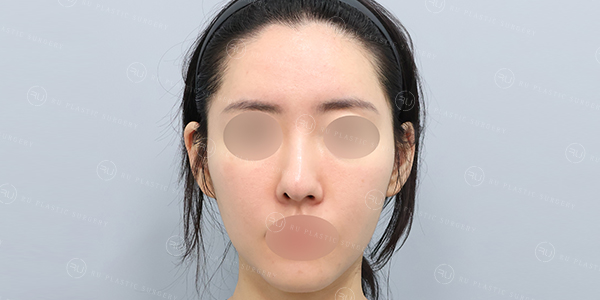
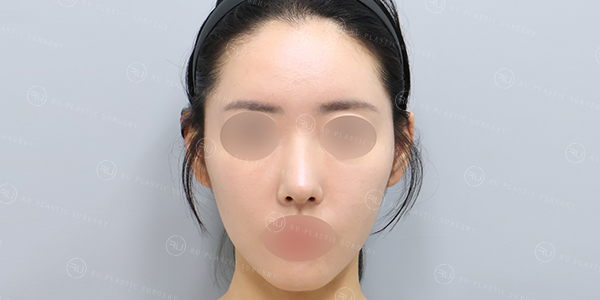
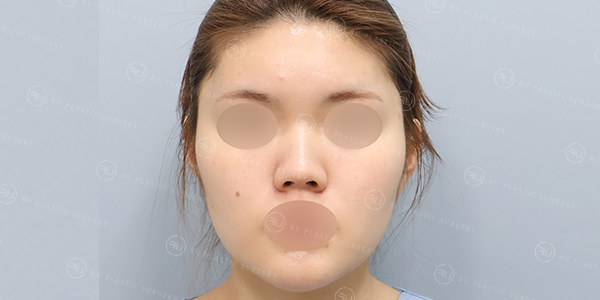
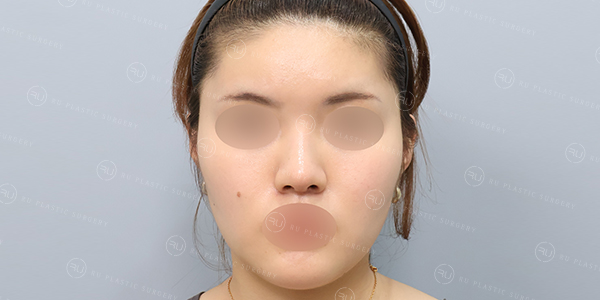
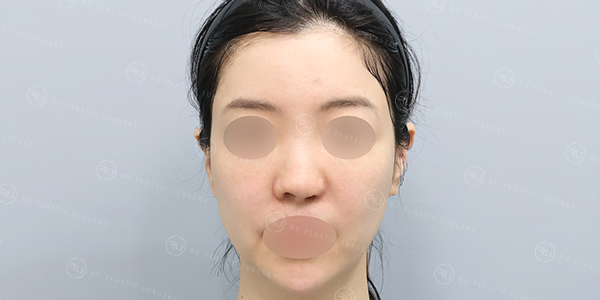
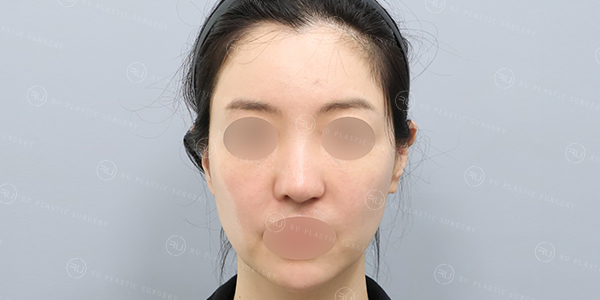
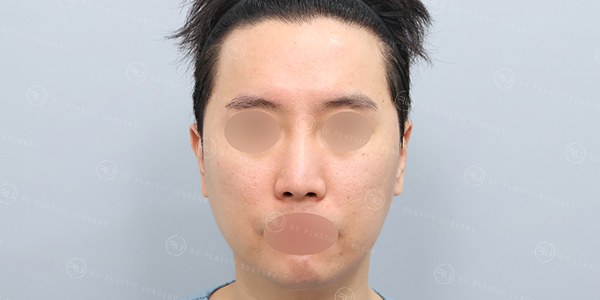
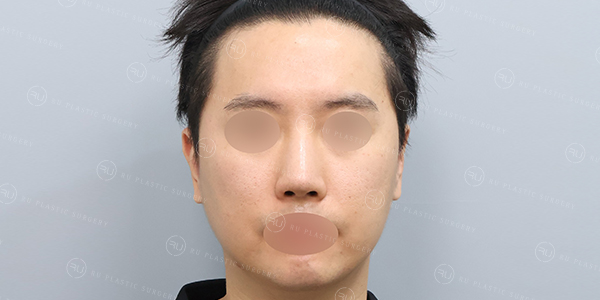
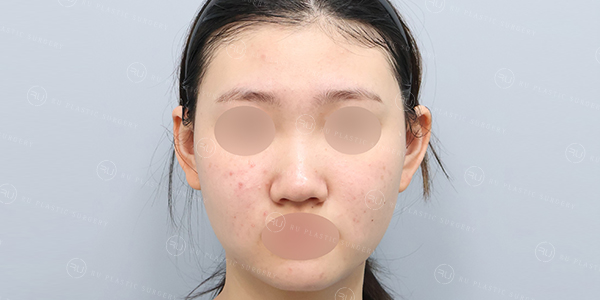
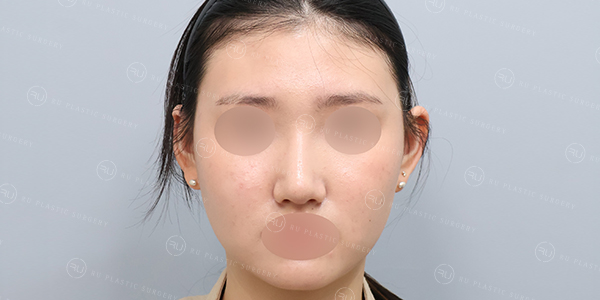
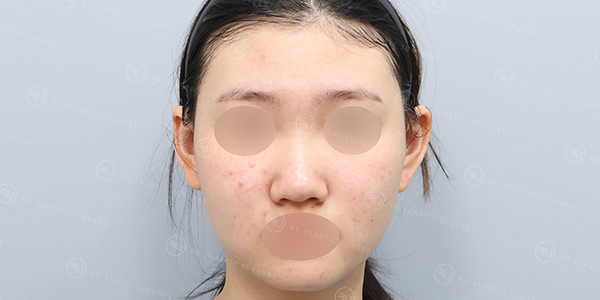
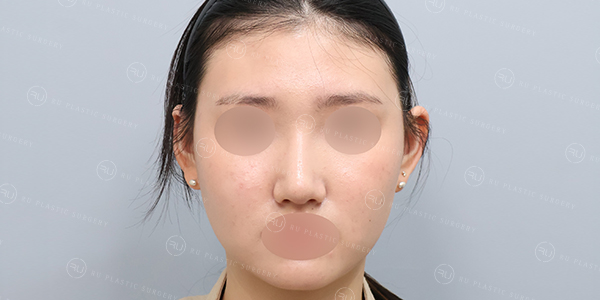
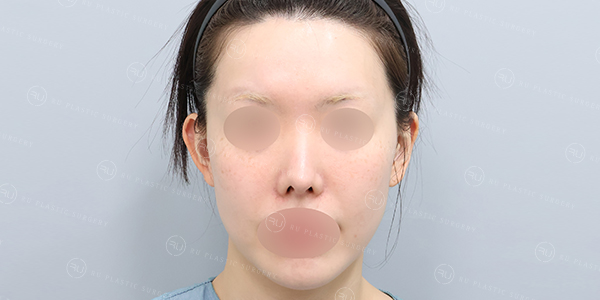
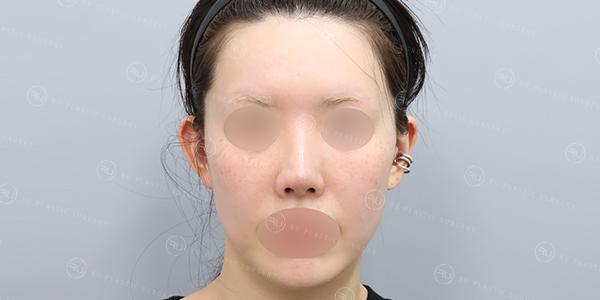
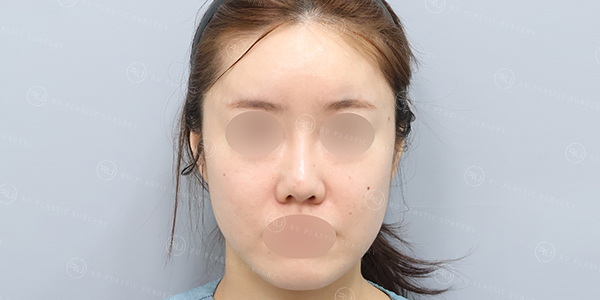
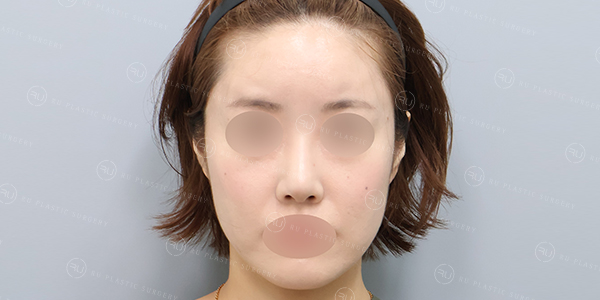
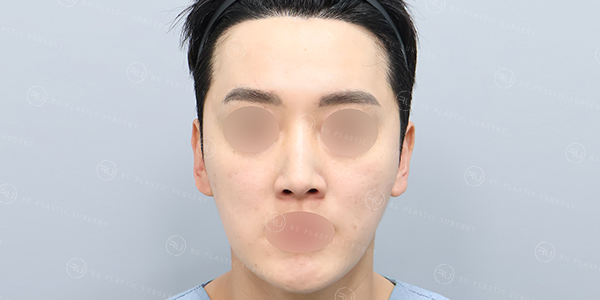
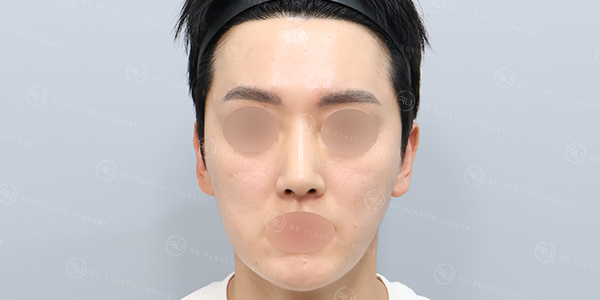
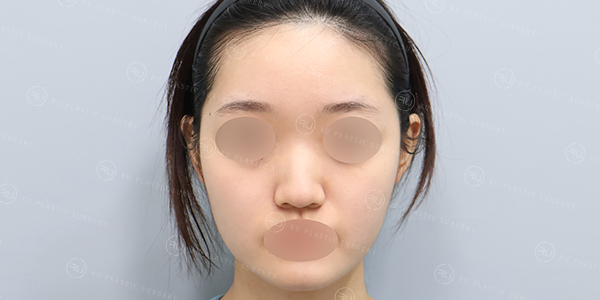
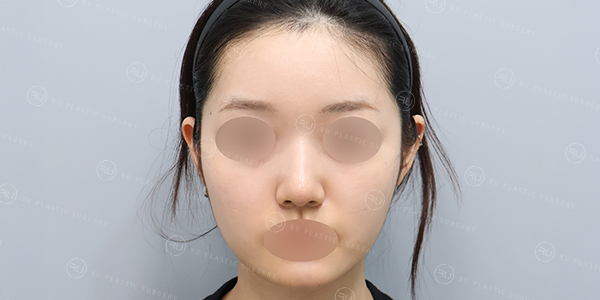
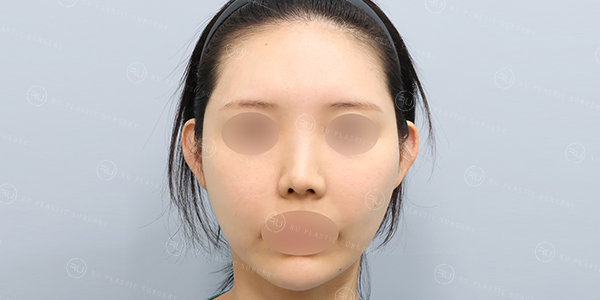
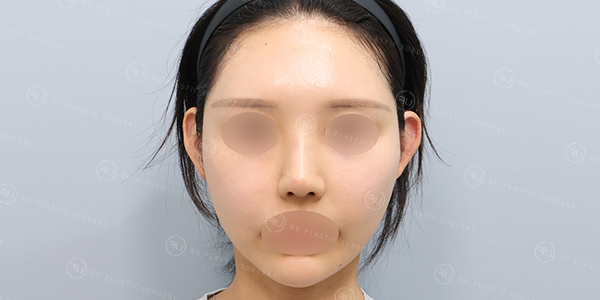
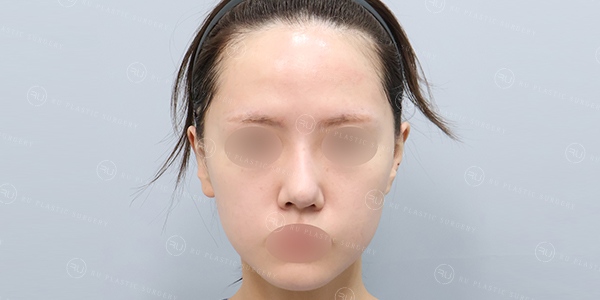
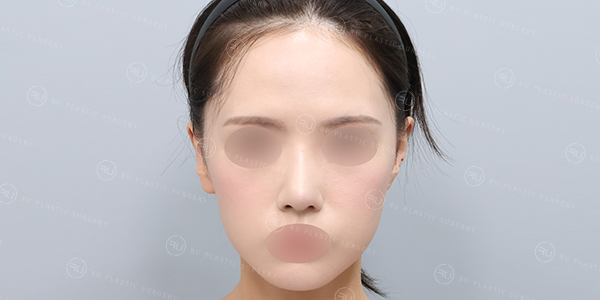
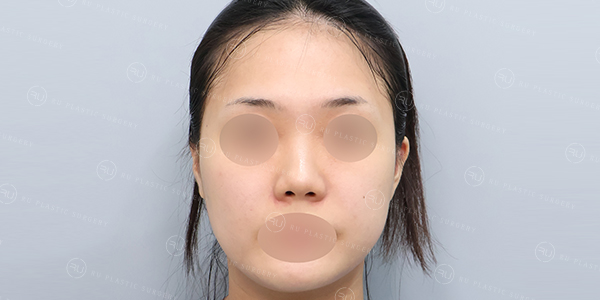
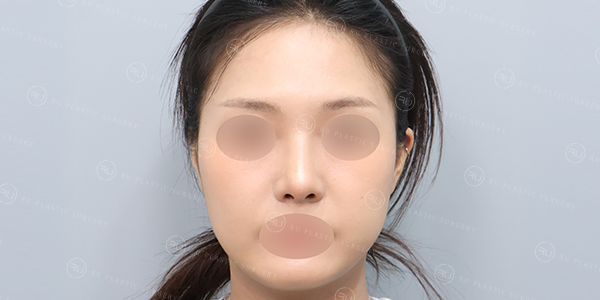
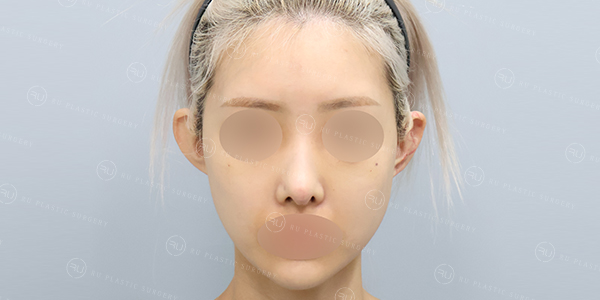
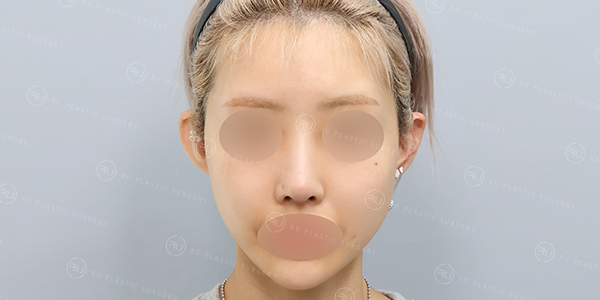
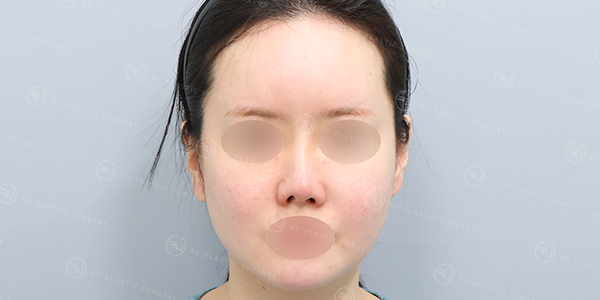
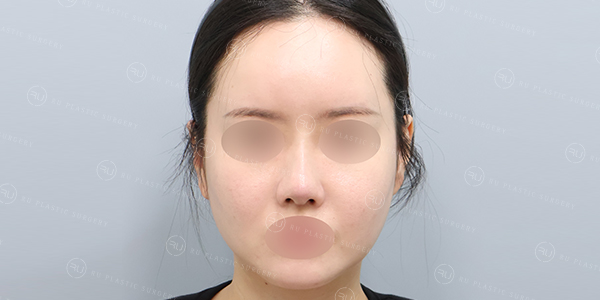
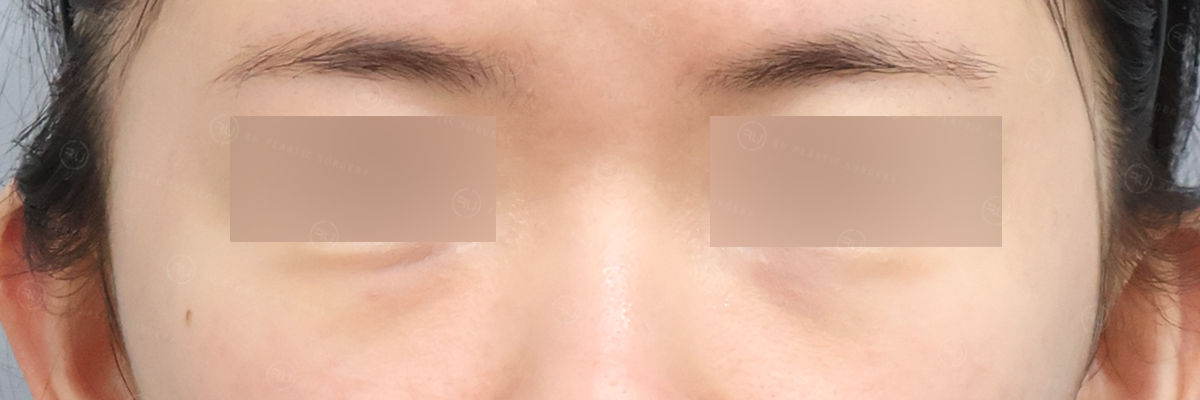
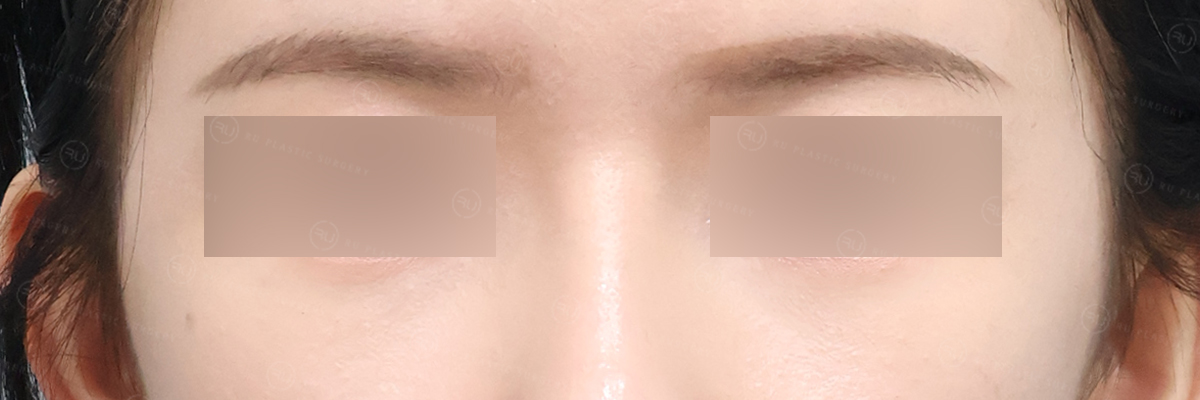
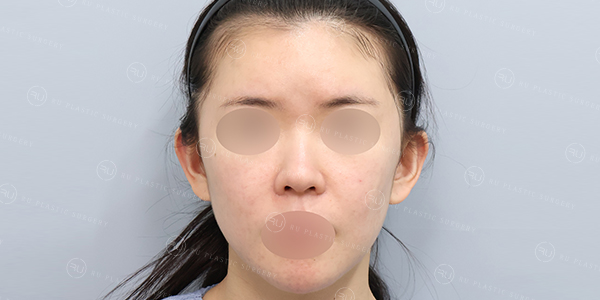
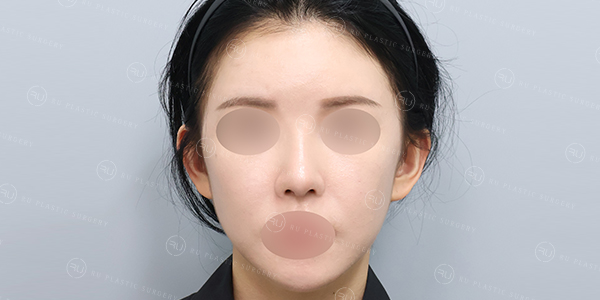
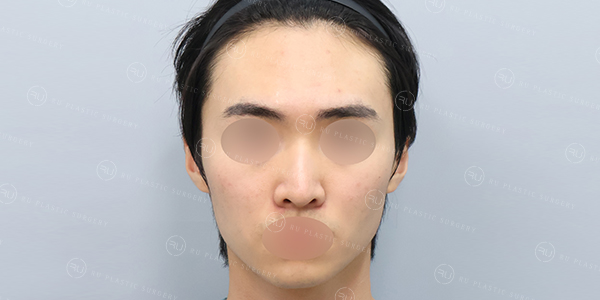
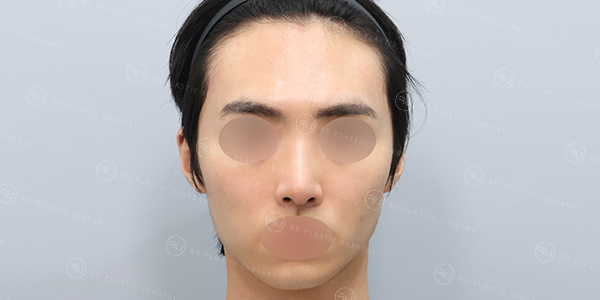
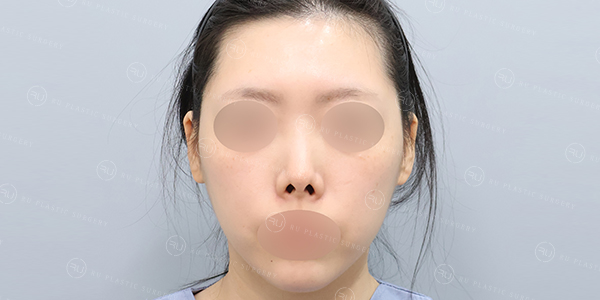
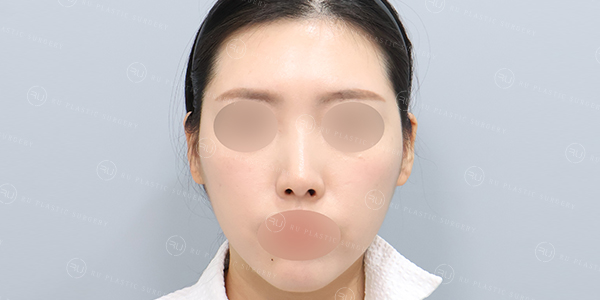
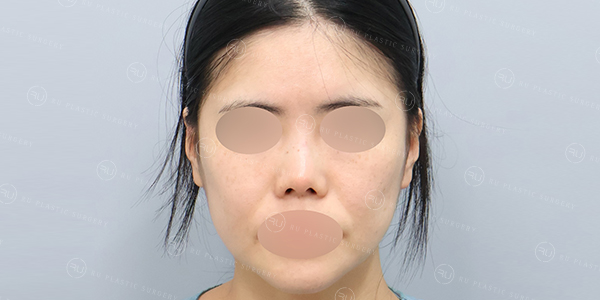
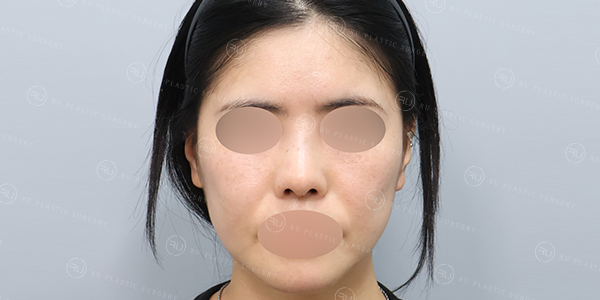
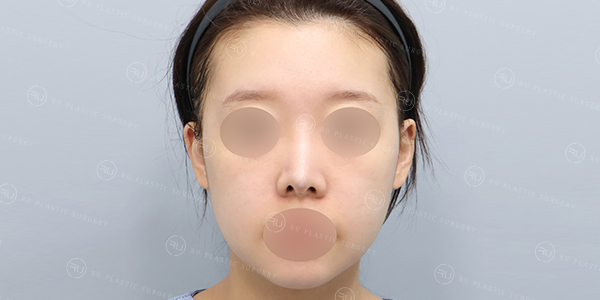
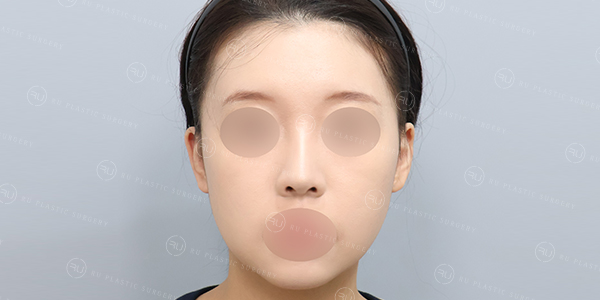
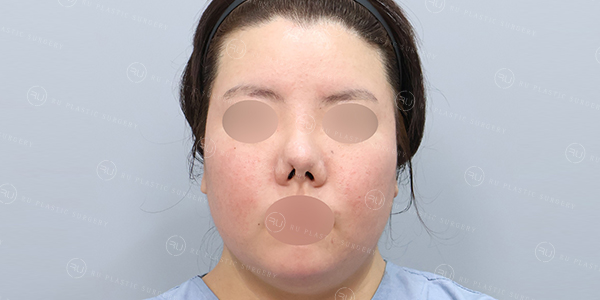
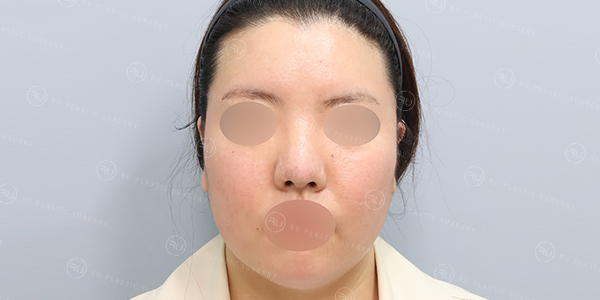
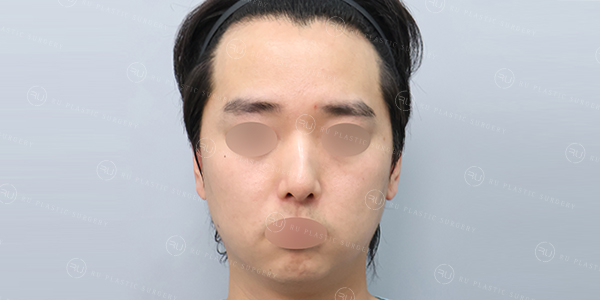
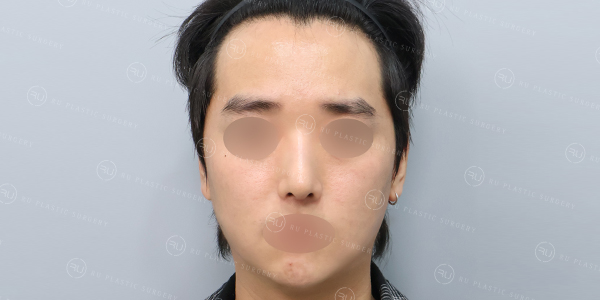
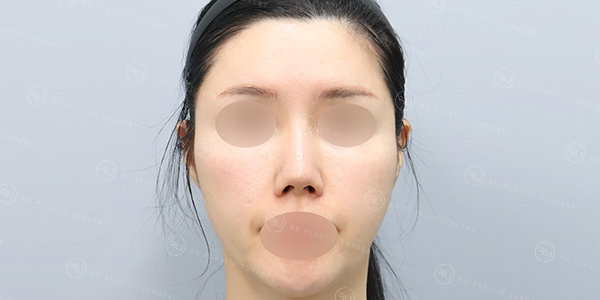
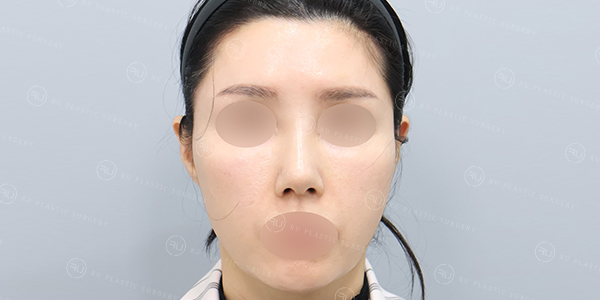
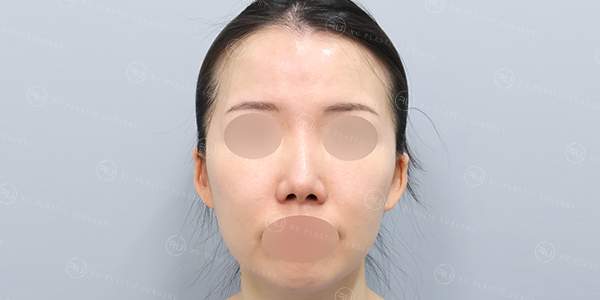
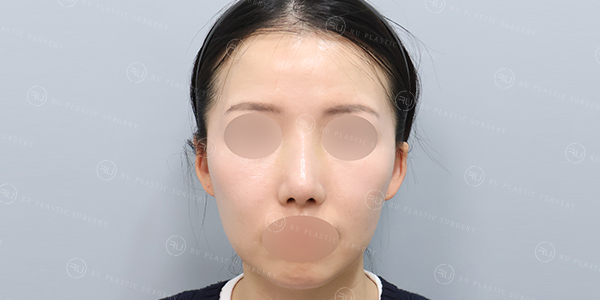
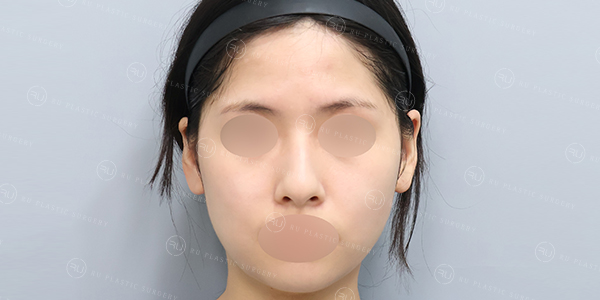
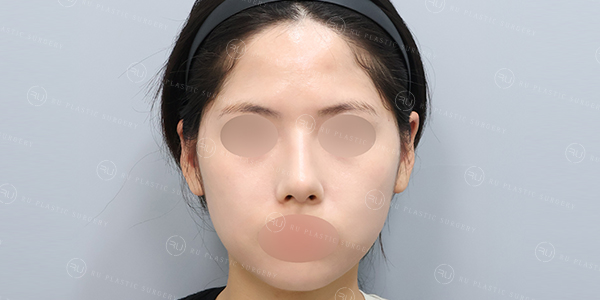
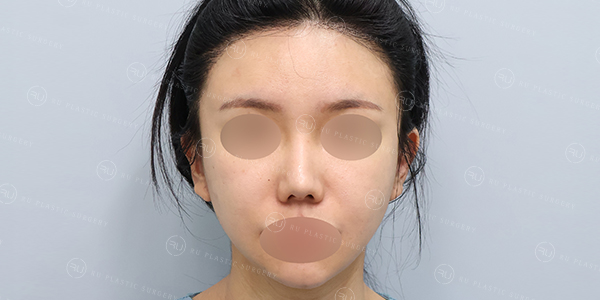
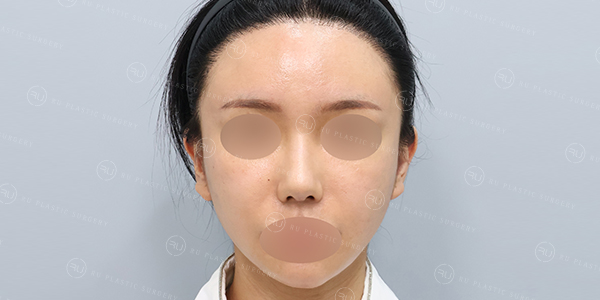
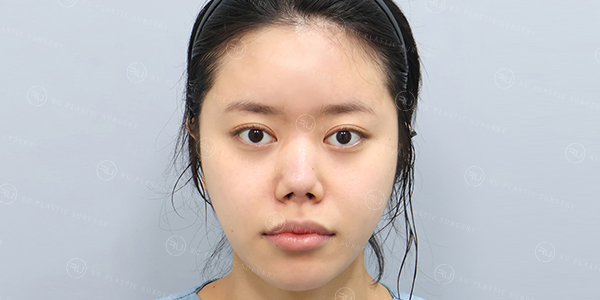
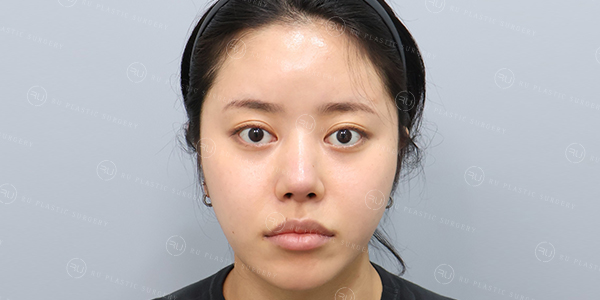
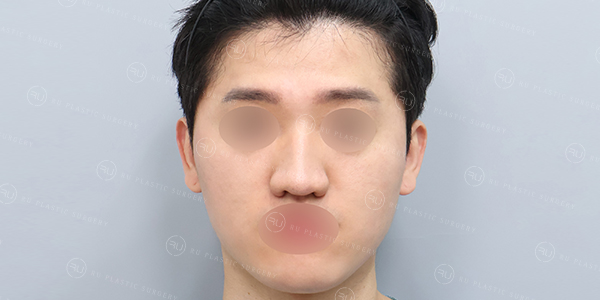
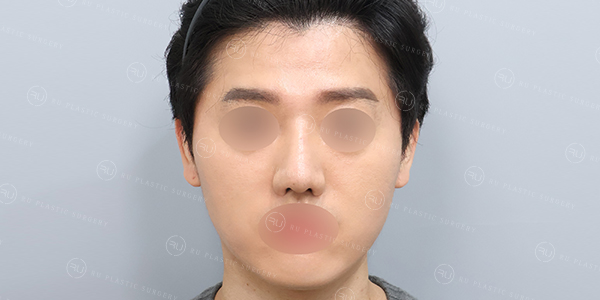
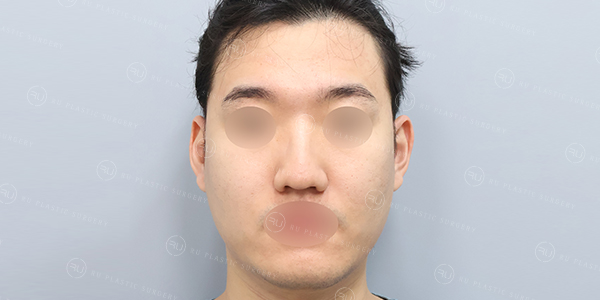
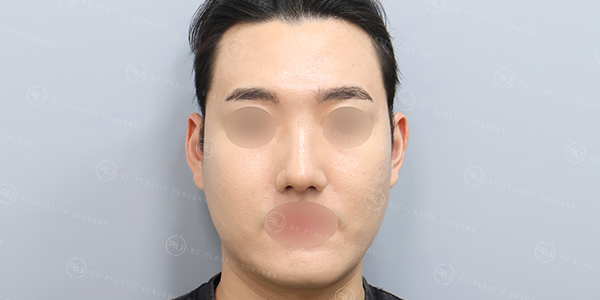
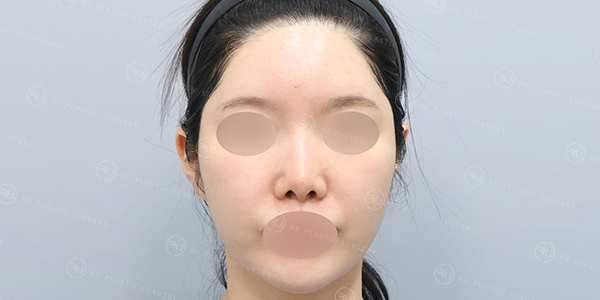
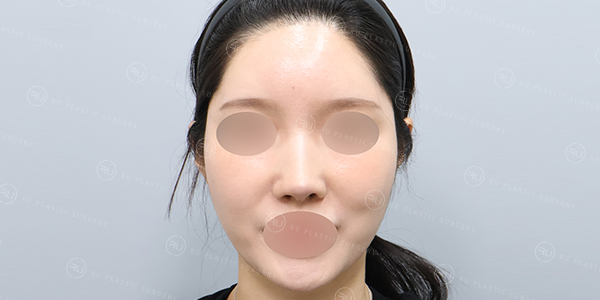
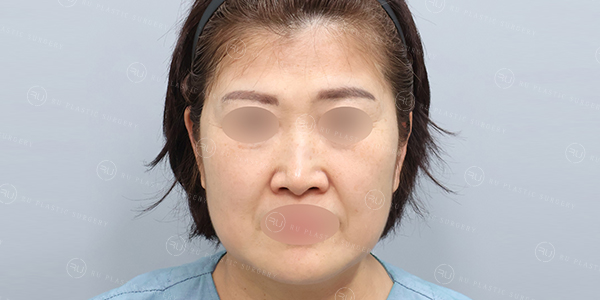
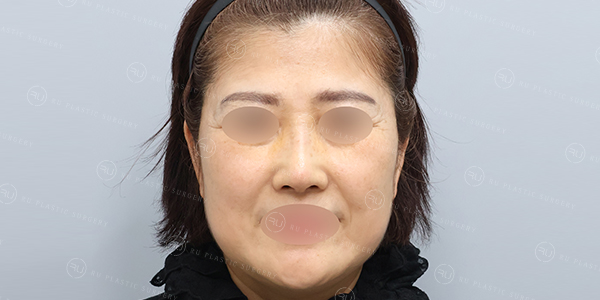
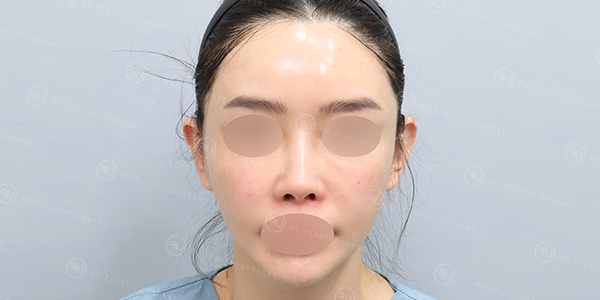
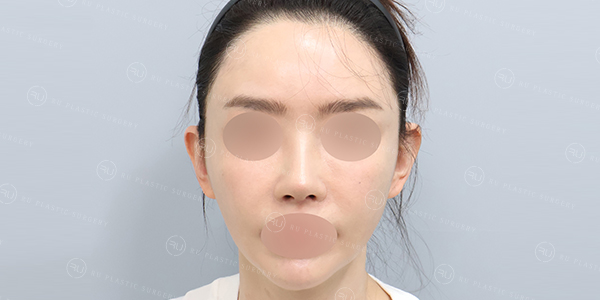
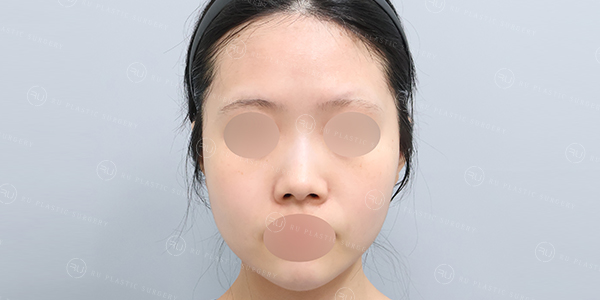
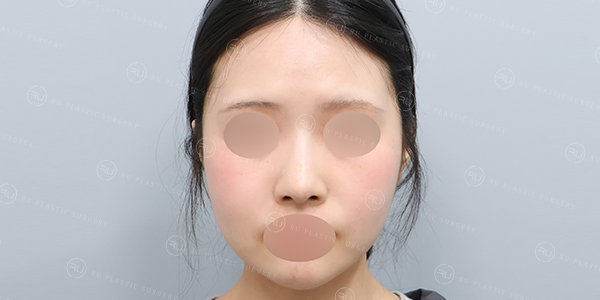
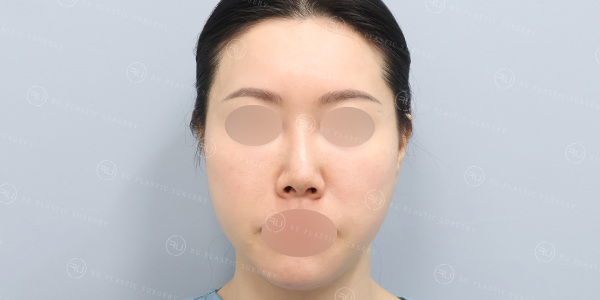
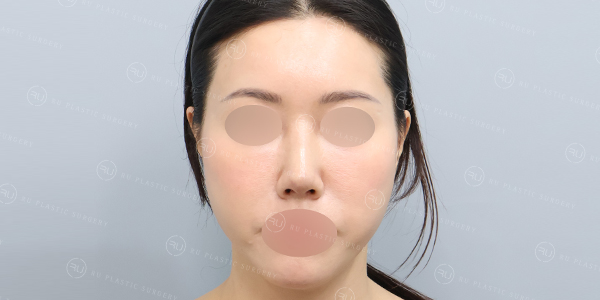
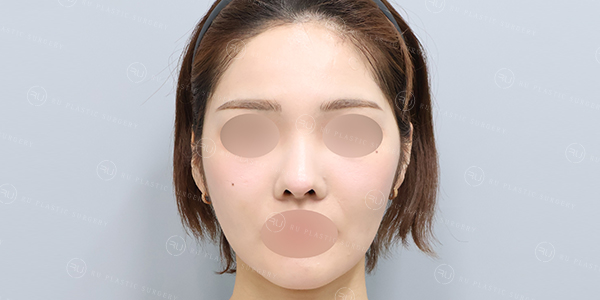
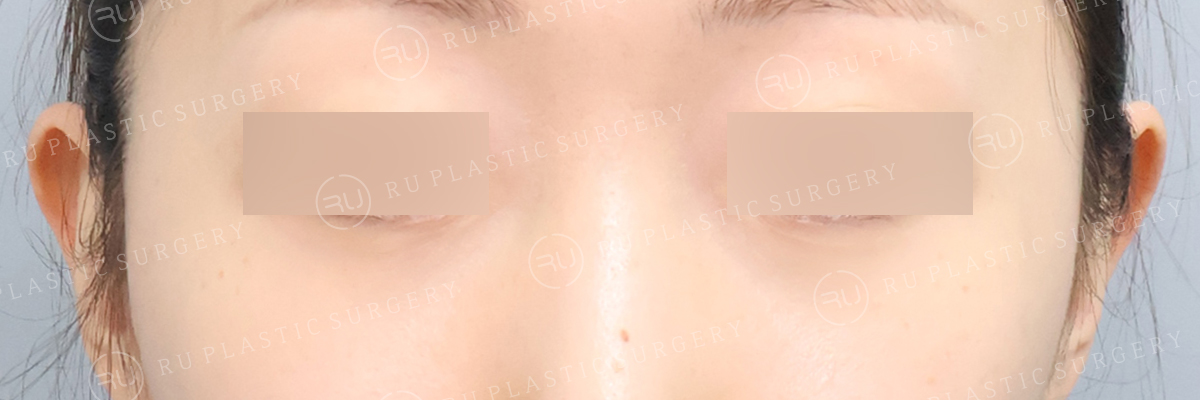
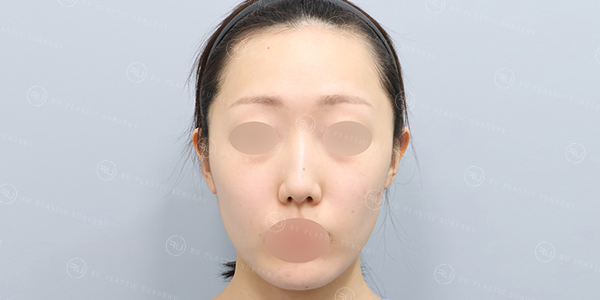
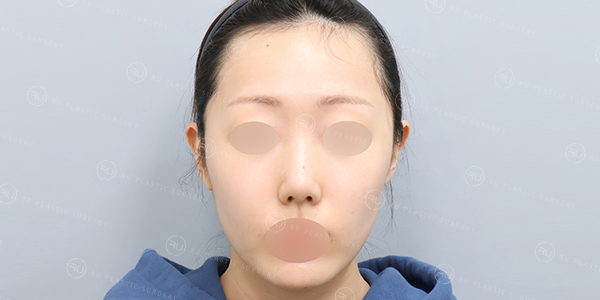
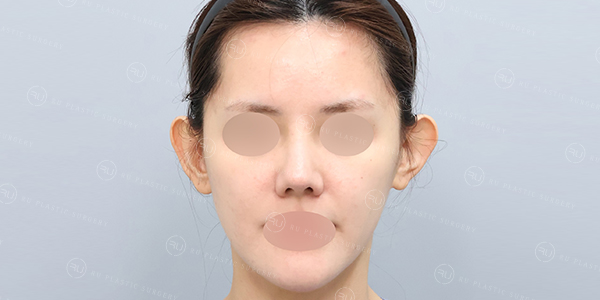
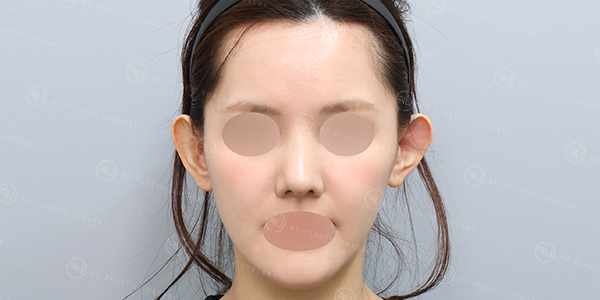
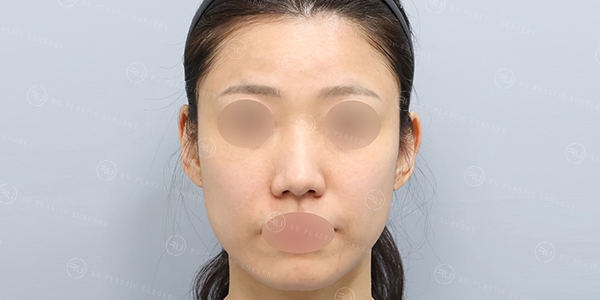
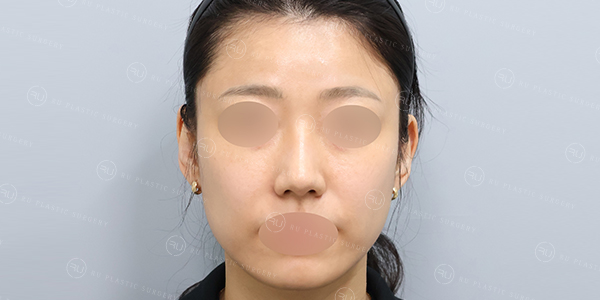
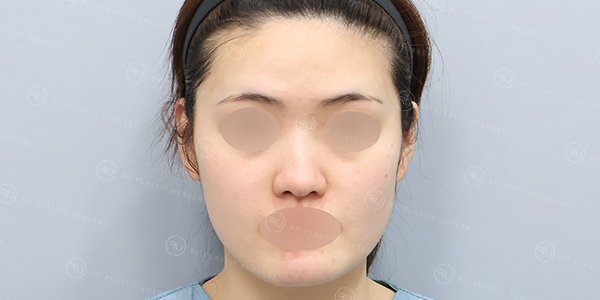
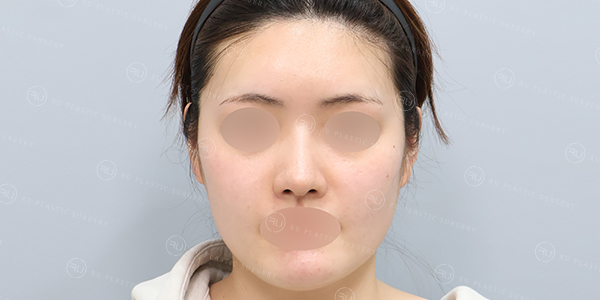
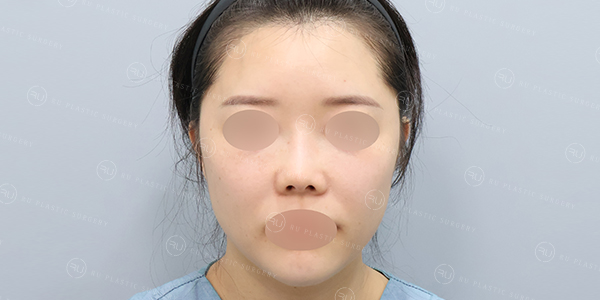
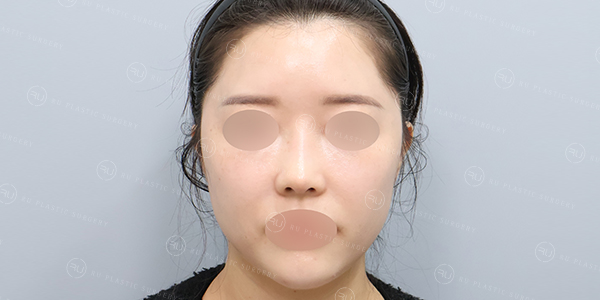
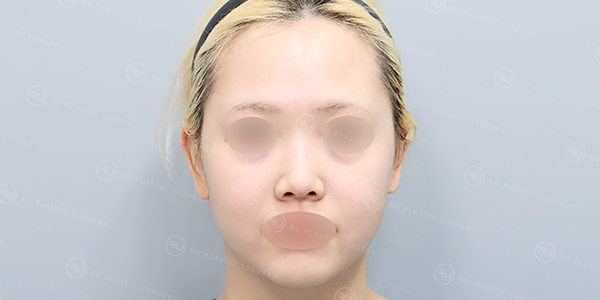
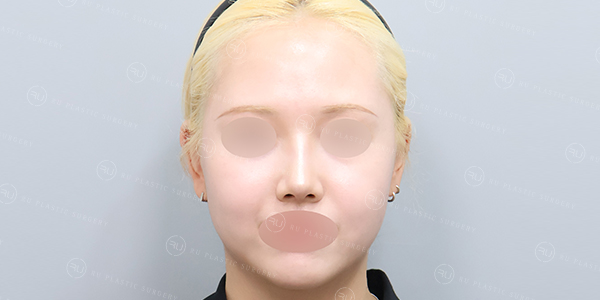
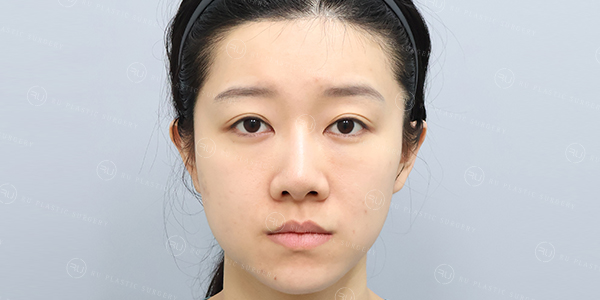
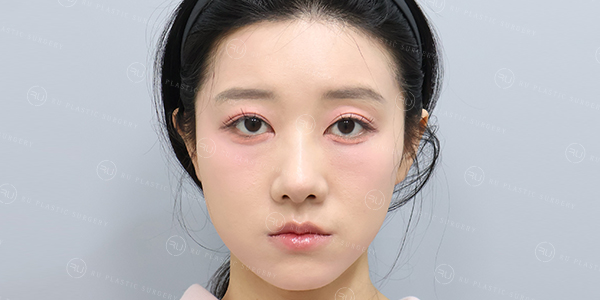
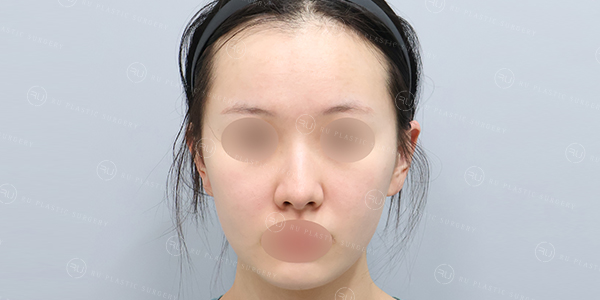
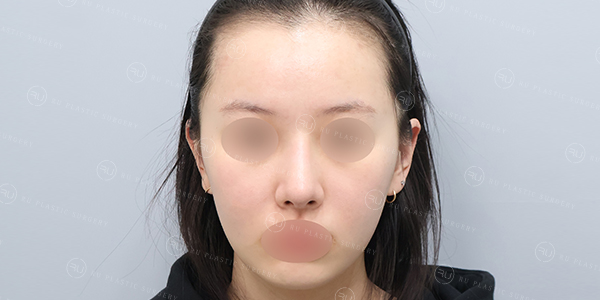
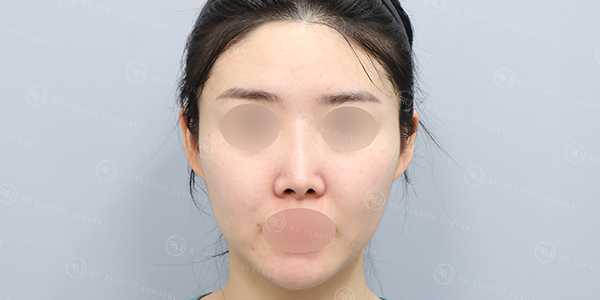
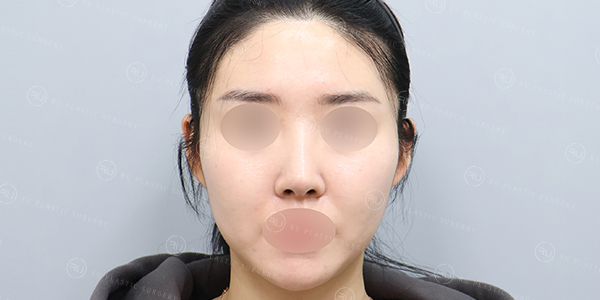
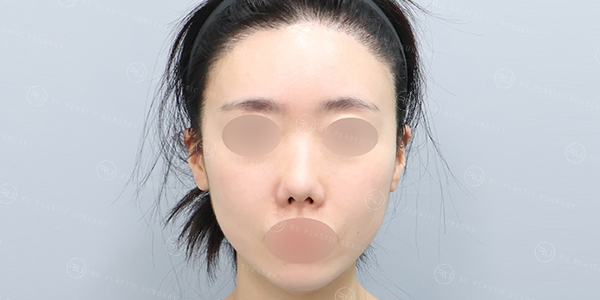
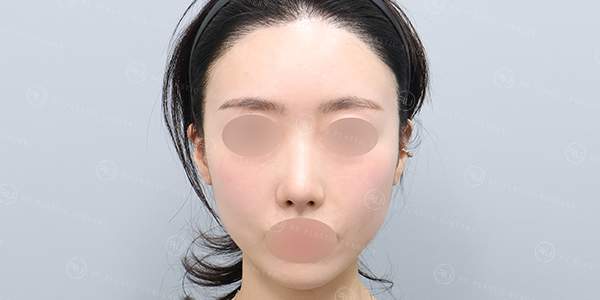
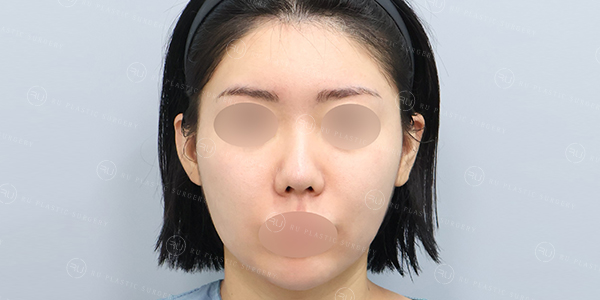
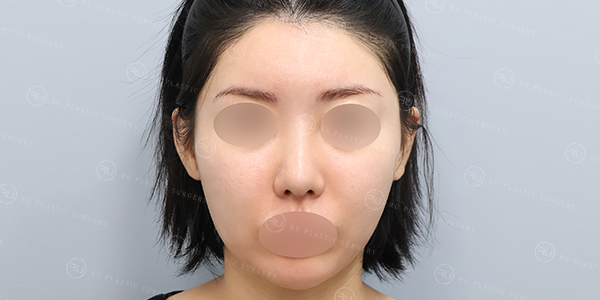
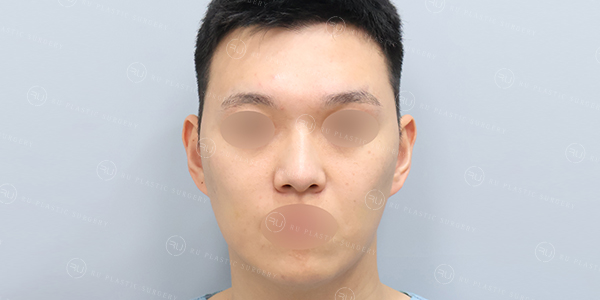
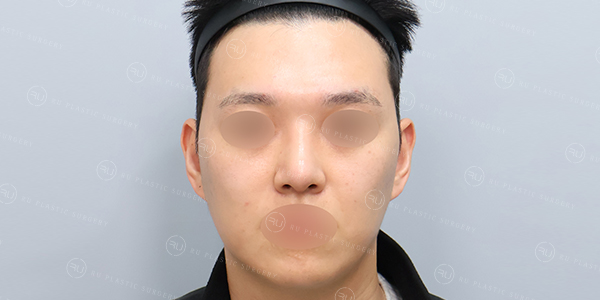
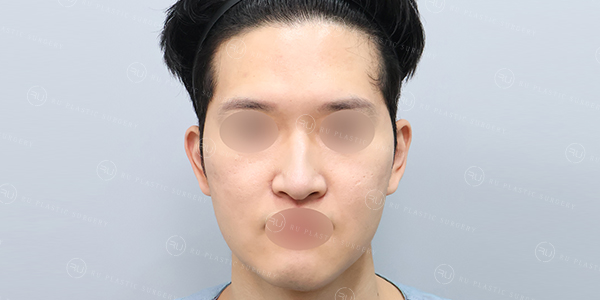
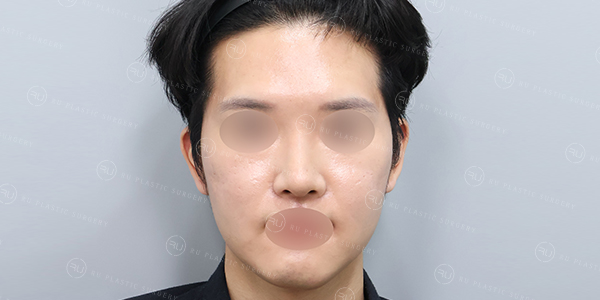
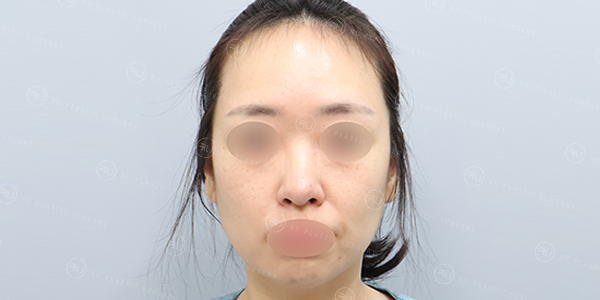
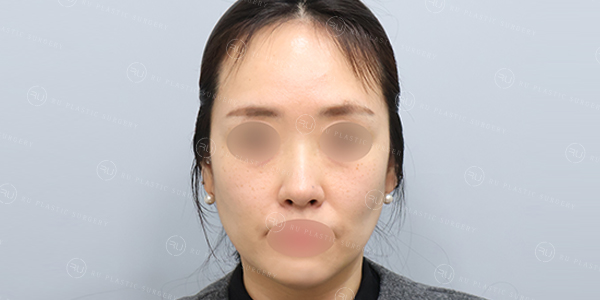
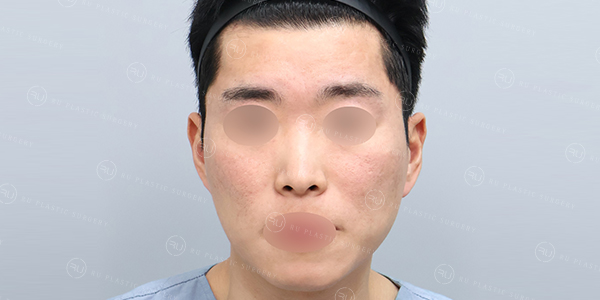
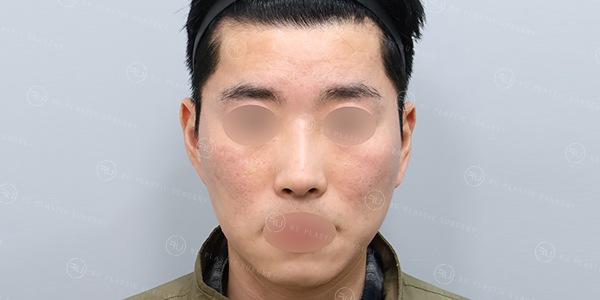
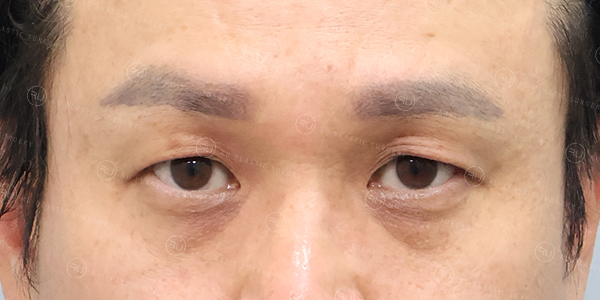
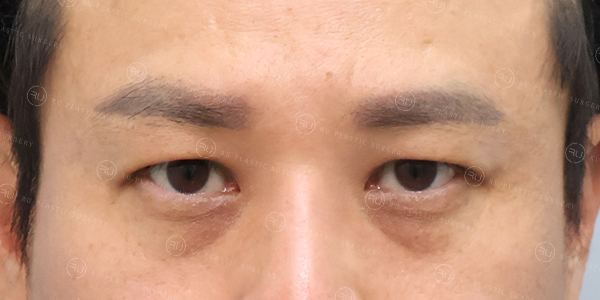
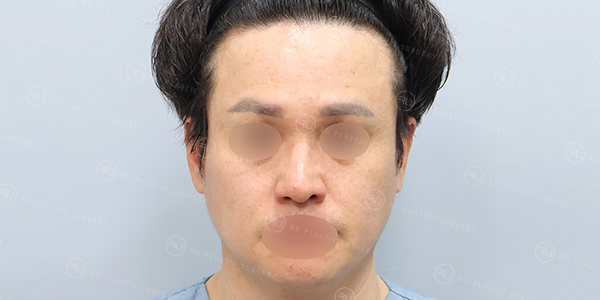
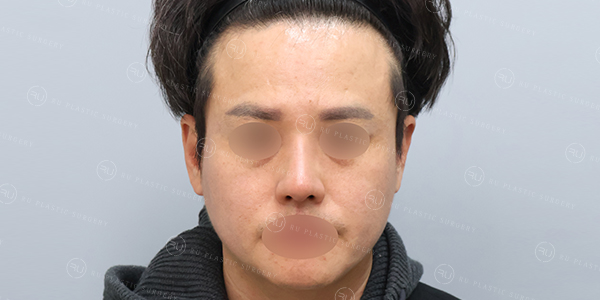
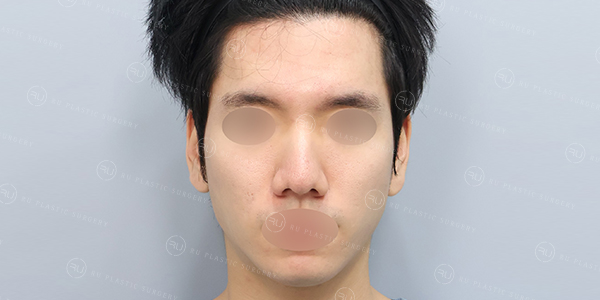
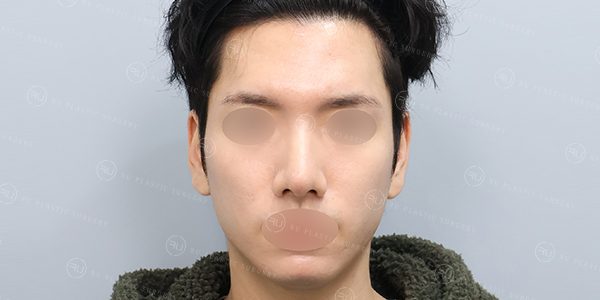
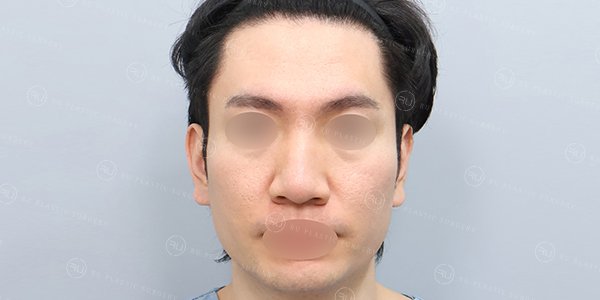
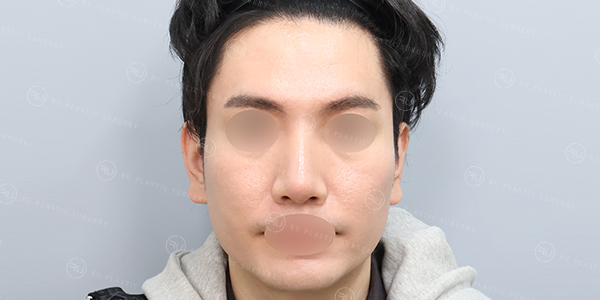
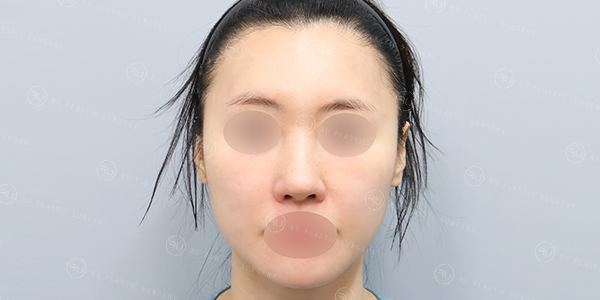
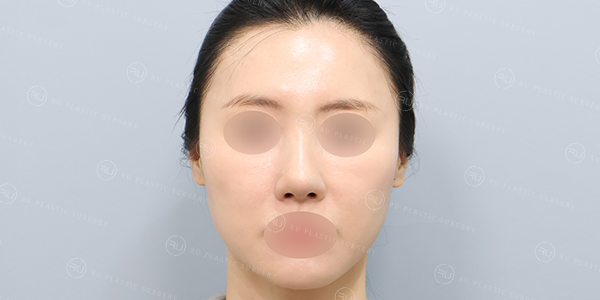
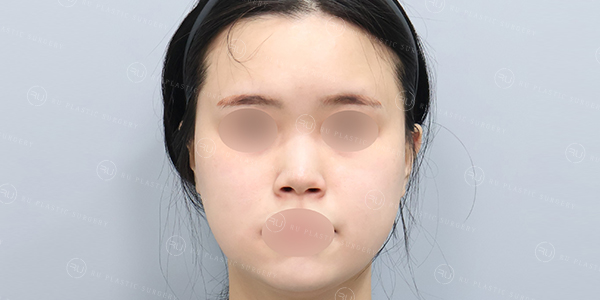
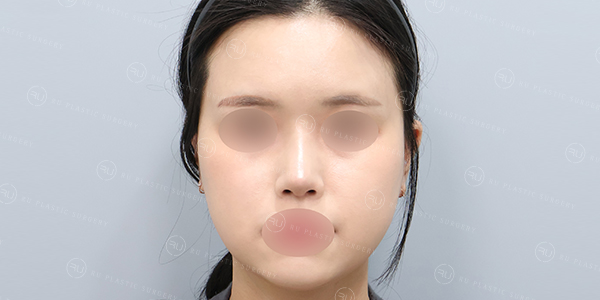
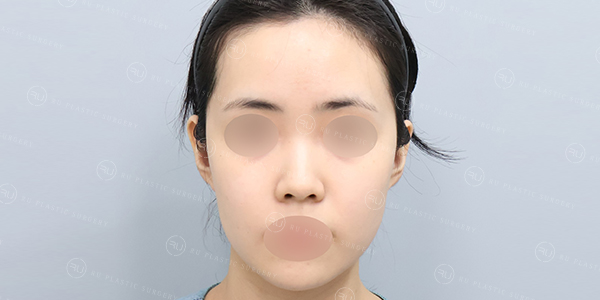
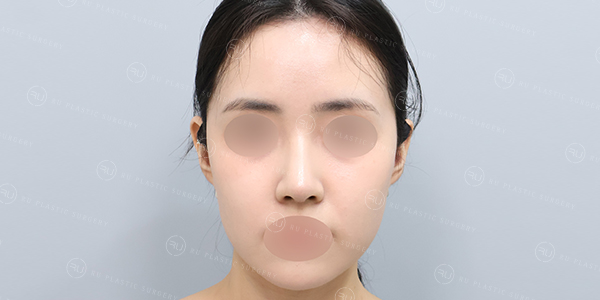
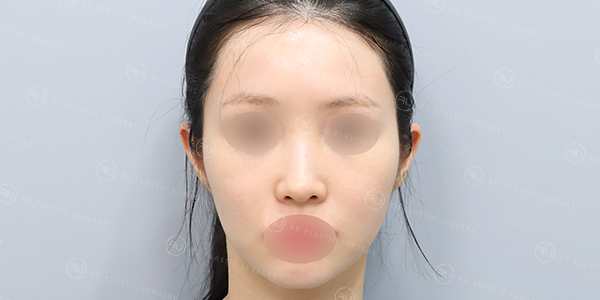
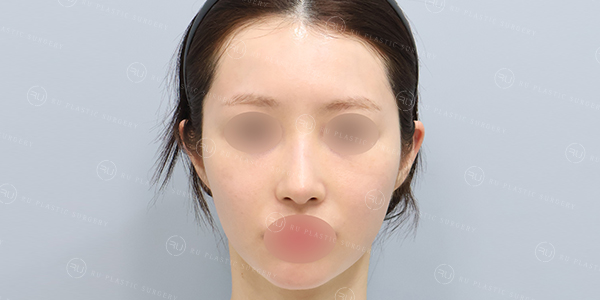
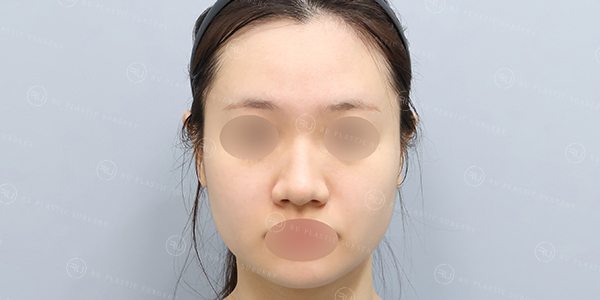
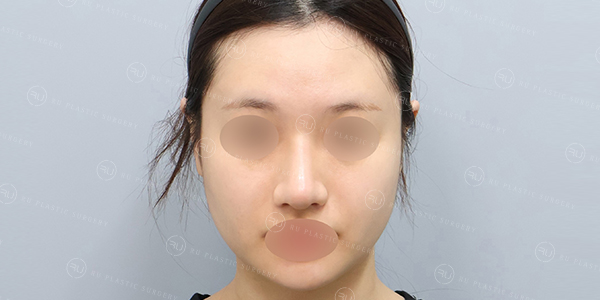
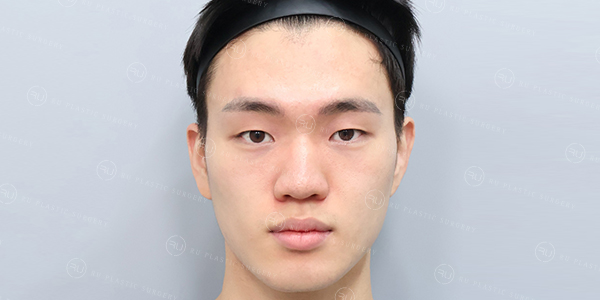
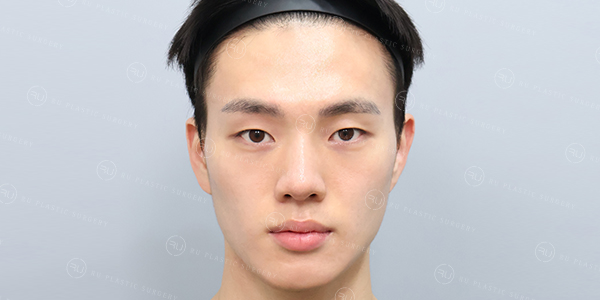
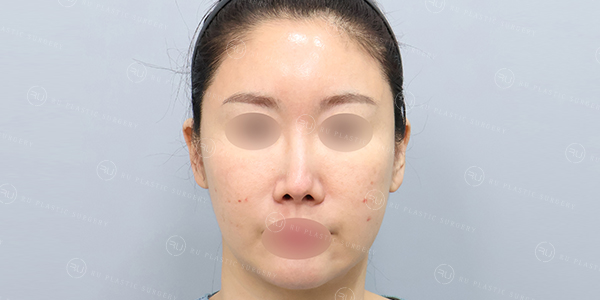
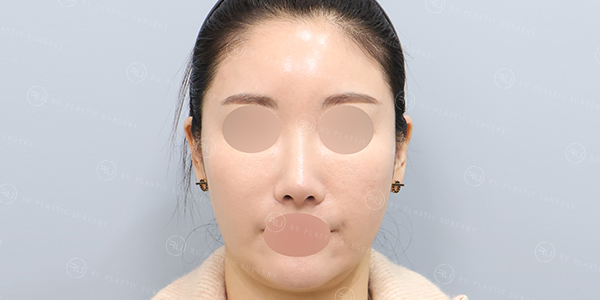
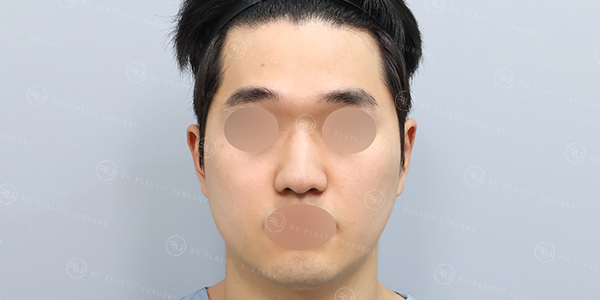
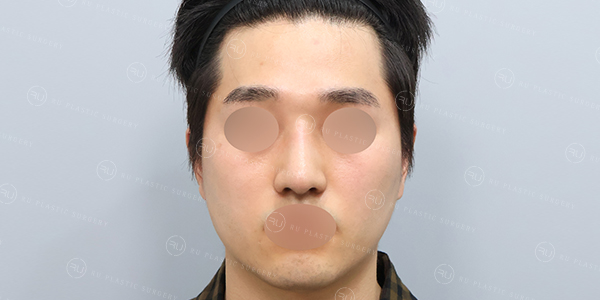
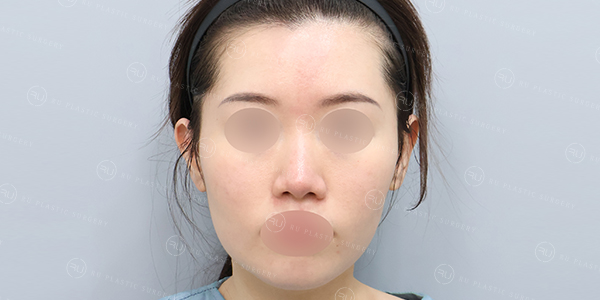
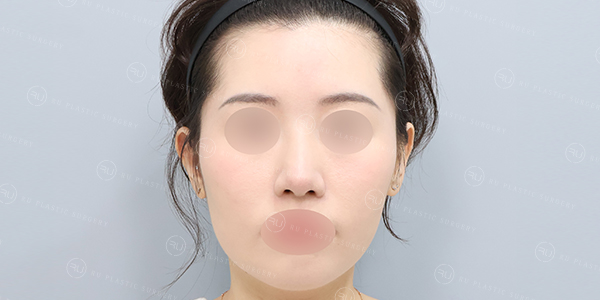
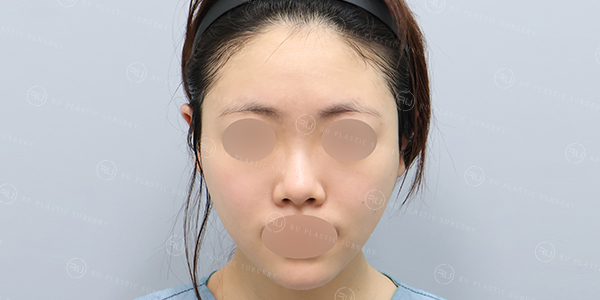
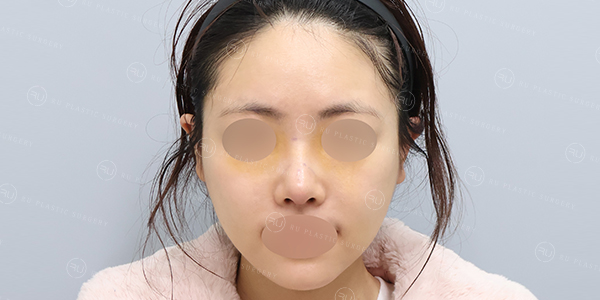
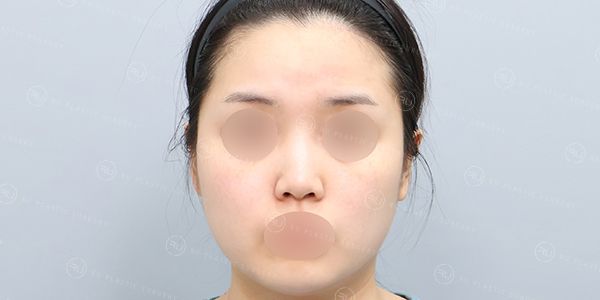
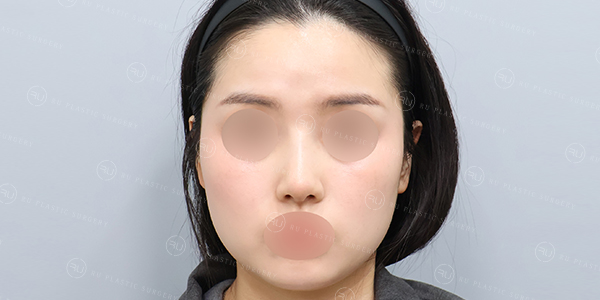
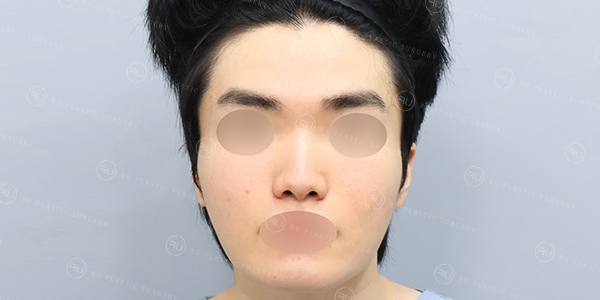
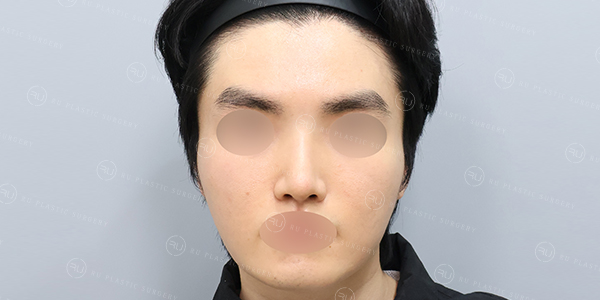
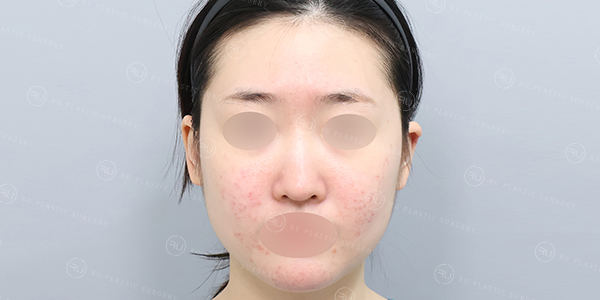
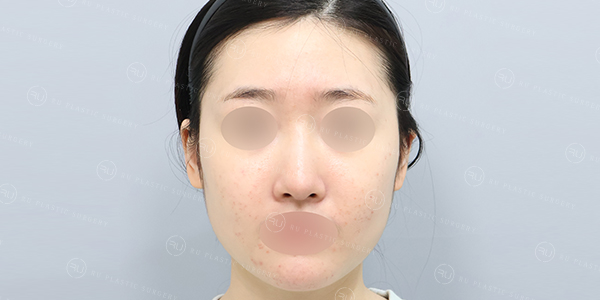
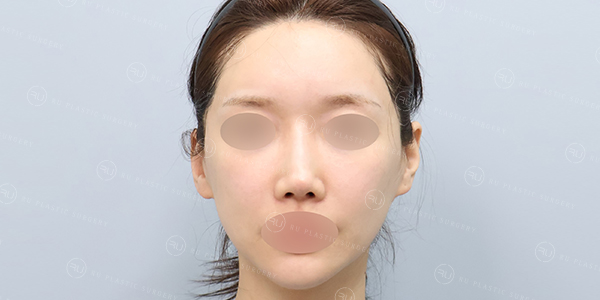
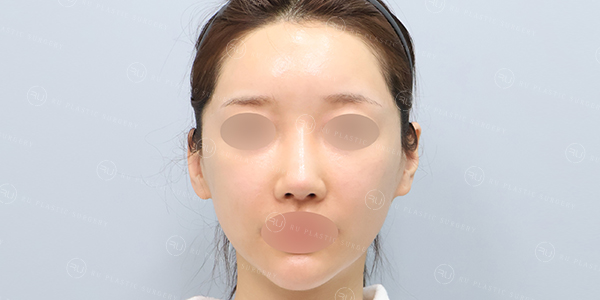
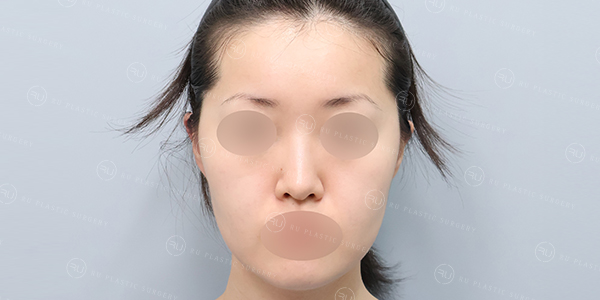
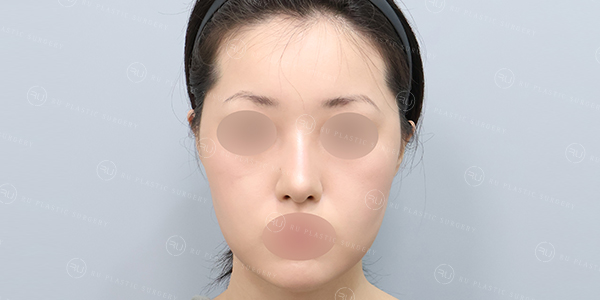
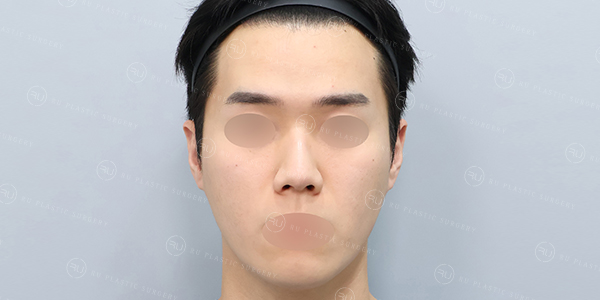
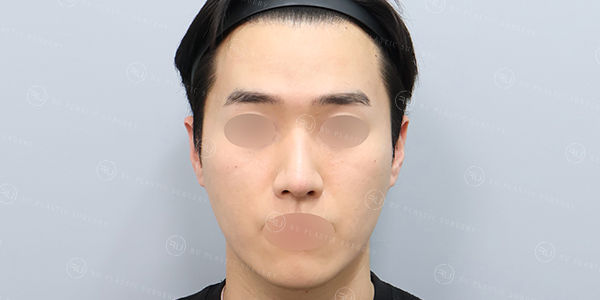
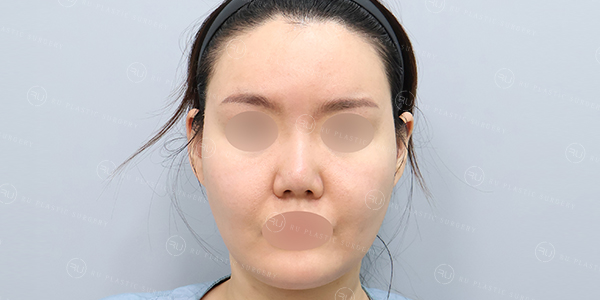
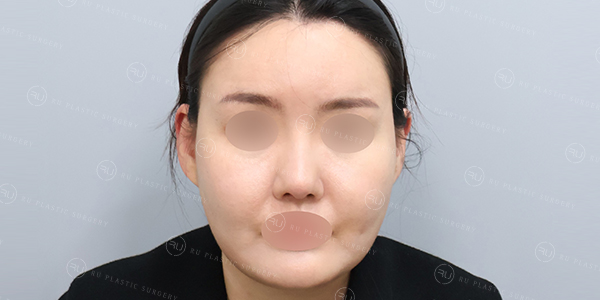
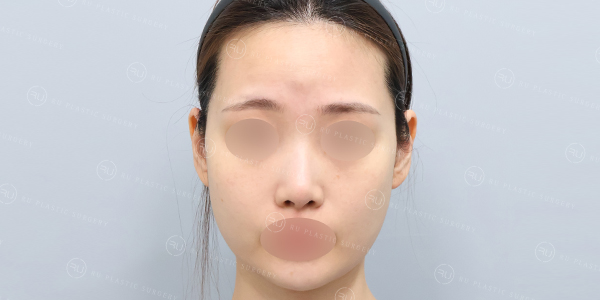
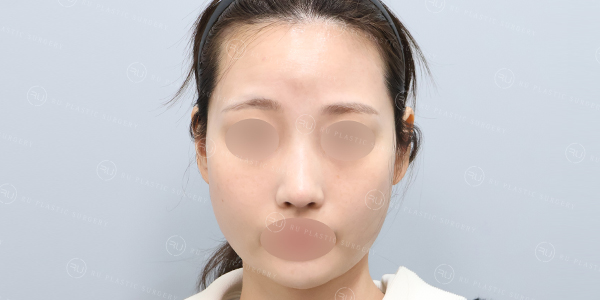
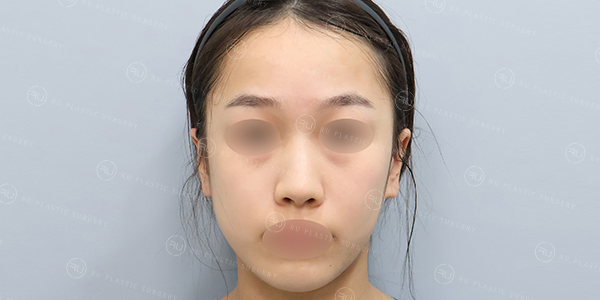
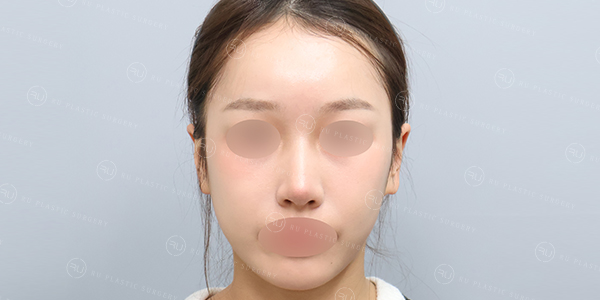
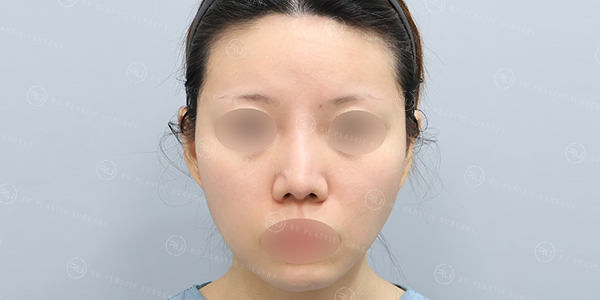
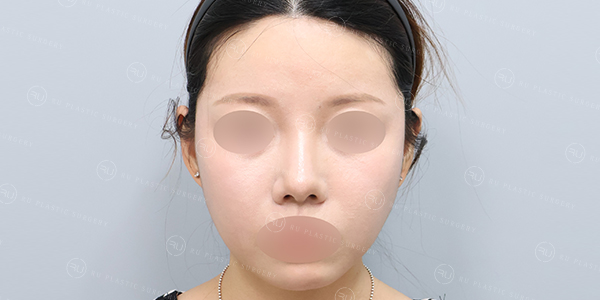
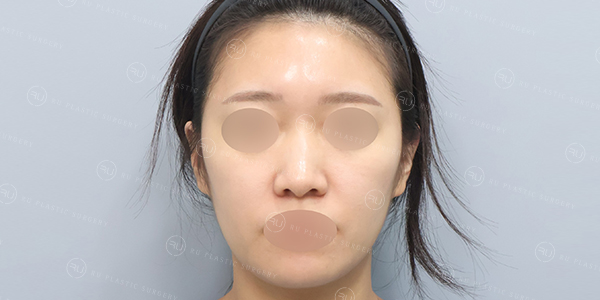
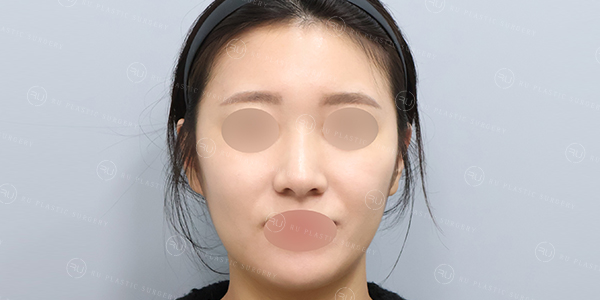
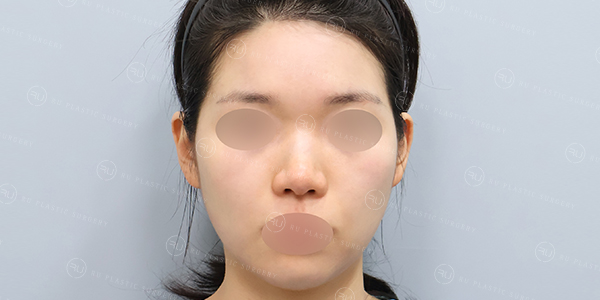
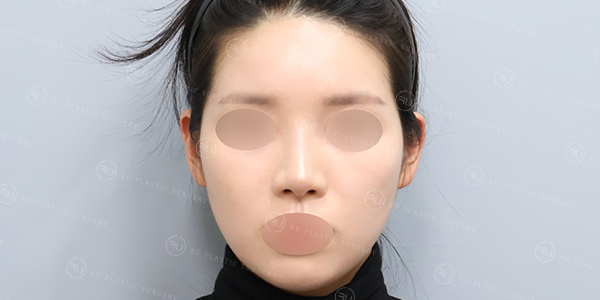
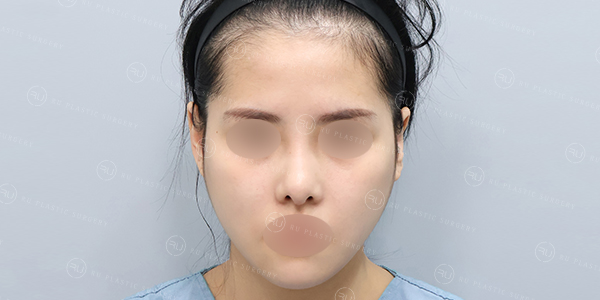
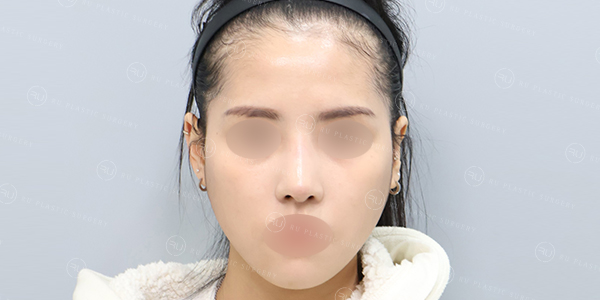
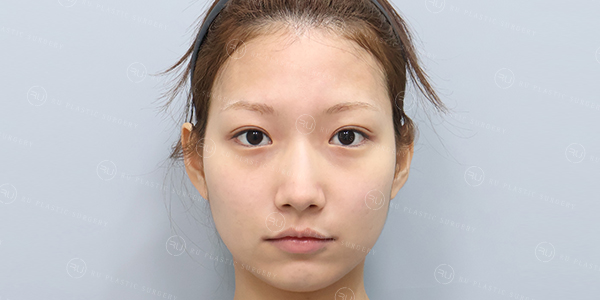
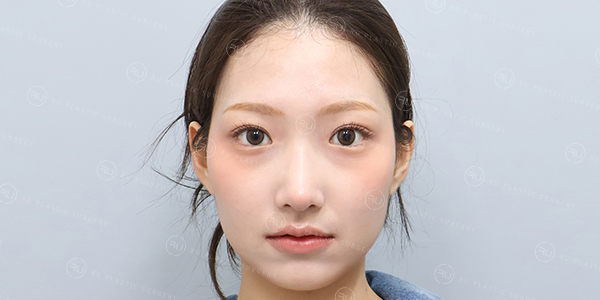
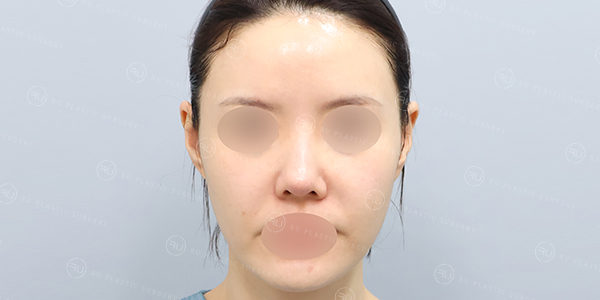
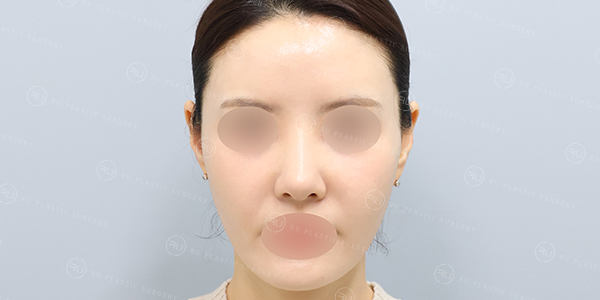
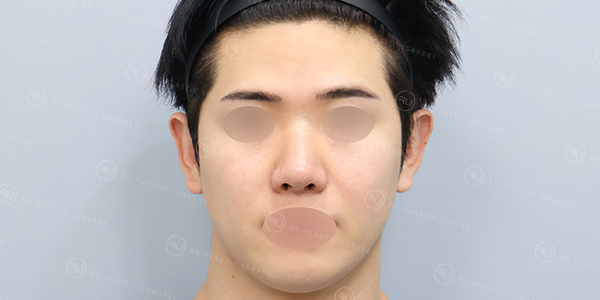
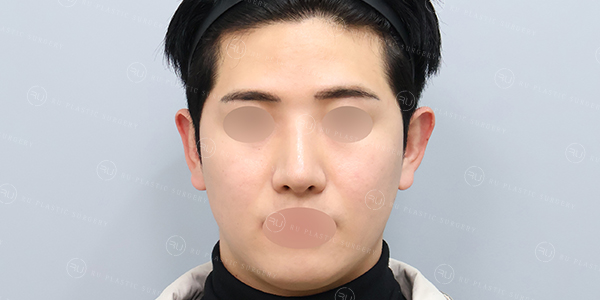
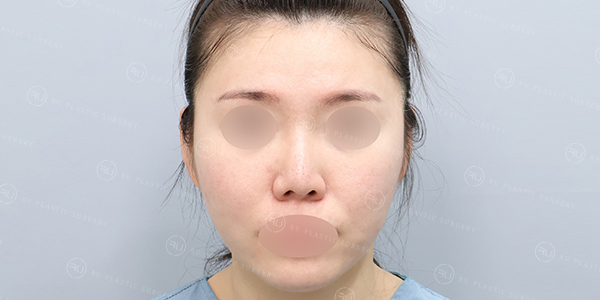
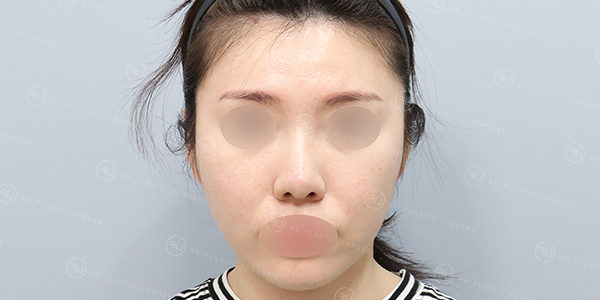
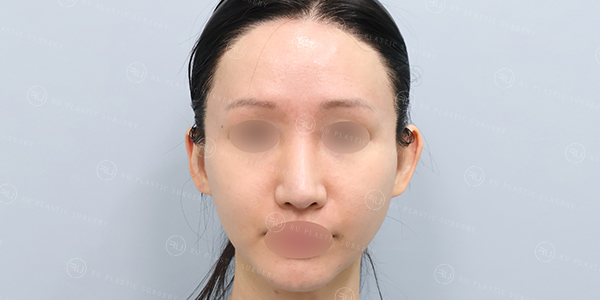
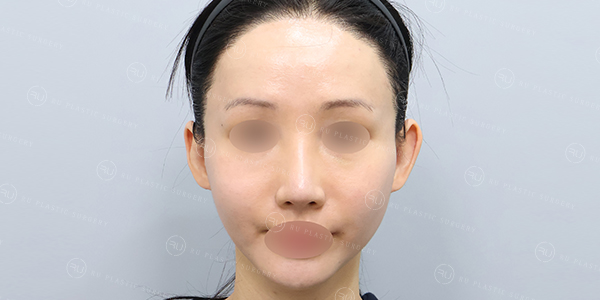
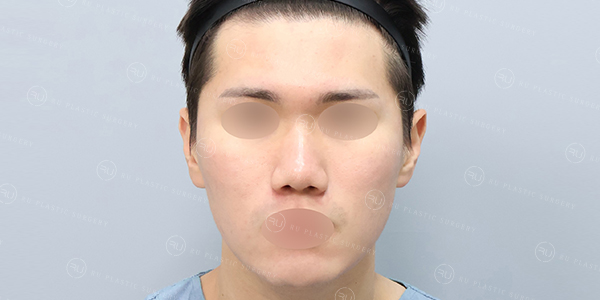
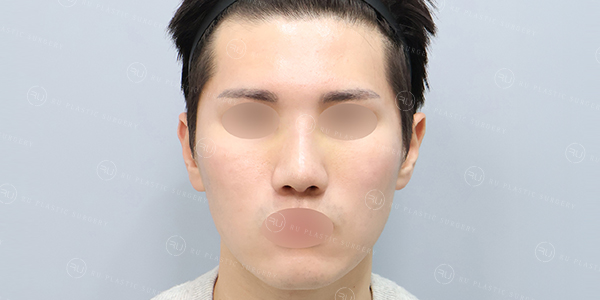
2 weeks after extreme contracture nose revision surgery at R U Plastic Surgery – here’s my update!
본문
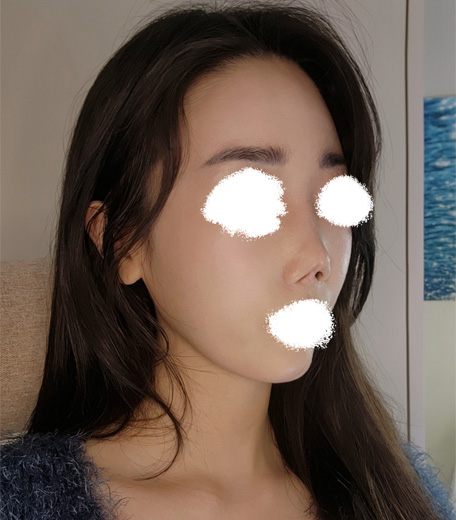
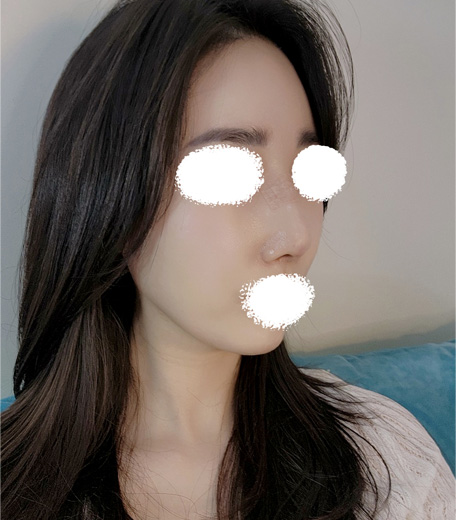
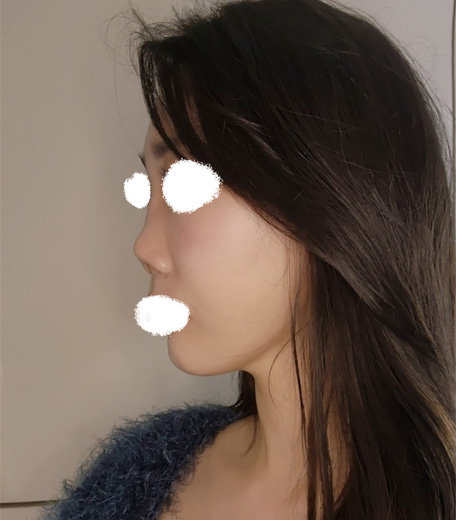
In my early 20s,
I underwent my first rhinoplasty and a revision for a crooked nose
at an ENT clinic that frequently performs nasal surgeries.
However, the nasal lines were not smooth,
and over time, my nasal tip gradually began to droop.
Because I work in a field where appearance is important,
I felt dissatisfied every time I looked at my nose.
As a result, in January 2024,
I decided to undergo another revision surgery.
I visited a specialized revision rhinoplasty clinic
near Nonhyeon Station,
where surgery was performed using silicone implants
and autologous rib cartilage.
But only two weeks after the surgery,
severe contracture occurred.
My nose began to shrink and lift upward,
which was honestly terrifying.
The clinic told me they would take responsibility
and correct the issue after six months
without removing the silicone implant.
So in August, I underwent another surgery,
during which silicone was inserted again
into the already contracted nose.
Even now, I don’t understand how that decision was made—
whether it was due to a lack of skill
or a lack of proper understanding
of how to treat contracted noses.
Just one week after the second surgery,
inflammation developed,
and all of the silicone had to be removed.
My nose was reopened for cleaning.
Contracture occurred once again,
and I struggled tremendously.
I felt deep guilt for choosing the wrong clinic.
About a month later,
my nasal bridge became red, hot, and swollen,
and I feared that the infection had returned.
At that point, I knew I had to take a completely different approach.
I searched for a clinic specializing in severe contracture revision,
and that is how I found RU Plastic Surgery.
Dr. Hyun Joo Kim has extensive experience
with extreme contracture nose cases.
He first recommended removing
all infected tissue, cartilage, and implants
from inside my nose.
After that,
I underwent long-term stem cell therapy.
The process was painful and physically demanding,
but after a long treatment period,
my surgery date was finally scheduled.
I felt both relieved and nervous.
In March, I underwent revision surgery.
Autologous rib cartilage was used for the nasal bridge,
and scalp fascia was used for the nasal tip.
No implants were used—only my own tissues.
The surgery was performed under general anesthesia,
and when I woke up, I was in the recovery room.
The first day was especially difficult
due to severe throat pain caused by anesthesia.
After experiencing two contractures
and enduring nearly a year of suffering because of my nose,
I had countless worries
until the nasal splint was finally removed.
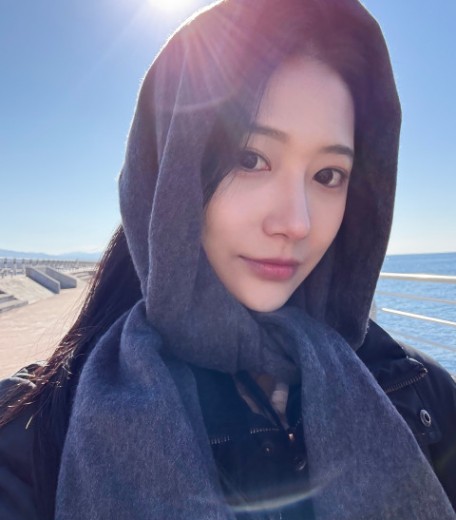
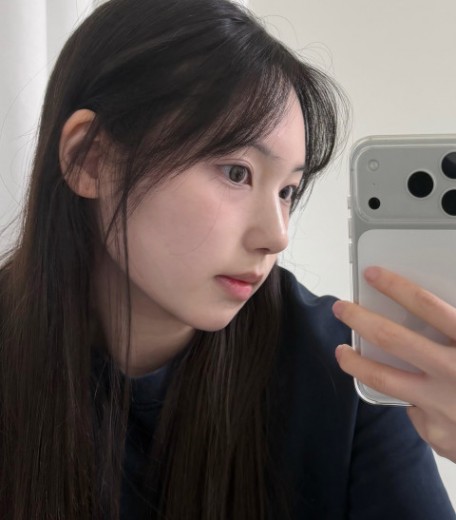
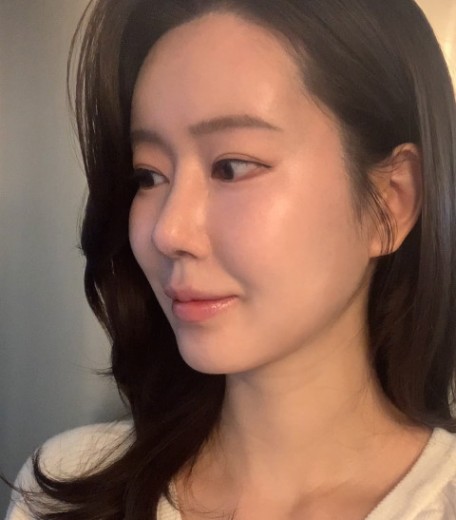
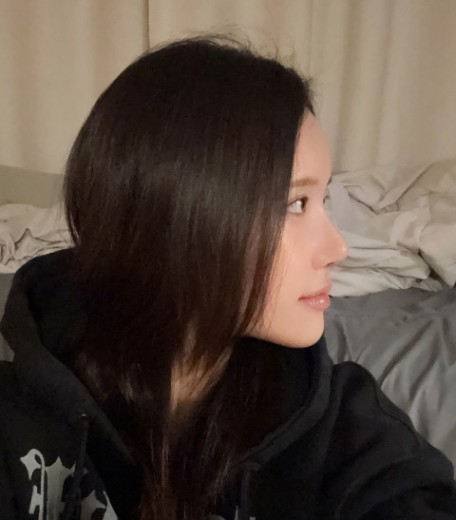
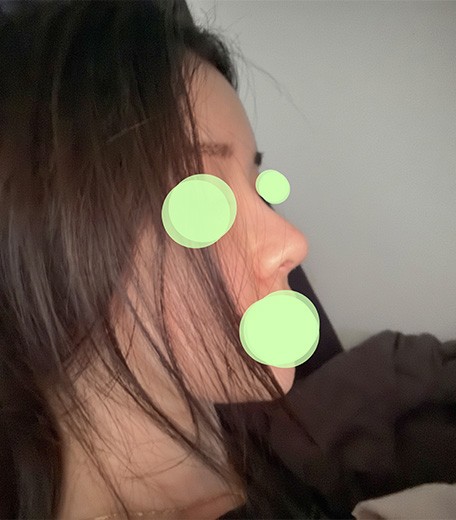
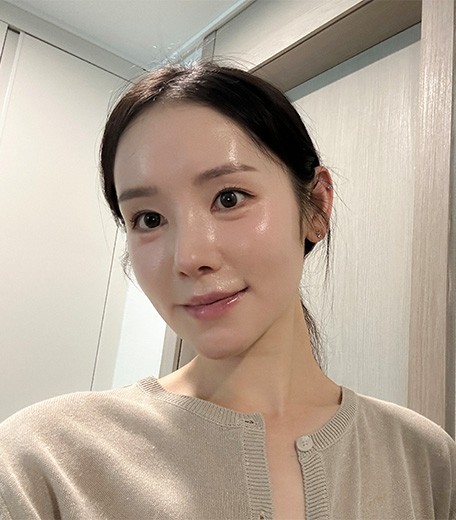
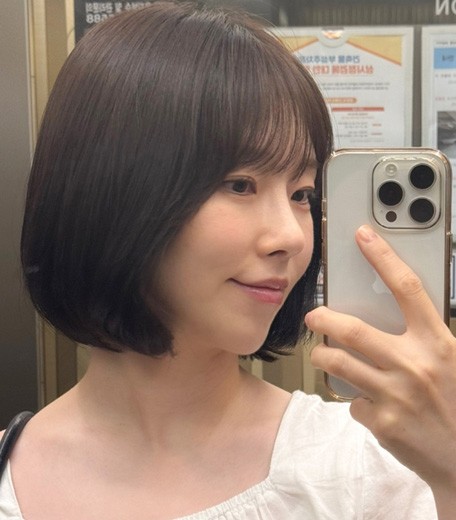
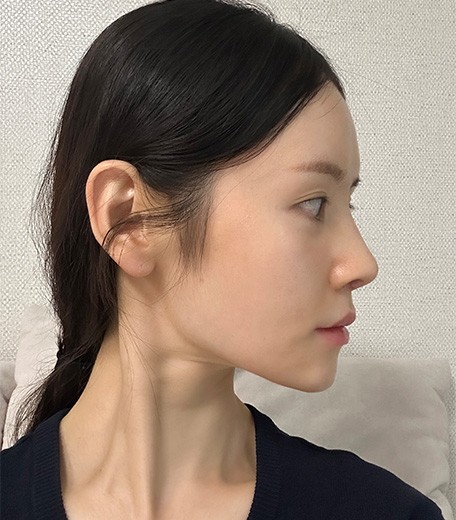
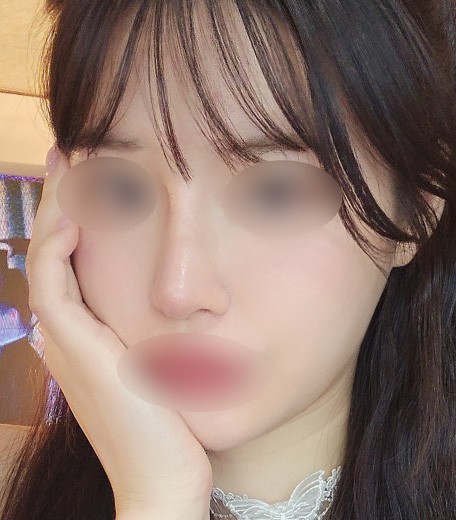
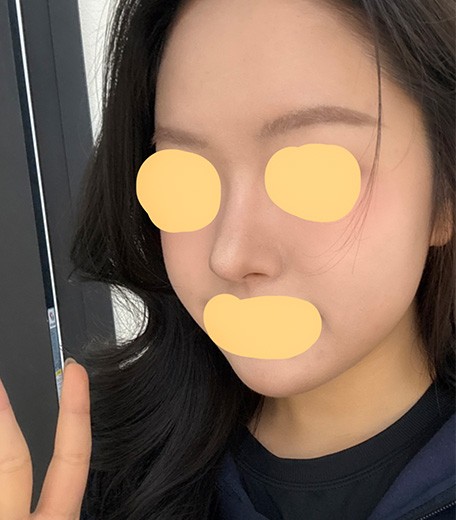
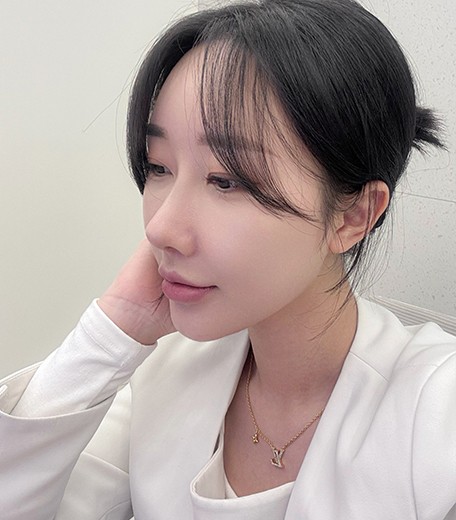
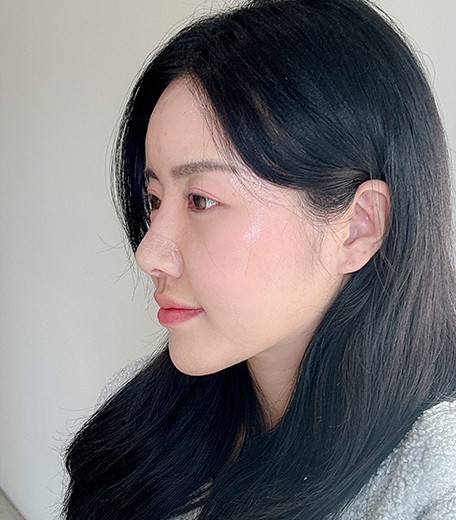
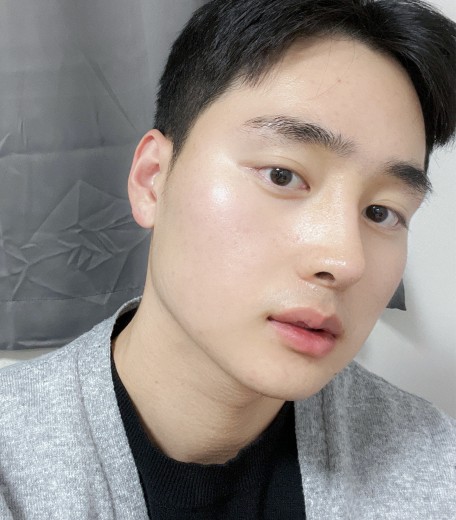
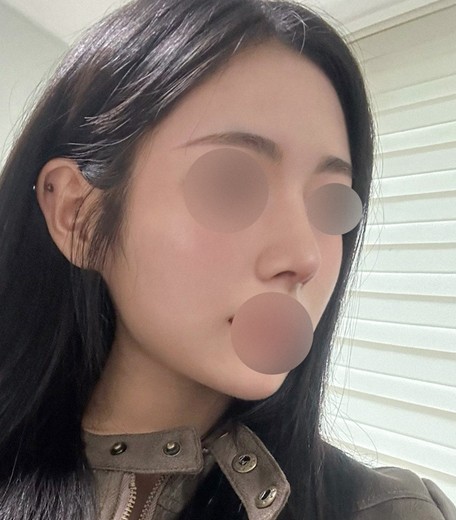
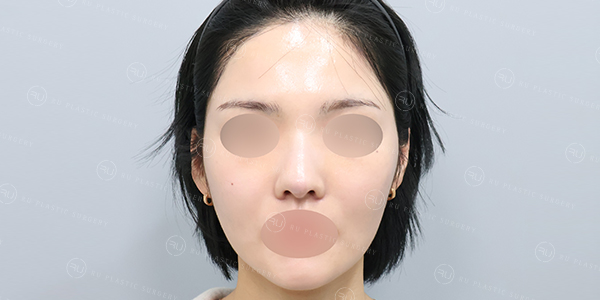
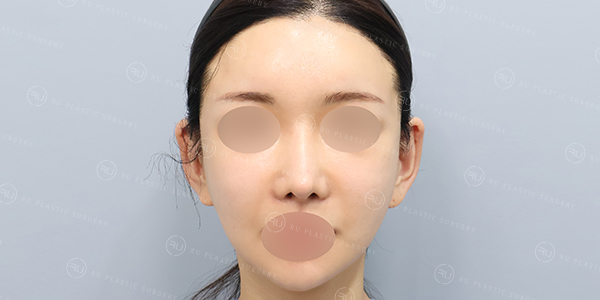
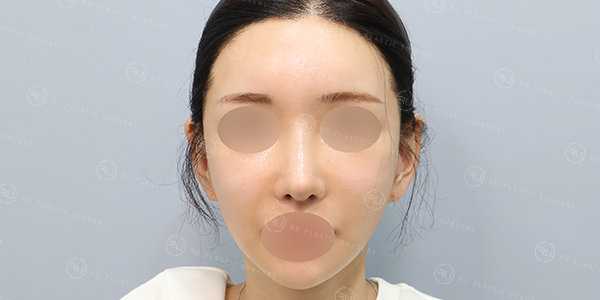
At present,
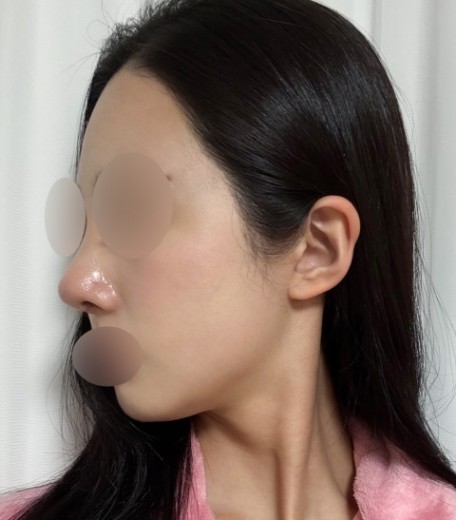
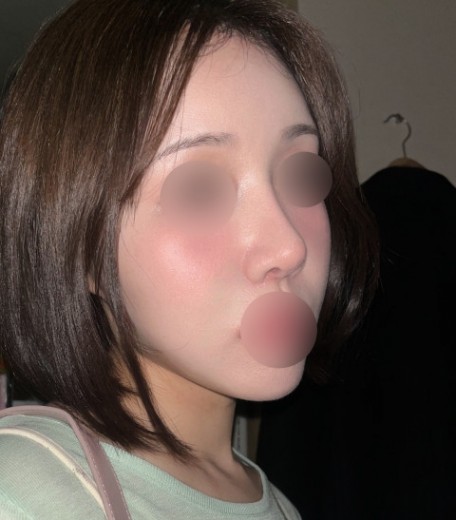
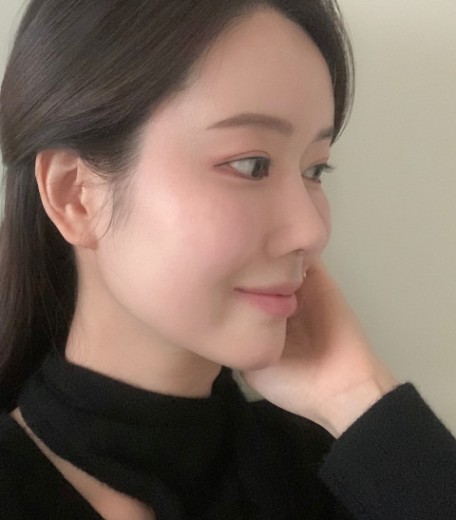
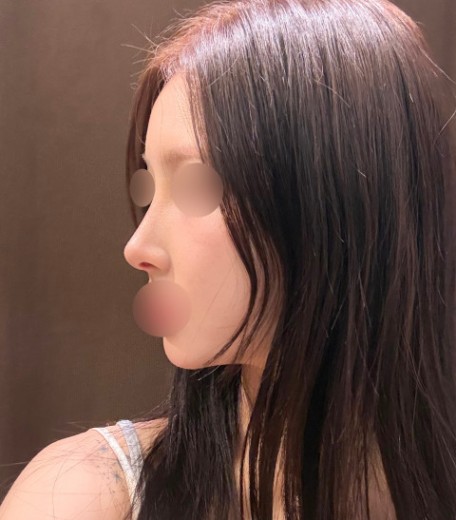
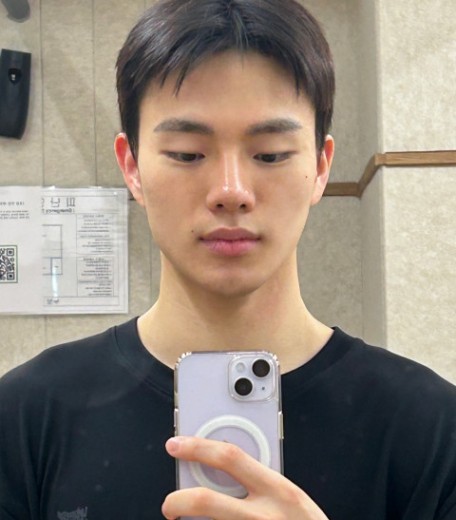
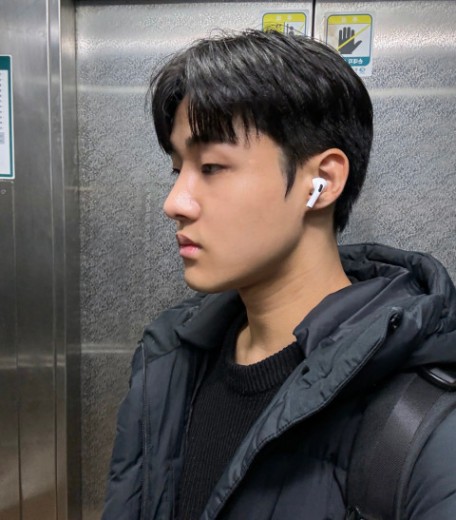
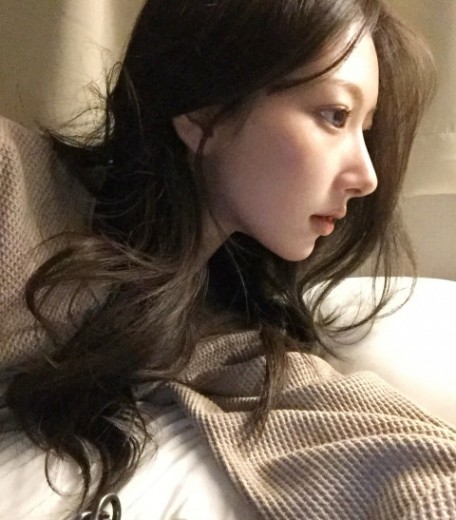
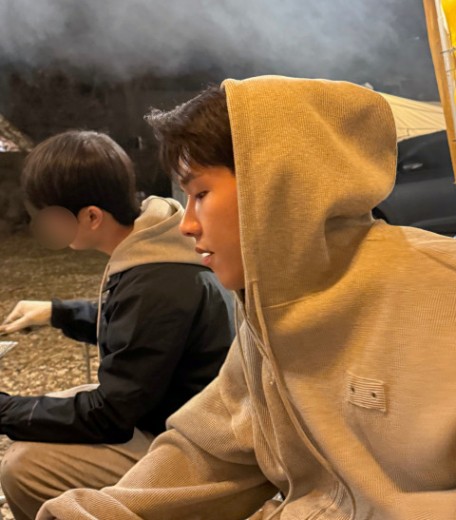
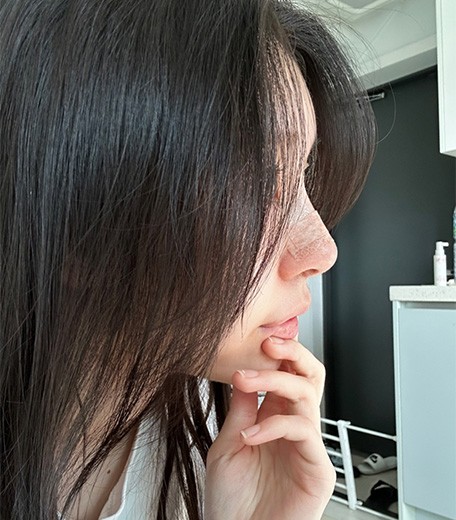
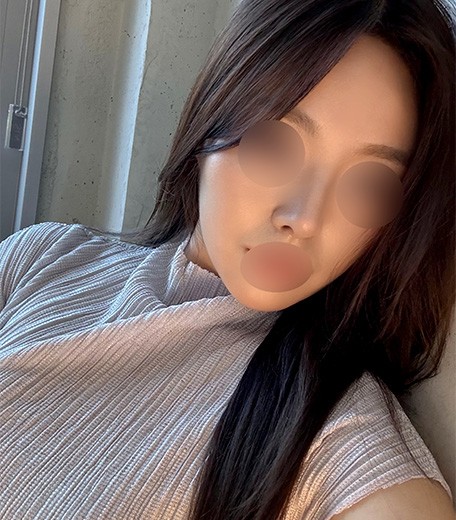
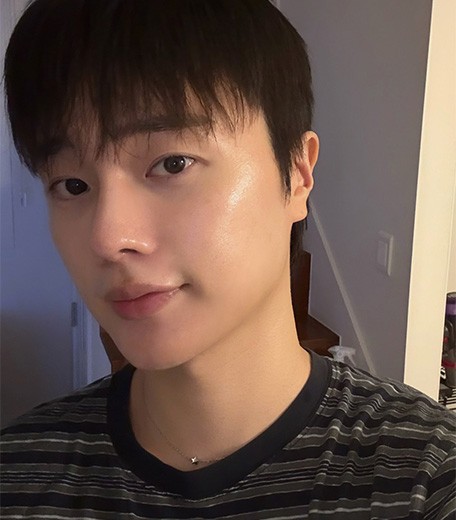
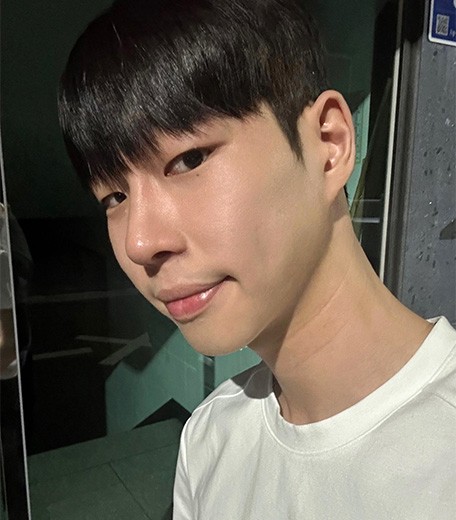
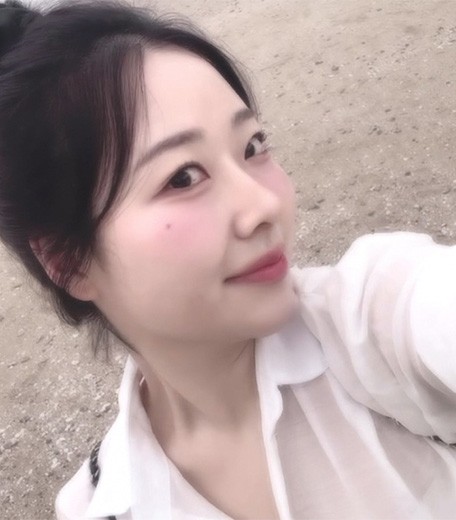
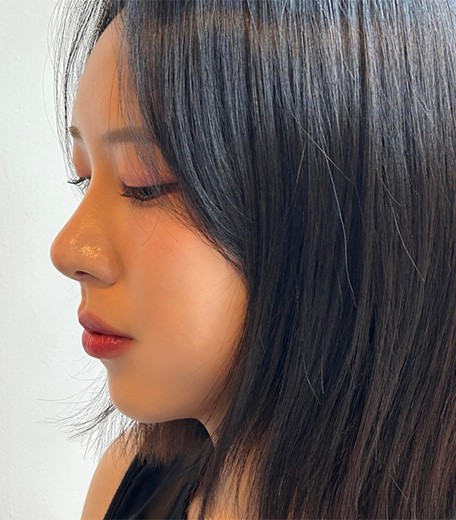
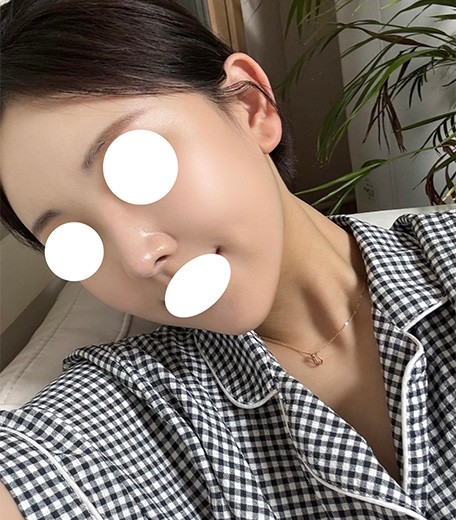
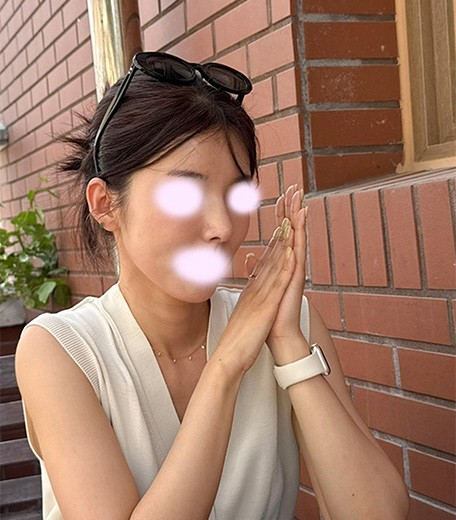
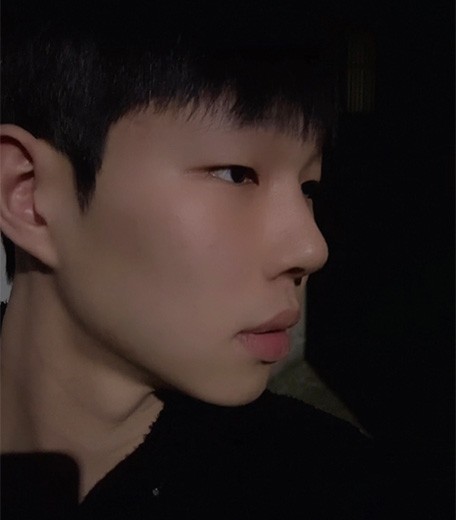
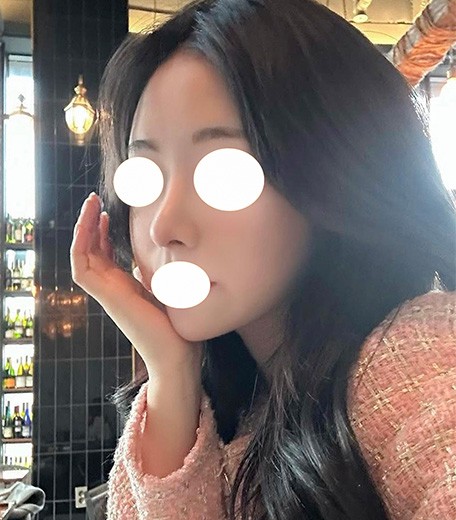
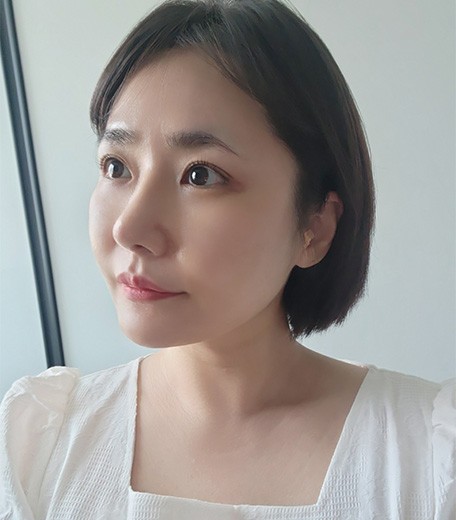
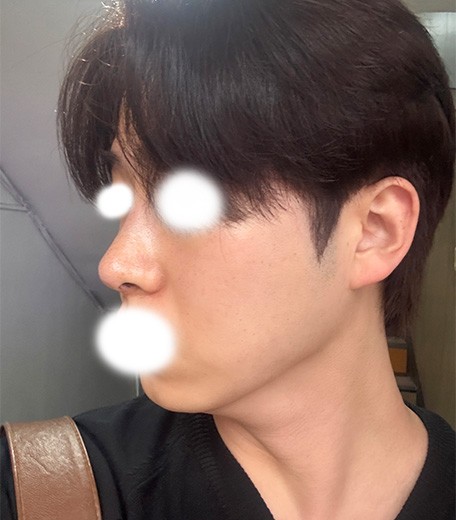
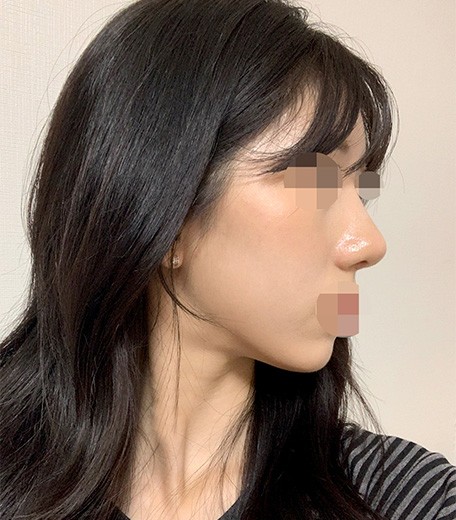
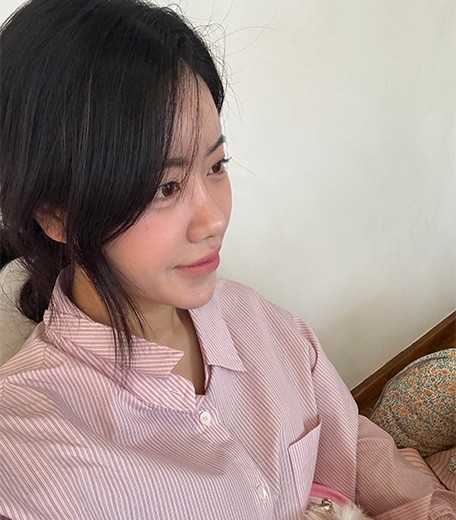
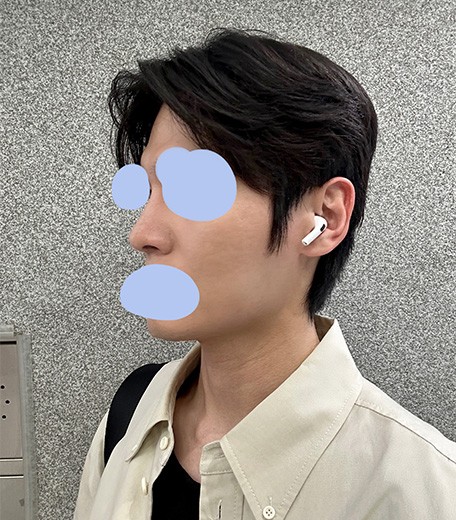
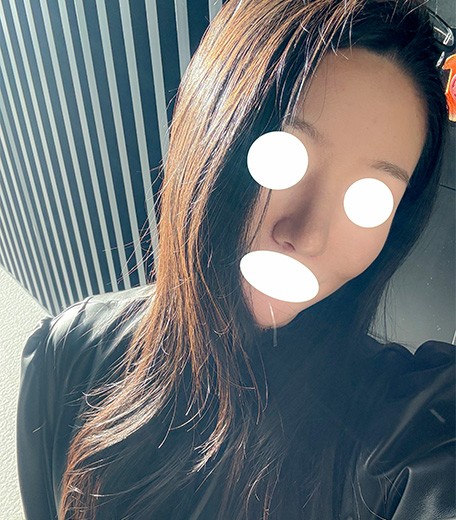
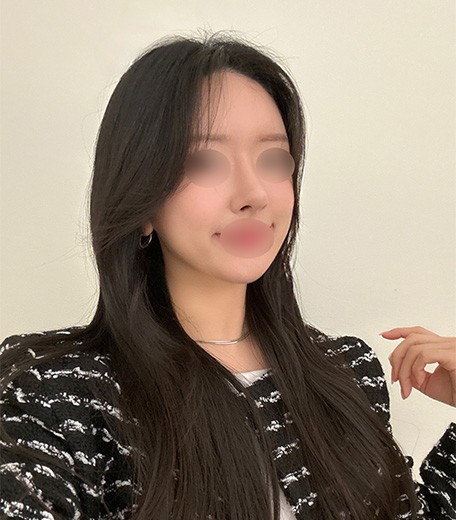
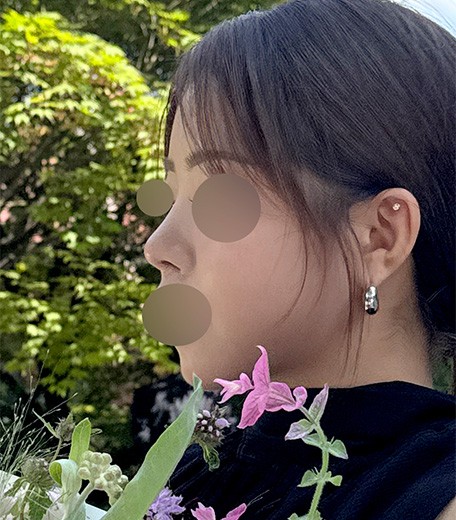
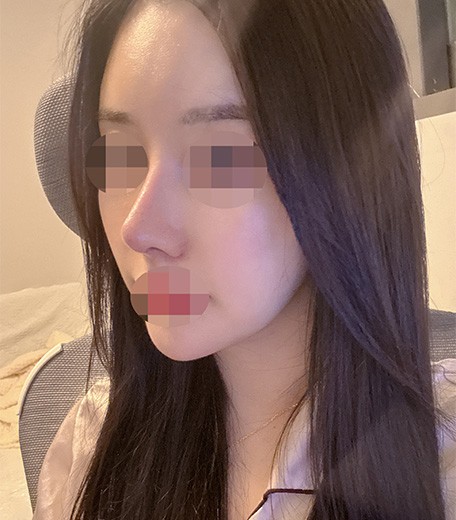
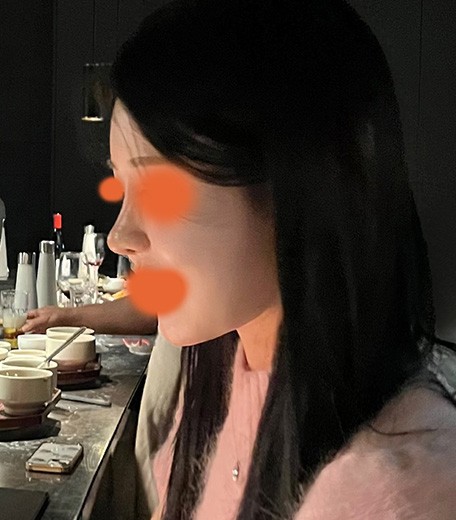
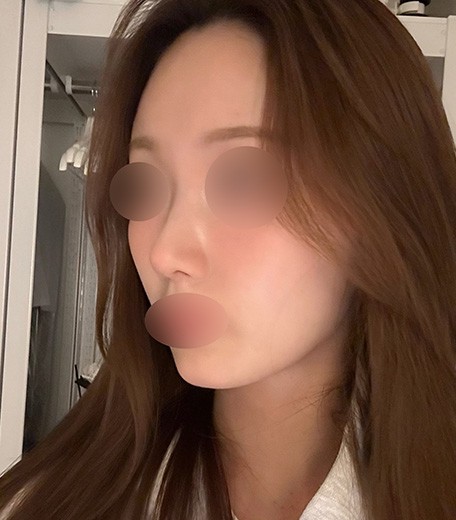
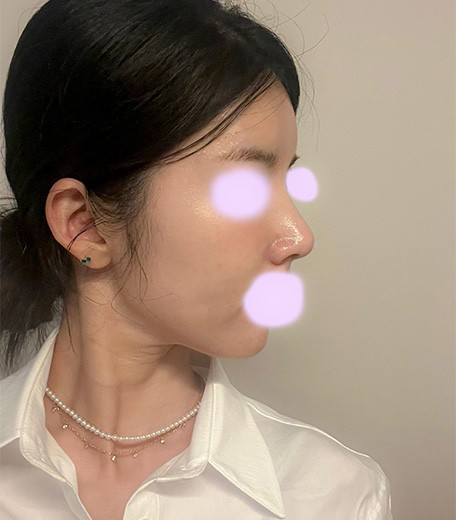
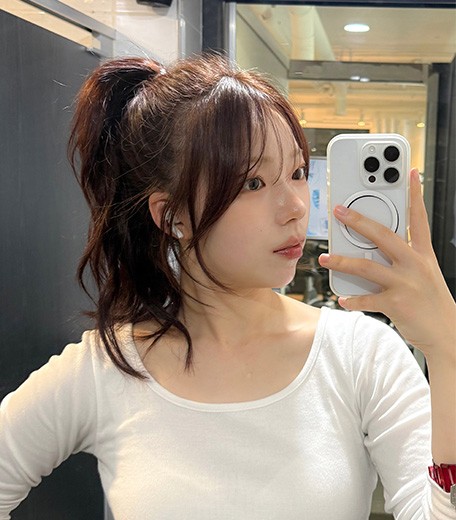
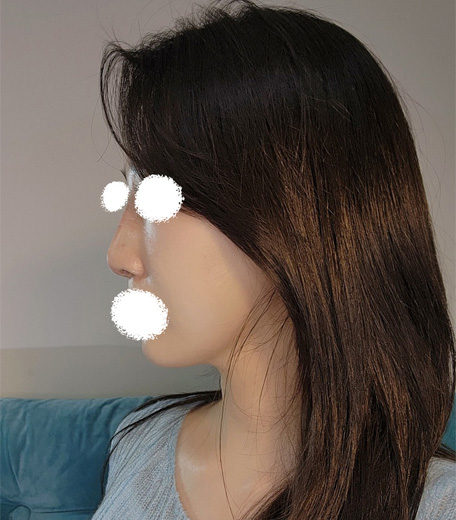
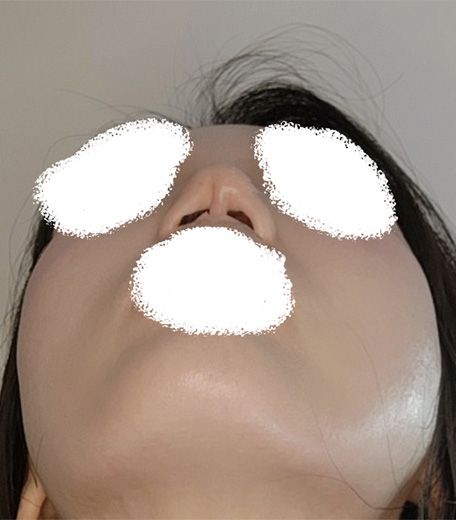
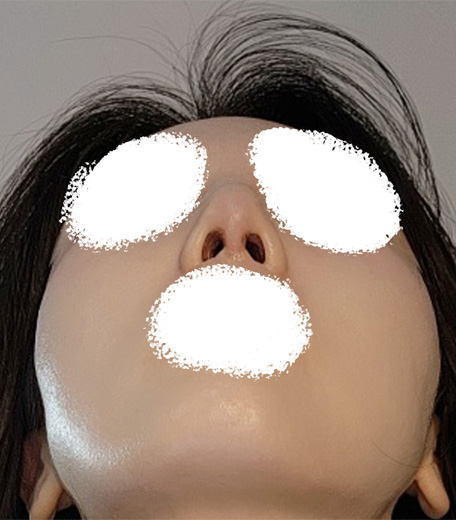
the shape of my nasal tip looks better than I expected,
which is a great relief.
There is still significant swelling along the nasal bridge,
so I am carefully monitoring the healing process.
This time, however,
I feel calm and at peace.
Dr. Kim and the entire staff have been extremely attentive,
carefully addressing even the smallest details,
and I am truly grateful.
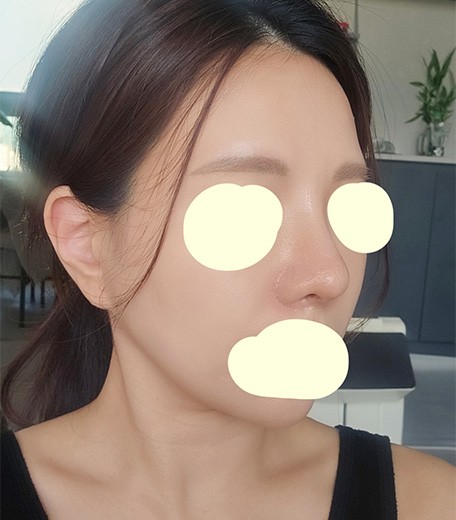
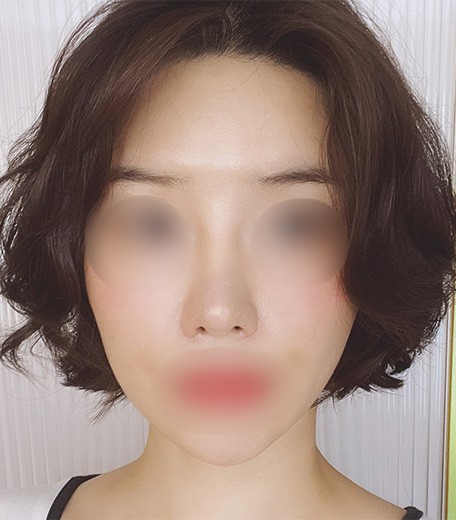
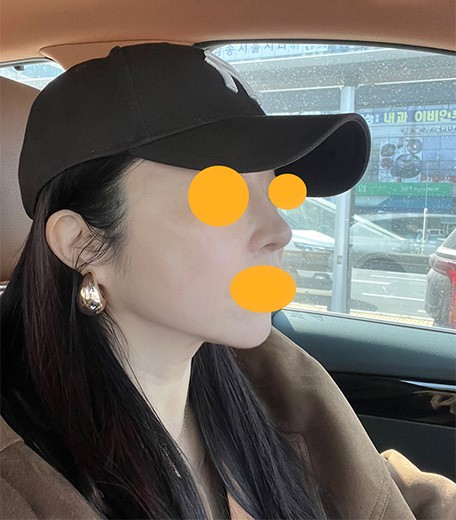
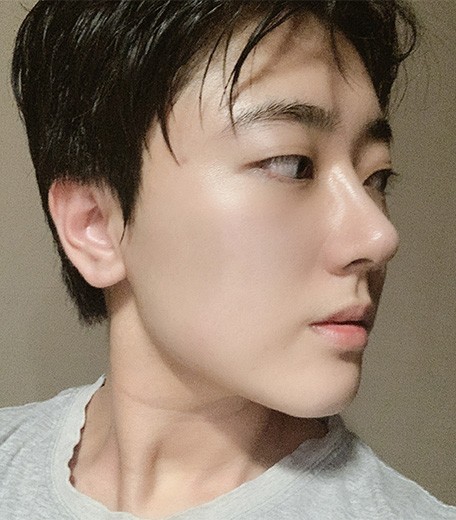
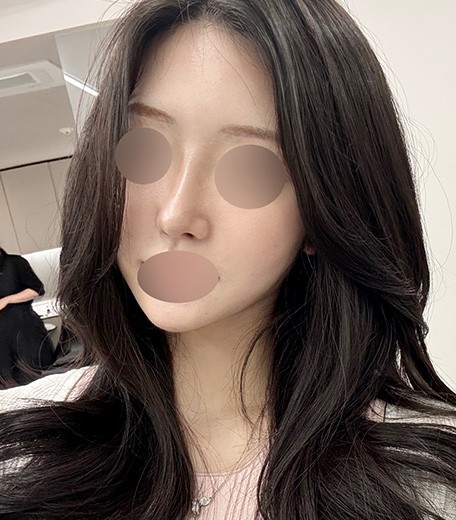
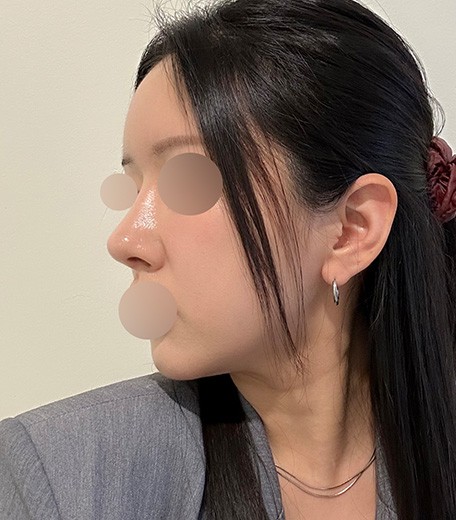
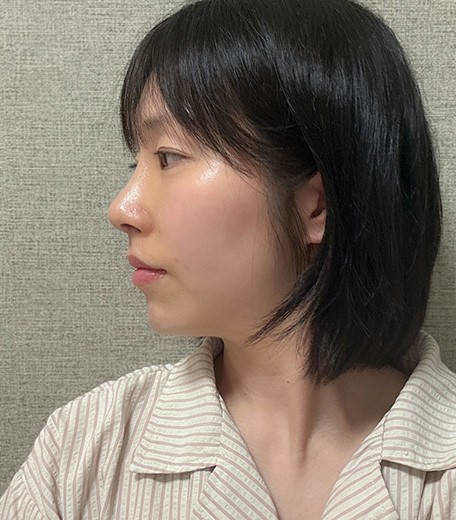
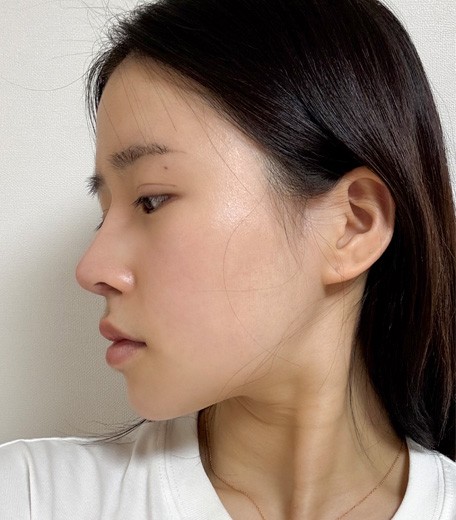
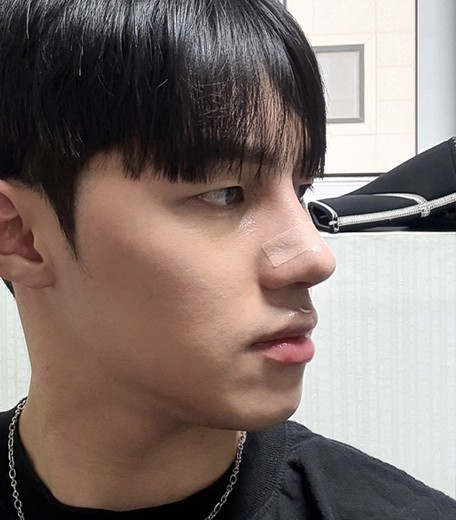
At two weeks post-operation,
after the stitches were removed,
breathing felt much easier,
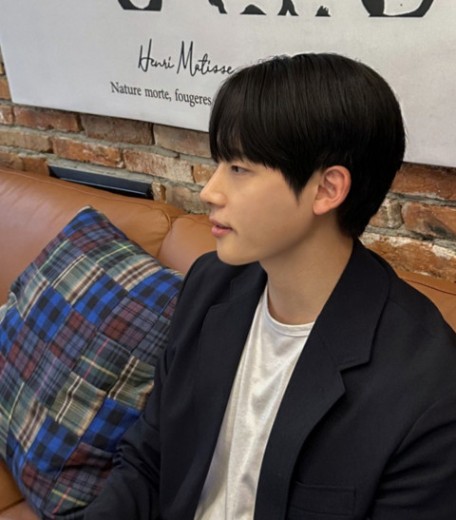
and my nose already looked slimmer
compared to the first week.
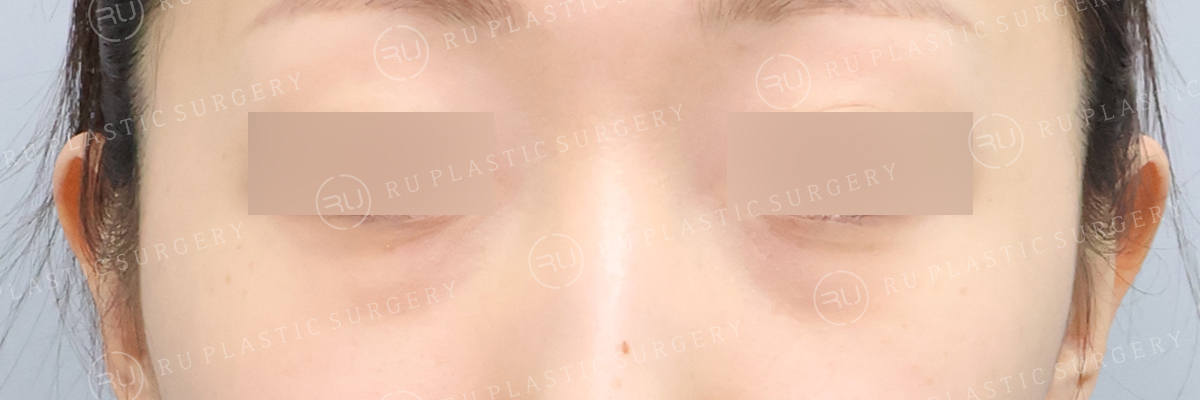
There is still noticeable swelling
at the starting point of the nasal bridge,
so taping was applied on the day of stitch removal,
and we will continue to monitor the healing.
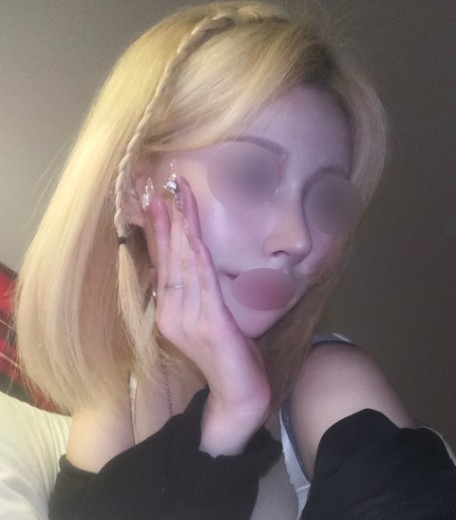
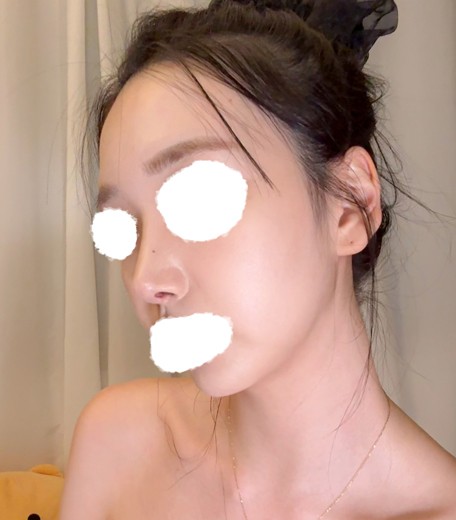
The color of my nasal tip looks clean and healthy as well.