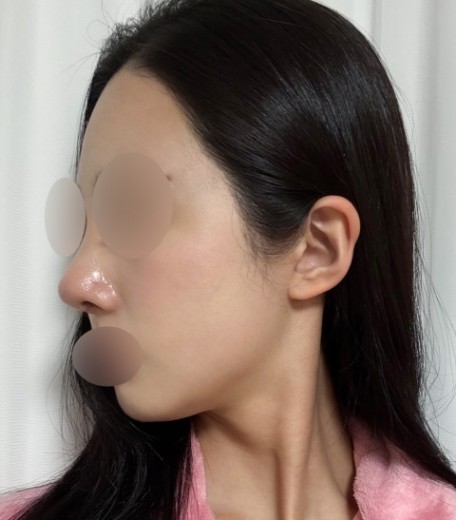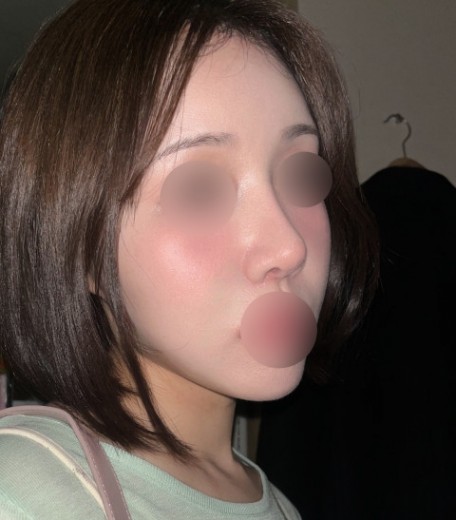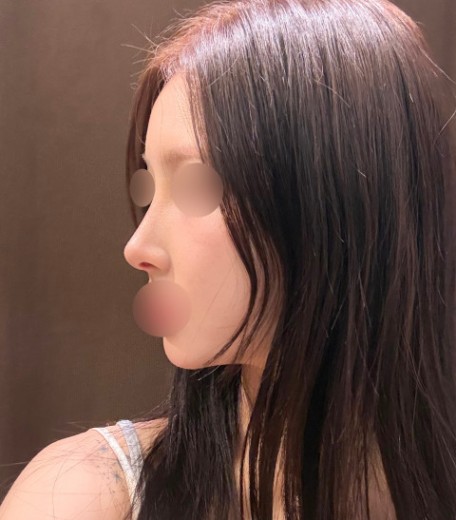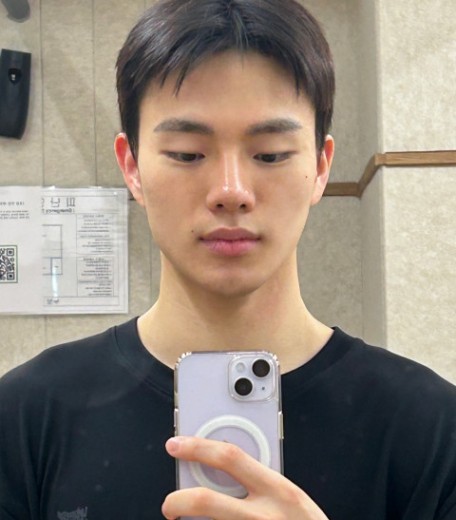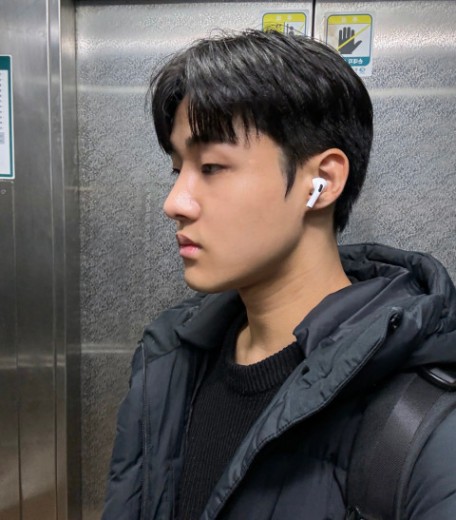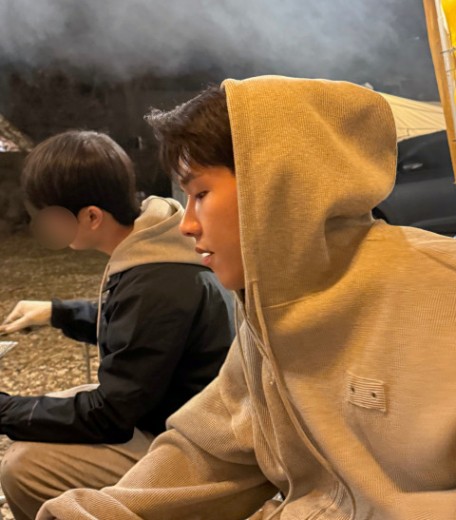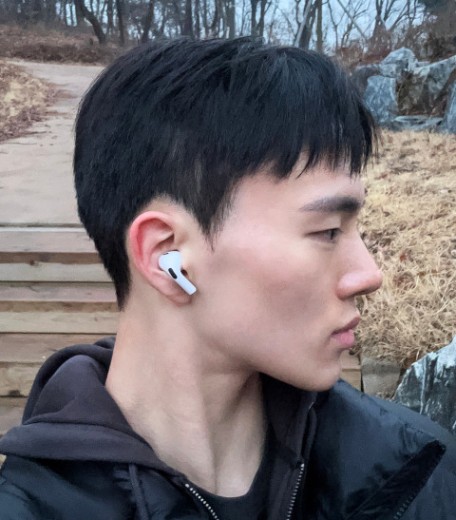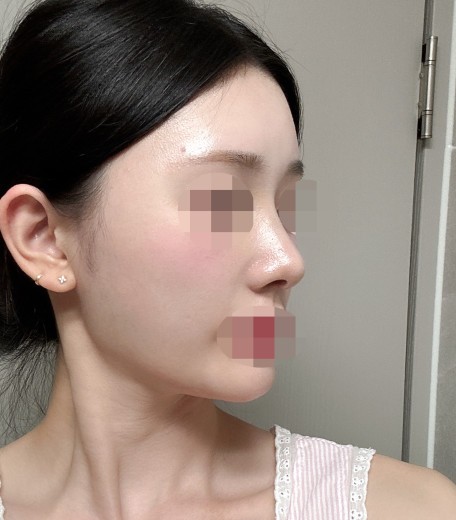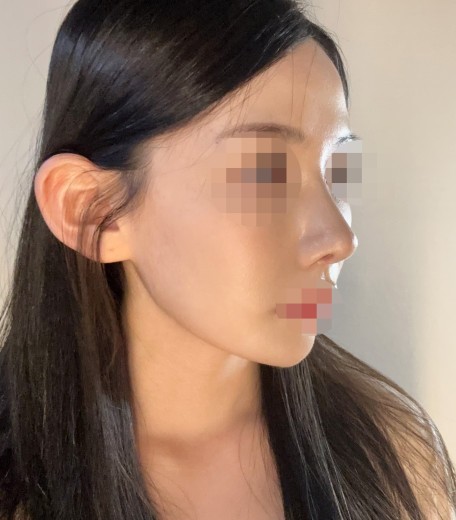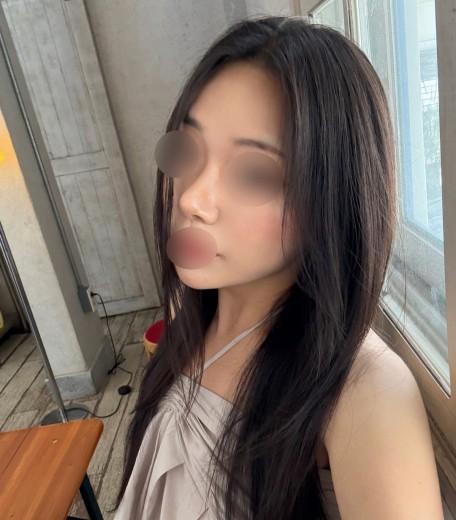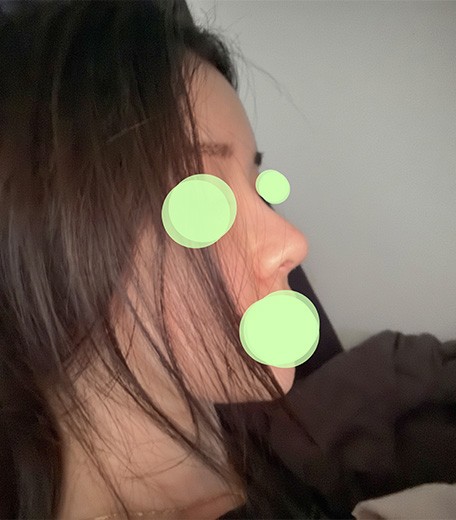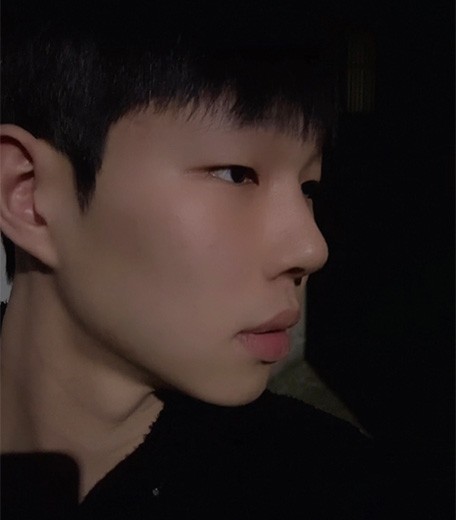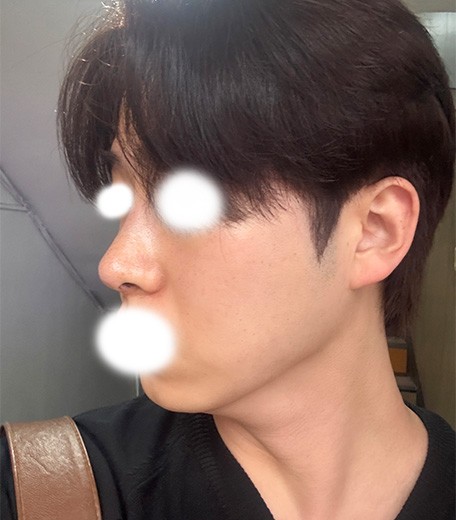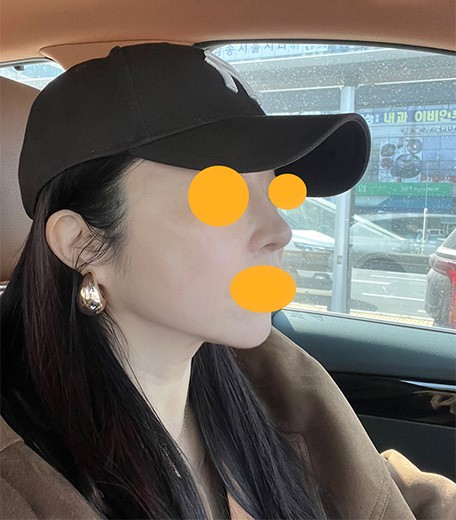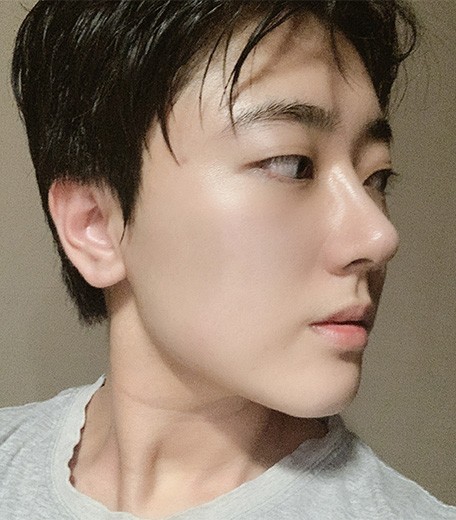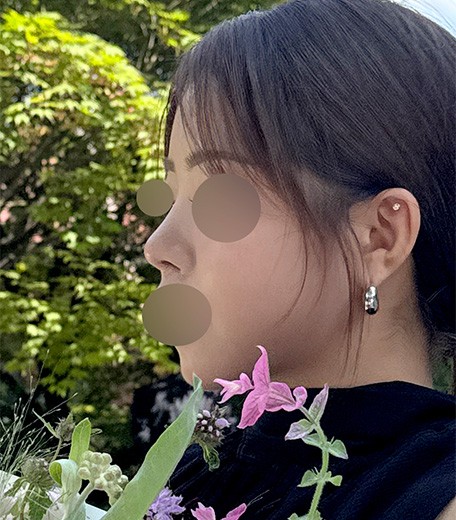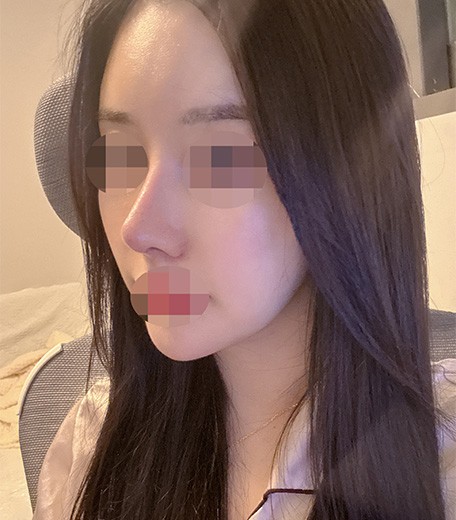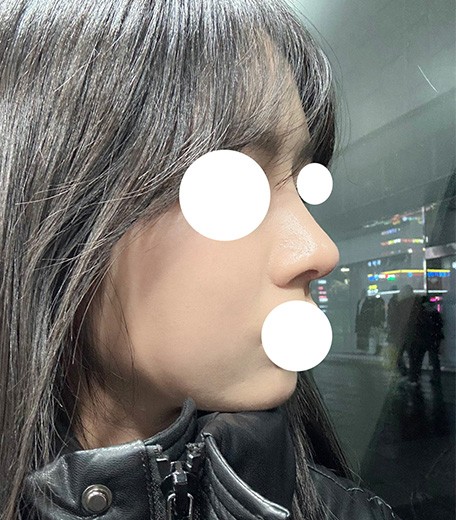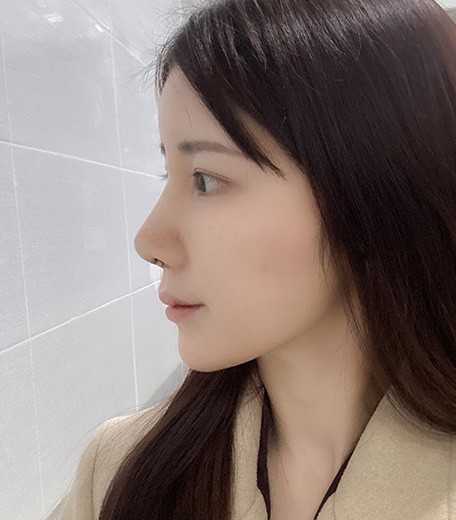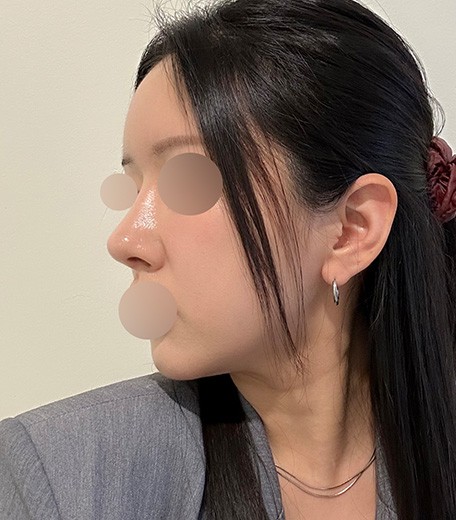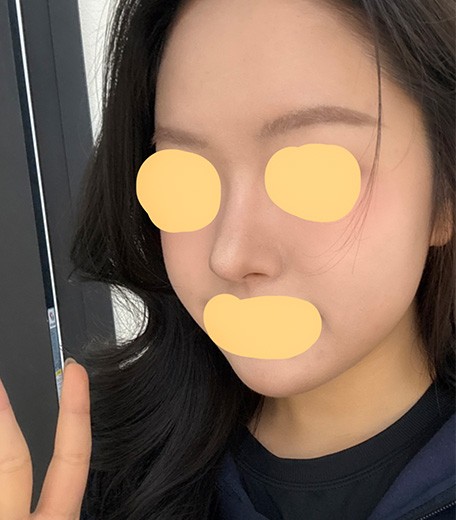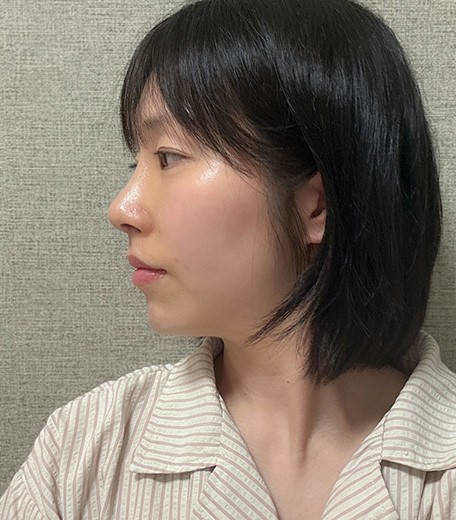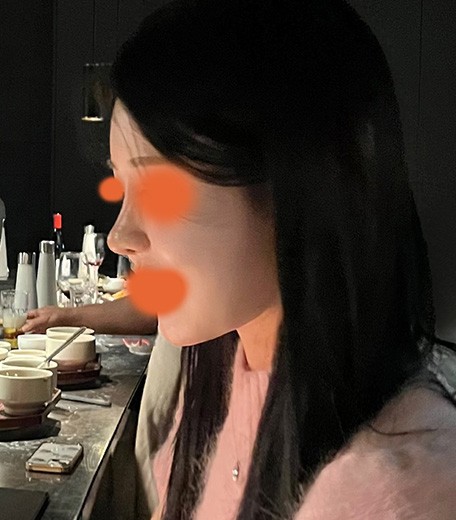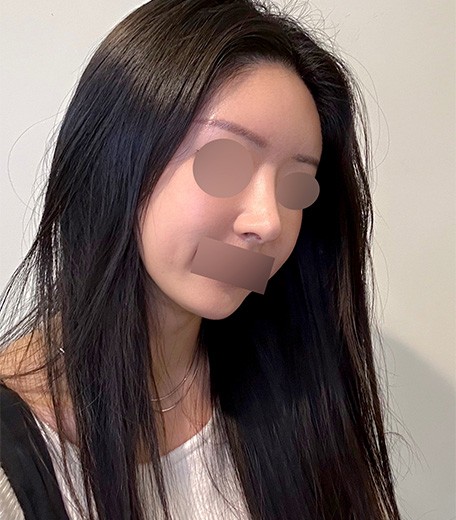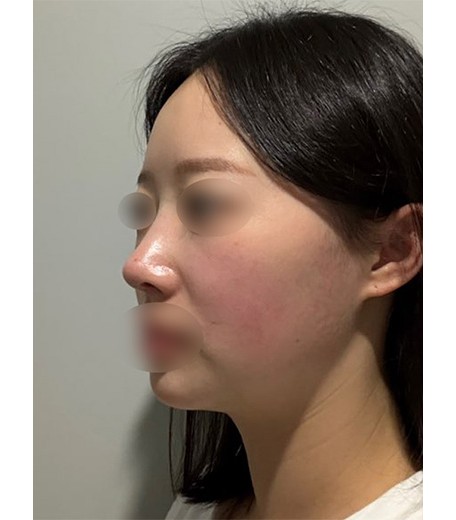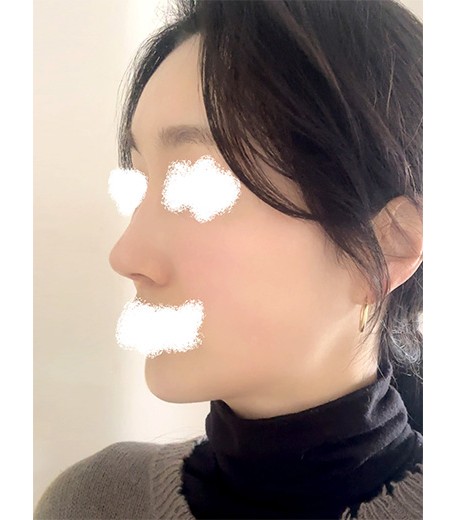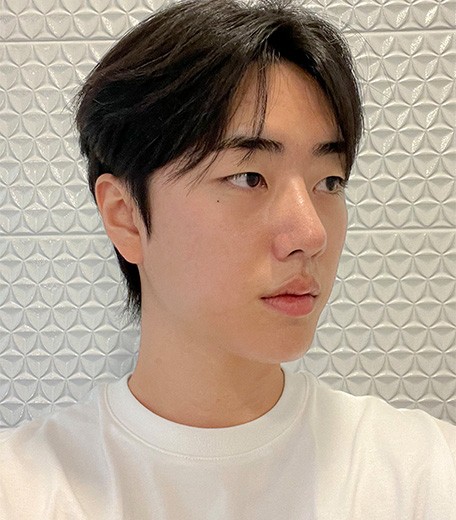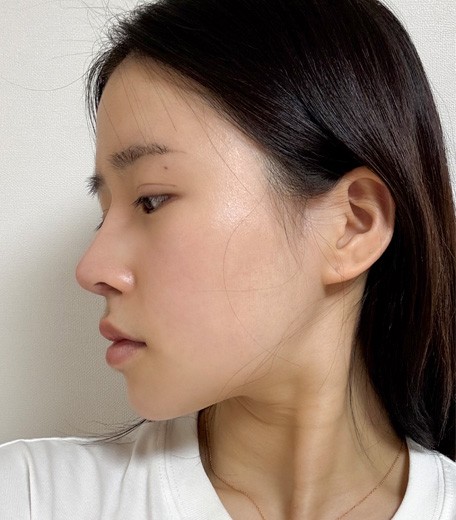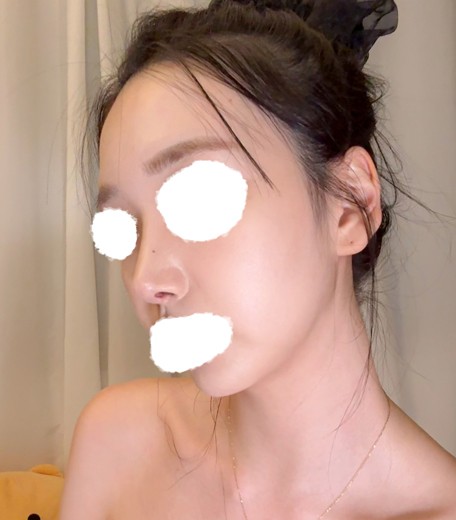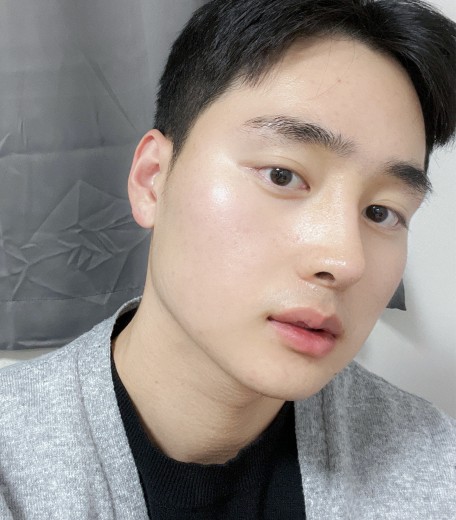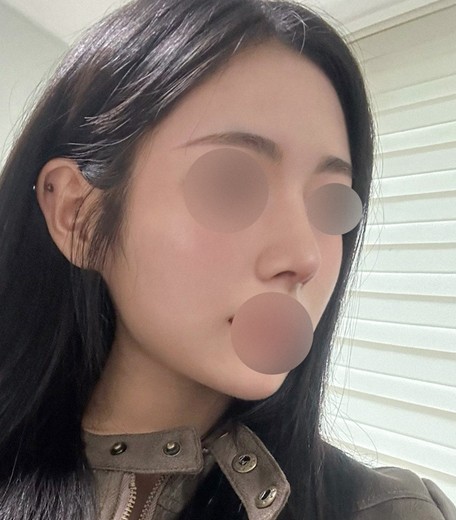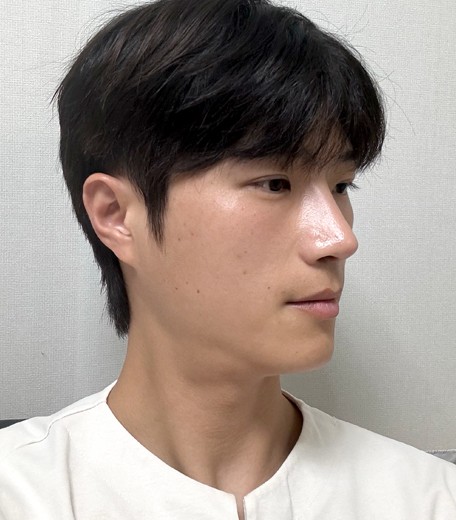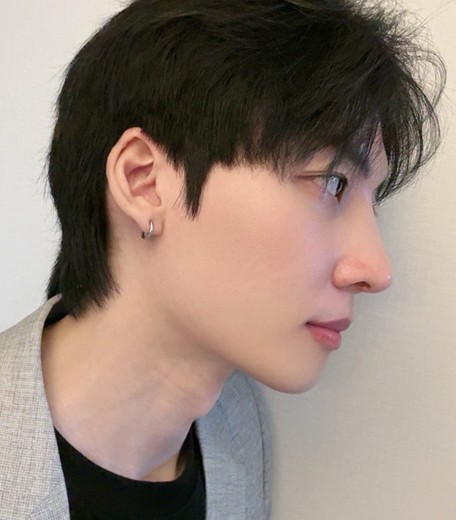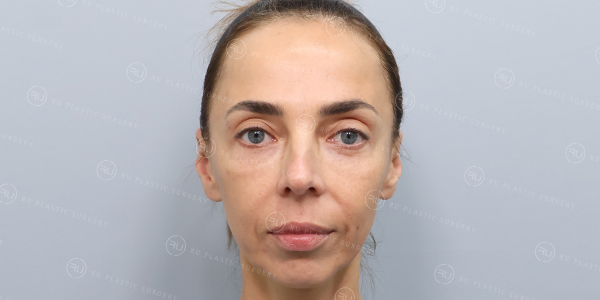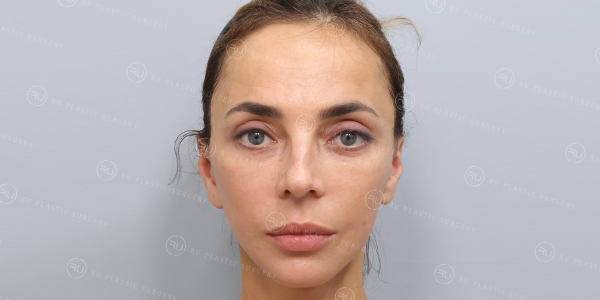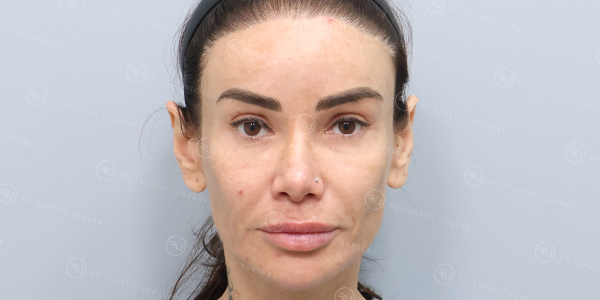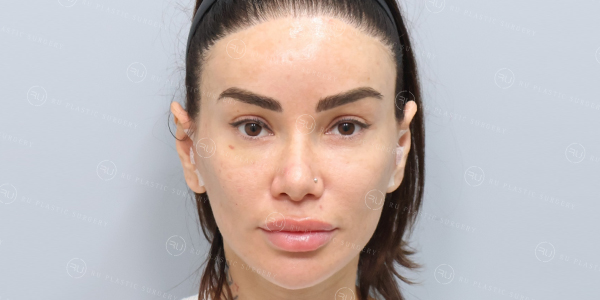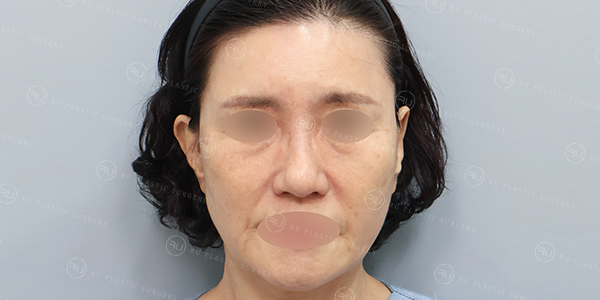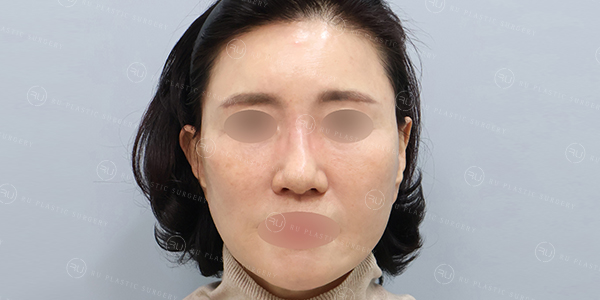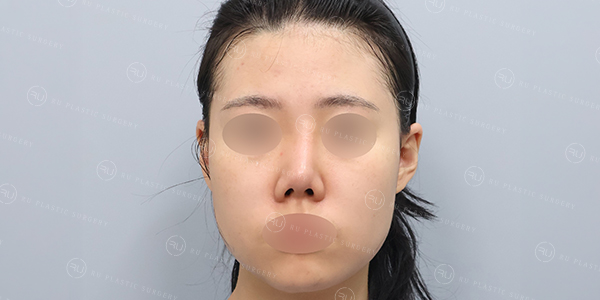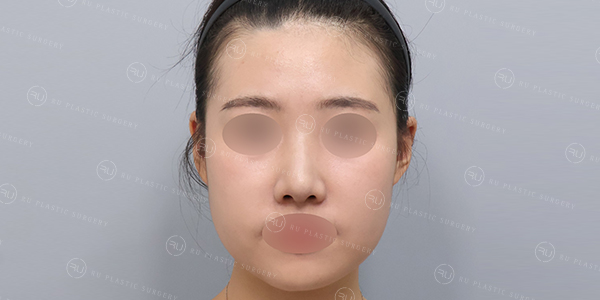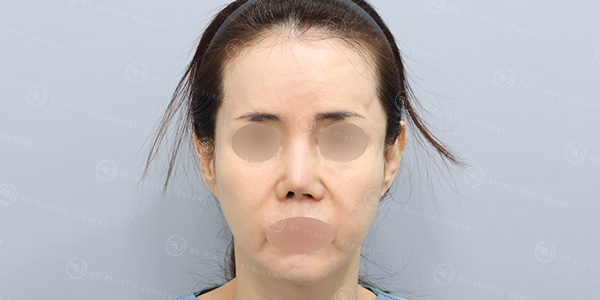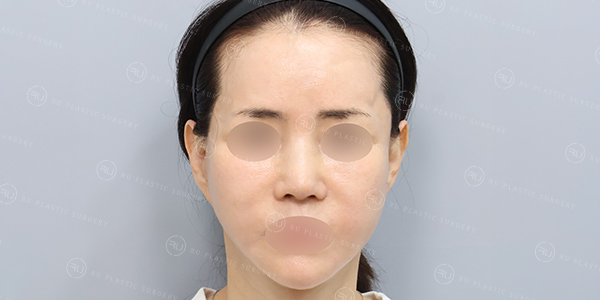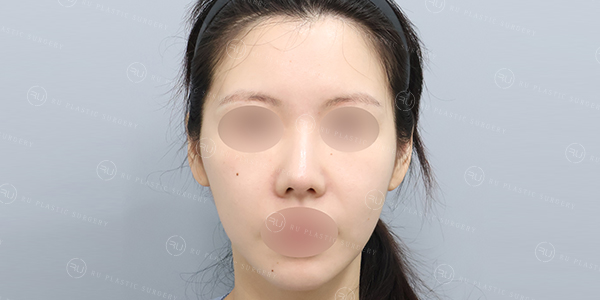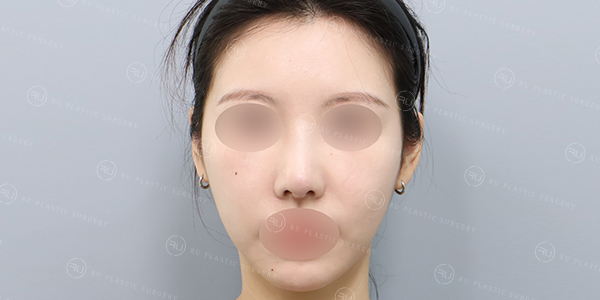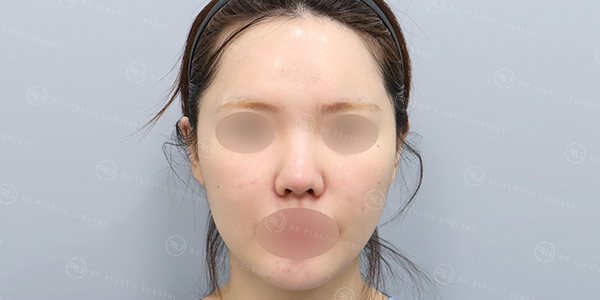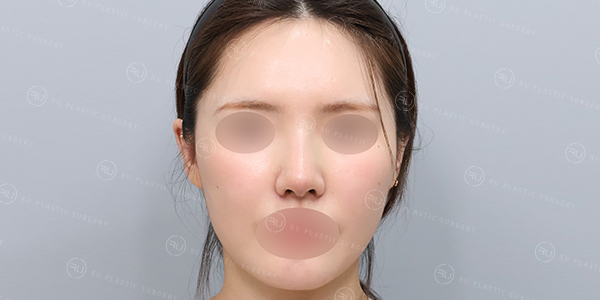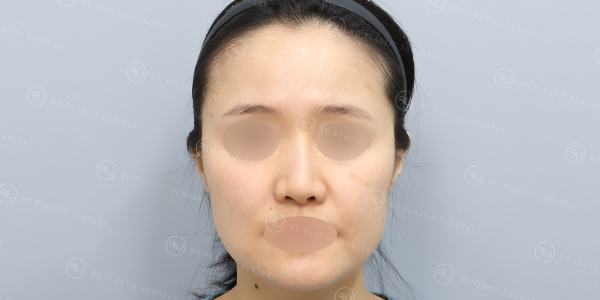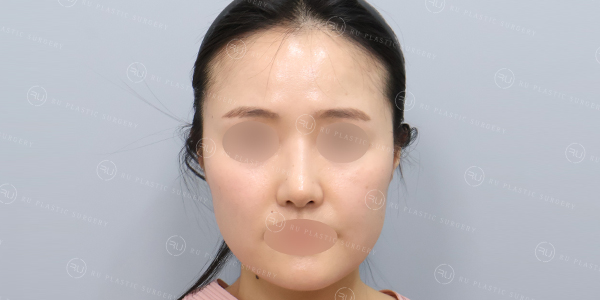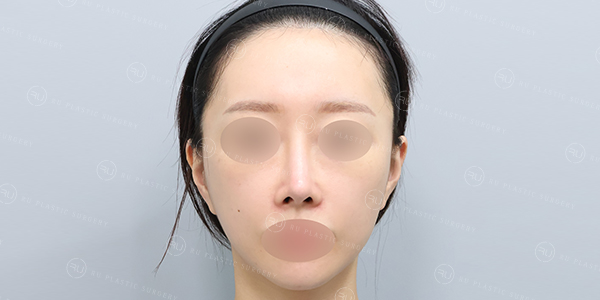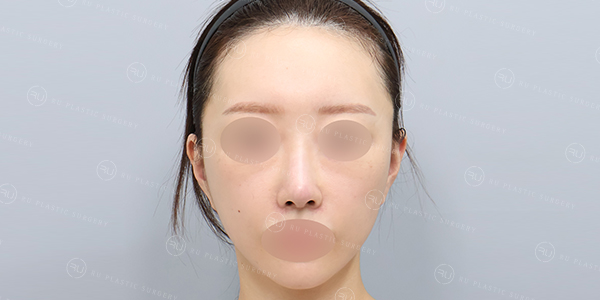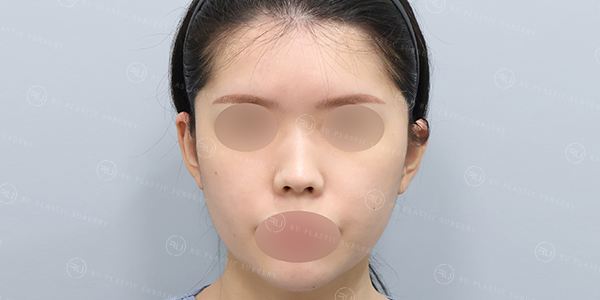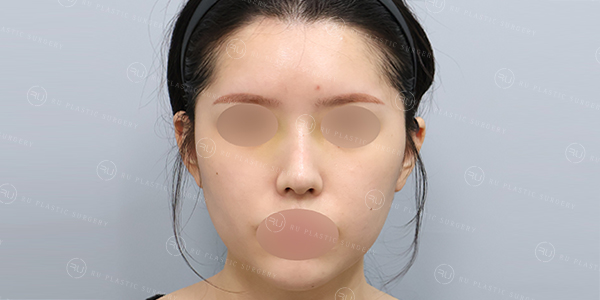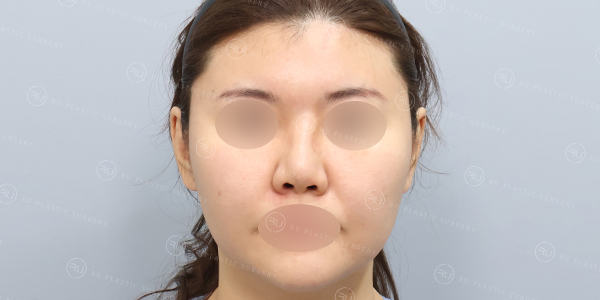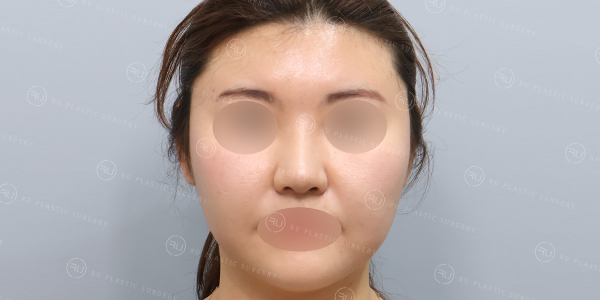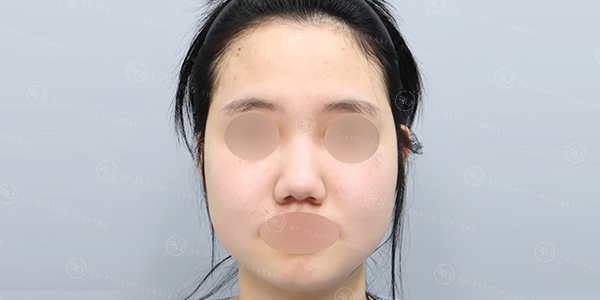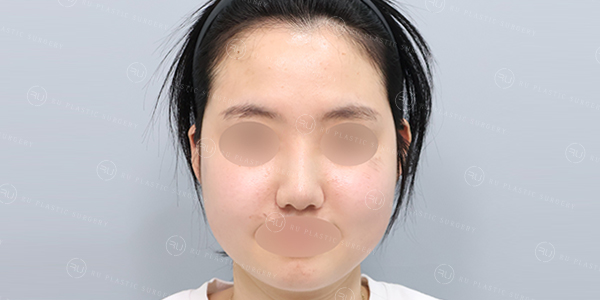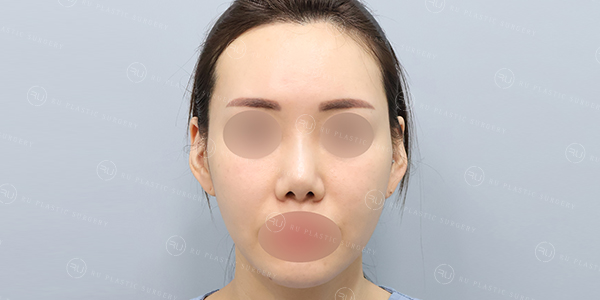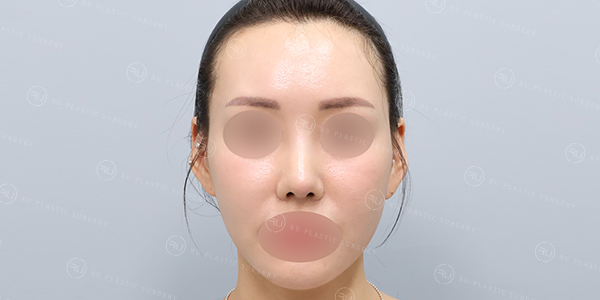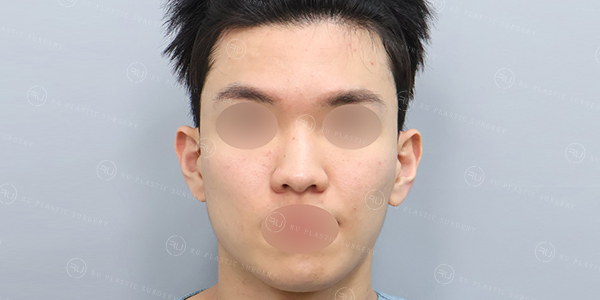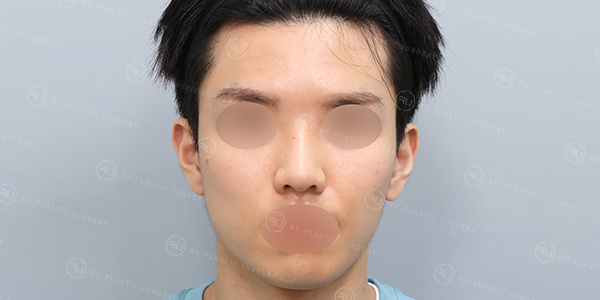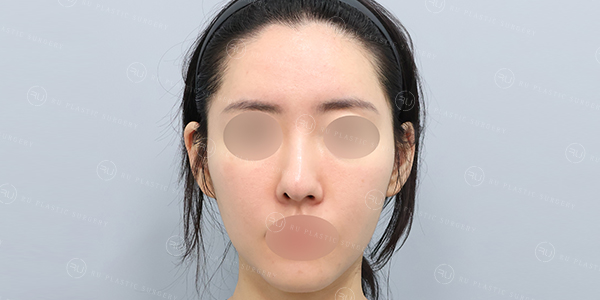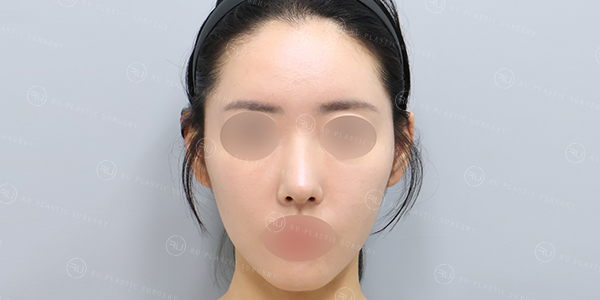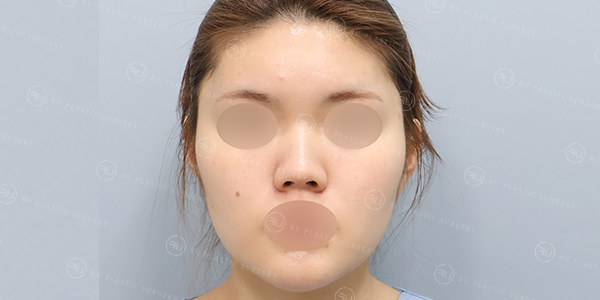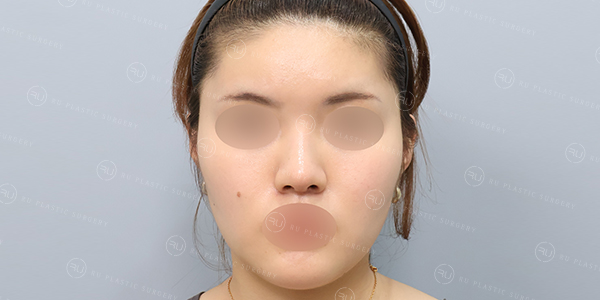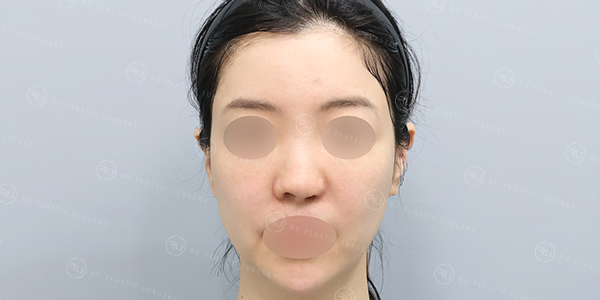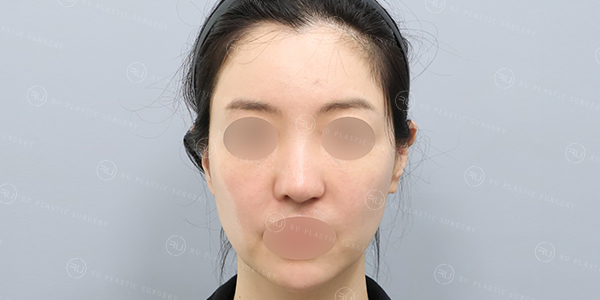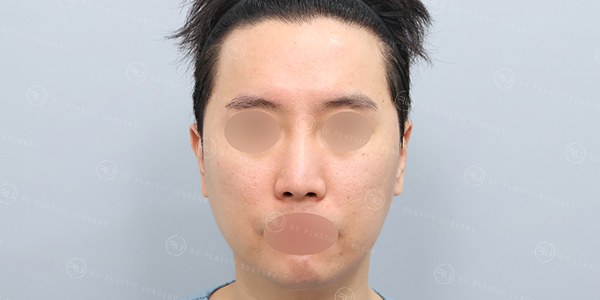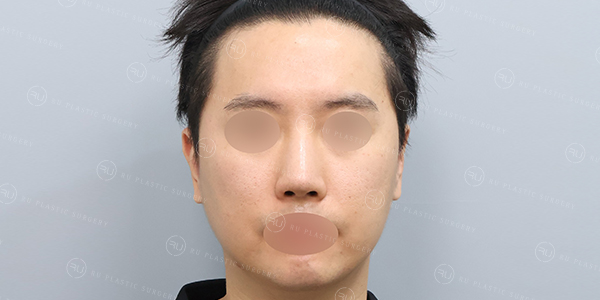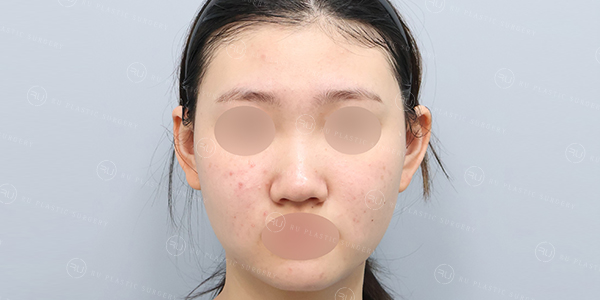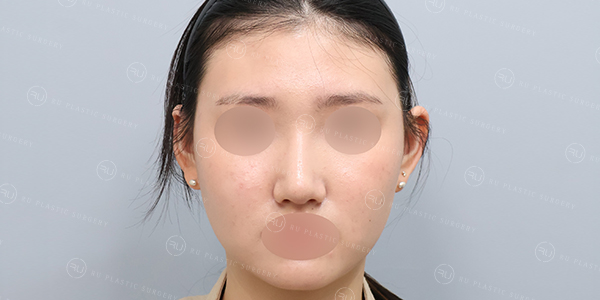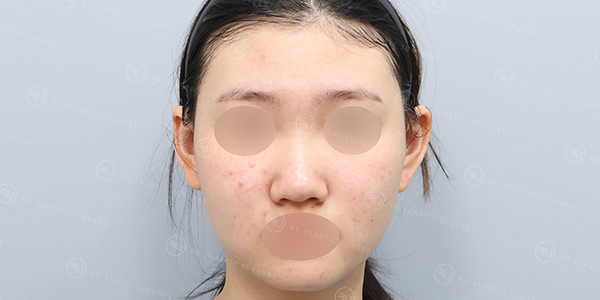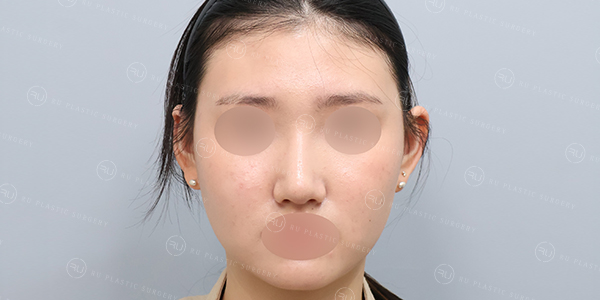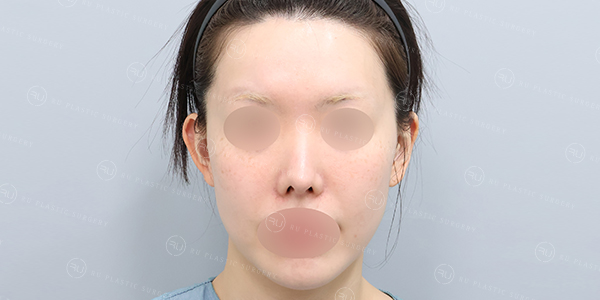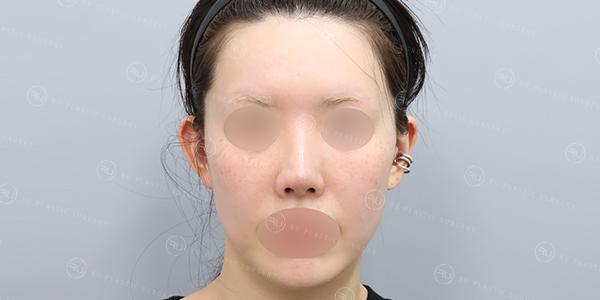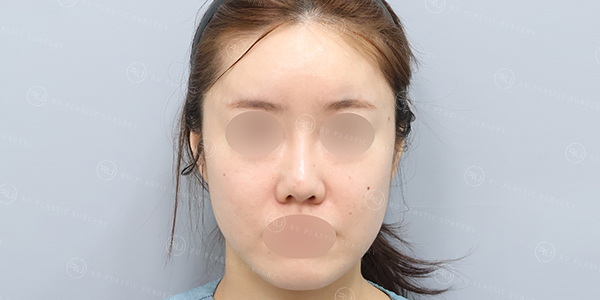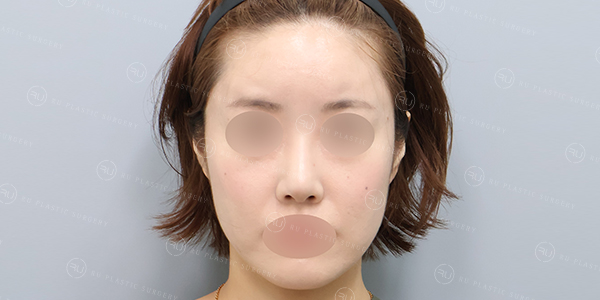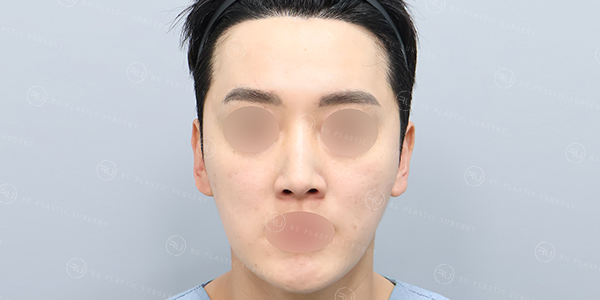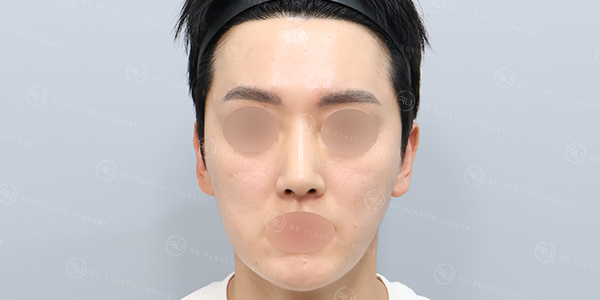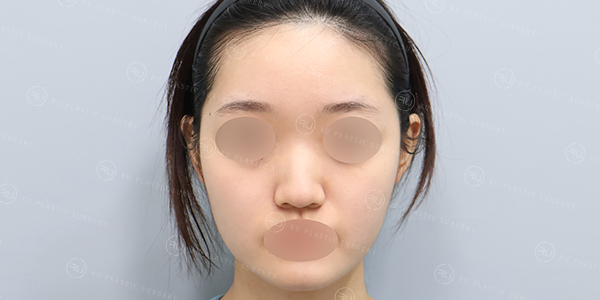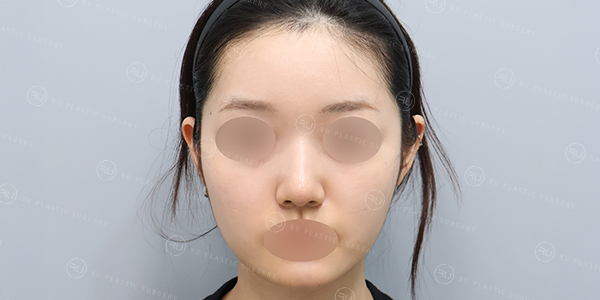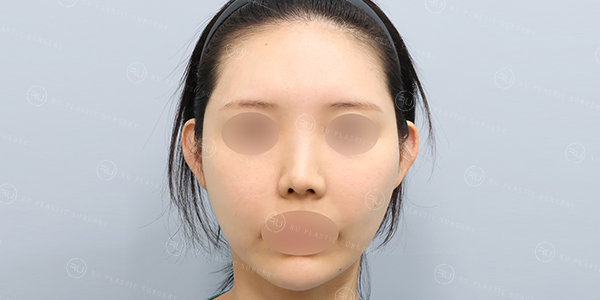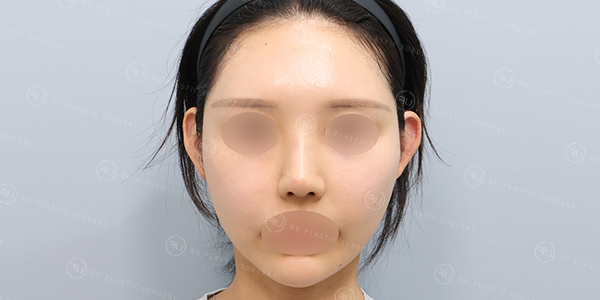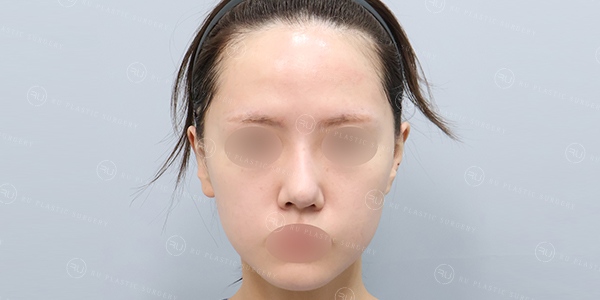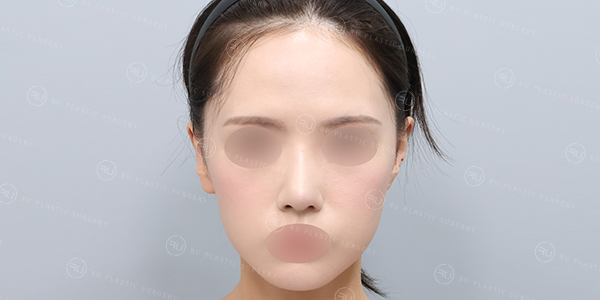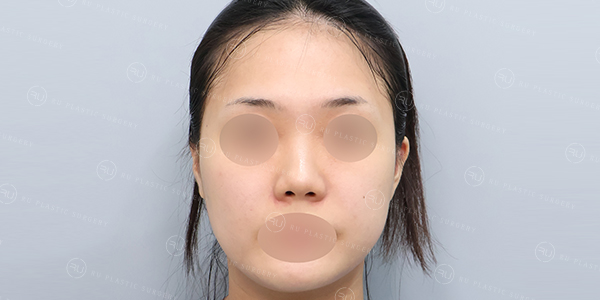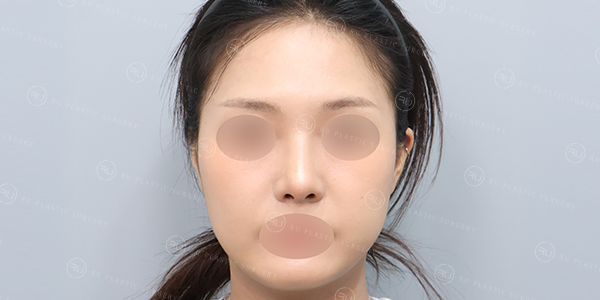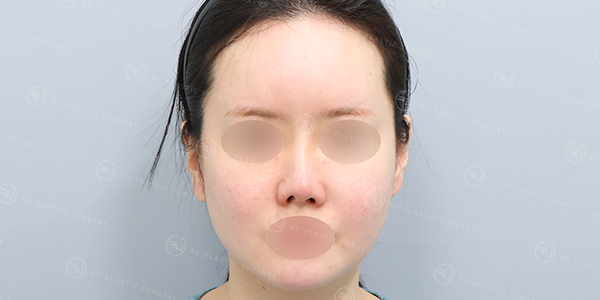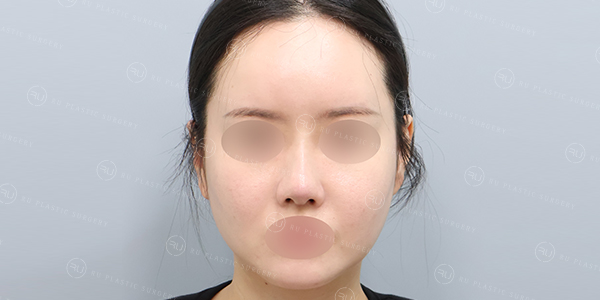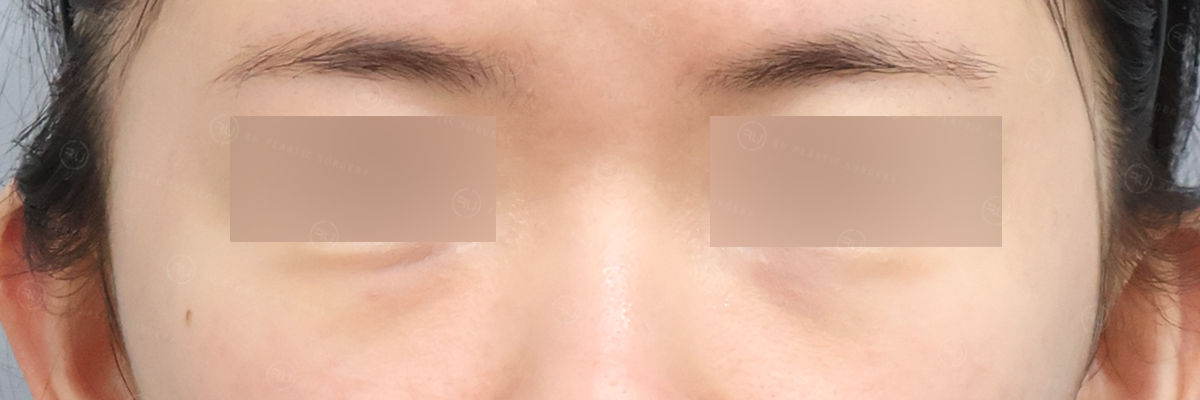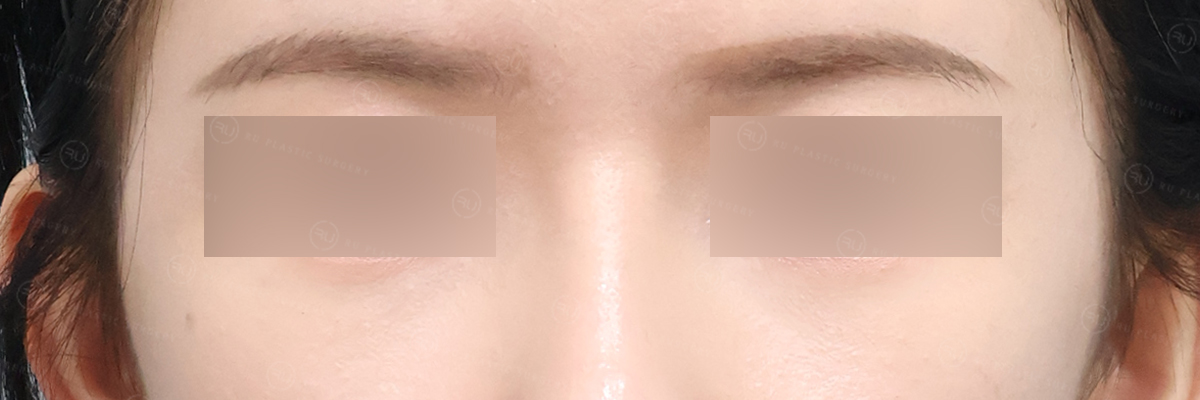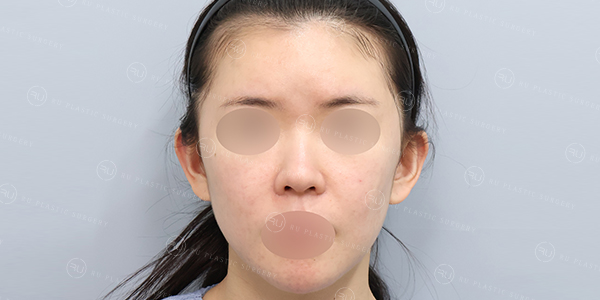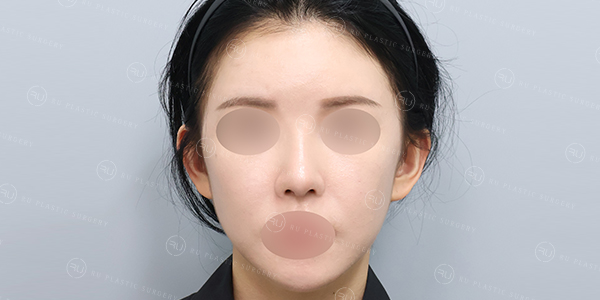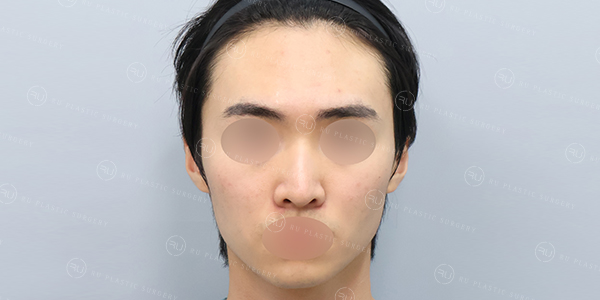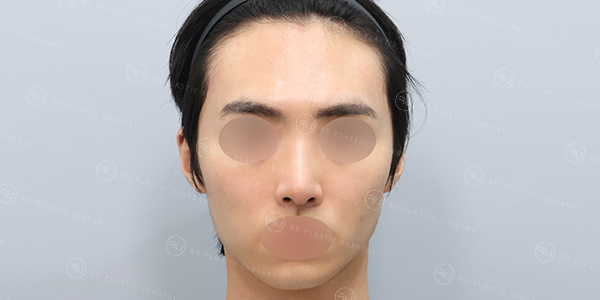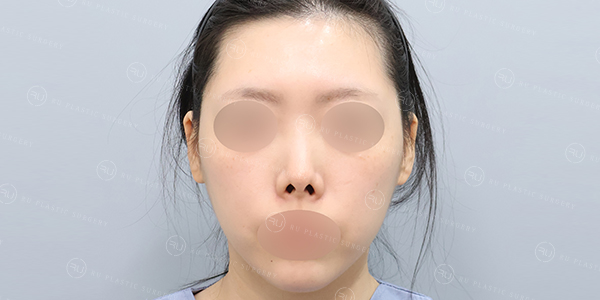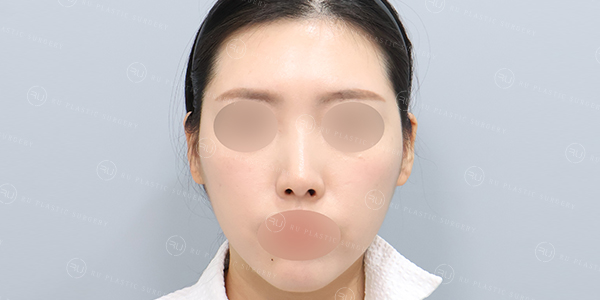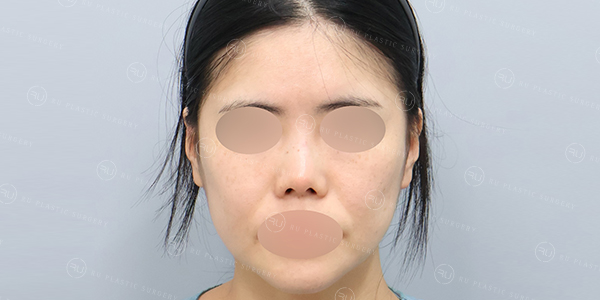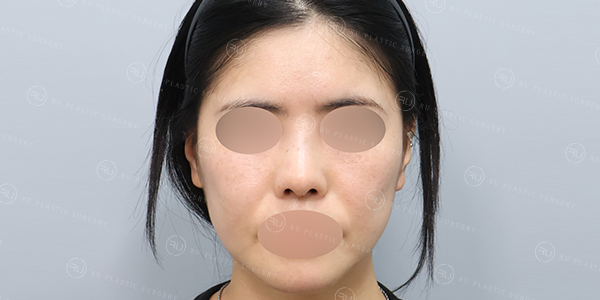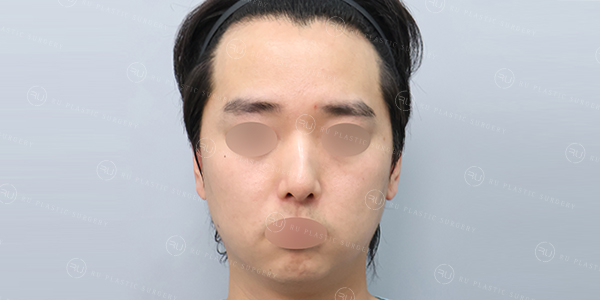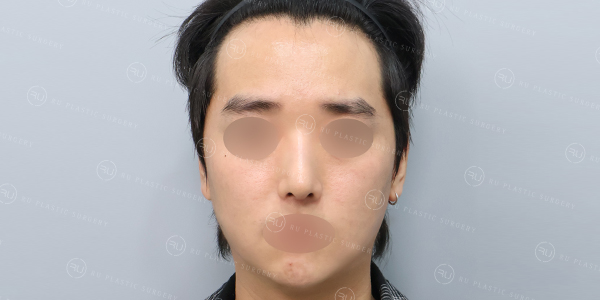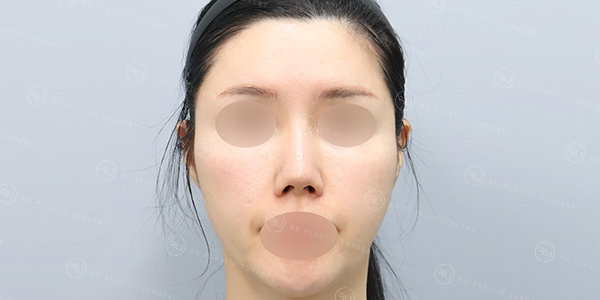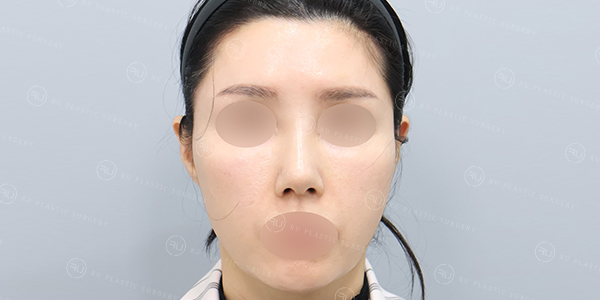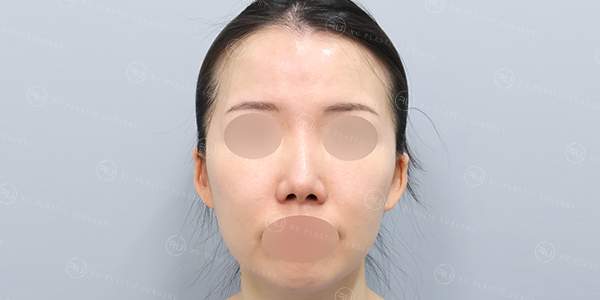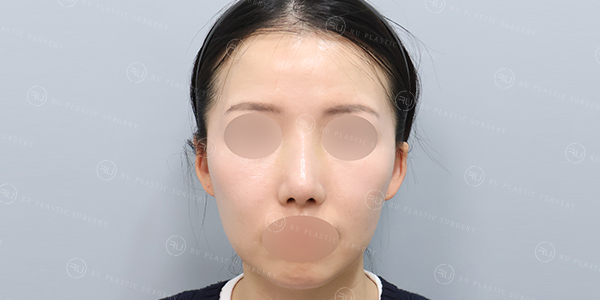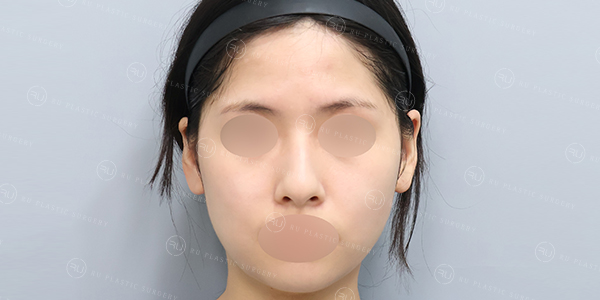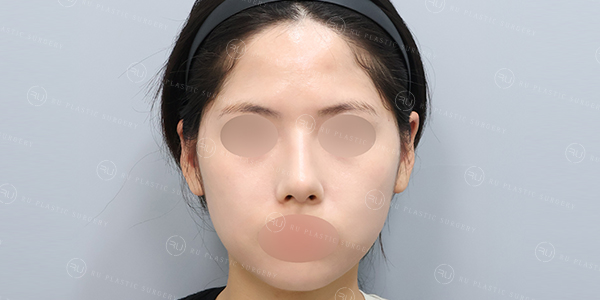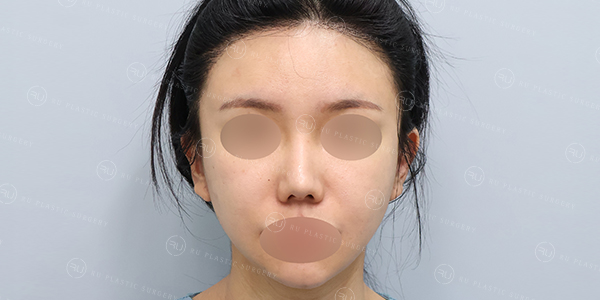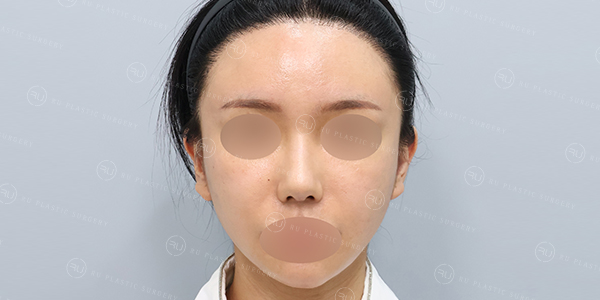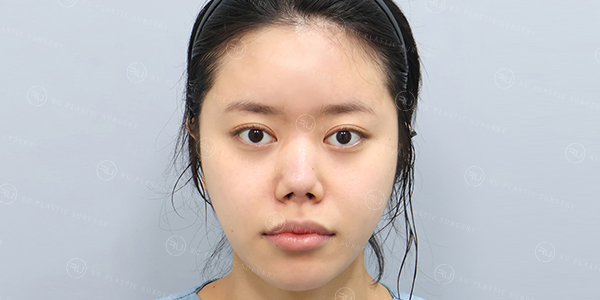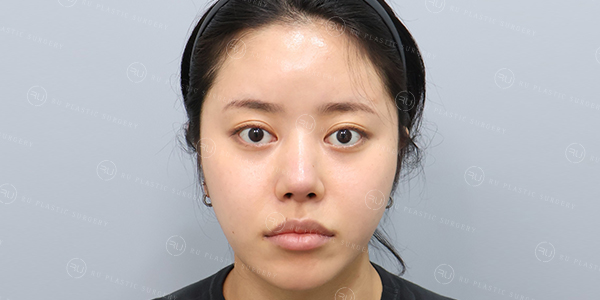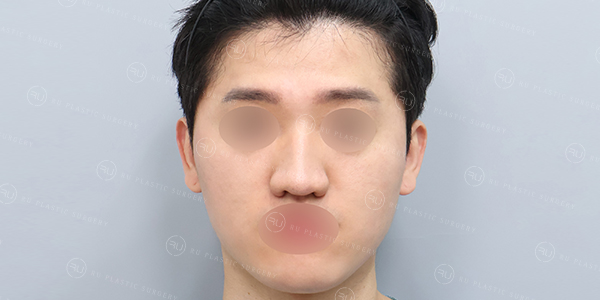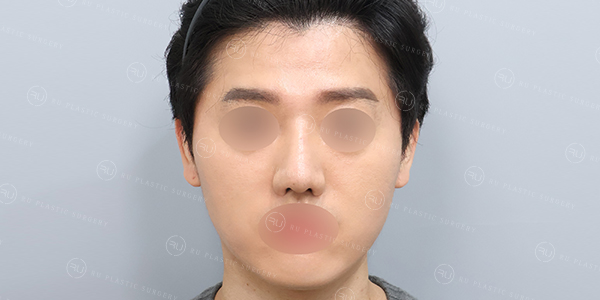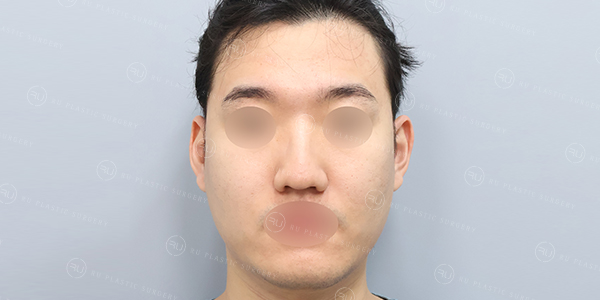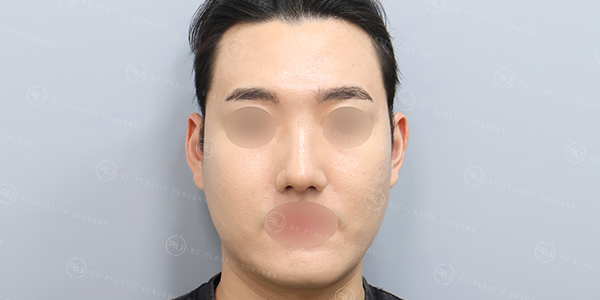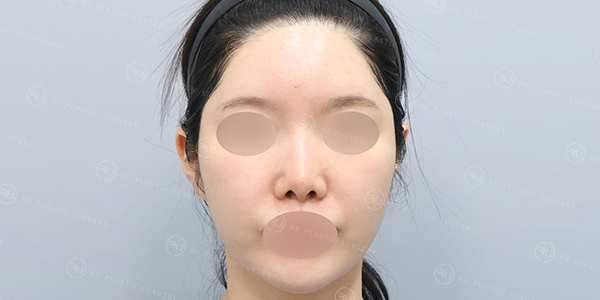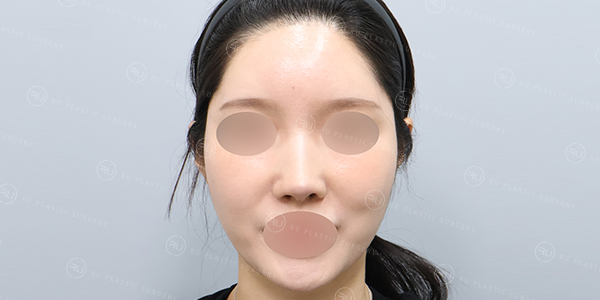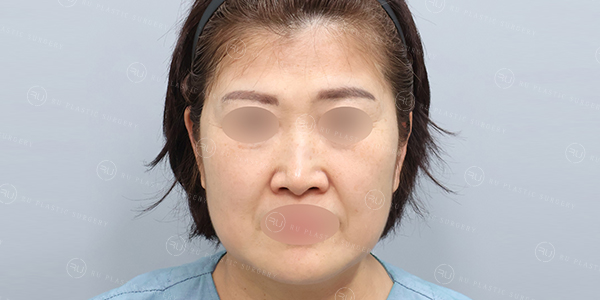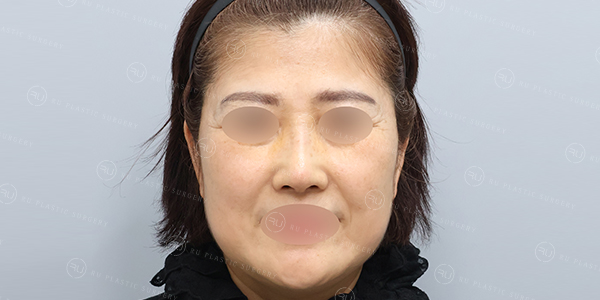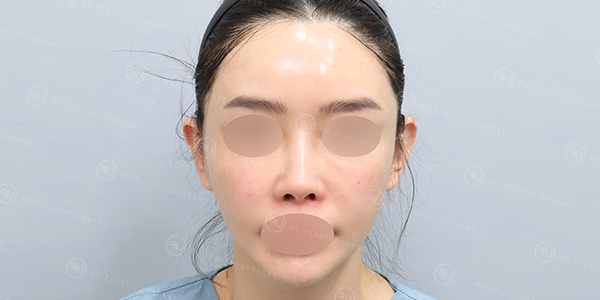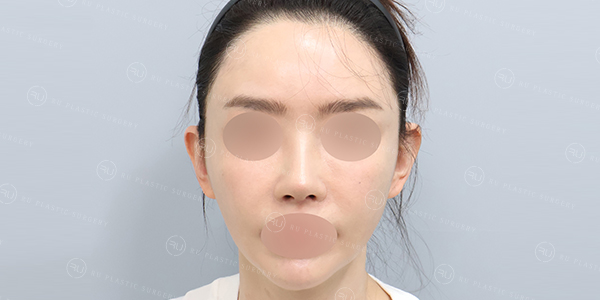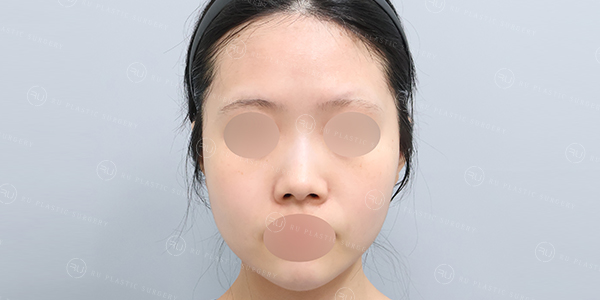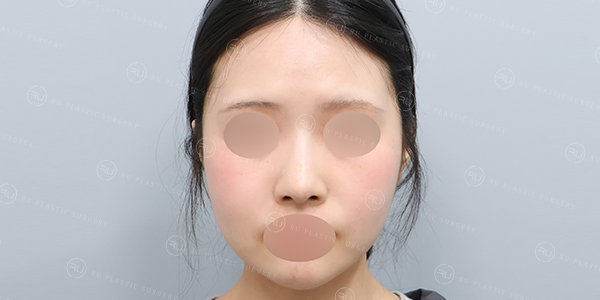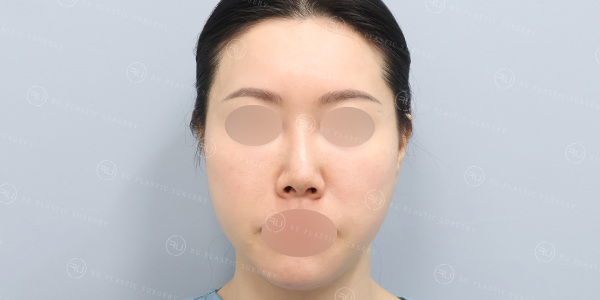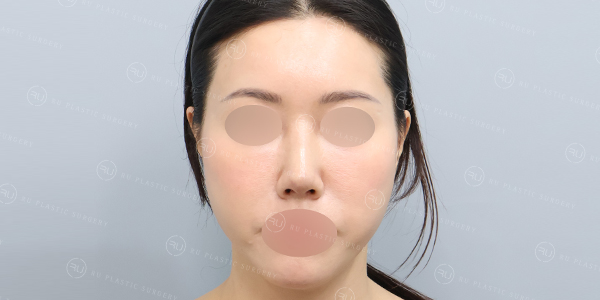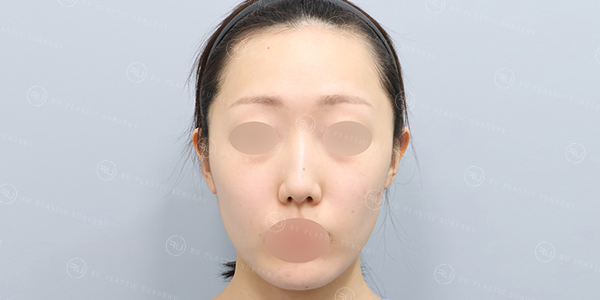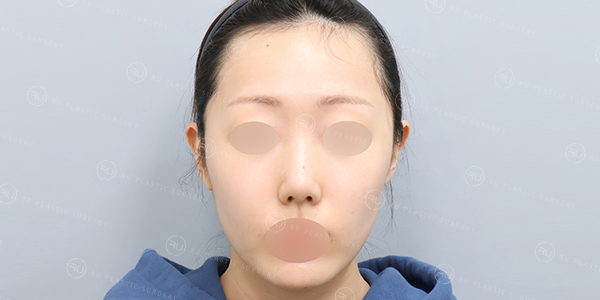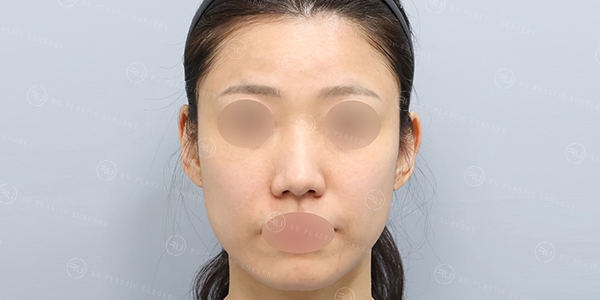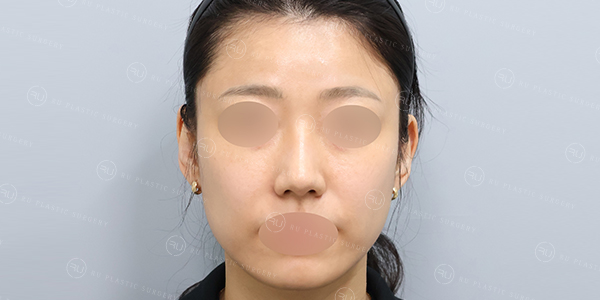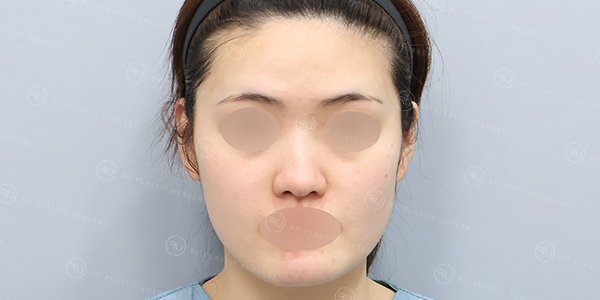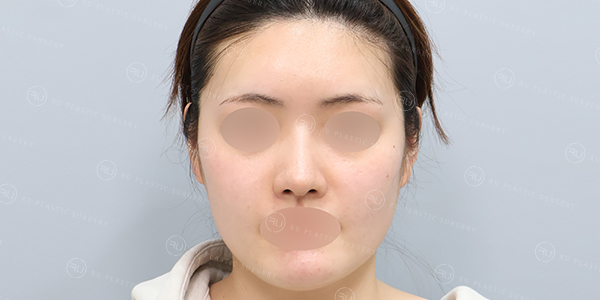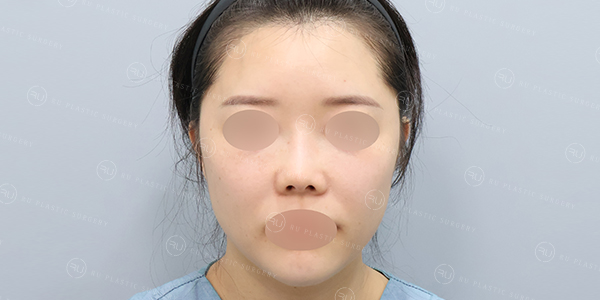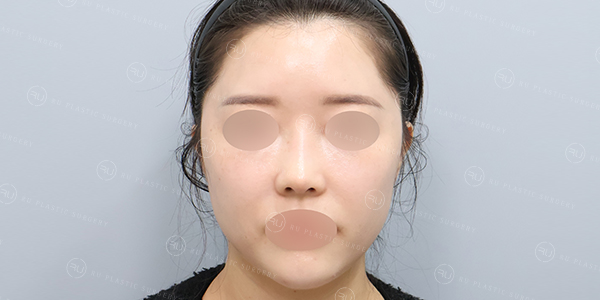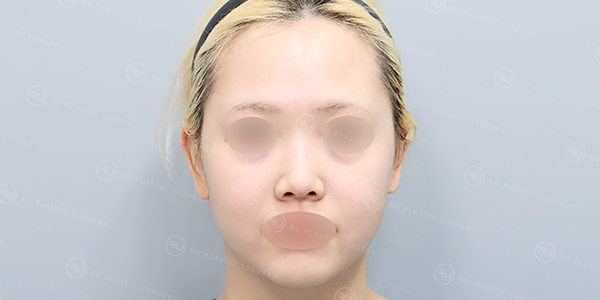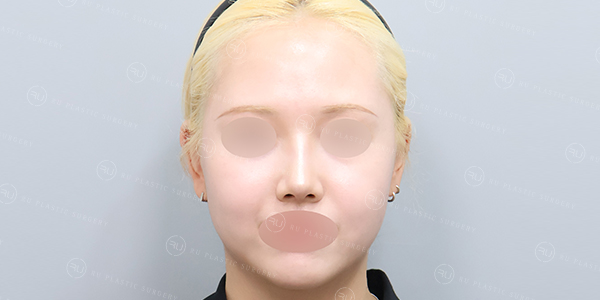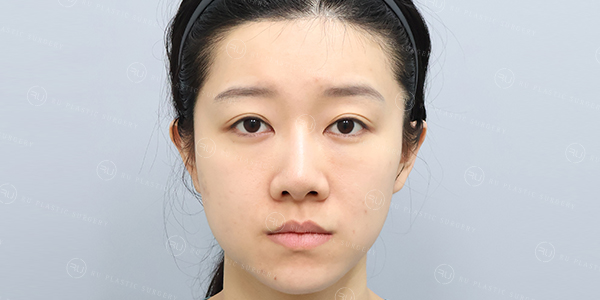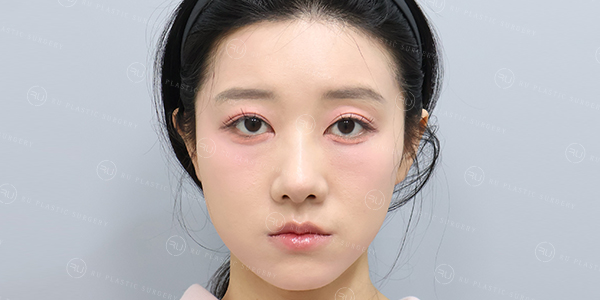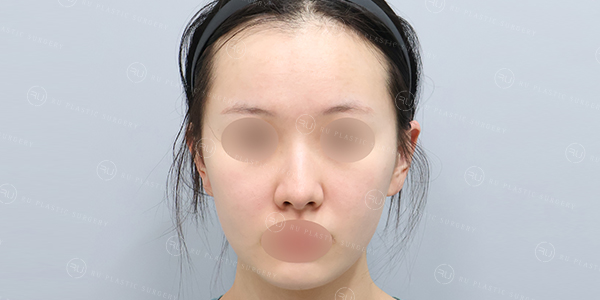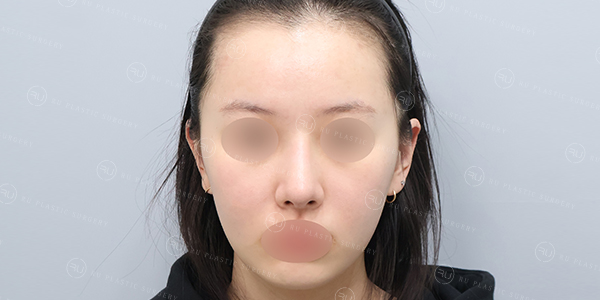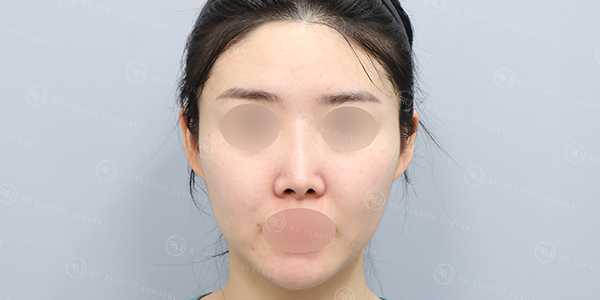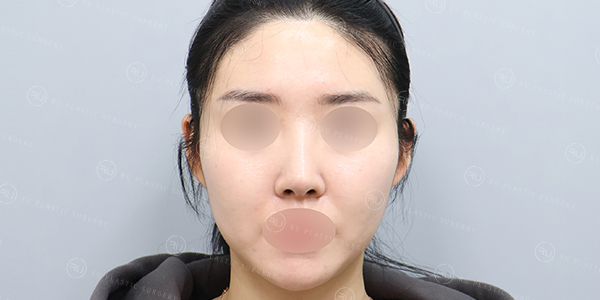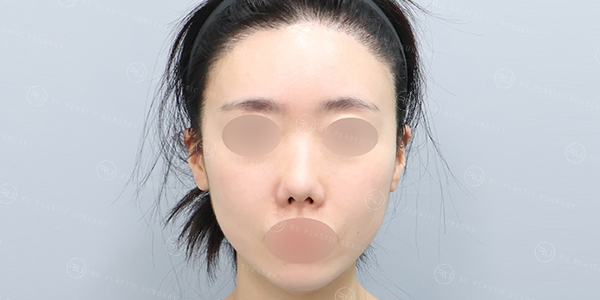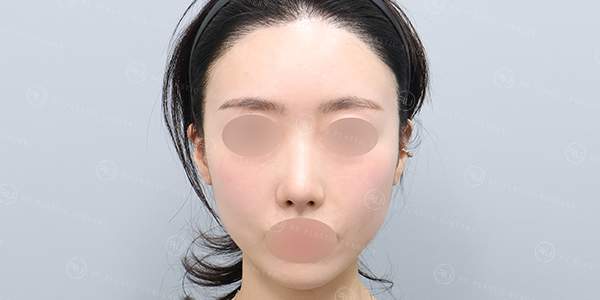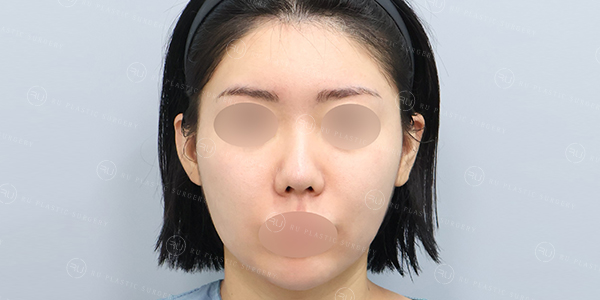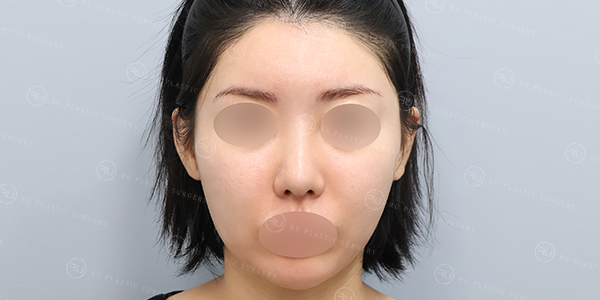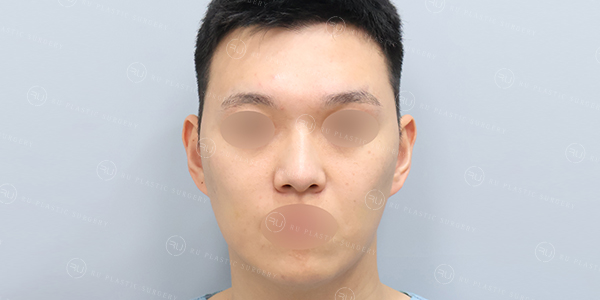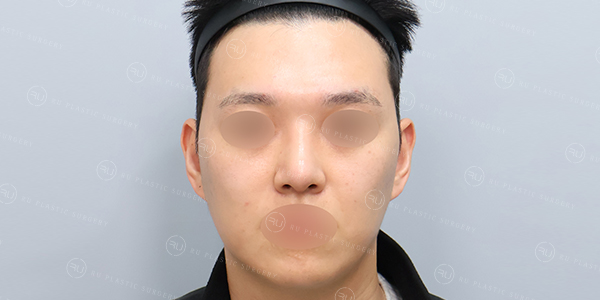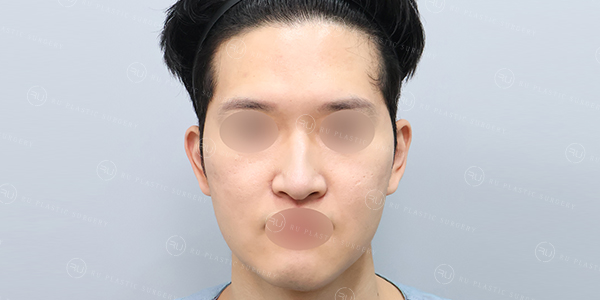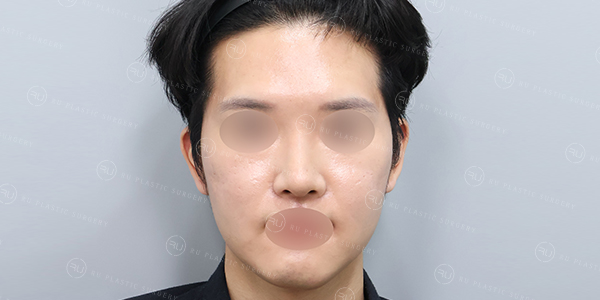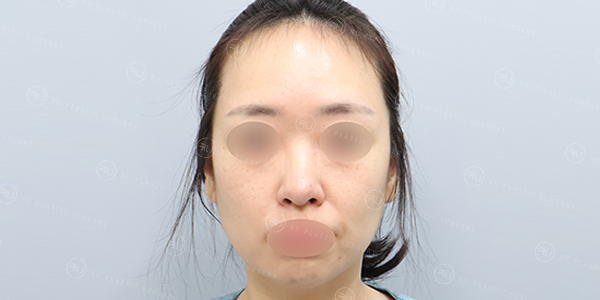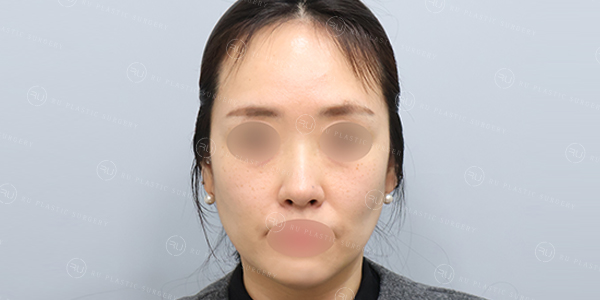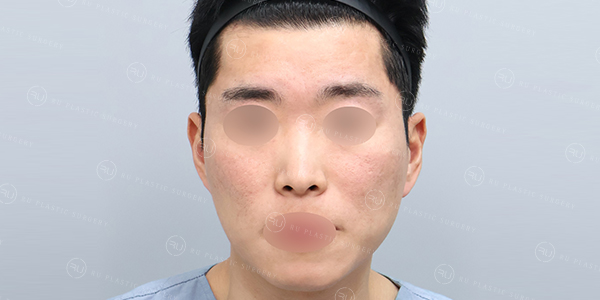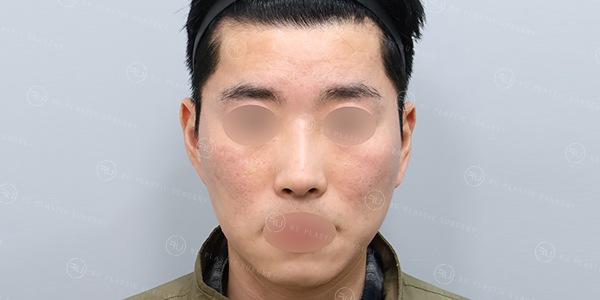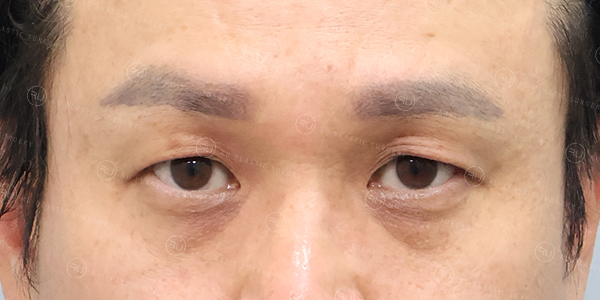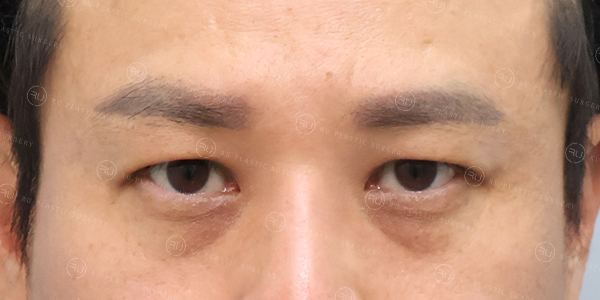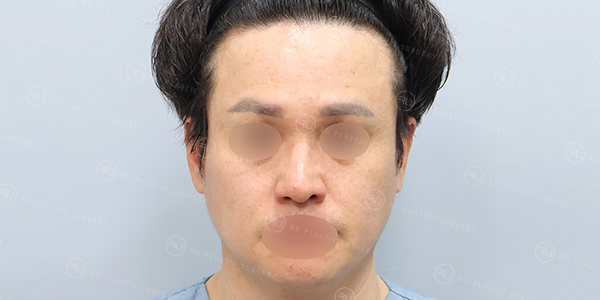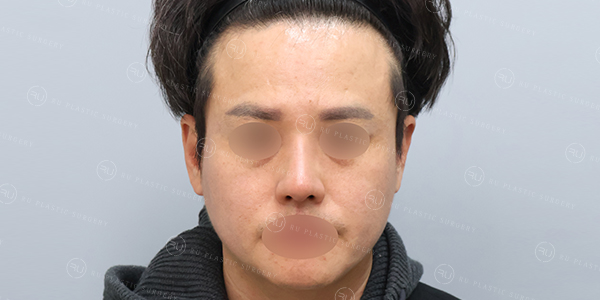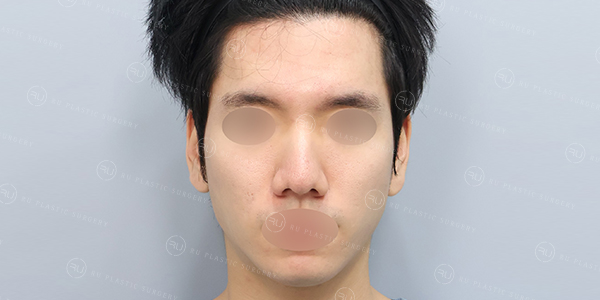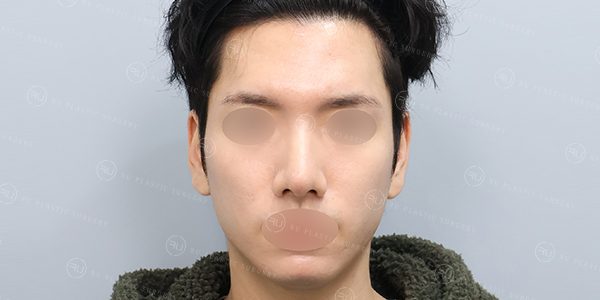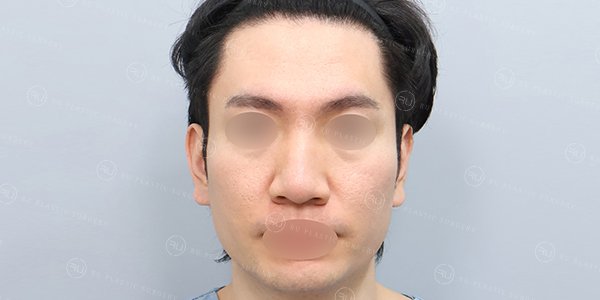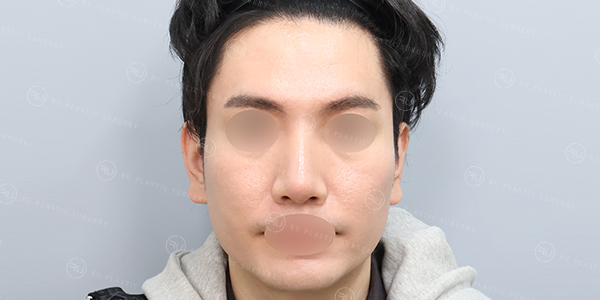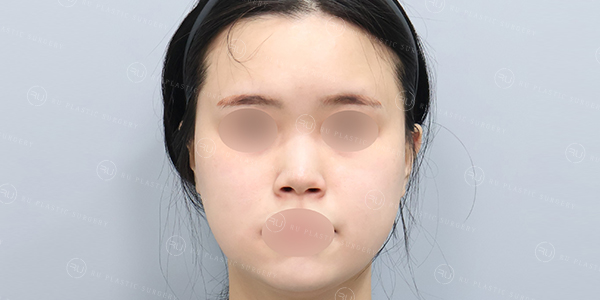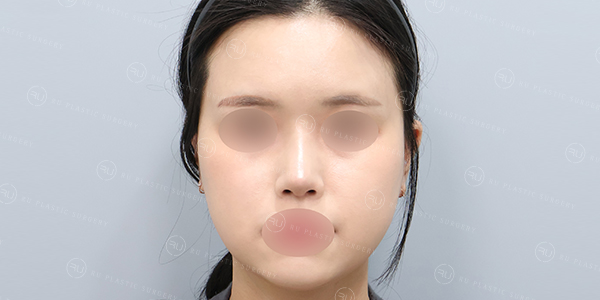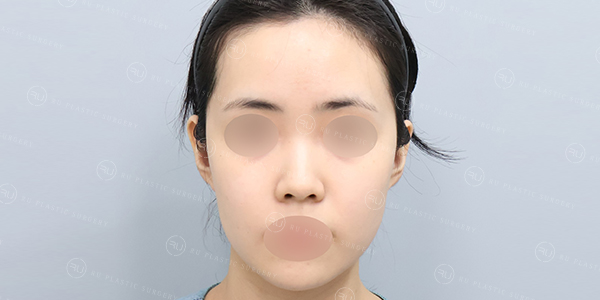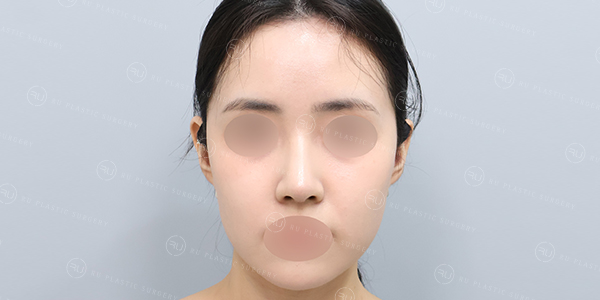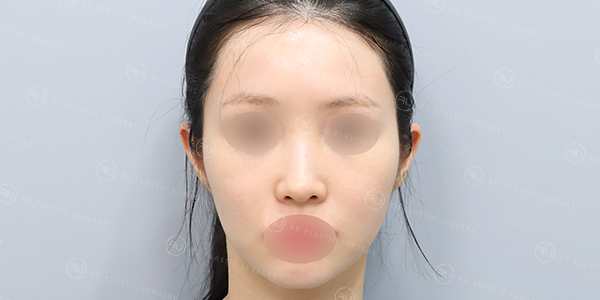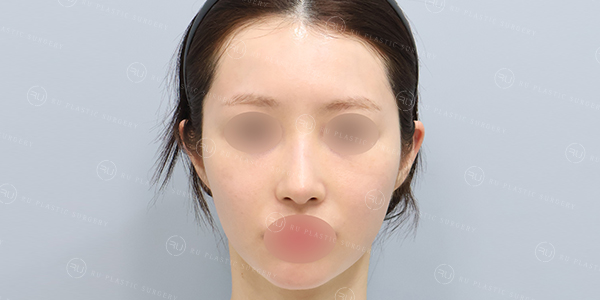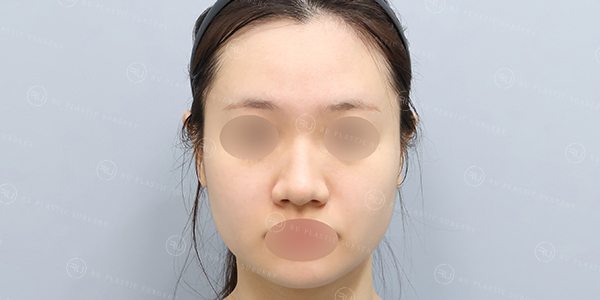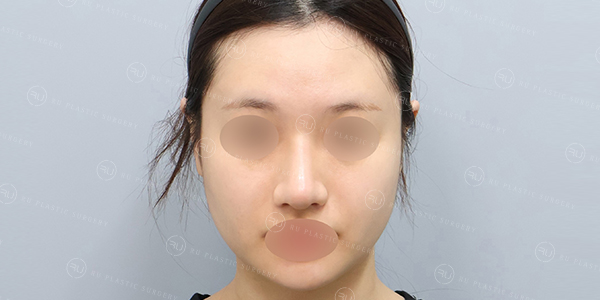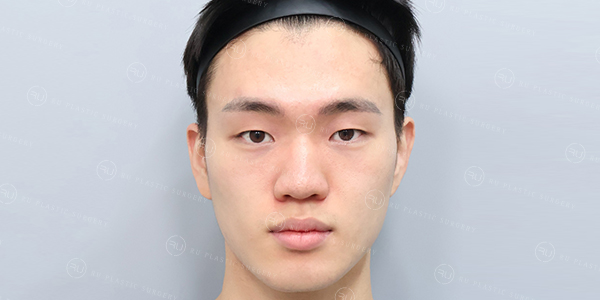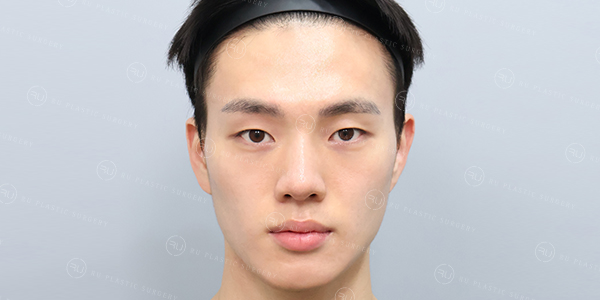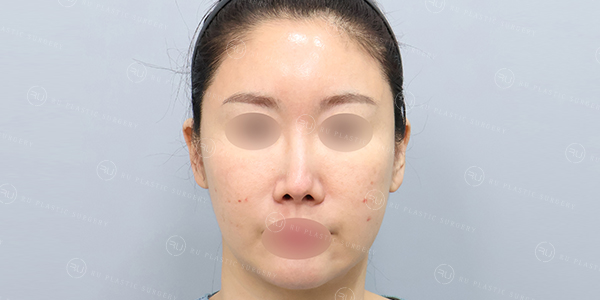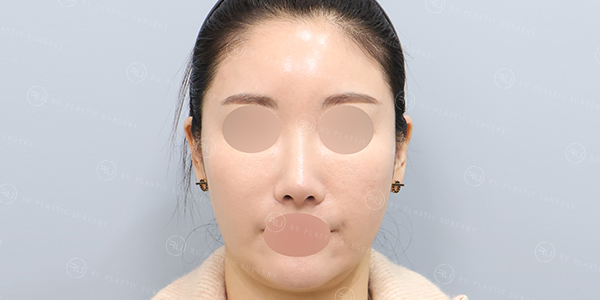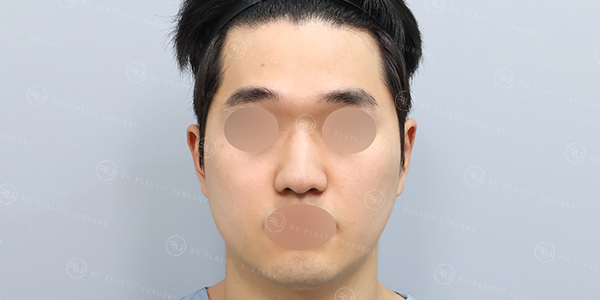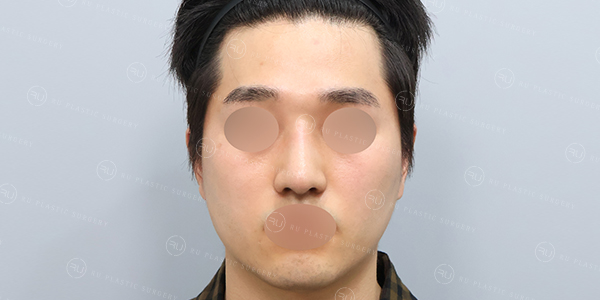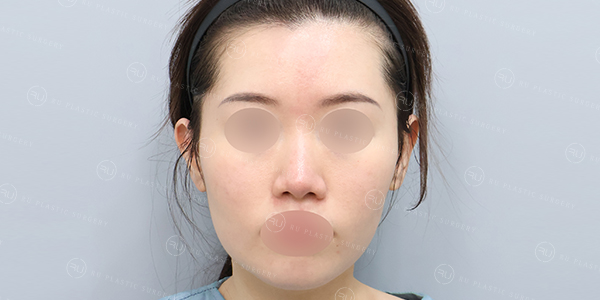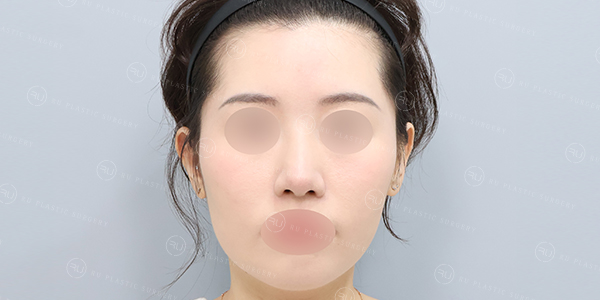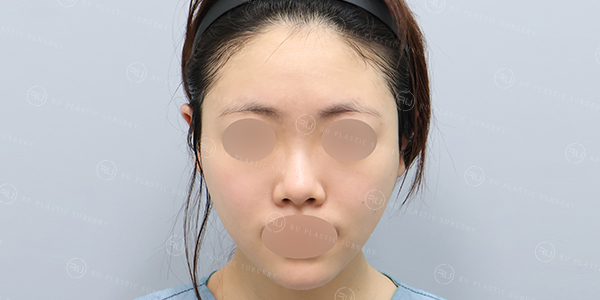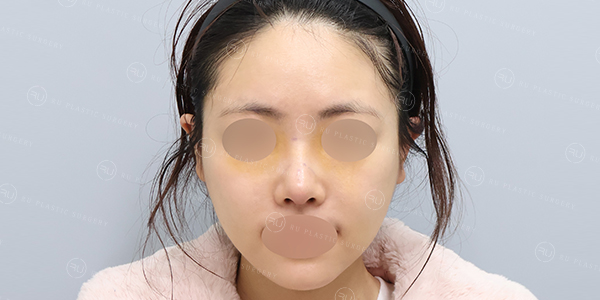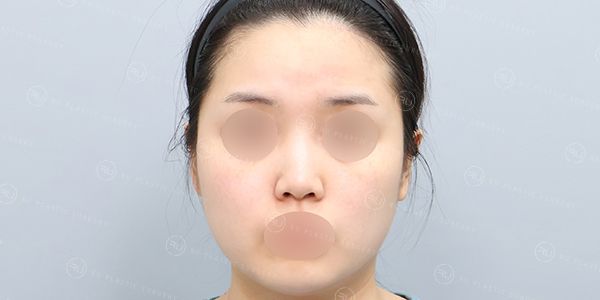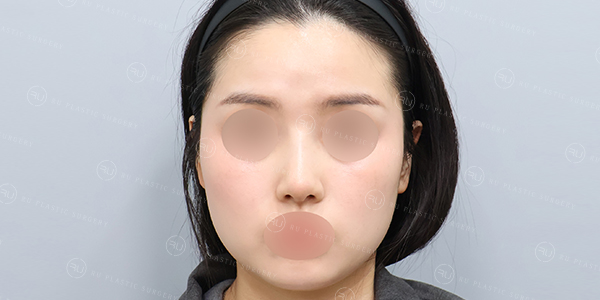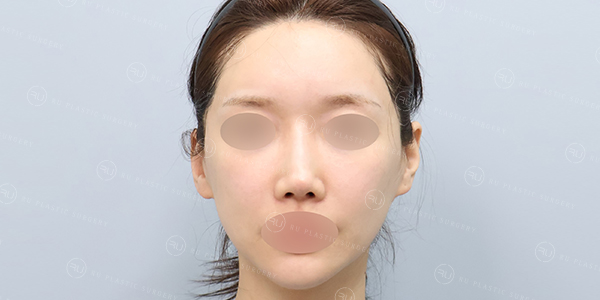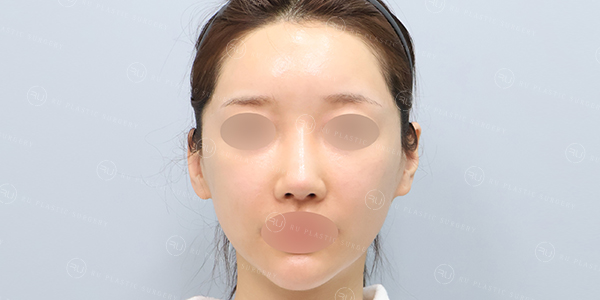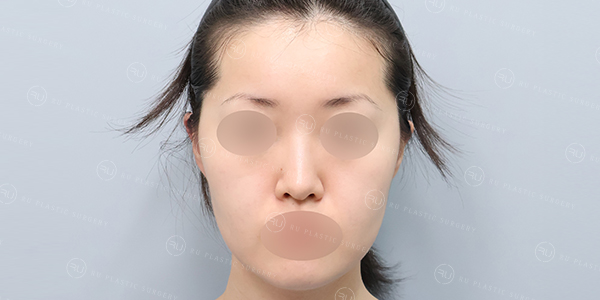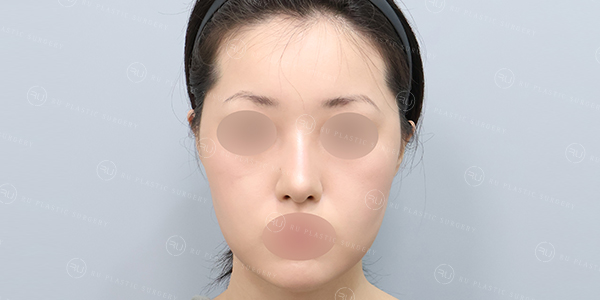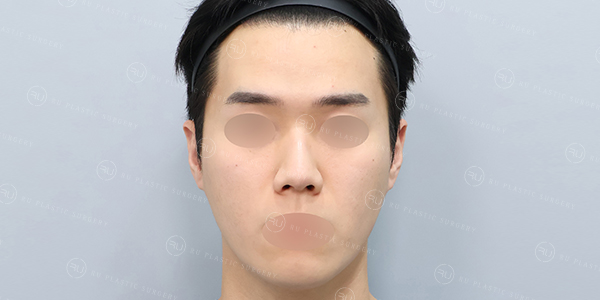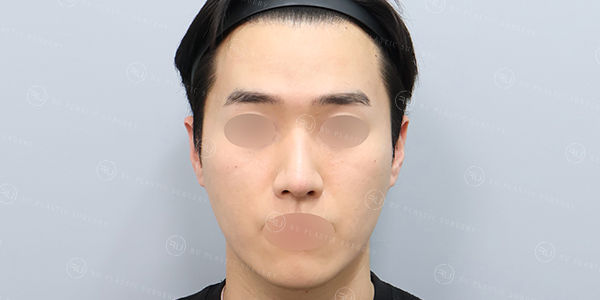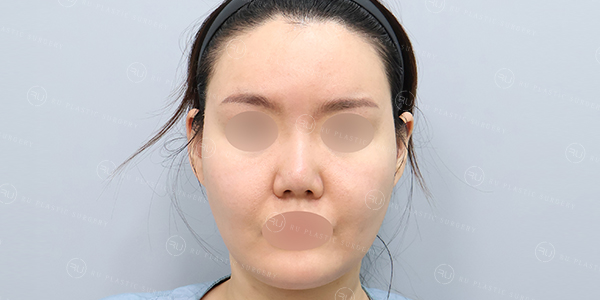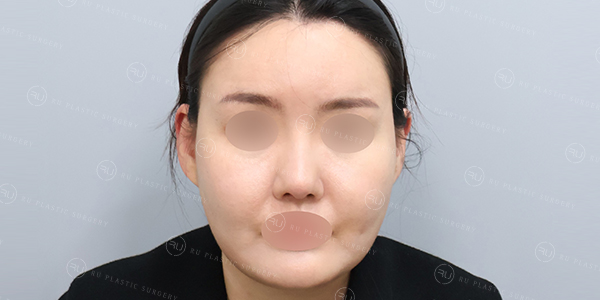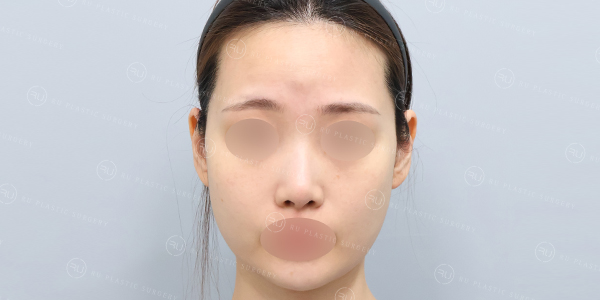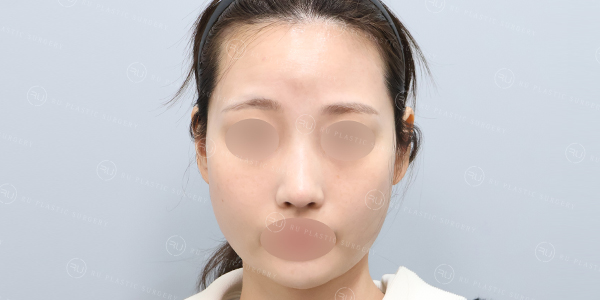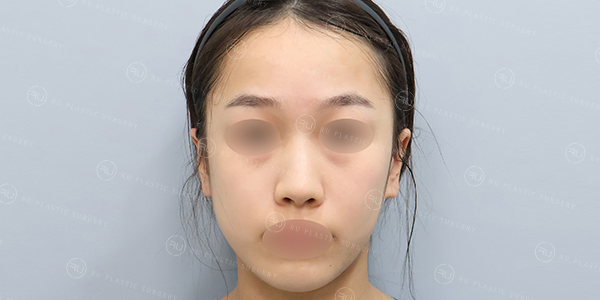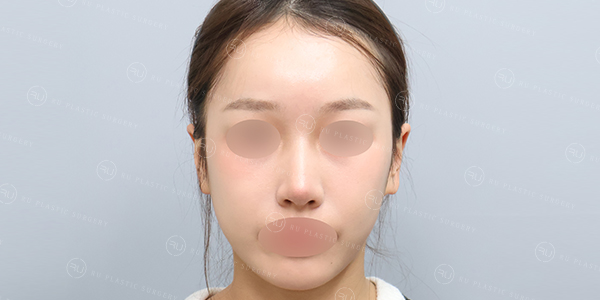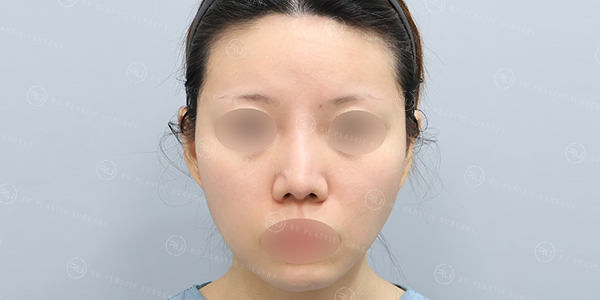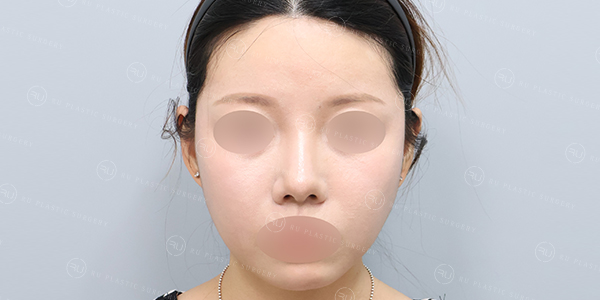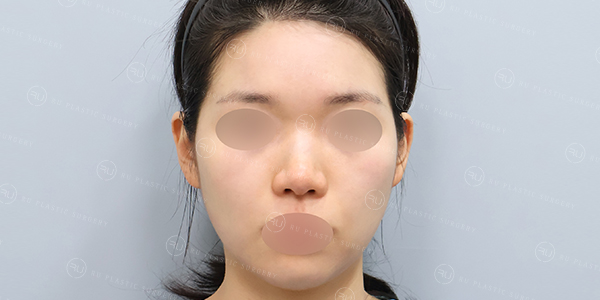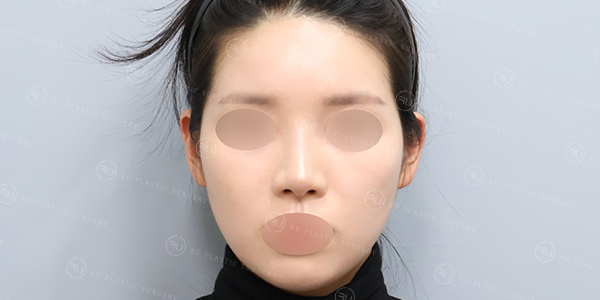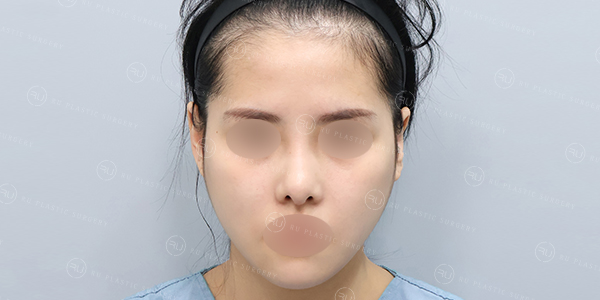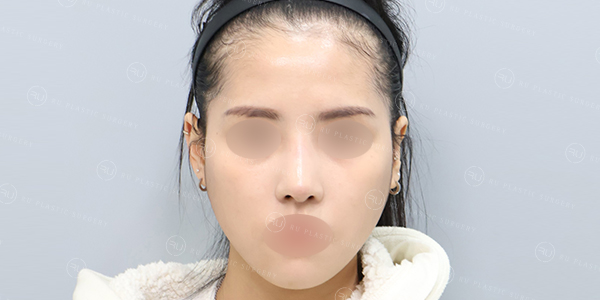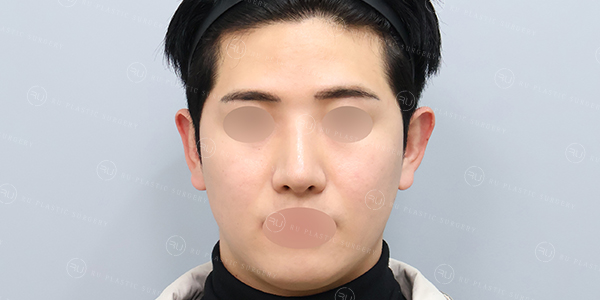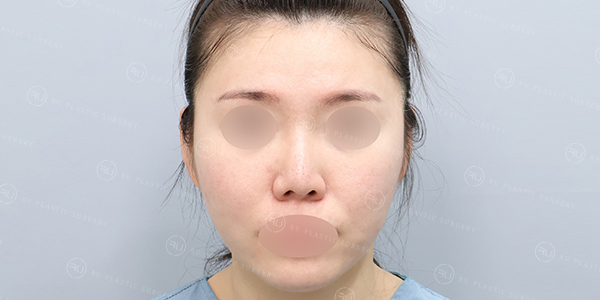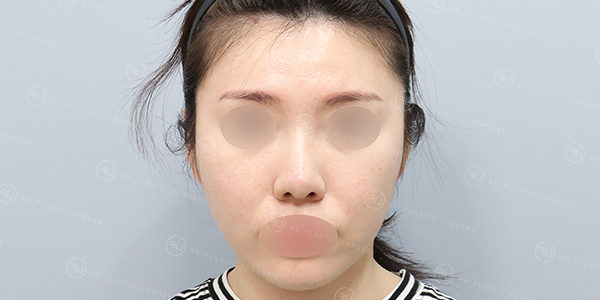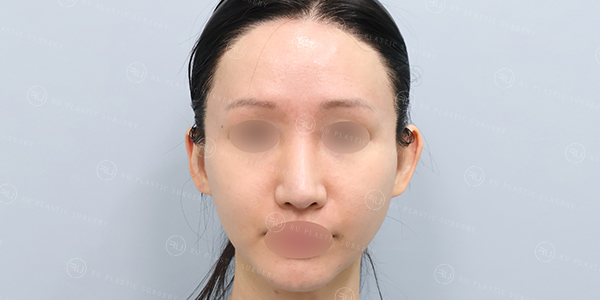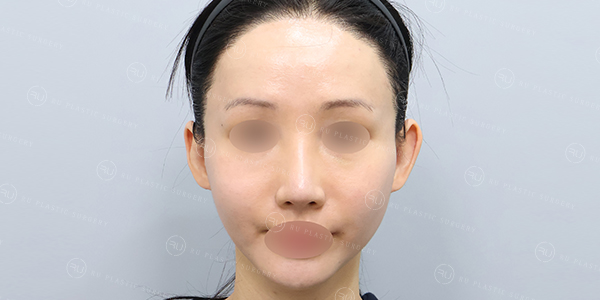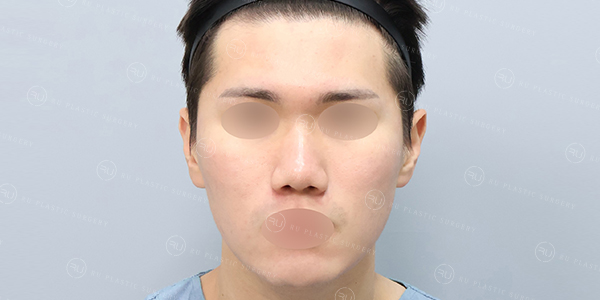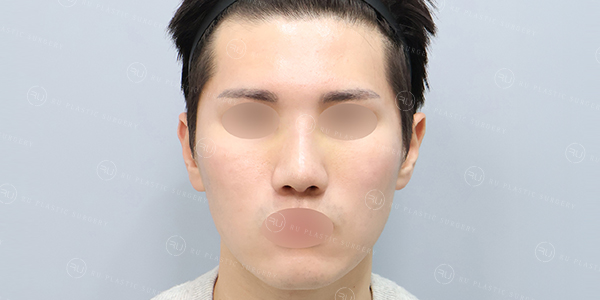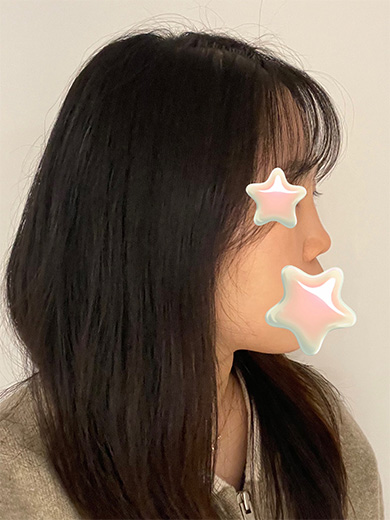
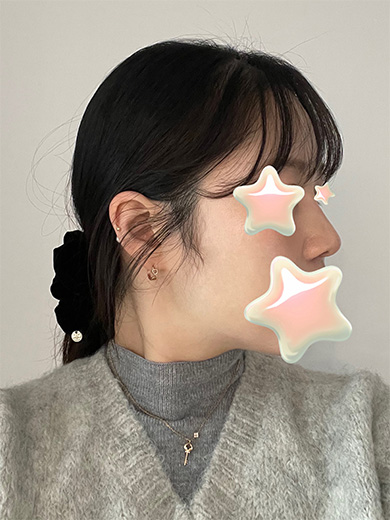
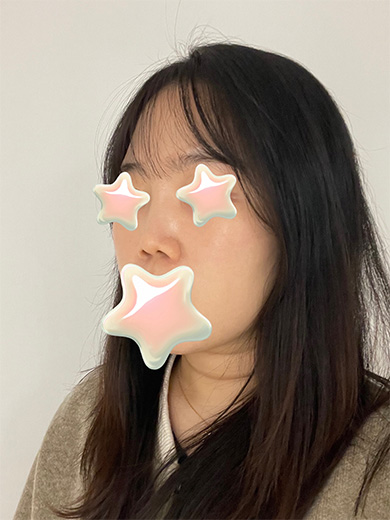
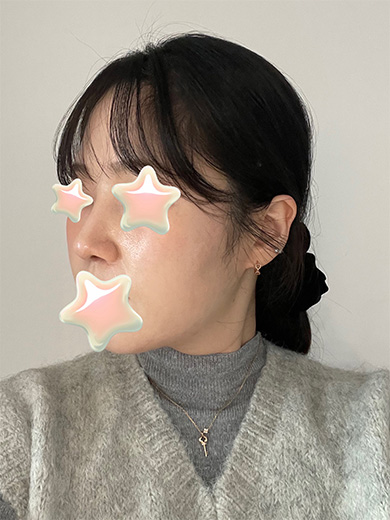
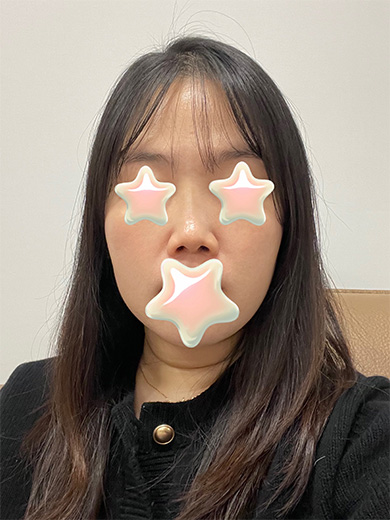
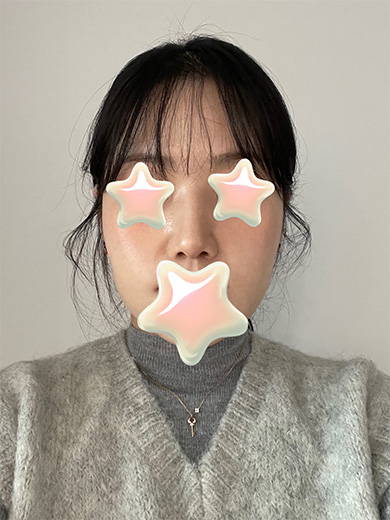
I had my first rhinoplasty about ten years ago using septal cartilage and a silicone implant.
Over time, I began to feel that the silicone implant was shifting, and I occasionally experienced pain and bruising around my nose.
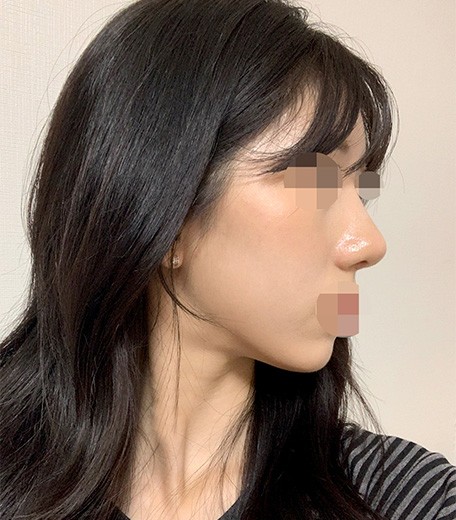
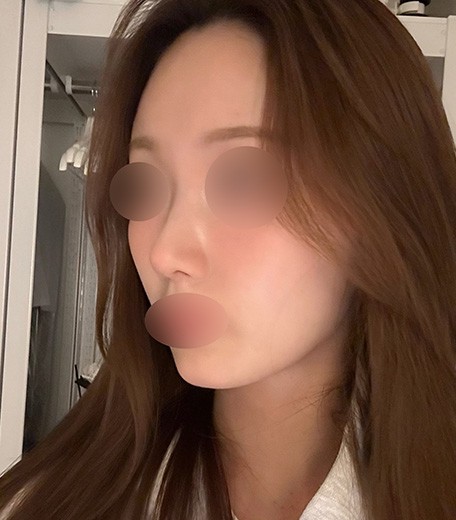
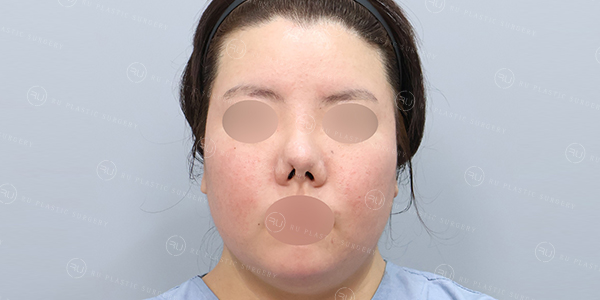
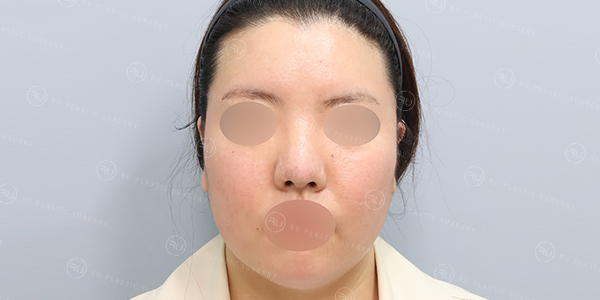
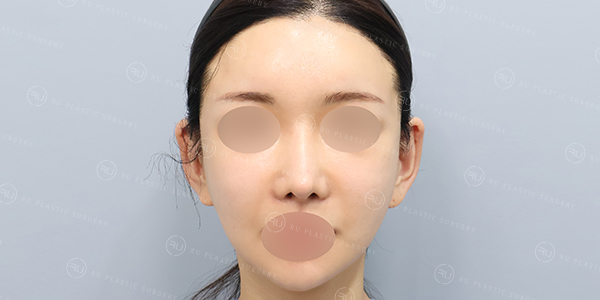
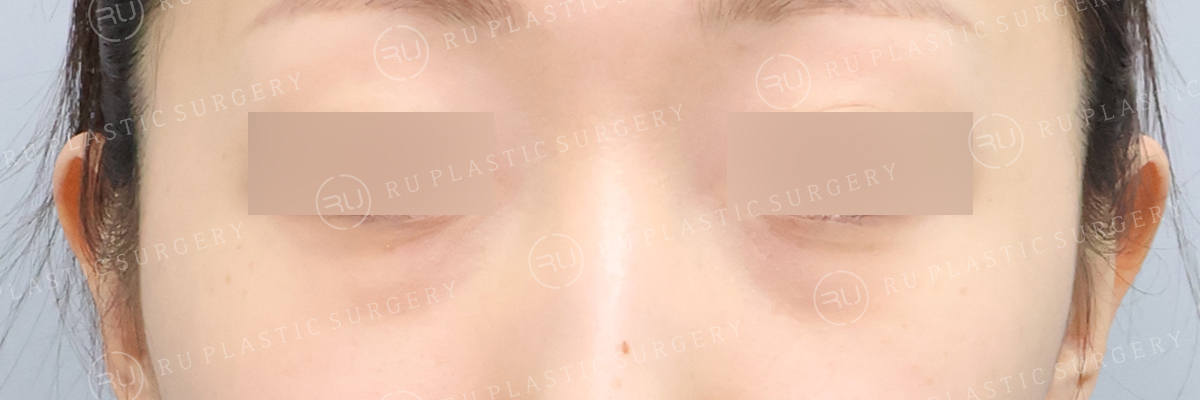
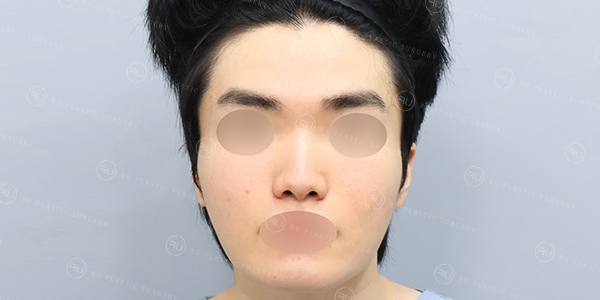
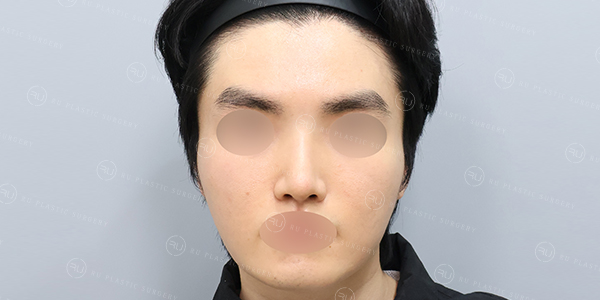
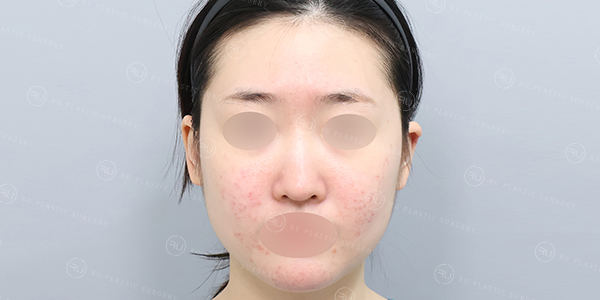
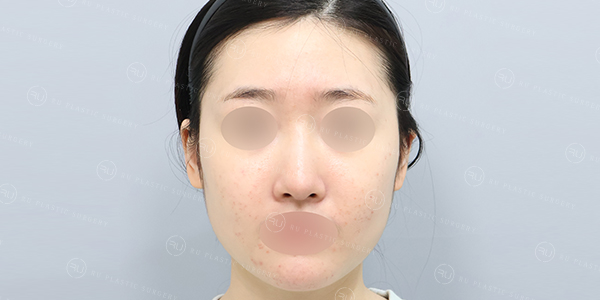
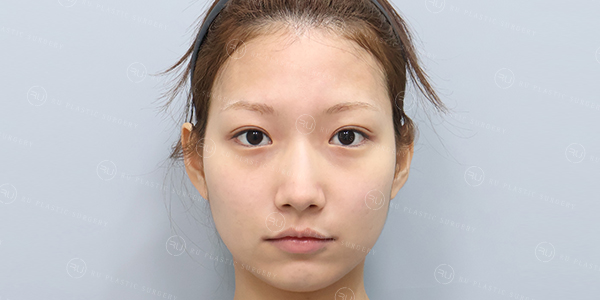
I had never been satisfied with my nose shape—the low nasal bridge starting from the eyebrow line, the overall low height,
and the upturned tip—but I lived with it until the discomfort made it clear that I could no longer delay surgery.
I discovered RU Plastic Surgery through an online search.
The clinic is well known for revision surgery, particularly for contracted and scarred noses, so I immediately booked a consultation.
Fortunately, there was an opening the very next day,
and I was able to come in right away.
The consultation manager was kind and attentive, and during the consultation,
Dr. Kim Hyun-joo examined my nose and quickly identified the issues without me even needing to explain them.
He carefully explained the surgical plan, which involved autologous rib cartilage and septal reinforcement with extension,
and showed me numerous reference photos.
The design of the nasal tip and columella looked very natural and refined—exactly
my style—so I felt confident entrusting my revision surgery to him.
I did not visit any other clinics and decided to schedule my revision surgery that same day.
My silicone implant was visibly mobile, and although inflammation could only be confirmed after opening the nose,
Dr. Kim recommended a plan using autologous rib cartilage, along with lowering the columella and correcting the nasolabial angle.
Fortunately, when the nose was opened, there was no active inflammation.
However, the internal space had widened, which explained why the implant had been moving.
For aesthetic reasons, a more natural-looking silicone implant was used for the nasal bridge,
and autologous rib cartilage was used for the nasal tip during the revision surgery.
The surgery took approximately two and a half hours, and both the nurses and the consultation manager took great care of me,
allowing me to return home comfortably.
Interestingly, my nose itself did not hurt at all.
The only discomfort came from the rib cartilage donor site,
which was painful for about three days and then subsided into a mild, dull ache.
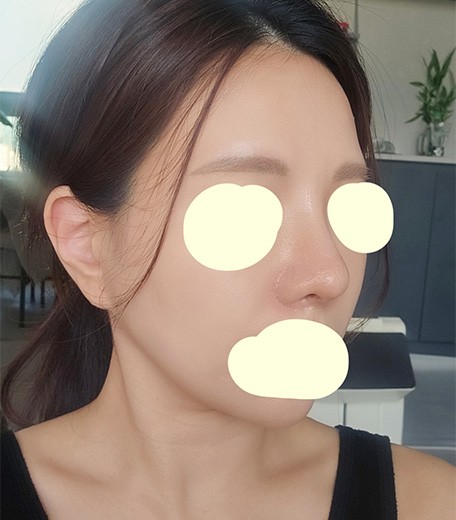
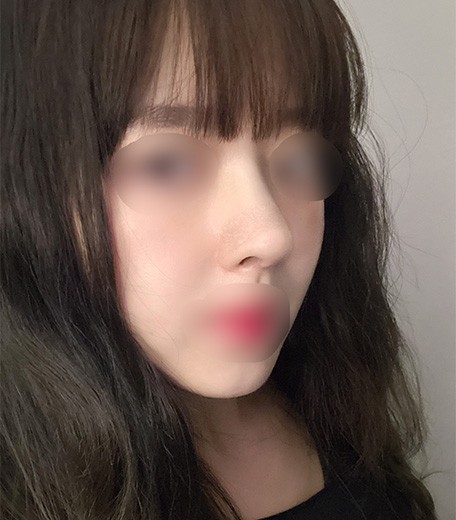
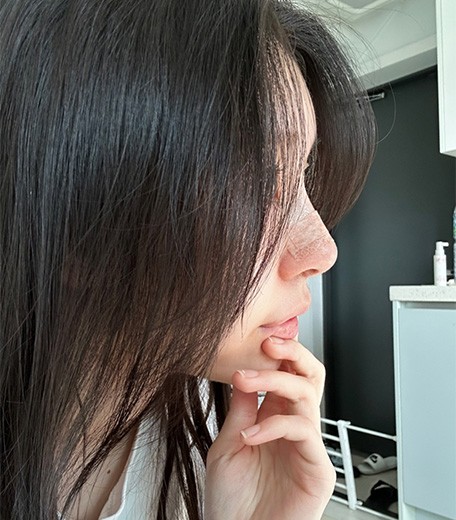
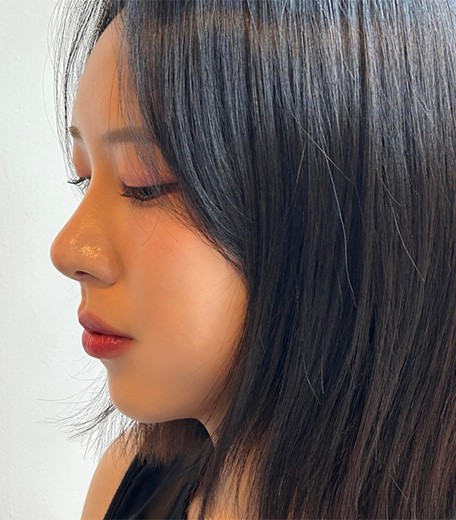
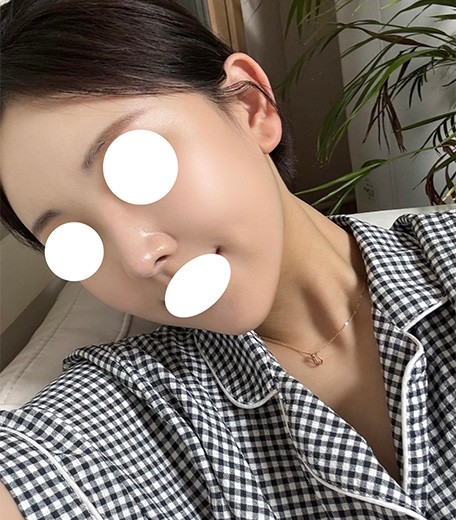
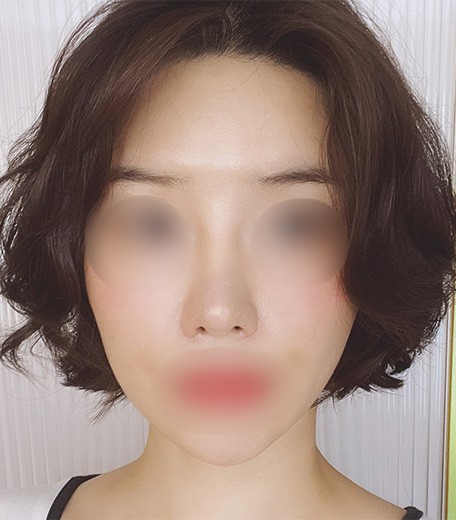
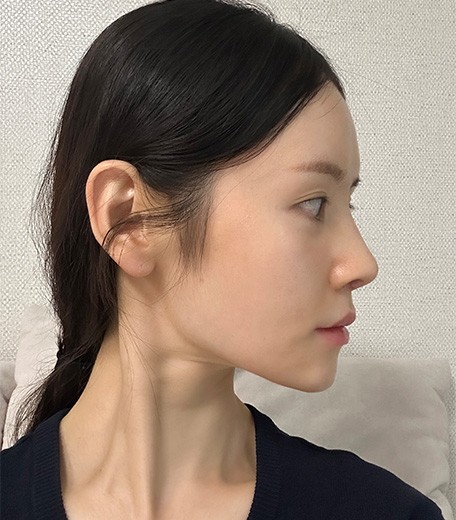
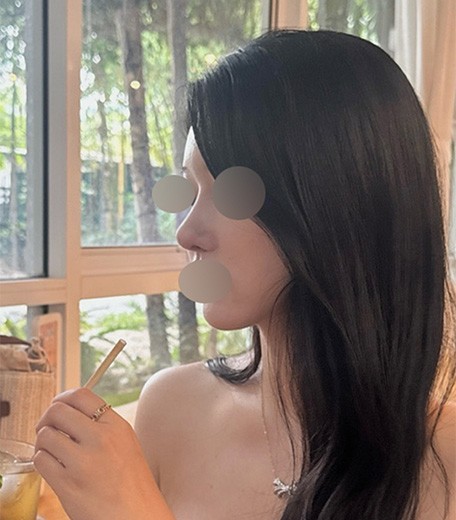
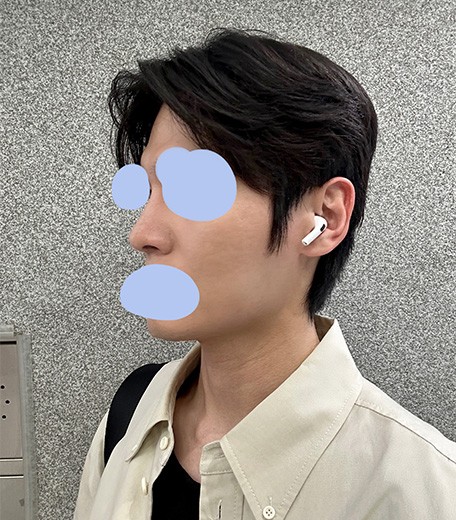
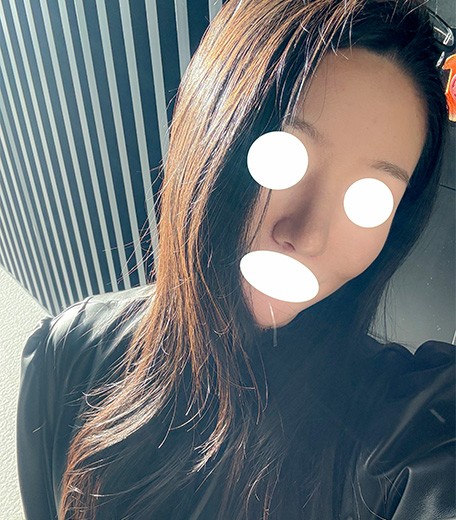
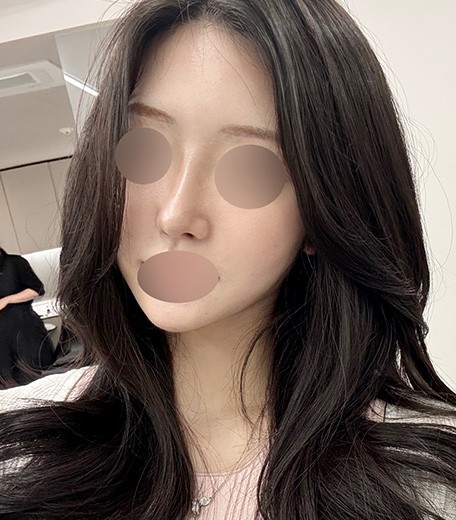
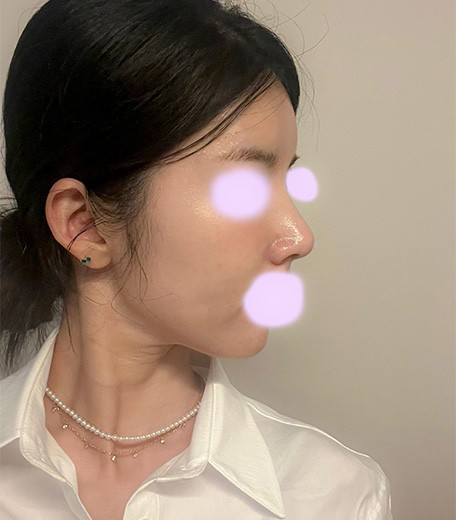
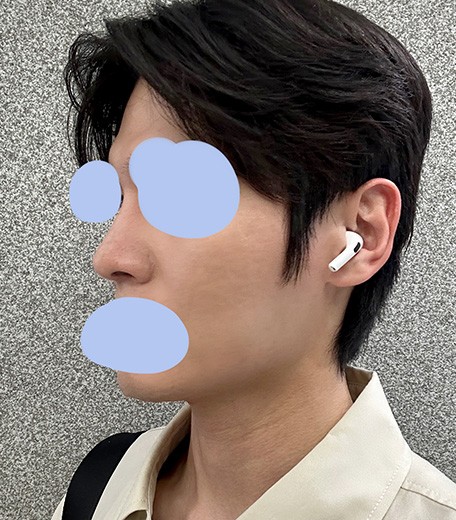
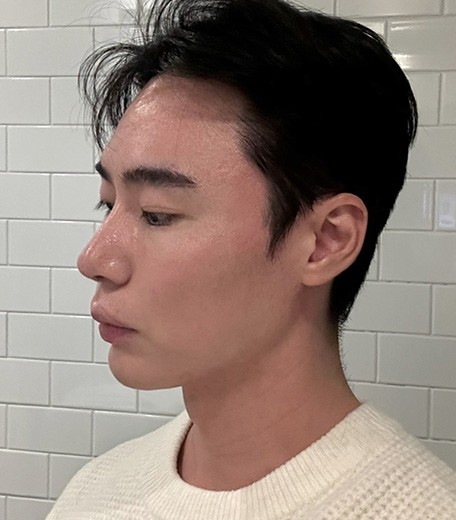
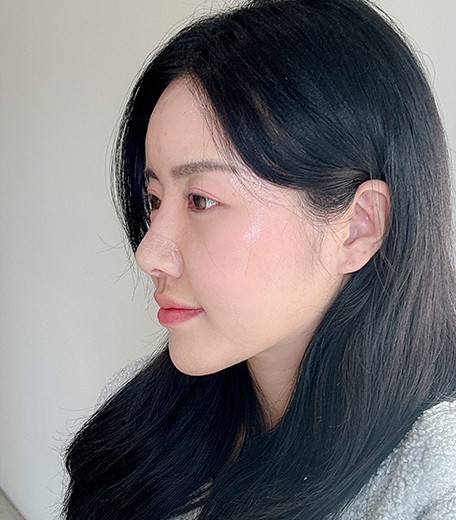
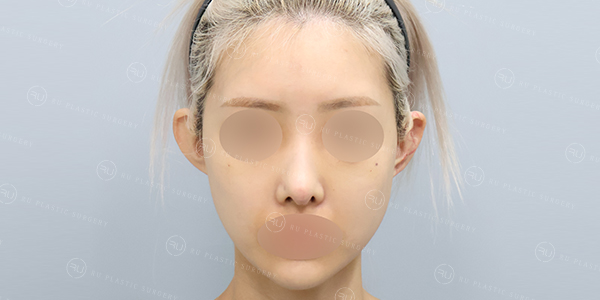
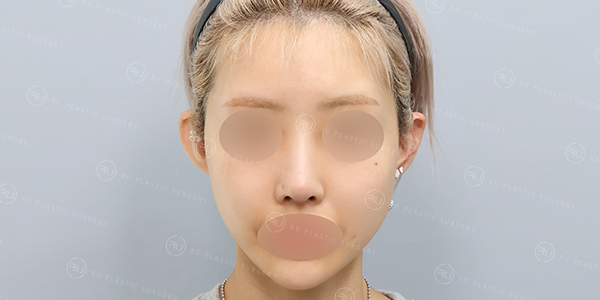
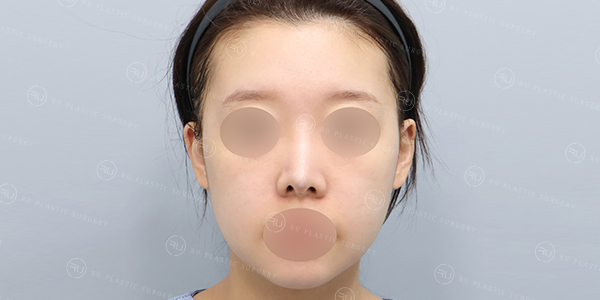
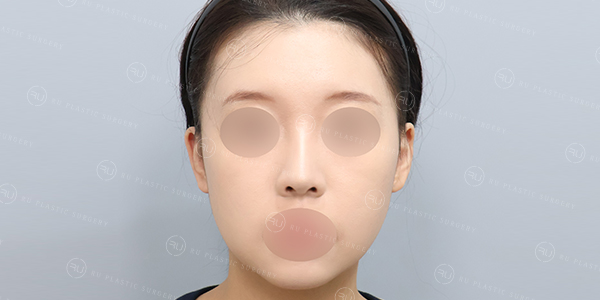
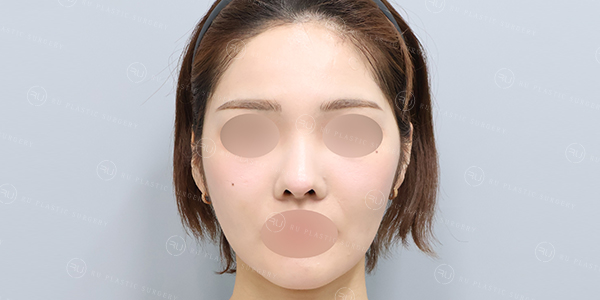
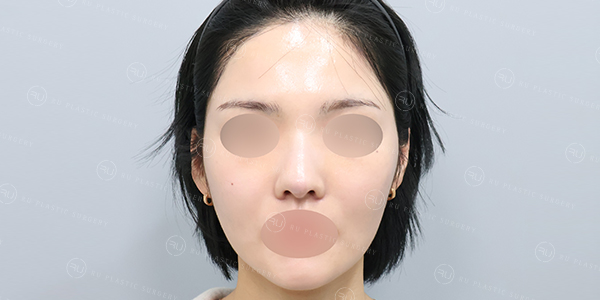
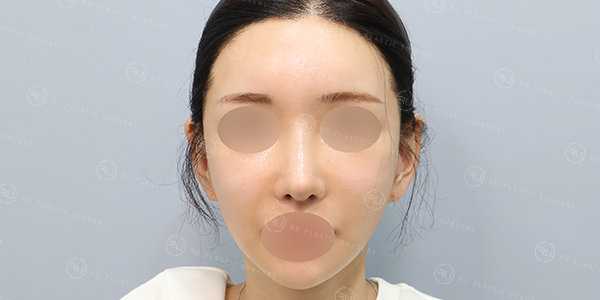
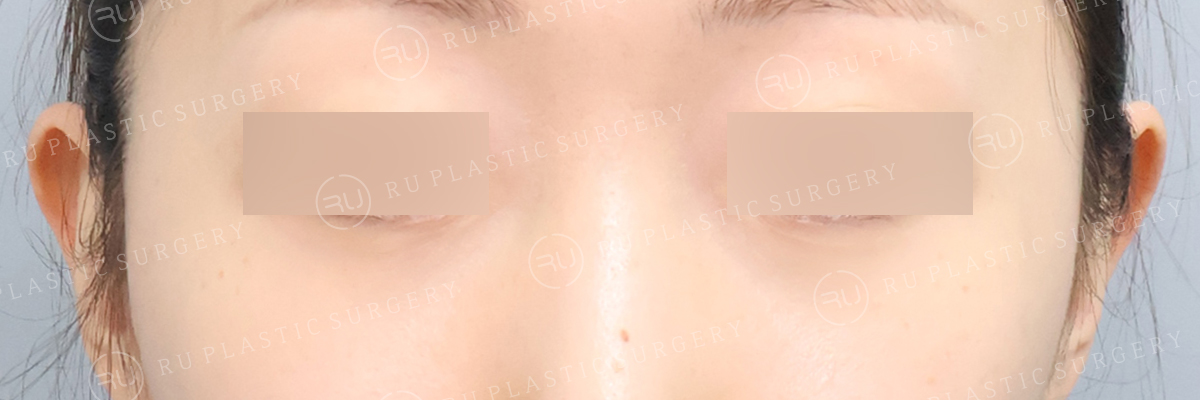
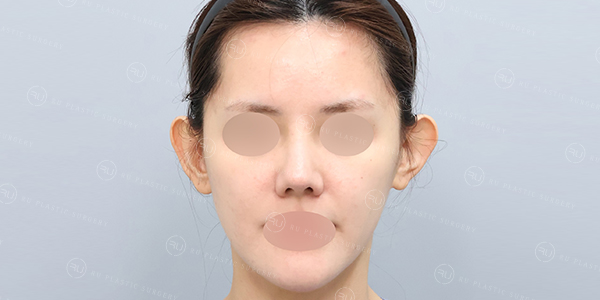
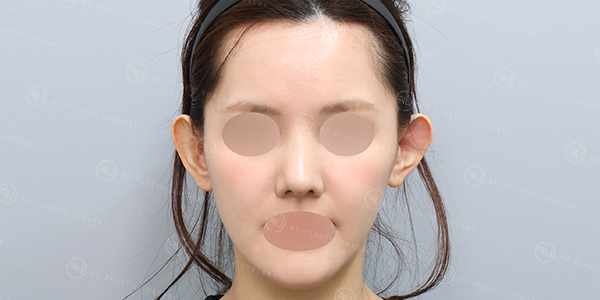
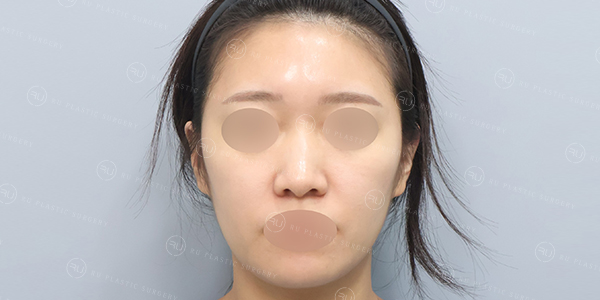
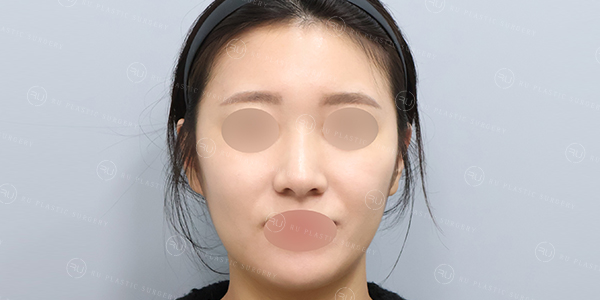
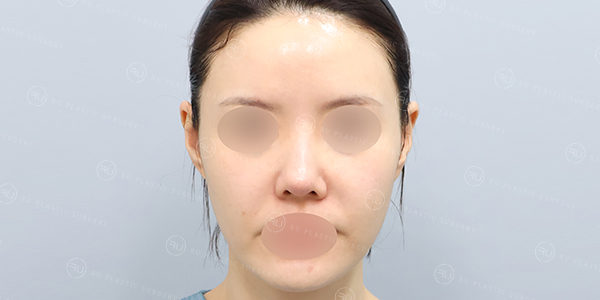
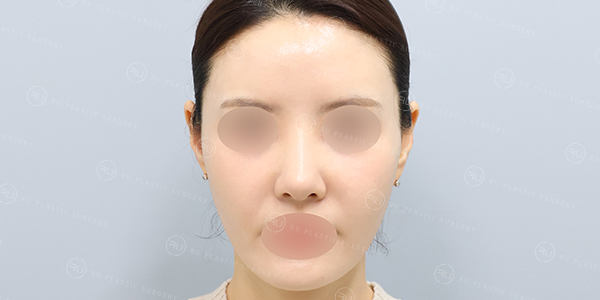
Now, at one month post-operation, I am very satisfied with the results.
People around me say the nose looks so natural that no one would even suspect I had surgery.
My nose is nicely lifted, and the stress I used to feel about seeing my nostrils from the front has improved significantly.
I am looking forward to further reduction in swelling and an even more natural appearance over time.