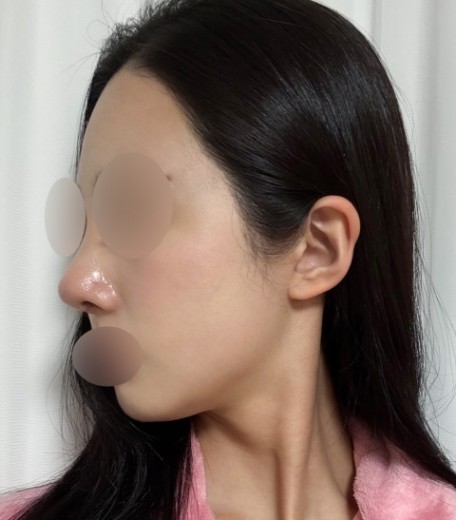
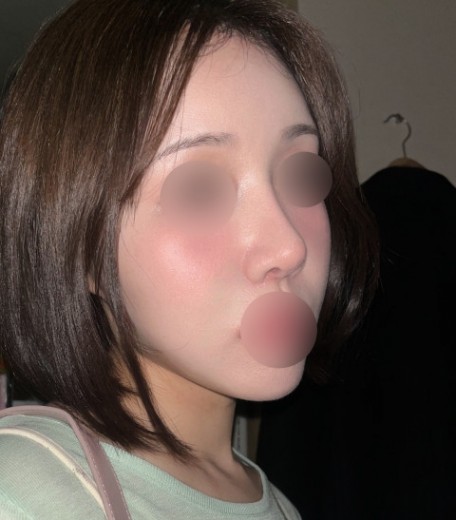
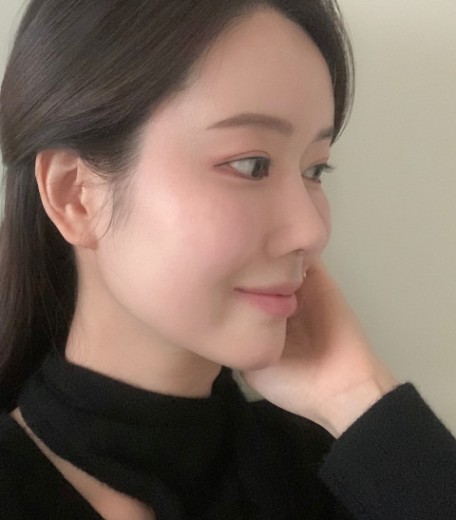
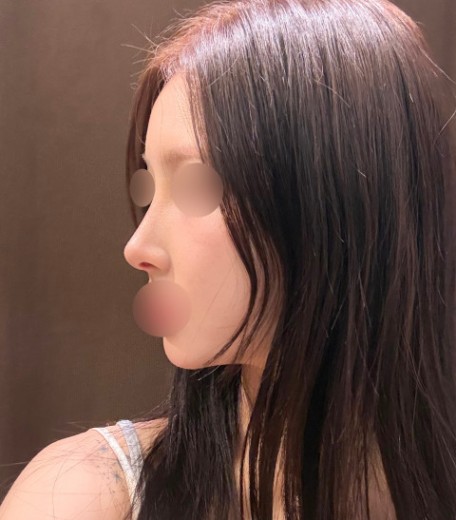
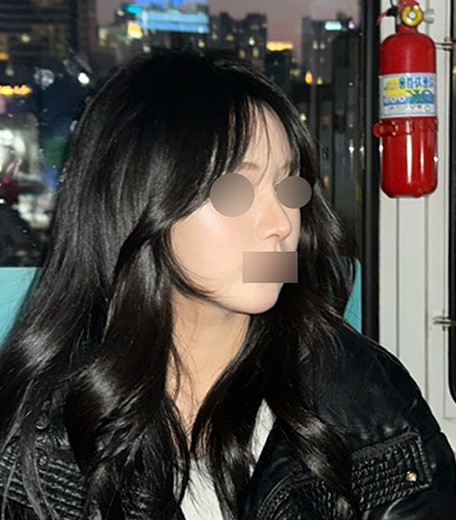
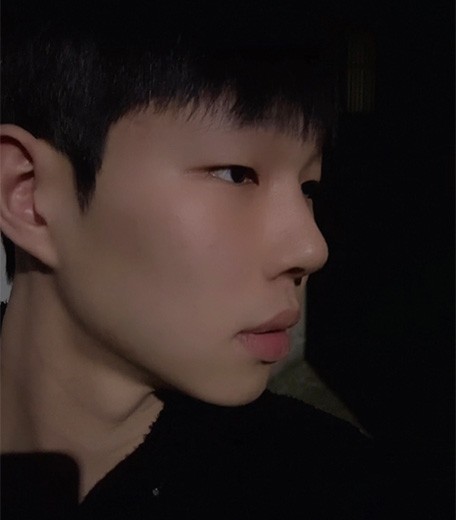
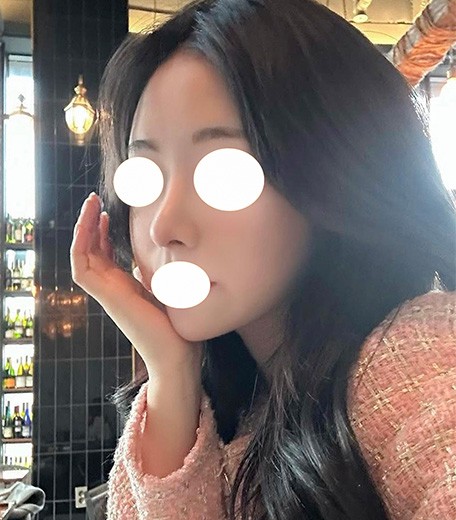
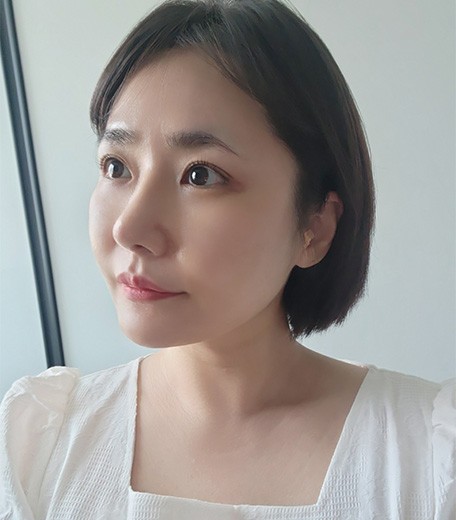
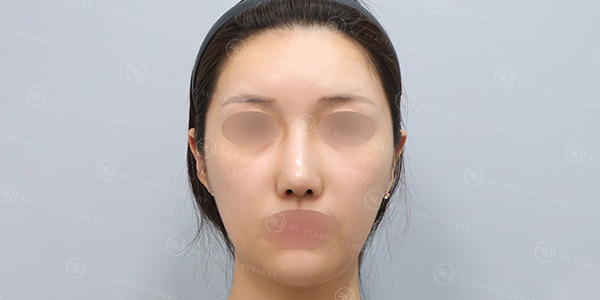
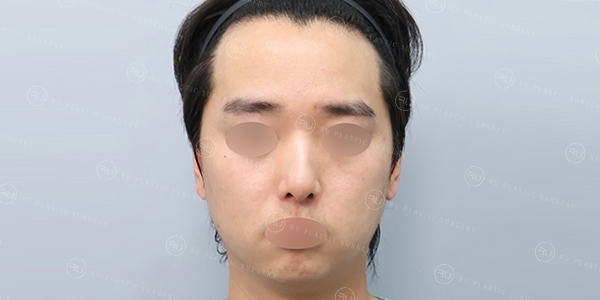
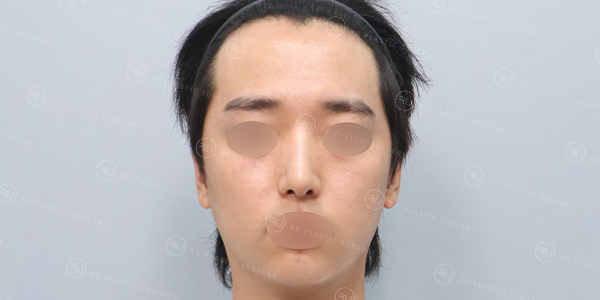
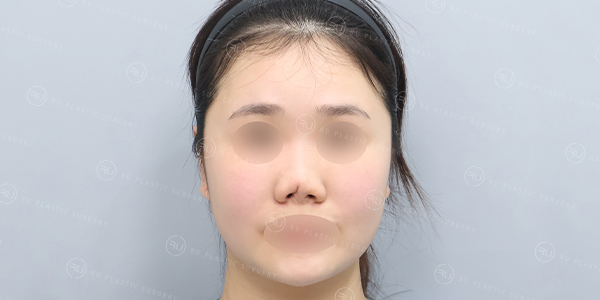
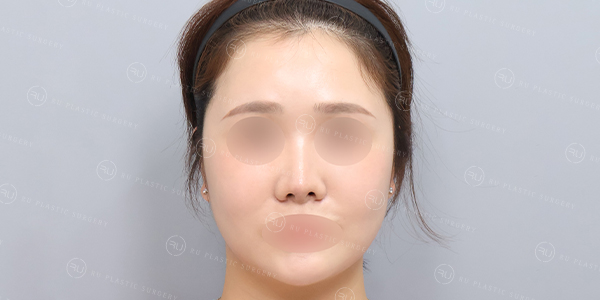
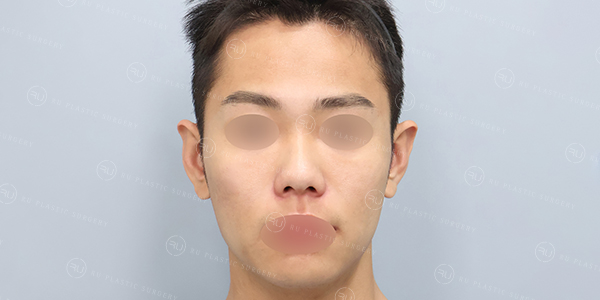
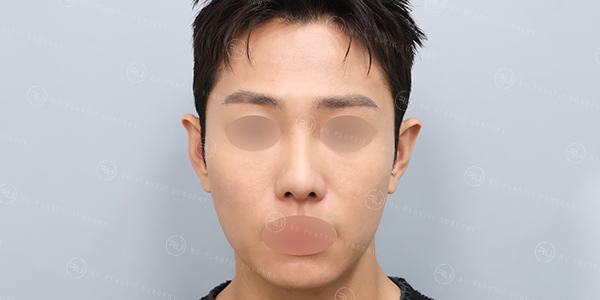
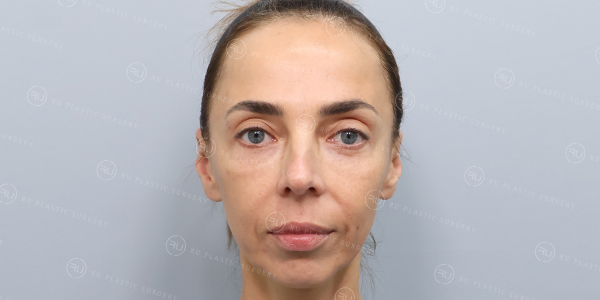
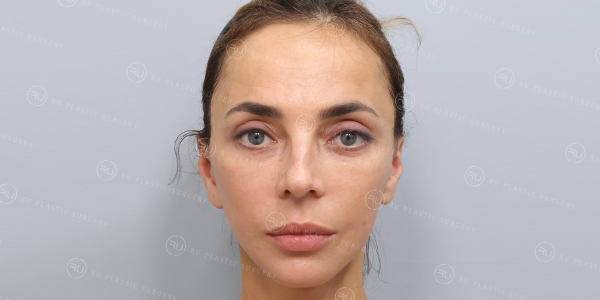
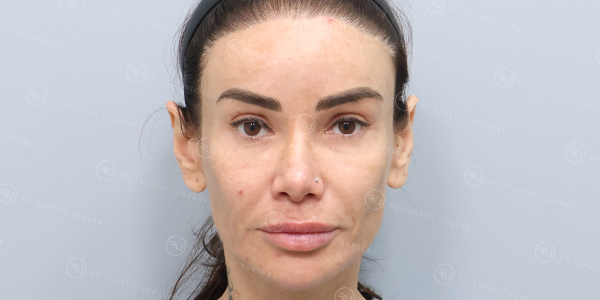
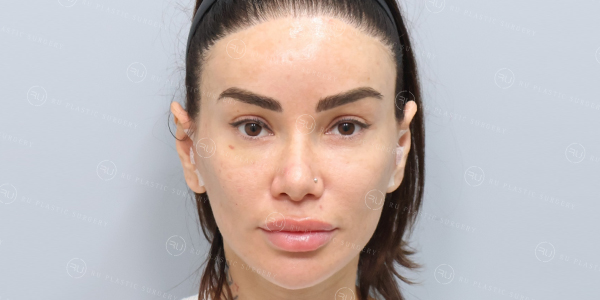
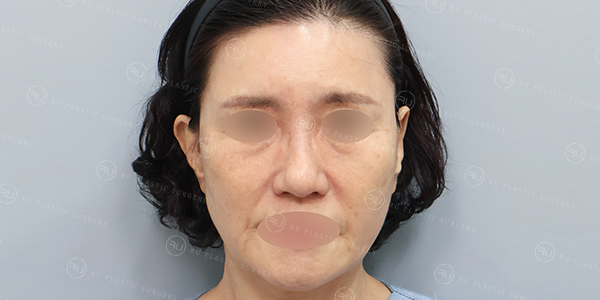
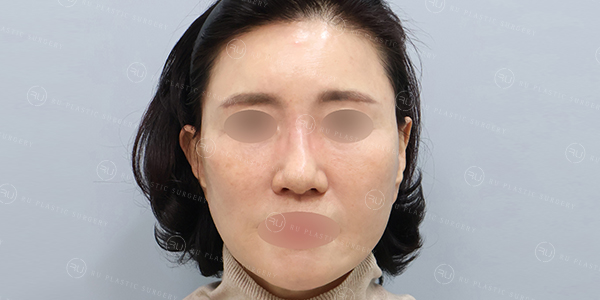
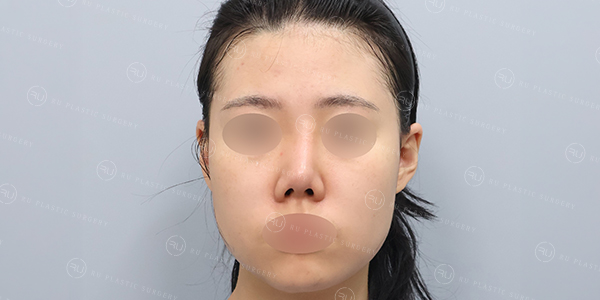
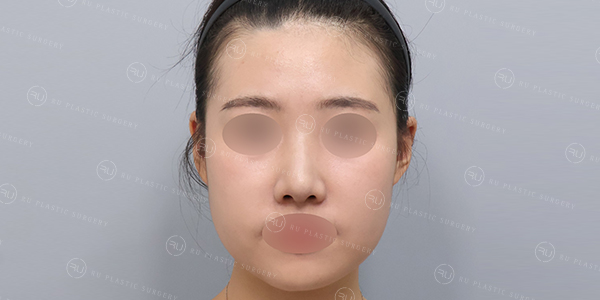
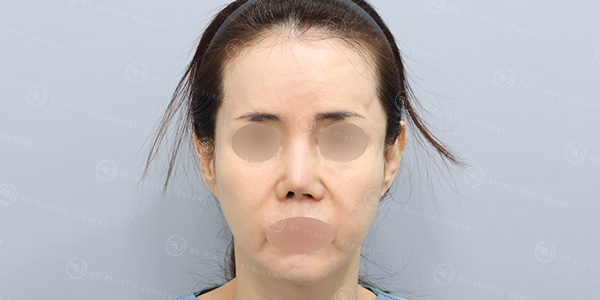
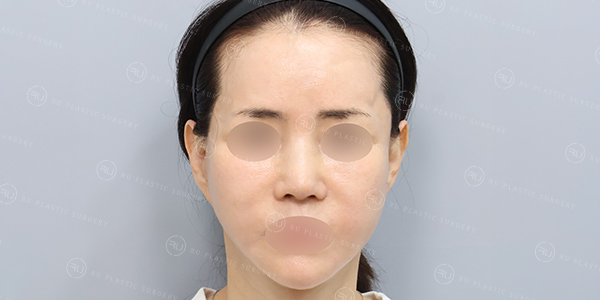
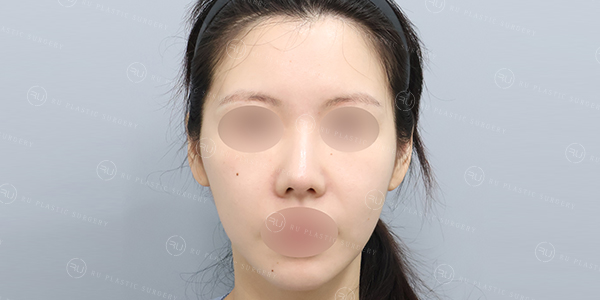
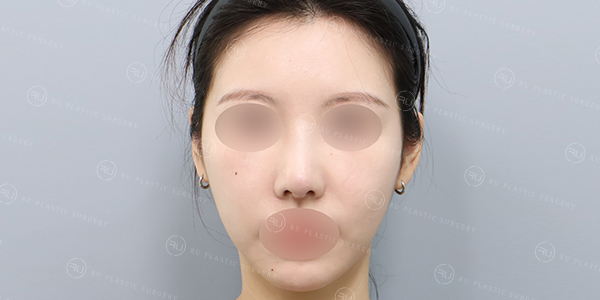
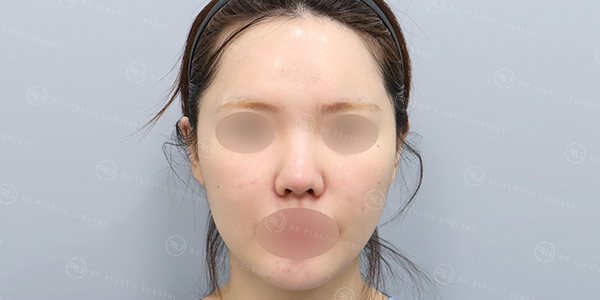
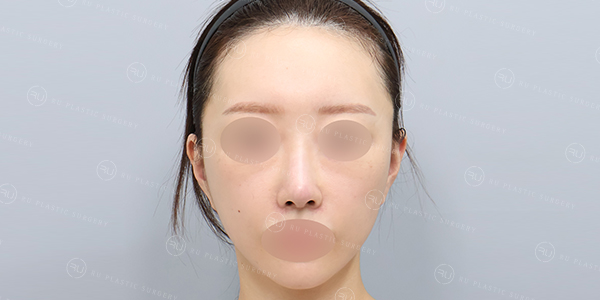
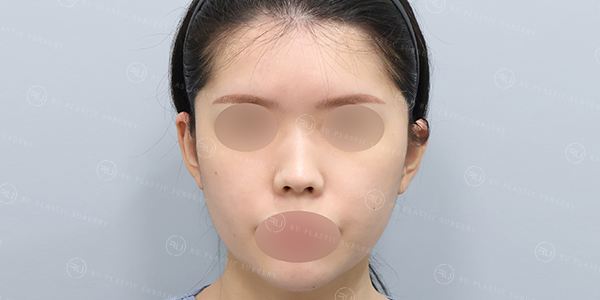
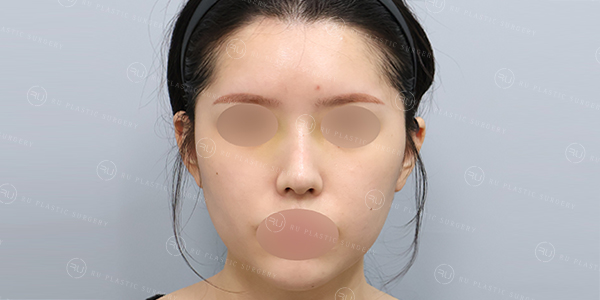
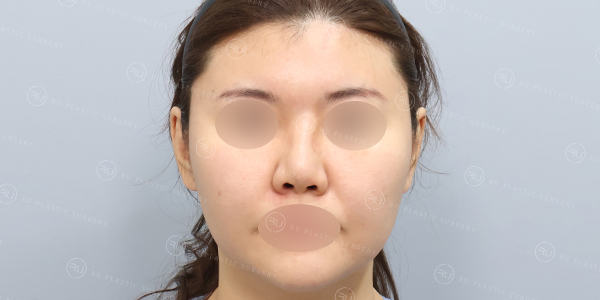
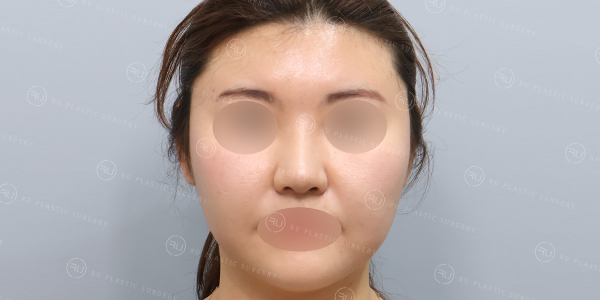
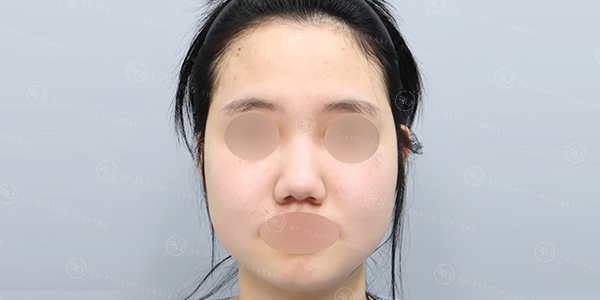
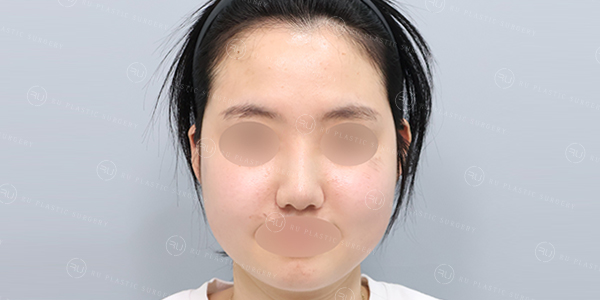
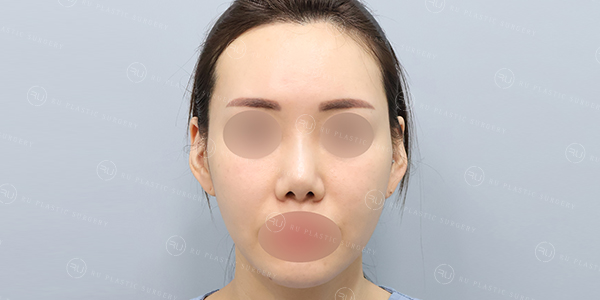
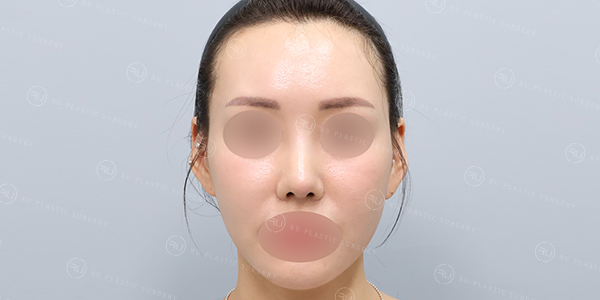
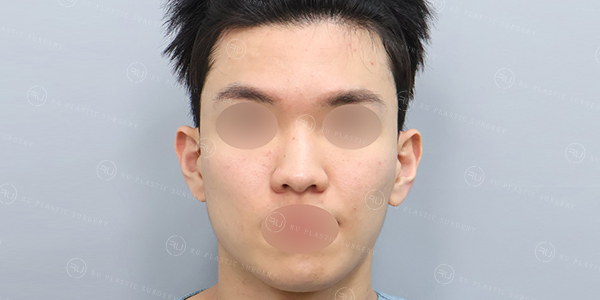
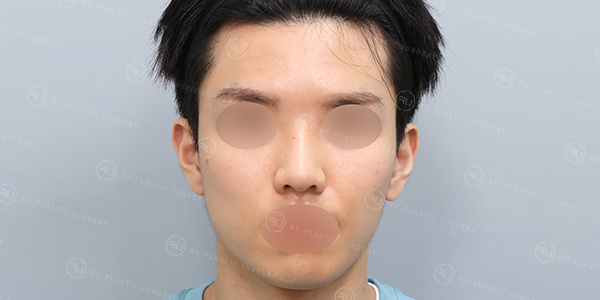
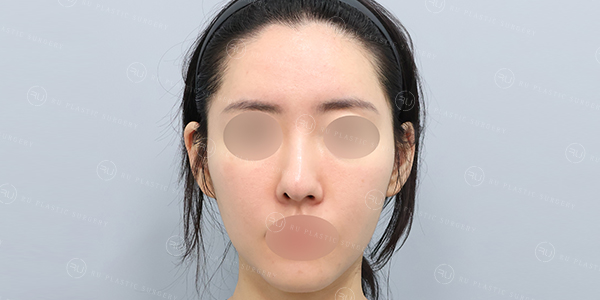
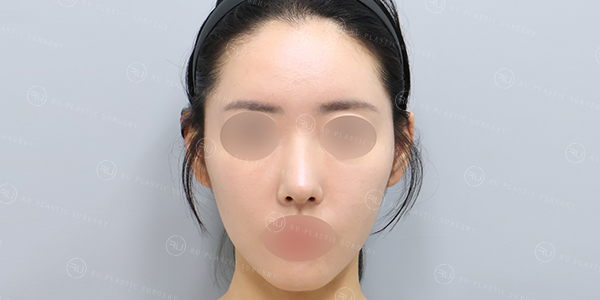
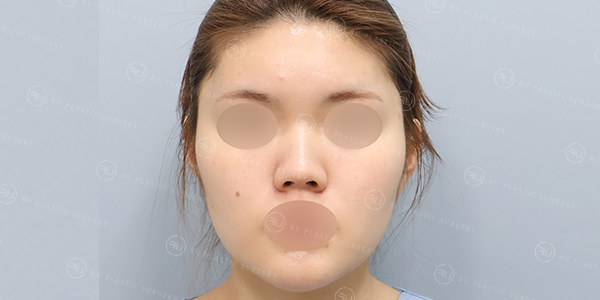
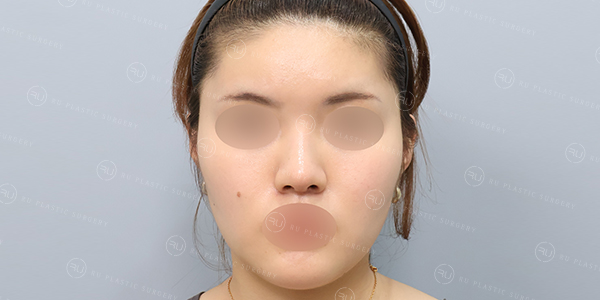
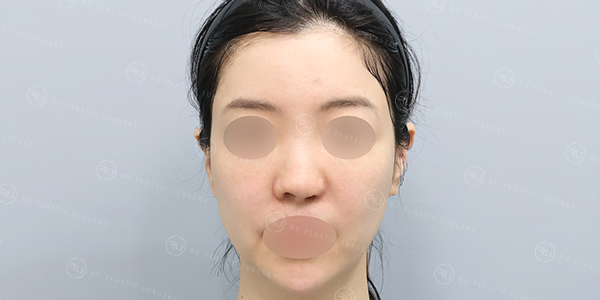
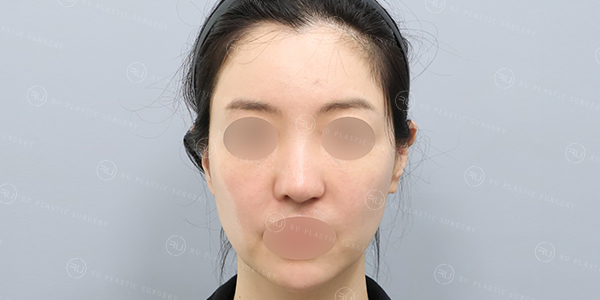
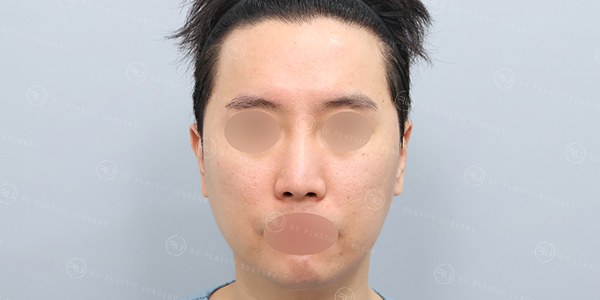
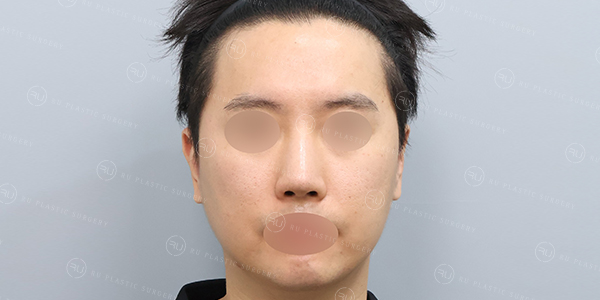
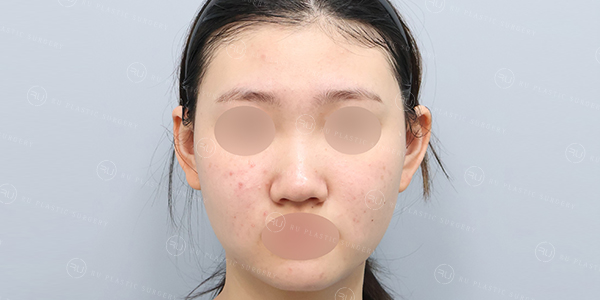
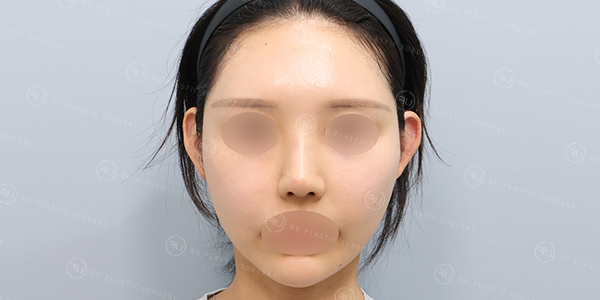
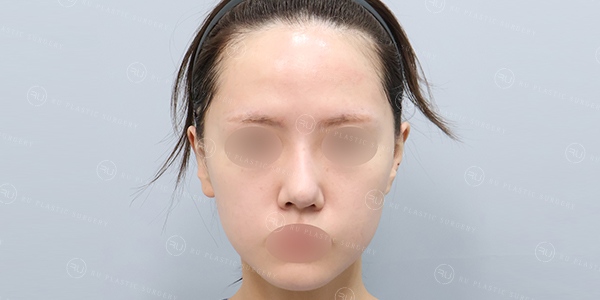
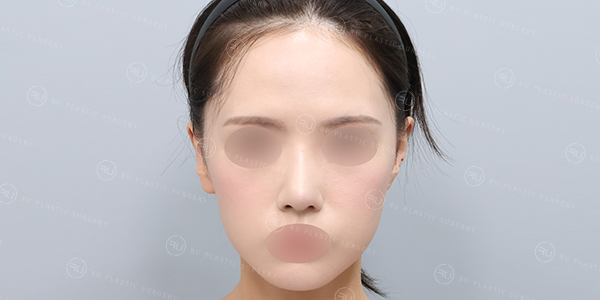
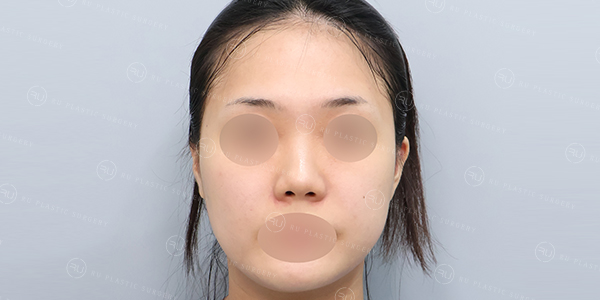
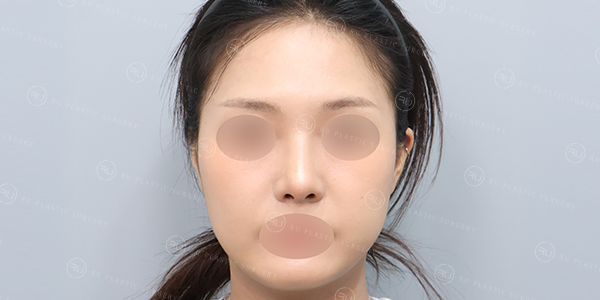
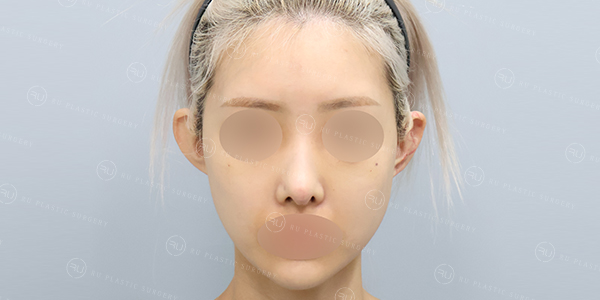
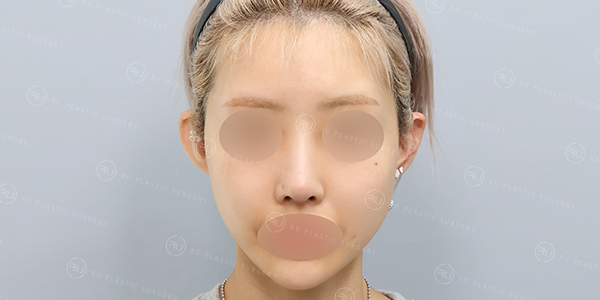
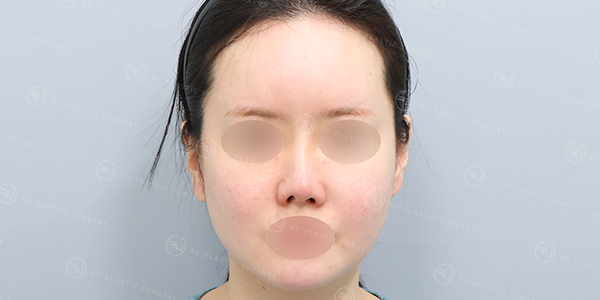
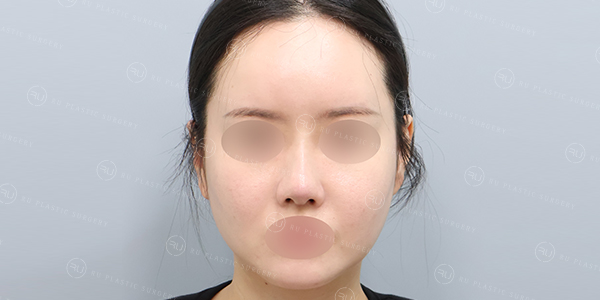
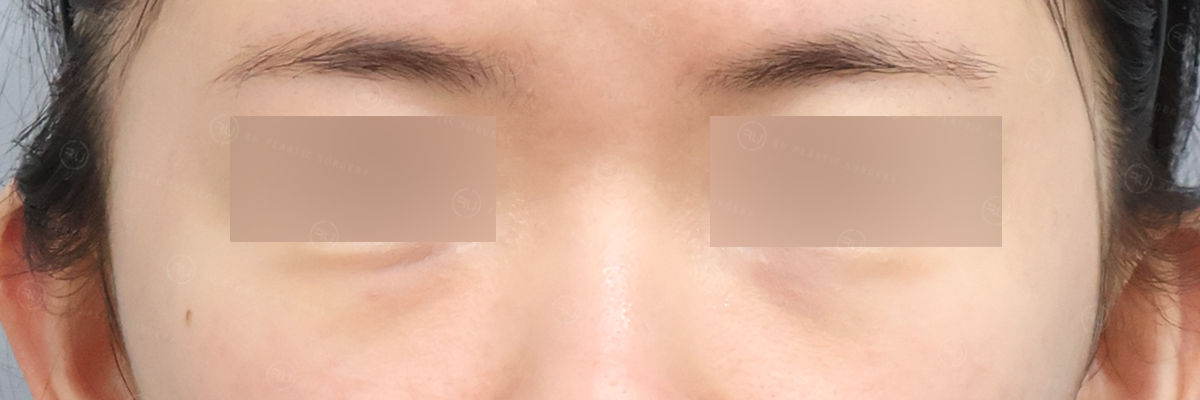
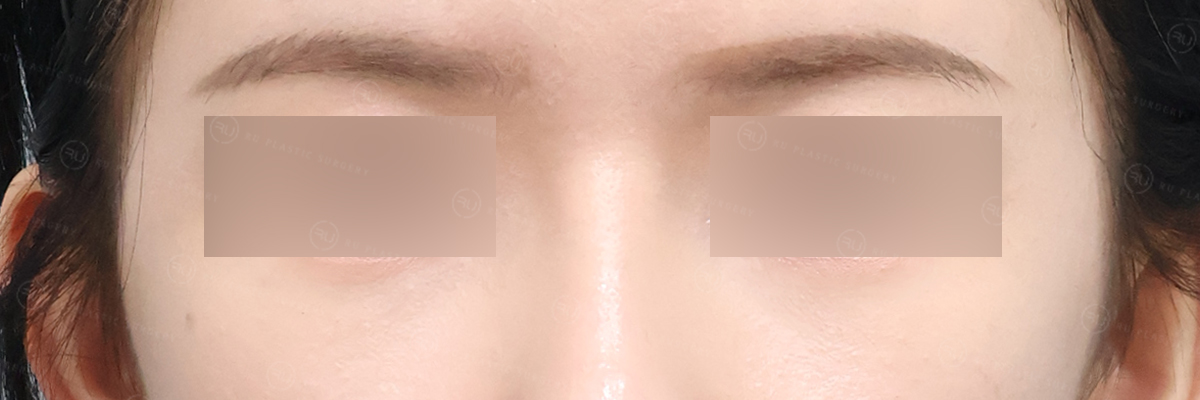
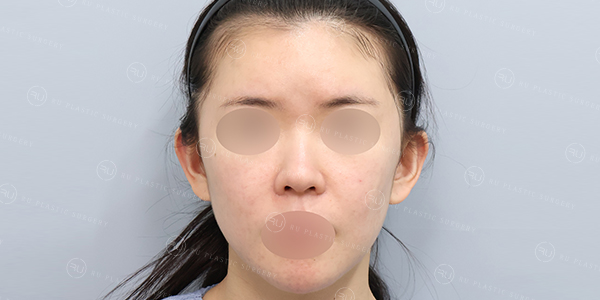
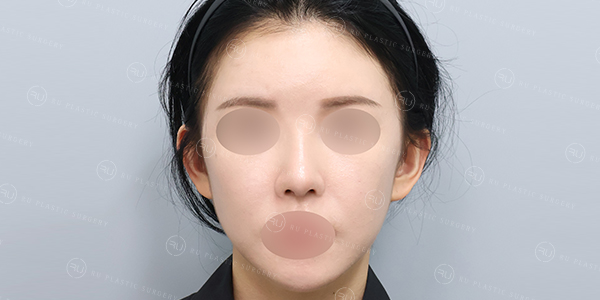
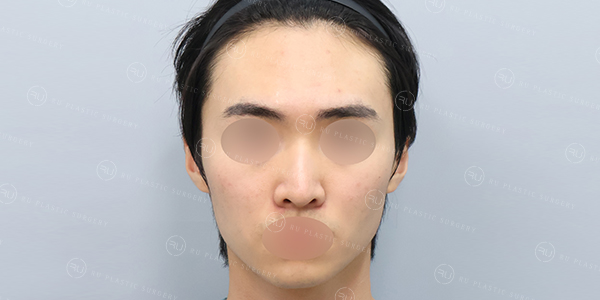
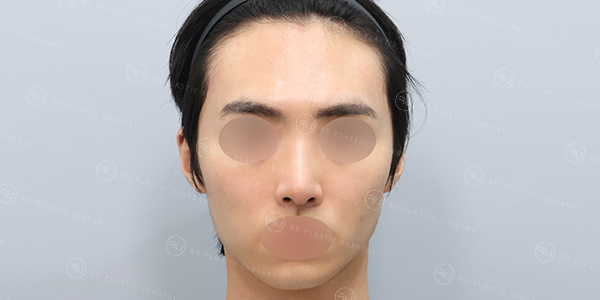
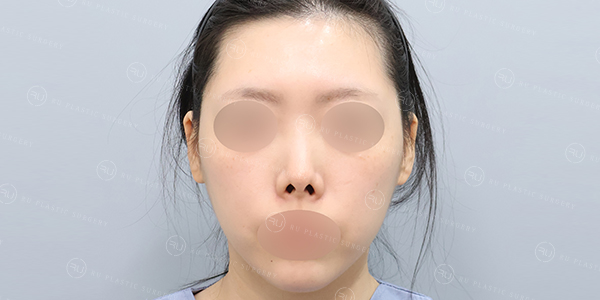
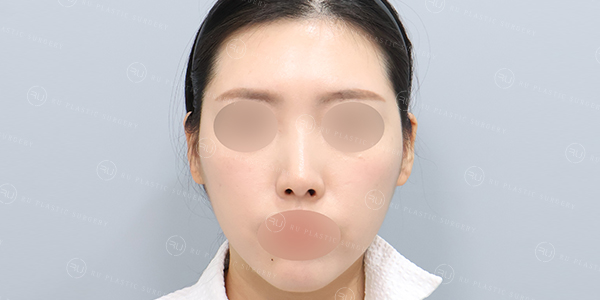
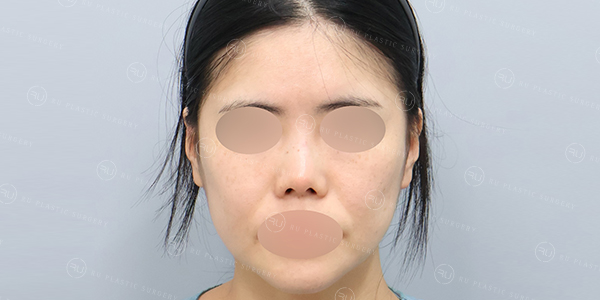
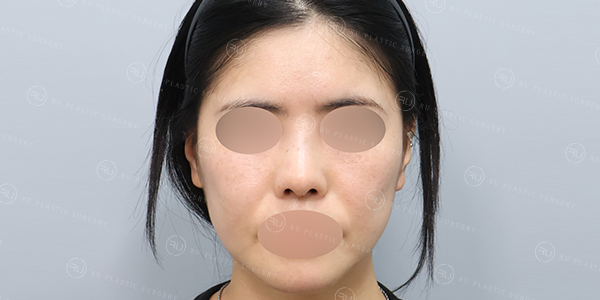
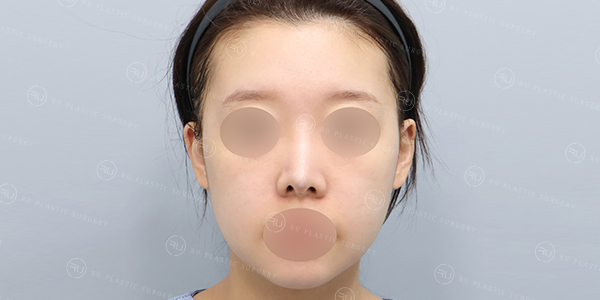
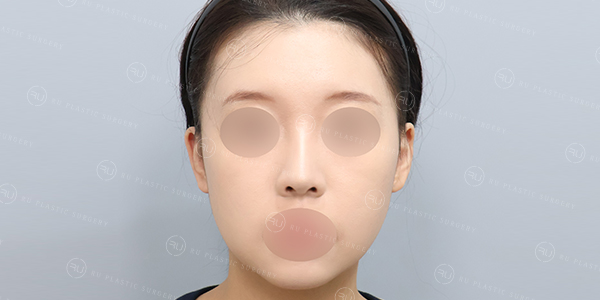
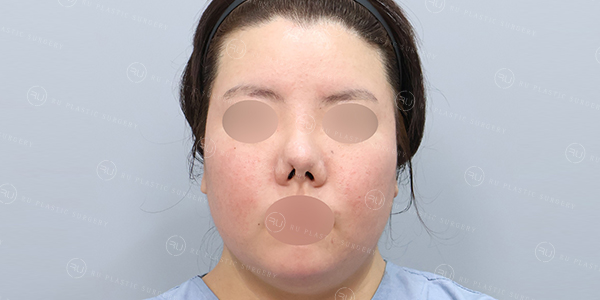
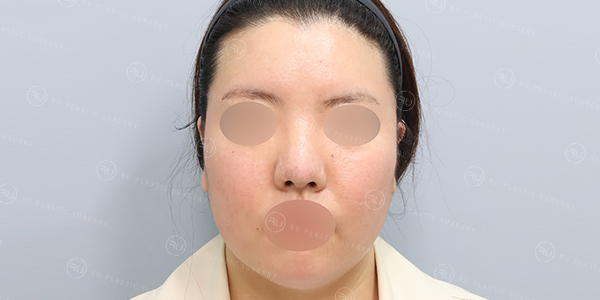
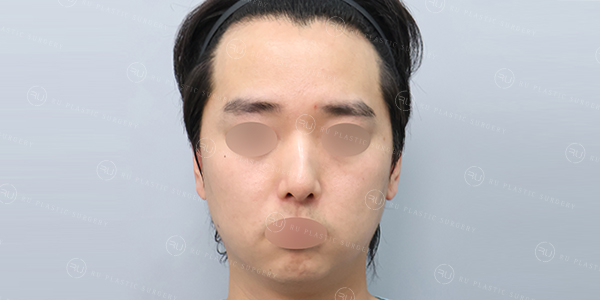
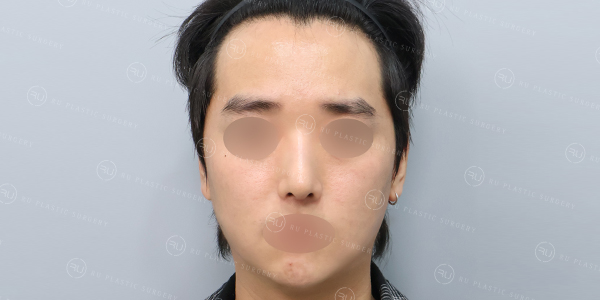
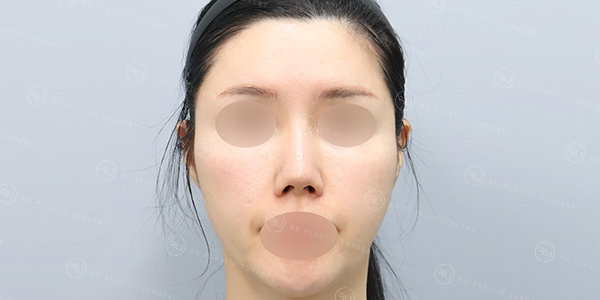
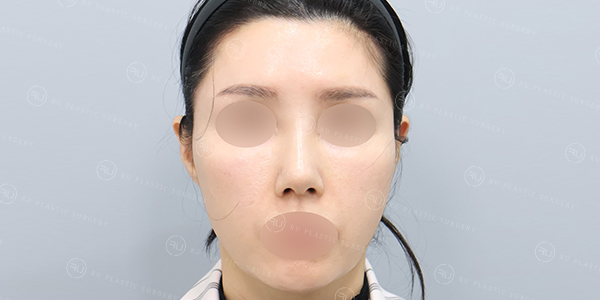
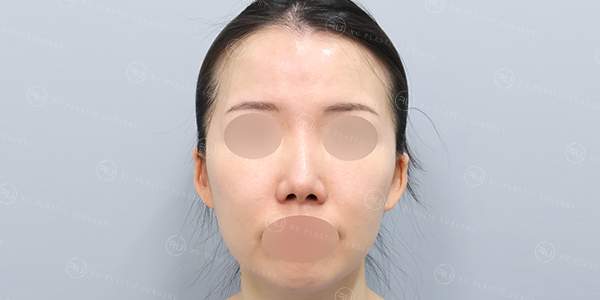
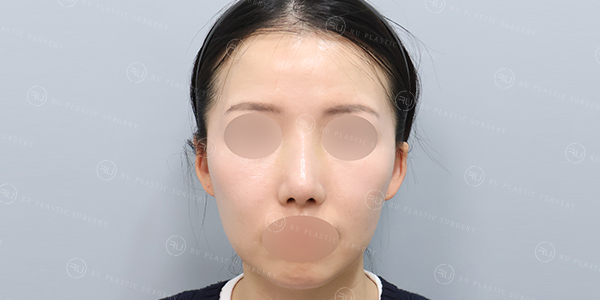
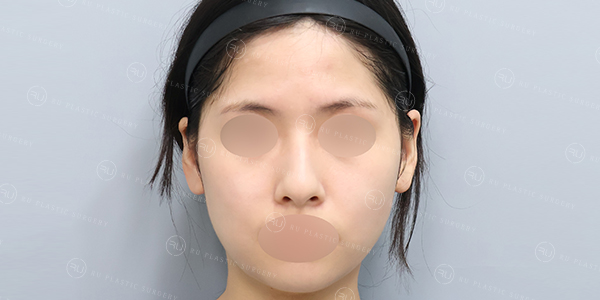
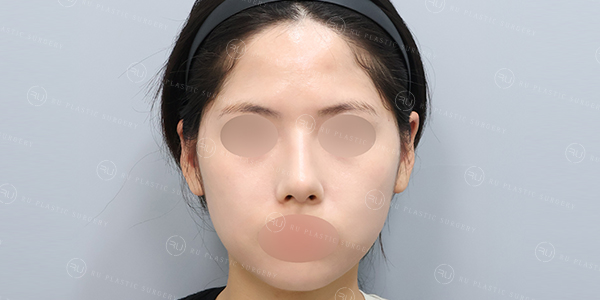
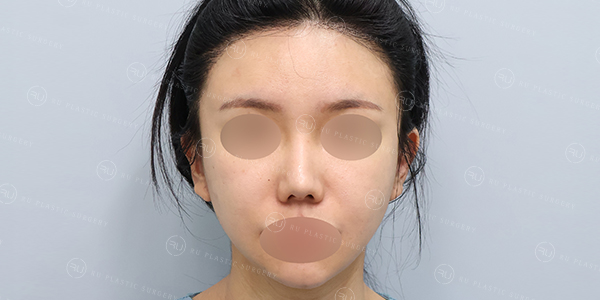
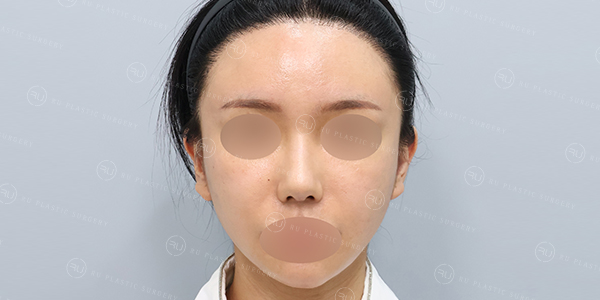
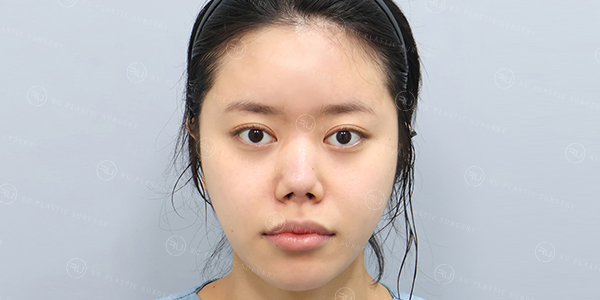
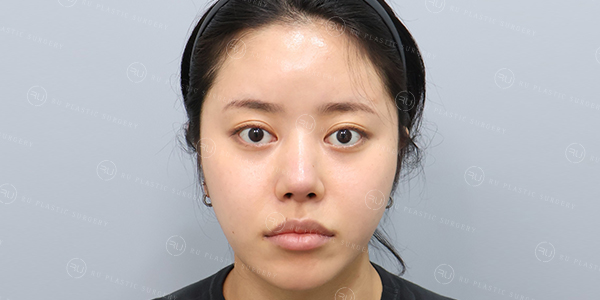
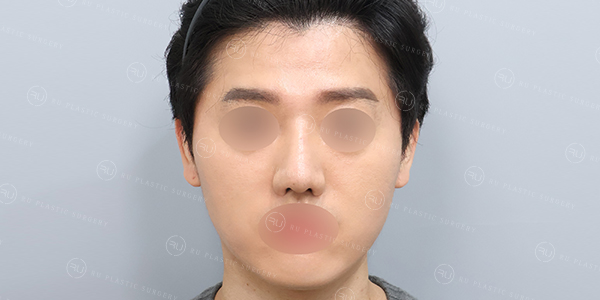
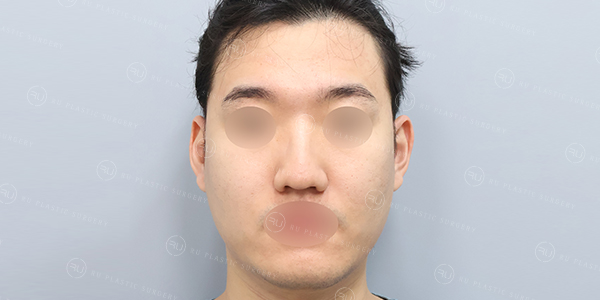
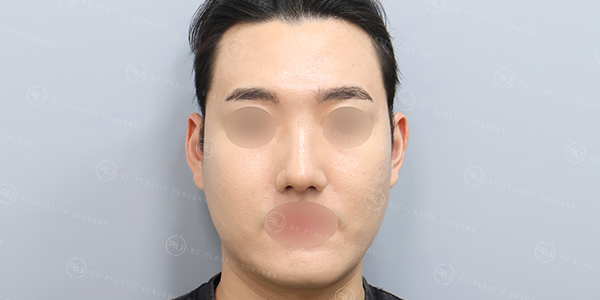
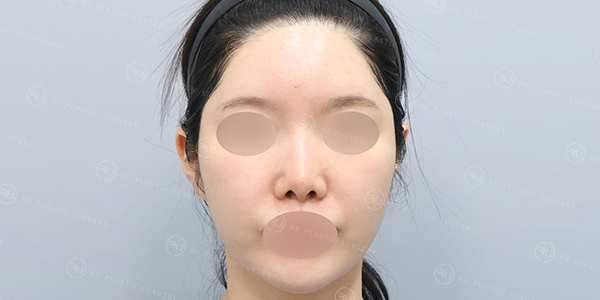
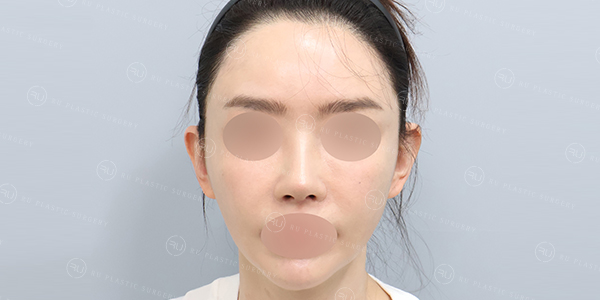
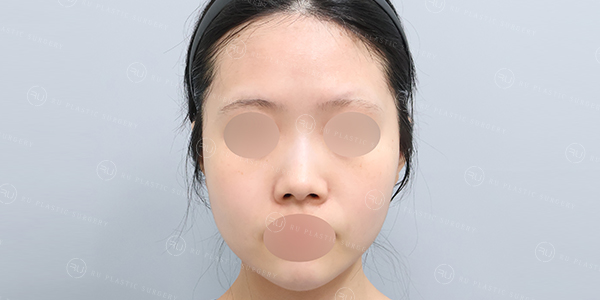
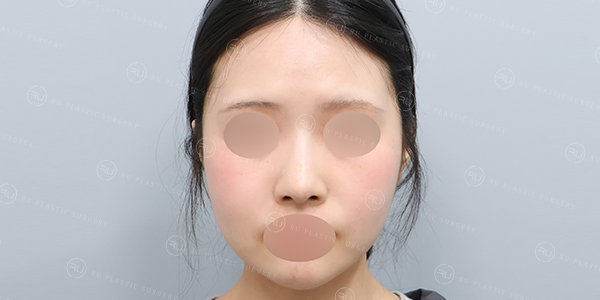
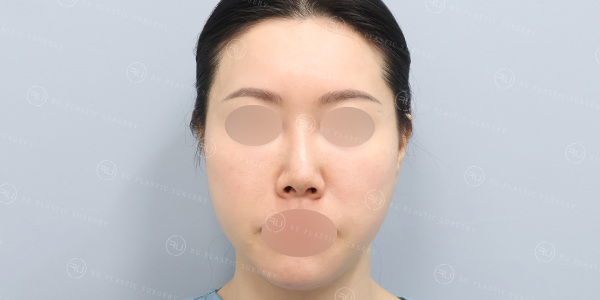
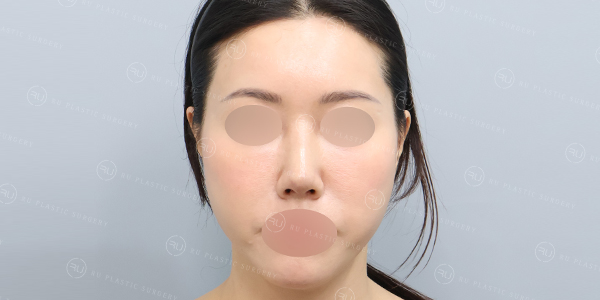
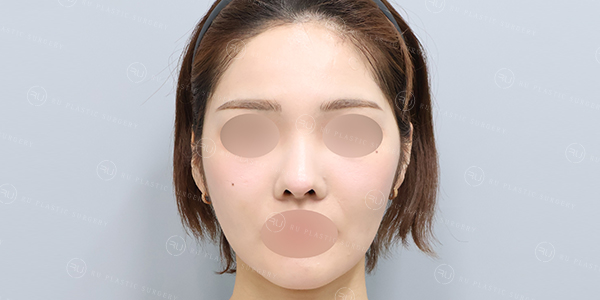
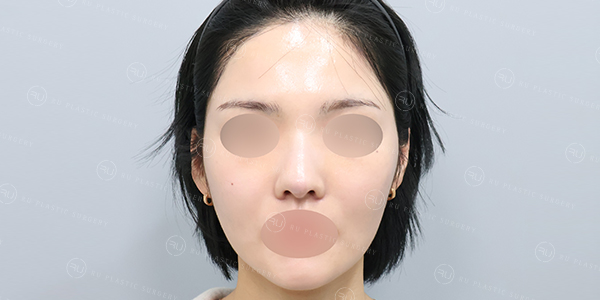
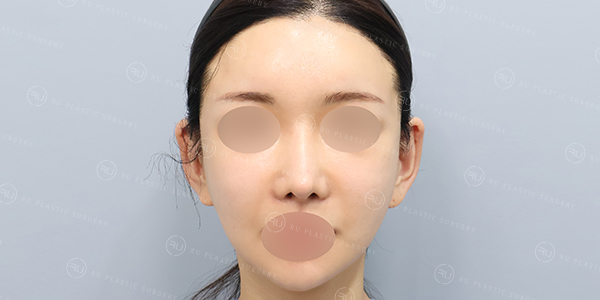
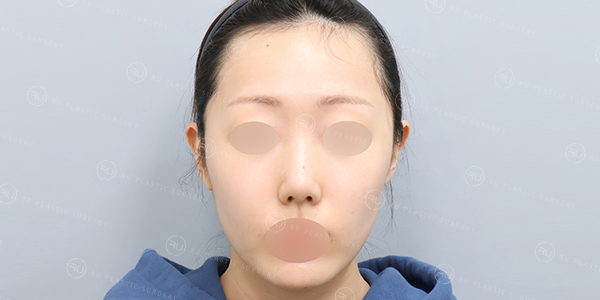
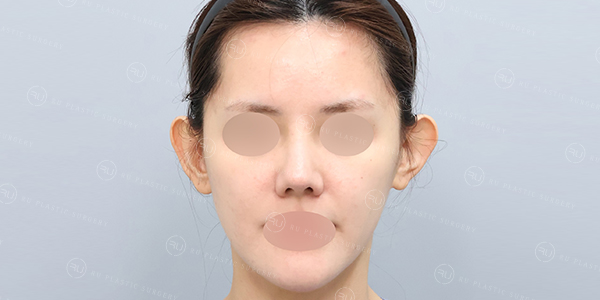
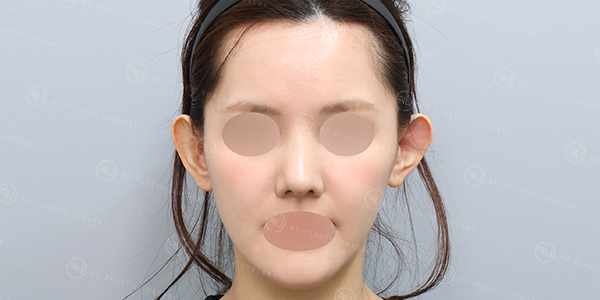
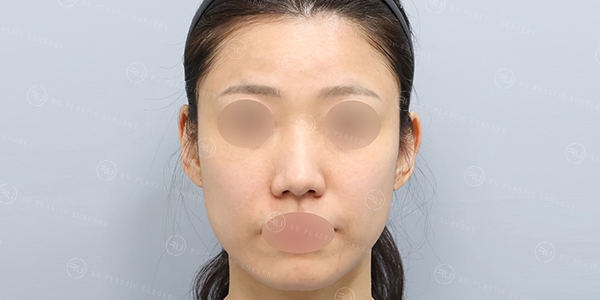
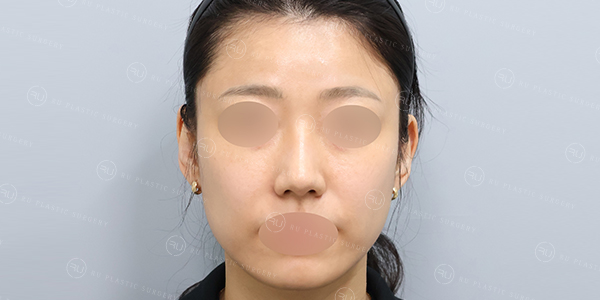
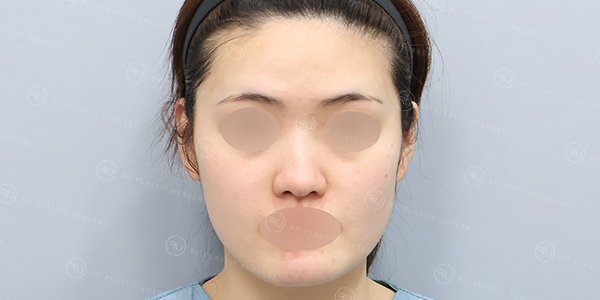
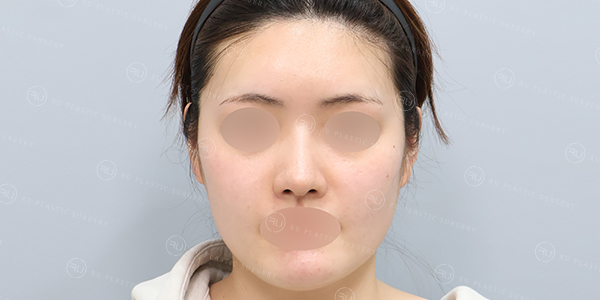
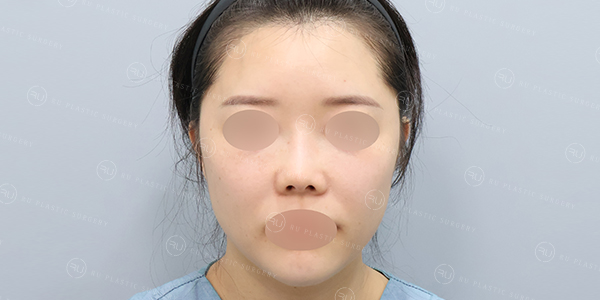
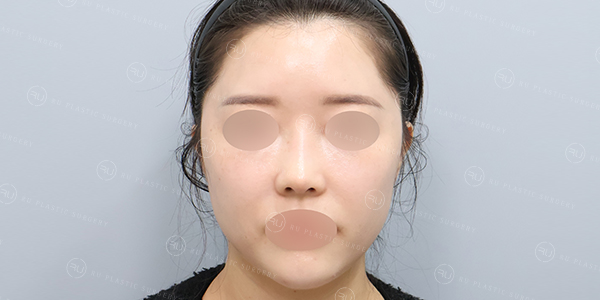
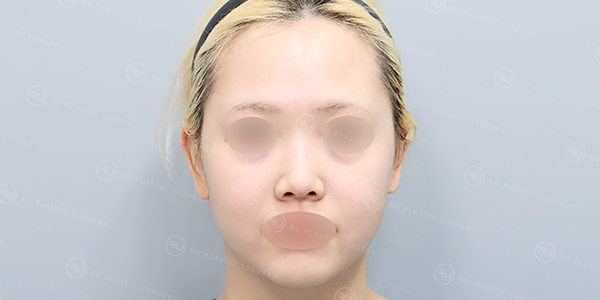
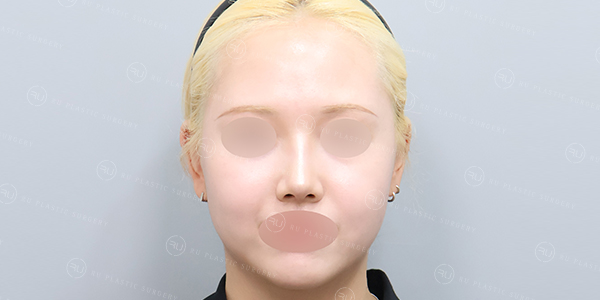
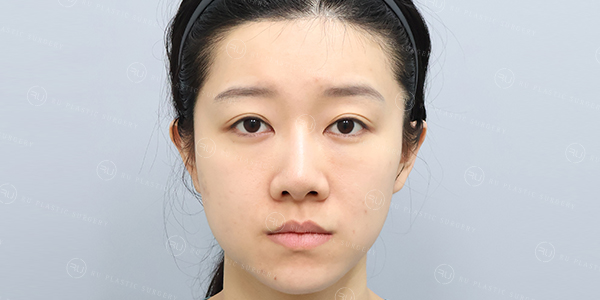
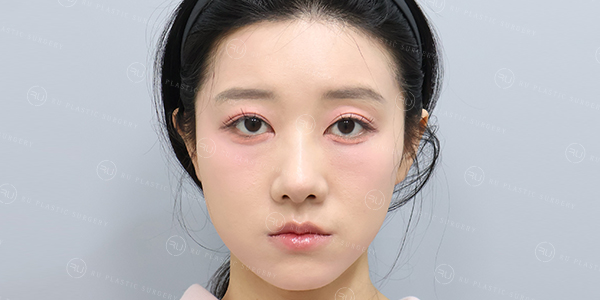
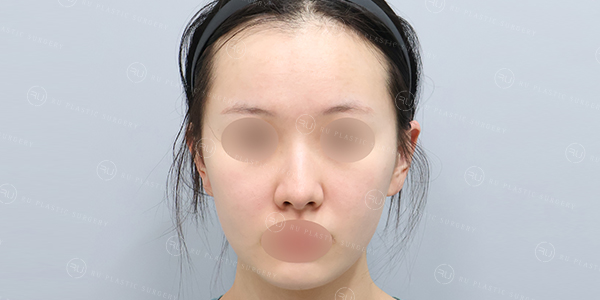
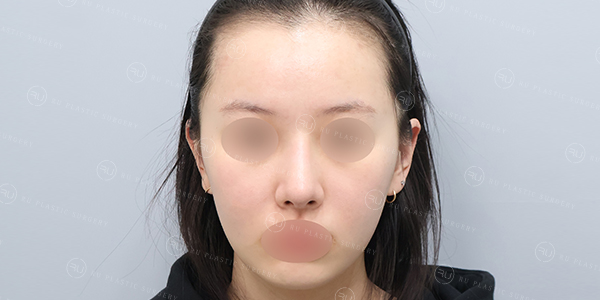
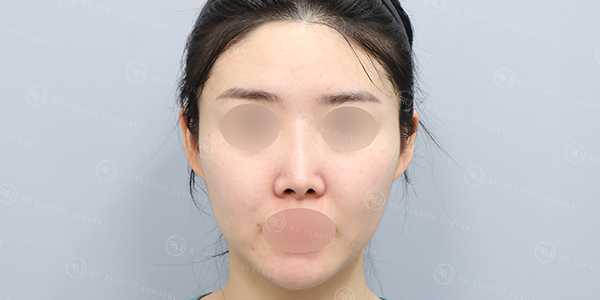
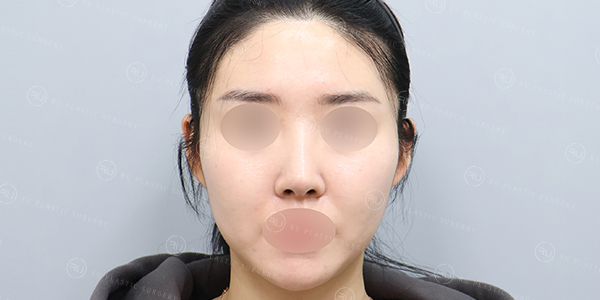
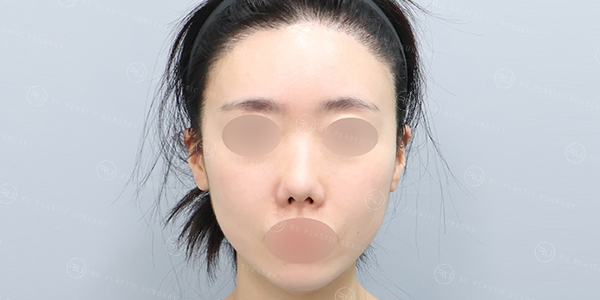
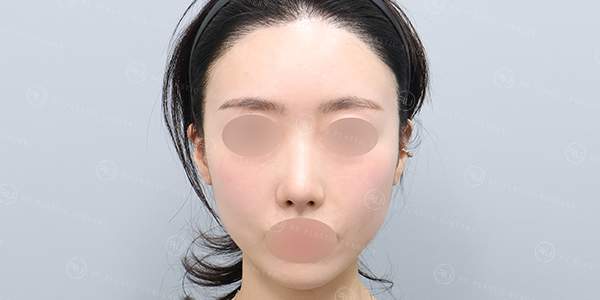
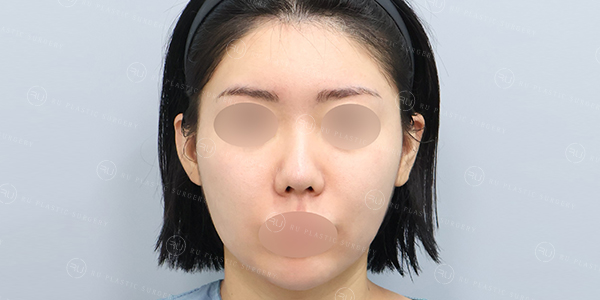
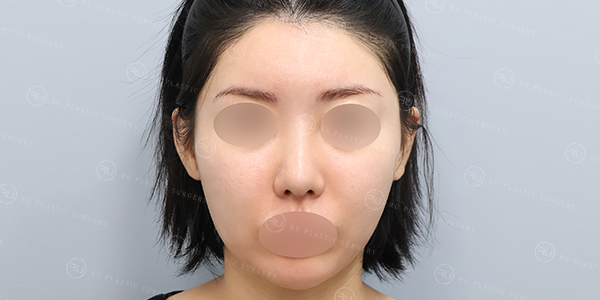
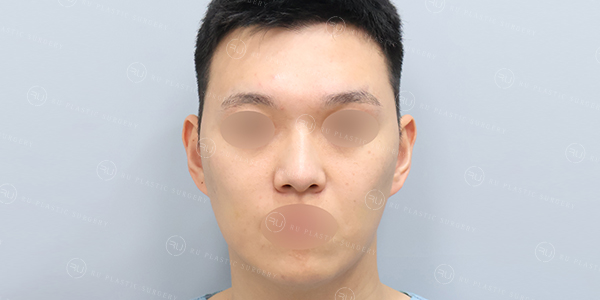
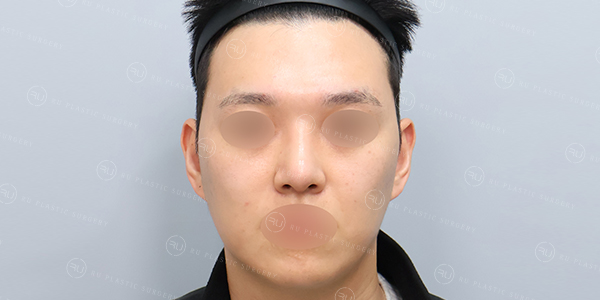
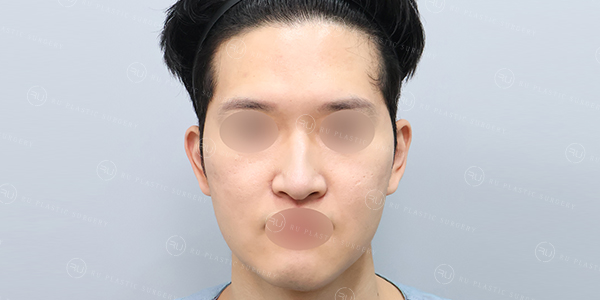
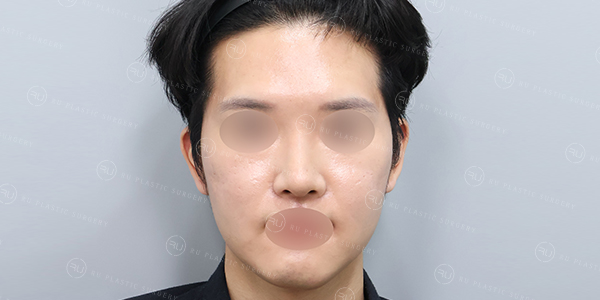
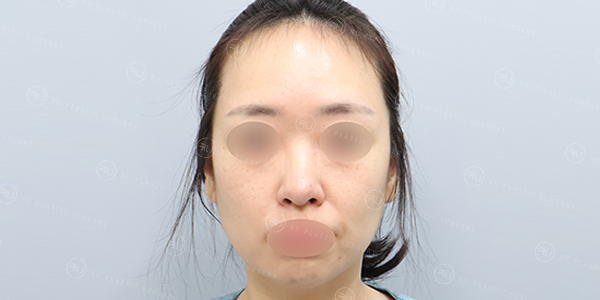
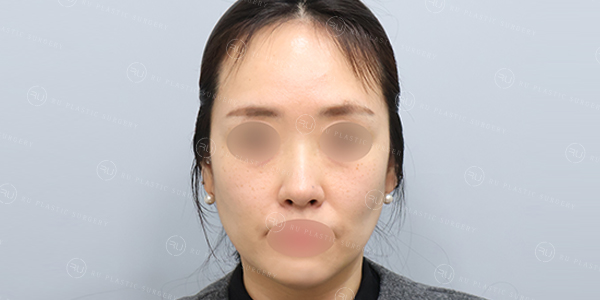
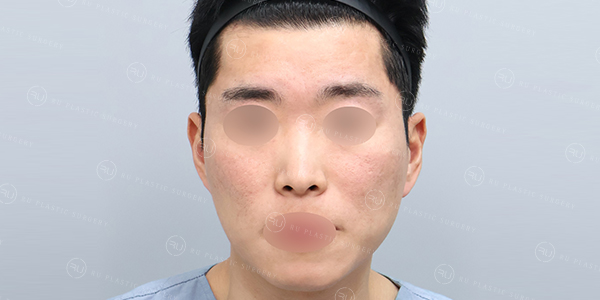
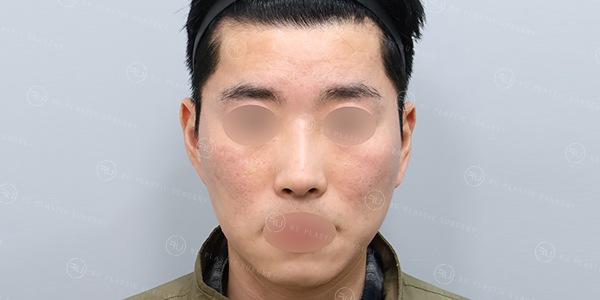
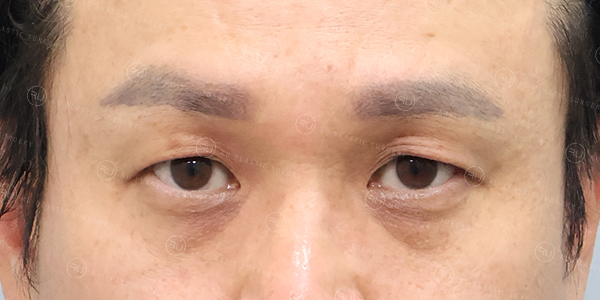
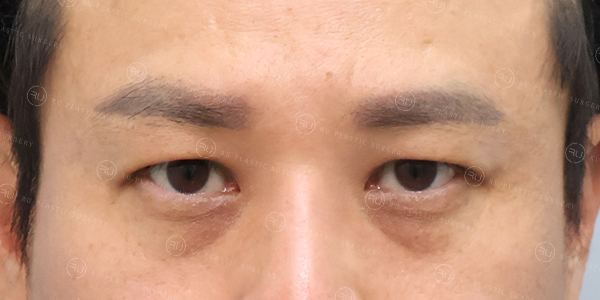
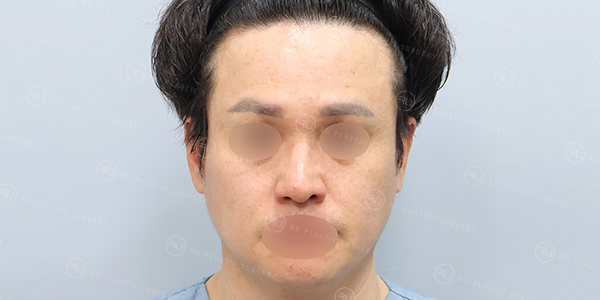
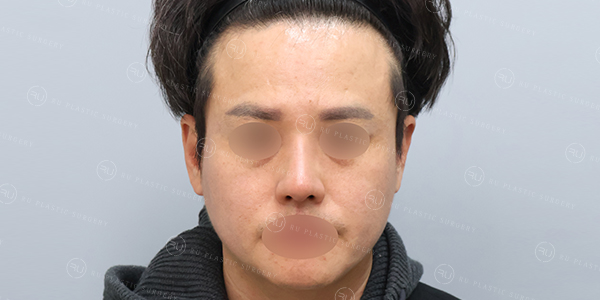
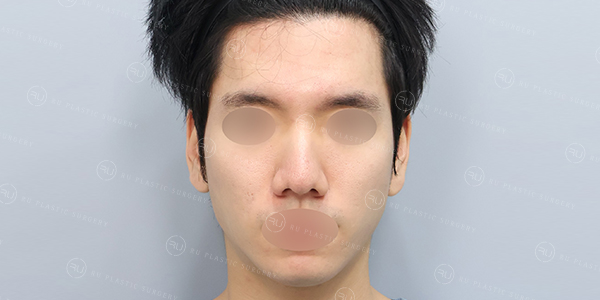
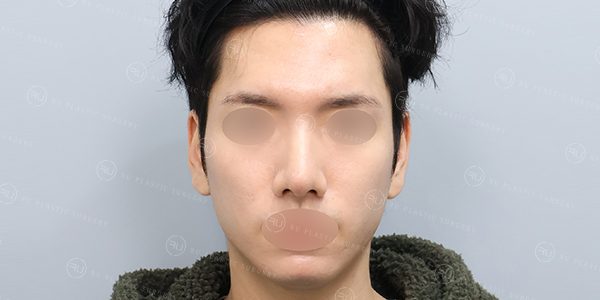
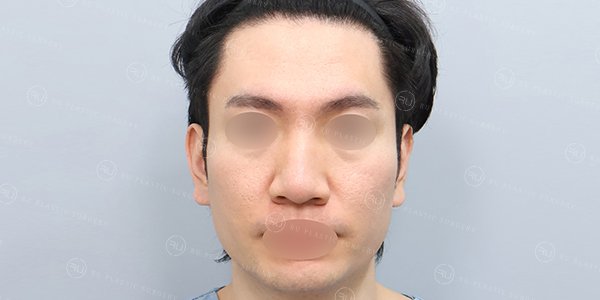
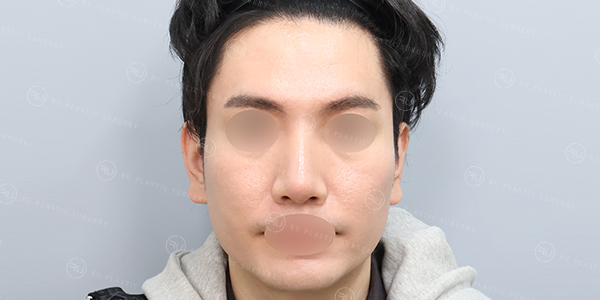
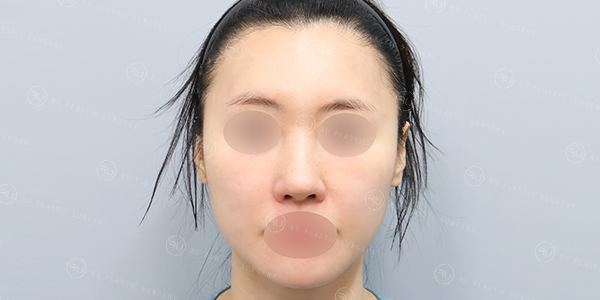
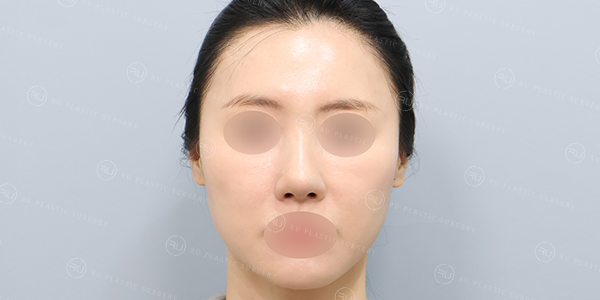
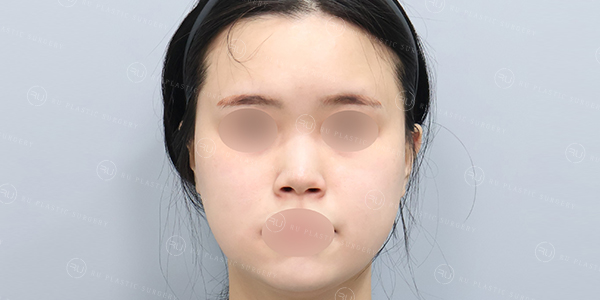
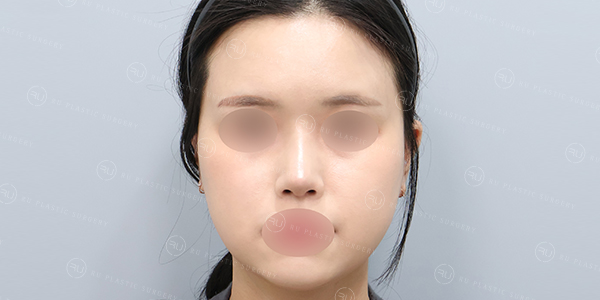
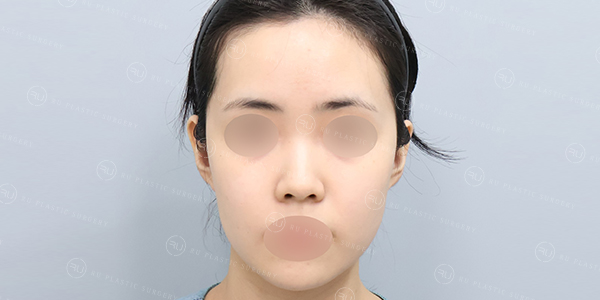
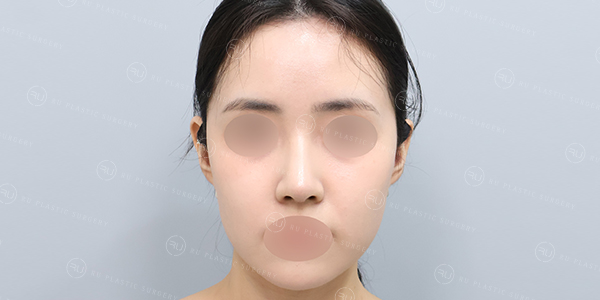
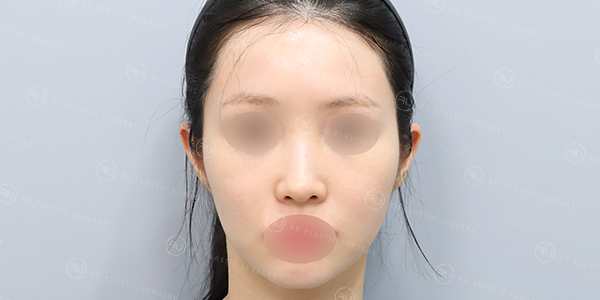
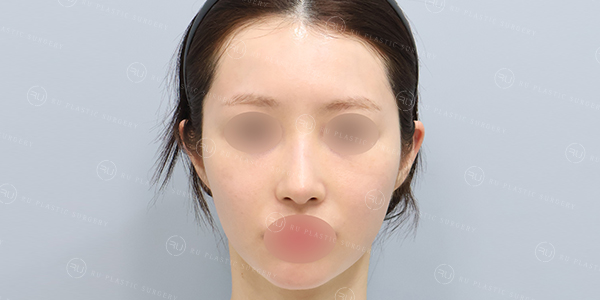
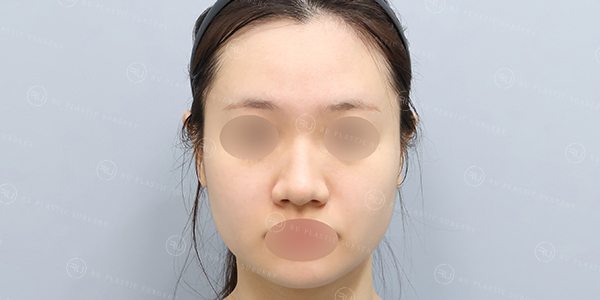
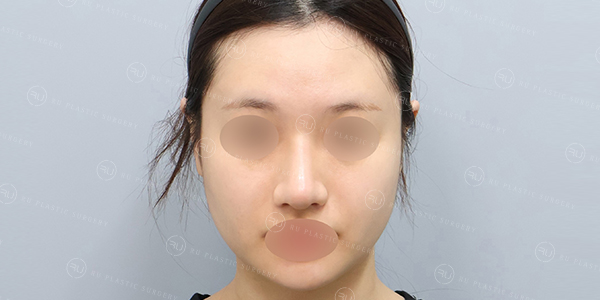
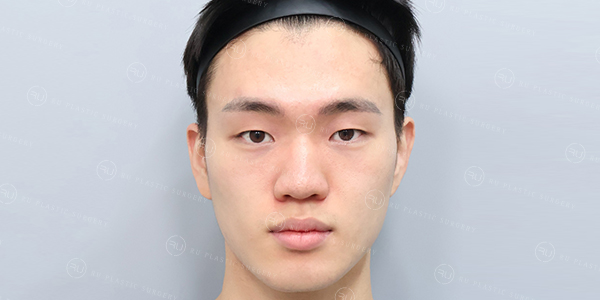
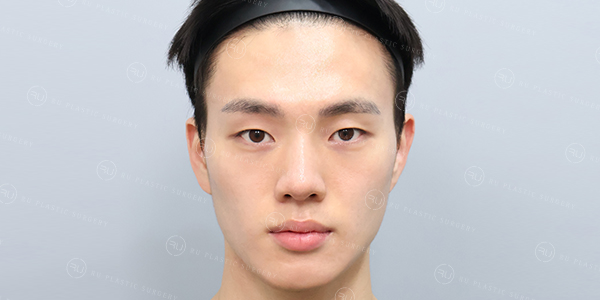
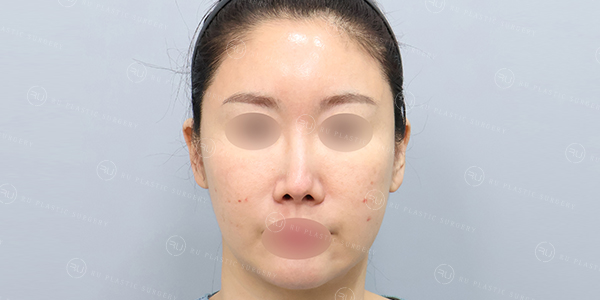
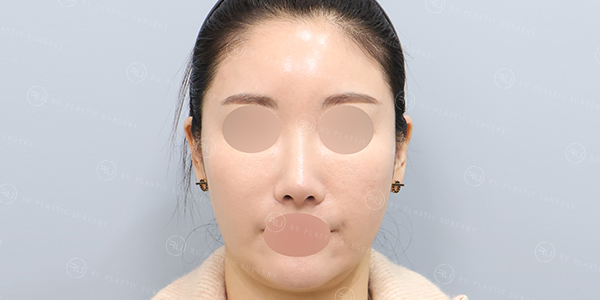
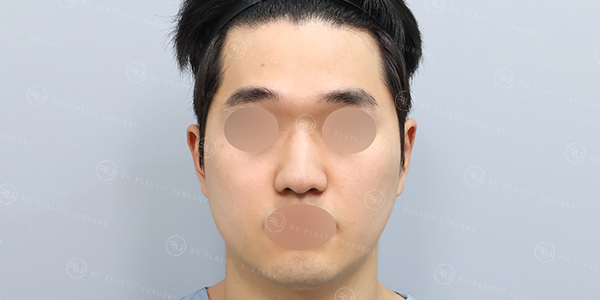
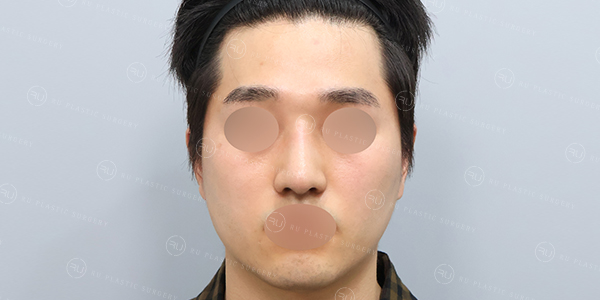
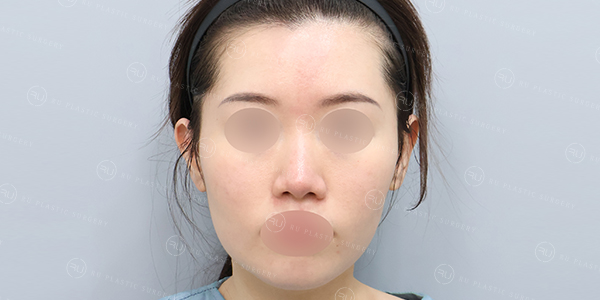
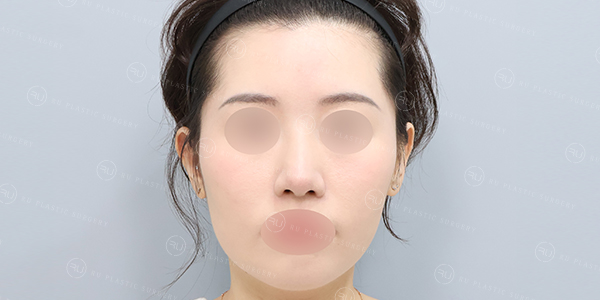
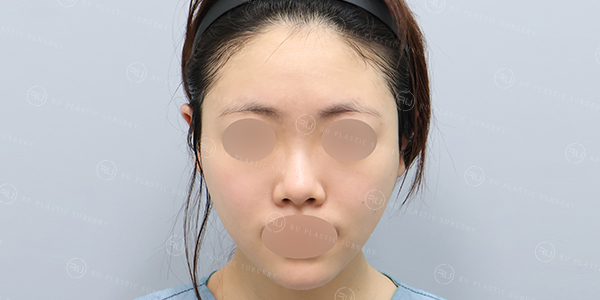
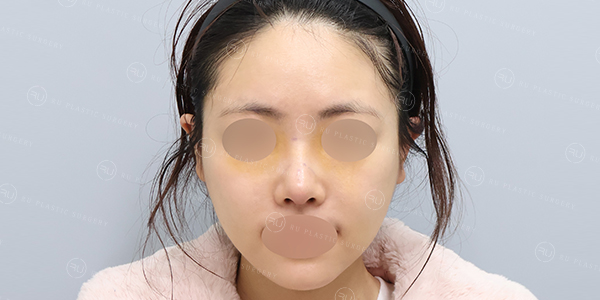
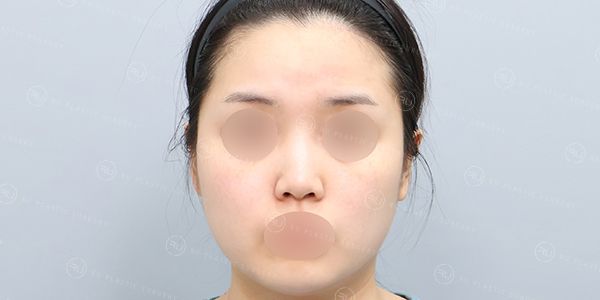
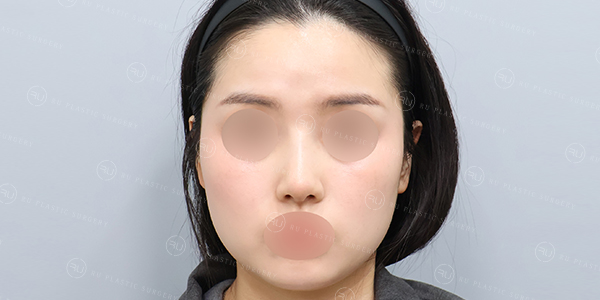
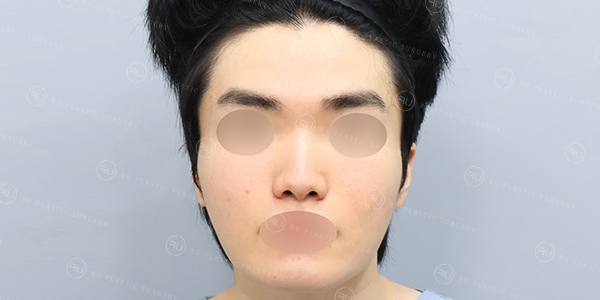
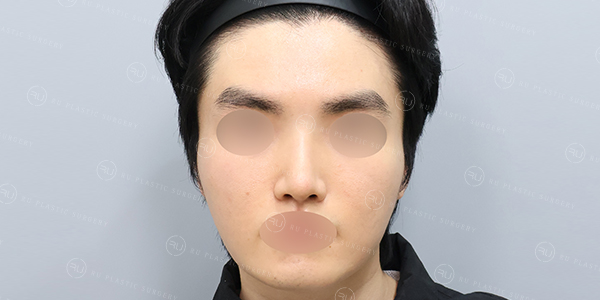
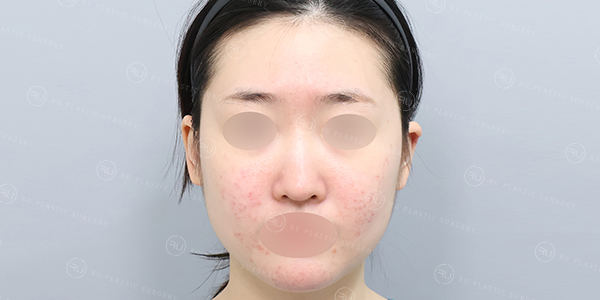
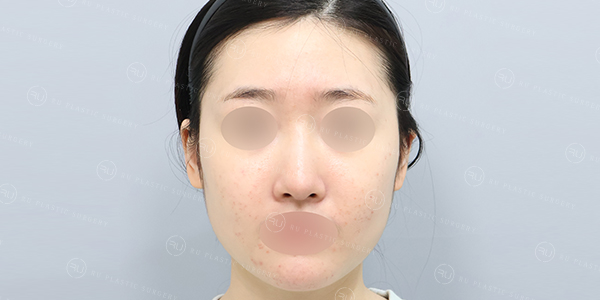
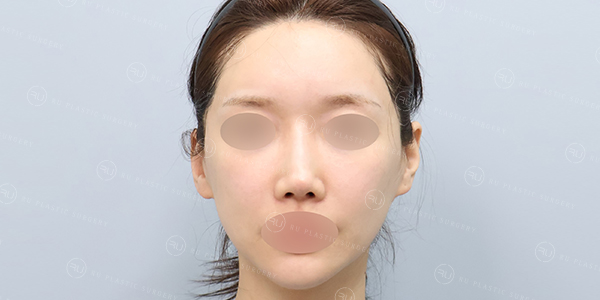
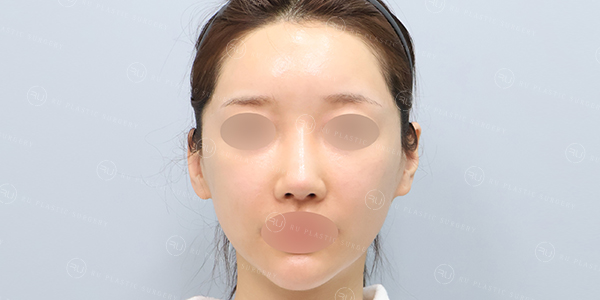
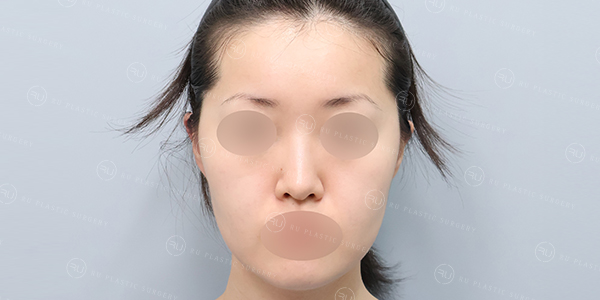
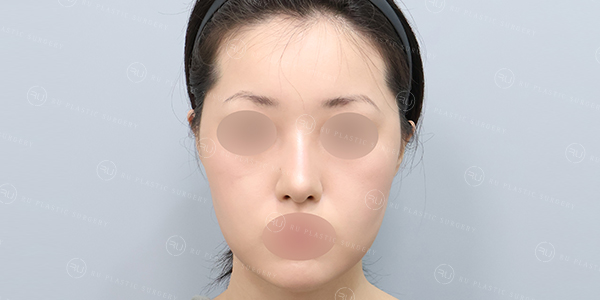
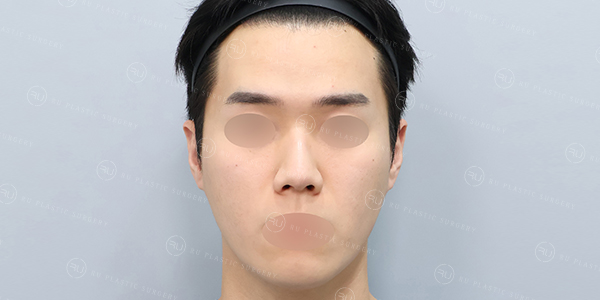
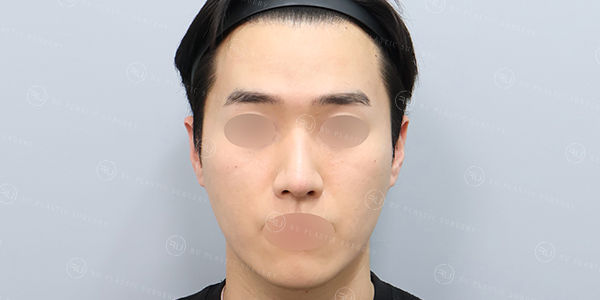
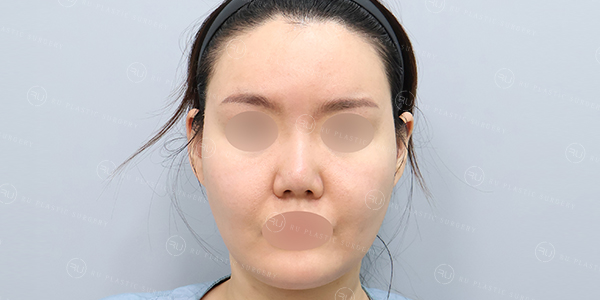
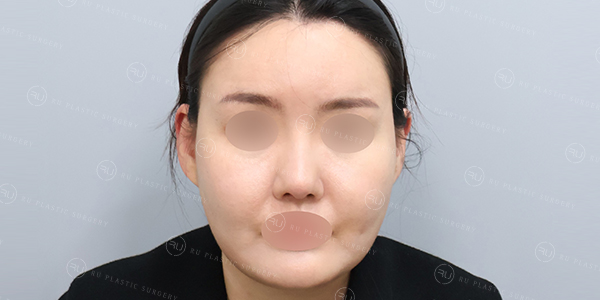
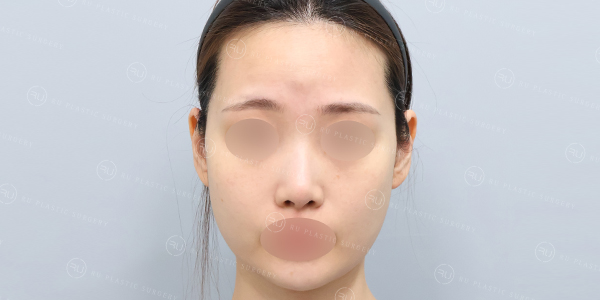
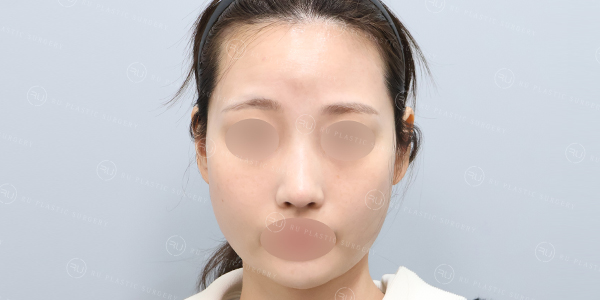
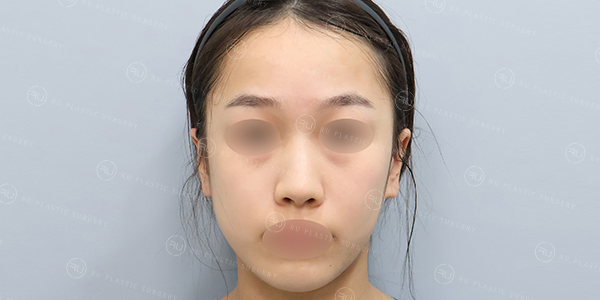
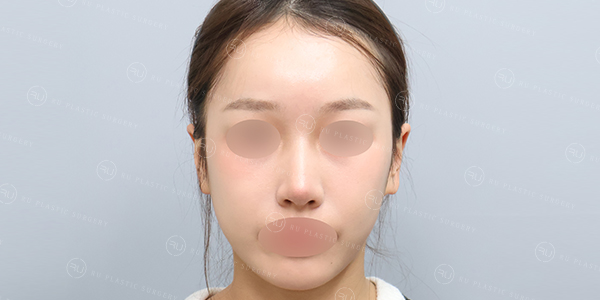
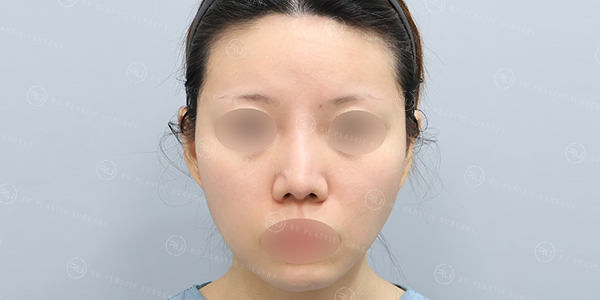
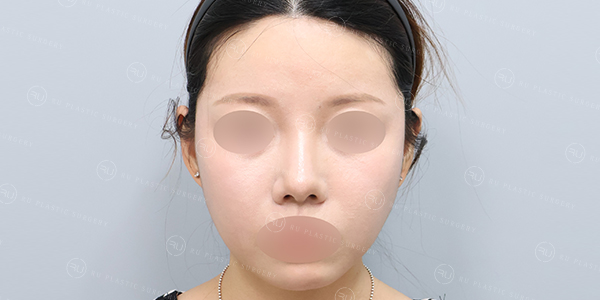
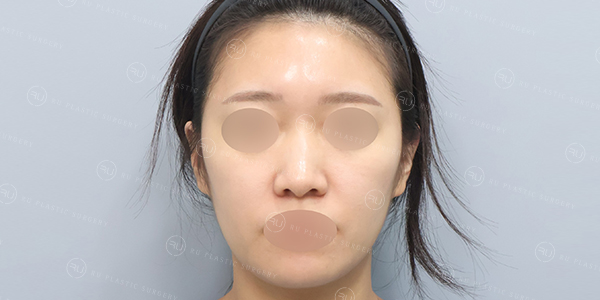
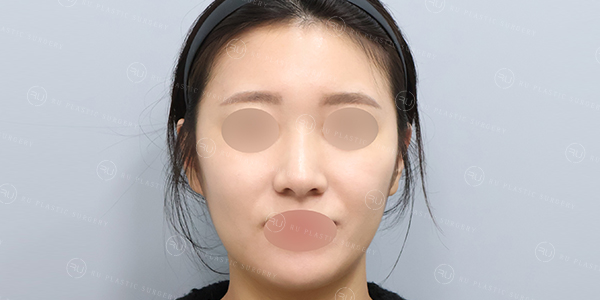
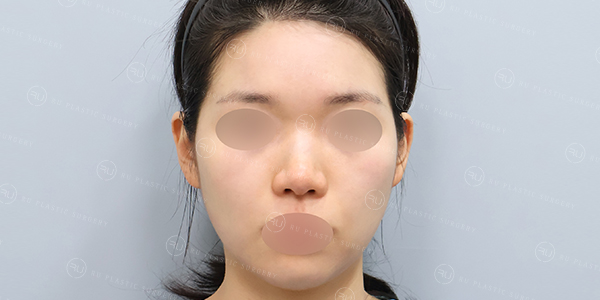
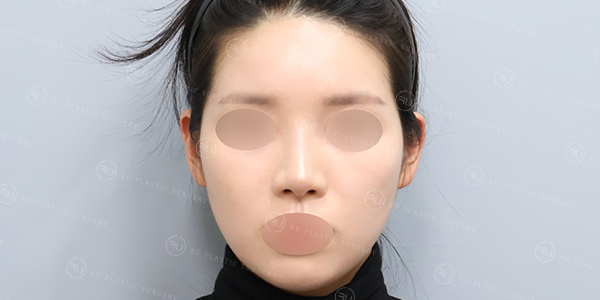
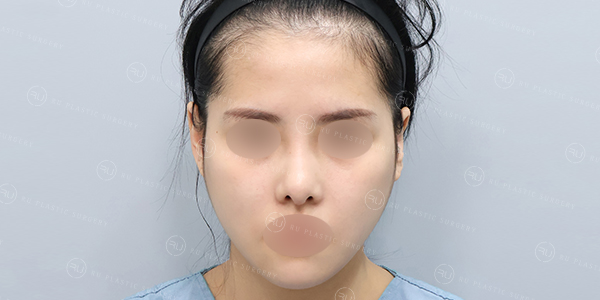
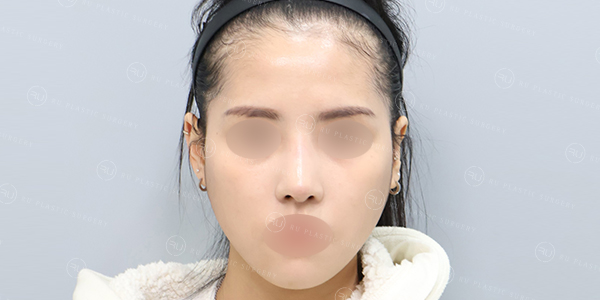
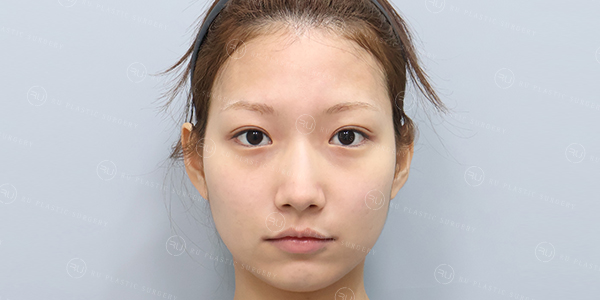
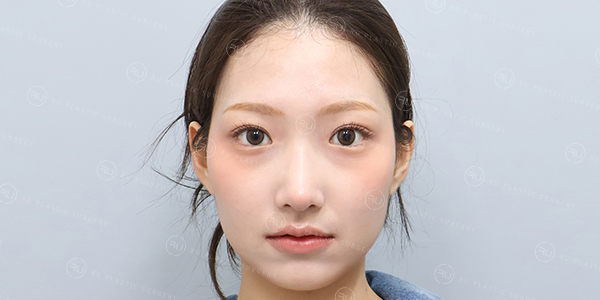
1-Month Update After Revision Rhinoplasty for Contracted Nose
본문
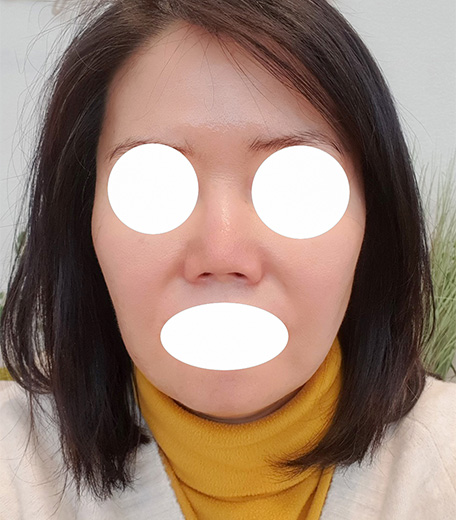
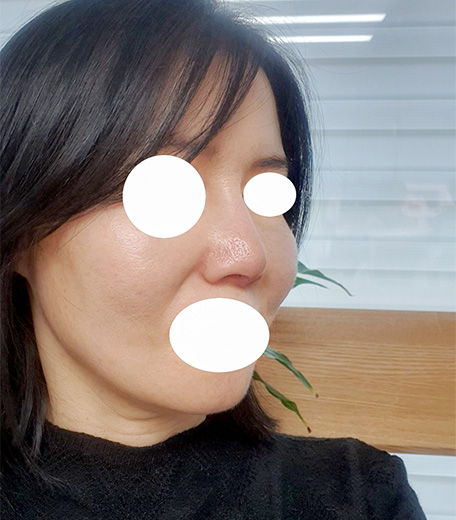
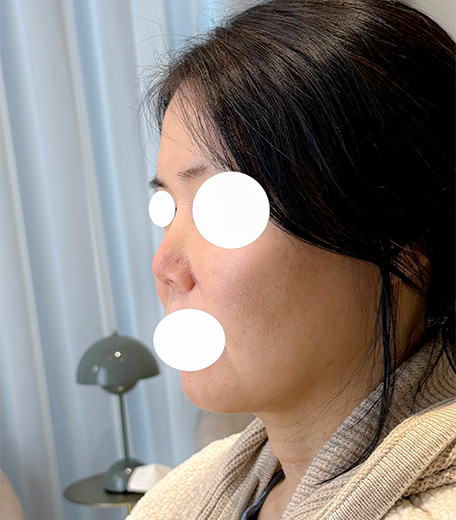
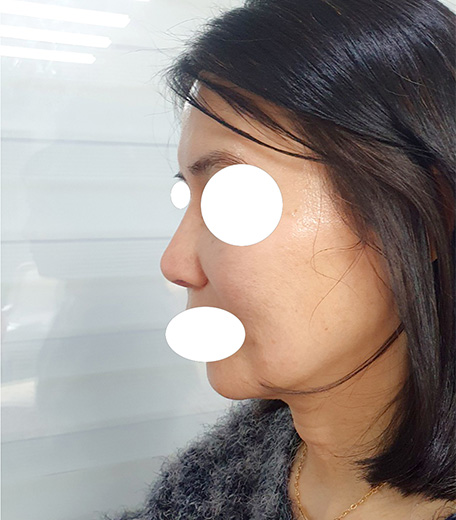
My first nose surgery was nearly 20 years ago.
I’m not exactly sure what triggered it, but over time I started noticing signs of nasal contraction (contracture)—my nose began pulling upward unnaturally.
About 10 years ago, I had my first revision rhinoplasty to correct the issue, but unfortunately, the contraction came back.
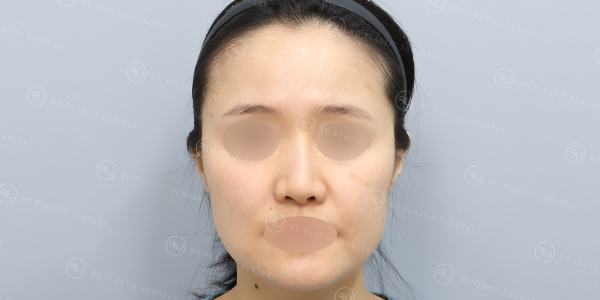
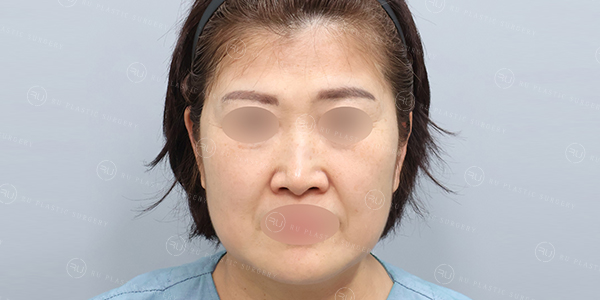
This time, the symptoms were even worse: the tip drooped more severely, it lifted unnaturally, and I even had columella retraction.
As the deformity became more obvious and progressed rapidly, I knew I had to do something.
So I began visiting over 20 clinics, getting different opinions—some recommended silicone for the bridge, others suggested using autologous dermis, Megaderm, AlloDerm, or even going without an implant.
But none of the doctors gave me a sense of real trust—except for RU Plastic Surgery.
During my consultation with Dr. Hyunjoo Kim, I immediately felt a difference.
He not only explained the surgical plan clearly, but also detailed three different techniques he could use to insert rib cartilage into the nasal bridge. That versatility and confidence meant a lot to me.
Given how compromised my nose was, he suggested the most stable method for me:
minced rib cartilage wrapped in fascia from my scalp, shaped like an implant for the nasal bridge.
For the collapsed septum, he explained that it would need to be fully reconstructed using rib cartilage as well.
Other clinics offered similar plans, but what really made me choose RU was their approach to aftercare—and the surgeon’s personal philosophy:
“If you’re my patient, I want to take responsibility for your nose for life.”
That line stayed with me.
RU wasn’t the cheapest out of all the clinics I visited, but from my past experiences, I’ve learned that saving a little now can cost you a lot later.
For a surgery this complex, I knew cutting corners wasn’t an option.
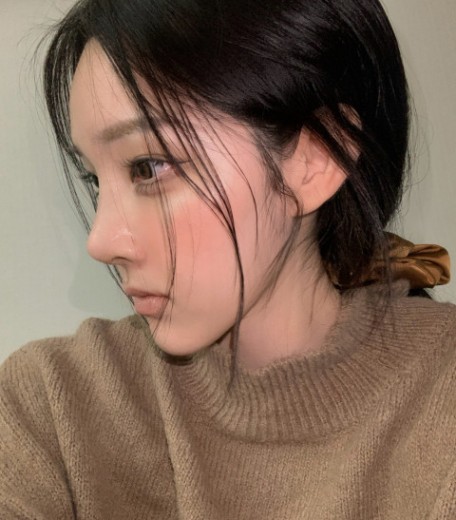
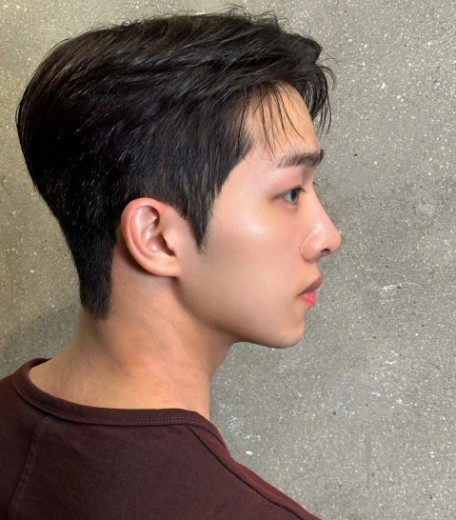
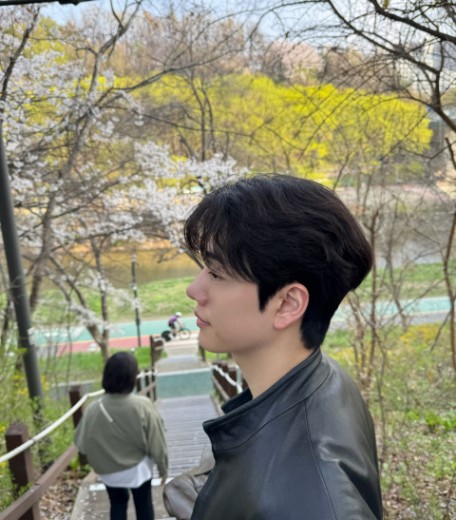
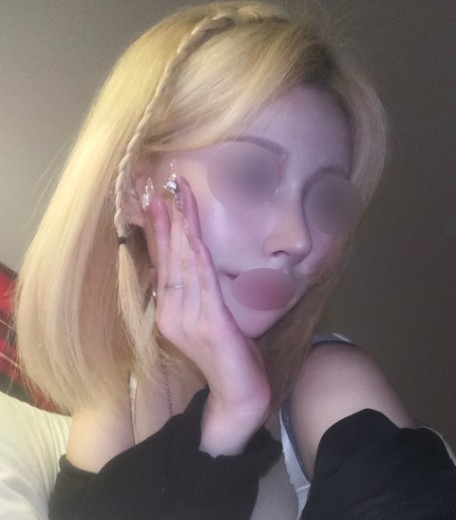
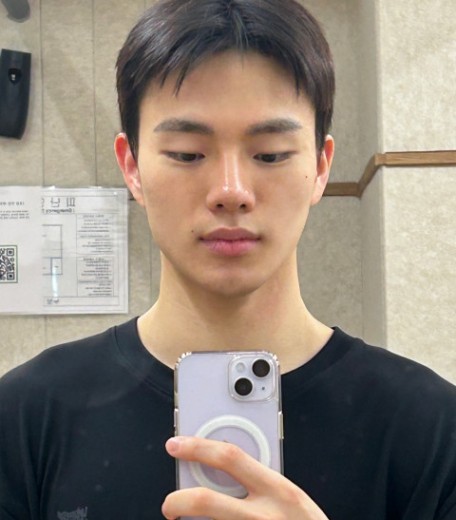
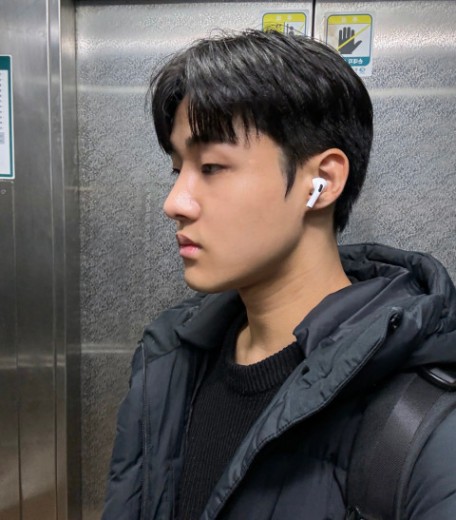
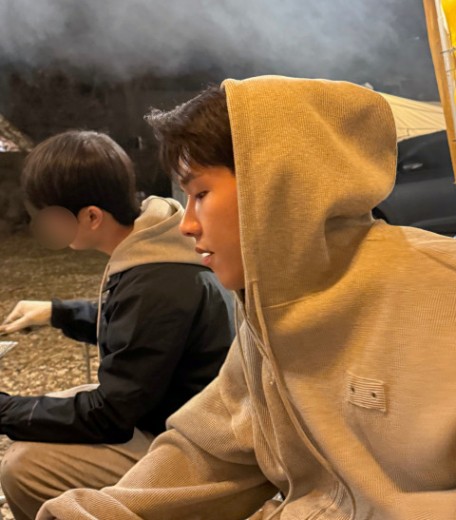
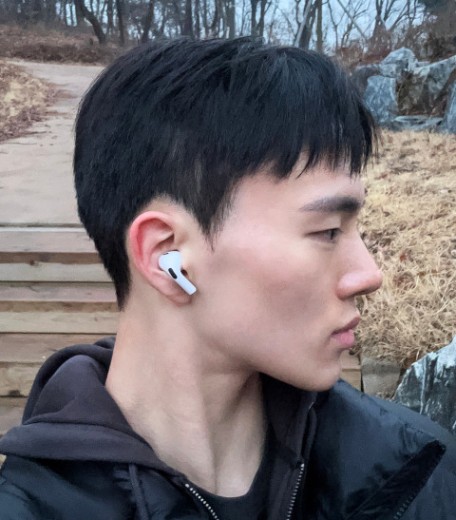
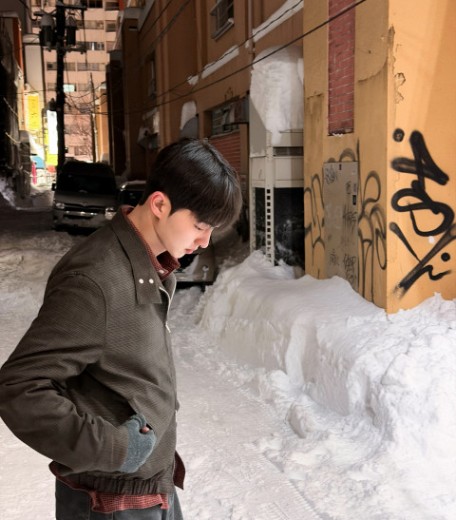
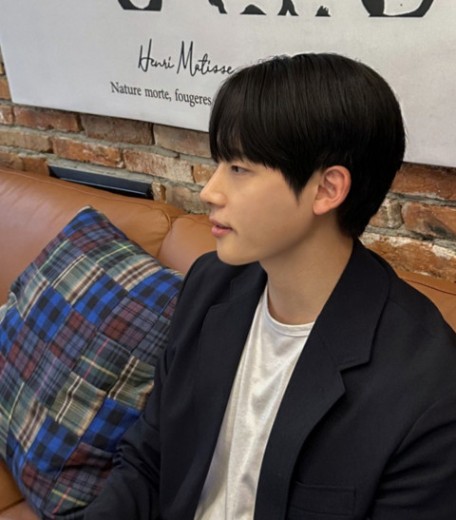
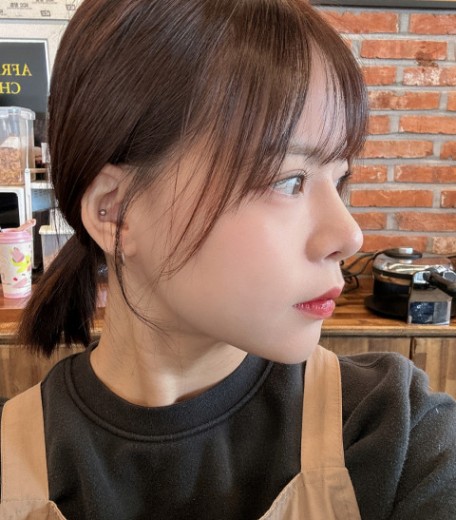
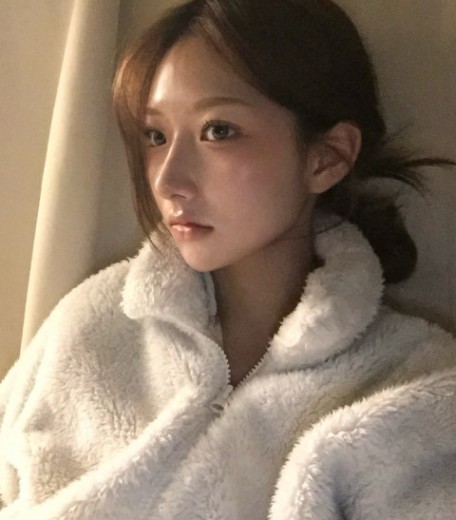
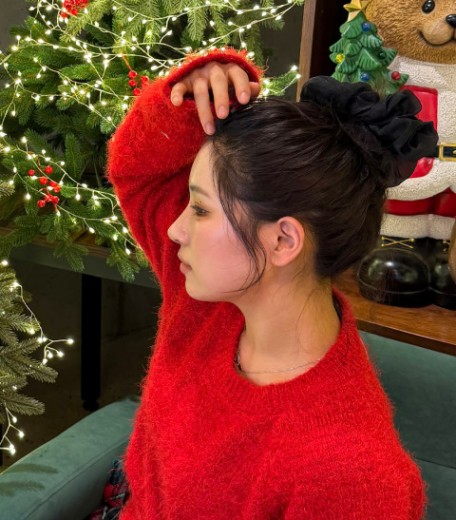
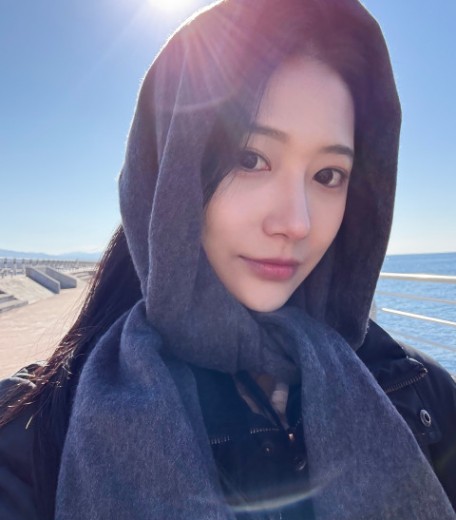
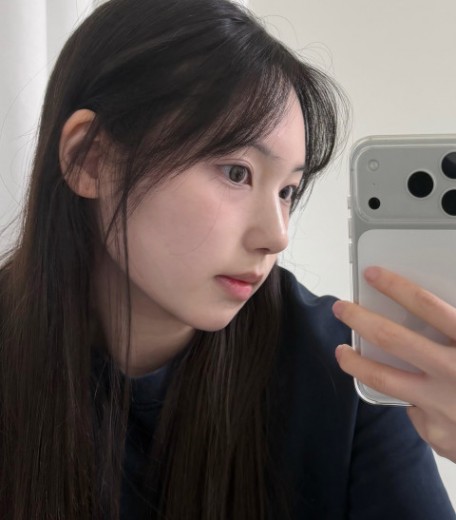
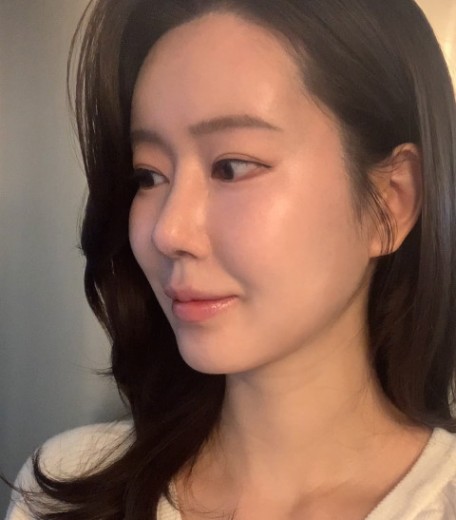
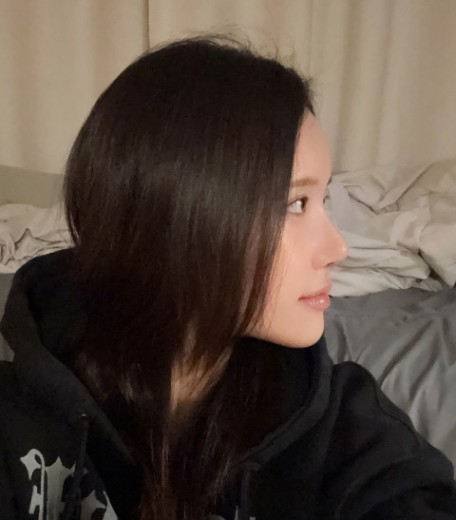
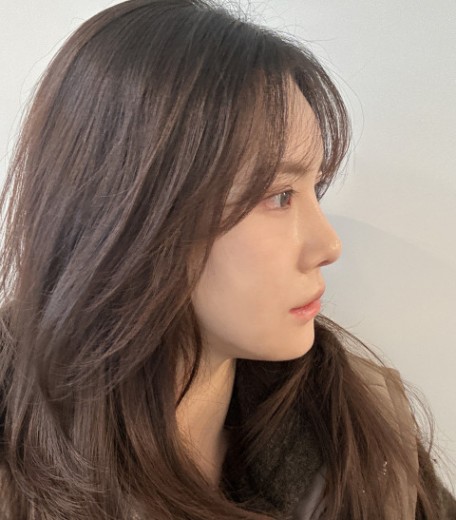
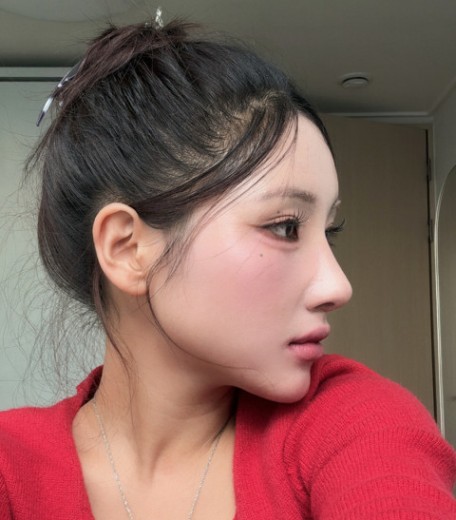
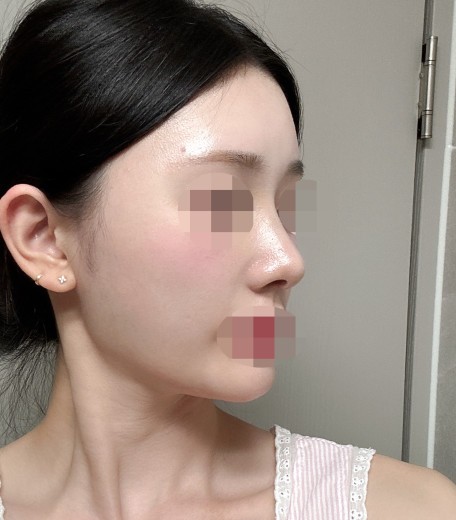
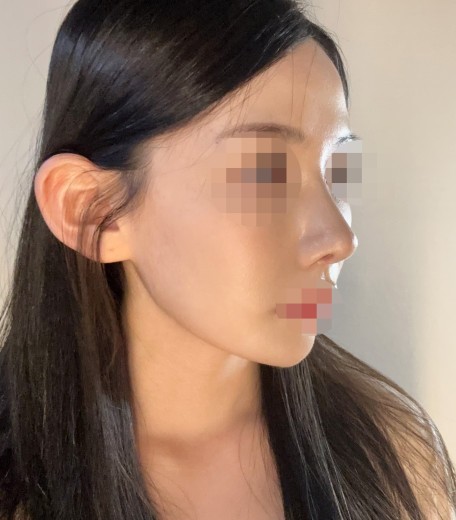
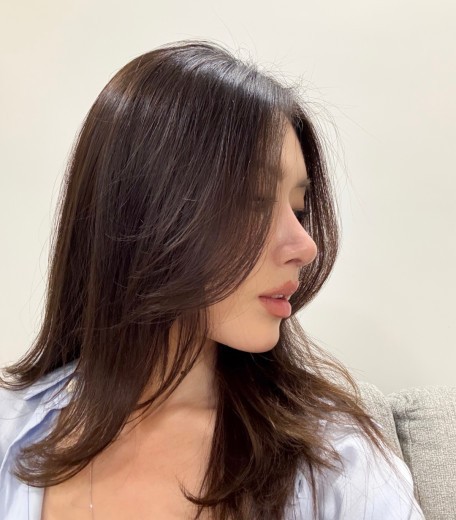
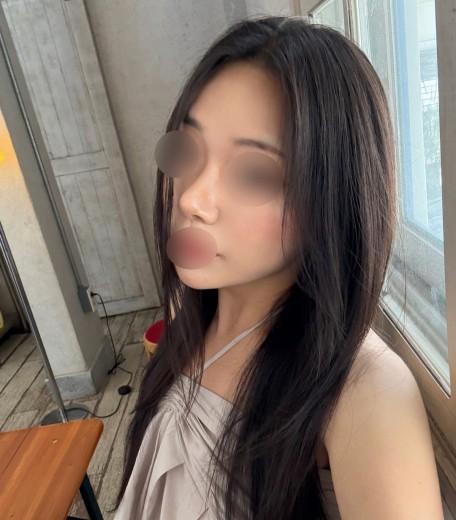
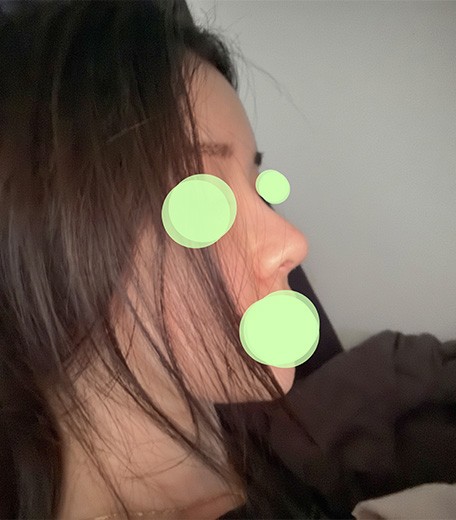
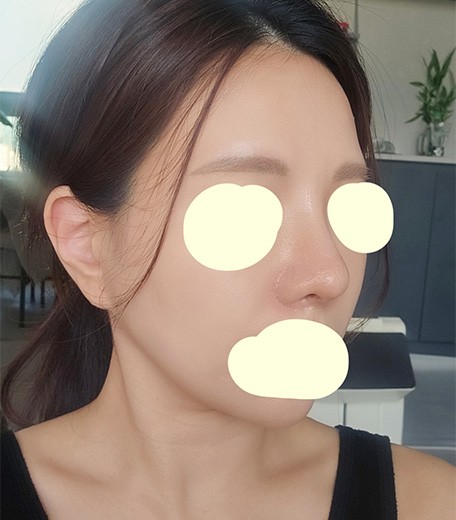
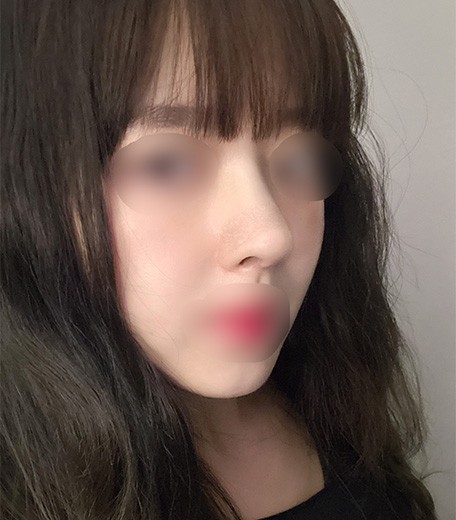
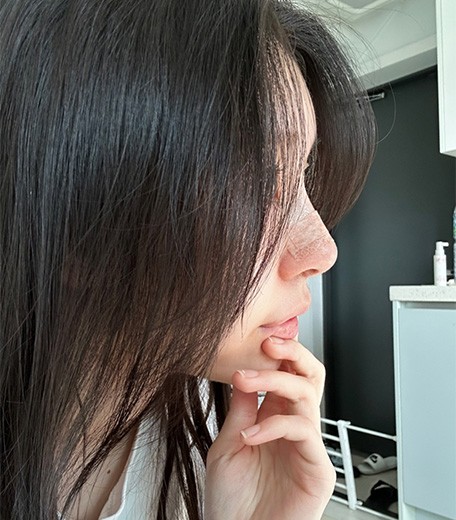
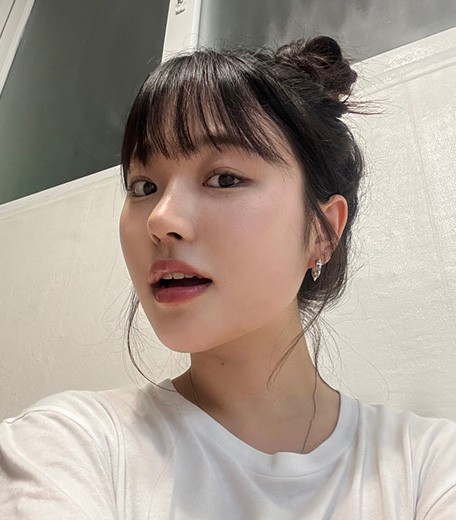
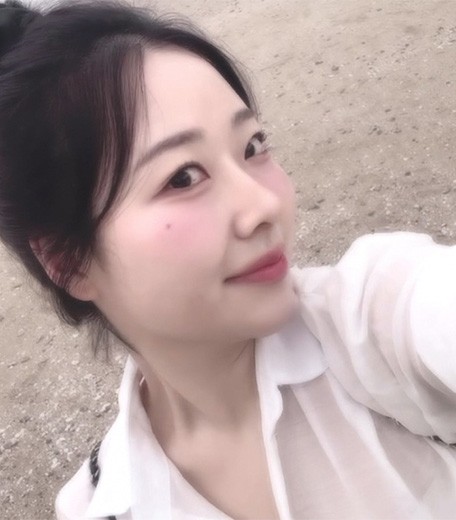
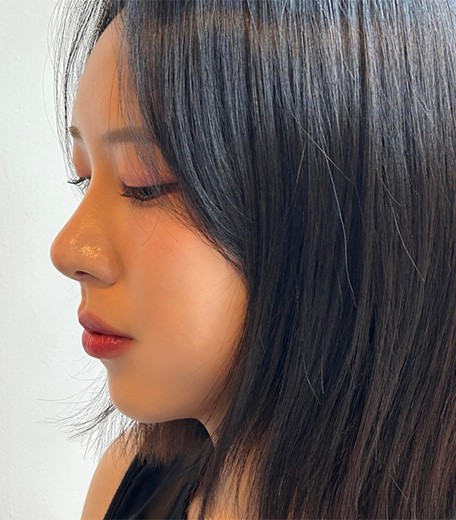
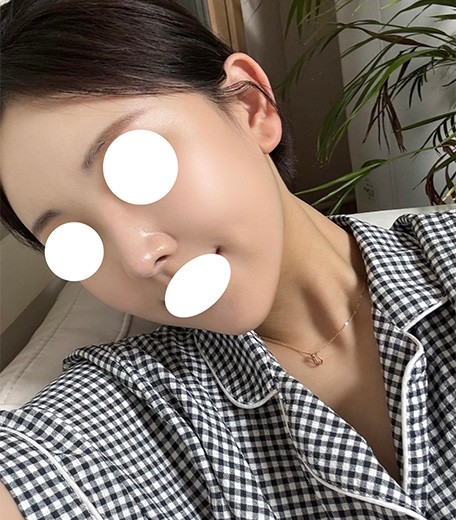
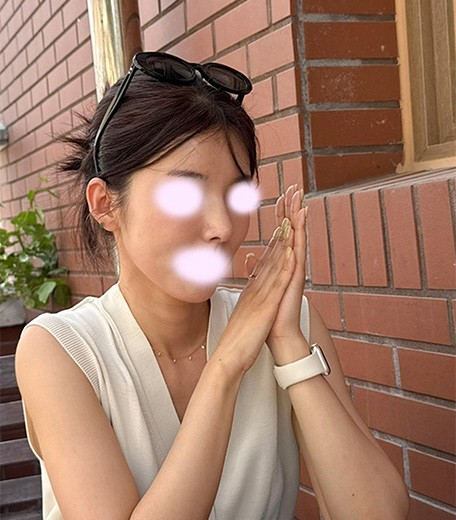
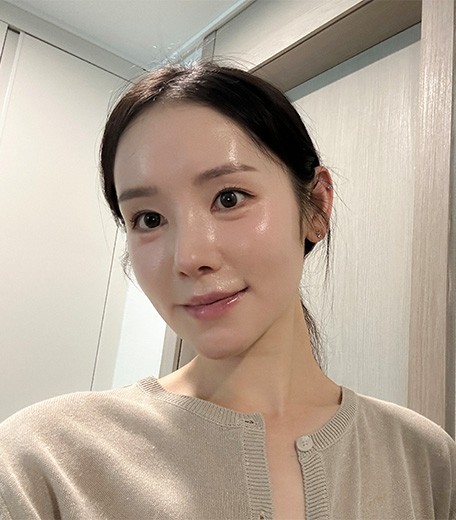
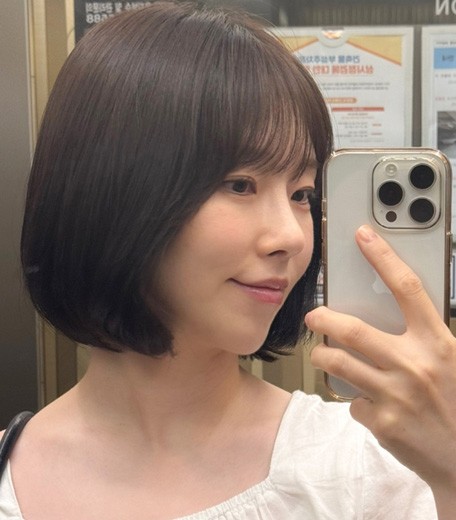
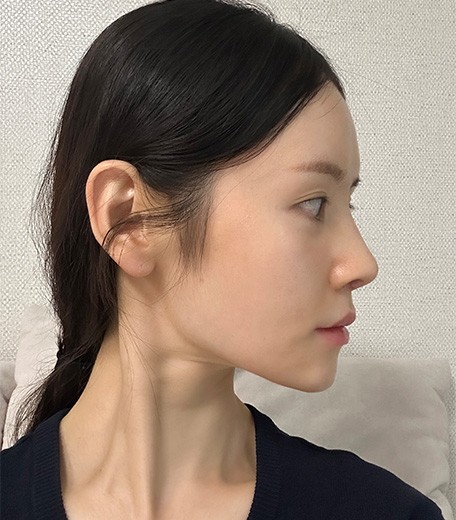
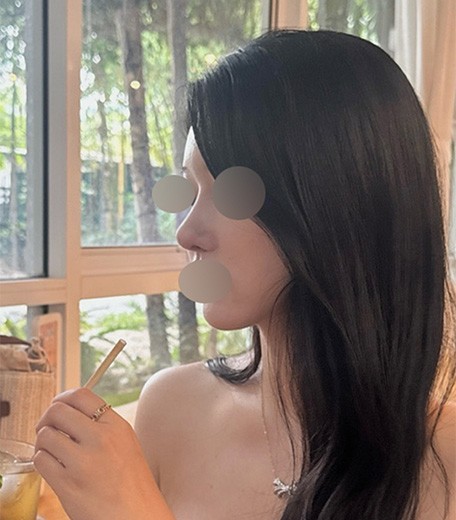
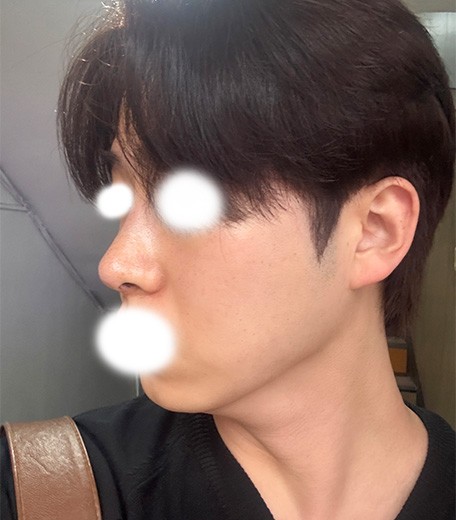
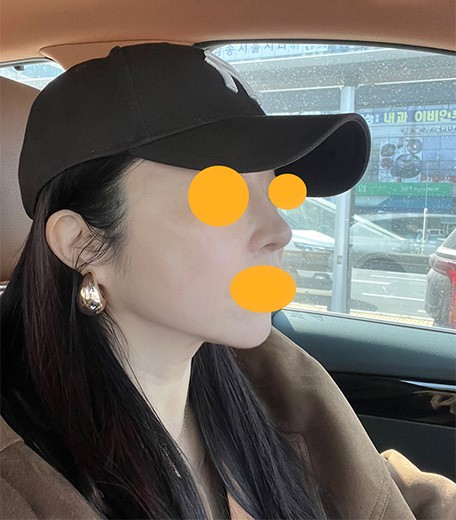
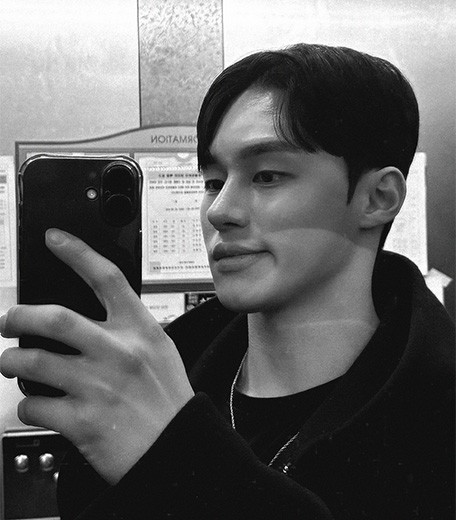
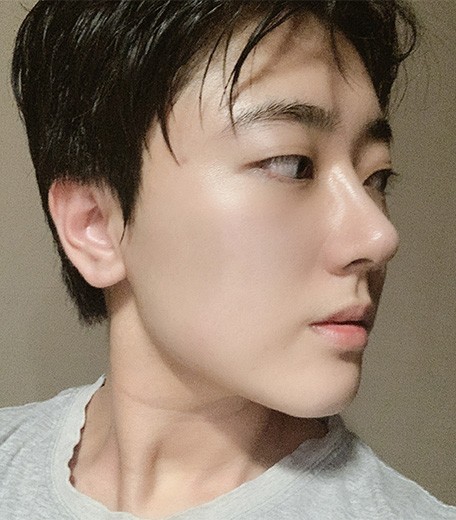
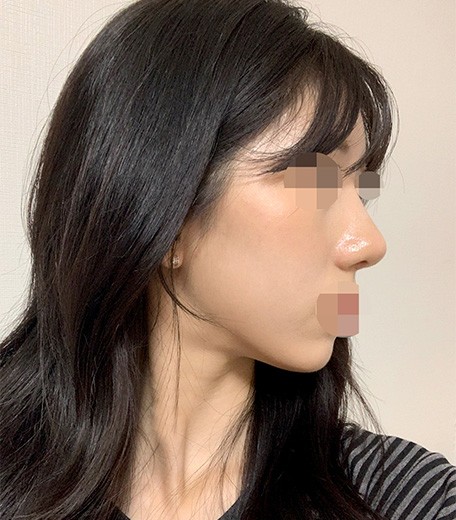
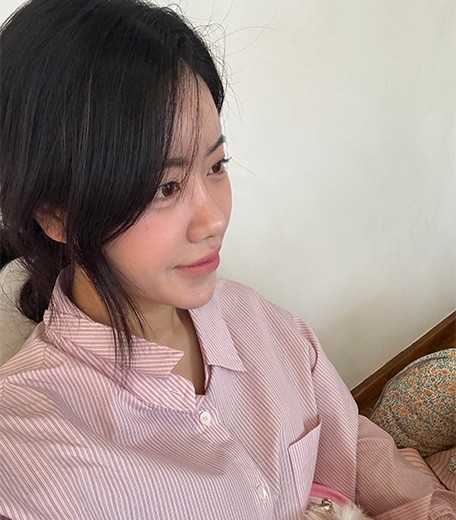
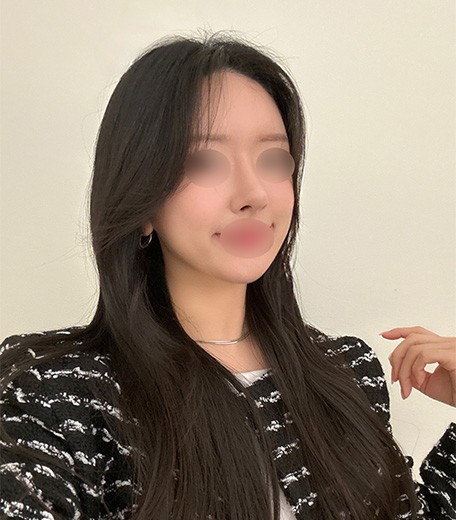
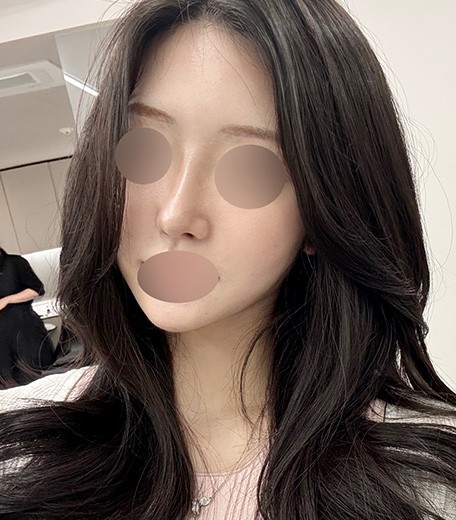
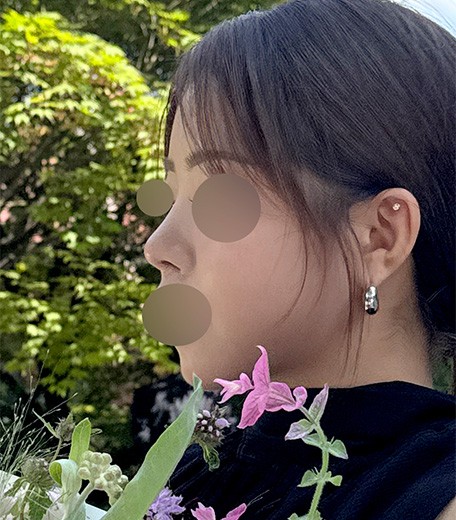
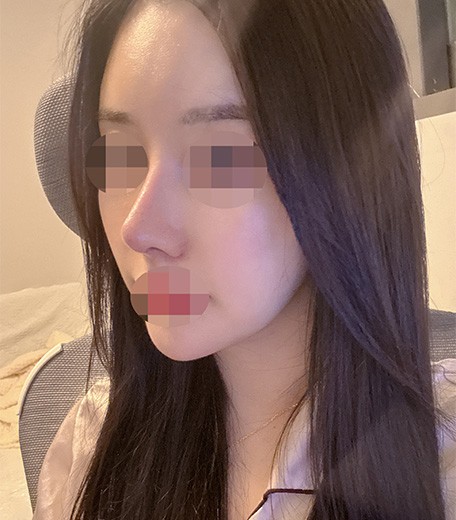
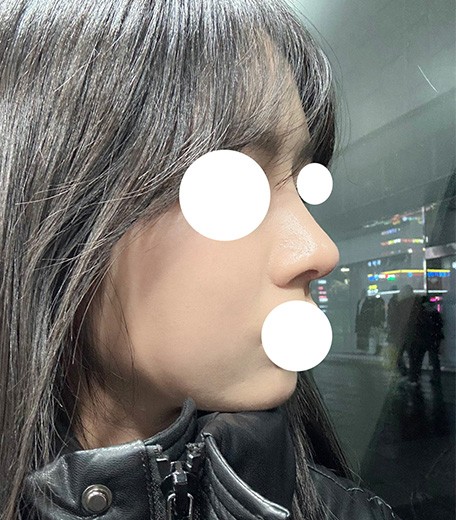
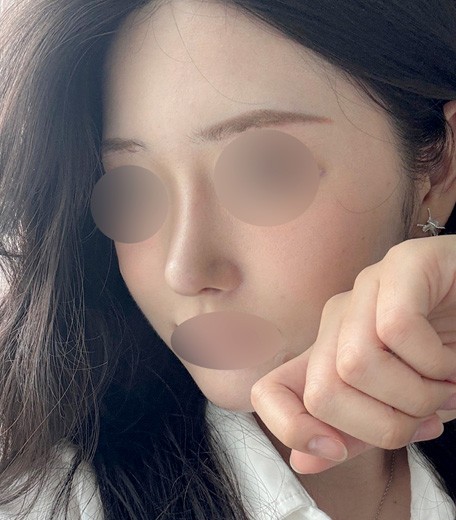
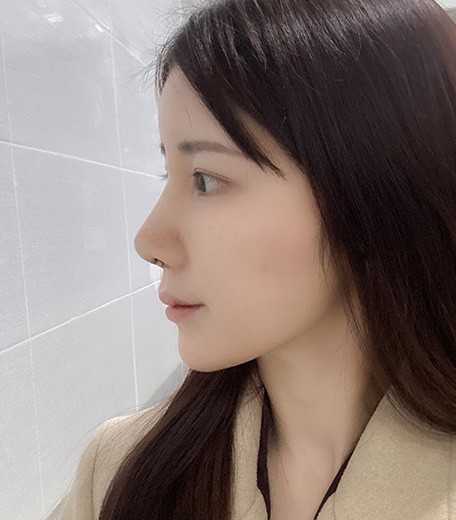
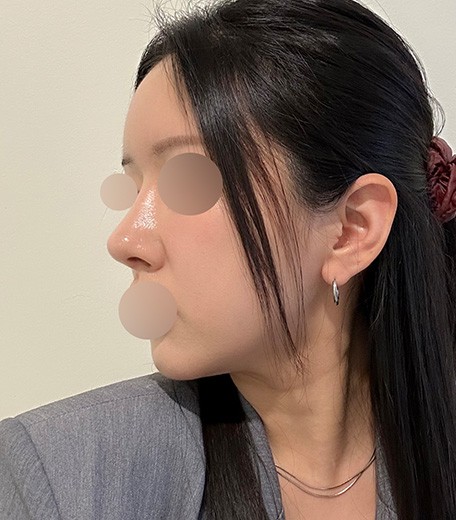
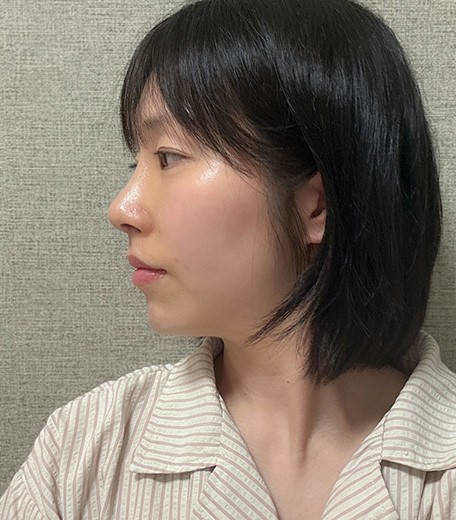
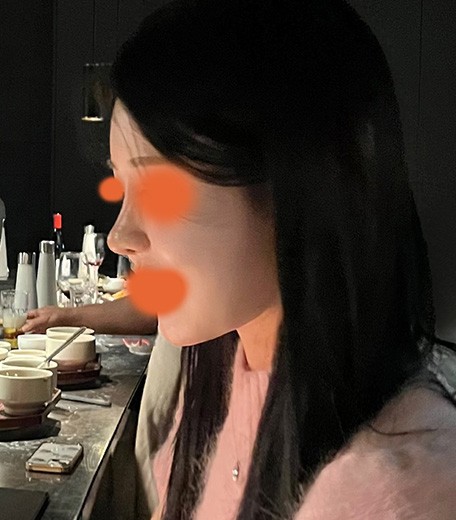
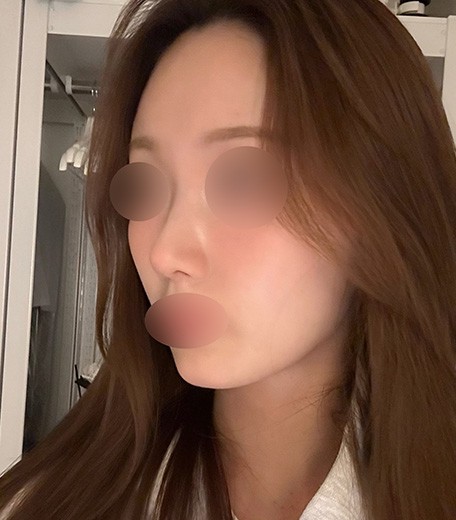
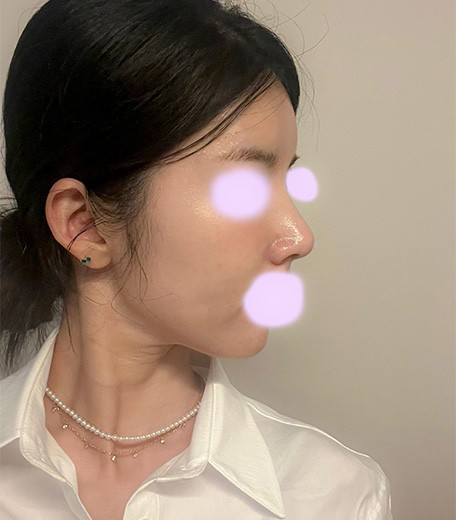
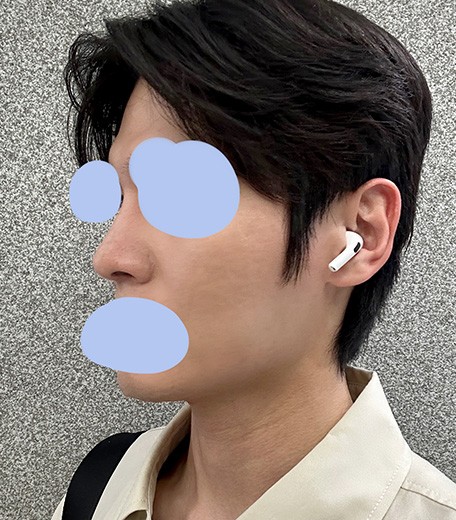
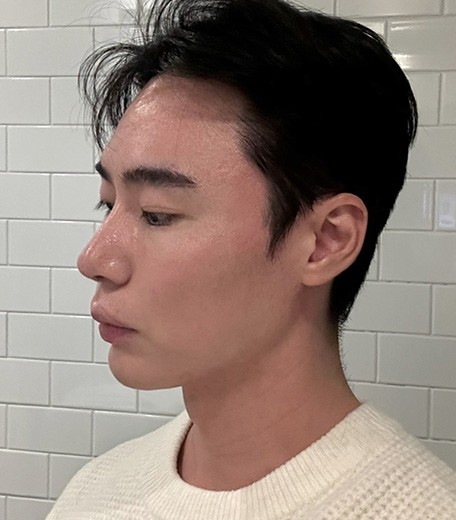
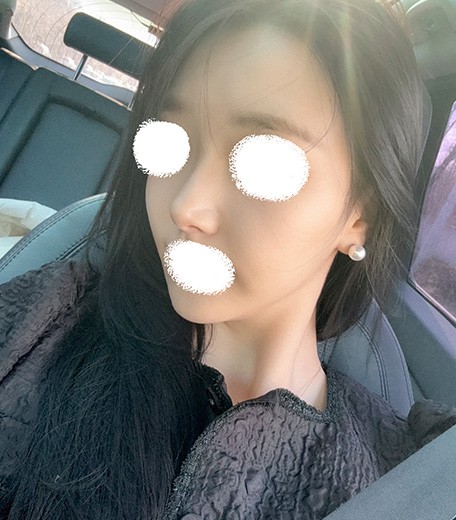
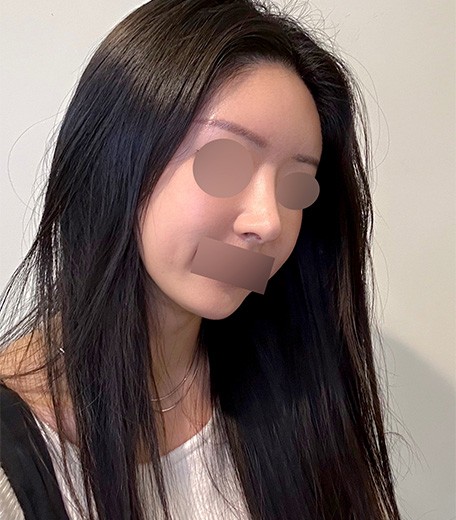
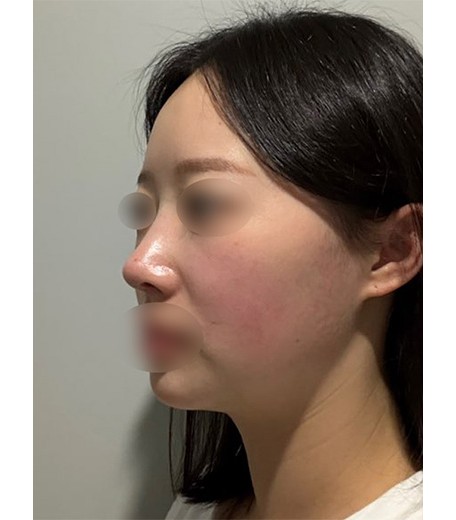
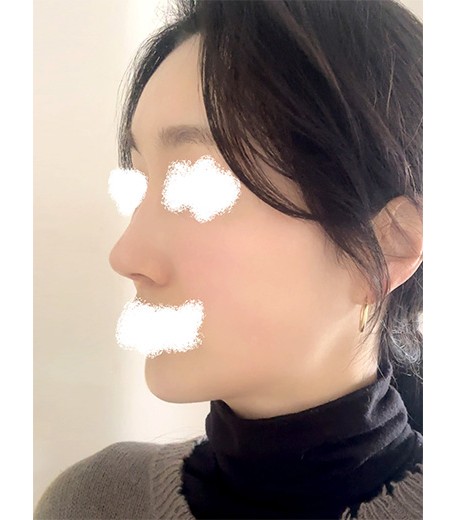
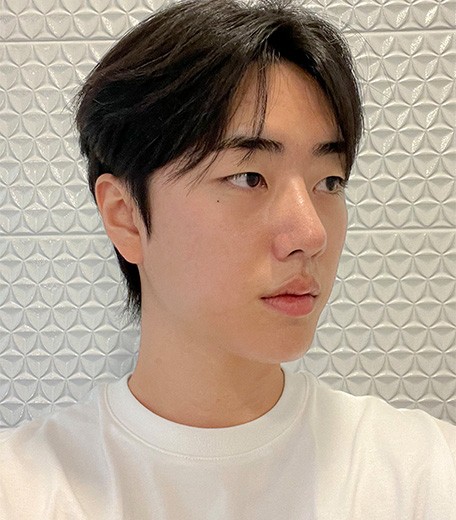
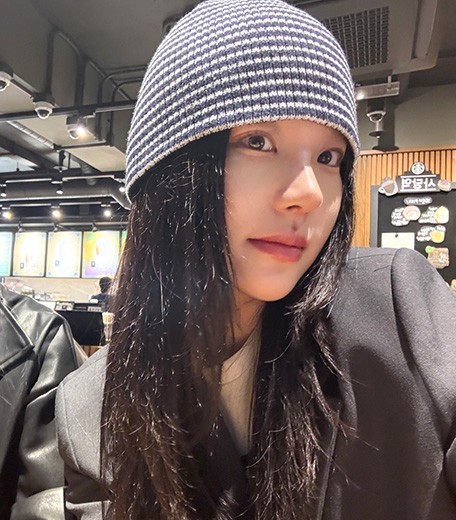
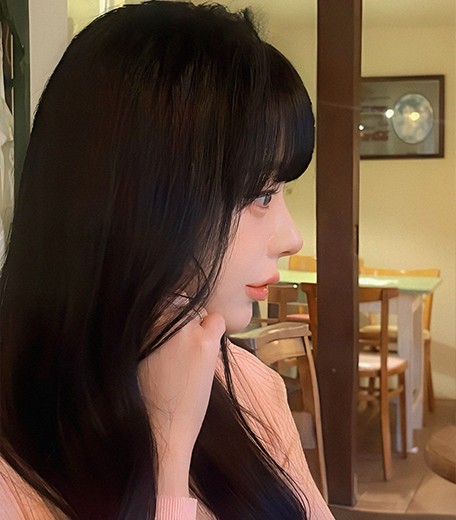
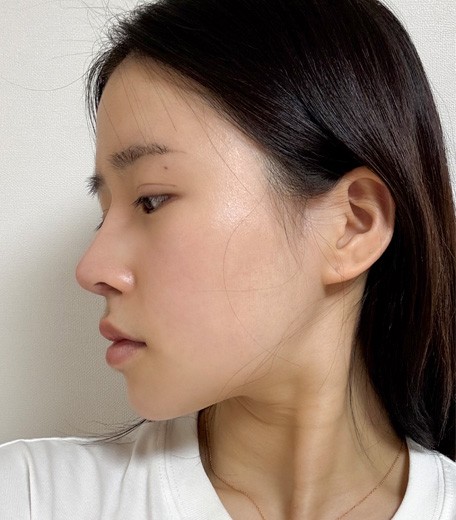
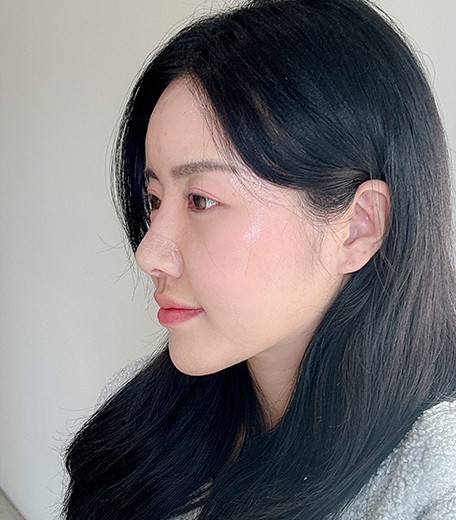
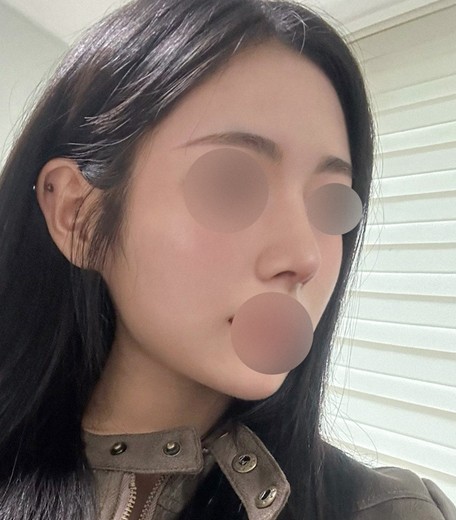
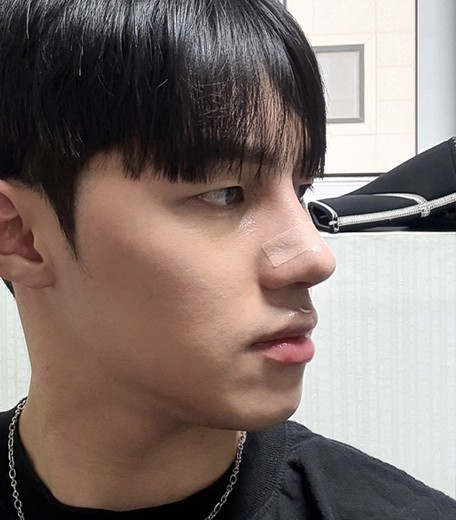
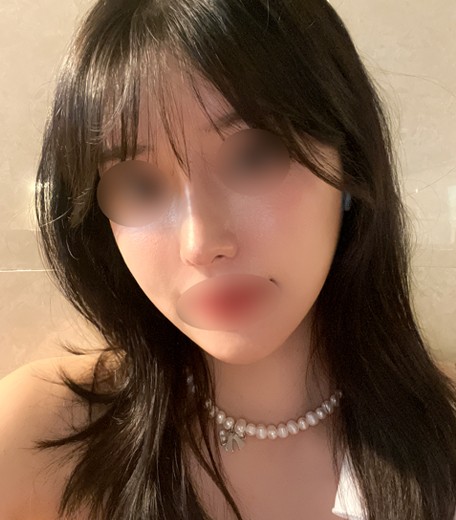
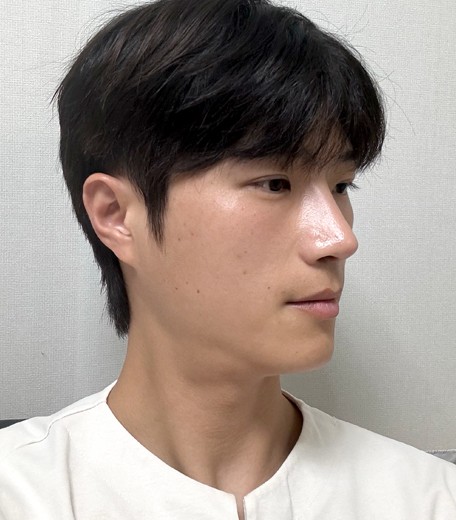
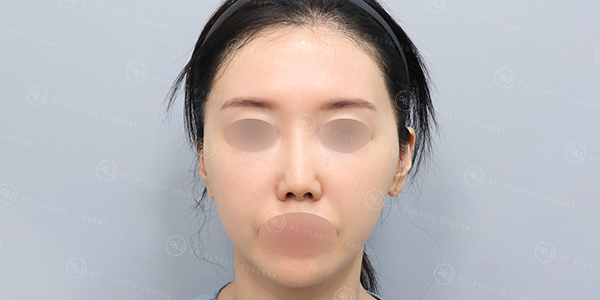
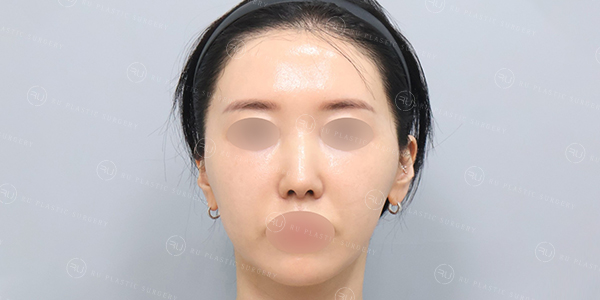
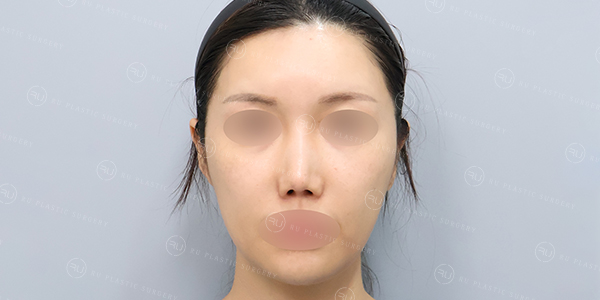
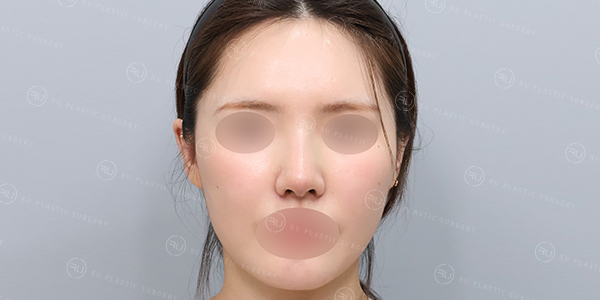
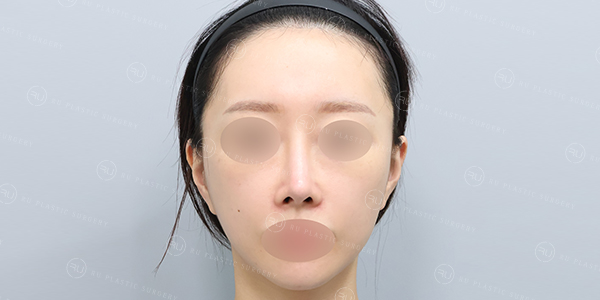
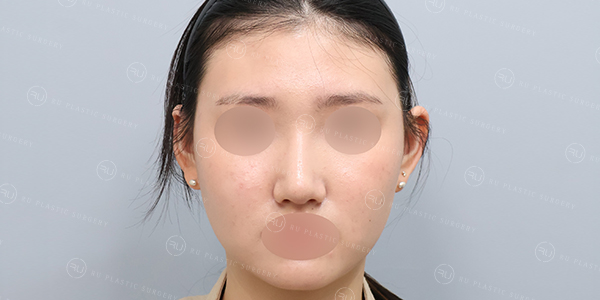
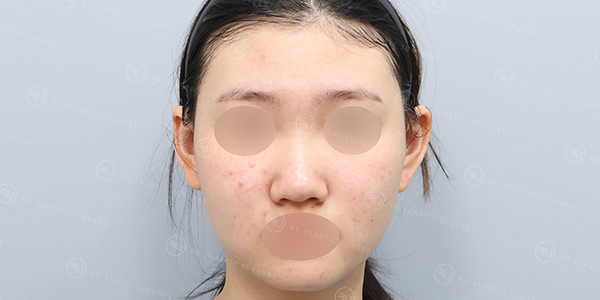
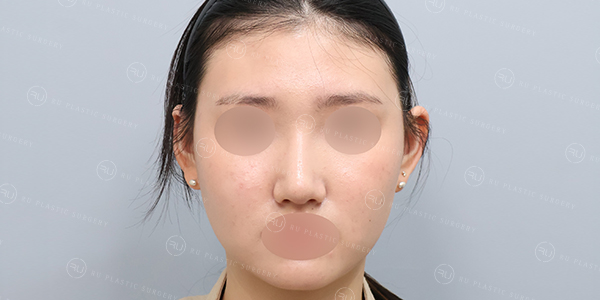
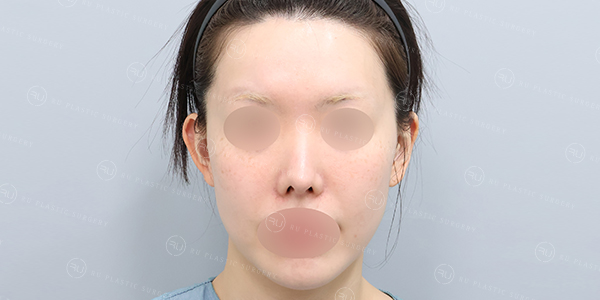
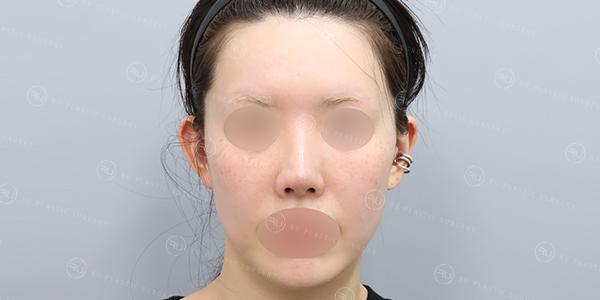
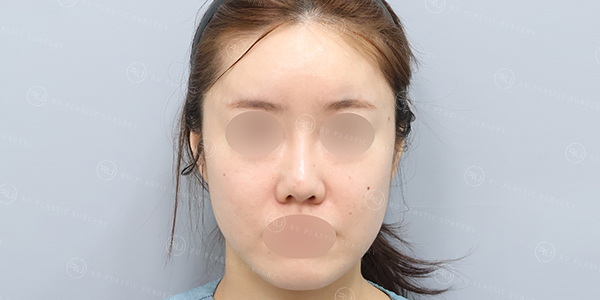
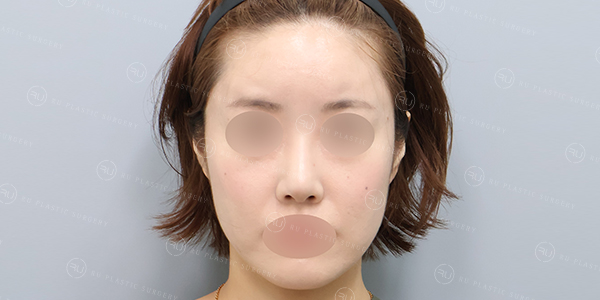
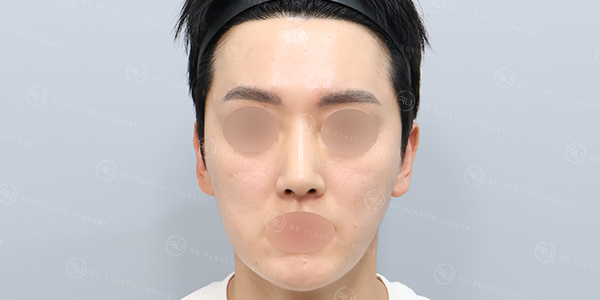
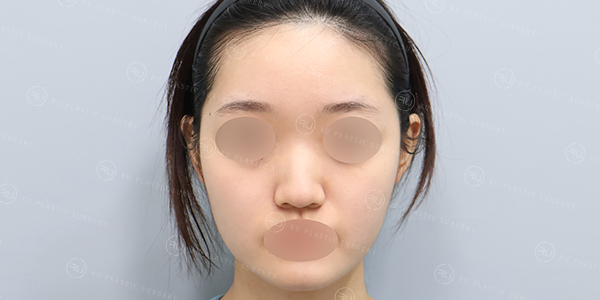
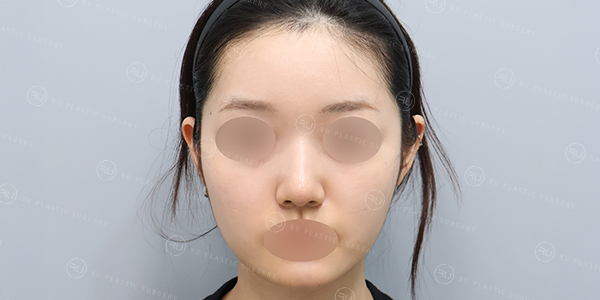
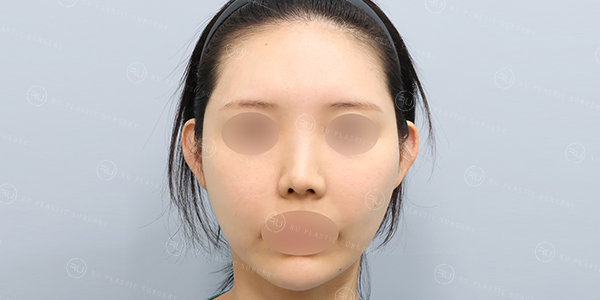
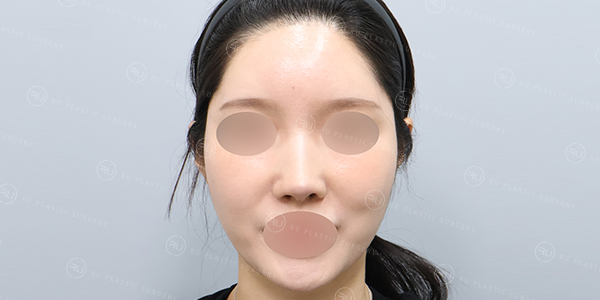
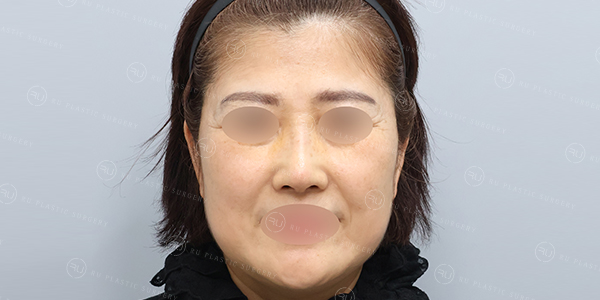
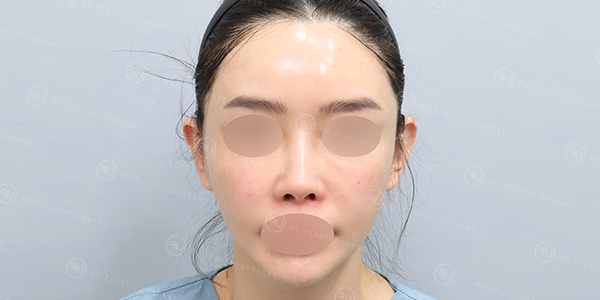
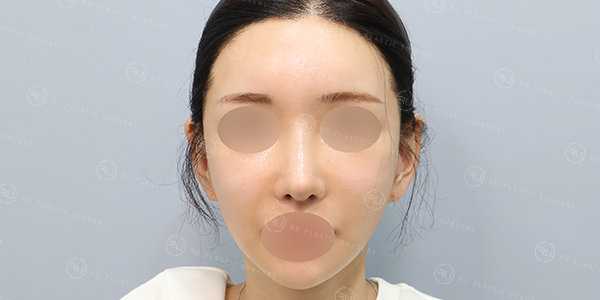
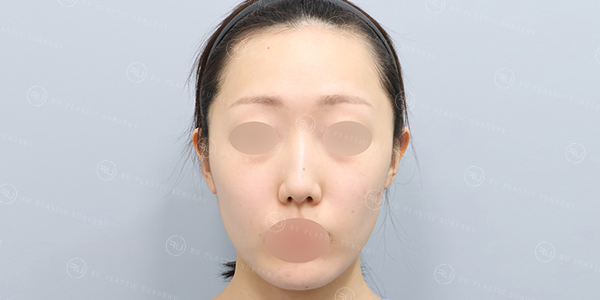
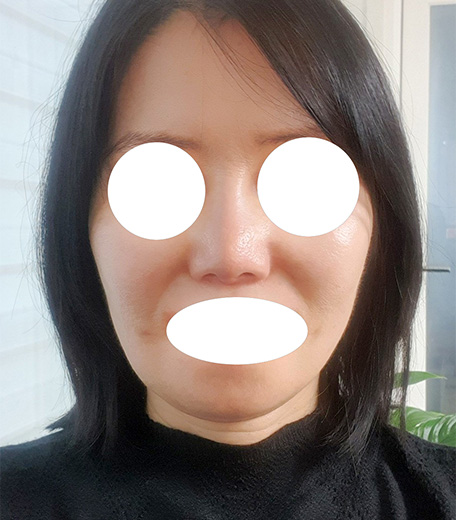
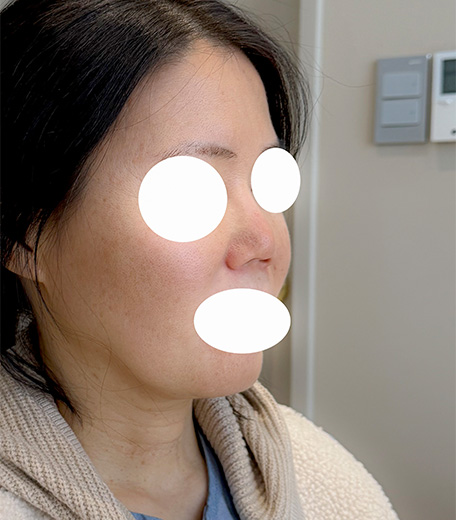
Dr. Kim was able to bring out my previously sunken columella beautifully using rib cartilage, and now at 1 month post-op, my nasal line looks straight and natural—like a normal, healthy nose.
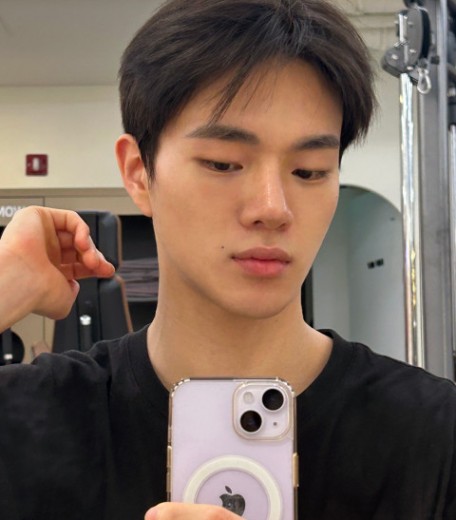
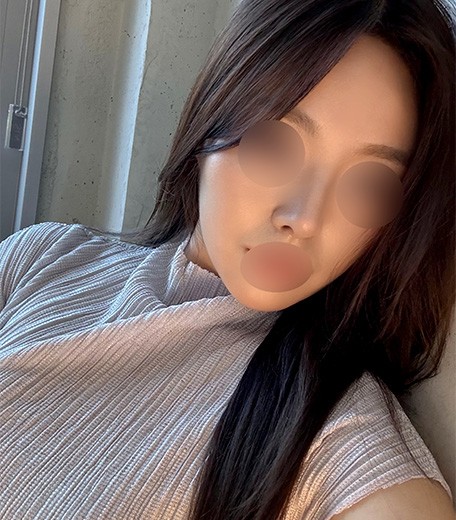
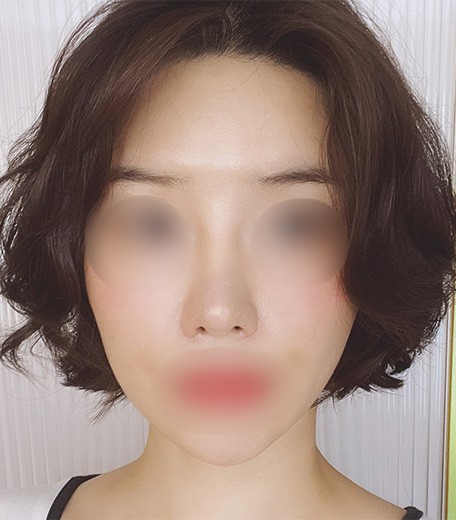
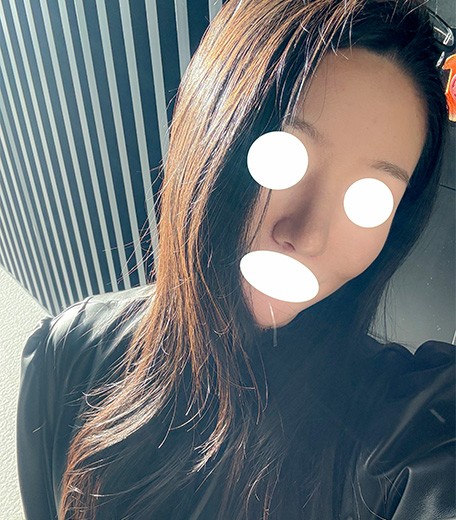
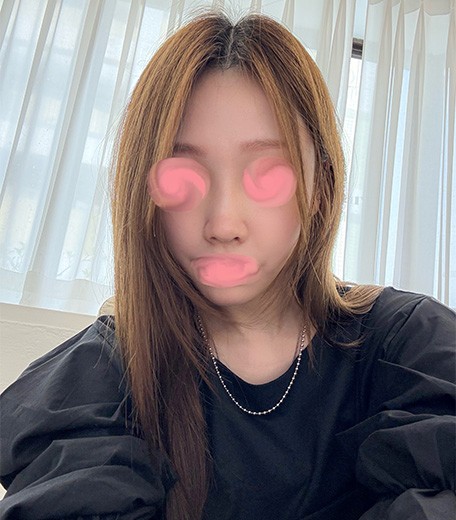
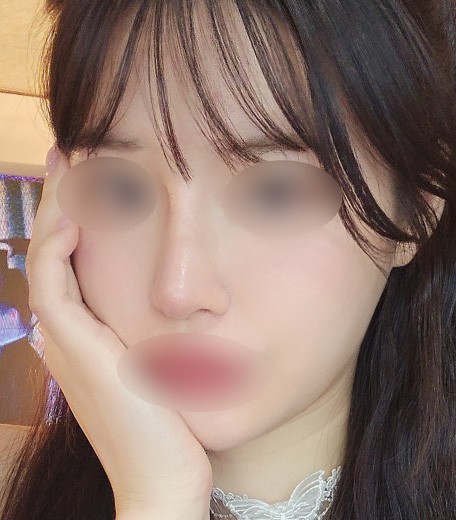
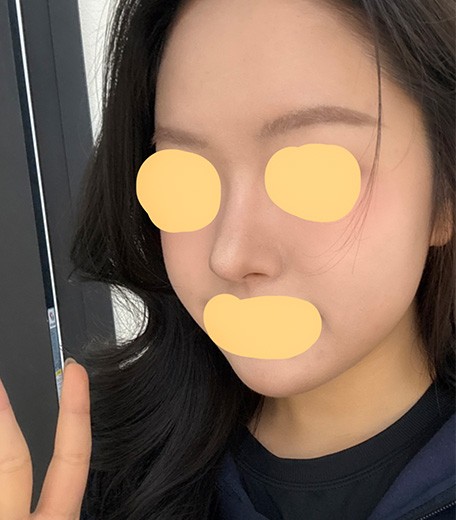
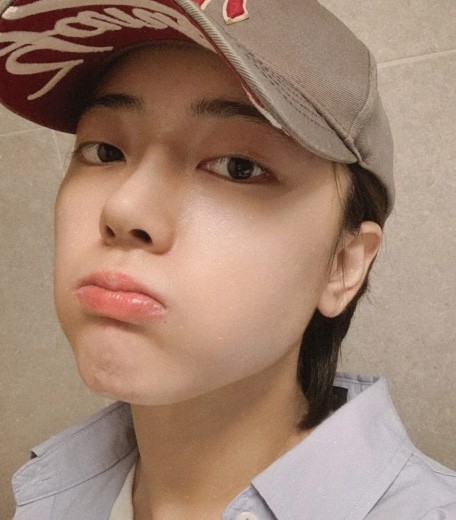
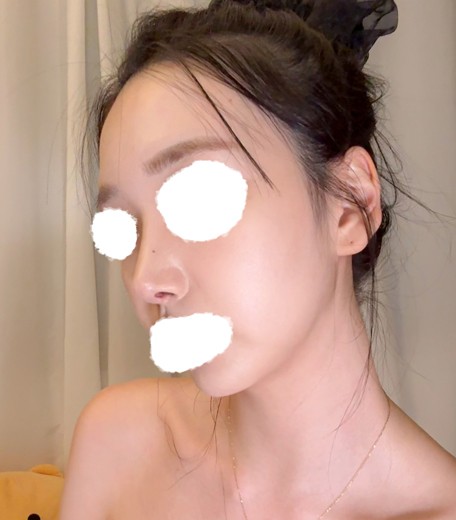
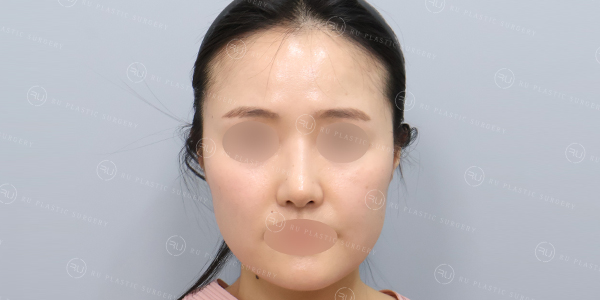
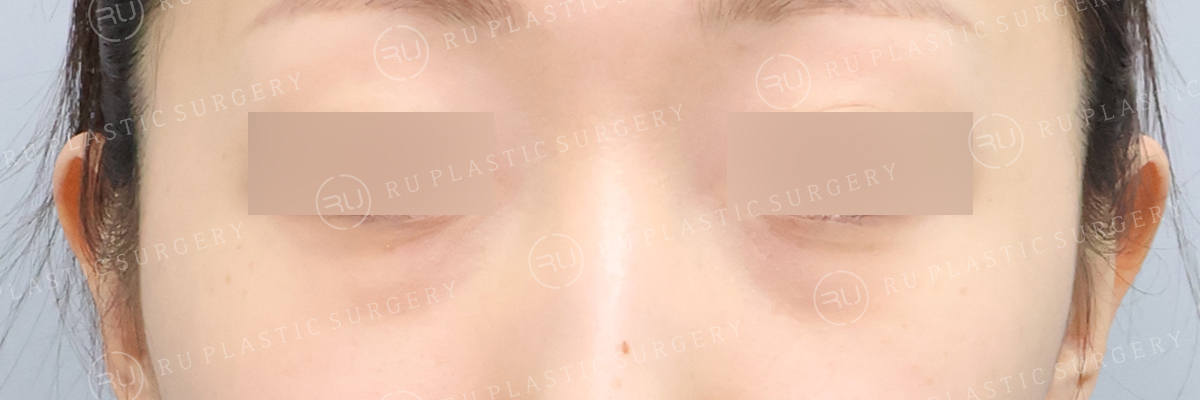
In the first 1–2 weeks, I worried a bit about the front view; it looked wide and swollen, and I feared it might stay that way.
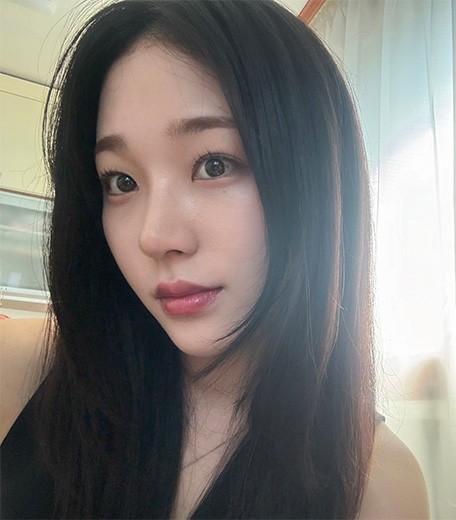
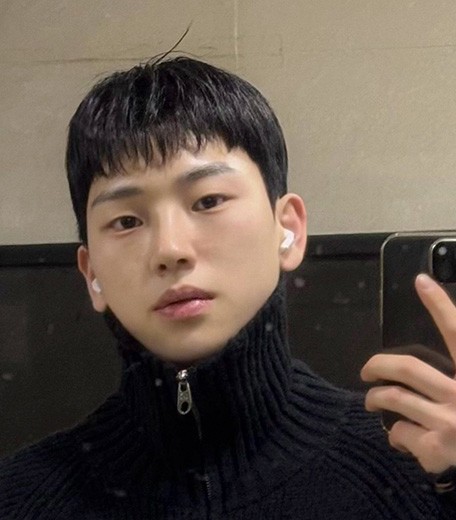
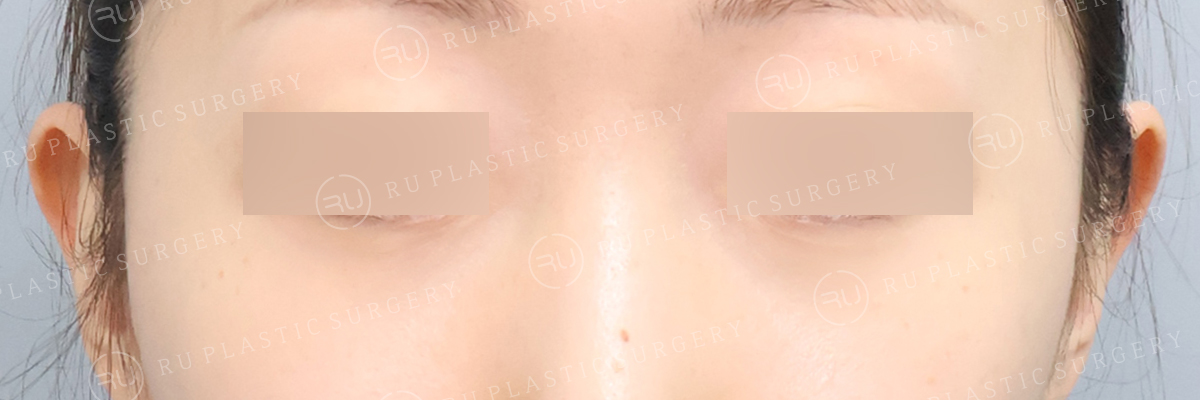
But by the 1-month mark, those concerns had visibly improved.
Every post-op visit, the RU staff has remained friendly and supportive, and Dr. Kim always takes the time to ask if I have any more questions.
Looking back, I have zero regrets about getting my revision rhinoplasty at RU.
Honestly, I’m just relieved and thankful I did it.