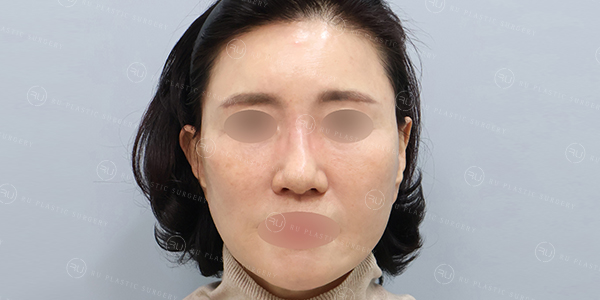
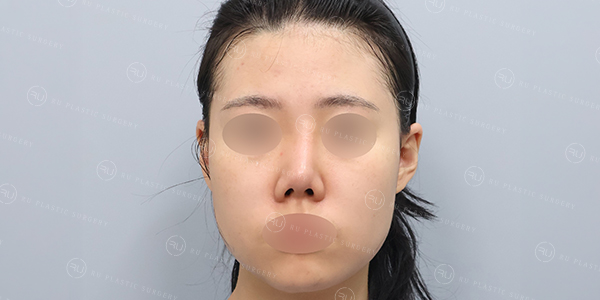
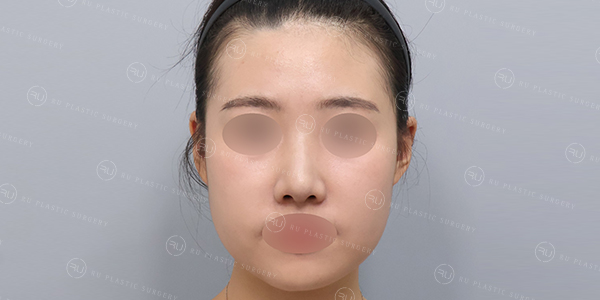
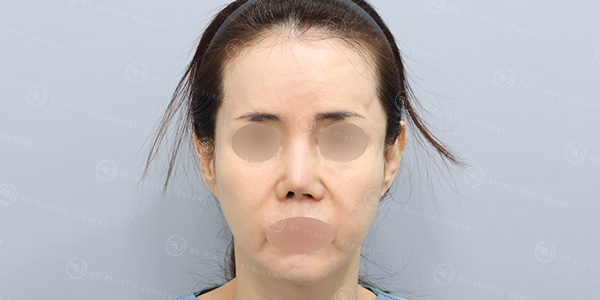
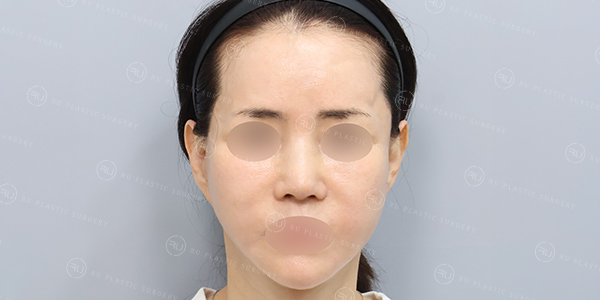
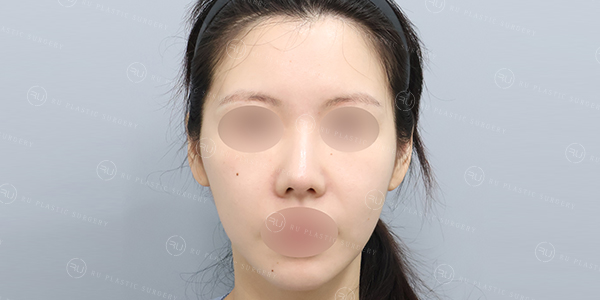
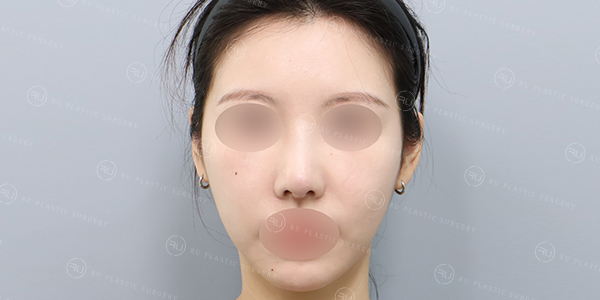
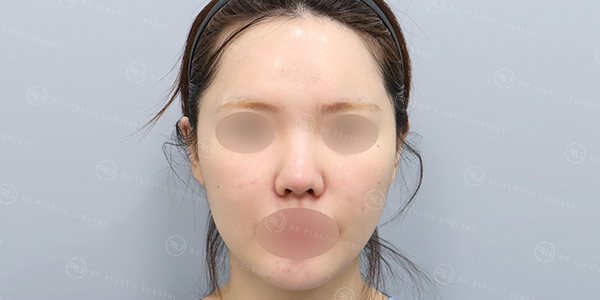
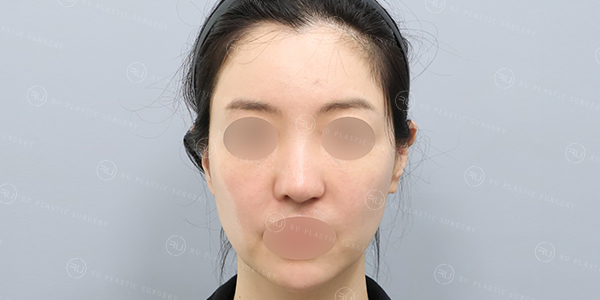
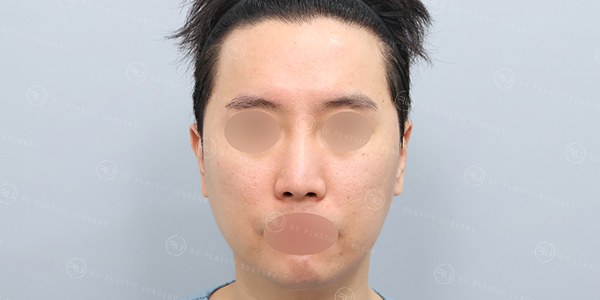
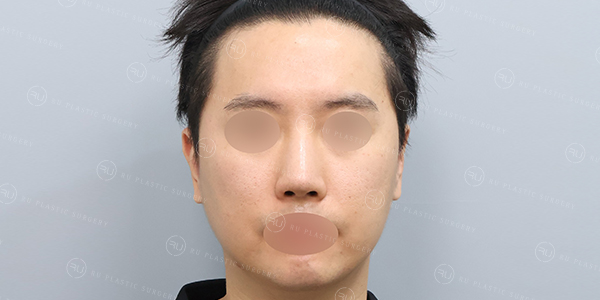
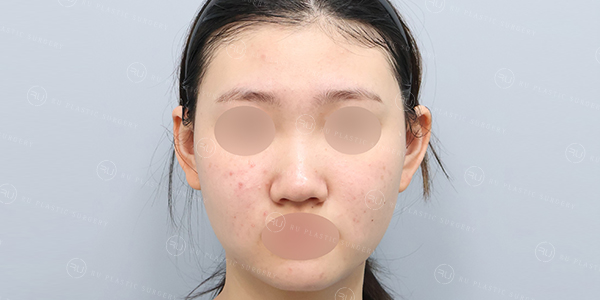
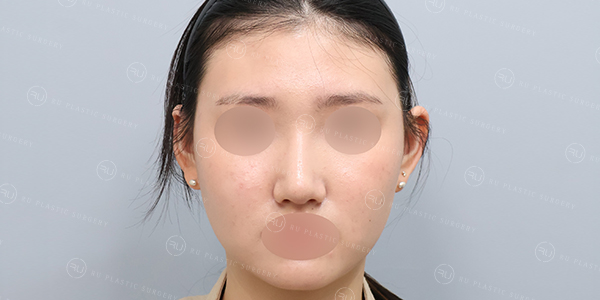
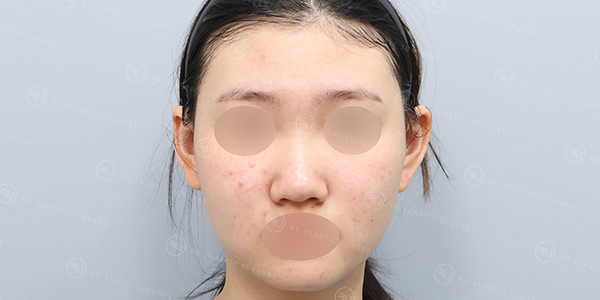
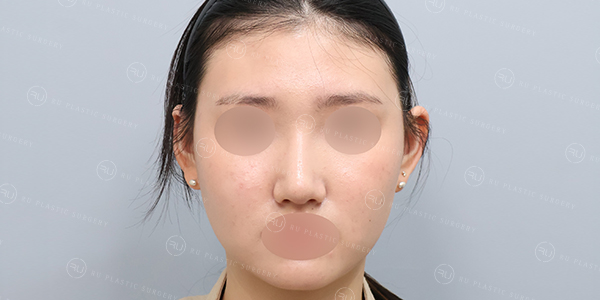
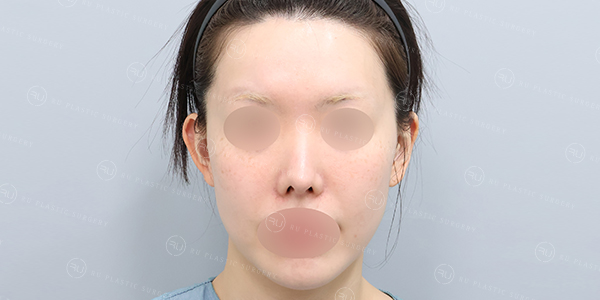
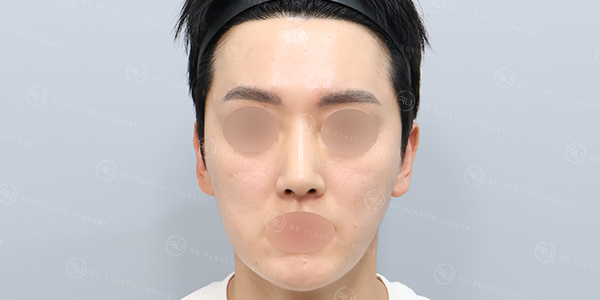
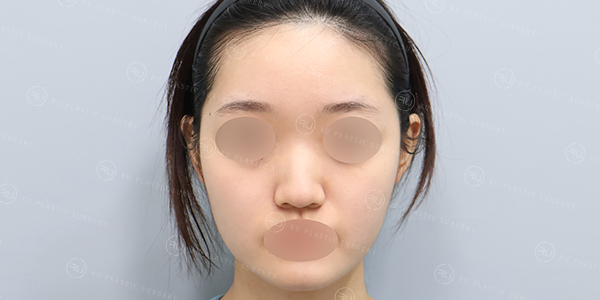
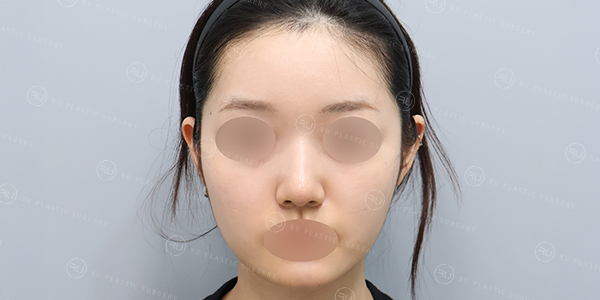
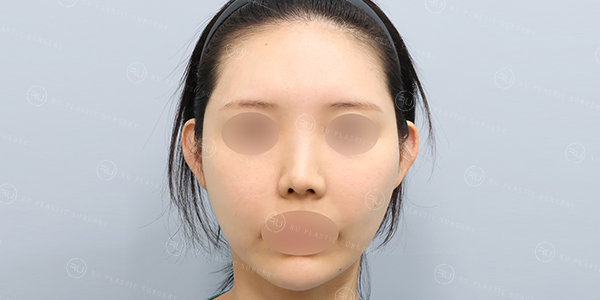
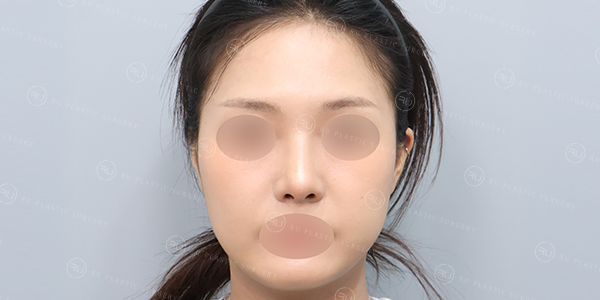
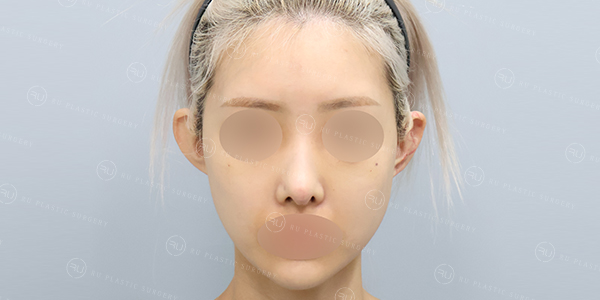
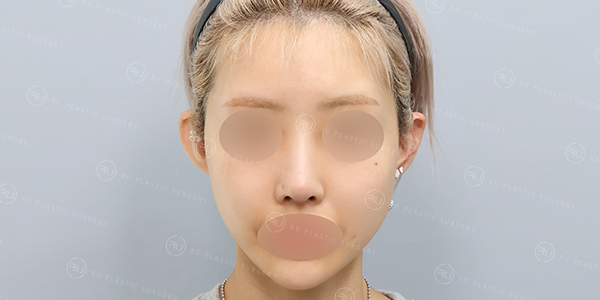
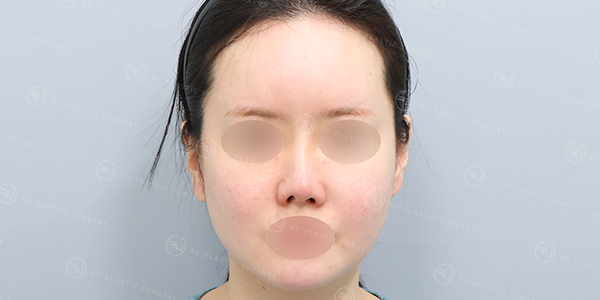
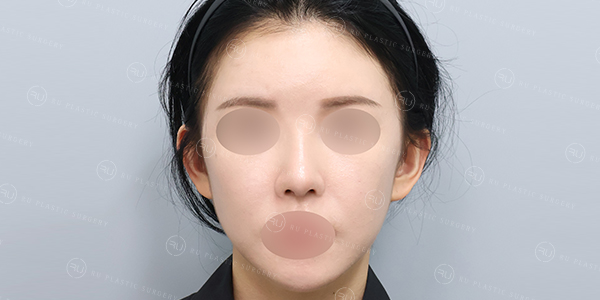
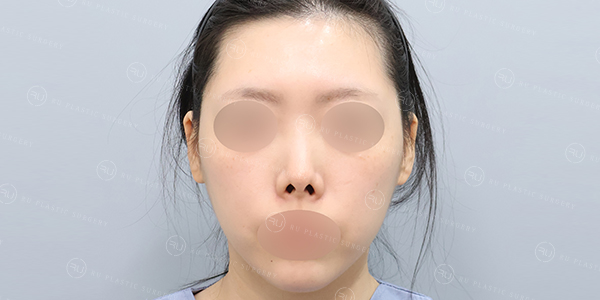
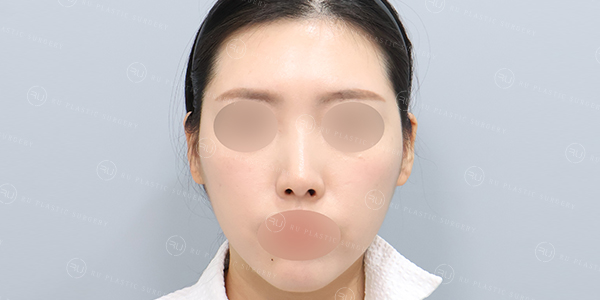
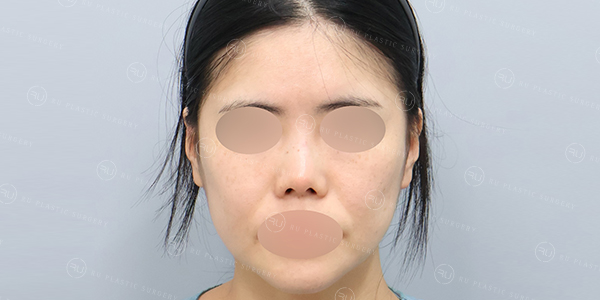
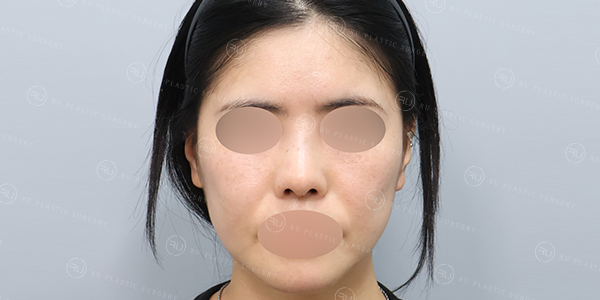
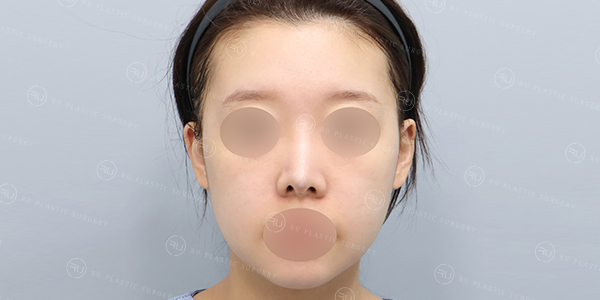
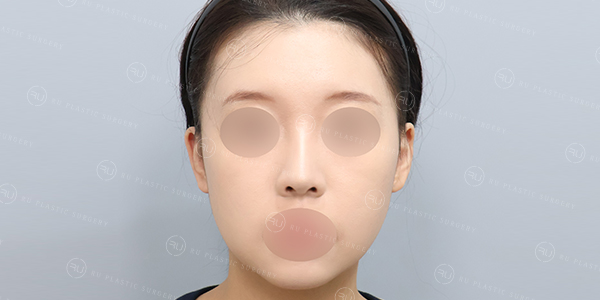
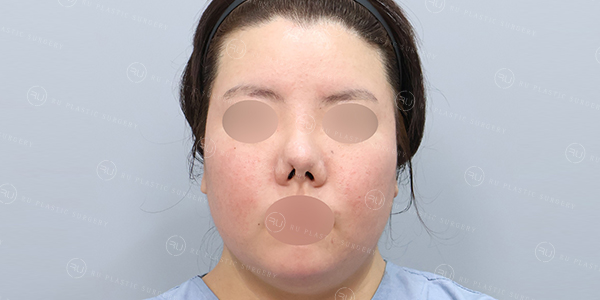
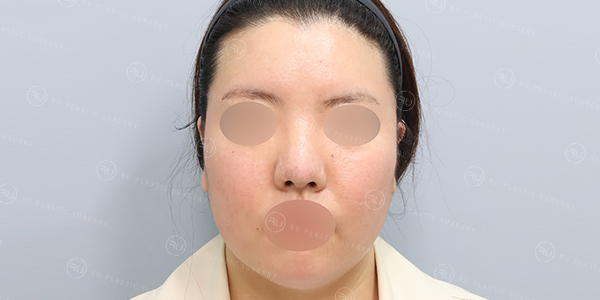
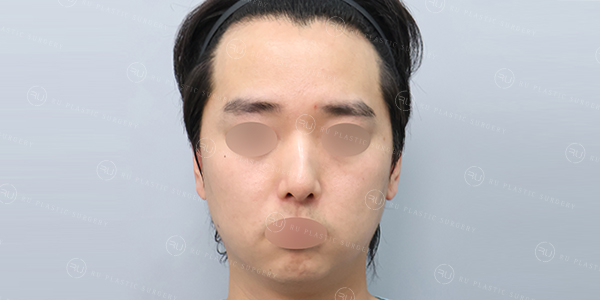
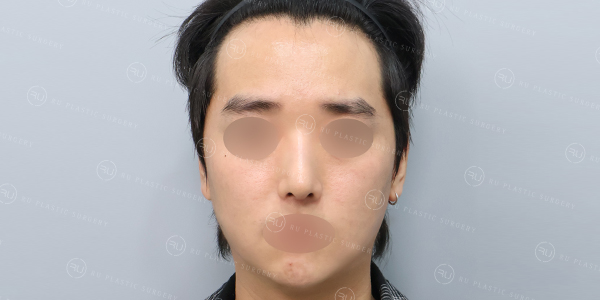
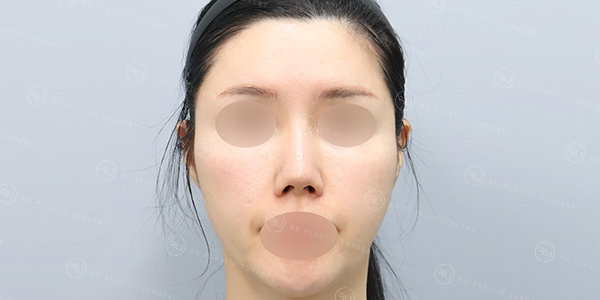
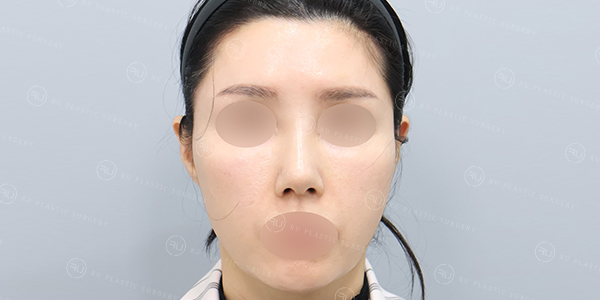
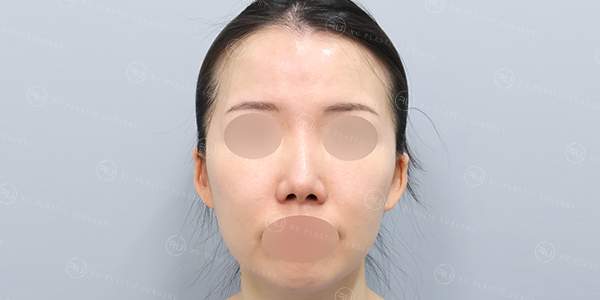
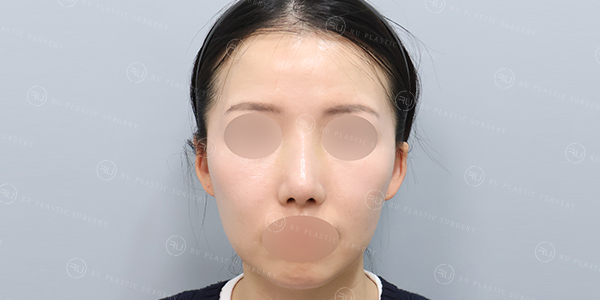
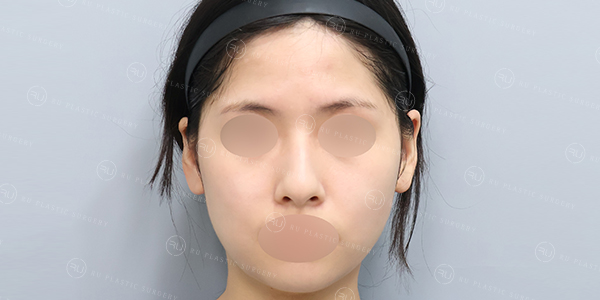
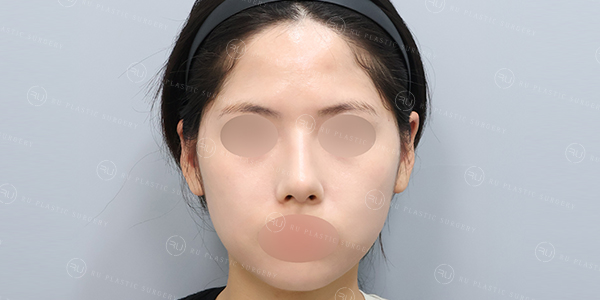
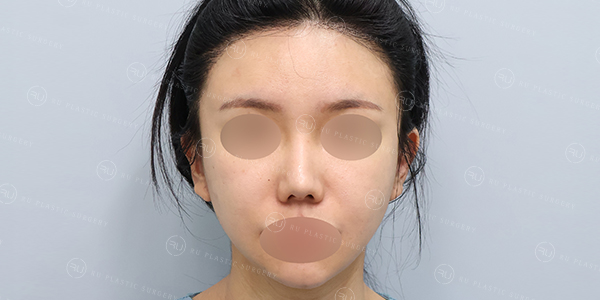
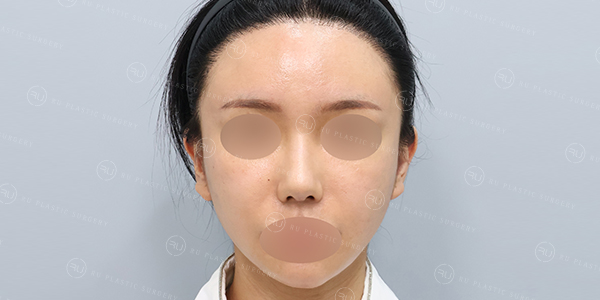
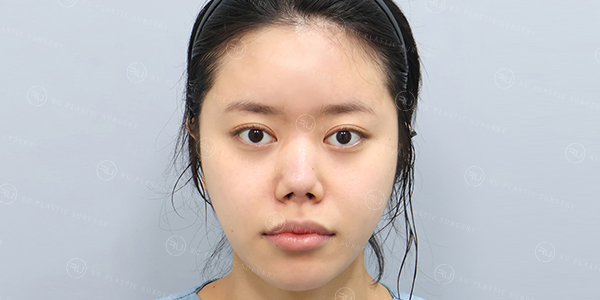
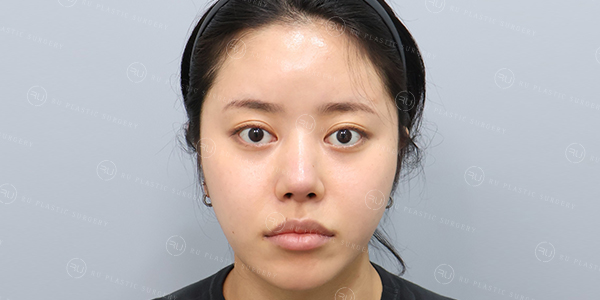
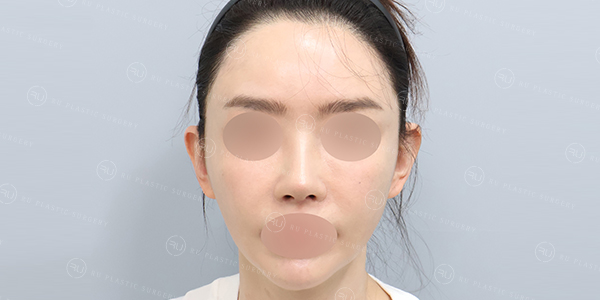
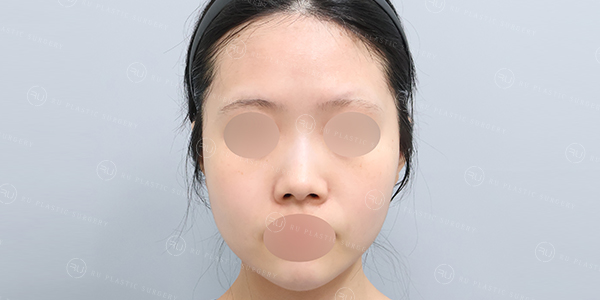
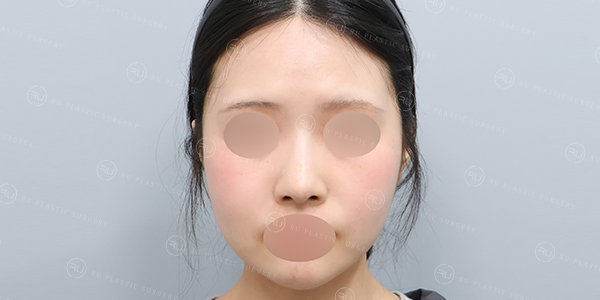
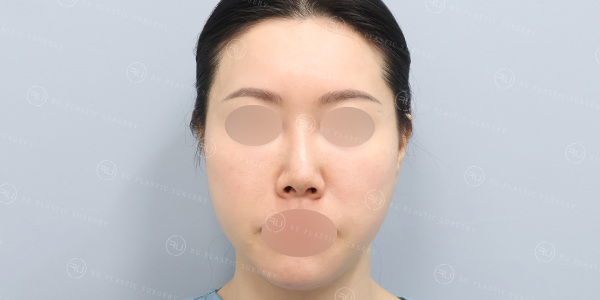
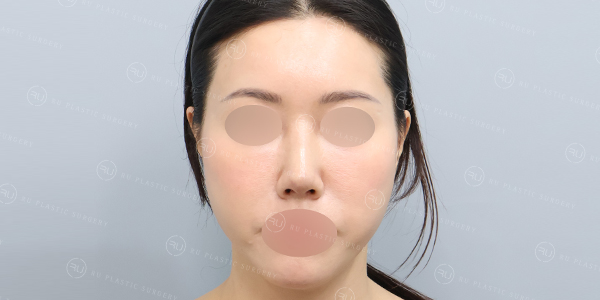
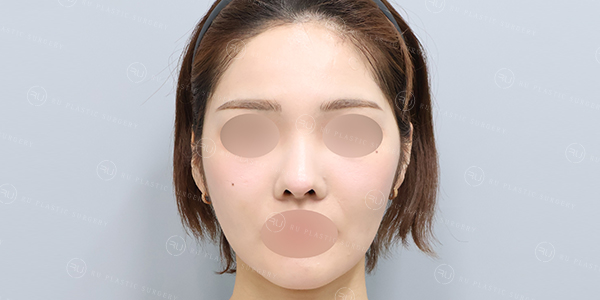
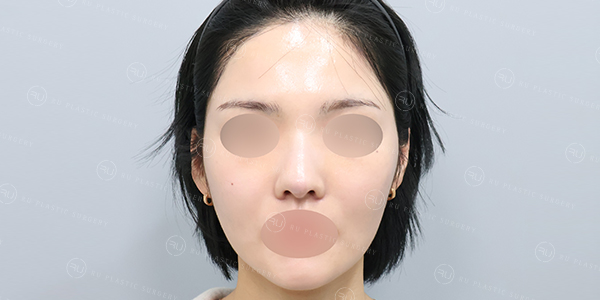
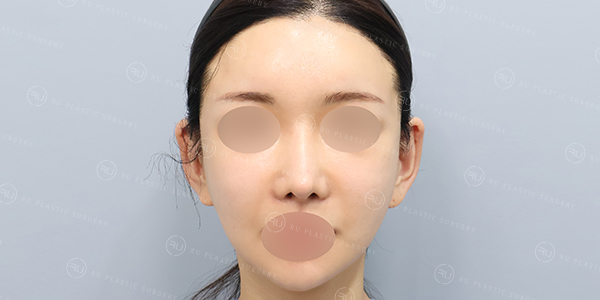
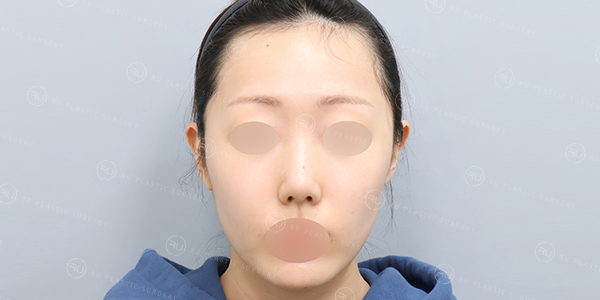
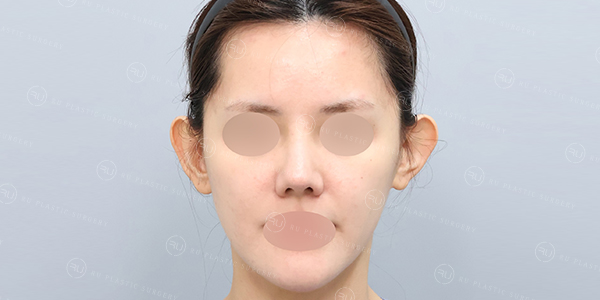
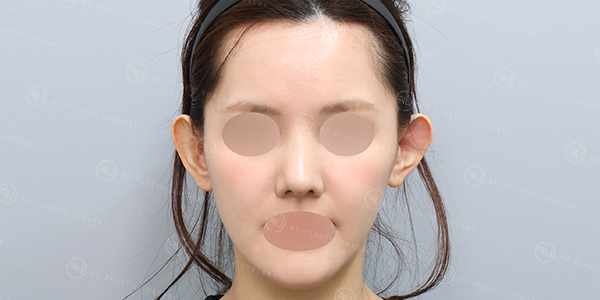
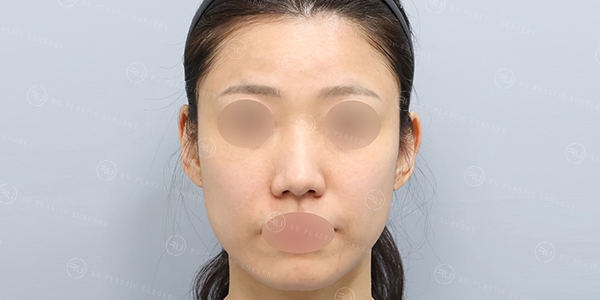
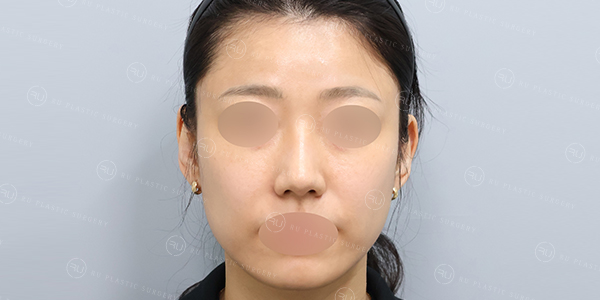
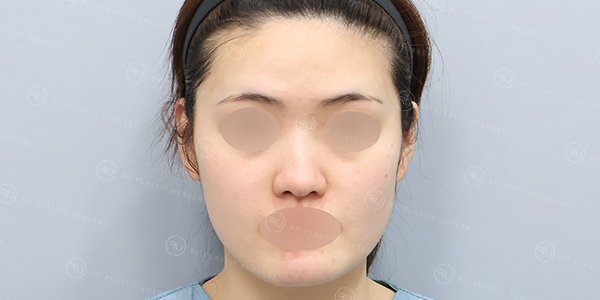
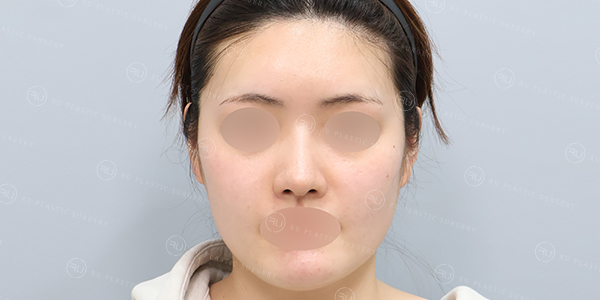
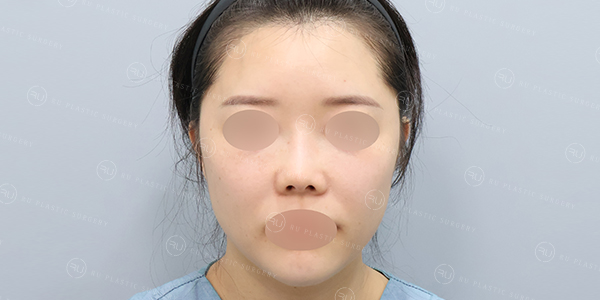
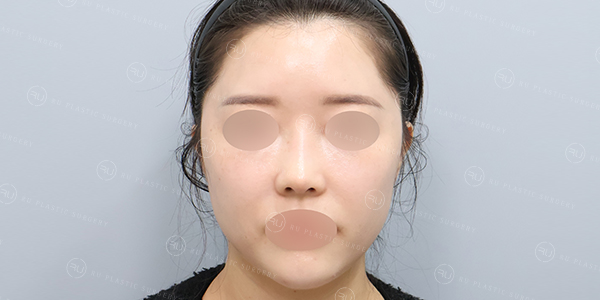
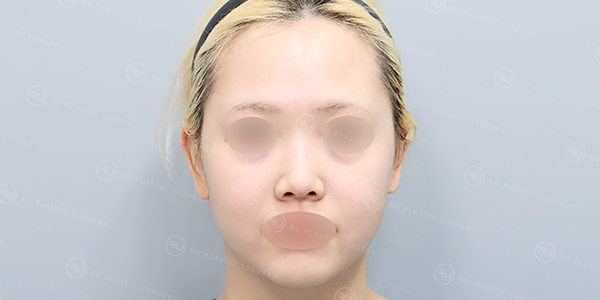
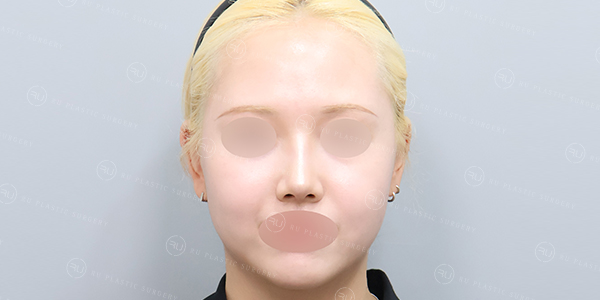
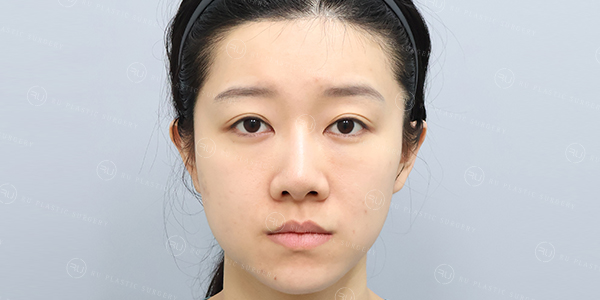
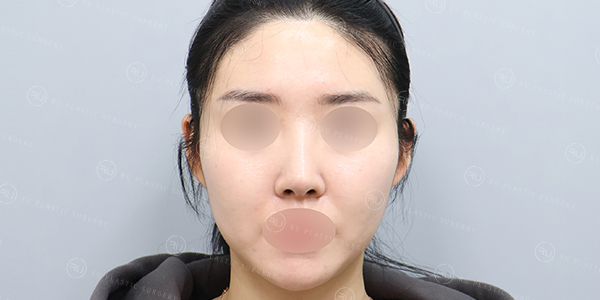
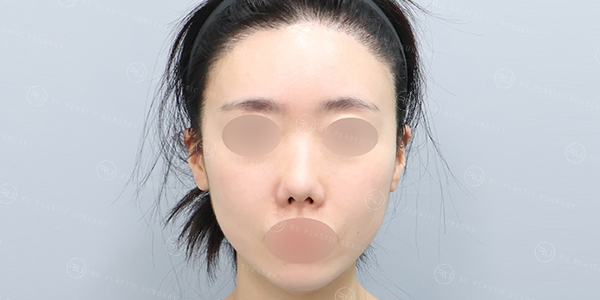
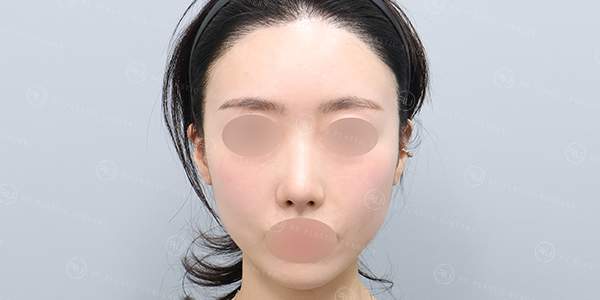
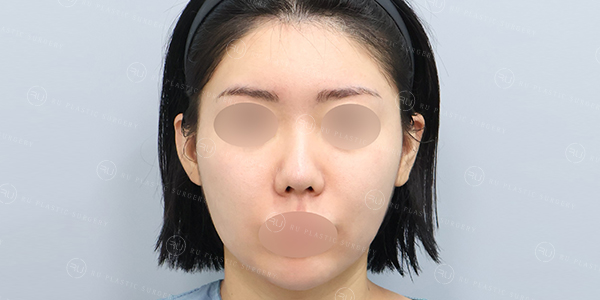
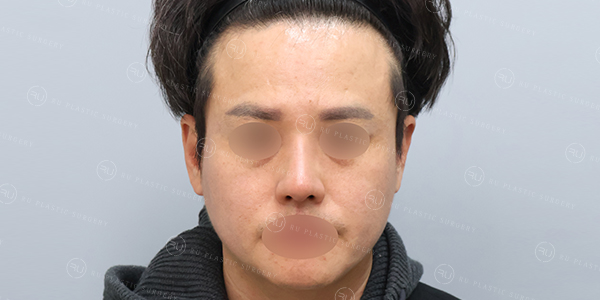
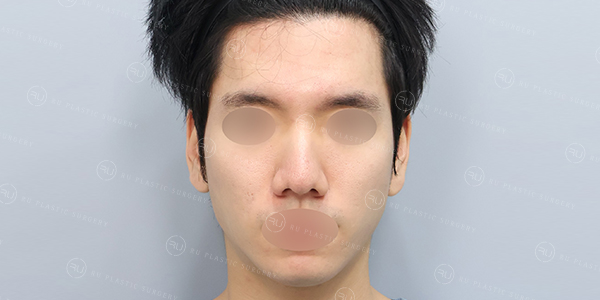
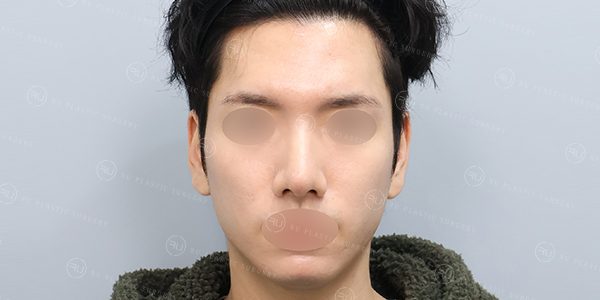
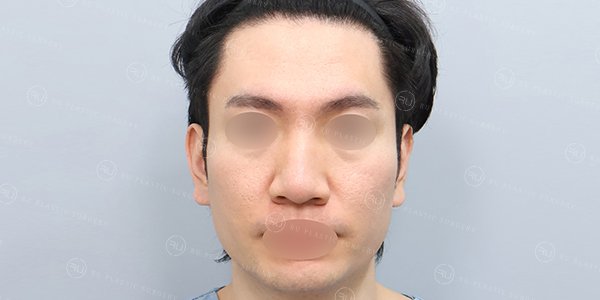
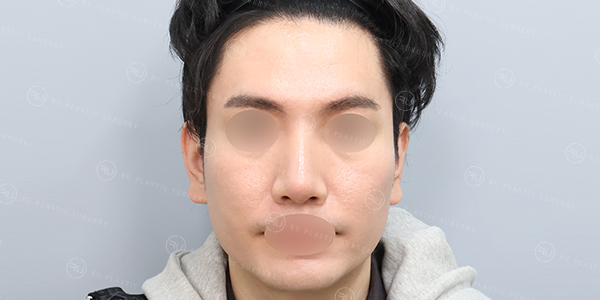
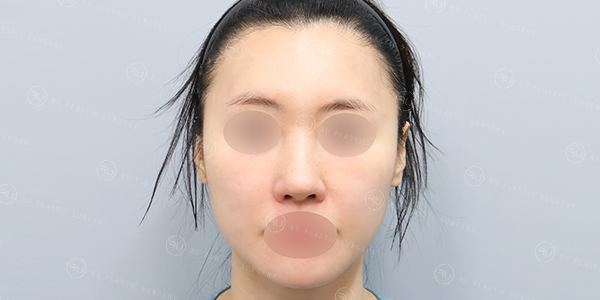
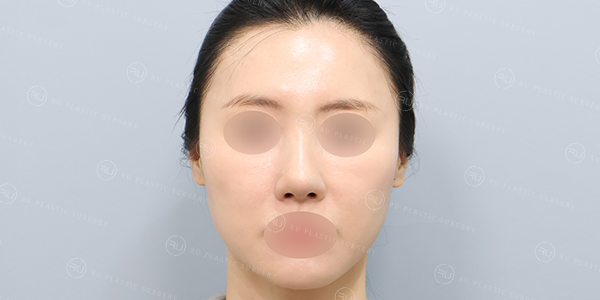
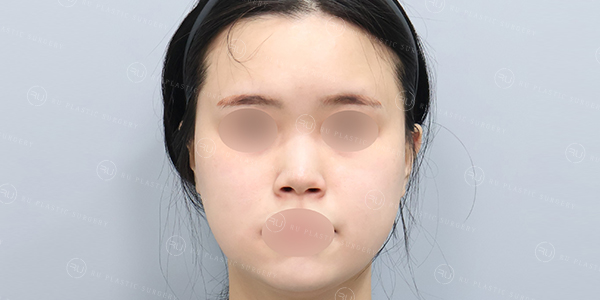
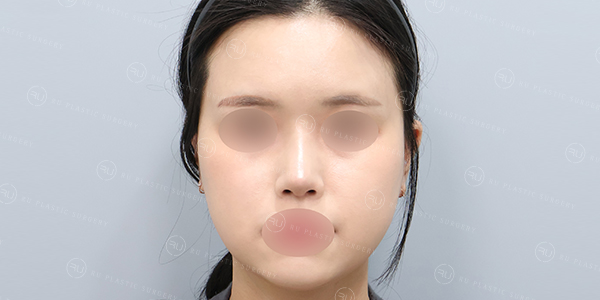
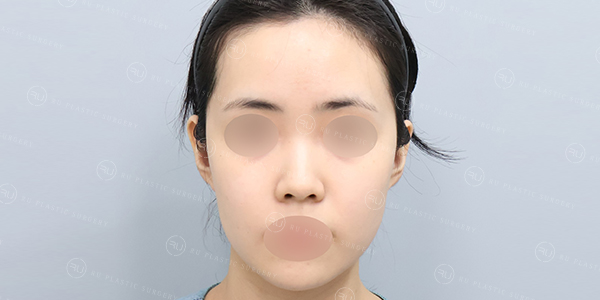
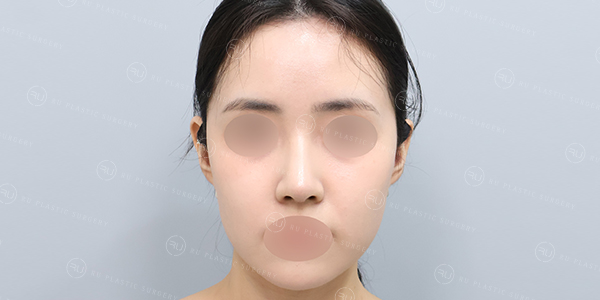
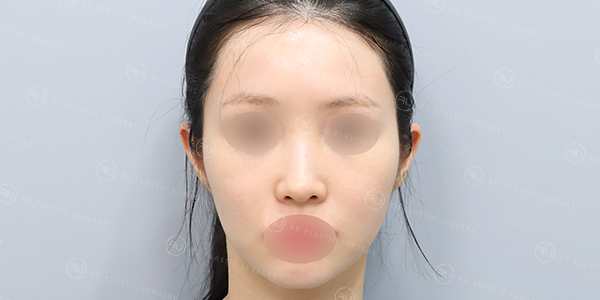
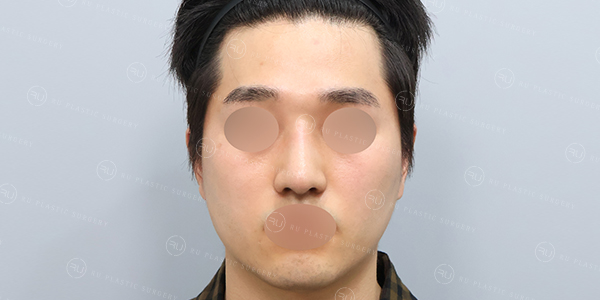
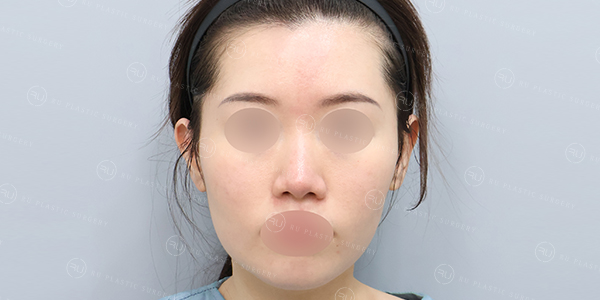
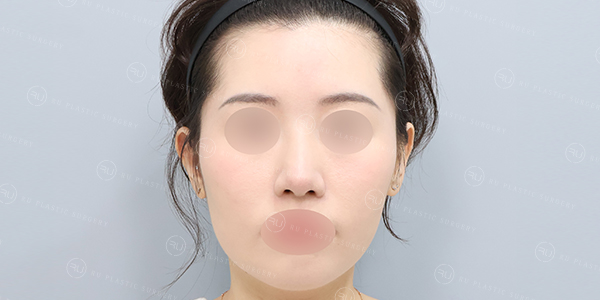
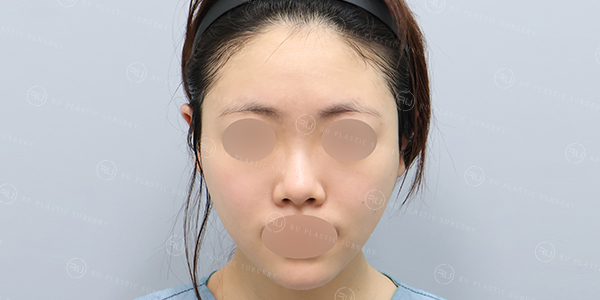
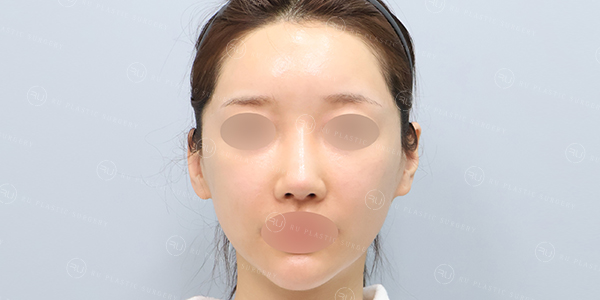
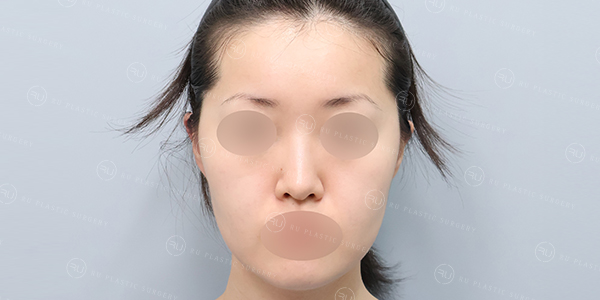
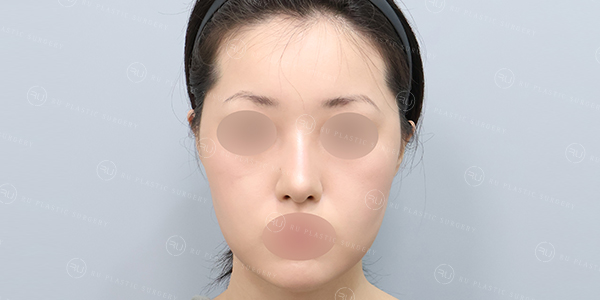
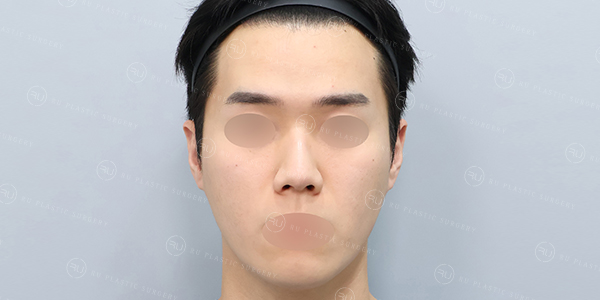
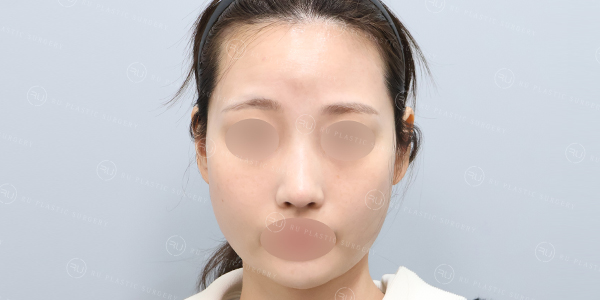
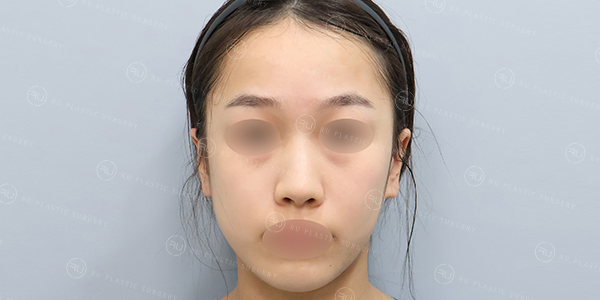
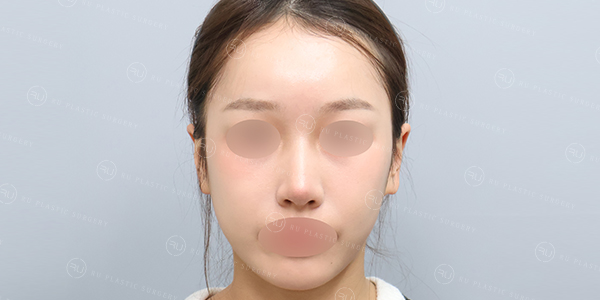
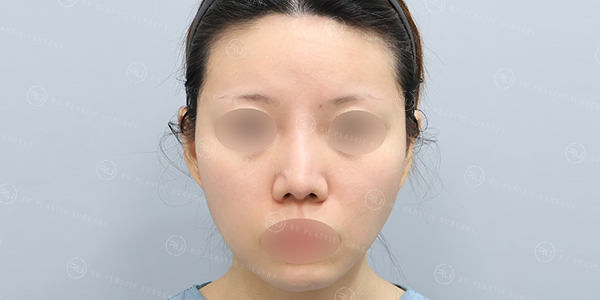
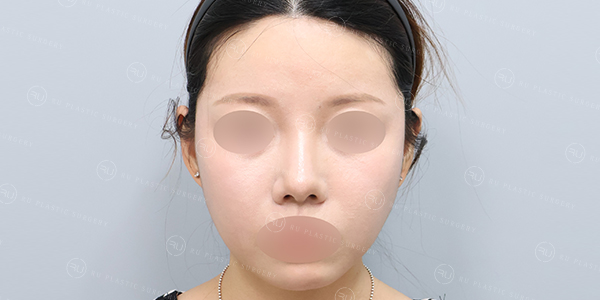
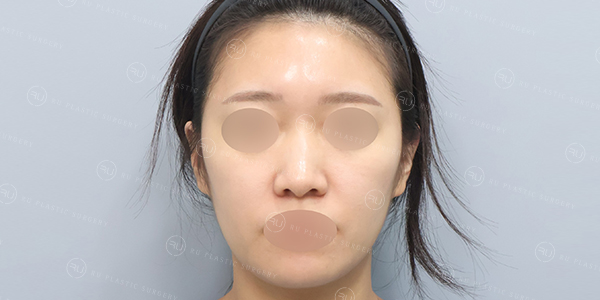
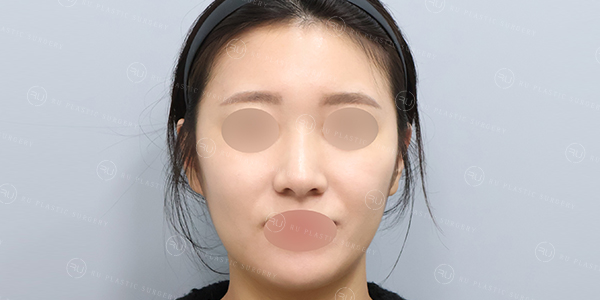
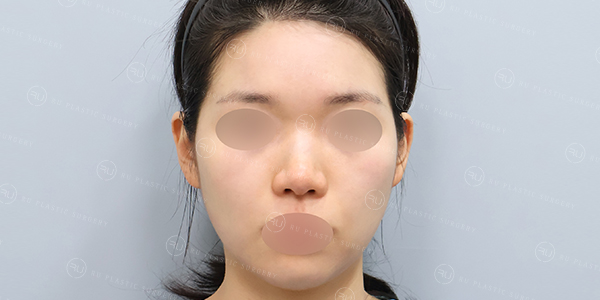
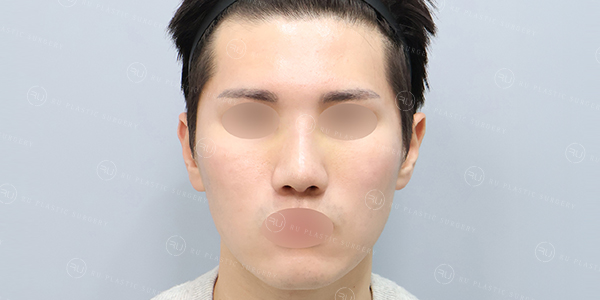
Six Months After Contracted Nose Revision Surgery
본문





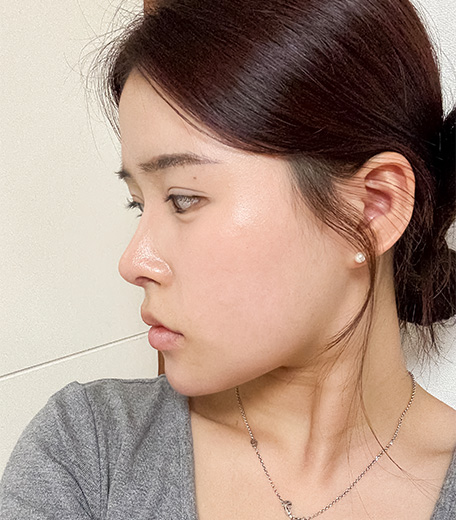
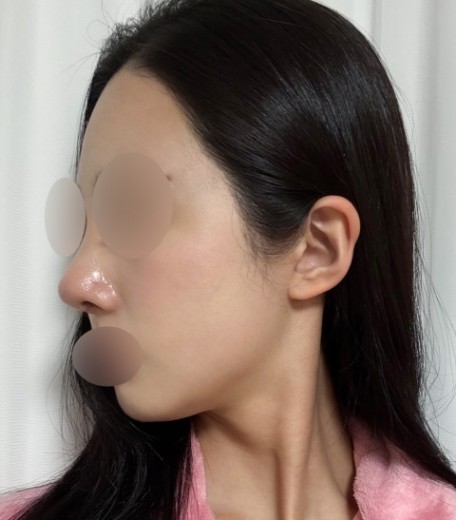
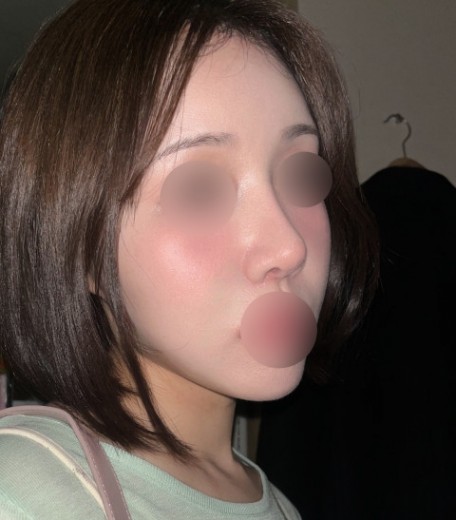
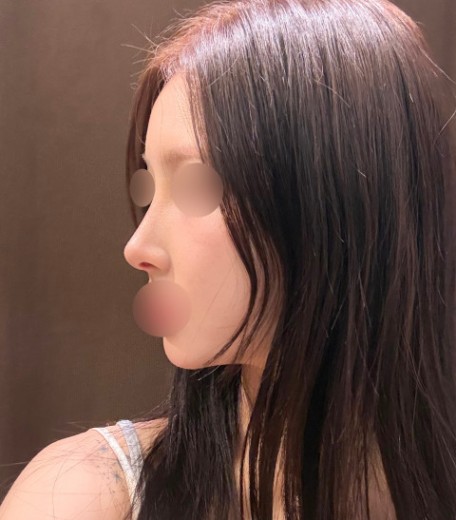
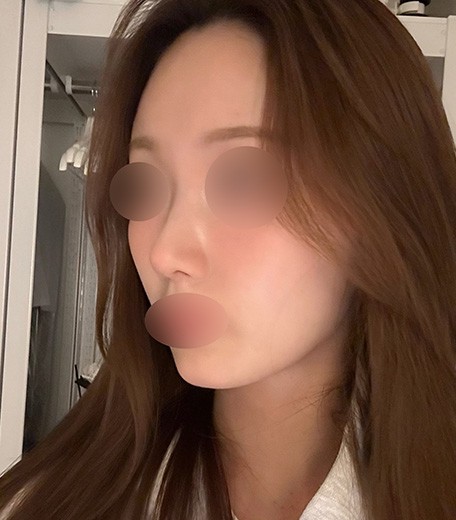
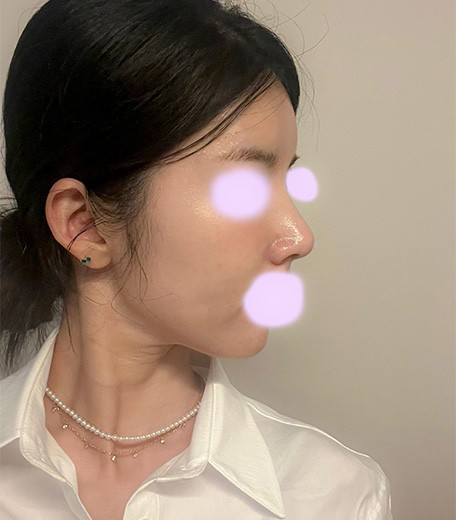
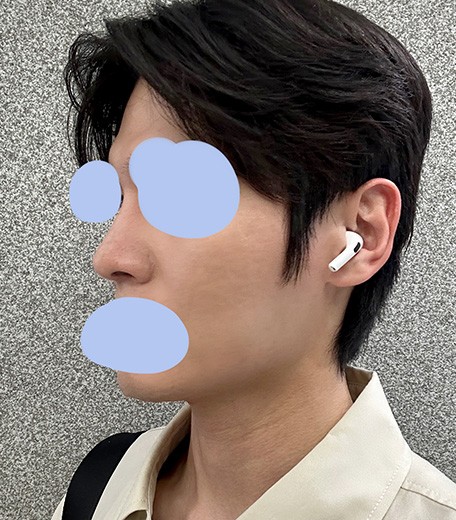
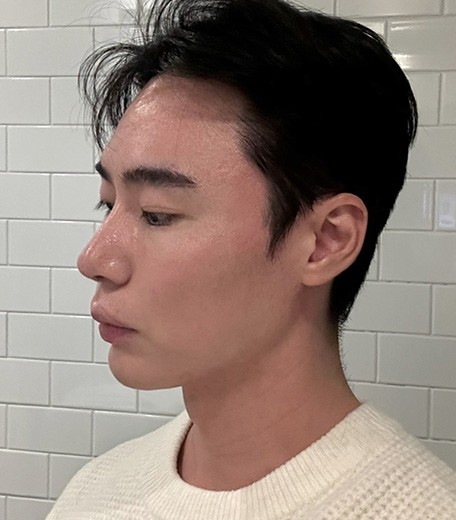
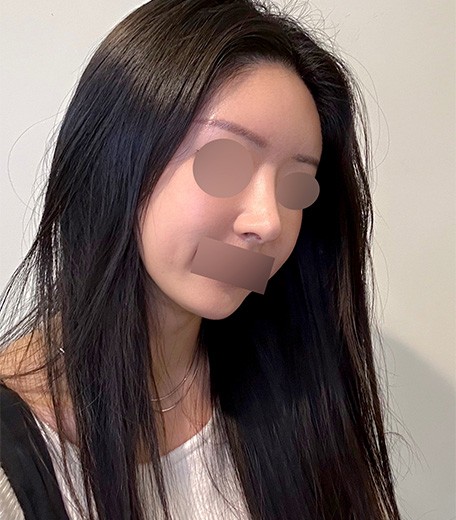
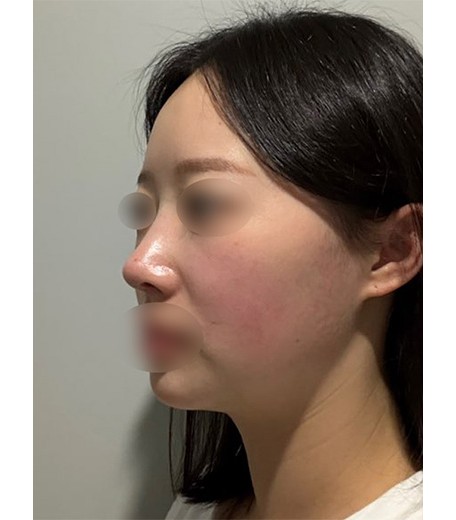
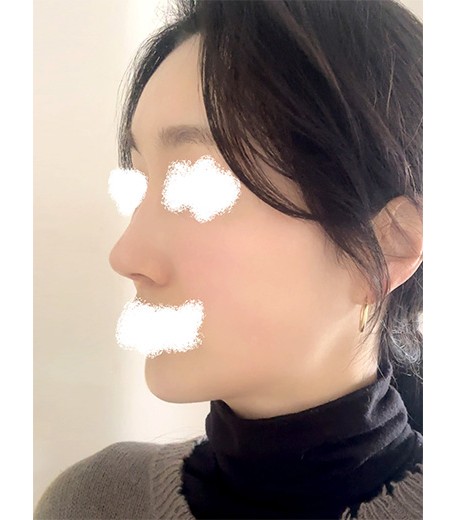
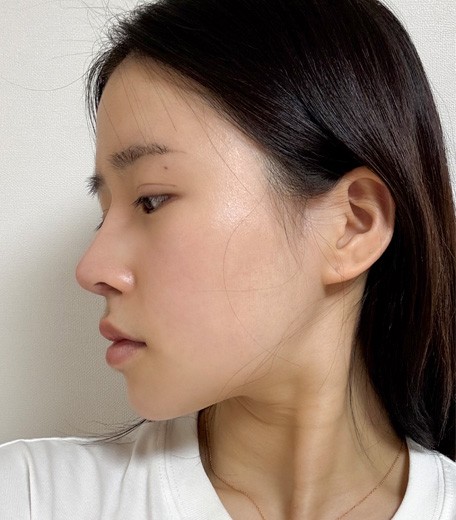
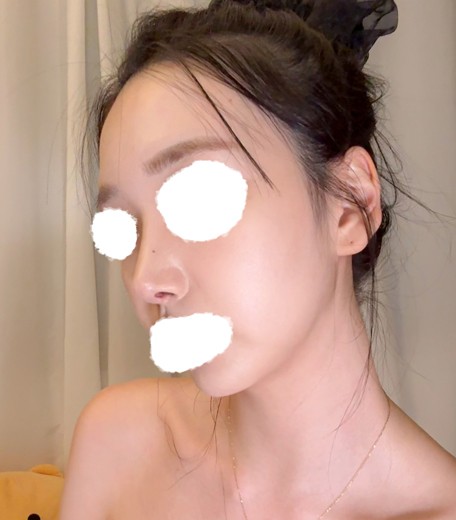
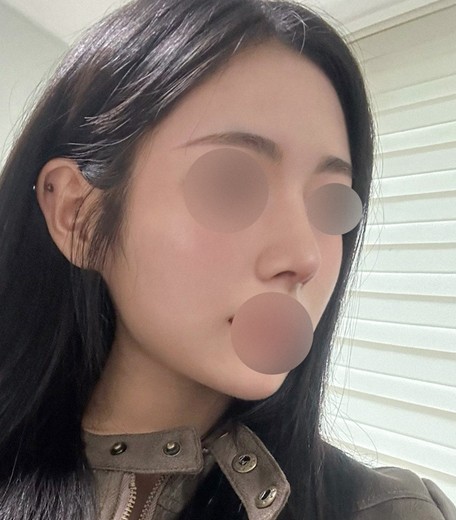
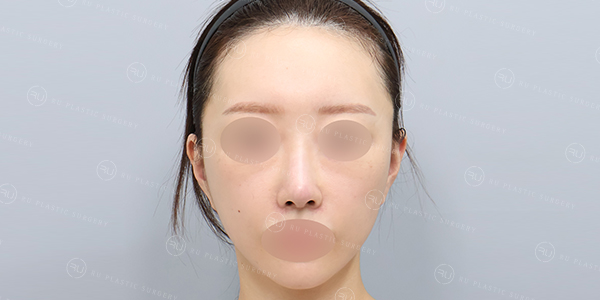
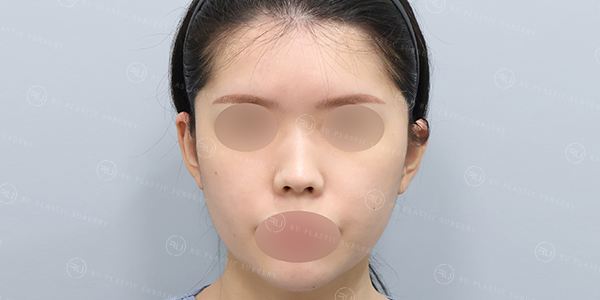
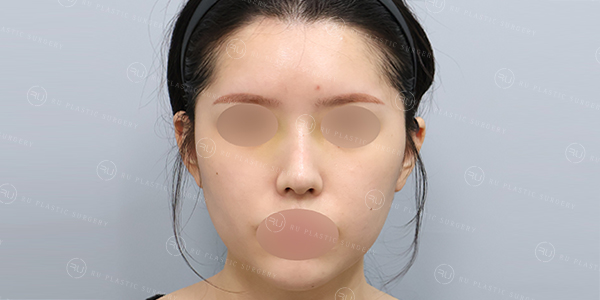
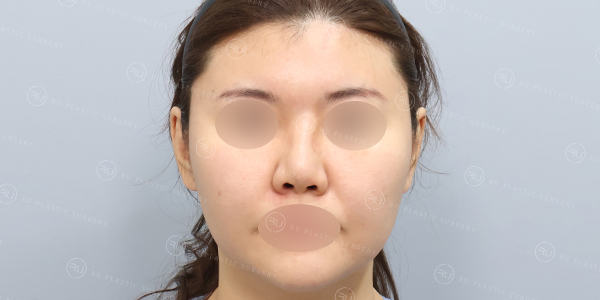
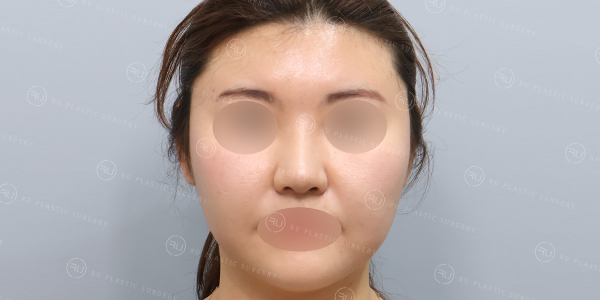
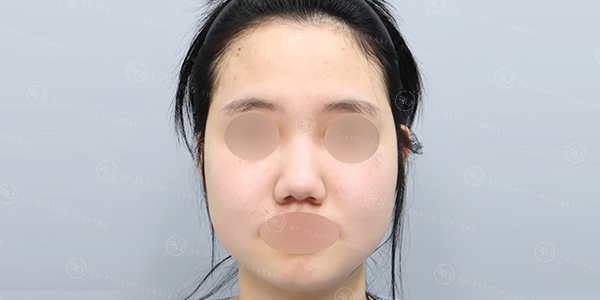
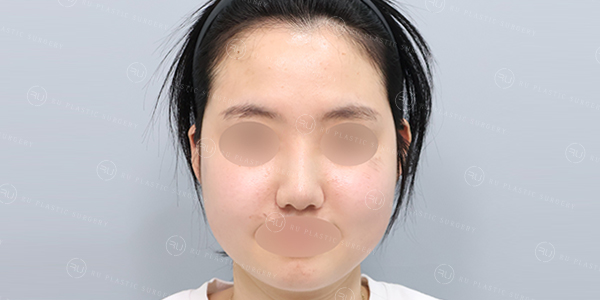
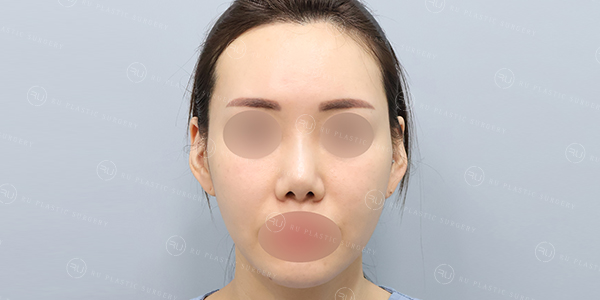
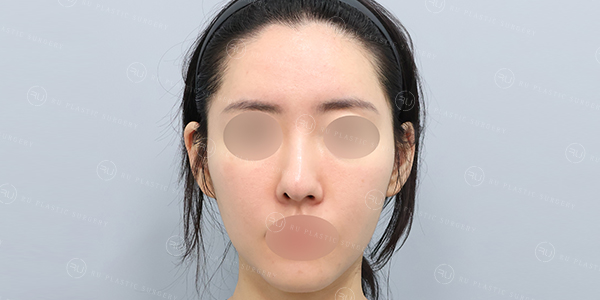
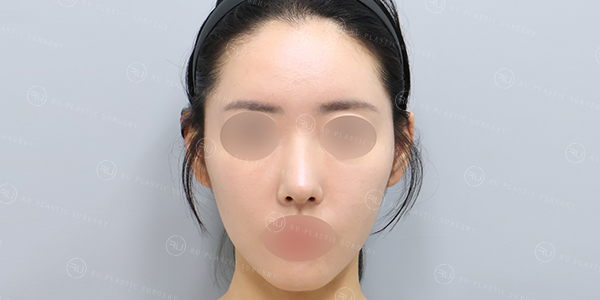
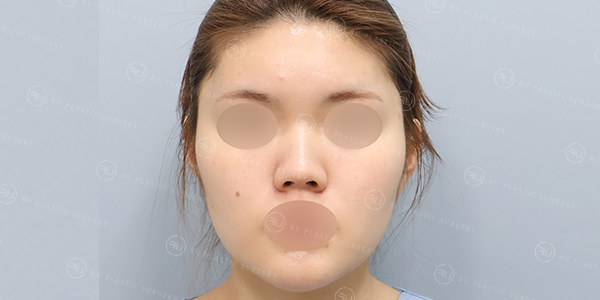
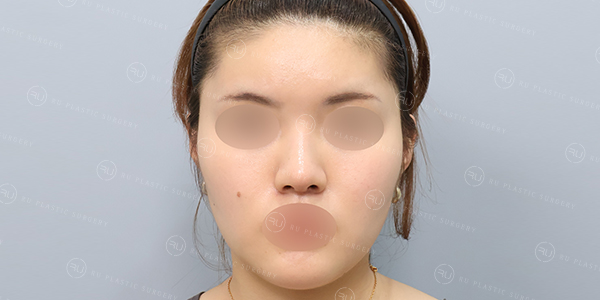
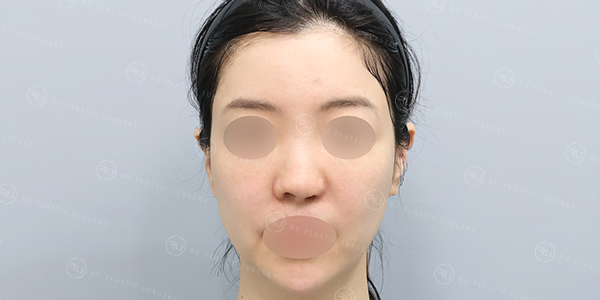
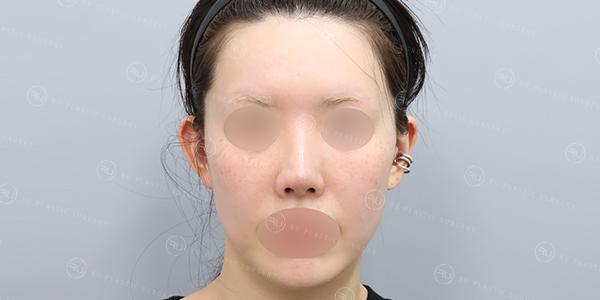
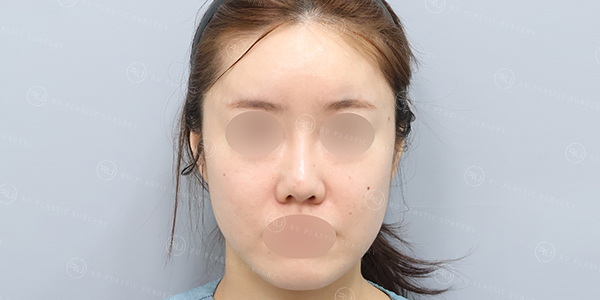
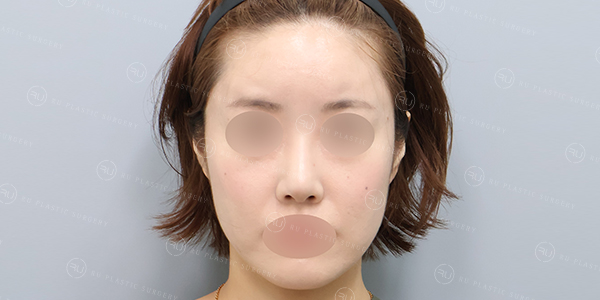
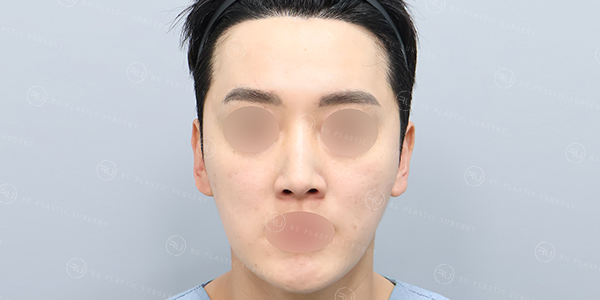
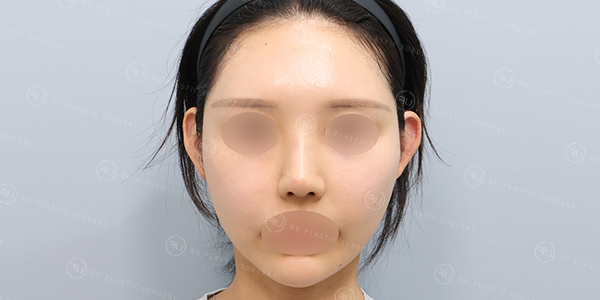
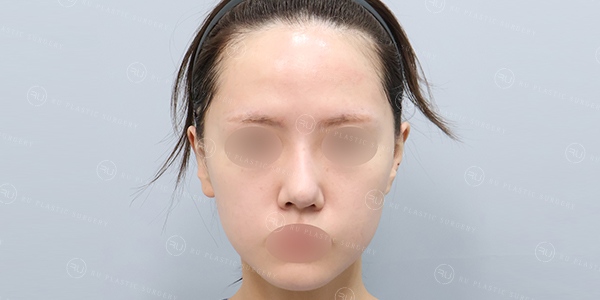
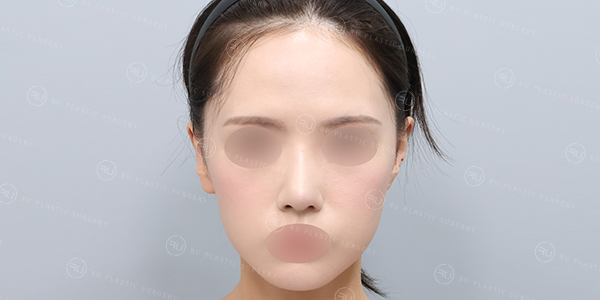
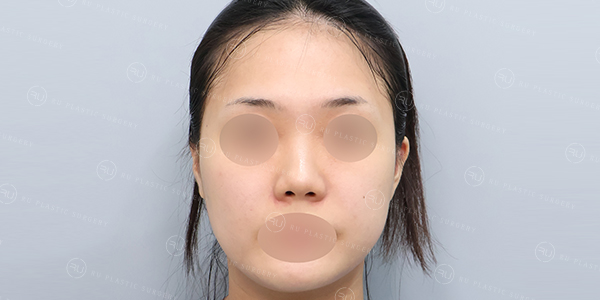
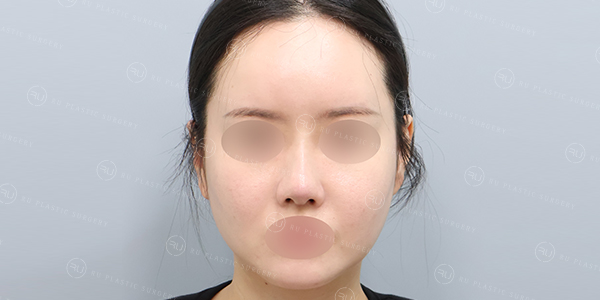
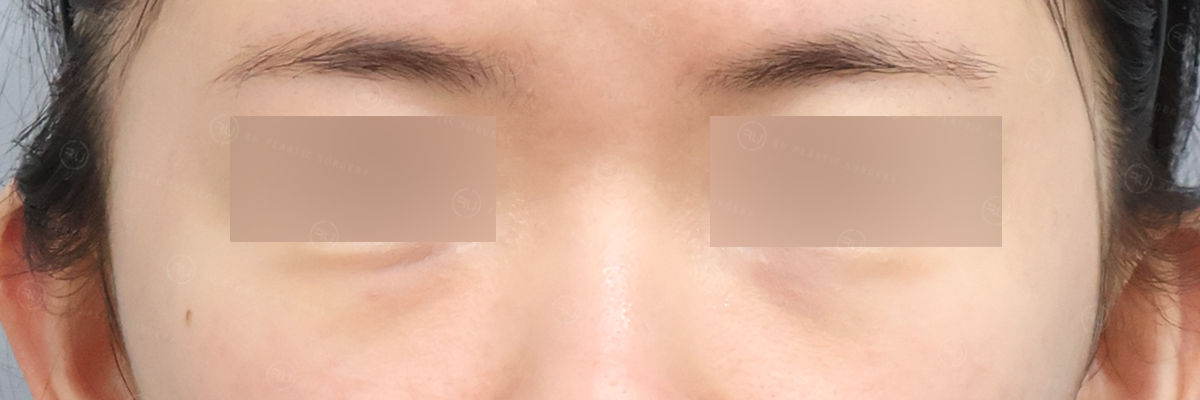
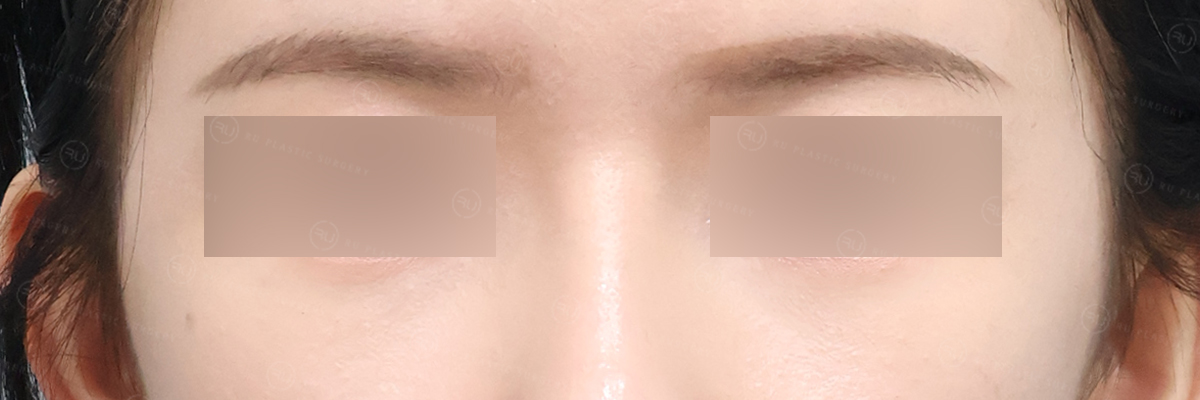
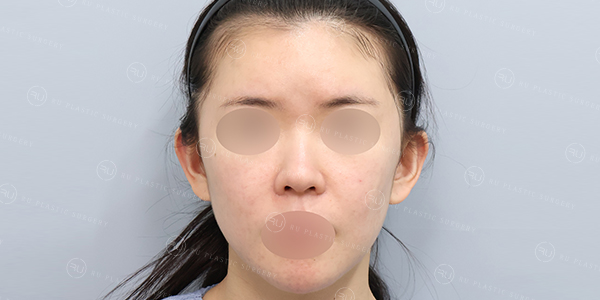
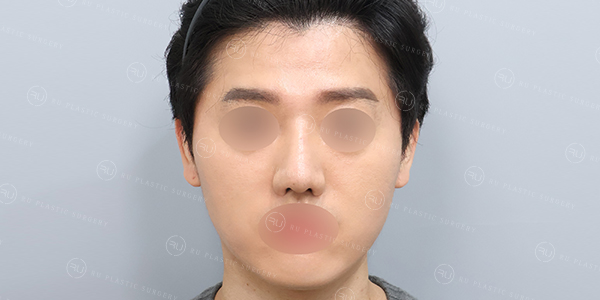
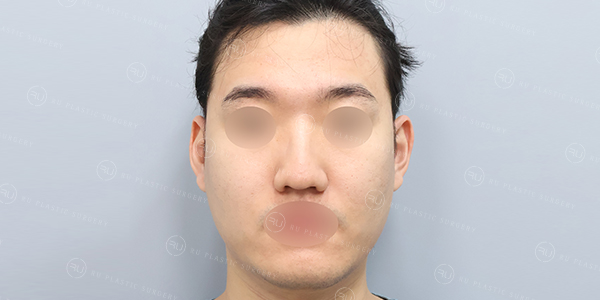
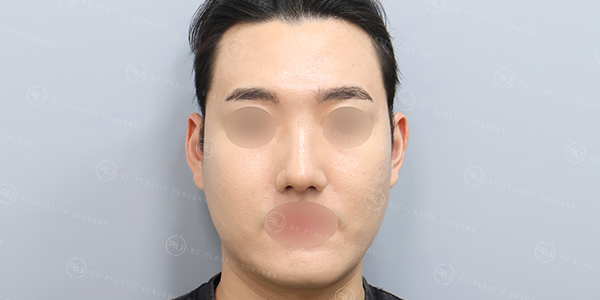
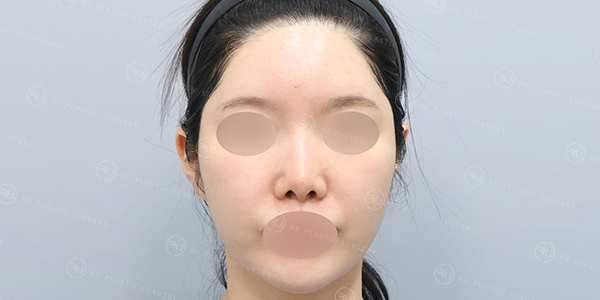
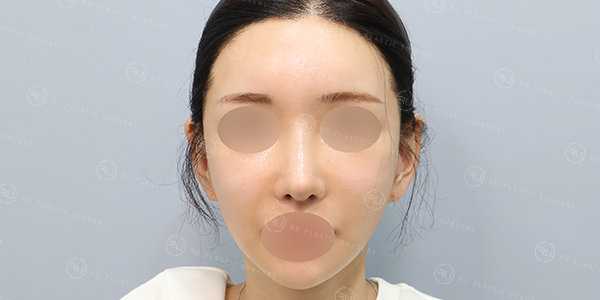
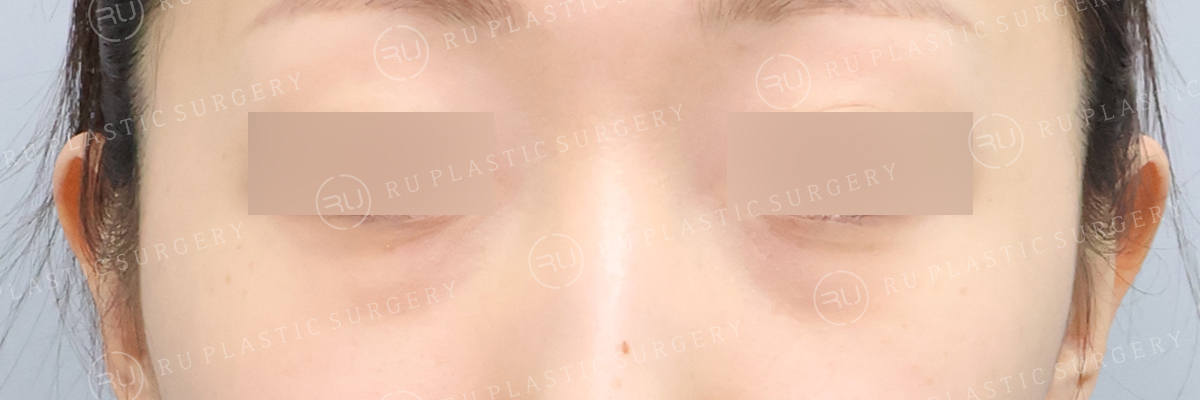
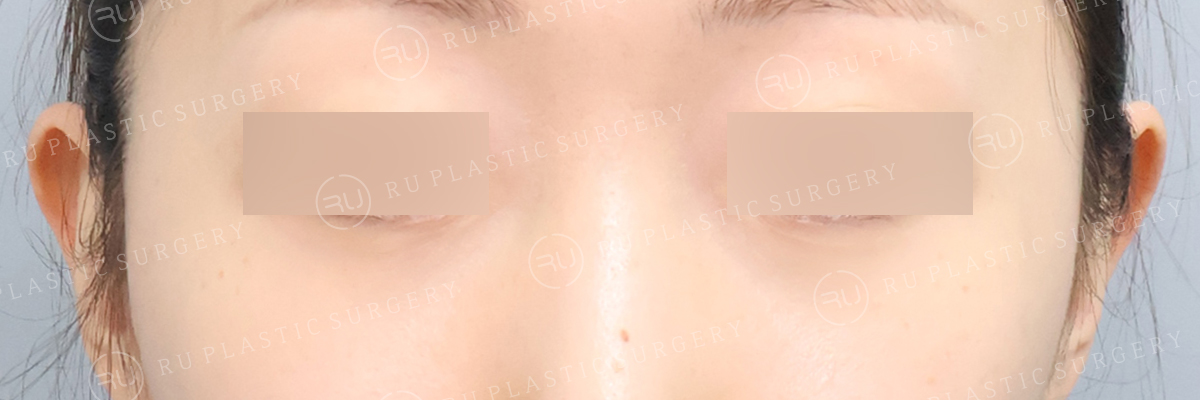
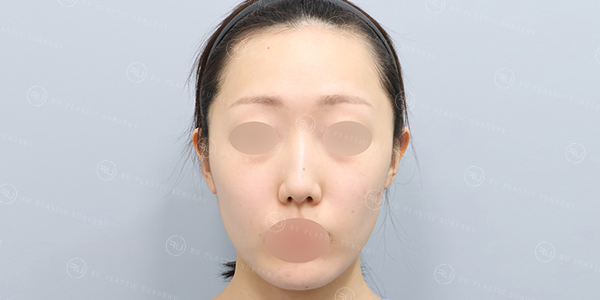
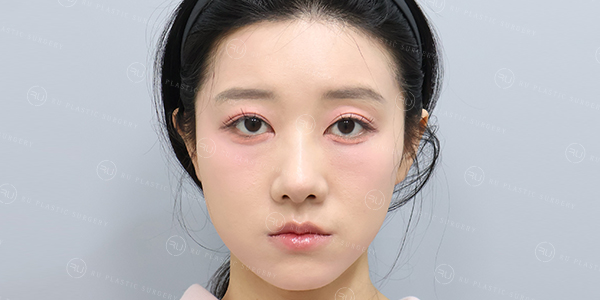
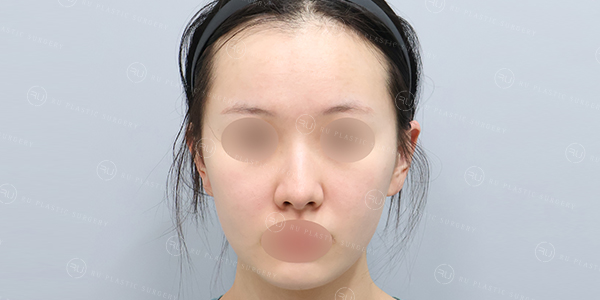
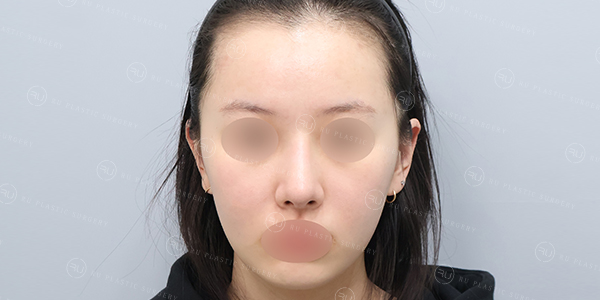
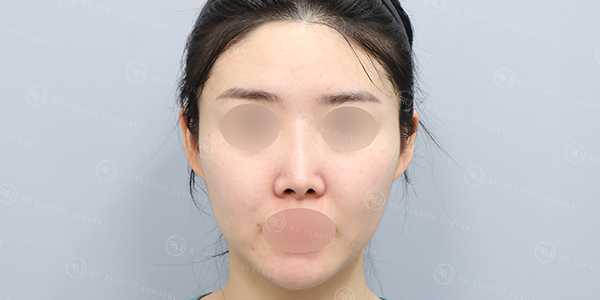
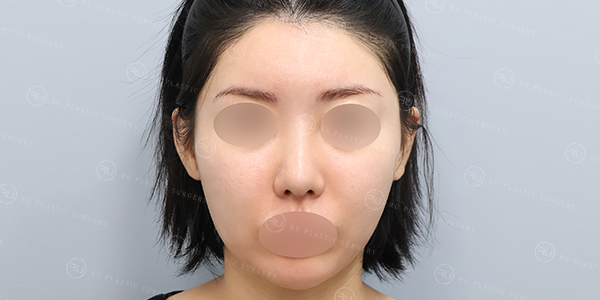
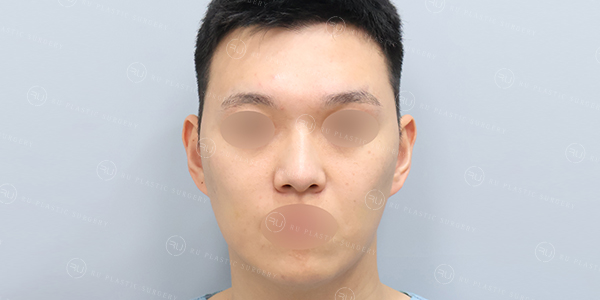
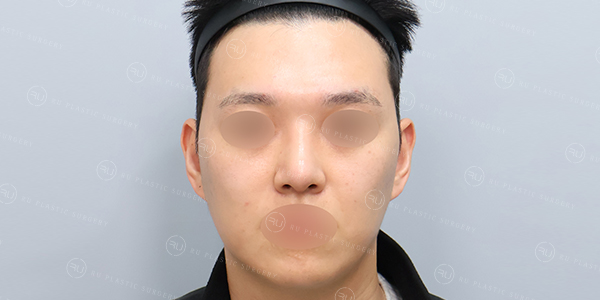
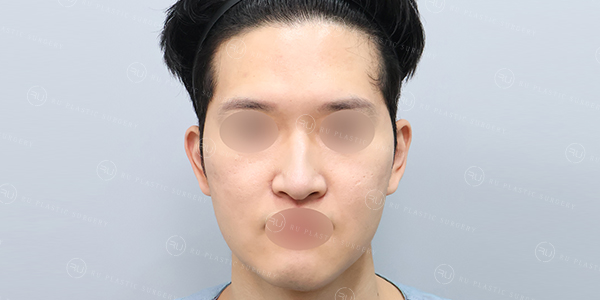
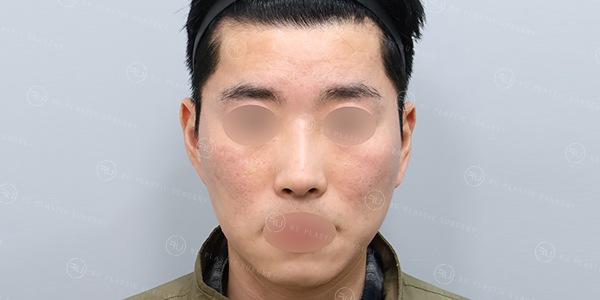
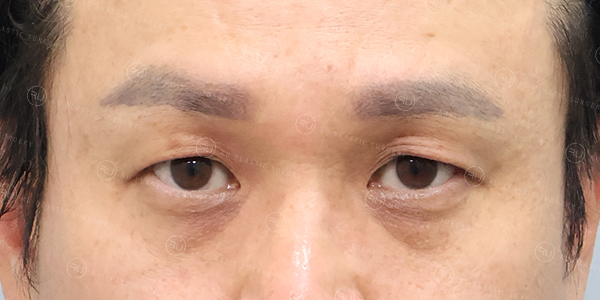
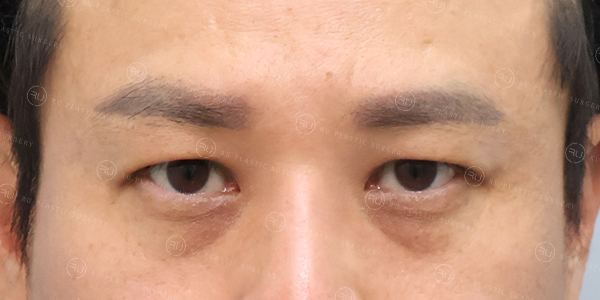
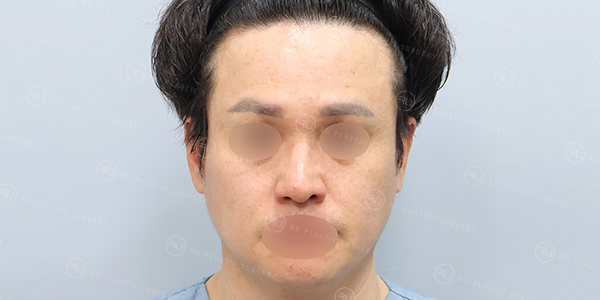
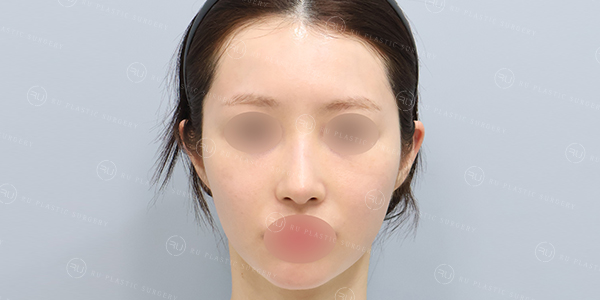
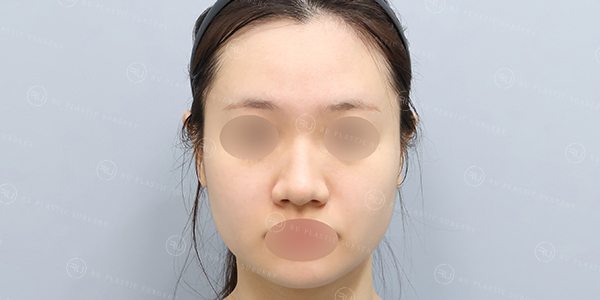
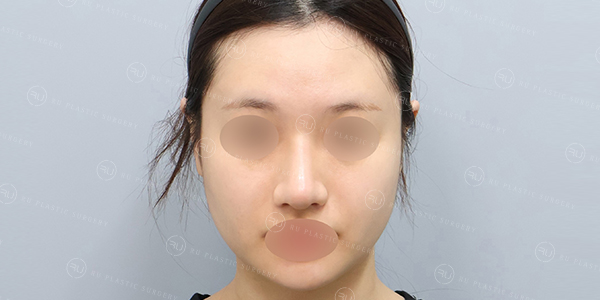
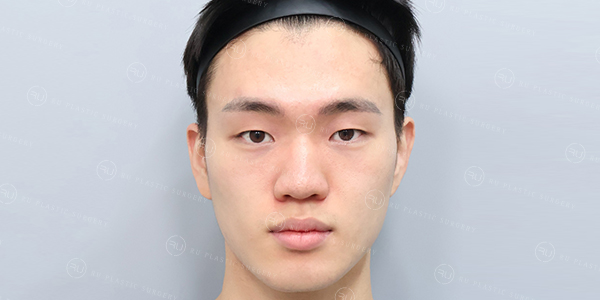
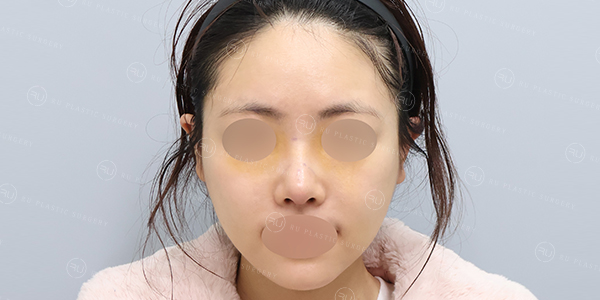
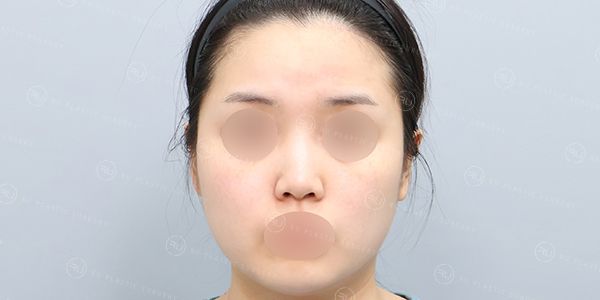
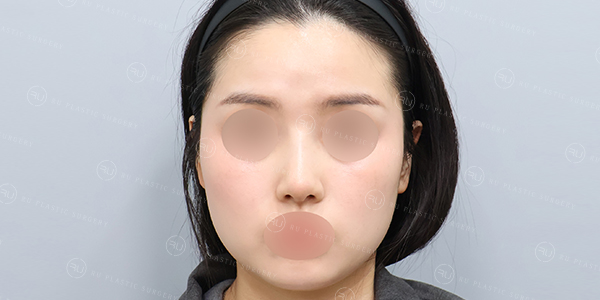
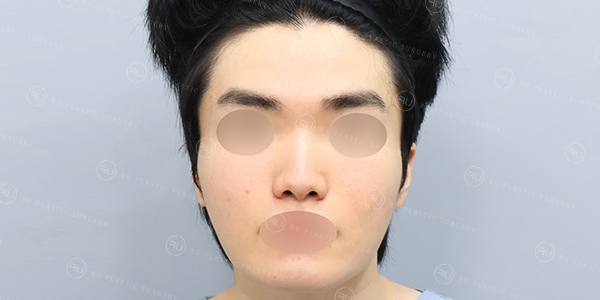
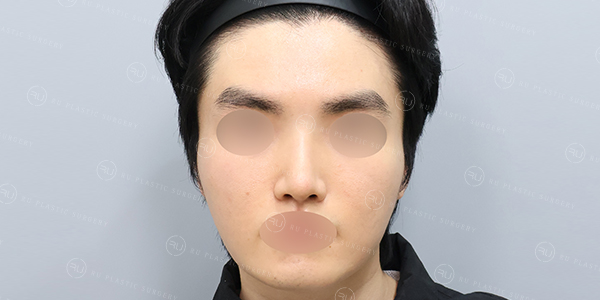
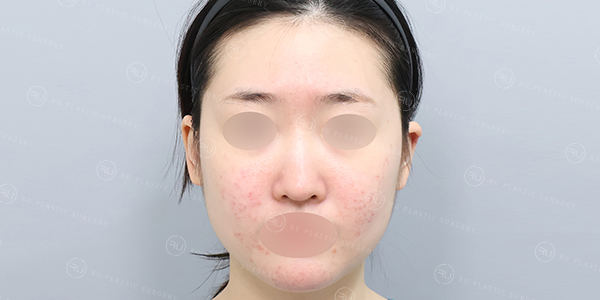
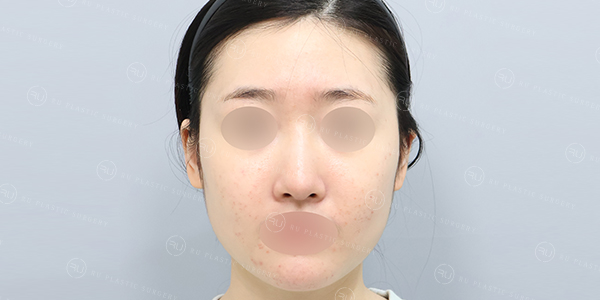
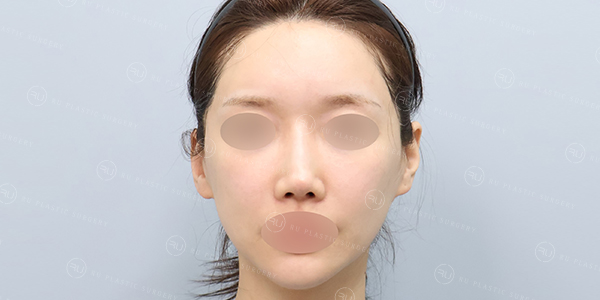
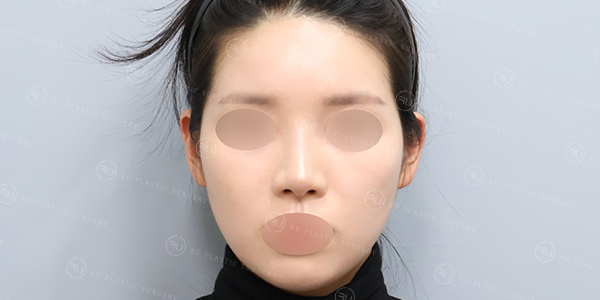
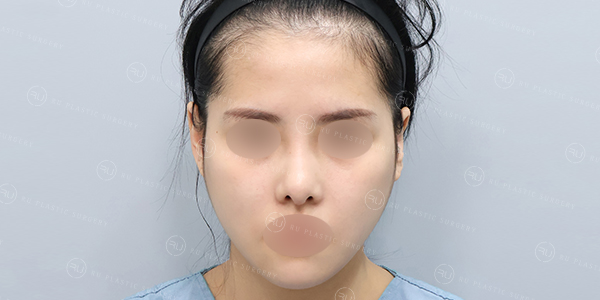
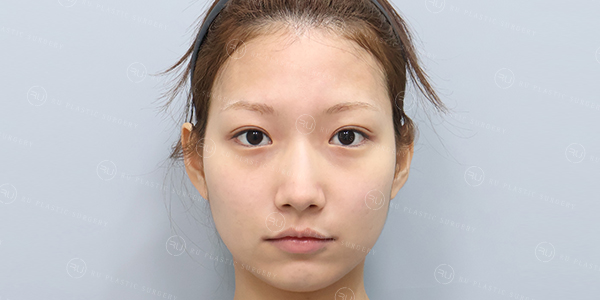
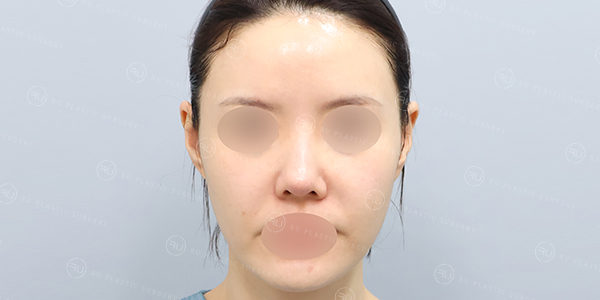
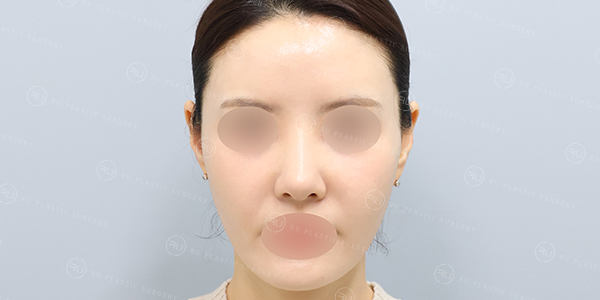
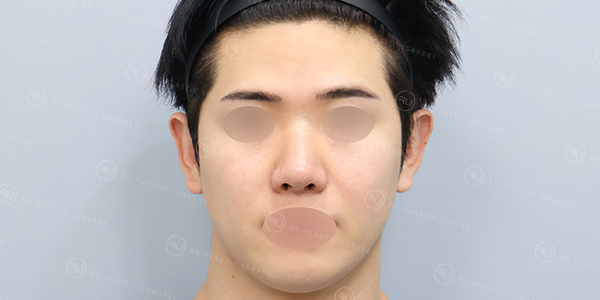
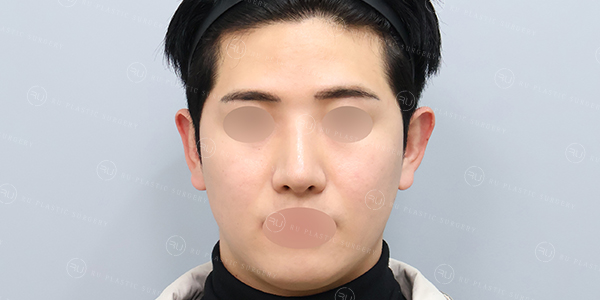
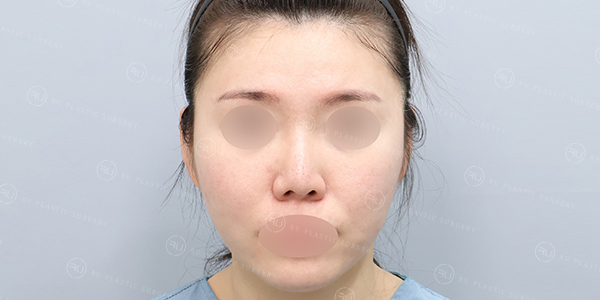
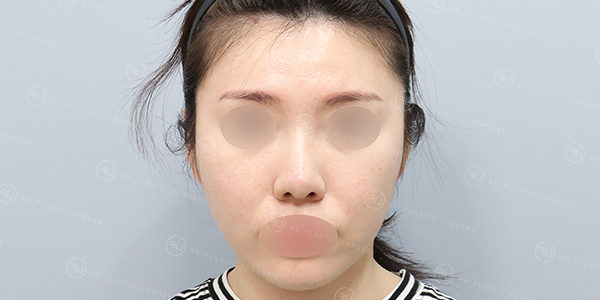
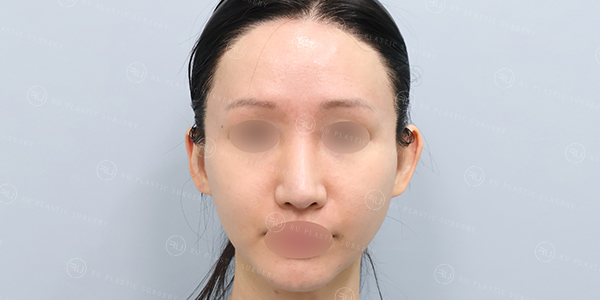
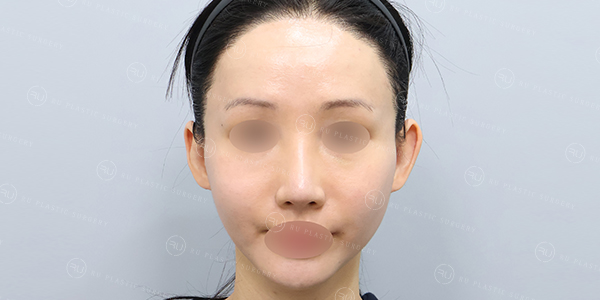
This is my six-month postoperative review following revision surgery for a contracted nose.
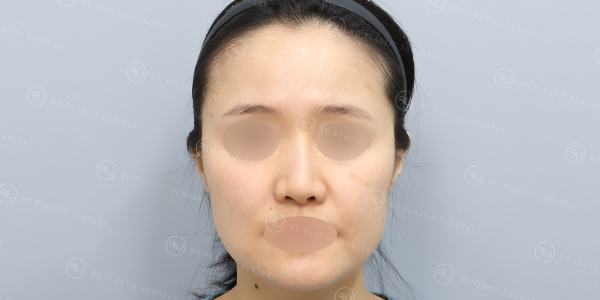
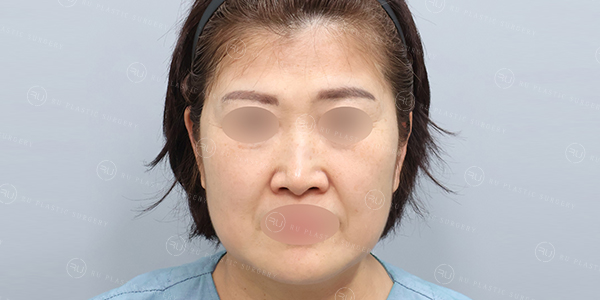
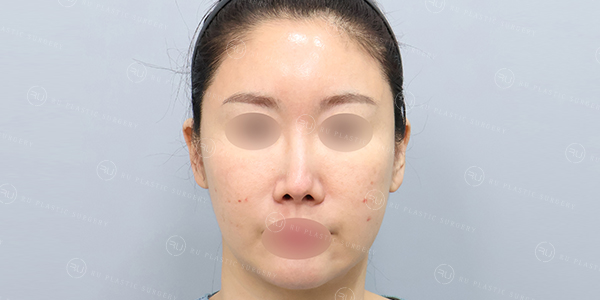
Before this surgery, my nose had become severely contracted, and the nasal tip had significantly shortened.
I had previously undergone surgery using a customized silicone implant (Fitme),
but the implant caused nasal deviation. Although I received a corrective surgery using rib cartilage at the same clinic,
an infection developed about three to four months later.
As a result, both the nasal tip cartilage and the silicone implant had to be urgently removed.
My nose, which was already naturally small and short,
appeared even more diminished and shrunken after the implant removal. At that point,
I realized I needed a surgeon
who specialized in revision rhinoplasty—
particularly in cases involving structural reconstruction
with autologous materials.
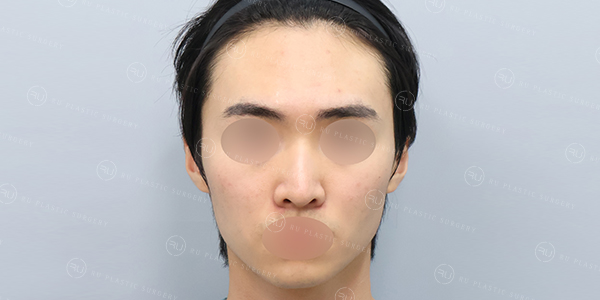
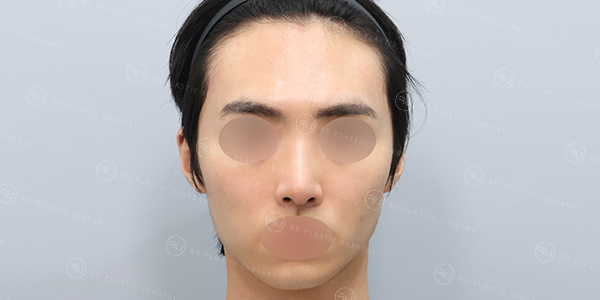
Having previously undergone facial contouring surgery at RU Plastic Surgery,
I discovered that Dr. Hyunjoo Kim also had extensive experience with revision and contracted nose cases.
While visiting for a contouring follow-up,
I also consulted with Dr. Kim regarding my nasal concerns
and immediately decided to proceed with her
as my surgeon for the reconstruction.
The procedure involved harvesting both rib cartilage and temporoparietal fascia (TPF),
making it a complex and extensive surgery.
The recovery process took longer than expected,
especially due to the discomfort associated with harvesting rib cartilage—something
I personally found quite painful both in this and my previous surgery.
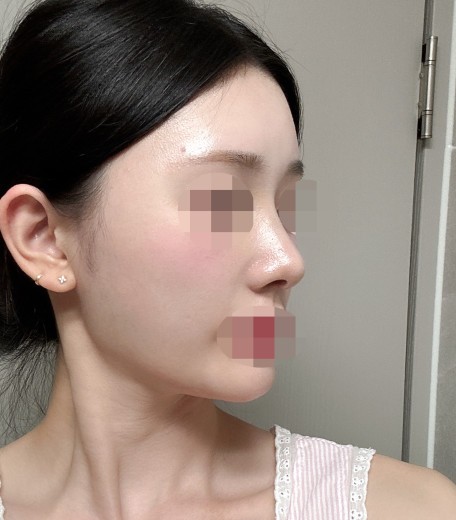
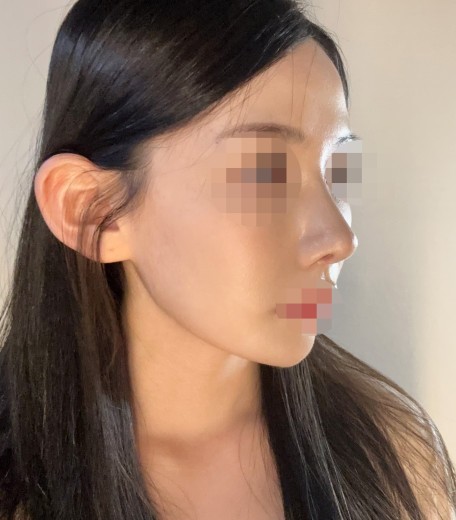
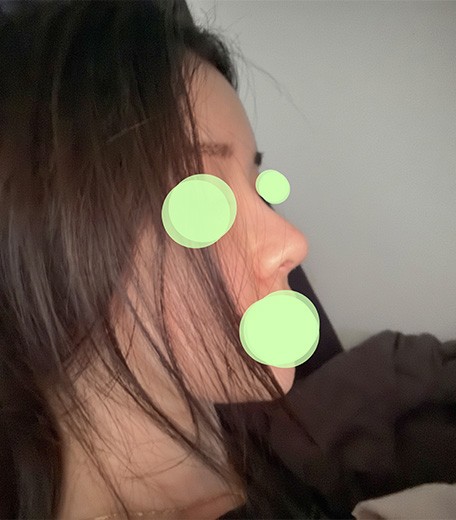
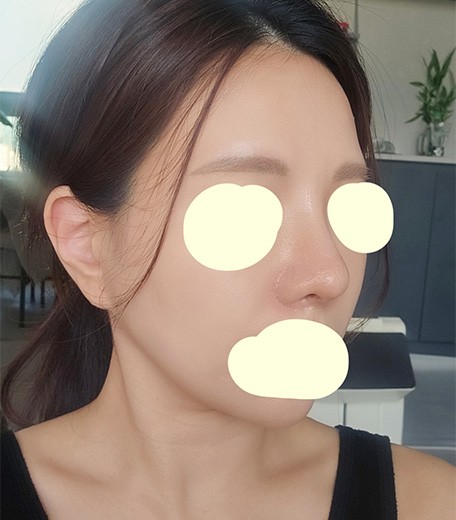
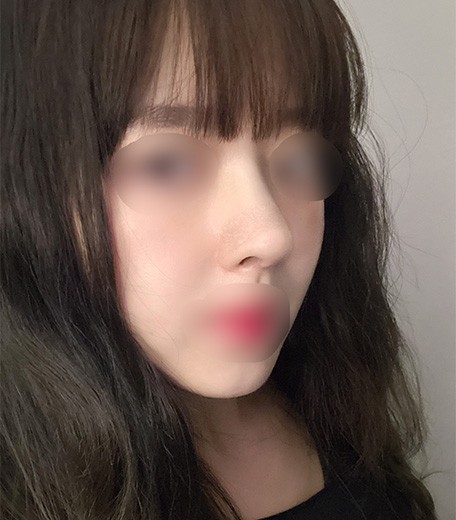
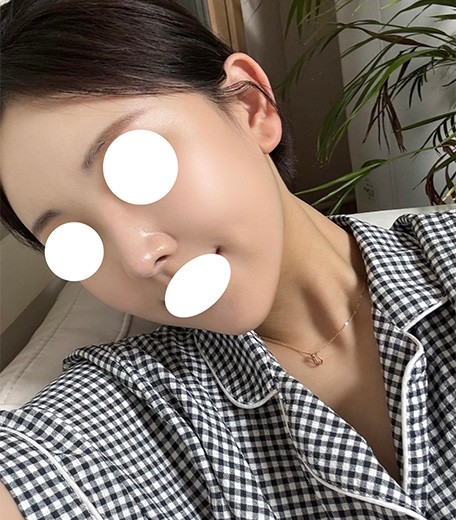
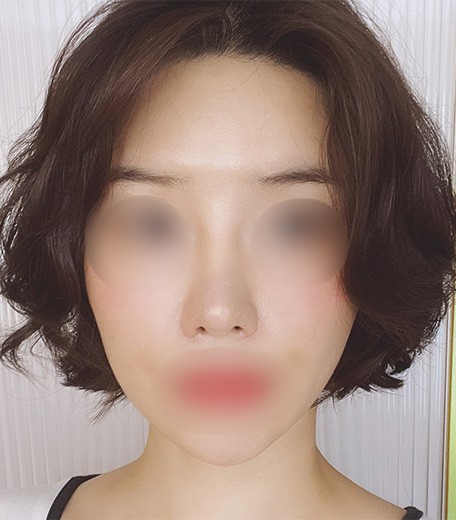
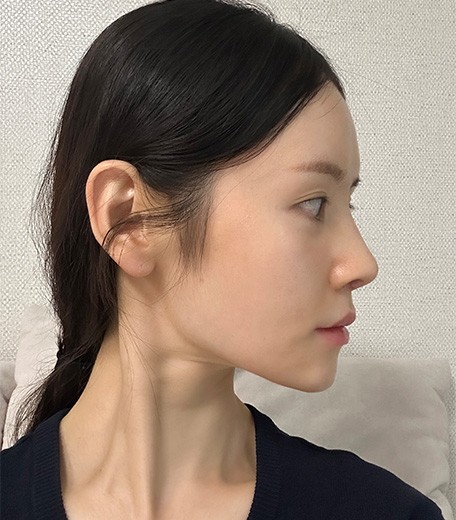
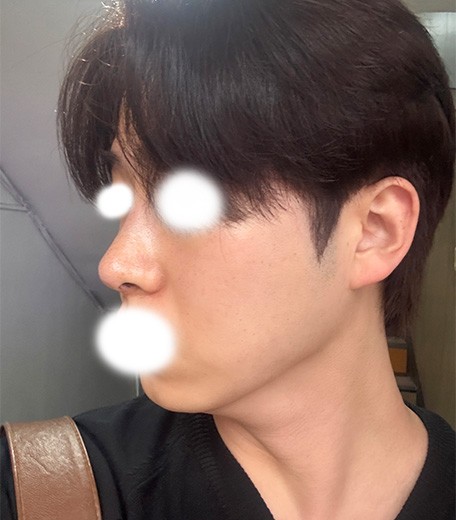
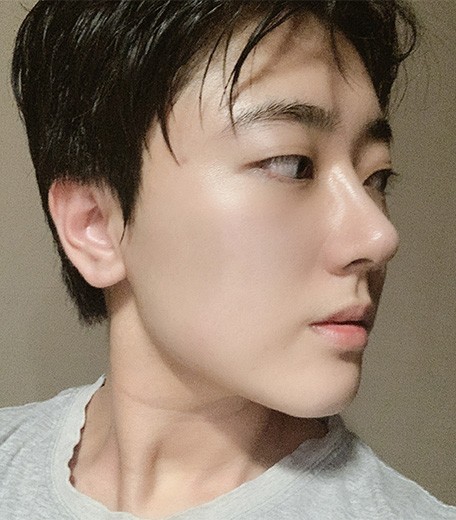
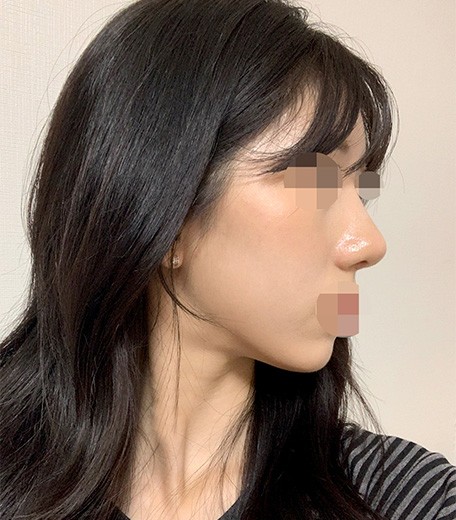
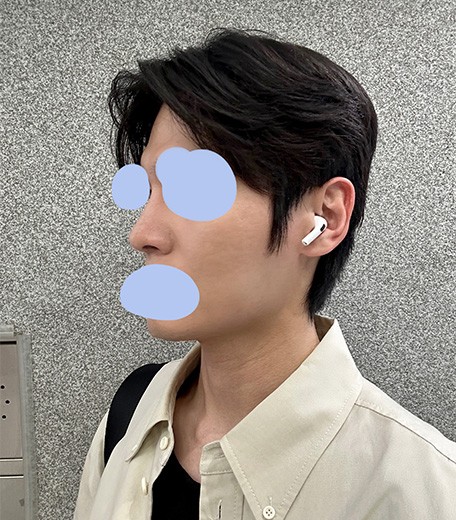
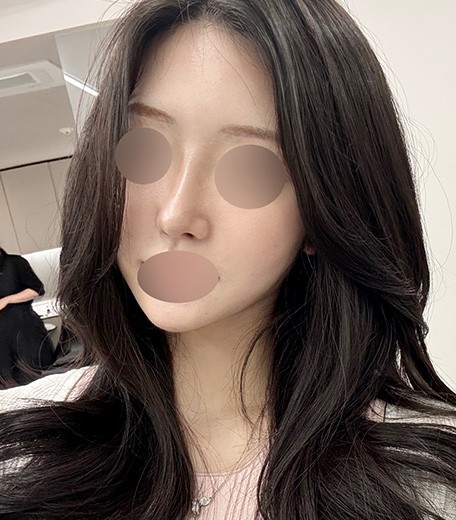
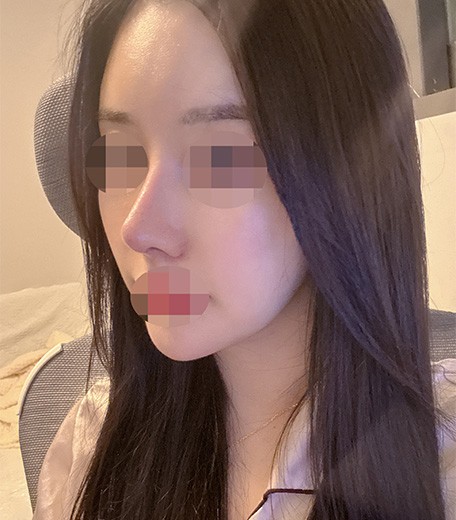
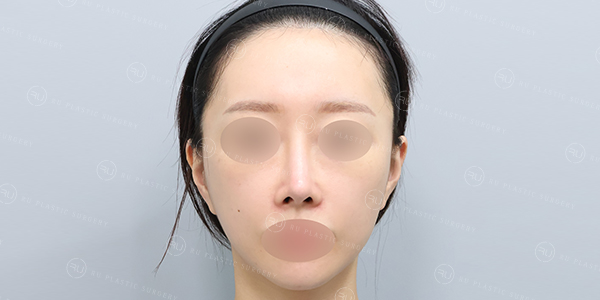
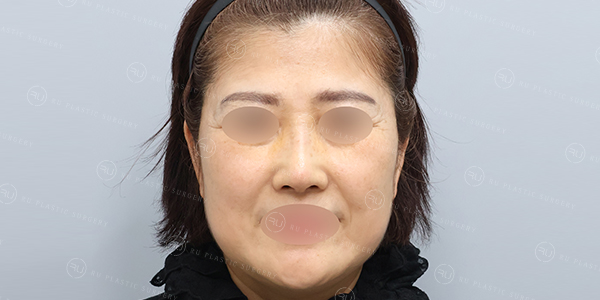
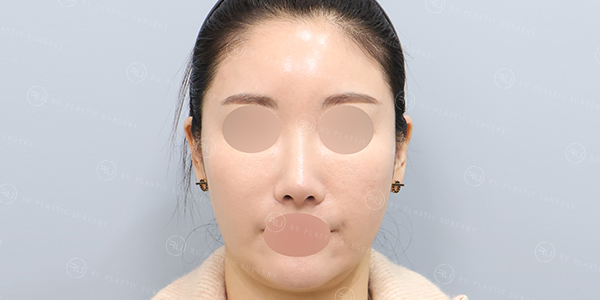
At the six-month mark, I’m very pleased with the outcome.
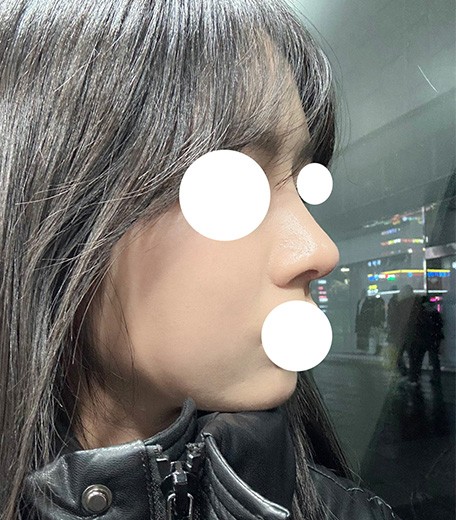
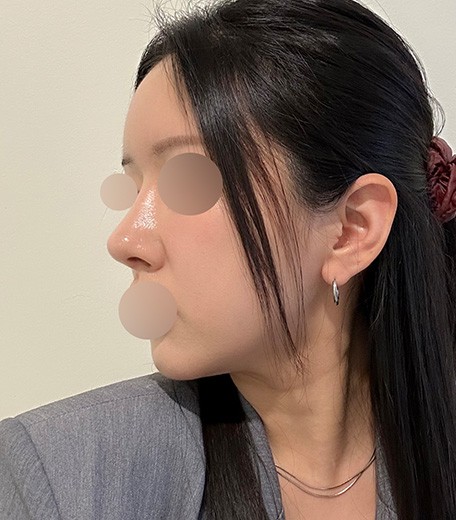
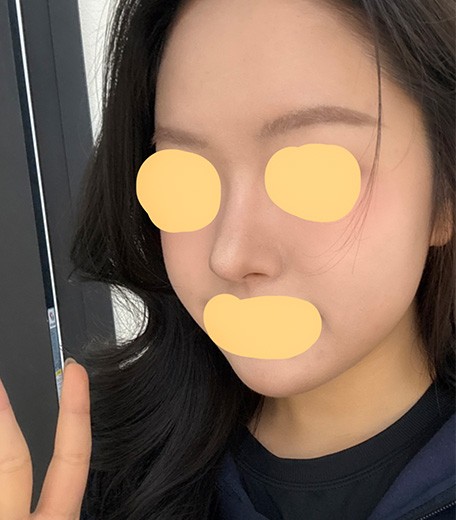
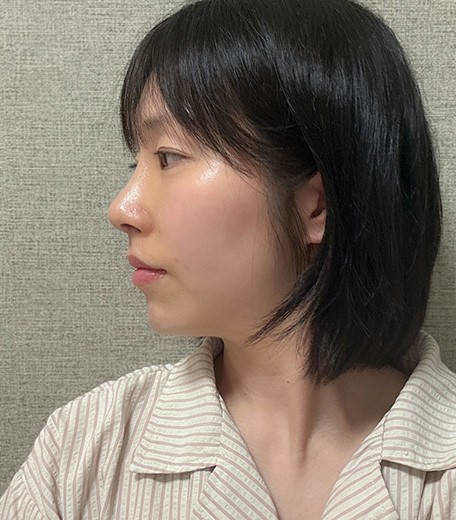
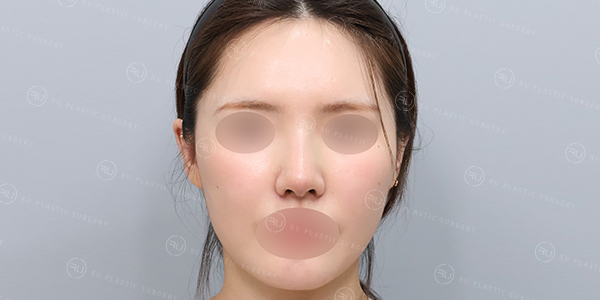
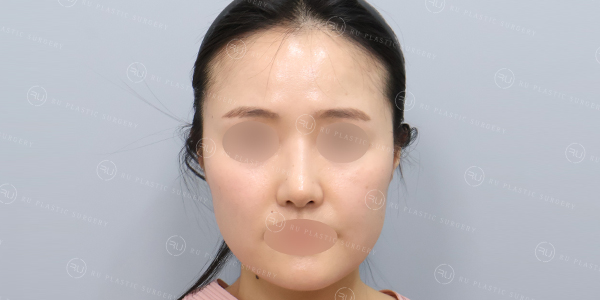
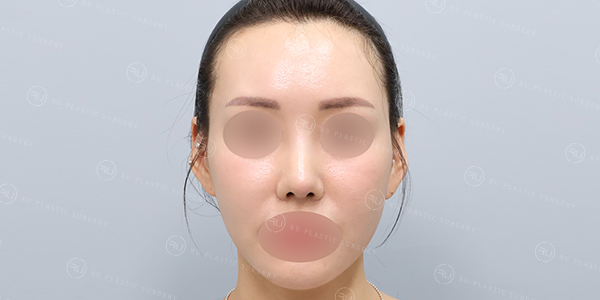
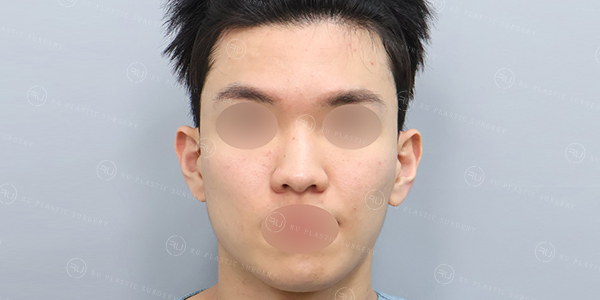
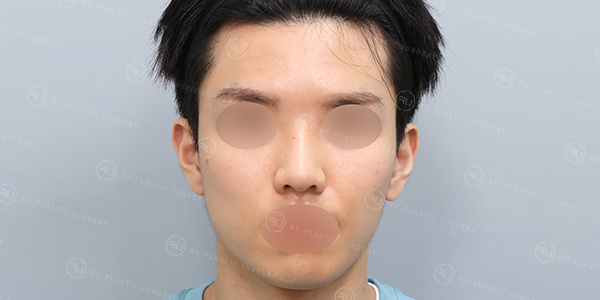
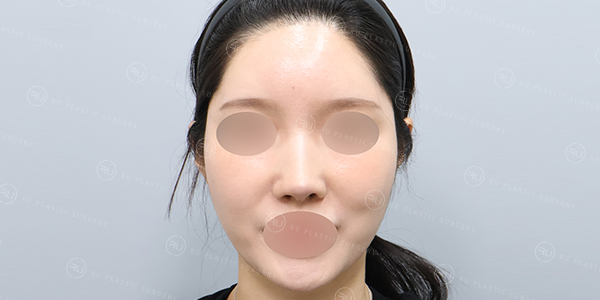
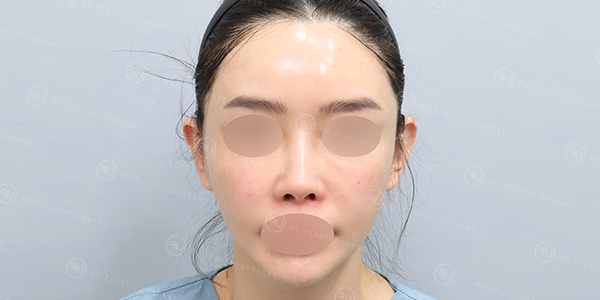
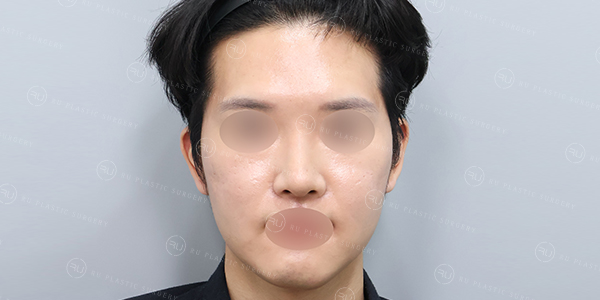
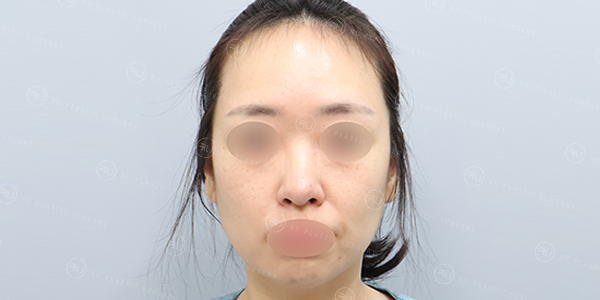
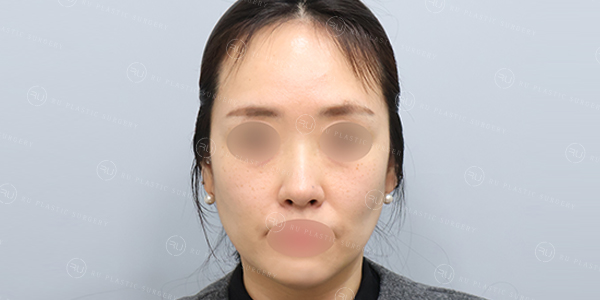
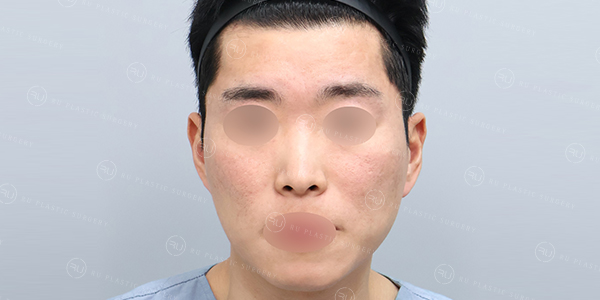
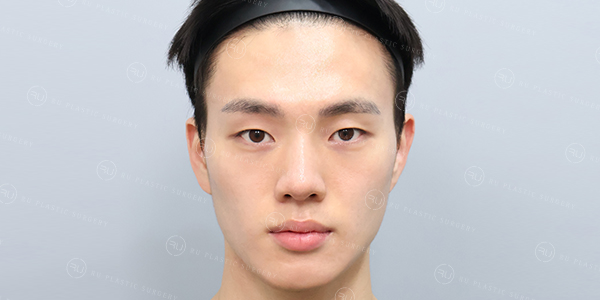
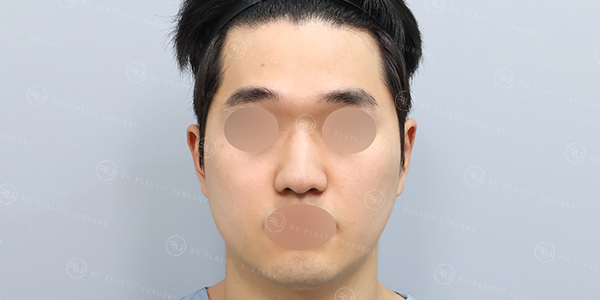
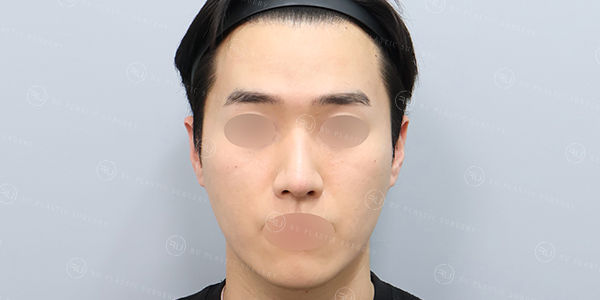
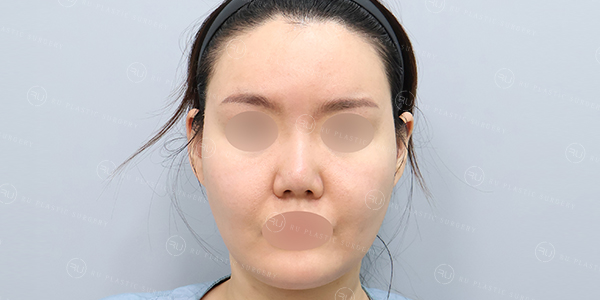
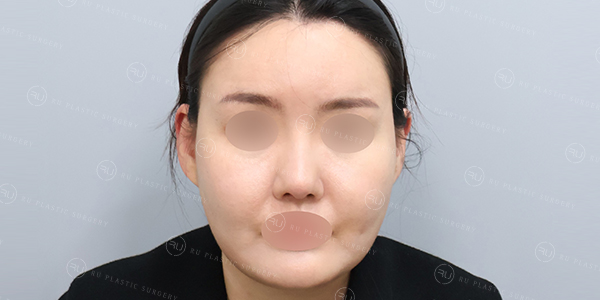
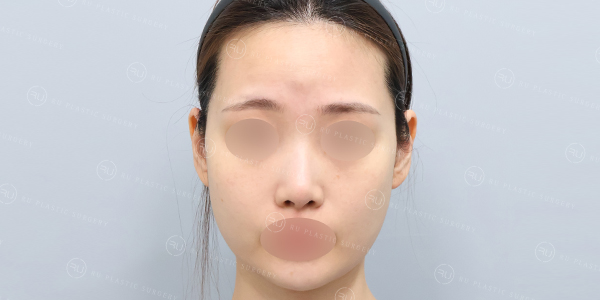
From the front, the nose now has a fuller and more proportionate appearance without the collapsed or pinched look it had before.
From the profile view, the nasolabial angle has been significantly refined, and the overall balance has improved.
There is occasional redness at the nasal tip,
which comes and goes. I’ve been told this can persist for up to a year,
particularly in cases like mine involving aggressive structural revision
and skin stretching. It’s considered a normal part of the tissue’s adaptation process after major reconstruction.
If you're considering revision surgery for a contracted or previously overcorrected nose,
particularly with structural grafting to increase height and projection, it’s important to be aware that such transient symptoms can occur.
Overall, I’m very satisfied with the aesthetic and struct