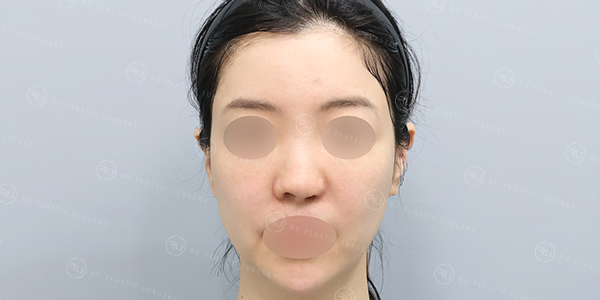
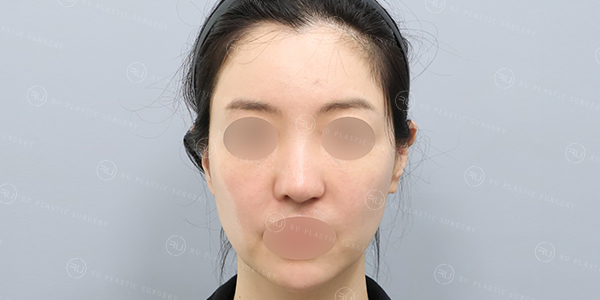
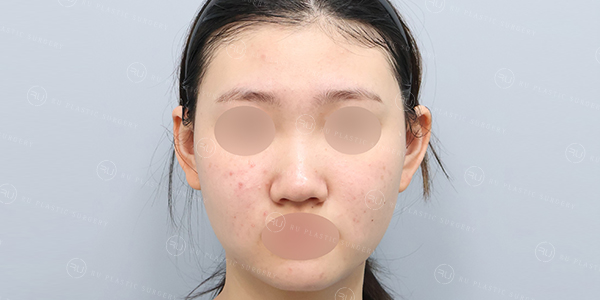
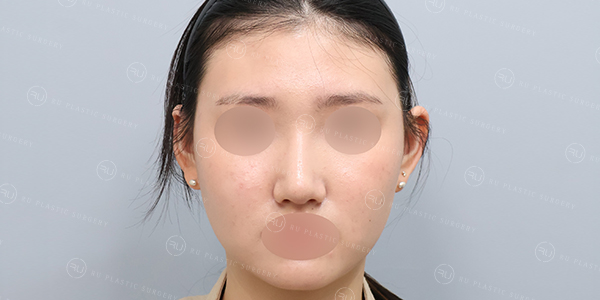
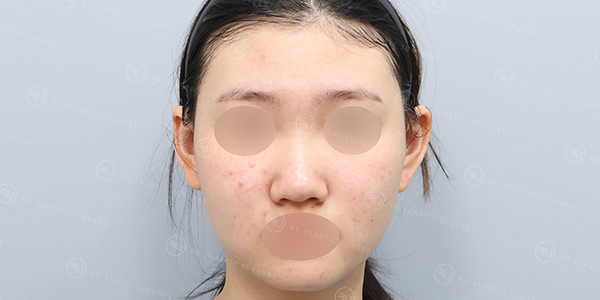
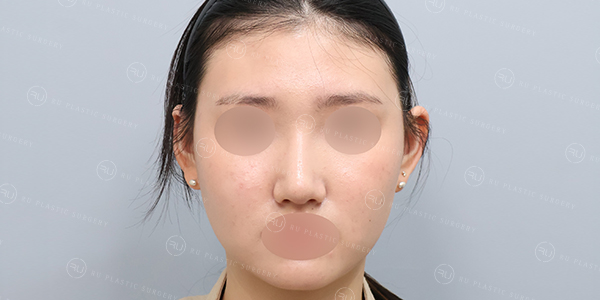
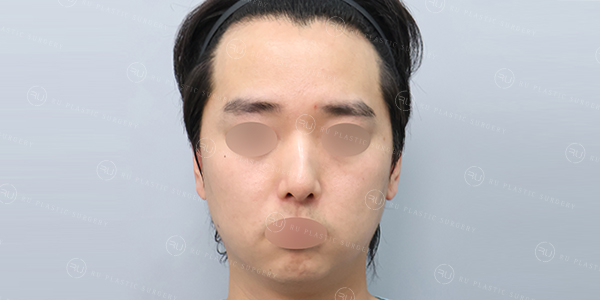
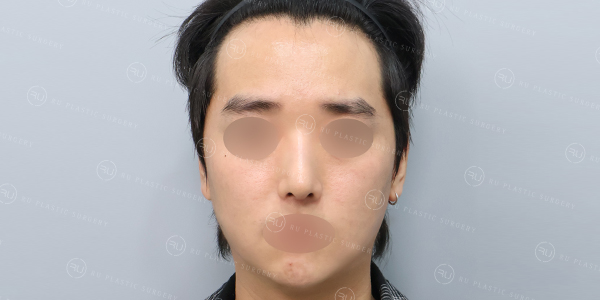
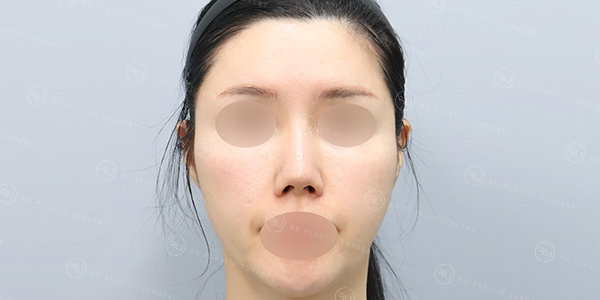
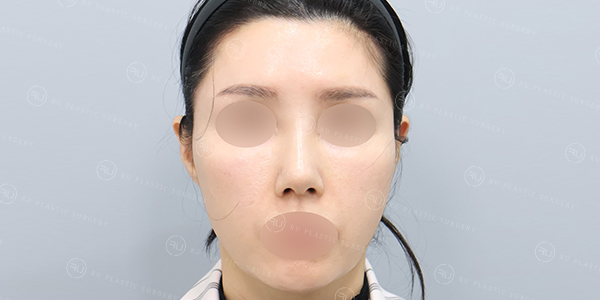
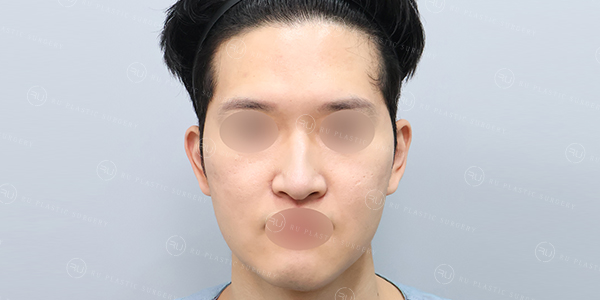
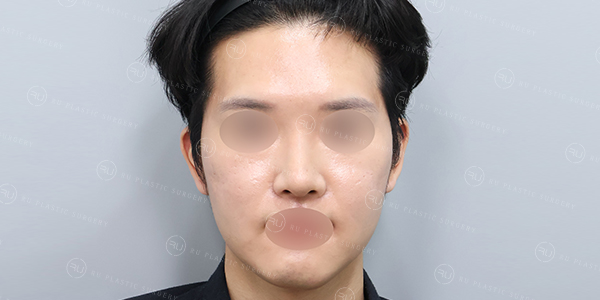
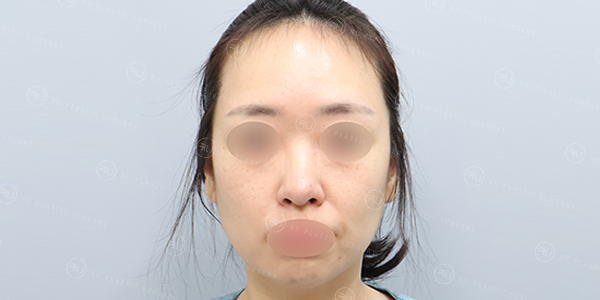
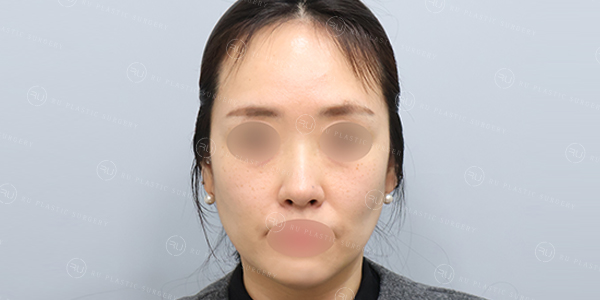
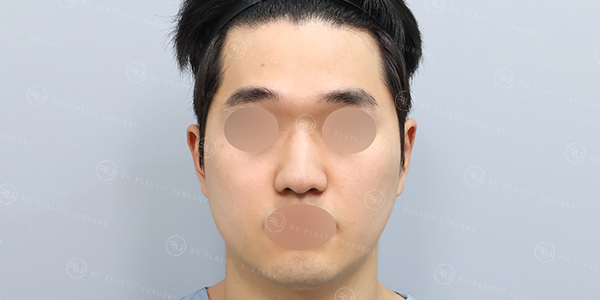
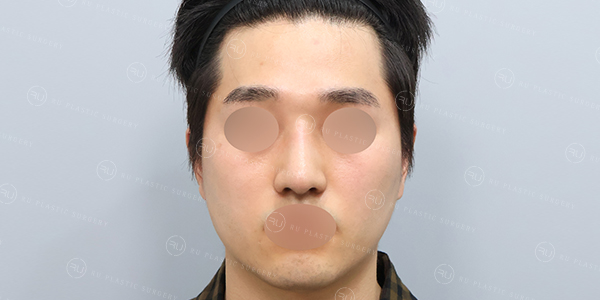
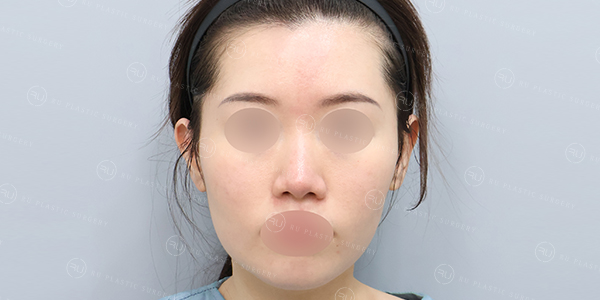
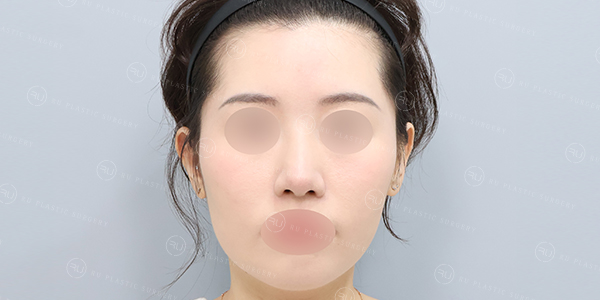
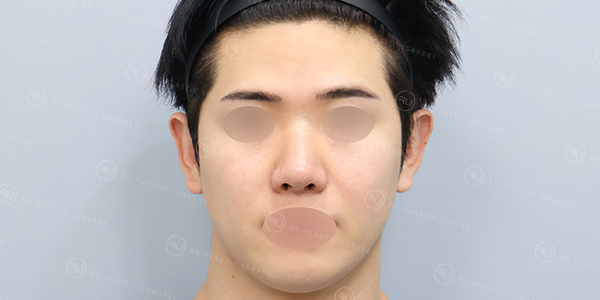
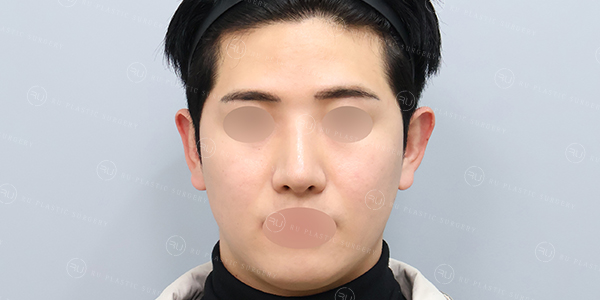
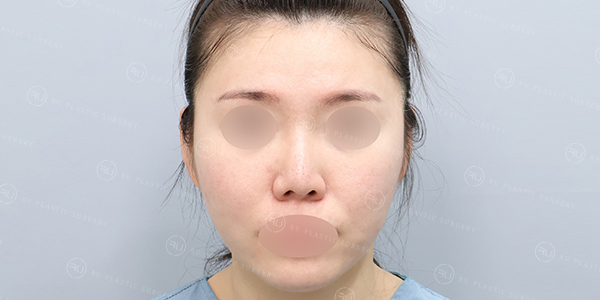
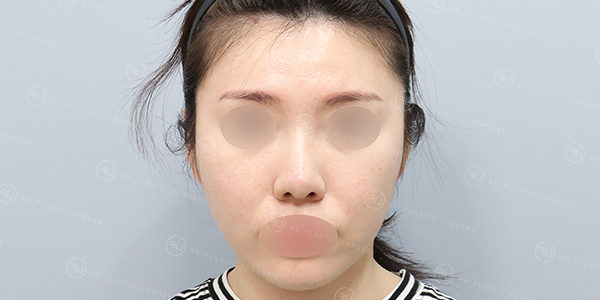
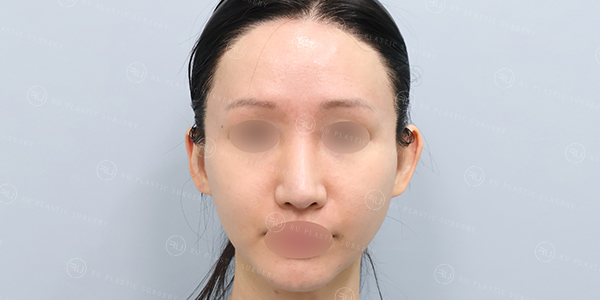
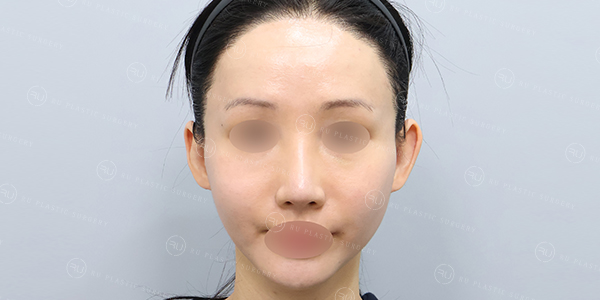
Revision Rhinoplasty Using Autologous Rib Cartilage and Temporalis Fascia Before My Wedding
본문
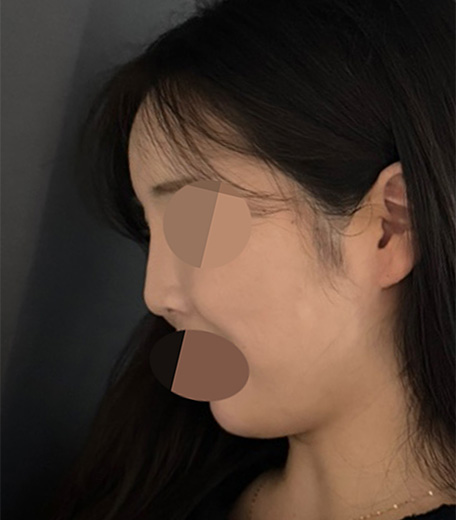
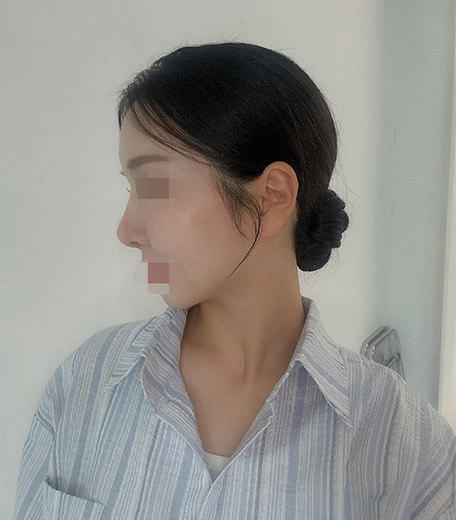
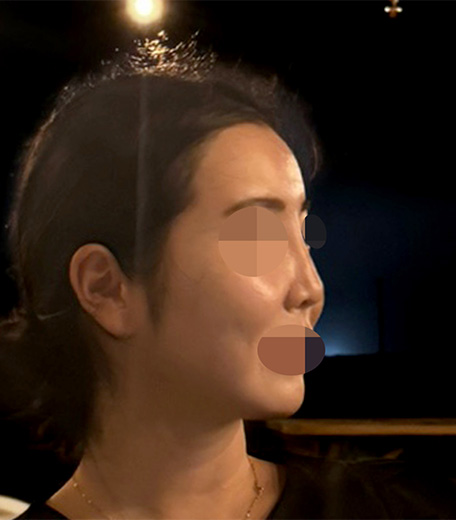
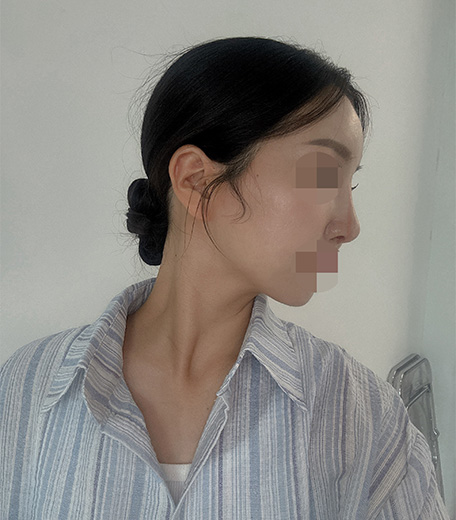
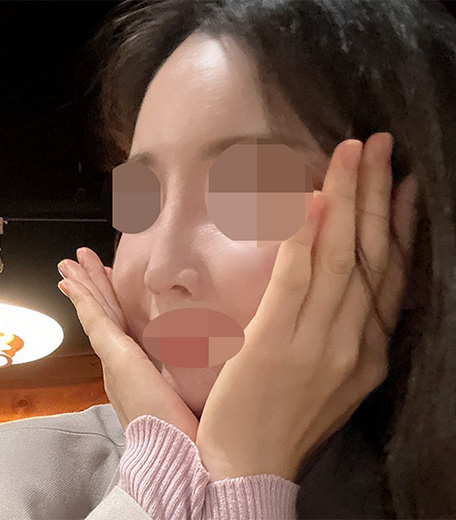
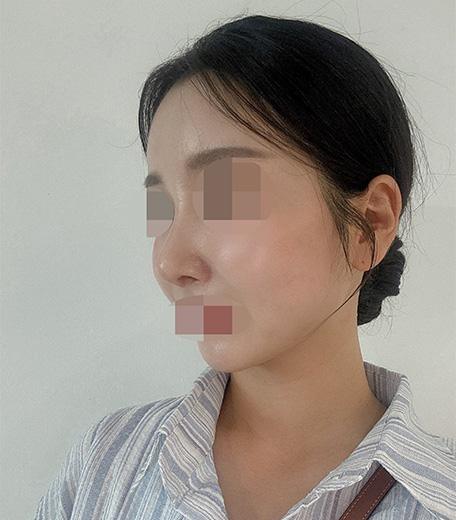
I’m currently a bride-to-be preparing for my wedding next year.
About ten years ago, I received nasal filler injections three times.
Over time, I became concerned about the appearance of a deviated nasal bridge
and decided to undergo cosmetic-functional rhinoplasty,
which also included treatment for rhinitis and was partially covered by insurance.
At the time, my nose was small and my skin was very thin,
so I was told that achieving significant height would be difficult.
My primary concern was correcting the curvature of the nasal bridge,
so I opted for surgery using a silicone implant.
Seven years after that surgery,
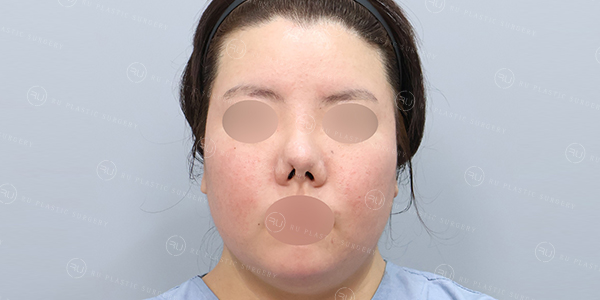
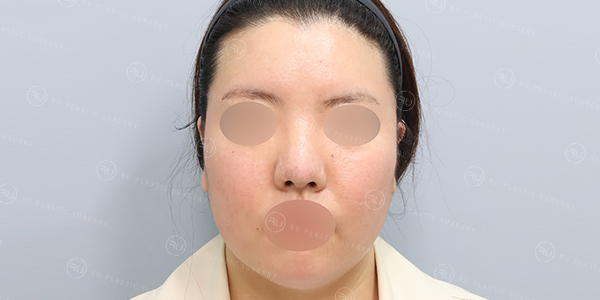
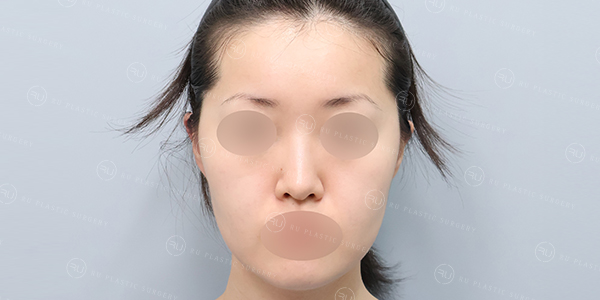
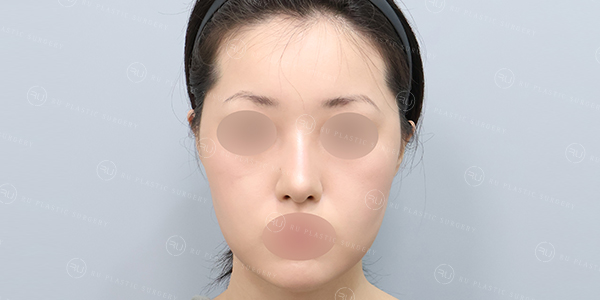
I began noticing that the tip of my nose was gradually drooping.
As my wedding approached,
I seriously began to consider revision surgery.
After extensive research,
I narrowed my options down to two clinics.
The first consultation was disappointing.
I was told that due to my thin skin,
any revision would result in minimal visible improvement,
and that there was a risk of developing capsular contracture again.
On top of that, the cost was very high,
and the entire experience felt like a waste of time.
My second consultation was at RU Plastic Surgery.
Although the wait time was a bit long—
likely because the clinic is run by a single surgeon—
I was impressed by how thorough the evaluation was.
Dr. Hyunjoo Kim reviewed my CT scans
and identified signs of inflammation around the existing silicone implant.
He strongly advised me never to use silicone again,
even if I chose to go to another clinic.
Given my thin skin,
he explained that revision surgery would require
autologous rib cartilage and temporalis fascia
to achieve a safe and natural result.
His confidence and clear surgical plan
helped me decide immediately
that I wanted to undergo revision surgery at RU.
The most uncomfortable part of the recovery
was the rib cartilage harvest site.
Because of the incision along the rib area,
sitting and certain movements were uncomfortable
during the first two weeks.
However, after that period,
the discomfort became manageable,
and now—just one month post-op—
I am moving around comfortably,
even running across crosswalks without any pain.
At my suture removal appointment two weeks after surgery,
I was surprised by how painless the process was.
Thanks to Dr. Kim’s delicate surgical technique,
what I had feared most turned out to be nothing to worry about.
Although I am only one month post-op
and still have some residual swelling,
I am already extremely happy with the results.
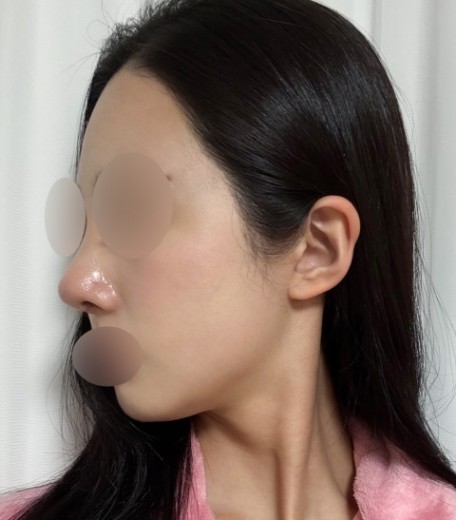
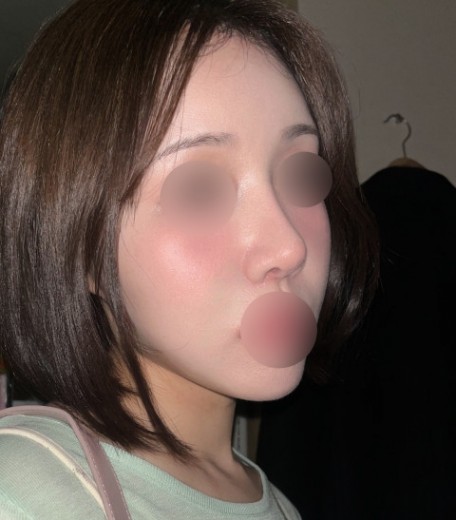
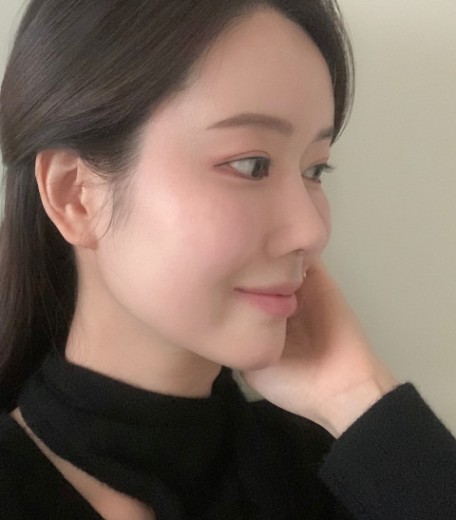
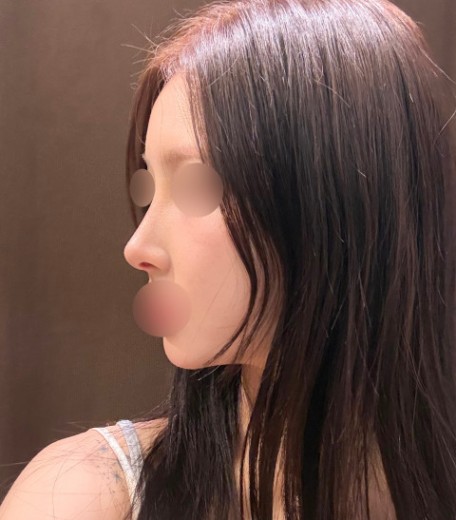
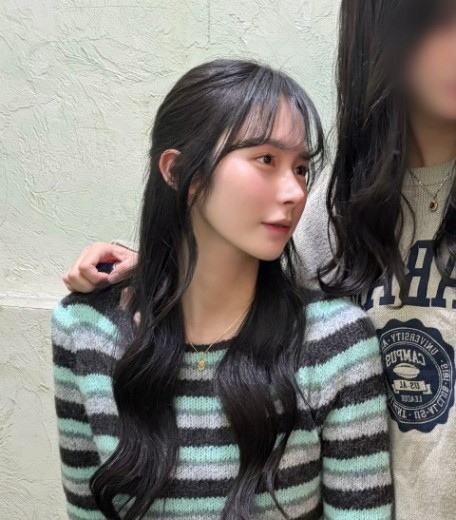
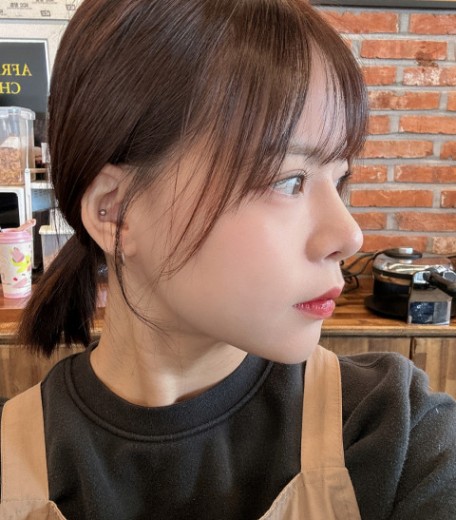
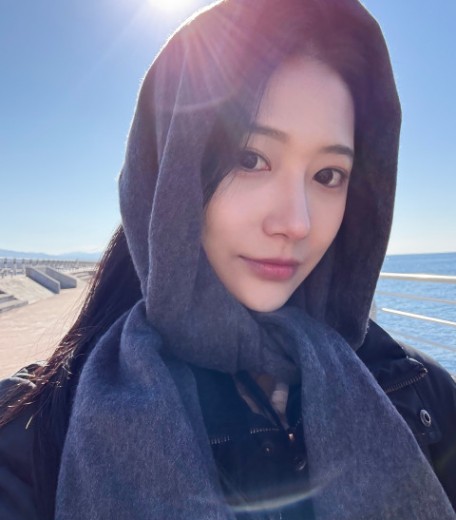
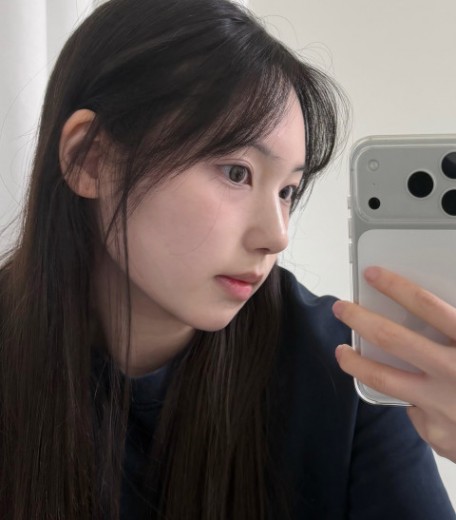
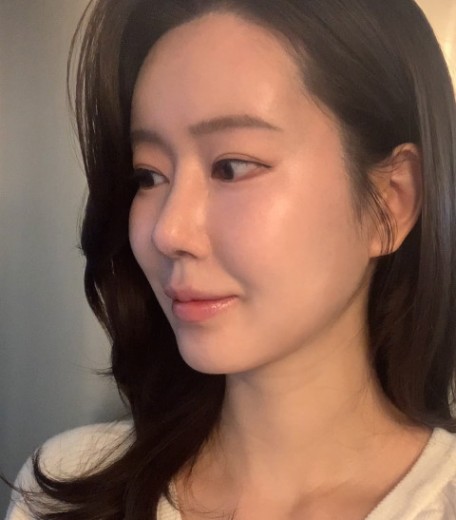
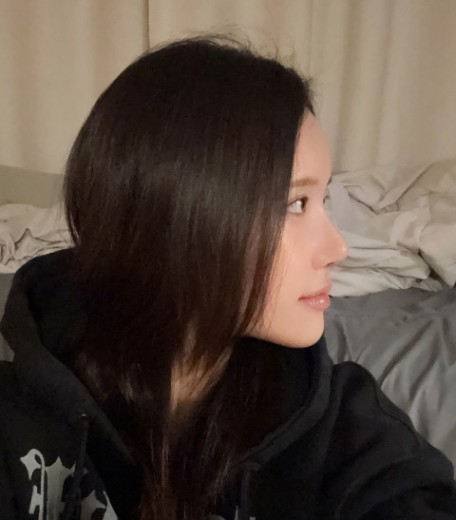
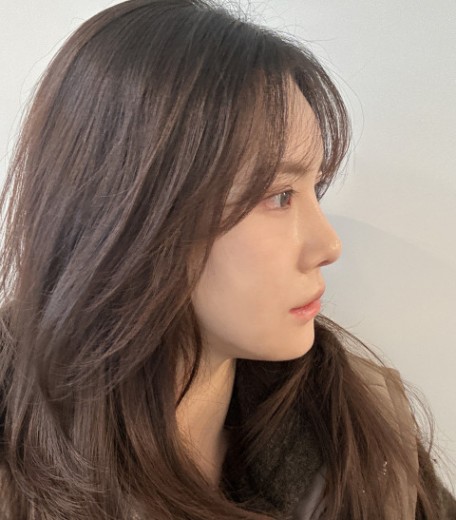
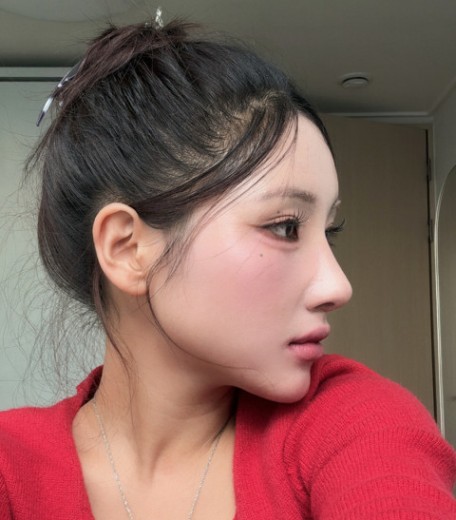
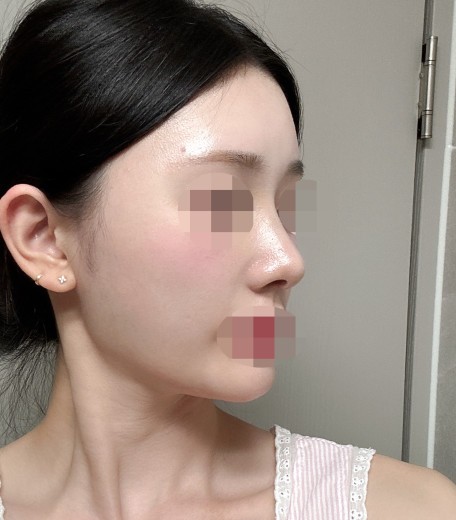
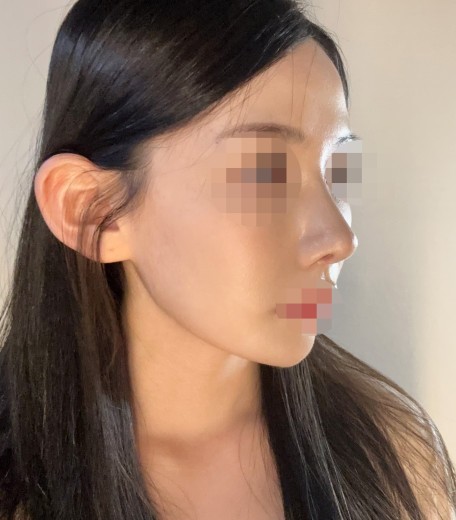
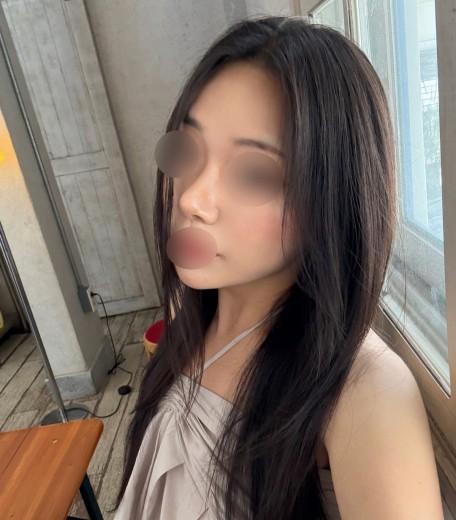
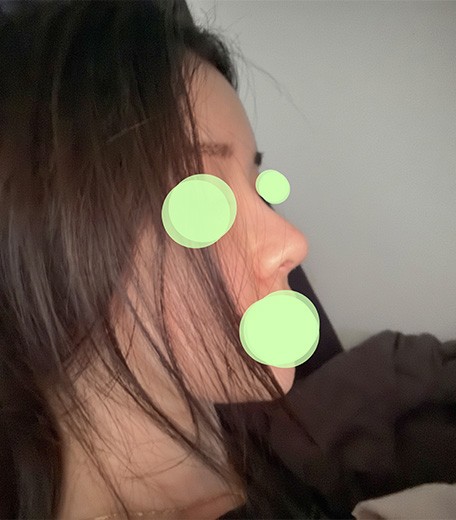
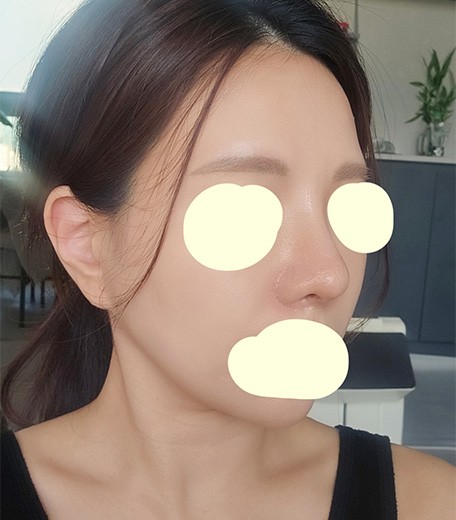
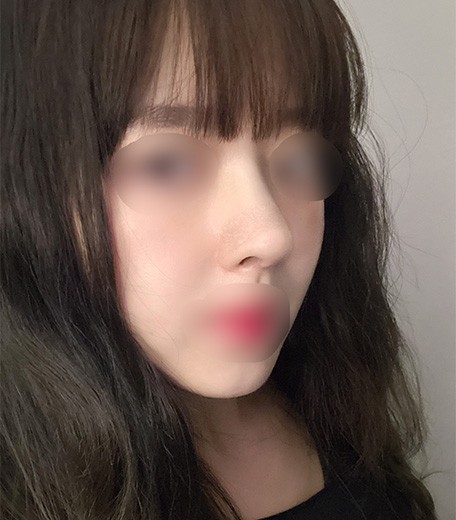
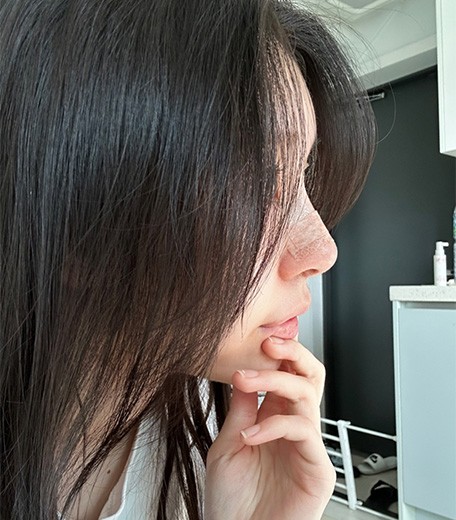
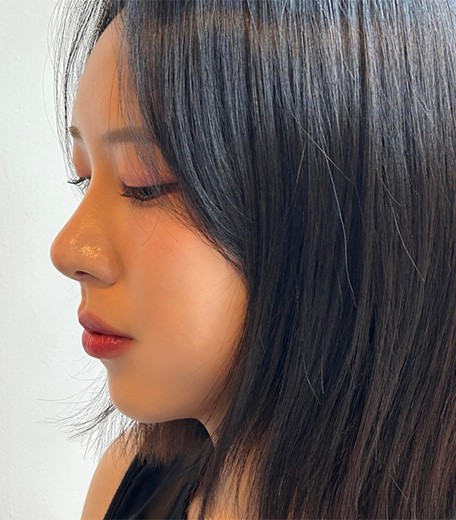
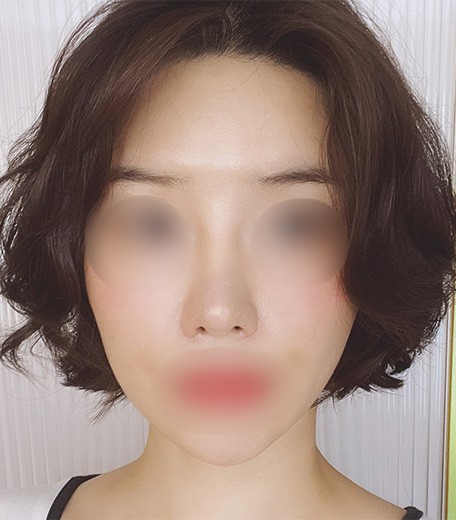
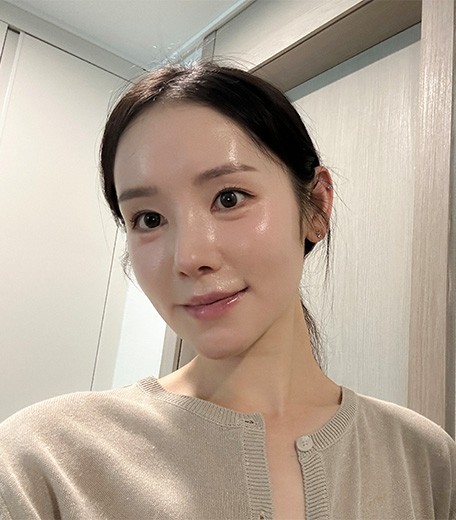
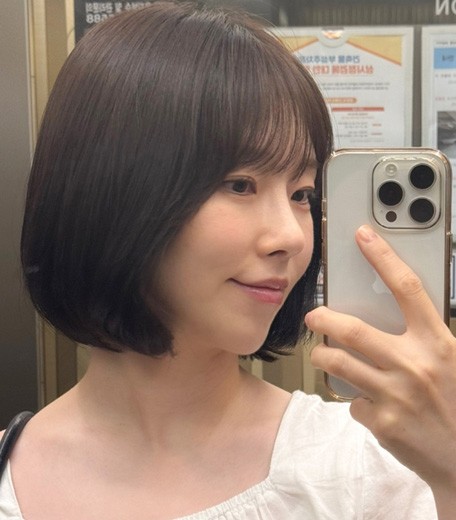
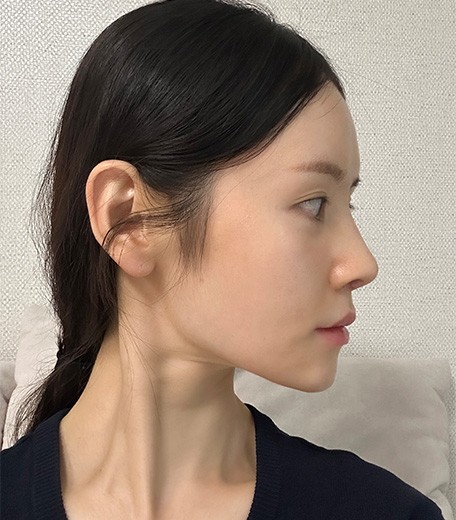
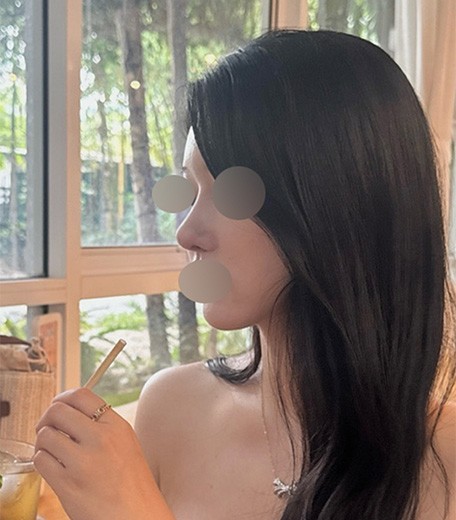
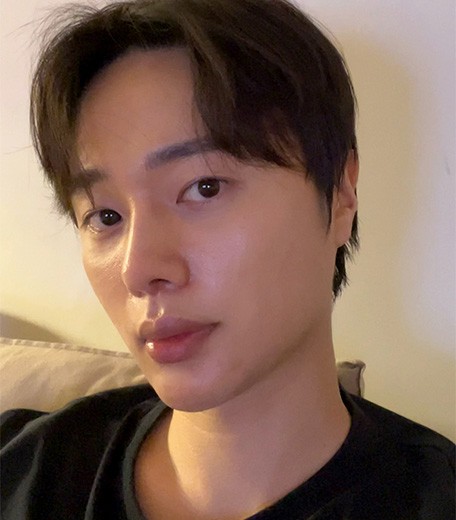
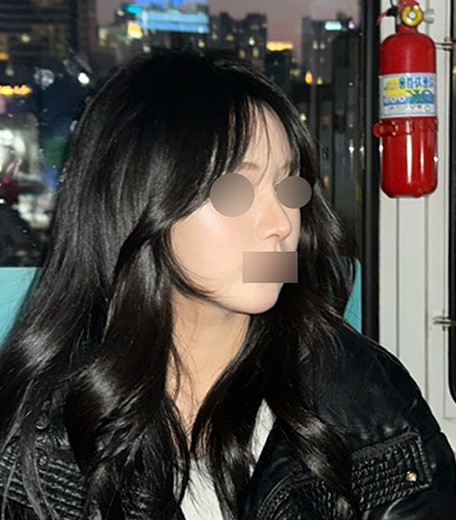
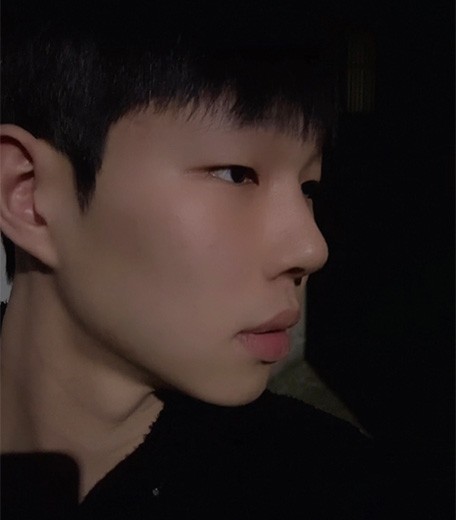
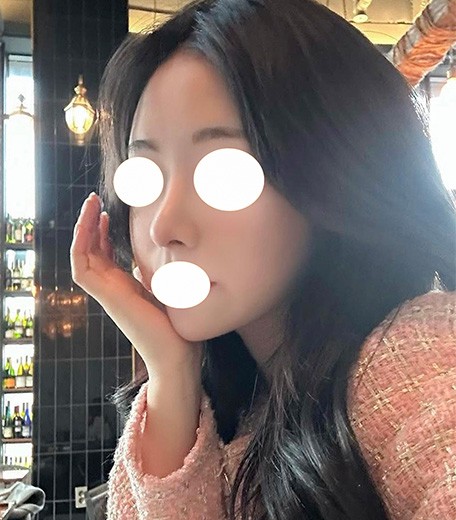
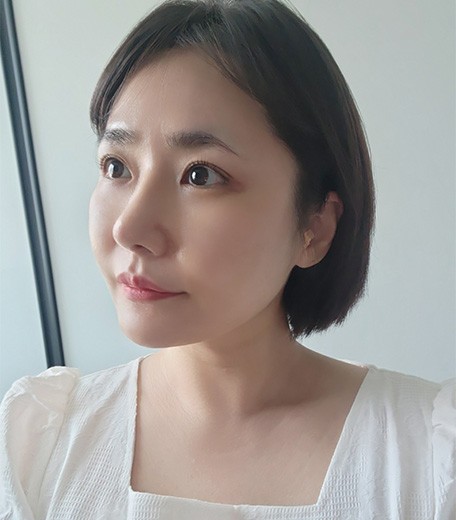
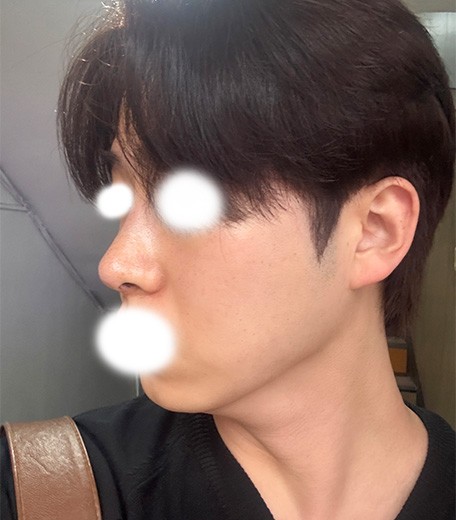
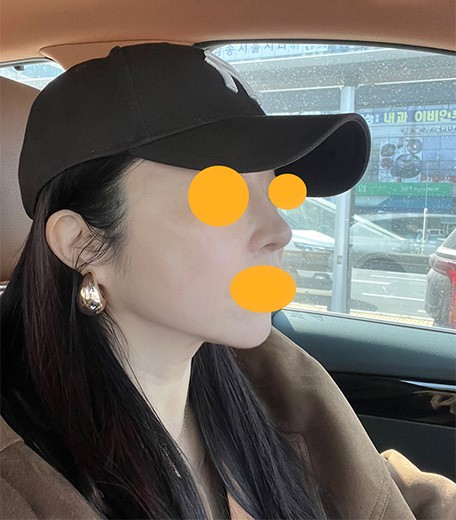
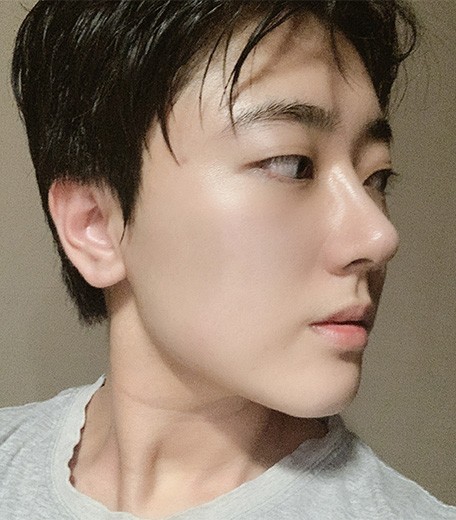
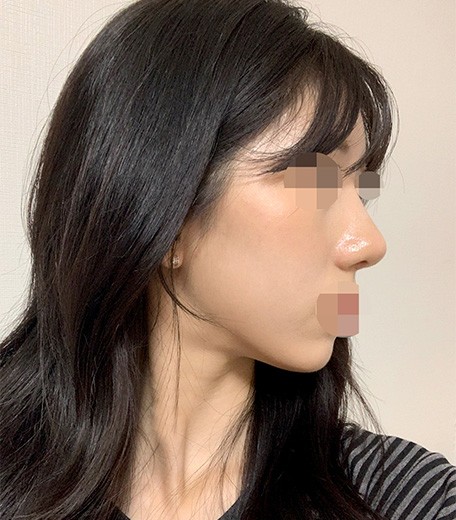
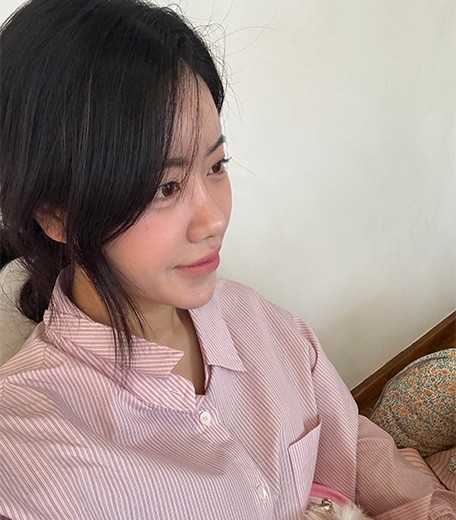
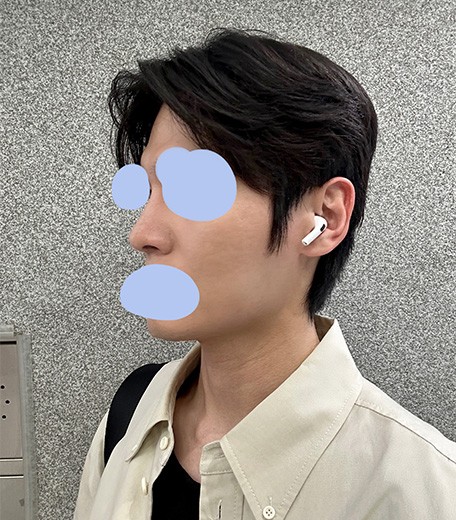
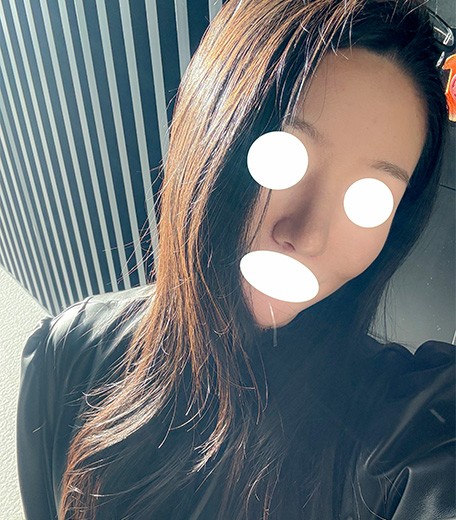
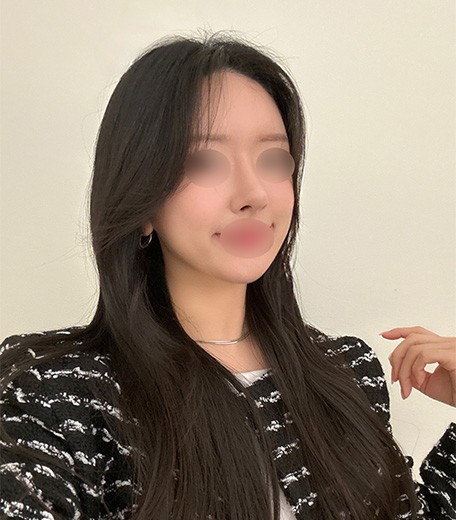
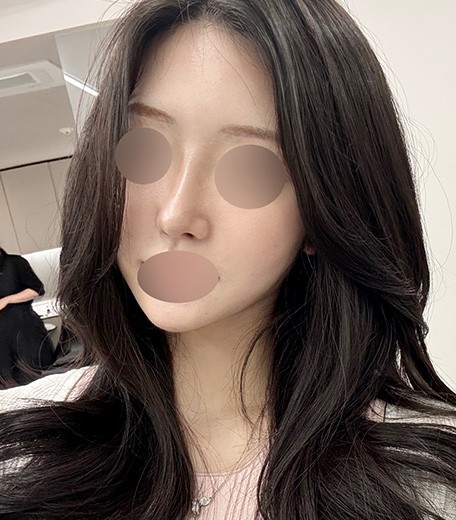
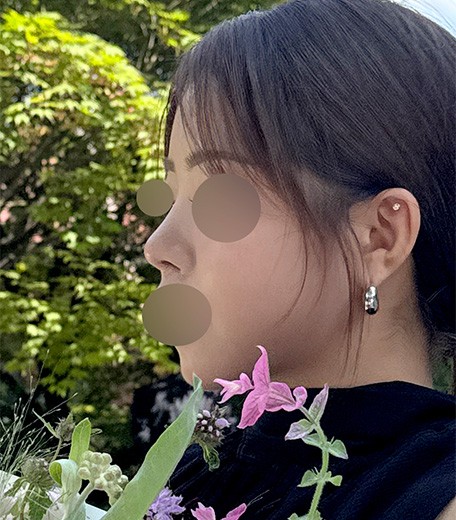
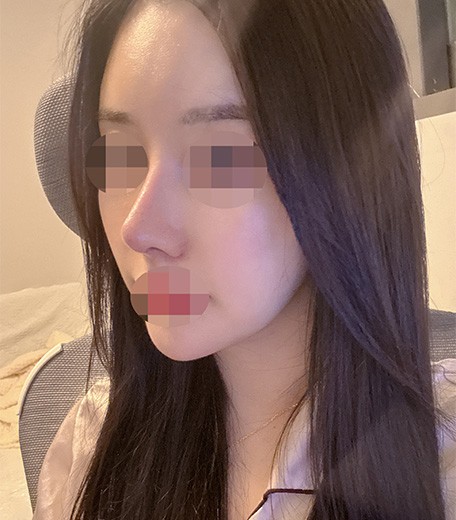
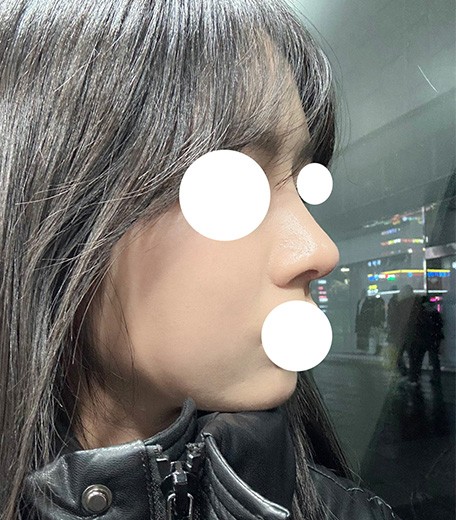
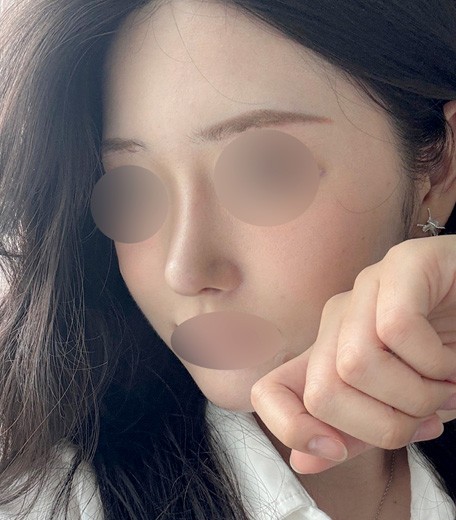
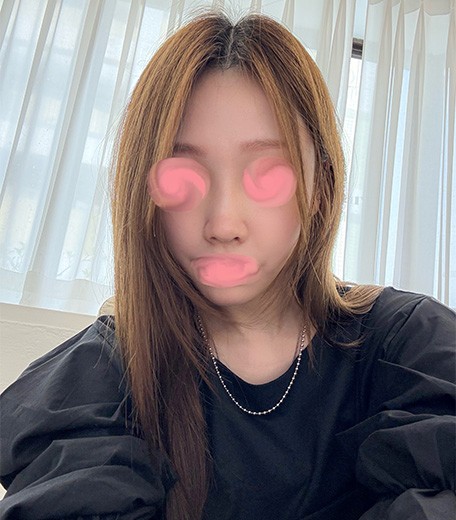
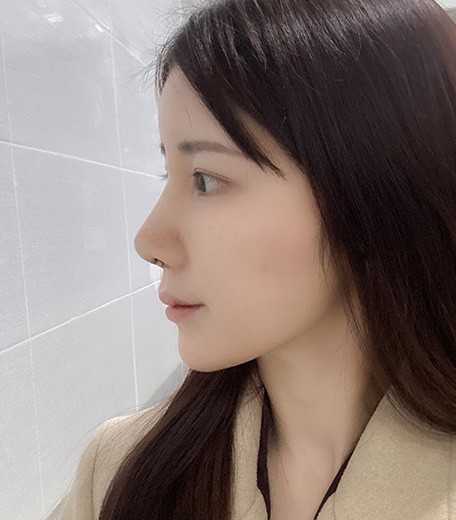
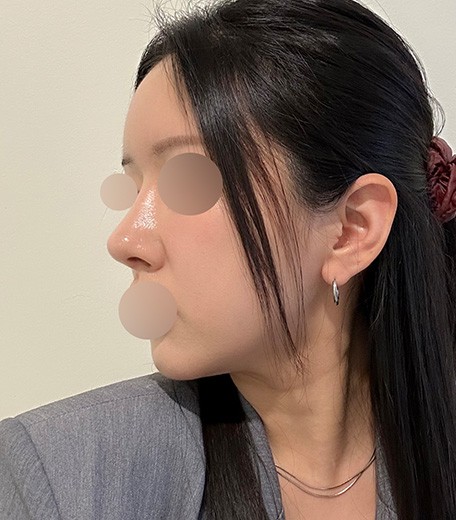
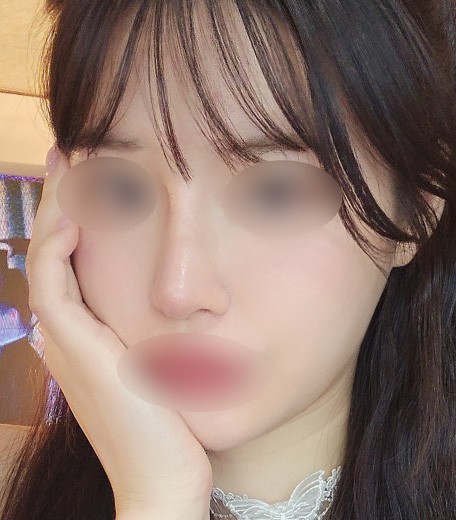
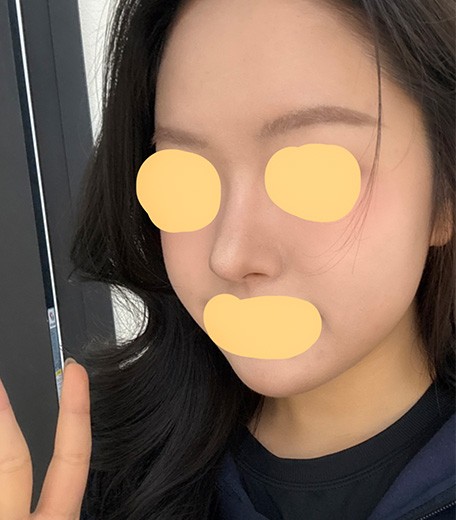
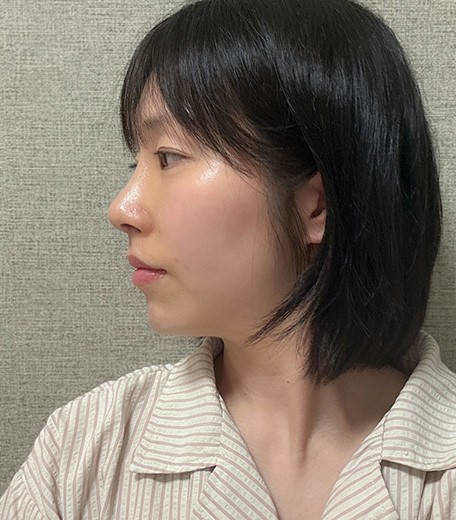
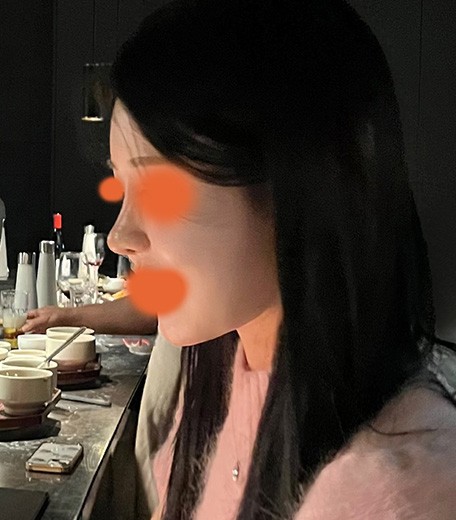
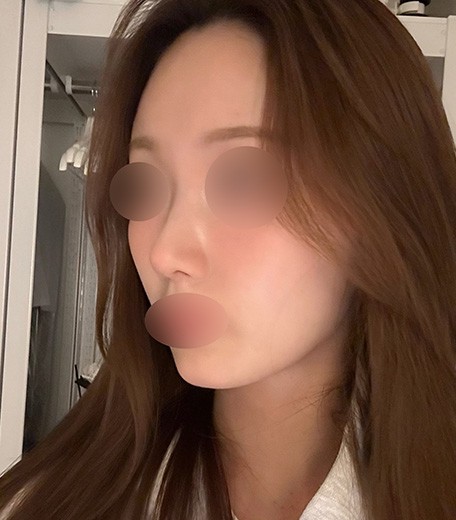
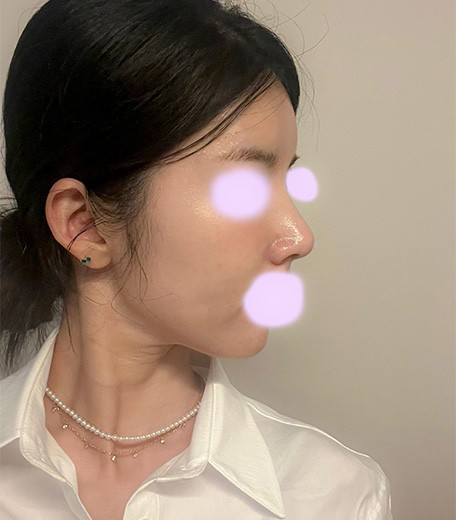
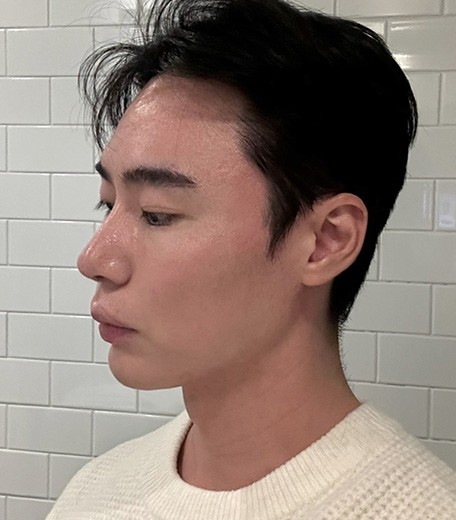
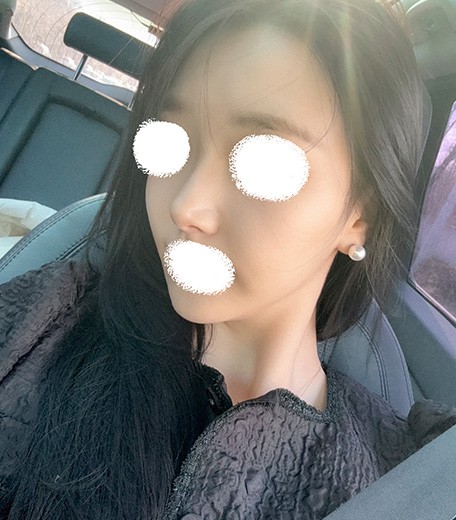
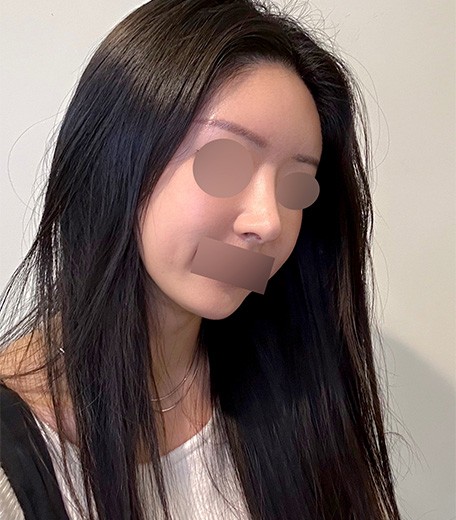
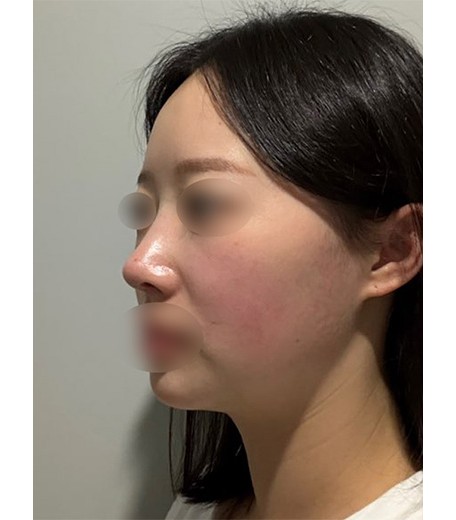
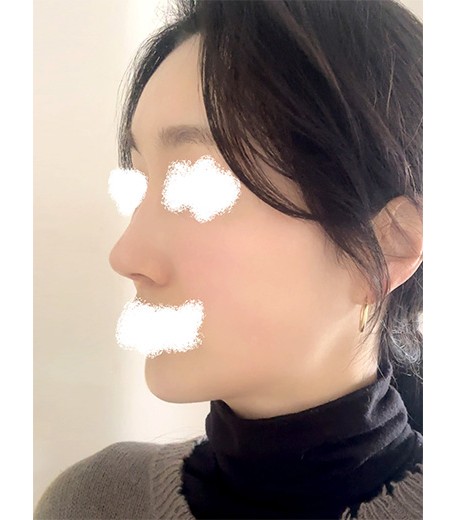
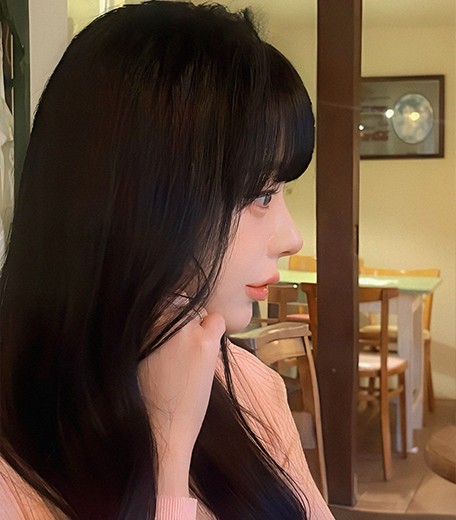
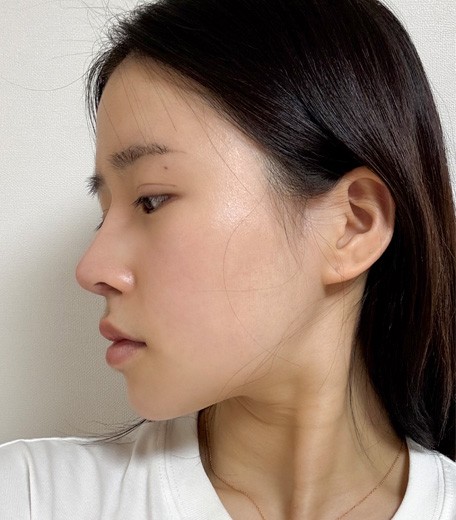
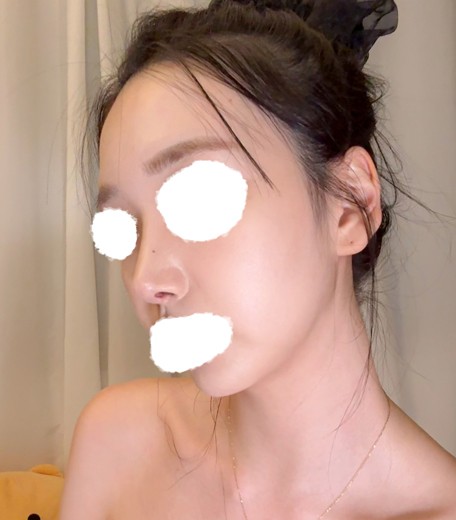
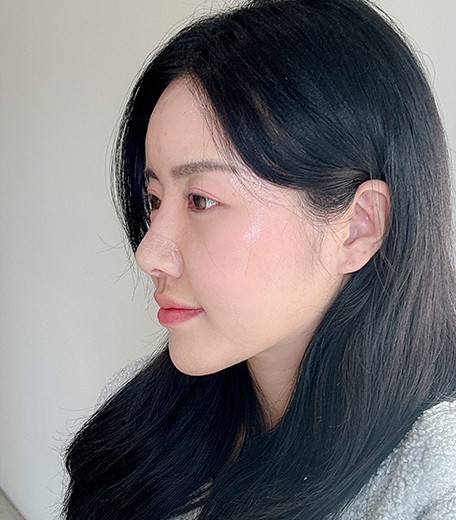
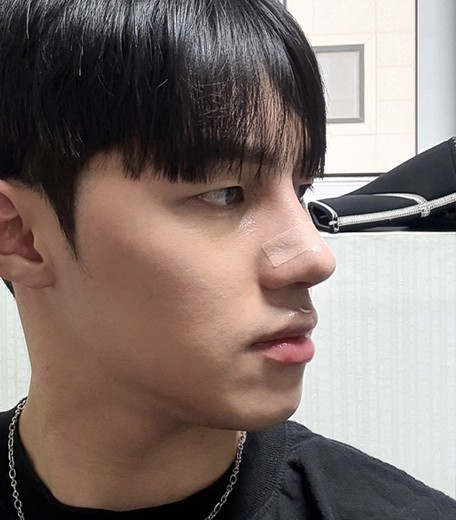
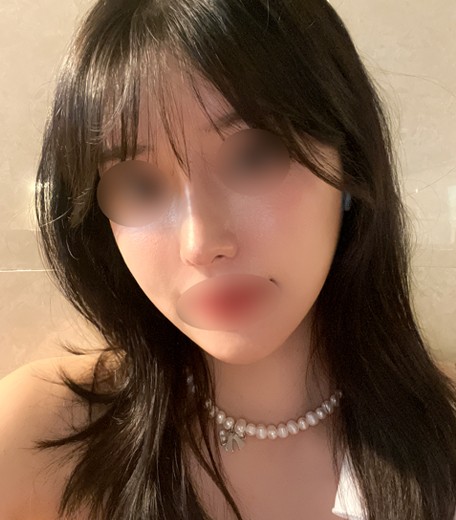
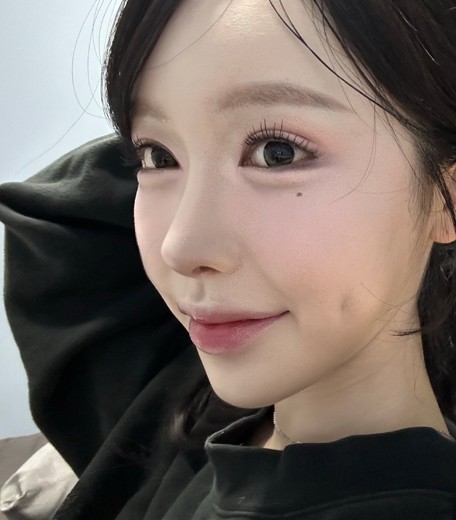
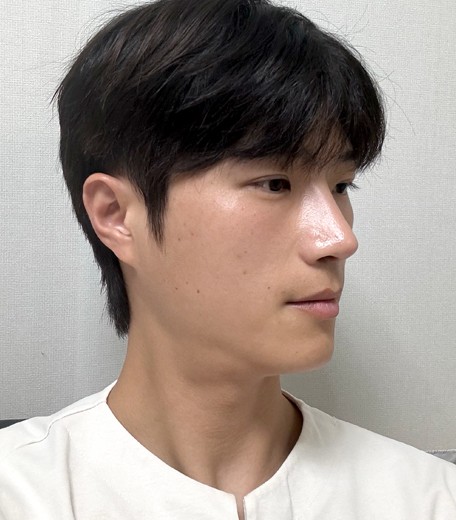
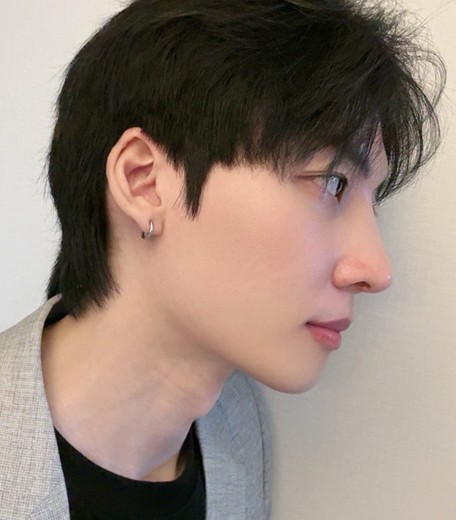
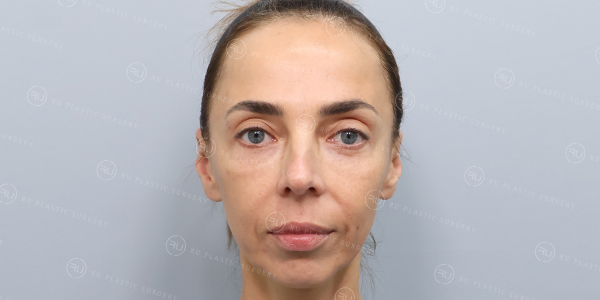
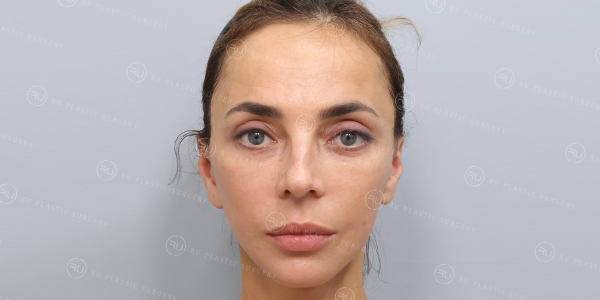
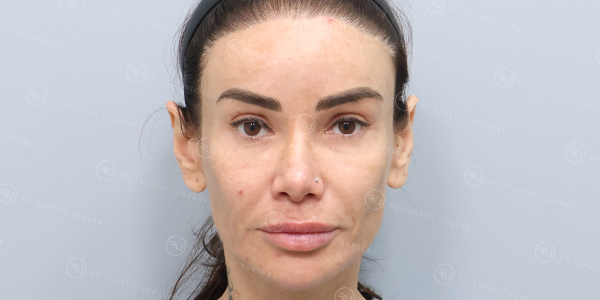
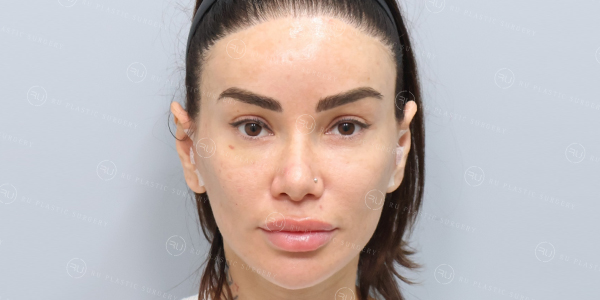
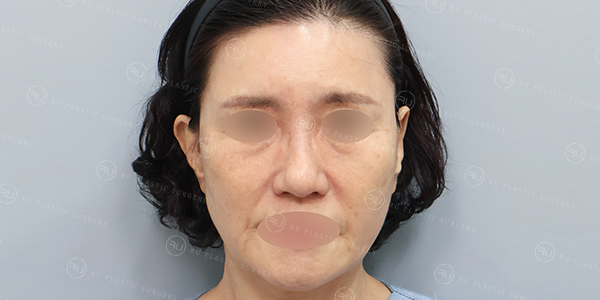
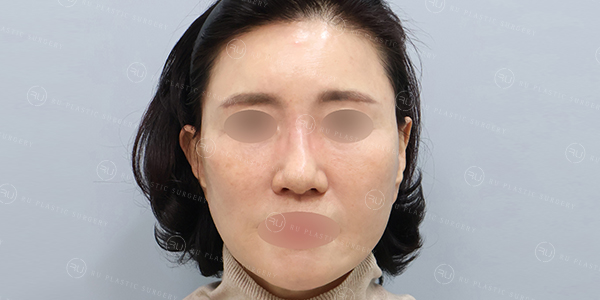
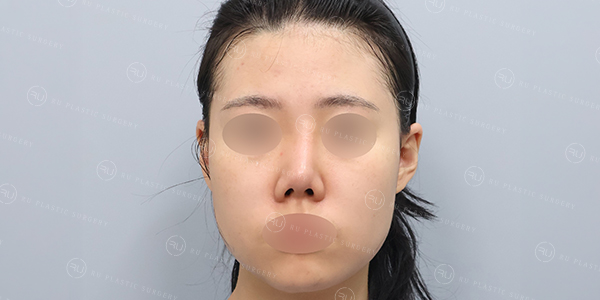
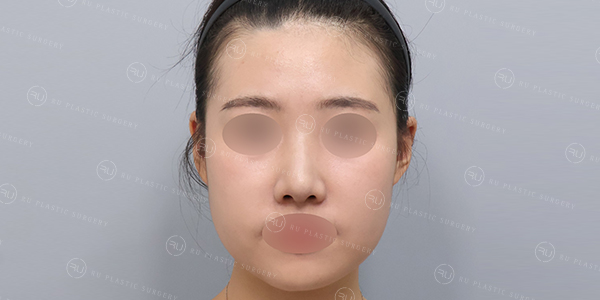
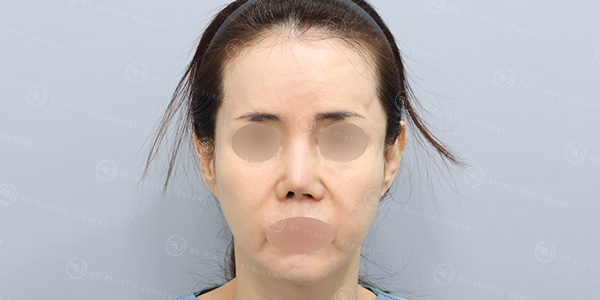
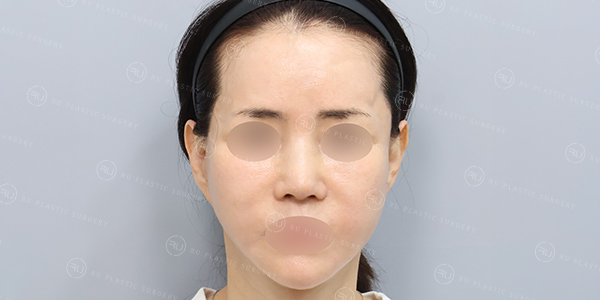
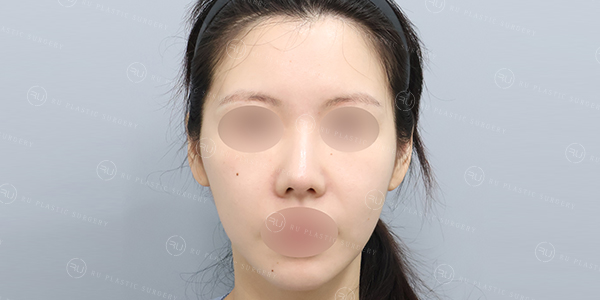
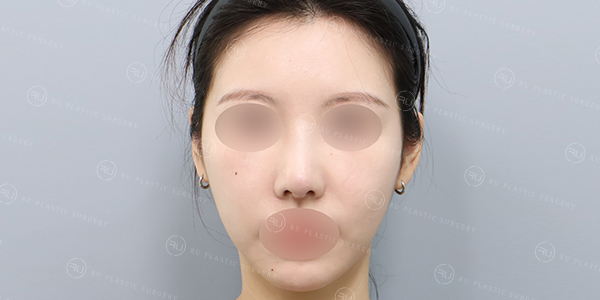
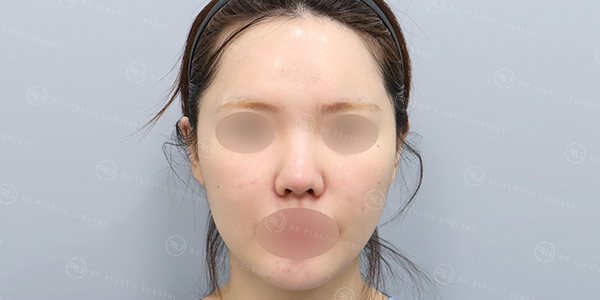
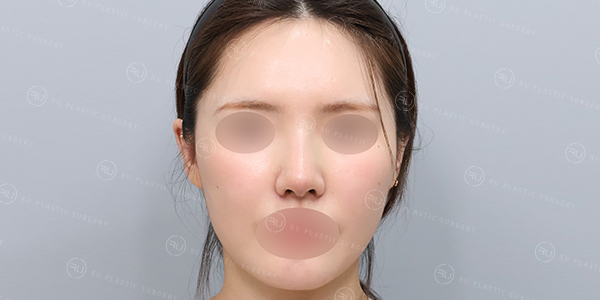
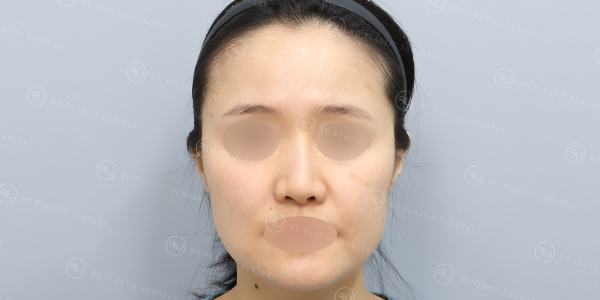
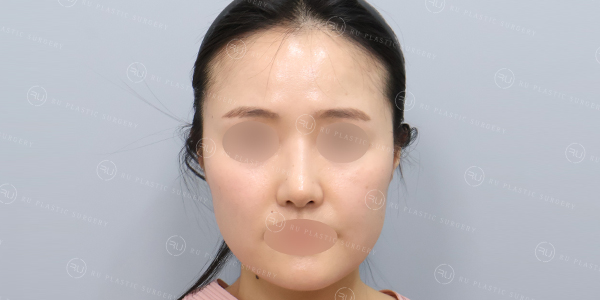
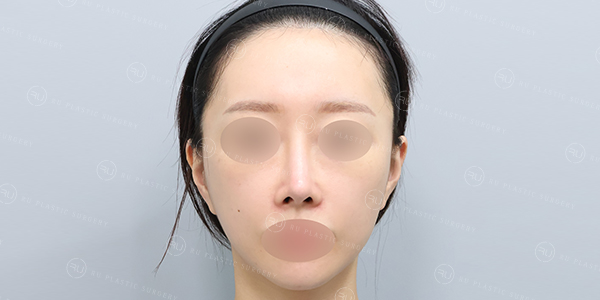
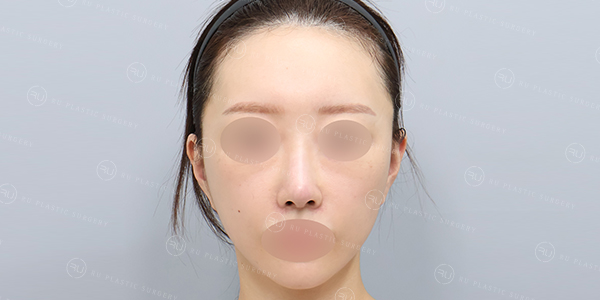
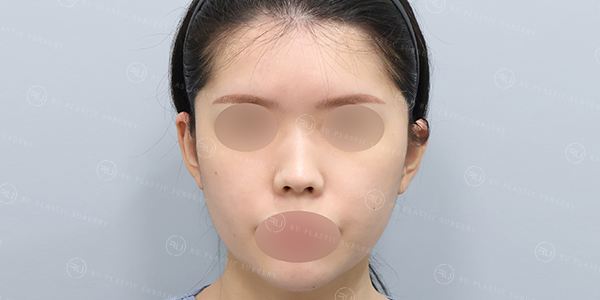
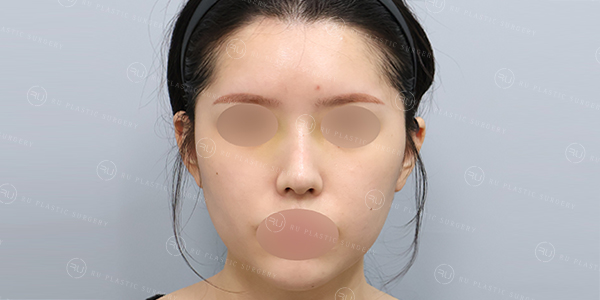
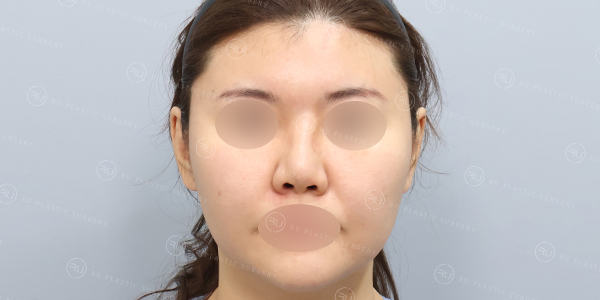
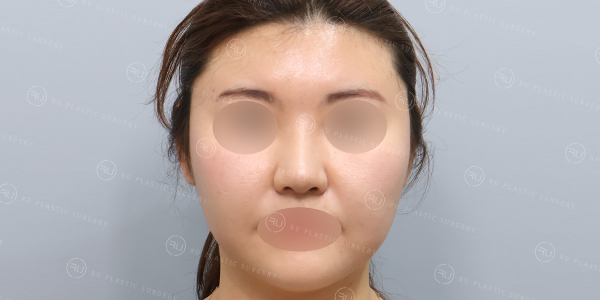
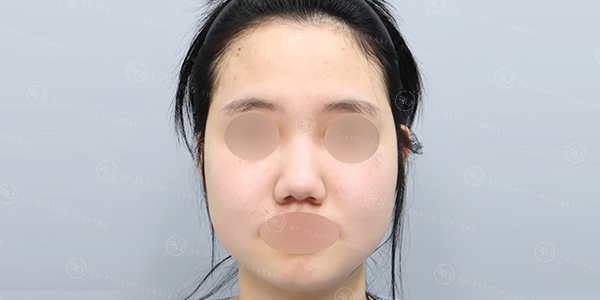
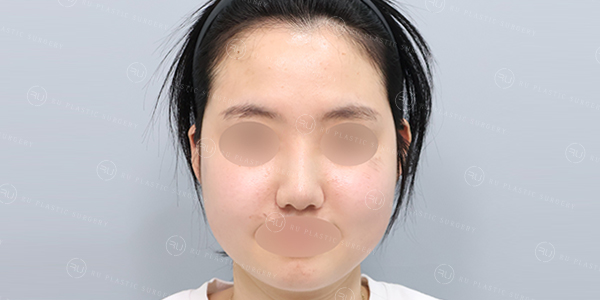
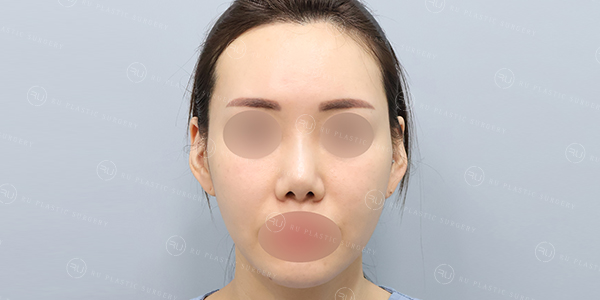
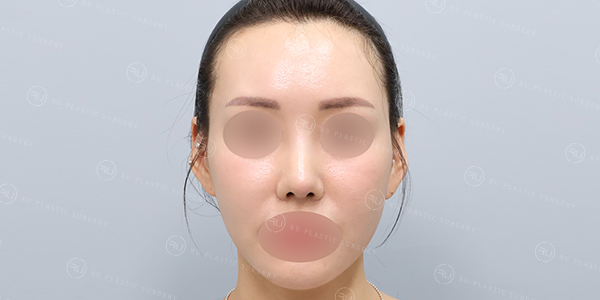
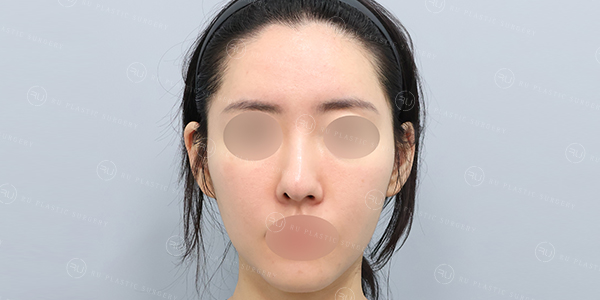
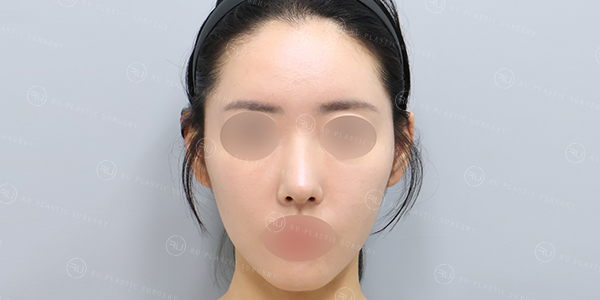
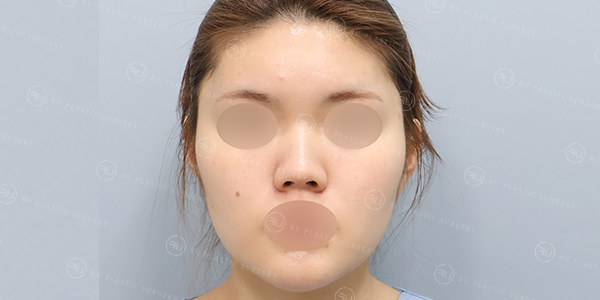
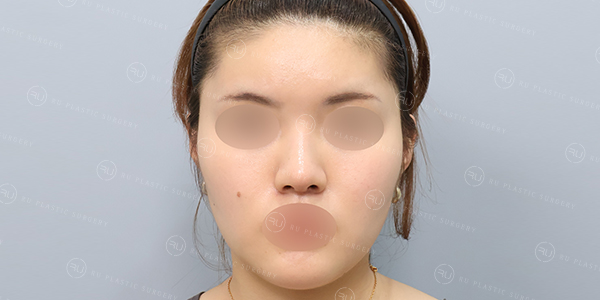
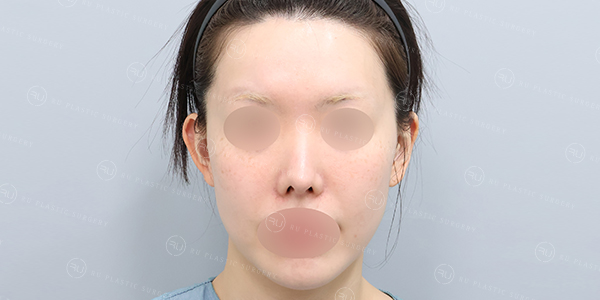
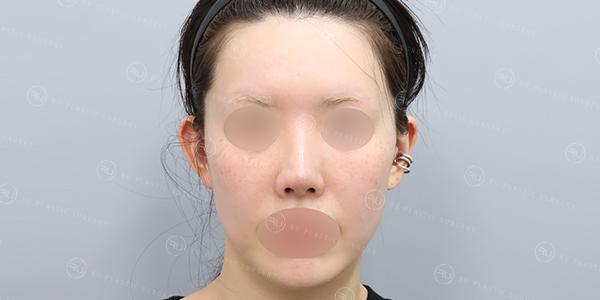
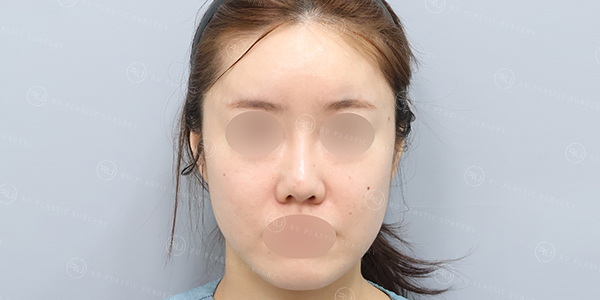
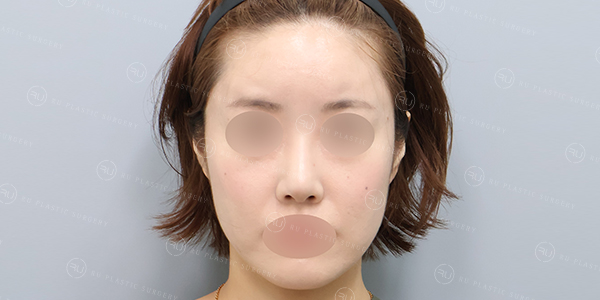
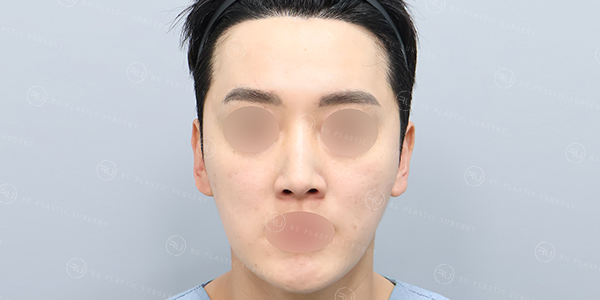
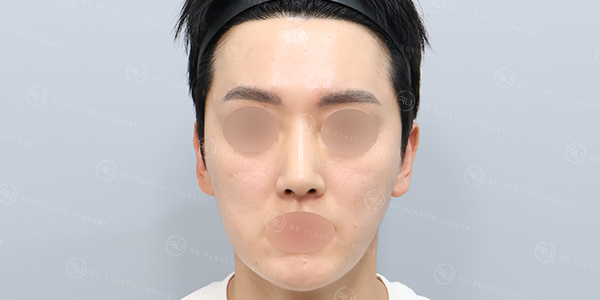
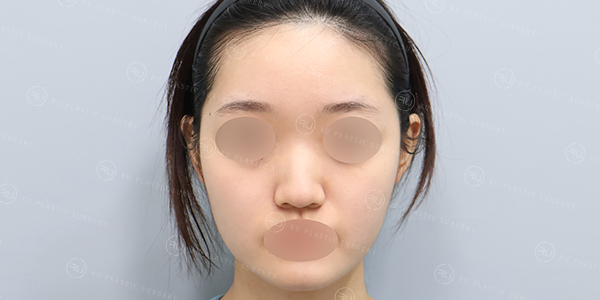
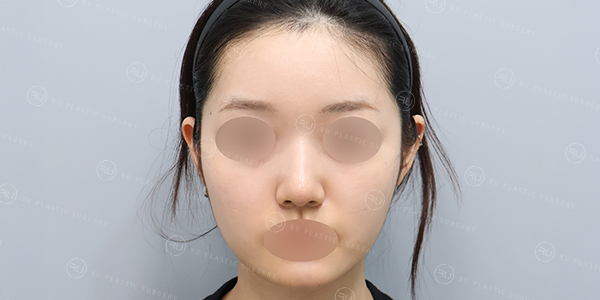
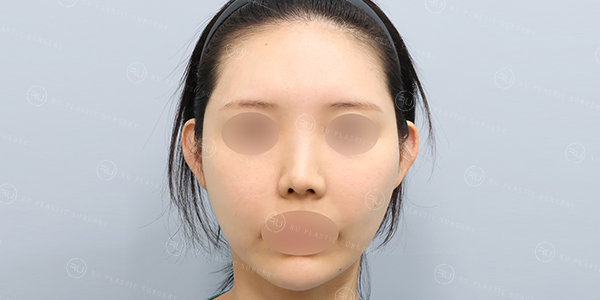
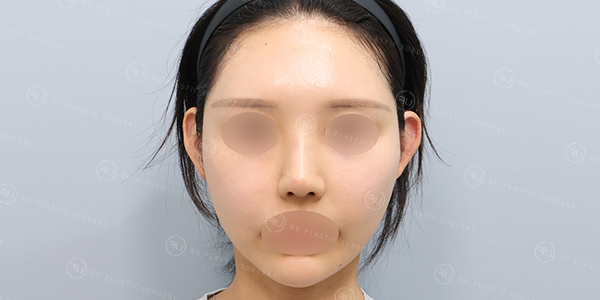
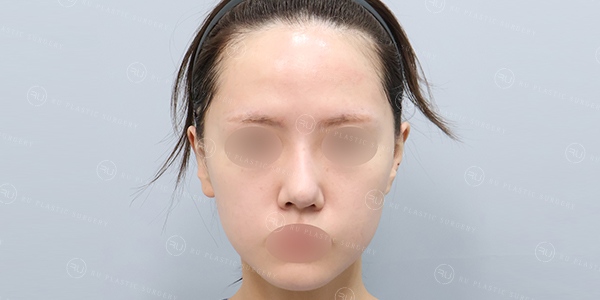
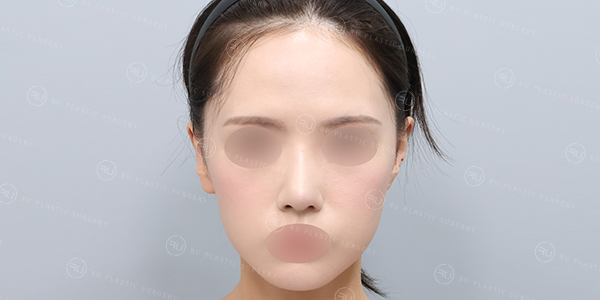
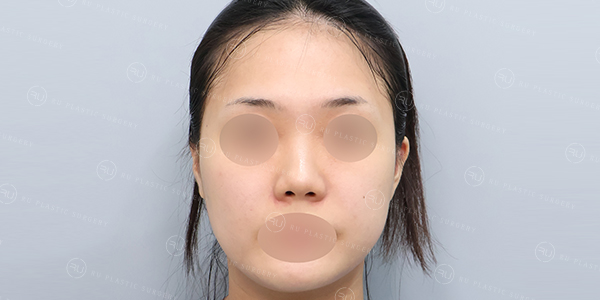
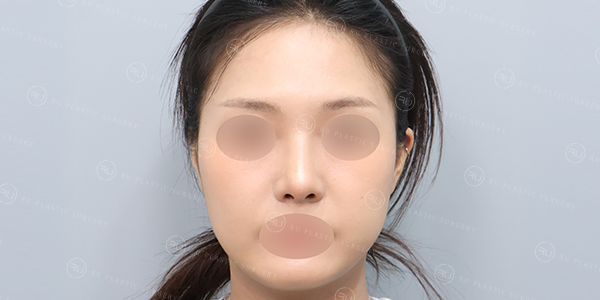
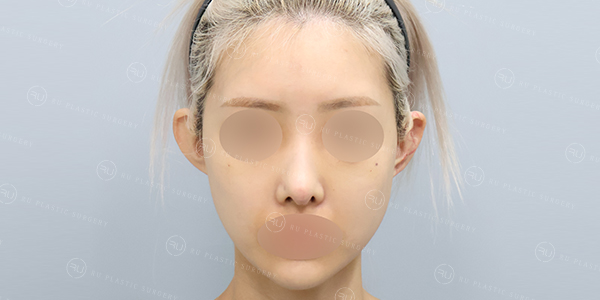
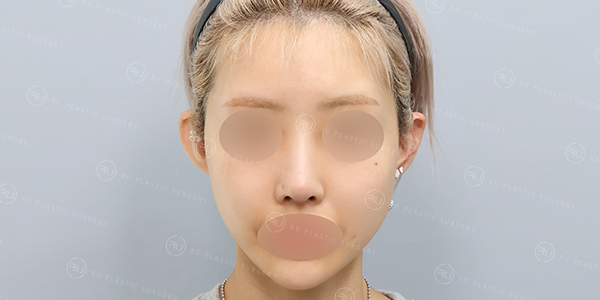
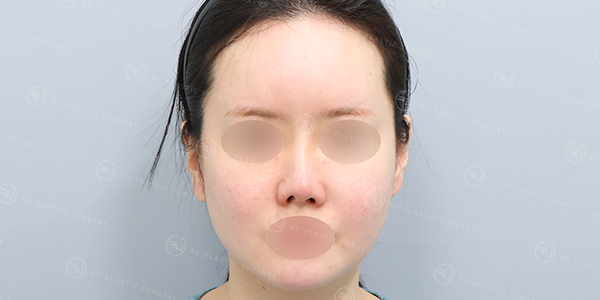
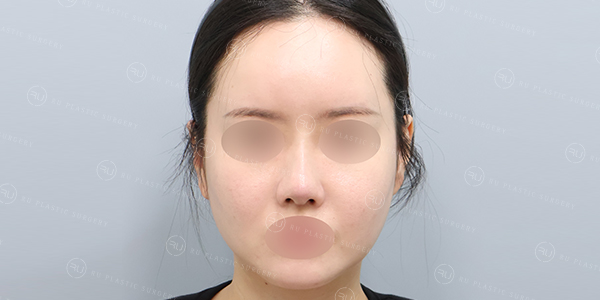
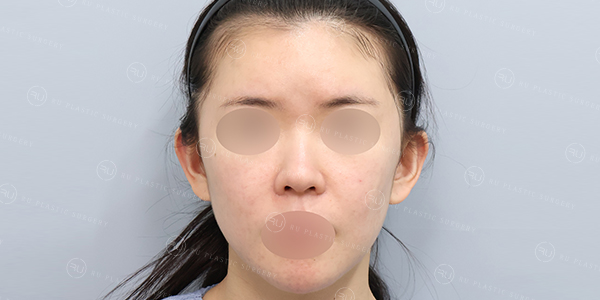
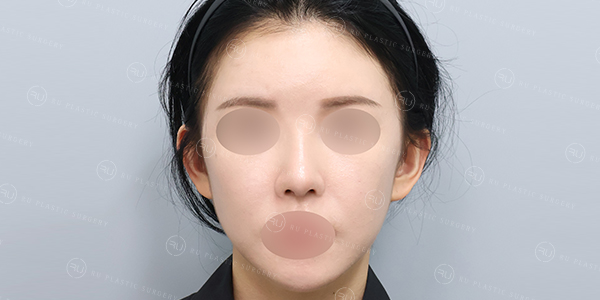
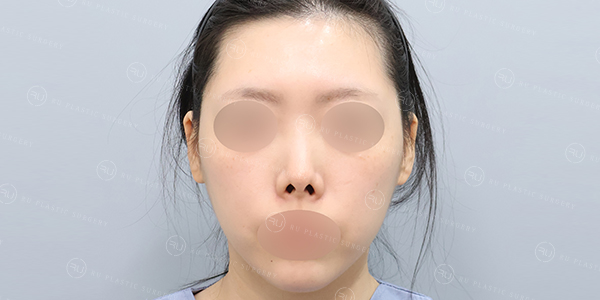
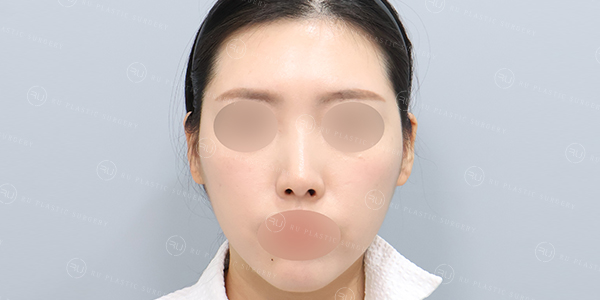
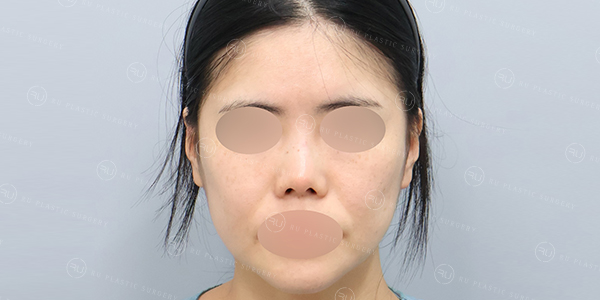
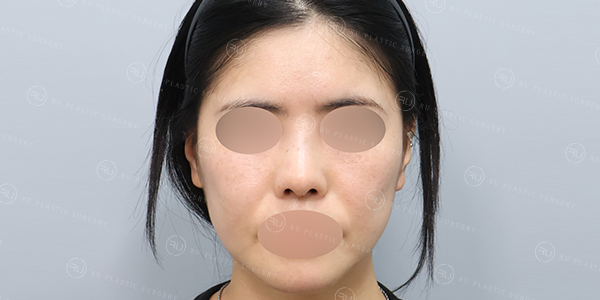
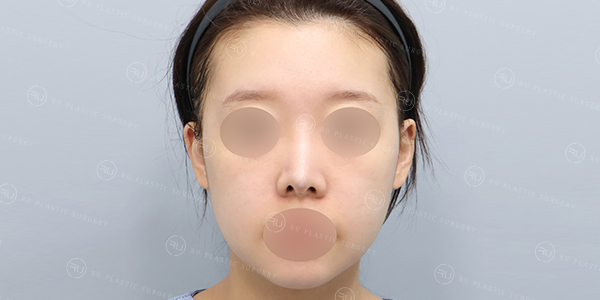
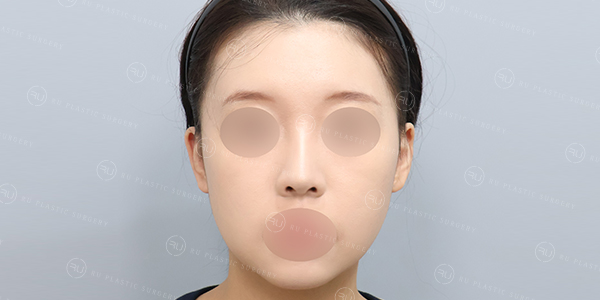
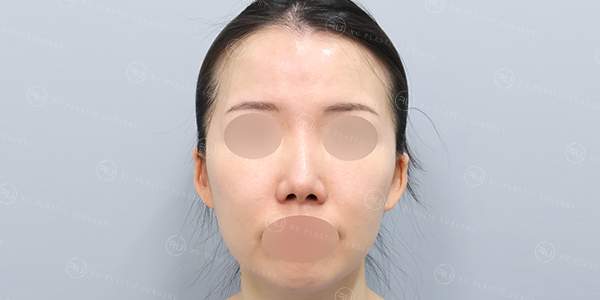
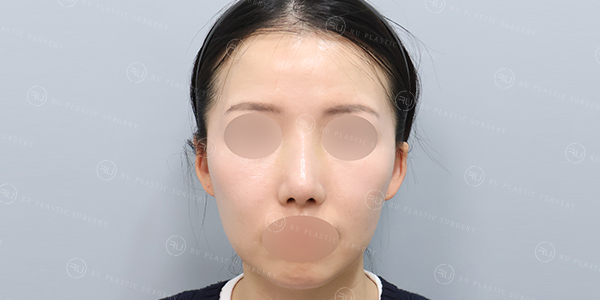
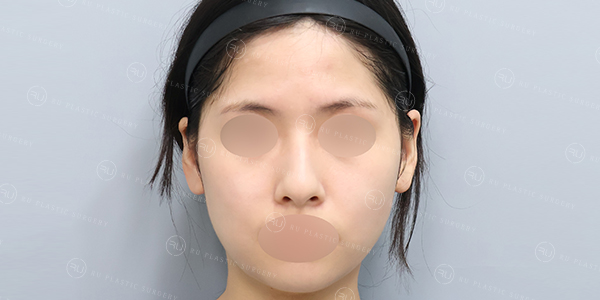
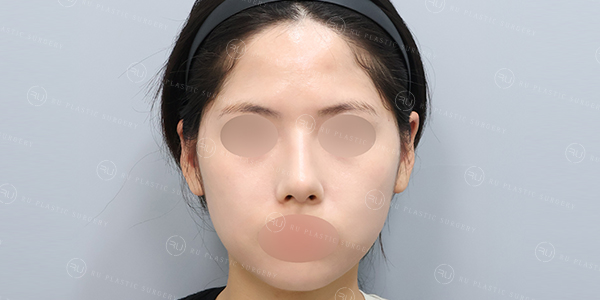
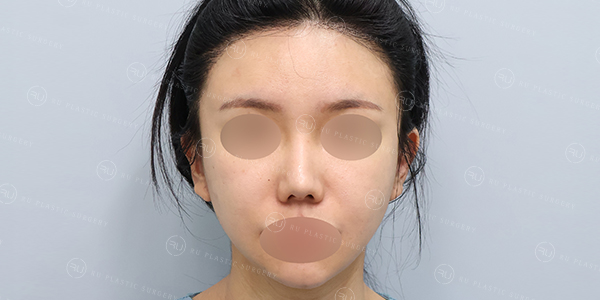
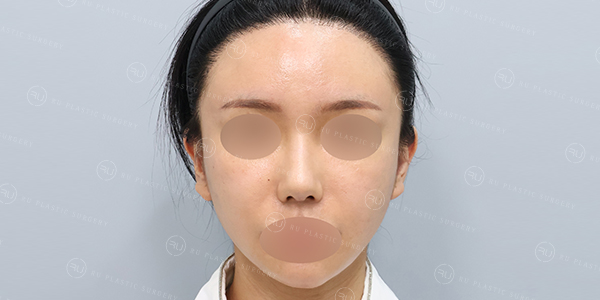
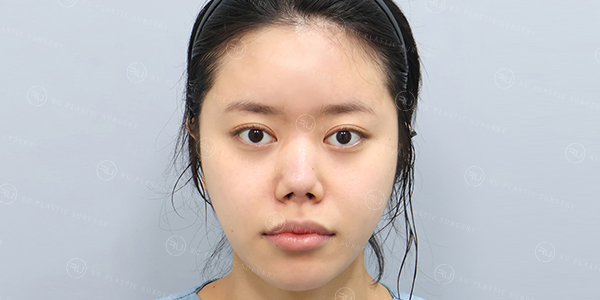
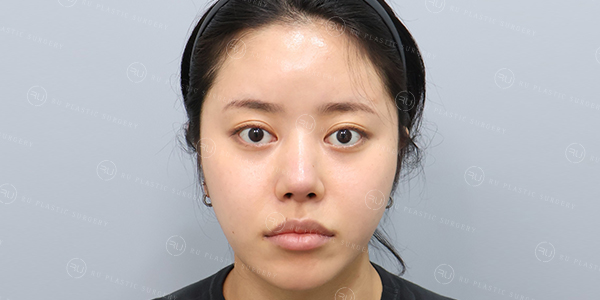
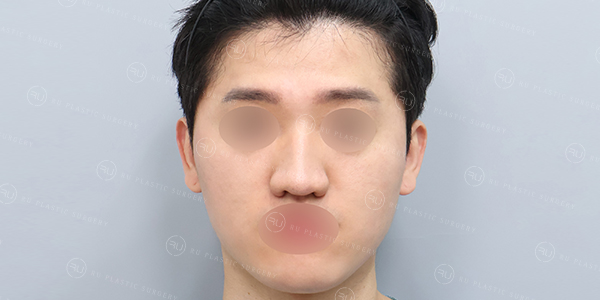
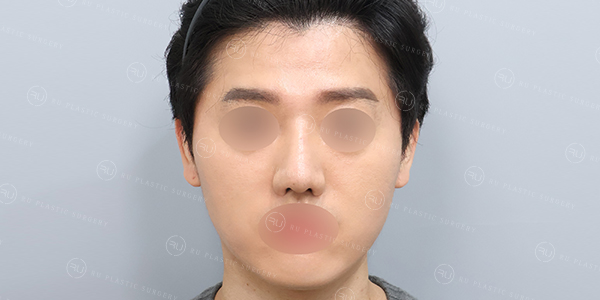
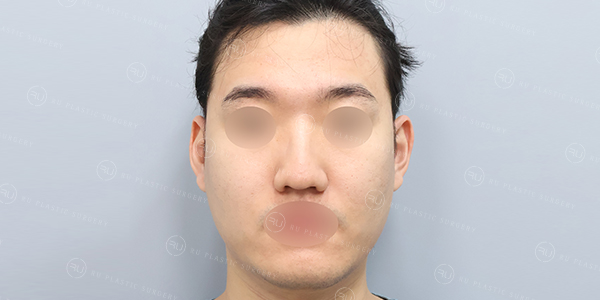
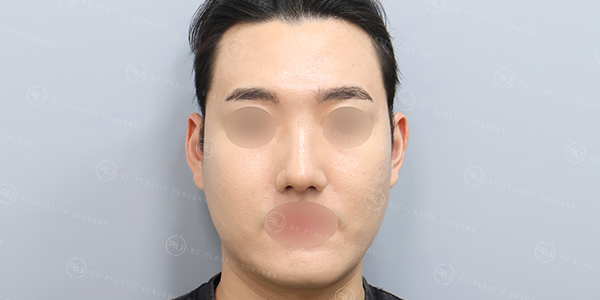
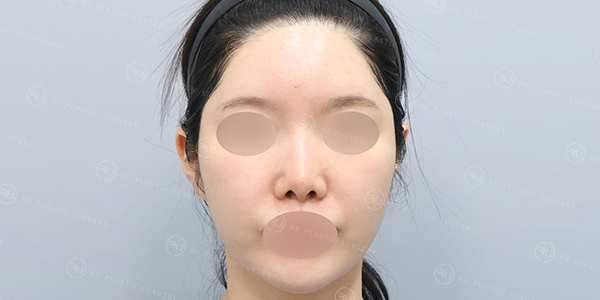
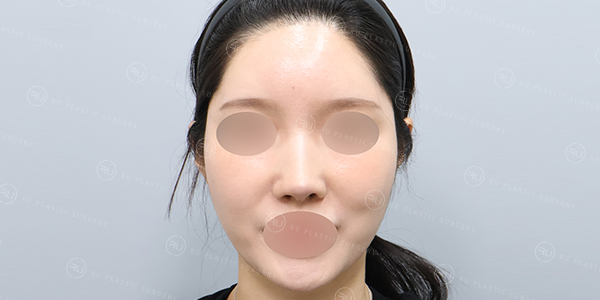
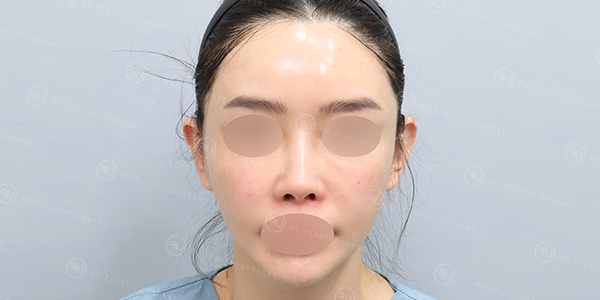
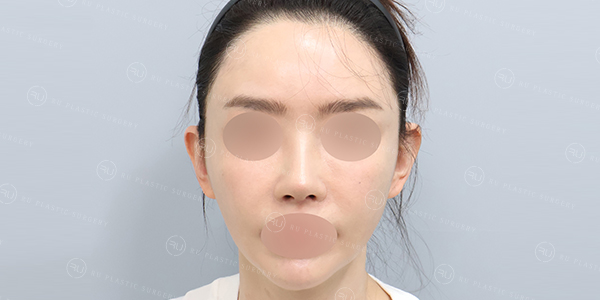
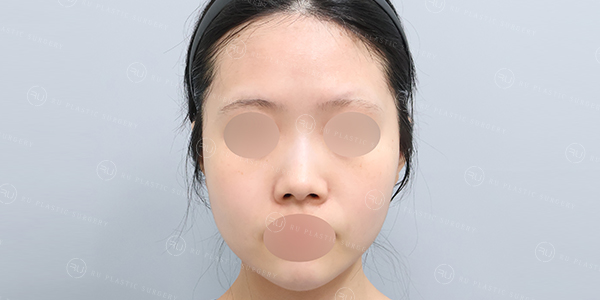
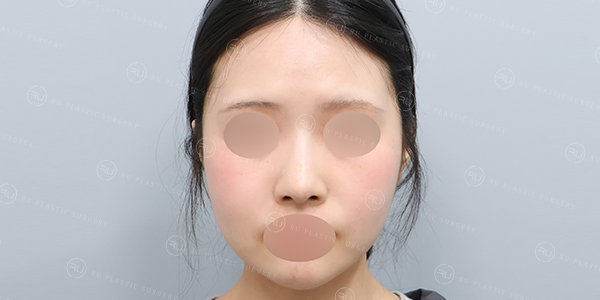
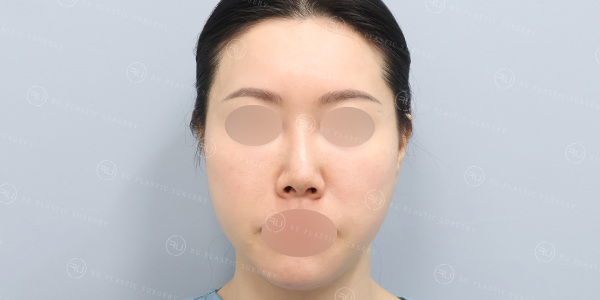
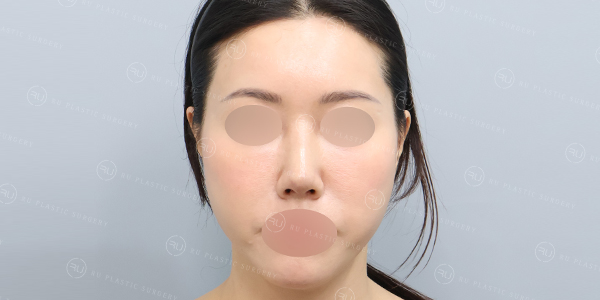
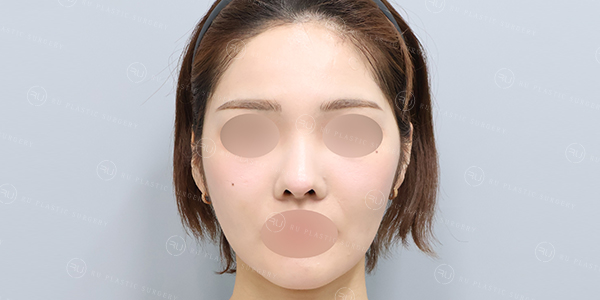
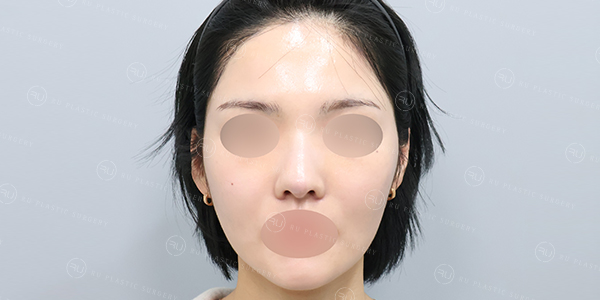
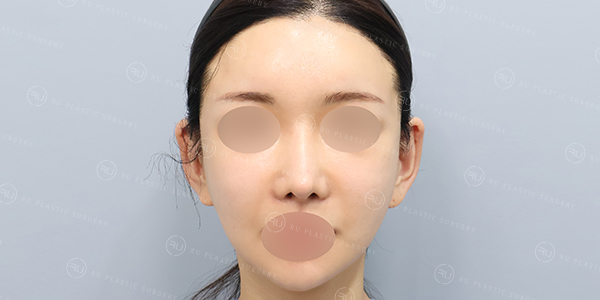
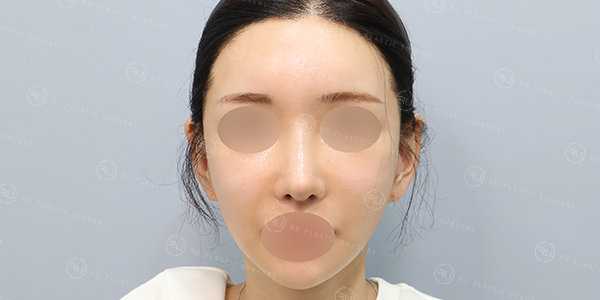
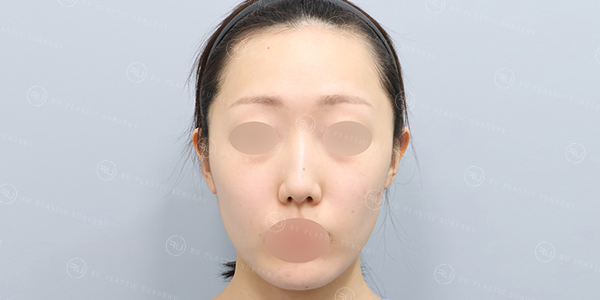
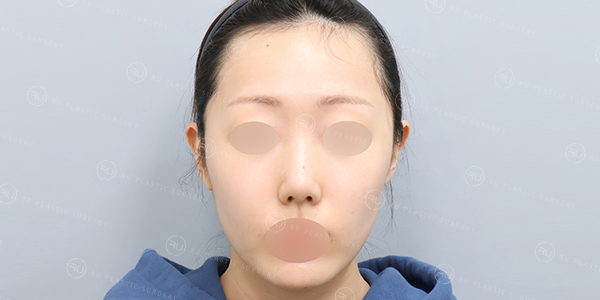
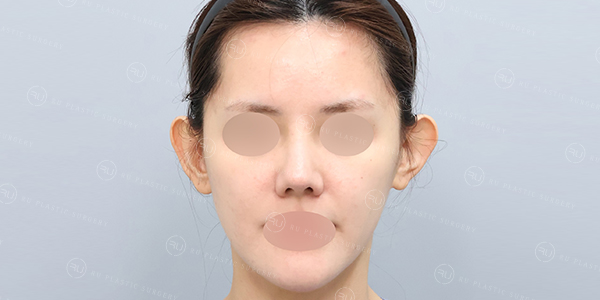
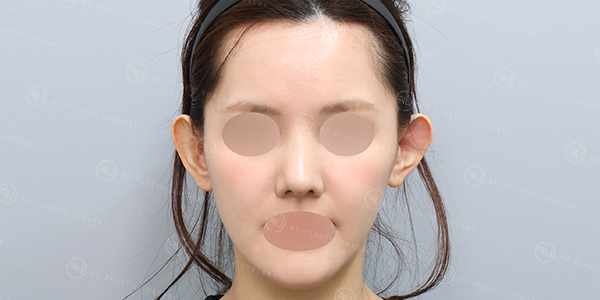
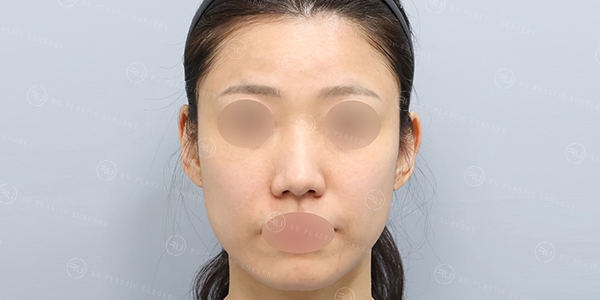
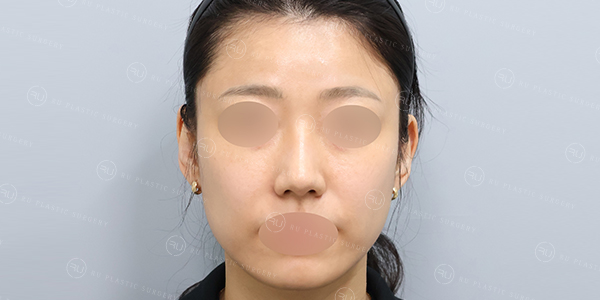
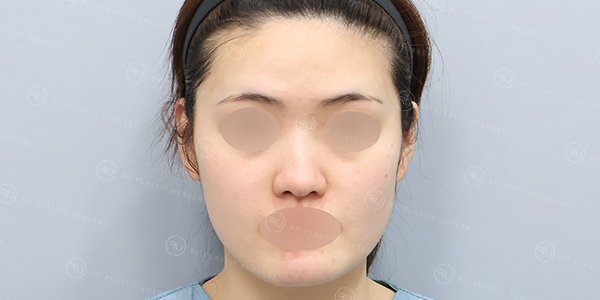
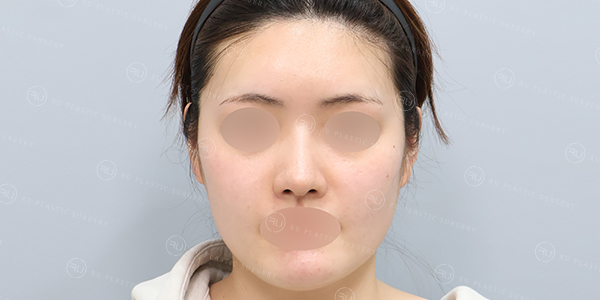
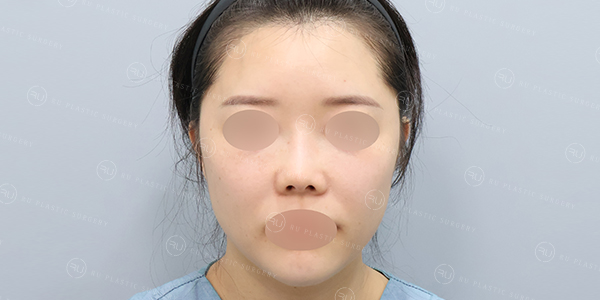
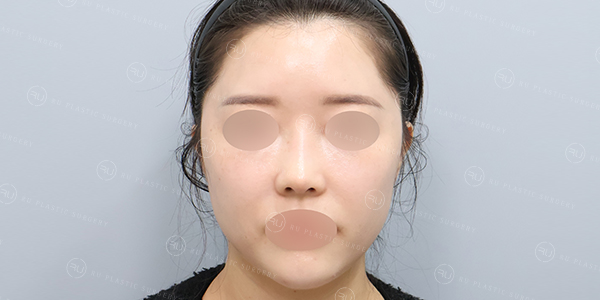
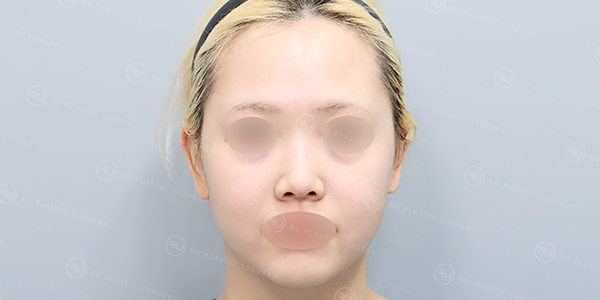
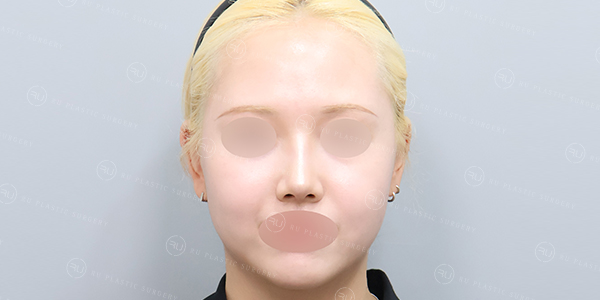
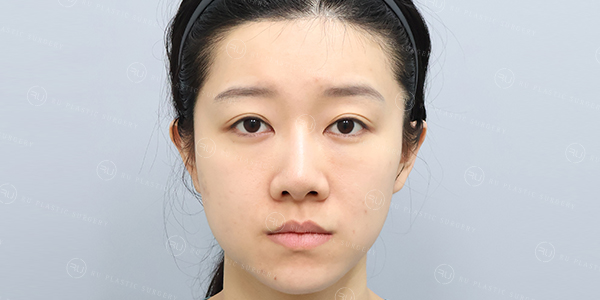
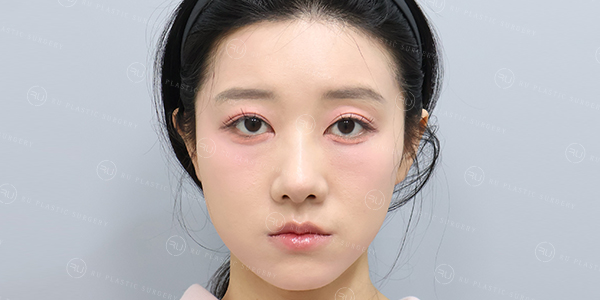
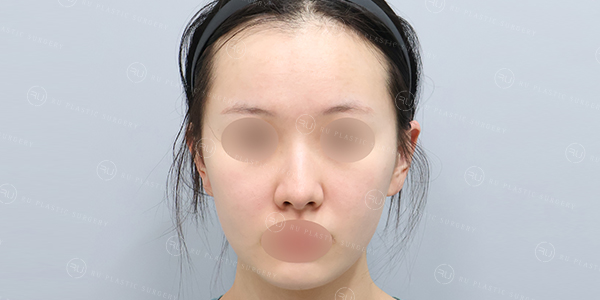
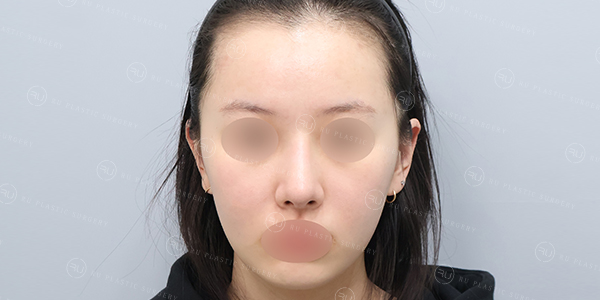
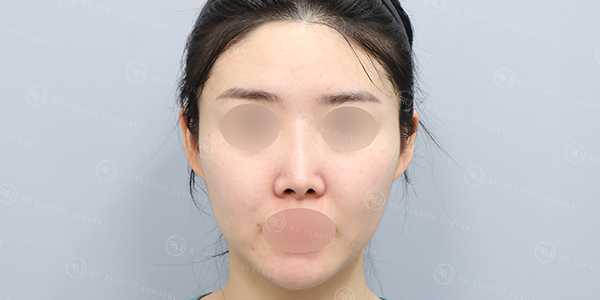
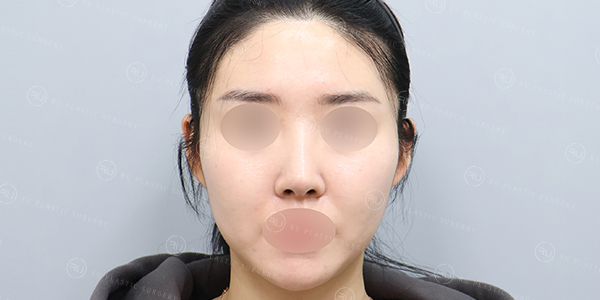
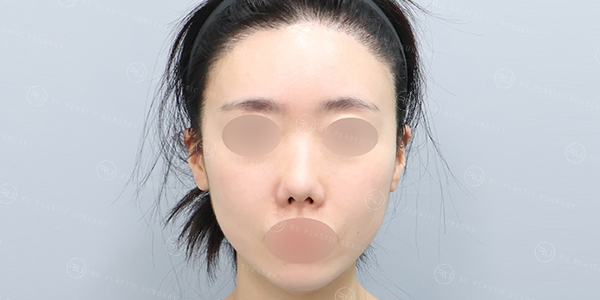
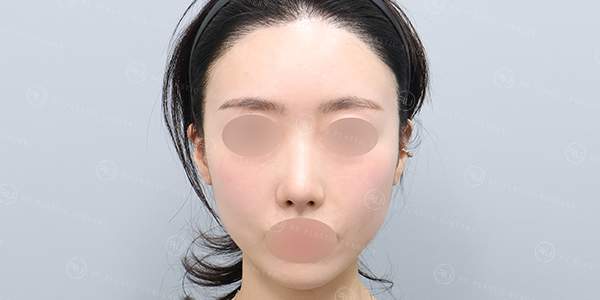
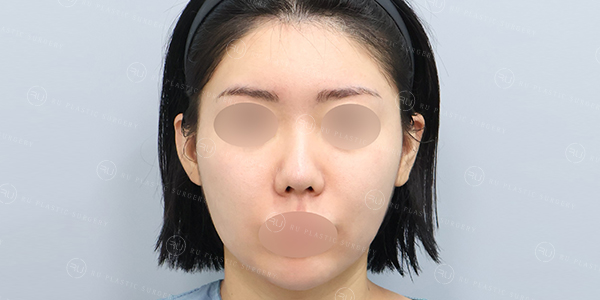
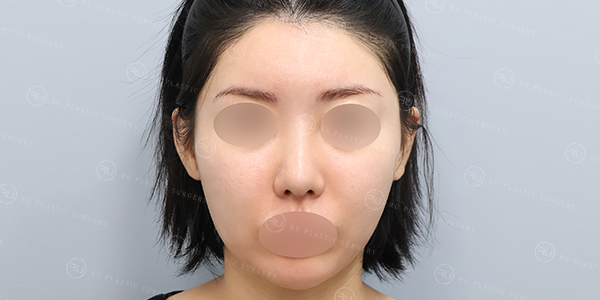
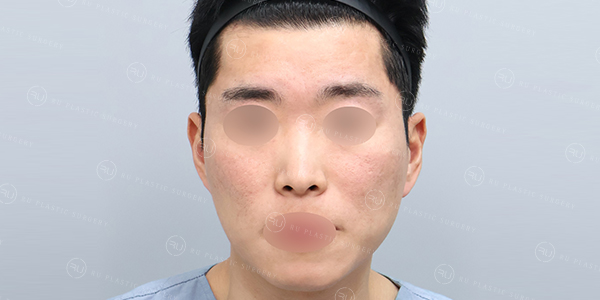
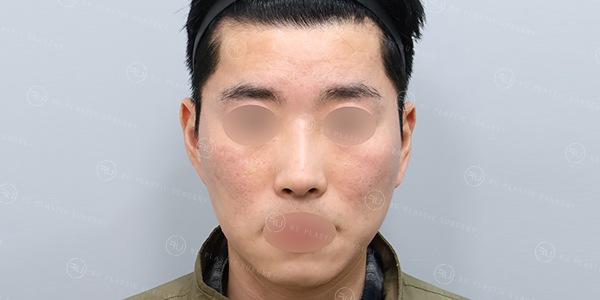
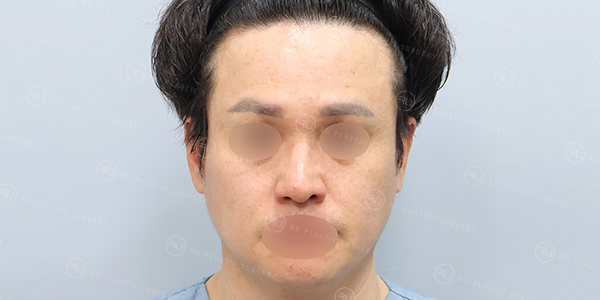
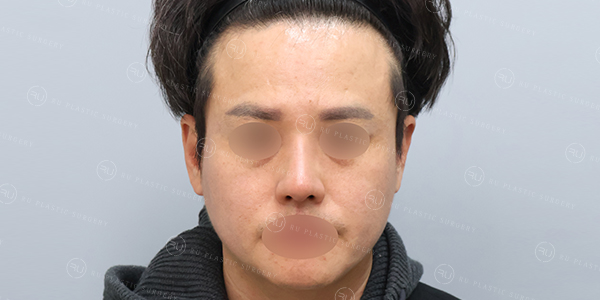
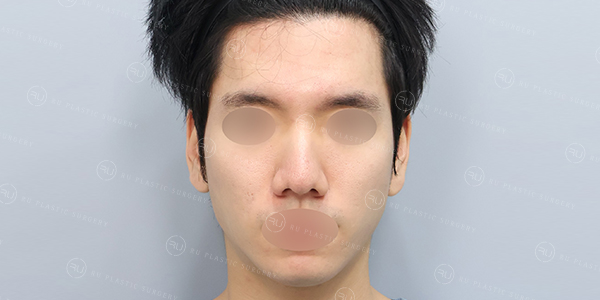
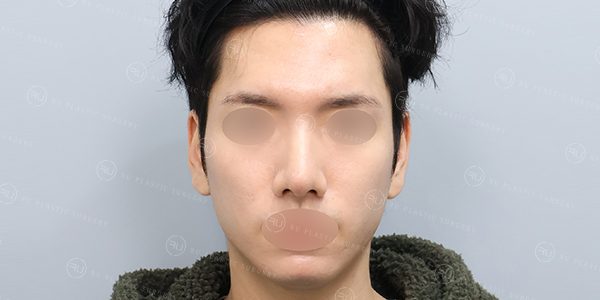
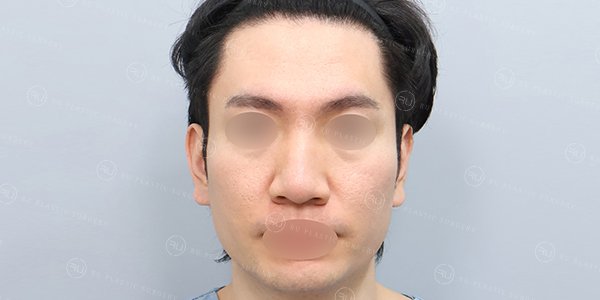
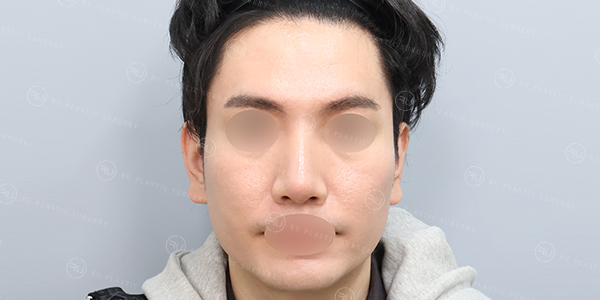
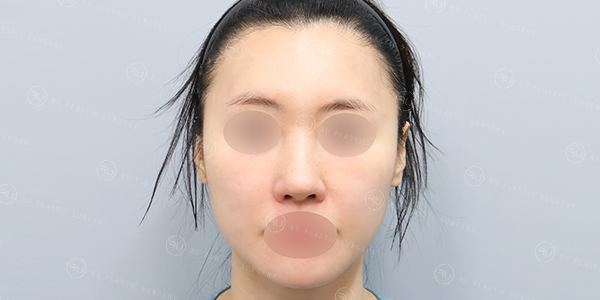
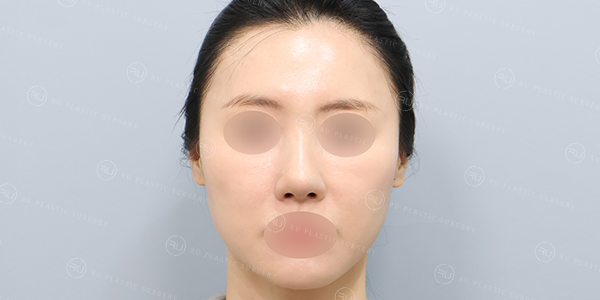
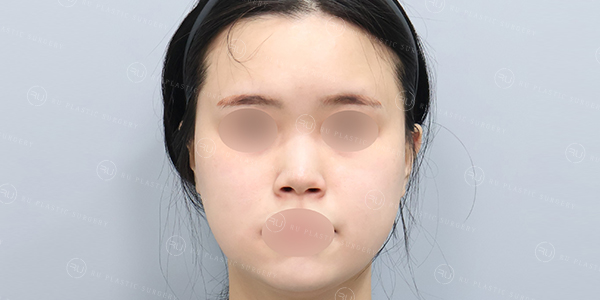
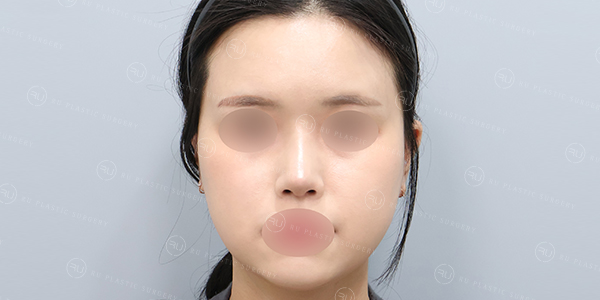
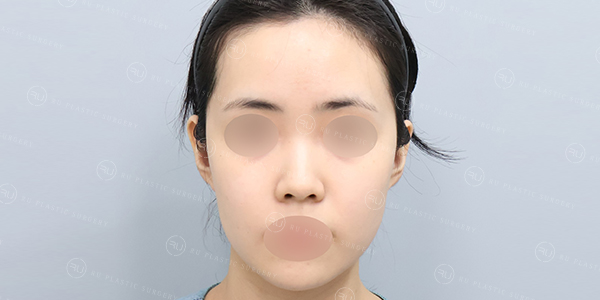
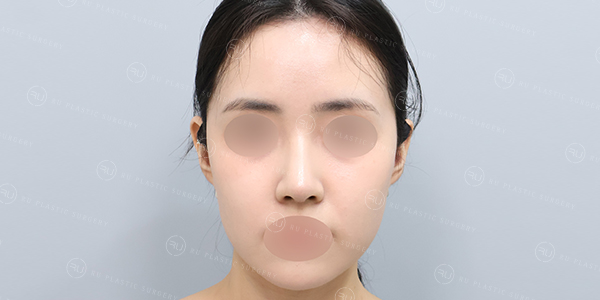
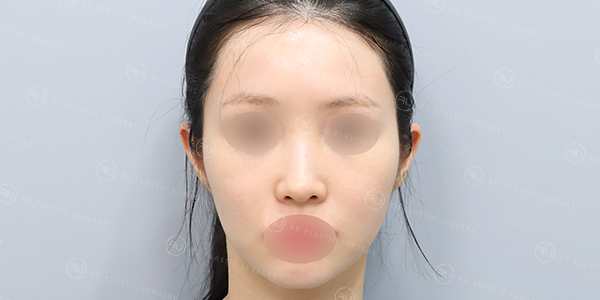
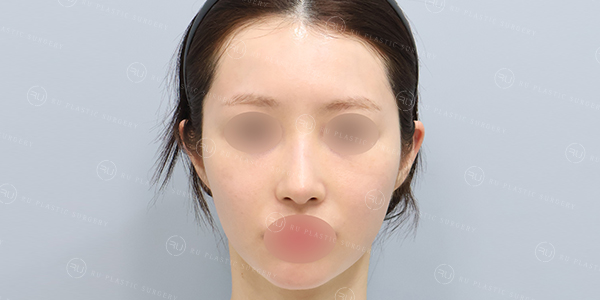
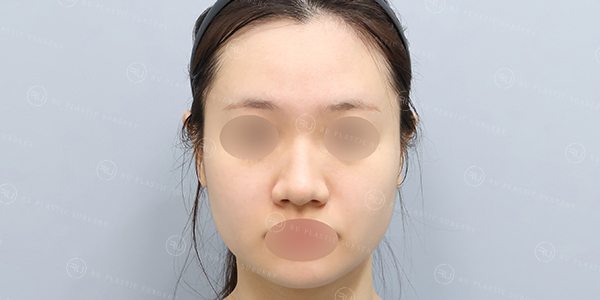
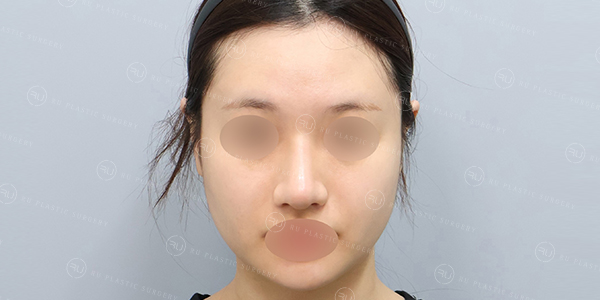
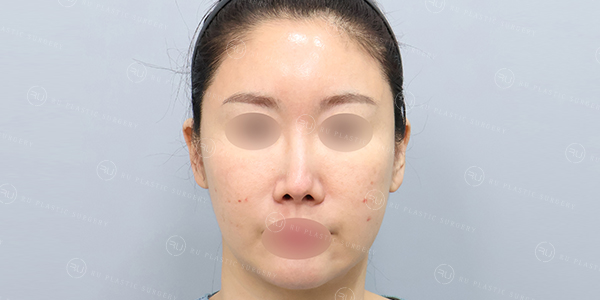
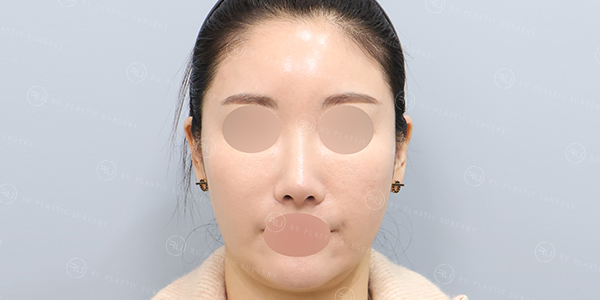
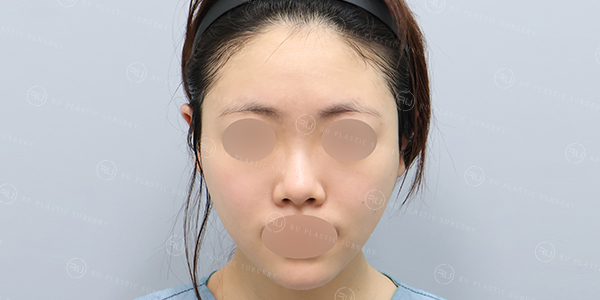
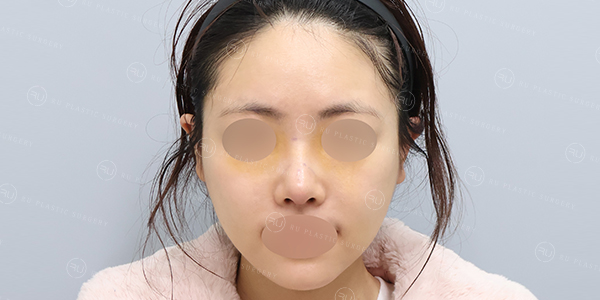
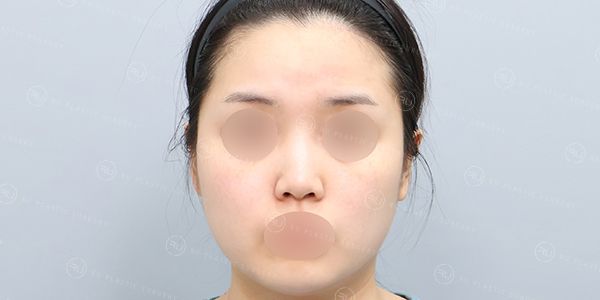
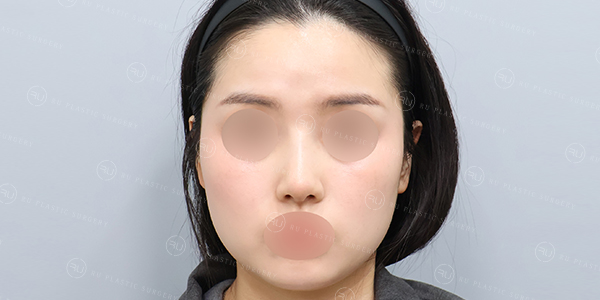
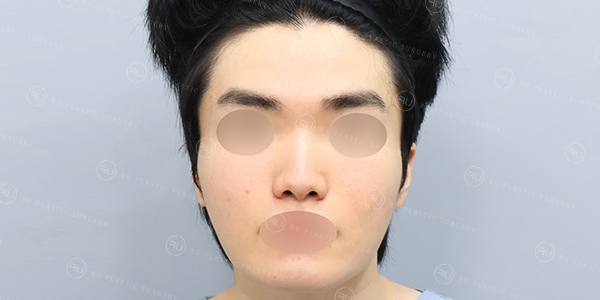
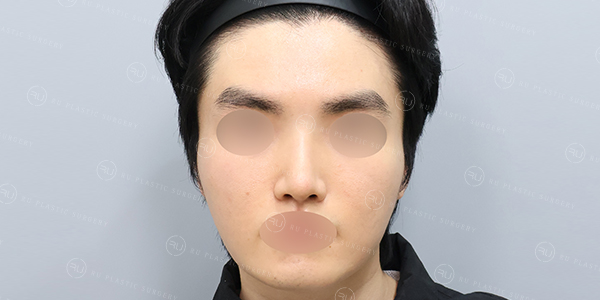
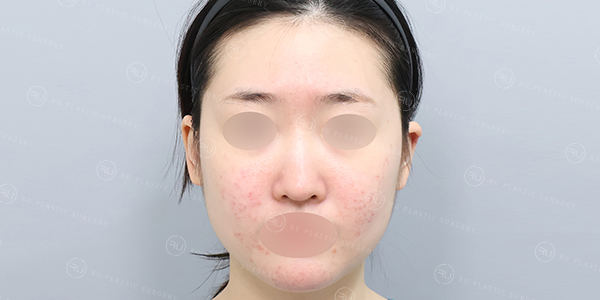
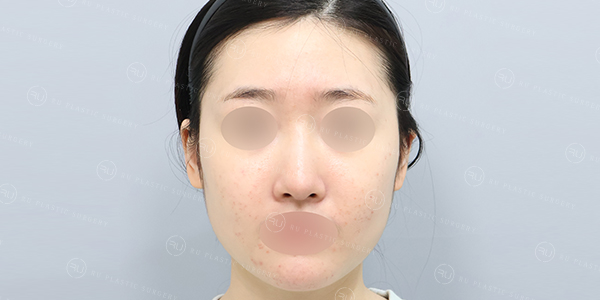
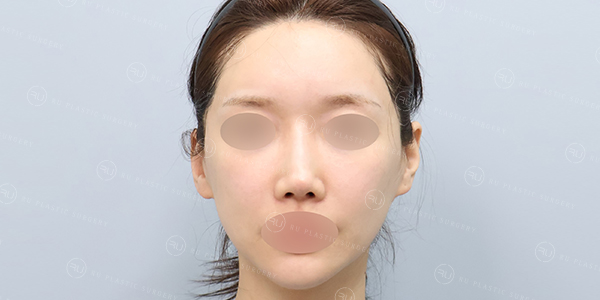
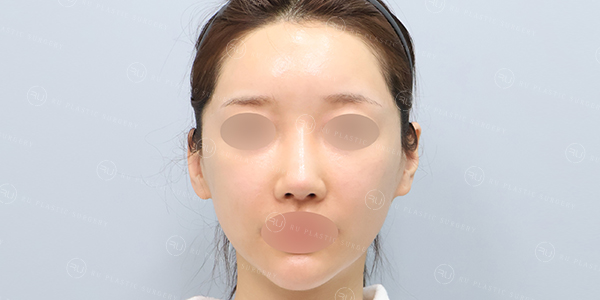
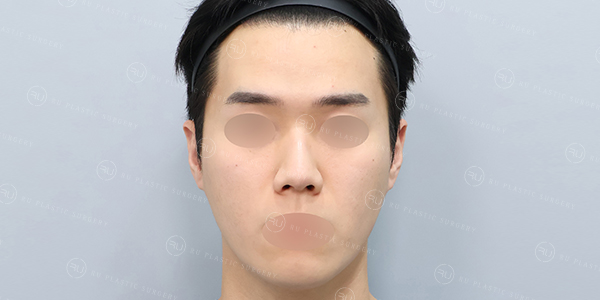
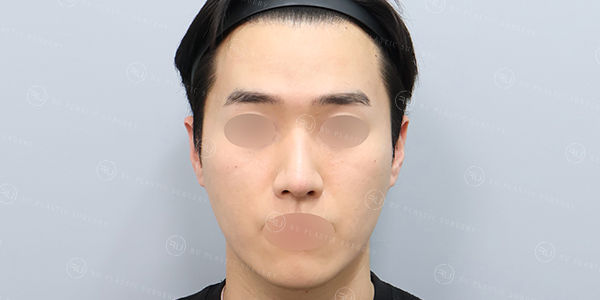
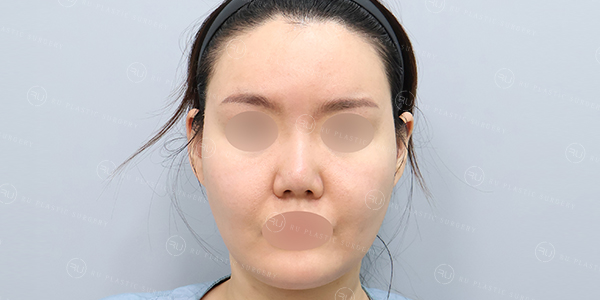
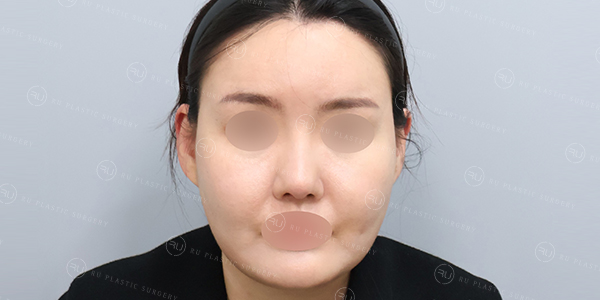
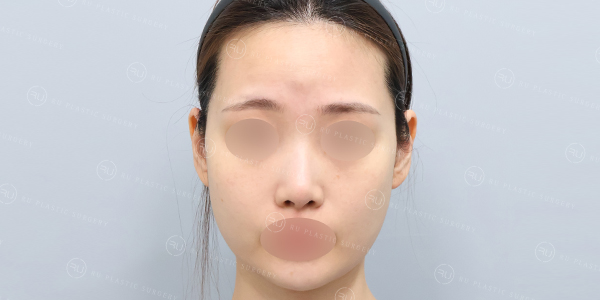
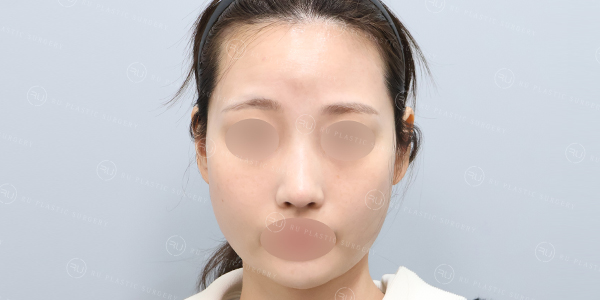
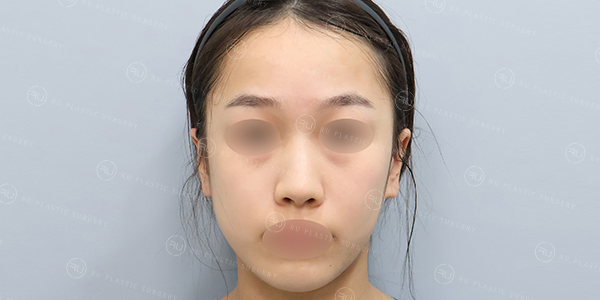
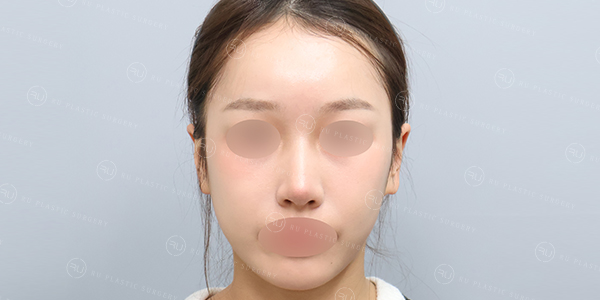
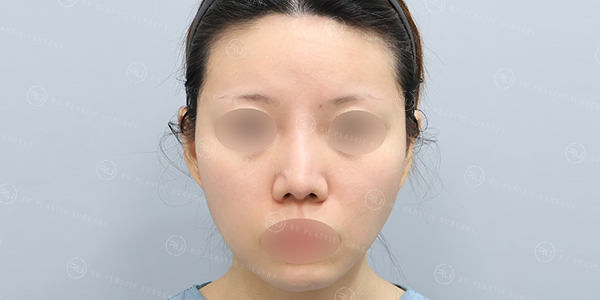
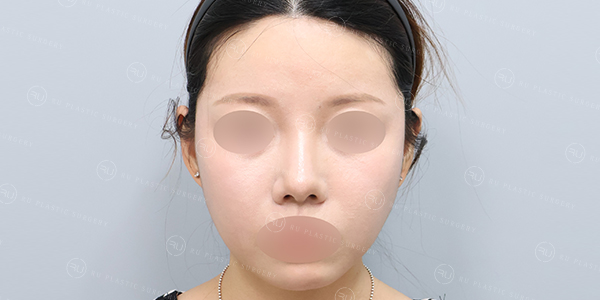
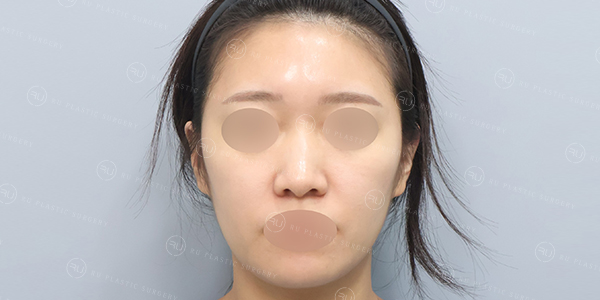
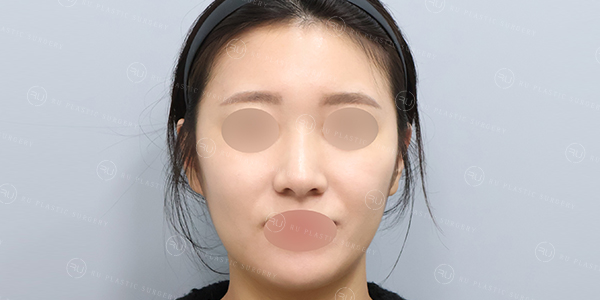
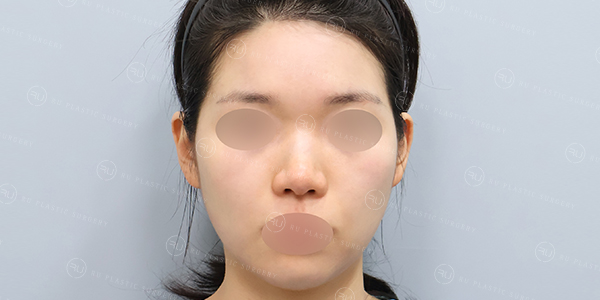
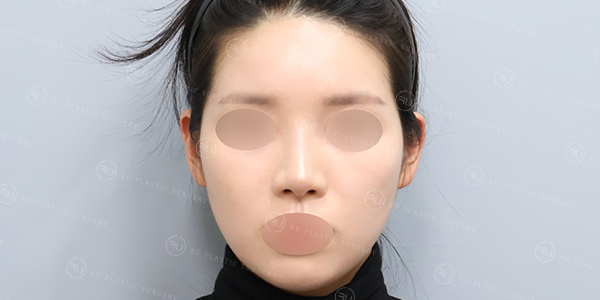
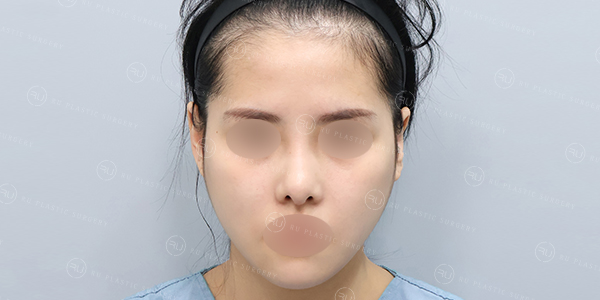
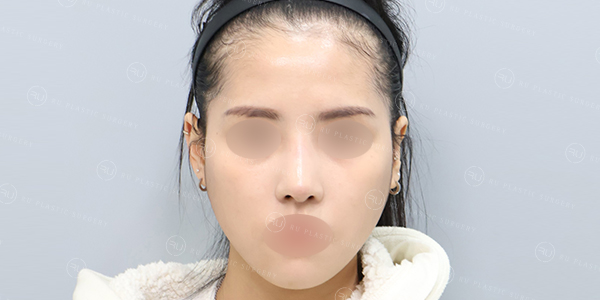
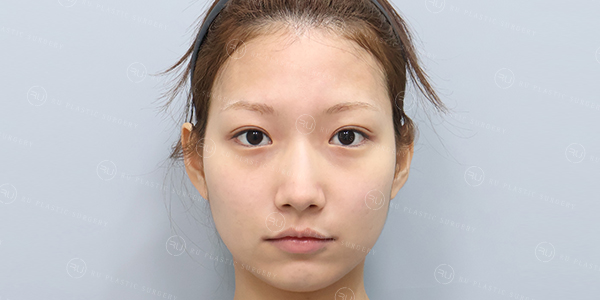
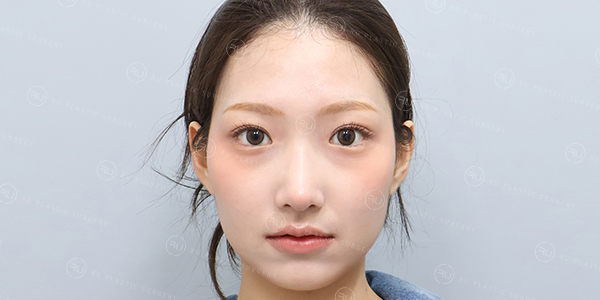
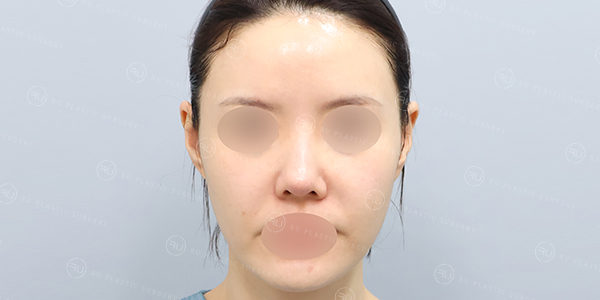
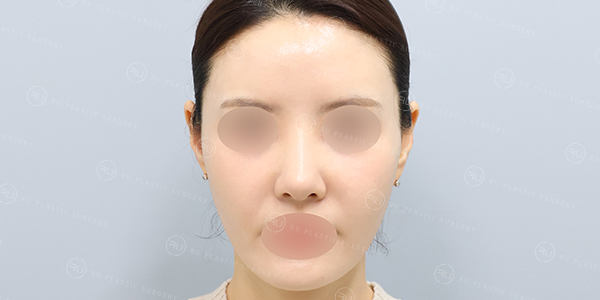
My previously drooping nasal tip has been lifted,
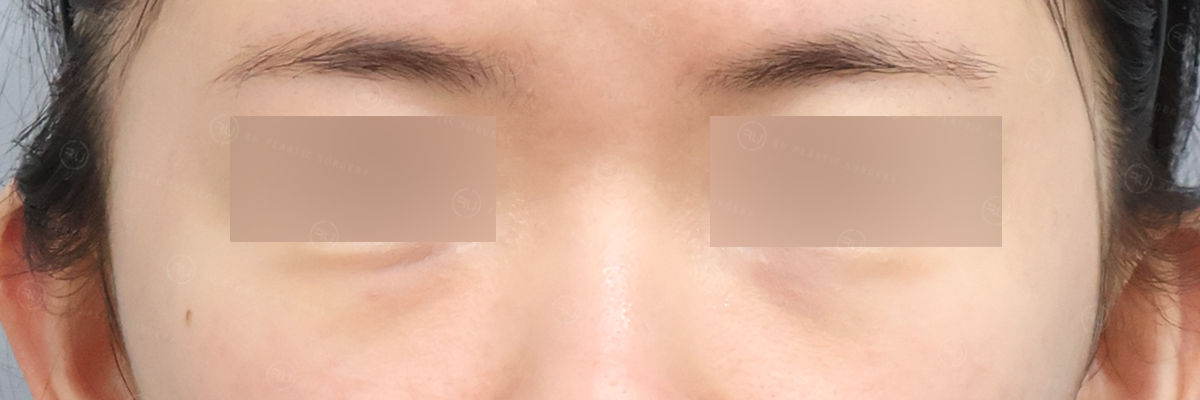
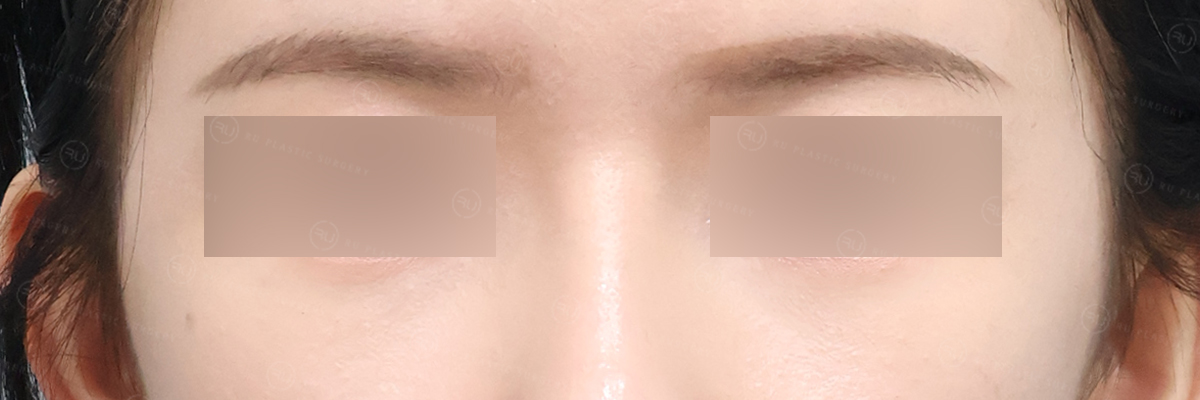
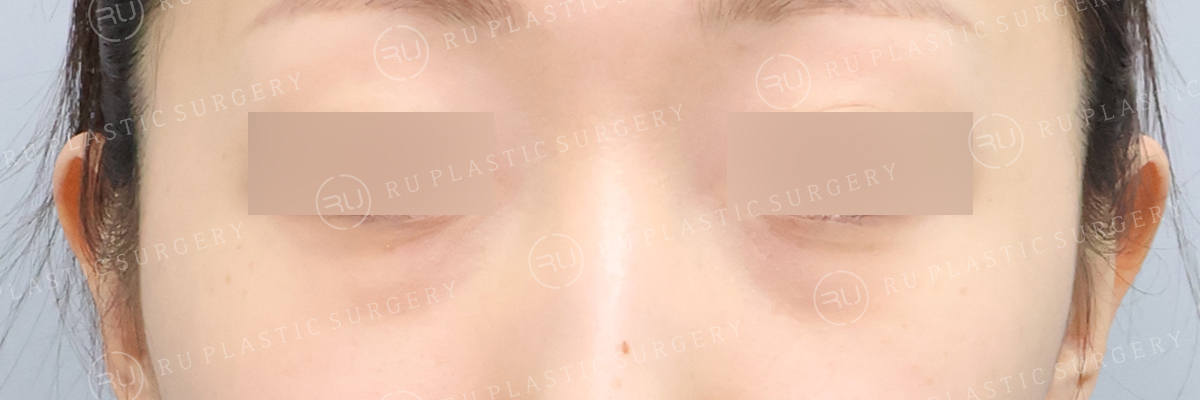
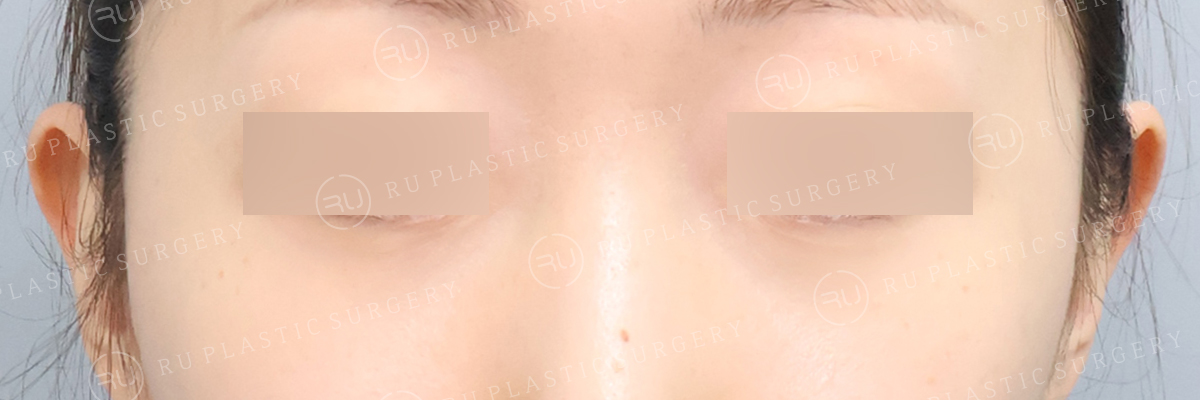
and the unnatural transition between my forehead and nasal bridge
caused by the poorly placed silicone implant
has now been beautifully smoothed.
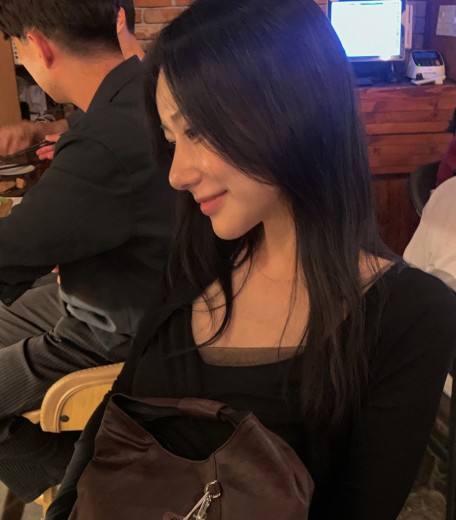
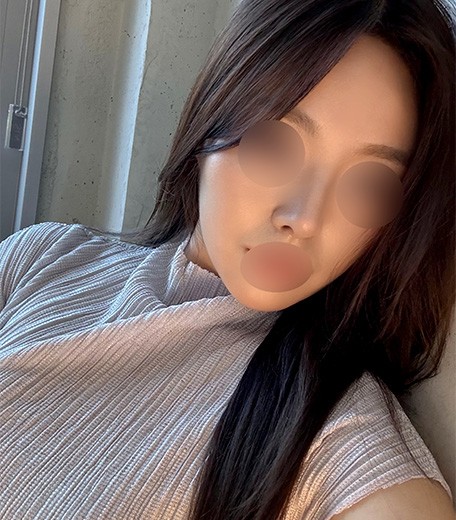
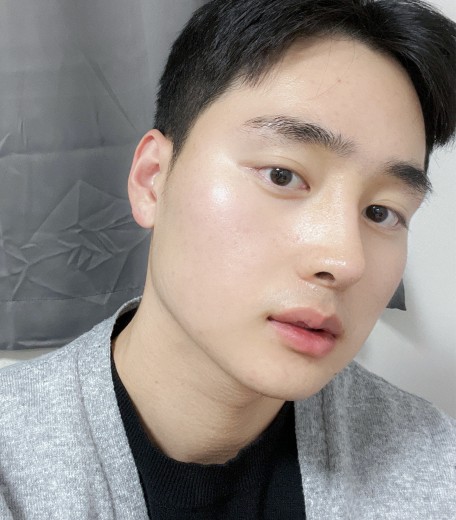
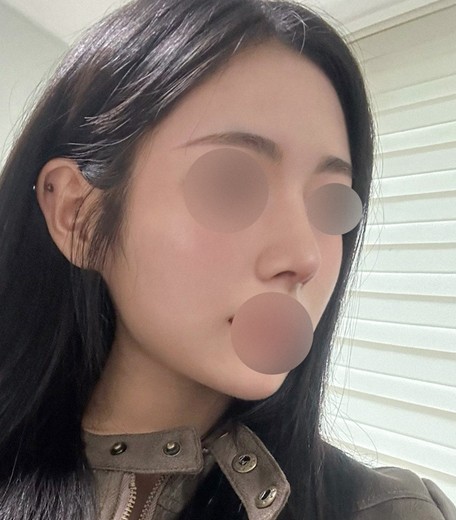
The overall result looks far more harmonious and natural,
and I am truly satisfied with my revision rhinoplasty.