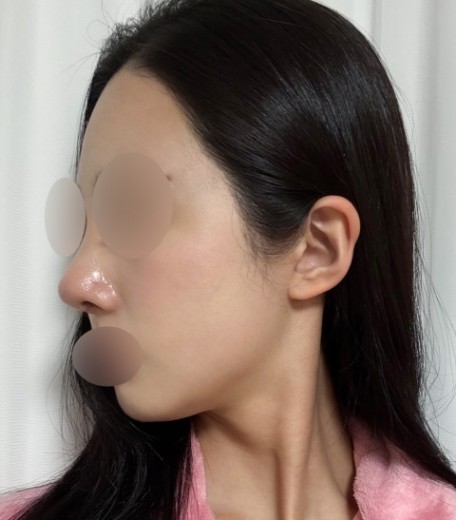
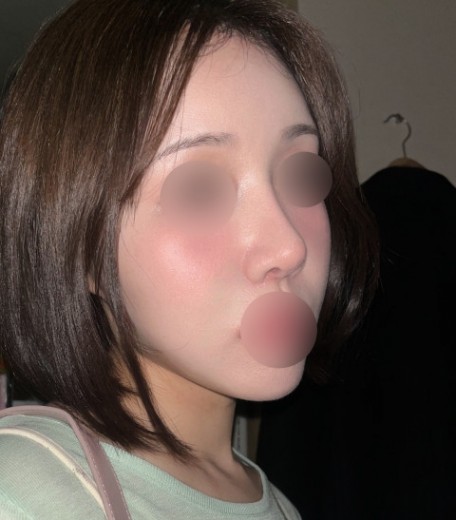
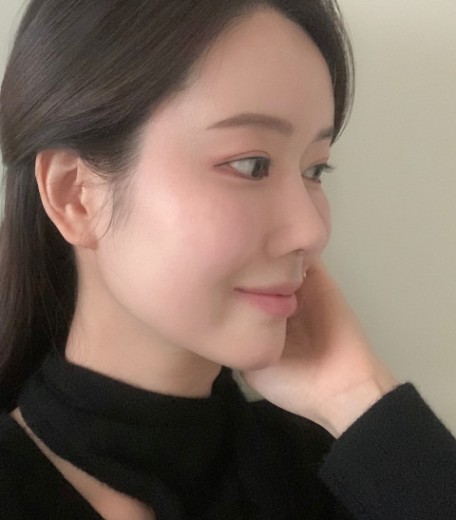
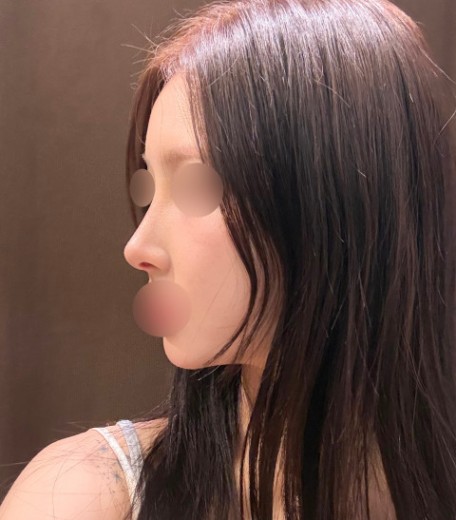
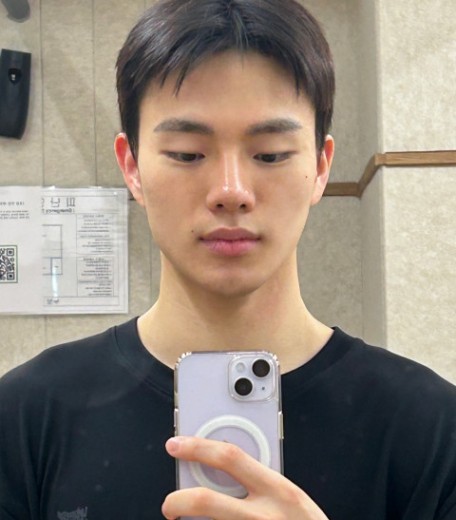
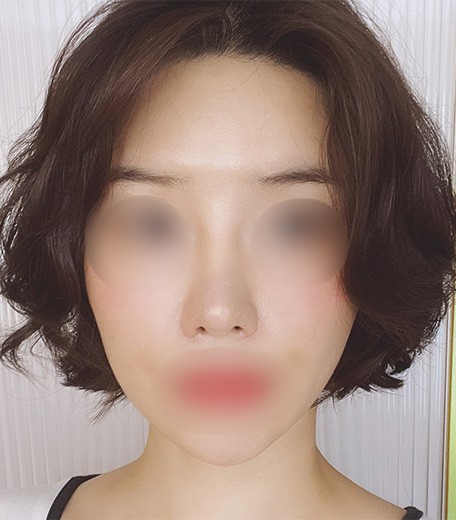
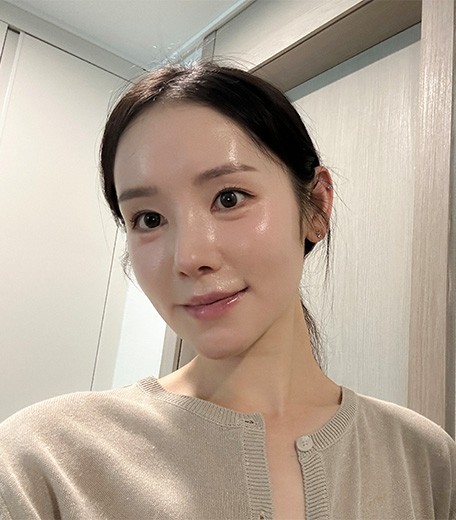
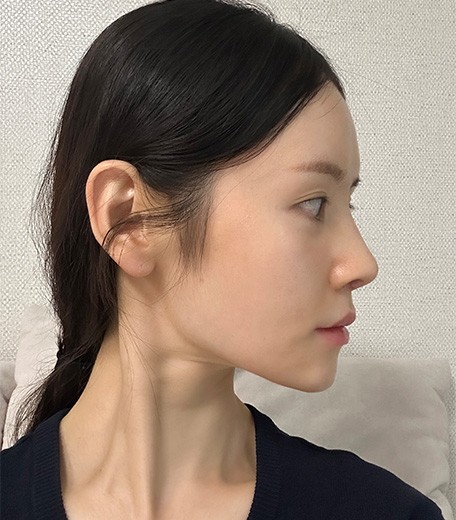
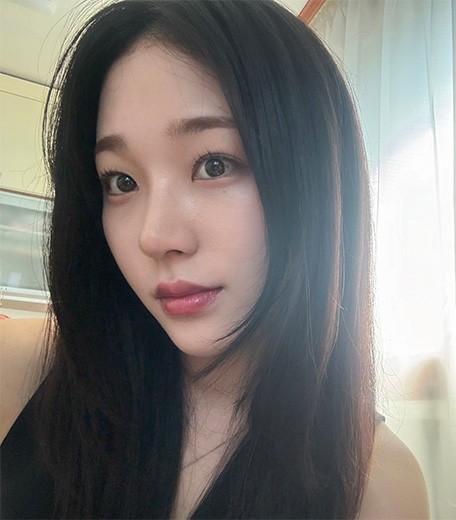
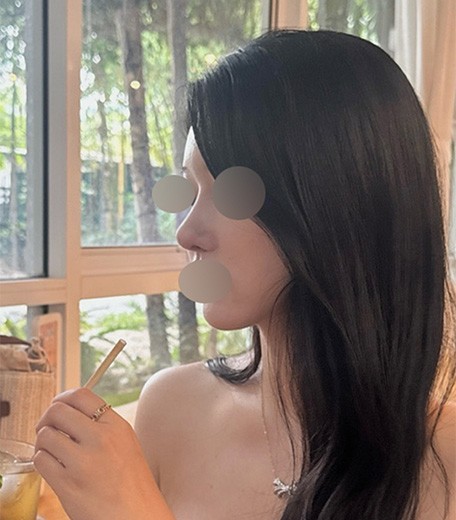
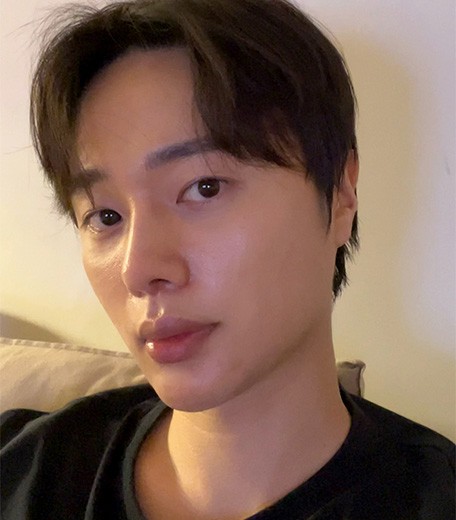
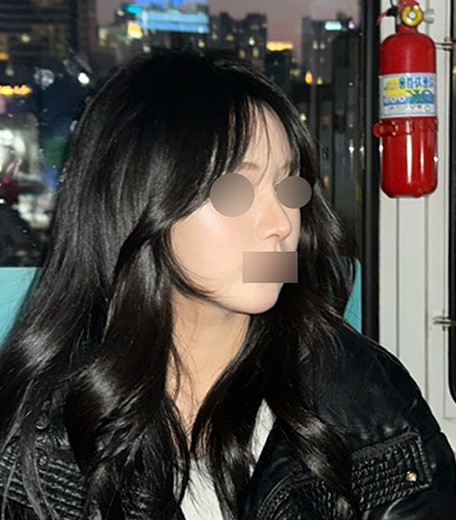
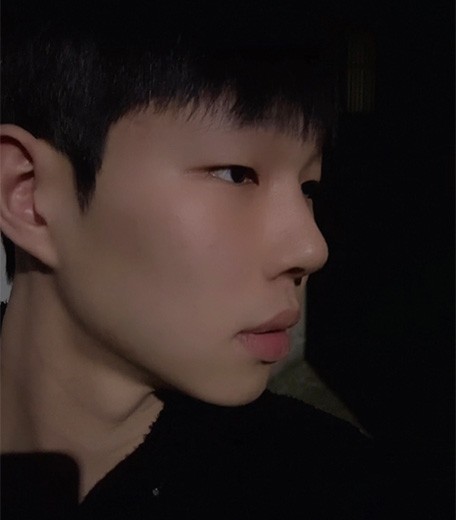
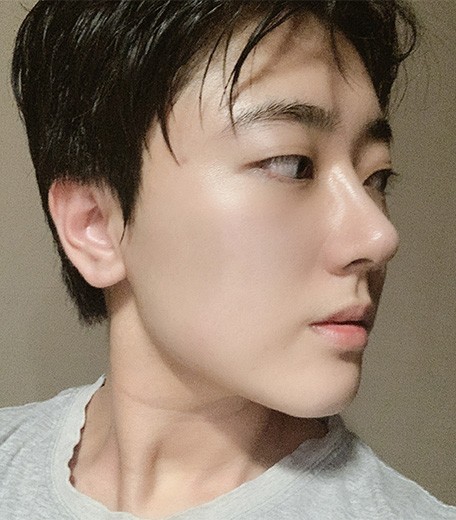
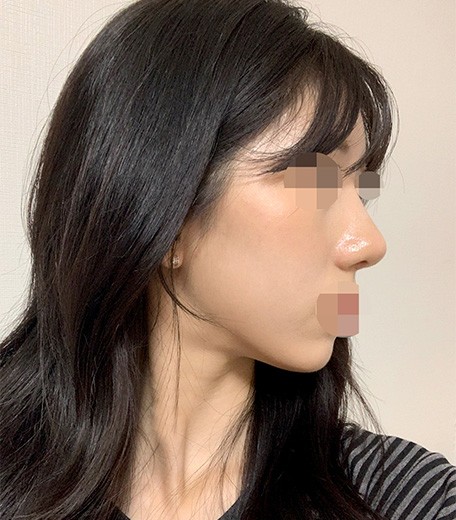
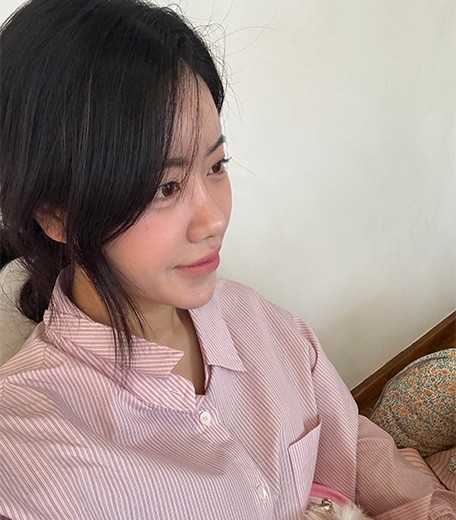
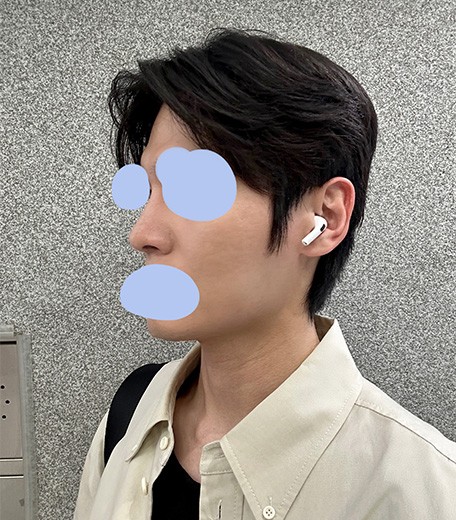
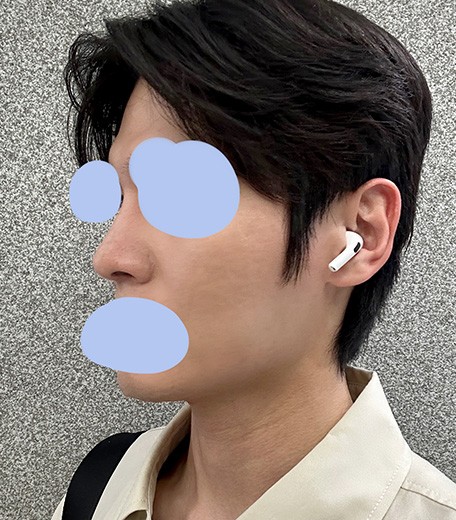
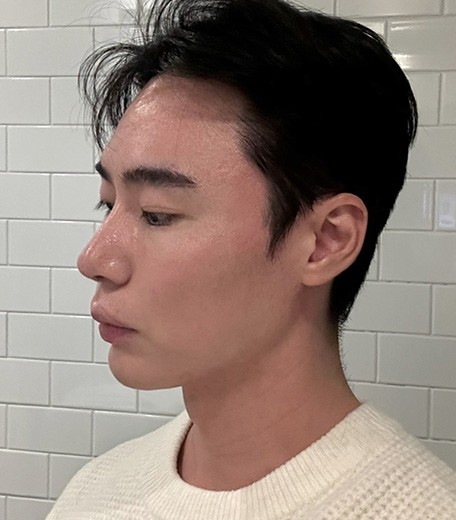
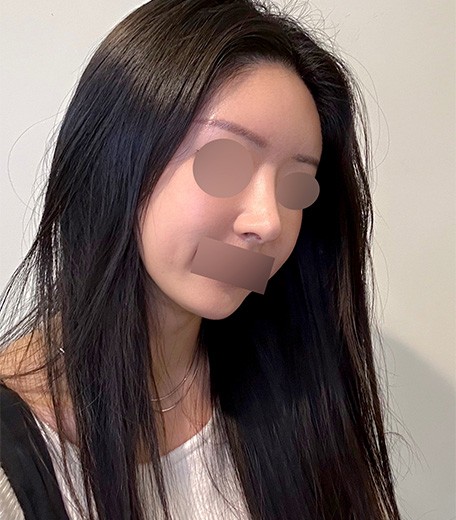
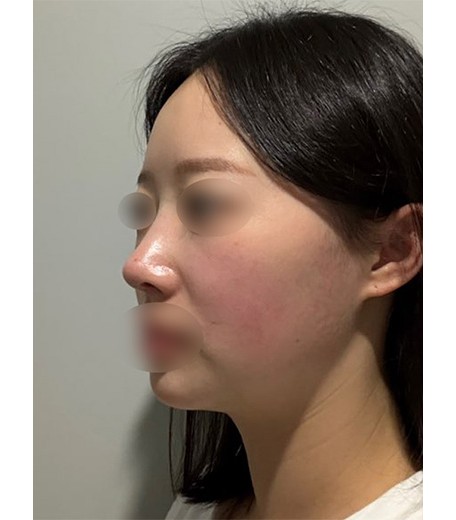
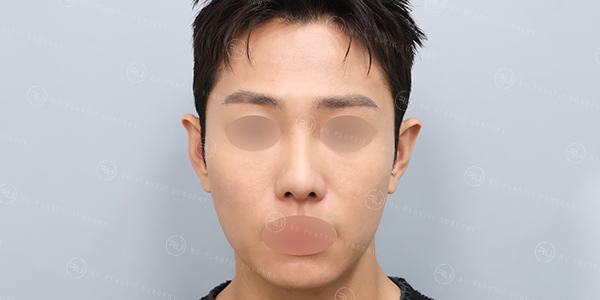
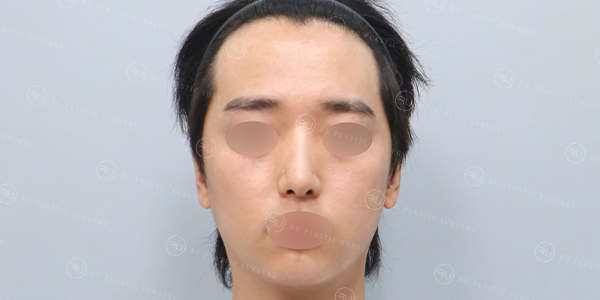
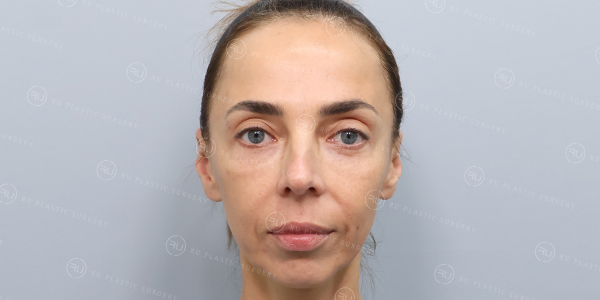
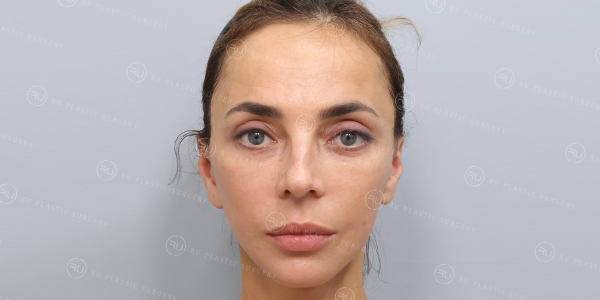
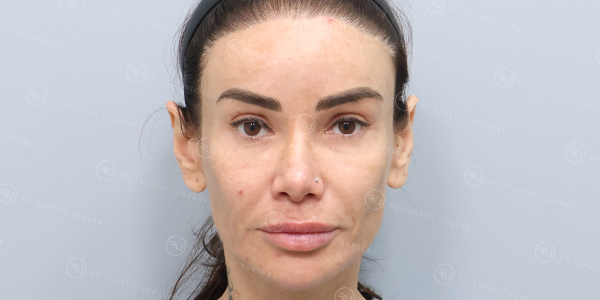
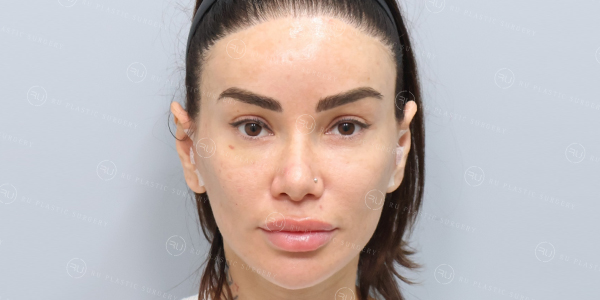
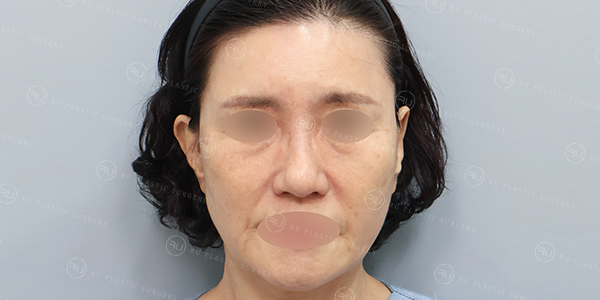
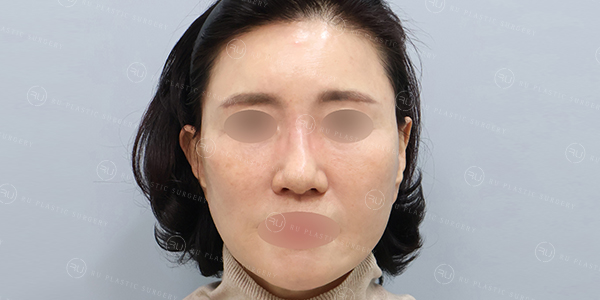
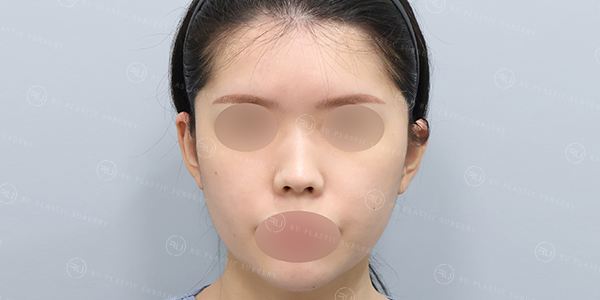
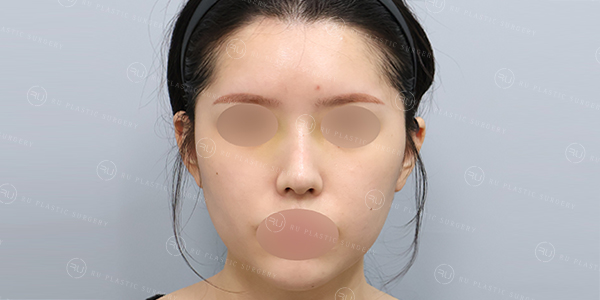
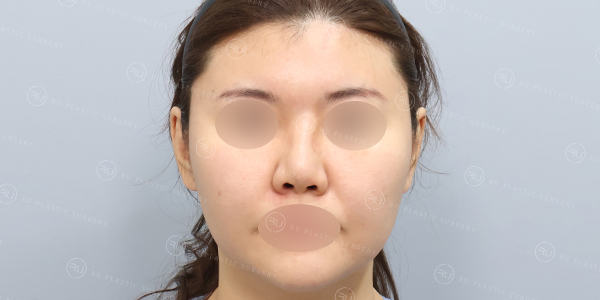
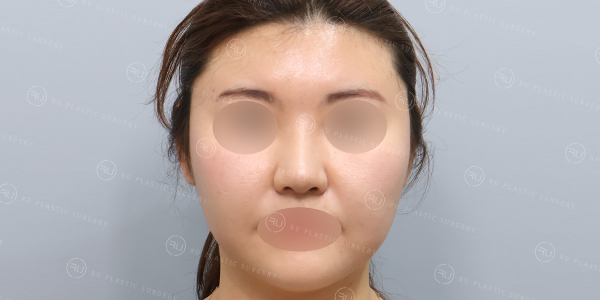
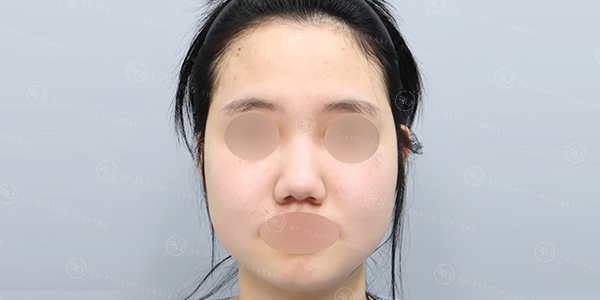
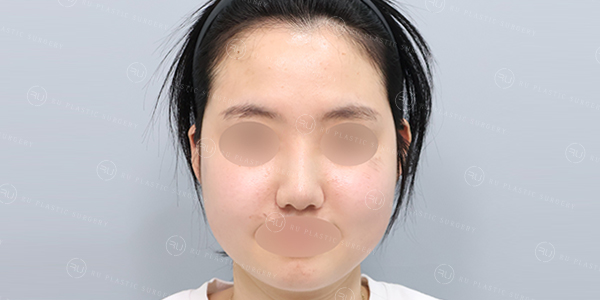
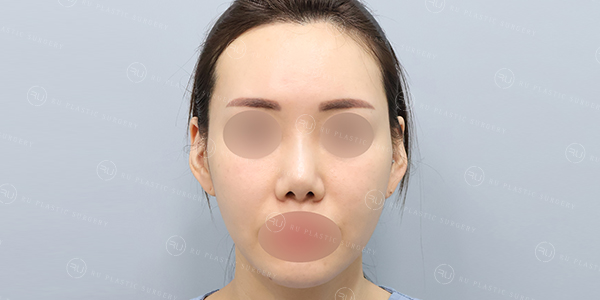
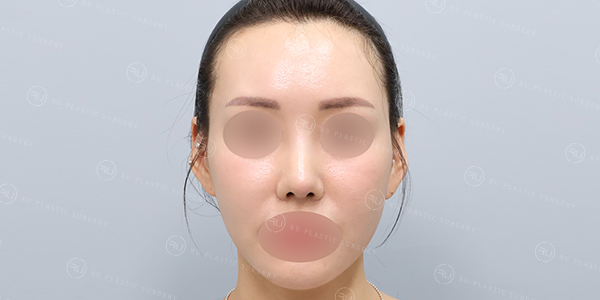
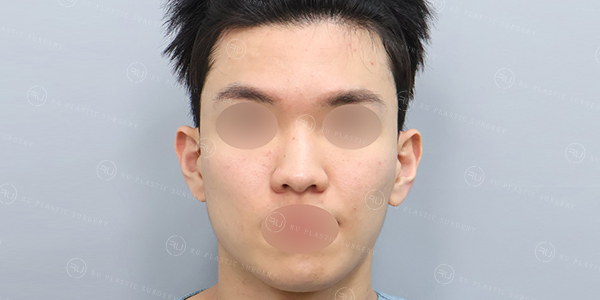
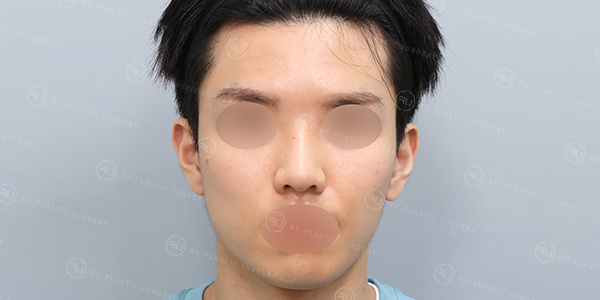
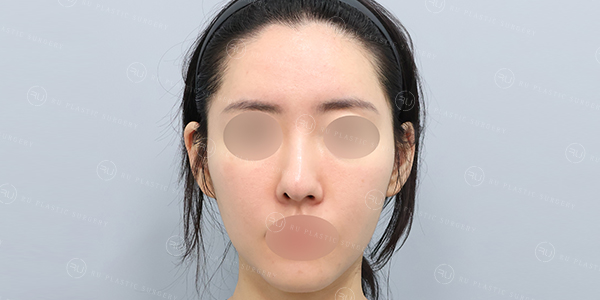
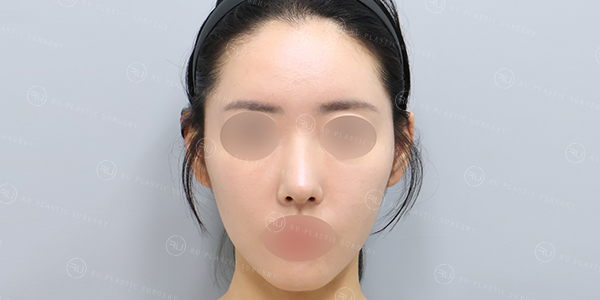
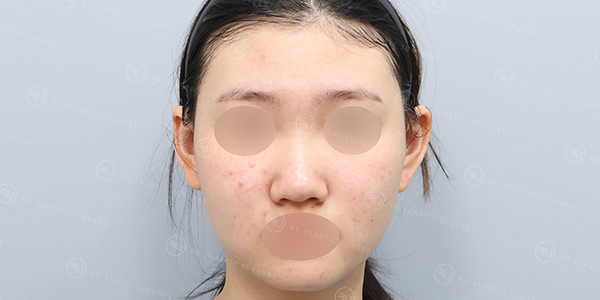
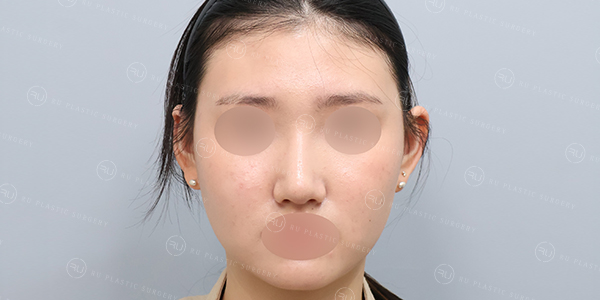
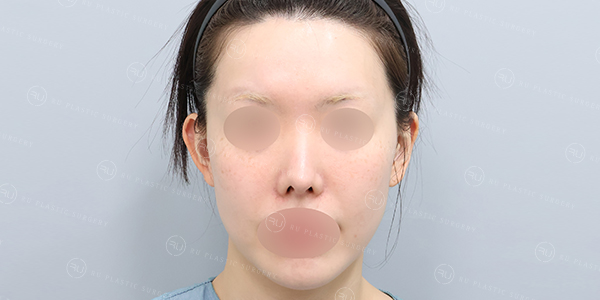
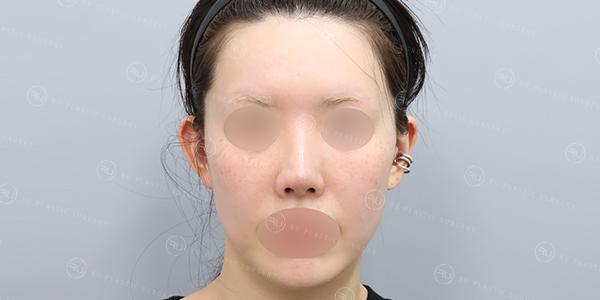
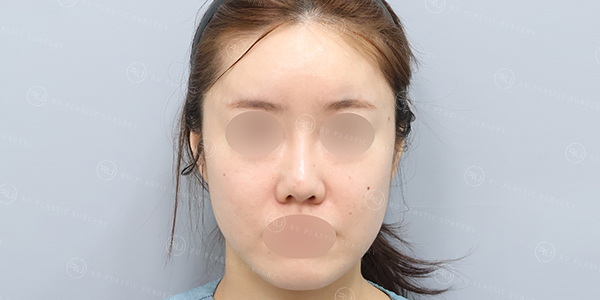
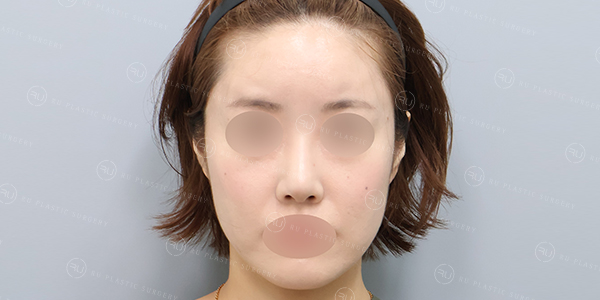
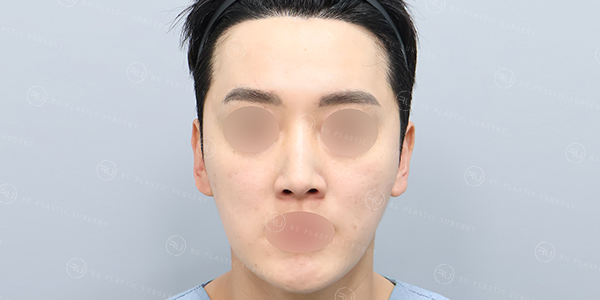
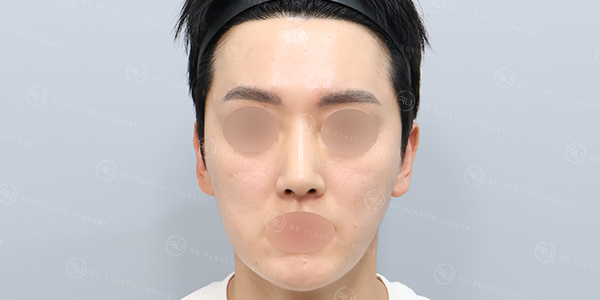
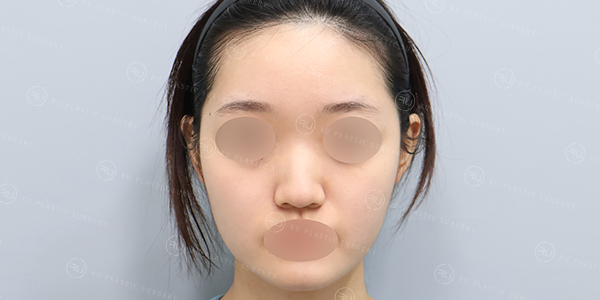
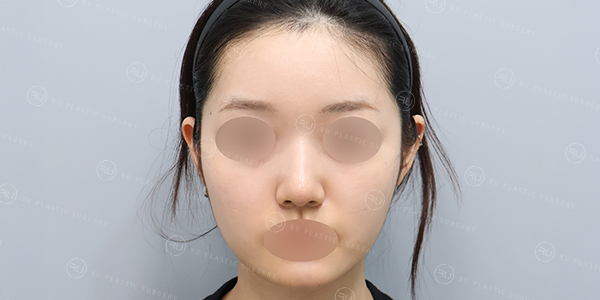
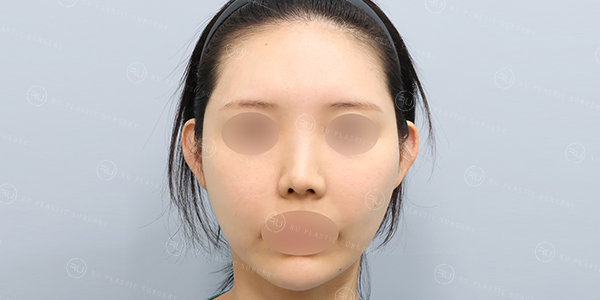
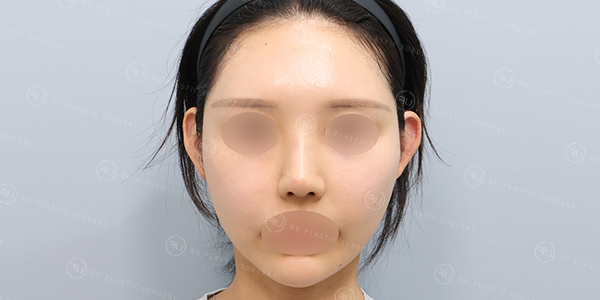
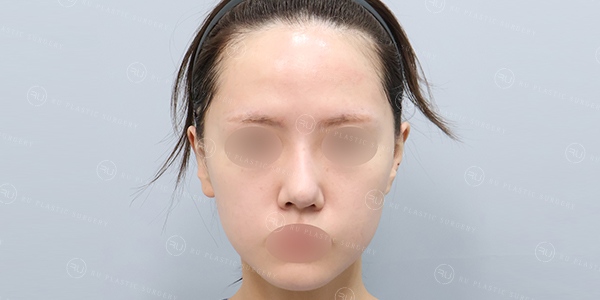
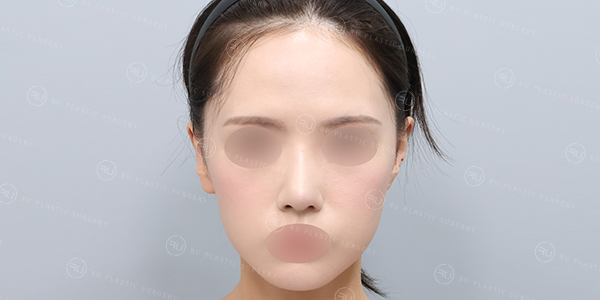
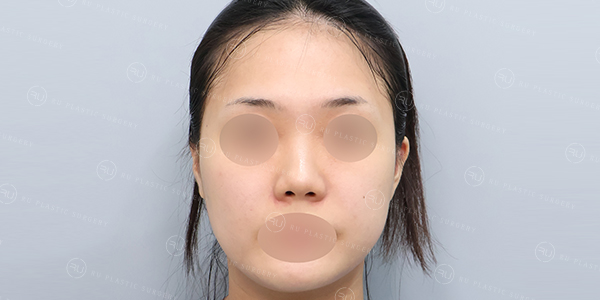
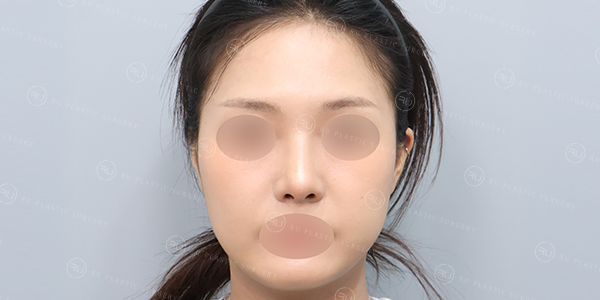
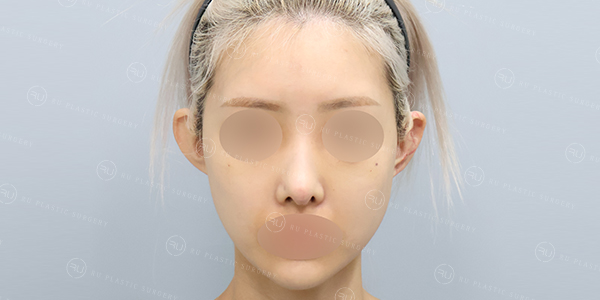
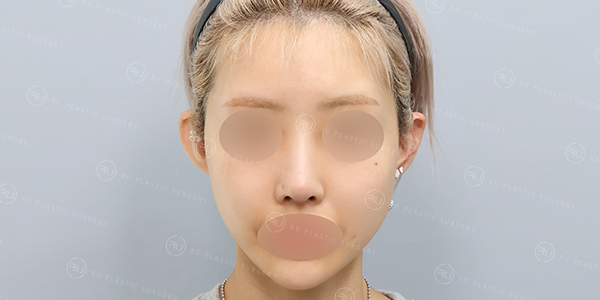
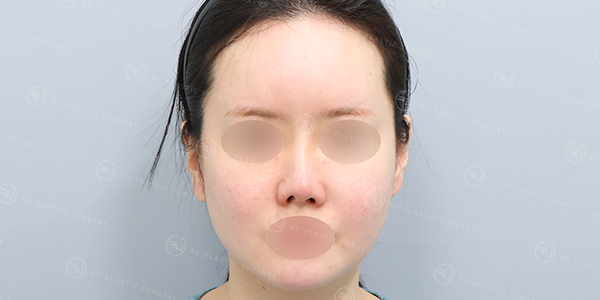
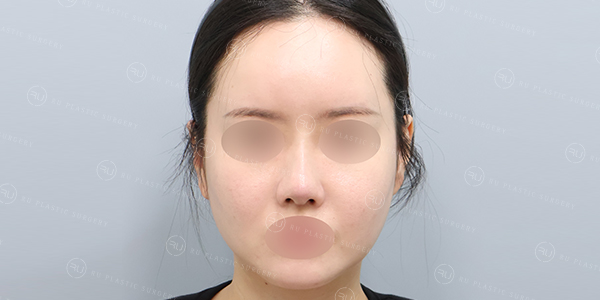
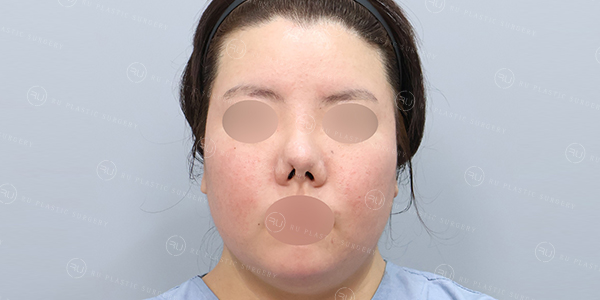
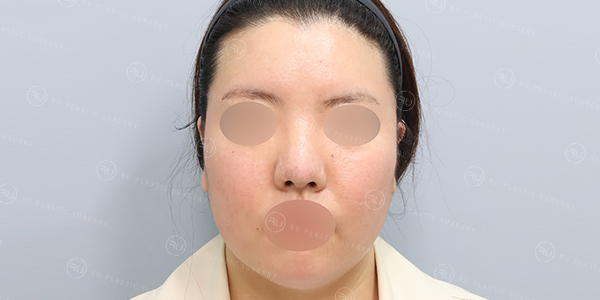
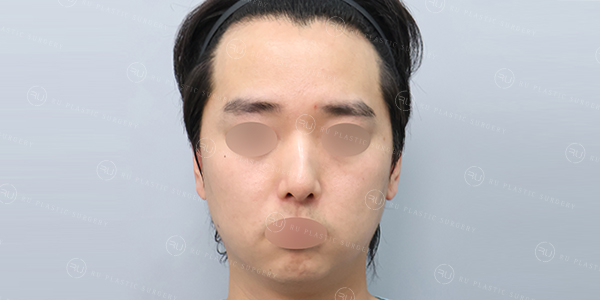
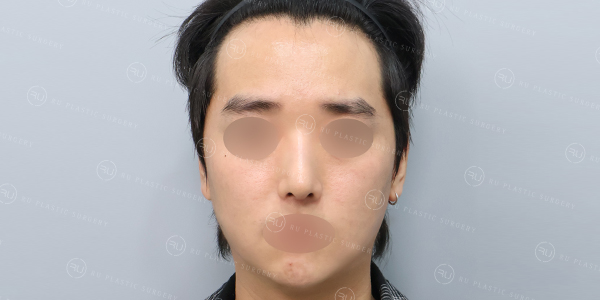
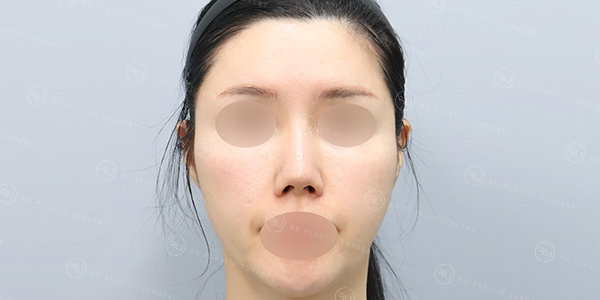
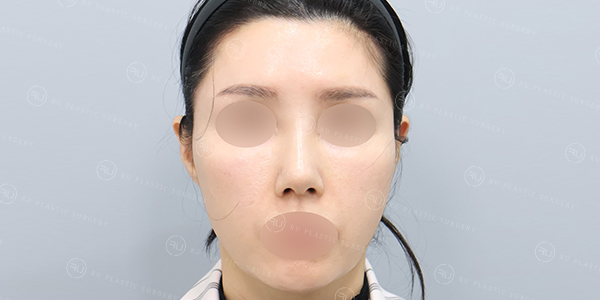
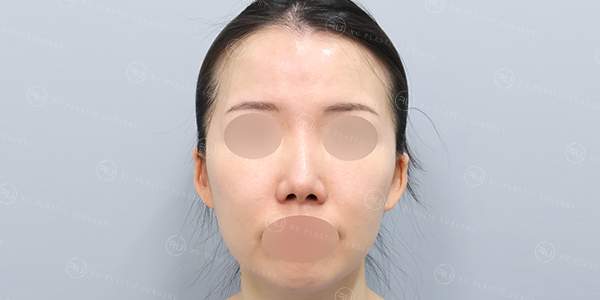
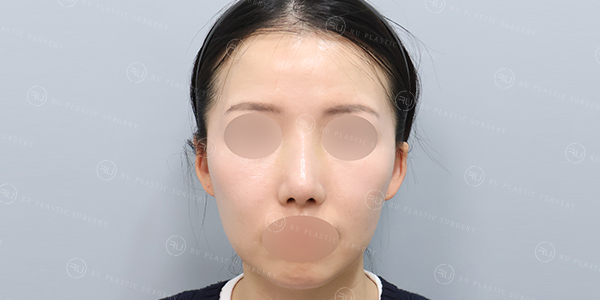
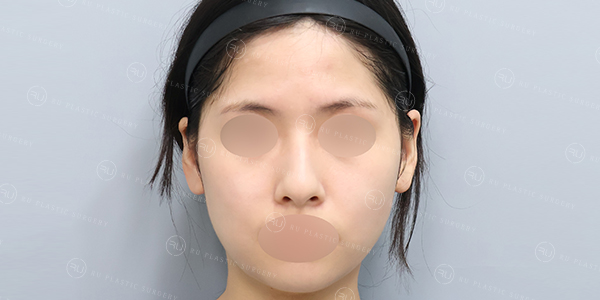
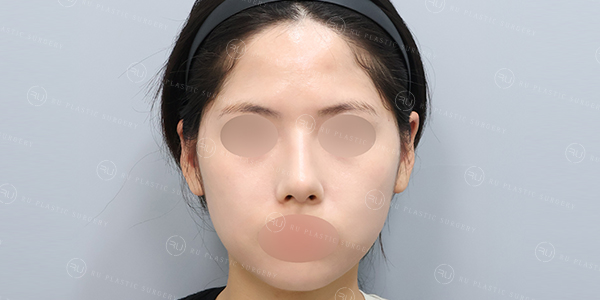
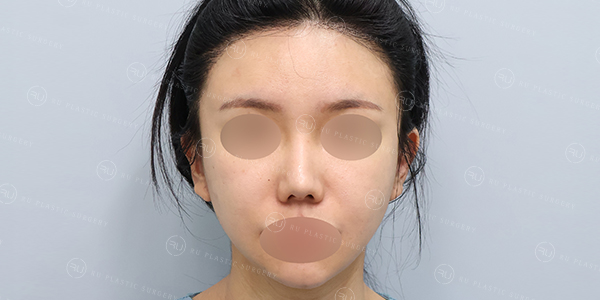
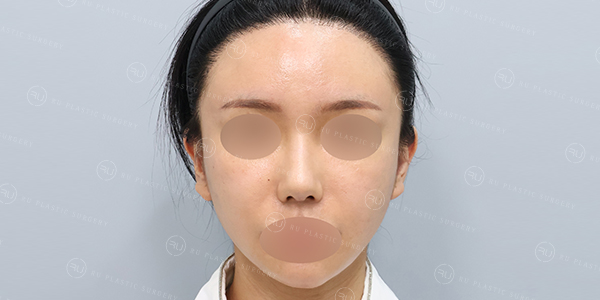
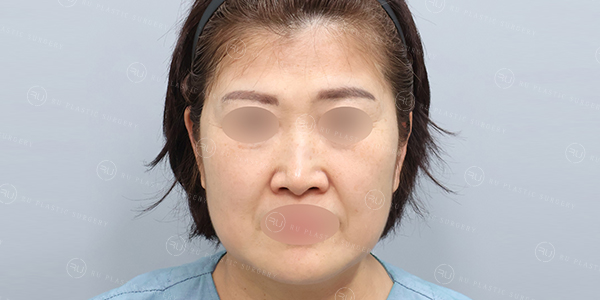
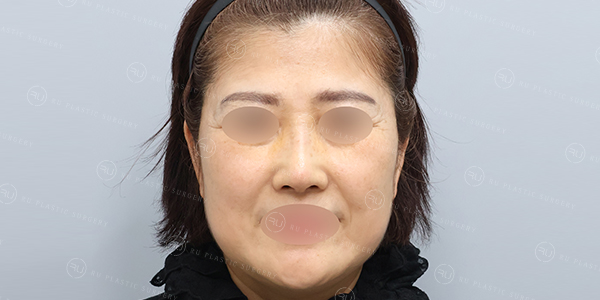
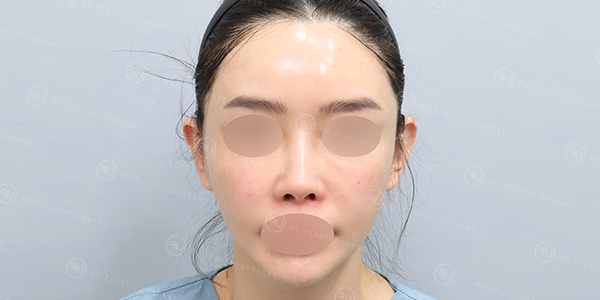
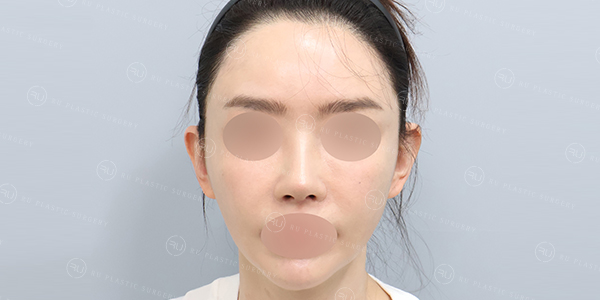
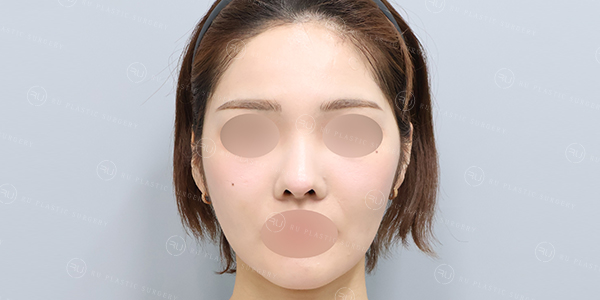
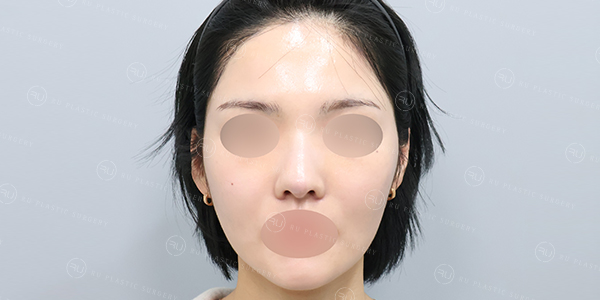
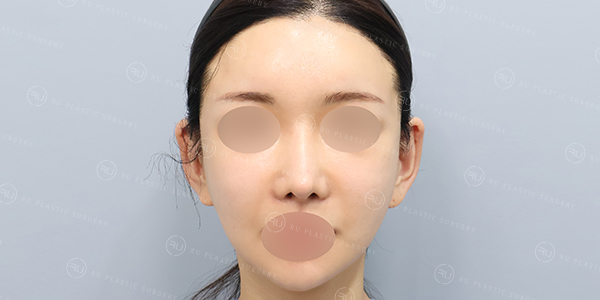
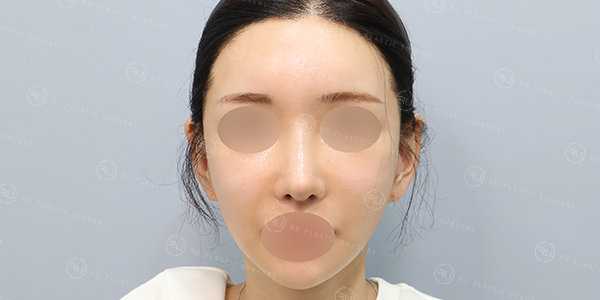
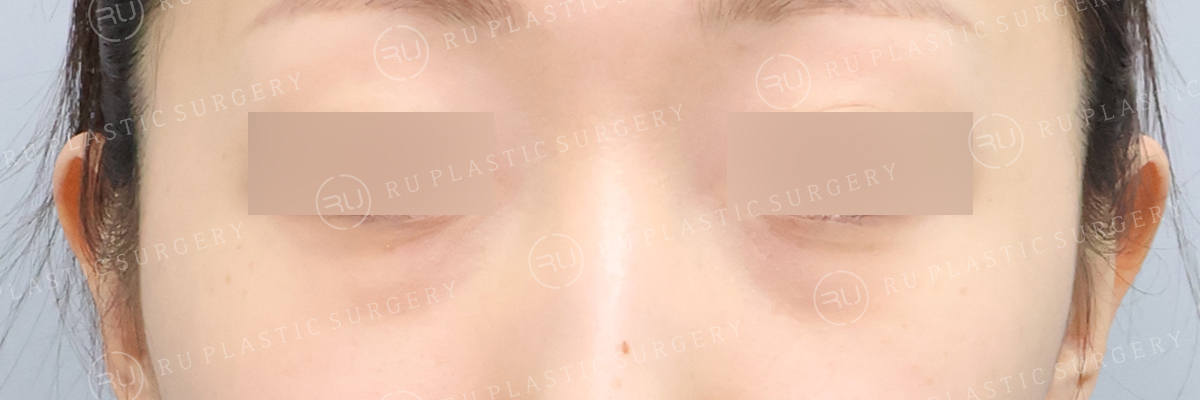
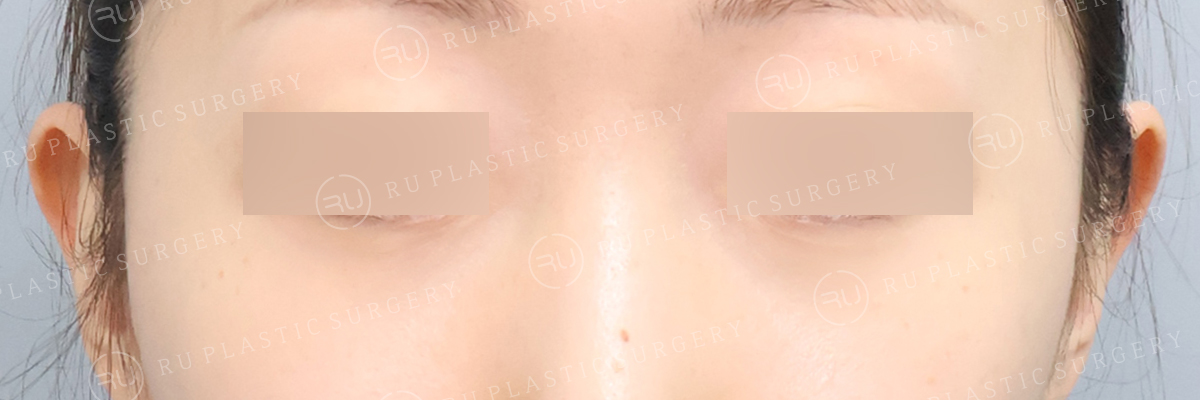
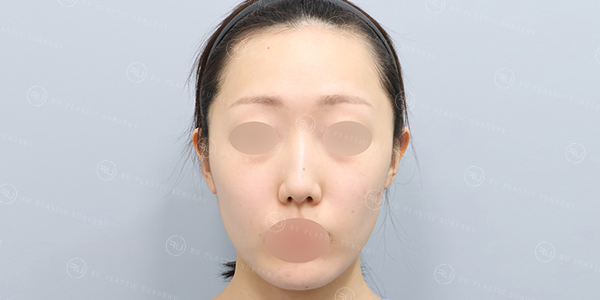
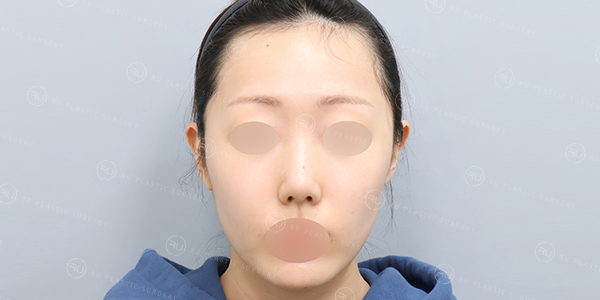
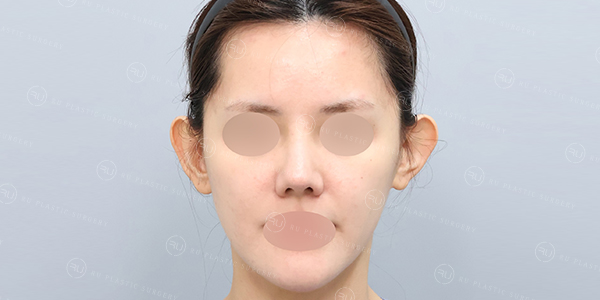
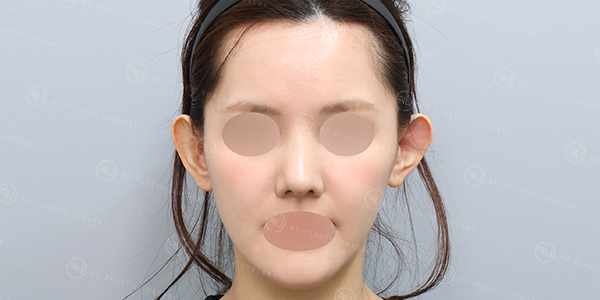
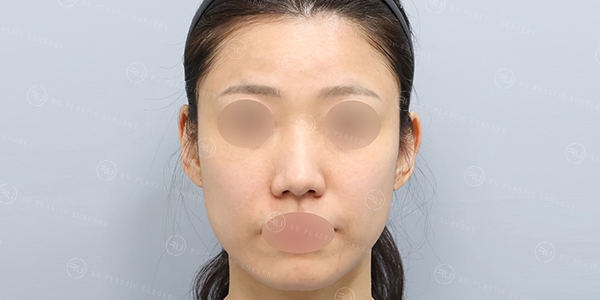
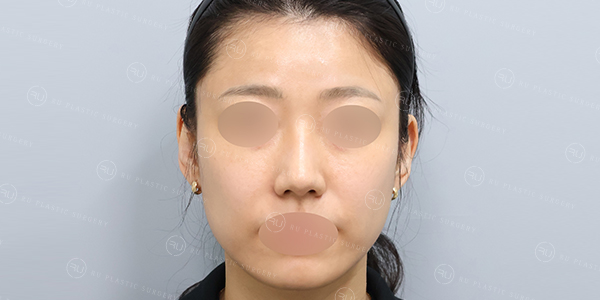
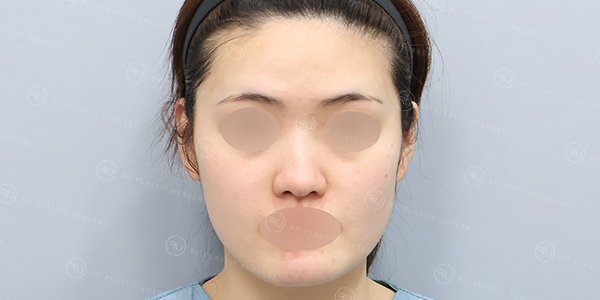
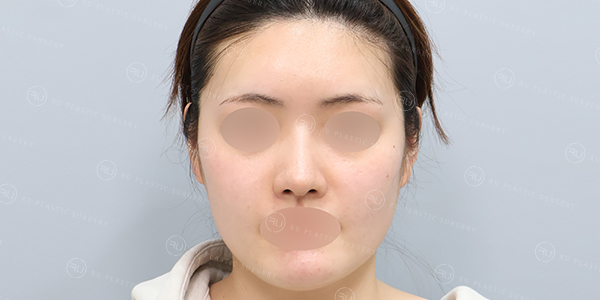
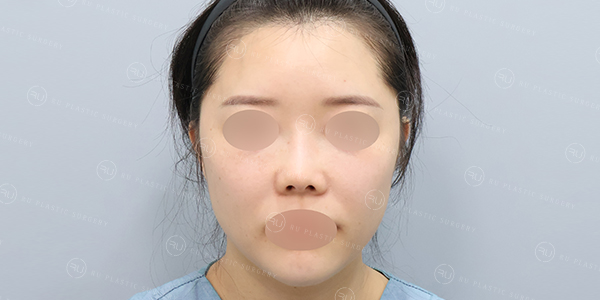
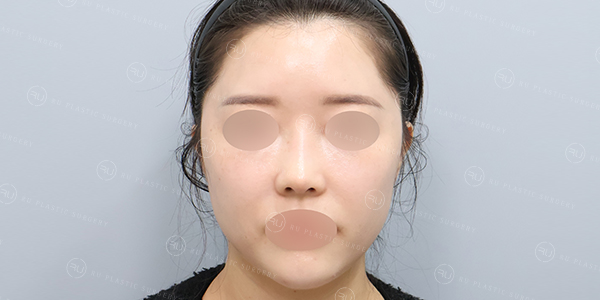
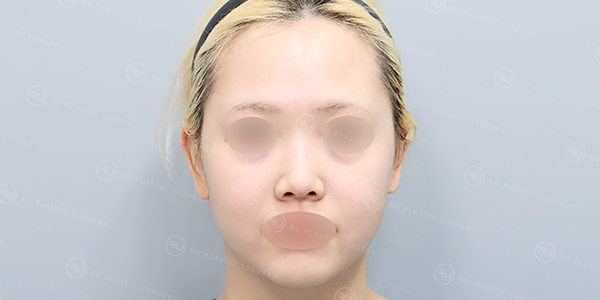
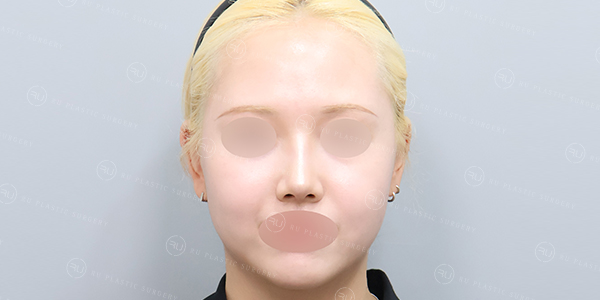
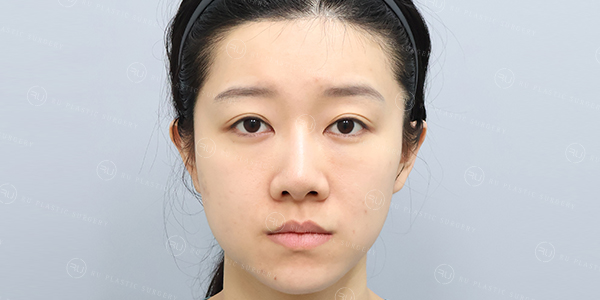
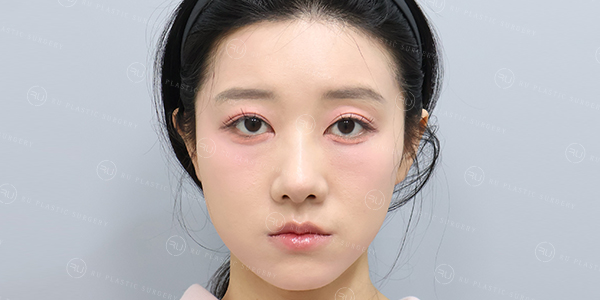
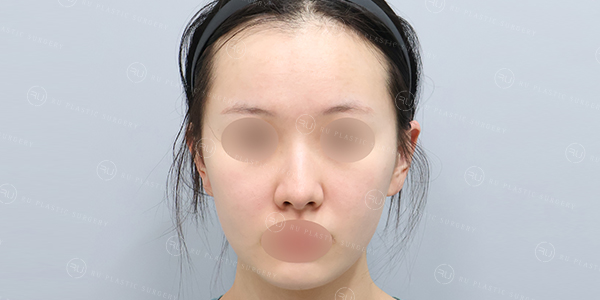
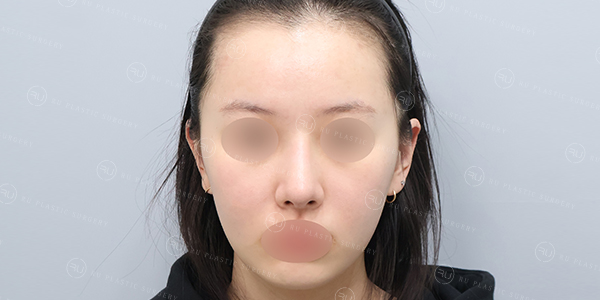
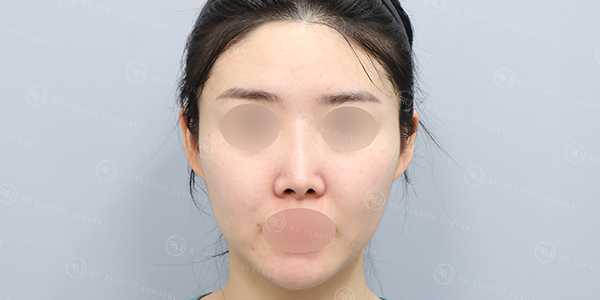
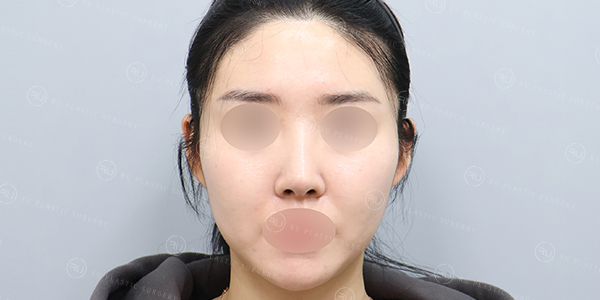
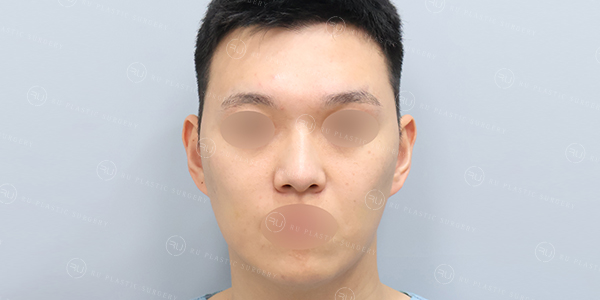
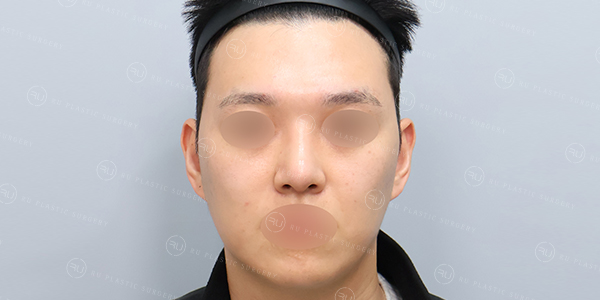
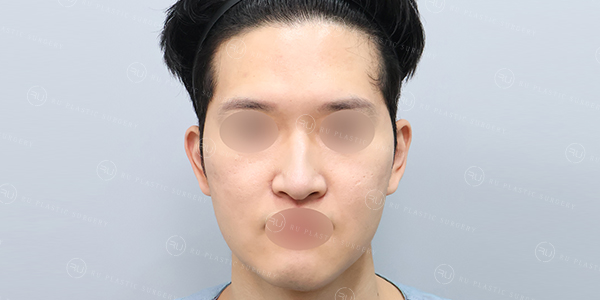
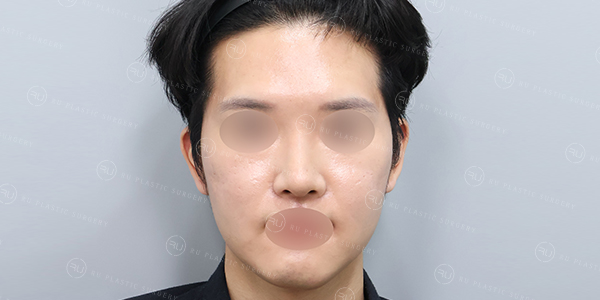
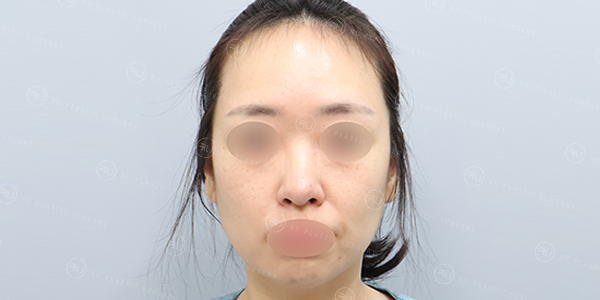
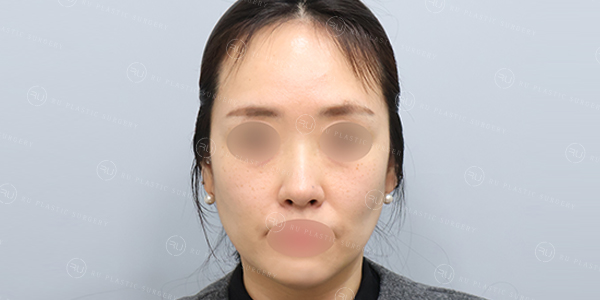
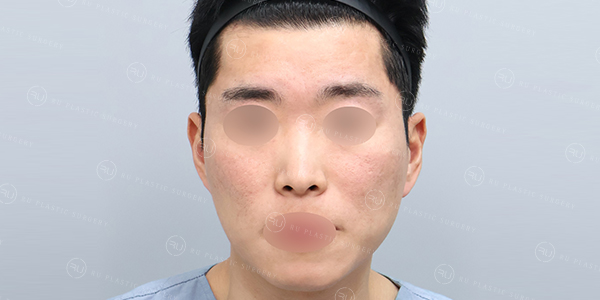
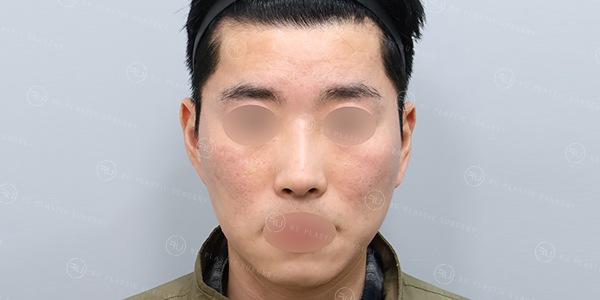
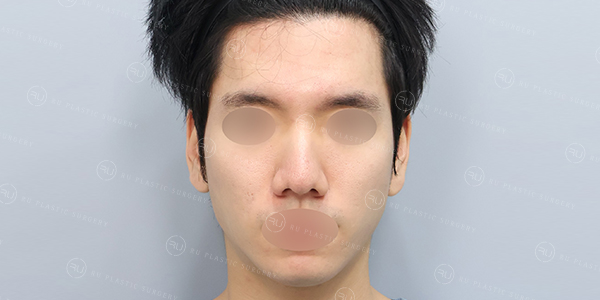
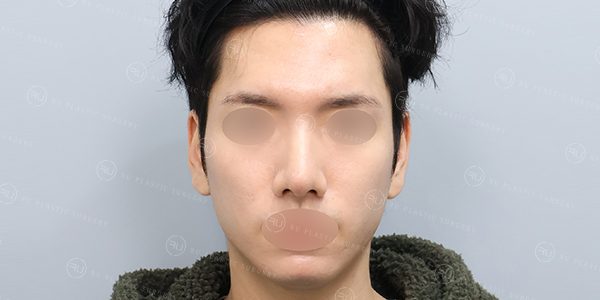
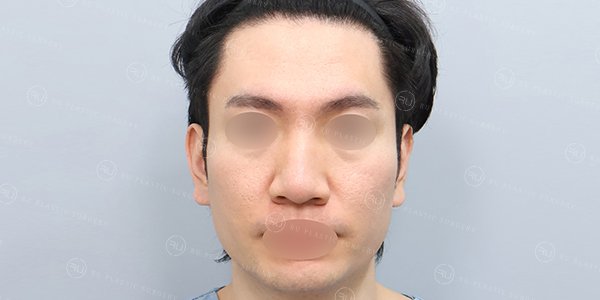
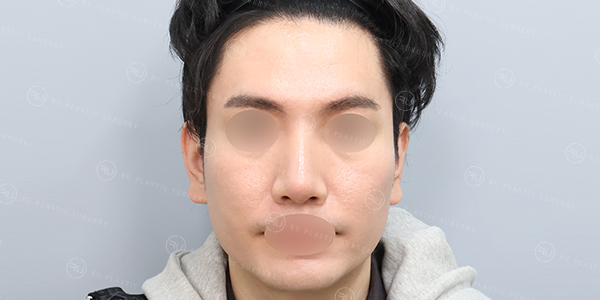
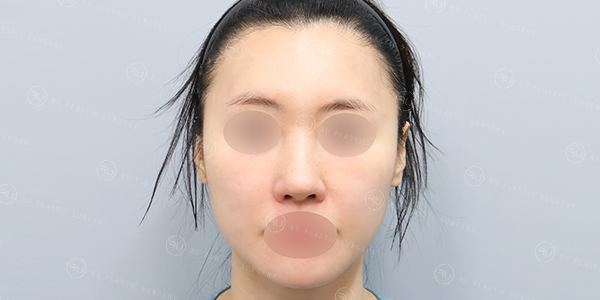
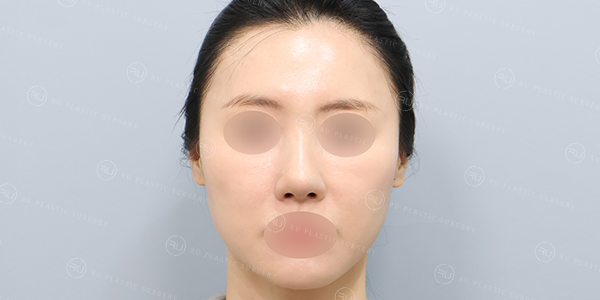
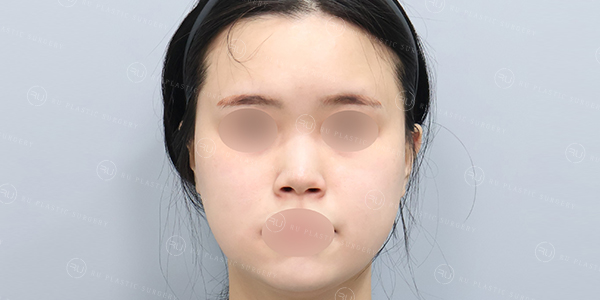
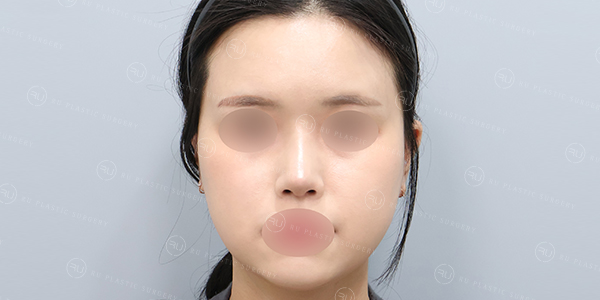
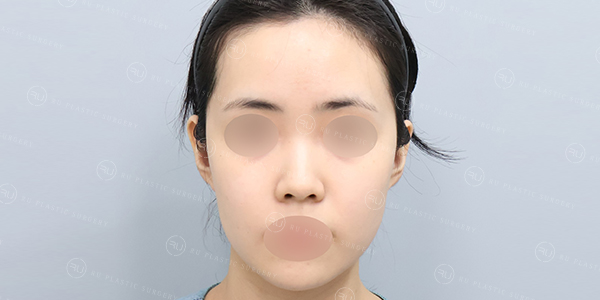
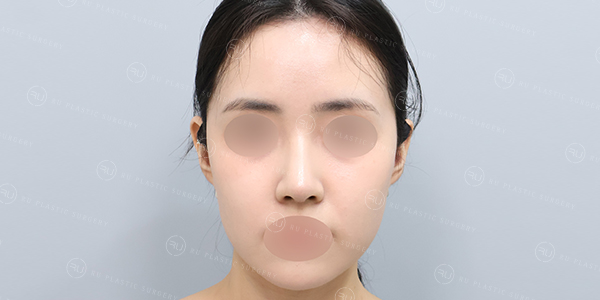
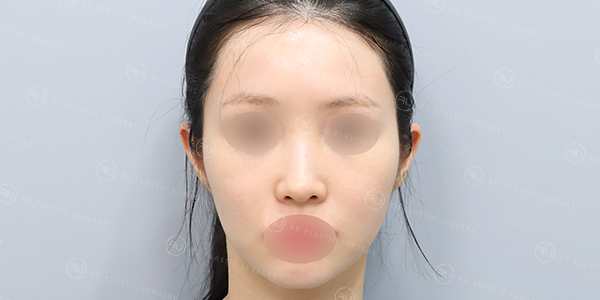
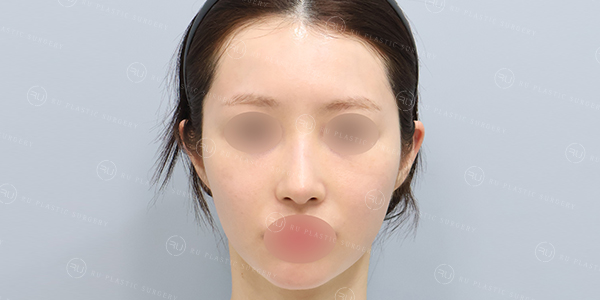
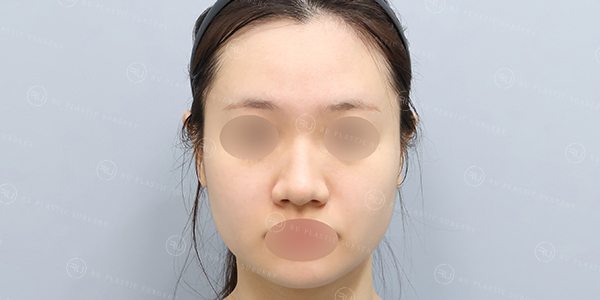
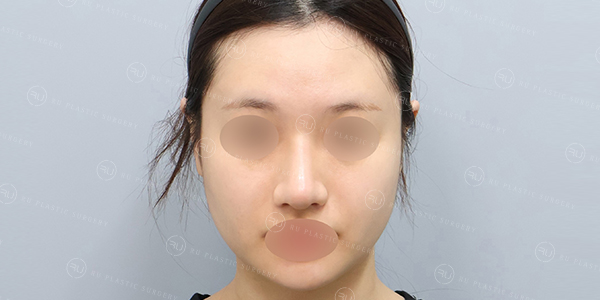
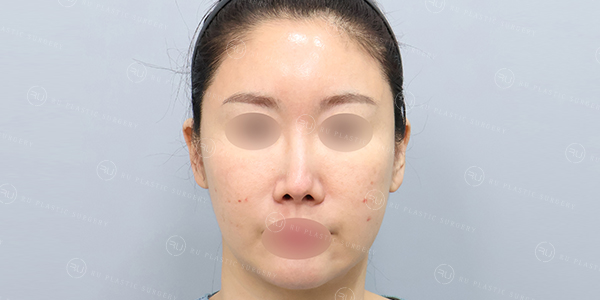
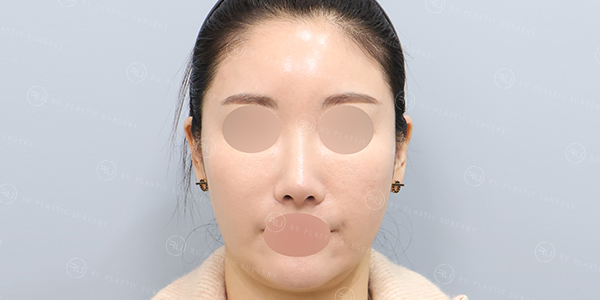
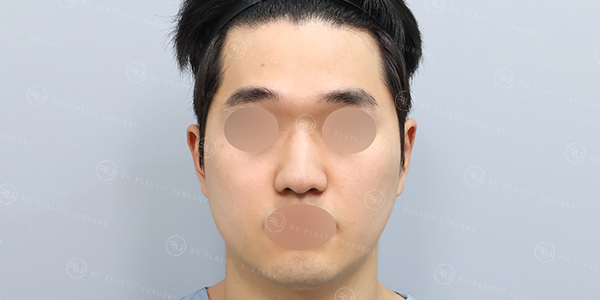
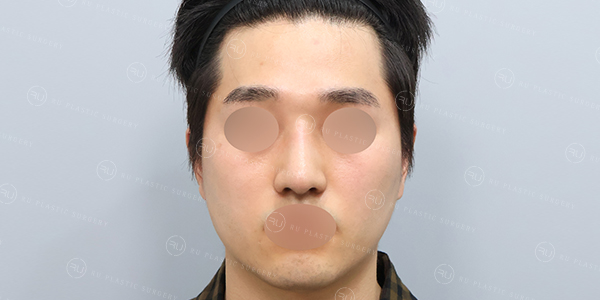
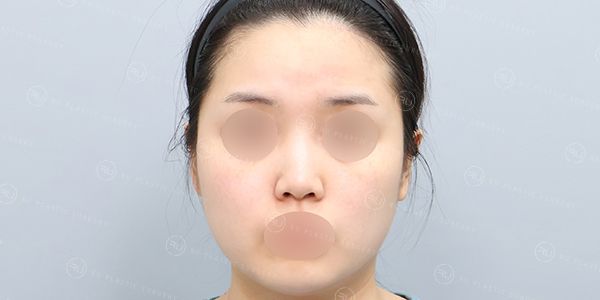
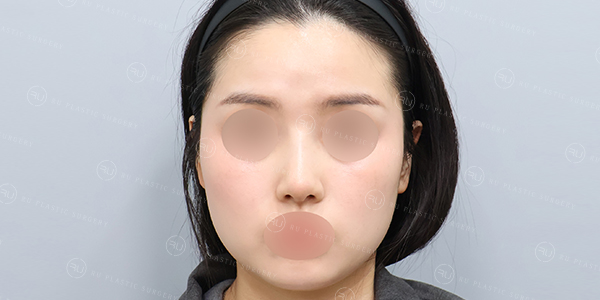
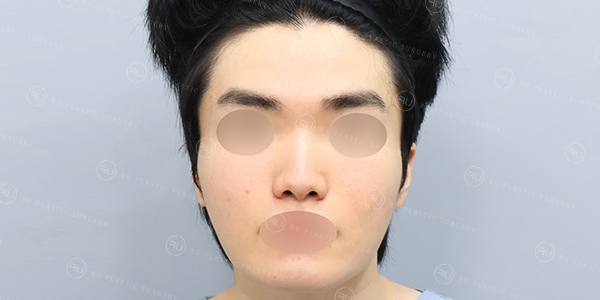
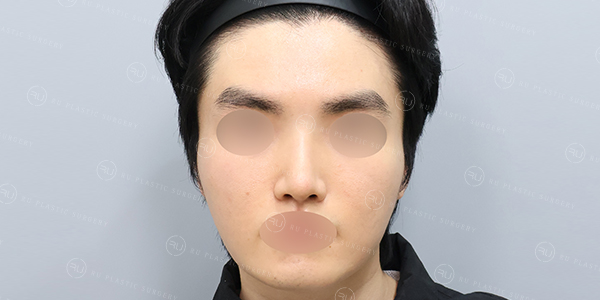
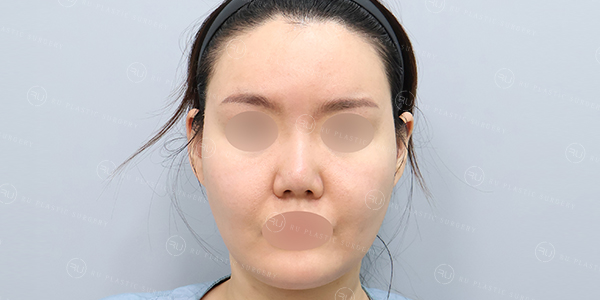
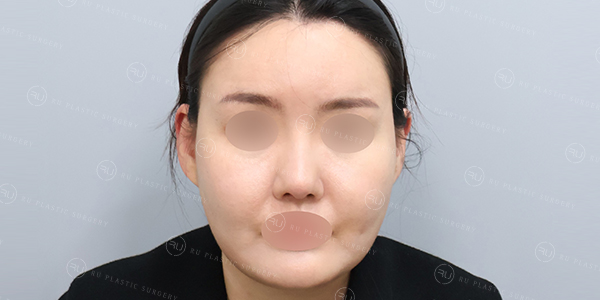
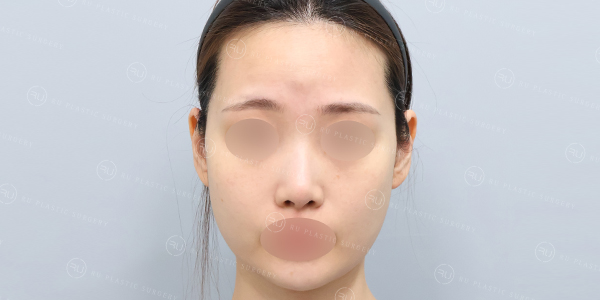
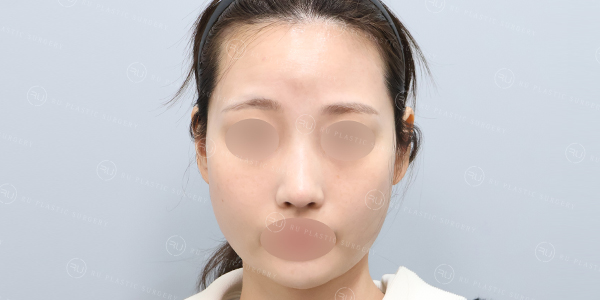
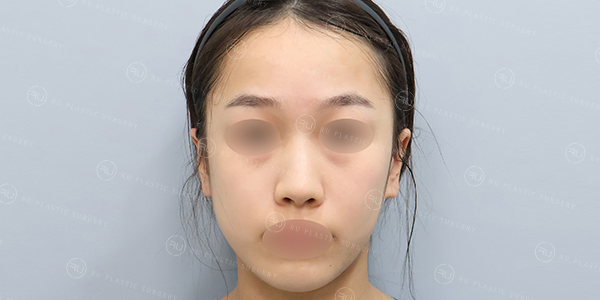
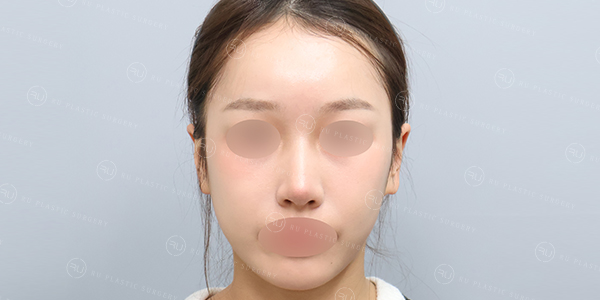
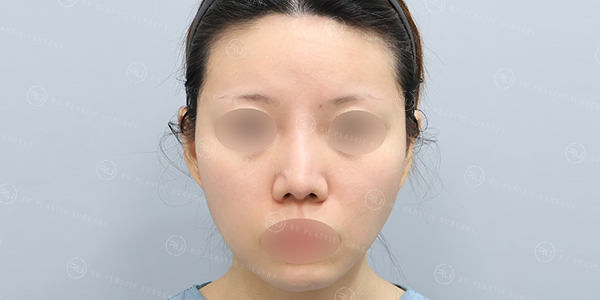
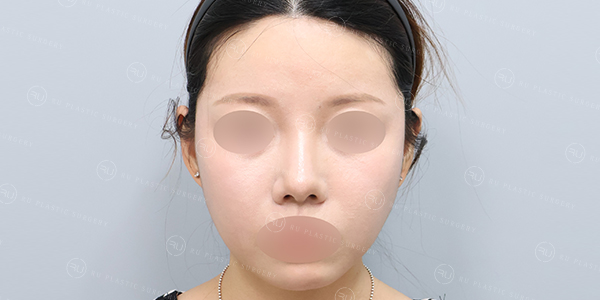
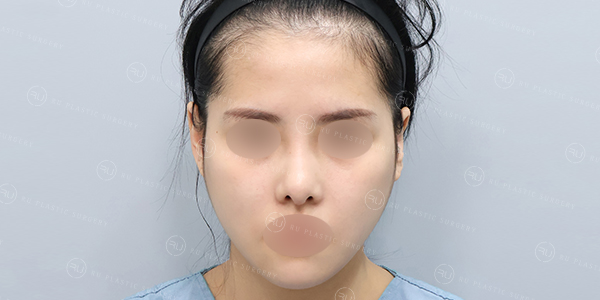
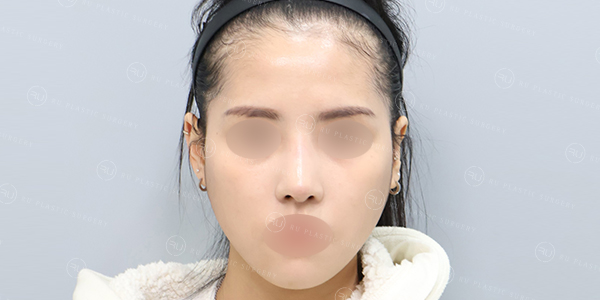
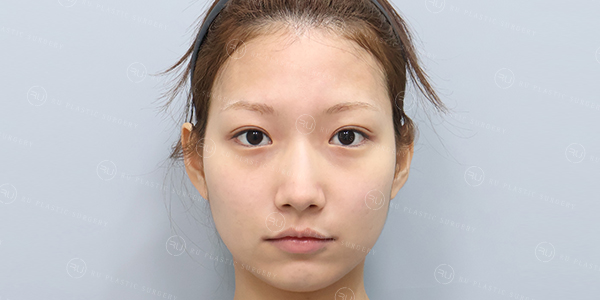
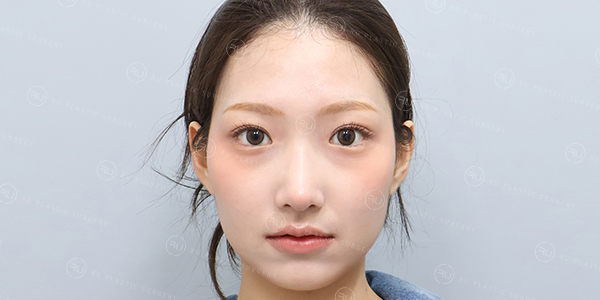
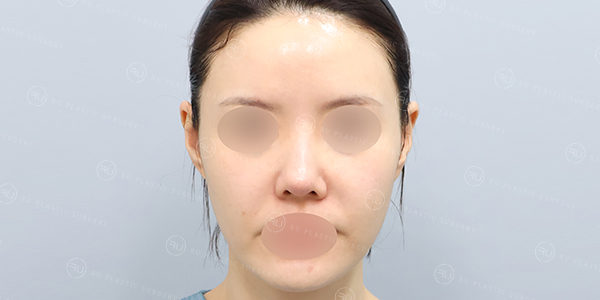
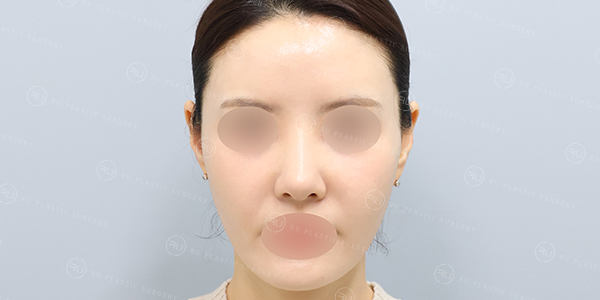
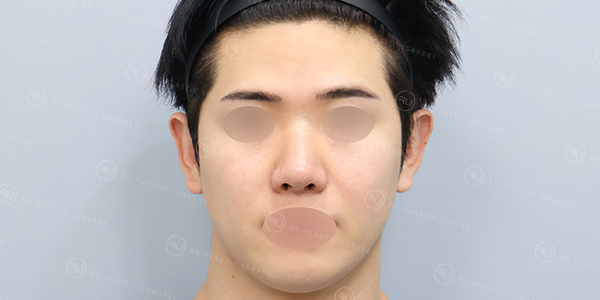
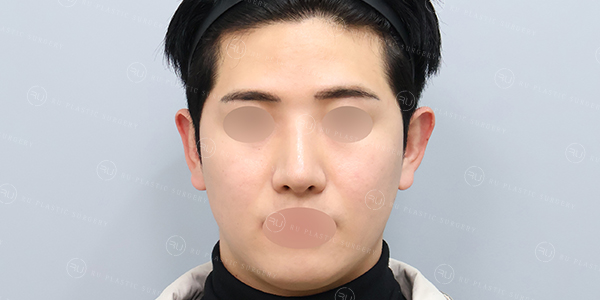
Nine-Month Postoperative Review After Contracture Nose Revision Surgery
본문
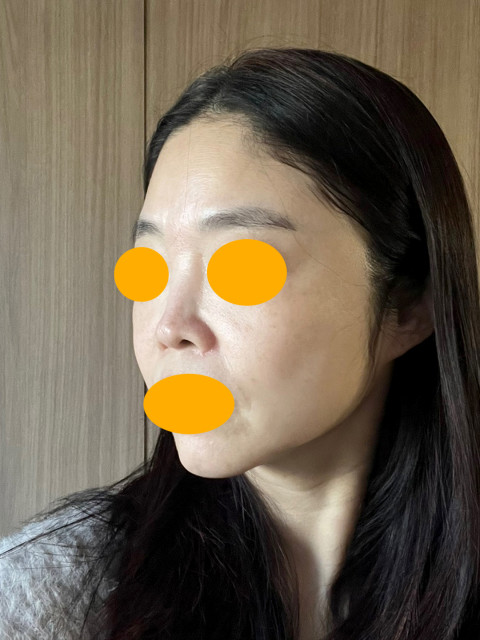
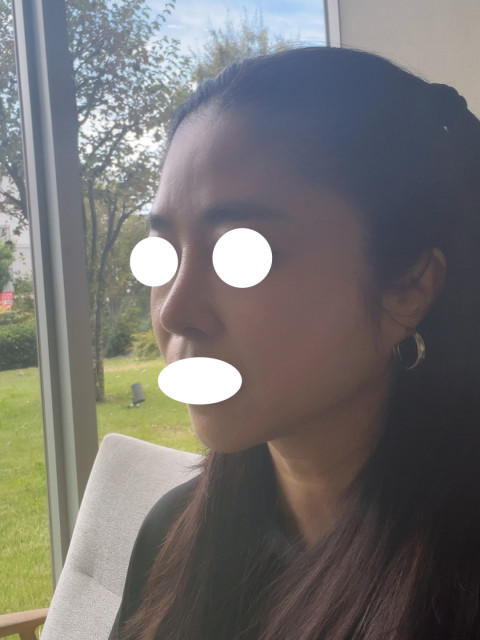
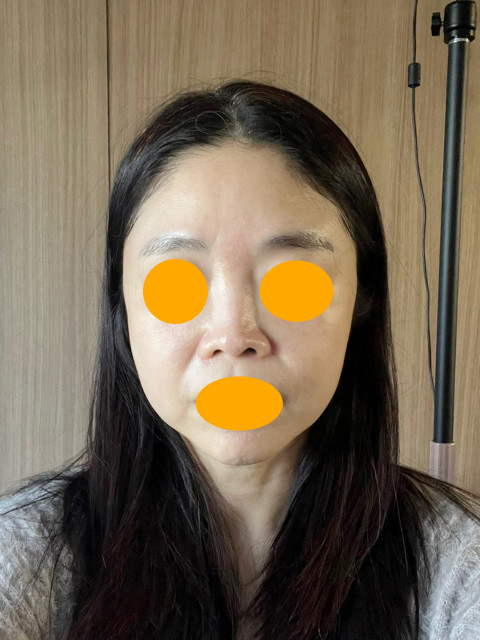
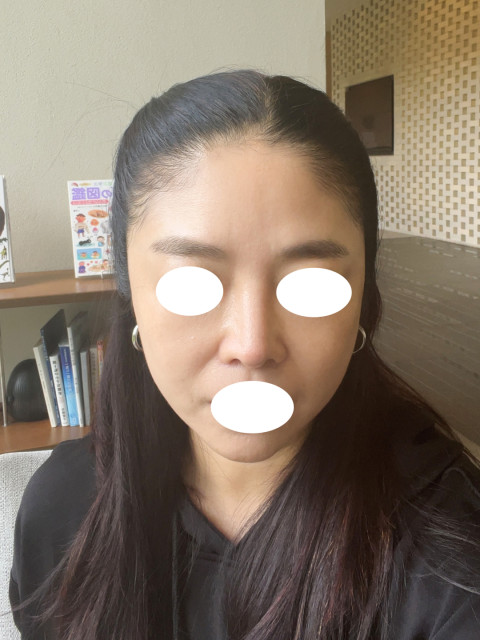
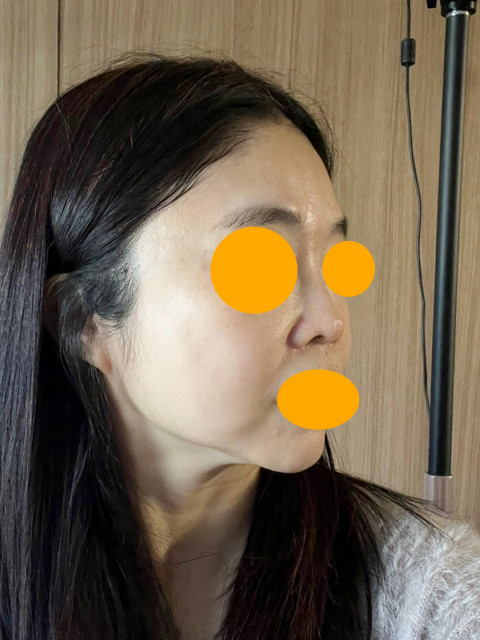
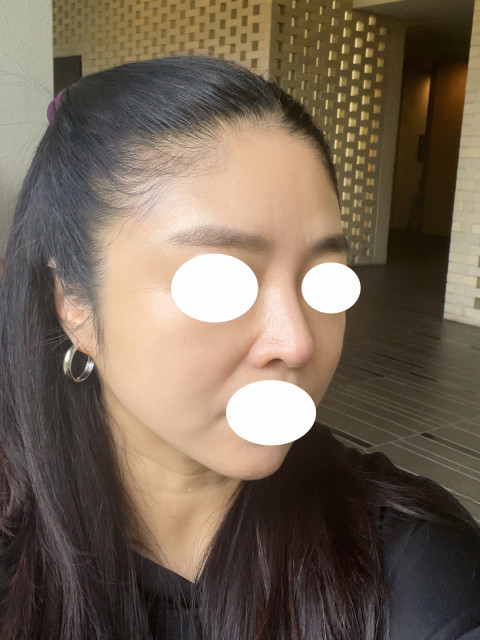
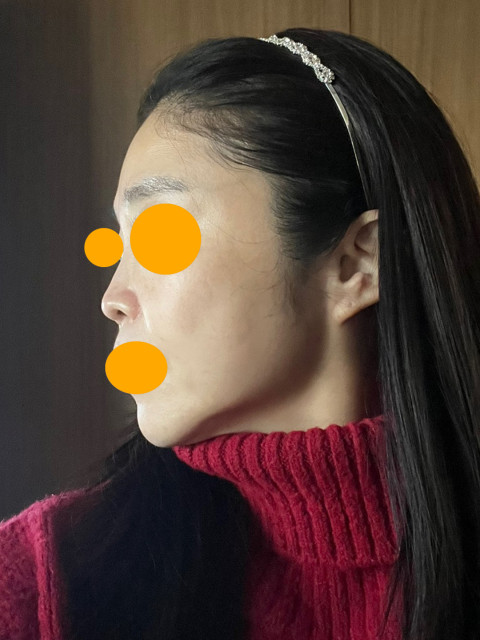
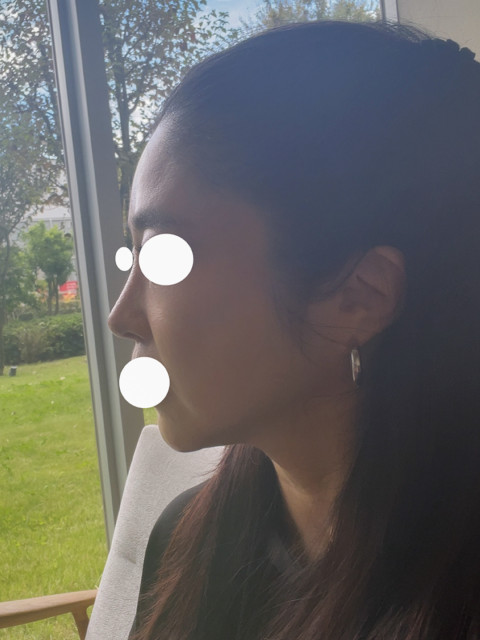
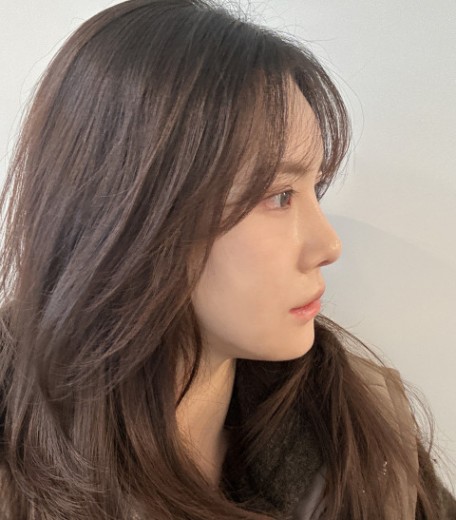
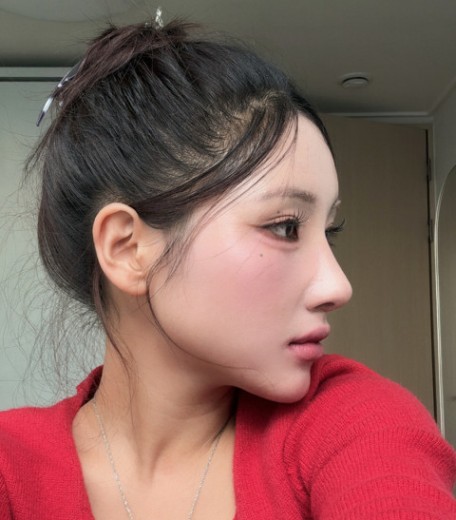
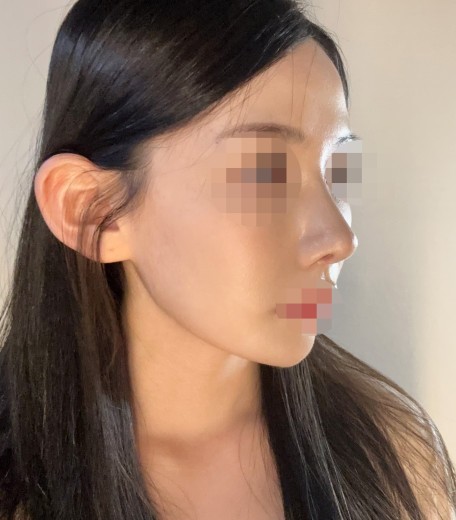
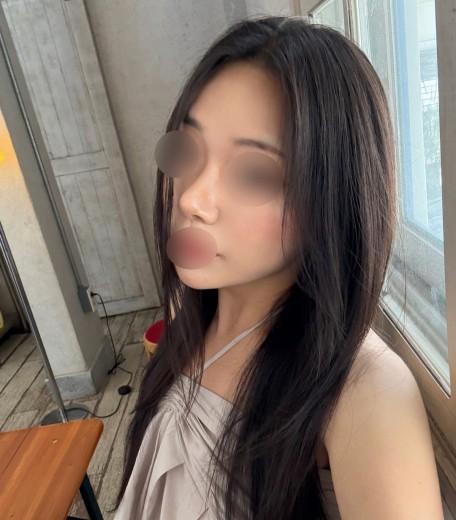
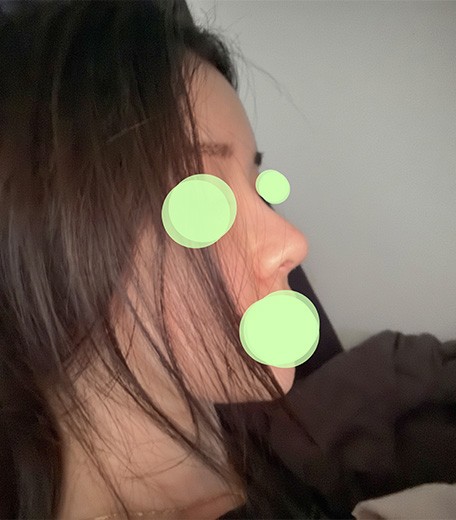
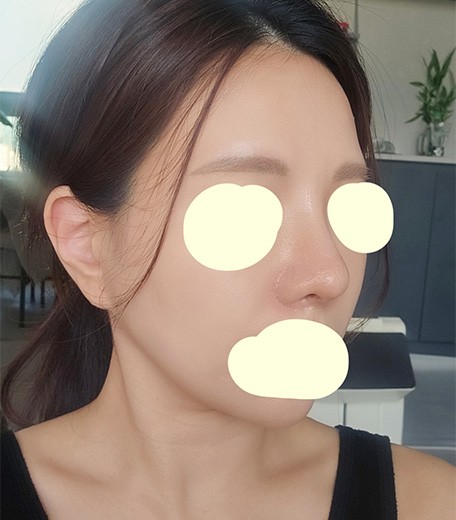
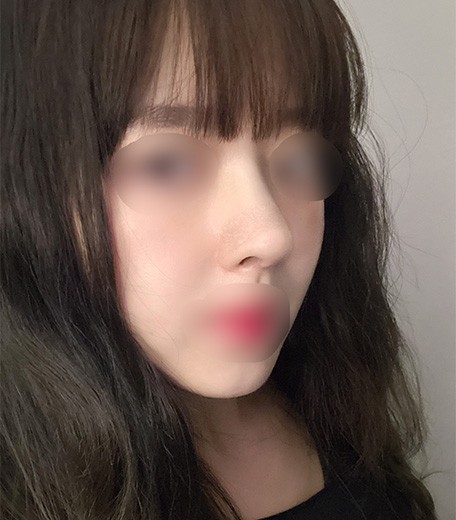
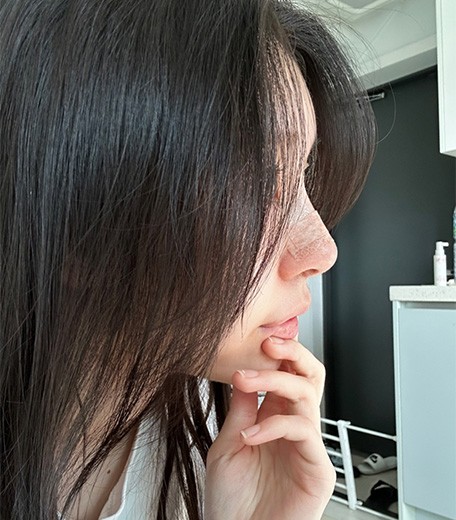
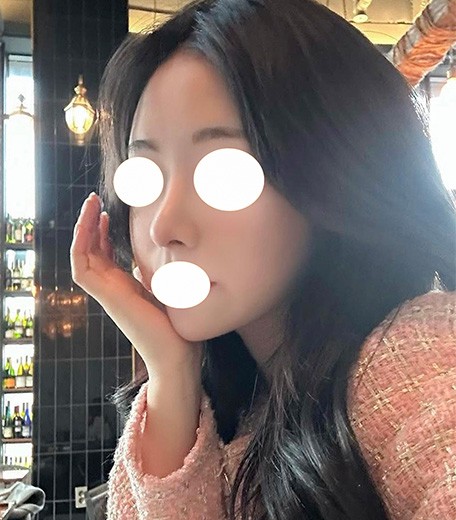
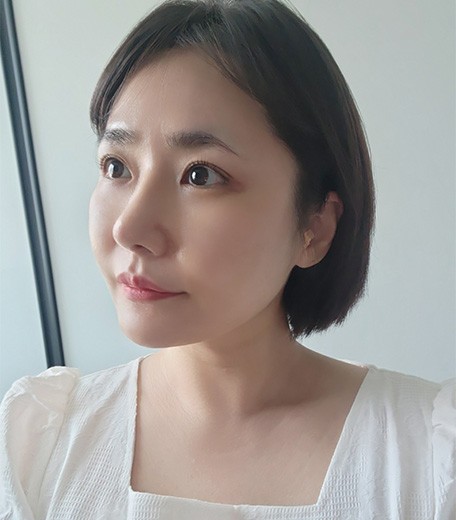
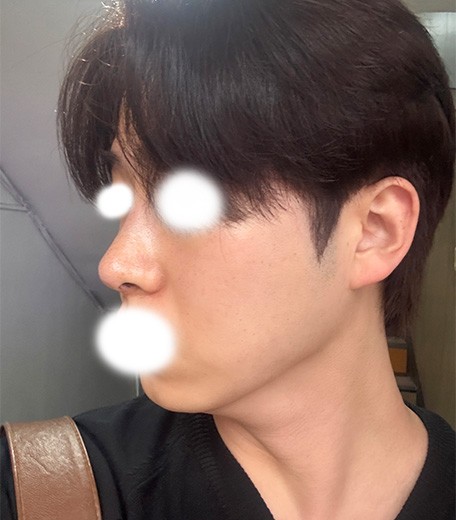
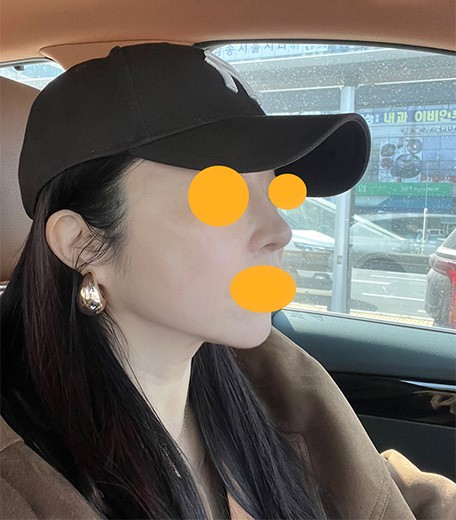
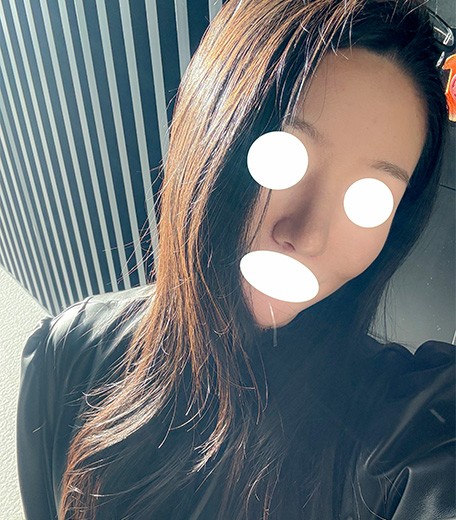
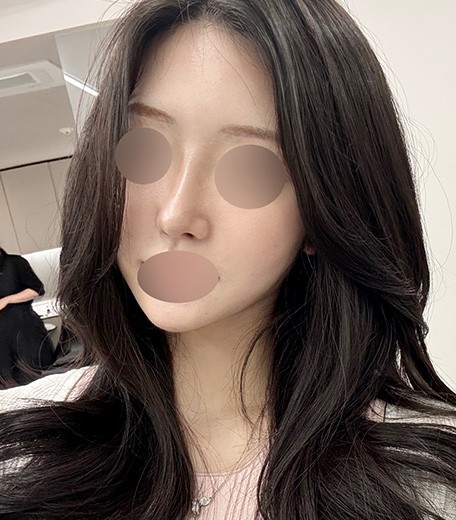
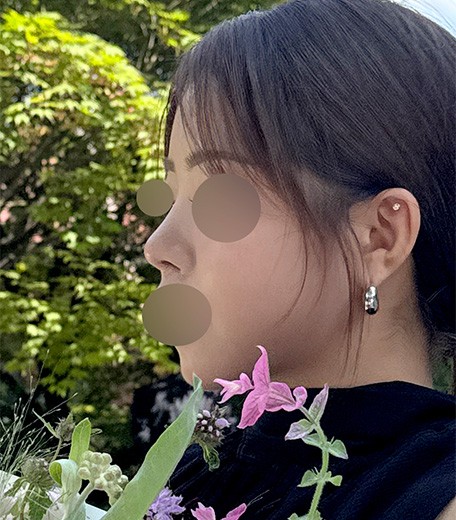
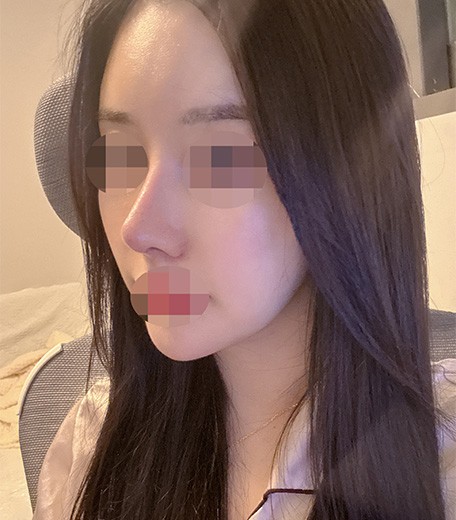
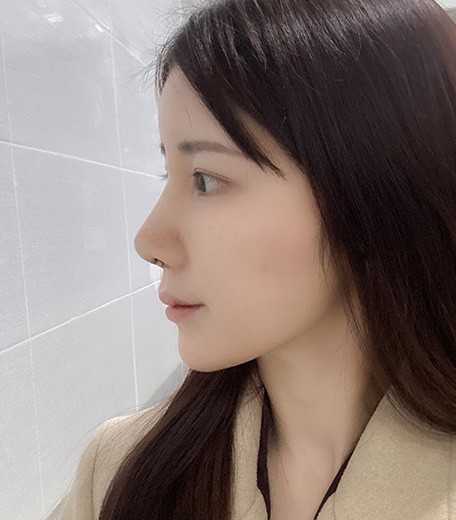
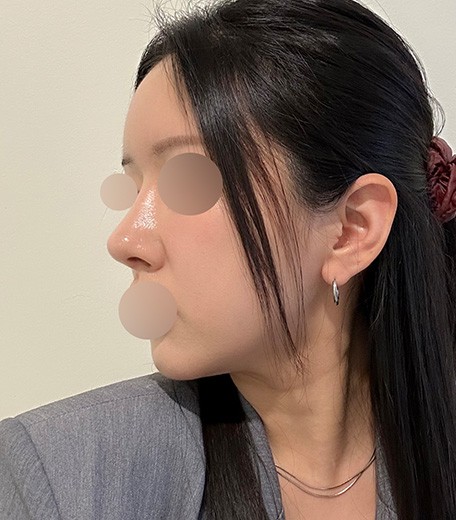
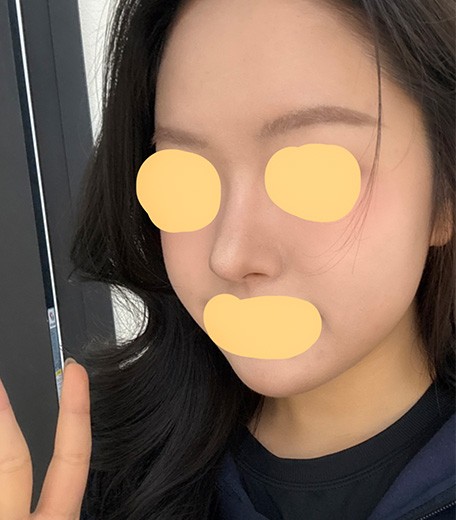
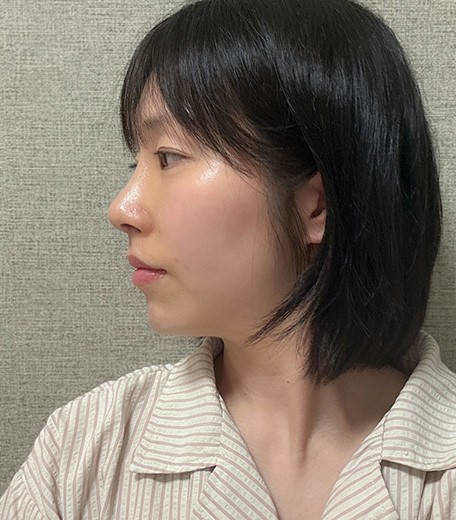
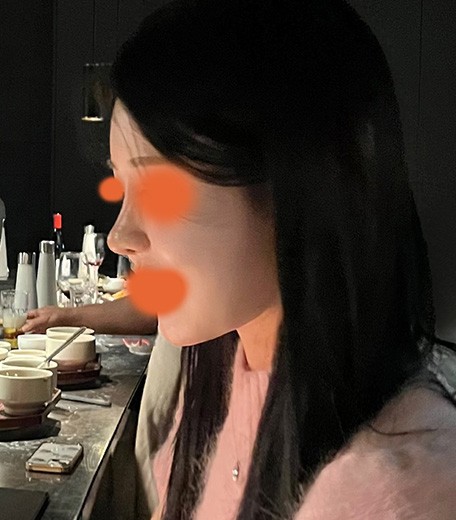
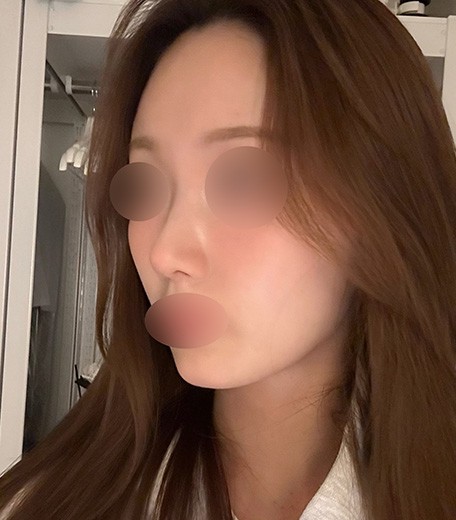
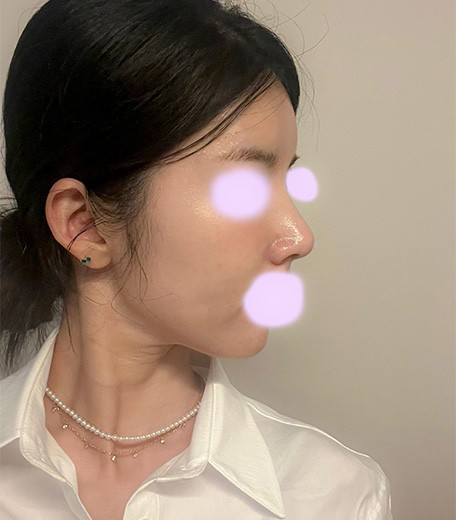
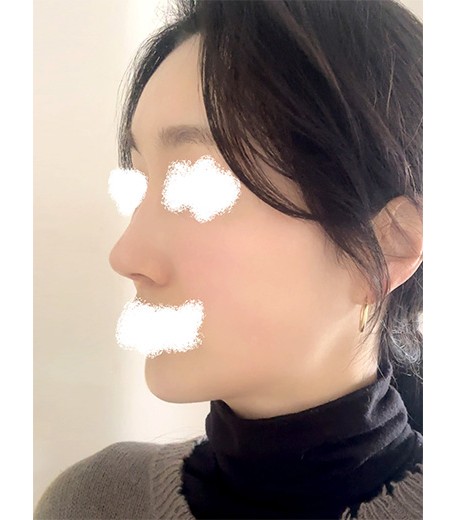
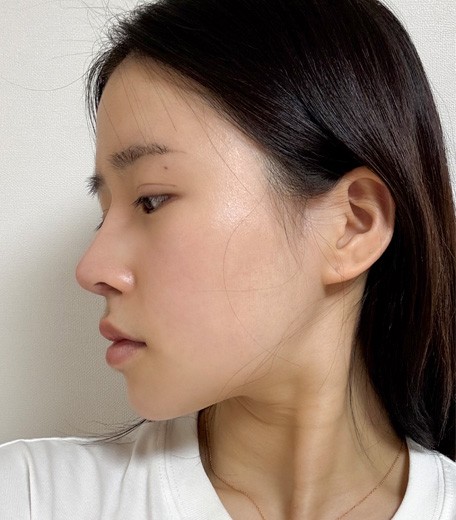
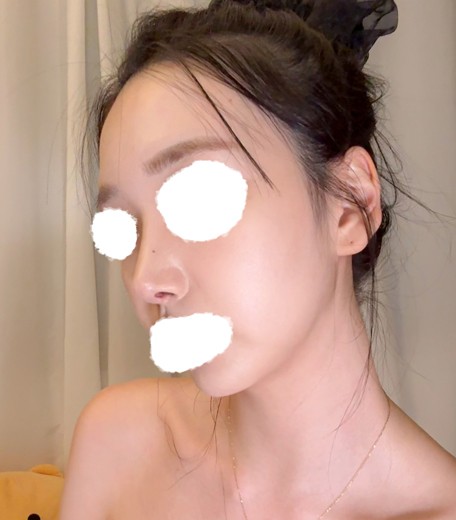
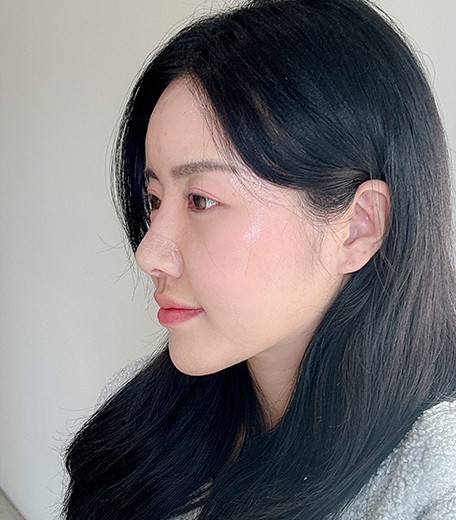
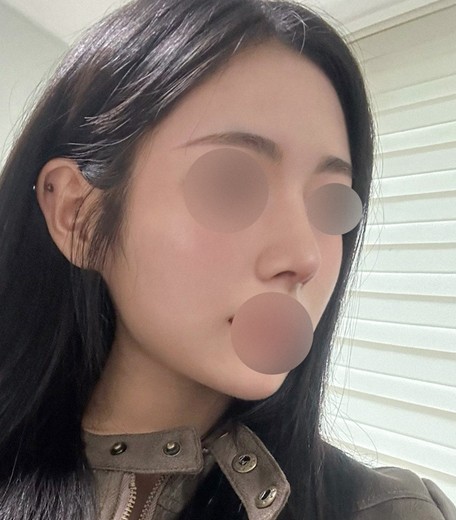
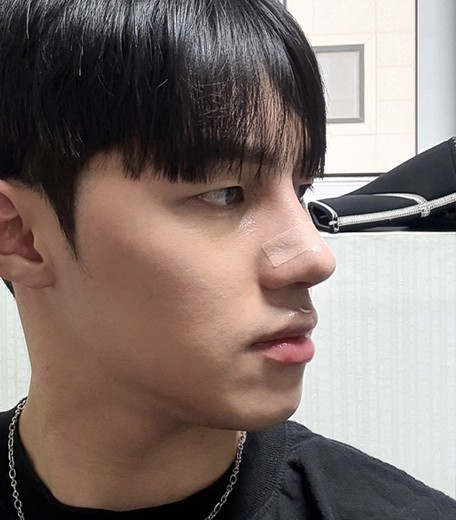
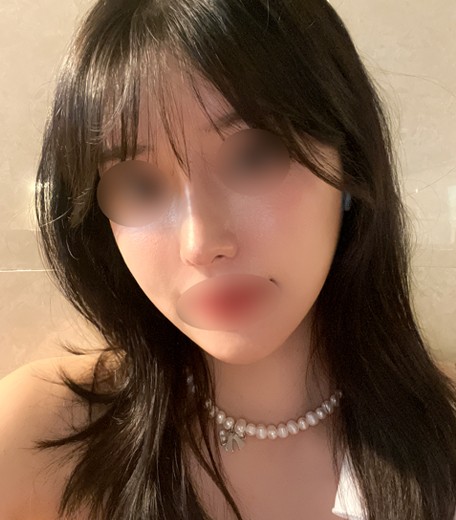
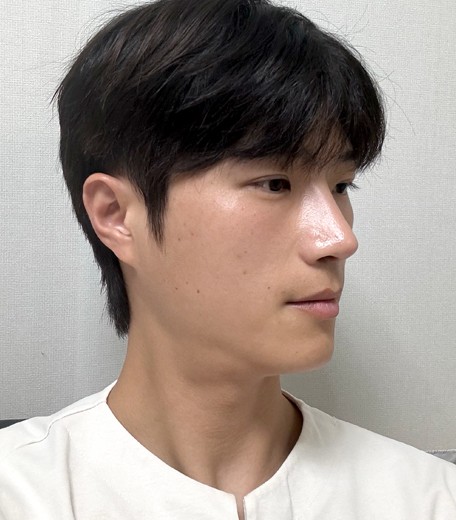
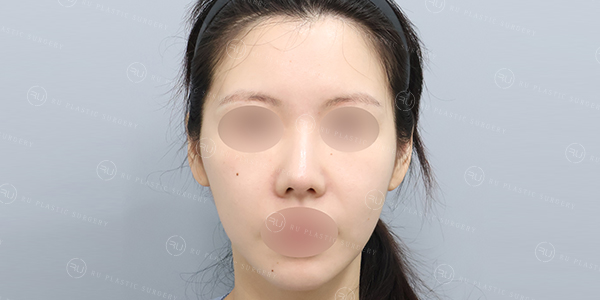
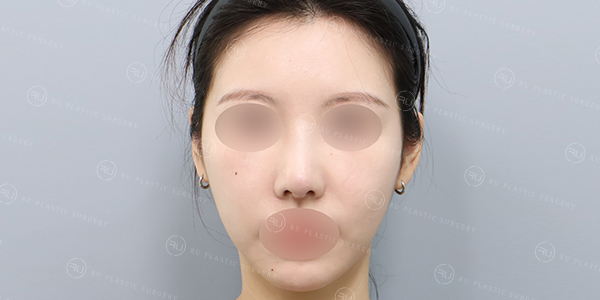
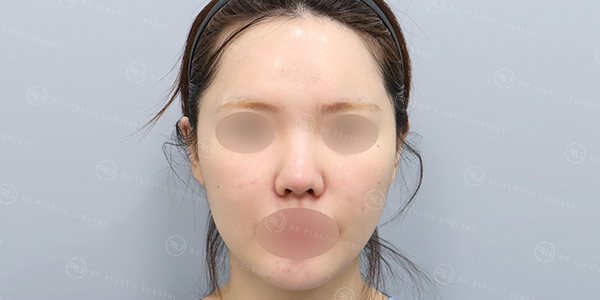
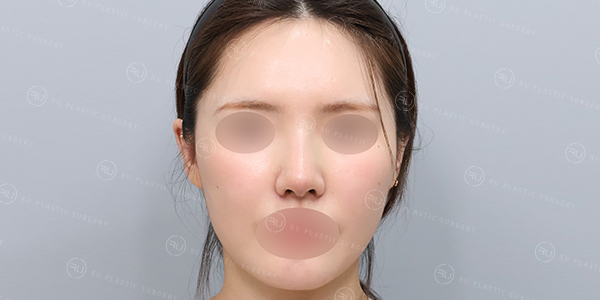
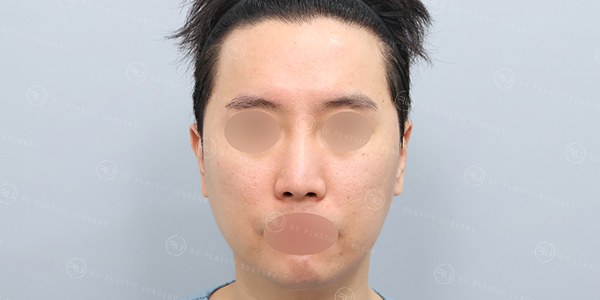
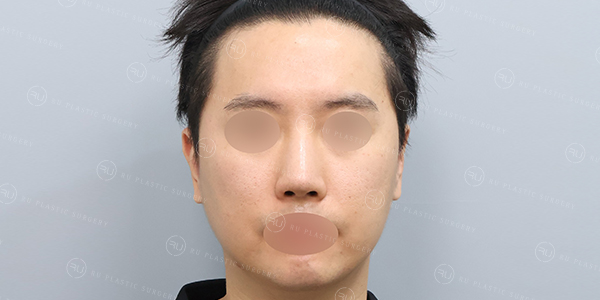
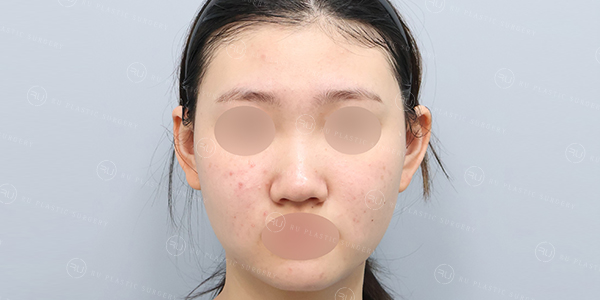
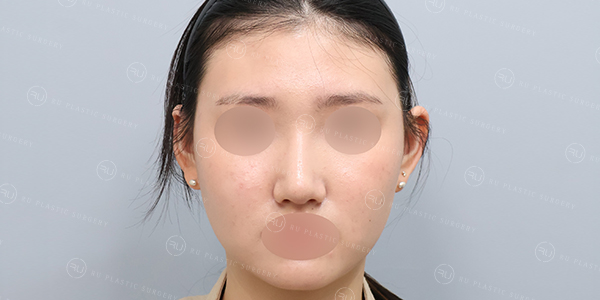
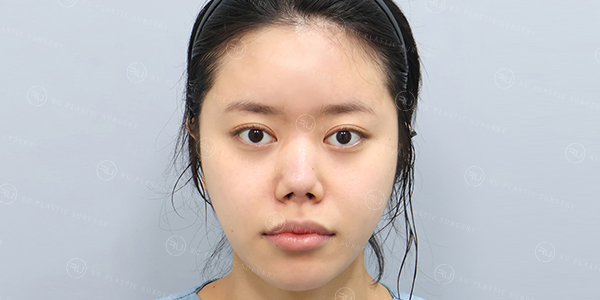
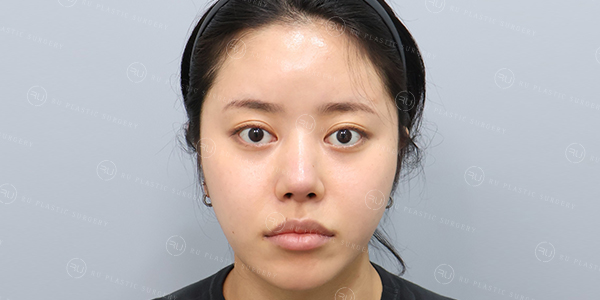
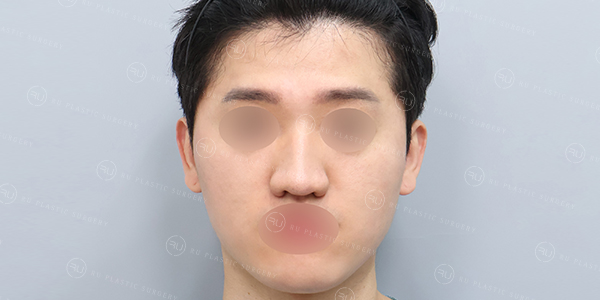
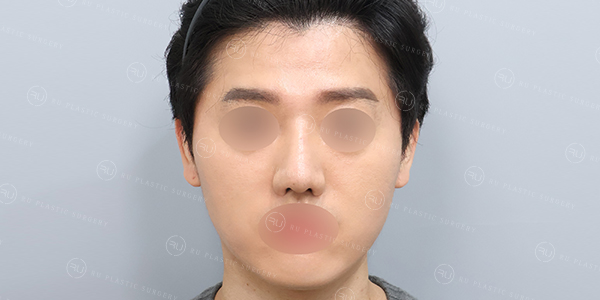
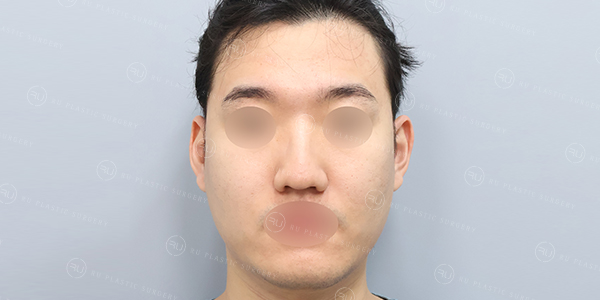
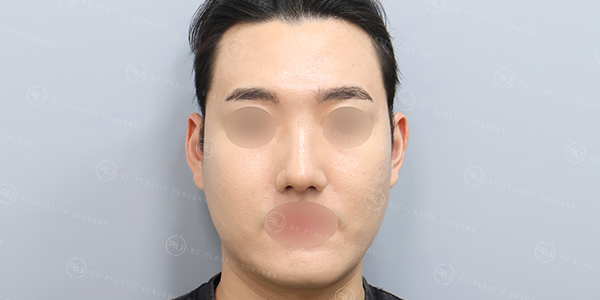
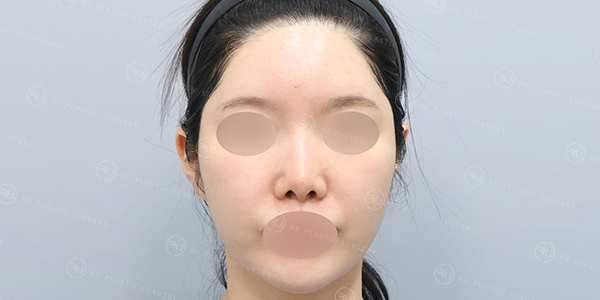
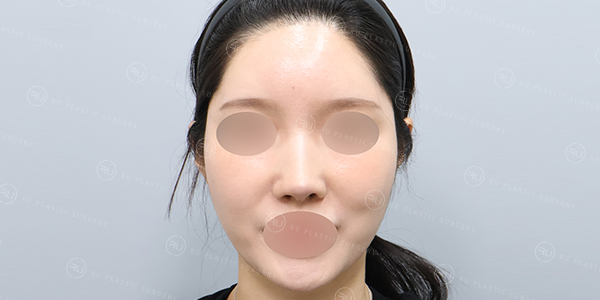
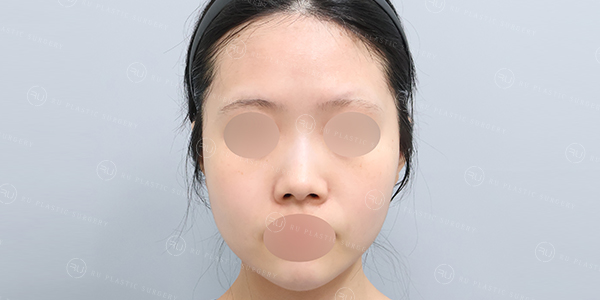
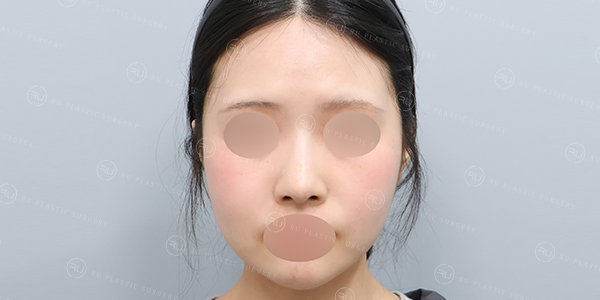
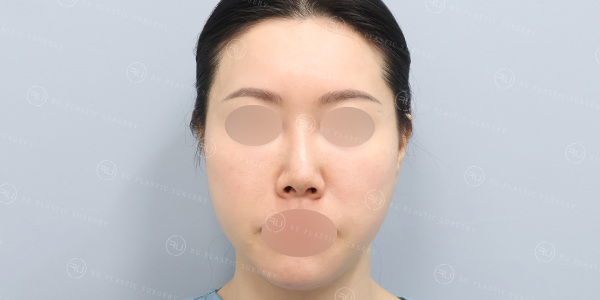
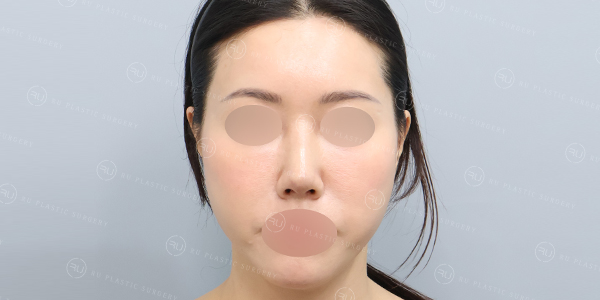
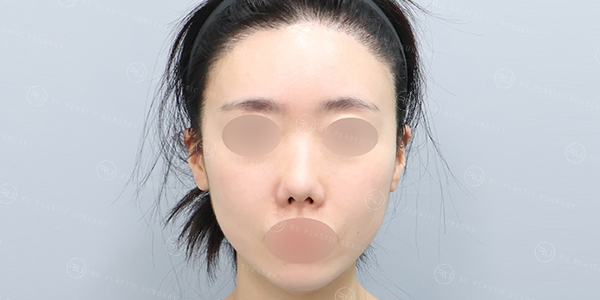
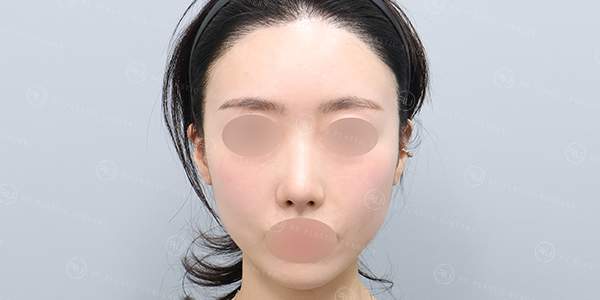
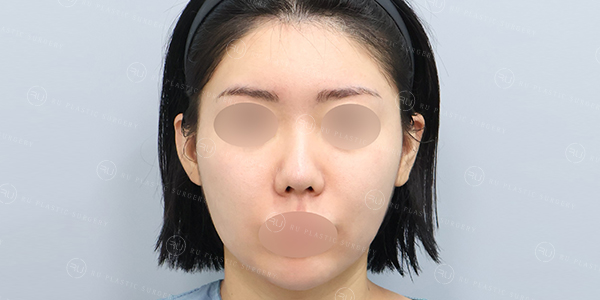
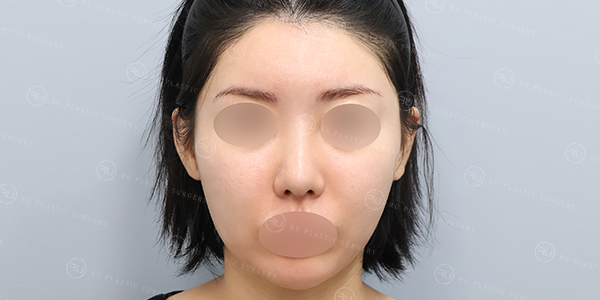
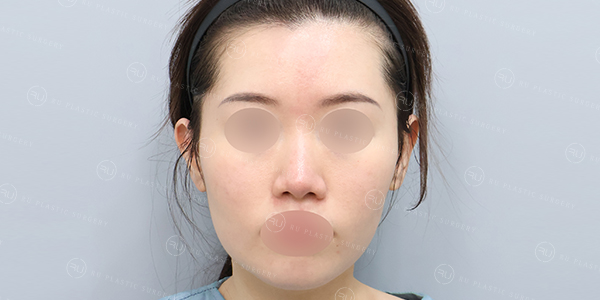
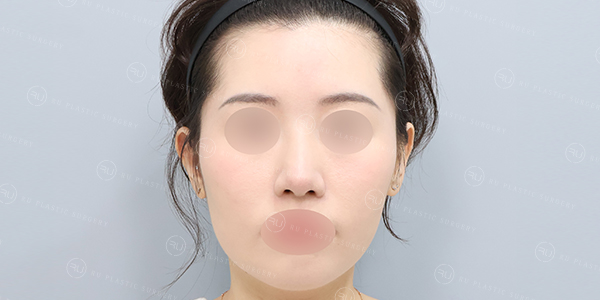
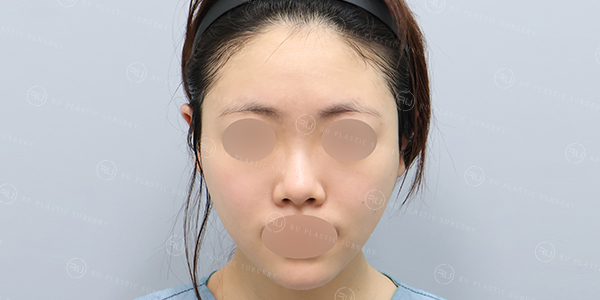
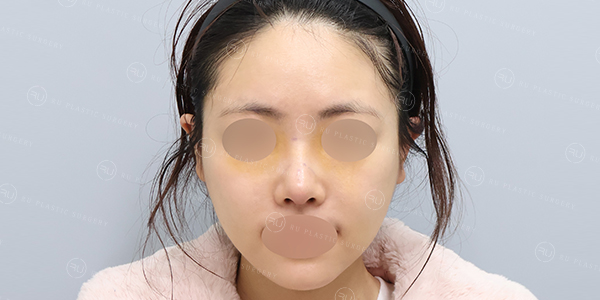
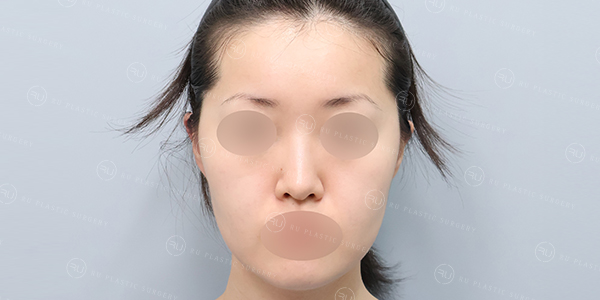
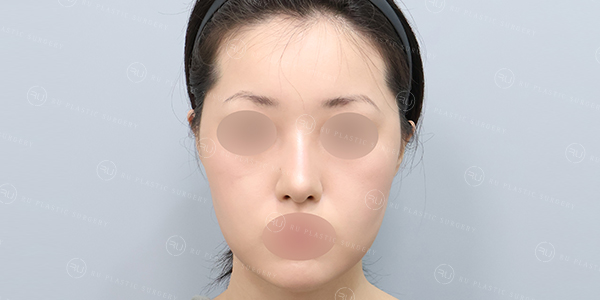
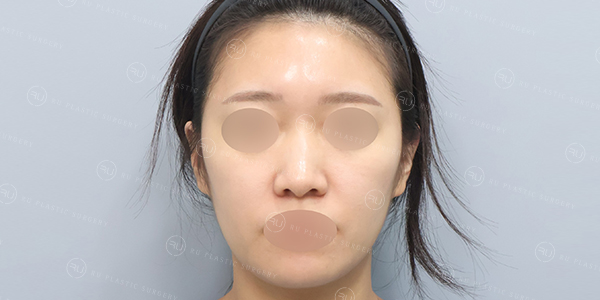
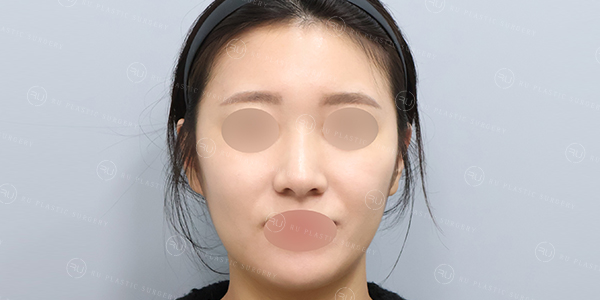
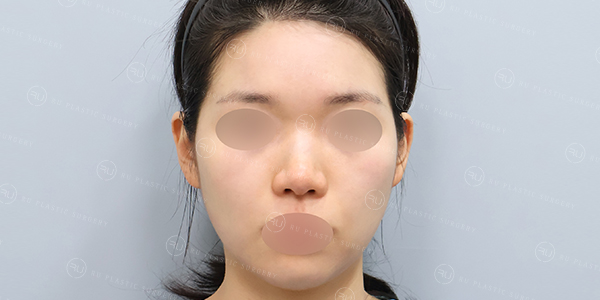
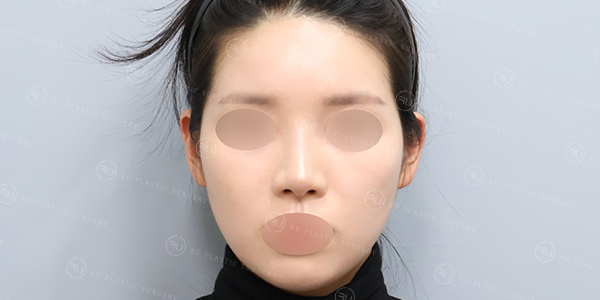
It has been over nine months since I underwent contracture nose revision surgery.
After my first rhinoplasty more than 30 years ago,
I had a revision surgery with autologous rib cartilage about 10 years later.
Despite undergoing additional corrective procedures due to progressive deviation,
the nose continued to warp.
I then had another revision at a different clinic,
but my condition did not improve.
From that point on,
my nose gradually became more upturned and shorter,
with clear signs of deformation and contraction.
Feeling that the situation could not continue,
I decided to prioritize my health over appearance
and underwent a removal surgery,
during which all implants and cartilage materials in the nasal tip were taken out.
While the inflammatory reactions subsided
and I felt more stable psychologically,
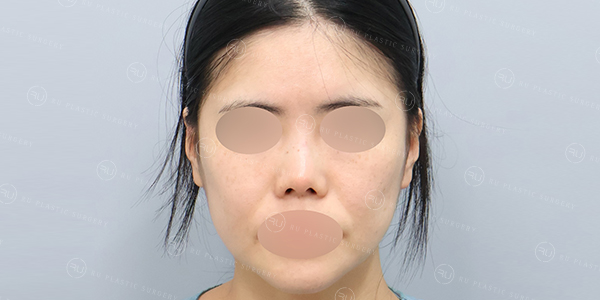
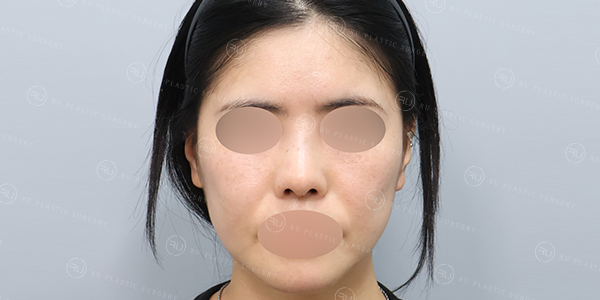
my nose did not return to its original natural shape.
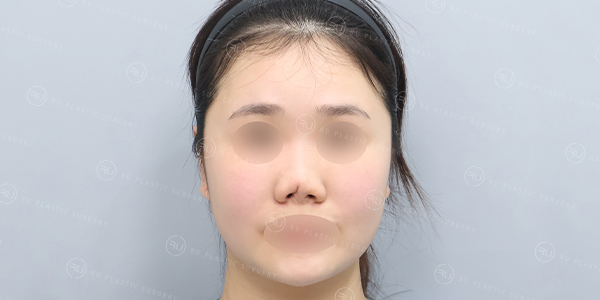
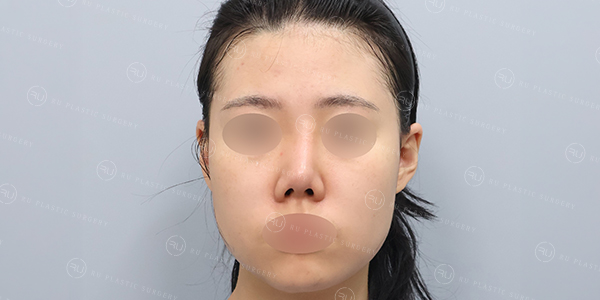
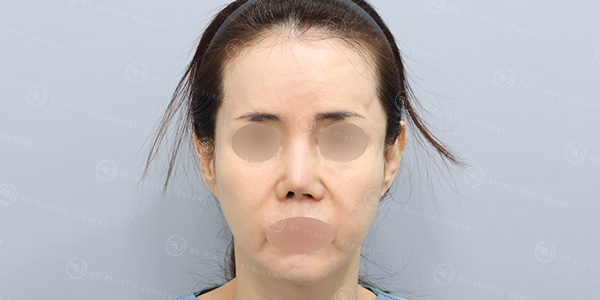
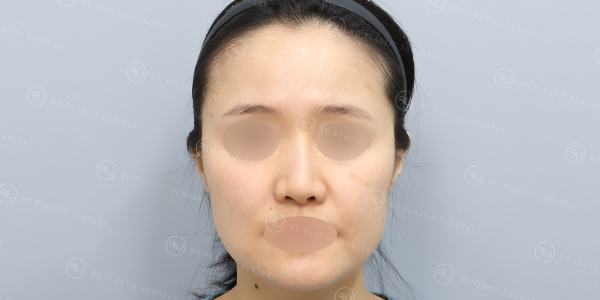
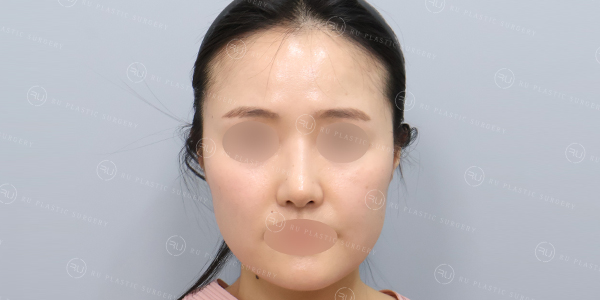
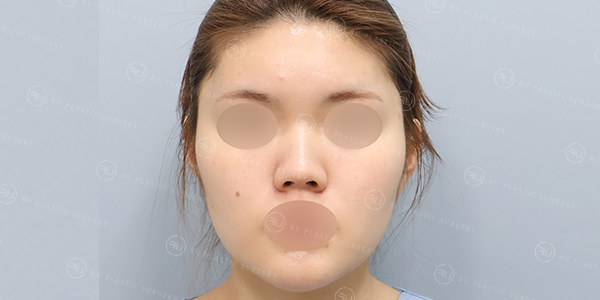
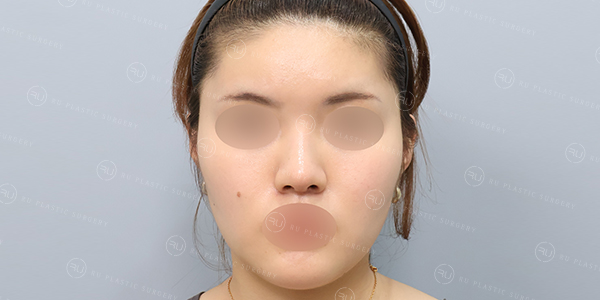
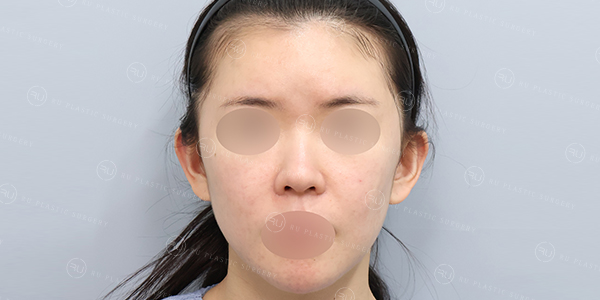
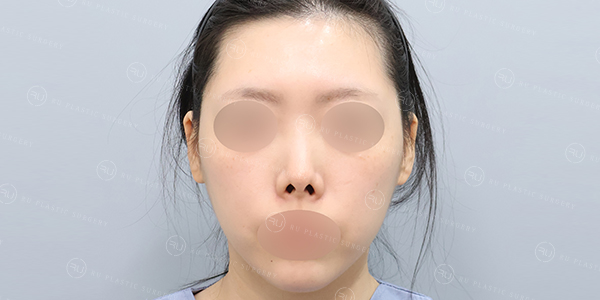
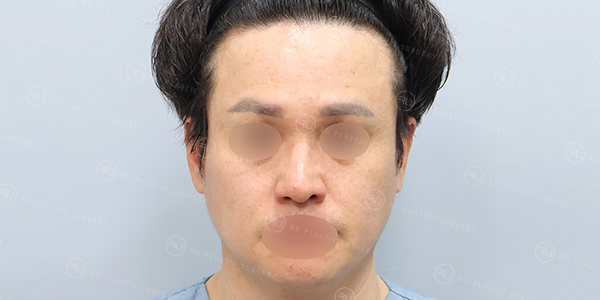
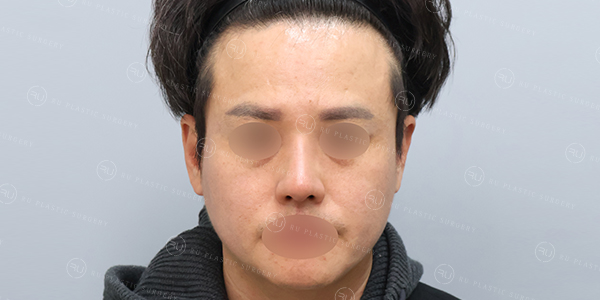
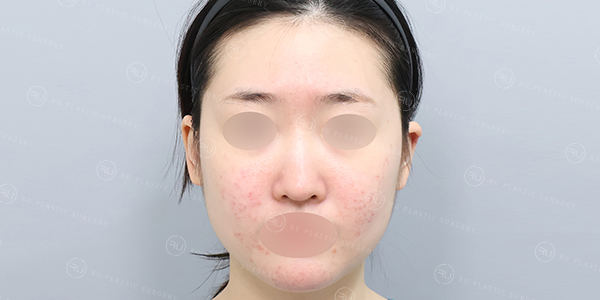
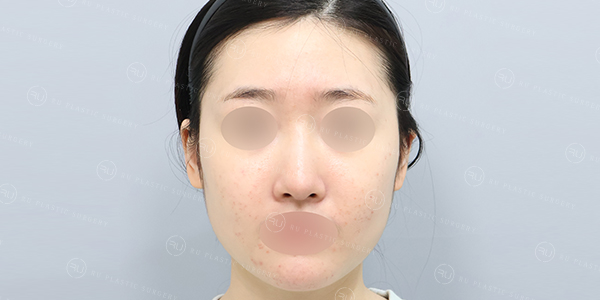
From the front, it appeared widened,
and both the columella and nasal tip felt shrunken and contracted.
Having undergone multiple revision surgeries,
I assumed this was the inevitable outcome.
For a long period afterward,
I avoided any further procedures or surgeries on my nose.
Later, as I anticipated having an extended vacation last year
and believed that medical techniques had advanced,
I began searching for clinics that perform contracture nose revision
using only autologous tissue.
Among them, Dr. Kim Hyun Joo at RU Plastic Surgery stood out to me.
I visited several other clinics as well,
but the surgical philosophy, materials, and overall direction
were most aligned with Dr. Kim’s approach.
To avoid any further repeated surgeries,
autologous rib cartilage was harvested again.
This time, instead of using rib cartilage only for the nasal tip,
the nasal bridge was also reconstructed with autologous rib cartilage.
To support this, scalp fascia was additionally harvested,
which required an incision in the scalp area.
Interestingly, the pain from the scalp fascia harvest
felt more intense than the rib cartilage donor site.
At this stage,
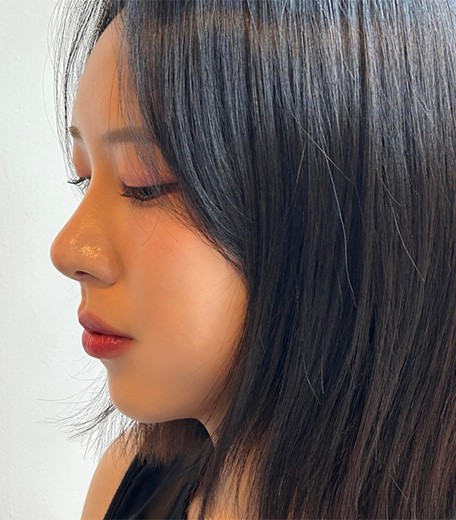
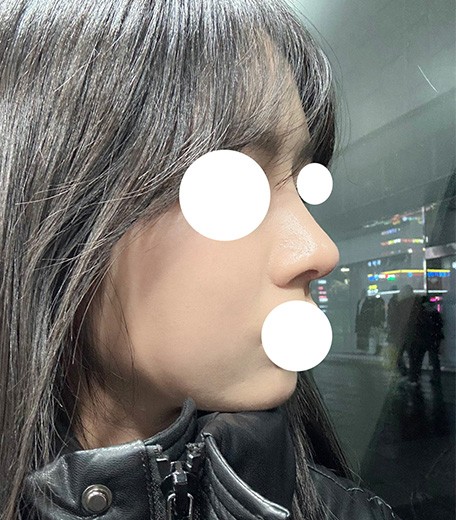
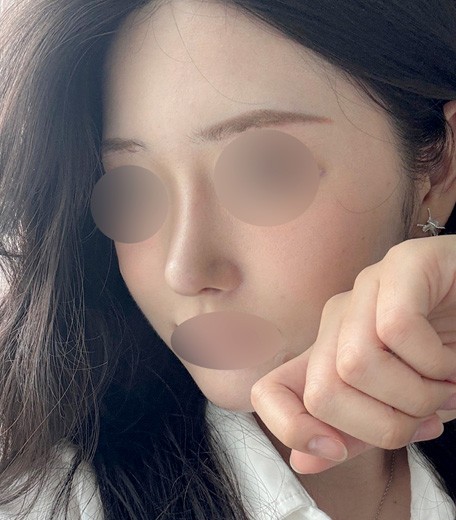
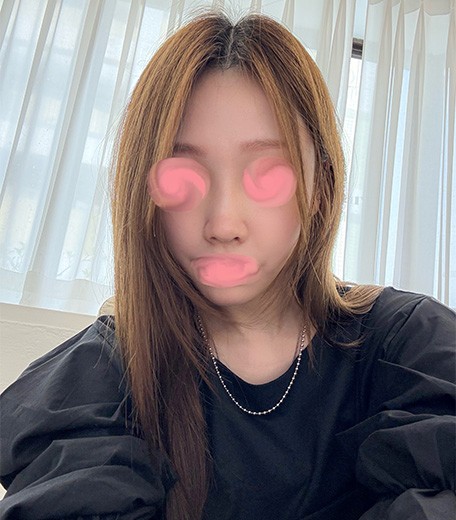
I am very satisfied that the contracture nose revision
was performed entirely with autologous tissue,
without the use of artificial materials.
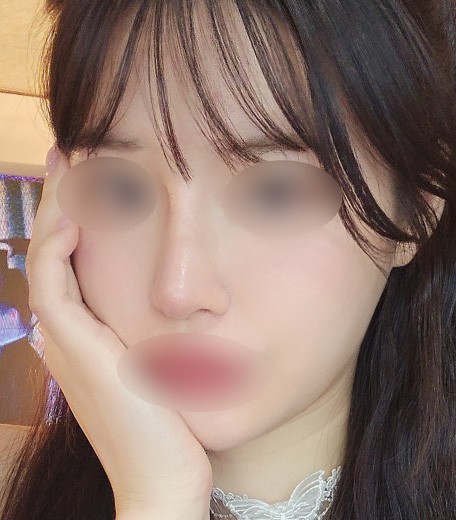
In the early postoperative period,
there was significant swelling,
and although I liked the overall contour,
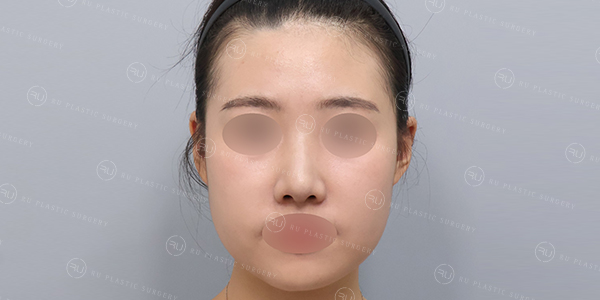
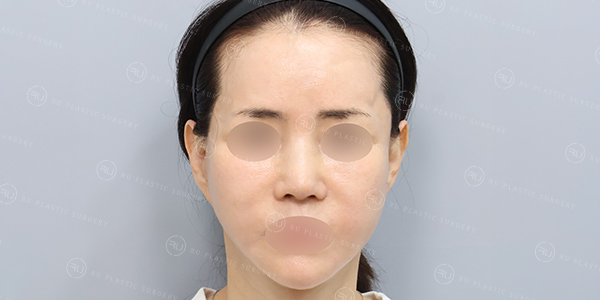
it took time before I felt satisfied with the frontal appearance.
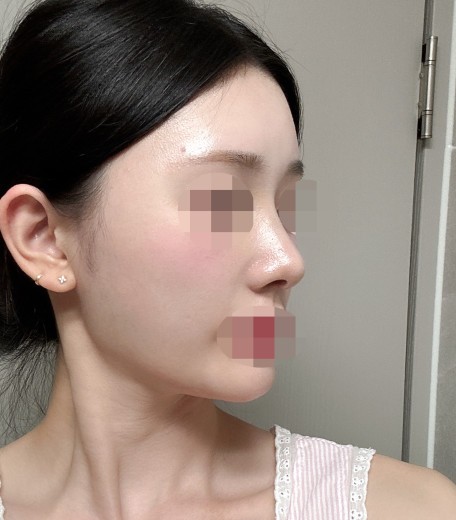
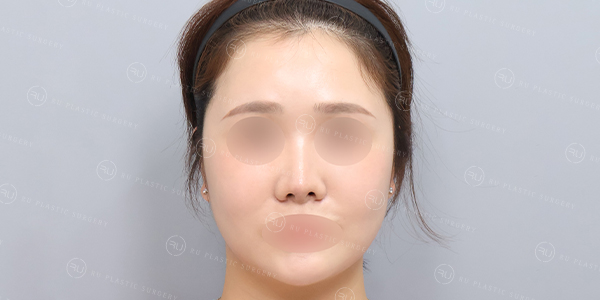
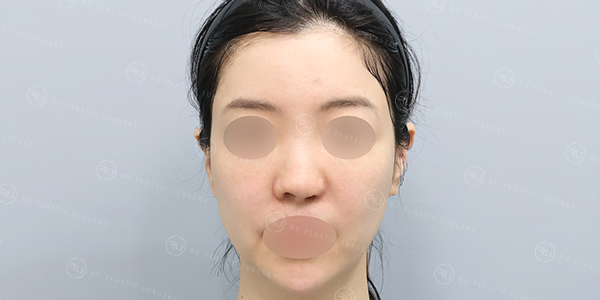
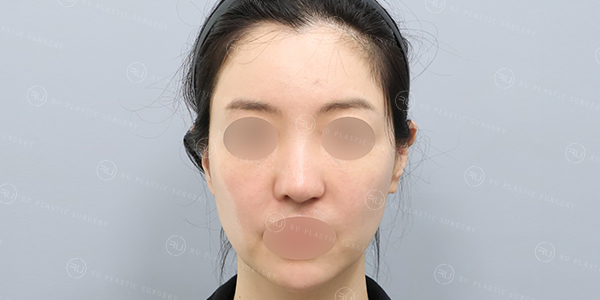
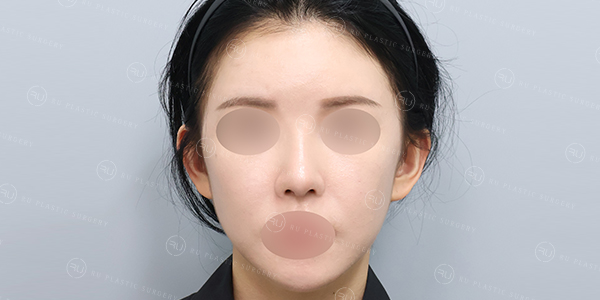
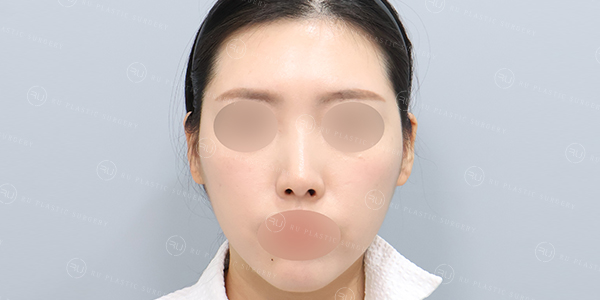
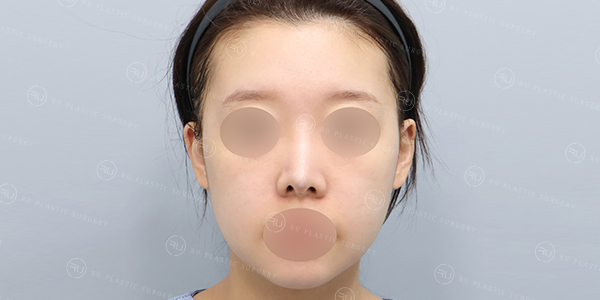
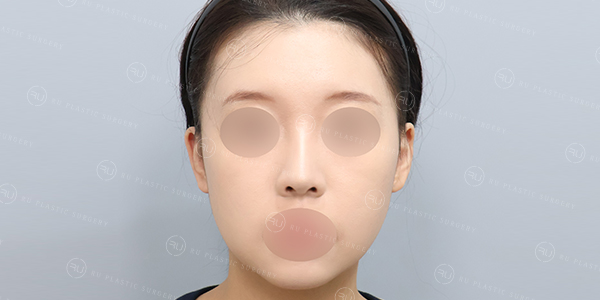
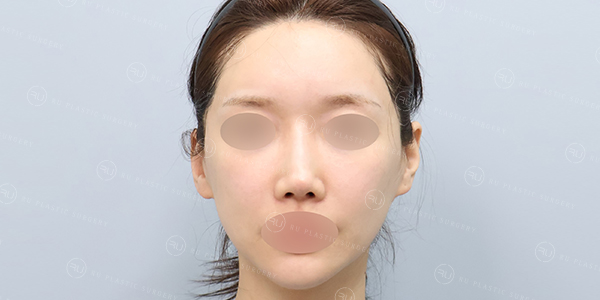
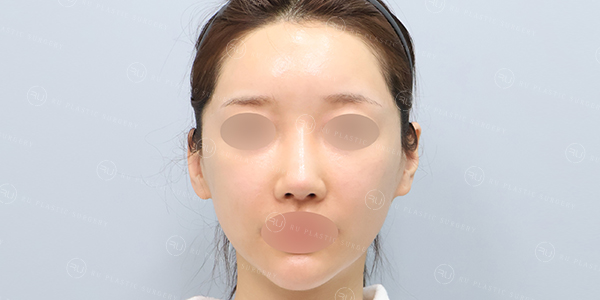
As the swelling subsided, however,
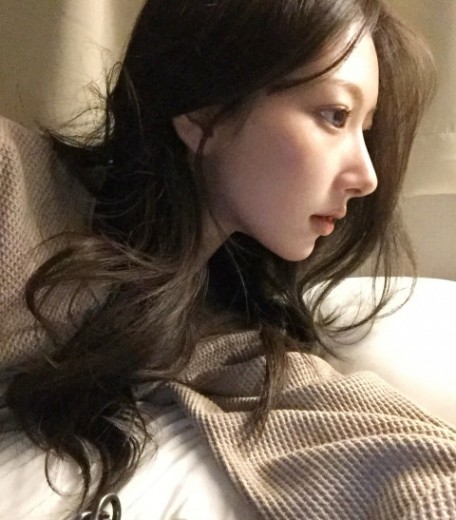
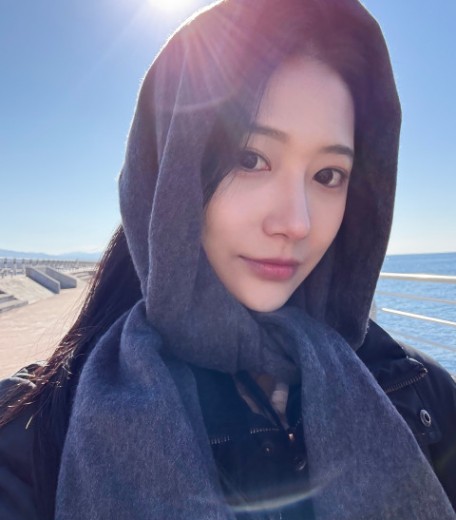
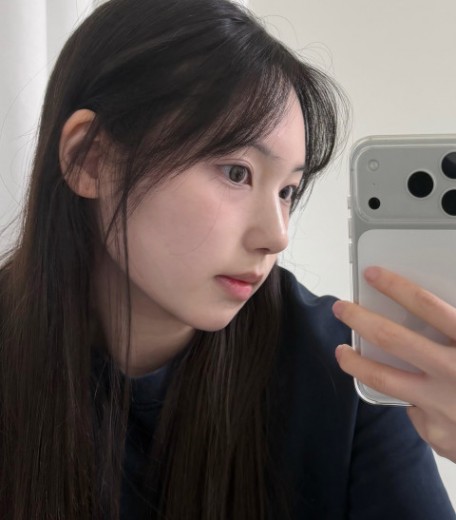
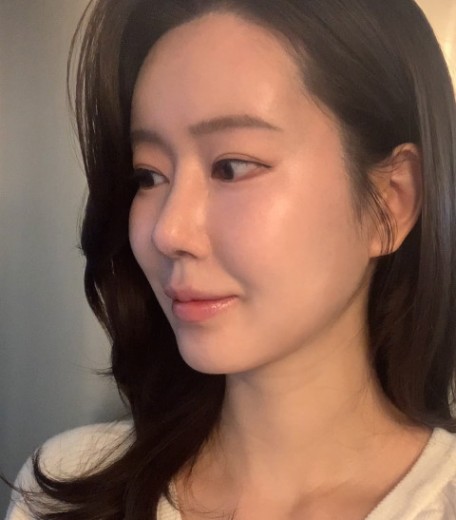
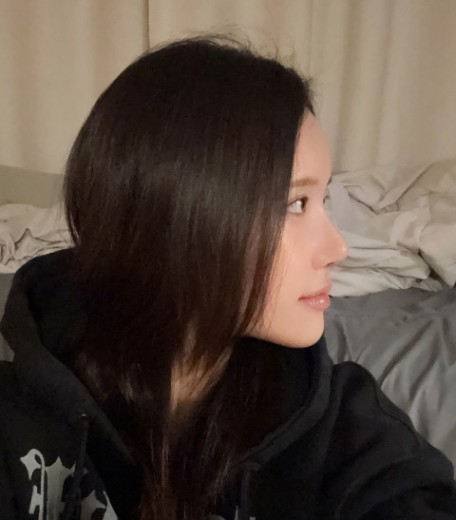
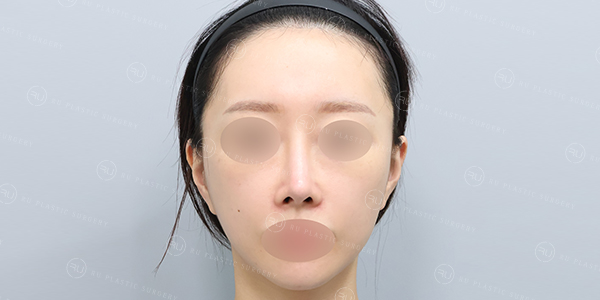
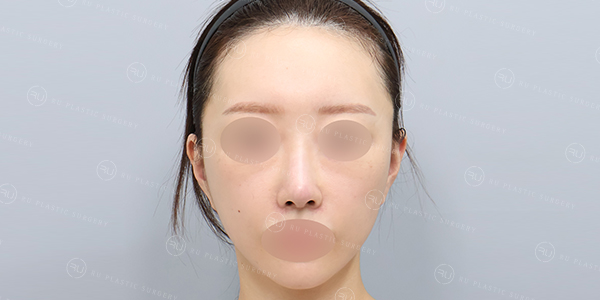
my nose not only returned to a more normal, functional state
but also achieved a shape that closely matched
the direction I had hoped for.
There are many skilled surgeons,
but for patients like myself who have experienced inflammatory reactions
and are considering contracture nose revision using autologous tissue,
I would strongly recommend at least consulting with Dr. Kim Hyun Joo.
The consultation felt highly professional,
with the surgeon’s explanation taking clear priority,
rather than relying primarily on coordinator-led discussions.