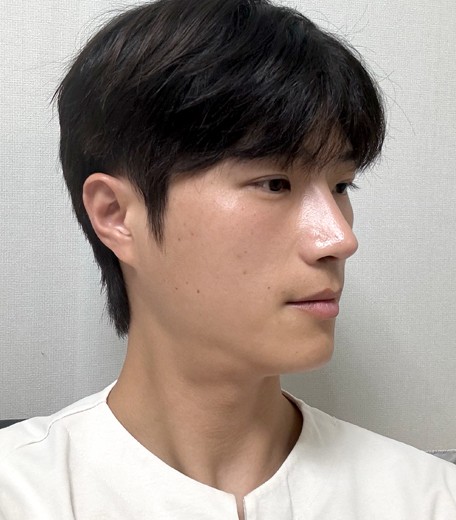
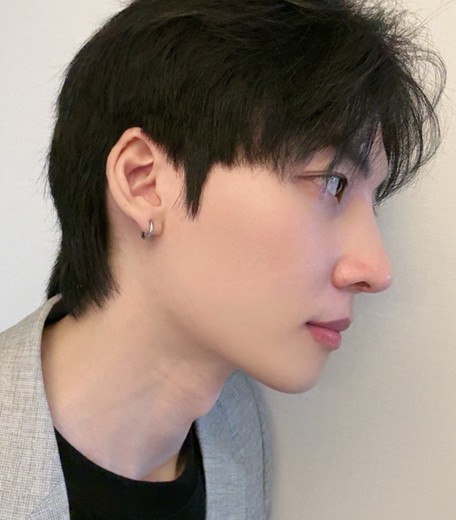
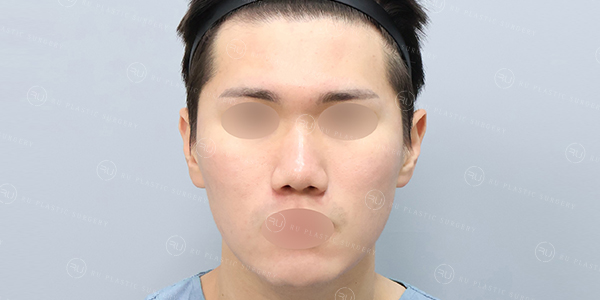
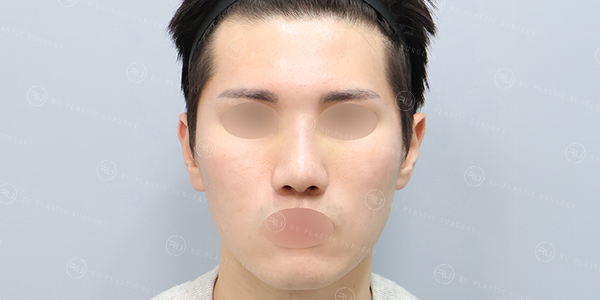
Revision Rhinoplasty Using Autologous Rib Cartilage, Silicone, and Nasolabial Angle Correction
본문
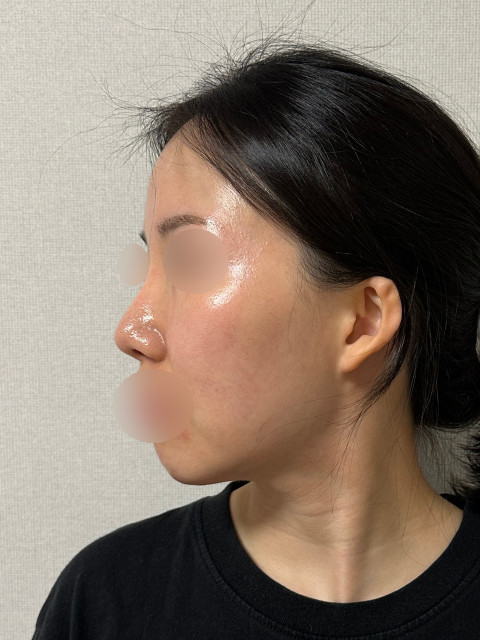
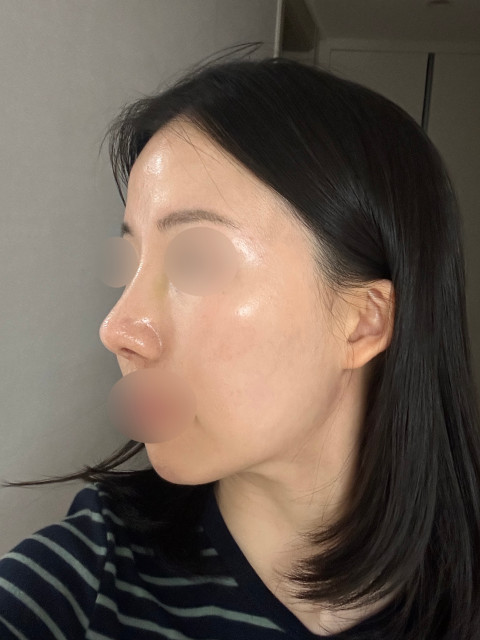
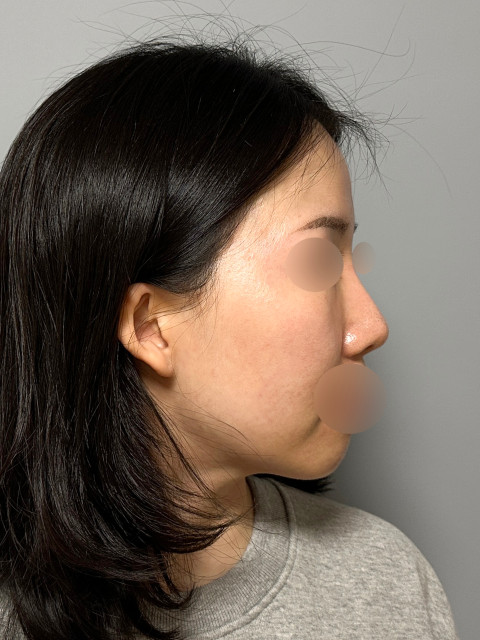
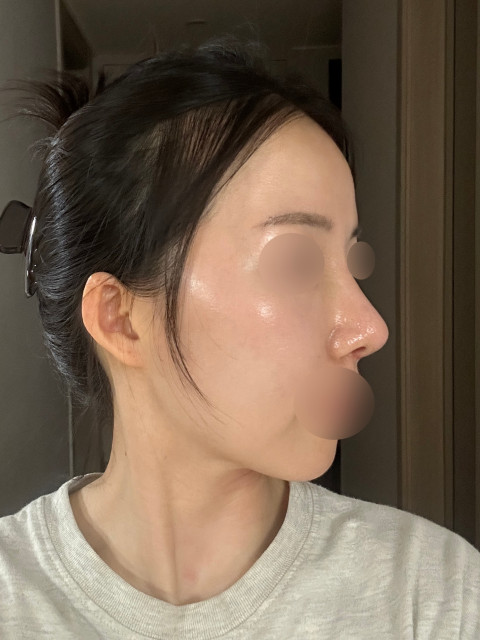
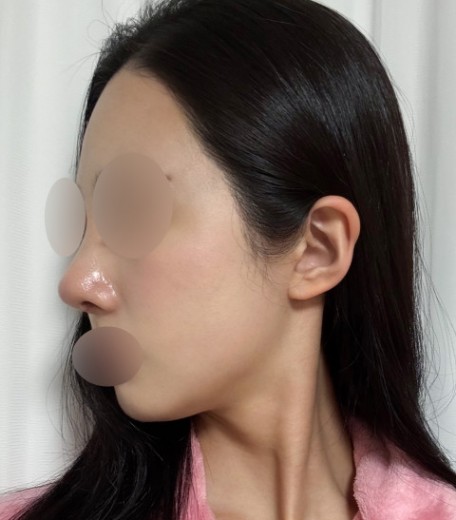
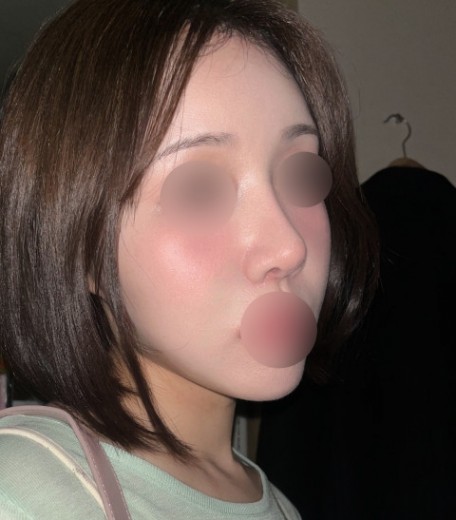
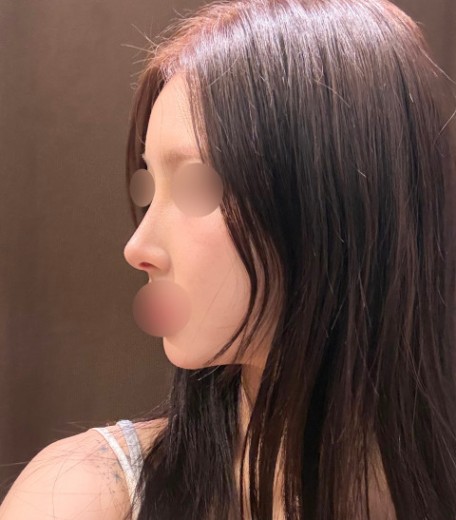
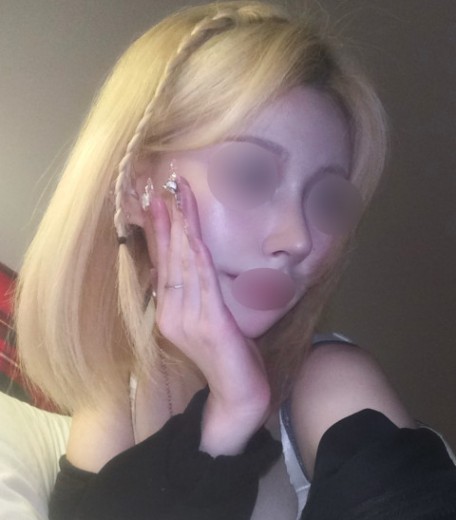
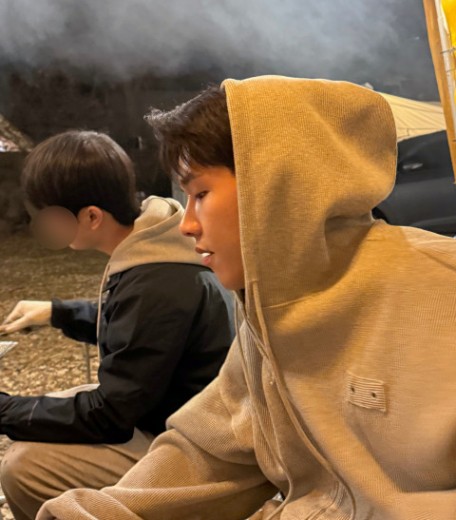
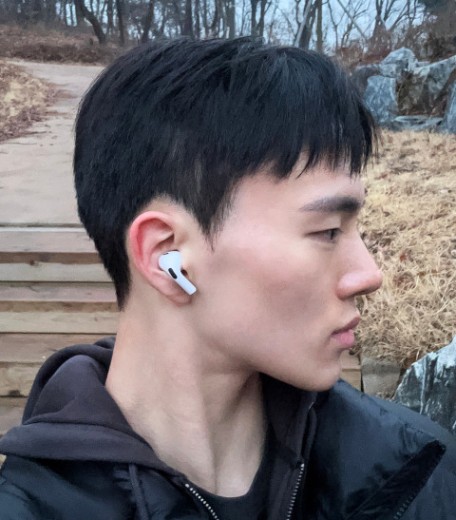
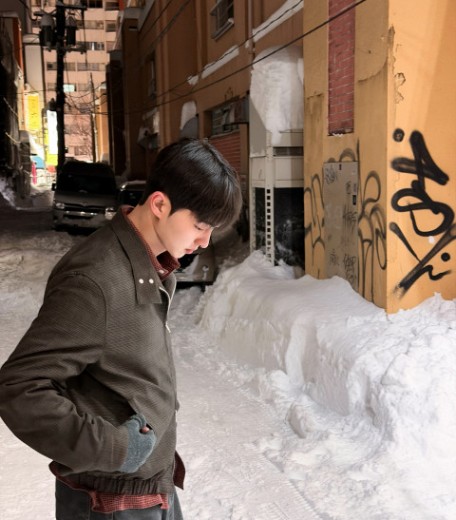
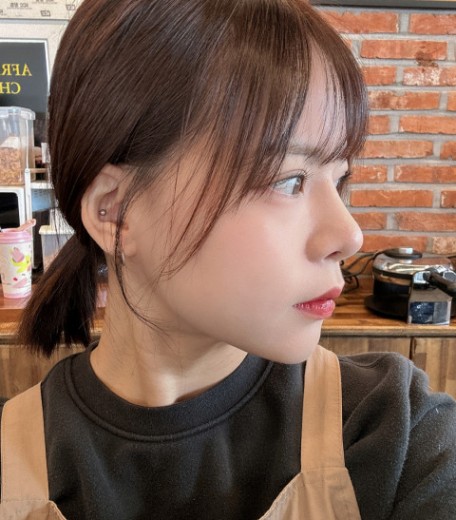
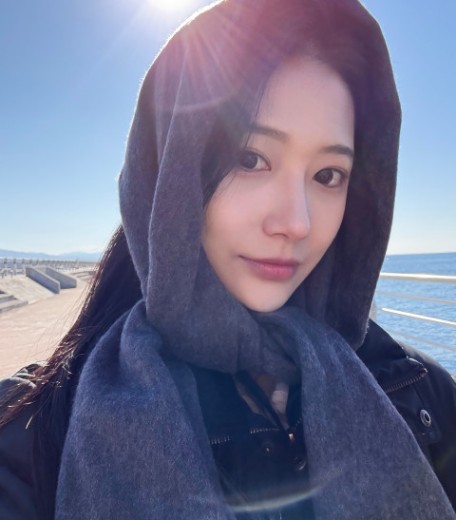
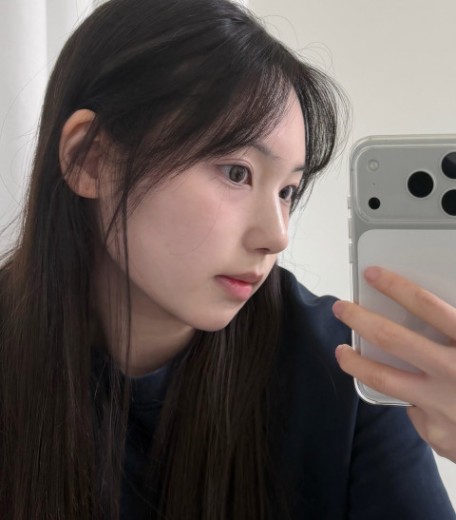
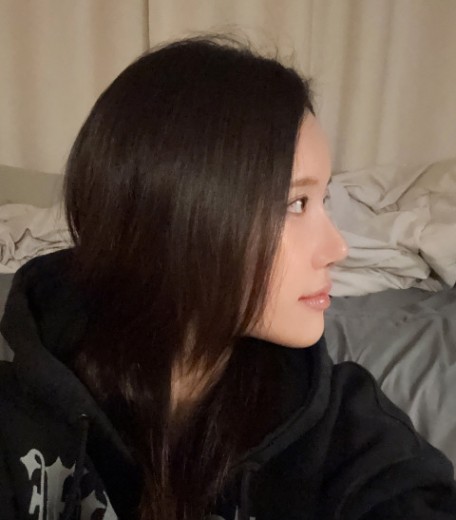
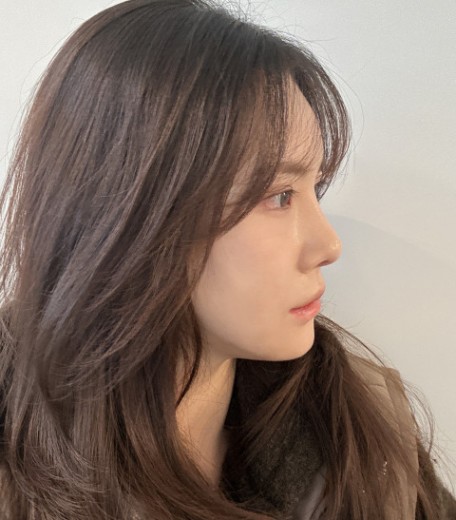
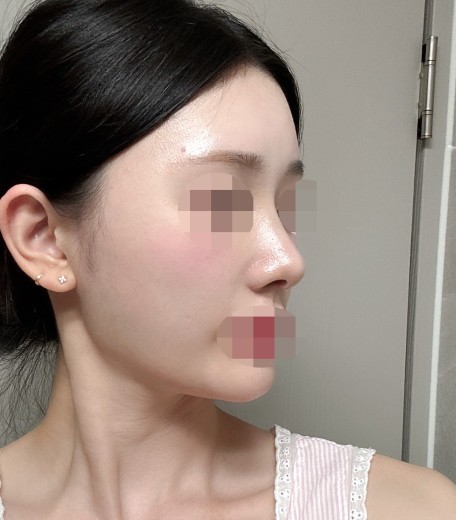
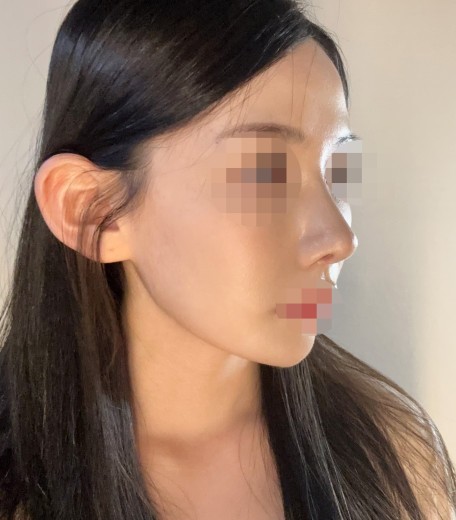
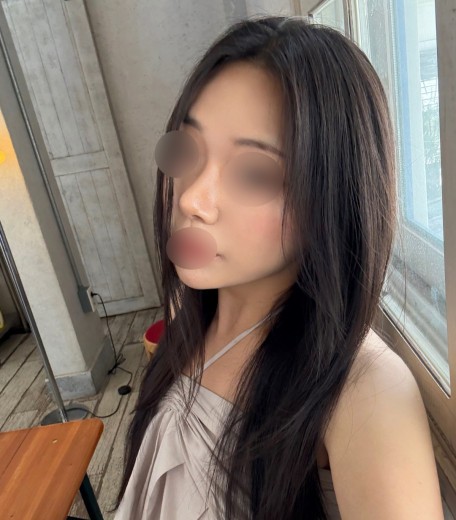
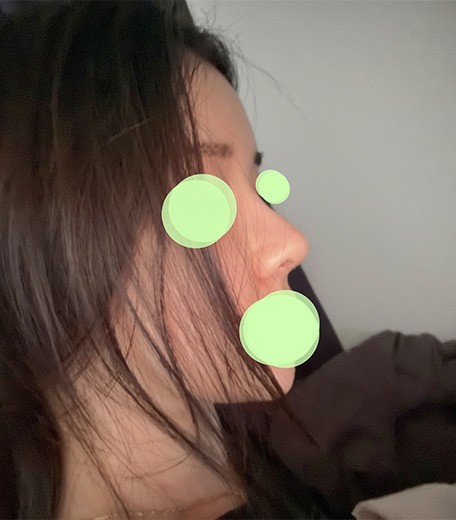
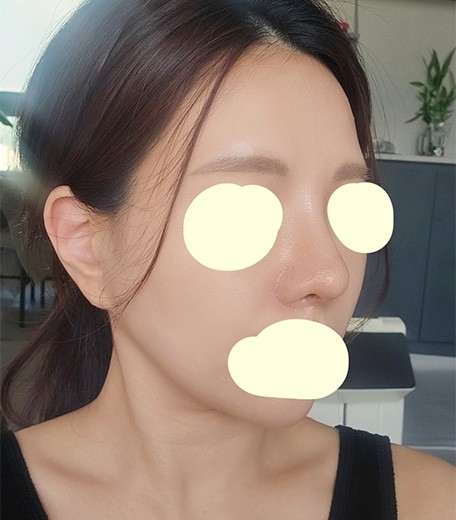
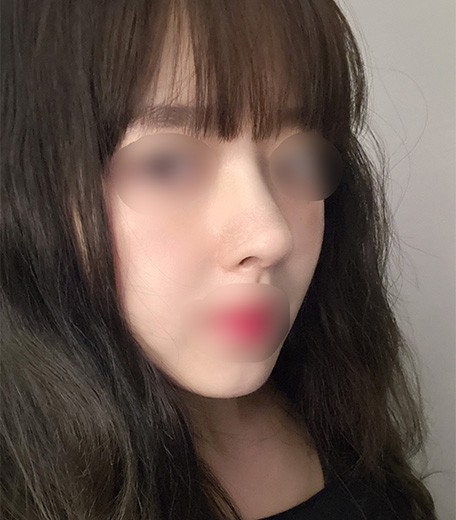
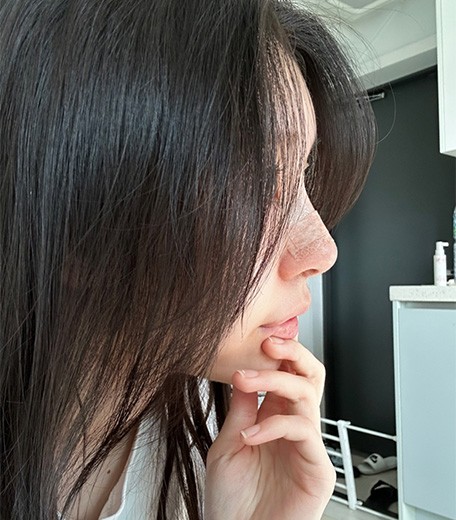
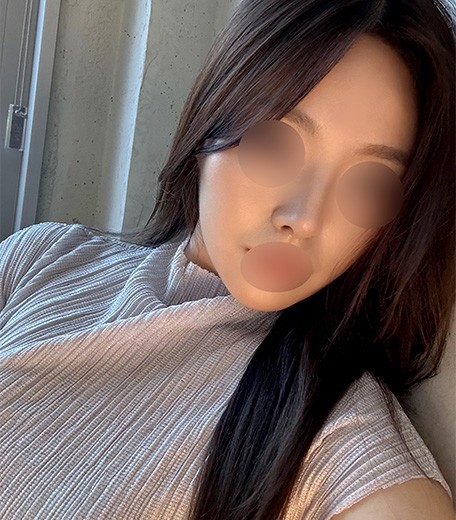
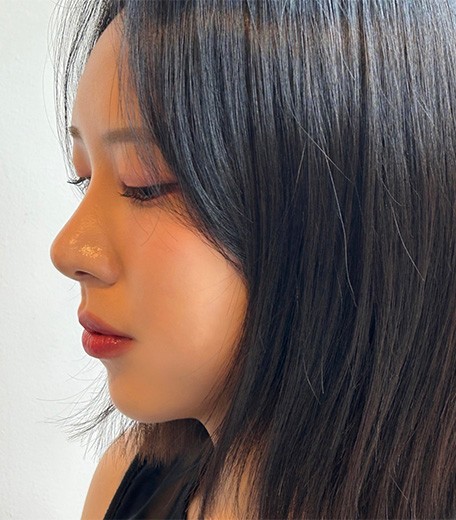
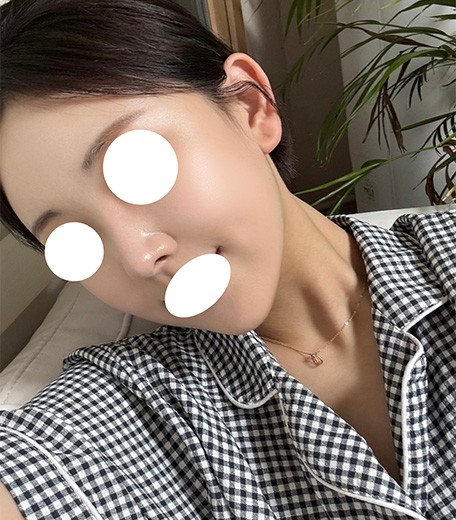
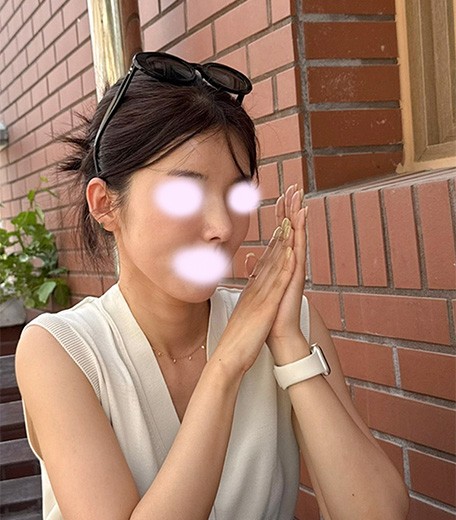
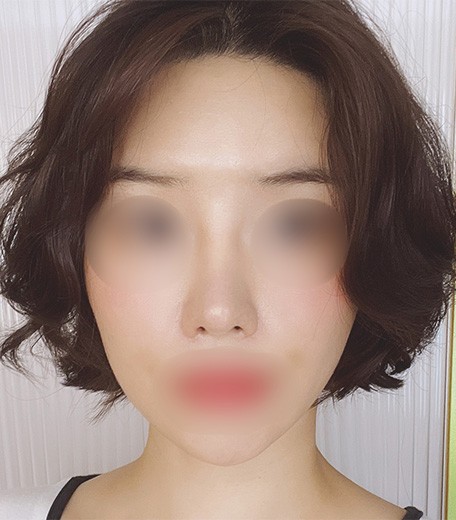
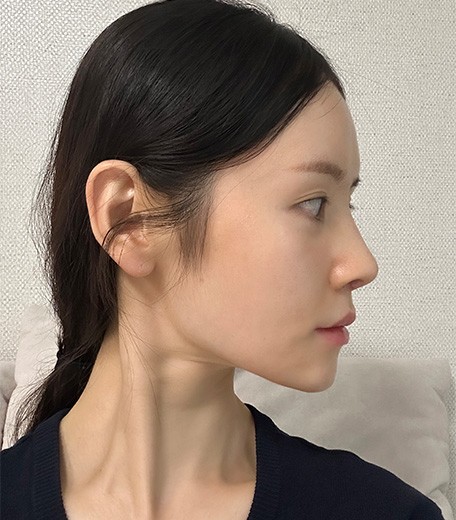
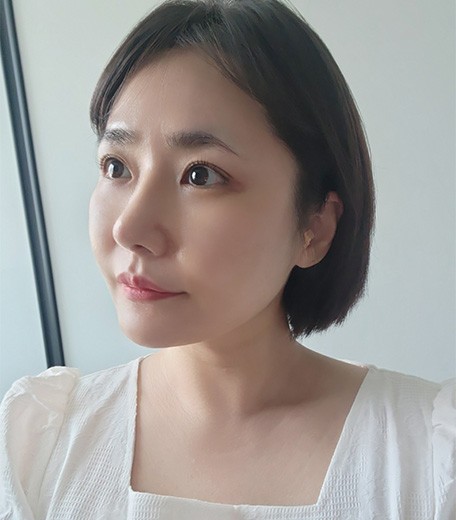
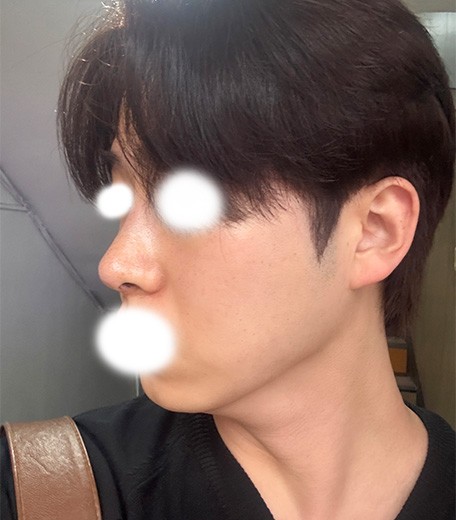
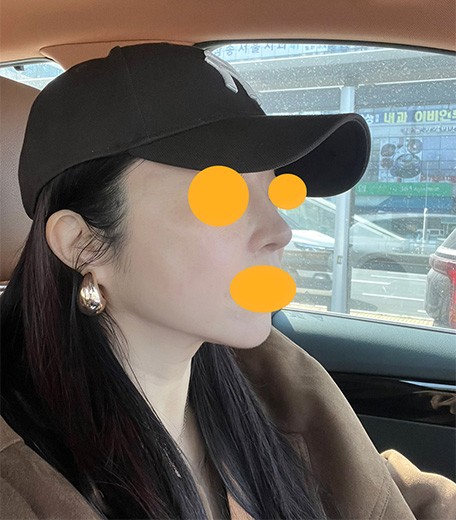
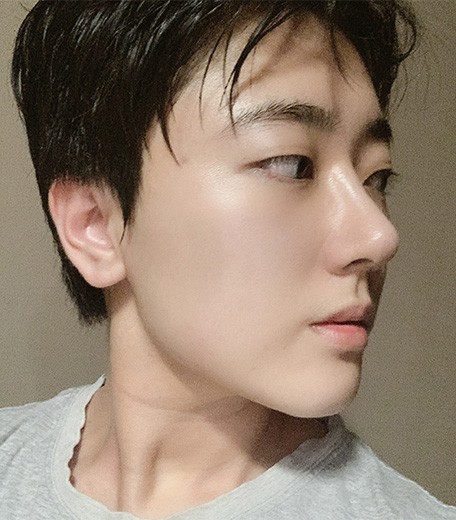
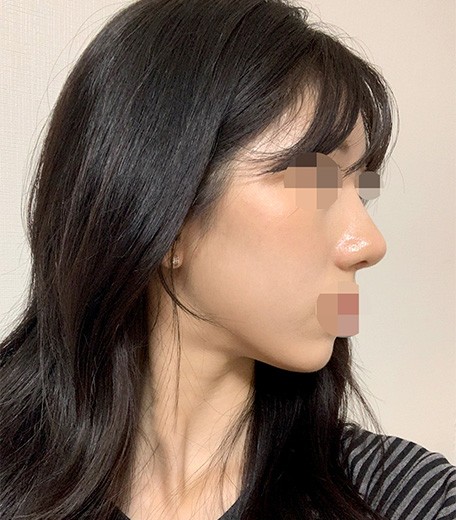
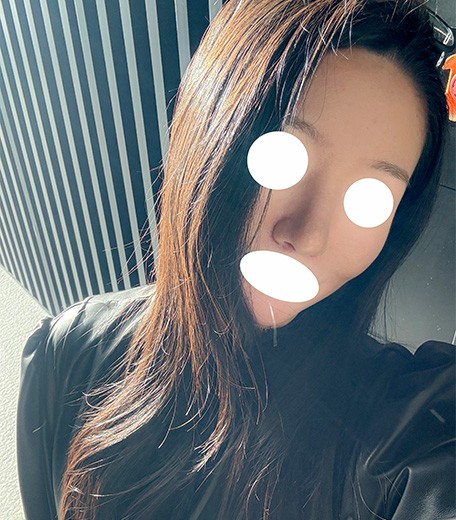
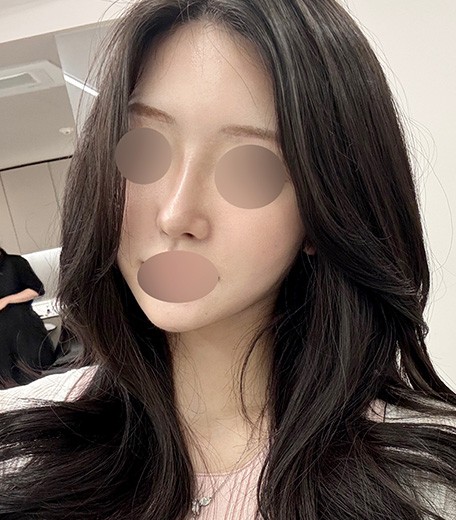
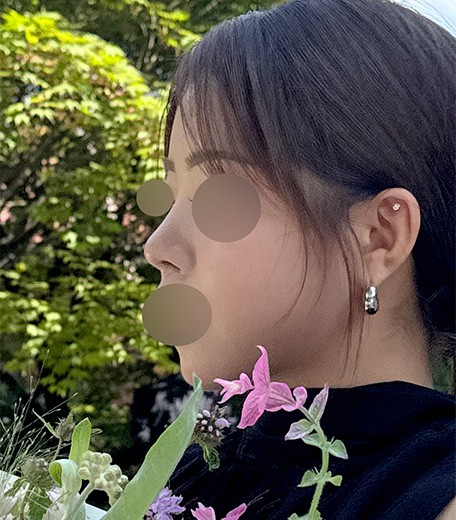
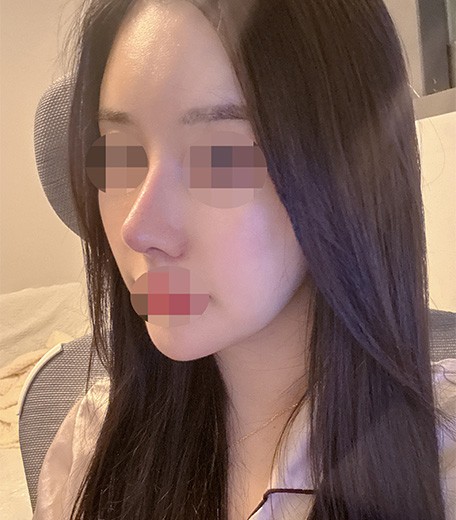
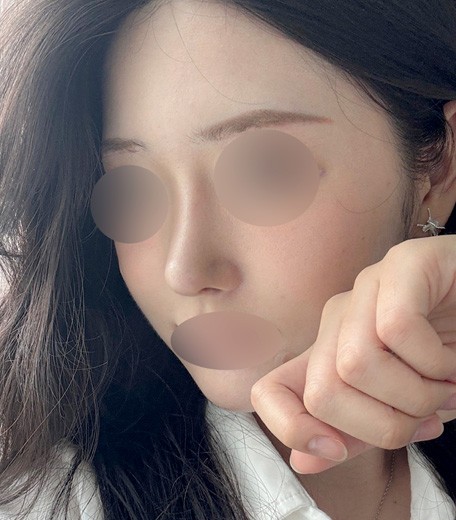
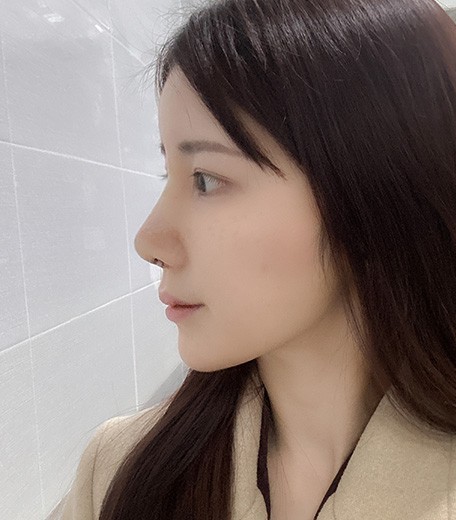
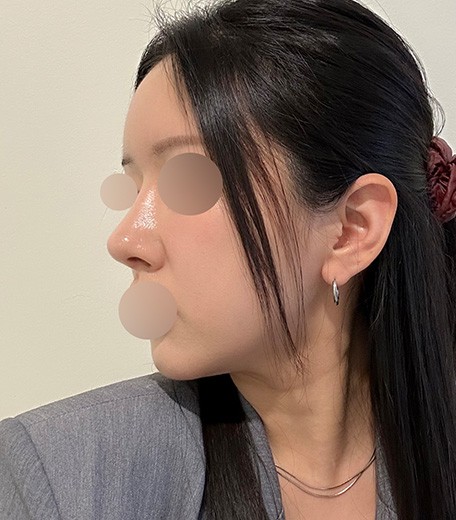
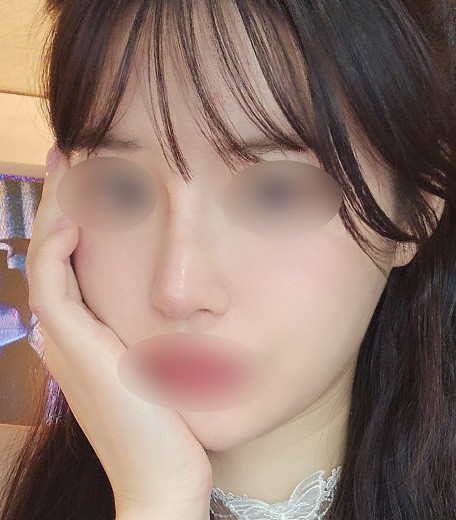
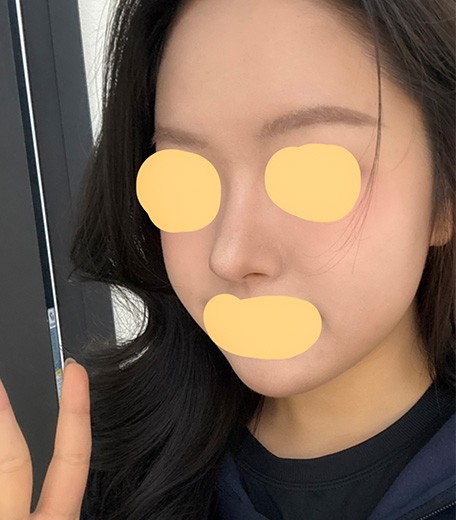
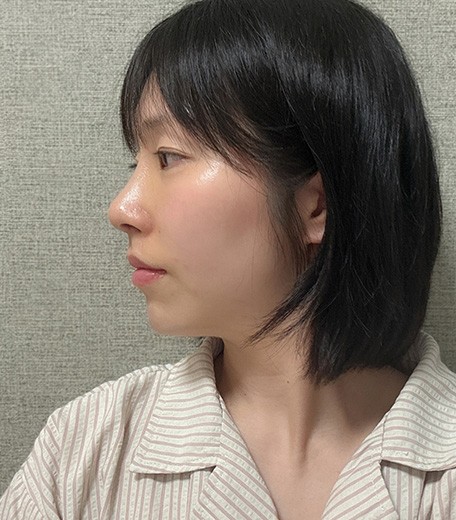
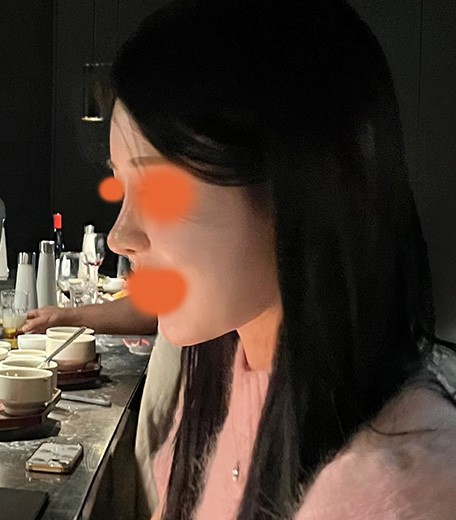
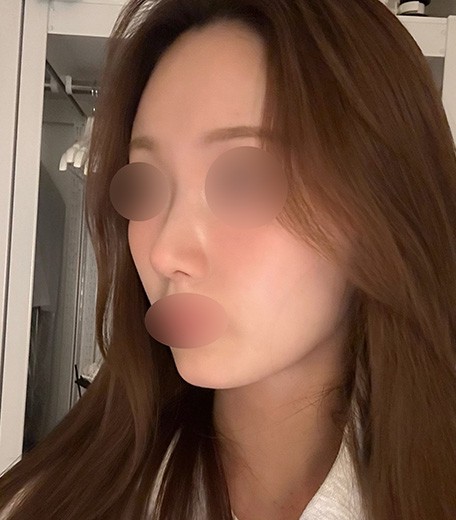
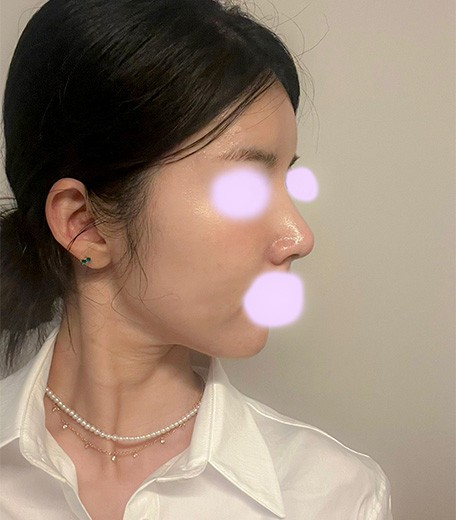
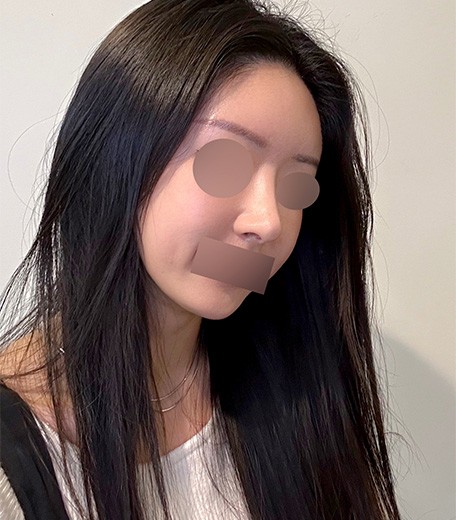
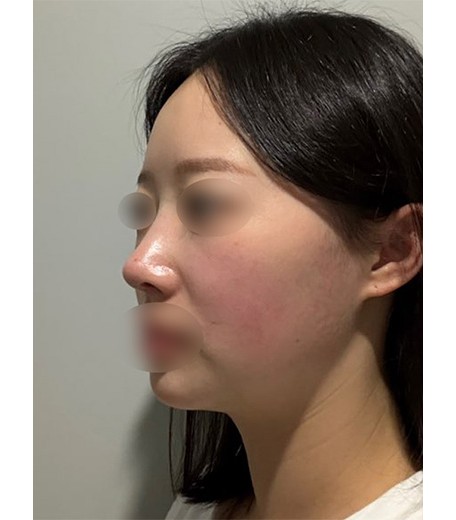
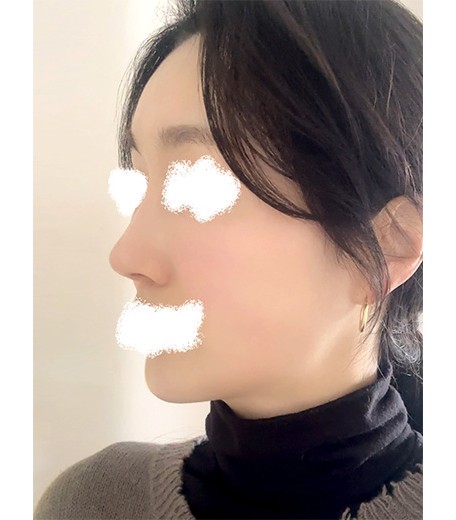
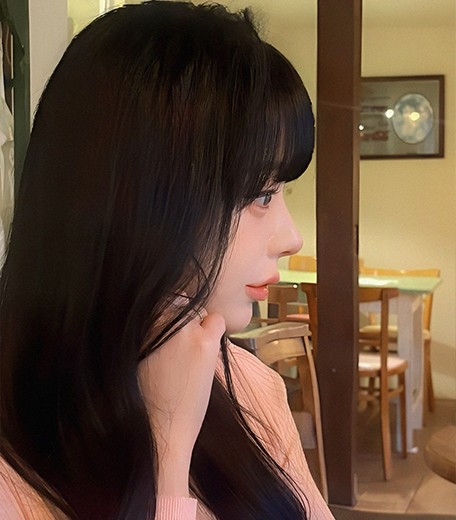
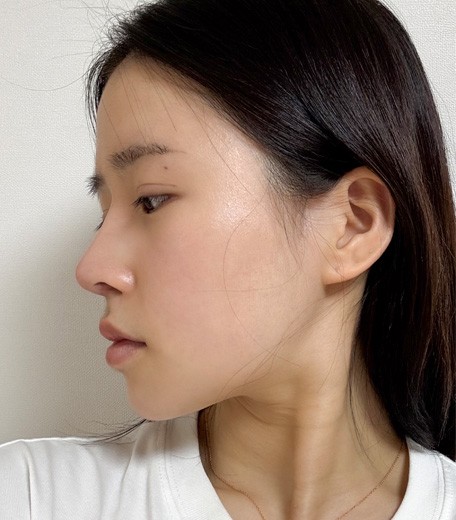
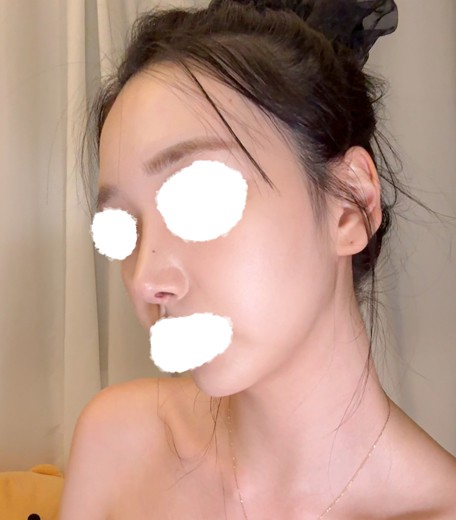
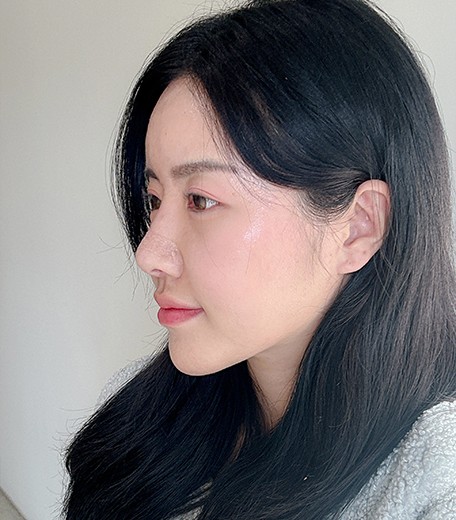
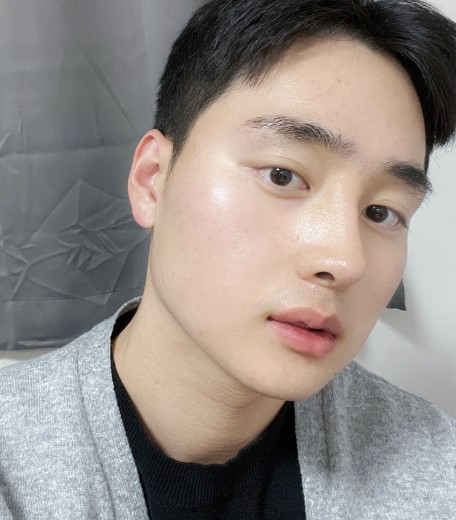
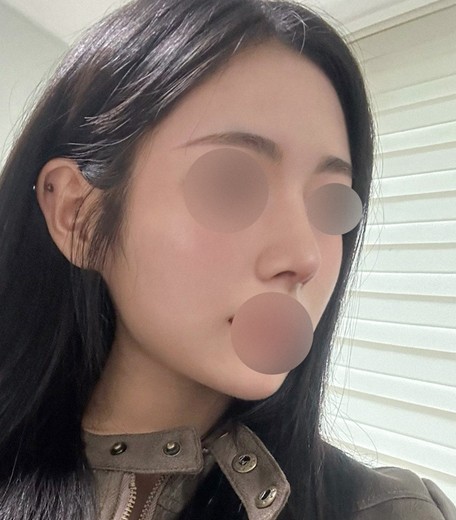
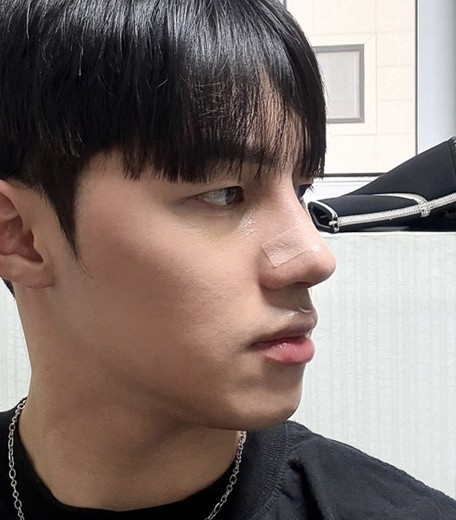
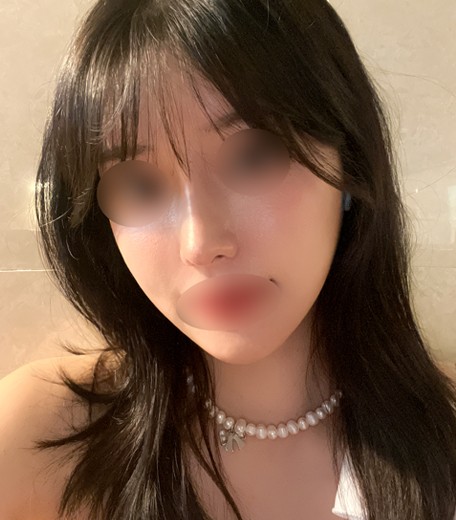
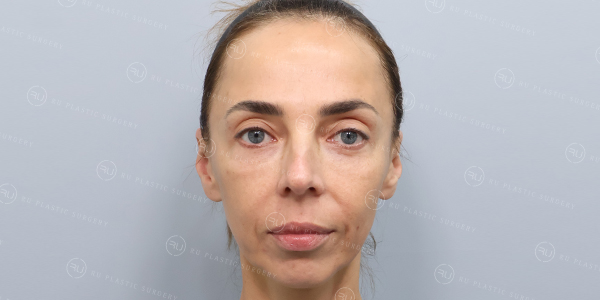
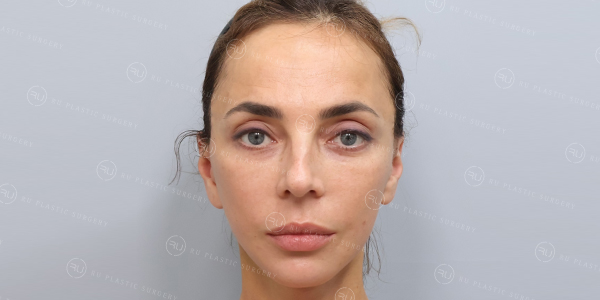
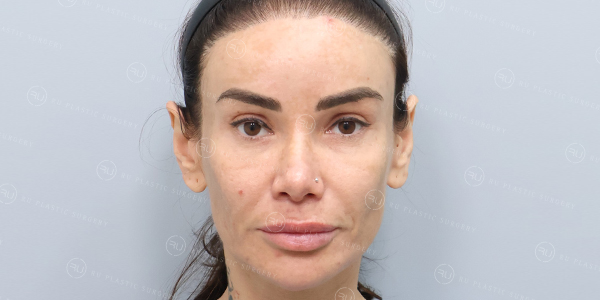
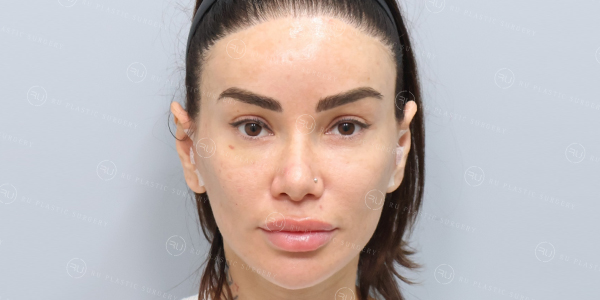
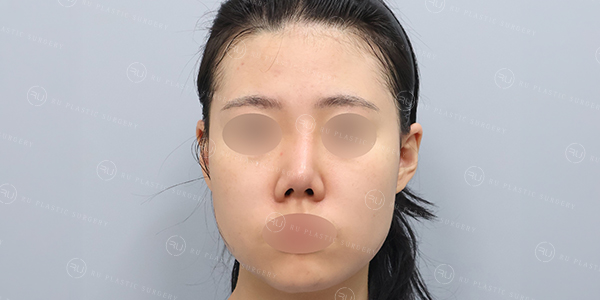
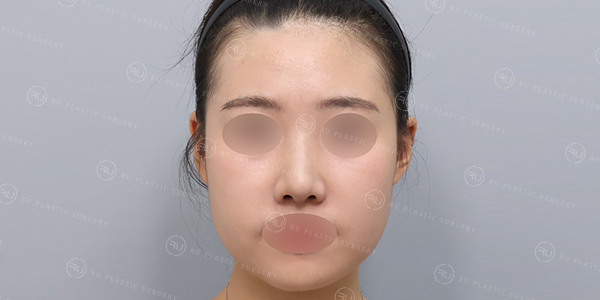
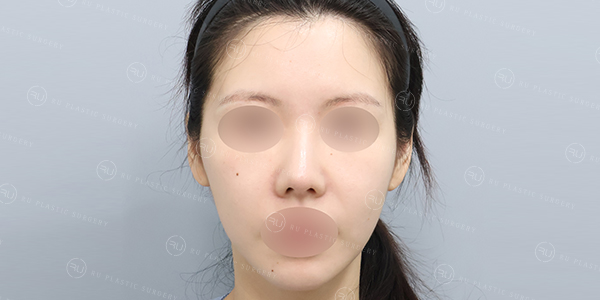
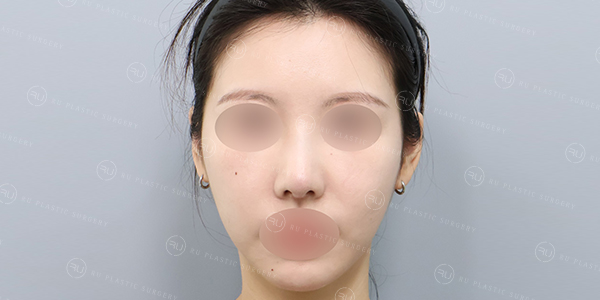
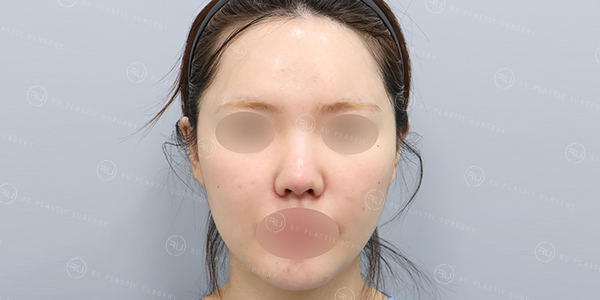
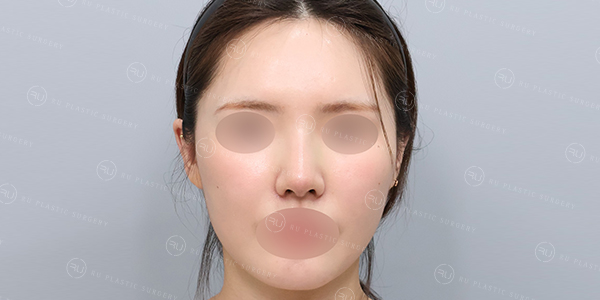
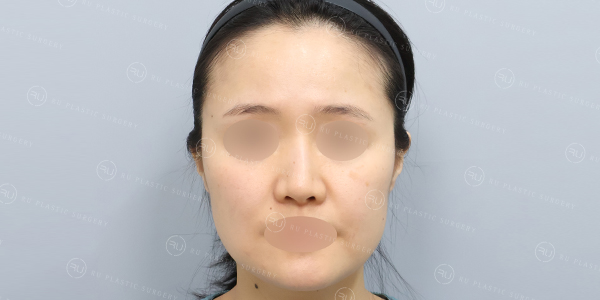
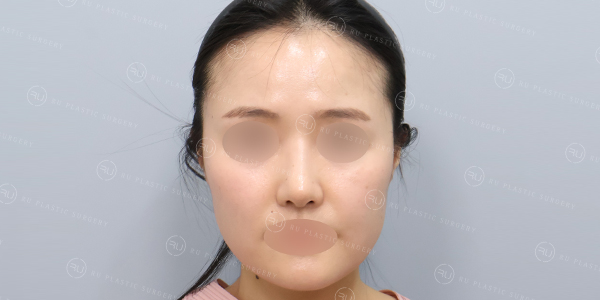
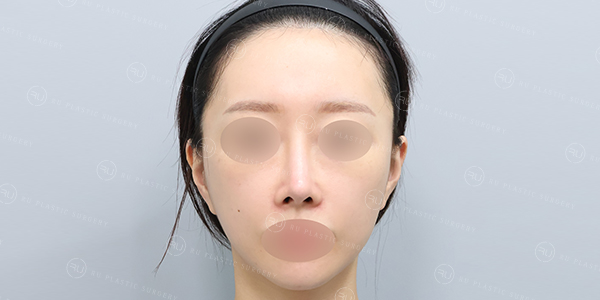
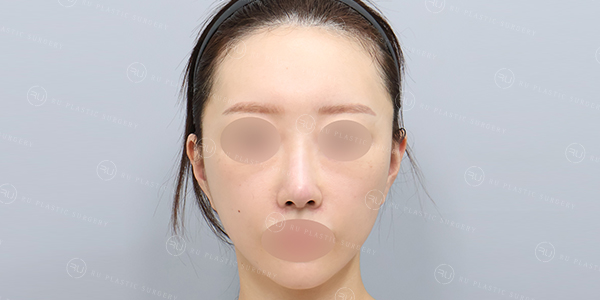
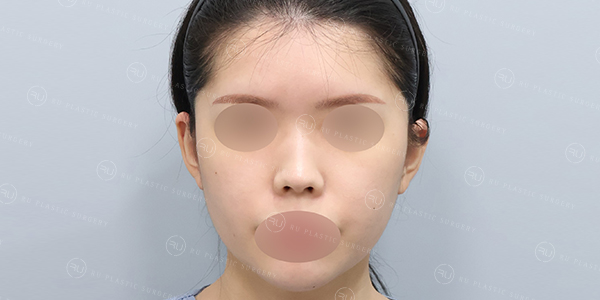
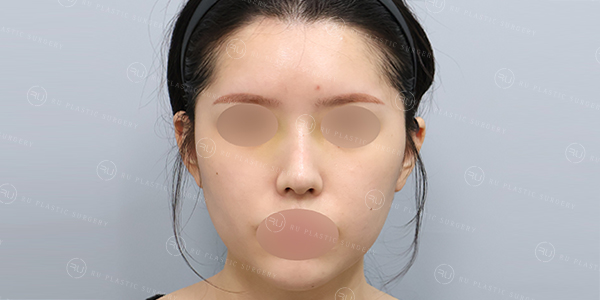
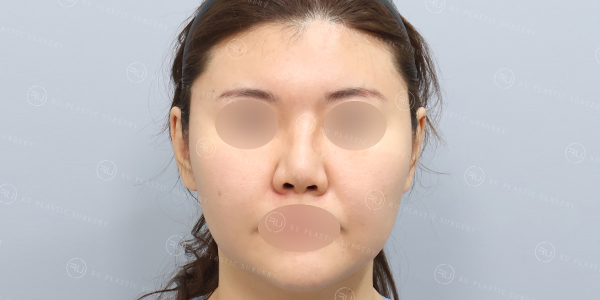
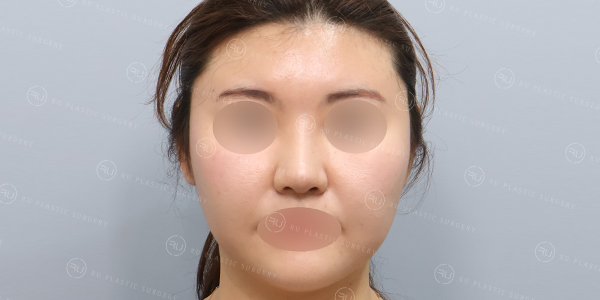
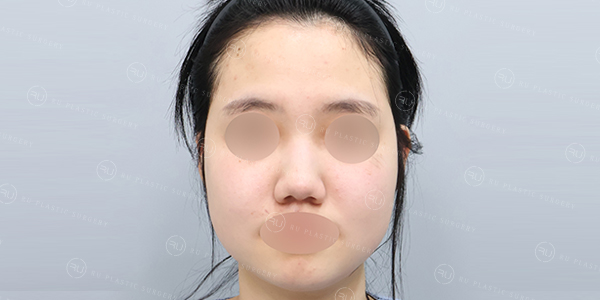
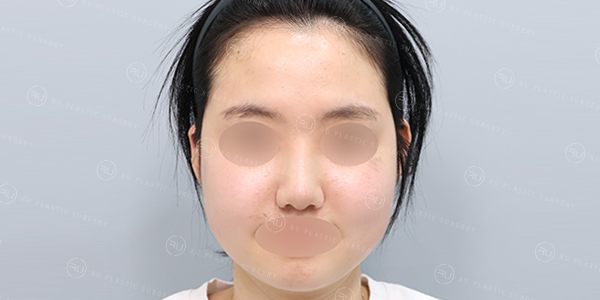
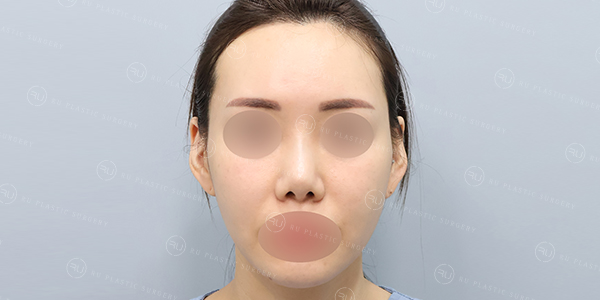
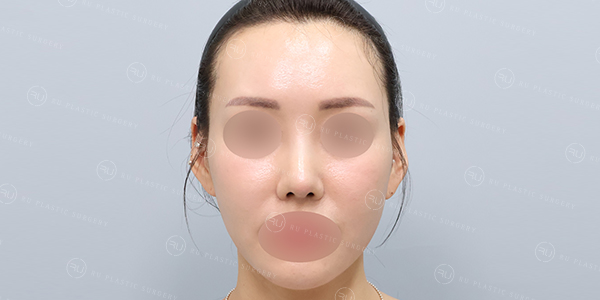
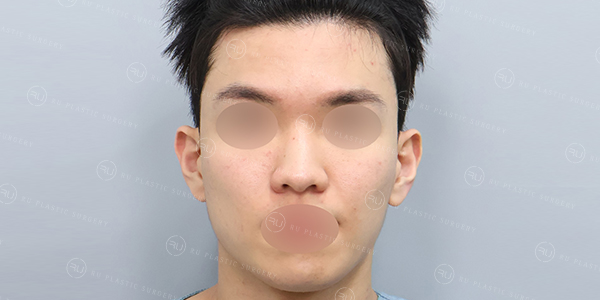
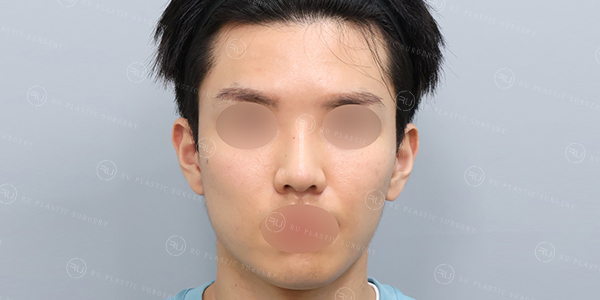
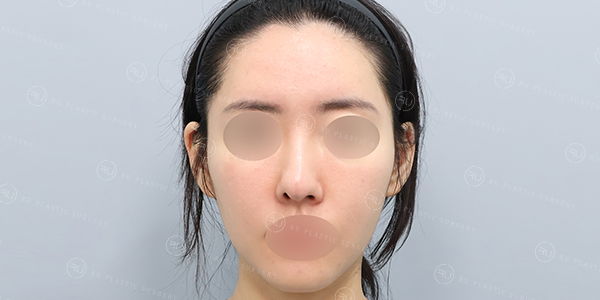
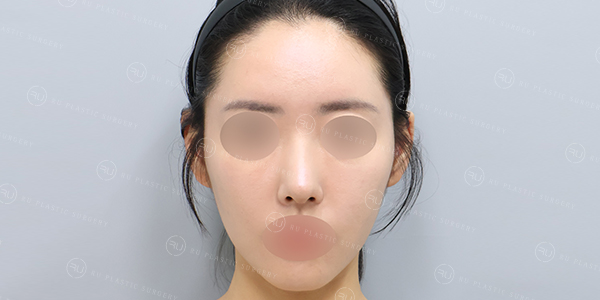
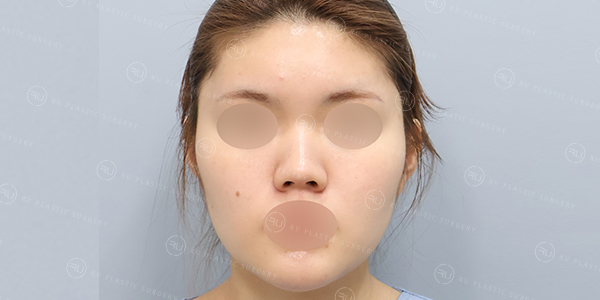
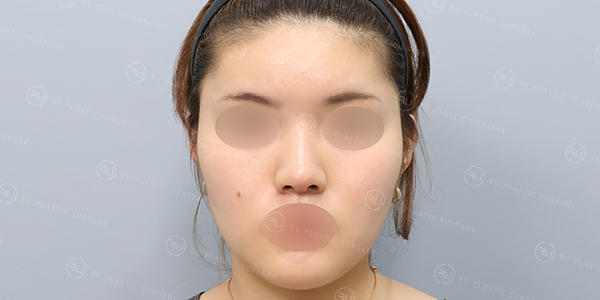
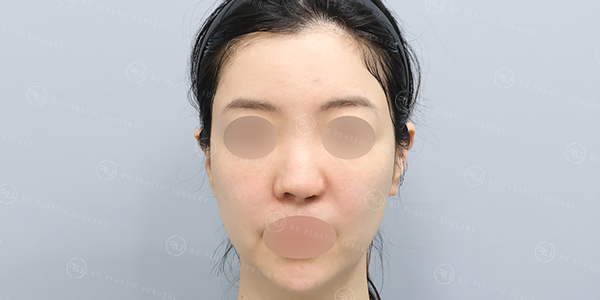
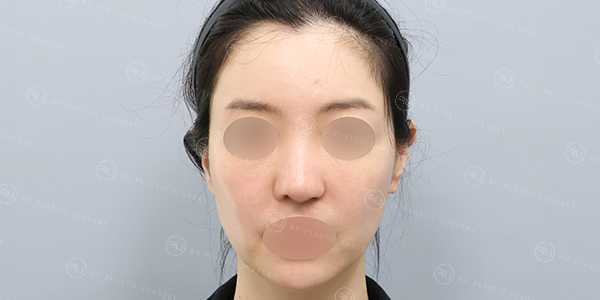
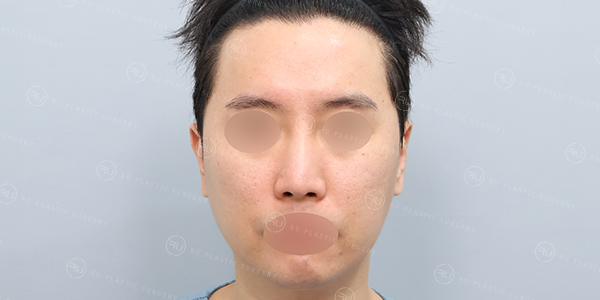
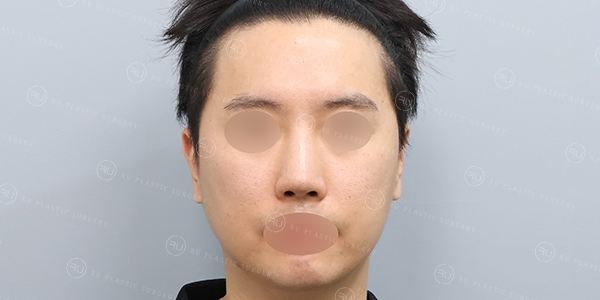
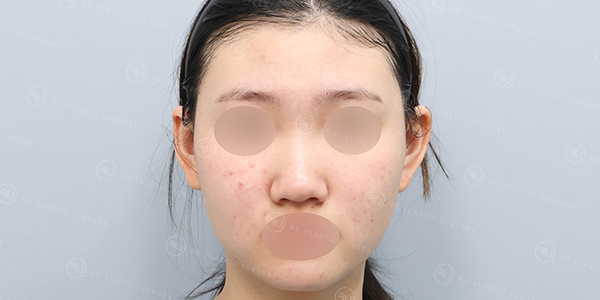
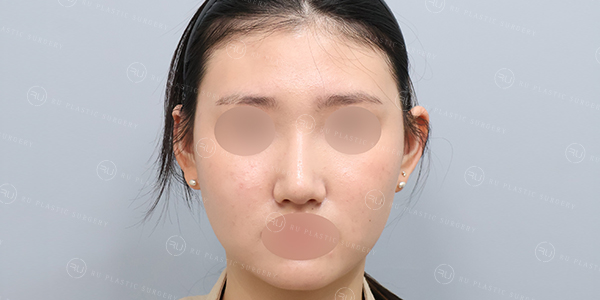
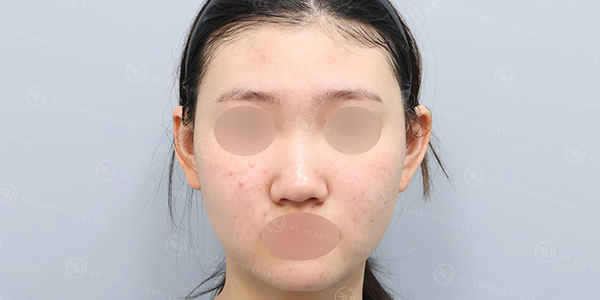
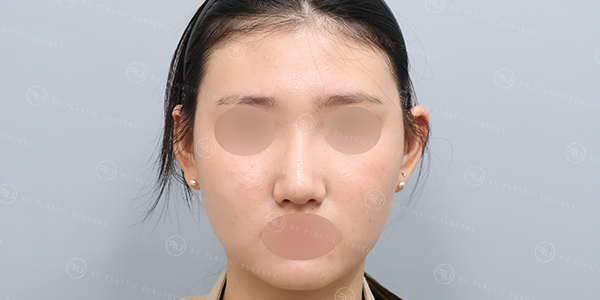
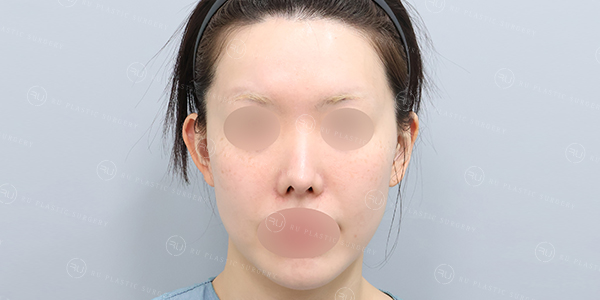
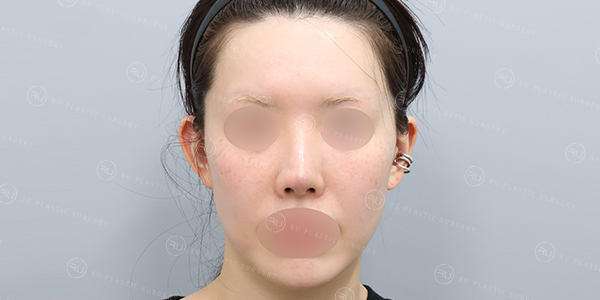
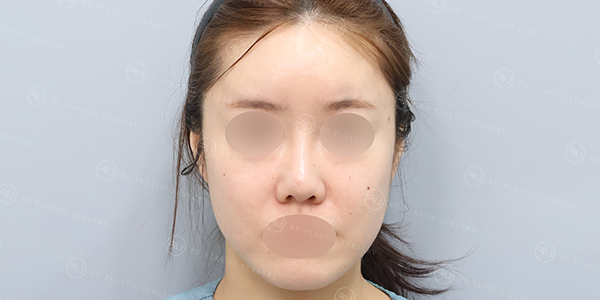
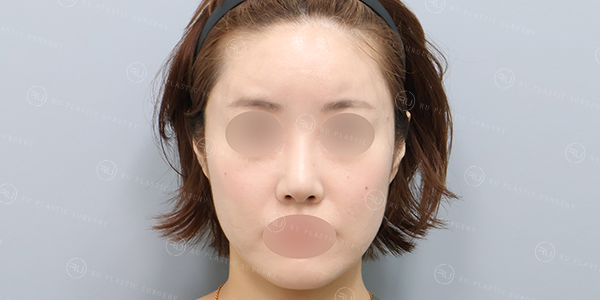
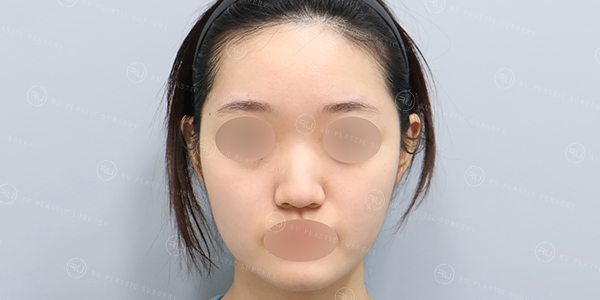
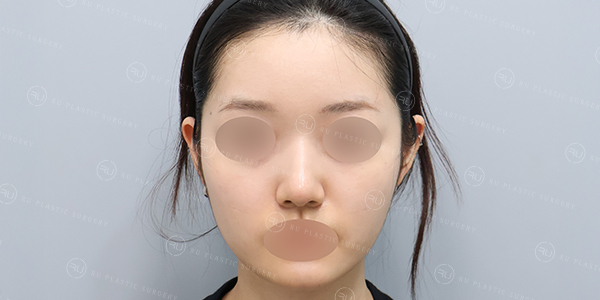
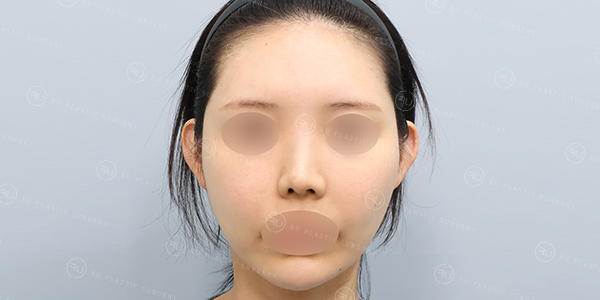
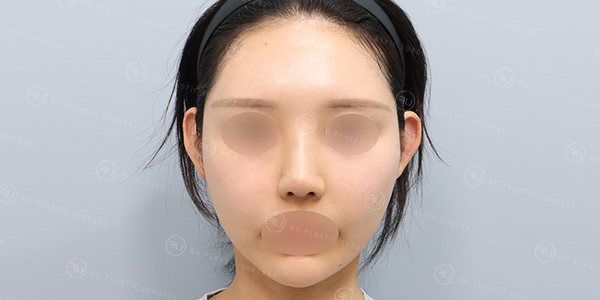
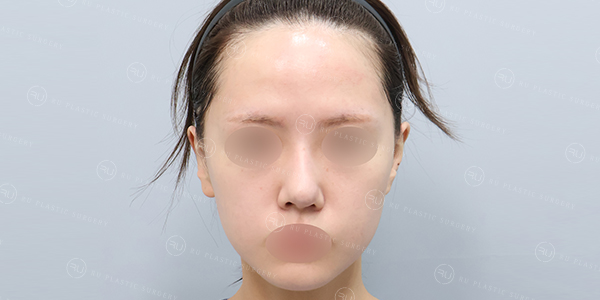
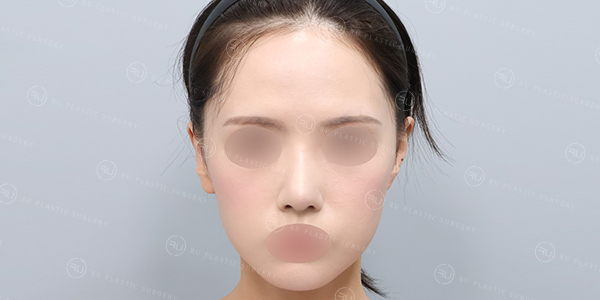
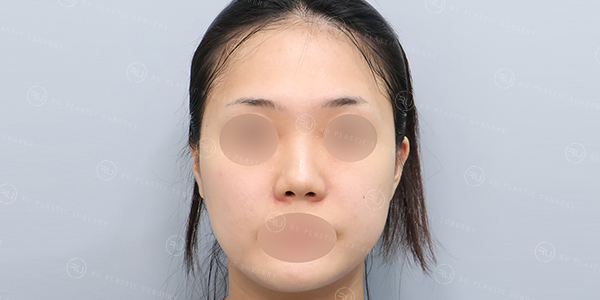
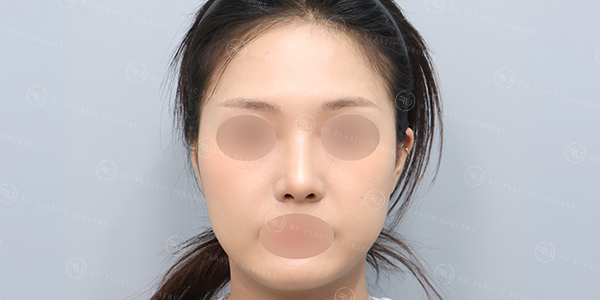
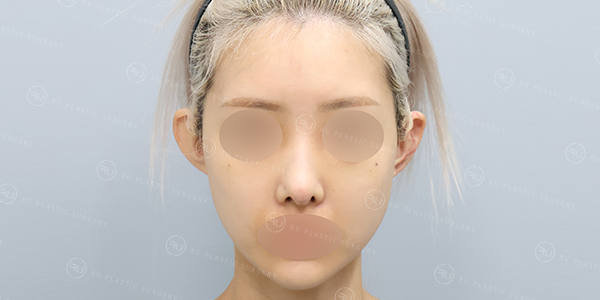
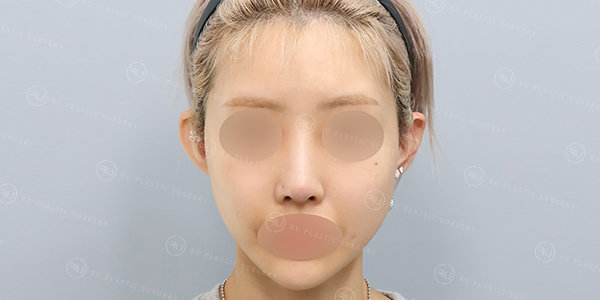
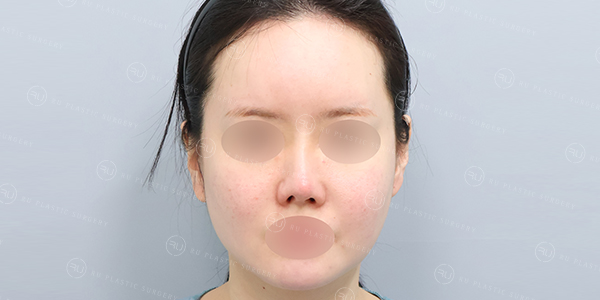
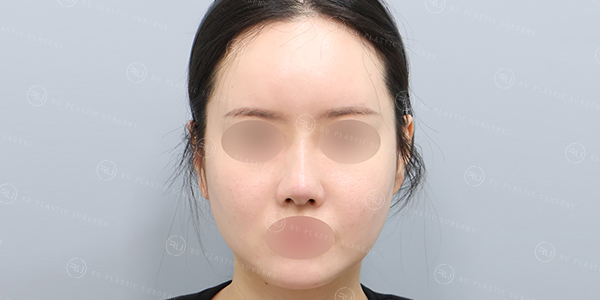
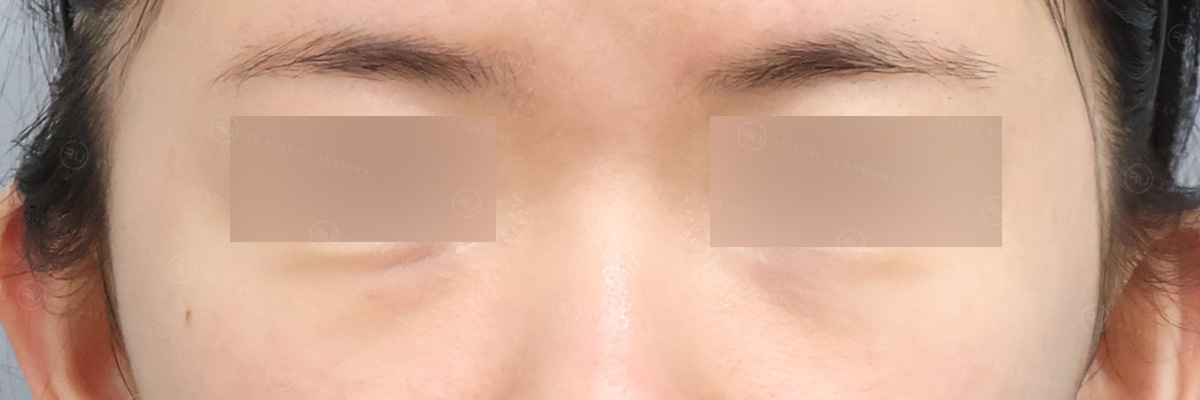
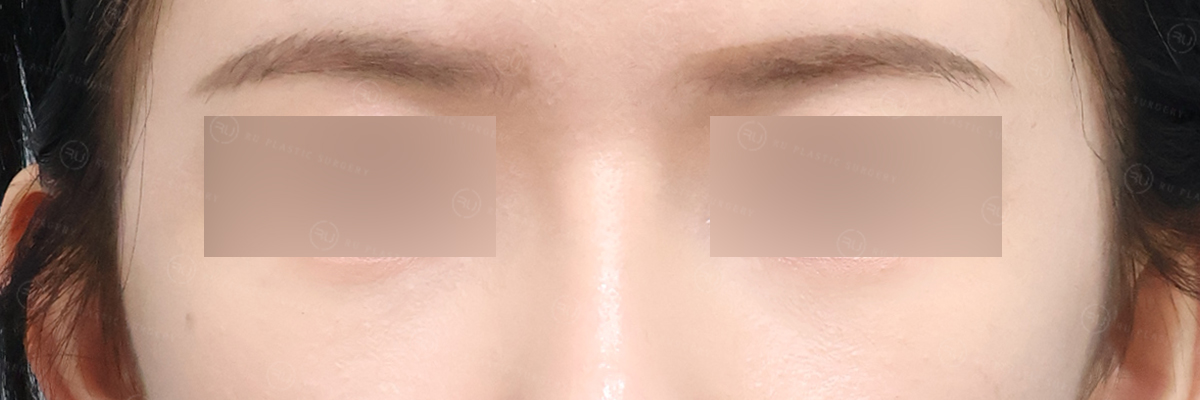
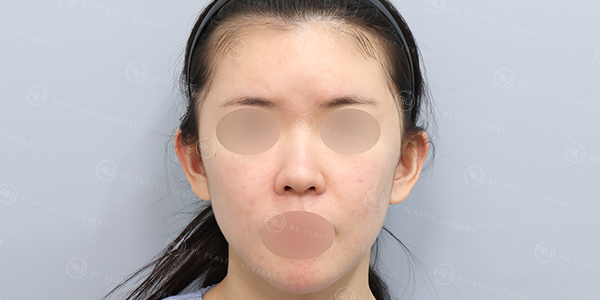
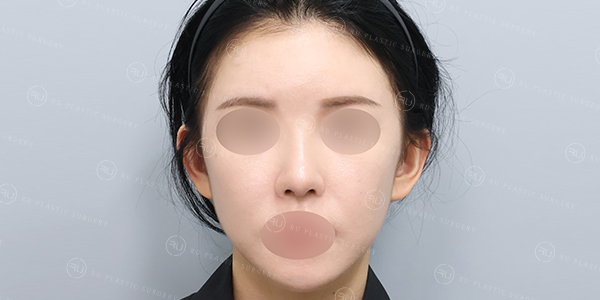
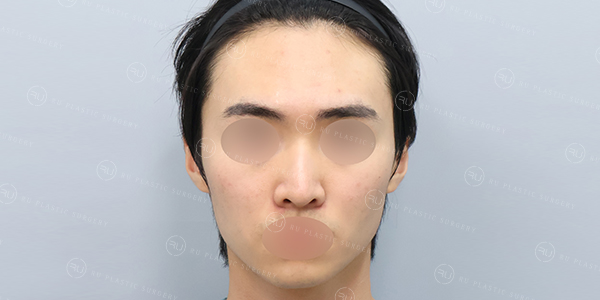
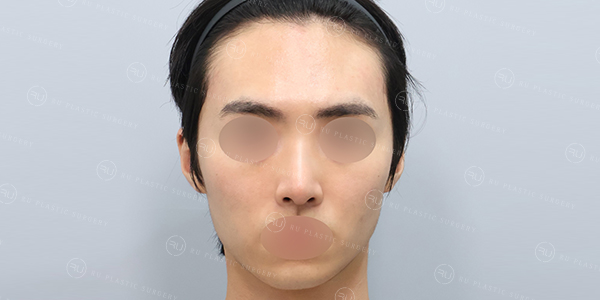
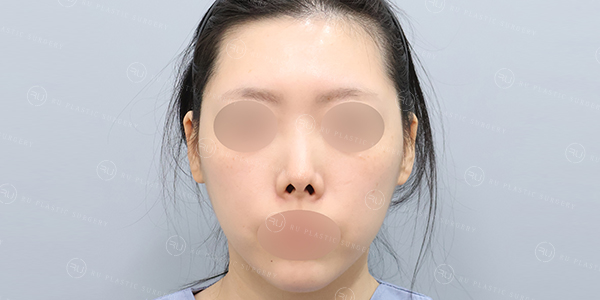
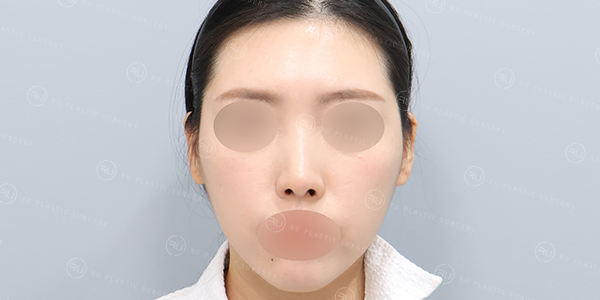
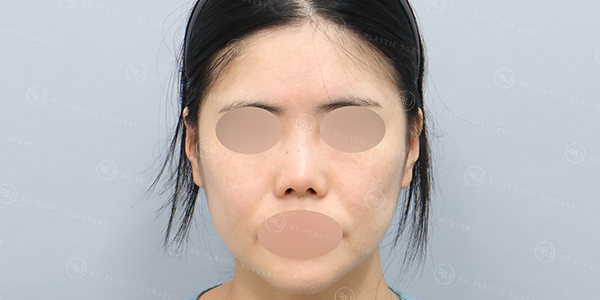
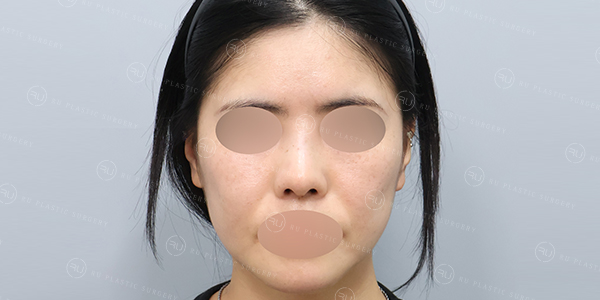
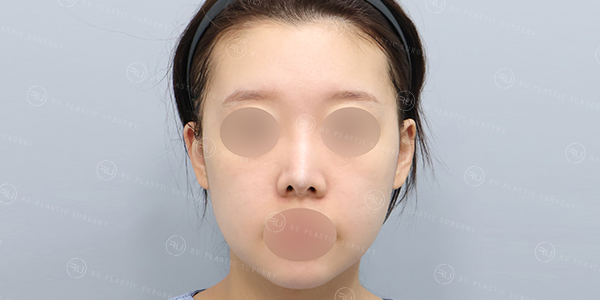
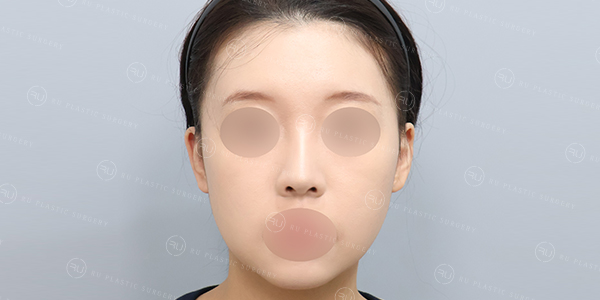
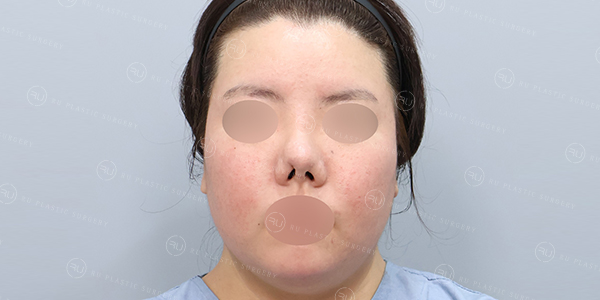
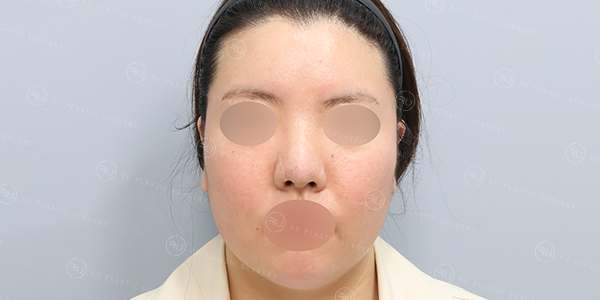
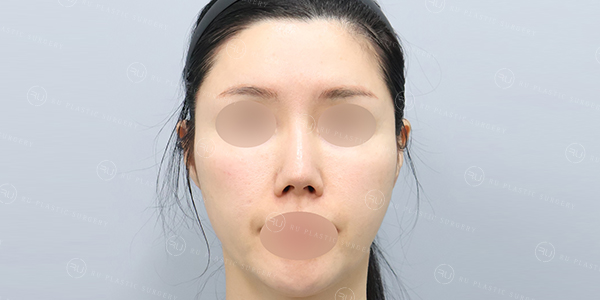
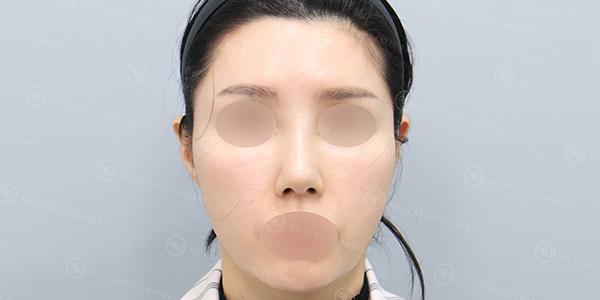
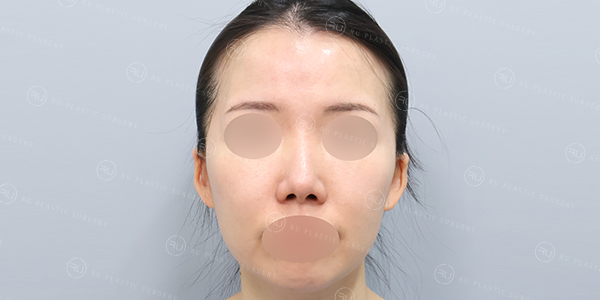
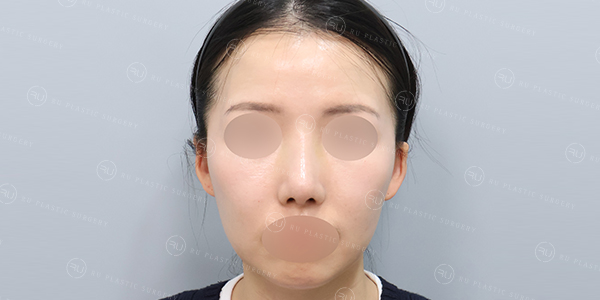
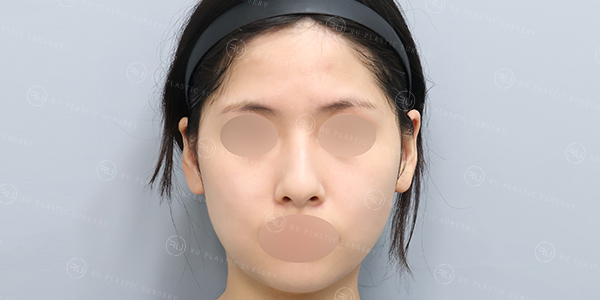
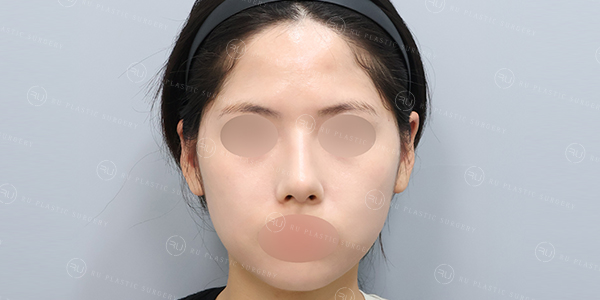
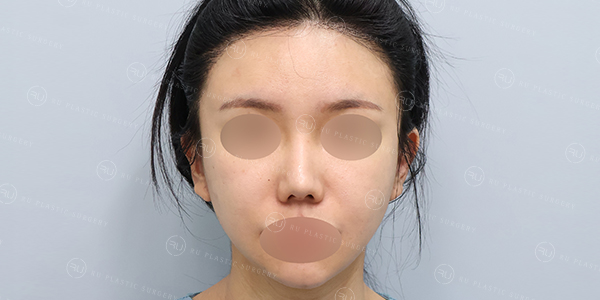
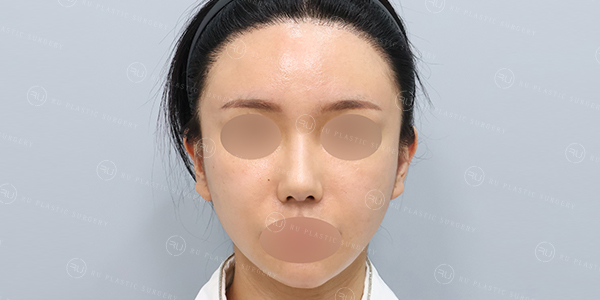
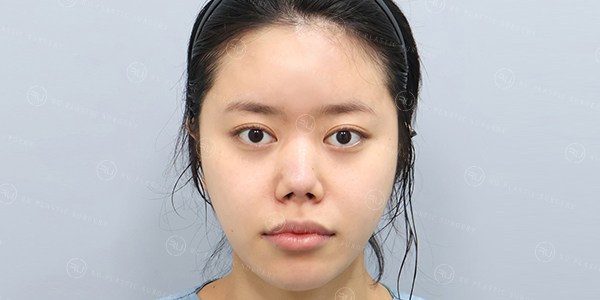
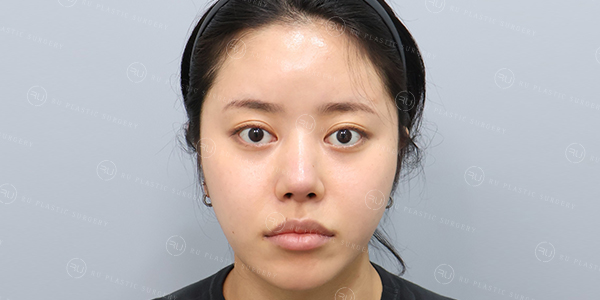
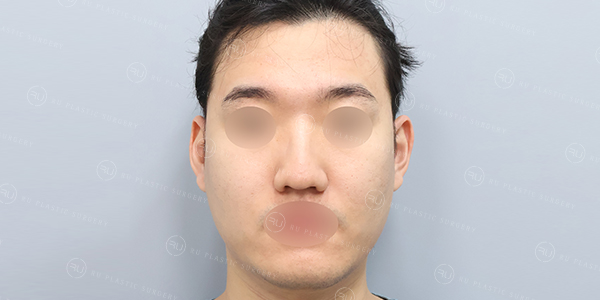
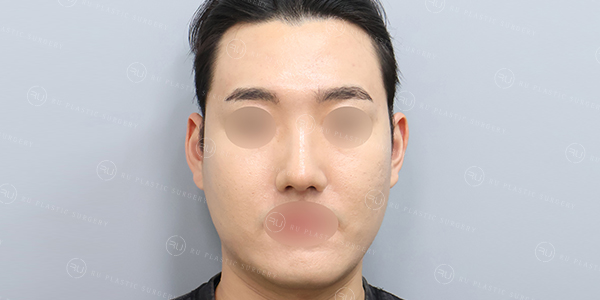
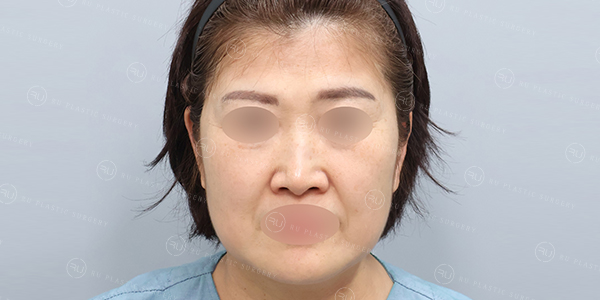
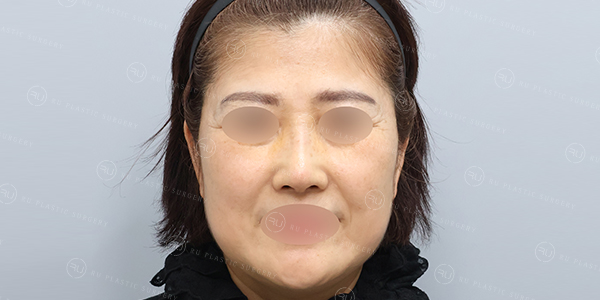
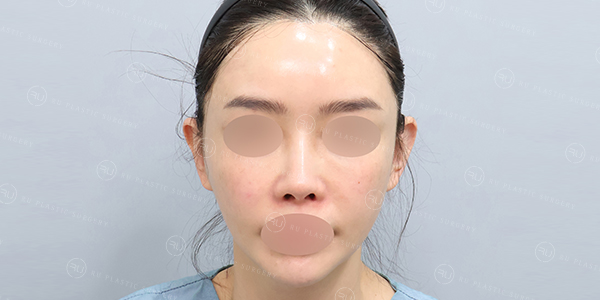
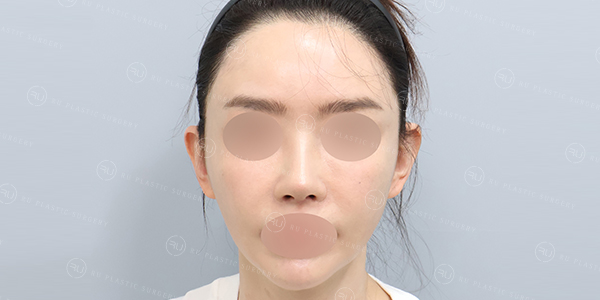
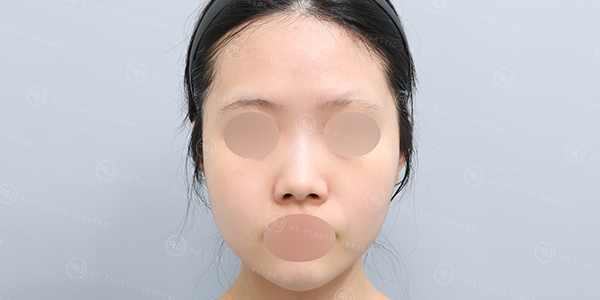
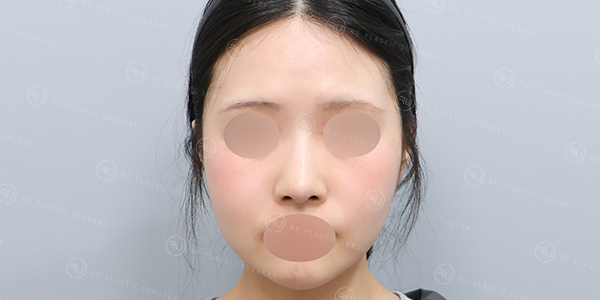
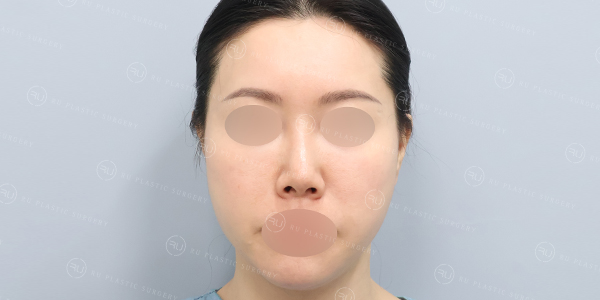
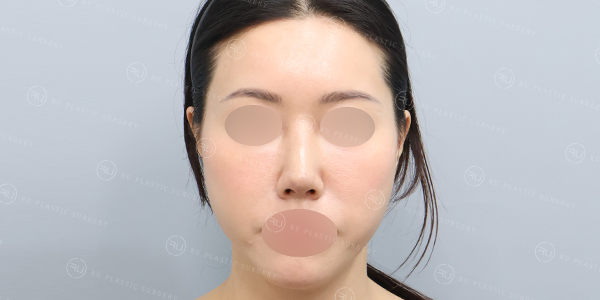
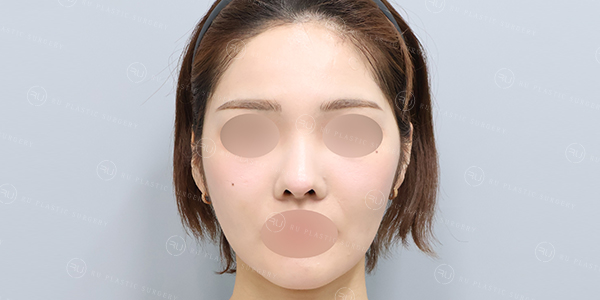
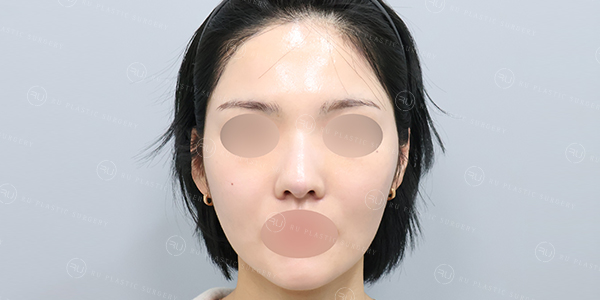
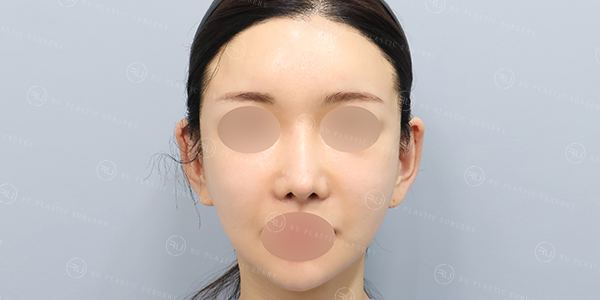
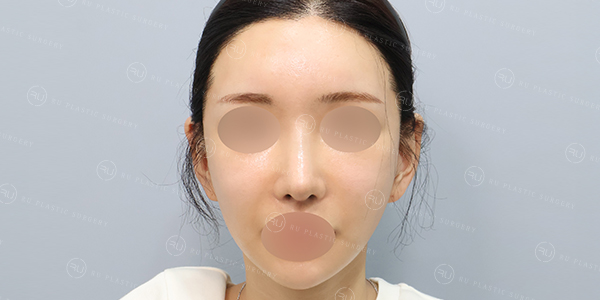
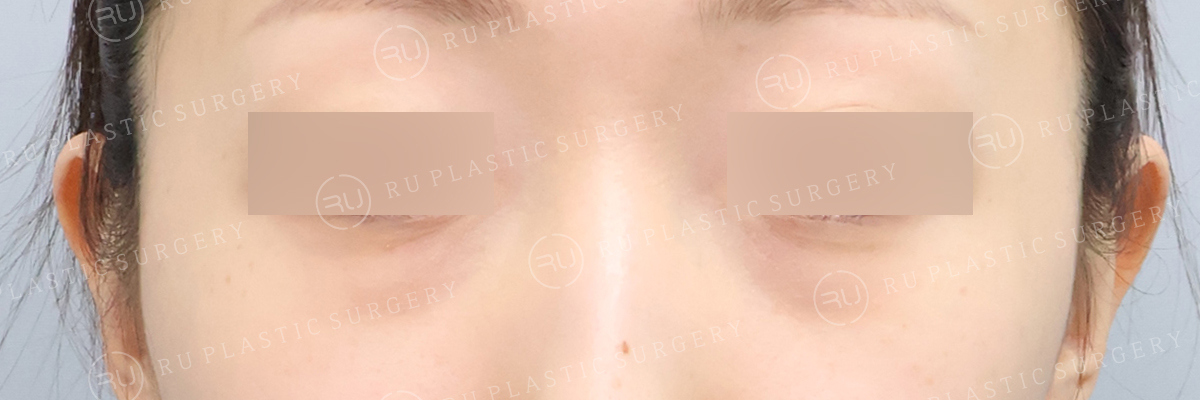
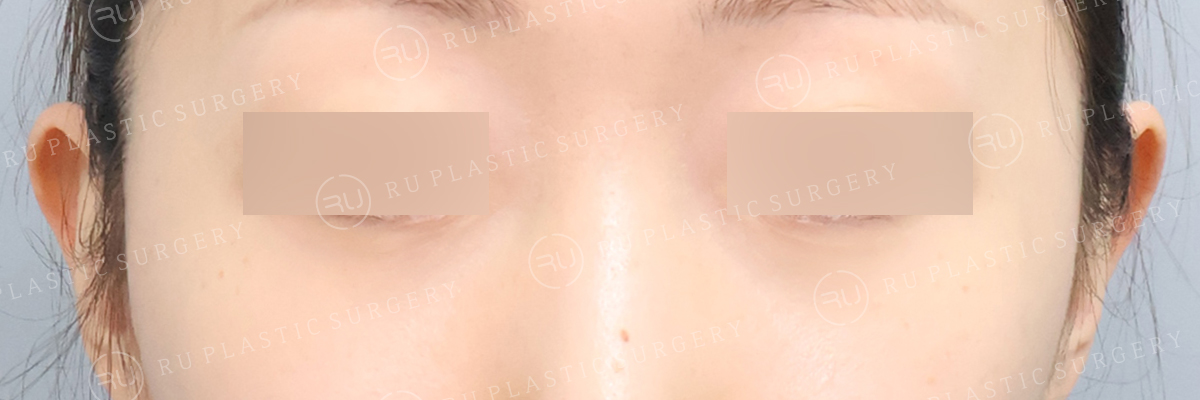
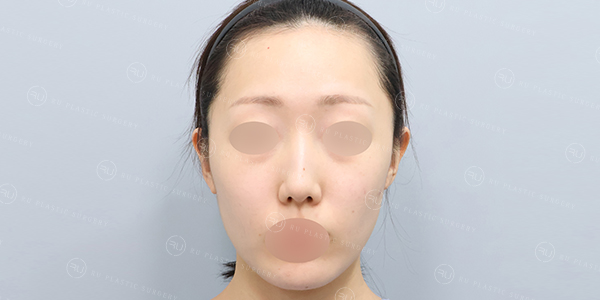
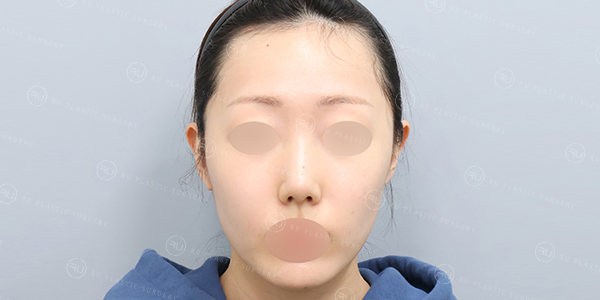
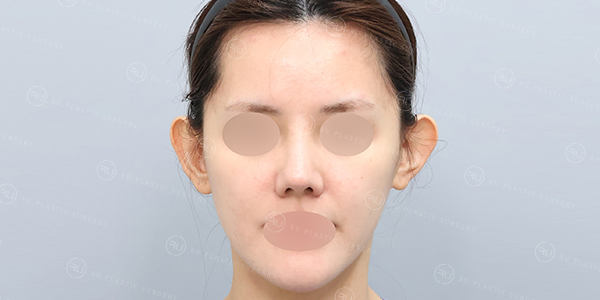
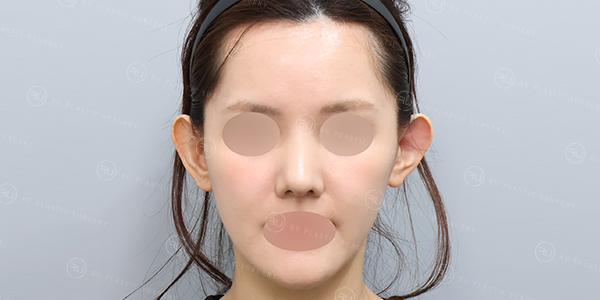
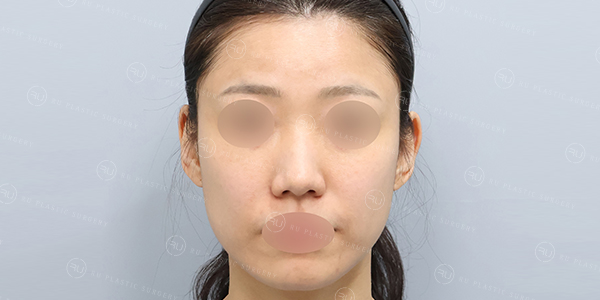
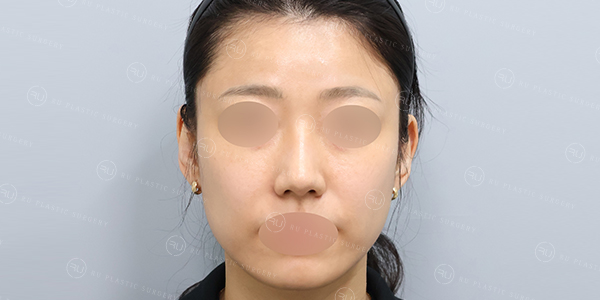
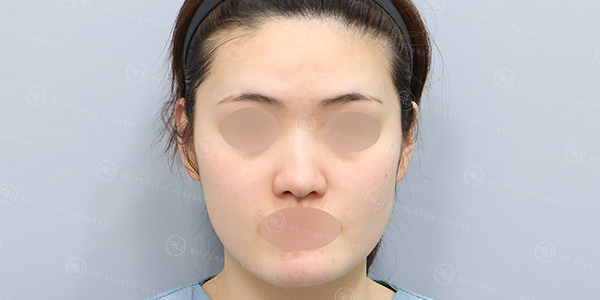
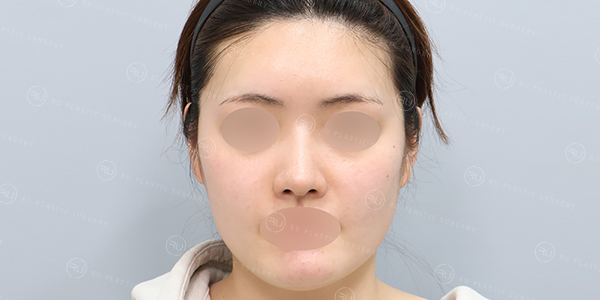
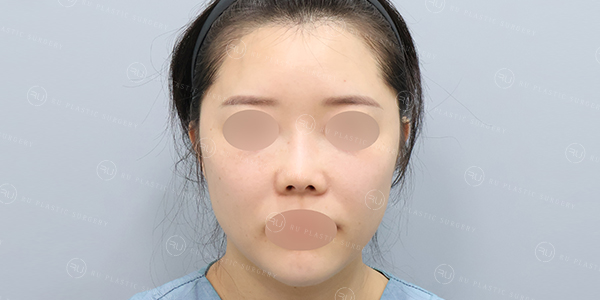
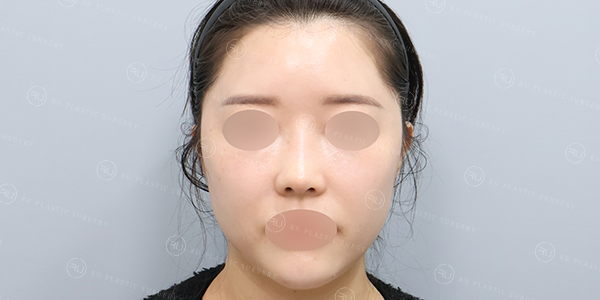
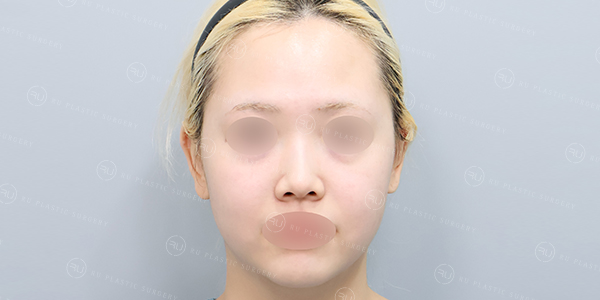
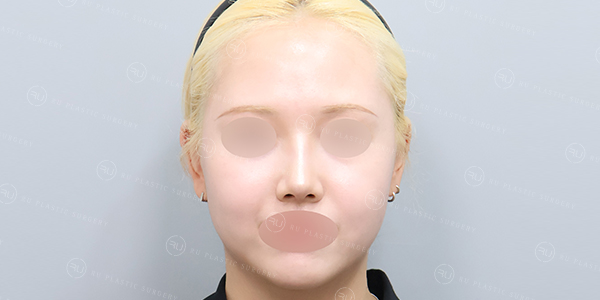
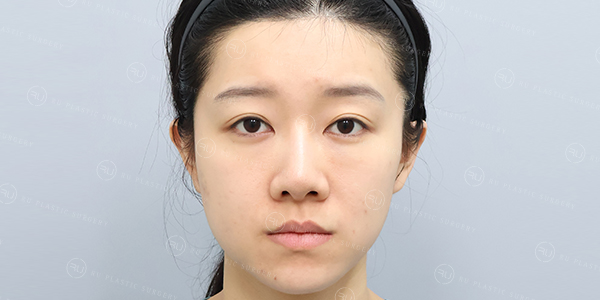
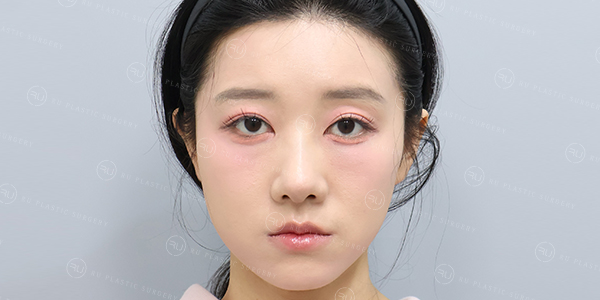
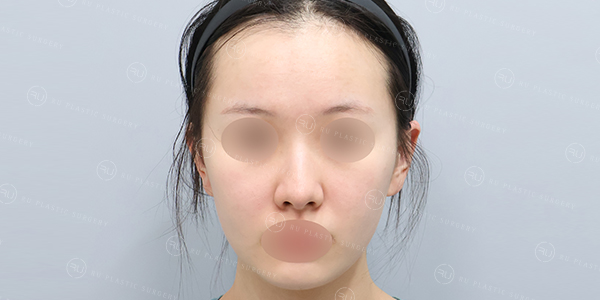
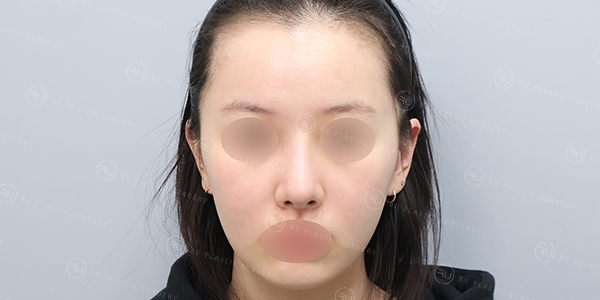
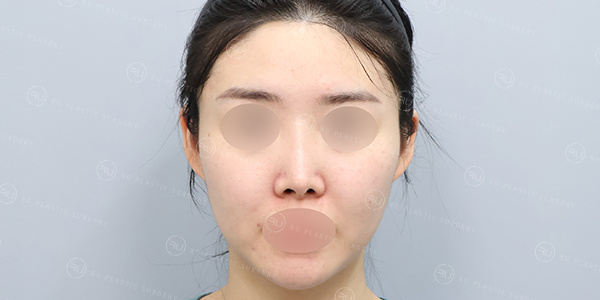
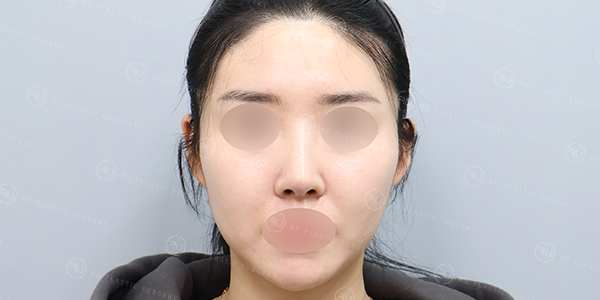
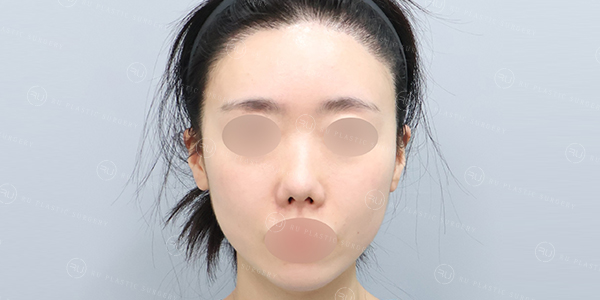
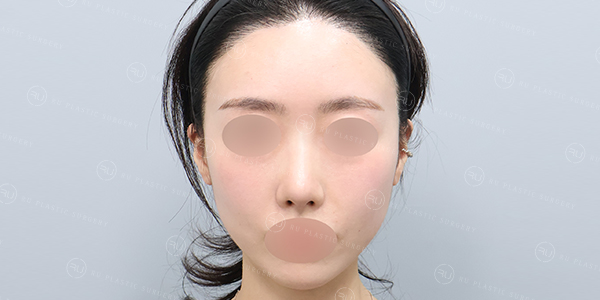
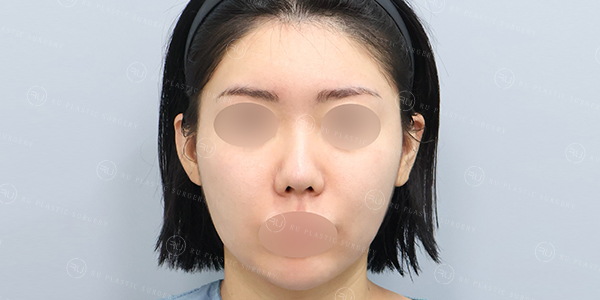
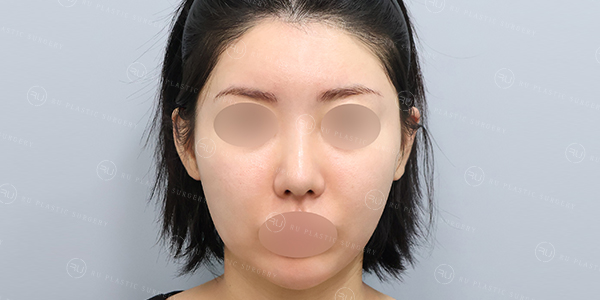
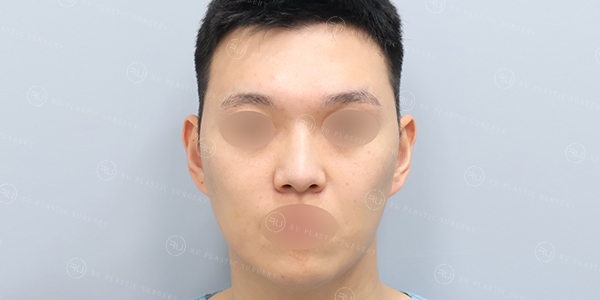
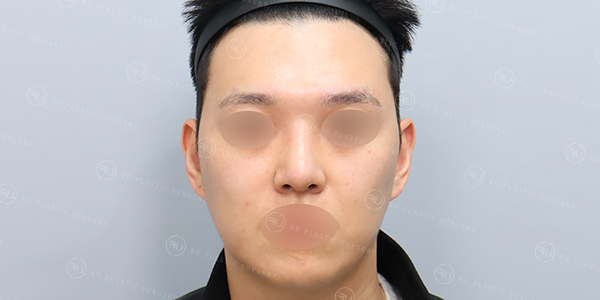
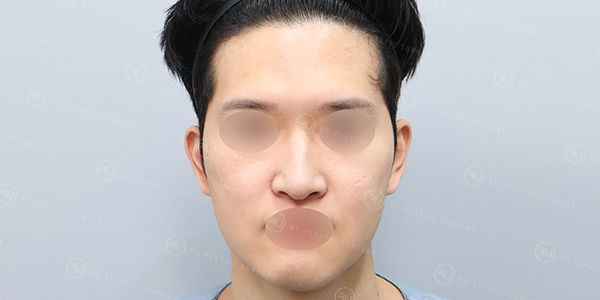
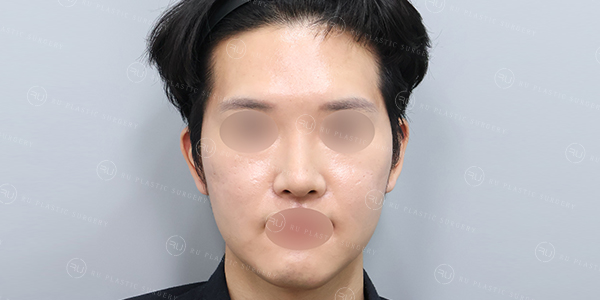
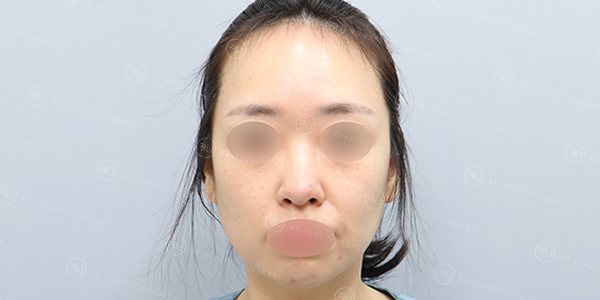
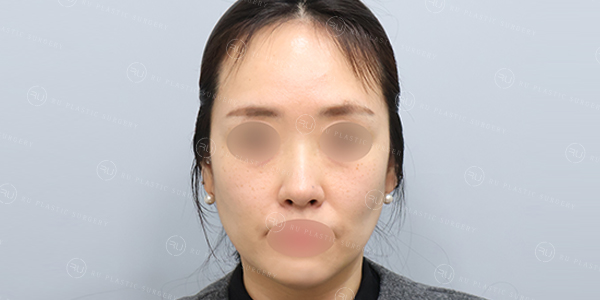
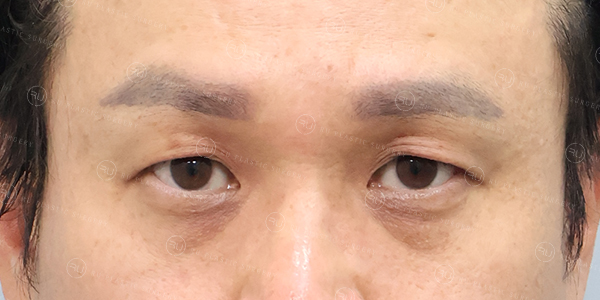
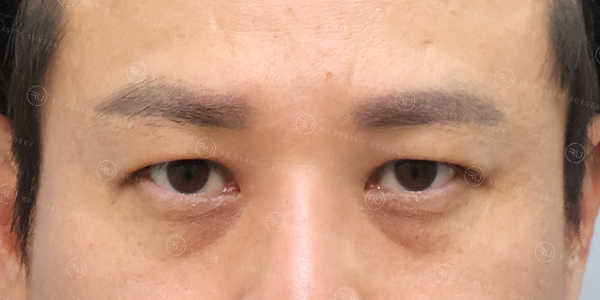
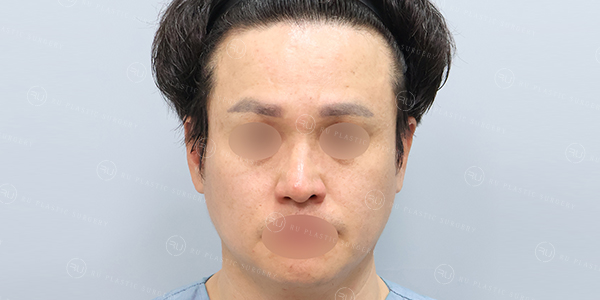
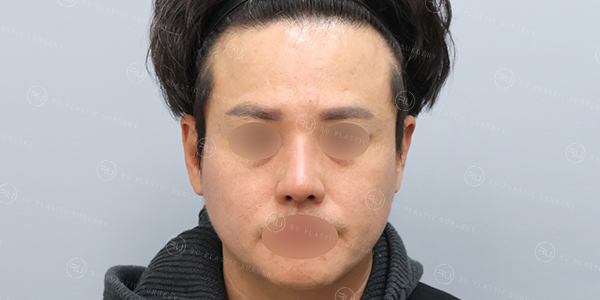
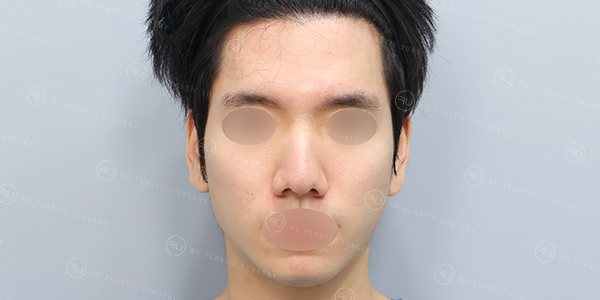
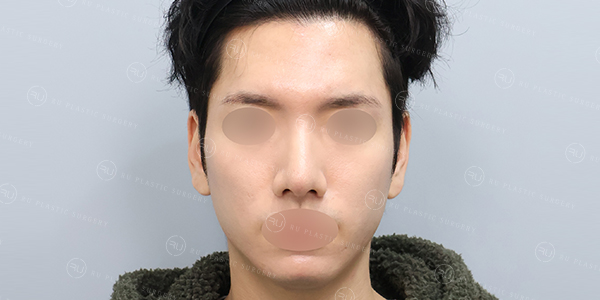
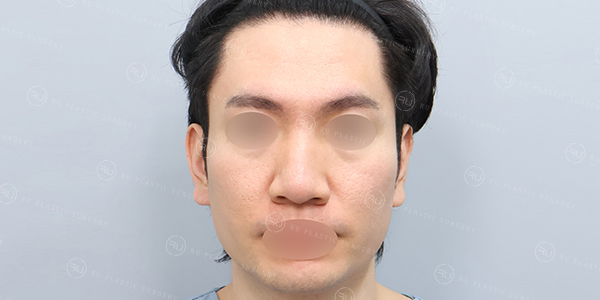
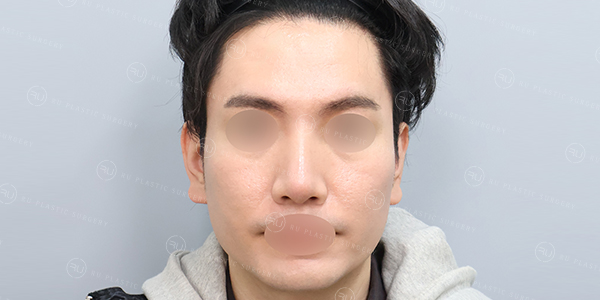
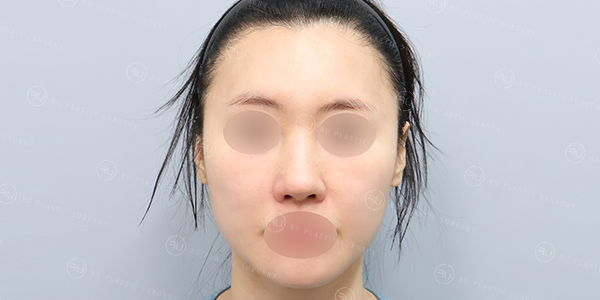
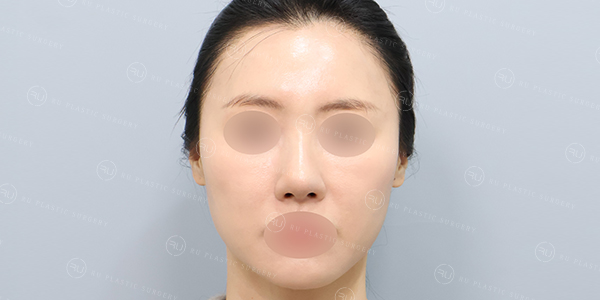
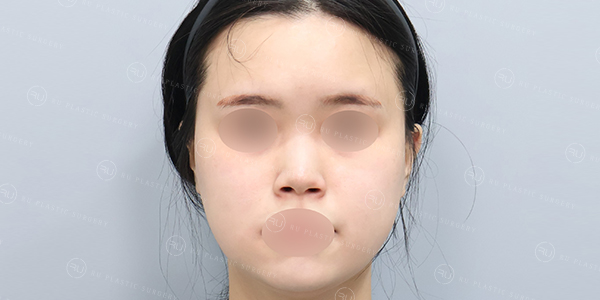
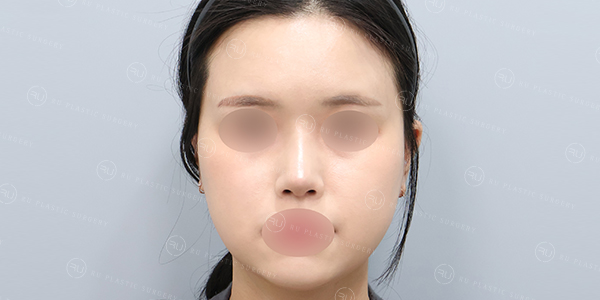
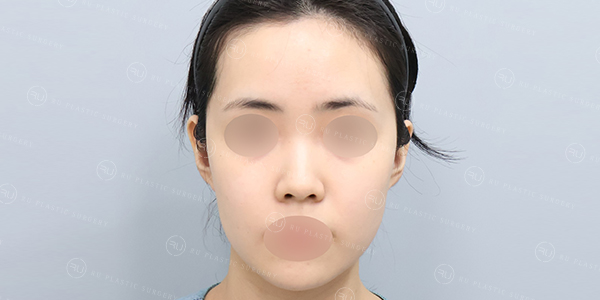
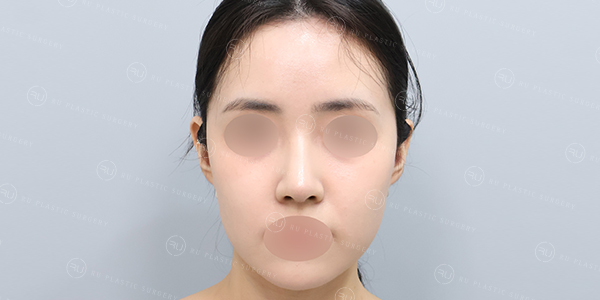
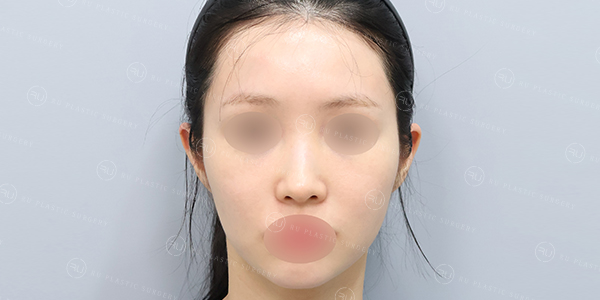
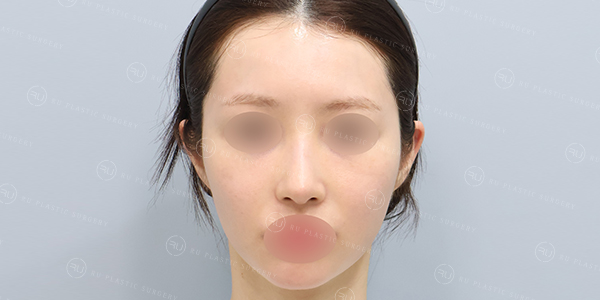
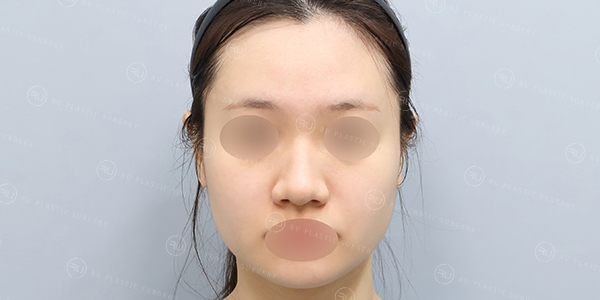
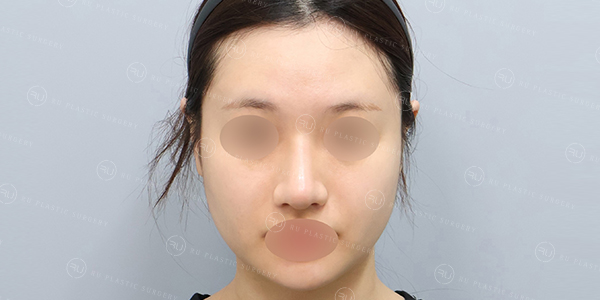
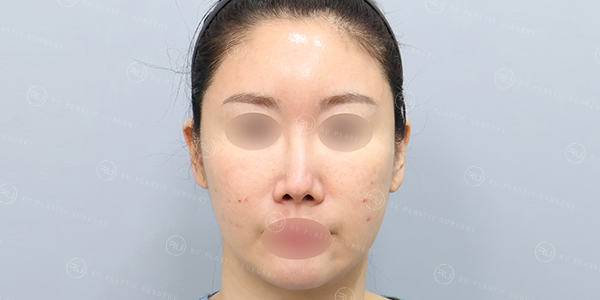
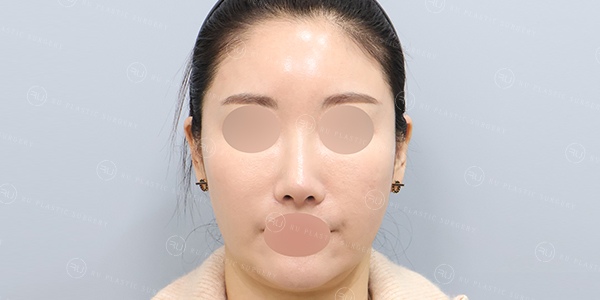
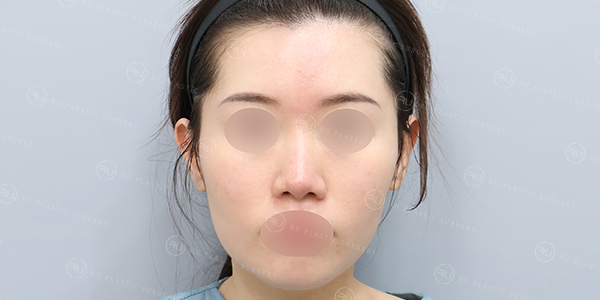
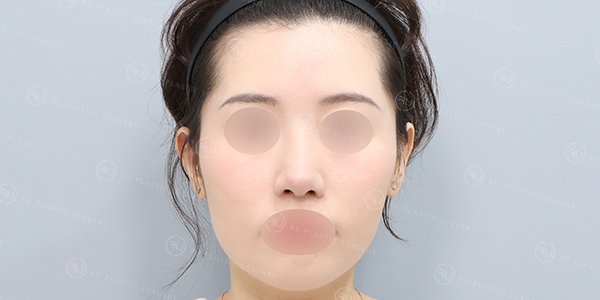
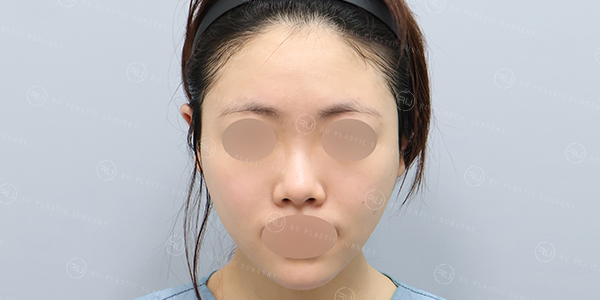
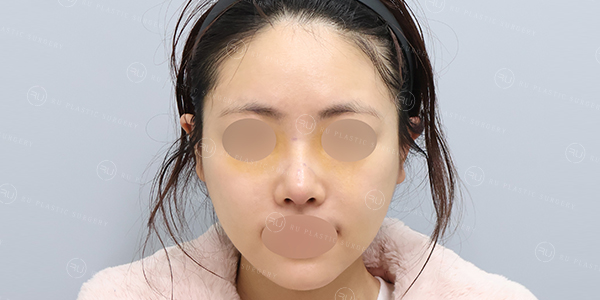
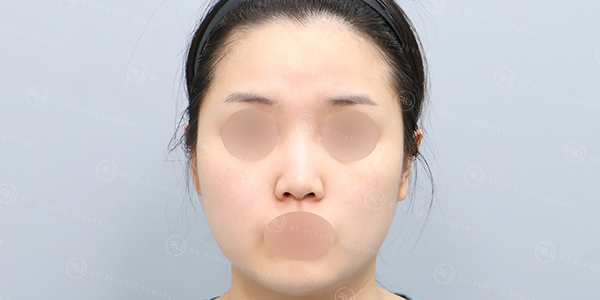
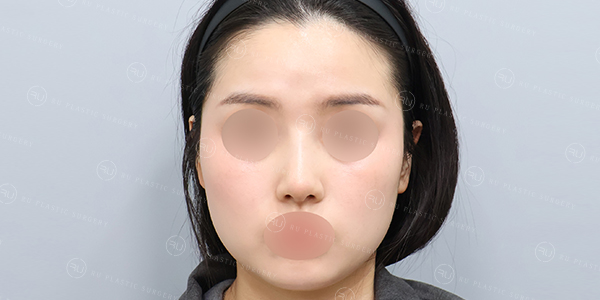
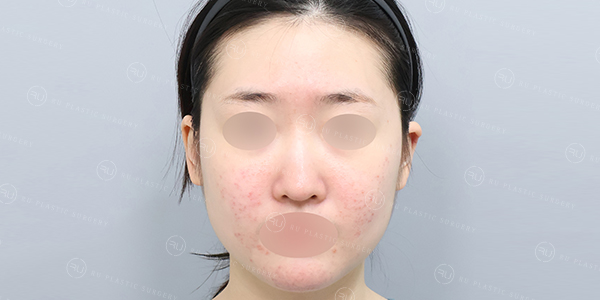
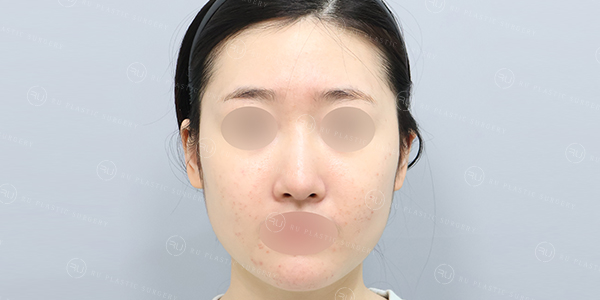
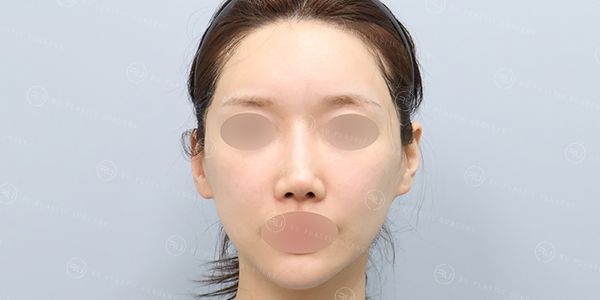
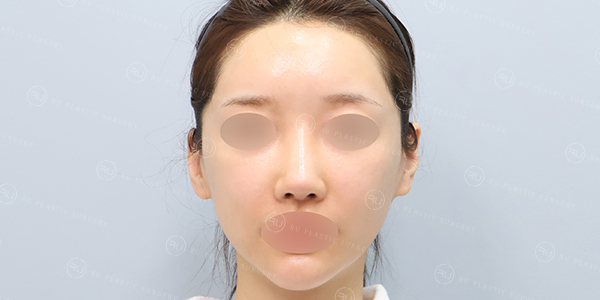
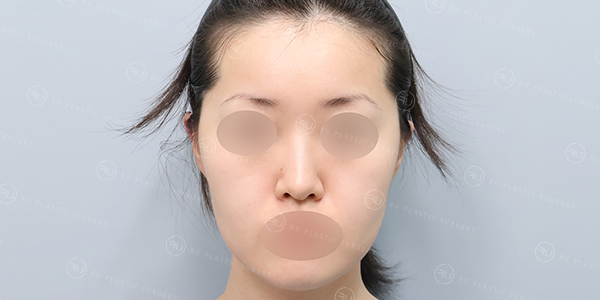
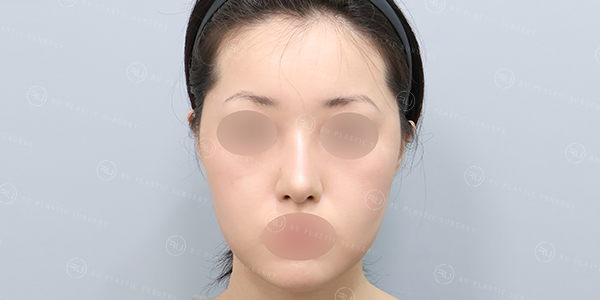
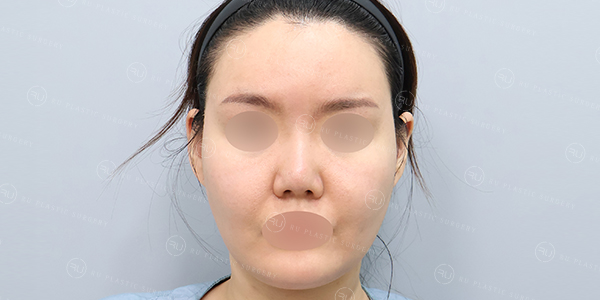
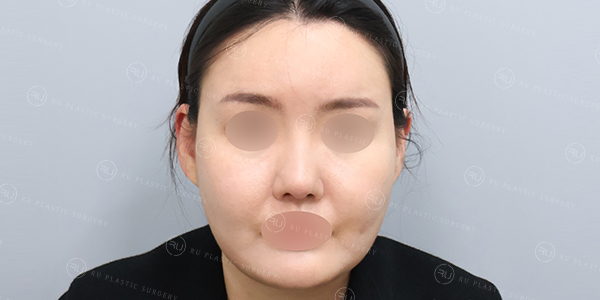
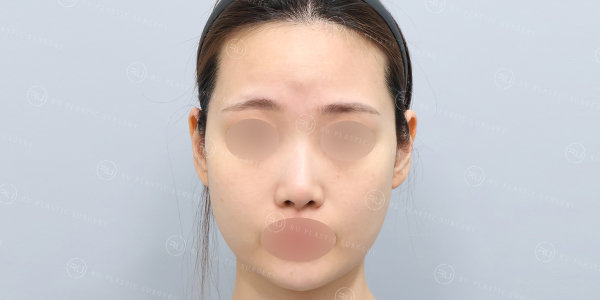
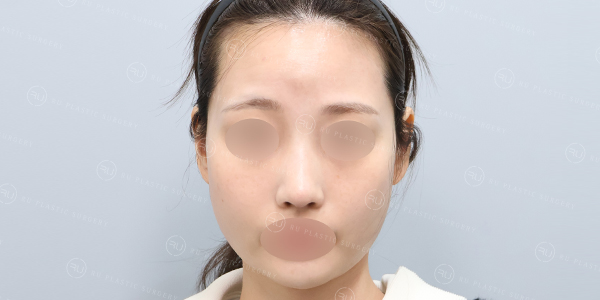
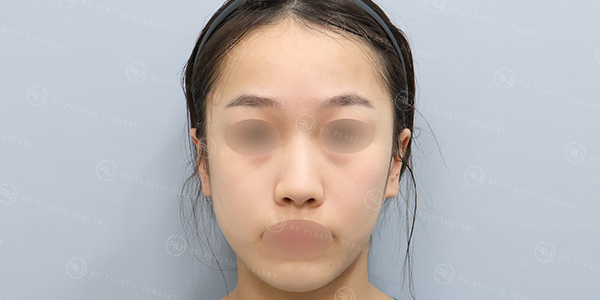
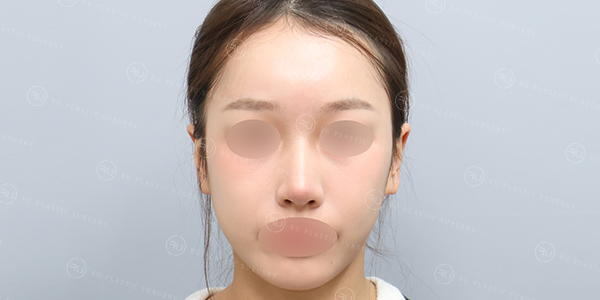
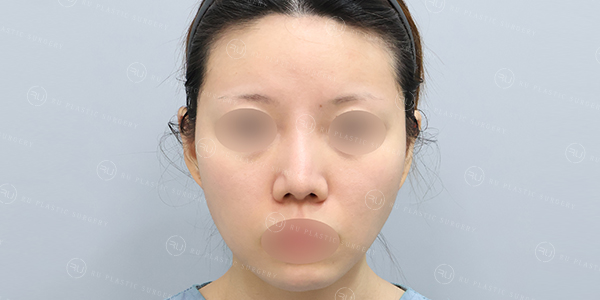
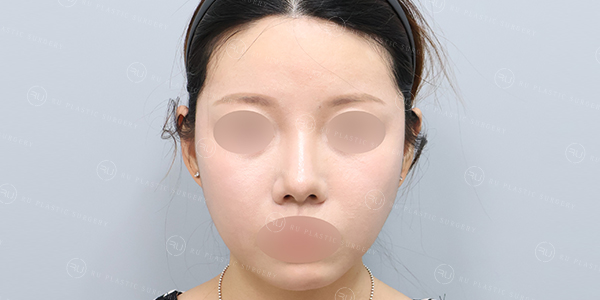
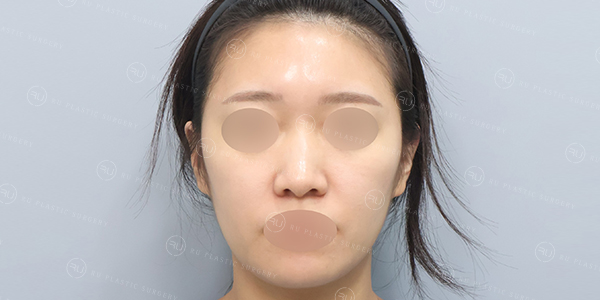
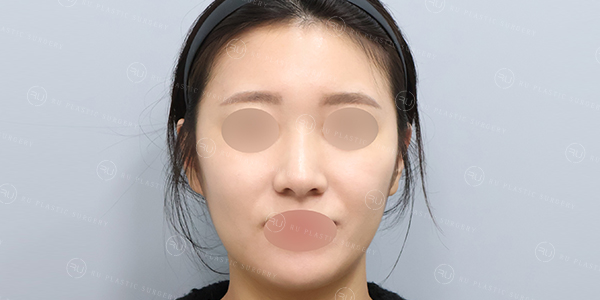
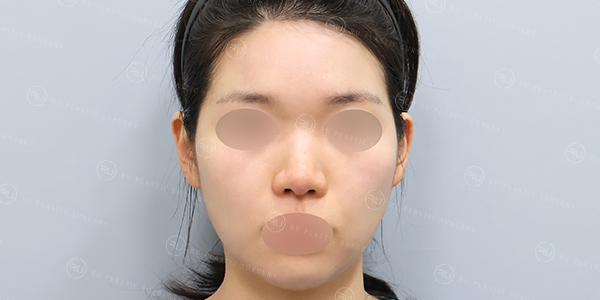
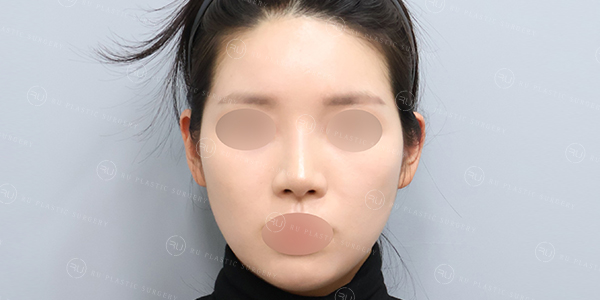
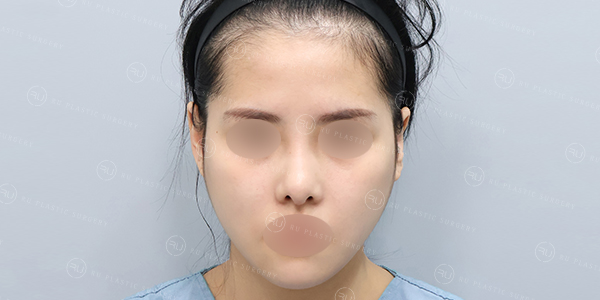
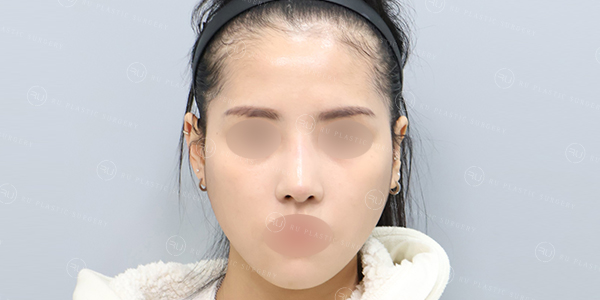
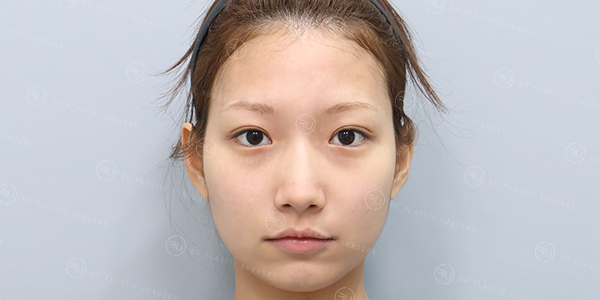
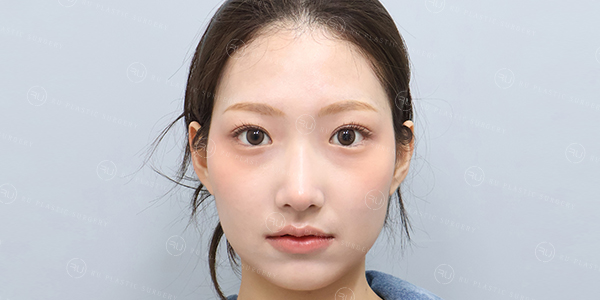
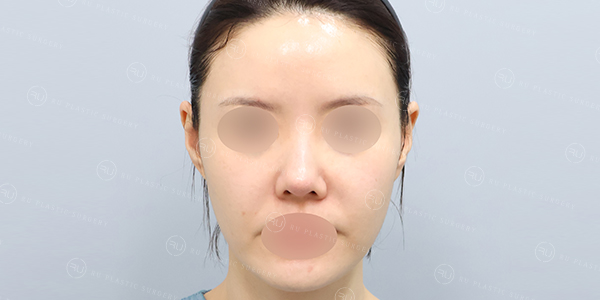
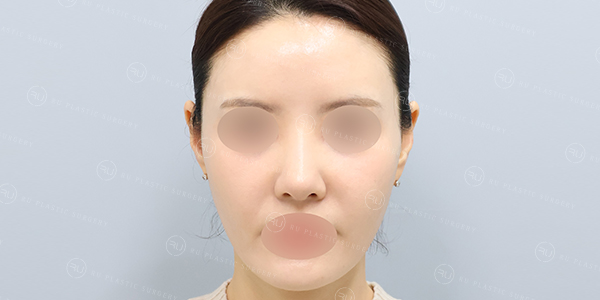
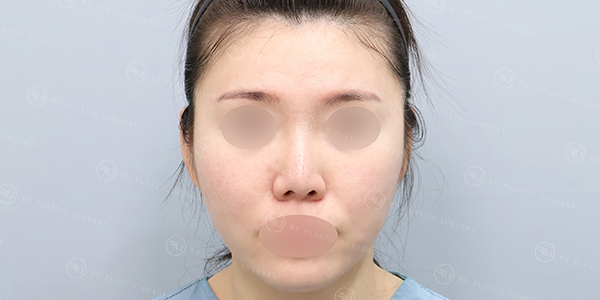
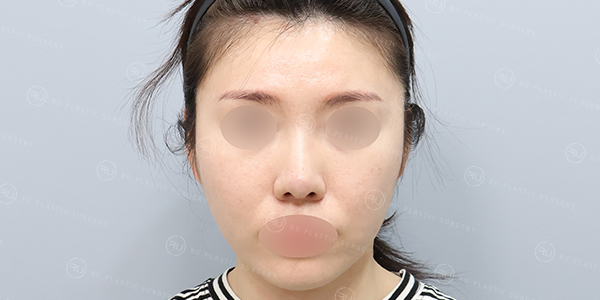
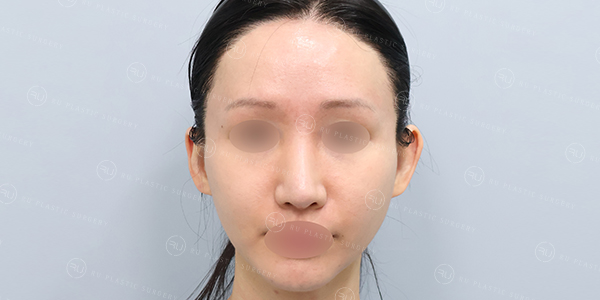
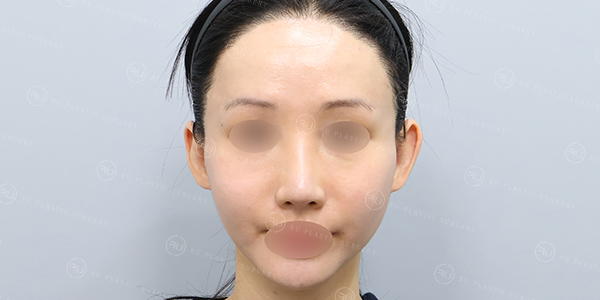
Before / 1m post-op
I underwent my first rhinoplasty approximately 10 years ago, and at the time,
the result was intentionally very natural. However, as the years passed, I gradually began to notice that my nose appeared slightly deviated.
It became something I noticed every time I looked in the mirror, so I eventually decided to undergo revision rhinoplasty to achieve a more refined and balanced appearance.
Rather than wanting a dramatic transformation,
my goal was to maintain a natural appearance while creating a softer and more attractive nasal tip with a gently rounded contour.
Because this was a revision procedure, I was extremely careful when choosing a clinic.
While researching extensively through online plastic surgery communities, patient reviews,
and YouTube vlogs, I came across RU Plastic Surgery repeatedly.
Since I approached this surgery with the mindset that I wanted it to be my final rhinoplasty,
I spent considerable time comparing different options.
I was particularly reassured by the clinic’s emphasis on surgical safety, but more importantly,
I felt that the natural aesthetic style of their results closely matched what I personally wanted.
This ultimately led me to schedule my surgery at RU Plastic Surgery.
During my consultation with Dr. Hyunju Kim, I explained the specific result I was hoping to achieve.
I wanted the transition from my forehead to the nasal bridge to appear smooth and continuous without an abrupt change in angle.
I also wanted to maintain a softly rounded nasal tip rather than creating an excessively sharp or pointed appearance.
Dr. Kim understood these preferences clearly,
and my revision surgery was planned using silicone for the nasal bridge and autologous rib cartilage for the nasal tip,
along with nasolabial angle correction.
The early recovery period was somewhat slower than I had expected,
which honestly made me quite concerned at first. At approximately 10 days after surgery, some blood had accumulated along the nasal bridge and was aspirated at the clinic.
I also still had noticeable bruising even after two weeks, so I felt somewhat anxious about the recovery process.
Fortunately, as more time passed, both the bruising and the more significant swelling gradually began to subside.
I am now four weeks postoperatively, and the nasal bridge has developed into the smooth and natural contour I wanted.
I am also very pleased with the softly rounded and refined shape of the nasal tip.
There is still some overall swelling remaining, and I currently notice slight asymmetry between the nostrils.
From the frontal view, there also appears to be a small difference in the vertical level of the nostrils.
Since I am still relatively early in the healing process, I feel that this may be related to uneven postoperative swelling,
so I plan to continue monitoring the changes as the swelling subsides over the next few months.
At four weeks after surgery, the recovery is still ongoing, but I am pleased with the natural direction in which the shape is developing.
For now, I plan to allow the tissues and residual swelling more time to settle and evaluate the result again around the three-month stage.
- 이전글 26.10.01 Ten Days After Revision Rhinoplasty with RU 3D Customized DCF
- 다음글 26.10.01 One Month After Male Functional Rhinoplasty