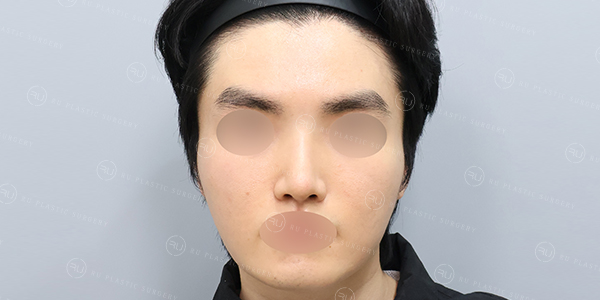
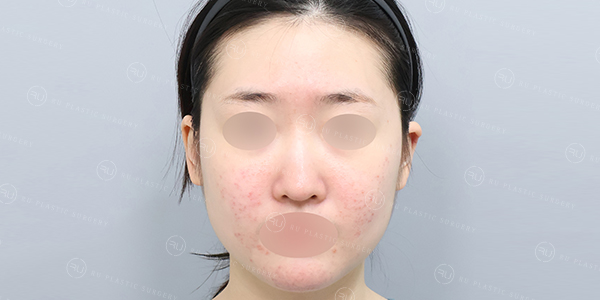
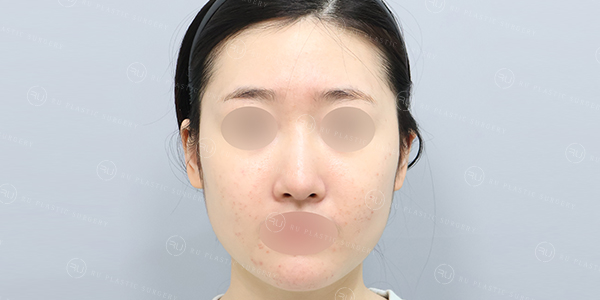
Two-Week Review After Revision Rhinoplasty and Functional Nasal Surgery for Rhinitis
본문
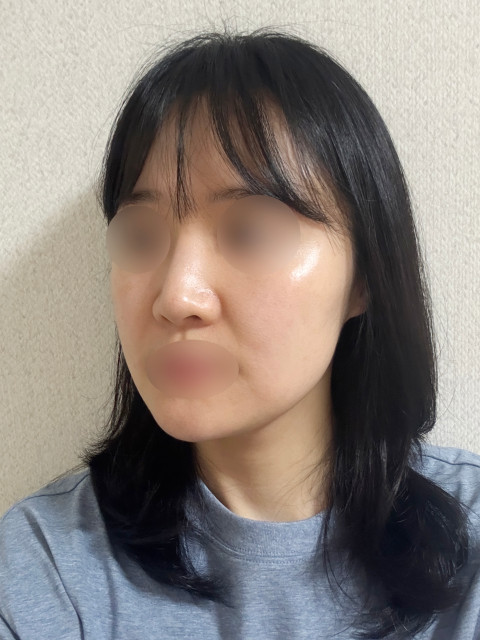
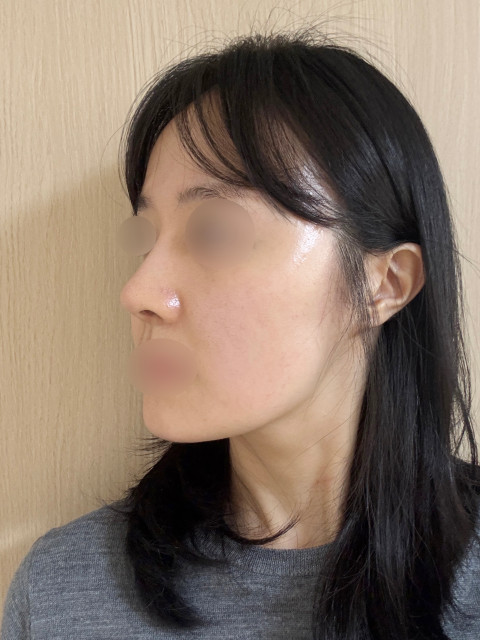
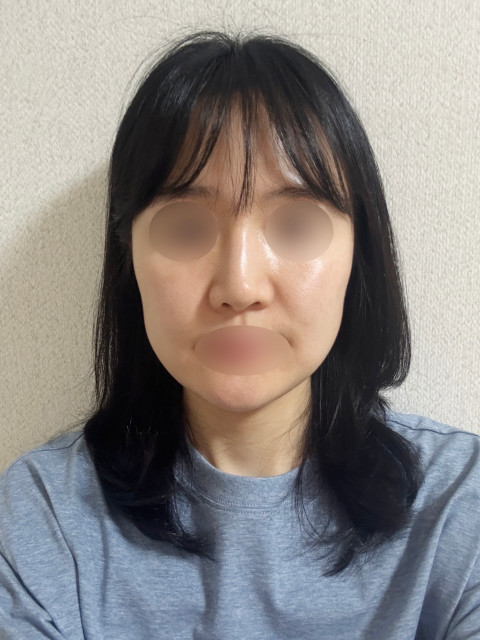
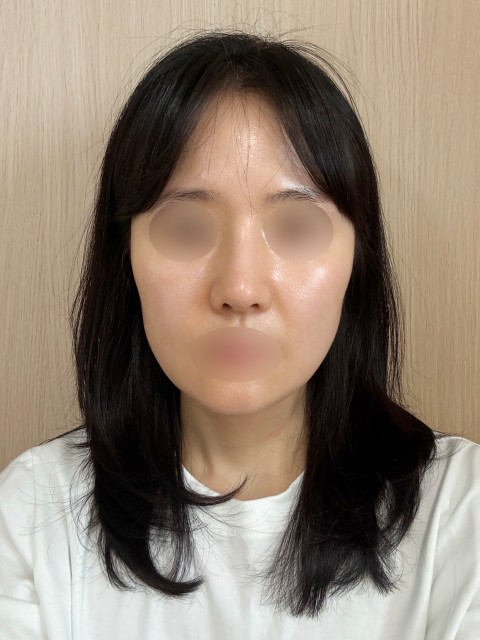
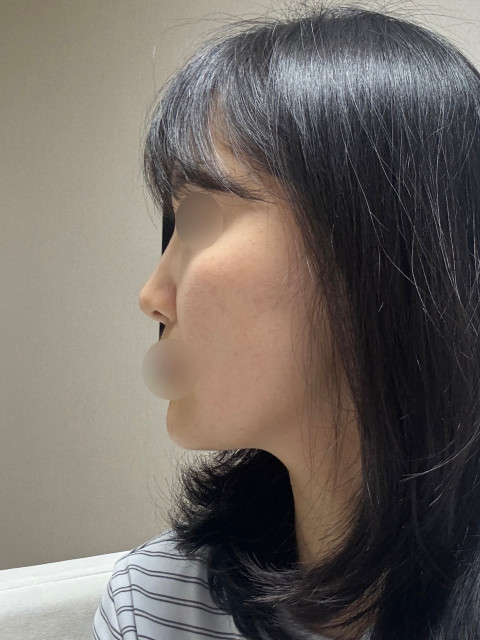
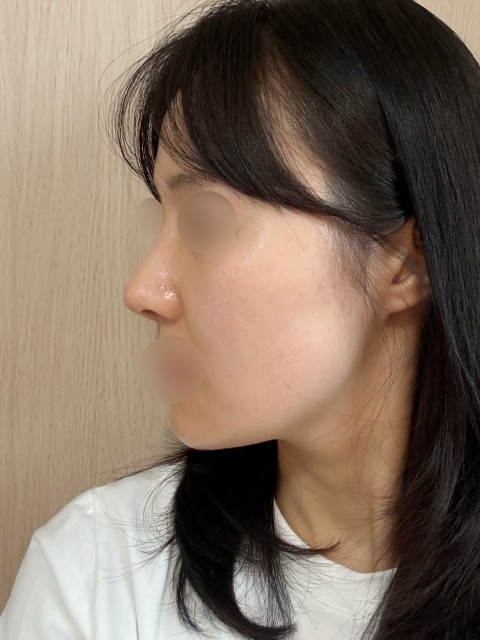
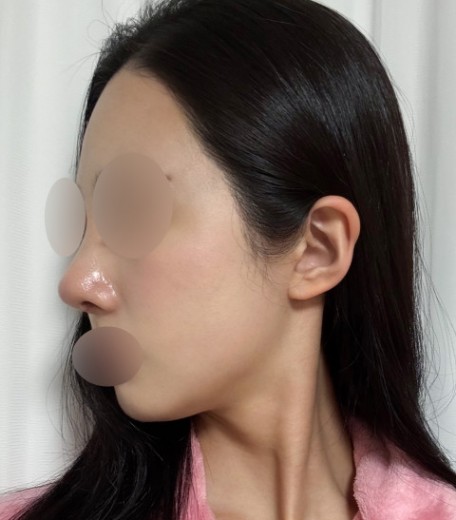
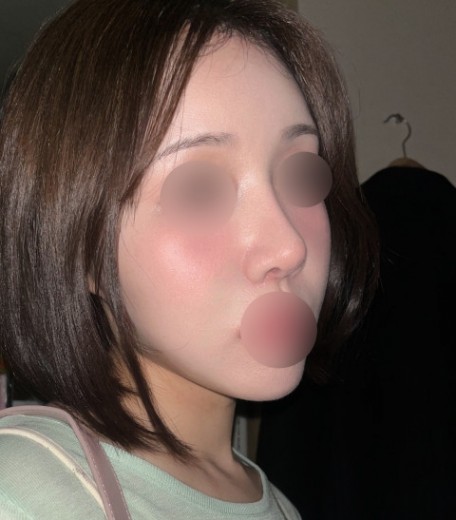
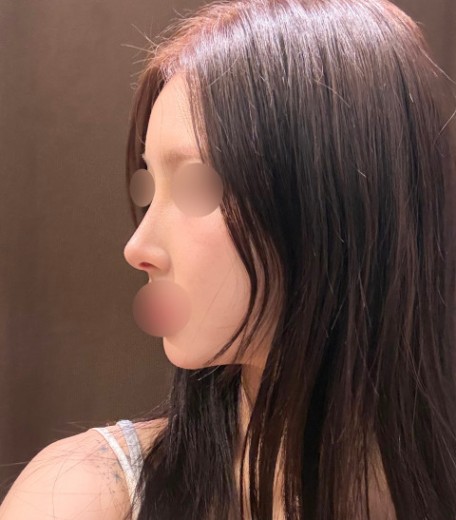
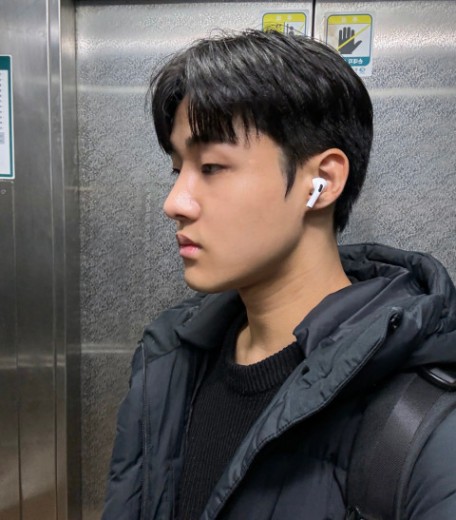
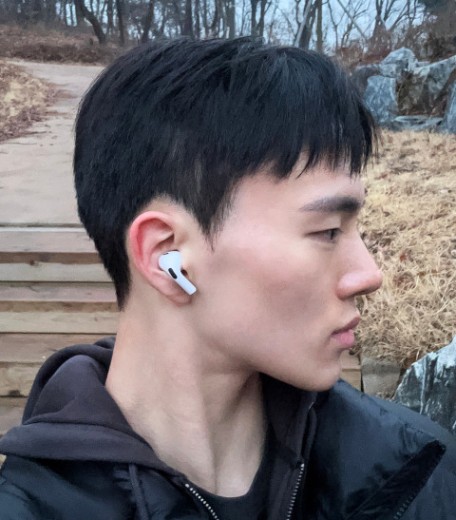
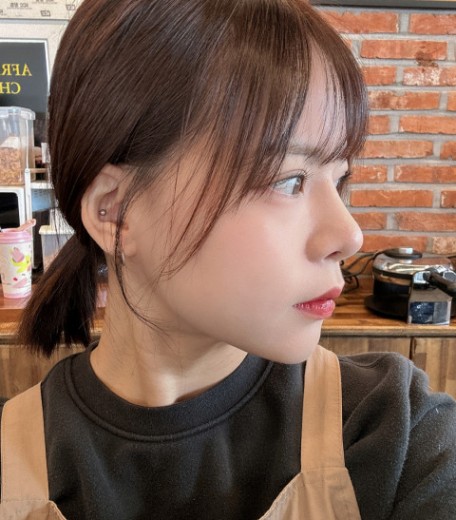
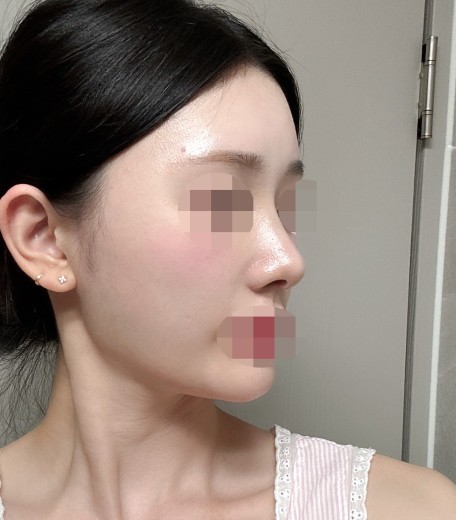
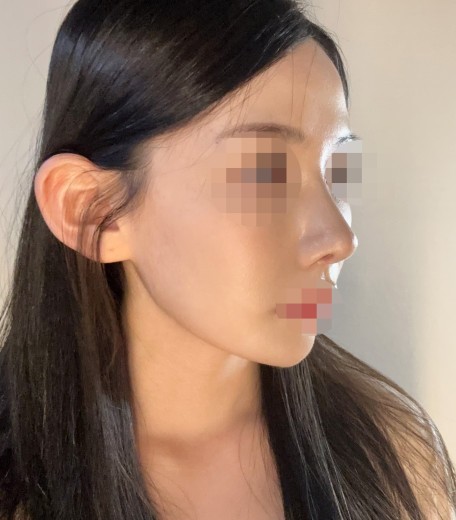
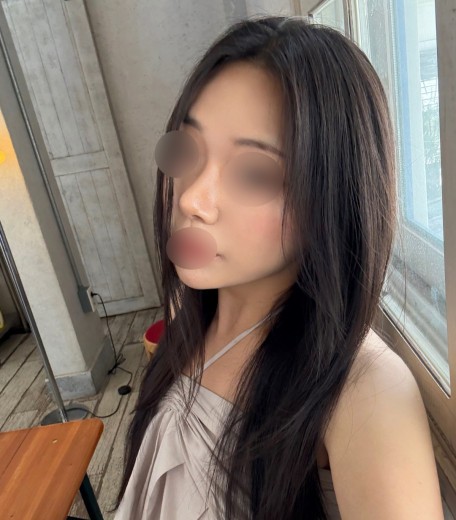
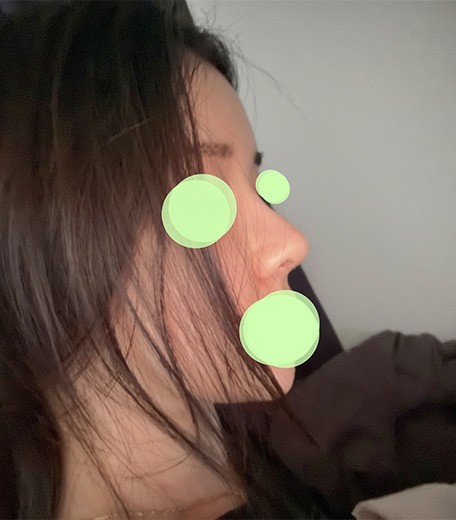
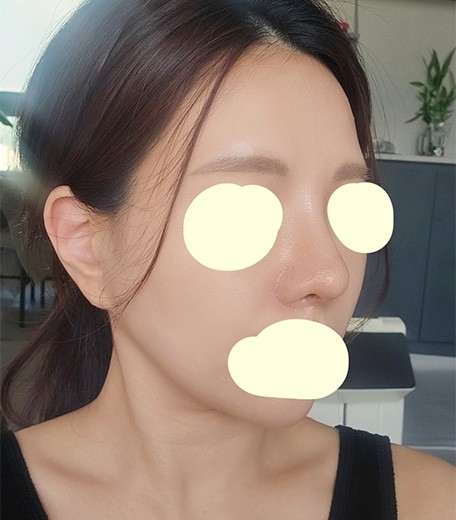
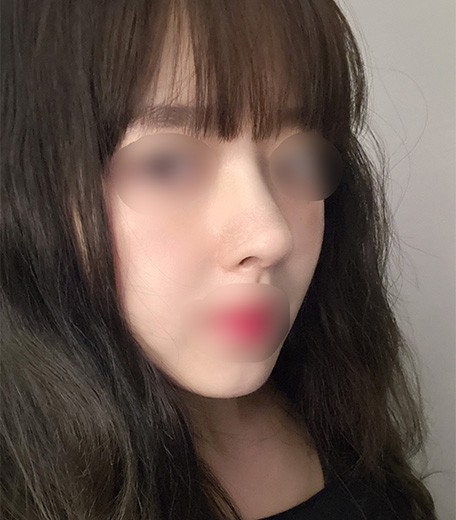
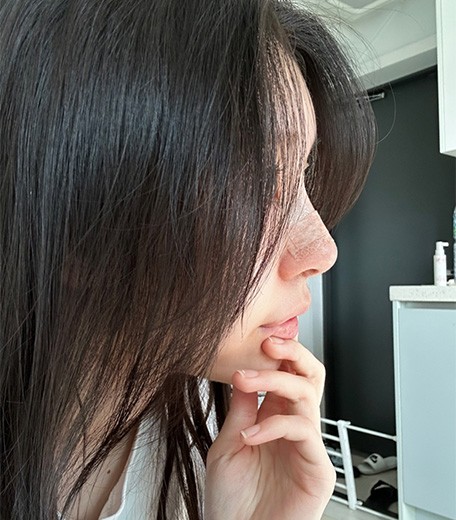
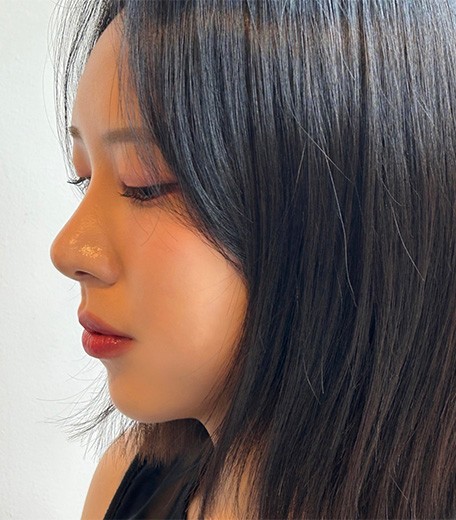
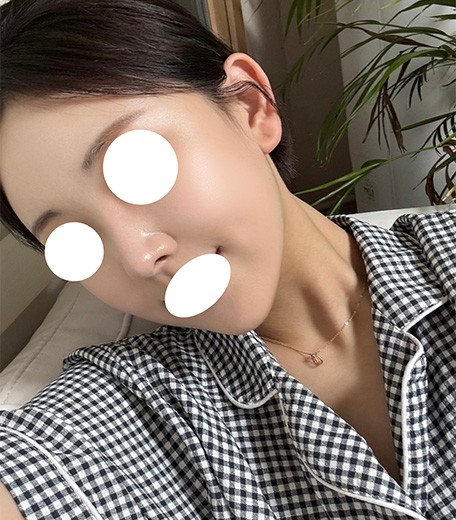
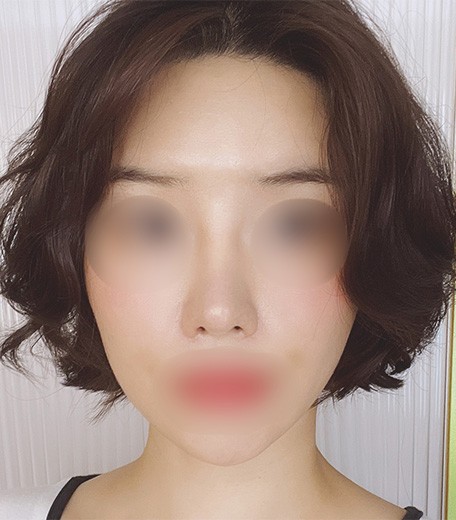
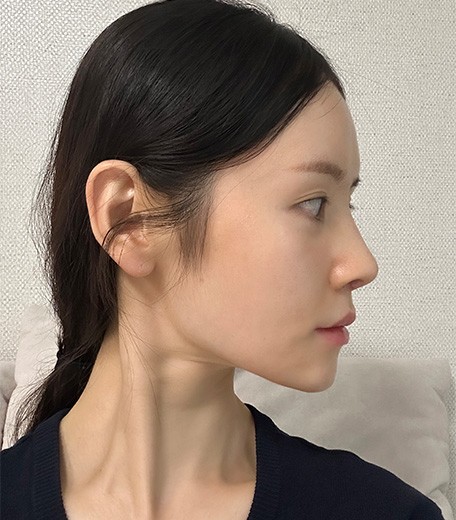
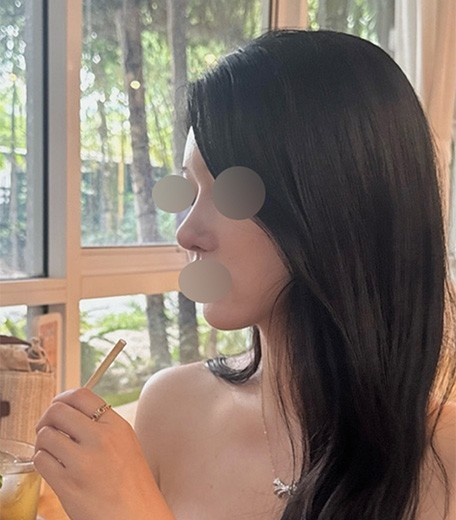
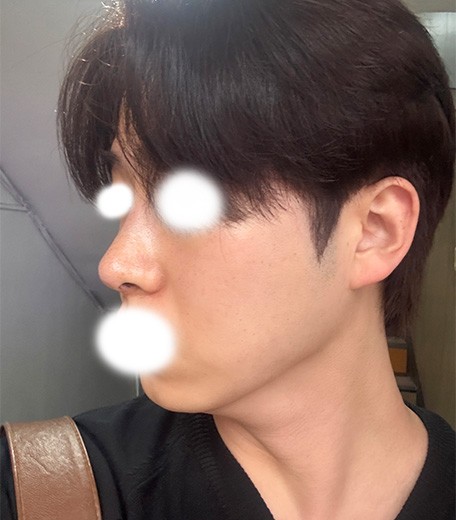
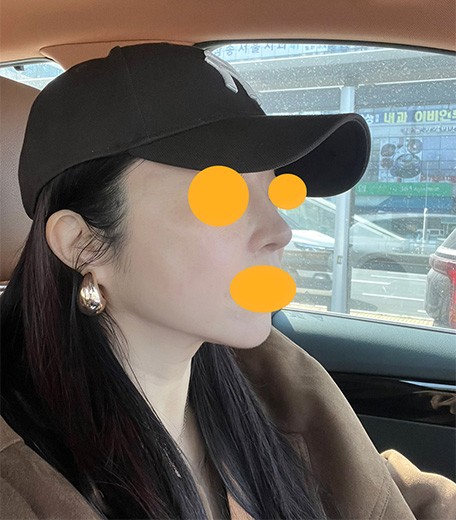
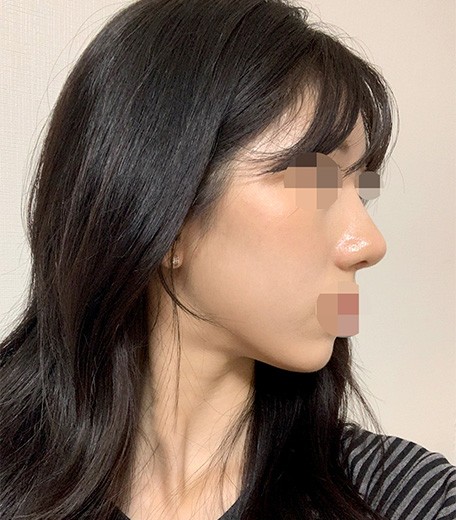
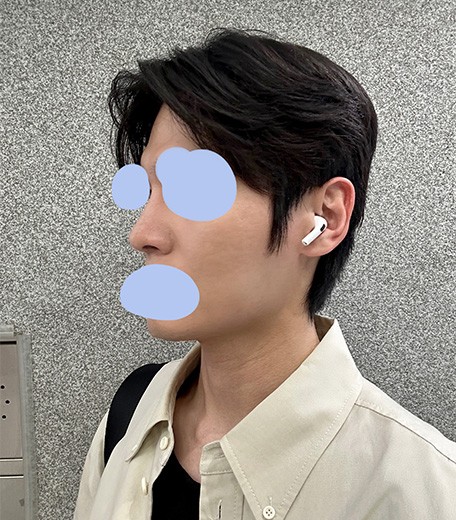
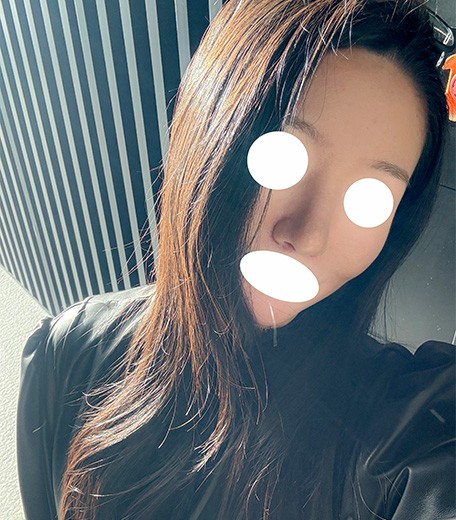
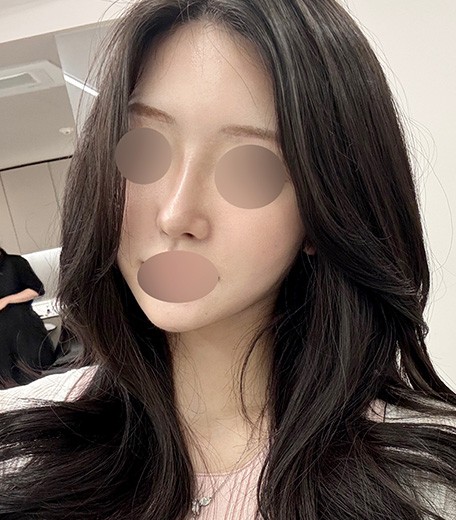
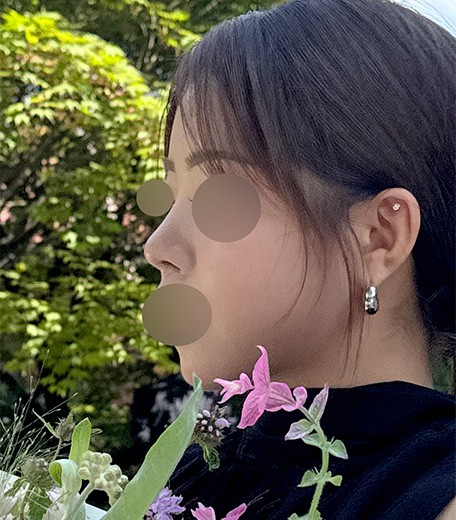
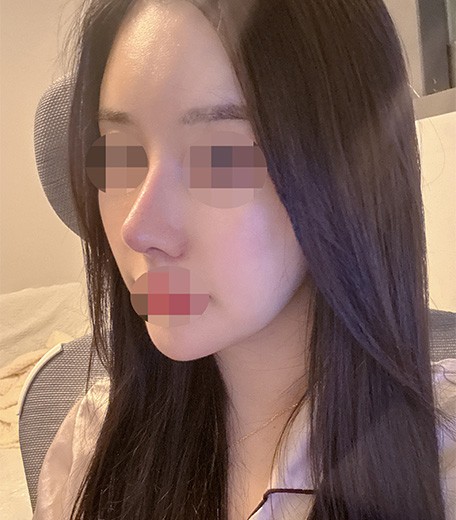
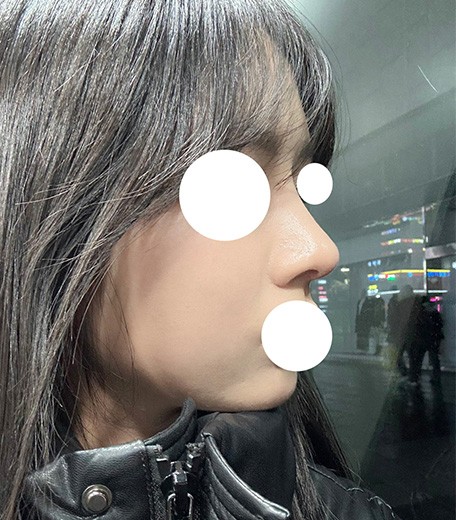
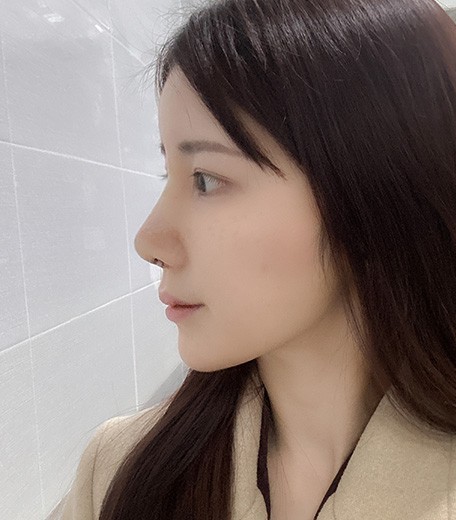
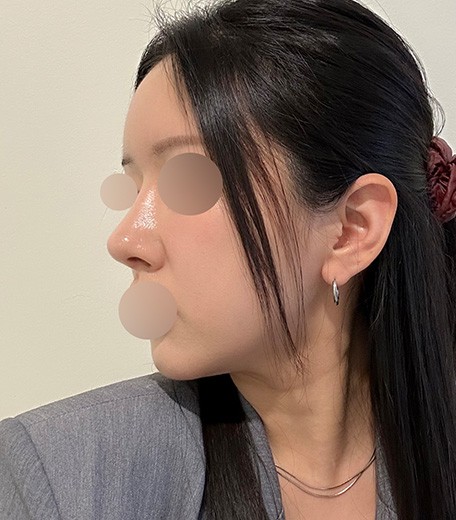
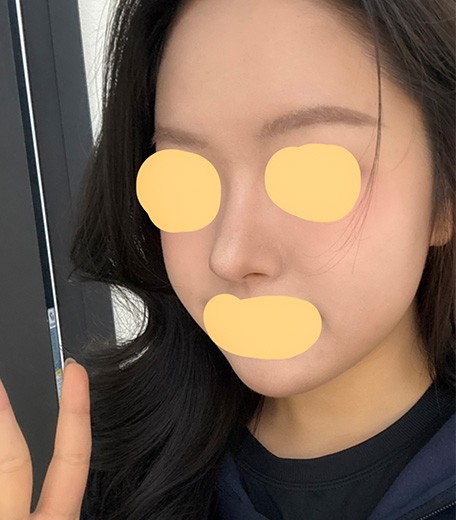
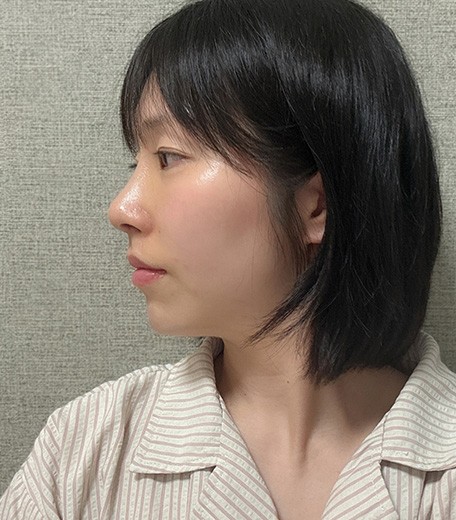
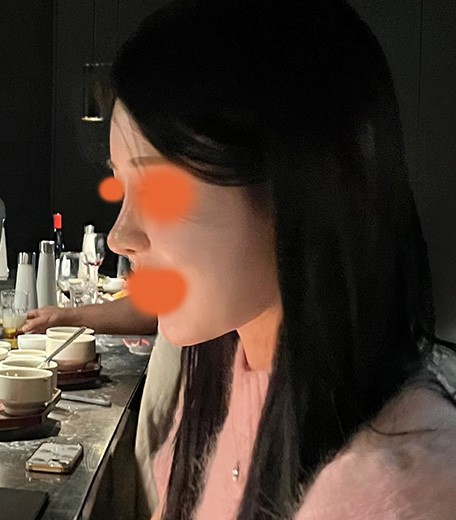
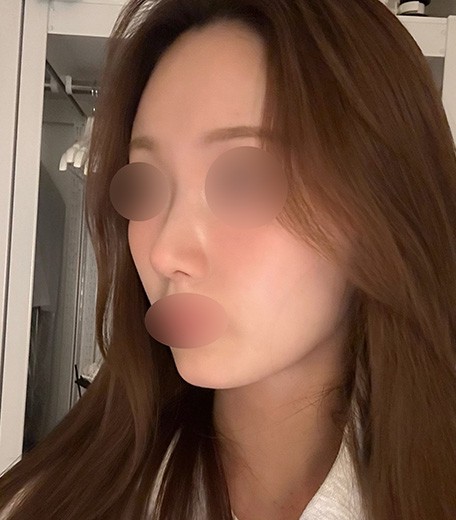
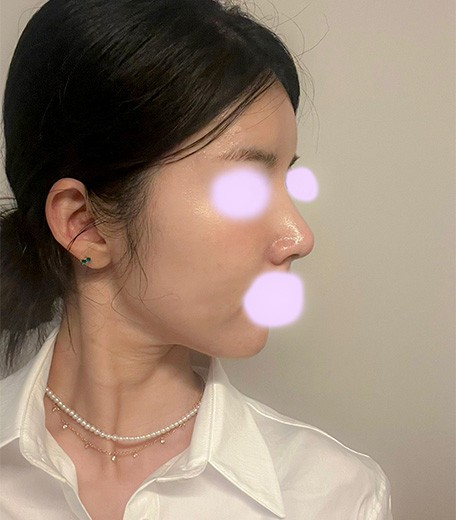
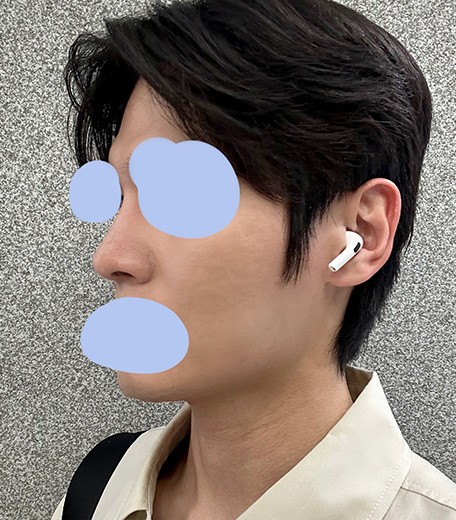
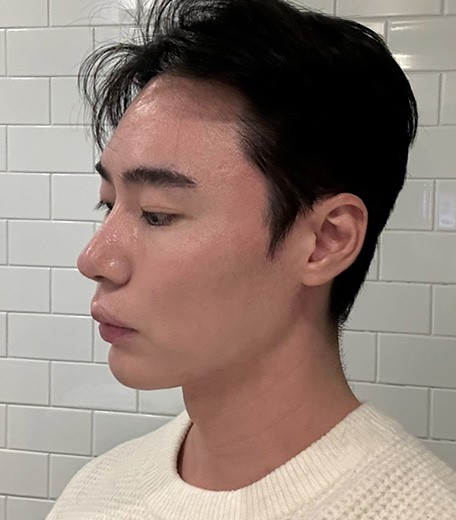
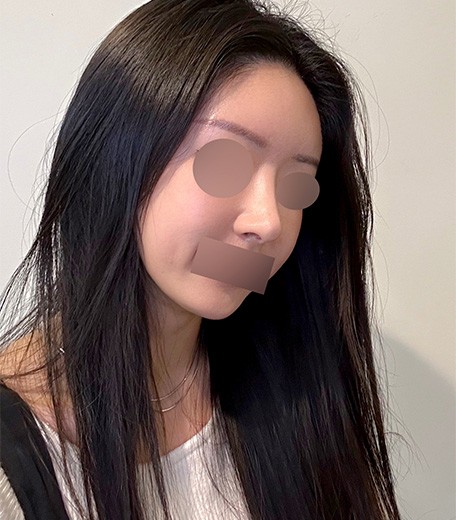
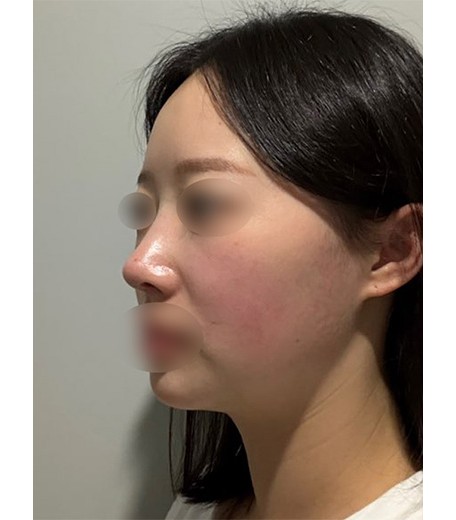
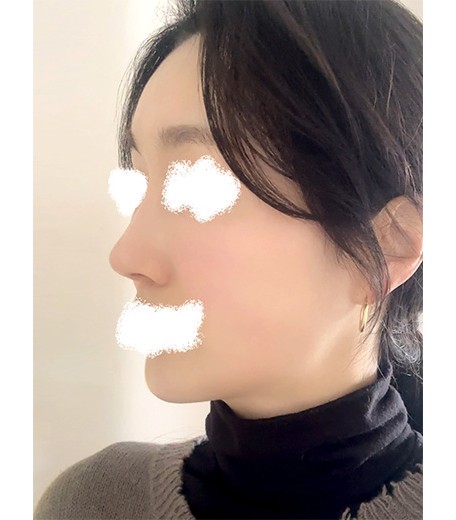
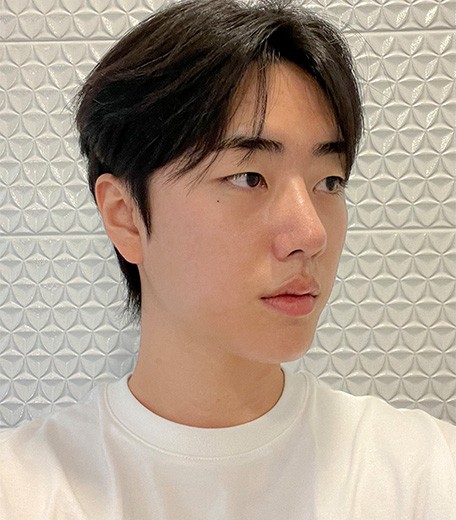
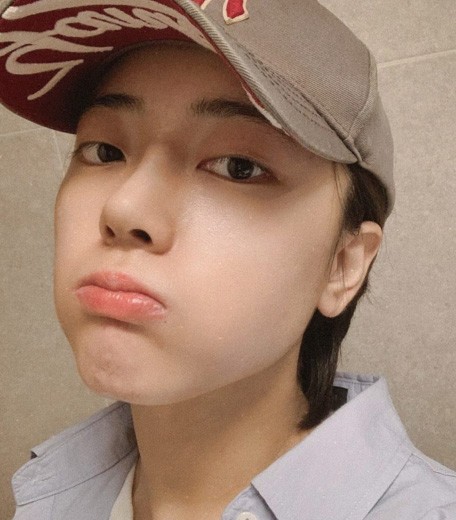
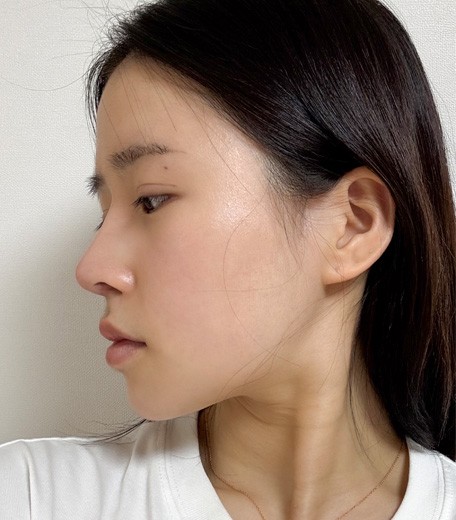
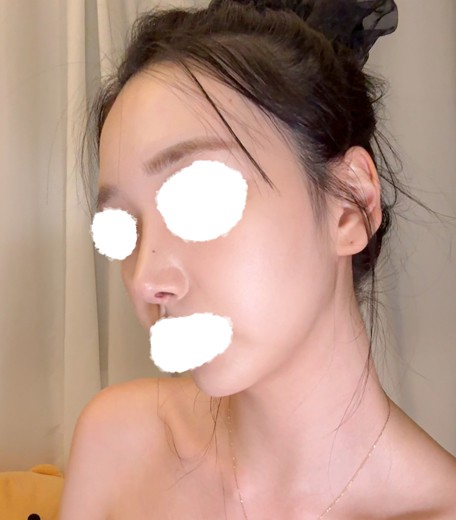
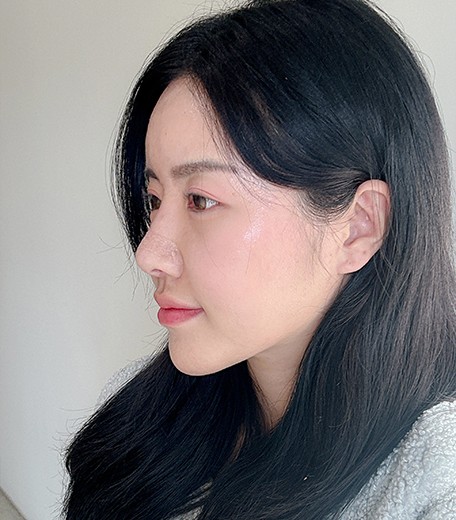
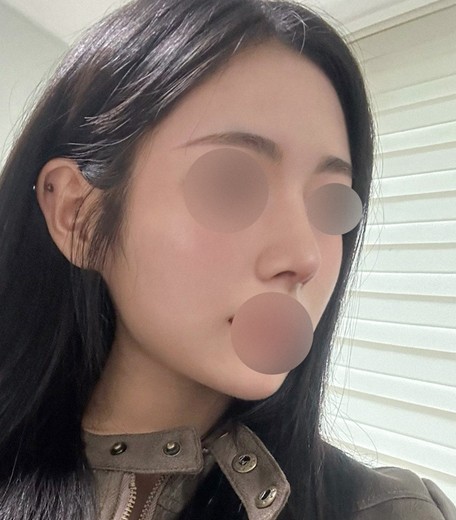
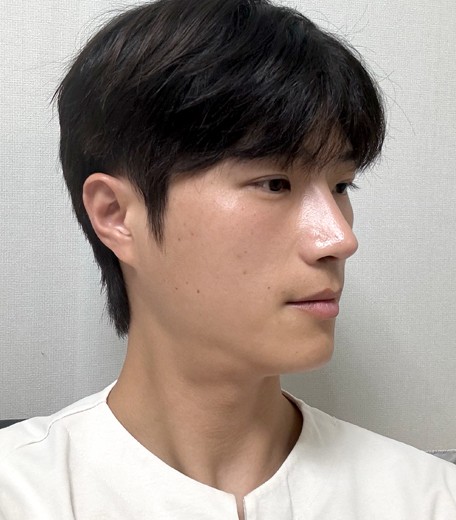
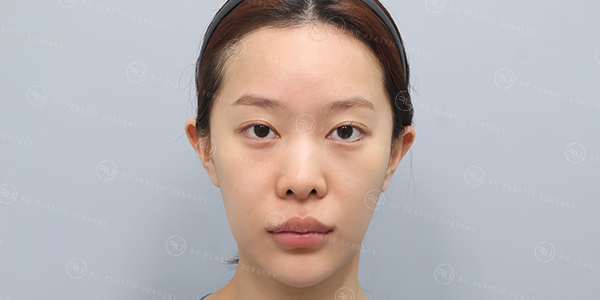
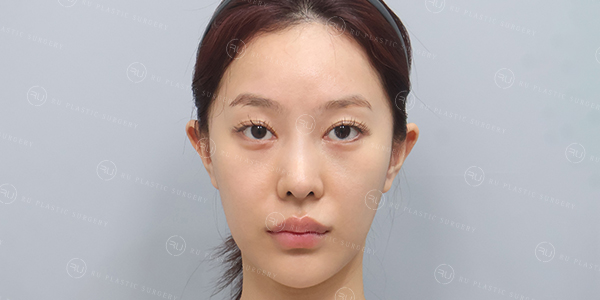
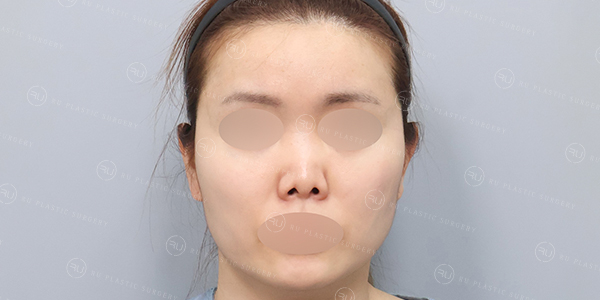
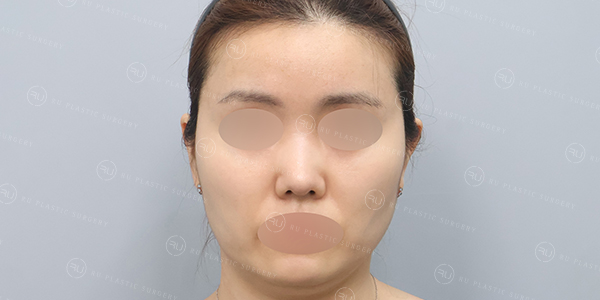
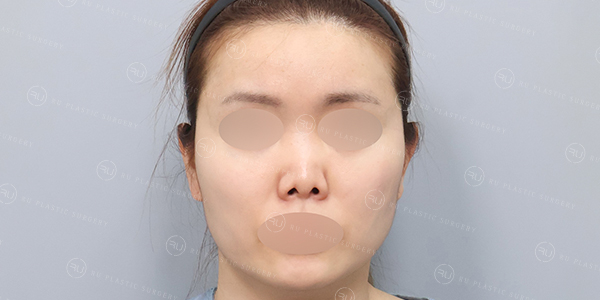
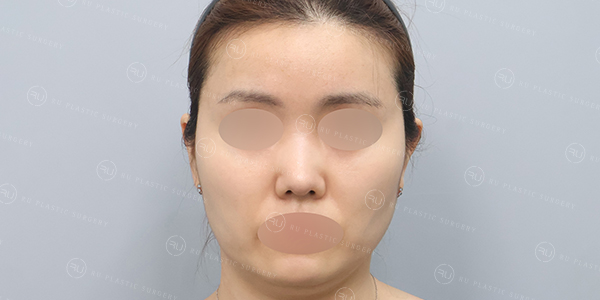
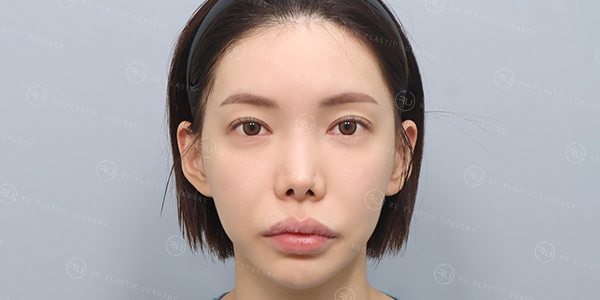
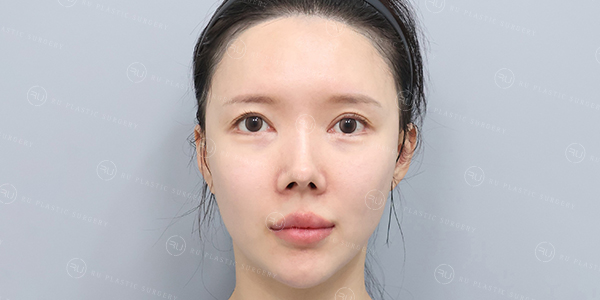
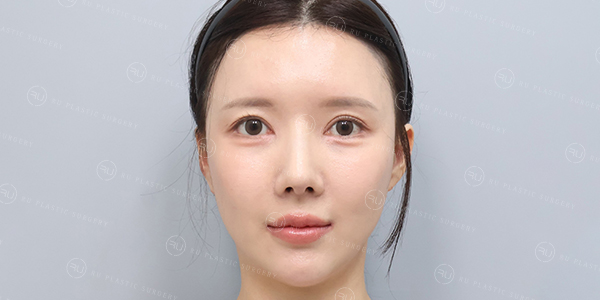
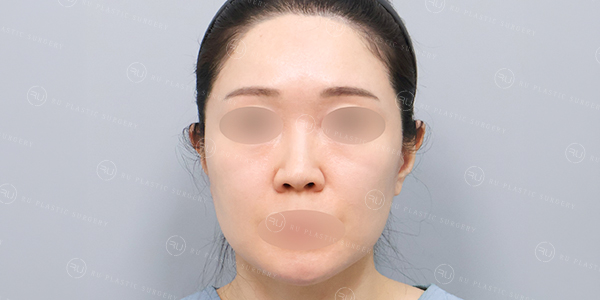
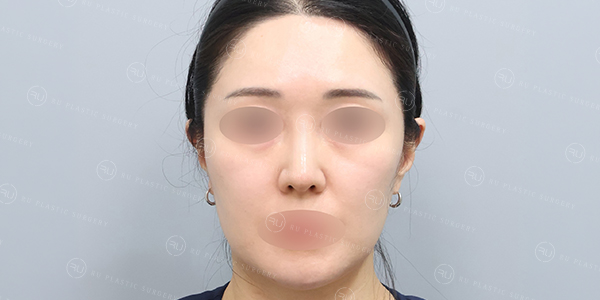
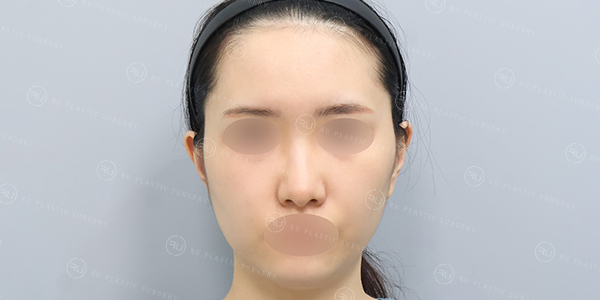
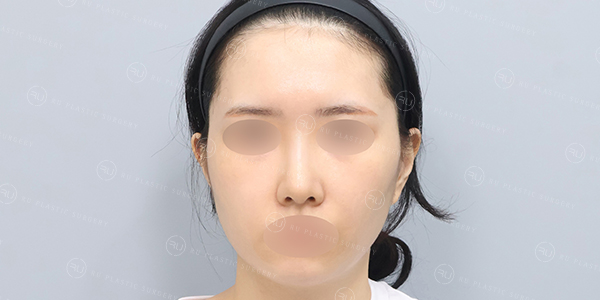
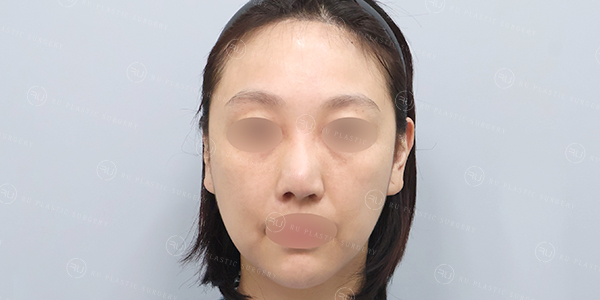
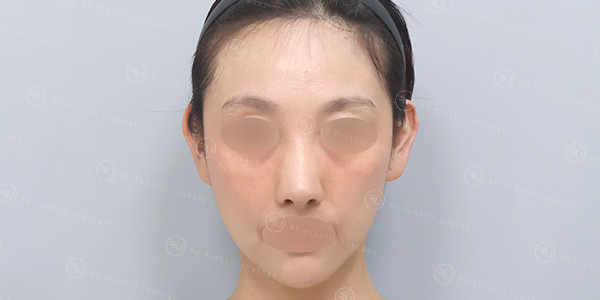
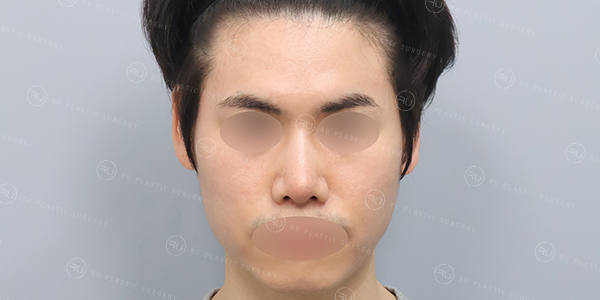
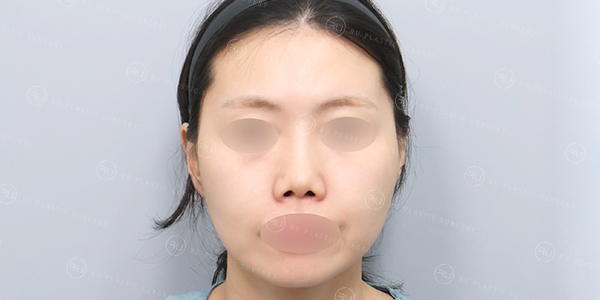
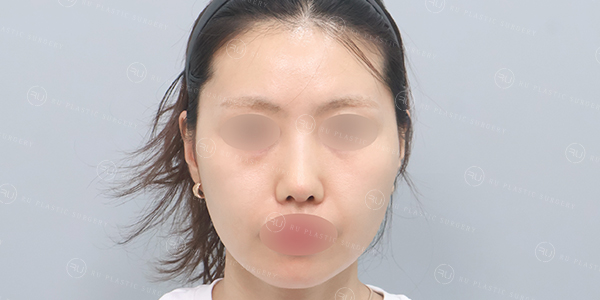
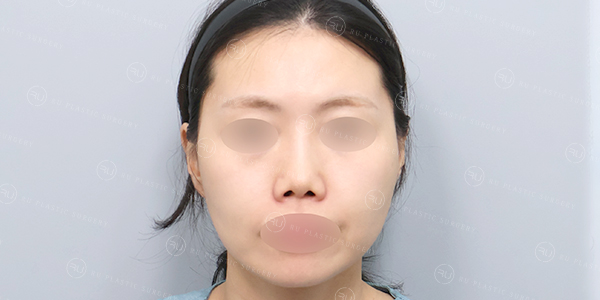
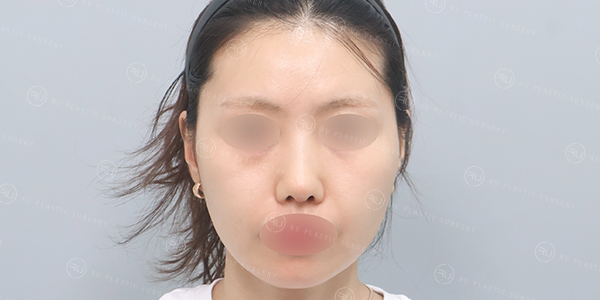
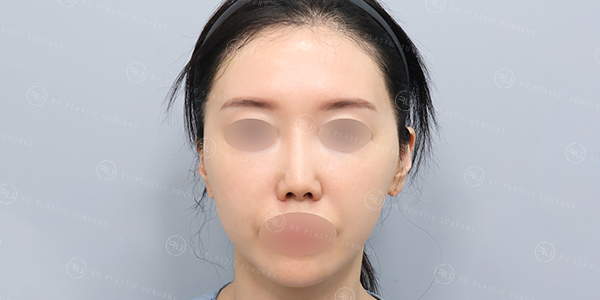
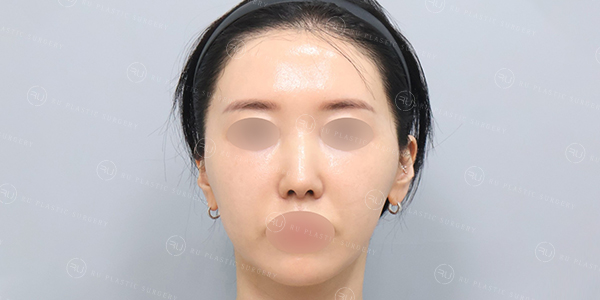
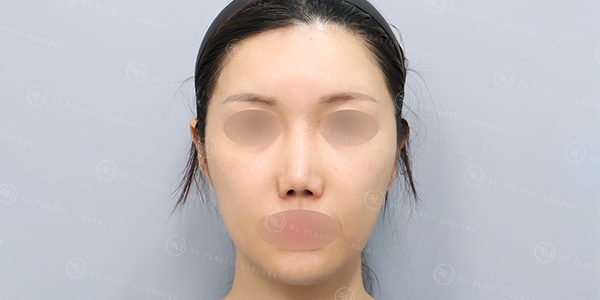
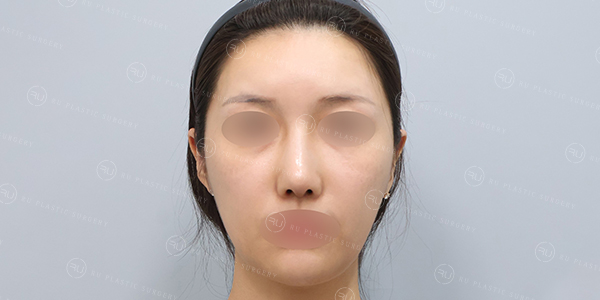
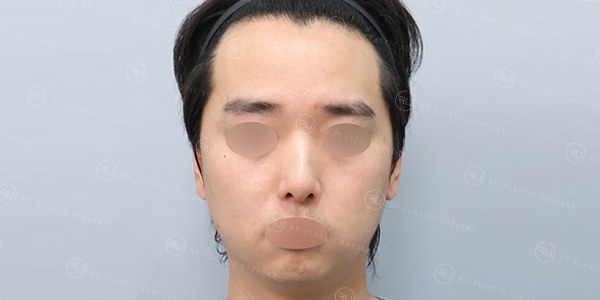
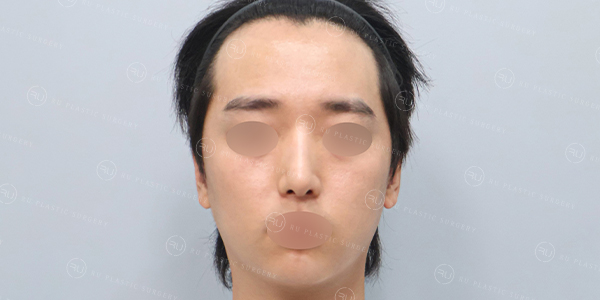
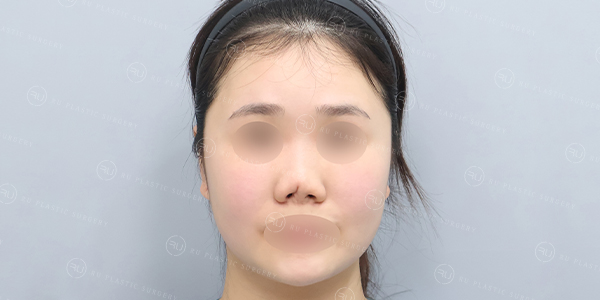
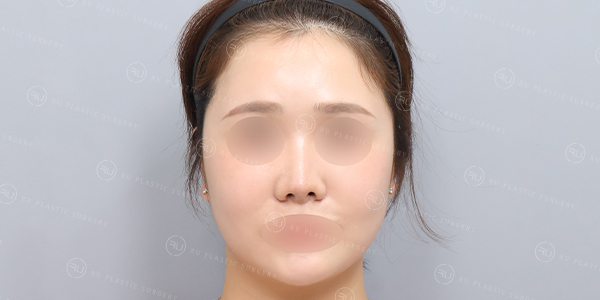
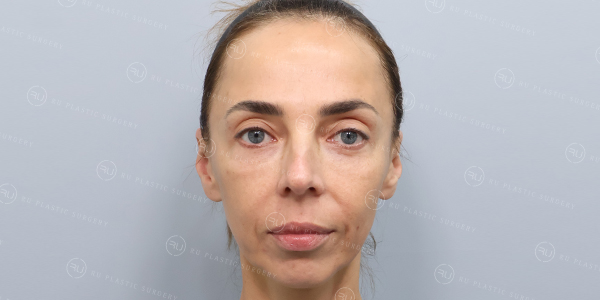
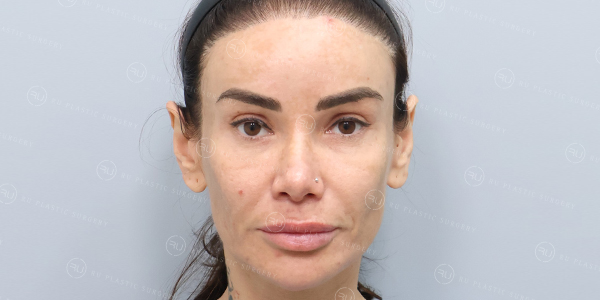
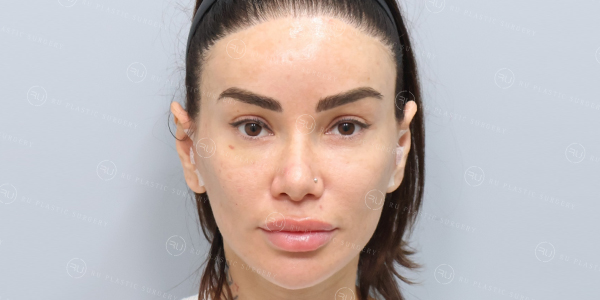
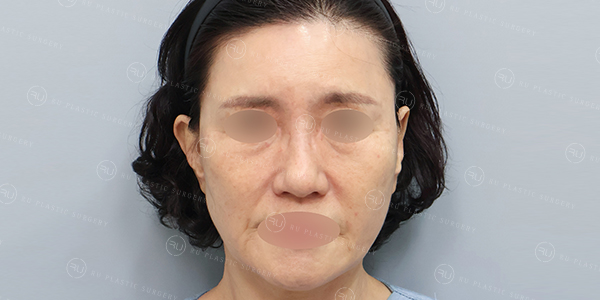
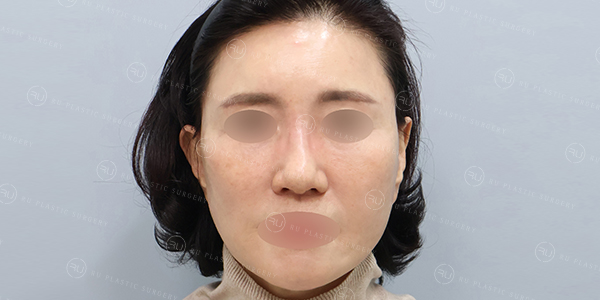
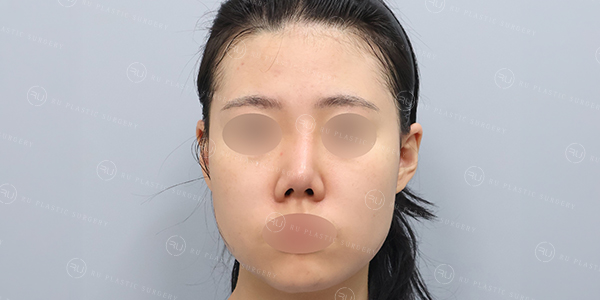
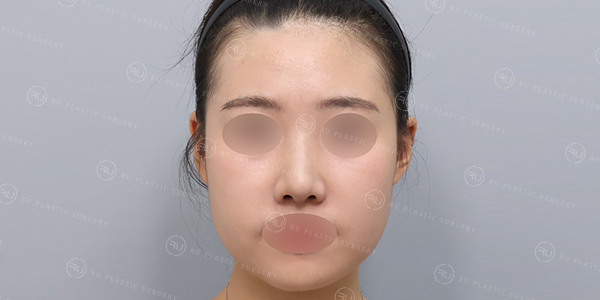
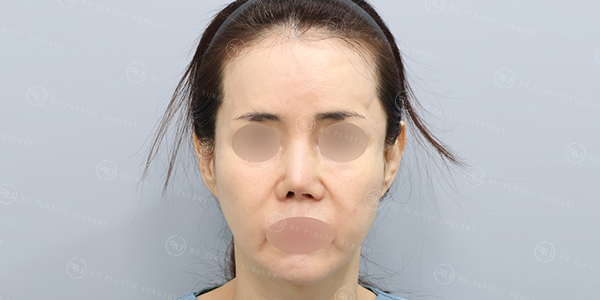
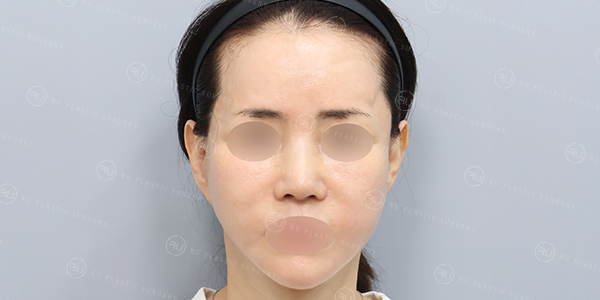
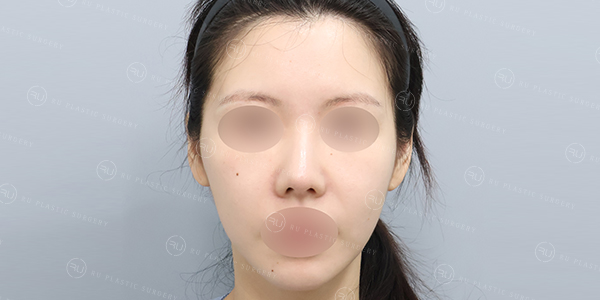
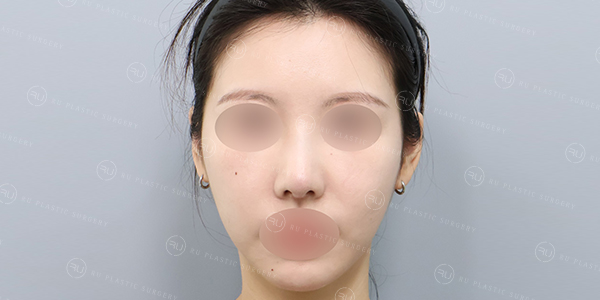
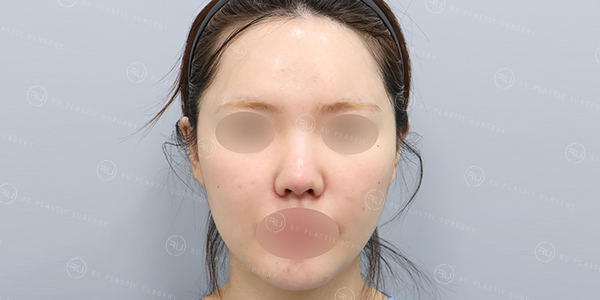
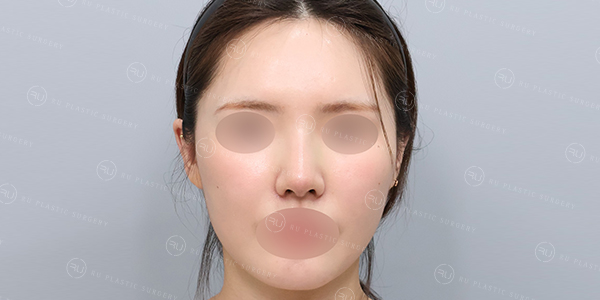
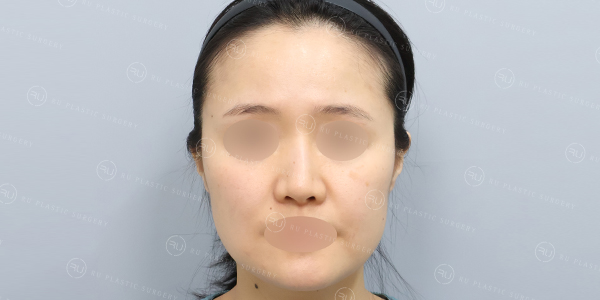
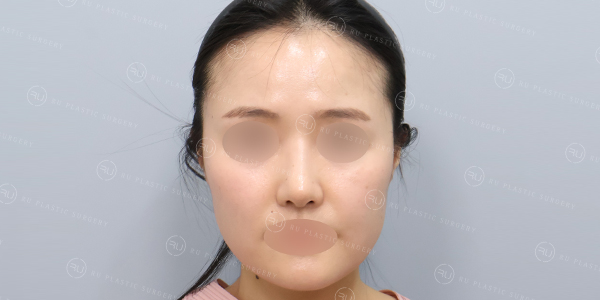
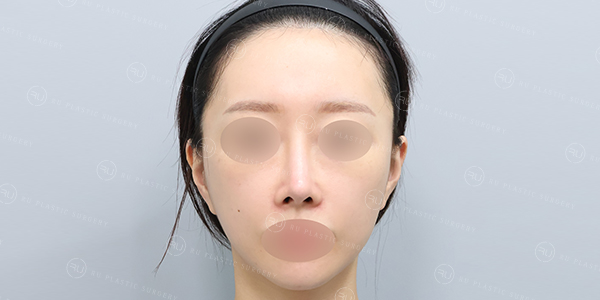
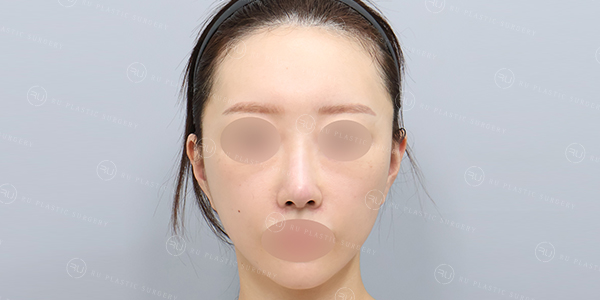
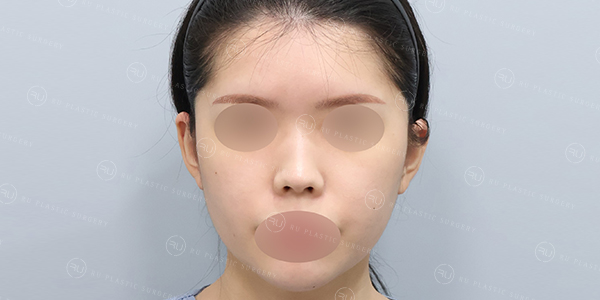
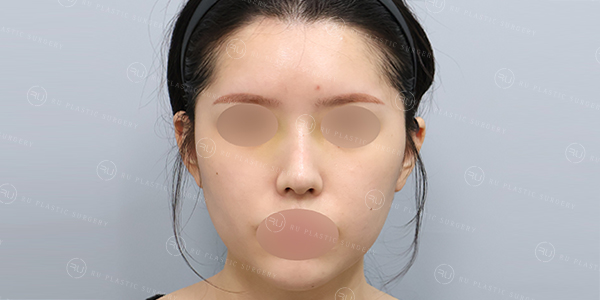
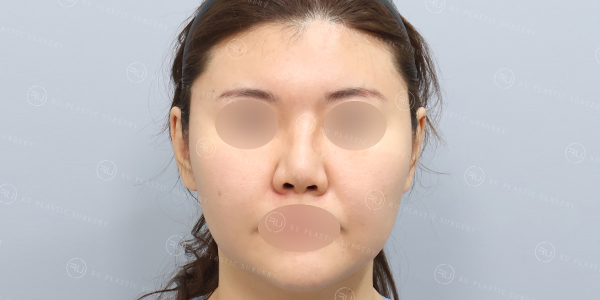
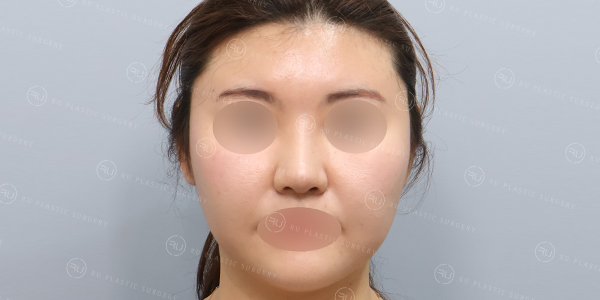
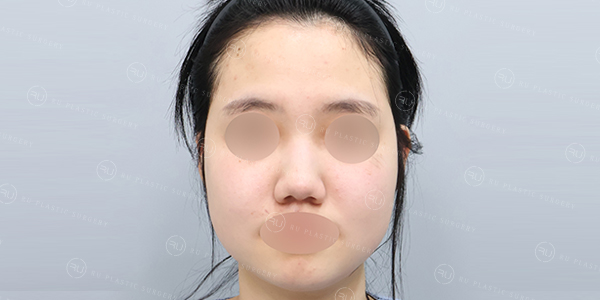
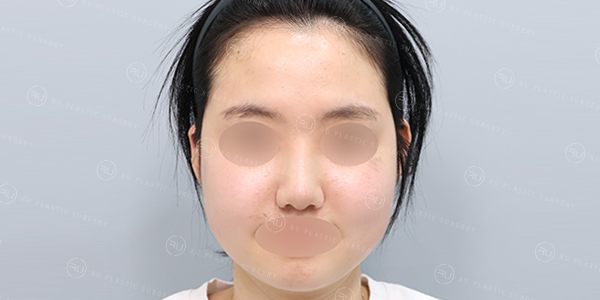
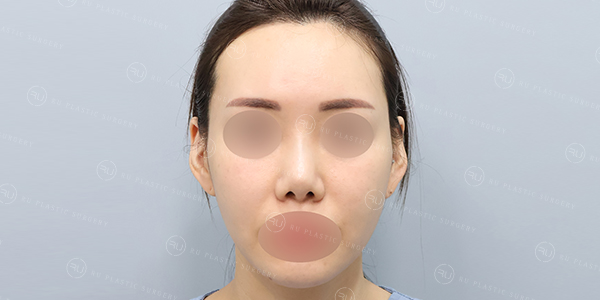
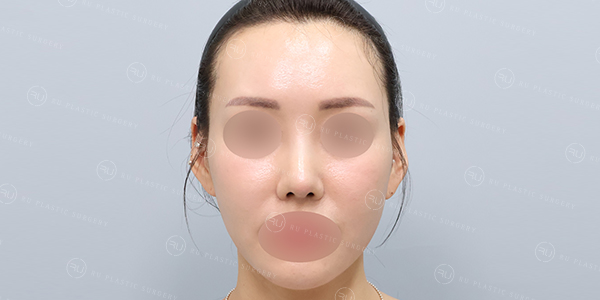
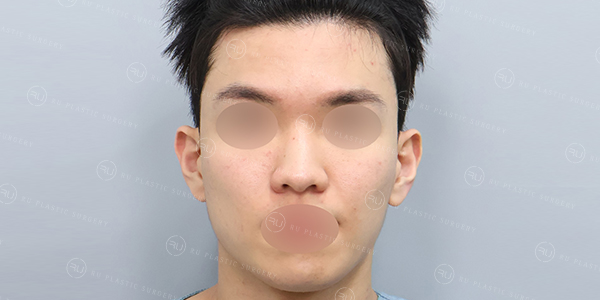
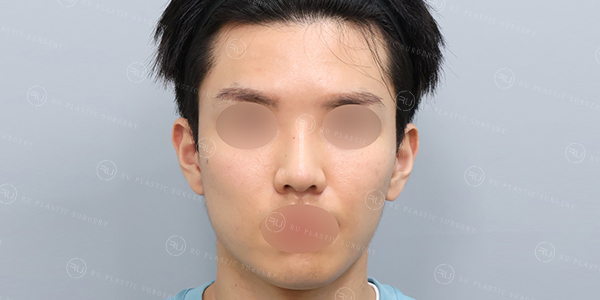
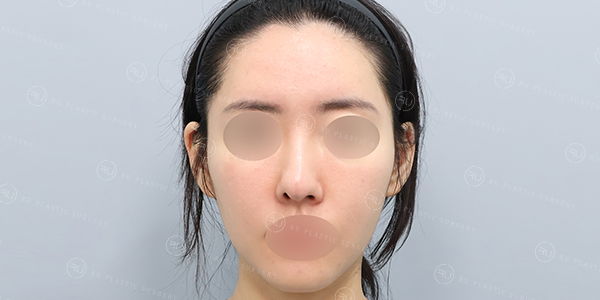
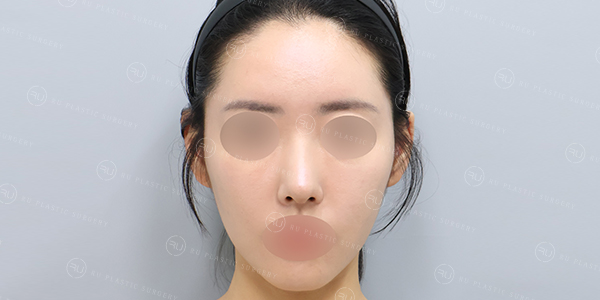
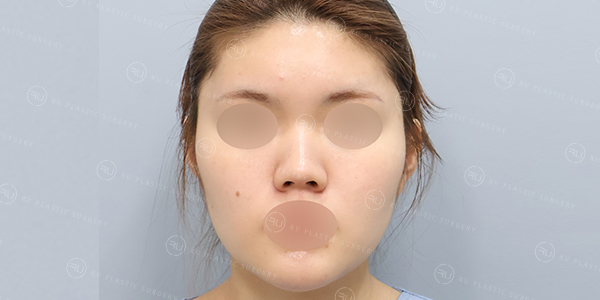
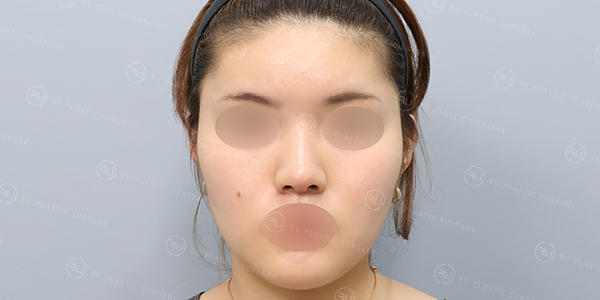
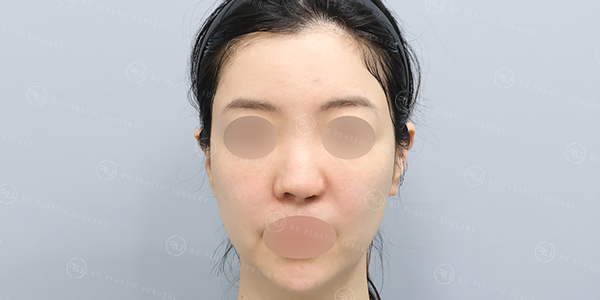
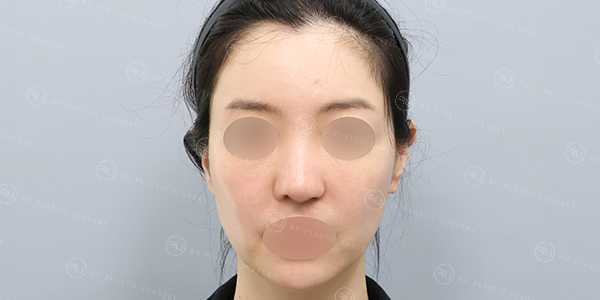
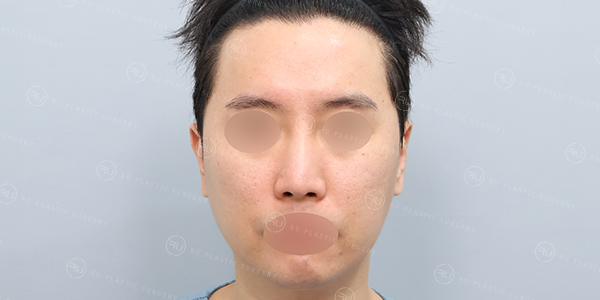
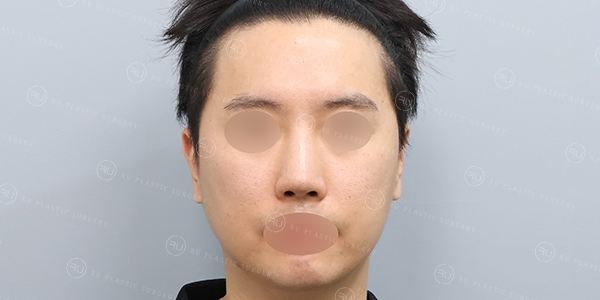
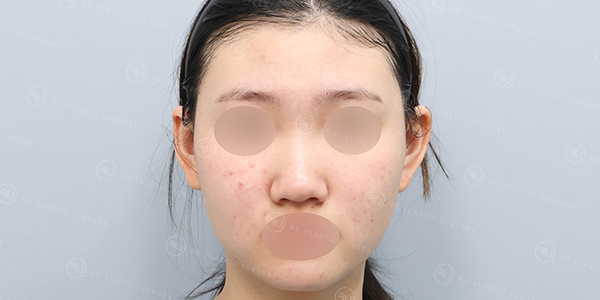
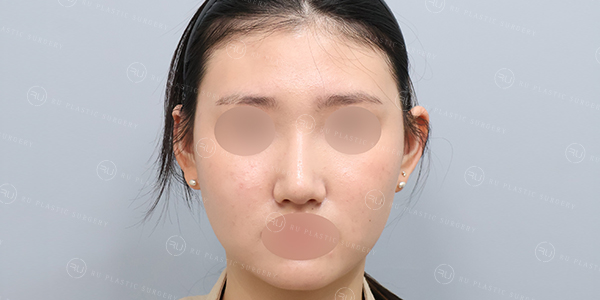
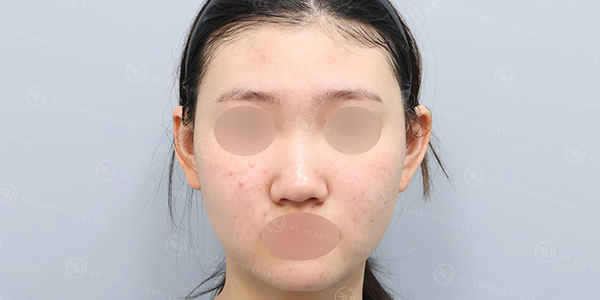
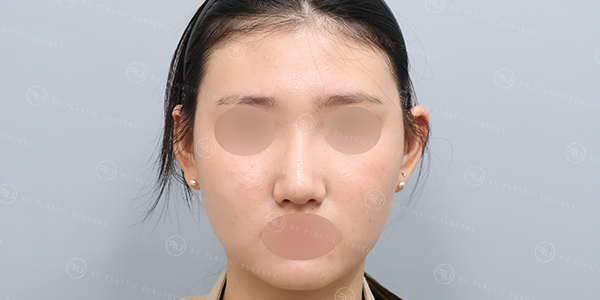
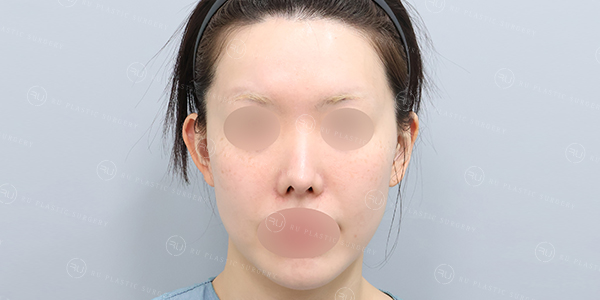
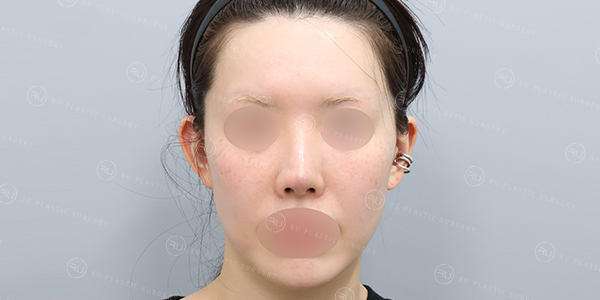
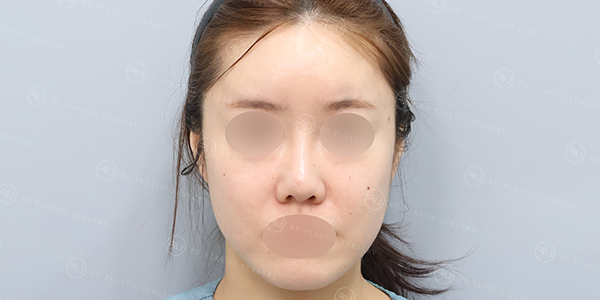
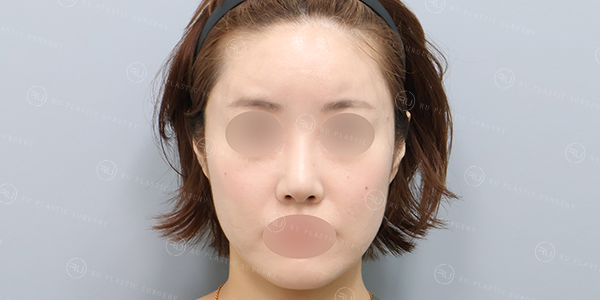
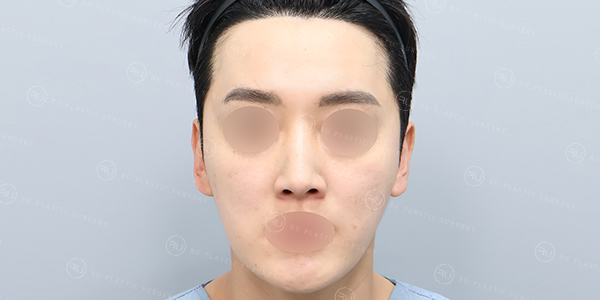
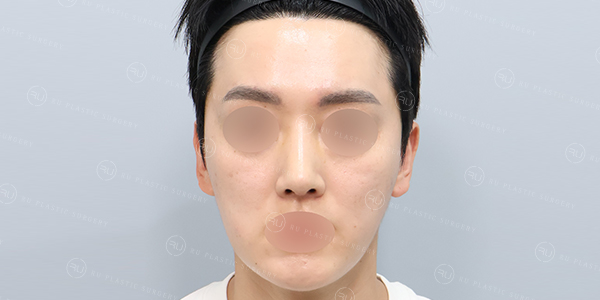
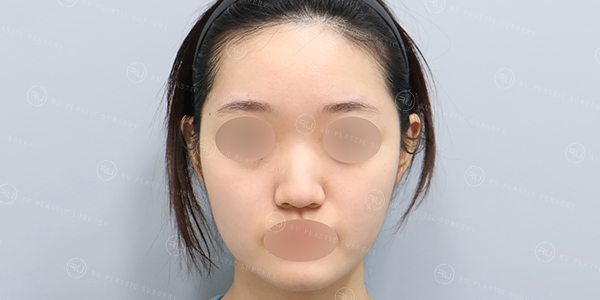
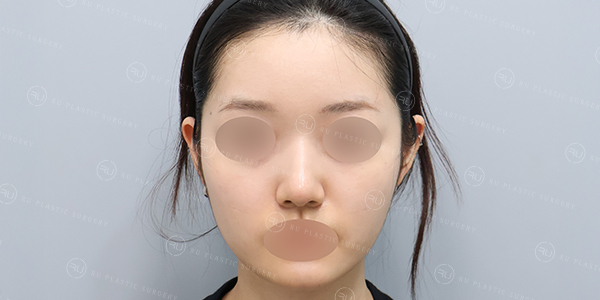
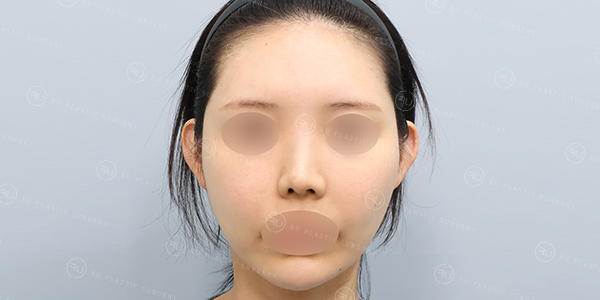
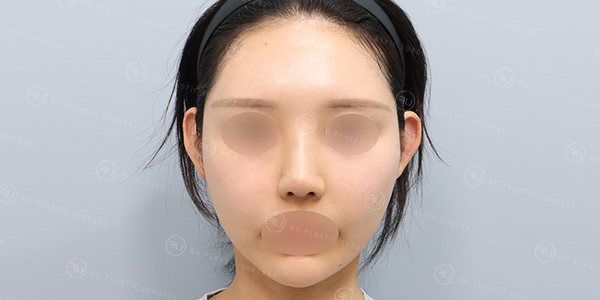
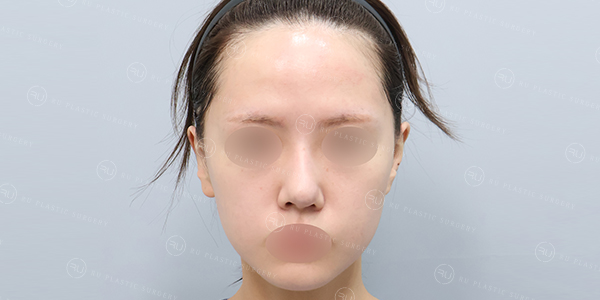
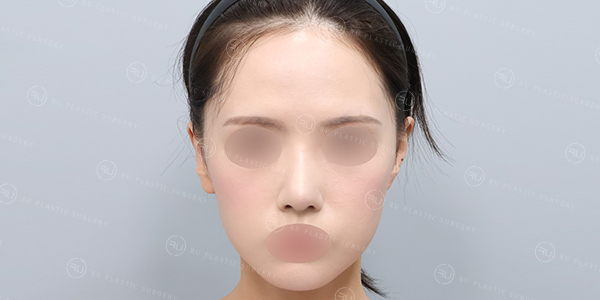
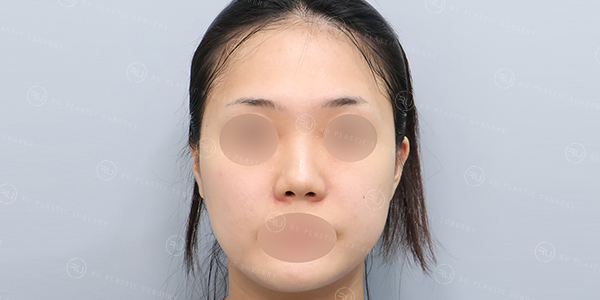
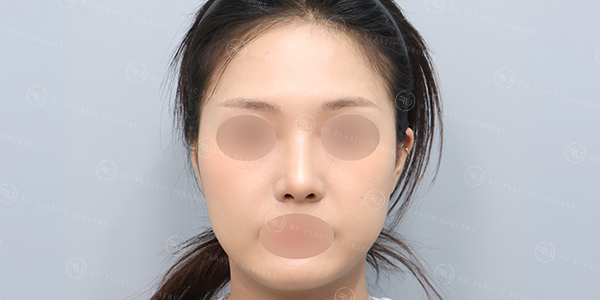
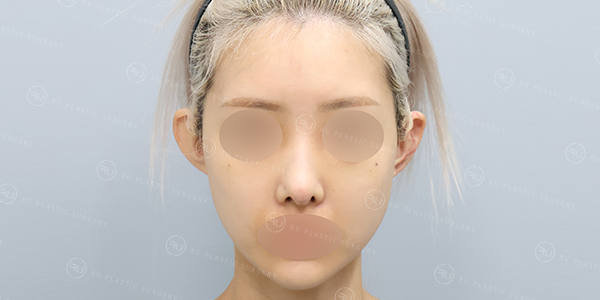
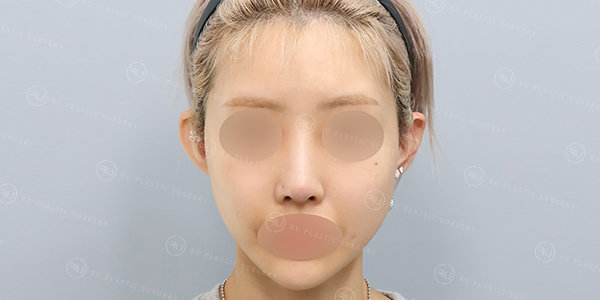
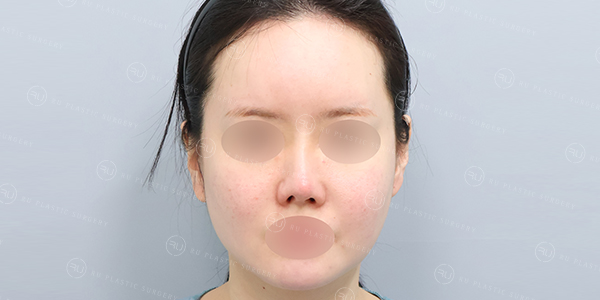
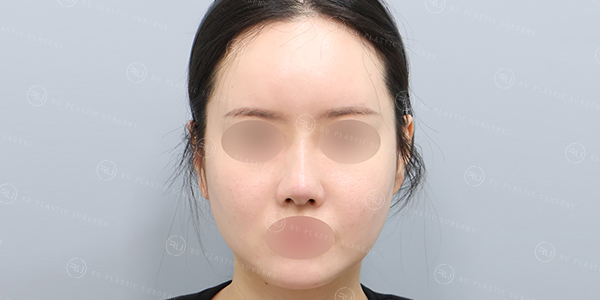
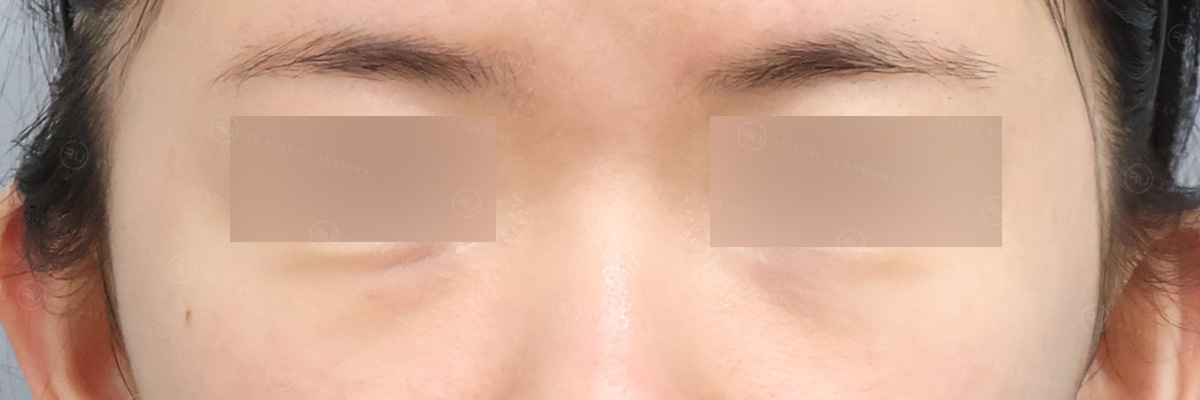
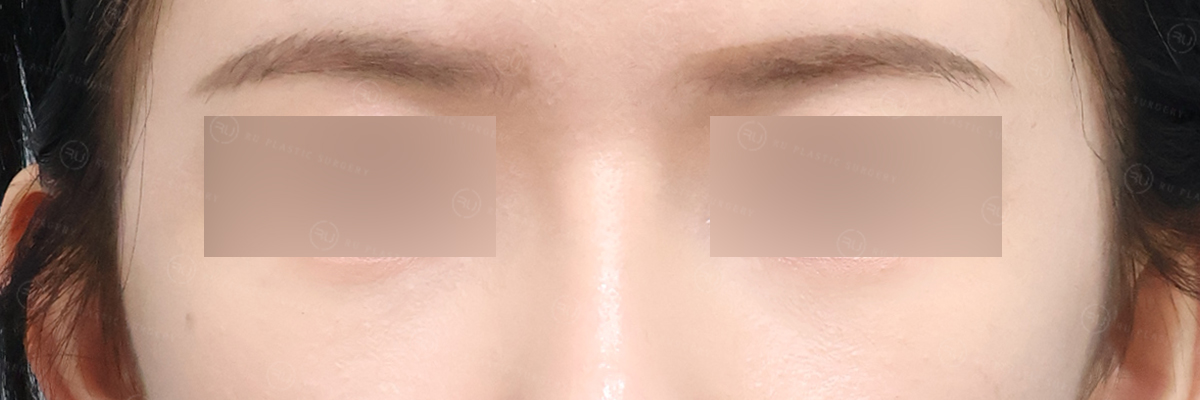
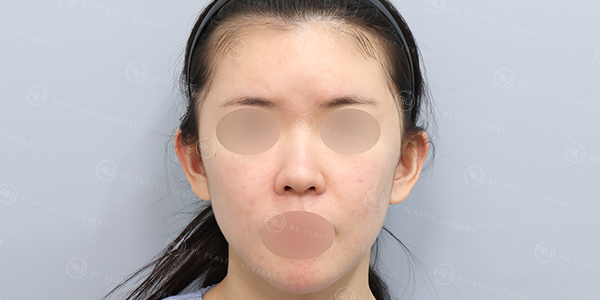
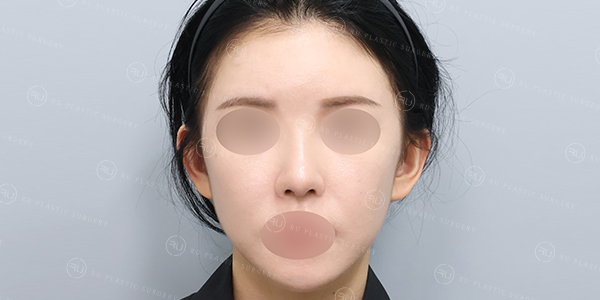
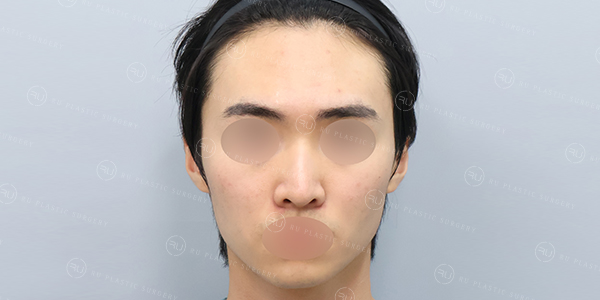
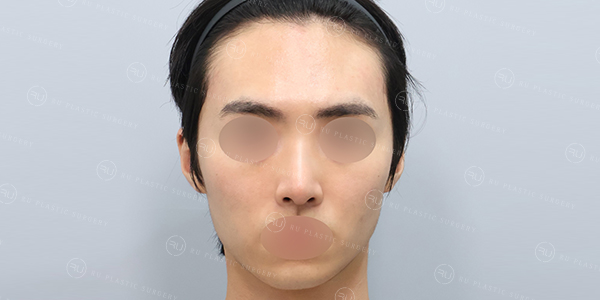
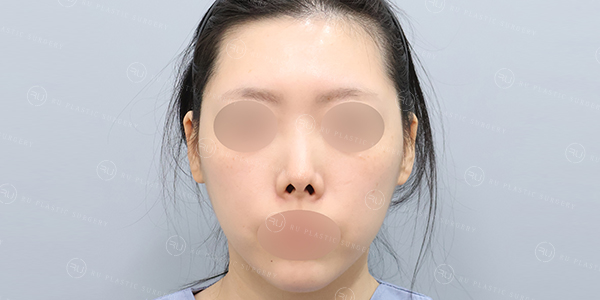
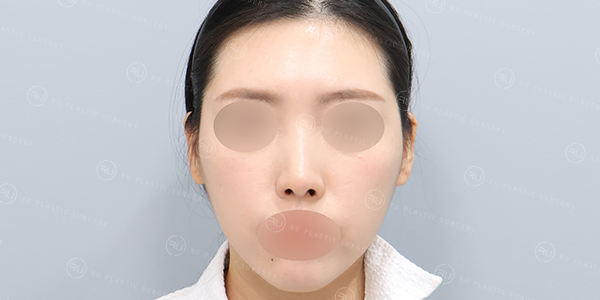
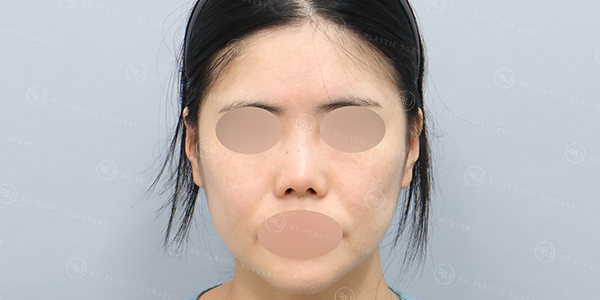
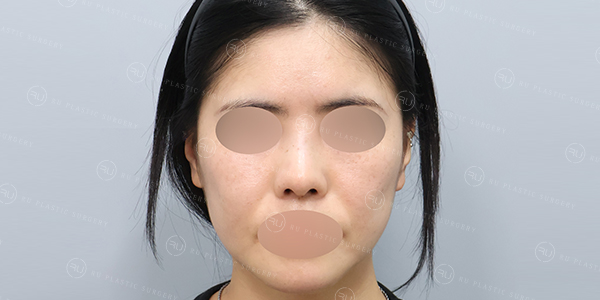
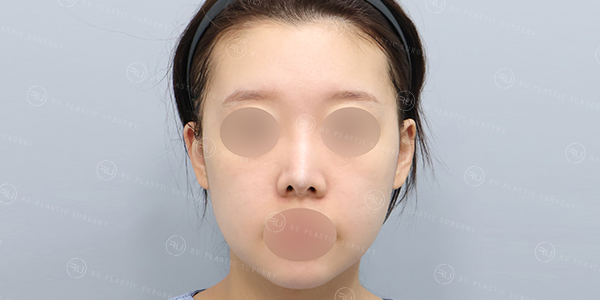
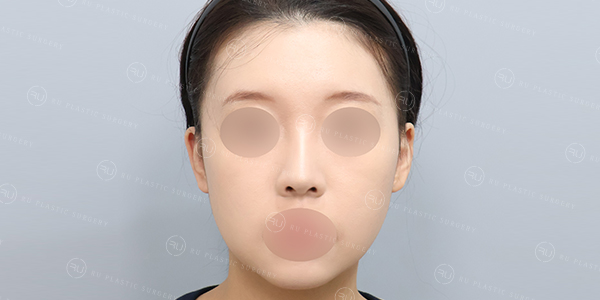
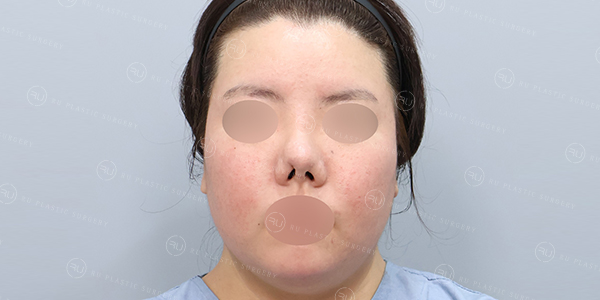
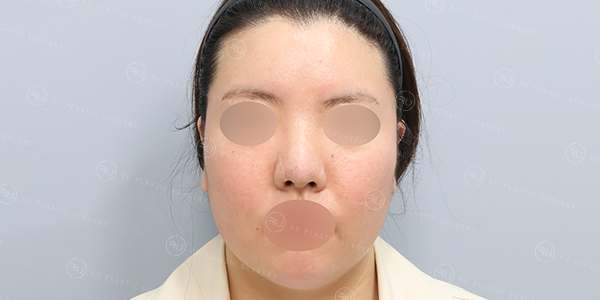
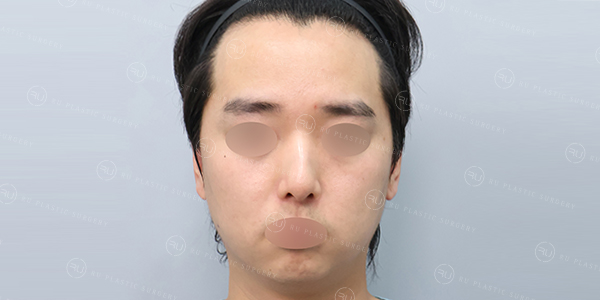
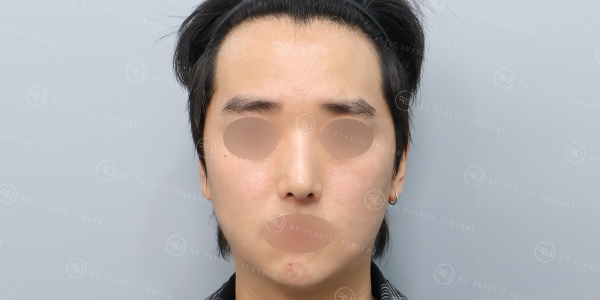
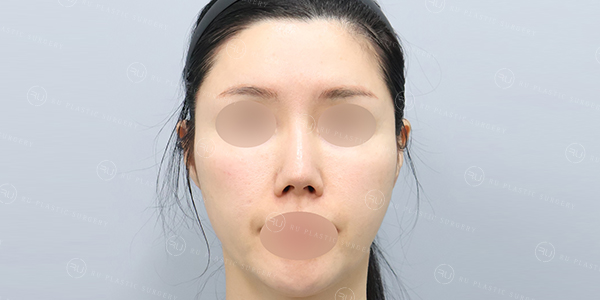
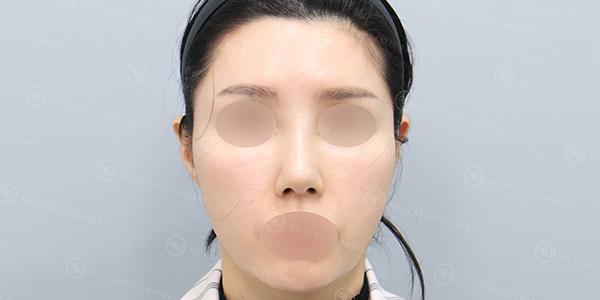
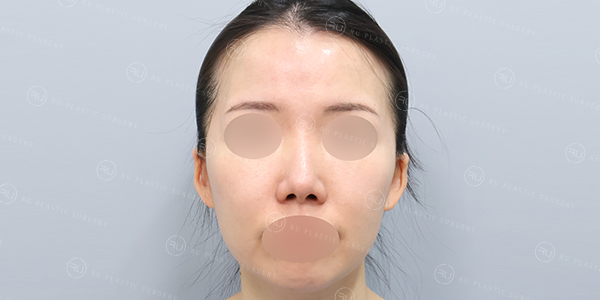
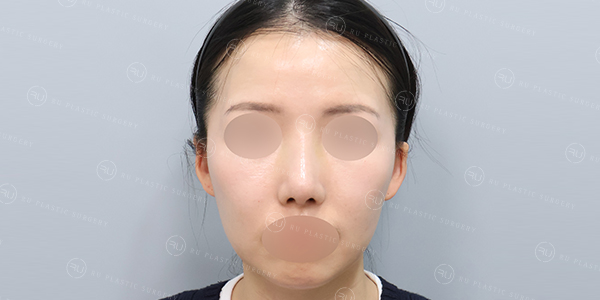
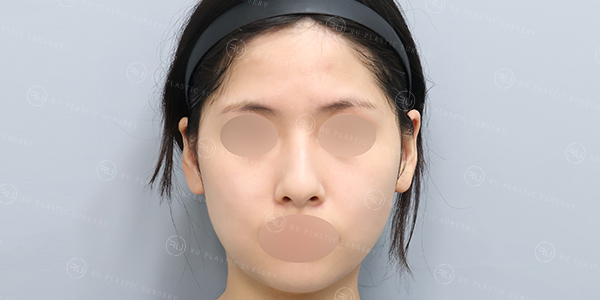
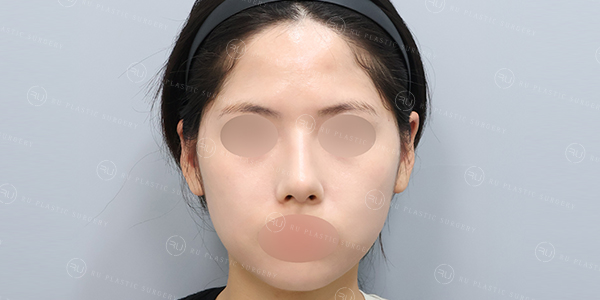
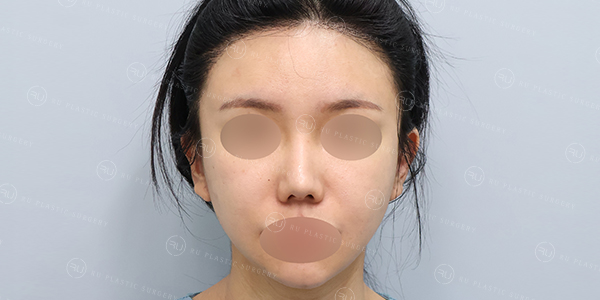
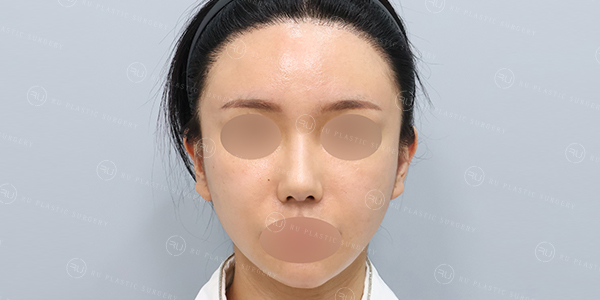
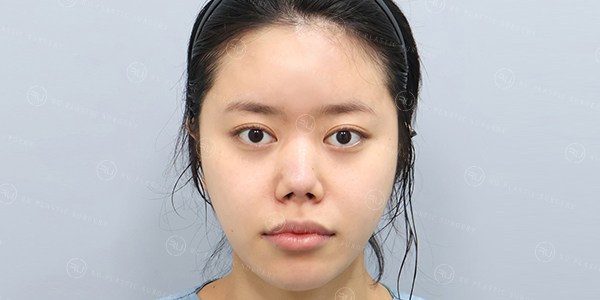
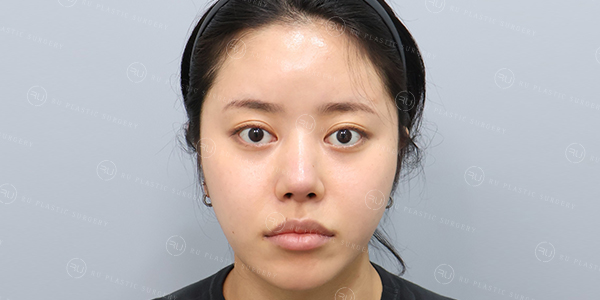
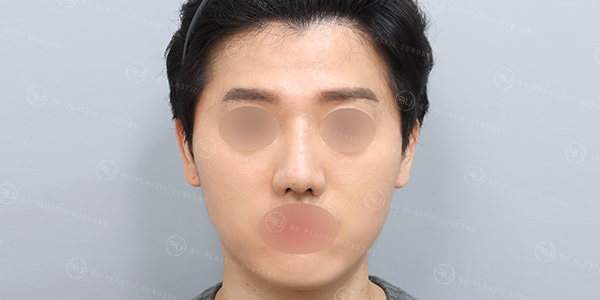
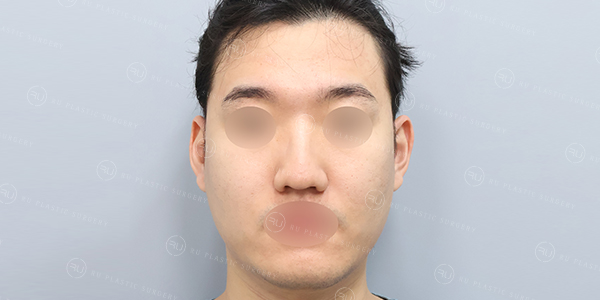
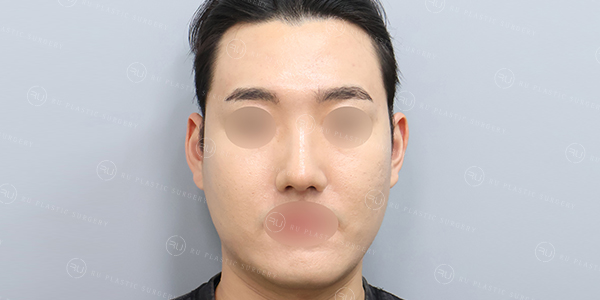
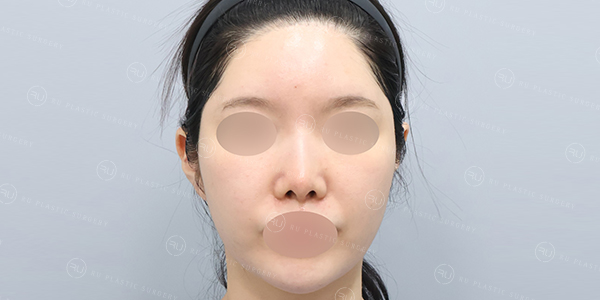
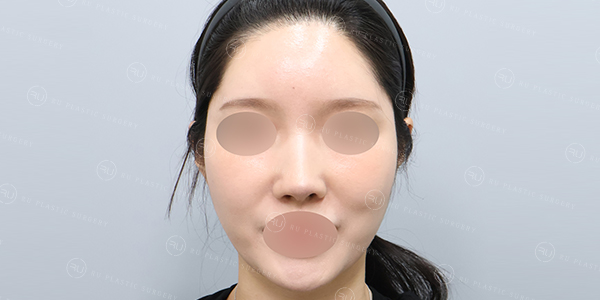
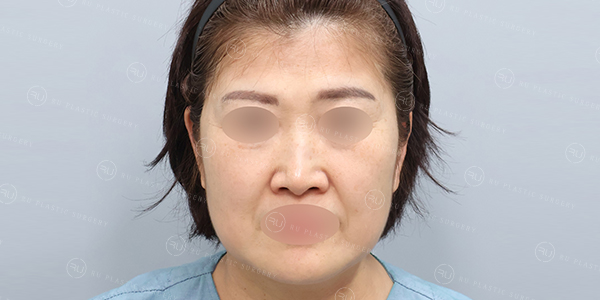
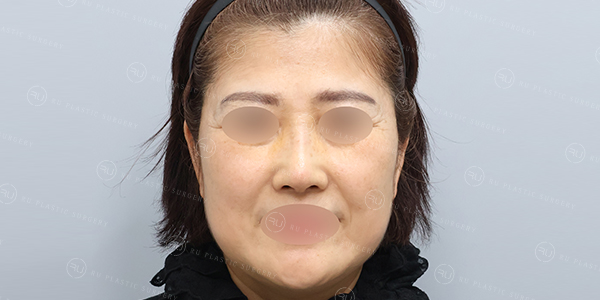
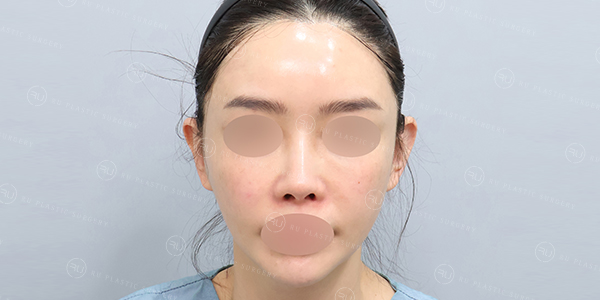
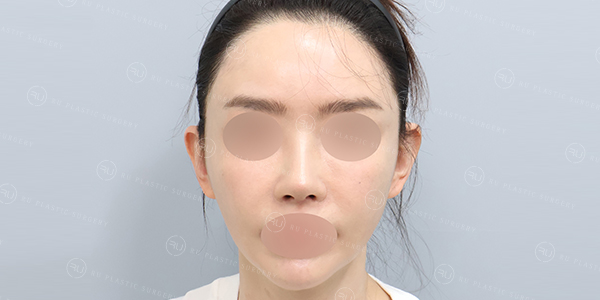
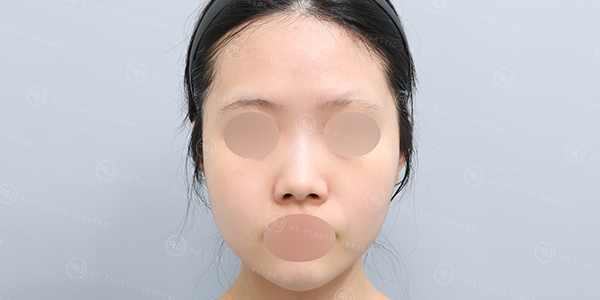
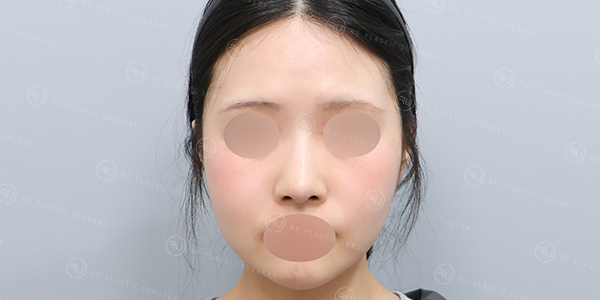
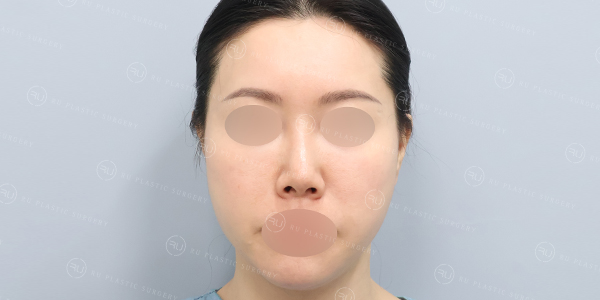
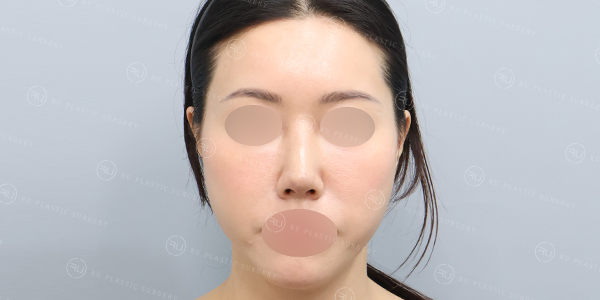
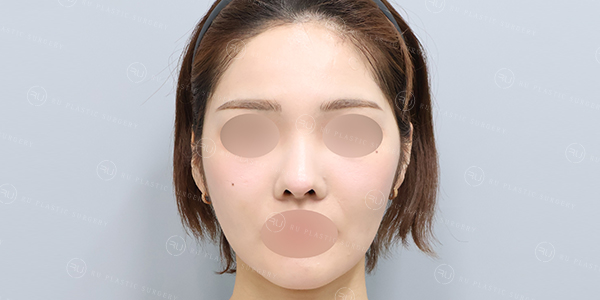
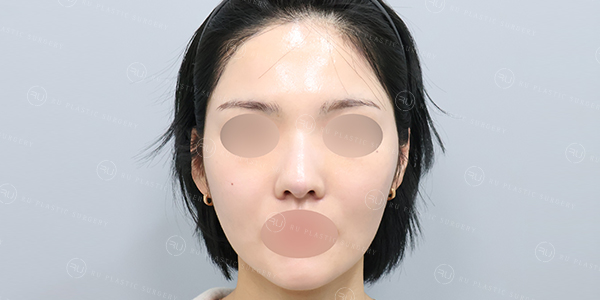
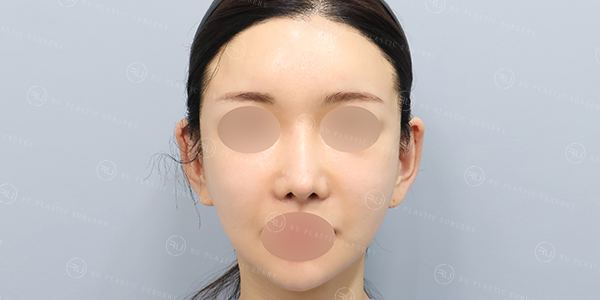
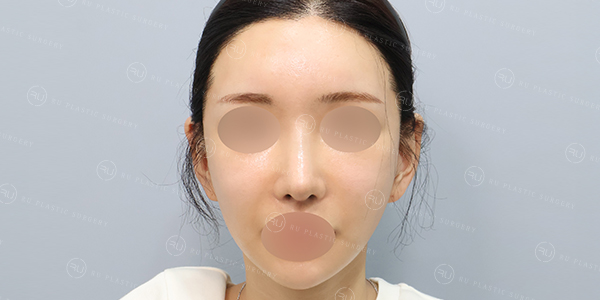
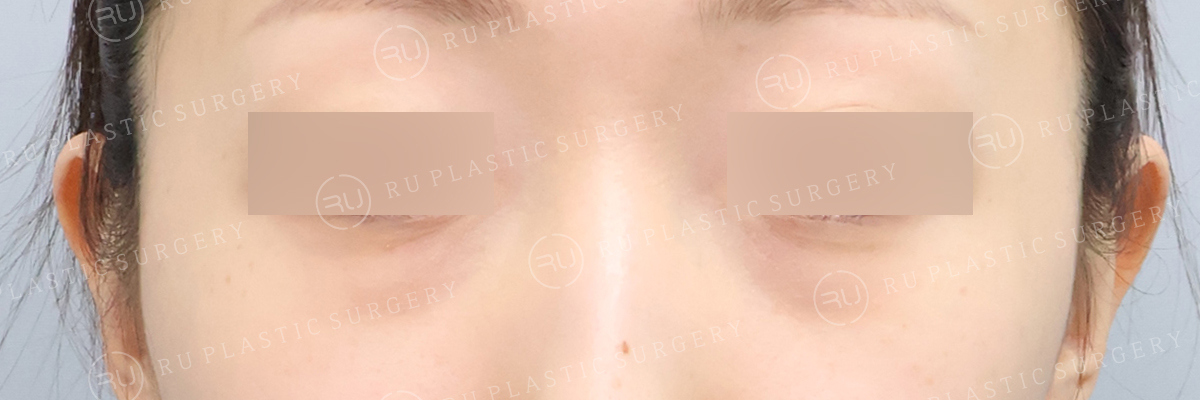
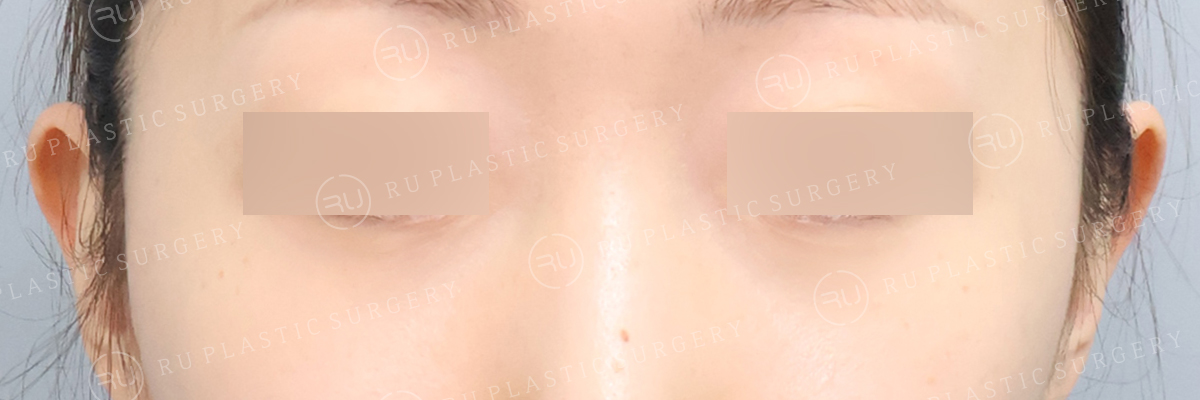
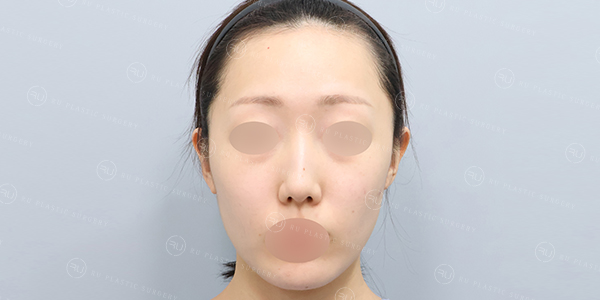
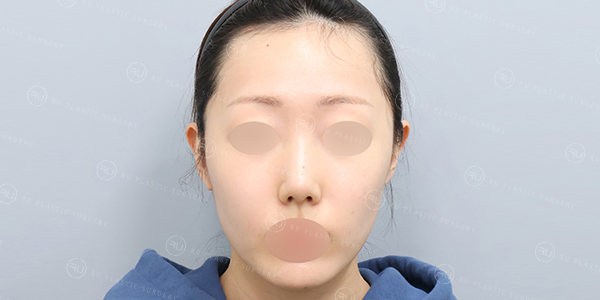
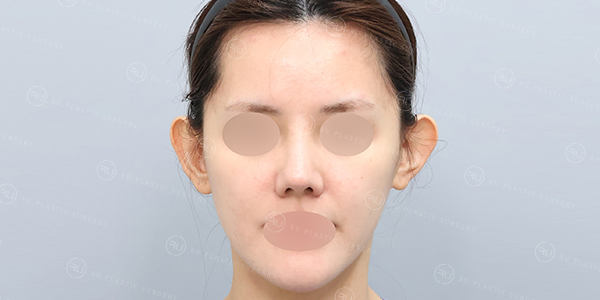
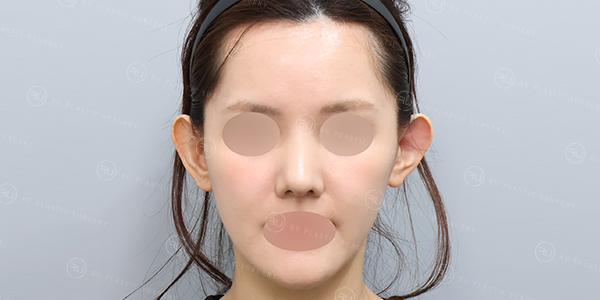
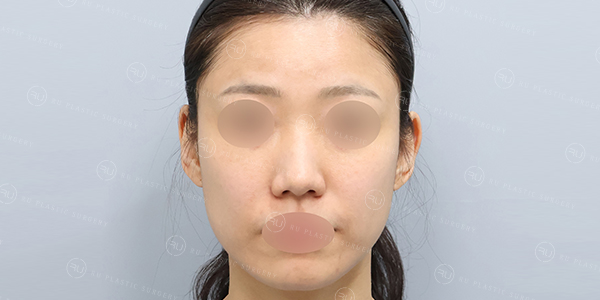
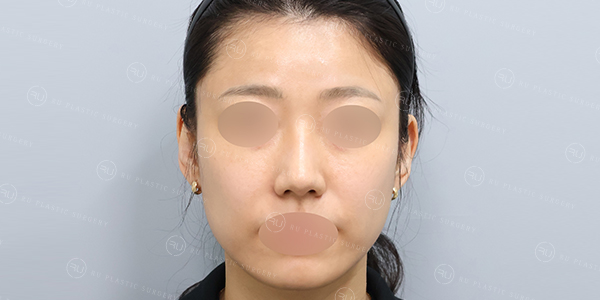
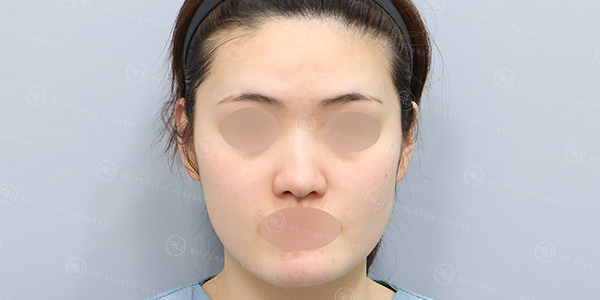
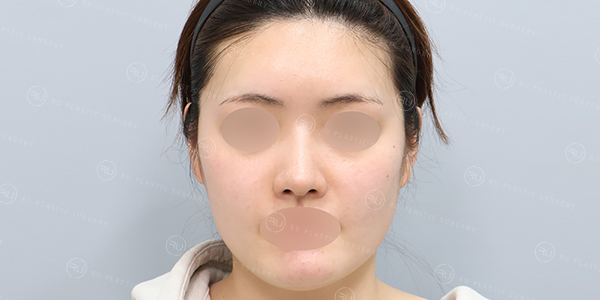
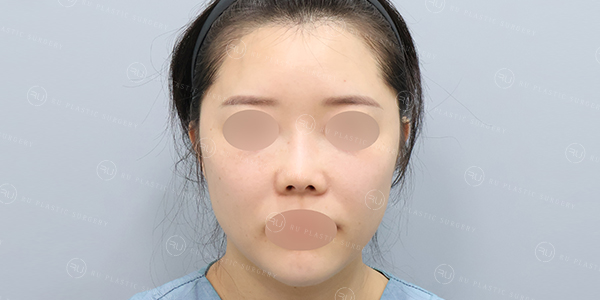
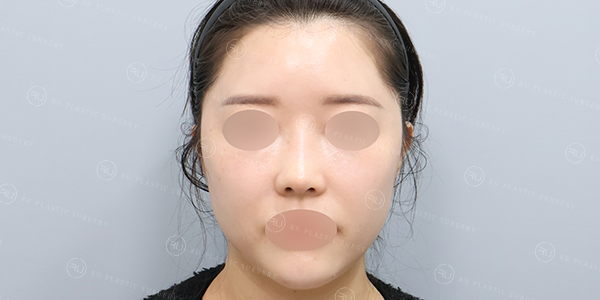
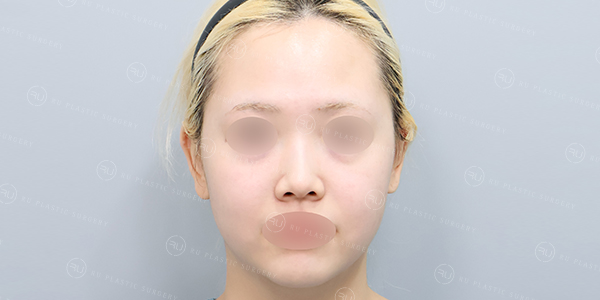
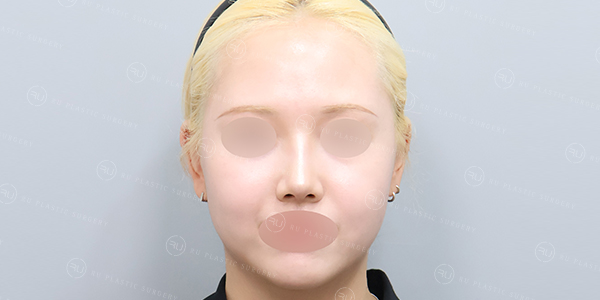
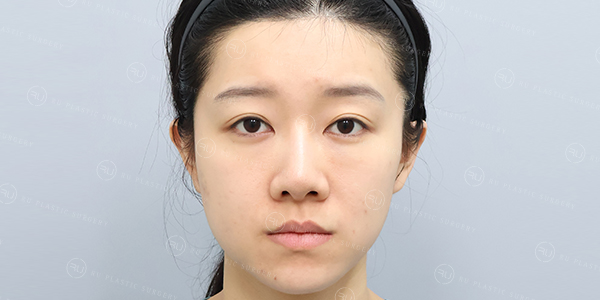
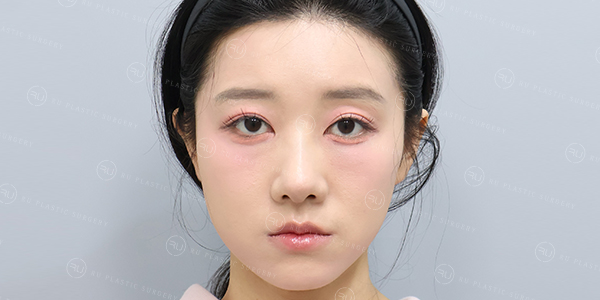
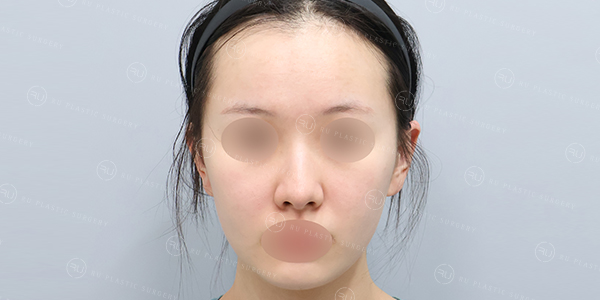
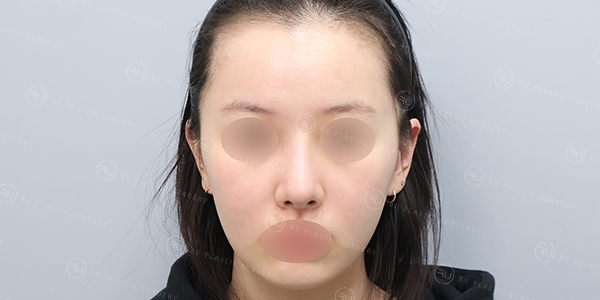
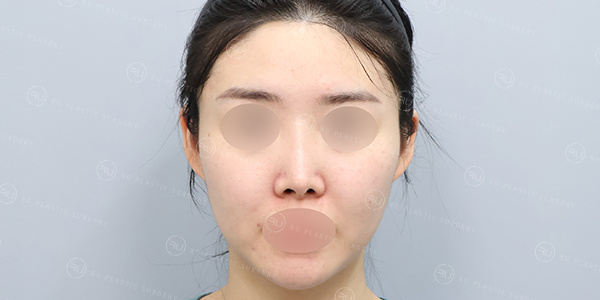
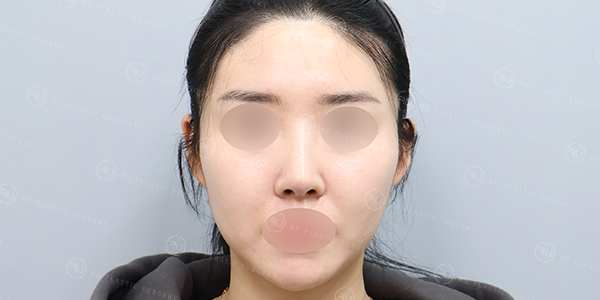
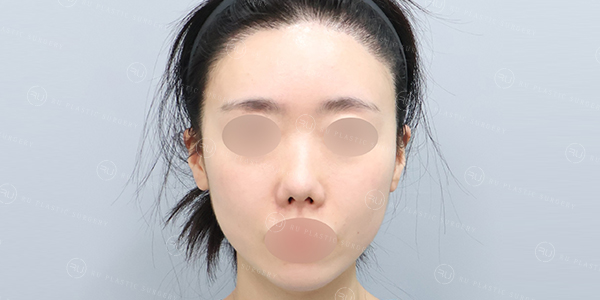
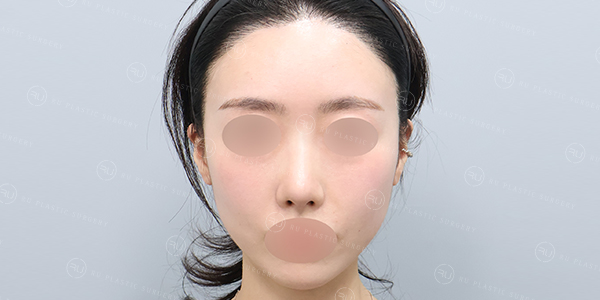
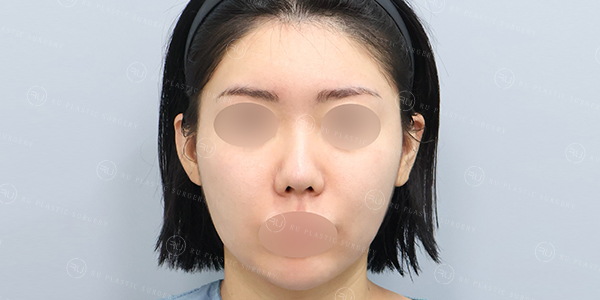
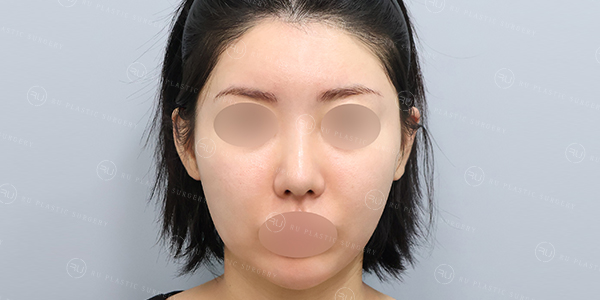
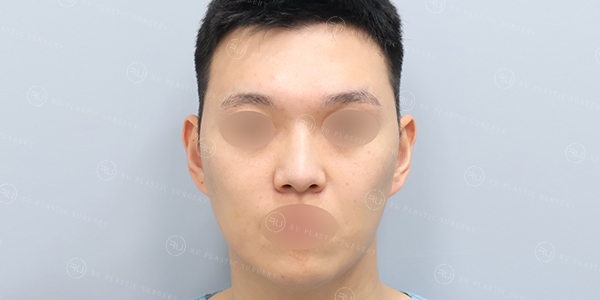
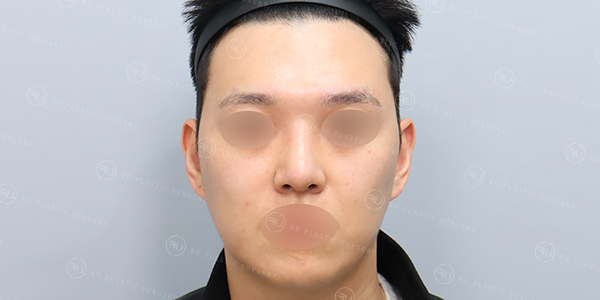
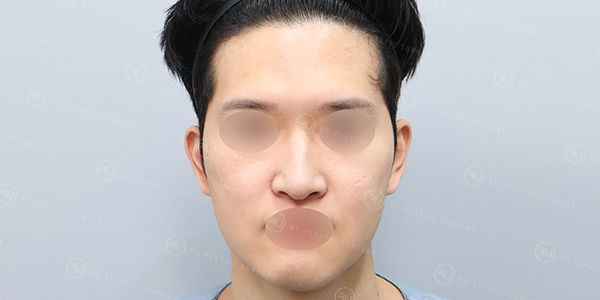
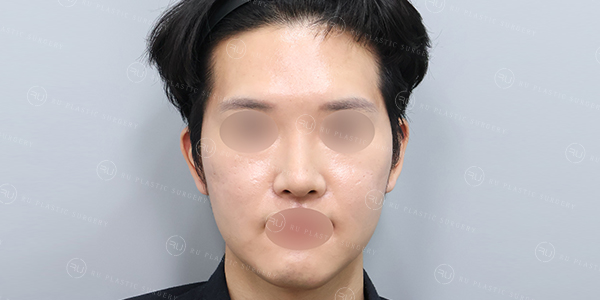
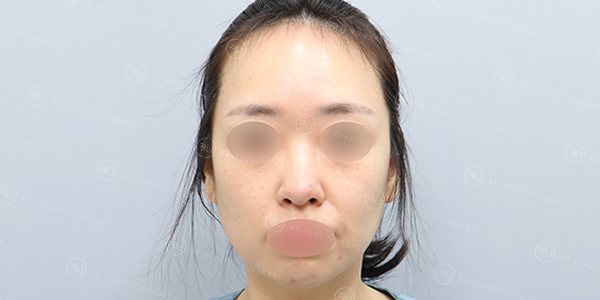
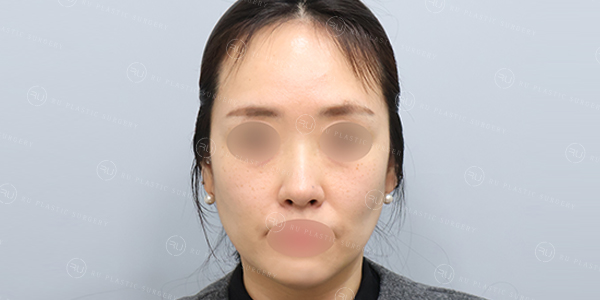
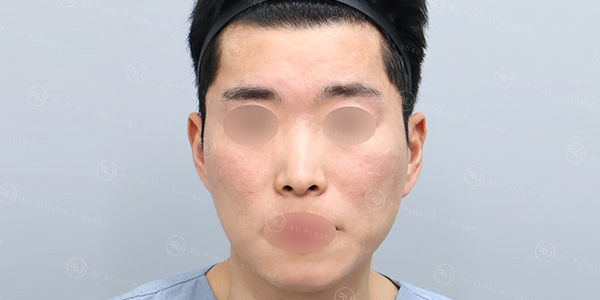
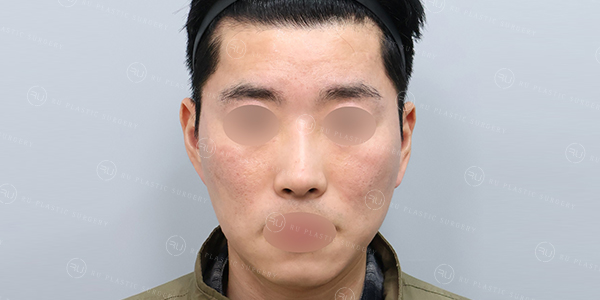
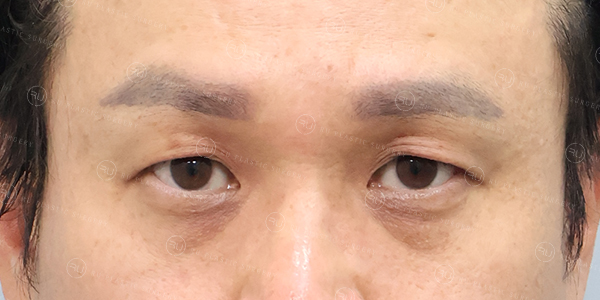
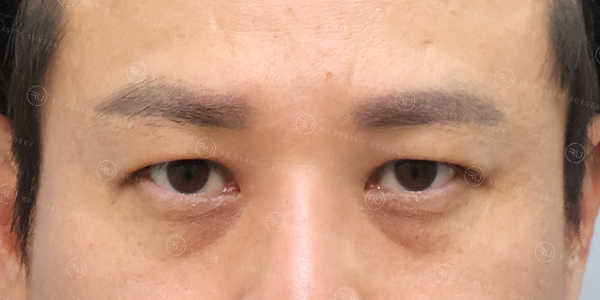
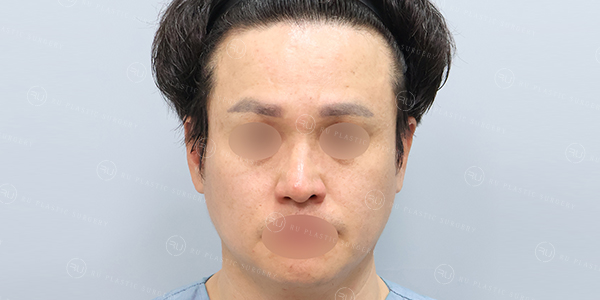
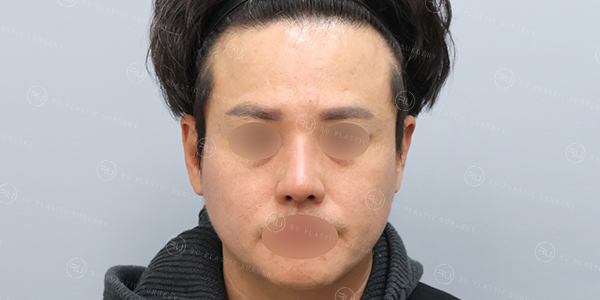
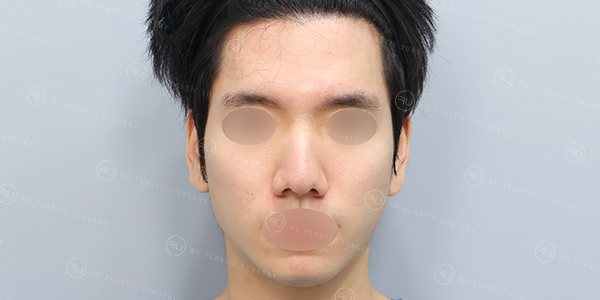
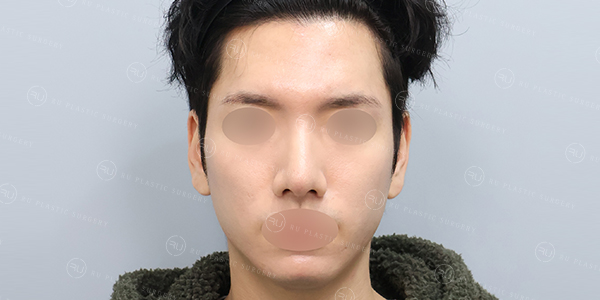
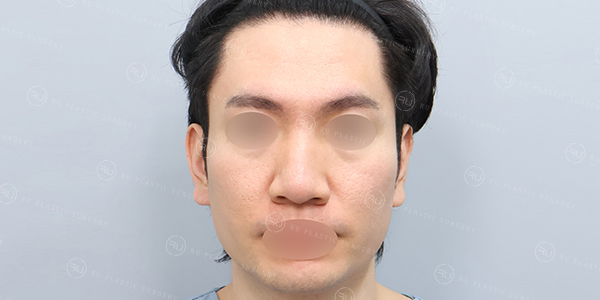
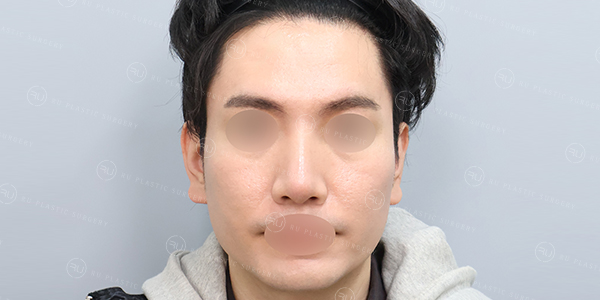
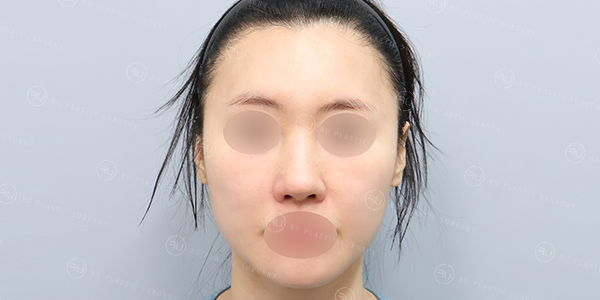
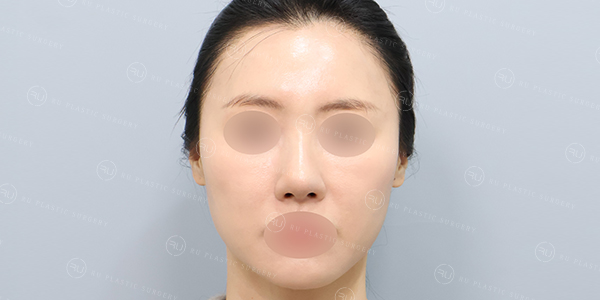
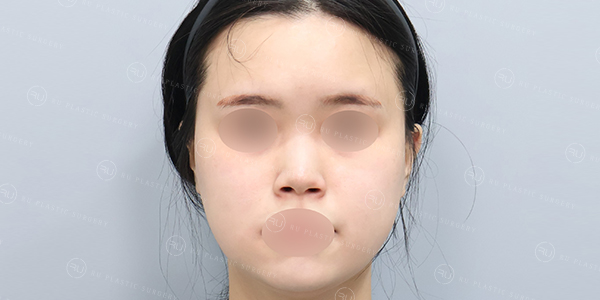
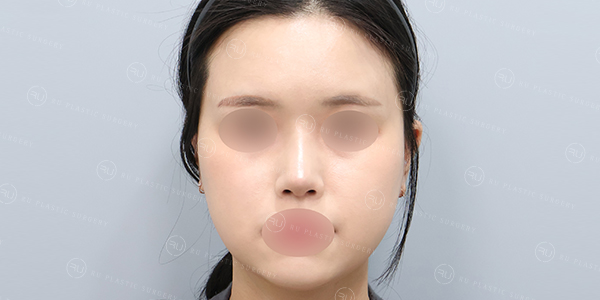
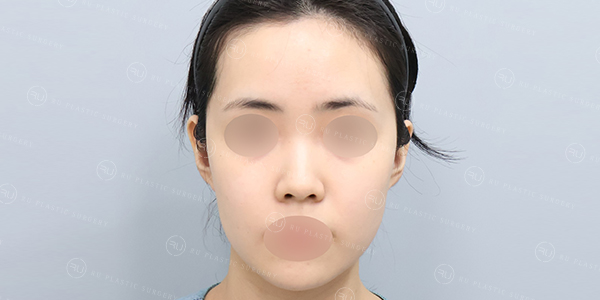
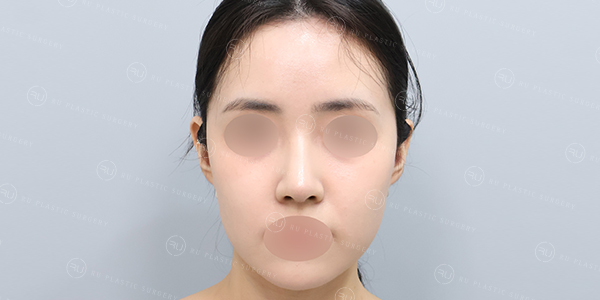
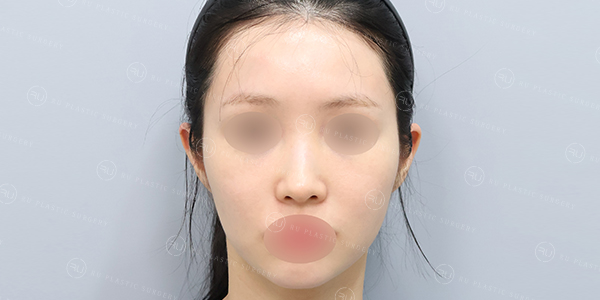
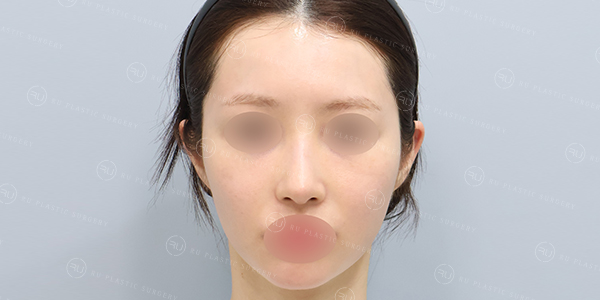
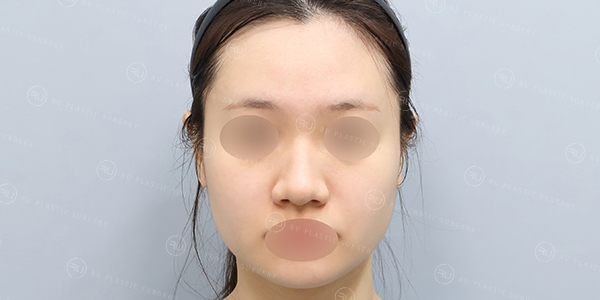
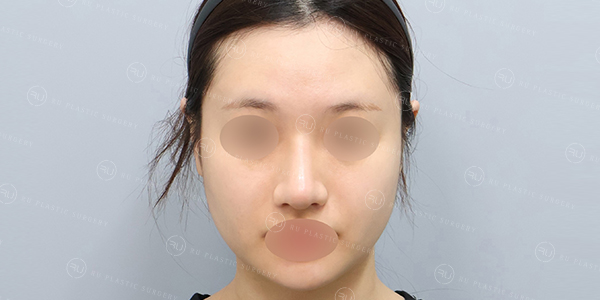
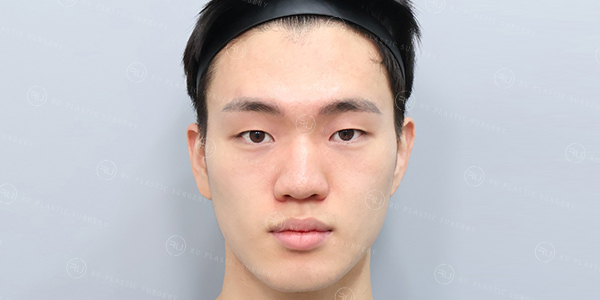
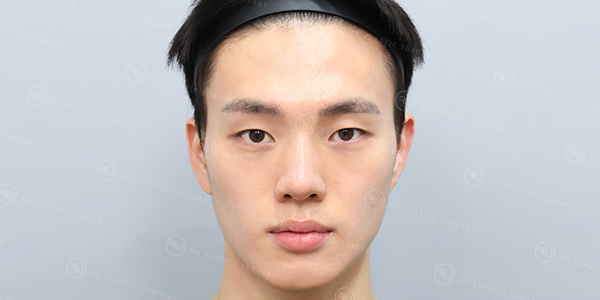
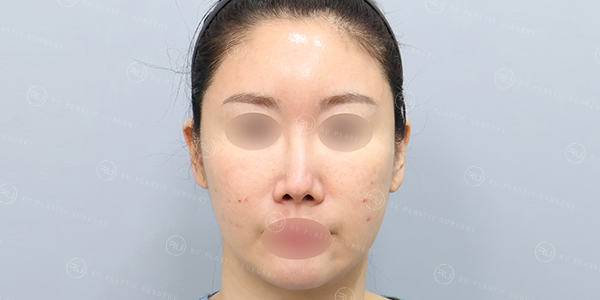
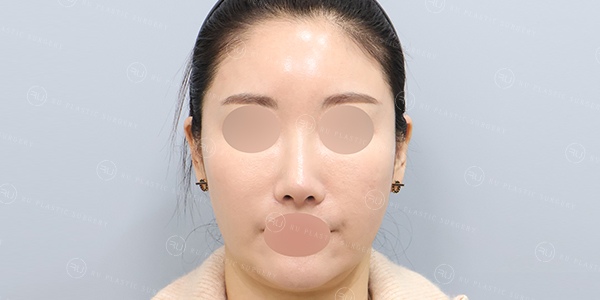
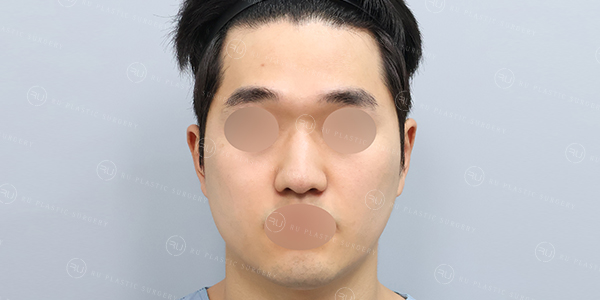
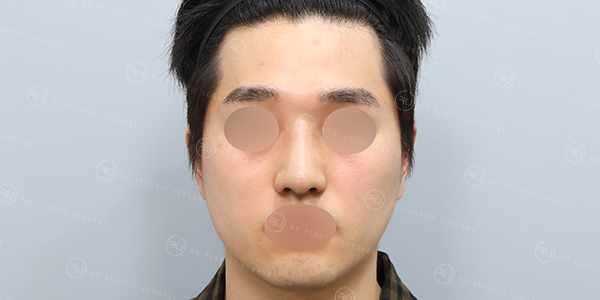
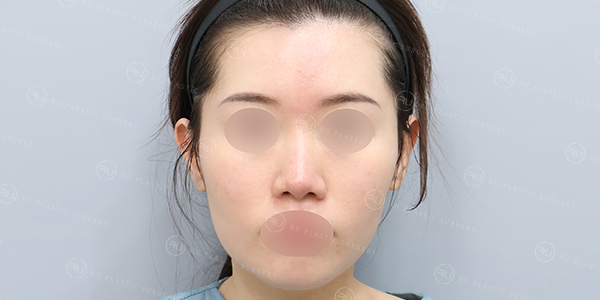
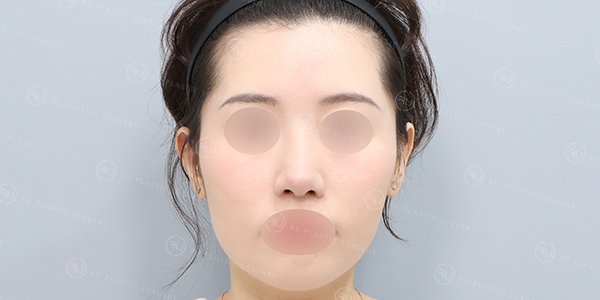
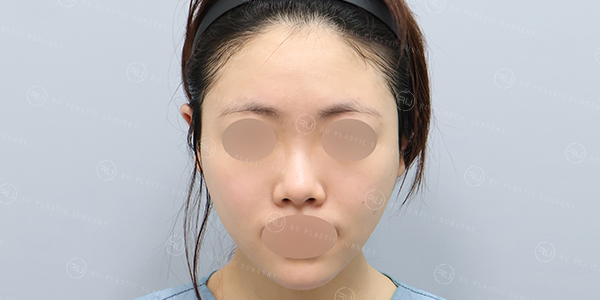
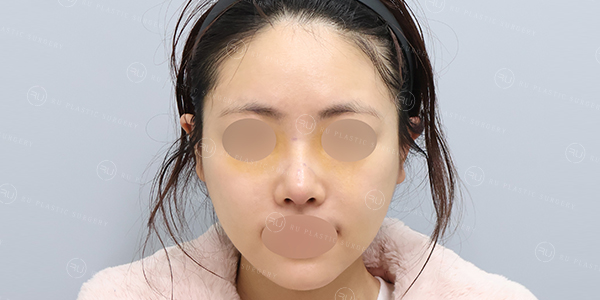
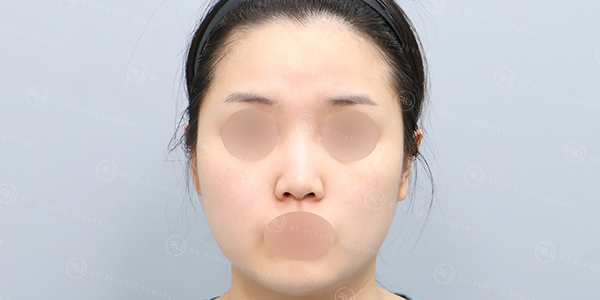
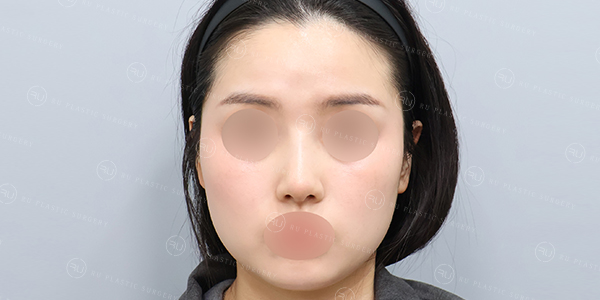
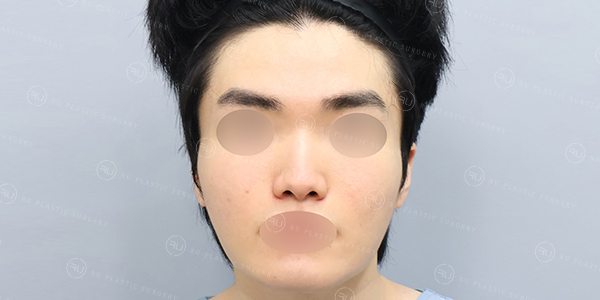
Before / 2w post-op
I decided to undergo revision rhinoplasty because I had been concerned about several issues, including deviation of the nasal bridge, nostril asymmetry, and a nasal tip that had gradually become lower over time.
While researching revision rhinoplasty, I came across patient reviews of RU Plastic Surgery through an online cosmetic surgery community.
I was particularly drawn to the natural nasal bridge lines, the softly rounded shape of the columella and nasal tip, and the clinic’s extensive experience with revision rhinoplasty using autologous rib cartilage.
As I continued reading more reviews, I became increasingly convinced that RU Plastic Surgery was where I wanted to have my surgery, even before attending the consultation.
During my consultation with Dr. Hyunju Kim, I was able to receive a detailed explanation about the use of autologous rib cartilage, which had been one of my main concerns before surgery.
After discussing the surgical approach, I ultimately decided to proceed using autologous rib cartilage for both the nasal bridge and tip, along with functional nasal surgery for rhinitis.
Among all the plastic surgery clinics I had visited, this was also the consultation where the surgeon spent the most time explaining my condition and surgical plan, which gave me additional confidence in moving forward.
During the recovery process, I was surprised by how little swelling and bruising I experienced.
Even at this early stage, I can already see that the nasal bridge and tip contours reflect the shape I had hoped for, which has made me feel very satisfied with the result so far.
Another concern I had before surgery was the discomfort from nasal packing, since this had been difficult for me during my first rhinoplasty.
This time, however, the packing did not feel as though it was completely blocking my nose, so the early recovery period was much more manageable than I had expected.
Overall, the recovery has felt significantly easier than my previous experience.
The discomfort at the autologous rib cartilage donor site was also less severe than I had anticipated.
I had heard other patients describe the sensation as similar to muscle soreness, but even though I am relatively sensitive to pain, I personally felt that the discomfort was milder than that.
Most importantly, the concerns that led me to revision surgery, including the deviated nasal bridge and nostril asymmetry, have already improved noticeably.
At two weeks postoperatively, I am very pleased with the early progress and am looking forward to seeing the nose become even more refined and natural as the remaining swelling continues to subside.