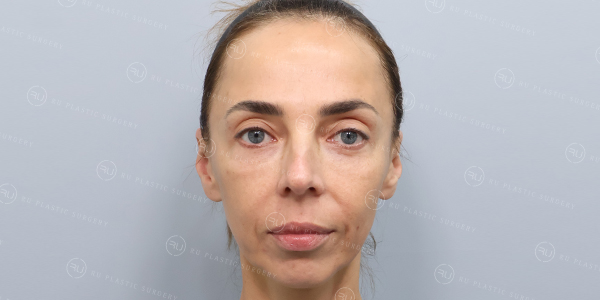
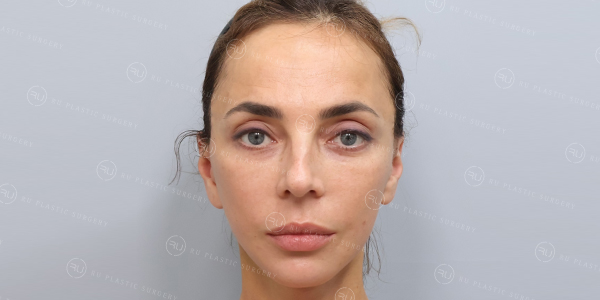
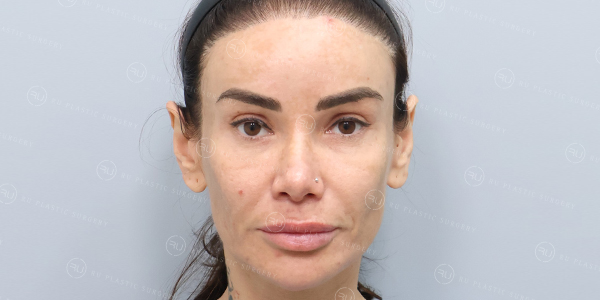
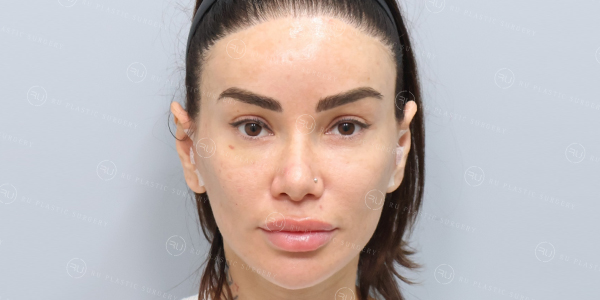
One-Month Review After Revision Rhinoplasty for Nasal Contracture Using Fully Autologous Rib Cartilage
본문
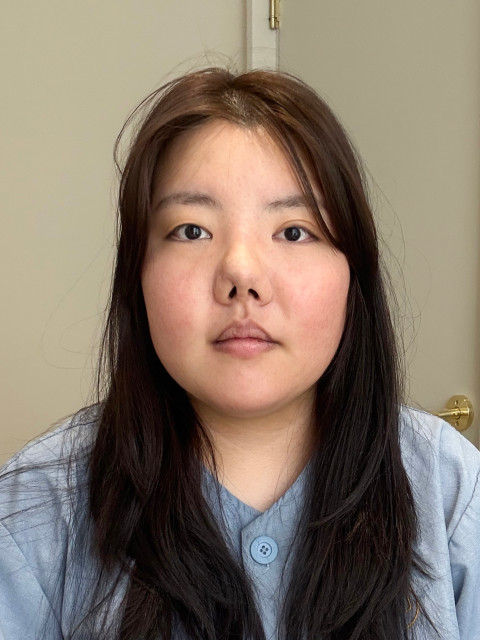
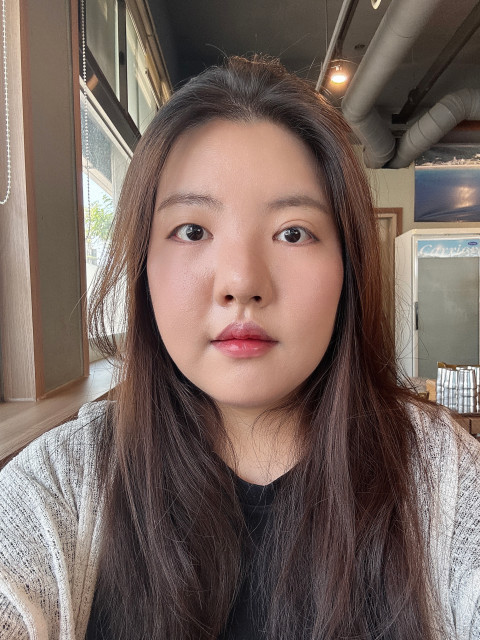
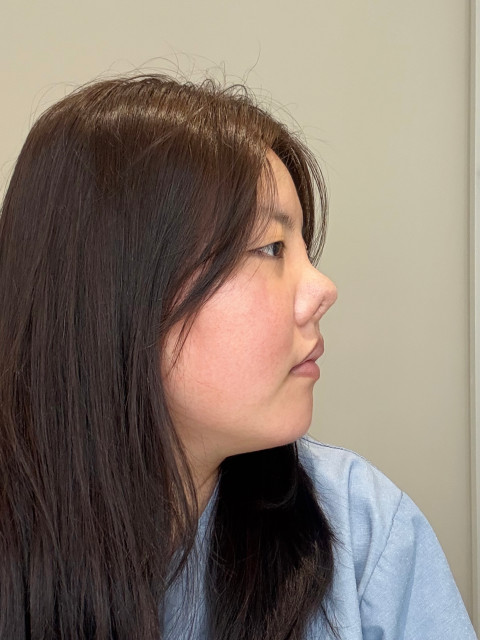

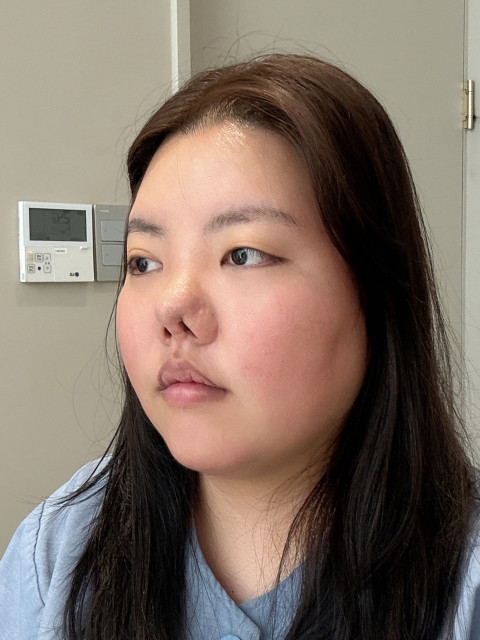
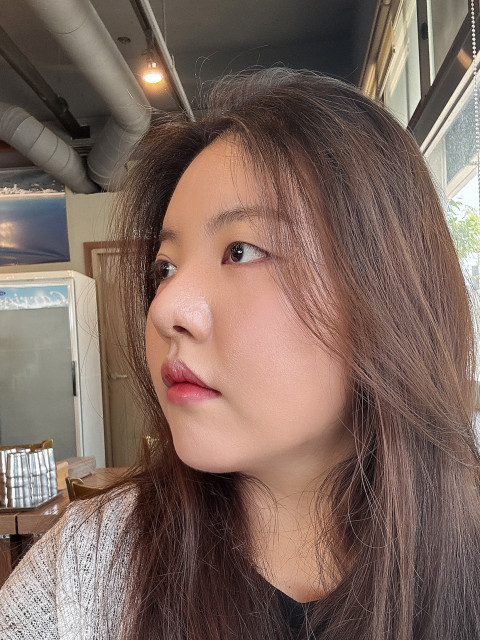
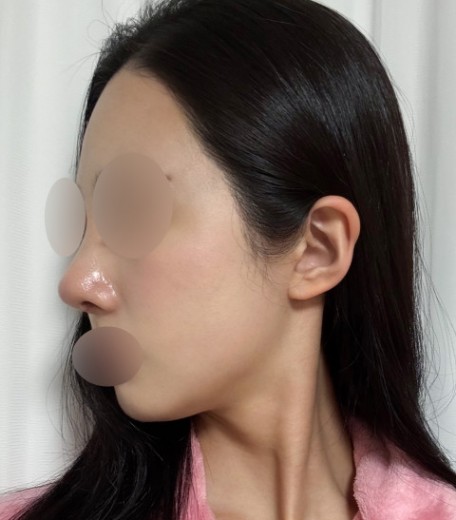
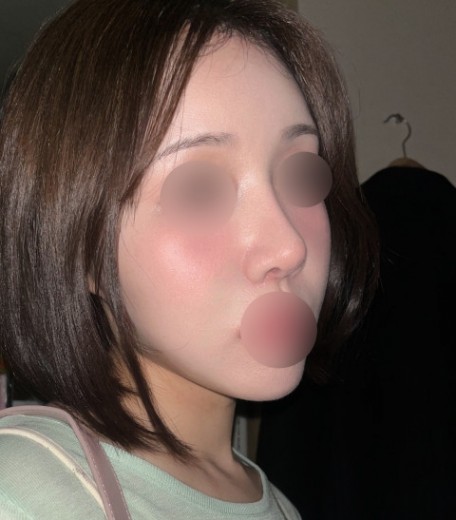
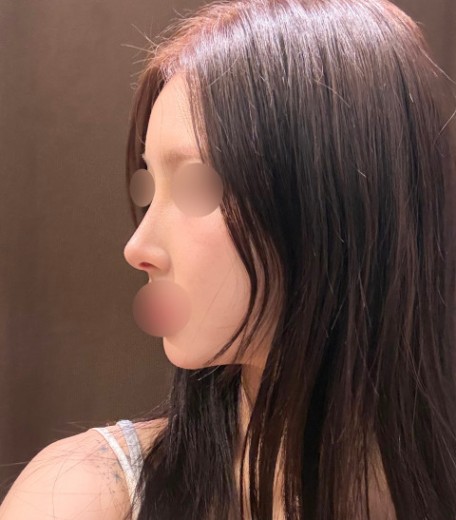
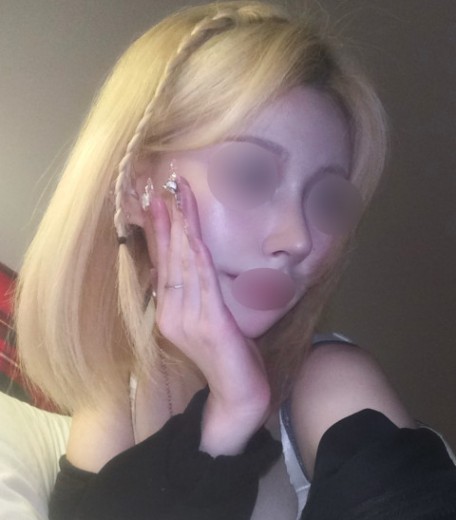
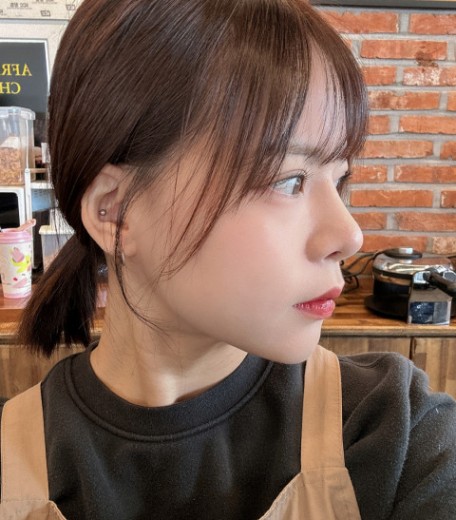
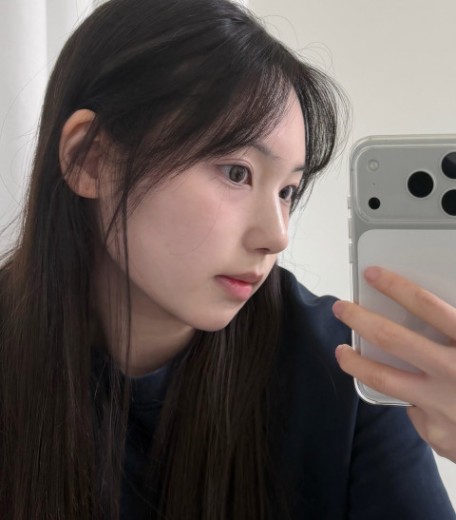
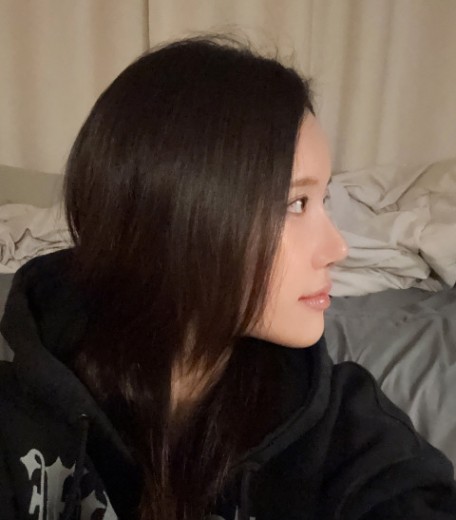
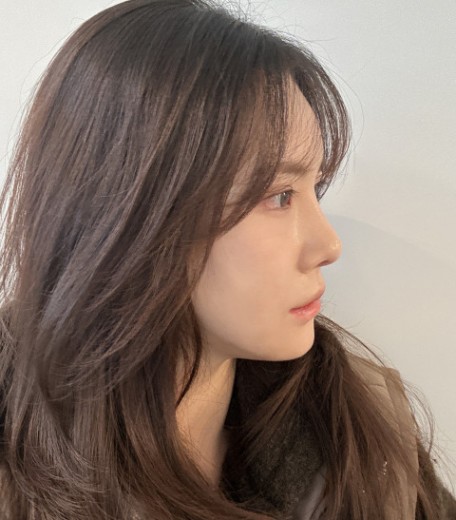
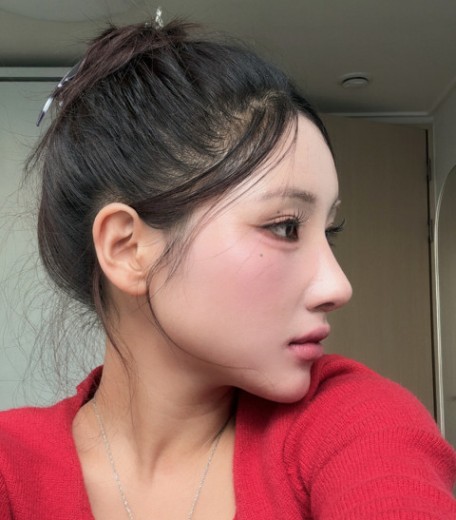
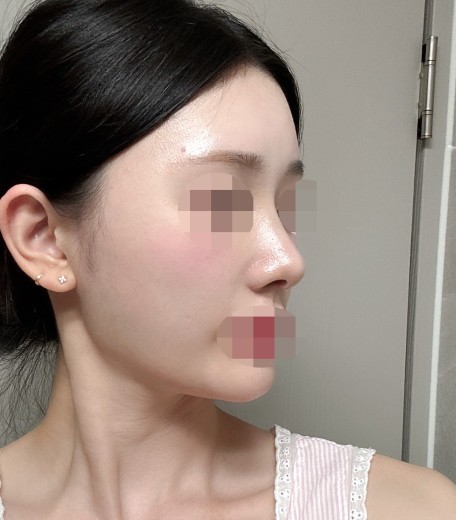
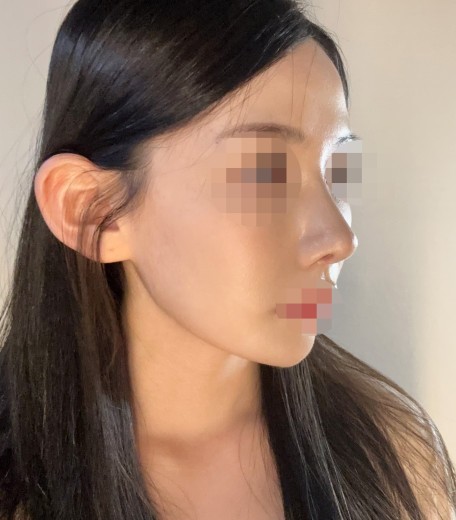
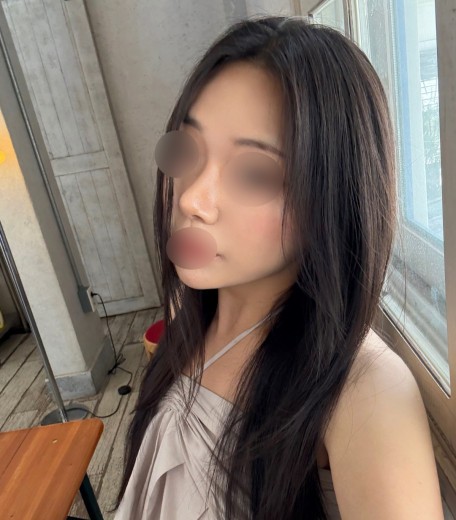
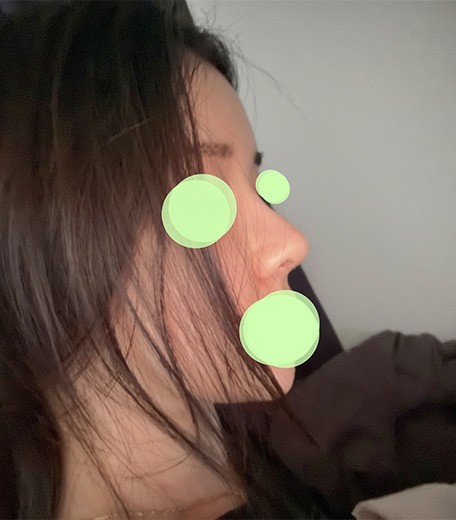
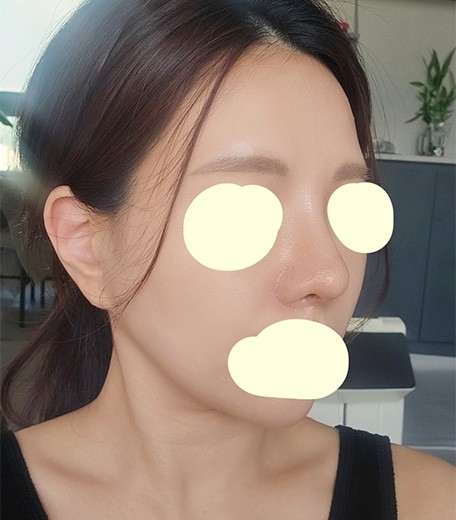
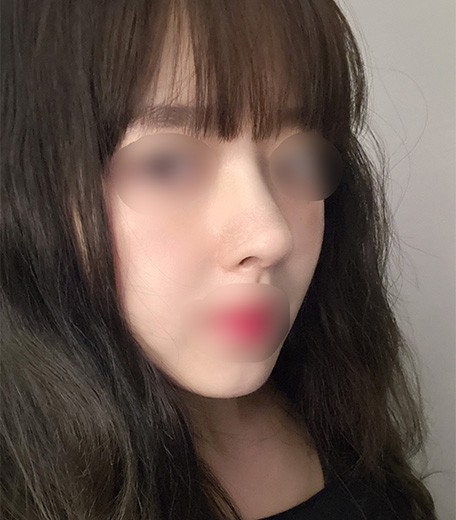
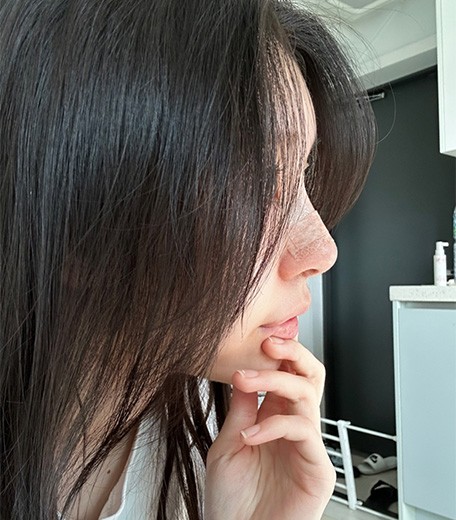
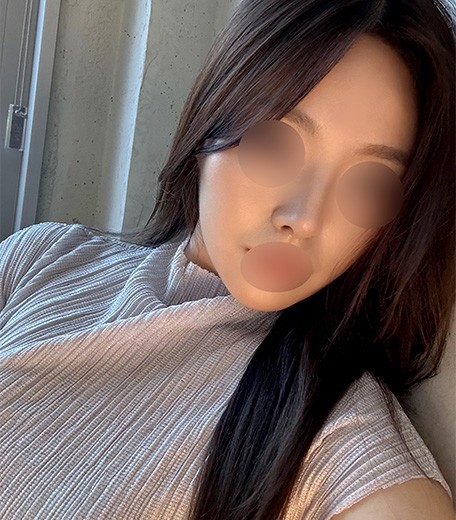
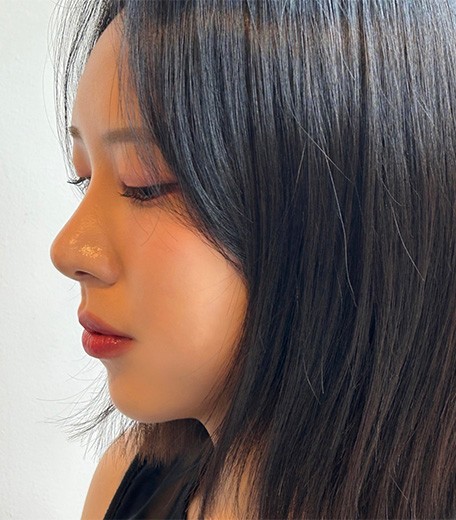
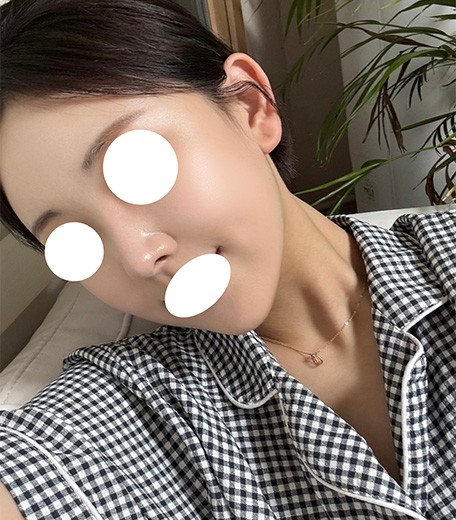
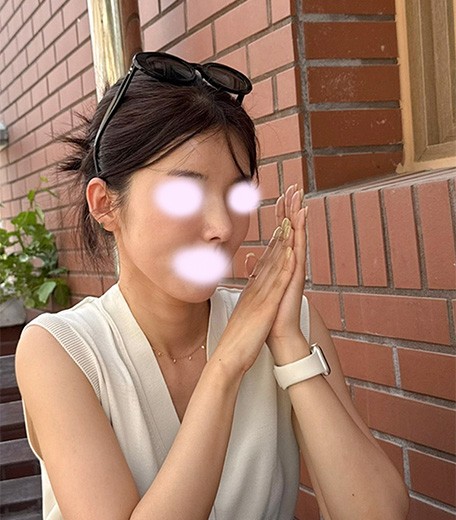
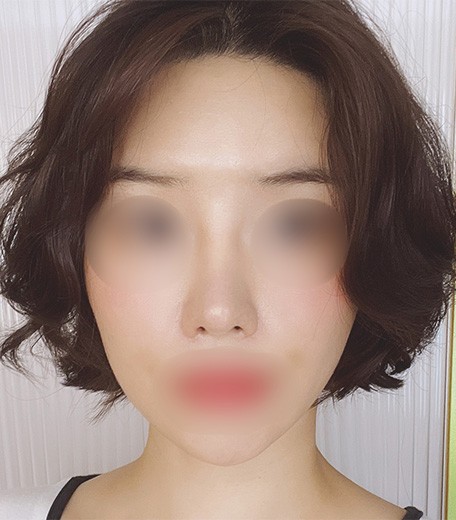
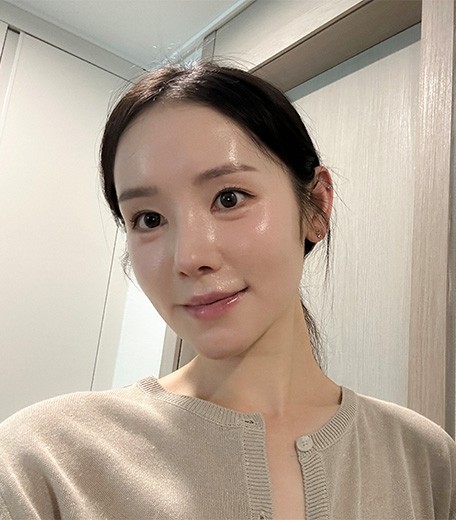
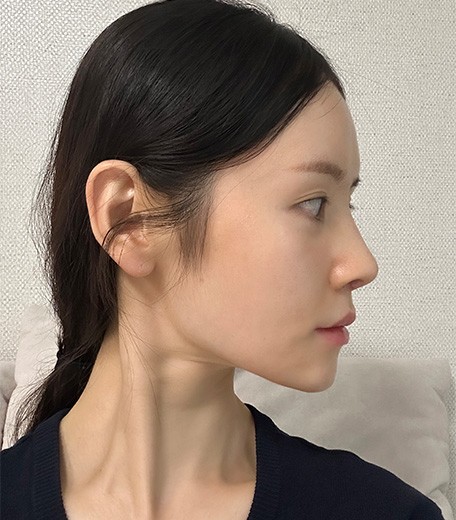
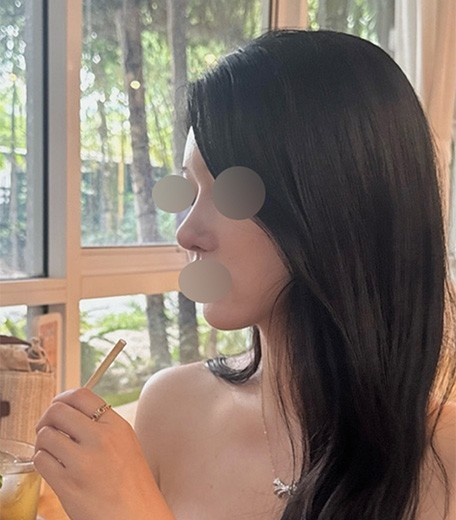
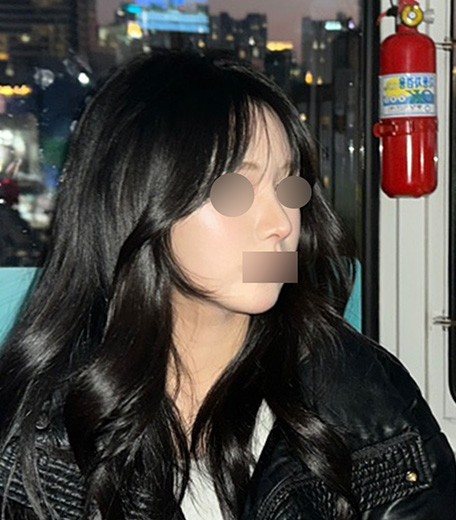
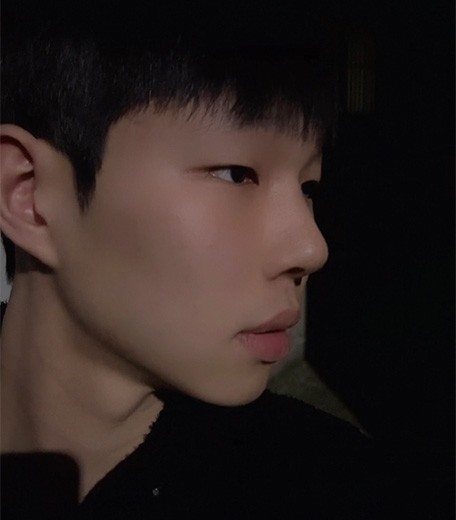
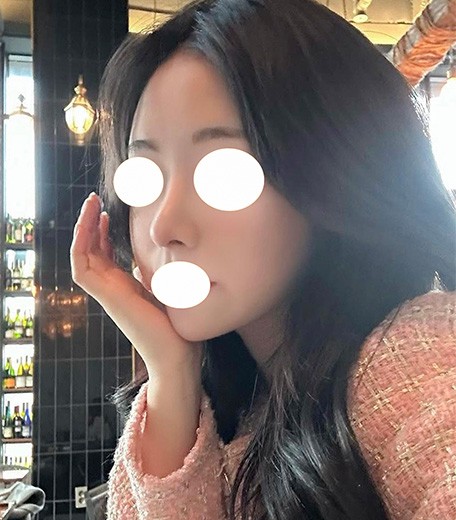
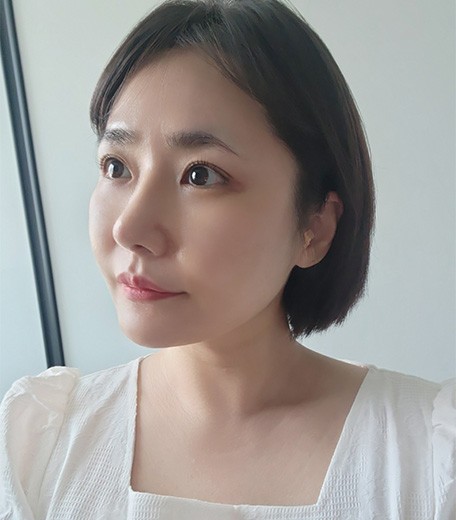
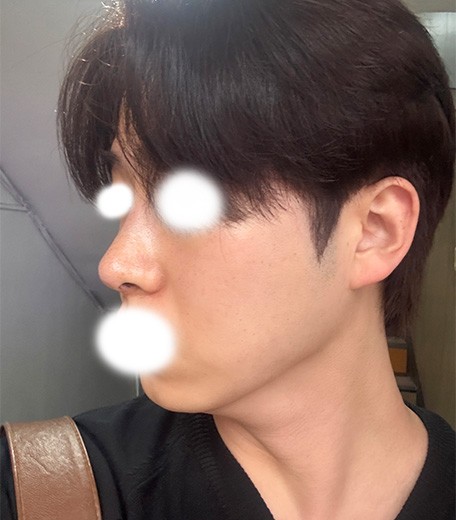
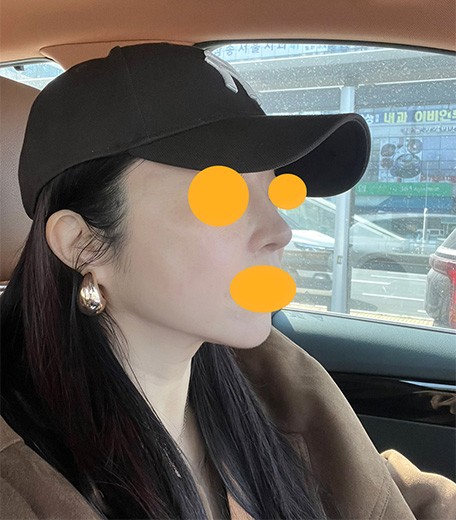
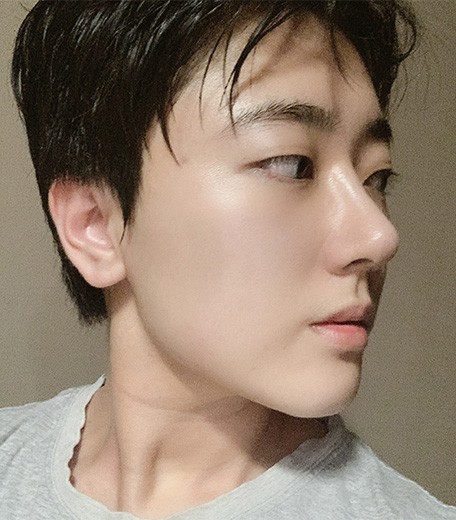
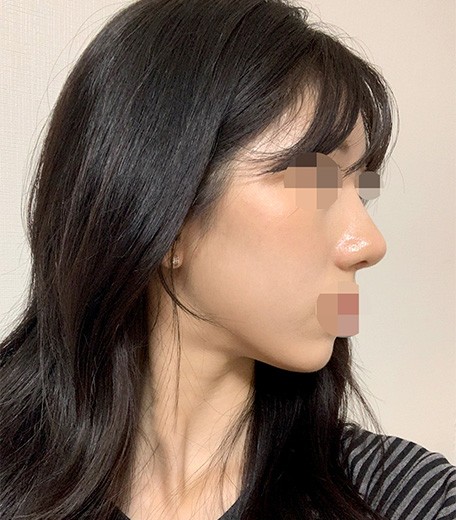
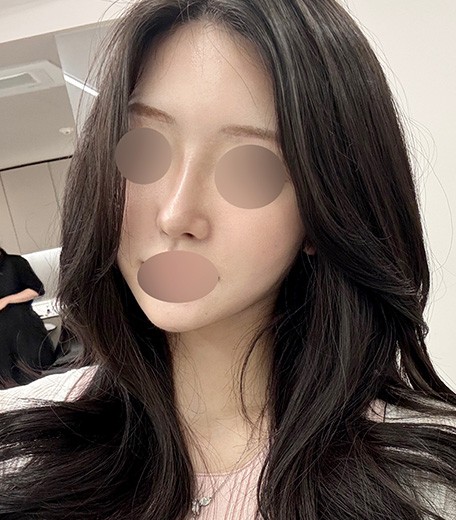
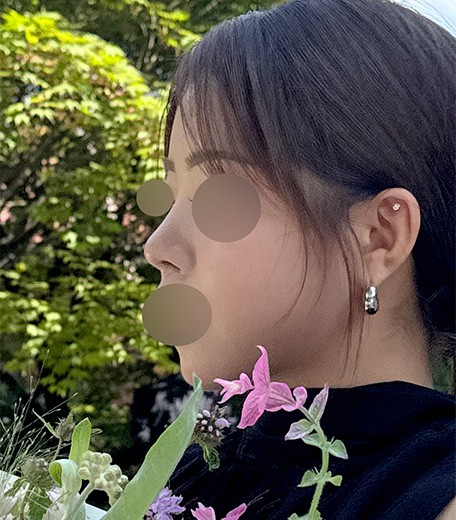
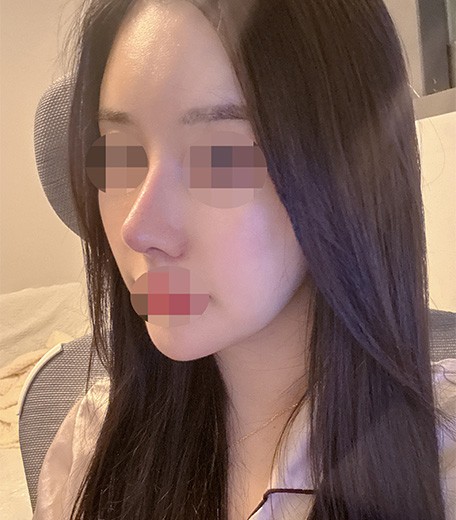
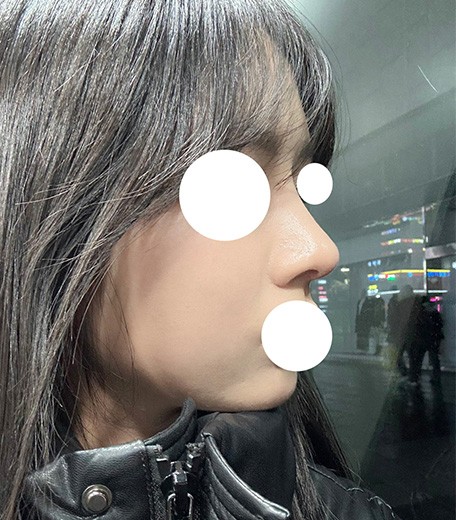
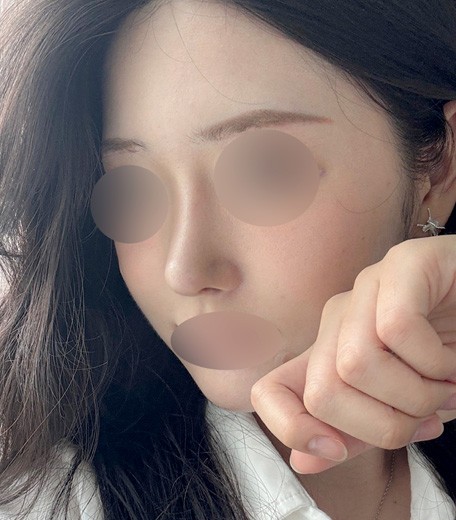
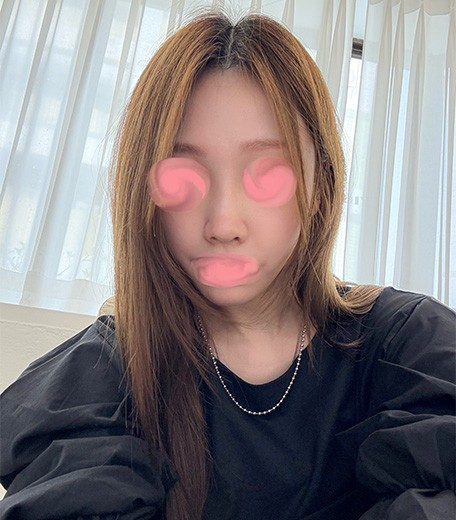
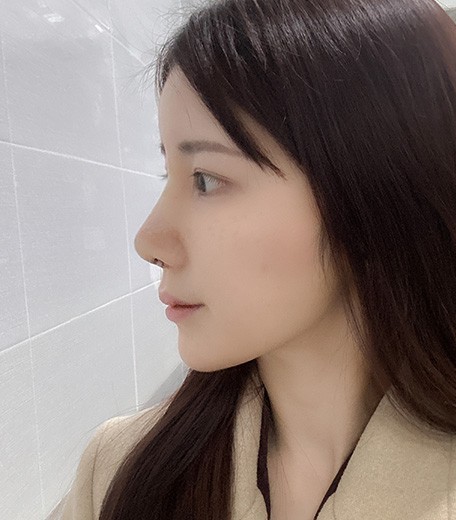
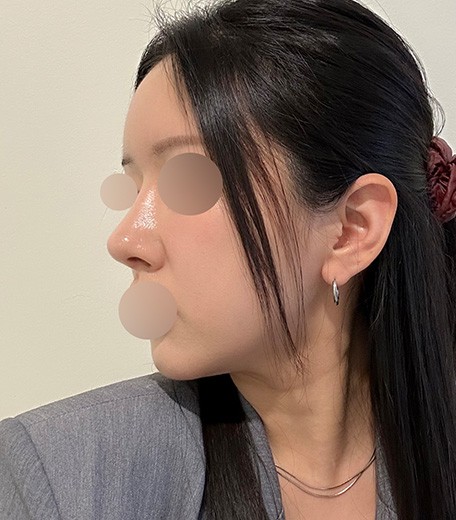
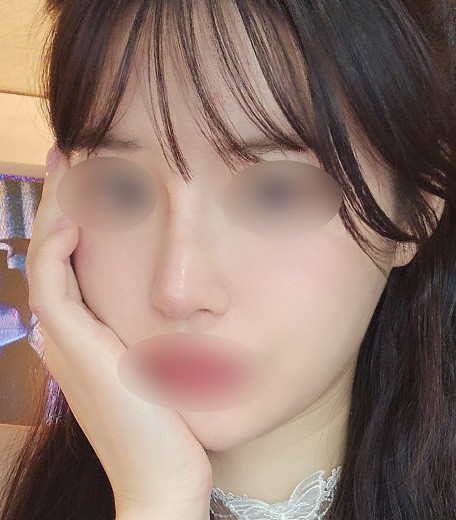
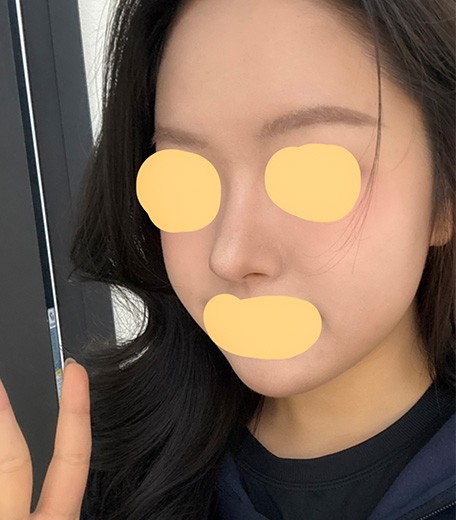
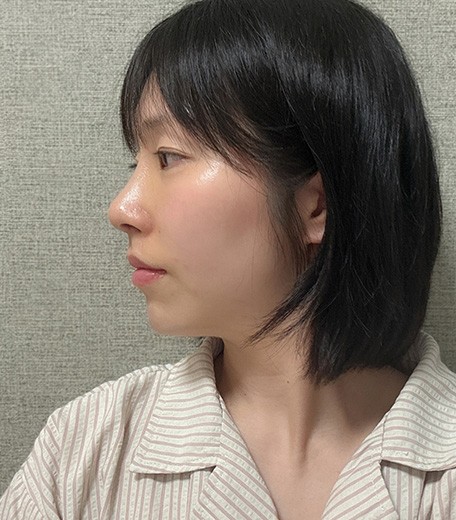
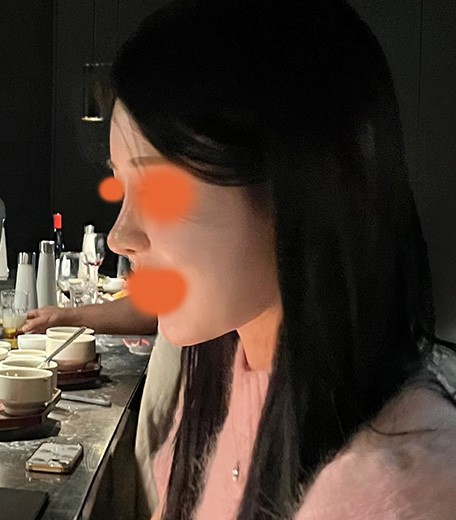
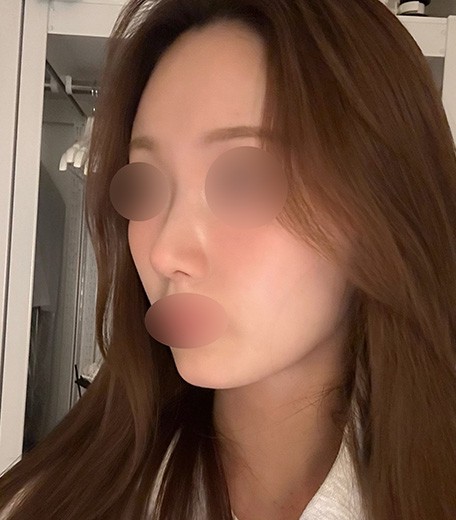
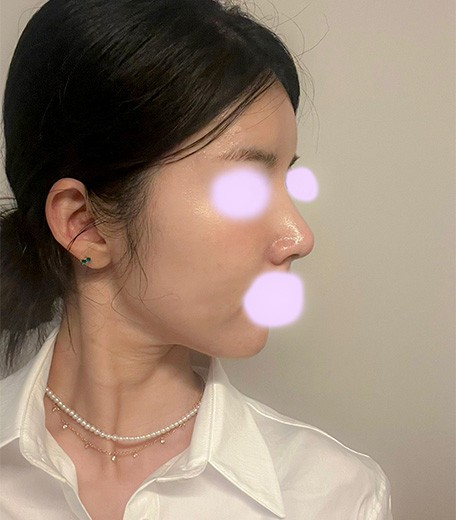
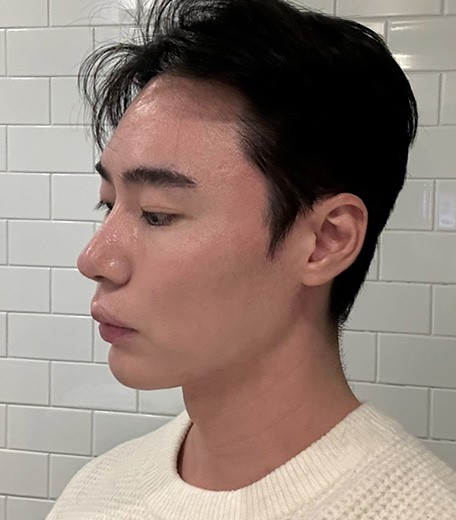
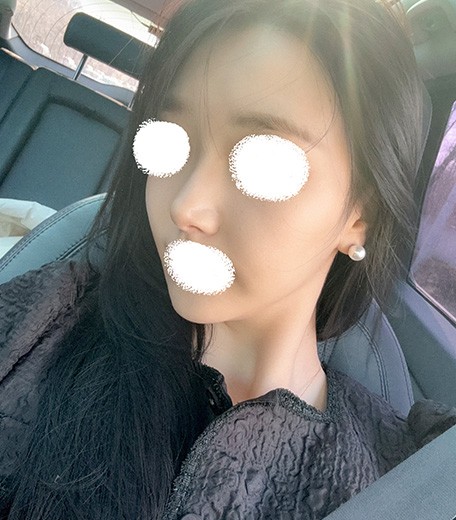
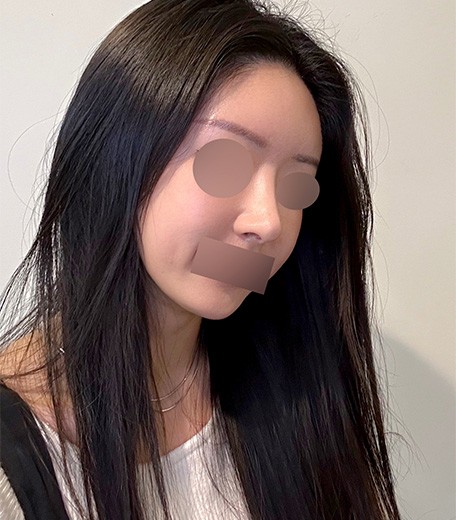
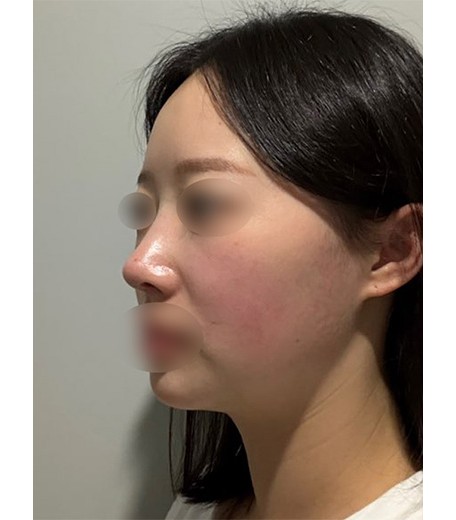
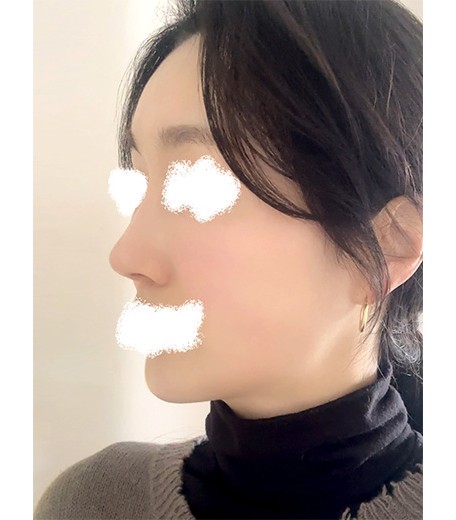
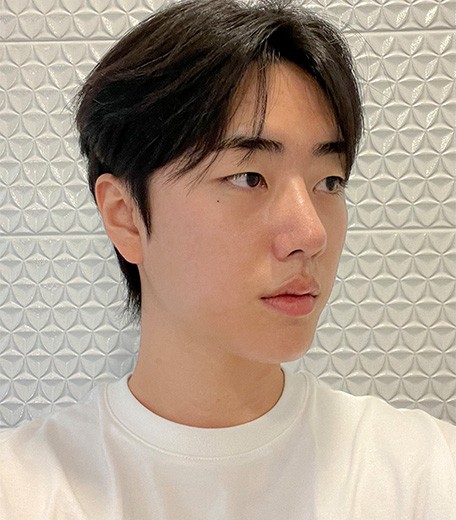
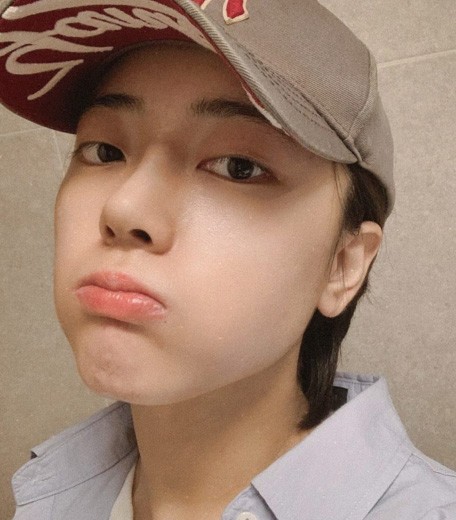
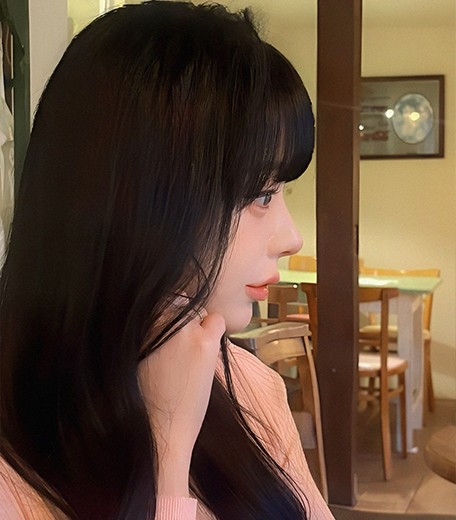
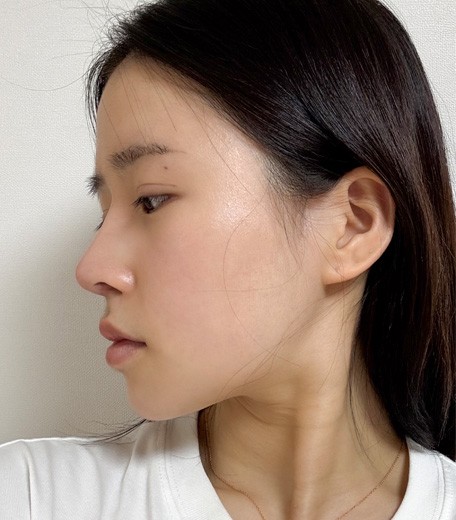
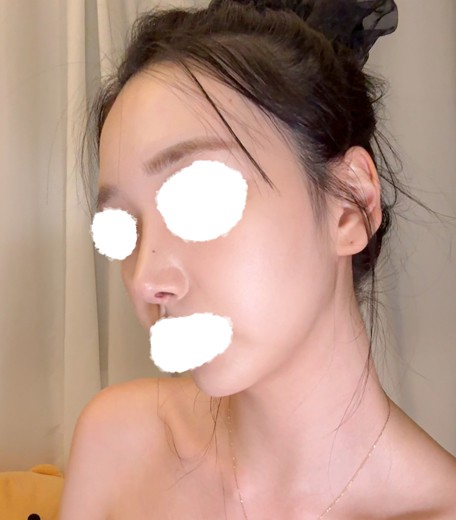
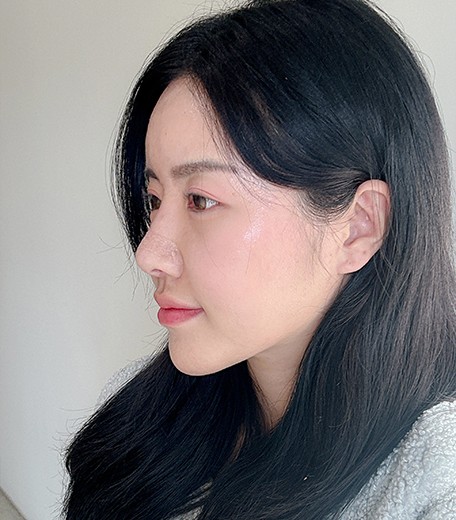
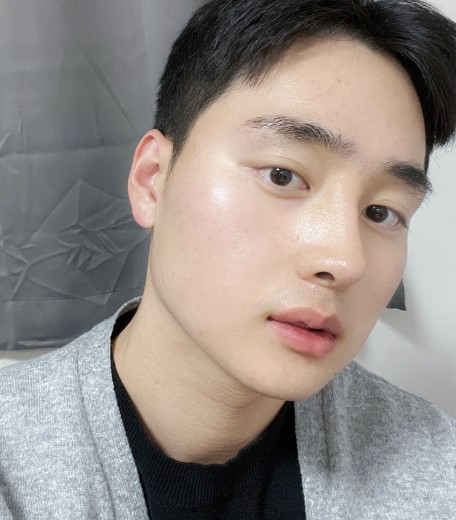
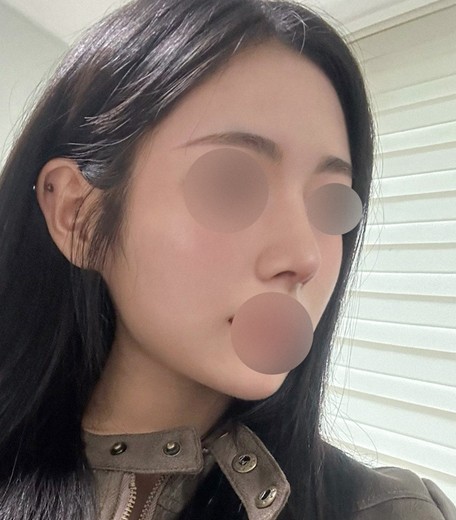
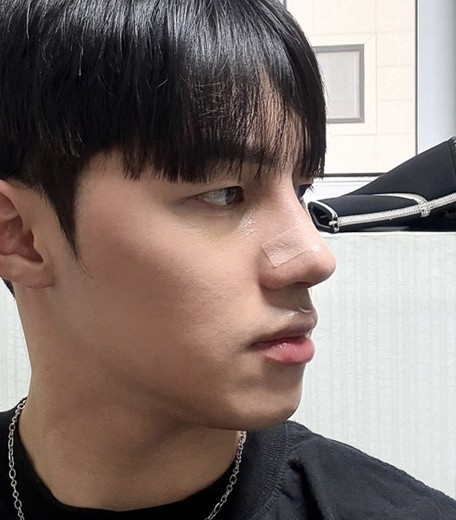
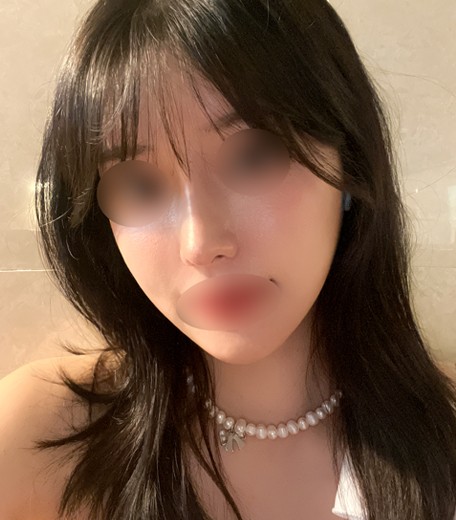
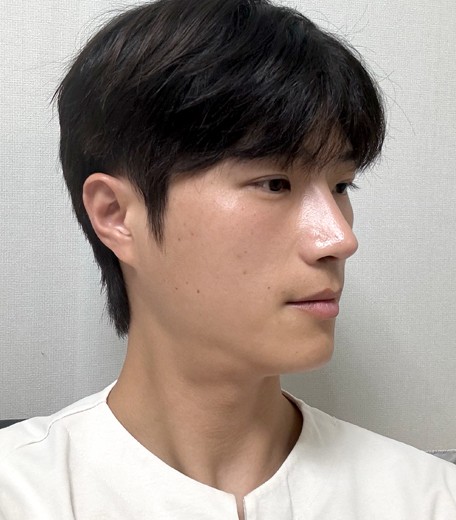
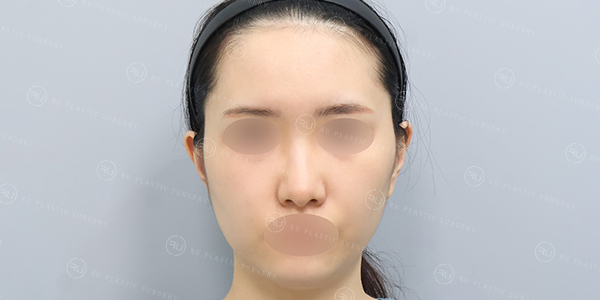
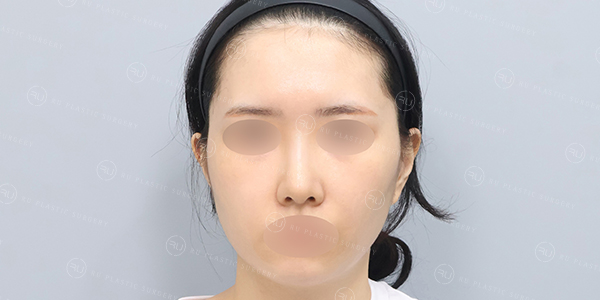
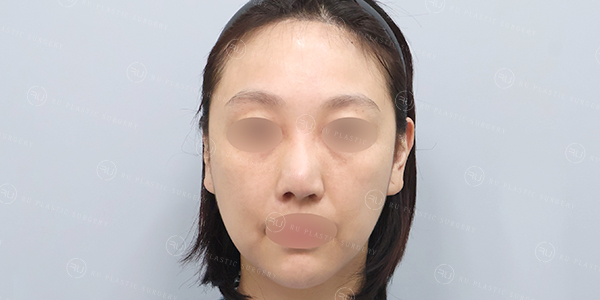
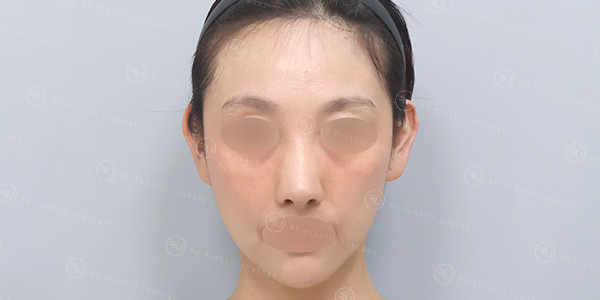
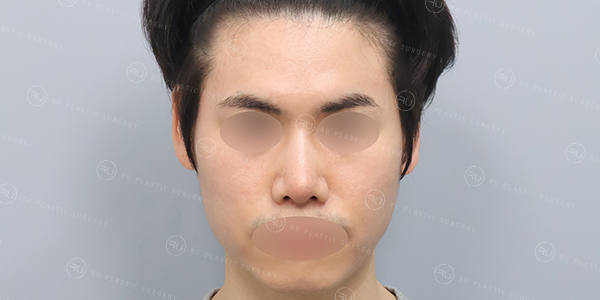
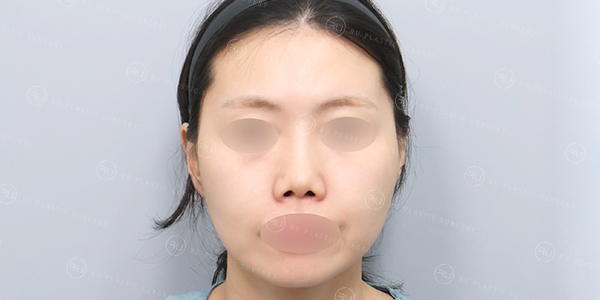
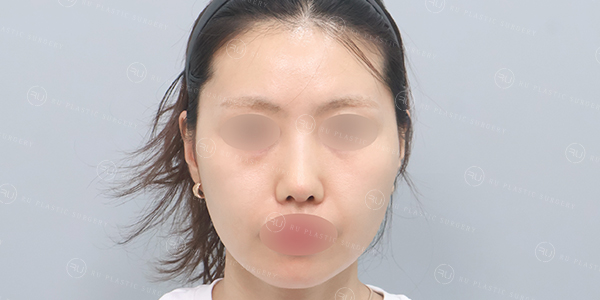
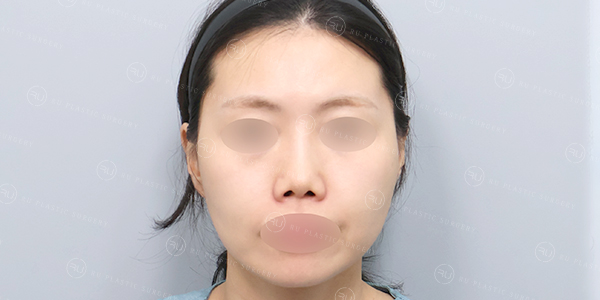
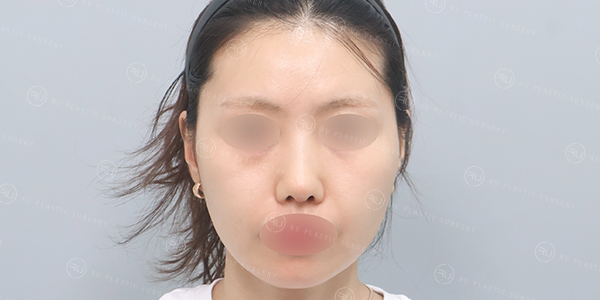
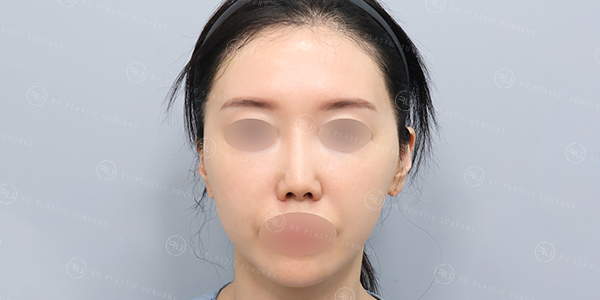
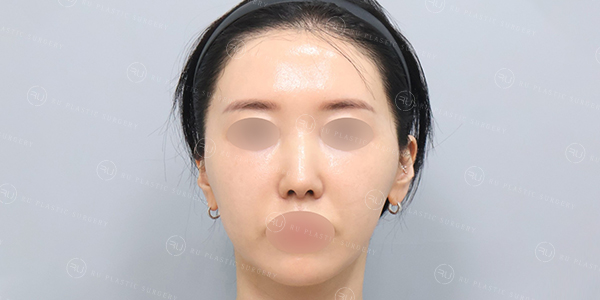
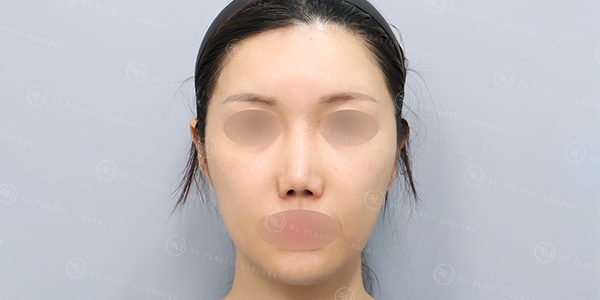
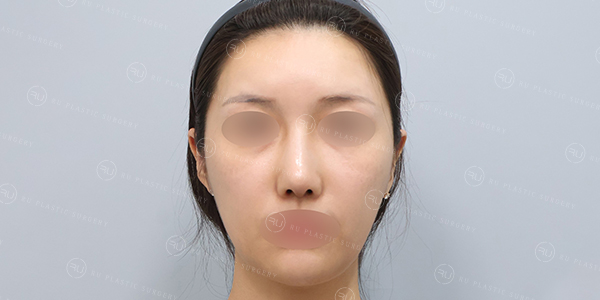
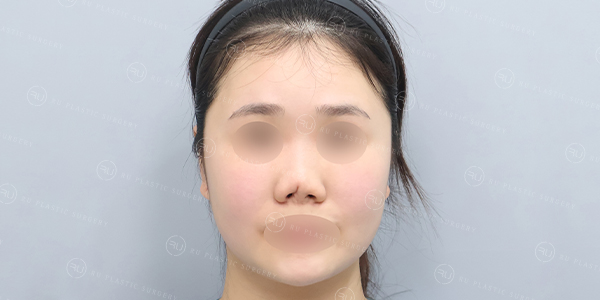
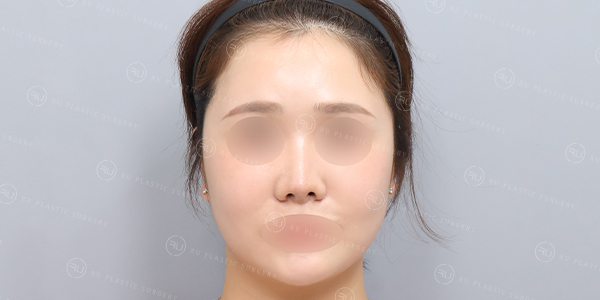
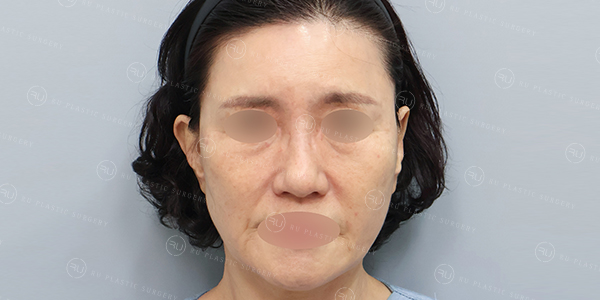
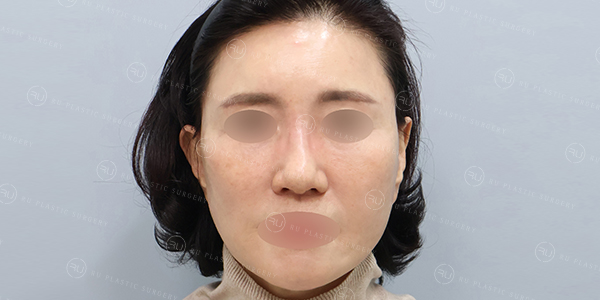
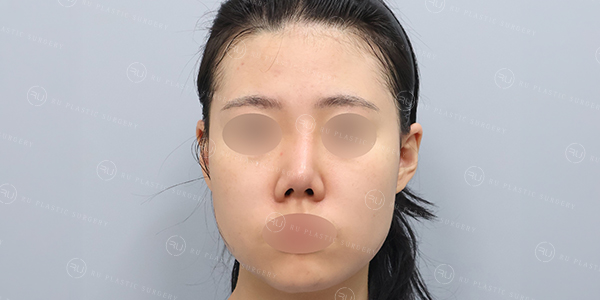
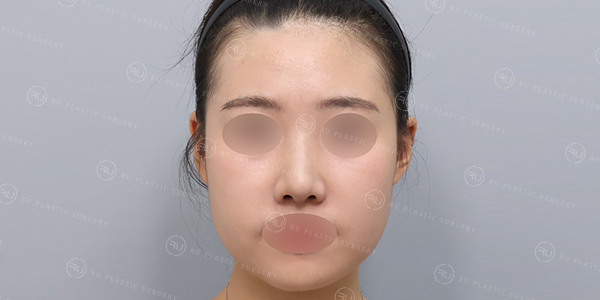
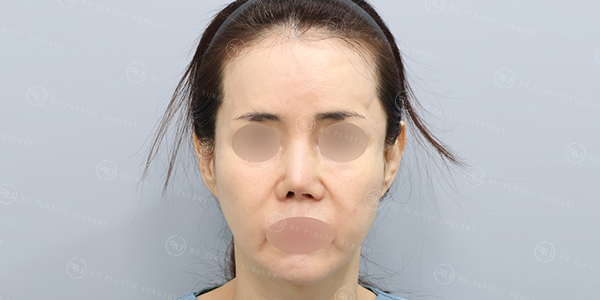
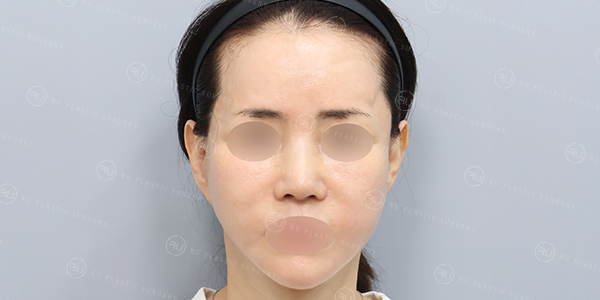
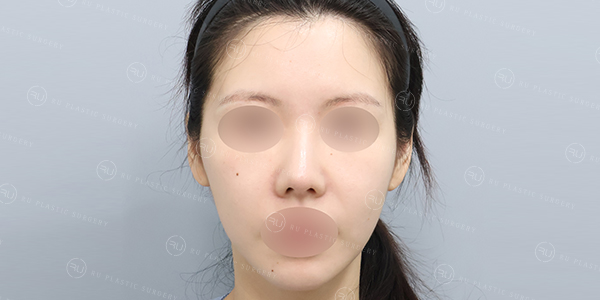
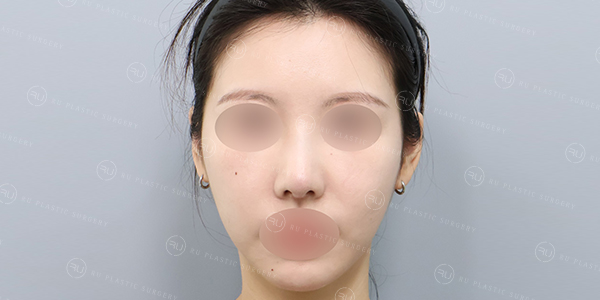
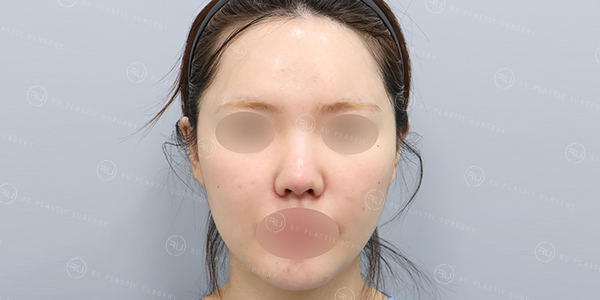
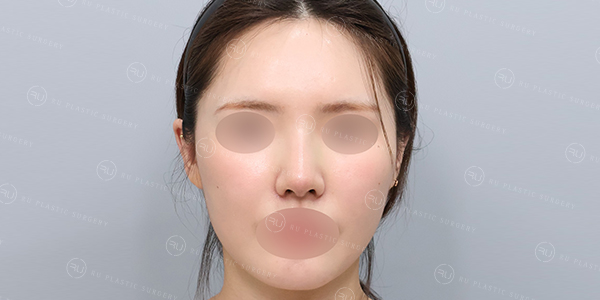
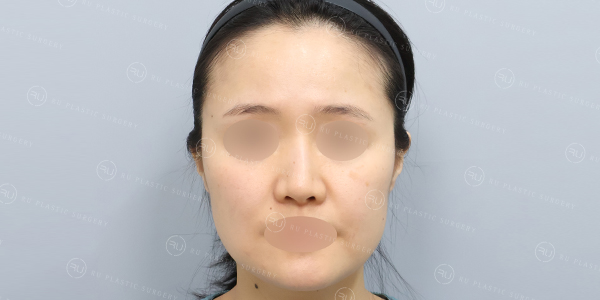
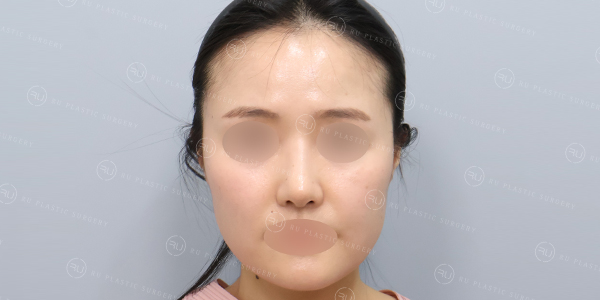
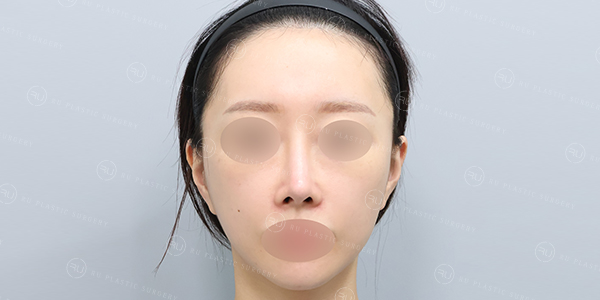
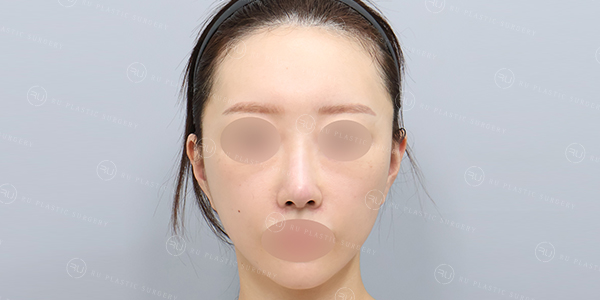
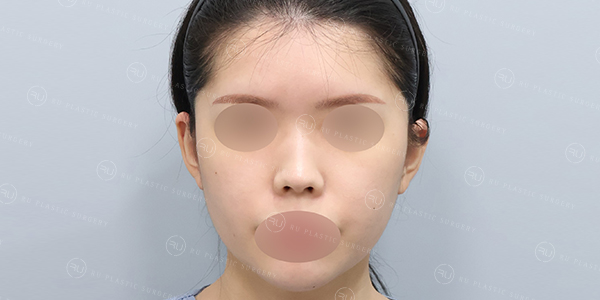
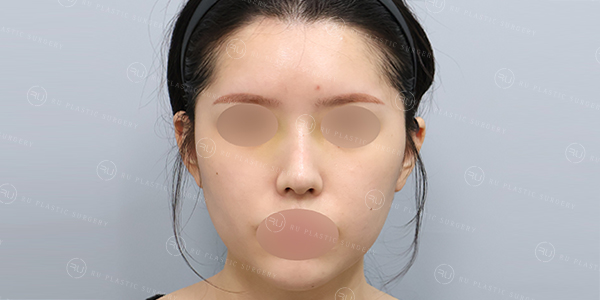
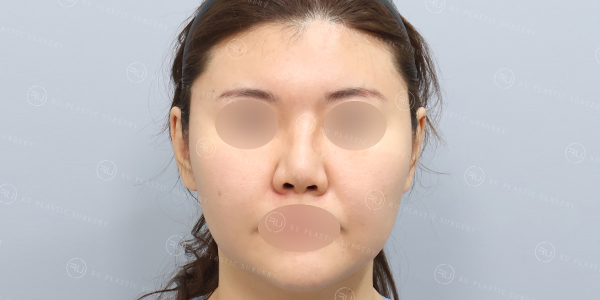
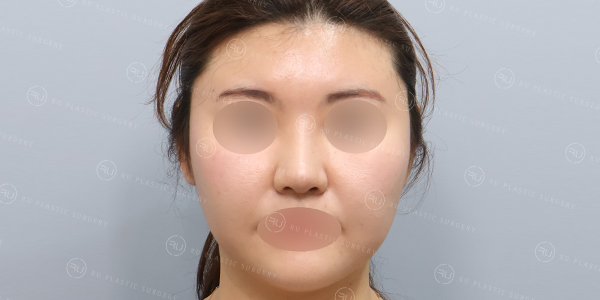
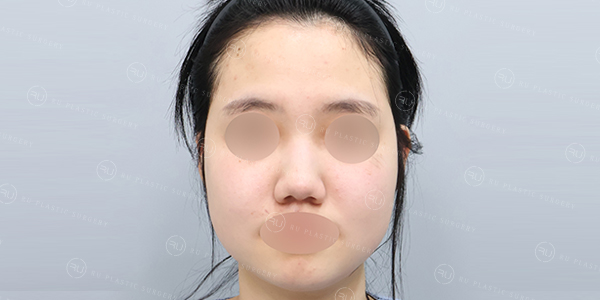
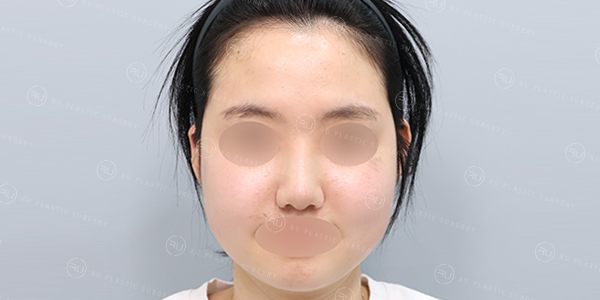
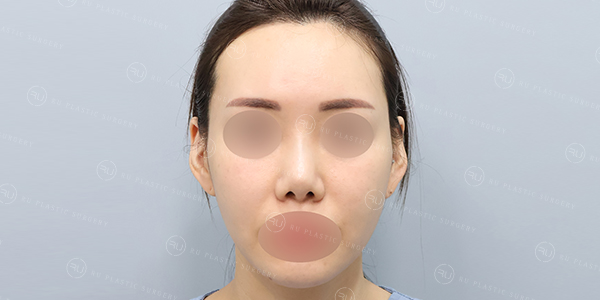
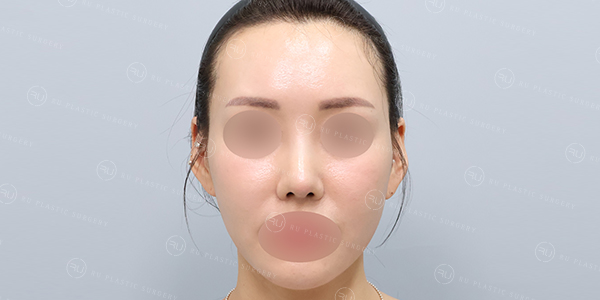
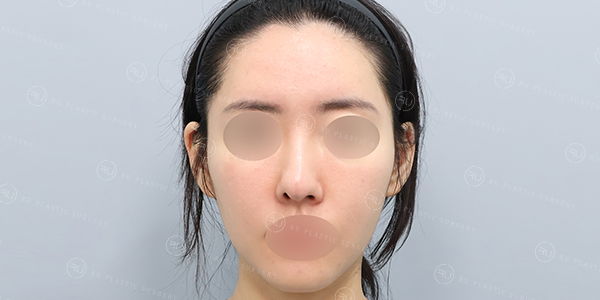
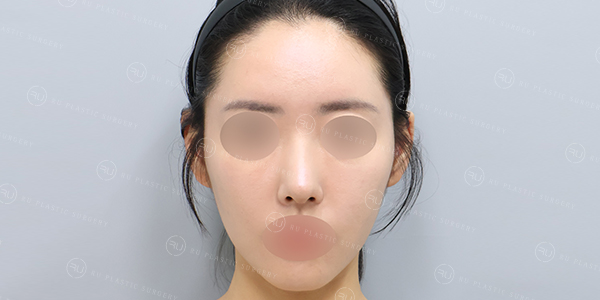
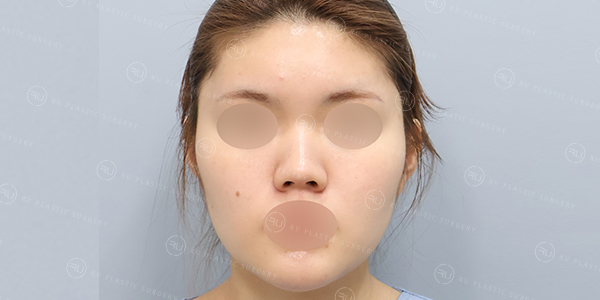
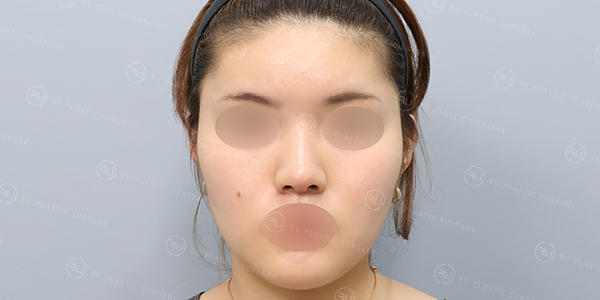
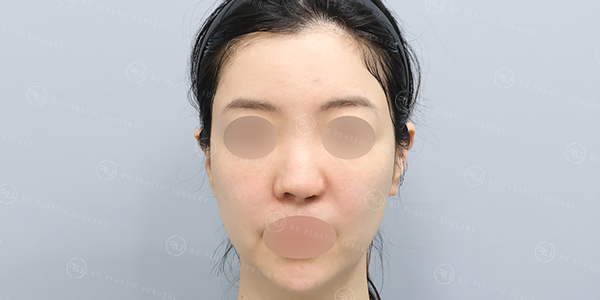
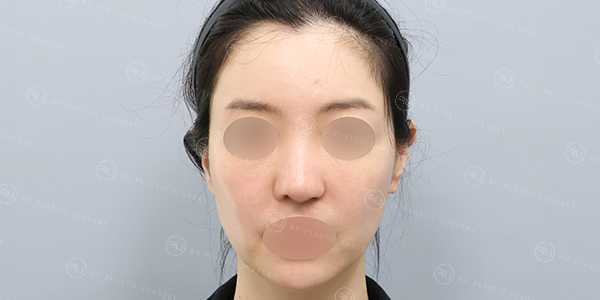
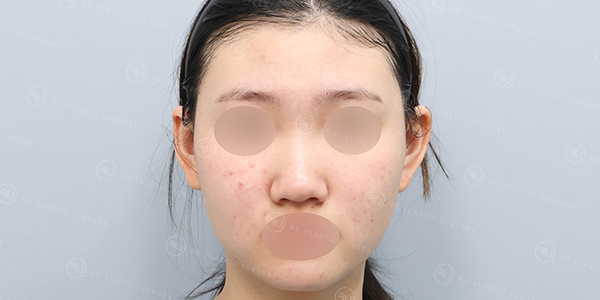
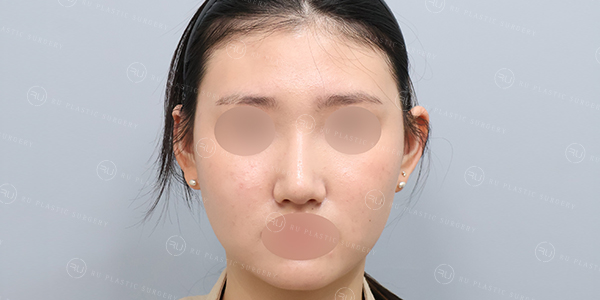
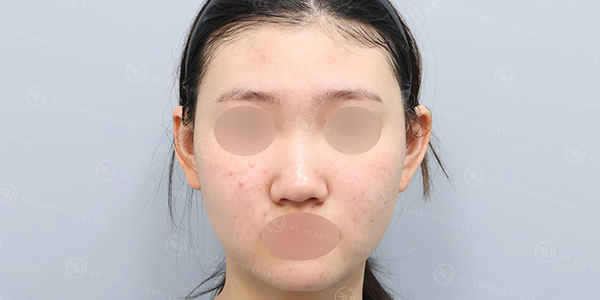
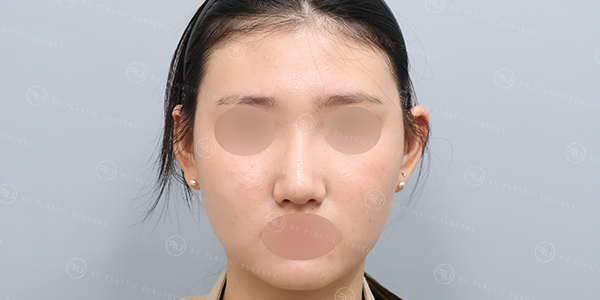
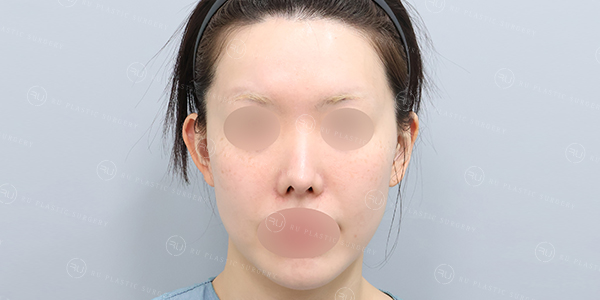
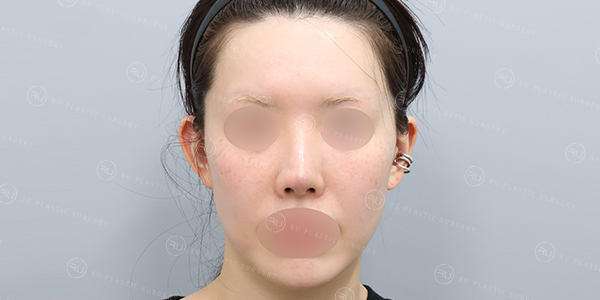
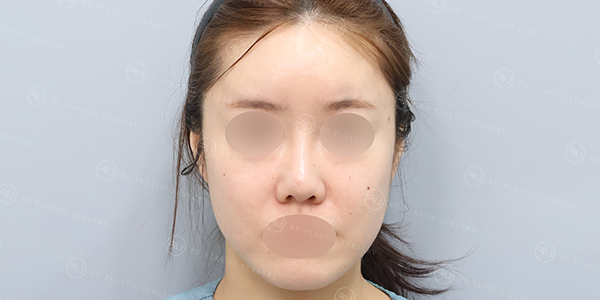
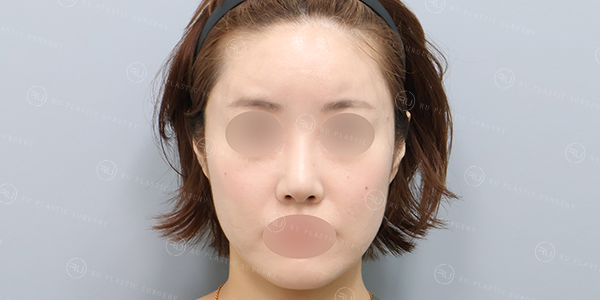
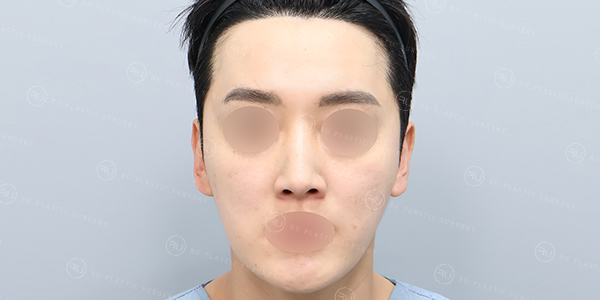
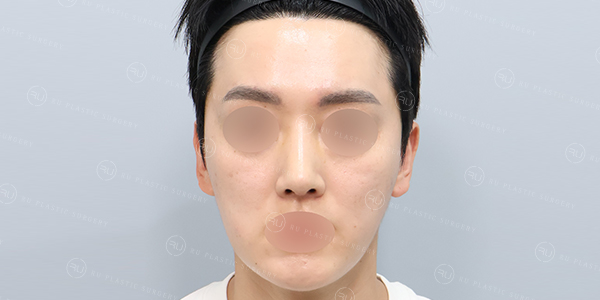
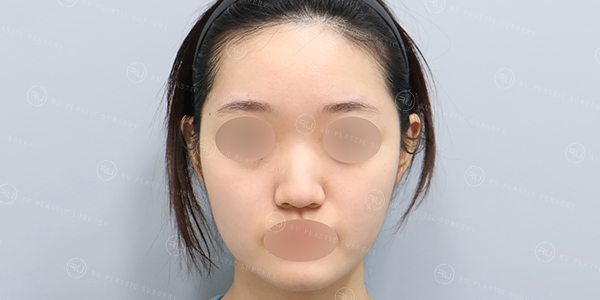
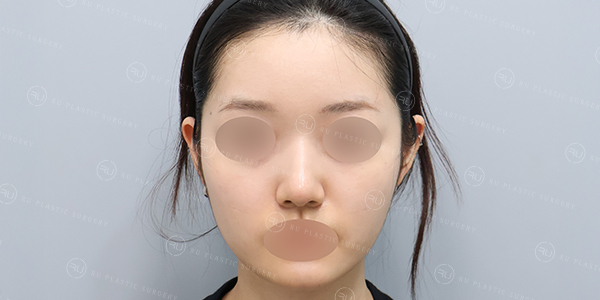
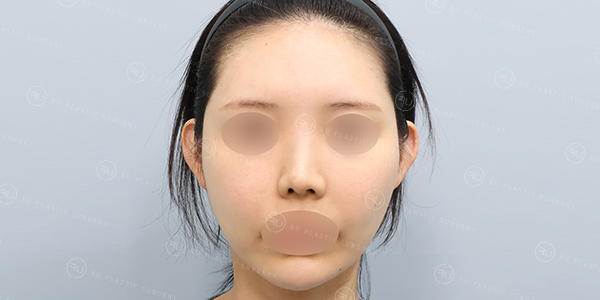
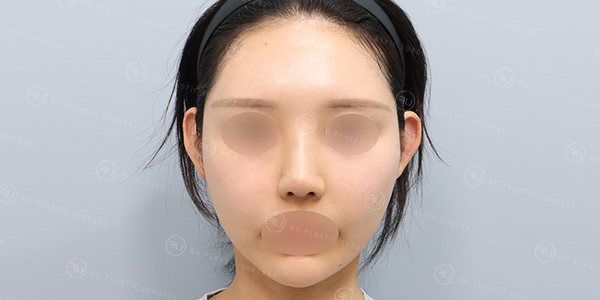
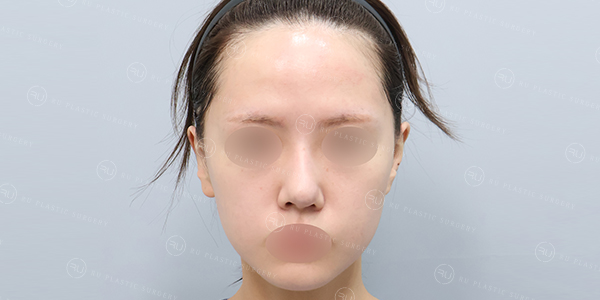
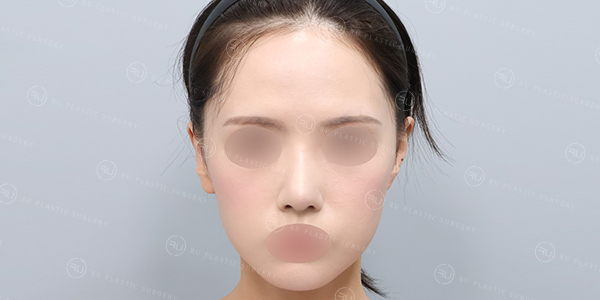
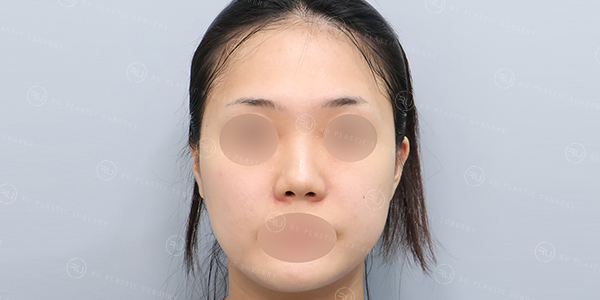
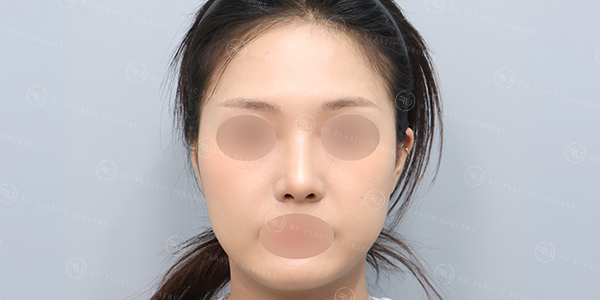
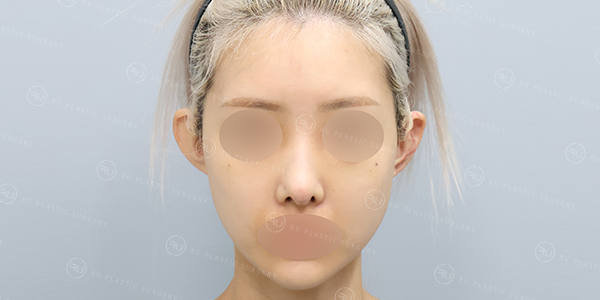
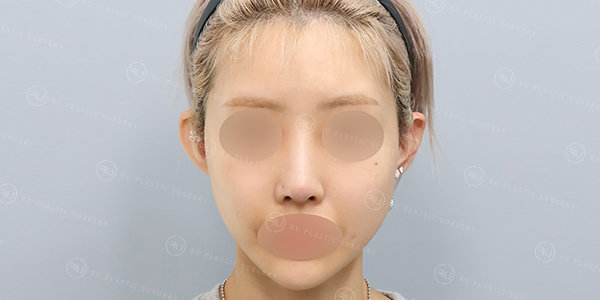
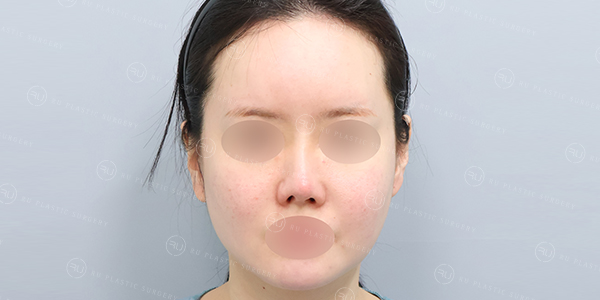
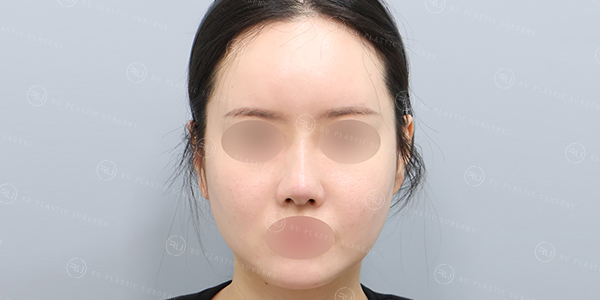
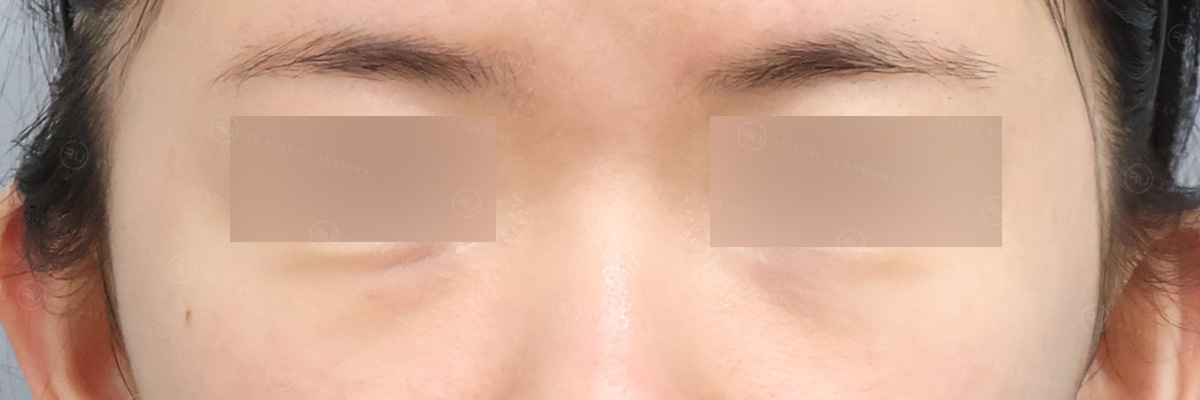
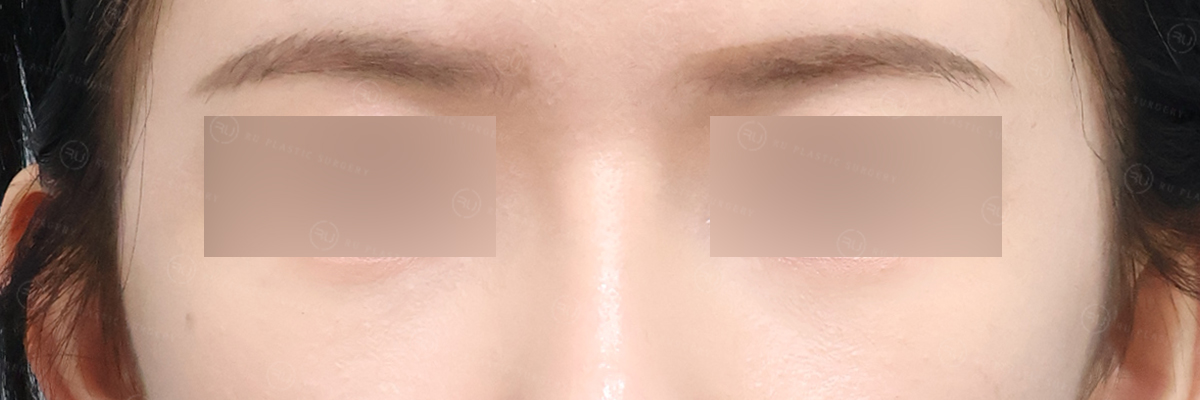
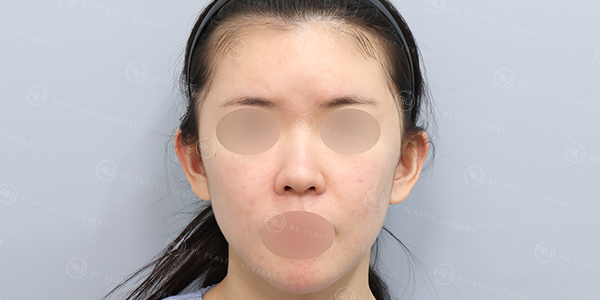
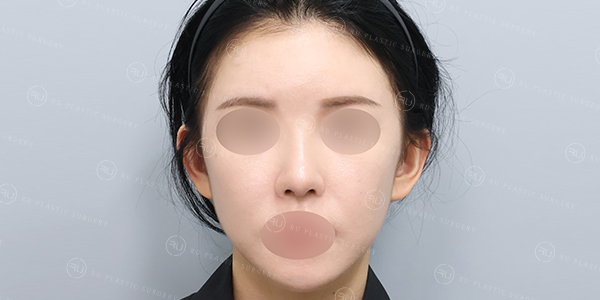
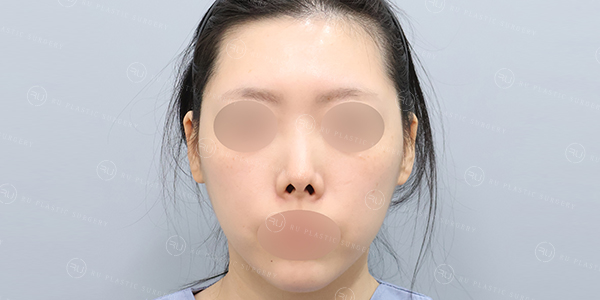
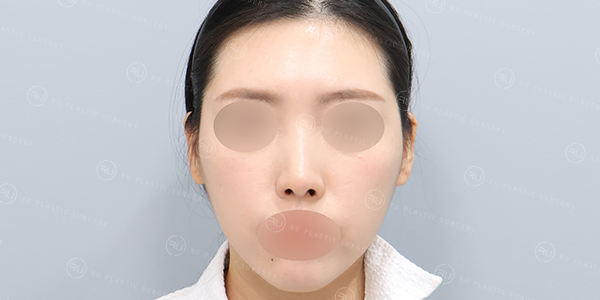
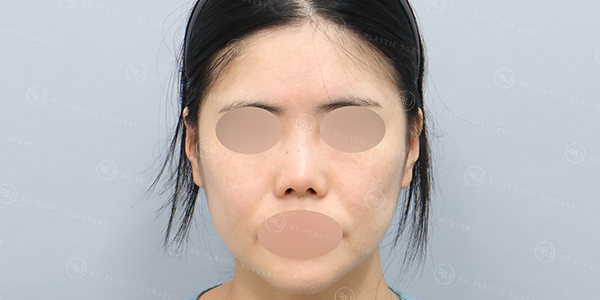
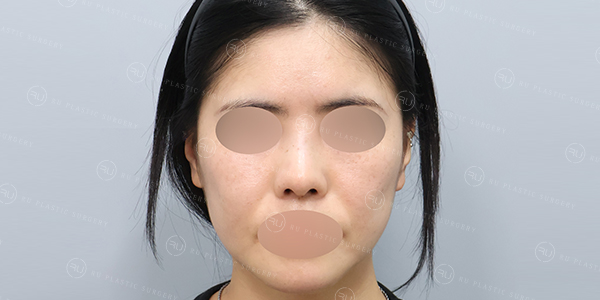
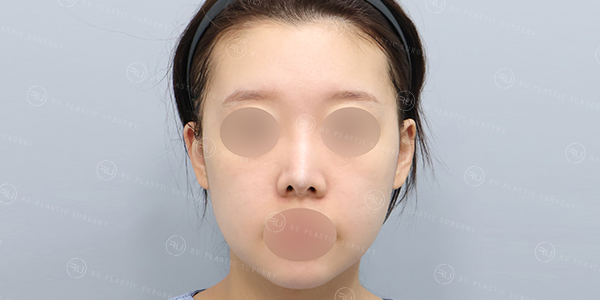
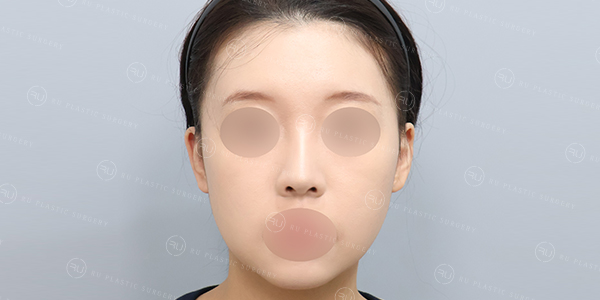
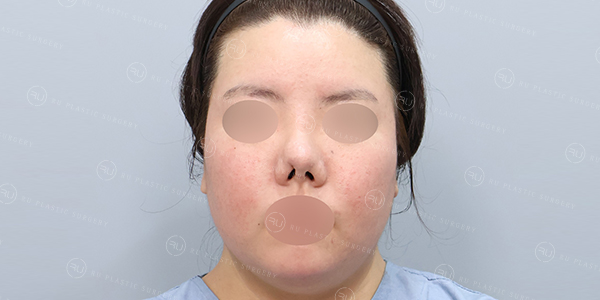
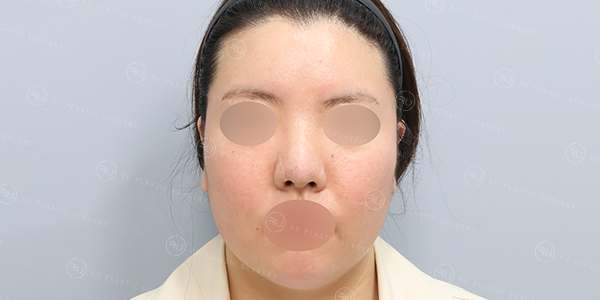
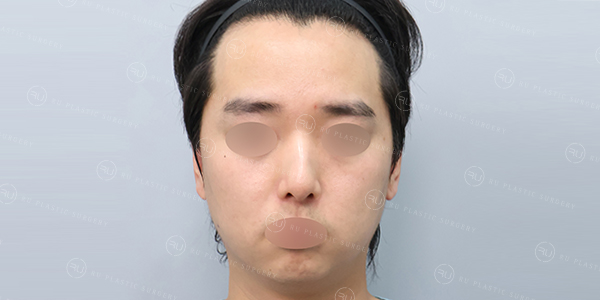
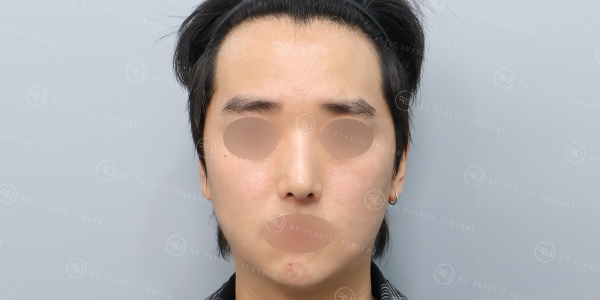
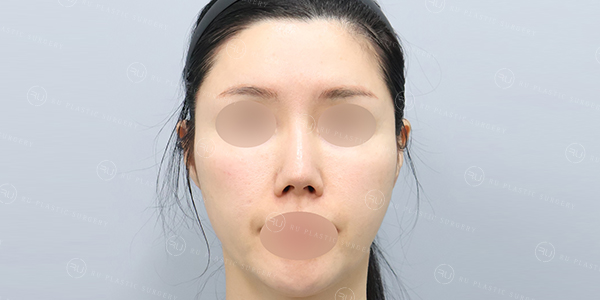
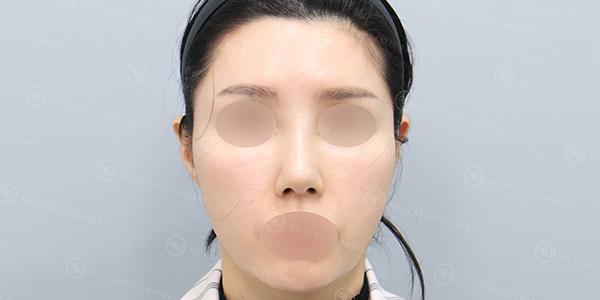
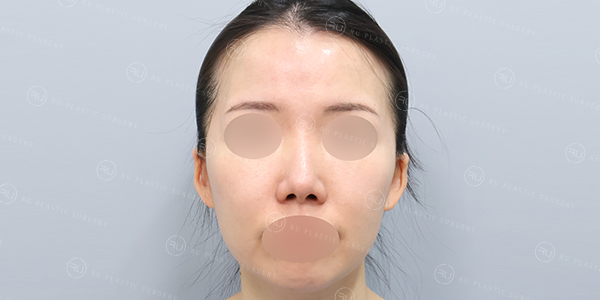
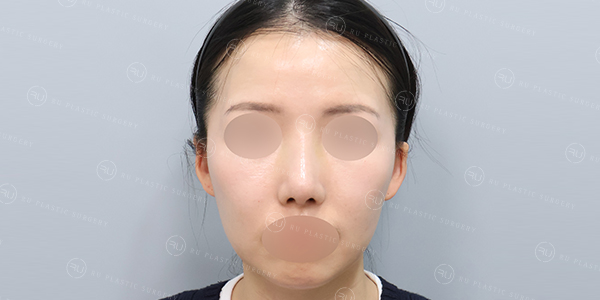
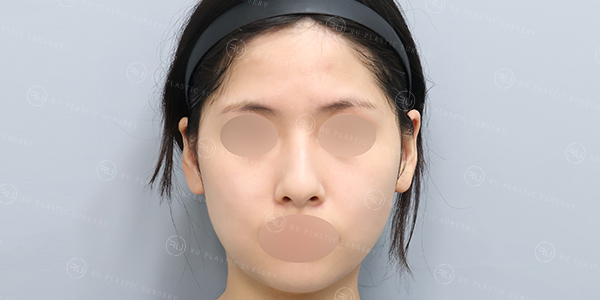
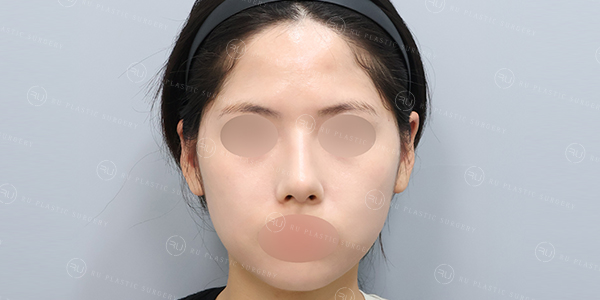
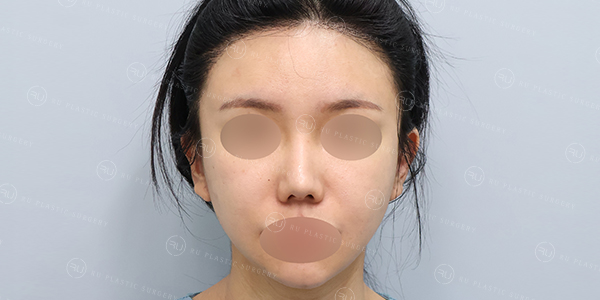
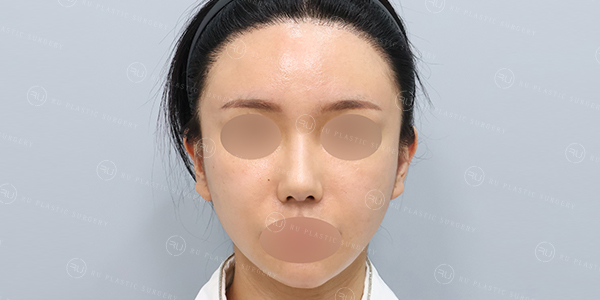
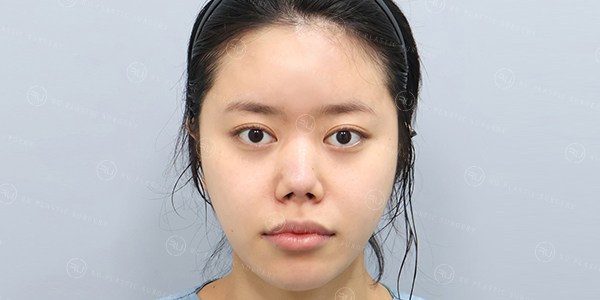
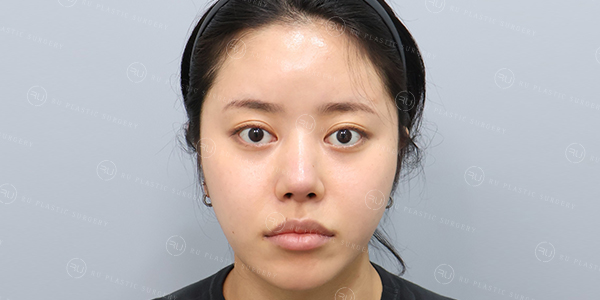
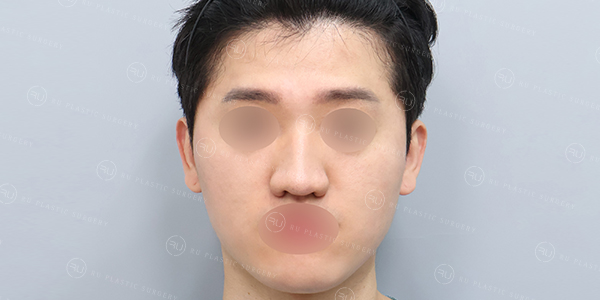
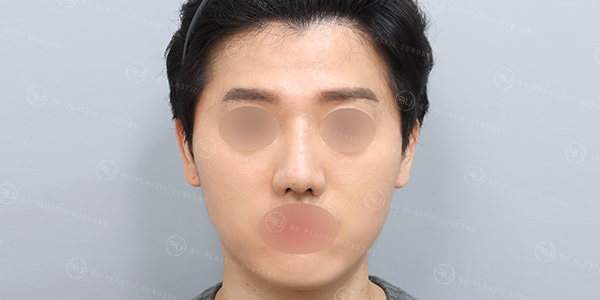
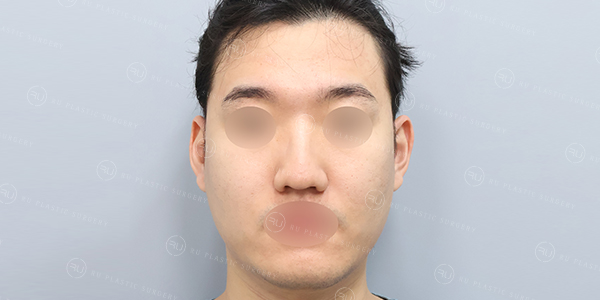
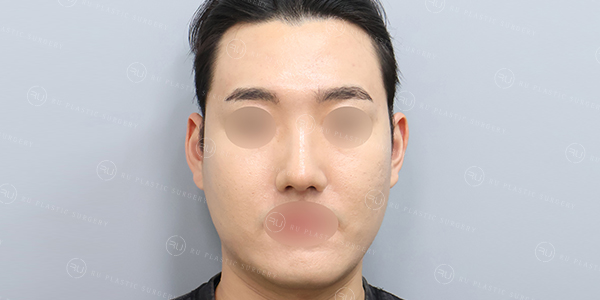
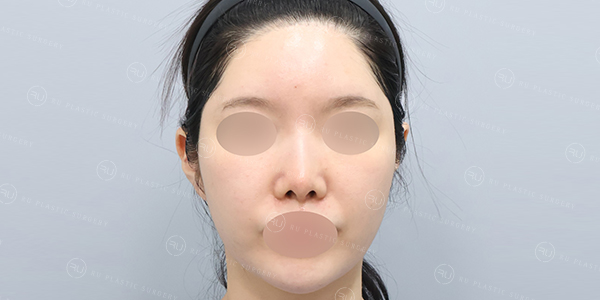
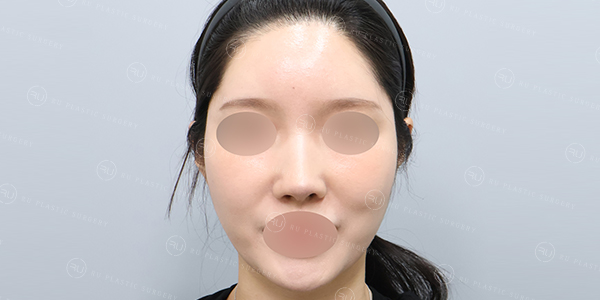
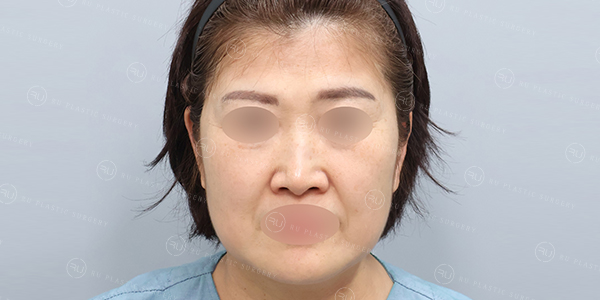
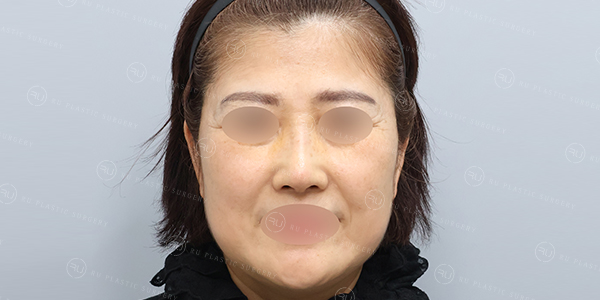
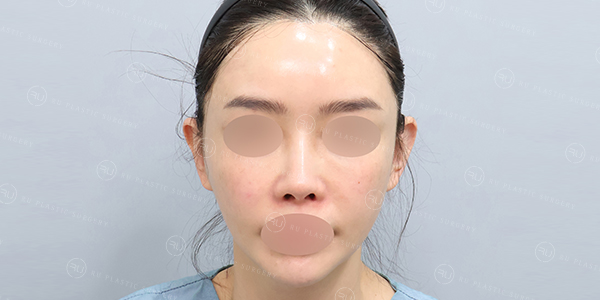
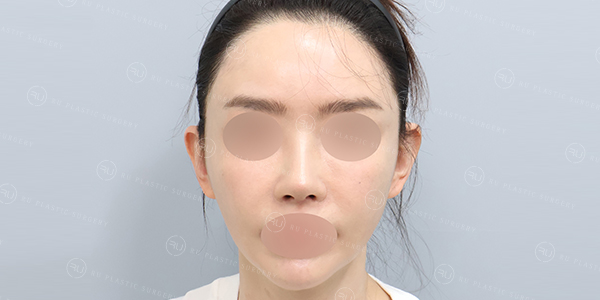
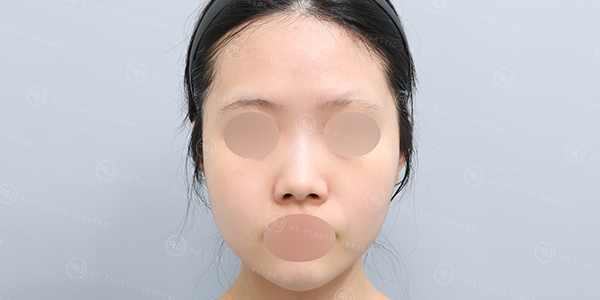
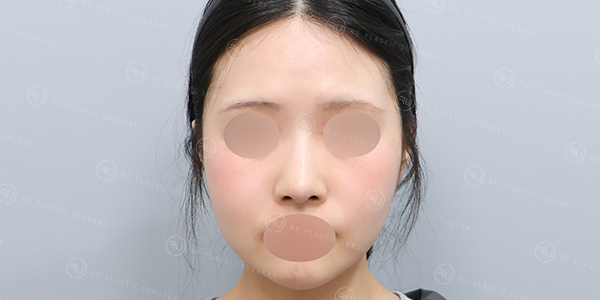
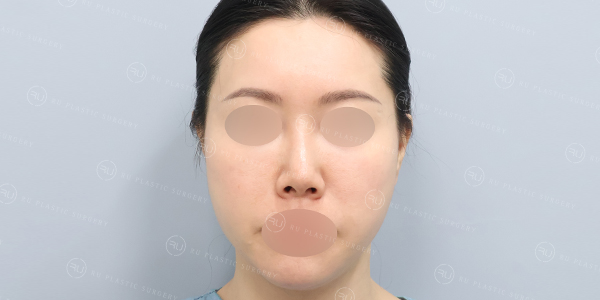
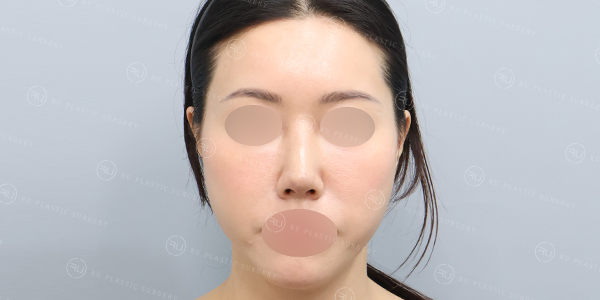
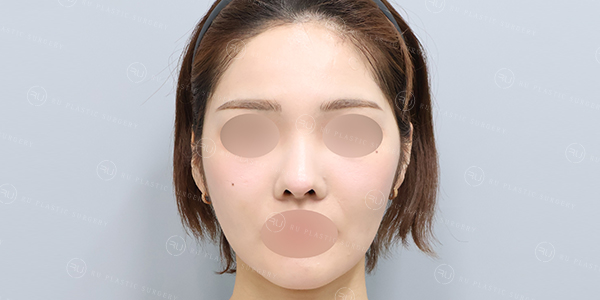
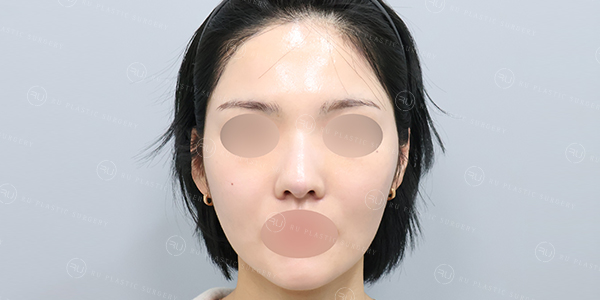
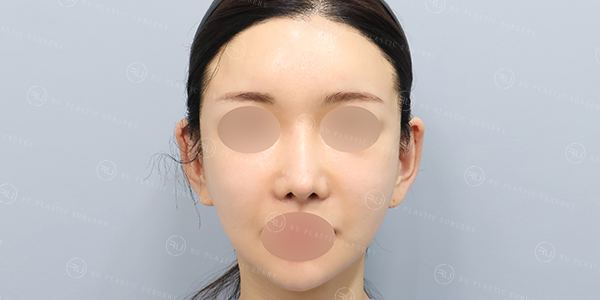
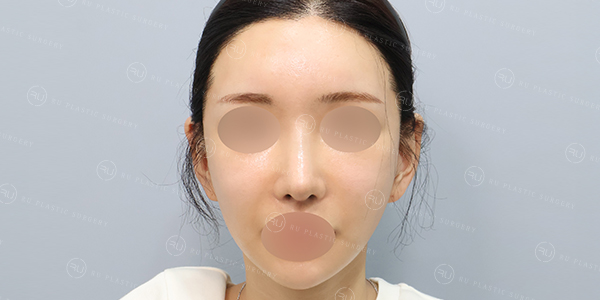
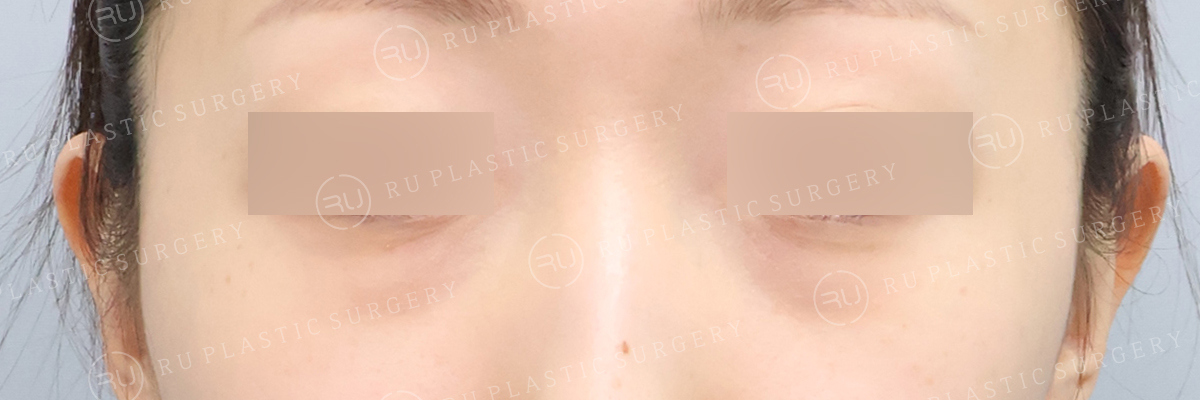
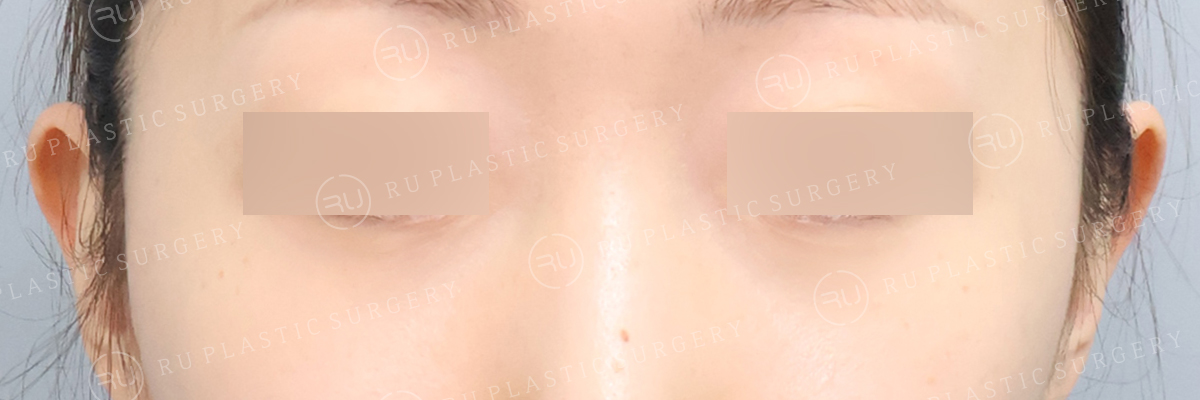
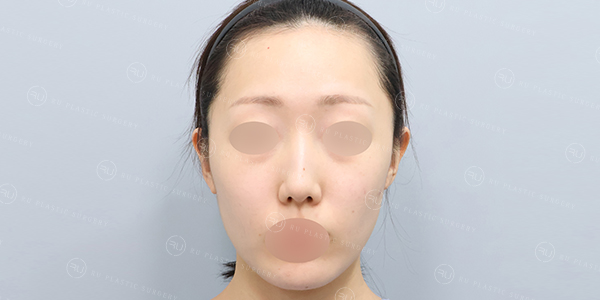
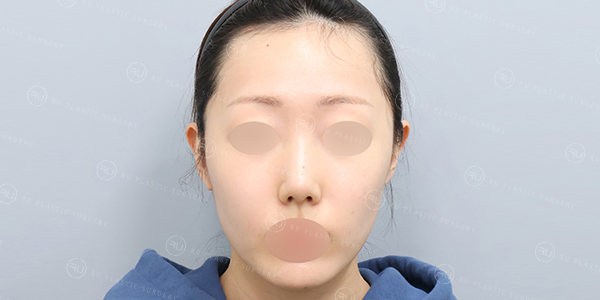
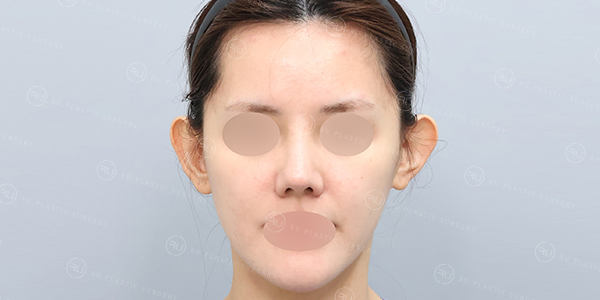
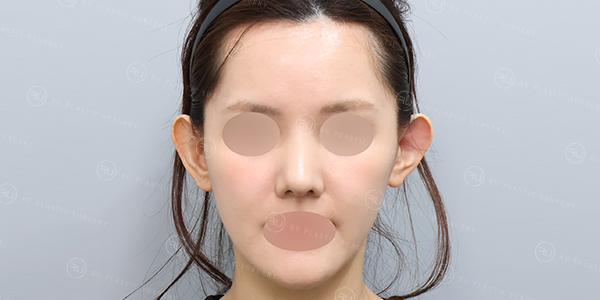
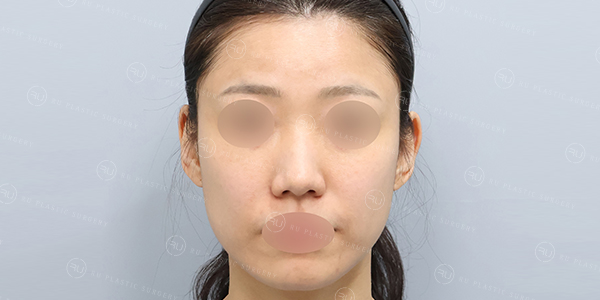
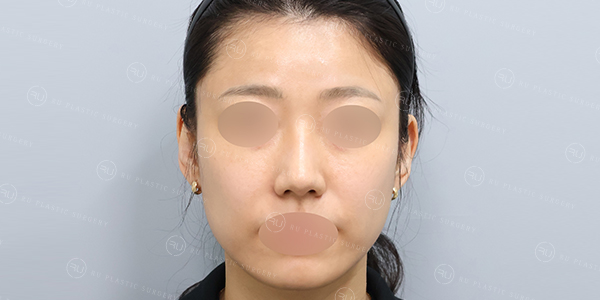
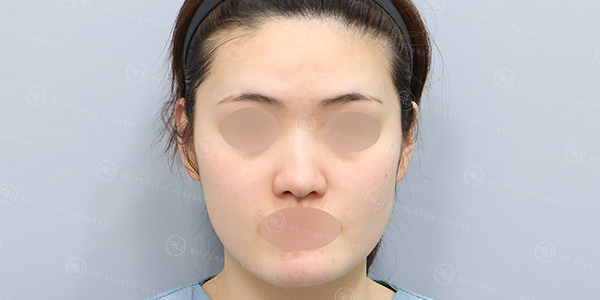
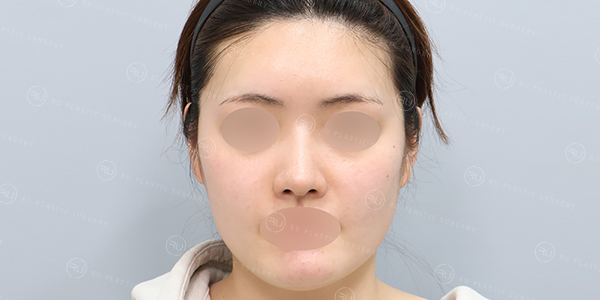
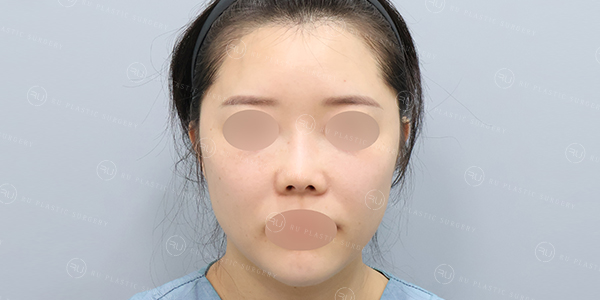
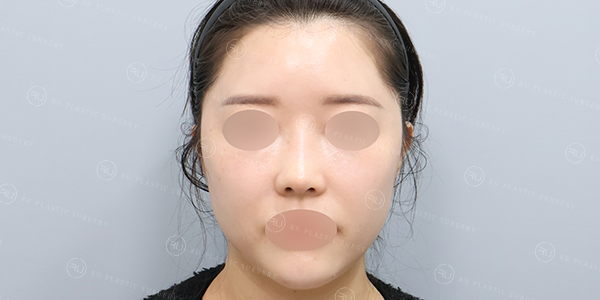
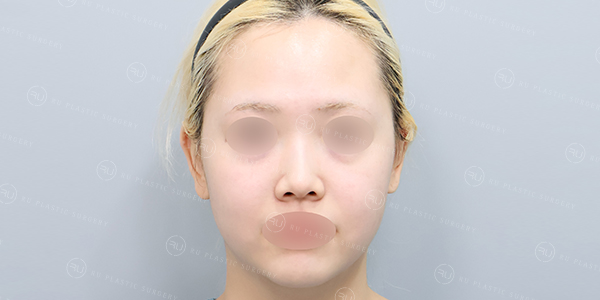
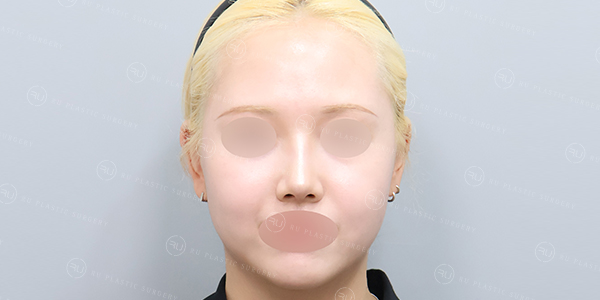
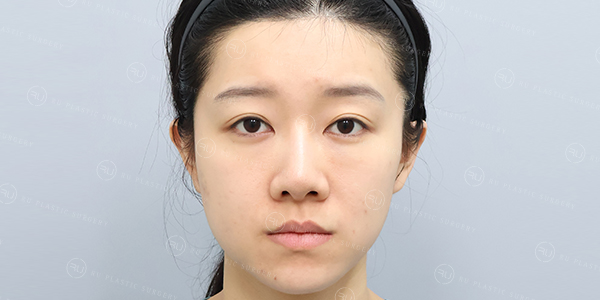
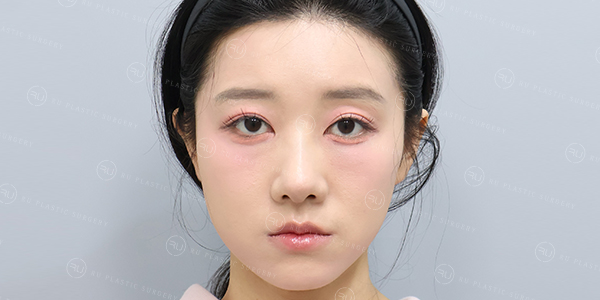
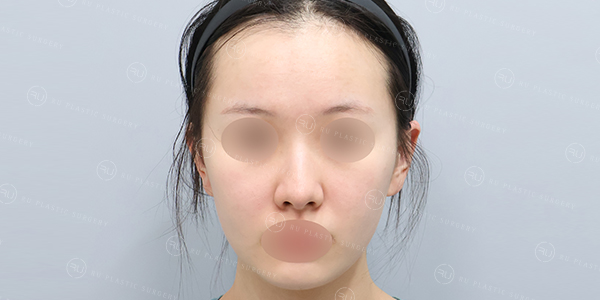
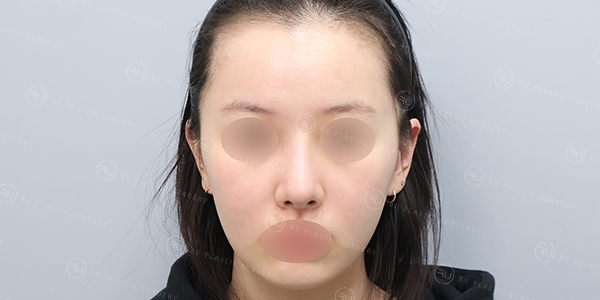
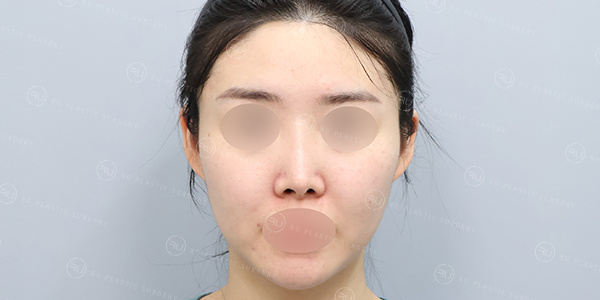
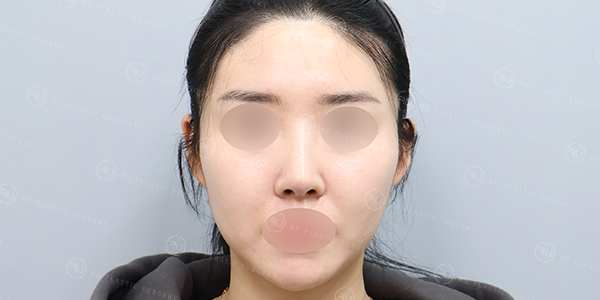
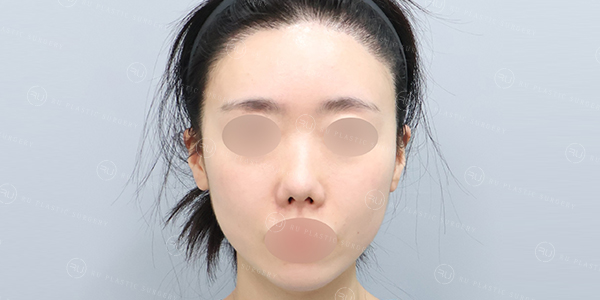
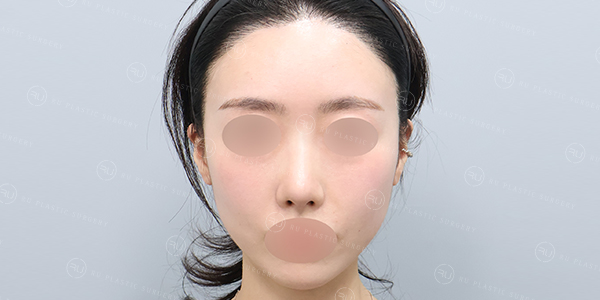
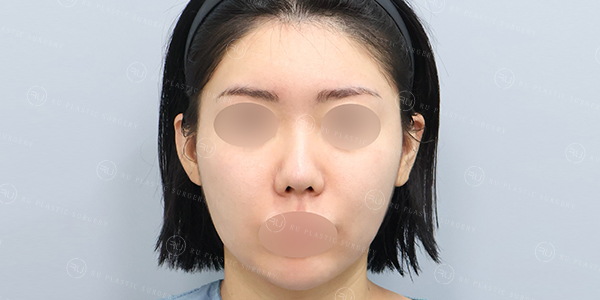
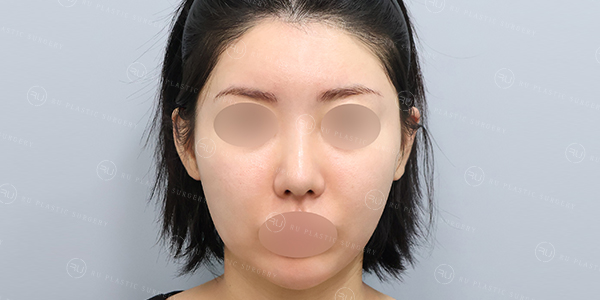
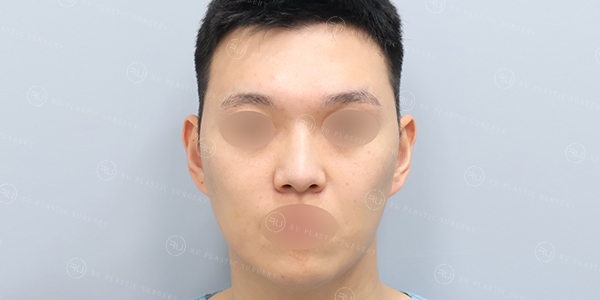
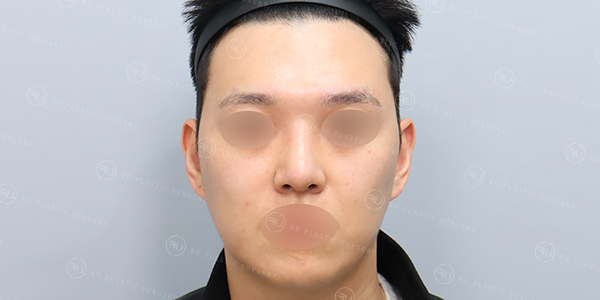
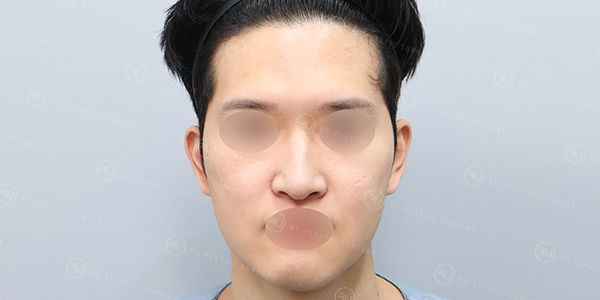
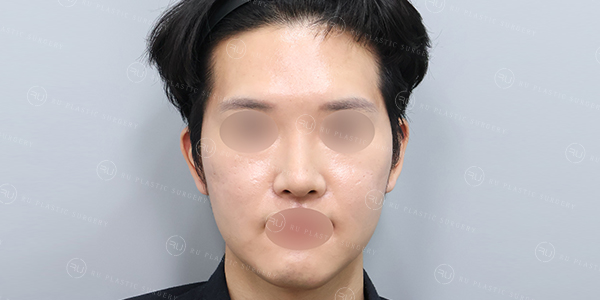
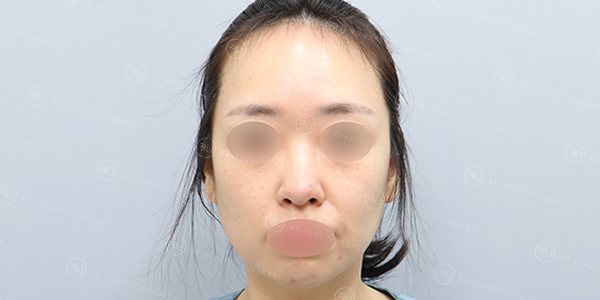
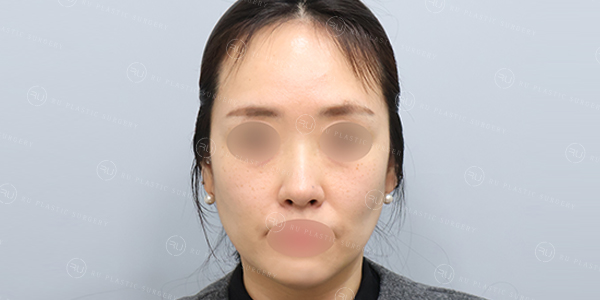
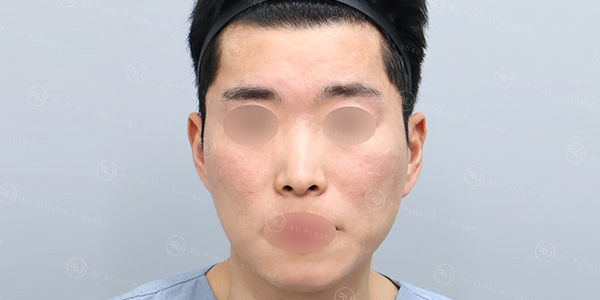
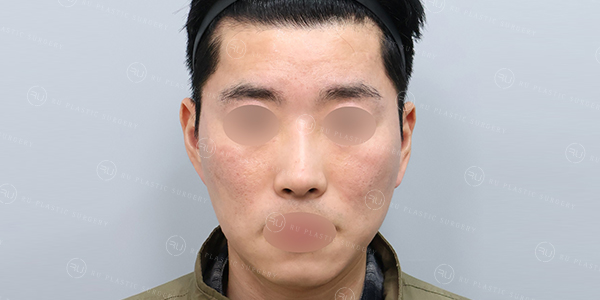
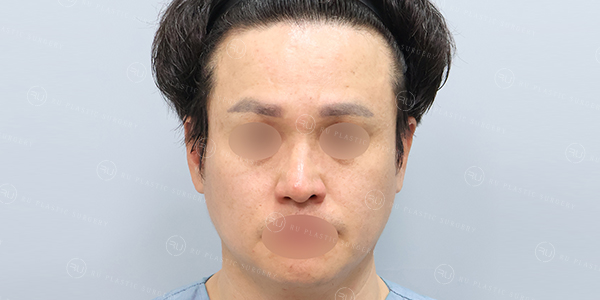
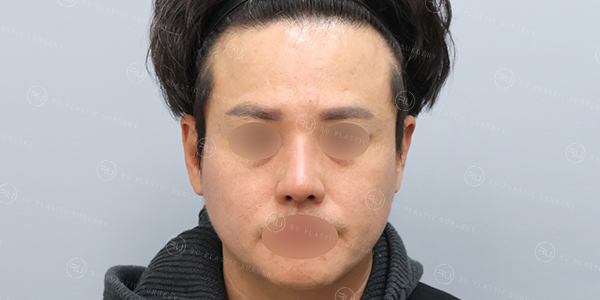
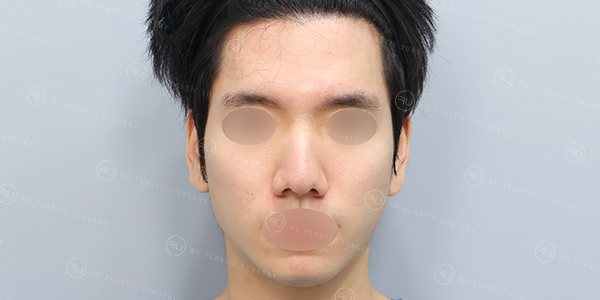
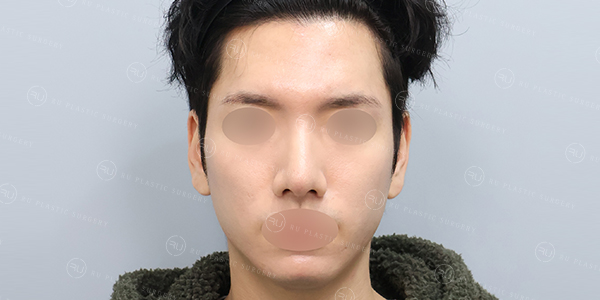
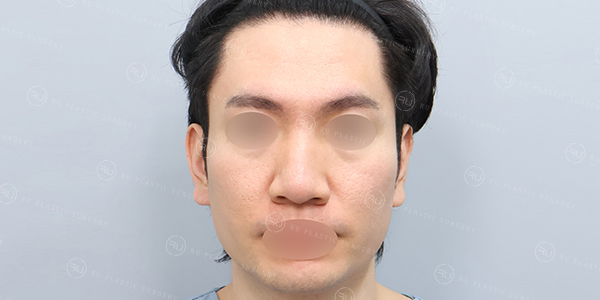
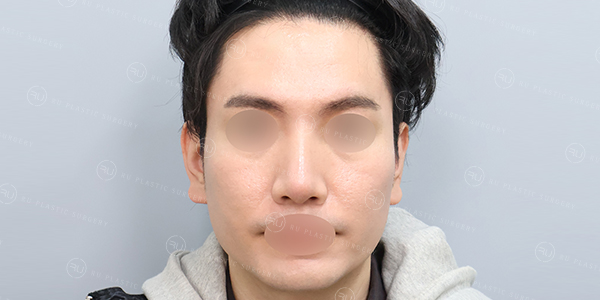
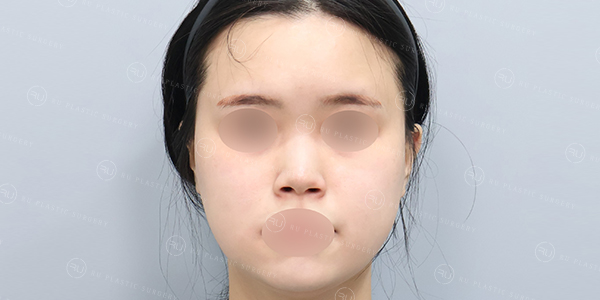
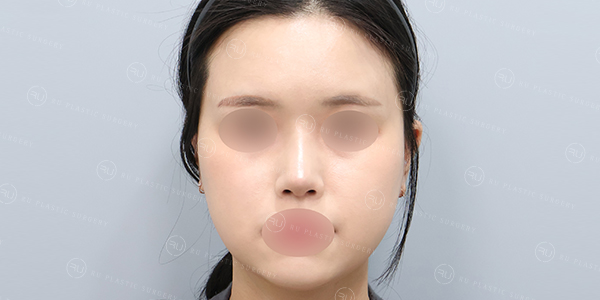
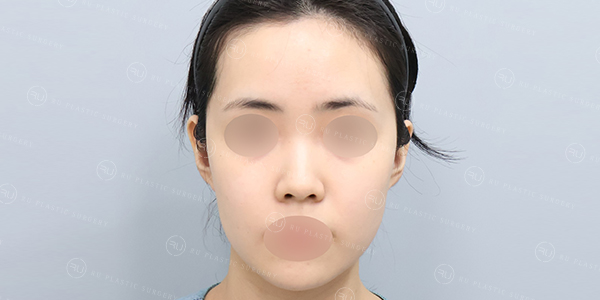
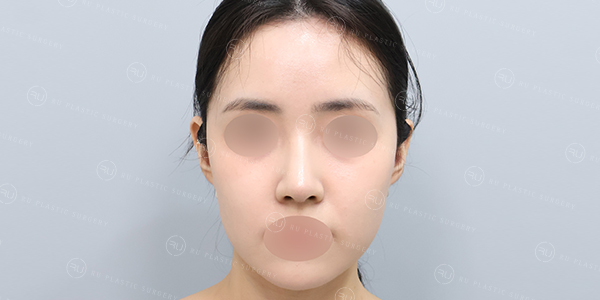
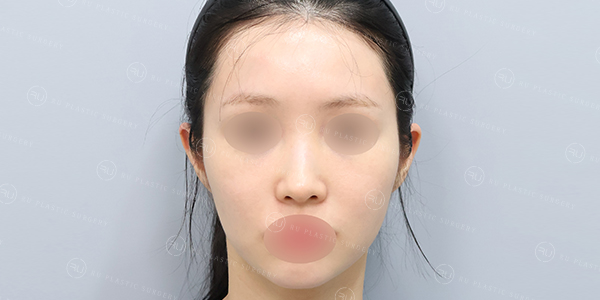
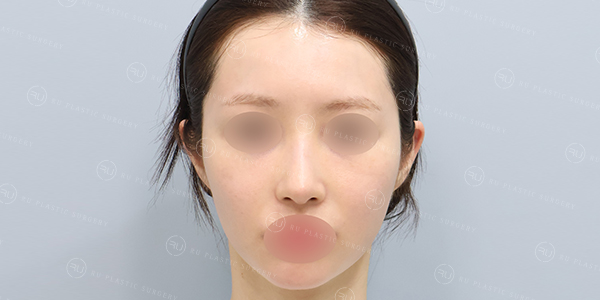
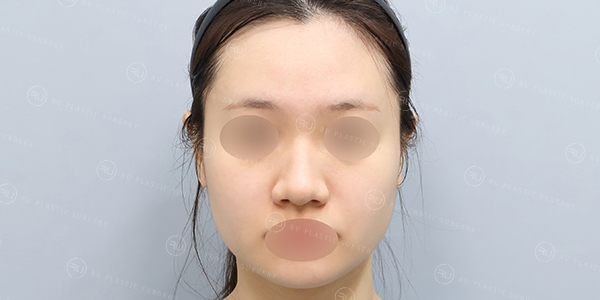
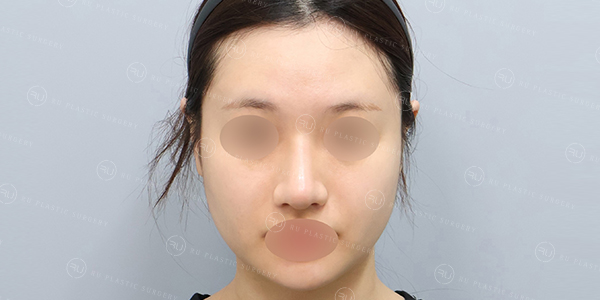
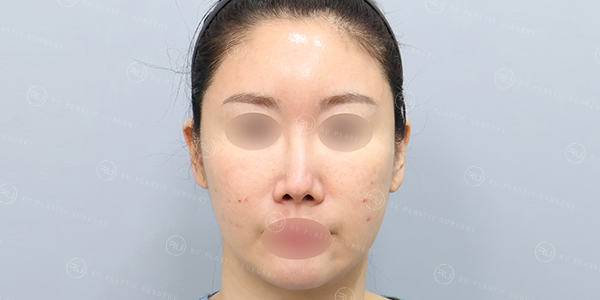
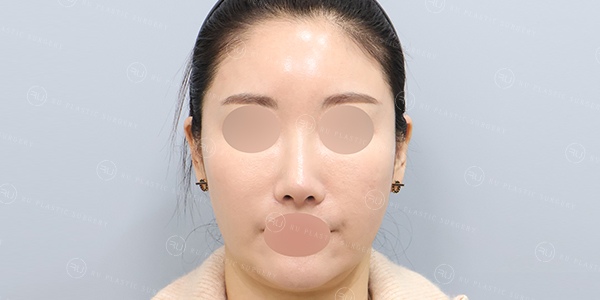
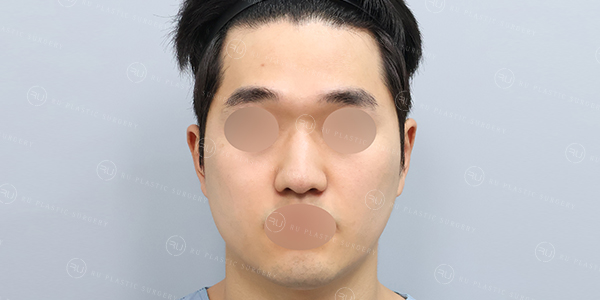
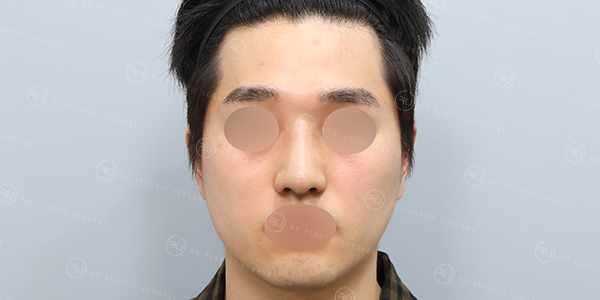
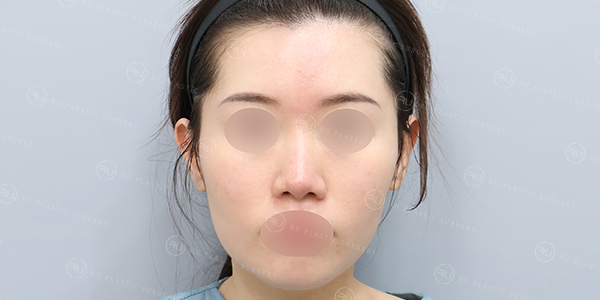
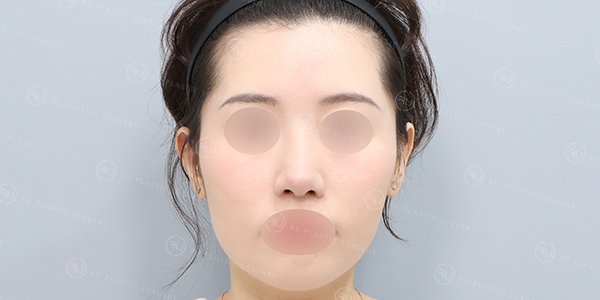
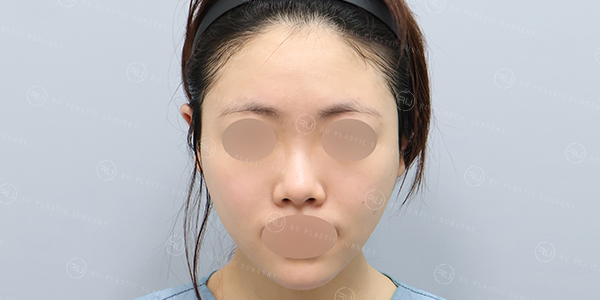
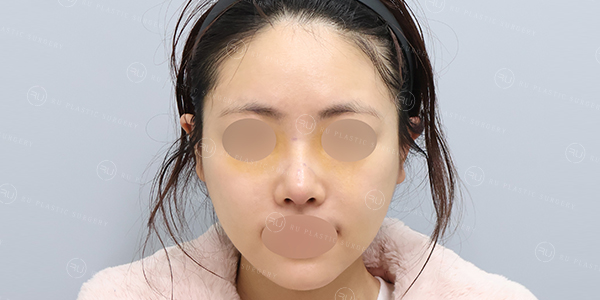
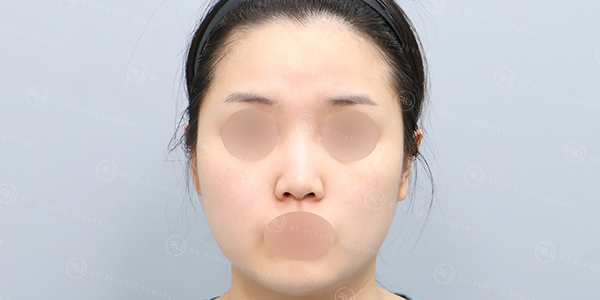
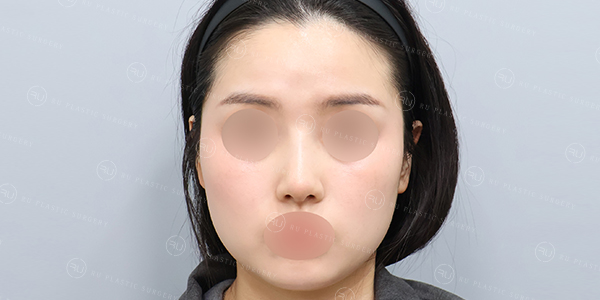
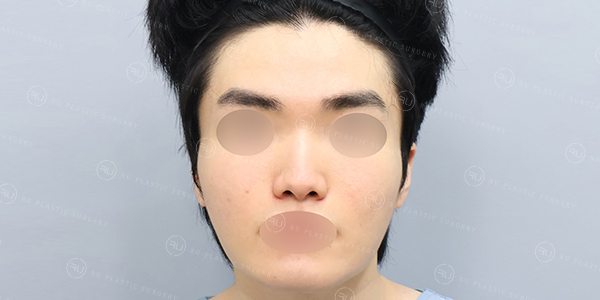
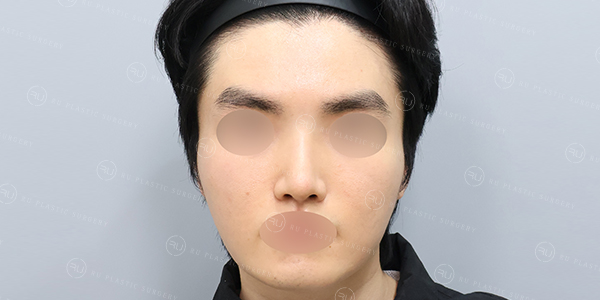
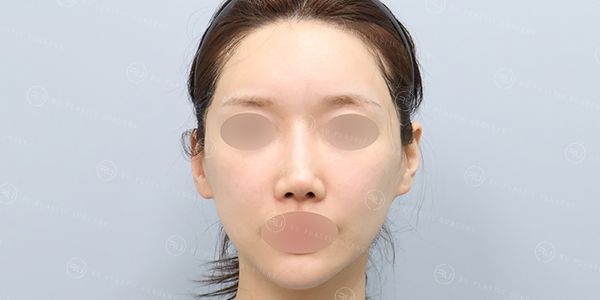
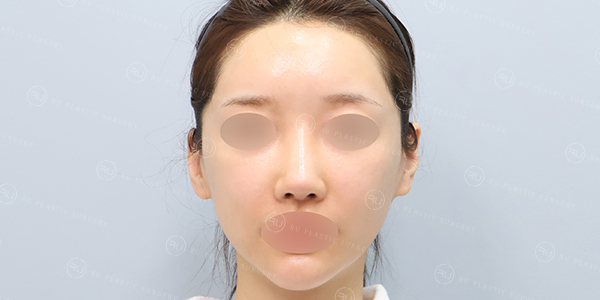
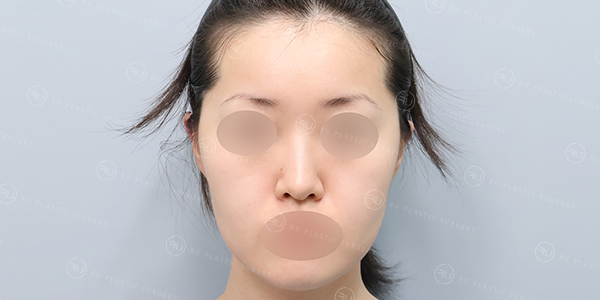
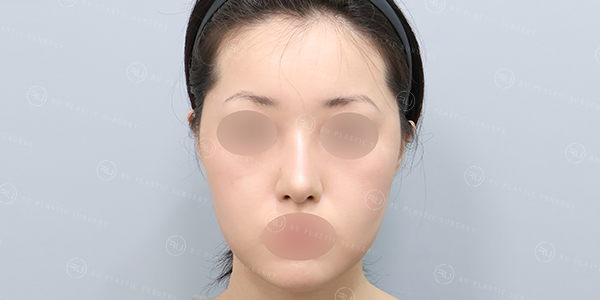
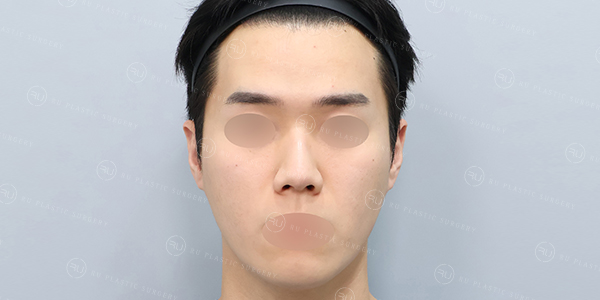
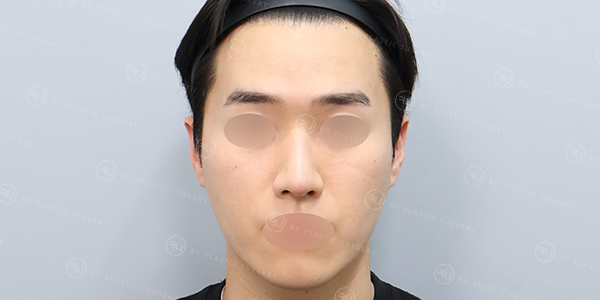
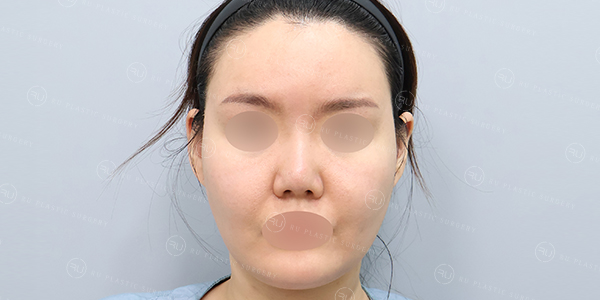
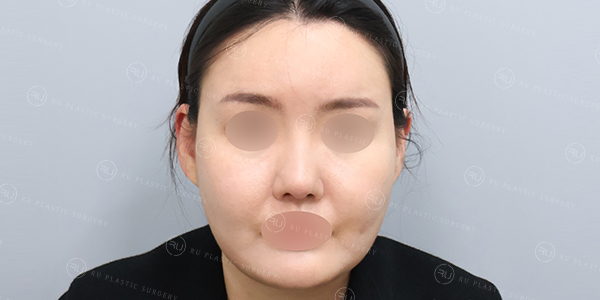
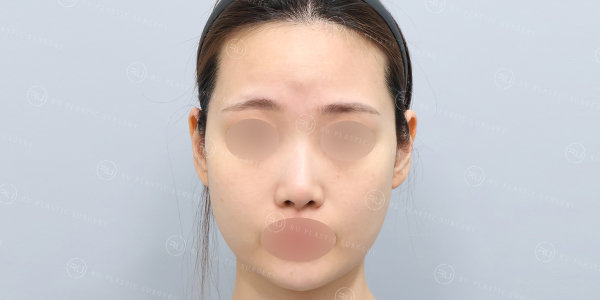
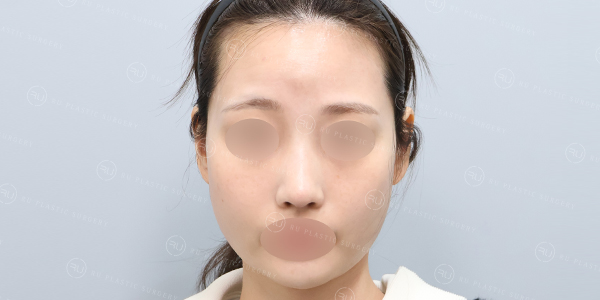
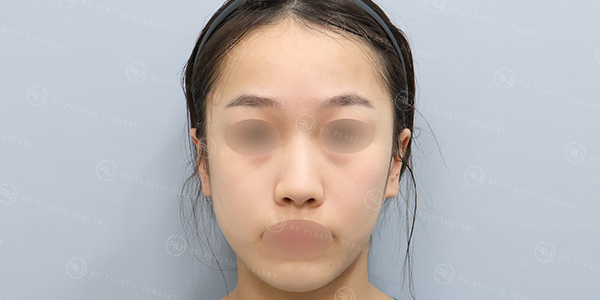
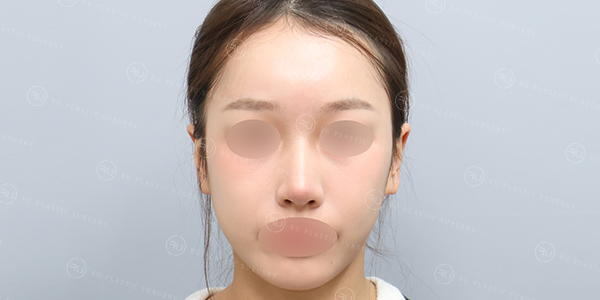
Before / 1M post-op
I had my first rhinoplasty about eight to nine years ago, but around two to three years ago, my nose began to become red, firm, and noticeably more upturned. Because of these changes, I eventually decided to undergo revision rhinoplasty.
My main concerns were the pinched appearance of my right nostril and the significantly upturned shape of my nose, both of which I hoped to improve through revision surgery.
Since this was a revision for nasal contracture, I wanted to find a clinic with extensive experience in complex contracture cases.
While researching through social media and cosmetic surgery review platforms, I frequently came across RU Plastic Surgery and saw many positive reviews involving nasal contracture reconstruction.
I scheduled a consultation and met directly with Dr. Hyunju Kim. He explained my condition and the surgical plan carefully and step by step, and I also felt reassured by the clinic’s approach to postoperative follow-up care.
After the consultation, I decided to proceed with removal of my existing silicone implant followed by revision surgery for the contracted nose.
I first underwent surgery to completely remove the previous nasal implant.
Afterward, I received stem cell injections approximately every two weeks for seven months as part of the preoperative treatment and monitoring process before proceeding with the definitive revision surgery.
For the revision rhinoplasty, both the nasal bridge and tip were reconstructed using only my own autologous rib cartilage.
For the bridge, diced rib cartilage was wrapped with scalp fascia using what the clinic explained to me as the DCF technique.
Additional procedures included nostril lowering, columellar lowering, nasolabial angle correction, and correction of the pinched nostril.
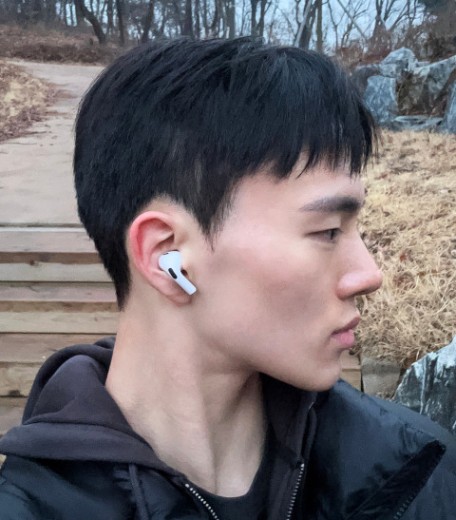
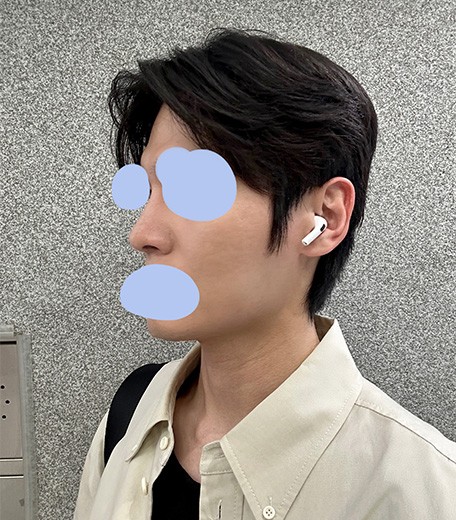
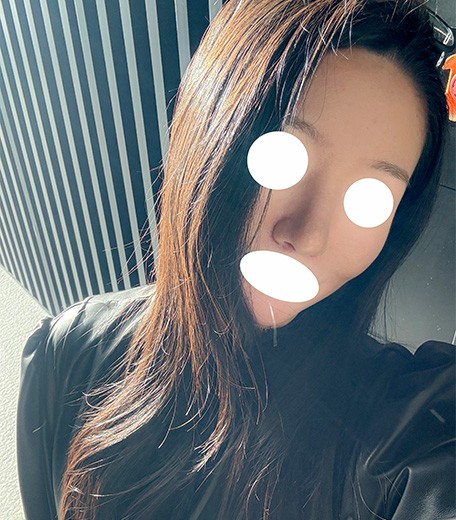
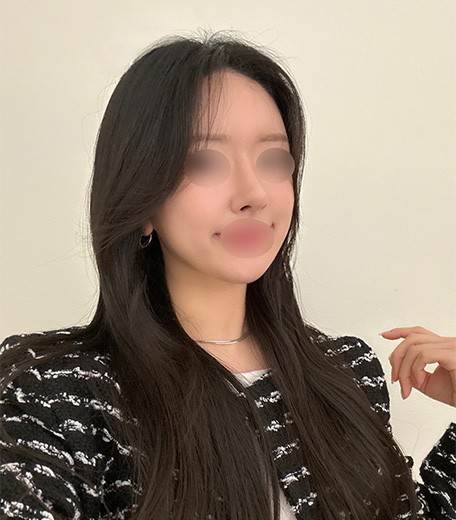
The photos were taken at approximately one month postoperatively.
A significant amount of the initial swelling has already subsided during the first month. During the first one to two weeks, I felt that my nose looked quite large because of the swelling, but it has already become noticeably smaller.
I was also told that the shape should continue to settle and become more natural as the remaining swelling gradually subsides, so for now, I feel reassured and am looking forward to seeing how the nose continues to change during recovery.